NihontoWatch MonNihontoWatch
マーケット
事典
鑑定
NihontoWatch MonNihontoWatch
マーケット
事典
鑑定

説明

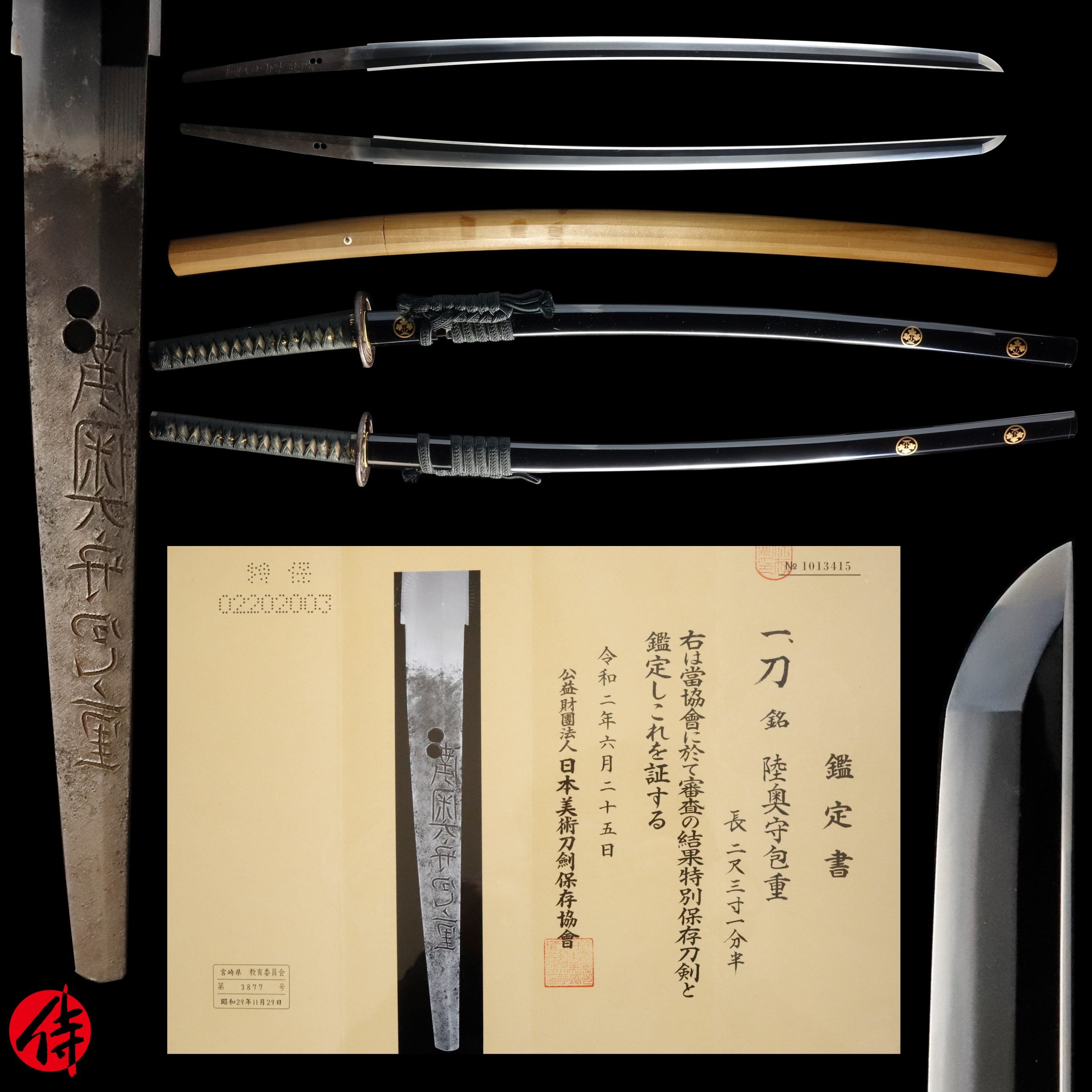
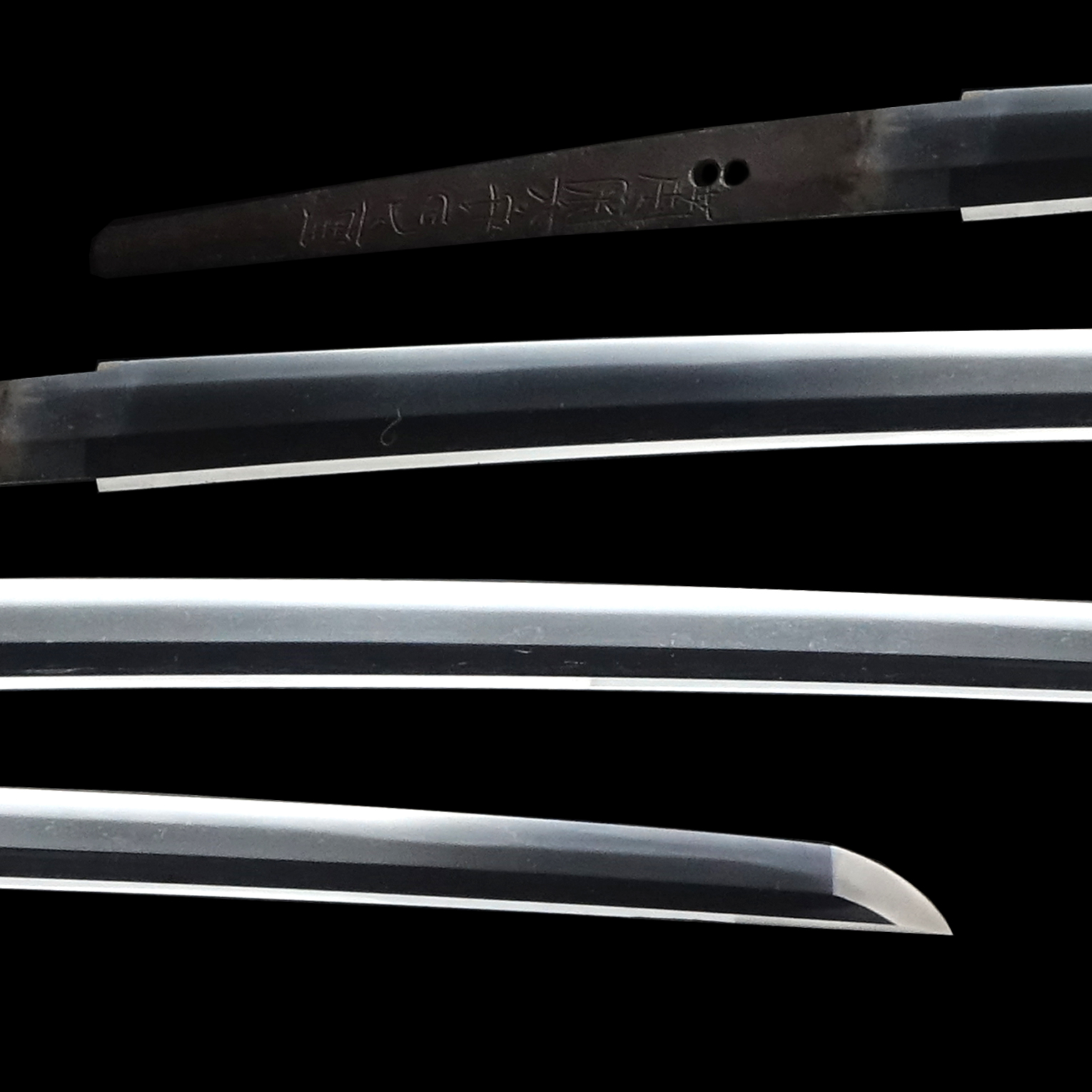
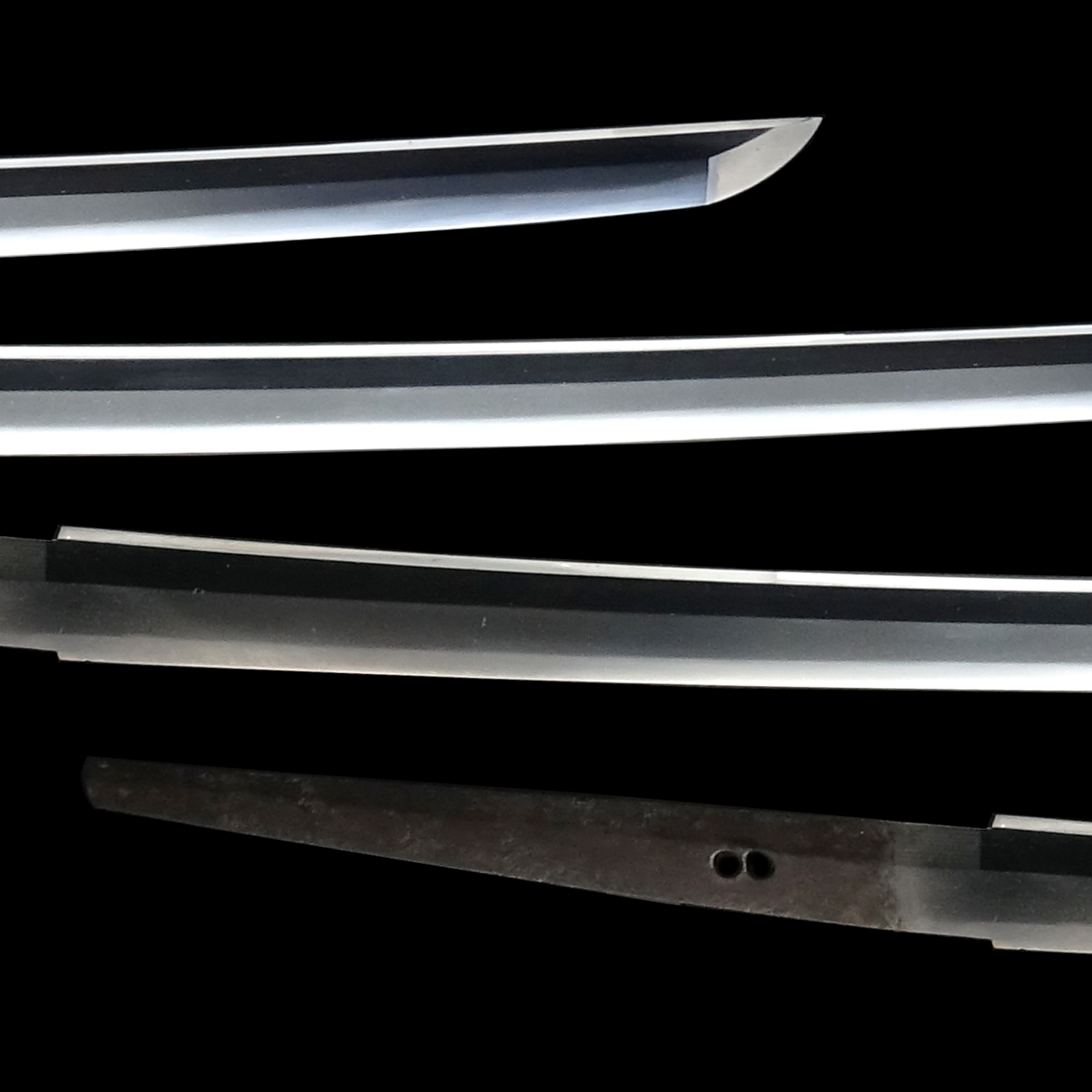
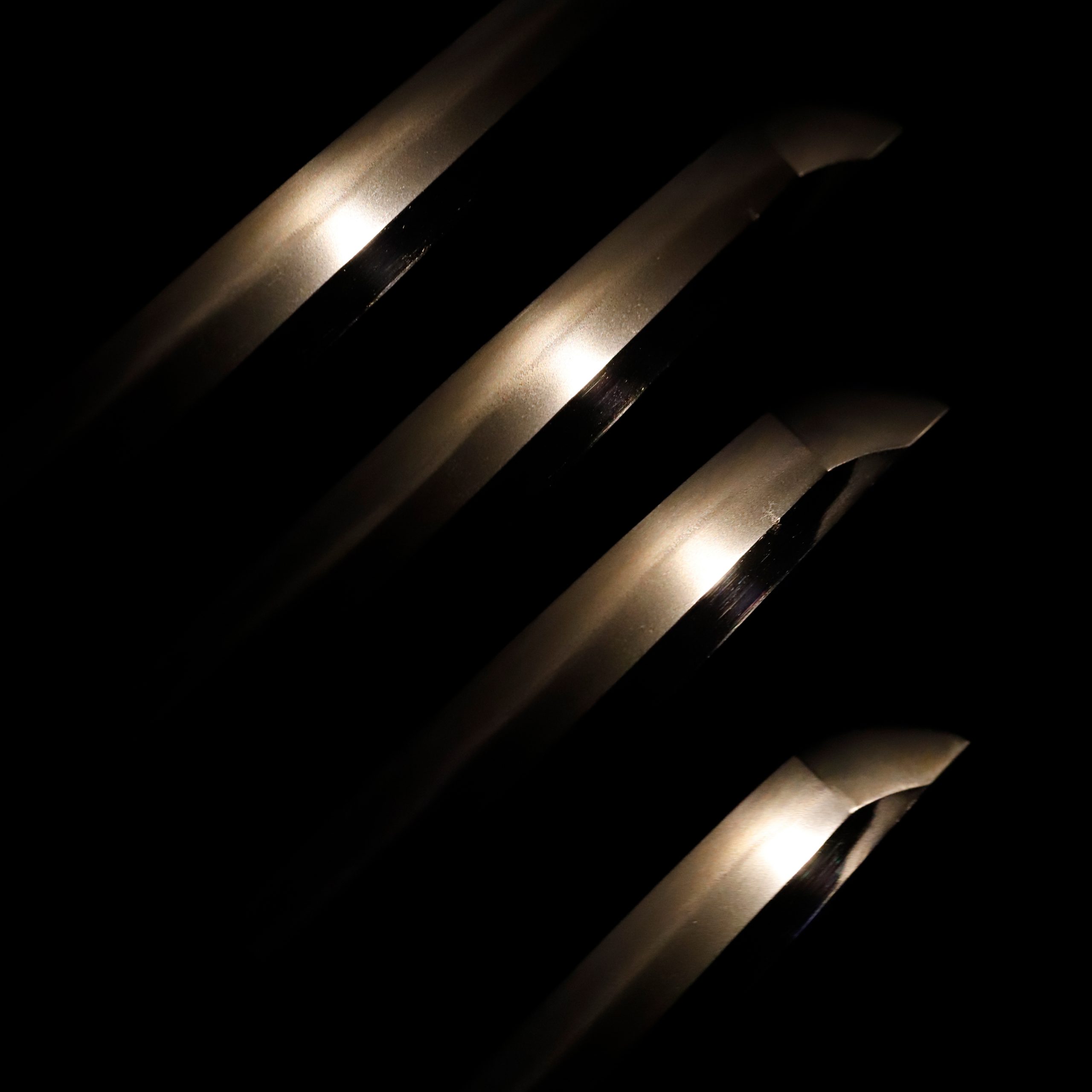
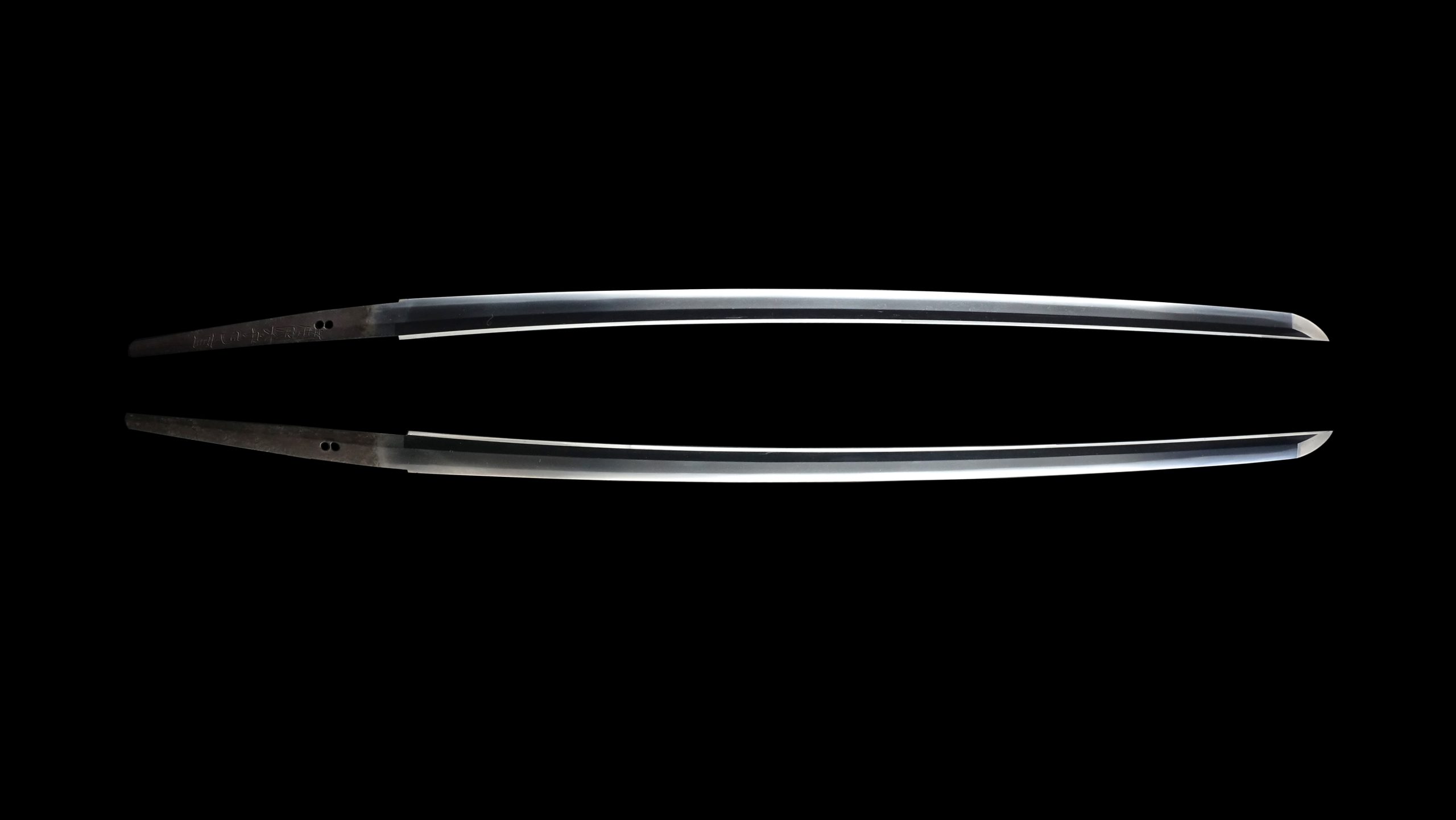
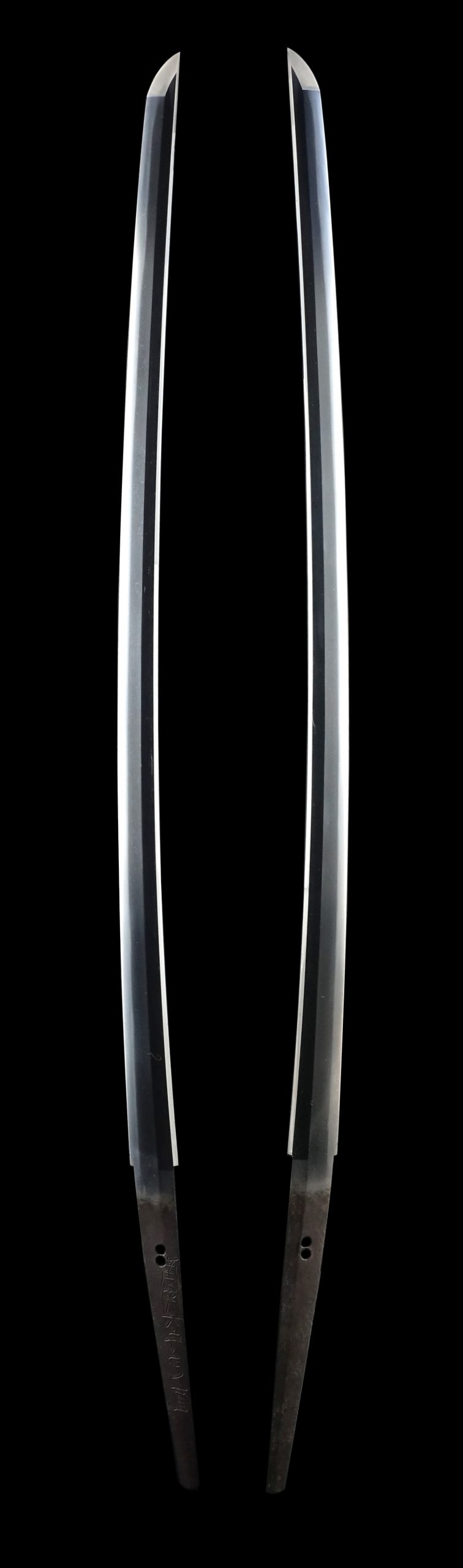
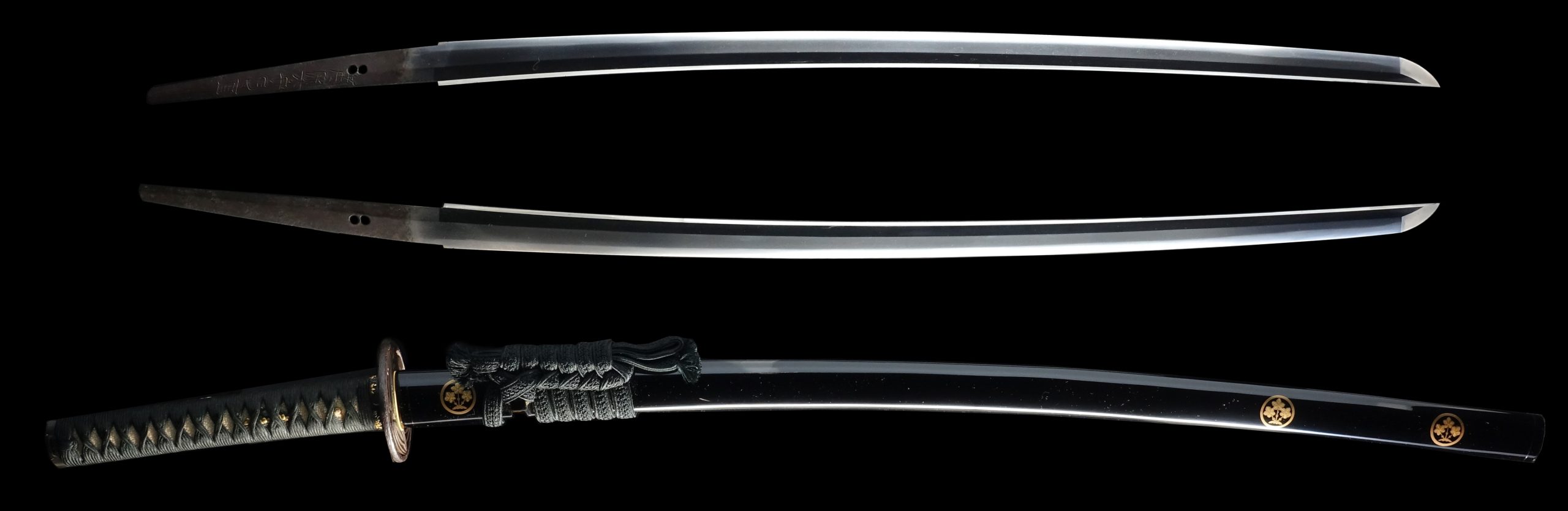
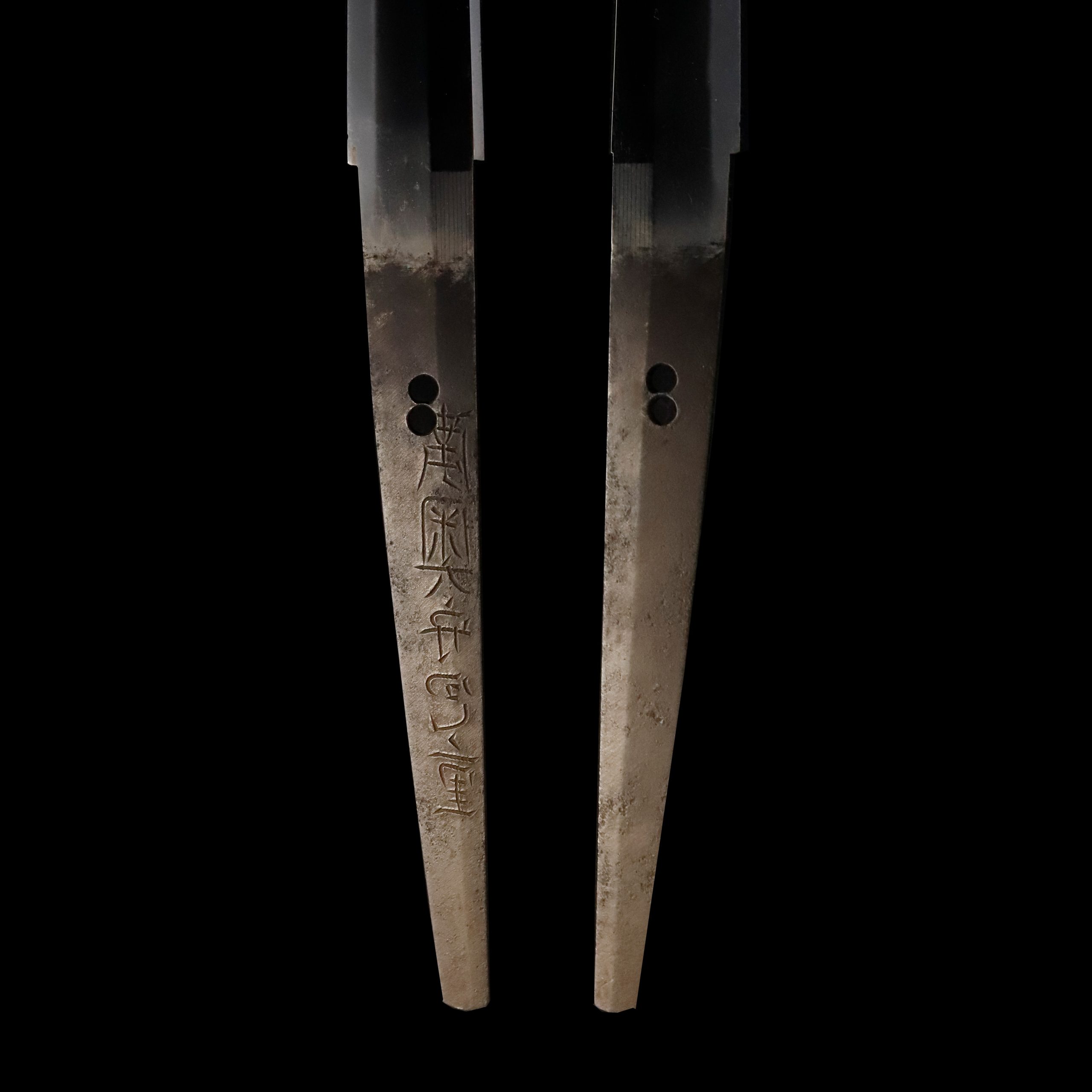
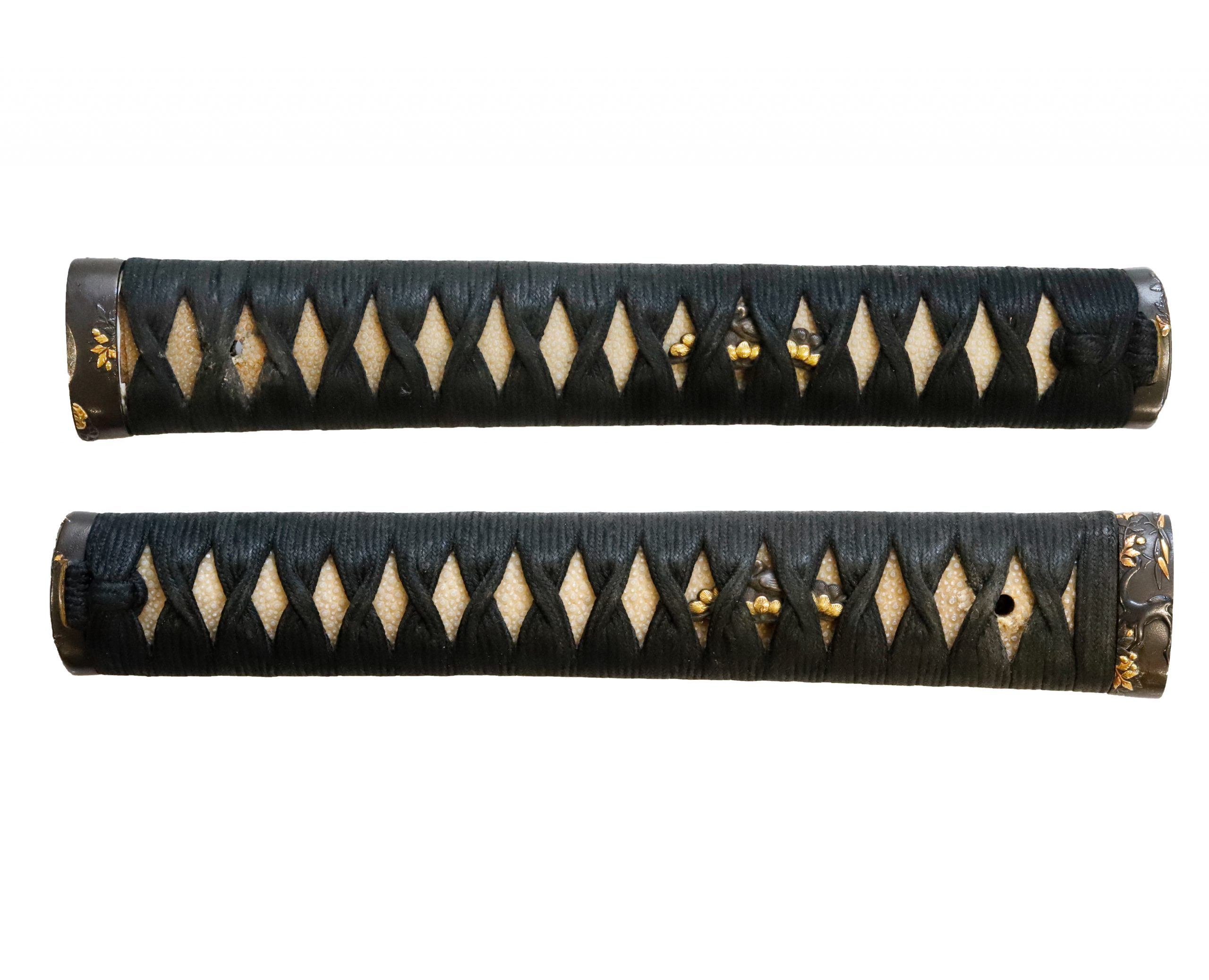
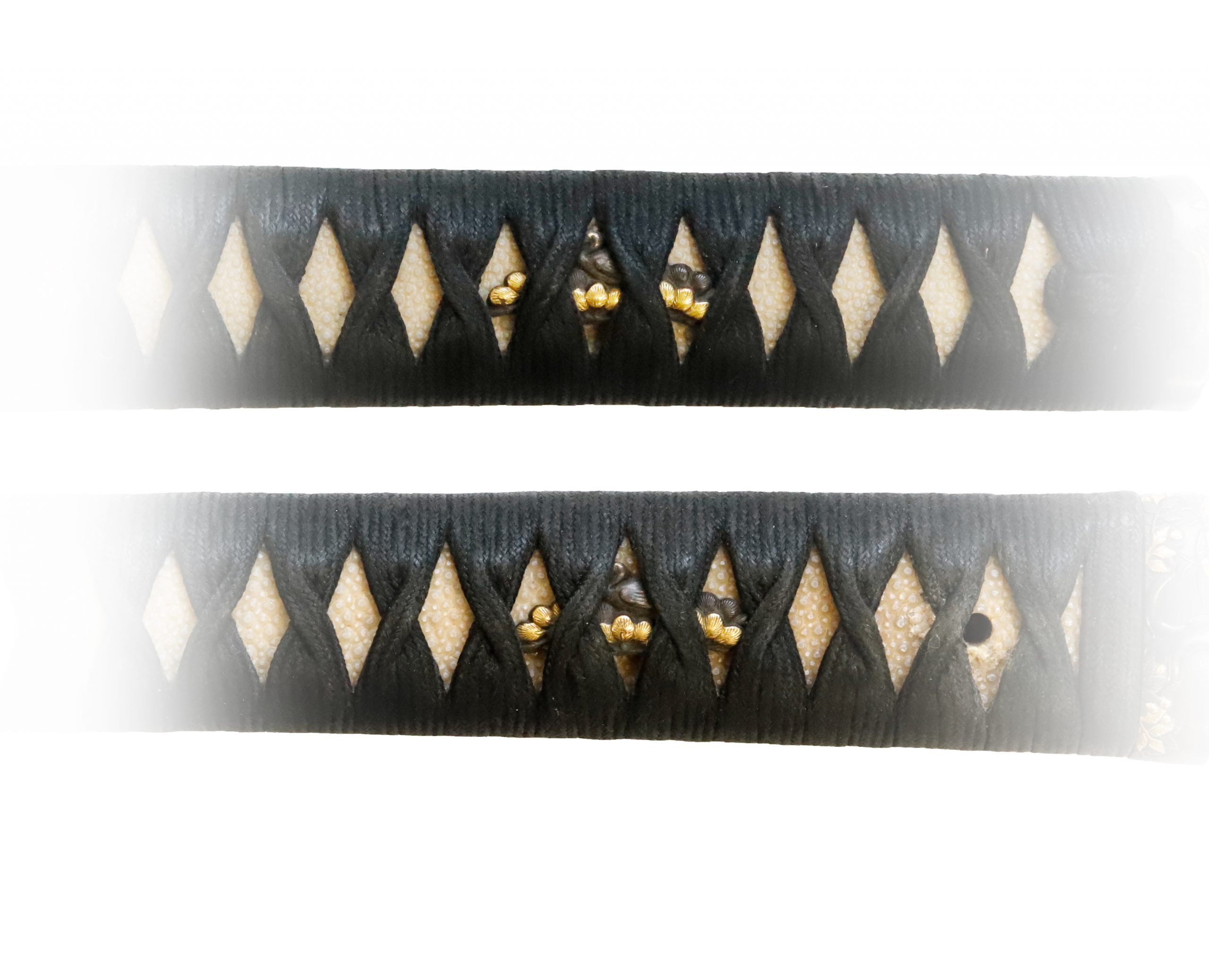
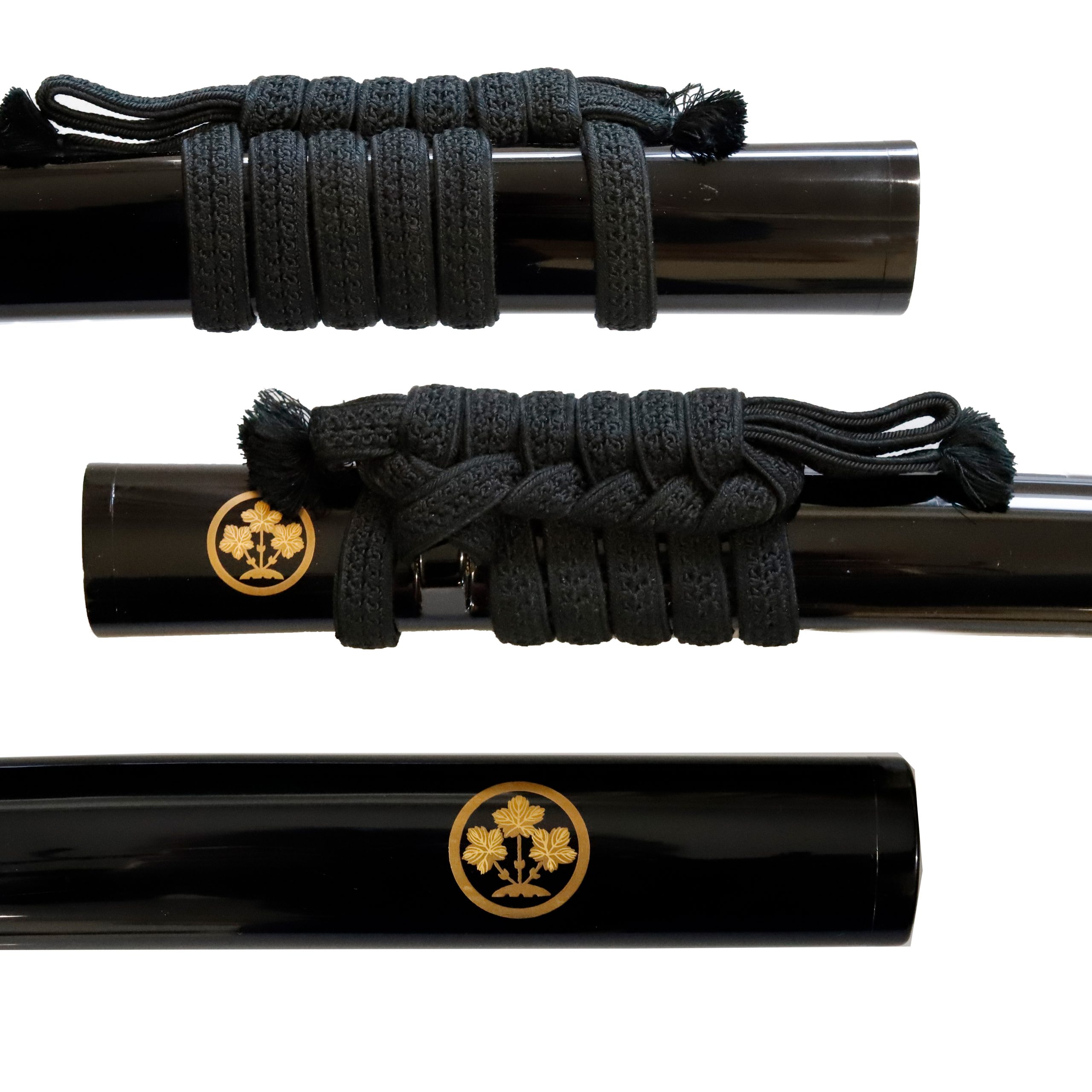
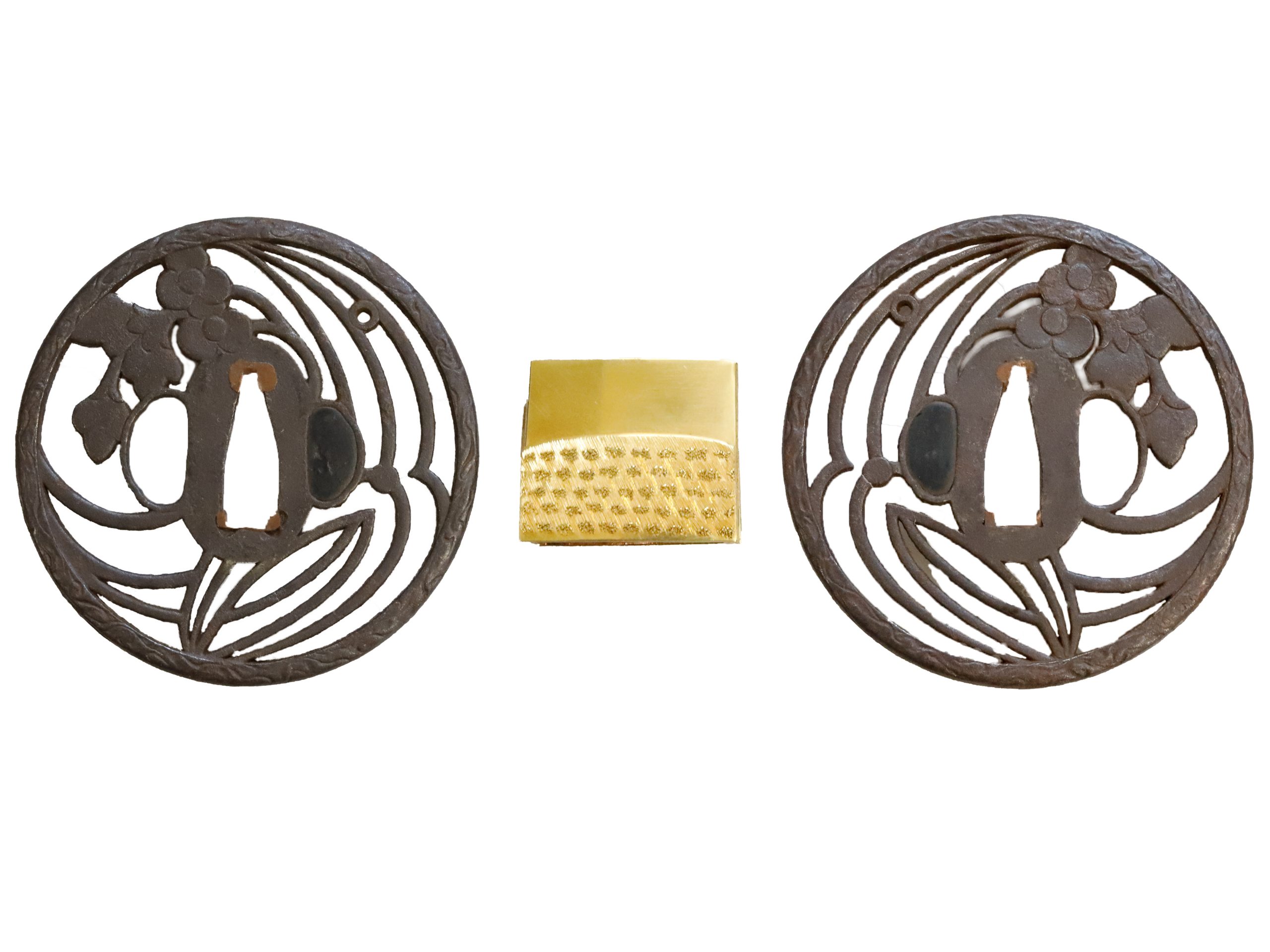
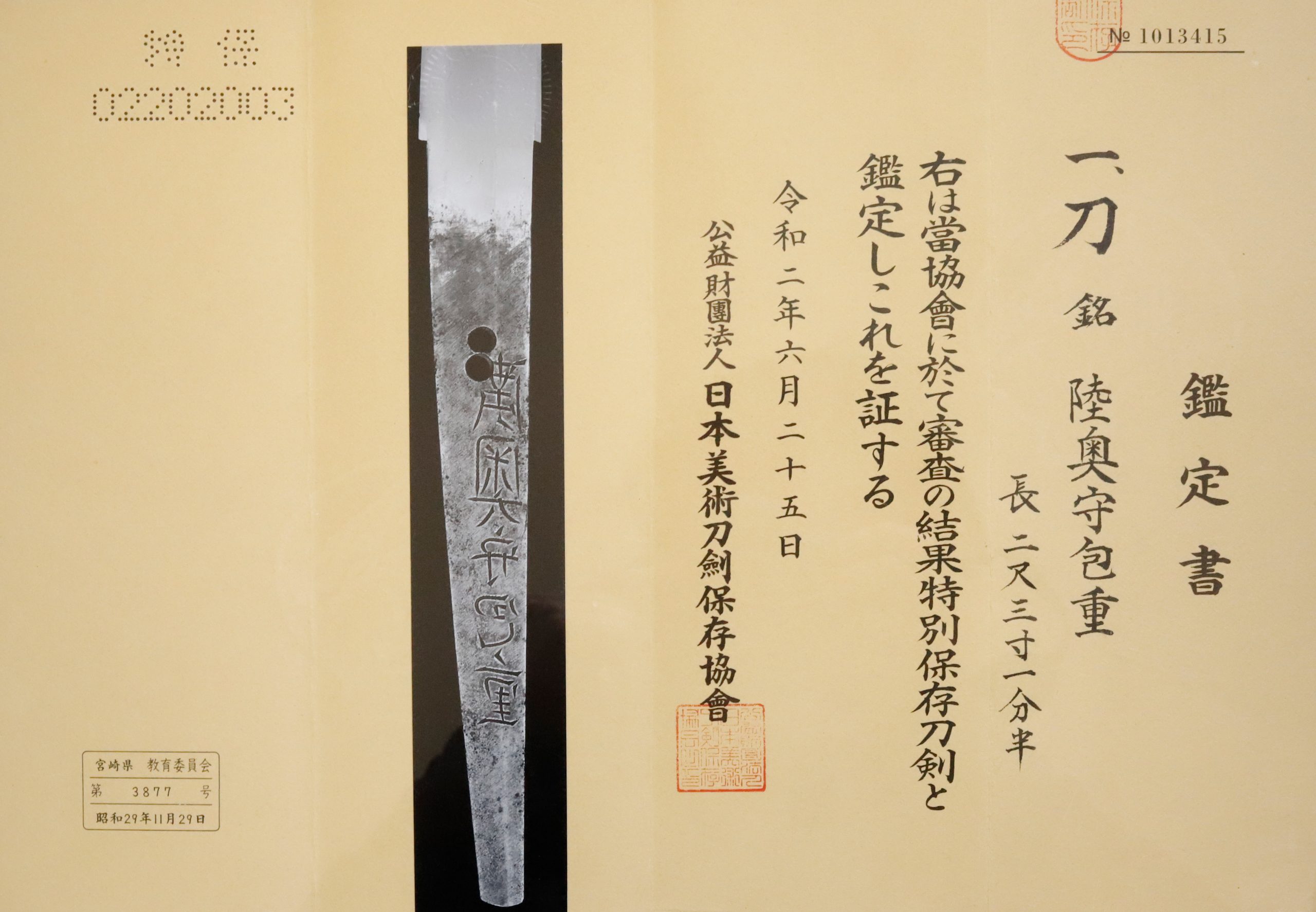
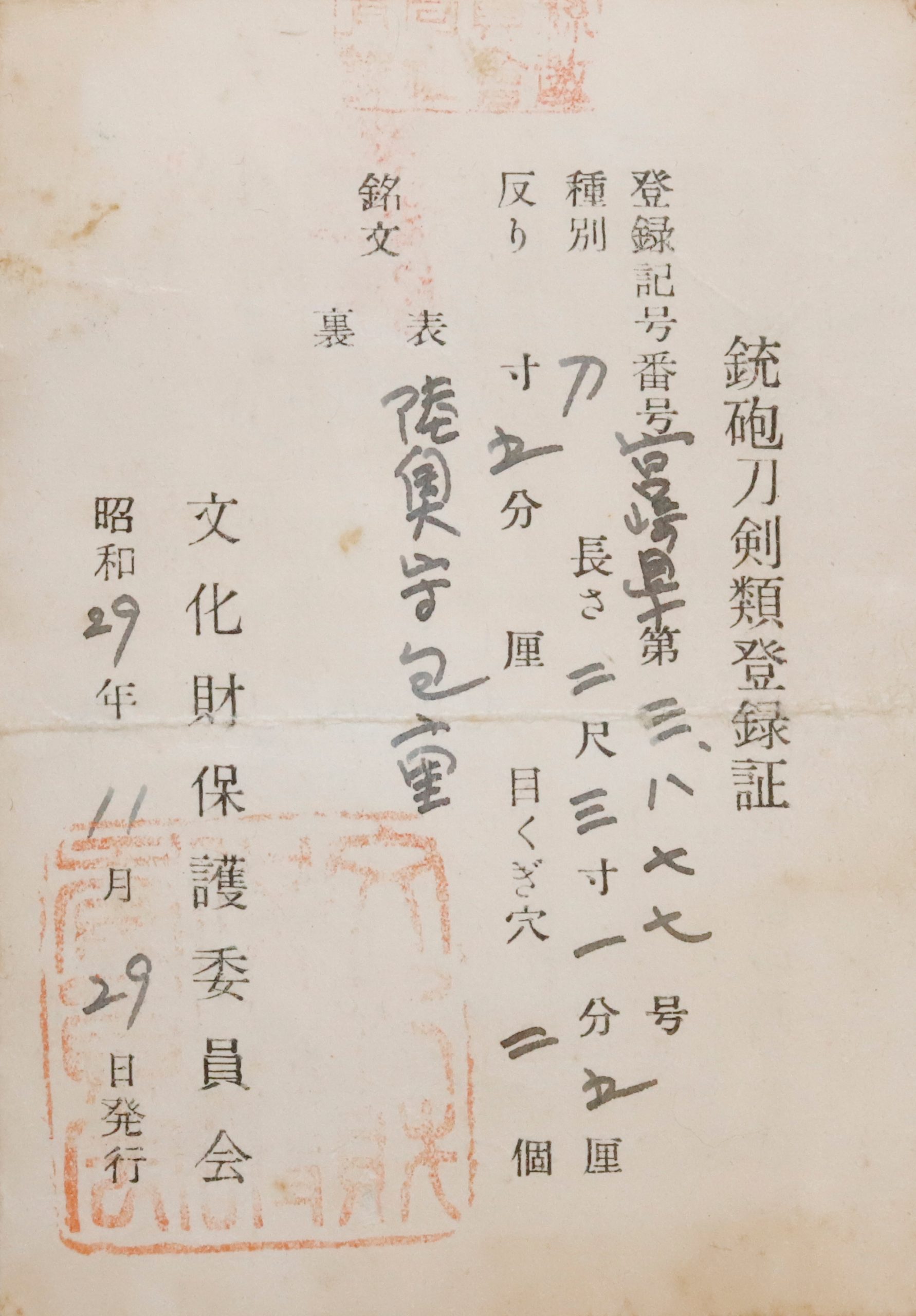
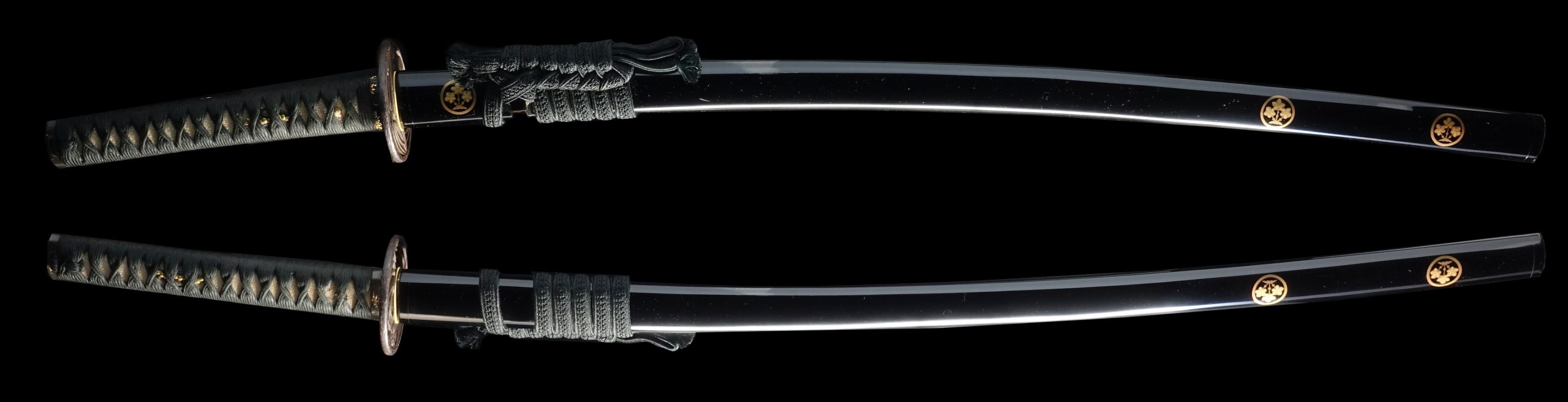
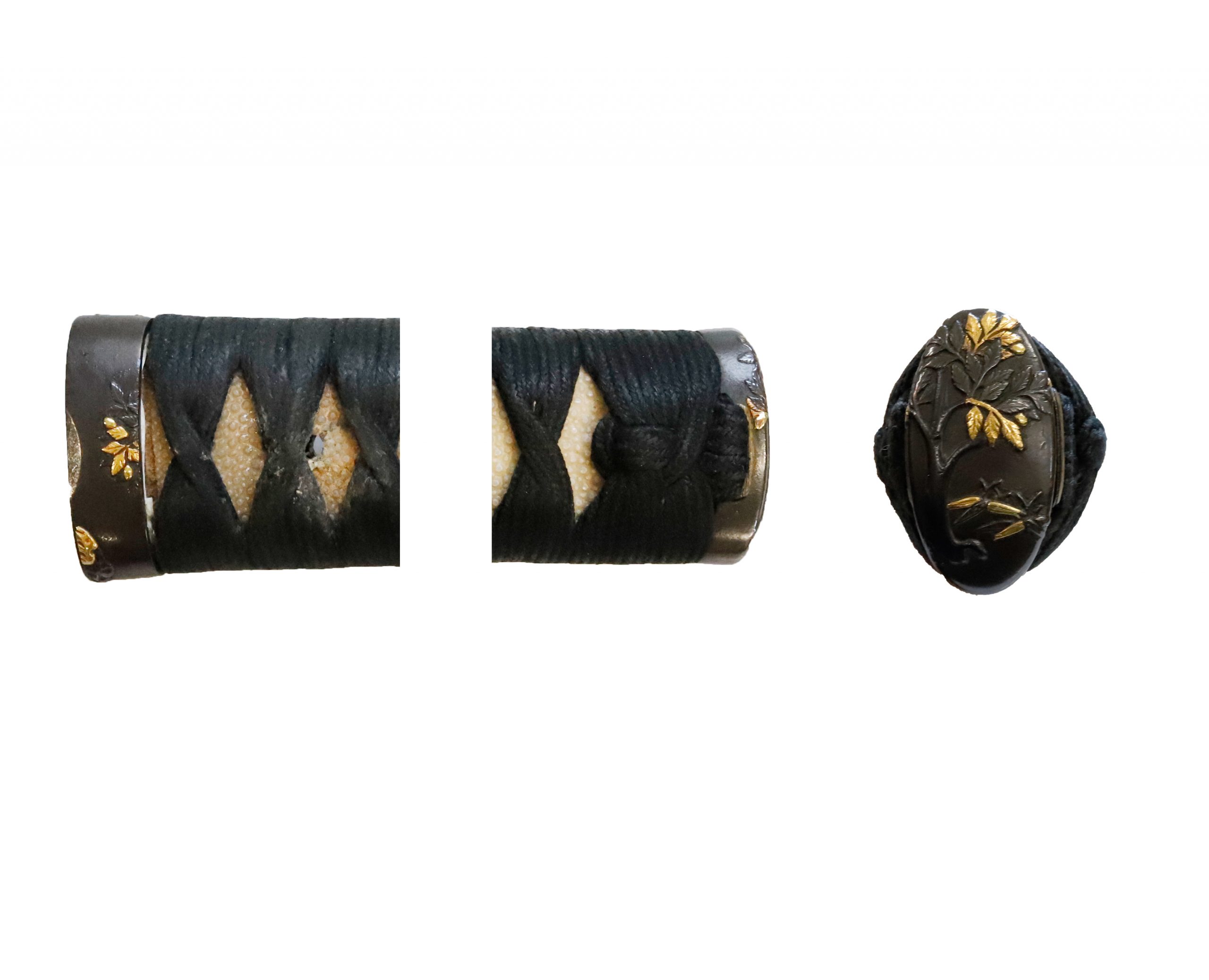
Antique Japanese Sword Katana Signed by Kaneshige with NBTHK Tokubetsu Hozon Certificate 【Description】 Kananeshige was the adopted son of the first-gen Mutsu no kami Kaneyasu, one of the most renowned swordsmiths in the early Edo period. Kanshige was originally from Tango province(northern part of Kyoto). He studied sword-forging technique as an apprentice under the first-gen Mutsu no Kami Kaneyasu(陸奥守包保). His master eventually adopted him, and he became the son of his master. Before taking over his adopted father’s business, he signed as Kaneshige(包重) backward like his left-handed master. As the signature was written backward in this blade, we believe this blade was forged when he was still an apprentice of the first-gen Kaneyasu. However, he changed his signature to Kaneyasu(包保) and signed in a usual way after taking over his master’s smith name. For those reasons, he is called 右陸奥(Right Mutsu), while his master is called Left Mutsu. He mostly forged swords in Edo and Osaka city. Later in his career, he exclusively served the Mizuno clan in Matsumoto castle in Nagano prefecture with his adopted father. He forged swords during 1661-1689(The early Edo Period: late 17th century) based on the remaining works. The blade is appraised as Tokubetsu Hozon certificate issued by NBTHK. This authentication paper was only given to Japanese swords, especially worth preserving by Nihon Bijutsu Touken Hozon Kyokai(the Society for the Preservation of the Japan Art Sword). It has beautiful Suguha Hamon(straight tempering line) and intricate Jihada. 【 Blade】 Cutting Edge Length(Nagasa) : 70.1 cm( 27.6 inches) Curvature(Sori) : 1.5 cm(0.6 inches) Hamon : The crystalline structure which forms along the cutting edge of a blade as a result of the hardening process Jimon(Jihada) : visible steel surface pattern created by folding and hammering during forging process Nakago : Nakago is the tang of the Japanese sword. Japanese swordsmiths left the black rust on the tang because it prevents red rust while the tang is in its handle. And the discoloration of the tang was created over time, and it is a great indicator for a Japanese sword specialist to estimate when the sword was forged. Koshirae: Koshirae is the mounting of the Japanese sword. There are several parts that consist of Koshirae such as Saya(Sabbard), Tsuka( Handle), Tsuba(Handguard). Fuchi-Kashira : A pair of matching sword fittings that cover the upper and bottom parts of its sword hilt. Several plants are designed for this Fuchi Kashira. Some parts of them are colored with gold, so that these motifs might have been originally inlaid with gold. Tsuka and Menuki : Tsuka is the handle of the Japanese sword and Menuki is its decoration. A kind of plant is the motif of this Menuki as well as Fuchi Kashira. Also, there might be a bird that rests on the plant. This plant might be a pine tree. As pine trees keep their green color throughout the years by withstanding severe heat and cold, this plant pattern represents eternal youth. Furthermore, its color is called Tokiwa-Iro (常盤色, evergreen trees’ dark green color with brown). It is said this color was appreciated, especially in the Edo period, as a good-luck color. The pine tree design gives us an elegant and noble impression. Tsuba and Habaki : Tsuba is the handguard for the Japanese Sword and Habaki is the equipment to make the blade not touch its scabbard inside. It prevents the blade from getting rusty and chipped. Circle-shaped Tsuba made from iron. The flower pattern is engraved for this Tsuba; this plant might be Suisen (水仙, narcissus). According to a theory, this flower’s shape was likened to the figure of Sennin (仙人, mountain hermit) who stands still on the Mizube (水辺, waterside); therefore, narcissus was named “水仙.” It is unknown when narcissus was brought to Japan, but it became popular in the Edo period. The then famous painters liked to depict this flower in their works. Also, the narcissus pattern was designed for various items s

NihontoWatch MonNihontoWatch
MarketEncyclopediaKantei
刀剣›包重›Antique Japanese Sword Katana Signed by Kaneshige NBTHK Tokubetsu Hozon Certificate
刀特別保存
包重

Antique Japanese Sword Katana Signed by Kaneshige NBTHK Tokubetsu Hozon Certificate

在銘 · 寛文 · 長さ 70.1cm · 反り 1.5cm
売却済
包重 · 寛文販売中 1点 →
刀
刀身だけで刀工を見抜けますか? 本日の鑑定 →
包重 — 1 of 17
包重 — 2 of 17
包重 — 3 of 17
包重 — 4 of 17
包重 — 5 of 17
包重 — 6 of 17
包重 — 7 of 17
包重 — 8 of 17
包重 — 9 of 17
包重 — 10 of 17
包重 — 11 of 17
包重 — 12 of 17
包重 — 13 of 17
包重 — 14 of 17
包重 — 15 of 17
包重 — 16 of 17
包重 — 17 of 17
1 / 17
1 / 17
包重 — 1 of 17包重 — 2 of 17包重 — 3 of 17包重 — 4 of 17包重 — 5 of 17包重 — 6 of 17包重 — 7 of 17包重 — 8 of 17包重 — 9 of 17包重 — 10 of 17包重 — 11 of 17包重 — 12 of 17包重 — 13 of 17包重 — 14 of 17包重 — 15 of 17包重 — 16 of 17包重 — 17 of 17
包重 · 寛文販売中 1点 →
刀
刀身だけで刀工を見抜けますか? 本日の鑑定 →
法量・詳細
刀工
包重
種別
刀
活動期
1661–1673年頃(Kanbun)
国
摂津
銘
在銘
法量
長さ 70.1cm反り 1.5cm
説明

Antique Japanese Sword Katana Signed by Kaneshige with NBTHK Tokubetsu Hozon Certificate 【Description】 Kananeshige was the adopted son of the first-gen Mutsu no kami Kaneyasu, one of the most renowned swordsmiths in the early Edo period. Kanshige was originally from Tango province(northern part of Kyoto). He studied sword-forging technique as an apprentice under the first-gen Mutsu no Kami Kaneyasu(陸奥守包保). His master eventually adopted him, and he became the son of his master. Before taking over his adopted father’s business, he signed as Kaneshige(包重) backward like his left-handed master. As the signature was written backward in this blade, we believe this blade was forged when he was still an apprentice of the first-gen Kaneyasu. However, he changed his signature to Kaneyasu(包保) and signed in a usual way after taking over his master’s smith name. For those reasons, he is called 右陸奥(Right Mutsu), while his master is called Left Mutsu. He mostly forged swords in Edo and Osaka city. Later in his career, he exclusively served the Mizuno clan in Matsumoto castle in Nagano prefecture with his adopted father. He forged swords during 1661-1689(The early Edo Period: late 17th century) based on the remaining works. The blade is appraised as Tokubetsu Hozon certificate issued by NBTHK. This authentication paper was only given to Japanese swords, especially worth preserving by Nihon Bijutsu Touken Hozon Kyokai(the Society for the Preservation of the Japan Art Sword). It has beautiful Suguha Hamon(straight tempering line) and intricate Jihada. 【 Blade】 Cutting Edge Length(Nagasa) : 70.1 cm( 27.6 inches) Curvature(Sori) : 1.5 cm(0.6 inches) Hamon : The crystalline structure which forms along the cutting edge of a blade as a result of the hardening process Jimon(Jihada) : visible steel surface pattern created by folding and hammering during forging process Nakago : Nakago is the tang of the Japanese sword. Japanese swordsmiths left the black rust on the tang because it prevents red rust while the tang is in its handle. And the discoloration of the tang was created over time, and it is a great indicator for a Japanese sword specialist to estimate when the sword was forged. Koshirae: Koshirae is the mounting of the Japanese sword. There are several parts that consist of Koshirae such as Saya(Sabbard), Tsuka( Handle), Tsuba(Handguard). Fuchi-Kashira : A pair of matching sword fittings that cover the upper and bottom parts of its sword hilt. Several plants are designed for this Fuchi Kashira. Some parts of them are colored with gold, so that these motifs might have been originally inlaid with gold. Tsuka and Menuki : Tsuka is the handle of the Japanese sword and Menuki is its decoration. A kind of plant is the motif of this Menuki as well as Fuchi Kashira. Also, there might be a bird that rests on the plant. This plant might be a pine tree. As pine trees keep their green color throughout the years by withstanding severe heat and cold, this plant pattern represents eternal youth. Furthermore, its color is called Tokiwa-Iro (常盤色, evergreen trees’ dark green color with brown). It is said this color was appreciated, especially in the Edo period, as a good-luck color. The pine tree design gives us an elegant and noble impression. Tsuba and Habaki : Tsuba is the handguard for the Japanese Sword and Habaki is the equipment to make the blade not touch its scabbard inside. It prevents the blade from getting rusty and chipped. Circle-shaped Tsuba made from iron. The flower pattern is engraved for this Tsuba; this plant might be Suisen (水仙, narcissus). According to a theory, this flower’s shape was likened to the figure of Sennin (仙人, mountain hermit) who stands still on the Mizube (水辺, waterside); therefore, narcissus was named “水仙.” It is unknown when narcissus was brought to Japan, but it became popular in the Edo period. The then famous painters liked to depict this flower in their works. Also, the narcissus pattern was designed for various items s

作者について

包重

摂津 · 1661-1673頃

刀剣大鑑 上位63%

現在1点販売中

›
包重の作 1点が現在販売中→
包重 — 詳細

この作者について学ぶ →

歴史的背景

江戸時代

›

徳川の泰平のもと、大小は法度の定める身分の制服となり、需要は城下町、とりわけ江戸に集まった。工芸は二つに分かれる。目利きのための華やかな鑑賞の作と、截断の結果を金象嵌に刻む実証の刀である。

江戸時代 →

NBTHK鑑定書
Tokubetsu Hozon Tōken特別保存刀剣
Sword Especially Worthy of Preservation
›

保存刀剣のうち、出来が一層優れ、保存状態も良好と認められたものです。再刃や、室町・江戸期の多くの無銘作は対象外となり、保存刀剣より高い基準が課されます。

NBTHKについて›

日本美術刀剣保存協会(NBTHK)は、1948年に設立され、文化庁の監督を受ける公益財団法人で、東京・刀剣博物館に本部を置きます。専門の審査員が出品作を直接審査し、美術的・歴史的価値に応じた鑑定書を発行します。NBTHKの鑑定書は、日本刀および刀装具の真正性を示す最も広く認知された基準です。

NBTHK公式サイト→
販売店
サ
サムライミュージアム
🇯🇵日本から発送
›
✓認証販売店samuraimuseum.jp
✓海外発送可✓英語対応PayPalクレジットカード
返品ポリシー

Returns/exchanges limited to defects caused by shipping (except willful misconduct or gross negligence by the company); customers must contact within 72 hours of receiving the product.

サムライミュージアムの出品一覧を見る→販売店サイトでこの商品を見る→

包重の他の作

すべて見る →
刀剣杉田
特別保存
Wakizashi - Tokuho - by Kaneshige - 陸奥守包重(逆文字) (摂津)(五畿)Wakizashi - Tokuho - by Kaneshige - 陸奥守包重(逆文字) (摂津)(五畿)

脇差

作包重
44.8cm·江戸
¥450,000

刀剣

  • 刀
  • 脇差
  • 短刀
  • 太刀
  • 薙刀
  • 槍
  • 日本刀の販売
  • サムライソード

刀装具

  • 鍔
  • 縁頭
  • 小柄
  • 目貫
  • 鍔(ソードガード)

甲冑武具

  • 兜
  • 甲冑
  • 甲冑・武具一覧

鑑定別

  • 特重
  • 重要
  • 特別保存
  • 保存

リソース

  • 刀剣商一覧
  • 刀工一覧
  • 誌上鑑定
  • すべて見る
Nihontowatch© 2026
利用規約プライバシーCookie運営者情報
売切れ

説明

Antique Japanese Sword Katana Signed by Kaneshige with NBTHK Tokubetsu Hozon Certificate 【Description】 Kananeshige was the adopted son of the first-gen Mutsu no kami Kaneyasu, one of the most renowned swordsmiths in the early Edo period. Kanshige was originally from Tango province(northern part of Kyoto). He studied sword-forging technique as an apprentice under the first-gen Mutsu no Kami Kaneyasu(陸奥守包保). His master eventually adopted him, and he became the son of his master. Before taking over his adopted father’s business, he signed as Kaneshige(包重) backward like his left-handed master. As the signature was written backward in this blade, we believe this blade was forged when he was still an apprentice of the first-gen Kaneyasu. However, he changed his signature to Kaneyasu(包保) and signed in a usual way after taking over his master’s smith name. For those reasons, he is called 右陸奥(Right Mutsu), while his master is called Left Mutsu. He mostly forged swords in Edo and Osaka city. Later in his career, he exclusively served the Mizuno clan in Matsumoto castle in Nagano prefecture with his adopted father. He forged swords during 1661-1689(The early Edo Period: late 17th century) based on the remaining works. The blade is appraised as Tokubetsu Hozon certificate issued by NBTHK. This authentication paper was only given to Japanese swords, especially worth preserving by Nihon Bijutsu Touken Hozon Kyokai(the Society for the Preservation of the Japan Art Sword). It has beautiful Suguha Hamon(straight tempering line) and intricate Jihada. 【 Blade】 Cutting Edge Length(Nagasa) : 70.1 cm( 27.6 inches) Curvature(Sori) : 1.5 cm(0.6 inches) Hamon : The crystalline structure which forms along the cutting edge of a blade as a result of the hardening process Jimon(Jihada) : visible steel surface pattern created by folding and hammering during forging process Nakago : Nakago is the tang of the Japanese sword. Japanese swordsmiths left the black rust on the tang because it prevents red rust while the tang is in its handle. And the discoloration of the tang was created over time, and it is a great indicator for a Japanese sword specialist to estimate when the sword was forged. Koshirae: Koshirae is the mounting of the Japanese sword. There are several parts that consist of Koshirae such as Saya(Sabbard), Tsuka( Handle), Tsuba(Handguard). Fuchi-Kashira : A pair of matching sword fittings that cover the upper and bottom parts of its sword hilt. Several plants are designed for this Fuchi Kashira. Some parts of them are colored with gold, so that these motifs might have been originally inlaid with gold. Tsuka and Menuki : Tsuka is the handle of the Japanese sword and Menuki is its decoration. A kind of plant is the motif of this Menuki as well as Fuchi Kashira. Also, there might be a bird that rests on the plant. This plant might be a pine tree. As pine trees keep their green color throughout the years by withstanding severe heat and cold, this plant pattern represents eternal youth. Furthermore, its color is called Tokiwa-Iro (常盤色, evergreen trees’ dark green color with brown). It is said this color was appreciated, especially in the Edo period, as a good-luck color. The pine tree design gives us an elegant and noble impression. Tsuba and Habaki : Tsuba is the handguard for the Japanese Sword and Habaki is the equipment to make the blade not touch its scabbard inside. It prevents the blade from getting rusty and chipped. Circle-shaped Tsuba made from iron. The flower pattern is engraved for this Tsuba; this plant might be Suisen (水仙, narcissus). According to a theory, this flower’s shape was likened to the figure of Sennin (仙人, mountain hermit) who stands still on the Mizube (水辺, waterside); therefore, narcissus was named “水仙.” It is unknown when narcissus was brought to Japan, but it became popular in the Edo period. The then famous painters liked to depict this flower in their works. Also, the narcissus pattern was designed for various items s

NihontoWatch MonNihontoWatch
MarketEncyclopediaKantei
刀剣›包重›Antique Japanese Sword Katana Signed by Kaneshige NBTHK Tokubetsu Hozon Certificate
刀特別保存
包重

Antique Japanese Sword Katana Signed by Kaneshige NBTHK Tokubetsu Hozon Certificate

在銘 · 寛文 · 長さ 70.1cm · 反り 1.5cm
売却済
包重 · 寛文販売中 1点 →
刀
刀身だけで刀工を見抜けますか? 本日の鑑定 →
包重 — 1 of 17
包重 — 2 of 17
包重 — 3 of 17
包重 — 4 of 17
包重 — 5 of 17
包重 — 6 of 17
包重 — 7 of 17
包重 — 8 of 17
包重 — 9 of 17
包重 — 10 of 17
包重 — 11 of 17
包重 — 12 of 17
包重 — 13 of 17
包重 — 14 of 17
包重 — 15 of 17
包重 — 16 of 17
包重 — 17 of 17
1 / 17
1 / 17
包重 — 1 of 17包重 — 2 of 17包重 — 3 of 17包重 — 4 of 17包重 — 5 of 17包重 — 6 of 17包重 — 7 of 17包重 — 8 of 17包重 — 9 of 17包重 — 10 of 17包重 — 11 of 17包重 — 12 of 17包重 — 13 of 17包重 — 14 of 17包重 — 15 of 17包重 — 16 of 17包重 — 17 of 17
包重 · 寛文販売中 1点 →
刀
刀身だけで刀工を見抜けますか? 本日の鑑定 →
法量・詳細
刀工
包重
種別
刀
活動期
1661–1673年頃(Kanbun)
国
摂津
銘
在銘
法量
長さ 70.1cm反り 1.5cm
説明

Antique Japanese Sword Katana Signed by Kaneshige with NBTHK Tokubetsu Hozon Certificate 【Description】 Kananeshige was the adopted son of the first-gen Mutsu no kami Kaneyasu, one of the most renowned swordsmiths in the early Edo period. Kanshige was originally from Tango province(northern part of Kyoto). He studied sword-forging technique as an apprentice under the first-gen Mutsu no Kami Kaneyasu(陸奥守包保). His master eventually adopted him, and he became the son of his master. Before taking over his adopted father’s business, he signed as Kaneshige(包重) backward like his left-handed master. As the signature was written backward in this blade, we believe this blade was forged when he was still an apprentice of the first-gen Kaneyasu. However, he changed his signature to Kaneyasu(包保) and signed in a usual way after taking over his master’s smith name. For those reasons, he is called 右陸奥(Right Mutsu), while his master is called Left Mutsu. He mostly forged swords in Edo and Osaka city. Later in his career, he exclusively served the Mizuno clan in Matsumoto castle in Nagano prefecture with his adopted father. He forged swords during 1661-1689(The early Edo Period: late 17th century) based on the remaining works. The blade is appraised as Tokubetsu Hozon certificate issued by NBTHK. This authentication paper was only given to Japanese swords, especially worth preserving by Nihon Bijutsu Touken Hozon Kyokai(the Society for the Preservation of the Japan Art Sword). It has beautiful Suguha Hamon(straight tempering line) and intricate Jihada. 【 Blade】 Cutting Edge Length(Nagasa) : 70.1 cm( 27.6 inches) Curvature(Sori) : 1.5 cm(0.6 inches) Hamon : The crystalline structure which forms along the cutting edge of a blade as a result of the hardening process Jimon(Jihada) : visible steel surface pattern created by folding and hammering during forging process Nakago : Nakago is the tang of the Japanese sword. Japanese swordsmiths left the black rust on the tang because it prevents red rust while the tang is in its handle. And the discoloration of the tang was created over time, and it is a great indicator for a Japanese sword specialist to estimate when the sword was forged. Koshirae: Koshirae is the mounting of the Japanese sword. There are several parts that consist of Koshirae such as Saya(Sabbard), Tsuka( Handle), Tsuba(Handguard). Fuchi-Kashira : A pair of matching sword fittings that cover the upper and bottom parts of its sword hilt. Several plants are designed for this Fuchi Kashira. Some parts of them are colored with gold, so that these motifs might have been originally inlaid with gold. Tsuka and Menuki : Tsuka is the handle of the Japanese sword and Menuki is its decoration. A kind of plant is the motif of this Menuki as well as Fuchi Kashira. Also, there might be a bird that rests on the plant. This plant might be a pine tree. As pine trees keep their green color throughout the years by withstanding severe heat and cold, this plant pattern represents eternal youth. Furthermore, its color is called Tokiwa-Iro (常盤色, evergreen trees’ dark green color with brown). It is said this color was appreciated, especially in the Edo period, as a good-luck color. The pine tree design gives us an elegant and noble impression. Tsuba and Habaki : Tsuba is the handguard for the Japanese Sword and Habaki is the equipment to make the blade not touch its scabbard inside. It prevents the blade from getting rusty and chipped. Circle-shaped Tsuba made from iron. The flower pattern is engraved for this Tsuba; this plant might be Suisen (水仙, narcissus). According to a theory, this flower’s shape was likened to the figure of Sennin (仙人, mountain hermit) who stands still on the Mizube (水辺, waterside); therefore, narcissus was named “水仙.” It is unknown when narcissus was brought to Japan, but it became popular in the Edo period. The then famous painters liked to depict this flower in their works. Also, the narcissus pattern was designed for various items s

作者について

包重

摂津 · 1661-1673頃

刀剣大鑑 上位63%

現在1点販売中

›
包重の作 1点が現在販売中→
包重 — 詳細

この作者について学ぶ →

歴史的背景

江戸時代

›

徳川の泰平のもと、大小は法度の定める身分の制服となり、需要は城下町、とりわけ江戸に集まった。工芸は二つに分かれる。目利きのための華やかな鑑賞の作と、截断の結果を金象嵌に刻む実証の刀である。

江戸時代 →

NBTHK鑑定書
Tokubetsu Hozon Tōken特別保存刀剣
Sword Especially Worthy of Preservation
›

保存刀剣のうち、出来が一層優れ、保存状態も良好と認められたものです。再刃や、室町・江戸期の多くの無銘作は対象外となり、保存刀剣より高い基準が課されます。

NBTHKについて›

日本美術刀剣保存協会(NBTHK)は、1948年に設立され、文化庁の監督を受ける公益財団法人で、東京・刀剣博物館に本部を置きます。専門の審査員が出品作を直接審査し、美術的・歴史的価値に応じた鑑定書を発行します。NBTHKの鑑定書は、日本刀および刀装具の真正性を示す最も広く認知された基準です。

NBTHK公式サイト→
販売店
サ
サムライミュージアム
🇯🇵日本から発送
›
✓認証販売店samuraimuseum.jp
✓海外発送可✓英語対応PayPalクレジットカード
返品ポリシー

Returns/exchanges limited to defects caused by shipping (except willful misconduct or gross negligence by the company); customers must contact within 72 hours of receiving the product.

サムライミュージアムの出品一覧を見る→販売店サイトでこの商品を見る→

包重の他の作

すべて見る →
刀剣杉田
特別保存
Wakizashi - Tokuho - by Kaneshige - 陸奥守包重(逆文字) (摂津)(五畿)Wakizashi - Tokuho - by Kaneshige - 陸奥守包重(逆文字) (摂津)(五畿)

脇差

作包重
44.8cm·江戸
¥450,000

刀剣

  • 刀
  • 脇差
  • 短刀
  • 太刀
  • 薙刀
  • 槍
  • 日本刀の販売
  • サムライソード

刀装具

  • 鍔
  • 縁頭
  • 小柄
  • 目貫
  • 鍔(ソードガード)

甲冑武具

  • 兜
  • 甲冑
  • 甲冑・武具一覧

鑑定別

  • 特重
  • 重要
  • 特別保存
  • 保存

リソース

  • 刀剣商一覧
  • 刀工一覧
  • 誌上鑑定
  • すべて見る
Nihontowatch© 2026
利用規約プライバシーCookie運営者情報
売切れ
NihontoWatch MonNihontoWatch
マーケット
事典
鑑定
NihontoWatch MonNihontoWatch
マーケット
事典
鑑定