説明

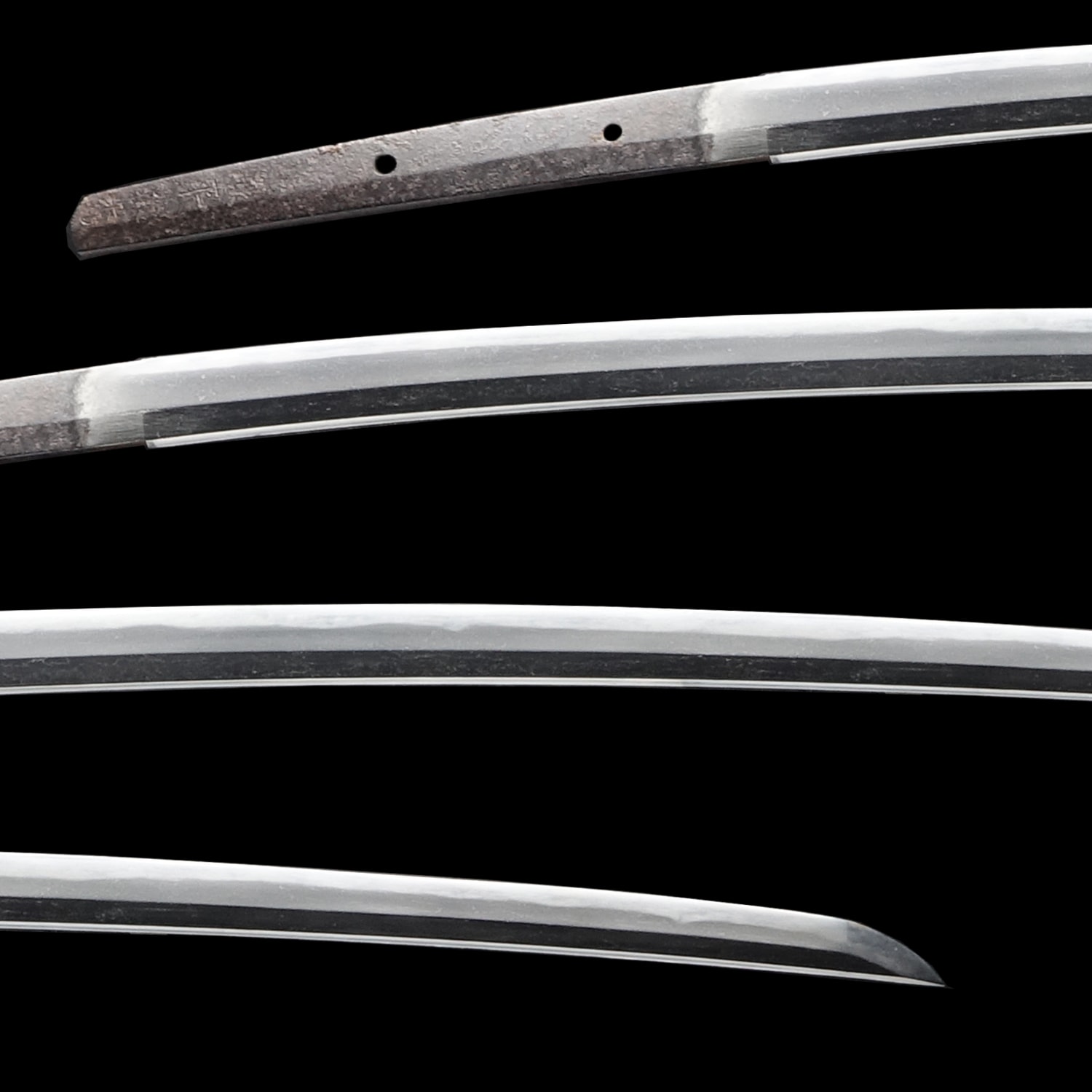
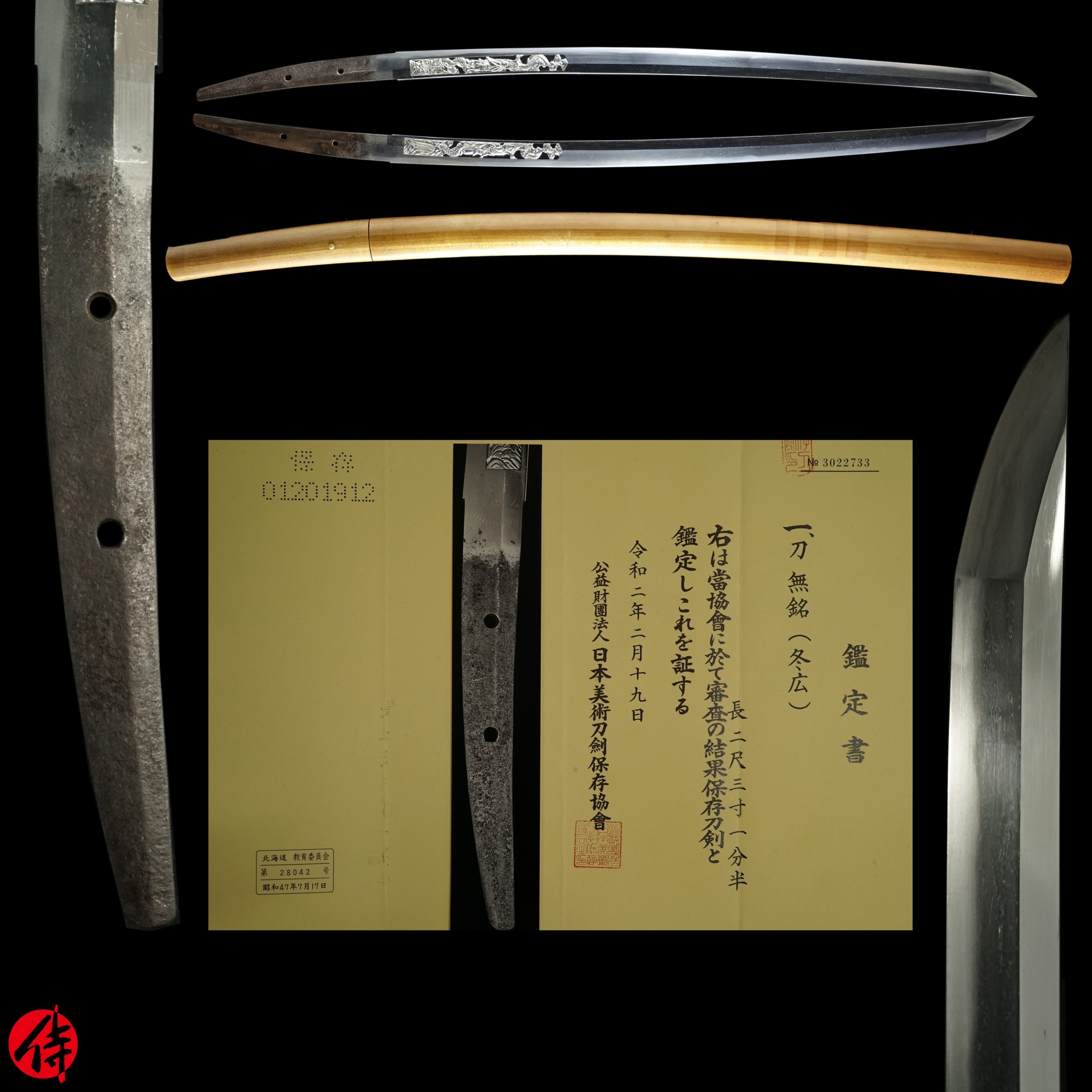
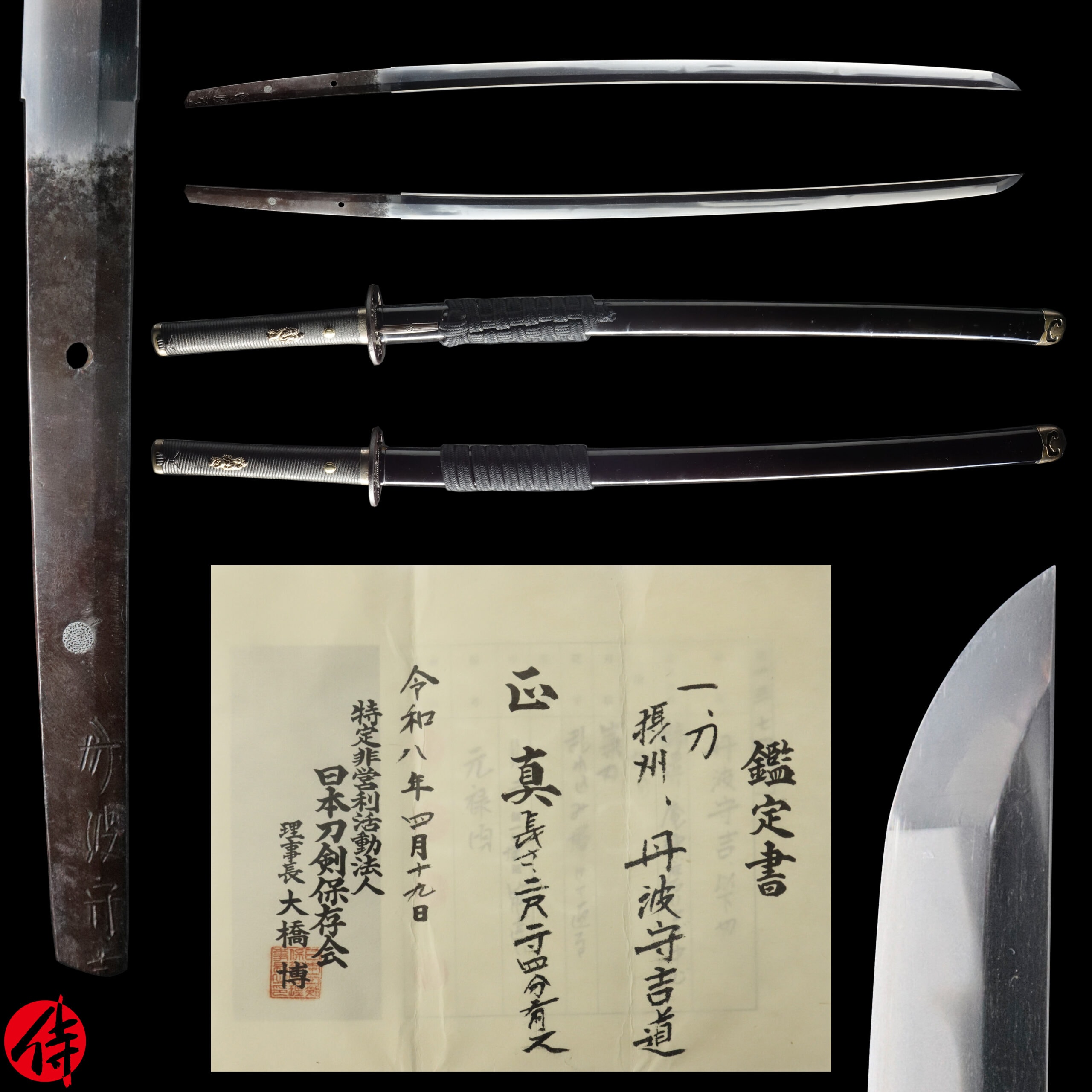
Antique Japanese Sword Katana Unsigned Fuyuhiro with NBTHK Hozon Certificate 【Description】 This blade was forged by Fuyuhiro in the late Muromachi period(450-500 years old), according to NBTHK, which authenticated this blade. The authentication paper doesn’t mention the age, but we called NBTHK to confirm it was forged around that period. It is said that the first generation Fuyuhiro was the son of the third-gen Soshu Hirotsugu, one of the most well-known swordsmiths in the Soshu region(today’s Kanagawa prefecture). The first-gen Fuyuhiro moved to Wakasa province(today’s Fukui prefecture) after learning sword forging techniques/tradition from his master. According to historical documents, the swordsmith’s name Fuyuhiro lasted 17 generations from the Muromachi period(1460-)to the Edo period(-1868). During the Sengoku period(Warring state period), Fuyuhiro forged swords for high-class Samurai or feudal lords because of his popularity and the high demand for weapons. While we can’t conclude which gen of Fuyuhiro forged this blade, it was made in the middle of the warring state period. That implies a prominent Samurai warrior might have ordered this blade and used it on a battlefield. There is a beautiful engraving on this blade. Its technique is Ranma Sukashibori, a traditional openwork technique. If you were to order this kind of engraving from a Japanese engraver today, it would cost approximately 10,000 USD. We assume whoever owned this blade in Samurai times must have been wealthy enough to order such intricate design on the blade. Fudo Myo-o (不動明王, acalanātha) is engraved at this part of the sword. Fudo Myo-o is one of the objects of worship in Buddhism. According to a theory, it is the incarnation of Dainichi Nyorai (大日如来, Mahāvairocana, the principal image of esoteric Buddhism). You would also find a dragon. It is called Kurikara Ryu (倶利伽羅龍); the figure in which a dragon wraps around the sword that Fudo Myo-o holds in his right hand to cut evil. Fudo My o-o’s sword has been considered to punish sin, cut off worldly desires, and achieve training. Fudo Myo-o is a motif with miraculous virtues. The dragon itself is also a highly popular design for the decoration of Samurai’s mountings. Initially, it is an imaginary creature that is found in ancient Chinese traditions or myths. It is a symbolic beast of auspicious signs. Its body is likened to nine animals: antlers are deer, the head is a camel, eyes are demons, the neck is a snake, belly is Mizuchi (mythical animal in Japan which looks like a snake and have a horn and four legs), scales are fish, claws are falcons, palms are tigers, and ears are cows. It was thought that the dragon would reign at the top of all animals because of its odd-looking appearance. In Japan, people appreciate the dragon design as an all-purpose auspicious pattern. This blade is appraised as a Hozon certificate issued by NBTHK. This authentication paper was only given to Japanese swords, worth preserving by Nihon Bijutsu Touken Hozon Kyokai(the Society for the Preservation of the Japan Art Sword). 【Blade 】 Cutting Edge Length(Nagasa) : 70.0 cm( 27.55 inches) Curvature(Sori) : 1.4 c m( 0.55 inches) Hamon : The crystalline structure which forms along the cutting edge of a blade as a result of the hardening process Jimon(Jihada) : visible steel surface pattern created by folding and hammering during forging process 【Other details】 Nakago : Nakago is the hilt of the Japanese sword. Japanese swordsmiths left the black rust on the tang because it prevents red rust while the tang is in its handle. And the discoloration of the tang was created over time, and it is a great indicator for a Japanese sword specialist to estimate when the sword was forged. Habaki : Habaki is the equipment to make the blade not touch its scabbard inside. It prevents the blade from getting rusty and chipped. The chrysanthemum pattern is designed with an abstract shape for this Habaki. A long time ago, the chrysanthemum was used as a

450 years Muromachi period Katana Unsigned Fuyuhiro for sale | Samurai Museum Shop
売切れ
Hozon売切れ

450 years Muromachi period Katana Unsigned Fuyuhiro for sale | Samurai Museum Shop

売却済

世界81社の刀剣商を横断追跡 · 価格履歴 · 売却アーカイブ

仕様

長さ

70 cm

反り

1.4 cm

作者について

Wakasa Fuyuhiro冬廣

5 重要刀剣

冬広は若狭国小浜の刀工で、末室町の天文・永禄頃に活動した。永禄十一年(一五六八)の年紀作があり、十六世紀第三四半期の作刀がはっきりと裏付けられる。彼は若狭冬広の祖と位置づけられ、相州系の修業を経て若狭にその作風を伝えた地方の鍛冶である。説明書は、後に相州綱広の門に学んだと記し、「後、相州綱広の門に学んだ」とある一方、別伝では相州広次の後と伝えている。いずれにせよ系譜は相州にあり、彼とともに若狭へ及んだのは当代の末相州の作風である。現存する重要刀剣五口はいずれも「冬広」と棟寄りに三字銘を切り、すべて刀であって、紙の上の記録は珍しく一貫している。 その記録を貫く手は、肌立ち流れの板目である。地鉄は肌立ちごころの板目に鍛え、地沸がつき、しばしば板目肌が流れると評される。この肌立ち・流れごころの地鉄こそ彼の刀がまず共有するもので、説明書が分けて説く二様の作風を通して現れる。その地に対し彼は二つの異なる調子で焼く。穏やかな一作では、太い直刃調に小互の目を交え、小足・葉が刃中に働き、匂口は締まりごころに小沸がつく。豊かな一作では、焼幅を広く取り、処々大のたれ調に箱がかった互の目乱れを焼き、沸よくつき、砂流し・金筋がかかり、匂口は明るい。 この二様こそ、説明書がいう作風の二面そのものである。説明書は「その作風は末相州物のものと、末備前風のものとがあり」、直刃出来と乱れ出来のものとがあって上手であると記す。末相州の側は、締まった匂口と静かな小沸を伴う穏やかな直刃調に対応し、末備前風の側は、明るく焼いた沸づく互の目乱れに対応する。帽子はその下の刃に従う。直刃の上では直ぐに深く返り、時に殆んど一枚風となり、乱れの上では乱れ込んで掃きかけとなり、一口では焼詰めごころへと走る。地刃は一口ごとに健全と判じられ、優品に至れば説明書はこれを同作中の傑出と呼ぶ。倶利迦羅と梵字を彫った広直刃の一口は「同作中の傑出の一である」と称され、明るい匂口と堂々とした姿の大のたれの一口は「同作中の傑作の一口である」と称される。 第三の一面は彫物である。冬広は彫物をも得意とし、直刃調の作では表に草の倶利迦羅、裏に梵字と護摩箸が見られ、備中年紀の作には角止めの棒樋がある。説明書はこの彫物について鋭い判断を下す。相州風というよりむしろ「むしろ平安城長吉などの作に近い」とし、両者の間に何か関係があるのかもしれないと示唆する。この評は冬広を地方伝統の交差点に置くものであり、地鉄は系譜の上で相州ながら、鏨は京風を帯びた平安城の鍛冶へと向く。その刀は無傷のものは生ぶで三字銘を残すが、五口のうち一口は磨上げられ、本来の長い茎を詰めて、銘を茎尻寄りに切り直している。 彼の名を巡る最も論じられる問題は地理にある。説明書は、ほぼ時を同じくして若州・伯州・雲州・備前・備中などの住所銘を切った作が伝わり、これらが同人か否か検討の余地があると記し、「これ等が同人か否か検討の余地がある」とする。永禄十一年紀の刀は「備中国於松山」と銘して備中松山で作られたが、地刃ともに出来がよく若狭の作と一連であって、まさにそれゆえ問題は決し難い。日本美術刀剣保存協会はこれを断定せず、多国の作を一名のもとに括りつつ疑いを明示する。系譜における彼の位置はそれに応じて祖のそれであり、相州に学んだ地方の鍛冶が末相州の作風を若狭へ伝え、銘の証す限り山陰・山陽の沿岸に及ぶ一派にその名を与えた。その一派の中で彼自身の刀を分かつものは、借り物の比較ではなく、その記述に即した肌立ち流れの地鉄と明るい沸出来の乱れにある。 冬広を巡る鑑賞は、名声の高い名工というより、上手な地方の名手のそれである。参考書は彼を藤代の位列で上作に置き、刀工大鑑で四百点とする。これは当代第一級には遠く及ばぬ、堅実で収集に値する刀工の評価である。彼に国宝はなく重要文化財もない。指定を受けた作は五口で、いずれも重要刀剣の位にあり、特別重要刀剣にはまだ上っていない。五口のいずれにも伝来の記録はなく、この資料の範囲では大名伝来は名に付かず、所持者として記録されるのも博物館や社寺ではなく私蔵家である。収集家にとってこのことは、相州・備前の大名跡とは異なり、彼を静かに手の届く存在とする。直刃の生ぶ在銘冬広刀、あるいは倶利迦羅と梵字を備えた広く明るい乱れの一口は、末室町の作として時に市場に現れ、忍耐ある眼に応えるものであり、若狭冬広の祖の手になる、地刃健全で出来のよい一刀である。それは末相州の地鉄と京風を帯びた鏨を、一人の地方の手に併せ持つ。

刀剣商

サムライミュージアム

samuraimuseum.jp

売切れ