徳川の泰平のもと、大小は法度の定める身分の制服となり、需要は城下町、とりわけ江戸に集まった。工芸は二つに分かれる。目利きのための華やかな鑑賞の作と、截断の結果を金象嵌に刻む実証の刀である。
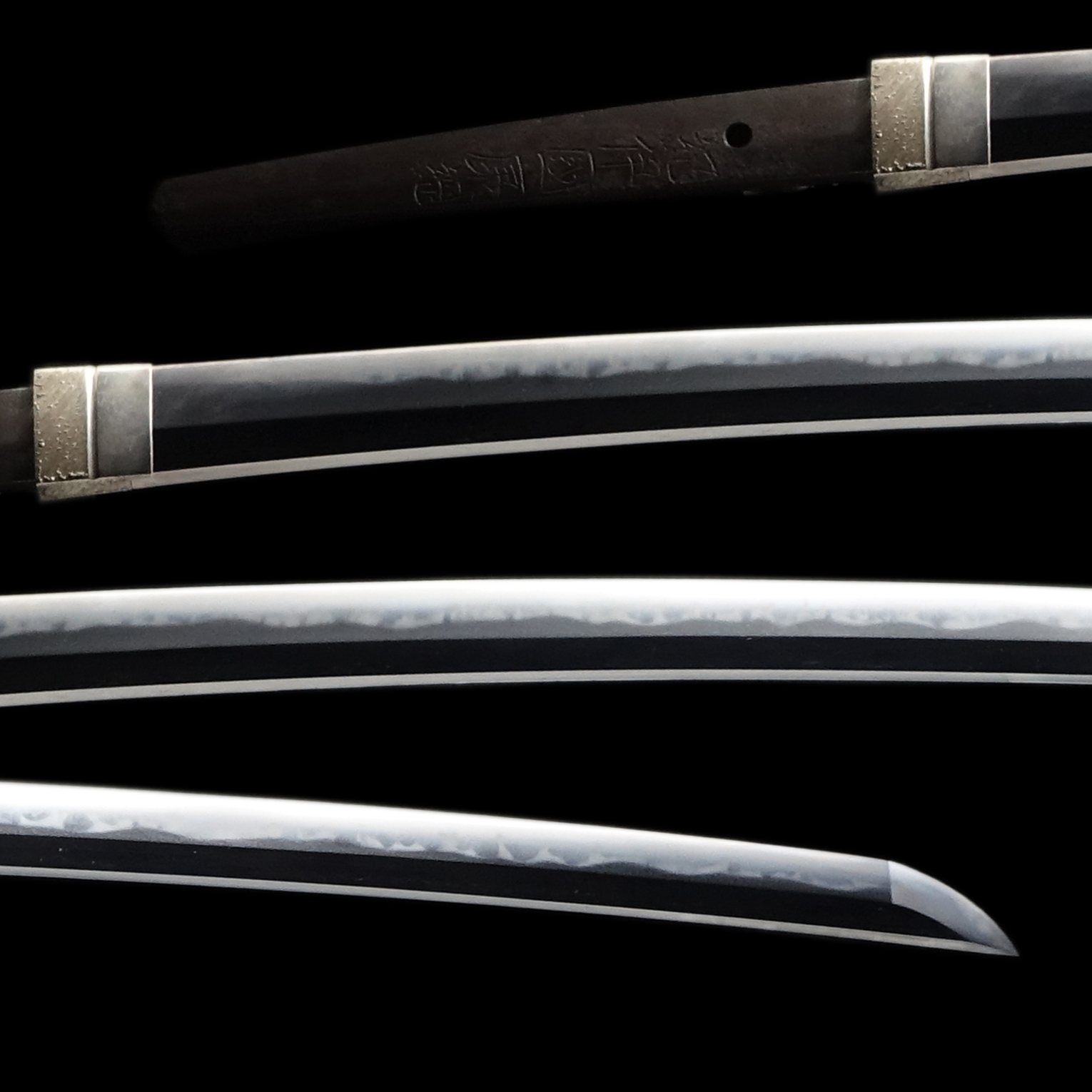
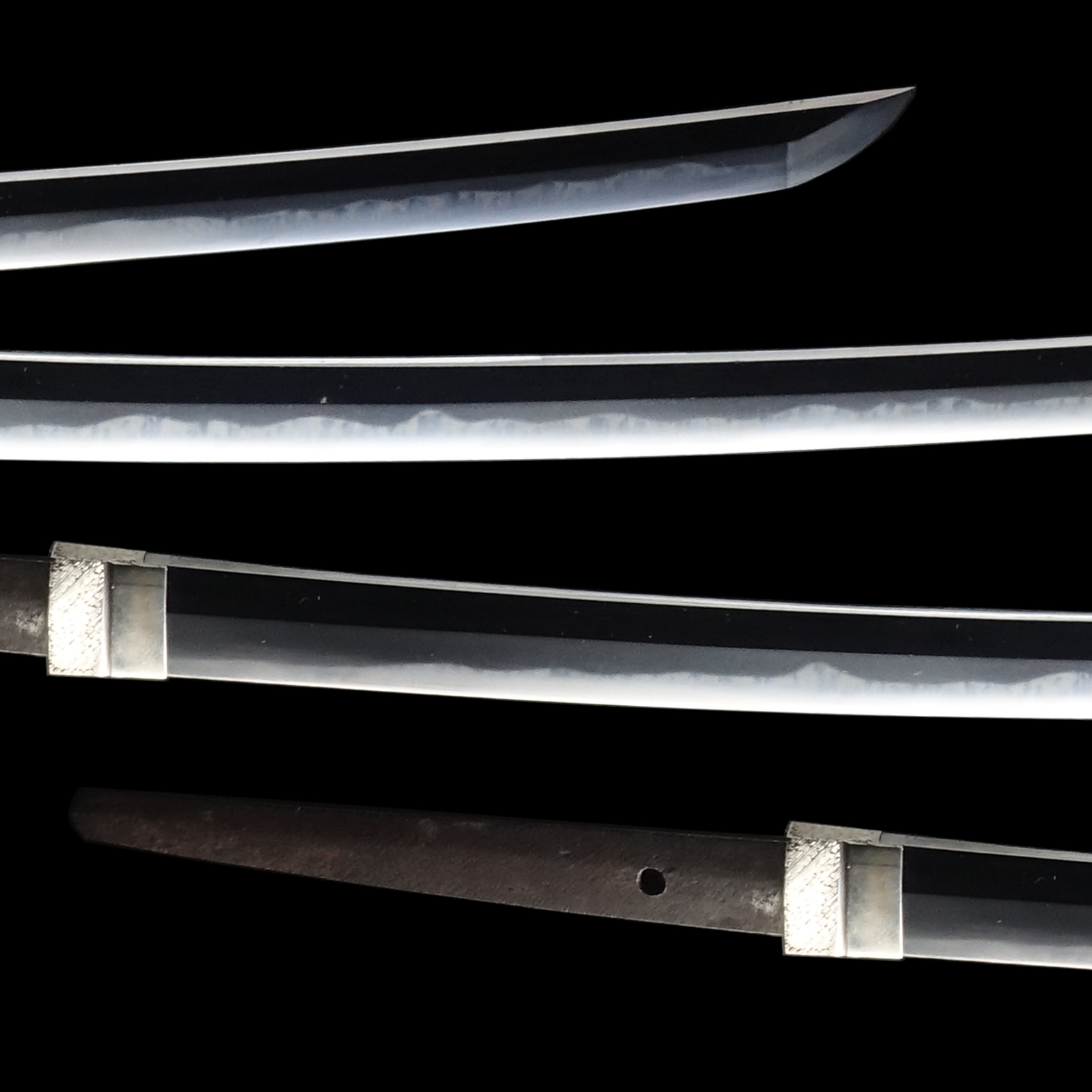
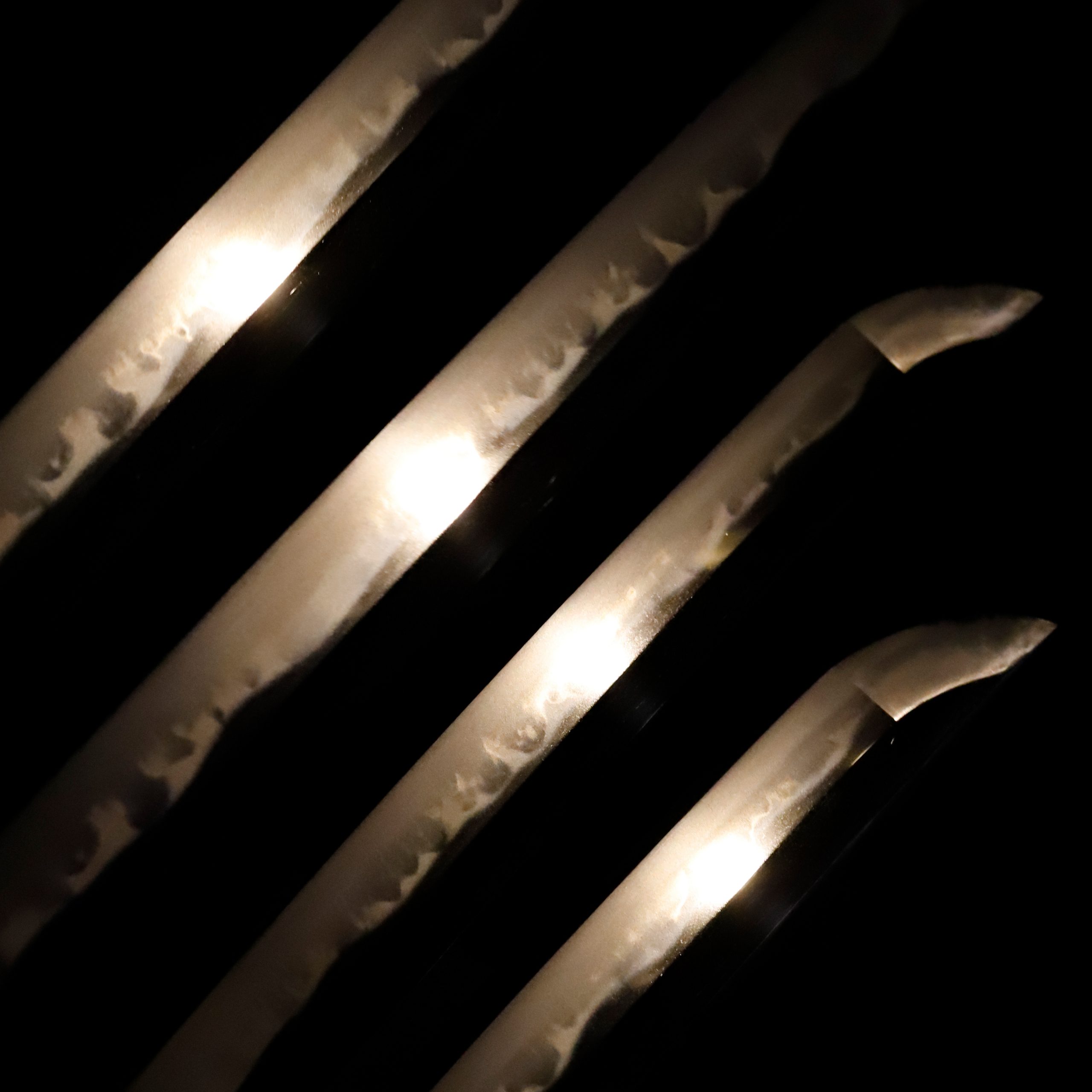
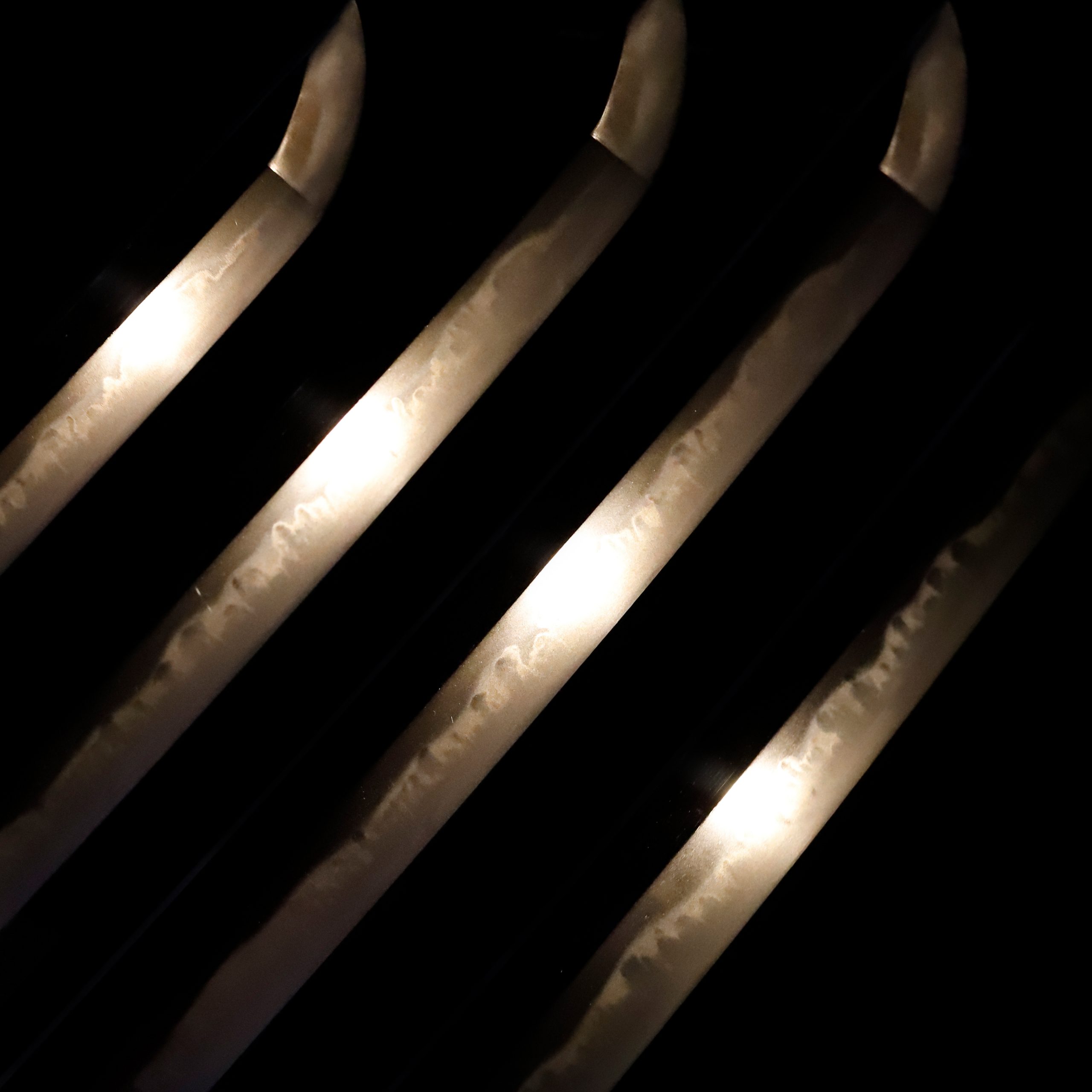
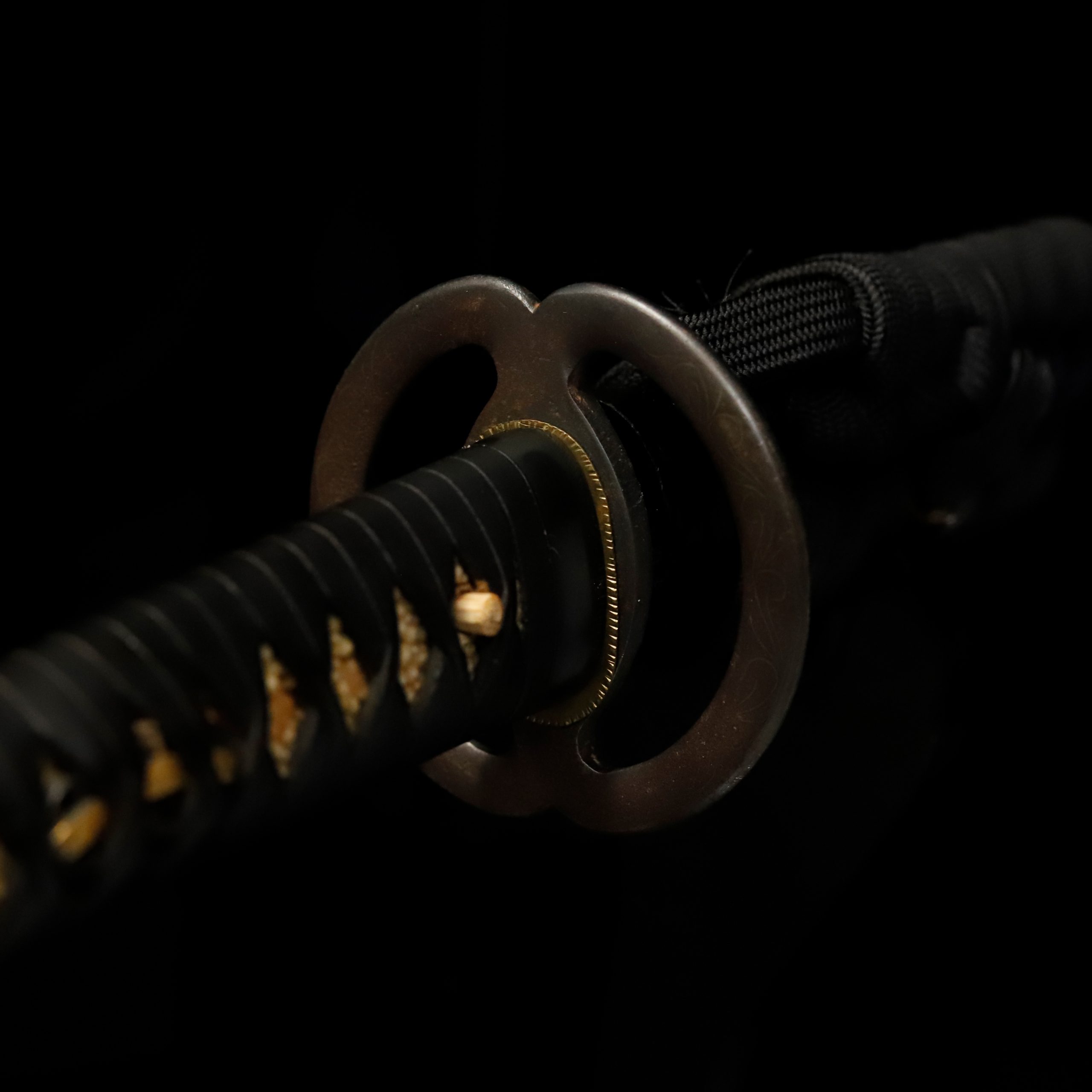
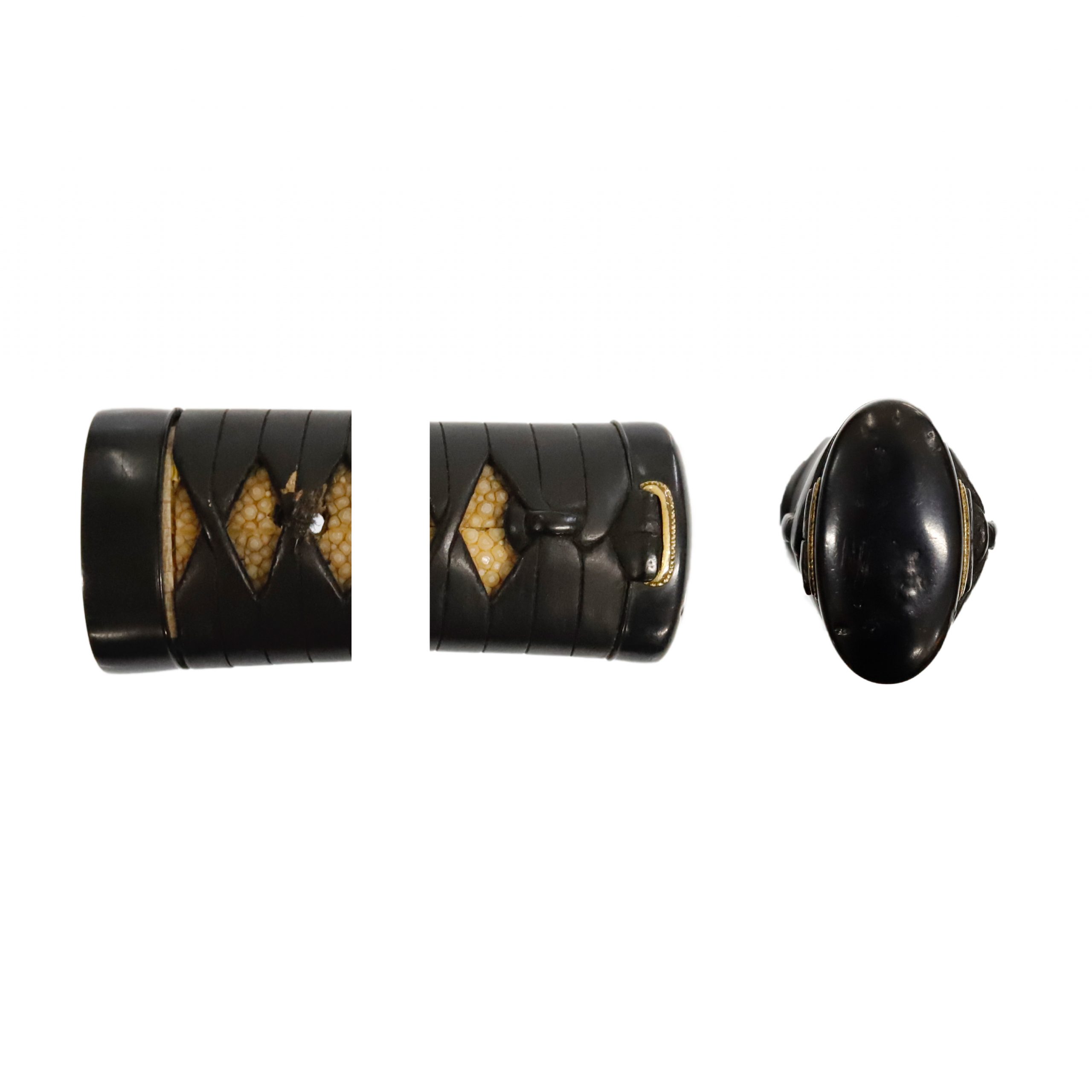
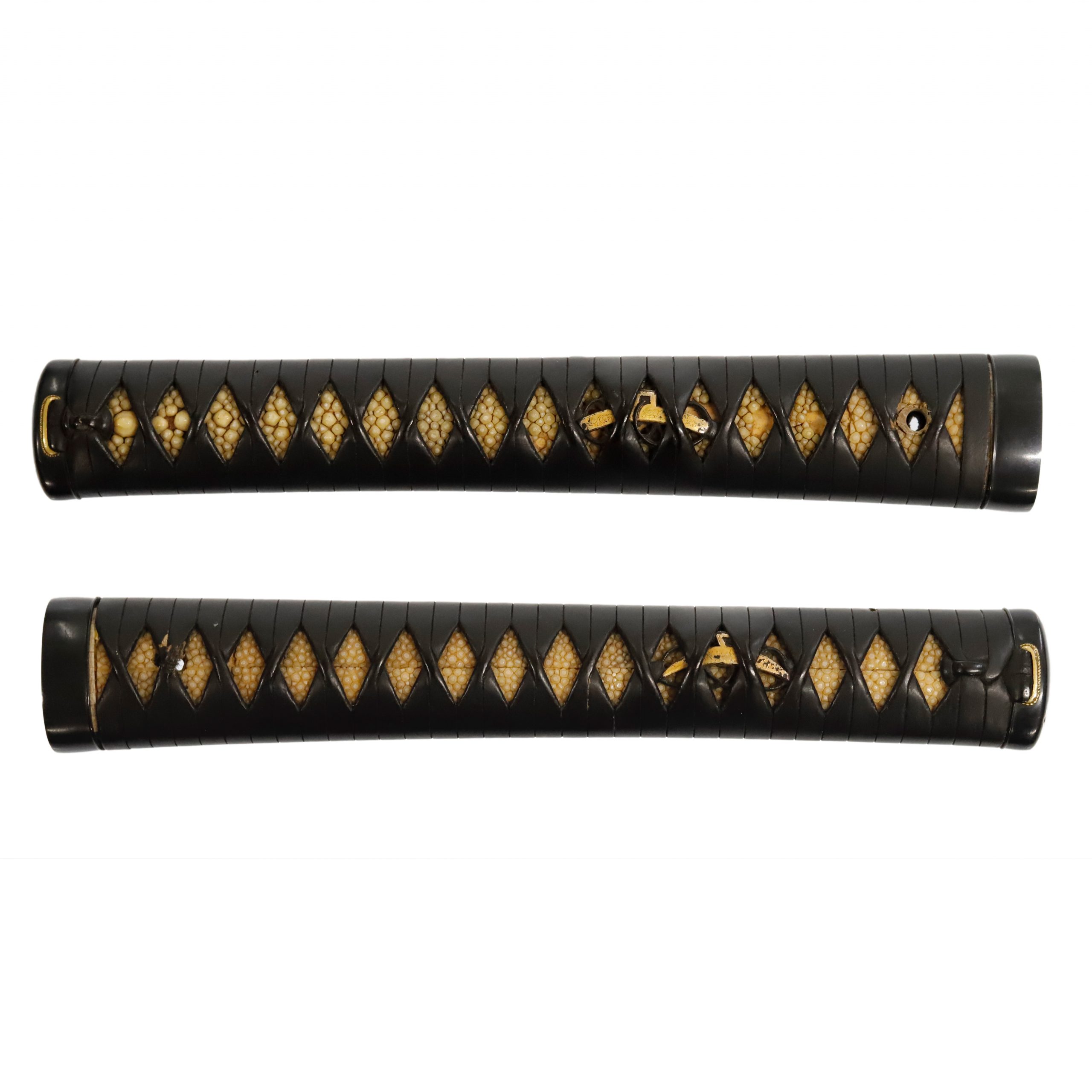
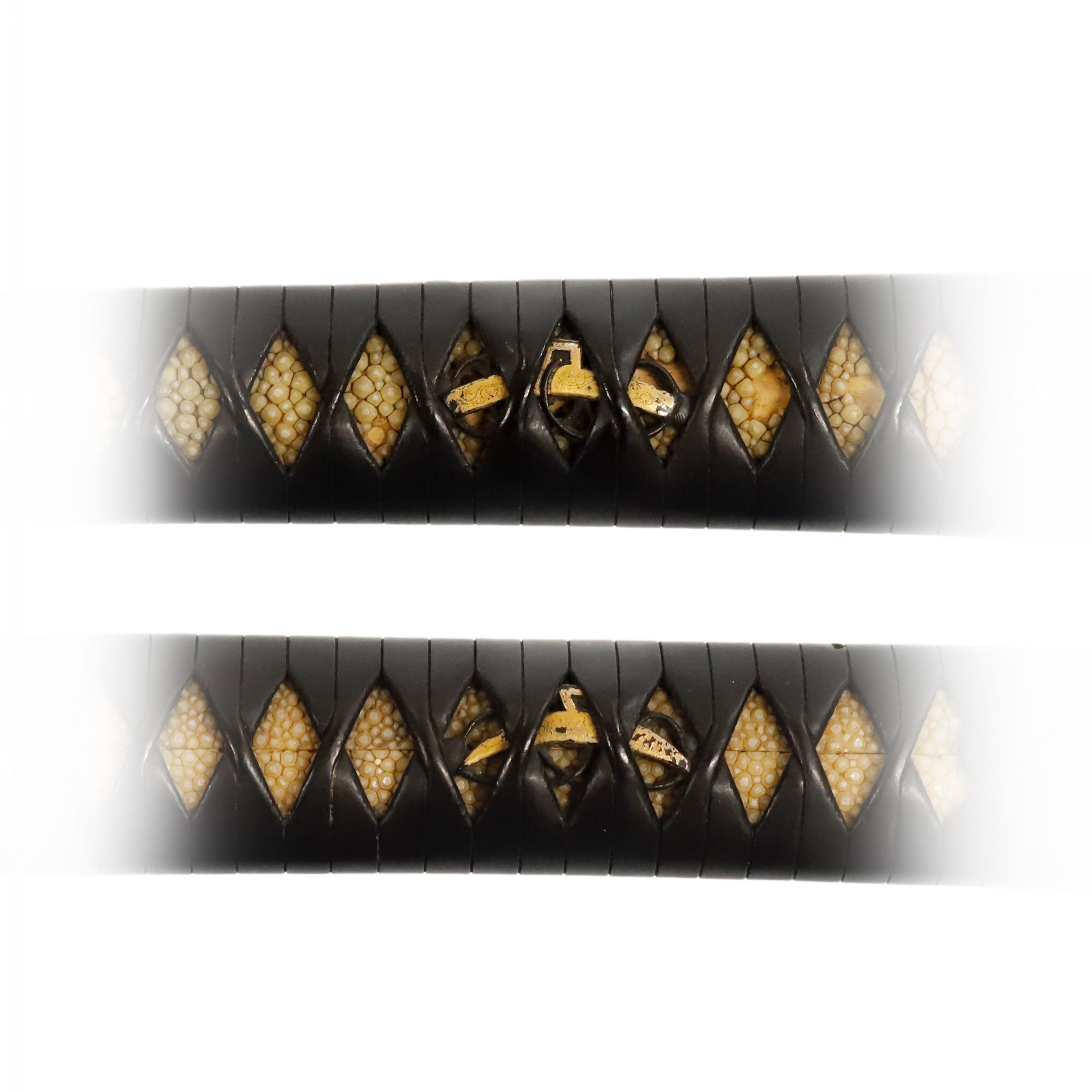
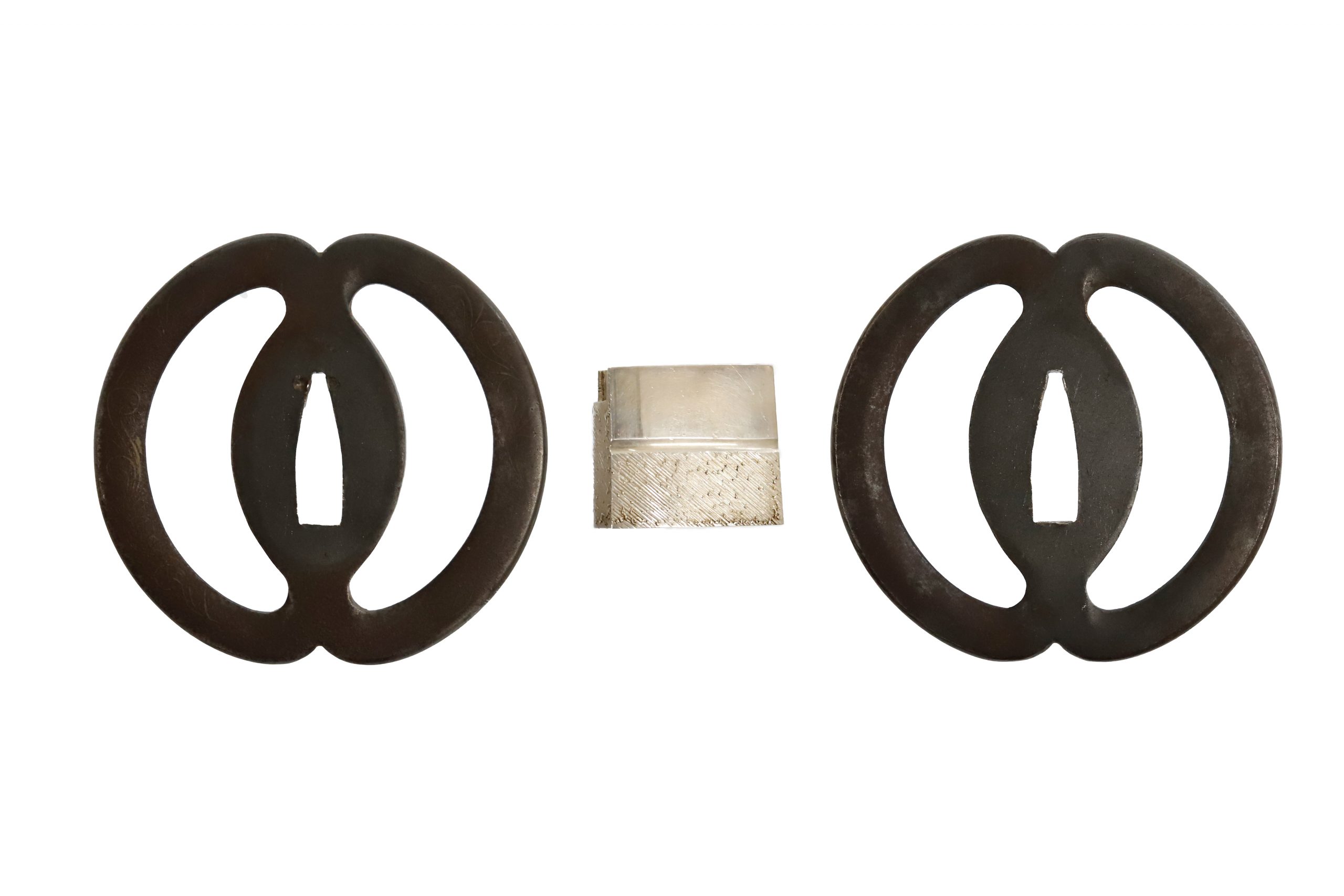
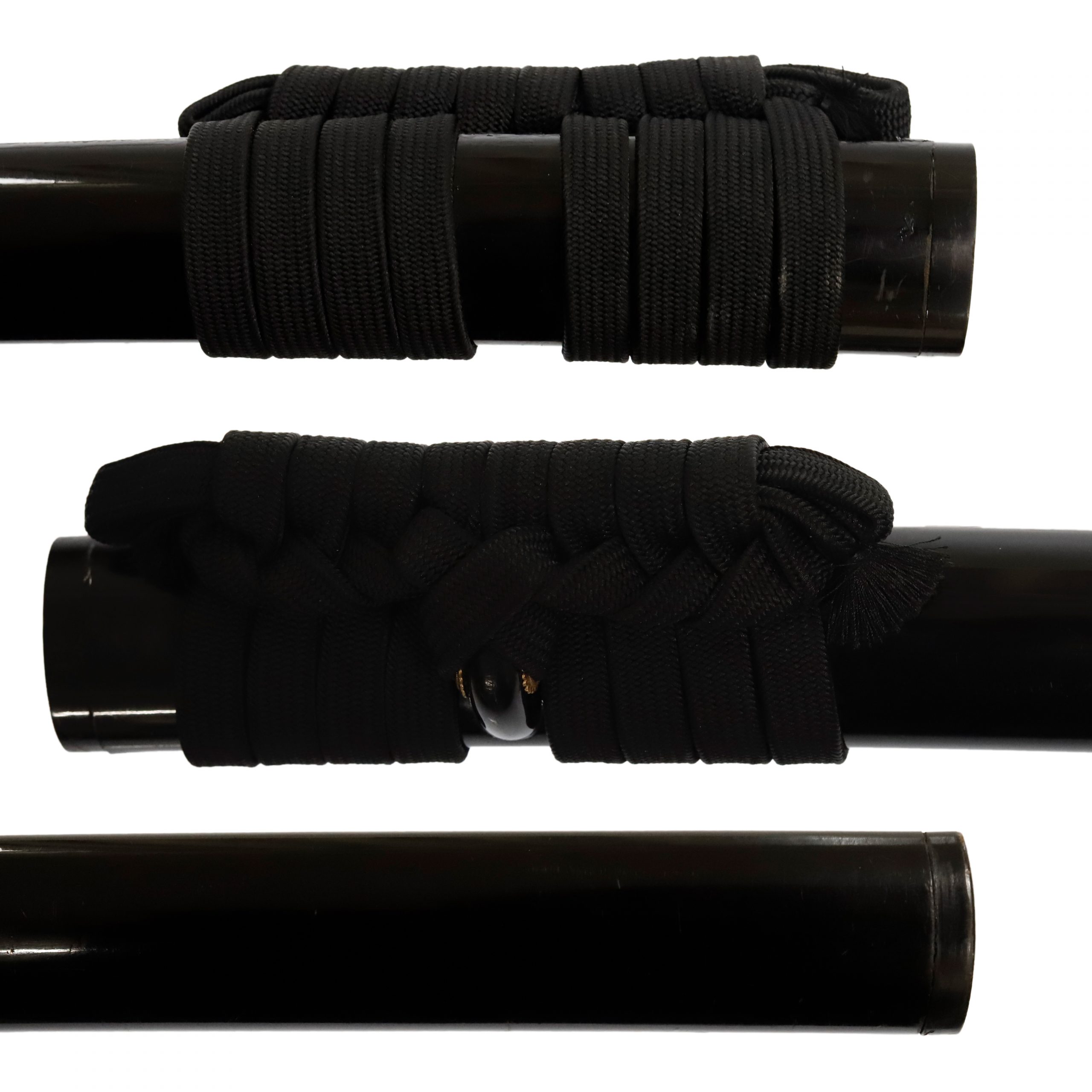
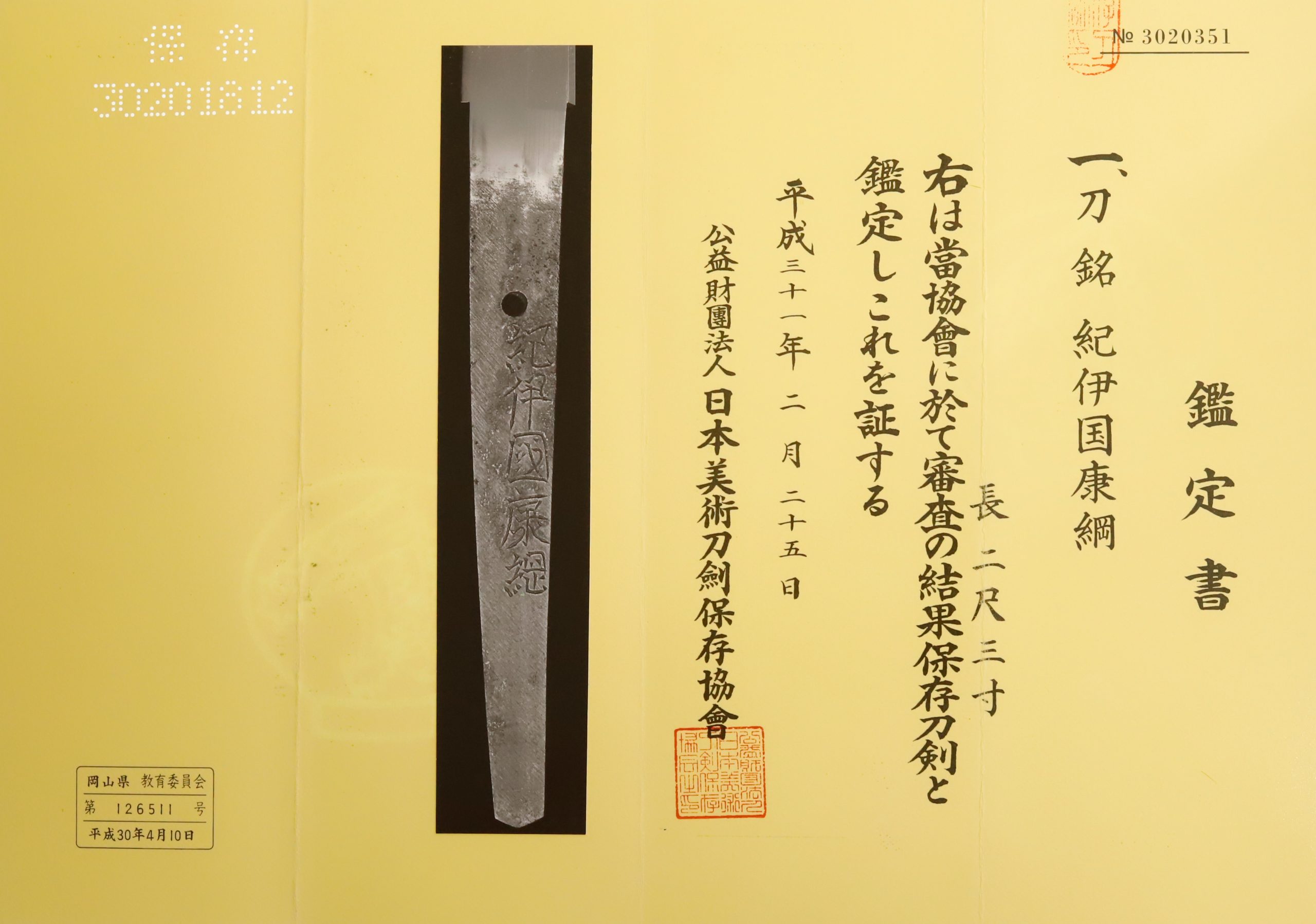
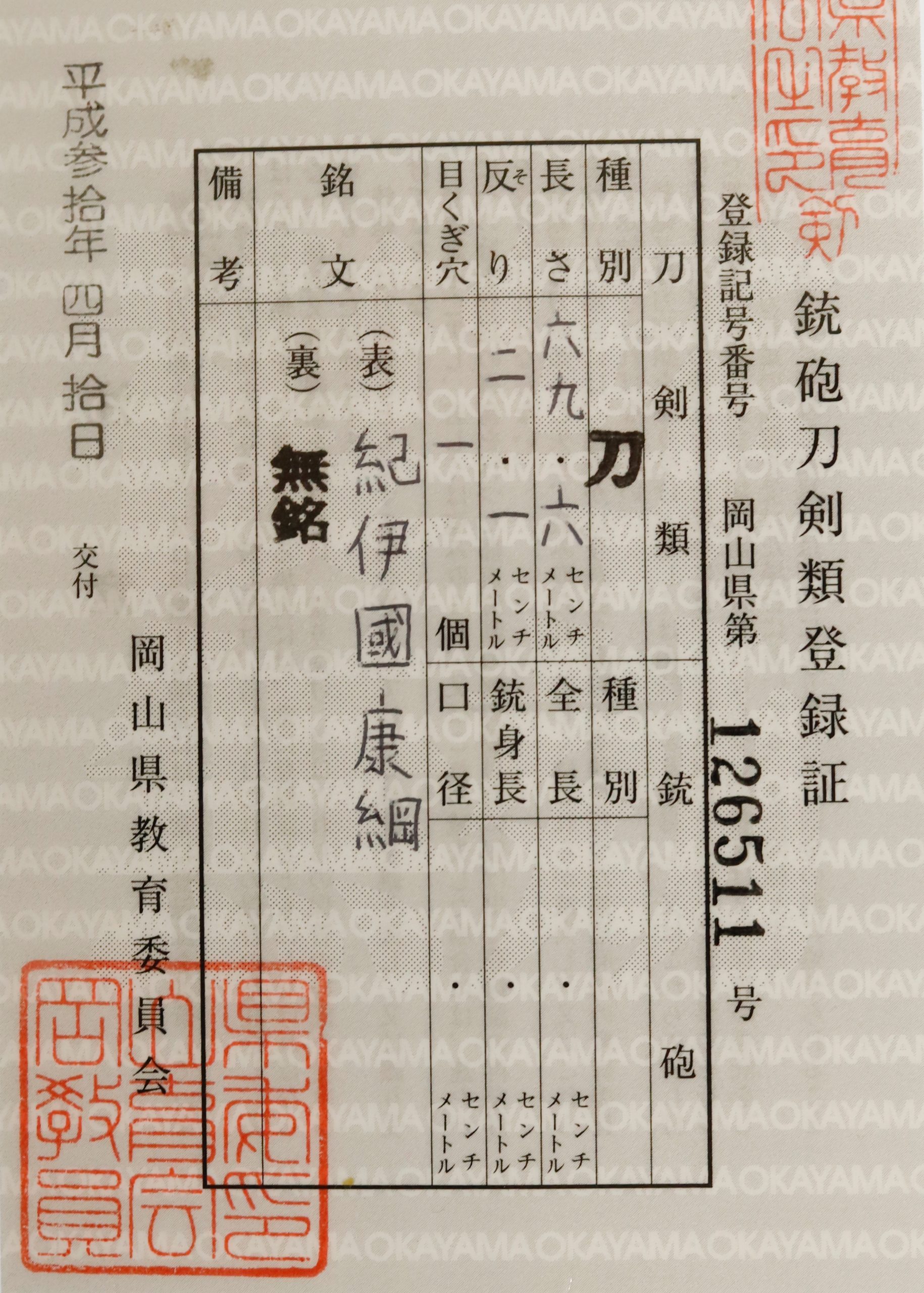
紀伊国康綱 銘 刀(保存刀剣鑑定書付) 【解説】 本作は、江戸時代前期の寛文年間(1661-1673年)に紀州石堂派で活躍した、紀伊国康綱(きいのくに やすつな)の手による一振りです。康綱は、紀州石堂の祖である初代・備中守橘康広の門人と伝えられています。 「紀伊国」とは現在の和歌山県にあたり、康綱は江戸初期の紀州石堂派を代表する名工の一人として知られています。また、大坂にて作刀した記録も残されています。 石堂派の源流は、備前国(現在の岡山県)にて福岡一文字派を興した一文字助宗の末裔、助永に遡ります。 明応年間(1492-1501年)、助永ら一派は近江国(滋賀県)の有力家臣であった蒲生氏に招聘され、同地へ移住しました。助永が石堂寺の門前に居を構え、姓を「石堂」と改めたことが流派の始まりです。 江戸時代に入ると、近江石堂の職人たちは各地へ分散し、江戸、大坂、紀州、筑前(福岡県)の四派に分かれて繁栄しました。康綱の師である備中守橘康広もこの流れを汲み、近江から紀州へと移り住んで紀州石堂の礎を築きました。康綱は師とともに和歌山城下で作刀に励んでおり、その確かな技量は本作の出来映えからも伺い知ることができます。 本作は、日本美術刀剣保存協会(NBTHK)により「保存刀剣」に鑑定されています。これは、歴史的・芸術的価値が認められ、かつ保存状態の優れた真作の日本刀にのみ与えられる証です。 【刀身】 長さ(銘):69.6 cm(二尺二寸九分) 反り:2.1 cm(七分) 刃文:焼入れによって刃先に現れる結晶構造 地鉄(肌):鍛錬の過程で現れる鋼の表面模様 茎(なかご): 日本刀の柄に収まる中心(ちゅうしん)部分です。刀工はあえて茎に黒錆を残すことで、柄内部での赤錆の発生を防ぎました。この茎の錆色や朽ち込み具合は、専門家が製作年代を特定する際の重要な指標となります。 【拵(こしらえ)】 拵とは、鞘、柄、鍔などを含めた刀の外装一式を指します。 縁頭(ふちかしら): 柄の上下を保護する一対の金具です。 本作の縁頭は、落ち着いた光沢を放つ黒色でまとめられています。金銀の象嵌などの派手な装飾を排した意匠は、素材そのものの美しさを引き立て、柄巻の糸とも見事に調和しています。経年による僅かな傷みは見受けられますが、それもまたこの刀が歩んできた歴史の一部としてお楽しみいただければ幸いです。 柄・目貫(めぬき): 柄は刀を握る部分であり、目貫はその装飾金具です。 本作の目貫の画題を特定するのは容易ではありません。柄巻の隙間から覗く金色の部分は衣桁(いこう)のようにも見えますが、その周囲には黒い輪状の物体が配されています。かつての日常生活や特定の場面で用いられた道具を模したものと推察されますが、その謎めいた意匠もまた一興です。 鍔・鎺(はばき): 鍔は手を守るための護拳であり、鎺は刀身を鞘の中に固定し、刃が鞘の内側に触れて傷つくのを防ぐ重要な金具です。 鍔は二ツ木瓜形の意匠となっております。
 NihontoWatch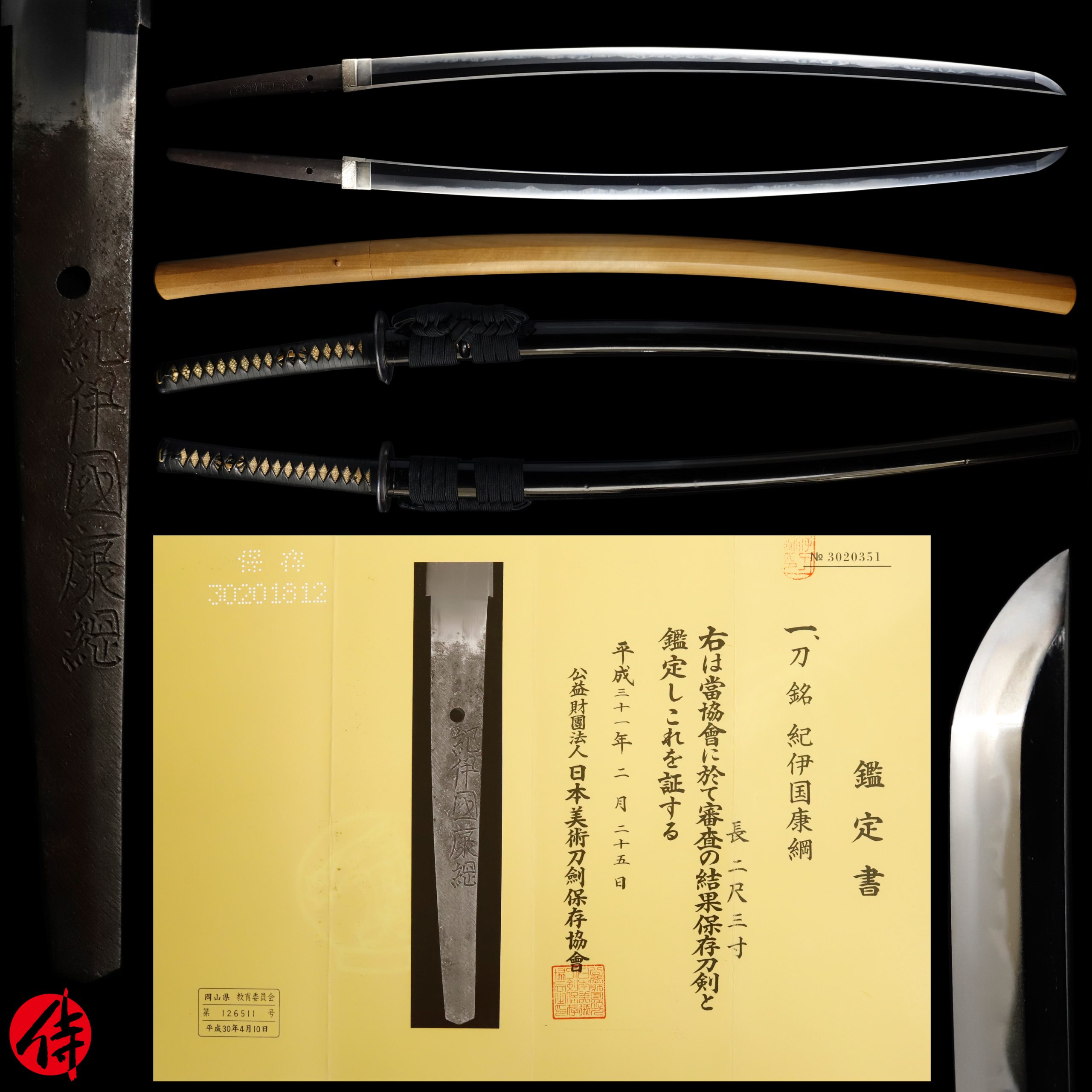
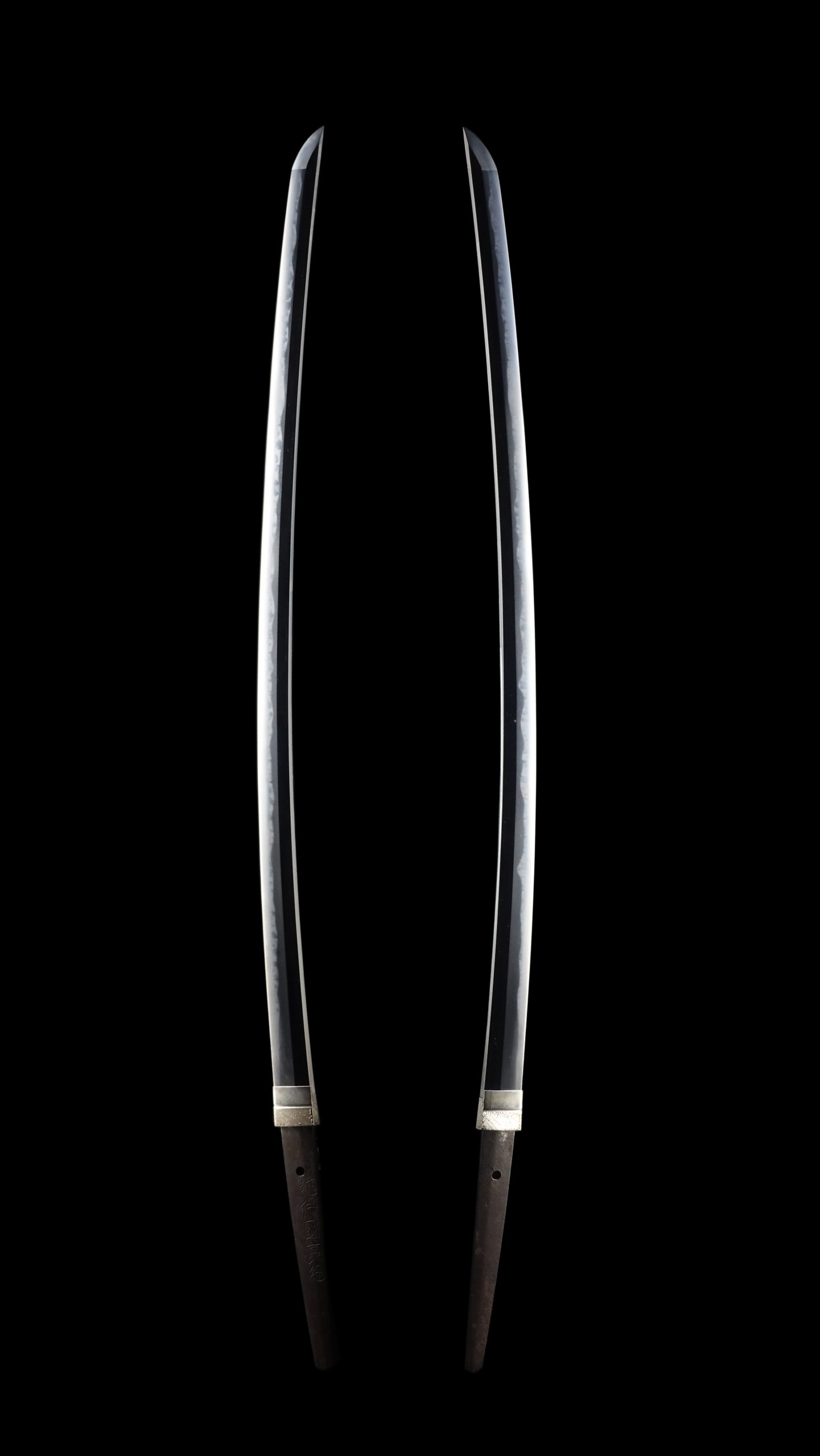
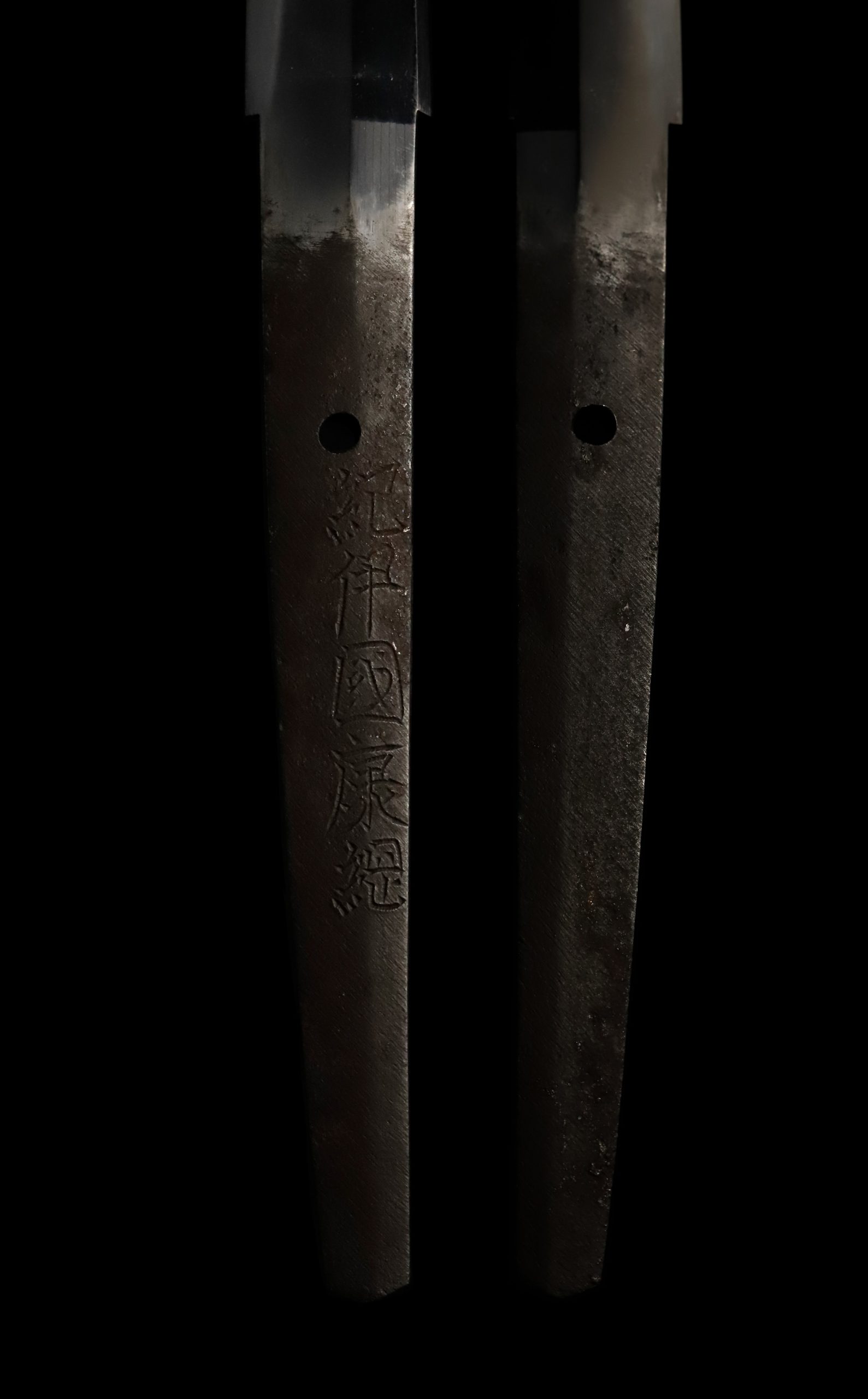
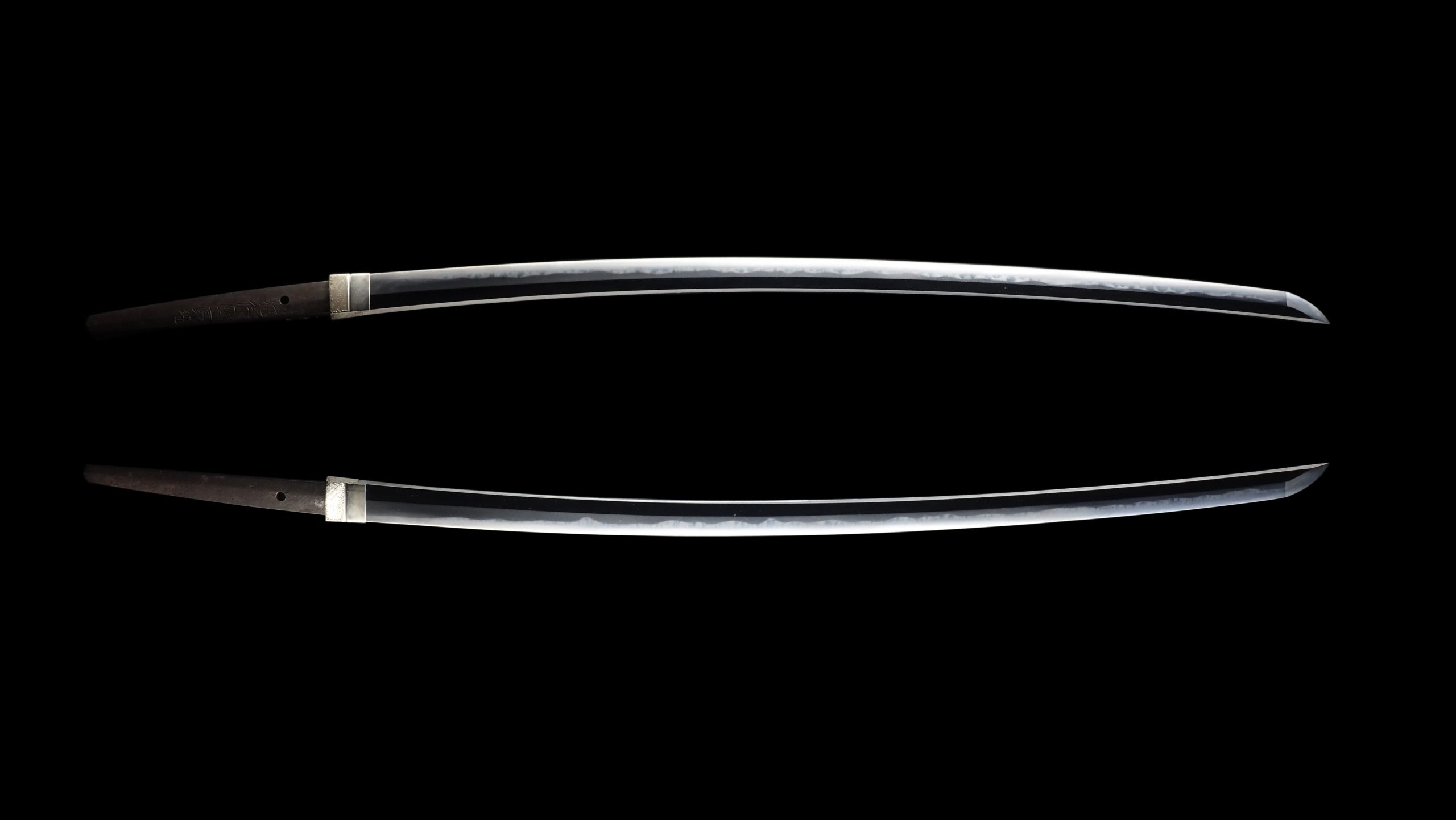
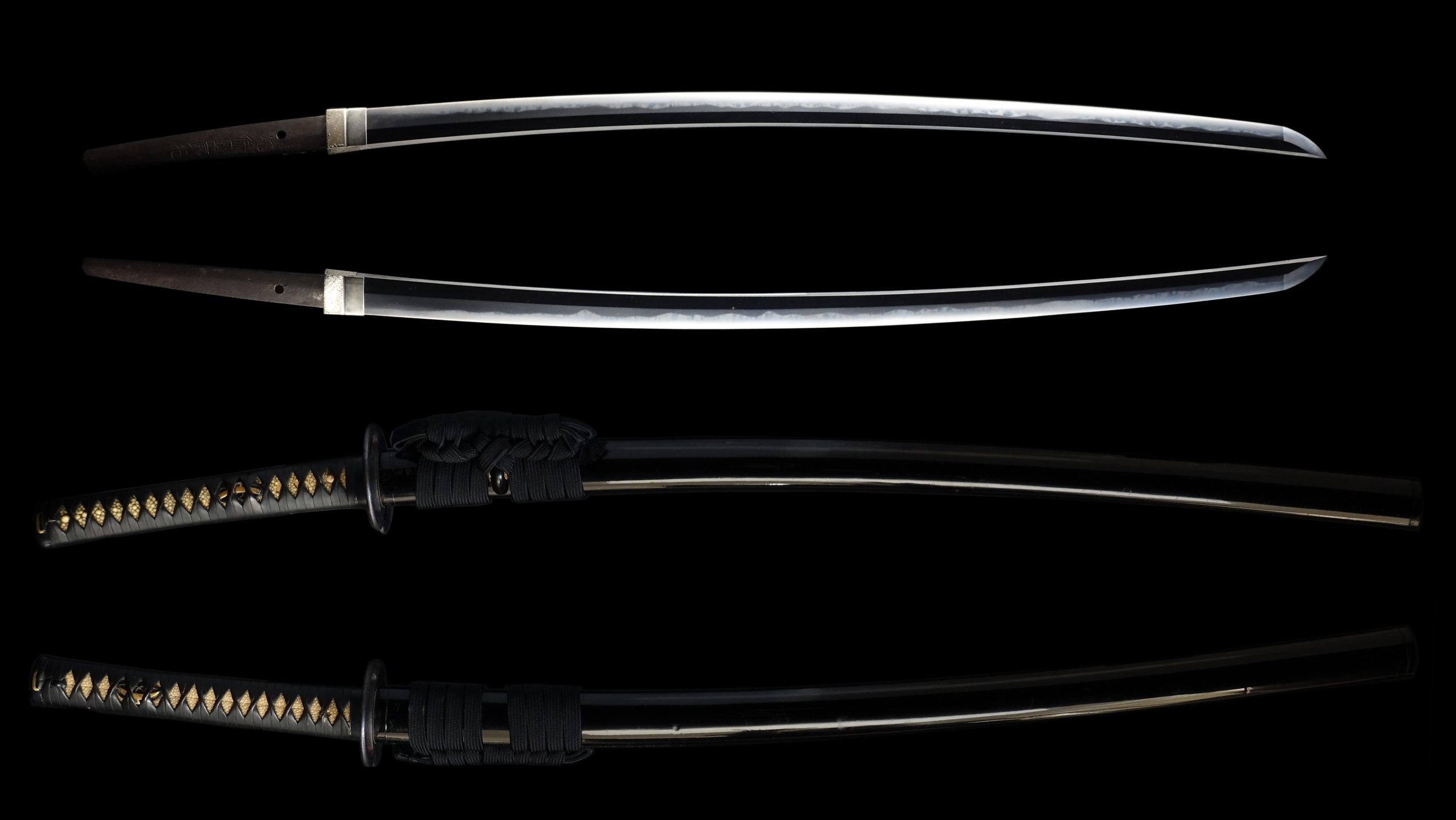
新刀 · 紀伊 · 1661-1673頃
現在1点販売中
新刀 · 近江
現在48点販売中
石堂派は、近江国蒲生郡石堂村の刀工に淵源を有する一門である。慶長から元和・寛永にかけて、これらの刀工は近江よりまず京都へ上り、のちに江戸へ下って一派を成したと伝えられ、これがいわゆる江戸石堂の祖となった。武蔵大掾是一はその祖と称され、日置出羽守光平・常光・越前守宗弘らと共に江戸石堂の名を大いに高めた。中でも対馬守橘常光は、日置を姓とし生国を近江国蒲生郡とする一派の代表工で、従来は光平の兄とされてきたが、年紀作を逆算すると光平の方が六歳年長であり、また常光は橘氏、光平は源氏を名乗っていることから、兄弟であるという通説には疑問がもたれている。一門はやがて各地へ広がり、是一門からは是次が出て九州に活躍し福岡石堂の繁栄をもたらした。紀州にあっては平安城安広が紀州名草郡和歌山に移って作刀し、また備中守橘康広(富田五郎左衛門)が紀州石堂派を代表し、のちに大坂に移って大坂石堂派の始祖となった。河内守康永の門人多々良長幸もまた紀州より大坂に移り、近江には佐々木善四郎一峯らがあって、一派は江戸・大坂・紀州・福岡・近江の各地に系統を伝えた。 石堂派の作風は、御家芸ともいうべき備前伝にあり、映りの立った鍛えに丁子乱れを得意とする点に一貫した特色がある。鍛えは板目つみ、杢・流れ肌を交え、地沸微塵につき、乱れ映りが鮮やかに立つ。刃文は丁子乱れを主調とし、大丁子・頭の丸い丁子・小丁子・互の目・小互の目・尖りごころの刃などを交え、重花丁子・袋丁子をも交えて足・葉よく入り、華やかとなる。常光の作には焼に高低が見られ、焼頭が鎬にかかる程の大出来の丁子を焼くものがあって、古作一文字を髣髴とさせる。安広は互の目・小互の目・箱刃風・尖りごころの刃などを交えて総じて焼高く、棟焼よく入り、金筋・砂流し・沸筋頻りにかかる放胆な焼刃を示す。康広は逆ごころをおびた華やかな丁子乱れを得意とし、長幸は石堂派本来の一文字を狙った丁子乱れの作と、末備前に範をとった腰のひらいた互の目を主調とする作の二様を遺す。総じて匂口の明るく冴える点が、一門諸工に通じる特色である。 評価としては、石堂派は新刀・新々刀の時代にあって備前伝の作風を伝え、丁子乱れの華やかな出来をよく示した点に意義が認められる。常光は焼に高低のある華やかな丁子乱れを焼いて本領を発揮し、その典型作は同工中の優品・最高傑作と称される。安広は長寸・身幅広く重ね厚い堂々たる姿態に放胆な焼刃を加え、新刀を代表する一工としてその技倆が遺憾なく発揮されている。康広は覇気に富んだ作柄を仕上げ、その一口は薩摩国島津家に伝来したものも知られる。長幸は師に優る技量の持主と評され、匂口のふっくらとした出来を遺す。各地に展開しながら備前伝の本領を堅持し、江戸時代初期より長く続いたこの一門は、新刀・新々刀の世にあって備前の作風を伝えた代表的な流派として高く位置づけられている。 詳しく見る →
江戸時代
徳川の泰平のもと、大小は法度の定める身分の制服となり、需要は城下町、とりわけ江戸に集まった。工芸は二つに分かれる。目利きのための華やかな鑑賞の作と、截断の結果を金象嵌に刻む実証の刀である。
銘が正しい、または無銘でも年代・国・系統を確実に指摘できる、保存に値する真正の作と鑑定されたものです。
日本美術刀剣保存協会(NBTHK)は、1948年に設立され、文化庁の監督を受ける公益財団法人で、東京・刀剣博物館に本部を置きます。専門の審査員が出品作を直接審査し、美術的・歴史的価値に応じた鑑定書を発行します。NBTHKの鑑定書は、日本刀および刀装具の真正性を示す最も広く認知された基準です。
NBTHK公式サイトReturns/exchanges limited to defects caused by shipping (except willful misconduct or gross negligence by the company); customers must contact within 72 hours of receiving the product.
紀伊国康綱 銘 刀(保存刀剣鑑定書付) 【解説】 本作は、江戸時代前期の寛文年間(1661-1673年)に紀州石堂派で活躍した、紀伊国康綱(きいのくに やすつな)の手による一振りです。康綱は、紀州石堂の祖である初代・備中守橘康広の門人と伝えられています。 「紀伊国」とは現在の和歌山県にあたり、康綱は江戸初期の紀州石堂派を代表する名工の一人として知られています。また、大坂にて作刀した記録も残されています。 石堂派の源流は、備前国(現在の岡山県)にて福岡一文字派を興した一文字助宗の末裔、助永に遡ります。 明応年間(1492-1501年)、助永ら一派は近江国(滋賀県)の有力家臣であった蒲生氏に招聘され、同地へ移住しました。助永が石堂寺の門前に居を構え、姓を「石堂」と改めたことが流派の始まりです。 江戸時代に入ると、近江石堂の職人たちは各地へ分散し、江戸、大坂、紀州、筑前(福岡県)の四派に分かれて繁栄しました。康綱の師である備中守橘康広もこの流れを汲み、近江から紀州へと移り住んで紀州石堂の礎を築きました。康綱は師とともに和歌山城下で作刀に励んでおり、その確かな技量は本作の出来映えからも伺い知ることができます。 本作は、日本美術刀剣保存協会(NBTHK)により「保存刀剣」に鑑定されています。これは、歴史的・芸術的価値が認められ、かつ保存状態の優れた真作の日本刀にのみ与えられる証です。 【刀身】 長さ(銘):69.6 cm(二尺二寸九分) 反り:2.1 cm(七分) 刃文:焼入れによって刃先に現れる結晶構造 地鉄(肌):鍛錬の過程で現れる鋼の表面模様 茎(なかご): 日本刀の柄に収まる中心(ちゅうしん)部分です。刀工はあえて茎に黒錆を残すことで、柄内部での赤錆の発生を防ぎました。この茎の錆色や朽ち込み具合は、専門家が製作年代を特定する際の重要な指標となります。 【拵(こしらえ)】 拵とは、鞘、柄、鍔などを含めた刀の外装一式を指します。 縁頭(ふちかしら): 柄の上下を保護する一対の金具です。 本作の縁頭は、落ち着いた光沢を放つ黒色でまとめられています。金銀の象嵌などの派手な装飾を排した意匠は、素材そのものの美しさを引き立て、柄巻の糸とも見事に調和しています。経年による僅かな傷みは見受けられますが、それもまたこの刀が歩んできた歴史の一部としてお楽しみいただければ幸いです。 柄・目貫(めぬき): 柄は刀を握る部分であり、目貫はその装飾金具です。 本作の目貫の画題を特定するのは容易ではありません。柄巻の隙間から覗く金色の部分は衣桁(いこう)のようにも見えますが、その周囲には黒い輪状の物体が配されています。かつての日常生活や特定の場面で用いられた道具を模したものと推察されますが、その謎めいた意匠もまた一興です。 鍔・鎺(はばき): 鍔は手を守るための護拳であり、鎺は刀身を鞘の中に固定し、刃が鞘の内側に触れて傷つくのを防ぐ重要な金具です。 鍔は二ツ木瓜形の意匠となっております。
NihontoWatch新刀 · 紀伊 · 1661-1673頃
現在1点販売中
新刀 · 近江
現在48点販売中
石堂派は、近江国蒲生郡石堂村の刀工に淵源を有する一門である。慶長から元和・寛永にかけて、これらの刀工は近江よりまず京都へ上り、のちに江戸へ下って一派を成したと伝えられ、これがいわゆる江戸石堂の祖となった。武蔵大掾是一はその祖と称され、日置出羽守光平・常光・越前守宗弘らと共に江戸石堂の名を大いに高めた。中でも対馬守橘常光は、日置を姓とし生国を近江国蒲生郡とする一派の代表工で、従来は光平の兄とされてきたが、年紀作を逆算すると光平の方が六歳年長であり、また常光は橘氏、光平は源氏を名乗っていることから、兄弟であるという通説には疑問がもたれている。一門はやがて各地へ広がり、是一門からは是次が出て九州に活躍し福岡石堂の繁栄をもたらした。紀州にあっては平安城安広が紀州名草郡和歌山に移って作刀し、また備中守橘康広(富田五郎左衛門)が紀州石堂派を代表し、のちに大坂に移って大坂石堂派の始祖となった。河内守康永の門人多々良長幸もまた紀州より大坂に移り、近江には佐々木善四郎一峯らがあって、一派は江戸・大坂・紀州・福岡・近江の各地に系統を伝えた。 石堂派の作風は、御家芸ともいうべき備前伝にあり、映りの立った鍛えに丁子乱れを得意とする点に一貫した特色がある。鍛えは板目つみ、杢・流れ肌を交え、地沸微塵につき、乱れ映りが鮮やかに立つ。刃文は丁子乱れを主調とし、大丁子・頭の丸い丁子・小丁子・互の目・小互の目・尖りごころの刃などを交え、重花丁子・袋丁子をも交えて足・葉よく入り、華やかとなる。常光の作には焼に高低が見られ、焼頭が鎬にかかる程の大出来の丁子を焼くものがあって、古作一文字を髣髴とさせる。安広は互の目・小互の目・箱刃風・尖りごころの刃などを交えて総じて焼高く、棟焼よく入り、金筋・砂流し・沸筋頻りにかかる放胆な焼刃を示す。康広は逆ごころをおびた華やかな丁子乱れを得意とし、長幸は石堂派本来の一文字を狙った丁子乱れの作と、末備前に範をとった腰のひらいた互の目を主調とする作の二様を遺す。総じて匂口の明るく冴える点が、一門諸工に通じる特色である。 評価としては、石堂派は新刀・新々刀の時代にあって備前伝の作風を伝え、丁子乱れの華やかな出来をよく示した点に意義が認められる。常光は焼に高低のある華やかな丁子乱れを焼いて本領を発揮し、その典型作は同工中の優品・最高傑作と称される。安広は長寸・身幅広く重ね厚い堂々たる姿態に放胆な焼刃を加え、新刀を代表する一工としてその技倆が遺憾なく発揮されている。康広は覇気に富んだ作柄を仕上げ、その一口は薩摩国島津家に伝来したものも知られる。長幸は師に優る技量の持主と評され、匂口のふっくらとした出来を遺す。各地に展開しながら備前伝の本領を堅持し、江戸時代初期より長く続いたこの一門は、新刀・新々刀の世にあって備前の作風を伝えた代表的な流派として高く位置づけられている。 詳しく見る →
江戸時代
徳川の泰平のもと、大小は法度の定める身分の制服となり、需要は城下町、とりわけ江戸に集まった。工芸は二つに分かれる。目利きのための華やかな鑑賞の作と、截断の結果を金象嵌に刻む実証の刀である。
銘が正しい、または無銘でも年代・国・系統を確実に指摘できる、保存に値する真正の作と鑑定されたものです。
日本美術刀剣保存協会(NBTHK)は、1948年に設立され、文化庁の監督を受ける公益財団法人で、東京・刀剣博物館に本部を置きます。専門の審査員が出品作を直接審査し、美術的・歴史的価値に応じた鑑定書を発行します。NBTHKの鑑定書は、日本刀および刀装具の真正性を示す最も広く認知された基準です。
NBTHK公式サイトReturns/exchanges limited to defects caused by shipping (except willful misconduct or gross negligence by the company); customers must contact within 72 hours of receiving the product.


![Wakizashi - Hozon - 作 康綱 - 脇差[紀伊国安綱][日本美術刀剣保存協会]保存刀剣](/_next/image?url=https%3A%2F%2Fitbhfhyptogxcjbjfzwx.supabase.co%2Fstorage%2Fv1%2Fobject%2Fpublic%2Flisting-images%2Fworld-seiyudo%2FL31287%2F00.jpg&w=2560&q=90)