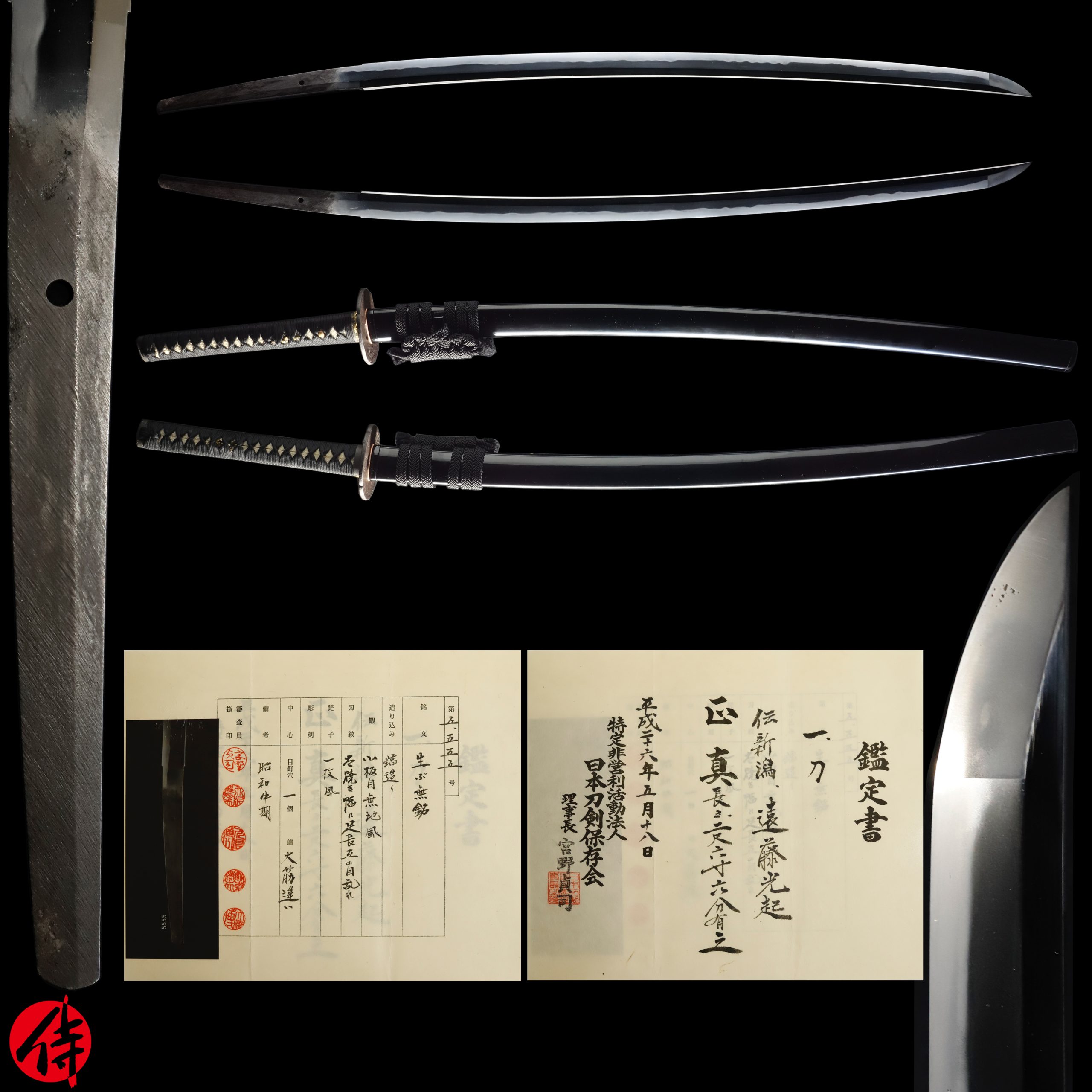
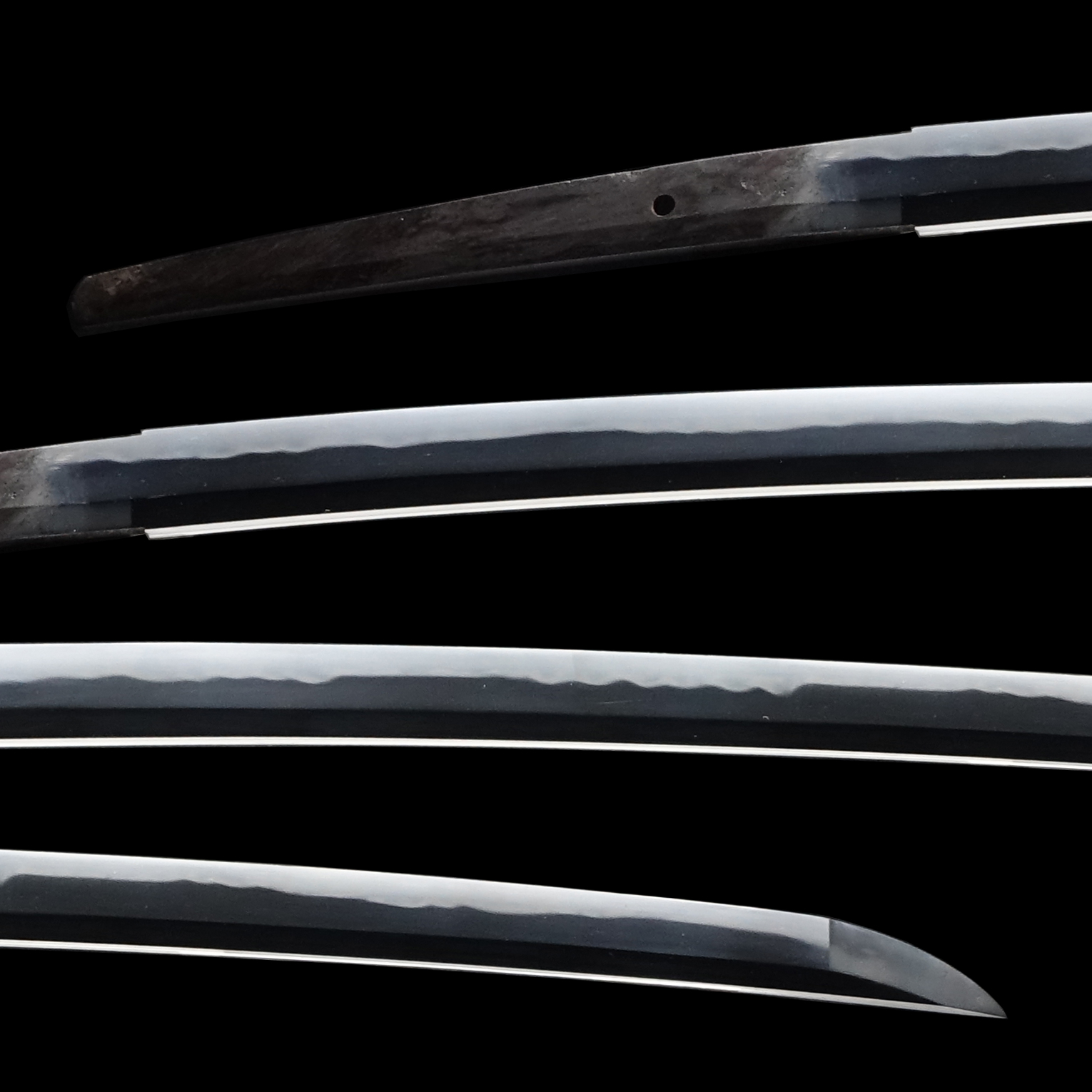
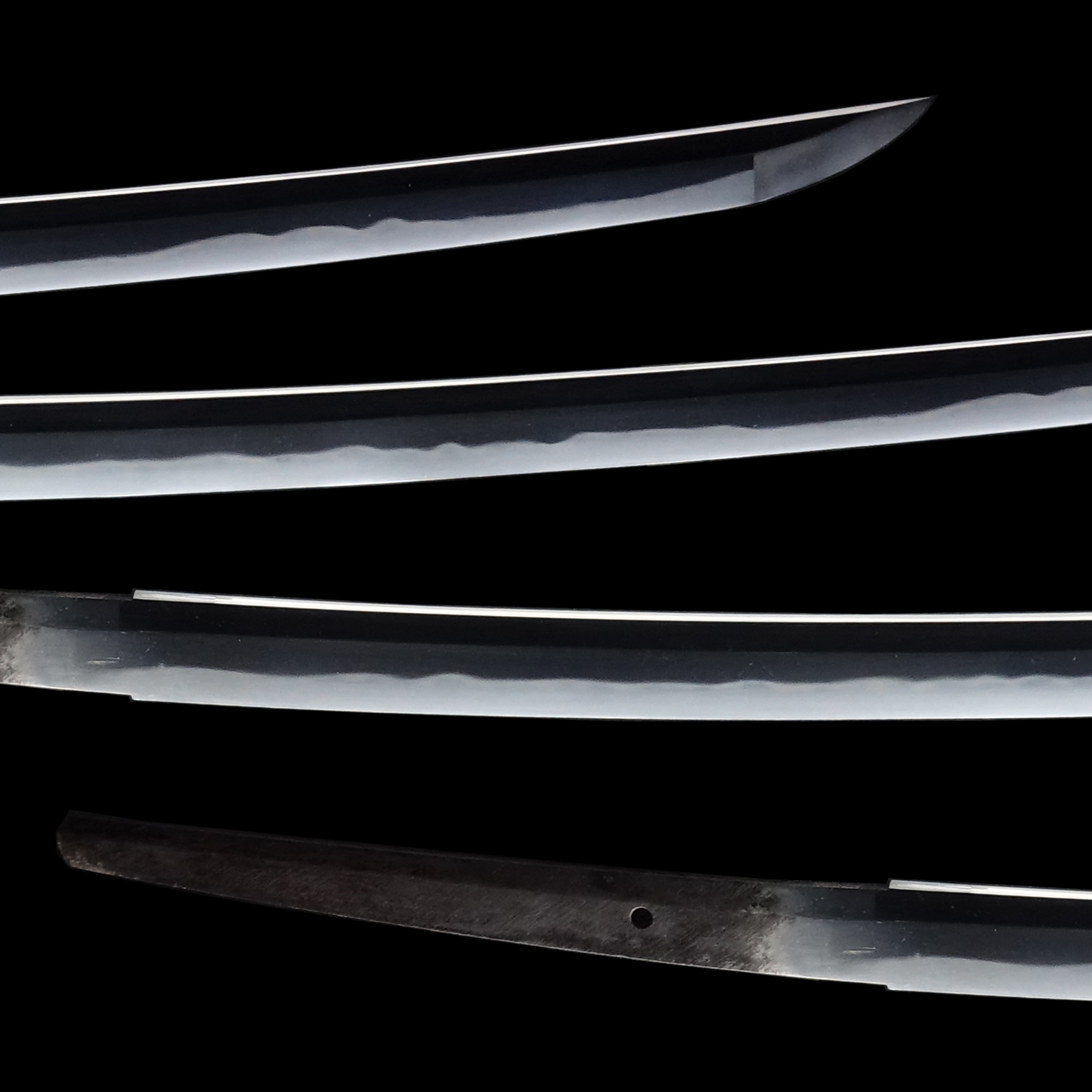
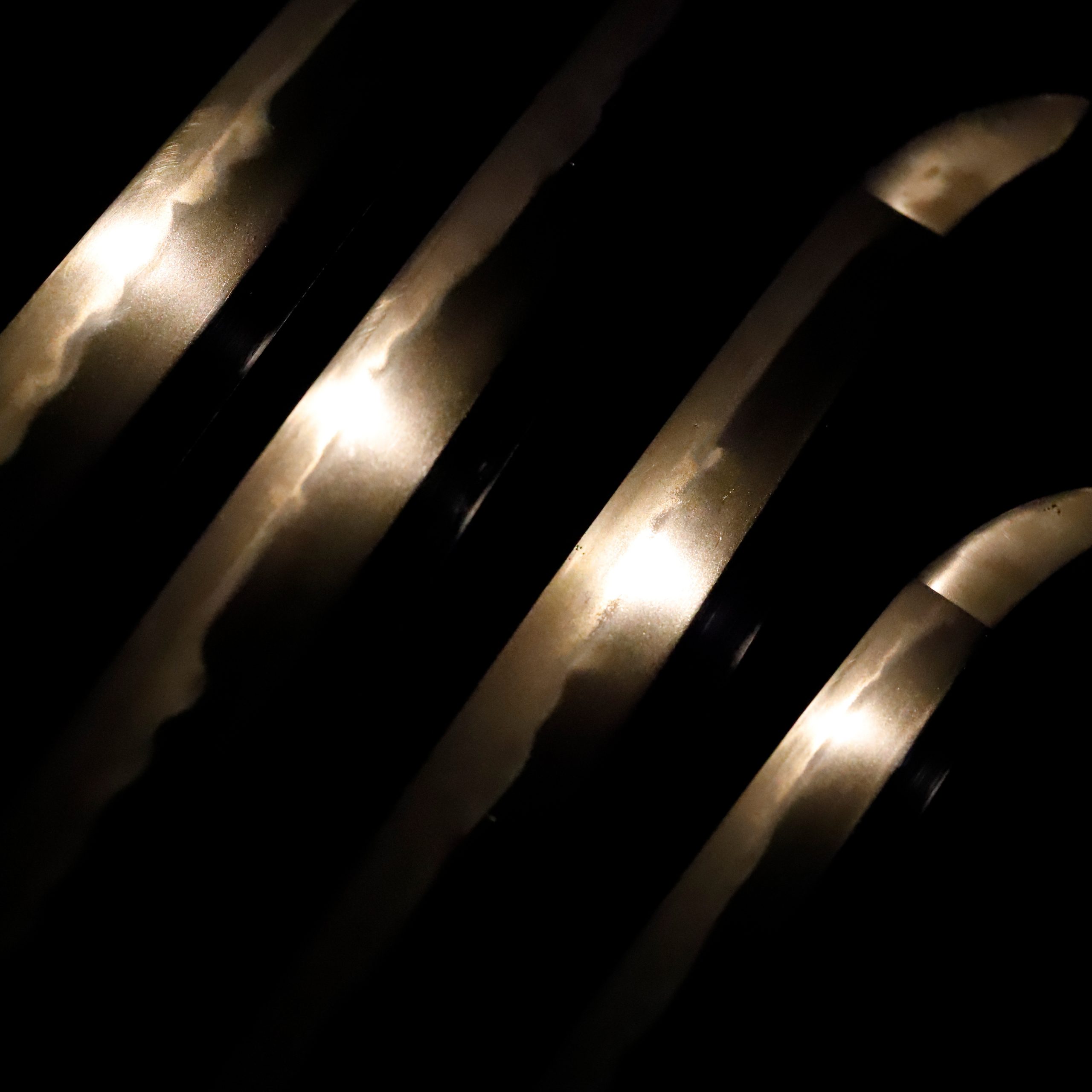
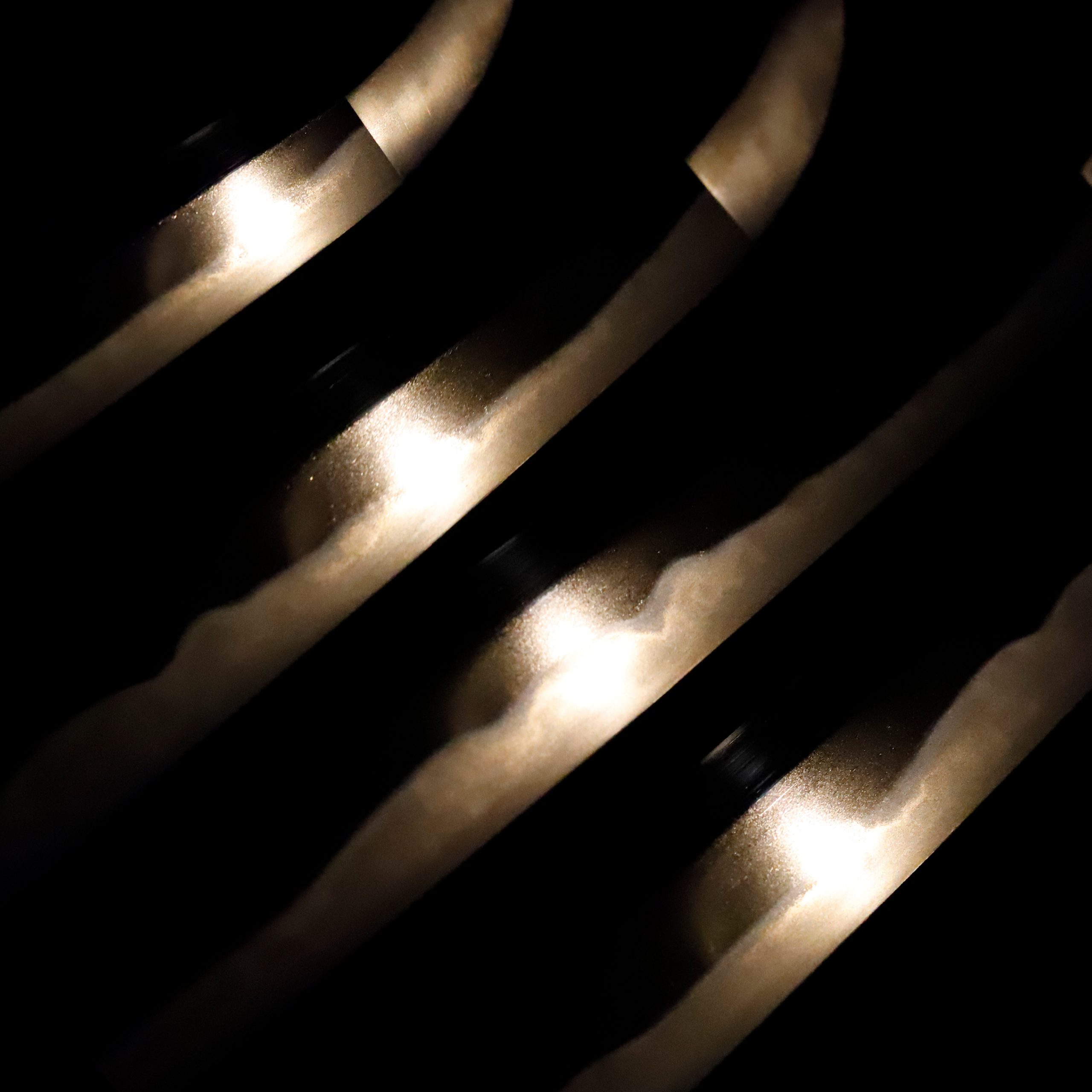
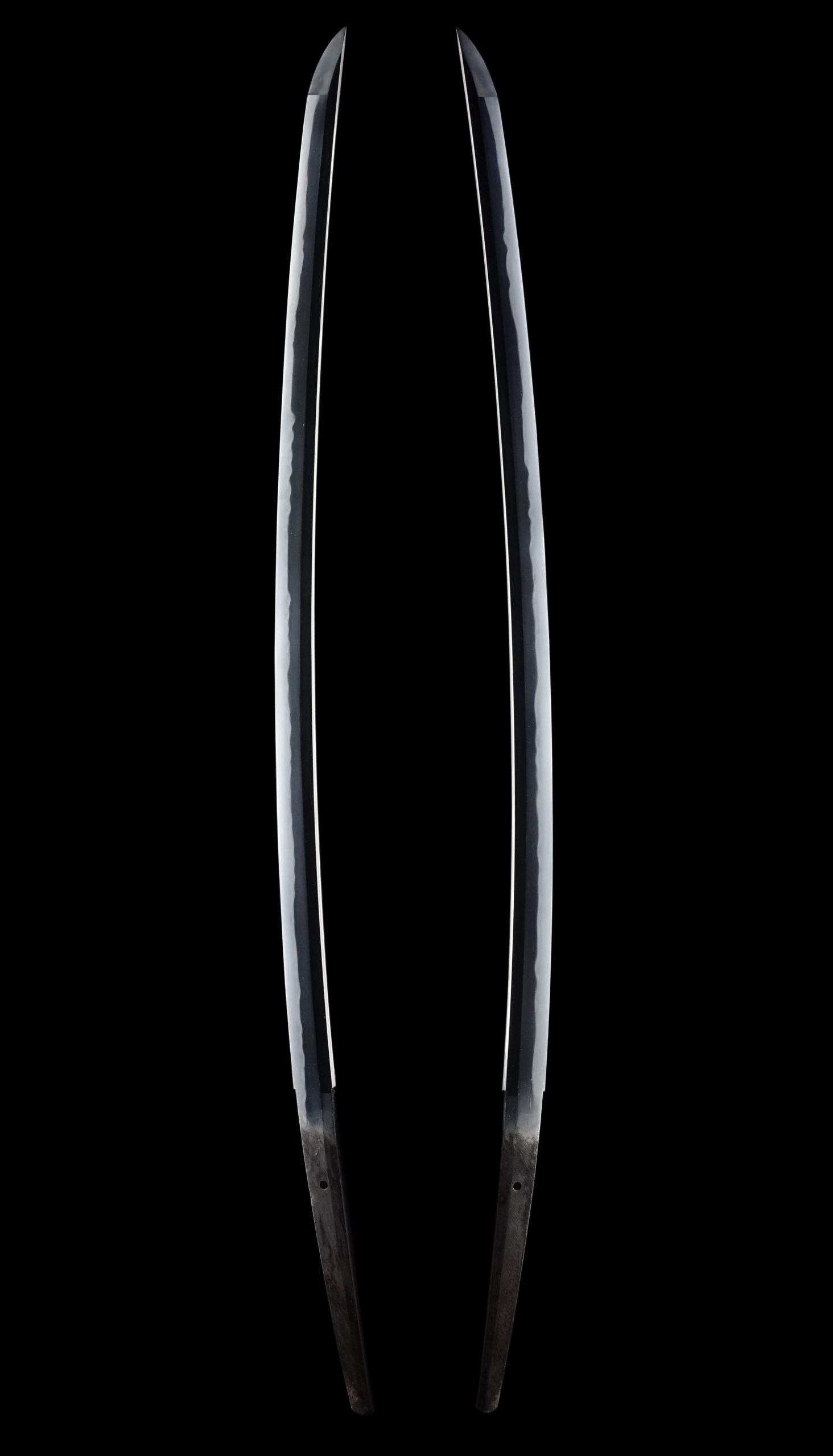
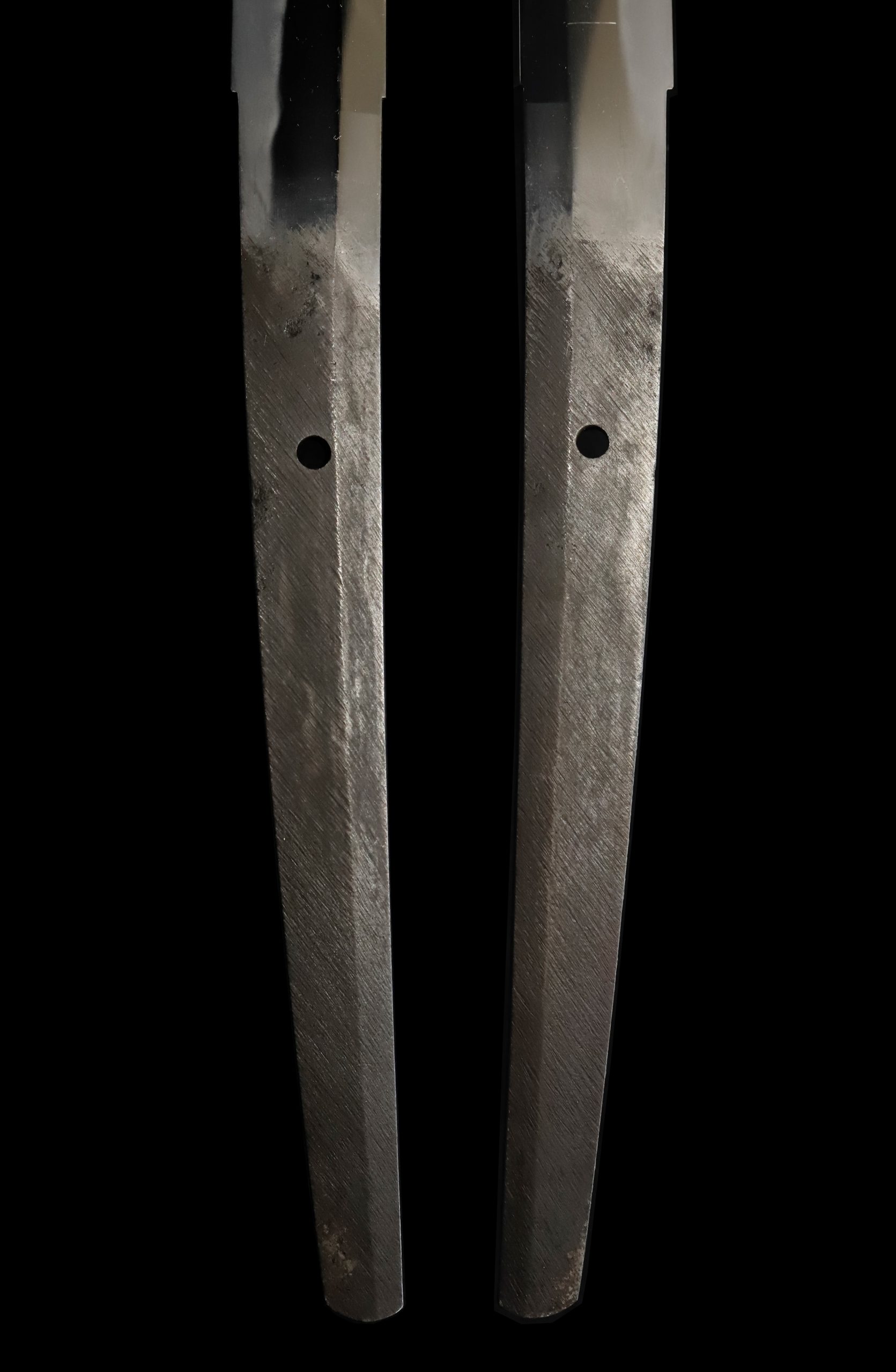
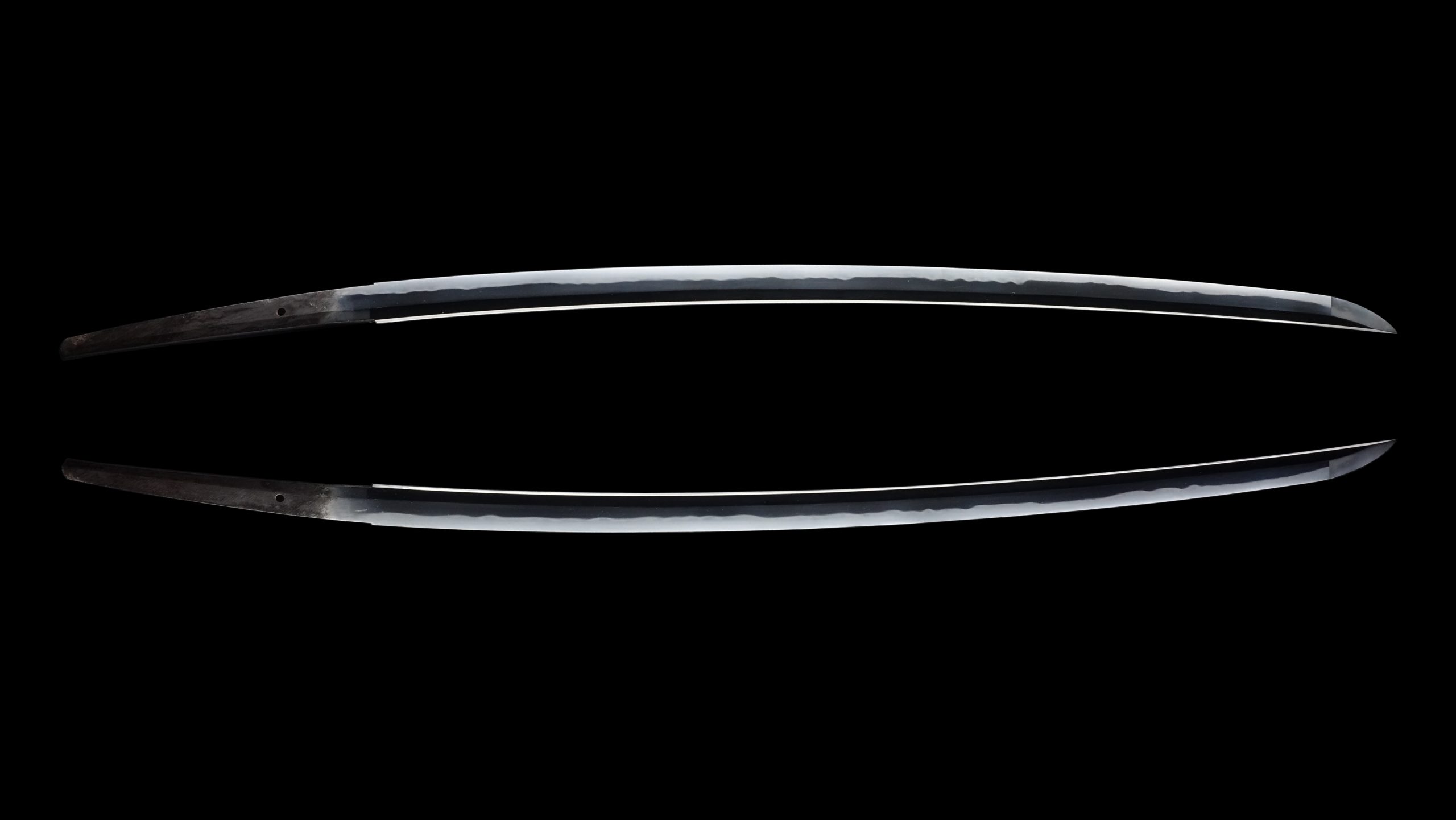
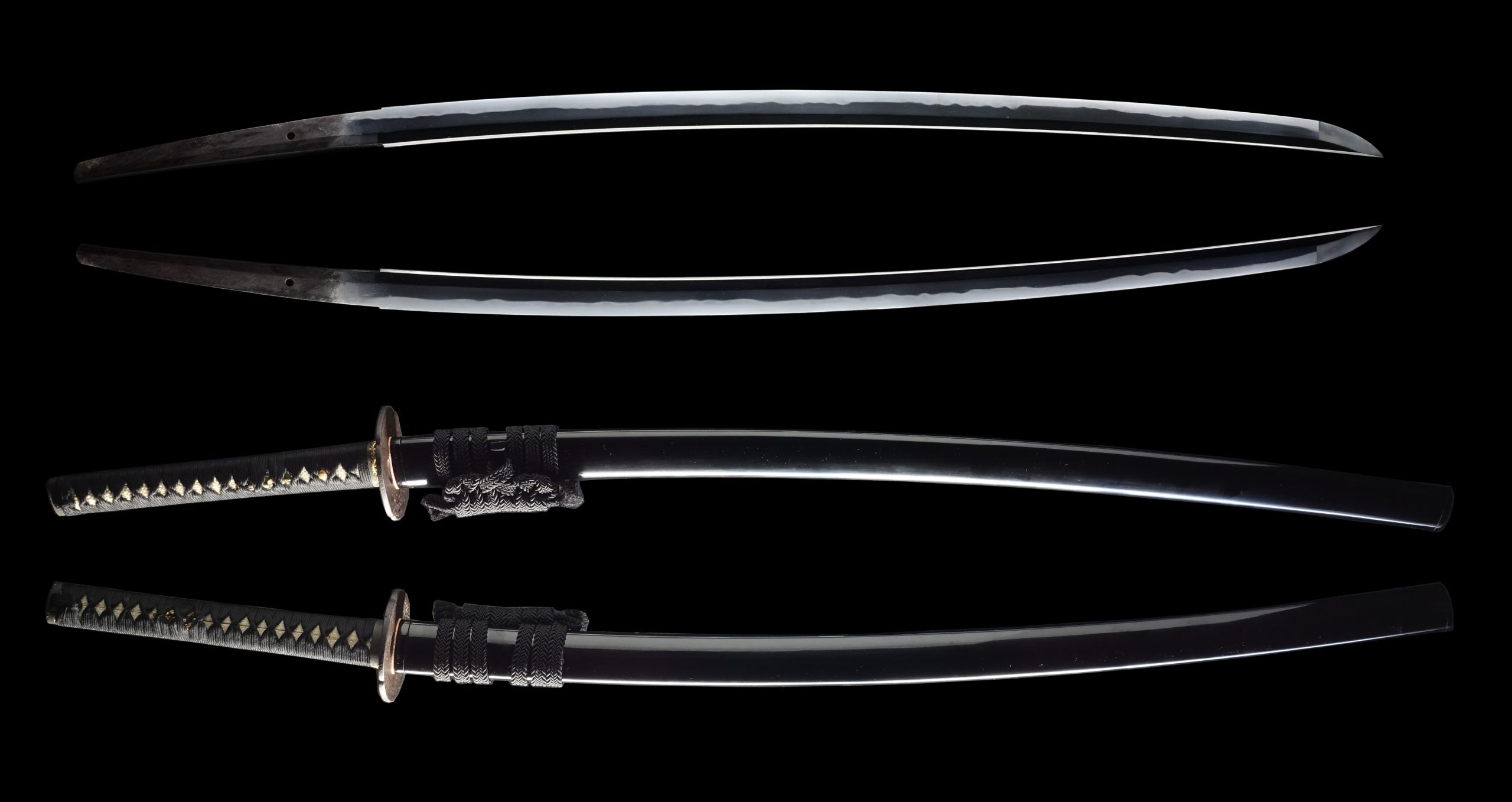
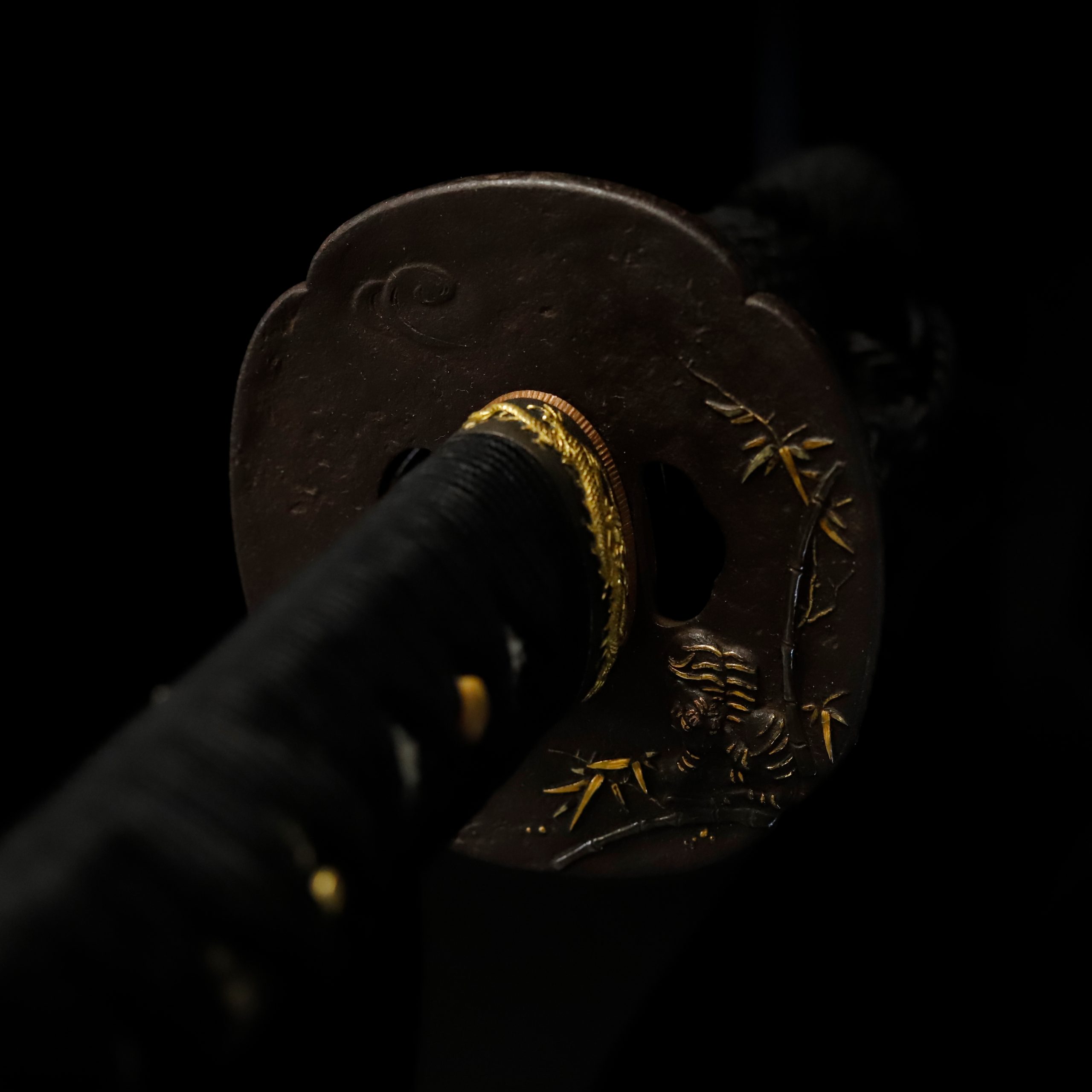
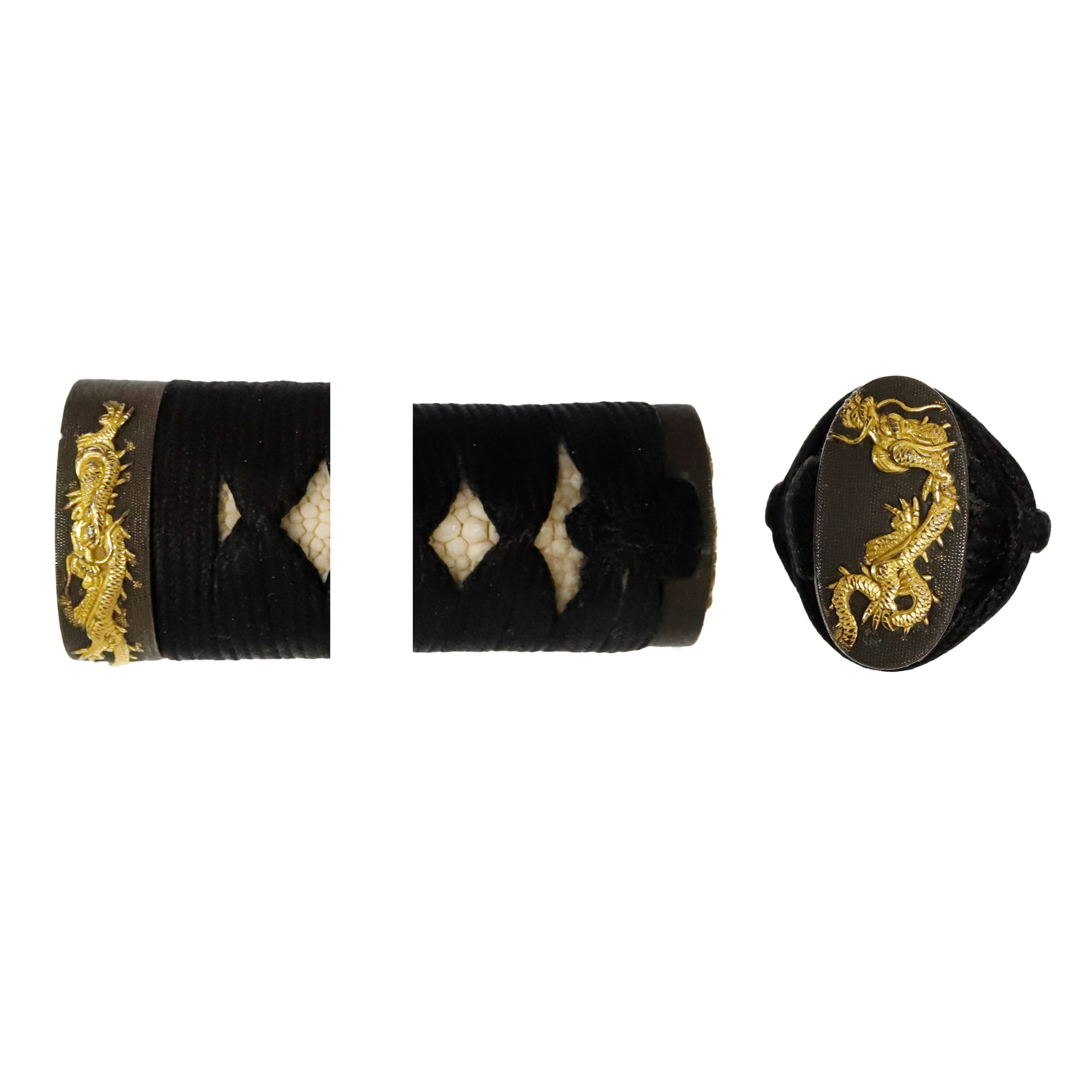
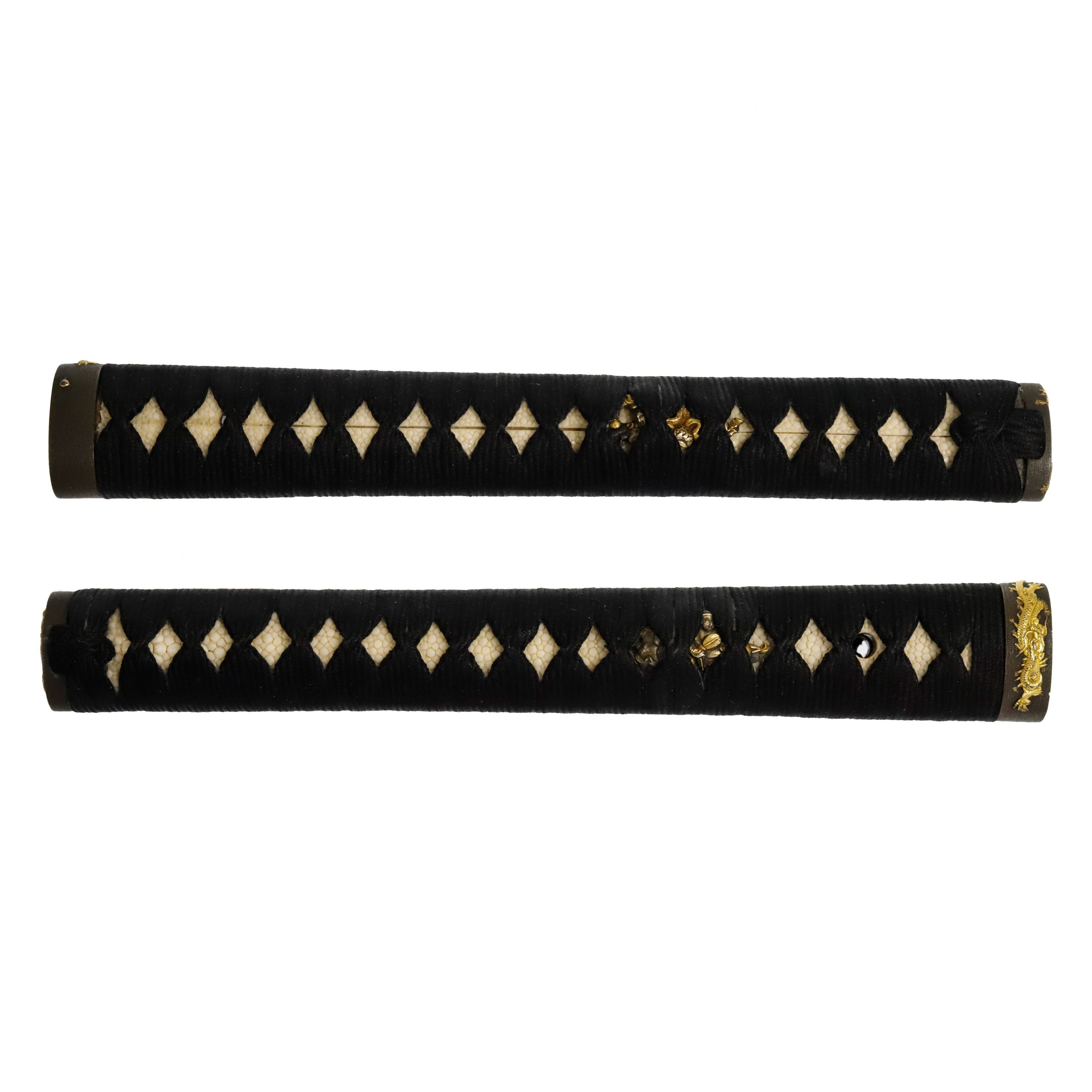
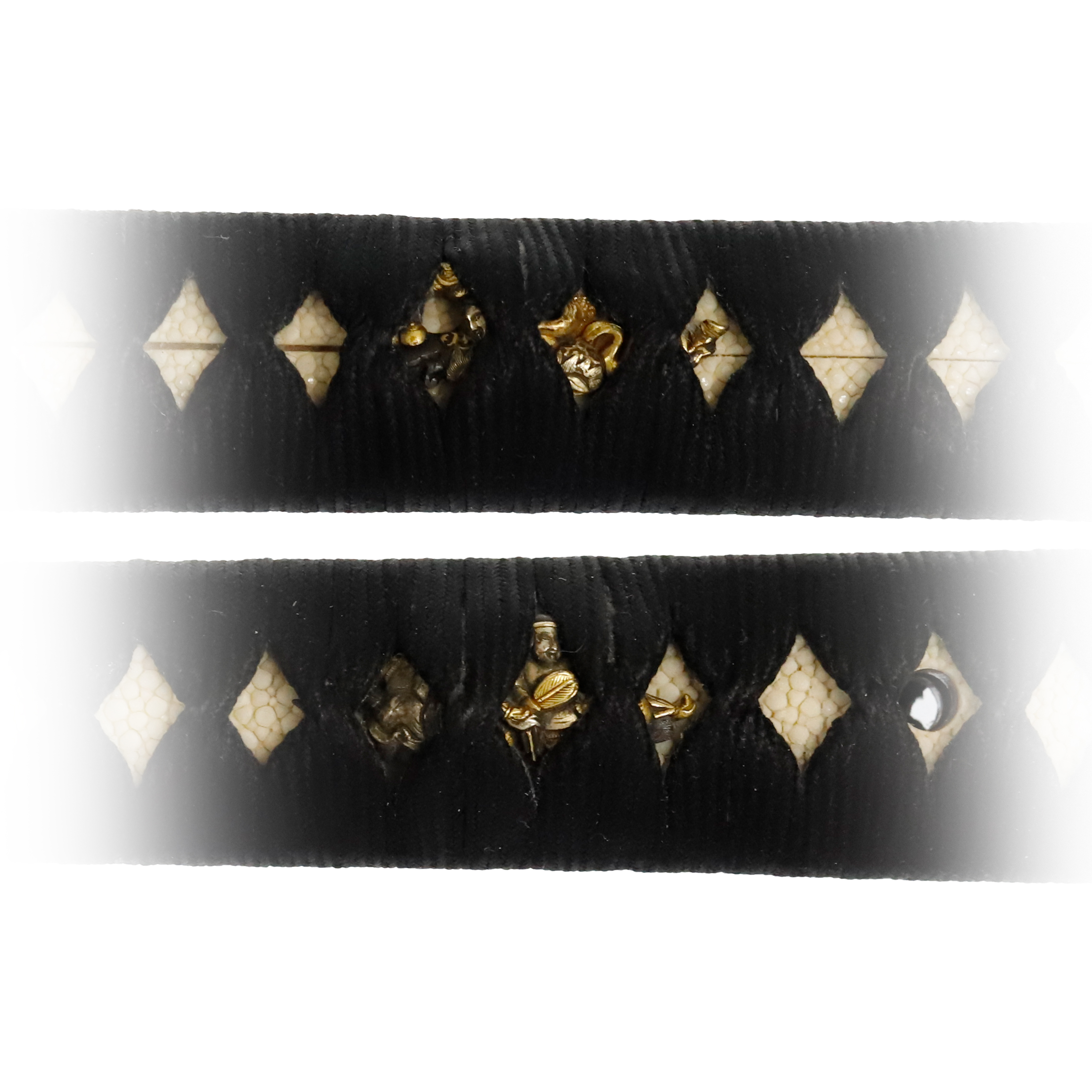
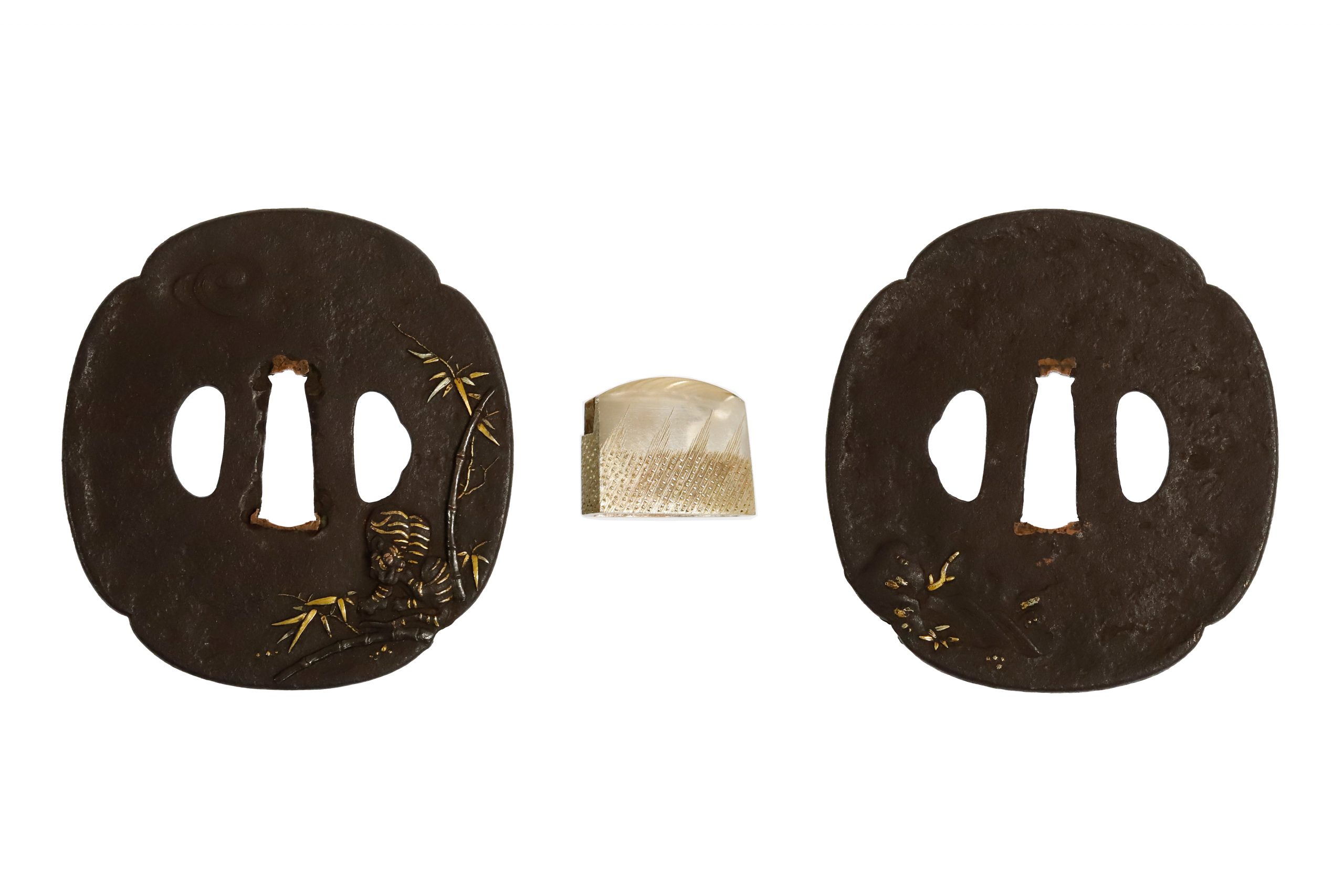
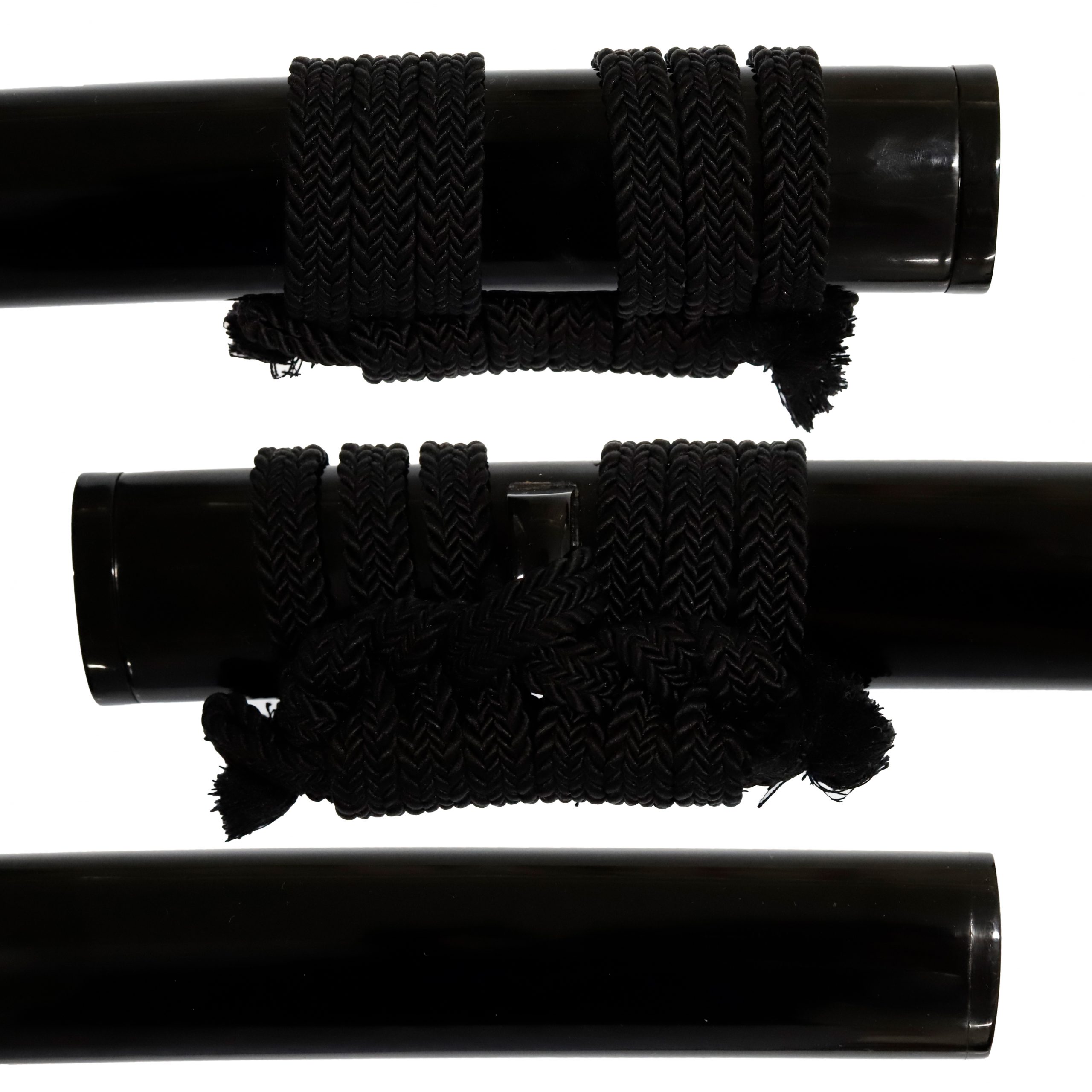
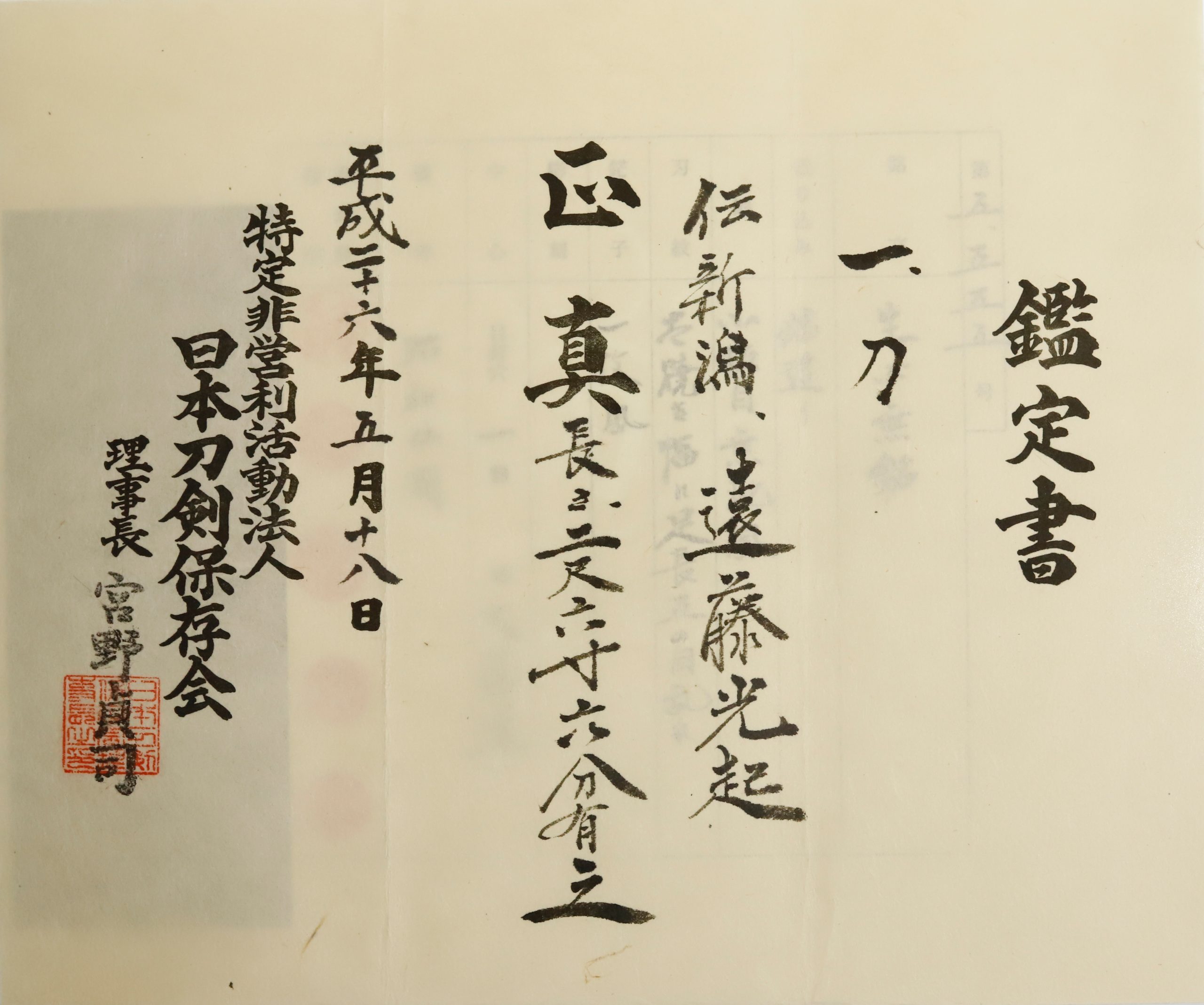
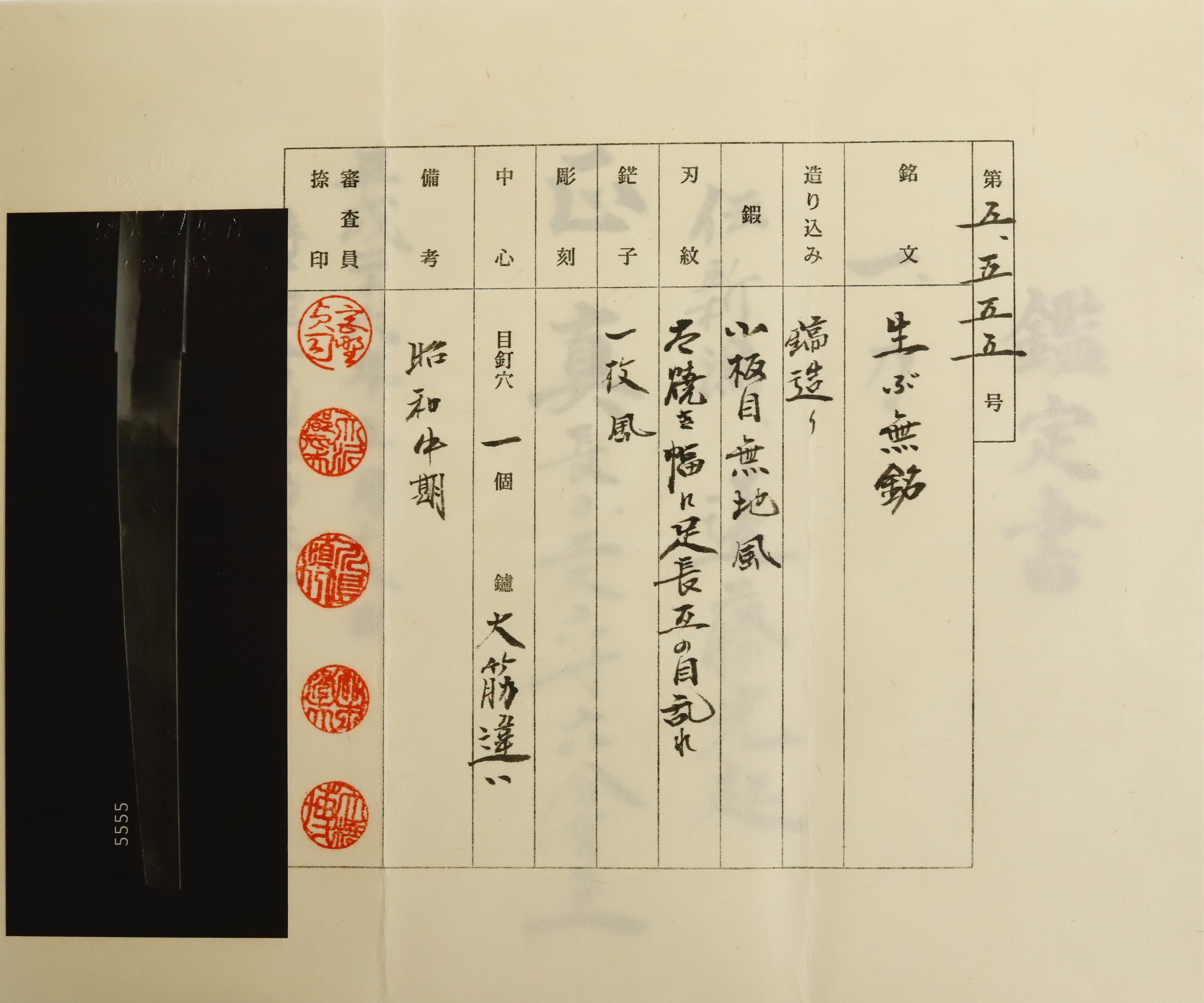
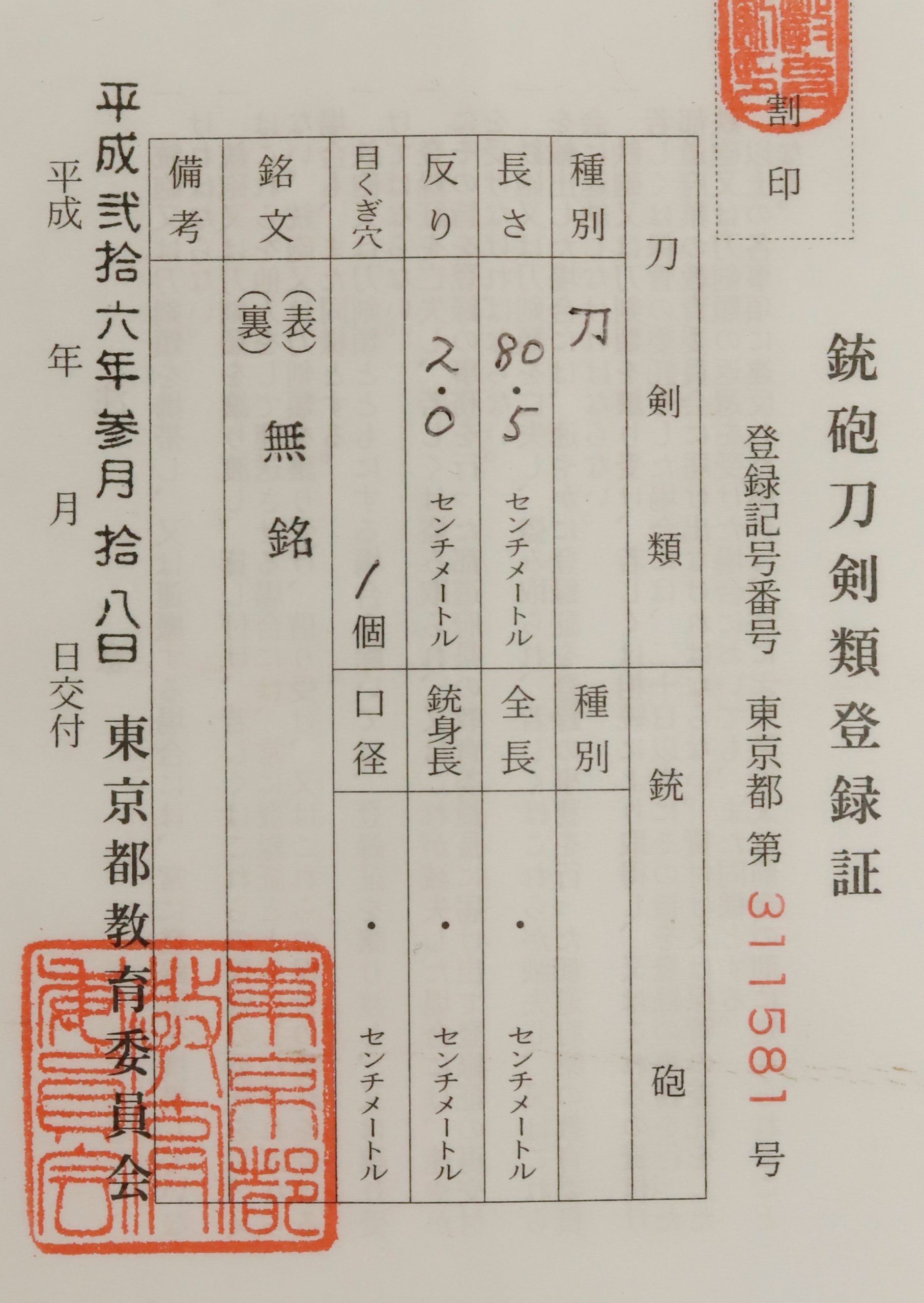
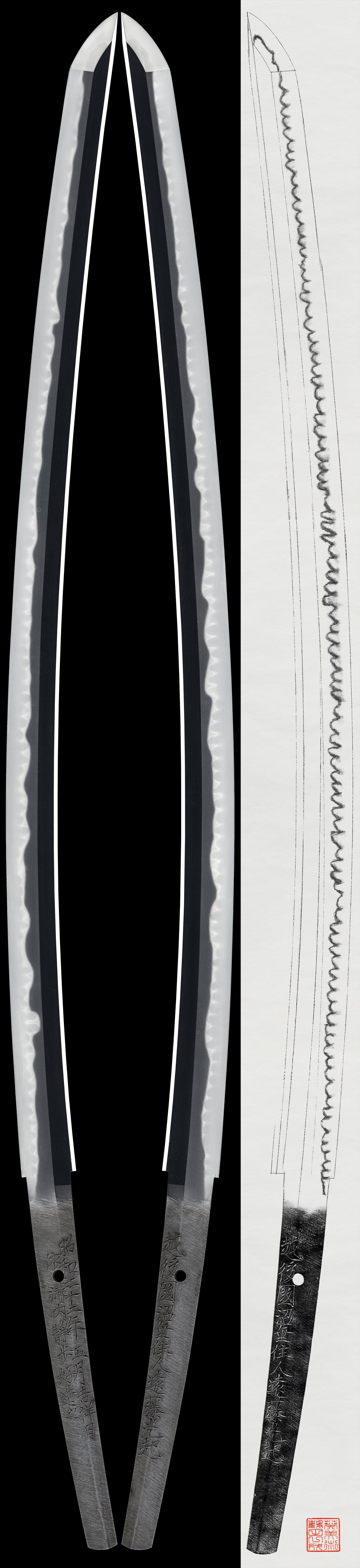
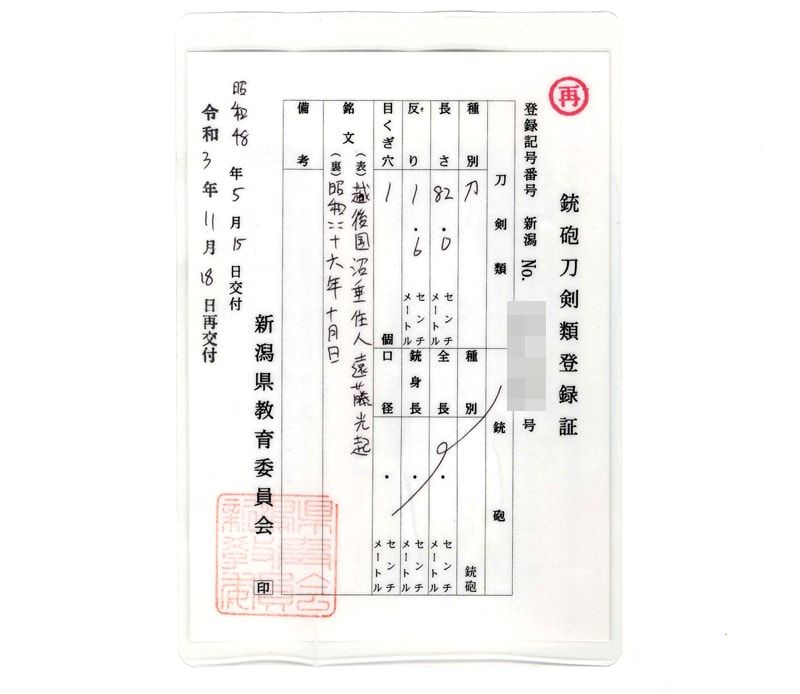
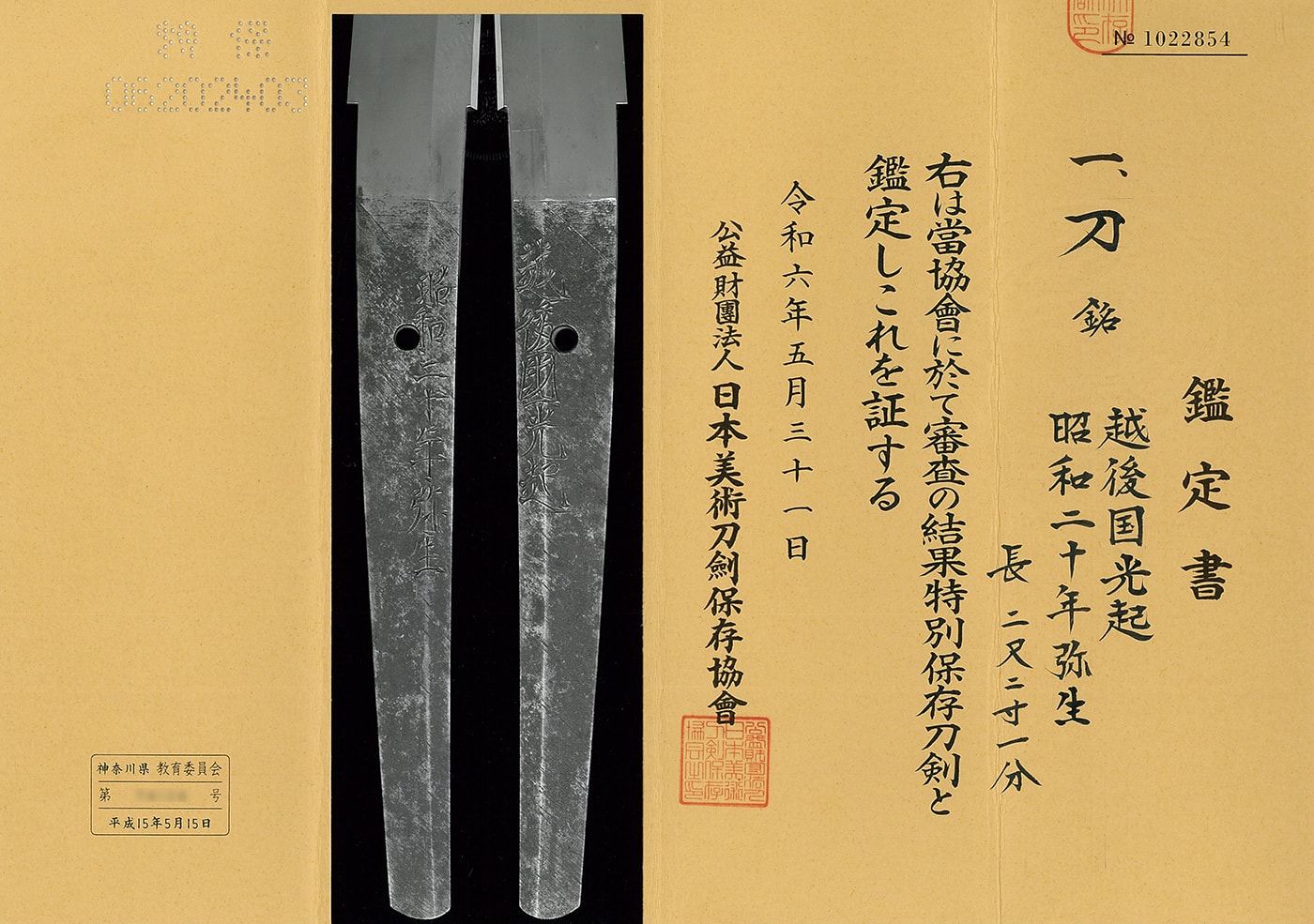
Modern Japanese Sword Gendaito Katana Attributed to Endo Mitsuoki with NTHK Certificate 【Description】 This blade is attributed to Endo Mitsuki (遠藤光起) by NTHK, Nihon Token Hozon Kai, a reputable Japanese sword appraising organization in Japan. The certificate says it was made around the mid-Showa era (Mid-Late 20th century). Endo Mitsuoki was one of the most famous swordsmiths after the post-Samurai era (1876-). He was active during the early Showa-early Heisei era. Endo Mitsuoki was born in the 37th year of the Meiji era (1904) in Nigata prefecture. After graduating from primary school, he started to work as a blacksmith and taught himself how to forge the Japanese sword first. Then, he moved to Tokyo to become an apprentice of Kurihara Hikosaburo (栗原彦三郎) in the 10th year of the Showa era (1935). He officially started to learn sword-forging techniques at a workplace called Nihonto Tanren Denshujyo, run by Hikosaburo. Kurihara Hikosaburo was one of the contributors to keeping the Japanese sword-forging tradition alive after the Samurai period ended. It is said that Hikosaburo acknowledged the high level of Mitsuoki’s craftsmanship. After a few years, Mitsuoki started to submit his creations to multiple competitions, and he won many awards there. In 1939, he was honored to forge a special sword to commemorate the 700th anniversary of the emperor Gotoba, who had made laborious efforts to spread the spirituality and artistic value of the Japanese sword. In 1945, Mitsuoki also made a sword for Yamamoto Isoroku, the general of the Japanese navy back then. He also forged many swords and dedicated them to highly-regarded shrines and temples such as Ise shrine. In 1981, he was appointed as a *Mukansa swordsmith, one of the most honorable titles given to modern swordsmiths. What is a Mukansa swordsmith? It is one of the most honorable titles a modern swordsmith could receive. One with this title could submit his work to the Japanese sword exhibition held by NBTHK(Nihon Bijyutu Touken Hozon Kyokai) without being examined. In contrast, other sword makers need to pass a rigorous test to participate in this event. This fact also suggests he was a great swordsmith in modern times. There are only 39 Mukansa swordsmiths now since the exhibition started in 1955. This exhibition is held by NBTHK once a year, and modern swordsmiths compete for their craftsmanship there. About Modern Swordsmith There are around 150-200 registered swordsmiths in Japan today. To legally produce Japanese swords, one needs to pass the national exam given by the Agency for Cultural Affairs(Bunka-Cho) and receive the license. Before taking the exam, one must finish his or her apprenticeship under a licensed master for more than five years. Those who practice Iaido(居合道) tend to use those modern swords, and there are modern Japanese sword collectors nationwide. The modern Japanese sword makers are researching old ways to forge swords and trying to recreate ancient-style swords. They are the ones who keep the tradition of Japanese history alive. If you like to know the detail measurement of this Katana, please feel free to contact us. 【Blade】 Cutting Edge Length(Nagasa) : 80.5 cm( 31.7 inches) Curvature(Sori) : 2.0 cm (0.79 inches) Hamon : The crystalline structure which forms along the cutting edge of a blade as a result of the hardening process Jimon(Jihada) : visible steel surface pattern created by folding and hammering during forging process Nakago : Nakago is the tang of the Japanese sword. Koshirae: Koshirae is the mounting of the Japanese sword. There are several parts that consist of Koshirae such as Saya(Scabbard), Tsuka(Handle), Tsuba(Handguard). Fuchi-Kashira : A pair of matching sword fittings that cover the upper and bottom parts of its sword hilt. Dragons are designed for this Fuchi Kashira. Bright golden paint is applied to these dragons; it makes this Fuchi Kashira looks gorgeous. Initially, the dragon is an imaginary creature found in ancient traditions
無銘 · 昭和 · 長さ 80.5cm · 反り 2cm


越後 · 1926-1989頃
現在4点販売中
NTHKの中心的な鑑定書で、相応の出来を備えた作に発行されます。在銘作は銘の正真を、無銘作は審査員による刀工・流派の極めを示します。点数を記す詳細な審査表が付されます。
NTHK(日本刀剣保存会)は、NBTHK(1948年設立)に先立つ1910年に創立された、日本で最も古い刀剣鑑定団体です。長く会を率いた会長の没後、NTHKとNTHK-NPOの二つに分かれ、いずれも審査を続けています。NTHKの鑑定書は、点数と審査員の所見を併記する詳細な審査表が特徴で、特に無銘作の極めに定評があります。
Returns/exchanges limited to defects caused by shipping (except willful misconduct or gross negligence by the company); customers must contact within 72 hours of receiving the product.
Modern Japanese Sword Gendaito Katana Attributed to Endo Mitsuoki with NTHK Certificate 【Description】 This blade is attributed to Endo Mitsuki (遠藤光起) by NTHK, Nihon Token Hozon Kai, a reputable Japanese sword appraising organization in Japan. The certificate says it was made around the mid-Showa era (Mid-Late 20th century). Endo Mitsuoki was one of the most famous swordsmiths after the post-Samurai era (1876-). He was active during the early Showa-early Heisei era. Endo Mitsuoki was born in the 37th year of the Meiji era (1904) in Nigata prefecture. After graduating from primary school, he started to work as a blacksmith and taught himself how to forge the Japanese sword first. Then, he moved to Tokyo to become an apprentice of Kurihara Hikosaburo (栗原彦三郎) in the 10th year of the Showa era (1935). He officially started to learn sword-forging techniques at a workplace called Nihonto Tanren Denshujyo, run by Hikosaburo. Kurihara Hikosaburo was one of the contributors to keeping the Japanese sword-forging tradition alive after the Samurai period ended. It is said that Hikosaburo acknowledged the high level of Mitsuoki’s craftsmanship. After a few years, Mitsuoki started to submit his creations to multiple competitions, and he won many awards there. In 1939, he was honored to forge a special sword to commemorate the 700th anniversary of the emperor Gotoba, who had made laborious efforts to spread the spirituality and artistic value of the Japanese sword. In 1945, Mitsuoki also made a sword for Yamamoto Isoroku, the general of the Japanese navy back then. He also forged many swords and dedicated them to highly-regarded shrines and temples such as Ise shrine. In 1981, he was appointed as a *Mukansa swordsmith, one of the most honorable titles given to modern swordsmiths. What is a Mukansa swordsmith? It is one of the most honorable titles a modern swordsmith could receive. One with this title could submit his work to the Japanese sword exhibition held by NBTHK(Nihon Bijyutu Touken Hozon Kyokai) without being examined. In contrast, other sword makers need to pass a rigorous test to participate in this event. This fact also suggests he was a great swordsmith in modern times. There are only 39 Mukansa swordsmiths now since the exhibition started in 1955. This exhibition is held by NBTHK once a year, and modern swordsmiths compete for their craftsmanship there. About Modern Swordsmith There are around 150-200 registered swordsmiths in Japan today. To legally produce Japanese swords, one needs to pass the national exam given by the Agency for Cultural Affairs(Bunka-Cho) and receive the license. Before taking the exam, one must finish his or her apprenticeship under a licensed master for more than five years. Those who practice Iaido(居合道) tend to use those modern swords, and there are modern Japanese sword collectors nationwide. The modern Japanese sword makers are researching old ways to forge swords and trying to recreate ancient-style swords. They are the ones who keep the tradition of Japanese history alive. If you like to know the detail measurement of this Katana, please feel free to contact us. 【Blade】 Cutting Edge Length(Nagasa) : 80.5 cm( 31.7 inches) Curvature(Sori) : 2.0 cm (0.79 inches) Hamon : The crystalline structure which forms along the cutting edge of a blade as a result of the hardening process Jimon(Jihada) : visible steel surface pattern created by folding and hammering during forging process Nakago : Nakago is the tang of the Japanese sword. Koshirae: Koshirae is the mounting of the Japanese sword. There are several parts that consist of Koshirae such as Saya(Scabbard), Tsuka(Handle), Tsuba(Handguard). Fuchi-Kashira : A pair of matching sword fittings that cover the upper and bottom parts of its sword hilt. Dragons are designed for this Fuchi Kashira. Bright golden paint is applied to these dragons; it makes this Fuchi Kashira looks gorgeous. Initially, the dragon is an imaginary creature found in ancient traditions
無銘 · 昭和 · 長さ 80.5cm · 反り 2cm


越後 · 1926-1989頃
現在4点販売中
NTHKの中心的な鑑定書で、相応の出来を備えた作に発行されます。在銘作は銘の正真を、無銘作は審査員による刀工・流派の極めを示します。点数を記す詳細な審査表が付されます。
NTHK(日本刀剣保存会)は、NBTHK(1948年設立)に先立つ1910年に創立された、日本で最も古い刀剣鑑定団体です。長く会を率いた会長の没後、NTHKとNTHK-NPOの二つに分かれ、いずれも審査を続けています。NTHKの鑑定書は、点数と審査員の所見を併記する詳細な審査表が特徴で、特に無銘作の極めに定評があります。
Returns/exchanges limited to defects caused by shipping (except willful misconduct or gross negligence by the company); customers must contact within 72 hours of receiving the product.