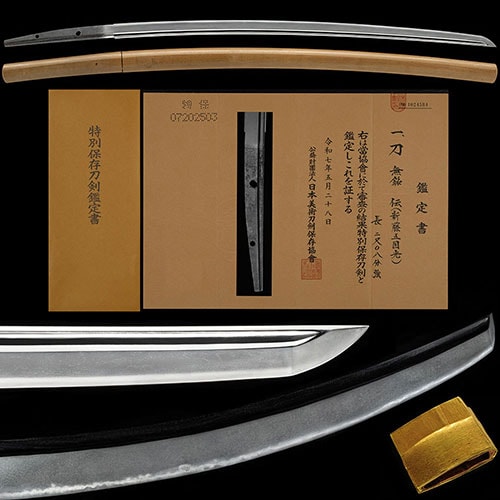
徳川の泰平のもと、大小は法度の定める身分の制服となり、需要は城下町、とりわけ江戸に集まった。工芸は二つに分かれる。目利きのための華やかな鑑賞の作と、截断の結果を金象嵌に刻む実証の刀である。
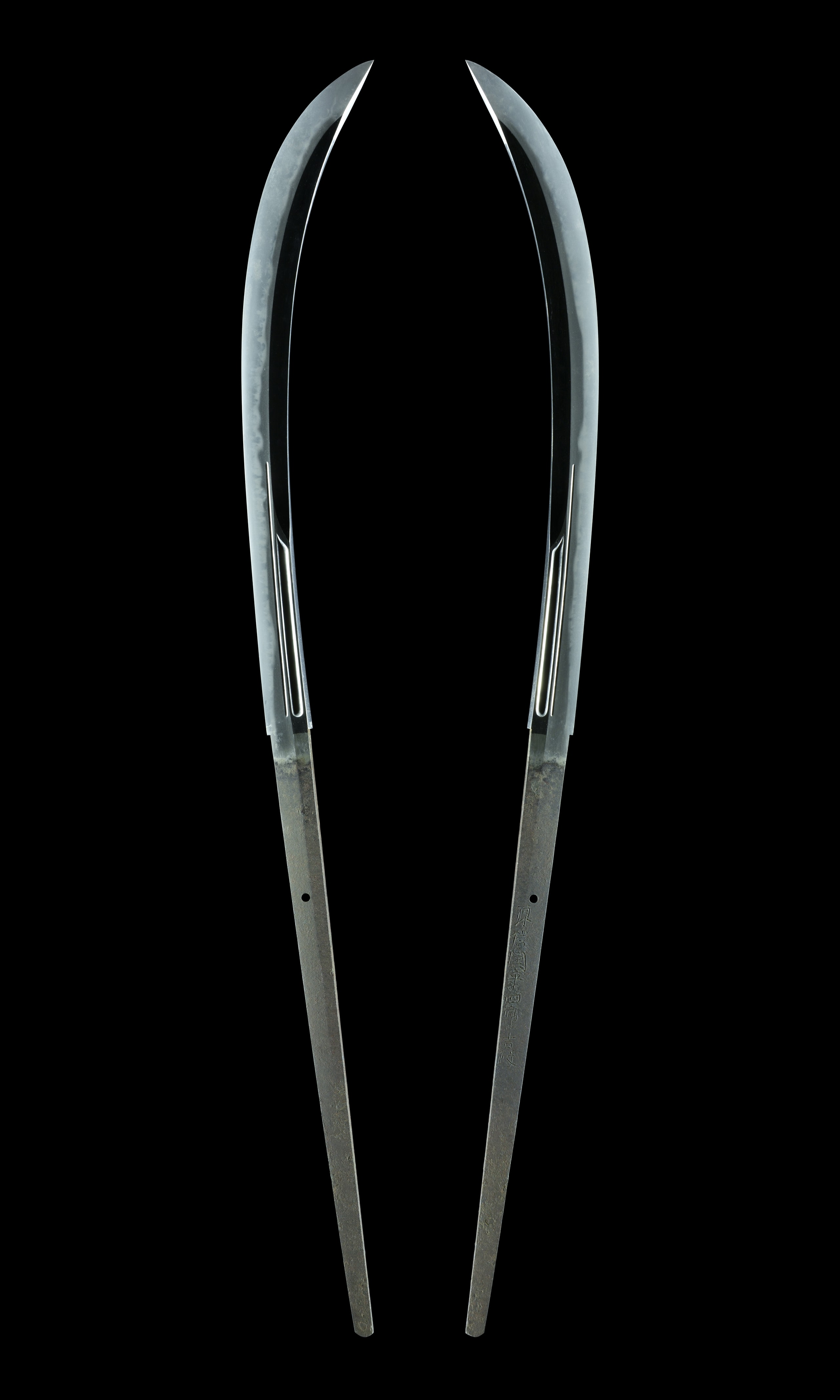
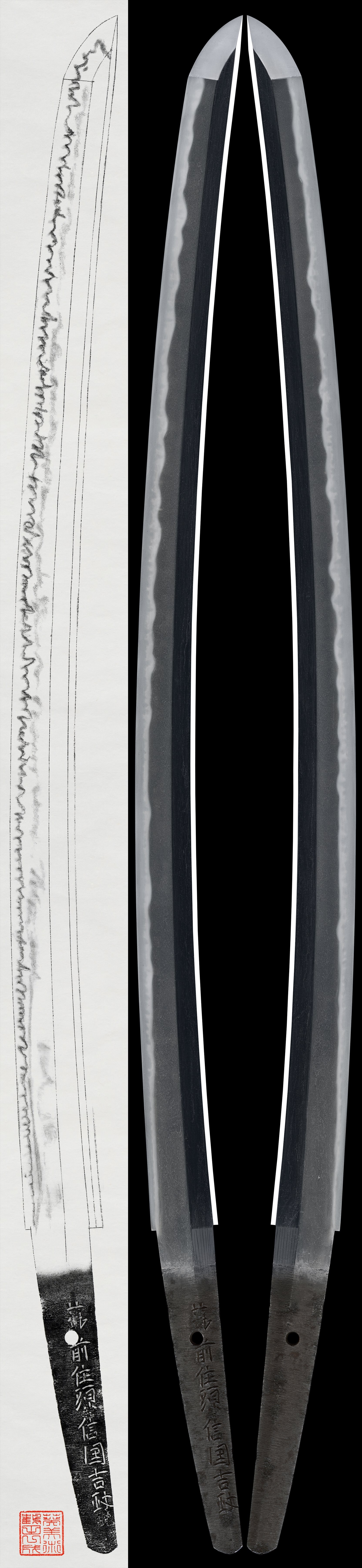
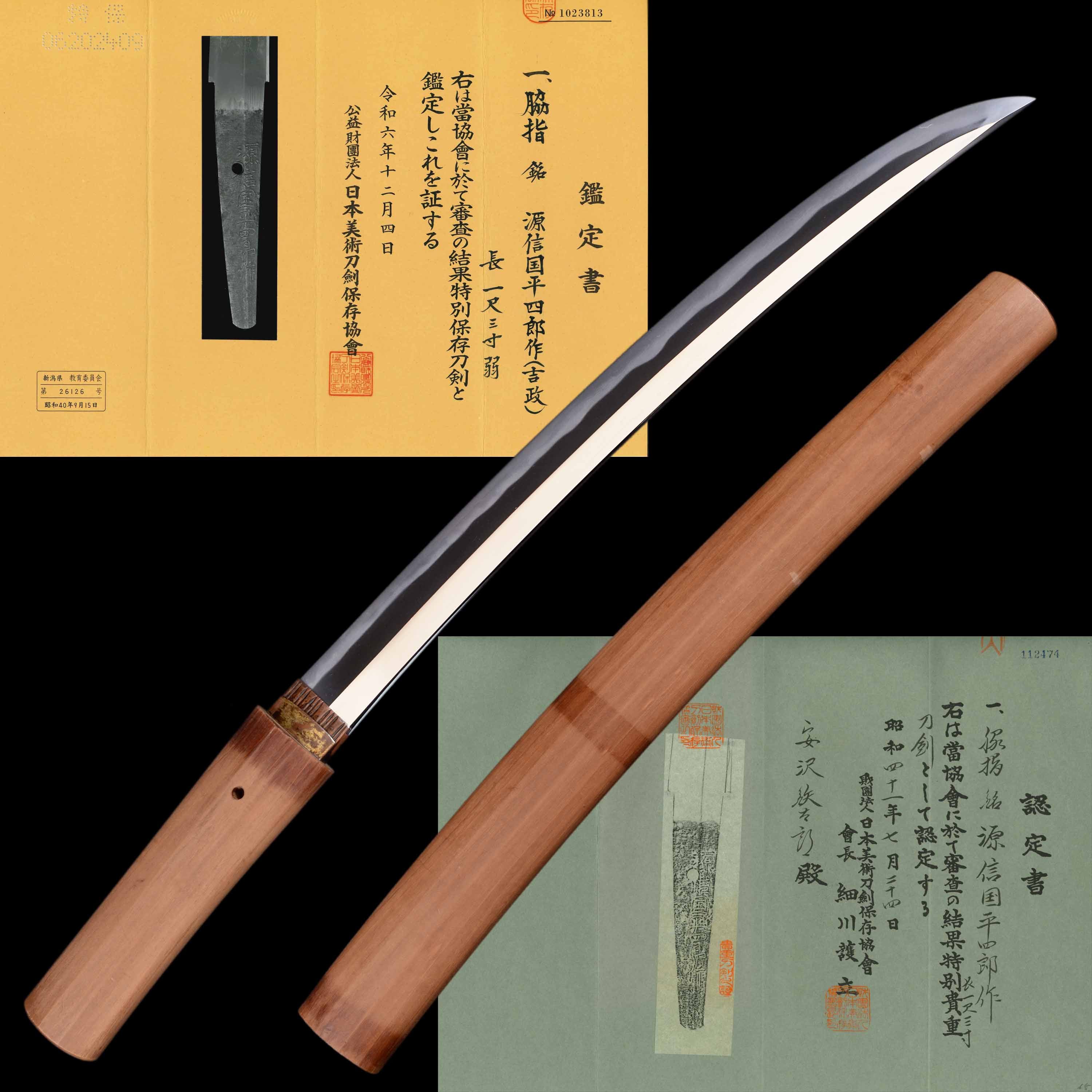
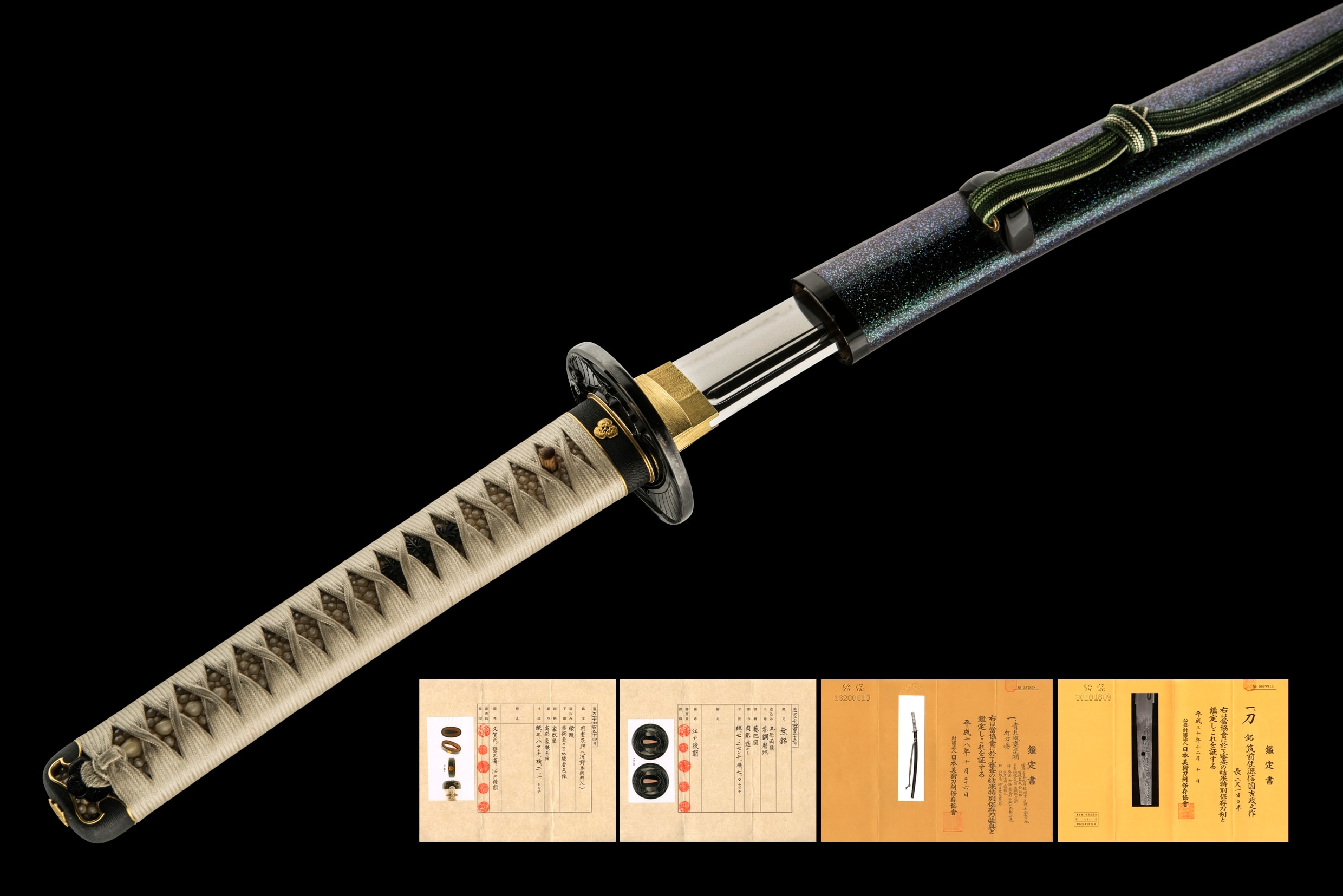
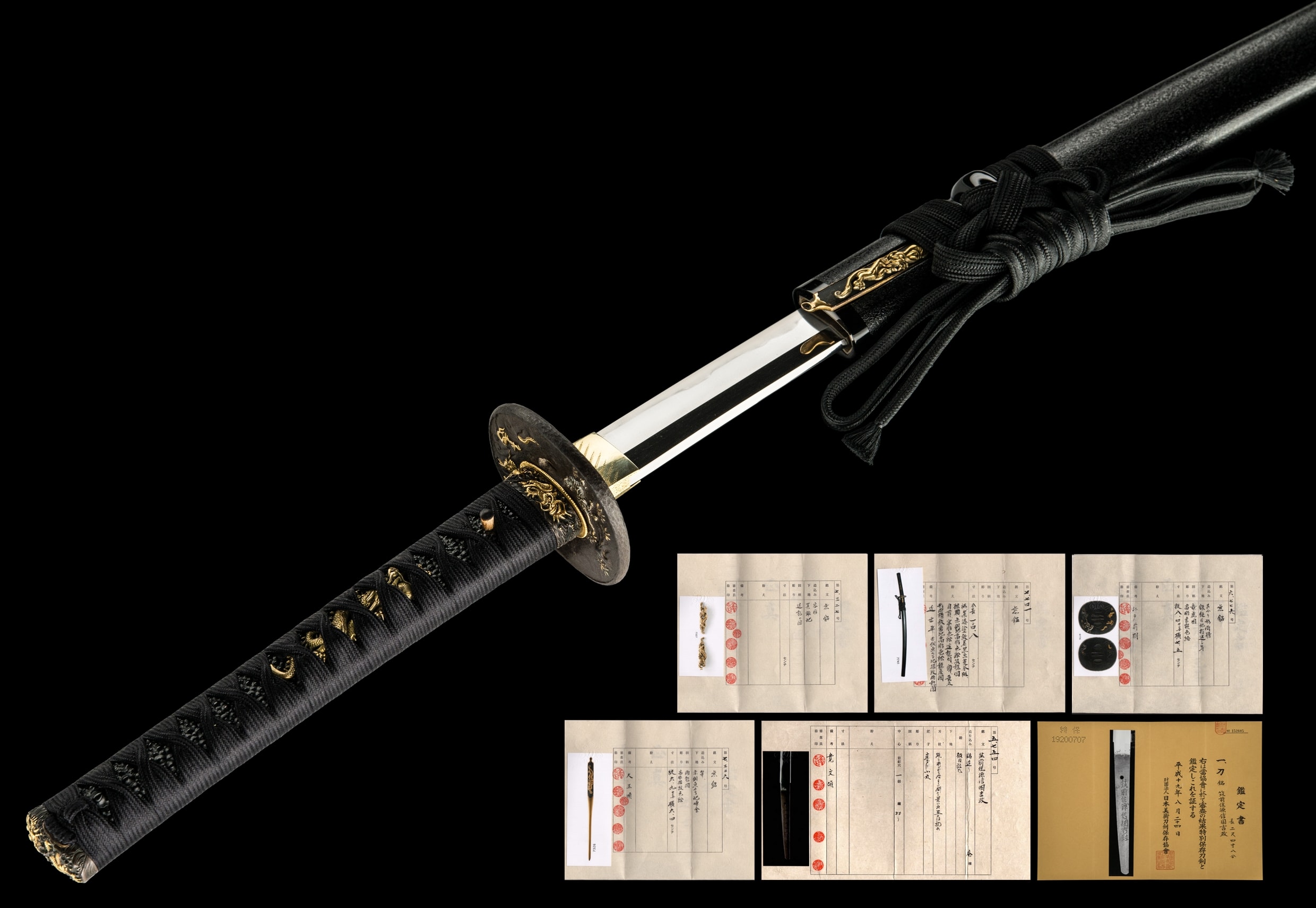
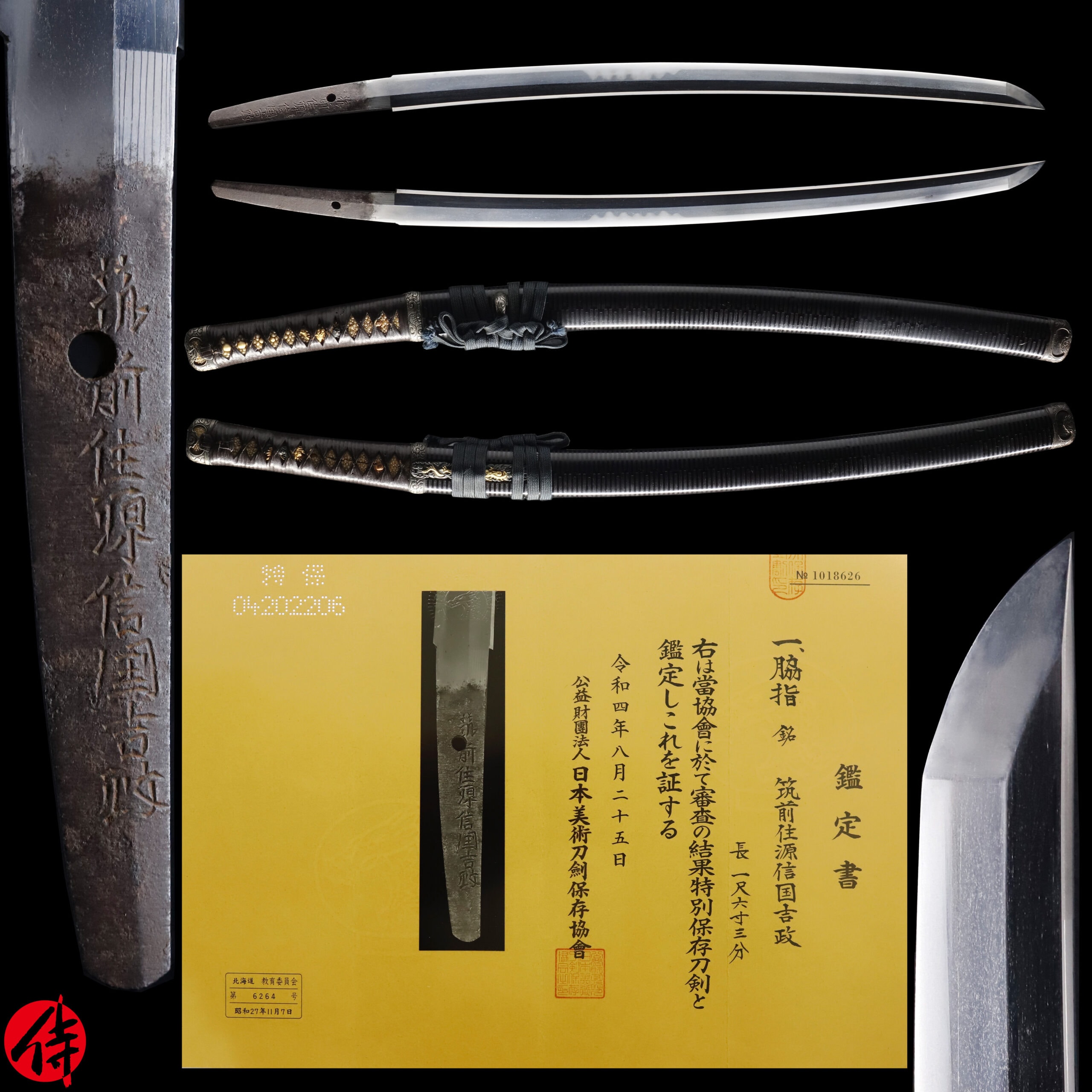
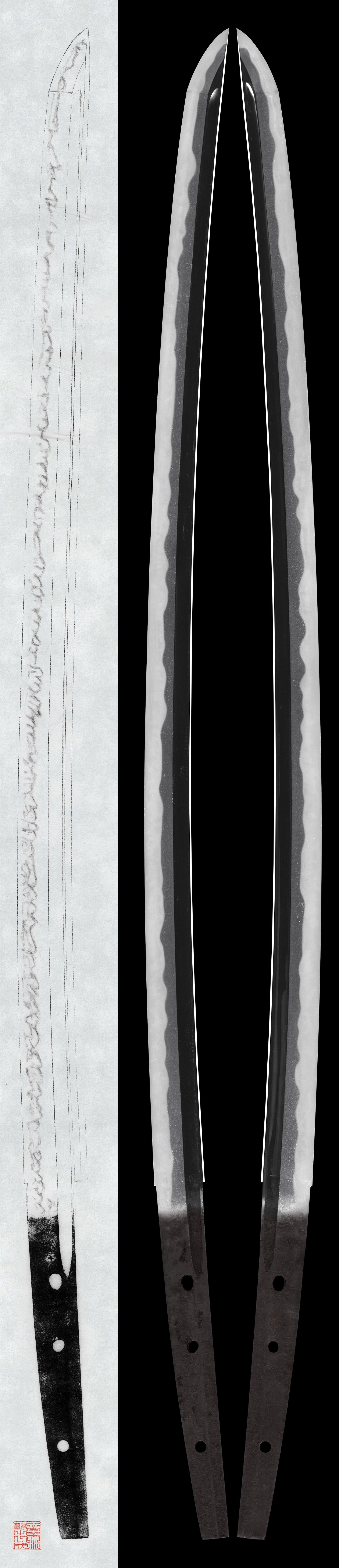
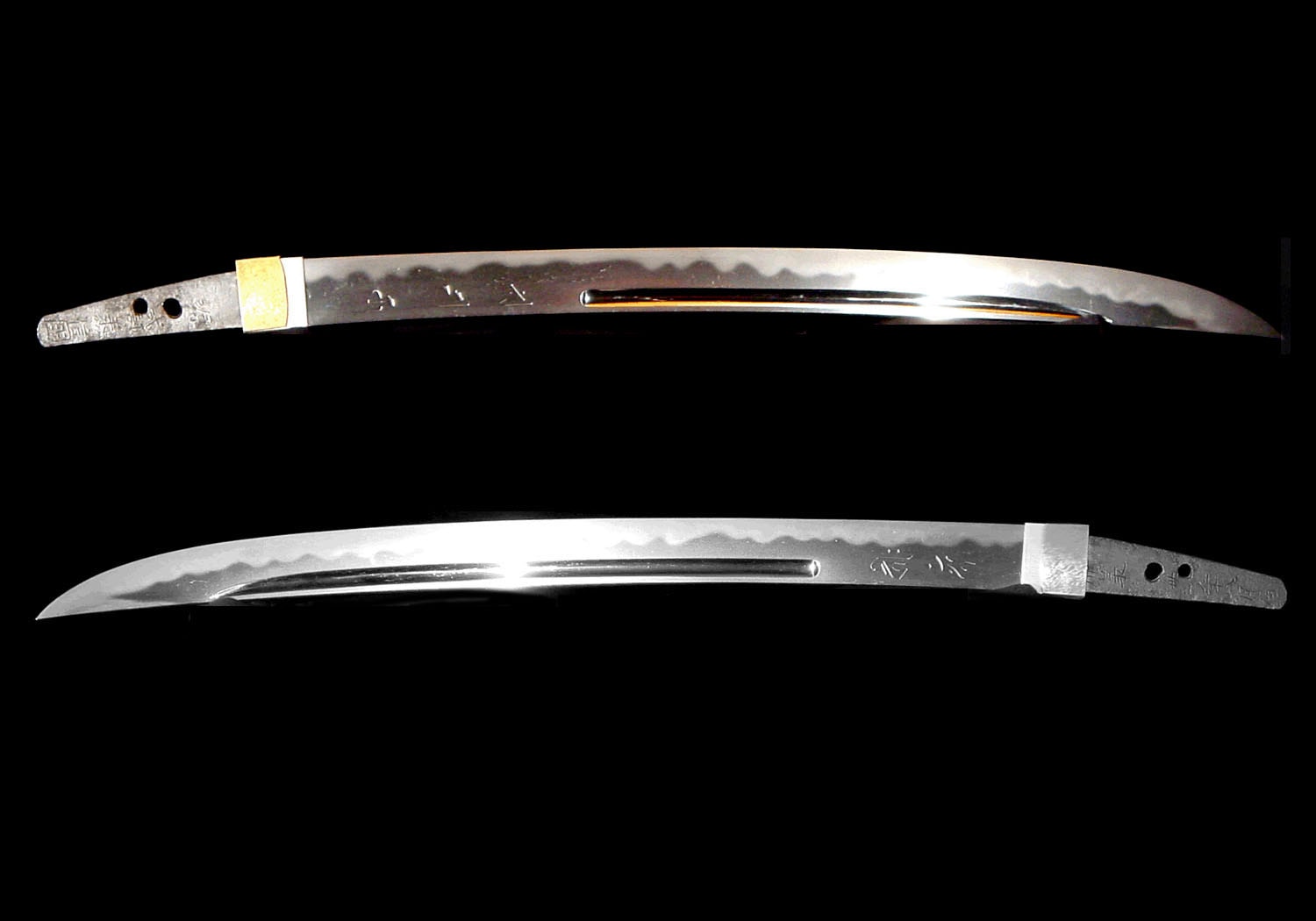
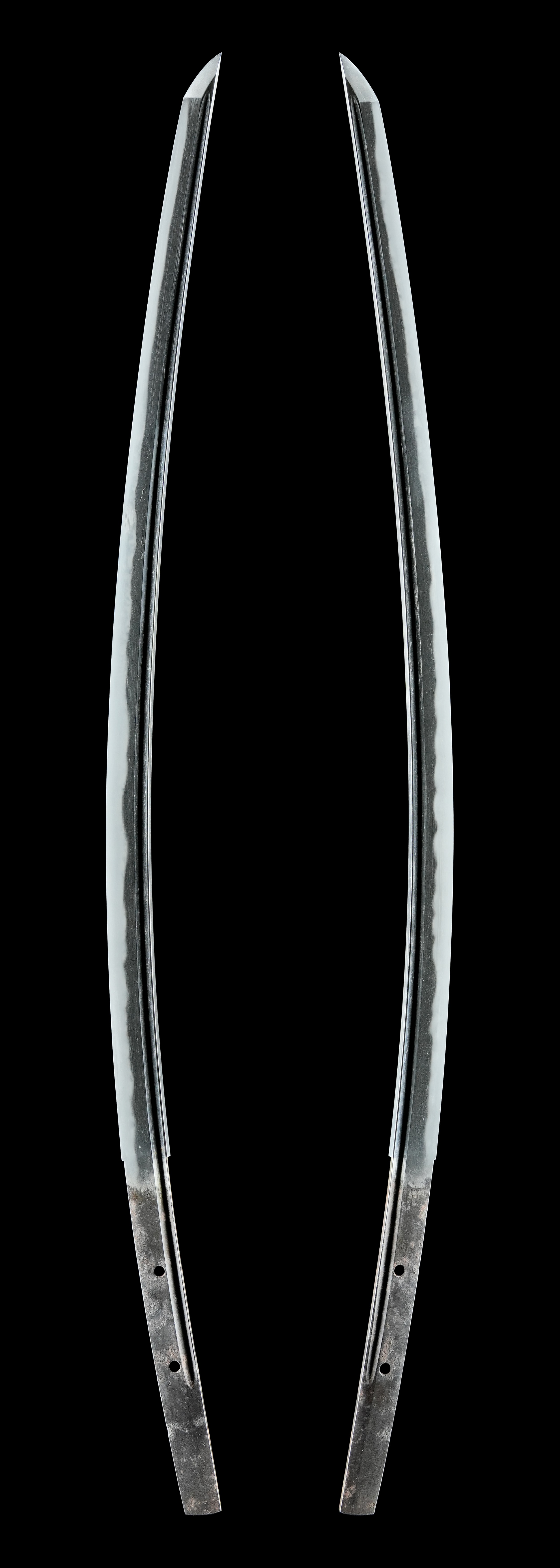
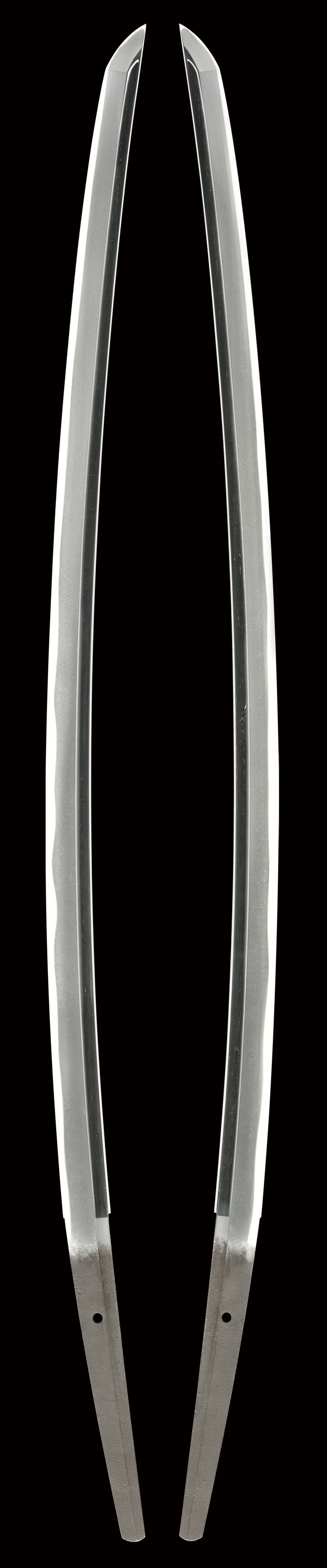
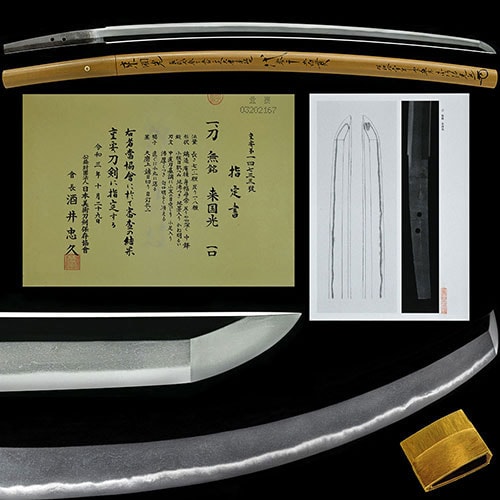
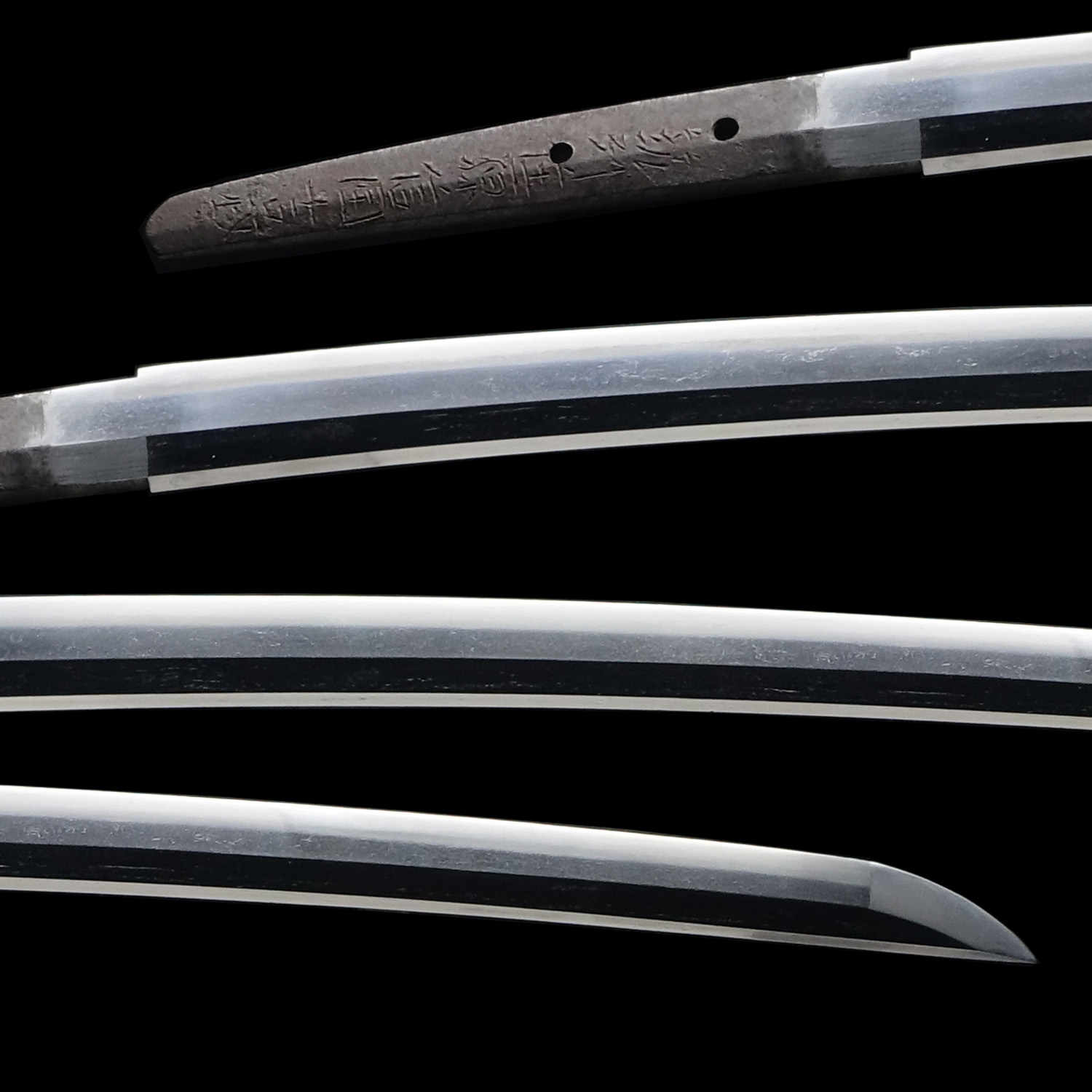
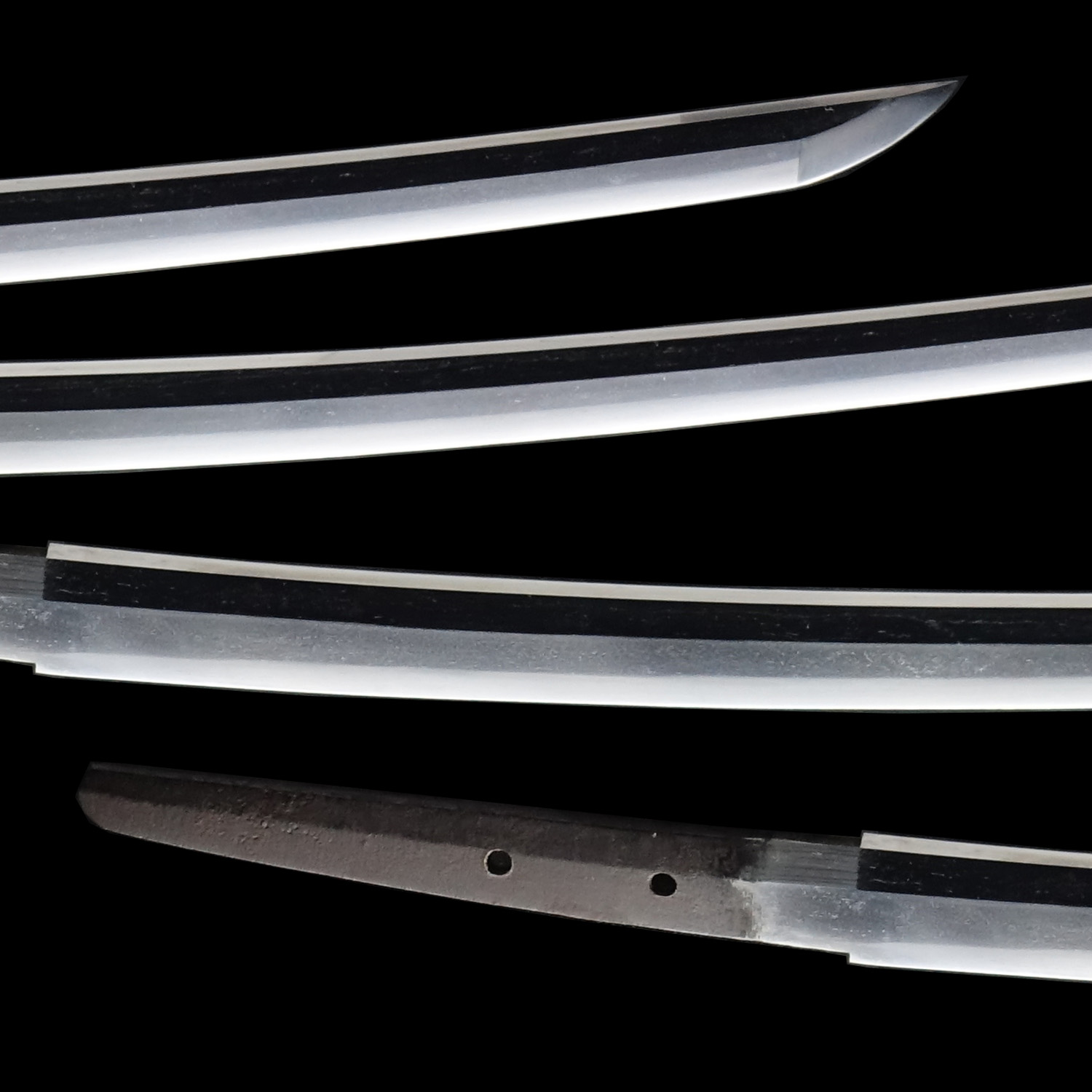
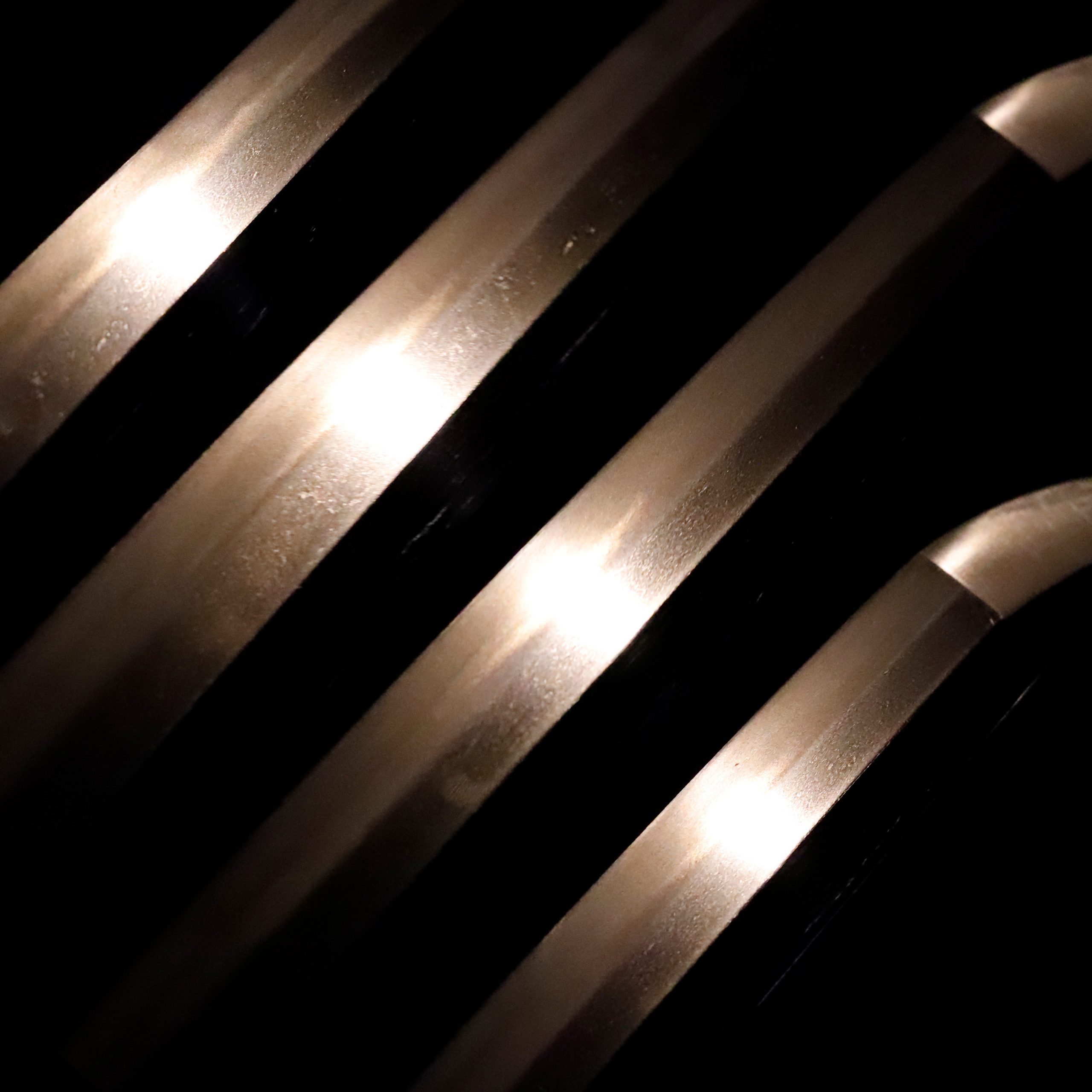
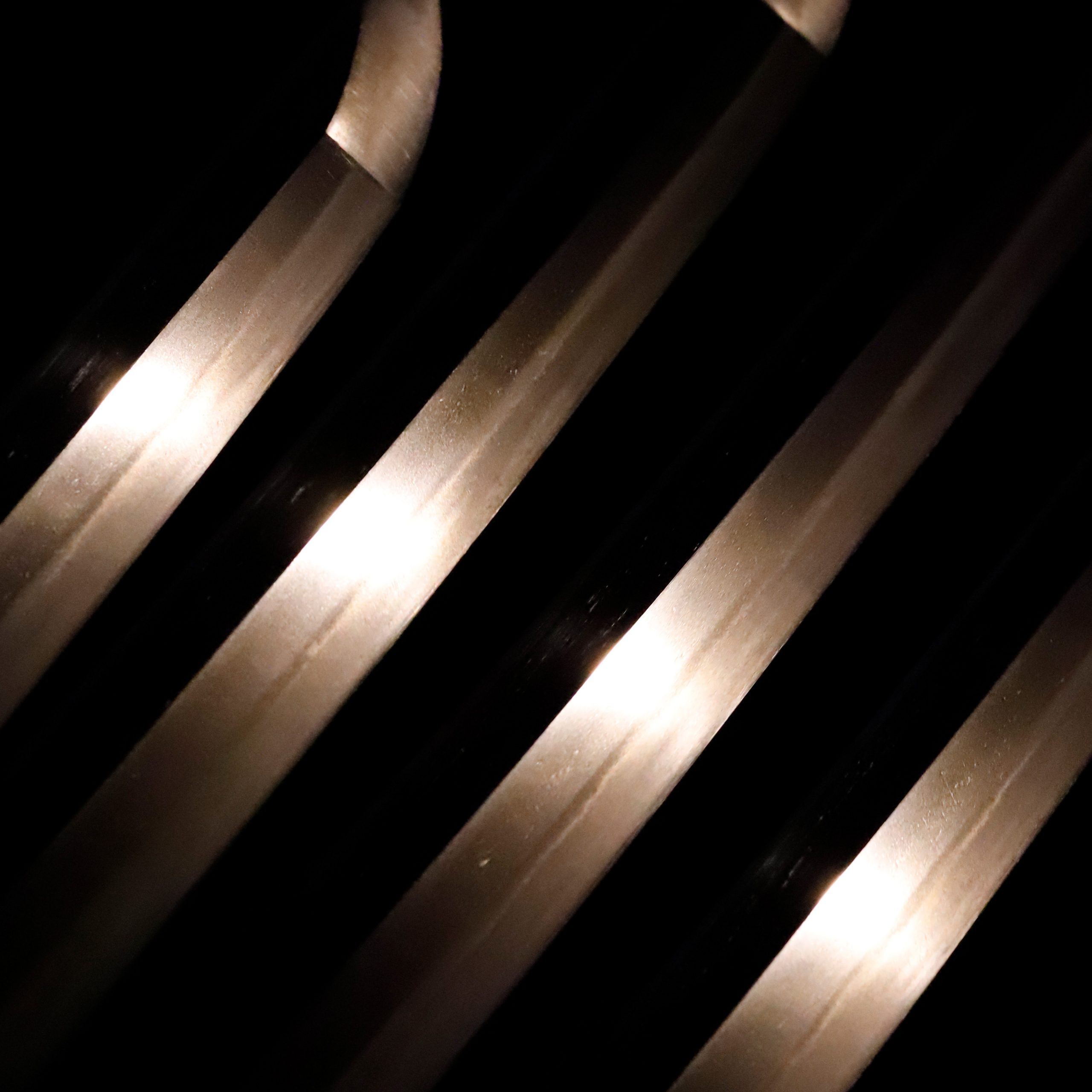
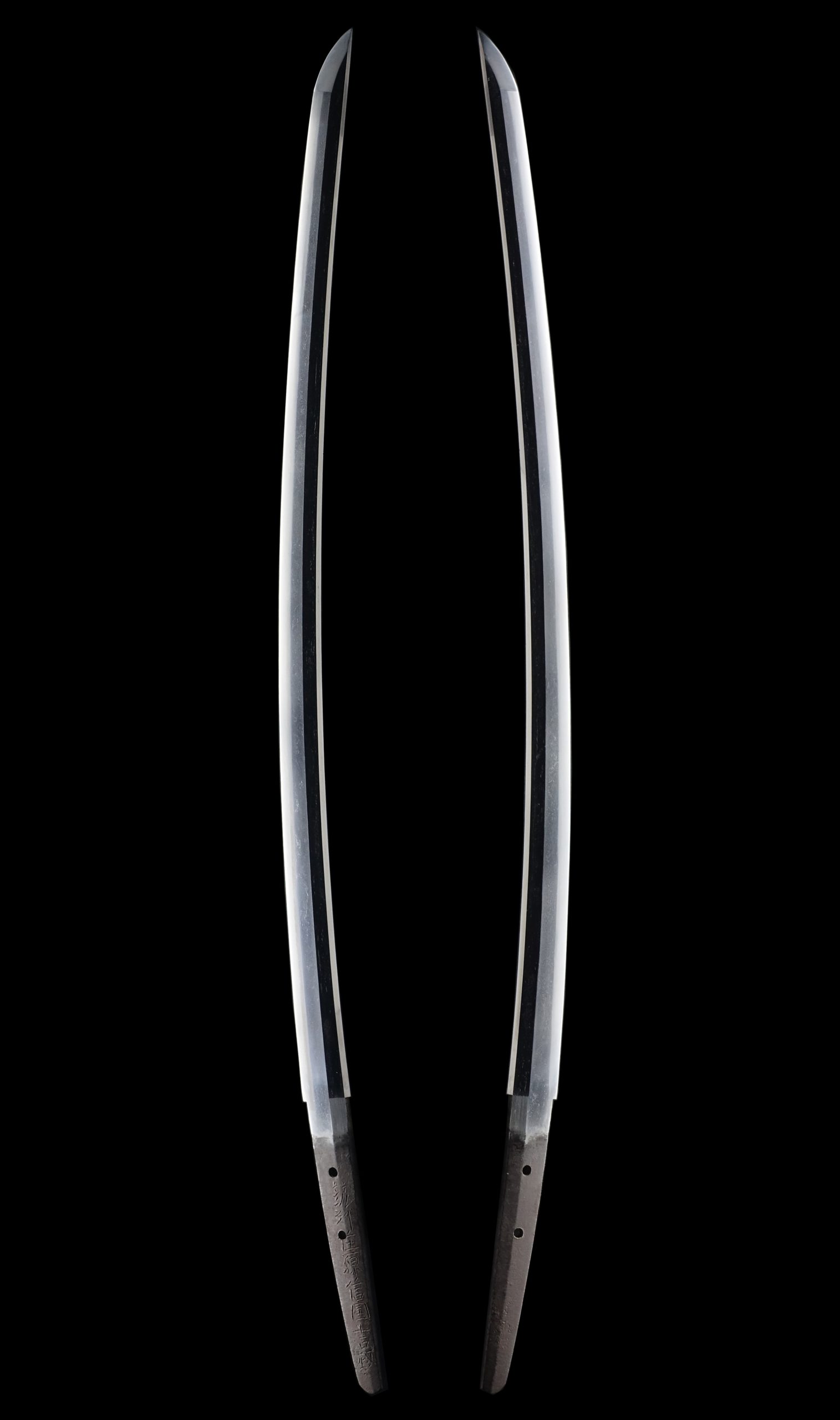
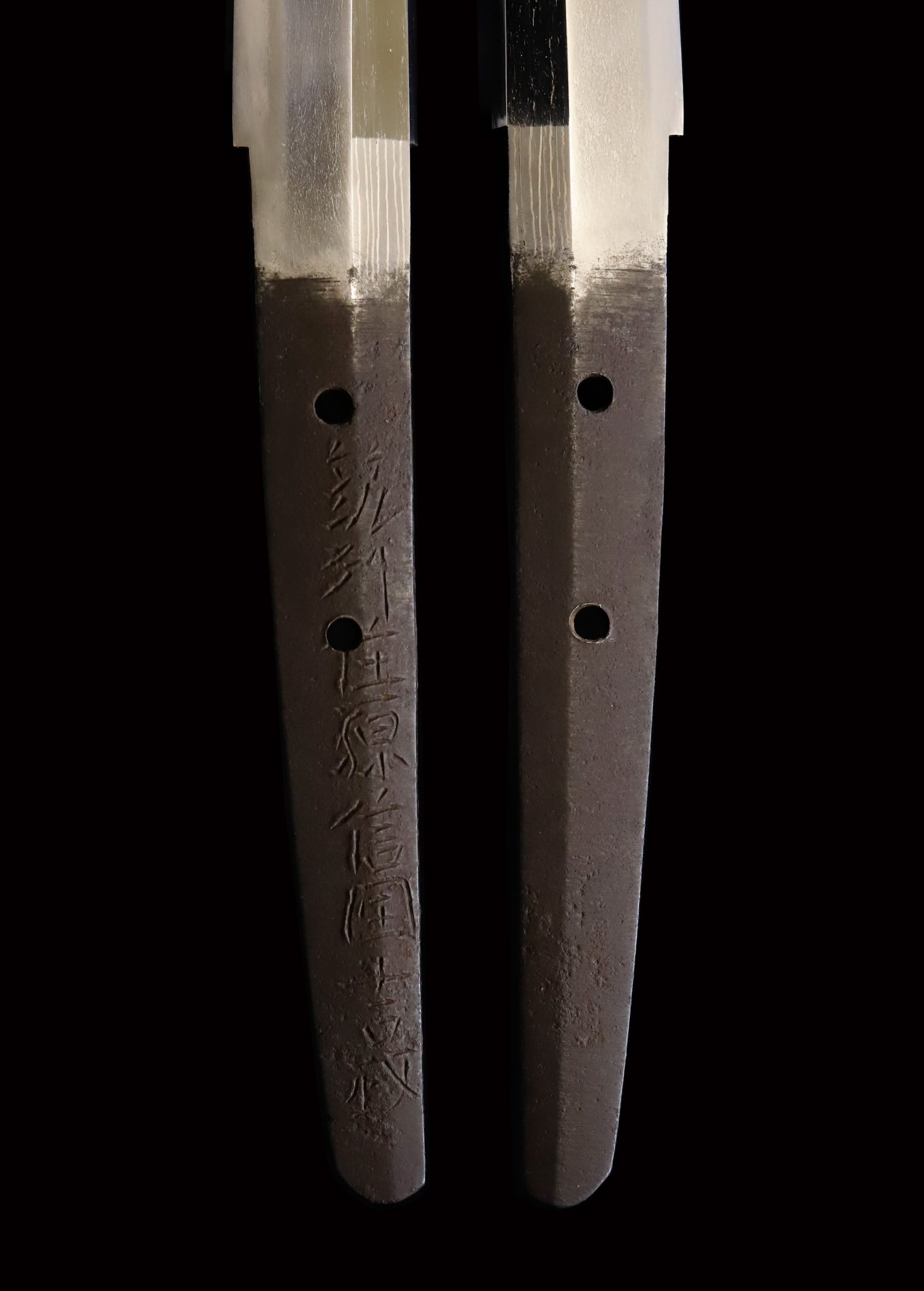
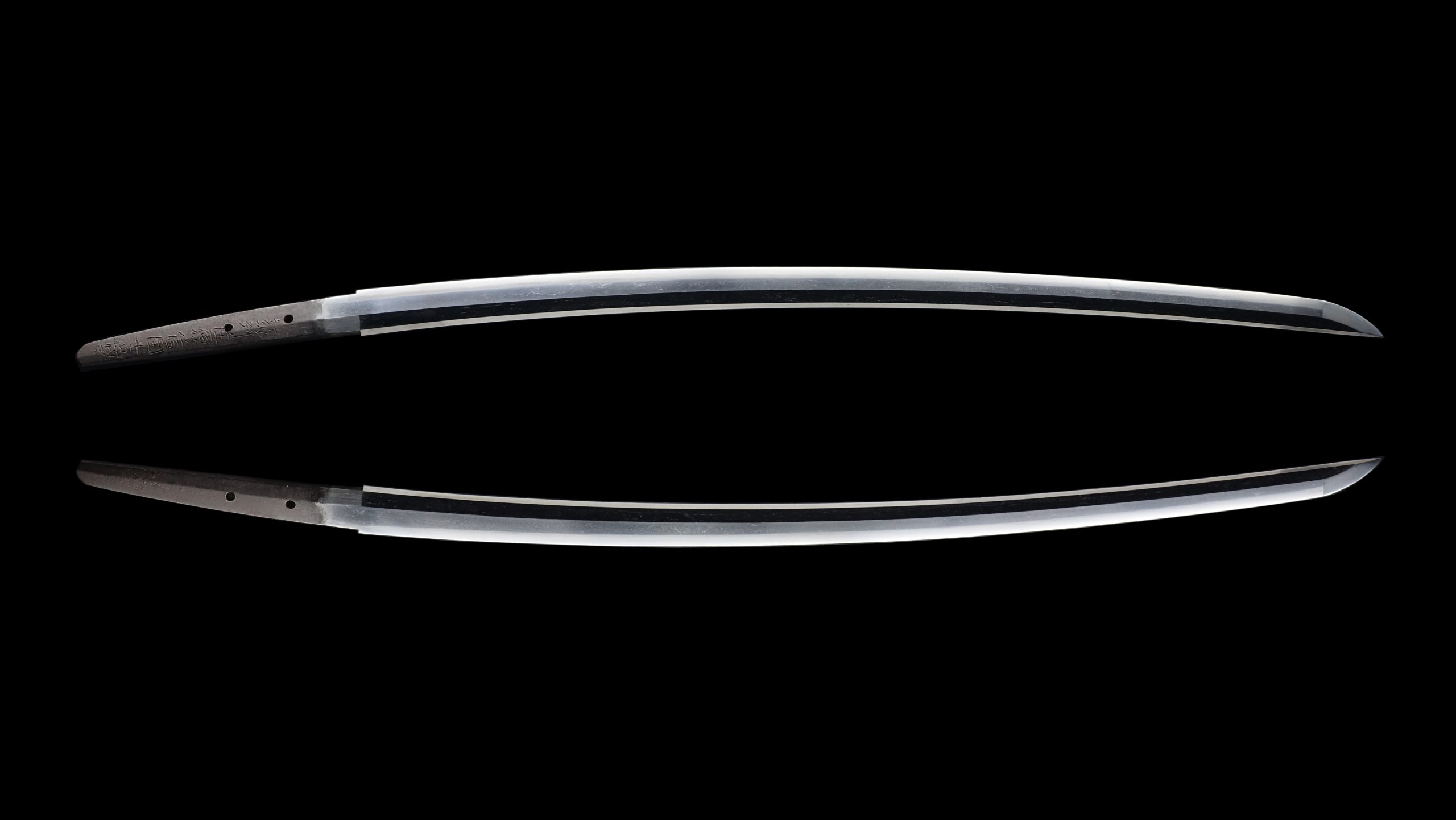
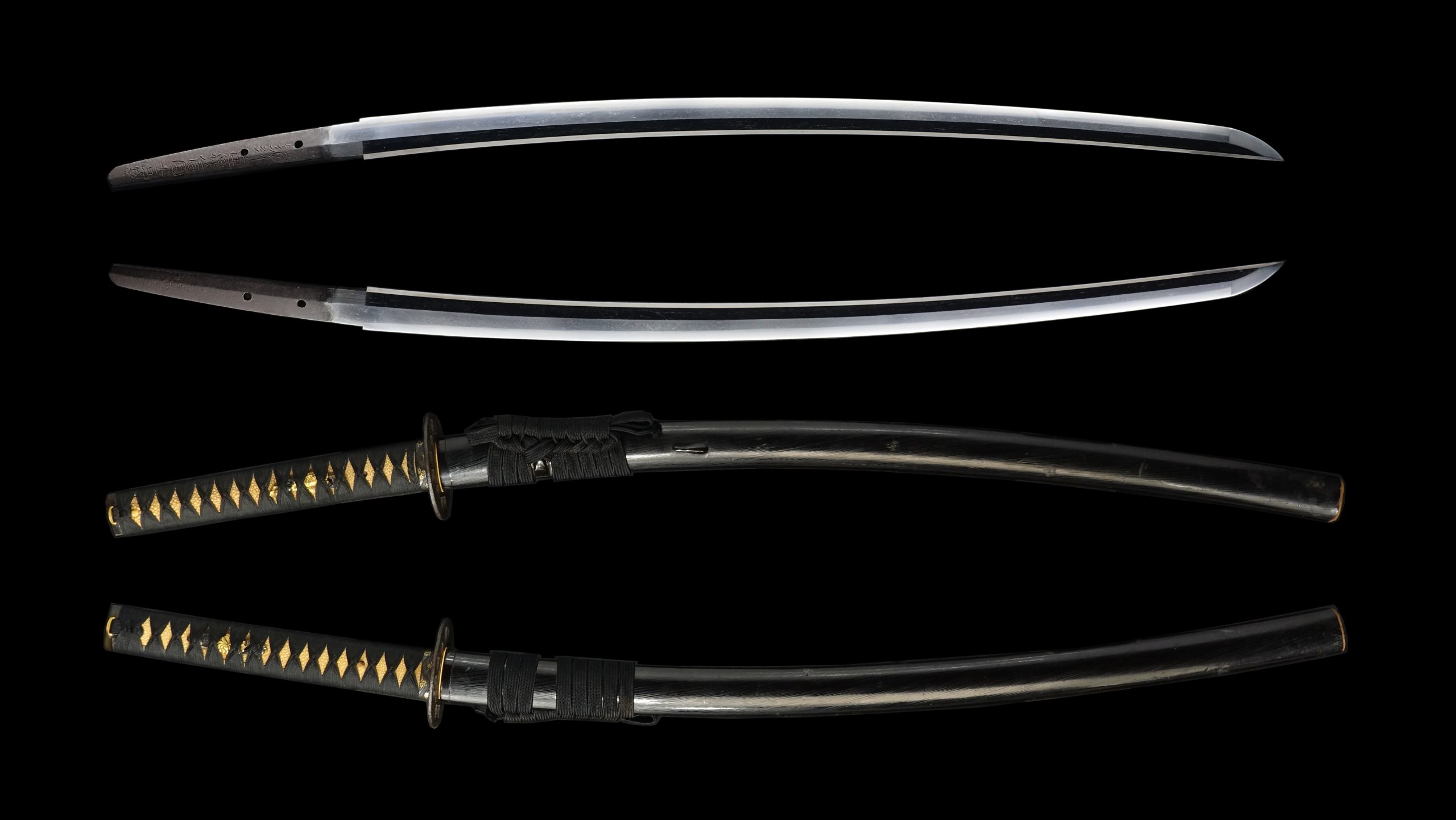
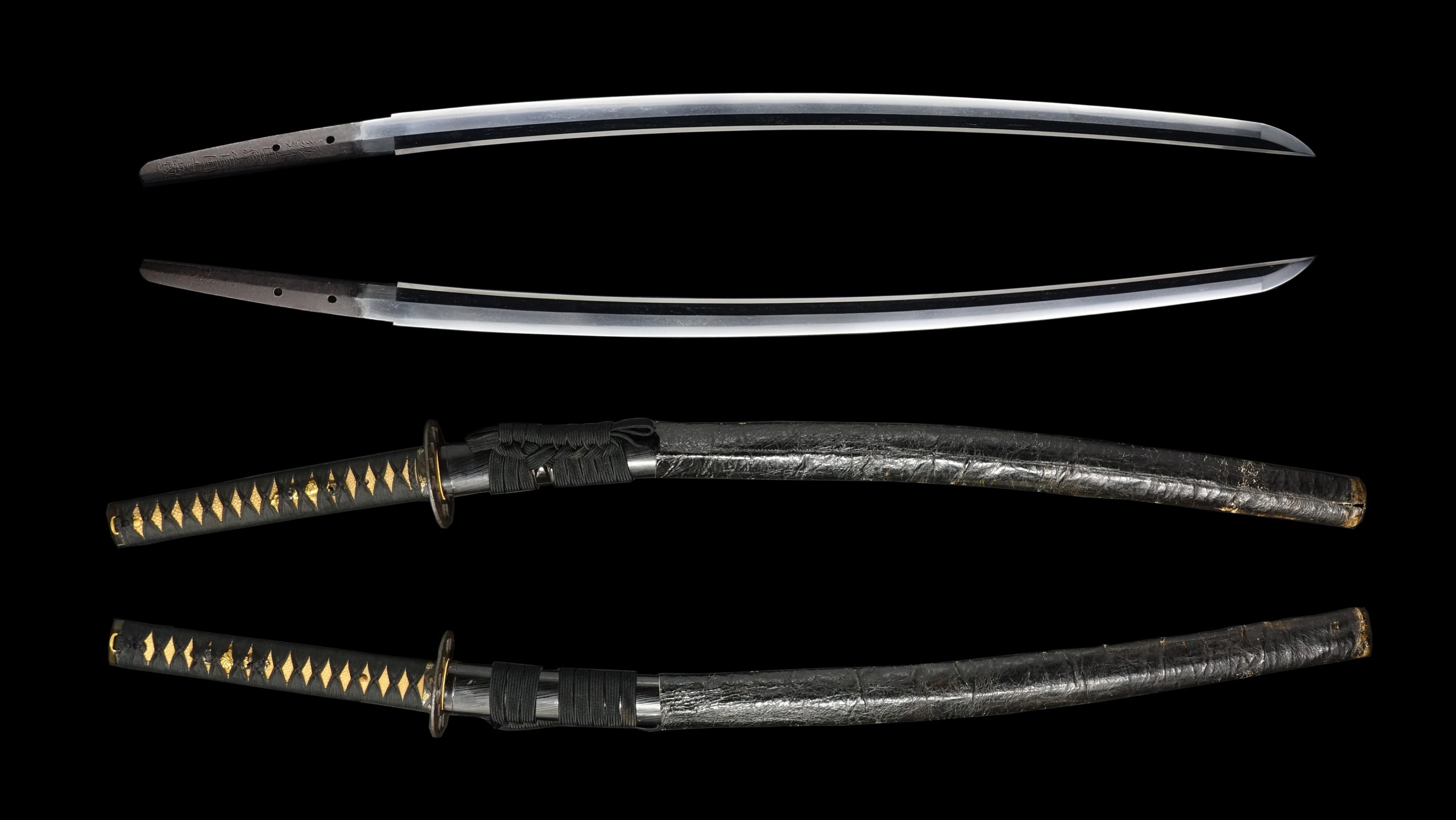
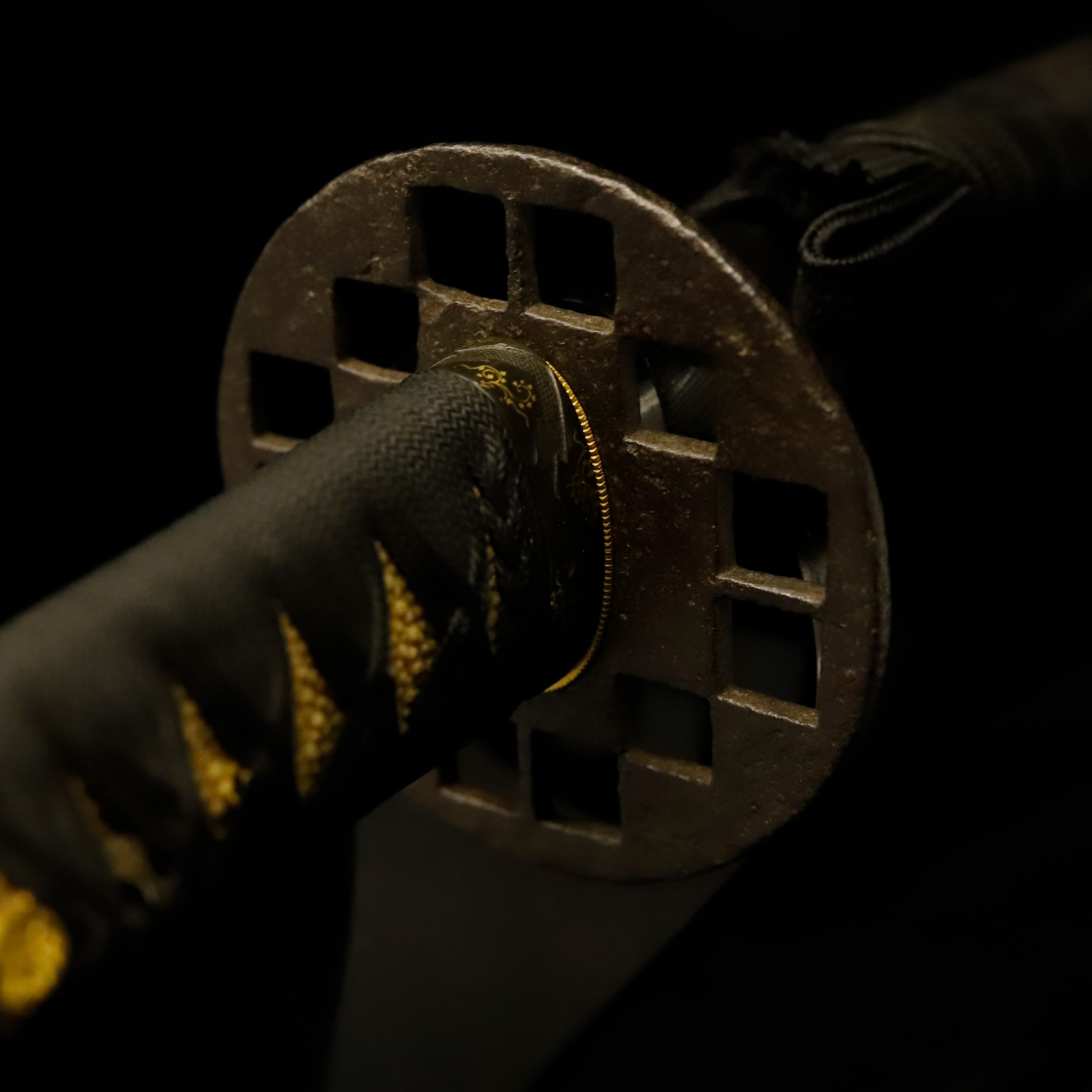
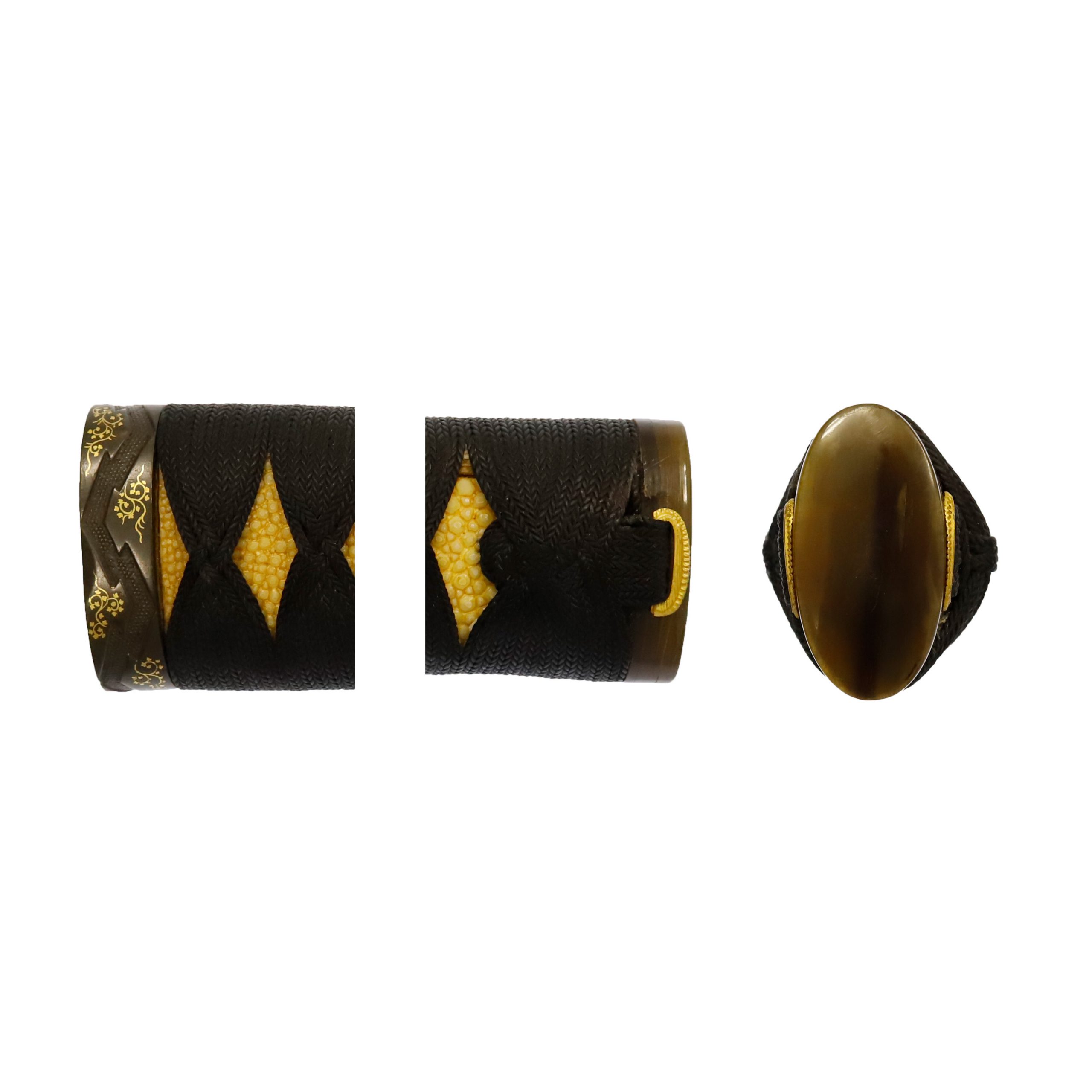
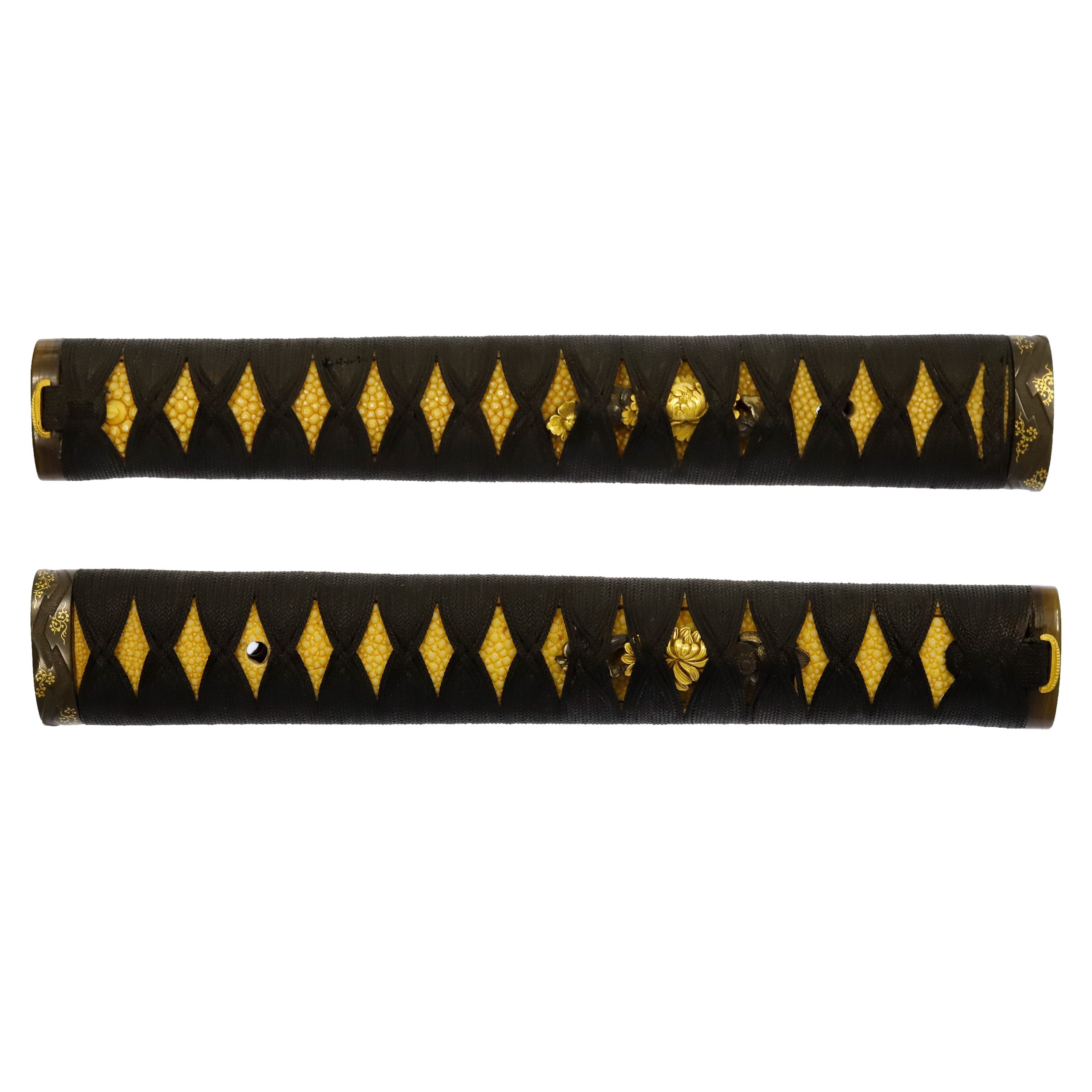
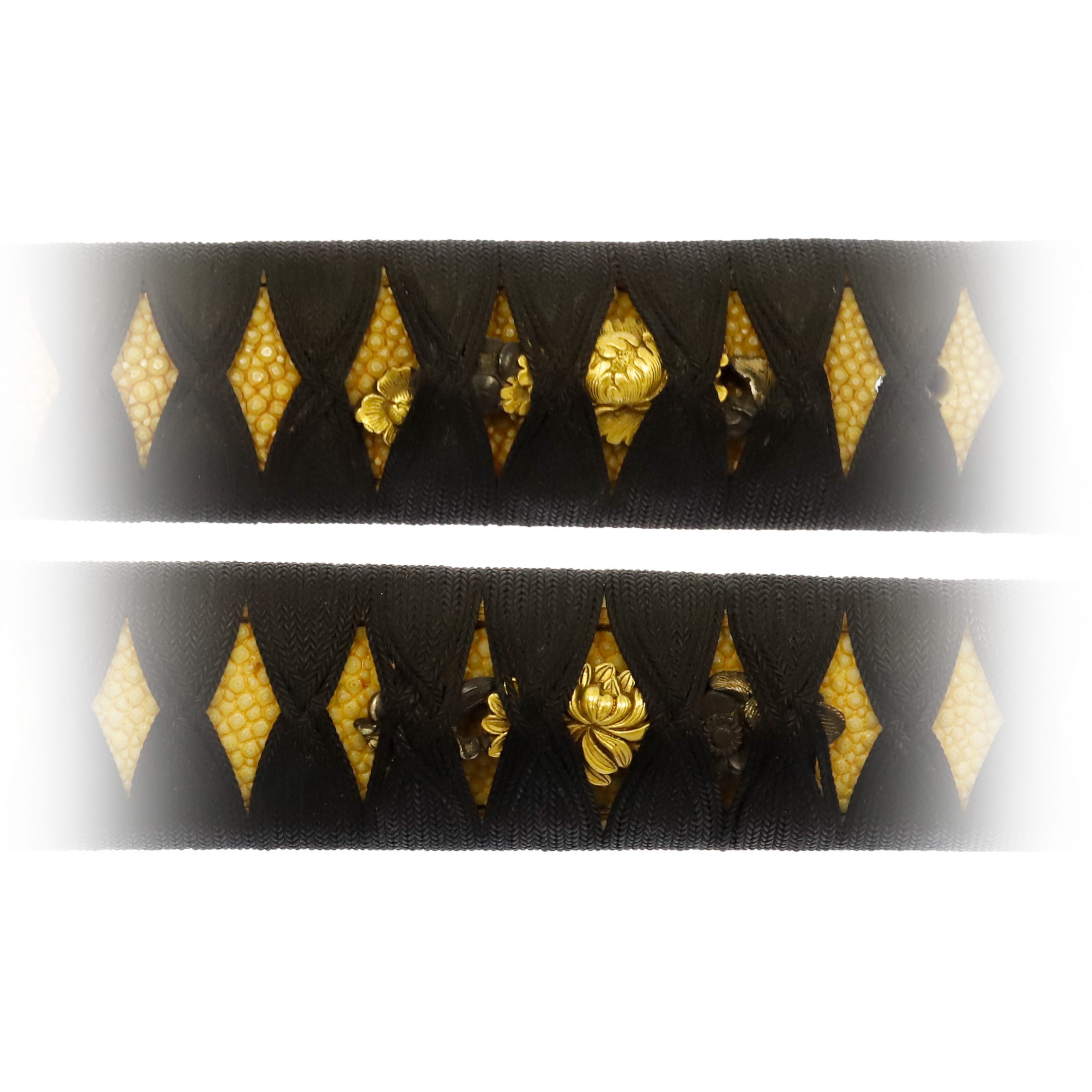
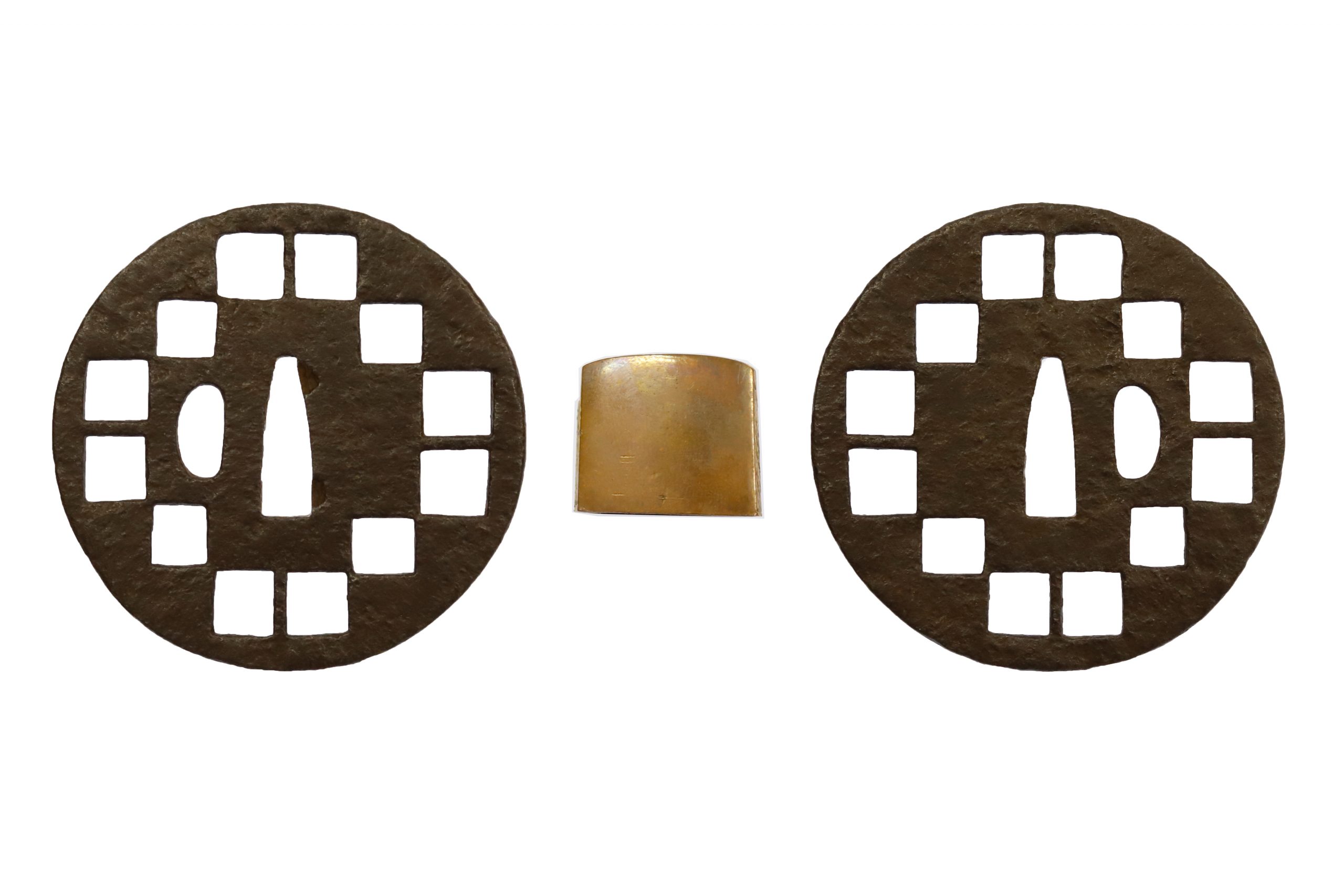
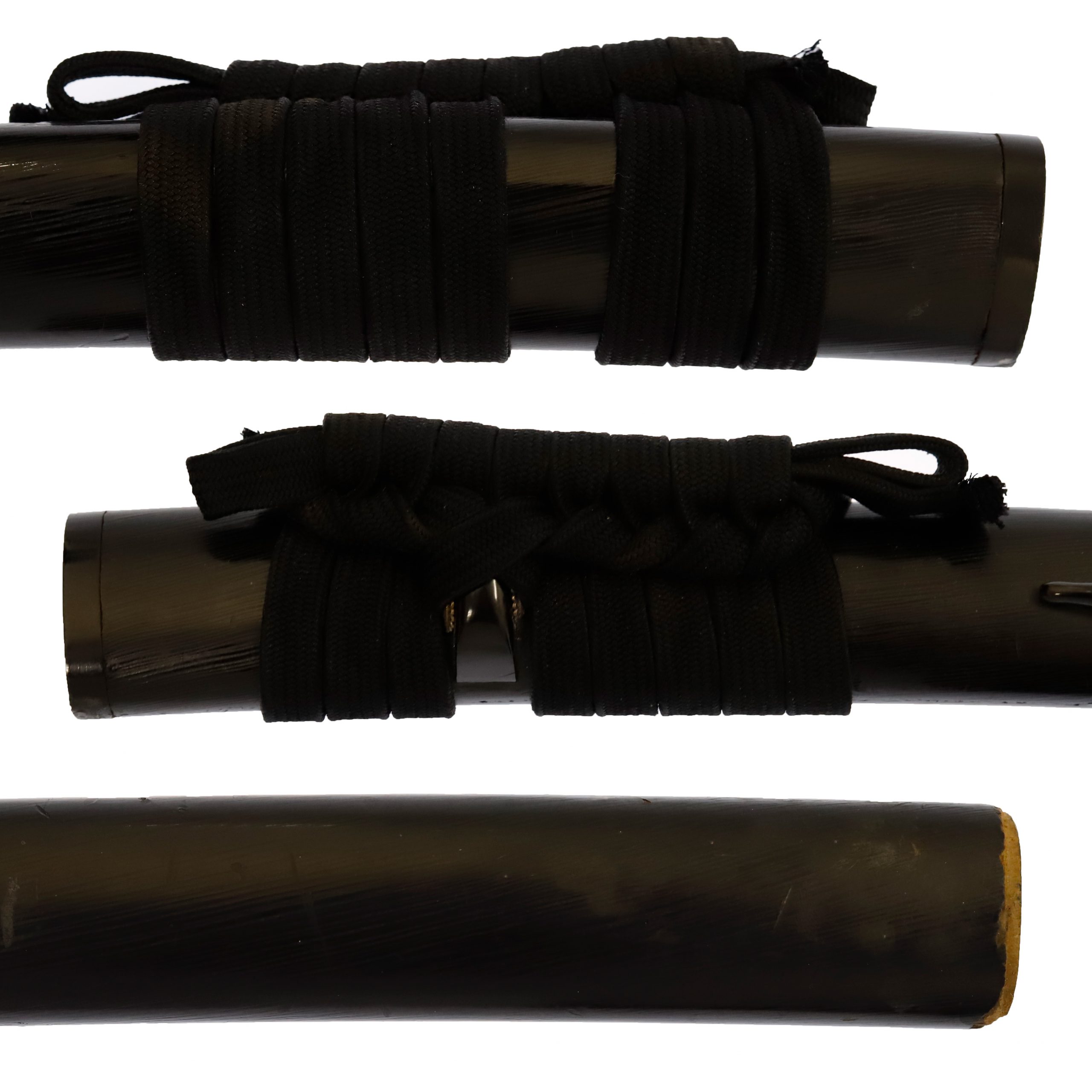
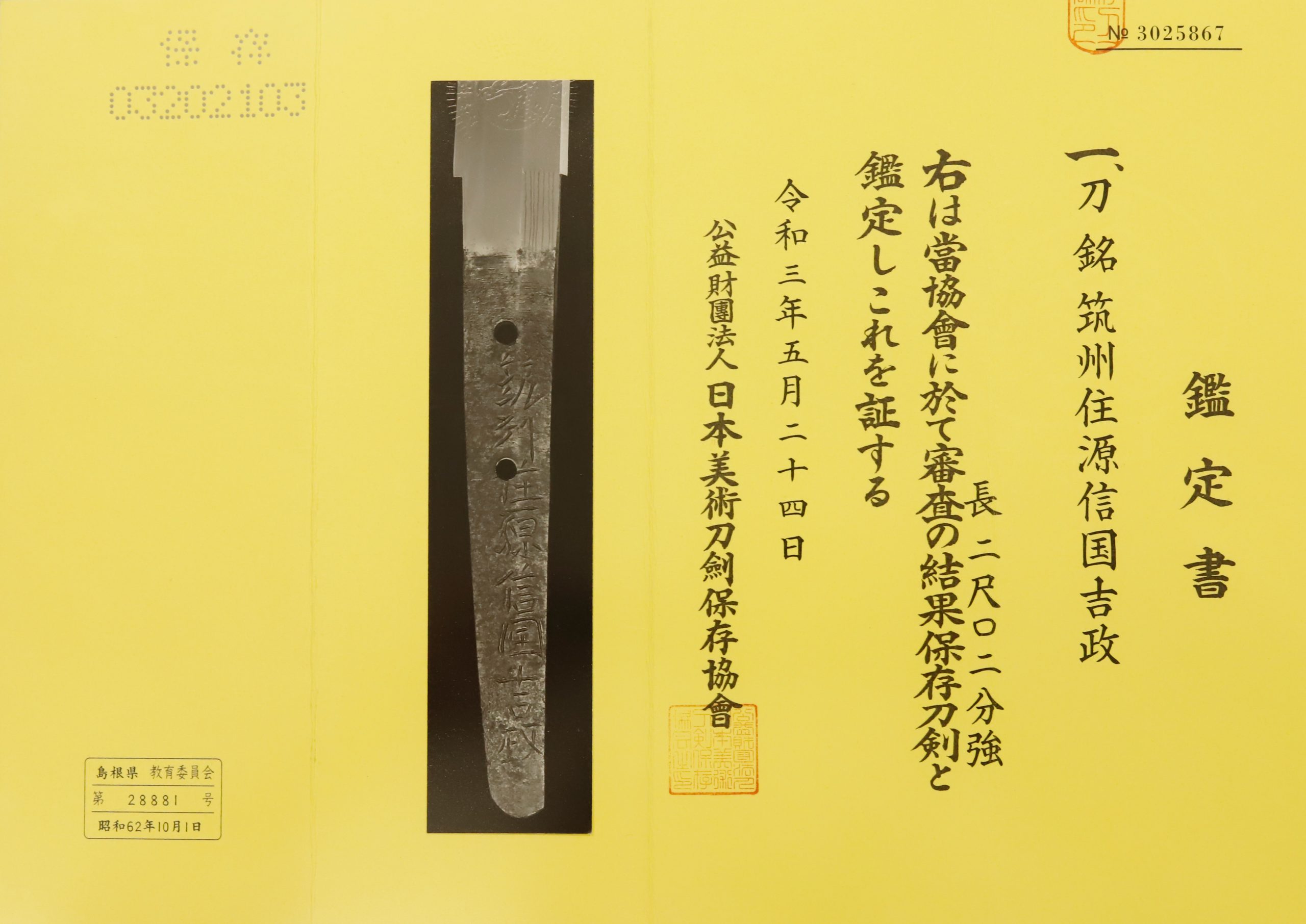
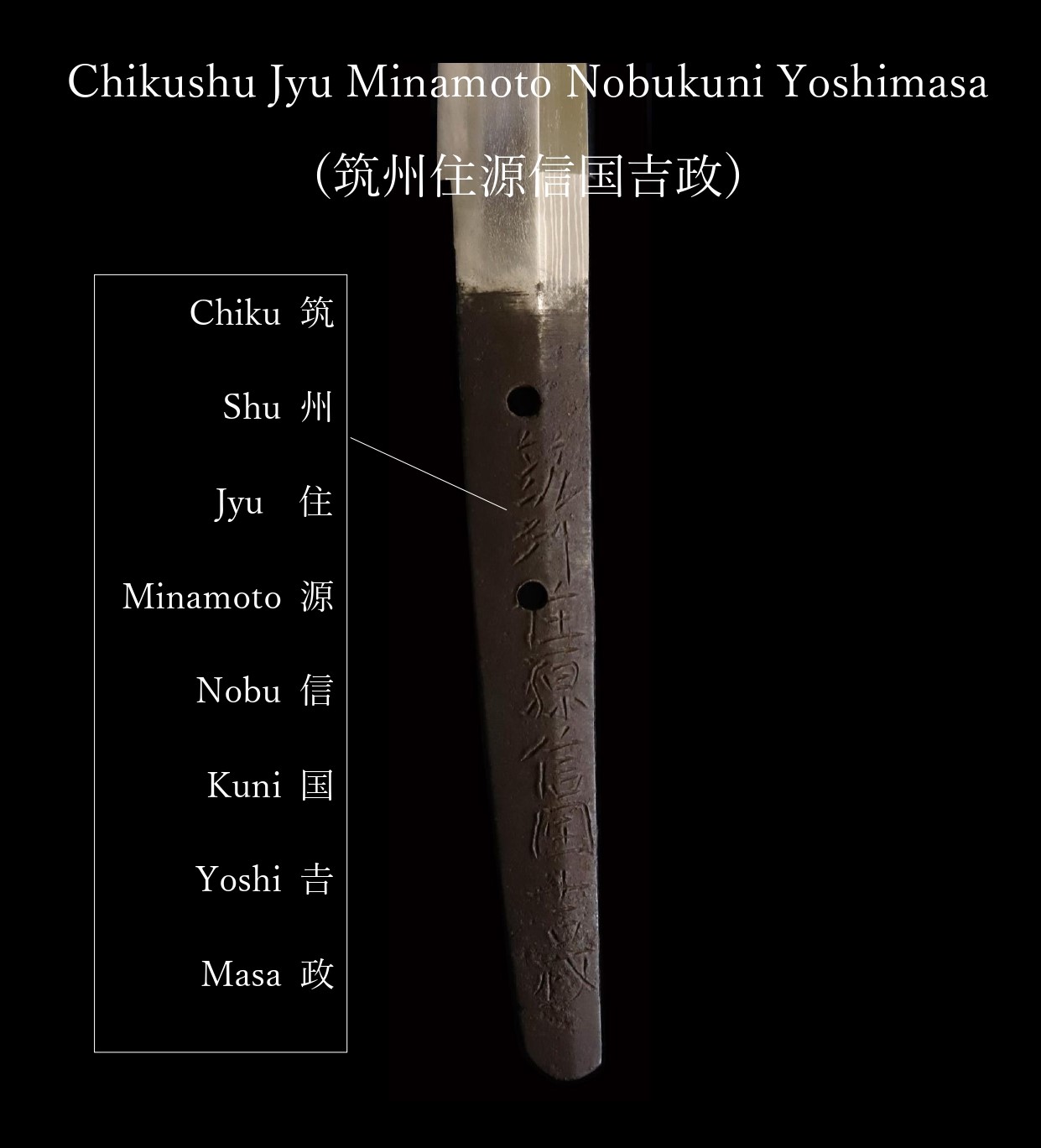
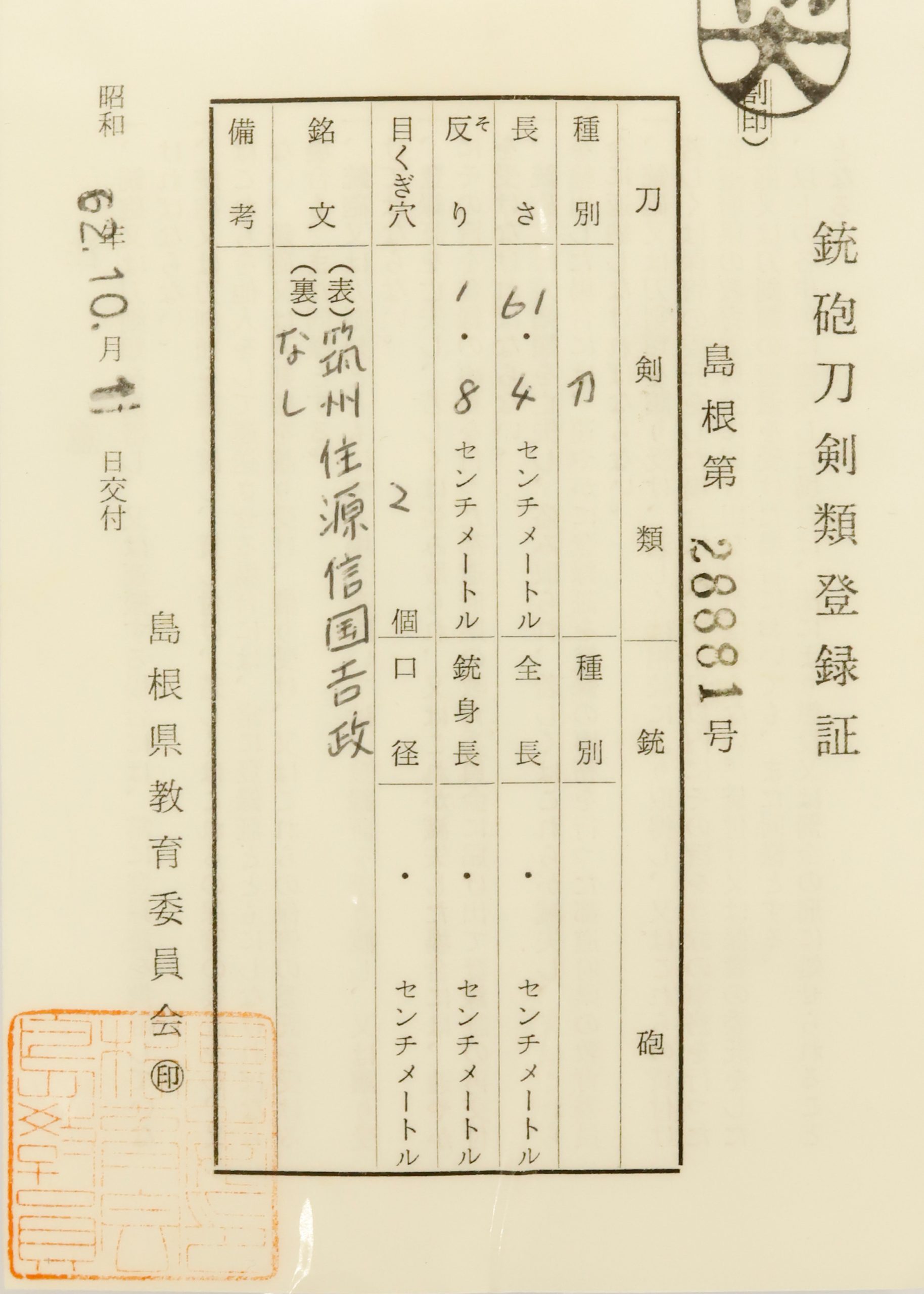
保存刀剣鑑定書付 刀:銘 筑州住源信国吉政 【解説】 本刀は「筑州住源信国吉政」と銘があります。「筑州」は現在の福岡県にあたる筑前国の別称であり、「住」はそこに居住していたことを示します。「源信国」は流派の名であり、「吉政」が刀工の個人名です。筑前信国系は、江戸時代の九州において最も繁栄した門派の一つであり、「筑紫信国」と称されます。 吉政の名は三代続きましたが、本作は二代目吉政の手によるものと推測されます。二代吉政は信国平四郎と称し、元和五年(1618年)に筑紫信国系の祖である信国吉貞の次男として生まれました。兄は初代吉政です。二代吉政は特に寛文・延宝年間(1661-1681年:江戸時代前期)に活躍し、貞享二年(1685年)の作刀例も確認されています。 【信国系の系譜】 信国系はもともと京都で興った名門です。数代にわたり京で活動していましたが、南北朝時代の戦乱により京都の街が焼失した際、四代信国貞光が難を逃れて豊後国宇佐(大分県)へ下り、安心院(あじむ)氏に仕えました。その後、三代から十一代にわたり同地で繁栄しましたが、安土桃山時代の天正十年(1582年)、豊臣秀吉の九州平定により安心院氏が滅亡します。 慶長七年(1602年)、十二代信国吉貞は名将・黒田長政に招かれて筑前国(福岡県)へ移住しました。二代吉政も父に従って筑前に移ったと伝えられています。以来、信国一門は江戸時代を通じて黒田藩の御用鍛冶として庇護を受け、同藩のために数多くの名刀を打ち続けました。 本刀は、日本美術刀剣保存協会(NBTHK)により「保存刀剣」に認定されています。これは、美術的価値が高く、保存状態が良好な真作の日本刀であることを証明するものです。 【刀身】 長さ(Nagasa):61.4 cm 反り(Sori):1.8 cm 刃文(Hamon):焼入れによって刃先に現れる結晶構造の紋様 地鉄(Jihada):鍛錬による折り返しによって現れる鋼の表面模様 茎(Nakago):刀身の柄に収まる部分。日本刀の茎には、柄内での赤錆を防ぐために意図的に黒錆(酸化皮膜)が残されます。この錆色や朽ち込み具合は、専門家が製作年代を推定する際の重要な指標となります。 【拵】 拵(Koshirae):鞘、柄、鍔などを含めた日本刀の外装一式。 縁頭(Fuchi-Kashira):柄の両端に取り付けられる一対の金具。 本品の縁(ふち)には、松皮菱(まつかわびし)に似た直線的な文様が彫り込まれています。文様の内側には「魚子地(ななこじ)」が施されています。これは魚子地鏨(たがね)を用いて表面に微細な魚の卵のような粒を打ち出す技法で、装飾性を高めるとともに、実用的には滑り止めの効果も持たせています。本作においては、意匠の美しさを際立たせるためにこの技法が用いられています。 植物図(草花図)があしらわれています。
 NihontoWatch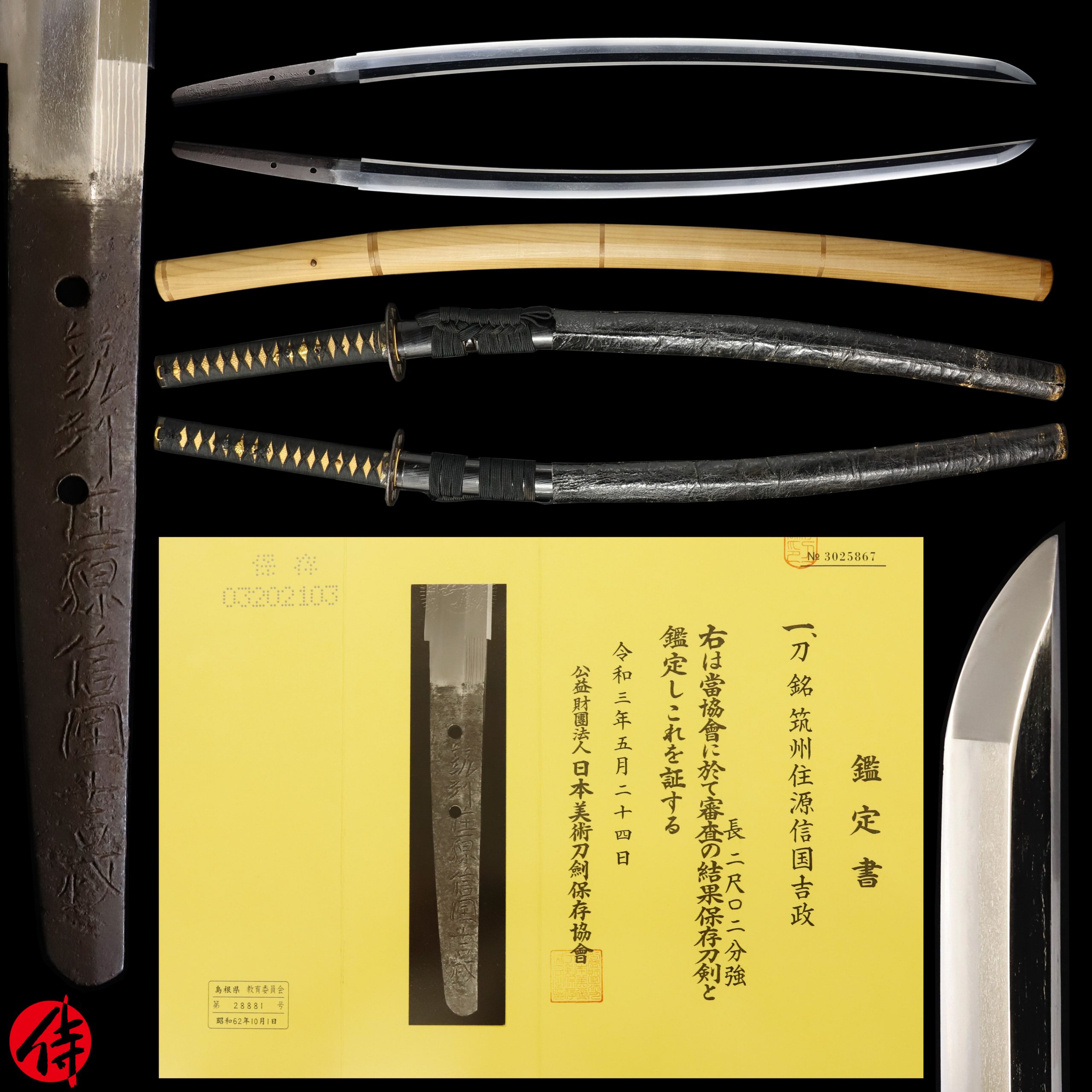
山城伝 · 筑前 · 1661-1673頃
藤代 Jo saku · 刀剣大鑑 上位49%
現在3点販売中
吉政の位置づけを、日本刀全体および伝統・時代・時期ごとに示します。各位(随一・屈指・有数・著名)は、NBTHK および文化庁による指定に加え、三作や名物帳などの歴史的栄誉を加味したものです。
各項目を選ぶと評価方法が表示されます。
山城伝 · 山城
現在31点販売中
信国派は山城国京都に興った名門で、その流れは南北朝時代に遡る。一派の祖と仰がれる信国は了戒系の京鍛冶で、血脈の上では来の伝統を承けながら、修業の上では相州貞宗の門に入って貞宗三哲の一人に数えられた。来の系譜と相州伝という二つの根がこの一門の作のすべてを導く。銘鑑は祖を建武に置くが、説明書はこれを繰り返し退ける。建武年間の作は残らず、現存最古の延文・貞治の年紀作が貞宗に直結することから、本会は延文・貞治の工をもって初代と見做す。南北朝の末期には永徳・至徳・明徳の代替りの信国が続き、同銘数工があったと見られる。室町初期には左衛門尉・式部丞を冠する応永信国が栄え、これを通常三代と数える。一派は後に豊前へ、さらに筑前へ移り、慶長の頃より明治初年まで福岡藩黒田家の抱え鍛冶として吉貞・吉政・吉次・吉包・重包の代々を出し、新々刀期まで栄えた。 一派に通う語法は、まず地鉄に現れる。鍛えは杢を交えた板目で、刃寄りに流れて柾となりやや肌立ち、地沸を厚くとり地景が頻りに入り、よくつんだ作には淡い沸映りが立つ。刃寄りに流れる鍛えは了戒系の所伝を首肯せしめる証とされ、厚い地沸と頻りの地景は貞宗に学んだ相州伝の痕跡として読まれる。刃文は文様の如何を問わず沸で焼かれ、砂流し・金筋が絶えず働き、匂口は明るい。その作域は二様を基とする。一つは来派の伝統を示した直刃で、中直刃・細直刃に小沸つき、細かにほつれ喰違刃・二重刃ごころを交えて京物の格調を伝える。いま一つは貞宗風ののたれ乱れで、小のたれに互の目・小互の目を交え、足・葉入り、沸厚く明るく、刃縁にほつれ湯走りがかかり、最も多く出会う作域をなす。帽子はのたれ込みまたは乱れ込んで小丸となり掃きかける。御家芸とも言うべき濃密な彫物も貞宗譲りで、梵字・素剣・護摩箸・三鈷剣・倶利迦羅を重ね彫りにし、刀身に八幡大菩薩の神号を切る作もあって、彫物によって一門を見分けうる。代を下ると差異が明瞭となる。南北朝末期の後代は一派に初めて太刀を生み、二様に加えて互の目主調の乱れ刃を新たに見せ、互の目が二つ宛連れたものを腰の低い小のたれで繋ぐ矢筈状の刃を見どころとする。応永信国は左衛門尉が「国」の字のクニ構えの中を左字に作る点を大きな鑑別点とし、直刃と互の目乱れの双方に冴えた沸を宿す。筑前に移った吉包・重包は相州伝の志向と、流れ肌の乱れ映りを伴う一派の丁子乱れとを高い技倆で並べ持ち、重包は名物写しの名手として石堂風に紛う華やかな丁子を、地沸・地景・刃中の沸の顕著さによって石堂と分かった。 鑑定の勘所は明快である。刃寄りに流れる柾がかった肌、厚い地沸と頻りの地景、沸で焼いた直刃と貞宗風ののたれ乱れ、重ね彫りの宗教彫物が一門を束ね、相州の同門とも後世の備前丁子とも分かつ拠りどころとなる。無銘極めも代の弁別も延文三年紀の作との照合によって決せられ、後代は連れ互の目と矢筈刃で、応永信国は逆字の銘で、筑前の工は流れ肌の乱れ映りで読み分けられる。藤代の極めは初代信国を上々作とし、後代から応永信国まで京古刀の上位に列し、筑前の吉包・重包は地方新刀の堅実な工として上作の評を得る。在銘作は祖において短刀・小脇指に限られて稀であり、それゆえ年紀のある後代の太刀・薙刀は何よりの好資料として貴ばれる。伝来は大名家と社寺に厚く、黒田家・浅野家・山内家・佐竹家らの蔵刀に加え、本願寺名物や富士山本宮浅間大社に奉納された式部丞の脇指がある。上位指定の多くは公私の蔵に秘められて市に現れず、在銘の信国が世に出ること自体が稀であって、現れた時は南北朝以来の山城物の蒐集で特筆すべき機会となる。 詳しく見る →
江戸時代
徳川の泰平のもと、大小は法度の定める身分の制服となり、需要は城下町、とりわけ江戸に集まった。工芸は二つに分かれる。目利きのための華やかな鑑賞の作と、截断の結果を金象嵌に刻む実証の刀である。
銘が正しい、または無銘でも年代・国・系統を確実に指摘できる、保存に値する真正の作と鑑定されたものです。
日本美術刀剣保存協会(NBTHK)は、1948年に設立され、文化庁の監督を受ける公益財団法人で、東京・刀剣博物館に本部を置きます。専門の審査員が出品作を直接審査し、美術的・歴史的価値に応じた鑑定書を発行します。NBTHKの鑑定書は、日本刀および刀装具の真正性を示す最も広く認知された基準です。
NBTHK公式サイトReturns/exchanges limited to defects caused by shipping (except willful misconduct or gross negligence by the company); customers must contact within 72 hours of receiving the product.
保存刀剣鑑定書付 刀:銘 筑州住源信国吉政 【解説】 本刀は「筑州住源信国吉政」と銘があります。「筑州」は現在の福岡県にあたる筑前国の別称であり、「住」はそこに居住していたことを示します。「源信国」は流派の名であり、「吉政」が刀工の個人名です。筑前信国系は、江戸時代の九州において最も繁栄した門派の一つであり、「筑紫信国」と称されます。 吉政の名は三代続きましたが、本作は二代目吉政の手によるものと推測されます。二代吉政は信国平四郎と称し、元和五年(1618年)に筑紫信国系の祖である信国吉貞の次男として生まれました。兄は初代吉政です。二代吉政は特に寛文・延宝年間(1661-1681年:江戸時代前期)に活躍し、貞享二年(1685年)の作刀例も確認されています。 【信国系の系譜】 信国系はもともと京都で興った名門です。数代にわたり京で活動していましたが、南北朝時代の戦乱により京都の街が焼失した際、四代信国貞光が難を逃れて豊後国宇佐(大分県)へ下り、安心院(あじむ)氏に仕えました。その後、三代から十一代にわたり同地で繁栄しましたが、安土桃山時代の天正十年(1582年)、豊臣秀吉の九州平定により安心院氏が滅亡します。 慶長七年(1602年)、十二代信国吉貞は名将・黒田長政に招かれて筑前国(福岡県)へ移住しました。二代吉政も父に従って筑前に移ったと伝えられています。以来、信国一門は江戸時代を通じて黒田藩の御用鍛冶として庇護を受け、同藩のために数多くの名刀を打ち続けました。 本刀は、日本美術刀剣保存協会(NBTHK)により「保存刀剣」に認定されています。これは、美術的価値が高く、保存状態が良好な真作の日本刀であることを証明するものです。 【刀身】 長さ(Nagasa):61.4 cm 反り(Sori):1.8 cm 刃文(Hamon):焼入れによって刃先に現れる結晶構造の紋様 地鉄(Jihada):鍛錬による折り返しによって現れる鋼の表面模様 茎(Nakago):刀身の柄に収まる部分。日本刀の茎には、柄内での赤錆を防ぐために意図的に黒錆(酸化皮膜)が残されます。この錆色や朽ち込み具合は、専門家が製作年代を推定する際の重要な指標となります。 【拵】 拵(Koshirae):鞘、柄、鍔などを含めた日本刀の外装一式。 縁頭(Fuchi-Kashira):柄の両端に取り付けられる一対の金具。 本品の縁(ふち)には、松皮菱(まつかわびし)に似た直線的な文様が彫り込まれています。文様の内側には「魚子地(ななこじ)」が施されています。これは魚子地鏨(たがね)を用いて表面に微細な魚の卵のような粒を打ち出す技法で、装飾性を高めるとともに、実用的には滑り止めの効果も持たせています。本作においては、意匠の美しさを際立たせるためにこの技法が用いられています。 植物図(草花図)があしらわれています。
NihontoWatch山城伝 · 筑前 · 1661-1673頃
藤代 Jo saku · 刀剣大鑑 上位49%
現在3点販売中
吉政の位置づけを、日本刀全体および伝統・時代・時期ごとに示します。各位(随一・屈指・有数・著名)は、NBTHK および文化庁による指定に加え、三作や名物帳などの歴史的栄誉を加味したものです。
各項目を選ぶと評価方法が表示されます。
山城伝 · 山城
現在31点販売中
信国派は山城国京都に興った名門で、その流れは南北朝時代に遡る。一派の祖と仰がれる信国は了戒系の京鍛冶で、血脈の上では来の伝統を承けながら、修業の上では相州貞宗の門に入って貞宗三哲の一人に数えられた。来の系譜と相州伝という二つの根がこの一門の作のすべてを導く。銘鑑は祖を建武に置くが、説明書はこれを繰り返し退ける。建武年間の作は残らず、現存最古の延文・貞治の年紀作が貞宗に直結することから、本会は延文・貞治の工をもって初代と見做す。南北朝の末期には永徳・至徳・明徳の代替りの信国が続き、同銘数工があったと見られる。室町初期には左衛門尉・式部丞を冠する応永信国が栄え、これを通常三代と数える。一派は後に豊前へ、さらに筑前へ移り、慶長の頃より明治初年まで福岡藩黒田家の抱え鍛冶として吉貞・吉政・吉次・吉包・重包の代々を出し、新々刀期まで栄えた。 一派に通う語法は、まず地鉄に現れる。鍛えは杢を交えた板目で、刃寄りに流れて柾となりやや肌立ち、地沸を厚くとり地景が頻りに入り、よくつんだ作には淡い沸映りが立つ。刃寄りに流れる鍛えは了戒系の所伝を首肯せしめる証とされ、厚い地沸と頻りの地景は貞宗に学んだ相州伝の痕跡として読まれる。刃文は文様の如何を問わず沸で焼かれ、砂流し・金筋が絶えず働き、匂口は明るい。その作域は二様を基とする。一つは来派の伝統を示した直刃で、中直刃・細直刃に小沸つき、細かにほつれ喰違刃・二重刃ごころを交えて京物の格調を伝える。いま一つは貞宗風ののたれ乱れで、小のたれに互の目・小互の目を交え、足・葉入り、沸厚く明るく、刃縁にほつれ湯走りがかかり、最も多く出会う作域をなす。帽子はのたれ込みまたは乱れ込んで小丸となり掃きかける。御家芸とも言うべき濃密な彫物も貞宗譲りで、梵字・素剣・護摩箸・三鈷剣・倶利迦羅を重ね彫りにし、刀身に八幡大菩薩の神号を切る作もあって、彫物によって一門を見分けうる。代を下ると差異が明瞭となる。南北朝末期の後代は一派に初めて太刀を生み、二様に加えて互の目主調の乱れ刃を新たに見せ、互の目が二つ宛連れたものを腰の低い小のたれで繋ぐ矢筈状の刃を見どころとする。応永信国は左衛門尉が「国」の字のクニ構えの中を左字に作る点を大きな鑑別点とし、直刃と互の目乱れの双方に冴えた沸を宿す。筑前に移った吉包・重包は相州伝の志向と、流れ肌の乱れ映りを伴う一派の丁子乱れとを高い技倆で並べ持ち、重包は名物写しの名手として石堂風に紛う華やかな丁子を、地沸・地景・刃中の沸の顕著さによって石堂と分かった。 鑑定の勘所は明快である。刃寄りに流れる柾がかった肌、厚い地沸と頻りの地景、沸で焼いた直刃と貞宗風ののたれ乱れ、重ね彫りの宗教彫物が一門を束ね、相州の同門とも後世の備前丁子とも分かつ拠りどころとなる。無銘極めも代の弁別も延文三年紀の作との照合によって決せられ、後代は連れ互の目と矢筈刃で、応永信国は逆字の銘で、筑前の工は流れ肌の乱れ映りで読み分けられる。藤代の極めは初代信国を上々作とし、後代から応永信国まで京古刀の上位に列し、筑前の吉包・重包は地方新刀の堅実な工として上作の評を得る。在銘作は祖において短刀・小脇指に限られて稀であり、それゆえ年紀のある後代の太刀・薙刀は何よりの好資料として貴ばれる。伝来は大名家と社寺に厚く、黒田家・浅野家・山内家・佐竹家らの蔵刀に加え、本願寺名物や富士山本宮浅間大社に奉納された式部丞の脇指がある。上位指定の多くは公私の蔵に秘められて市に現れず、在銘の信国が世に出ること自体が稀であって、現れた時は南北朝以来の山城物の蒐集で特筆すべき機会となる。 詳しく見る →
江戸時代
徳川の泰平のもと、大小は法度の定める身分の制服となり、需要は城下町、とりわけ江戸に集まった。工芸は二つに分かれる。目利きのための華やかな鑑賞の作と、截断の結果を金象嵌に刻む実証の刀である。
銘が正しい、または無銘でも年代・国・系統を確実に指摘できる、保存に値する真正の作と鑑定されたものです。
日本美術刀剣保存協会(NBTHK)は、1948年に設立され、文化庁の監督を受ける公益財団法人で、東京・刀剣博物館に本部を置きます。専門の審査員が出品作を直接審査し、美術的・歴史的価値に応じた鑑定書を発行します。NBTHKの鑑定書は、日本刀および刀装具の真正性を示す最も広く認知された基準です。
NBTHK公式サイトReturns/exchanges limited to defects caused by shipping (except willful misconduct or gross negligence by the company); customers must contact within 72 hours of receiving the product.