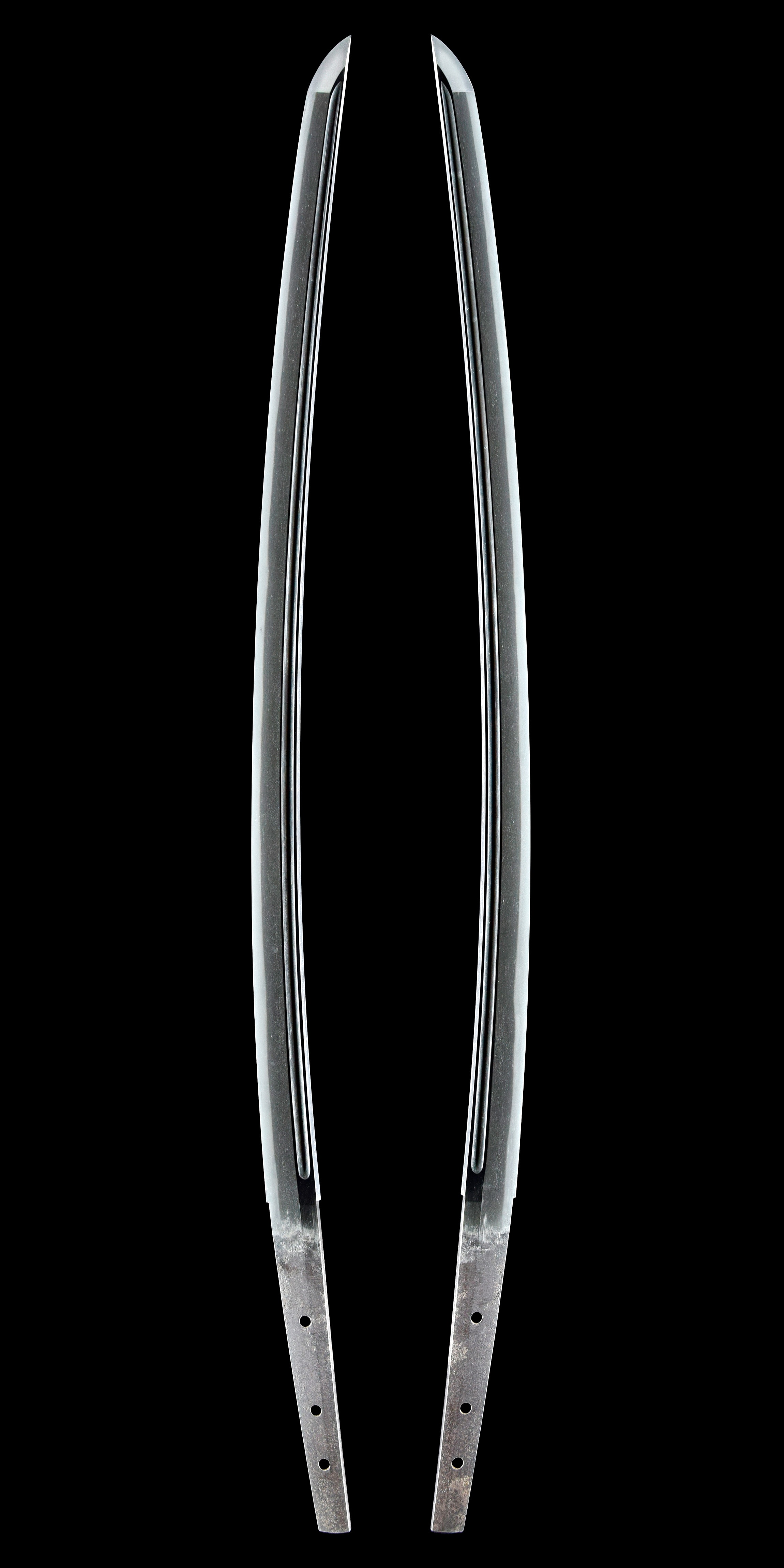
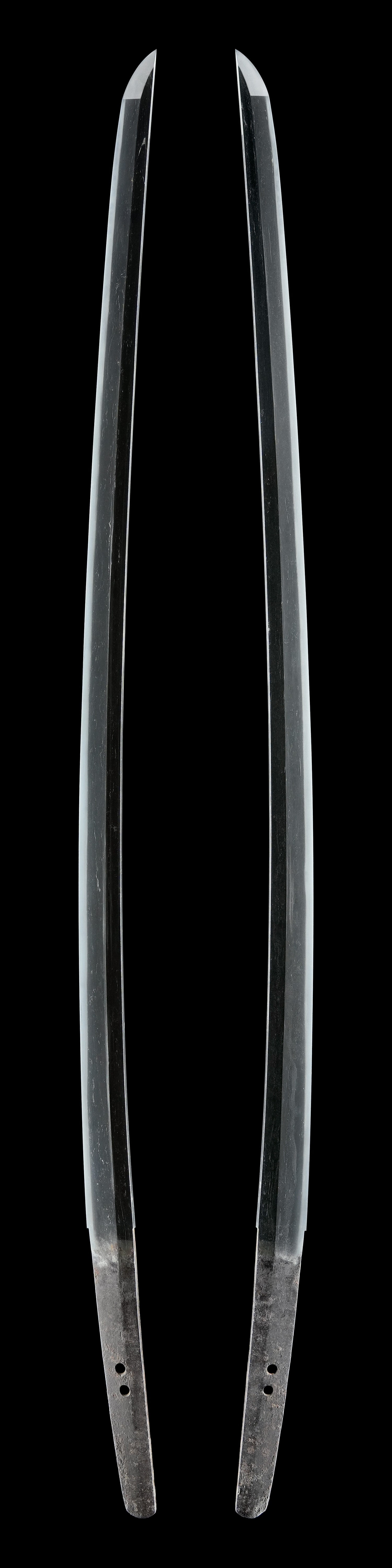
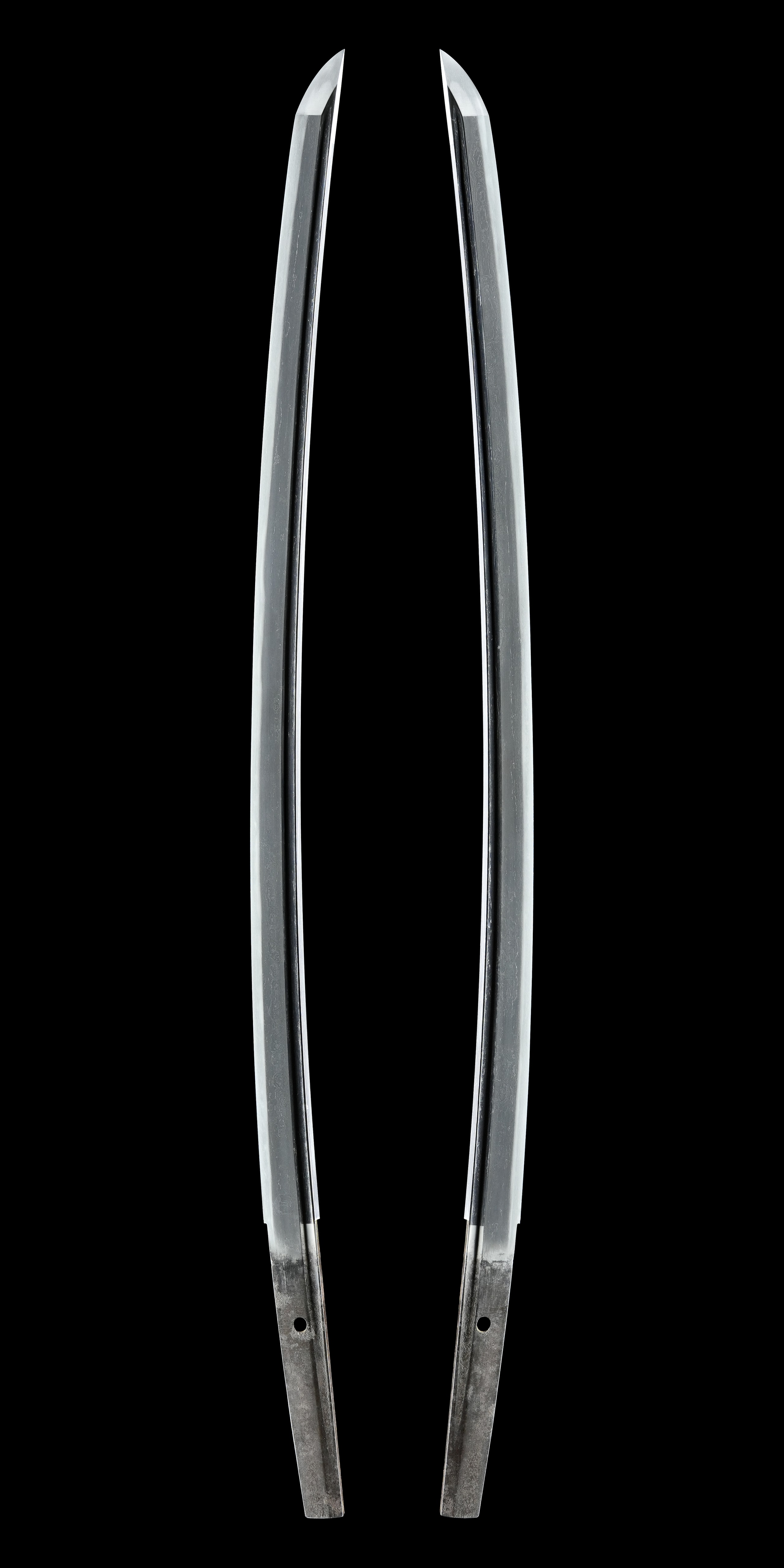
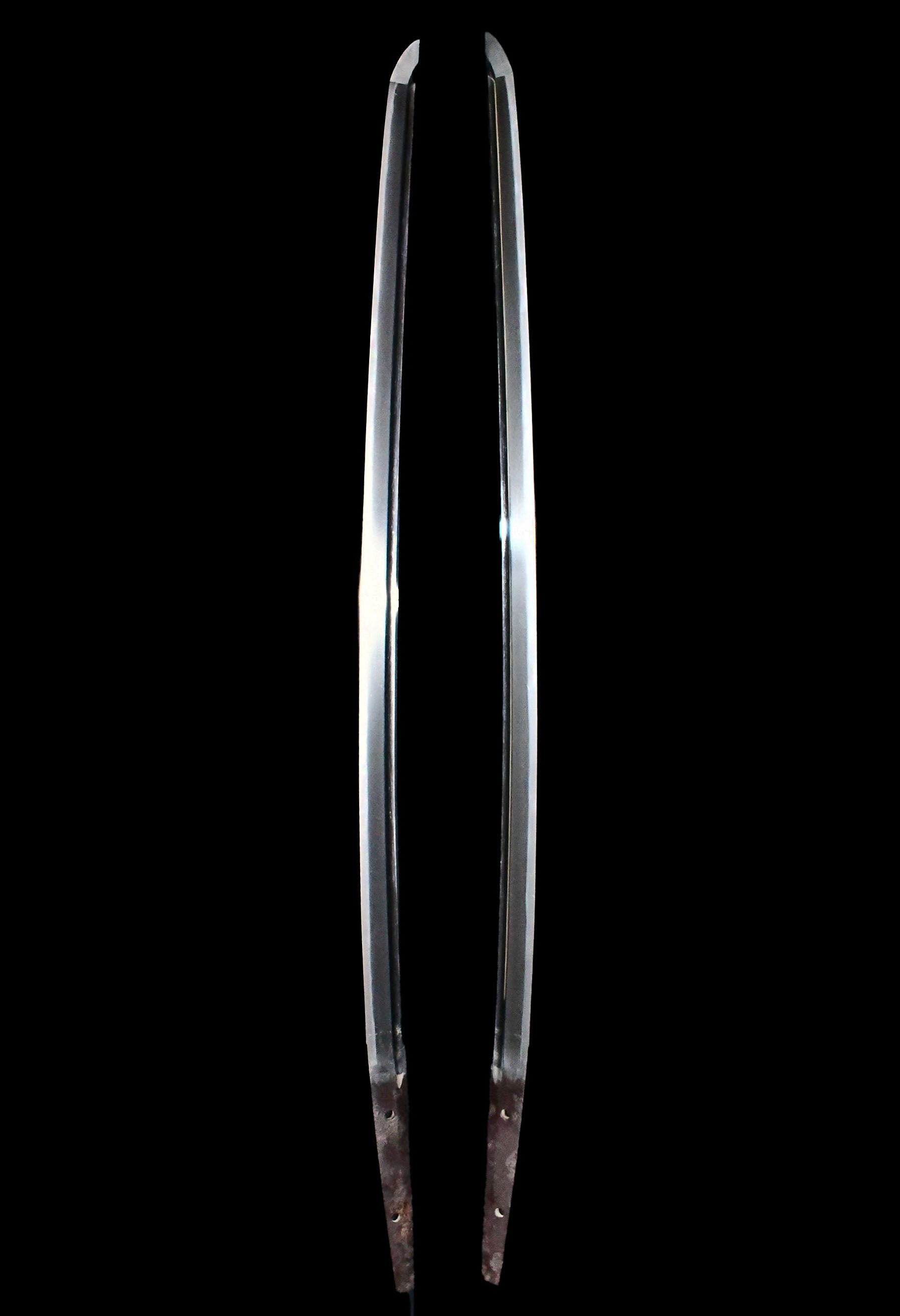
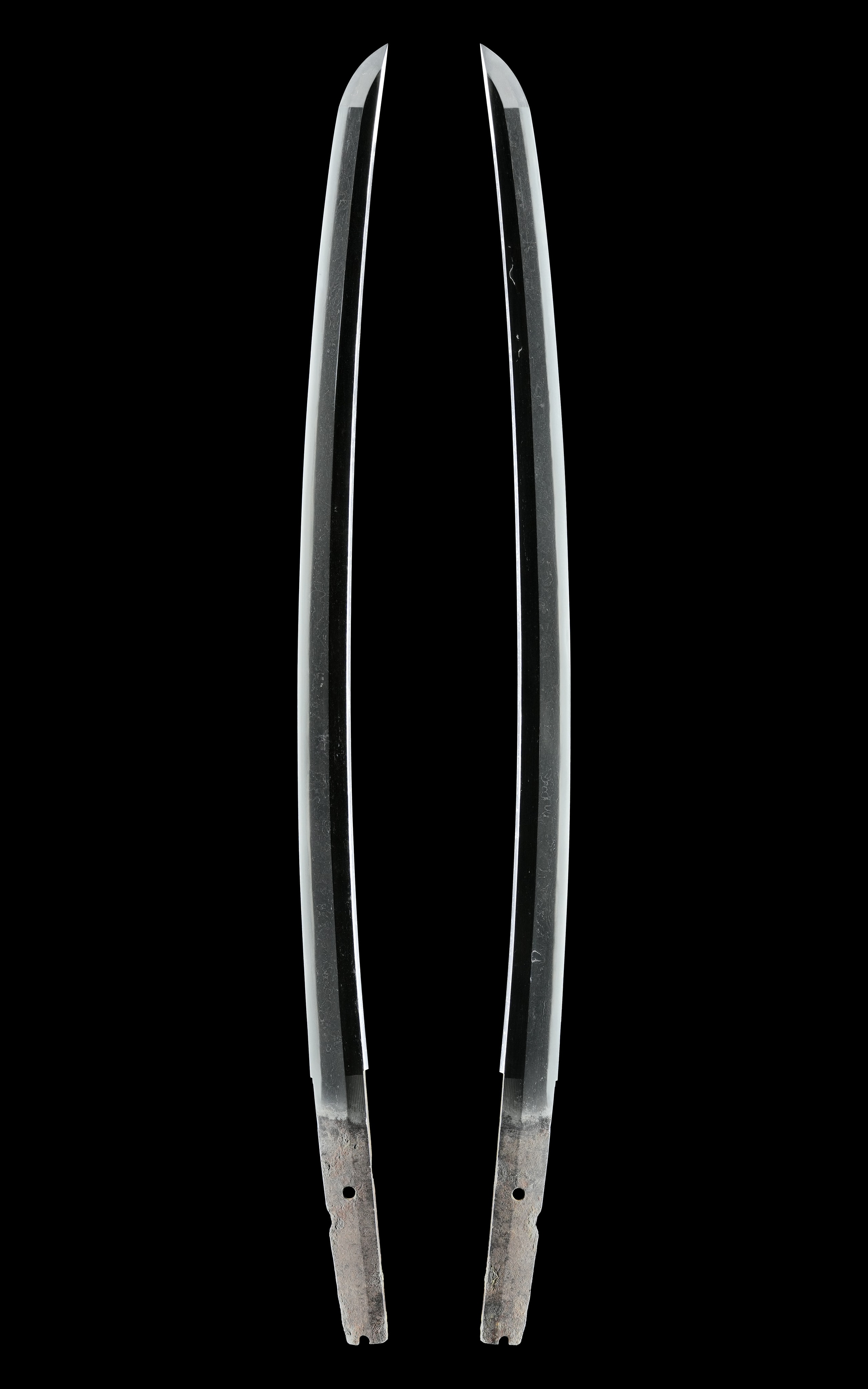
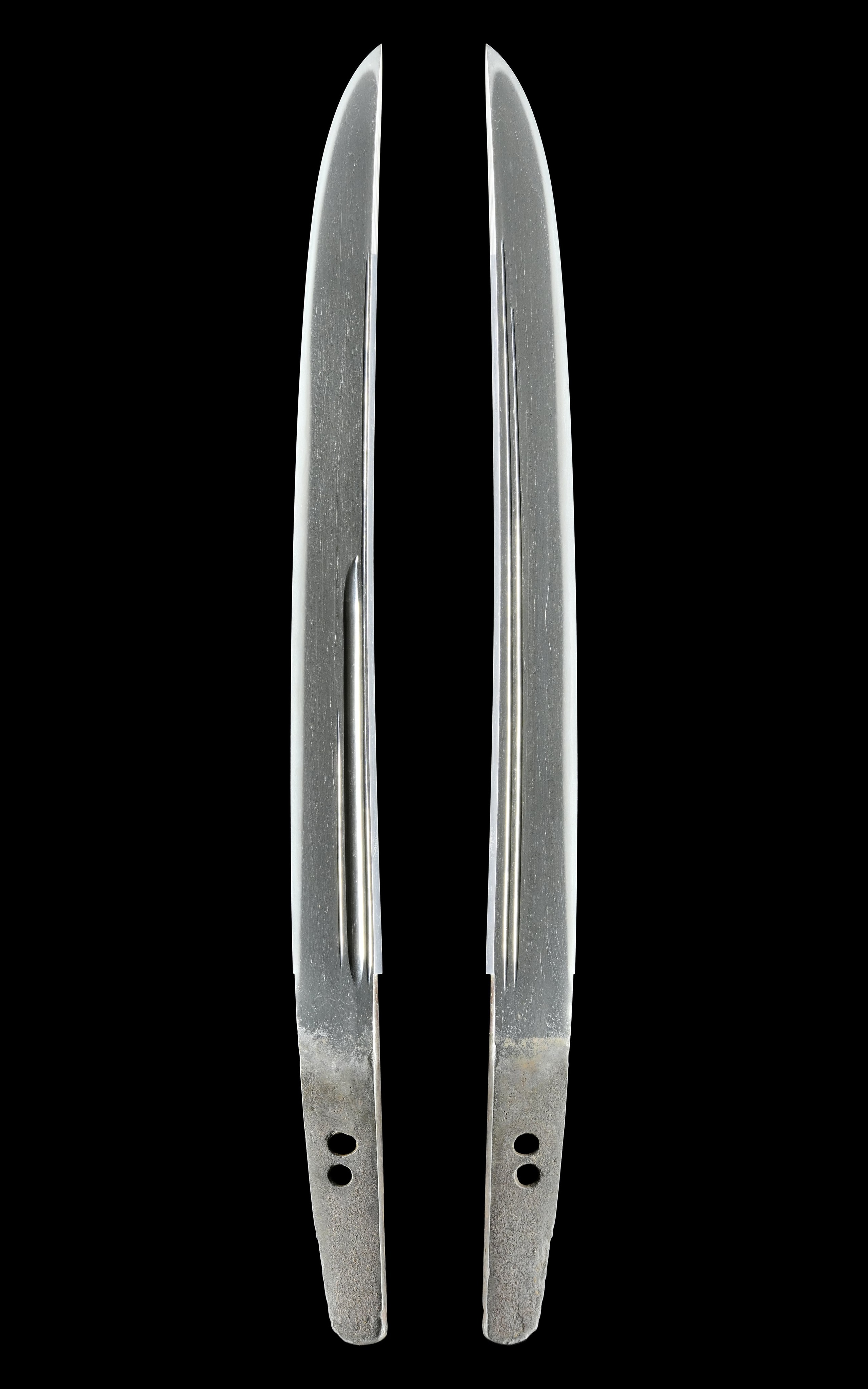
南朝が大和国吉野に都を置いたとき、大和の諸派は最盛期にあった。包永以後の手掻、尻懸則長、そして保昌の純然たる柾目である。その技はすでに諸国へ広がりつつあった。
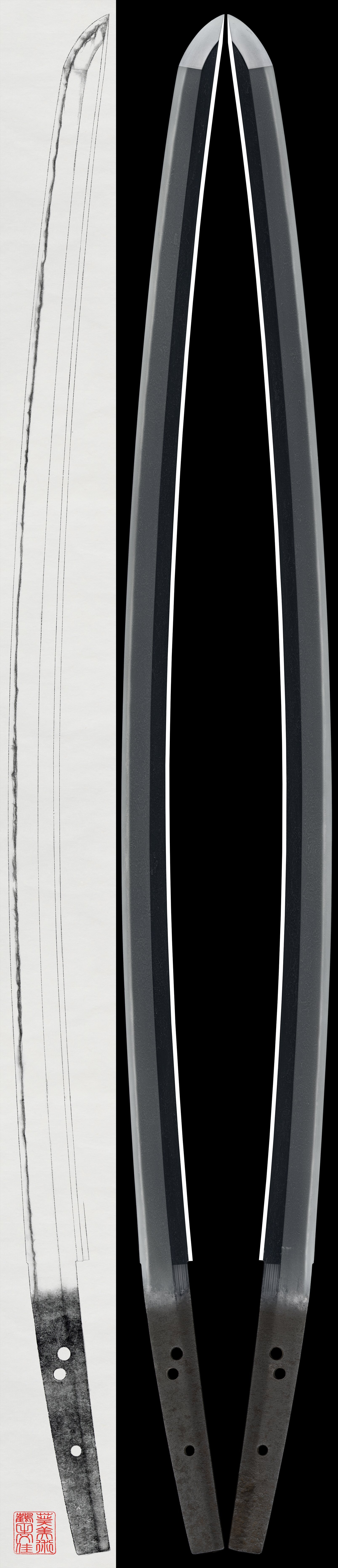
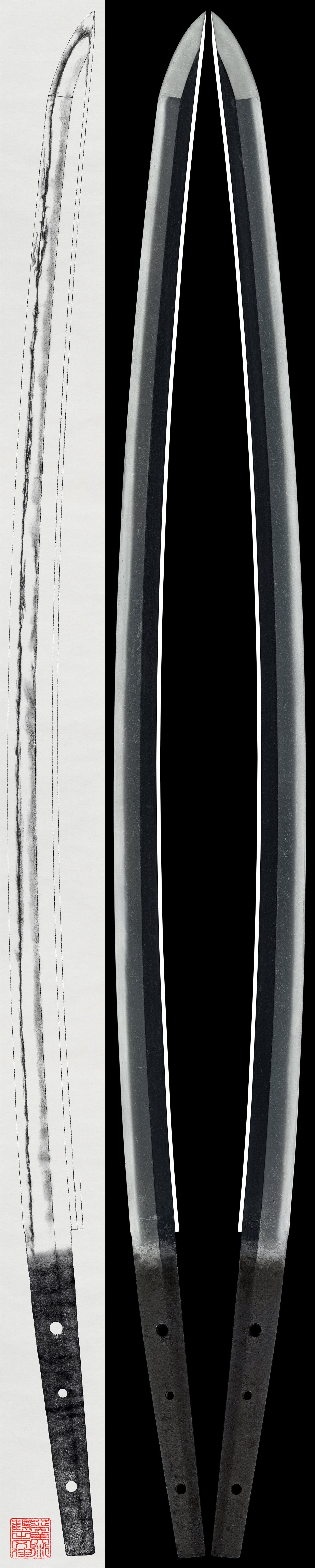
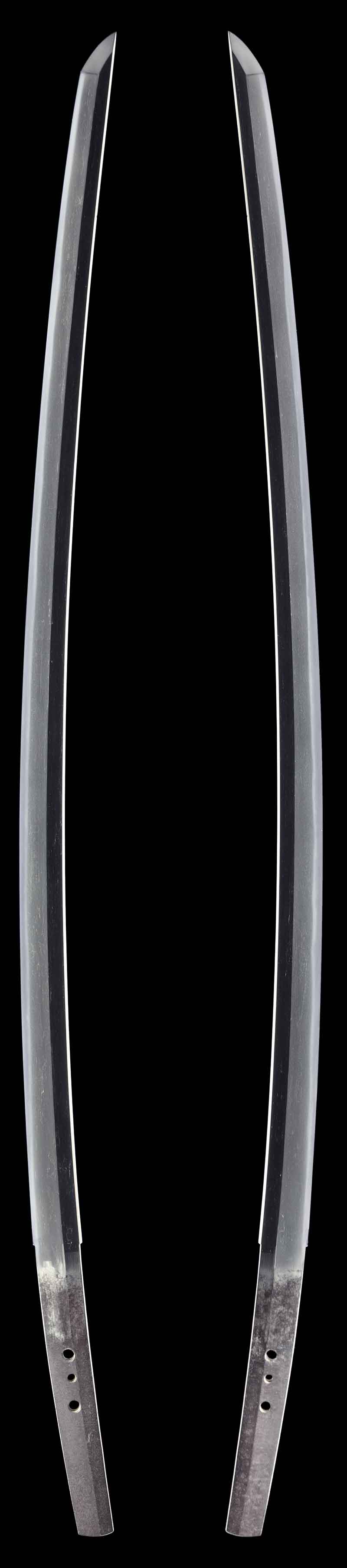
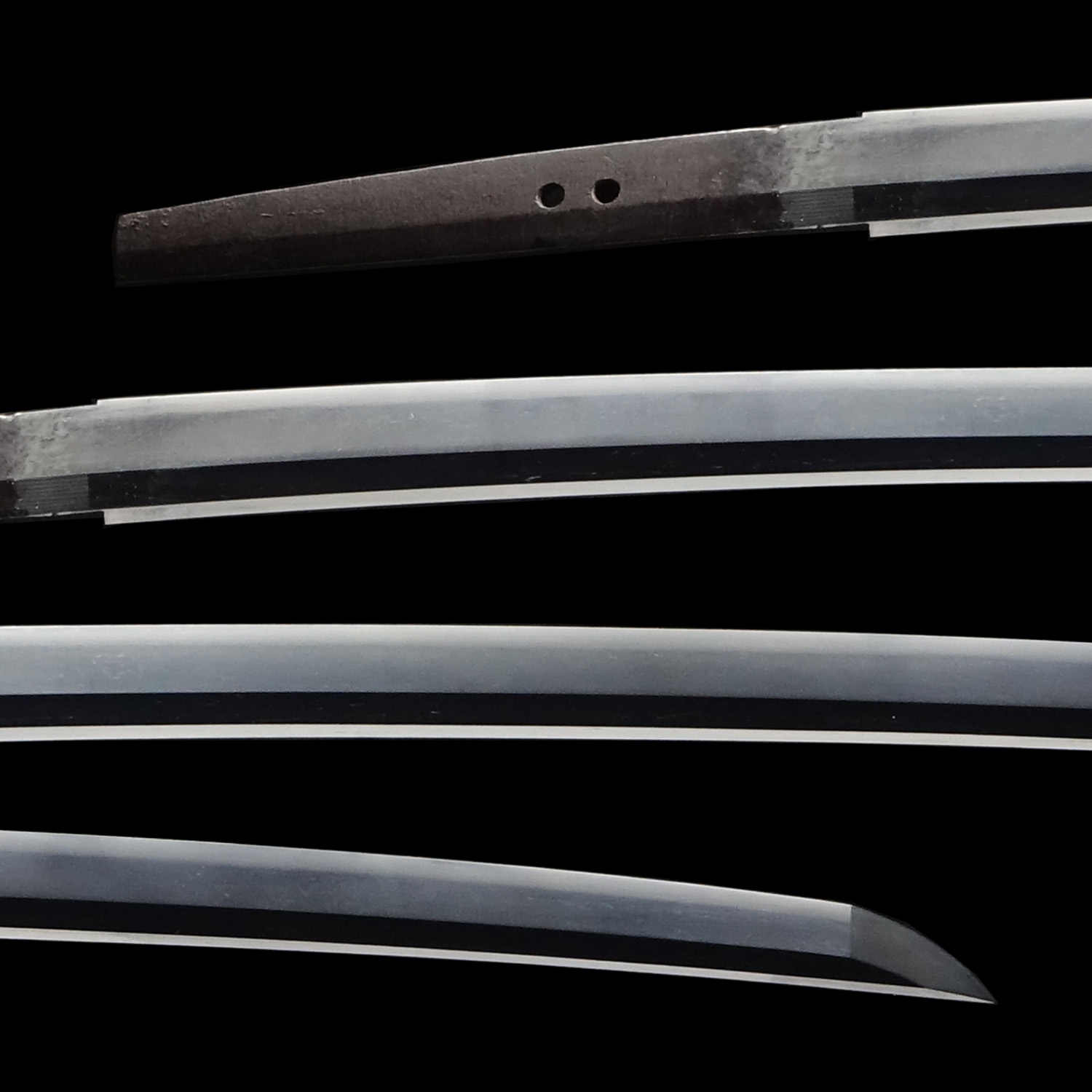
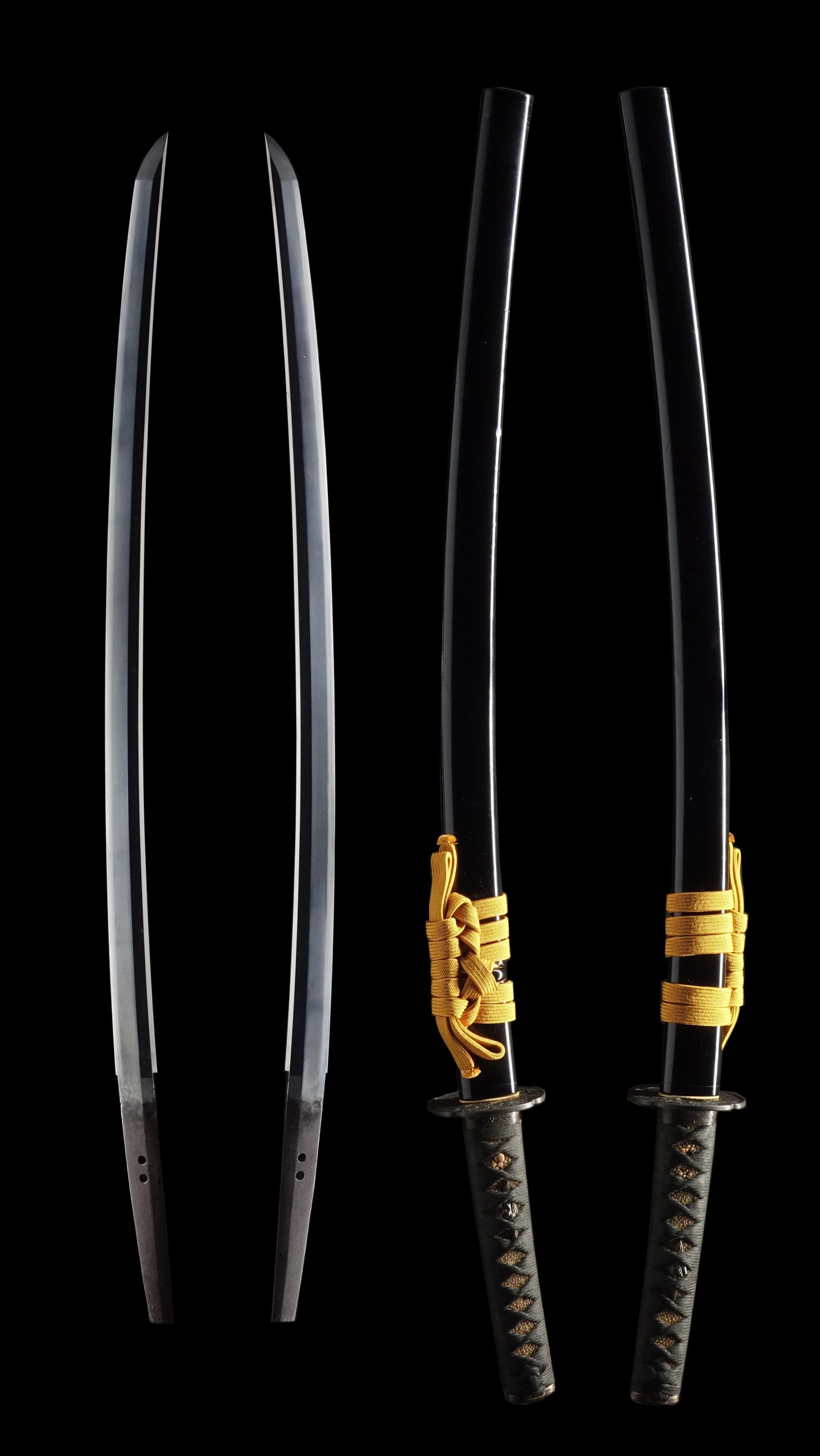
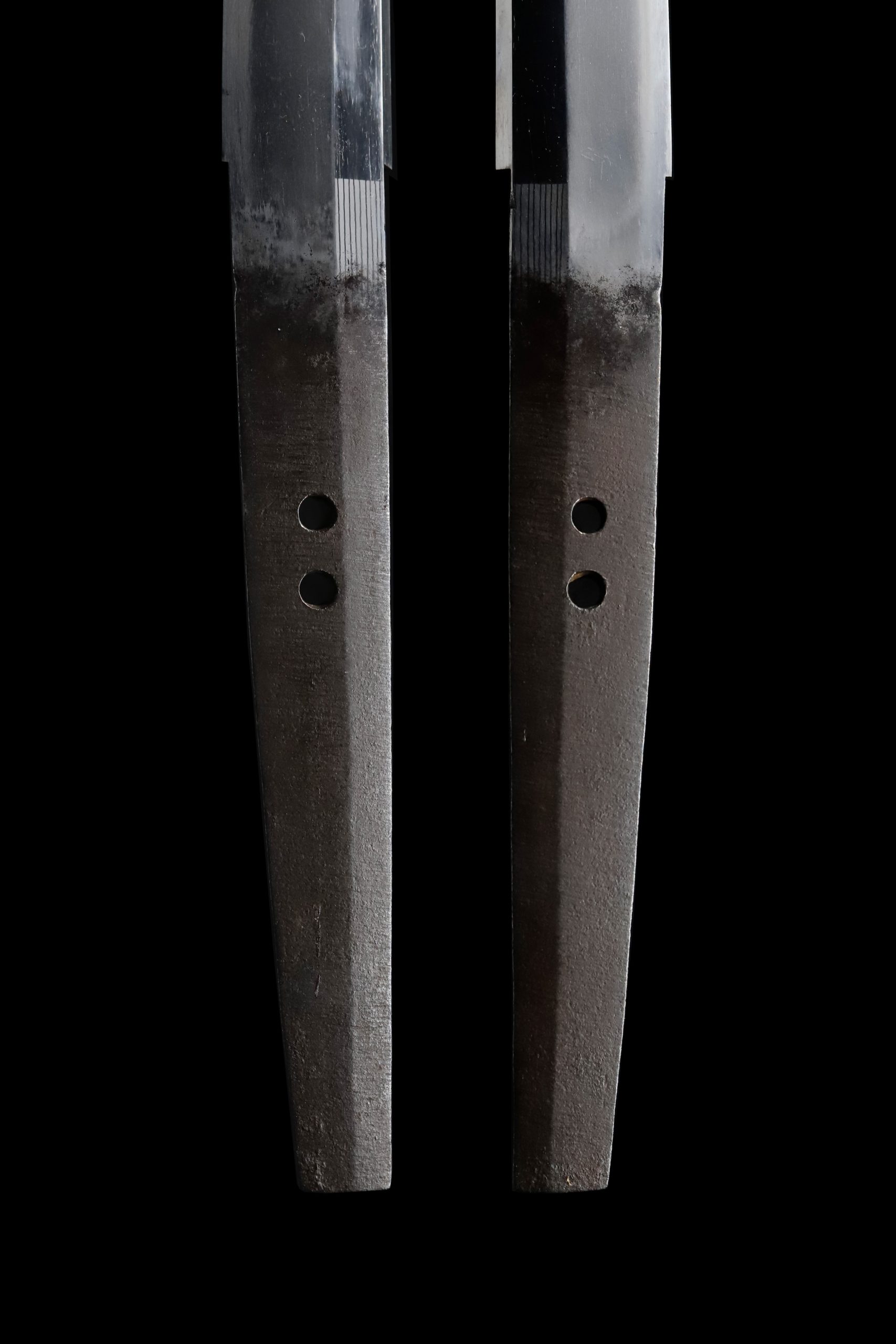
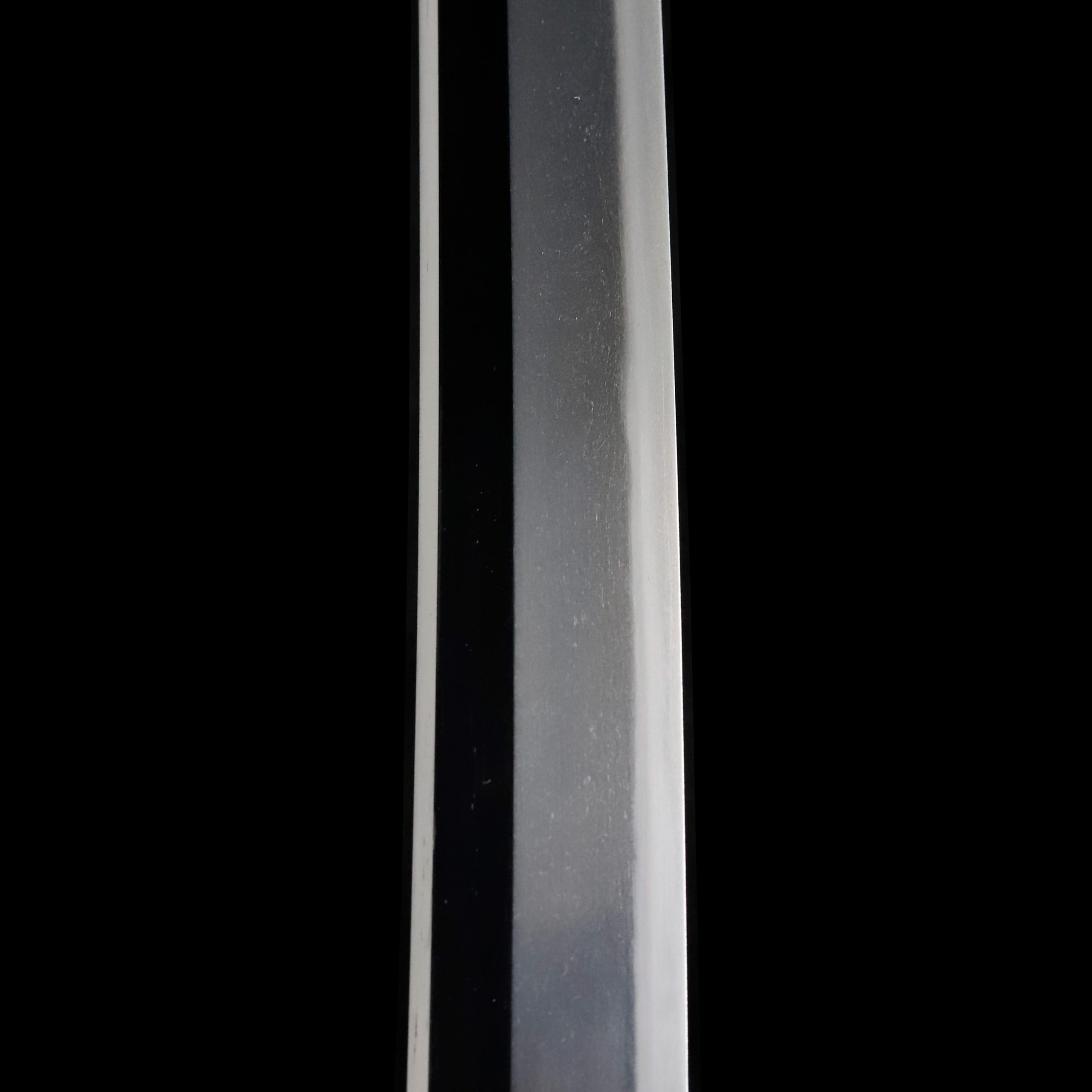
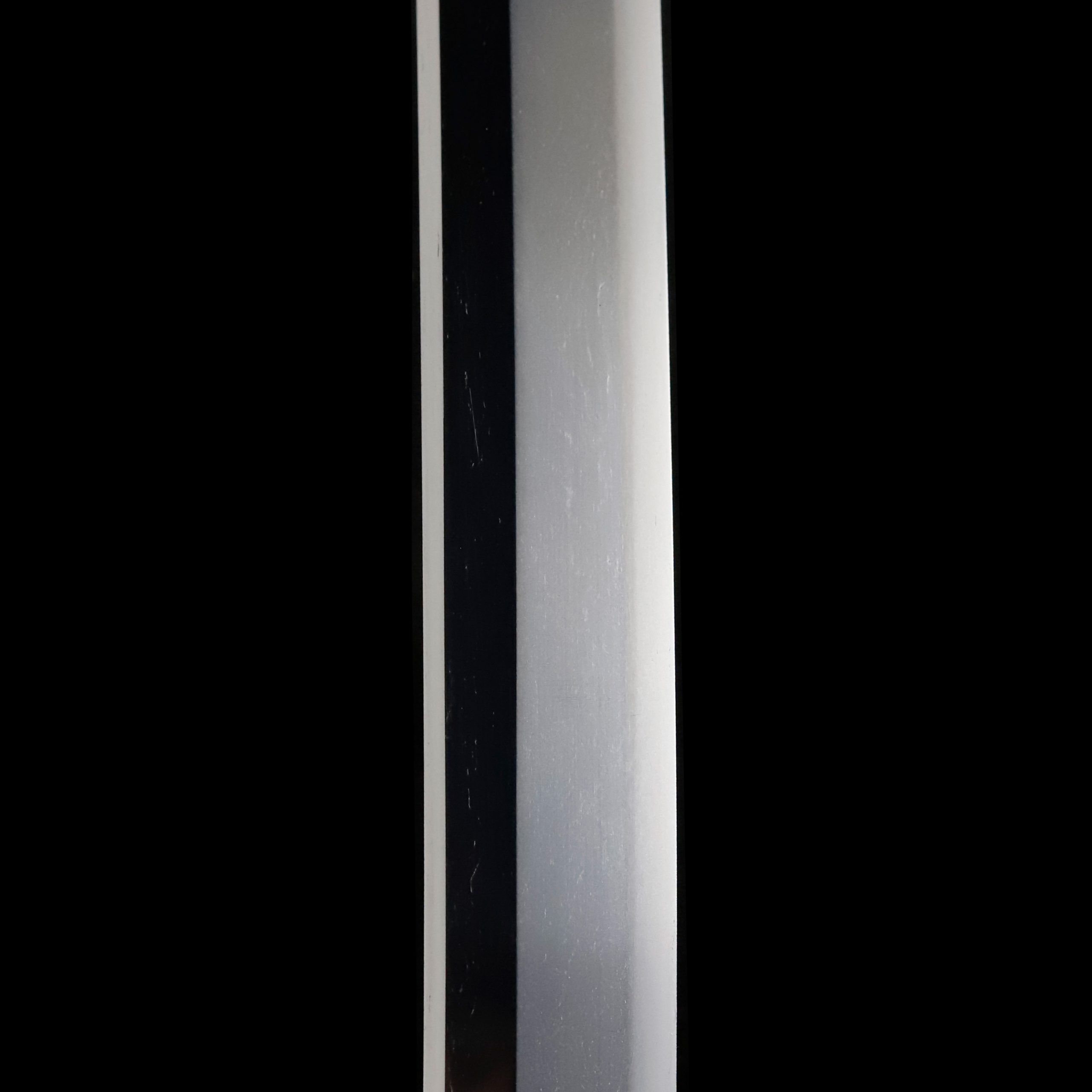
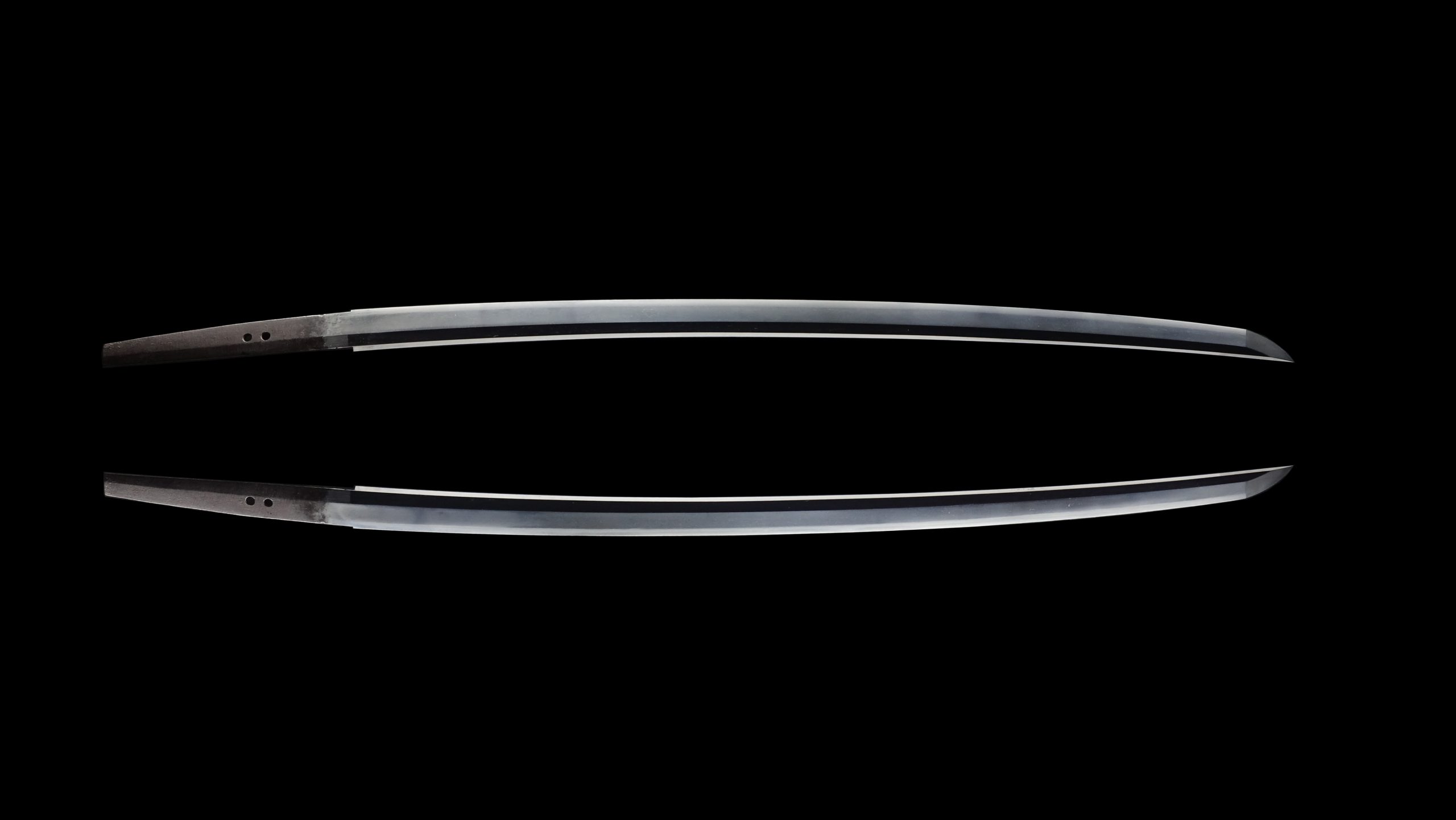
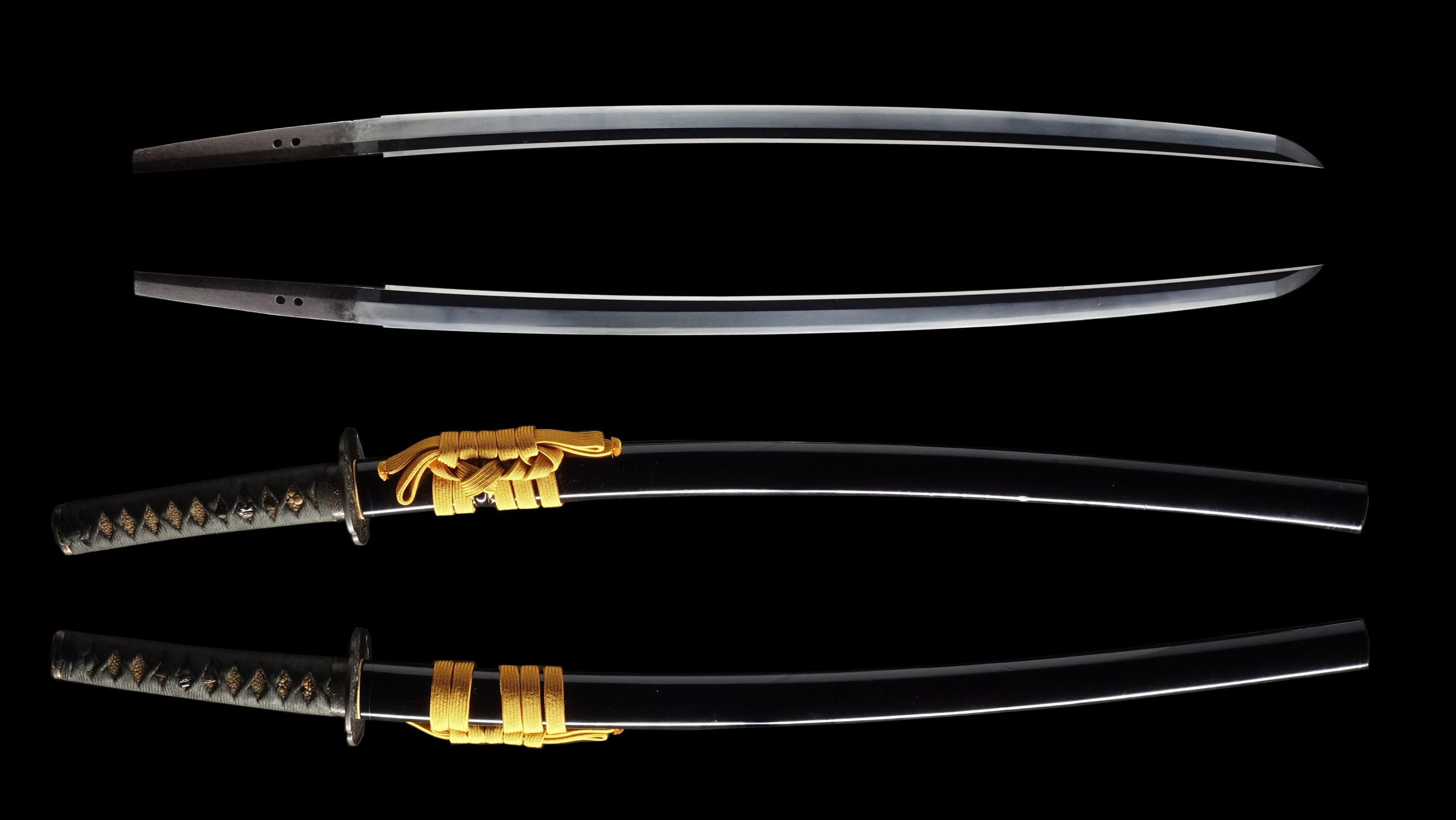
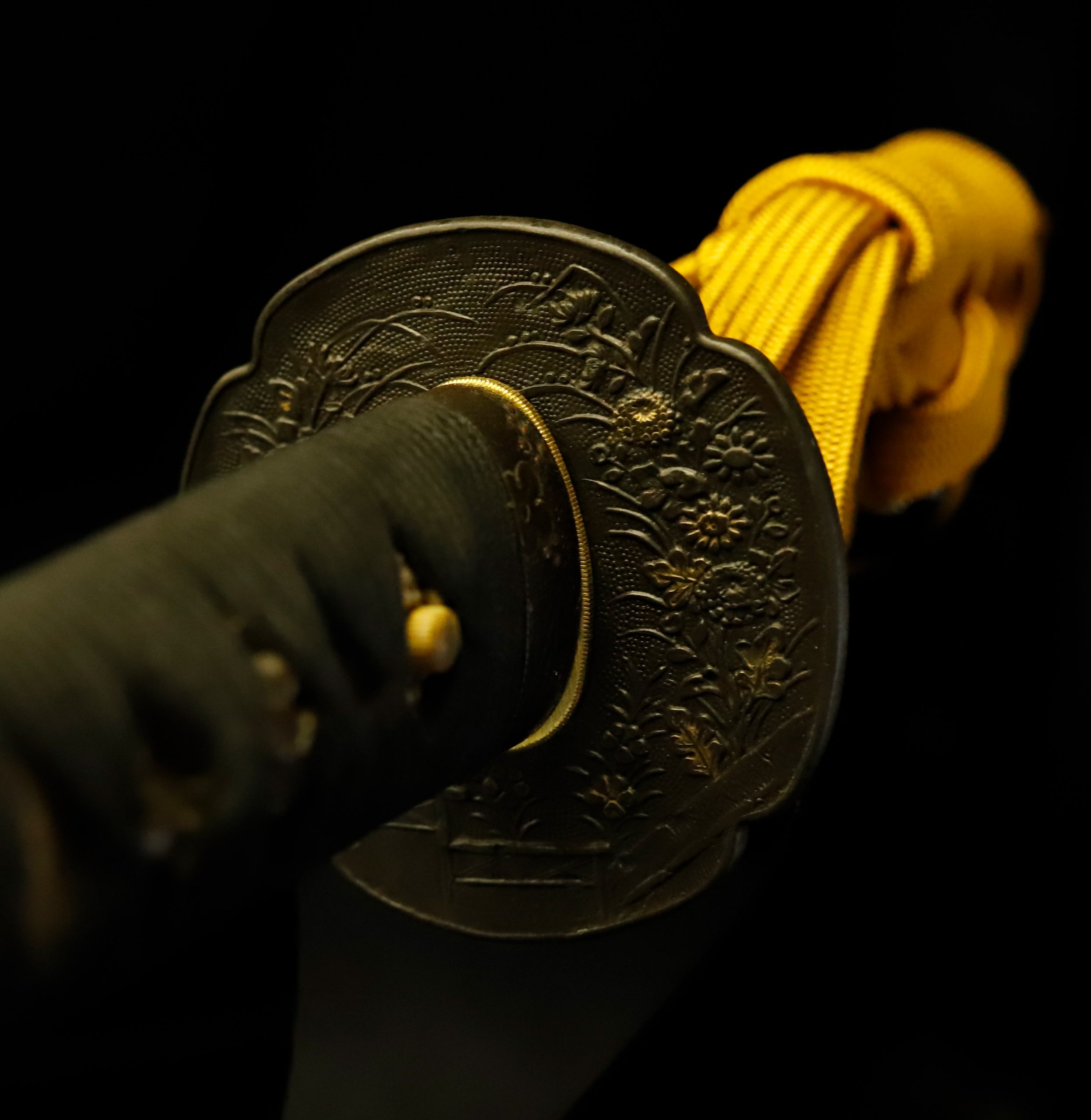
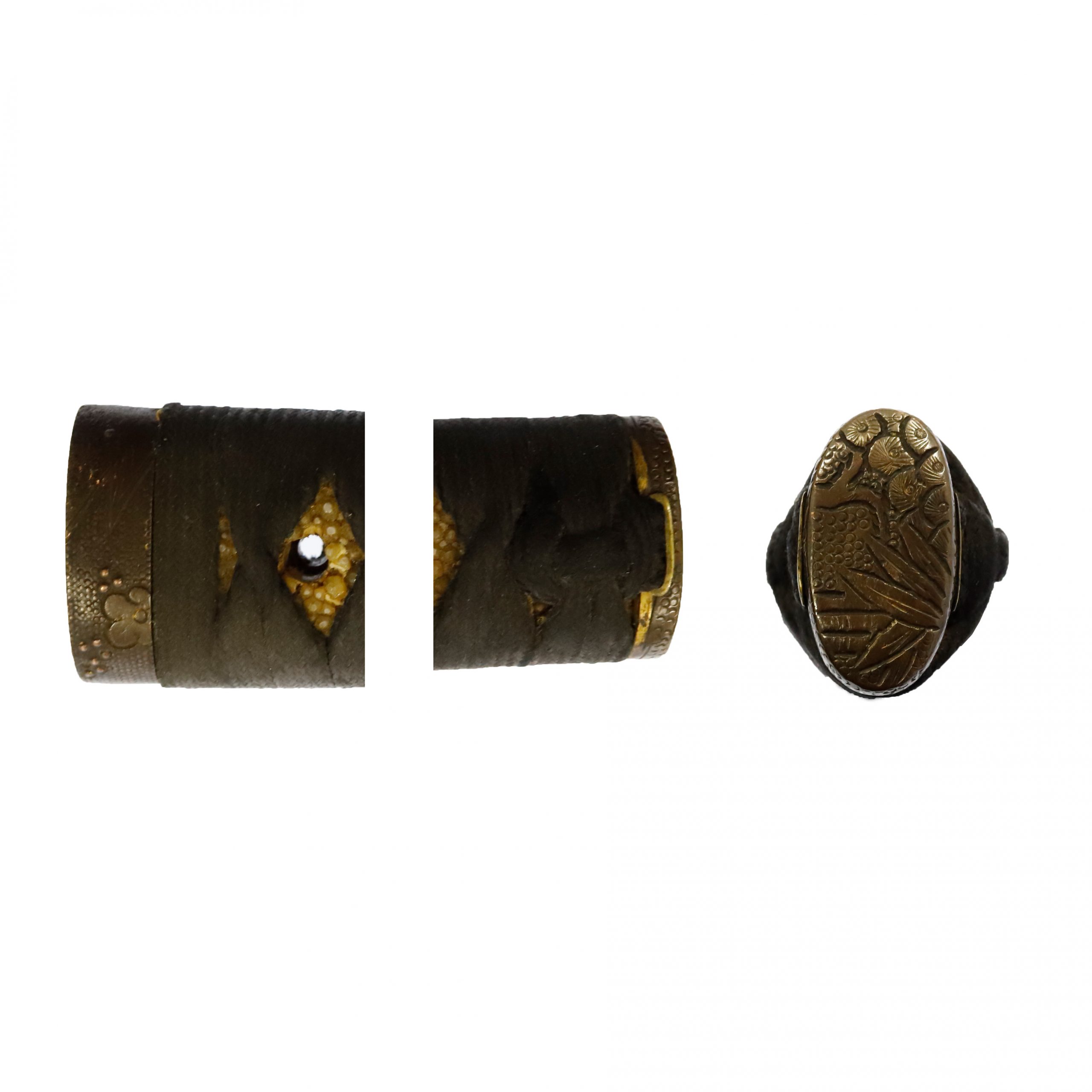
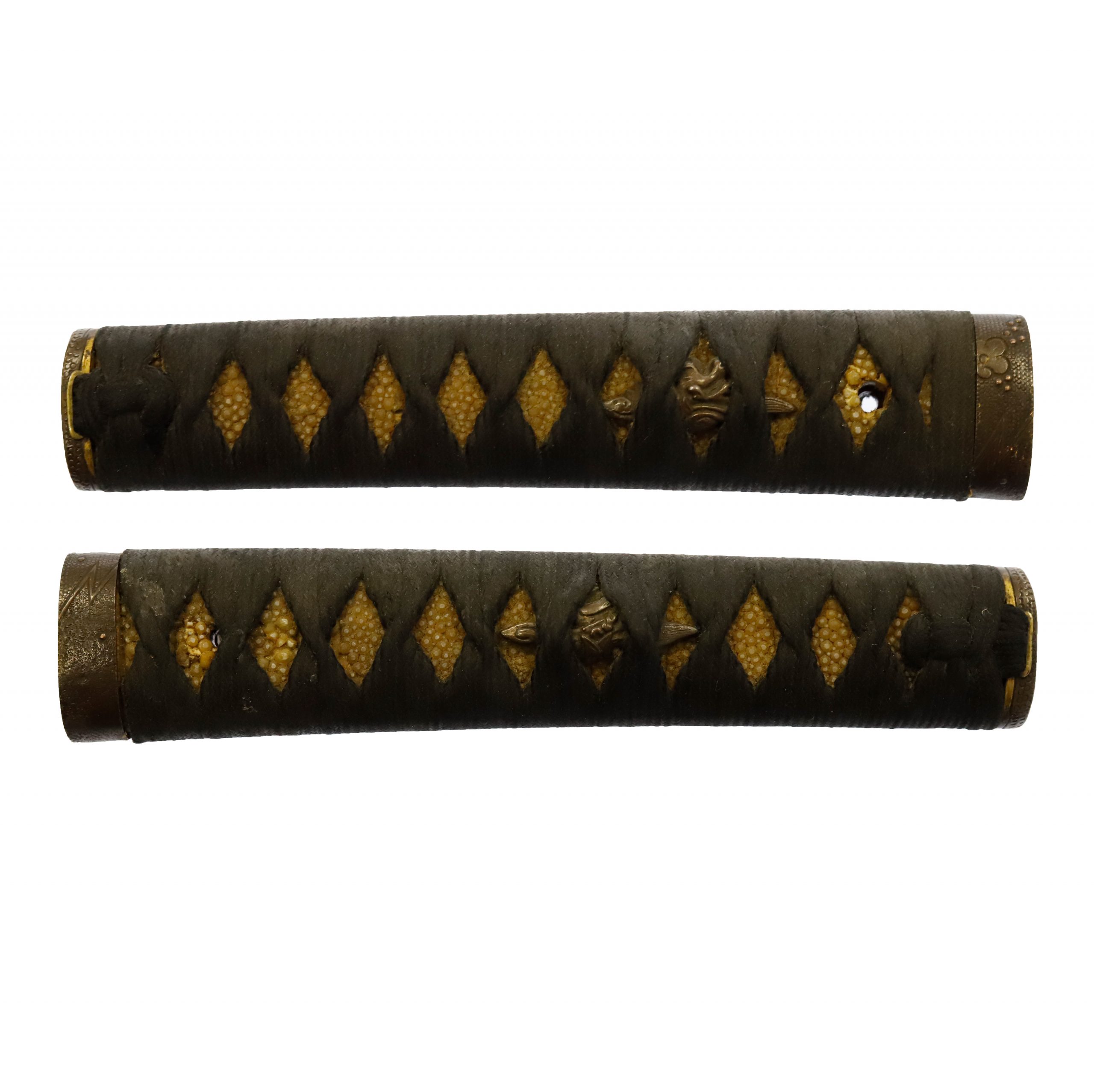
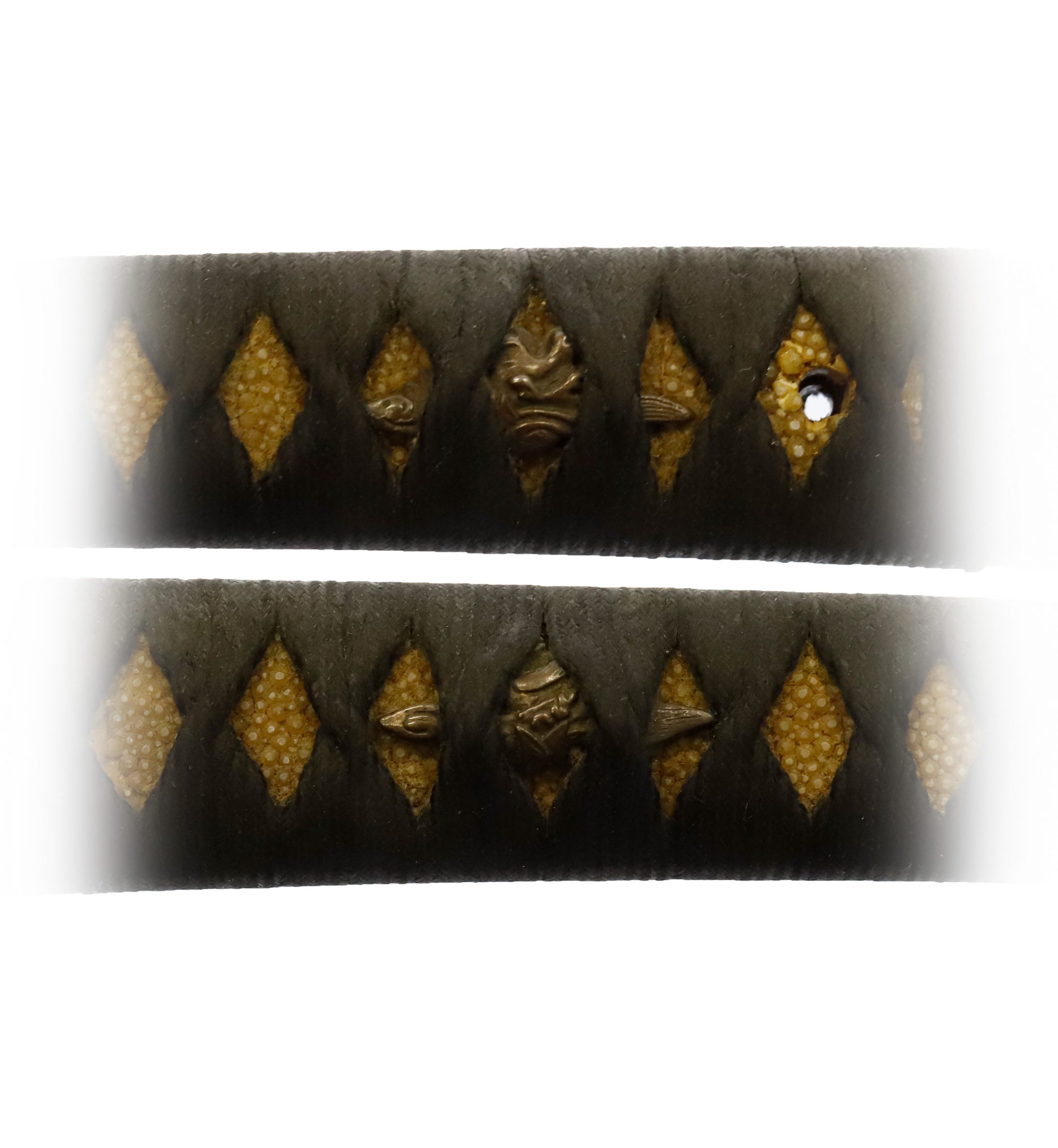
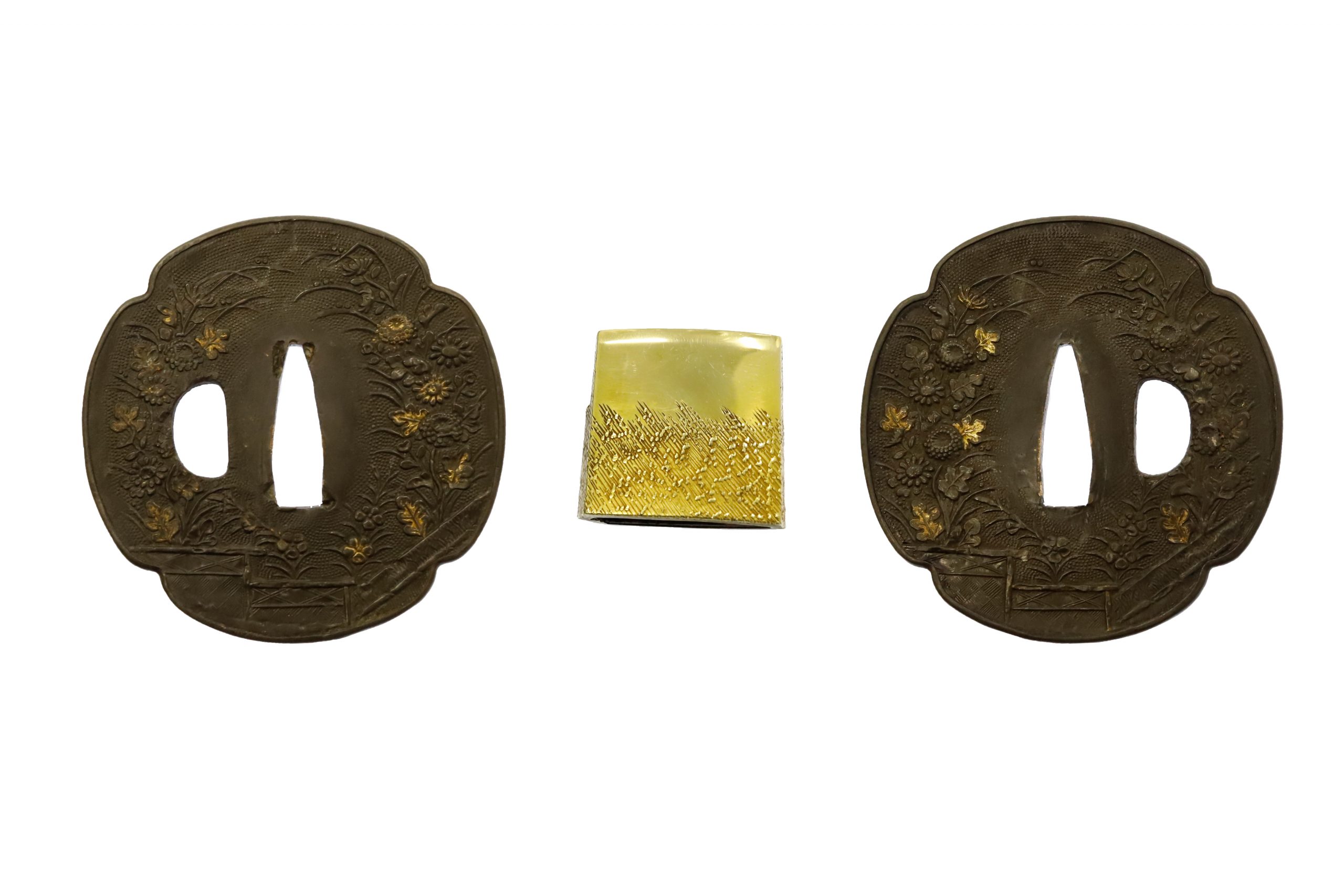
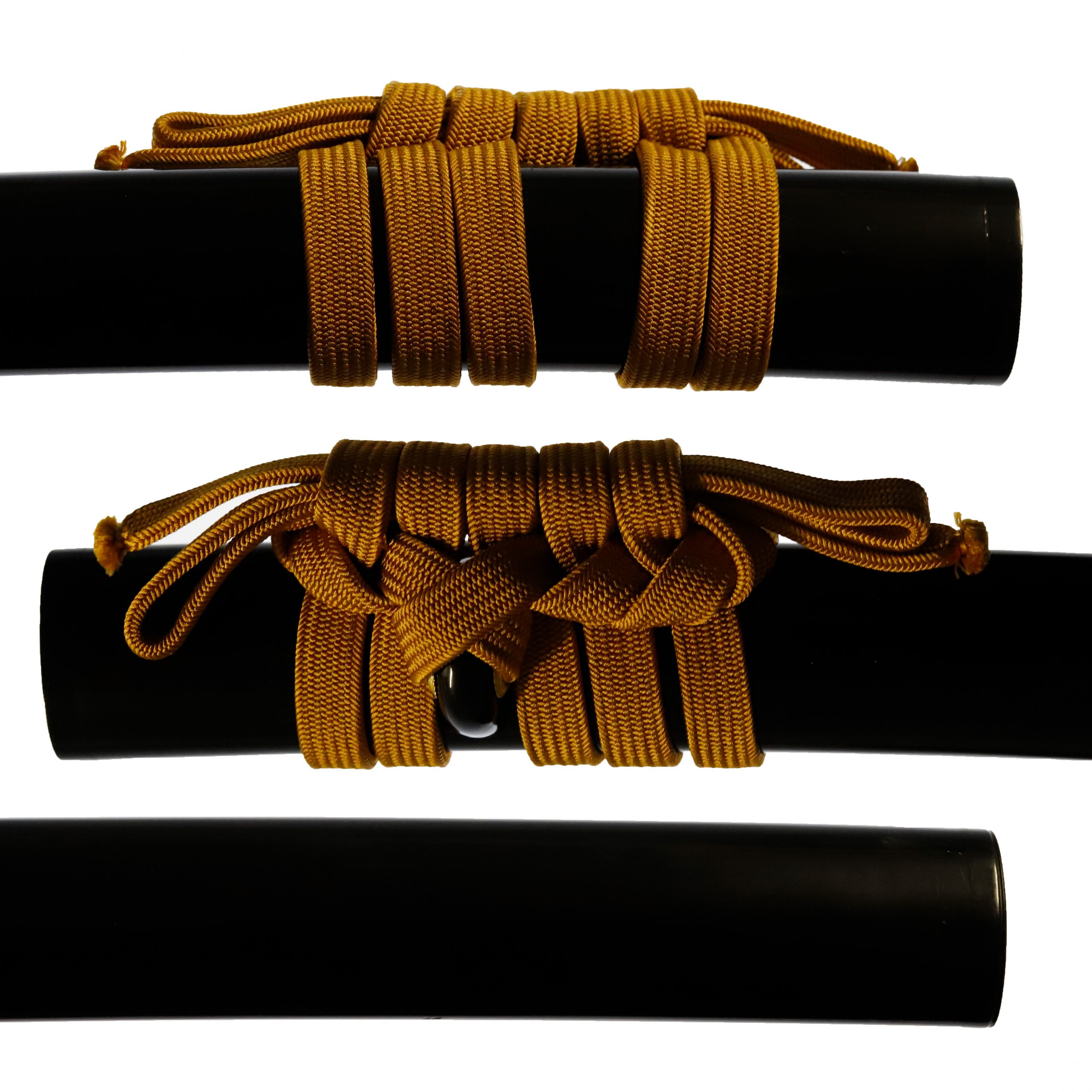
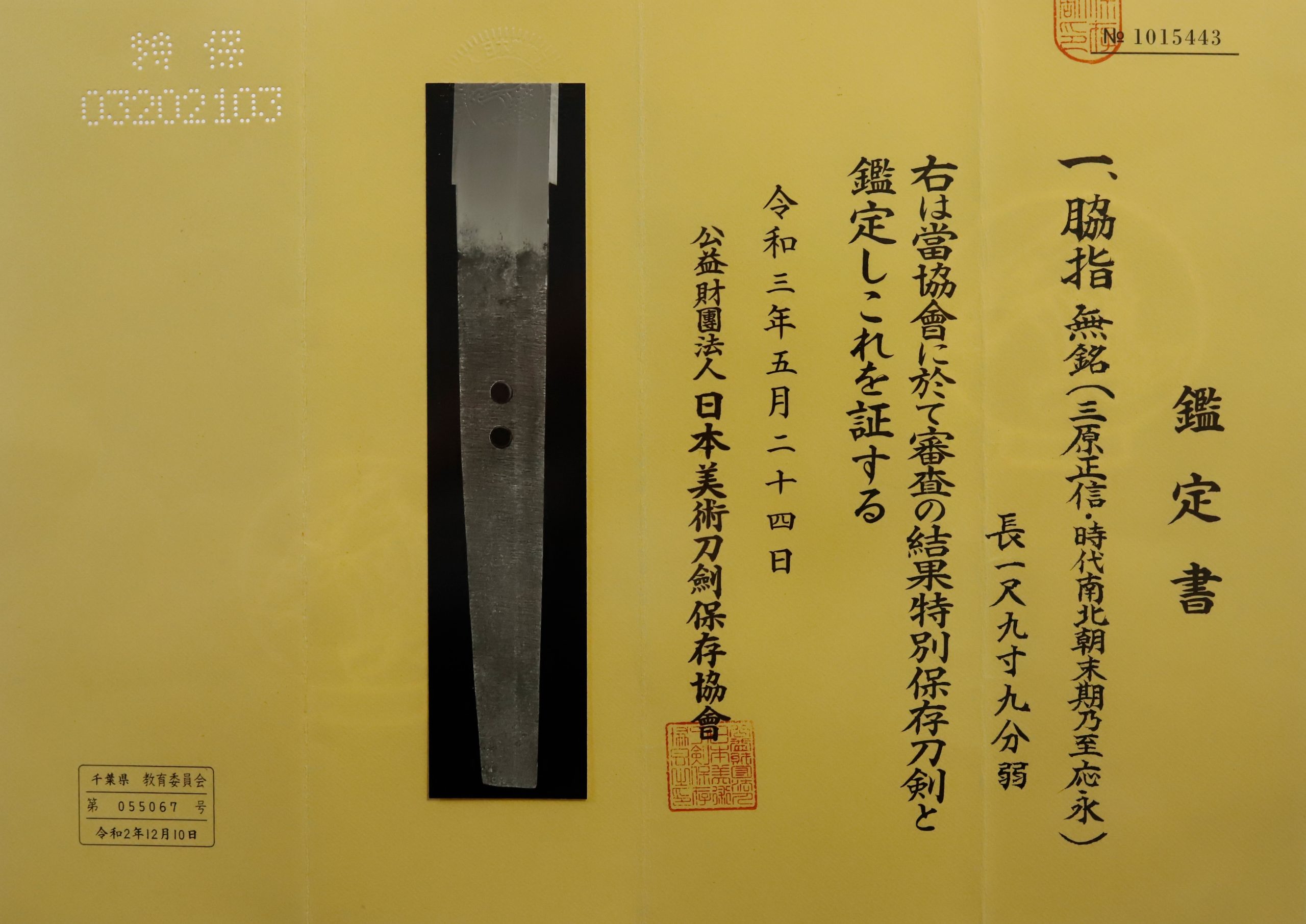
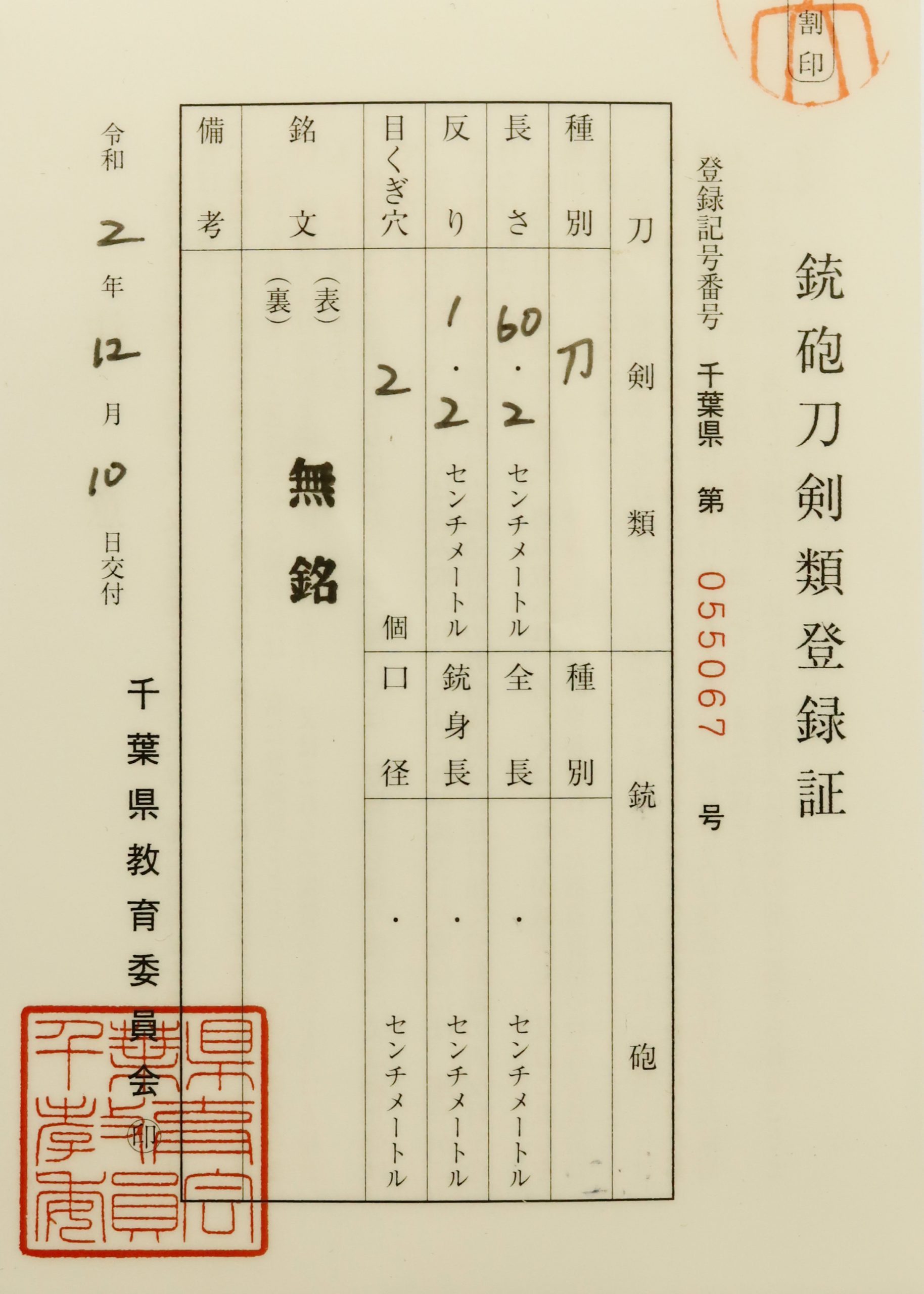
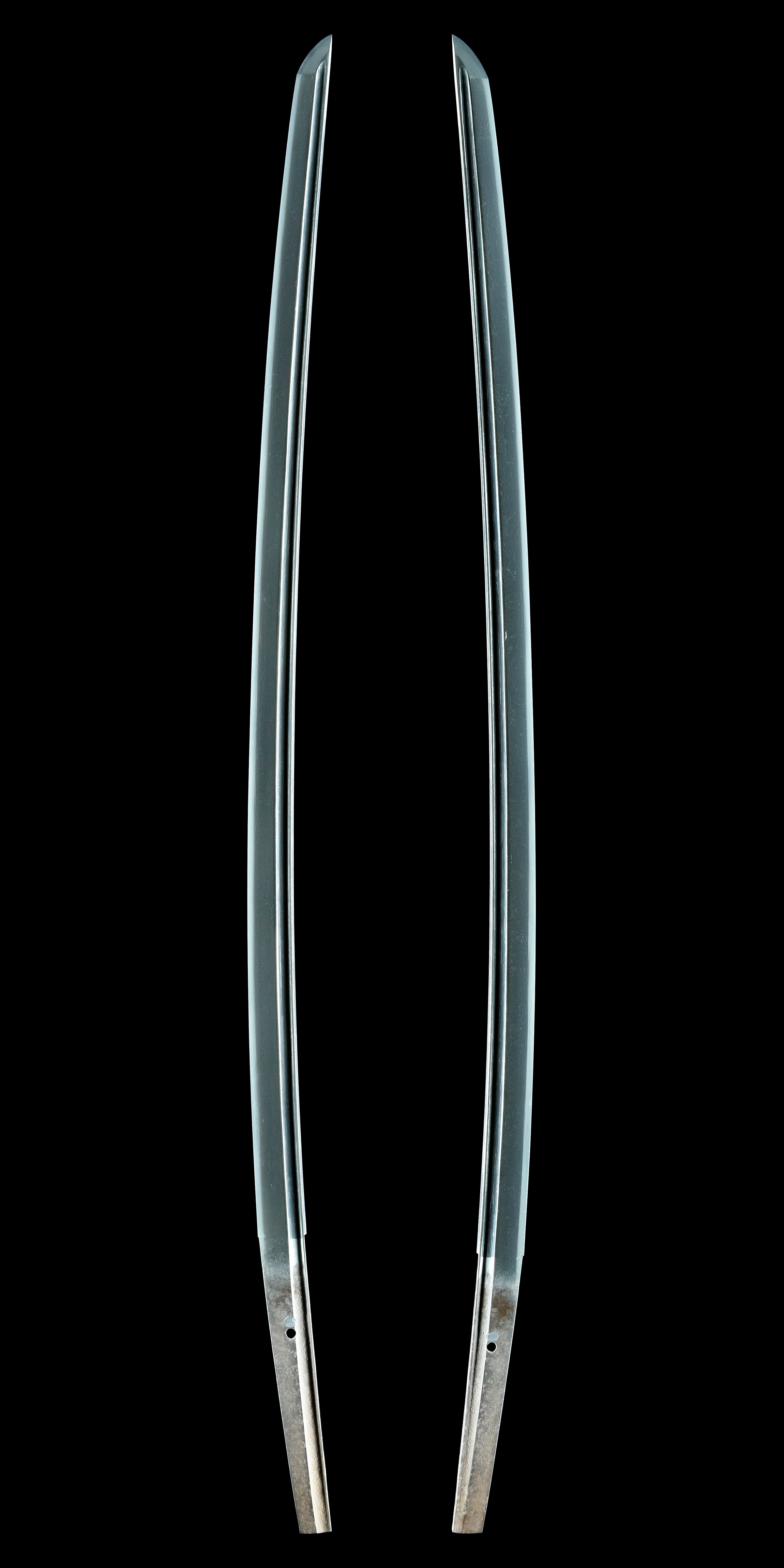
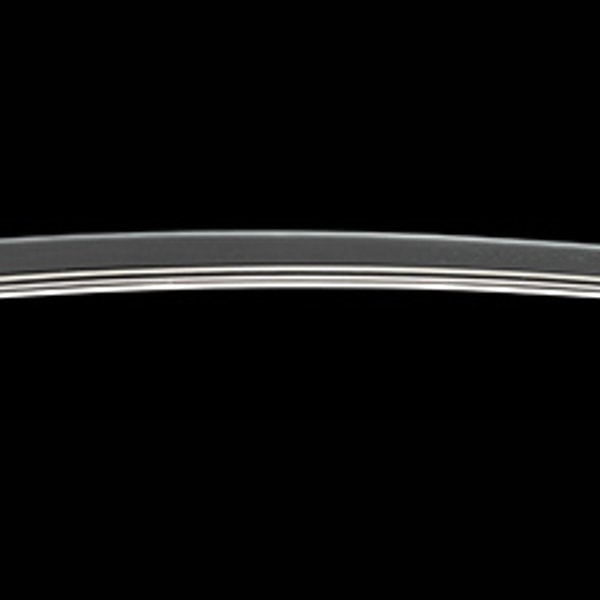
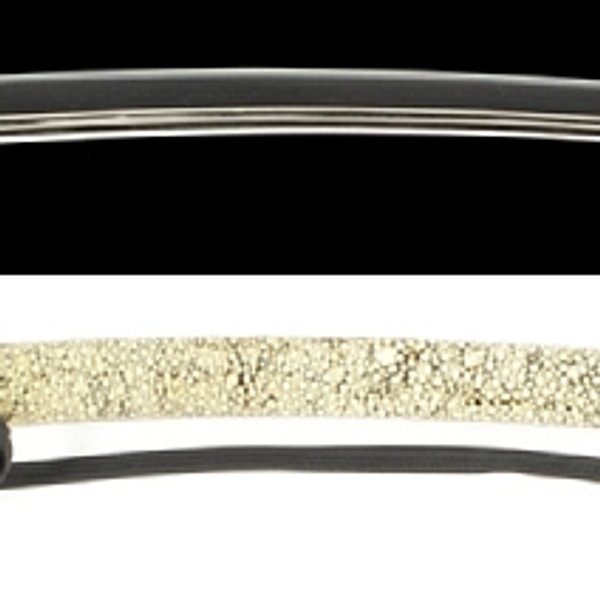
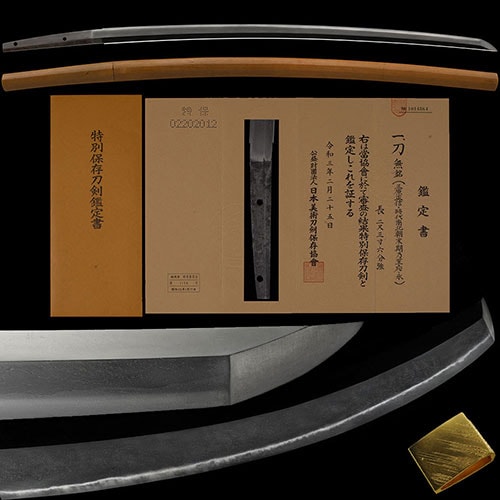
特別保存刀剣鑑定書付 三原正信(伝) 脇指 【解説】 本作は、南北朝時代後期(永徳・嘉慶頃/1381-1390年)に活躍した三原正信(みはら まさのぶ)と極められた一口です。正信は三原正家の子と伝えられ、備後国三原派に属しました。 近年の研究によれば、三原派は鎌倉時代後期(13世紀末〜14世紀初頭)の国分寺助国を祖とするとされるのが一般的です。同派の代表的な工には、正家やその子である正広などが挙げられます。 三原派は製作年代によって三つの呼称に分けられます。南北朝時代以前のものは「古三原」、室町時代初期から中期にかけてのものは単に「三原」、そして室町時代末期のものは「末三原」と称されます。正信は、このうち「古三原」の範疇に属する名工です。 古来、備後国には大和(現在の奈良県)の有力寺社が所有する荘園が多く存在しました。これらの所領を警護するために武士団が結成され、彼らの需要に応えるべく大和伝の鍛冶たちが備後へ移住したという歴史的背景があります。 こうした経緯から、三原派の作風には五ヶ伝の一つである「大和伝」の特色が色濃く反映されています。鎌倉後期から室町時代にかけて、武器の需要が高まったこともあり、三原派を含む備後の刀工たちは数多くの名刀を世に送り出しました。 また、備後は中国山地に近く、刀剣の原材料となる良質な砂鉄が豊富に産出される地でもありました。この地理的条件が、三原鍛冶による精錬された質の高い作刀を支えたと考えられます。 大和伝の刀剣は、美しい地鉄(じがね)と直刃(すぐは)の焼出しで知られています。本作もまた、潤いのある美しい地肌に直刃を焼き、大和伝の真髄を遺憾なく発揮した秀作です。 なお、登録証上の種別は「刀」となっておりますが、日本美術刀剣保存協会の鑑定書では「脇指」と表記されています。一般に刃渡り二尺(約60.6cm)以上を刀と呼びますが、本作は二尺にわずか0.4cm及ばないため、限りなく刀に近い長寸の脇指といえます。 本作は、日本美術刀剣保存協会(NBTHK)より「特別保存刀剣」に認定されています。これは保存状態が極めて良好であり、かつ美術品としての価値が特に高いと認められた真作にのみ与えられる格付けです。 【刀身】 長さ(Nagasa):60.2 cm(一尺九寸八分強) 反り(Sori):1.2 cm 刃文(Hamon):焼入れによって刃先に現れる結晶構造 地紋(Jihada):折り返し鍛錬によって生じる鋼の表面模様 茎(Nakago): 刀身の柄に収まる部分です。日本の刀剣では、柄内での赤錆を防ぐために意図的に残された「黒錆」が重要視されます。この経年による錆色は、専門家が製作年代を特定する際の重要な指標となります。 【拵】 拵(Koshirae):鞘、柄、鍔などを含めた外装一式です。 縁頭(Fuchi-Kashira):柄の両端を保護し装飾する一対の金具です。 本品の頭(かしら)には、松と竹の意匠が精緻に彫り込まれています。
 NihontoWatch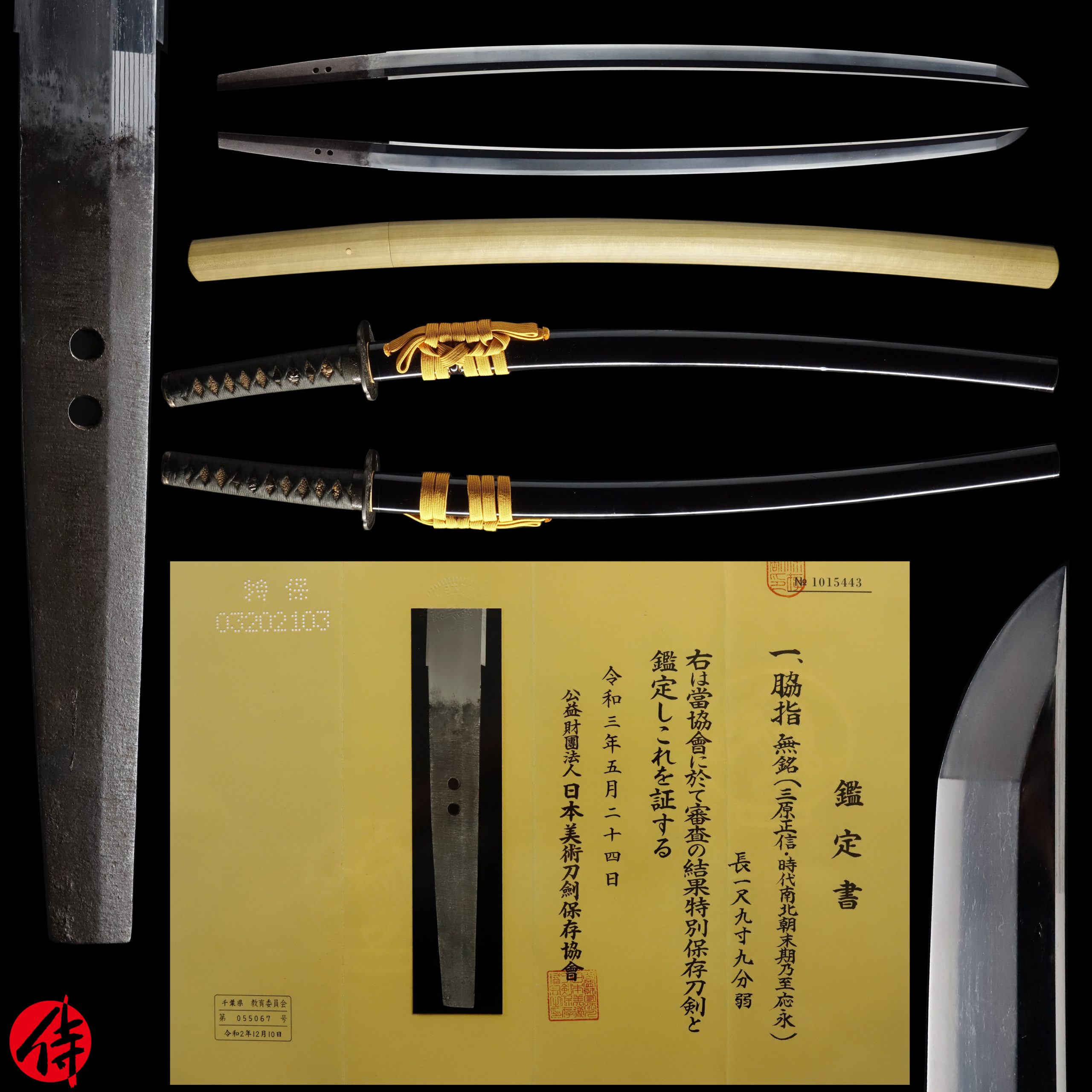
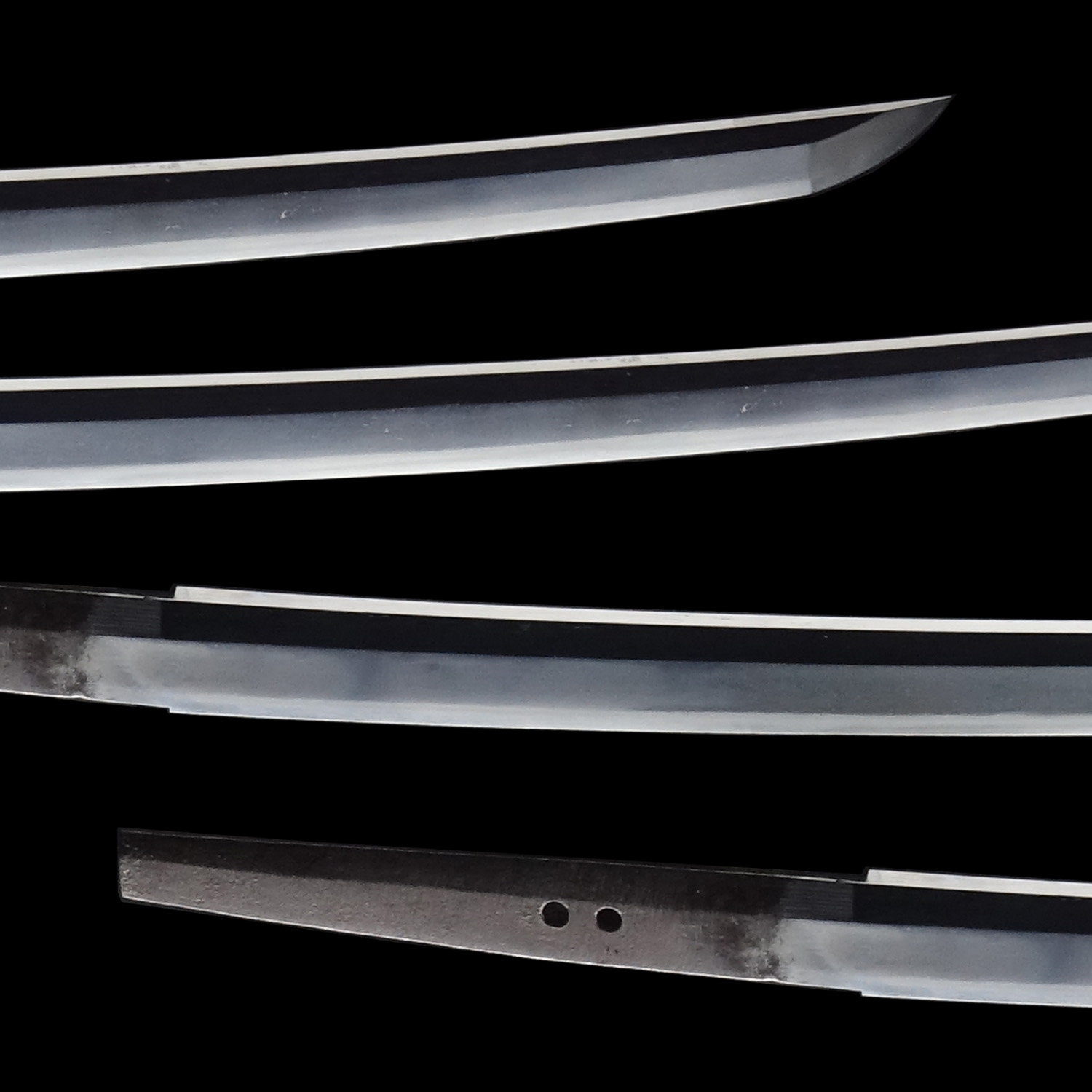
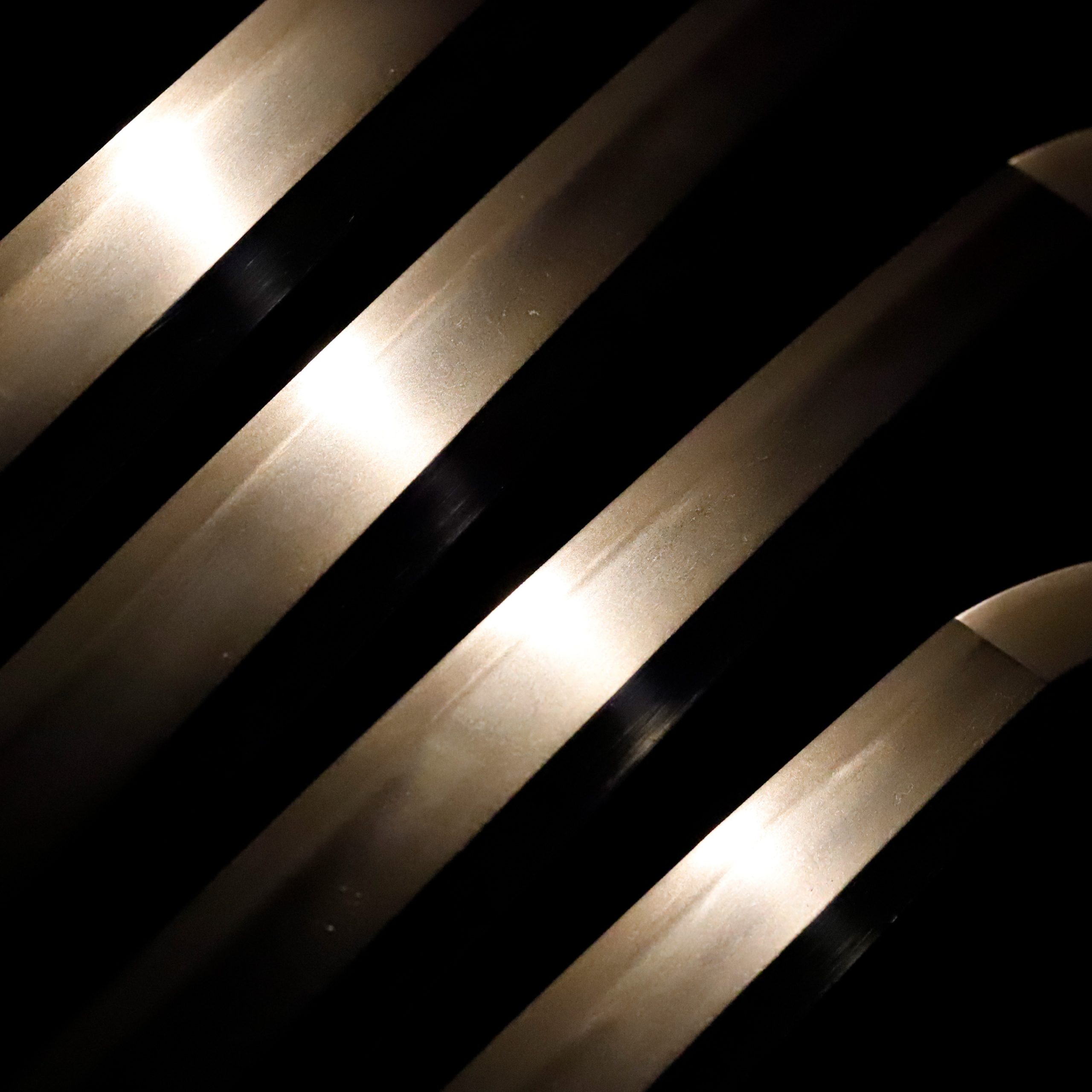
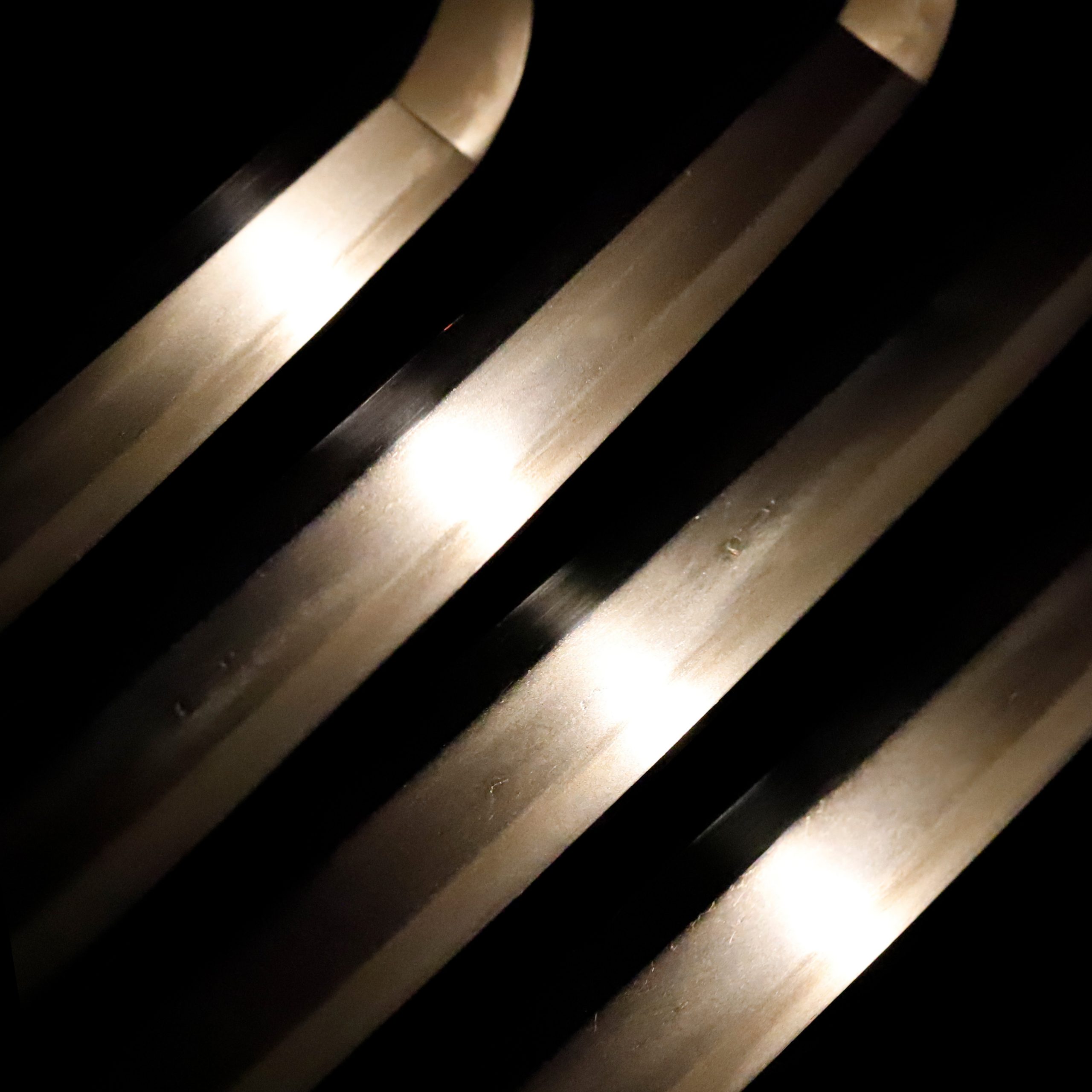
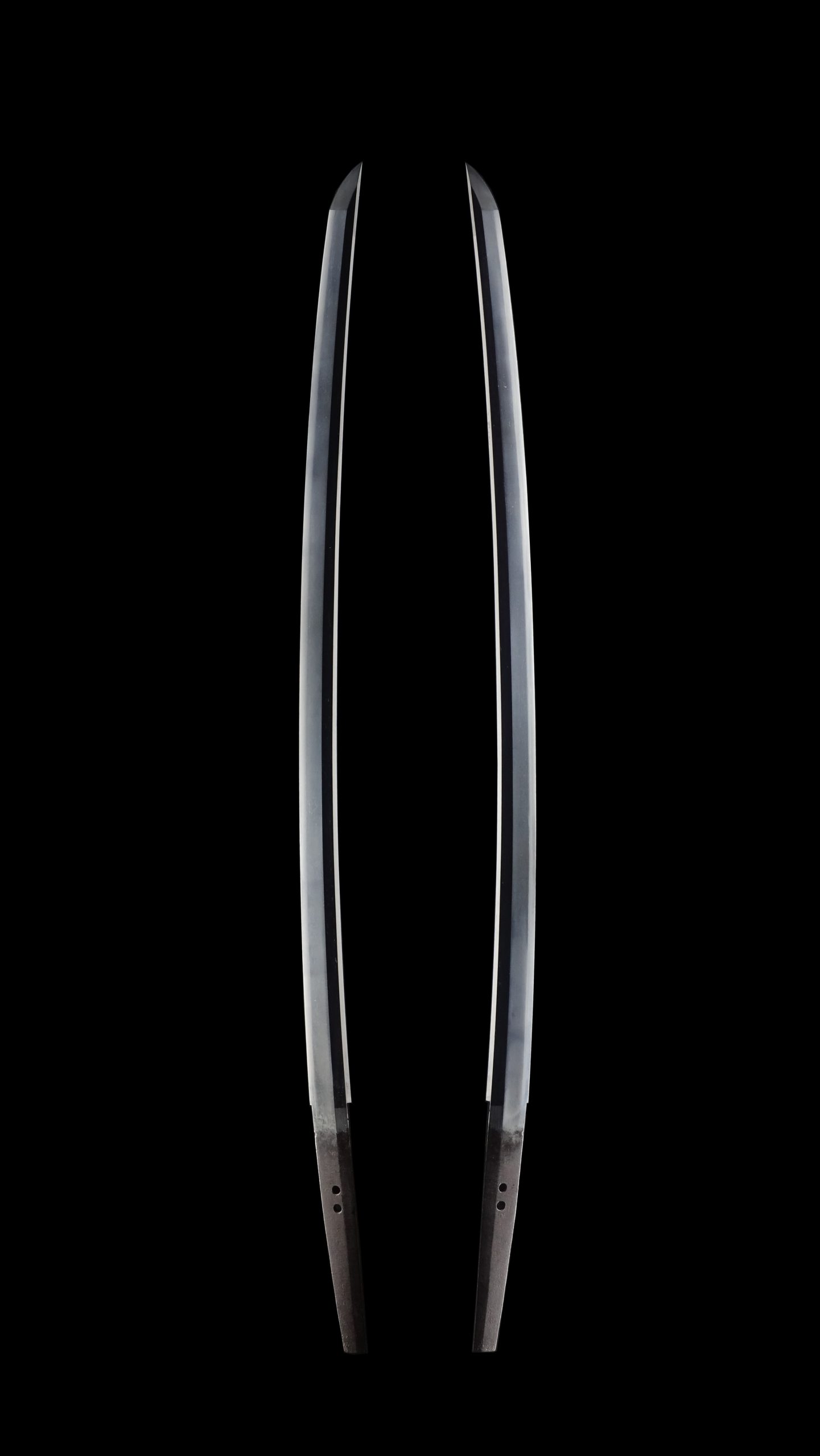
Ko-Mihara (Bingo) · 備後 · 1376-1394頃
刀剣大鑑 上位26%
現在2点販売中
正信の作で年代の確かな拠り所は、指表に細鏨で長銘を切り、裏に年紀を留めた、「備州正信」銘・明徳五年すなわち一三九四年の太刀である。彼は備後国古三原派の刀工で、南北朝末期に活躍し、いま一口の作には更に遡る永和二年(一三七六)の年紀があって、現存する二口の年紀作がその活躍を南北朝最末の数十年に確と据える。説明書は彼を正家・正広と共に古三原の代表格に数え、同派の正宗と共に「正宗・正信等はその最後を飾る刀工であろう」[[c:1]]と、一派の最後を飾る工の一人に挙げる。三原派は鎌倉時代末期に興り室町時代末期に至るまで繁栄し、その鎌倉末期より南北朝期にかけてのものを古三原と総称する。その作に色濃い大和気質は、備後に存した東寺や蓮華王院など大和中央の社寺の荘園を介した、大和との交流に説かれる。
彼の手は一派の手であり、しかも静かな手である。板目に杢・流れ肌を交えて平らに臥さず立ち、刃寄りで柾へ流れる地鉄の上に、焼の低い穏やかな直刃を焼く。直刃あるいは中直刃で、処々に浅くのたれを帯び、乱れに作らず小互の目・小乱れを僅かに交える。刃縁にはほつれ・喰違刃・二重刃がかかり、小足が入り、金筋・砂流しが細かに刃中を走る。匂口に小沸がつき、締まって冴え立つよりはむしろ沈みごころとなるが、上出来の作では明るく冴える。説明書はその出来が地味であることに率直でありながら、「直刃の出来も地味ながら同派の持前をよく示して」[[c:2]]と、その直刃が地味なりに一派の持前をよく示し、すべてに無難な出来であるとする。彼は乱れに作らぬ直刃の抑制と均しさによって判ぜられる工であり、小互の目はその静かな線に繰り返し打たれる句読点である。
地鉄こそ、一派が最もよく己を標す処である。板目は立ち、肌目が細かに立って、かな色は青黒味を帯び、その上に白け映りが立つ。地沸が細かにつき、立つ鍛えに地斑・地景風のかねが入り、処々に地斑状の肌合を交える。この白く立つ地鉄に、柾へ転ずる流れ肌と、直ぐに掃きかけて小丸あるいは大丸ごころに返る穏やかな帽子を併せたものこそ、評者が三原物に行き渡る大和気質を読む際の念頭にあるところである。評者は一派の作風を端的に述べる。大和本国に比べ地刃の沸が一般に弱く、杢が目立って肌立ち、白け映りが立ち、刃文は匂口がしまりごころで、帽子も穏やかに丸く返る、と。正信の刀身もほぼ例外なくこの基調を守り、青黒味を帯びた地鉄は味わいが深く、匂口締まり心の直刃はその最も優れた一口で明るく冴える。
現存作は二つの作域に分かれ、その稀なる方が在銘である。在銘作は長銘「備州正信」と永和ないし明徳の年紀を帯びた、生ぶ茎または僅かに磨上の太刀であり、その数は極めて少ない。正信有銘、就中有年紀の作は古来その例の殆んどなかったものとされ、江戸時代以来の銘鑑の中には「この太刀のみを載せている」[[c:3]]ものがあるほどである。その一口は変った菖蒲造の造込みであり、説明書はこうした姿が大和の影響の濃い三原に間々見受けられるとする。今一つの作域は磨上・折返銘の作で、鎬造で鎬やや高く、三字の折返銘あるいは極めがその名を伝える。彼の作が多く出会われるのはこれらであって、肌立つ白けた板目、白け映り、彼と一派の共有する二重刃が、これを彼の作として留める。銘鑑は年紀作に基づいてその活躍を永和・明徳に置き、これを南北朝期に確と据える。
彼を分かつものは、他派との対比よりも彼自身の特色によって述べるのが最も良い。説明書は『新刊秘伝抄』が三原物の「面ぶり備中太刀に似たり」[[c:4]]とするのを引き、彼の作の一部が一見隣国の青江物に似ることを認めながら、「鎬高の造り込みや地に現われた白け映り、また刃中の二重刃・喰違刃等に一派の特色を見出し得る」[[c:5]]として、鎬高の造込み・地の白け映り・刃中の二重刃や喰違刃に一派の特色を見出し、これを三原物と決する。二重刃そのものは個性というより一派の習いであり、記録は正信に他にも二重刃を示した作例があり、同派の正家や正広にも同手のものが存することを指摘する。彼の作を賞する同じ文は、その個性については率直で、「地刃に同工の特色と云うよりも同派の特色が濃く」[[c:6]]、地刃に同工の個性よりも同派の特色が濃いとする。ゆえに彼はまず古三原の工として、次いで正信として判ぜられる。
正信は収集家の獲物というよりは鑑識家の名であり、その記録はその規模について率直である。刀工大鑑はこれを中位の数に評し、公の記録に載る彼の刀身は四口を数え、そのいずれもが重要刀剣の位である。国宝も重要文化財も特別重要も無い。残る作は第一級の伝来を帯びる。明徳五年の太刀は加賀百万石の前田家に伝わり、江戸中期の黒臘色塗の打刀拵を今に附属し、小太刀は彦根藩主井伊家に伝来して、説明書はこれを「現存稀な古三原正信の在銘作として資料的にも貴重である」[[c:7]]とする。この位の指定刀はその多くが伝えられて市場に出ず、現存僅少の在銘年紀の正信が市に現れることは極めて稀である。磨上・折返銘の作はその見出しやすい面であり、時折一口が現れて、古刀諸派を学ぶ忍耐強い者に、備後の大和の影響を受けた手の、健全で典型的な一例を、すなわち丁寧な鑑定を築くに足る確かな一口を供する。
正信の位置づけを、日本刀全体および伝統・時代・時期ごとに示します。各位(随一・屈指・有数・著名)は、NBTHK および文化庁による指定に加え、三作や名物帳などの歴史的栄誉を加味したものです。
各項目を選ぶと評価方法が表示されます。
在銘年紀作が示す、確実に活動していた年代
大和伝 · 備後
時期区分: 古三原· 1288–1393
現在8点販売中
備後国三原派は鎌倉時代末期に興り、室町時代末期に至るまで連綿と作刀を続けたが、その一派のうち鎌倉末期より南北朝期にかけてのものを古三原と汎称し、正家・正広を双璧として、ほかに正信・親次らの工が知られる。同派の繁栄した三原の地には、東寺・蓮華王院をはじめとする大和中央の大社寺の荘園が多く置かれ、畿内中央との交流が頻繁に行われていた。それゆえ三原派の作風には大和気質が色濃く窺われ、初期の工はこの大和の影響を受けて南北朝の動乱期に一派の基礎を築いた。一方で隣国備中の青江風を示した出来も見られ、地理的な交わりのなかから独自の作域を養った点に、この区分の成り立ちがある。 この区分の作は、大和伝を母胎としながらも清雅かつ精良な初期の持ち味を備えている。鍛えは板目に杢目や流れ肌が交じって柾がかり、総体に肌立ちごころとなり、地沸が微塵によくつき、地景が細かに入って、淡く白け映りが立つ。刃文は中直刃を基調に小互の目や小乱れを交え、小足・葉がよく入り、刃縁には細かなほつれ・喰違い刃を交えて、洗練された直刃に変化を見せる。匂口は締まりごころに小沸がよくつき、金筋・砂流しがかかり、帽子は直ぐ調に焼詰め風あるいは掃きかけとなって穏やかに返るのが常である。大和本国のものに比して地刃の沸がやや弱く、白けごころを帯びる点も見どころとなる。後代の末三原が次第に作域を狭め質を落としていくのに対し、古三原は地刃の働きが豊かで、匂口の冴えと地鉄の精良さにおいて一段と清雅・精良であり、ここに両区分の差がはっきりとあらわれる。 鑑定にあたっては、まず大和奈良の諸派との別が要点となる。鎬の高い造込みや直刃調の作風は手白沢や保昌などと紛れやすいが、地鉄に杢が一際目立ち、白け映りが立ち、匂口が締まって沈みごころとなる点に三原物の見どころが示される。あわせて末三原との見極めも肝要で、初期の清雅な地刃と後代のやや緩んだ出来との差を読むことになる。主要工は正家と正広で、正家には豪壮な大鋒の作例が多く、正広には中鋒の尋常なものが多いと伝える。同派は大和気質ゆえに在銘の遺例が乏しく、無銘の大磨上げを正家・正広と極めたものが多く伝わり、本阿弥光徳の金象嵌銘を施した一口など、後世の鑑識を経て価値を保ってきた作が知られる。伝来の面でも靖國神社の蔵刀や伊達家旧蔵の作、近衛家を経て陽明文庫に伝わったものなどがあり、古三原が長く重んじられてきた一派であることを物語っている。 詳しく見る →
南朝が大和国吉野に都を置いたとき、大和の諸派は最盛期にあった。包永以後の手掻、尻懸則長、そして保昌の純然たる柾目である。その技はすでに諸国へ広がりつつあった。
保存刀剣のうち、出来が一層優れ、保存状態も良好と認められたものです。再刃や、室町・江戸期の多くの無銘作は対象外となり、保存刀剣より高い基準が課されます。
日本美術刀剣保存協会(NBTHK)は、1948年に設立され、文化庁の監督を受ける公益財団法人で、東京・刀剣博物館に本部を置きます。専門の審査員が出品作を直接審査し、美術的・歴史的価値に応じた鑑定書を発行します。NBTHKの鑑定書は、日本刀および刀装具の真正性を示す最も広く認知された基準です。
NBTHK公式サイトReturns/exchanges limited to defects caused by shipping (except willful misconduct or gross negligence by the company); customers must contact within 72 hours of receiving the product.
特別保存刀剣鑑定書付 三原正信(伝) 脇指 【解説】 本作は、南北朝時代後期(永徳・嘉慶頃/1381-1390年)に活躍した三原正信(みはら まさのぶ)と極められた一口です。正信は三原正家の子と伝えられ、備後国三原派に属しました。 近年の研究によれば、三原派は鎌倉時代後期(13世紀末〜14世紀初頭)の国分寺助国を祖とするとされるのが一般的です。同派の代表的な工には、正家やその子である正広などが挙げられます。 三原派は製作年代によって三つの呼称に分けられます。南北朝時代以前のものは「古三原」、室町時代初期から中期にかけてのものは単に「三原」、そして室町時代末期のものは「末三原」と称されます。正信は、このうち「古三原」の範疇に属する名工です。 古来、備後国には大和(現在の奈良県)の有力寺社が所有する荘園が多く存在しました。これらの所領を警護するために武士団が結成され、彼らの需要に応えるべく大和伝の鍛冶たちが備後へ移住したという歴史的背景があります。 こうした経緯から、三原派の作風には五ヶ伝の一つである「大和伝」の特色が色濃く反映されています。鎌倉後期から室町時代にかけて、武器の需要が高まったこともあり、三原派を含む備後の刀工たちは数多くの名刀を世に送り出しました。 また、備後は中国山地に近く、刀剣の原材料となる良質な砂鉄が豊富に産出される地でもありました。この地理的条件が、三原鍛冶による精錬された質の高い作刀を支えたと考えられます。 大和伝の刀剣は、美しい地鉄(じがね)と直刃(すぐは)の焼出しで知られています。本作もまた、潤いのある美しい地肌に直刃を焼き、大和伝の真髄を遺憾なく発揮した秀作です。 なお、登録証上の種別は「刀」となっておりますが、日本美術刀剣保存協会の鑑定書では「脇指」と表記されています。一般に刃渡り二尺(約60.6cm)以上を刀と呼びますが、本作は二尺にわずか0.4cm及ばないため、限りなく刀に近い長寸の脇指といえます。 本作は、日本美術刀剣保存協会(NBTHK)より「特別保存刀剣」に認定されています。これは保存状態が極めて良好であり、かつ美術品としての価値が特に高いと認められた真作にのみ与えられる格付けです。 【刀身】 長さ(Nagasa):60.2 cm(一尺九寸八分強) 反り(Sori):1.2 cm 刃文(Hamon):焼入れによって刃先に現れる結晶構造 地紋(Jihada):折り返し鍛錬によって生じる鋼の表面模様 茎(Nakago): 刀身の柄に収まる部分です。日本の刀剣では、柄内での赤錆を防ぐために意図的に残された「黒錆」が重要視されます。この経年による錆色は、専門家が製作年代を特定する際の重要な指標となります。 【拵】 拵(Koshirae):鞘、柄、鍔などを含めた外装一式です。 縁頭(Fuchi-Kashira):柄の両端を保護し装飾する一対の金具です。 本品の頭(かしら)には、松と竹の意匠が精緻に彫り込まれています。
NihontoWatchKo-Mihara (Bingo) · 備後 · 1376-1394頃
刀剣大鑑 上位26%
現在2点販売中
正信の作で年代の確かな拠り所は、指表に細鏨で長銘を切り、裏に年紀を留めた、「備州正信」銘・明徳五年すなわち一三九四年の太刀である。彼は備後国古三原派の刀工で、南北朝末期に活躍し、いま一口の作には更に遡る永和二年(一三七六)の年紀があって、現存する二口の年紀作がその活躍を南北朝最末の数十年に確と据える。説明書は彼を正家・正広と共に古三原の代表格に数え、同派の正宗と共に「正宗・正信等はその最後を飾る刀工であろう」[[c:1]]と、一派の最後を飾る工の一人に挙げる。三原派は鎌倉時代末期に興り室町時代末期に至るまで繁栄し、その鎌倉末期より南北朝期にかけてのものを古三原と総称する。その作に色濃い大和気質は、備後に存した東寺や蓮華王院など大和中央の社寺の荘園を介した、大和との交流に説かれる。
彼の手は一派の手であり、しかも静かな手である。板目に杢・流れ肌を交えて平らに臥さず立ち、刃寄りで柾へ流れる地鉄の上に、焼の低い穏やかな直刃を焼く。直刃あるいは中直刃で、処々に浅くのたれを帯び、乱れに作らず小互の目・小乱れを僅かに交える。刃縁にはほつれ・喰違刃・二重刃がかかり、小足が入り、金筋・砂流しが細かに刃中を走る。匂口に小沸がつき、締まって冴え立つよりはむしろ沈みごころとなるが、上出来の作では明るく冴える。説明書はその出来が地味であることに率直でありながら、「直刃の出来も地味ながら同派の持前をよく示して」[[c:2]]と、その直刃が地味なりに一派の持前をよく示し、すべてに無難な出来であるとする。彼は乱れに作らぬ直刃の抑制と均しさによって判ぜられる工であり、小互の目はその静かな線に繰り返し打たれる句読点である。
地鉄こそ、一派が最もよく己を標す処である。板目は立ち、肌目が細かに立って、かな色は青黒味を帯び、その上に白け映りが立つ。地沸が細かにつき、立つ鍛えに地斑・地景風のかねが入り、処々に地斑状の肌合を交える。この白く立つ地鉄に、柾へ転ずる流れ肌と、直ぐに掃きかけて小丸あるいは大丸ごころに返る穏やかな帽子を併せたものこそ、評者が三原物に行き渡る大和気質を読む際の念頭にあるところである。評者は一派の作風を端的に述べる。大和本国に比べ地刃の沸が一般に弱く、杢が目立って肌立ち、白け映りが立ち、刃文は匂口がしまりごころで、帽子も穏やかに丸く返る、と。正信の刀身もほぼ例外なくこの基調を守り、青黒味を帯びた地鉄は味わいが深く、匂口締まり心の直刃はその最も優れた一口で明るく冴える。
現存作は二つの作域に分かれ、その稀なる方が在銘である。在銘作は長銘「備州正信」と永和ないし明徳の年紀を帯びた、生ぶ茎または僅かに磨上の太刀であり、その数は極めて少ない。正信有銘、就中有年紀の作は古来その例の殆んどなかったものとされ、江戸時代以来の銘鑑の中には「この太刀のみを載せている」[[c:3]]ものがあるほどである。その一口は変った菖蒲造の造込みであり、説明書はこうした姿が大和の影響の濃い三原に間々見受けられるとする。今一つの作域は磨上・折返銘の作で、鎬造で鎬やや高く、三字の折返銘あるいは極めがその名を伝える。彼の作が多く出会われるのはこれらであって、肌立つ白けた板目、白け映り、彼と一派の共有する二重刃が、これを彼の作として留める。銘鑑は年紀作に基づいてその活躍を永和・明徳に置き、これを南北朝期に確と据える。
彼を分かつものは、他派との対比よりも彼自身の特色によって述べるのが最も良い。説明書は『新刊秘伝抄』が三原物の「面ぶり備中太刀に似たり」[[c:4]]とするのを引き、彼の作の一部が一見隣国の青江物に似ることを認めながら、「鎬高の造り込みや地に現われた白け映り、また刃中の二重刃・喰違刃等に一派の特色を見出し得る」[[c:5]]として、鎬高の造込み・地の白け映り・刃中の二重刃や喰違刃に一派の特色を見出し、これを三原物と決する。二重刃そのものは個性というより一派の習いであり、記録は正信に他にも二重刃を示した作例があり、同派の正家や正広にも同手のものが存することを指摘する。彼の作を賞する同じ文は、その個性については率直で、「地刃に同工の特色と云うよりも同派の特色が濃く」[[c:6]]、地刃に同工の個性よりも同派の特色が濃いとする。ゆえに彼はまず古三原の工として、次いで正信として判ぜられる。
正信は収集家の獲物というよりは鑑識家の名であり、その記録はその規模について率直である。刀工大鑑はこれを中位の数に評し、公の記録に載る彼の刀身は四口を数え、そのいずれもが重要刀剣の位である。国宝も重要文化財も特別重要も無い。残る作は第一級の伝来を帯びる。明徳五年の太刀は加賀百万石の前田家に伝わり、江戸中期の黒臘色塗の打刀拵を今に附属し、小太刀は彦根藩主井伊家に伝来して、説明書はこれを「現存稀な古三原正信の在銘作として資料的にも貴重である」[[c:7]]とする。この位の指定刀はその多くが伝えられて市場に出ず、現存僅少の在銘年紀の正信が市に現れることは極めて稀である。磨上・折返銘の作はその見出しやすい面であり、時折一口が現れて、古刀諸派を学ぶ忍耐強い者に、備後の大和の影響を受けた手の、健全で典型的な一例を、すなわち丁寧な鑑定を築くに足る確かな一口を供する。
正信の位置づけを、日本刀全体および伝統・時代・時期ごとに示します。各位(随一・屈指・有数・著名)は、NBTHK および文化庁による指定に加え、三作や名物帳などの歴史的栄誉を加味したものです。
各項目を選ぶと評価方法が表示されます。
在銘年紀作が示す、確実に活動していた年代
大和伝 · 備後
時期区分: 古三原· 1288–1393
現在8点販売中
備後国三原派は鎌倉時代末期に興り、室町時代末期に至るまで連綿と作刀を続けたが、その一派のうち鎌倉末期より南北朝期にかけてのものを古三原と汎称し、正家・正広を双璧として、ほかに正信・親次らの工が知られる。同派の繁栄した三原の地には、東寺・蓮華王院をはじめとする大和中央の大社寺の荘園が多く置かれ、畿内中央との交流が頻繁に行われていた。それゆえ三原派の作風には大和気質が色濃く窺われ、初期の工はこの大和の影響を受けて南北朝の動乱期に一派の基礎を築いた。一方で隣国備中の青江風を示した出来も見られ、地理的な交わりのなかから独自の作域を養った点に、この区分の成り立ちがある。 この区分の作は、大和伝を母胎としながらも清雅かつ精良な初期の持ち味を備えている。鍛えは板目に杢目や流れ肌が交じって柾がかり、総体に肌立ちごころとなり、地沸が微塵によくつき、地景が細かに入って、淡く白け映りが立つ。刃文は中直刃を基調に小互の目や小乱れを交え、小足・葉がよく入り、刃縁には細かなほつれ・喰違い刃を交えて、洗練された直刃に変化を見せる。匂口は締まりごころに小沸がよくつき、金筋・砂流しがかかり、帽子は直ぐ調に焼詰め風あるいは掃きかけとなって穏やかに返るのが常である。大和本国のものに比して地刃の沸がやや弱く、白けごころを帯びる点も見どころとなる。後代の末三原が次第に作域を狭め質を落としていくのに対し、古三原は地刃の働きが豊かで、匂口の冴えと地鉄の精良さにおいて一段と清雅・精良であり、ここに両区分の差がはっきりとあらわれる。 鑑定にあたっては、まず大和奈良の諸派との別が要点となる。鎬の高い造込みや直刃調の作風は手白沢や保昌などと紛れやすいが、地鉄に杢が一際目立ち、白け映りが立ち、匂口が締まって沈みごころとなる点に三原物の見どころが示される。あわせて末三原との見極めも肝要で、初期の清雅な地刃と後代のやや緩んだ出来との差を読むことになる。主要工は正家と正広で、正家には豪壮な大鋒の作例が多く、正広には中鋒の尋常なものが多いと伝える。同派は大和気質ゆえに在銘の遺例が乏しく、無銘の大磨上げを正家・正広と極めたものが多く伝わり、本阿弥光徳の金象嵌銘を施した一口など、後世の鑑識を経て価値を保ってきた作が知られる。伝来の面でも靖國神社の蔵刀や伊達家旧蔵の作、近衛家を経て陽明文庫に伝わったものなどがあり、古三原が長く重んじられてきた一派であることを物語っている。 詳しく見る →
南朝が大和国吉野に都を置いたとき、大和の諸派は最盛期にあった。包永以後の手掻、尻懸則長、そして保昌の純然たる柾目である。その技はすでに諸国へ広がりつつあった。
保存刀剣のうち、出来が一層優れ、保存状態も良好と認められたものです。再刃や、室町・江戸期の多くの無銘作は対象外となり、保存刀剣より高い基準が課されます。
日本美術刀剣保存協会(NBTHK)は、1948年に設立され、文化庁の監督を受ける公益財団法人で、東京・刀剣博物館に本部を置きます。専門の審査員が出品作を直接審査し、美術的・歴史的価値に応じた鑑定書を発行します。NBTHKの鑑定書は、日本刀および刀装具の真正性を示す最も広く認知された基準です。
NBTHK公式サイトReturns/exchanges limited to defects caused by shipping (except willful misconduct or gross negligence by the company); customers must contact within 72 hours of receiving the product.

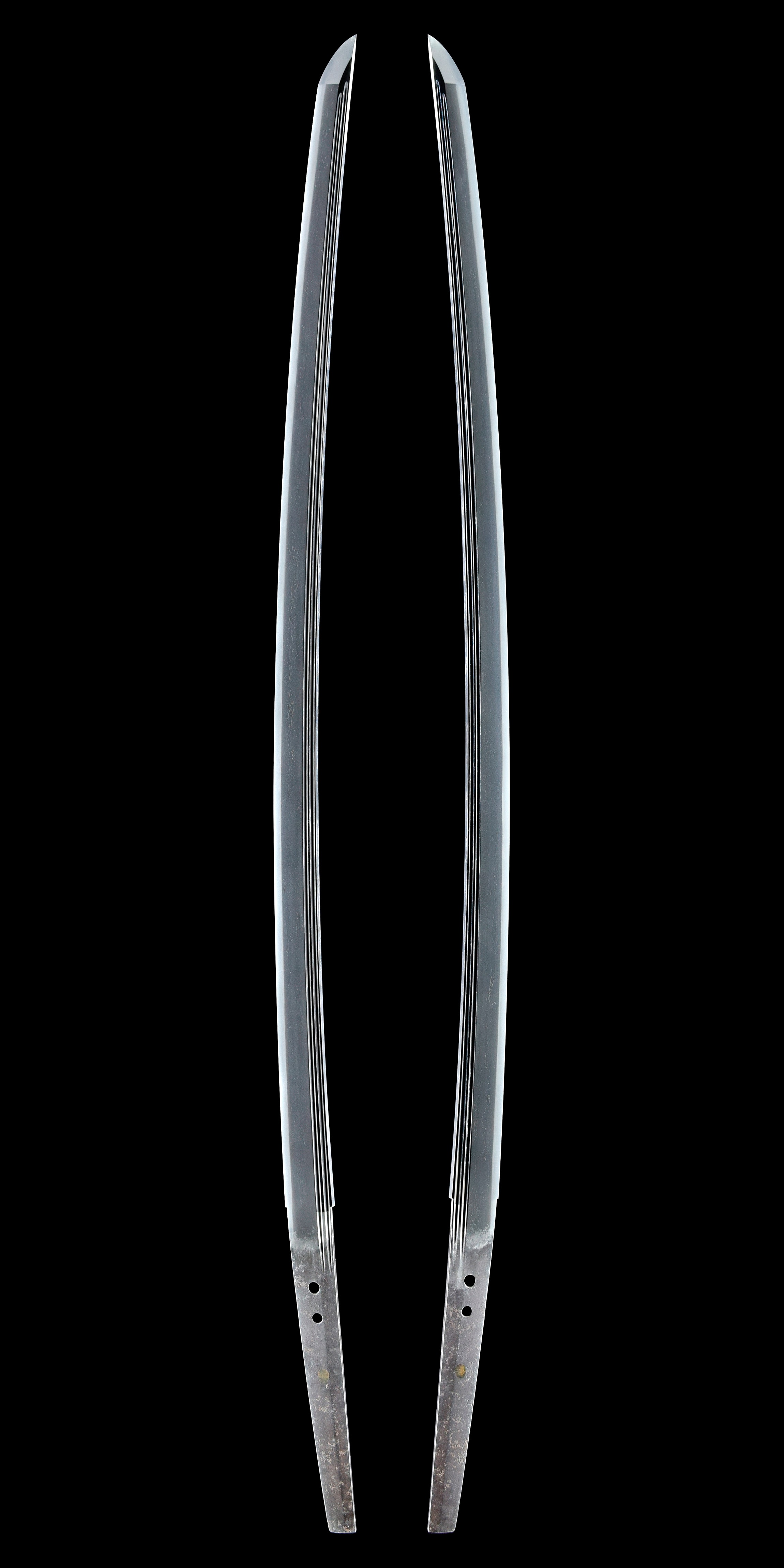
![Katana - Tokuho - by Ko-Mihara Masanobu - 刀 [無銘(三原正信)][日本美術刀剣保存協会]特別保存刀剣](/_next/image?url=https%3A%2F%2Fitbhfhyptogxcjbjfzwx.supabase.co%2Fstorage%2Fv1%2Fobject%2Fpublic%2Flisting-images%2Fworld-seiyudo%2FL113258%2F00.jpg&w=2560&q=90)


![Tanto - Jūyō - by Ko-Mihara Masahiro - 日本刀 刀 短刀 銘 正広 第[回]重要刀剣指定品(日本美術刀剣保存協会)](/_next/image?url=https%3A%2F%2Fitbhfhyptogxcjbjfzwx.supabase.co%2Fstorage%2Fv1%2Fobject%2Fpublic%2Flisting-images%2Fsamurai-museum%2FL396744%2F06.jpg&w=2560&q=90)