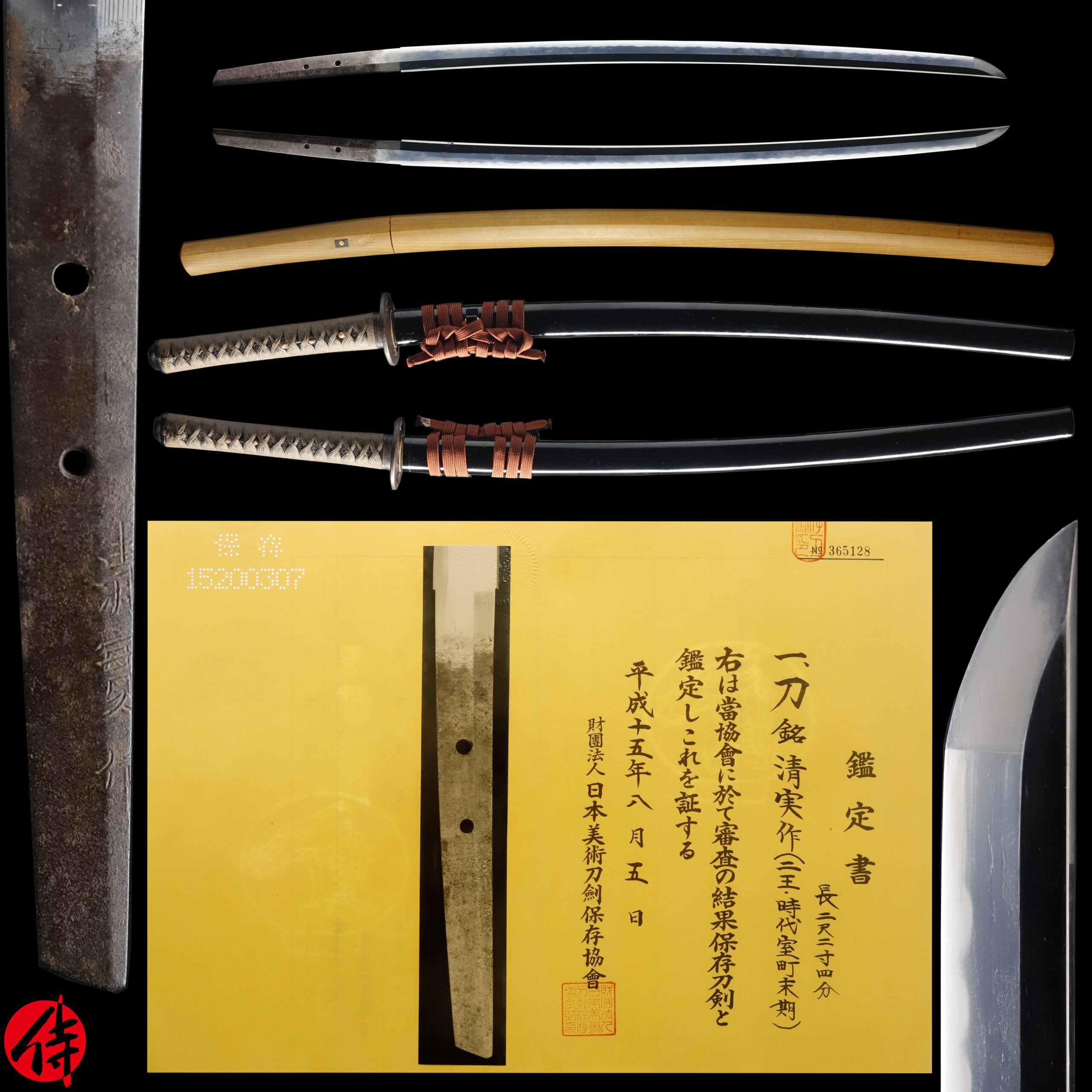
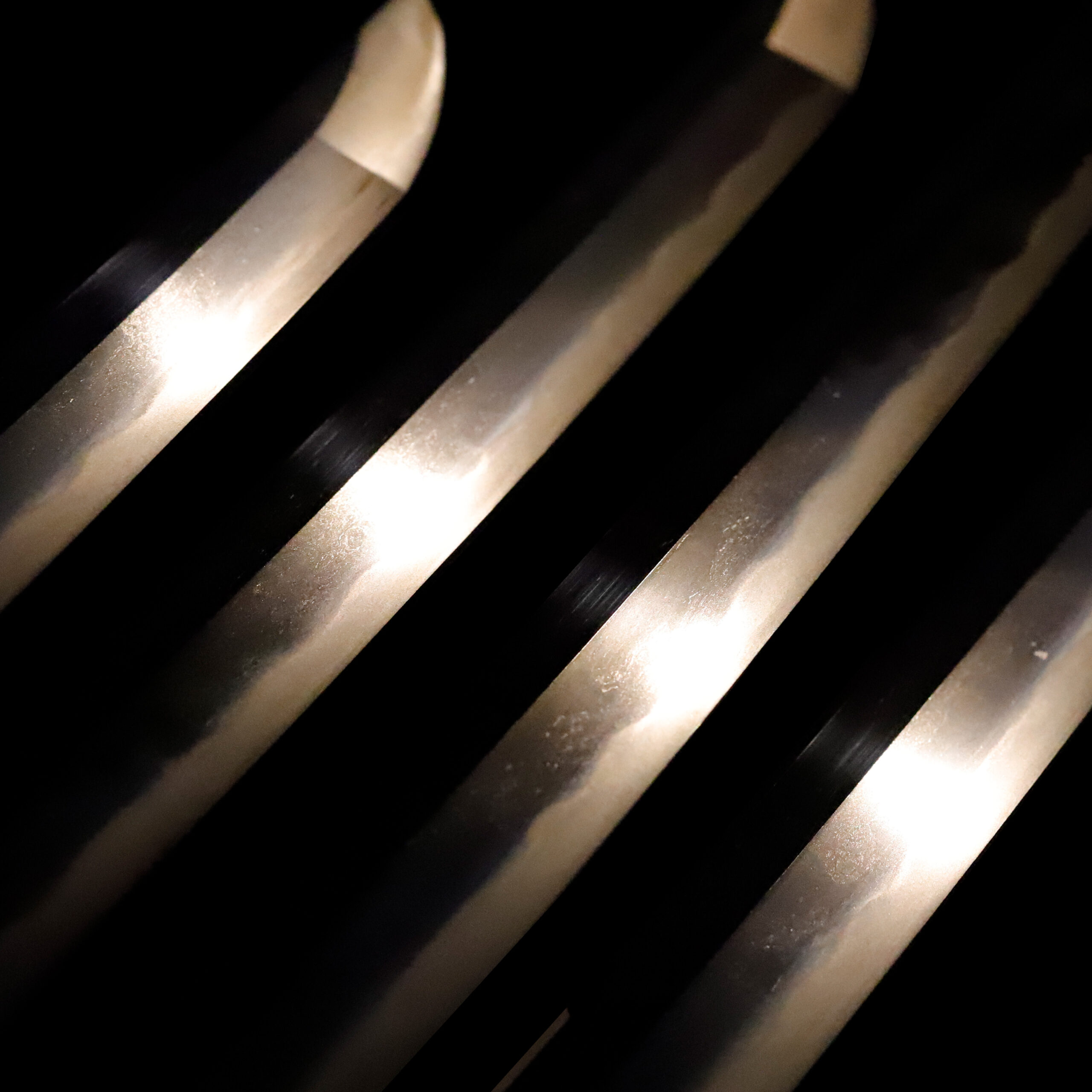
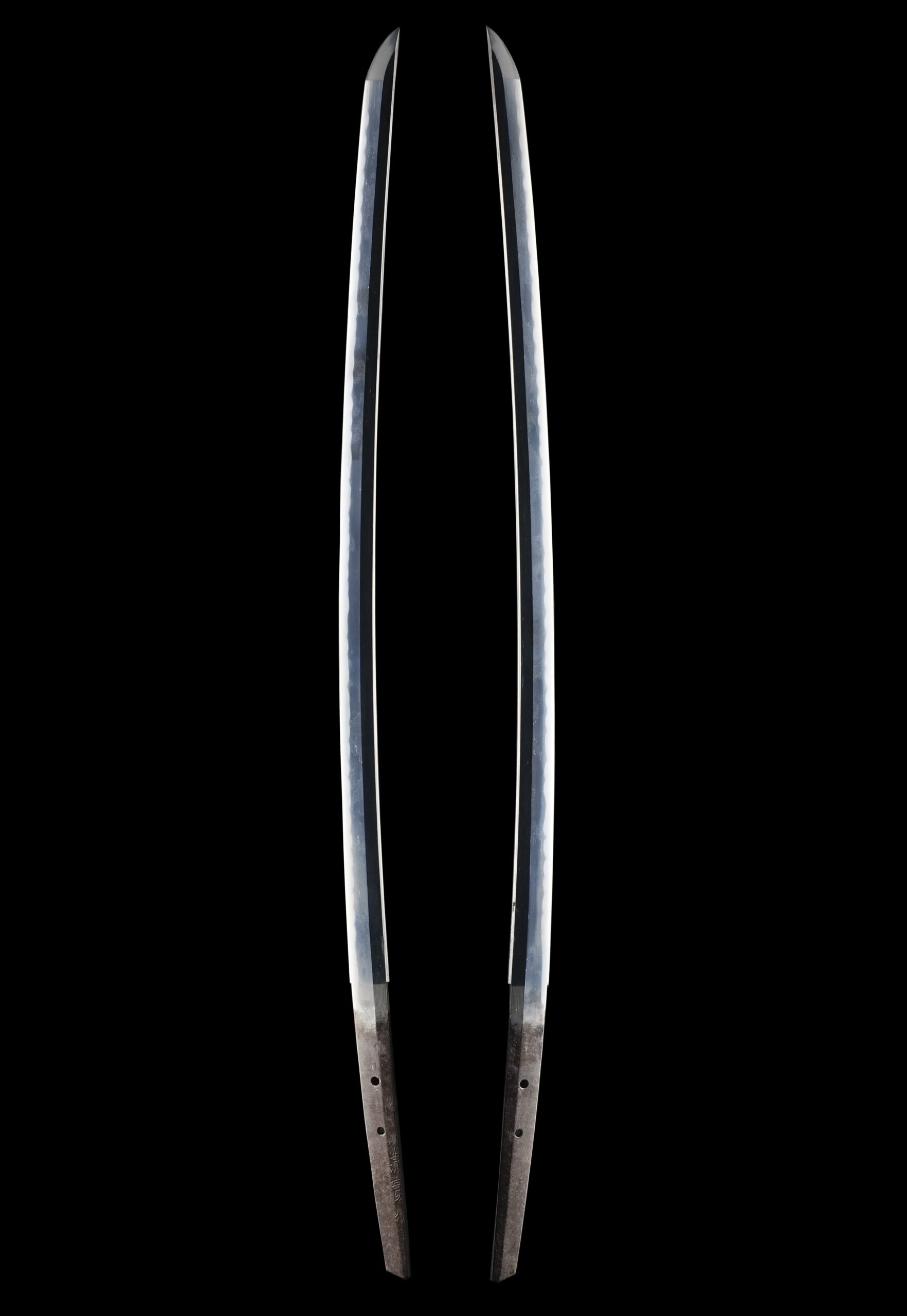
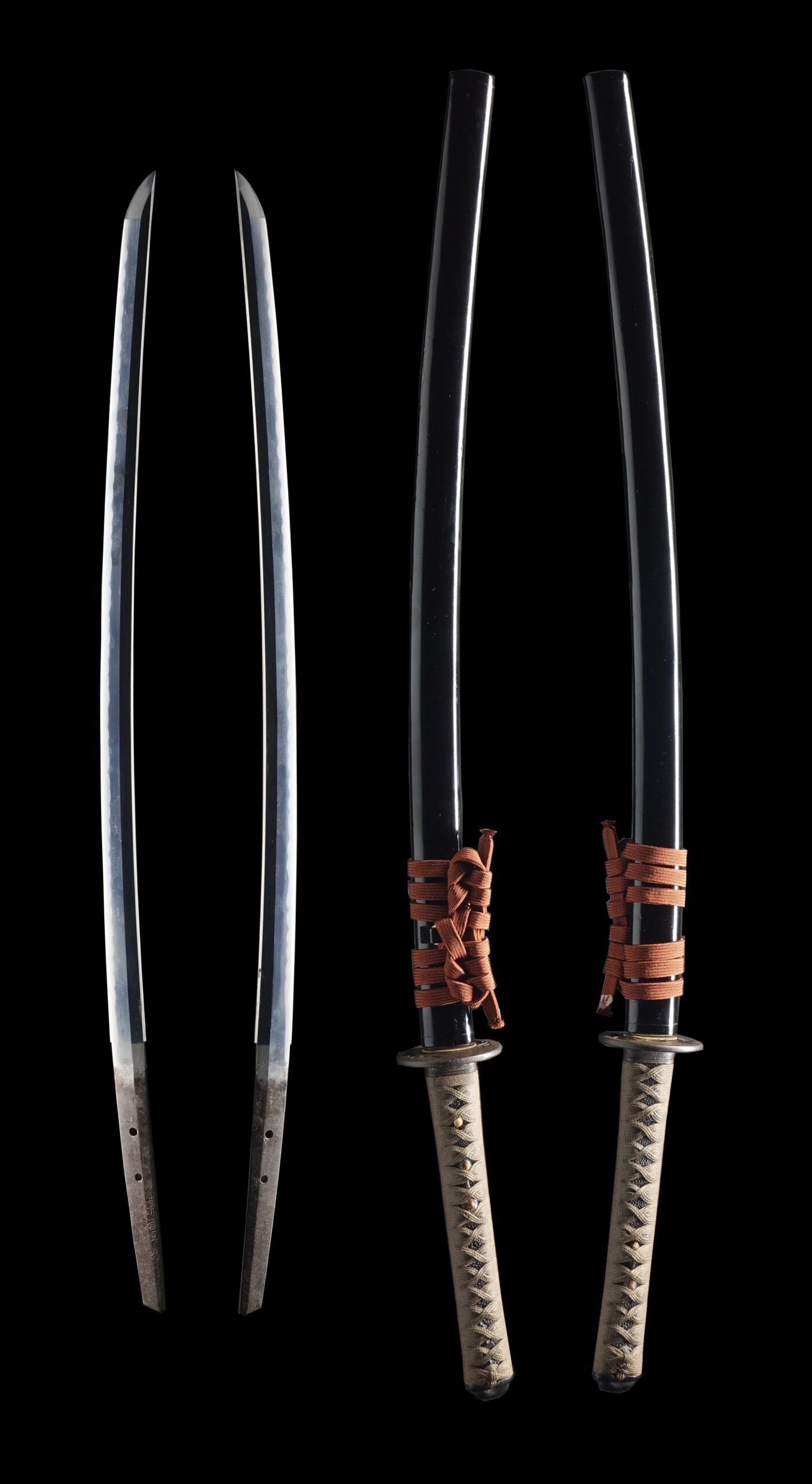
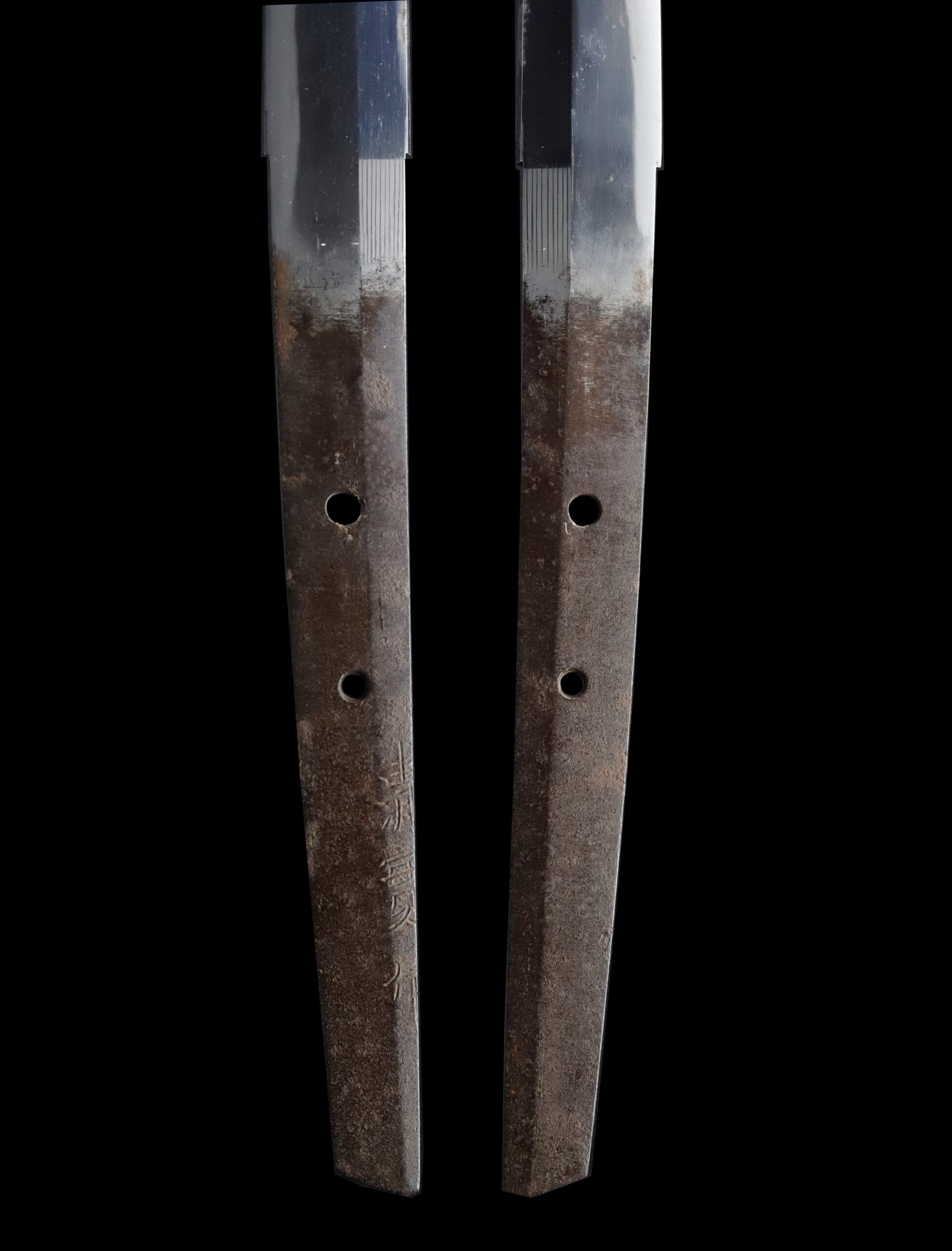
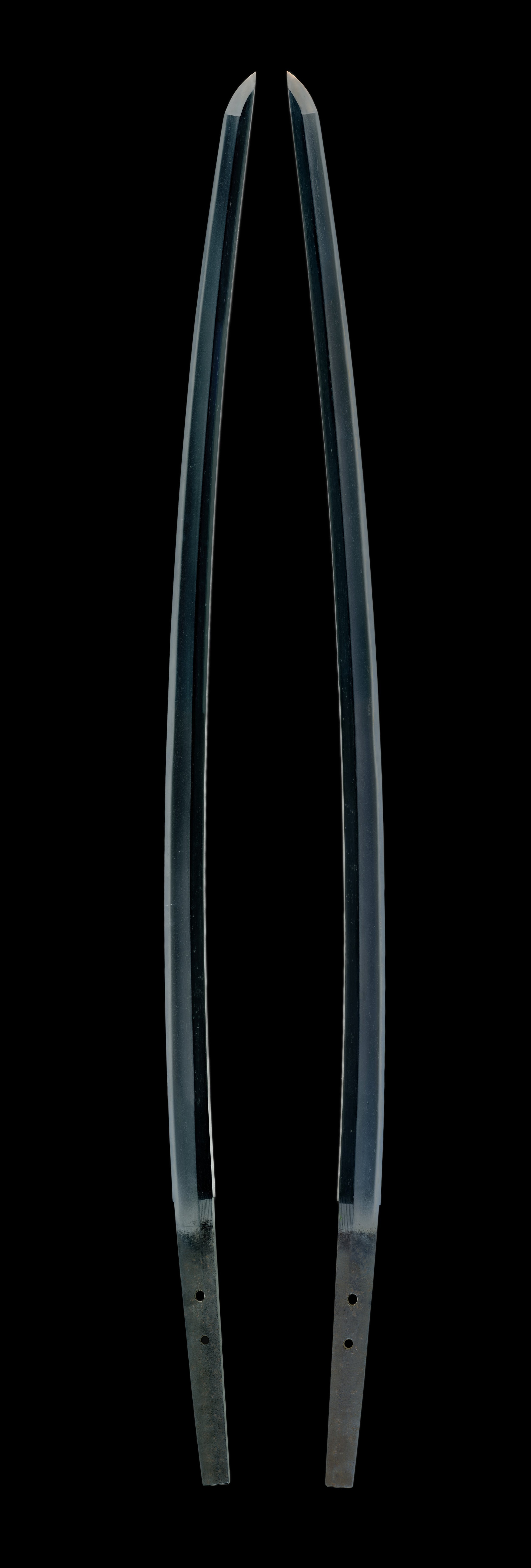
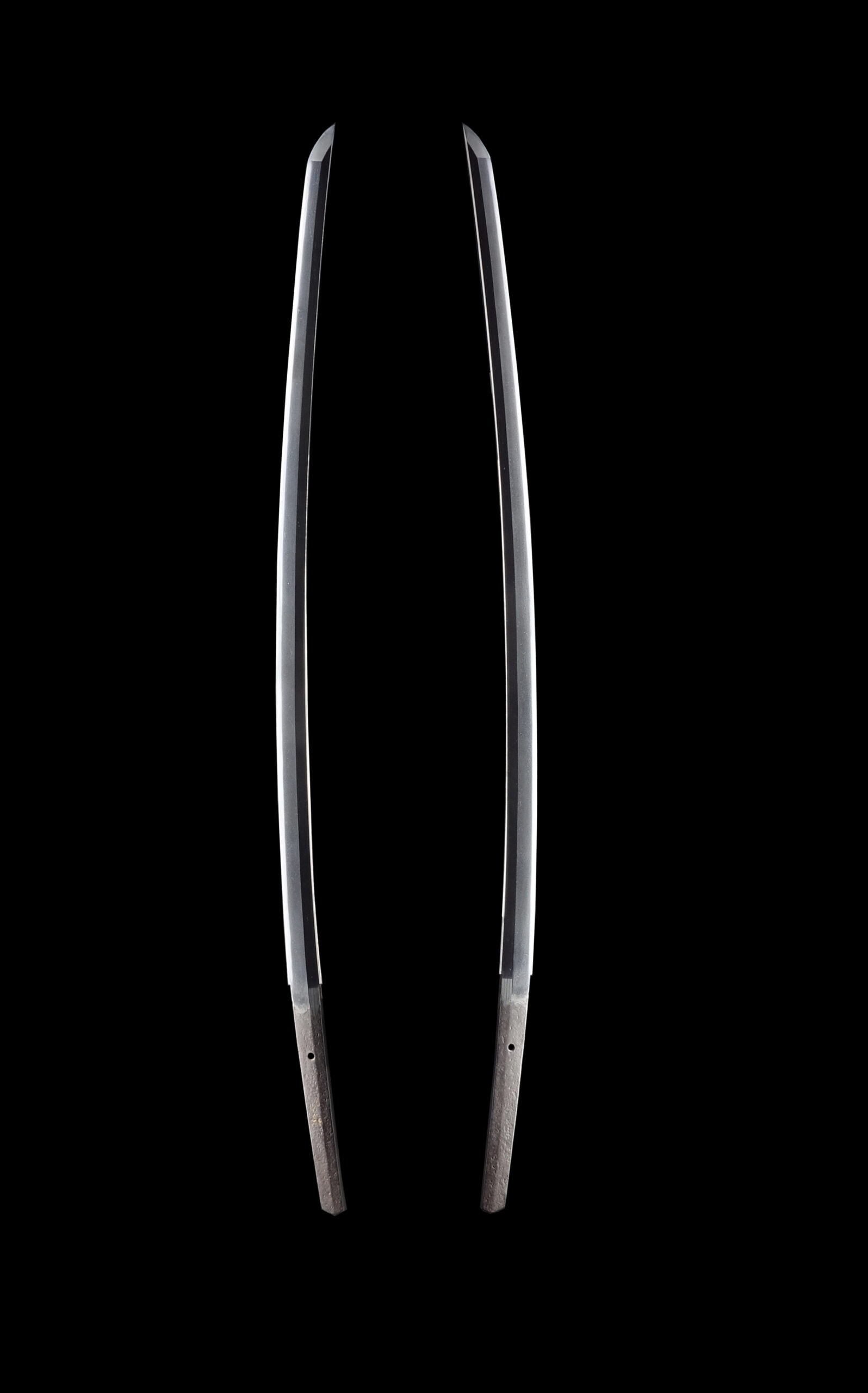
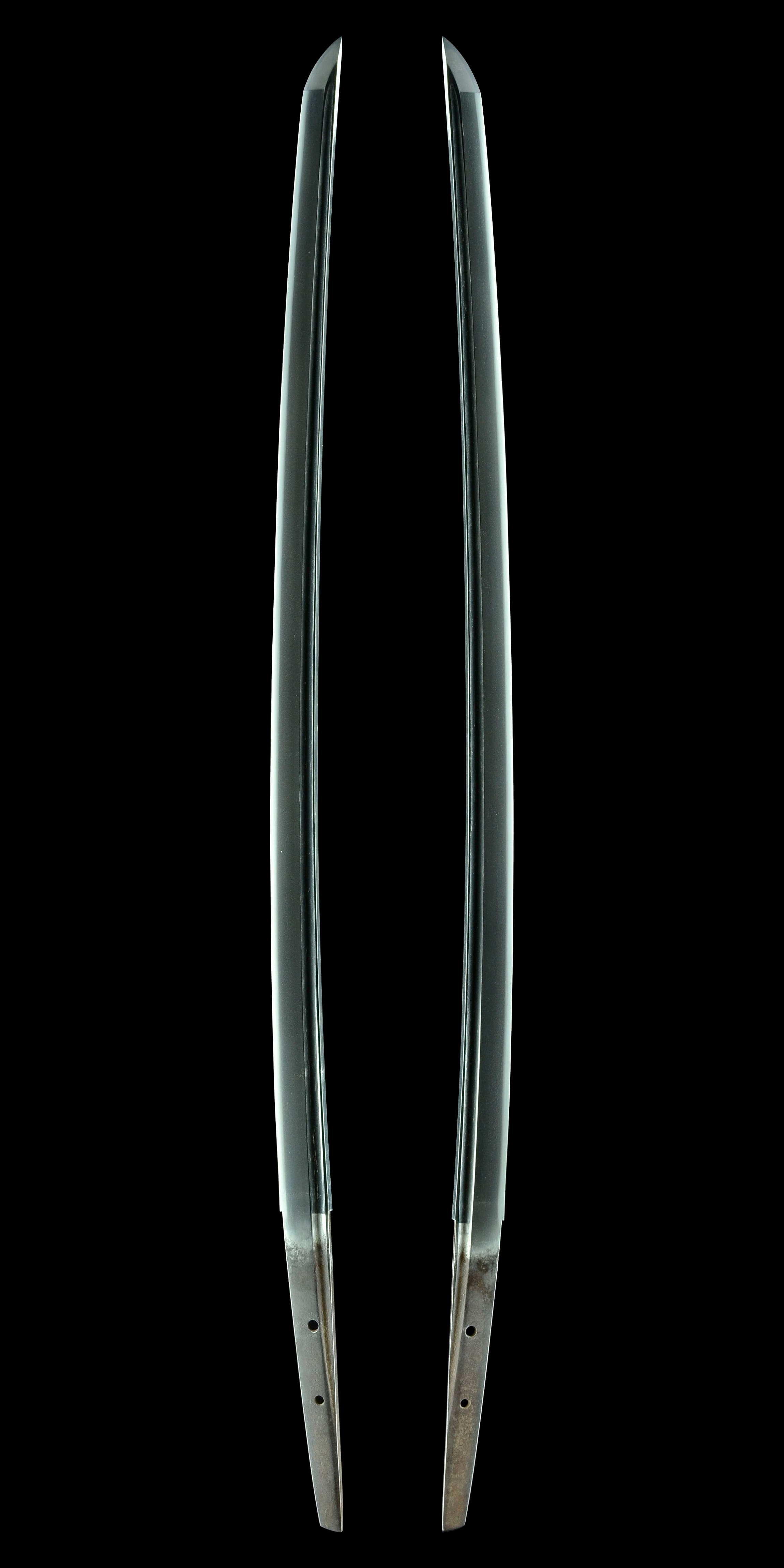
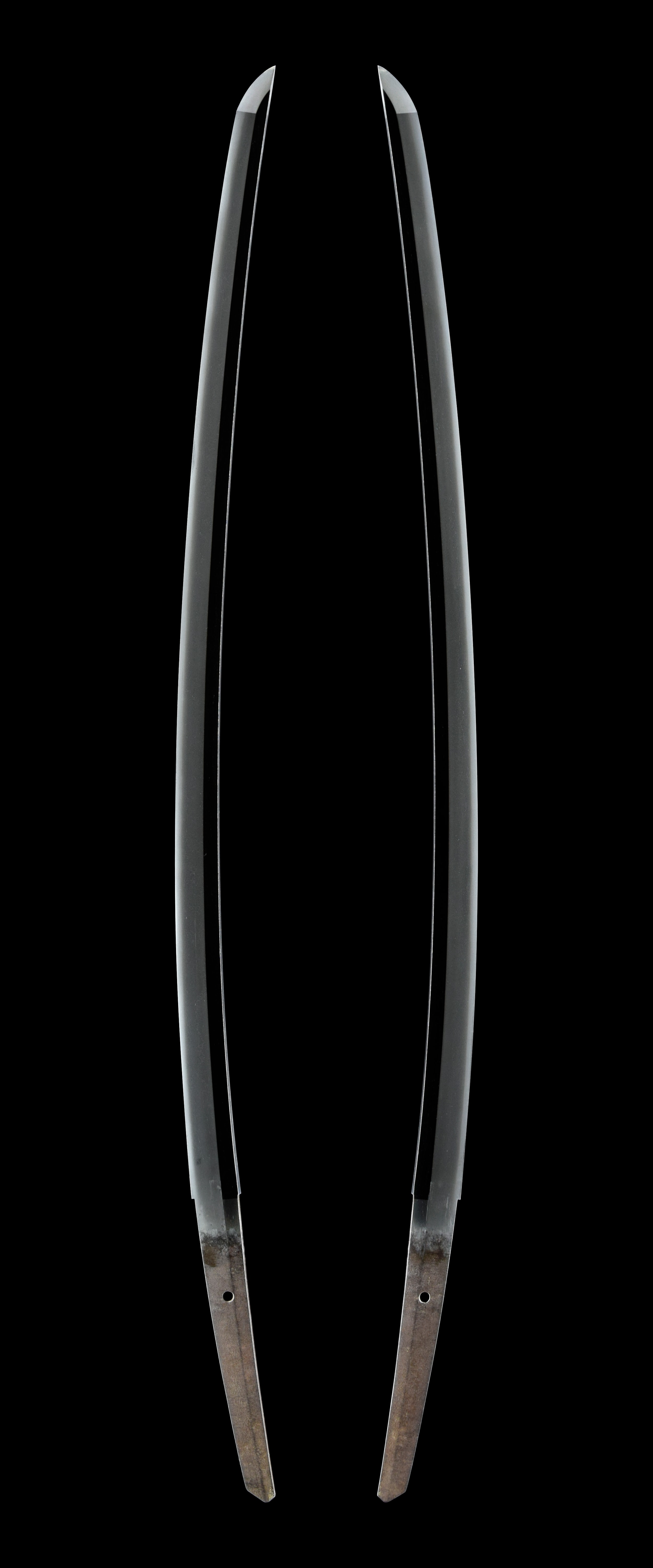
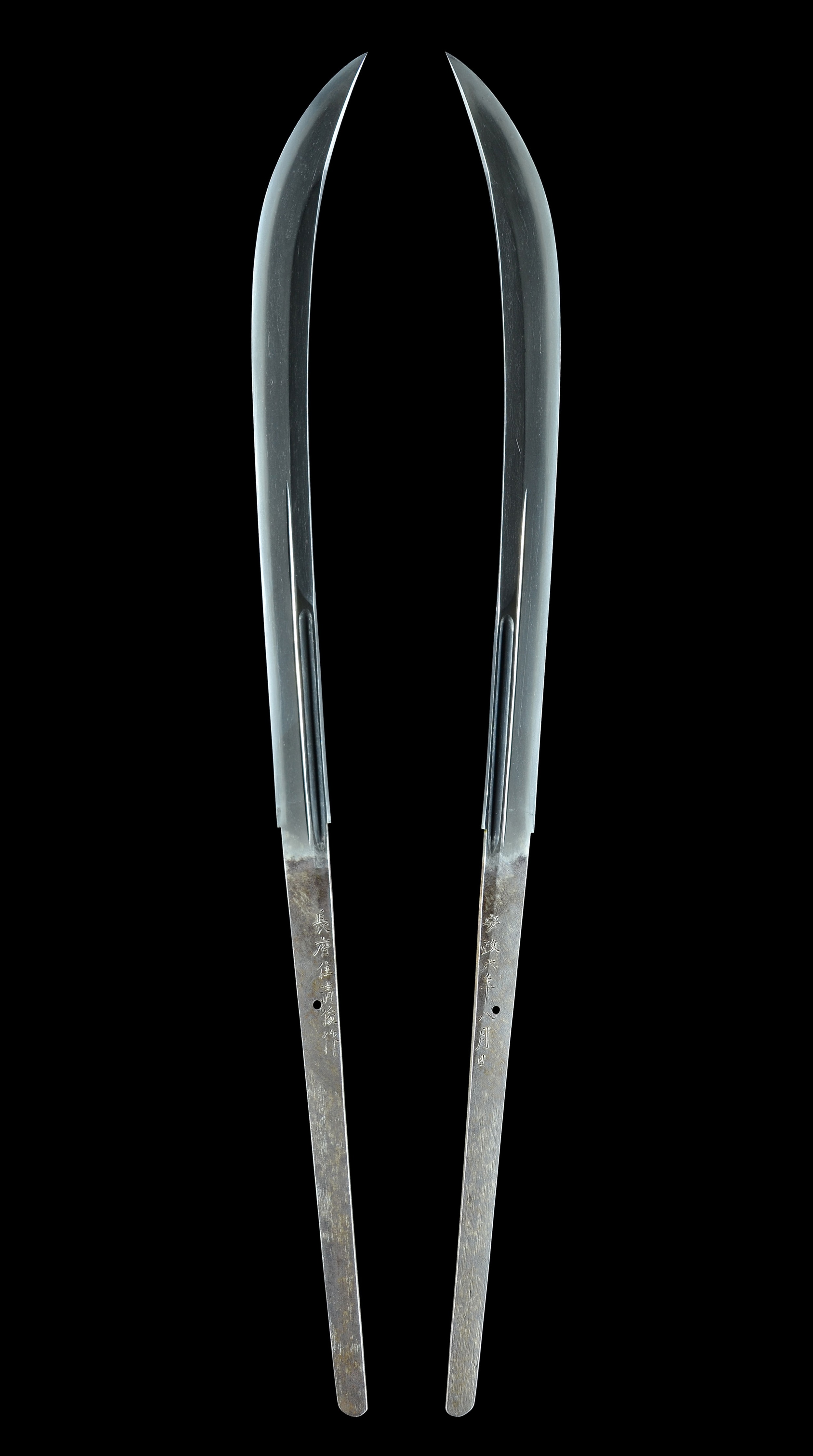
Antique Japanese Sword Katana Signed by Kiyozane NBTHK Hozon Certificate
売却済
世界81社の刀剣商を横断追跡 · 価格履歴 · 売却アーカイブ
仕様
67.8 cm
1.4 cm
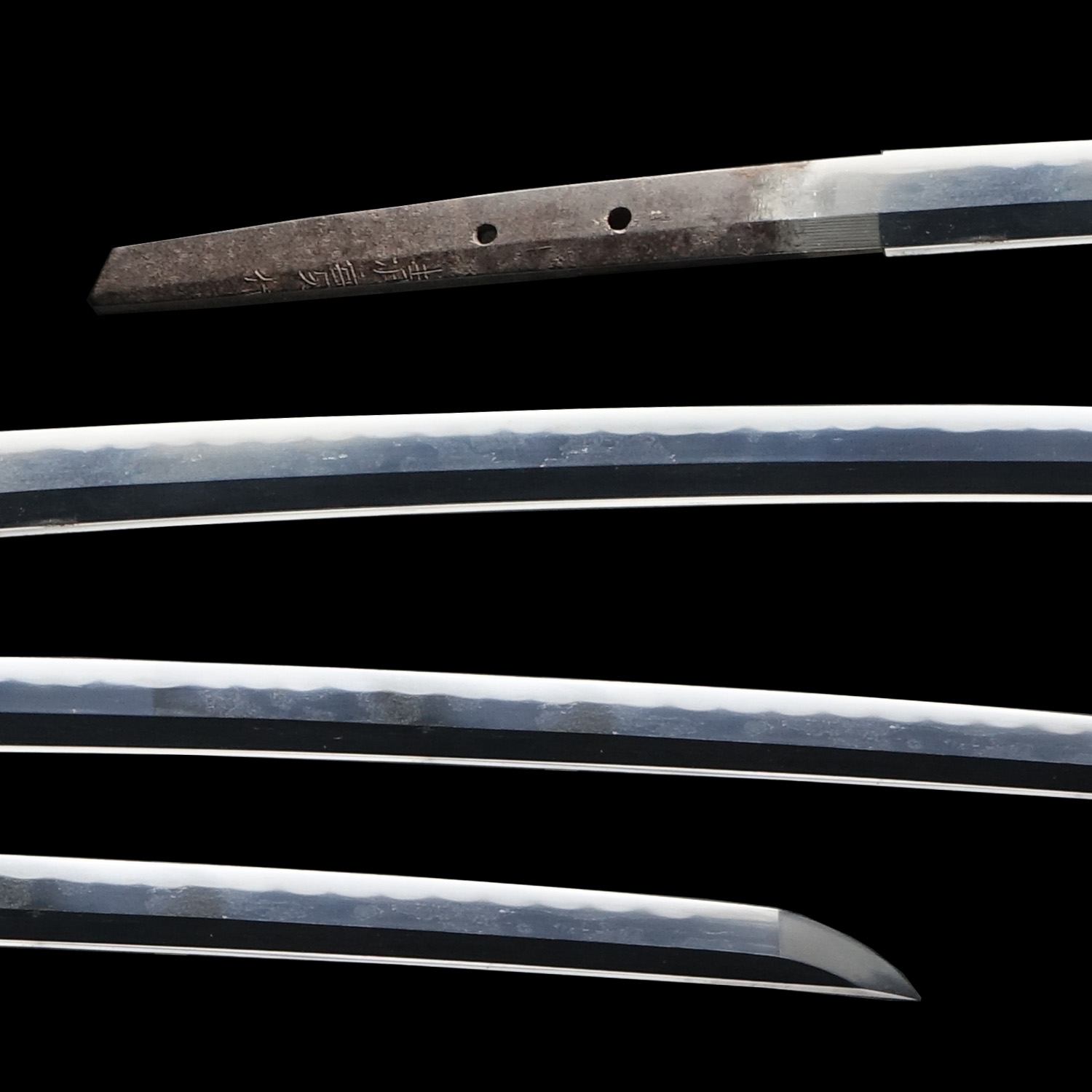
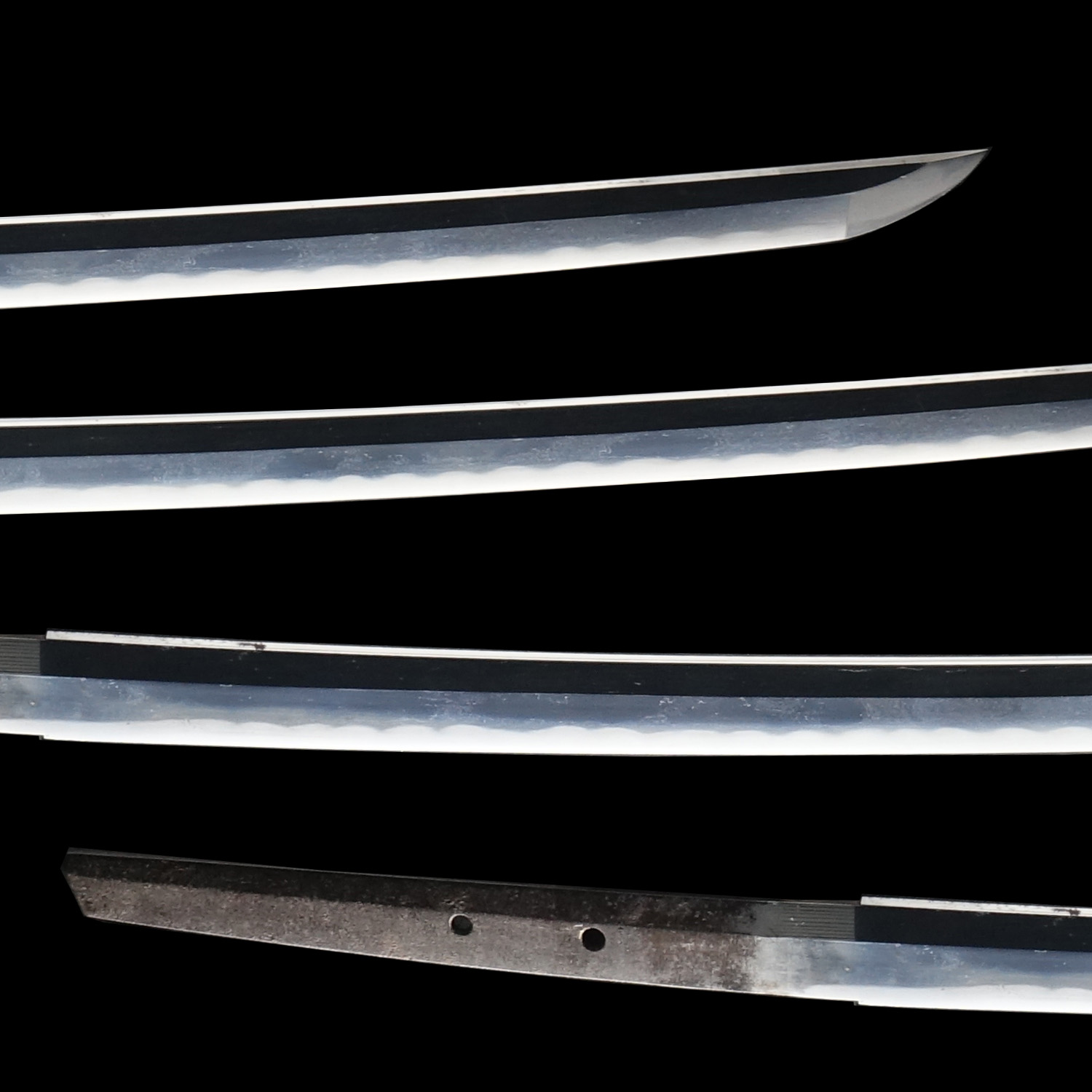
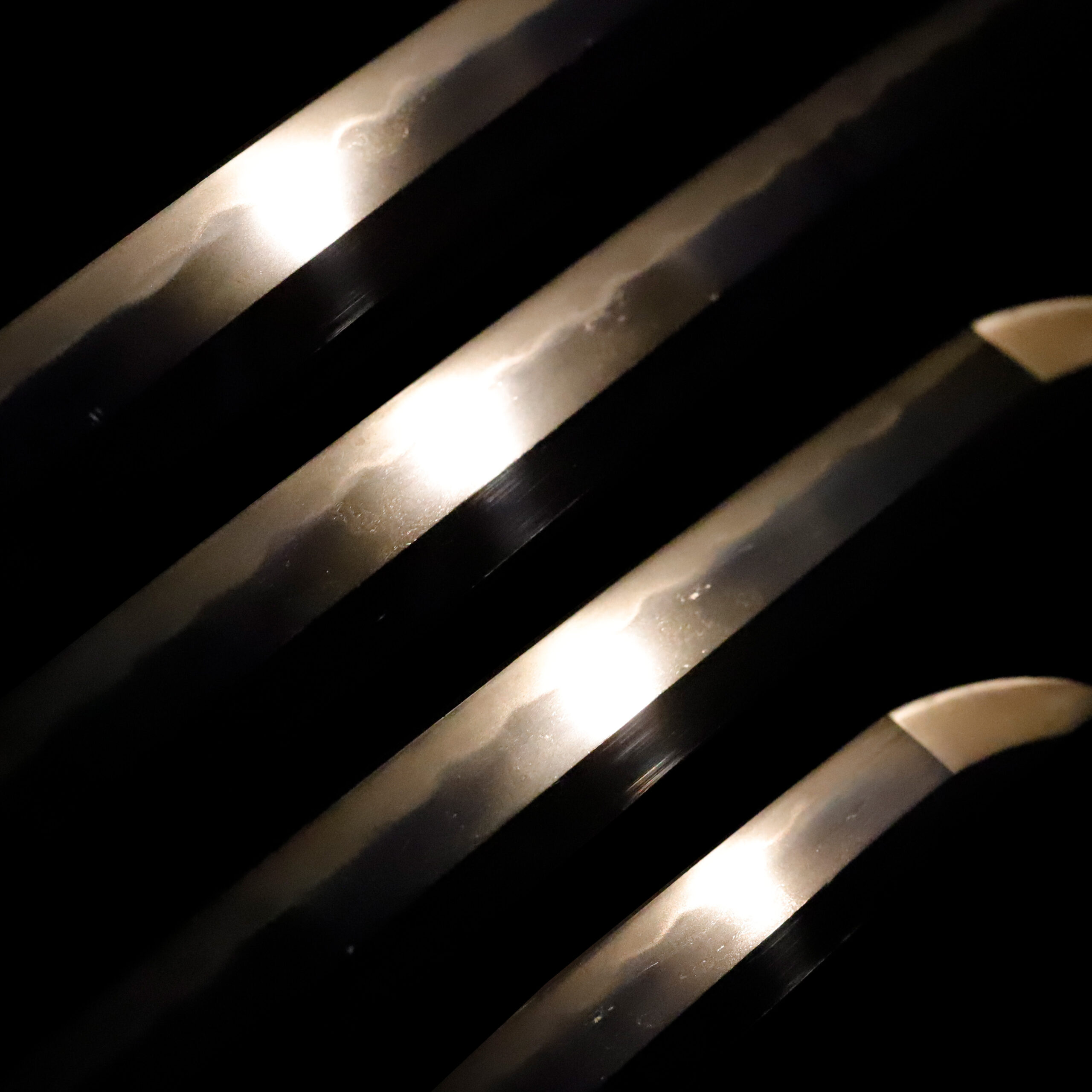
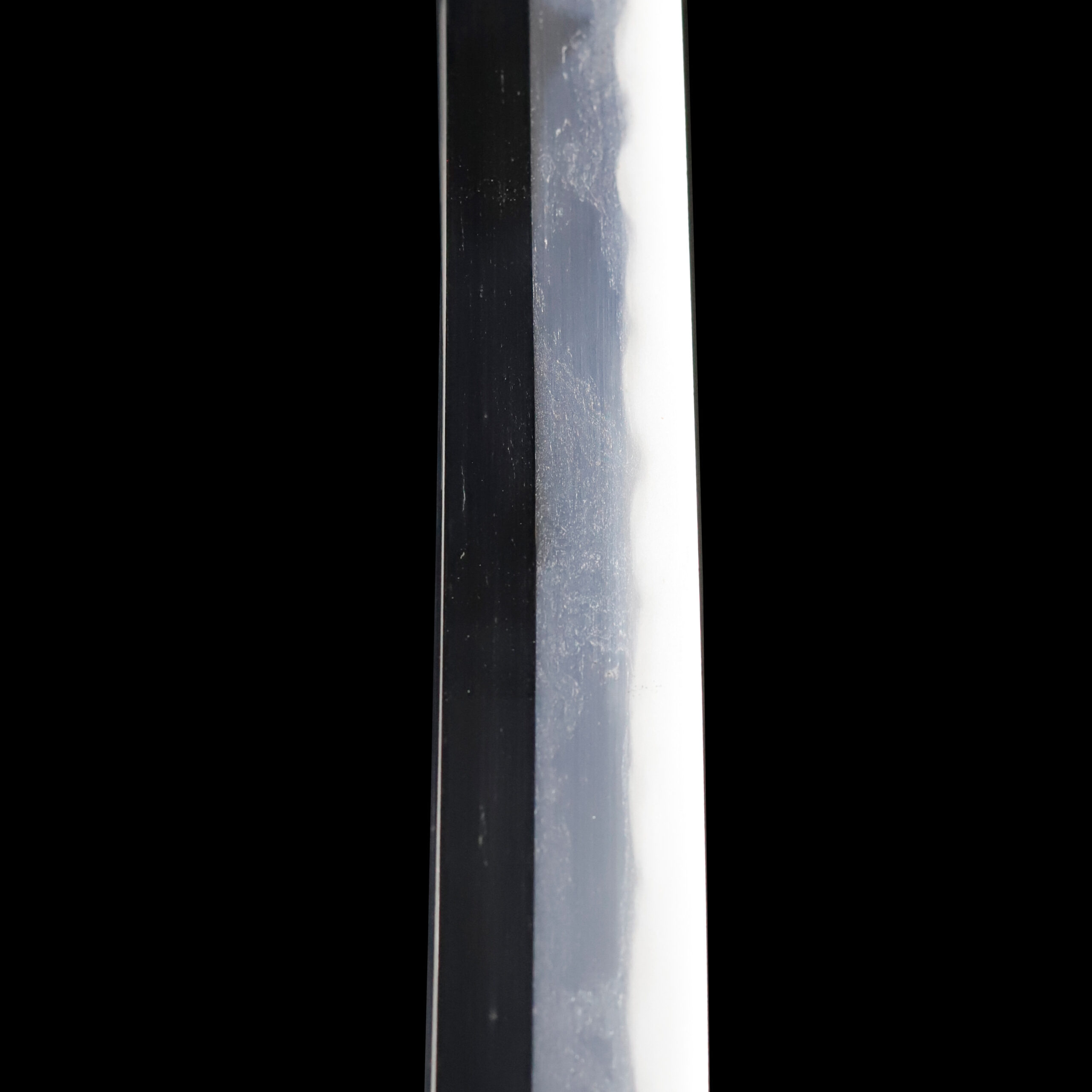
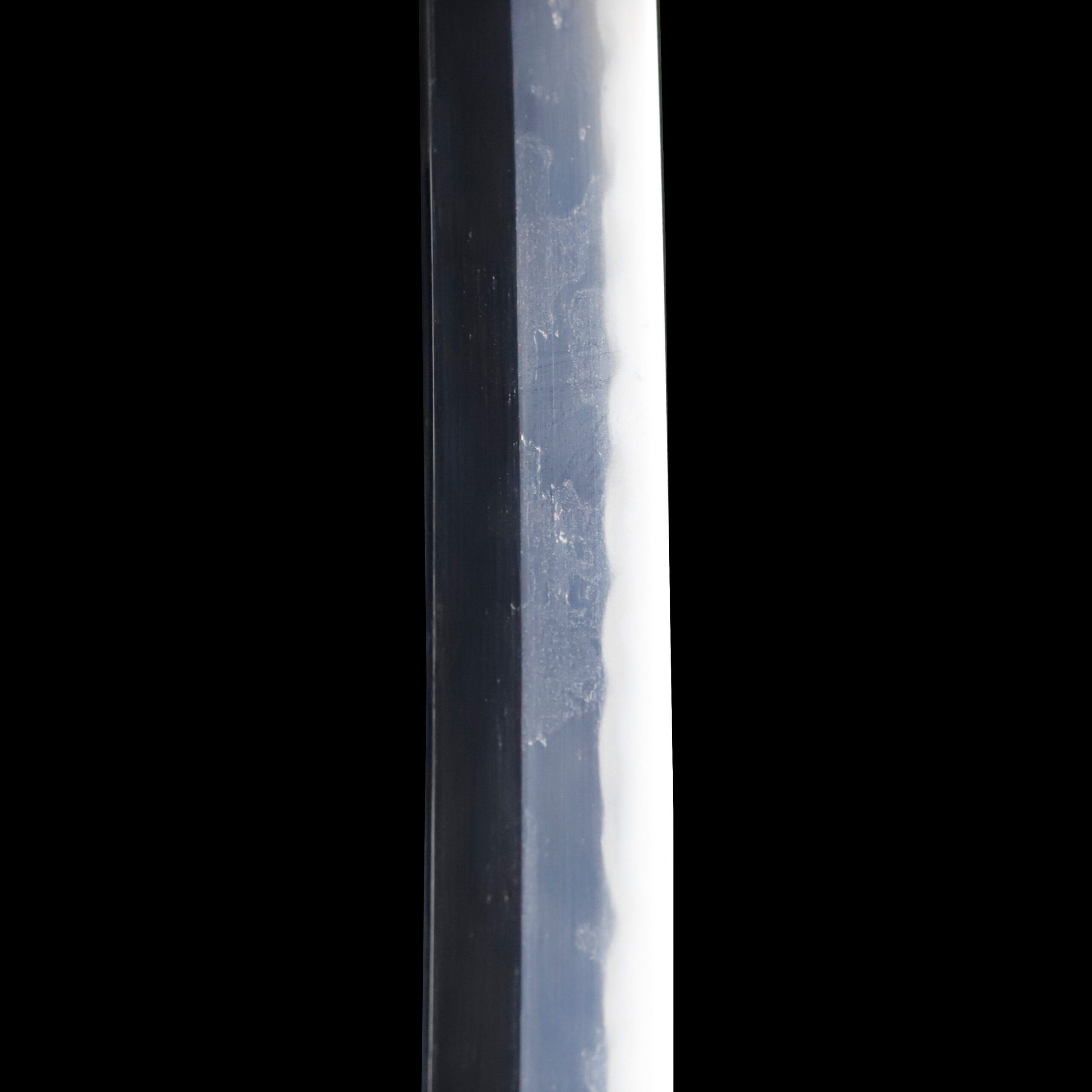
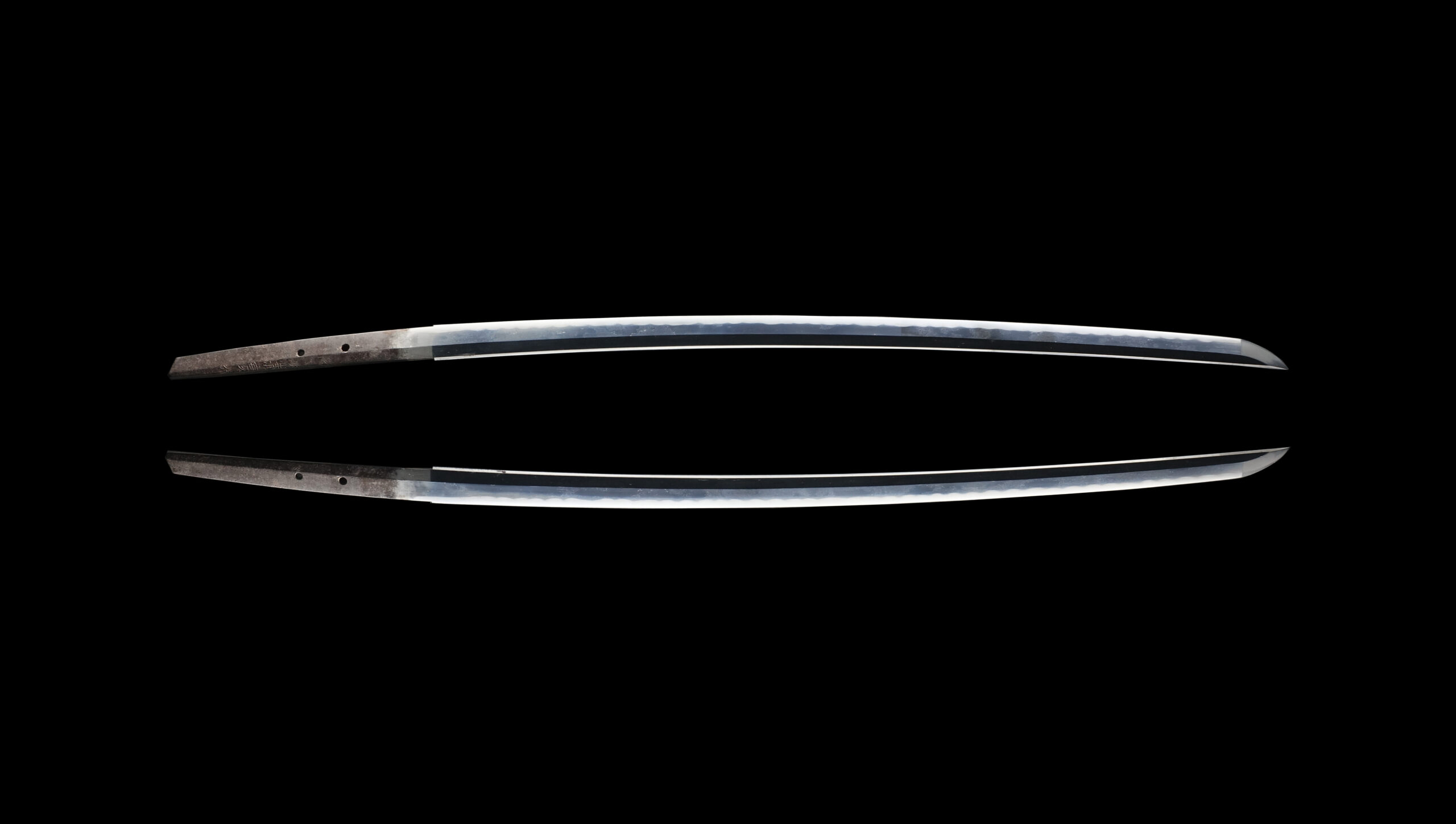
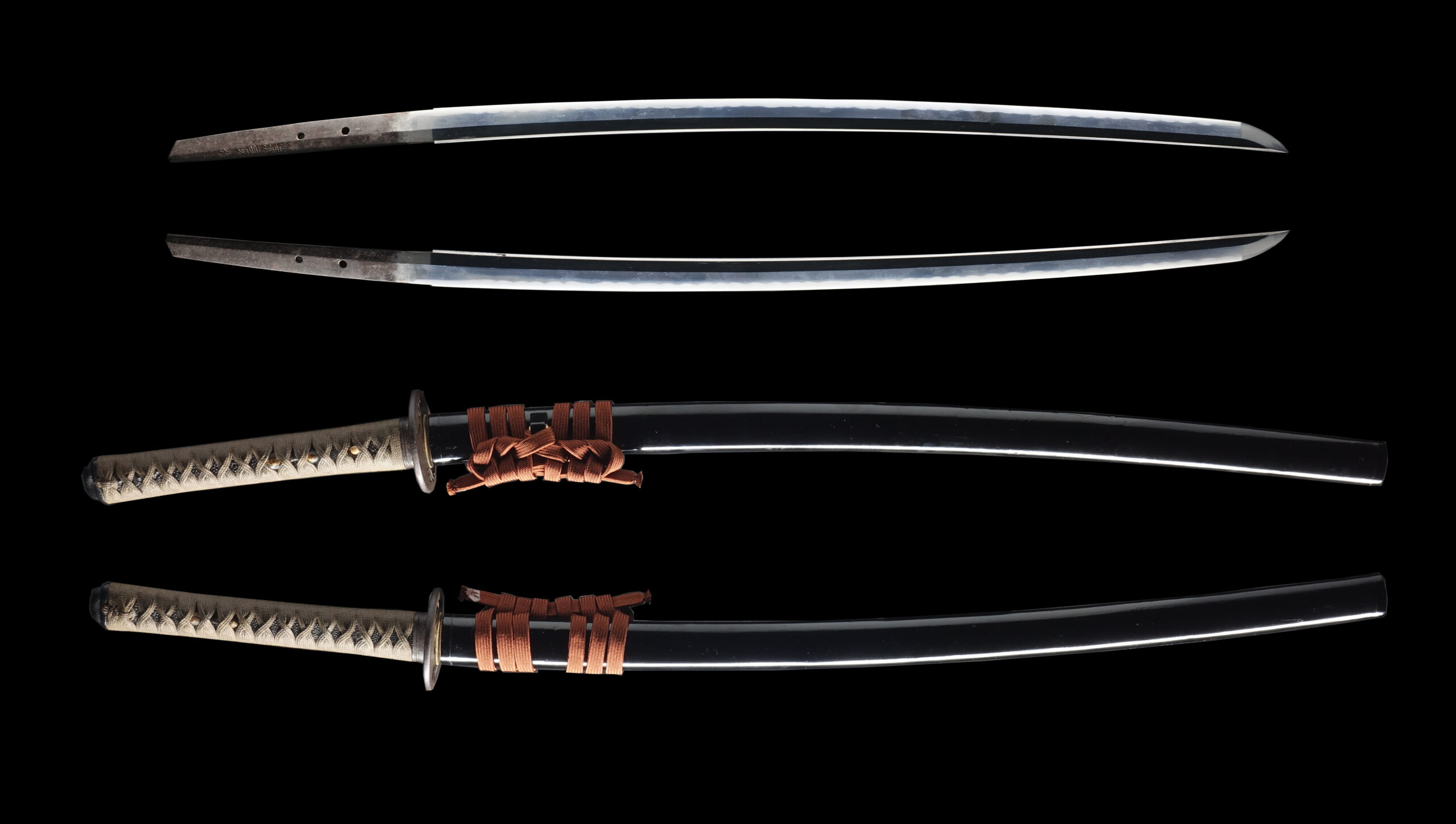
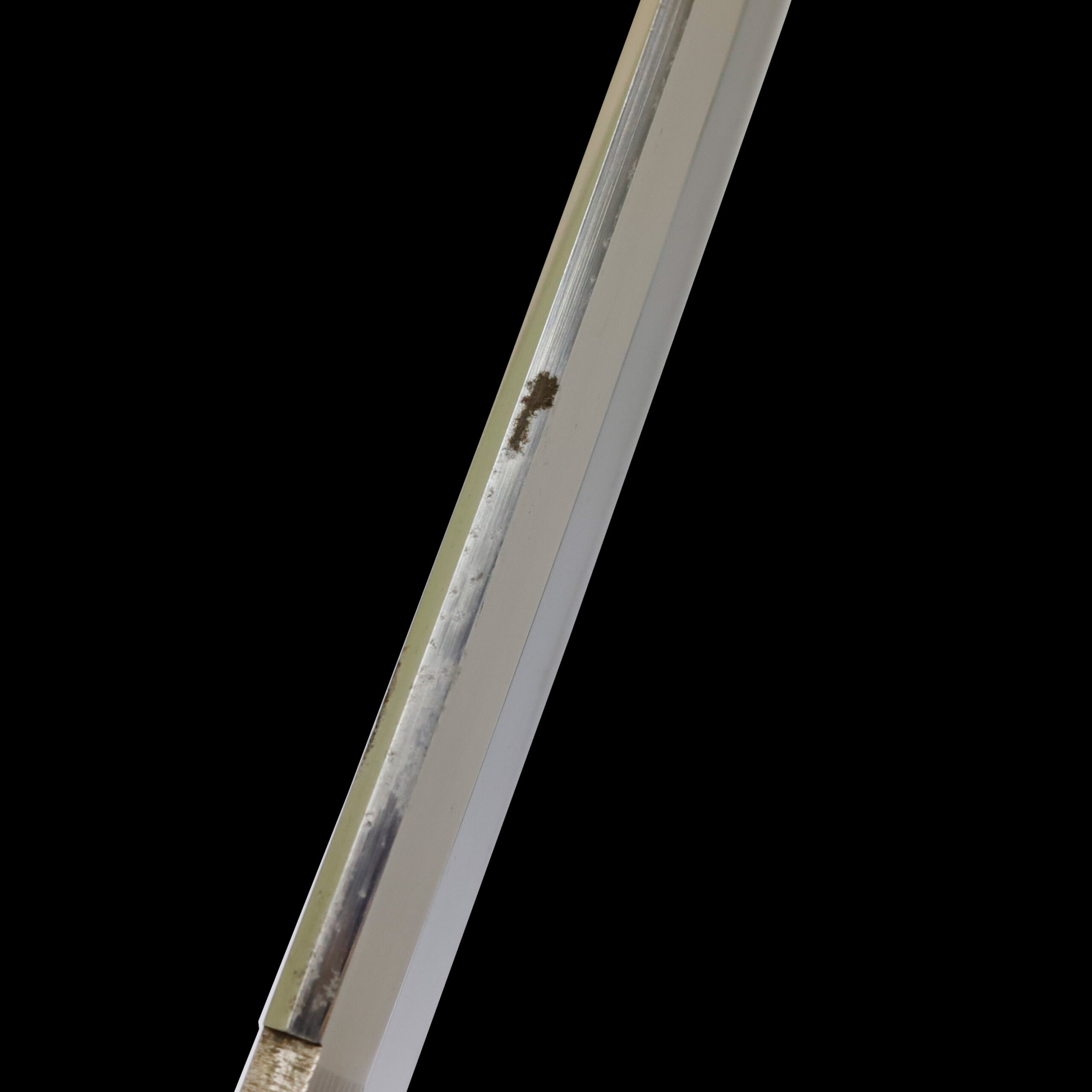
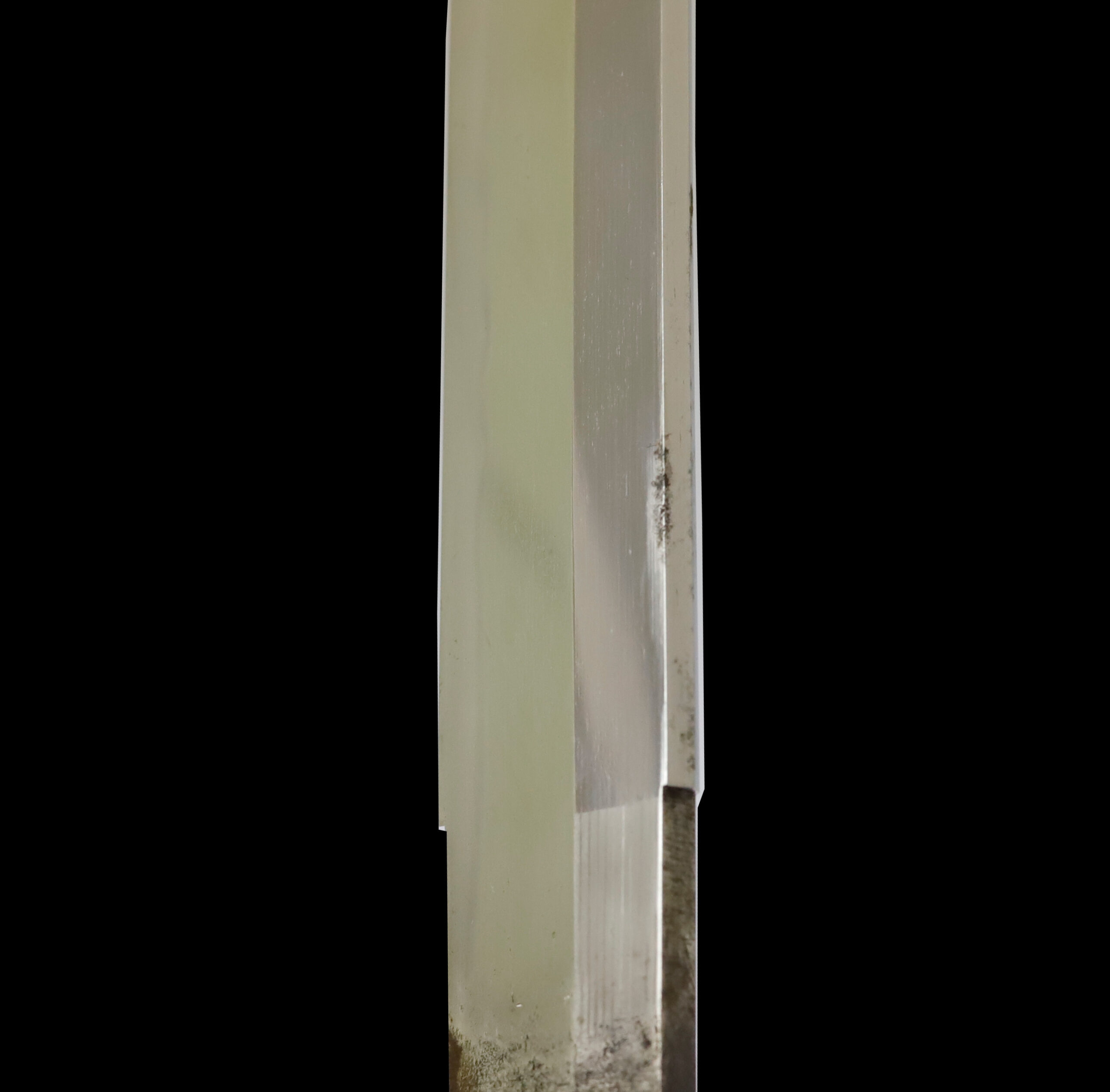
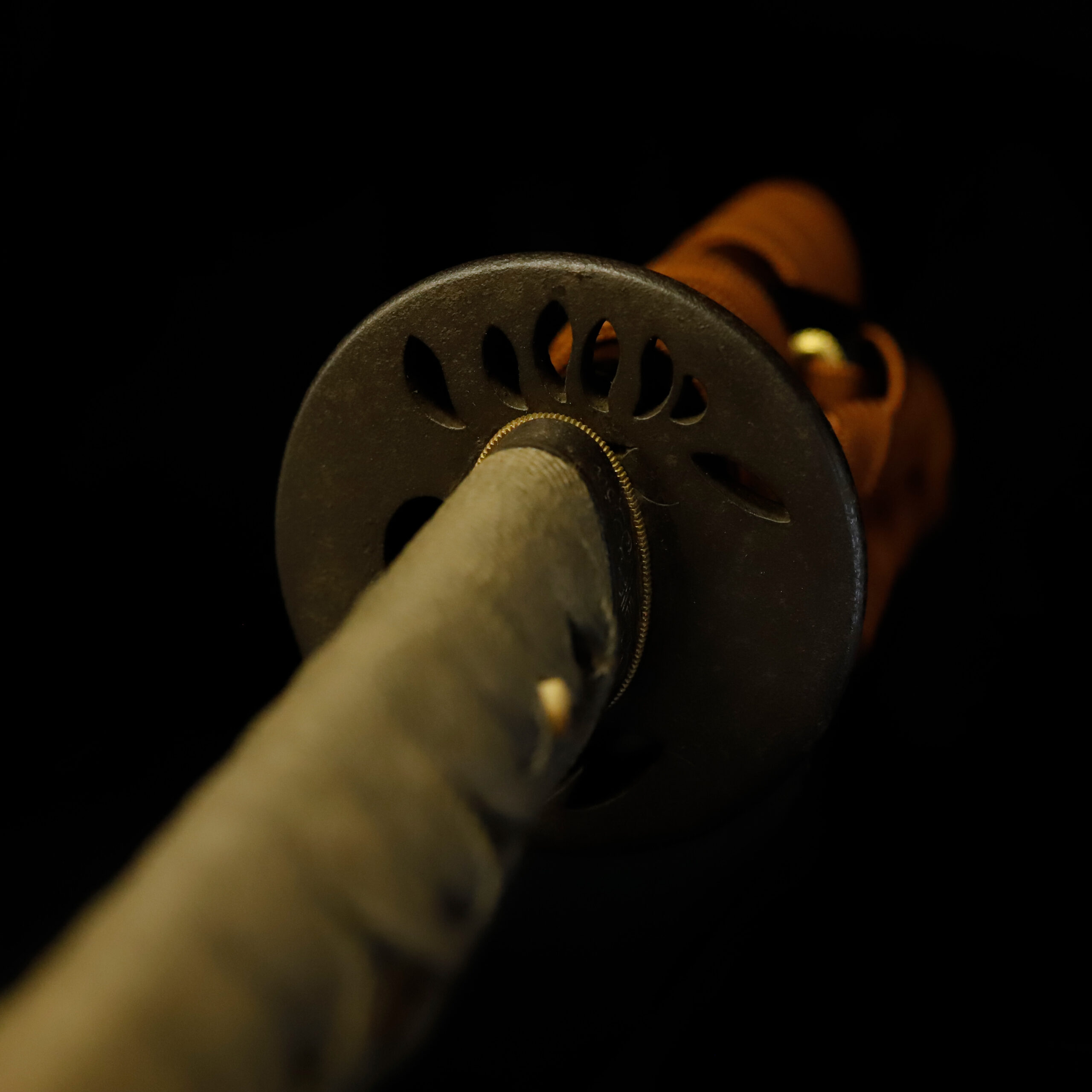
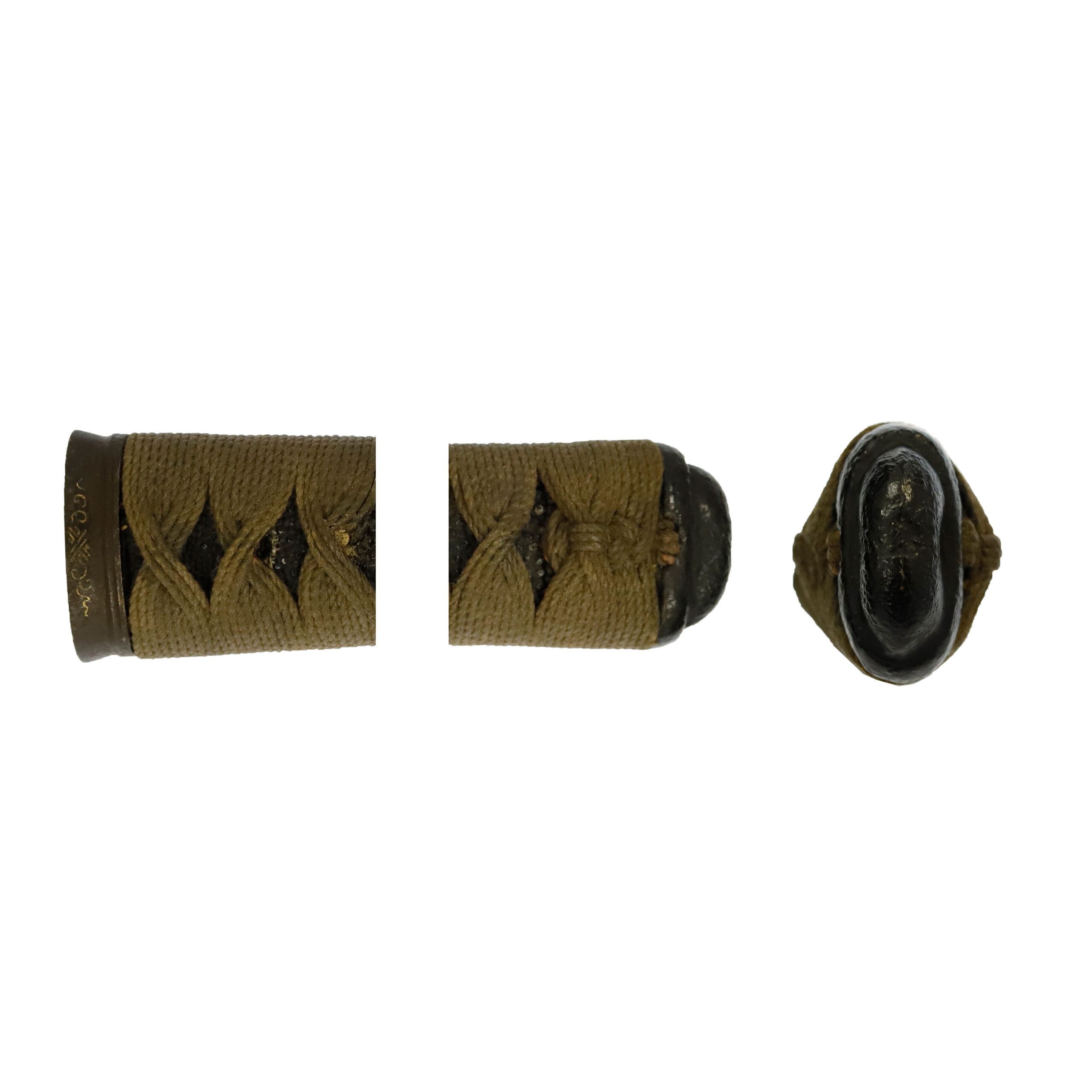
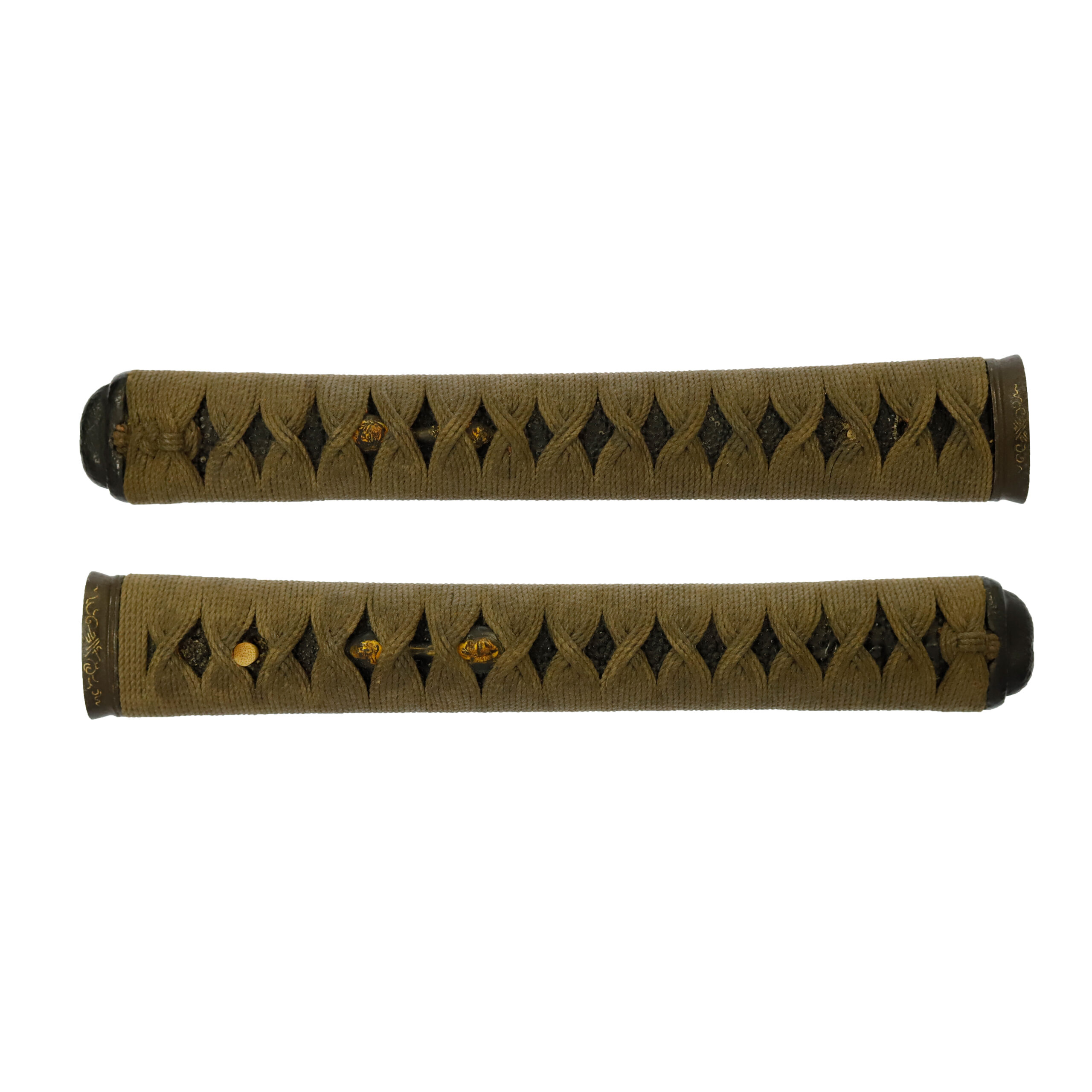
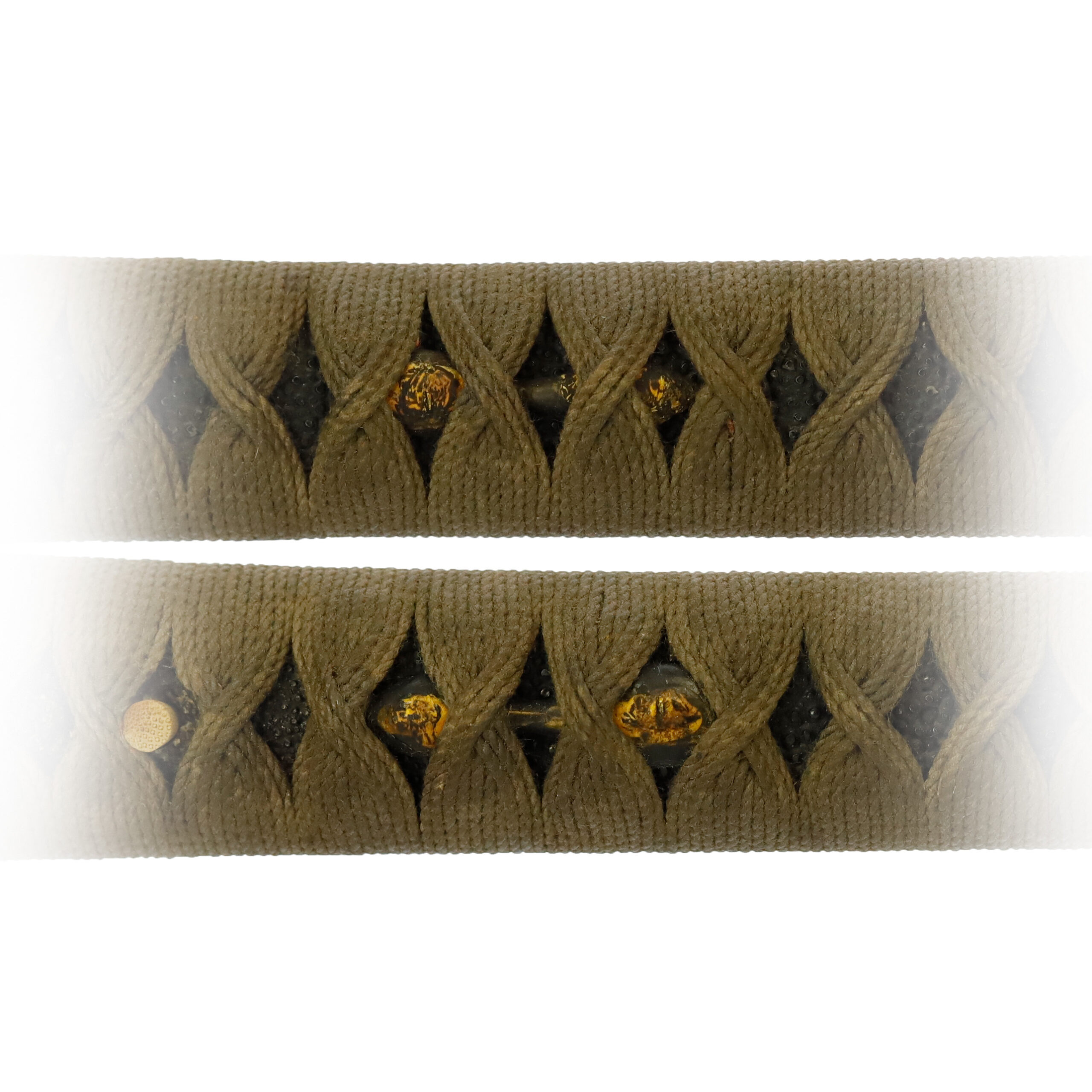
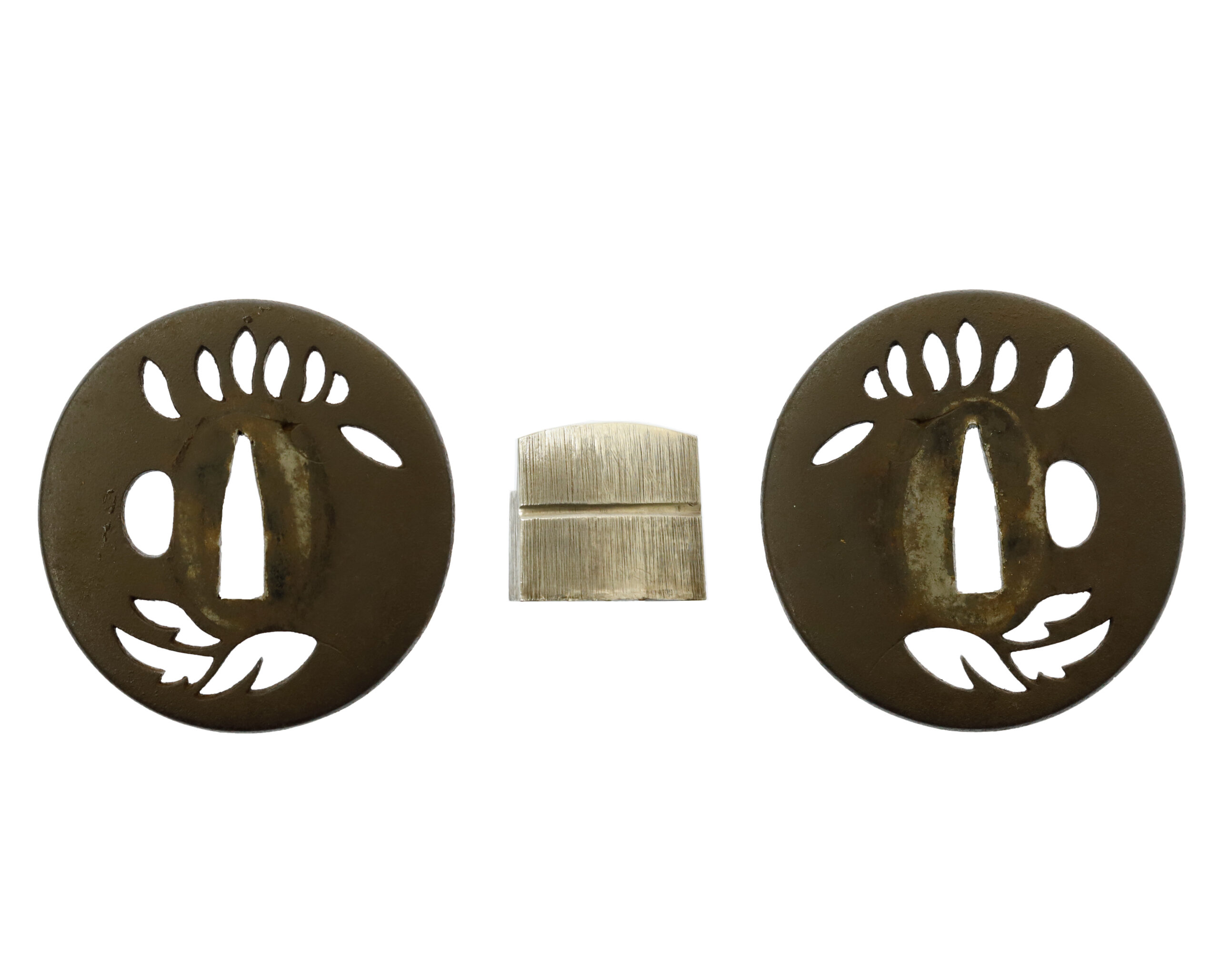
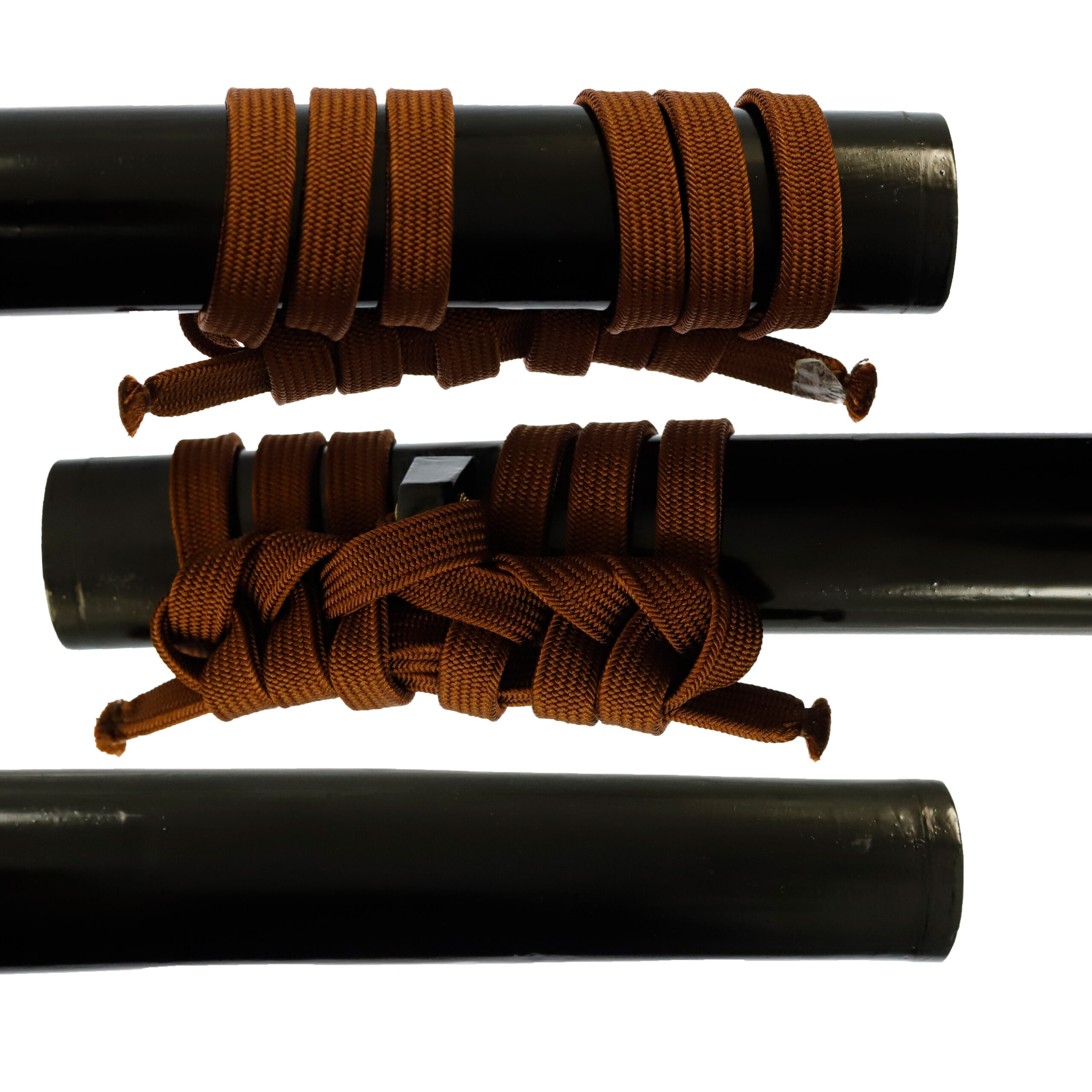
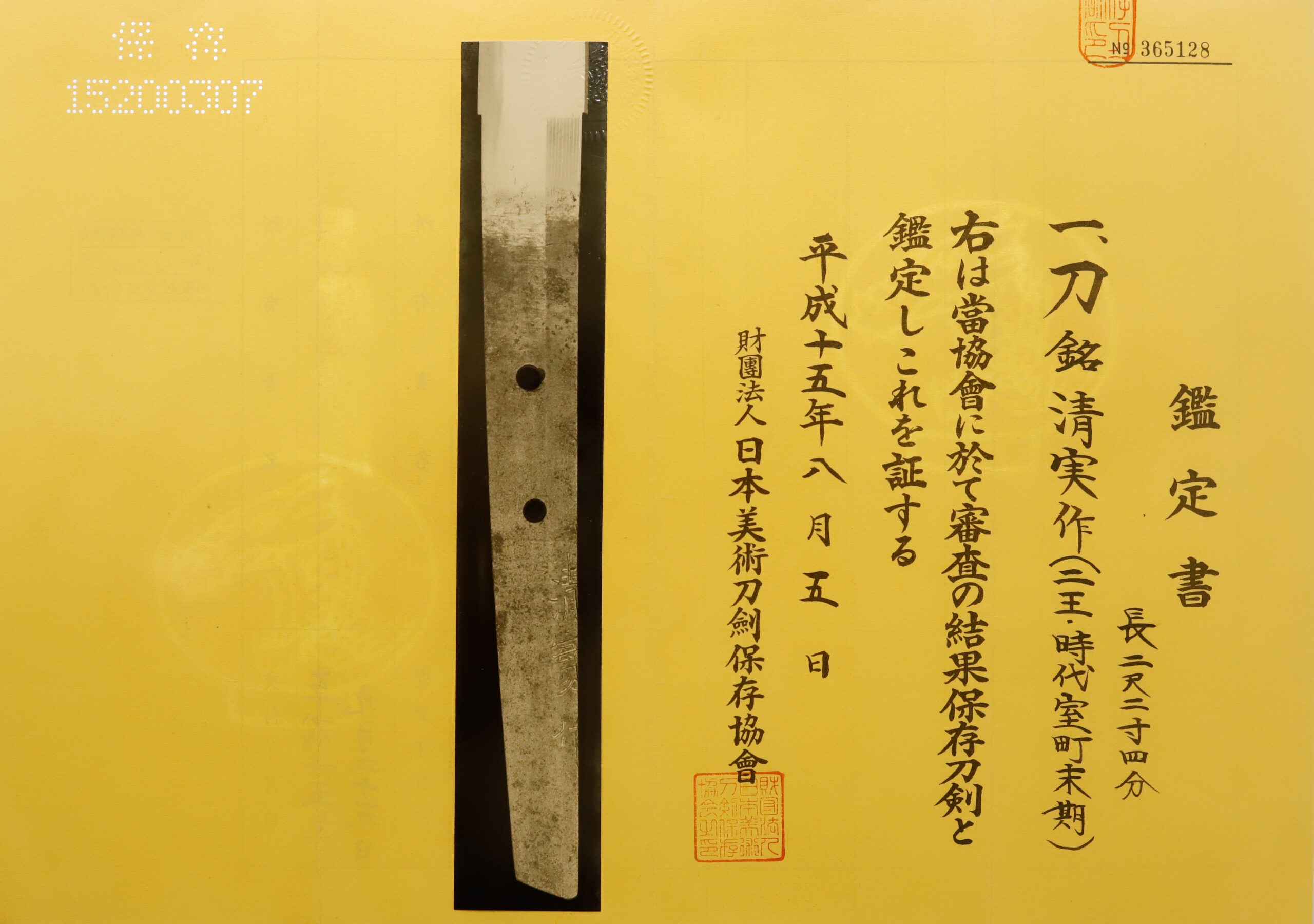
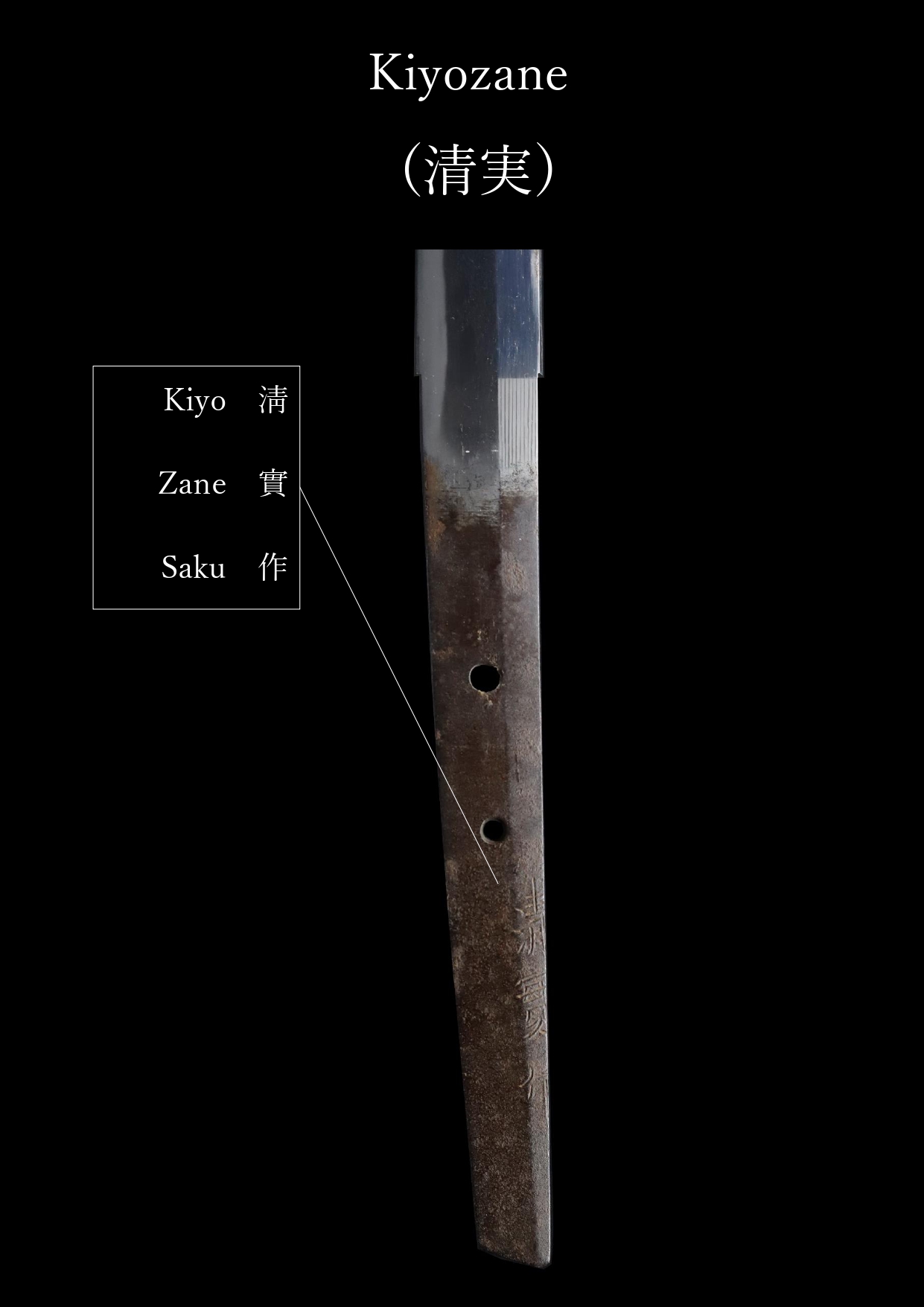
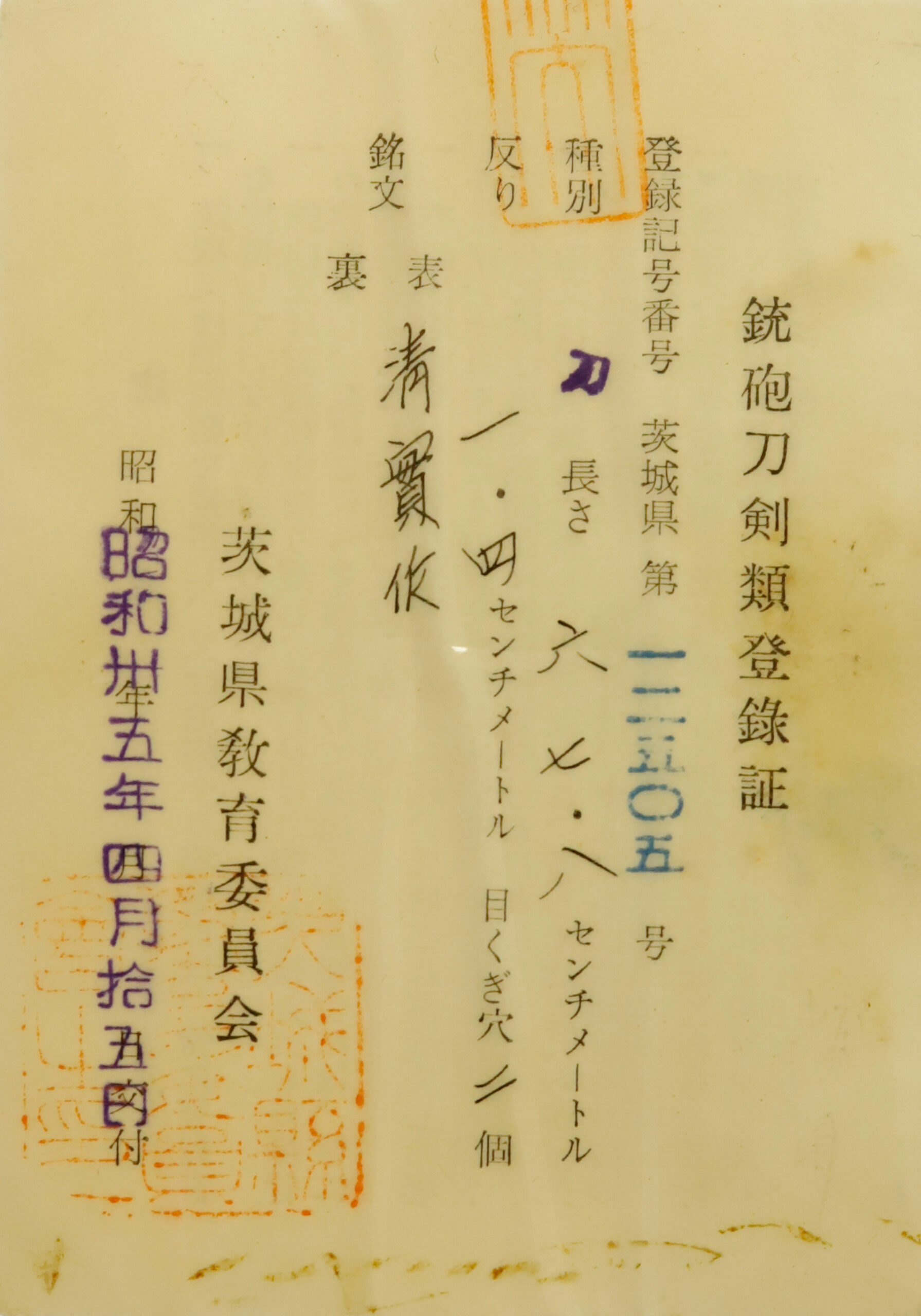
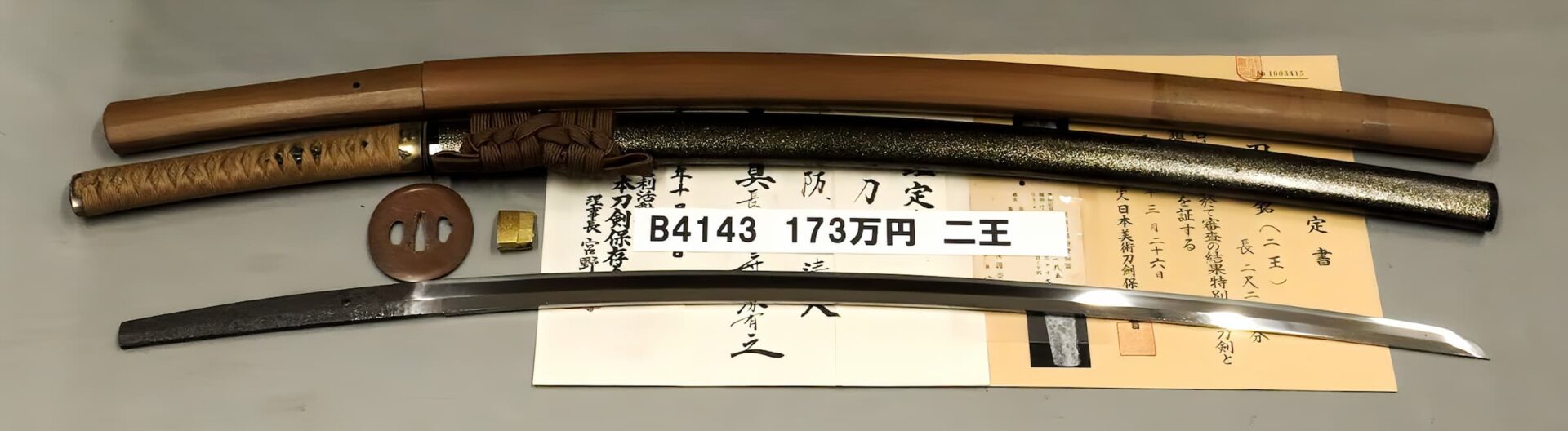
Antique Japanese Sword Katana Signed by Kiyozane with Hozon Certificate 【Description】 This blade was signed by Nioh Kiyozane (二王清実), who was active during the late Muromachi period (Eikyo era: 1429-1441). Kiyozane belonged to Nioh school, a prestigious school located in Suo domain (Today’s Yamaguchi prefecture). Nioh school flourished from the mid-Kamakura period to the late Muromachi period(500-750 years ago) and lasted until the Edo period(150—400 years ago). The school was founded by Nioh Taro Kiyotsuna(二王太郎清綱) in Suo Province(today’s Yamaguchi prefecture). According to his remaining work, the oldest blade was forged in 1265. It is currently enshrined in Itsukushima Shrine in Hiroshima. It is said that he started to forge swords in around 1205 (early Kamakura period). The Nioh swordsmiths inherited the part of its founder’s name 清(Kiyo) such as 清房(Kiyofusa), 清長(Kiyonaga). There were a lot of lands in Suo Province controlled by the Todaiji temple in the Kamakura-Muromachi period. It is said that Nioh school and Yamato swordsmiths from Nara prefecture had a strong relationship and technological exchange. That is why the blades forged by Nioh swordsmiths had a strong influence from YAMATO-DEN. *Todaiji temple is located in Nara prefecture. Before the Edo period, temples and shrines gained strong political influence. The name Nioh came from the legend that the Tachi blade forged by Kiyotsuna(the founder of Nioh school) was able to save the Nioh statue by cutting the chain connected to it when Nioh temple was on fire. Another theory was that Nioh swordsmiths lived in a village called Nioh no Sho(二保庄) and started to call themselves Nioh swordsmiths. When this blade was made, Japan was in the middle of Sengoku Jidai (Warring state period). And Nioh Kiyozane resided in the area ruled by Mori clan, one of the most powerful feudal clan. It is possible that this blade was originally owned by a Samurai who served Mori clan. It is appraised as a Hozon Touken (保存刀剣) issued by NBTHK (Nihon Bijutsu Touken Hozon Kyokai: 日本美術刀剣保存協会). This authentication paper was only given to authentic Japanese swords, well preserved and high quality with artistic value. *Please keep in mind that there is partial black rust on the Mune (backbone of the blade). If you like to see the detailed condition, please feel free to contact us. 【 Blade】 Cutting Edge Length (Nagasa) : 67.8 cm (26.7 inches) Curvature (Sori) : 1.4 cm (0.55 inches) Hamon : The crystalline structure which forms along the cutting edge of a blade as a result of the hardening process. Jimon (Jihada) : Visible steel surface pattern created by folding and hammering during forging process. Nakago : Nakago is the tang of the Japanese sword. Japanese swordsmiths left the black rust on the tang because it prevents red rust while the tang is in its handle. And the discoloration of the tang was created over time, and it is a great indicator for a Japanese sword specialist to estimate when the sword was forged. Koshirae : Koshirae is the mounting of the Japanese sword. There are several parts that consist of Koshirae such as Saya (Scabbard), Tsuka (Handle), Tsuba (Handguard). Fuchi-Kashira : A pair of matching sword fittings that cover the upper and bottom parts of its sword hilt. This Kashira part has a rough surface. There might be dents due to aging and past use. However, we estimate that it was probably finished initially with some unevenness on its surface. On the other hand, the Fuchi part has a flat surface, and there are traces of brass inlay while its coloring has almost faded due to aging. Tsuka and Menuki : Tsuka is the handle of the Japanese sword and Menuki is its decoration. We could find the existence of the Menuki on each side of the handle through the gaps of the Tsukamaki thread. Now it is challenging to distinguish its motif because of aging. We assume that its long history and the friction caused by the user’s repeated use of the handle caused the surface to wear out, gradually res

売却済
世界81社の刀剣商を横断追跡 · 価格履歴 · 売却アーカイブ
67.8 cm
1.4 cm

Mid Edo Katana signed by Tanba no Kami Yoshimichi for sale| Samurai Museum Shop E-mail FB Messenger Skip to content Menu Close Samurai Museum Shop Products Antique Japanese Sword Katana signed by Tanba no Kami Yoshimichi NTHK Kanteisho Certificate Updated: 22 Jun 2026 Antique Japanese Sword Katana signed by Tanba no Kami Yoshimichi NTHK Kanteisho Certificate
$7,441

Muromachi Katana signed by Naminohira Yasuhide for sale
$7,751

Early Edo Nihonto signed by Shigetaka for sale
$7,131

Antique Japanese Sword Katana Signed by Masahiro NBTHK Tokubetsu Hozon Certificate
$7,751
Antique Japanese Sword Katana Signed by Kiyozane with Hozon Certificate 【Description】 This blade was signed by Nioh Kiyozane (二王清実), who was active during the late Muromachi period (Eikyo era: 1429-1441). Kiyozane belonged to Nioh school, a prestigious school located in Suo domain (Today’s Yamaguchi prefecture). Nioh school flourished from the mid-Kamakura period to the late Muromachi period(500-750 years ago) and lasted until the Edo period(150—400 years ago). The school was founded by Nioh Taro Kiyotsuna(二王太郎清綱) in Suo Province(today’s Yamaguchi prefecture). According to his remaining work, the oldest blade was forged in 1265. It is currently enshrined in Itsukushima Shrine in Hiroshima. It is said that he started to forge swords in around 1205 (early Kamakura period). The Nioh swordsmiths inherited the part of its founder’s name 清(Kiyo) such as 清房(Kiyofusa), 清長(Kiyonaga). There were a lot of lands in Suo Province controlled by the Todaiji temple in the Kamakura-Muromachi period. It is said that Nioh school and Yamato swordsmiths from Nara prefecture had a strong relationship and technological exchange. That is why the blades forged by Nioh swordsmiths had a strong influence from YAMATO-DEN. *Todaiji temple is located in Nara prefecture. Before the Edo period, temples and shrines gained strong political influence. The name Nioh came from the legend that the Tachi blade forged by Kiyotsuna(the founder of Nioh school) was able to save the Nioh statue by cutting the chain connected to it when Nioh temple was on fire. Another theory was that Nioh swordsmiths lived in a village called Nioh no Sho(二保庄) and started to call themselves Nioh swordsmiths. When this blade was made, Japan was in the middle of Sengoku Jidai (Warring state period). And Nioh Kiyozane resided in the area ruled by Mori clan, one of the most powerful feudal clan. It is possible that this blade was originally owned by a Samurai who served Mori clan. It is appraised as a Hozon Touken (保存刀剣) issued by NBTHK (Nihon Bijutsu Touken Hozon Kyokai: 日本美術刀剣保存協会). This authentication paper was only given to authentic Japanese swords, well preserved and high quality with artistic value. *Please keep in mind that there is partial black rust on the Mune (backbone of the blade). If you like to see the detailed condition, please feel free to contact us. 【 Blade】 Cutting Edge Length (Nagasa) : 67.8 cm (26.7 inches) Curvature (Sori) : 1.4 cm (0.55 inches) Hamon : The crystalline structure which forms along the cutting edge of a blade as a result of the hardening process. Jimon (Jihada) : Visible steel surface pattern created by folding and hammering during forging process. Nakago : Nakago is the tang of the Japanese sword. Japanese swordsmiths left the black rust on the tang because it prevents red rust while the tang is in its handle. And the discoloration of the tang was created over time, and it is a great indicator for a Japanese sword specialist to estimate when the sword was forged. Koshirae : Koshirae is the mounting of the Japanese sword. There are several parts that consist of Koshirae such as Saya (Scabbard), Tsuka (Handle), Tsuba (Handguard). Fuchi-Kashira : A pair of matching sword fittings that cover the upper and bottom parts of its sword hilt. This Kashira part has a rough surface. There might be dents due to aging and past use. However, we estimate that it was probably finished initially with some unevenness on its surface. On the other hand, the Fuchi part has a flat surface, and there are traces of brass inlay while its coloring has almost faded due to aging. Tsuka and Menuki : Tsuka is the handle of the Japanese sword and Menuki is its decoration. We could find the existence of the Menuki on each side of the handle through the gaps of the Tsukamaki thread. Now it is challenging to distinguish its motif because of aging. We assume that its long history and the friction caused by the user’s repeated use of the handle caused the surface to wear out, gradually res

売却済
世界81社の刀剣商を横断追跡 · 価格履歴 · 売却アーカイブ
67.8 cm
1.4 cm

Mid Edo Katana signed by Tanba no Kami Yoshimichi for sale| Samurai Museum Shop E-mail FB Messenger Skip to content Menu Close Samurai Museum Shop Products Antique Japanese Sword Katana signed by Tanba no Kami Yoshimichi NTHK Kanteisho Certificate Updated: 22 Jun 2026 Antique Japanese Sword Katana signed by Tanba no Kami Yoshimichi NTHK Kanteisho Certificate
$7,441

Muromachi Katana signed by Naminohira Yasuhide for sale
$7,751

Early Edo Nihonto signed by Shigetaka for sale
$7,131

Antique Japanese Sword Katana Signed by Masahiro NBTHK Tokubetsu Hozon Certificate
$7,751