説明
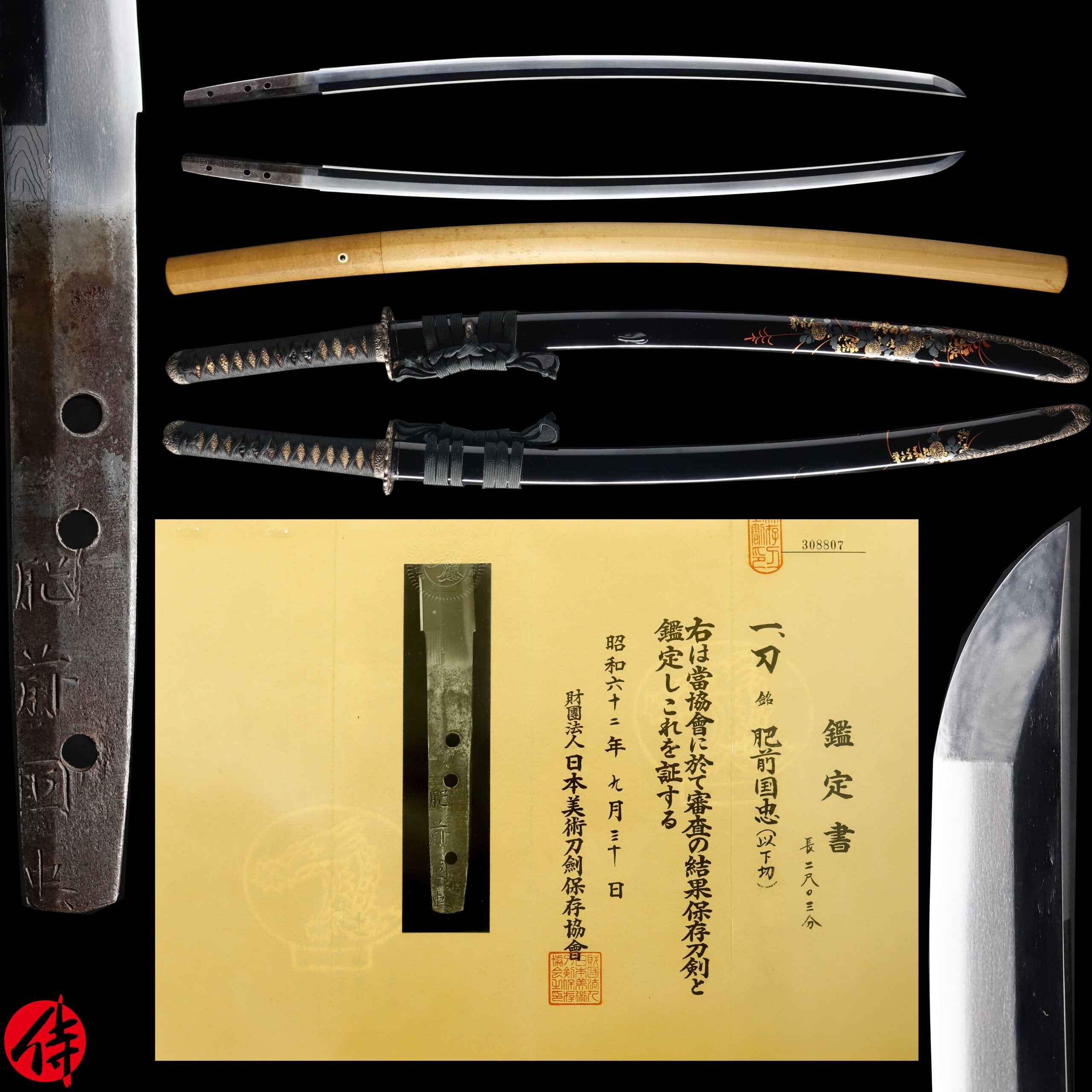
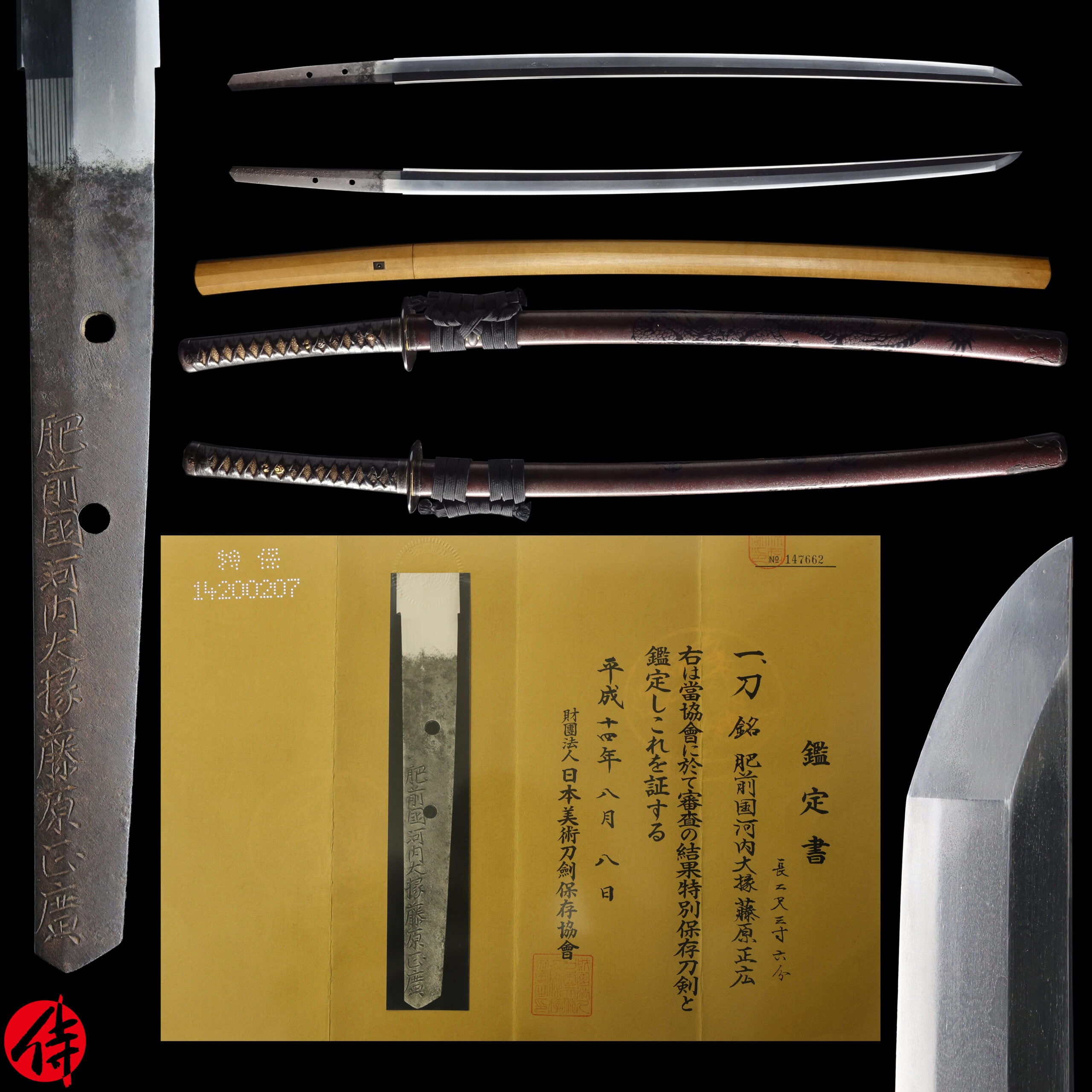
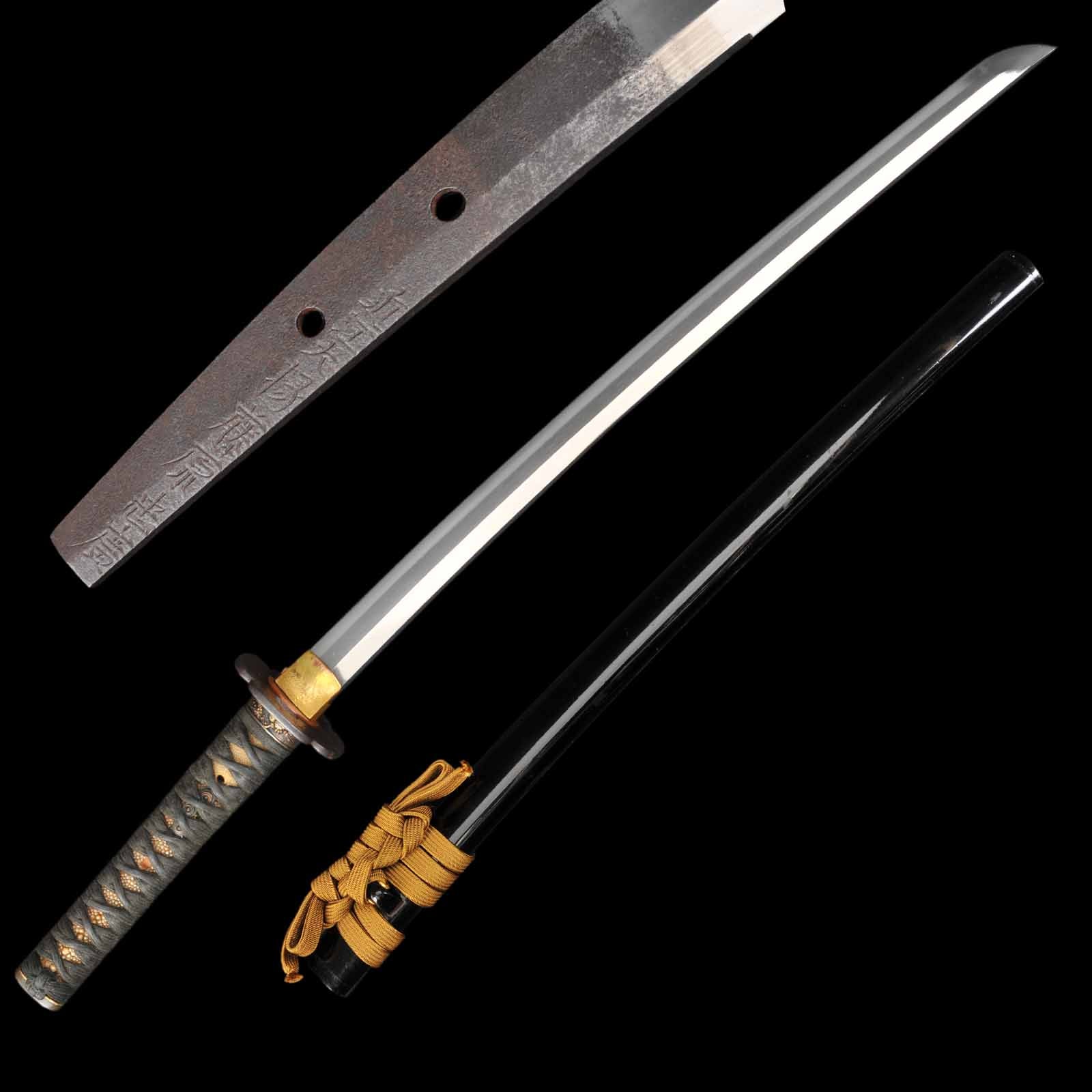
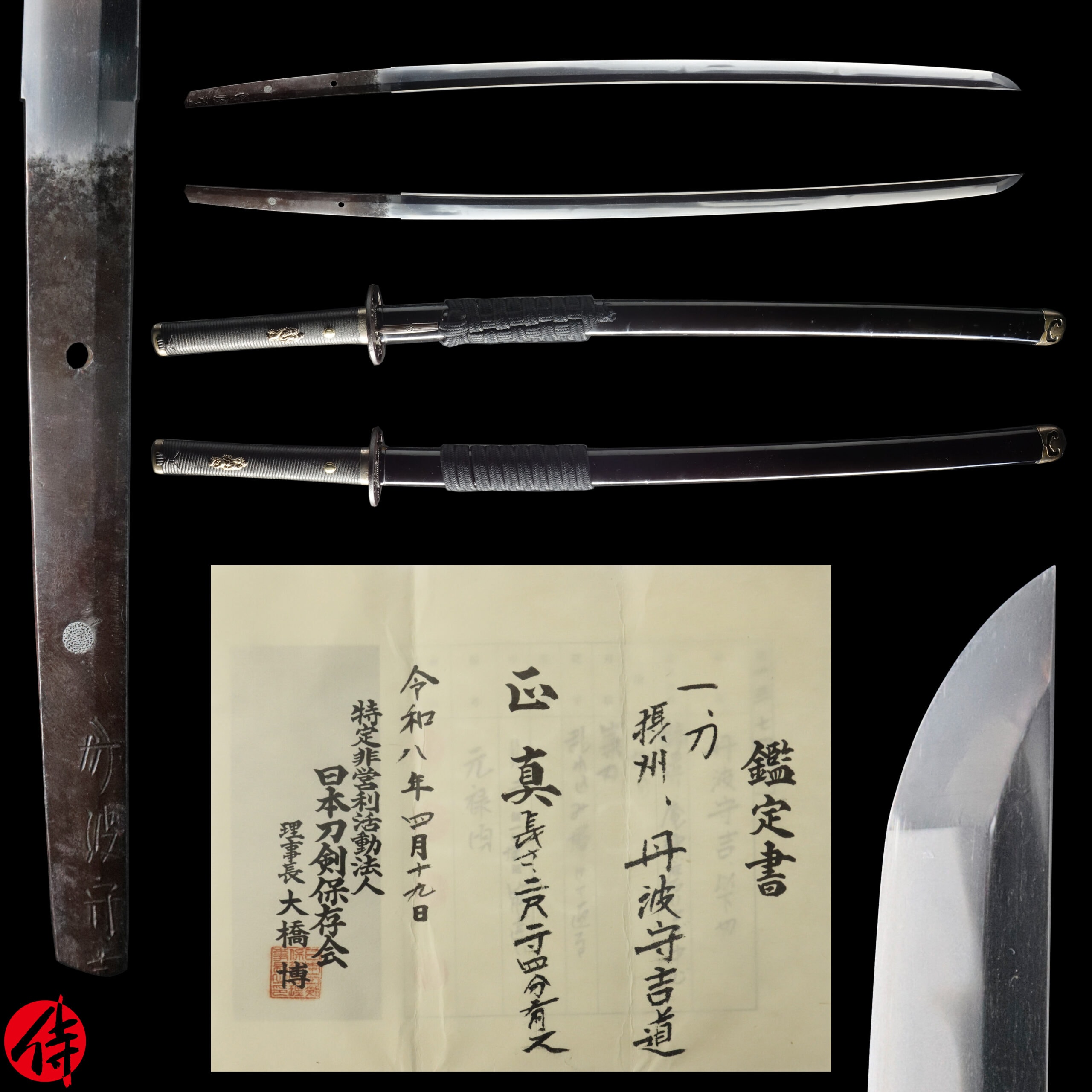
Antique Japanese Sword Katana Signed by Hizen Koku Tada (Late-gen Tadayoshi) with
Hozon
Certificate
【Description】
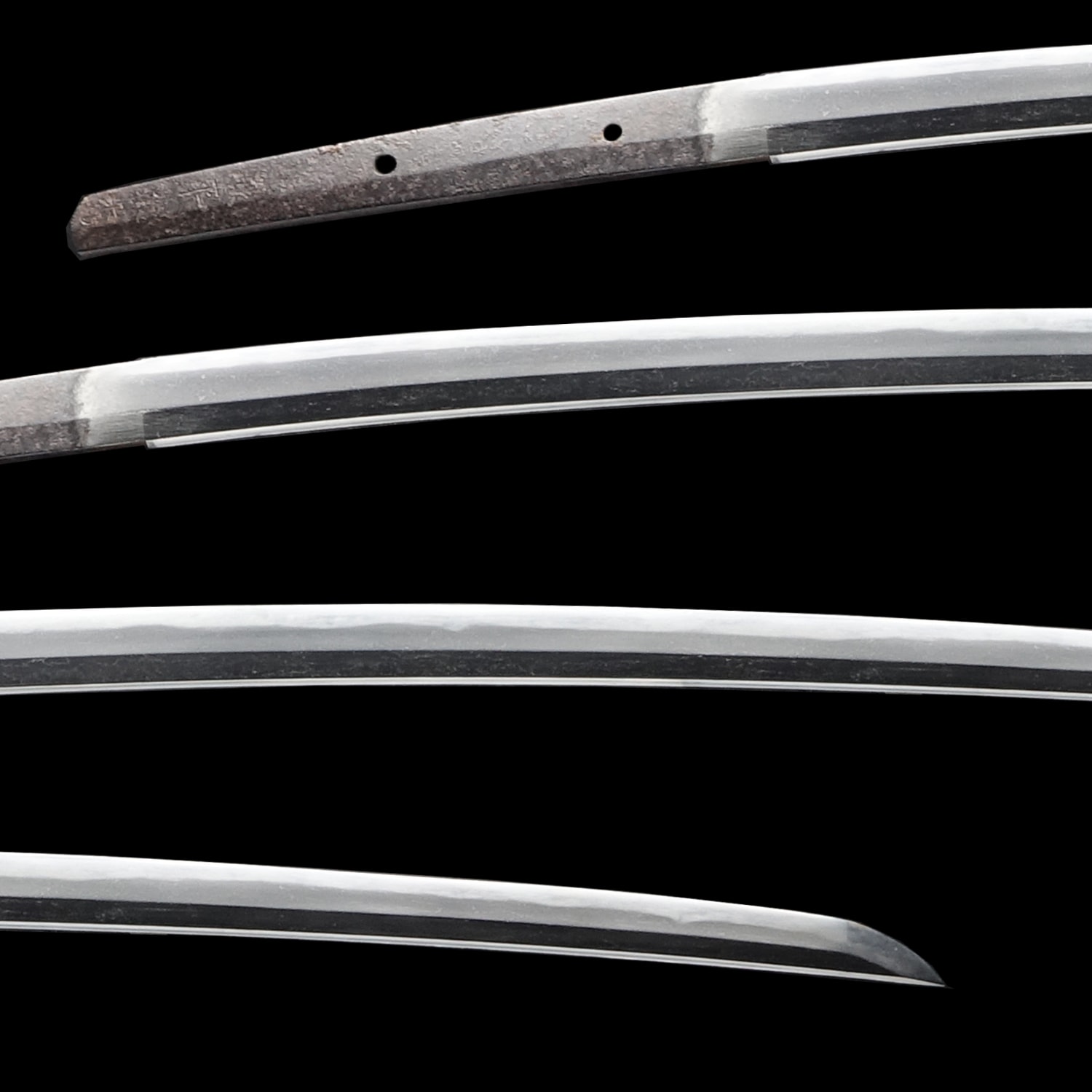
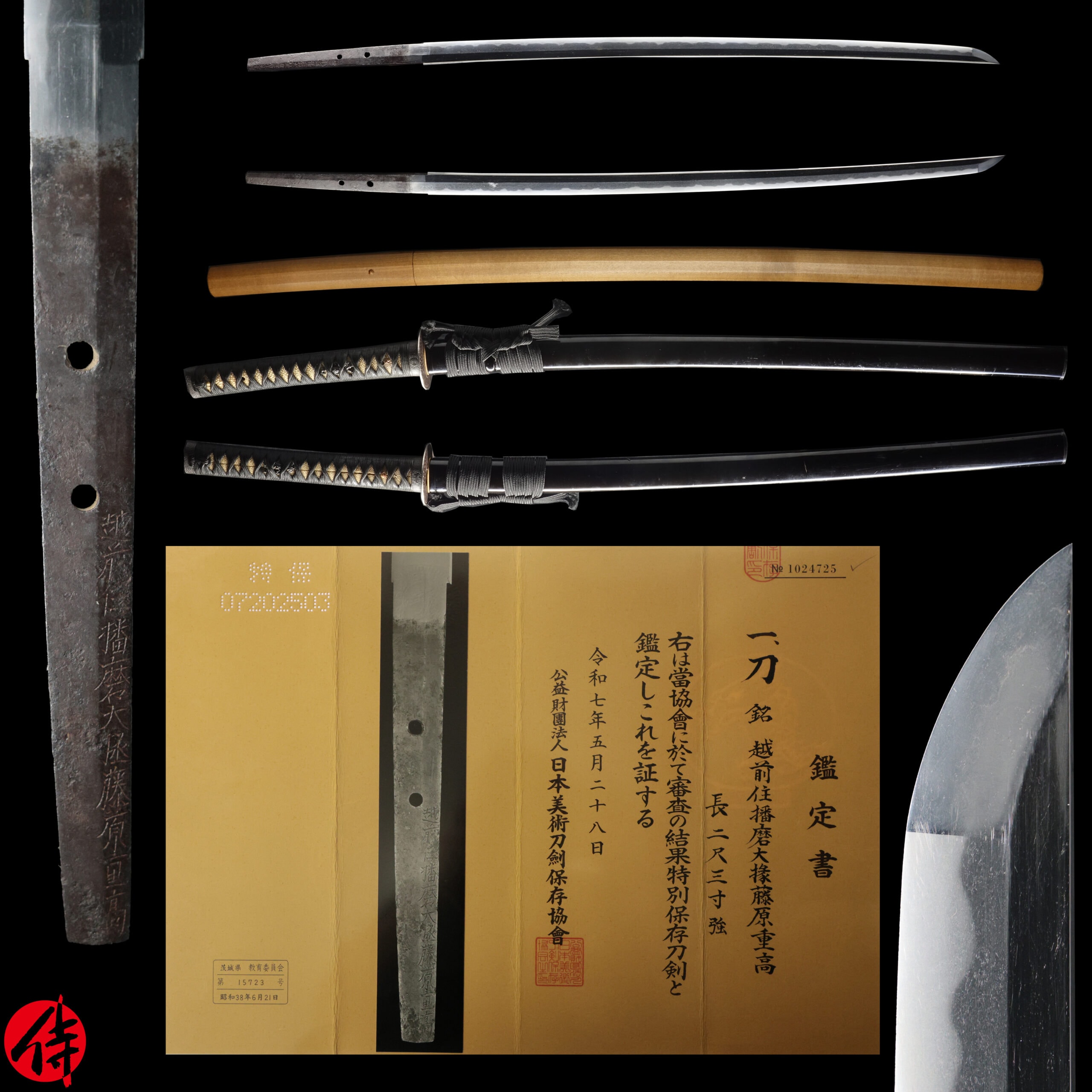
This blade was signed by Hizen Koku Tadayoshi during the late Edo period while Yoshi (吉) was cut due to Suriage (Size adjustment). We called NBTHK and they told that the attribution is given to the late-gen Tadayoshi from the late Edo period (Early- Mid 19th century). Hizen Koku is where Tadayoshi forged blades.
The swordsmith name Tadayoshi lasted 9th generations from the Azuchi Momoyama-Edo period (1572-1868). During the Edo period, they served the Nabeshima clan, who ruled the Saga domain where Hizen province was located.
The First Generation Tadayoshi
The first-gen Tadayoshi was born and raised in the Saga domain. In 1596, under the domain’s order, he went to Kyoto to learn the sword-forging technique from Umetada Myojyu(埋忠明寿), one of the greatest swordsmiths in the early Edo period. He improved his craftsmanship and returned to the Saga domain two years later (1598).
The first head of the Nabeshima clan, Nabeshima Katsushige, appreciated the work of the first-gen Tadayoshi very much. Then, Katsushige appointed him as his Okakaekaji, a swordsmith who exclusively forged swords for a specific domain or clan. And Tadayoshi started to stay near Saga castle, which is the headquarter of the Nabeshima clan. And, he founded Hizen Tadayoshi school, which trained more than 100 swordsmiths during the Edo period. The generation of Tadayoshi served Nabeshima clan by the end of the Edo period.
Hizen Province
The swordsmiths in the Hizen province worked under the auspices of the Nabeshima clan like Tadayoshi. They could produce beautiful Jigan
e-patterned blades, also known as Hizen To, using and mixing carbon steel made in western countries. Hizenkoku had been flourishing by international trading. The geographic location of this domain made it possible to have easy access to western carbon steel.
It is appraised as a
Hozon Touken
(保存刀剣) issued by NBTHK (Nihon Bijutsu Touken Hozon Kyokai: 日本美術刀剣保存協会). This authentication paper was only given to authentic Japanese swords, well preserved and high quality with artistic value.
【 Blade】
Cutting Edge Length (Nagasa)
:
61.6 cm (24.3 inches)
Curvature (Sori)
:
1.7
cm (0.67 inches)
Hamon
:
The crystalline structure which forms along the cutting edge of a blade as a result of the hardening process.
Jimon (Jihada)
:
Visible steel surface pattern created by folding and hammering during forging process.
Nakago
:
Nakago is the tang of the Japanese sword.
Japanese swordsmiths left the black rust on the tang because it prevents red rust while the tang is in its handle. And the discoloration of the tang was created over time, and it is a great indicator for a Japanese sword specialist to estimate when the sword was forged.
Koshirae
: Koshirae is the mounting of the Japanese sword. There are several parts that consist of Koshirae such as Saya (Scabbard), Tsuka (Handle), Tsuba (Handguard).
Fuchi-Kashira
:
A pair of matching sword fittings that cover the upper and bottom parts of its sword hilt.
The wave pattern is engraved on this Fuchi Kashira. The same design is carved on the Tsuba and Kojiri (鐺, the metal fitting that protects the tip of a scabbard). All parts are in the same style, and the rough movement of the crests of waves colliding with each other is expressed in a precise depiction.
Since waves’ movements continue endlessly, the wave pattern represents eternity, immortality, longevity, birth, etcetera. Also, since tides repeatedly change the shape and terrain of rocks, some people hoped for a strong will by using this motif. People used this pattern wishing for an indomitable spirit to rechallenge time and time without giving up.
Tsuka and Menuki
:
Tsuka is the handle of the Japanese sword and Menuki is its decoration.
You would find the figure of a dragon through the gaps of the Tsukamaki thread. While most colorings have faded due to aging, we could see the traces that golden paint