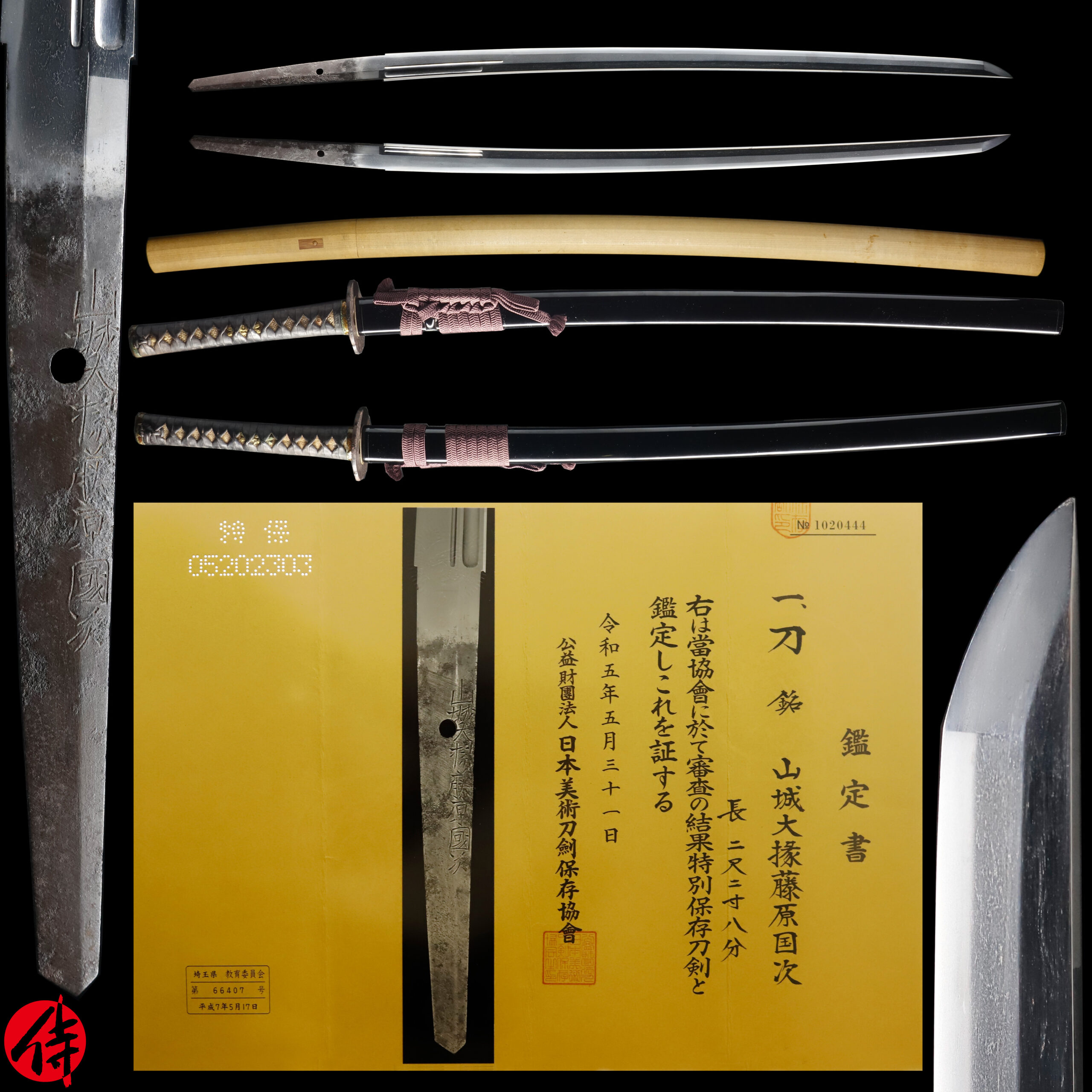
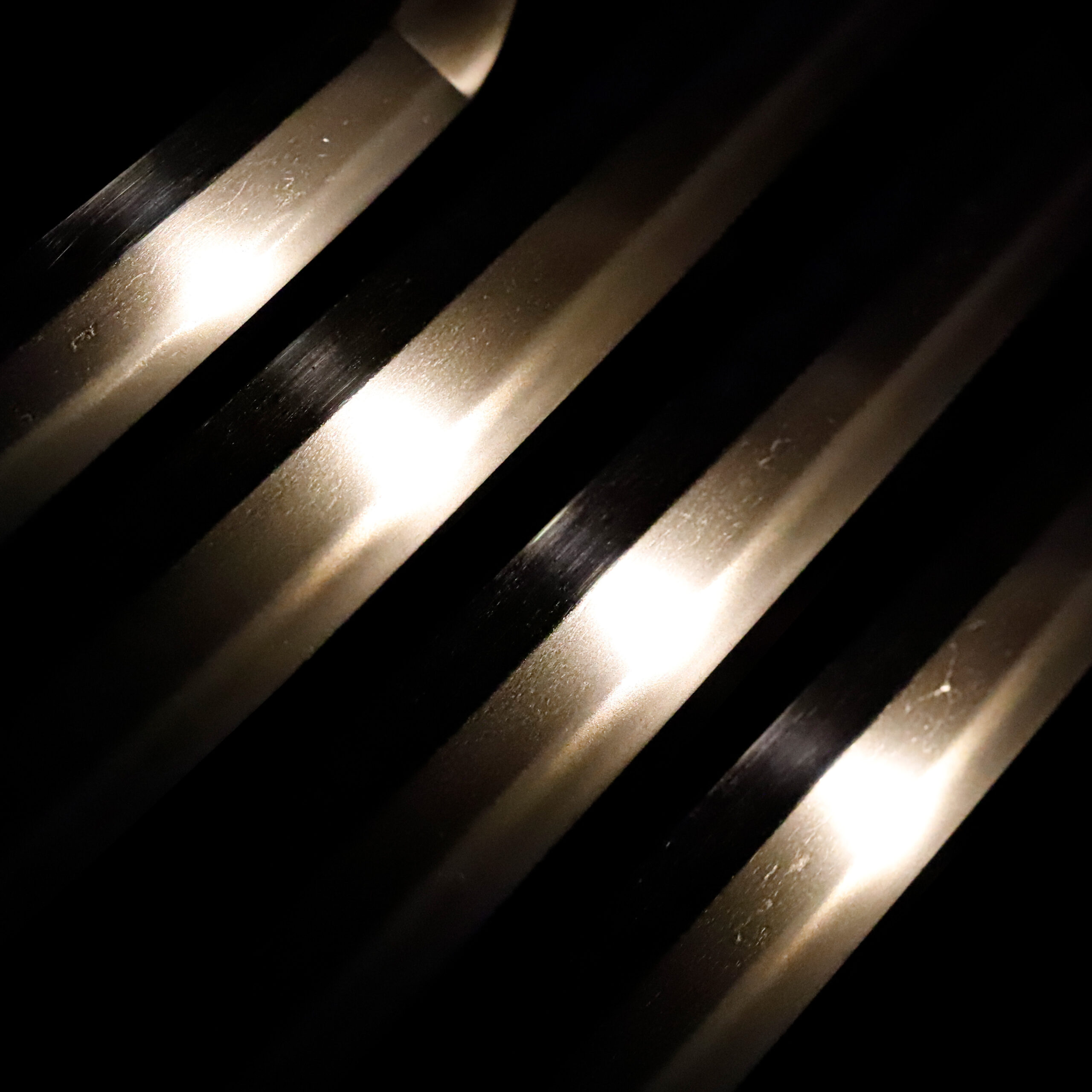
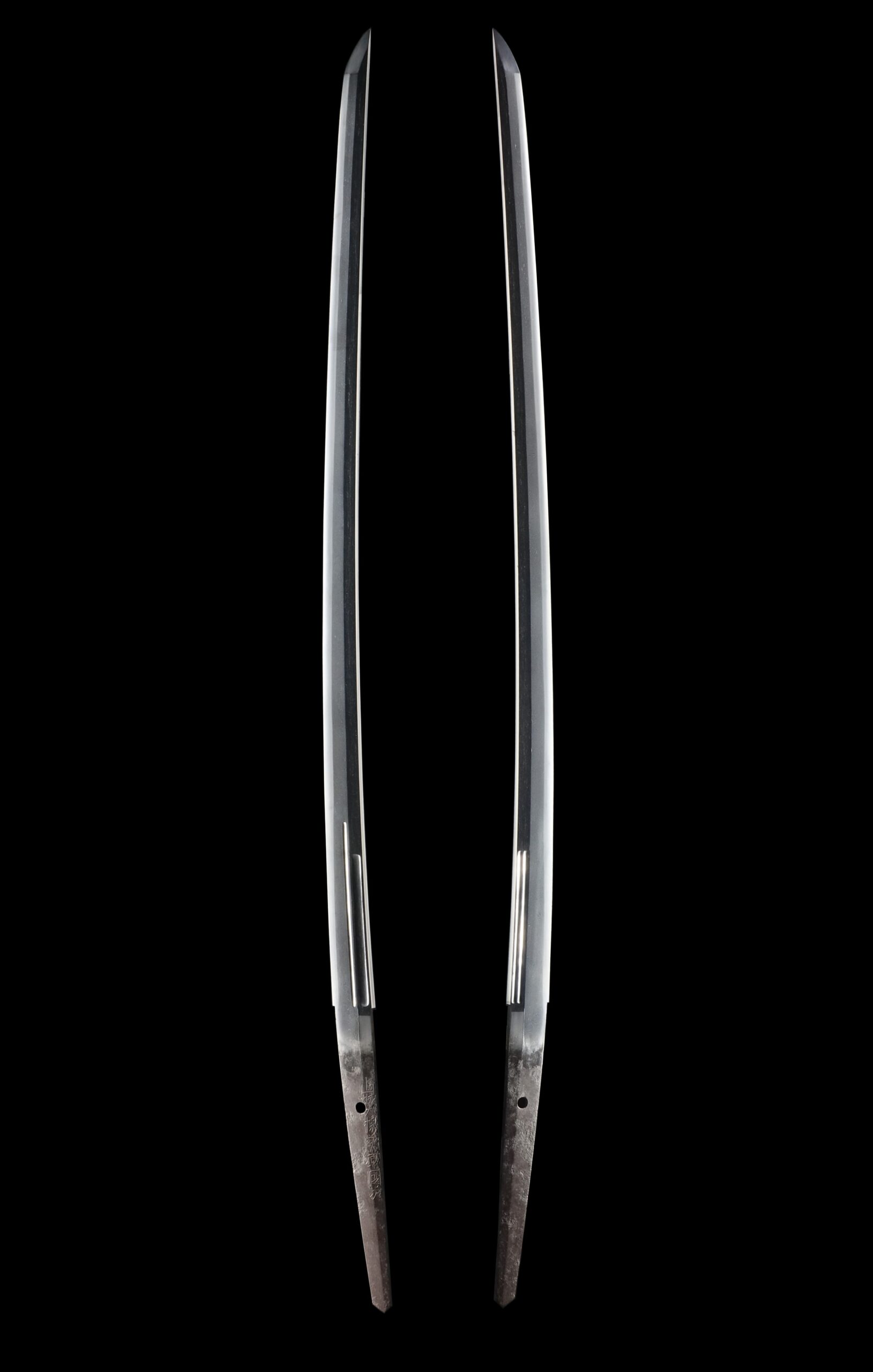
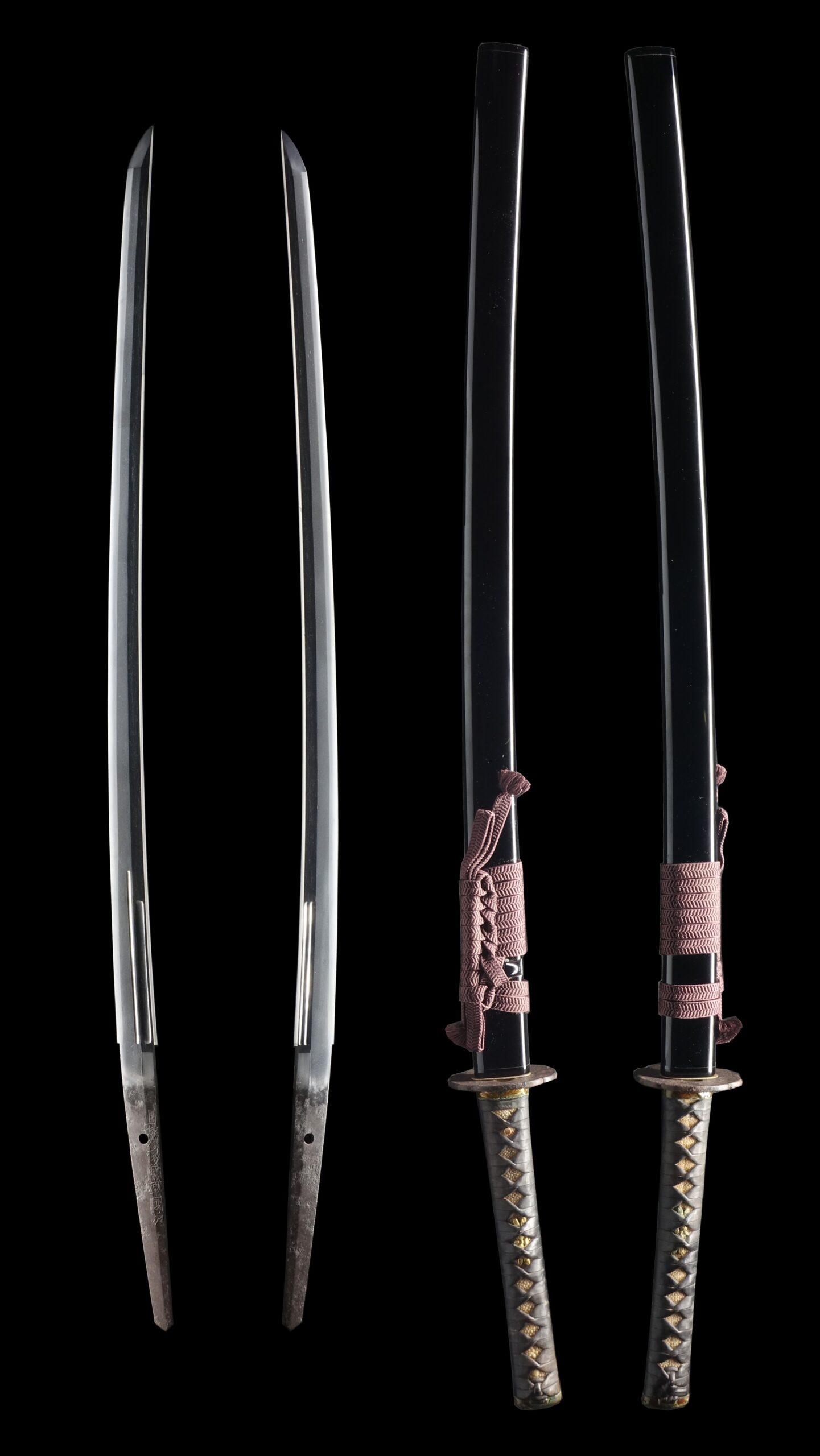
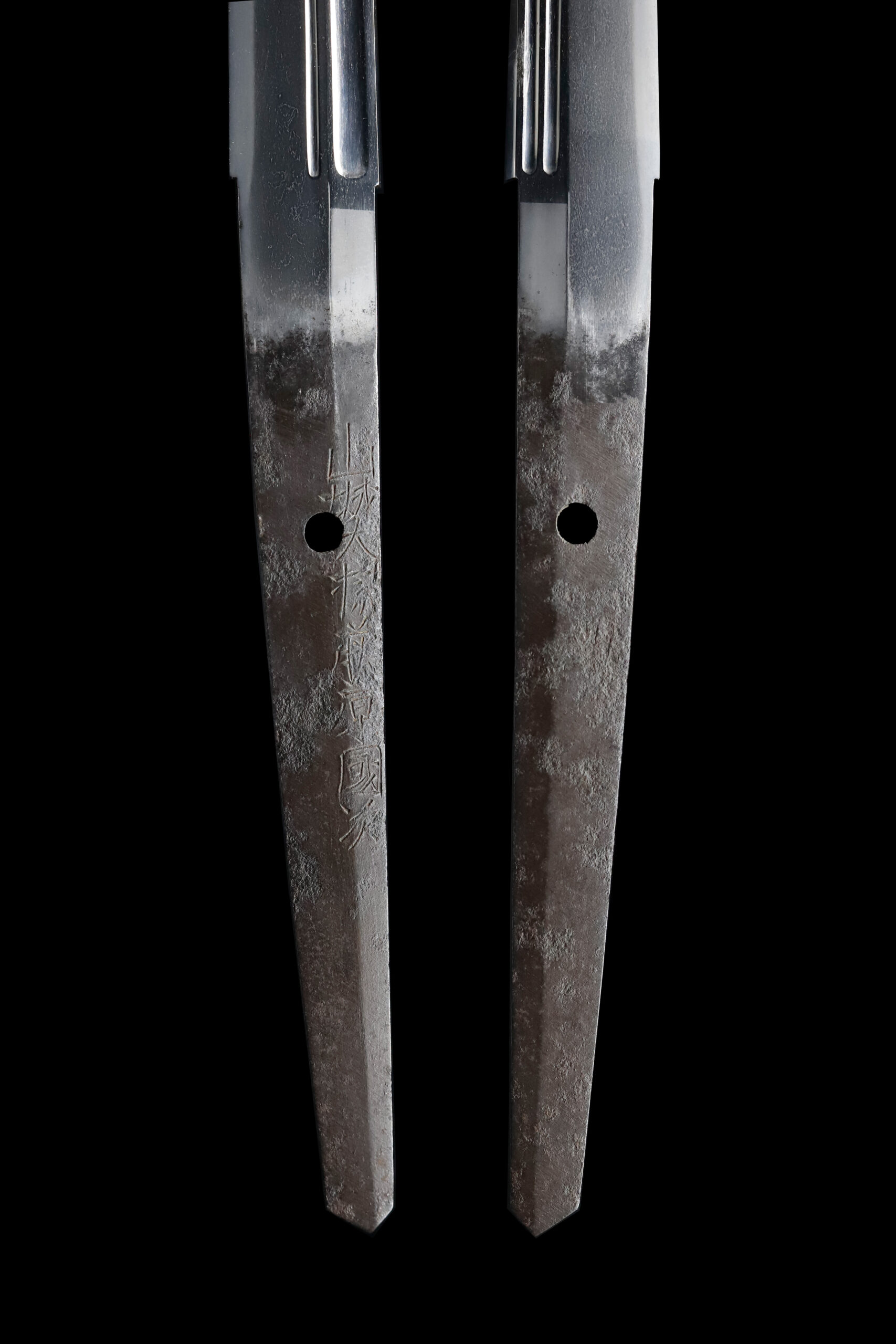
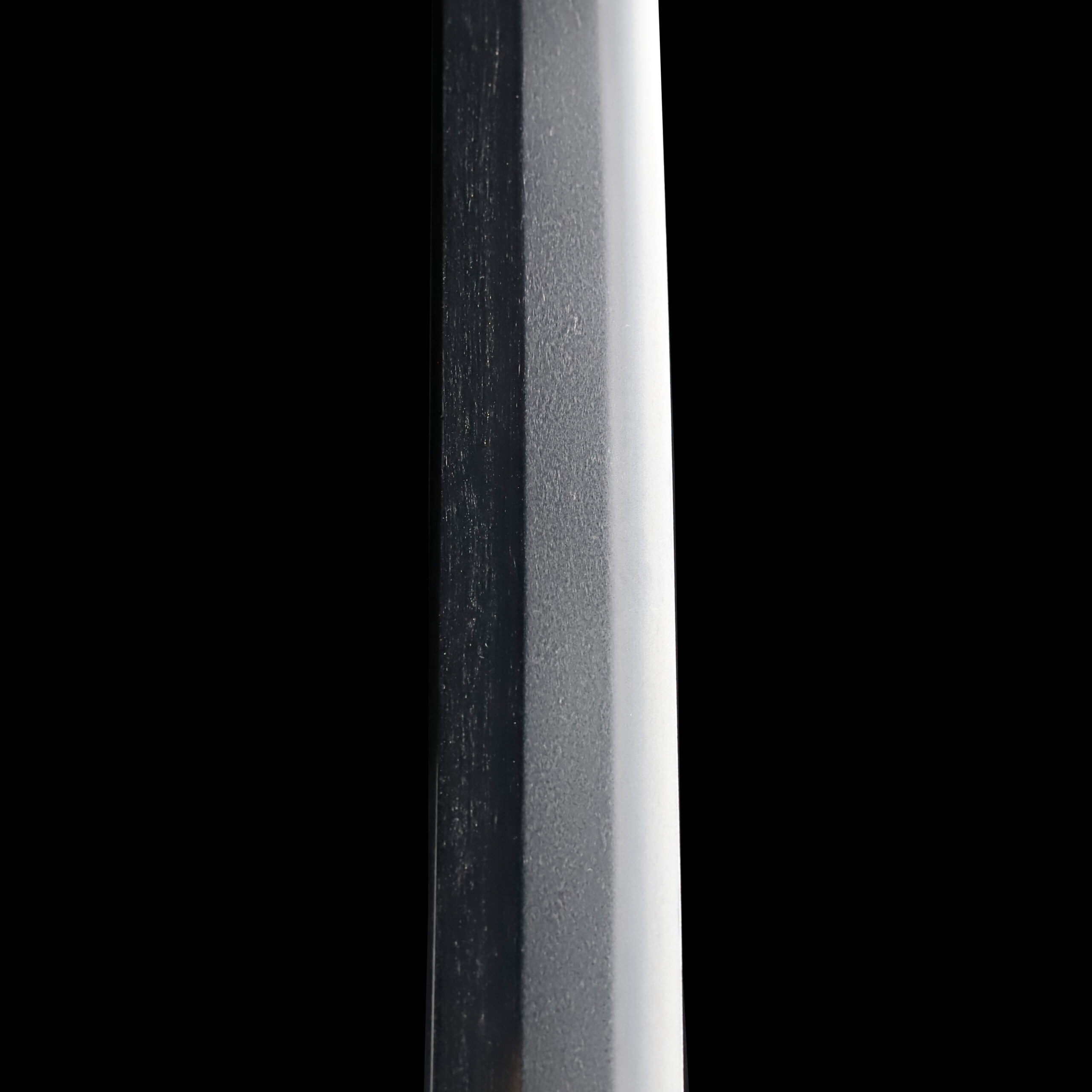
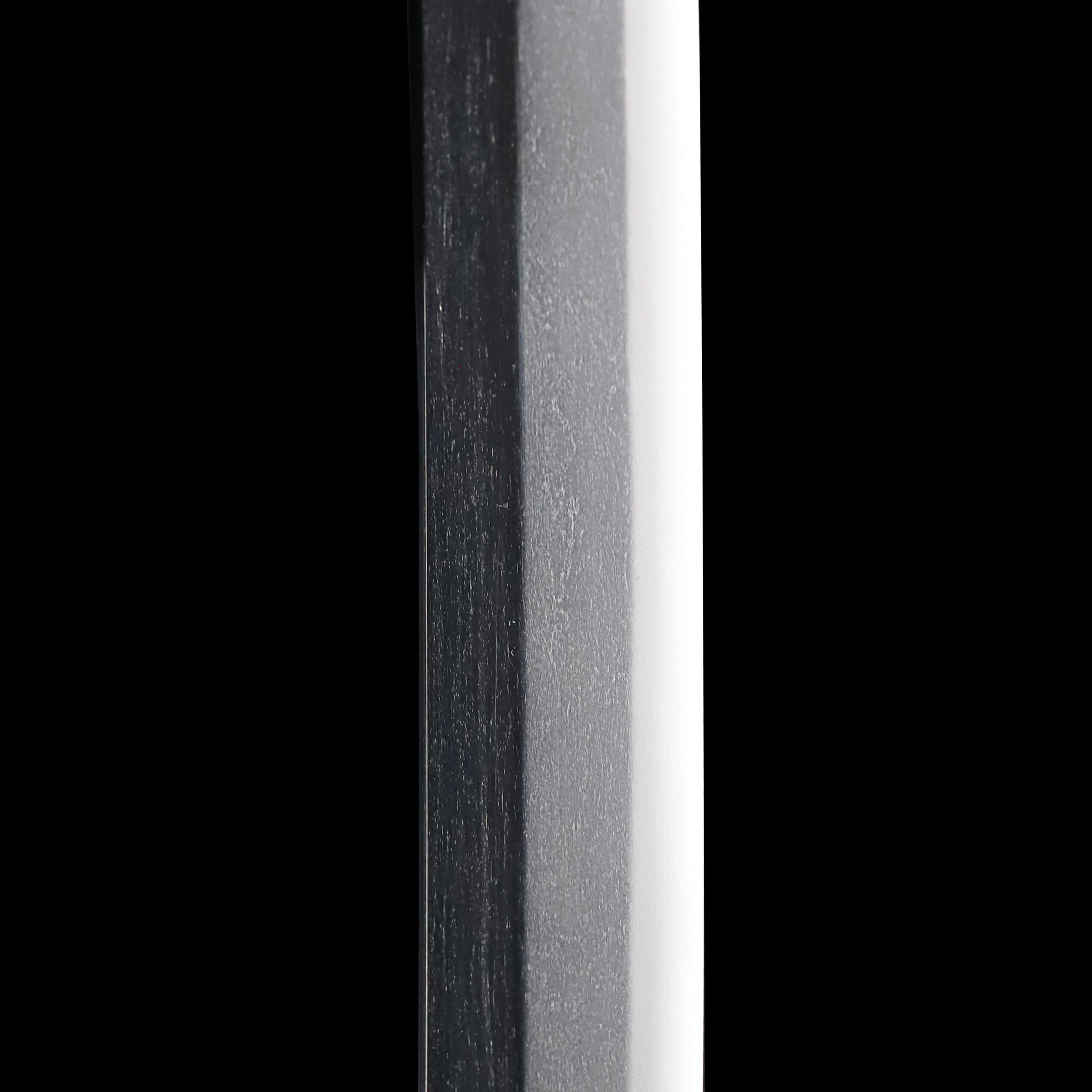
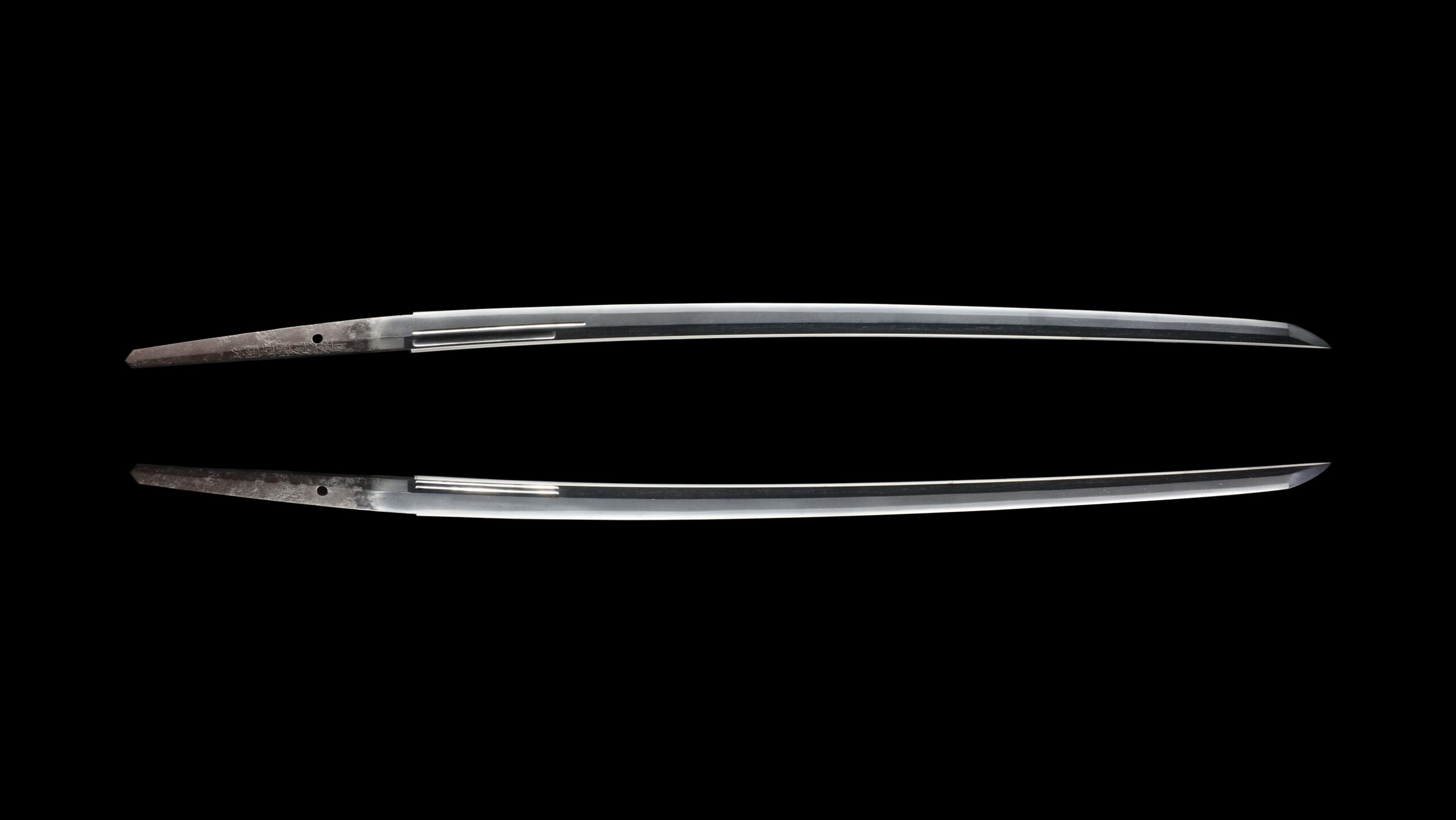
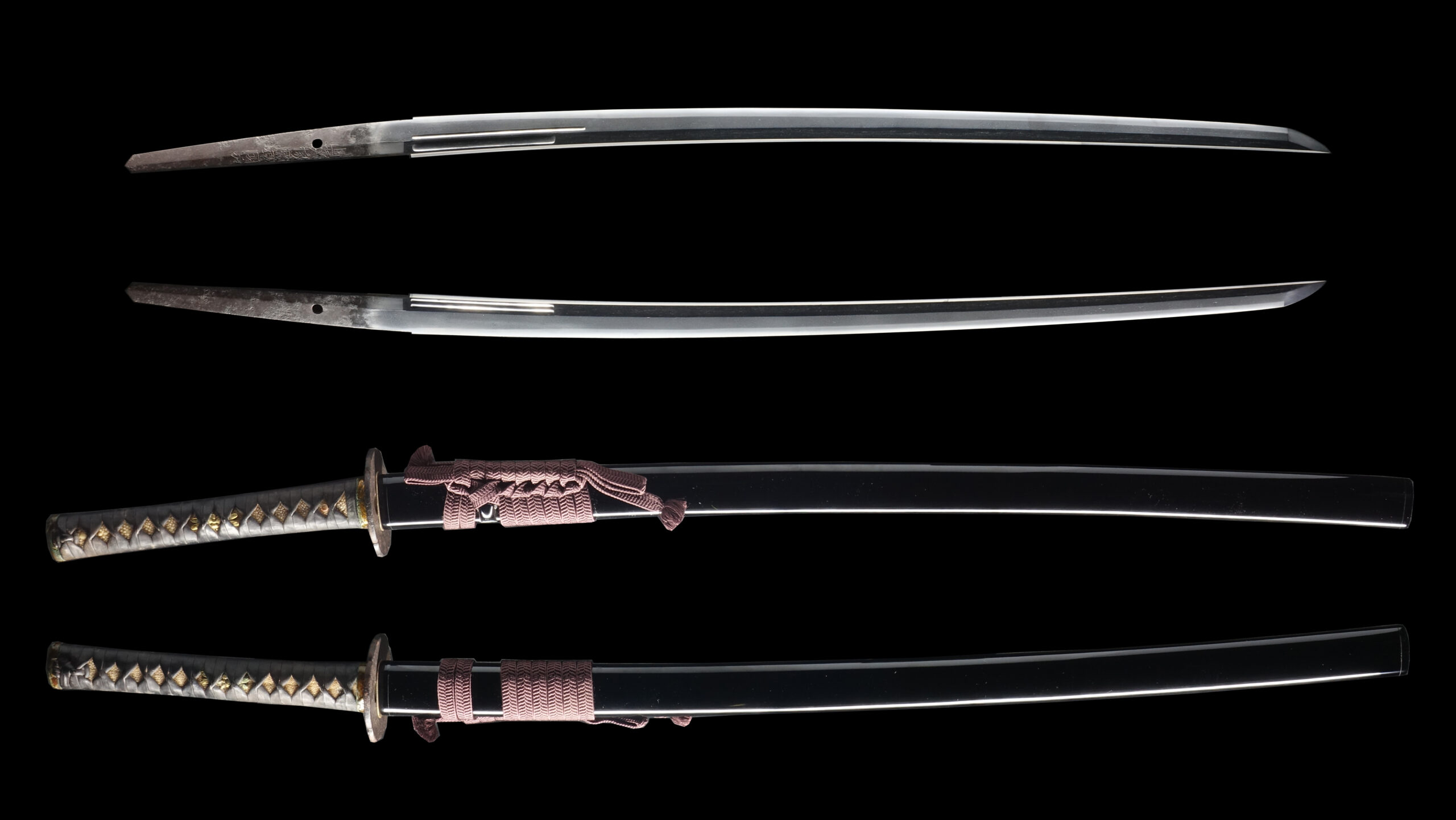
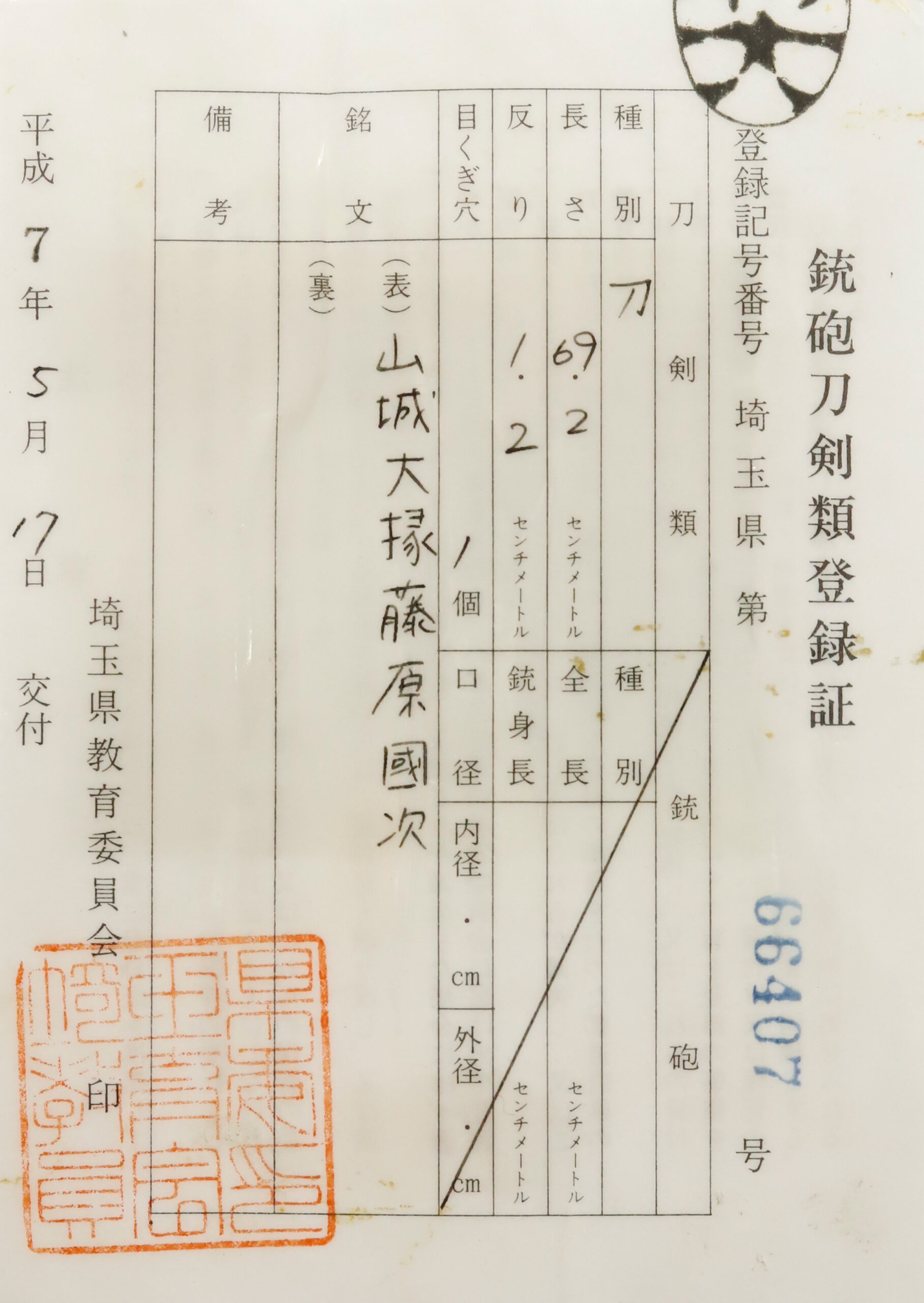
Antique Japanese Sword Katana Signed by Fujiwara Kunitsugu NBTHK Tokubetsu Hozon Certificate
売却済
世界81社の刀剣商を横断追跡 · 価格履歴 · 売却アーカイブ
仕様
69.2 cm
1.2 cm
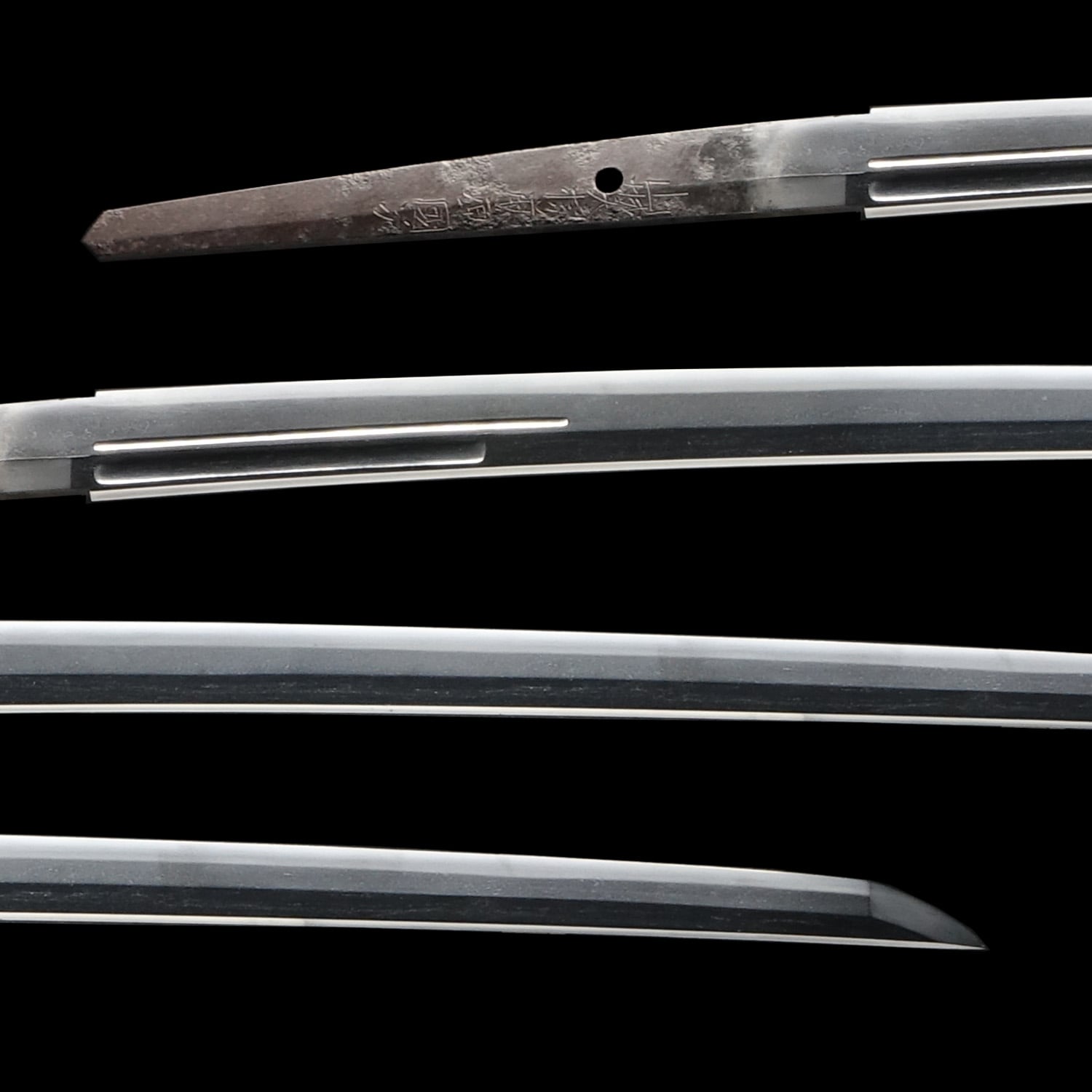
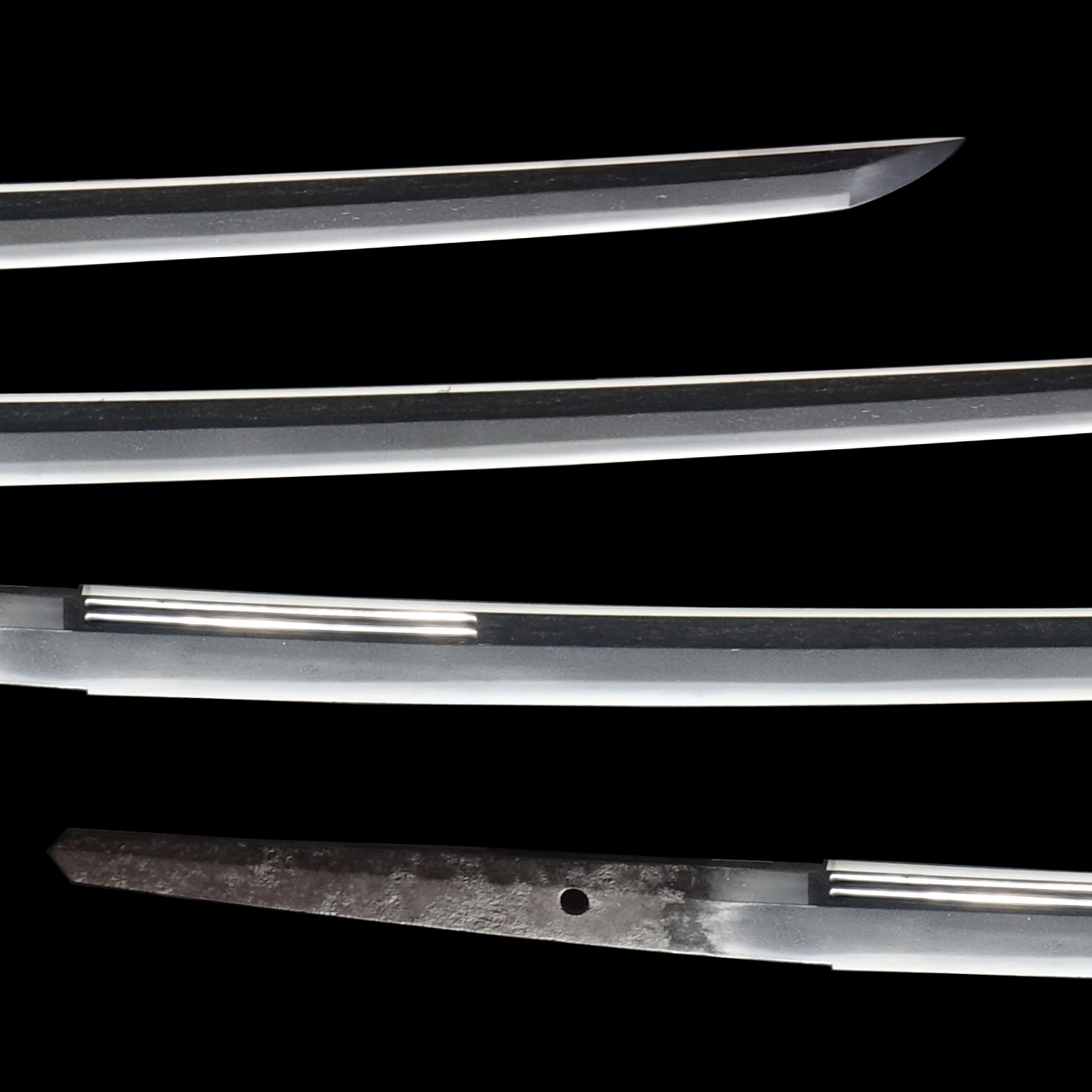
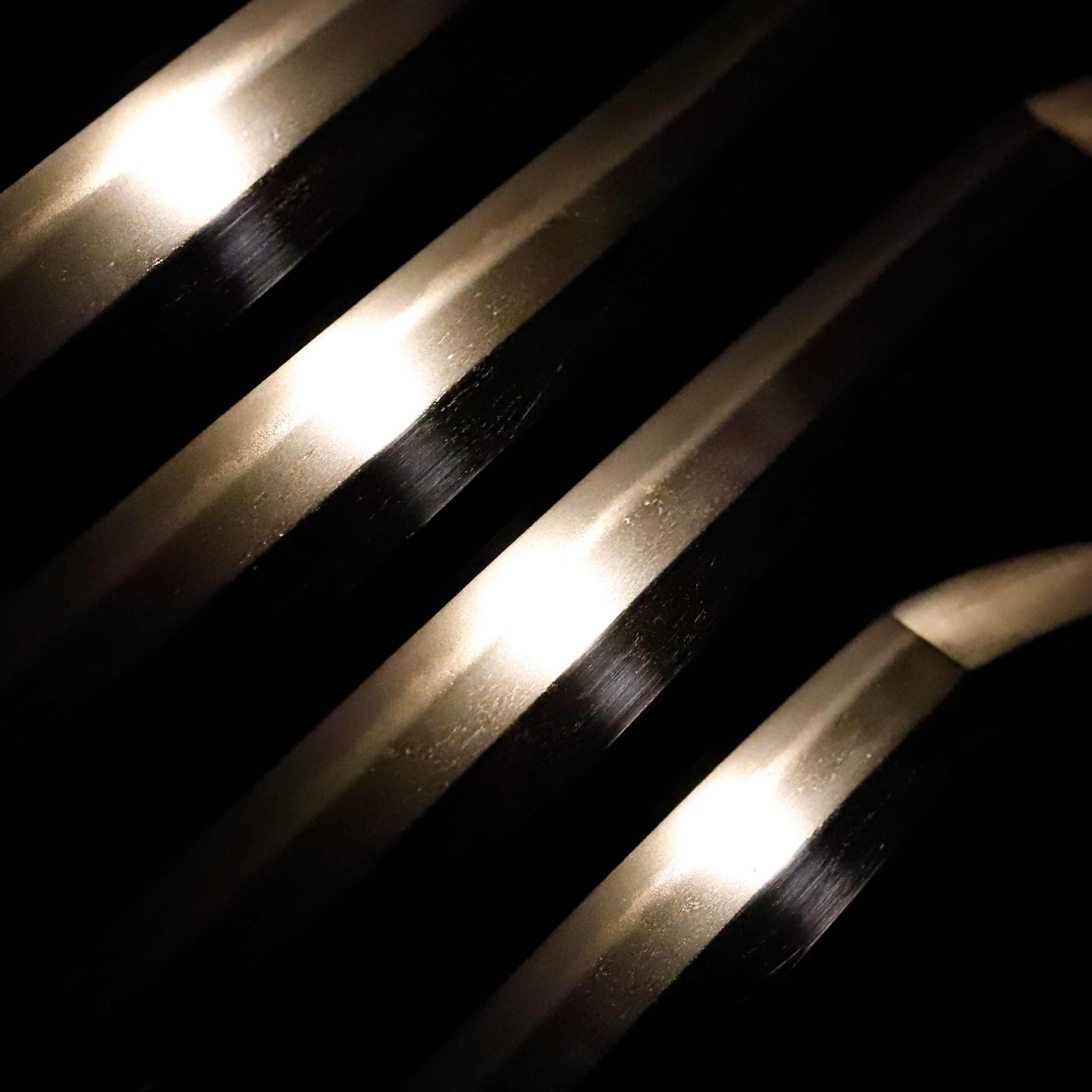
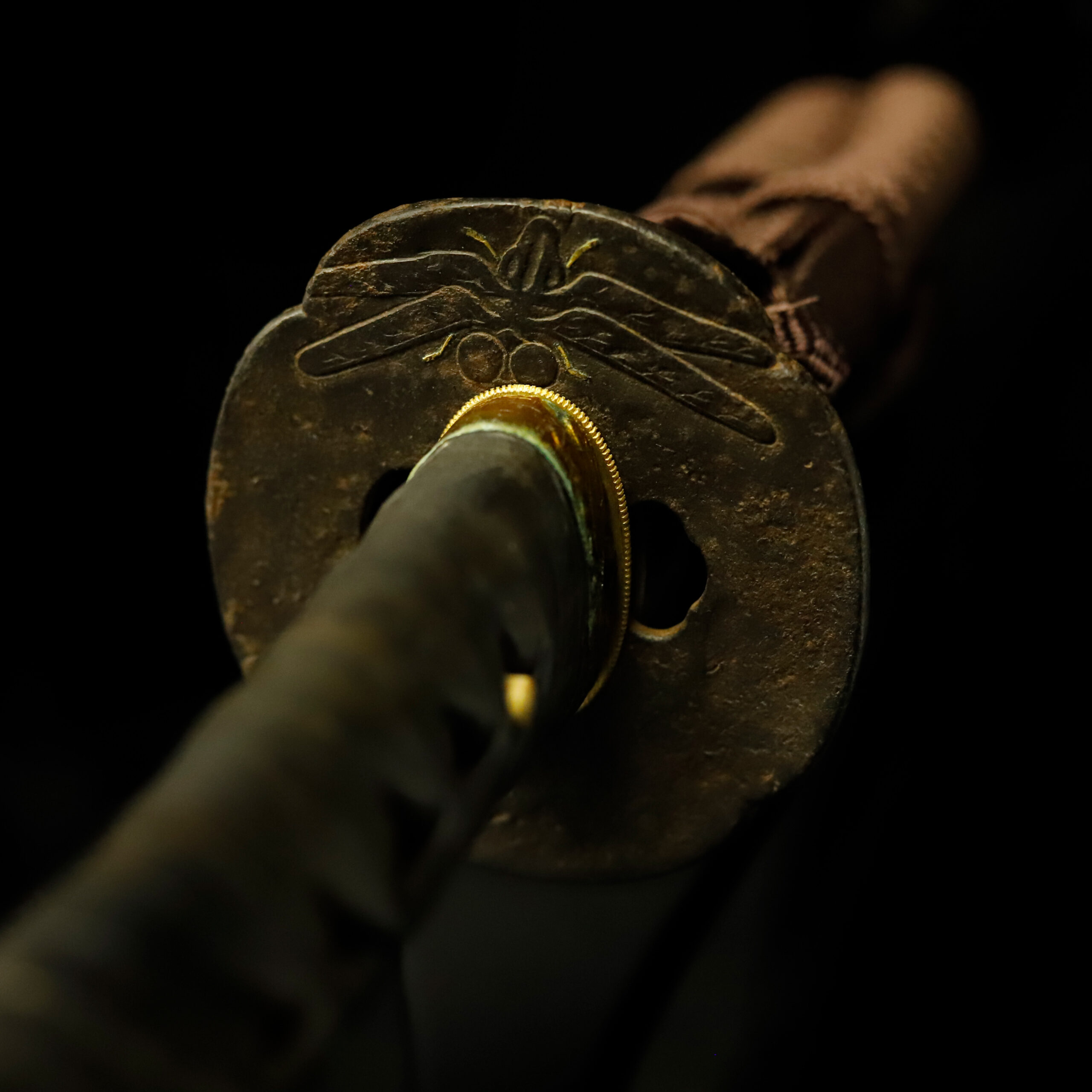
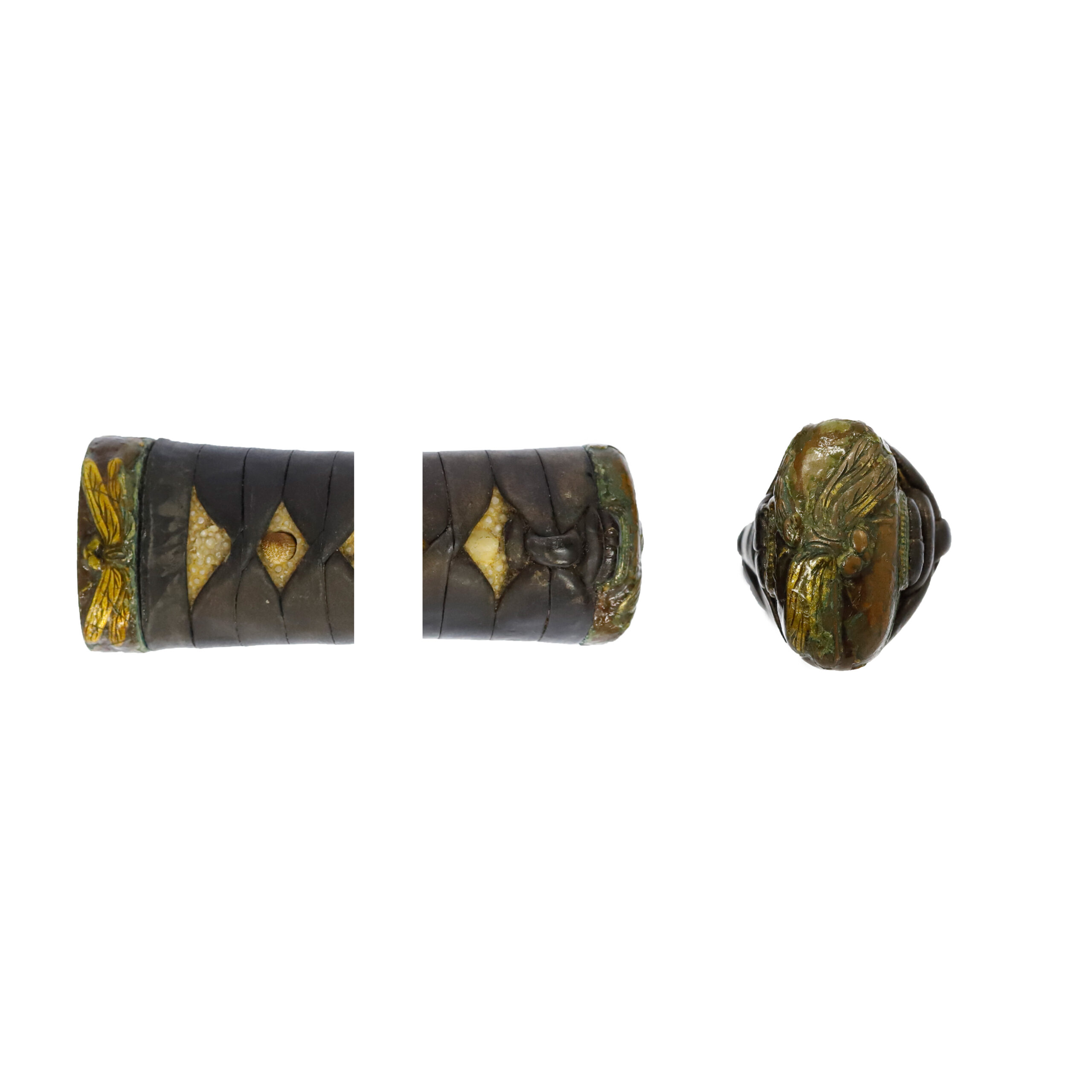
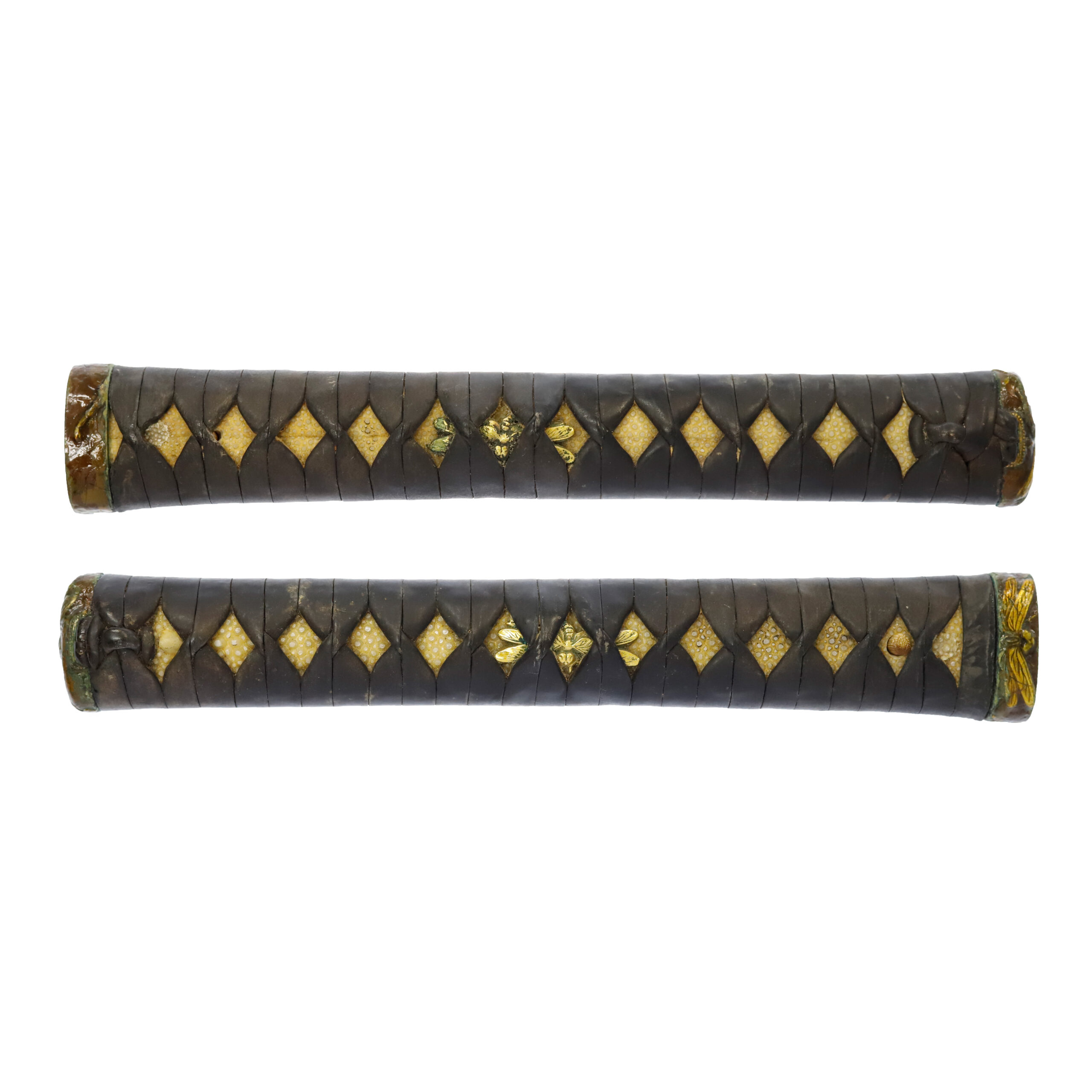
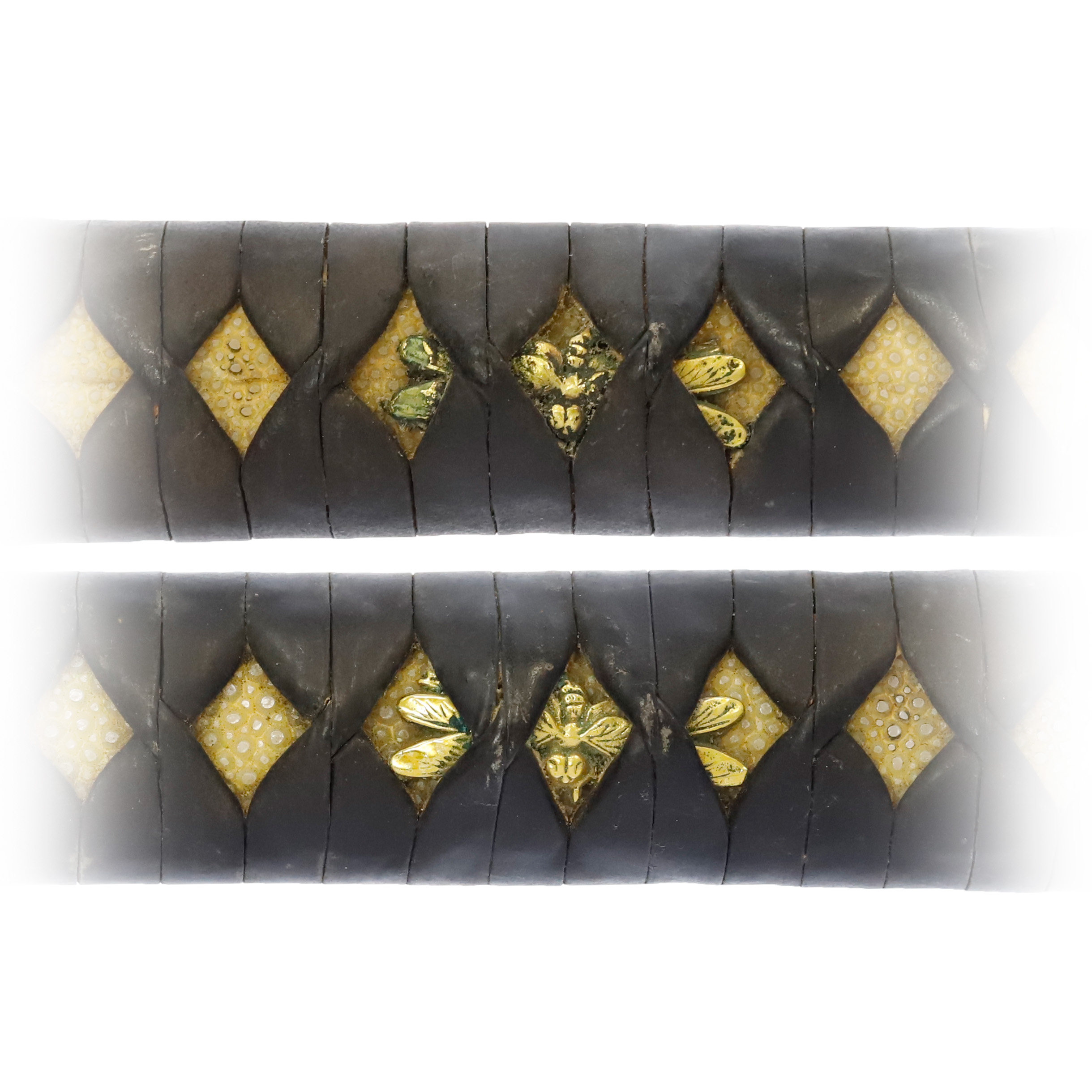
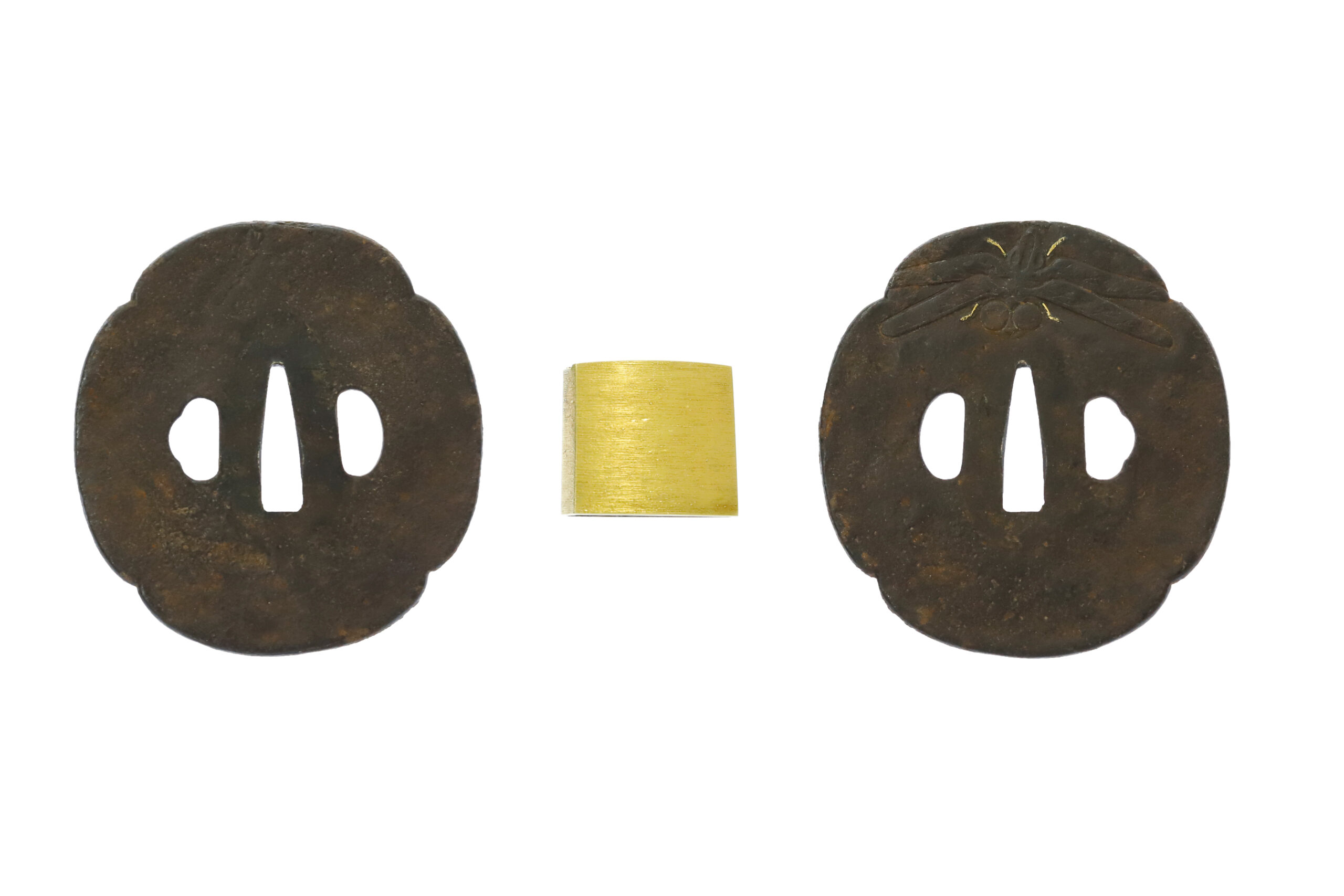
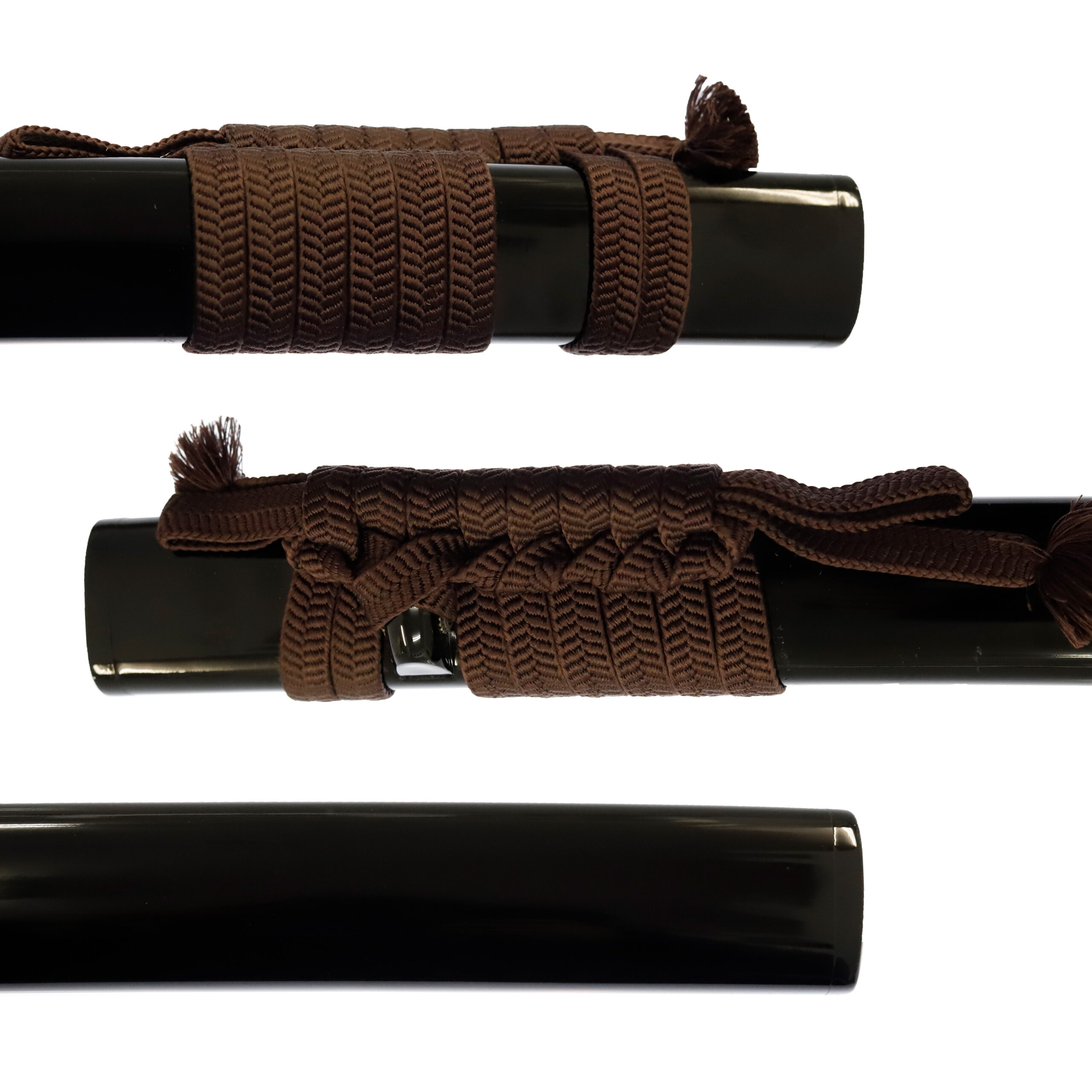
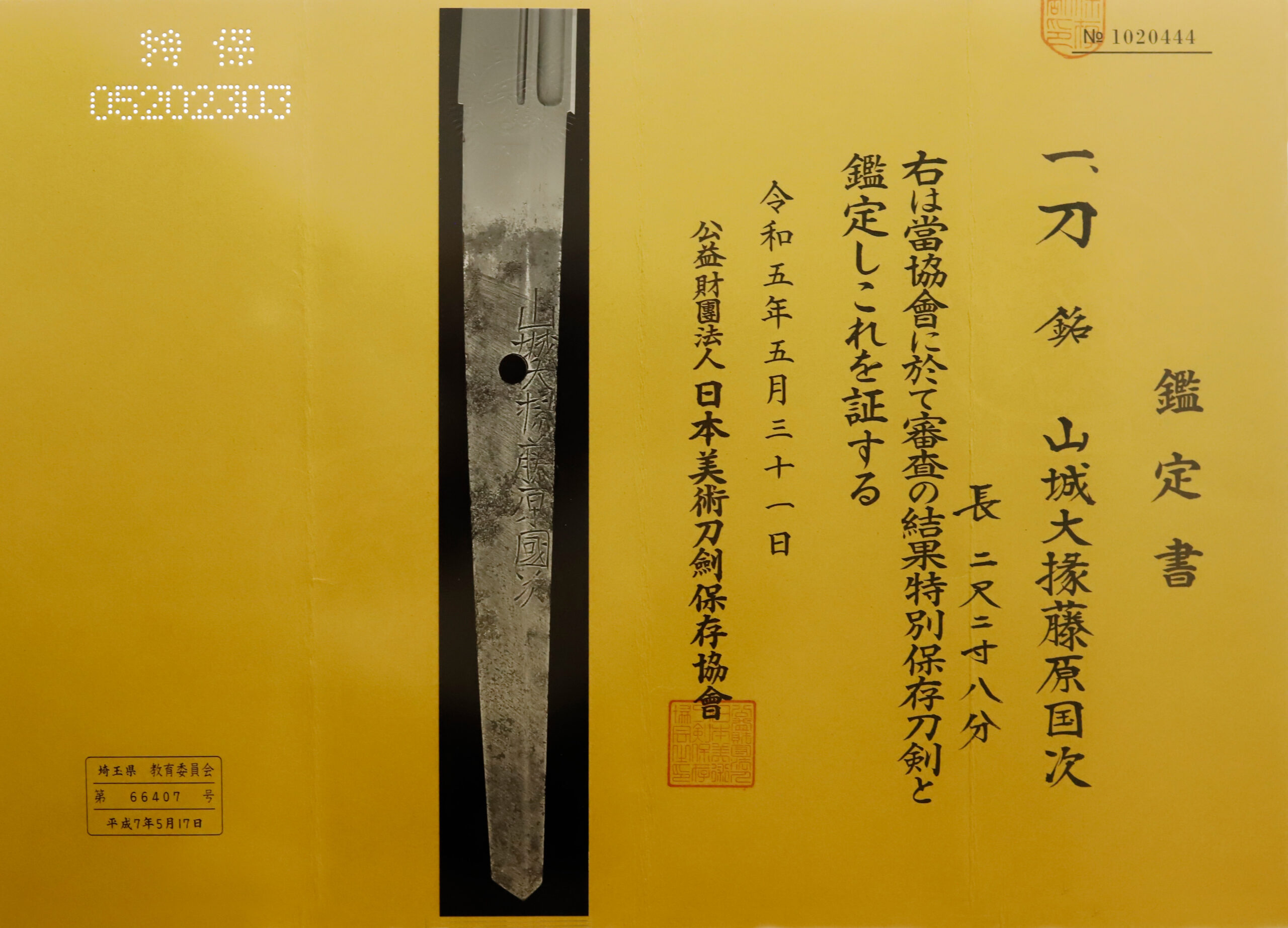
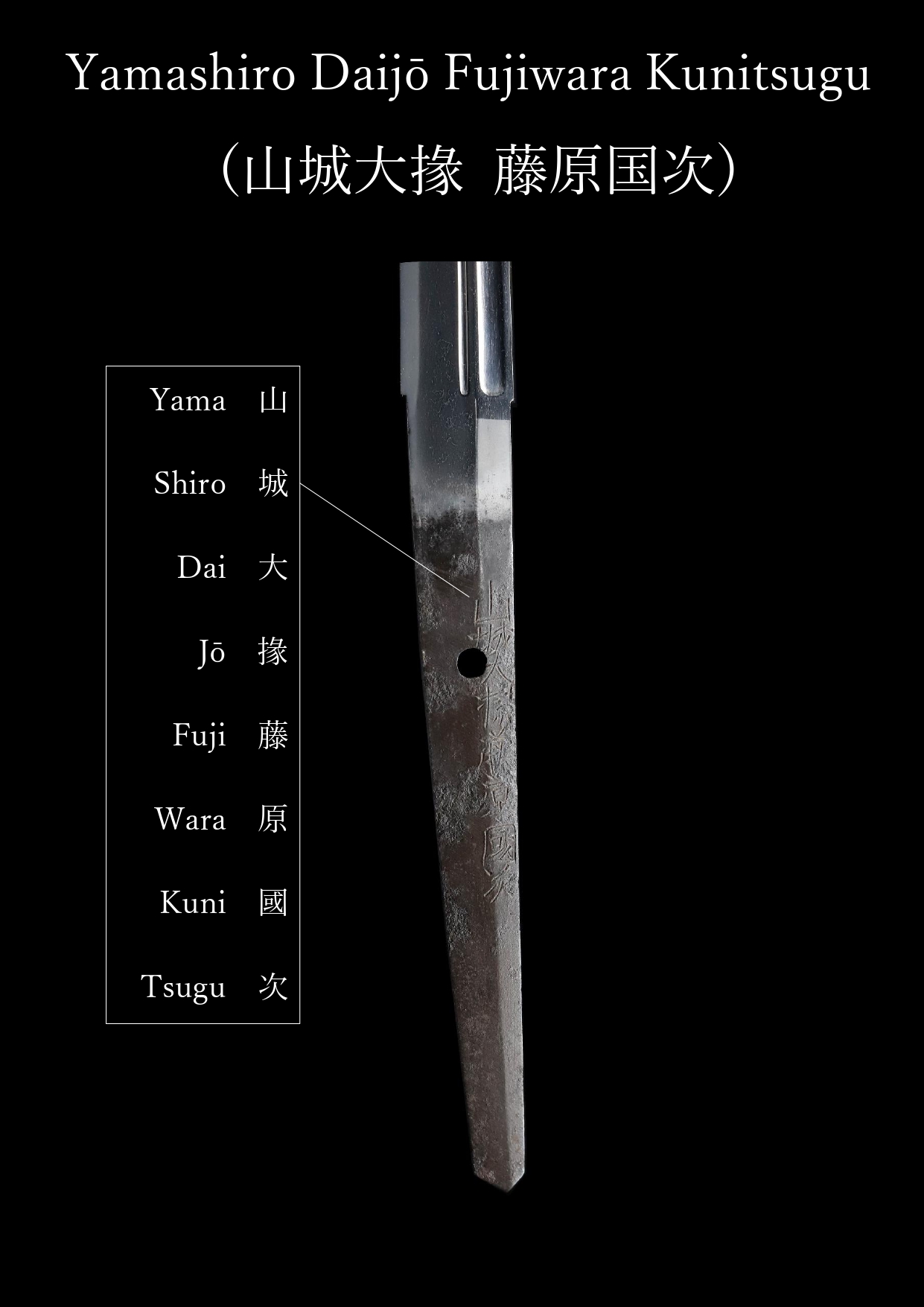
Antique Japanese Sword Katana Signed by Fujiwara Kunitsugu with Tokubetsu Hozon Certificate 【Description】 Summary This blade was signed by Yamashiro Daijo Fujiwara Kunitsugu(山城大掾藤原国次) during the early Edo period. It is said that Kunitsugu was the first son of Yamato Daijo Masanori. Kunitsugu belonged to Echizen Shimosaka school in Echizen province (Today’s Fukui prefecture). His birth name was Yamada Hichiroheibei, and he was born in the 8th year of the Eiroku era (1565). He was especially active during 1615-1628. The maker’s name, Kunitsugu, lasted three generartions. And, we believe this blade was made by the firs-gen Kunitsugu. Yamato Daijo Masanori (His father) It is said that Masanori was a descendant of Yamashiro koku Sanjyo Yoshinori(山城国三条吉則), one of the most famous swordsmiths during the Muromachi period(Prior to Edo period).After learning the sword-forging technique from his father, Norimitsu(則光) in Miyatsu city, Norimitsu, he moved to Kyoto city. Masanori eventually was noticed and supported by Matsudaira Hideyasu, the third son of Tokugawa Ieyasu, the founder of the Edo government. Hideysu was the feudal lord of Echizen province during the early Edo period. He then moved to Echizen province to serve the Matsudaira clan. He became an Okakaekaji for Matsudaira Tadanao(松平忠直), who was the first son of Matsudaira Hideyasu. An Okakaekaji means those who exclusively forged swords for specific Samurai or clan. It was honorable for any makers to serve this position back then. He also received an official title of Yamato Daijyo from the emperor for his excellent craftsmanship. Echizen province Echizen Province was famous for forging razor-sharp, practically designed swords. The Edo government, run by the Tokugawa clan, ordered many blades from the swordsmiths in this province during the Edo period(1603-1868). It is appraised as a Tokubetsu Hozon Token (特別保存刀剣) issued by NBTHK(Nihon Bijutsu Touken Hozon Kyokai:日本美術刀剣保存協会). This authentication paper was only given to authentic Japanese swords, especially well preserved and high quality with artistic value. 【 Blade】 Cutting Edge Length(Nagasa) : 69.2 cm (27.2 inches) Curvature(Sori) : 1.2 cm ( 0.47 inches) Hamon : The crystalline structure which forms along the cutting edge of a blade as a result of the hardening process Jimon(Jihada) : visible steel surface pattern created by folding and hammering during forging process Nakago : Nakago is the tang of the Japanese sword. Japanese swordsmiths left the black rust on the tang because it prevents red rust while the tang is in its handle. And the discoloration of the tang was created over time, and it is a great indicator for a Japanese sword specialist to estimate when the sword was forged. Koshirae: Koshirae is the mounting of the Japanese sword. There are several parts that consist of Koshirae such as Saya(Scabbard), Tsuka(Handle), Tsuba(Handguard). The Fuchi Kashira, Menuki, and Tsuba, the sword mountings of this Katana’s Koshirae have the same motif: Tonbo (蜻蛉, dragonfly). Dragonflies inhabited since a long time ago in Japan. As they bag preys quickly, its heroic figure was sometimes the object of belief. During the Warring States period, the dragonfly was called the Kachimushi (勝ち虫, winning insect) because of its fearless character. Dragonflies fly around fast to catch pests, moving only forward, not backward. Therefore, people thought the behaviors of this insect showed the spirit of Futaiten (不退転); it is a state of mind or a state in which a person has some conviction and does not give in to difficulties. It is very persuasive that Samurai warriors cherished this design as an auspicious motif because of the spirit that Samurai should be prepared for the battlefields. Not only for sword mountings, dragonfly patterns were also incorporated into various items such as helmets, armor, battle coats, etcetera. Above all, the dragonfly patterns combined with arrows and iris flowers were pleased. Allow was once one of the Samurai’s pr

売却済
世界81社の刀剣商を横断追跡 · 価格履歴 · 売却アーカイブ
69.2 cm
1.2 cm

Mid Edo Katana signed by Tanba no Kami Yoshimichi for sale| Samurai Museum Shop E-mail FB Messenger Skip to content Menu Close Samurai Museum Shop Products Antique Japanese Sword Katana signed by Tanba no Kami Yoshimichi NTHK Kanteisho Certificate Updated: 22 Jun 2026 Antique Japanese Sword Katana signed by Tanba no Kami Yoshimichi NTHK Kanteisho Certificate
$7,441

Muromachi Katana signed by Naminohira Yasuhide for sale
$7,751

Early Edo Nihonto signed by Shigetaka for sale
$7,131

Antique Japanese Sword Katana Signed by Masahiro NBTHK Tokubetsu Hozon Certificate
$7,751
Antique Japanese Sword Katana Signed by Fujiwara Kunitsugu with Tokubetsu Hozon Certificate 【Description】 Summary This blade was signed by Yamashiro Daijo Fujiwara Kunitsugu(山城大掾藤原国次) during the early Edo period. It is said that Kunitsugu was the first son of Yamato Daijo Masanori. Kunitsugu belonged to Echizen Shimosaka school in Echizen province (Today’s Fukui prefecture). His birth name was Yamada Hichiroheibei, and he was born in the 8th year of the Eiroku era (1565). He was especially active during 1615-1628. The maker’s name, Kunitsugu, lasted three generartions. And, we believe this blade was made by the firs-gen Kunitsugu. Yamato Daijo Masanori (His father) It is said that Masanori was a descendant of Yamashiro koku Sanjyo Yoshinori(山城国三条吉則), one of the most famous swordsmiths during the Muromachi period(Prior to Edo period).After learning the sword-forging technique from his father, Norimitsu(則光) in Miyatsu city, Norimitsu, he moved to Kyoto city. Masanori eventually was noticed and supported by Matsudaira Hideyasu, the third son of Tokugawa Ieyasu, the founder of the Edo government. Hideysu was the feudal lord of Echizen province during the early Edo period. He then moved to Echizen province to serve the Matsudaira clan. He became an Okakaekaji for Matsudaira Tadanao(松平忠直), who was the first son of Matsudaira Hideyasu. An Okakaekaji means those who exclusively forged swords for specific Samurai or clan. It was honorable for any makers to serve this position back then. He also received an official title of Yamato Daijyo from the emperor for his excellent craftsmanship. Echizen province Echizen Province was famous for forging razor-sharp, practically designed swords. The Edo government, run by the Tokugawa clan, ordered many blades from the swordsmiths in this province during the Edo period(1603-1868). It is appraised as a Tokubetsu Hozon Token (特別保存刀剣) issued by NBTHK(Nihon Bijutsu Touken Hozon Kyokai:日本美術刀剣保存協会). This authentication paper was only given to authentic Japanese swords, especially well preserved and high quality with artistic value. 【 Blade】 Cutting Edge Length(Nagasa) : 69.2 cm (27.2 inches) Curvature(Sori) : 1.2 cm ( 0.47 inches) Hamon : The crystalline structure which forms along the cutting edge of a blade as a result of the hardening process Jimon(Jihada) : visible steel surface pattern created by folding and hammering during forging process Nakago : Nakago is the tang of the Japanese sword. Japanese swordsmiths left the black rust on the tang because it prevents red rust while the tang is in its handle. And the discoloration of the tang was created over time, and it is a great indicator for a Japanese sword specialist to estimate when the sword was forged. Koshirae: Koshirae is the mounting of the Japanese sword. There are several parts that consist of Koshirae such as Saya(Scabbard), Tsuka(Handle), Tsuba(Handguard). The Fuchi Kashira, Menuki, and Tsuba, the sword mountings of this Katana’s Koshirae have the same motif: Tonbo (蜻蛉, dragonfly). Dragonflies inhabited since a long time ago in Japan. As they bag preys quickly, its heroic figure was sometimes the object of belief. During the Warring States period, the dragonfly was called the Kachimushi (勝ち虫, winning insect) because of its fearless character. Dragonflies fly around fast to catch pests, moving only forward, not backward. Therefore, people thought the behaviors of this insect showed the spirit of Futaiten (不退転); it is a state of mind or a state in which a person has some conviction and does not give in to difficulties. It is very persuasive that Samurai warriors cherished this design as an auspicious motif because of the spirit that Samurai should be prepared for the battlefields. Not only for sword mountings, dragonfly patterns were also incorporated into various items such as helmets, armor, battle coats, etcetera. Above all, the dragonfly patterns combined with arrows and iris flowers were pleased. Allow was once one of the Samurai’s pr

売却済
世界81社の刀剣商を横断追跡 · 価格履歴 · 売却アーカイブ
69.2 cm
1.2 cm

Mid Edo Katana signed by Tanba no Kami Yoshimichi for sale| Samurai Museum Shop E-mail FB Messenger Skip to content Menu Close Samurai Museum Shop Products Antique Japanese Sword Katana signed by Tanba no Kami Yoshimichi NTHK Kanteisho Certificate Updated: 22 Jun 2026 Antique Japanese Sword Katana signed by Tanba no Kami Yoshimichi NTHK Kanteisho Certificate
$7,441

Muromachi Katana signed by Naminohira Yasuhide for sale
$7,751

Early Edo Nihonto signed by Shigetaka for sale
$7,131

Antique Japanese Sword Katana Signed by Masahiro NBTHK Tokubetsu Hozon Certificate
$7,751