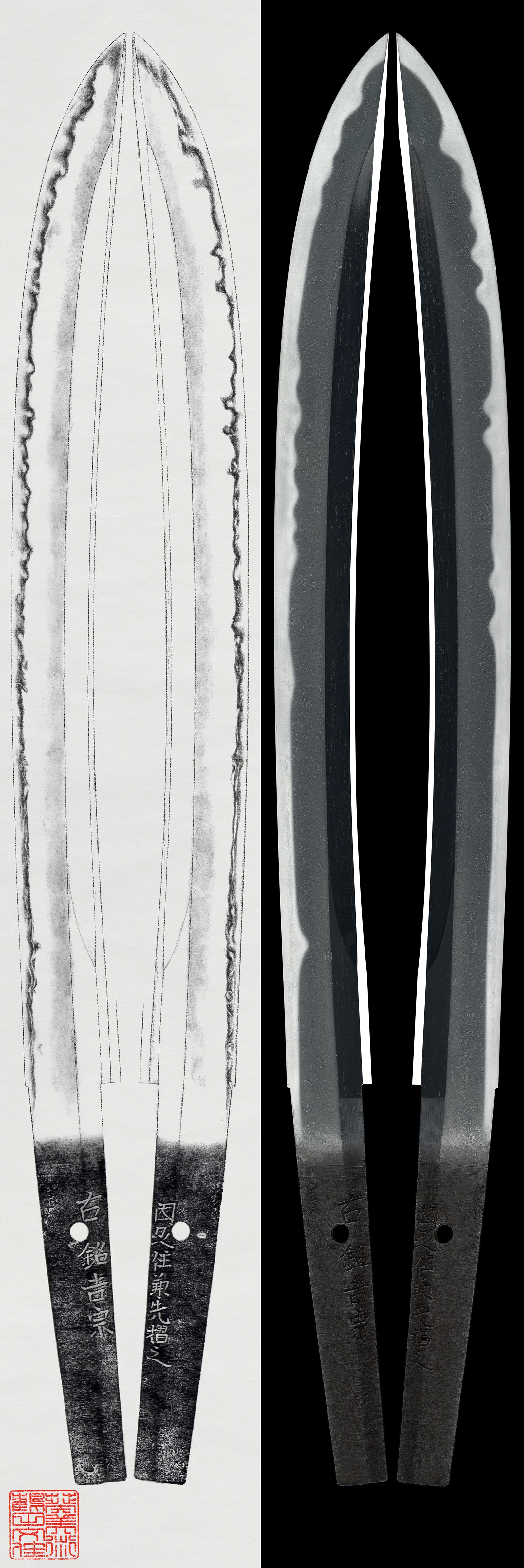
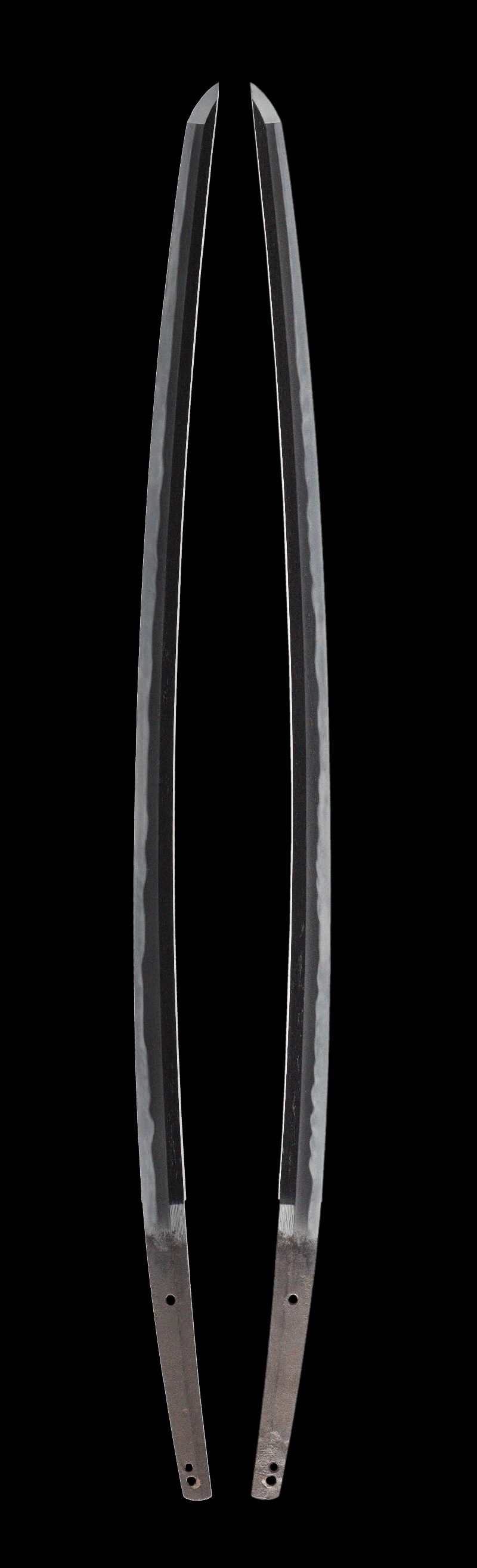
鎌倉時代は備前の頂点である。伝えでは一文字派の工が後鳥羽上皇の御番鍛冶に列し、世紀の半ばには光忠が長船派を興して、注文は公家からも武家政権からも流れ込んだ。国宝刀剣の数で備前に並ぶ国はない。
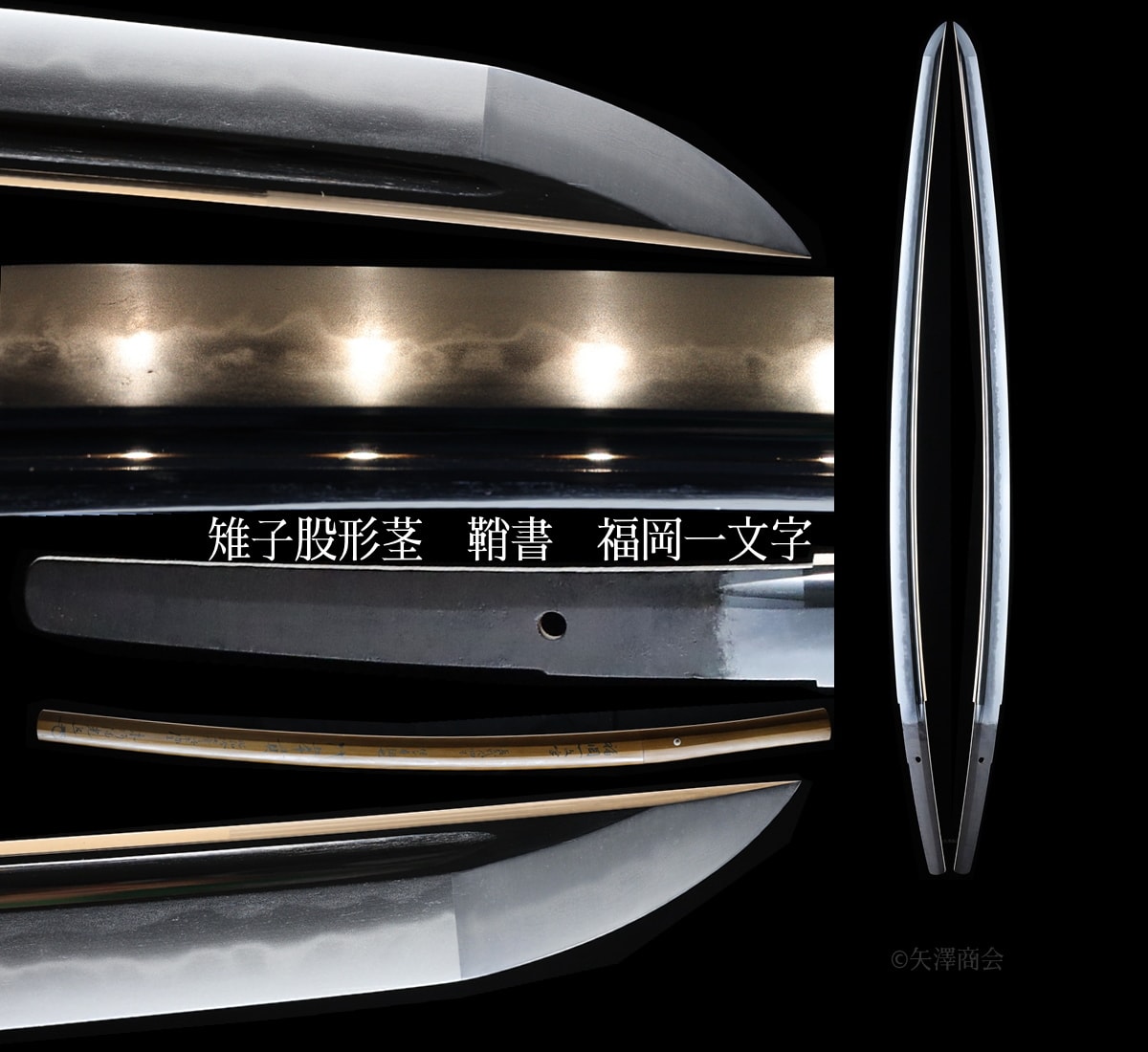
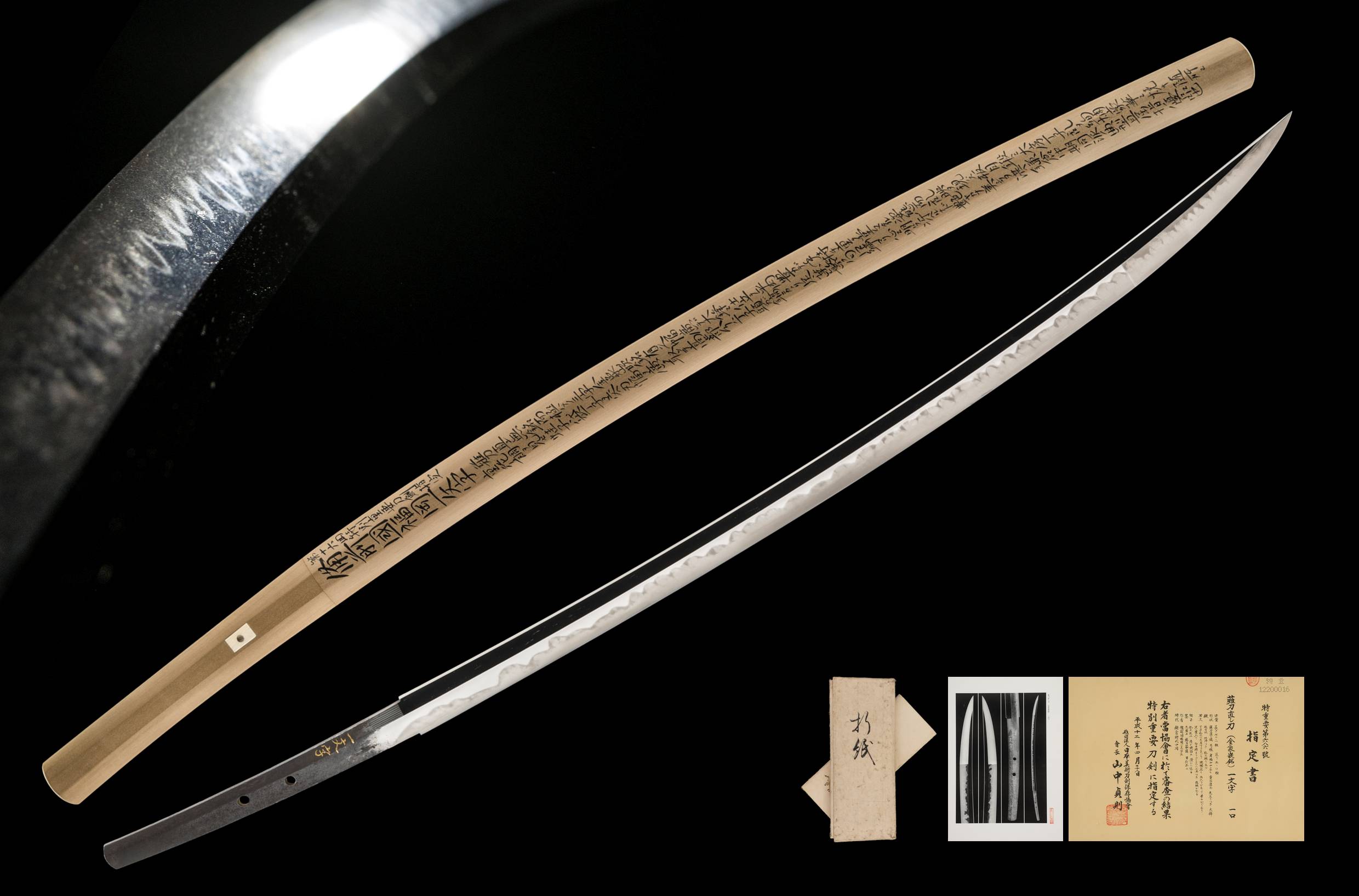
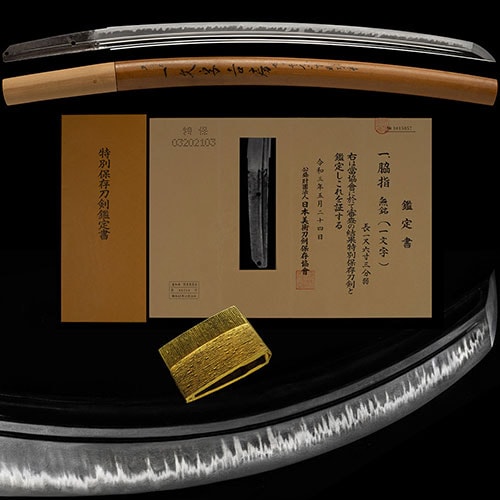
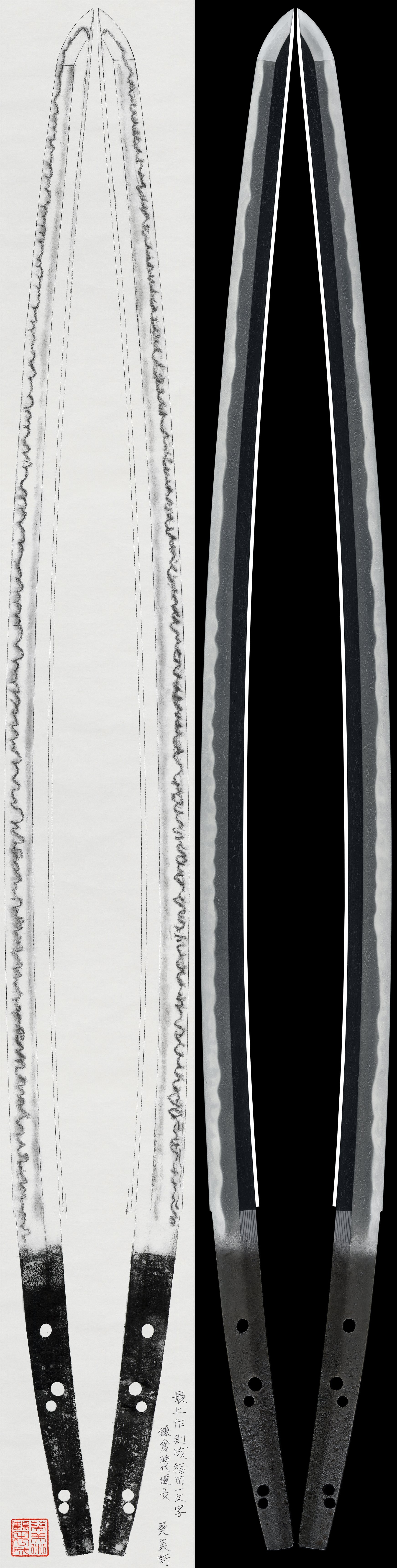
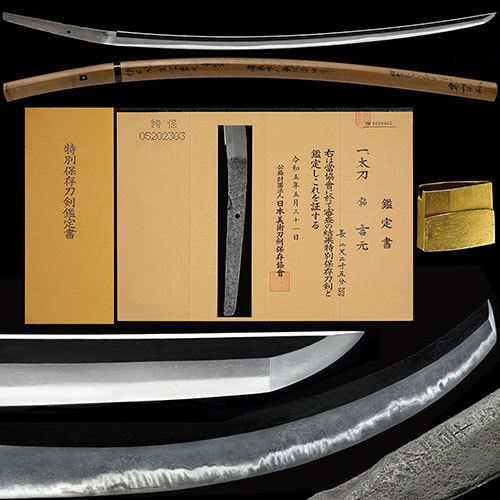
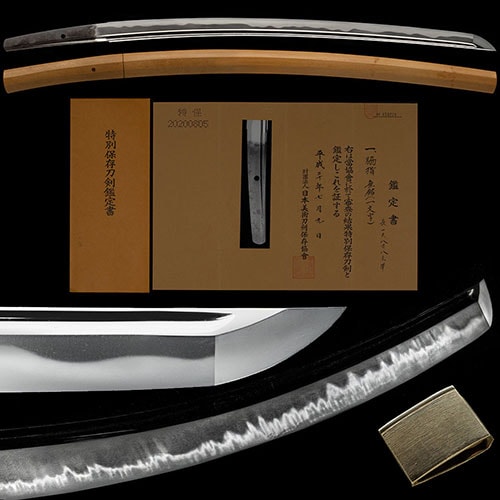
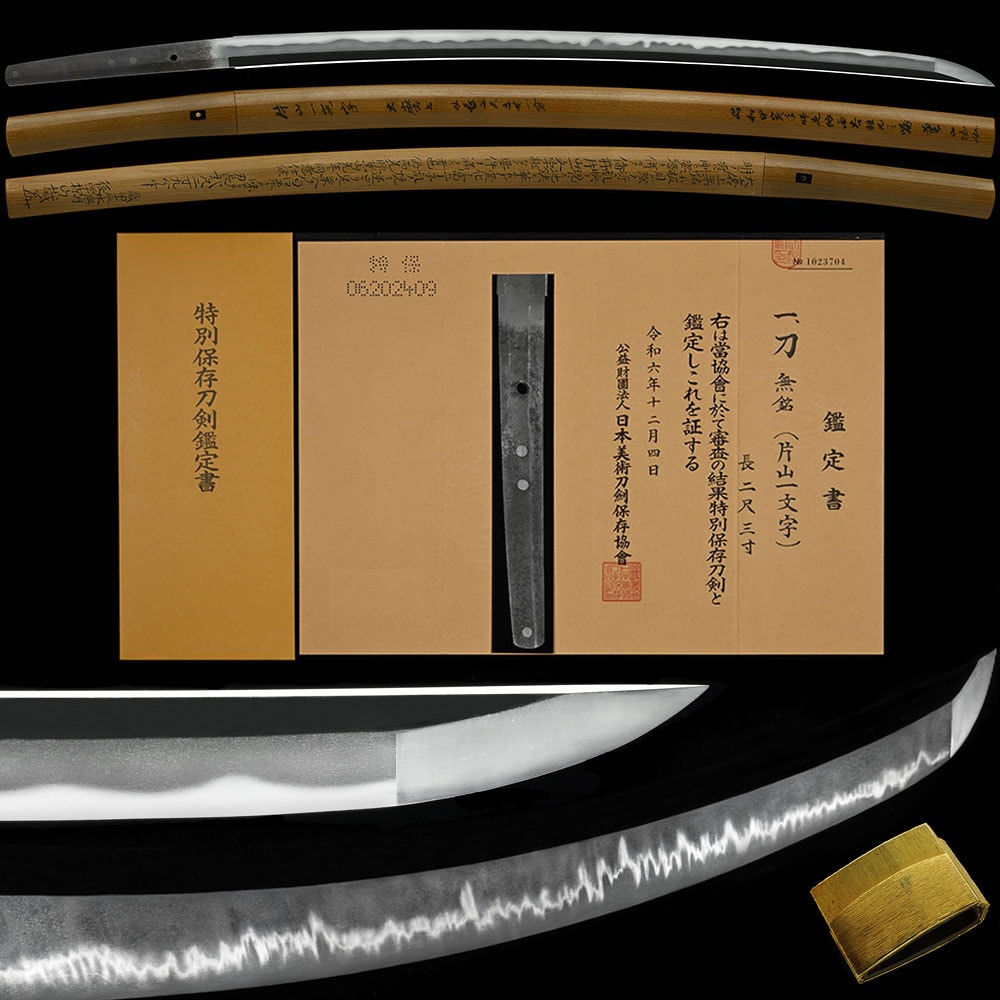
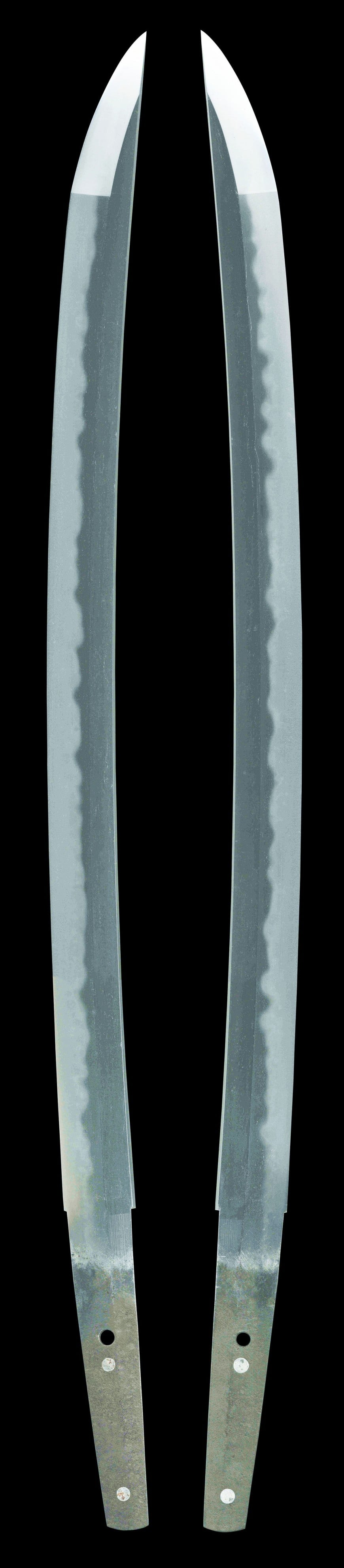
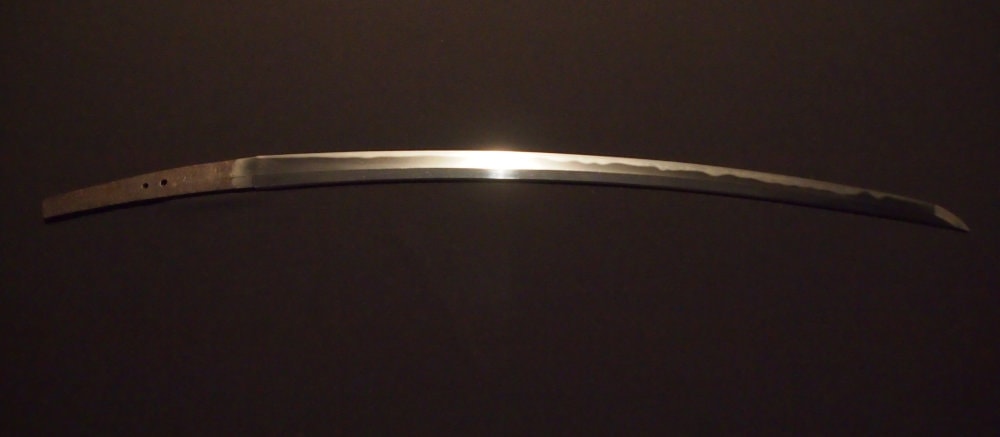
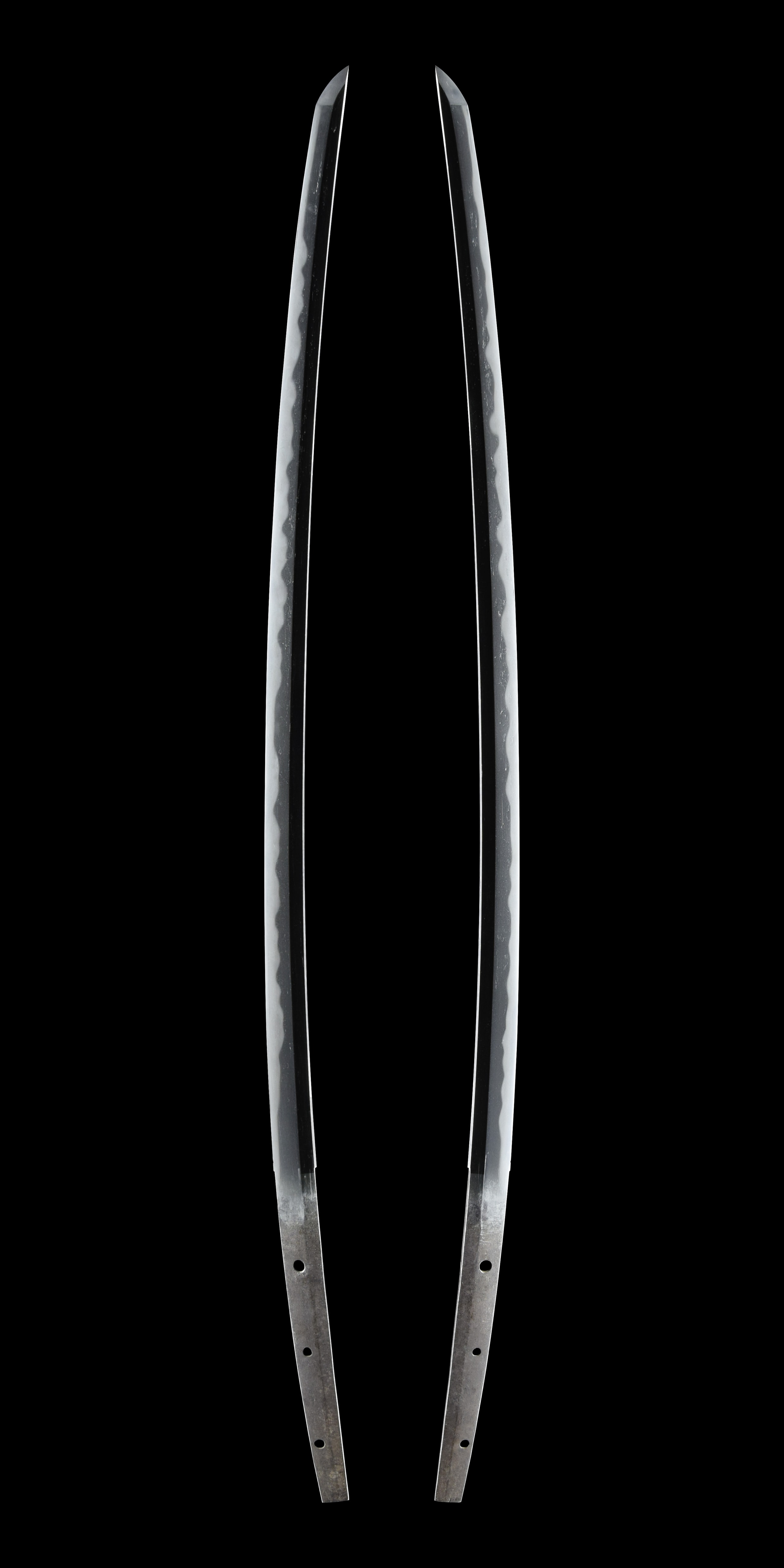
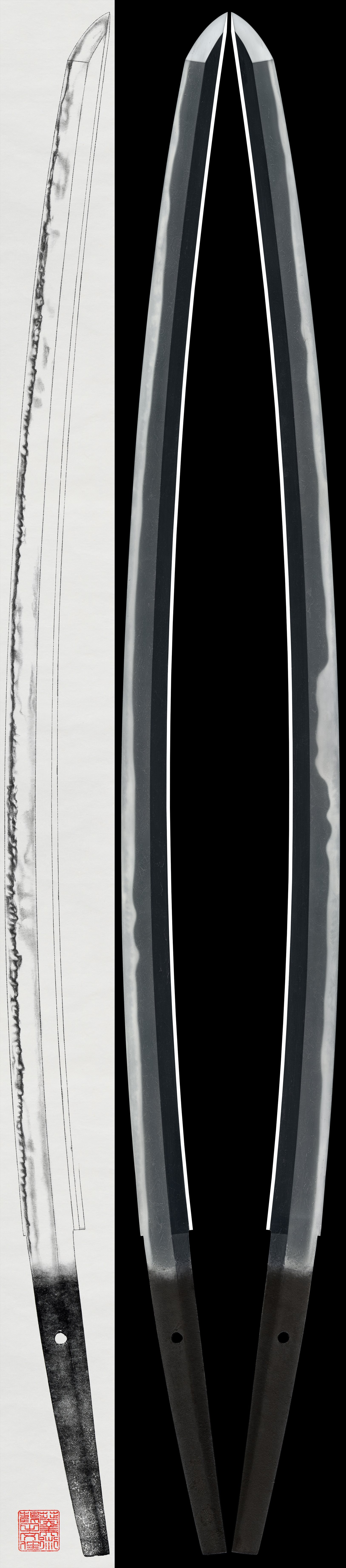
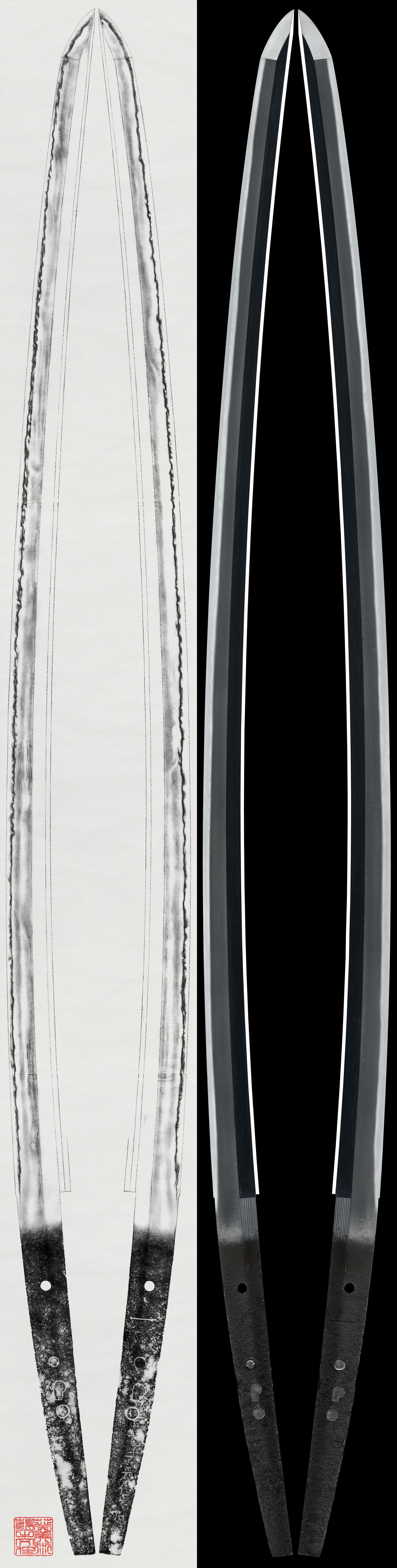
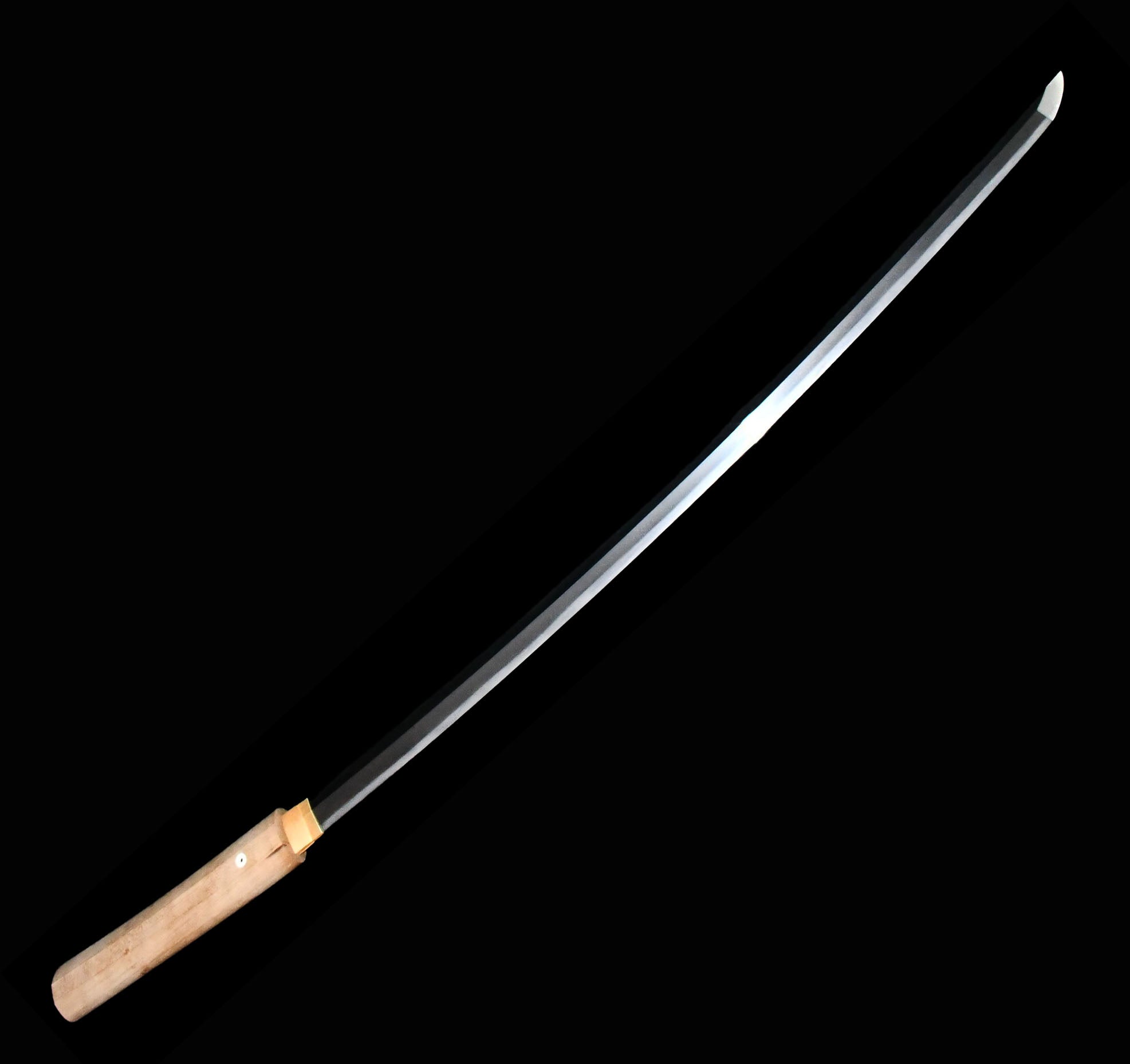
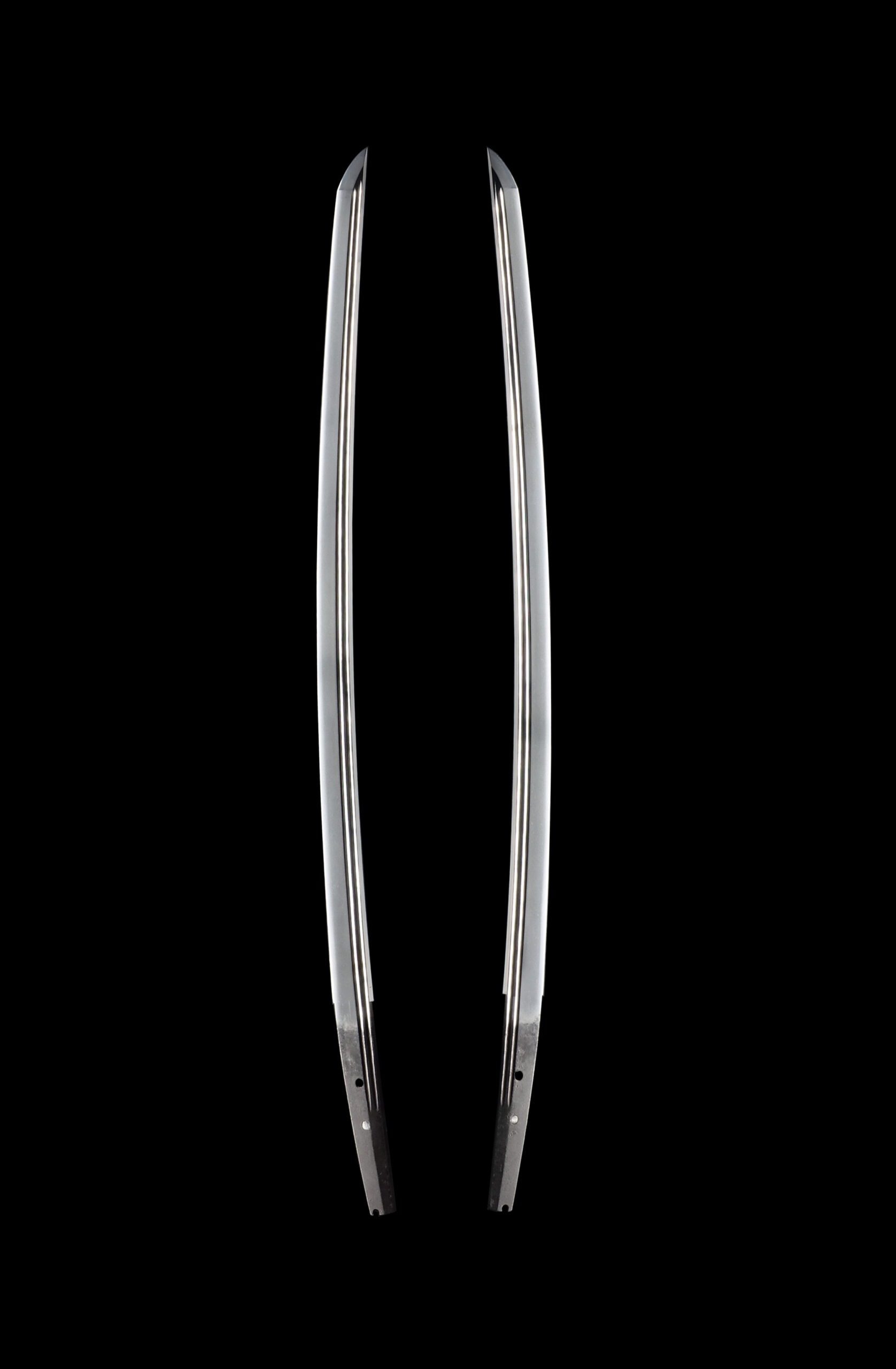
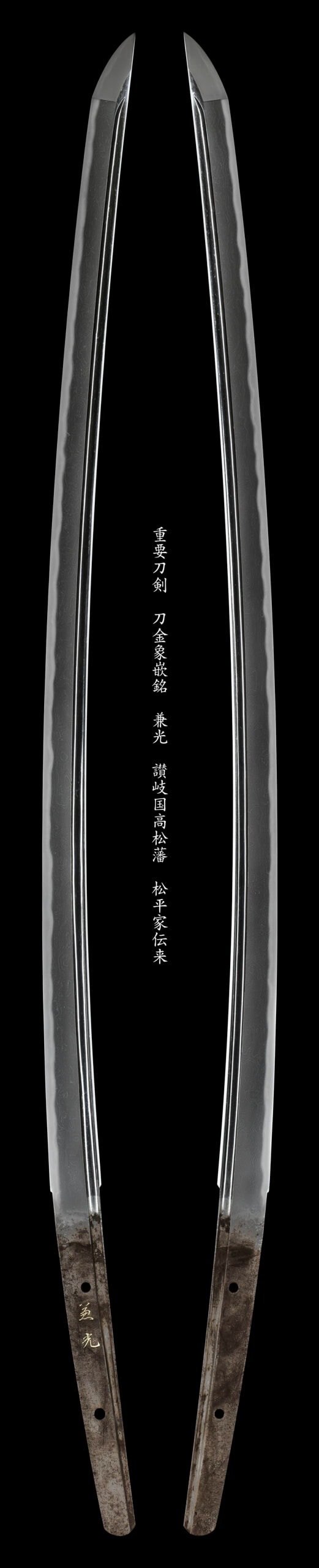
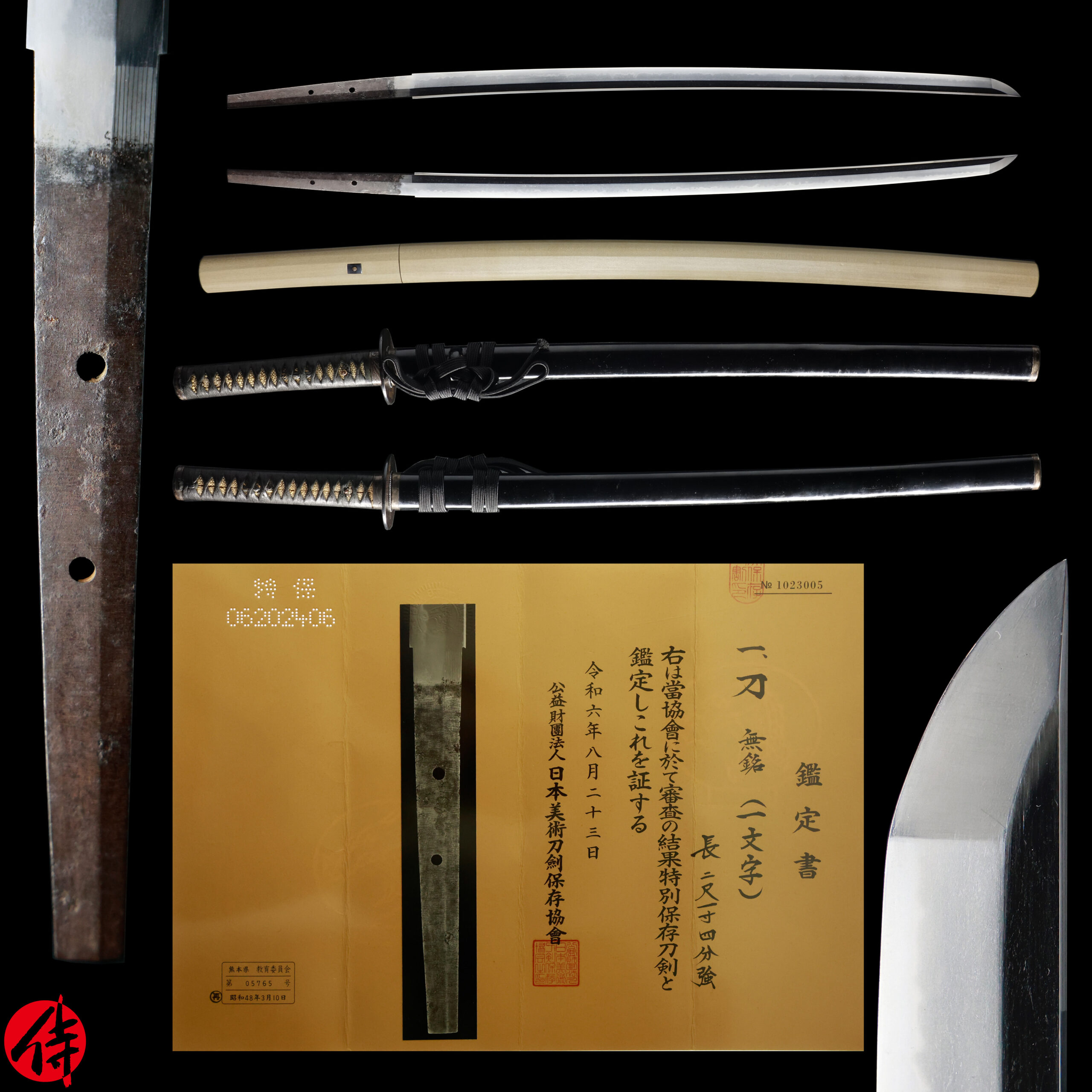
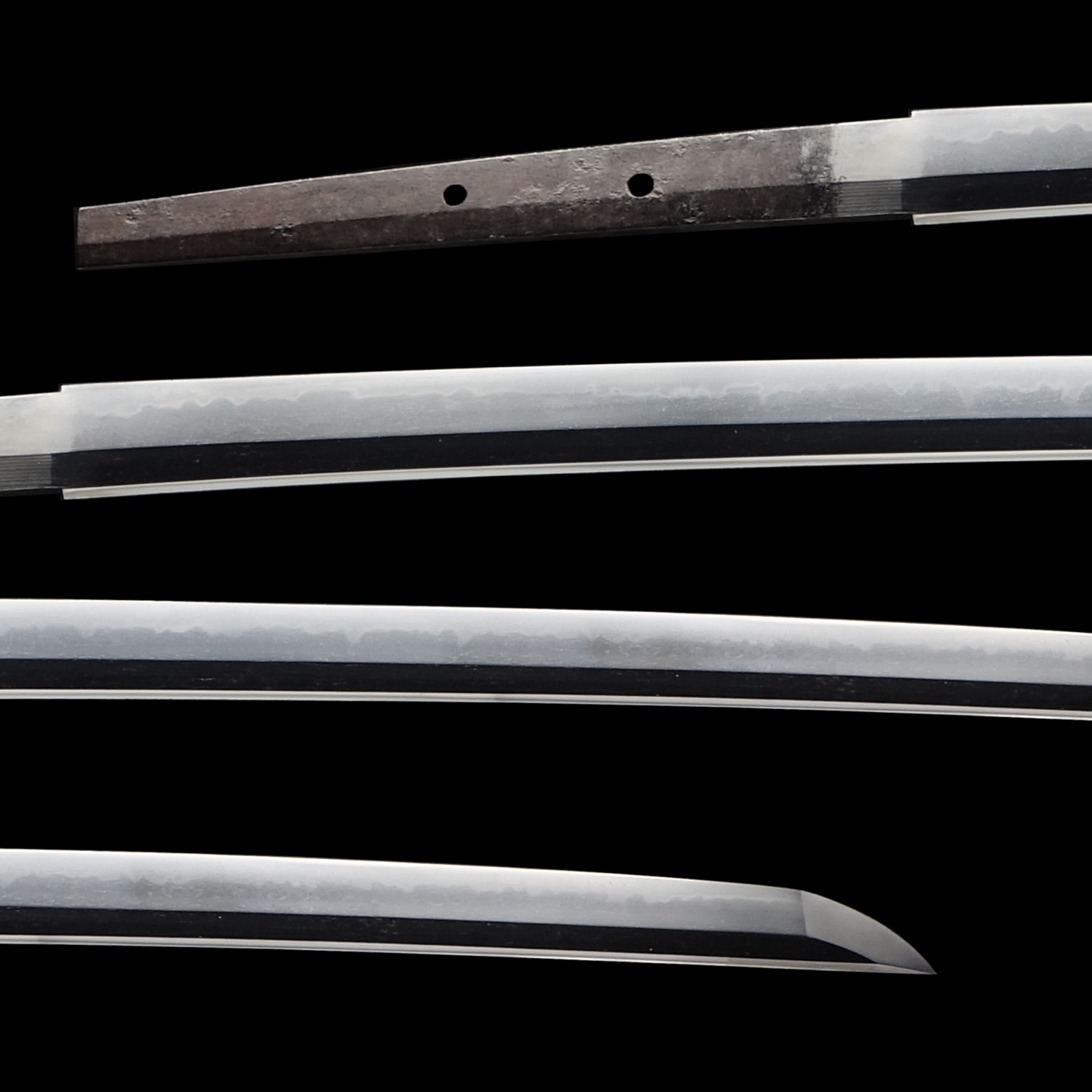
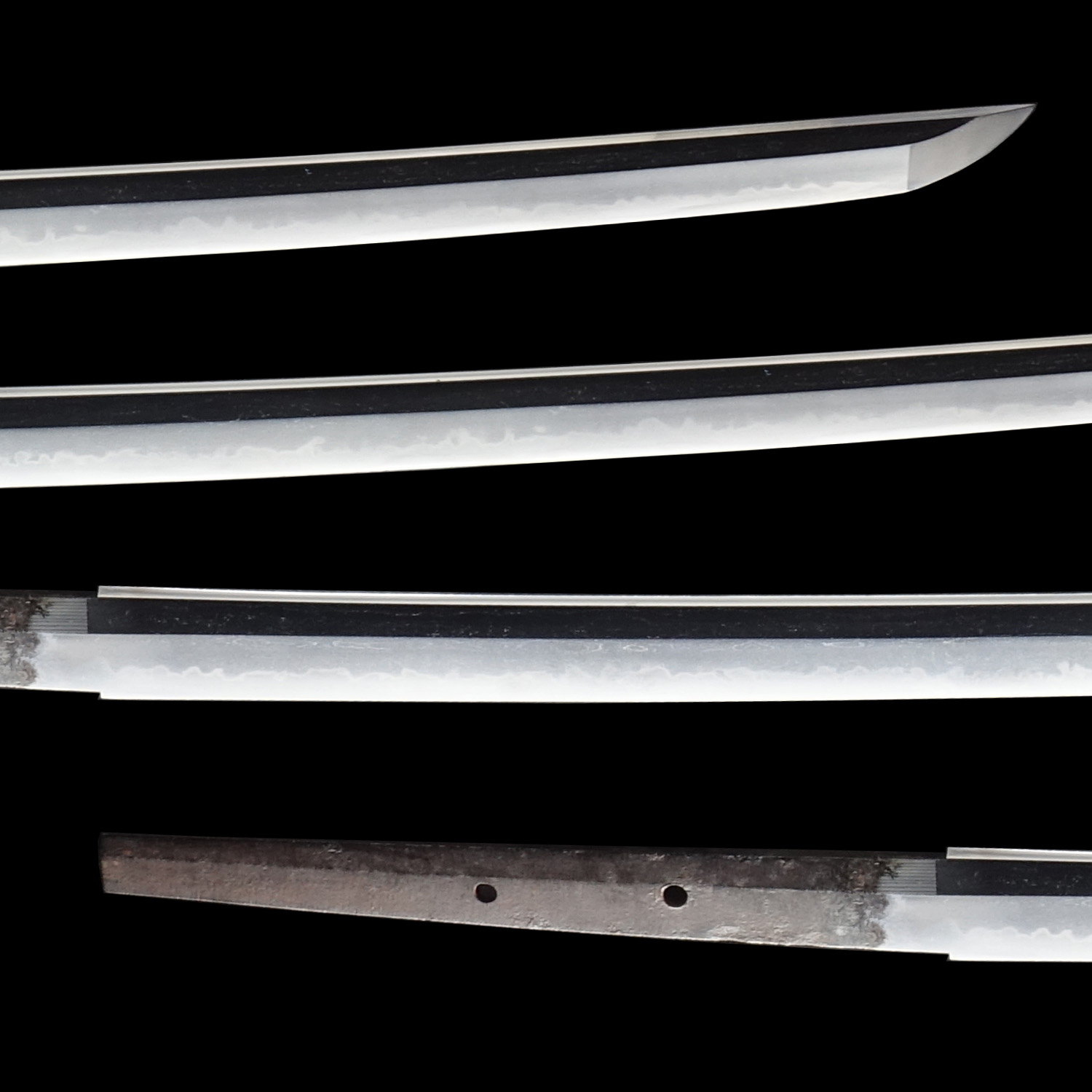
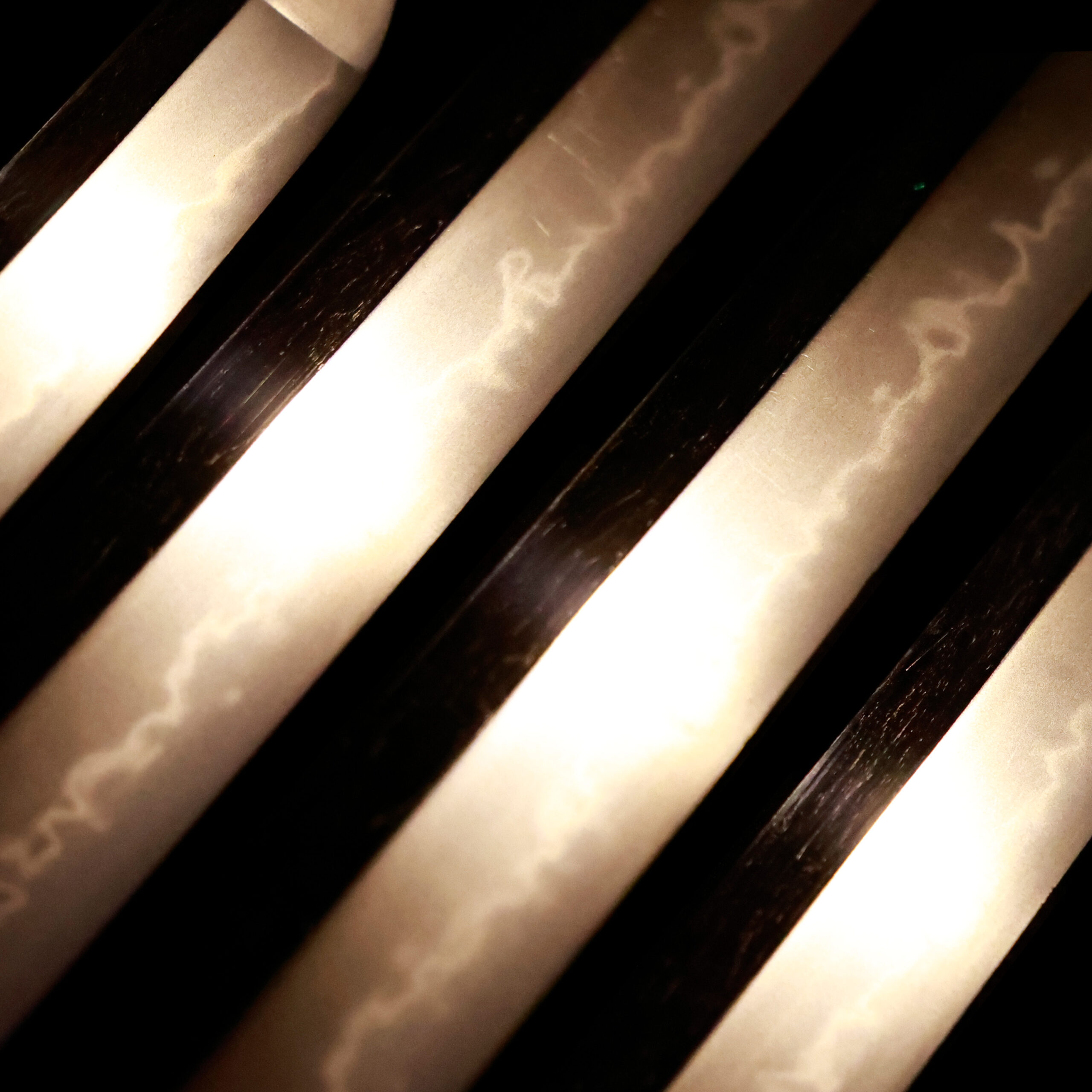
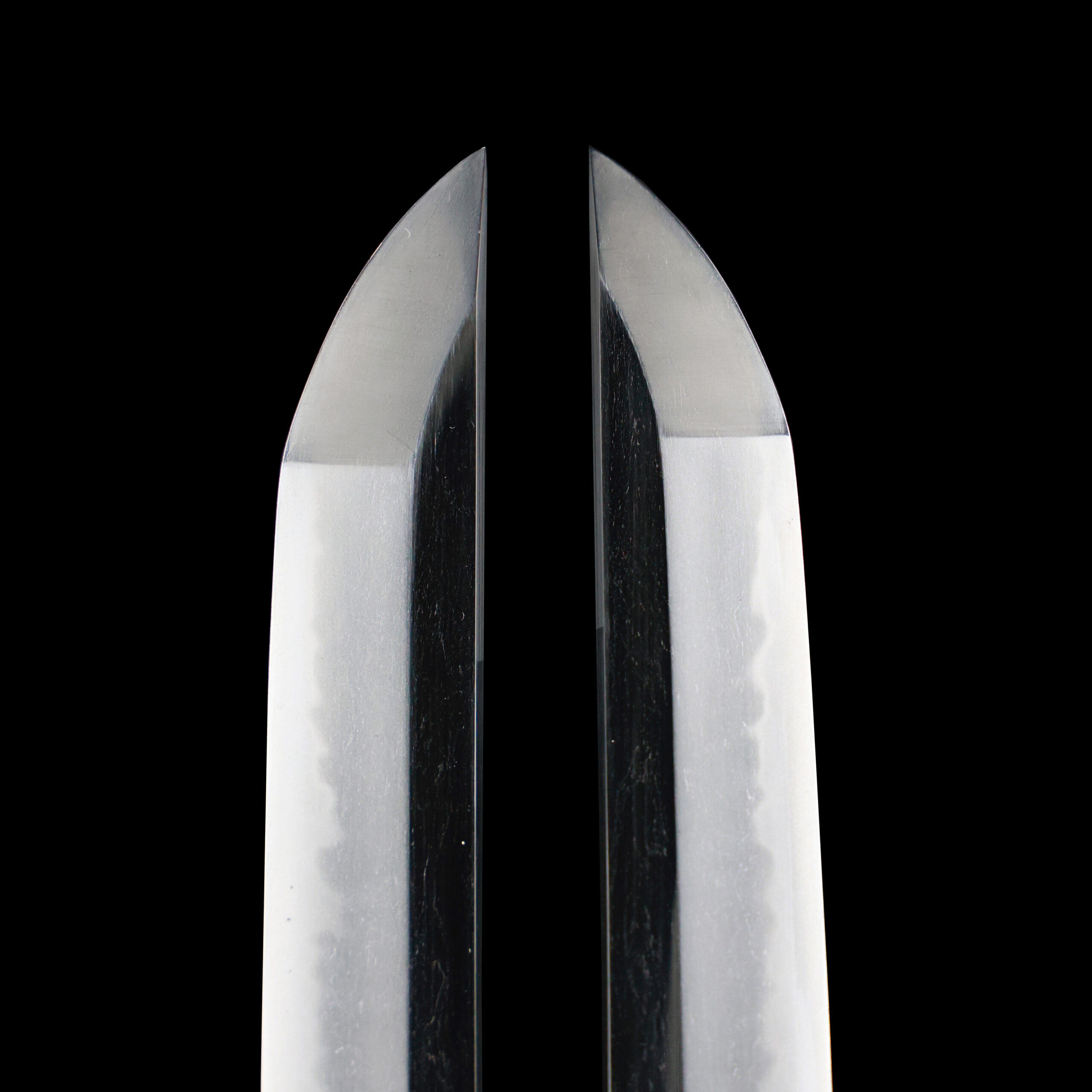
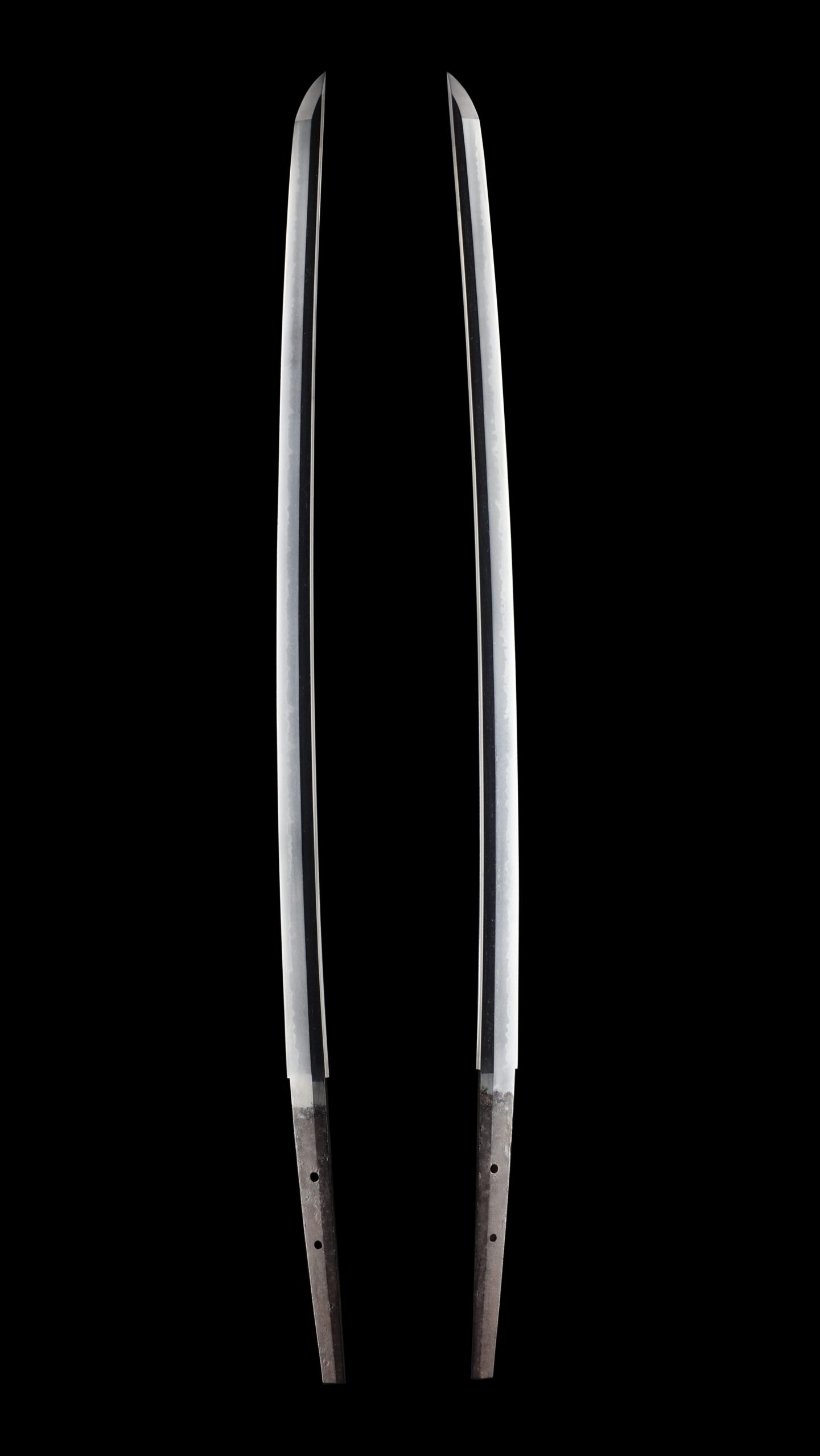
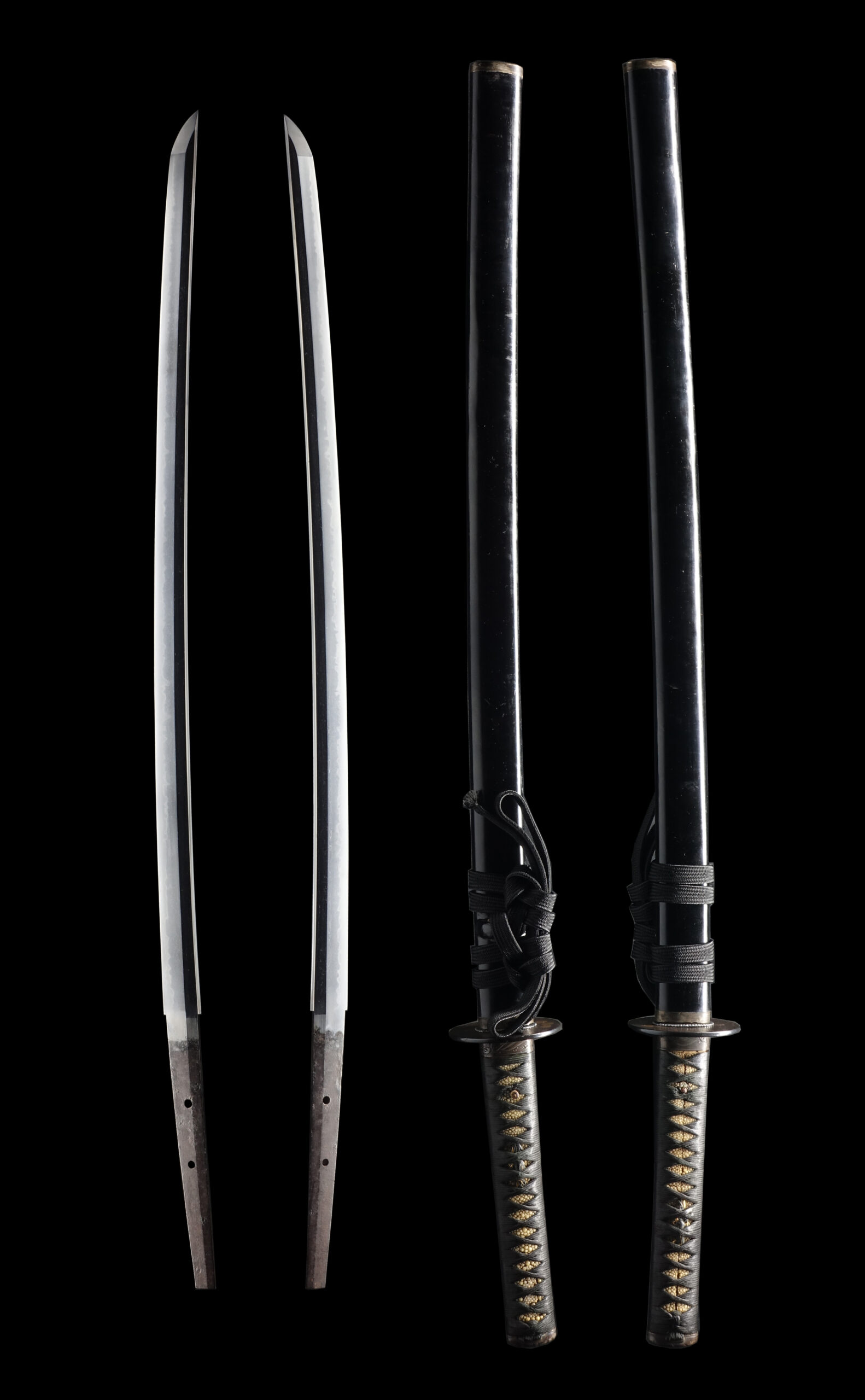
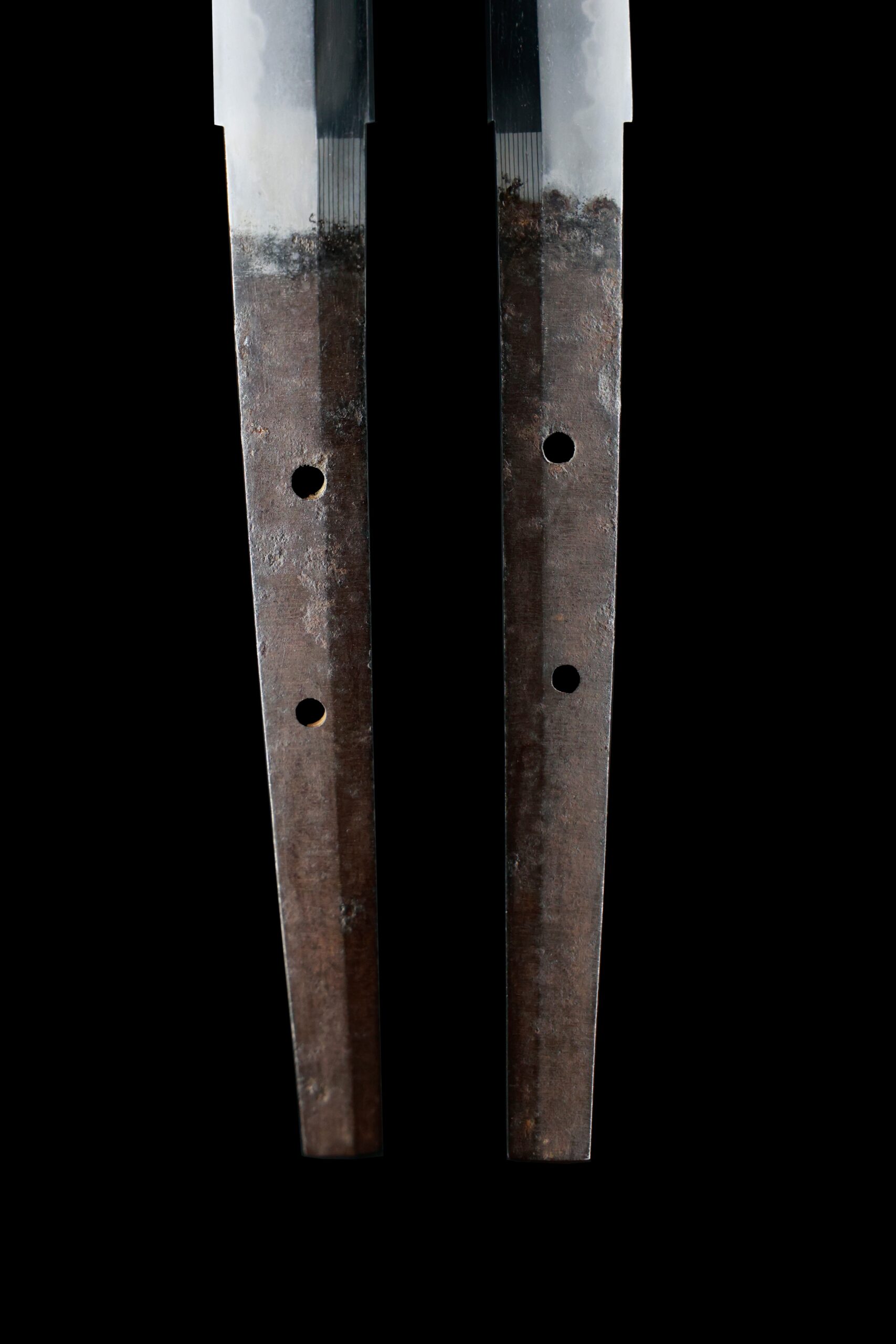
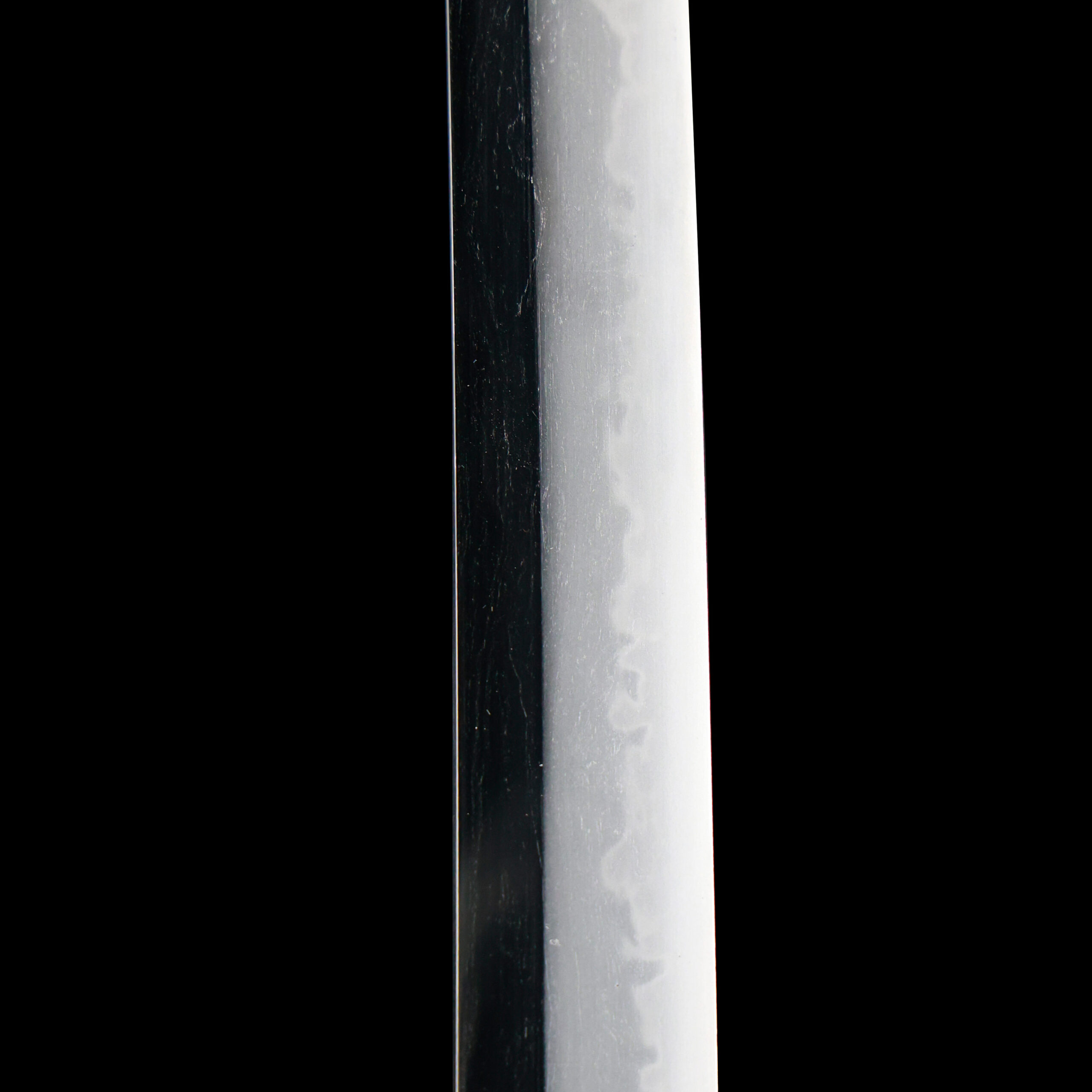
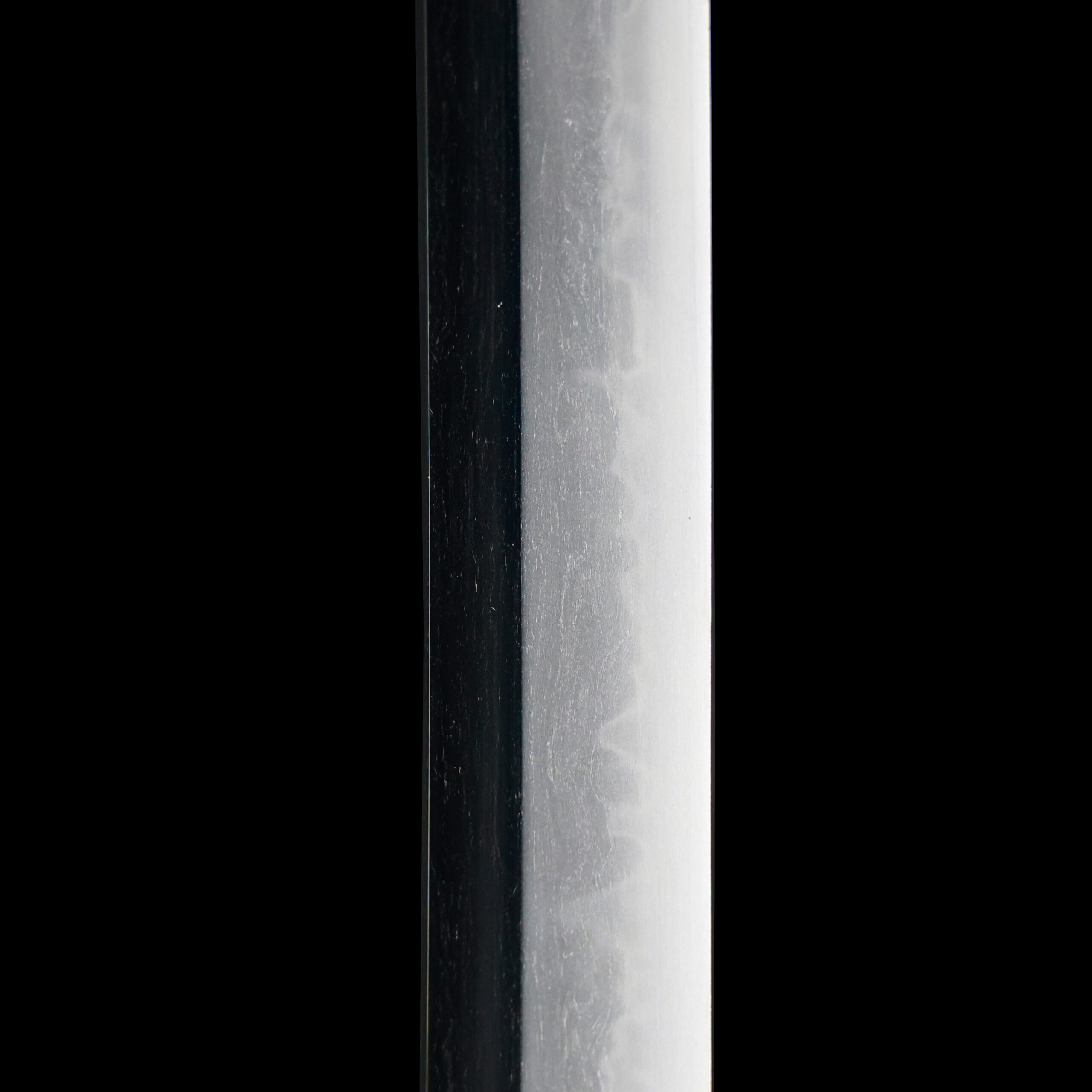
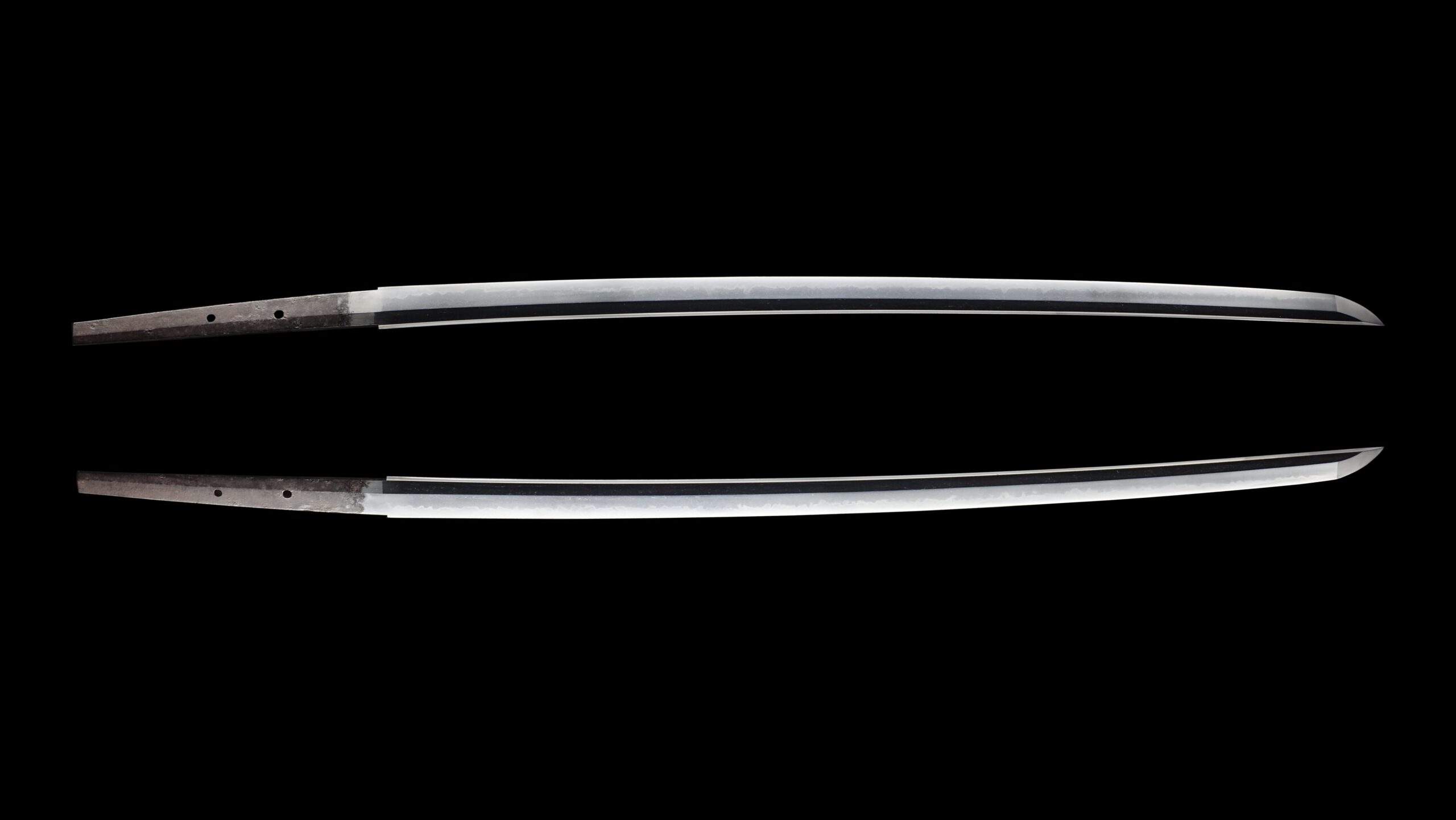
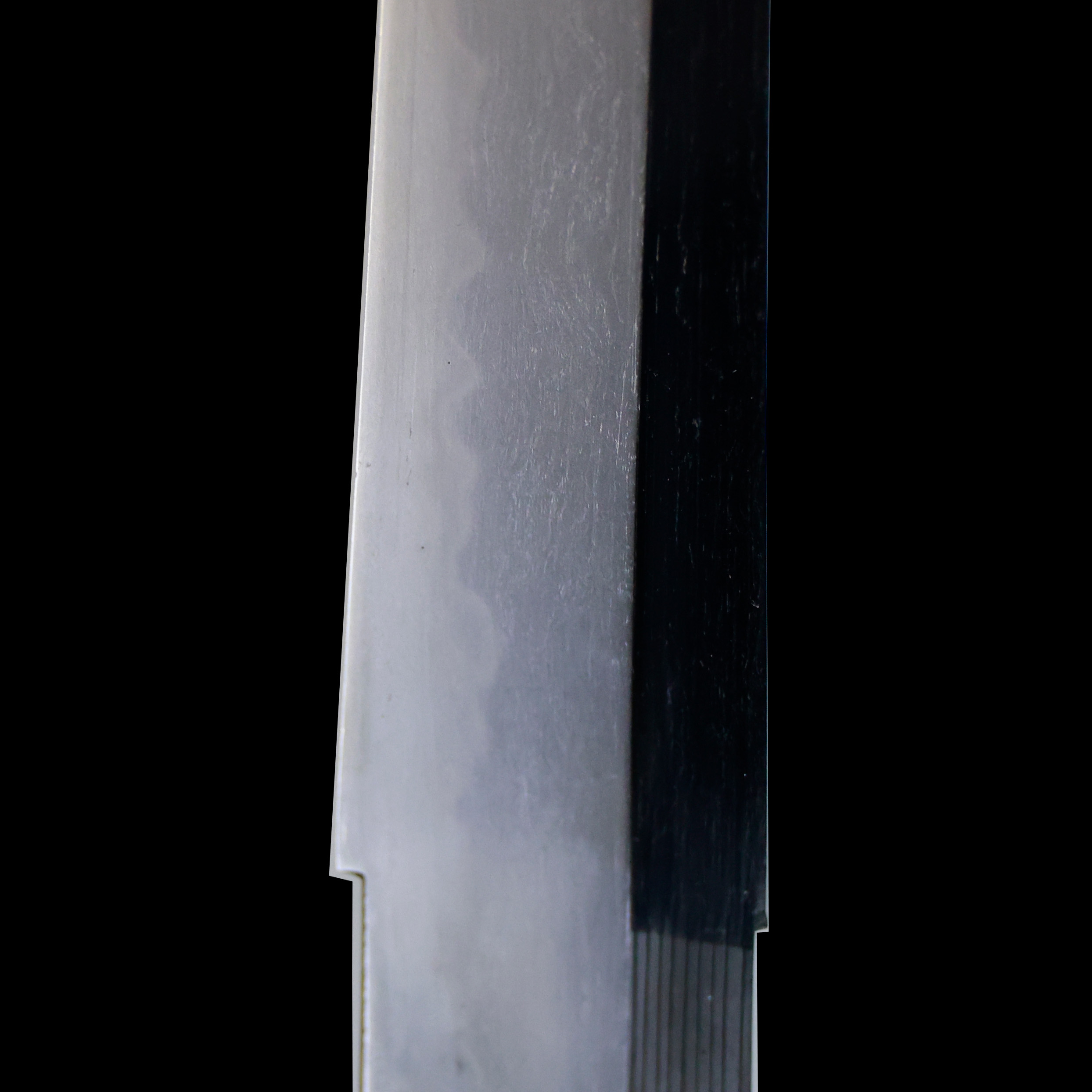
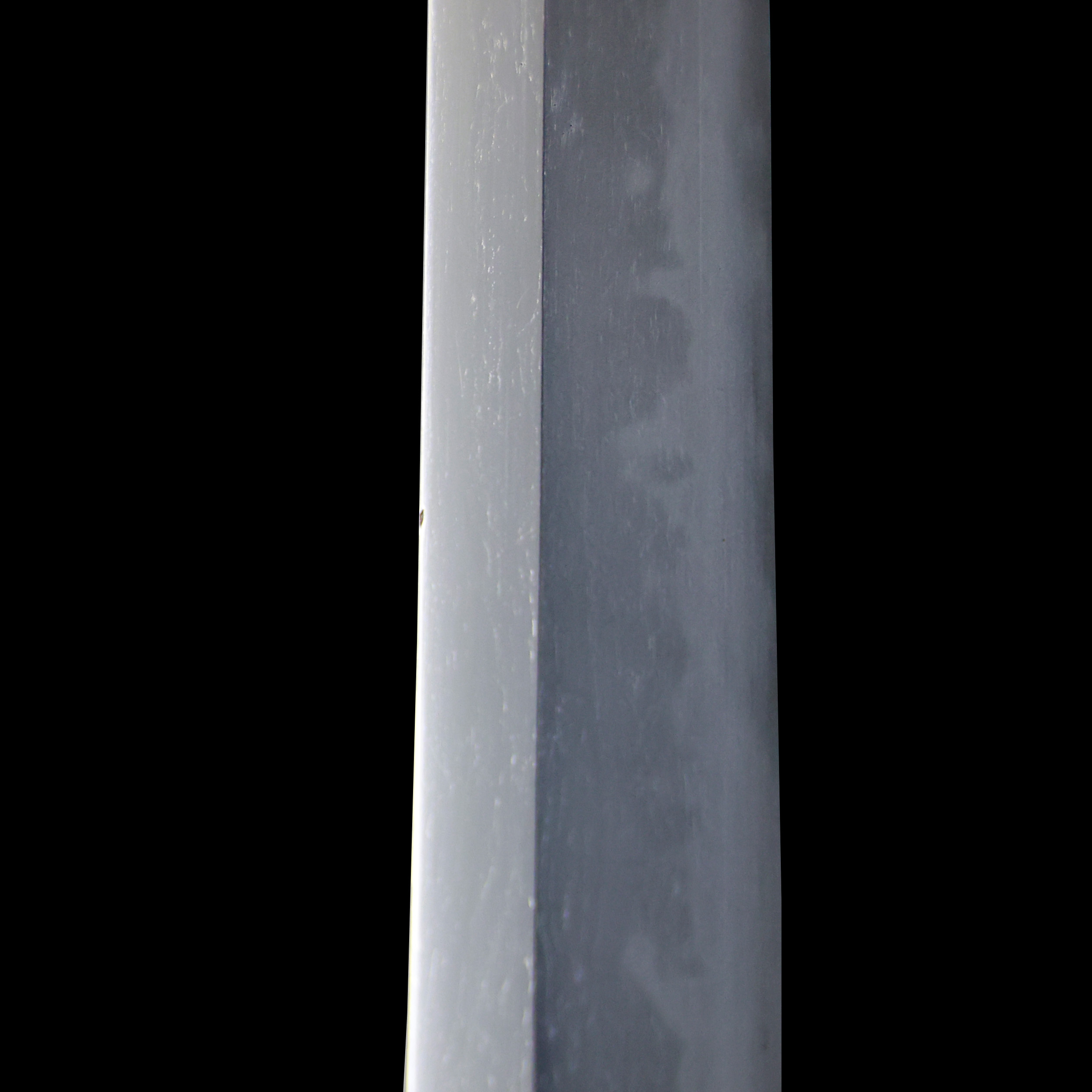
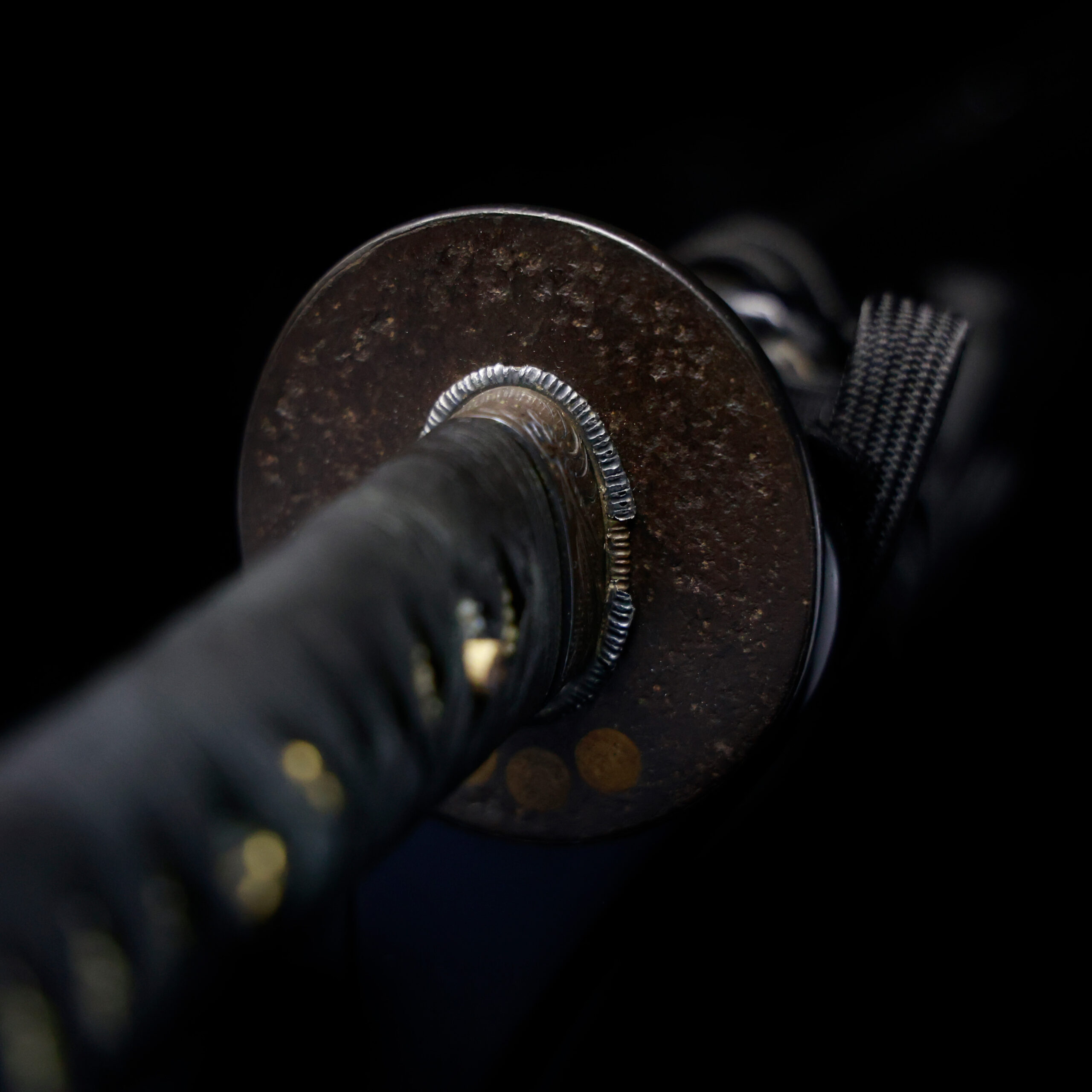
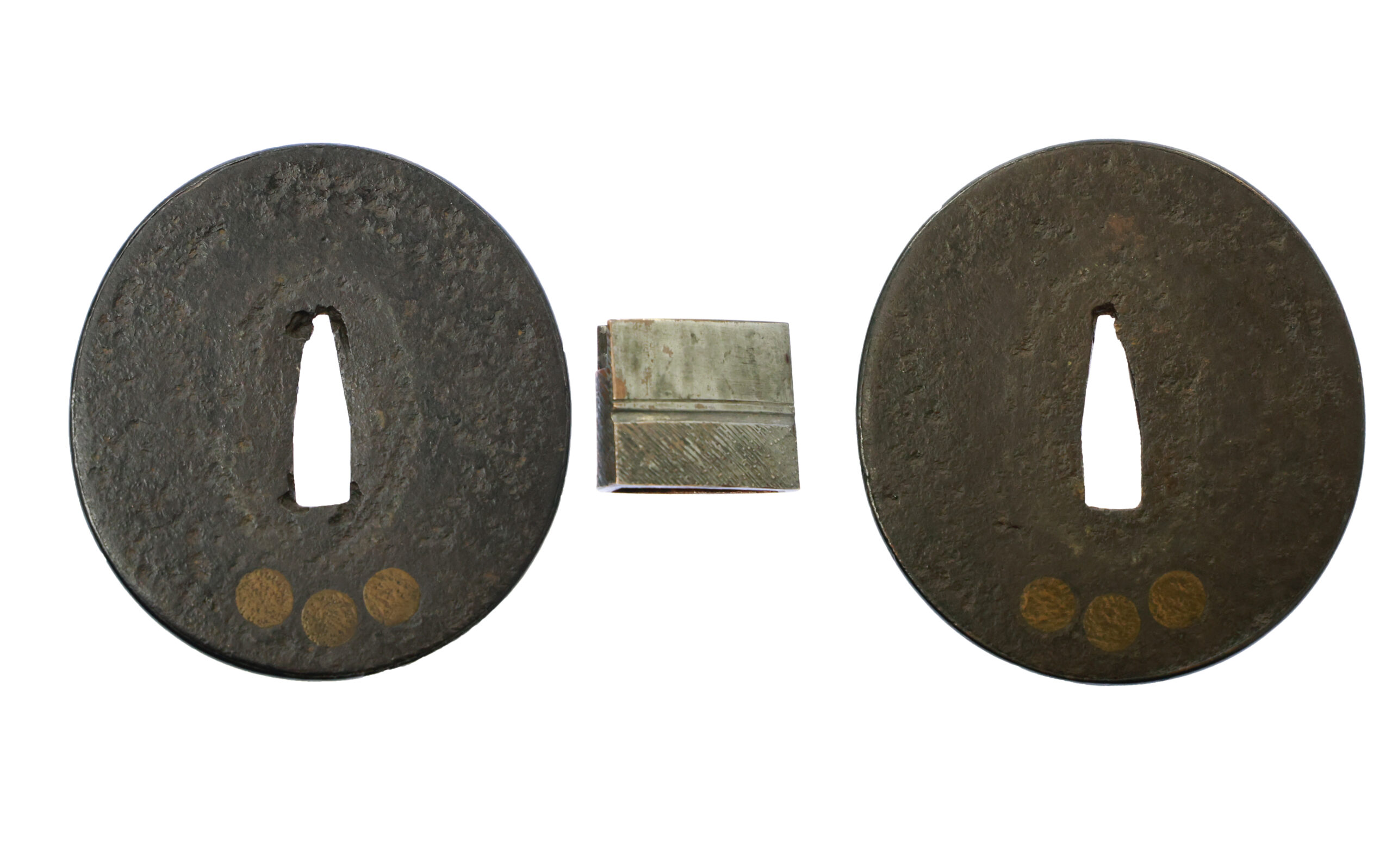
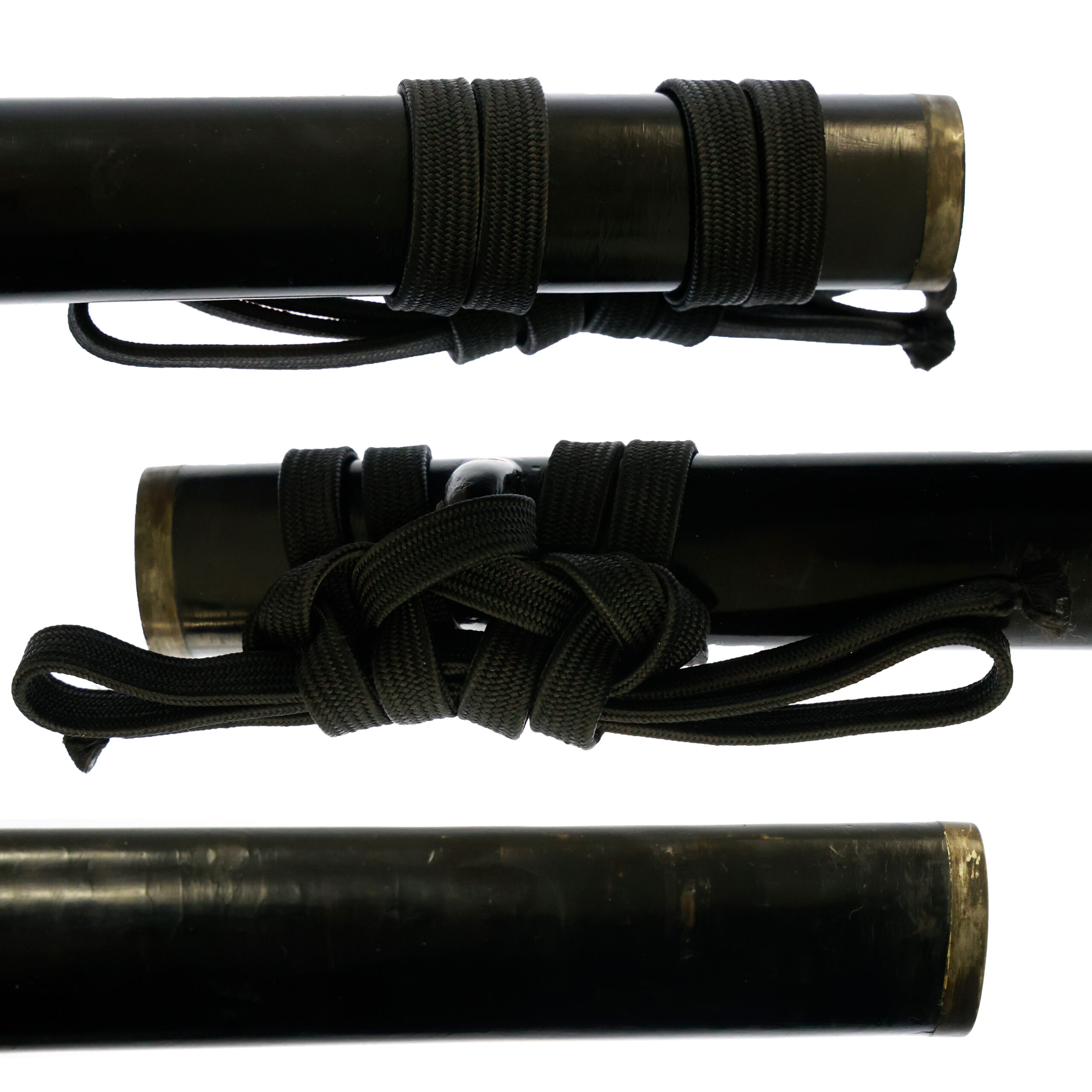
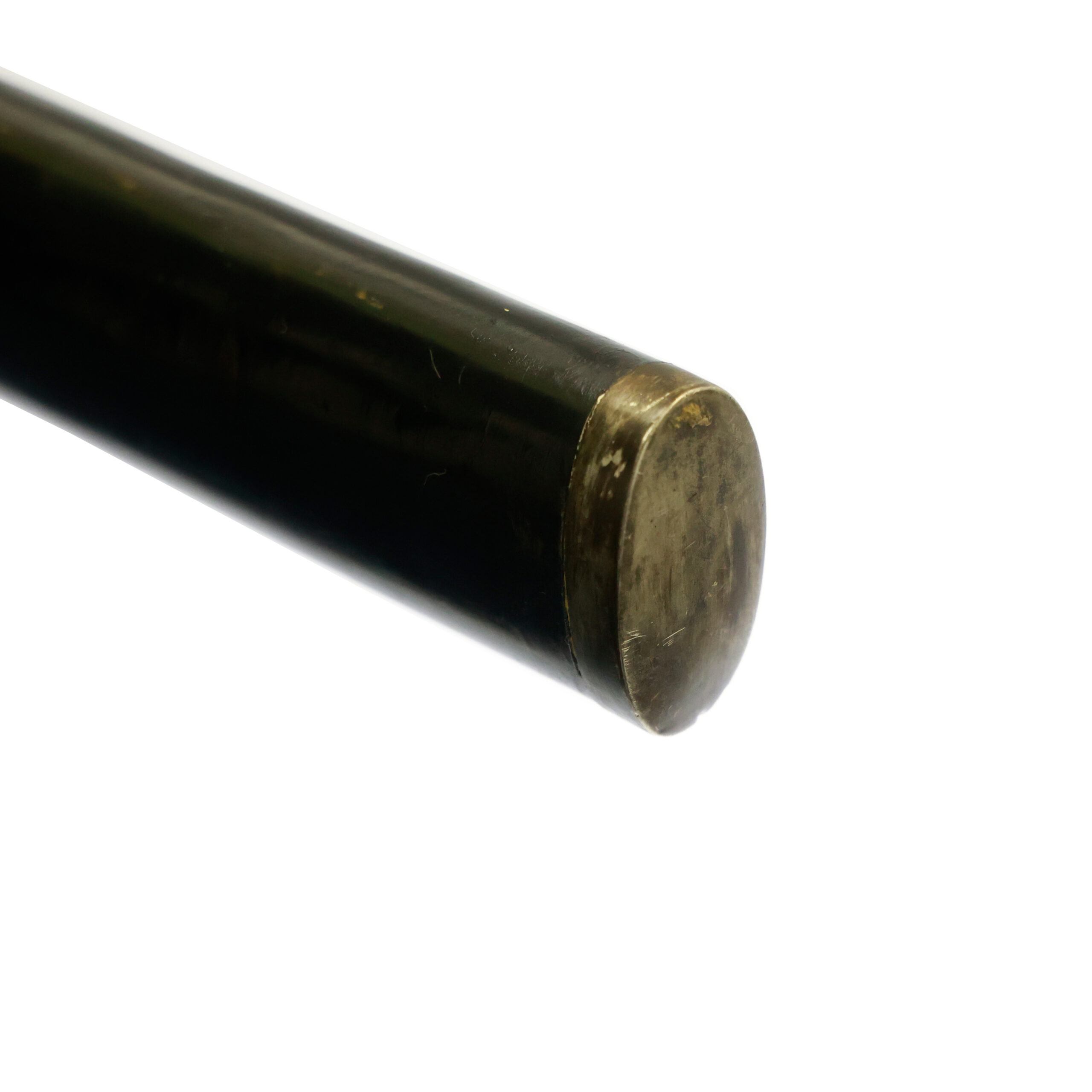
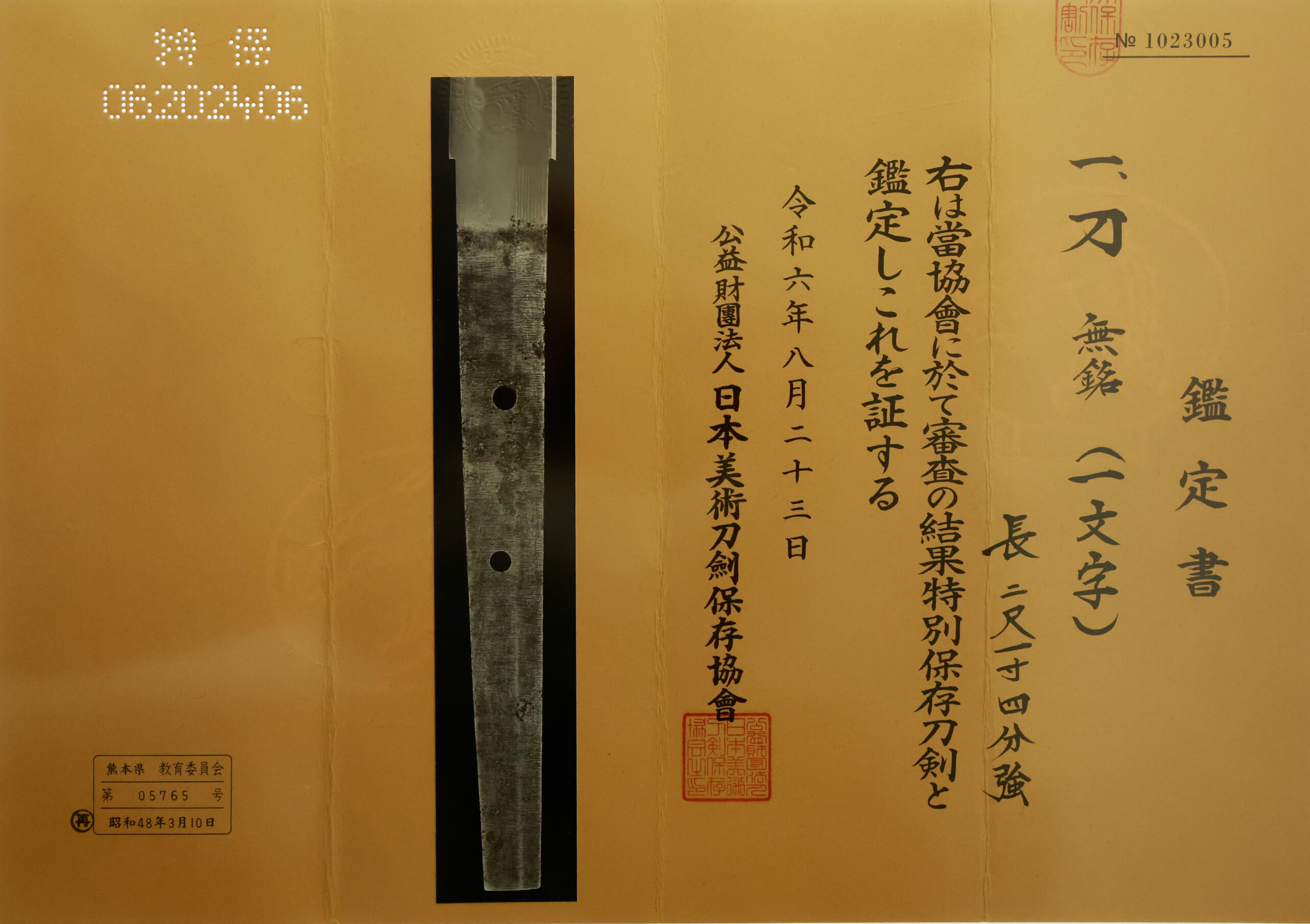
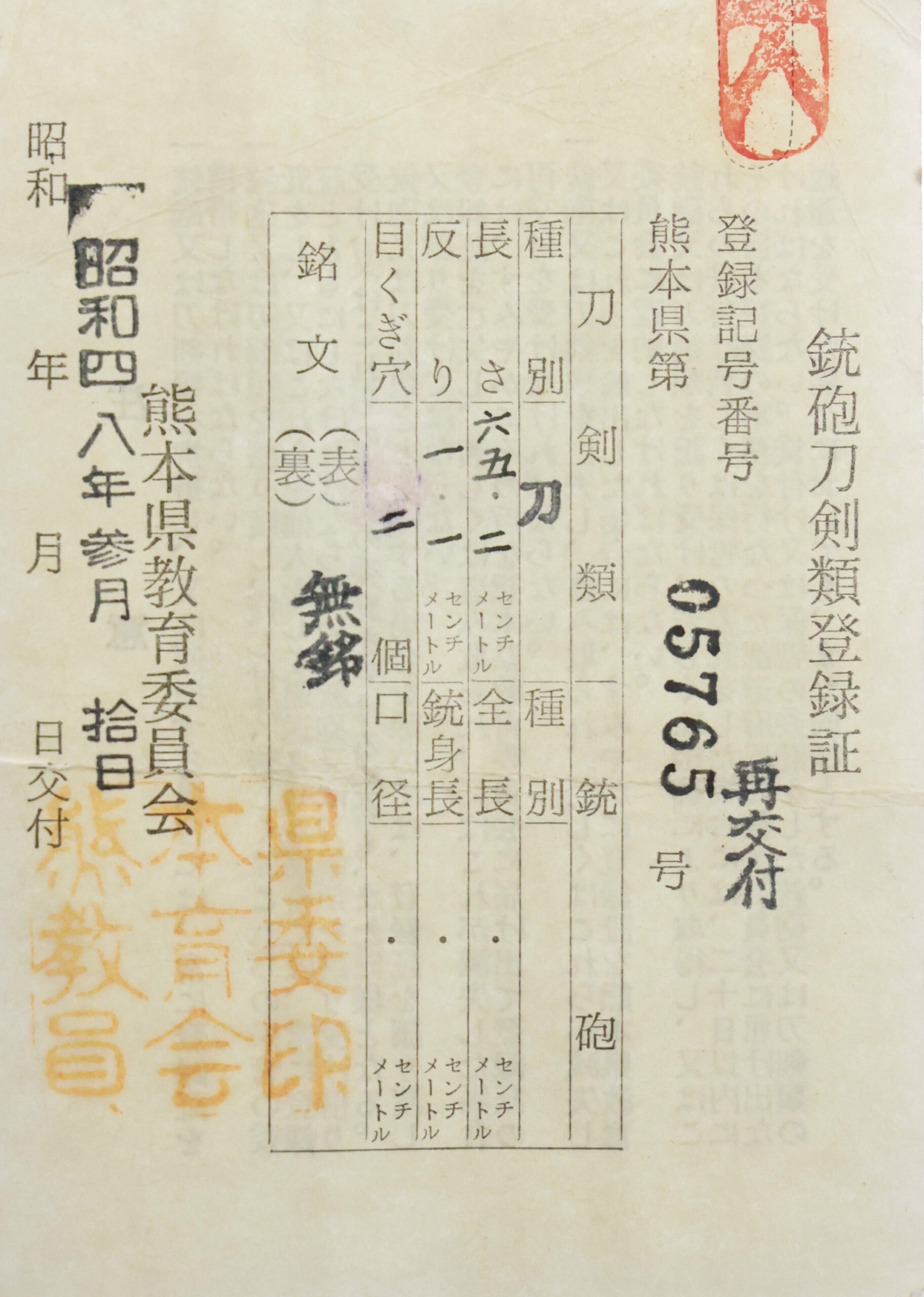
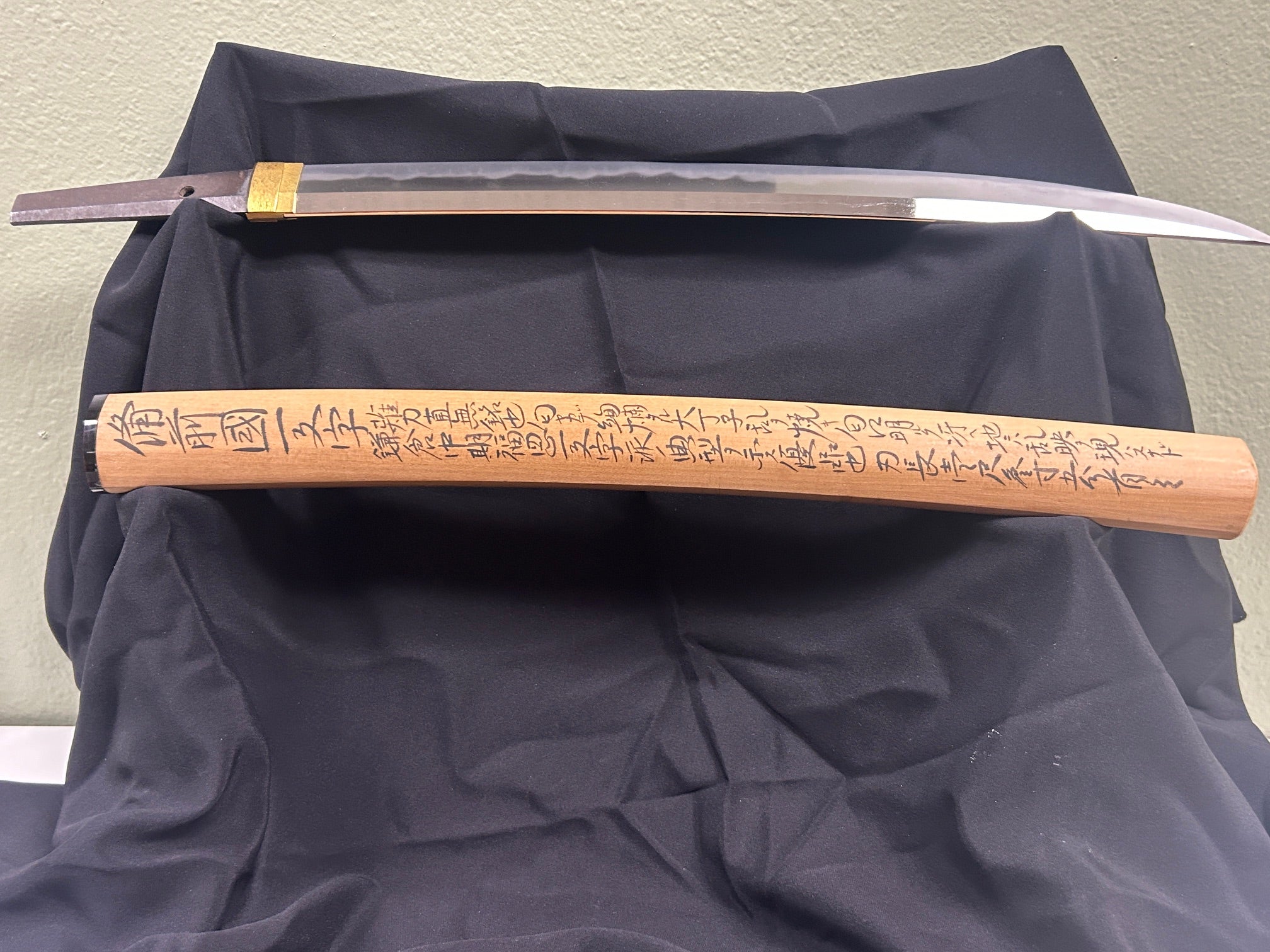
Antique Japanese Sword Katana Attributed to Fukuoka Ichimonji with Tokubetsu Hozon Certificate 【Description】 This blade is attributed to Ichmonji (一文字) by NBTHK, which appraised it as a Tokubetsu Hozon Token. Ichimonji is one of the most influential schools. There are a few branches that include Ichimonji in their names. They are Fukuoka Ichimonji, Yoshioka Ichimonji, Kataoka Ichimonji and Shochu Ichimonji. Overall, more than 200 swordsmiths were categorized as members of the Ichimonji school. This fact indicates how acknowledged the schools were. We called NBTHK and confirmed that the attribution for this blade was given to Fukuoka Ichimonji school, the first Ichimonji school ever created. Fukuoka Ichimonji school was prosperous during the mid-Kamakura period (mid-13th century). They signed “一” (Ichi: one in Japanese) on the tang, which is the reason why they are called Ichi Monji (One Letter). It is said that Fukuoka Ichimonji school was founded by Norimune (則宗)in Fukuoka village in Bizen province (today’s Okayama prefecture). Many renowned swordsmiths belonged to Fukuoka Ichimonji school, including Nobufusa (信房), Muneyoshi (宗吉), Sukemune (助宗). Seven swordsmiths from Fukuoka Ichimichi school were selected as Gobankaji (御番鍛冶). Gobankaji is a unique system created by the retired emperor Go-Toba (後鳥羽上皇), who was enthusiastic about the preservation and development of the Japanese sword forging. He summoned thirteen of the finest swordsmiths nationwide, and one swordsmith forged a blade for the emperor each month. This fact indicates that Fukuoka Ichimonji School was highly acknowledged during that time. Norimune, the founder of Fukuoka Ichimonji school, was one of Gobankaji. Even today, 15 blades made by Fukuoka Ichimonji swordsmiths are designated as national treasures of Japan. And 7 of them are classified as Important Cultural Property. BIZEN is located near the Chugoku Mountains, where iron sands, one of the essential materials for making Japanese swords, were abundant. Furthermore, BIZEN swordsmiths had close access to Yoshi River, where they could find water and charcoal. This geological location contributed to the swordsmiths forging high-quality refined blades. We presume BIZEN was quite active in sword-forging from ancient times. It is said that BIZEN DEN was created by groups of swordsmiths there during the late Heian era (Late 12th century ). These ancient swordsmiths in Bizen province are called Ko-Bizen (Old Bizen) swordsmiths. One of the most prominent figures in Ko-Bizen swordsmiths is Masatsune (正恒), who is said to be the father of Norimune (則宗), the founder of Fukuoka Ichimonji school. By inheriting the sword forging techniques from Ko-Bizen swordsmiths, the Fukuoka Ichimonji school flourished from the mid-Kamakura period. One of the most distinctive features of Fukuoka Ichimonji school is Choji Midare Hamon, which is an irregular, wavy tempering line. Because of their elegant design, the swords forged by members of the Fukuoka Ichimonji school were appreciated by high-ranking samurai. It is appraised as a Tokubetsu Hozon Token (特別保存刀剣) issued by NBTHK (Nihon Bijutsu Touken Hozon Kyokai:日本美術刀剣保存協会). This authentication paper was only given to authentic Japanese swords, especially well preserved and high quality with artistic value. *Please keep in mind that there are a couple of Kitae Kizu on the blade. If you like to know the detailed condition, please feel free to contact us. 【Blade】 Cutting Edge Length(Nagasa) : 65.2 cm (25.6 inches) Curvature(Sori) : 1.1 cm (0.43 inches) Hamon : The crystalline structure which forms along the cutting edge of a blade as a result of the hardening process Jimon(Jihada) : visible steel surface pattern created by folding and hammering during forging process Kissaki : Kissaki is the tip of the Japanese sword. Nakago : Nakago is the tang of the Japanese sword. Japanese swordsmiths left the black rust on the tang because it prevents red rust while the tang is in its handle. And the
 NihontoWatch
無銘 · Fukuoka Ichimonji · 鎌倉 · 長さ 65.2cm · 反り 1.1cm

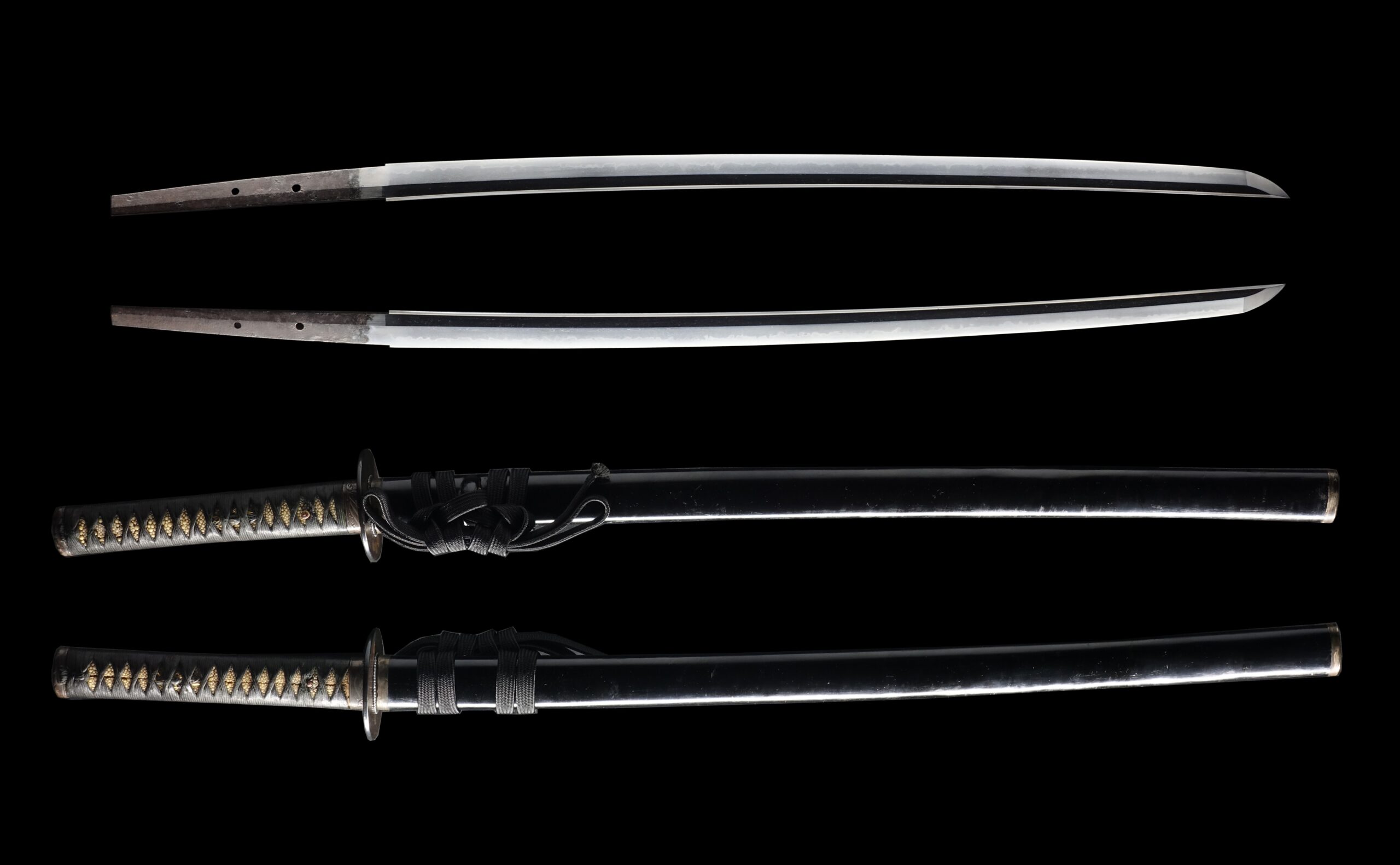
備前伝 · 備前
現在6点販売中
福岡一文字派は、備前国福岡の地に興った刀工の一群で、茎に「一」の一字を切ることをその標とする。一派の祖は則宗であり、鎌倉時代初頭、後鳥羽院の御番鍛冶に列せられた一人として、院に月番で仕えた。延房もまた同じ番鍛冶に数えられ、両工はこの一派の最初期の世代をなす。則宗・延房・眞利・爲清・助吉らが鍛えた最初期の手は、後年の華やかさに先立つ古一文字と呼ばれ、その姿恰好および地刃には先行する古備前物の趣が色濃く遺存し、両者を分かちがたいほどである。一派はこの古調の根から起こり、鎌倉中期にかけて福岡の地で大いに開花し、やがて吉岡・片山・岩戸の諸派へと分かれて南北朝期にまで繁栄を続けた。爲遠の「備前国唐河住」、長則の「備前国福岡住」のごとく、銘文に住地を明記する作は、この一派の地理を裏づける資料的な要をなす。 一派を貫く地鉄は、よくつんだ小板目または杢を交えた板目に地沸つき地景の入る鍛えで、その上に明るい乱れ映りが鮮明に立つことを常とする。この乱れ映りこそ、映りの淡い古一文字や、より素朴な古備前の工から本派を分かつ最も確かな標であり、ほとんど全ての在銘・極めの作に繰り返し現れる。刃文はこの地の上に二様に展開する。盛期を代表する吉房・助真・吉平・則包・吉宗らの手は、焼幅広く高低のある華やかな大丁子乱れで、大房の大丁子・重花丁子に蛙頭の蛙子丁子、竪長の袋丁子を交え、足・葉さかんに入り、匂深く小沸つき、金筋・砂流しがかかる。吉房の袋丁子、助真の刃中に強くつく沸と尖りて掃きかける帽子は、それぞれの工を本流の中で分かつ標である。助包は焼の高い丁子主調の華やかさを保ち、彫物に梵字・三鈷柄剣を伴う。これに対し、吉用・長則・爲遠・吉用らは静かな手を担い、直刃調に小丁子・小互の目を交えて焼を低く保ち、抑制をもって明るい映りの地を生かす。長則は同派唯一の「福岡住」を切り「小竜長則」と俗称され、その細直刃調の作は長船景光・近景に通じる。鎌倉後期には逆ごころに傾く好尚も加わる。茎に「一」の一字のみを切る作は工を特定しがたく、極めは時代と一派と銘振りに拠る。 これらの工の作が収集家に希求されるのは、その地刃そのものに鑑識の勘所が宿るためである。鑑定は、明るい乱れ映りと匂深の丁子を細身腰高の初期の姿の上に読むことで、静かな古備前や後年の素朴な備前と分かつ。在銘の作が無銘を測る尺度となり、本阿弥らの極めもこの作風の連続を拠りどころとした。一派の格は高く、則宗を源流とし、吉房は全刀工中屈指の国宝数を負い、助真は徳川家康の愛刀「日光助真」を遺して相州伝の先駆ともされる。その代表作は東照宮日光助真、矢の目吉房、岡田切などに及び、伝来は織田・豊臣・徳川の天下人をはじめ、上杉・島津・毛利・前田・池田ら諸大名家を貫いて、皇室・社寺の宝として今に伝わる。則宗・助包の在銘作のごとく、最も著名なものは取引の財ではなく文化財として守られ、世に現れることは稀である。盛期の華やかな大丁子乱れは、後の一文字諸派および長船の工が己を測る規範となり、備前伝の一つの頂点として後世に長く影響を及ぼした。 詳しく見る →
鎌倉時代は備前の頂点である。伝えでは一文字派の工が後鳥羽上皇の御番鍛冶に列し、世紀の半ばには光忠が長船派を興して、注文は公家からも武家政権からも流れ込んだ。国宝刀剣の数で備前に並ぶ国はない。
保存刀剣のうち、出来が一層優れ、保存状態も良好と認められたものです。再刃や、室町・江戸期の多くの無銘作は対象外となり、保存刀剣より高い基準が課されます。
日本美術刀剣保存協会(NBTHK)は、1948年に設立され、文化庁の監督を受ける公益財団法人で、東京・刀剣博物館に本部を置きます。専門の審査員が出品作を直接審査し、美術的・歴史的価値に応じた鑑定書を発行します。NBTHKの鑑定書は、日本刀および刀装具の真正性を示す最も広く認知された基準です。
NBTHK公式サイトReturns/exchanges limited to defects caused by shipping (except willful misconduct or gross negligence by the company); customers must contact within 72 hours of receiving the product.

Antique Japanese Sword Katana Attributed to Fukuoka Ichimonji with Tokubetsu Hozon Certificate 【Description】 This blade is attributed to Ichmonji (一文字) by NBTHK, which appraised it as a Tokubetsu Hozon Token. Ichimonji is one of the most influential schools. There are a few branches that include Ichimonji in their names. They are Fukuoka Ichimonji, Yoshioka Ichimonji, Kataoka Ichimonji and Shochu Ichimonji. Overall, more than 200 swordsmiths were categorized as members of the Ichimonji school. This fact indicates how acknowledged the schools were. We called NBTHK and confirmed that the attribution for this blade was given to Fukuoka Ichimonji school, the first Ichimonji school ever created. Fukuoka Ichimonji school was prosperous during the mid-Kamakura period (mid-13th century). They signed “一” (Ichi: one in Japanese) on the tang, which is the reason why they are called Ichi Monji (One Letter). It is said that Fukuoka Ichimonji school was founded by Norimune (則宗)in Fukuoka village in Bizen province (today’s Okayama prefecture). Many renowned swordsmiths belonged to Fukuoka Ichimonji school, including Nobufusa (信房), Muneyoshi (宗吉), Sukemune (助宗). Seven swordsmiths from Fukuoka Ichimichi school were selected as Gobankaji (御番鍛冶). Gobankaji is a unique system created by the retired emperor Go-Toba (後鳥羽上皇), who was enthusiastic about the preservation and development of the Japanese sword forging. He summoned thirteen of the finest swordsmiths nationwide, and one swordsmith forged a blade for the emperor each month. This fact indicates that Fukuoka Ichimonji School was highly acknowledged during that time. Norimune, the founder of Fukuoka Ichimonji school, was one of Gobankaji. Even today, 15 blades made by Fukuoka Ichimonji swordsmiths are designated as national treasures of Japan. And 7 of them are classified as Important Cultural Property. BIZEN is located near the Chugoku Mountains, where iron sands, one of the essential materials for making Japanese swords, were abundant. Furthermore, BIZEN swordsmiths had close access to Yoshi River, where they could find water and charcoal. This geological location contributed to the swordsmiths forging high-quality refined blades. We presume BIZEN was quite active in sword-forging from ancient times. It is said that BIZEN DEN was created by groups of swordsmiths there during the late Heian era (Late 12th century ). These ancient swordsmiths in Bizen province are called Ko-Bizen (Old Bizen) swordsmiths. One of the most prominent figures in Ko-Bizen swordsmiths is Masatsune (正恒), who is said to be the father of Norimune (則宗), the founder of Fukuoka Ichimonji school. By inheriting the sword forging techniques from Ko-Bizen swordsmiths, the Fukuoka Ichimonji school flourished from the mid-Kamakura period. One of the most distinctive features of Fukuoka Ichimonji school is Choji Midare Hamon, which is an irregular, wavy tempering line. Because of their elegant design, the swords forged by members of the Fukuoka Ichimonji school were appreciated by high-ranking samurai. It is appraised as a Tokubetsu Hozon Token (特別保存刀剣) issued by NBTHK (Nihon Bijutsu Touken Hozon Kyokai:日本美術刀剣保存協会). This authentication paper was only given to authentic Japanese swords, especially well preserved and high quality with artistic value. *Please keep in mind that there are a couple of Kitae Kizu on the blade. If you like to know the detailed condition, please feel free to contact us. 【Blade】 Cutting Edge Length(Nagasa) : 65.2 cm (25.6 inches) Curvature(Sori) : 1.1 cm (0.43 inches) Hamon : The crystalline structure which forms along the cutting edge of a blade as a result of the hardening process Jimon(Jihada) : visible steel surface pattern created by folding and hammering during forging process Kissaki : Kissaki is the tip of the Japanese sword. Nakago : Nakago is the tang of the Japanese sword. Japanese swordsmiths left the black rust on the tang because it prevents red rust while the tang is in its handle. And the
NihontoWatch無銘 · Fukuoka Ichimonji · 鎌倉 · 長さ 65.2cm · 反り 1.1cm
備前伝 · 備前
現在6点販売中
福岡一文字派は、備前国福岡の地に興った刀工の一群で、茎に「一」の一字を切ることをその標とする。一派の祖は則宗であり、鎌倉時代初頭、後鳥羽院の御番鍛冶に列せられた一人として、院に月番で仕えた。延房もまた同じ番鍛冶に数えられ、両工はこの一派の最初期の世代をなす。則宗・延房・眞利・爲清・助吉らが鍛えた最初期の手は、後年の華やかさに先立つ古一文字と呼ばれ、その姿恰好および地刃には先行する古備前物の趣が色濃く遺存し、両者を分かちがたいほどである。一派はこの古調の根から起こり、鎌倉中期にかけて福岡の地で大いに開花し、やがて吉岡・片山・岩戸の諸派へと分かれて南北朝期にまで繁栄を続けた。爲遠の「備前国唐河住」、長則の「備前国福岡住」のごとく、銘文に住地を明記する作は、この一派の地理を裏づける資料的な要をなす。 一派を貫く地鉄は、よくつんだ小板目または杢を交えた板目に地沸つき地景の入る鍛えで、その上に明るい乱れ映りが鮮明に立つことを常とする。この乱れ映りこそ、映りの淡い古一文字や、より素朴な古備前の工から本派を分かつ最も確かな標であり、ほとんど全ての在銘・極めの作に繰り返し現れる。刃文はこの地の上に二様に展開する。盛期を代表する吉房・助真・吉平・則包・吉宗らの手は、焼幅広く高低のある華やかな大丁子乱れで、大房の大丁子・重花丁子に蛙頭の蛙子丁子、竪長の袋丁子を交え、足・葉さかんに入り、匂深く小沸つき、金筋・砂流しがかかる。吉房の袋丁子、助真の刃中に強くつく沸と尖りて掃きかける帽子は、それぞれの工を本流の中で分かつ標である。助包は焼の高い丁子主調の華やかさを保ち、彫物に梵字・三鈷柄剣を伴う。これに対し、吉用・長則・爲遠・吉用らは静かな手を担い、直刃調に小丁子・小互の目を交えて焼を低く保ち、抑制をもって明るい映りの地を生かす。長則は同派唯一の「福岡住」を切り「小竜長則」と俗称され、その細直刃調の作は長船景光・近景に通じる。鎌倉後期には逆ごころに傾く好尚も加わる。茎に「一」の一字のみを切る作は工を特定しがたく、極めは時代と一派と銘振りに拠る。 これらの工の作が収集家に希求されるのは、その地刃そのものに鑑識の勘所が宿るためである。鑑定は、明るい乱れ映りと匂深の丁子を細身腰高の初期の姿の上に読むことで、静かな古備前や後年の素朴な備前と分かつ。在銘の作が無銘を測る尺度となり、本阿弥らの極めもこの作風の連続を拠りどころとした。一派の格は高く、則宗を源流とし、吉房は全刀工中屈指の国宝数を負い、助真は徳川家康の愛刀「日光助真」を遺して相州伝の先駆ともされる。その代表作は東照宮日光助真、矢の目吉房、岡田切などに及び、伝来は織田・豊臣・徳川の天下人をはじめ、上杉・島津・毛利・前田・池田ら諸大名家を貫いて、皇室・社寺の宝として今に伝わる。則宗・助包の在銘作のごとく、最も著名なものは取引の財ではなく文化財として守られ、世に現れることは稀である。盛期の華やかな大丁子乱れは、後の一文字諸派および長船の工が己を測る規範となり、備前伝の一つの頂点として後世に長く影響を及ぼした。 詳しく見る →
鎌倉時代は備前の頂点である。伝えでは一文字派の工が後鳥羽上皇の御番鍛冶に列し、世紀の半ばには光忠が長船派を興して、注文は公家からも武家政権からも流れ込んだ。国宝刀剣の数で備前に並ぶ国はない。
保存刀剣のうち、出来が一層優れ、保存状態も良好と認められたものです。再刃や、室町・江戸期の多くの無銘作は対象外となり、保存刀剣より高い基準が課されます。
日本美術刀剣保存協会(NBTHK)は、1948年に設立され、文化庁の監督を受ける公益財団法人で、東京・刀剣博物館に本部を置きます。専門の審査員が出品作を直接審査し、美術的・歴史的価値に応じた鑑定書を発行します。NBTHKの鑑定書は、日本刀および刀装具の真正性を示す最も広く認知された基準です。
NBTHK公式サイトReturns/exchanges limited to defects caused by shipping (except willful misconduct or gross negligence by the company); customers must contact within 72 hours of receiving the product.
![Tachi - by Fukuoka Ichimonji School - 月刊『銀座情報』令和5年1月(435号)掲載品のご紹介[1][2][3][4](動画)](/_next/image?url=https%3A%2F%2Fitbhfhyptogxcjbjfzwx.supabase.co%2Fstorage%2Fv1%2Fobject%2Fpublic%2Flisting-images%2Fchoshuya%2FL230688%2F00.jpg&w=2560&q=90)