売切れ
Tokuho売切れ
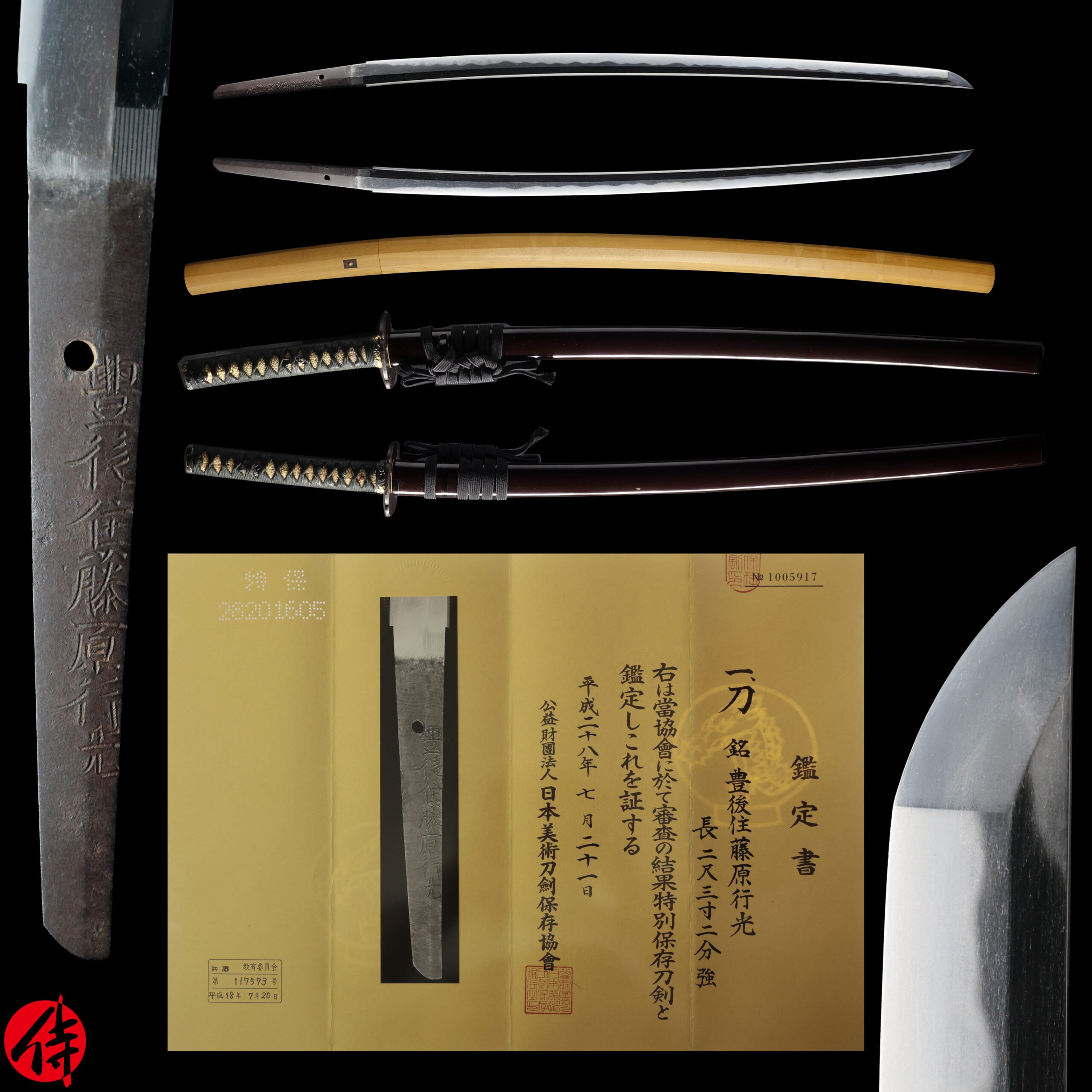
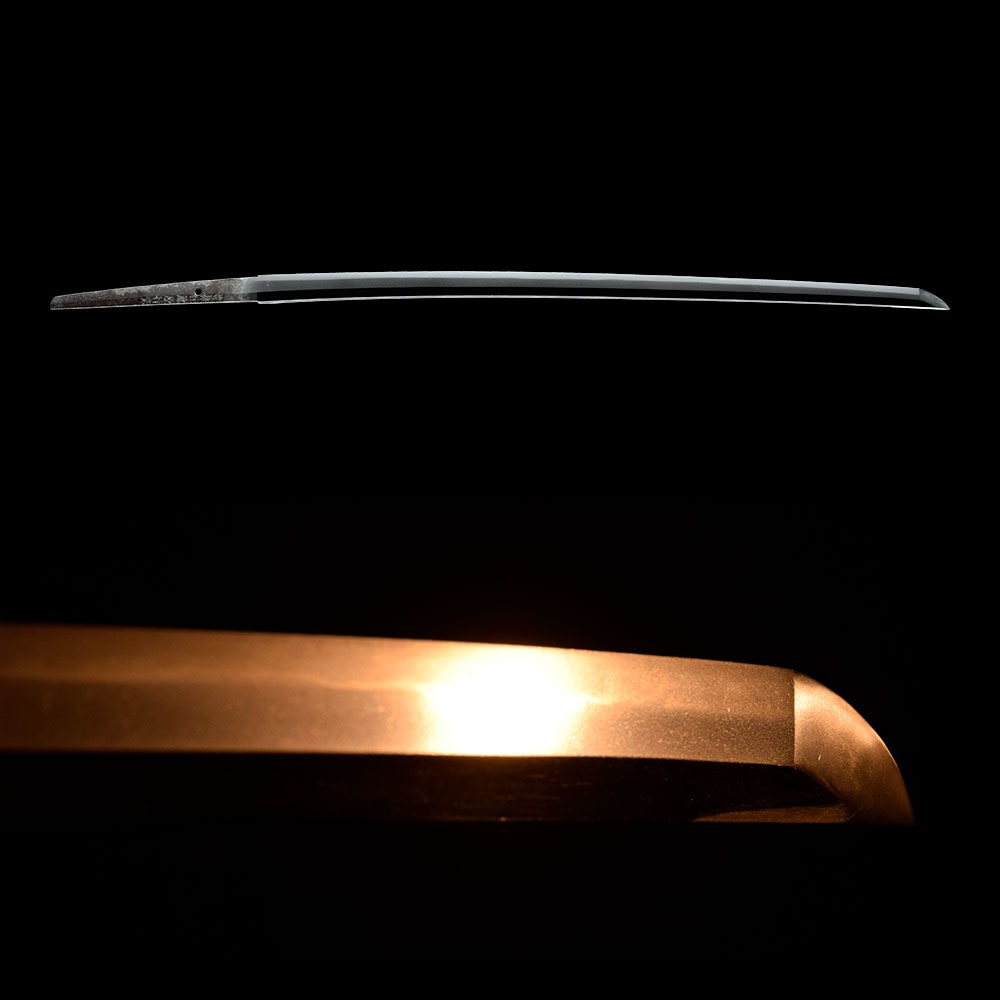
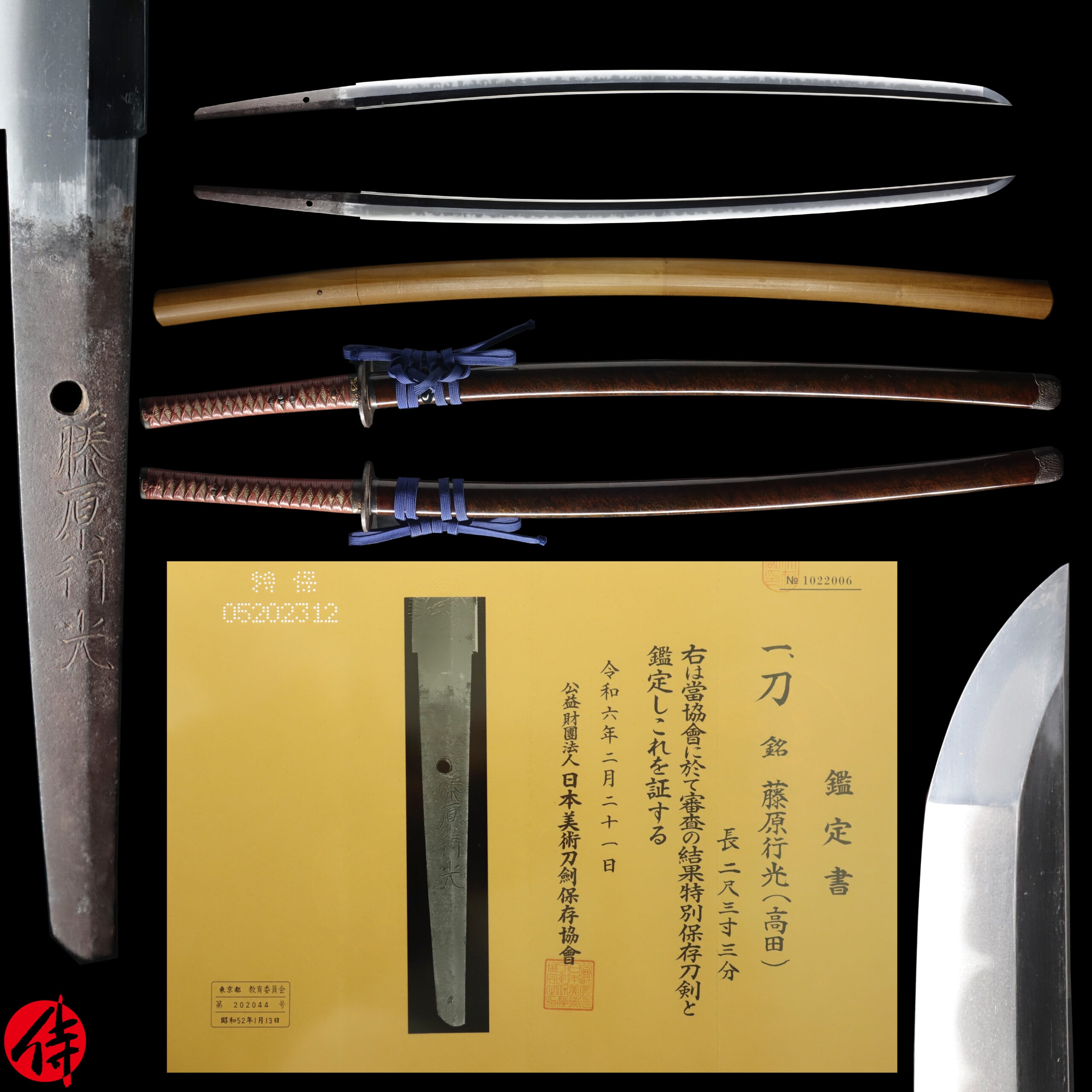
Antique Japanese Sword Katana Signed by Fujiwara Yukimitsu NBTHK Tokubetsu Hozon Certificate
売却済
世界81社の刀剣商を横断追跡 · 価格履歴 · 売却アーカイブ
仕様
長さ
70.5 cm
反り
1.8 cm
Antique Japanese Sword Katana Signed by Fujiwara Yukimitsu with Tokubetsu Hozon Certificate 【Description】 This blade was forged by Fujiwara Yukimitsu (藤原行光) during the early Edo period (approx.300-350 years old). Yukimitsu resided in Bungo province in today’s Ohita prefecture and he belonged to Takada school. Takada school was founded by Takada Tomoyuki in Takada village, Ohita prefecture, during the Nanbokucho period (1334-1338 A.D). Tomoyuki went to Bizen province (today’s Okayama prefecture) to master the sword-forging techniques of BIZEN and came back to the village and trained his apprentices. That is how Takada school started. Those who forged swords in Takada village before the Edo period are called Taira Takada and Fujiwara Takada during the Edo period. Based on the signature, this blade is categorized as Fujiwara Takada. Fujiwara Yukimitsu also forged swords in Kumamoto prefecture. During Sengoku Period (the warring state period: from late 15 C to late 16 C), the Takada school forged many swords for feudal lords in Kyushu island. It is said that the reputation of the blades forged by Takada school was close to MINO or BIZEN swords, two of which are the most famous sword forging places. This highly skilled sword forging technique was passed down to later generations in the Edo period. The Bungo domain was ruled by Otomo Yoshishige (Sorin) during the Sengoku period. Yoshishige and his domain built a strong military and political base there. Yoshishige was known as one of the most famous warlords on Kyushu island. It is said that Takada swordsmiths forged swords for those who served the Otomo clan and Yukimitsu played an important role to make Takada school prosperous during the Edo period along with Tokiyuki and Shigeyuki. Generally speaking, Kyushu island was prosperous in sword-making because of the long history of trading with Asian countries. To gain an advantage in trading, many feudal lords on this island fought against each other. Takada school was able to receive many orders as the demand increased among those lords. The material of Japanese swords(high-quality iron sand and charcoal) was abundant in the mount Sobo Katamuki, located near Takada village. We believe Takada school prospered because of its geographic location and natural resources. The s words forged in Takada village are known as Takadamono (高田物), whose name became widespread among strong Samurai warriors. And the school was one of the most prestigious ones in Ohita prefecture. It is appraised as a Tokubetsu Hozon Token (特別保存刀剣) issued by NBTHK (Nihon Bijutsu Touken Hozon Kyokai:日本美術刀剣保存協会). This authentication paper was only given to authentic Japanese swords, especially well preserved and high quality with artistic value. *Please keep in mind that there are a couple of Kitae Kizu on this blade. If you like to know the detailed condition, please feel free to contact us. 【 Blade】 Cutting Edge Length(Nagasa) : 70.5 cm (27.7 inches) Curvature(Sori) : 1.8 cm (0.70 inches) Hamon : The crystalline structure which forms along the cutting edge of a blade as a result of the hardening process Jimon(Jihada) : visible steel surface pattern created by folding and hammering during forging process Kissaki : Kissaki is the tip of the Japanese sword. Nakago : Nakago is the tang of the Japanese sword. Japanese swordsmiths left the black rust on the tang because it prevents red rust while the tang is in its handle. And the discoloration of the tang was created over time, and it is a great indicator for a Japanese sword specialist to estimate when the sword was forged. Koshirae : Koshirae is the mounting of the Japanese sword. There are several parts that consist of Koshirae such as Saya (Scabbard), Tsuka (Handle), Tsuba (Handguard). Fuchi-Kashira : A pair of matching sword fittings that cover the upper and bottom parts of its sword hilt. The motif of this Kashira is the Tsubaki (椿, camellia). Petals have silvery color, and buds are colored gold. Since this plant is
 NihontoWatchBETA
売却済
世界81社の刀剣商を横断追跡 · 価格履歴 · 売却アーカイブ
70.5 cm
1.8 cm
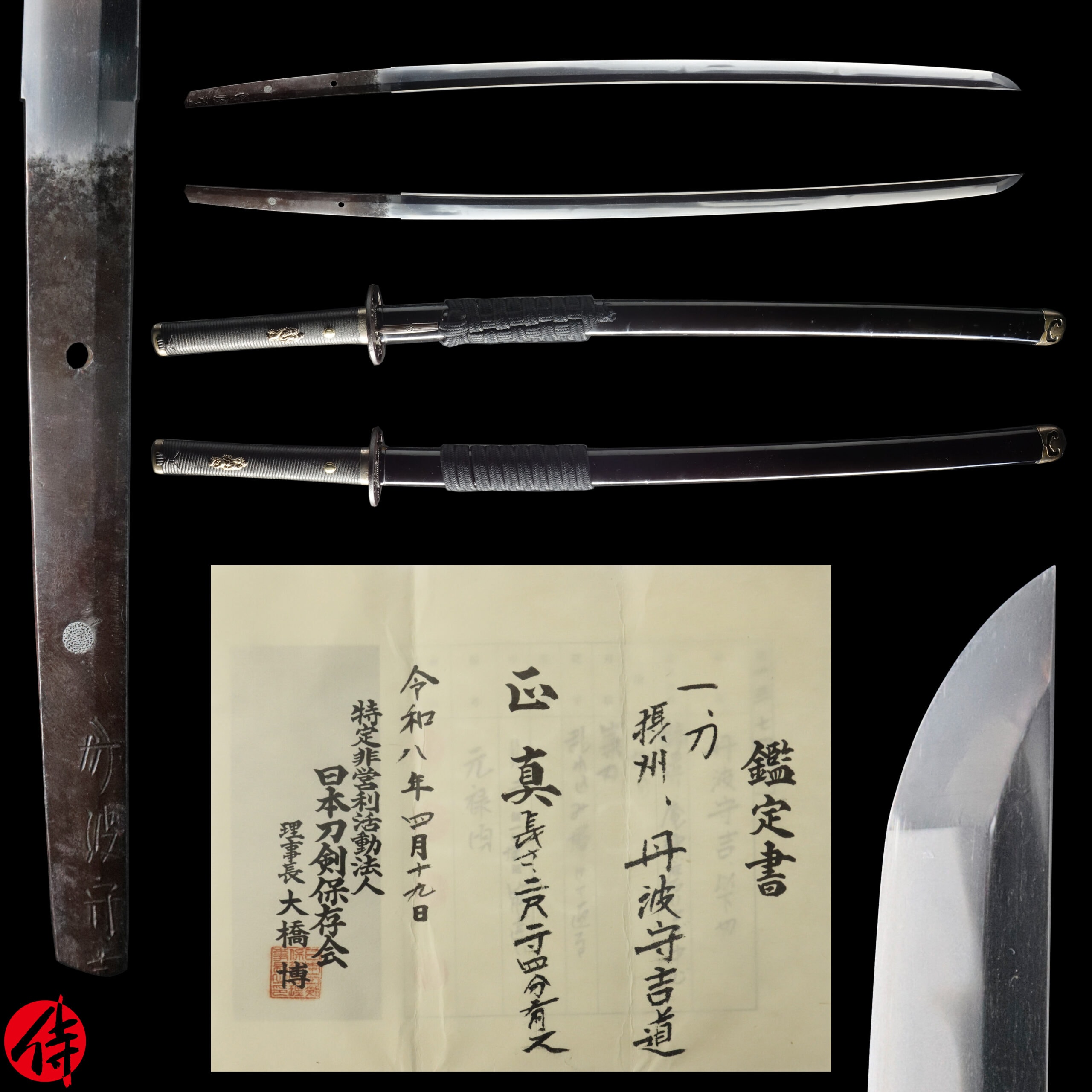
Mid Edo Katana signed by Tanba no Kami Yoshimichi for sale| Samurai Museum Shop E-mail FB Messenger Skip to content Menu Close Samurai Museum Shop Products Antique Japanese Sword Katana signed by Tanba no Kami Yoshimichi NTHK Kanteisho Certificate Updated: 22 Jun 2026 Antique Japanese Sword Katana signed by Tanba no Kami Yoshimichi NTHK Kanteisho Certificate
$7,441
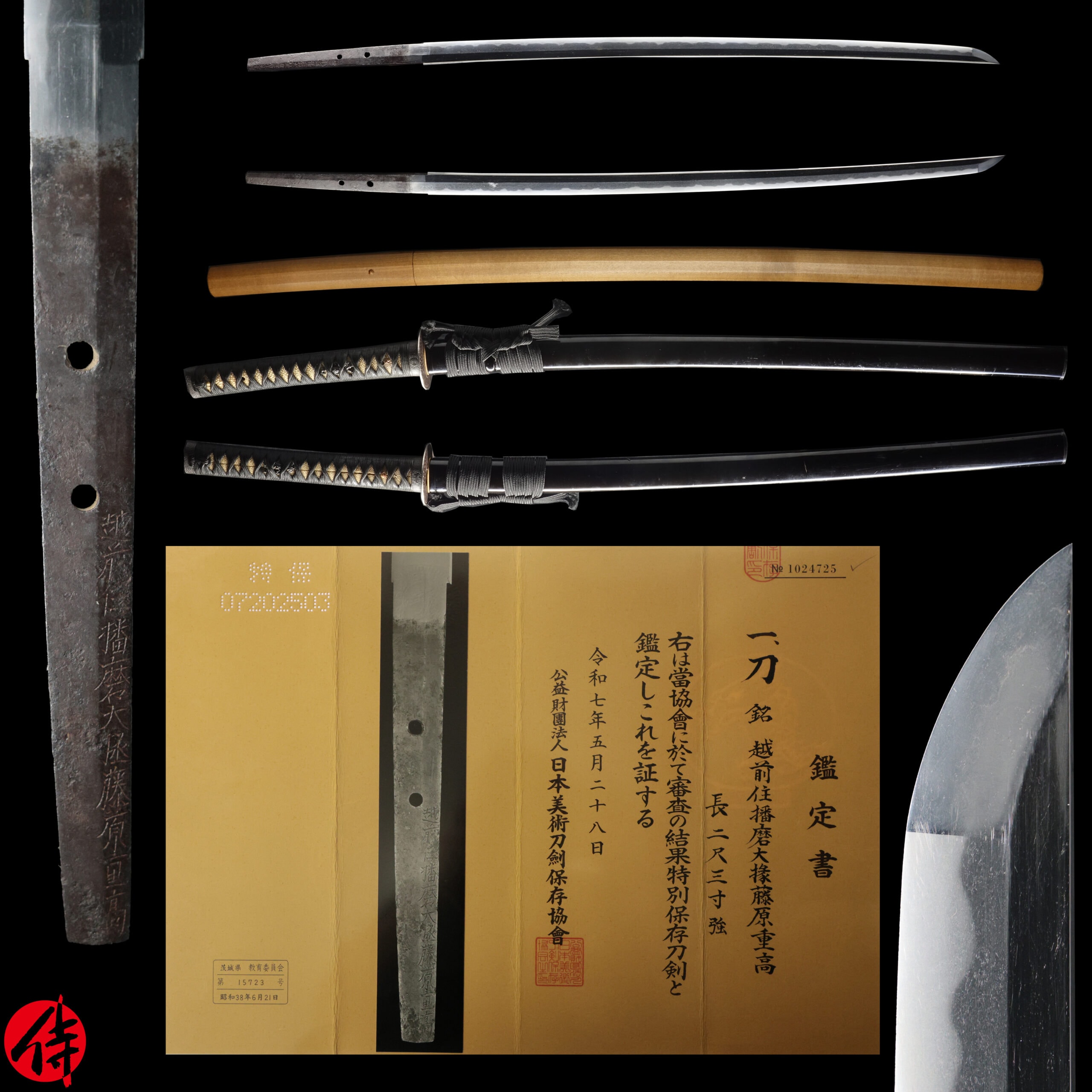
Muromachi Katana signed by Naminohira Yasuhide for sale
$7,751
Early Edo Nihonto signed by Shigetaka for sale
$7,131
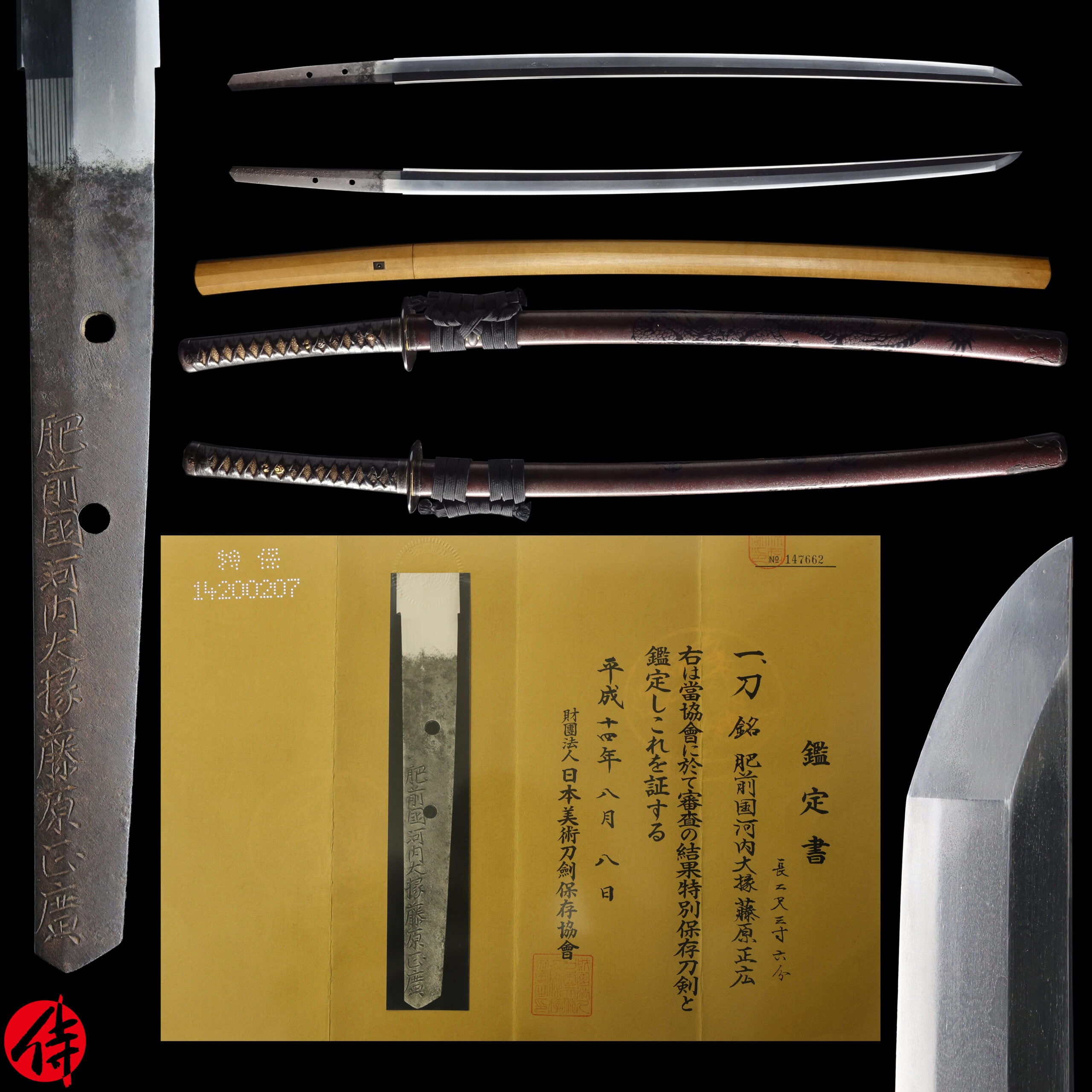
Antique Japanese Sword Katana Signed by Masahiro NBTHK Tokubetsu Hozon Certificate
$7,751
Antique Japanese Sword Katana Signed by Fujiwara Yukimitsu with Tokubetsu Hozon Certificate 【Description】 This blade was forged by Fujiwara Yukimitsu (藤原行光) during the early Edo period (approx.300-350 years old). Yukimitsu resided in Bungo province in today’s Ohita prefecture and he belonged to Takada school. Takada school was founded by Takada Tomoyuki in Takada village, Ohita prefecture, during the Nanbokucho period (1334-1338 A.D). Tomoyuki went to Bizen province (today’s Okayama prefecture) to master the sword-forging techniques of BIZEN and came back to the village and trained his apprentices. That is how Takada school started. Those who forged swords in Takada village before the Edo period are called Taira Takada and Fujiwara Takada during the Edo period. Based on the signature, this blade is categorized as Fujiwara Takada. Fujiwara Yukimitsu also forged swords in Kumamoto prefecture. During Sengoku Period (the warring state period: from late 15 C to late 16 C), the Takada school forged many swords for feudal lords in Kyushu island. It is said that the reputation of the blades forged by Takada school was close to MINO or BIZEN swords, two of which are the most famous sword forging places. This highly skilled sword forging technique was passed down to later generations in the Edo period. The Bungo domain was ruled by Otomo Yoshishige (Sorin) during the Sengoku period. Yoshishige and his domain built a strong military and political base there. Yoshishige was known as one of the most famous warlords on Kyushu island. It is said that Takada swordsmiths forged swords for those who served the Otomo clan and Yukimitsu played an important role to make Takada school prosperous during the Edo period along with Tokiyuki and Shigeyuki. Generally speaking, Kyushu island was prosperous in sword-making because of the long history of trading with Asian countries. To gain an advantage in trading, many feudal lords on this island fought against each other. Takada school was able to receive many orders as the demand increased among those lords. The material of Japanese swords(high-quality iron sand and charcoal) was abundant in the mount Sobo Katamuki, located near Takada village. We believe Takada school prospered because of its geographic location and natural resources. The s words forged in Takada village are known as Takadamono (高田物), whose name became widespread among strong Samurai warriors. And the school was one of the most prestigious ones in Ohita prefecture. It is appraised as a Tokubetsu Hozon Token (特別保存刀剣) issued by NBTHK (Nihon Bijutsu Touken Hozon Kyokai:日本美術刀剣保存協会). This authentication paper was only given to authentic Japanese swords, especially well preserved and high quality with artistic value. *Please keep in mind that there are a couple of Kitae Kizu on this blade. If you like to know the detailed condition, please feel free to contact us. 【 Blade】 Cutting Edge Length(Nagasa) : 70.5 cm (27.7 inches) Curvature(Sori) : 1.8 cm (0.70 inches) Hamon : The crystalline structure which forms along the cutting edge of a blade as a result of the hardening process Jimon(Jihada) : visible steel surface pattern created by folding and hammering during forging process Kissaki : Kissaki is the tip of the Japanese sword. Nakago : Nakago is the tang of the Japanese sword. Japanese swordsmiths left the black rust on the tang because it prevents red rust while the tang is in its handle. And the discoloration of the tang was created over time, and it is a great indicator for a Japanese sword specialist to estimate when the sword was forged. Koshirae : Koshirae is the mounting of the Japanese sword. There are several parts that consist of Koshirae such as Saya (Scabbard), Tsuka (Handle), Tsuba (Handguard). Fuchi-Kashira : A pair of matching sword fittings that cover the upper and bottom parts of its sword hilt. The motif of this Kashira is the Tsubaki (椿, camellia). Petals have silvery color, and buds are colored gold. Since this plant is
NihontoWatchBETA売却済
世界81社の刀剣商を横断追跡 · 価格履歴 · 売却アーカイブ
70.5 cm
1.8 cm
Mid Edo Katana signed by Tanba no Kami Yoshimichi for sale| Samurai Museum Shop E-mail FB Messenger Skip to content Menu Close Samurai Museum Shop Products Antique Japanese Sword Katana signed by Tanba no Kami Yoshimichi NTHK Kanteisho Certificate Updated: 22 Jun 2026 Antique Japanese Sword Katana signed by Tanba no Kami Yoshimichi NTHK Kanteisho Certificate
$7,441
Muromachi Katana signed by Naminohira Yasuhide for sale
$7,751
Early Edo Nihonto signed by Shigetaka for sale
$7,131
Antique Japanese Sword Katana Signed by Masahiro NBTHK Tokubetsu Hozon Certificate
$7,751