二十世紀は二度この工芸を殺しかけた。戦時の歪みと、占領下の禁令である。1948年の日刀保設立と1953年の作刀再開が刀を美術として再建し、人間国宝と無鑑査がその頂に立つ。
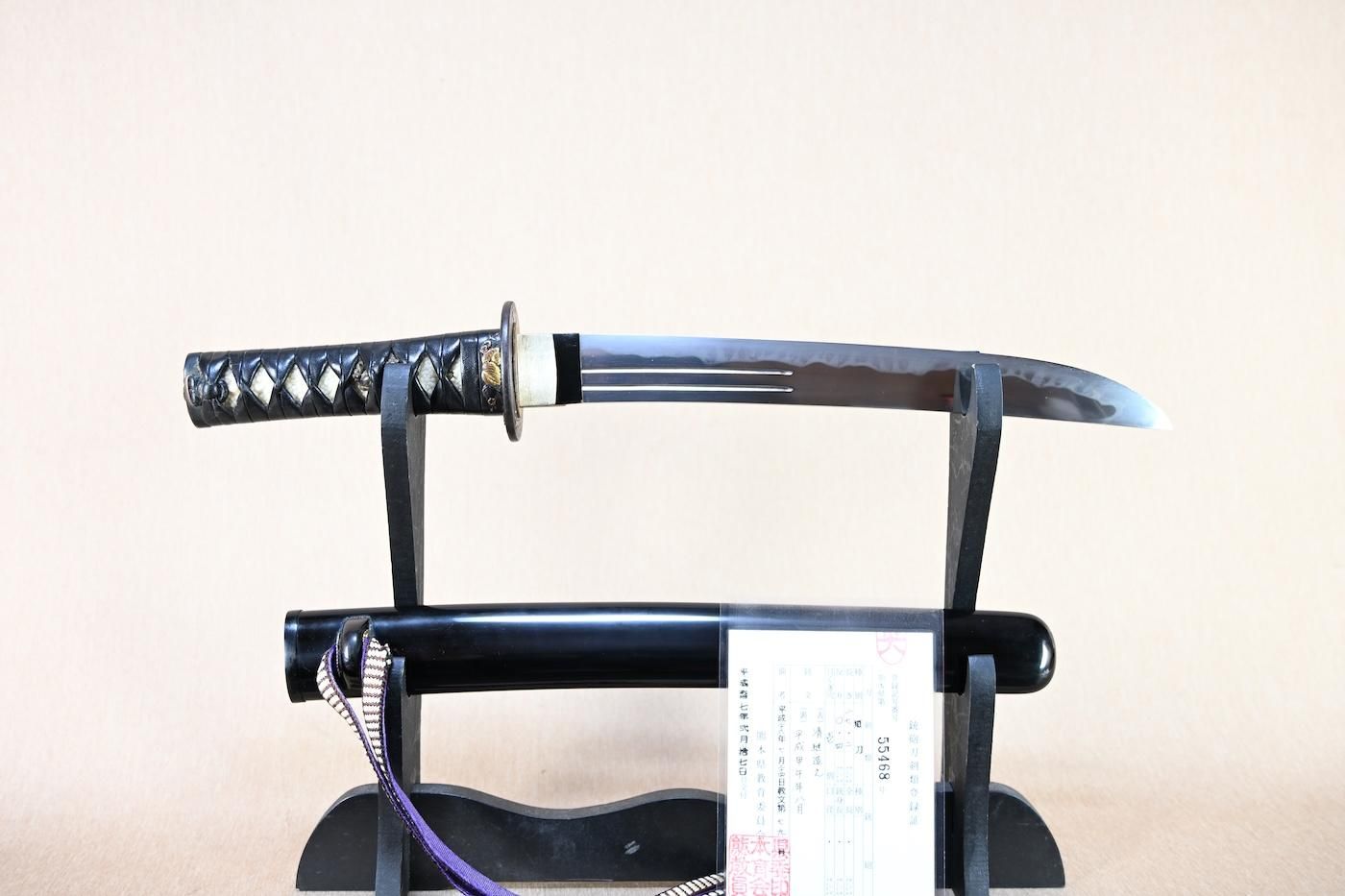
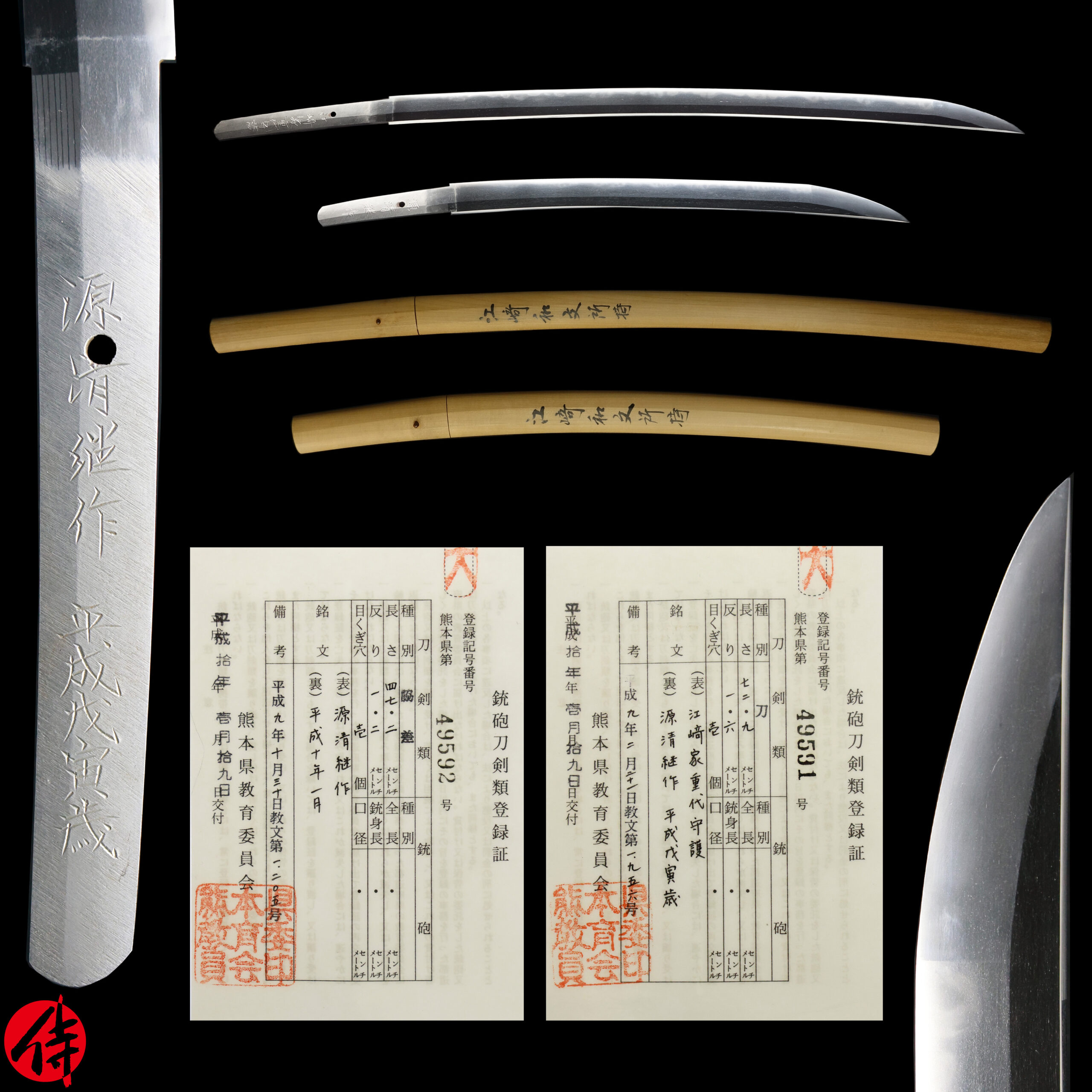
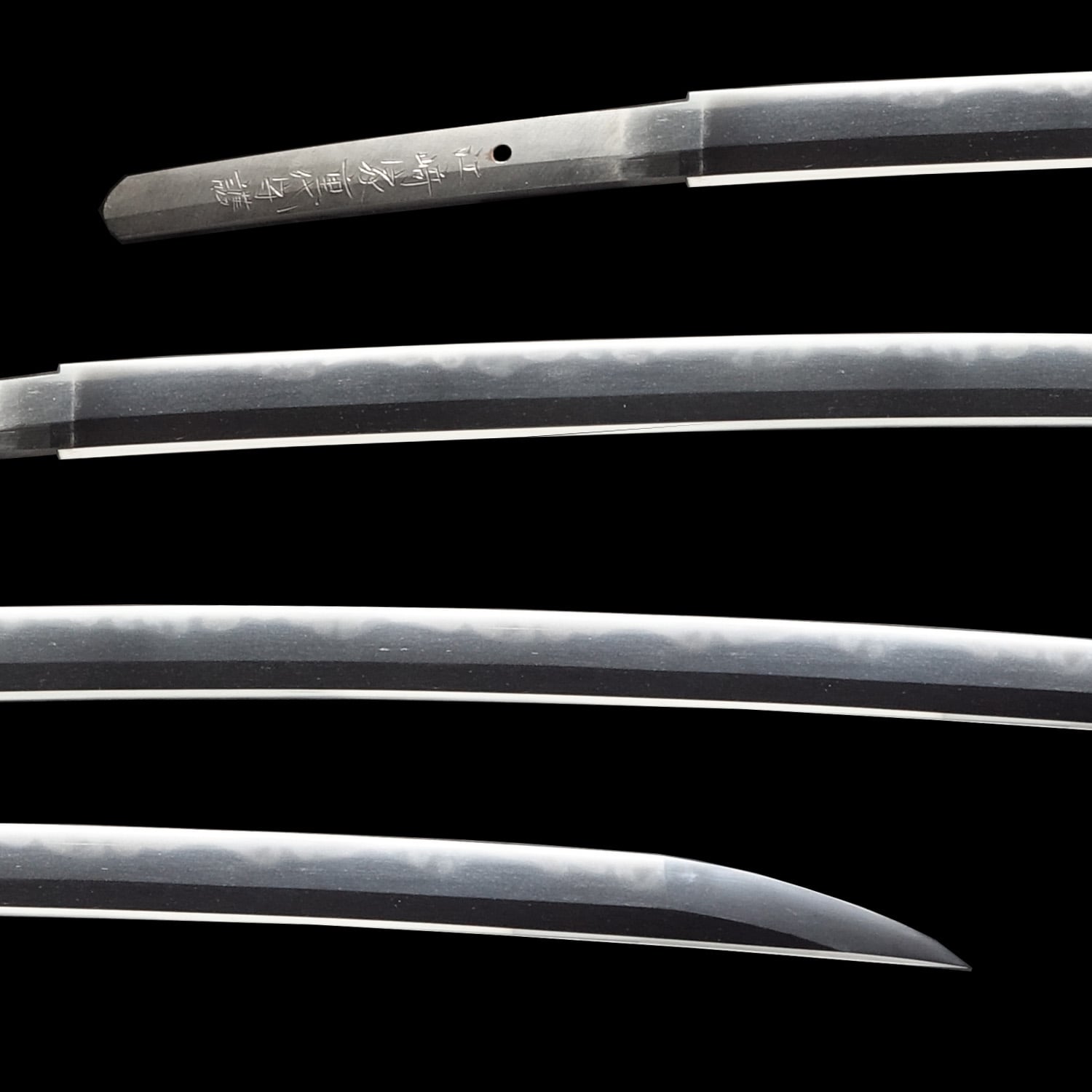
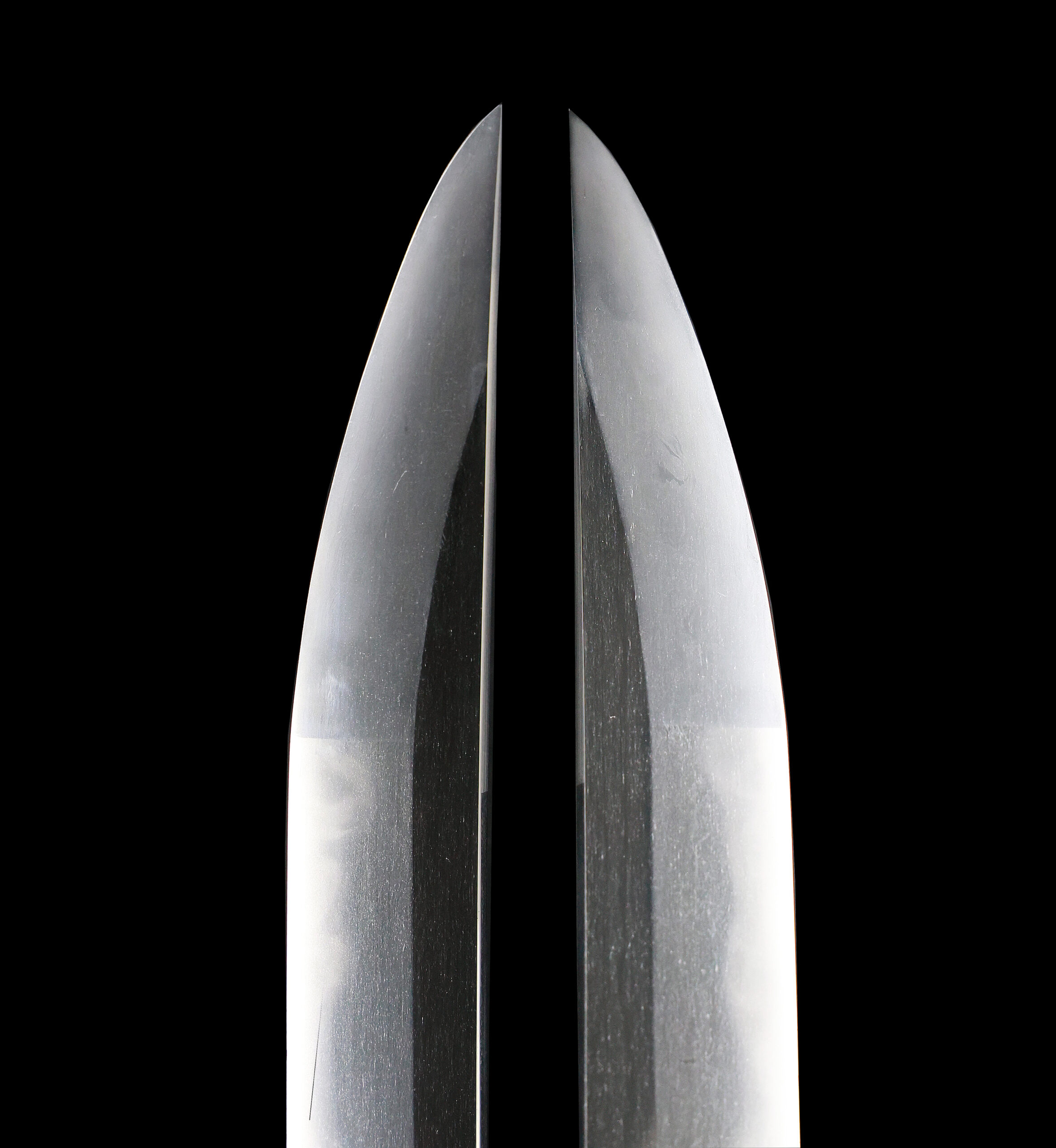
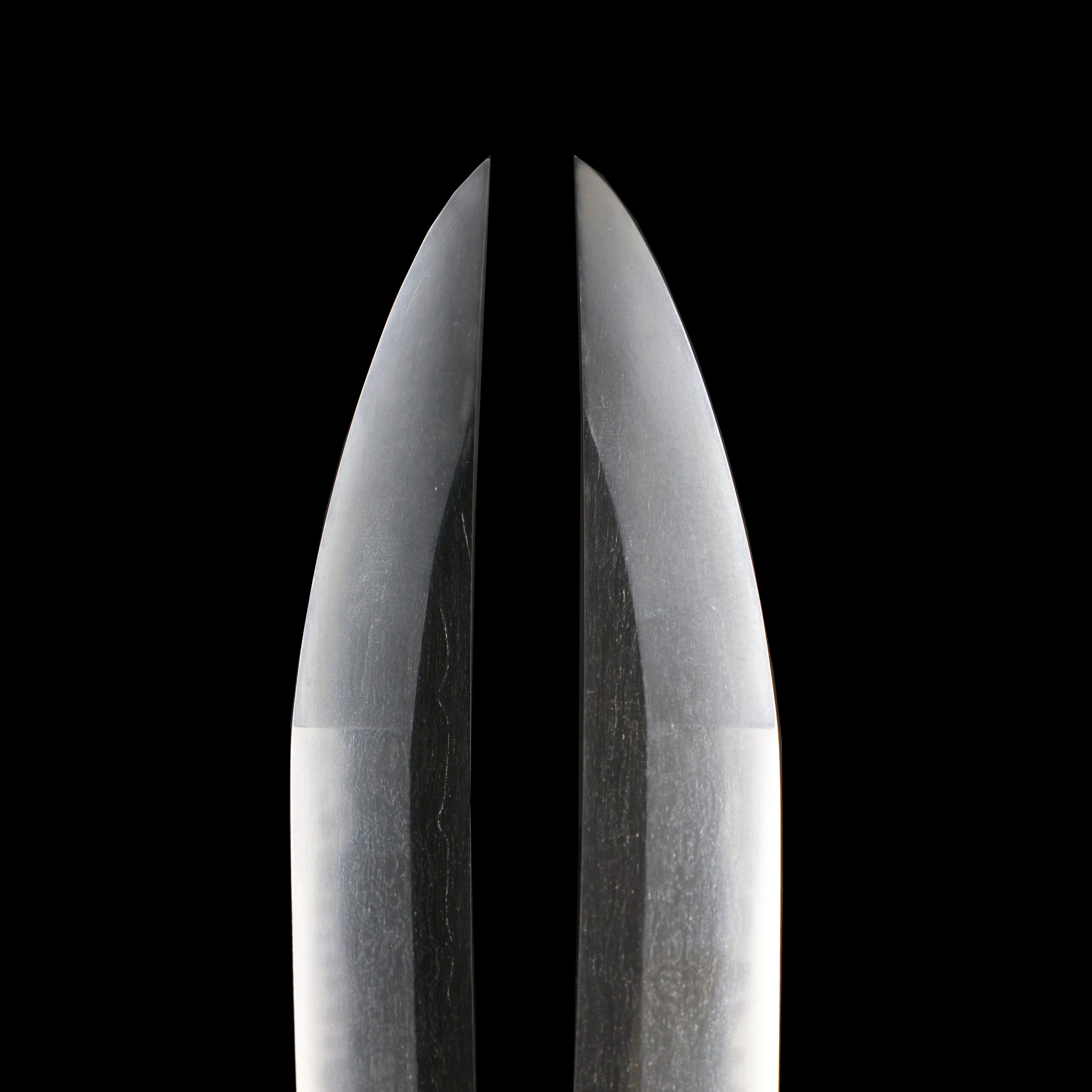
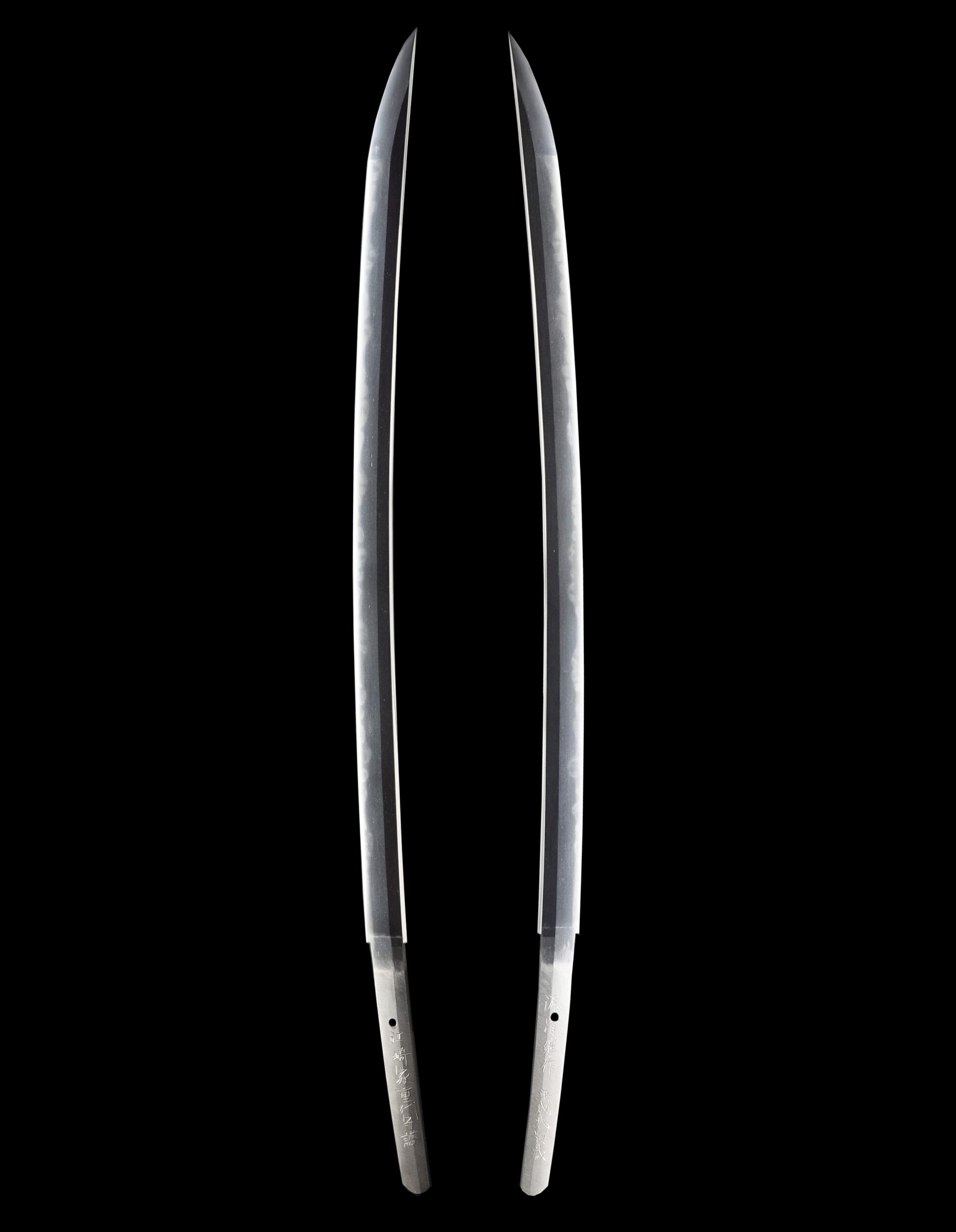
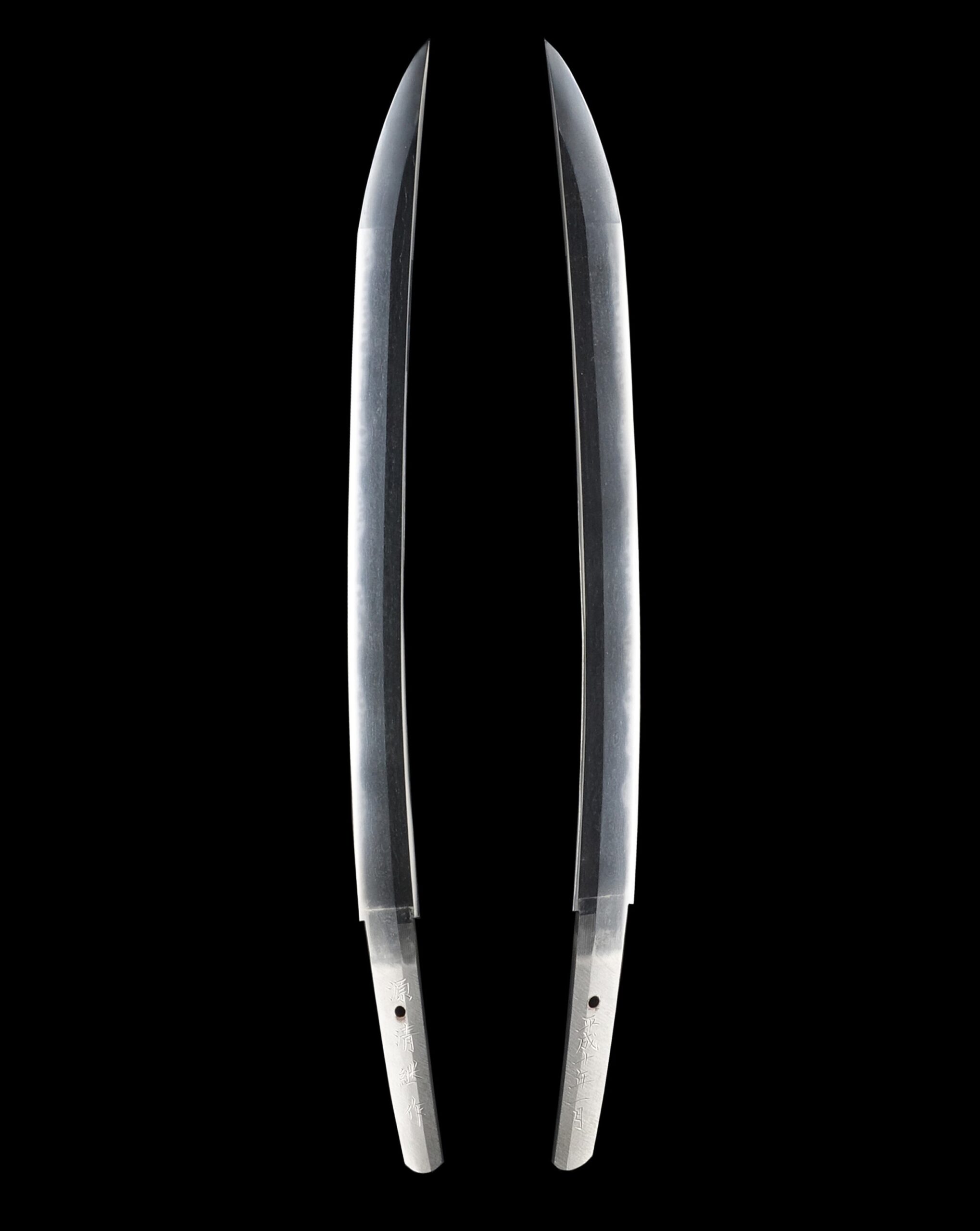
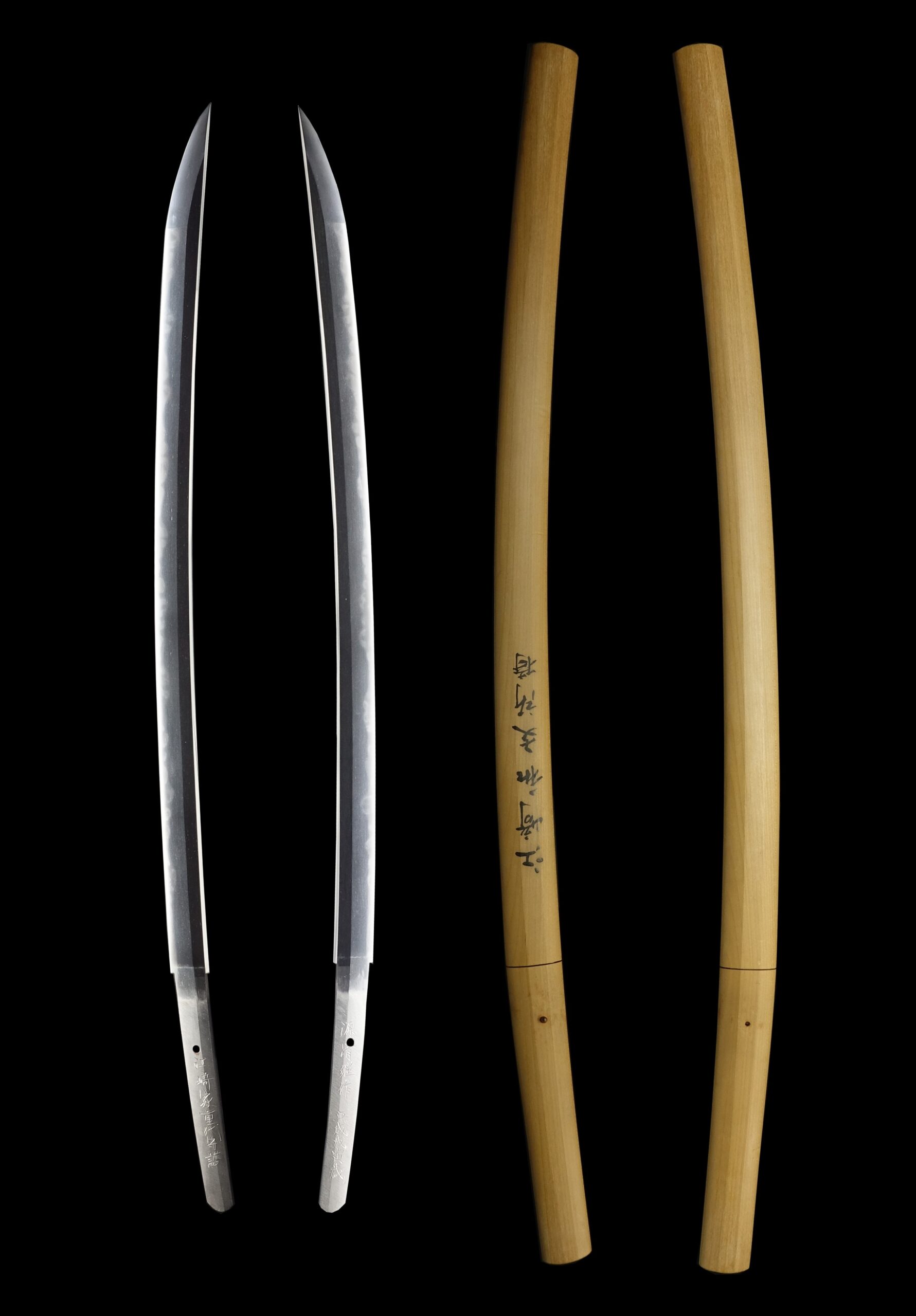
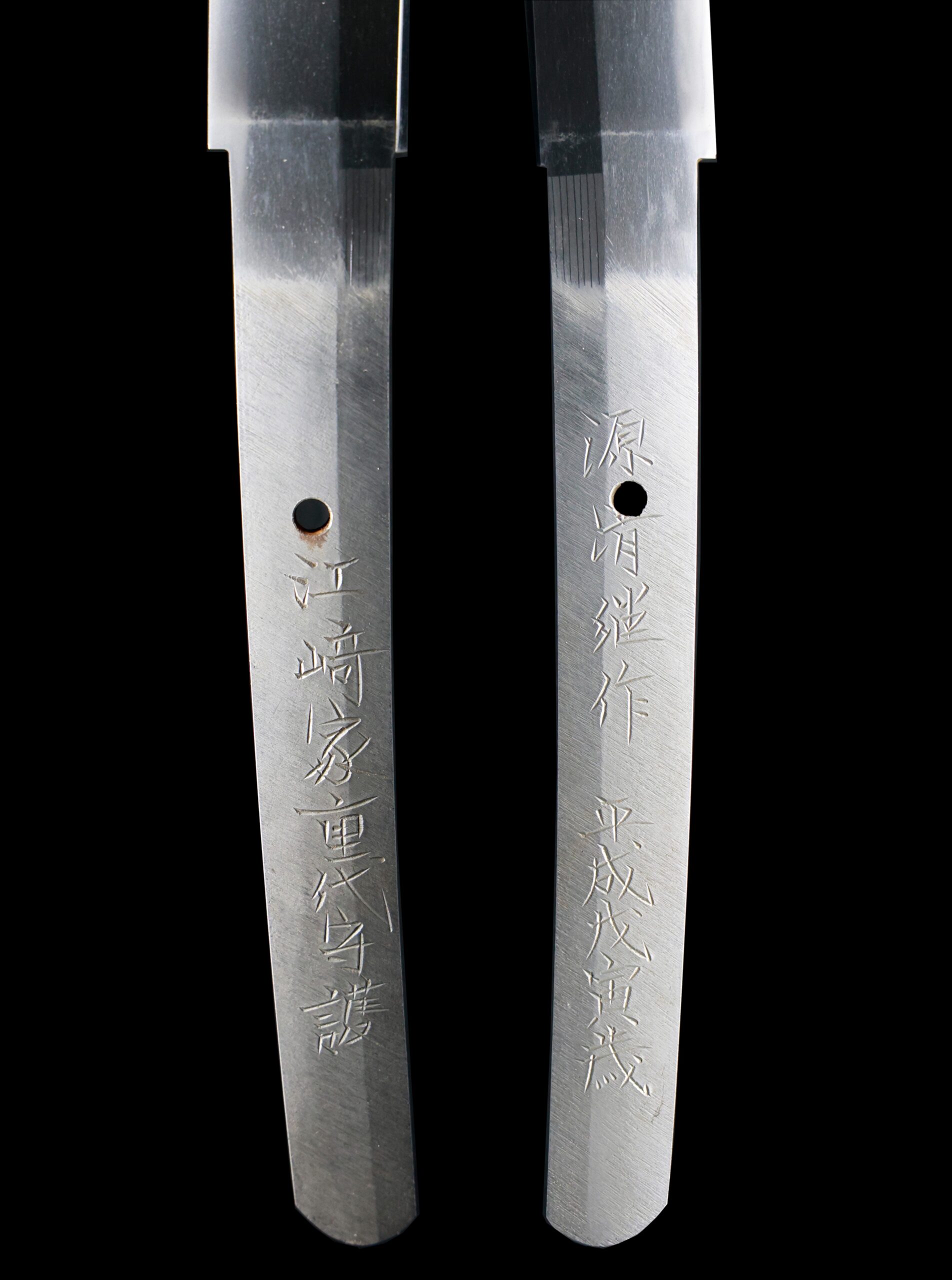
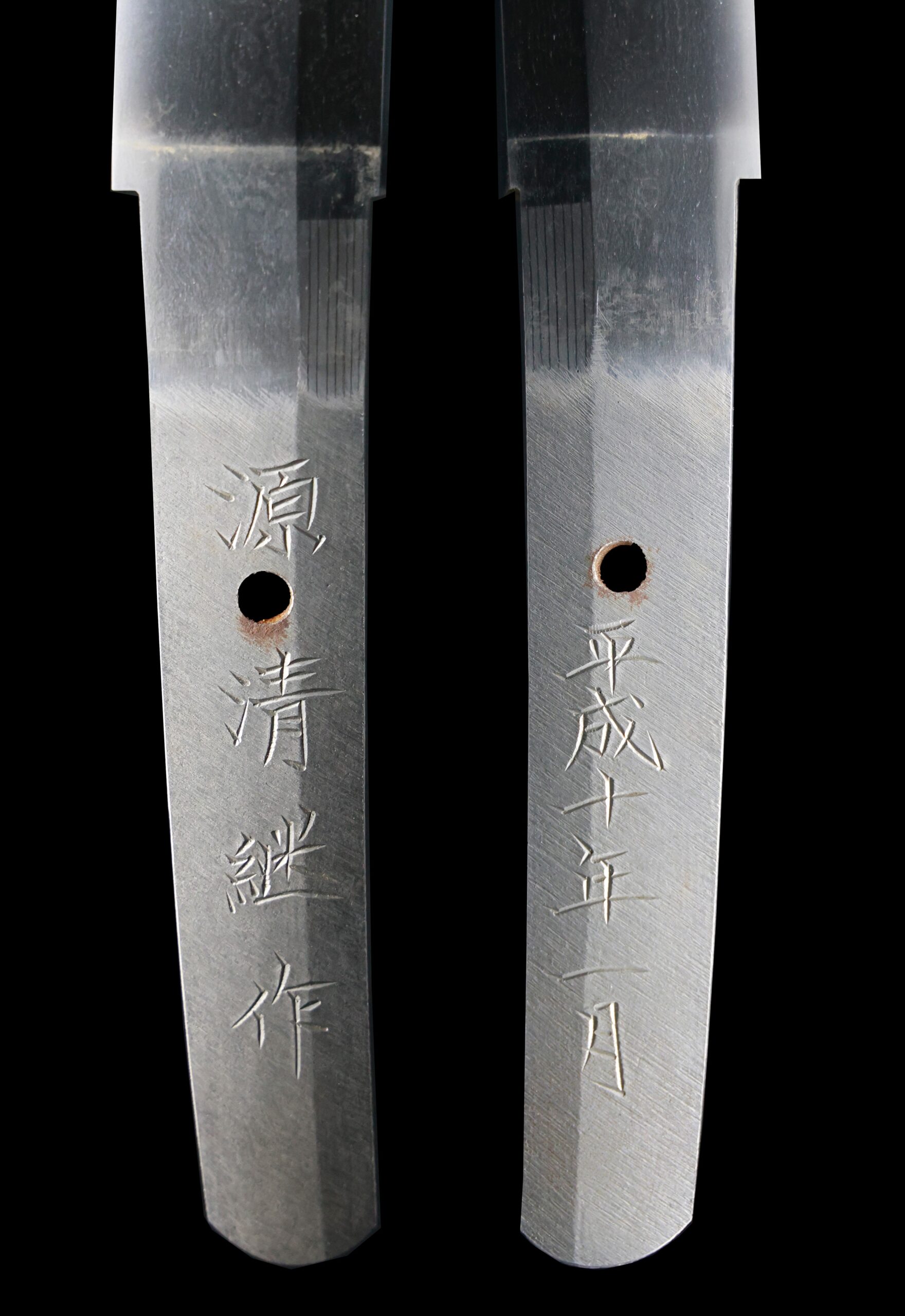
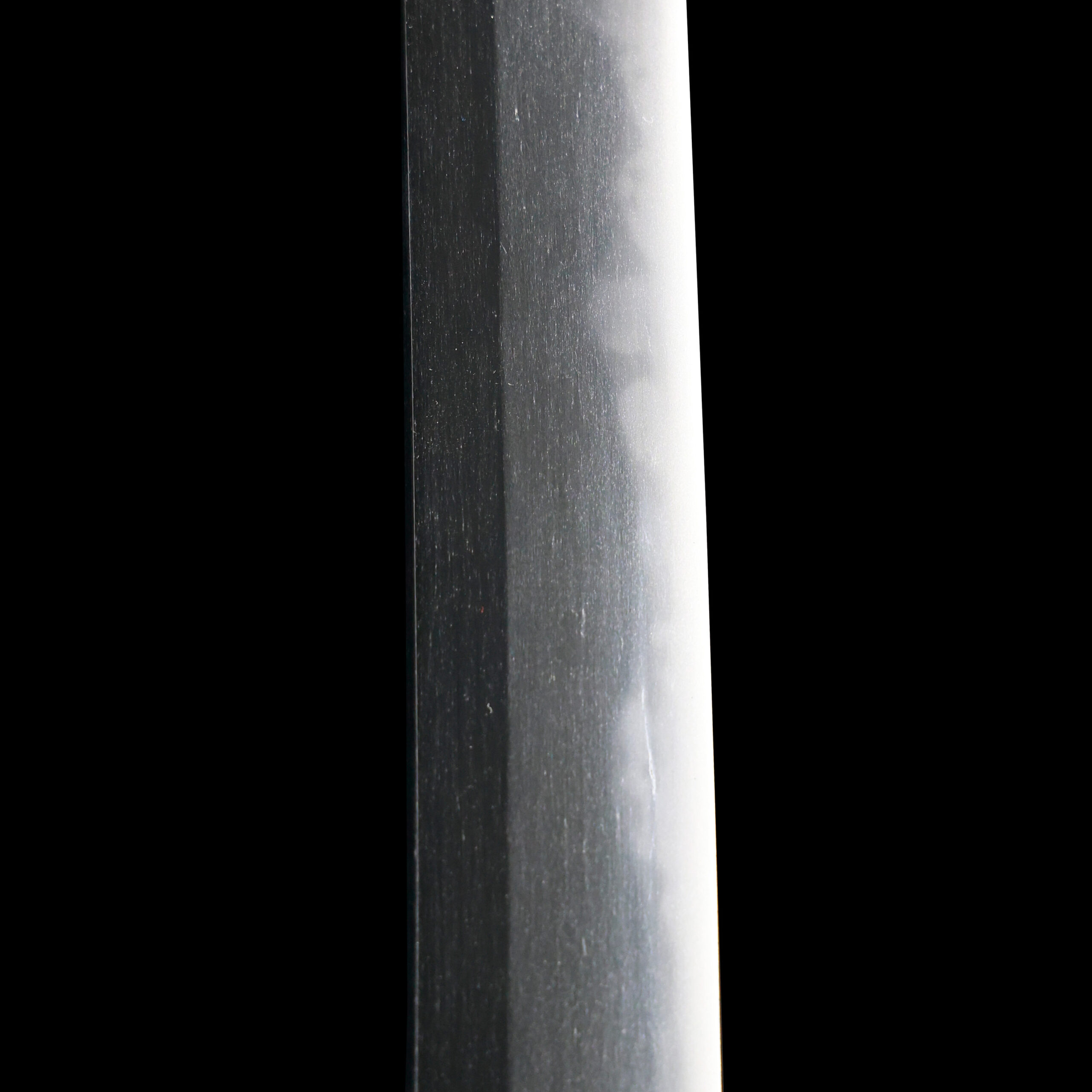
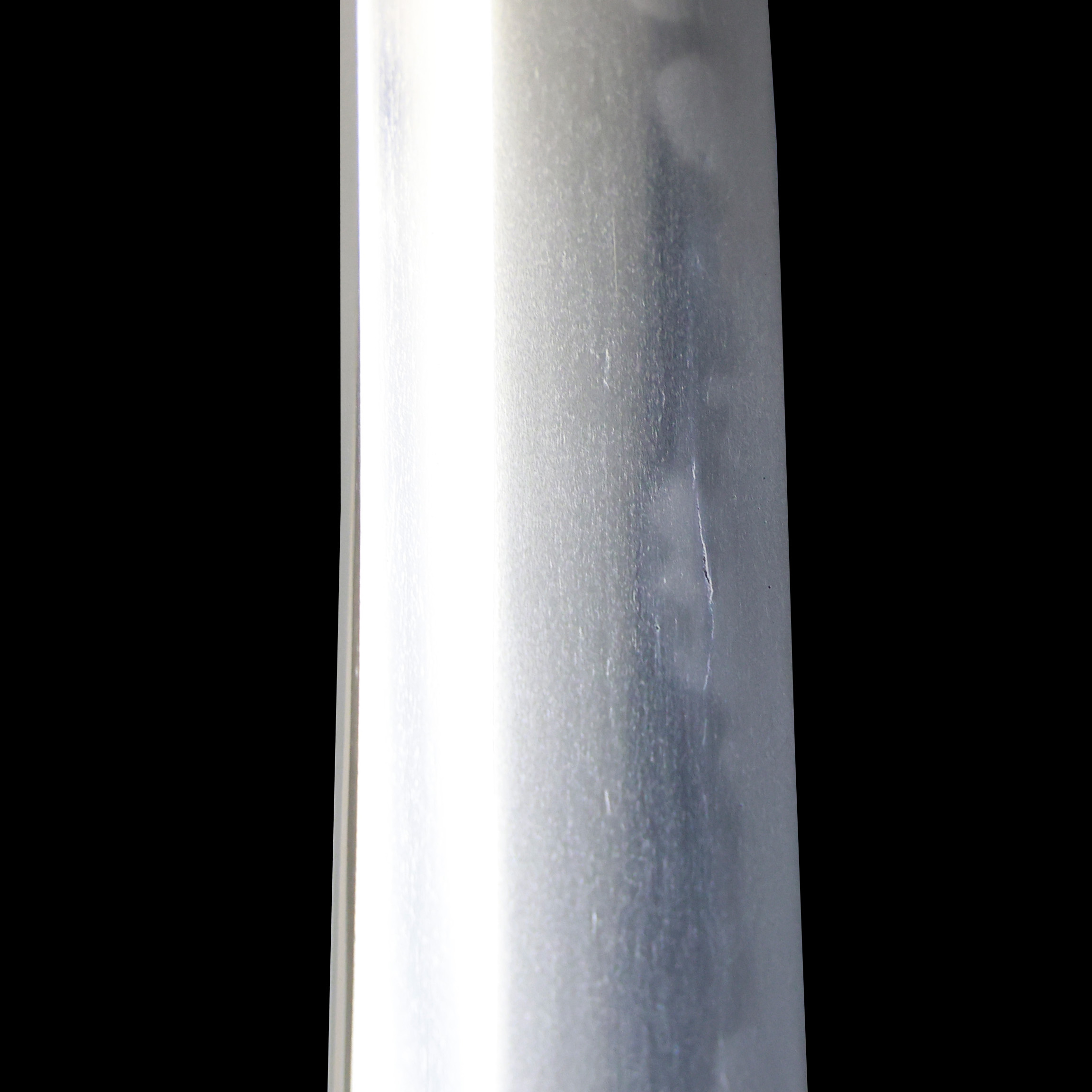
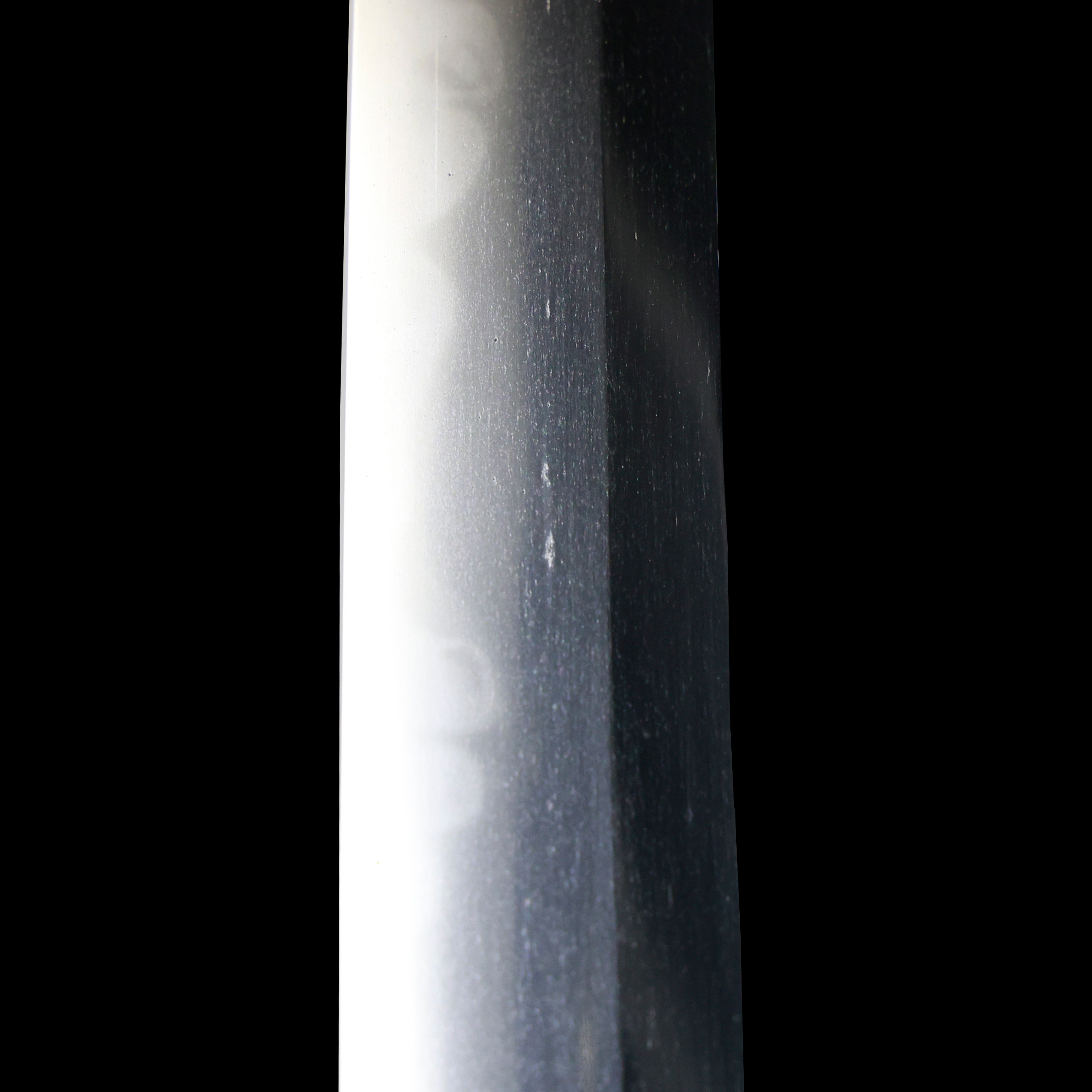
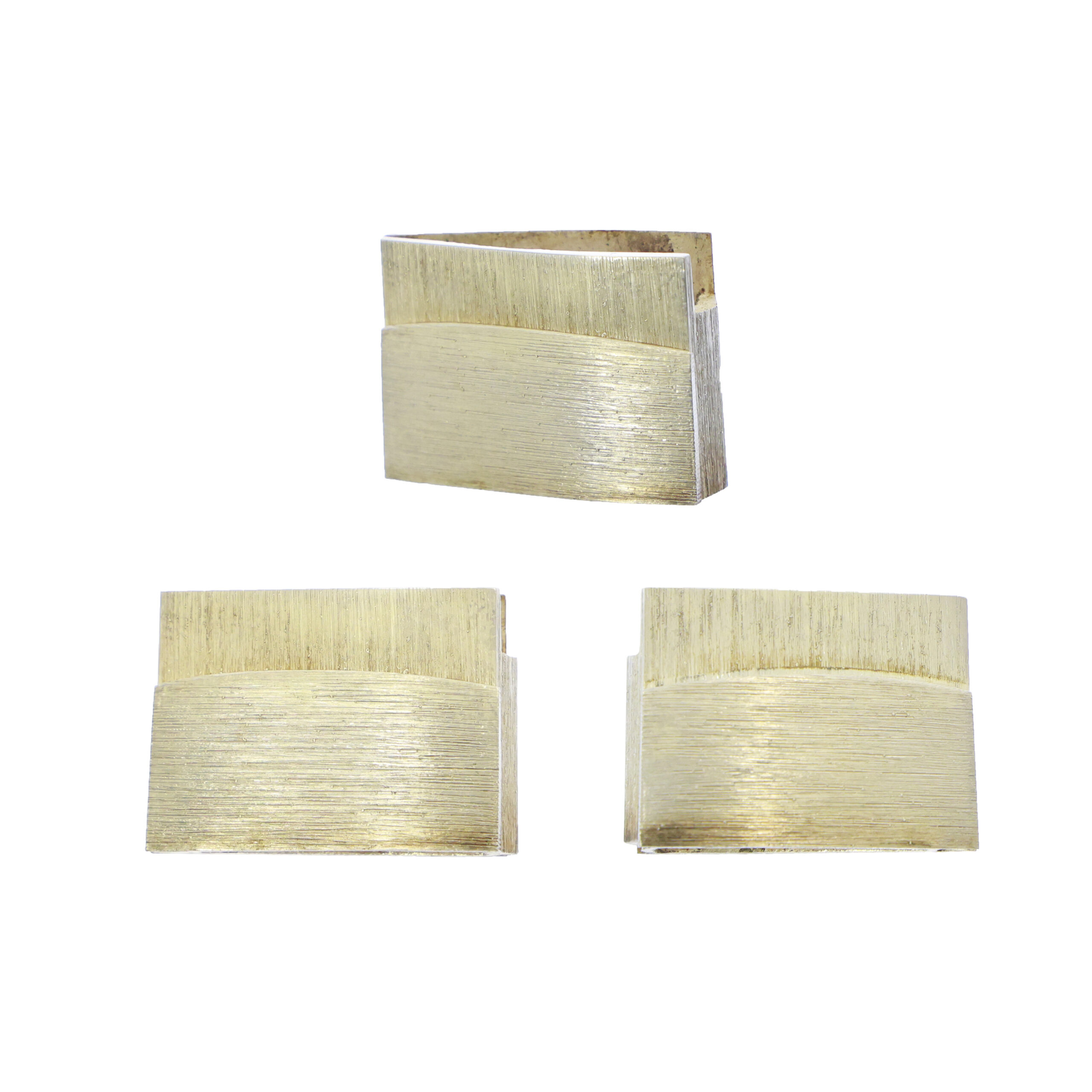
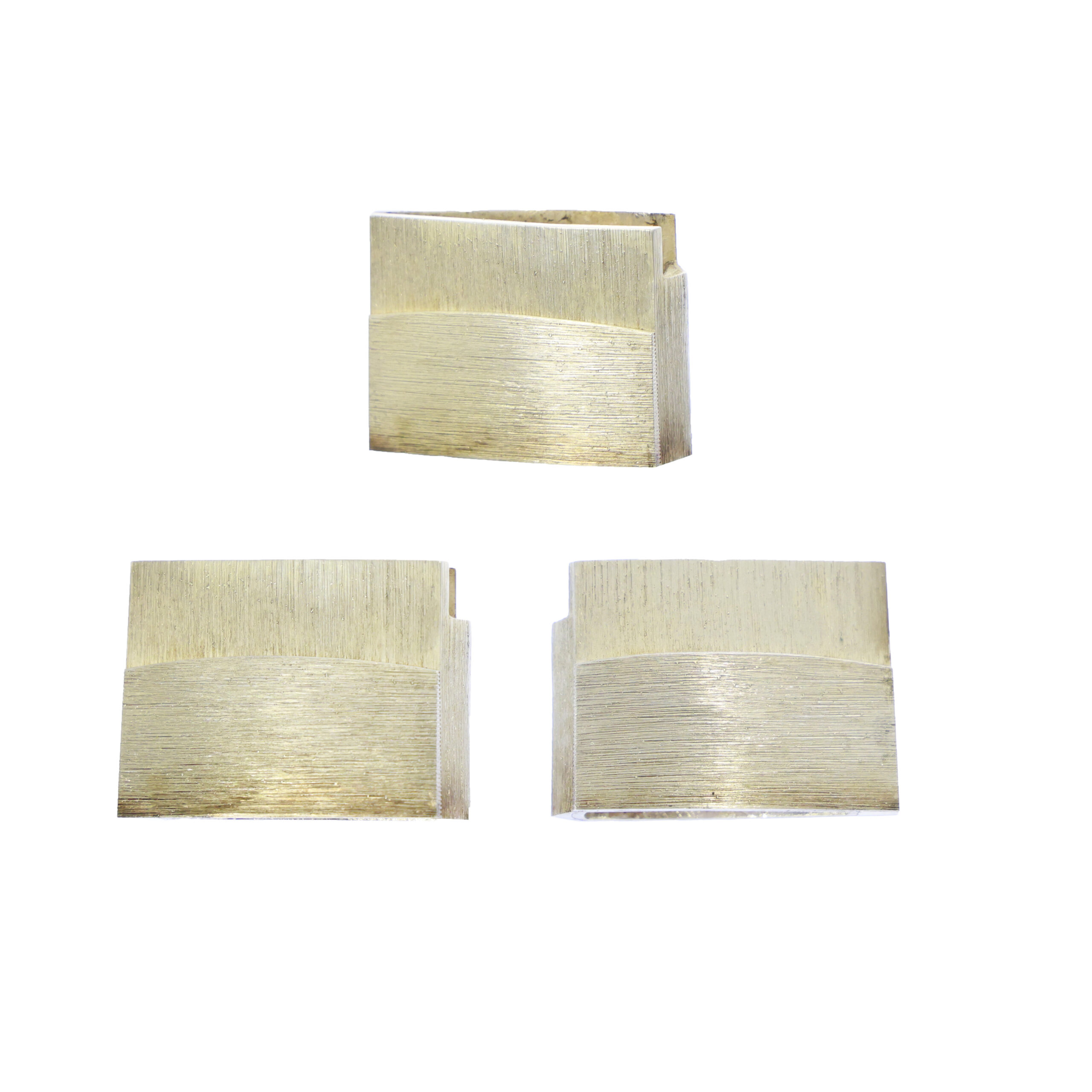
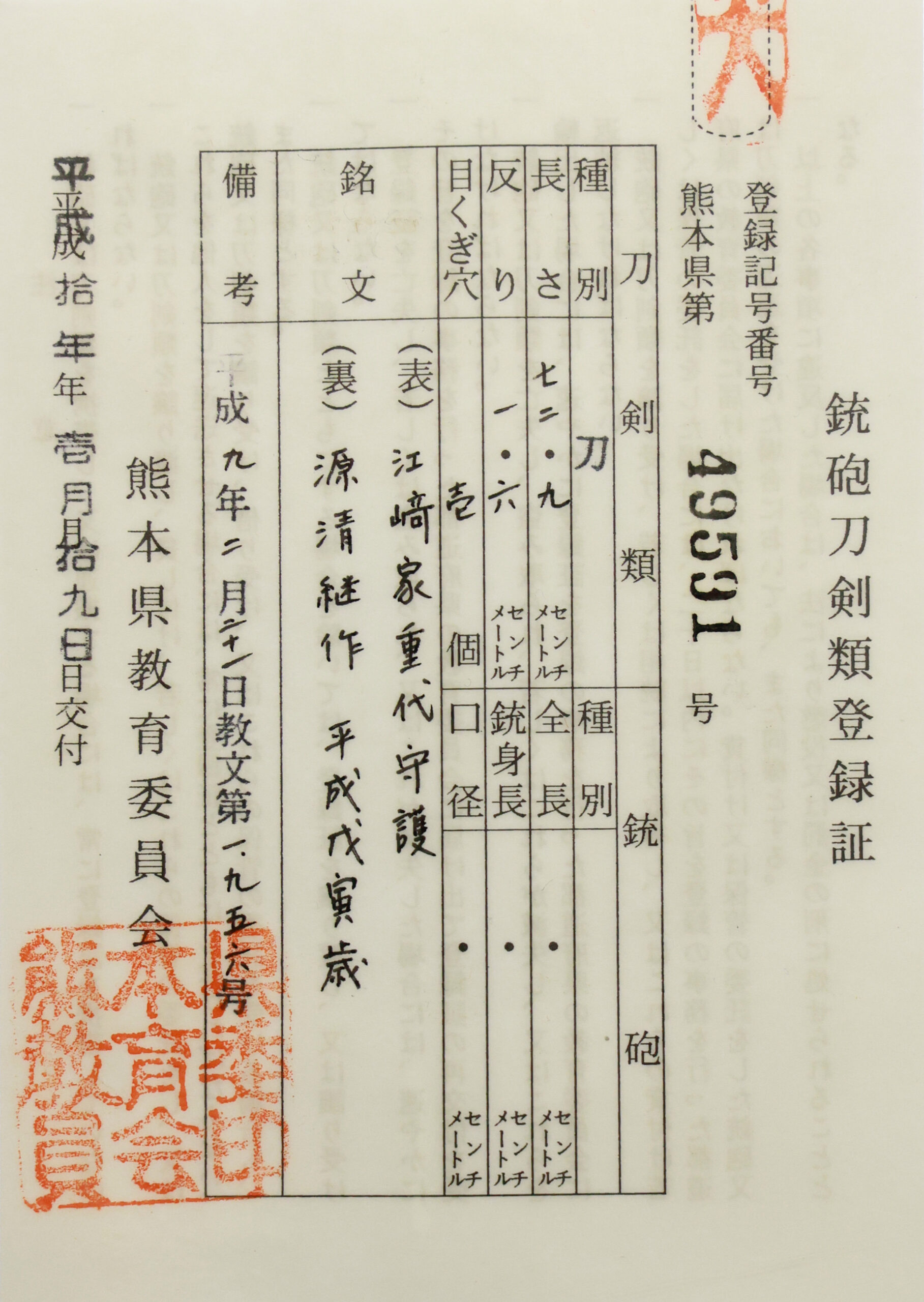
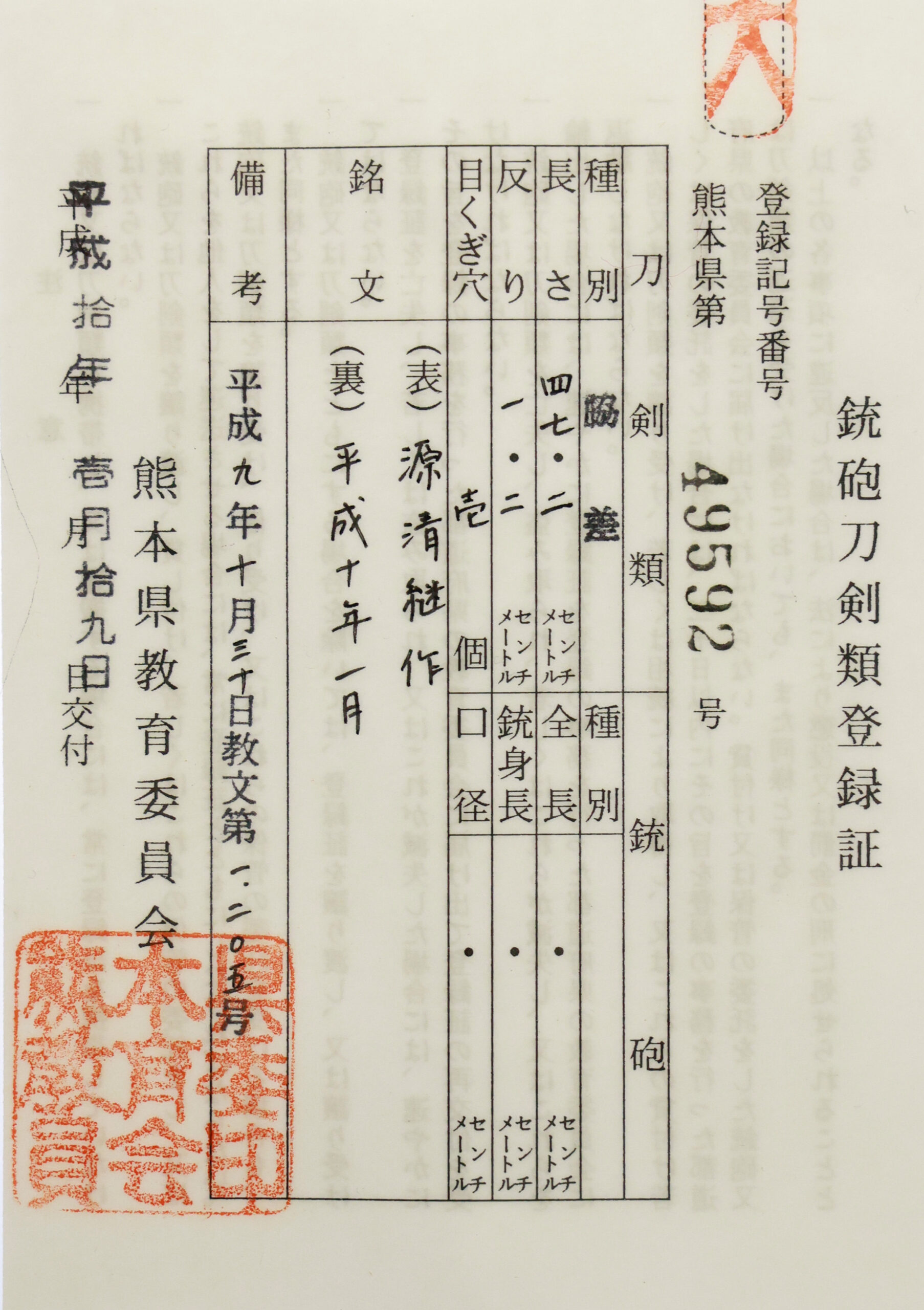
Authentic Modern Japanese Sword Daisho Signed by Minamoto Kiyotsugu 【Description】 Both Katana and Wakizashi were signed by Minamoto Kiyotsugu (源清継) in January, the 10th year of the Heisei era (1998). His real name is Matsunaga Genrokurō(松永源六郎). He was born on January 29, 1948, in Ōmuta City, Fukuoka Prefecture, and currently resides in Kawatō, Arao City, Kumamoto Prefecture. Minamoto Kiyotsugu is a member of the All Japan Swordsmith Association and has received numerous accolades, including the 18th Kumamoto Prefectural Culture Award. In addition to his craft, he is a martial artist who personally conducts test cutting (tameshigiri, 試し切り) and serves as the head of Kōdai-ryū Tameshigiri Gen Seikai(小岱流斬試源清会). Beyond swordsmanship, he is also actively involved in community service, working as a family court mediator, probation officer, and part-time lecturer at a vocational high school, contributing significantly to the preservation and transmission of traditional culture in his region. About Kumamoto Prefecture Kumamoto Prefecture has a deep historical connection to Japanese sword-making, having produced many renowned swordsmiths. This includes the Enju school, which flourished in the late Kamakura to Nanbokuchō period in Kikuchi, Higo Province (now Kumamoto Prefecture), as well as the Dotanuki school, which was active from the Muromachi period to the early Edo period. The Shinshintō-era Dotanuki school, led by Higo Dotanuki Muneyasu, is also well known. Even today, Kumamoto remains home to many dedicated swordsmiths who continue the tradition of forging Japanese swords with great passion and skill. About Modern Swordsmith There are around 150-200 swordsmiths in Japan today. To legally produce Japanese swords, one needs to pass the national exam given by the Agency for Cultural Affairs(Bunka-Cho) and receive the license. Before taking the exam, one must finish his or her apprenticeship under a licensed master for more than five years. Those who practice Iaido(居合道) tend to use those modern swords, and there are modern Japanese sword collectors nationwide. Modern Japanese sword makers are researching old ways to forge swords and trying to recreate ancient-style swords. They are the ones who keep the tradition of Japanese history alive. What is Daisho? Daisho is a pair of two Japanese swords Samurai carried. During the Edo period, having Daisho in public places was considered social status for Samurai. Furthermore, Samurai were required to wear them under the law back then. Daisho is written as 大=Big and 小=Small. Dai part means Katana, and Sho part means Wakizashi. We are confident you would find this pair of Daisho gorgeous. They have such a fancy appearance that we believe a high-ranked Samurai owned them. *Please keep in mind that there are a couple of Kitae Kizu on the Katana blade. If you like to know the detailed condition, please feel free to contact us. 【Blade】 Katana Cutting Edge Length(Nagasa) : 72.9 cm (28.7 inches) Curvature(Sori) : 1.6cm (0.62 inches) Wakizashi Cutting Edge Length(Nagasa) : 47.2 cm (18.5 inches) Curvature(Sori) : 1.2cm (0.47 inches) Katana Hamon : The crystalline structure which forms along the cutting edge of a blade as a result of the hardening process Jimon(Jihada) : visible steel surface pattern created by folding and hammering during forging process Wakizashi Hamon : The crystalline structure which forms along the cutting edge of a blade as a result of the hardening process Jimon(Jihada) : visible steel surface pattern created by folding and hammering during forging process Kissaki : Kissaki is the tip of the Japanese sword. The kissaki of a Japanese sword varies by size and shape. Main types include ōkissaki (very large), chūkissaki (moderately large), kokissaki (smallest), kamasu-kissaki (tapered like a barracuda’s mouth), and ikubi-kissaki (short and stout like a boar’s neck). This sword has an ōkissaki, making its tip exceptionally large. Nakago : Nakago is the tang of the Japanese sword. Japa
 NihontoWatch
在銘 · 現代刀 · 長さ 72.9cm · 反り 1.6cm
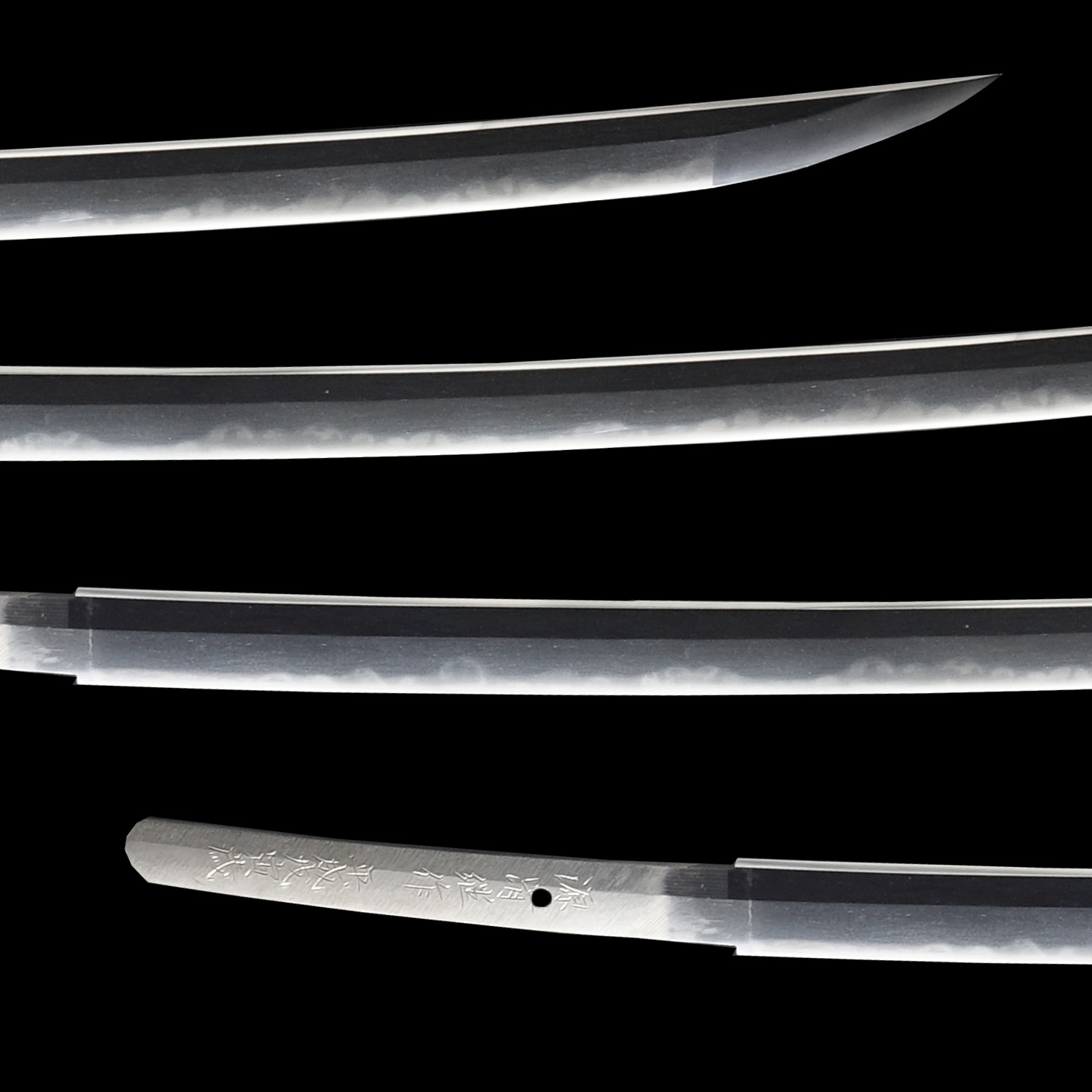
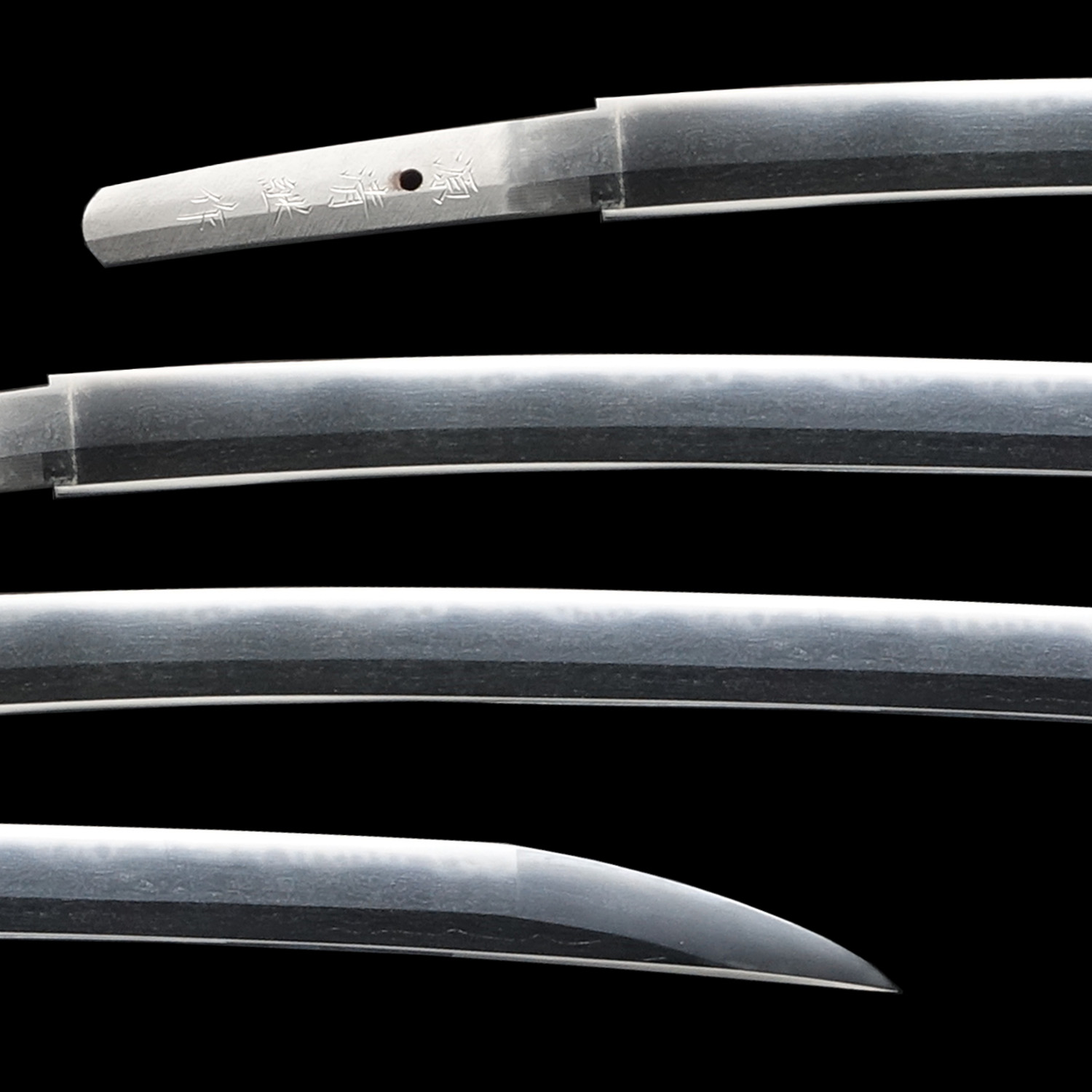
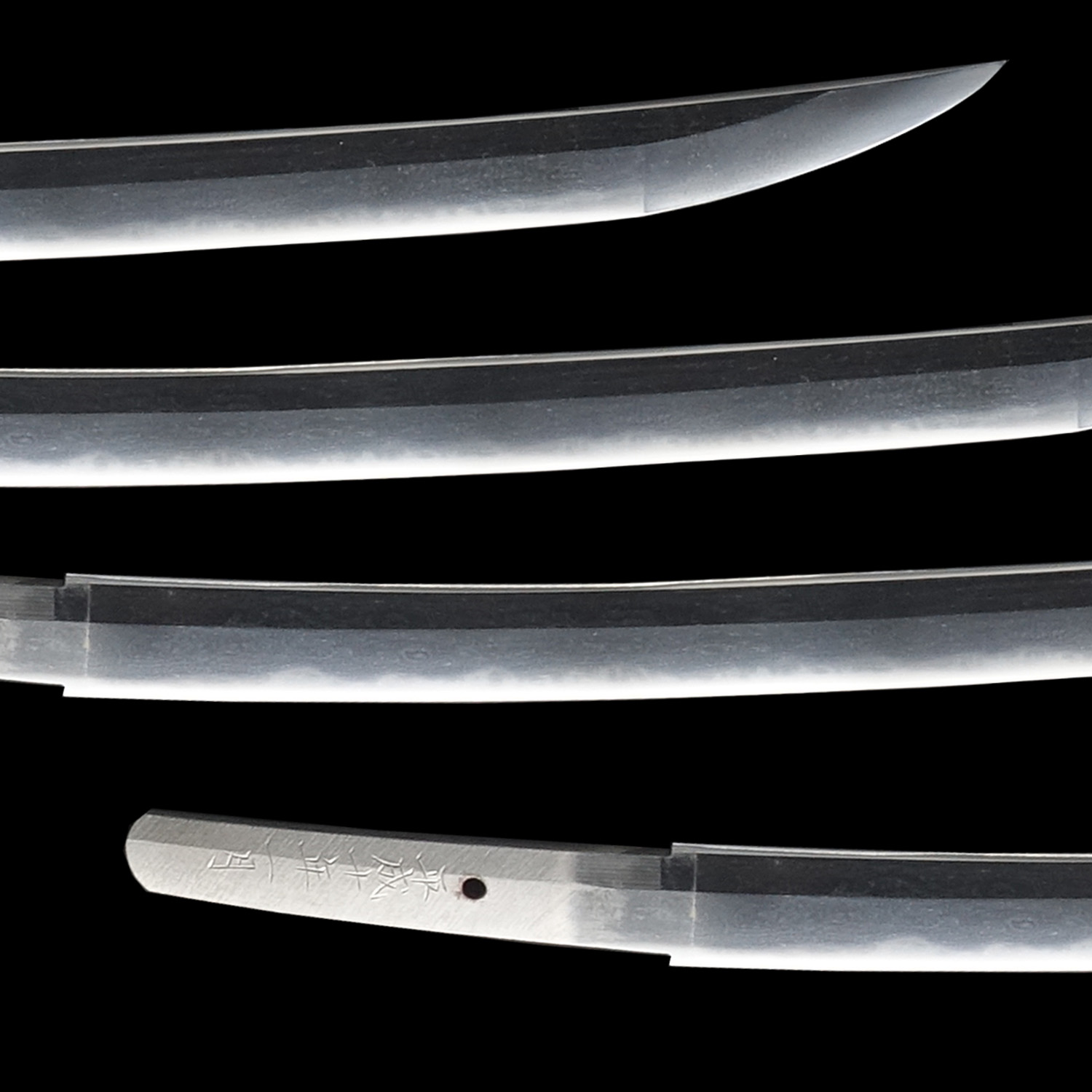
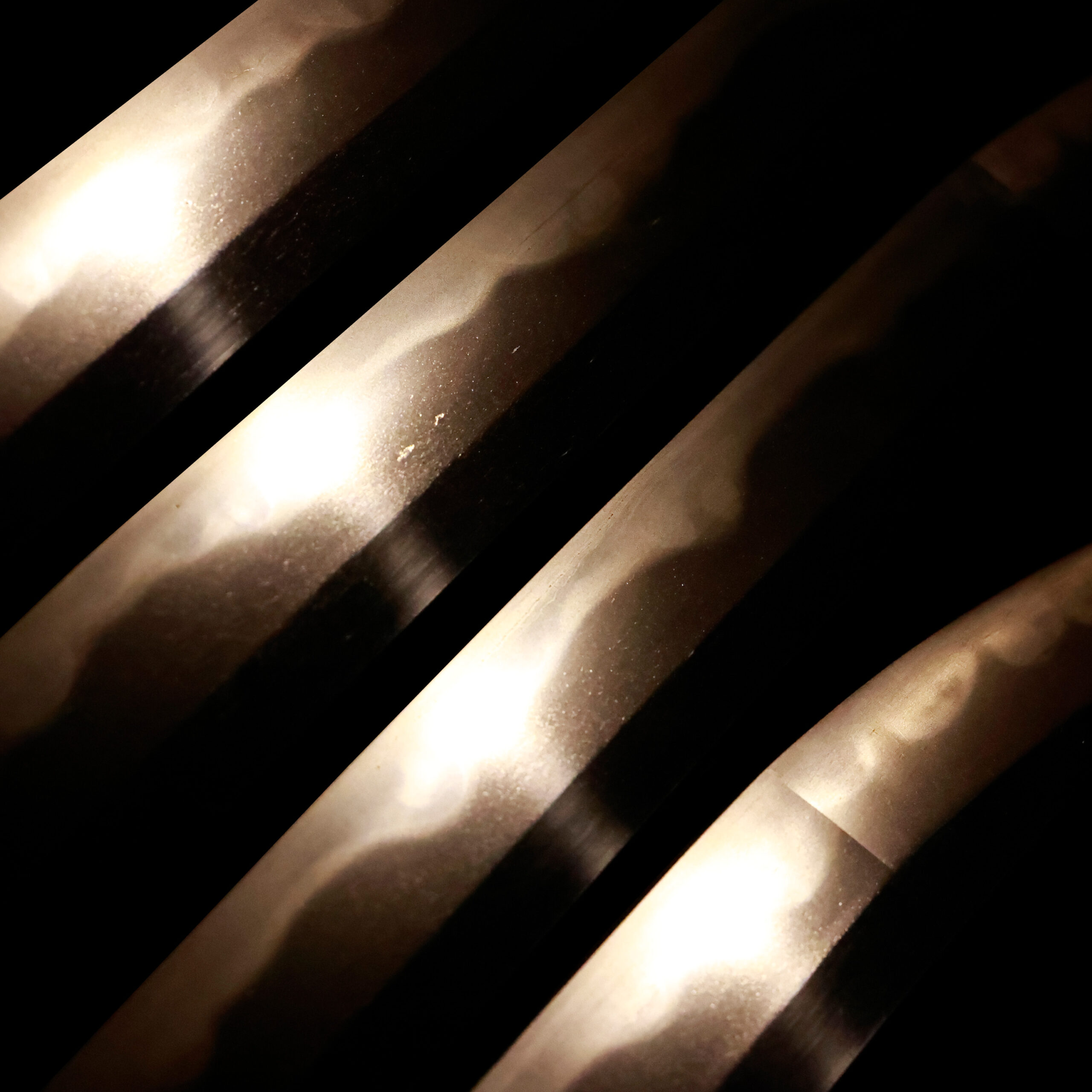
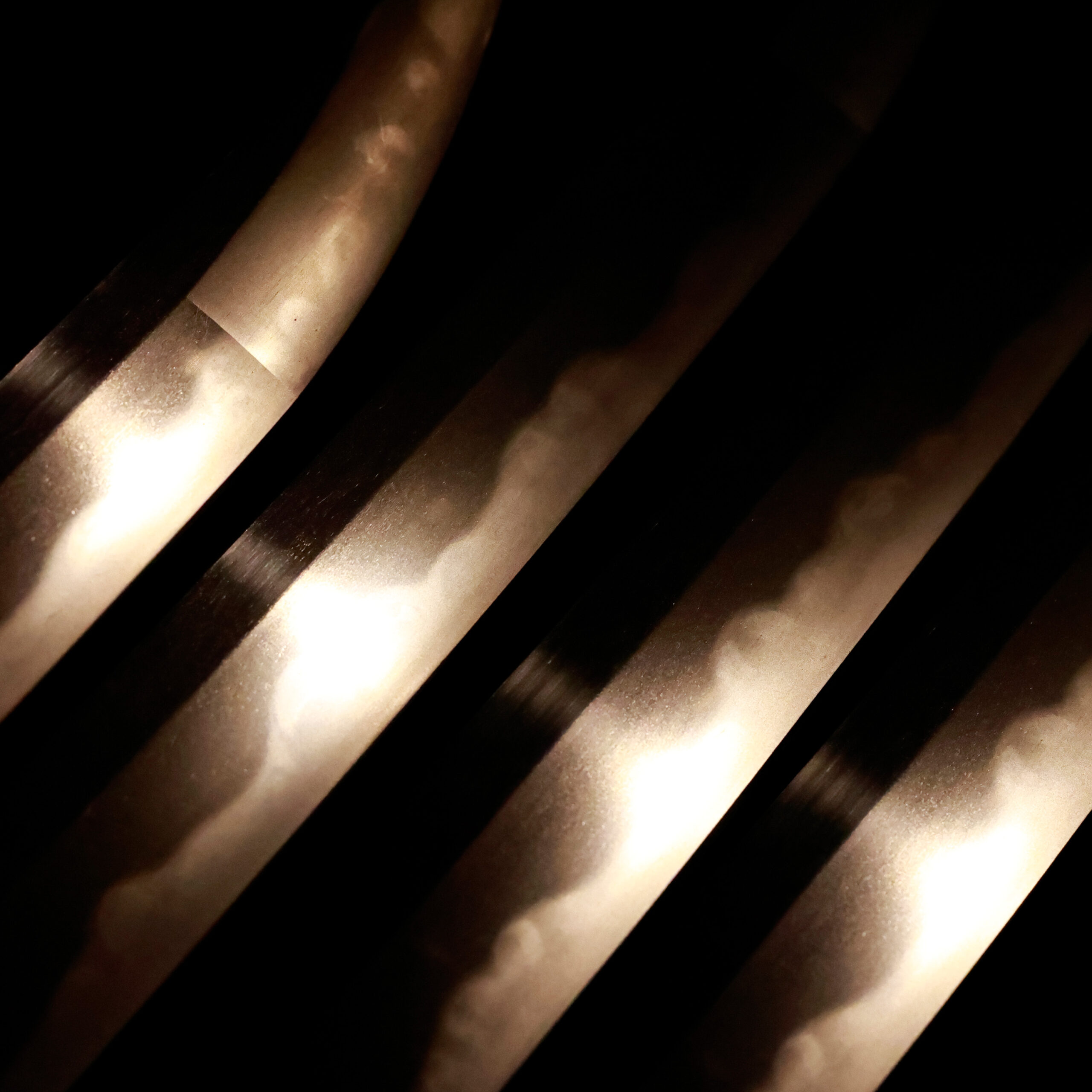
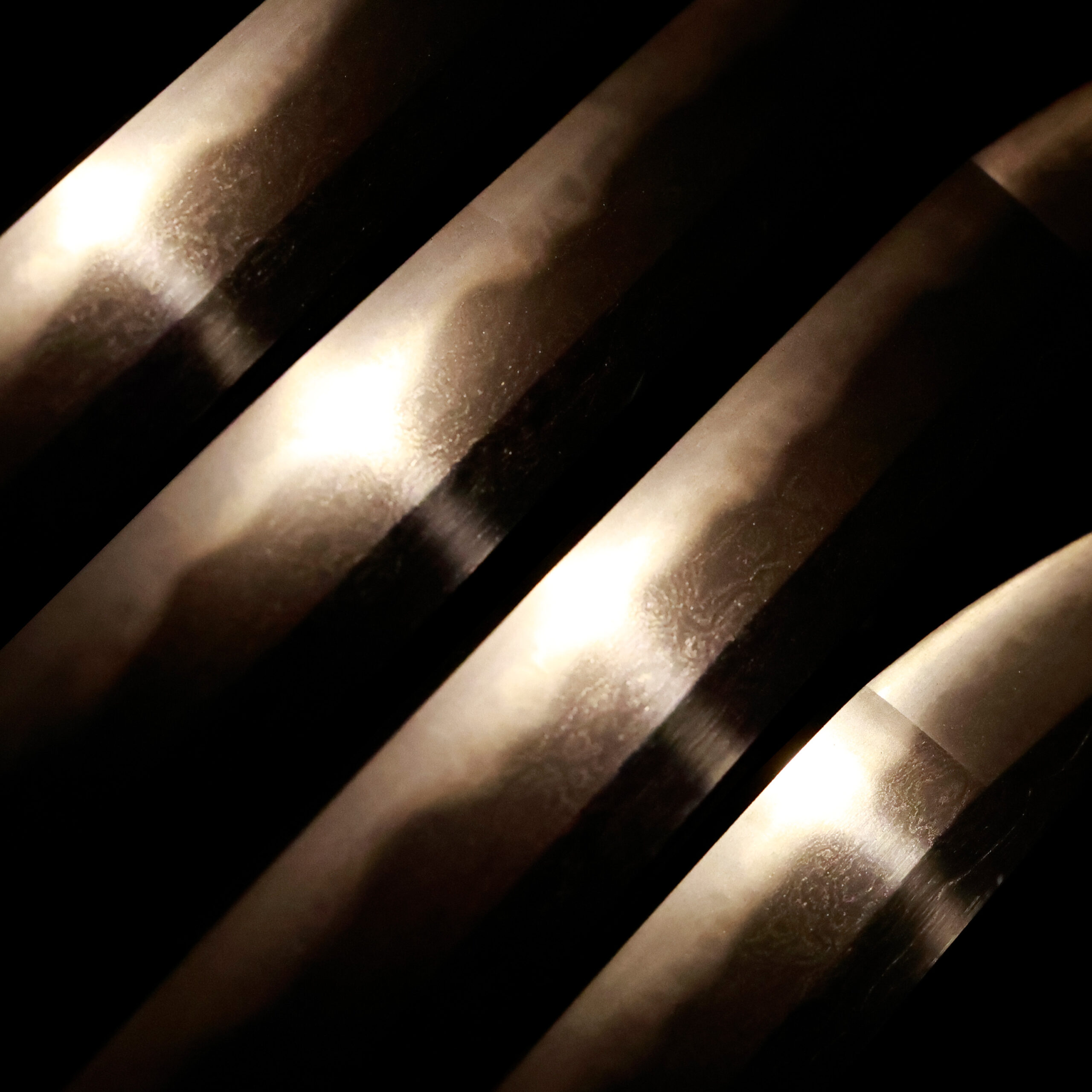
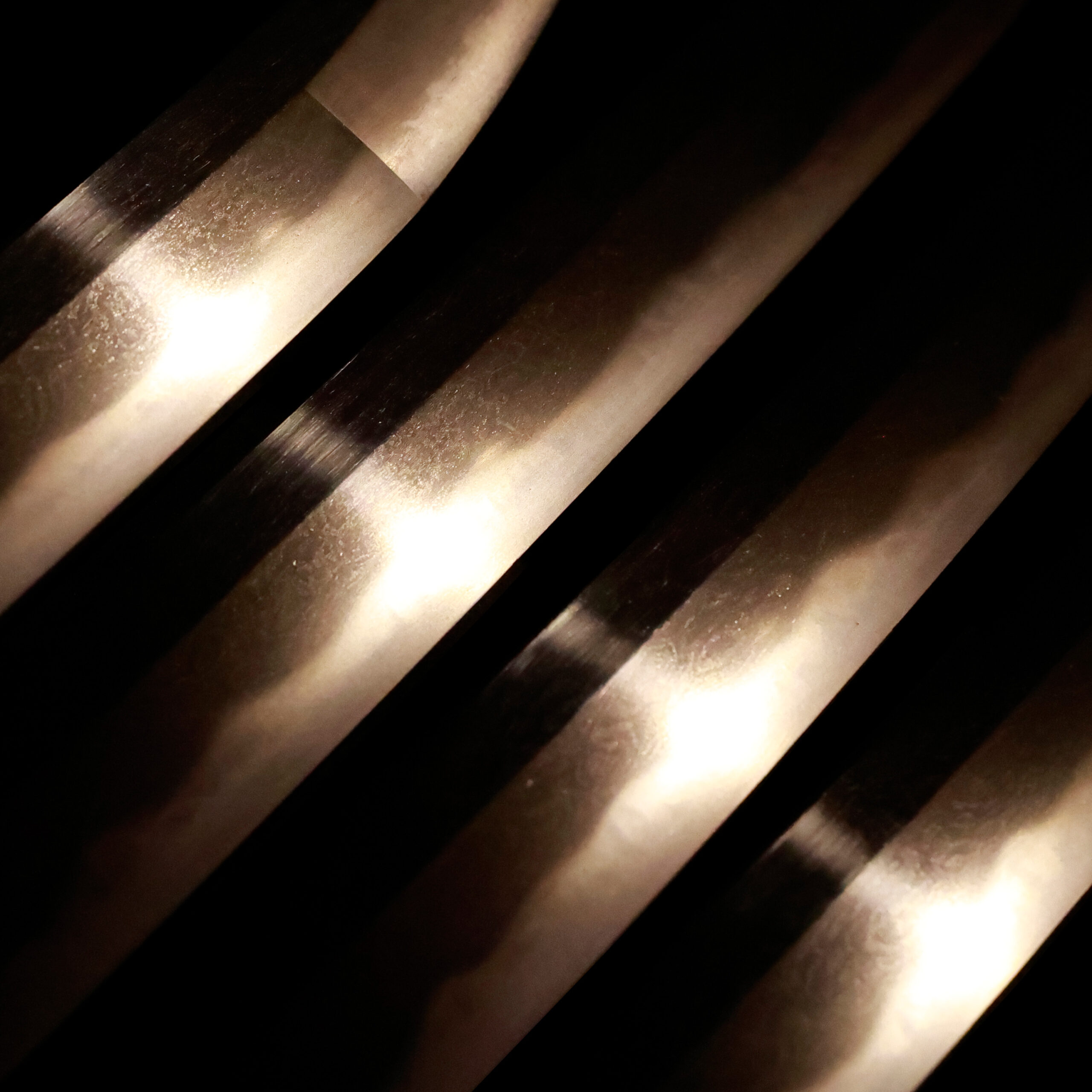
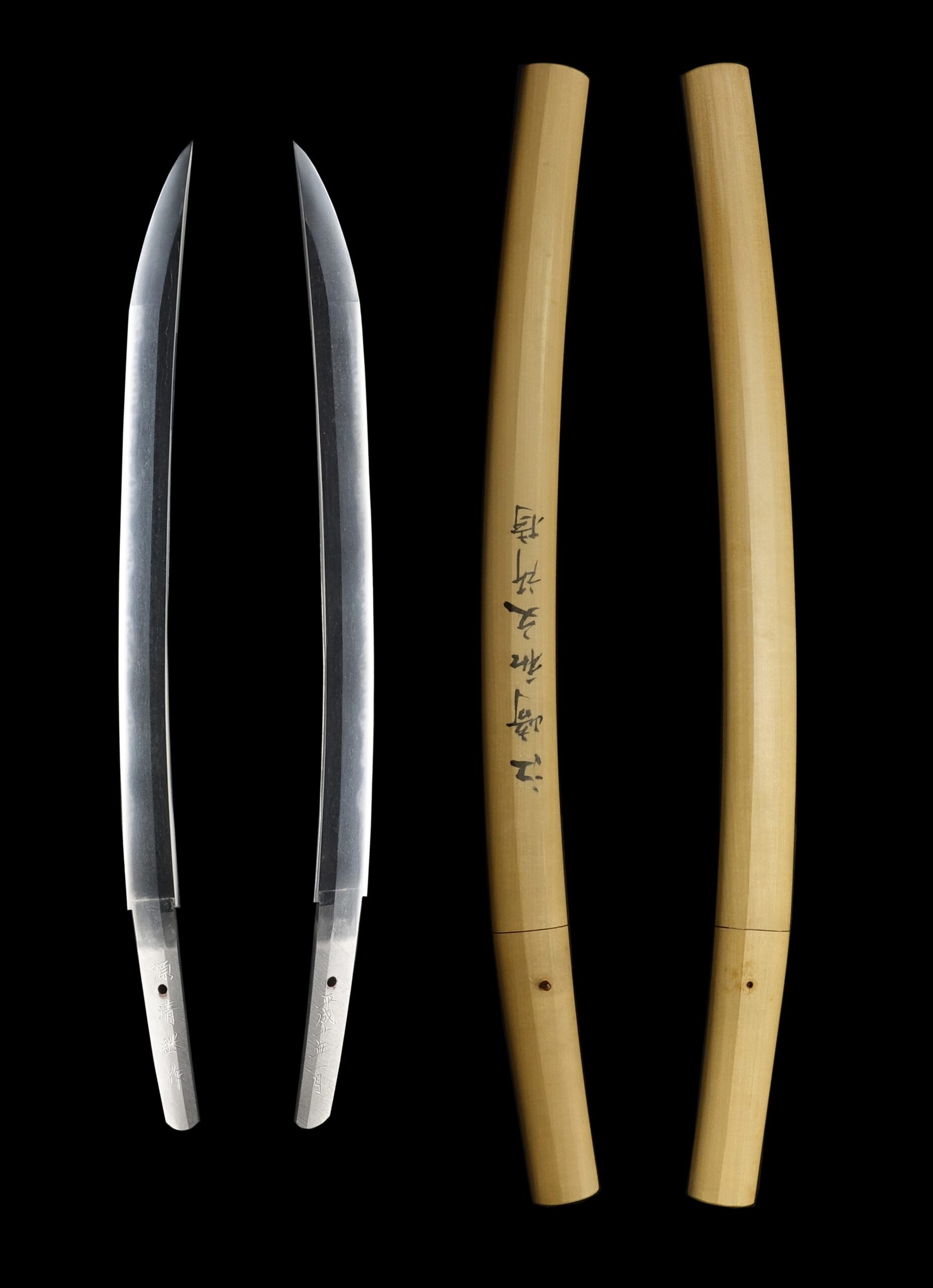
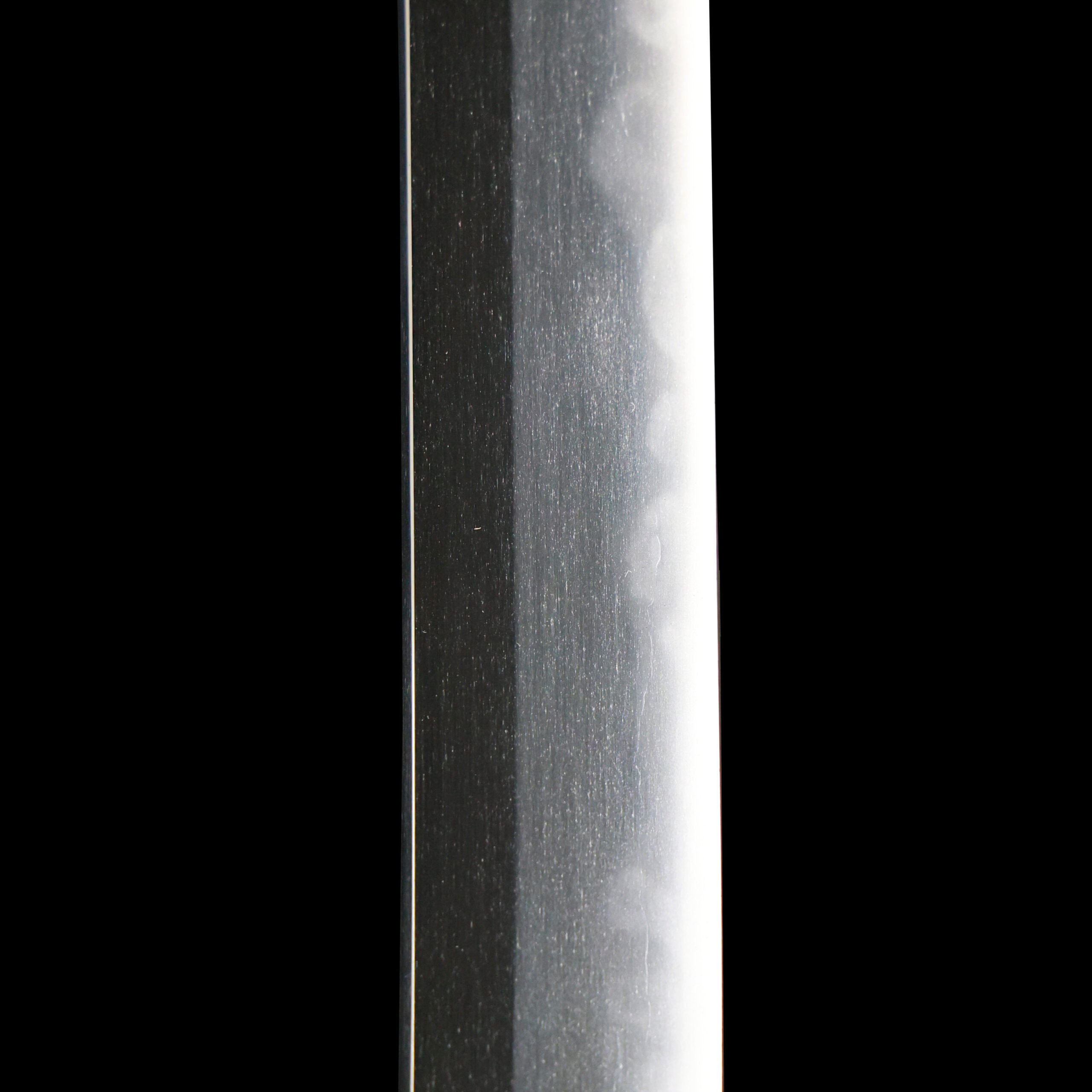
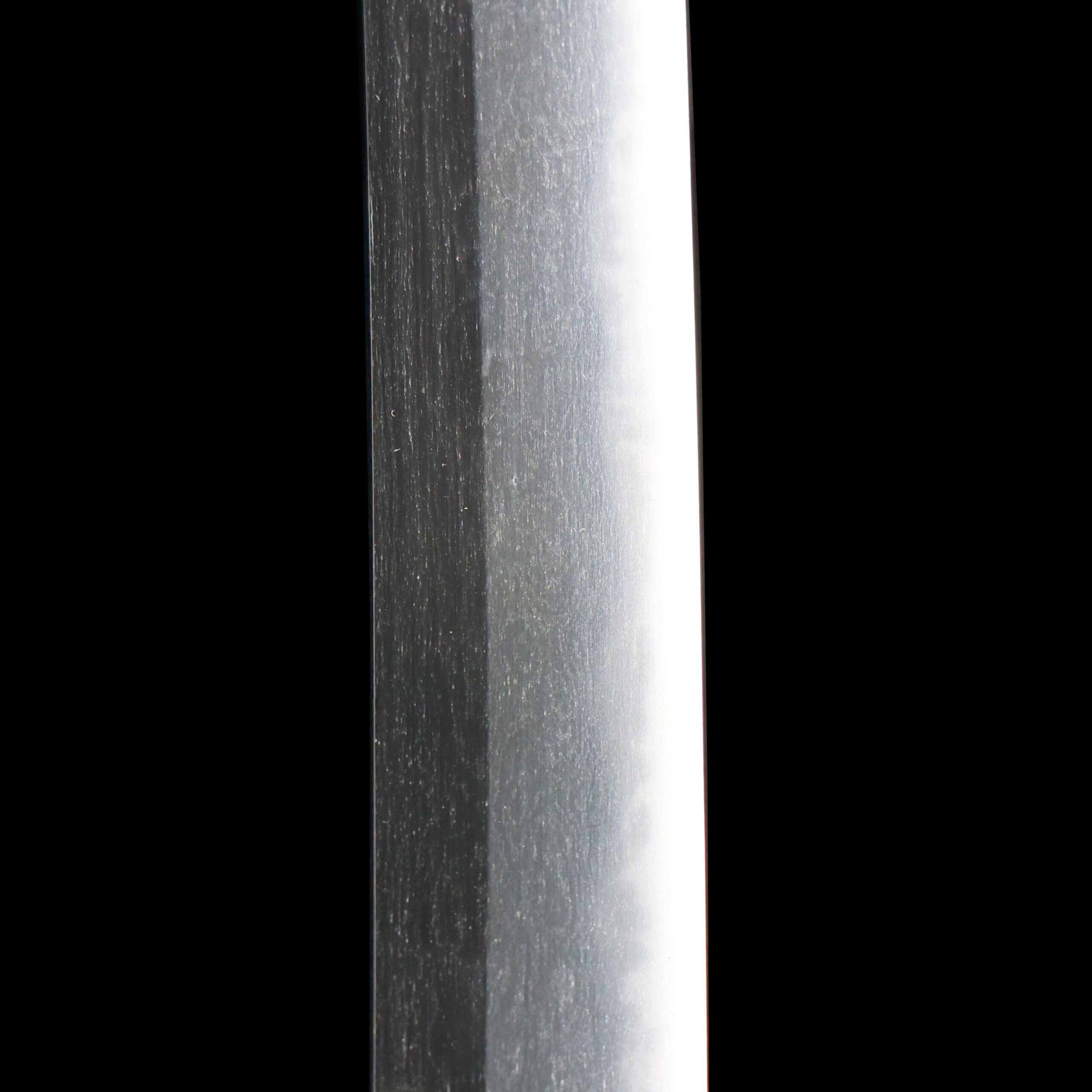
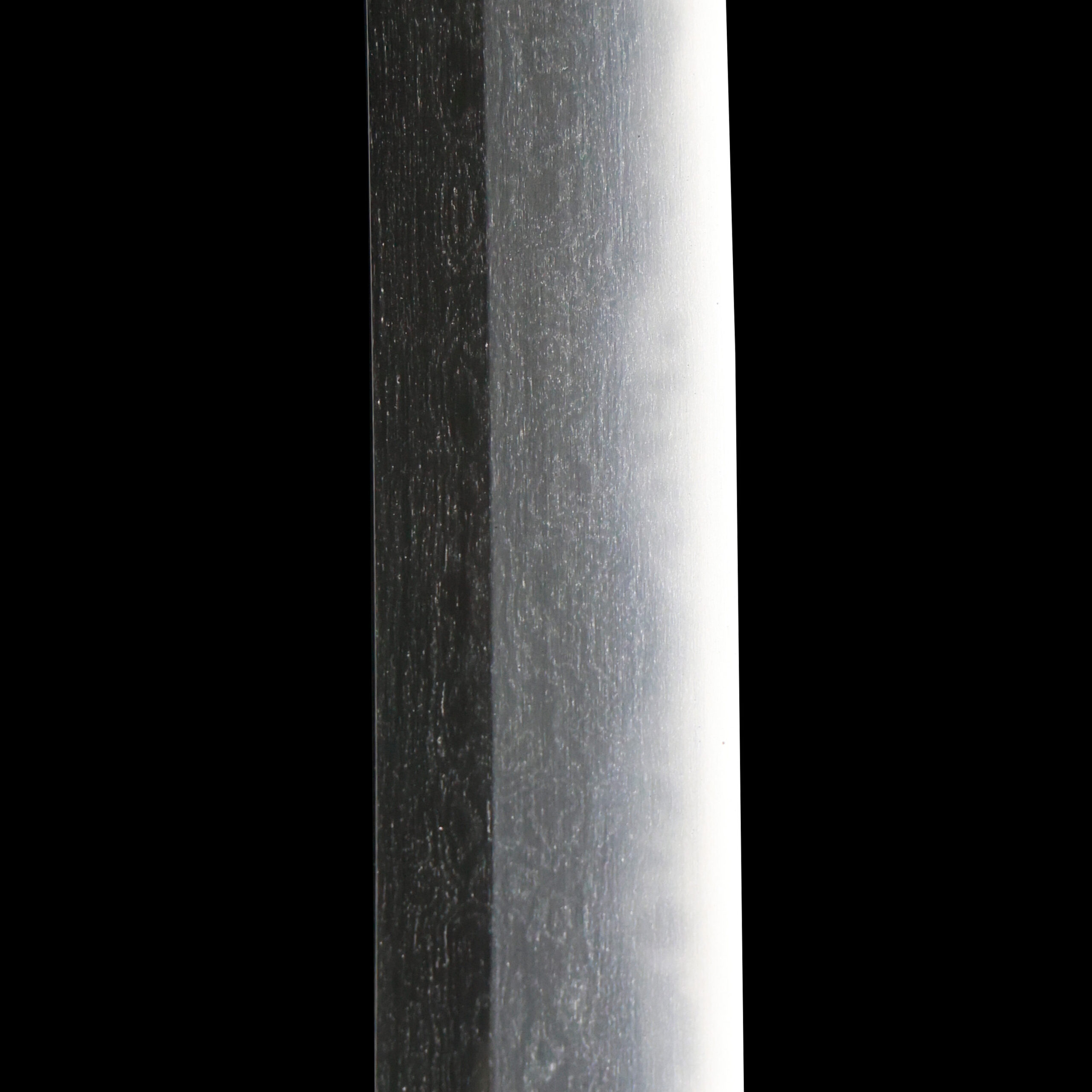
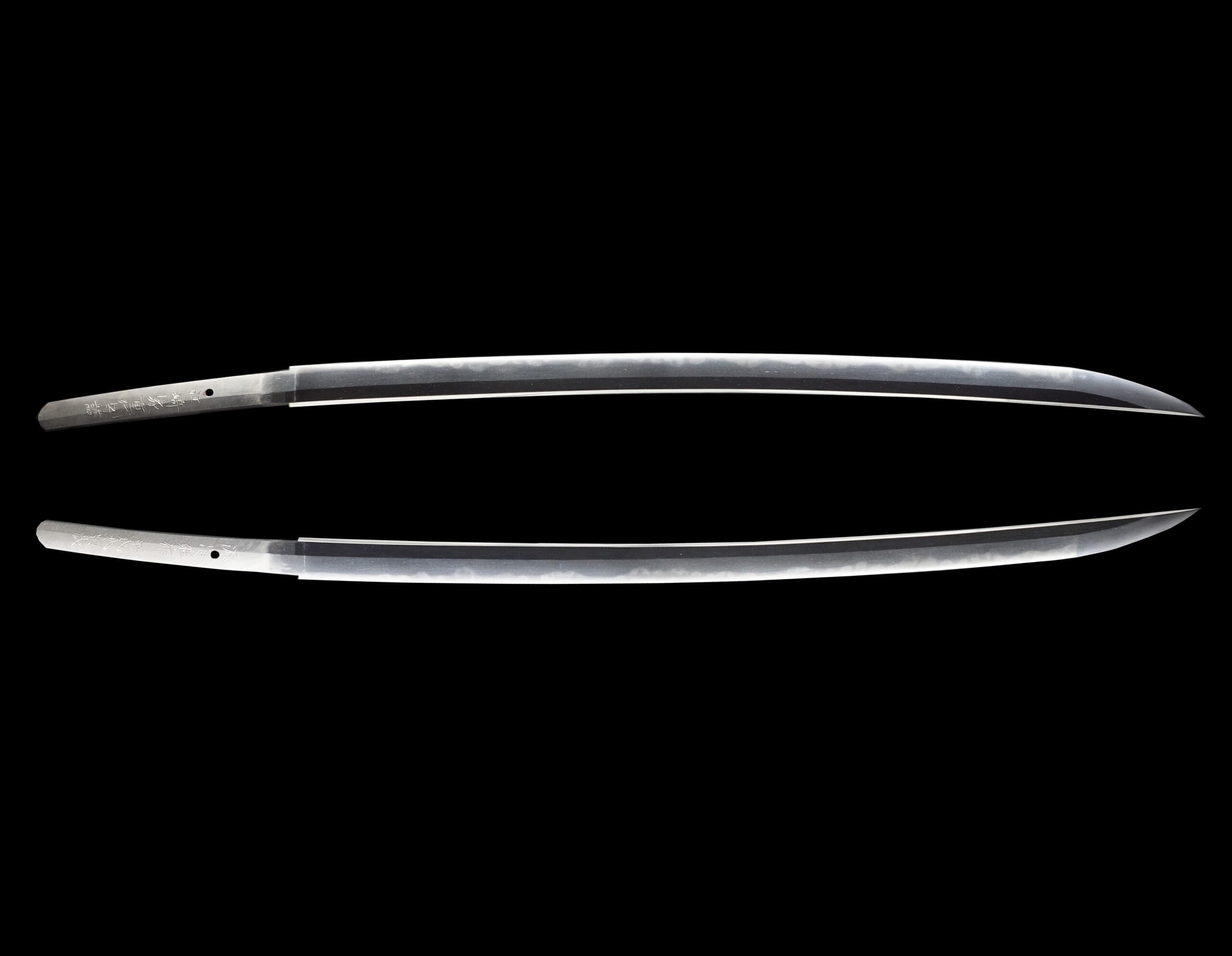
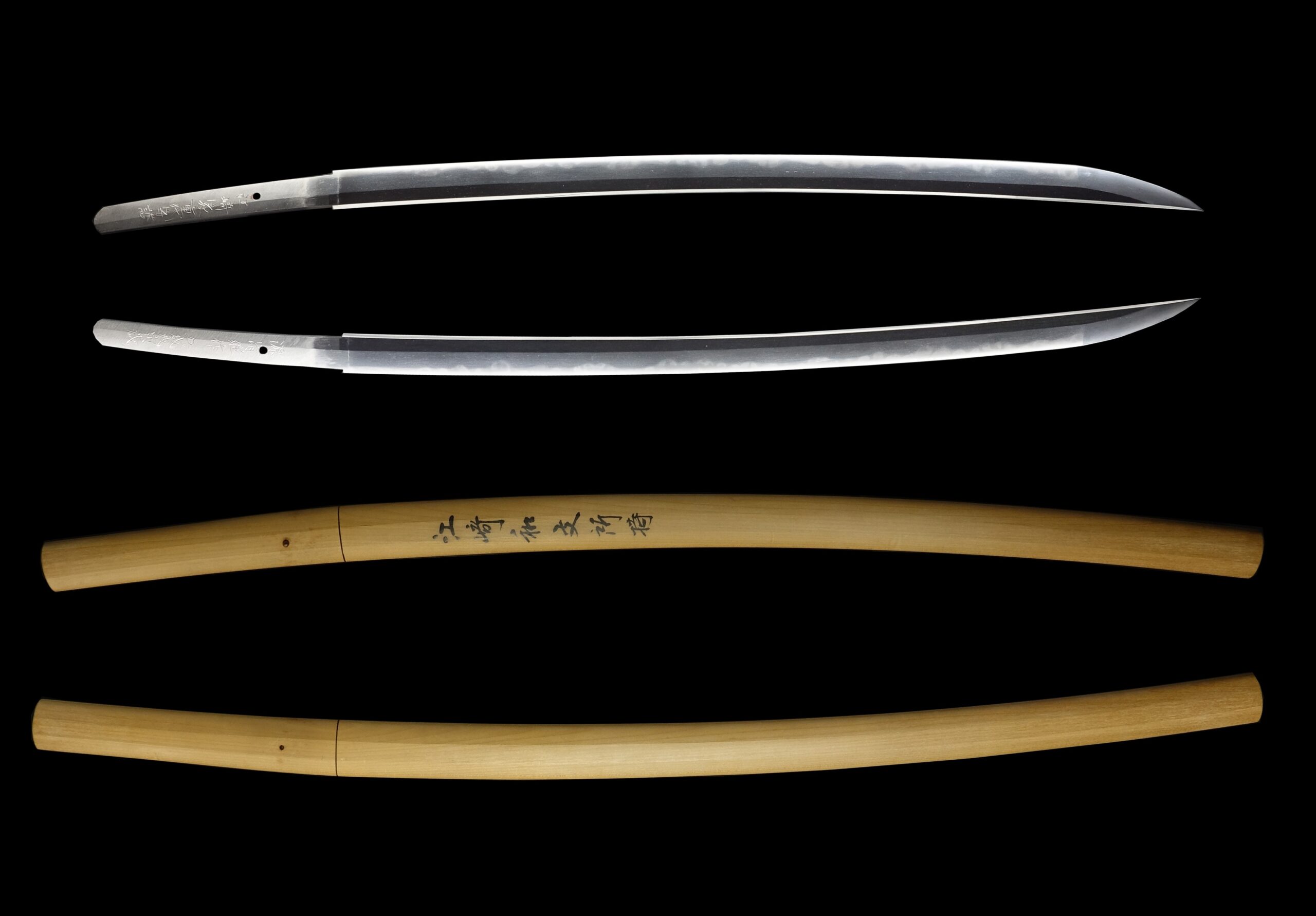
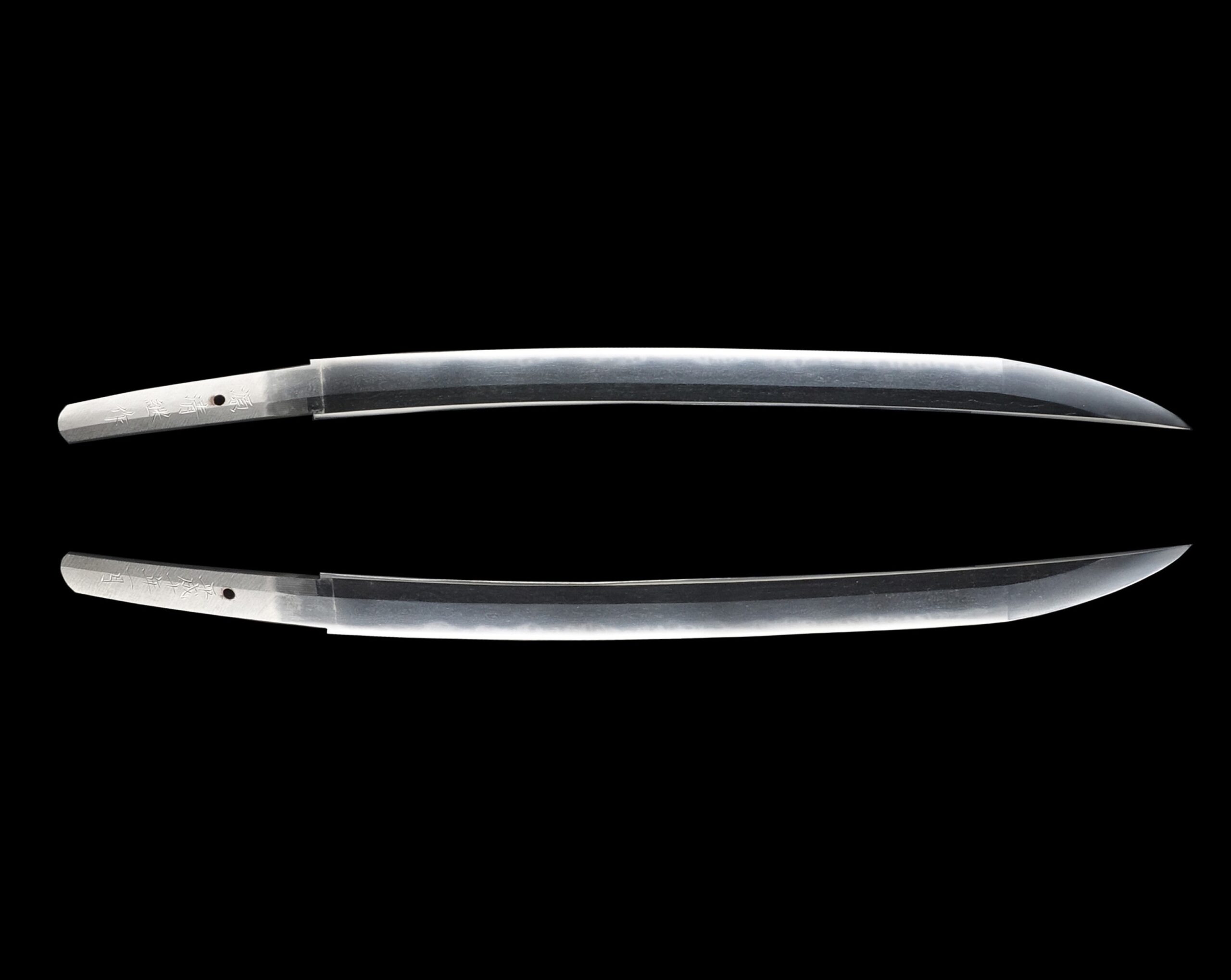
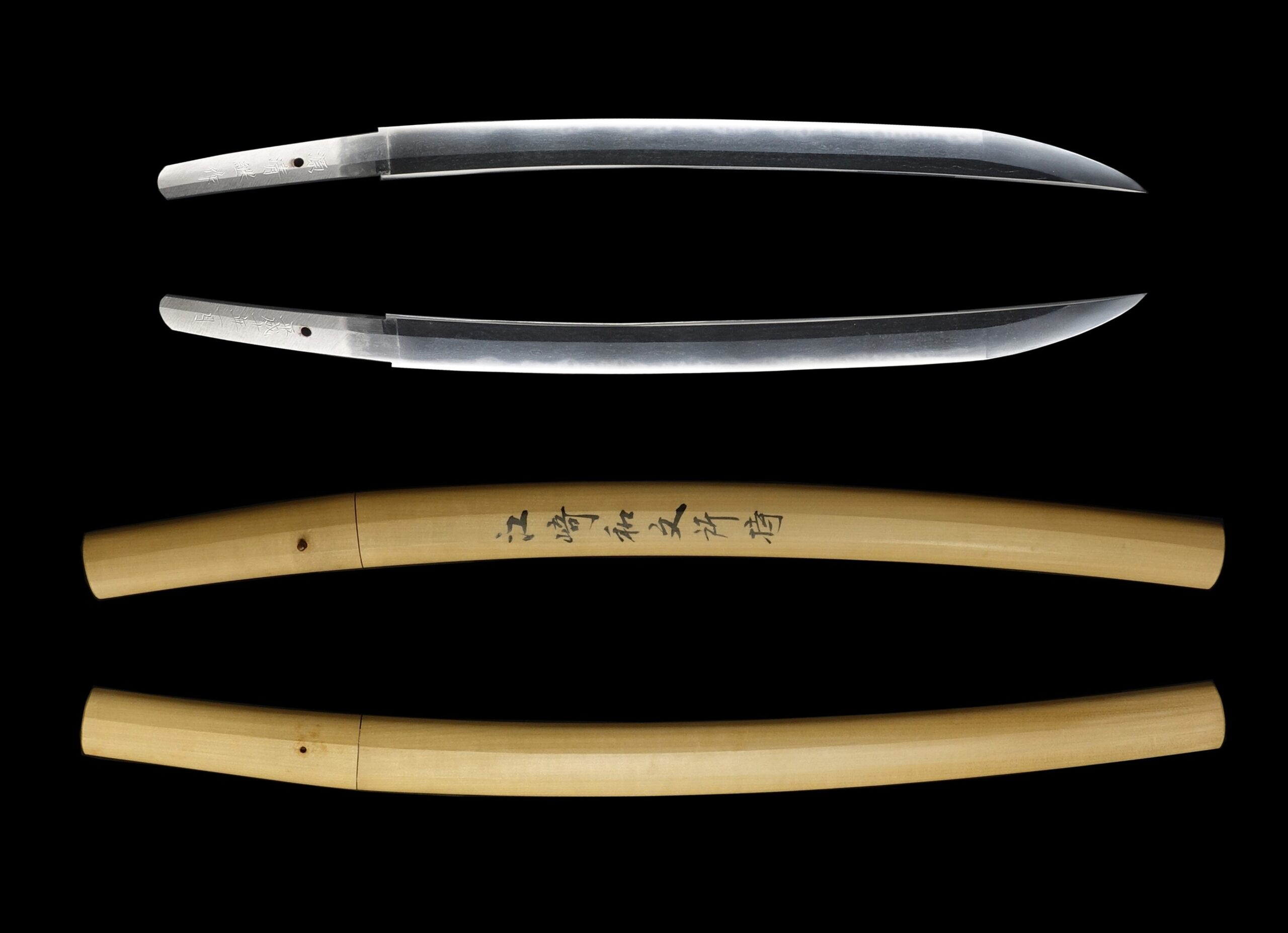
肥後 · 1975-2025頃
昭和から現代へ 断絶と再生
二十世紀は二度この工芸を殺しかけた。戦時の歪みと、占領下の禁令である。1948年の日刀保設立と1953年の作刀再開が刀を美術として再建し、人間国宝と無鑑査がその頂に立つ。
販売店の出品ページで鑑定書を確認できませんでした。日本刀および刀装具は通常、NBTHK(または NTHK)の鑑定を受けます。鑑定書がない場合、極めは販売店の見解にとどまり、第三者による確認は行われていません。ご購入前に販売店へ鑑定書の有無をお問い合わせのうえ、慎重にご判断ください。
Returns/exchanges limited to defects caused by shipping (except willful misconduct or gross negligence by the company); customers must contact within 72 hours of receiving the product.
Authentic Modern Japanese Sword Daisho Signed by Minamoto Kiyotsugu 【Description】 Both Katana and Wakizashi were signed by Minamoto Kiyotsugu (源清継) in January, the 10th year of the Heisei era (1998). His real name is Matsunaga Genrokurō(松永源六郎). He was born on January 29, 1948, in Ōmuta City, Fukuoka Prefecture, and currently resides in Kawatō, Arao City, Kumamoto Prefecture. Minamoto Kiyotsugu is a member of the All Japan Swordsmith Association and has received numerous accolades, including the 18th Kumamoto Prefectural Culture Award. In addition to his craft, he is a martial artist who personally conducts test cutting (tameshigiri, 試し切り) and serves as the head of Kōdai-ryū Tameshigiri Gen Seikai(小岱流斬試源清会). Beyond swordsmanship, he is also actively involved in community service, working as a family court mediator, probation officer, and part-time lecturer at a vocational high school, contributing significantly to the preservation and transmission of traditional culture in his region. About Kumamoto Prefecture Kumamoto Prefecture has a deep historical connection to Japanese sword-making, having produced many renowned swordsmiths. This includes the Enju school, which flourished in the late Kamakura to Nanbokuchō period in Kikuchi, Higo Province (now Kumamoto Prefecture), as well as the Dotanuki school, which was active from the Muromachi period to the early Edo period. The Shinshintō-era Dotanuki school, led by Higo Dotanuki Muneyasu, is also well known. Even today, Kumamoto remains home to many dedicated swordsmiths who continue the tradition of forging Japanese swords with great passion and skill. About Modern Swordsmith There are around 150-200 swordsmiths in Japan today. To legally produce Japanese swords, one needs to pass the national exam given by the Agency for Cultural Affairs(Bunka-Cho) and receive the license. Before taking the exam, one must finish his or her apprenticeship under a licensed master for more than five years. Those who practice Iaido(居合道) tend to use those modern swords, and there are modern Japanese sword collectors nationwide. Modern Japanese sword makers are researching old ways to forge swords and trying to recreate ancient-style swords. They are the ones who keep the tradition of Japanese history alive. What is Daisho? Daisho is a pair of two Japanese swords Samurai carried. During the Edo period, having Daisho in public places was considered social status for Samurai. Furthermore, Samurai were required to wear them under the law back then. Daisho is written as 大=Big and 小=Small. Dai part means Katana, and Sho part means Wakizashi. We are confident you would find this pair of Daisho gorgeous. They have such a fancy appearance that we believe a high-ranked Samurai owned them. *Please keep in mind that there are a couple of Kitae Kizu on the Katana blade. If you like to know the detailed condition, please feel free to contact us. 【Blade】 Katana Cutting Edge Length(Nagasa) : 72.9 cm (28.7 inches) Curvature(Sori) : 1.6cm (0.62 inches) Wakizashi Cutting Edge Length(Nagasa) : 47.2 cm (18.5 inches) Curvature(Sori) : 1.2cm (0.47 inches) Katana Hamon : The crystalline structure which forms along the cutting edge of a blade as a result of the hardening process Jimon(Jihada) : visible steel surface pattern created by folding and hammering during forging process Wakizashi Hamon : The crystalline structure which forms along the cutting edge of a blade as a result of the hardening process Jimon(Jihada) : visible steel surface pattern created by folding and hammering during forging process Kissaki : Kissaki is the tip of the Japanese sword. The kissaki of a Japanese sword varies by size and shape. Main types include ōkissaki (very large), chūkissaki (moderately large), kokissaki (smallest), kamasu-kissaki (tapered like a barracuda’s mouth), and ikubi-kissaki (short and stout like a boar’s neck). This sword has an ōkissaki, making its tip exceptionally large. Nakago : Nakago is the tang of the Japanese sword. Japa
NihontoWatch在銘 · 現代刀 · 長さ 72.9cm · 反り 1.6cm
肥後 · 1975-2025頃
昭和から現代へ 断絶と再生
二十世紀は二度この工芸を殺しかけた。戦時の歪みと、占領下の禁令である。1948年の日刀保設立と1953年の作刀再開が刀を美術として再建し、人間国宝と無鑑査がその頂に立つ。
販売店の出品ページで鑑定書を確認できませんでした。日本刀および刀装具は通常、NBTHK(または NTHK)の鑑定を受けます。鑑定書がない場合、極めは販売店の見解にとどまり、第三者による確認は行われていません。ご購入前に販売店へ鑑定書の有無をお問い合わせのうえ、慎重にご判断ください。
Returns/exchanges limited to defects caused by shipping (except willful misconduct or gross negligence by the company); customers must contact within 72 hours of receiving the product.