三人の天下人が戦国の世紀を終わらせ、刀は新しい秩序の道具となった。1588年の刀狩は刀を武士の標章とし、名刀は条約のごとく家々の間を行き交い、鑑定は以後この境で古刀と新刀を分かつ。
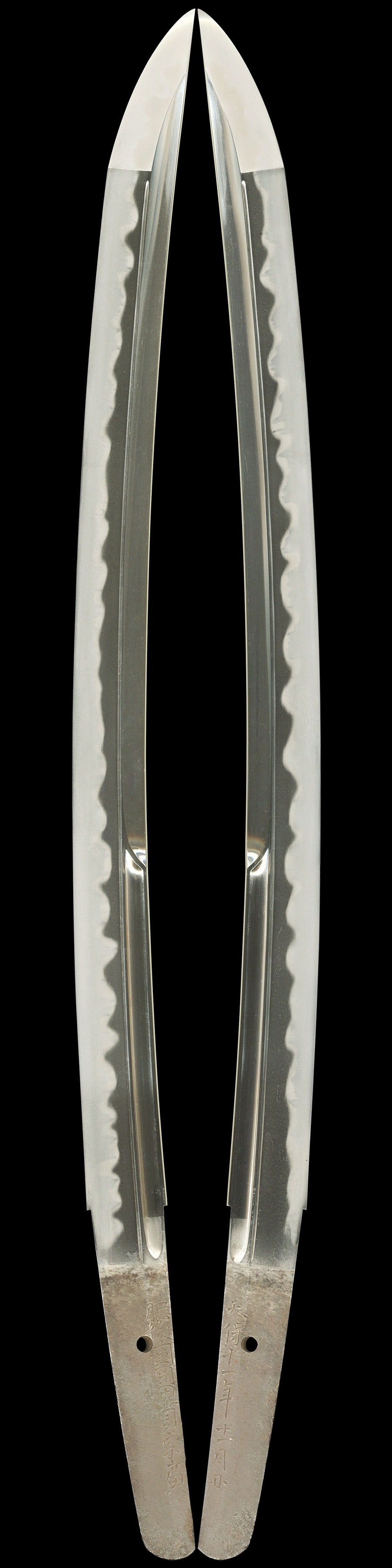
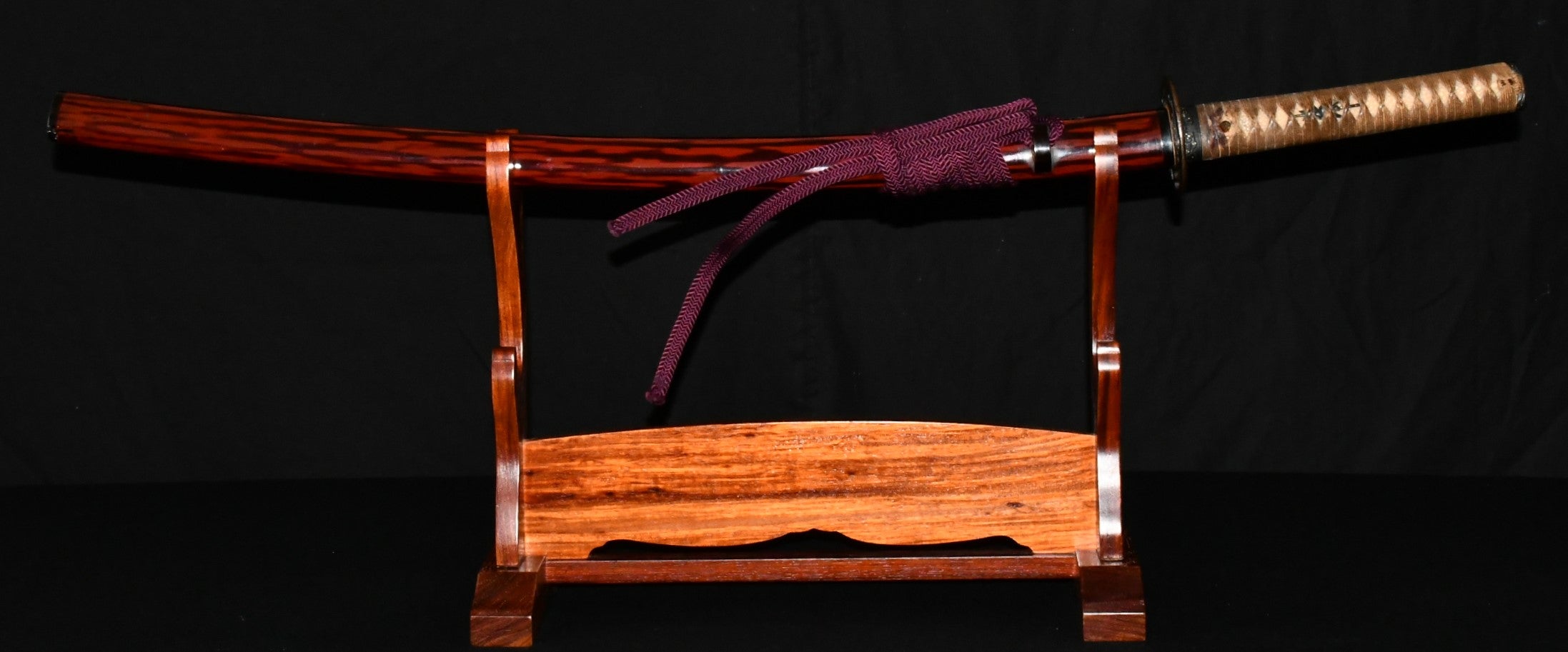
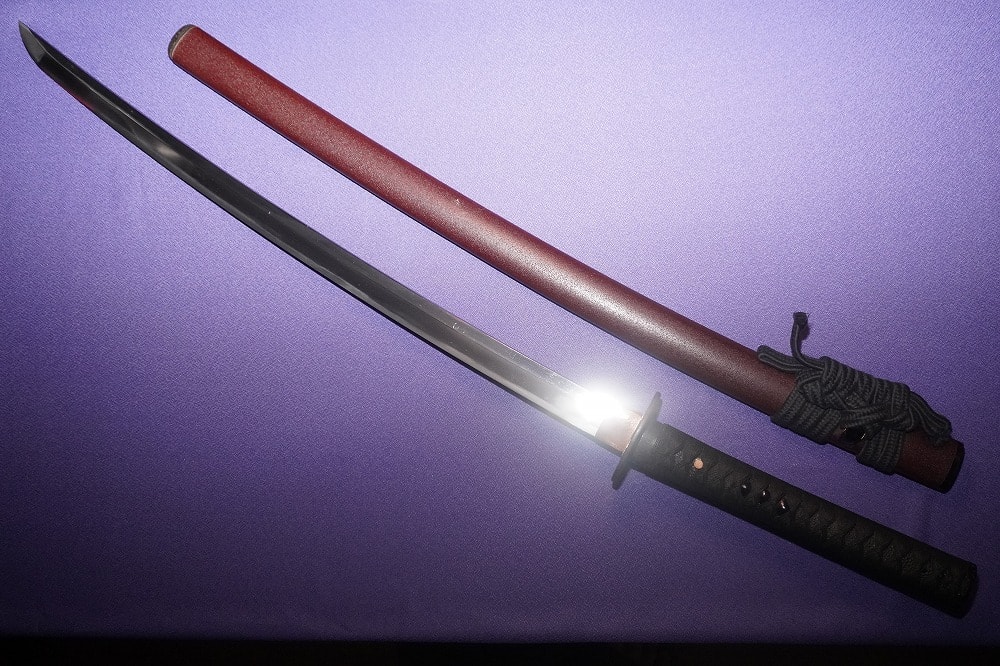
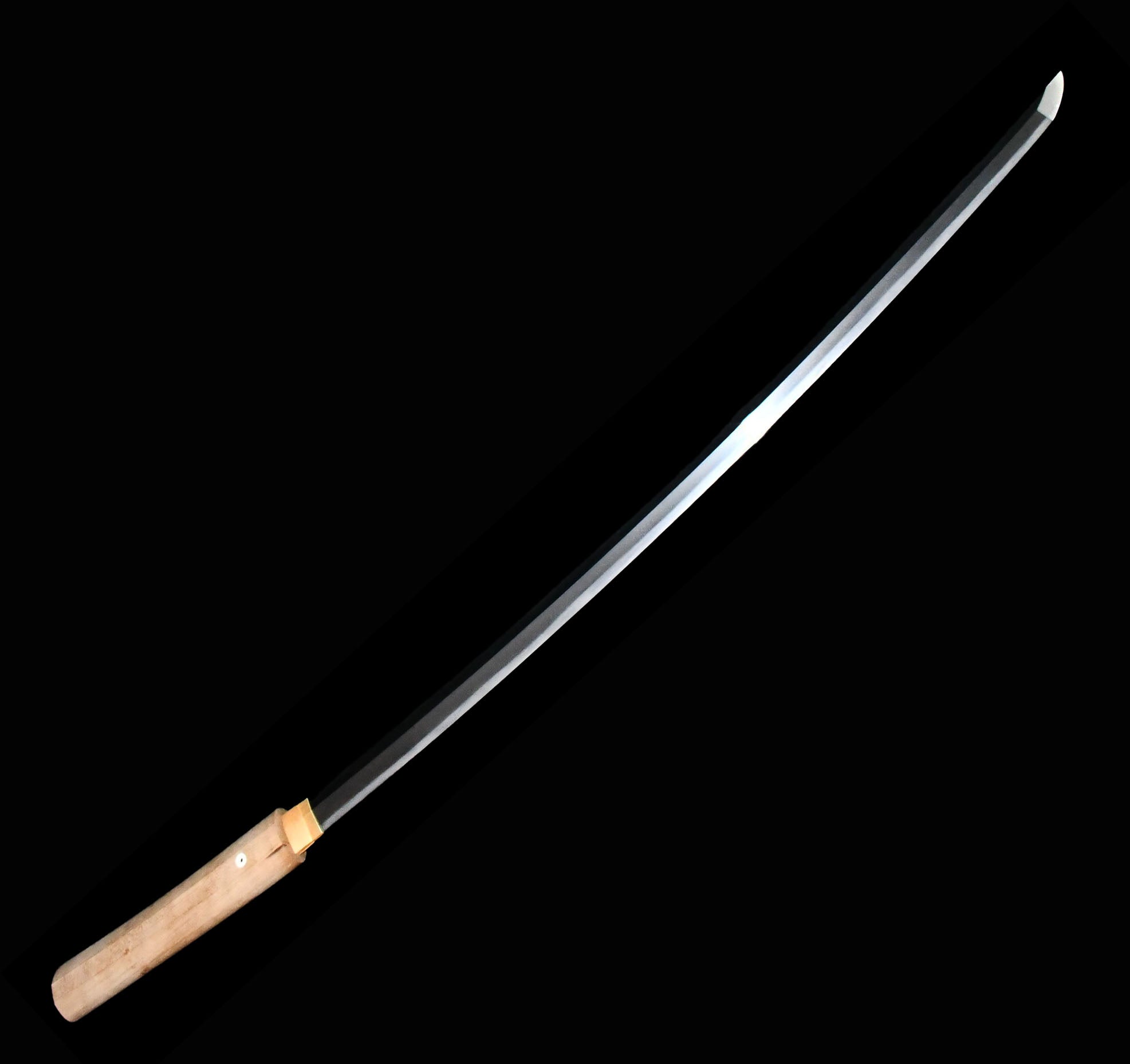
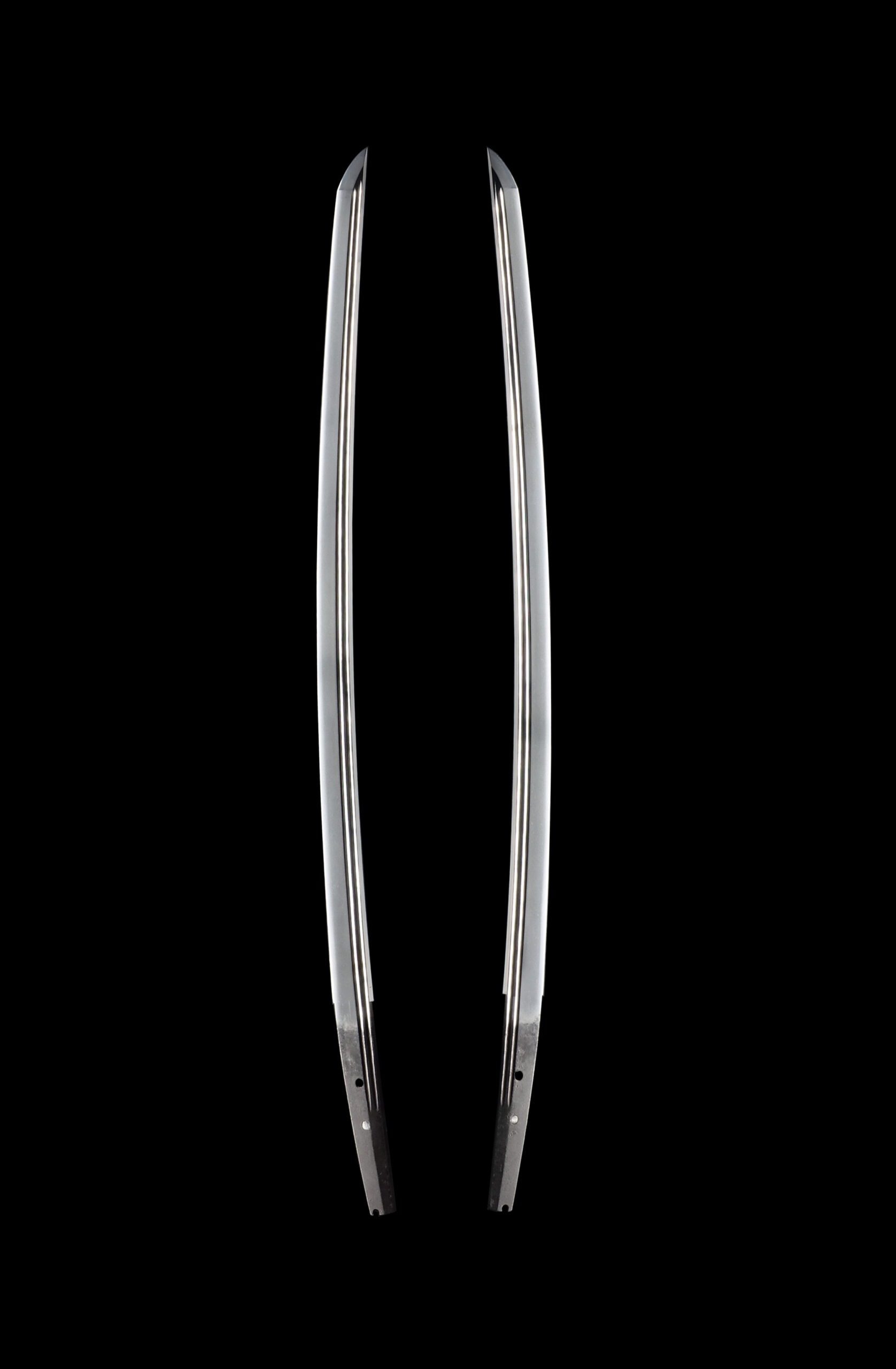
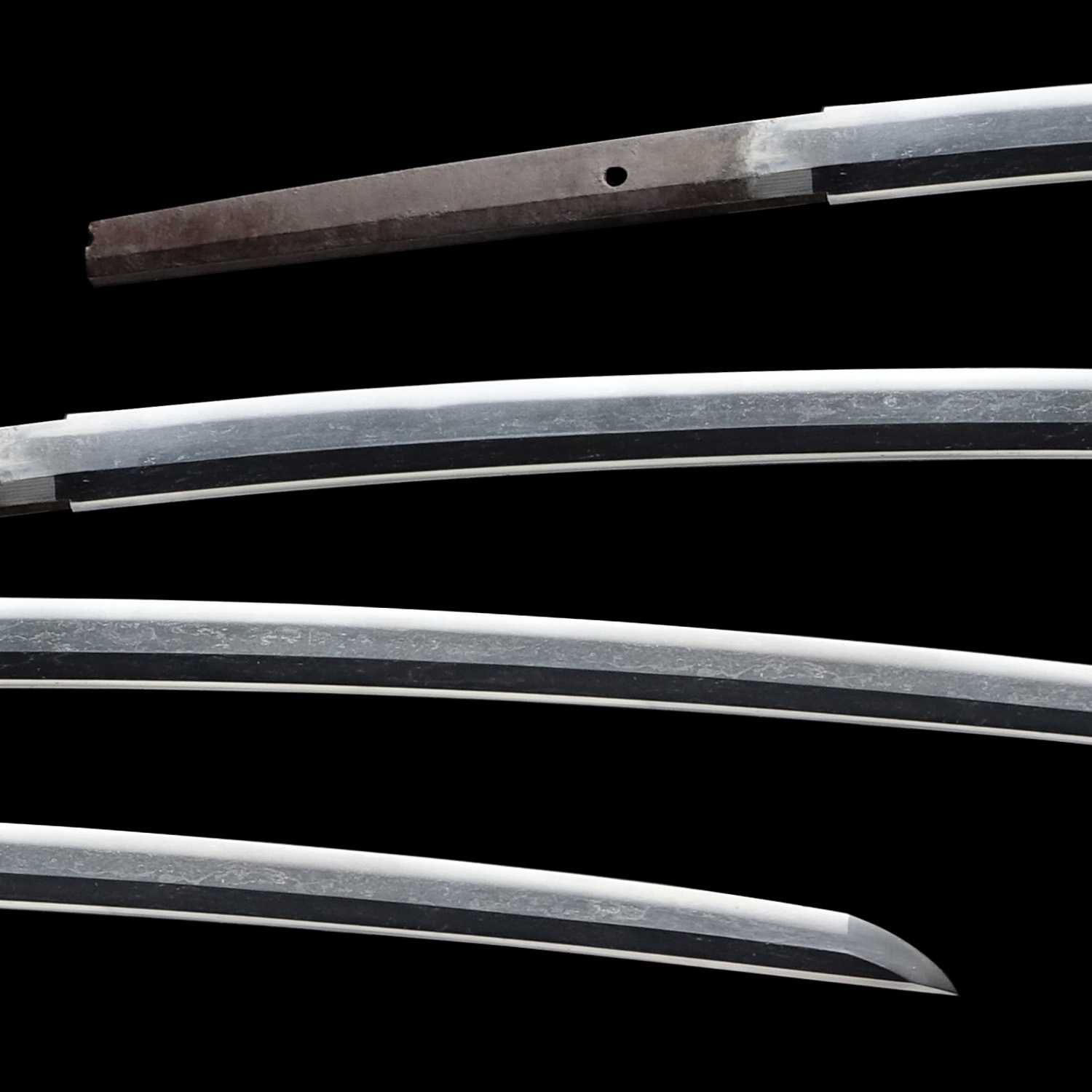
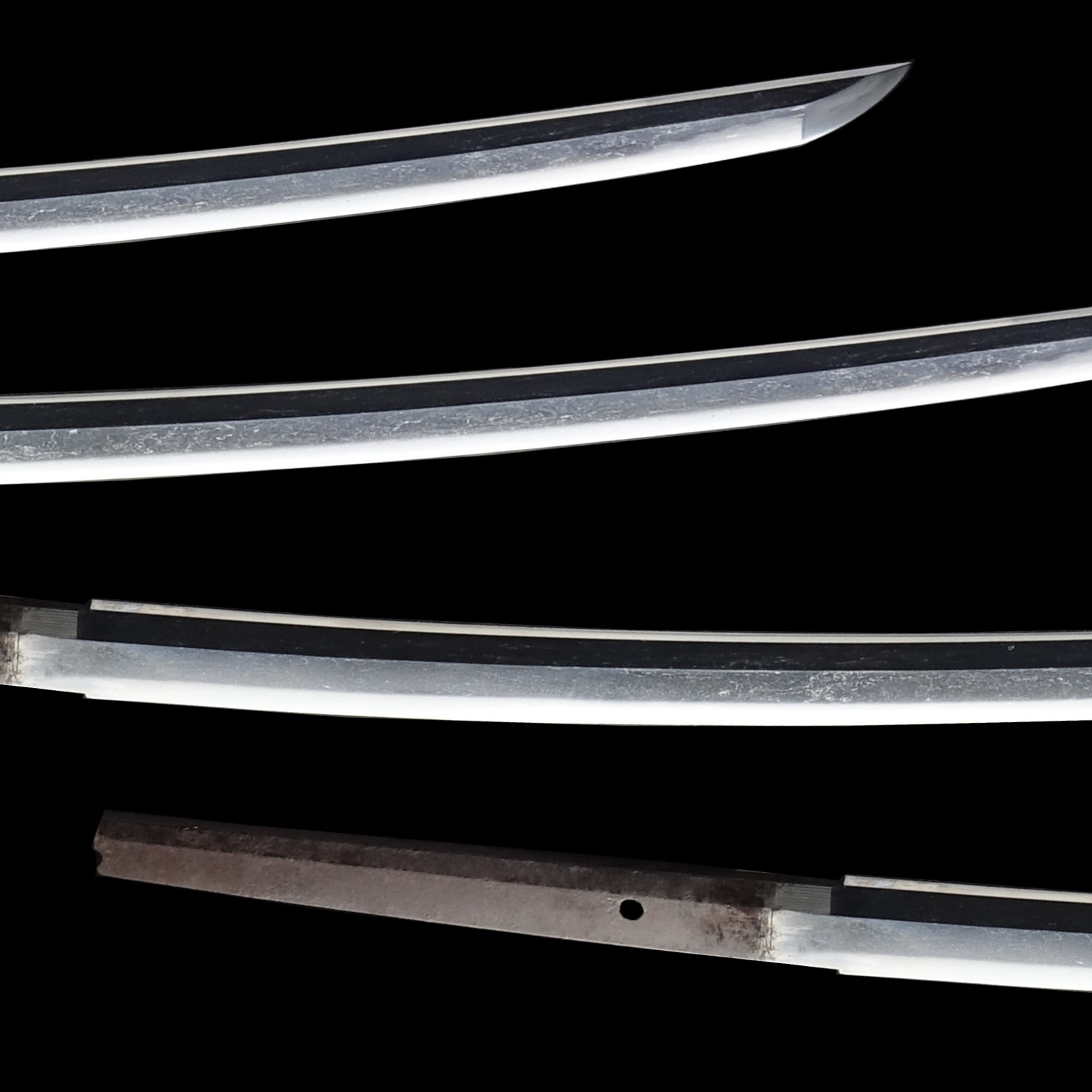
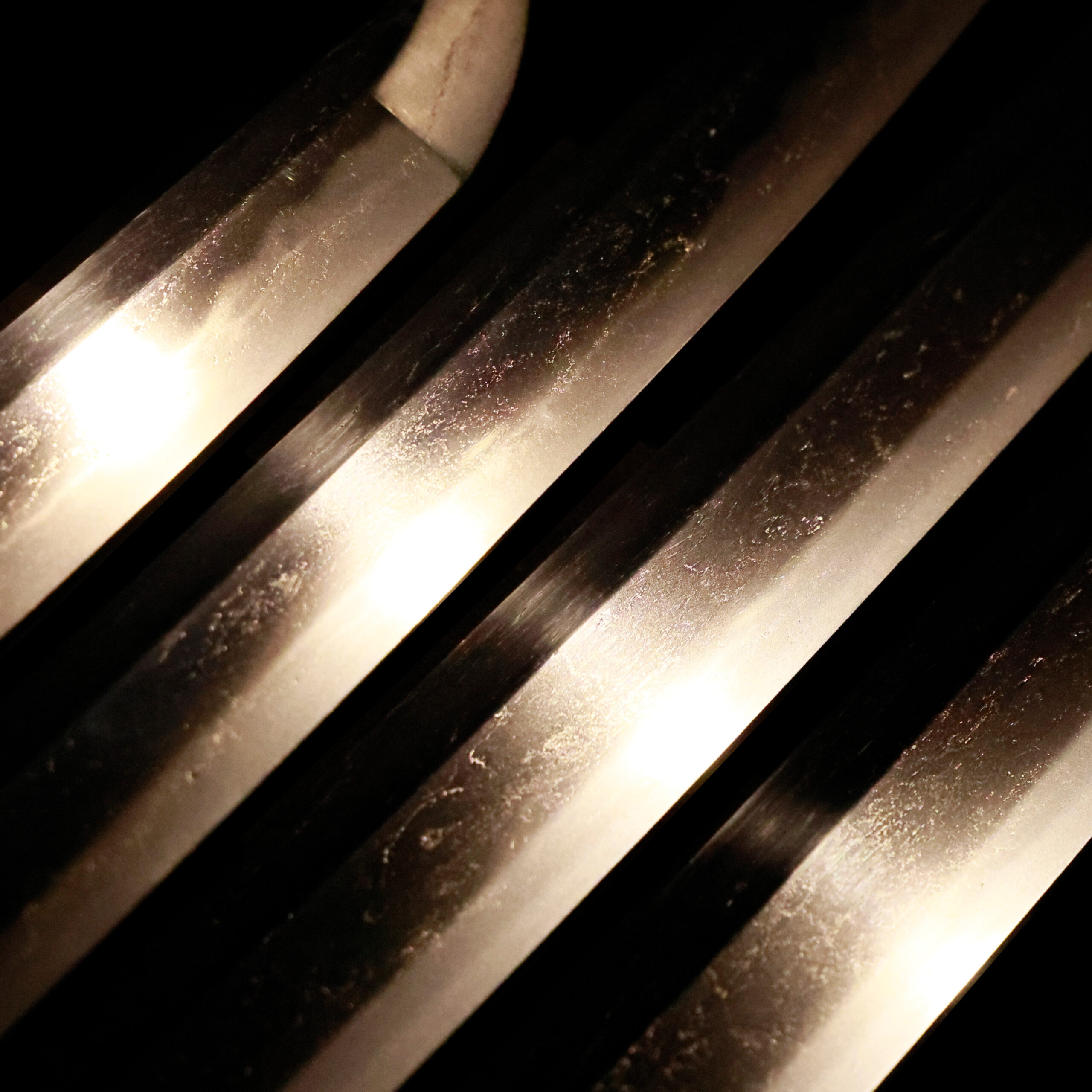
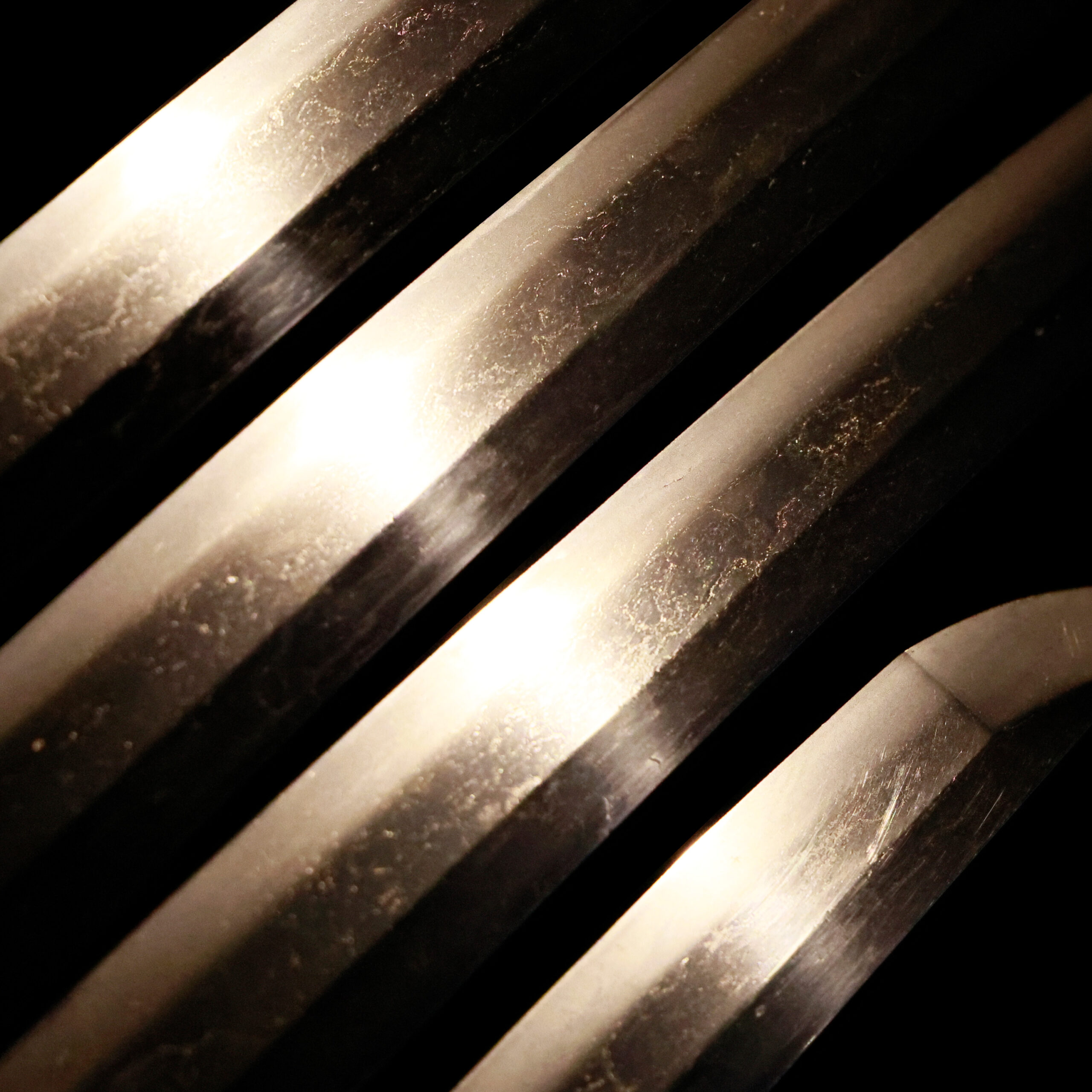
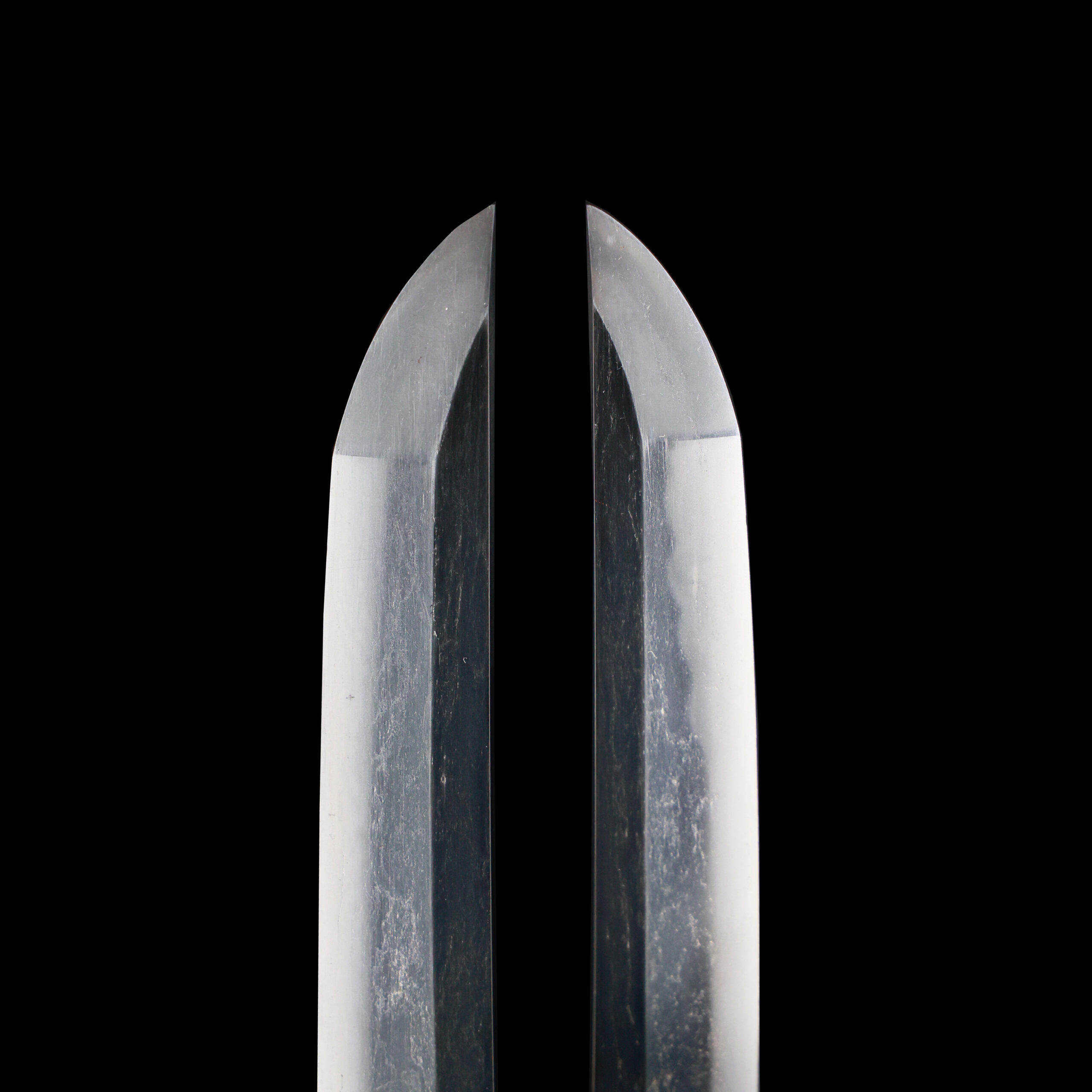
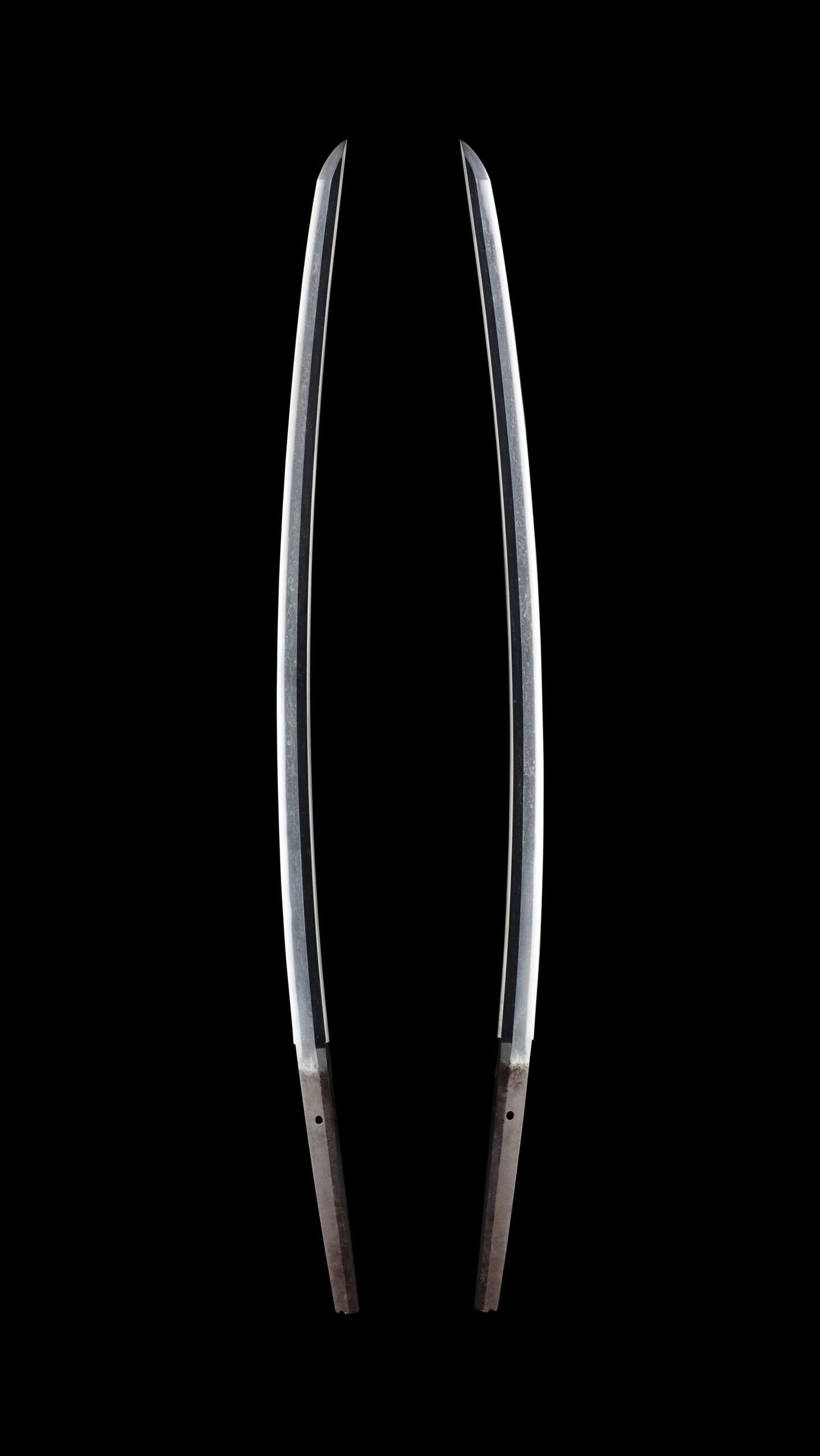
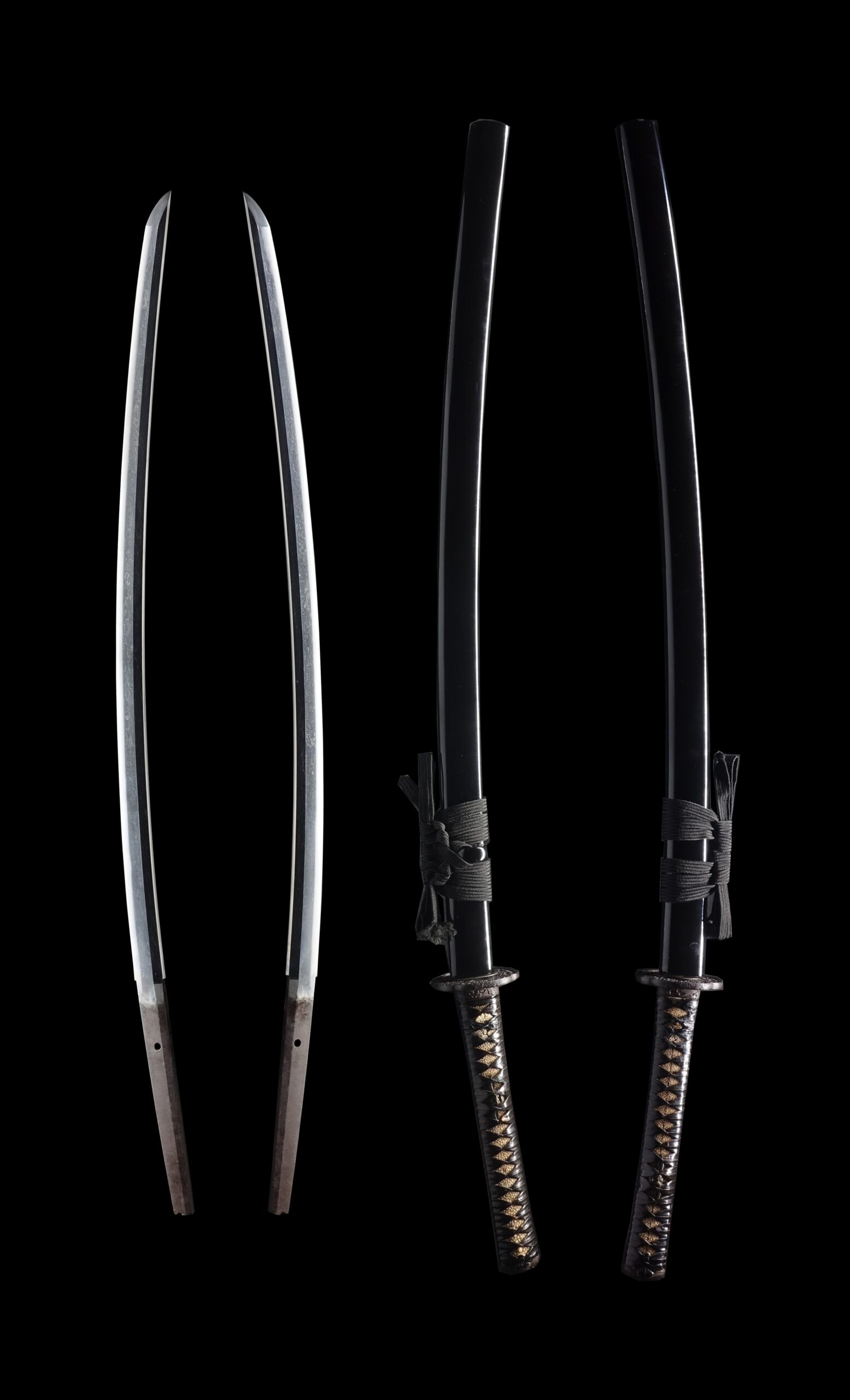
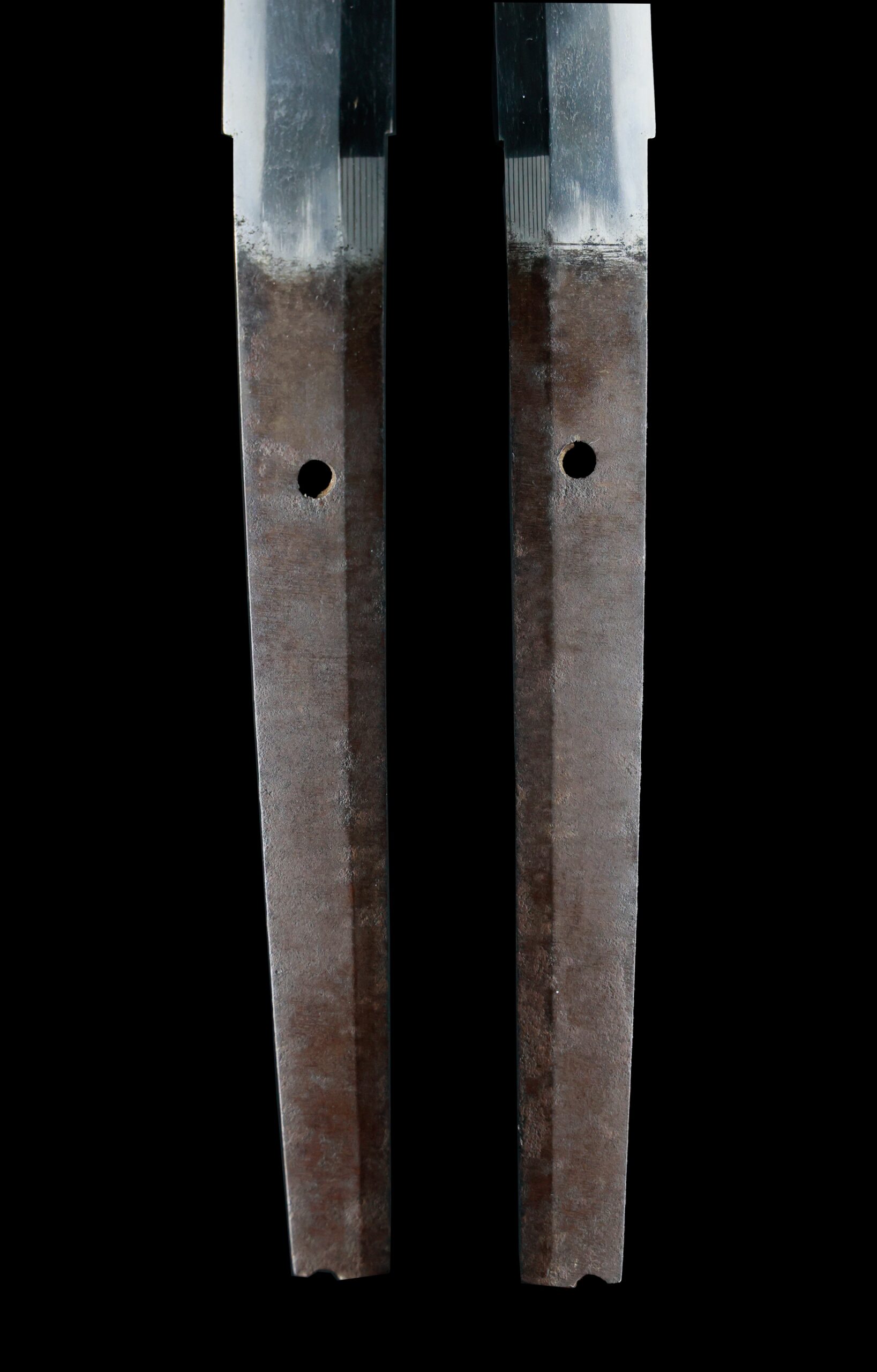
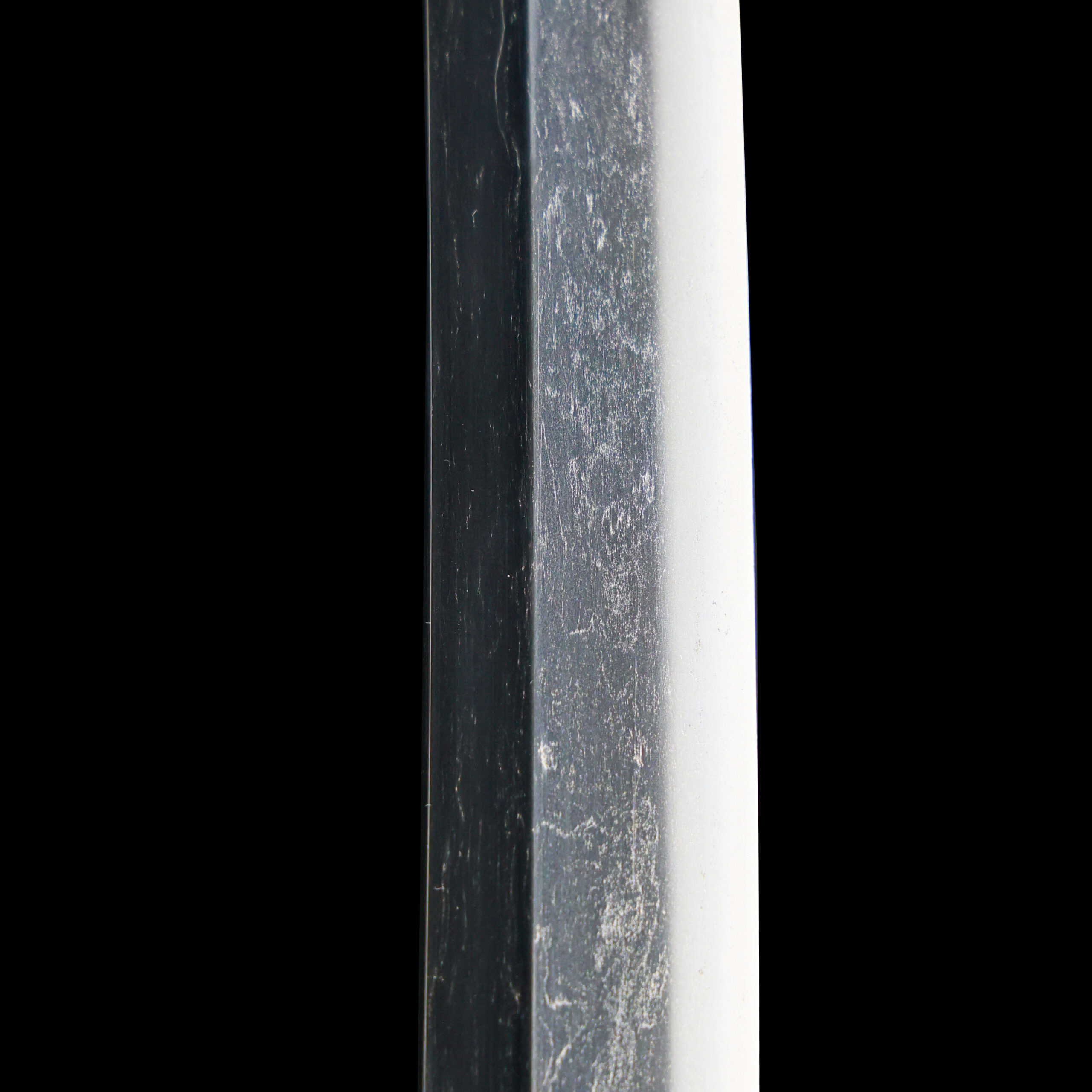
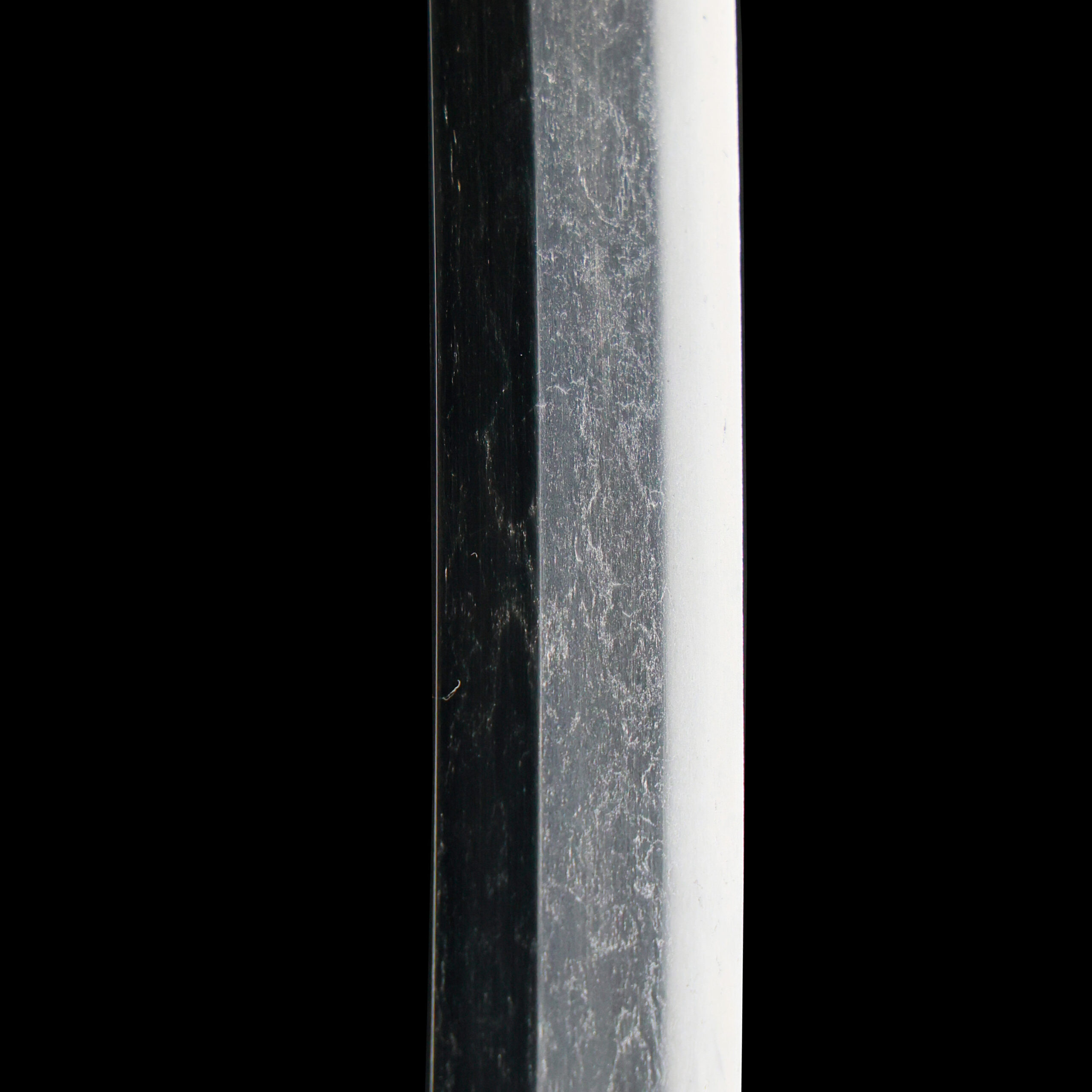
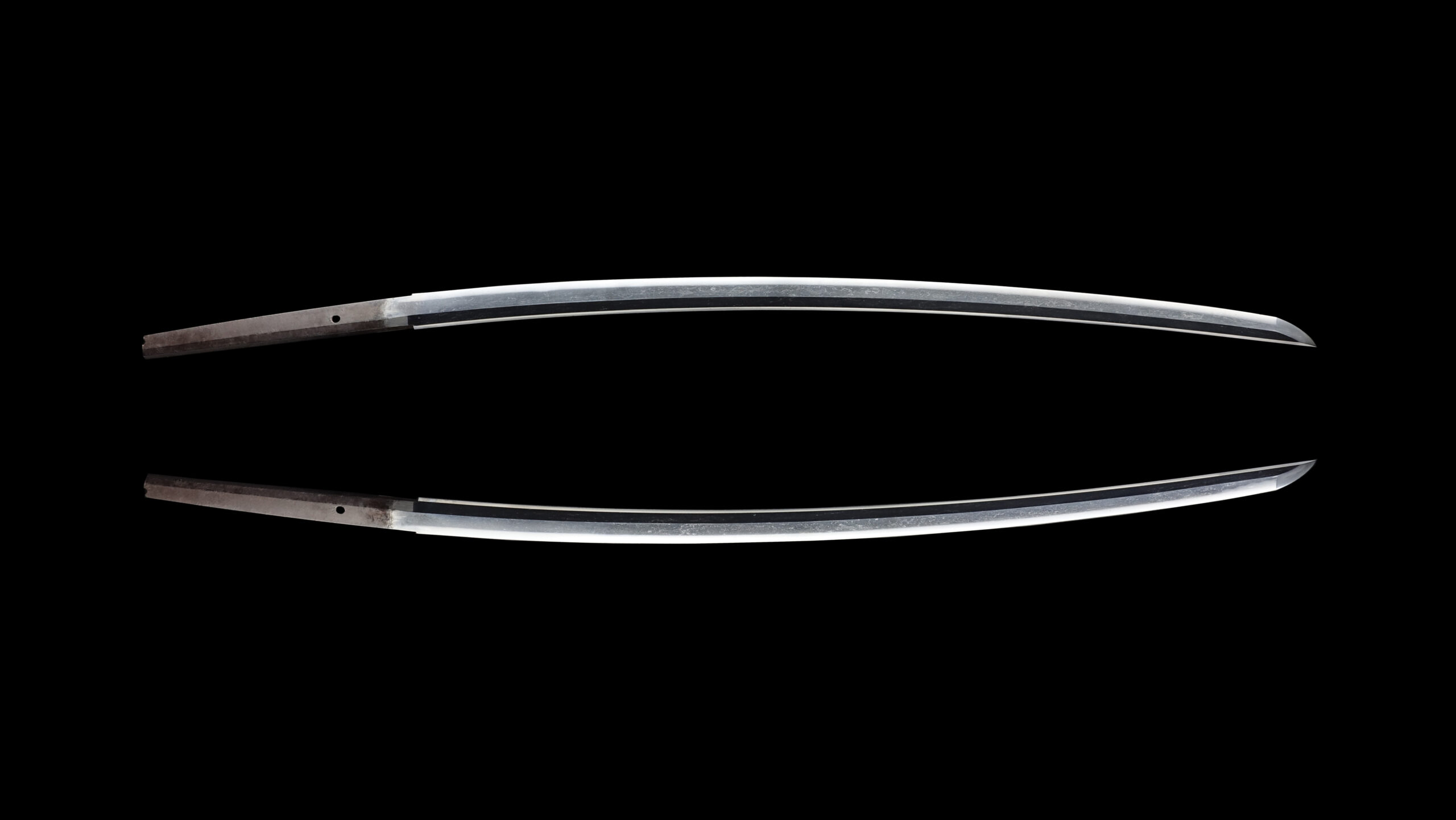
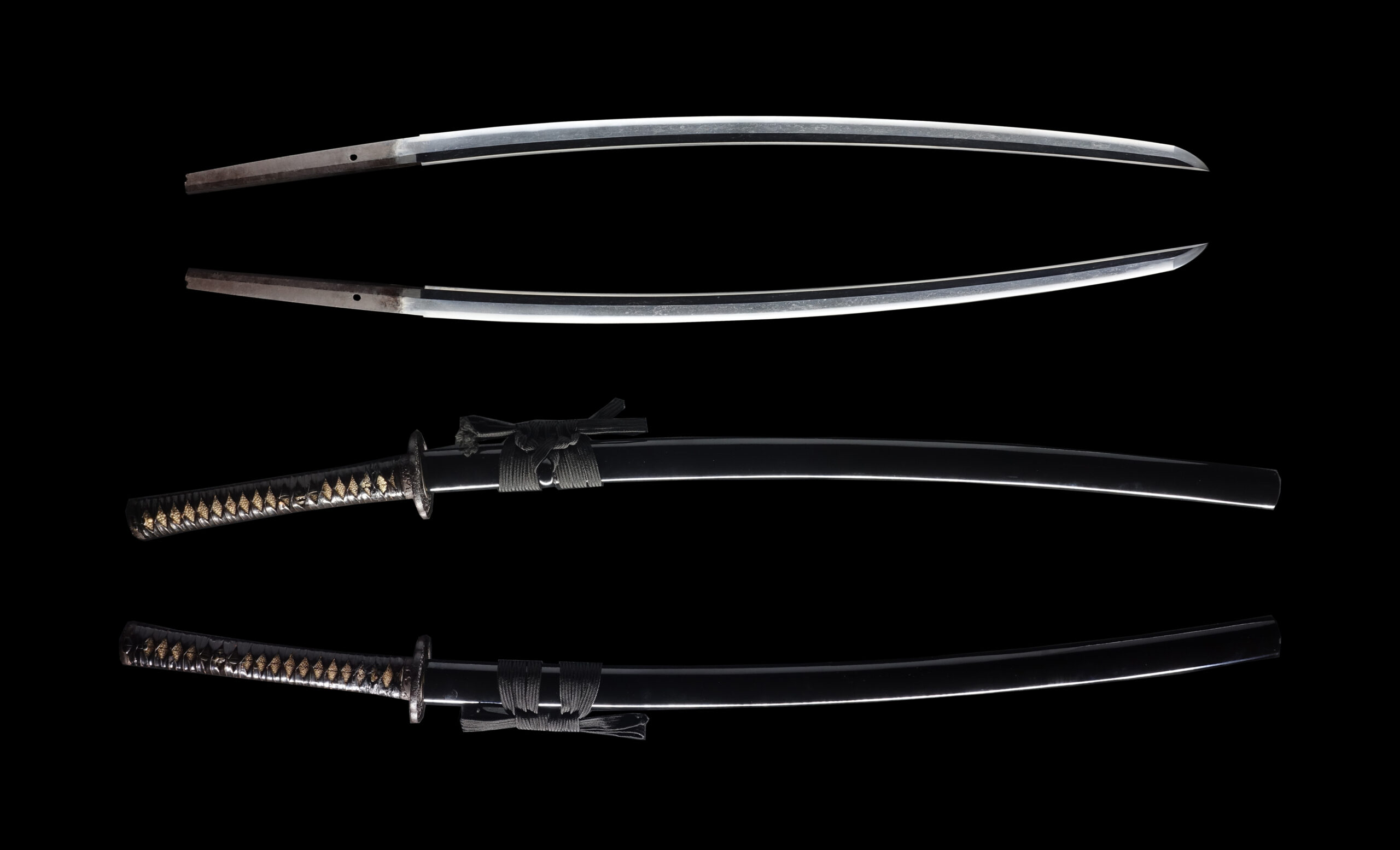
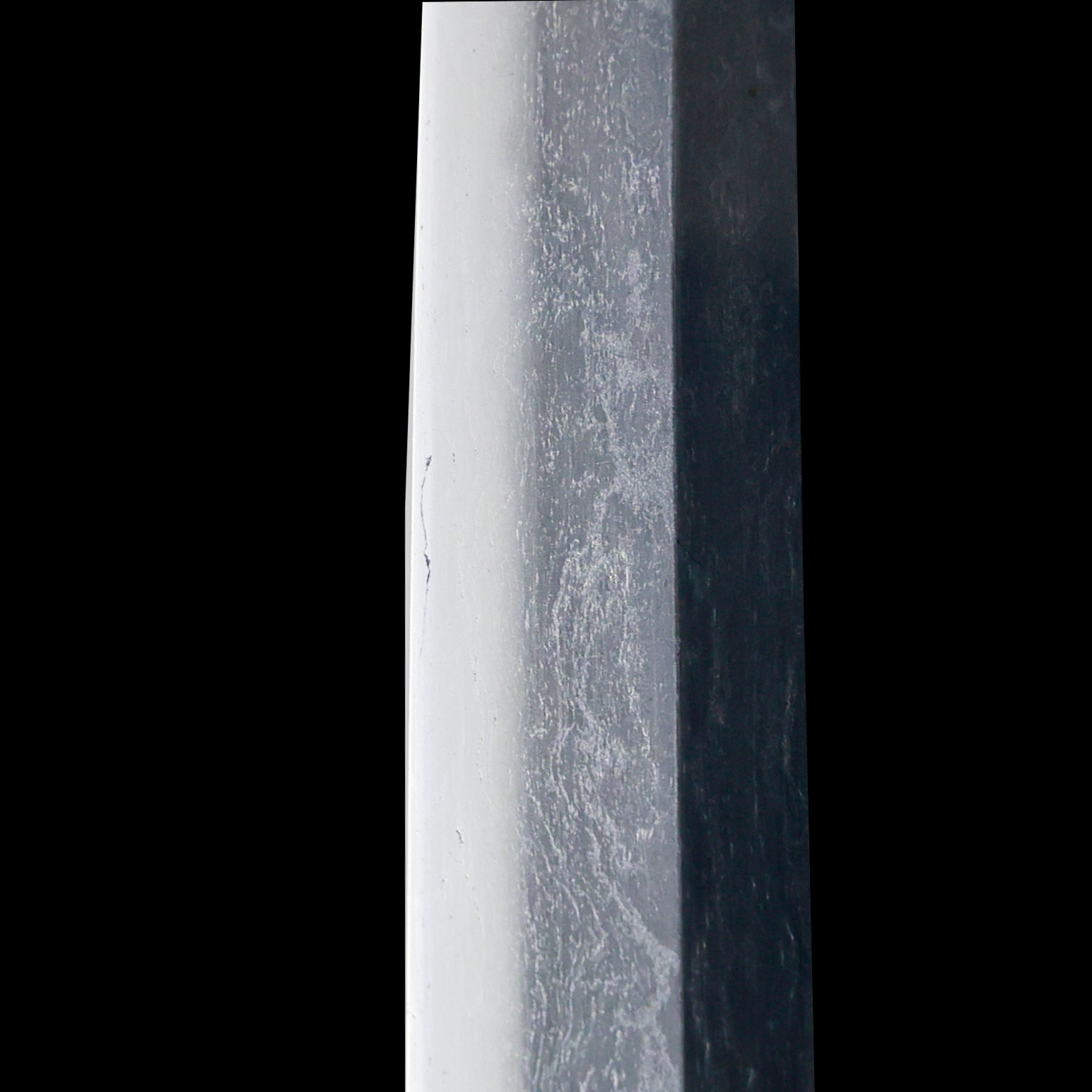
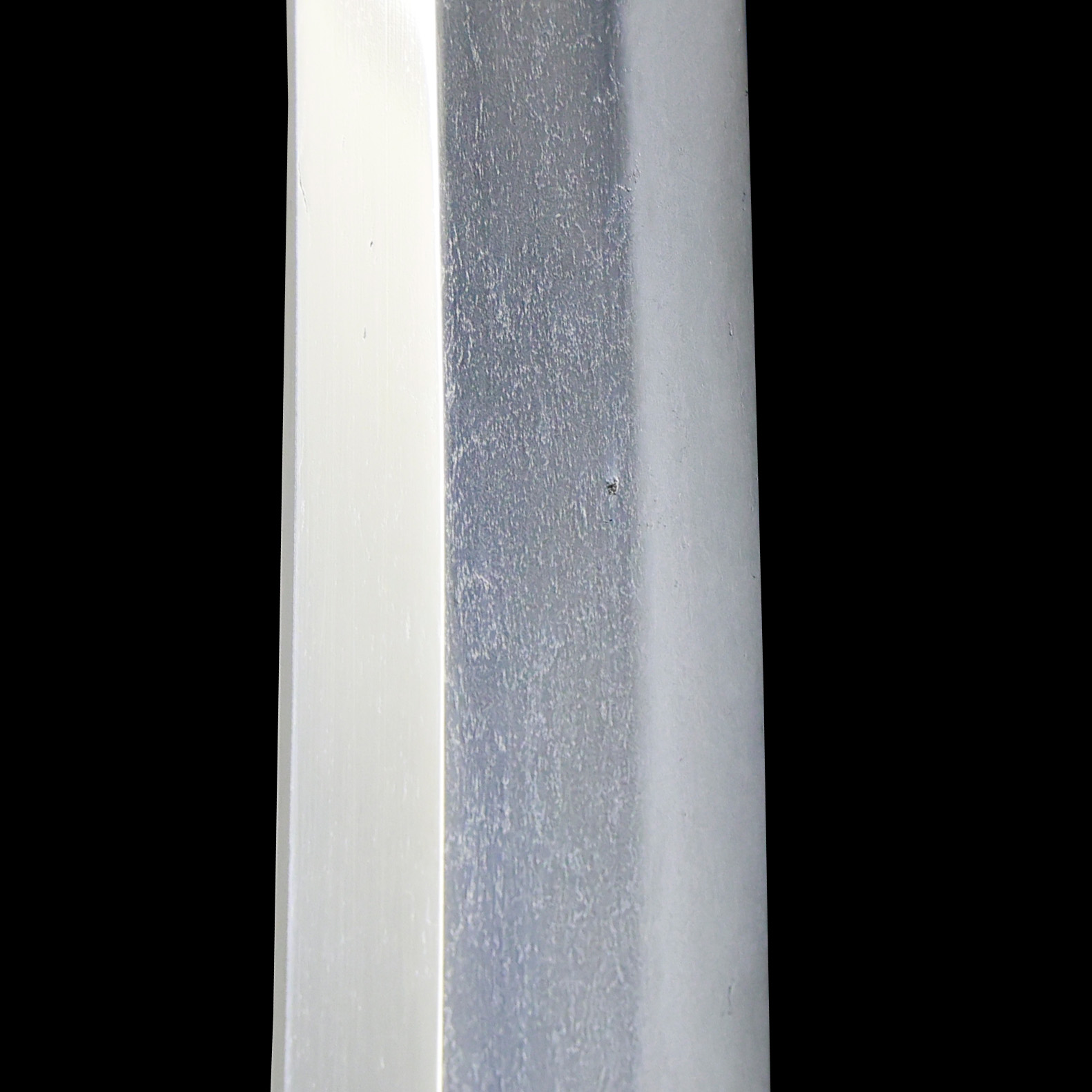
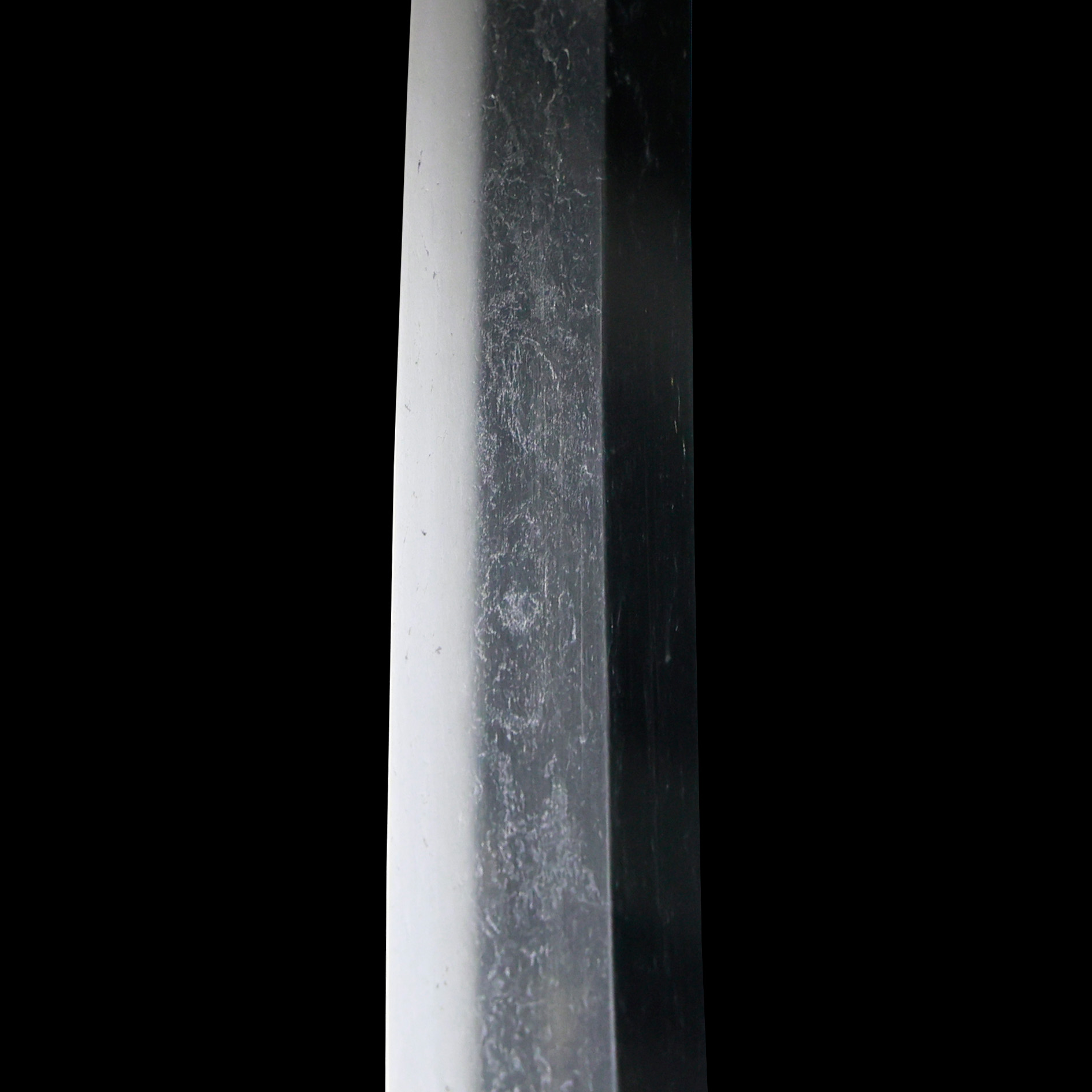
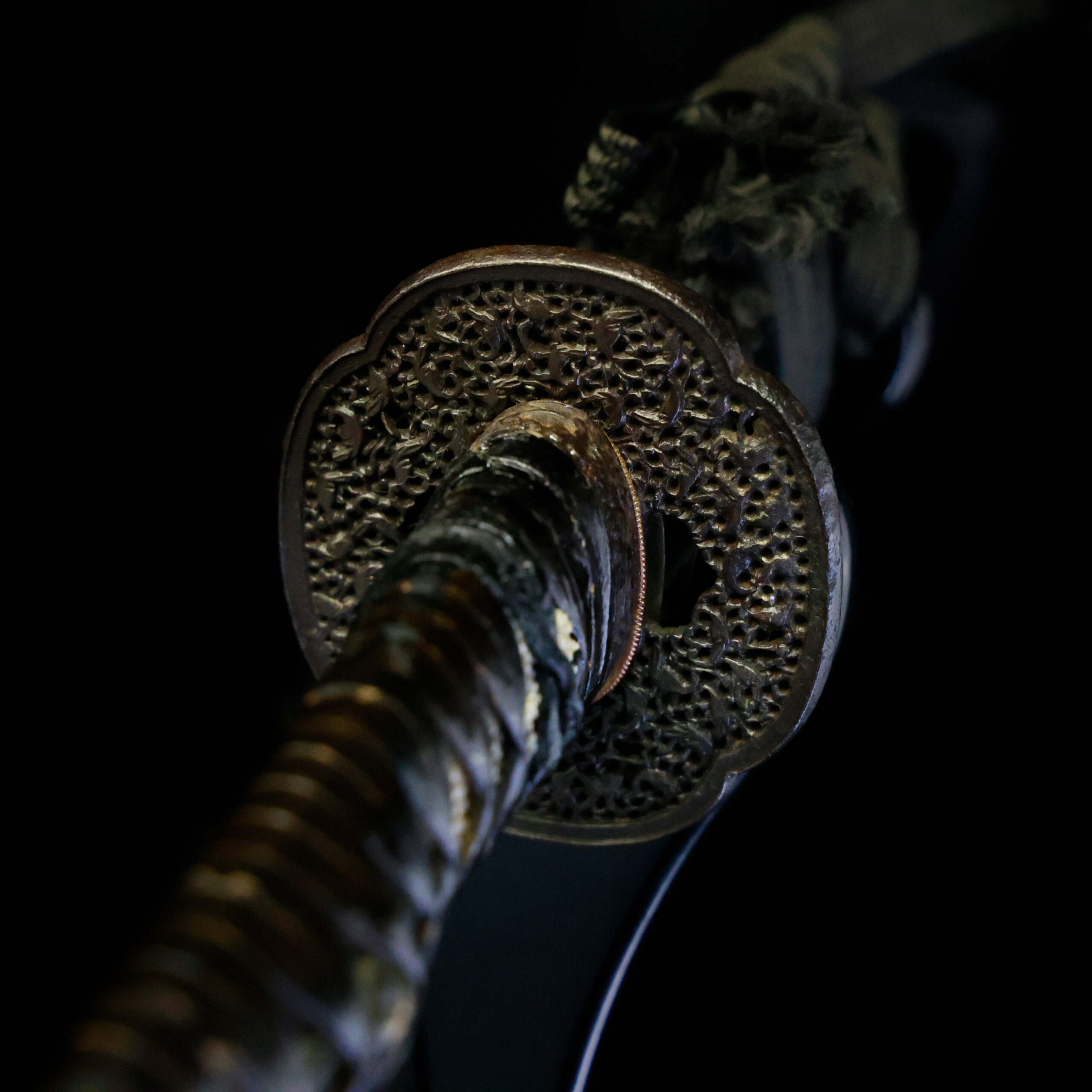
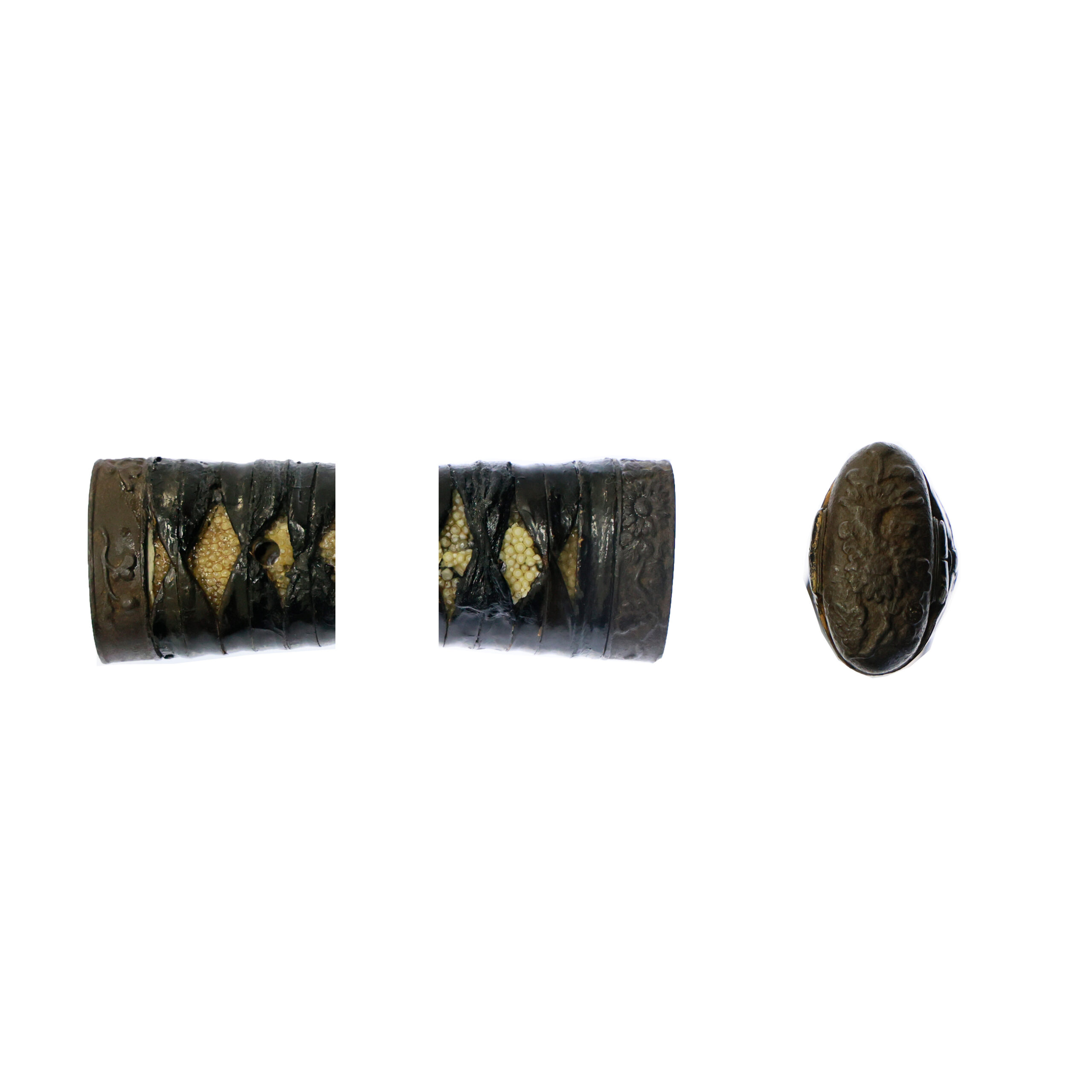
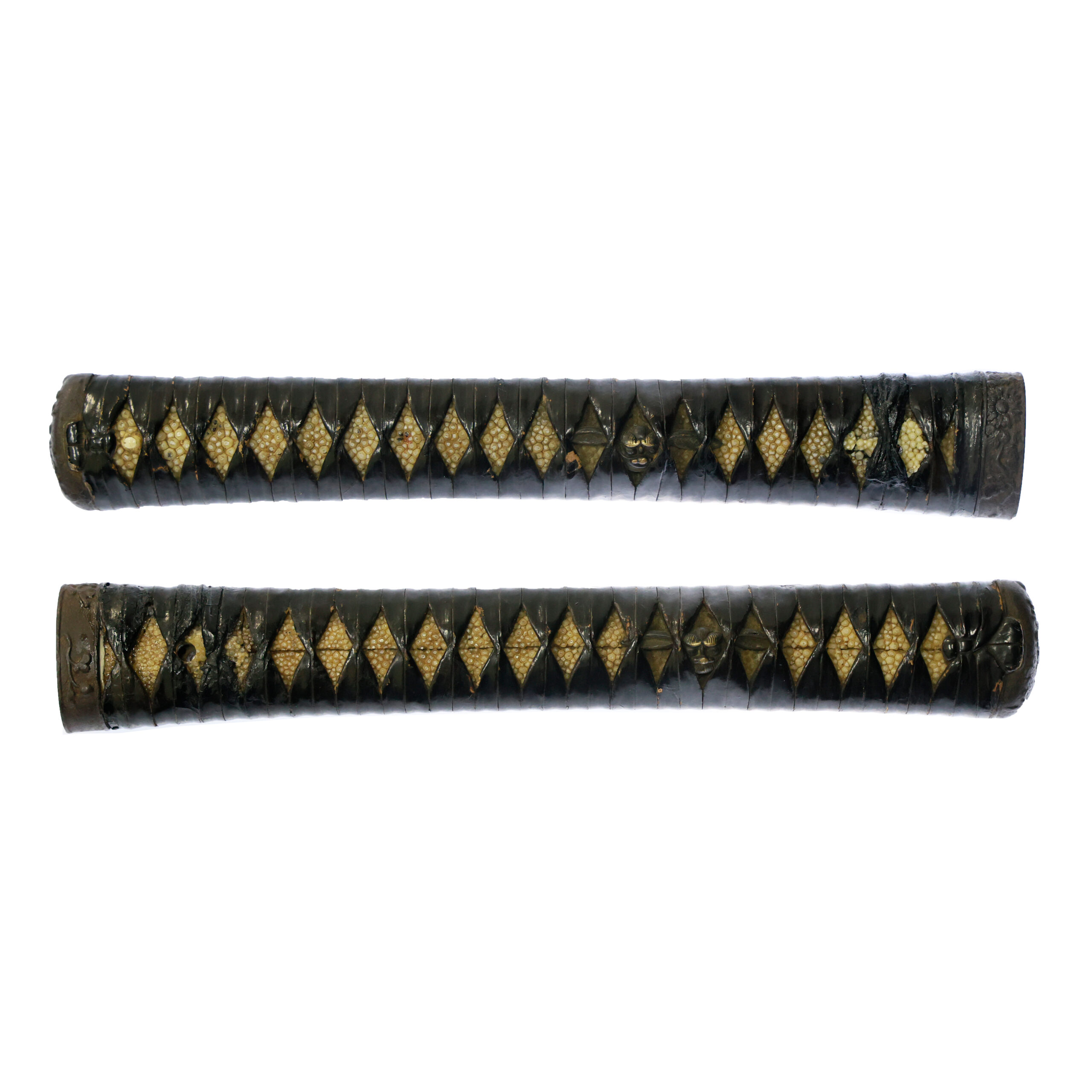
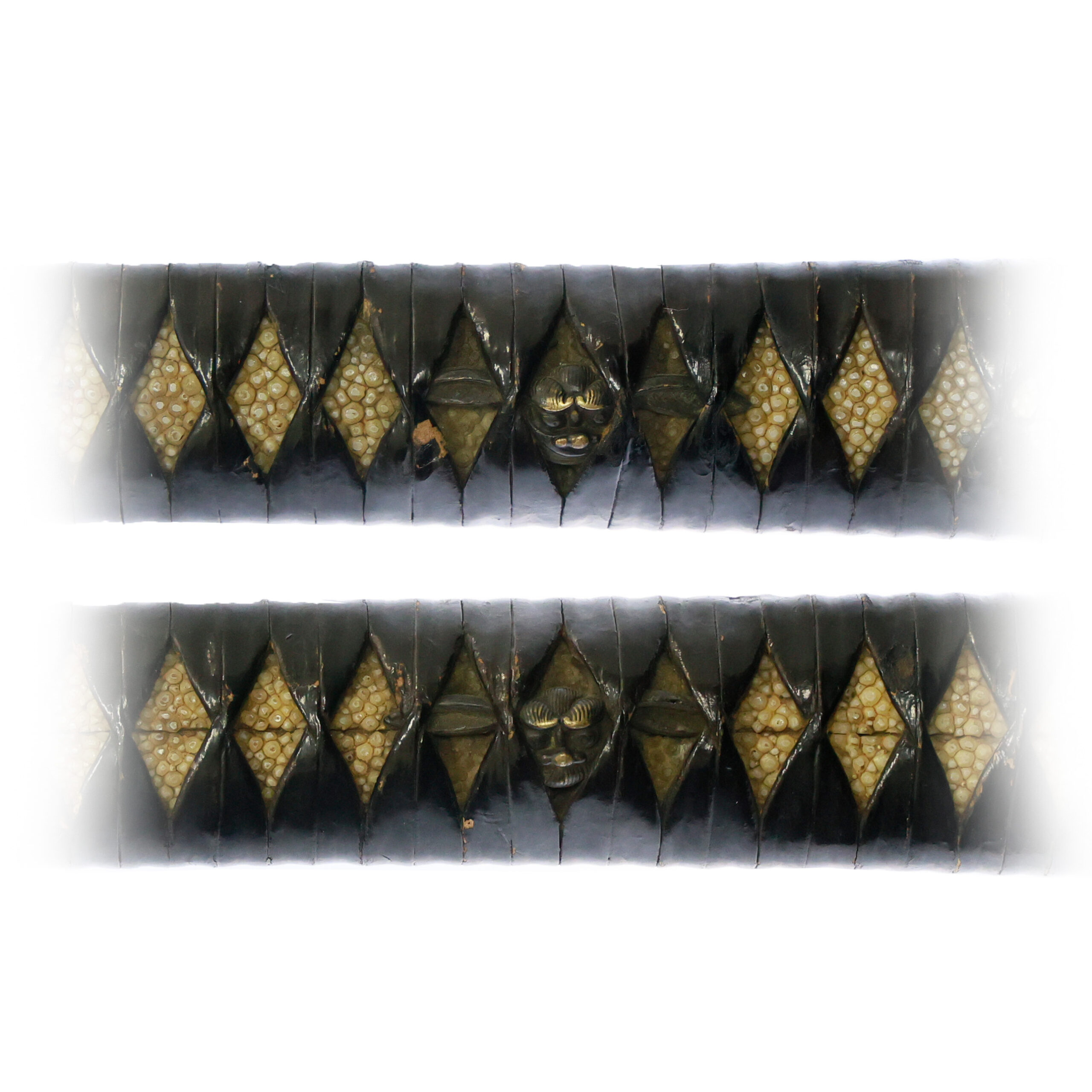
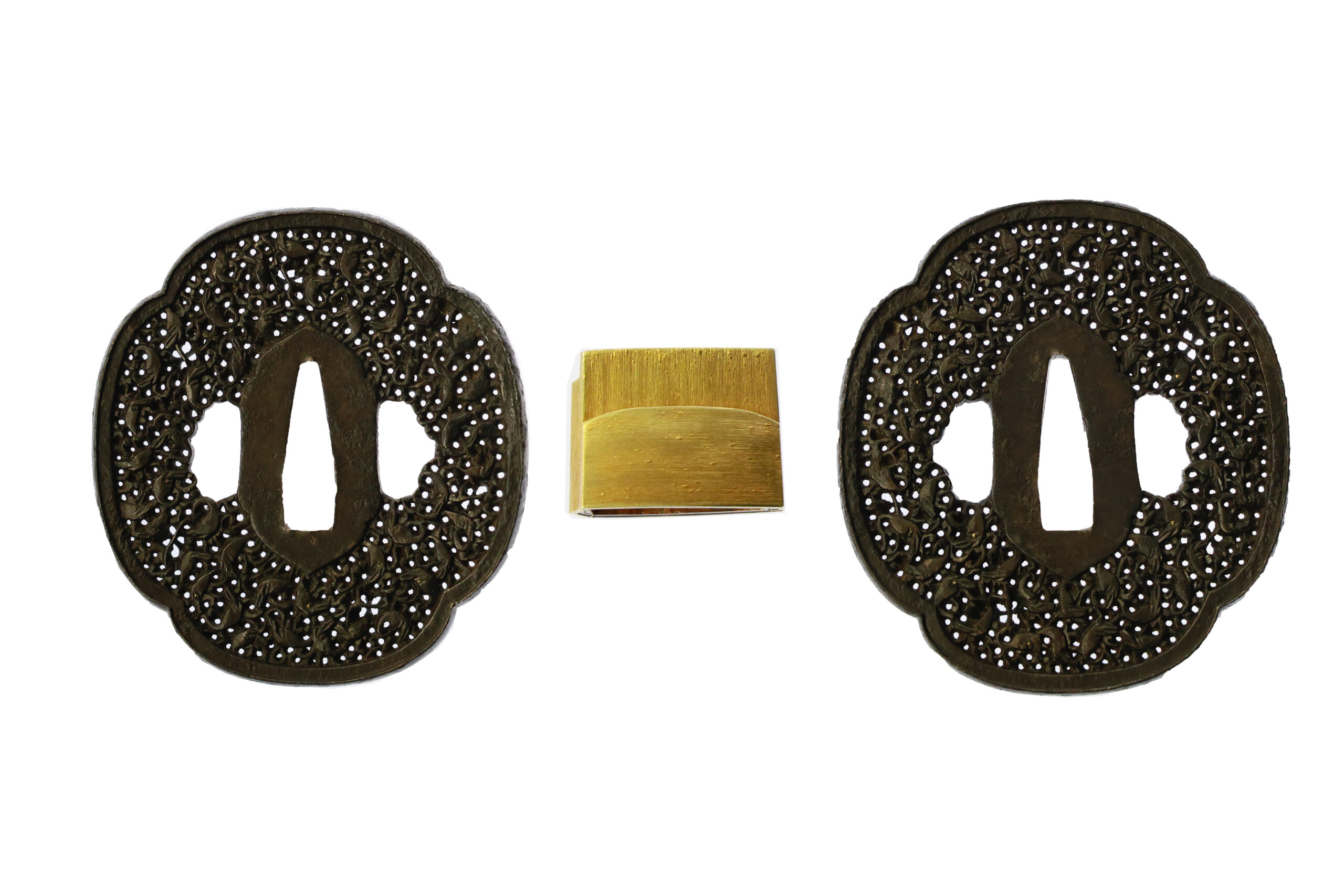
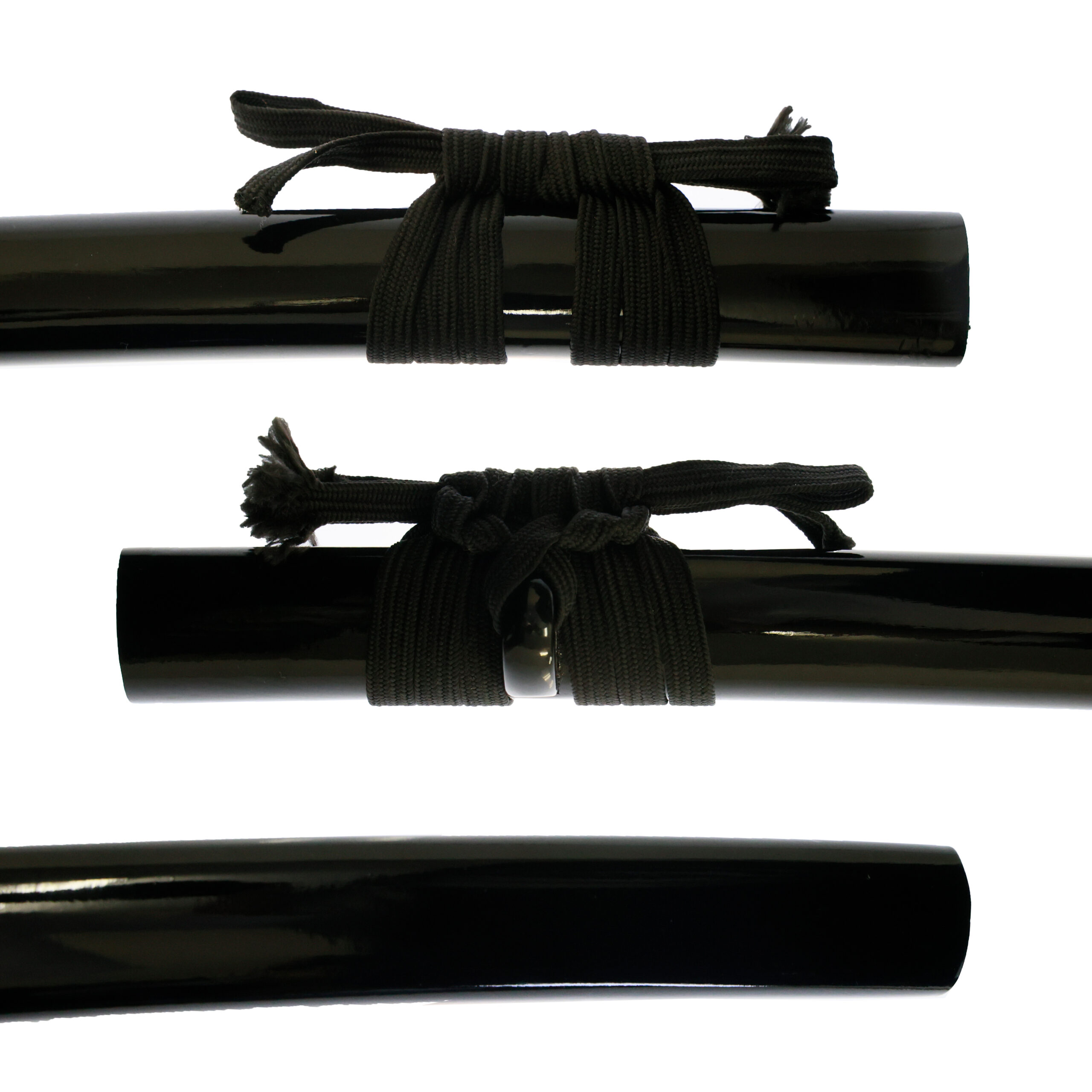
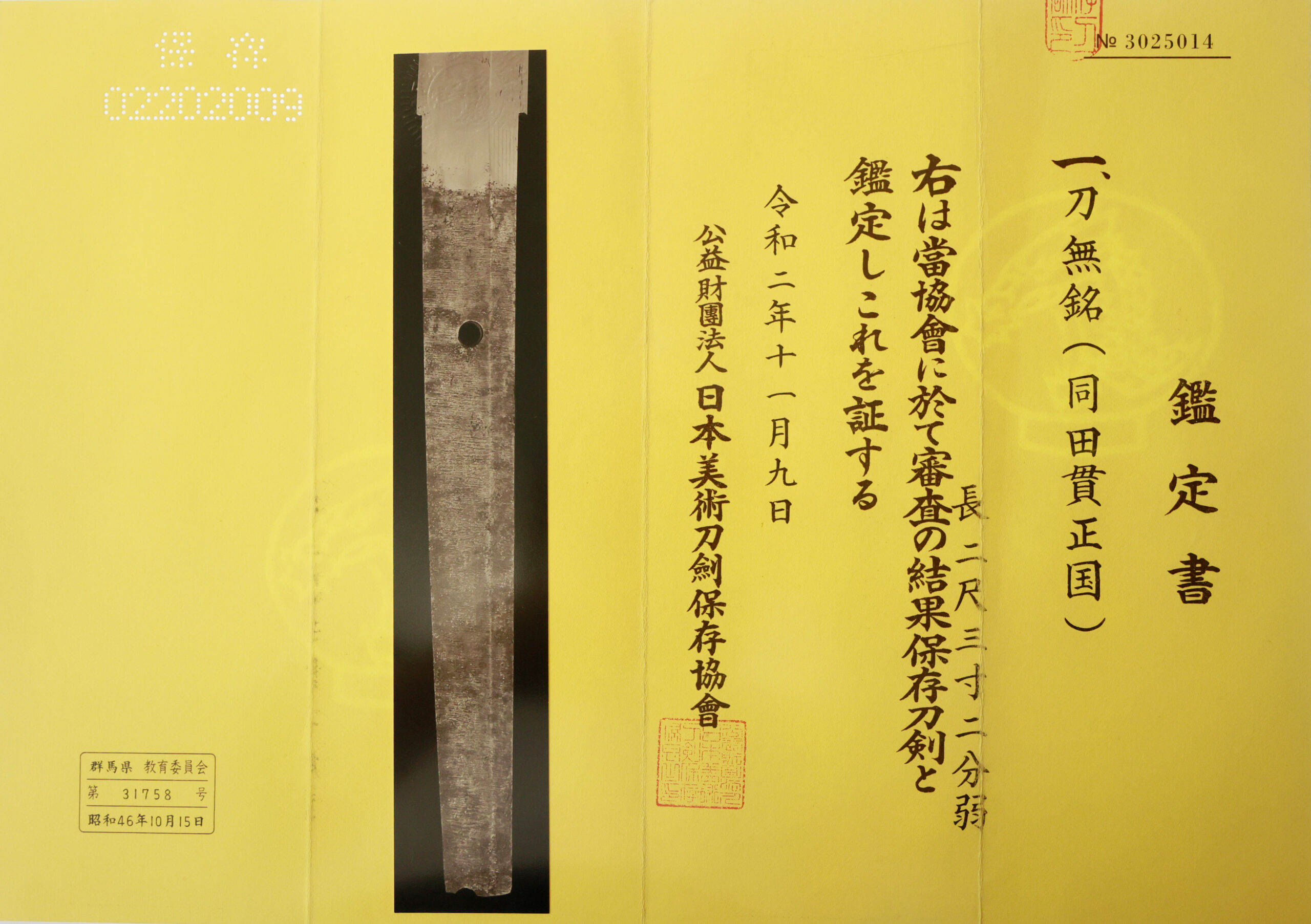
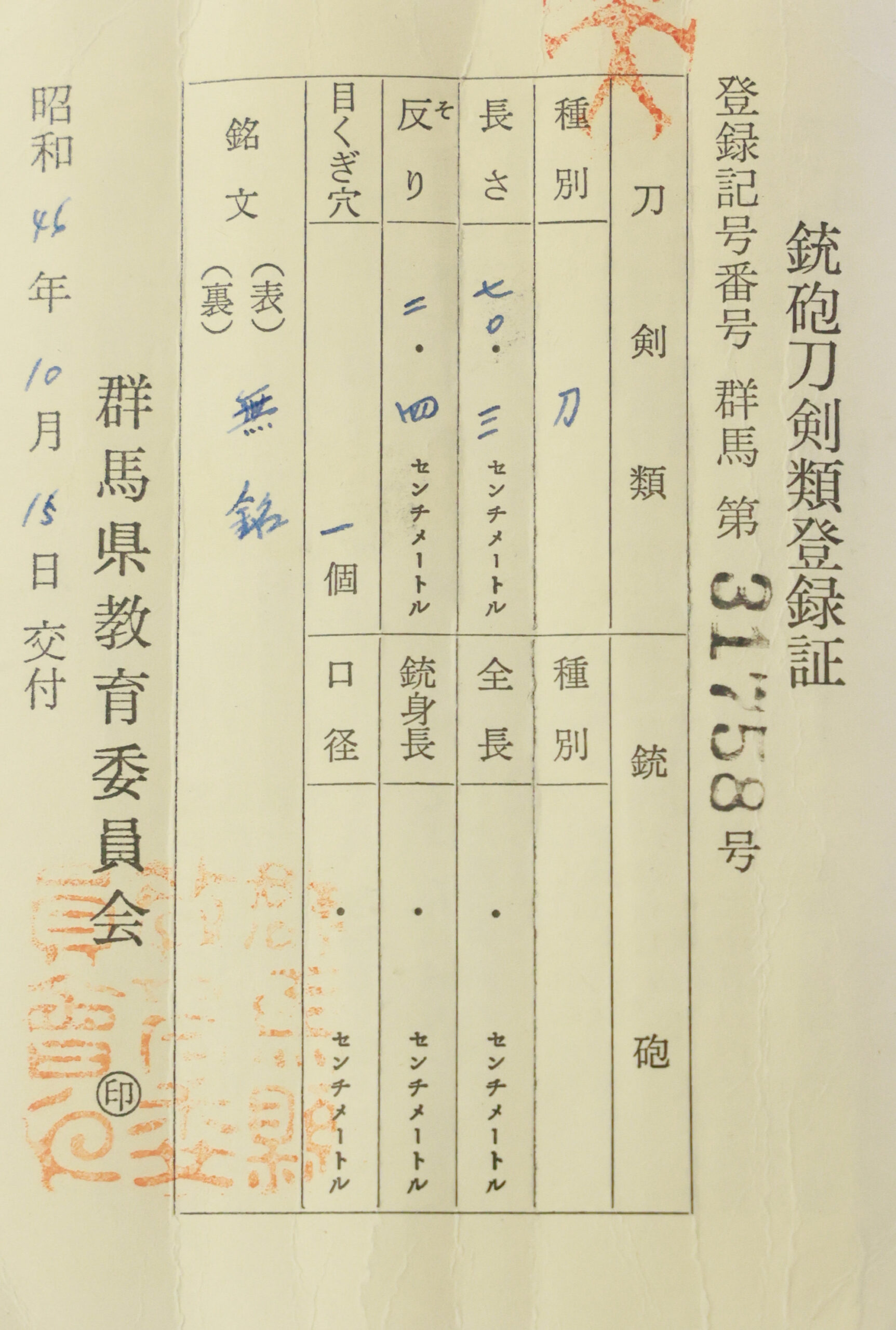
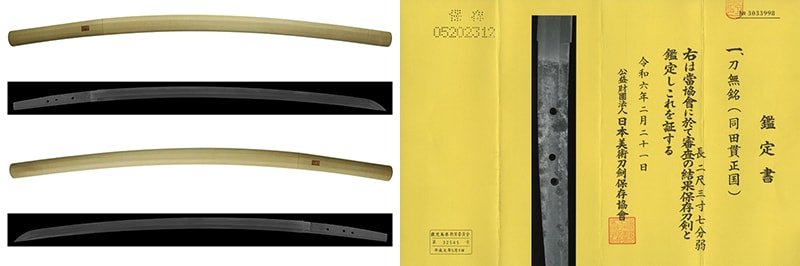
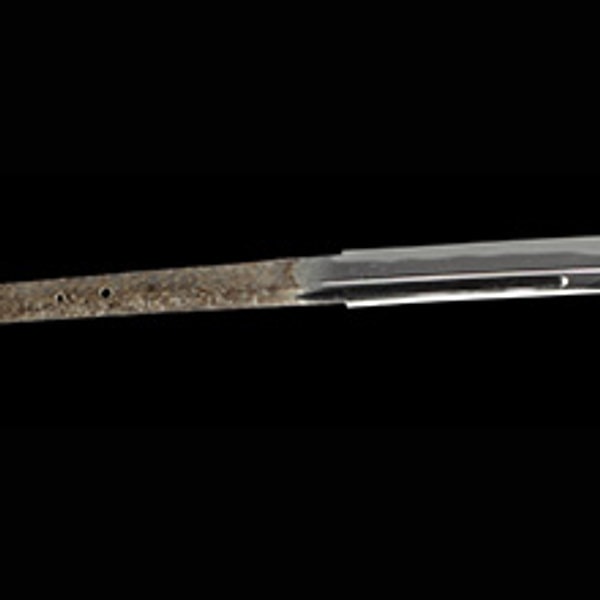
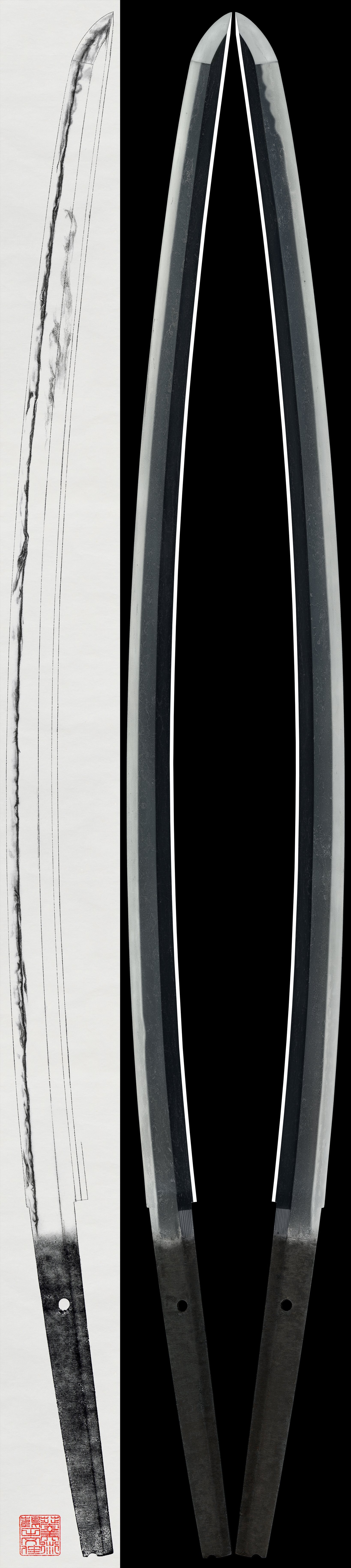
日本刀 刀:無銘(同田貫正国) 日本美術刀剣保存協会 保存刀剣鑑定書付 【解説】 本作は、天正年間(1573-1592:安土桃山時代)に肥後国(現在の熊本県)で活躍した「同田貫正国」と極められた一振りです。同田貫は正国を祖とする流派であり、肥後領主・加藤清正のお抱え工として知られています。 正国は、鎌倉時代後期から南北朝時代にかけて菊池氏の抱え工として栄えた「延寿派」の末流と伝えられています。室町時代末期に菊池氏が没落するとともに延寿派も衰退しましたが、その一族である藤原国勝・信賀兄弟が同田貫の地へ移り住み、作刀を続けたことで流派を再興させました。その技量は戦国屈指の武将・加藤清正に認められ、清正の偏諱(一文字)を賜り、兄の国勝が「清国」、弟の信賀が「正国」と改名。加藤家の庇護のもと、同田貫伝を確立しました。 同田貫の刀はその圧倒的な切れ味から、当時より「折れず曲がらず」の実戦刀として武士の間で絶大な人気を誇りました。その剛健な造り込みは、実戦における最強の武器として今日まで語り継がれています。 なお、同田貫派は江戸時代後期の九代正勝、十代宗広、十一代宗春らの時代に「新々刀同田貫」として再び隆盛を極めました。 本刀は、日本美術刀剣保存協会(NBTHK)により「保存刀剣」に認定されています。これは、美術品として価値が高く、保存状態が優れた真正の日本刀であることを証明するものです。 ※刀身にわずかな鍛え傷(肌立ち)が見受けられます。詳細なコンディションについては、お気軽にお問い合わせください。 【刀身】 長さ(Nagasa):70.3 cm 反り(Sori):2.4 cm 刃文(Hamon):焼入れによって刃先に現れる結晶構造。 地鉄(Jihada):折り返し鍛錬によって現れる鋼の表面模様。 切先(Kissaki):刀身の先端部分。 茎(Nakago):柄に収まる中心(なかご)部分。 日本刀の茎には、赤錆を防ぐための「黒錆」が意図的に残されています。この錆色や経年変化は、専門家が製作年代を特定する際の重要な指標となります。 【外装】 拵(Koshirae):鞘、柄、鍔などから構成される日本刀の外装。 縁頭(Fuchi-Kashira):柄の両端を保護する一対の金具。 本作の縁頭の図案は「秋草」です。秋草とは、萩、すすき、桔梗、撫子、女郎花、葛、藤袴の「秋の七草」に代表される植物を指します。この意匠は単なる美しさだけでなく、咲いては散る繊細な花々に、生と死の輪廻や無常観を投影したものです。死と隣り合わせに生きた侍にとって、こうした「もののあわれ」の精神は深く根付いた文化であり、本金具にもその情緒が表現されています。 柄・目貫(Tsuka / Menuki): 柄は刀を握るための持ち手部分であり、目貫は柄の表裏に配される装飾金具です。
 NihontoWatch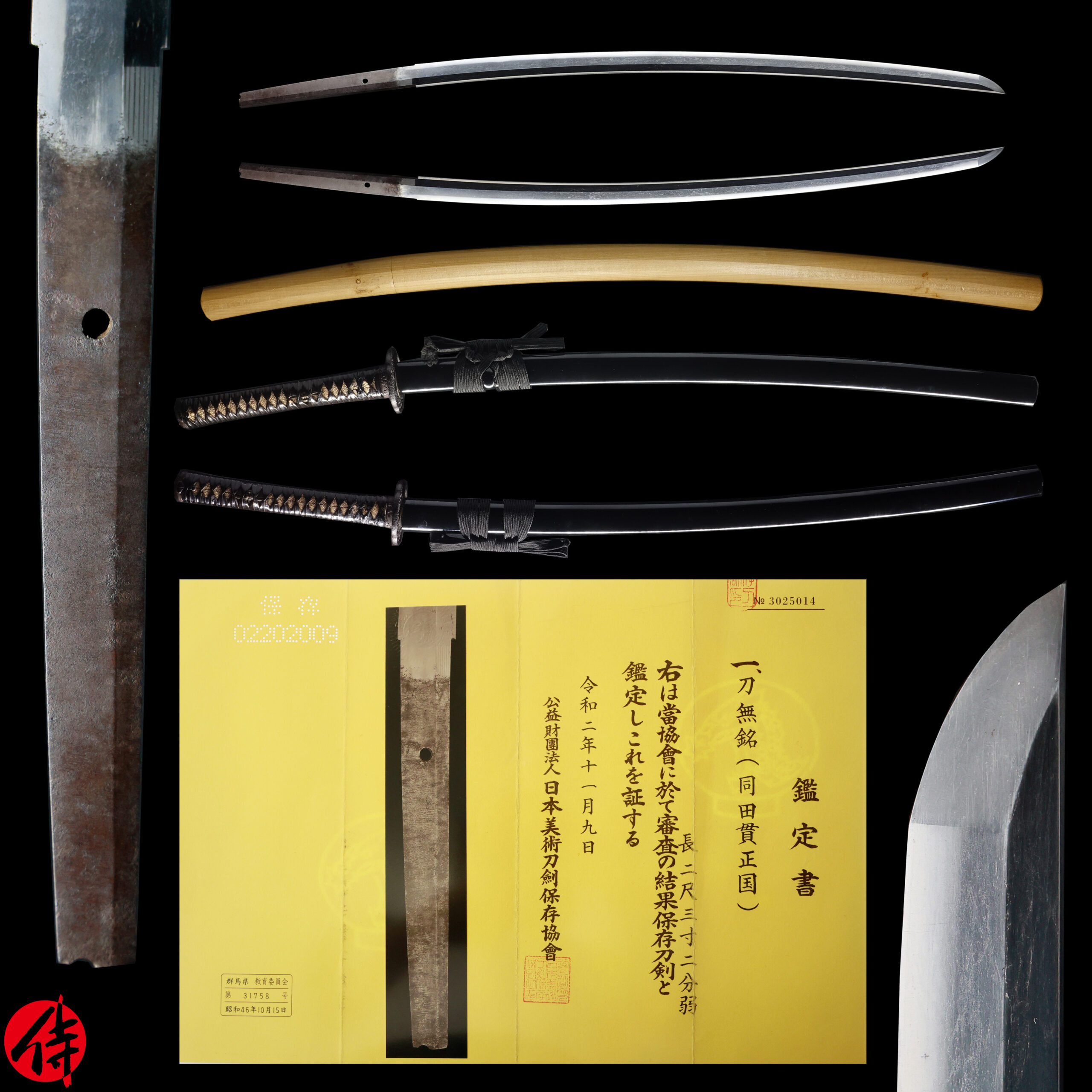
備前伝 · 肥後 · 1573-1592頃
現在1点販売中
正國の位置づけを、日本刀全体および伝統・時代・時期ごとに示します。各位(随一・屈指・有数・著名)は、NBTHK および文化庁による指定に加え、三作や名物帳などの歴史的栄誉を加味したものです。
各項目を選ぶと評価方法が表示されます。
備前伝 · 肥後
現在16点販売中
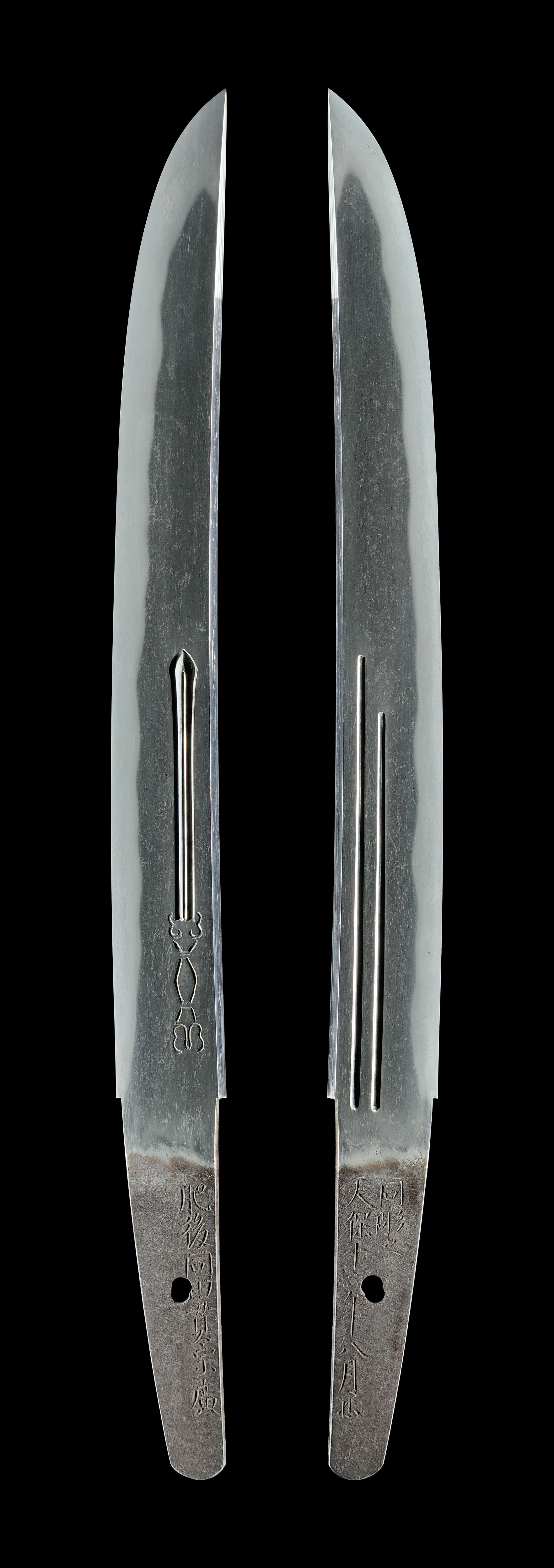
同田貫は肥後国の菊池に室町末期から興り、新刀期に及んで活躍した一派である。説示は本派を九州肥後を代表する流派として位置づけ、その一門に正国・上野介・又八(又八左衛門)・正広・兵部・左馬介・国勝らの工があったことを伝える。年紀を備えた遺例には天正から慶長に跨がる作が見られ、上野介には慶長九年・慶長十六年八月吉日の銘があって、新古を跨ぐ形でこの工が活躍したことが知られる。正国の薙刀は桃山時代の製作と鑑せられ、刀身とほぼ同時期に誂えられた拵を伴う例もある。説示の伝える工と年紀からは、戦国末から江戸初頭にかけての肥後にあって、実用の需に応えた工房の姿がうかがえる。 作風は、身幅広く重ね厚く平肉の豊かな豪壮な造込みを基調とする。説示はこれを武骨な姿とも記し、鎬造の刀のほかに大身槍や大振りの薙刀の作例も数多く経眼されると述べる。鍛えは板目肌で、処々に流れ肌や杢目を交え、やや肌立ちごころとなり、地沸がつく。刃文はのたれを基調に小互の目・小丁子・小尖り刃などが交じり、足・葉がよく入り、匂口は締りがちで叢沸となり、飛焼や棟焼を見せ、金筋・砂流しの細かにかかる作がある。互の目乱れを主とする例や、正広の薙刀のように直刃を焼いて匂口の沈む作も伝えられ、一派のうちに振幅のあることが説示から読み取れる。見分けに当たっては、頑健な姿態と、匂口の締まった乱刃に叢沸・飛焼・棟焼の交じる地刃の様相が手がかりとなる。 伝承の面では、説示はこの派の刀の鋭利さが古くから賞讃され、実用刀として知られてきたことを繰り返し記す。代表工とされる上野介には、常に見る同派の作域よりも変化に富み野趣の感じられる作があり、沈みごころの地刃に渋い味わいの醸される一口が同工および同派を代表する出来として挙げられている。正国の薙刀は、地沸の微塵に厚くついた鍛えと、同派の常以上に明るく沸づいて刃中の頻りに働く刃文をもって秀作と評され、黒漆金蒔絵柄鞘薙刀拵を附帯する。又八の薙刀には匂口の締まった作に沸のつく一派の特色がよく示され、黒塗薙刀拵を伴う。資料は僅少ながら、これらの遺例は、肥後にあって頑健と切れ味を旨とした同田貫の性格を、刀・薙刀の双方に即して伝えるものといえる。 詳しく見る →
三人の天下人が戦国の世紀を終わらせ、刀は新しい秩序の道具となった。1588年の刀狩は刀を武士の標章とし、名刀は条約のごとく家々の間を行き交い、鑑定は以後この境で古刀と新刀を分かつ。
銘が正しい、または無銘でも年代・国・系統を確実に指摘できる、保存に値する真正の作と鑑定されたものです。
日本美術刀剣保存協会(NBTHK)は、1948年に設立され、文化庁の監督を受ける公益財団法人で、東京・刀剣博物館に本部を置きます。専門の審査員が出品作を直接審査し、美術的・歴史的価値に応じた鑑定書を発行します。NBTHKの鑑定書は、日本刀および刀装具の真正性を示す最も広く認知された基準です。
NBTHK公式サイトReturns/exchanges limited to defects caused by shipping (except willful misconduct or gross negligence by the company); customers must contact within 72 hours of receiving the product.
日本刀 刀:無銘(同田貫正国) 日本美術刀剣保存協会 保存刀剣鑑定書付 【解説】 本作は、天正年間(1573-1592:安土桃山時代)に肥後国(現在の熊本県)で活躍した「同田貫正国」と極められた一振りです。同田貫は正国を祖とする流派であり、肥後領主・加藤清正のお抱え工として知られています。 正国は、鎌倉時代後期から南北朝時代にかけて菊池氏の抱え工として栄えた「延寿派」の末流と伝えられています。室町時代末期に菊池氏が没落するとともに延寿派も衰退しましたが、その一族である藤原国勝・信賀兄弟が同田貫の地へ移り住み、作刀を続けたことで流派を再興させました。その技量は戦国屈指の武将・加藤清正に認められ、清正の偏諱(一文字)を賜り、兄の国勝が「清国」、弟の信賀が「正国」と改名。加藤家の庇護のもと、同田貫伝を確立しました。 同田貫の刀はその圧倒的な切れ味から、当時より「折れず曲がらず」の実戦刀として武士の間で絶大な人気を誇りました。その剛健な造り込みは、実戦における最強の武器として今日まで語り継がれています。 なお、同田貫派は江戸時代後期の九代正勝、十代宗広、十一代宗春らの時代に「新々刀同田貫」として再び隆盛を極めました。 本刀は、日本美術刀剣保存協会(NBTHK)により「保存刀剣」に認定されています。これは、美術品として価値が高く、保存状態が優れた真正の日本刀であることを証明するものです。 ※刀身にわずかな鍛え傷(肌立ち)が見受けられます。詳細なコンディションについては、お気軽にお問い合わせください。 【刀身】 長さ(Nagasa):70.3 cm 反り(Sori):2.4 cm 刃文(Hamon):焼入れによって刃先に現れる結晶構造。 地鉄(Jihada):折り返し鍛錬によって現れる鋼の表面模様。 切先(Kissaki):刀身の先端部分。 茎(Nakago):柄に収まる中心(なかご)部分。 日本刀の茎には、赤錆を防ぐための「黒錆」が意図的に残されています。この錆色や経年変化は、専門家が製作年代を特定する際の重要な指標となります。 【外装】 拵(Koshirae):鞘、柄、鍔などから構成される日本刀の外装。 縁頭(Fuchi-Kashira):柄の両端を保護する一対の金具。 本作の縁頭の図案は「秋草」です。秋草とは、萩、すすき、桔梗、撫子、女郎花、葛、藤袴の「秋の七草」に代表される植物を指します。この意匠は単なる美しさだけでなく、咲いては散る繊細な花々に、生と死の輪廻や無常観を投影したものです。死と隣り合わせに生きた侍にとって、こうした「もののあわれ」の精神は深く根付いた文化であり、本金具にもその情緒が表現されています。 柄・目貫(Tsuka / Menuki): 柄は刀を握るための持ち手部分であり、目貫は柄の表裏に配される装飾金具です。
NihontoWatch備前伝 · 肥後 · 1573-1592頃
現在1点販売中
正國の位置づけを、日本刀全体および伝統・時代・時期ごとに示します。各位(随一・屈指・有数・著名)は、NBTHK および文化庁による指定に加え、三作や名物帳などの歴史的栄誉を加味したものです。
各項目を選ぶと評価方法が表示されます。
備前伝 · 肥後
現在16点販売中
同田貫は肥後国の菊池に室町末期から興り、新刀期に及んで活躍した一派である。説示は本派を九州肥後を代表する流派として位置づけ、その一門に正国・上野介・又八(又八左衛門)・正広・兵部・左馬介・国勝らの工があったことを伝える。年紀を備えた遺例には天正から慶長に跨がる作が見られ、上野介には慶長九年・慶長十六年八月吉日の銘があって、新古を跨ぐ形でこの工が活躍したことが知られる。正国の薙刀は桃山時代の製作と鑑せられ、刀身とほぼ同時期に誂えられた拵を伴う例もある。説示の伝える工と年紀からは、戦国末から江戸初頭にかけての肥後にあって、実用の需に応えた工房の姿がうかがえる。 作風は、身幅広く重ね厚く平肉の豊かな豪壮な造込みを基調とする。説示はこれを武骨な姿とも記し、鎬造の刀のほかに大身槍や大振りの薙刀の作例も数多く経眼されると述べる。鍛えは板目肌で、処々に流れ肌や杢目を交え、やや肌立ちごころとなり、地沸がつく。刃文はのたれを基調に小互の目・小丁子・小尖り刃などが交じり、足・葉がよく入り、匂口は締りがちで叢沸となり、飛焼や棟焼を見せ、金筋・砂流しの細かにかかる作がある。互の目乱れを主とする例や、正広の薙刀のように直刃を焼いて匂口の沈む作も伝えられ、一派のうちに振幅のあることが説示から読み取れる。見分けに当たっては、頑健な姿態と、匂口の締まった乱刃に叢沸・飛焼・棟焼の交じる地刃の様相が手がかりとなる。 伝承の面では、説示はこの派の刀の鋭利さが古くから賞讃され、実用刀として知られてきたことを繰り返し記す。代表工とされる上野介には、常に見る同派の作域よりも変化に富み野趣の感じられる作があり、沈みごころの地刃に渋い味わいの醸される一口が同工および同派を代表する出来として挙げられている。正国の薙刀は、地沸の微塵に厚くついた鍛えと、同派の常以上に明るく沸づいて刃中の頻りに働く刃文をもって秀作と評され、黒漆金蒔絵柄鞘薙刀拵を附帯する。又八の薙刀には匂口の締まった作に沸のつく一派の特色がよく示され、黒塗薙刀拵を伴う。資料は僅少ながら、これらの遺例は、肥後にあって頑健と切れ味を旨とした同田貫の性格を、刀・薙刀の双方に即して伝えるものといえる。 詳しく見る →
三人の天下人が戦国の世紀を終わらせ、刀は新しい秩序の道具となった。1588年の刀狩は刀を武士の標章とし、名刀は条約のごとく家々の間を行き交い、鑑定は以後この境で古刀と新刀を分かつ。
銘が正しい、または無銘でも年代・国・系統を確実に指摘できる、保存に値する真正の作と鑑定されたものです。
日本美術刀剣保存協会(NBTHK)は、1948年に設立され、文化庁の監督を受ける公益財団法人で、東京・刀剣博物館に本部を置きます。専門の審査員が出品作を直接審査し、美術的・歴史的価値に応じた鑑定書を発行します。NBTHKの鑑定書は、日本刀および刀装具の真正性を示す最も広く認知された基準です。
NBTHK公式サイトReturns/exchanges limited to defects caused by shipping (except willful misconduct or gross negligence by the company); customers must contact within 72 hours of receiving the product.


![Katana - Tokuho - by Dotanuki Masakuni - 刀[肥後同田貫正国][日本美術刀剣保存協会]特別保存刀剣](/_next/image?url=https%3A%2F%2Fitbhfhyptogxcjbjfzwx.supabase.co%2Fstorage%2Fv1%2Fobject%2Fpublic%2Flisting-images%2Fworld-seiyudo%2FL31695%2F00.jpg&w=2560&q=90)