国内の戦乱と海外への貿易が、室町の備前を国内随一の刀剣産地にした。応仁の乱以後は戦国の需要が一世紀続き、遣明船は数万振の単位で刀を運んでいる。
 NihontoWatchNihontoWatch
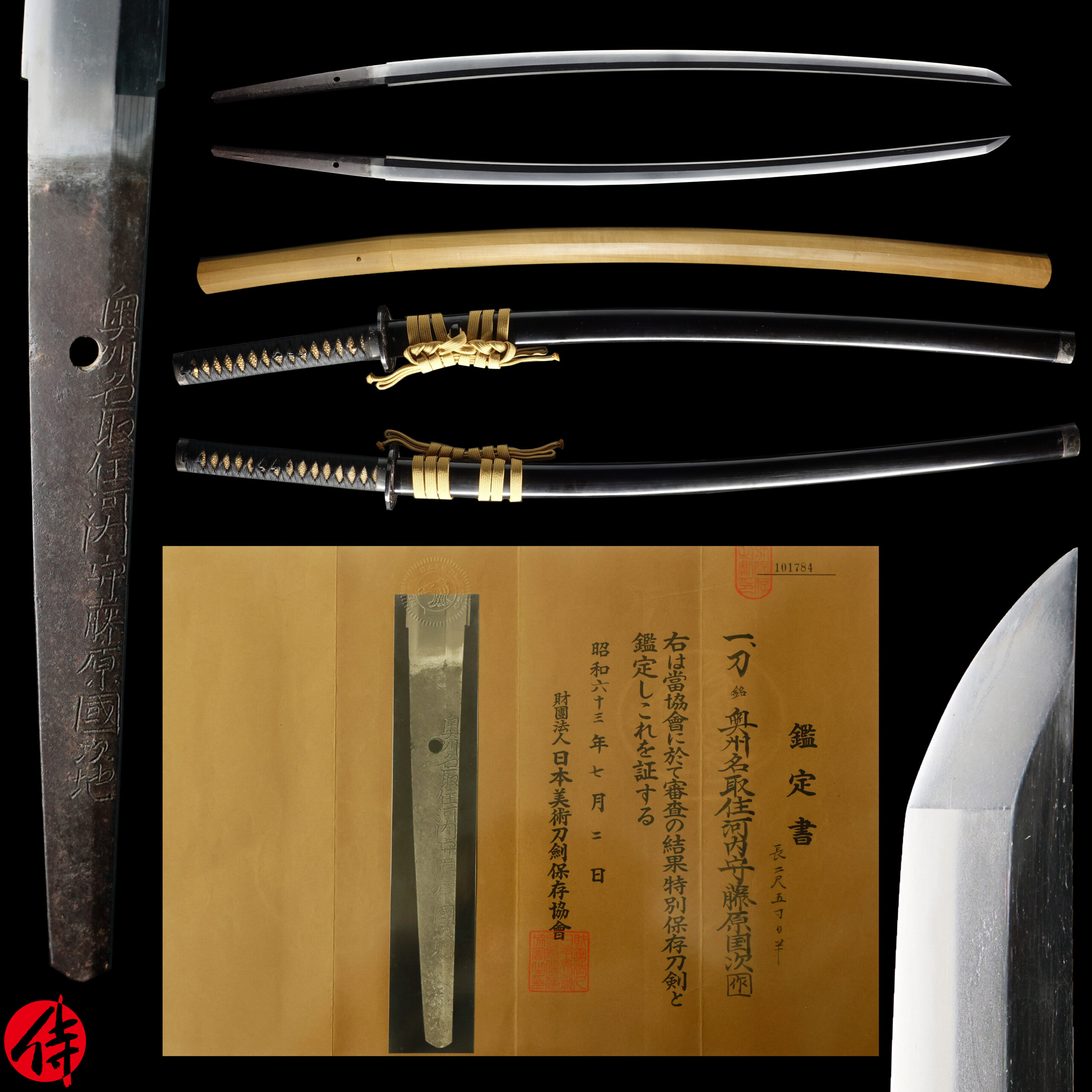
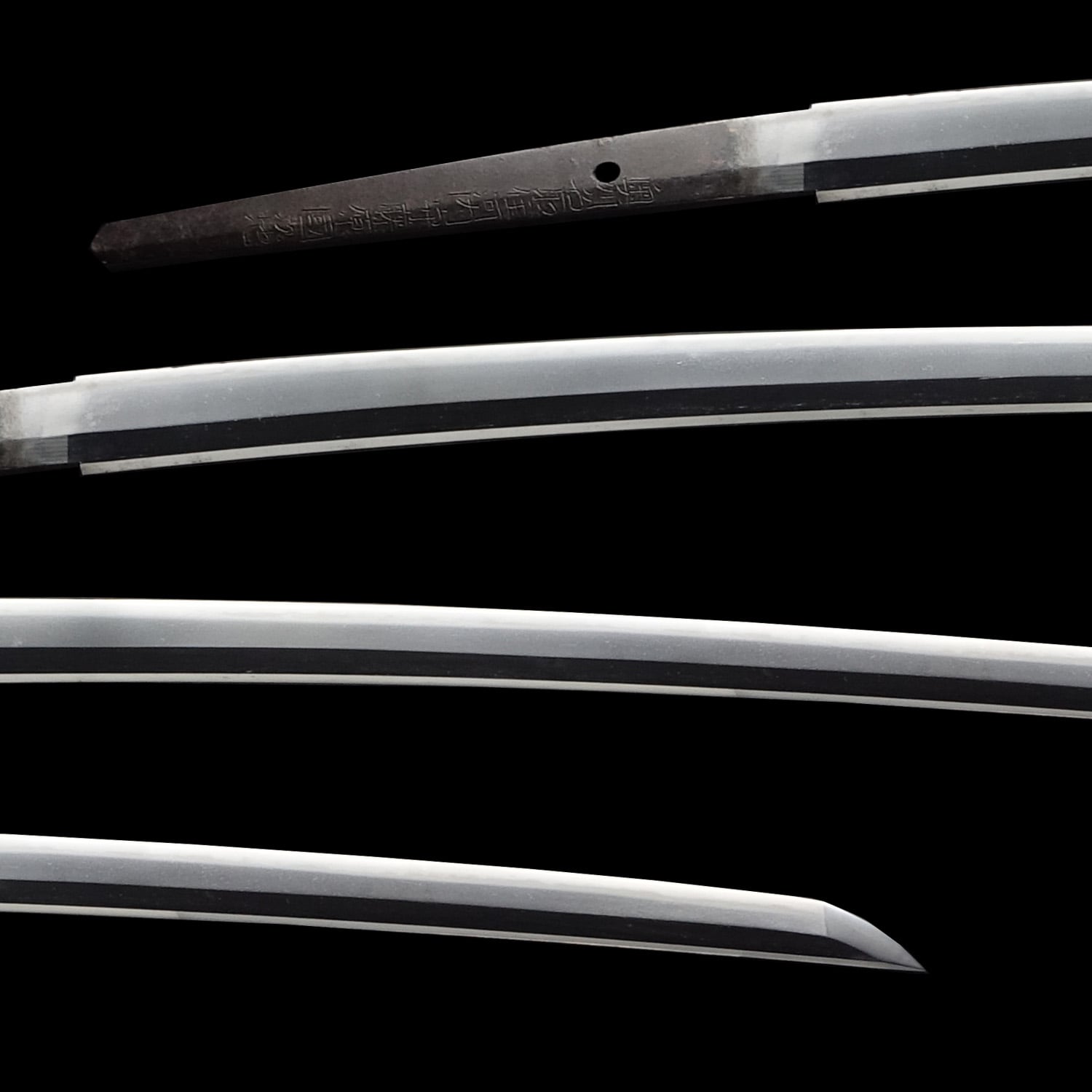
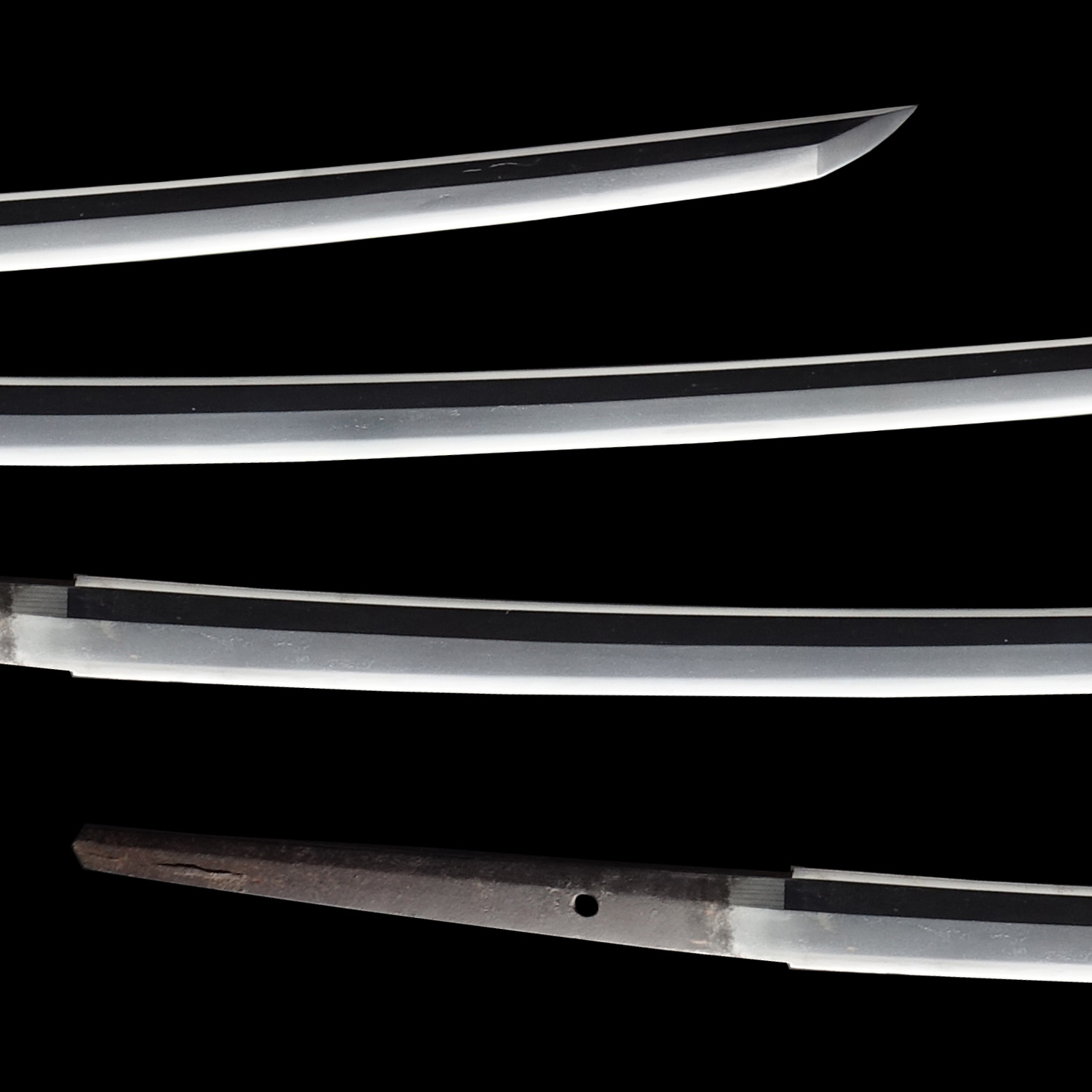
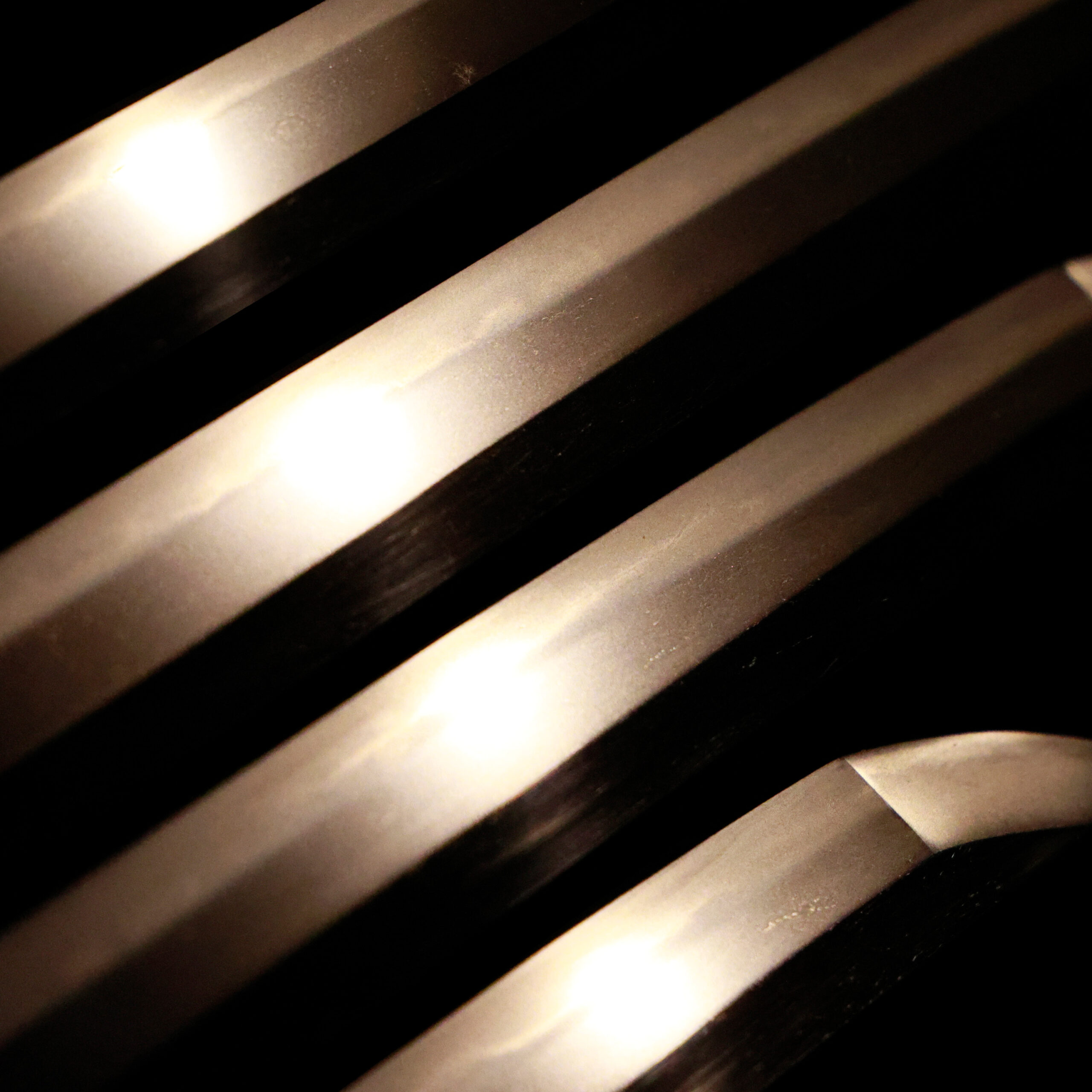
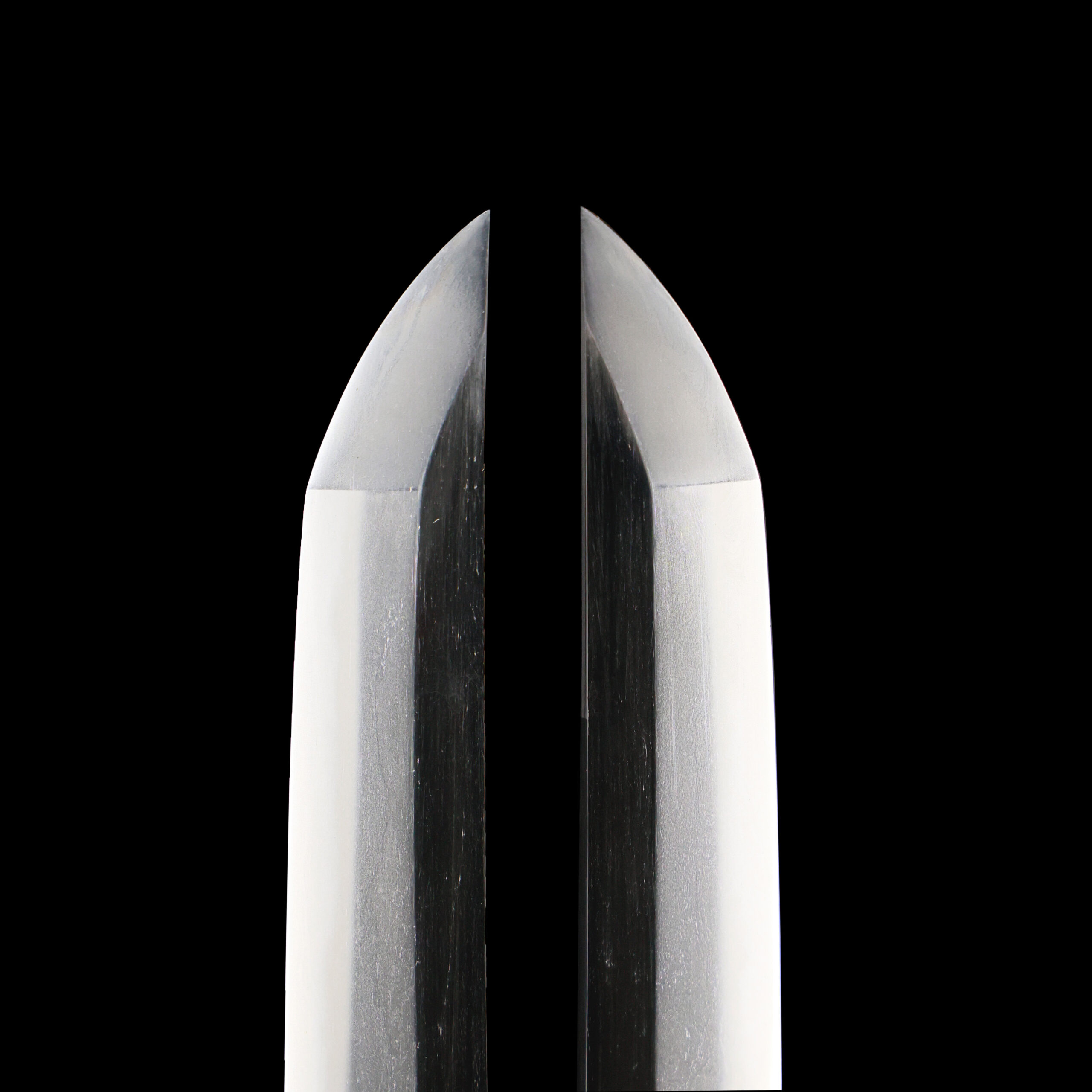
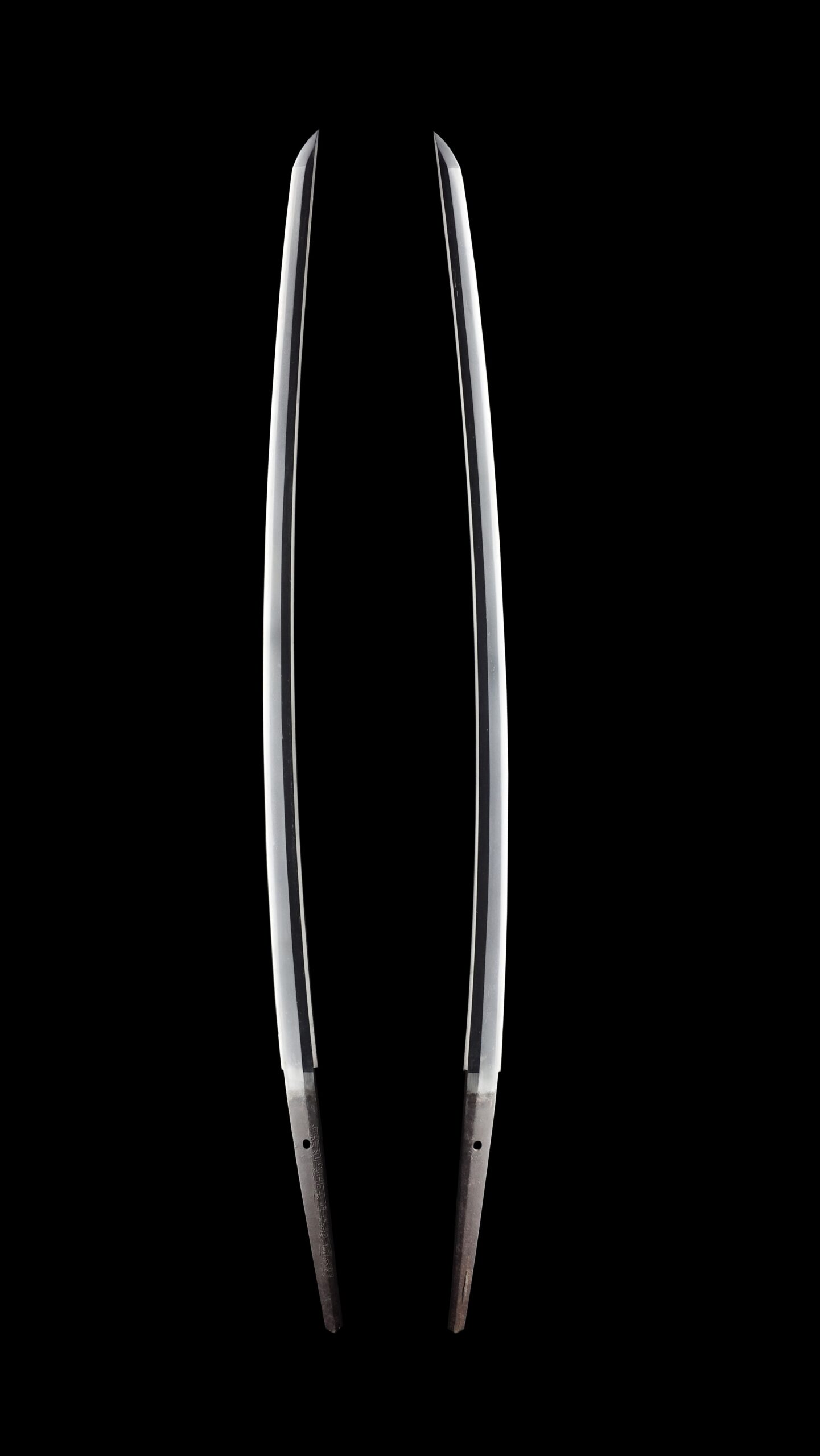
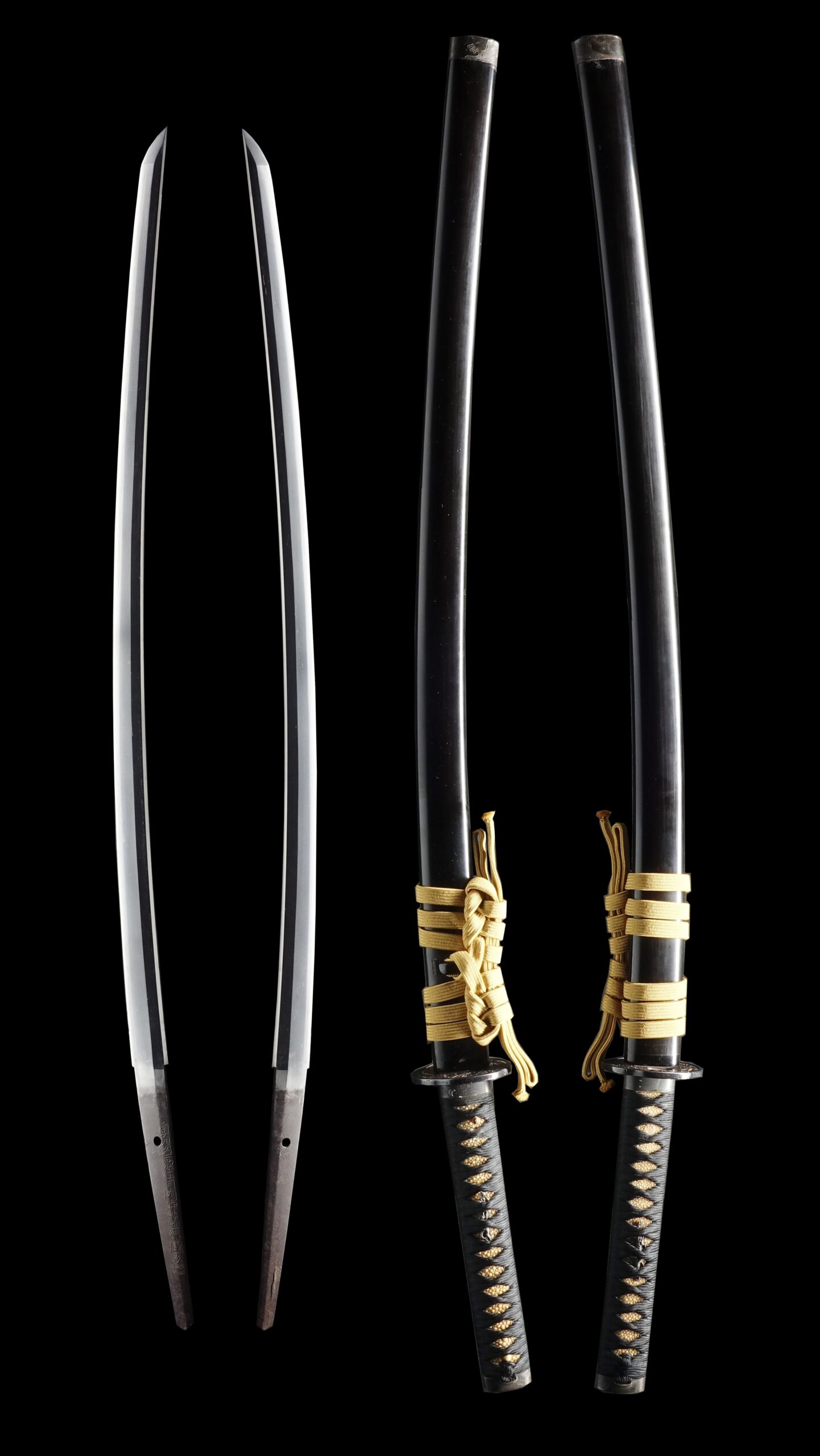
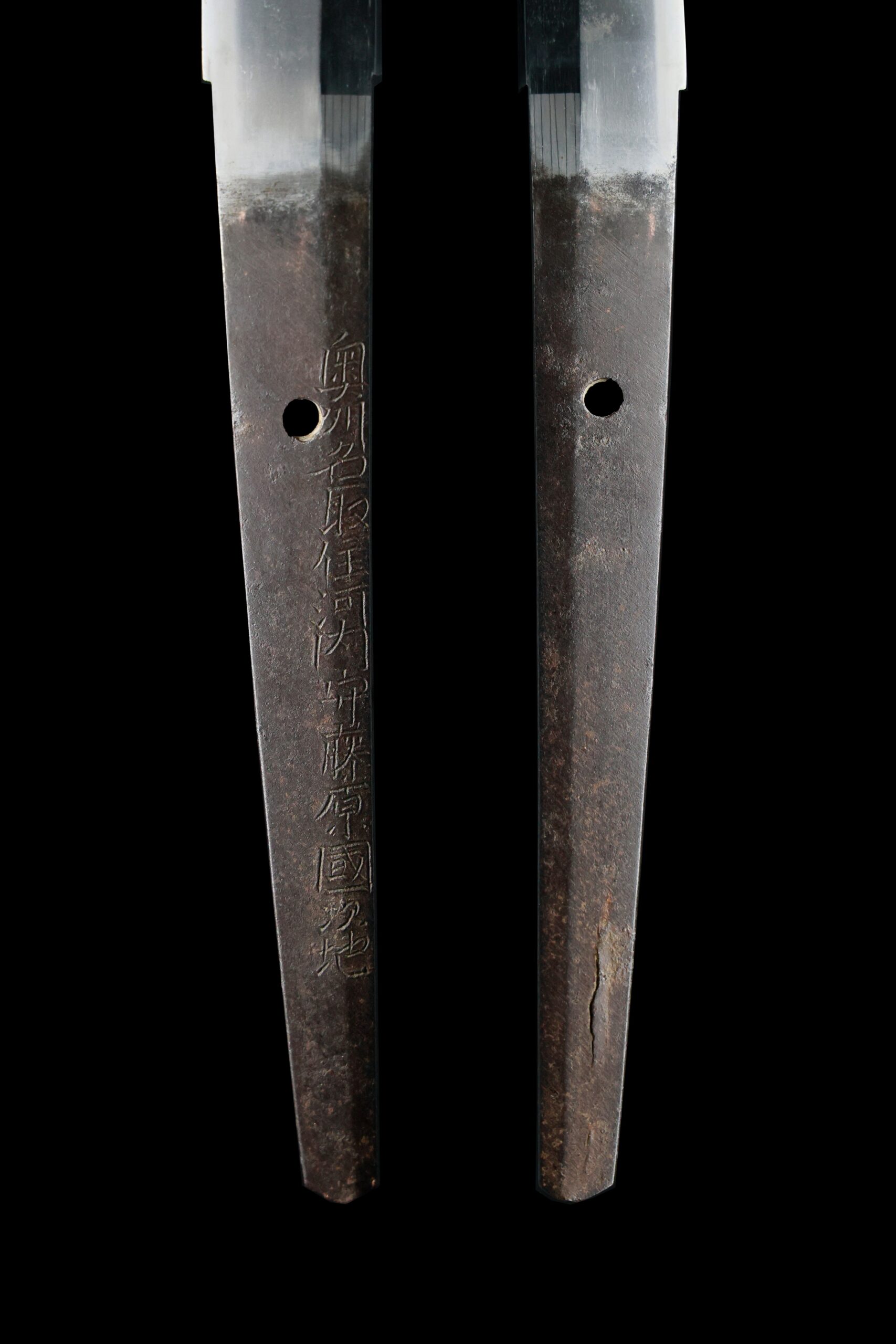
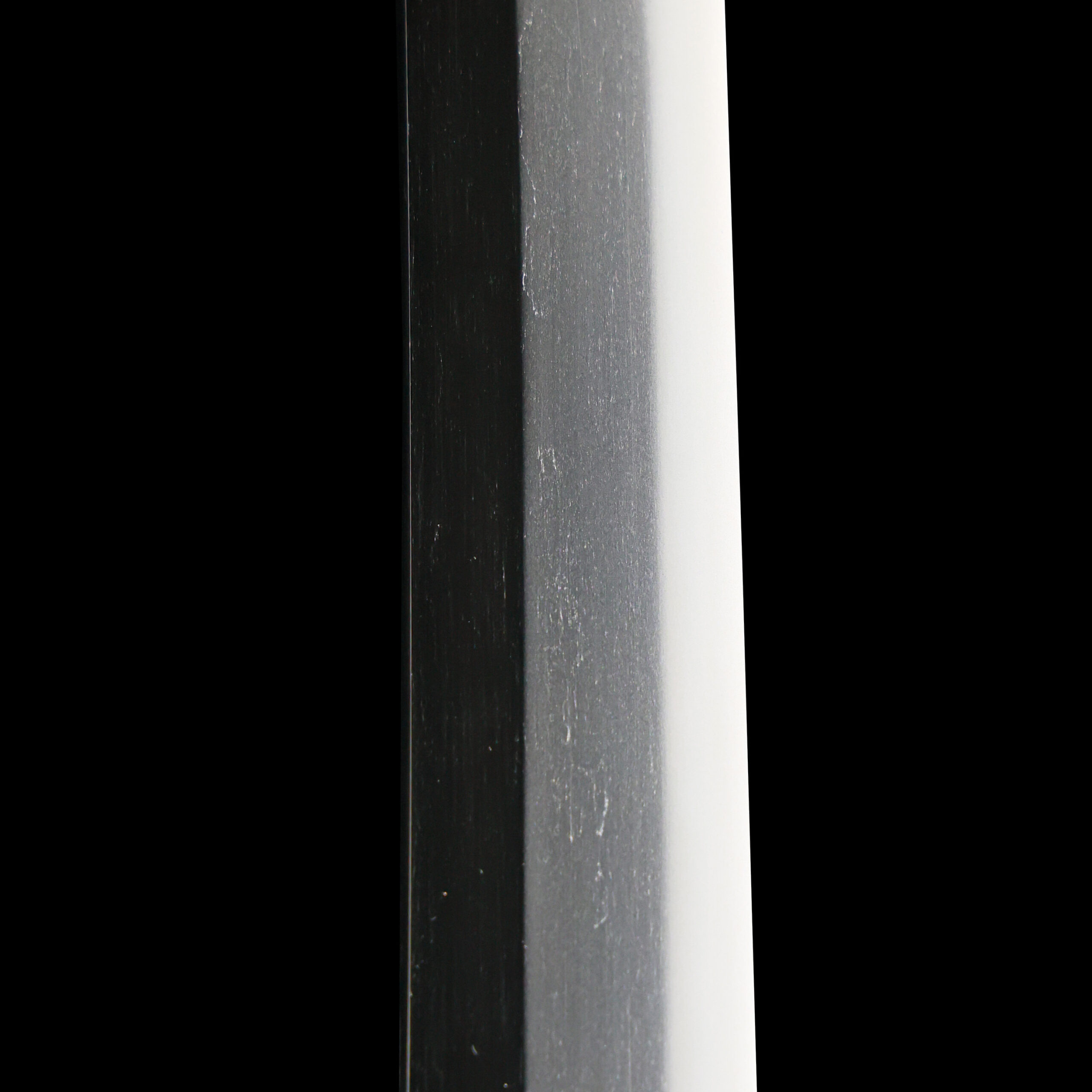
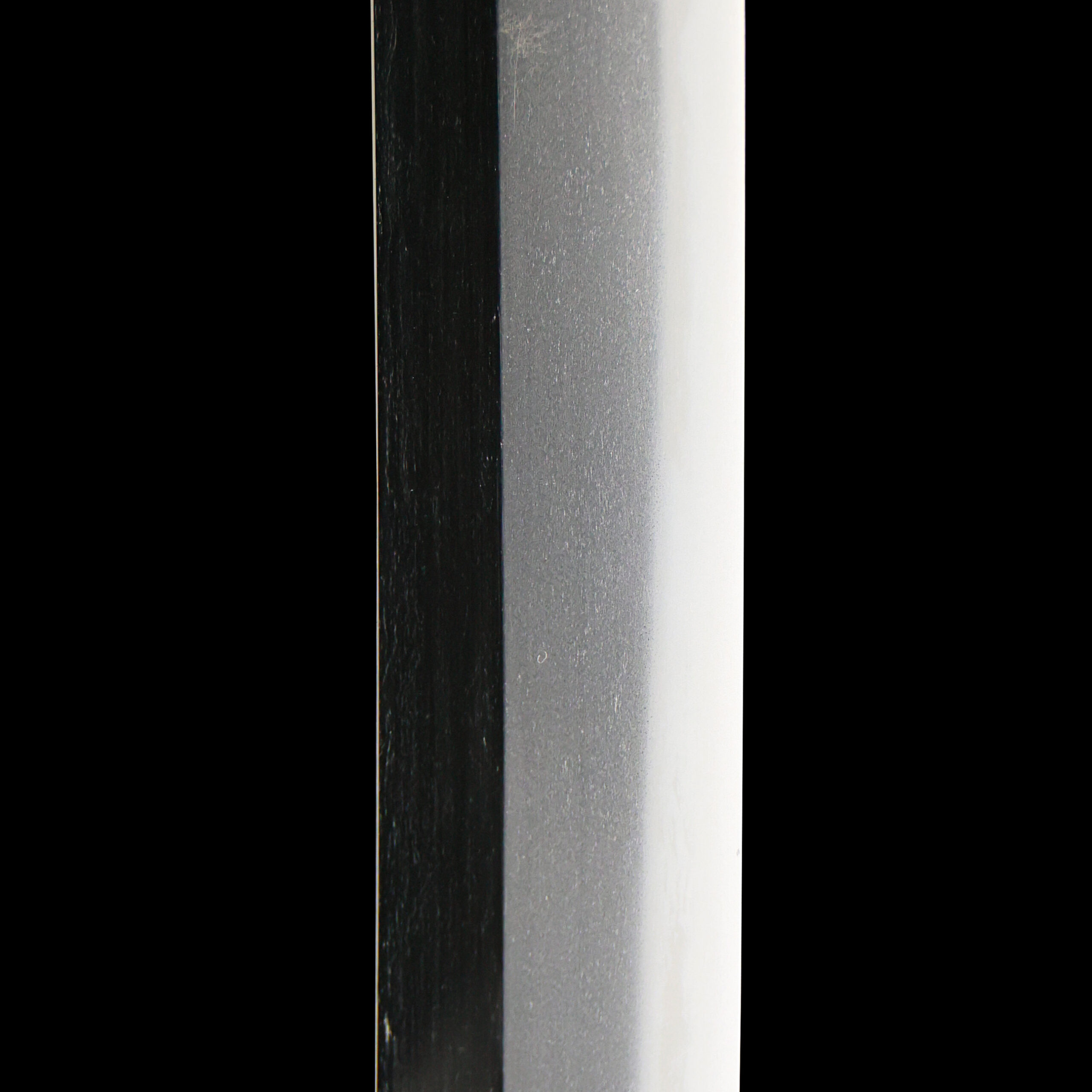
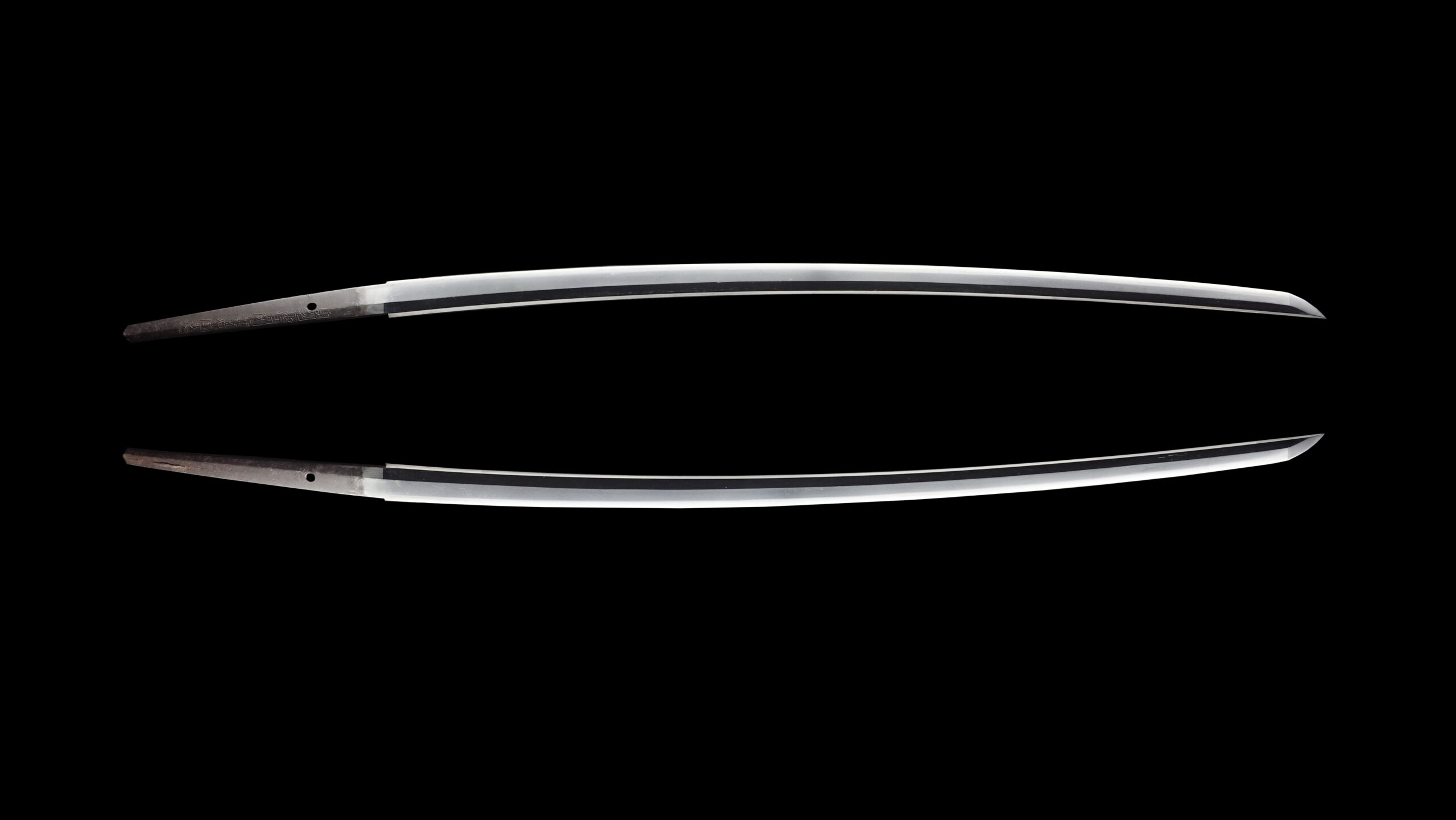
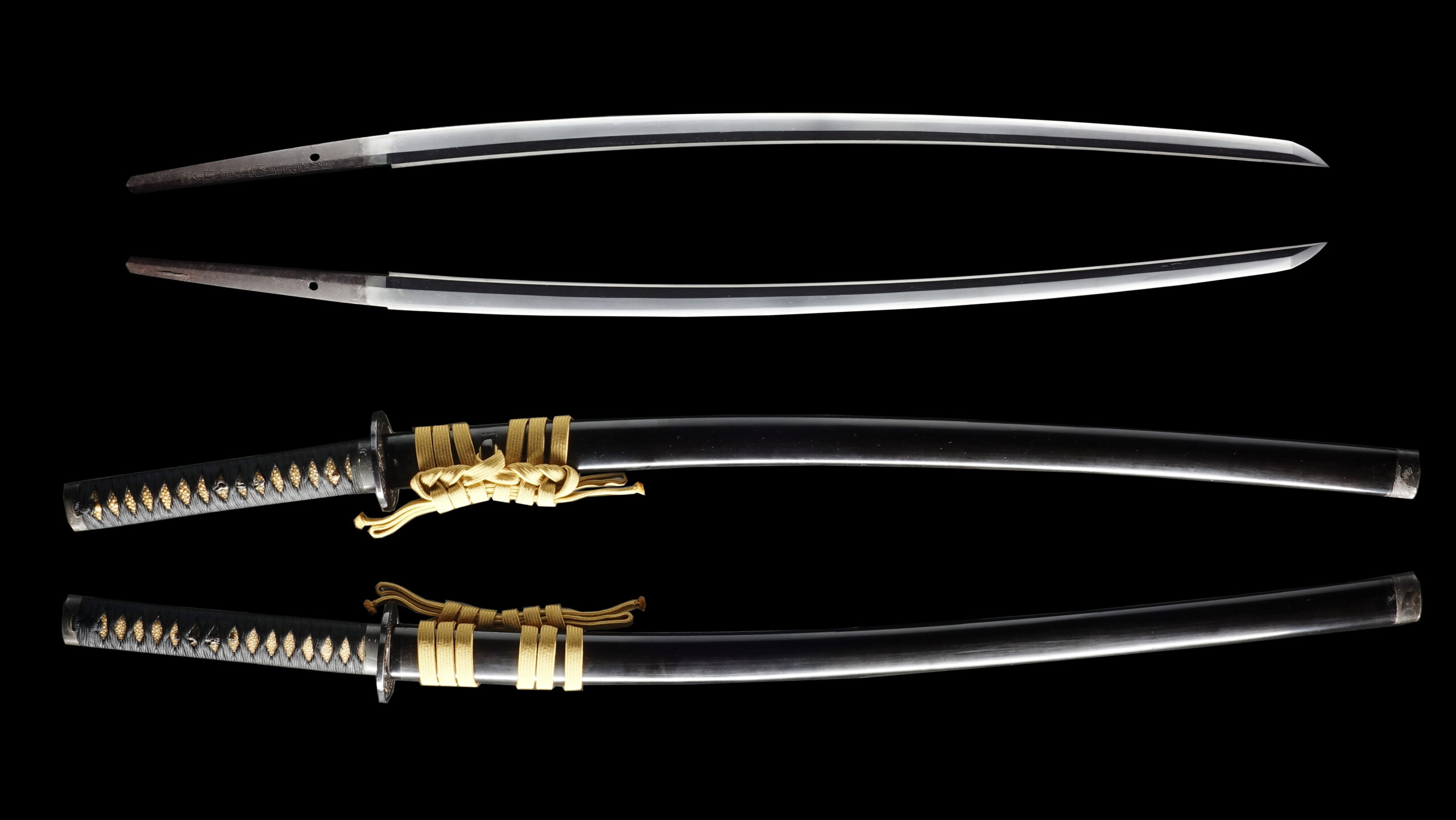
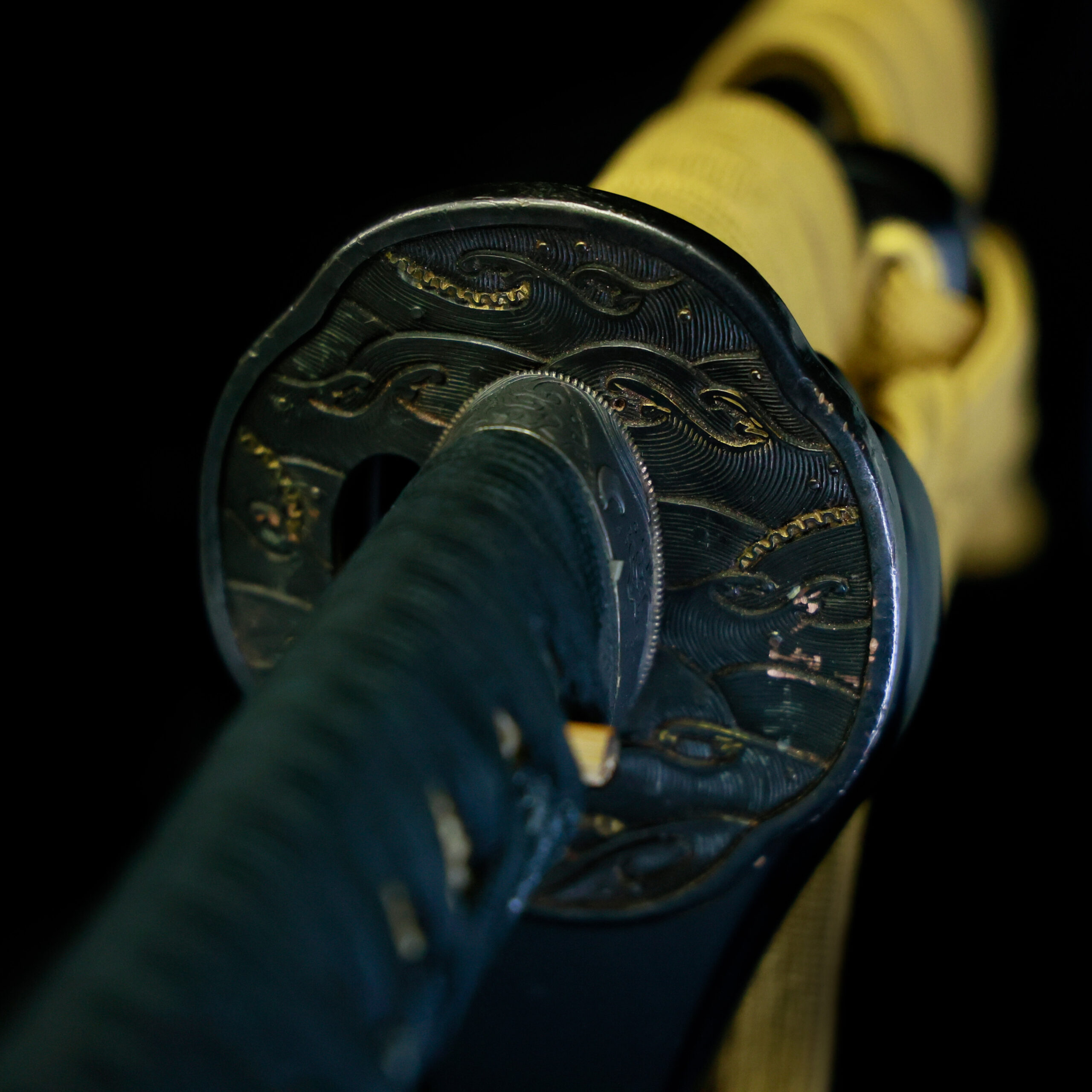
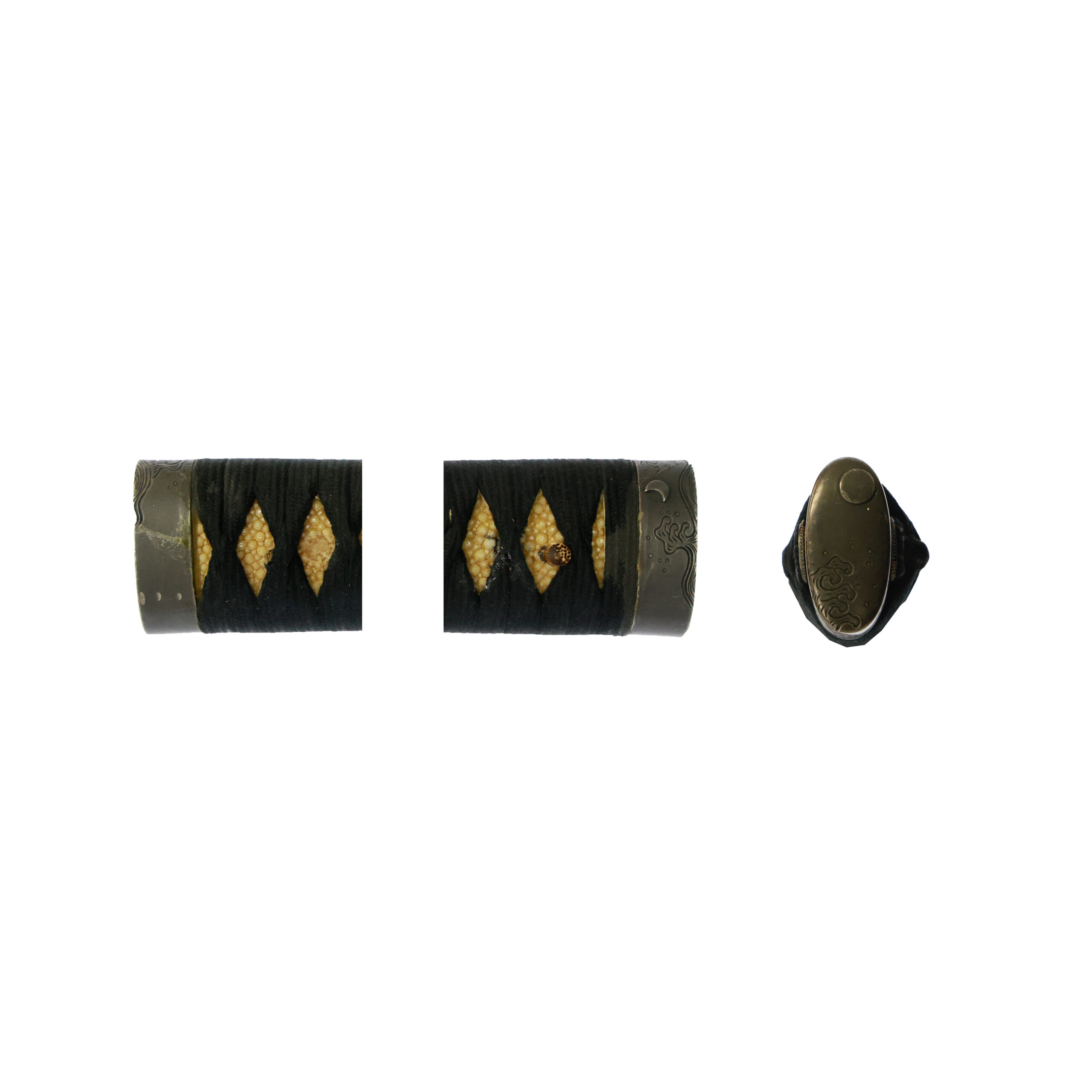
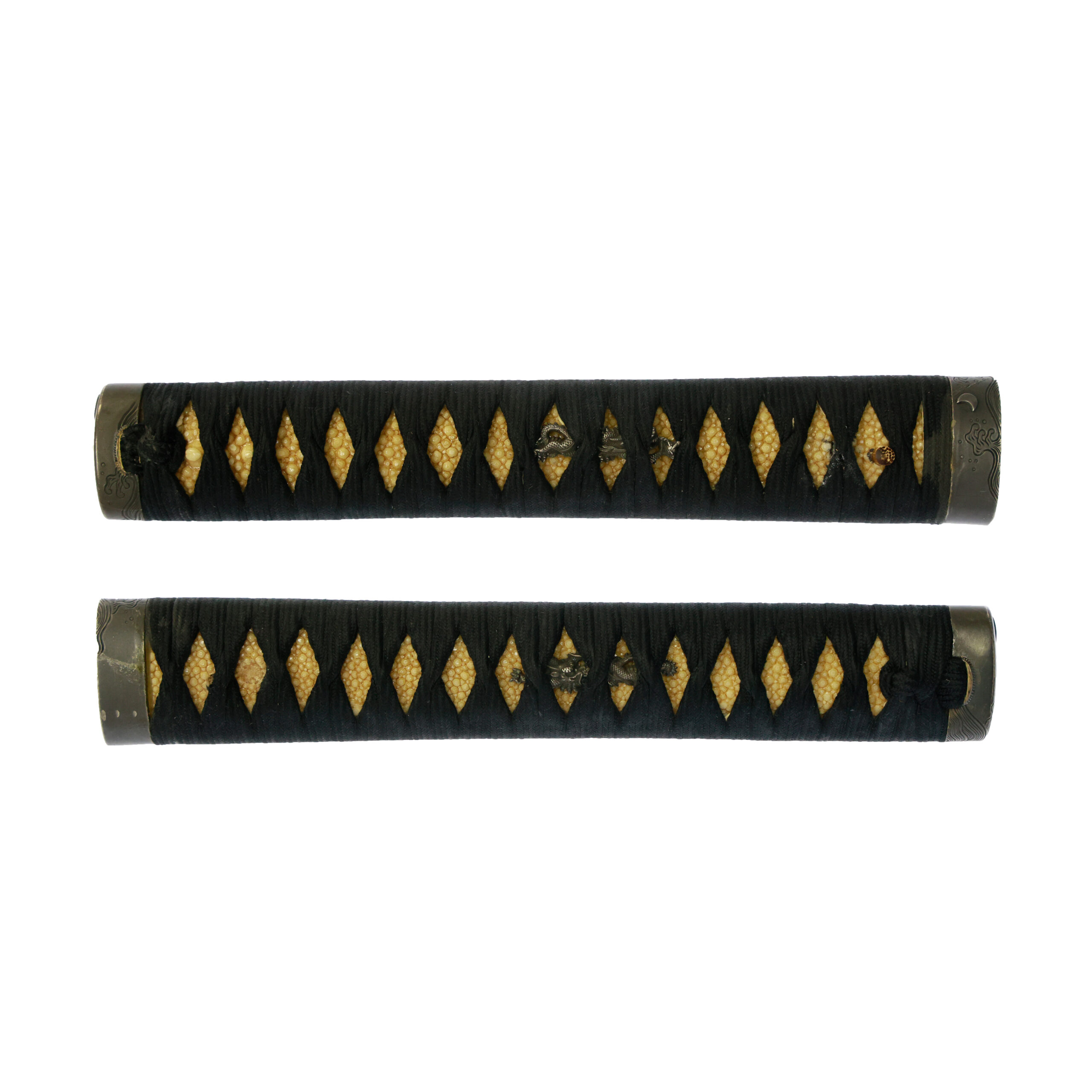
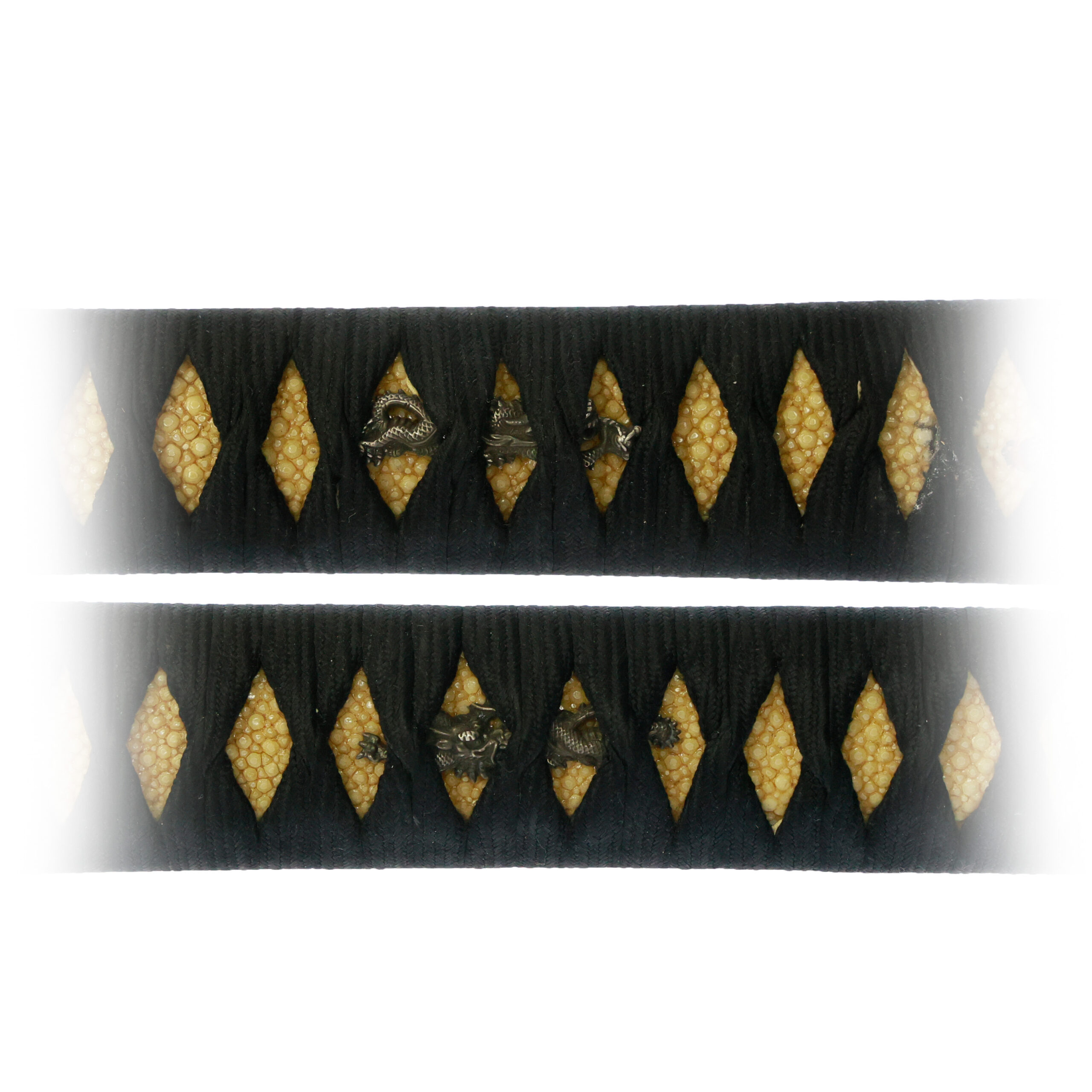
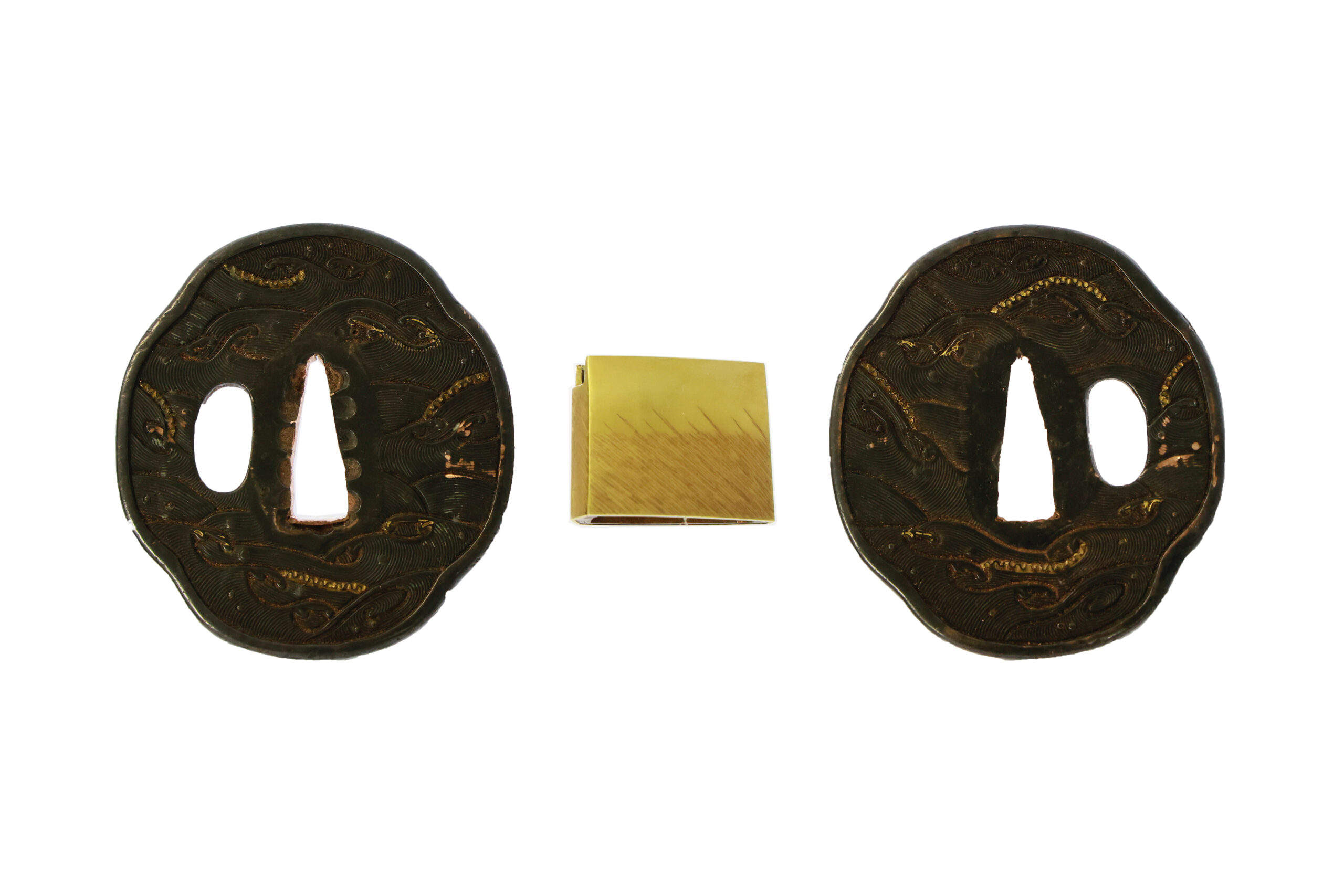
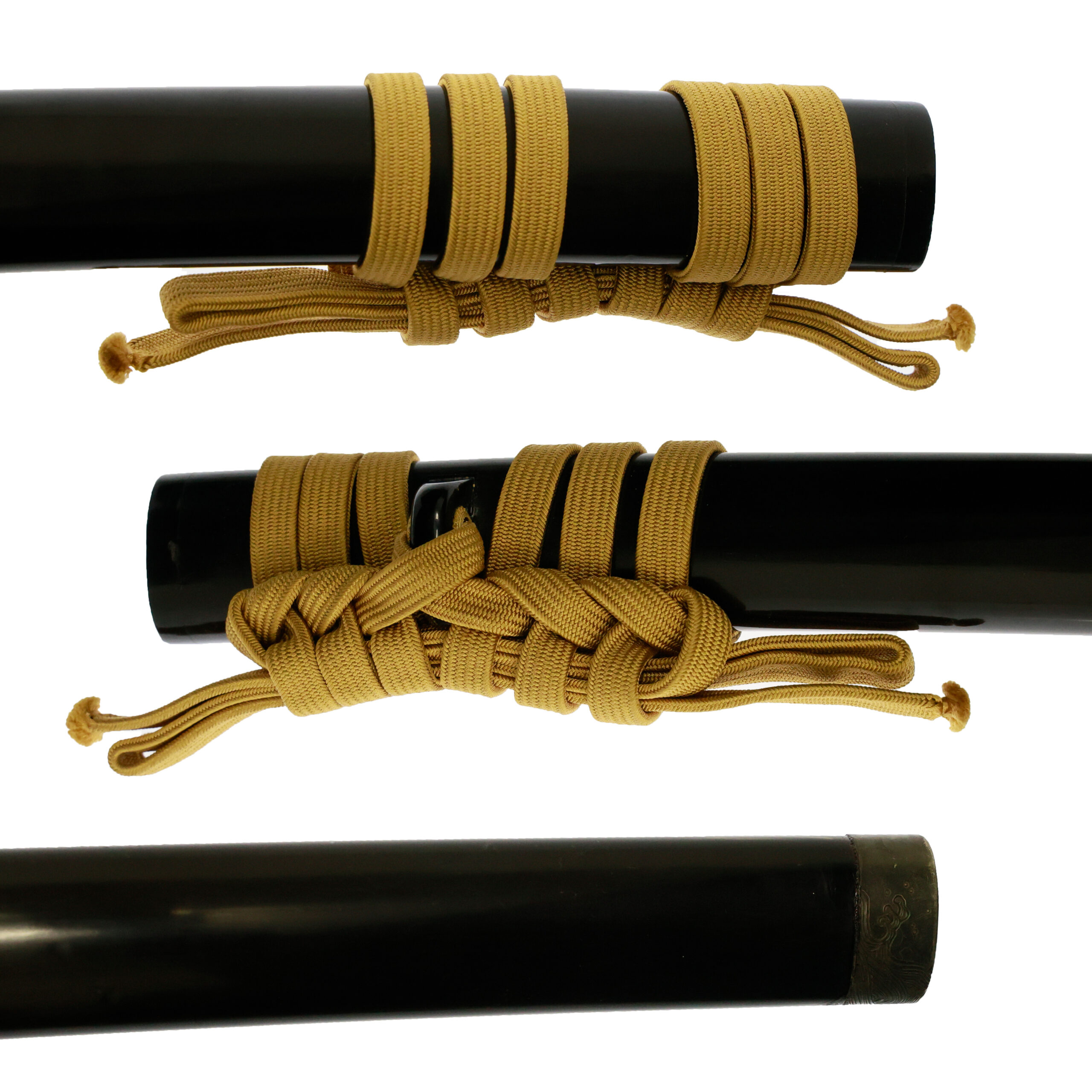
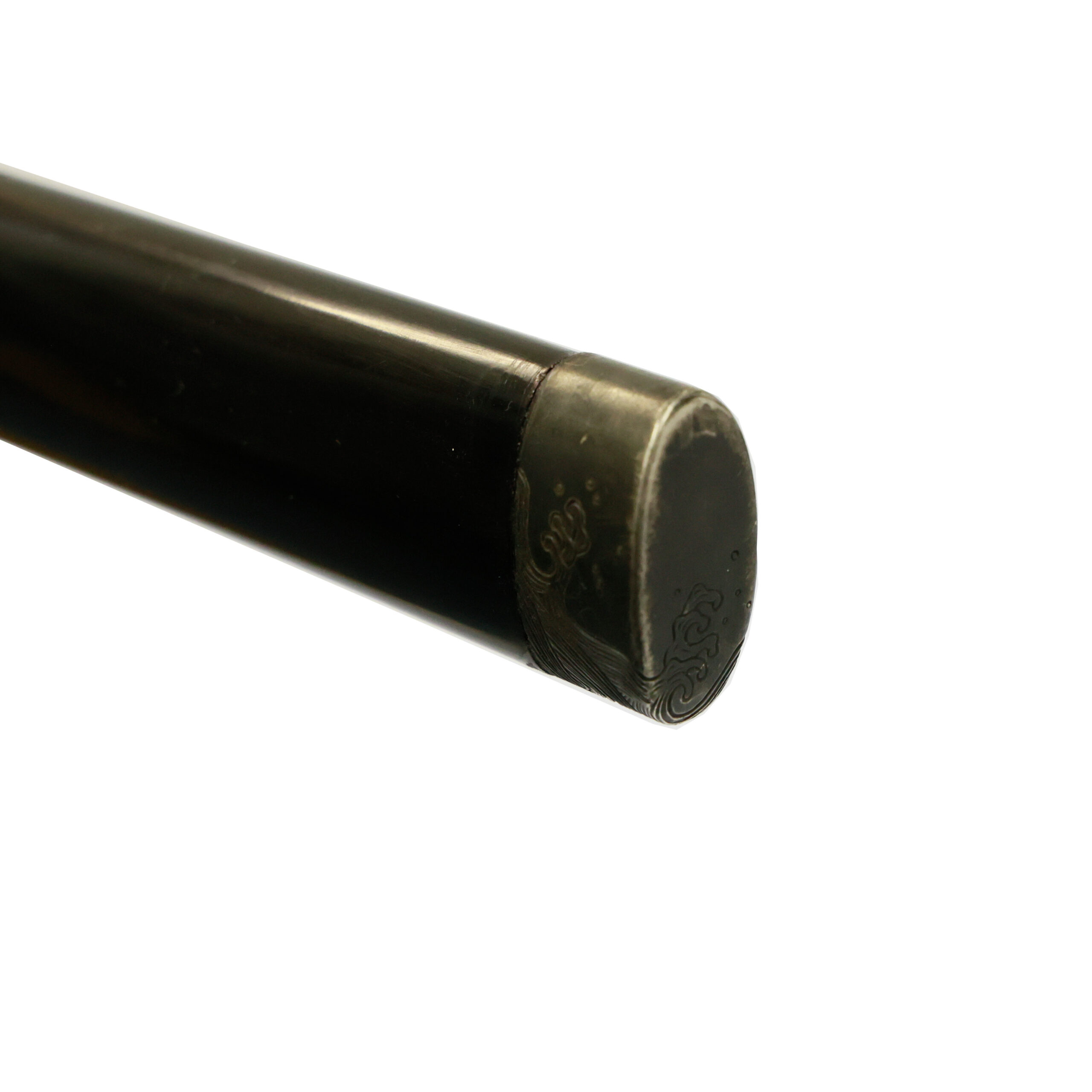
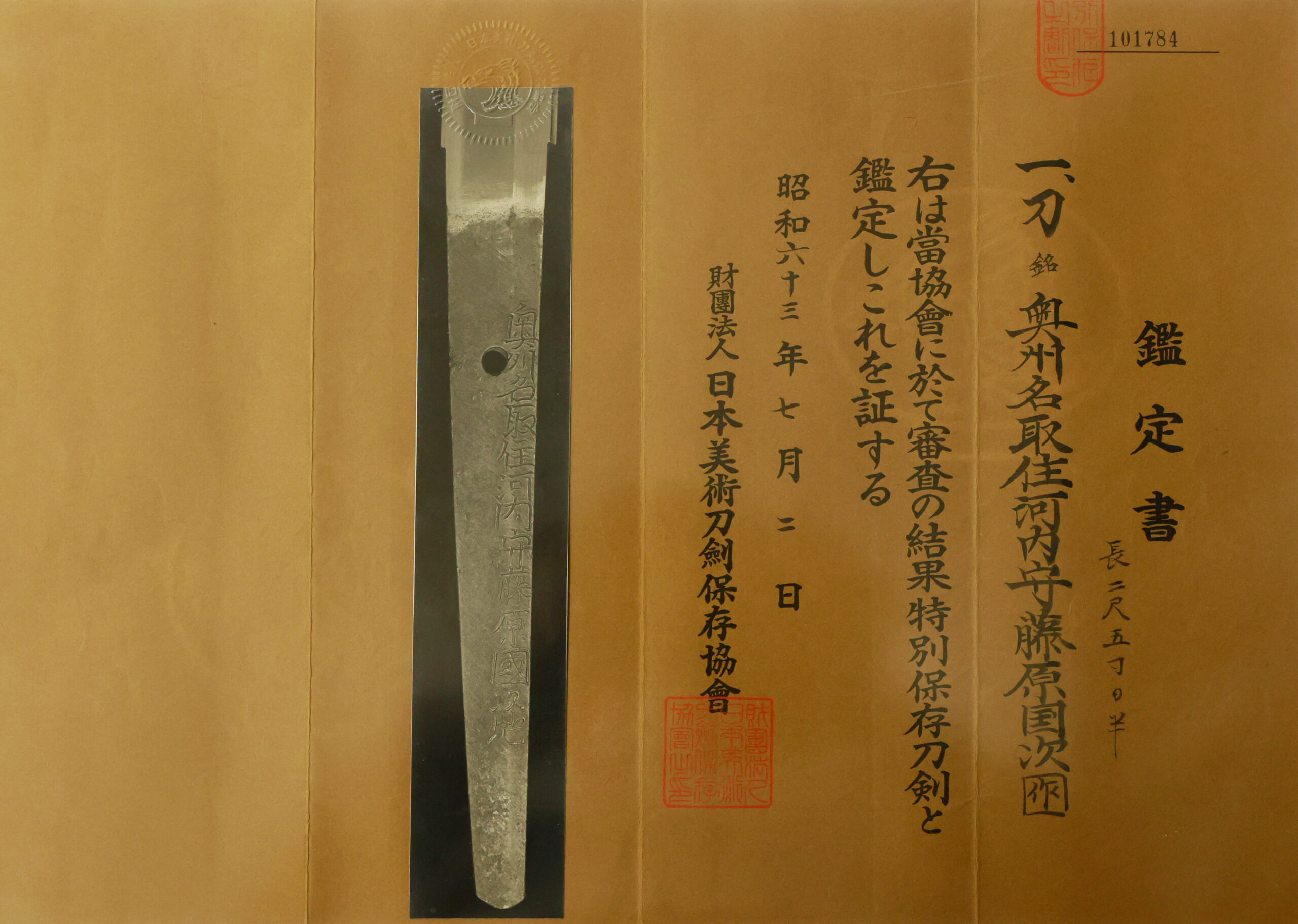
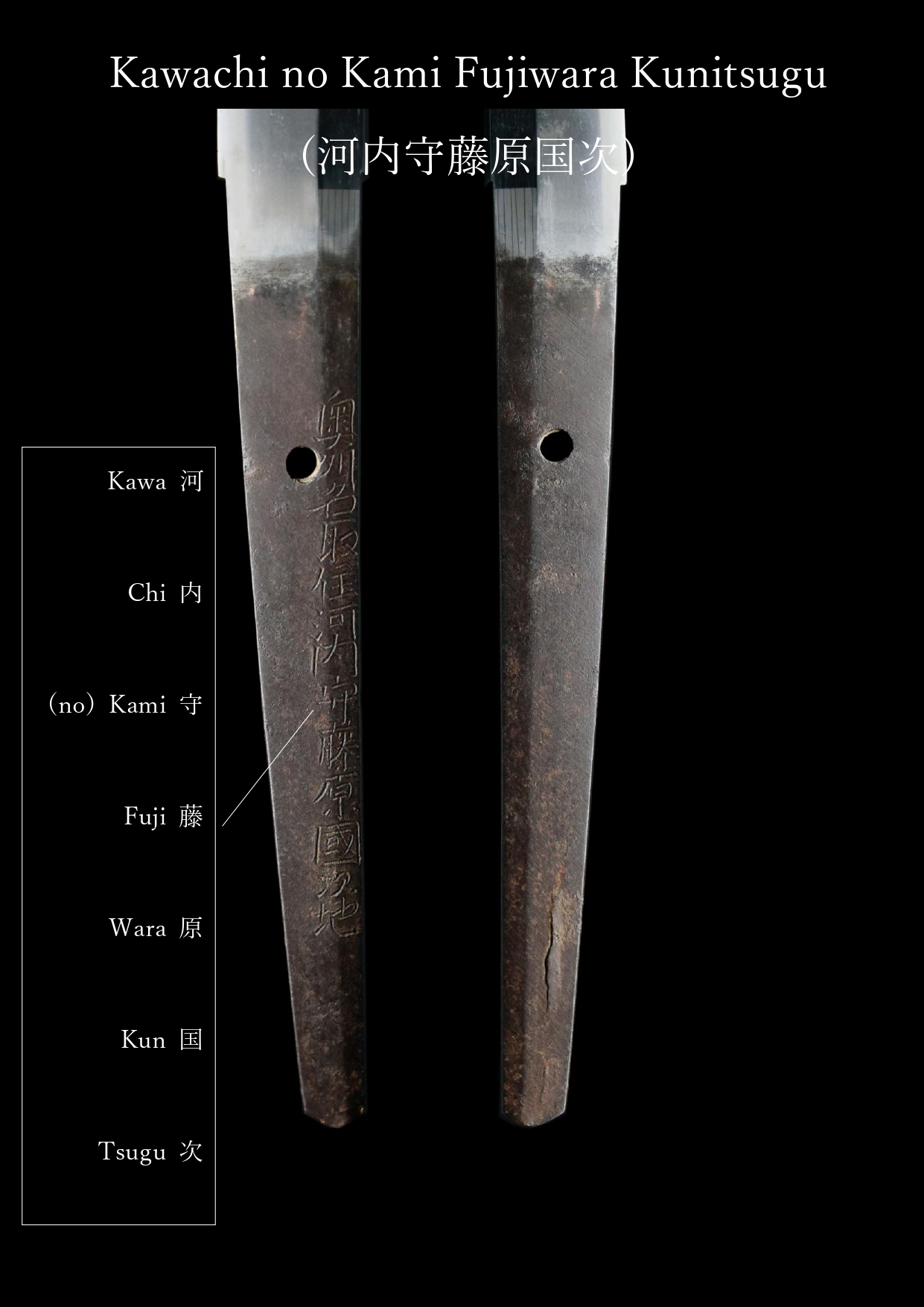
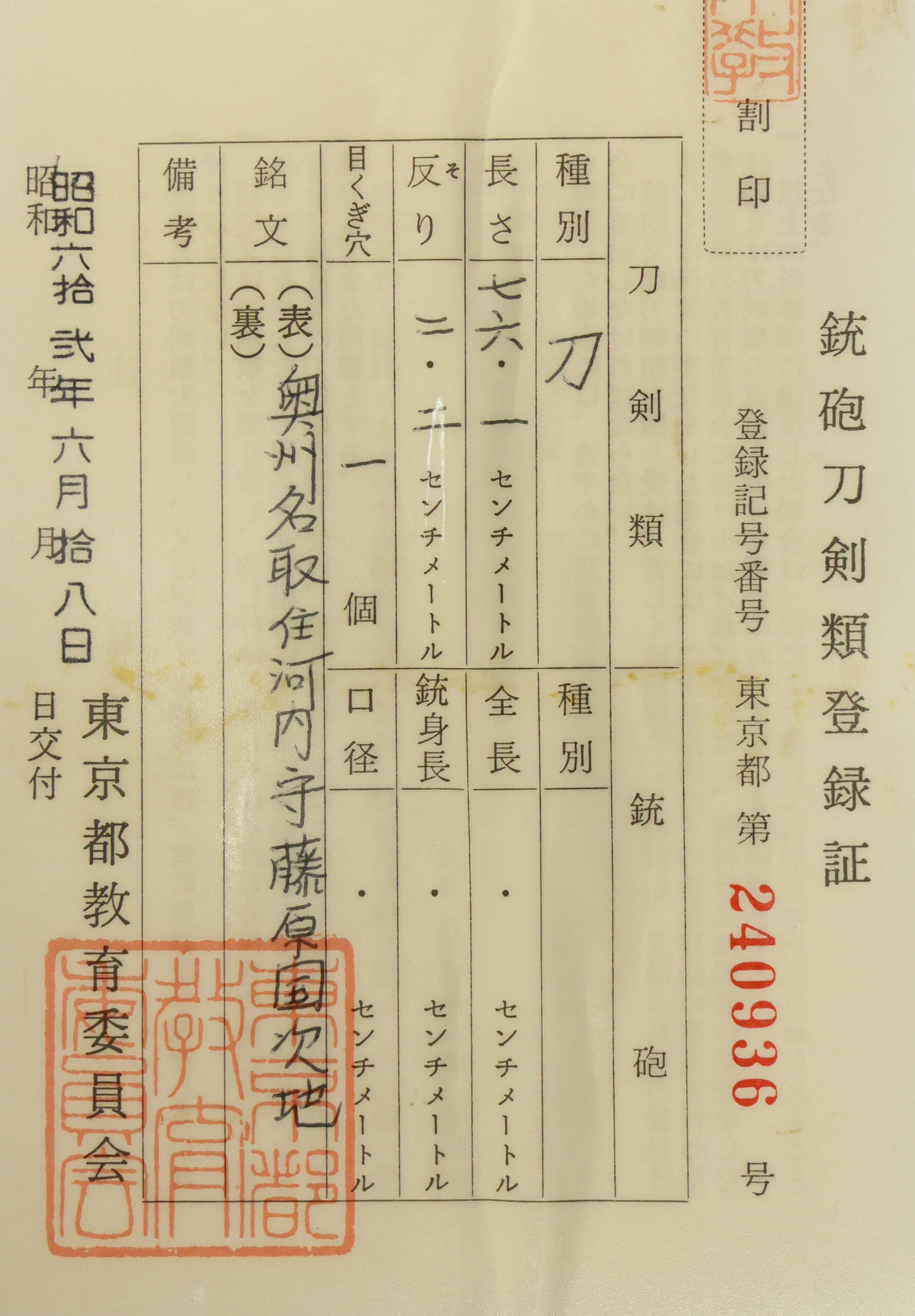
特別保存刀剣鑑定書付 刀 銘 河内守藤原国次 【解説】 本作は、公益財団法人日本美術刀剣保存協会(日刀保)の鑑定により、江戸時代初期(17世紀初頭)の「河内守藤原国次」の真作と認められた一振りです。 国次は、伊達家が治める仙台藩の御用鍛冶として知られています。元は美濃国の出身で、名工・田代源一清宣の門下で修行を積んだと伝えられています。清宣の指導のもと、国次は美濃伝の伝統的な作風、すなわち堅牢な造り込みと実用的な美しさを兼ね備えた技法を習得しました。 その後、国次は奥州(現在の福島、宮城、岩手、青森、秋田の一部を含む陸奥国)の名取へと移住しました。現在の宮城県南部に位置する名取は、仙台城下とも密接に関わる仙台藩の要衝でした。 国次はこの地に鍛冶場を構え、伊達家やその家臣団のために作刀に励みました。藩のお抱え鍛冶としての地位は非常に名誉あるものであり、当時の武家社会において実戦と象徴の両面で重要な役割を果たす刀剣を世に送り出しました。 国次の家系はその後も代々仙台藩に仕え、その高い技術と名声は幕末の「新々刀期」に至るまで受け継がれました。 【美濃伝について】 美濃伝は、戦乱の世であった戦国時代、武器としての需要が急増したことで大いに繁栄しました。その背景には、美濃国が地理的に極めて有利な場所にあったことが挙げられます。美濃を明智光秀が治め、隣国の尾張を織田信長、駿河周辺を徳川家康が支配するなど、有力な戦国大名とその家臣団による膨大な需要がありました。 さらに、関東と京を結ぶ要所に位置していたため、諸大名にとって注文がしやすかったことも繁栄の要因です。美濃の刀は「折れず、曲がらず、よく切れる」という実用性と斬れ味に定評があり、多くの武将に愛用されました。この高度な鍛錬技術は、時代を超えて後世へと伝承されていきました。 本作は、日本美術刀剣保存協会(NBTHK)より「特別保存刀剣」に指定されています。この鑑定書は、保存状態が極めて良好で、かつ美術的価値の高い真作の日本刀にのみ与えられるものです。 ※刀身にわずかな鍛え傷と黒錆が見られます。詳細なコンディションについては、お気軽にお問い合わせください。 【刀身】 長さ(Nagasa):76.1 cm 反り(Sori):2.2 cm 刃文(Hamon):焼入れによって刃先に現れる結晶構造。 地文(Jihada):折り返し鍛錬によって現れる鋼の表面模様。 切先(Kissaki):刀身の先端部分。 茎(Nakago):柄に収まる持ち手の部分。 日本の刀工は、柄の中での赤錆を防ぐために茎に「黒錆」を残しました。この茎の錆色や朽ち込み具合は、専門家が製作年代を推定する上での重要な指標となります。 【拵】 拵(Koshirae):鞘、柄、鍔などを含めた外装一式。 縁頭(Fuchi-Kashira):柄の両端に取り付けられた一対の金具。 この縁頭の図案は「波涛図(はとうず)」で、力強くうねり、しぶきを上げる波が描かれています。 絶え間なく寄せ続ける波の動きは、「永遠」「不老不死」「長寿」「誕生」などを象徴しています。また、潮の満ち引きが繰り返されることから……
NihontoWatch

備前伝 · 備中 · 1394-1466頃
現在1点販売中
備前伝 · 備中
時期区分: 末青江· 1334–1500
現在19点販売中
末青江は備中青江派の最終局面にあたり、建武の頃を起点として南北朝時代を通じ、室町期へと連なる時期の作を指す。建武頃の年代色を示す守次の太刀から、文和・延文・貞治・康安・貞和といった年紀を有する次吉の諸作に至るまで、この区分の代表工は次直・次吉・守次・直次らであり、いずれも説示において南北朝時代中期の青江派を代表する刀工として並び称される。鎌倉時代末期から南北朝初期にかけての作と、延文を中心とする最盛期のそれとでは作風になお相違が認められ、後者において幅広く反りの浅い時代姿と締まって冴える刃境とが揃って表れる。鎌倉中期までの古青江、その後を承けた中青江の作域を受け継ぎつつ、南北朝の体配と地刃へと一派の風が移ろった段階がこの末青江である。 作風の核は段映りと匂口の締まりにある。地鉄は小板目に杢を交えてよくつみ、地沸が微塵に厚くつき、地景が細かに入り、鎬寄りに乱れ映りが立ち、刃寄りに筋状の映りが二重三重に並んで段映りを形成する。短刀や脇指には澄肌や地斑調の肌合が交じり、ここに古青江以来の縮緬肌の系譜がうかがえる。刃文は直刃を基調に小互の目・角ばる互の目・小丁子を交え、処々逆がかり、小足・逆足・葉が繁く入り、匂勝ちに小沸がつき、匂口が締まって明るく冴える。次吉に直刃が多く、次直に華やかな逆丁子乱れが多いという二様の作域があり、いずれも匂口の締まりと冴えを身上とする。古青江が小沸出来で匂口のやや沈んだ直刃に小乱れを交え、精美な縮緬肌に段映りを見せたのに対し、末青江は身幅広く寸延びて重ねの薄い南北朝姿をとり、匂口の締まりと冴えをいっそう際立たせる。中青江の作と比しても、逆がかる刃と段映りの強調にこの期の特色が表れる。 鑑定の要点は、段映りと逆がかる刃、そして締まって冴える匂口の三点に置かれ、大筋違の鑢目もまた同派を分かつ手掛かりとなる。主要工としては直刃を得意とする次吉、逆丁子乱れを得意とする次直、建武頃の力強い体配を伝える守次、暦応の年紀に逆鏨鋭い長銘を残す直次が挙げられる。代表作には、延文二年紀の前田家伝来の脇指、康安二年紀の帽子を区際まで焼き下げた短刀、貞治の年紀を備えた脇指などがあり、無銘ながら大磨上げに南北朝の姿を伝え貞次・次吉と極められた優品も少なくない。塚本素山旧蔵の吉次在銘短刀のごとく、徳川家綱より姫路酒井家へ伝わった一口も知られ、伝来の確かさを併せ持つ作が末青江の到達点を示している。 詳しく見る →
室町時代の備前
国内の戦乱と海外への貿易が、室町の備前を国内随一の刀剣産地にした。応仁の乱以後は戦国の需要が一世紀続き、遣明船は数万振の単位で刀を運んでいる。
保存刀剣のうち、出来が一層優れ、保存状態も良好と認められたものです。再刃や、室町・江戸期の多くの無銘作は対象外となり、保存刀剣より高い基準が課されます。
日本美術刀剣保存協会(NBTHK)は、1948年に設立され、文化庁の監督を受ける公益財団法人で、東京・刀剣博物館に本部を置きます。専門の審査員が出品作を直接審査し、美術的・歴史的価値に応じた鑑定書を発行します。NBTHKの鑑定書は、日本刀および刀装具の真正性を示す最も広く認知された基準です。
NBTHK公式サイトReturns/exchanges limited to defects caused by shipping (except willful misconduct or gross negligence by the company); customers must contact within 72 hours of receiving the product.