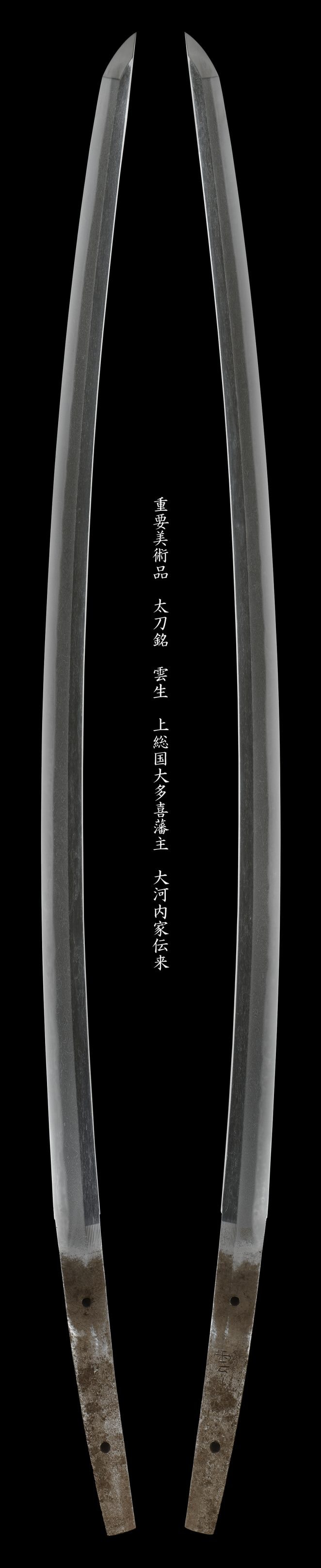
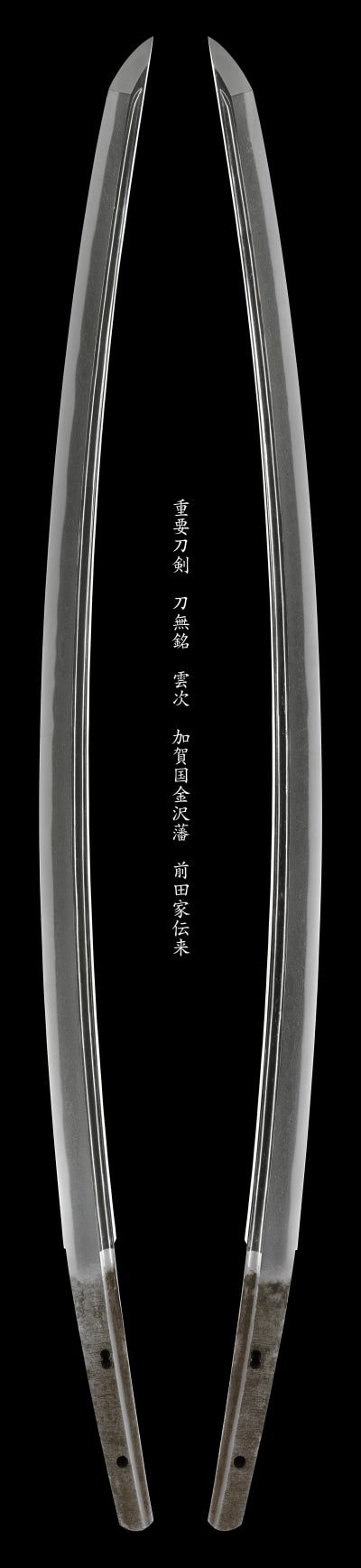
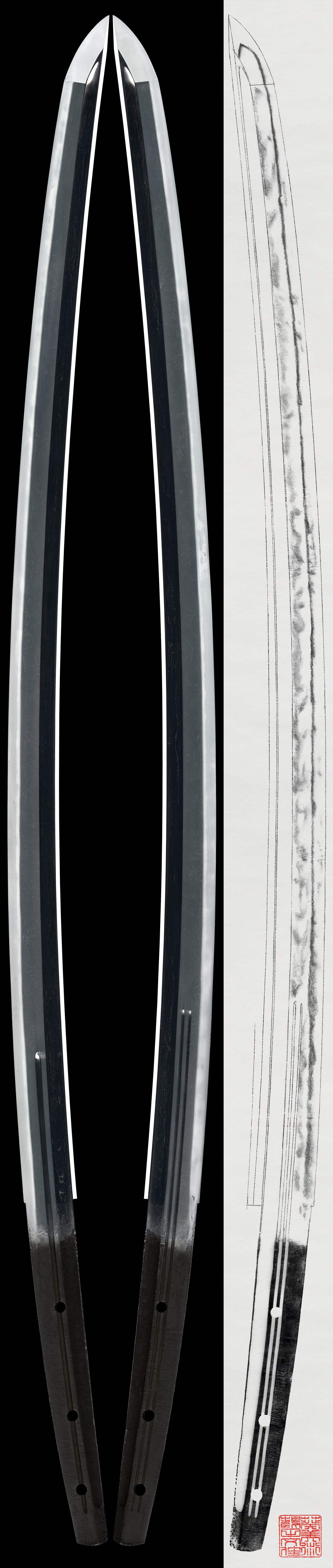
二つの朝廷が争った六十年、刀身は長大化し、長船がその需要に応えた。兼光と長義の工房は実際に戦う国人層の武士に仕え、軍勢とともに相州風が届いて相伝備前が生まれた。
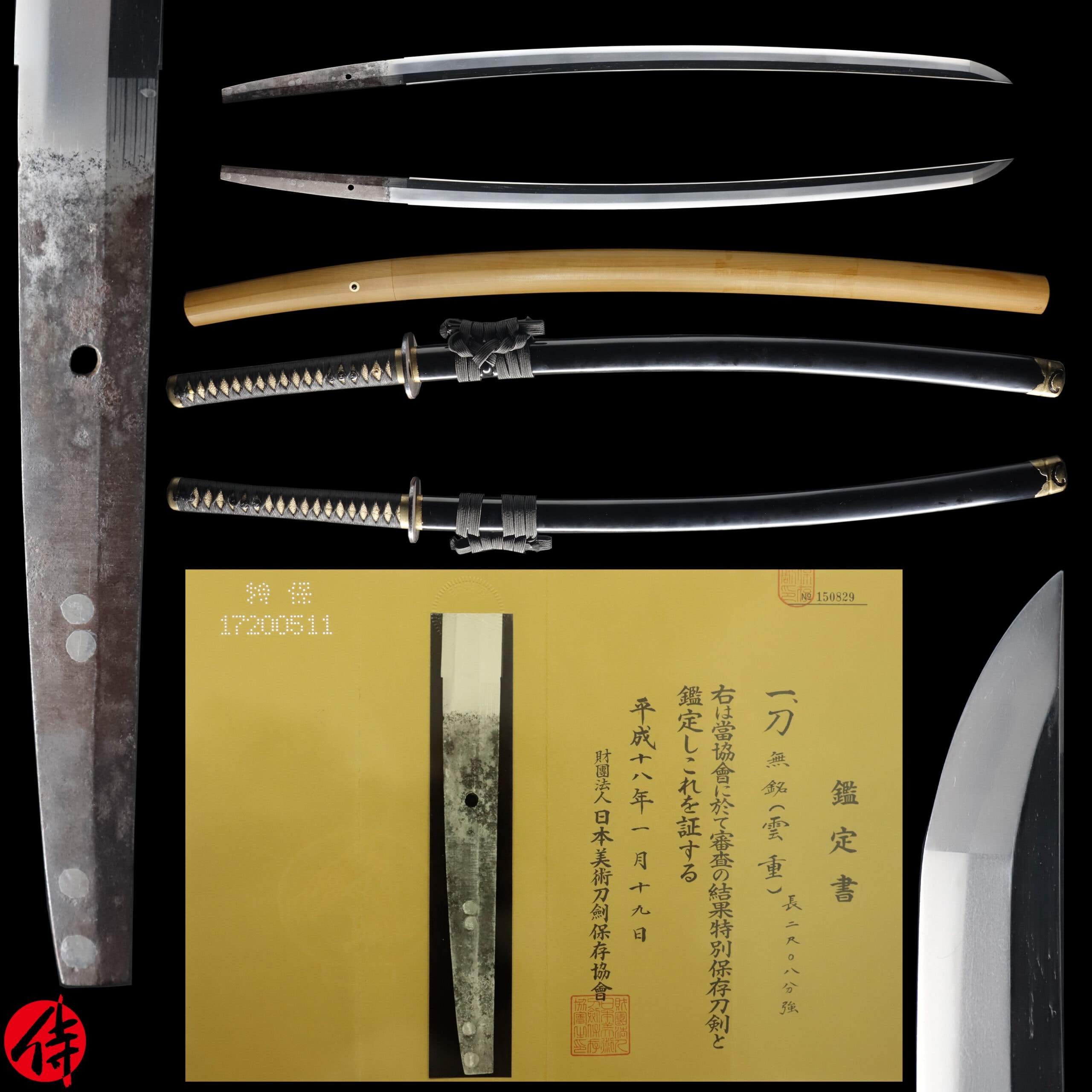
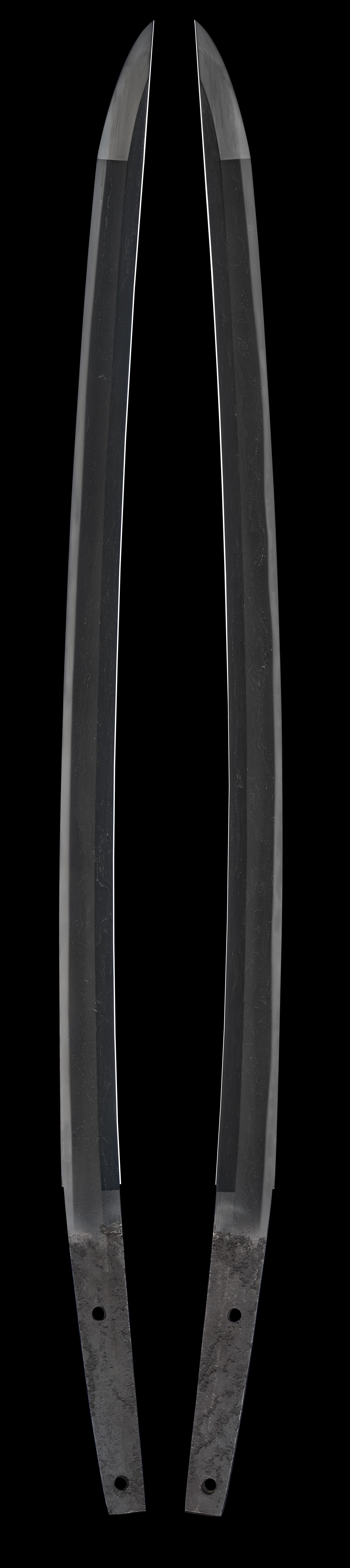
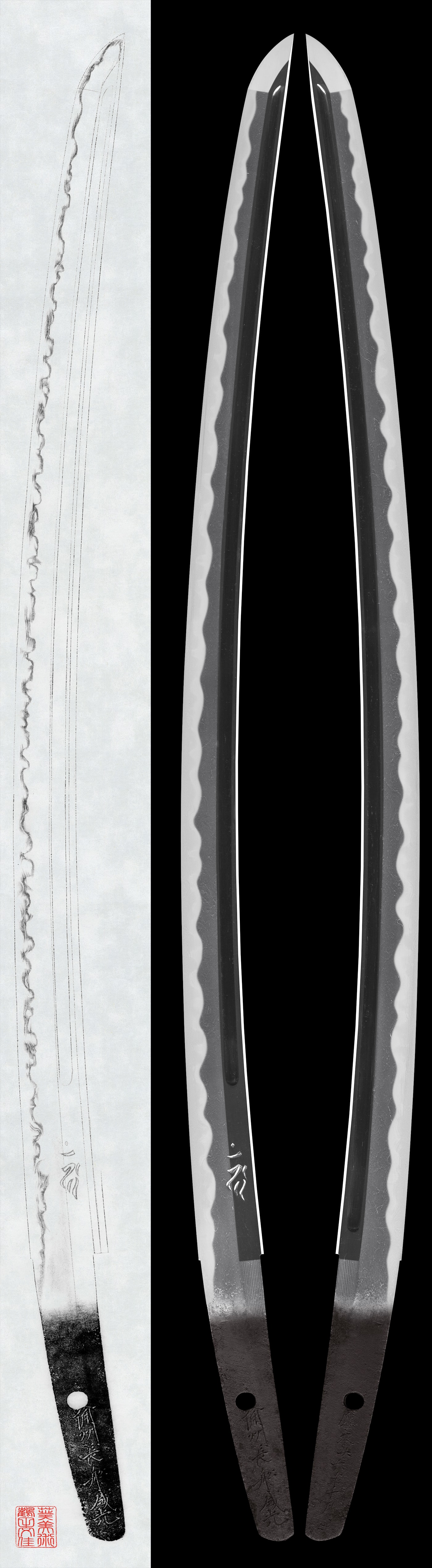
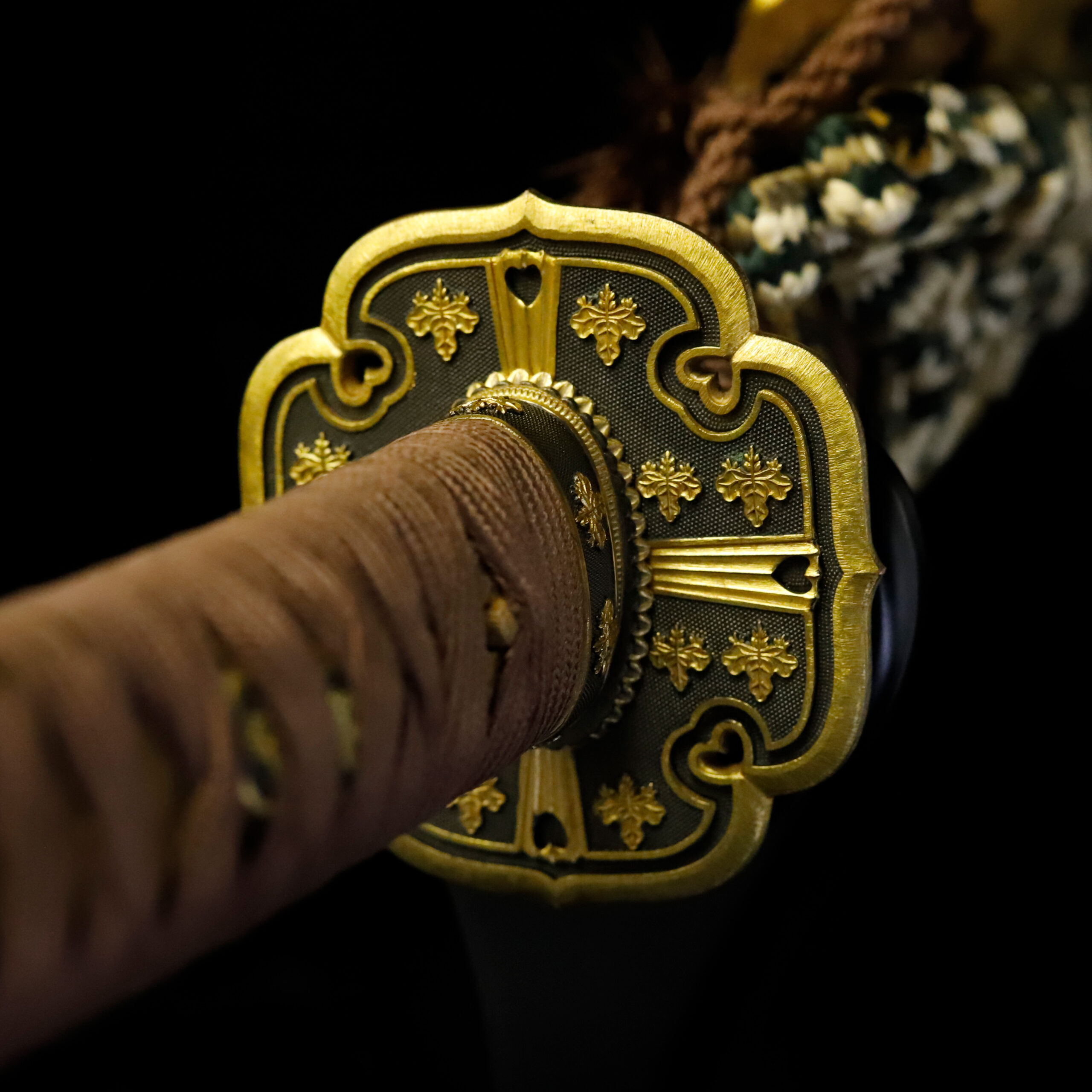
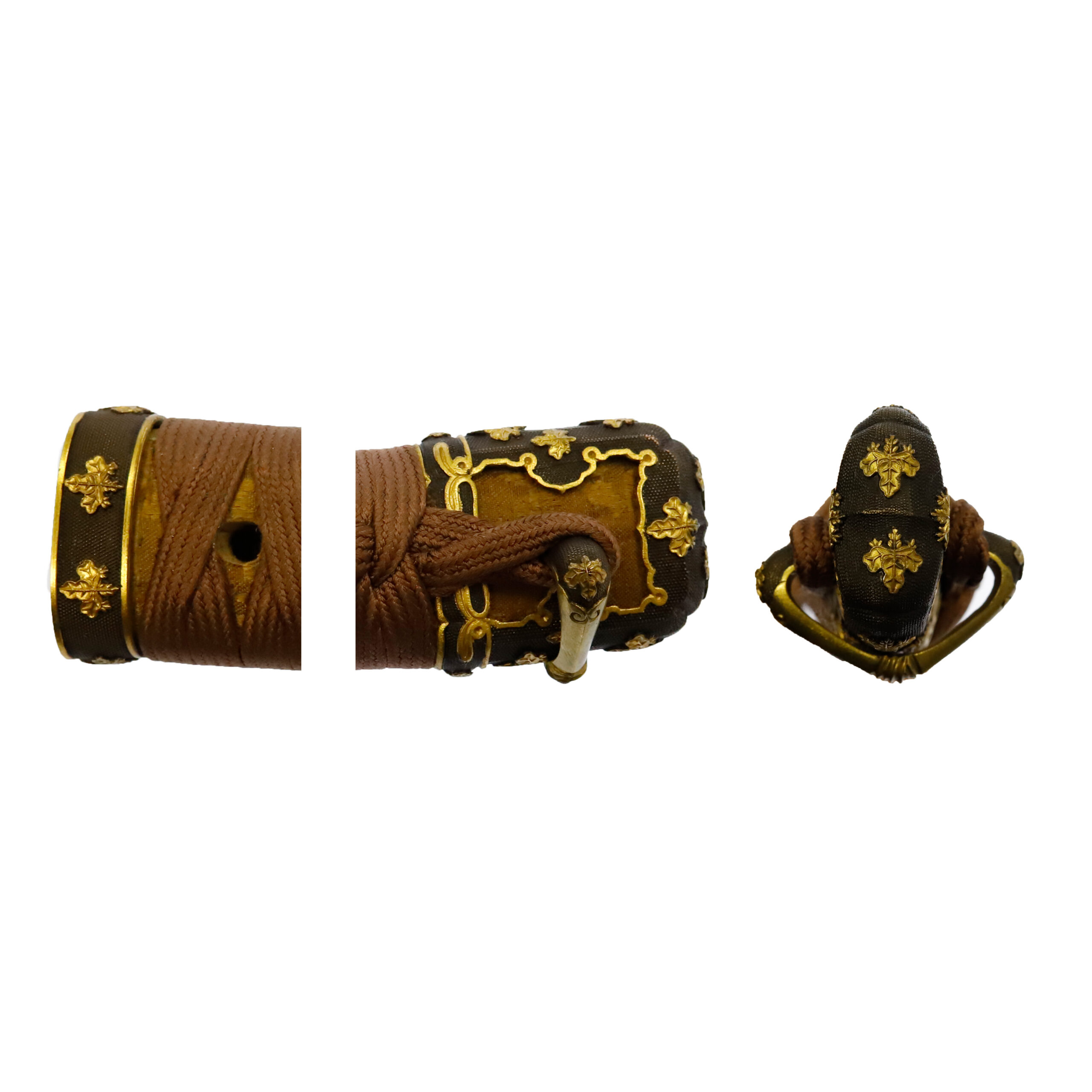
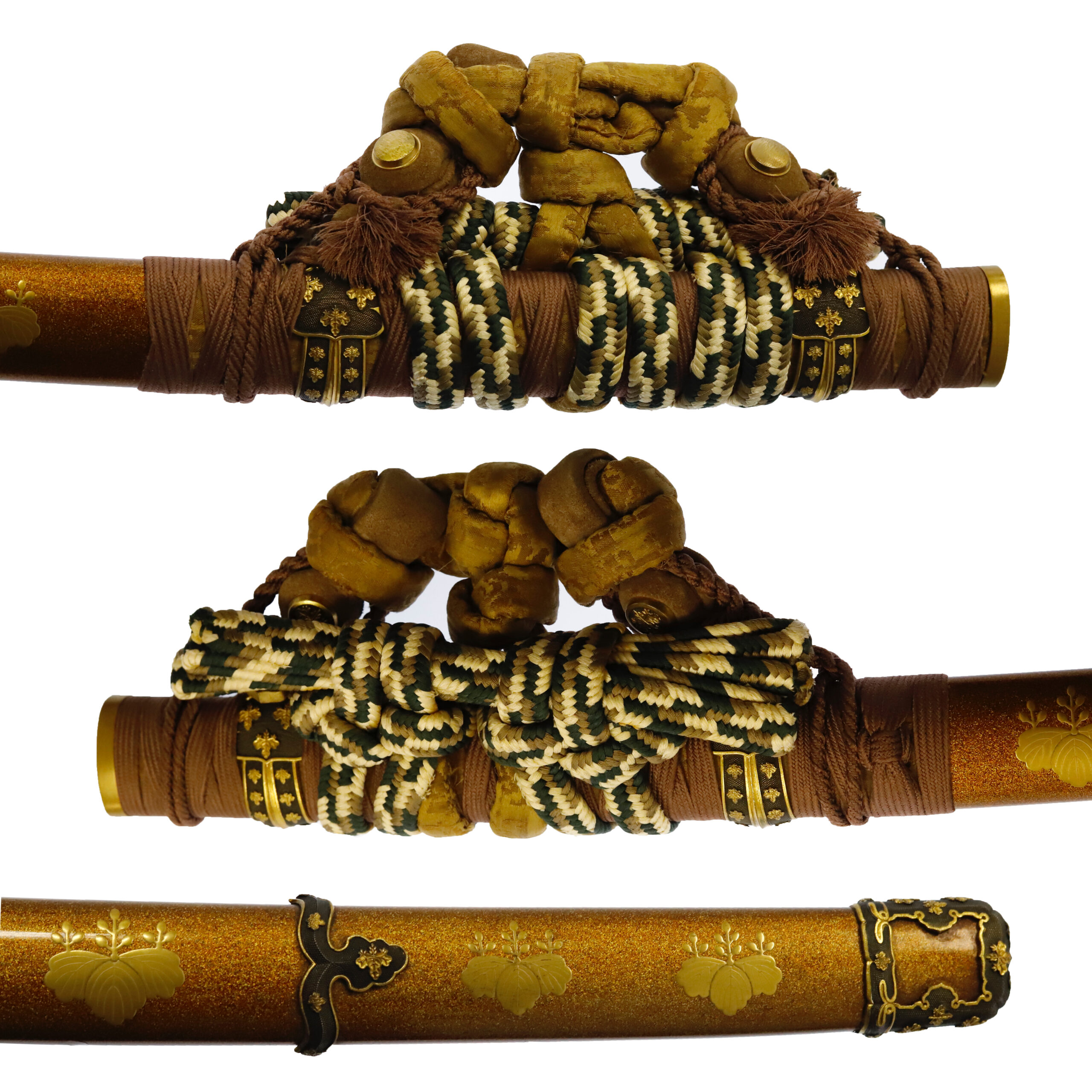
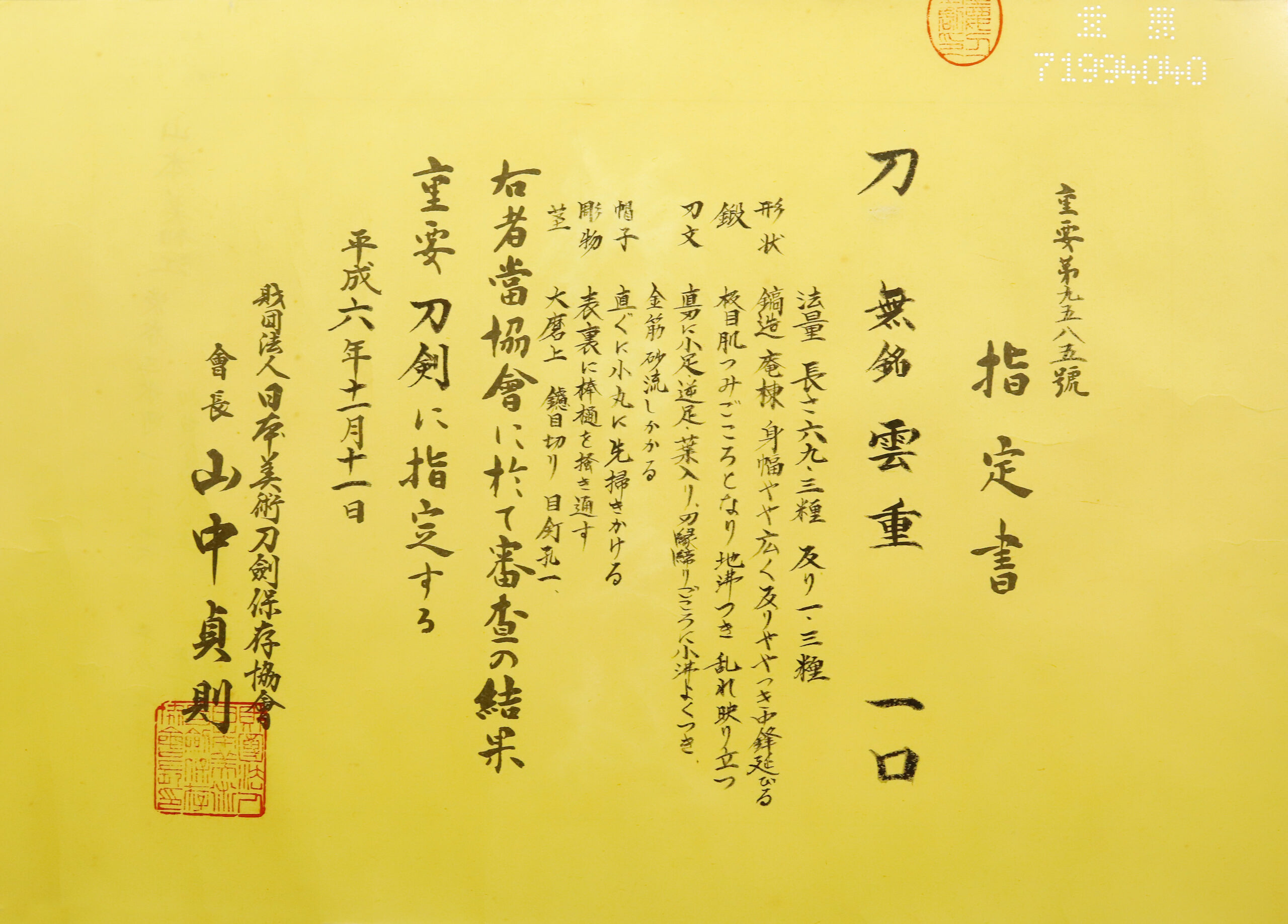
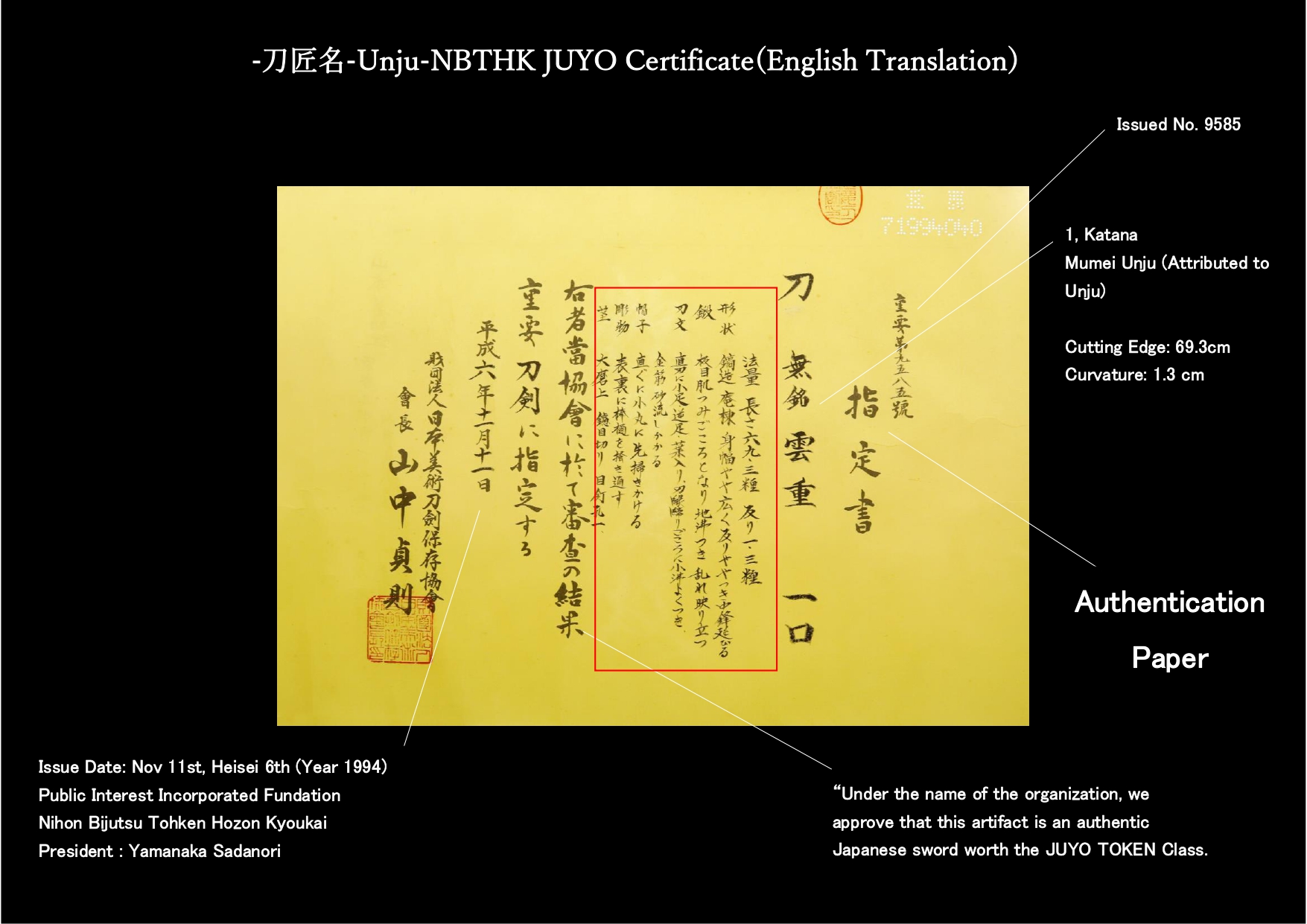
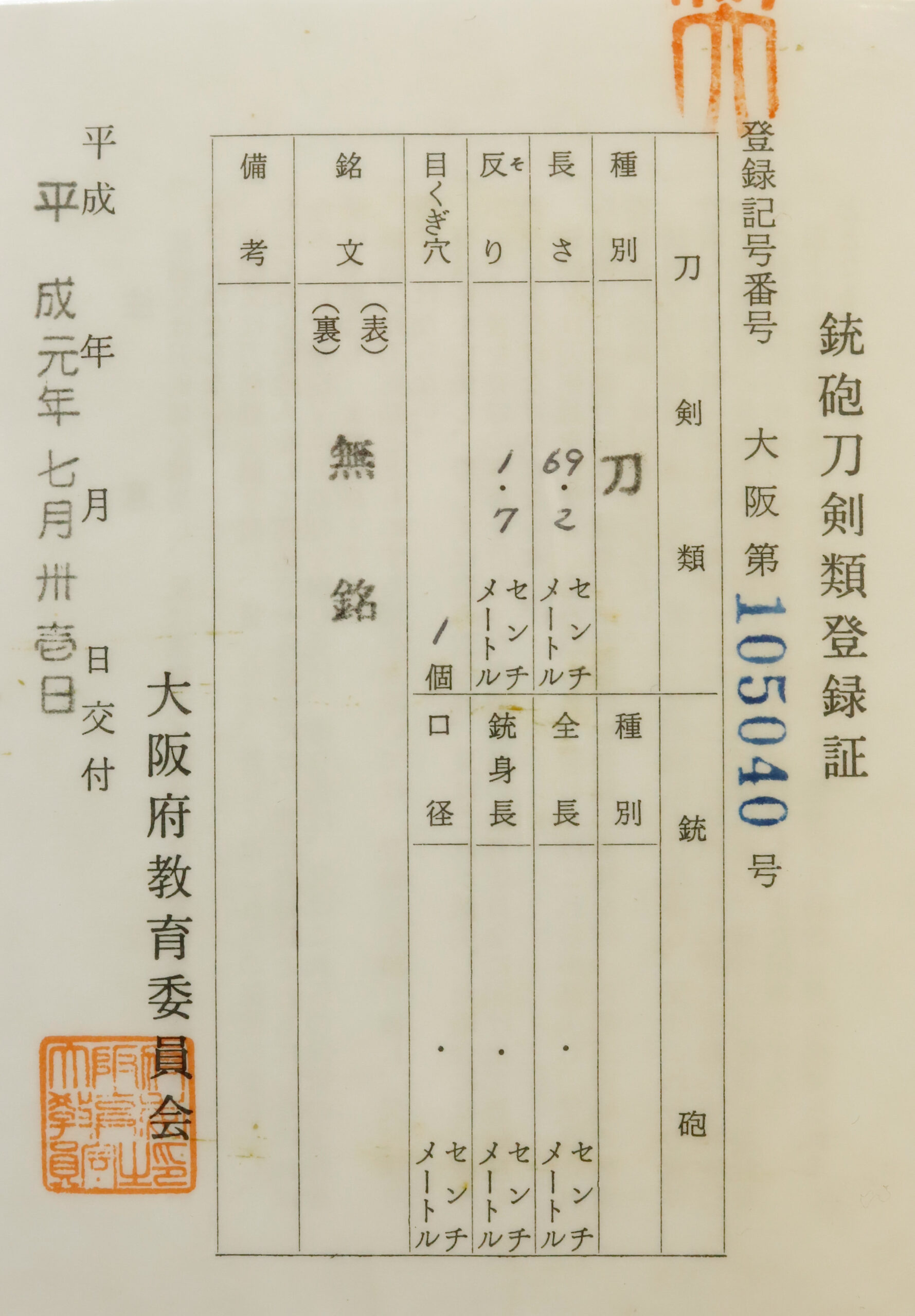
日本美術刀剣保存協会(NBTHK) 重要刀剣指定 太刀 伝・雲重 【解説】 概要 本作は、残された作風から南北朝時代初期から中期(文和〜応安年間:1352-1374年頃)に活躍した「雲重(うんじゅう)」の作と極められた太刀です。雲重は鎌倉時代末期から南北朝時代中期にかけて繁栄した「雲類(うんるい)」の一派に属し、備前国宇甘郷(現在の岡山県)に居住しました。同派の巨匠である雲次の子と伝えられています。 雲類の興り 雲類の実質的な祖は雲生(うんしょう)です。伝承によれば、雲生は後醍醐天皇より御剣の作刀を命じられましたが、納得のいく刀が打てず苦心していました。ある夜、夢の中にたなびく雲が現れ、その姿から刃文の着想を得て、ついに見事な太刀を完成させたといいます。 献上された太刀を天覧された後醍醐天皇は、その出来映えに深く感動され、「刃文の働き、真に雲の如し」と賞賛されました。そして雲生に対し、名に「雲」の字を冠することを許したのが「雲類」の名の由来とされています。以来、一派の鍛冶は代々名に「雲」の字を用いるようになりました。雲生は乾元年間に活躍し、雲重の父である雲次は、その雲生の子にあたります。 また、備前国宇甘に住したことから「宇甘派」とも呼ばれます。 雲類の作風は、作品によって山城伝の来派、備中伝の青江派、あるいは大和伝に通じるものがあると評されます。一説には、鎌倉末期に山城(現在の京都)から備前へ移住したとも言われており、他の備前鍛冶と比較して、五ヶ伝の一つである「山城伝」の影響を強く受けているのが特徴です。 地肌 板目肌がよく詰み、地沸(じにえ)厚くつく。淡く乱れ映りが立つ。 刃文 小足、逆足、葉(よう)を交えた直刃(すぐは)。刃縁には小沸がつき、金筋や砂流しの働きが顕著に見て取れる。 太刀拵 本作は太刀拵に収められています。太刀は平安時代から室町時代初期にかけて、主に甲冑を着用した武士が馬上で用いた形式です。刃を下に向けて腰から吊るす「佩(は)く」様式であり、地上にいる敵を素早く斬り下ろすのに適した構造となっています。 その華麗な外装から、太刀拵を所持することは武士にとってのステータスでもありました。 本作は、日本美術刀剣保存協会(NBTHK)により「重要刀剣」に指定されています。この鑑定書は、保存状態が極めて良好で、かつ美術的価値が特に高い優れた正真の日本刀にのみ与えられるものです。重要刀剣は「特別保存刀剣」の上位ランクに位置し、指定を受けるにはまず特別保存の審査を通過している必要があります。重要刀剣に指定されることは稀であり、愛刀家の間でも非常に高く評価される逸品です。 【刀身】 長さ(Nagasa):69.2 cm 反り(Sori):1.7 cm 刃文(Hamon):焼入れによって刃先に現れる結晶構造 地紋(Jihada):折り返し鍛錬によって現れる鋼の表面模様 茎(Nakago):刀身の柄に収まる中心部分 拵(Koshirae):鞘、柄、鍔などから構成される外装 本拵の金具一式には、共通の意匠として「五三の桐紋」が施されています。桐紋は高貴な紋章として知られ、本作の格式を高めています。
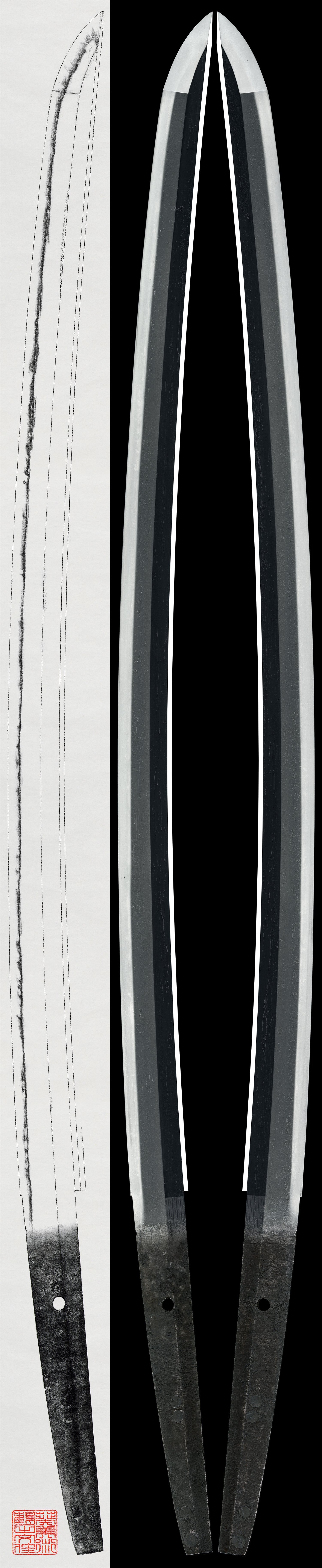
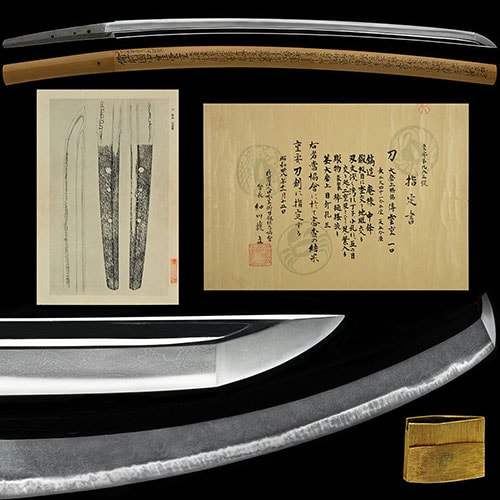
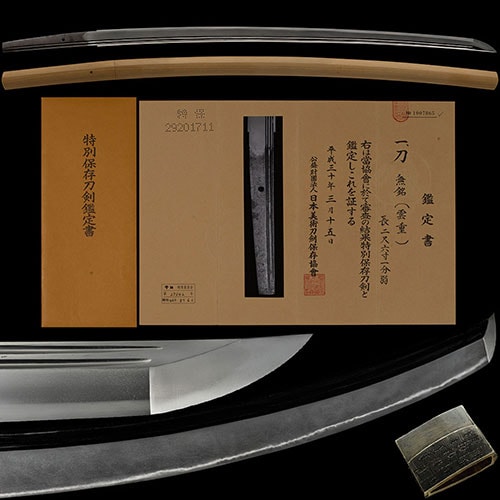
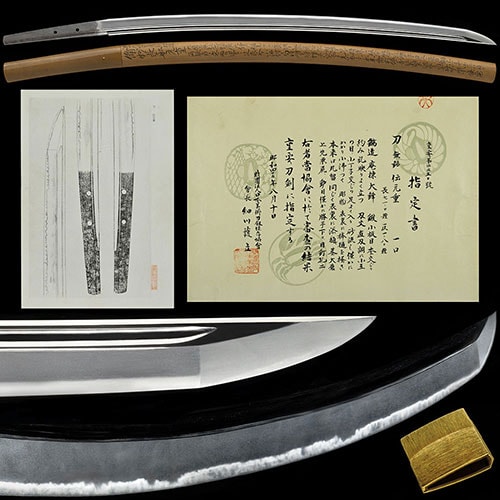
鎌倉時代後期から南北朝期に亘り、備前国宇甘庄の地で雲生を祖として雲次・雲重らの刀工が活躍しており、銘文に 皆「雲」の字を冠しているところから雲類と呼称されている。雲類の作風は備前物の中でも個性が強く、備前気質に山城 の来派や備中の青江派の趣が加味されたものや、大和気質を混在させたものなどがあって多彩である。 この刀は大磨上無銘ながら、身幅広めで鋒の延びた南北朝期の姿を示し、鍛えは板目肌がつみごころとなり、淡く乱れ 映り立ち、刃文は直刃に小足・逆足・葉入り、刃縁締まりごころに沸よくつき、金筋がかかり、刃中の働きも豊富である など、総じて雲重の見どころがよくあらわれた作である。
 NihontoWatch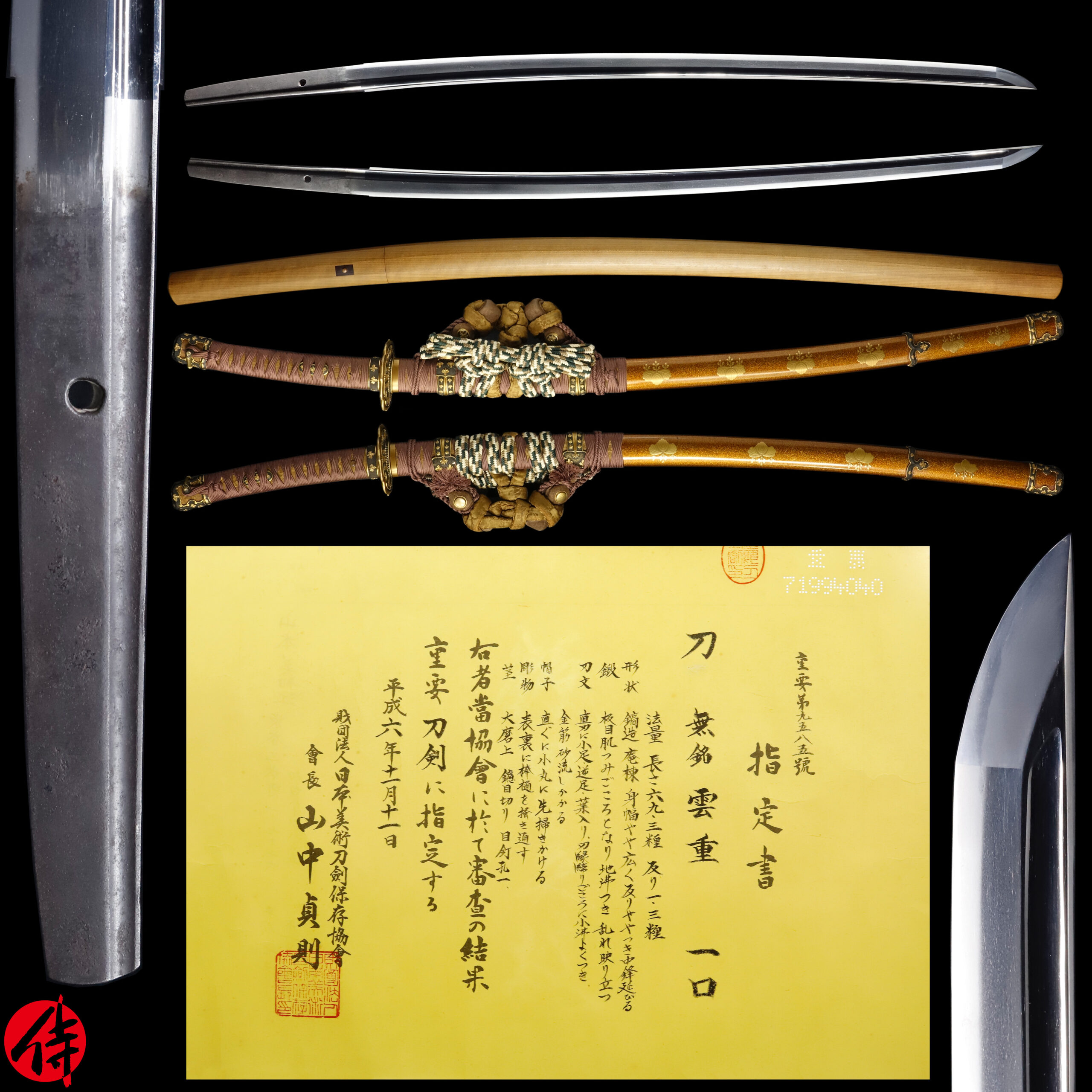
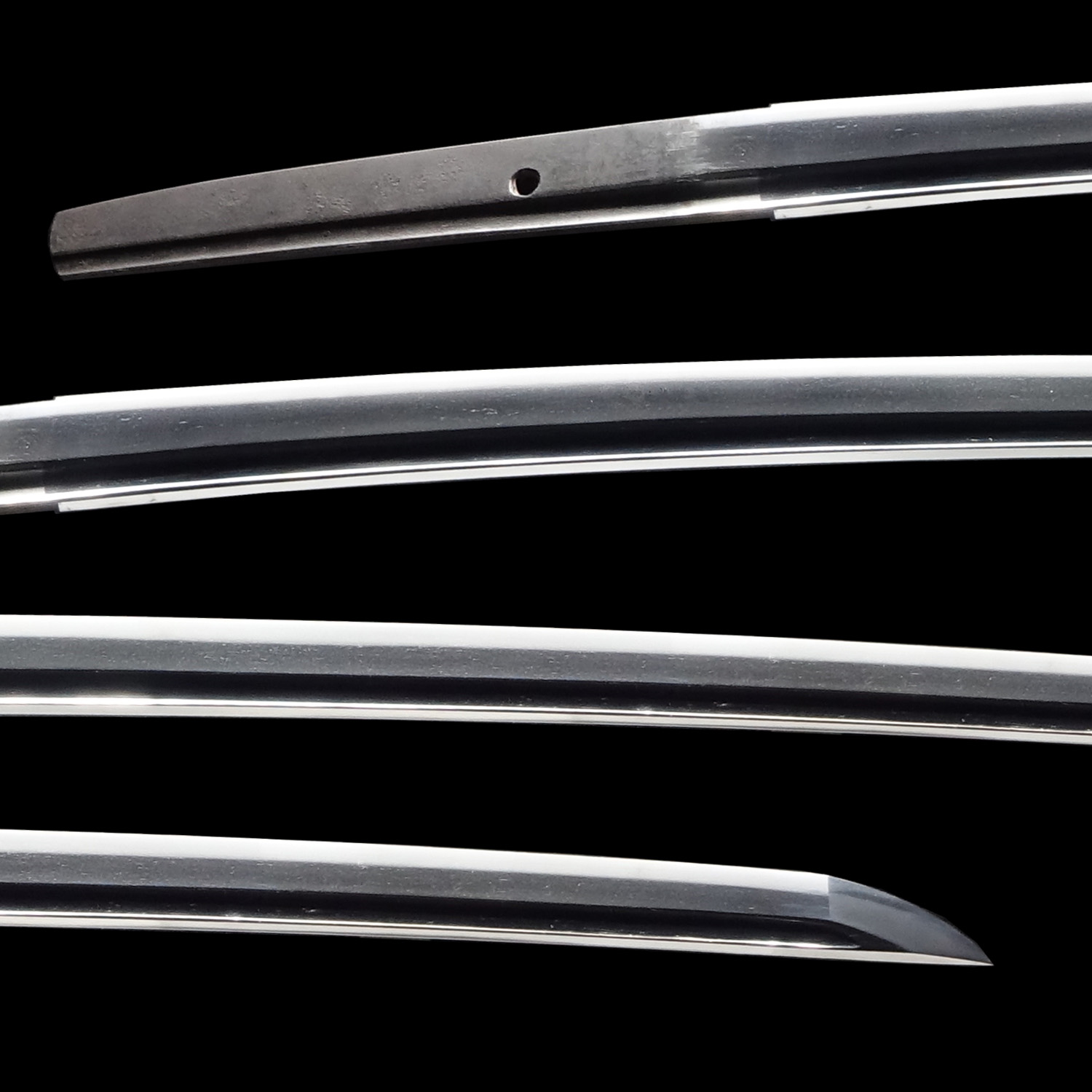
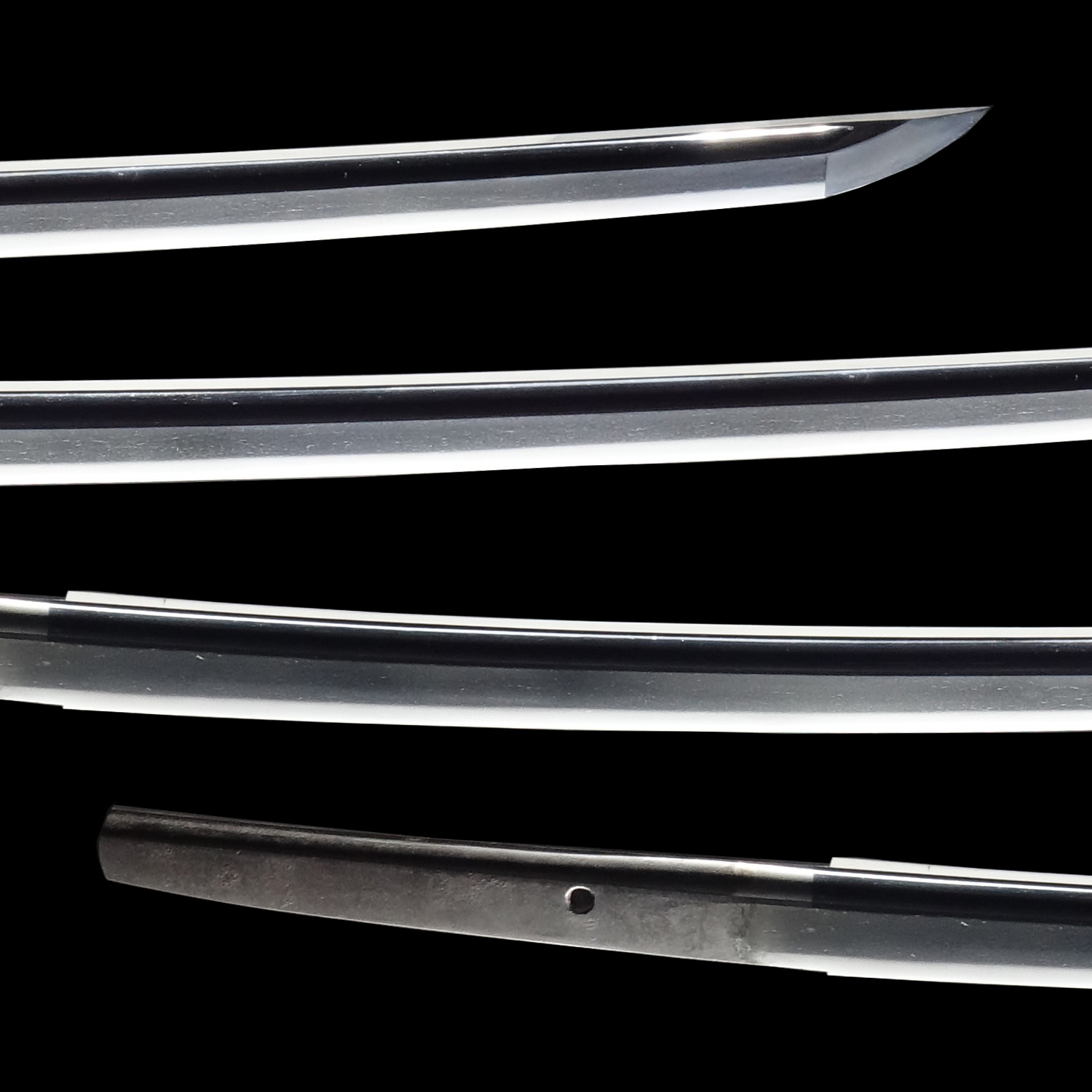


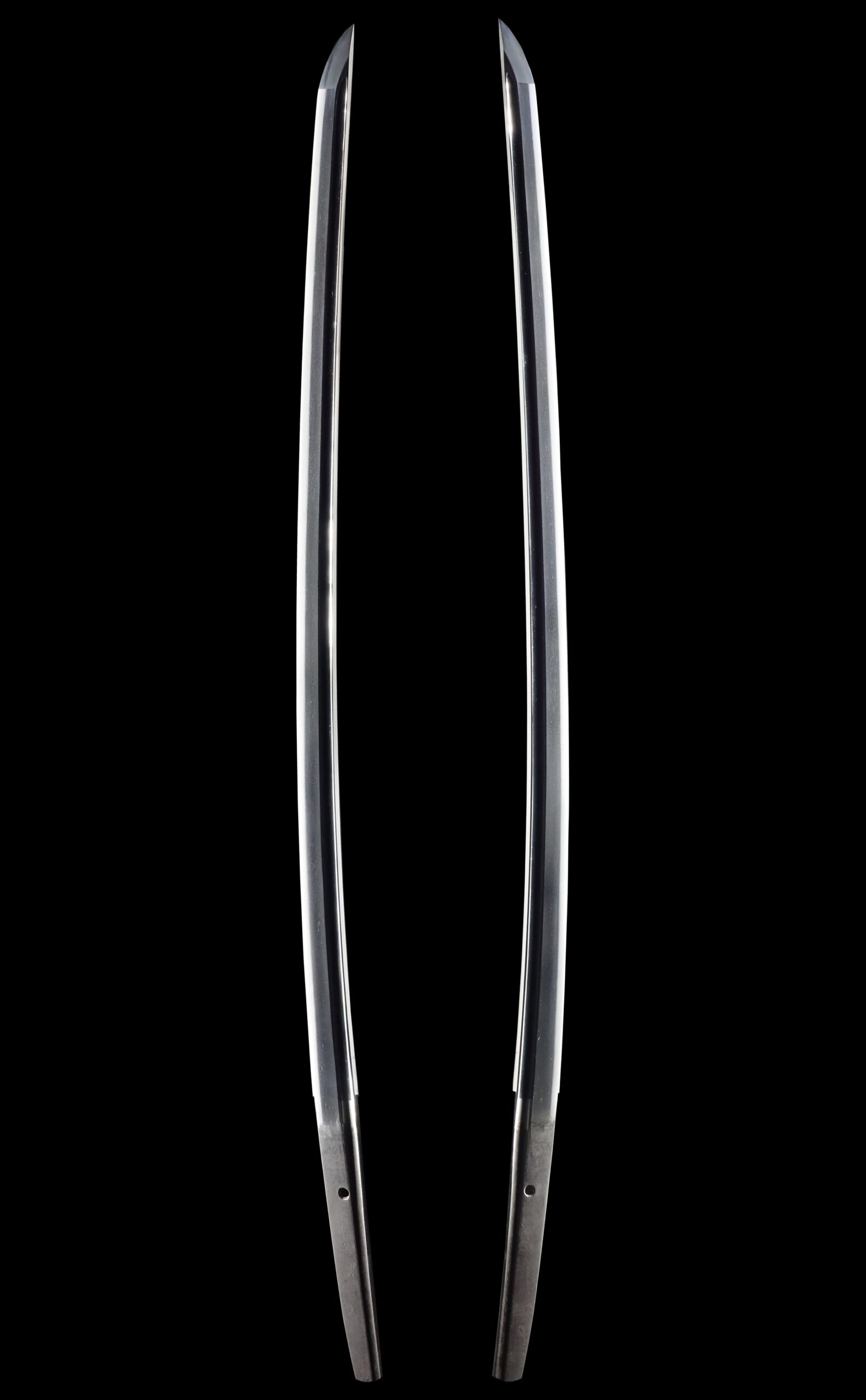

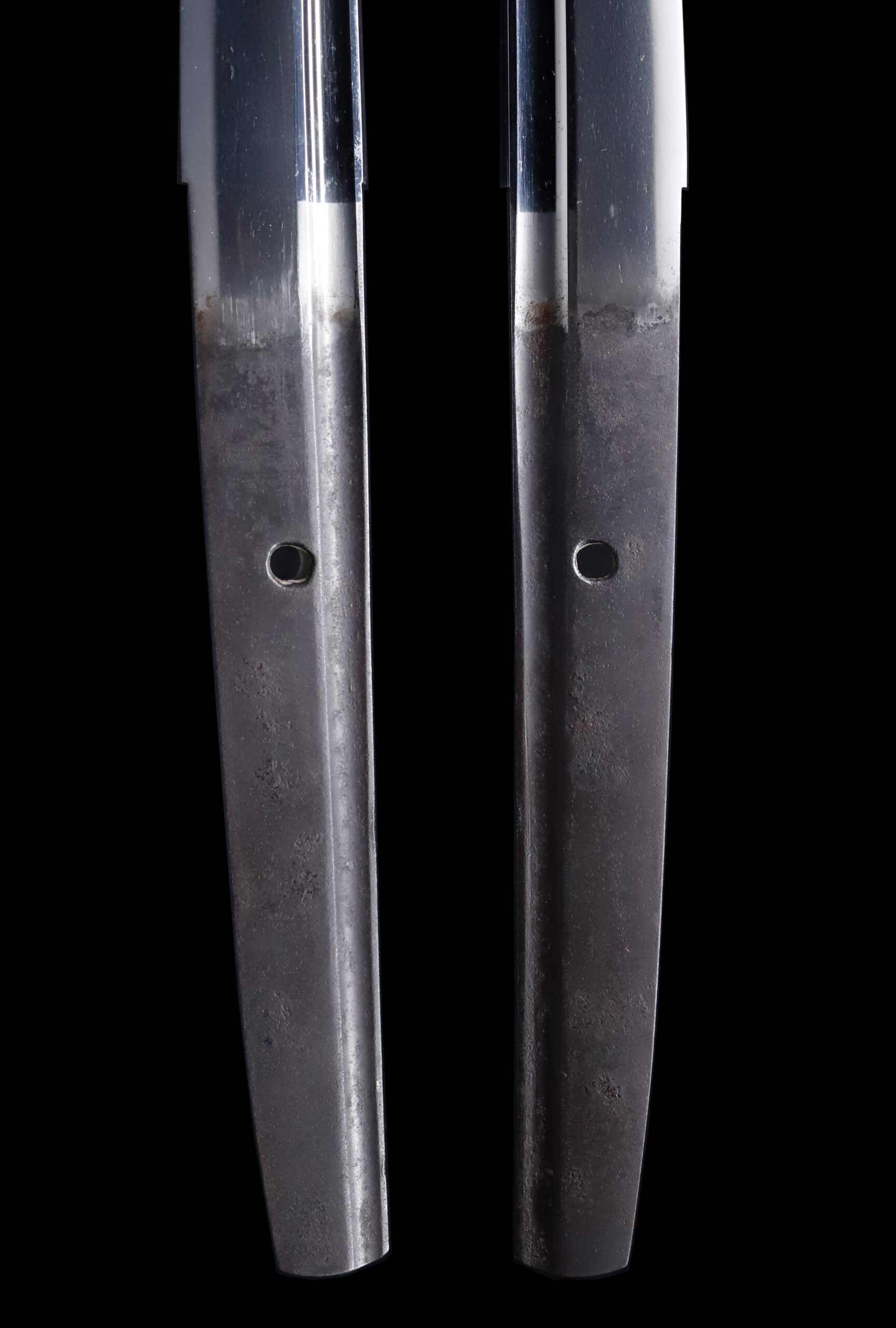
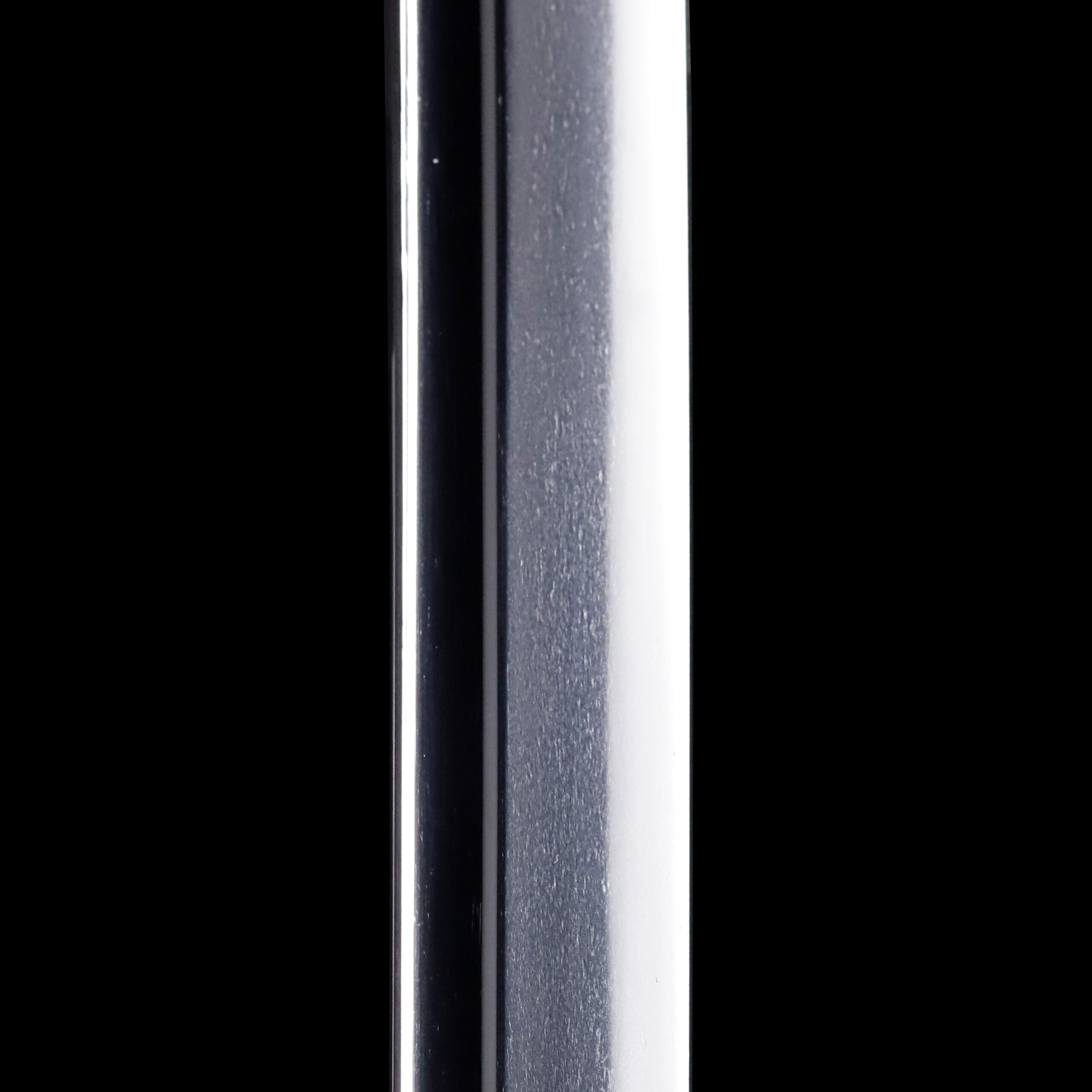
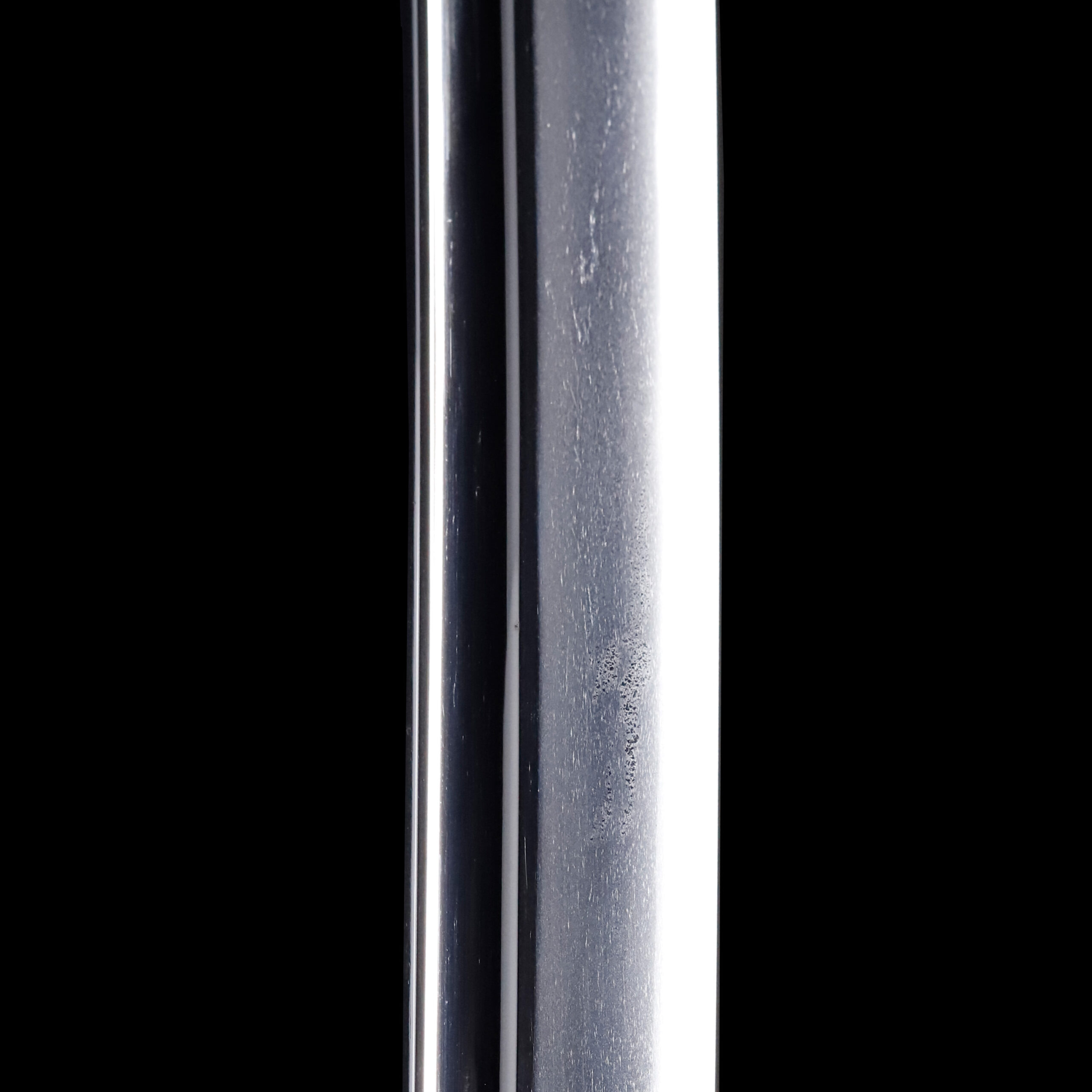
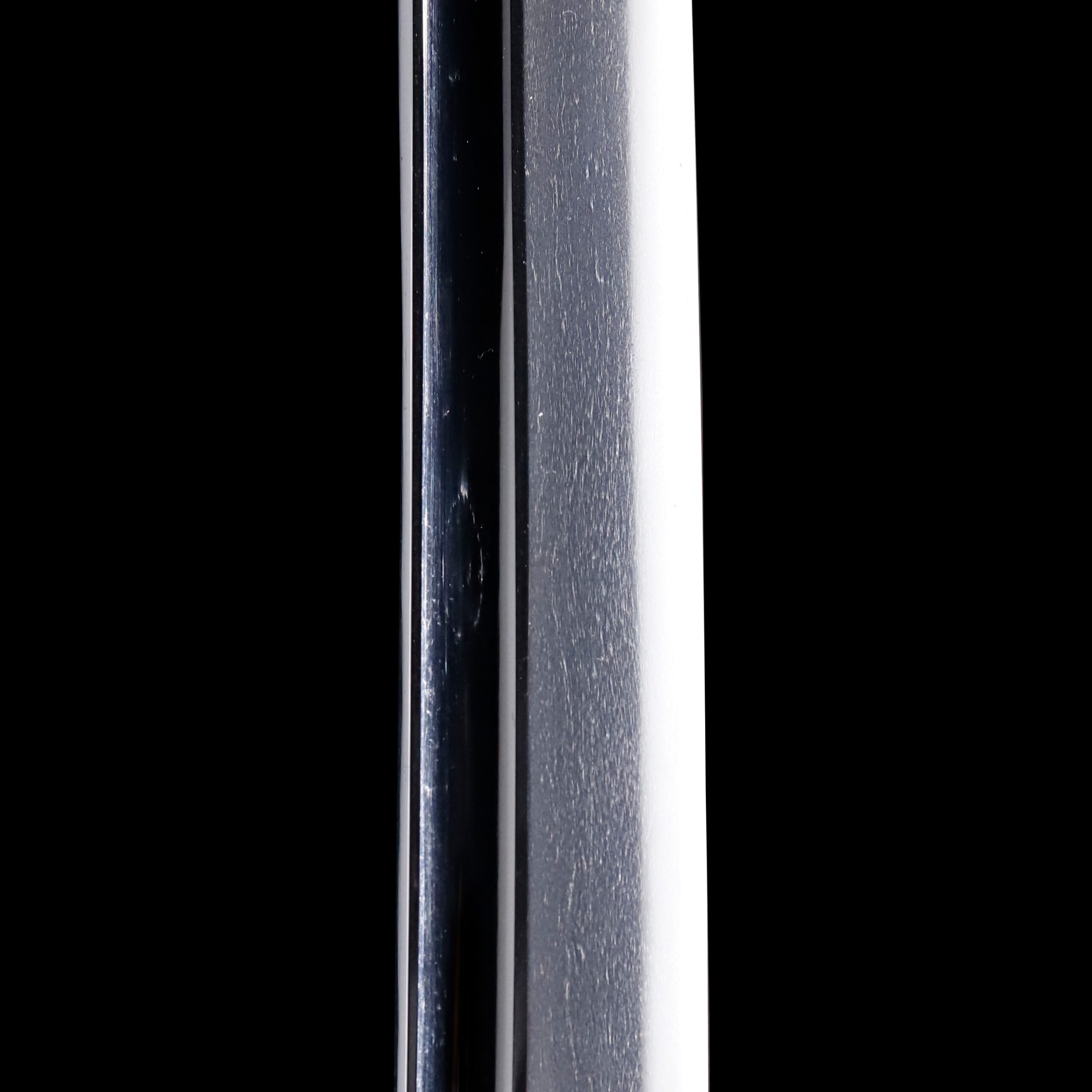
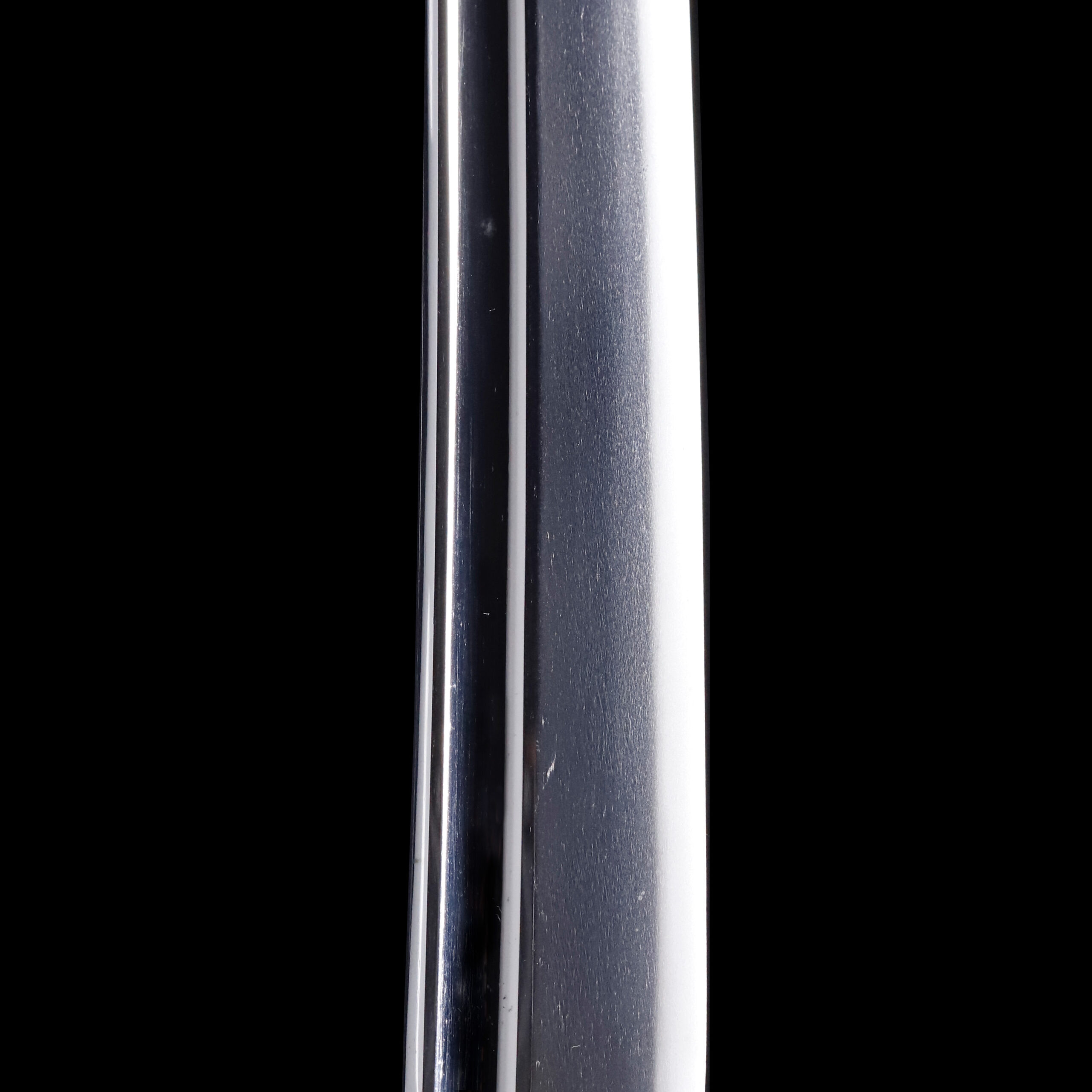
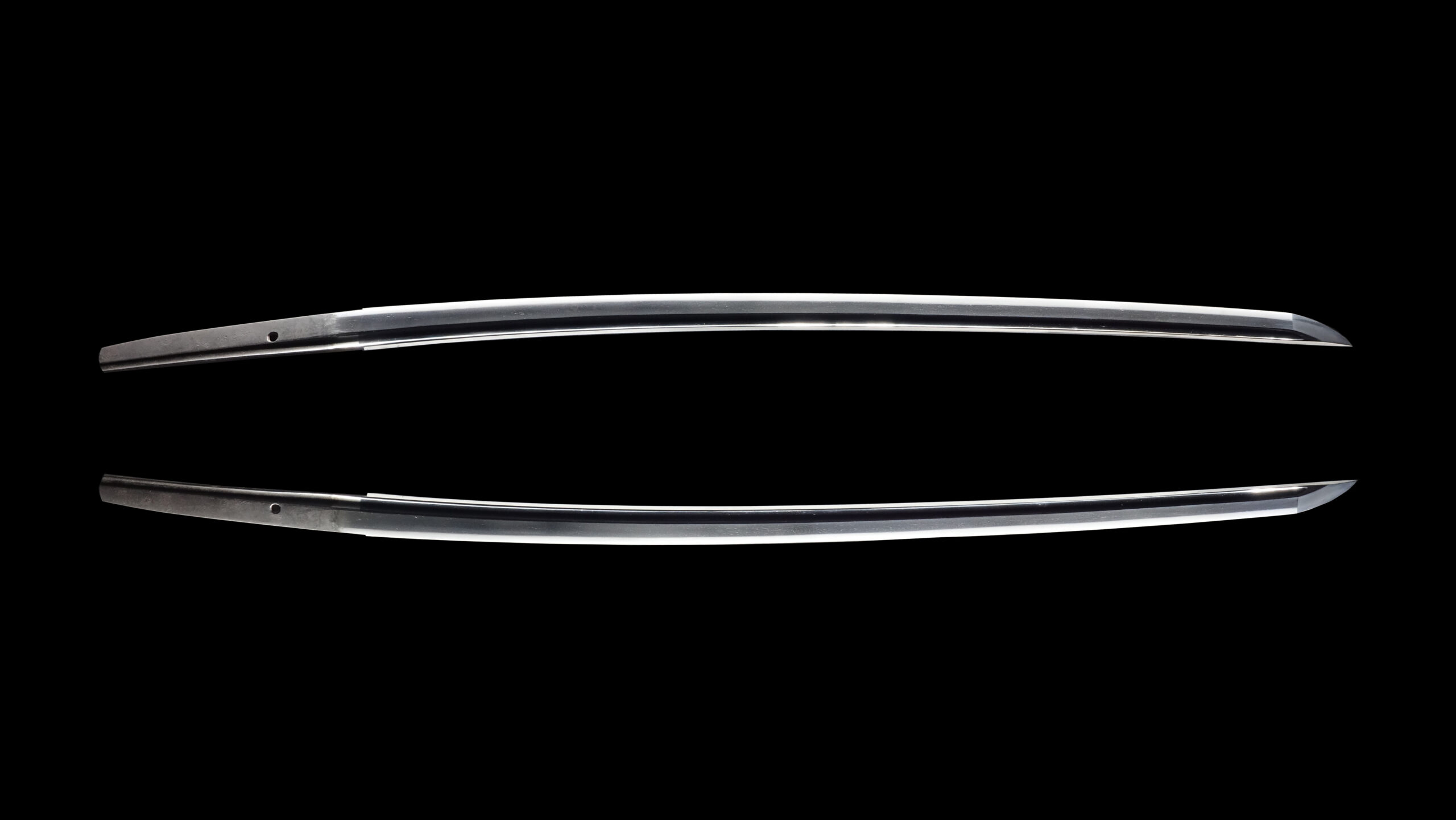
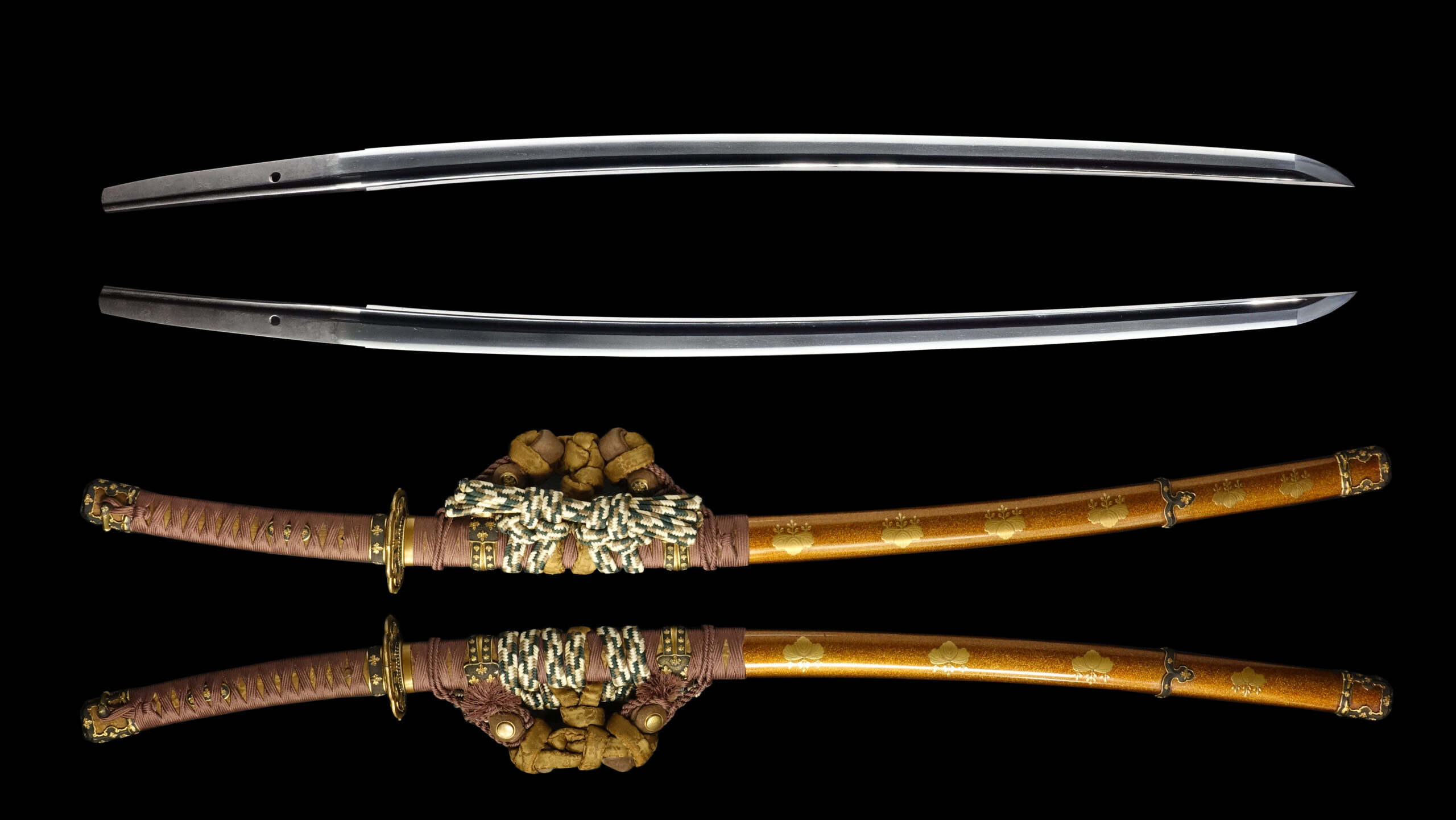
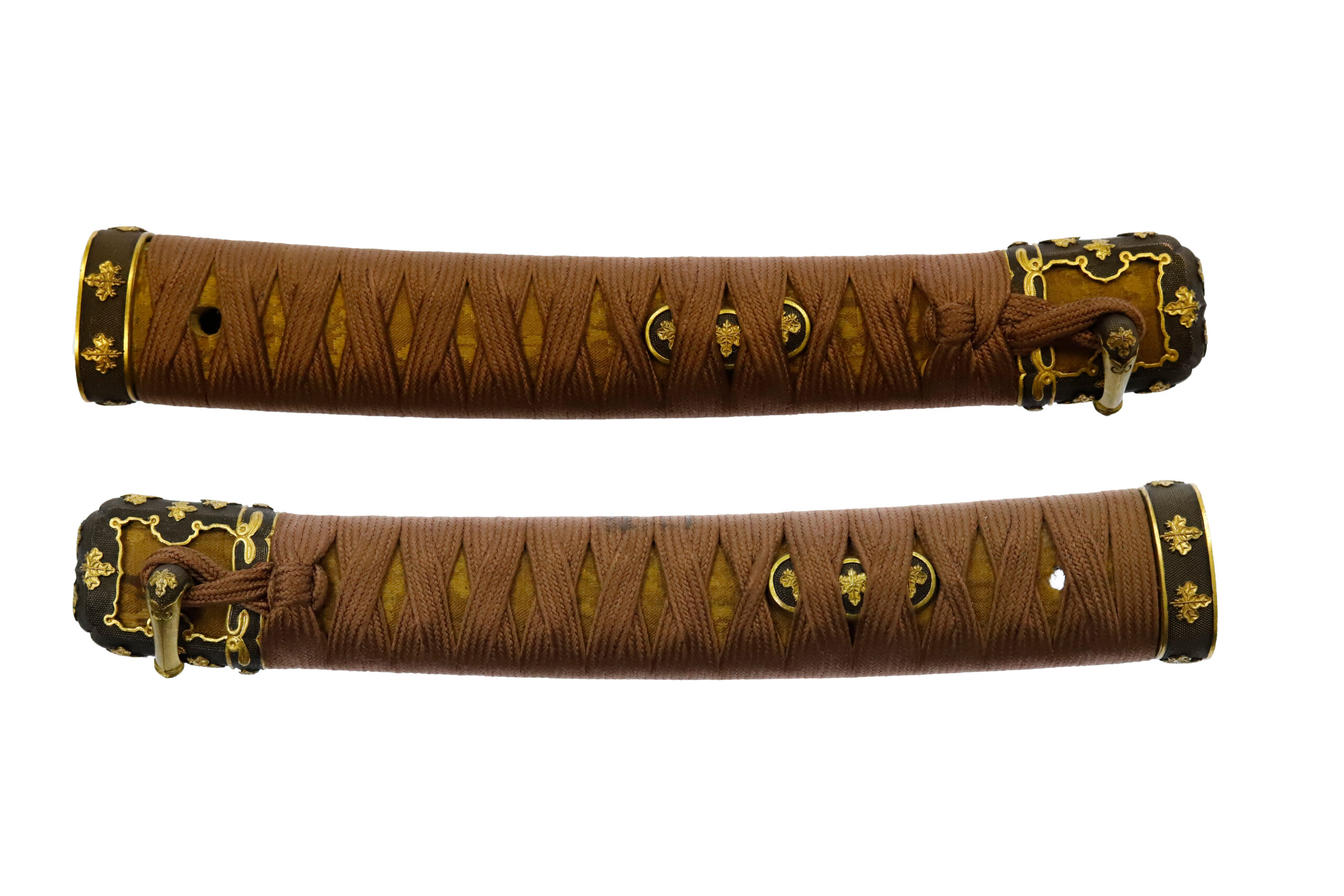
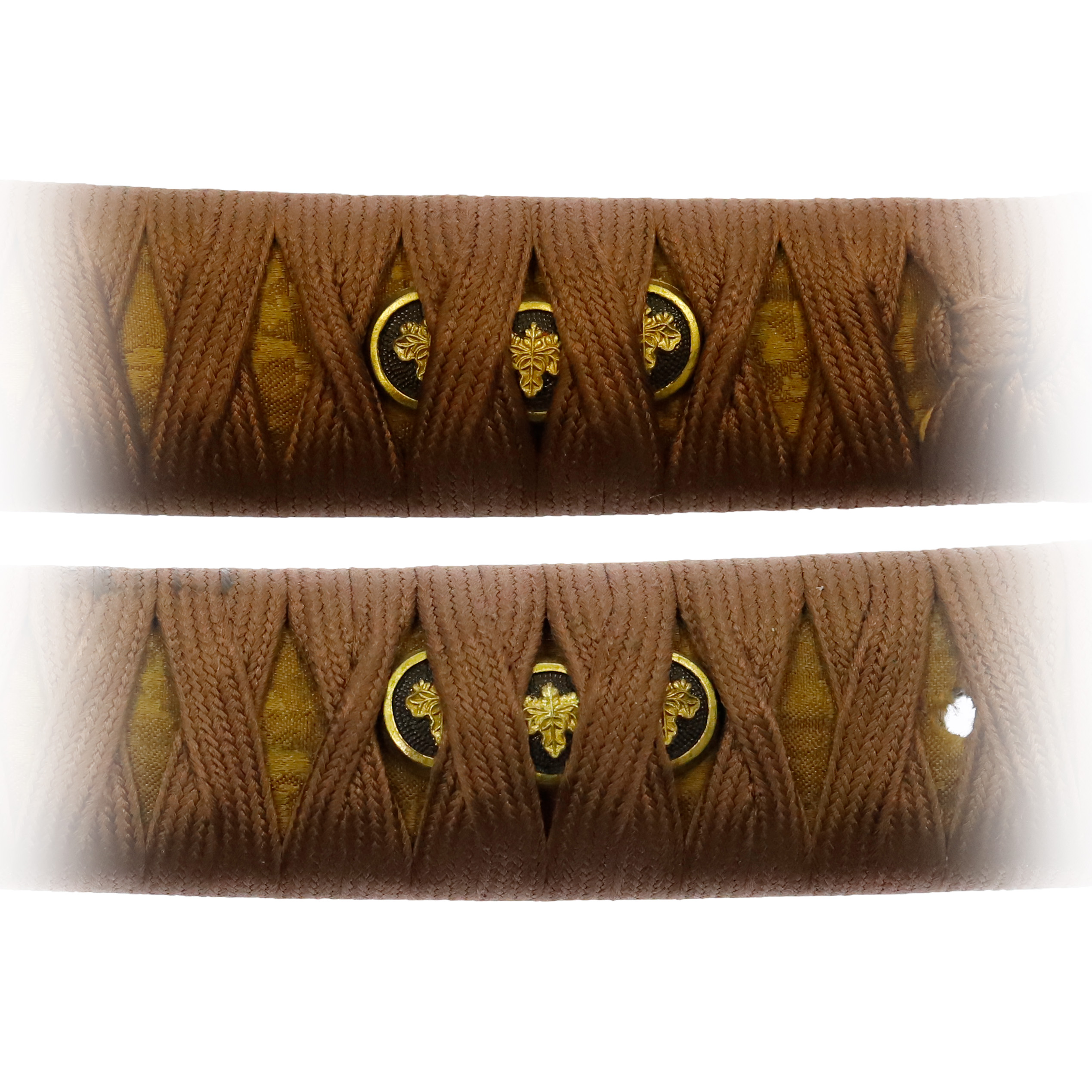
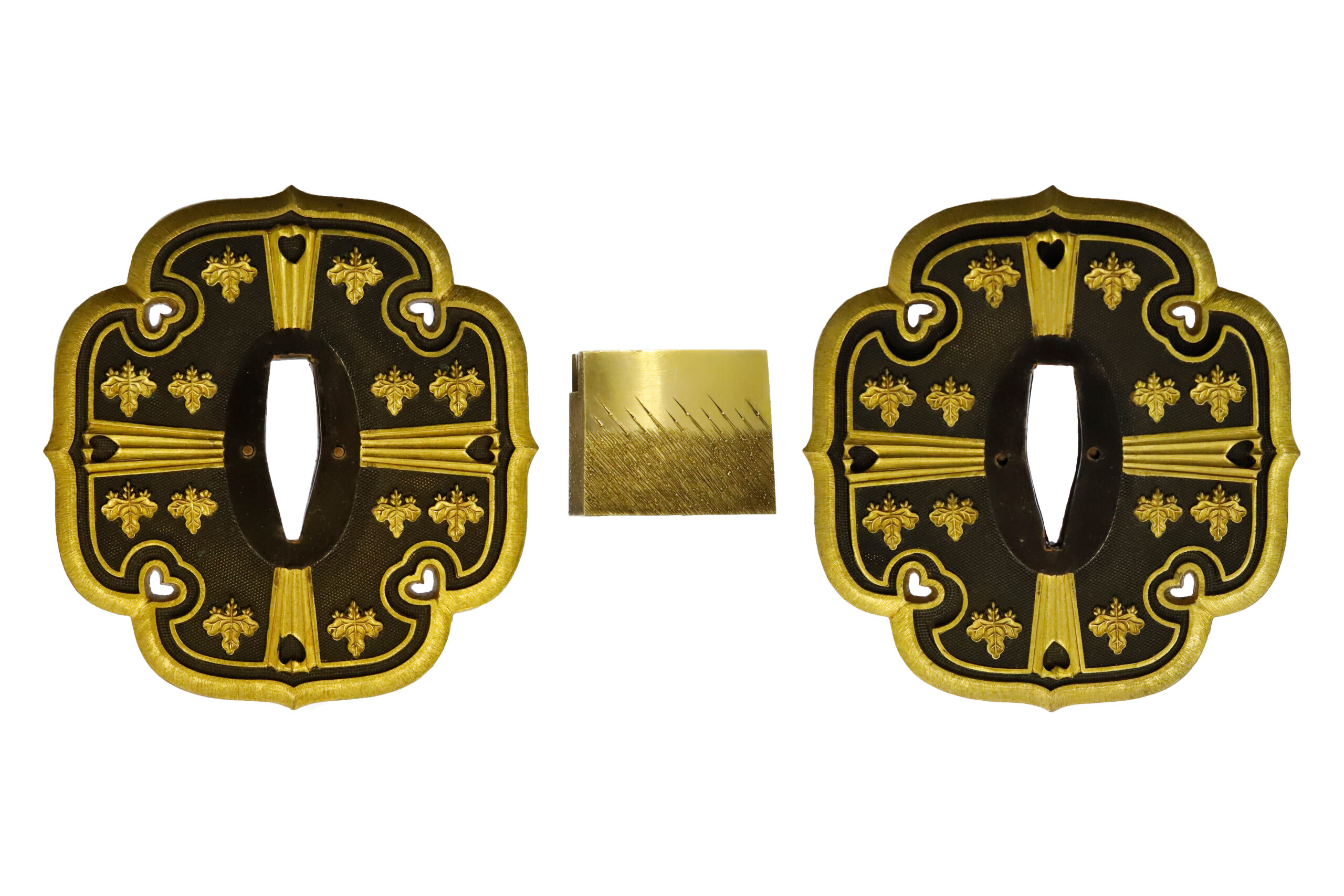
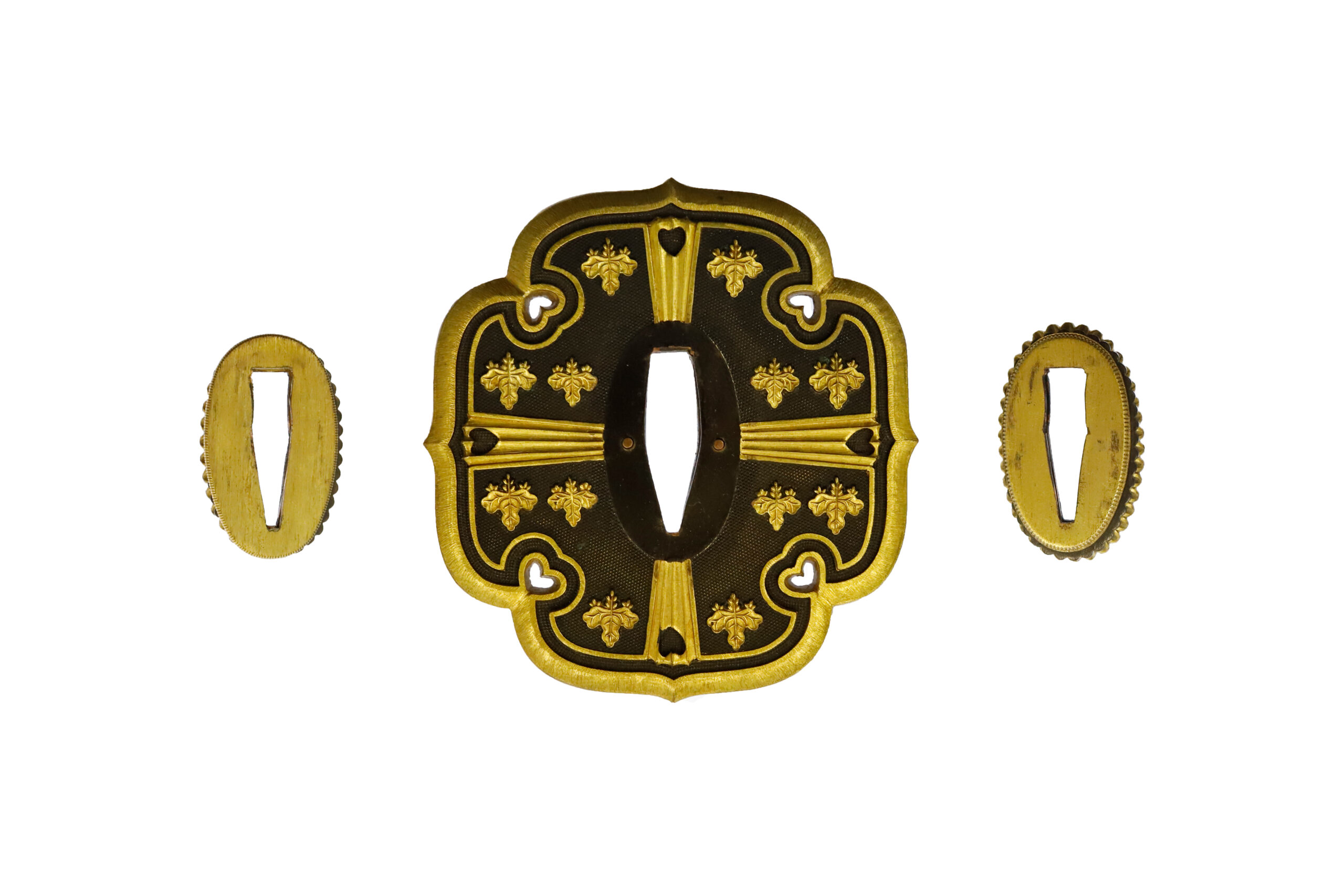
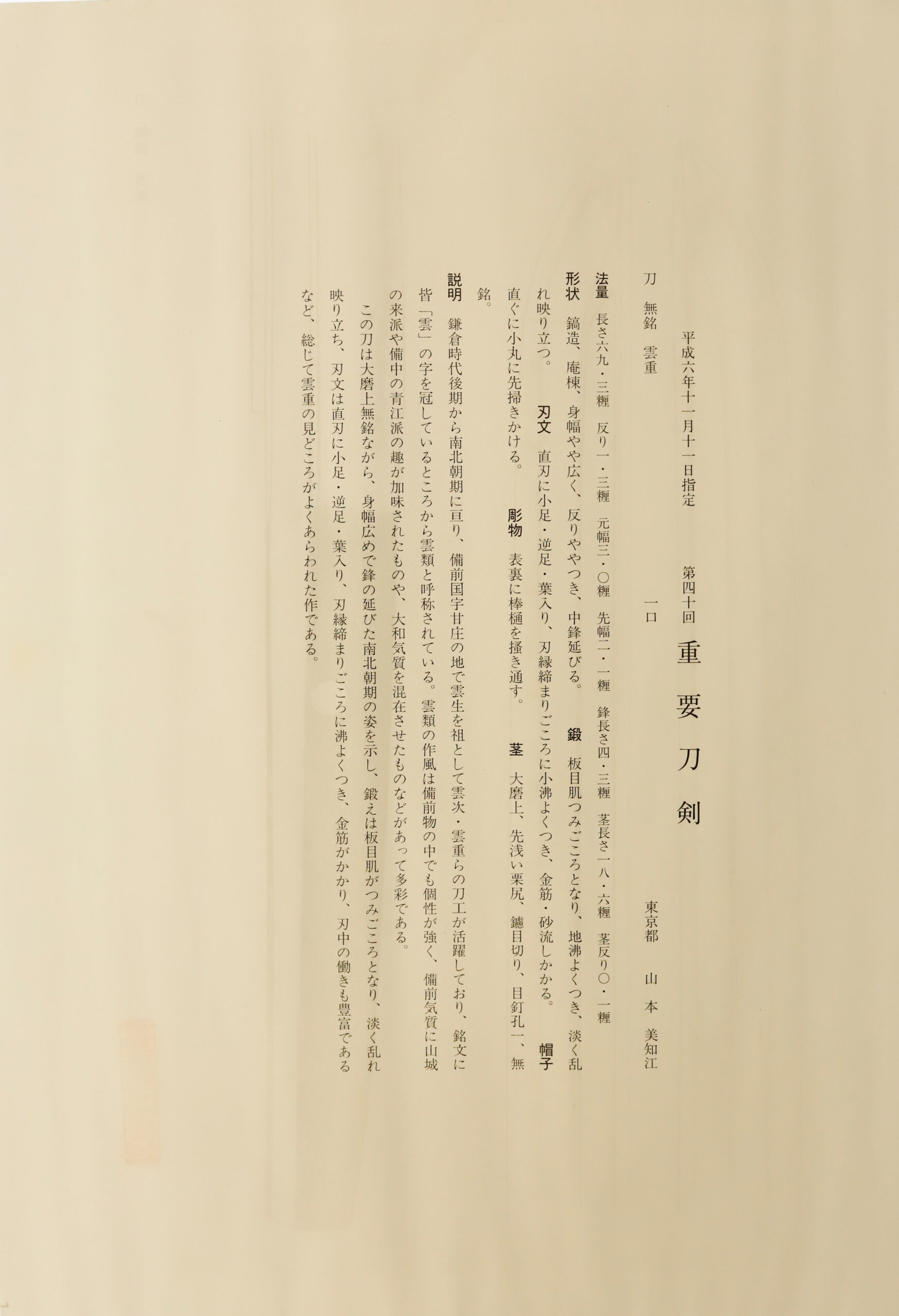
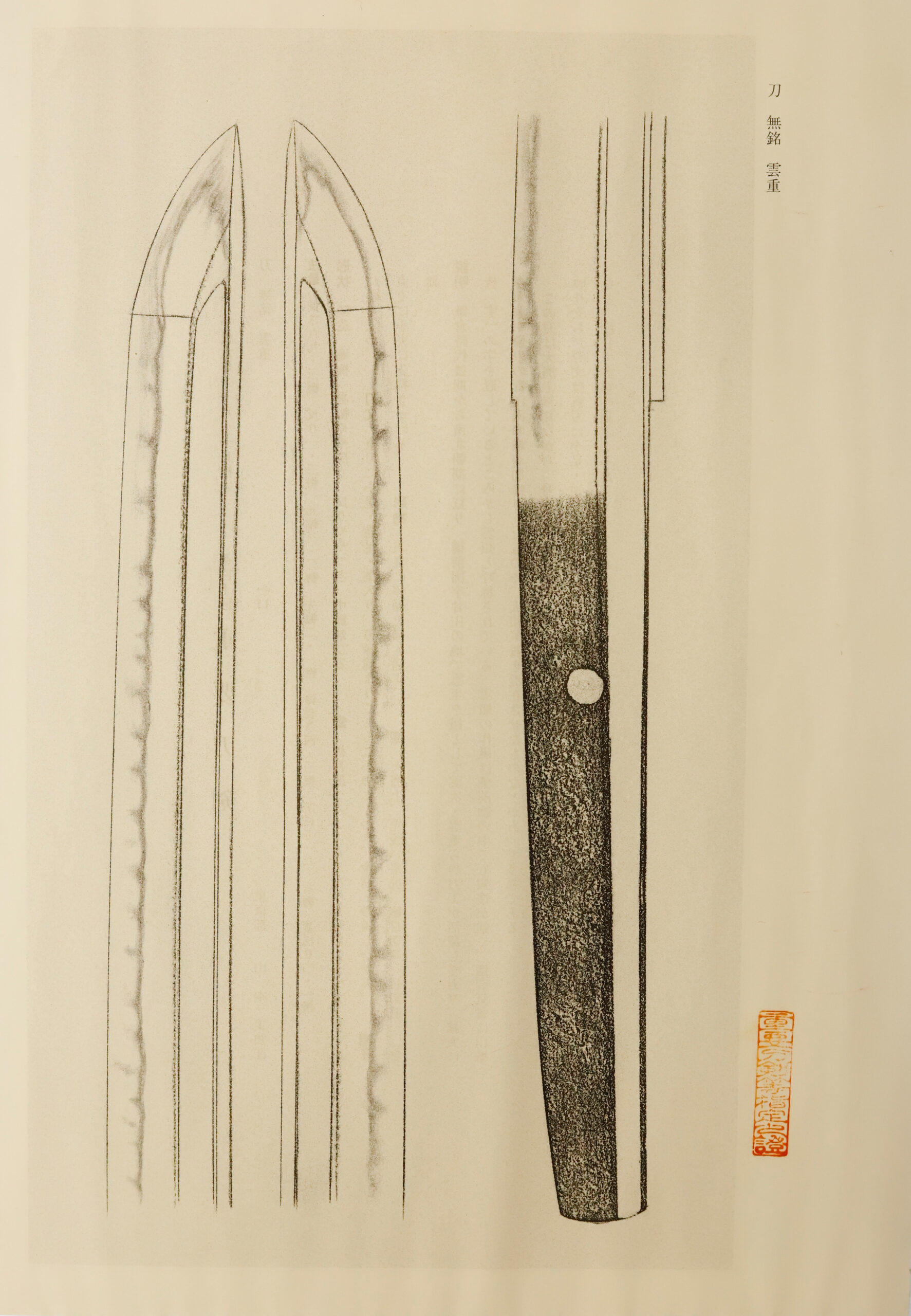
鎌倉時代後期から南北朝期に亘り、備前国宇甘庄の地で雲生を祖として雲次・雲重らの刀工が活躍しており、銘文に 皆「雲」の字を冠しているところから雲類と呼称されている。雲類の作風は備前物の中でも個性が強く、備前気質に山城 の来派や備中の青江派の趣が加味されたものや、大和気質を混在させたものなどがあって多彩である。 この刀は大磨上無銘ながら、身幅広めで鋒の延びた南北朝期の姿を示し、鍛えは板目肌がつみごころとなり、淡く乱れ 映り立ち、刃文は直刃に小足・逆足・葉入り、刃縁締まりごころに沸よくつき、金筋がかかり、刃中の働きも豊富である など、総じて雲重の見どころがよくあらわれた作である。
Bizen Ukai (Unrui / cloud group) · 備前 · 1352-1375頃
藤代 Jo-jo saku · 刀剣大鑑 上位21%
雲重は、雲しげ・くもしげとも訓まれるその名のとおり、備前鵜飼派の三代を担う刀工で、宇甘庄に住し銘に「雲」の字を冠するところから雲類と呼ばれた一群の工である。唯一の特別重要刀剣の太刀は貞治七年二月、すなわち一三六八年の年紀を切り、本工を南北朝中期に確と据えて、一派の祖雲生とこれに続く雲次の後を承けた位置を示す。説明書はこの一派を周囲のすべてから際立たせる。その作風は当時の長船本流とは趣を異にし、むしろ山城の来派や備中の青江派に近く、「備前気質の中に京の来派や備中青江派の趣が混在する」[[c:5]]ほど個性が強いとして、雲類を備前物中最も異色の存在と呼ぶ。銘鑑は雲重を二代雲生の子とし、現存する年紀作には文和・貞治・応安が見える。
本工の特色ある手は、南北朝中期の長船が知られる華やかな丁子乱れとはむしろ逆である。雲重の本領は直刃および直刃調の刃で、浅くのたれ、これに小互の目・小丁子・小乱れが乗り、足・葉入り、小沸つく。その静かな刃を素朴な備前から引き上げるのは、刃中に織り込まれた沸の働きで、砂流し・金筋が頻りにかかり、ほつれ・喰違刃・打のけを交える。匂出来の長船丁子には乏しく、説明書が一派に結びつける来・大和の筋にこそ通う働きである。貞治七年の太刀では、ほつれ・喰違刃・打のけ・二重刃・湯走りが込み入り、匂深く盛んに沸づいて荒めの沸を交える。帽子は直ぐに小丸、あるいは大和の風情を帯びた作では焼詰めとなる。
地鉄こそ、一派の京寄りの傾きが最もよく現れるところである。雲重は板目を鍛え、しばしば杢を交えてやや肌立ち、地沸よくつき地景入り、その上に標準的な備前の明るい乱れ映りではなく淡い映りが立つ。説明書は、雲類の地鉄が同時代の他の備前物と異なって杢がかり地沸つき映り気乏しいと記す。これは、雲生・雲次の代に京に上って修業し後に後醍醐天皇の御用を勤めたと伝える一派の受け継ぎである。最も大和に傾いた作では、鍛えが殆ど柾となり、刃縁が喰違刃とほつれに崩れ、帽子は焼詰めとなって、ある説明書はこれを備前物の中の大和の作行と読む。
現存作は二つの面に分かれる。第一は生ぶ茎で在銘の一群、その数口に書き下し年紀を負うもので、貞治七年の太刀、貞治六年の短刀、文和の太刀、貞治の薙刀がある。これらでは、茎の刃方の分厚い態、角度の深い鑢目、逆鏨の強調された銘字、そして何より長銘の下にそのまま年紀を書き下すところが、説明書の言うところ「全く青江物に相通ずる」[[c:1]]作法に答える。第二の、はるかに多い面は、本工と極められた大磨上無銘の刀で、反り浅く鋒の延びた幅広い南北朝の姿、大太刀を大きく磨上げた体配である。これらについて説明書は時代と系統から所伝を首肯し、丸く返った帽子や小丁子足を交えた直刃を「雲類の見どころ」とし、必ずしも雲重一人の特長ではないとする。
雲重を分かつのは、極めが比較を求めるときにまさに名指すところである。その地刃は繰り返し一見青江と紛れるものと言われ、「一見青江に紛れる」[[c:3]]出来とされ、一派は山城来派に近いと位置づけられる。それゆえ年紀のある短刀の静かな直刃が、つみて淡く映る地の上で、備前の地沸と雲類の銘が定めるまではほとんど備中物のように読まれる。説明書はこの効きを一句に約めて、備前気質の中に京の来派・備中青江派の趣が混在し、個性が強く備前物中異色であるとする。本工は京で鍛えた祖から三代を隔てて立ち、その抑えた作域を承け継ぎつつ、自らの代の広がる姿と深まる沸が、相伝の影響を受けてこれを南北朝へと押し進める。
収集の観点では、雲重は潤沢に出る名ではなく、稀で個性の強い名である。藤代の極めは上々作。国宝はなく重要文化財もなく、その記録は特別重要刀剣一口、重要刀剣の一群、戦前の重要美術品三口を通じ、特別重要刀剣・重要刀剣の級で五十七口ほど、指定を受けた作は総じて六十口を数える。うち在銘はわずか十三口で、年紀のある在銘作はさらに稀であり、説明書が在銘の作を出来とともに資料的価値において貴ぶのもそのためである。その作は来歴の確かな旧家・機関に伝わり、黒川古文化研究所がこれを蔵する一口があり、薙刀直しの脇指の一口には伊達家伝来と伝える半太刀拵が附き、戦前の指定は南部家・岩崎家を経ている。ほとんど世に出ることがなく、無銘の刀でさえ稀に、在銘・年紀の作はさらに稀にしか現れぬゆえ、私蔵の雲重は収集家にとって注目すべきもの、備前の最も京に色づいた一隅を語る証である。
雲重の位置づけを、日本刀全体および伝統・時代・時期ごとに示します。各位(随一・屈指・有数・著名)は、NBTHK および文化庁による指定に加え、三作や名物帳などの歴史的栄誉を加味したものです。
各項目を選ぶと評価方法が表示されます。
在銘年紀作が示す、確実に活動していた年代
備前伝 · 備前
現在7点販売中
備前国宇甘庄、後に鵜飼とも書かれた地に、鎌倉時代末期から南北朝時代にかけて、名に皆「雲」の字を冠する刀工の一群が住した。その居住地から宇甘派あるいは鵜飼派と呼ばれ、銘字の特徴から雲類とも称される。一派の事実上の祖は雲生で、これに雲次、雲重が続く。銘鑑は雲次を雲生の子あるいは弟と伝え、雲重を二代雲生の子とする。雲生には年紀作が現存せず、一派の年代の拠り所はもっぱら雲次の正和・文保・建武の年紀作にあり、雲重に至って文和・貞治・応安の年紀が加わる。雲生・雲次の代に京に上って山城鍛冶に学び、後醍醐天皇の御番鍛冶を勤めたと伝え、雲次には茎に十六葉の菊花紋を刻した太刀があって、宮中との関係を考えさせる稀有な作とされる。その作風は同時代の長船本流と趣を異にし、備前伝の中に山城風が混在し、隣国備中青江派の影響も少なからず受けて、備前物中異色の存在と評される。 作風はいずれも直刃を基調とする点で一致し、これが丁子を焼く長船本流との分かれ目となる。太刀姿は身幅尋常で反りが輪反りごころとなり、同時代の長船物が腰反りを呈するのに対し均整のとれた反り格好を示して京風を帯び、生ぶのものには踏張りが残る。刃文は細直刃ないし中直刃に小互の目・小丁子・小乱れを交え、足・葉がよく入って青江風に逆がかり、処々に角張る刃や陰の尖り刃を見せる。匂口は締まりごころに小沸つき、時に沈みごころとなって金筋・砂流し・ほつれがかかる。帽子は丸く返って尖らず、これを雲類の見どころとする。鍛えは板目に杢を交えてやや肌立ち、約んだものは小板目となり、地沸つき地景細かに入って鉄色はやや黒みがかる。地には指の腹で押したような黒い地斑の映りが立ち、これを同派独特の見どころとする。銘は棟寄りに切り、「生」「次」等の銘字に逆鏨を用いるのが一派共通の手癖である。もっとも三工の間には差異もあり、雲生は焼きが低く働きがやや寂しく、雲次は焼幅広く沸強く足・葉が目立ち、雲重は大和の風情を加味してほつれ・喰違刃・打のけを交え、最も傾いた作では鍛えが殆ど柾となって帽子が焼詰めとなる。 鑑定の勘所は、まず一派が備前物の中で最も京物に近いという座標にある。直刃は来物の格に達して紛れることがあり、足は青江風に逆がかり、年紀のある静かな直刃の作はしばしば一見青江に紛れる。しかも地には鮮明な乱れ映りが立って生国備前の趣が濃く、青江気質を帯びた作でも帽子は丸く返るところに同派の証が残る。派内の見分けは焼きをもって分かたれ、雲生の力強い作は雲次に近づき、雲重は相伝の影響を受けてこれを南北朝へと押し進めた。一派は薙刀の製作にも巧みで、雲次・雲重と極められた無銘の薙刀直しが少なからず存し、直しに際して鋒の棟を削いだため帽子が自然焼詰めとなり、薙刀樋に添樋の彫が残ることが多い。主要工としては、一派の祖にして焼き低く京物に近い作風を示す雲生、正和以下の年紀作を遺して一派の年代を支え沸の働きに長じた雲次、年紀作をもって南北朝中期に確と据わり大和を加味した雲重の三工が柱をなし、ほかに雲重らに連なる工が一派を支える。在銘作は雲類の中では比較的多いものの、その大半は秘蔵されて市に現れることは稀であり、無銘の磨上や薙刀直しに対して生ぶ茎在銘の太刀は一段と稀有である。伝来の録された作は旧家や機関に伝わり、上杉景勝御手選びに数えられた菊紋の太刀、武田信虎の所持銘を切付けた雲次の太刀など、銘文の資料性において貴ばれるものが含まれる。 詳しく見る →
南北朝時代の備前
二つの朝廷が争った六十年、刀身は長大化し、長船がその需要に応えた。兼光と長義の工房は実際に戦う国人層の武士に仕え、軍勢とともに相州風が届いて相伝備前が生まれた。
特別保存刀剣の中から、特に出来が優れ、国認定の重要美術品に準ずると判断された名品です。年に一度の重要刀剣審査で選ばれます。
極めて選別的で、日本に登録された約250万口の刀剣のうち、重要刀剣に達したものは12,307口(約203口に1口)にすぎません。
日本美術刀剣保存協会(NBTHK)は、1948年に設立され、文化庁の監督を受ける公益財団法人で、東京・刀剣博物館に本部を置きます。専門の審査員が出品作を直接審査し、美術的・歴史的価値に応じた鑑定書を発行します。NBTHKの鑑定書は、日本刀および刀装具の真正性を示す最も広く認知された基準です。
NBTHK公式サイトReturns/exchanges limited to defects caused by shipping (except willful misconduct or gross negligence by the company); customers must contact within 72 hours of receiving the product.
日本美術刀剣保存協会(NBTHK) 重要刀剣指定 太刀 伝・雲重 【解説】 概要 本作は、残された作風から南北朝時代初期から中期(文和〜応安年間:1352-1374年頃)に活躍した「雲重(うんじゅう)」の作と極められた太刀です。雲重は鎌倉時代末期から南北朝時代中期にかけて繁栄した「雲類(うんるい)」の一派に属し、備前国宇甘郷(現在の岡山県)に居住しました。同派の巨匠である雲次の子と伝えられています。 雲類の興り 雲類の実質的な祖は雲生(うんしょう)です。伝承によれば、雲生は後醍醐天皇より御剣の作刀を命じられましたが、納得のいく刀が打てず苦心していました。ある夜、夢の中にたなびく雲が現れ、その姿から刃文の着想を得て、ついに見事な太刀を完成させたといいます。 献上された太刀を天覧された後醍醐天皇は、その出来映えに深く感動され、「刃文の働き、真に雲の如し」と賞賛されました。そして雲生に対し、名に「雲」の字を冠することを許したのが「雲類」の名の由来とされています。以来、一派の鍛冶は代々名に「雲」の字を用いるようになりました。雲生は乾元年間に活躍し、雲重の父である雲次は、その雲生の子にあたります。 また、備前国宇甘に住したことから「宇甘派」とも呼ばれます。 雲類の作風は、作品によって山城伝の来派、備中伝の青江派、あるいは大和伝に通じるものがあると評されます。一説には、鎌倉末期に山城(現在の京都)から備前へ移住したとも言われており、他の備前鍛冶と比較して、五ヶ伝の一つである「山城伝」の影響を強く受けているのが特徴です。 地肌 板目肌がよく詰み、地沸(じにえ)厚くつく。淡く乱れ映りが立つ。 刃文 小足、逆足、葉(よう)を交えた直刃(すぐは)。刃縁には小沸がつき、金筋や砂流しの働きが顕著に見て取れる。 太刀拵 本作は太刀拵に収められています。太刀は平安時代から室町時代初期にかけて、主に甲冑を着用した武士が馬上で用いた形式です。刃を下に向けて腰から吊るす「佩(は)く」様式であり、地上にいる敵を素早く斬り下ろすのに適した構造となっています。 その華麗な外装から、太刀拵を所持することは武士にとってのステータスでもありました。 本作は、日本美術刀剣保存協会(NBTHK)により「重要刀剣」に指定されています。この鑑定書は、保存状態が極めて良好で、かつ美術的価値が特に高い優れた正真の日本刀にのみ与えられるものです。重要刀剣は「特別保存刀剣」の上位ランクに位置し、指定を受けるにはまず特別保存の審査を通過している必要があります。重要刀剣に指定されることは稀であり、愛刀家の間でも非常に高く評価される逸品です。 【刀身】 長さ(Nagasa):69.2 cm 反り(Sori):1.7 cm 刃文(Hamon):焼入れによって刃先に現れる結晶構造 地紋(Jihada):折り返し鍛錬によって現れる鋼の表面模様 茎(Nakago):刀身の柄に収まる中心部分 拵(Koshirae):鞘、柄、鍔などから構成される外装 本拵の金具一式には、共通の意匠として「五三の桐紋」が施されています。桐紋は高貴な紋章として知られ、本作の格式を高めています。
鎌倉時代後期から南北朝期に亘り、備前国宇甘庄の地で雲生を祖として雲次・雲重らの刀工が活躍しており、銘文に 皆「雲」の字を冠しているところから雲類と呼称されている。雲類の作風は備前物の中でも個性が強く、備前気質に山城 の来派や備中の青江派の趣が加味されたものや、大和気質を混在させたものなどがあって多彩である。 この刀は大磨上無銘ながら、身幅広めで鋒の延びた南北朝期の姿を示し、鍛えは板目肌がつみごころとなり、淡く乱れ 映り立ち、刃文は直刃に小足・逆足・葉入り、刃縁締まりごころに沸よくつき、金筋がかかり、刃中の働きも豊富である など、総じて雲重の見どころがよくあらわれた作である。
NihontoWatch鎌倉時代後期から南北朝期に亘り、備前国宇甘庄の地で雲生を祖として雲次・雲重らの刀工が活躍しており、銘文に 皆「雲」の字を冠しているところから雲類と呼称されている。雲類の作風は備前物の中でも個性が強く、備前気質に山城 の来派や備中の青江派の趣が加味されたものや、大和気質を混在させたものなどがあって多彩である。 この刀は大磨上無銘ながら、身幅広めで鋒の延びた南北朝期の姿を示し、鍛えは板目肌がつみごころとなり、淡く乱れ 映り立ち、刃文は直刃に小足・逆足・葉入り、刃縁締まりごころに沸よくつき、金筋がかかり、刃中の働きも豊富である など、総じて雲重の見どころがよくあらわれた作である。
Bizen Ukai (Unrui / cloud group) · 備前 · 1352-1375頃
藤代 Jo-jo saku · 刀剣大鑑 上位21%
雲重は、雲しげ・くもしげとも訓まれるその名のとおり、備前鵜飼派の三代を担う刀工で、宇甘庄に住し銘に「雲」の字を冠するところから雲類と呼ばれた一群の工である。唯一の特別重要刀剣の太刀は貞治七年二月、すなわち一三六八年の年紀を切り、本工を南北朝中期に確と据えて、一派の祖雲生とこれに続く雲次の後を承けた位置を示す。説明書はこの一派を周囲のすべてから際立たせる。その作風は当時の長船本流とは趣を異にし、むしろ山城の来派や備中の青江派に近く、「備前気質の中に京の来派や備中青江派の趣が混在する」[[c:5]]ほど個性が強いとして、雲類を備前物中最も異色の存在と呼ぶ。銘鑑は雲重を二代雲生の子とし、現存する年紀作には文和・貞治・応安が見える。
本工の特色ある手は、南北朝中期の長船が知られる華やかな丁子乱れとはむしろ逆である。雲重の本領は直刃および直刃調の刃で、浅くのたれ、これに小互の目・小丁子・小乱れが乗り、足・葉入り、小沸つく。その静かな刃を素朴な備前から引き上げるのは、刃中に織り込まれた沸の働きで、砂流し・金筋が頻りにかかり、ほつれ・喰違刃・打のけを交える。匂出来の長船丁子には乏しく、説明書が一派に結びつける来・大和の筋にこそ通う働きである。貞治七年の太刀では、ほつれ・喰違刃・打のけ・二重刃・湯走りが込み入り、匂深く盛んに沸づいて荒めの沸を交える。帽子は直ぐに小丸、あるいは大和の風情を帯びた作では焼詰めとなる。
地鉄こそ、一派の京寄りの傾きが最もよく現れるところである。雲重は板目を鍛え、しばしば杢を交えてやや肌立ち、地沸よくつき地景入り、その上に標準的な備前の明るい乱れ映りではなく淡い映りが立つ。説明書は、雲類の地鉄が同時代の他の備前物と異なって杢がかり地沸つき映り気乏しいと記す。これは、雲生・雲次の代に京に上って修業し後に後醍醐天皇の御用を勤めたと伝える一派の受け継ぎである。最も大和に傾いた作では、鍛えが殆ど柾となり、刃縁が喰違刃とほつれに崩れ、帽子は焼詰めとなって、ある説明書はこれを備前物の中の大和の作行と読む。
現存作は二つの面に分かれる。第一は生ぶ茎で在銘の一群、その数口に書き下し年紀を負うもので、貞治七年の太刀、貞治六年の短刀、文和の太刀、貞治の薙刀がある。これらでは、茎の刃方の分厚い態、角度の深い鑢目、逆鏨の強調された銘字、そして何より長銘の下にそのまま年紀を書き下すところが、説明書の言うところ「全く青江物に相通ずる」[[c:1]]作法に答える。第二の、はるかに多い面は、本工と極められた大磨上無銘の刀で、反り浅く鋒の延びた幅広い南北朝の姿、大太刀を大きく磨上げた体配である。これらについて説明書は時代と系統から所伝を首肯し、丸く返った帽子や小丁子足を交えた直刃を「雲類の見どころ」とし、必ずしも雲重一人の特長ではないとする。
雲重を分かつのは、極めが比較を求めるときにまさに名指すところである。その地刃は繰り返し一見青江と紛れるものと言われ、「一見青江に紛れる」[[c:3]]出来とされ、一派は山城来派に近いと位置づけられる。それゆえ年紀のある短刀の静かな直刃が、つみて淡く映る地の上で、備前の地沸と雲類の銘が定めるまではほとんど備中物のように読まれる。説明書はこの効きを一句に約めて、備前気質の中に京の来派・備中青江派の趣が混在し、個性が強く備前物中異色であるとする。本工は京で鍛えた祖から三代を隔てて立ち、その抑えた作域を承け継ぎつつ、自らの代の広がる姿と深まる沸が、相伝の影響を受けてこれを南北朝へと押し進める。
収集の観点では、雲重は潤沢に出る名ではなく、稀で個性の強い名である。藤代の極めは上々作。国宝はなく重要文化財もなく、その記録は特別重要刀剣一口、重要刀剣の一群、戦前の重要美術品三口を通じ、特別重要刀剣・重要刀剣の級で五十七口ほど、指定を受けた作は総じて六十口を数える。うち在銘はわずか十三口で、年紀のある在銘作はさらに稀であり、説明書が在銘の作を出来とともに資料的価値において貴ぶのもそのためである。その作は来歴の確かな旧家・機関に伝わり、黒川古文化研究所がこれを蔵する一口があり、薙刀直しの脇指の一口には伊達家伝来と伝える半太刀拵が附き、戦前の指定は南部家・岩崎家を経ている。ほとんど世に出ることがなく、無銘の刀でさえ稀に、在銘・年紀の作はさらに稀にしか現れぬゆえ、私蔵の雲重は収集家にとって注目すべきもの、備前の最も京に色づいた一隅を語る証である。
雲重の位置づけを、日本刀全体および伝統・時代・時期ごとに示します。各位(随一・屈指・有数・著名)は、NBTHK および文化庁による指定に加え、三作や名物帳などの歴史的栄誉を加味したものです。
各項目を選ぶと評価方法が表示されます。
在銘年紀作が示す、確実に活動していた年代
備前伝 · 備前
現在7点販売中
備前国宇甘庄、後に鵜飼とも書かれた地に、鎌倉時代末期から南北朝時代にかけて、名に皆「雲」の字を冠する刀工の一群が住した。その居住地から宇甘派あるいは鵜飼派と呼ばれ、銘字の特徴から雲類とも称される。一派の事実上の祖は雲生で、これに雲次、雲重が続く。銘鑑は雲次を雲生の子あるいは弟と伝え、雲重を二代雲生の子とする。雲生には年紀作が現存せず、一派の年代の拠り所はもっぱら雲次の正和・文保・建武の年紀作にあり、雲重に至って文和・貞治・応安の年紀が加わる。雲生・雲次の代に京に上って山城鍛冶に学び、後醍醐天皇の御番鍛冶を勤めたと伝え、雲次には茎に十六葉の菊花紋を刻した太刀があって、宮中との関係を考えさせる稀有な作とされる。その作風は同時代の長船本流と趣を異にし、備前伝の中に山城風が混在し、隣国備中青江派の影響も少なからず受けて、備前物中異色の存在と評される。 作風はいずれも直刃を基調とする点で一致し、これが丁子を焼く長船本流との分かれ目となる。太刀姿は身幅尋常で反りが輪反りごころとなり、同時代の長船物が腰反りを呈するのに対し均整のとれた反り格好を示して京風を帯び、生ぶのものには踏張りが残る。刃文は細直刃ないし中直刃に小互の目・小丁子・小乱れを交え、足・葉がよく入って青江風に逆がかり、処々に角張る刃や陰の尖り刃を見せる。匂口は締まりごころに小沸つき、時に沈みごころとなって金筋・砂流し・ほつれがかかる。帽子は丸く返って尖らず、これを雲類の見どころとする。鍛えは板目に杢を交えてやや肌立ち、約んだものは小板目となり、地沸つき地景細かに入って鉄色はやや黒みがかる。地には指の腹で押したような黒い地斑の映りが立ち、これを同派独特の見どころとする。銘は棟寄りに切り、「生」「次」等の銘字に逆鏨を用いるのが一派共通の手癖である。もっとも三工の間には差異もあり、雲生は焼きが低く働きがやや寂しく、雲次は焼幅広く沸強く足・葉が目立ち、雲重は大和の風情を加味してほつれ・喰違刃・打のけを交え、最も傾いた作では鍛えが殆ど柾となって帽子が焼詰めとなる。 鑑定の勘所は、まず一派が備前物の中で最も京物に近いという座標にある。直刃は来物の格に達して紛れることがあり、足は青江風に逆がかり、年紀のある静かな直刃の作はしばしば一見青江に紛れる。しかも地には鮮明な乱れ映りが立って生国備前の趣が濃く、青江気質を帯びた作でも帽子は丸く返るところに同派の証が残る。派内の見分けは焼きをもって分かたれ、雲生の力強い作は雲次に近づき、雲重は相伝の影響を受けてこれを南北朝へと押し進めた。一派は薙刀の製作にも巧みで、雲次・雲重と極められた無銘の薙刀直しが少なからず存し、直しに際して鋒の棟を削いだため帽子が自然焼詰めとなり、薙刀樋に添樋の彫が残ることが多い。主要工としては、一派の祖にして焼き低く京物に近い作風を示す雲生、正和以下の年紀作を遺して一派の年代を支え沸の働きに長じた雲次、年紀作をもって南北朝中期に確と据わり大和を加味した雲重の三工が柱をなし、ほかに雲重らに連なる工が一派を支える。在銘作は雲類の中では比較的多いものの、その大半は秘蔵されて市に現れることは稀であり、無銘の磨上や薙刀直しに対して生ぶ茎在銘の太刀は一段と稀有である。伝来の録された作は旧家や機関に伝わり、上杉景勝御手選びに数えられた菊紋の太刀、武田信虎の所持銘を切付けた雲次の太刀など、銘文の資料性において貴ばれるものが含まれる。 詳しく見る →
南北朝時代の備前
二つの朝廷が争った六十年、刀身は長大化し、長船がその需要に応えた。兼光と長義の工房は実際に戦う国人層の武士に仕え、軍勢とともに相州風が届いて相伝備前が生まれた。
特別保存刀剣の中から、特に出来が優れ、国認定の重要美術品に準ずると判断された名品です。年に一度の重要刀剣審査で選ばれます。
極めて選別的で、日本に登録された約250万口の刀剣のうち、重要刀剣に達したものは12,307口(約203口に1口)にすぎません。
日本美術刀剣保存協会(NBTHK)は、1948年に設立され、文化庁の監督を受ける公益財団法人で、東京・刀剣博物館に本部を置きます。専門の審査員が出品作を直接審査し、美術的・歴史的価値に応じた鑑定書を発行します。NBTHKの鑑定書は、日本刀および刀装具の真正性を示す最も広く認知された基準です。
NBTHK公式サイトReturns/exchanges limited to defects caused by shipping (except willful misconduct or gross negligence by the company); customers must contact within 72 hours of receiving the product.