売切れ
Tokuho売切れ
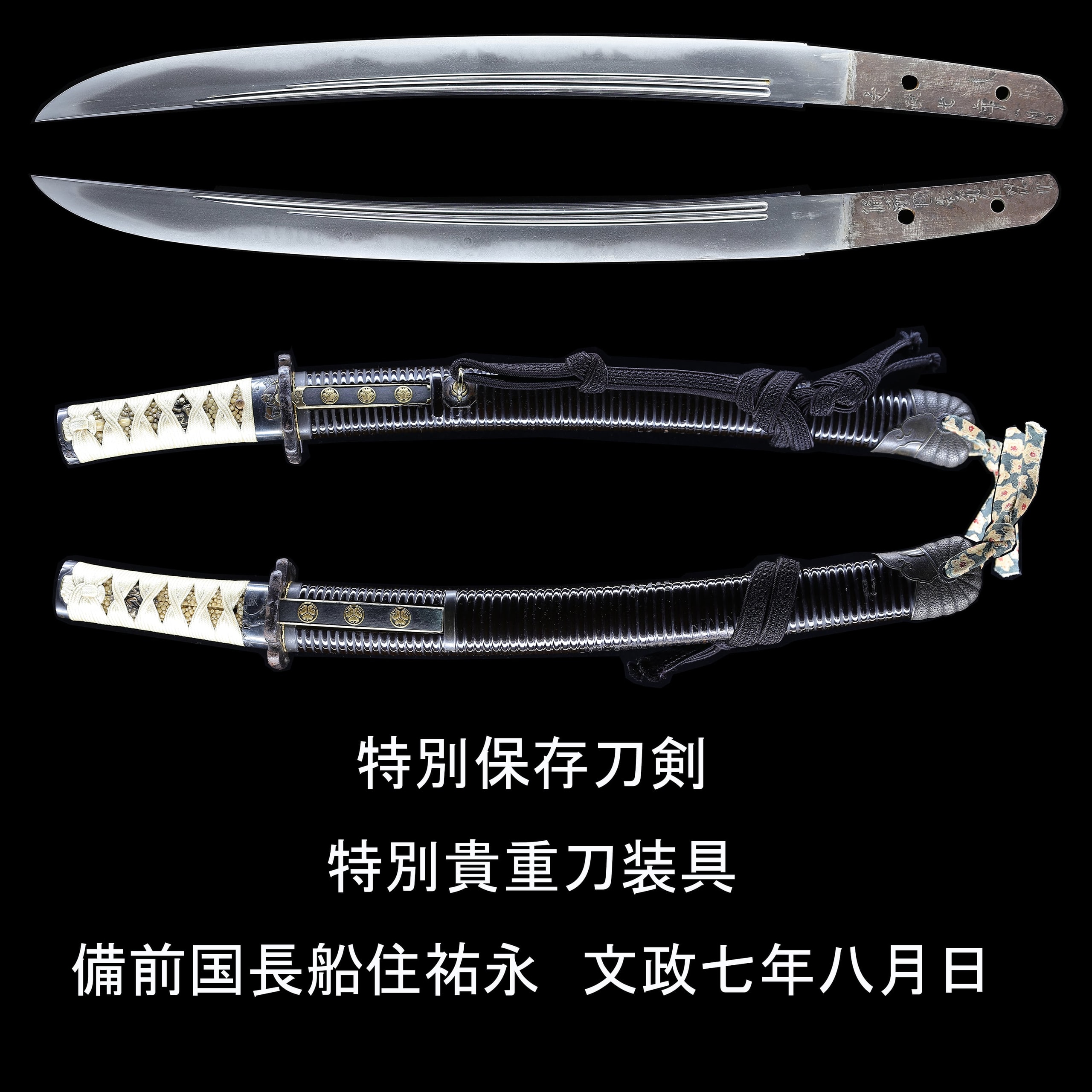
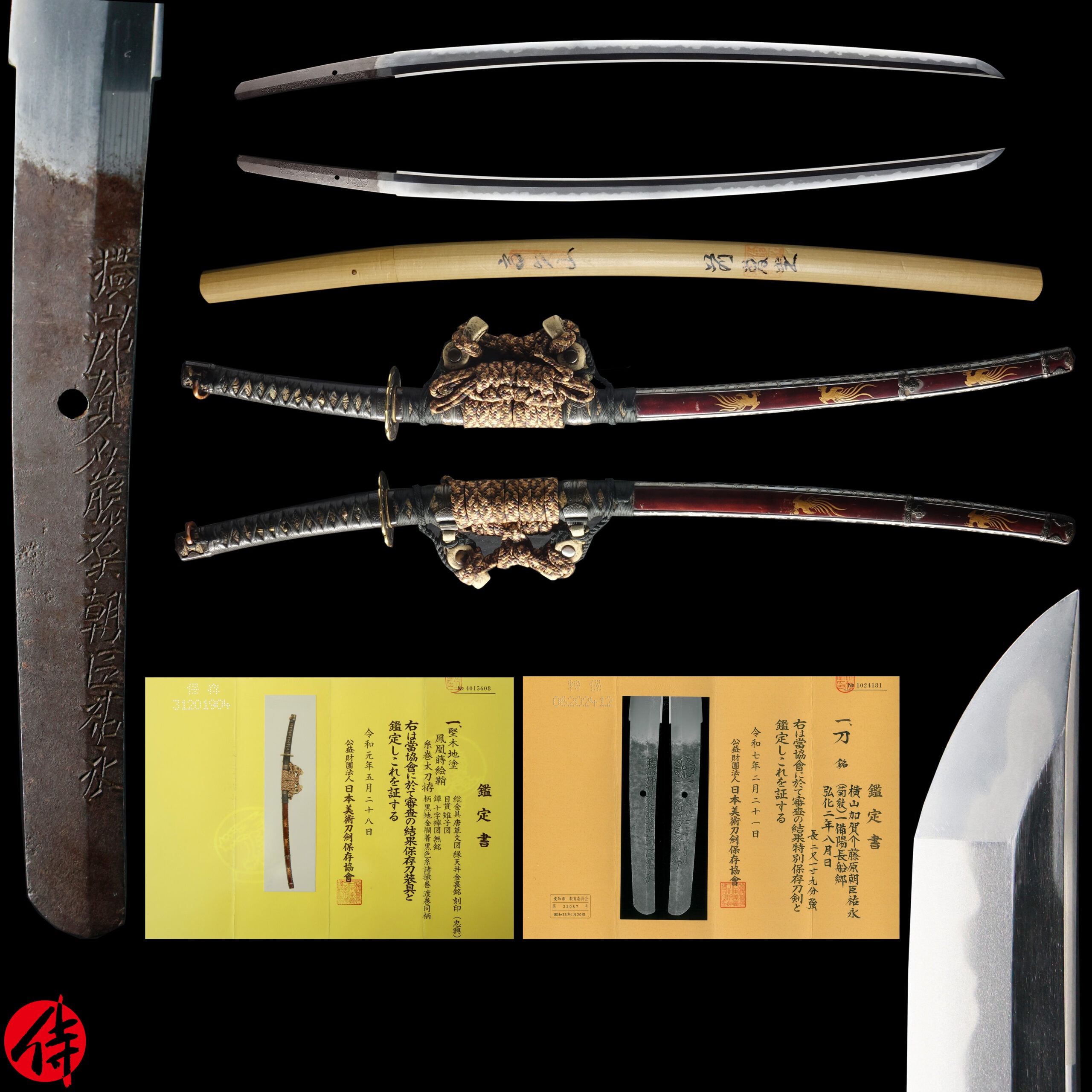
Antique Japanese Sword Katana Signed by Yokoyama Sukenaga NBTHK Tokubetsu Hozon for the blade& Hozon for the Koshirae
売却済
世界81社の刀剣商を横断追跡 · 価格履歴 · 売却アーカイブ
仕様
長さ
66.4 cm
反り
2 cm
Antique Japanese Sword Katana Signed by Yokoyama Sukenaga with NBTHK Tokubetsu Hozon Certificate 【Description】 This blade was signed by Yokoyama Kaga no Suke Fujiwara Ason Sukenaga (横山加賀介藤原朝臣祐永) in the 2nd year of the Kouka era (1845: The end of the Edo period). Sukenaga was active during the late Edo period (1830-1851). He is one of the most famous swordsmiths in Bizen province at the end of the Edo period (Bakumatsu). Born as the second son of Yokoyama Sukehira, he belonged to the school run by his father in Bizen province (today’s Okayama prefecture). The headquarters of this school is Osafune School . While the first son of Sukehira was adopted by Shichi Heibei Sukesada, Sukenaga, as the second son, took over Sukehira’s school and became the head. In the 4th year of the Tenpo era (1837), he received an honorable official title, Kaga no Suke, from the imperial court for his excellent craftsmanship. He called himself the 56th-gen of Tomonari, a renowned swordsmith in the mid-late Heian period in Bizen province. Sukenaga was allowed to inscribe a chrysanthemum emblem, which is the symbol of the Japanese emperor. His sword-forging technique was so great that the emperor allowed him to use this emblem, which was quite honorable for any swordsmith. He died at the age of 57 in the 4th year of the Ka-Ei era (1851). He also inscribed Ichi (一: One in English) on the tang, which is the symbol of Bizen Ichimonji school. There were only selected skilled swordsmiths who were allowed to inscribe this letter in Bizen province back in the day. About Sukesada school Sukenaga’s ancestors dated back to Sukesada school, one of the most famous schools, and flourished for generations among Osafune schools (The head branch). There were various styles forged by the generations of Sukesada during the Muromachi-Edo period. There were about 60 swordsmiths who used Sukesada as his maker’s name in Samurai history. The swordsmiths in Bizen produced many swords during the Muromachi period, as it was in the middle of the Sengoku period(Warring State period). The demand for weapons increased among strong feudal lords. However, The sword-forging tradition of Bizen province almost disappeared because of the disastrous flood of the Yoshii River (1591), which was close to Osafune school. Even after everything was destroyed, there were few remaining swordsmiths. One of them was a group of swordsmiths who signed Sukesada. The main member of the school was Yokoyama Fujishiro Sukesada, the fourth head of Sukesada School. And one of his children was Shichibei no Jyo Sukesada (七兵衛尉祐定). They became one of the pioneers that revitalized the sword-forging business in Bizen province. Sukenaga was a descendant of this Sukesada. The history of Osafune School It is said that Osafune school was founded by Mitsutada (光忠), who was active during the mid-Kamakura period. Bizen Osafune school was the biggest one of all other schools in Bizen province, and they received many orders from feudal lords or renowned Samurai. They were called Osafunemono and beloved by Samurai warriors. Among the swordsmiths who belonged to this school, Nagamitsu, Sanenaga, and Kagemitsu are known as Osafune Sansaku, the three renowned Osafune swordsmiths. There are also four other prominent swordsmiths who were from Bizen Osafune school. They are called Osafune Shiten-no, the four masters of Osafune school. Their names are Nagamitsu, Kanemitsu, Nagayoshi, and Motoshige. BIZEN is located near the Chugoku Mountains, where iron sands, one of the essential materials for making Japanese swords, were abundant. Furthermore, BIZEN swordsmiths had close access to Yoshi River, where they could find water and charcoal. This geological location contributed to the swordsmiths forging high-quality refined blades. We presume BIZEN was quite active in sword-forging from ancient times. It is said that BIZEN DEN was created by groups of swordsmiths there during the late Heian era (Late 12th century ). These ancient swor
 NihontoWatchBETA
売却済
世界81社の刀剣商を横断追跡 · 価格履歴 · 売却アーカイブ
66.4 cm
2 cm
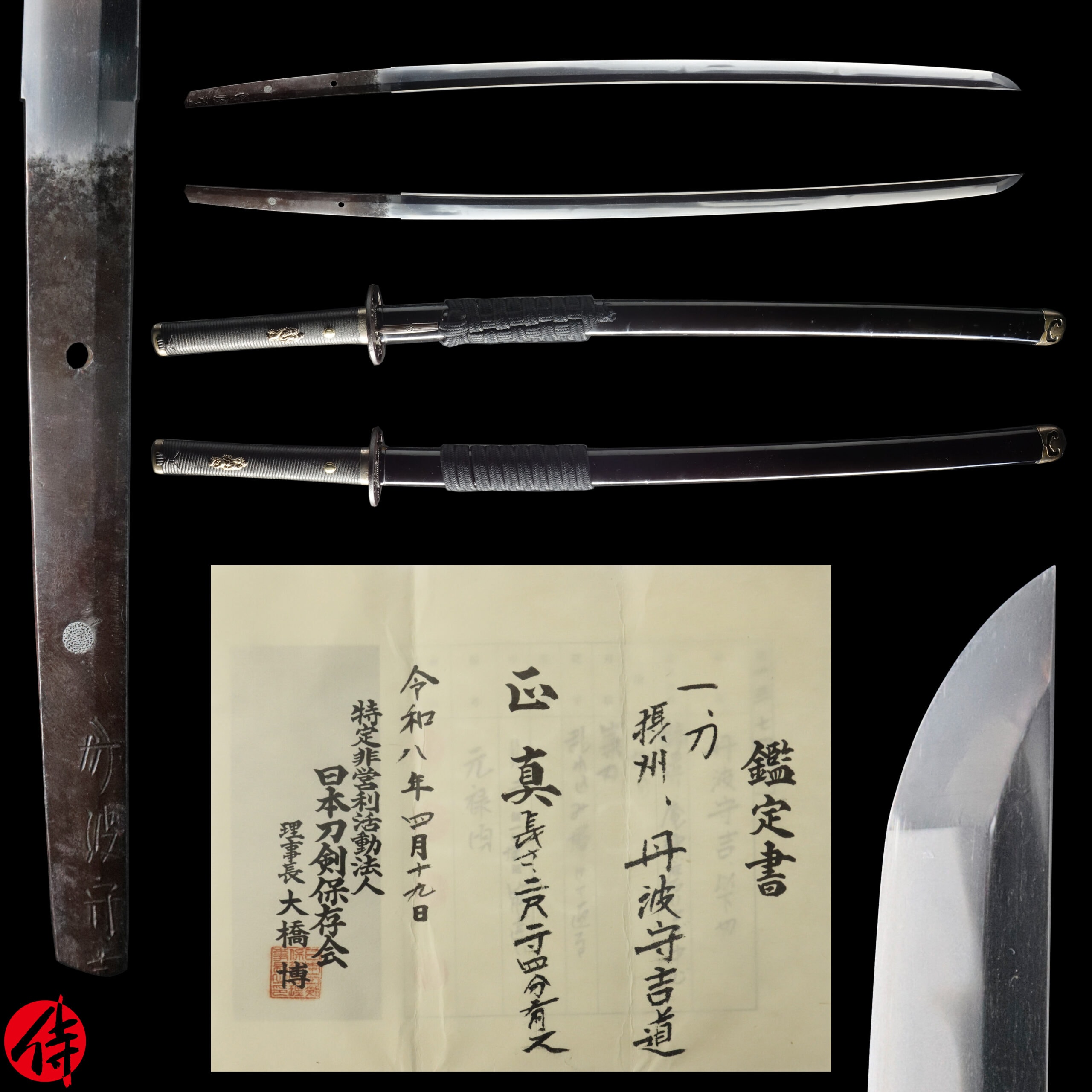
Mid Edo Katana signed by Tanba no Kami Yoshimichi for sale| Samurai Museum Shop E-mail FB Messenger Skip to content Menu Close Samurai Museum Shop Products Antique Japanese Sword Katana signed by Tanba no Kami Yoshimichi NTHK Kanteisho Certificate Updated: 22 Jun 2026 Antique Japanese Sword Katana signed by Tanba no Kami Yoshimichi NTHK Kanteisho Certificate
$7,441
Muromachi Katana signed by Naminohira Yasuhide for sale
$7,751
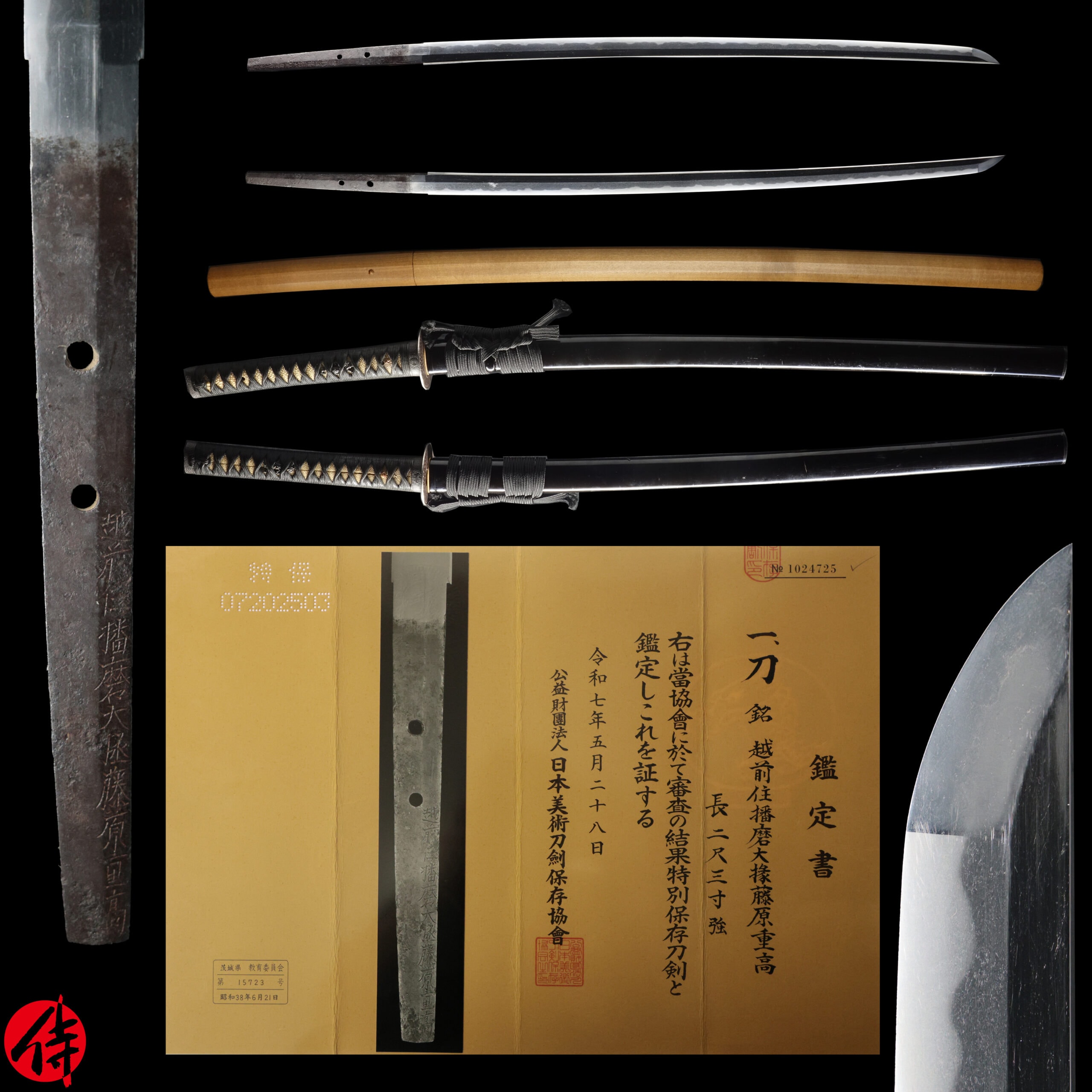
Early Edo Nihonto signed by Shigetaka for sale
$7,131
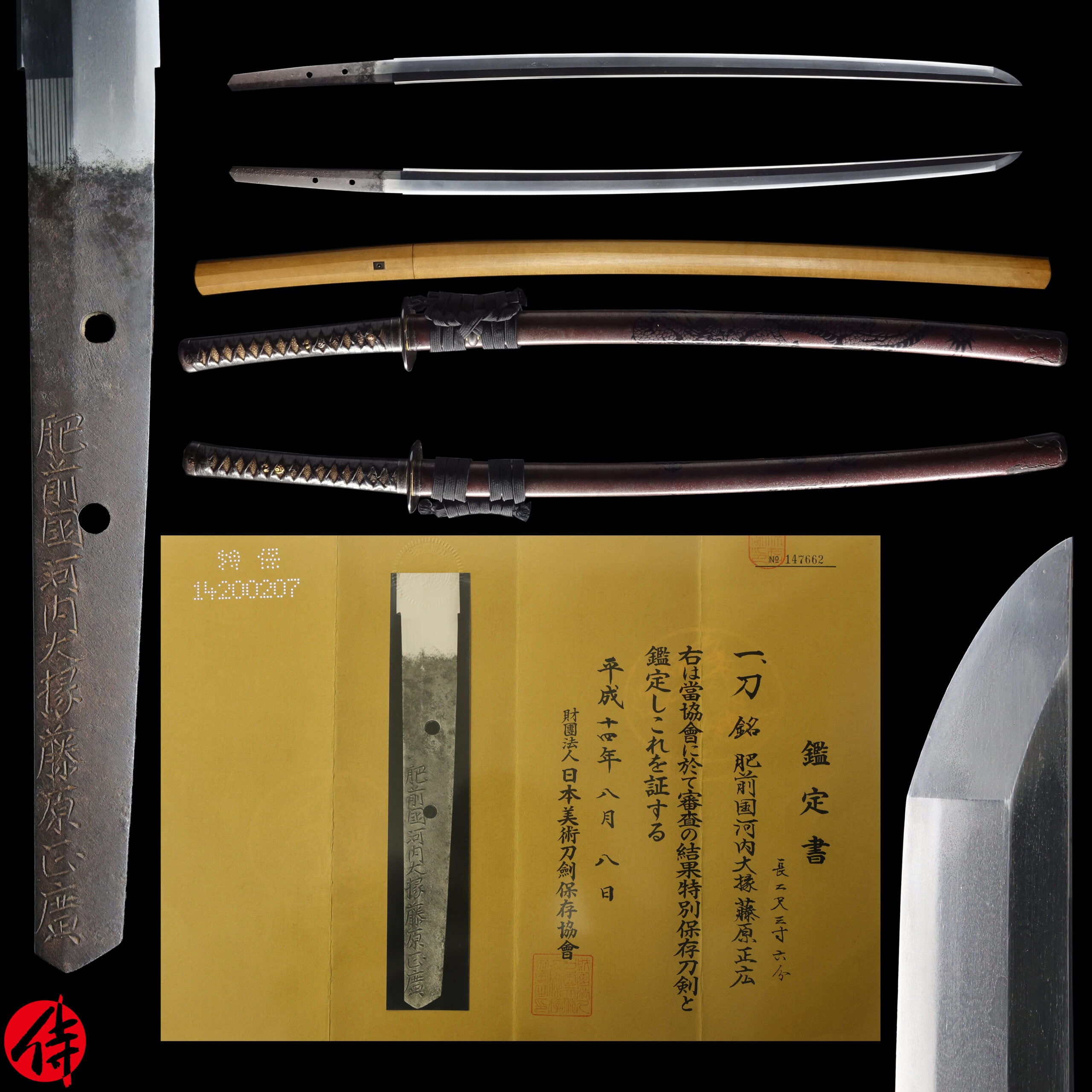
Antique Japanese Sword Katana Signed by Masahiro NBTHK Tokubetsu Hozon Certificate
$7,751
Antique Japanese Sword Katana Signed by Yokoyama Sukenaga with NBTHK Tokubetsu Hozon Certificate 【Description】 This blade was signed by Yokoyama Kaga no Suke Fujiwara Ason Sukenaga (横山加賀介藤原朝臣祐永) in the 2nd year of the Kouka era (1845: The end of the Edo period). Sukenaga was active during the late Edo period (1830-1851). He is one of the most famous swordsmiths in Bizen province at the end of the Edo period (Bakumatsu). Born as the second son of Yokoyama Sukehira, he belonged to the school run by his father in Bizen province (today’s Okayama prefecture). The headquarters of this school is Osafune School . While the first son of Sukehira was adopted by Shichi Heibei Sukesada, Sukenaga, as the second son, took over Sukehira’s school and became the head. In the 4th year of the Tenpo era (1837), he received an honorable official title, Kaga no Suke, from the imperial court for his excellent craftsmanship. He called himself the 56th-gen of Tomonari, a renowned swordsmith in the mid-late Heian period in Bizen province. Sukenaga was allowed to inscribe a chrysanthemum emblem, which is the symbol of the Japanese emperor. His sword-forging technique was so great that the emperor allowed him to use this emblem, which was quite honorable for any swordsmith. He died at the age of 57 in the 4th year of the Ka-Ei era (1851). He also inscribed Ichi (一: One in English) on the tang, which is the symbol of Bizen Ichimonji school. There were only selected skilled swordsmiths who were allowed to inscribe this letter in Bizen province back in the day. About Sukesada school Sukenaga’s ancestors dated back to Sukesada school, one of the most famous schools, and flourished for generations among Osafune schools (The head branch). There were various styles forged by the generations of Sukesada during the Muromachi-Edo period. There were about 60 swordsmiths who used Sukesada as his maker’s name in Samurai history. The swordsmiths in Bizen produced many swords during the Muromachi period, as it was in the middle of the Sengoku period(Warring State period). The demand for weapons increased among strong feudal lords. However, The sword-forging tradition of Bizen province almost disappeared because of the disastrous flood of the Yoshii River (1591), which was close to Osafune school. Even after everything was destroyed, there were few remaining swordsmiths. One of them was a group of swordsmiths who signed Sukesada. The main member of the school was Yokoyama Fujishiro Sukesada, the fourth head of Sukesada School. And one of his children was Shichibei no Jyo Sukesada (七兵衛尉祐定). They became one of the pioneers that revitalized the sword-forging business in Bizen province. Sukenaga was a descendant of this Sukesada. The history of Osafune School It is said that Osafune school was founded by Mitsutada (光忠), who was active during the mid-Kamakura period. Bizen Osafune school was the biggest one of all other schools in Bizen province, and they received many orders from feudal lords or renowned Samurai. They were called Osafunemono and beloved by Samurai warriors. Among the swordsmiths who belonged to this school, Nagamitsu, Sanenaga, and Kagemitsu are known as Osafune Sansaku, the three renowned Osafune swordsmiths. There are also four other prominent swordsmiths who were from Bizen Osafune school. They are called Osafune Shiten-no, the four masters of Osafune school. Their names are Nagamitsu, Kanemitsu, Nagayoshi, and Motoshige. BIZEN is located near the Chugoku Mountains, where iron sands, one of the essential materials for making Japanese swords, were abundant. Furthermore, BIZEN swordsmiths had close access to Yoshi River, where they could find water and charcoal. This geological location contributed to the swordsmiths forging high-quality refined blades. We presume BIZEN was quite active in sword-forging from ancient times. It is said that BIZEN DEN was created by groups of swordsmiths there during the late Heian era (Late 12th century ). These ancient swor
NihontoWatchBETA売却済
世界81社の刀剣商を横断追跡 · 価格履歴 · 売却アーカイブ
66.4 cm
2 cm
Mid Edo Katana signed by Tanba no Kami Yoshimichi for sale| Samurai Museum Shop E-mail FB Messenger Skip to content Menu Close Samurai Museum Shop Products Antique Japanese Sword Katana signed by Tanba no Kami Yoshimichi NTHK Kanteisho Certificate Updated: 22 Jun 2026 Antique Japanese Sword Katana signed by Tanba no Kami Yoshimichi NTHK Kanteisho Certificate
$7,441
Muromachi Katana signed by Naminohira Yasuhide for sale
$7,751
Early Edo Nihonto signed by Shigetaka for sale
$7,131
Antique Japanese Sword Katana Signed by Masahiro NBTHK Tokubetsu Hozon Certificate
$7,751