説明

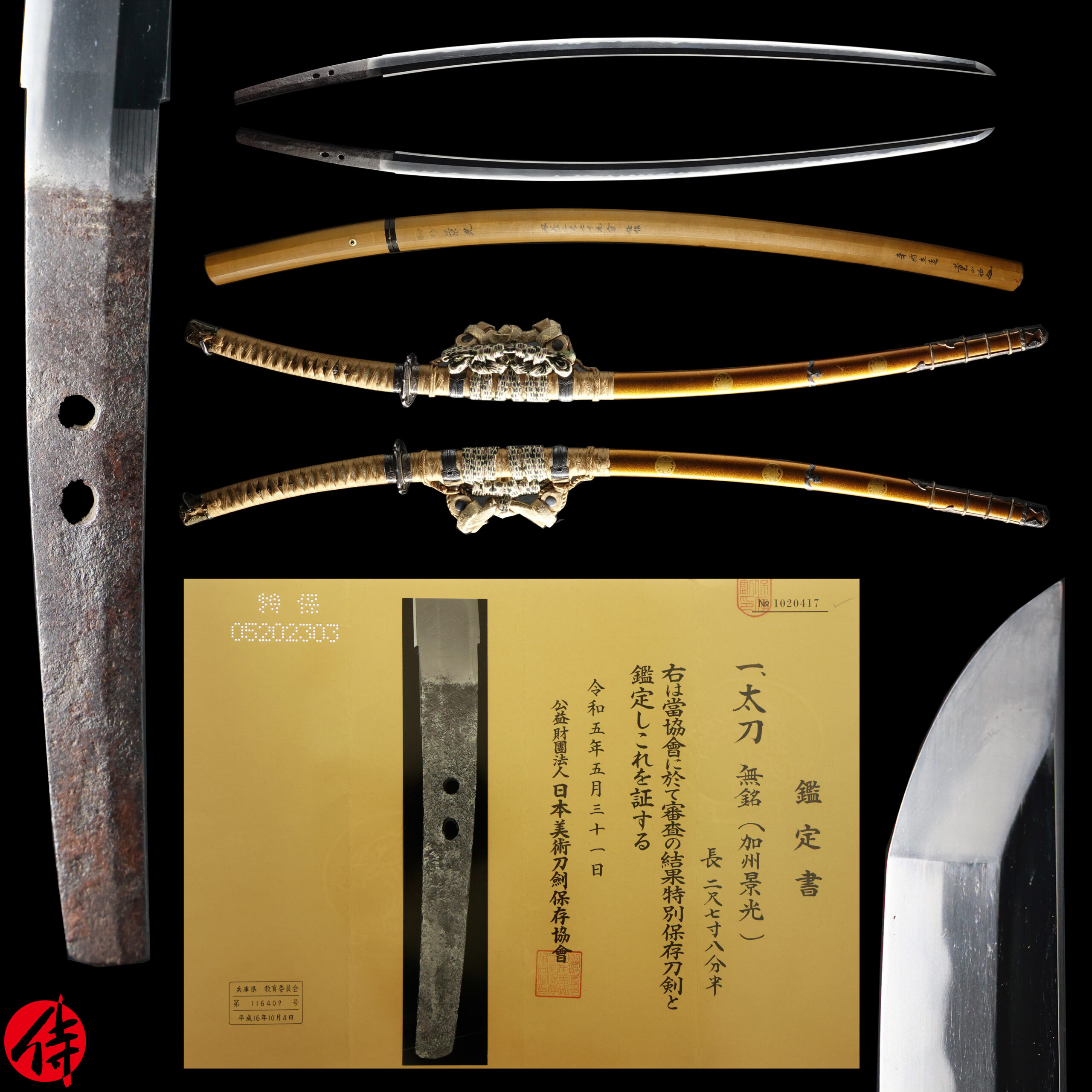
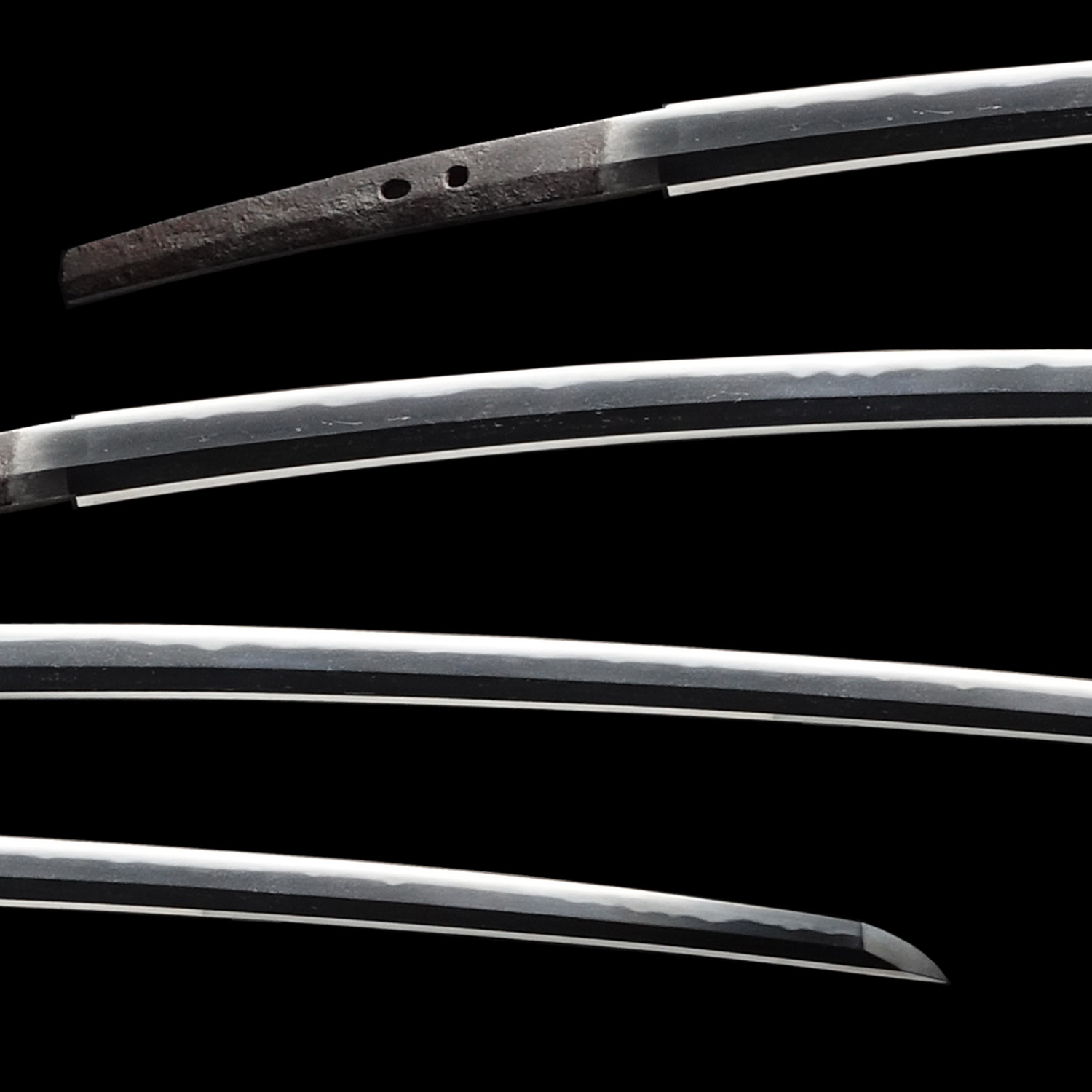
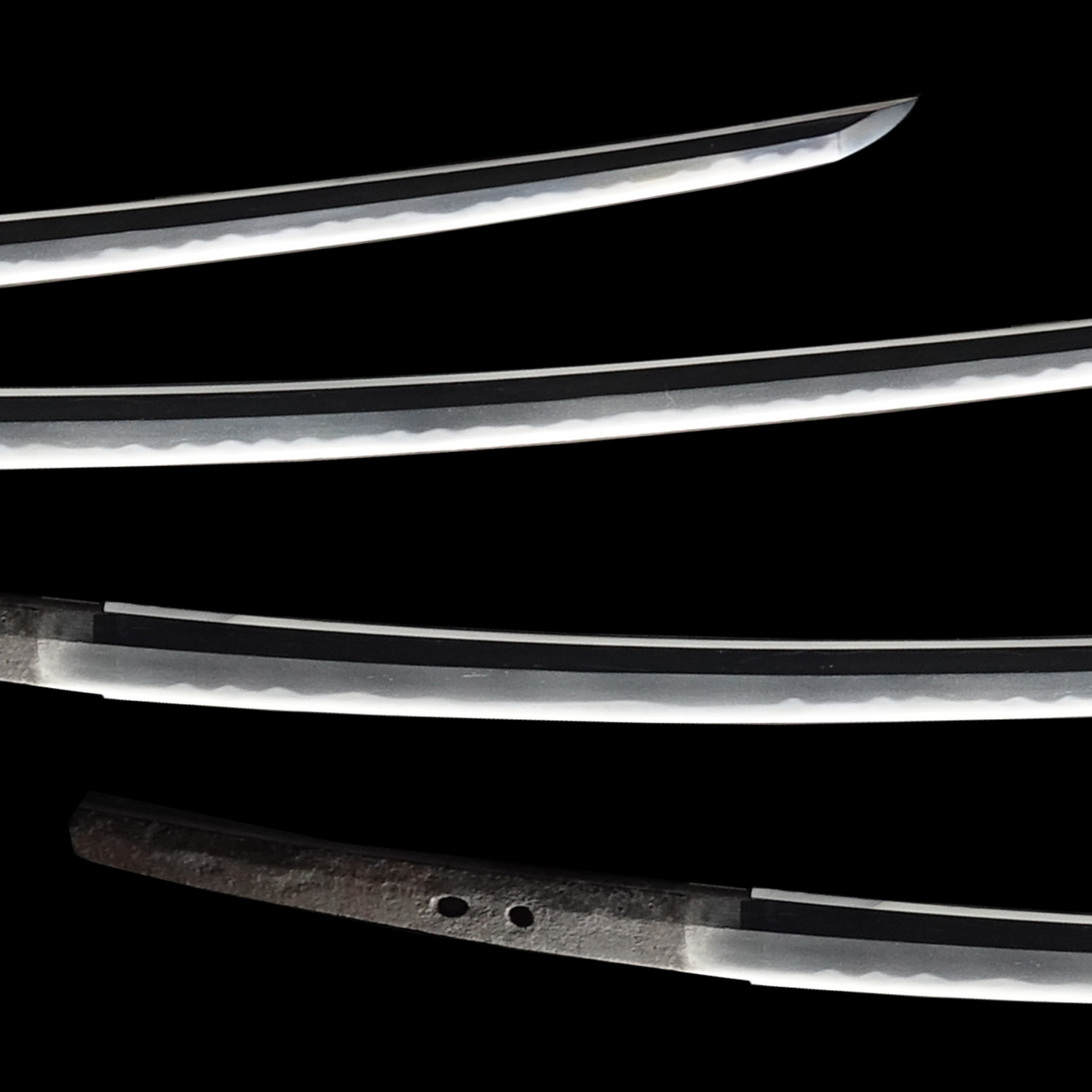
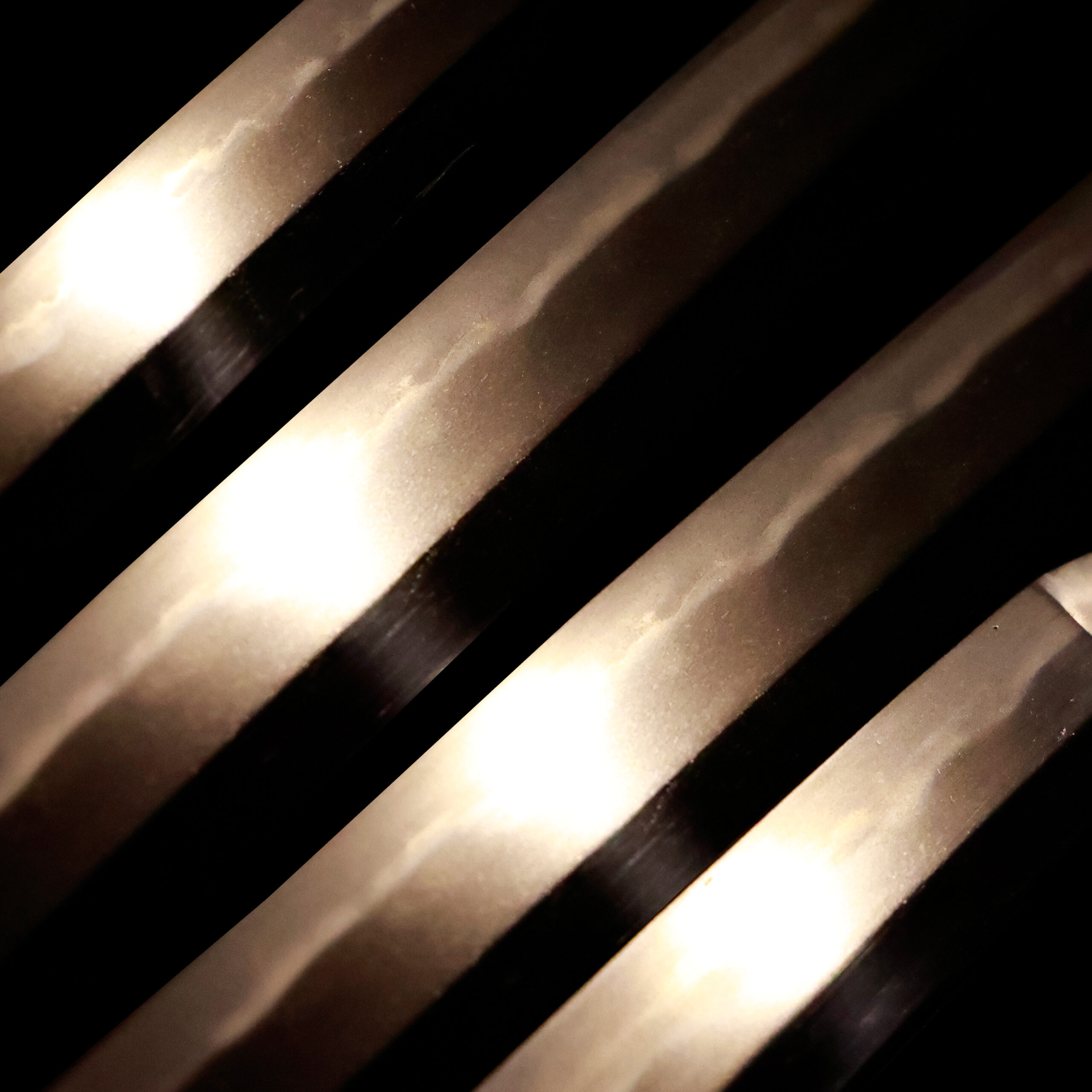
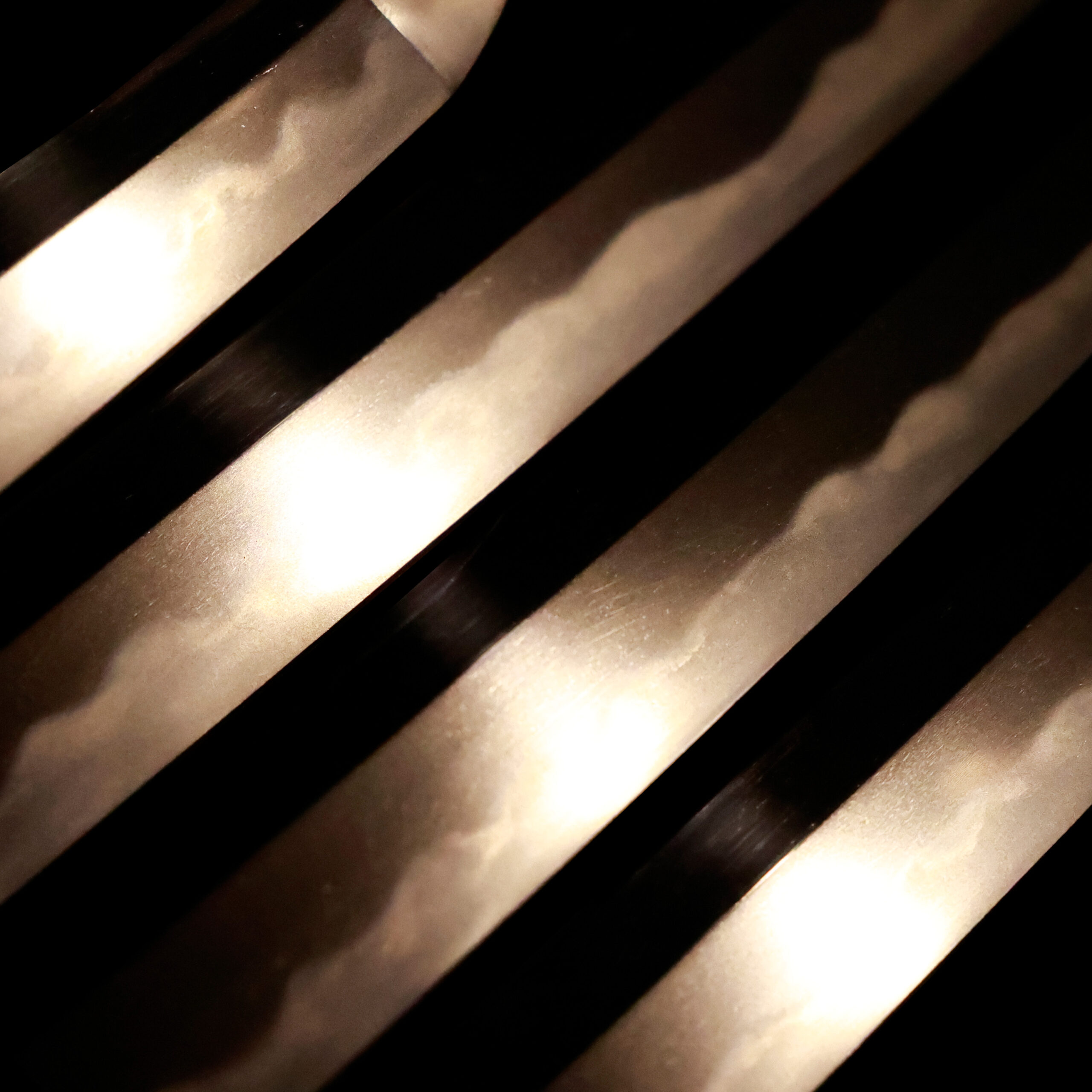
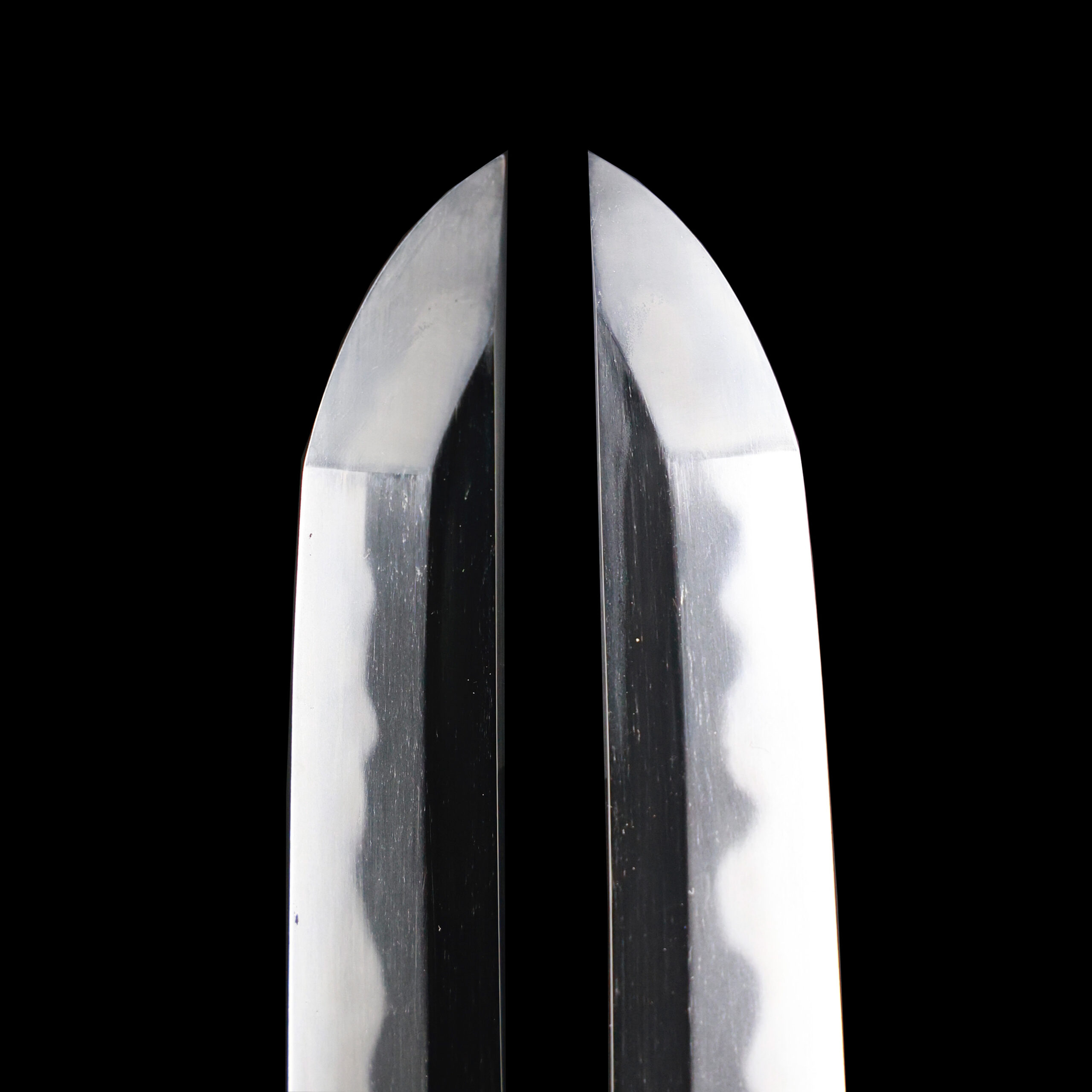
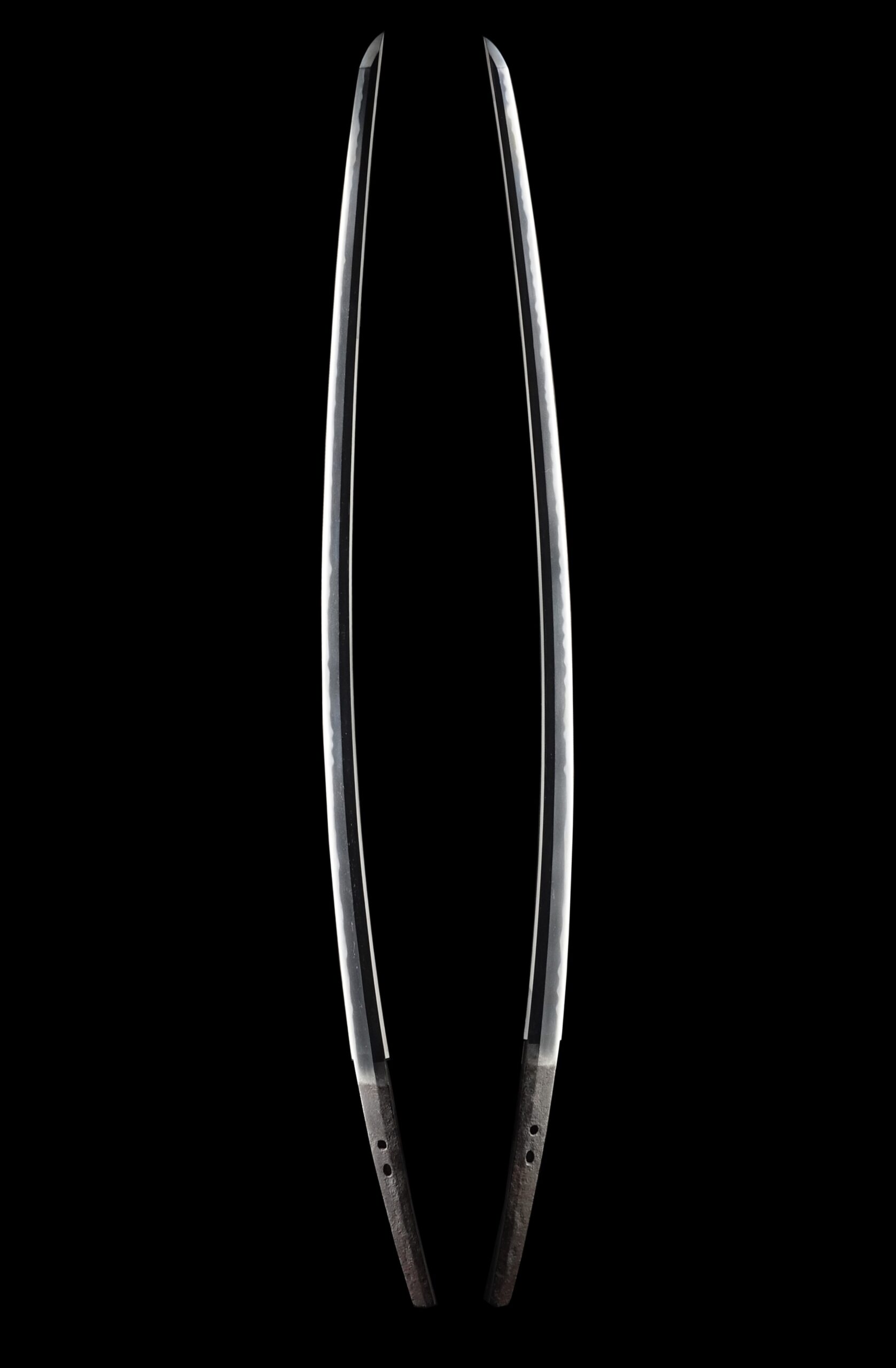
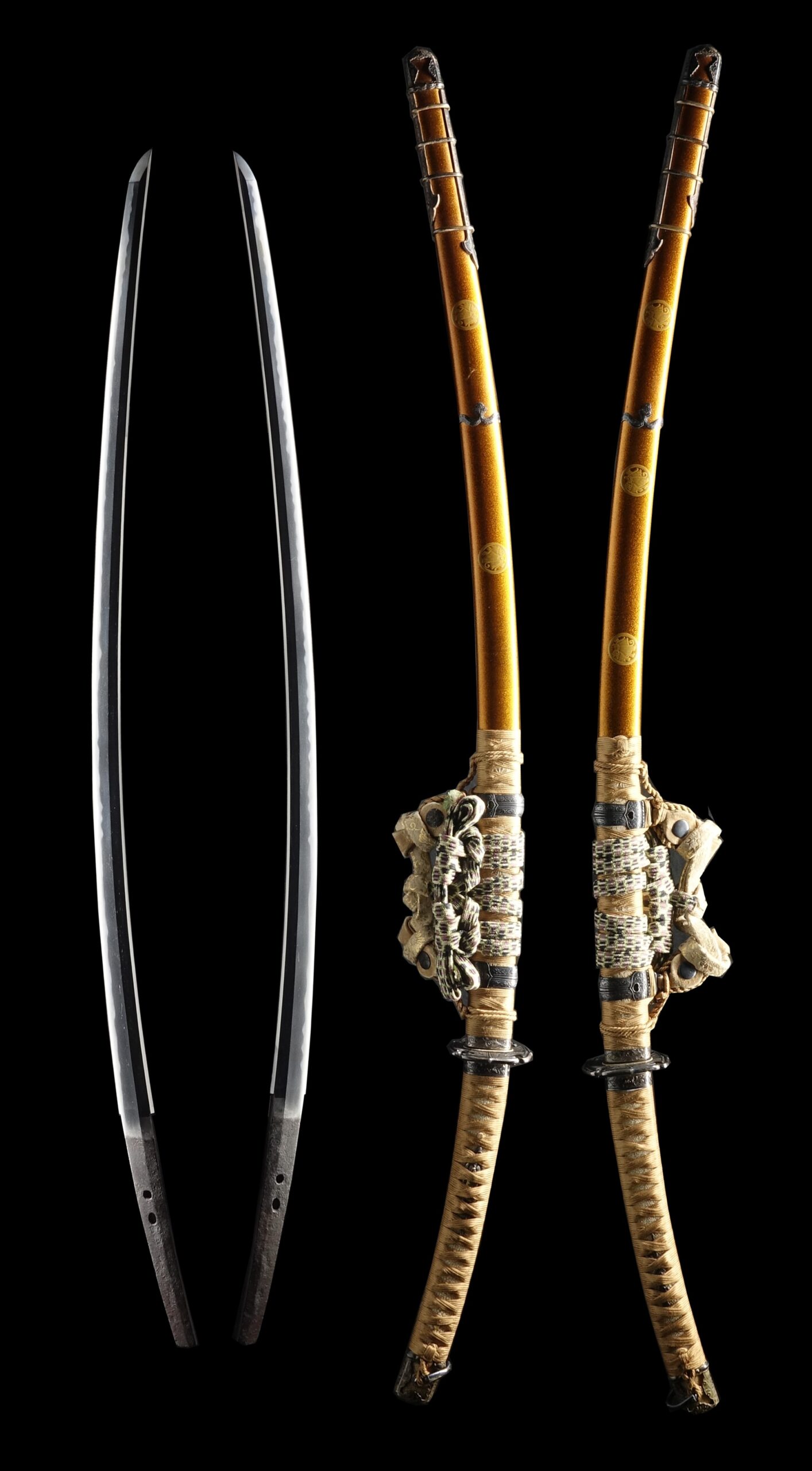
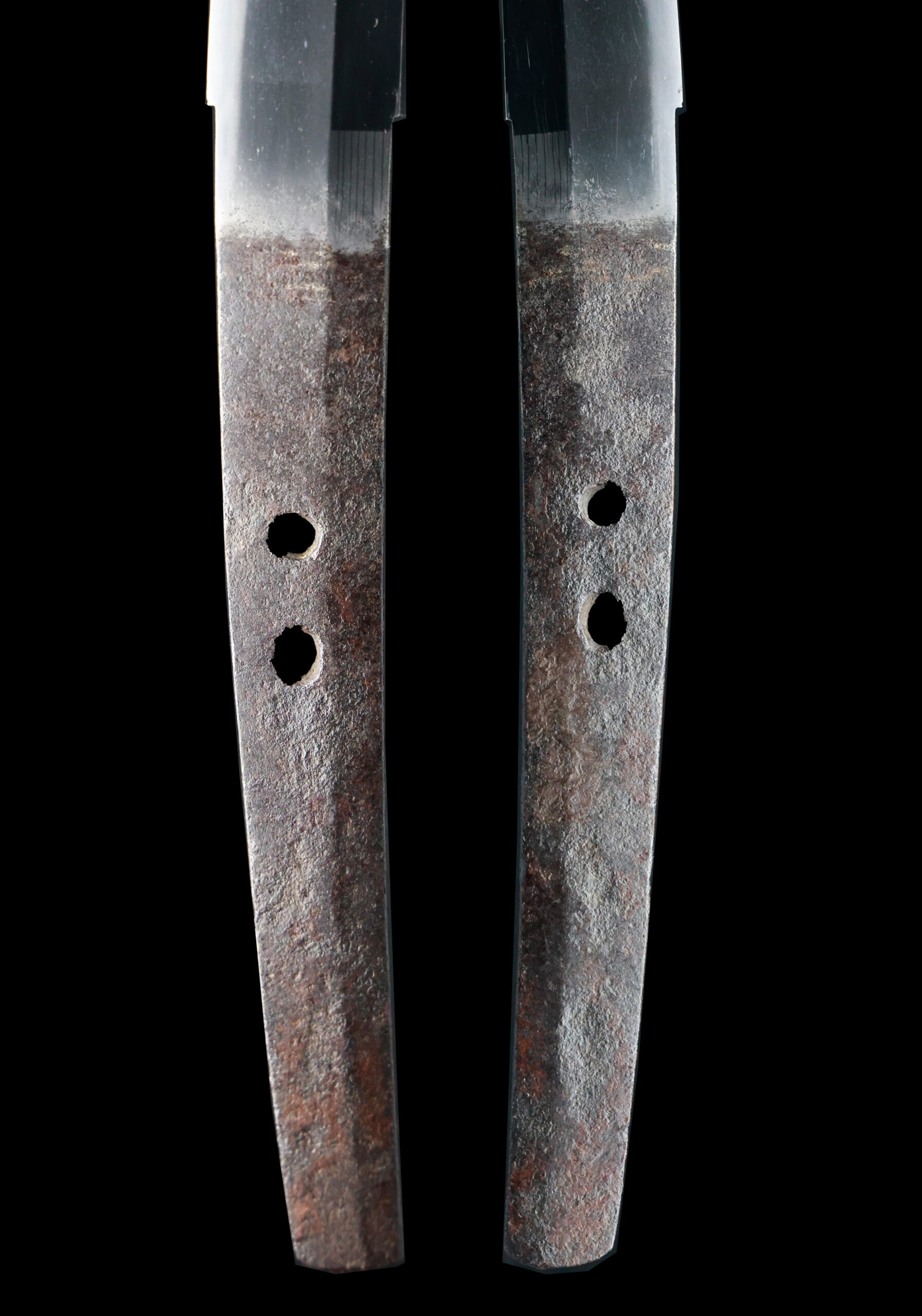
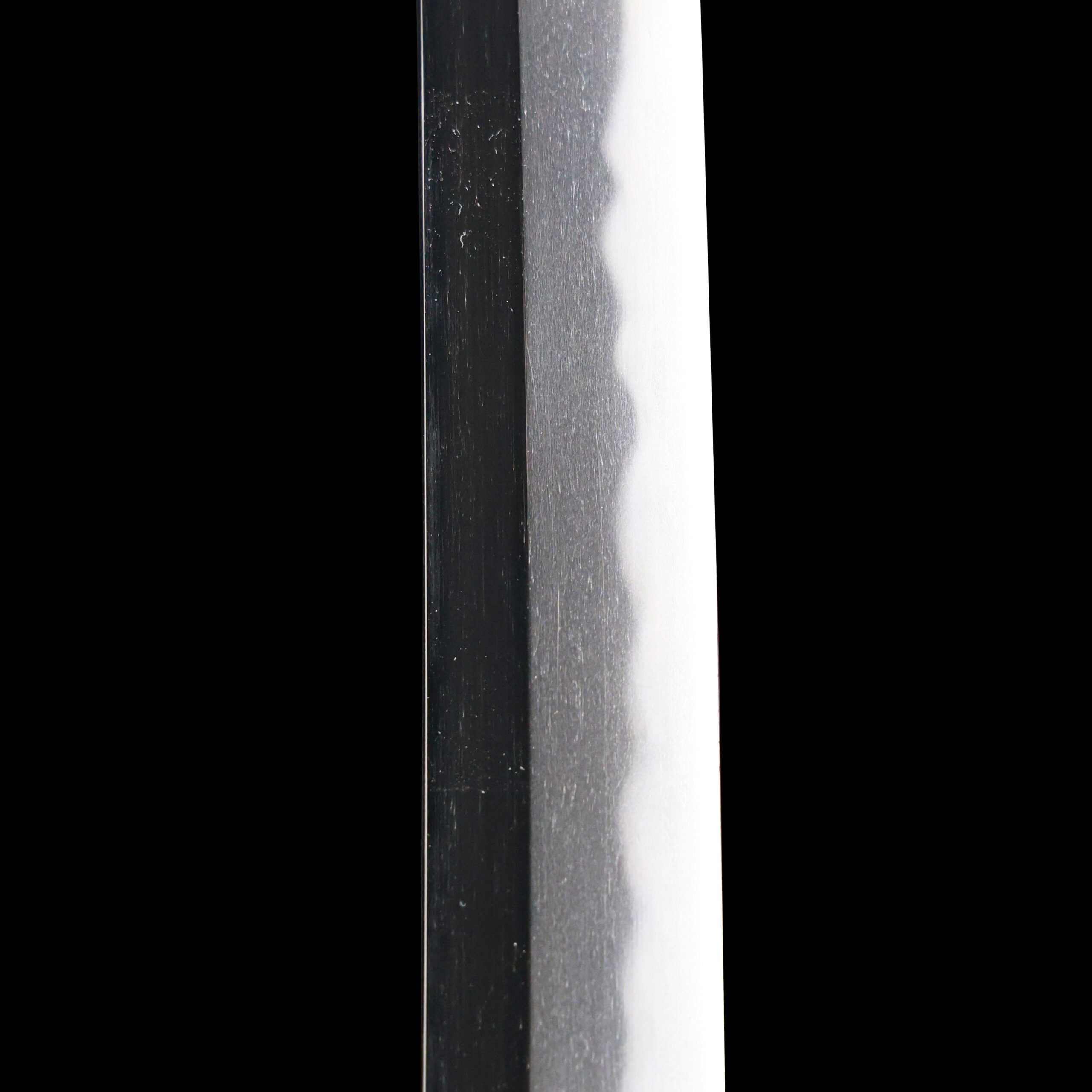
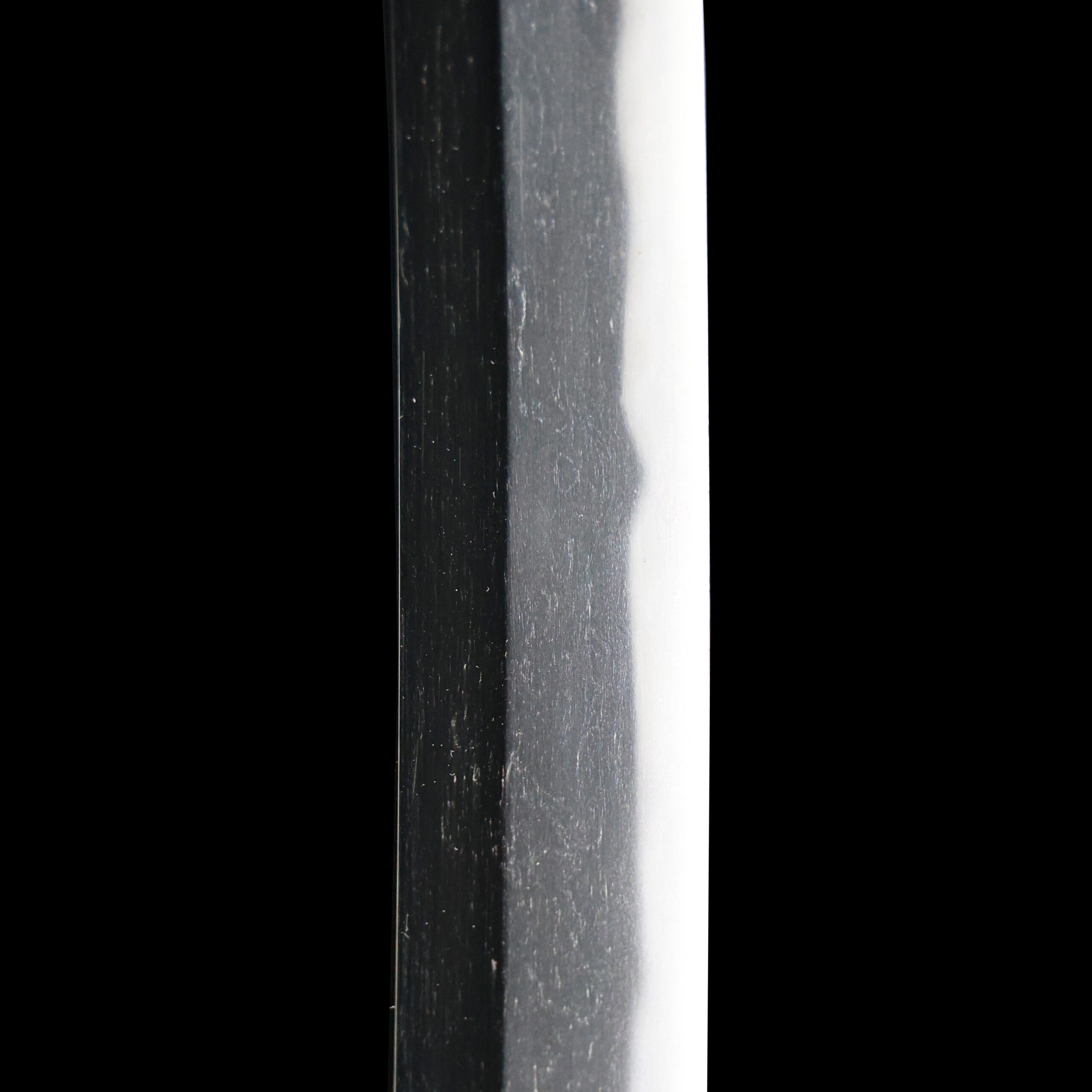
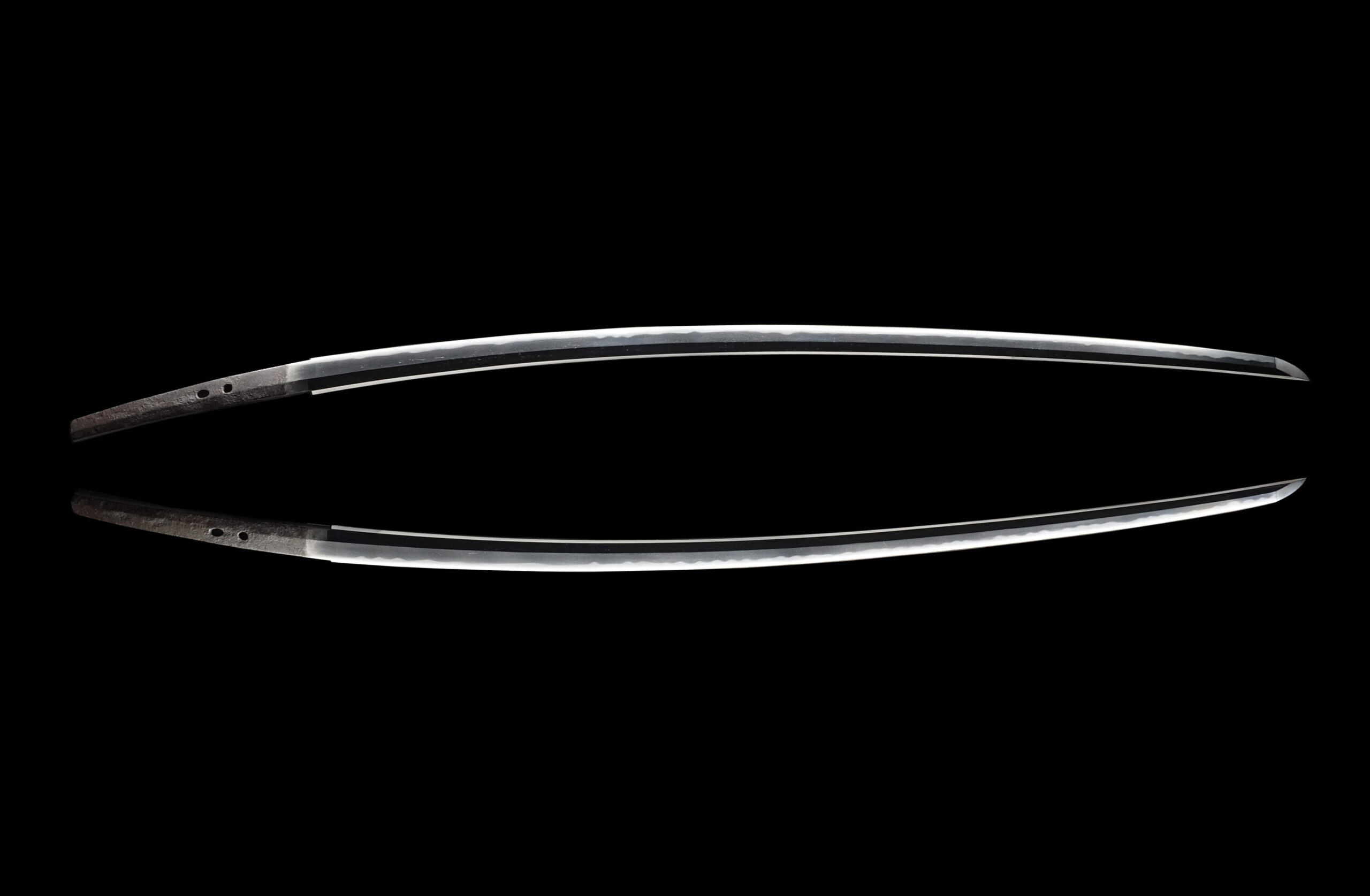
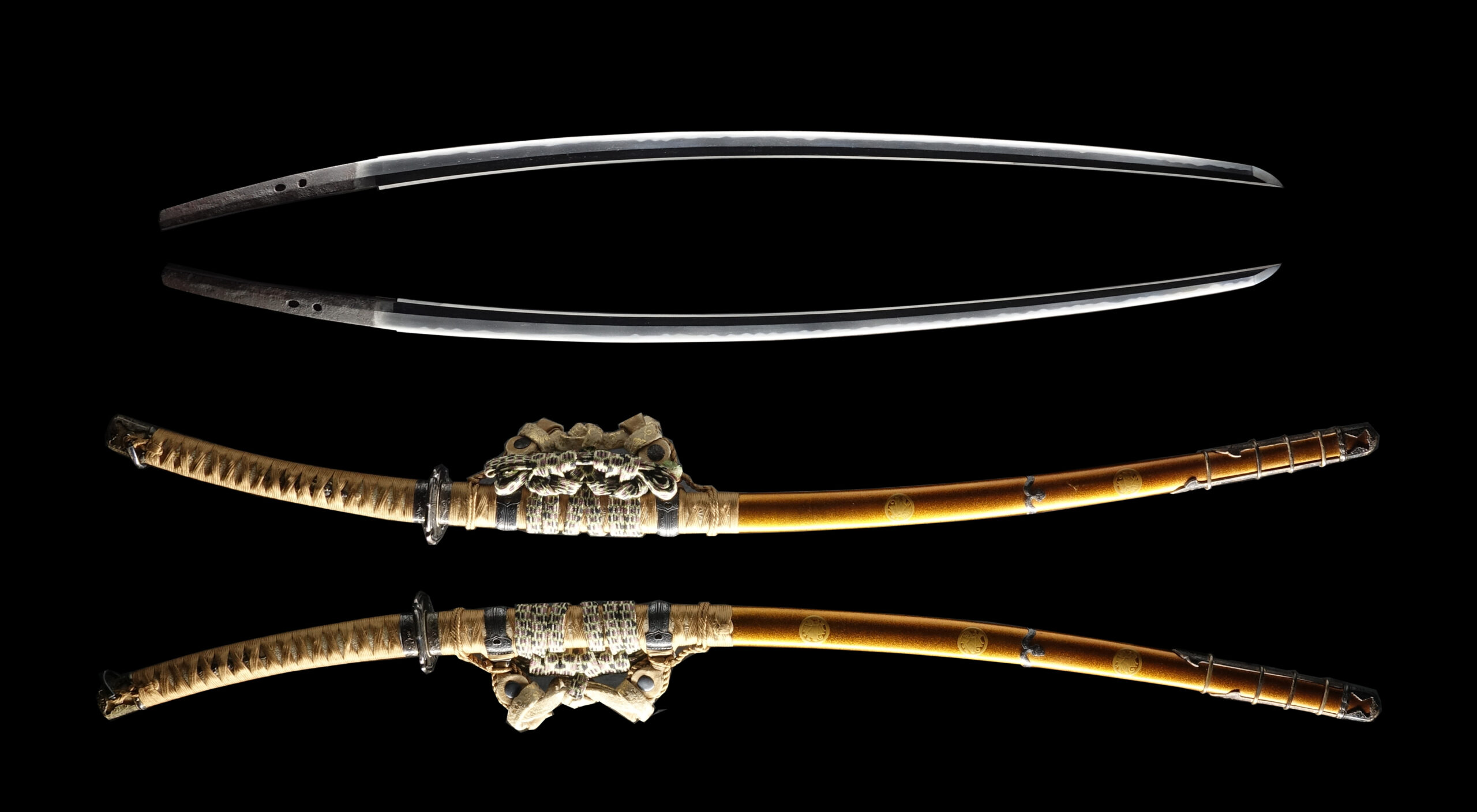
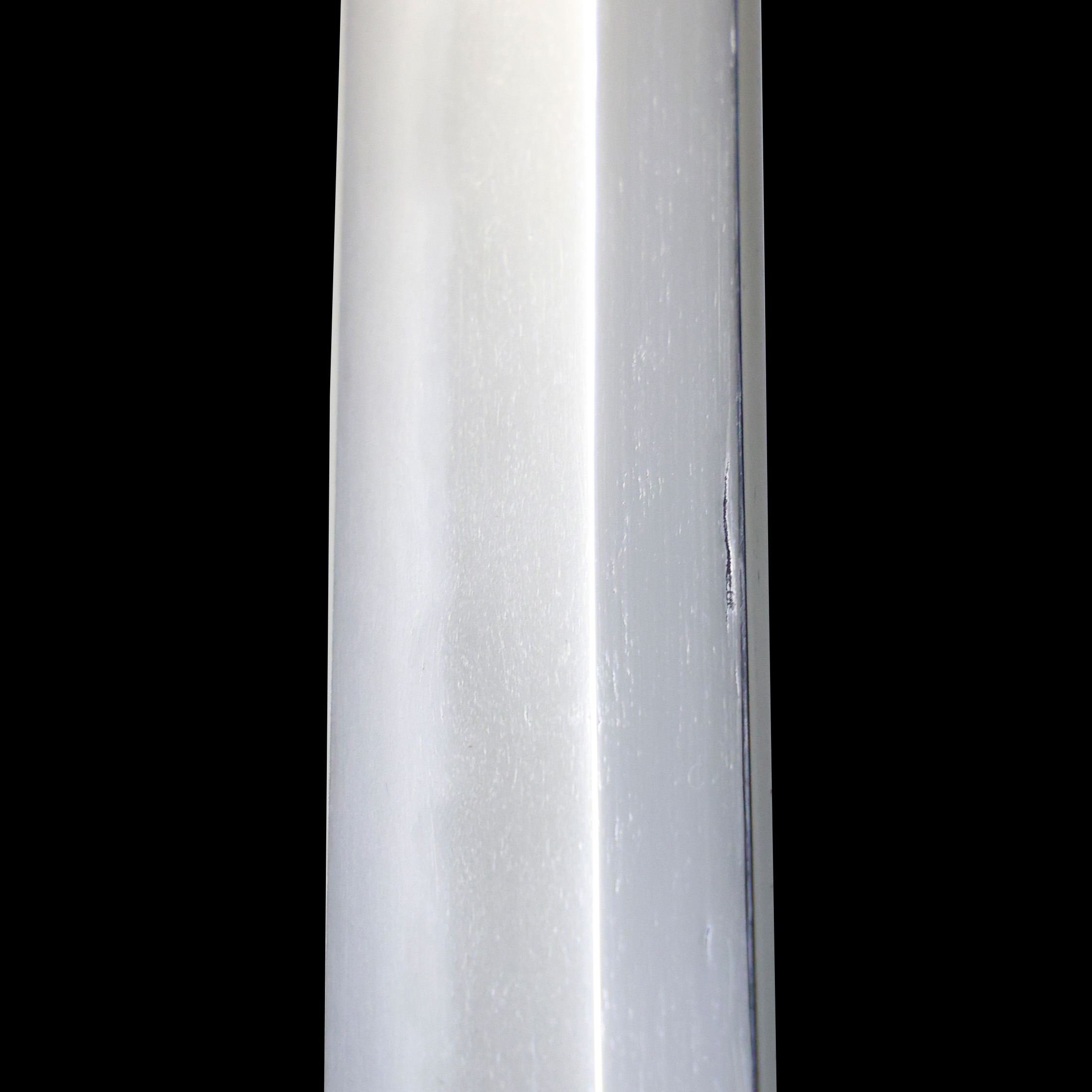
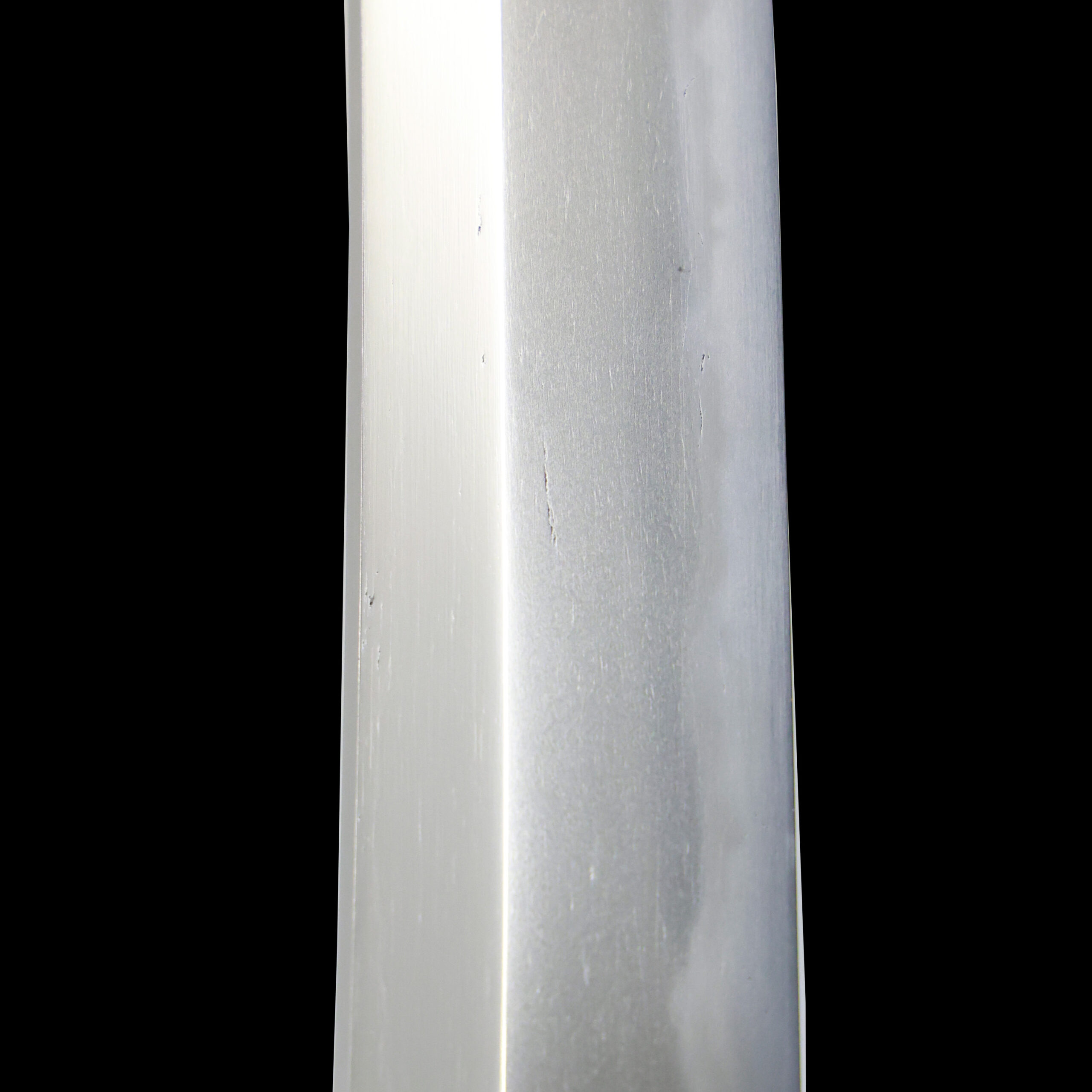
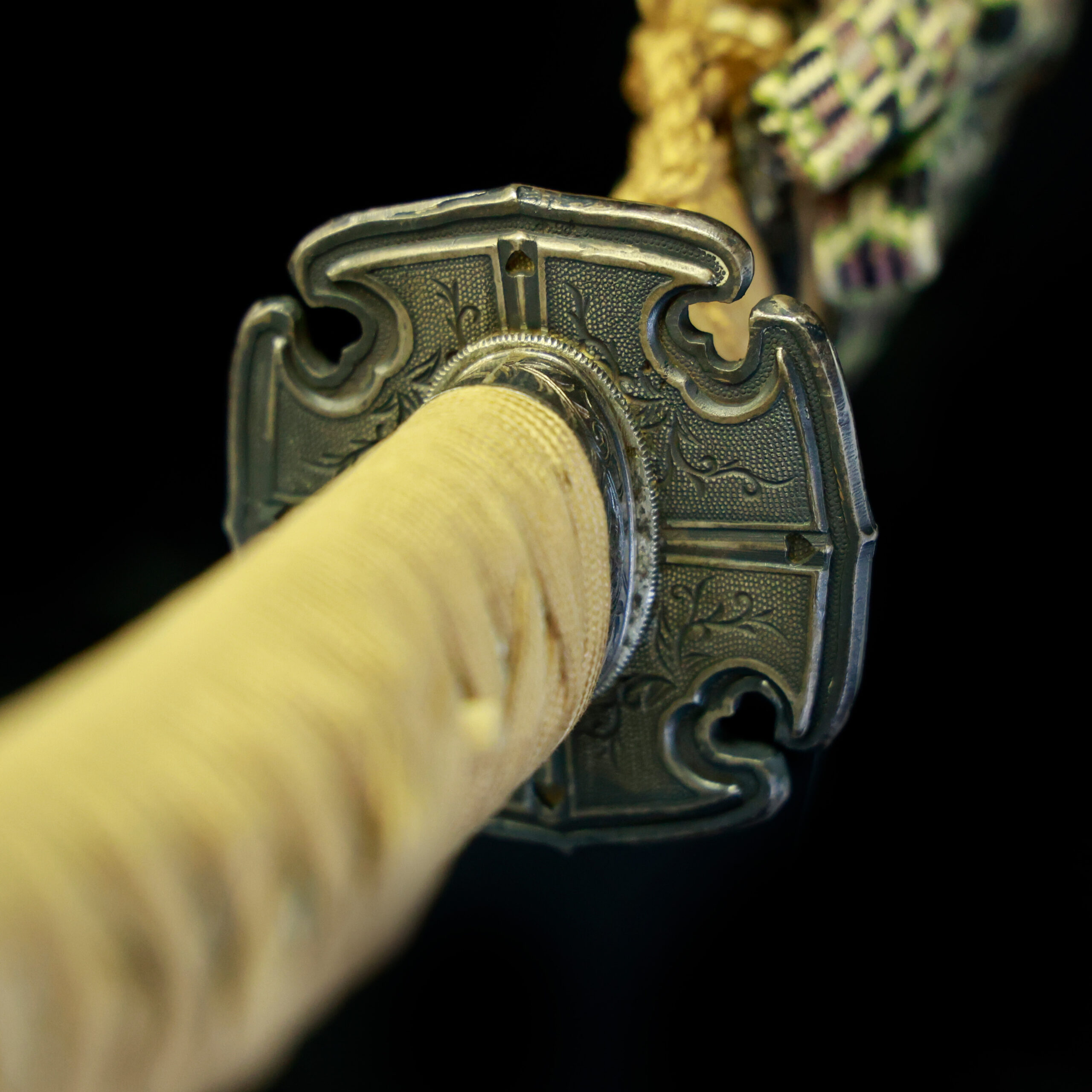
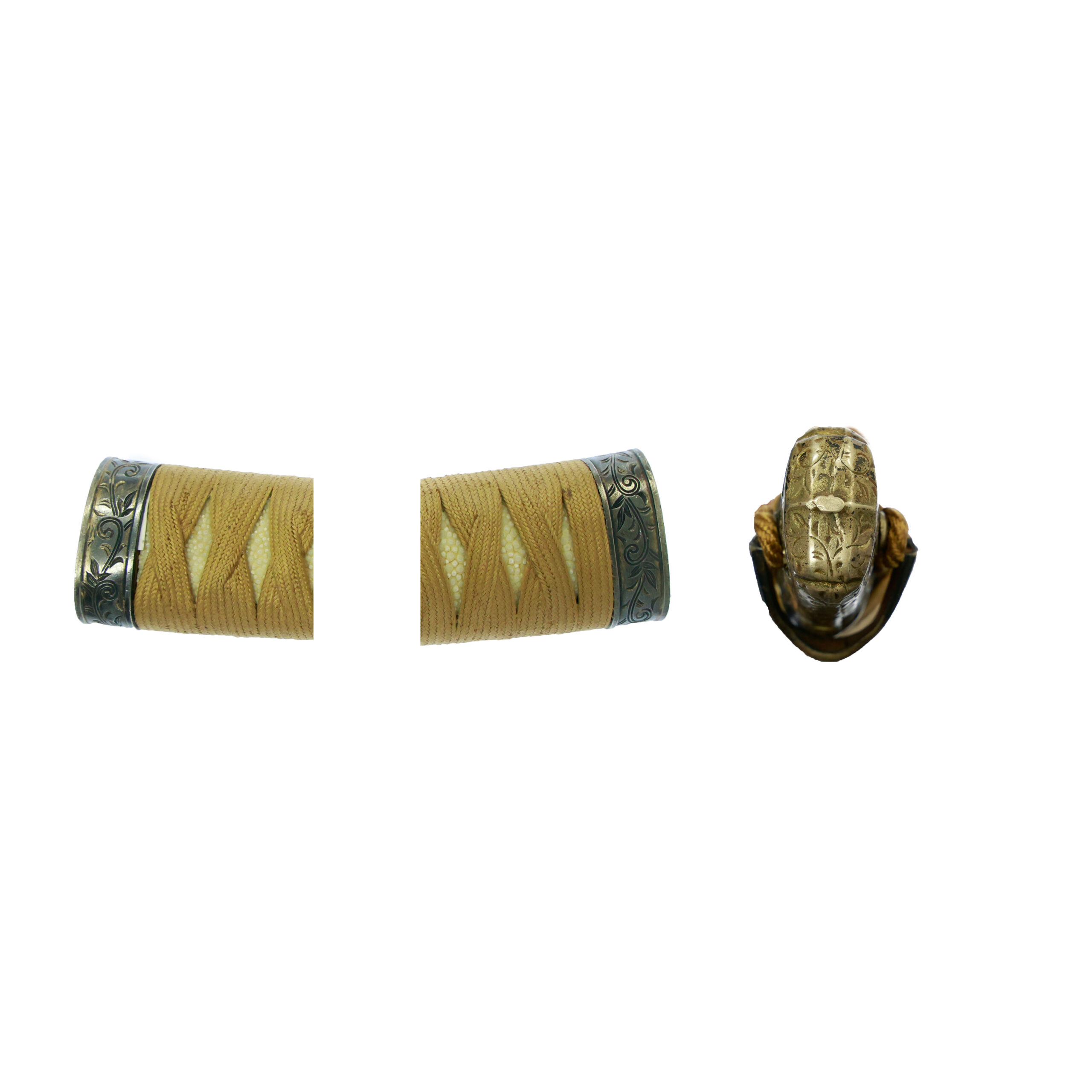
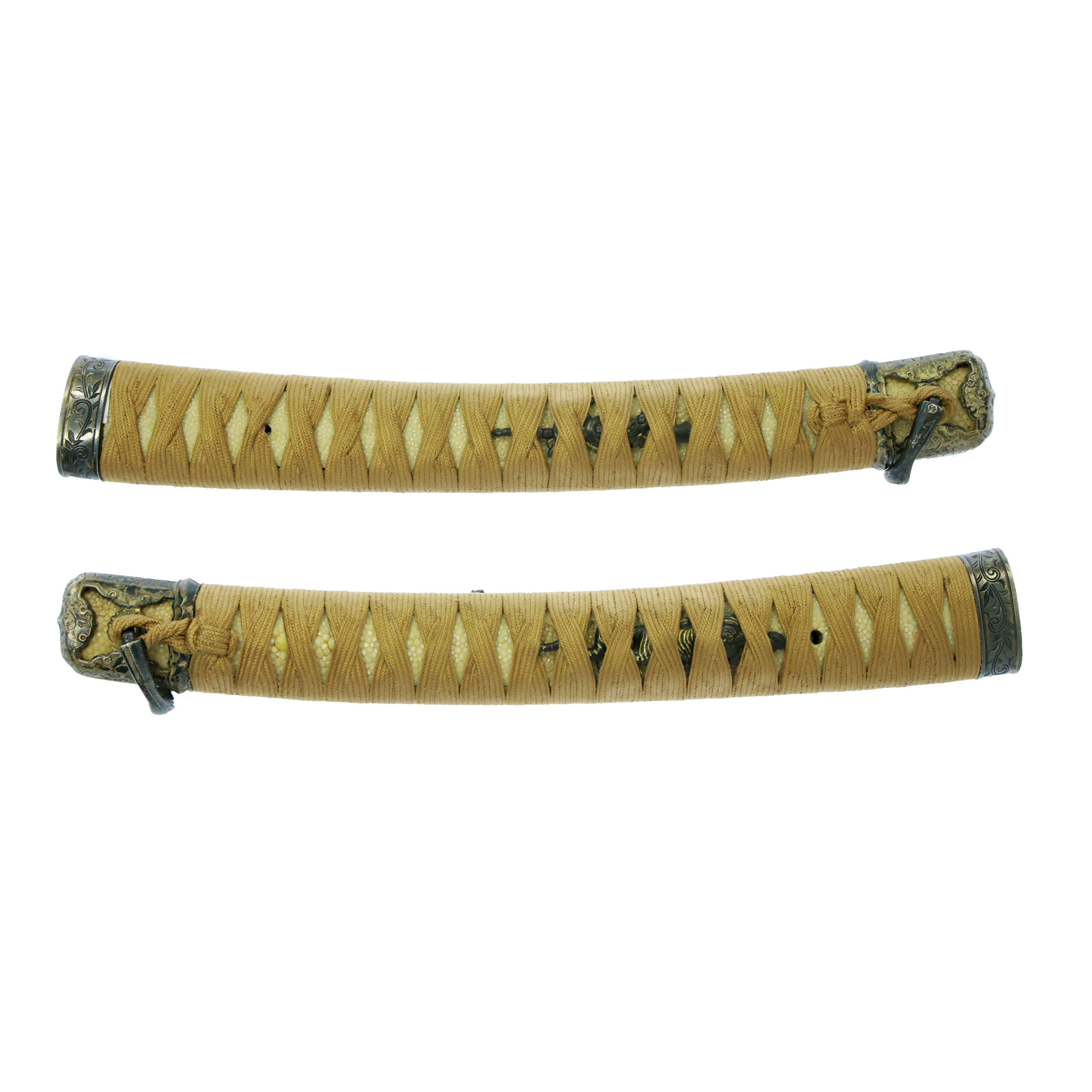
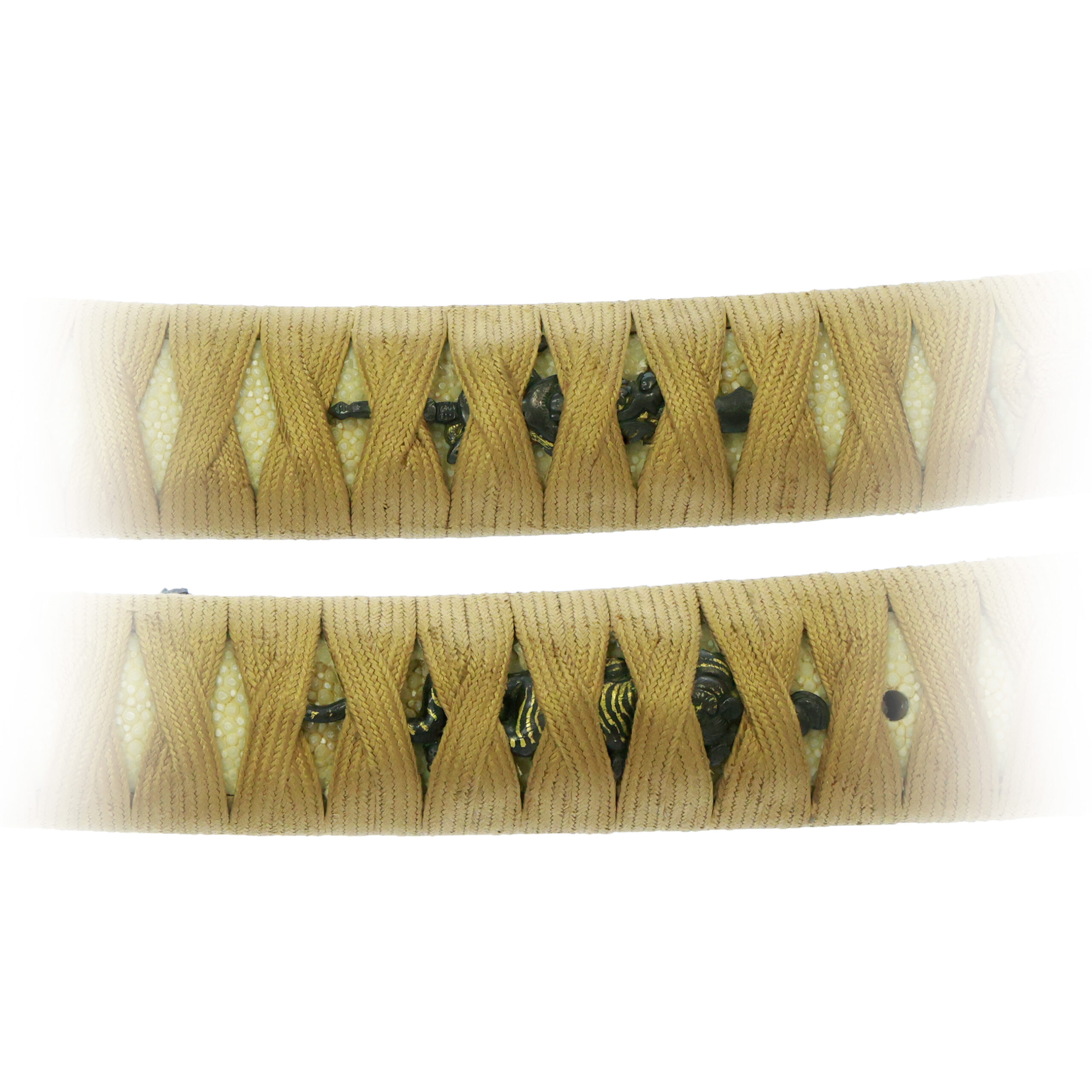
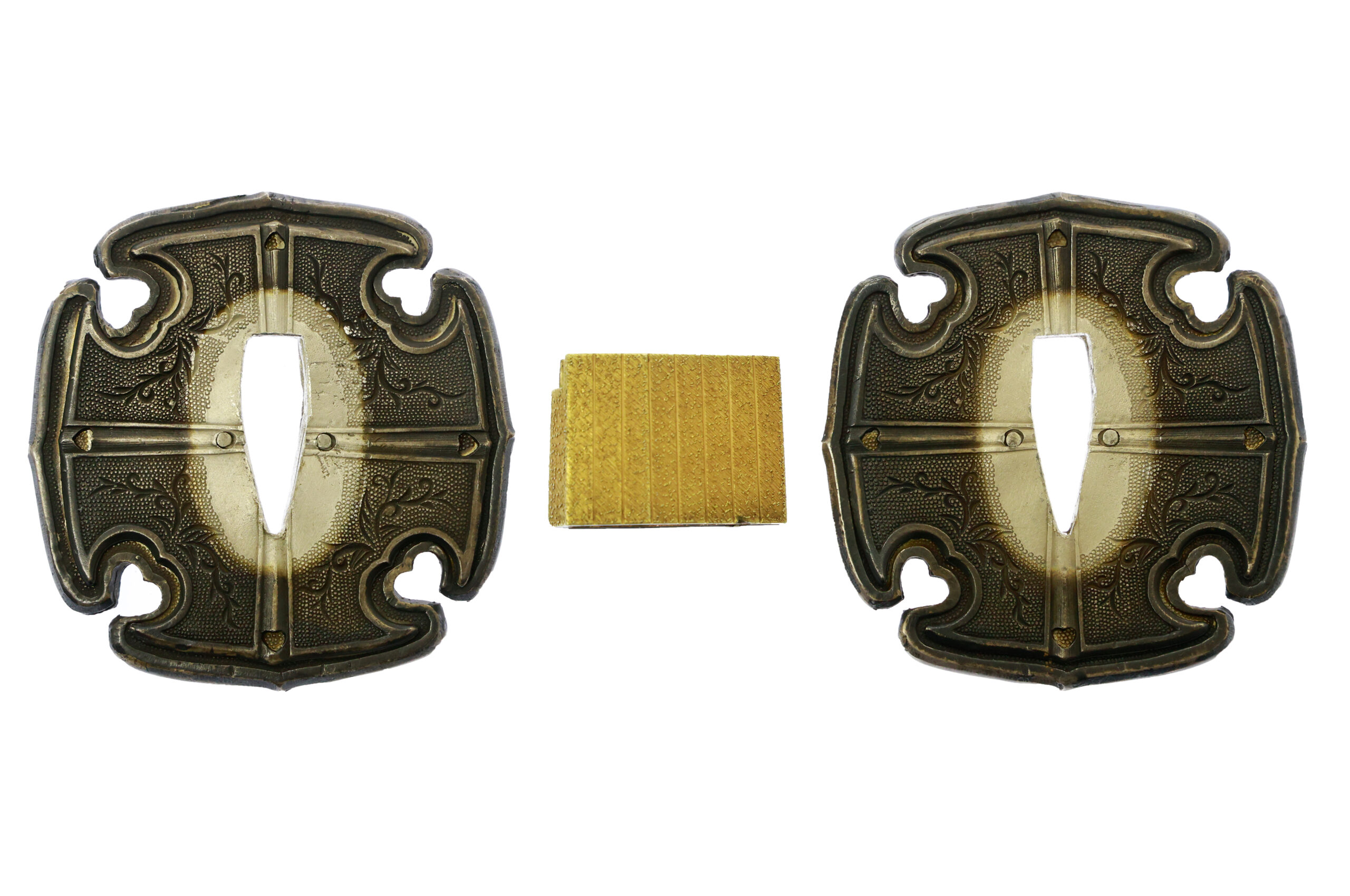
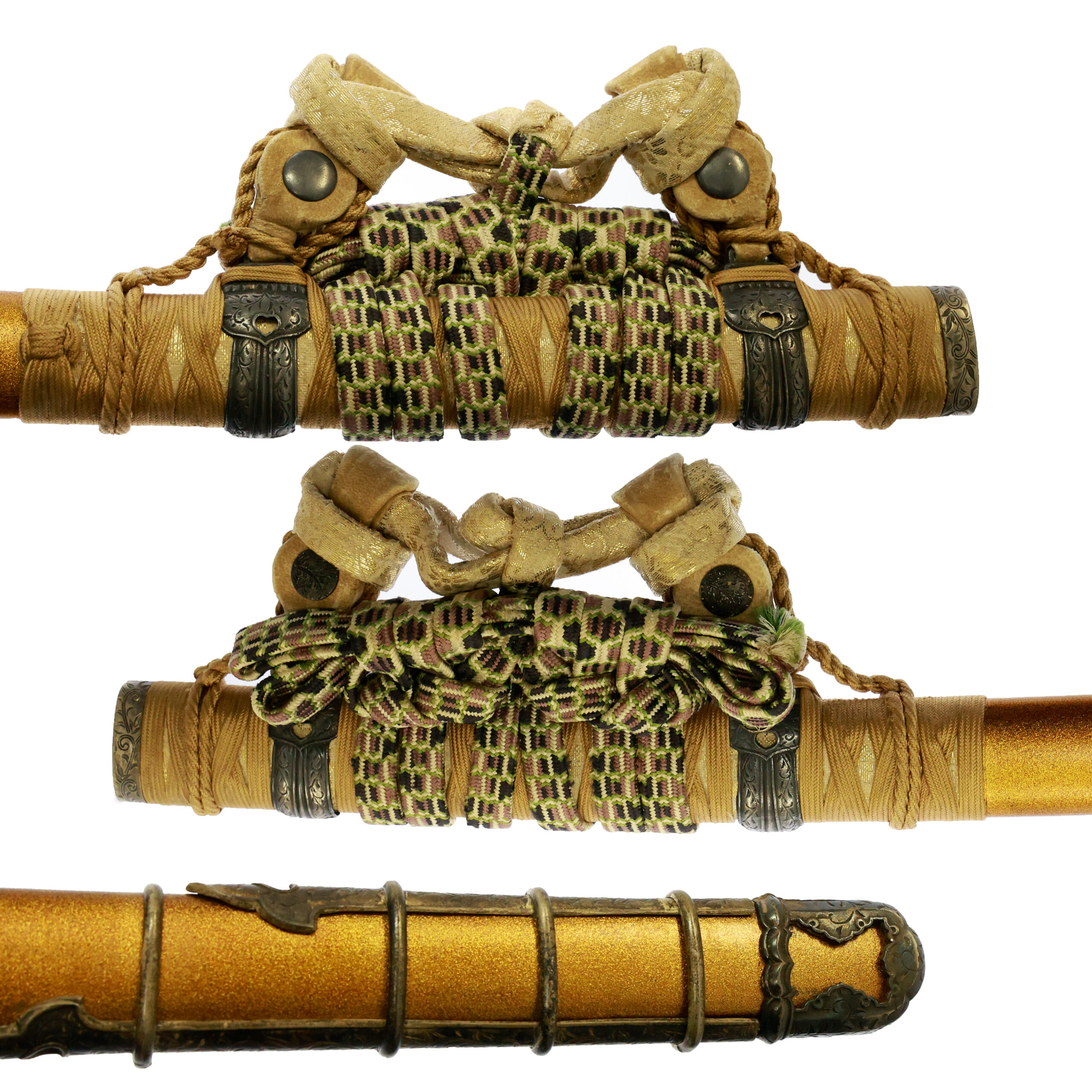
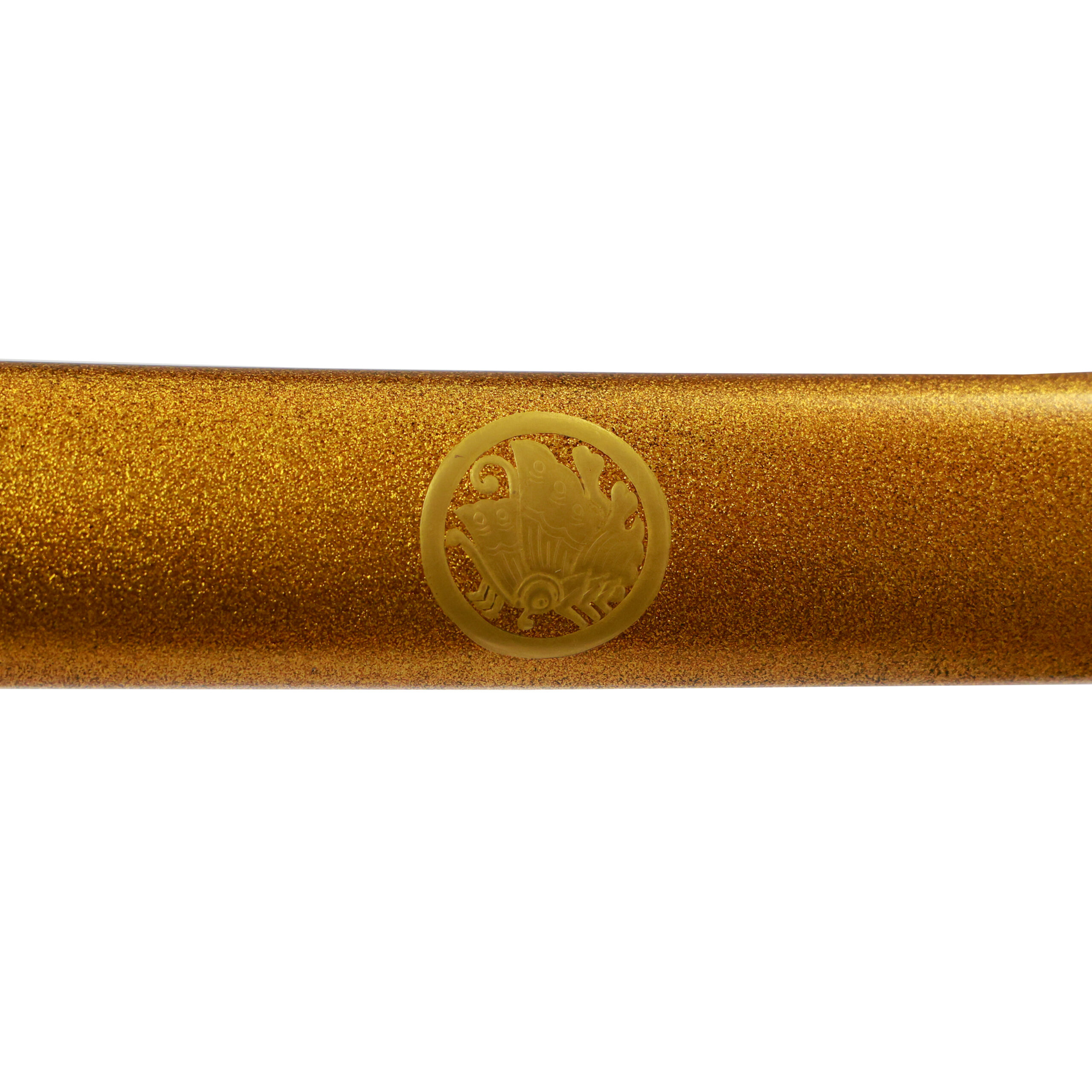
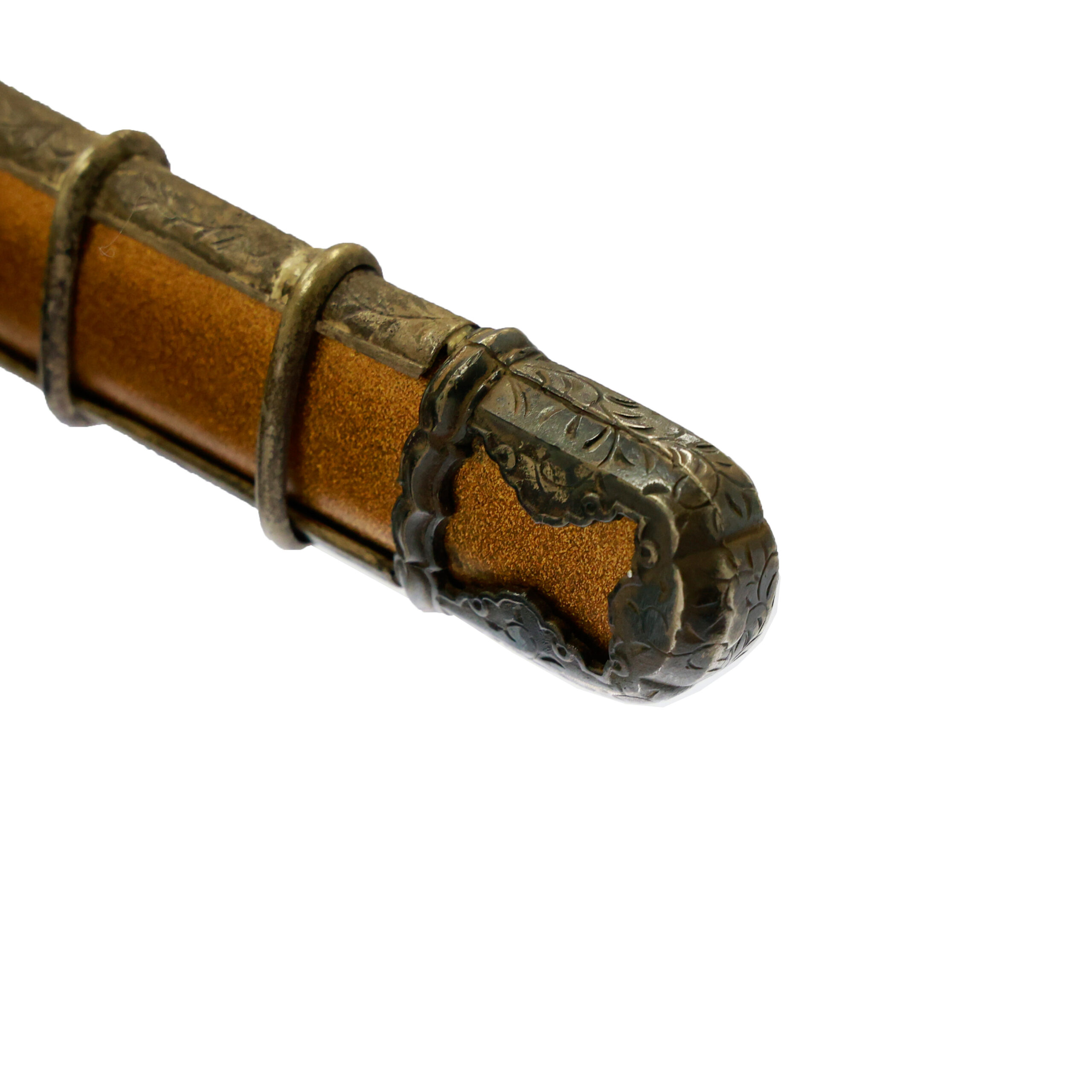
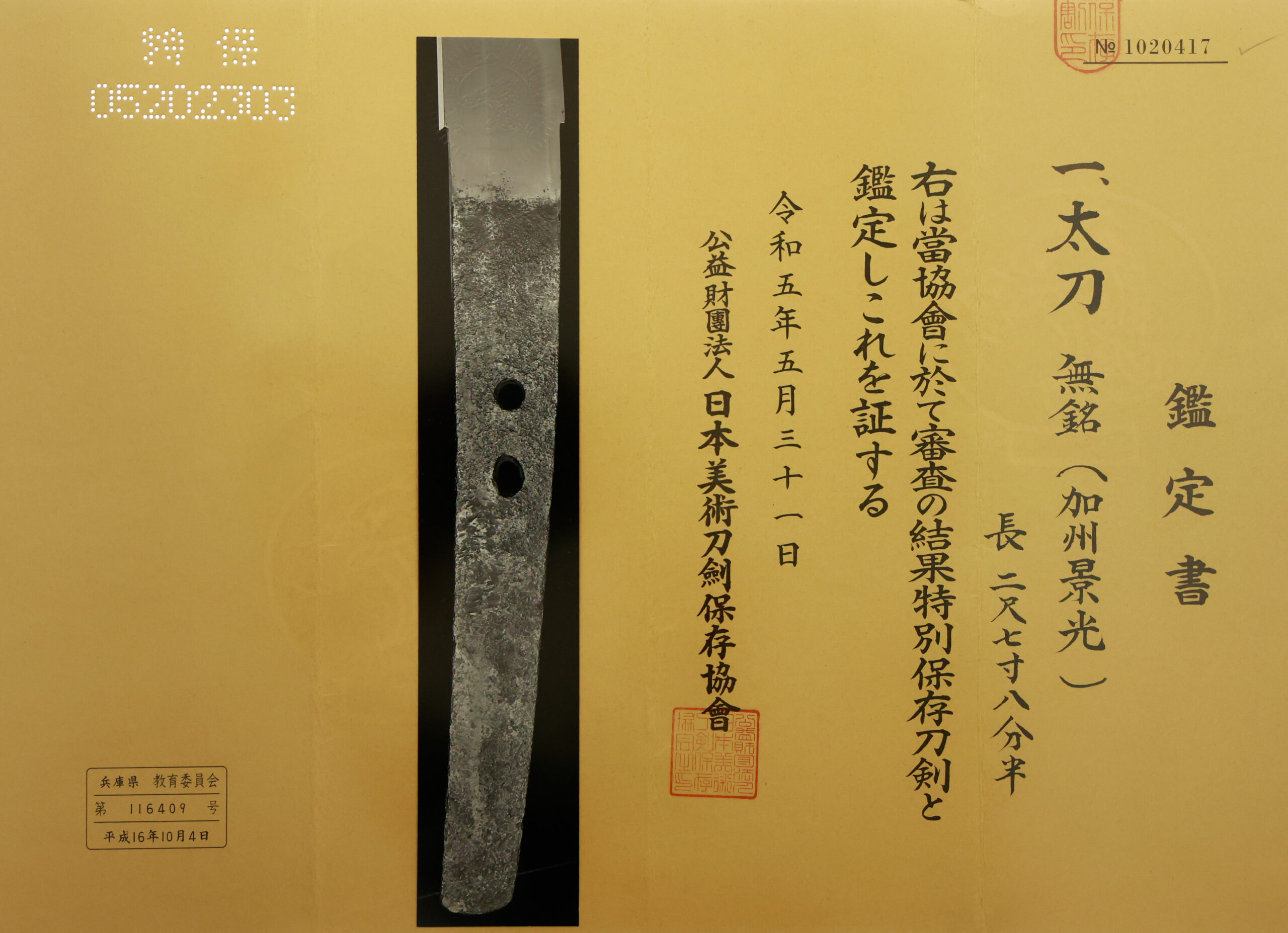
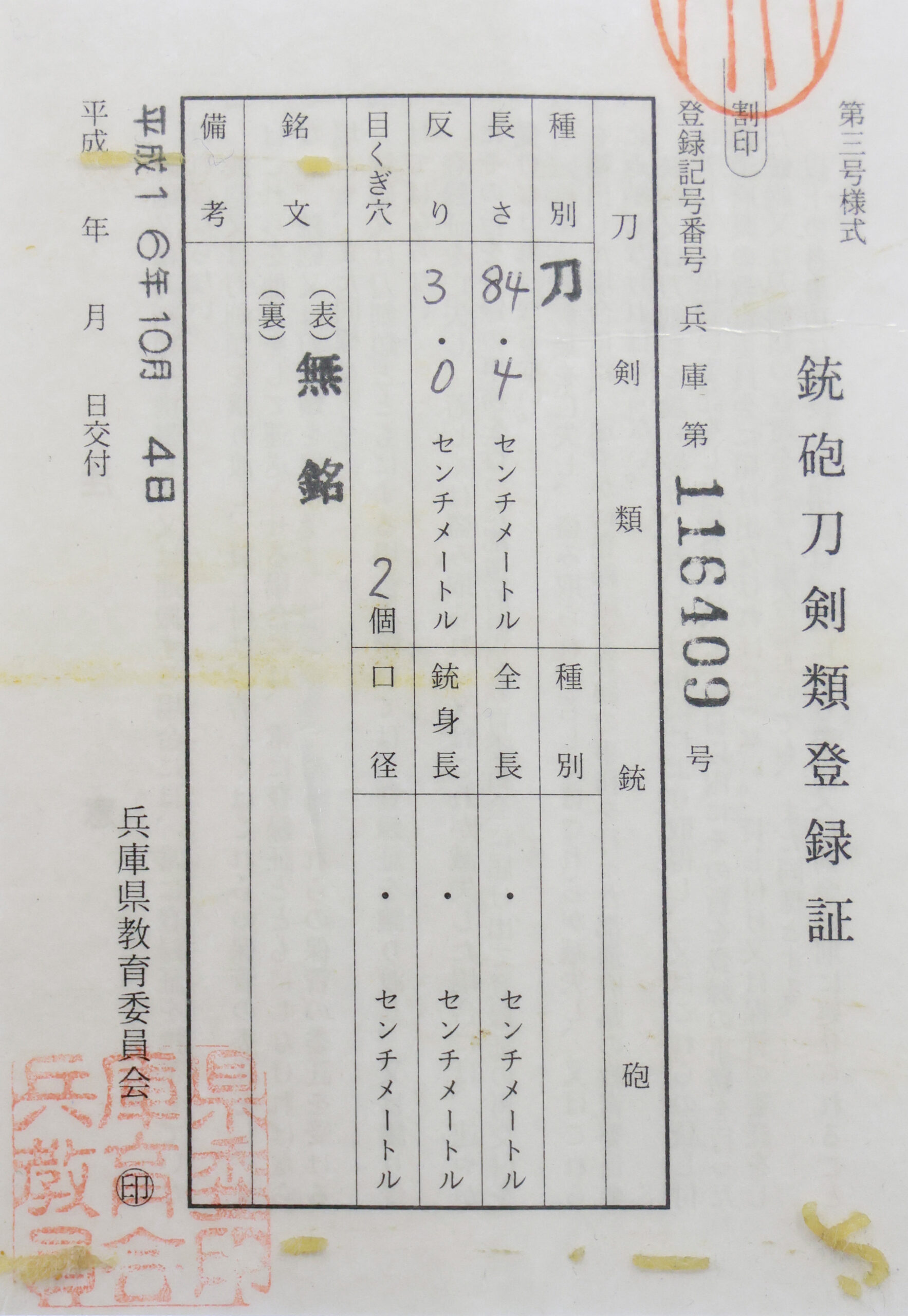
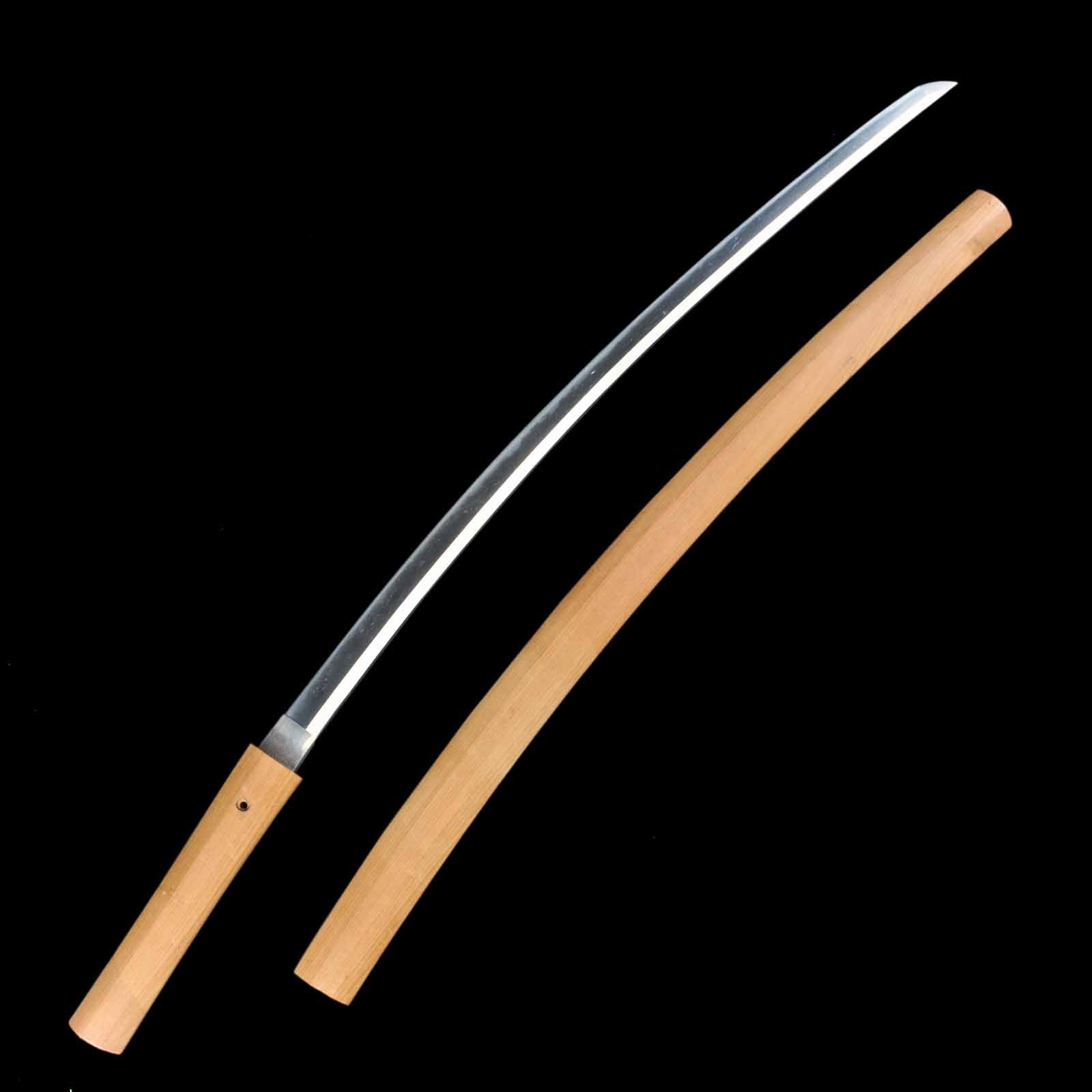
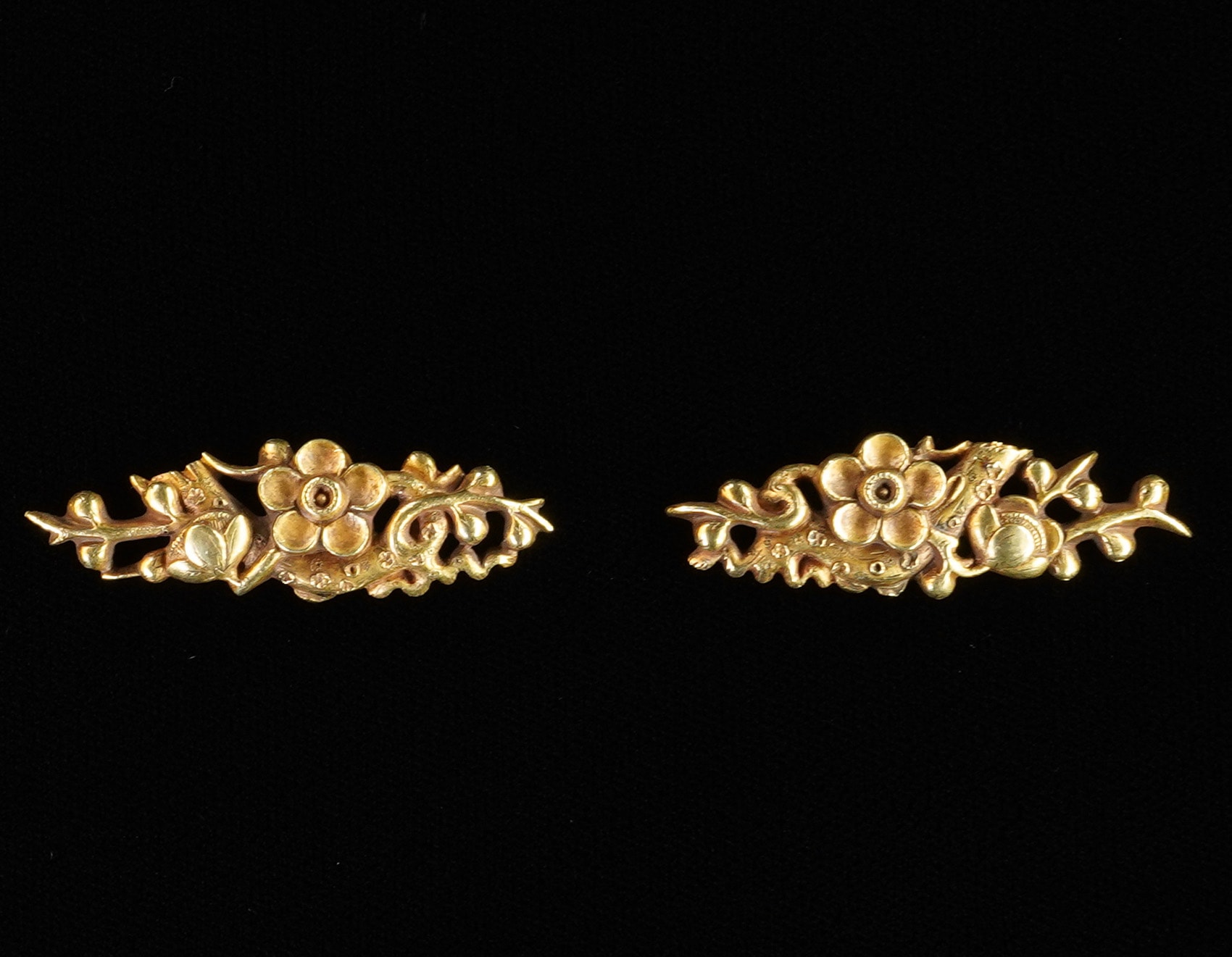
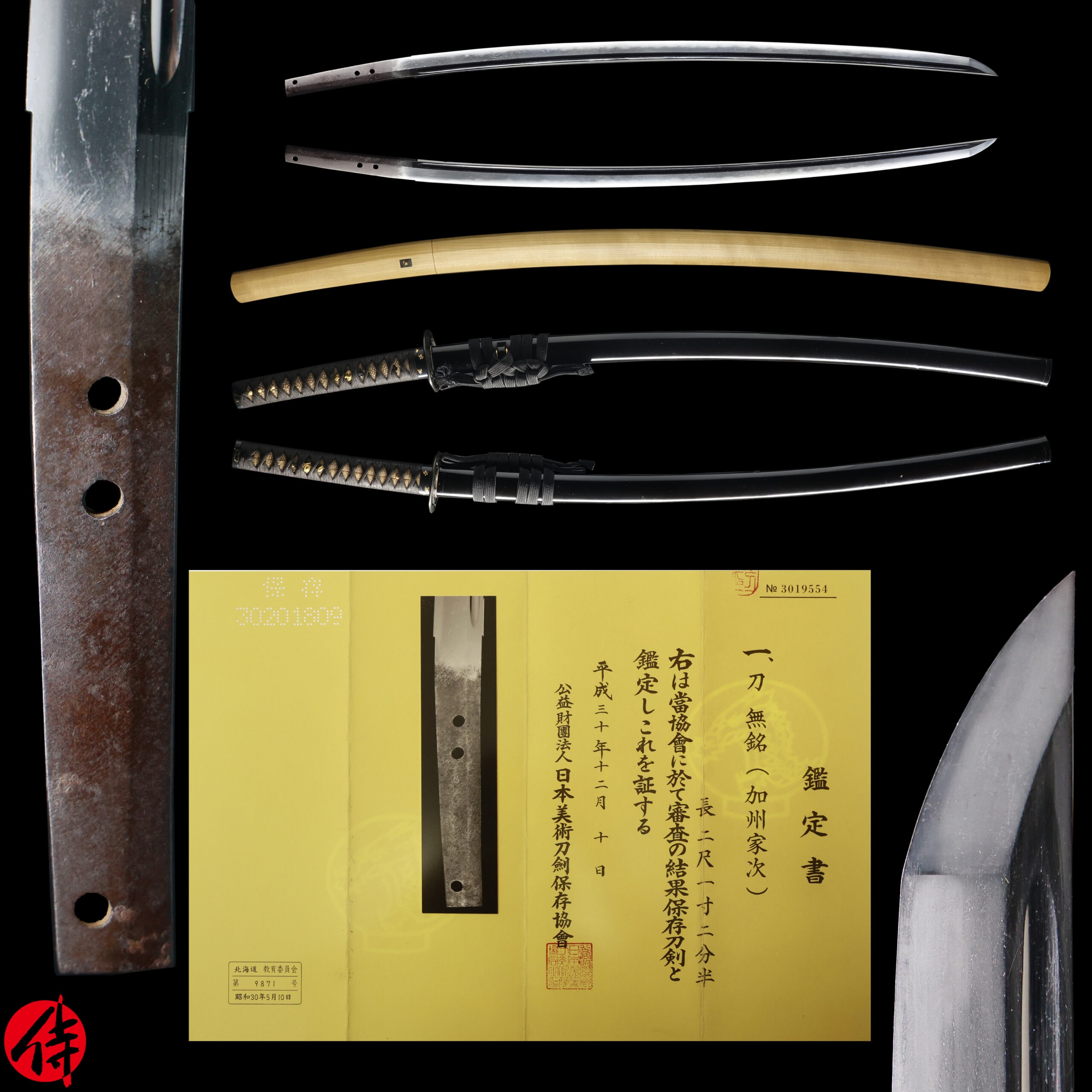
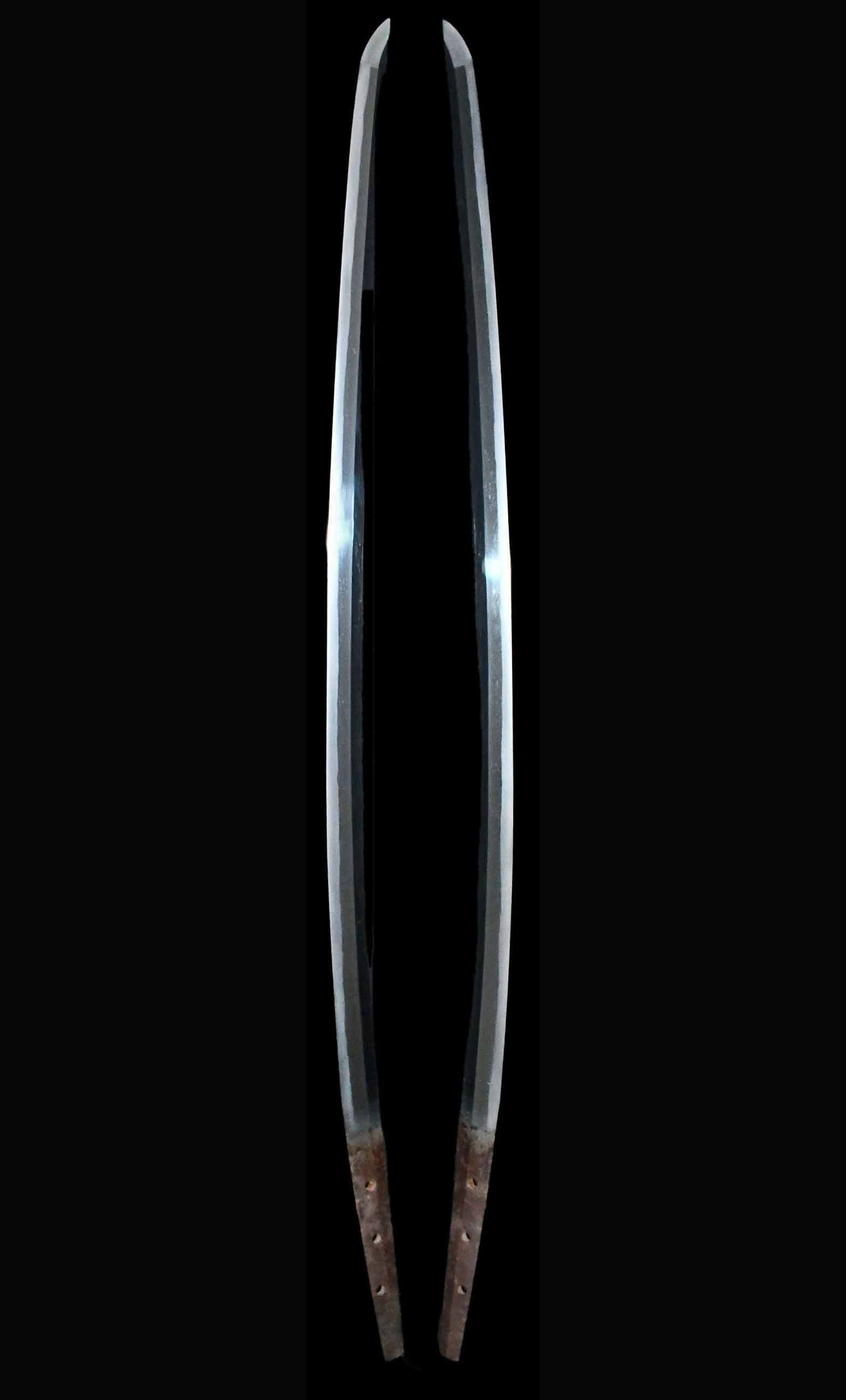
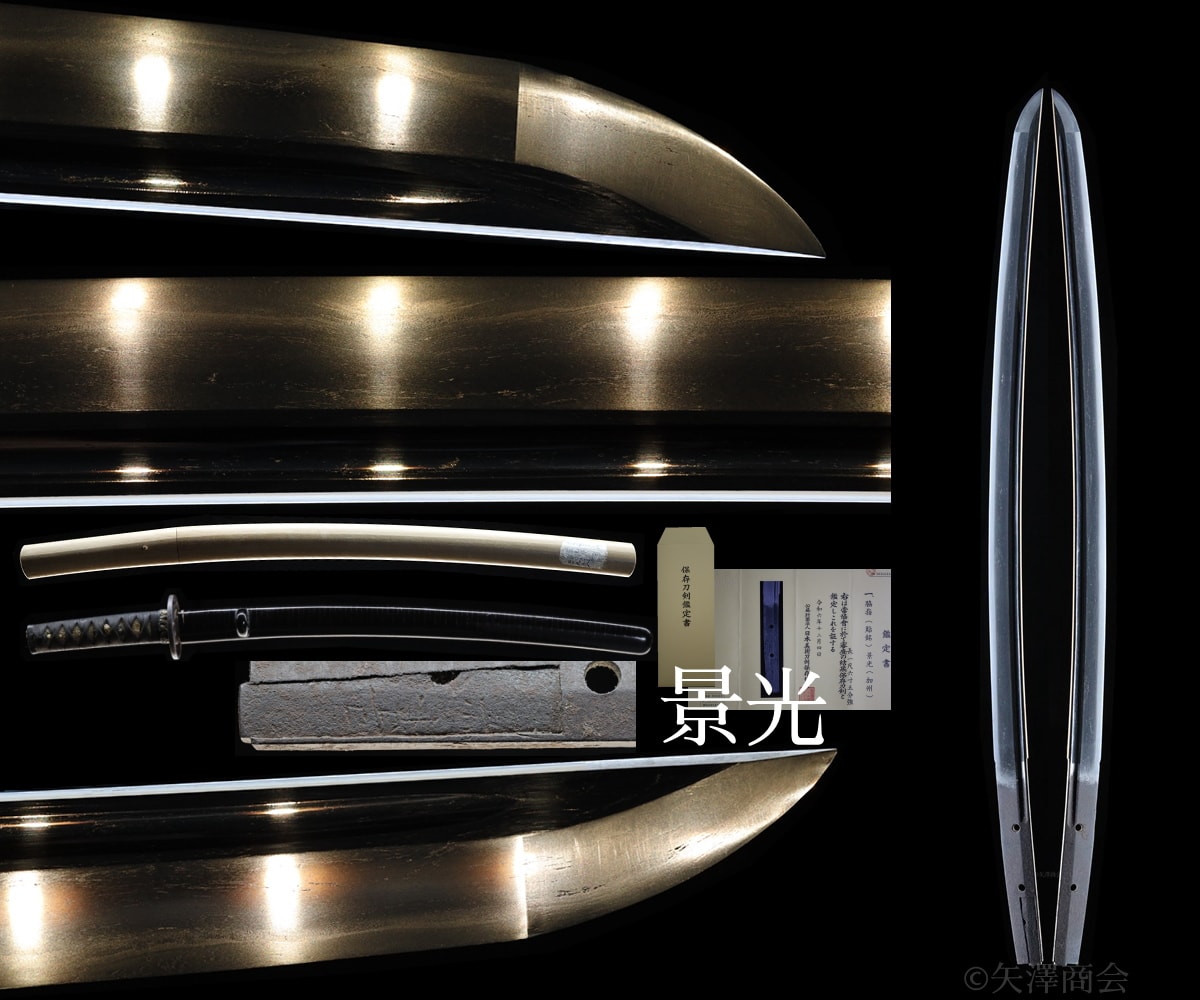
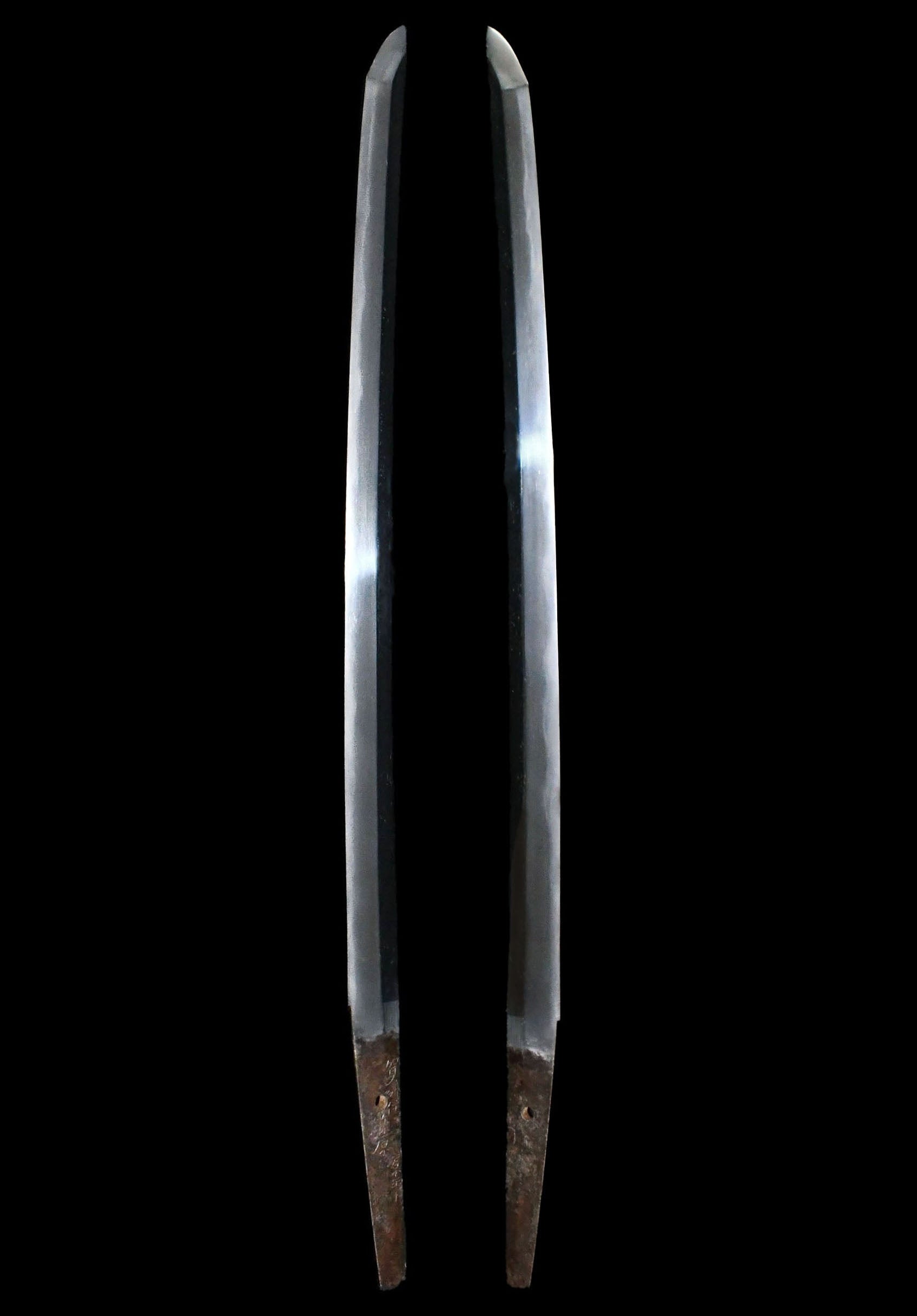
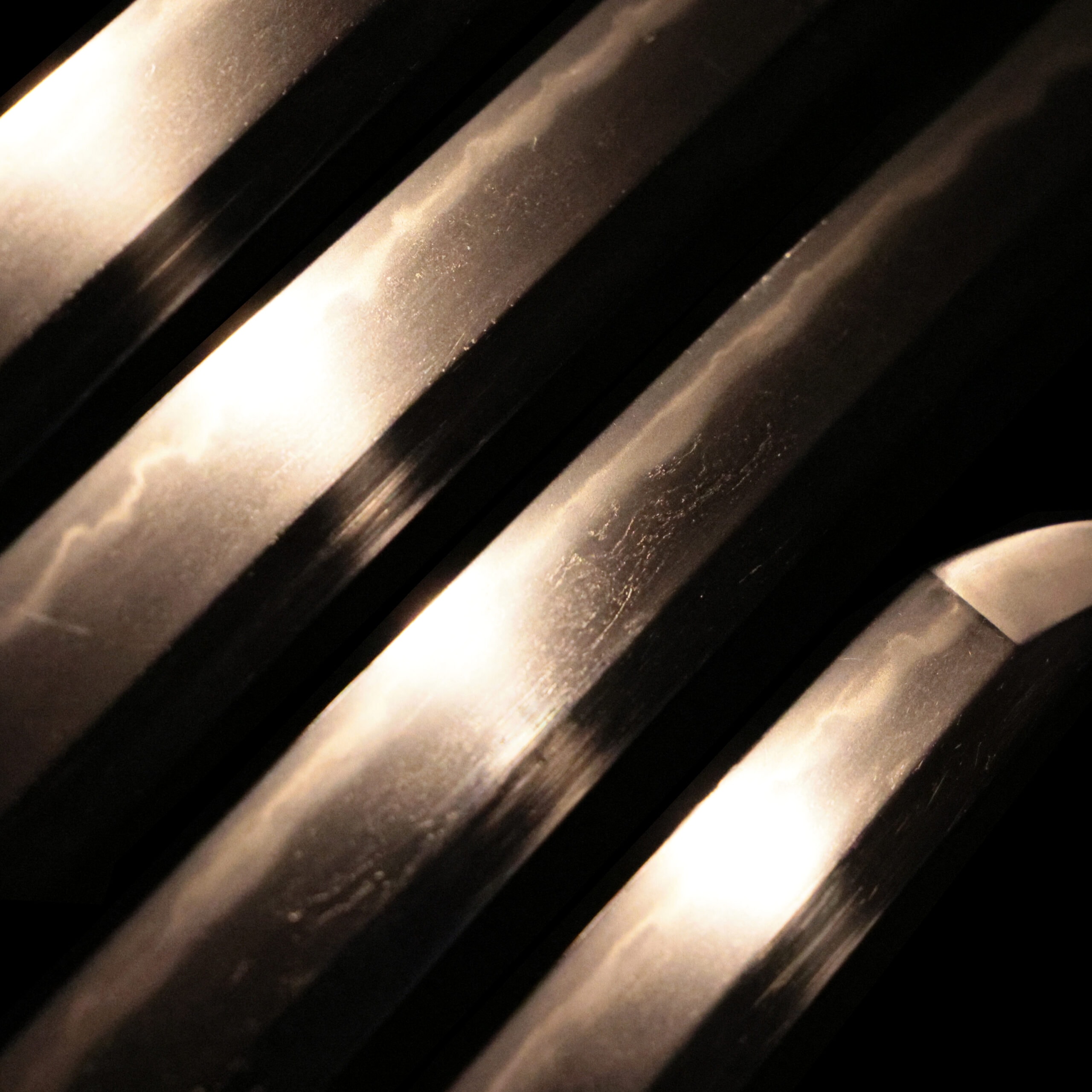
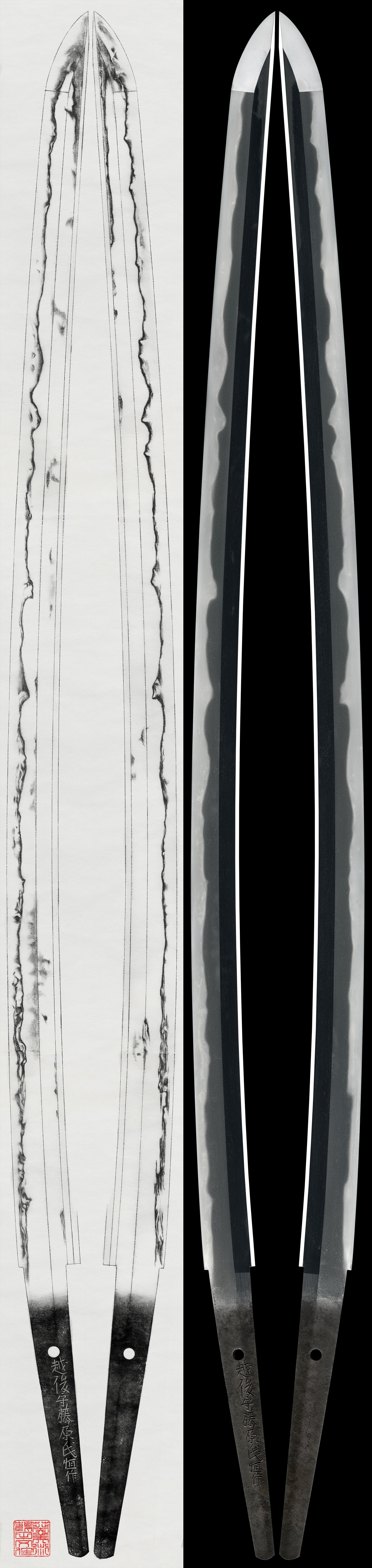
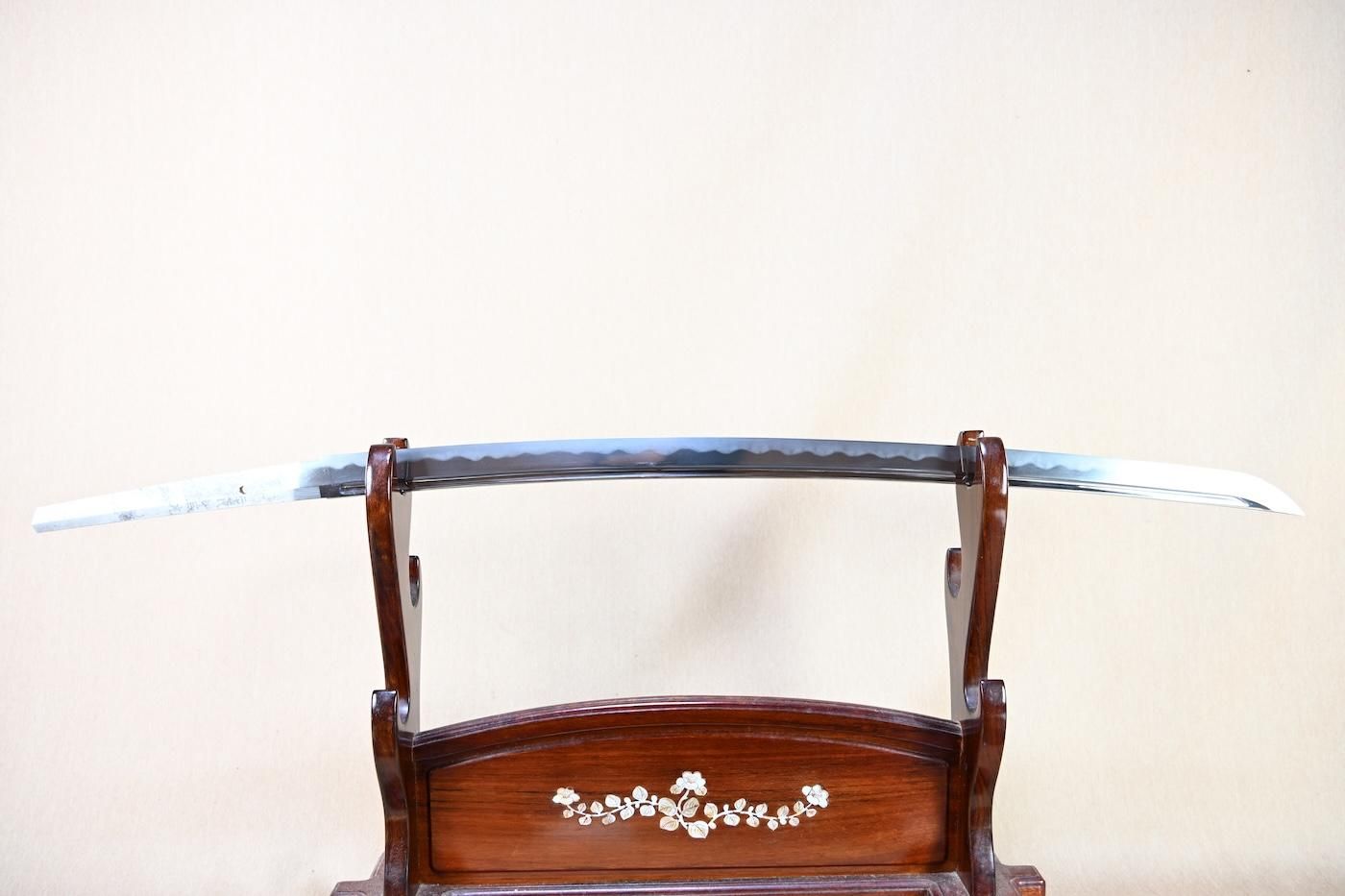
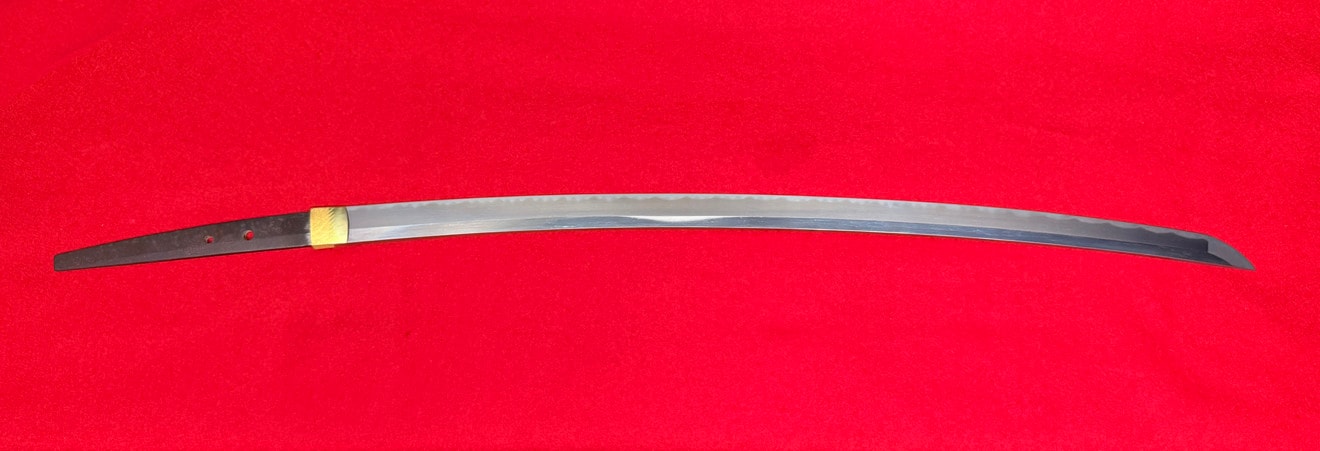
Antique Japanese Sword Katana Attributed to Kashu Kagemitsu with Tokubetsu Hozon Certificate 【Description】 This blade is attributed to the work of Kashu Kagemitsu(加州景光). The smith’s name Kagemitsu lasted a few generations from the mid-Nanbokucho period-early Edo period (1356-1673). Based on the characteristic of this blade, we believe the attribution was given to one of Kagemitsu during the late Muromachi period (late 15th-early 16th century). The first-gen Kashu Kagemitsu is said to have been an apprentice of Fujishima Tomoshige. Kagemitsu’s father was Masakage(正景), who had been active in sword-forging during the mid-late Nonbokucho period. This blade was created in the middle of Sengoku Jidai(warring state period: late 15th -late 16th century). During this time, there was so much rivalry among strong feudal lords over lands, political power, and natural resources. We believe Kagemitsu forged swords for those strong Samurais. The generations of Kagemitsu were considered noble swordsmiths. It is said that Hojyo Ujiteru sent a sword forged by one of Kagekatsu to Date Masamune as a present. Both of them are famous warlords from the Sengoku period(warring state period). This story tells us how reputable Kagemitsu was as a swordsmith during that time. Tachi and Tachi Koshirae Based on the authentication paper, this blade was made as a Tachi (太刀). Its cutting edge is 84.4 cm with 3 cm curvature. And, it is stored in Tachi(太刀) Koshirae. Tachi was mainly used by an armored Samurai with one hand on horseback from the Heian period (794-1185 A.D.) until the early Muromachi period. TACHI was suspended loosely on the left waist with its edge facing the ground so that you could draw it faster to cut down soldiers on the ground. Because of its gorgeous looking, having a Tachi-style sword mounting became a social status among Samurai. It is appraised as a Tokubetsu Hozon Token (特別保存刀剣) issued by NBTHK (Nihon Bijutsu Touken Hozon Kyokai:日本美術刀剣保存協会). This authentication paper was only given to authentic Japanese swords, especially well preserved and high quality with artistic value. *Please keep in mind that there are a couple of noticeable Kitae Kizu on this blade. If you like to see the detailed condition, please feel free to contact us. 【Blade】 Cutting Edge Length(Nagasa) : 84.4 cm (33.2 inches) Curvature(Sori) : 3.0 cm (1.18 inches) Hamon : The crystalline structure which forms along the cutting edge of a blade as a result of the hardening process Jimon(Jihada) : visible steel surface pattern created by folding and hammering during forging process Kissaki : Kissaki is the tip of the Japanese sword. Nakago : Nakago is the tang of the Japanese sword. Japanese swordsmiths left the black rust on the tang because it prevents red rust while the tang is in its handle. And the discoloration of the tang was created over time, and it is a great indicator for a Japanese sword specialist to estimate when the sword was forged. Koshirae :Koshirae is the mounting of the Japanese sword. There are several parts that consist of Koshirae such as Saya (Scabbard), Tsuka (Handle), Tsuba (Handguard). The overall theme of the sword mounting is Kasakusa (唐草:Arabesque). Arabesque is a pattern in which stems and leaves of vines are twined and make curves. Since ivy has a strong vitality and grows up without interruption, people regarded this design as a symbol of prosperity and longevity. Vine is called Tsuru (蔓) in Japanese, and it has another pronunciation; “Man.” There is a word 万 (it is also read Man), which means ten thousand. In the Karakusa pattern, leaves and vines are connected like Obi (帯, belt). The word “帯” can also be read “Tai.” Due to its pronunciation, the term “代 (Tai)” is associated. From this word-association game, an idiom 万代 is associated, and it means a thousand generations. In other words, we could imagine that people used this design wishing prosperity and longevity for their clans for a long time. Fuchi-Kashira : A pair of matching sword fit

Antique Japanese Sword Tachi Attributed to Kashu Kagemitsu NBTHK Tokubetsu Hozon Certificate
売切れ
Tokuho売切れ

Antique Japanese Sword Tachi Attributed to Kashu Kagemitsu NBTHK Tokubetsu Hozon Certificate

太刀

売却済

世界81社の刀剣商を横断追跡 · 価格履歴 · 売却アーカイブ

仕様

長さ

84.4 cm

反り

3 cm

流派について

Kaga School加賀派

加賀象嵌は、江戸時代初期から享保期にかけて金沢を中心とする加賀国で発達した独特の平象嵌技法である。その起源は、加賀地方の鐙工が行っていた平象嵌を、鐔や刀装具に応用したことに始まるとされる。加賀藩の庇護のもと、献上品として制作された作例も多く、金沢の工芸文化の高い水準を示す技術として栄えた。室町期には鏡師と呼ばれる工人による山金地の鋳出鐔が見られ、これらが後の加賀象嵌の源流の一つとなったと考えられる。 加賀象嵌の技術的特徴は、赤銅、四分一、素銅などの磨地に、金・銀・銅など多種の色金を駆使した精緻な平象嵌にある。漆黒の赤銅磨地に色金を緻密に嵌め込む手法が主流だが、素銅地に明るい色調で景物を表した古調な作例も存在する。構図は絢爛にして巧みであり、秋草蝶図や鴛鴦図など、画面一杯に展開された図案文様化した表現が特徴的である。毛彫を併用し、内覆輪や埋金など細部にまで丁寧な仕上げが施され、未使用のまま伝世した保存状態の良い献上品級の作も少なくない。 鏡師系の作品は、真鍮地や山金地に鋤出高彫で大胆な文様を配し、格子形花文や菊花文など古雅な意匠を持つ。室町末期から桃山初期にかけての作風を示し、土手耳の構造や鋳出による立体的な表現が見られる。加賀象嵌と総称される一群には、こうした鏡師の流れを汲む古式な様相を呈するものから、江戸中期以降の洗練された平象嵌作品まで幅広い作域が含まれ、加賀国における刀装具制作の伝統の深さを物語っている。

刀剣商

サムライミュージアム

samuraimuseum.jp

売切れ