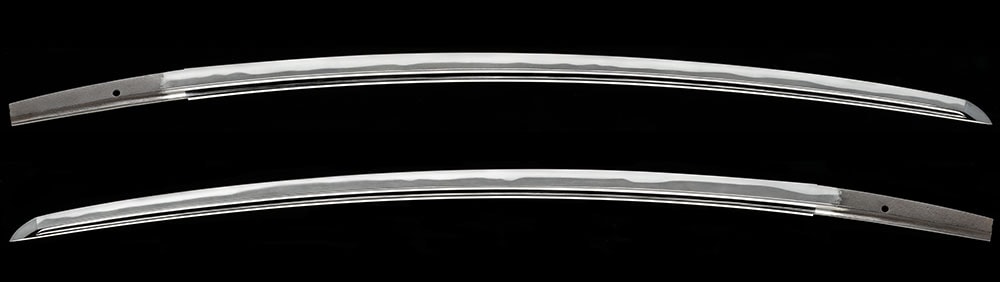
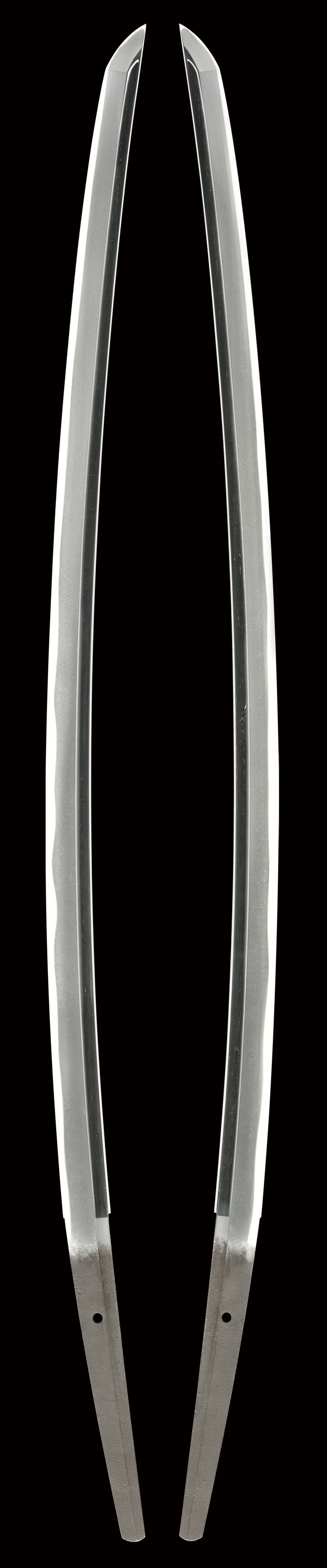
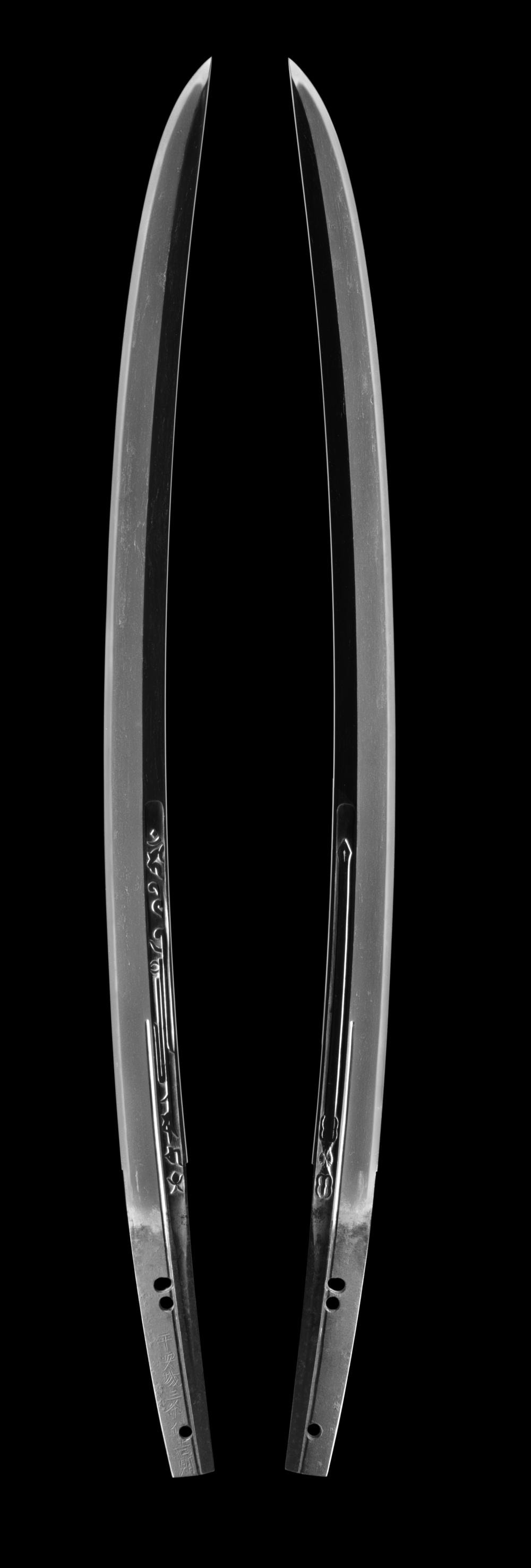
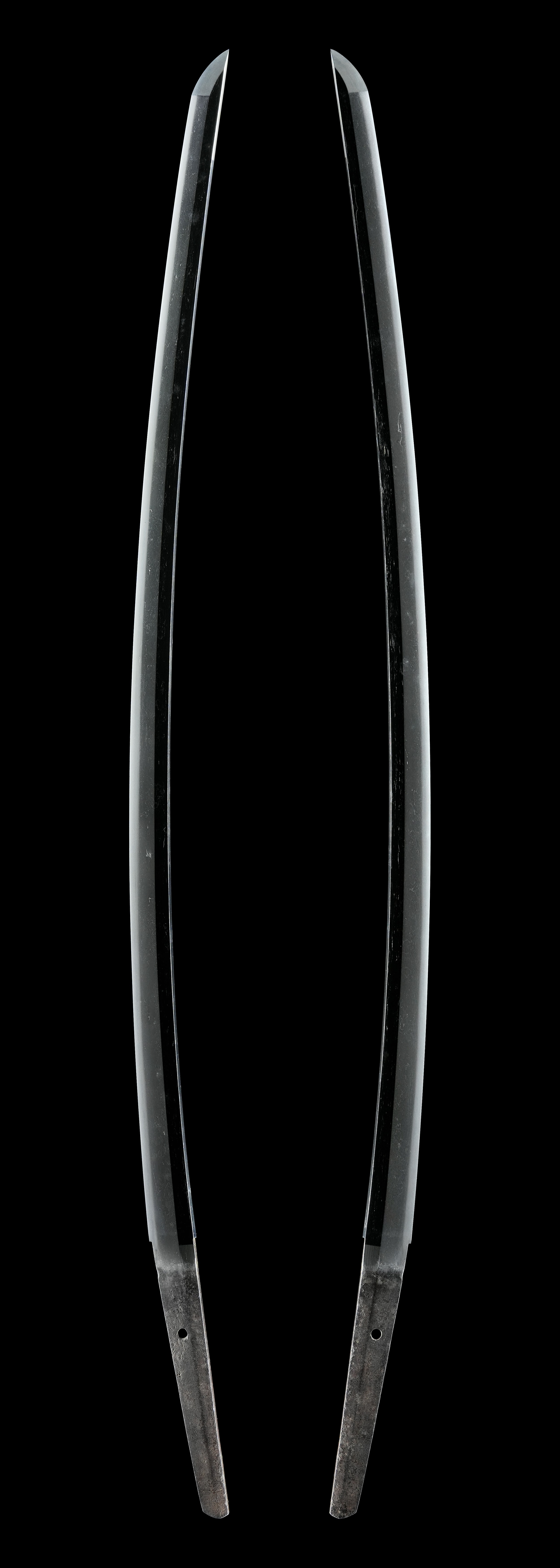
政権は鎌倉にあったが、美意識はなお京都が定めた。粟田口派の梨子地肌は完璧の代名詞となり、来派は公家にも上級の武家にも大寺にも、堂々たる太刀を納めている。
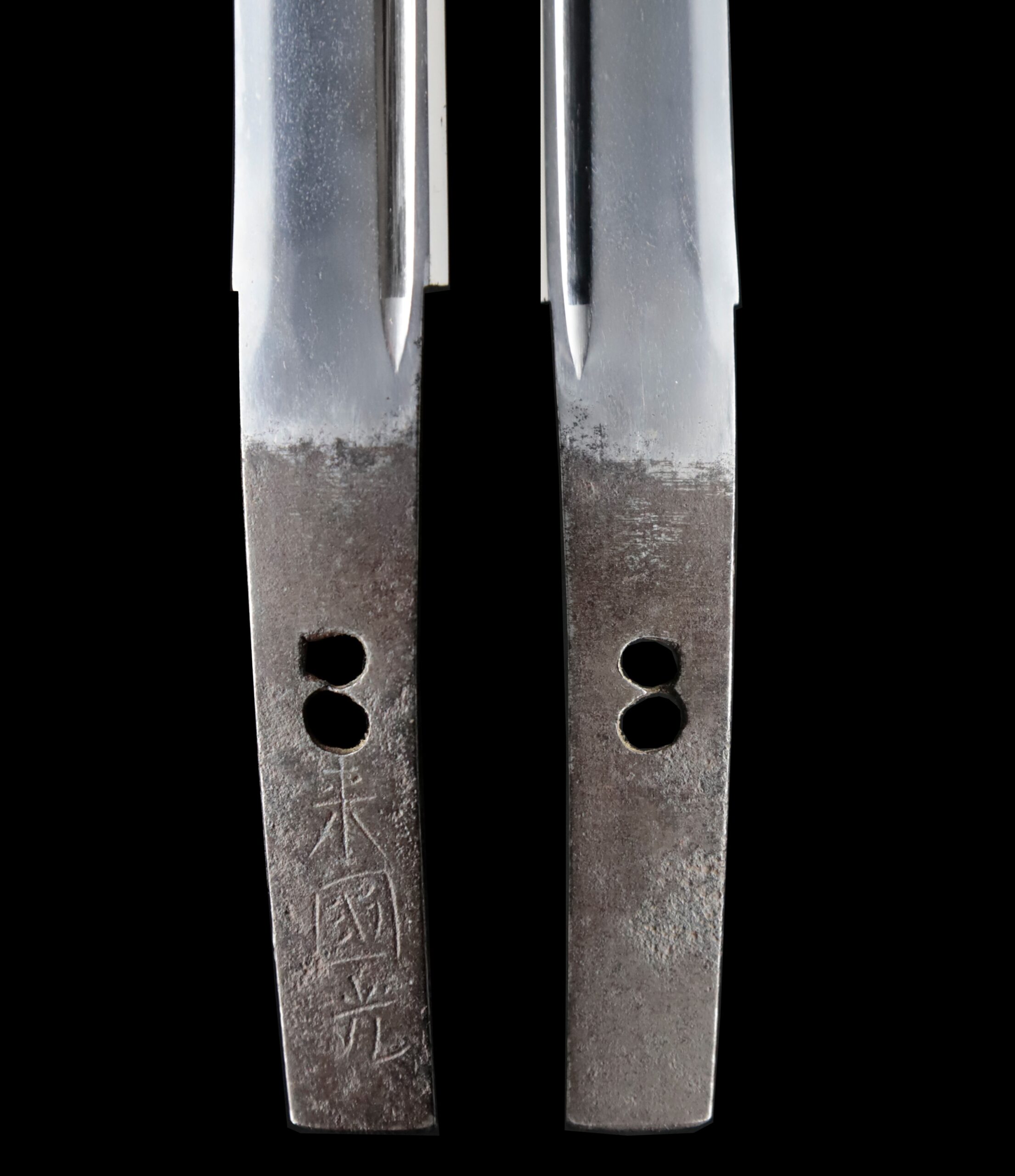
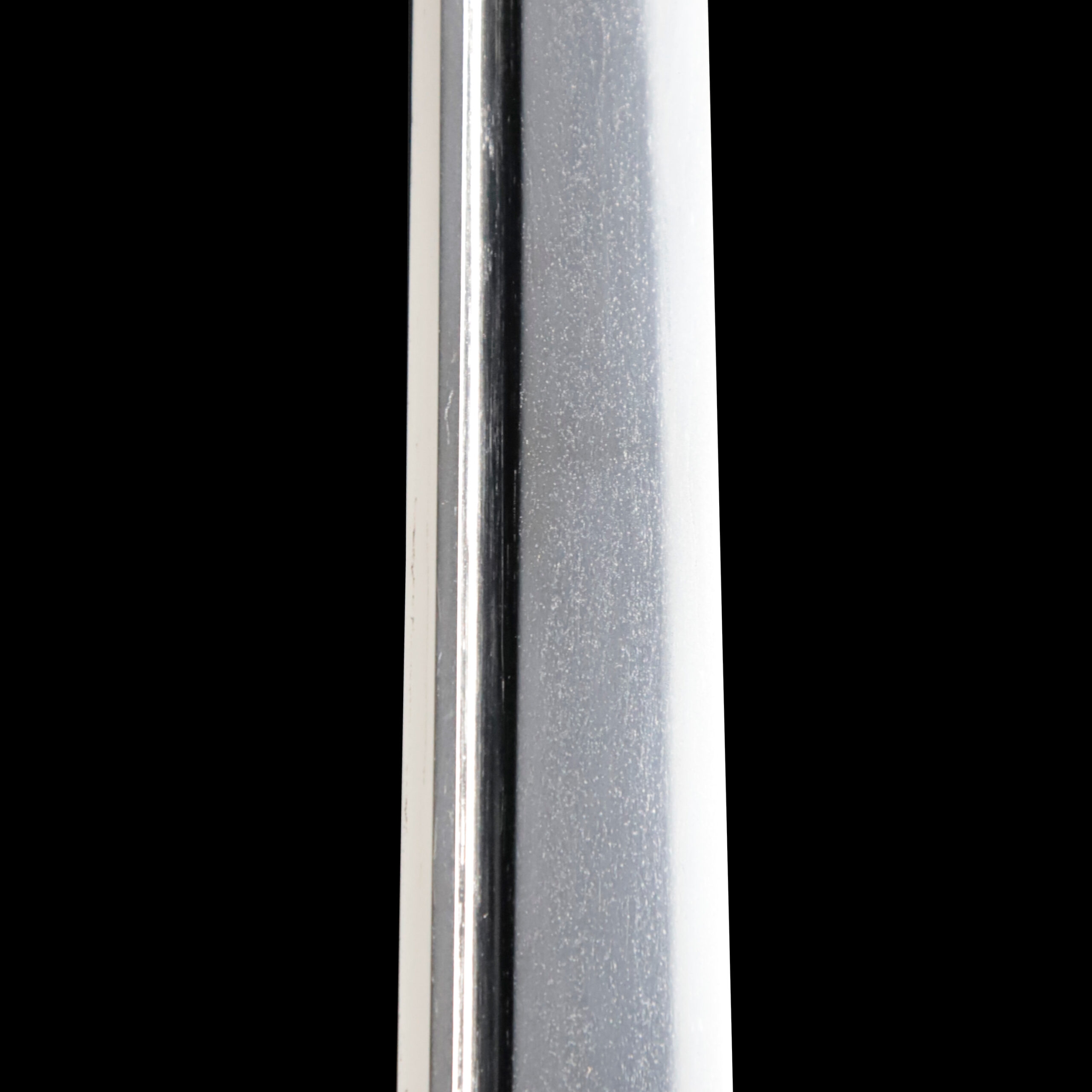
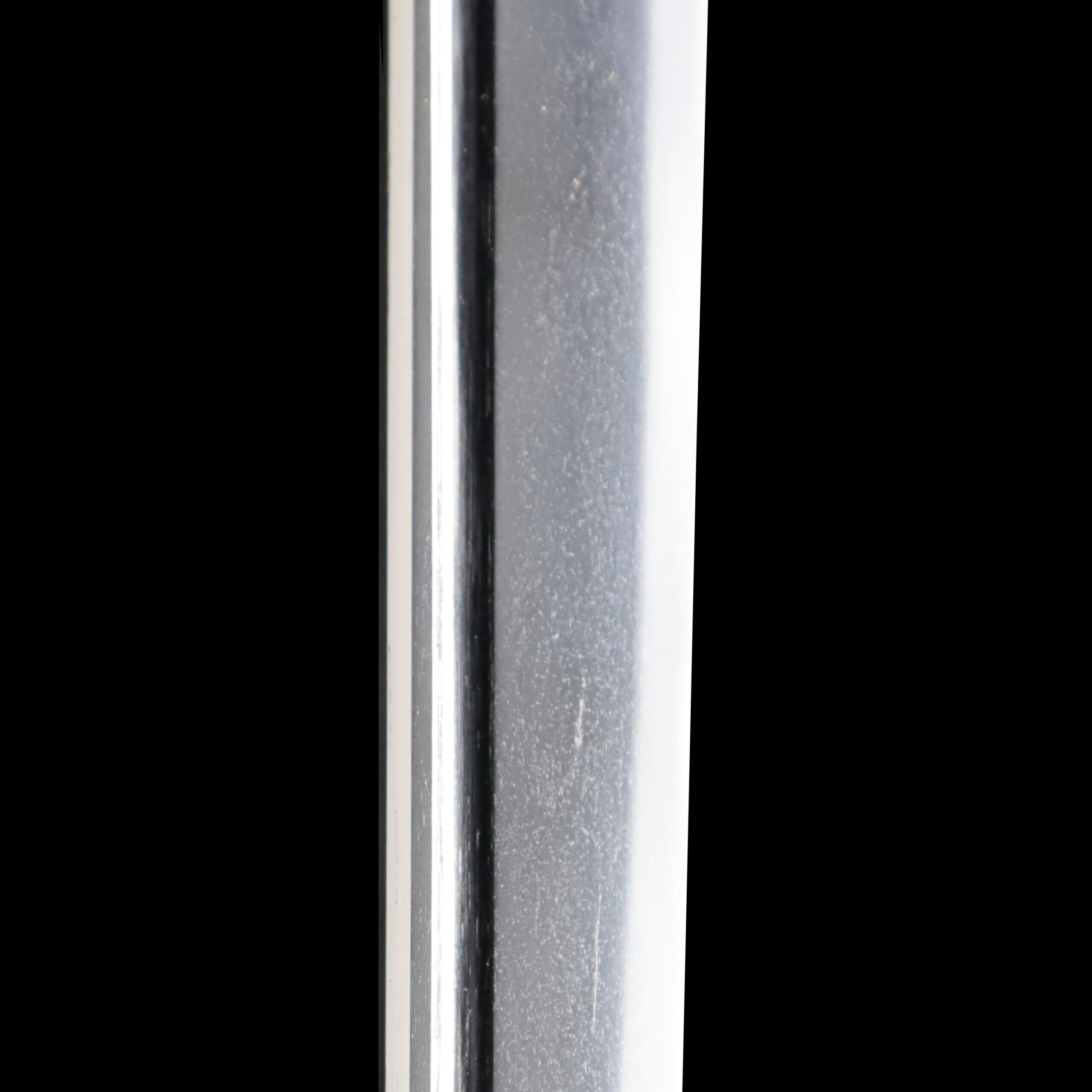
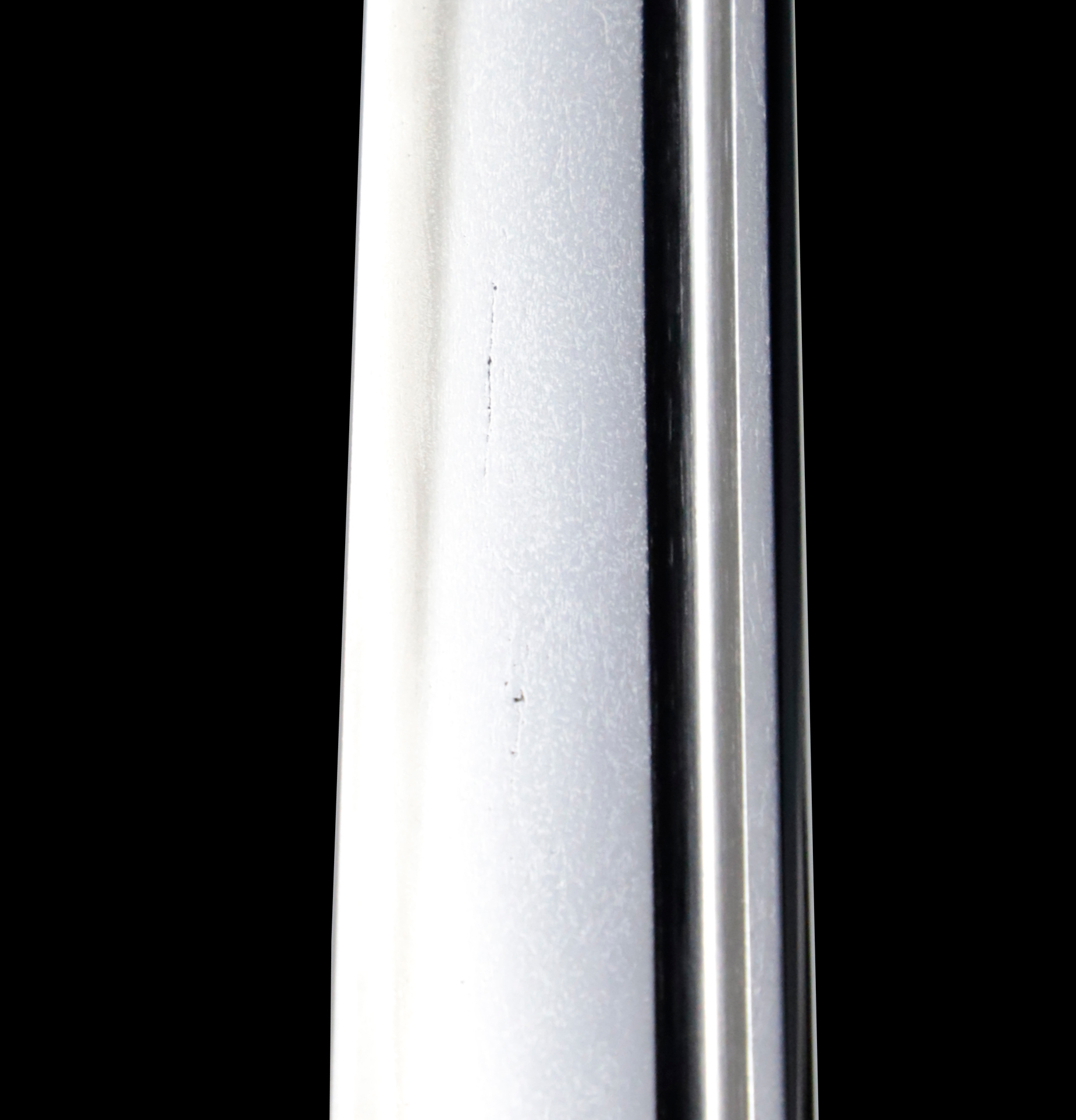
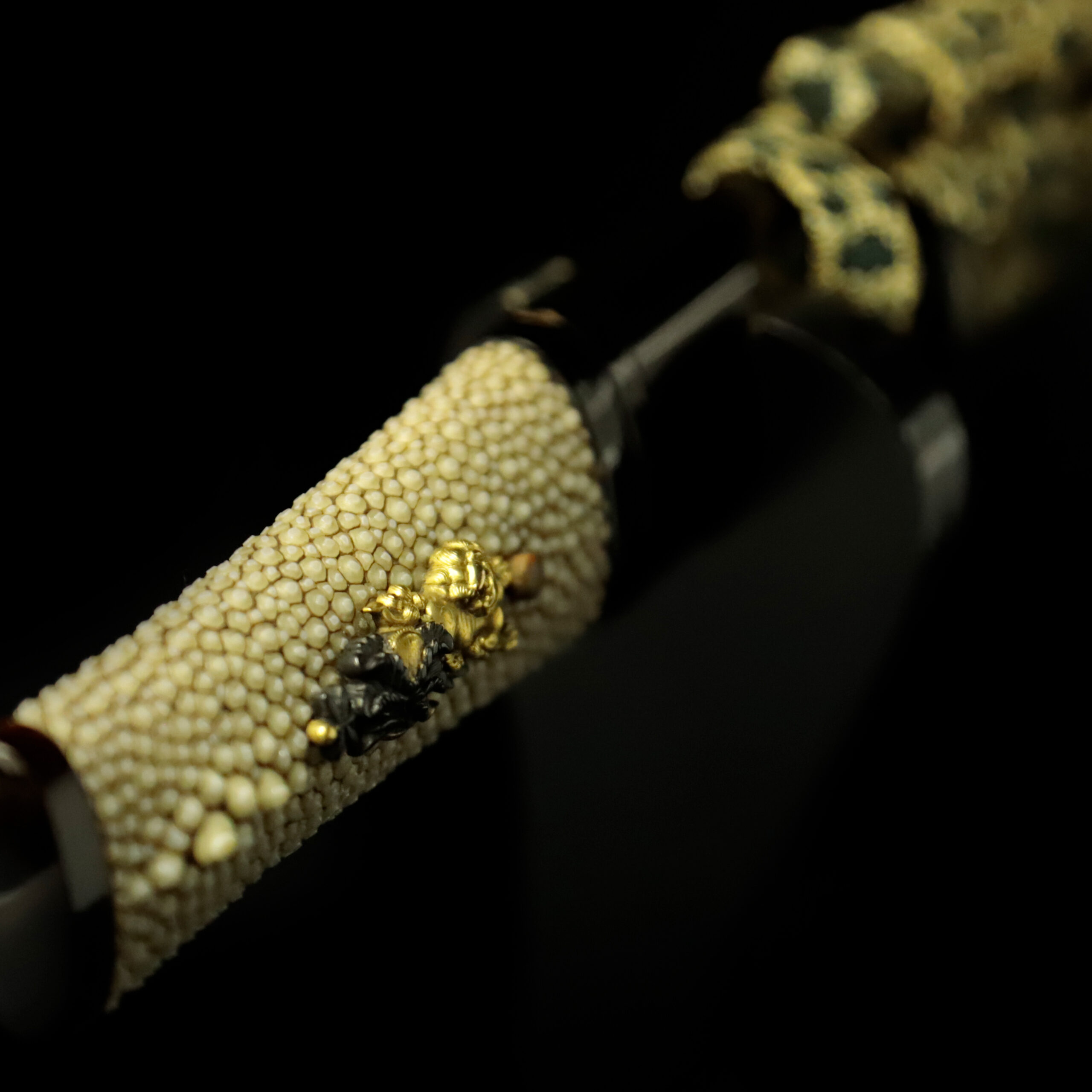
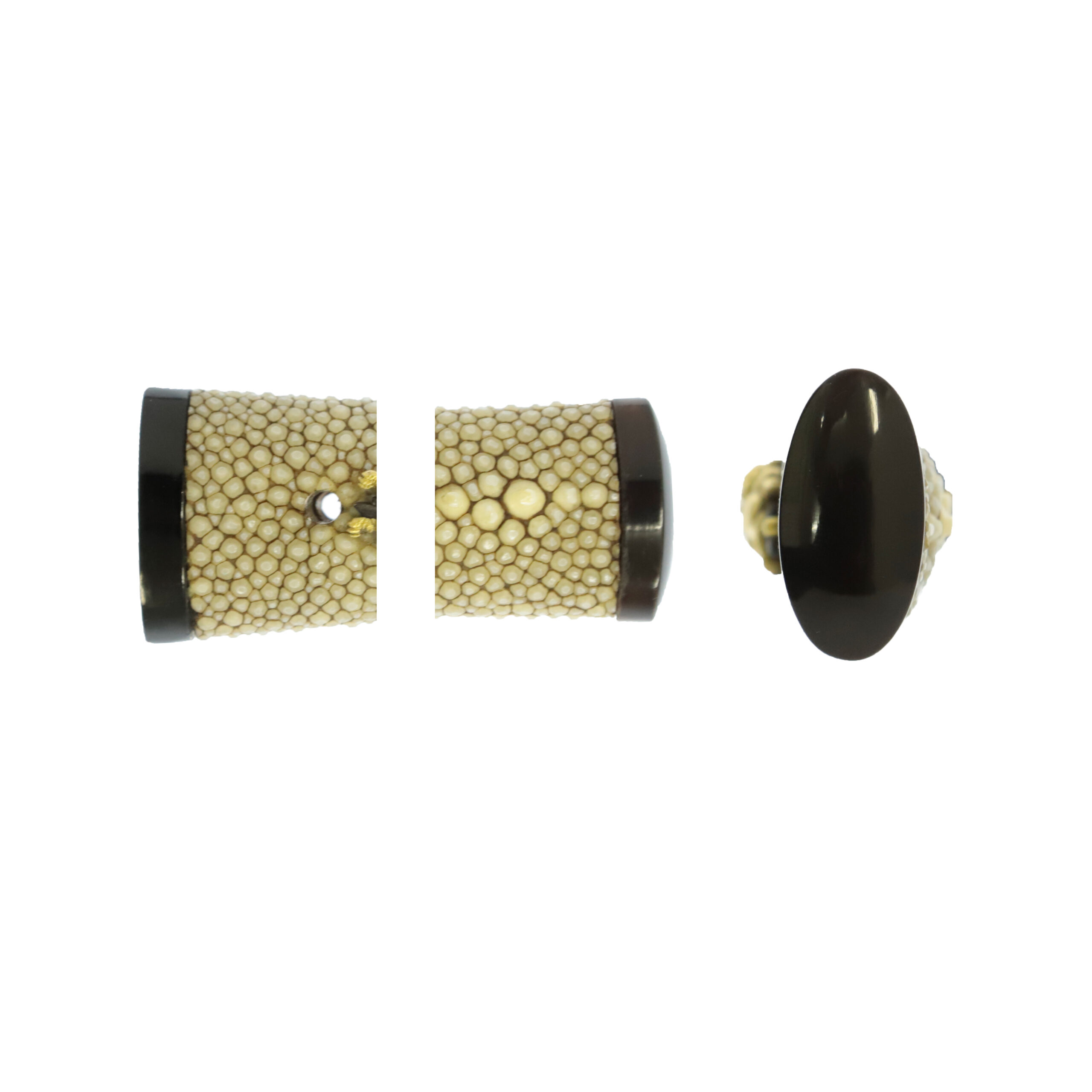
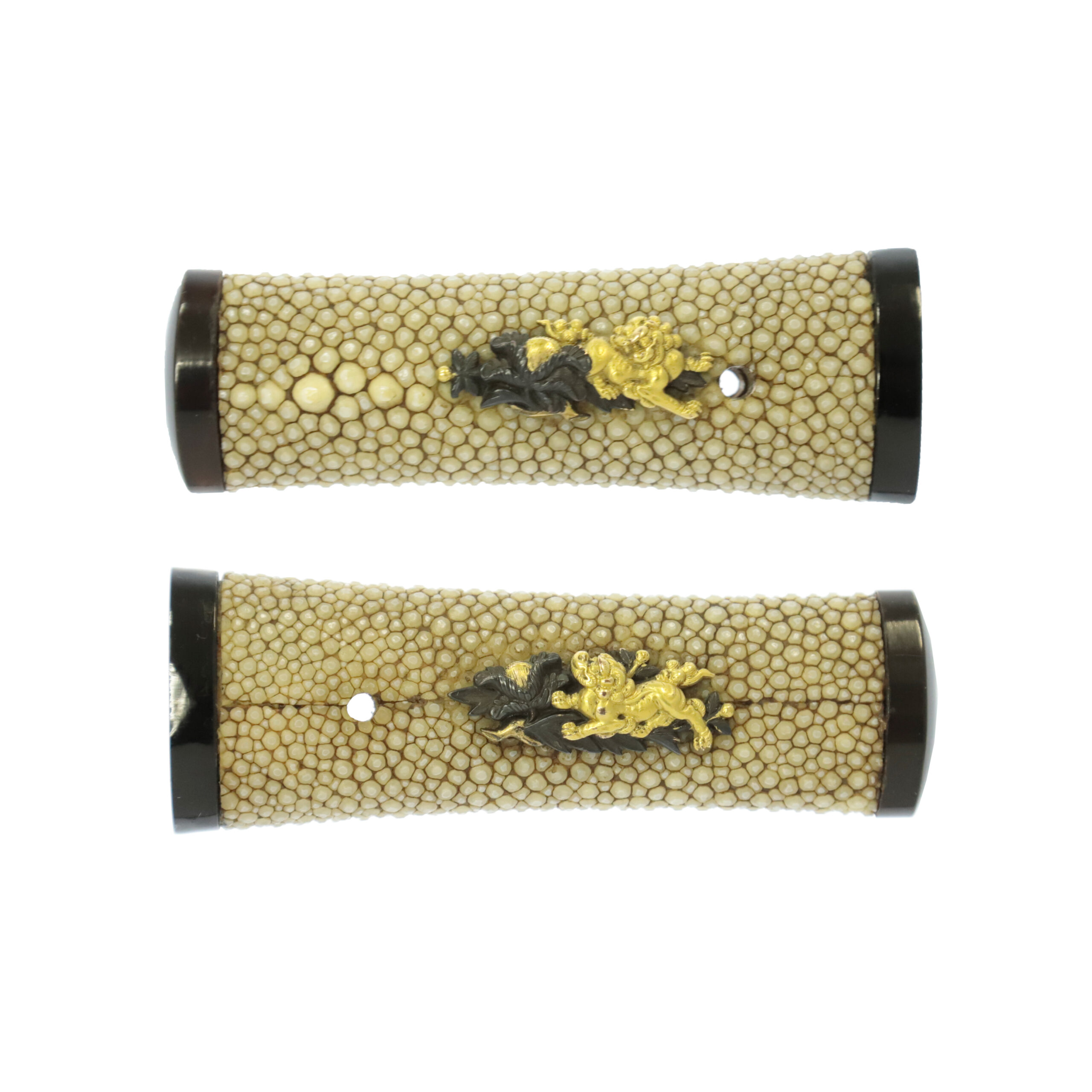
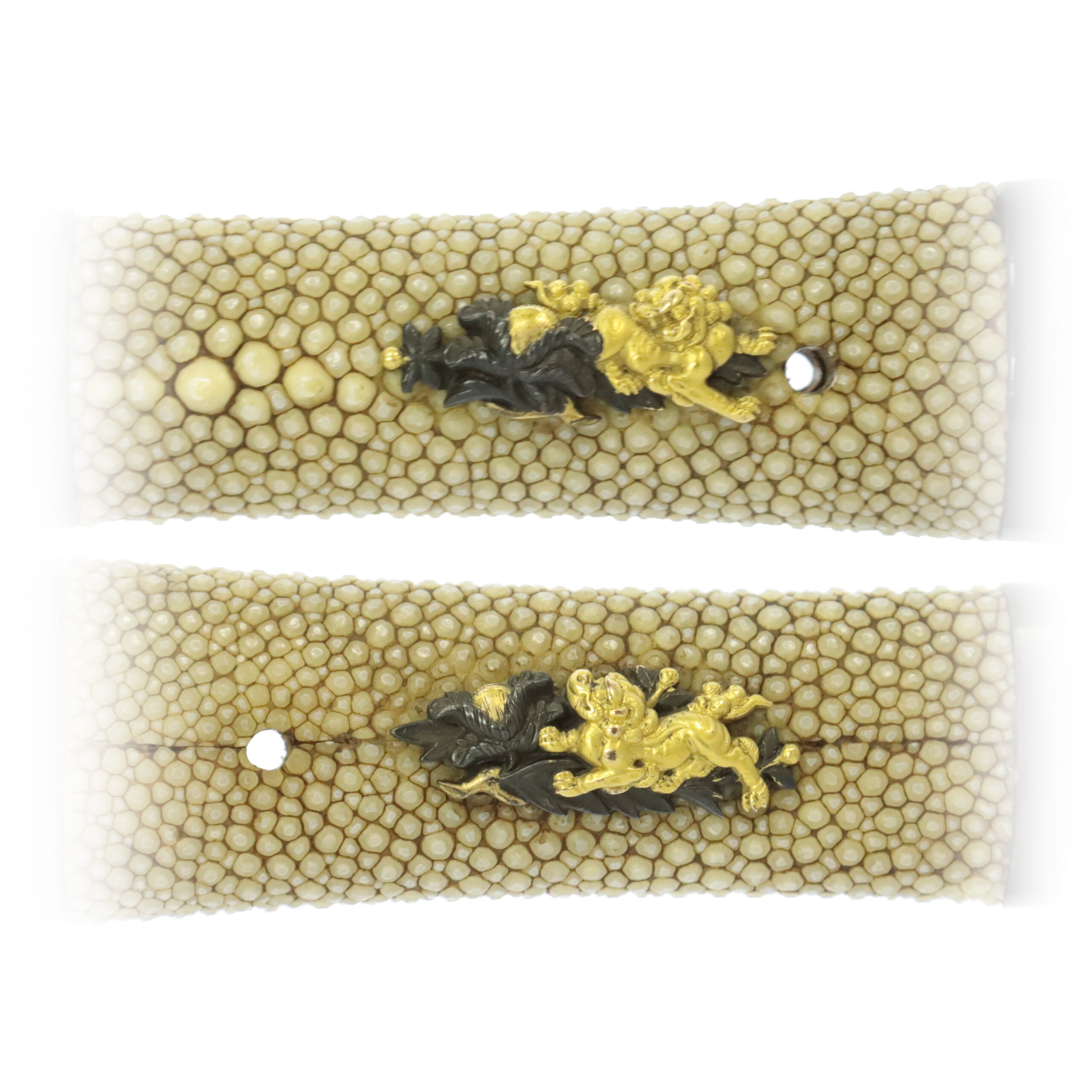
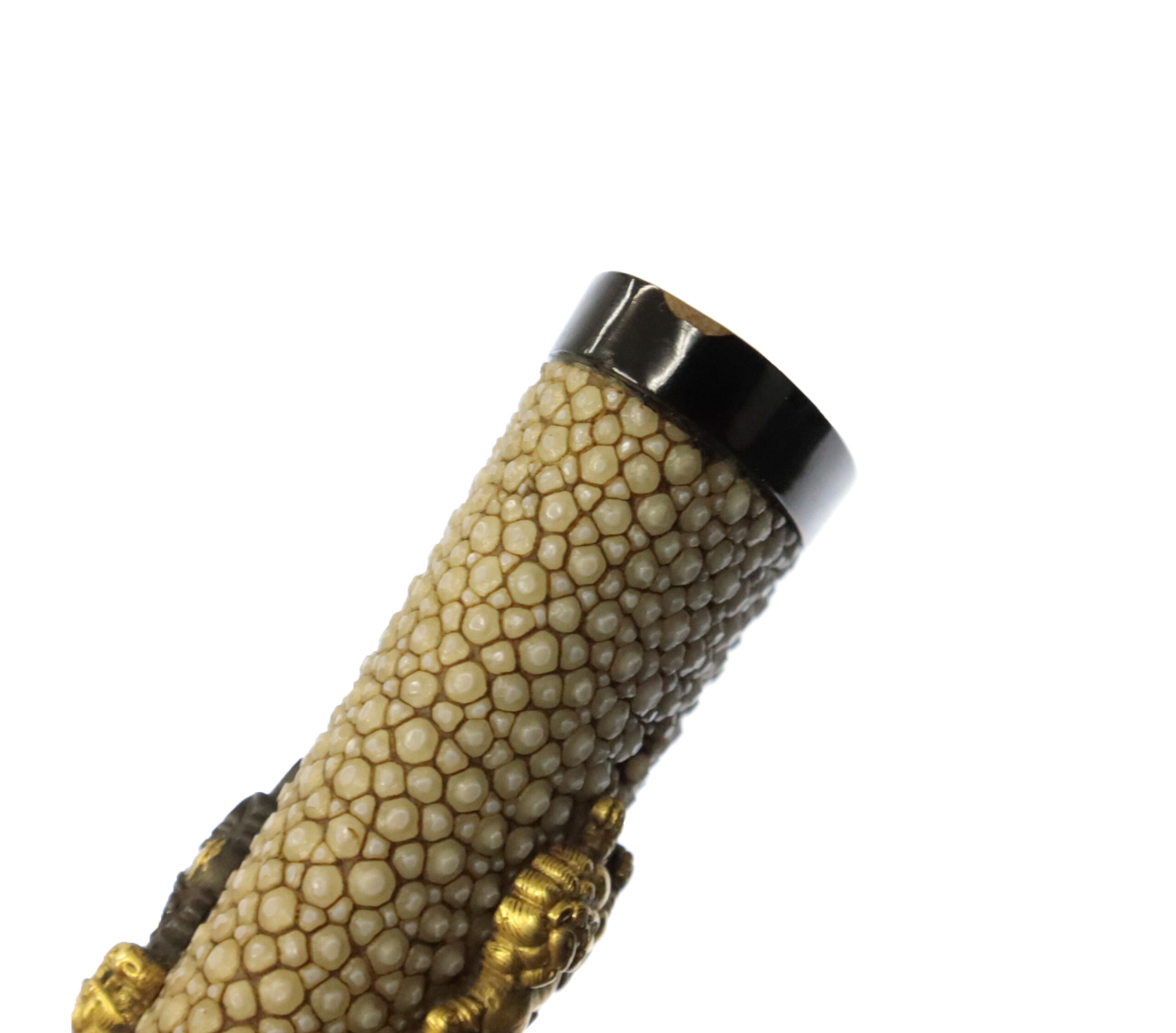
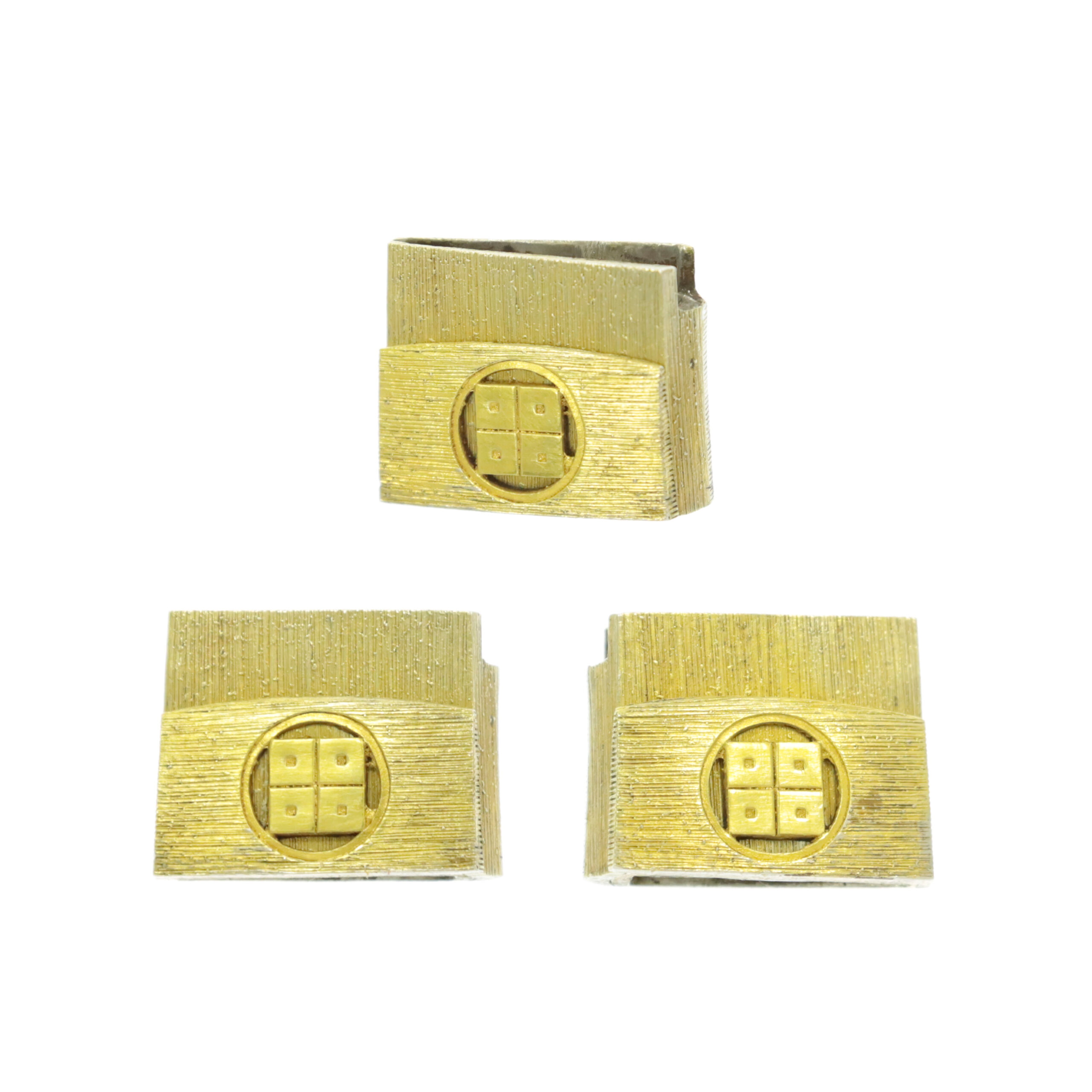
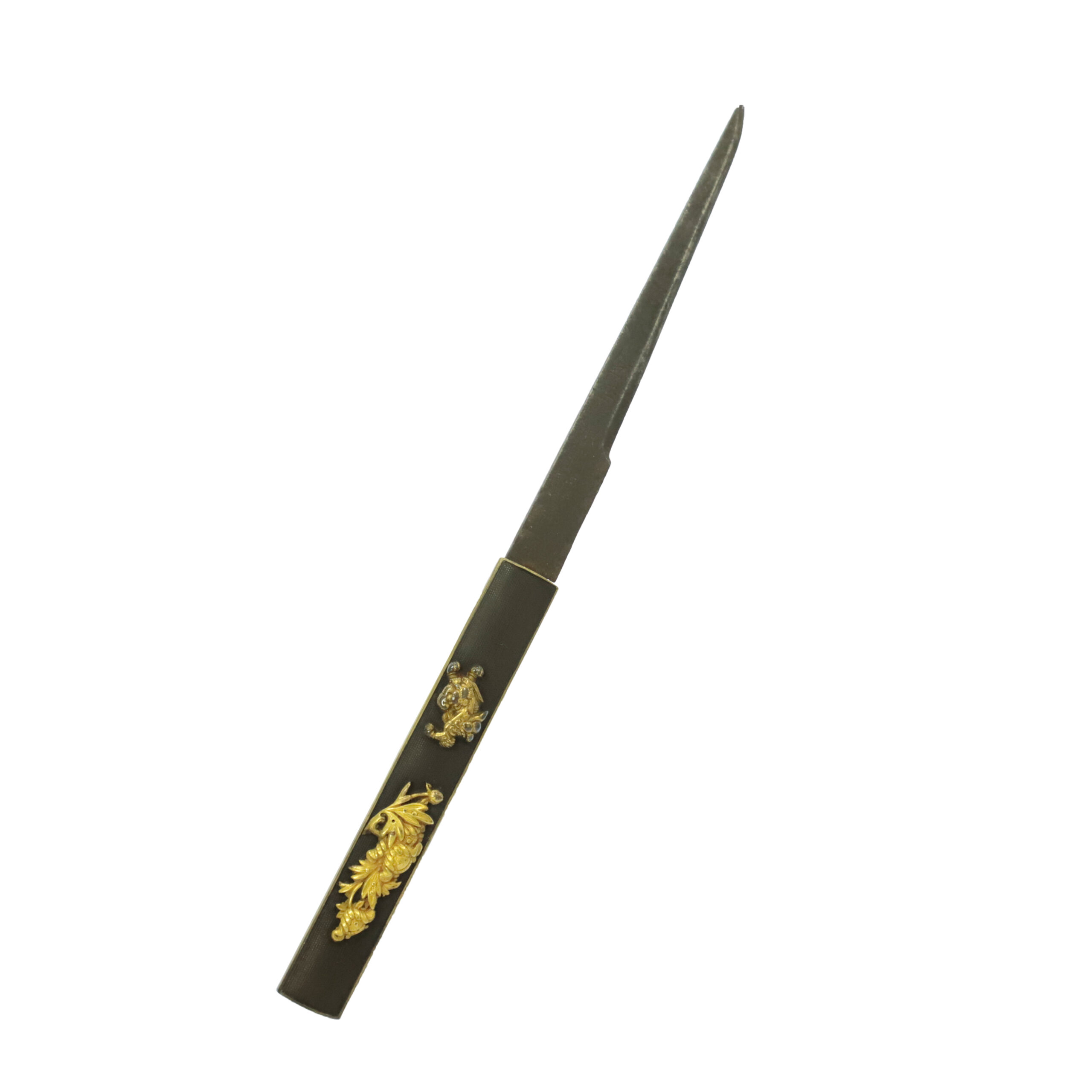
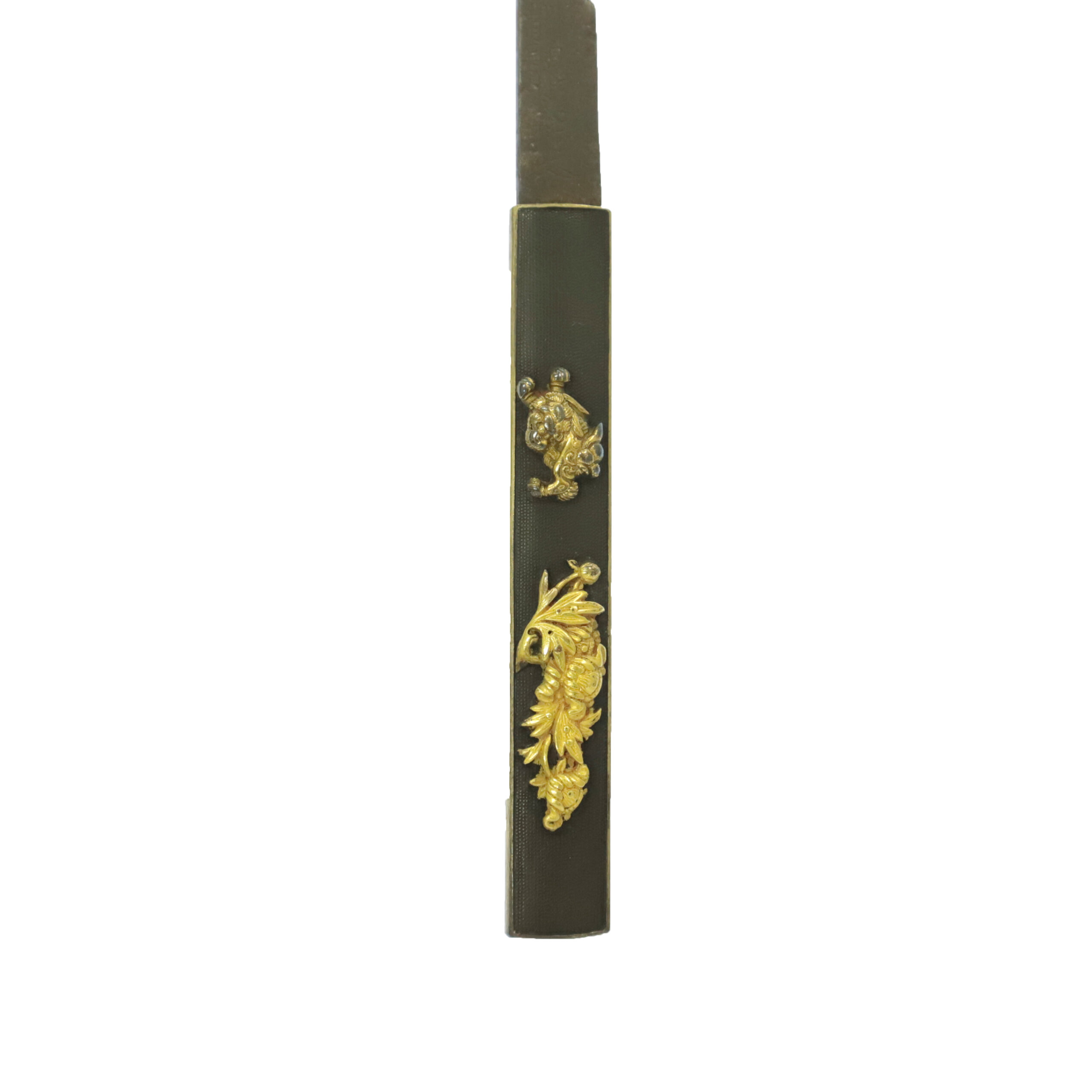
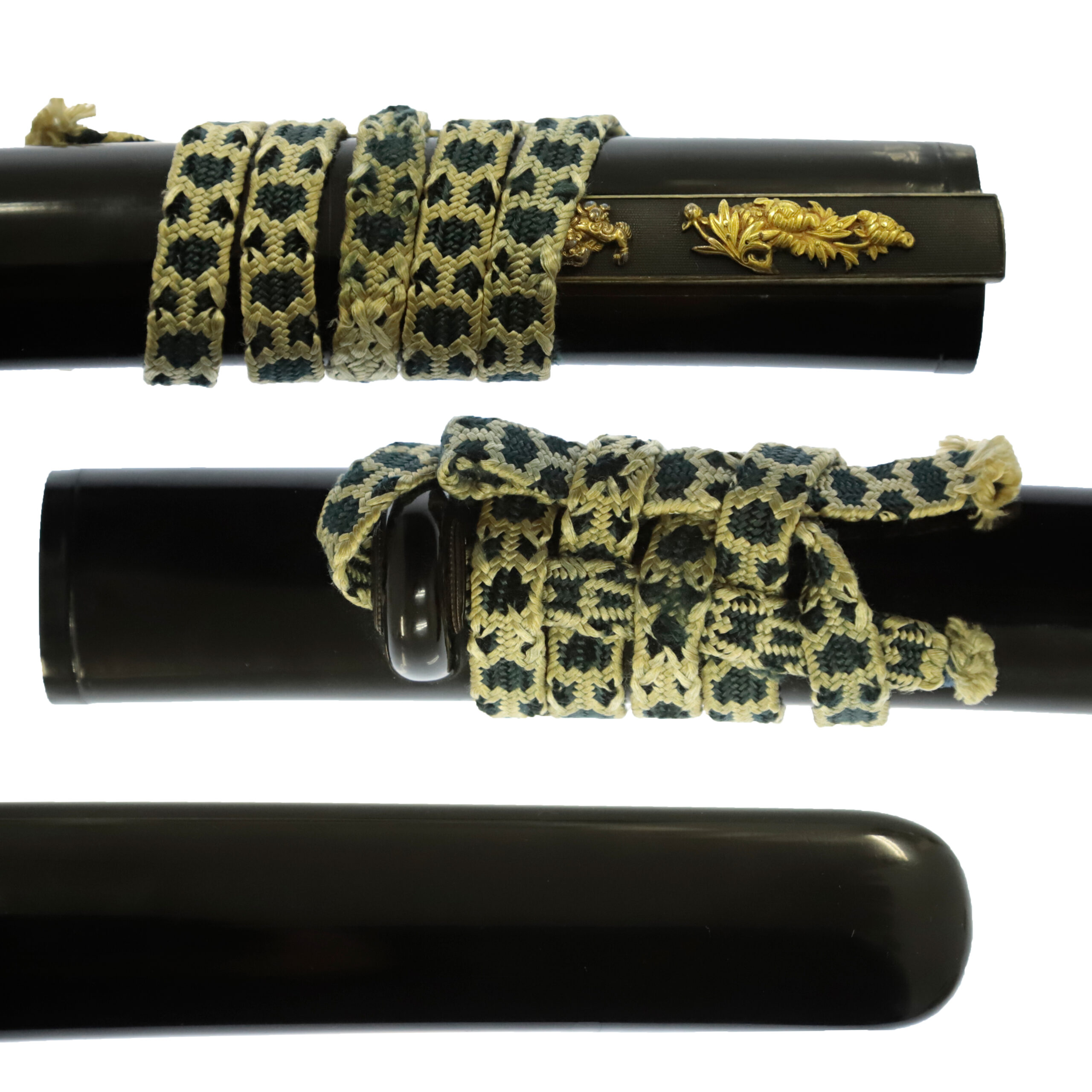
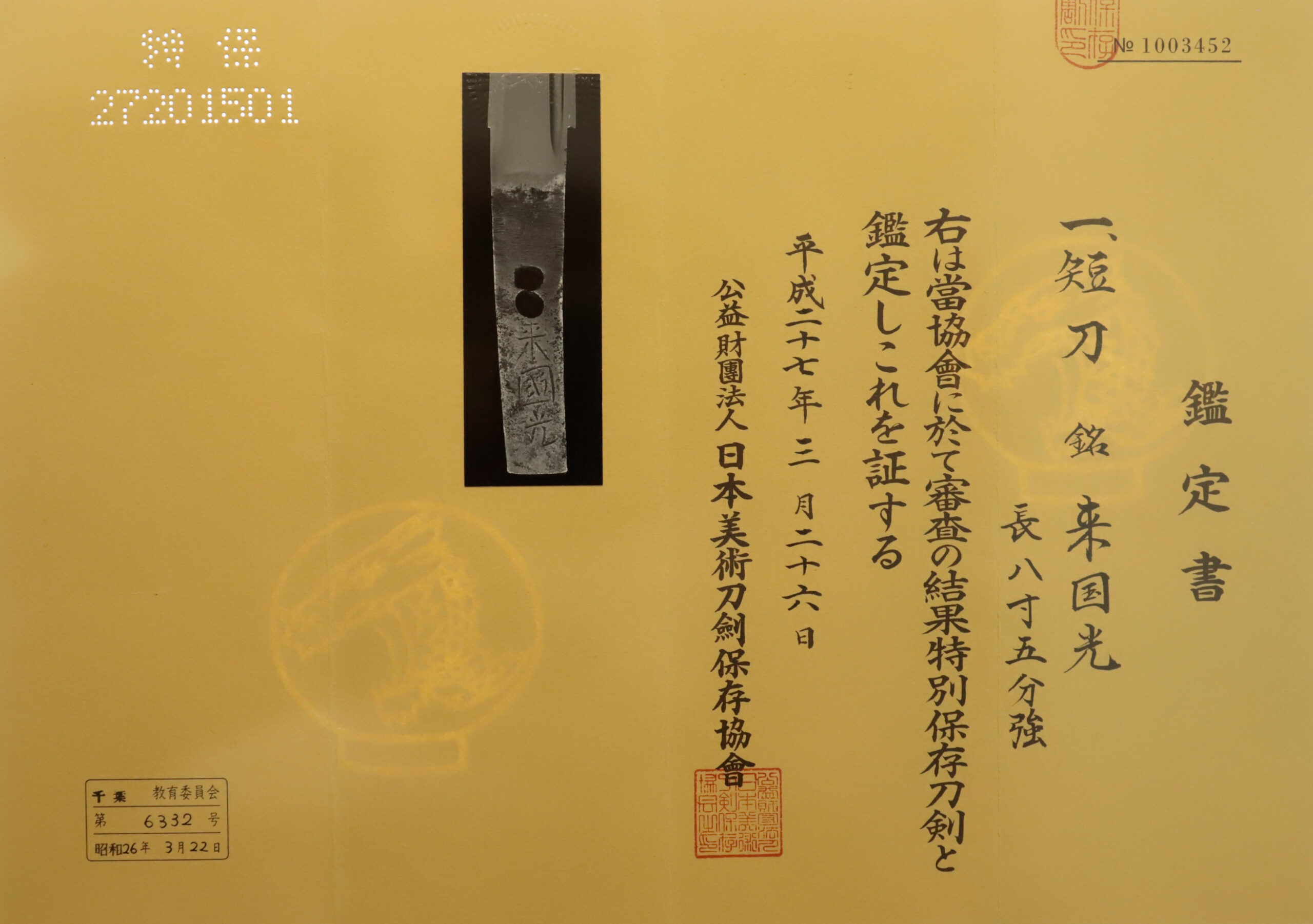
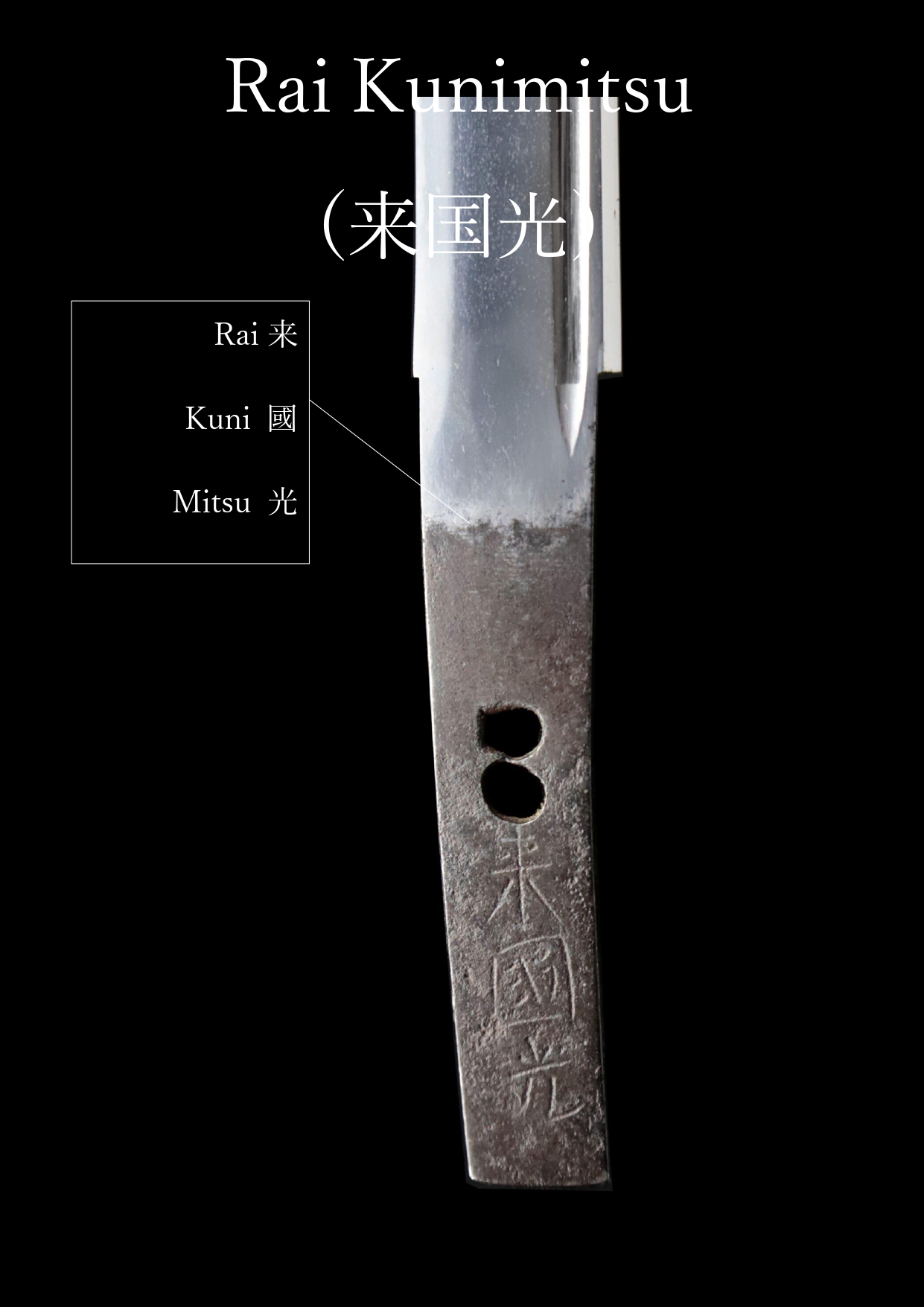
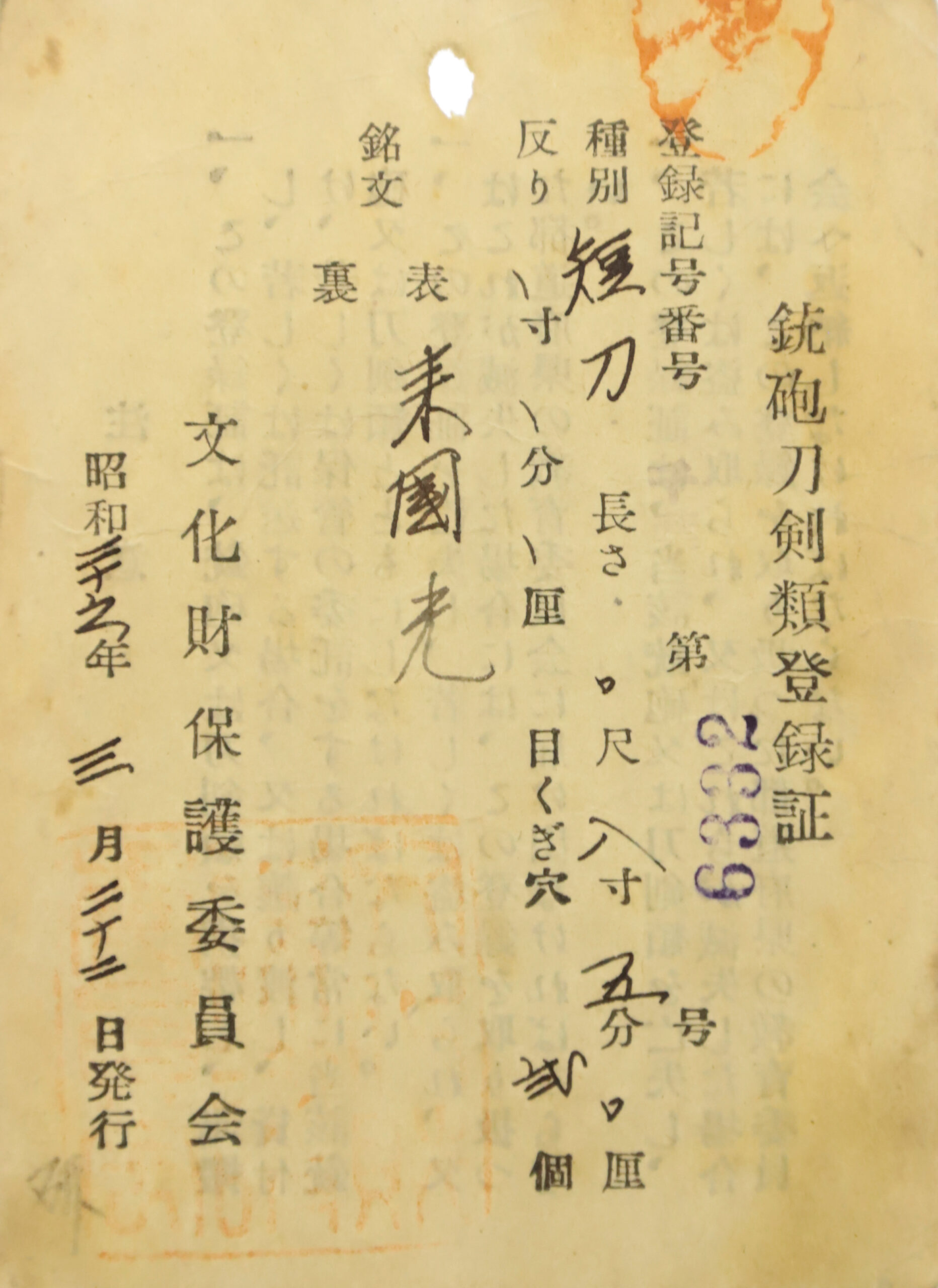
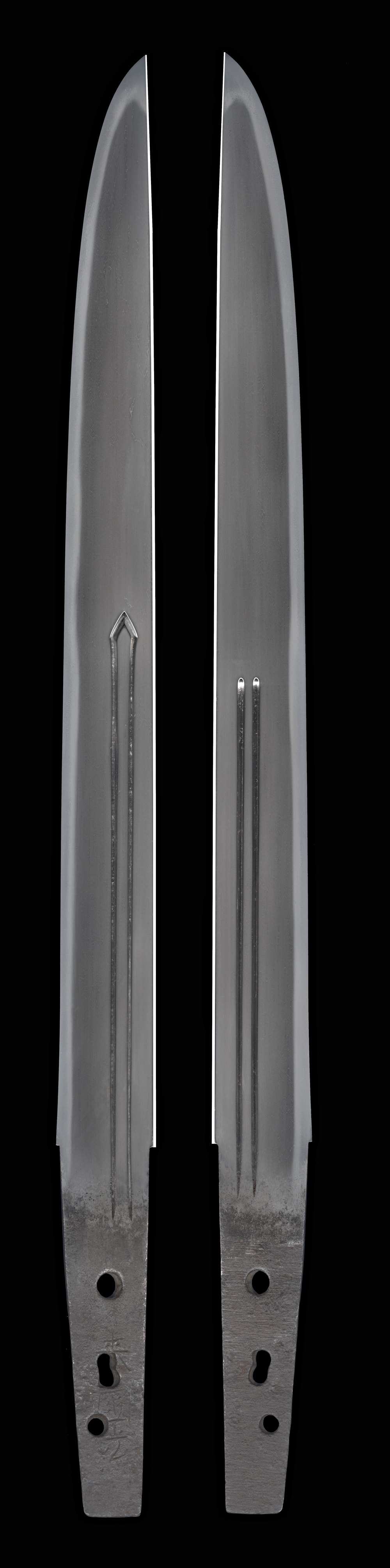
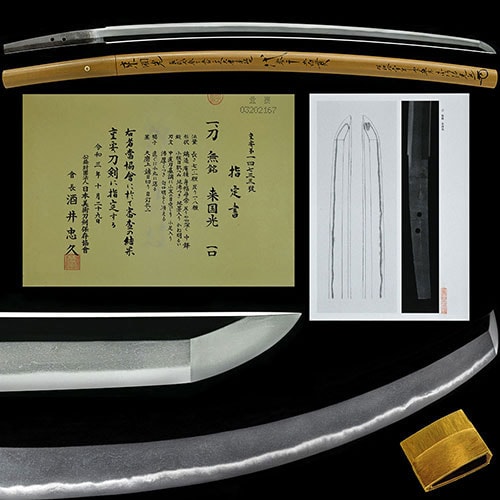
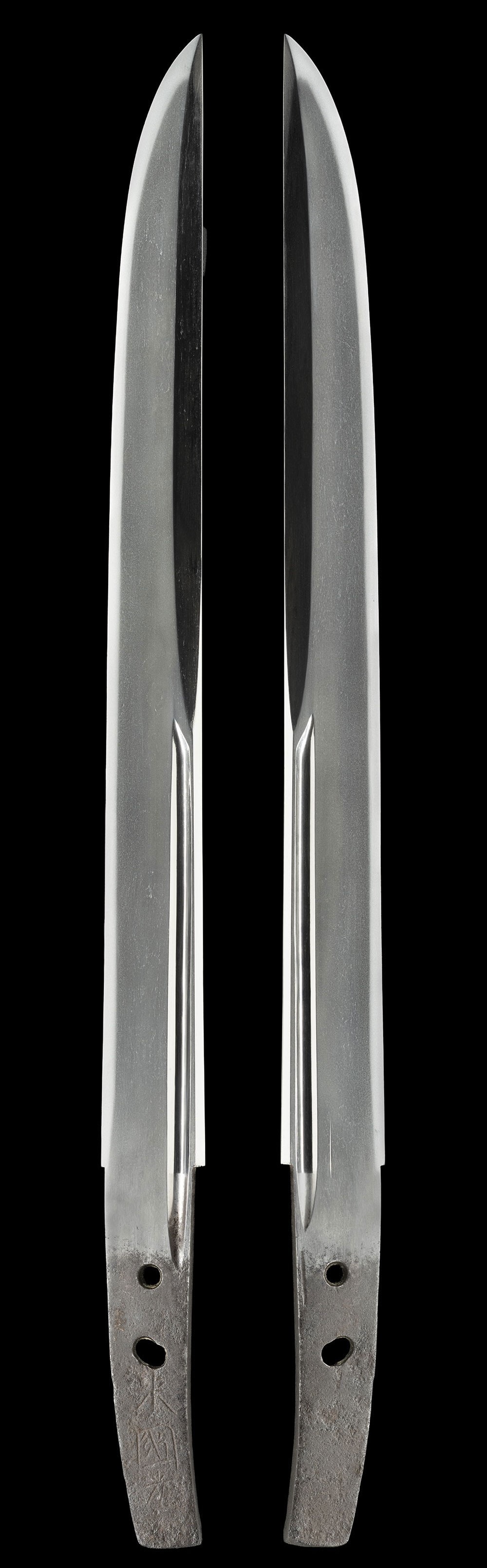
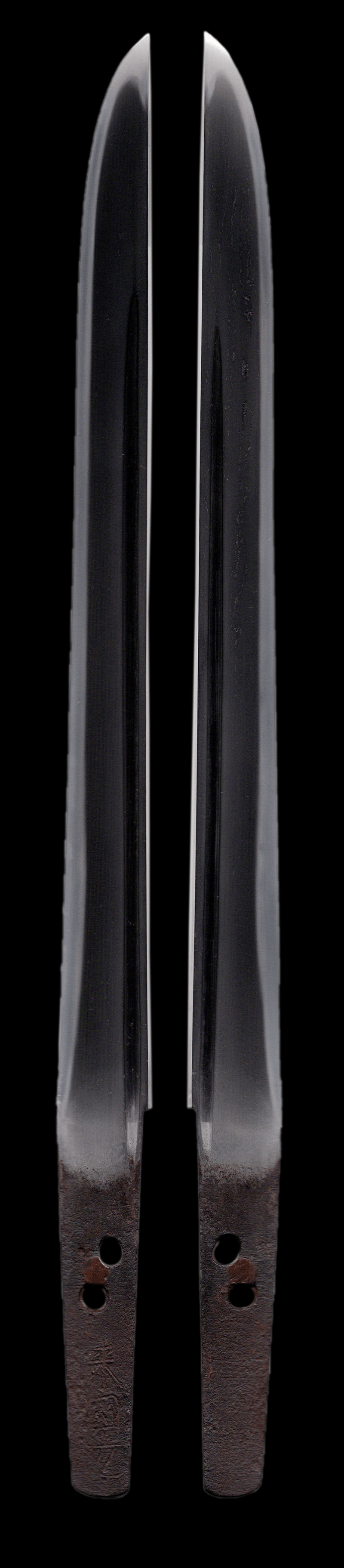
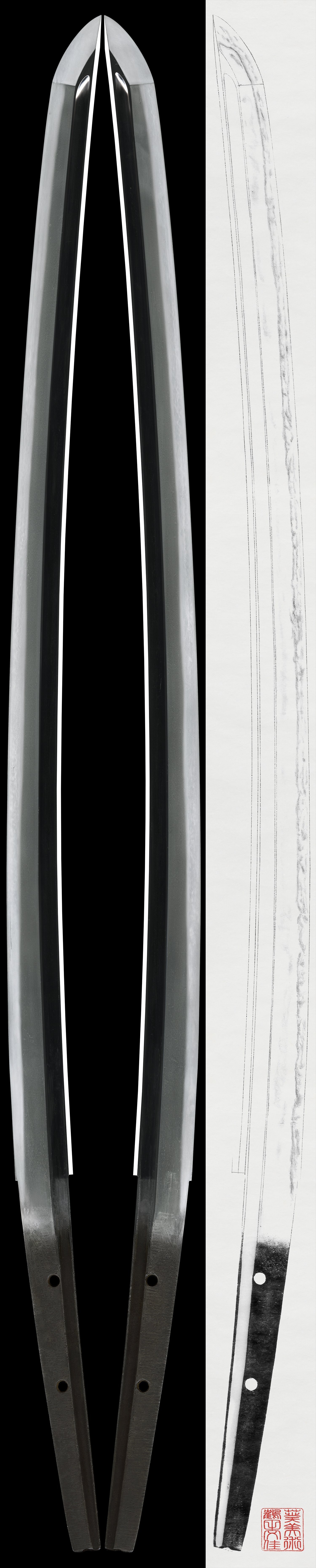
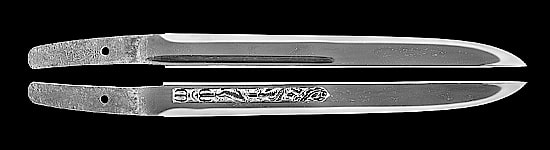
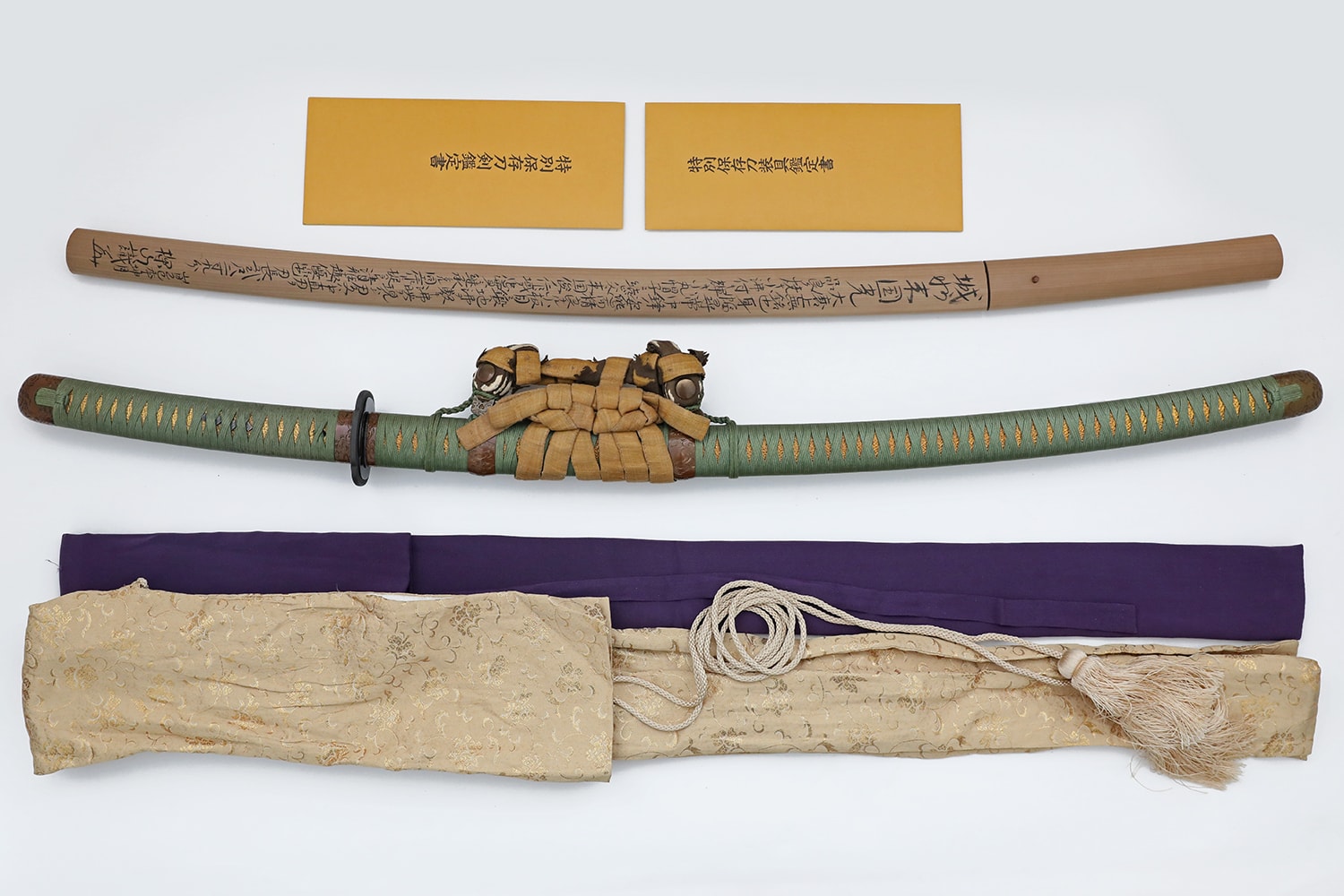
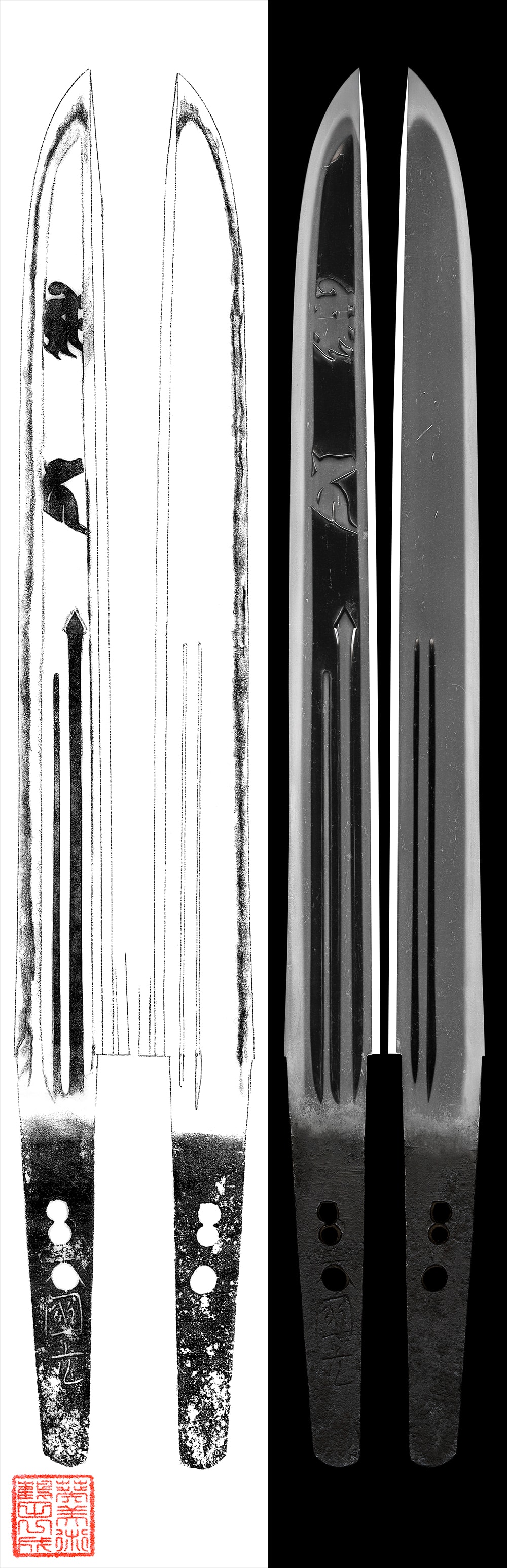
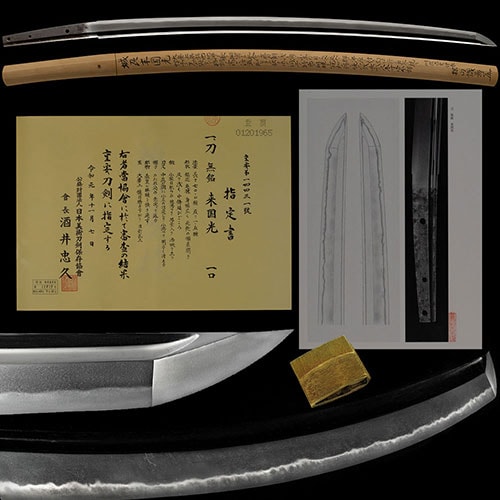
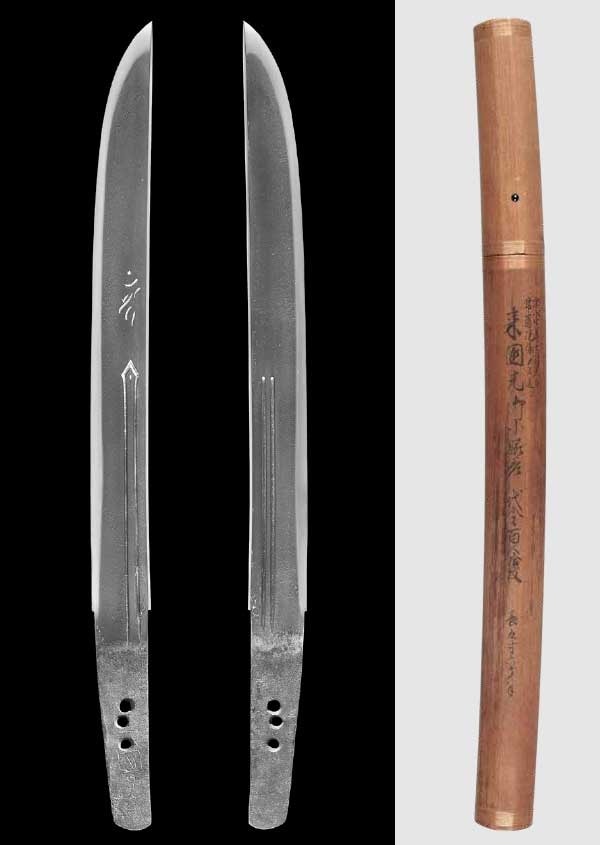
Antique Japanese Sword Tanto Signed by Rai Kunimitsu with NBTHK Tokubestsu Hozon Certificate 【Description】 This blade was signed by Rai Kunimitsu (来国光) who was active during the late Kamakura- early Nanbokucho period (1326-1351). He belonged to Rai school, which was prosperous in Yamashiro province (Kyoto prefecture) during the mid-Kamakura-Nanbokucho period. Rai Kunimitsu was the second son of Rai Kunitoshi, and he was also known as Jiro Hyoueno Jo. Rai school was originally founded by Rai Kuniyuki and was taken over by Rai Kunitoshi, and then Kunimitsu became the head of the school in his career. Three of his signed works are designated national treasures of Japan, and 22 swords are classified as Important Cultural Property. Yamashiro province was famous for its sword making style called YAMASHIRO-DEN. YAMASHIRO-DEN’s origin dates back to the Heian period (794 A.D), when the capital city was moved from Nara to Kyoto. The swordsmiths in Yamashiro province initially prospered by forging swords for court nobles and imperial families. Later on, they also forged swords for feudal lords after Samurai military government took control of Japan. There are so many renowned swordsmiths from this region. It is said that the founder of YAMASHIRO-DEN was Sanjo Munechika. And there are seven prestigious schools in this region. One of them is Rai school, where Kunimitsu belonged. Rai school and Aawata school are the most prestigious ones among YAMASHIRO-DEN. One of the most characteristics of YAMASHIRO-DEN is its elegant design and beautiful Jigane. This blade represents strong trait of YAMASHIRO-DEN. This blade is appraised as a Tokubetsu Hozon Token (特別保存刀剣) issued by NBTHK(Nihon Bijutsu Touken Hozon Kyokai:日本美術刀剣保存協会). This authentication paper was only given to authentic Japanese swords, especially well preserved and high quality with artistic value. *Please keep in mind that there is a minor Kitae Kizu on the blade. If you like to know the detailed condition, please feel free to contact us. 【Blade】 Cutting Edge Length(Nagasa) : 25.7 cm ( 10.1 inches) Curvature(Sori) : 0 cm (0 inches) Hamon : The crystalline structure which forms along the cutting edge of a blade as a result of the hardening process Jimon(Jihada) : visible steel surface pattern created by folding and hammering during forging process Kissaki : Kissaki is the tip of the Japanese sword. Nakago : Nakago is the tang of the Japanese sword. Japanese swordsmiths left the black rust on the tang because it prevents red rust while the tang is in its handle. And the discoloration of the tang was created over time, and it is a great indicator for a Japanese sword specialist to estimate when the sword was forged. Koshirae: Koshirae is the mounting of the Japanese sword. There are several parts that consist of Koshirae such as Saya(Scabbard), Tsuka( Handle), Tsuba(Handguard). Fuchi-Kashira : A pair of matching sword fittings that cover the upper and bottom parts of its sword hilt. *Please keep in mind that the black lacquer is partially missing on the Fuchi. We will be happy to have it restored before shipping it to you. We would like you to keep in mind that there might be trace of restoration. Tsuka and Menuki : Tsuka is the handle of the Japanese sword and Menuki is its decoration. The theme of the Menuki and Kozuka is Botan (牡丹, peony) flower and Karajishi (唐獅子). The combination of Botan and Karajishi is called Karajishi Botan (唐獅子牡丹). Peony represents happiness, wealth, nobleness, and gorgeousness. This flower pattern has been treated as a good-omen motif; people regarded it as a rich harvest sign. As mentioned above, a peony is called the Botan in Japanese. When we write this flower’s name in Kanji characters, its second letter means mountain hermit medicine that would give us eternal youth. Based on the meaning of this letter, the peony pattern symbolizes eternal youth and longevity. About the Karajishi, the Shishi (獅子) means a lion in Japanese, and the Karajishi is a lion br
 NihontoWatch
在銘 · Rai · 鎌倉 · 長さ 25.7cm
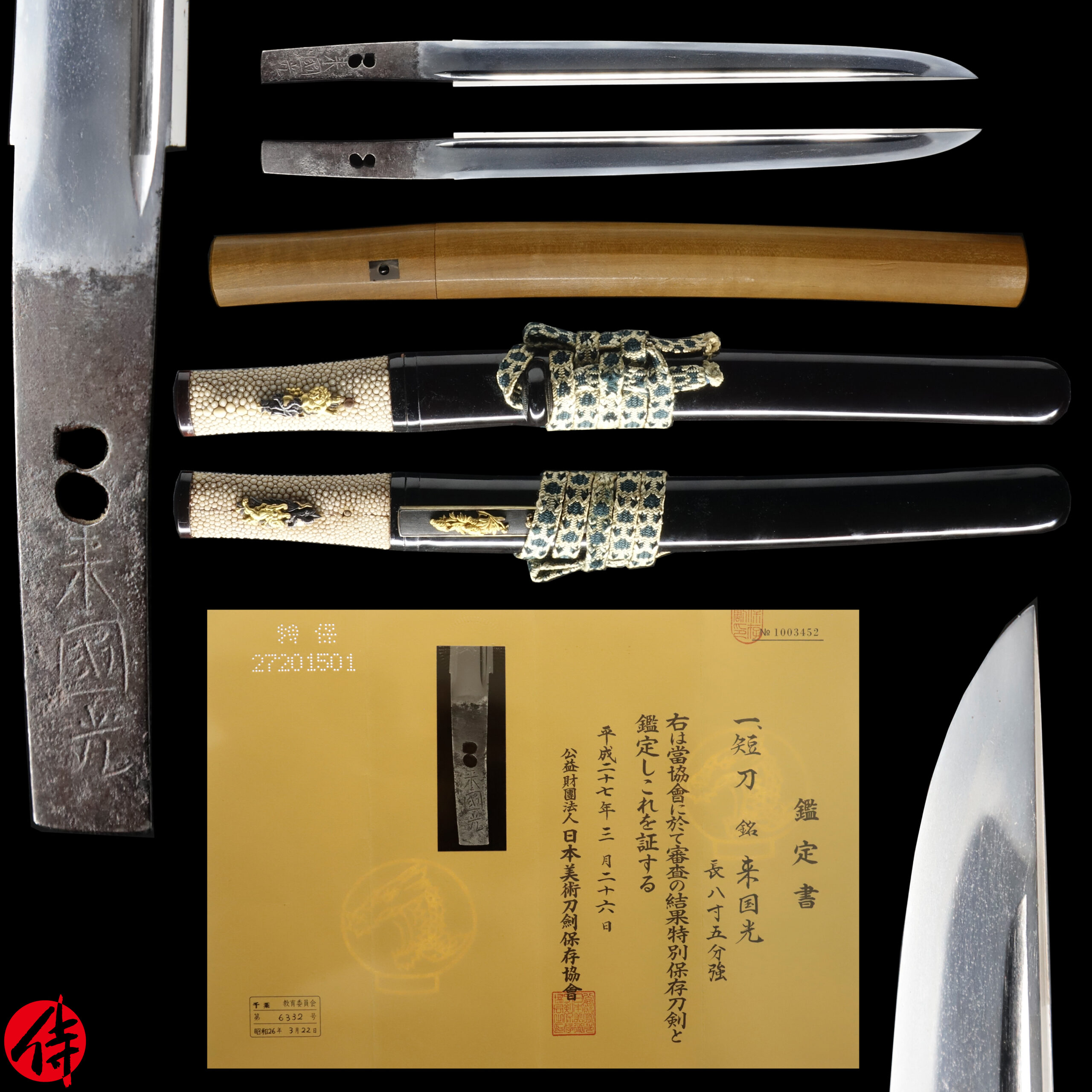
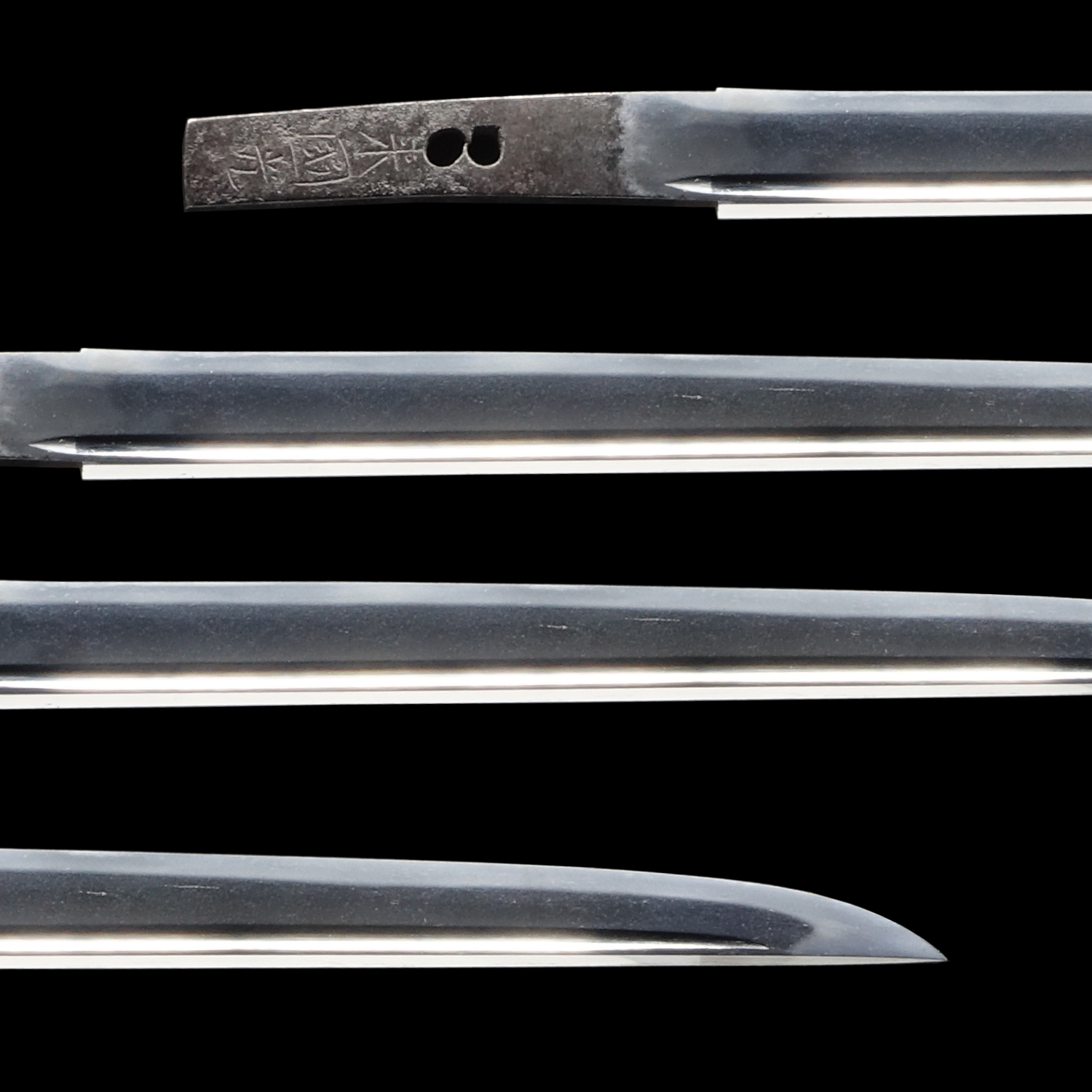
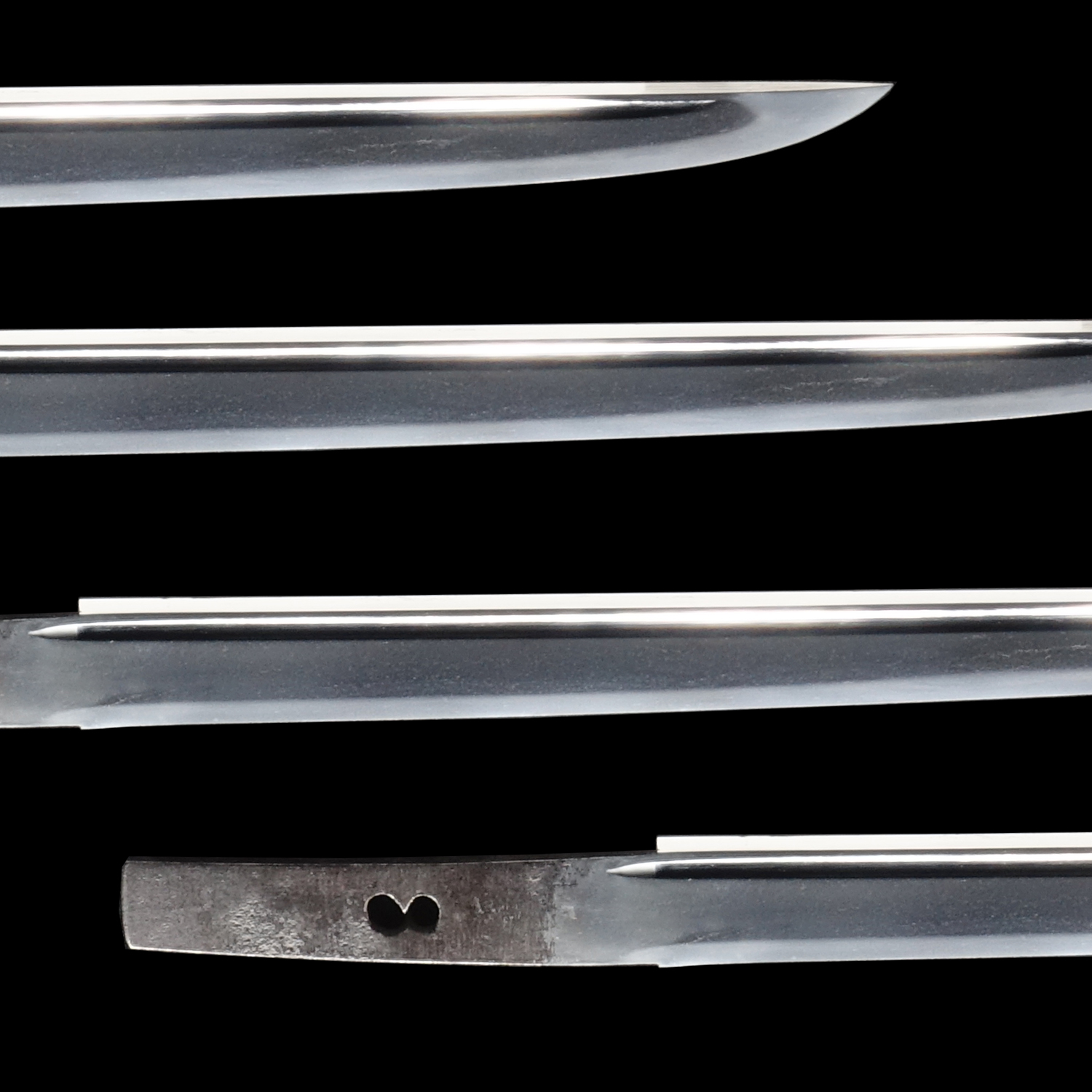
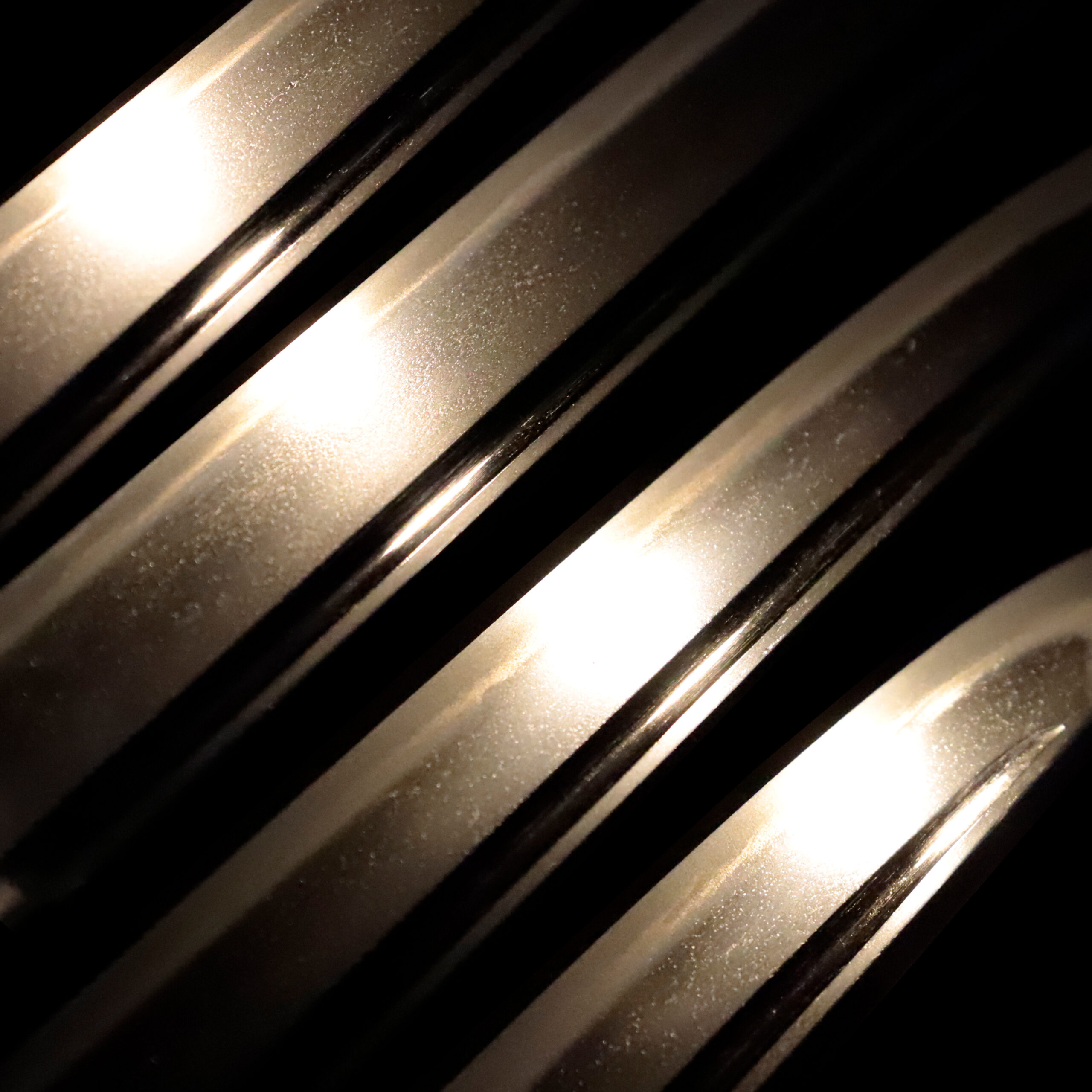
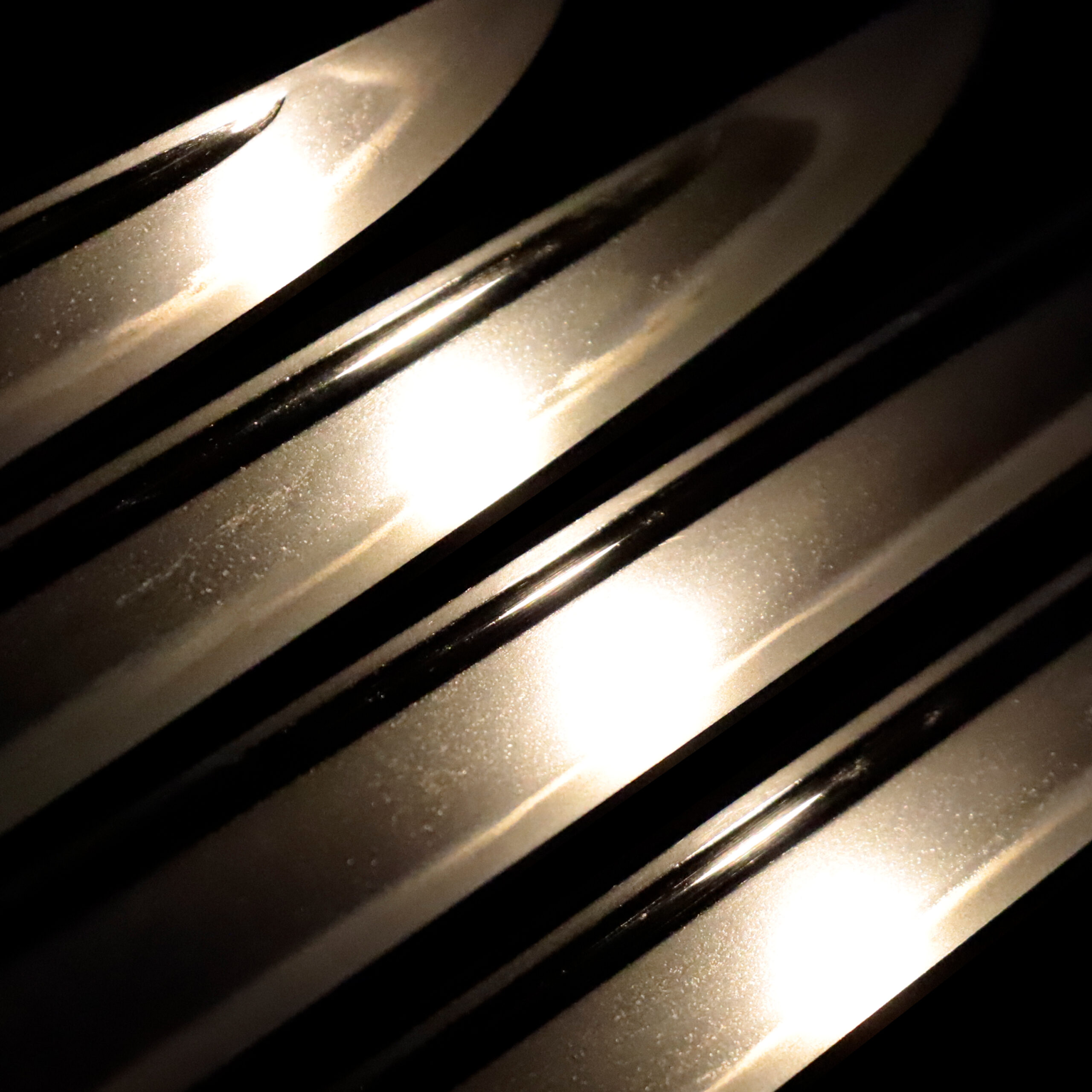
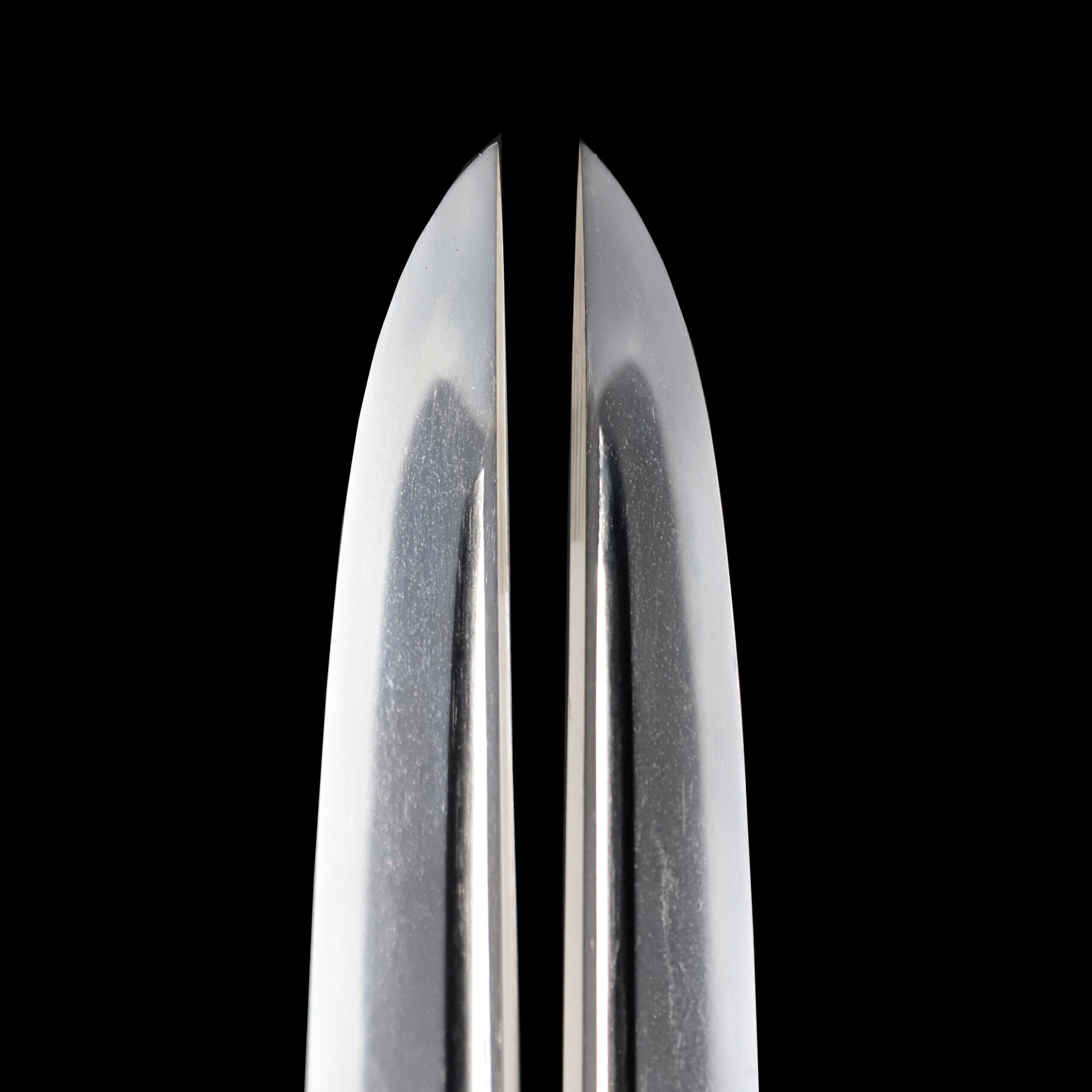
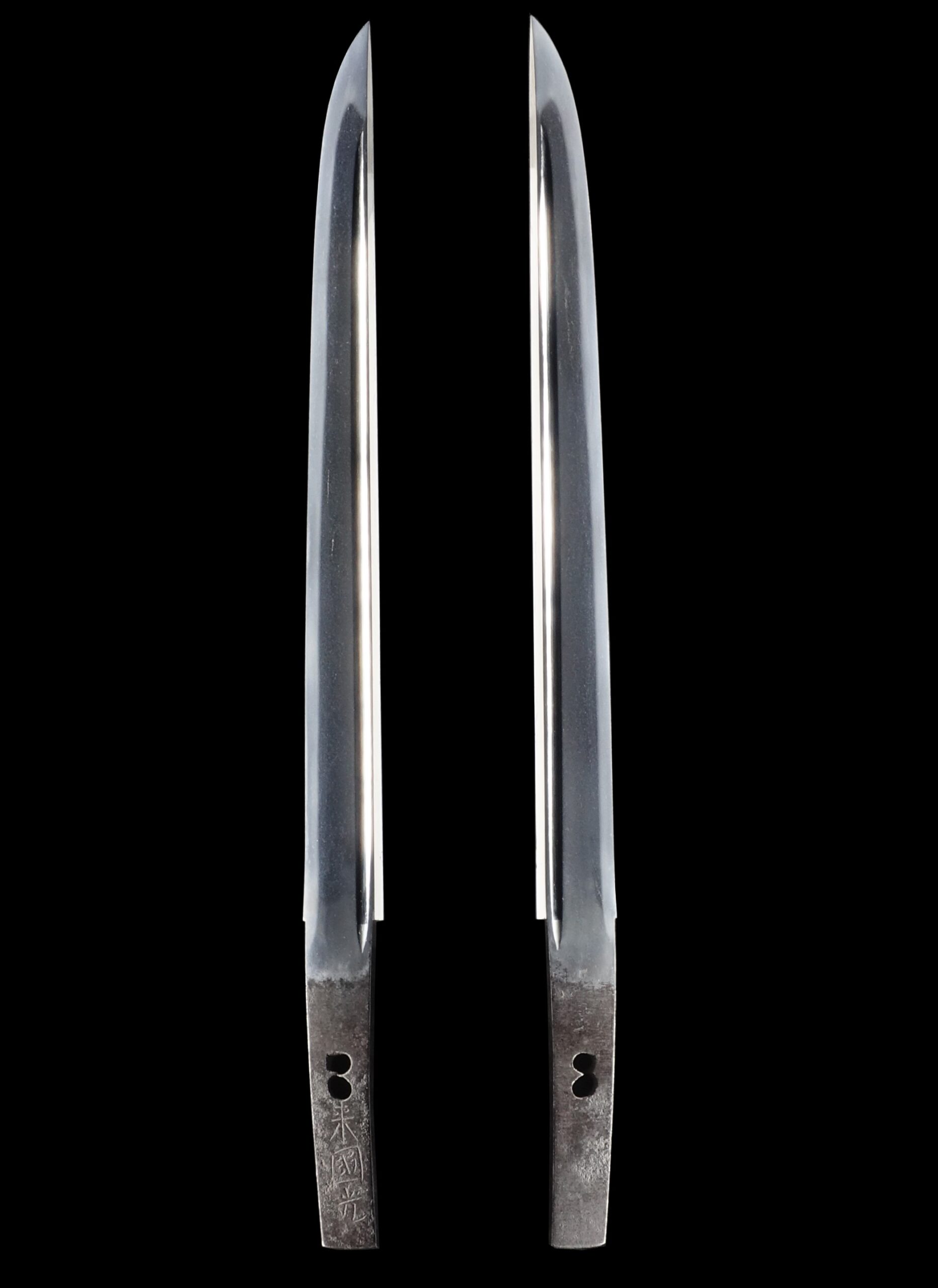
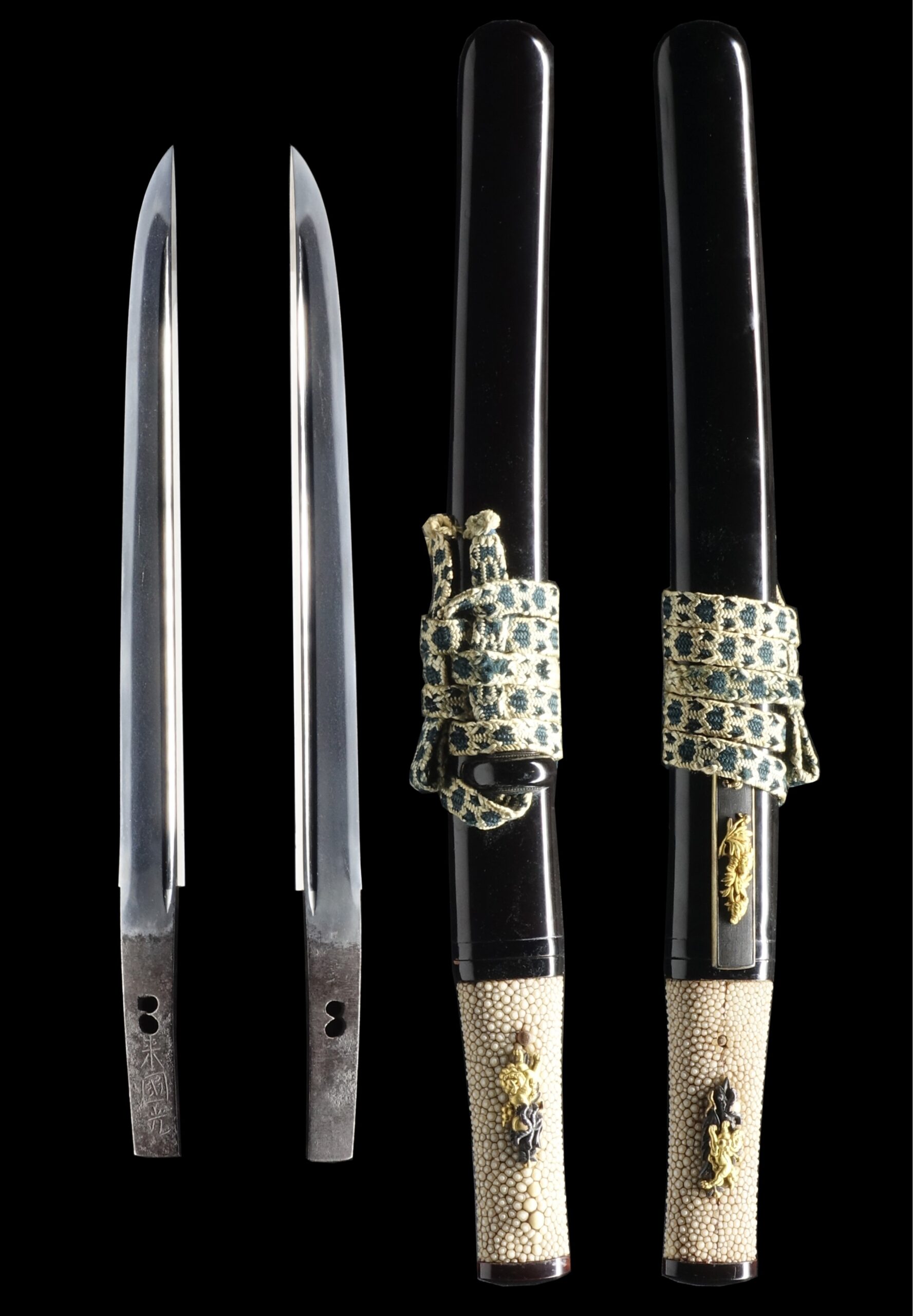
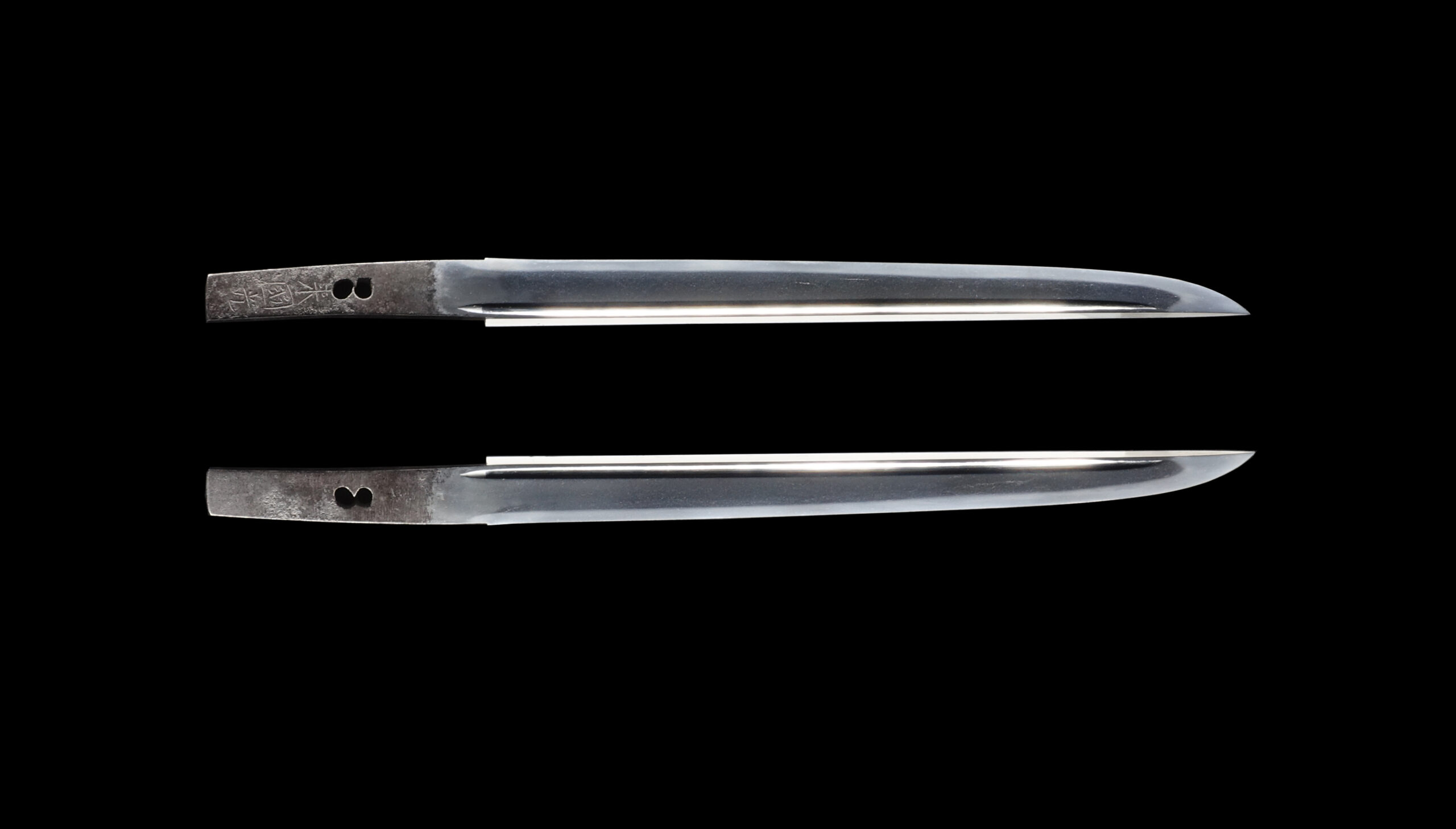
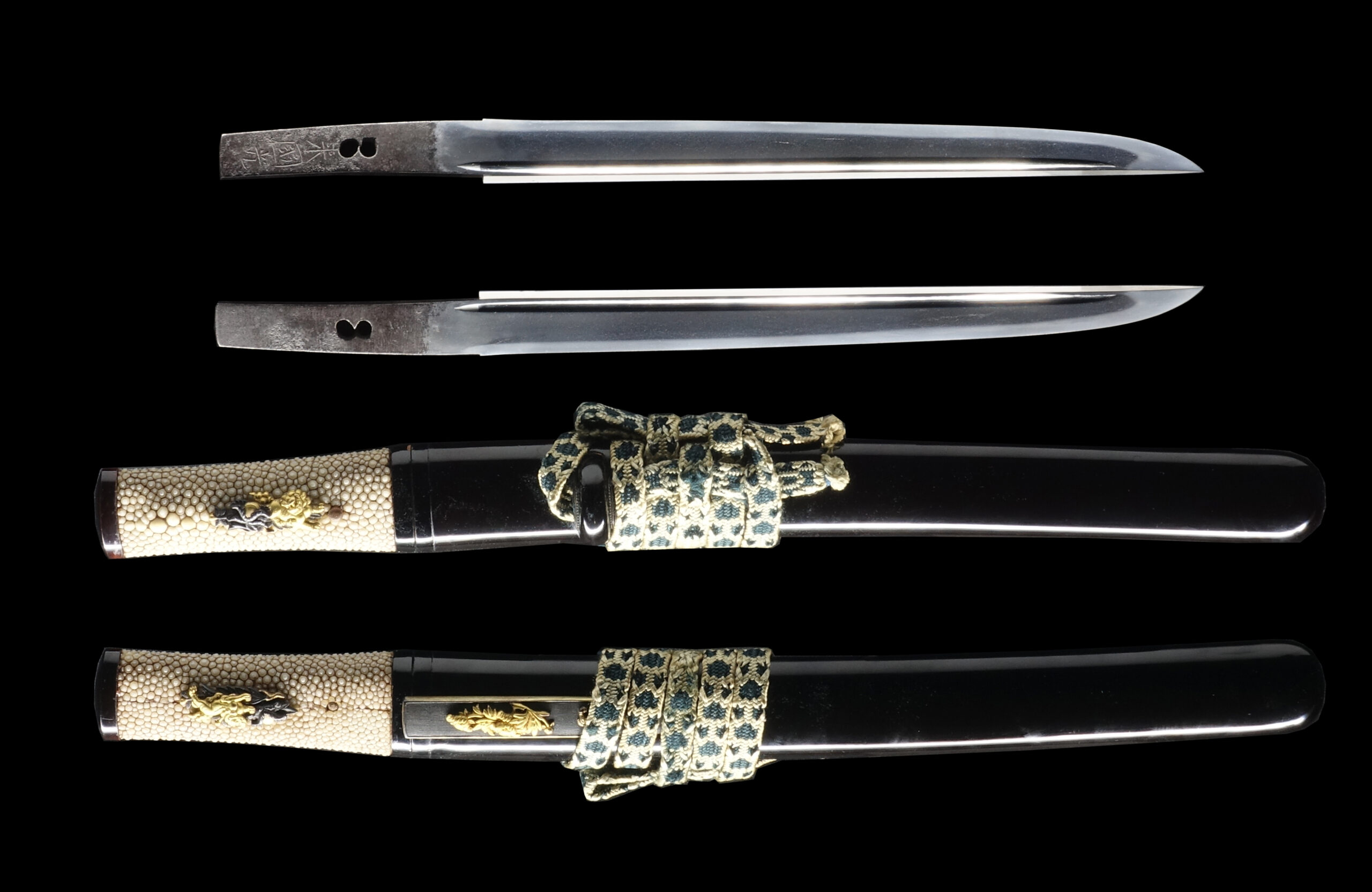
Rai (Yamashiro) · 山城 · 1326-1351頃
藤代 最上作 · 刀剣大鑑 上位3%
現在6点販売中
来国光の年紀作は嘉暦元年(1326)に始まり観応二年(1351)に及び、山城国来派を鎌倉時代末葉から南北朝時代前期へと担った。通説に来国俊の子と伝え、或いは弟子ともいう。説明書は「来派の中で最も遺例の多いのは国光である」[[c:7]]と記し、その評価は一貫して「来派の中で最も作域の広い器用な刀工」[[c:1]]という一点に立ち返る。作風は、京物の伝統的な真の直刃のほか、直刃調に小互の目・小丁子を交えるもの、直刃調に小乱れごころのもの、のたれ調に互の目を交えるもの、互の目主調の乱れのものと多岐にわたり、太刀・短刀・小脇指という形態の多様さと相俟って、その作域の広さを成している。
最も多いのは身幅の広い豪壮な大磨上無銘の刀である。磨り上げてなお深い輪反りを保ち、中鋒はやや延びごころとなる。刃文は中直刃・広直刃調に小互の目・小丁子が目立って交じり、足・葉が繁く入り、匂口は深く明るく冴える。小沸が厚くつき、金筋・砂流しがかかり、帽子は直ぐに小丸に返る。直刃の中に互の目の目立つ点こそ、国俊・国行との鑑別点として説明書に明記されるところである。
鍛えはいずれの作域にも通じて、小板目がよくつみ、地沸が微塵に厚くつき、地景が細かに入り、沸映りが立って鉄が明るく冴える。処々に現れる柔らかい肌合は来肌と呼ばれ、疵ではなく一派の見どころとされる。嘉暦二年紀の短刀では、フクラ辺の沸映りが一種の湯走り状を成して焼刃へ喰い下がるように入る様が記され、同工のみならず来一派に屢々見受けられるものとされる。
短刀は作域の両極を最も端的に担う。内反りの小振りの短刀は素剣・護摩箸の彫物を伴うことが多く、区際の焼込みまで父譲りで、一見国俊に見紛う。細身の直刃の作は初期作と鑑せられる。一方、幅広く寸延びてほとんど反りのない大振りの短刀には、のたれに互の目を交え、また互の目主調の乱れを太刀より一段と強い沸で焼き、相弟子で後輩とみられる来国次と同様に「相州伝的色彩をおびて覇気に満ちている」[[c:2]]。嘉暦二年(1327)紀の短刀が既にこの作域の成立を示し、この手の「最も大振なものが名物の新身来である」[[c:8]]。銘は造込みに従い、「太刀は比較的に小銘であり、短刀は大振りの銘である」[[c:9]]。太刀では棟寄りの低い位置に切り、短刀では目釘孔の下中央に大振りの三字銘を置き、来の字体は父国俊と異なるとされる。銘字には編年が立ち、嘉暦・元徳紀は字形に柔らか味があってクニ構えが丸く、貞和・観応紀はやや硬くなって構えが角ばる。作刀期間の長さとこの作風・銘字の変遷から初・二代の存在を唱える説があり、『古今鍛冶銘尽』は初代を元徳・建武頃、二代を康永頃とするが、一代説も根強く、説明書も今後の検討に俟つべきとしている。
父との比較は端的である。「来国俊に比して品位の点でやや譲るが、迫力では優る感がある」[[c:10]]。沸はやや強く、地には地景、刃には金筋・砂流しがかかって覇気を添える。来国行に比べれば大らかさを欠き、焼刃はやや締まりごころに足がよく入り、帽子は尖りごころとなる。幅広の乱れ短刀は一見国次に紛れるが、「国次に比しては焼きが幾分低く、突き上げ気味のするどい帽子に此の工の個性を窺知しうる」[[c:11]]。尋常な直刃の作は「一見延寿に紛れるが、熟鑑すれば、一段と優れている」[[c:12]]と評される。国次と共に相州伝を加味した作域を担い、南北朝に入る来派本流の最終期を飾った。
藤代の極めは最上作。指定を受けた作は268口を数え、国宝三口・重要文化財二十一口は博物館・神社・旧家に文化財として永く伝えられ、その下に重要美術品二十三口、特別重要刀剣・重要刀剣の級に二百十五口がある。在銘と無銘はほぼ相半ばし、太刀は多く大磨上無銘、短刀は多く生ぶ在銘である。伝来の録された刀は六十一口に及ぶ。「徳川家では本庄正宗と共に大事にされた家康佩用の太刀である」[[c:6]]一口をはじめ、紀州・尾張・水戸の徳川家、仙台伊達家、加賀前田家、黒田家、島津家、浅野家、細川家、池田家、佐竹家、さらに皇室に伝わり、元禄三年(1690)の本阿弥光常による代五百貫の折紙など本阿弥家の極めがこれに従う。現所蔵の録には東京国立博物館・京都国立博物館・徳川美術館・佐野美術館・静嘉堂文庫美術館などが見える。蒐集家にとって全く手の届かぬ名ではなく、特別重要刀剣・重要刀剣の級には私蔵の作が残り、時に市に現れるが、この位の名となればその機会は稀であり、現れること自体が一つの出来事である。
國光の位置づけを、日本刀全体および伝統・時代・時期ごとに示します。各位(随一・屈指・有数・著名)は、NBTHK および文化庁による指定に加え、三作や名物帳などの歴史的栄誉を加味したものです。
各項目を選ぶと評価方法が表示されます。
在銘年紀作が示す、確実に活動していた年代
山城伝 · 山城
現在50点販売中
来派の作をまず見分けさせるのは地鉄である。精美によく約んだ小板目を主体に板目・杢・流れ肌を交えてよく錬れ、地沸が微塵に厚くつき、細かな地景が頻りに入り、沸映りが立って鉄が明るく冴える。処々に交じる柔らかく大模様の肌合は来肌と呼ばれ、疵ではなく一派の見どころとして受け取られている。この明るく精到な山城の鍛えこそ、来一門の作を貫く第一の標識である。 その出発点に位置するのが、鎌倉時代中期に山城国京都に活躍した来国行で、諸書のくり返し記すとおり事実上の祖と仰がれる。自身の作に年紀はないが、その子と伝える二字国俊に弘安元年(一二七八)の太刀があり、これに拠って正元・文応頃の活躍年代が首肯される。以後、二字国俊から三字銘の来国俊へ、さらに来国光・来国次へと血脈が継がれ、鎌倉末から南北朝前期にかけて一門は山城刀工の最上位を占めた。なお来国俊は来派で最初に「来」の字を冠した工であり、以後の一門が皆これに倣っている。二字国俊と三字銘来国俊の同人・別人は、両銘の年紀が弘安元年から元亨元年の約四十年に納まることなどから近年同人説が定着しつつあり、一門の古典的な論点をなす。 地鉄の上に来派の焼く刃は、備前の華やかな丁子ではなく、広直刃調を基調とする。これに小丁子・小互の目・小乱れを交え、足・葉が繁く入り、佩表の足が備前とは逆に茎の方へ斜めに傾く所謂京逆足となるところに京物の本領がある。匂深く明るく、小沸が厚くついて働きは刃の高さではなく沸に宿り、刃中に金筋・砂流しがかかる。帽子は小丸を主としながら掃きかけを伴うことが多く、この掃きかけは小丸と並ぶ第一の鑑別点に据えるべきものである。時代と系統による振幅も明瞭で、二字国俊は身幅広く猪首鋒に結ぶ豪壮な体配に丁子主調の賑やかな乱れを焼き、三字銘来国俊は細身か尋常の姿に締まった直刃の上品な作域を示す。末期の来国光は直刃に互の目を目立って交え作域が最も広く、来国次に至っては地刃の沸が一門で最も強く、のたれに互の目を交えた相州伝寄りの作風から鎌倉来と呼ばれ正宗十哲に数えられる。 収集家がこの一門を求めるべき所以は、まずその鑑定の勘所が明快なことにある。よく約んだ小板目に微塵の地沸と鮮明な沸映り、広直刃に京逆足、そして掃きかける帽子という積極的な特色が揃い、無銘極めの拠りどころが明文化されている。一門内の差も精密に引かれ、来国光は来国次に比して焼きが幾分低く突き上げ気味の帽子に個性を窺い、戸津来あるいは中堂来と呼ばれる光包は来肌の少ない強く冴えた地鉄と広く長く返る帽子で一門中の異色として立つ。代表作と伝来も厚く、来国行在銘の太刀は筑前黒田家に伝わって本阿弥光忠の千貫折紙と後藤家製の糸巻太刀拵を備え、名物愛染国俊・名物鳥飼国俊・名物乱光包をはじめ尾張紀州徳川家、前田家、上杉家、島津家、伊達家など大名家の蔵刀として珍重された。鎌倉末期山城物の最も純粋な姿を示す来派の作は、日本刀剣史において古刀山城の頂点に位置づけられ、真剣な収集家が現実に到達し得る目標であり続けている。 詳しく見る →
鎌倉時代の山城
政権は鎌倉にあったが、美意識はなお京都が定めた。粟田口派の梨子地肌は完璧の代名詞となり、来派は公家にも上級の武家にも大寺にも、堂々たる太刀を納めている。
保存刀剣のうち、出来が一層優れ、保存状態も良好と認められたものです。再刃や、室町・江戸期の多くの無銘作は対象外となり、保存刀剣より高い基準が課されます。
日本美術刀剣保存協会(NBTHK)は、1948年に設立され、文化庁の監督を受ける公益財団法人で、東京・刀剣博物館に本部を置きます。専門の審査員が出品作を直接審査し、美術的・歴史的価値に応じた鑑定書を発行します。NBTHKの鑑定書は、日本刀および刀装具の真正性を示す最も広く認知された基準です。
NBTHK公式サイトReturns/exchanges limited to defects caused by shipping (except willful misconduct or gross negligence by the company); customers must contact within 72 hours of receiving the product.



![Katana - 作 國光 - 刀[無銘 来国光][日本美術刀剣保存協会]重要刀剣](/_next/image?url=https%3A%2F%2Fitbhfhyptogxcjbjfzwx.supabase.co%2Fstorage%2Fv1%2Fobject%2Fpublic%2Flisting-images%2Fworld-seiyudo%2FL31270%2F00.jpg&w=2560&q=90)