室町は刀剣業を産業に変えた。徒歩の集団戦とともに打刀が興り、長船と関は数打ち物と注文打ちを並行して産し、勘合貿易は日本刀を数万振の単位で海外へ運んだ。
 NihontoWatchNihontoWatch
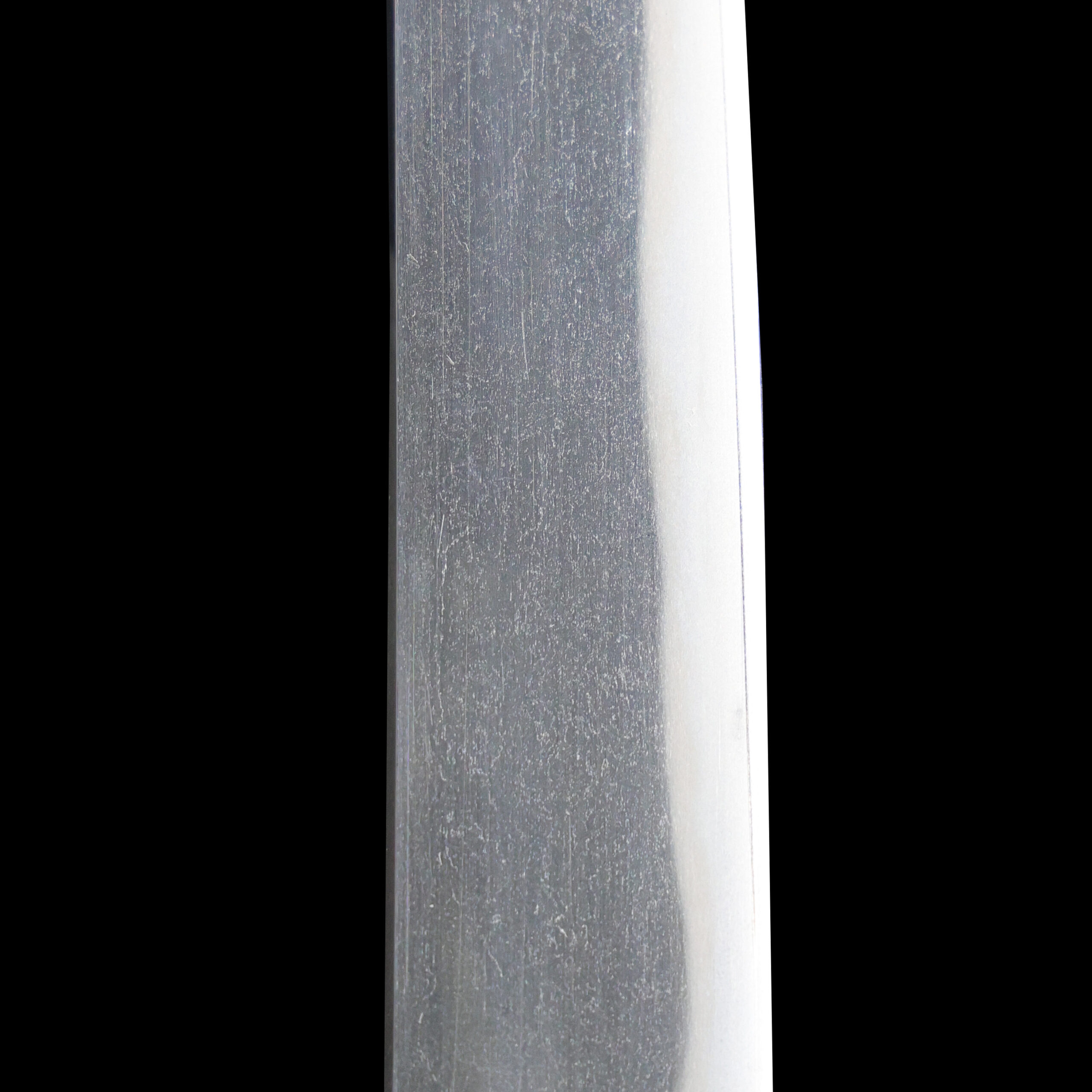
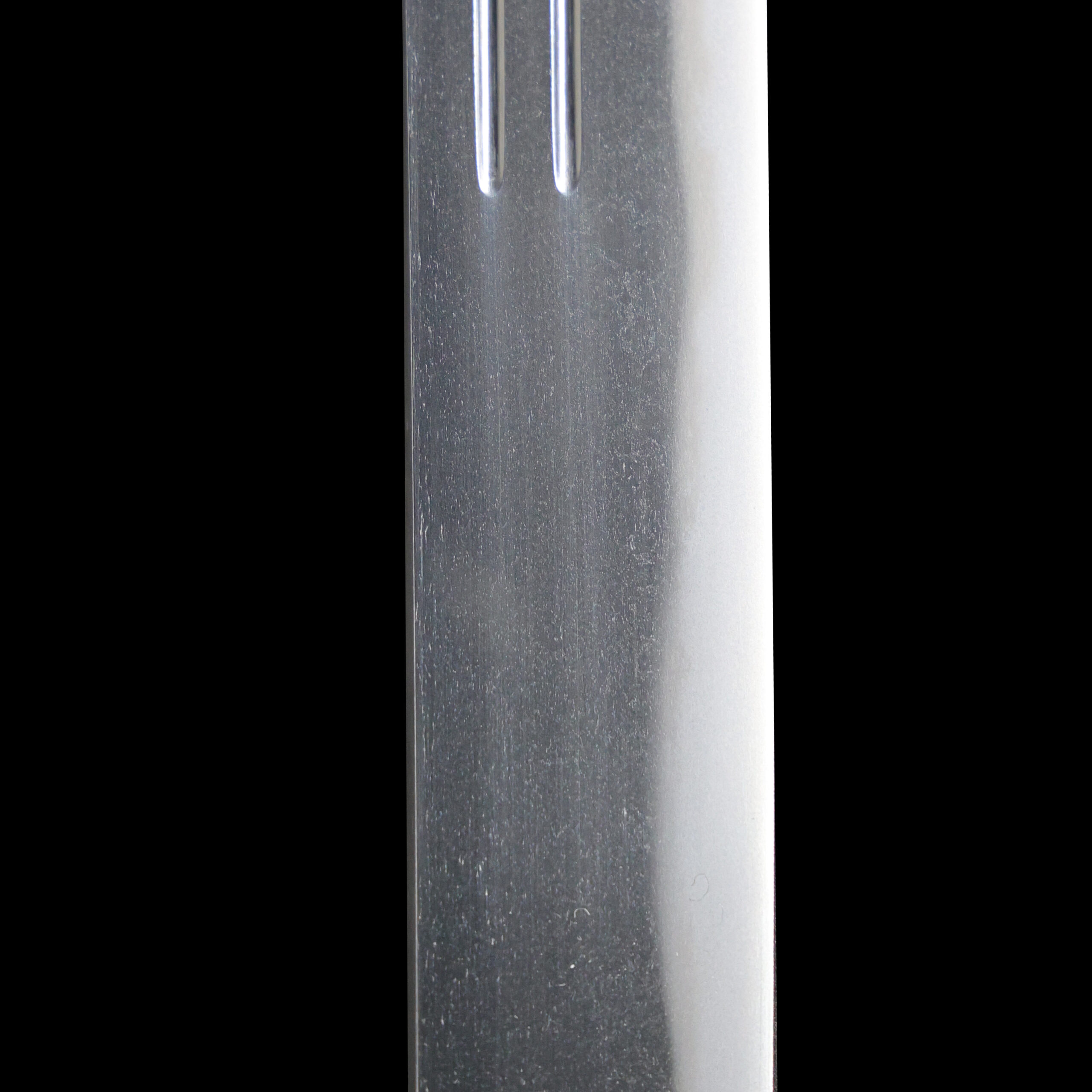
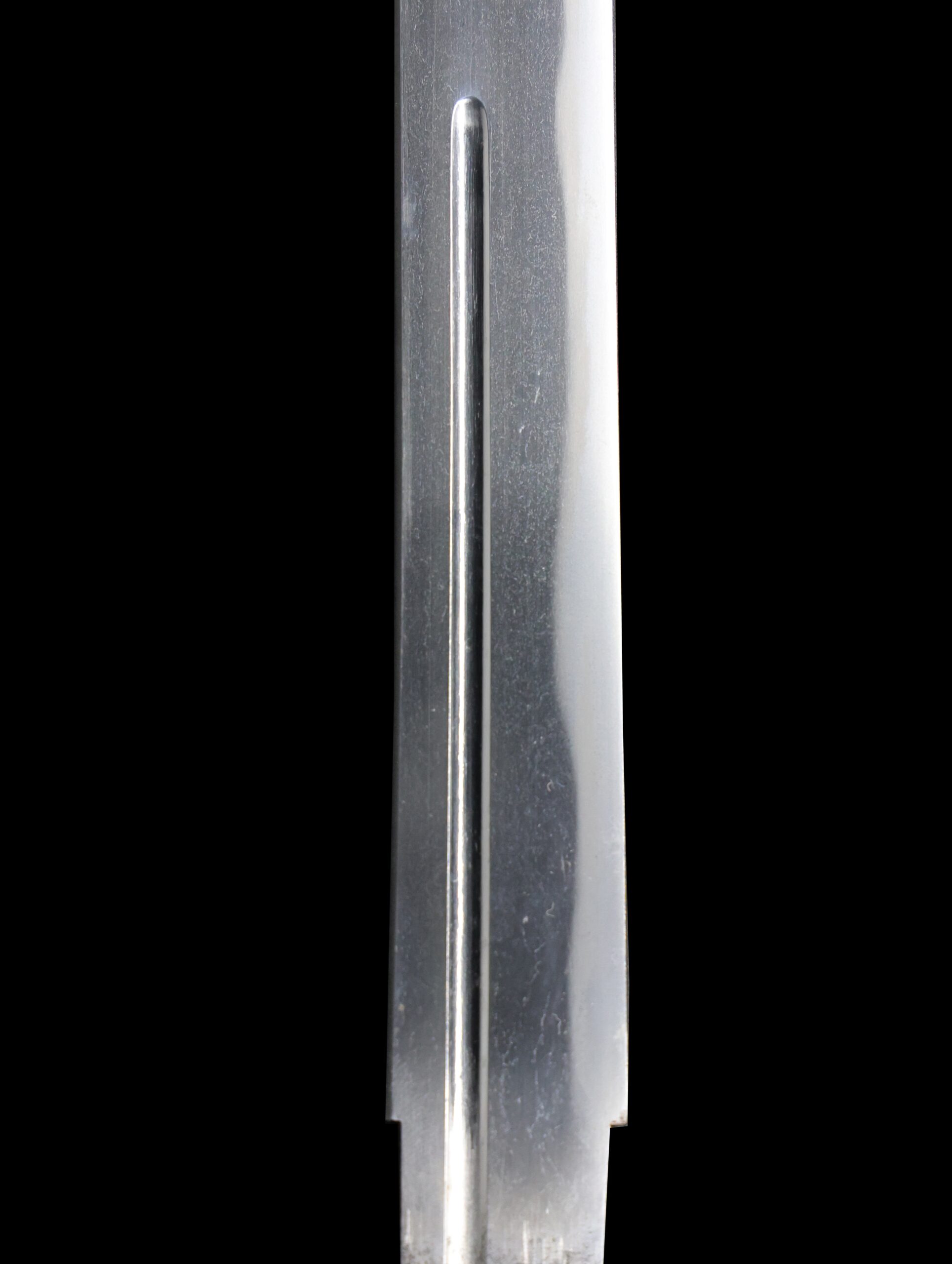
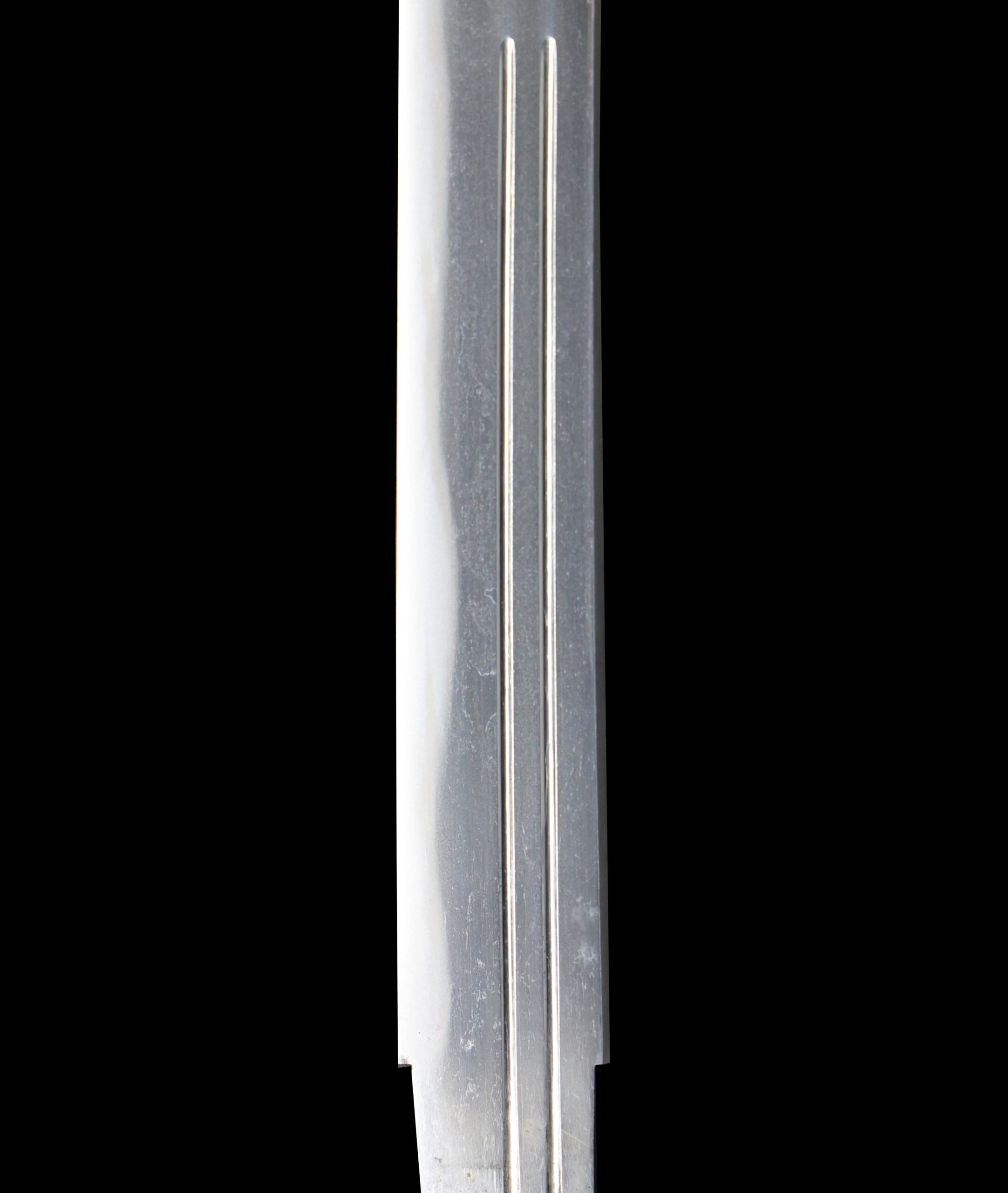
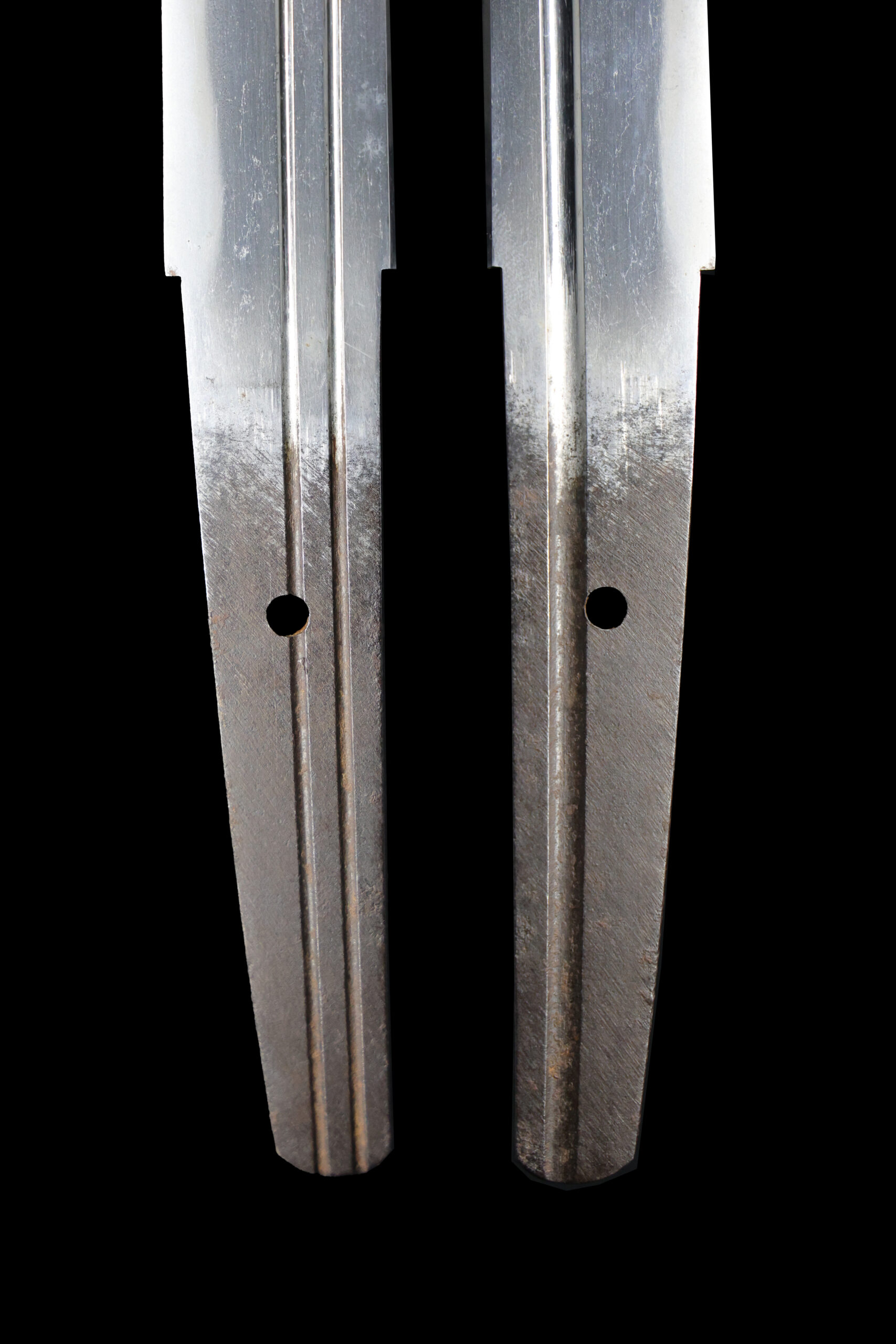
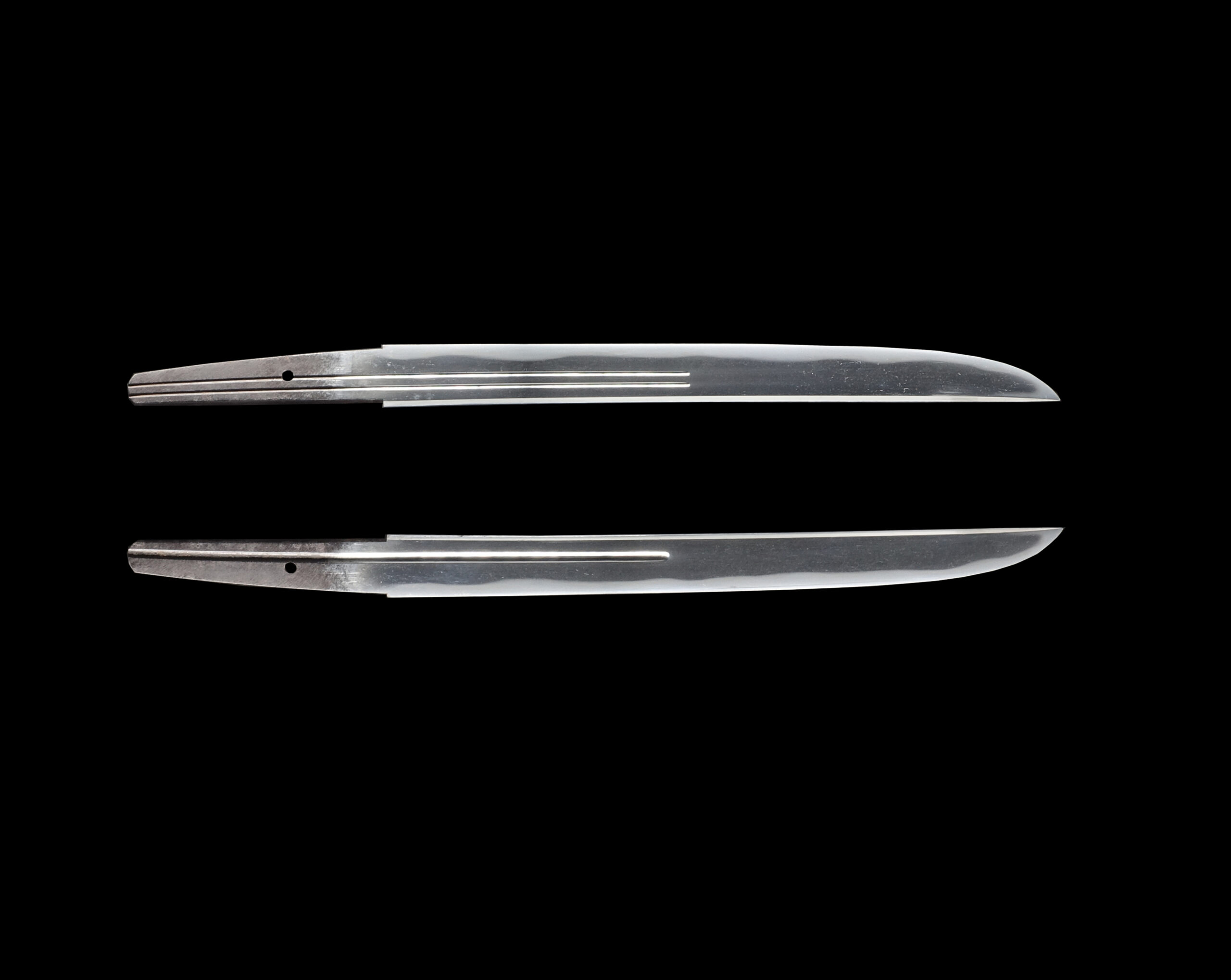
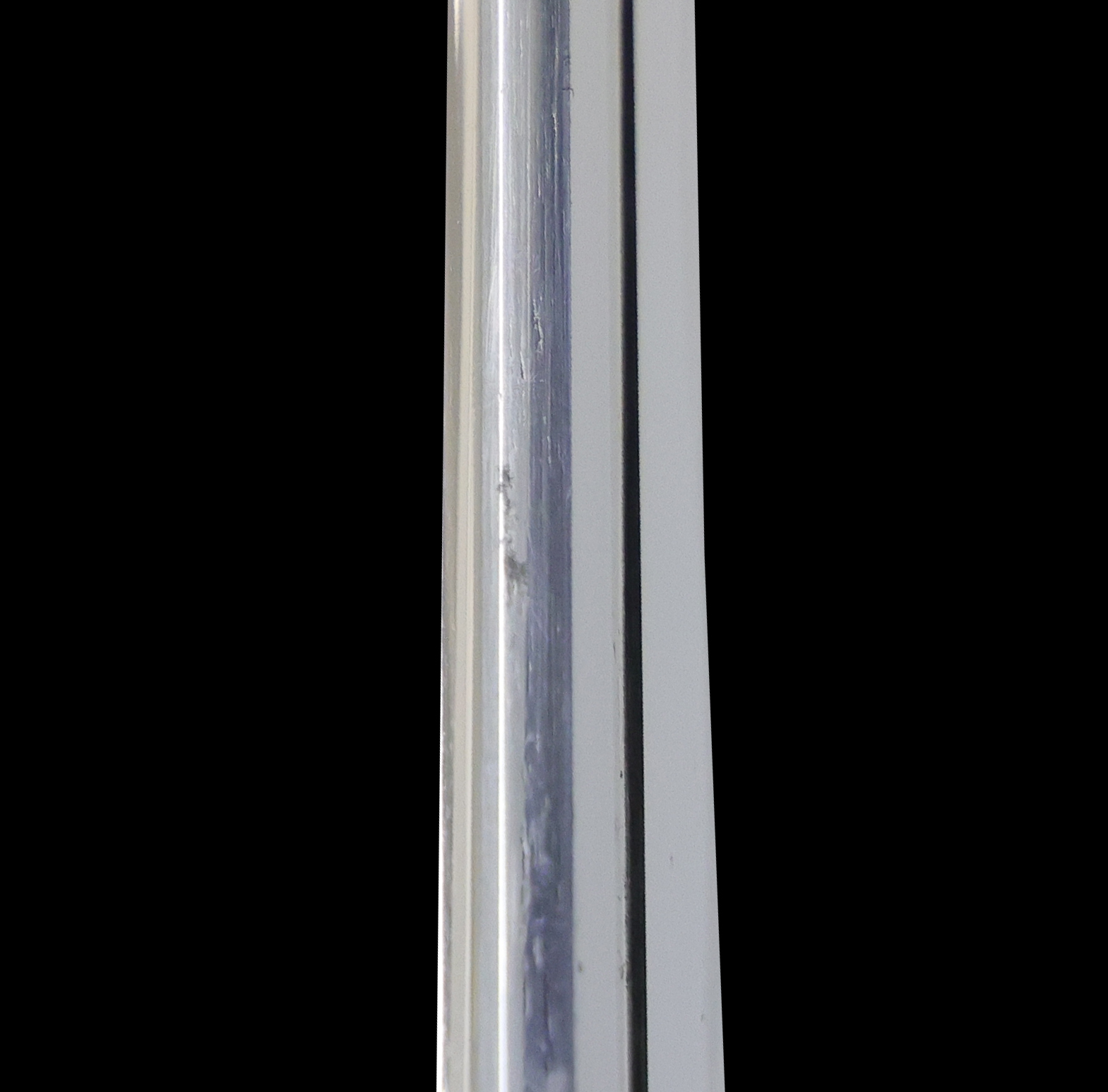
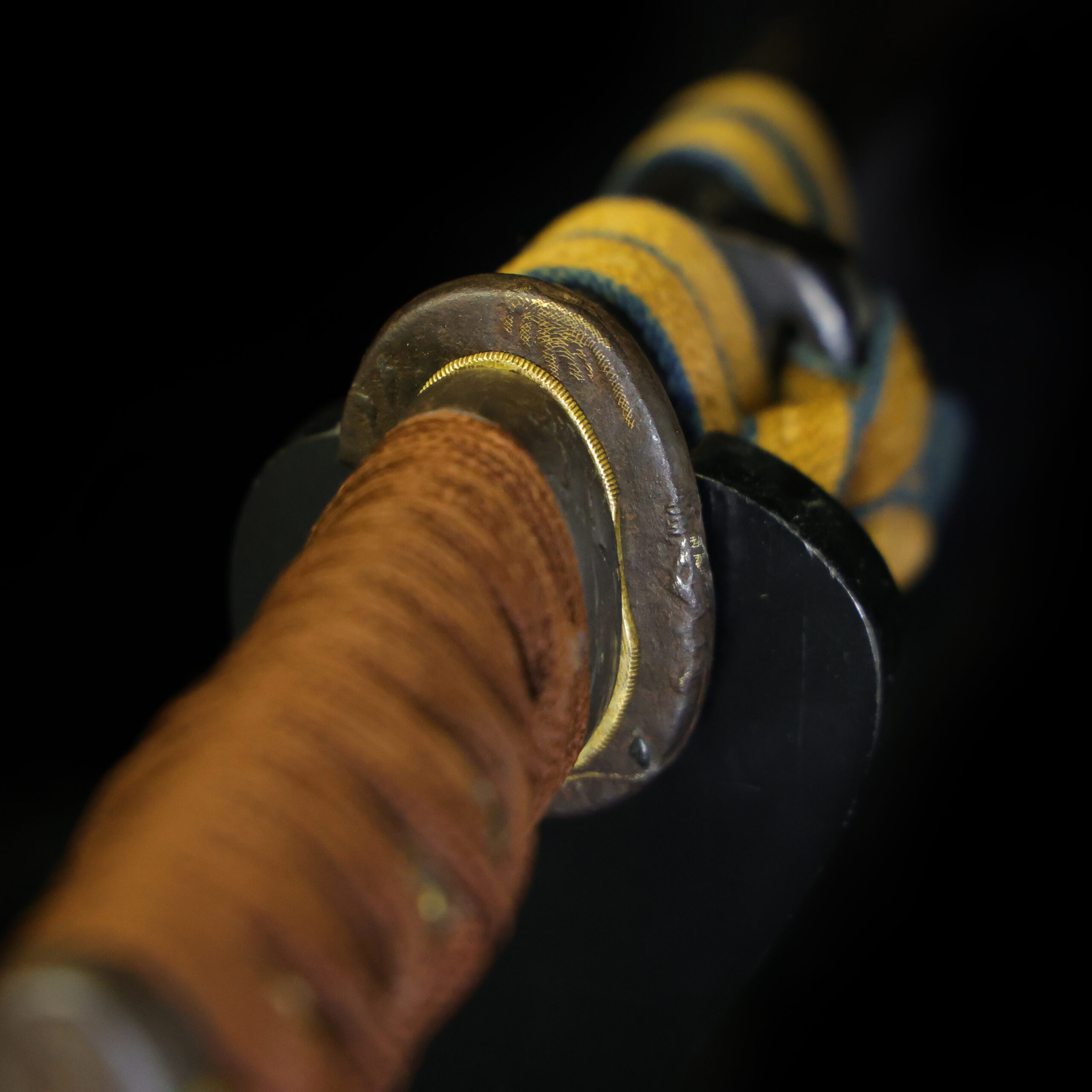
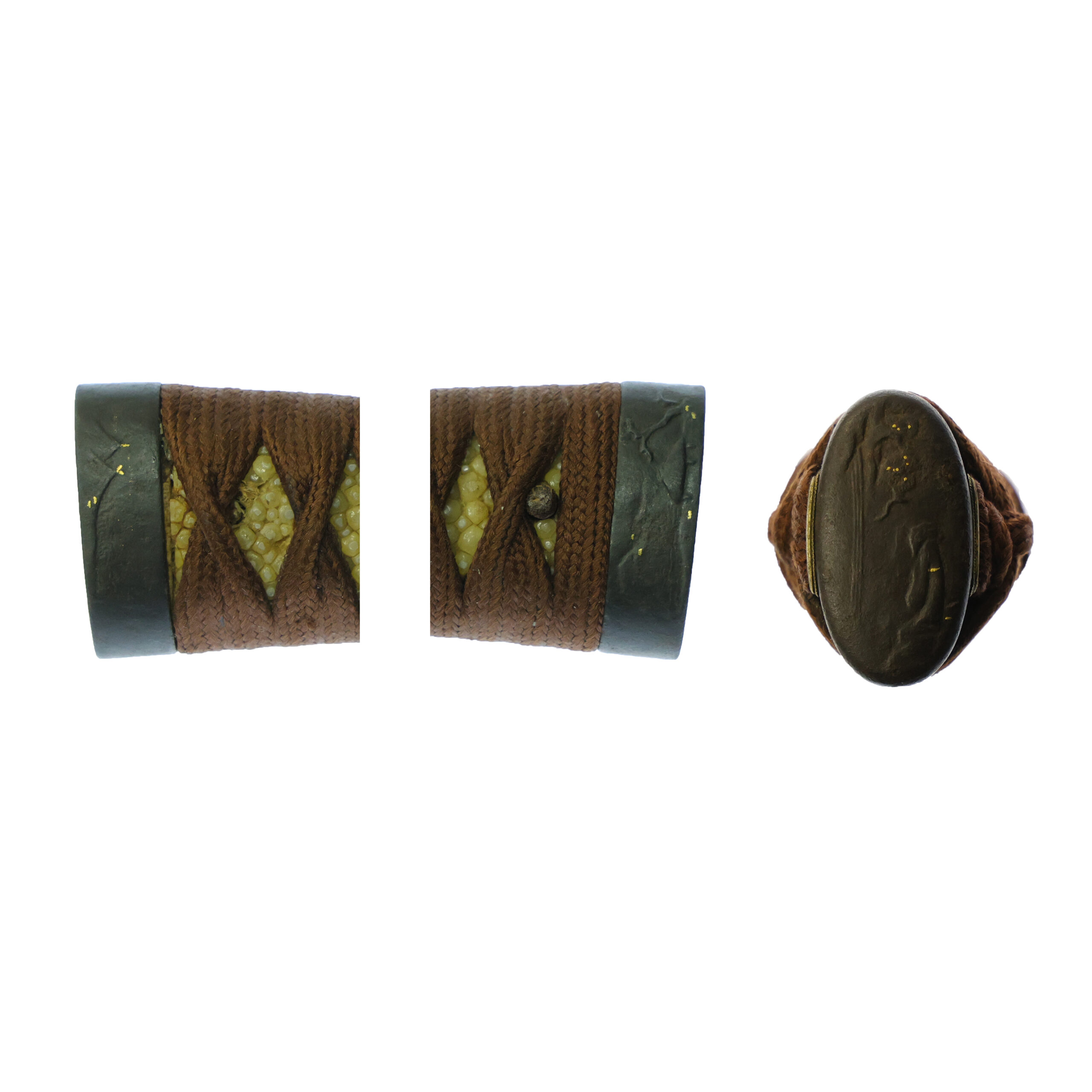
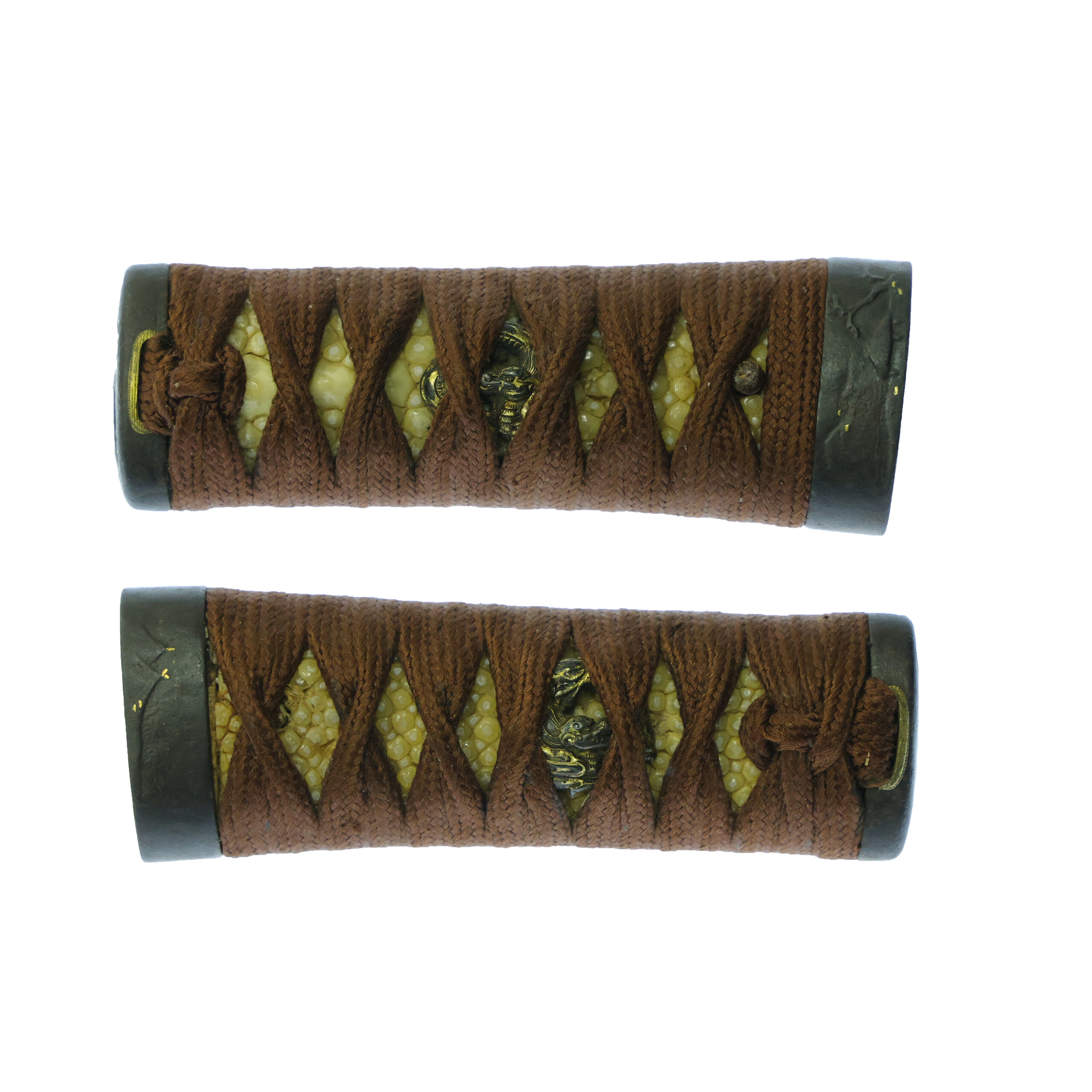
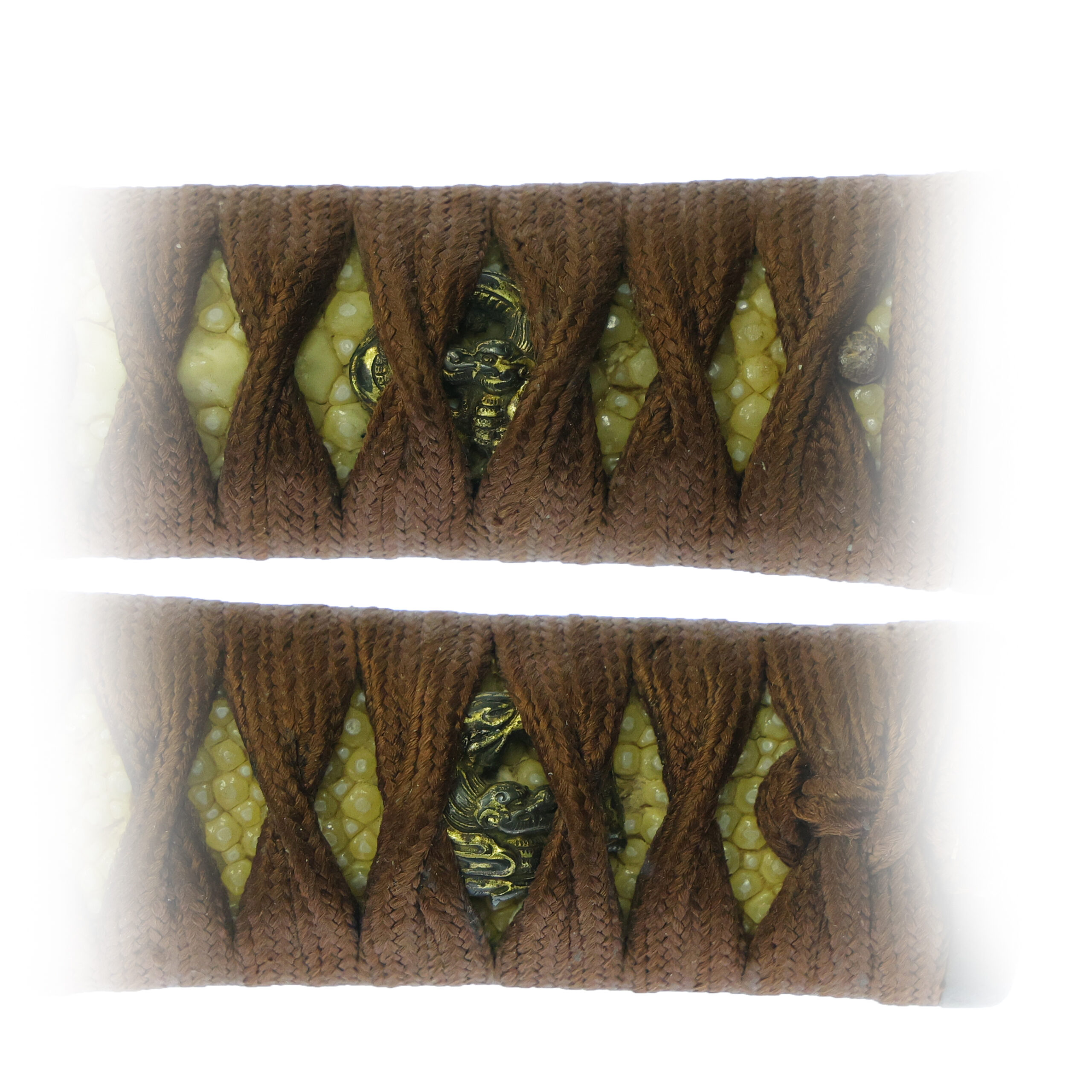
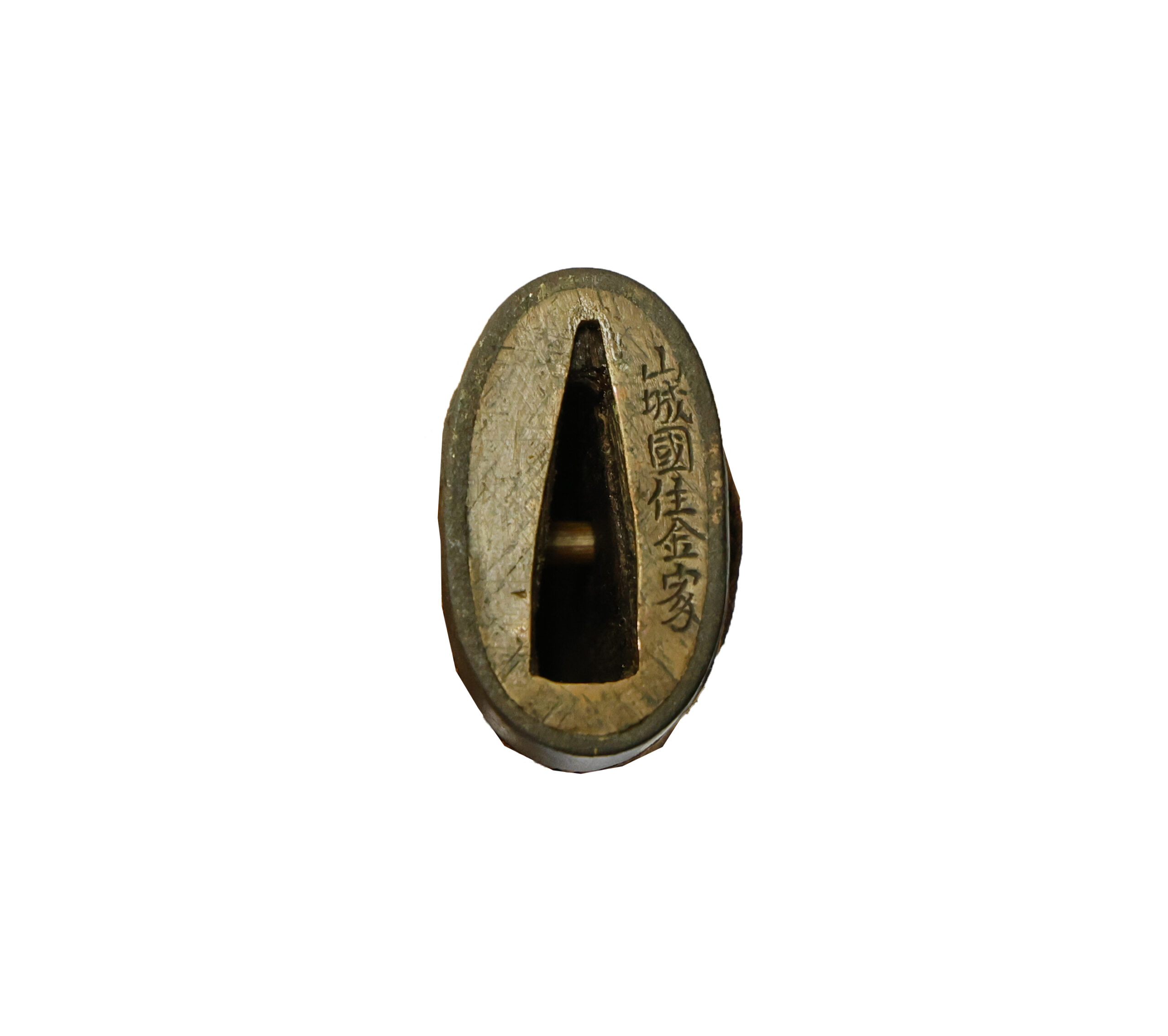
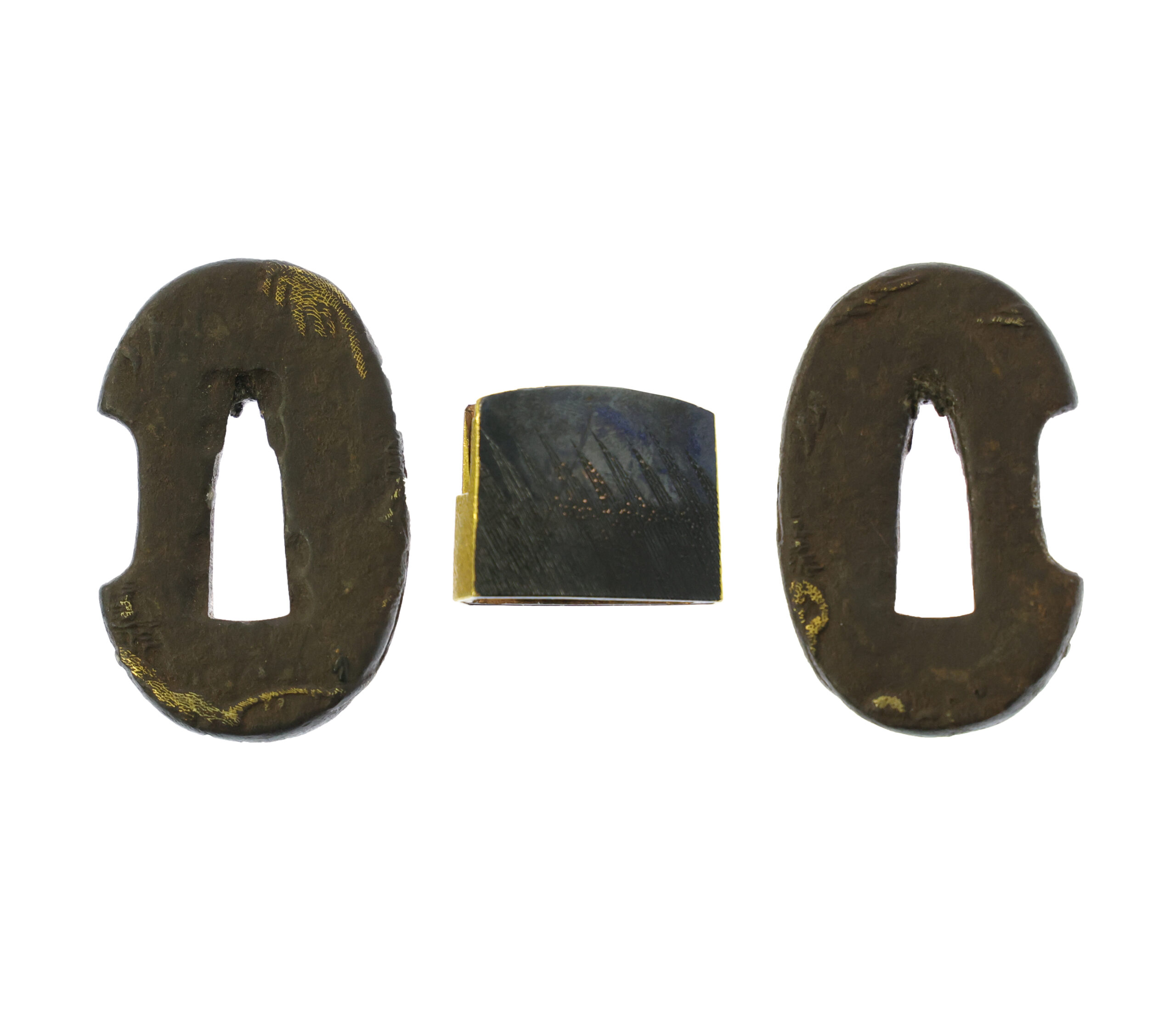
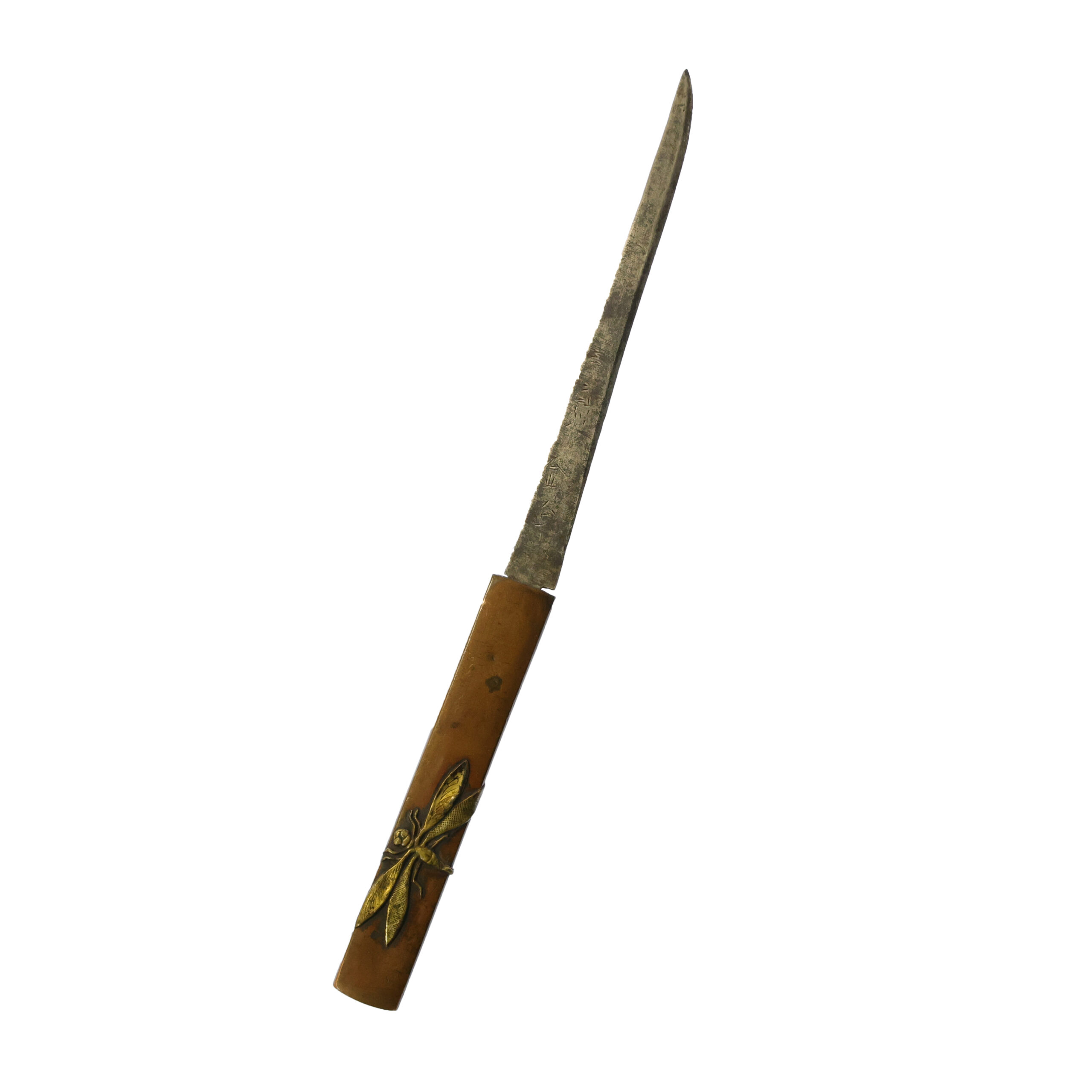
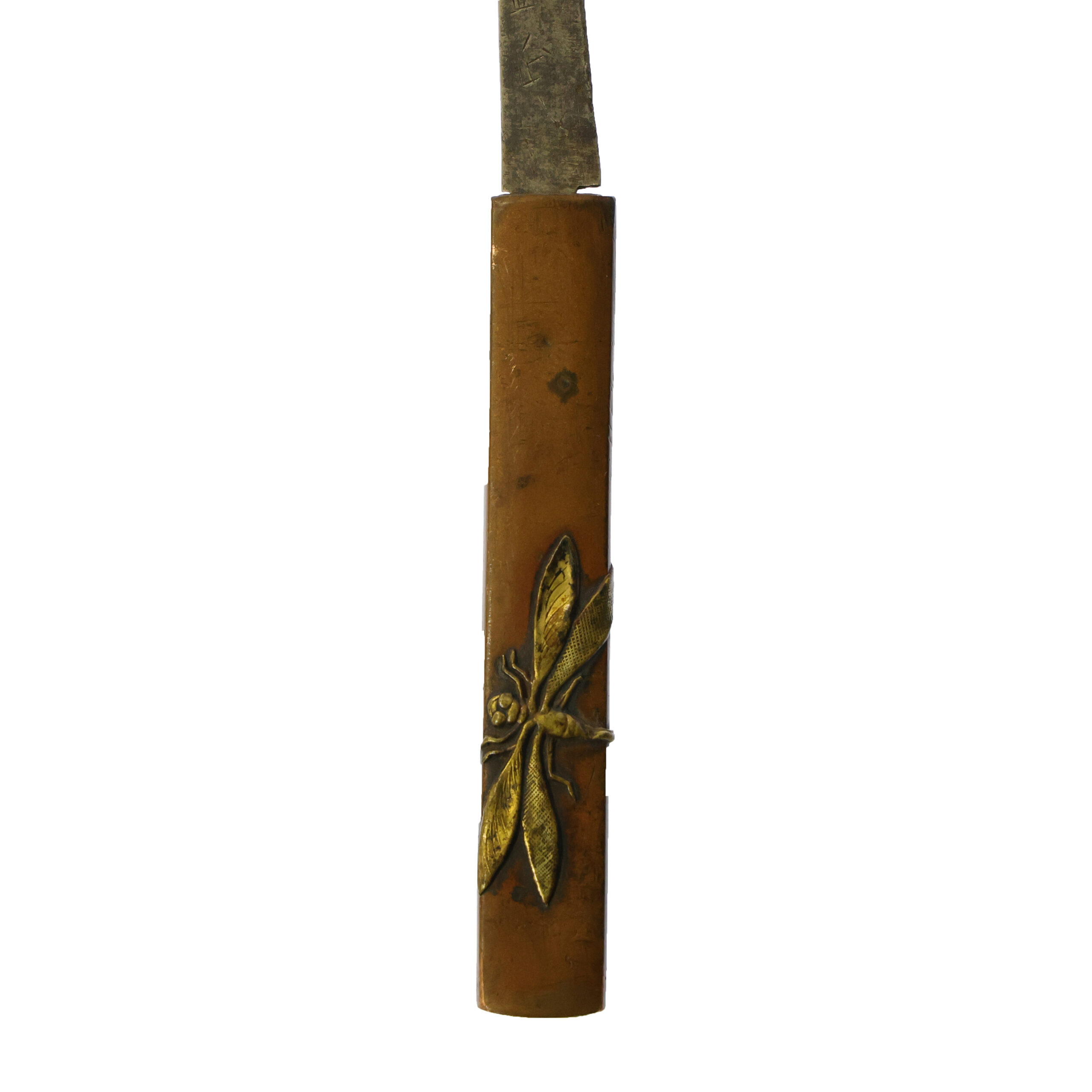
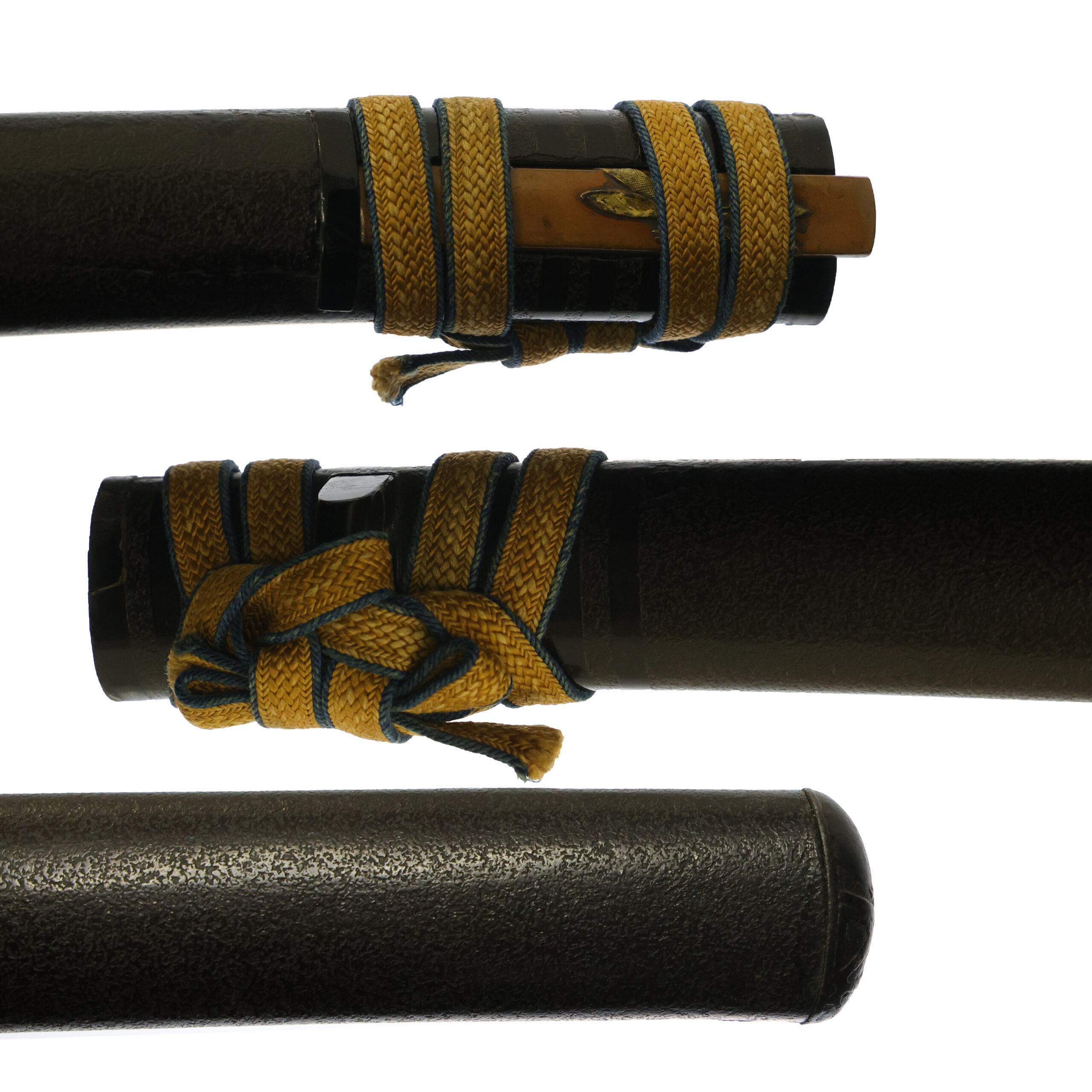
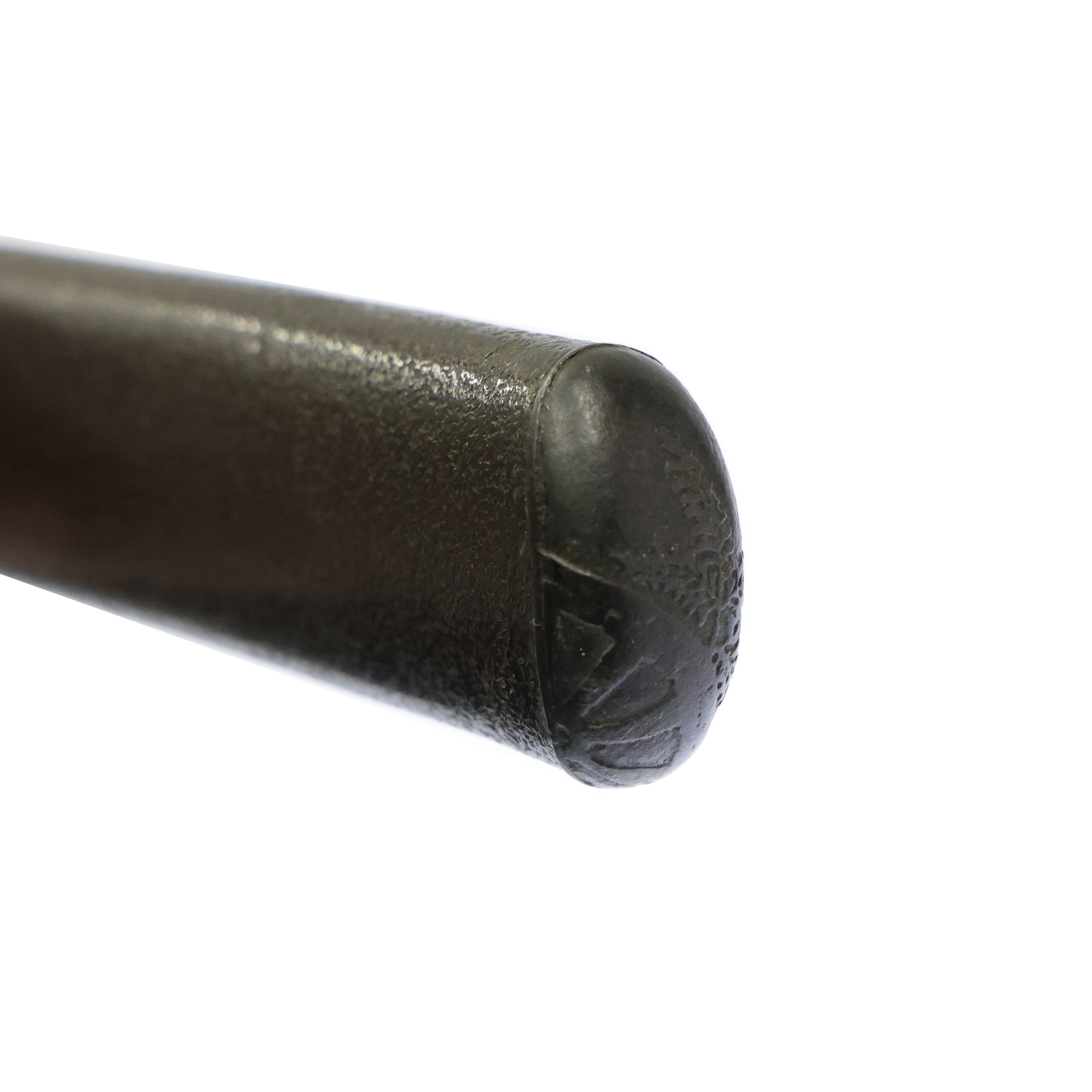
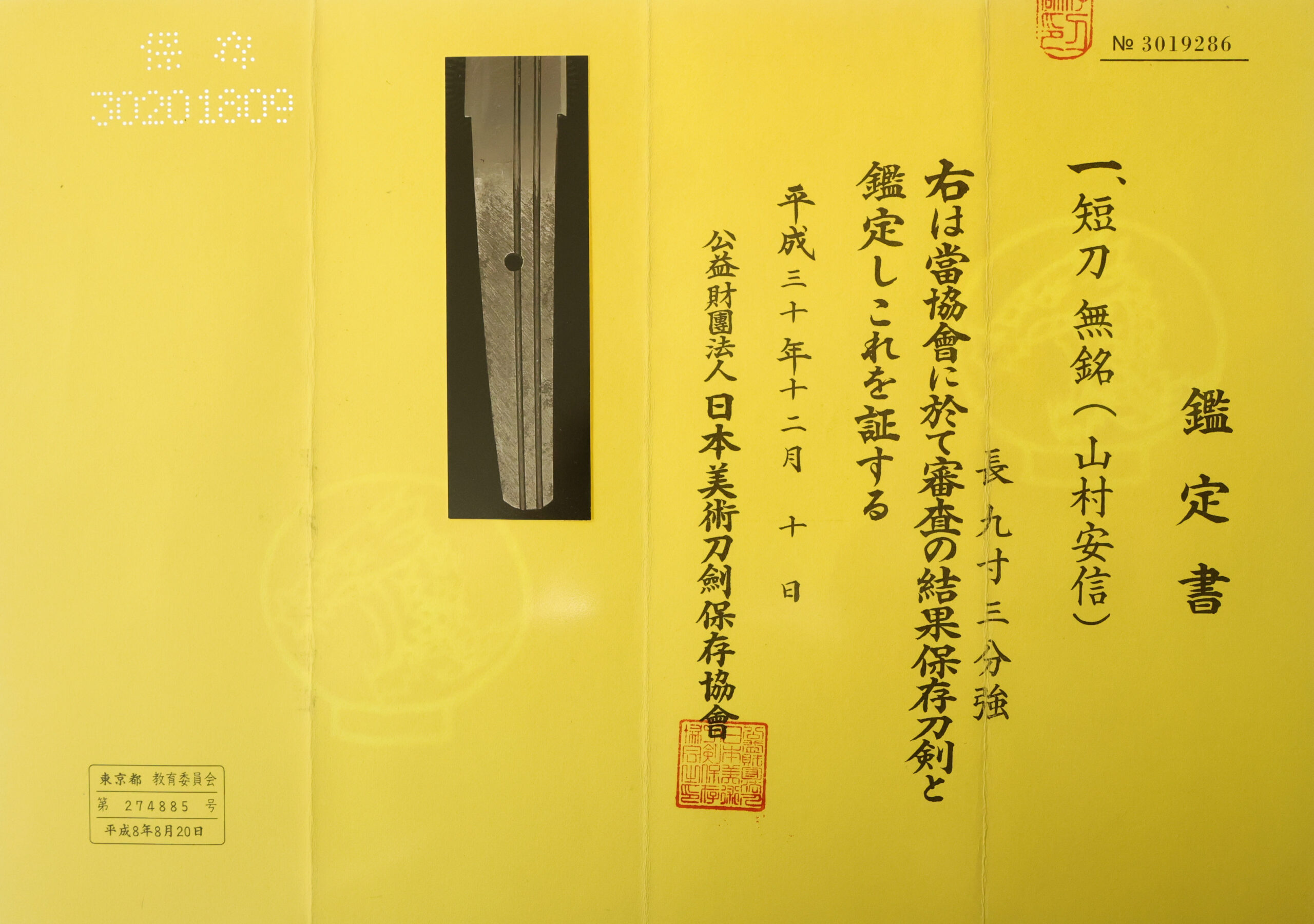
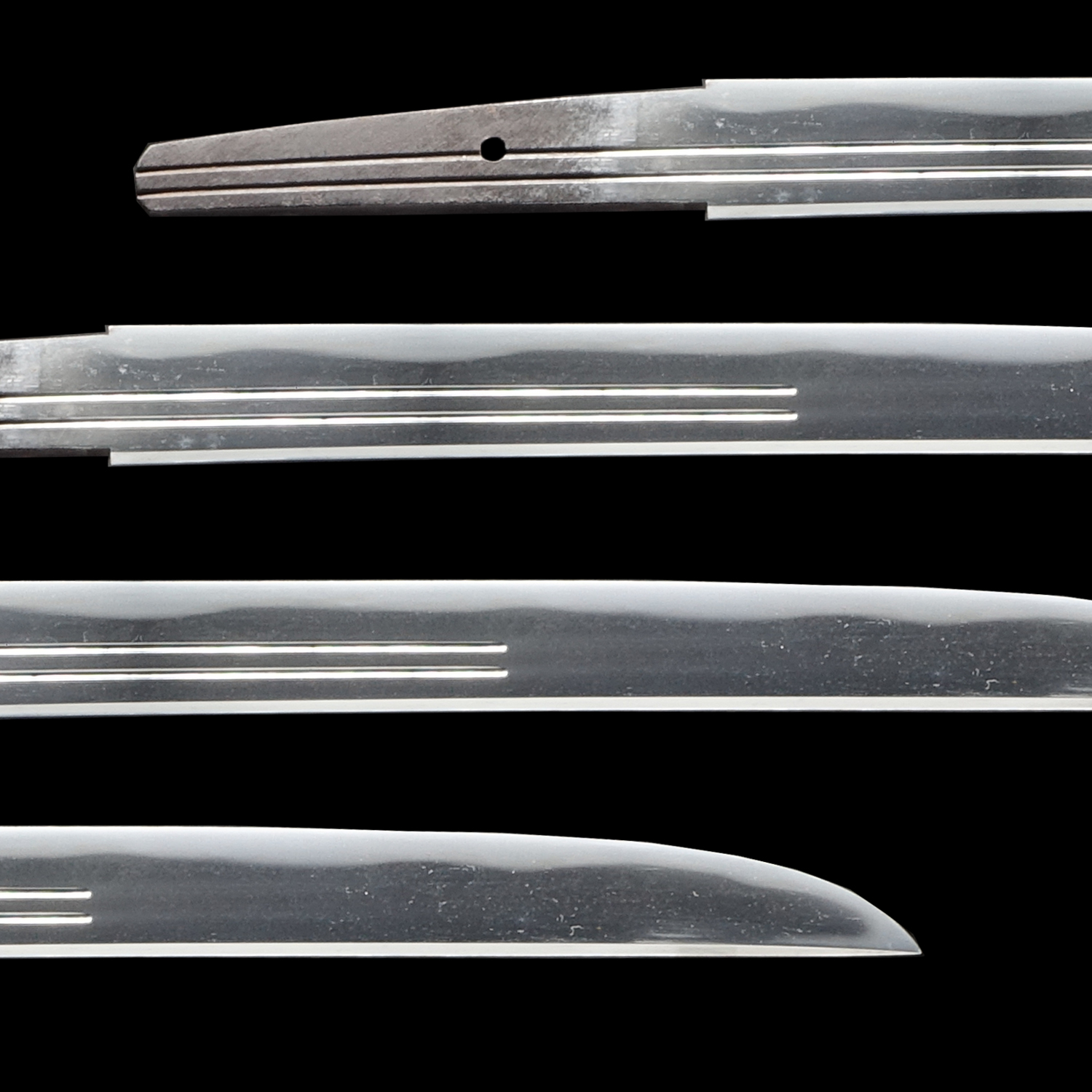
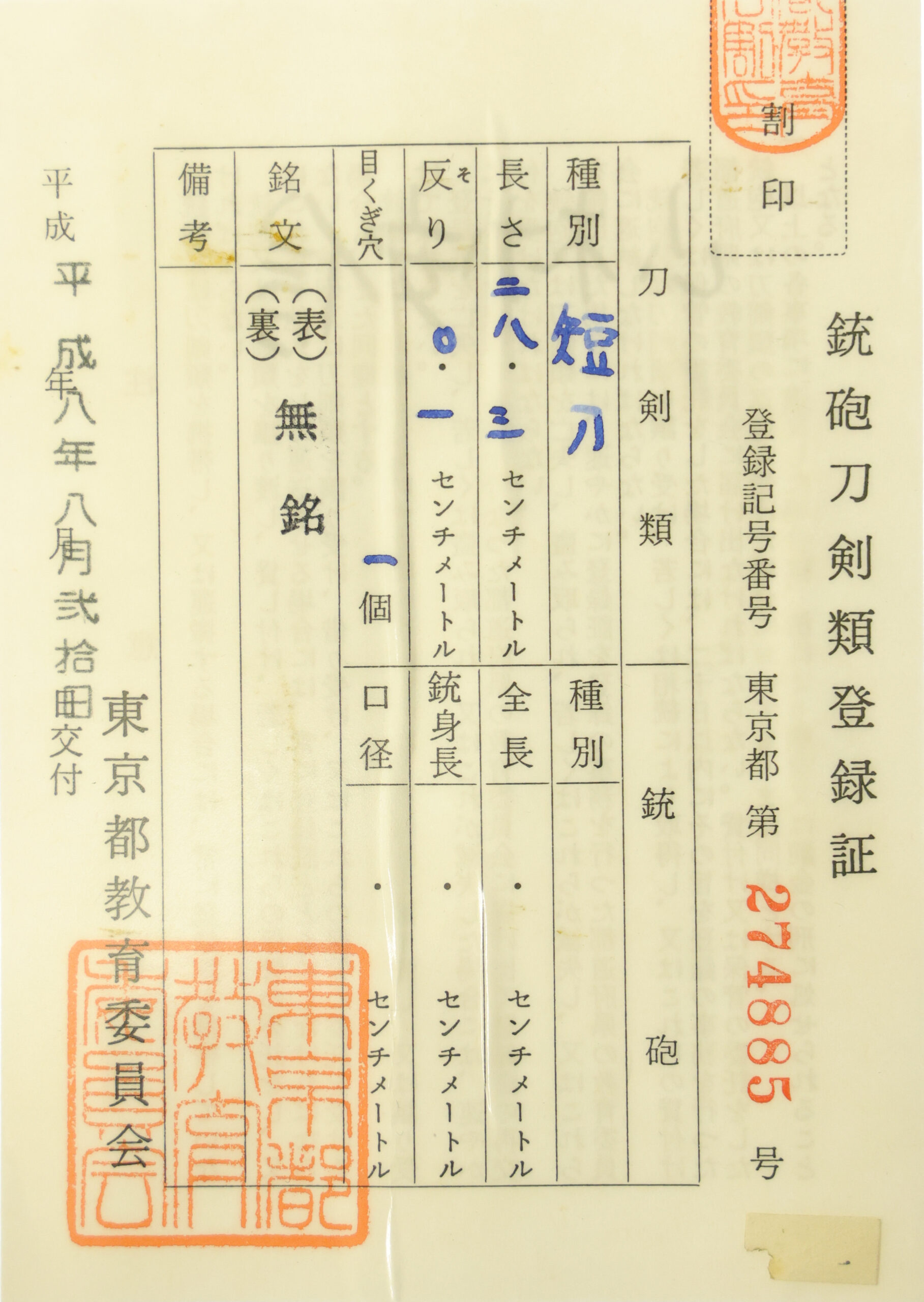
Summary This blade is attributed to Yamamura Yasunobu (山村安信), a swordsmith active in the mid-Muromachi period (15th century). The Yamamura school was based in Echigo Province (present-day Niigata Prefecture) and is known for its close historical connection with the Nobukuni (信国) lineage, one of the most significant Kyoto-based schools of the time. The Yamamura lineage traces its origins to the local feudal lord Yamamura Masanobu (山村正信), who invited a member of the Nobukuni family to his domain and supported the development of sword-making there. Yasunobu (安信) is considered one of the craftsmen who inherited this tradition and contributed to the establishment of the Yamamura style in Echigo. The school continued for several generations, and Yasunobu is regarded as an important smith within this regional tradition. While works attributed to him are relatively rare today, they provide valuable insight into how Kyoto sword-making techniques spread into provincial Japan during the Muromachi period (1336–1573). What is Tanto? It was initially used as a supplemental weapon for Samurai on horseback, who used a pole weapon or long sword in the Kamaura-Muromachi period. Samurai aimed at an unprotected area of his enemy’s armor with Tanto while having to fight with close distance. TANTO was named accordingly, depending on how you carry it, such as HUTOKORO-GATANA (懐刀; Stomach-Sword) or KOSHI-GATANA(腰刀; Waist-Sword) or elsewise. TANTO was also a gift for a bride from her family in a traditional Japanese wedding, as it is believed that TANTO would be divine protection from evil power. It is appraised as a Hozon Token (保存刀剣) issued by NBTHK (Nihon Bijutsu Touken Hozon Kyokai:日本美術刀剣保存協会). *Please keep in mind that there are a couple of kitae kizu spot on the blade. Fuchi-Kashira The motif of Matsu (松, pine tree) is depicted on this Fuchi-Kashira. As pine trees keep their green color throughout the years by withstanding severe heat and cold, people thought this plant pattern represents eternal youth. Furthermore, its color is called Tokiwa-Iro (常盤色, evergreen trees’ dark green color with brown), and pine trees have another name “Tokiwa-Gi (常盤木).” Tokiwa means immutability, so Tokiwa-Iro is a color that praises green with a wish for longevity and prosperity. It is said this color was appreciated, especially in the Edo period, as a good-luck color. The pine tree design gives us an elegant and noble impression; it might be another reason that people love this motif. Tsuka and Menuki The theme of this Menuki is a dragon (龍, ryu). Initially, the dragon is an imaginary creature found in ancient Chinese traditions or myths. Furthermore, it is regarded as a symbolic beast of auspicious signs. Its body is likened to nine animals: antlers are deer, the head is a camel, eyes are demons, the neck is a snake, belly is Mizuchi (蛟, mythical animal in Japan which looks like a snake and have a horn and four legs), scales are fish, claws are falcons, palms are tigers, and ears are cows. It was thought that the dragon would reign at the top of all animals because of its odd-looking appearance. In ancient China, the dragon pattern was used for emperors’ clothing so that people strictly defined its shape or even the number of nails. On the other hand, the dragon pattern does not have detailed rules to represent classes in Japan. However, still, it maintains its meaning as the all-purpose auspicious pattern. Also, in Japan, there is a belief that worships dragon as a water god and is called Ryujin Shinkou (竜神信仰). Since rice cultivation flourished in this country, water is always an essential resource. Therefore, the dragon motif has been familiar to Japanese people since a long time ago. Tsuba and Habaki This Tsuba features a design of a peaceful rural landscape. Since Kozuka depicts a dragonfly, it can be inferred that the season is autumn. Kozuka This Kozuka features a design of dragonfly (蜻蛉, tombo). Dragonflies have been inhabited in Japan for a long time. Since they prey quickly, their heroic figure was sometimes the object of belief. The dragonfly was called the Kachimushi (勝ち虫, winning insect) during the Warring States period because of its fearless character. Dragonflies fly around fast to catch pests, moving only forward, not backward. Therefore, people thought the behaviors of this insect showed the spirit of Futaiten (不退転); it is a state of mind or a state in which a person has some conviction and does not give in to difficulties. It is very persuasive that Samurai warriors cherished this design as an auspicious motif because of the spirit that Samurai should be prepared for the battlefields. Not only for sword mountings, dragonfly patterns were also incorporated into various items such as helmets, armor, battle coats, etcetera. Saya *Please keep in mind that there are some damage on the surface of this Saya. Authentication Paper They authenticated the blade on December 10th in the 30th year of Heisei (2018). They appraised it as Hozon Touken, the blade worth preserving for Japanese society.

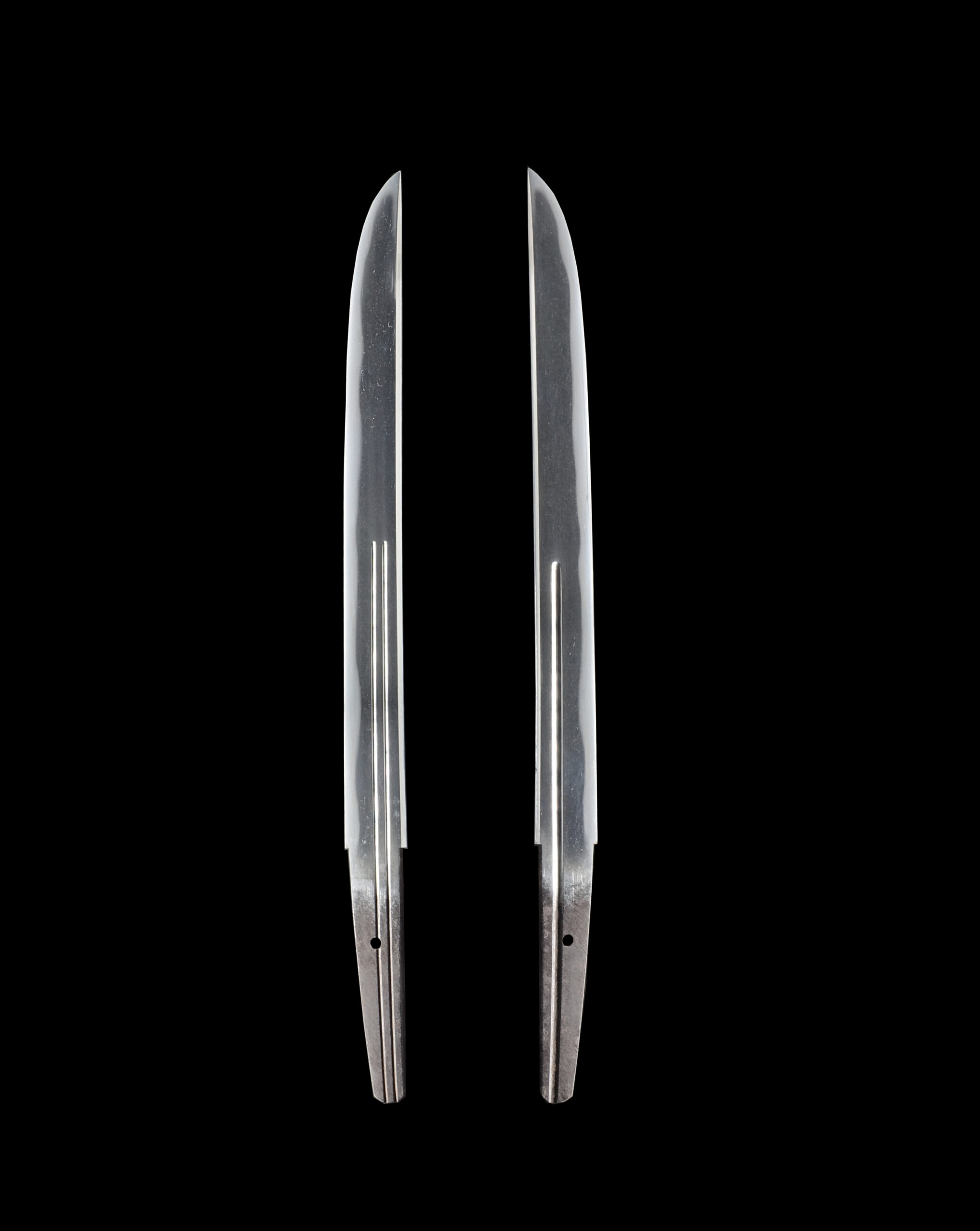
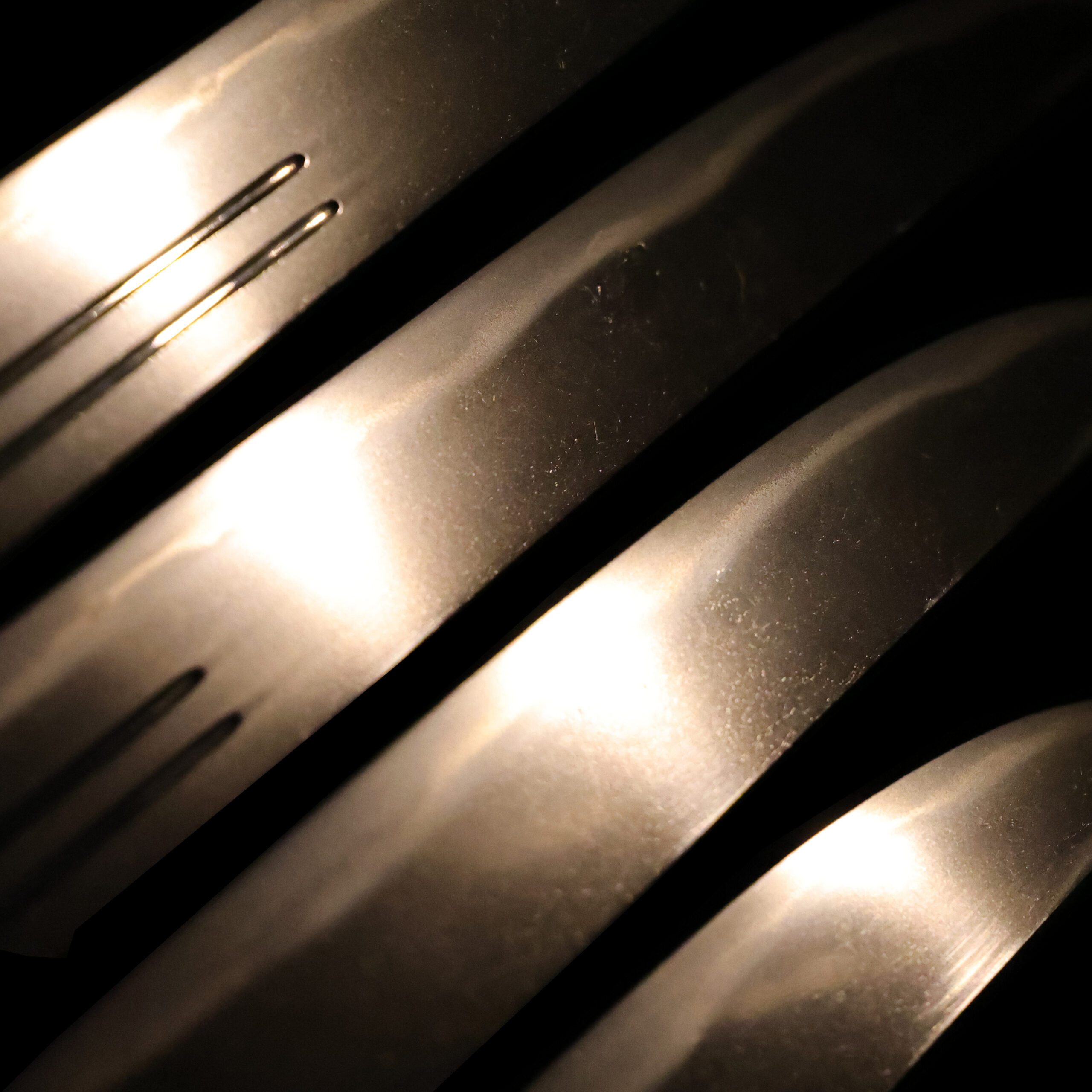
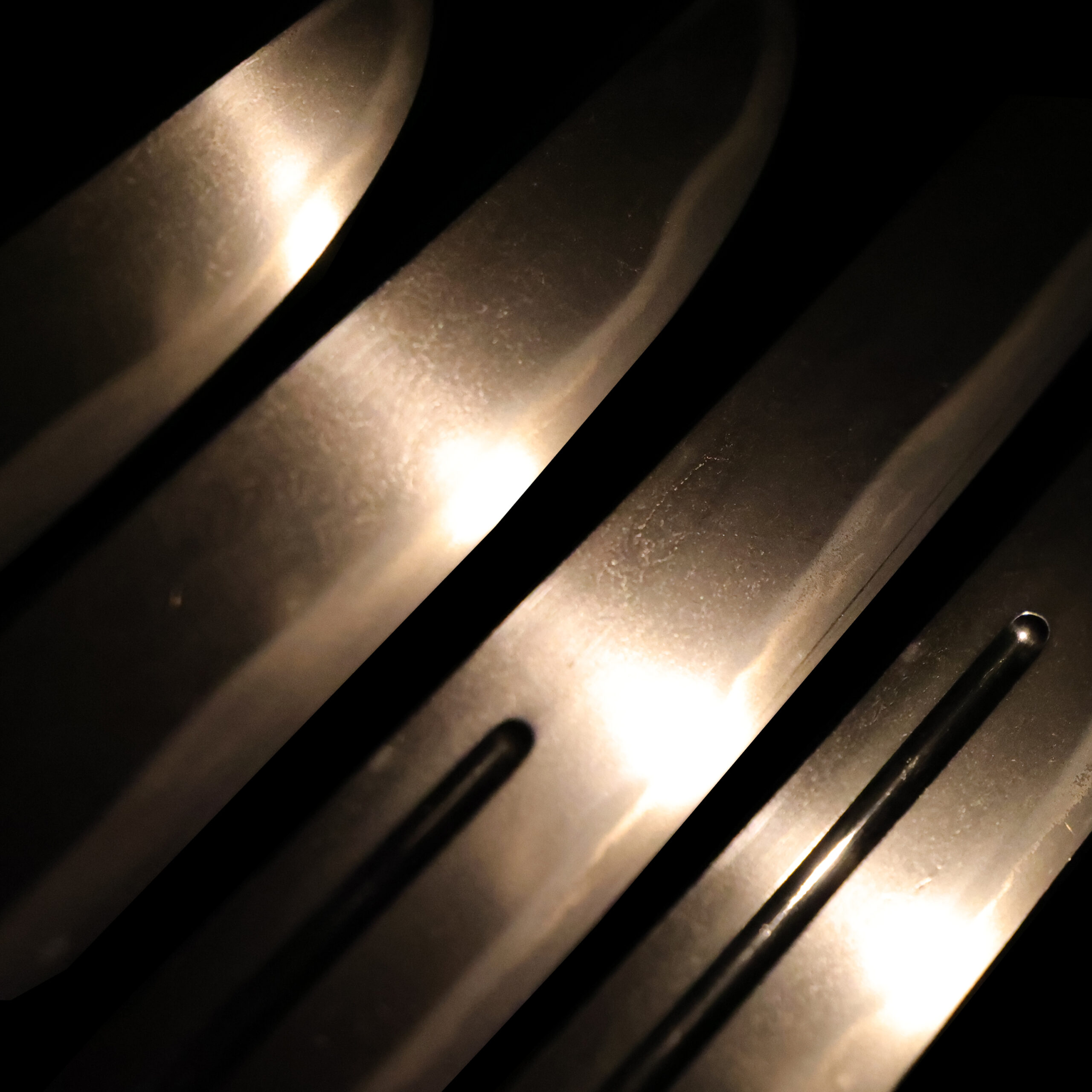
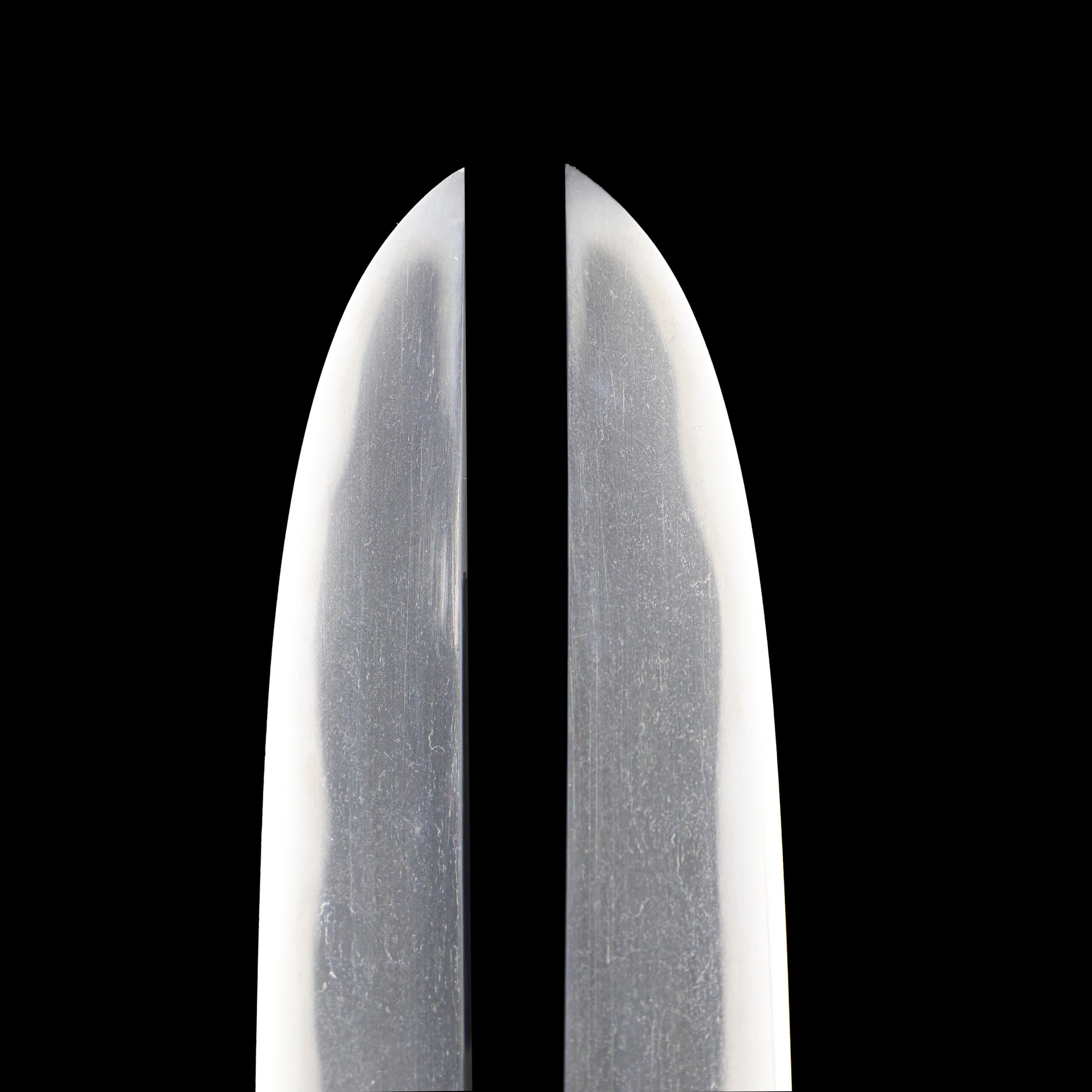
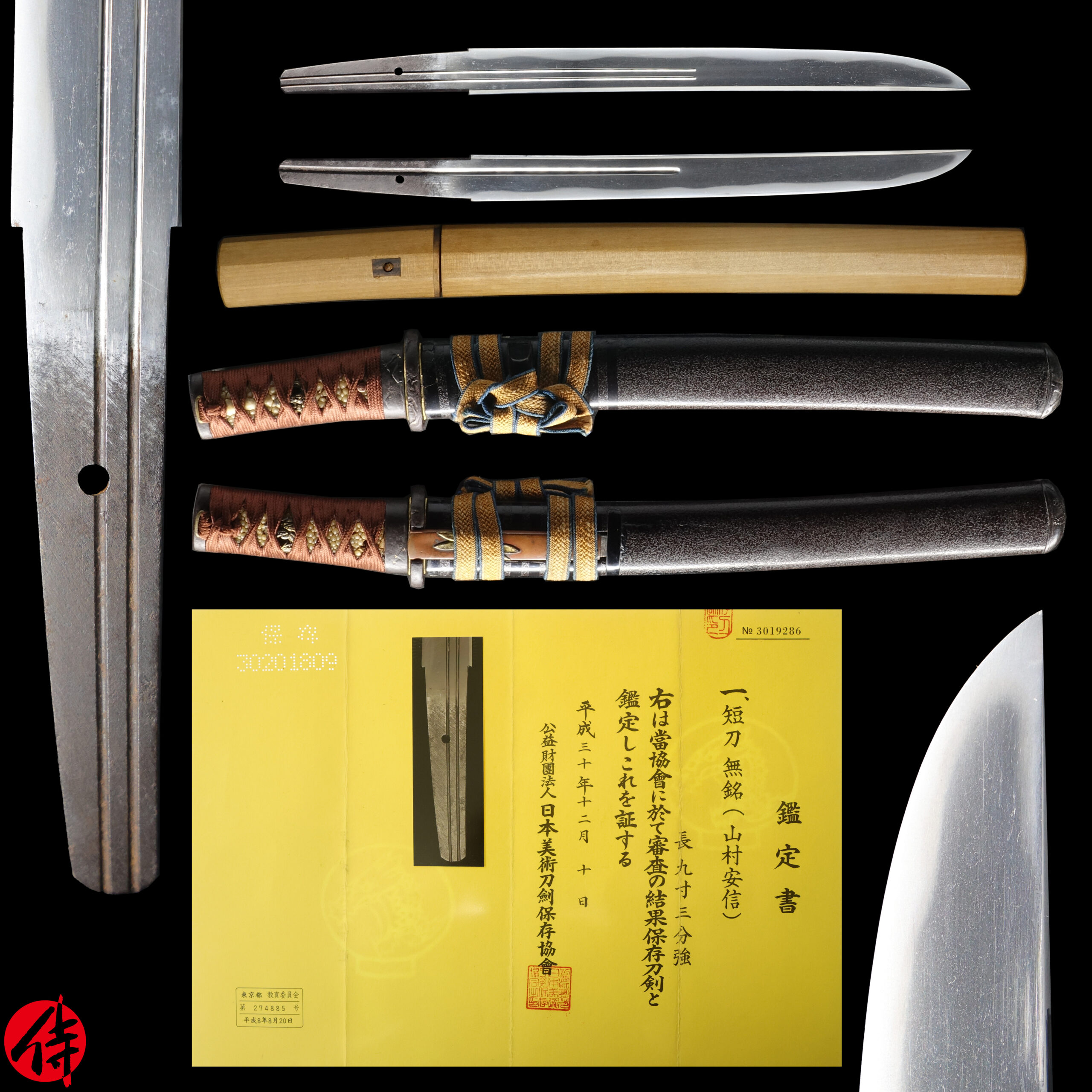
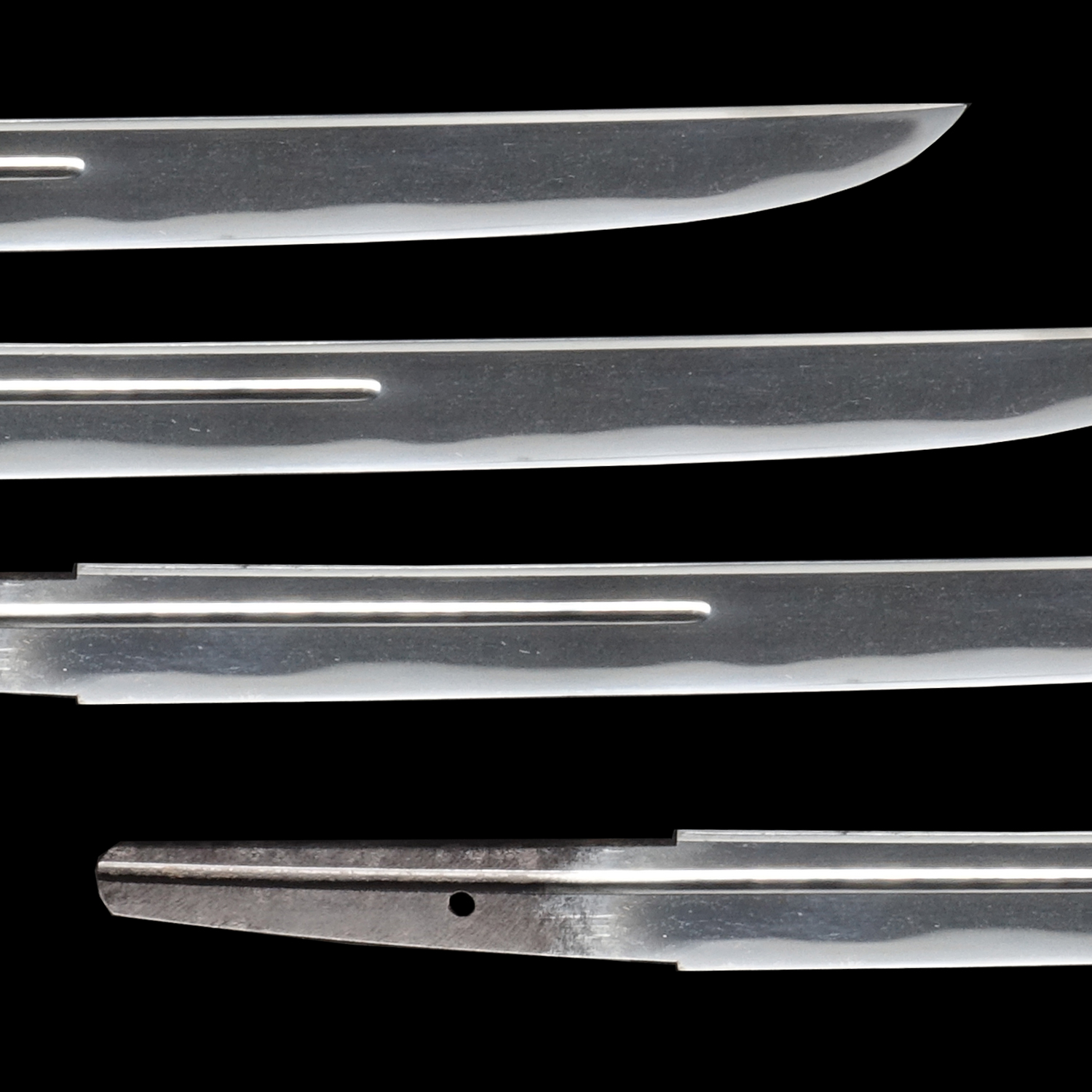
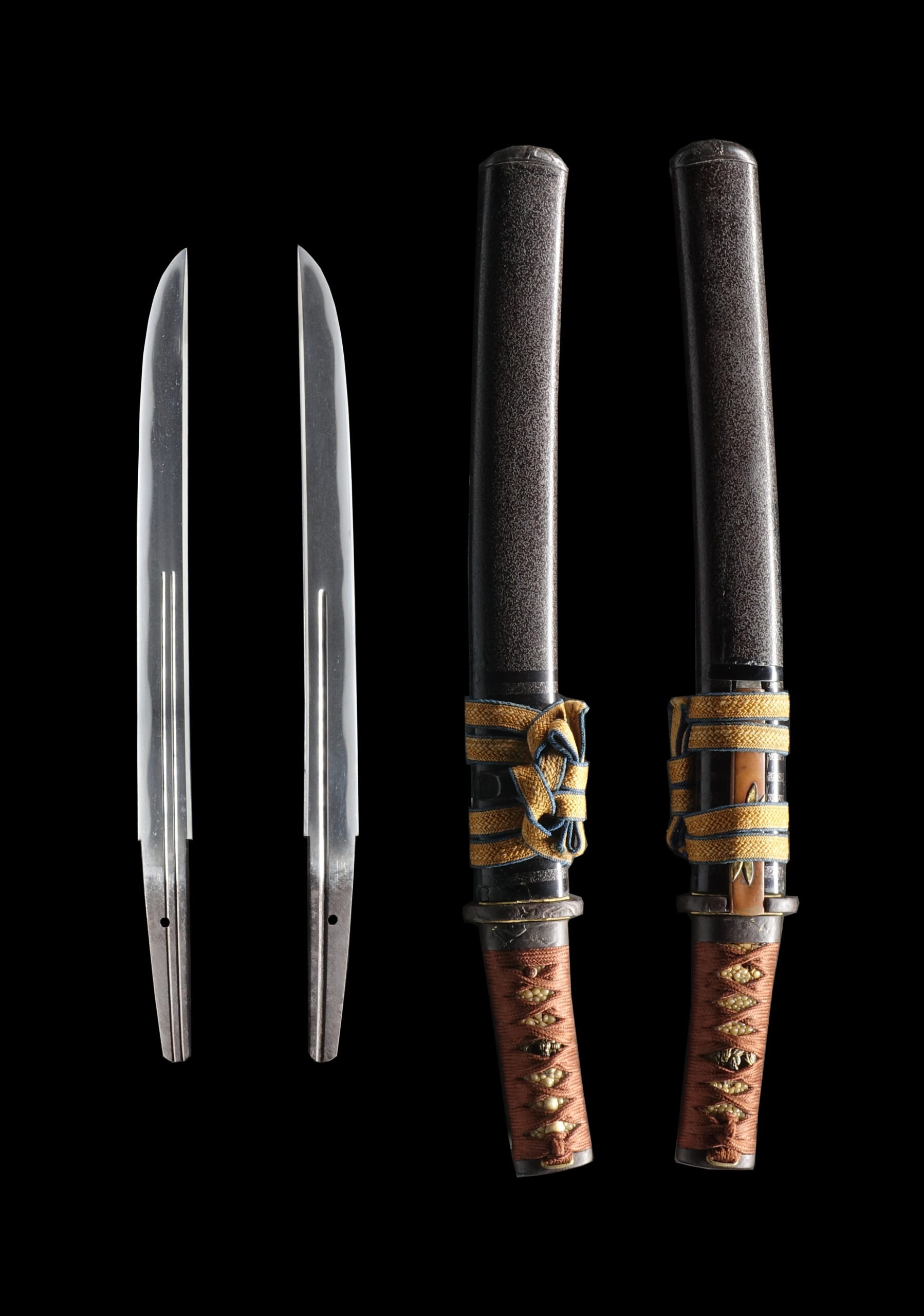
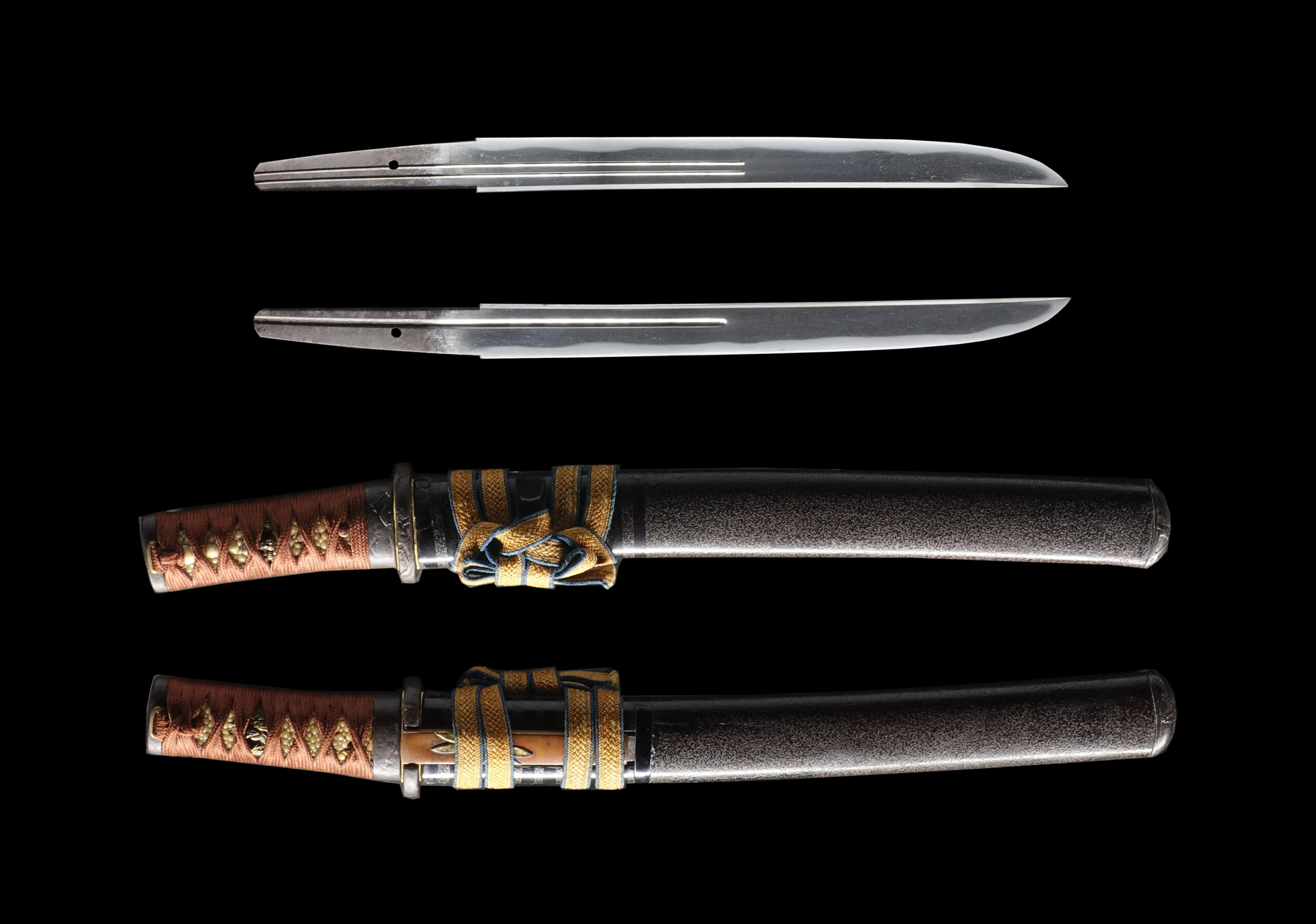
販売店の記載のまま
越後 · 1394-1428頃
藤代 上作 · 刀剣大鑑 上位49%
室町時代
室町は刀剣業を産業に変えた。徒歩の集団戦とともに打刀が興り、長船と関は数打ち物と注文打ちを並行して産し、勘合貿易は日本刀を数万振の単位で海外へ運んだ。
銘が正しい、または無銘でも年代・国・系統を確実に指摘できる、保存に値する真正の作と鑑定されたものです。
日本美術刀剣保存協会(日刀保)は、1948年に設立され、文化庁の監督を受ける公益財団法人で、東京・刀剣博物館に本部を置きます。専門の審査員が出品作を直接審査し、美術的・歴史的価値に応じた鑑定書を発行します。日刀保の鑑定書は、日本刀および刀装具の真正性を示す最も広く認知された基準です。
日刀保公式サイトReturns/exchanges limited to defects caused by shipping (except willful misconduct or gross negligence by the company); customers must contact within 72 hours of receiving the product.
Certificate reading — 無銘(山村安信)