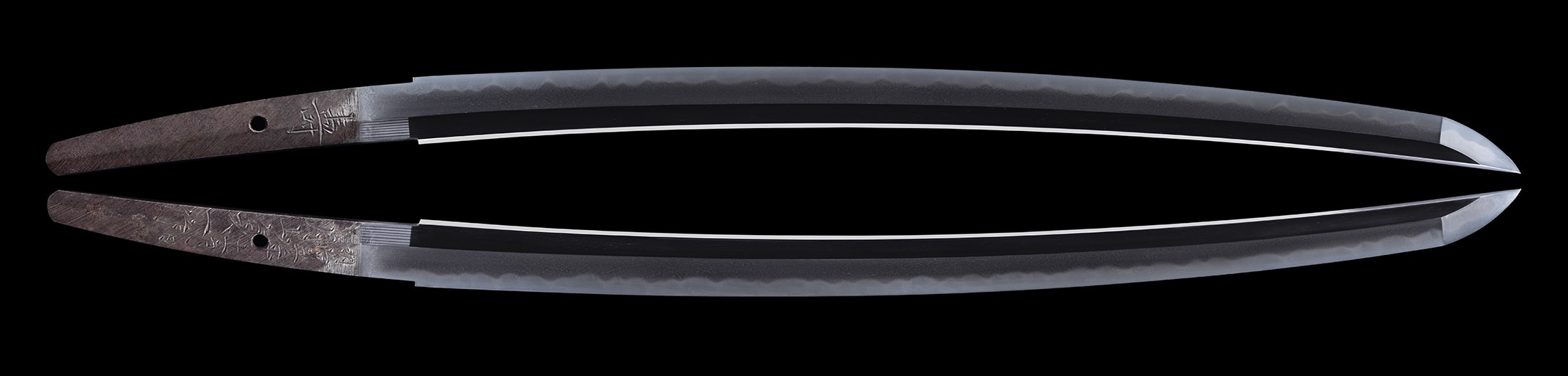
二十世紀は二度この工芸を殺しかけた。戦時の歪みと、占領下の禁令である。1948年の日刀保設立と1953年の作刀再開が刀を美術として再建し、人間国宝と無鑑査がその頂に立つ。
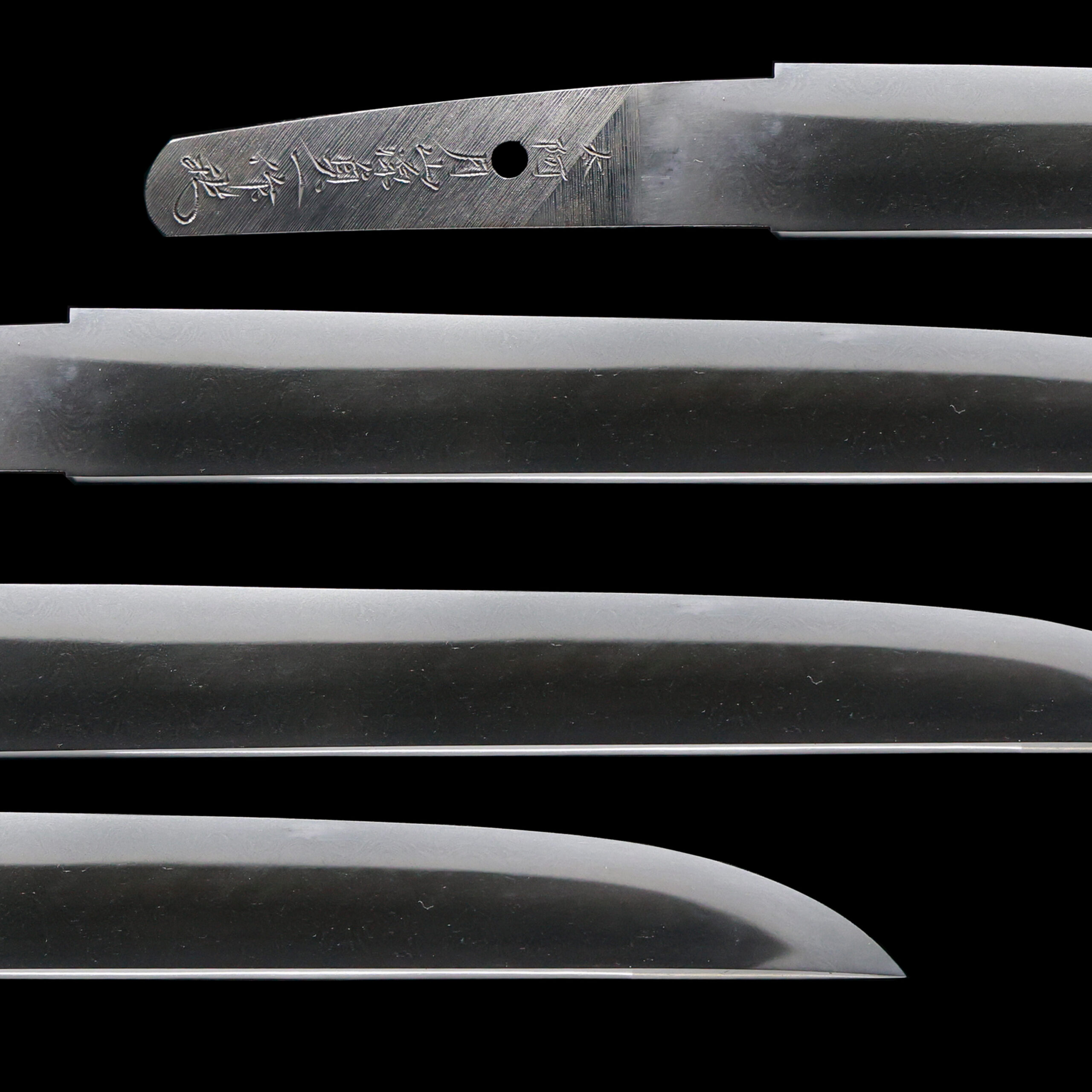
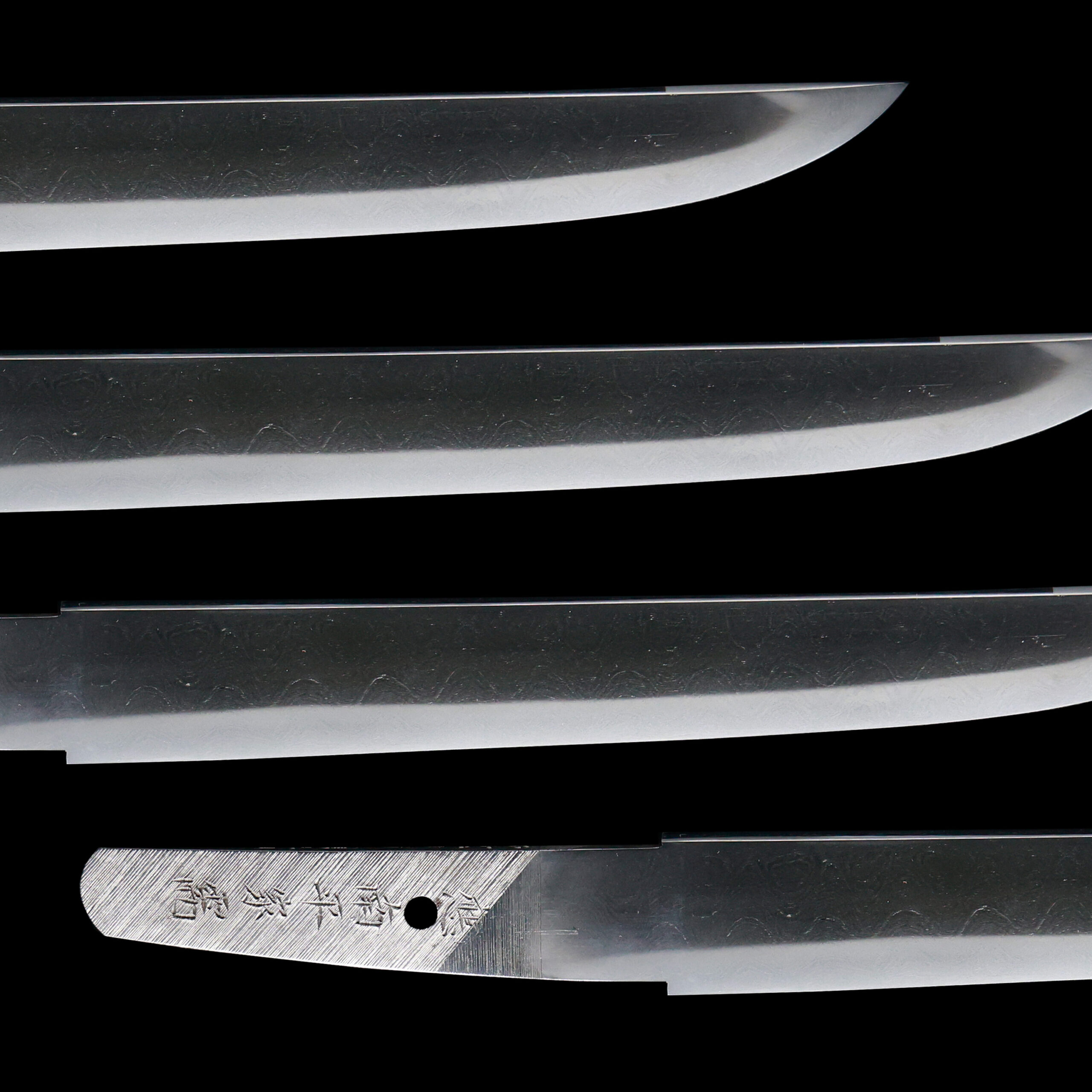
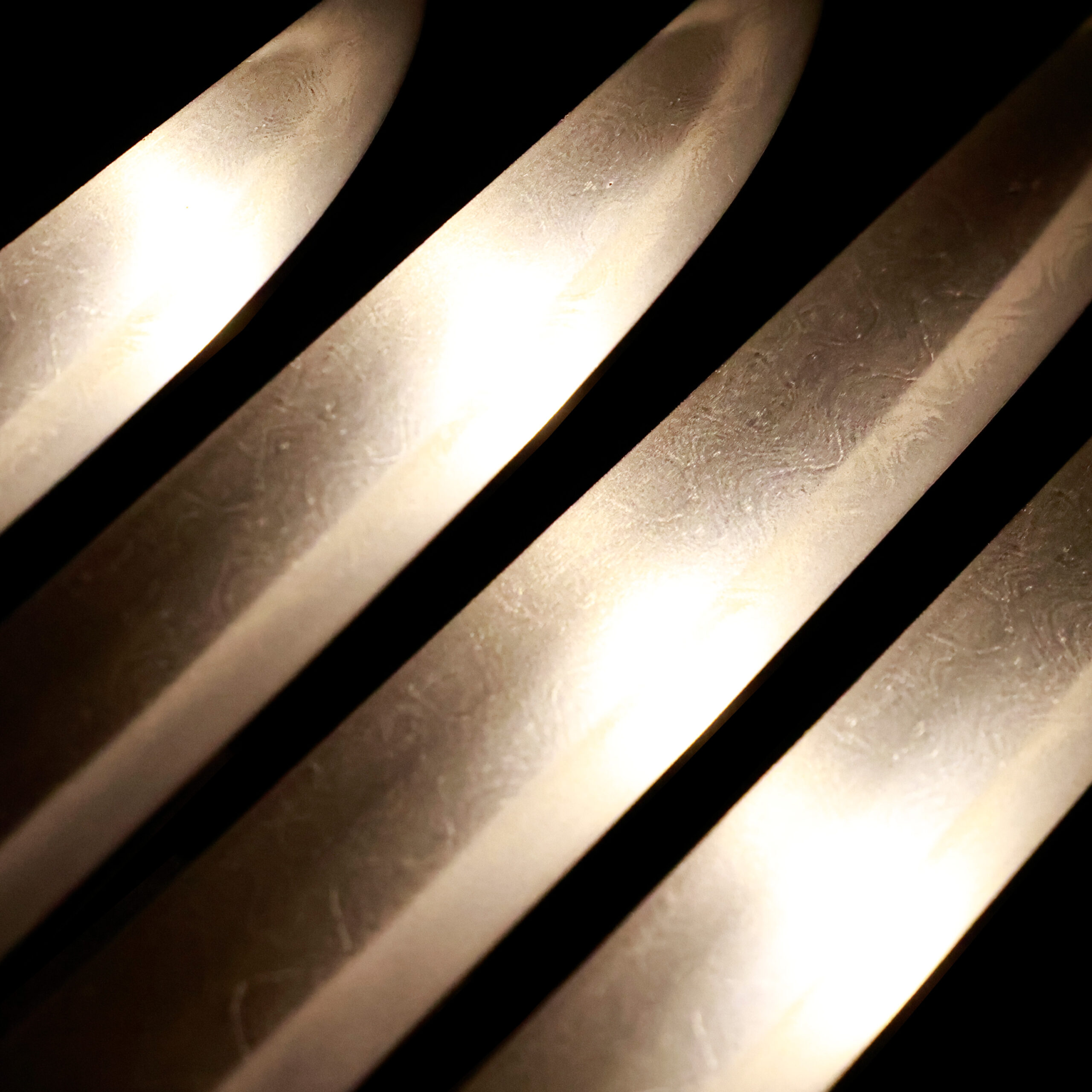
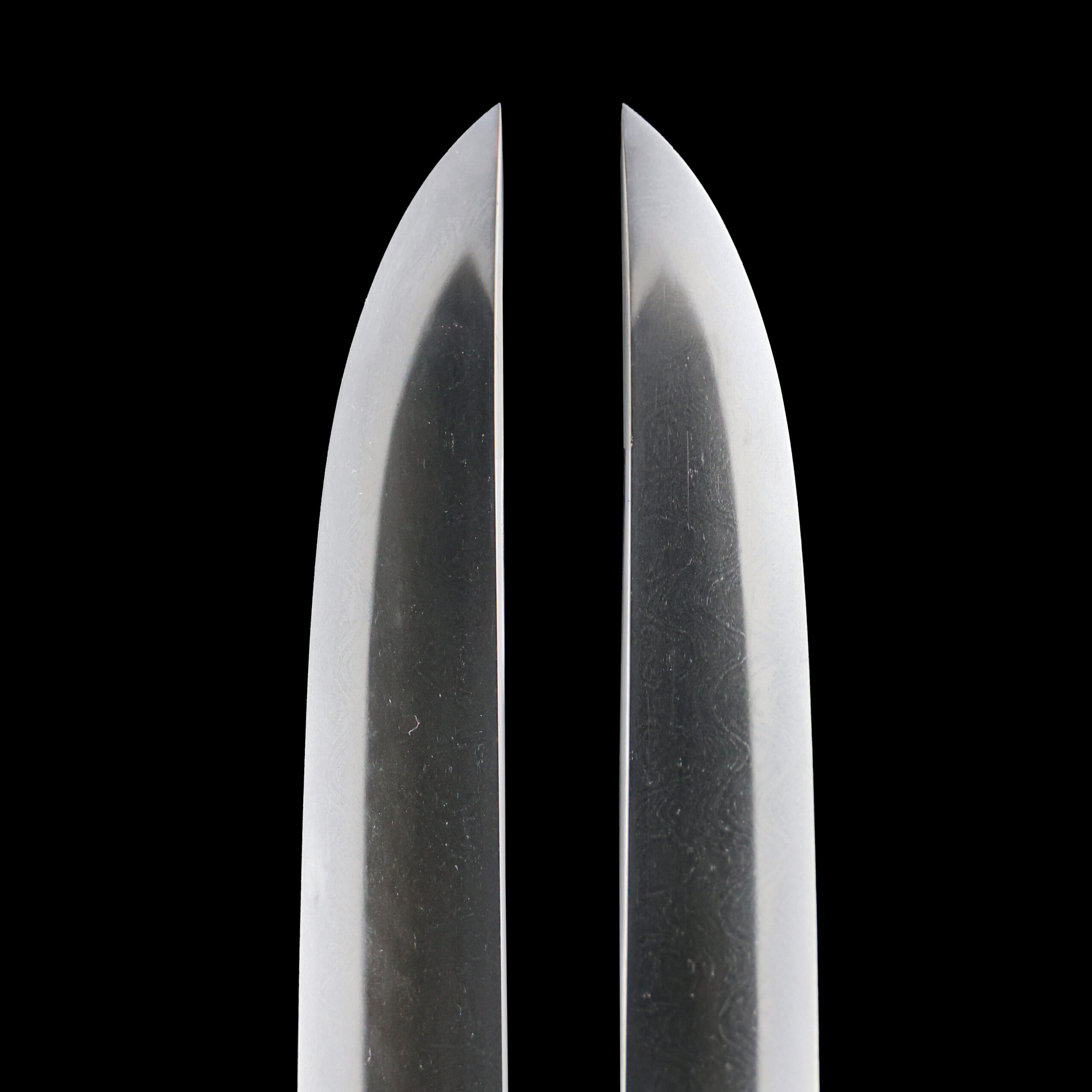
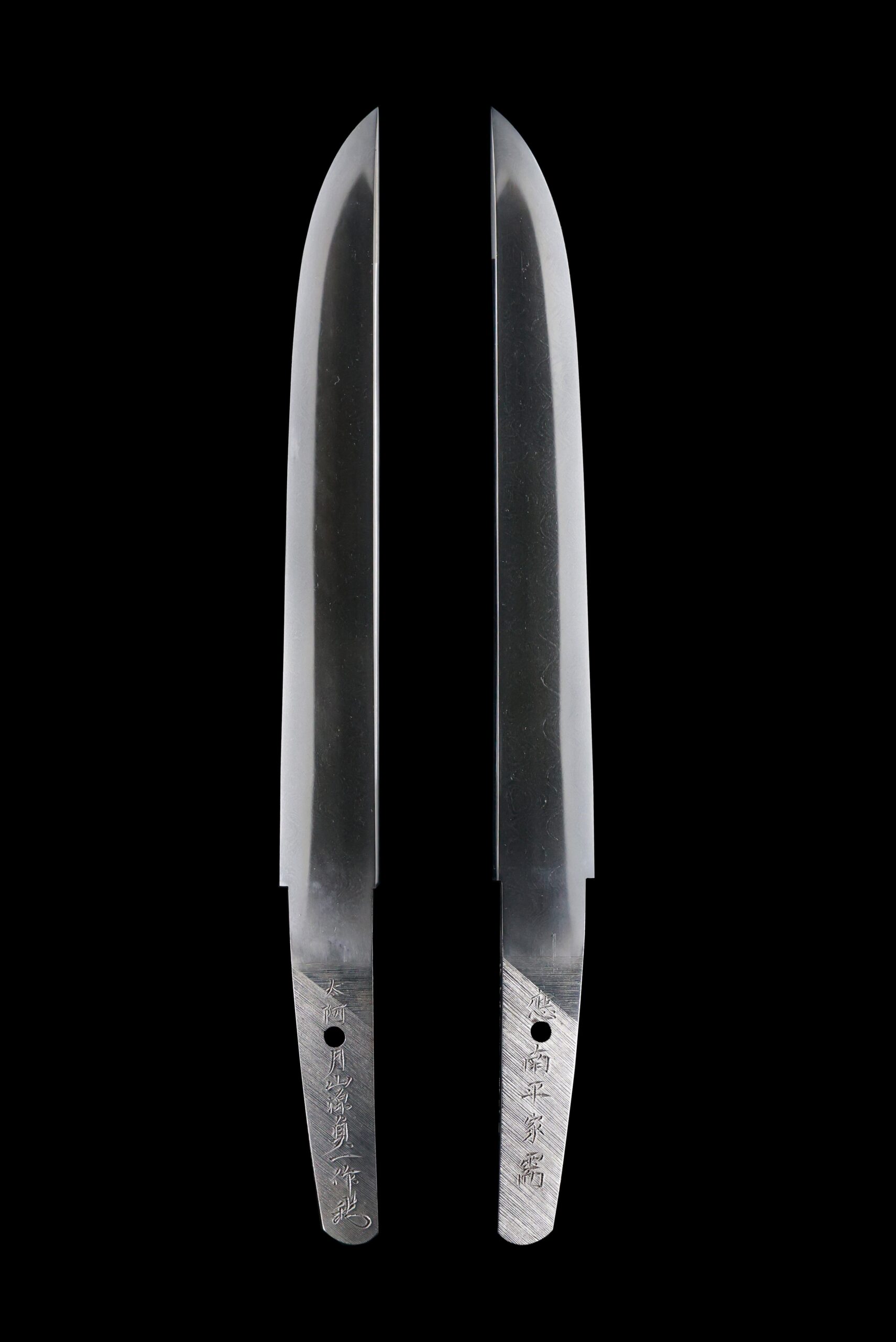
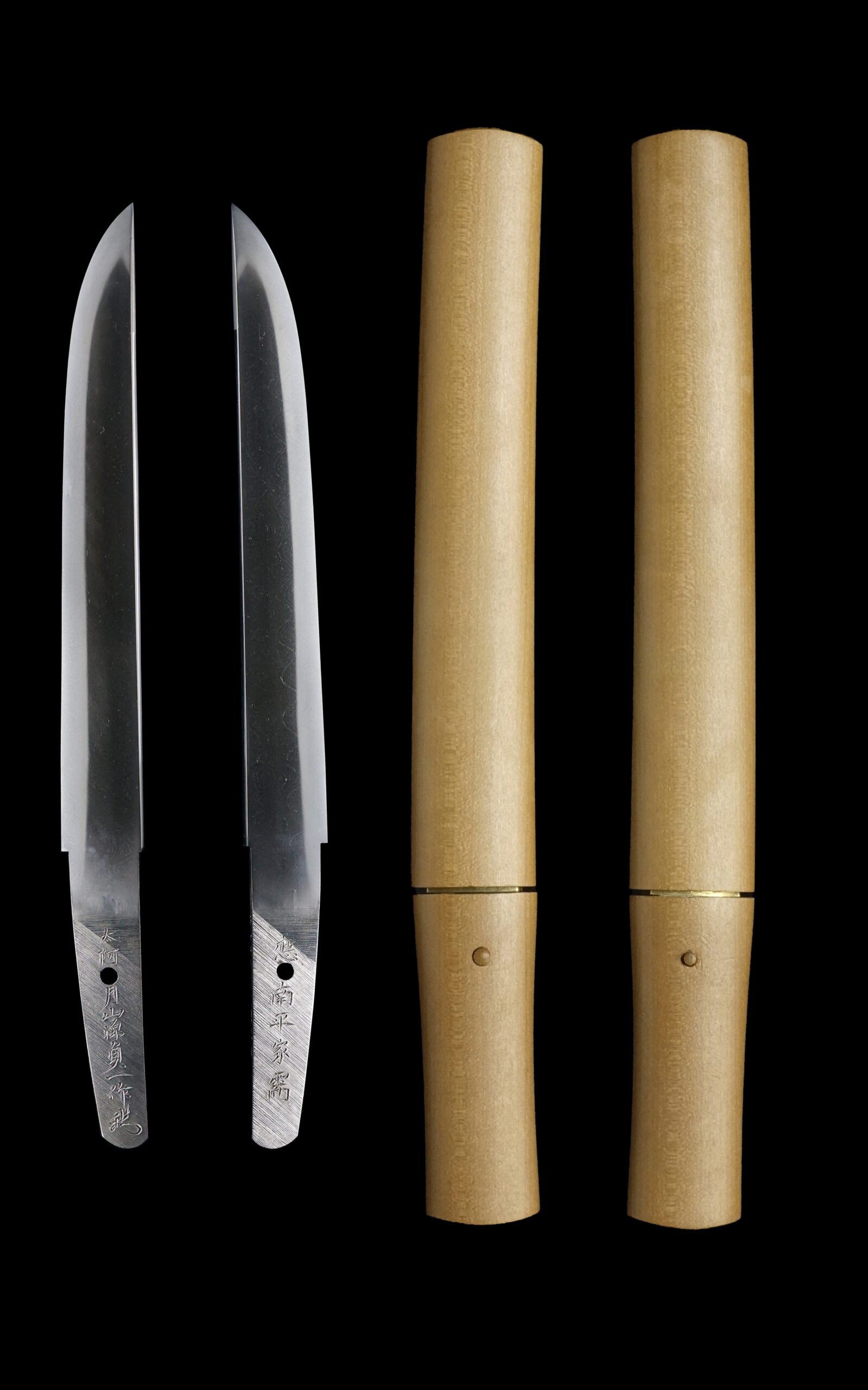
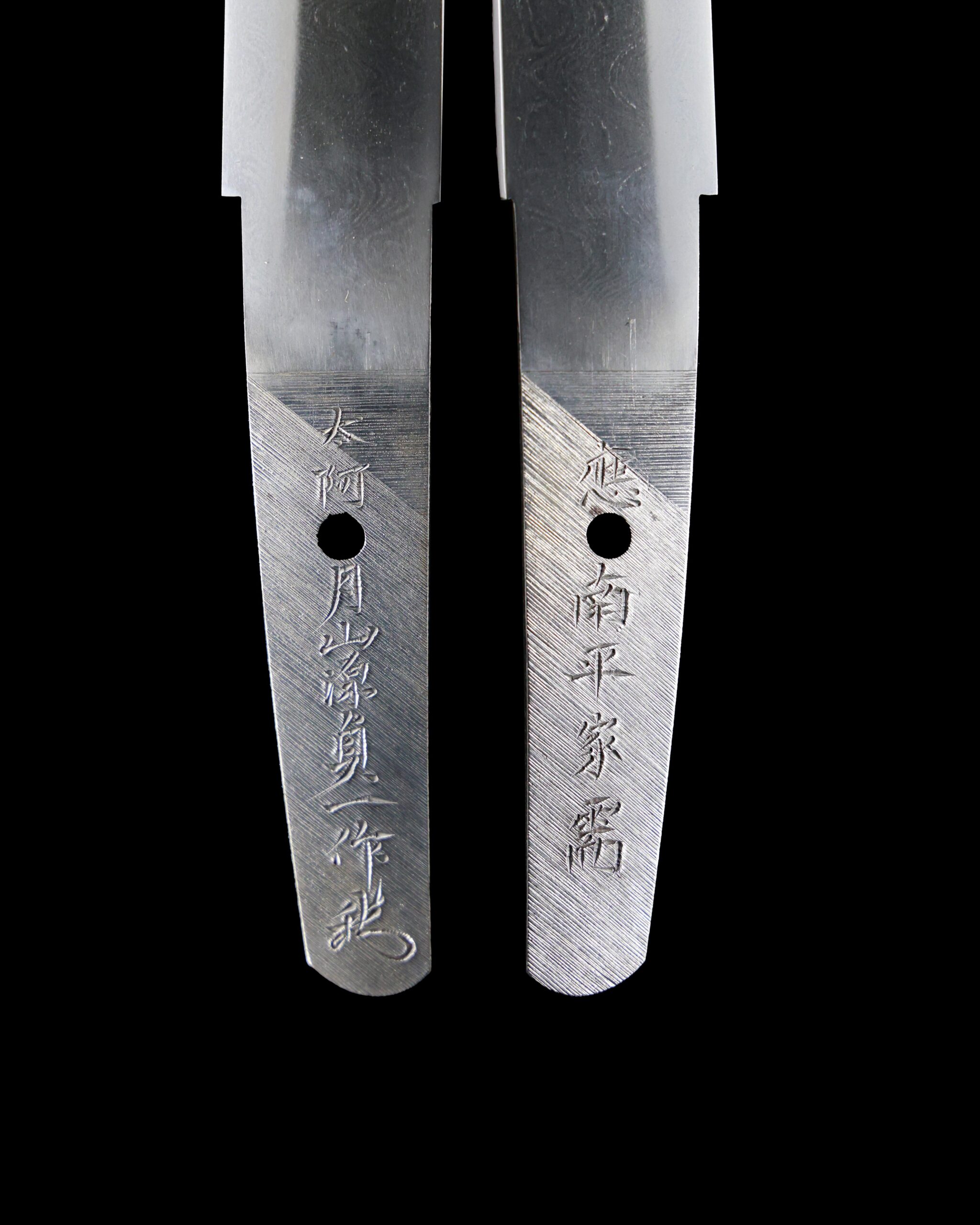
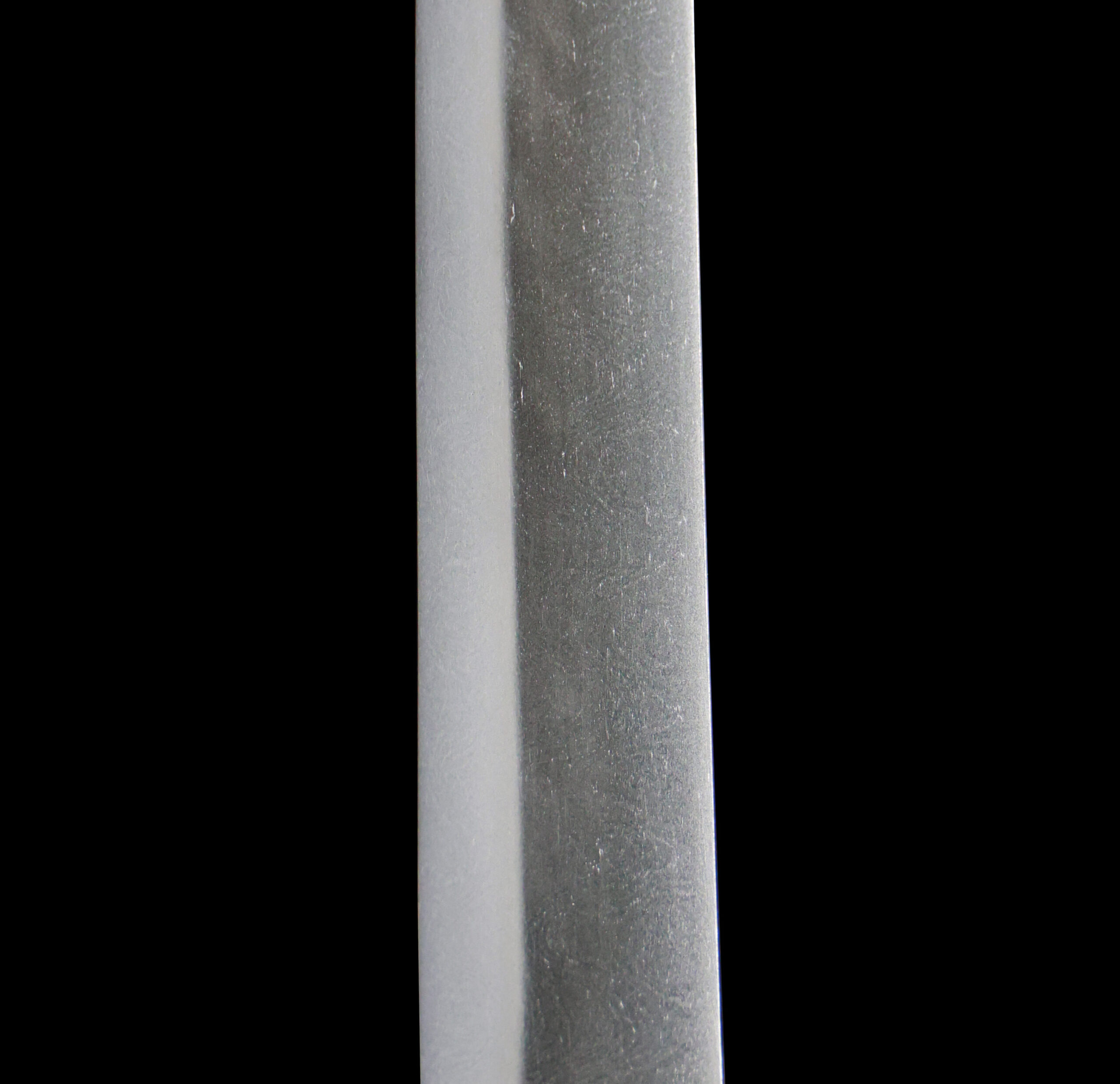
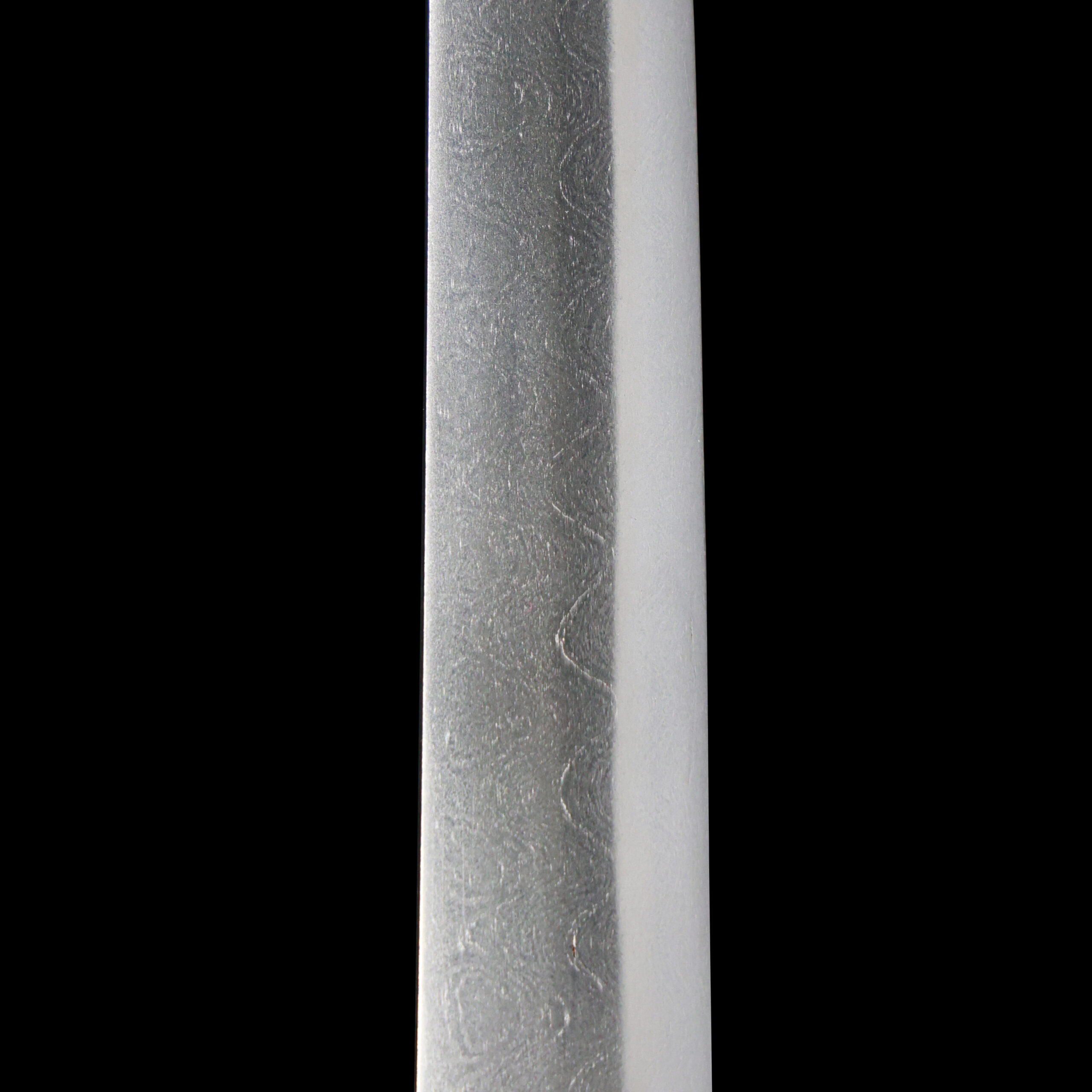
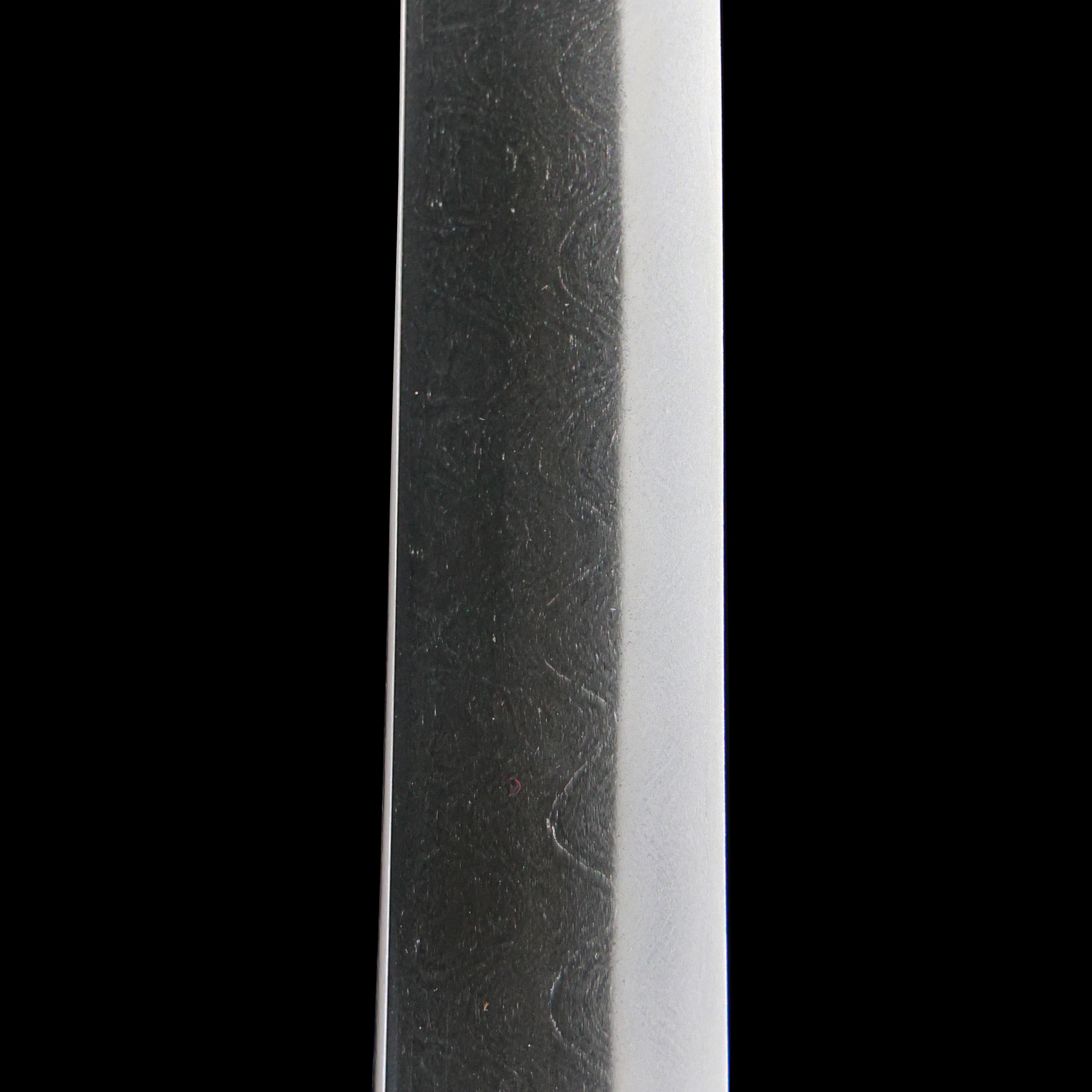
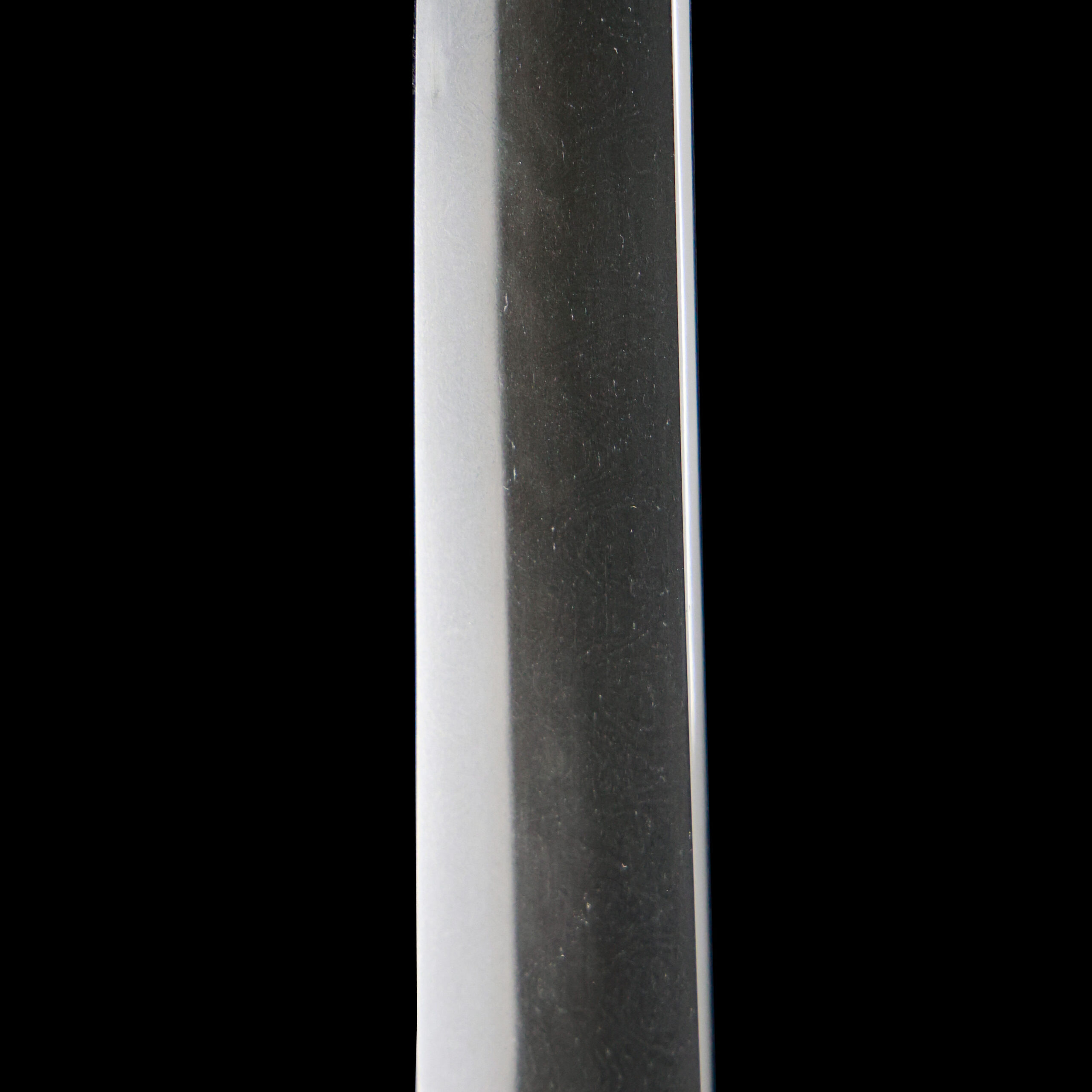
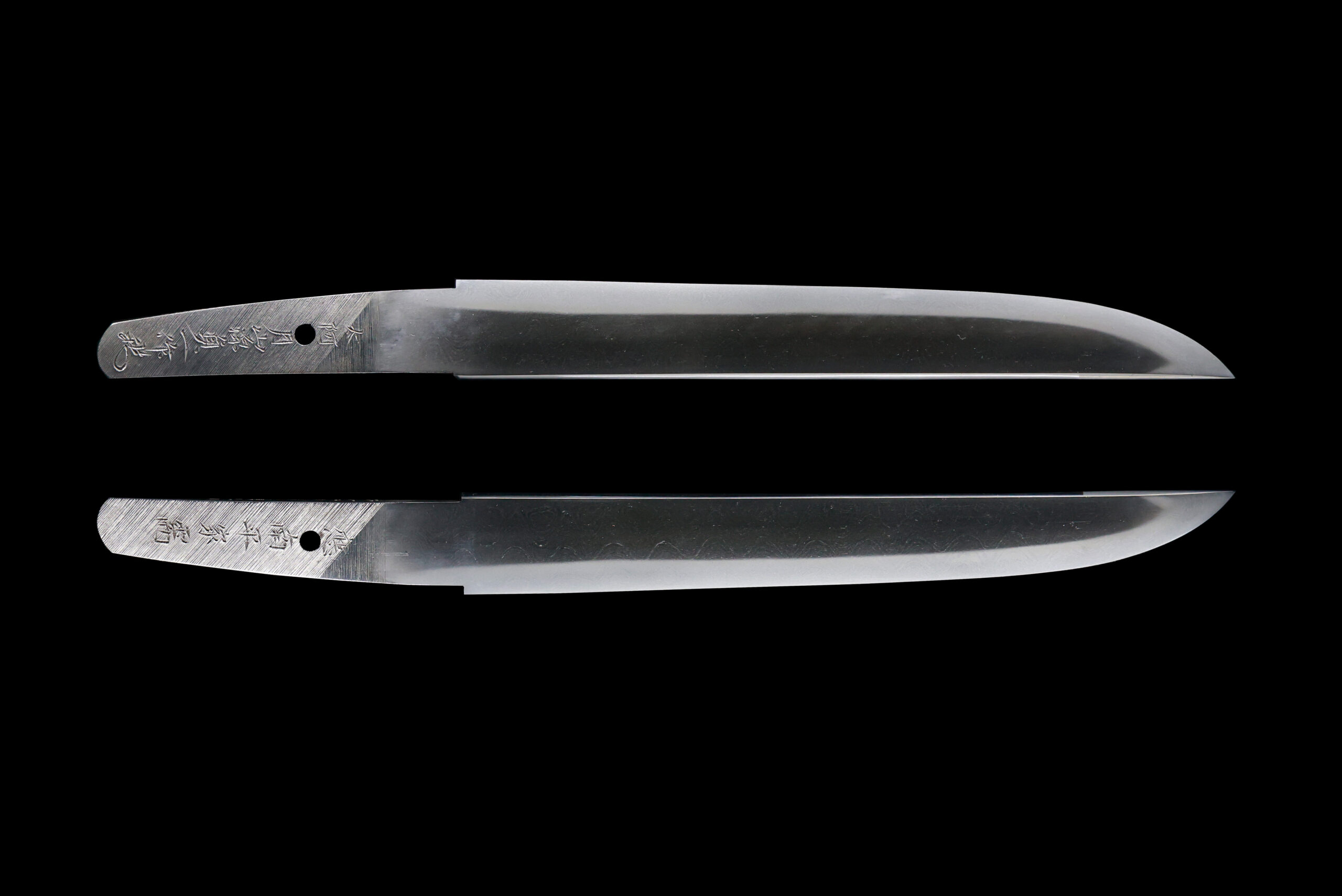
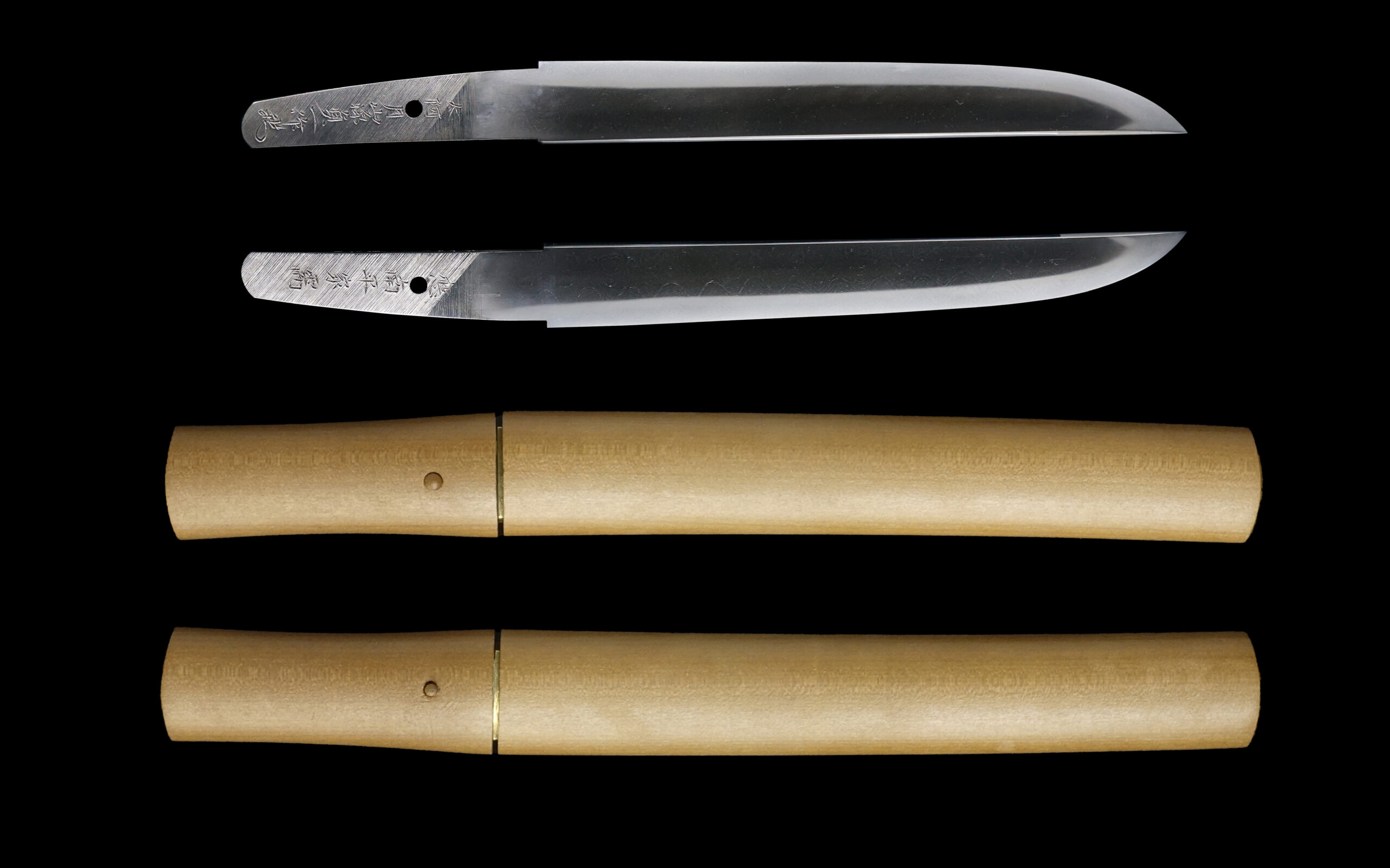
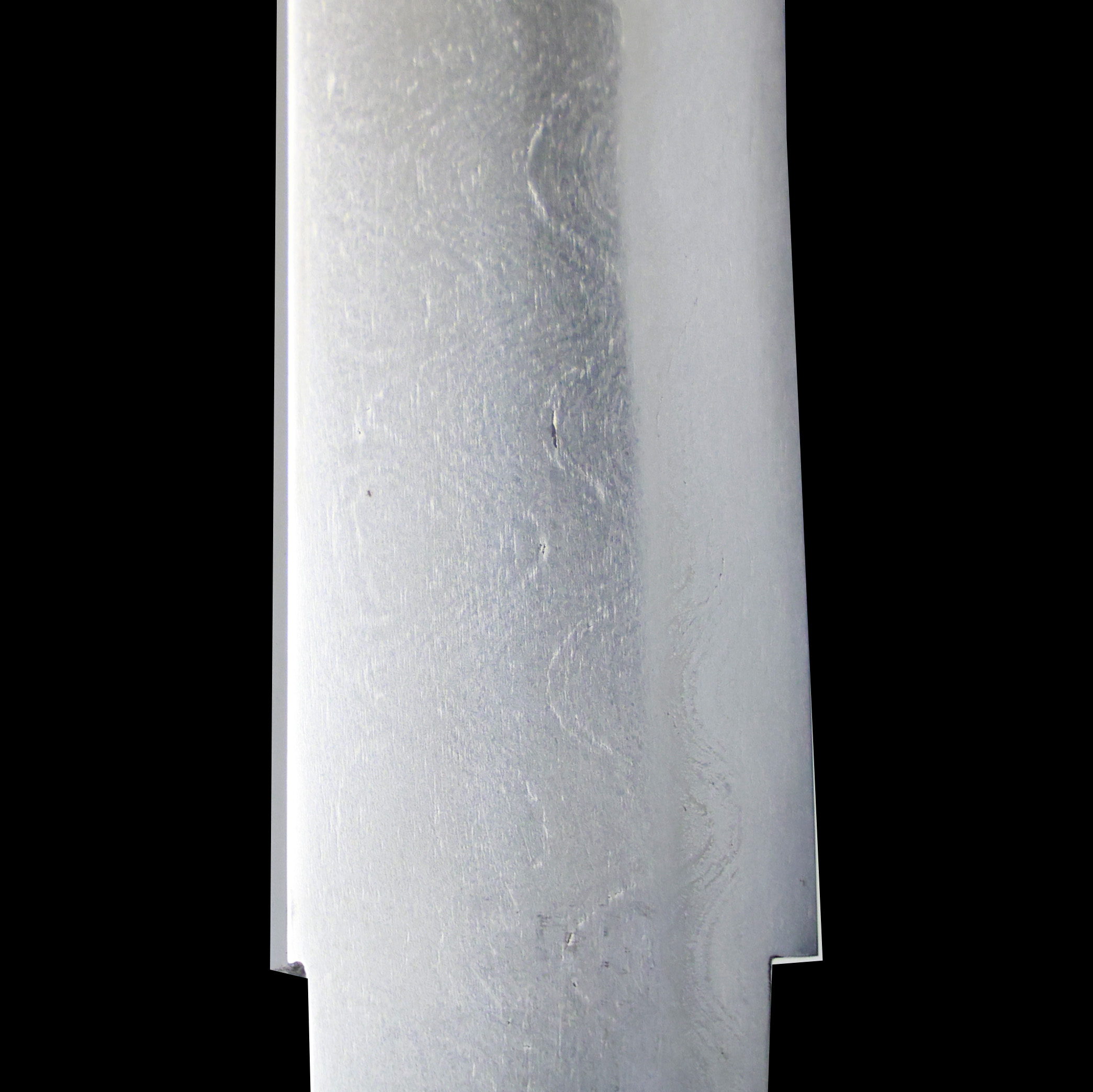
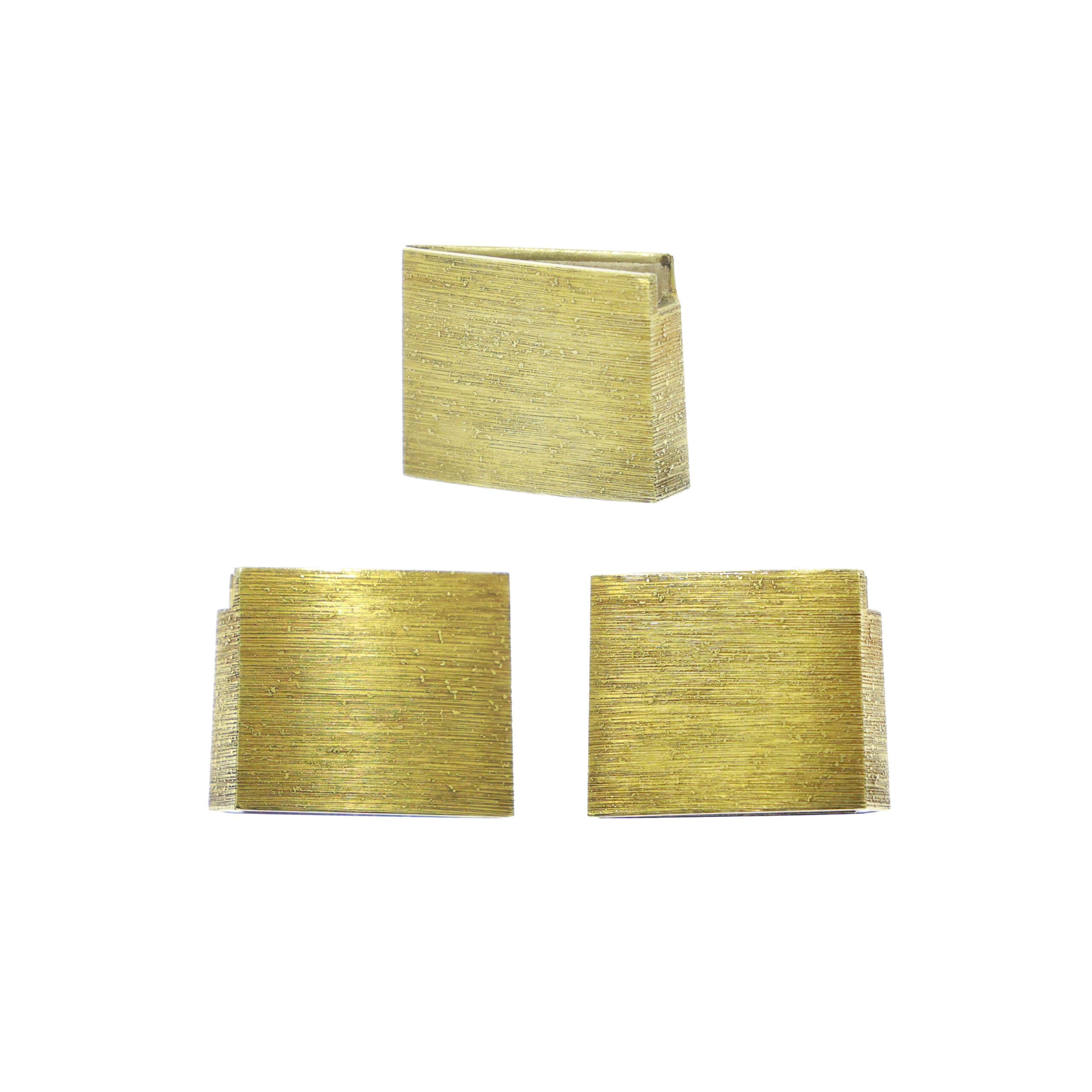
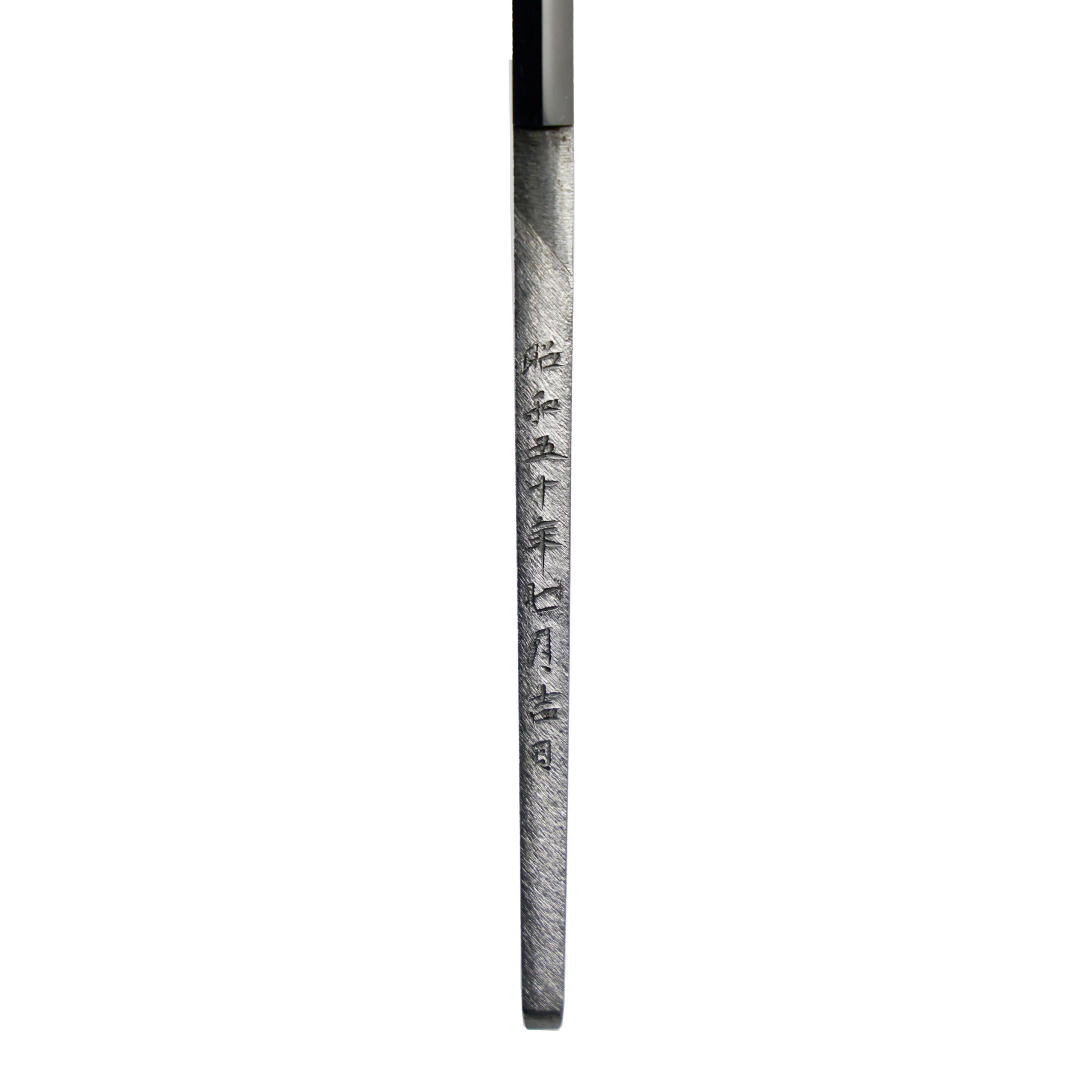
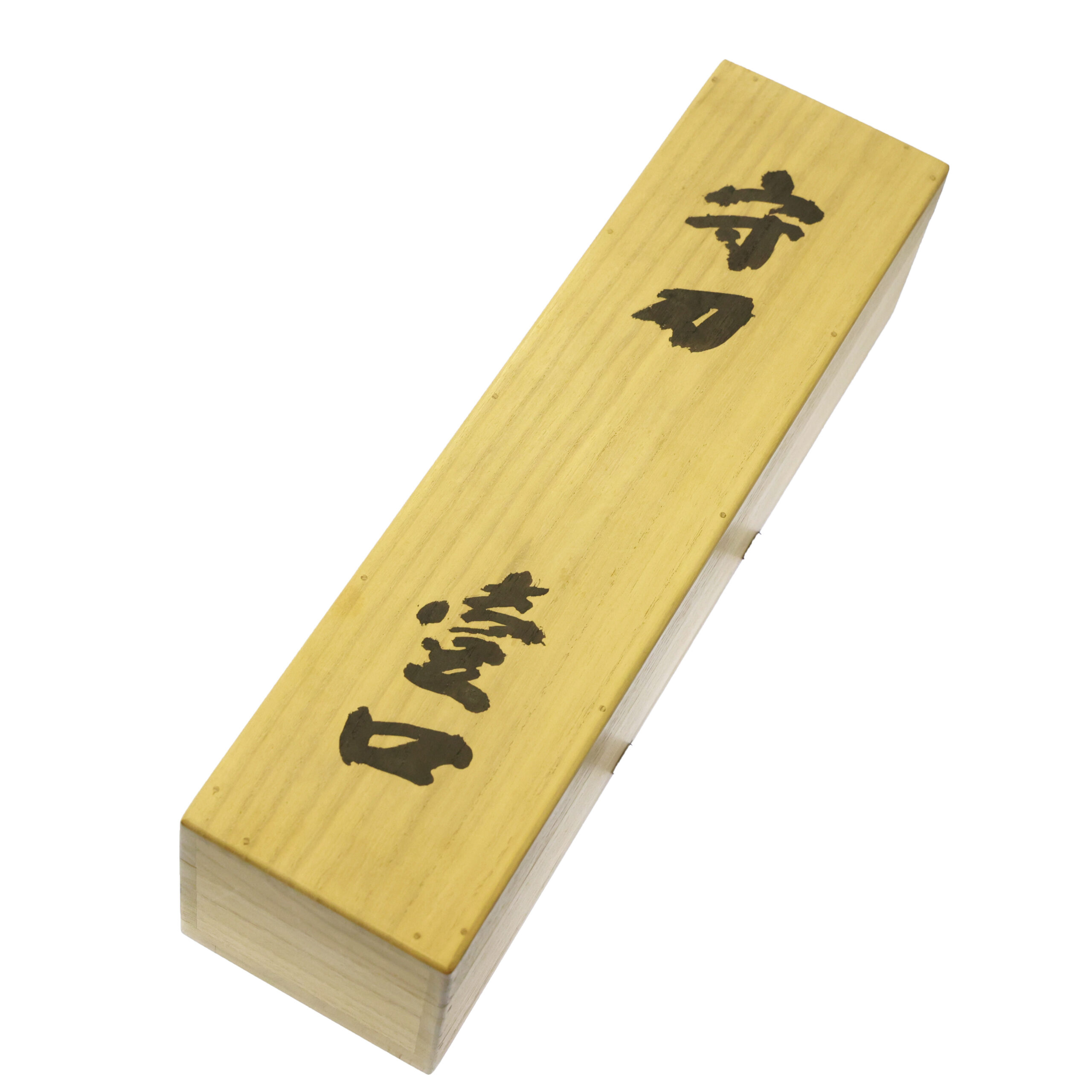
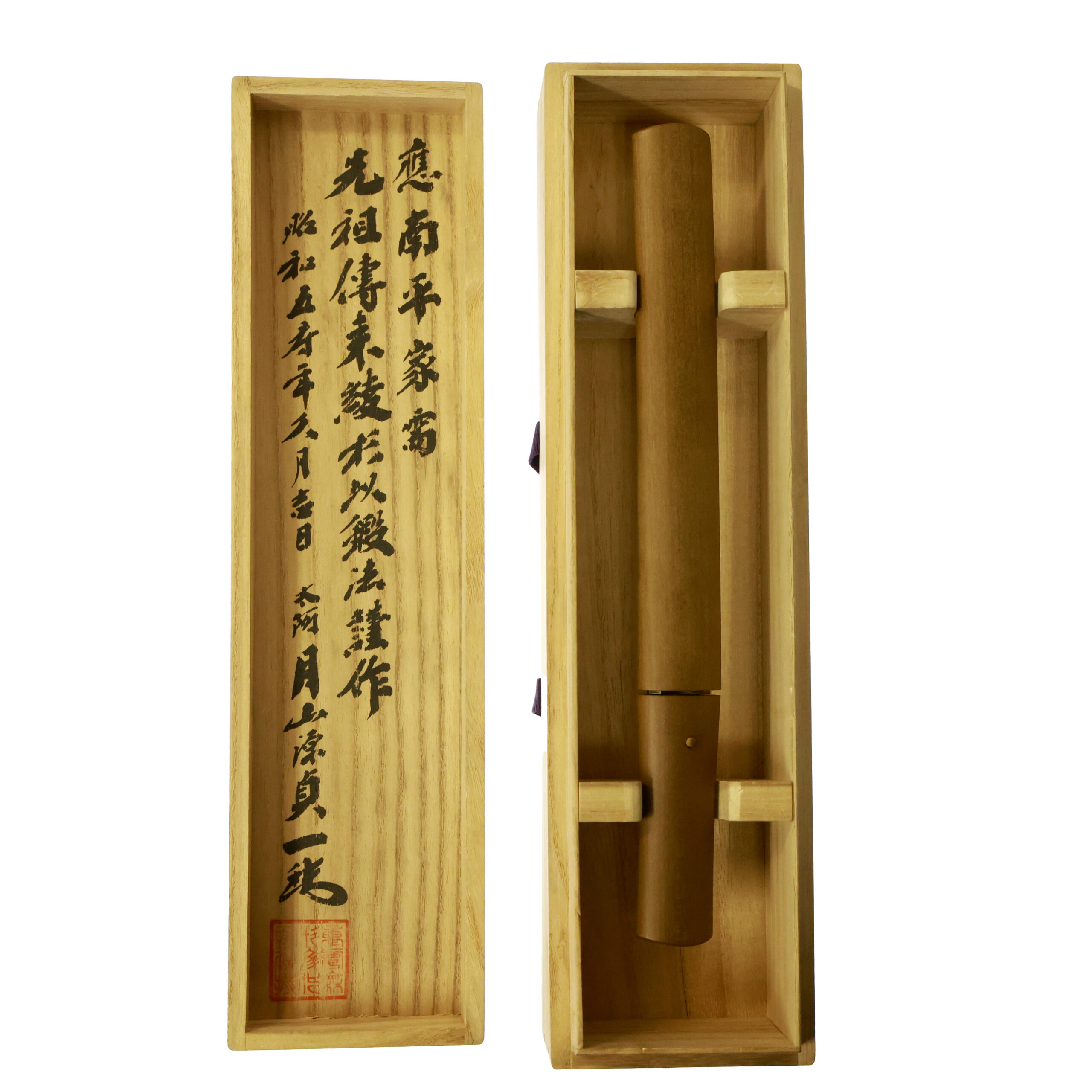
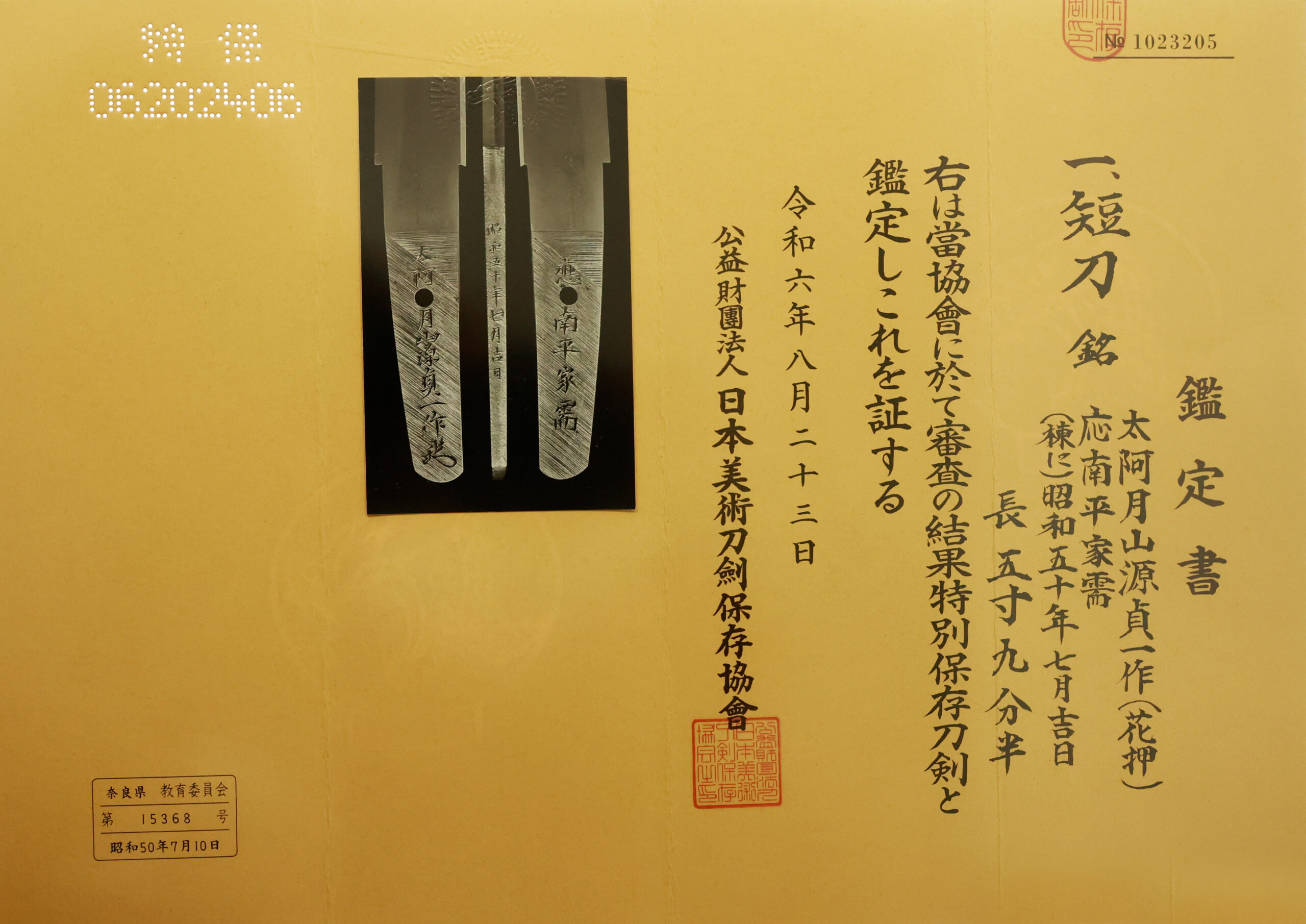
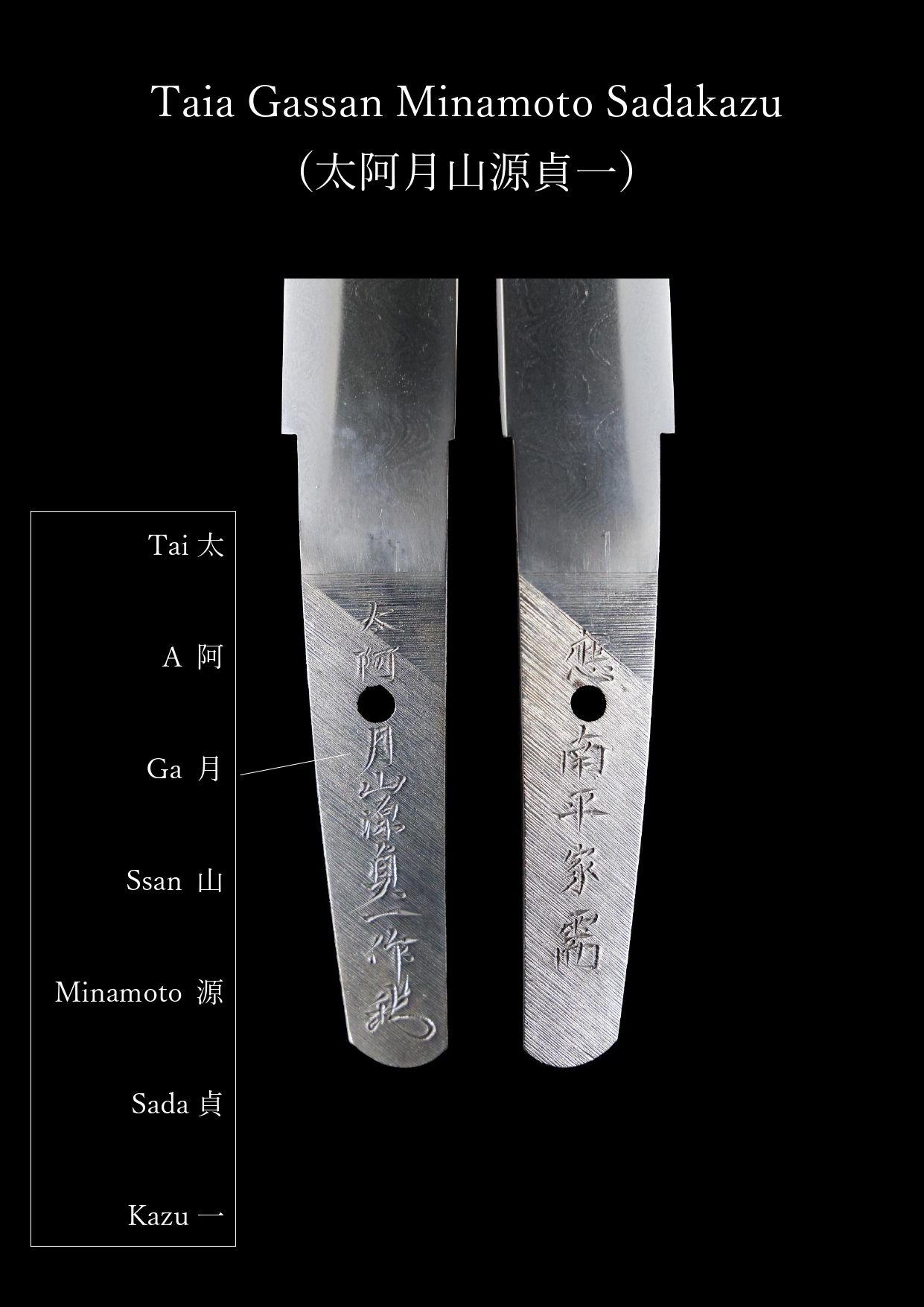
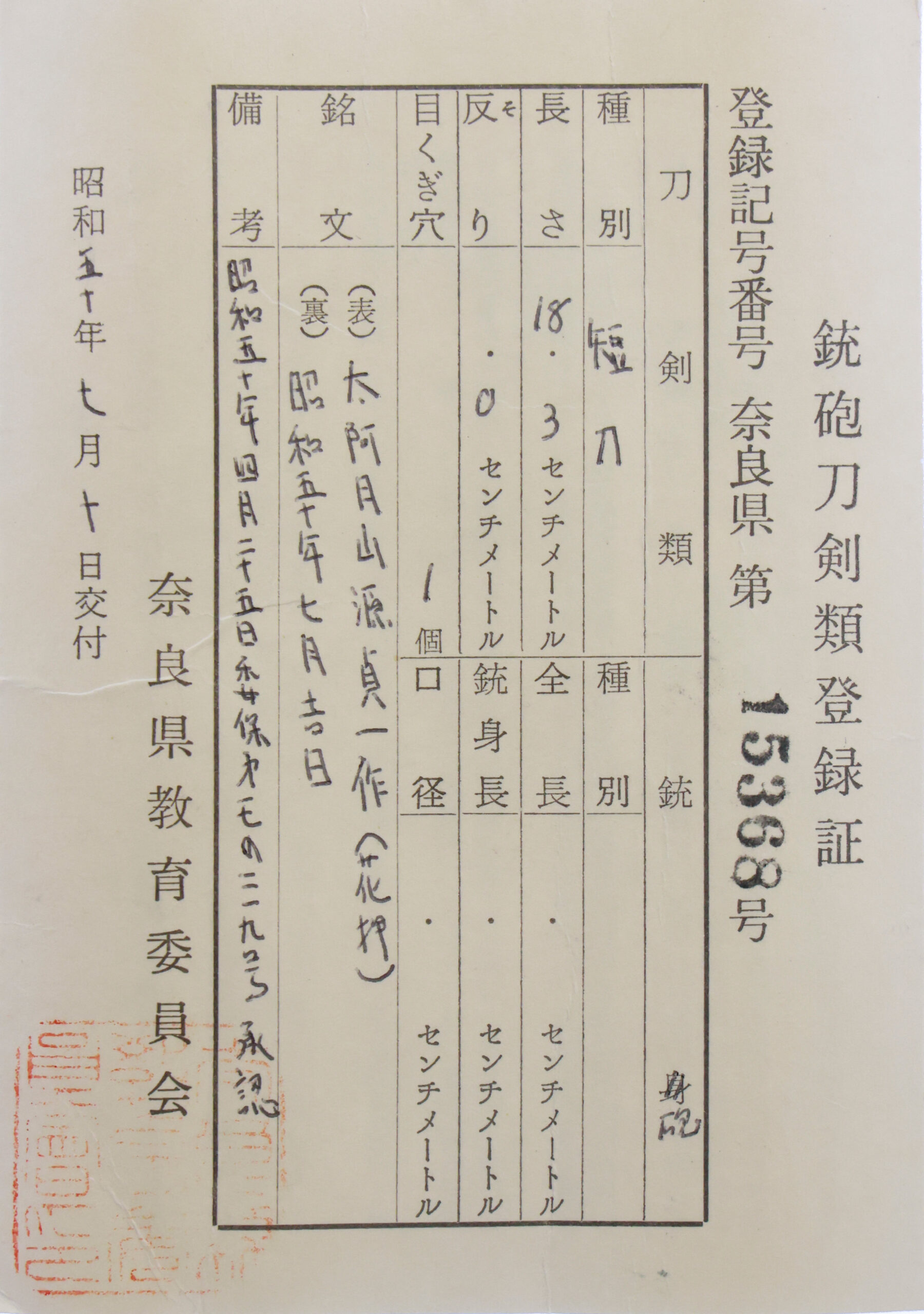
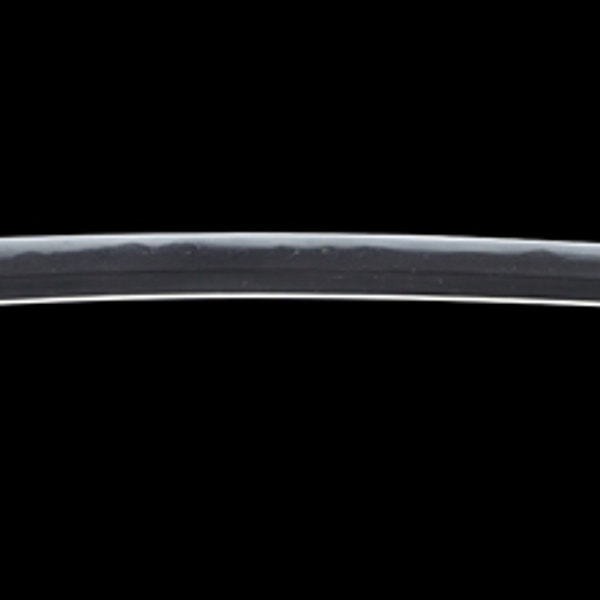
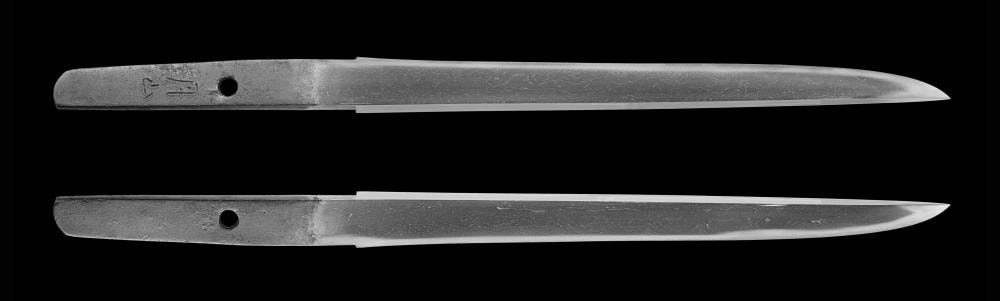
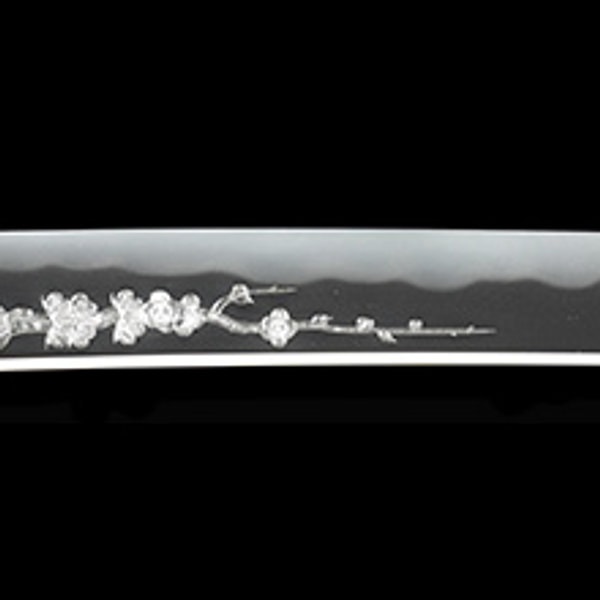
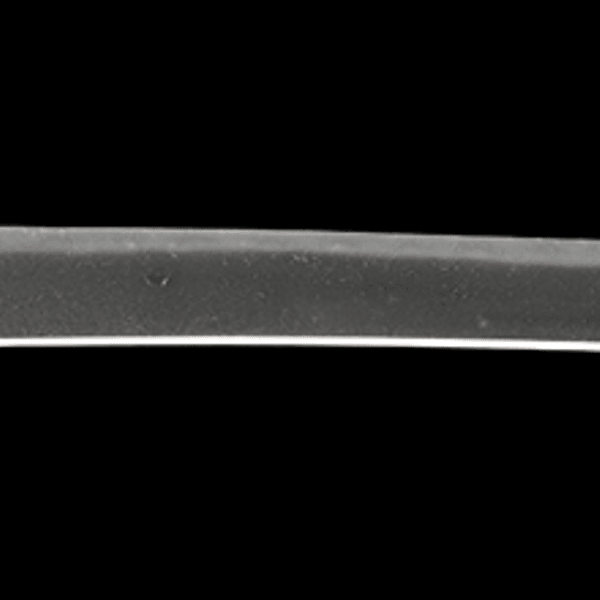
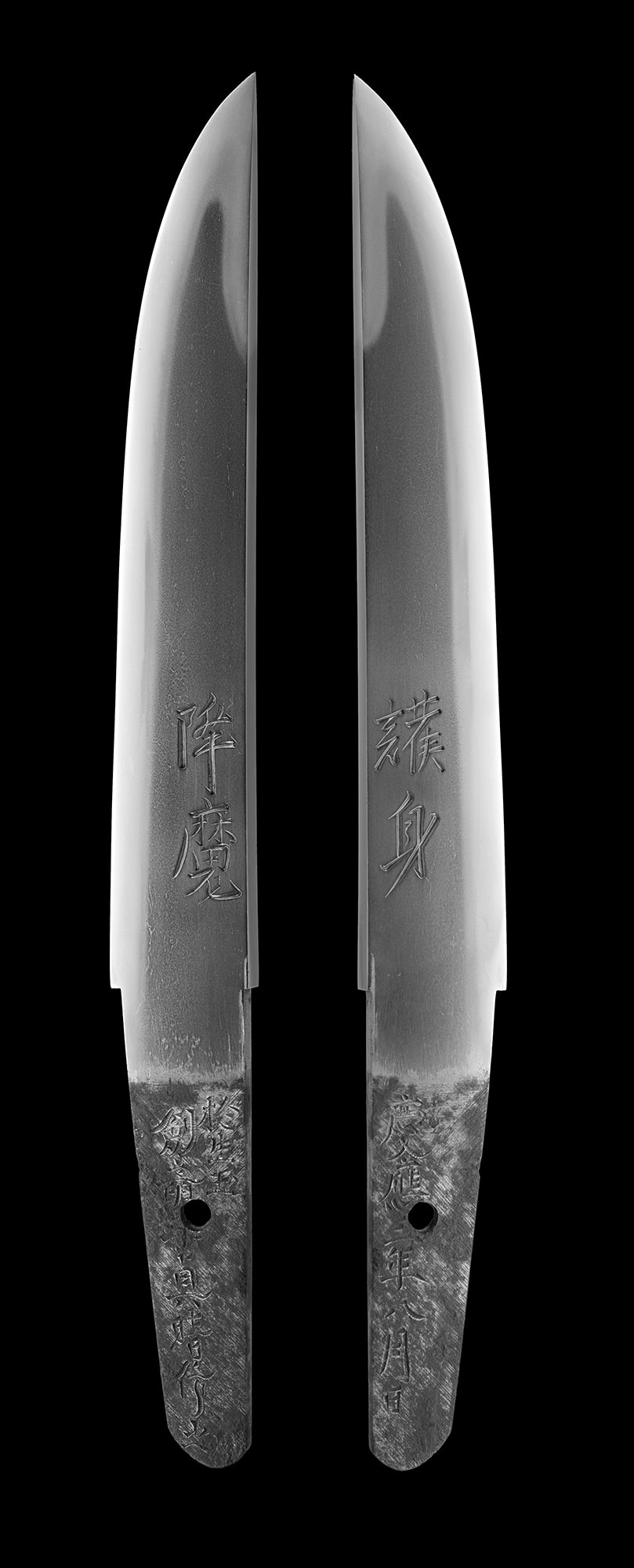
現代日本刀 短刀 銘:太阿月山源貞一(人間国宝) 日本美術刀剣保存協会(NBTHK) 特別保存刀剣鑑定書付 【解説】 概要 本作は、昭和50年(1975年)7月、大阪にて太阿月山源貞一(二代貞一)によって制作された短刀です。銘には花押が添えられ、裏銘には「応南平家需」とあり、南平家の求めに応じて打たれた注文打であることが分かります。本作のような短刀は「お守刀」としての性格を強く持っています。お守刀の風習は寿永元年(1182年)頃に始まったと伝えられ、武家社会において魔除けや厄払いの霊力を持つものとして、子供や女性に贈られてきた歴史があります。 二代貞一は、祖父である初代貞一の名を継承した名工です。明治40年(1907年)、月山貞勝の息子として生まれ、大正7年(1918年)より父に師事して作刀を学びました。初期には「貞光」と銘じています。戦中・戦後の困難な時期においても、洗練された伝統的な作刀技術の保存に尽力しました。大阪月山鍛冶の当主として、昭和46年(1971年)には国の重要無形文化財保持者(人間国宝)に認定されました。本作は、彼が人間国宝に認定された後の円熟期の作品です。 月山貞勝(父)、初代貞一(祖父)、貞吉(曽祖父)について 月山貞勝は明治2年(1869年)、幕末から明治にかけての名工、初代月山貞一の息子(貞吉の孫)として大阪で生まれました。 貞勝は幼少より父・貞一から技術を学びましたが、大正7年(1918年)以前の銘を持つ作品は極めて稀です。これは彼が長らく父の代作・代銘に専念し、その活動を支えていたためです。大正10年(1920年)頃より、宮内大臣・一木喜徳郎らを通じてその技量が認められ、皇室の御用刀や陸海軍将校の軍刀を数多く手掛けるようになりました。 父・貞一の没後、月山家を継承した貞勝は多くの門弟を育成しました。三男である二代貞一、および門人の高橋貞次は、後に人間国宝となっています。貞勝は昭和18年(1943年)12月24日に没しました。 初代貞一は天保7年(1836年)、近江国(現在の滋賀県)の塚本家に生まれ、7歳の時に大阪の名工・月山貞吉の養子となりました。11歳から修行を始め、驚異的な速さで複雑な技法を習得。記録によれば、わずか16歳(嘉永4年)で初作を打ちました。 月山貞吉は天保4年(1833年)に大阪で月山道場を開きました。月山家は鎌倉時代より続く名門ですが、江戸時代中期には一時衰退していました。しかし、幕末に貞吉が卓越した技量をもって再興を果たし、その努力によって一門は再び隆盛を極めました。 初代貞一は貞吉を支え、長年の研究の末に月山伝の伝家宝刀である「綾杉肌(あやすぎはだ)」を復元しました。波状の木目が重なるような美しい地肌は、杉の年輪に似ていることからその名がつきました。この綾杉肌の技法は貞勝、そして本作の作者である二代貞一へと脈々と受け継がれています。 鑑定 本作は、日本美術刀剣保存協会(NBTHK)により「特別保存刀剣」に認定されています。この鑑定書は、保存状態が極めて良く、かつ美術的価値が特に高い真作の日本刀にのみ与えられるものです。
 NihontoWatch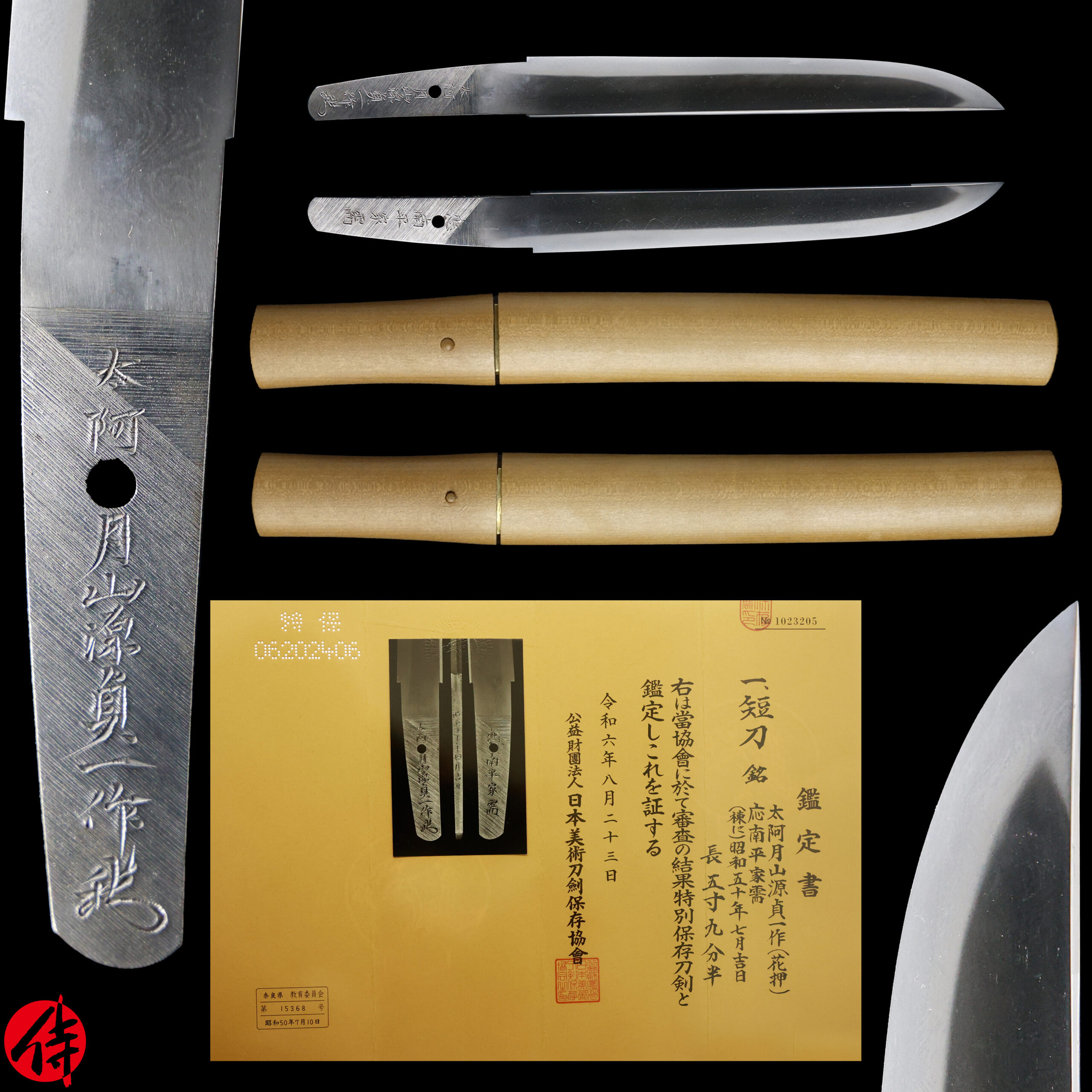

脇物 · 出羽
現在46点販売中
月山は、出羽国に聳える月山に因んで称された一派である。月山は出羽三山修験道の名山であり、この山号を銘とする刀工は、すでに平安時代から存在したことが『観智院本銘尽』に記されている。古来その鍛冶は平安時代末期に始まると伝えるが、現存する最古の有銘作は南北朝期の制作と鑑せられるもので、出羽三山神社所蔵の重要美術品の太刀がこれにあたる。収録される作には、現存の在銘作で最も古い部類に属する「月山」銘の太刀をはじめ、南北朝期の年紀をもつ勝軍、銘鑑にいわゆる羽州月山一派暦応頃に該当する長光、室町後期の月山近則、さらに時代下って幕末から明治にかけて大坂に出た月山貞一に及び、出羽に発した古い月山から後代に至るまでの広がりを示している。山岳信仰を背景とするこの一派は、長く東北の地にあって独自の作域を伝えてきた。 作風の最大の特色は、鍛え肌が綾杉模様にうねって流れ、その窪みの部分に渦巻状の杢目を交える、いわゆる綾杉肌を示すところにある。匂口の沈んだ直刃を焼く点は各時代に共通し、地沸がつき、直刃調から小乱れ、小互の目を交える刃文が見られる。鉄はかな色に黒みをおびて奥州気質を看取させ、奥州物らしく沸崩れて締らず匂口の冴えに乏しいものもある。ただし末流においては綾杉肌のあらわれぬ作もあり、月山近則の作中には備前伝の作風を示して長船鍛冶との技術交流を窺わせるものがある。後代大坂の月山貞一は、山城・大和・相州・備前・美濃など諸流の伝法をこなしつつ、古い月山にならった綾杉肌を巧みに再現し、刀身彫刻においても優れた技倆を見せた。月山の見分けは、この綾杉肌と黒む東北の鉄、沈んだ直刃の調子に拠るところが大きい。 鑑定にあたっては、綾杉肌の有無とその出方、地鉄の黒みと沸の崩れ加減、彫物の手際を併せ見ることが要点となる。古い月山に綾杉肌の典型を求め、末流には肌のあらわれぬ場違的な作や備前伝の混じる作のあることを念頭に置く必要がある。代表的な作としては、出羽三山神社蔵の太刀が古作の基準となり、月山近則の在銘脇指、勝軍や長光の南北朝期の遺例が一派の展開を伝える。貞一には毘沙門・倶利伽羅・不動などを彫り、久邇宮への献上刀をはじめとする所伝の明らかな作が残る。修験の山に発し、綾杉肌という他に紛れぬ地鉄を看板として東北に伝えられたこの一派は、刀剣史のうえで独特の位置を占めている。 詳しく見る →
昭和から現代へ 断絶と再生
二十世紀は二度この工芸を殺しかけた。戦時の歪みと、占領下の禁令である。1948年の日刀保設立と1953年の作刀再開が刀を美術として再建し、人間国宝と無鑑査がその頂に立つ。
保存刀剣のうち、出来が一層優れ、保存状態も良好と認められたものです。再刃や、室町・江戸期の多くの無銘作は対象外となり、保存刀剣より高い基準が課されます。
日本美術刀剣保存協会(NBTHK)は、1948年に設立され、文化庁の監督を受ける公益財団法人で、東京・刀剣博物館に本部を置きます。専門の審査員が出品作を直接審査し、美術的・歴史的価値に応じた鑑定書を発行します。NBTHKの鑑定書は、日本刀および刀装具の真正性を示す最も広く認知された基準です。
NBTHK公式サイトReturns/exchanges limited to defects caused by shipping (except willful misconduct or gross negligence by the company); customers must contact within 72 hours of receiving the product.






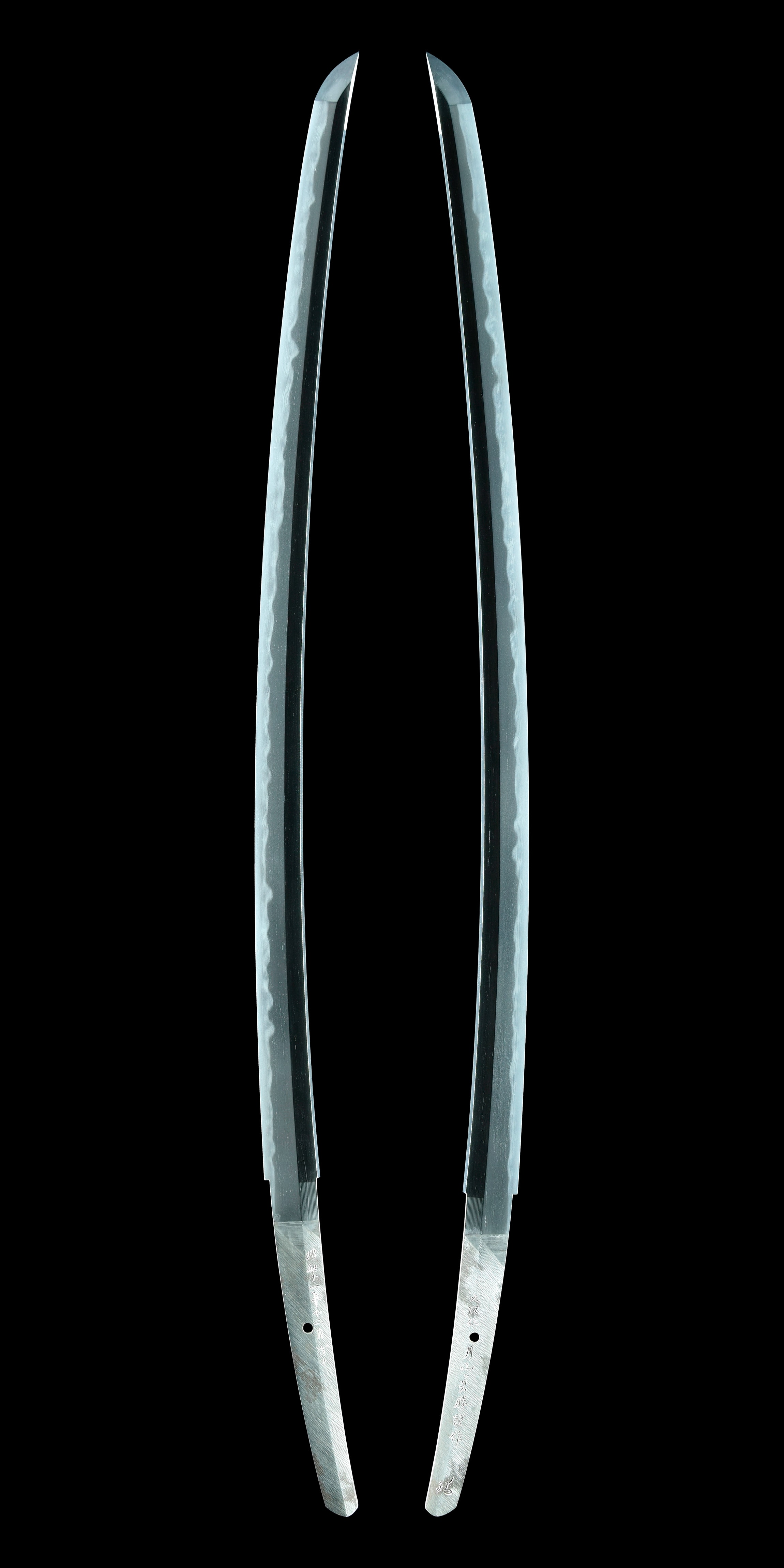

![Katana - Tokuho - 作 貞一 - 刀:浪華住月山雲龍子貞一造[刻印]](/_next/image?url=https%3A%2F%2Fitbhfhyptogxcjbjfzwx.supabase.co%2Fstorage%2Fv1%2Fobject%2Fpublic%2Flisting-images%2Fchoshuya%2FL805711%2F00.jpg&w=2560&q=90)