鎌倉時代は備前の頂点である。伝えでは一文字派の工が後鳥羽上皇の御番鍛冶に列し、世紀の半ばには光忠が長船派を興して、注文は公家からも武家政権からも流れ込んだ。国宝刀剣の数で備前に並ぶ国はない。
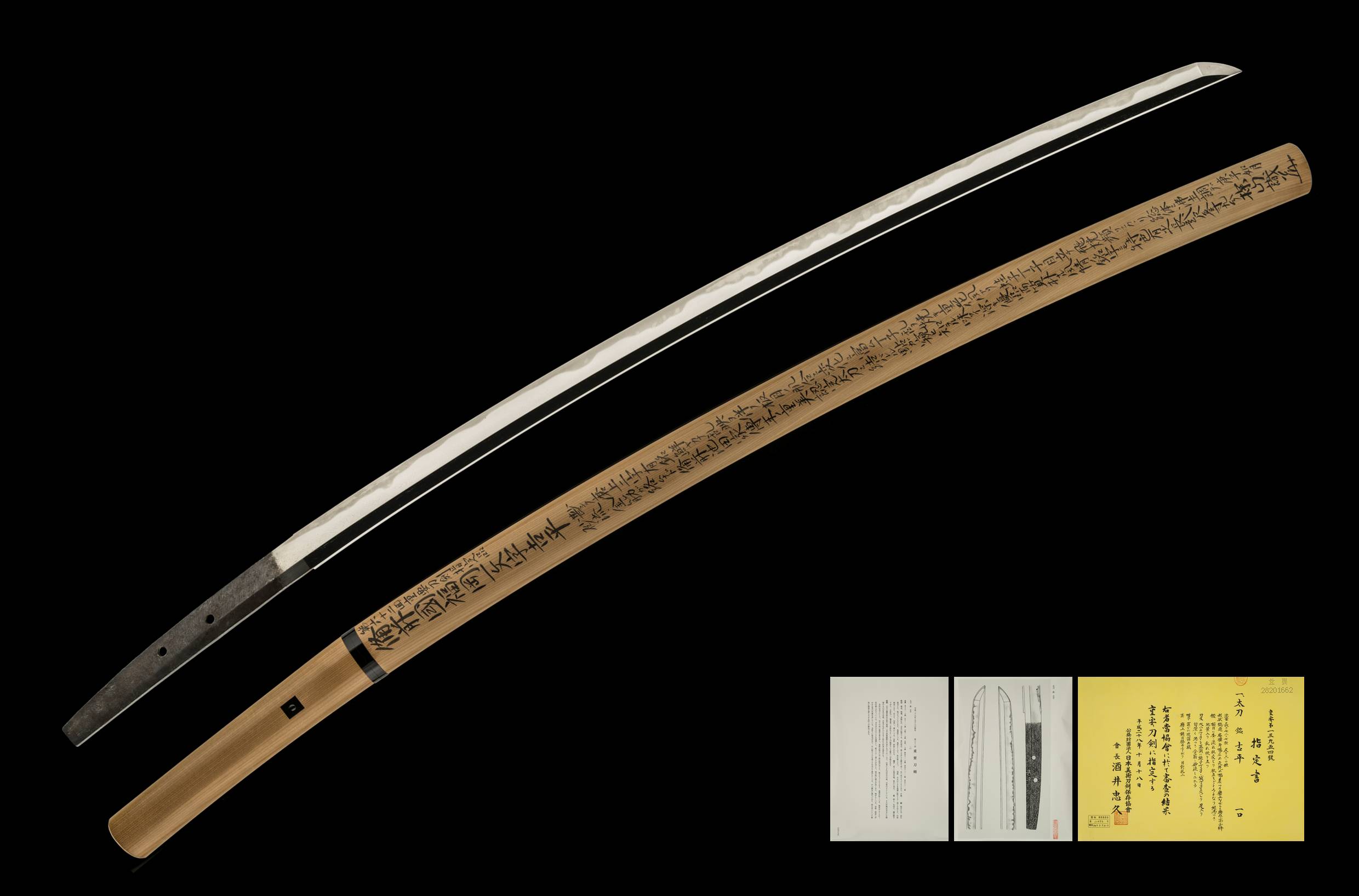
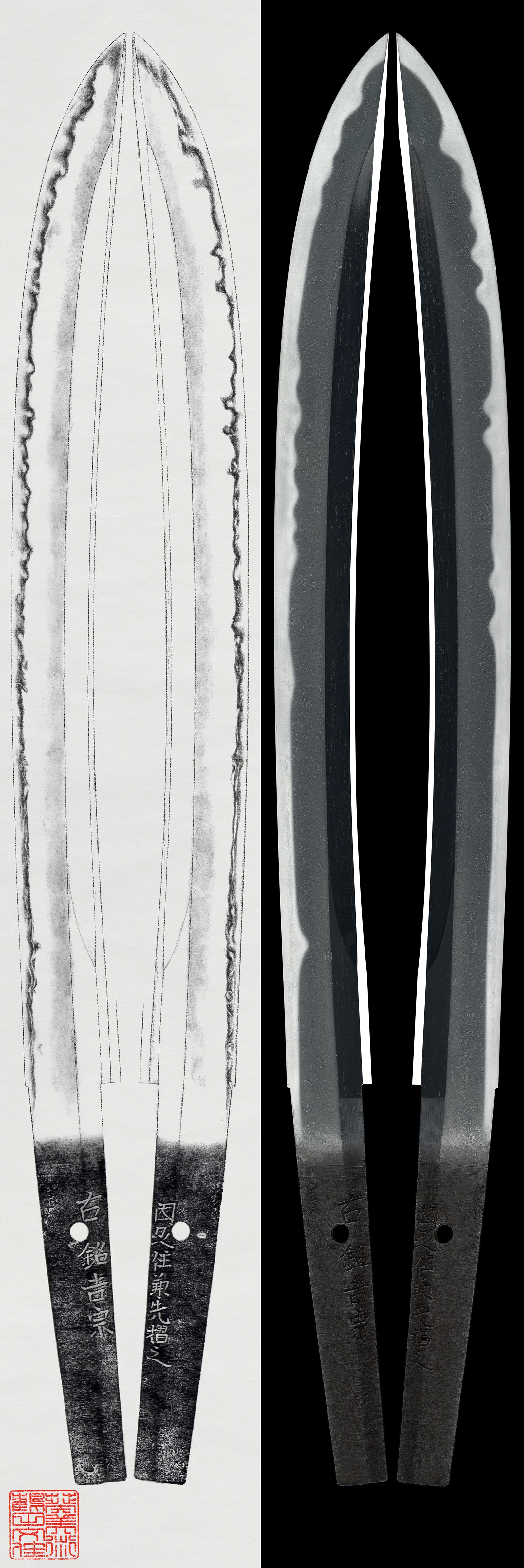
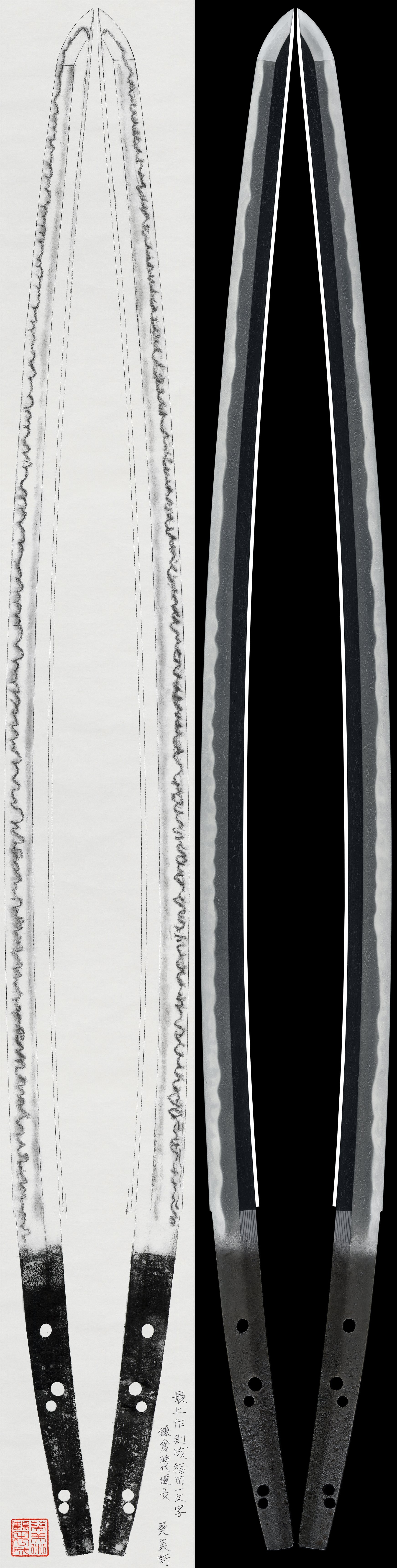
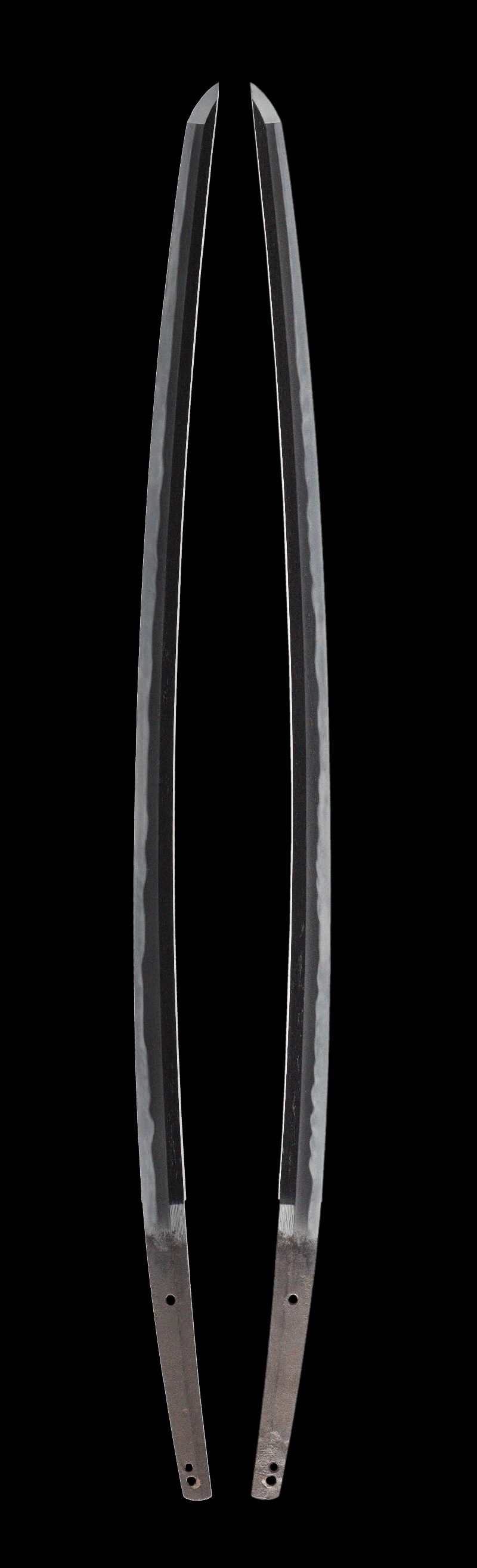
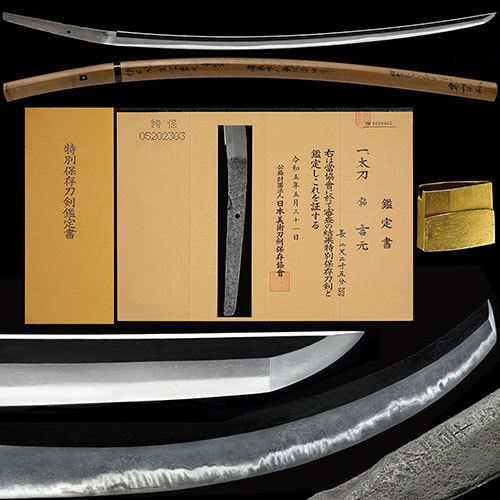
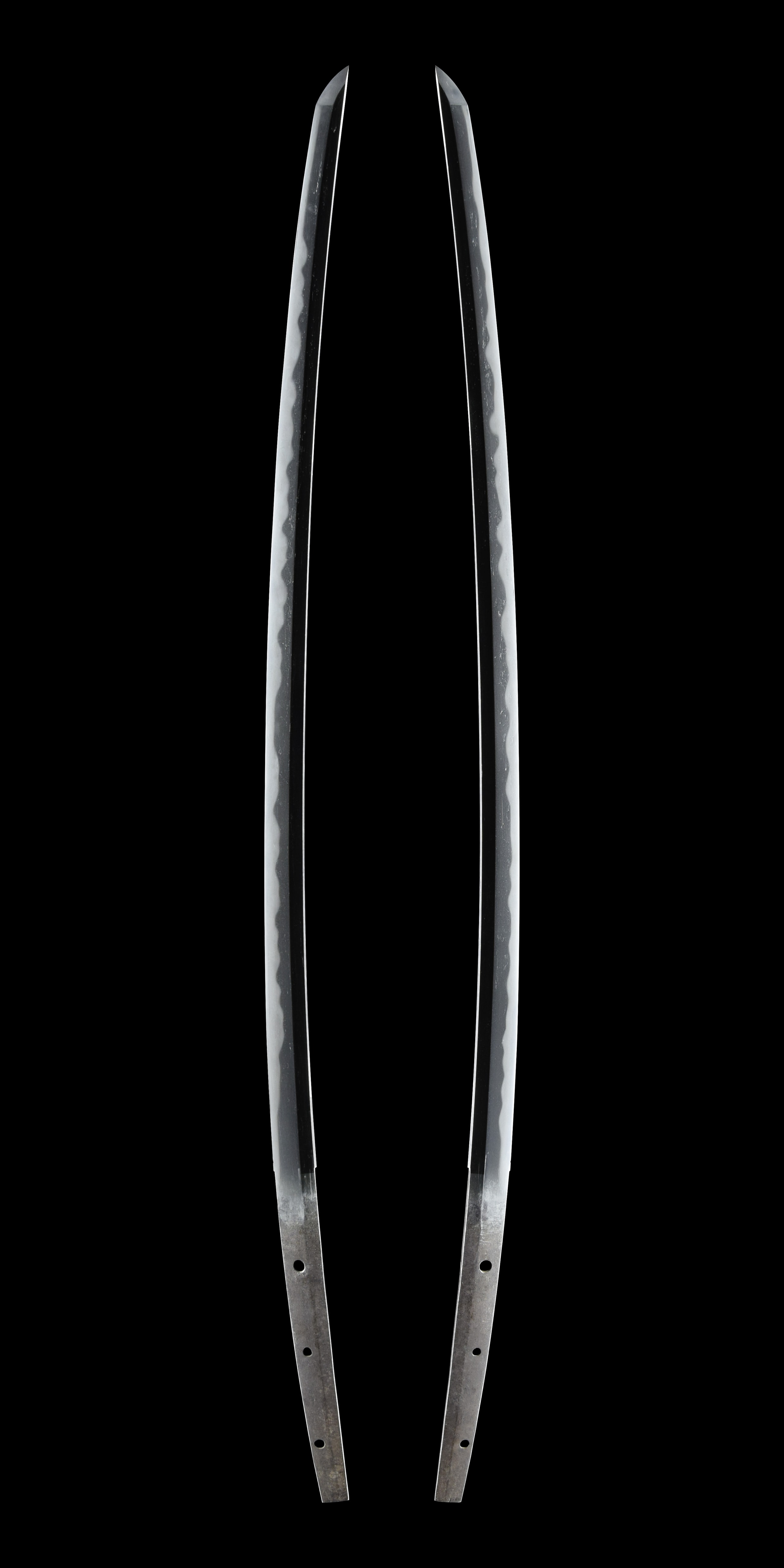
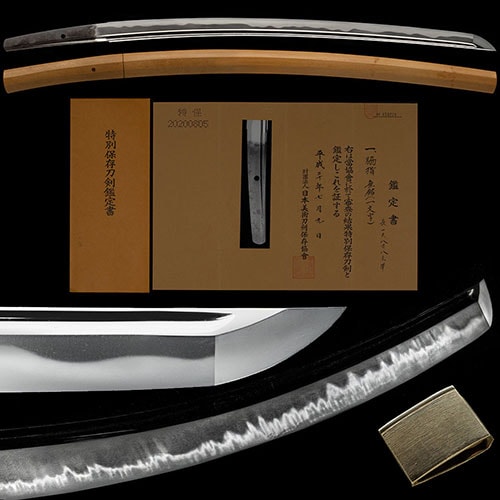
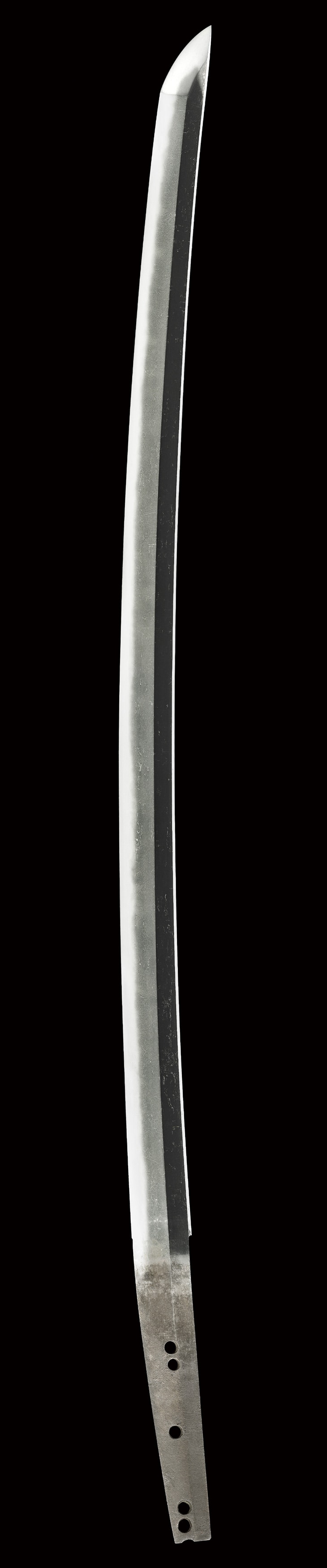
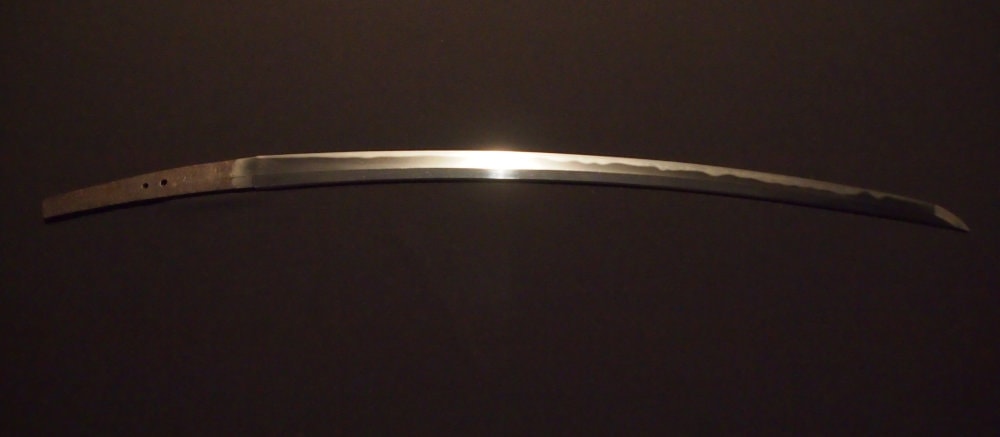
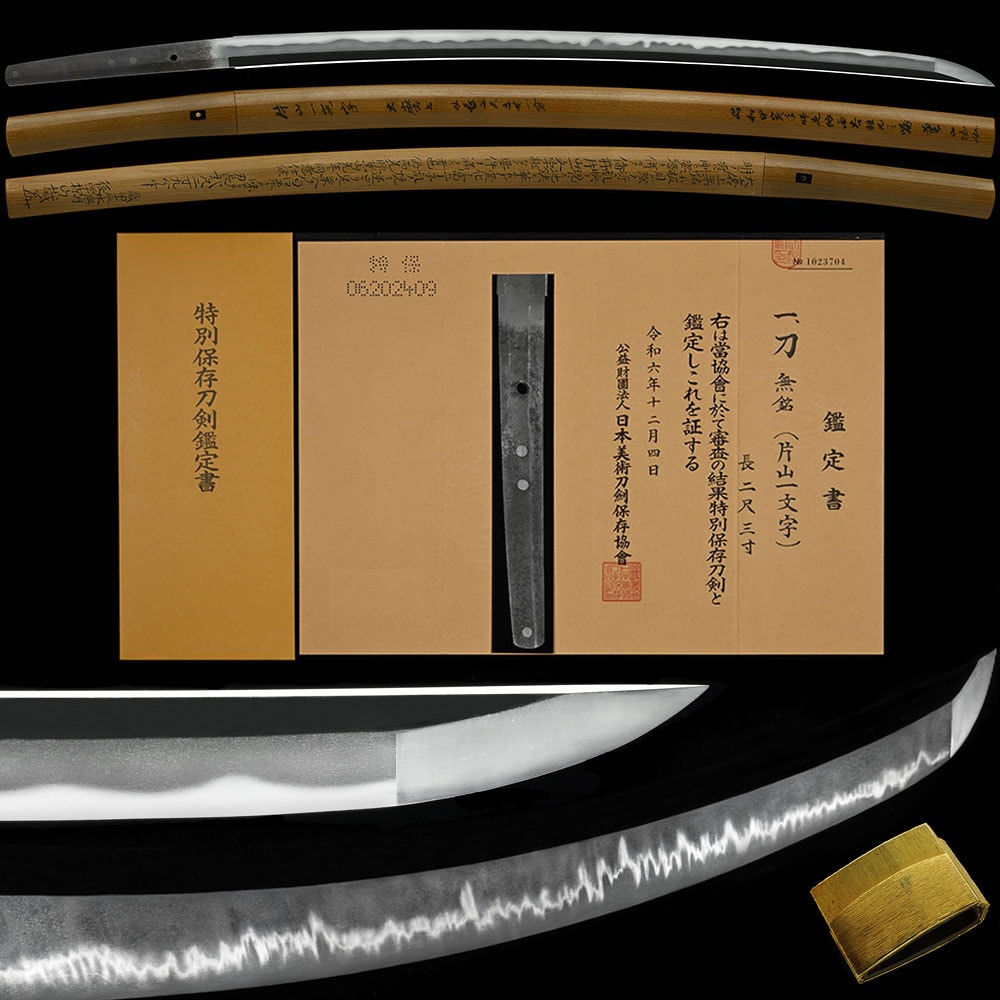
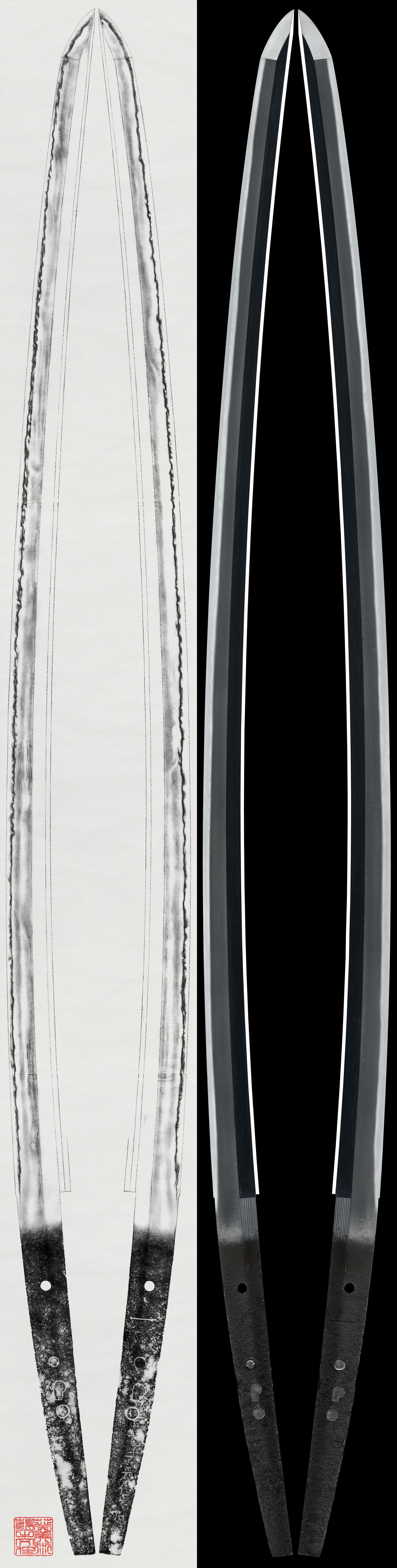
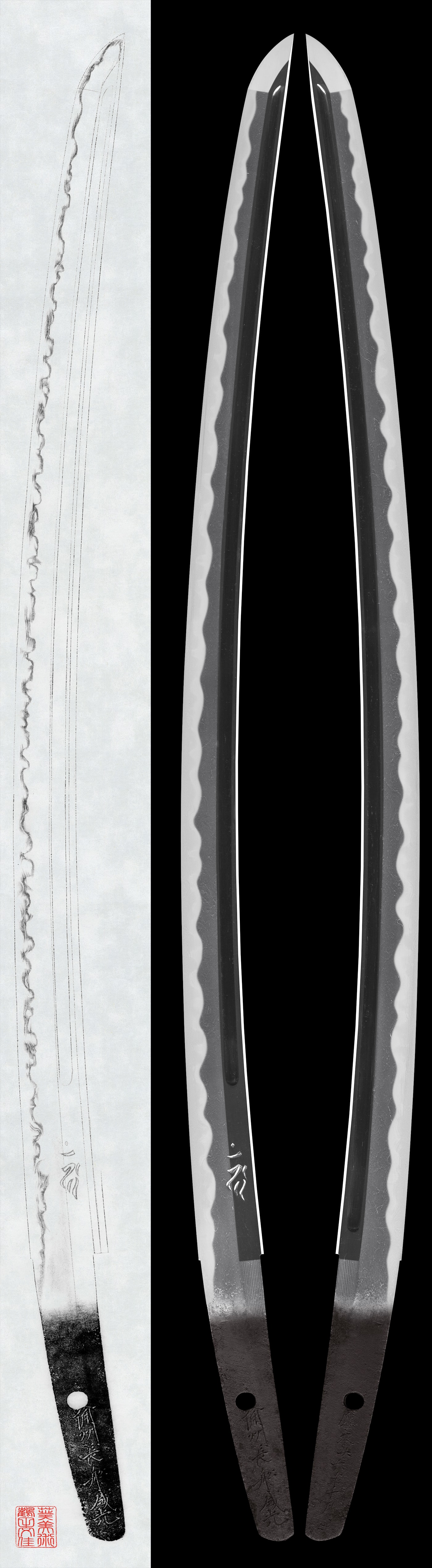
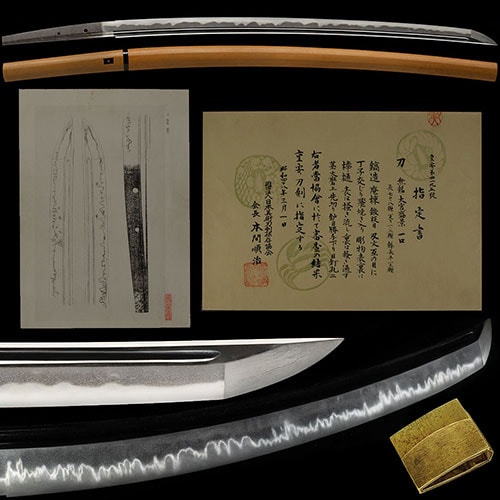
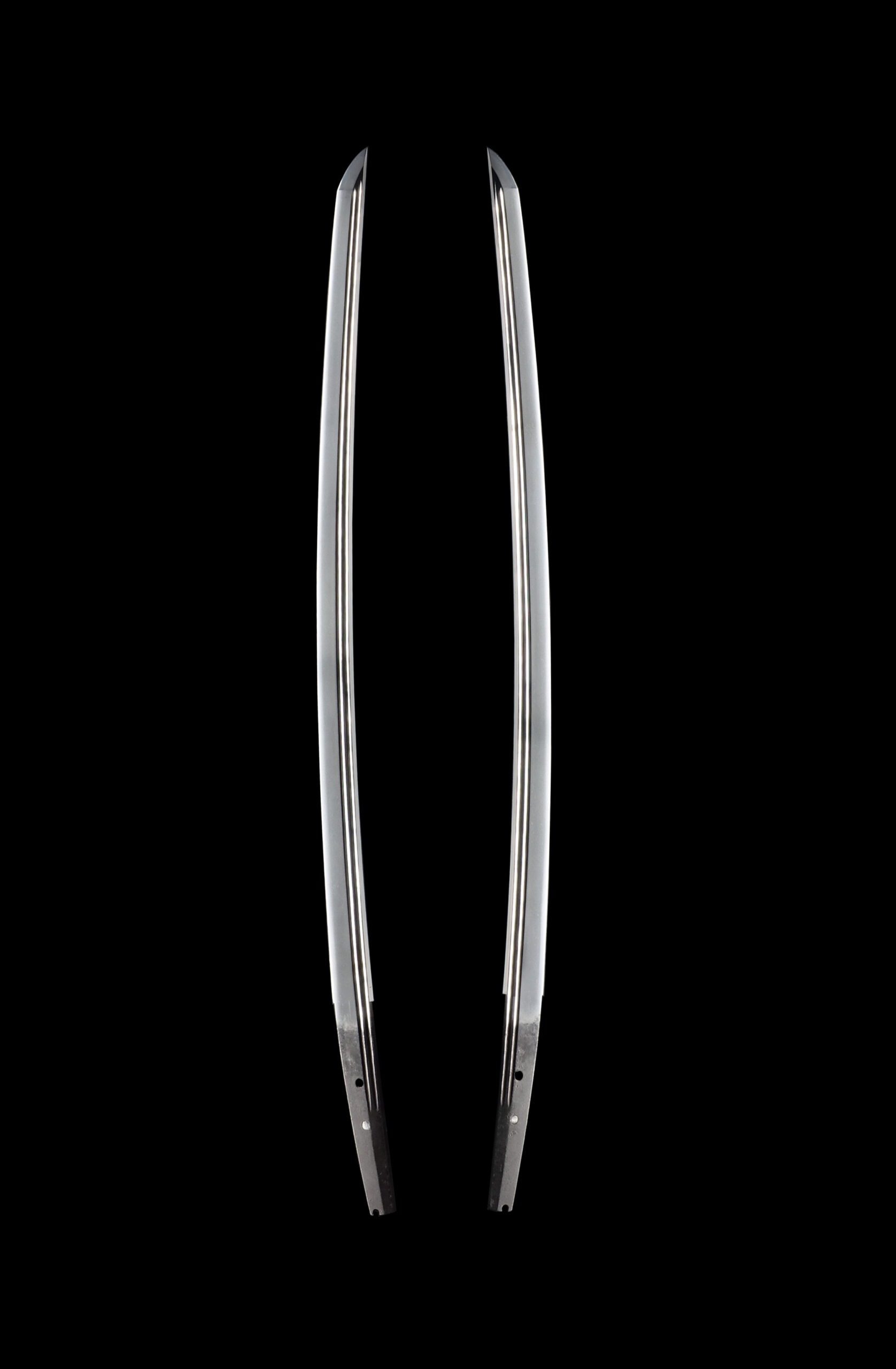
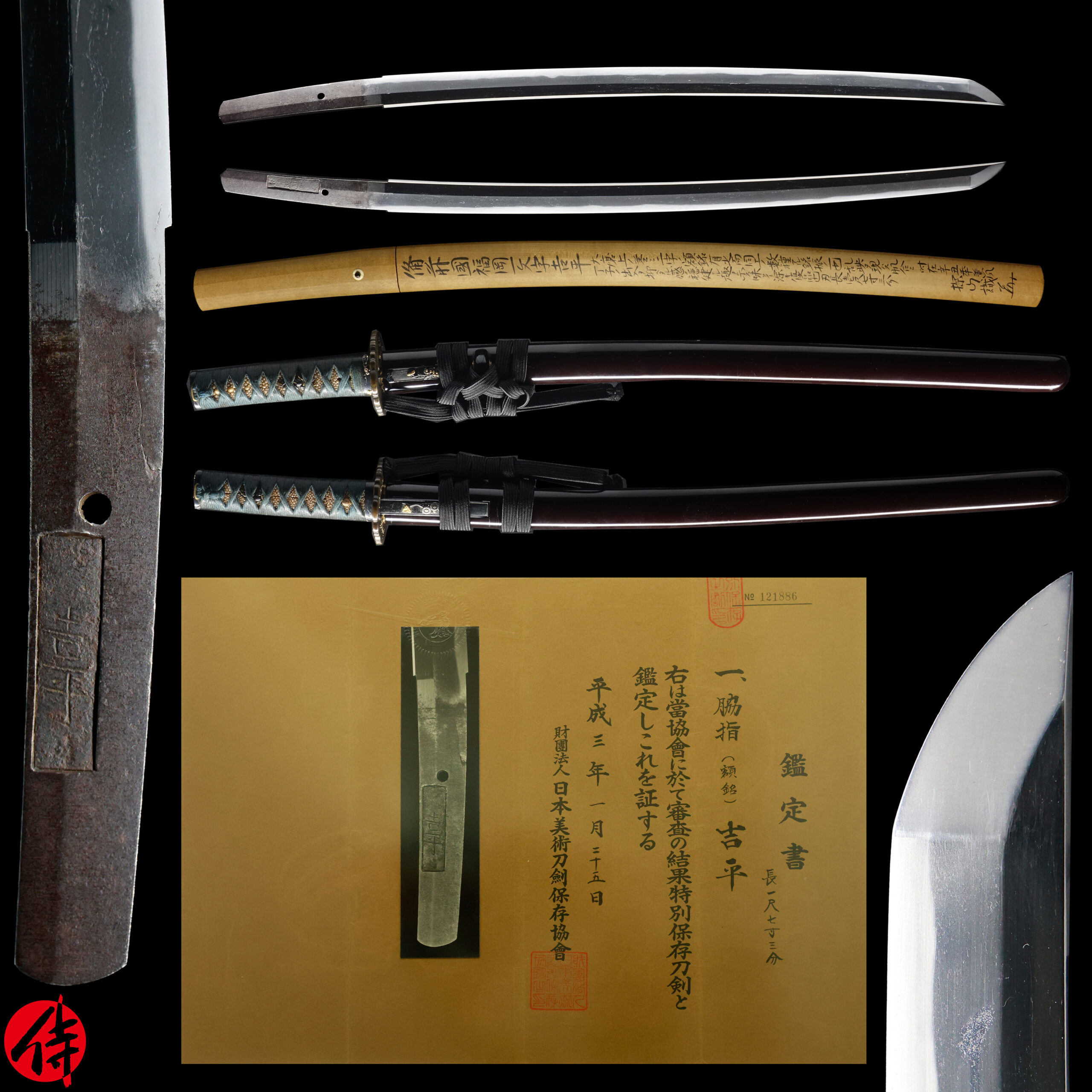
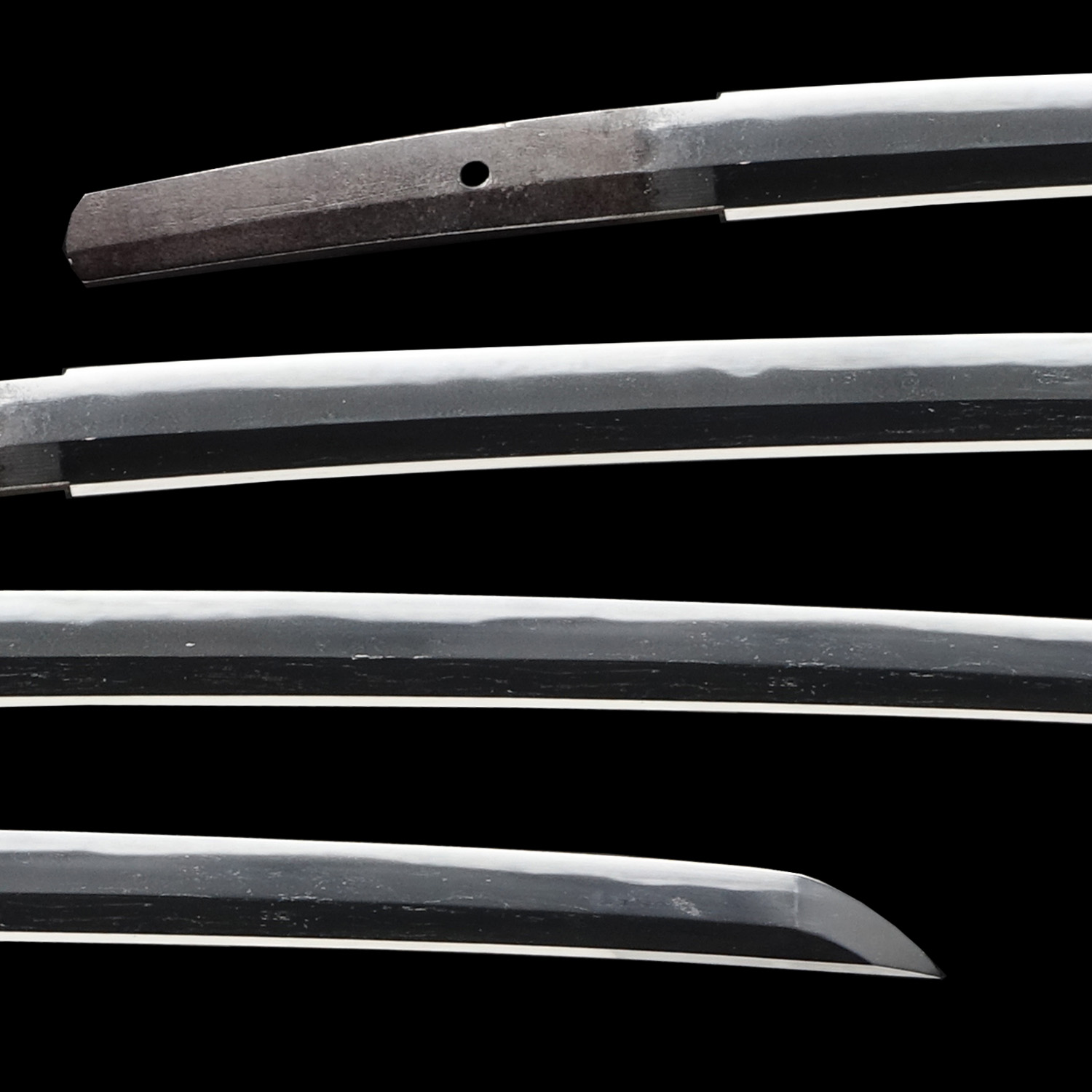
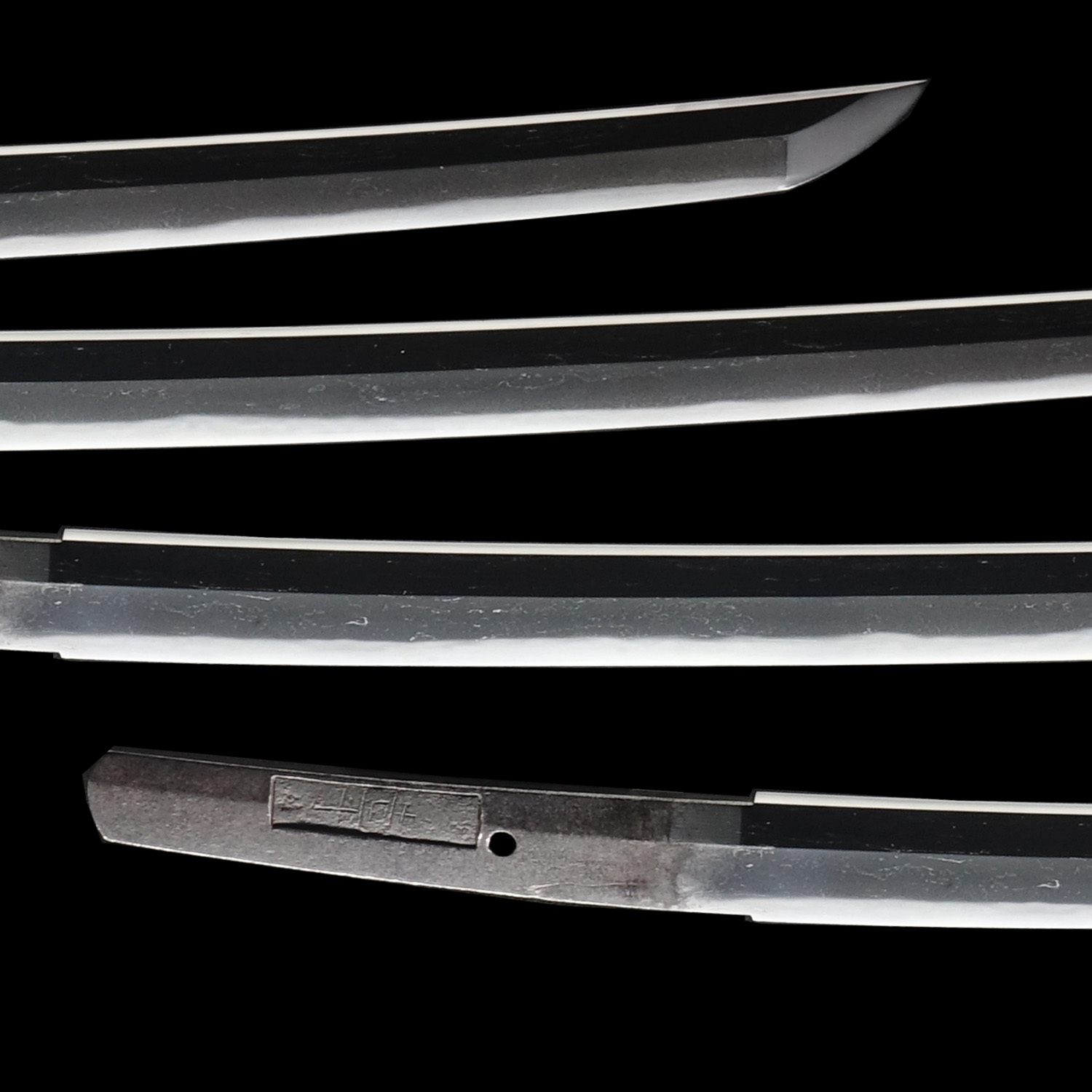
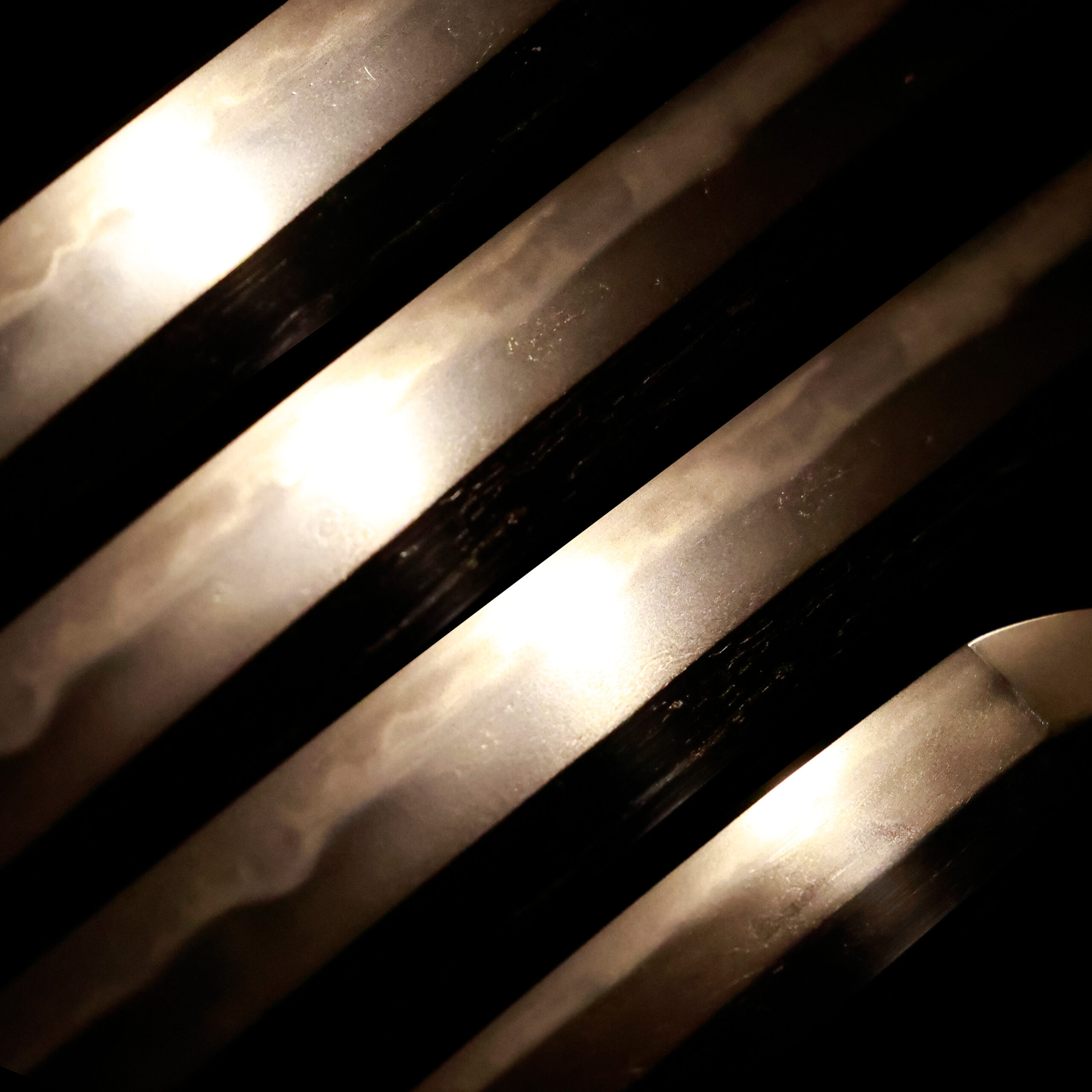
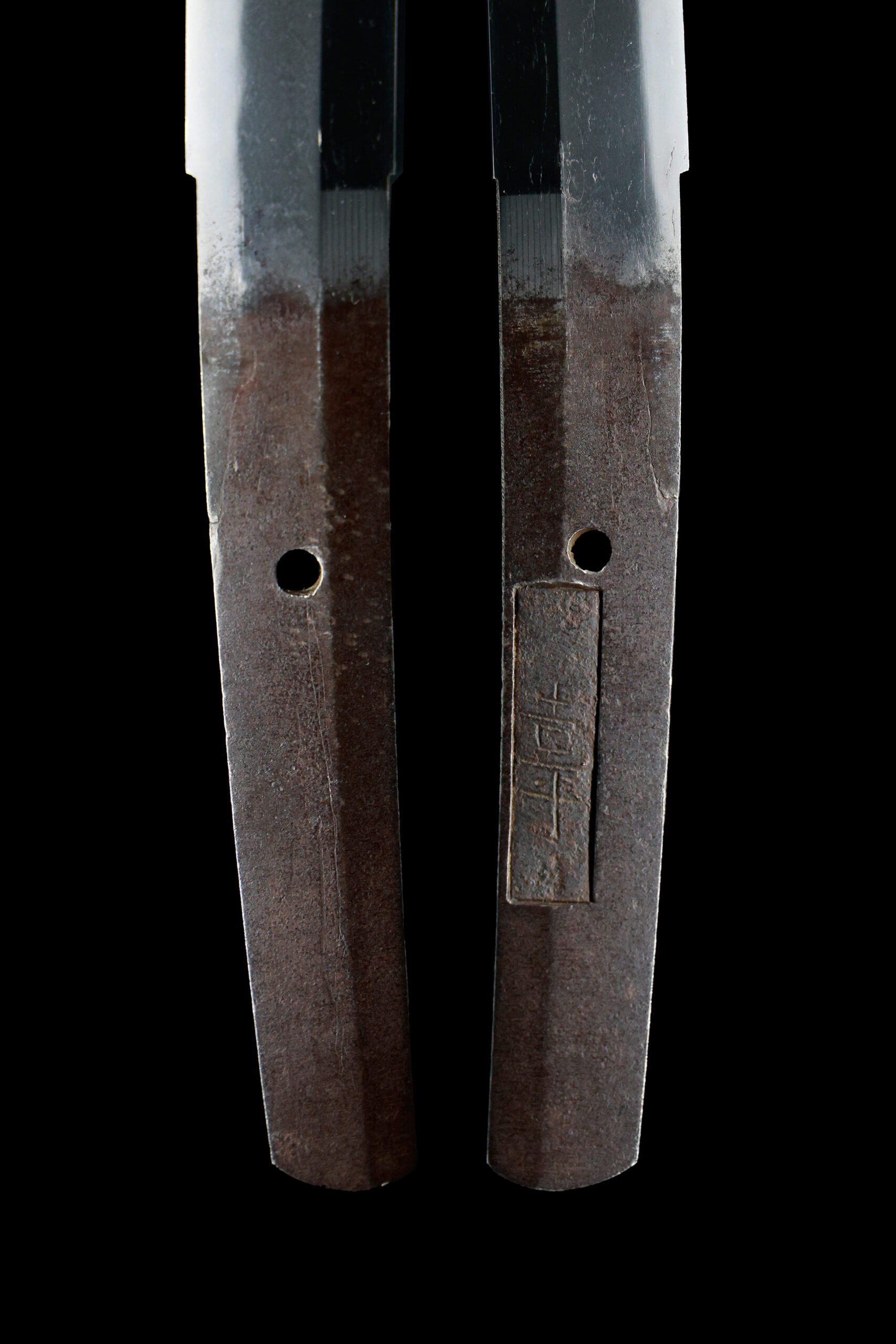
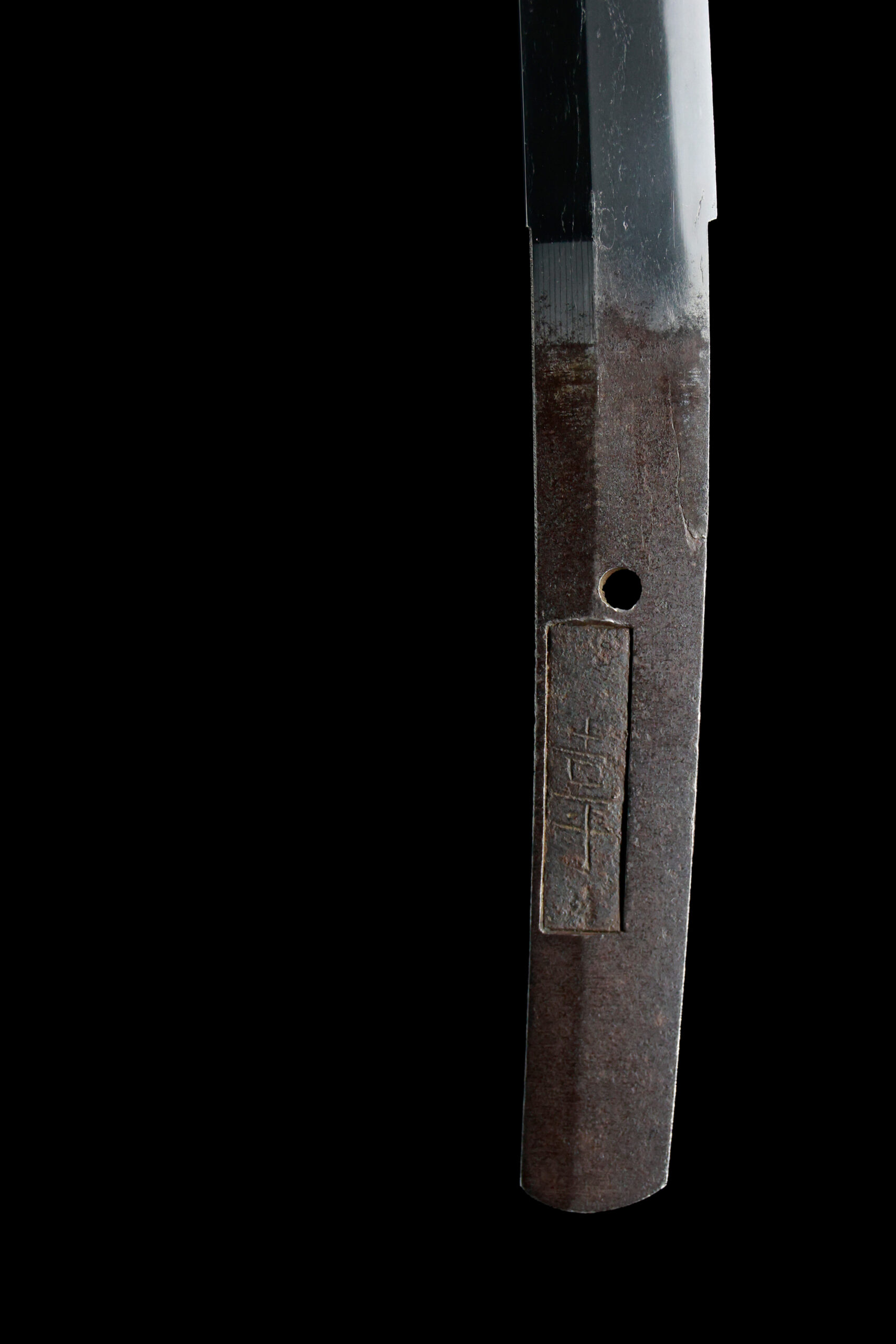
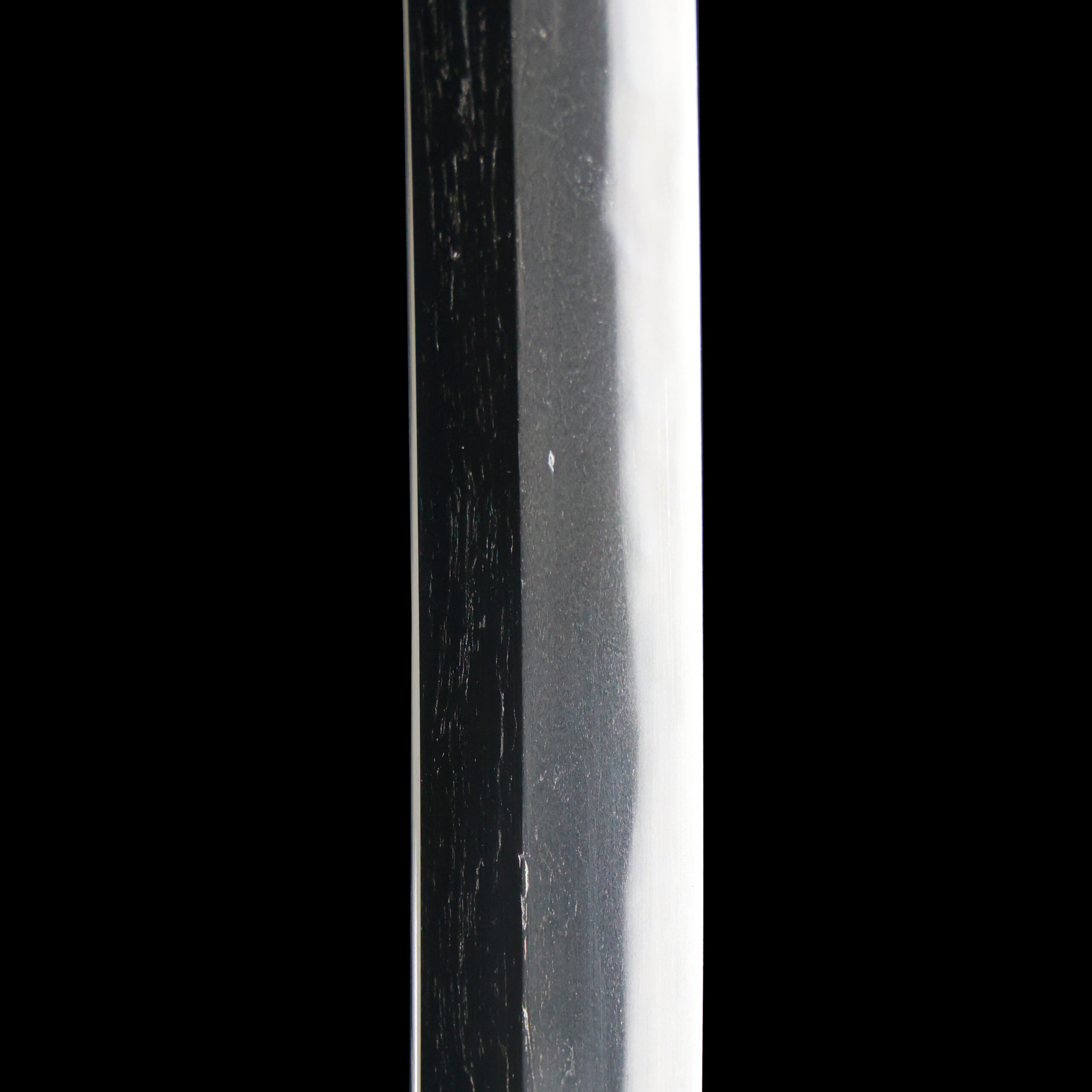
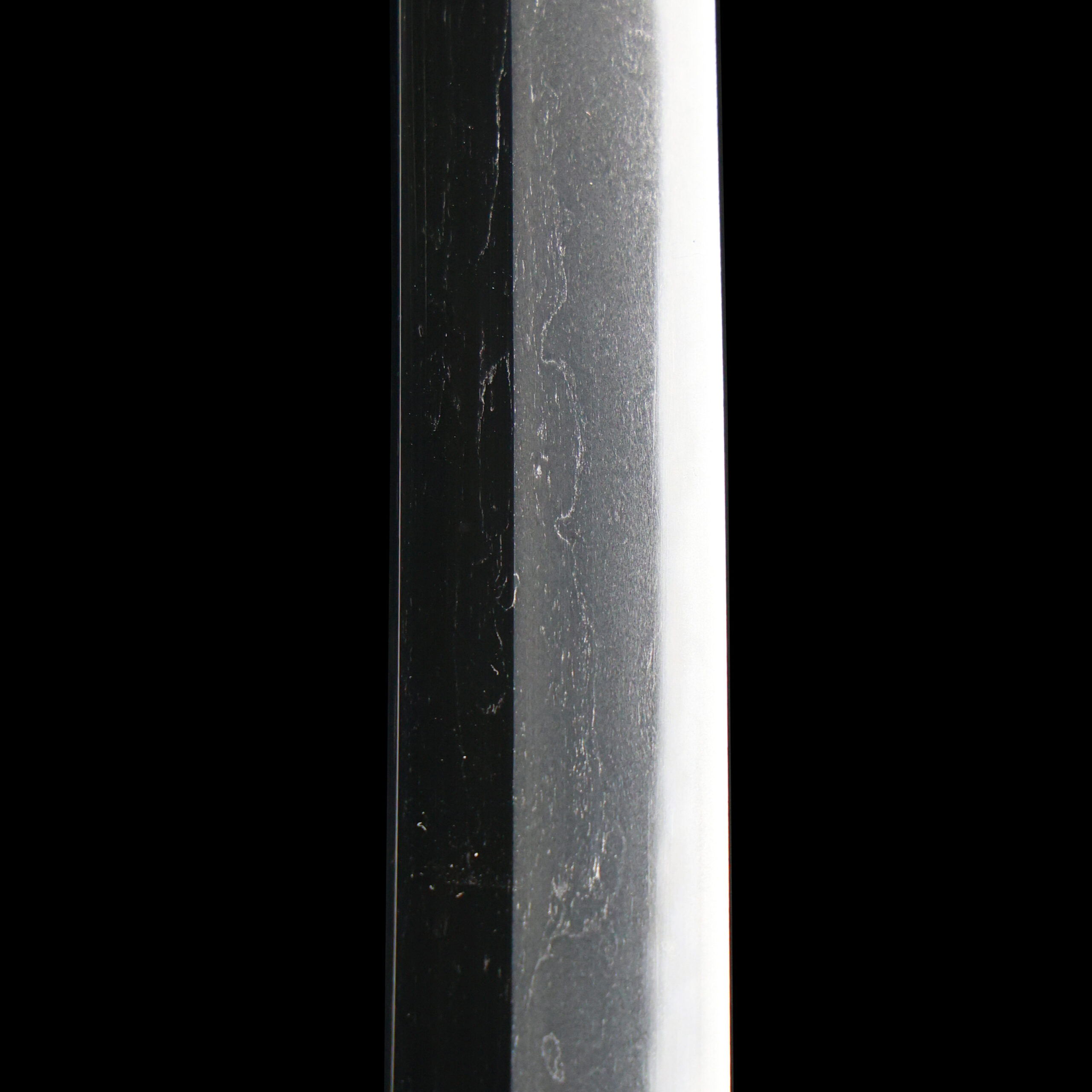
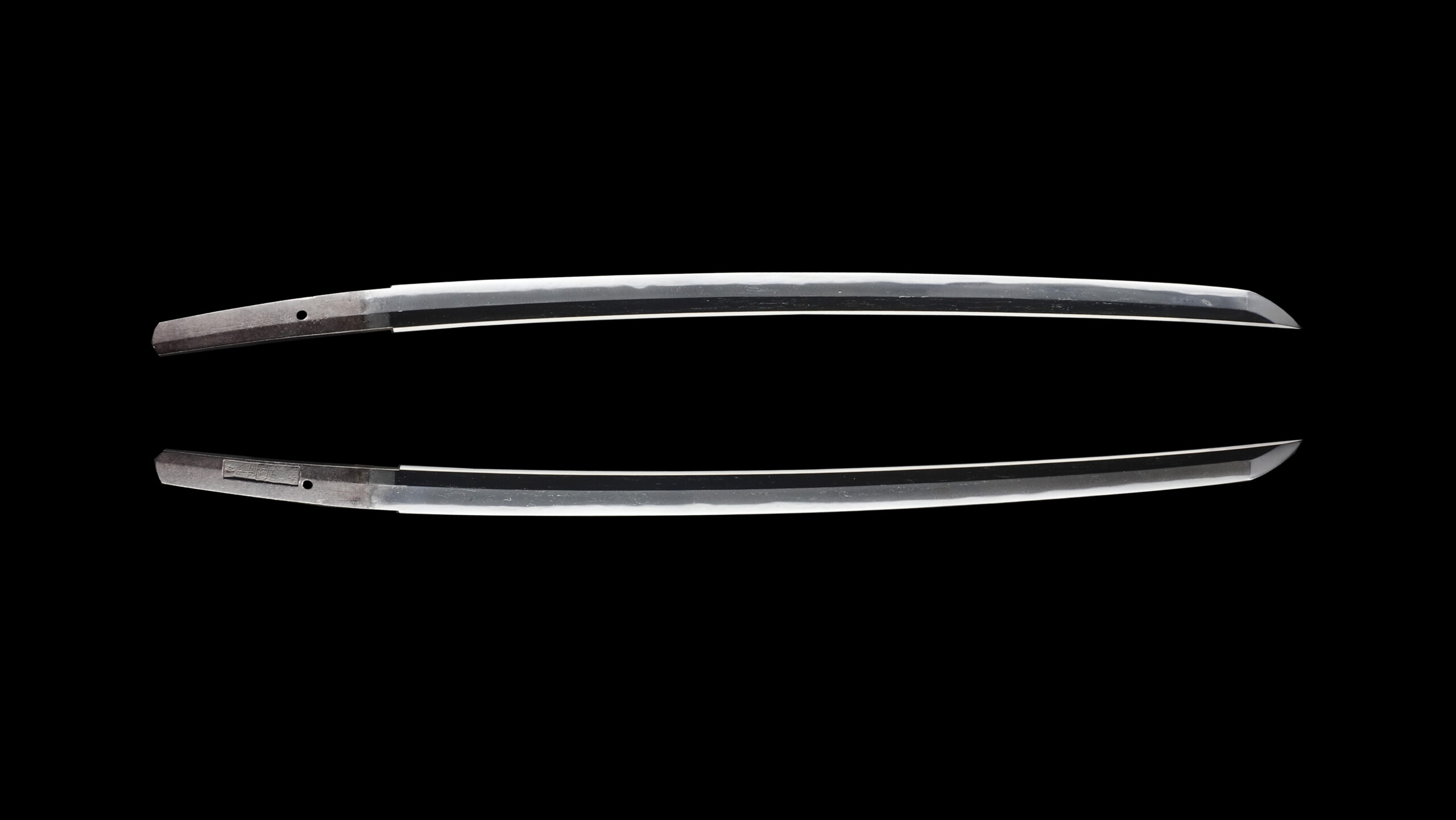
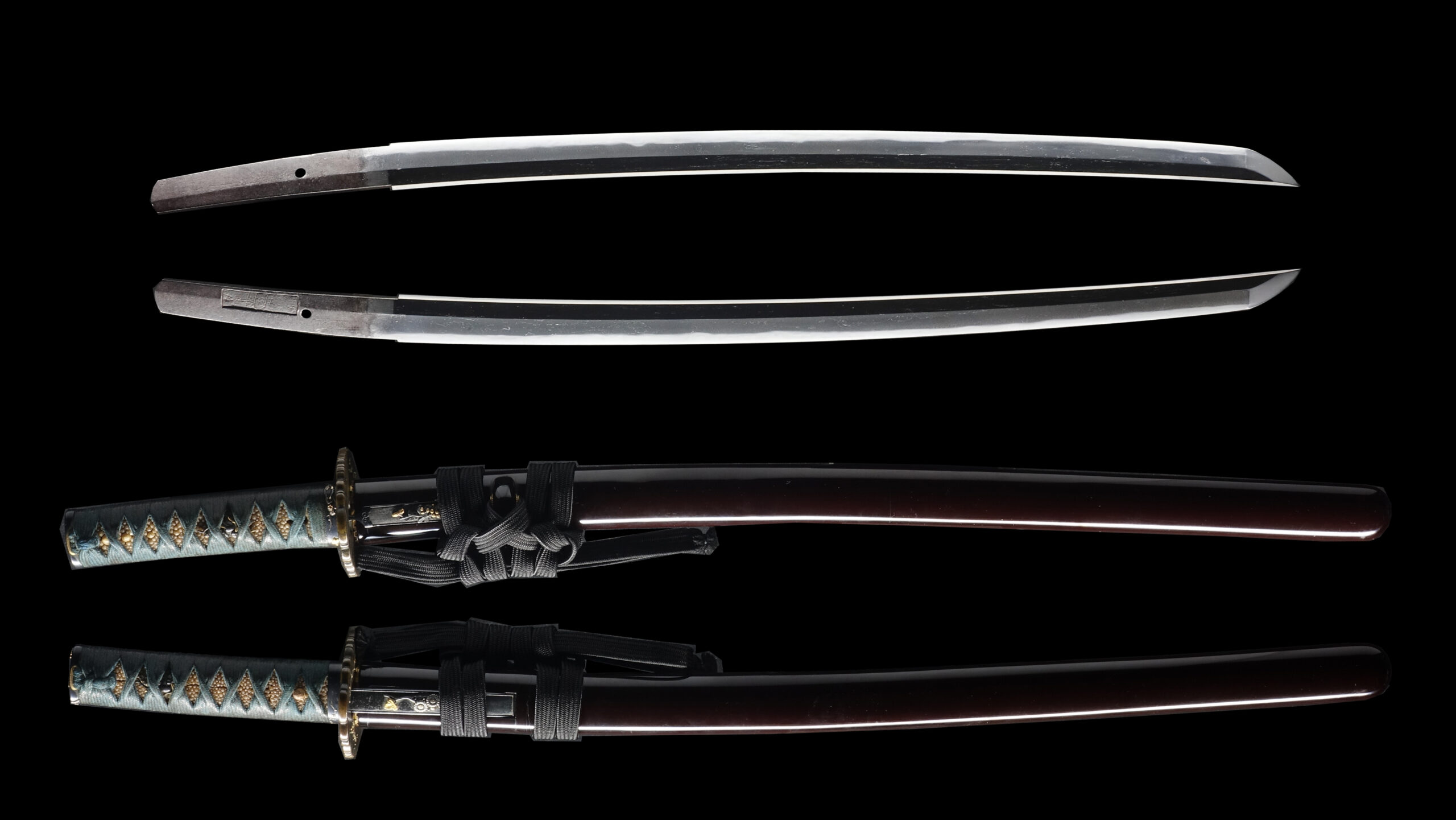
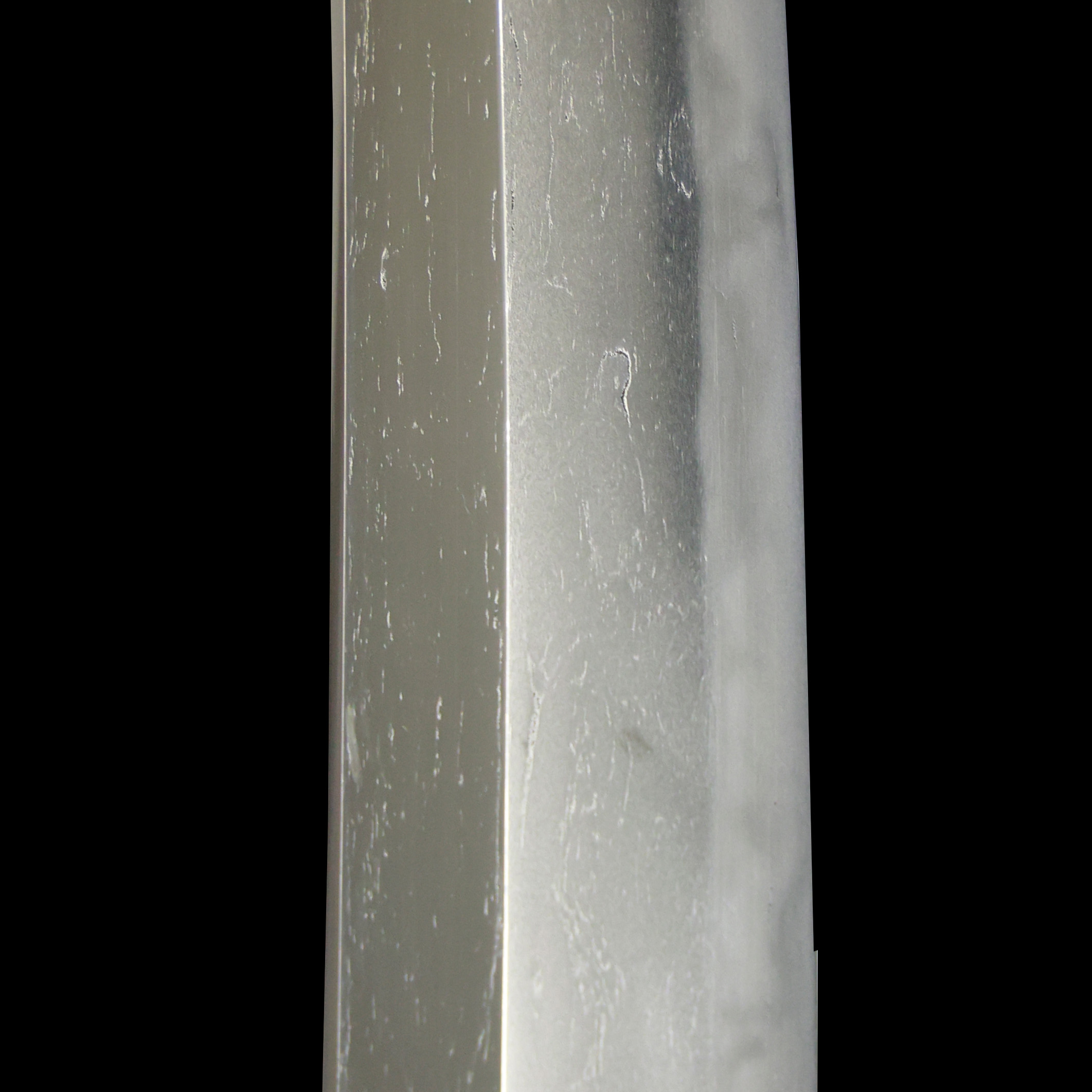
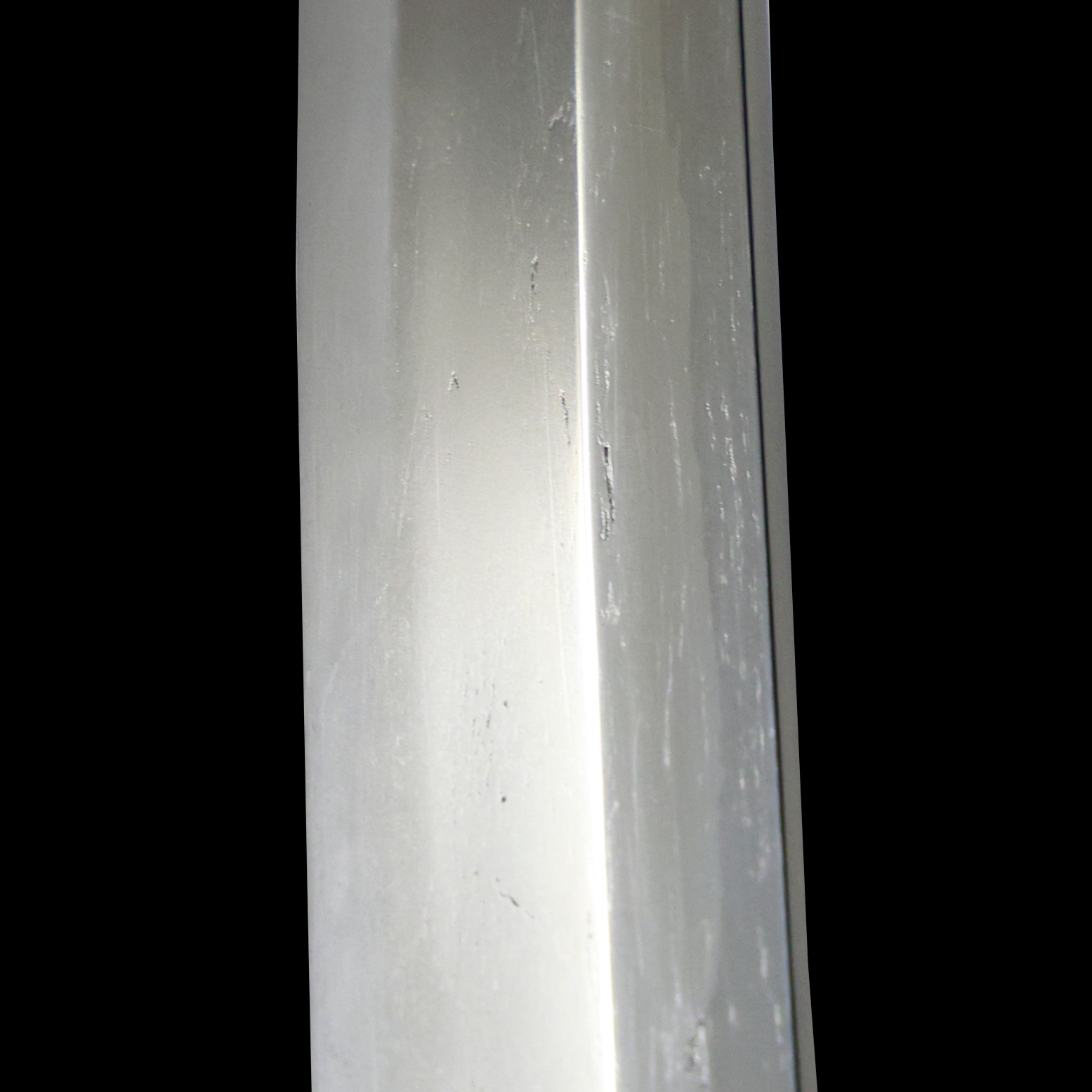
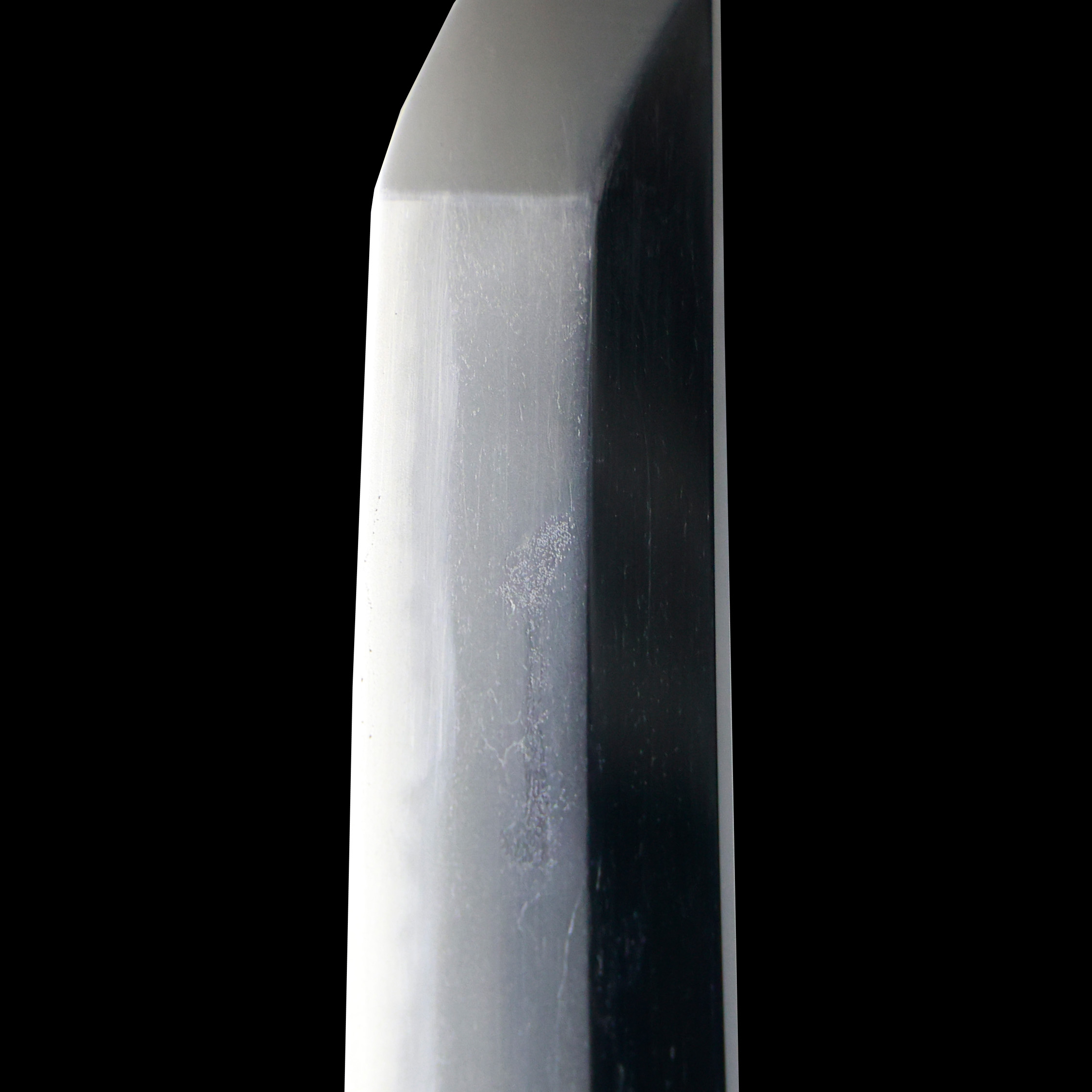
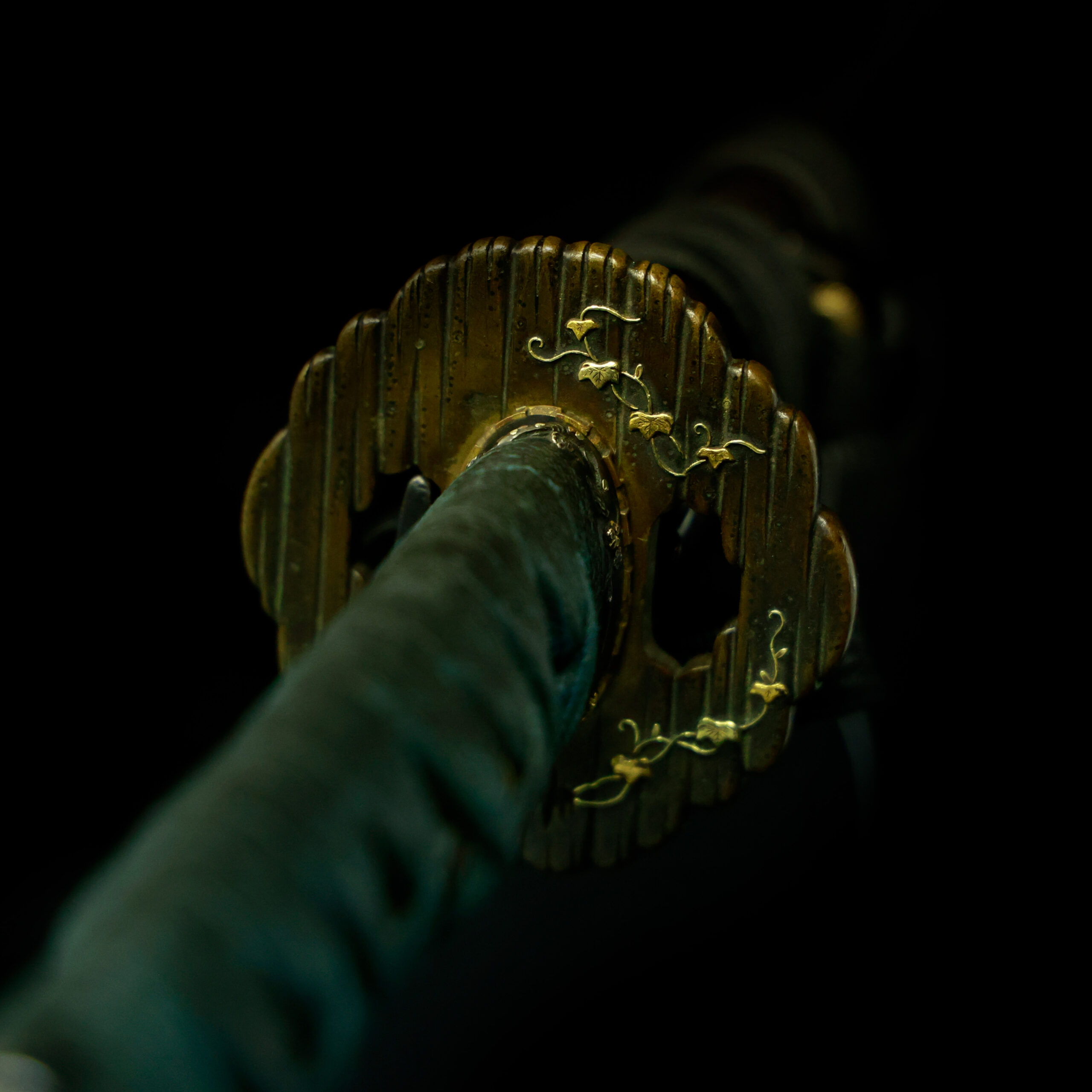
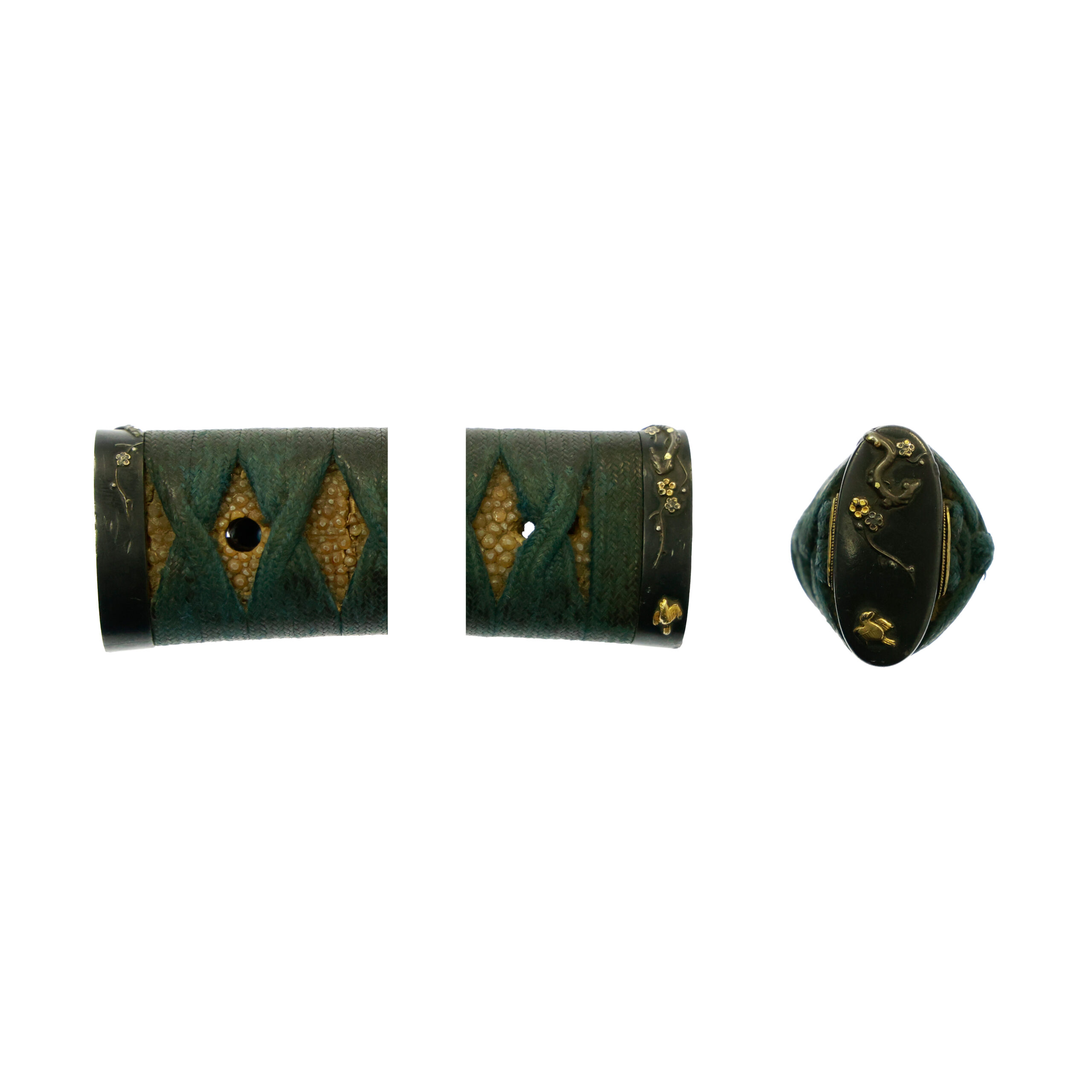
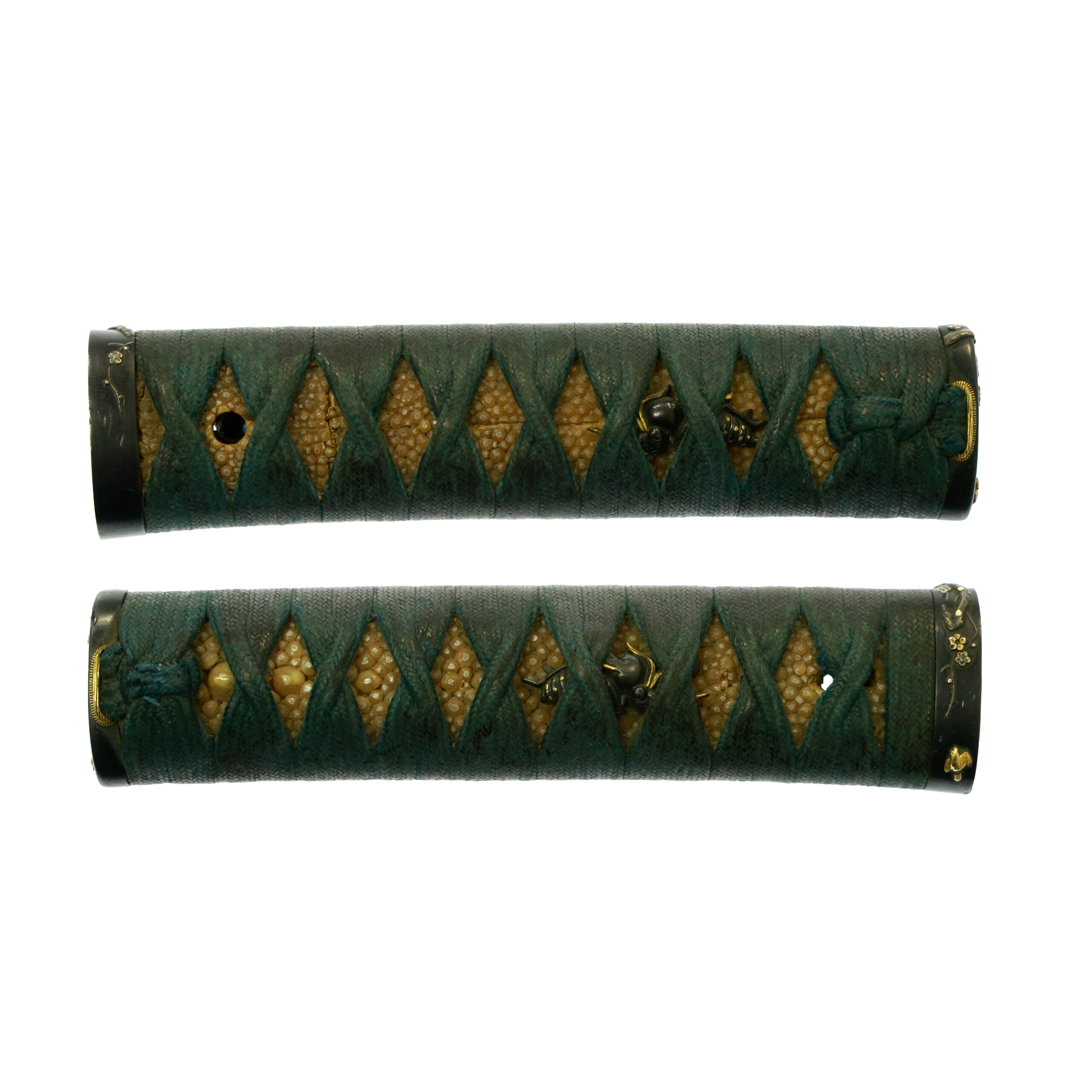
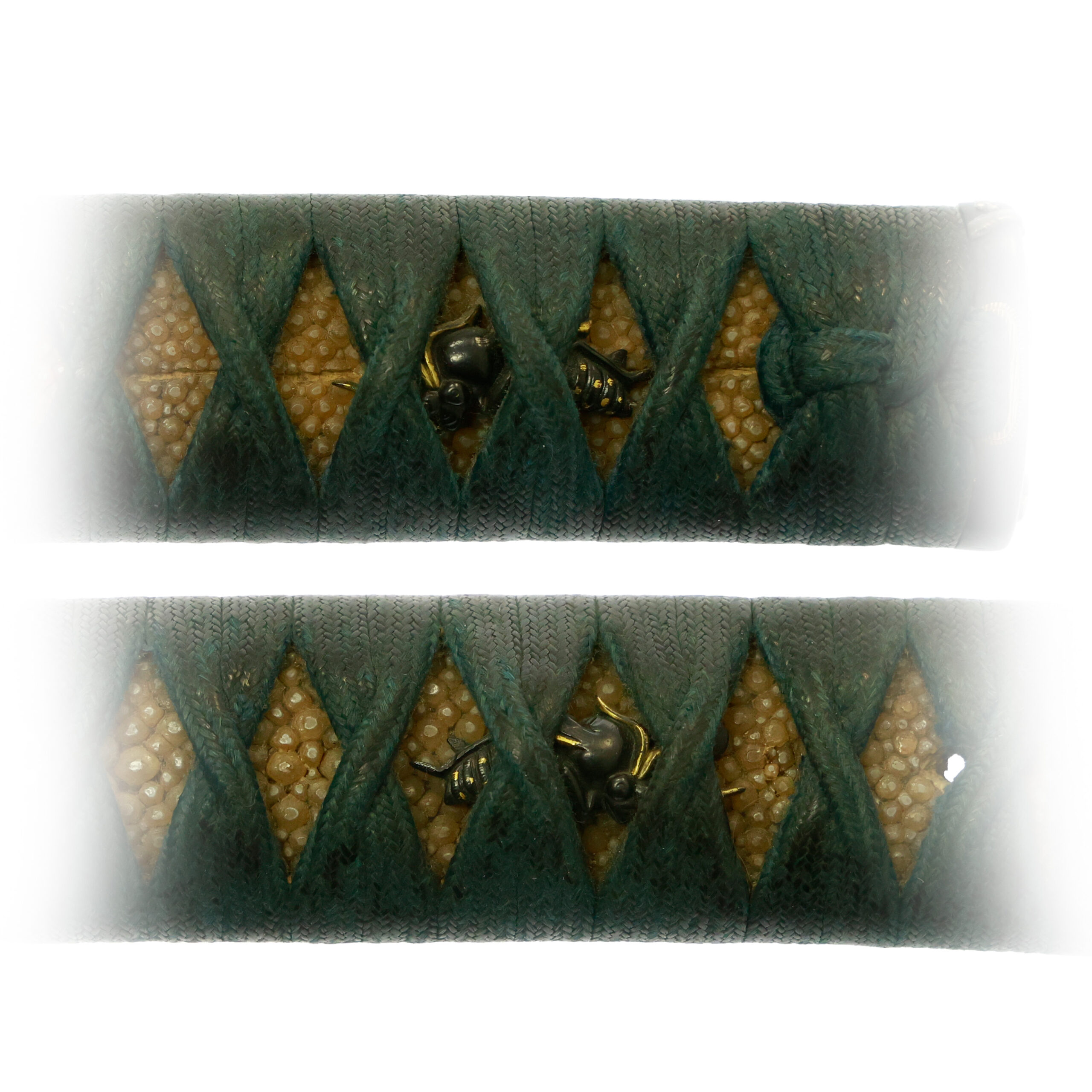
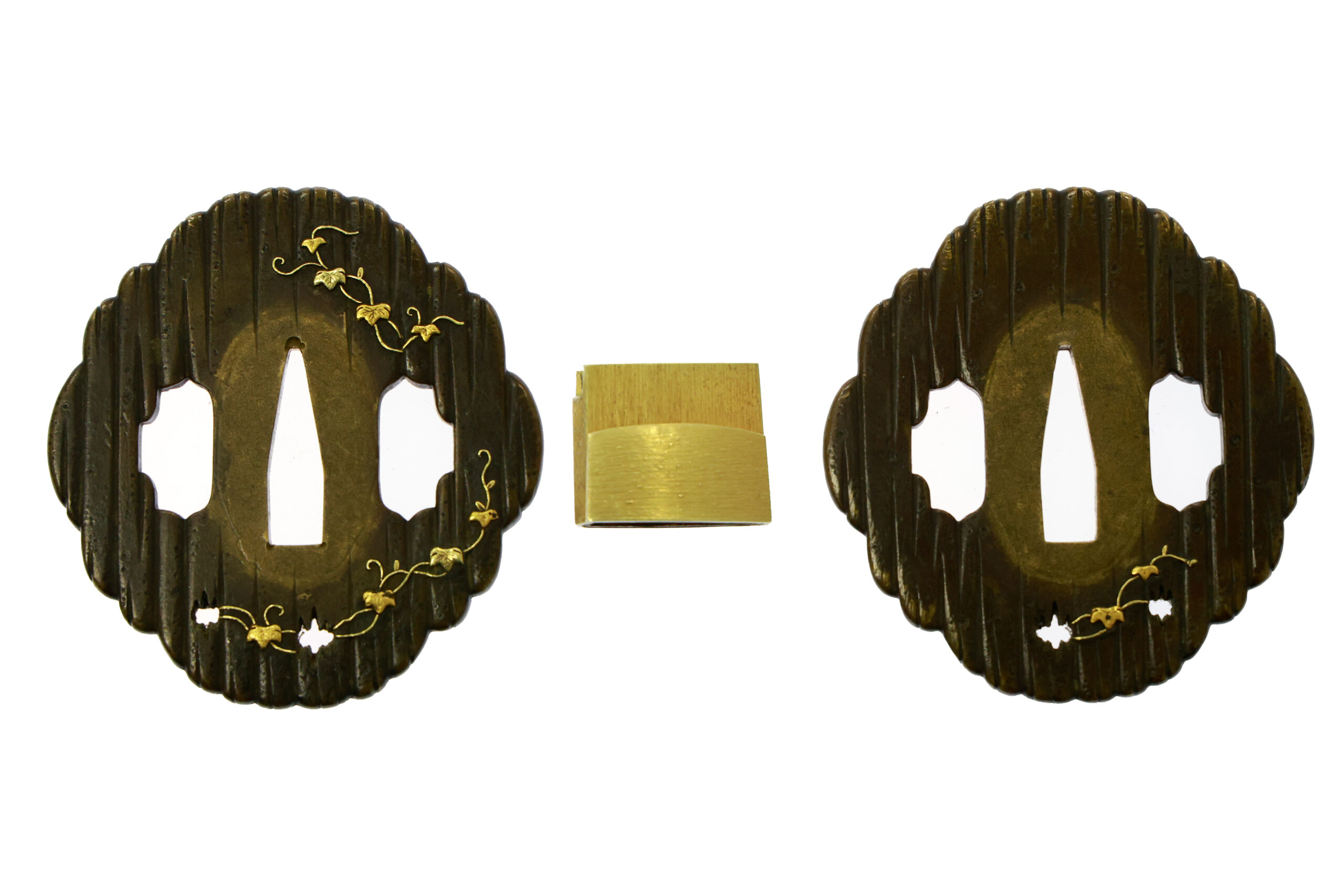
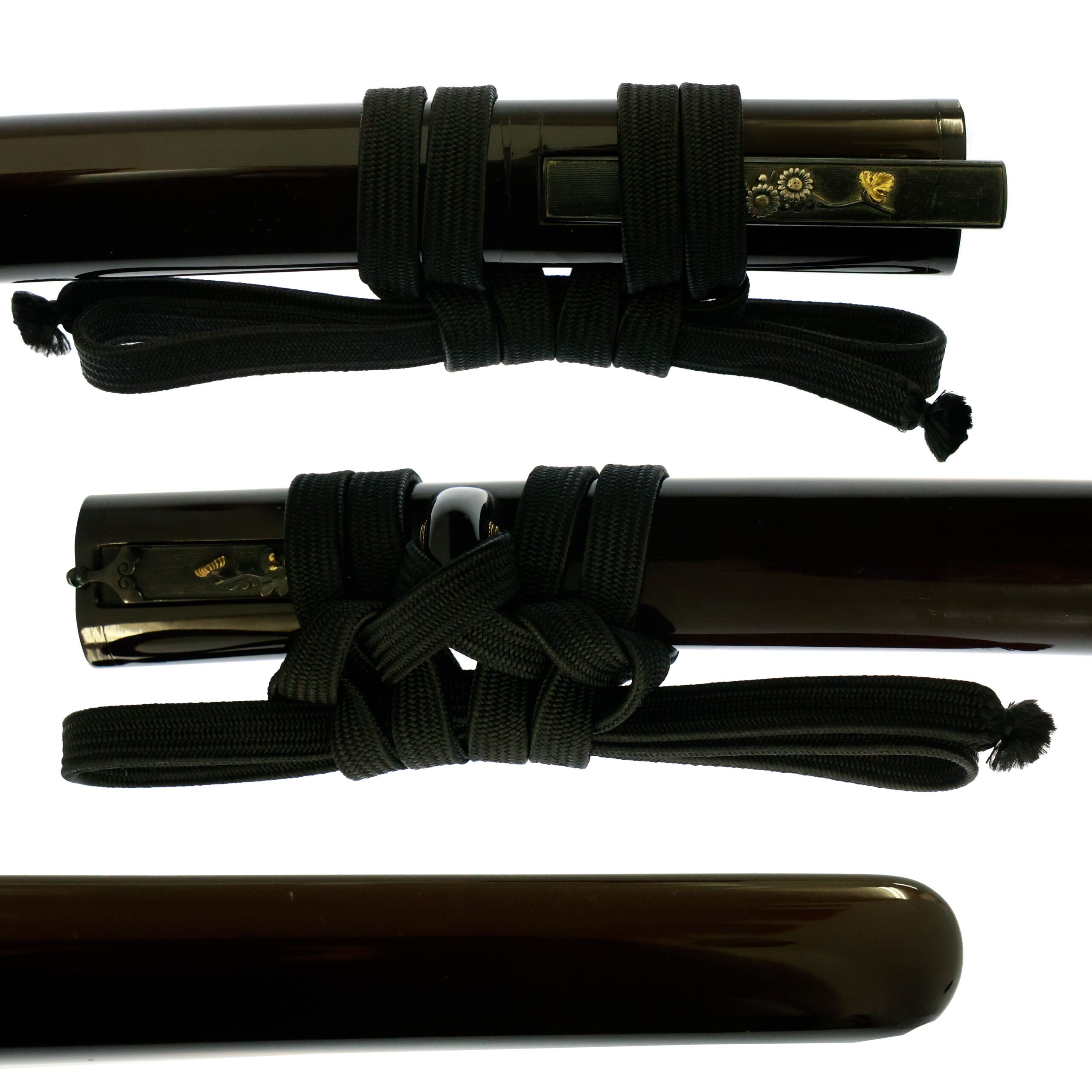
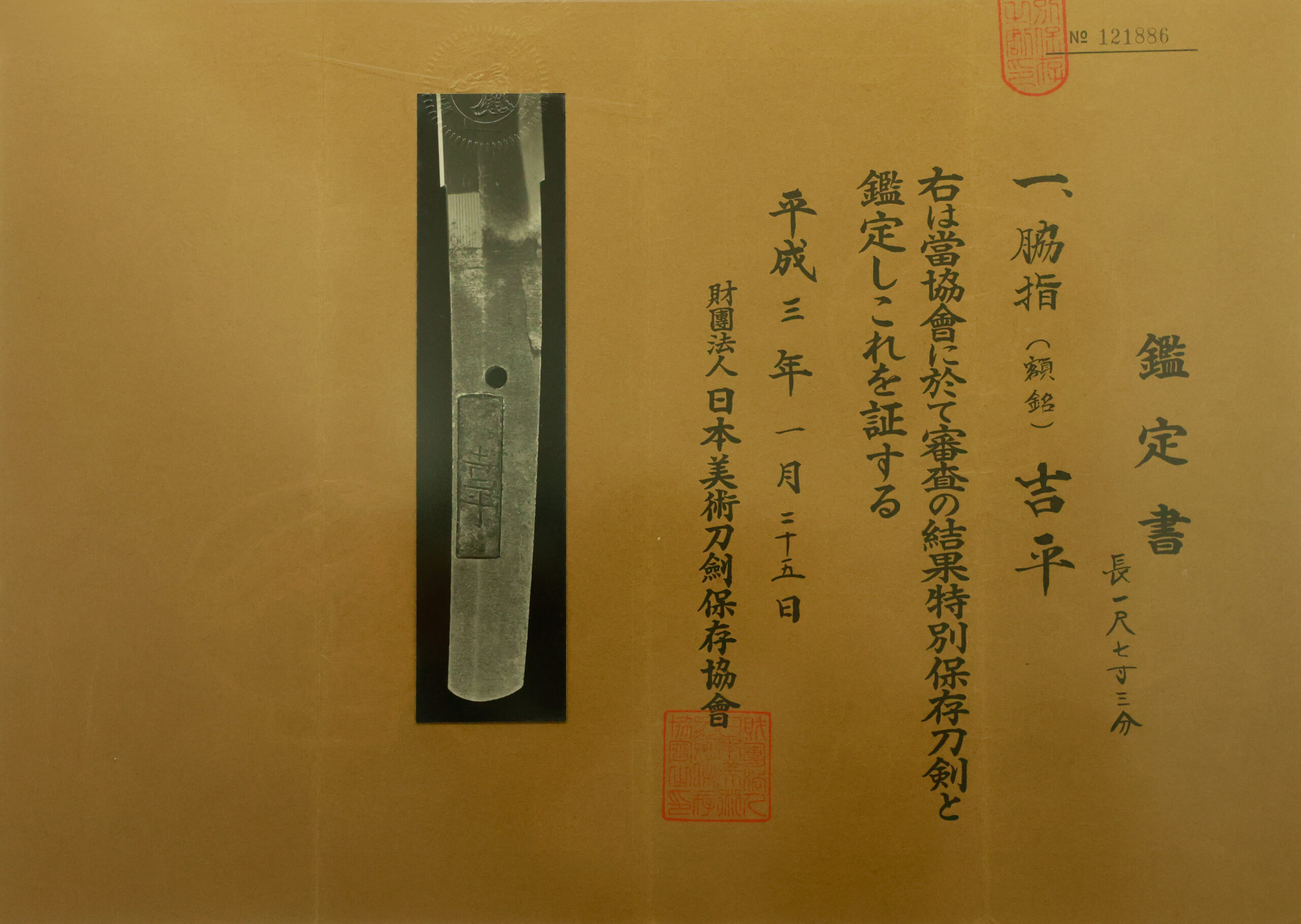
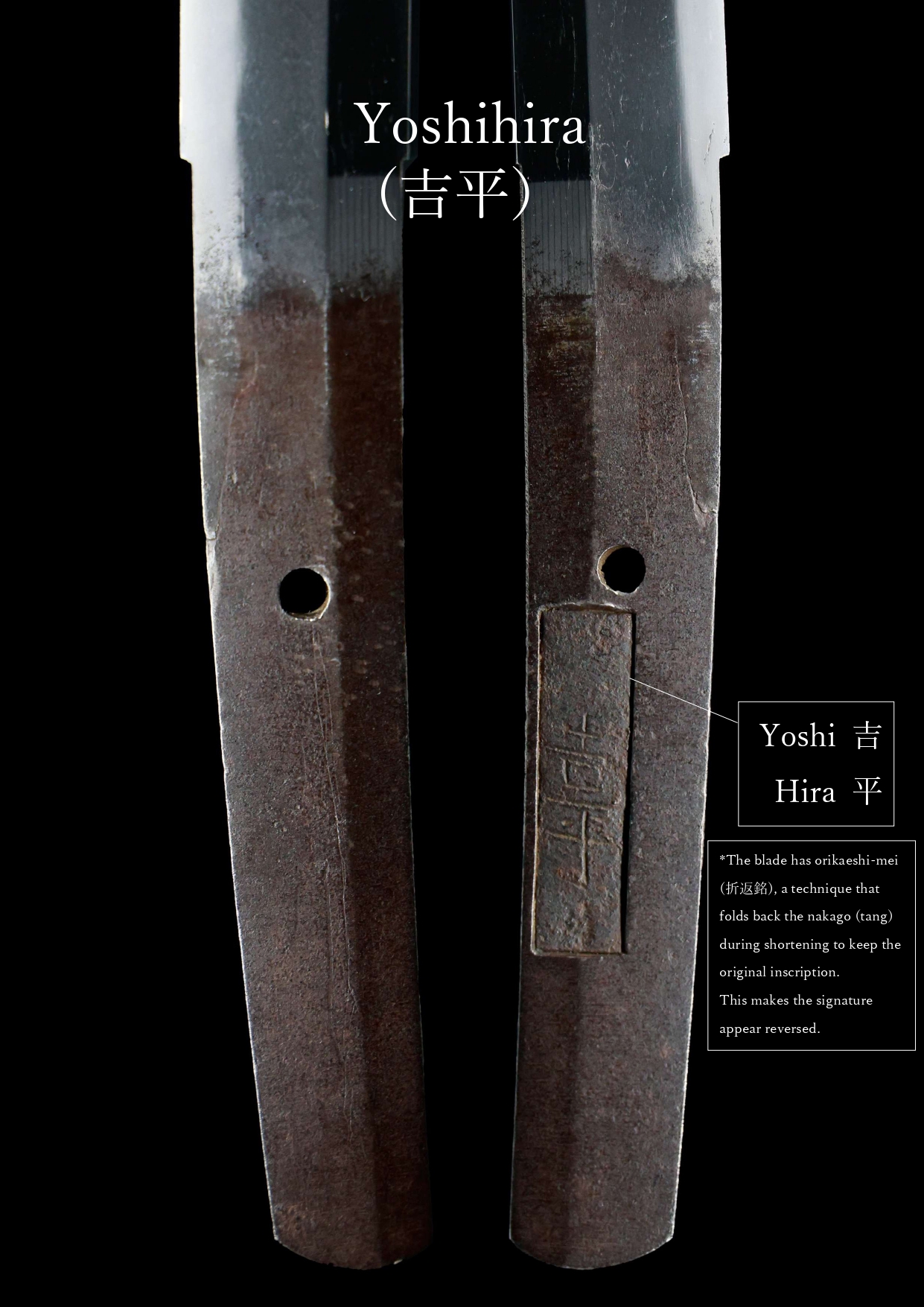
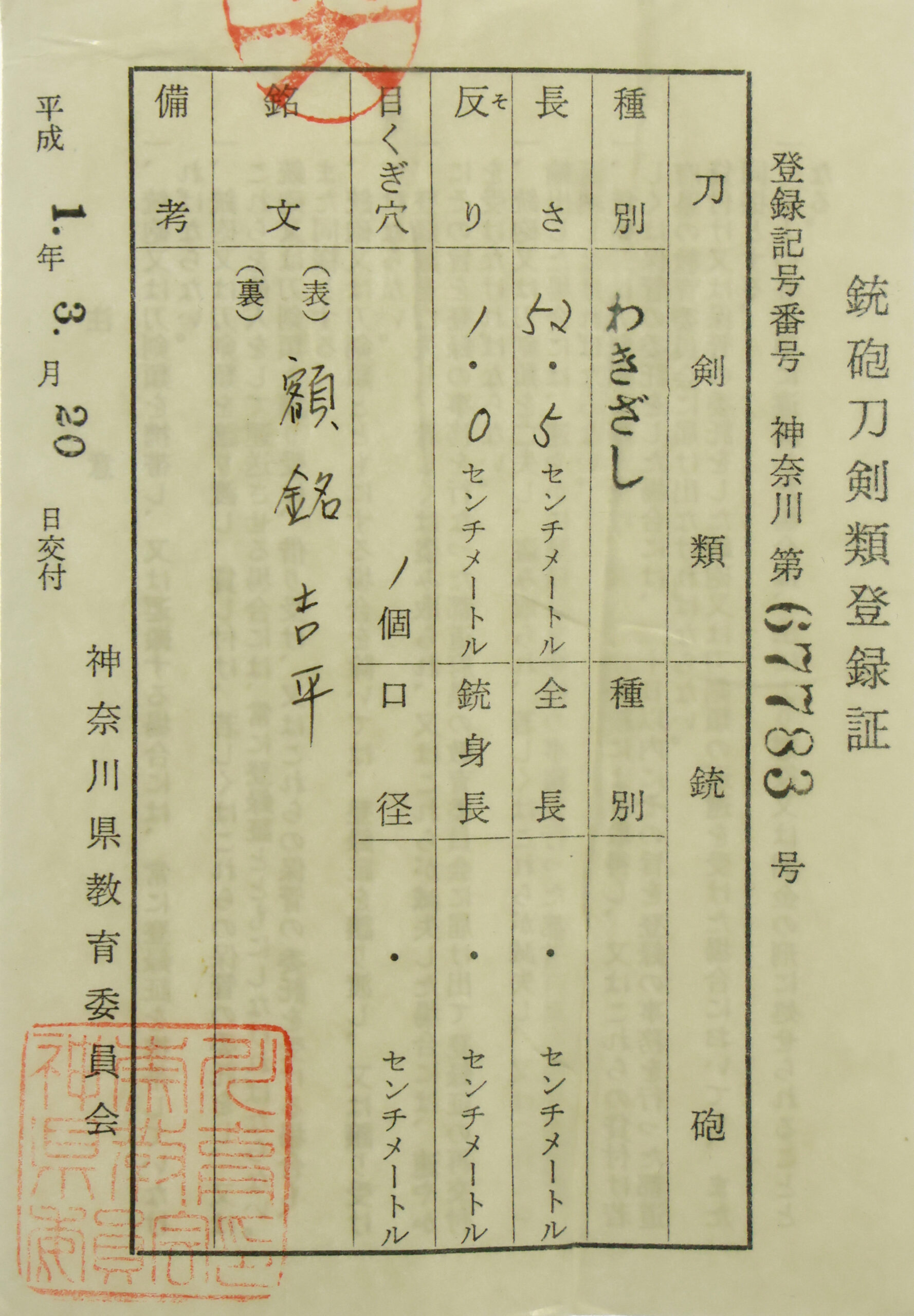
Antique Japanese Sword Wakizashi Signed by Naotane with NBTHK Tokubestsu Hozon Certificate 【Description】 This wakizashi bears the signature of Yoshihira(吉平), a swordsmith from the Fukuoka Ichimonji school(福岡一文字). Fukuoka Ichimonji was one of the most influential schools in Japanese sword-making history and reached its peak during the mid-Kamakura period (mid-13th century). Yoshihira was active during this golden era, and his lineage is highly esteemed. His grandfather, Muneyoshi, was one of the Gobankaji (御番鍛冶), an elite group of thirteen swordsmiths chosen by Emperor Go-Toba to craft swords for the imperial court. His father, Yoshiie, was also a highly skilled swordsmith. Together, they contributed to the development of the Ichimonji school, which became one of the most significant traditions in Japanese sword-making. Many swords from the Kamakura period were later shortened (suriage) due to changes in combat styles and restrictions imposed during the early Edo period, making original signed blades extremely rare today. This piece has been preserved as a wakizashi, with its signature intact through a technique known as orikaeshi-mei (折返銘). Orikaeshi-mei is a preservation method where the tang (nakago) is folded back during shortening, allowing the original inscription to remain visible. The presence of this technique makes this an exceptionally valuable blade, as it retains the name of a renowned Fukuoka Ichimonji swordsmith, a rarity among surviving works. The Fukuoka Ichimonji school, along with Yoshioka Ichimonji, Kataoka Ichimonji, and Shochu Ichimonji, was part of a broader Ichimonji tradition, which included over 200 swordsmiths. Among these, Fukuoka Ichimonji was the earliest and most prestigious branch, founded in Fukuoka Village, Bizen Province (modern-day Okayama Prefecture) by Norimune (則宗). At the height of its prominence, seven swordsmiths from Fukuoka Ichimonji were selected as Gobankaji, a prestigious honor given to Japan’s finest swordsmiths, each tasked with forging one blade per month for the emperor. This distinction reflects the high regard in which the Fukuoka Ichimonji school was held. Norimune himself was part of this elite group, and today, 15 swords forged by Fukuoka Ichimonji swordsmiths are designated as National Treasures of Japan, with 7 additional blades classified as Important Cultural Properties. The success of Fukuoka Ichimonji was largely due to the geographical advantages of Bizen Province. Located near the Chugoku Mountains, the region was rich in iron sand, an essential material for sword forging. The Yoshii River provided pure water, and the surrounding areas produced high-quality charcoal, all of which contributed to the refinement of sword-making techniques. The Bizen-den sword-making tradition is believed to have originated in the late Heian period (late 12th century), with early swordsmiths from this region known as Ko-Bizen (Old Bizen) smiths. Among them, Masatsune (正恒) was a particularly important figure and is thought to be the father of Norimune, the founder of Fukuoka Ichimonji. By inheriting and developing the techniques of Ko-Bizen swordsmiths, Fukuoka Ichimonji flourished during the Kamakura period. One of the most distinctive characteristics of Fukuoka Ichimonji swords is the Choji Midare Hamon (丁子乱刃), a beautifully intricate, irregular wavy tempering line. This elegant pattern made Fukuoka Ichimonji swords highly prized among high-ranking samurai. This blade is appraised as a Tokubetsu Hozon Token (特別保存刀剣) issued by NBTHK (Nihon Bijutsu Touken Hozon Kyokai:日本美術刀剣保存協会). This authentication paper was only given to authentic Japanese swords, especially well preserved and high quality with artistic value. *Please keep in mind that there are a couple of Kitae Kizu one this blade and there is an Umegane near the tip of the sword. If you like to know the detailed condition, please feel free to contact us. 【Blade】 Cutting Edge Length(Nagasa) : 52.5 cm (20.6 inches) Curvature(Sori) :
 NihontoWatch
在銘 · Fukuoka Ichimonji · 鎌倉 · 長さ 52.5cm · 反り 1cm
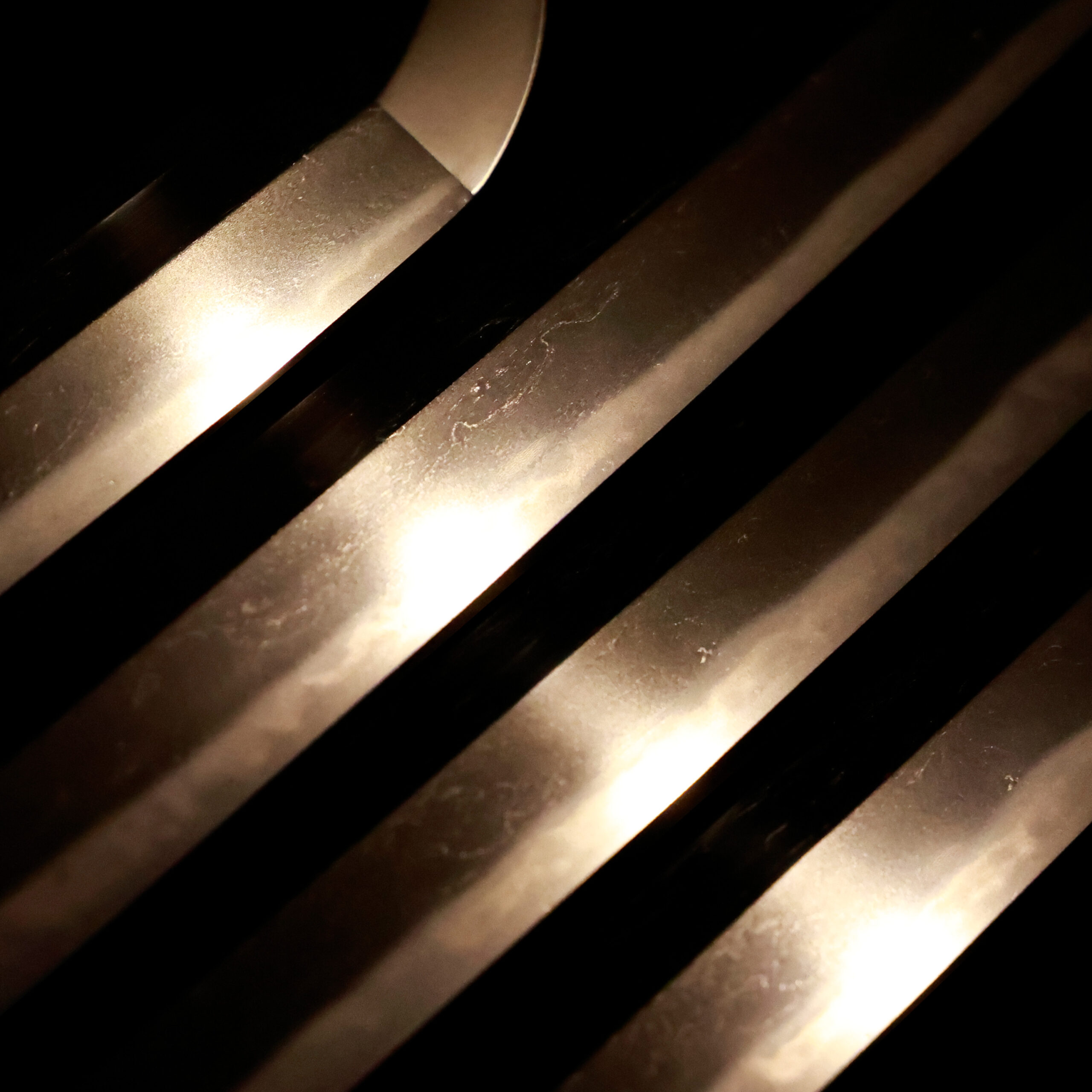
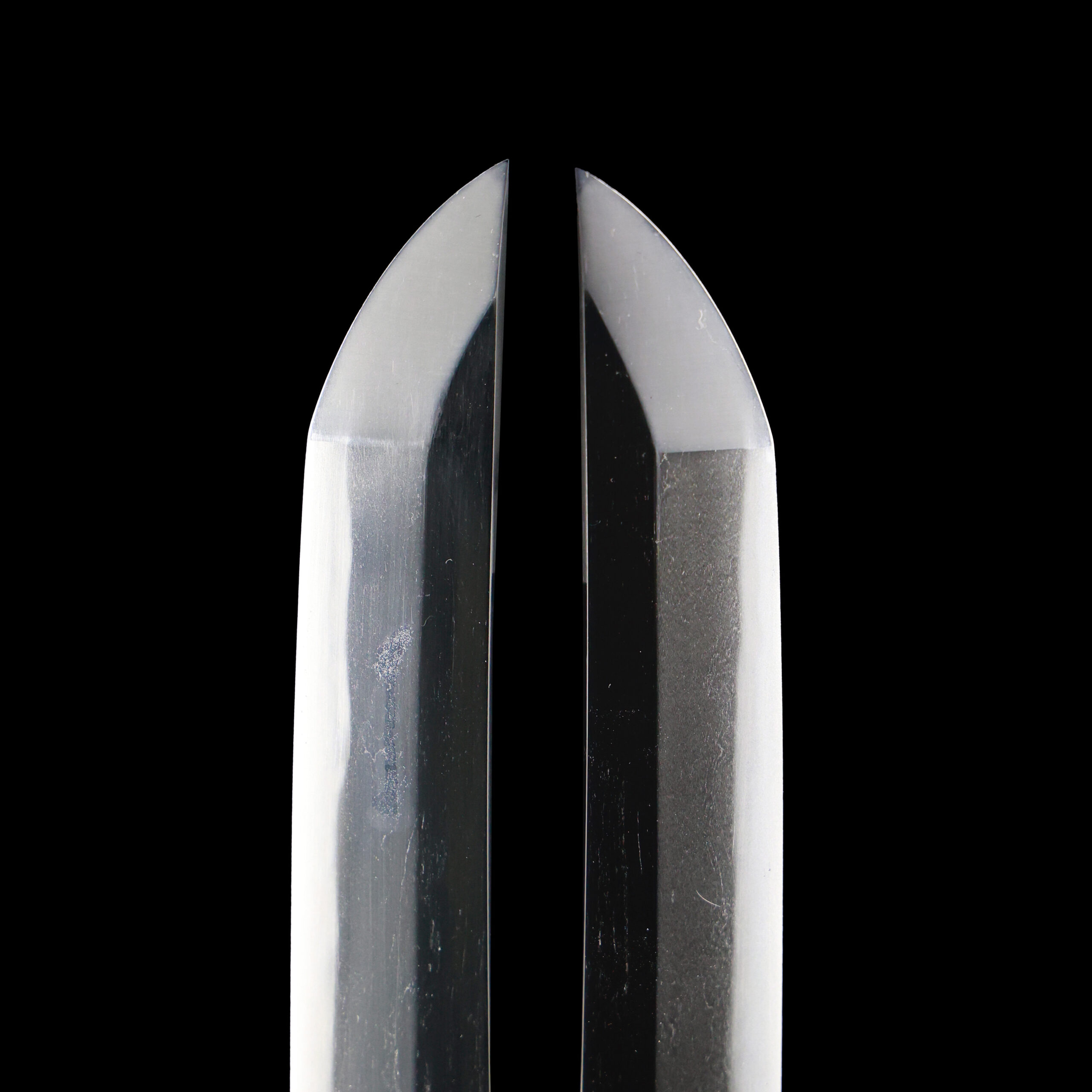
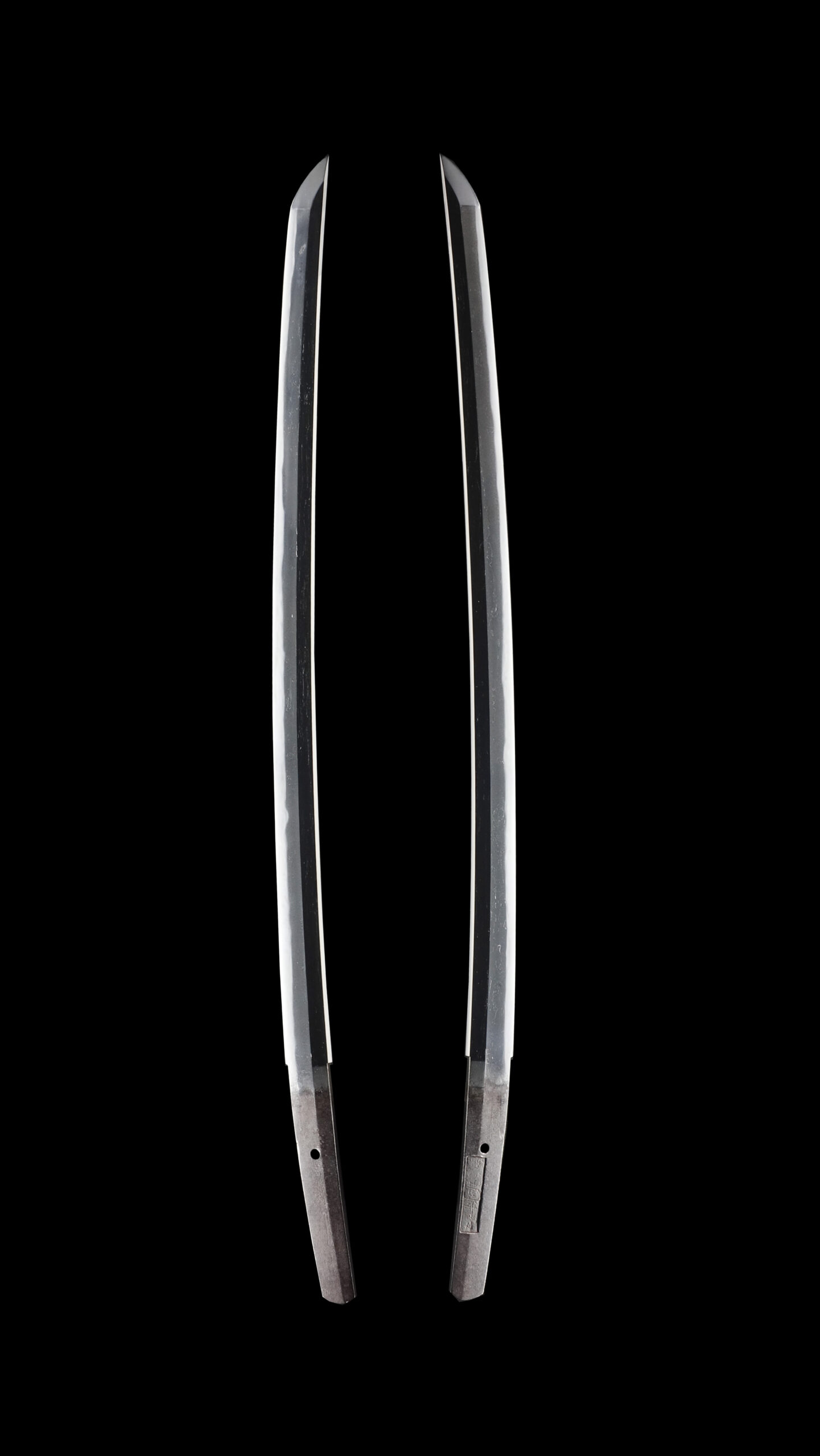
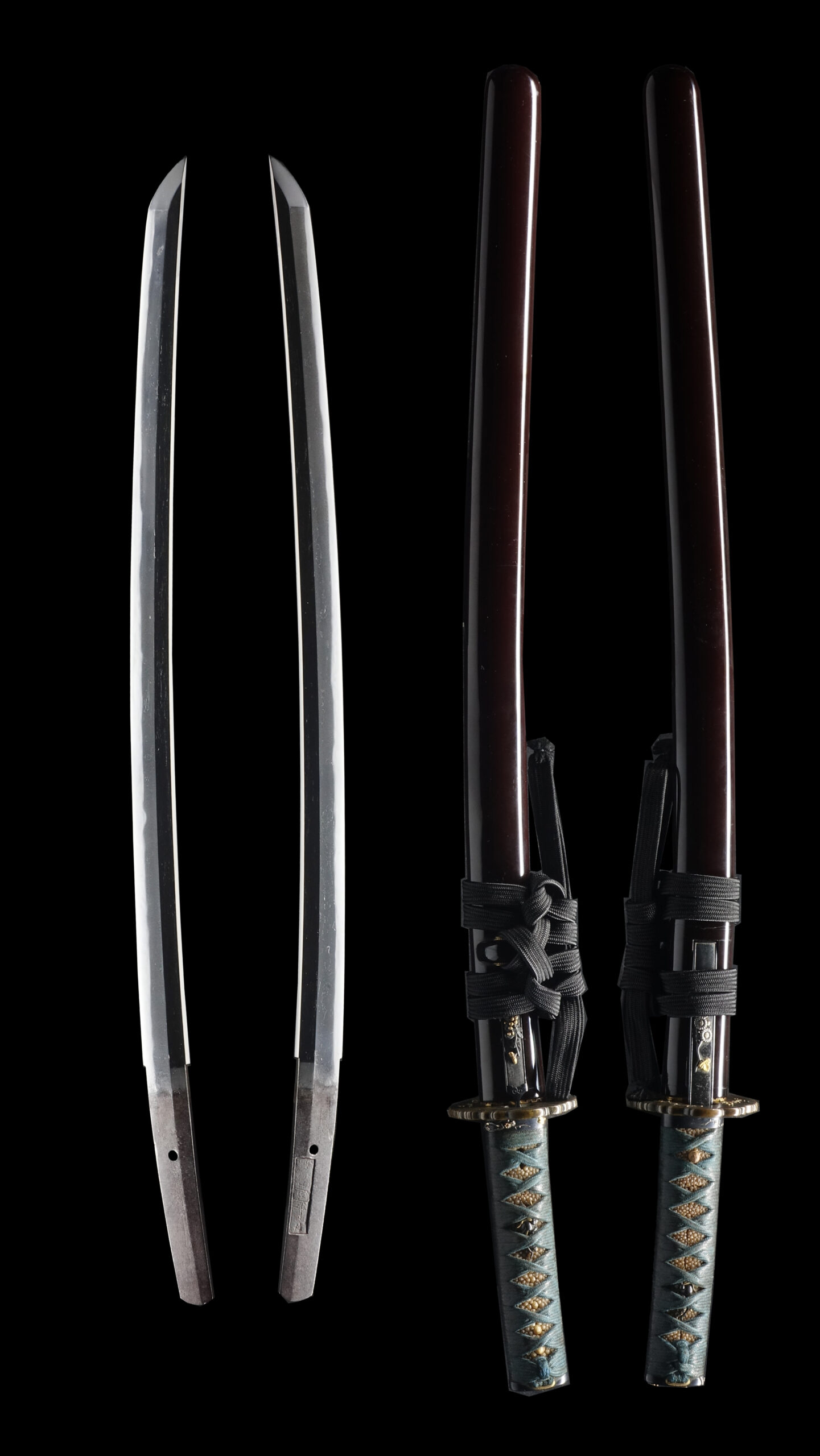
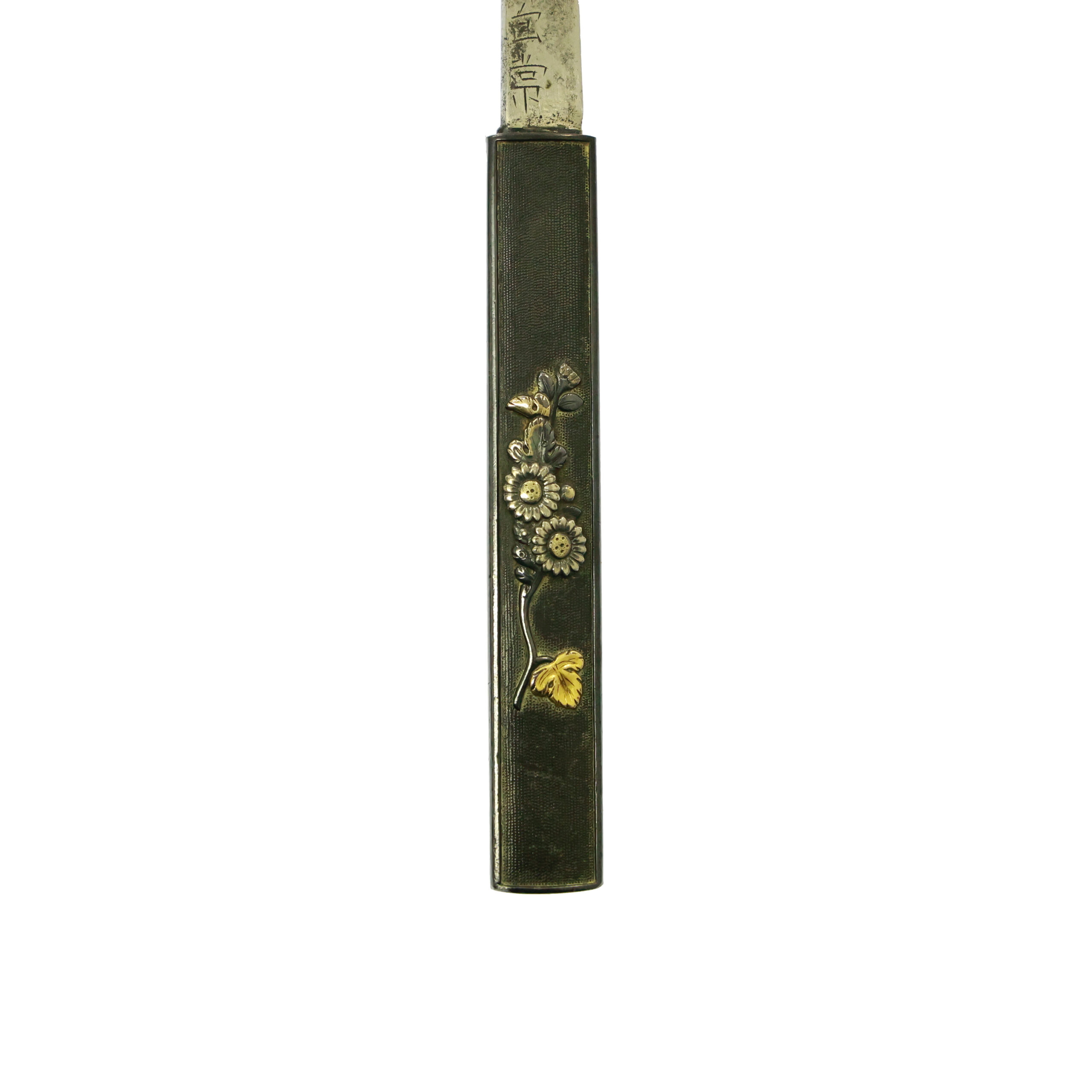
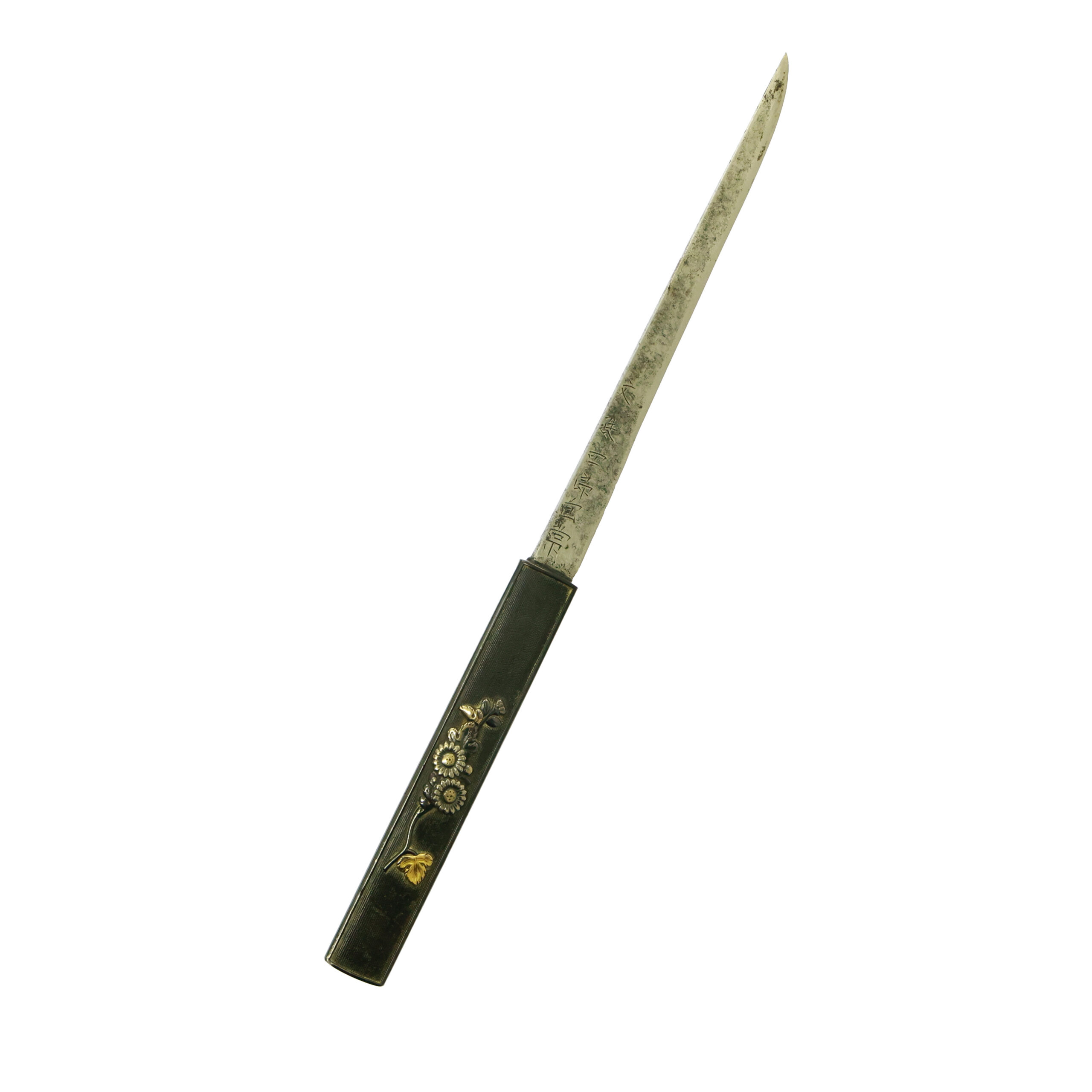
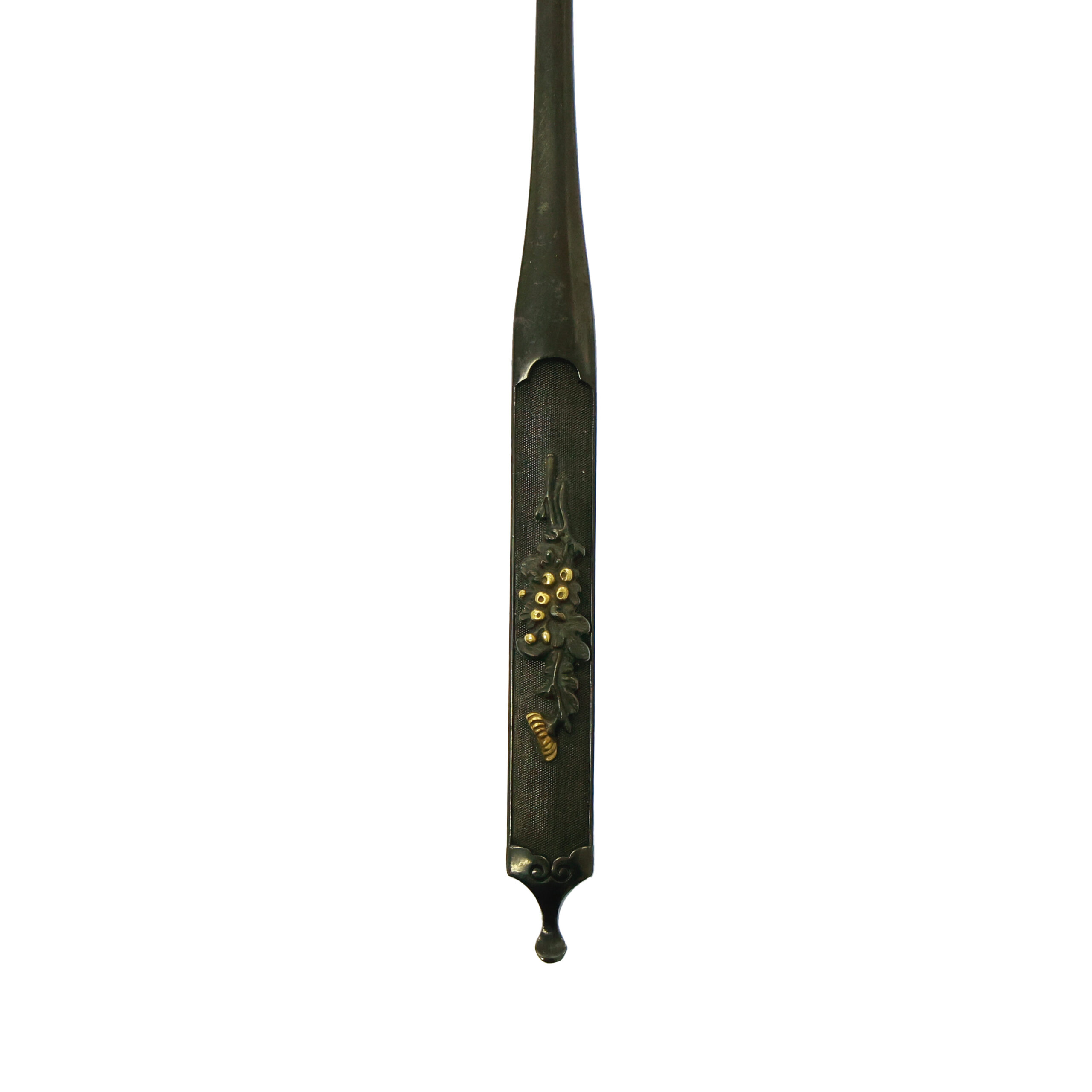
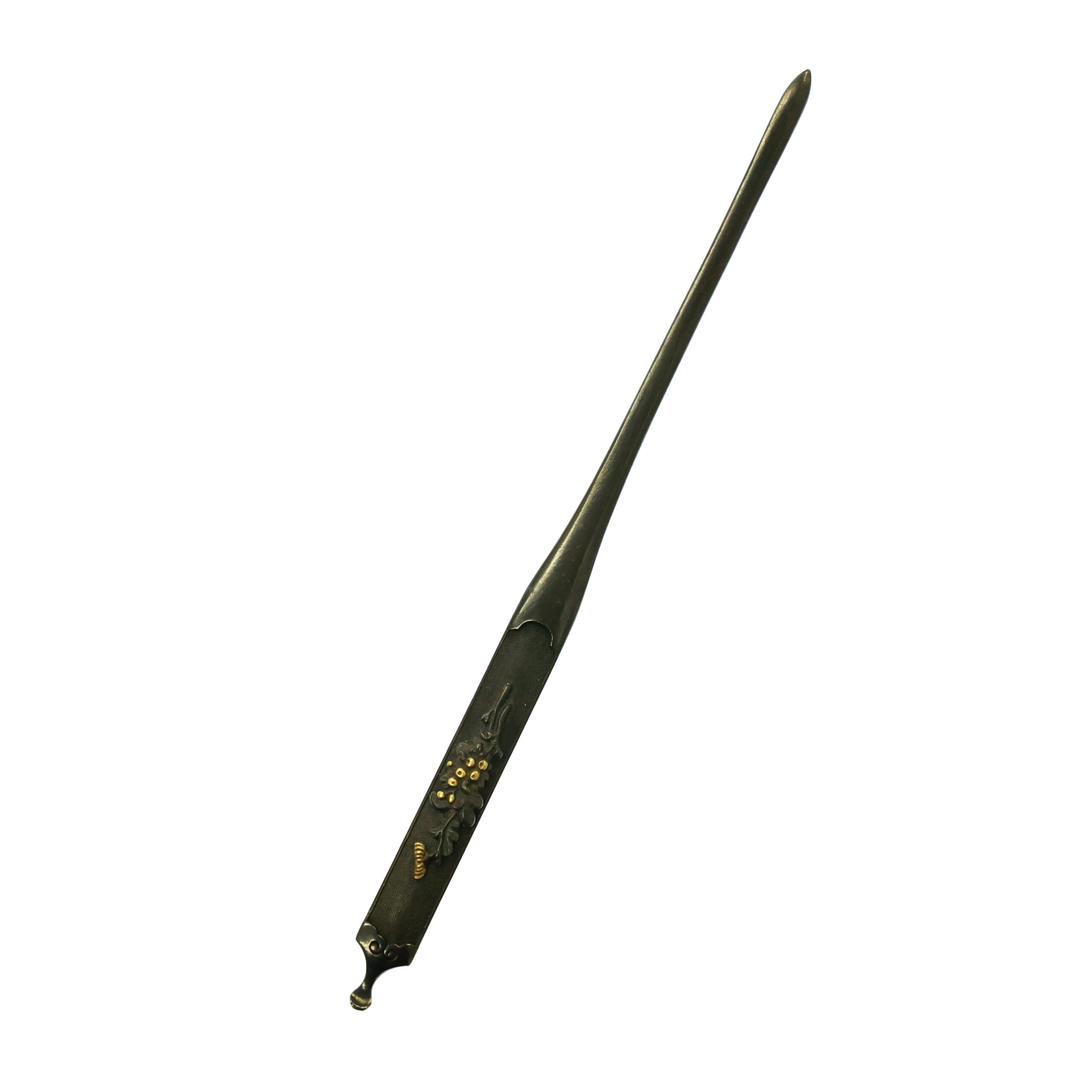
Fukuoka Ichimonji (Bizen) · 備前 · 1243-1247頃
藤代 Jo-jo saku · 刀剣大鑑 上位1%
吉平は備前国福岡一文字派がその最盛期を迎えた鎌倉時代中期の刀工で、多くの伝書は宗吉の孫、吉家の子と伝え、吉房・助真・則房らと並び立つ世代に位置づけられる。銘鑑は寛元(一二四三〜四七)頃の刀工とし、文応頃とする指定書もある。派内におけるその位置は、重要美術品の指定資料に残る本間の評が端的に示している。すなわち「鎌倉時代中期の備前物の中で、最も華やかな丁子を焼くのは吉房とこの吉平である」[[c:13]]。有銘の太刀が数口現存し、うち一口は国宝の指定を受けている。
その作風について指定書は一つの定式を繰り返す。吉房や助真ほどの華やかな大丁子乱れは少ないが変化に富み、「刃中沸づくものをよく見る」[[c:2]]というのである。変化の中身は具体的で、丁子乱れに蛙子丁子・袋丁子が交じり、互の目やや尖りごころの刃を交え、焼の高低が目立ち、足・葉がよく入り、匂深く小沸がつき、金筋・砂流しがかかる。大出来の手は「袋・重花・蛙子丁子などを交えて変化に富む作風」[[c:3]]と評され、第二十一回特別重要刀剣の太刀では表裏の下半が逆がかり、「吉平の作例としては類例がなく」[[c:4]]と特記された。
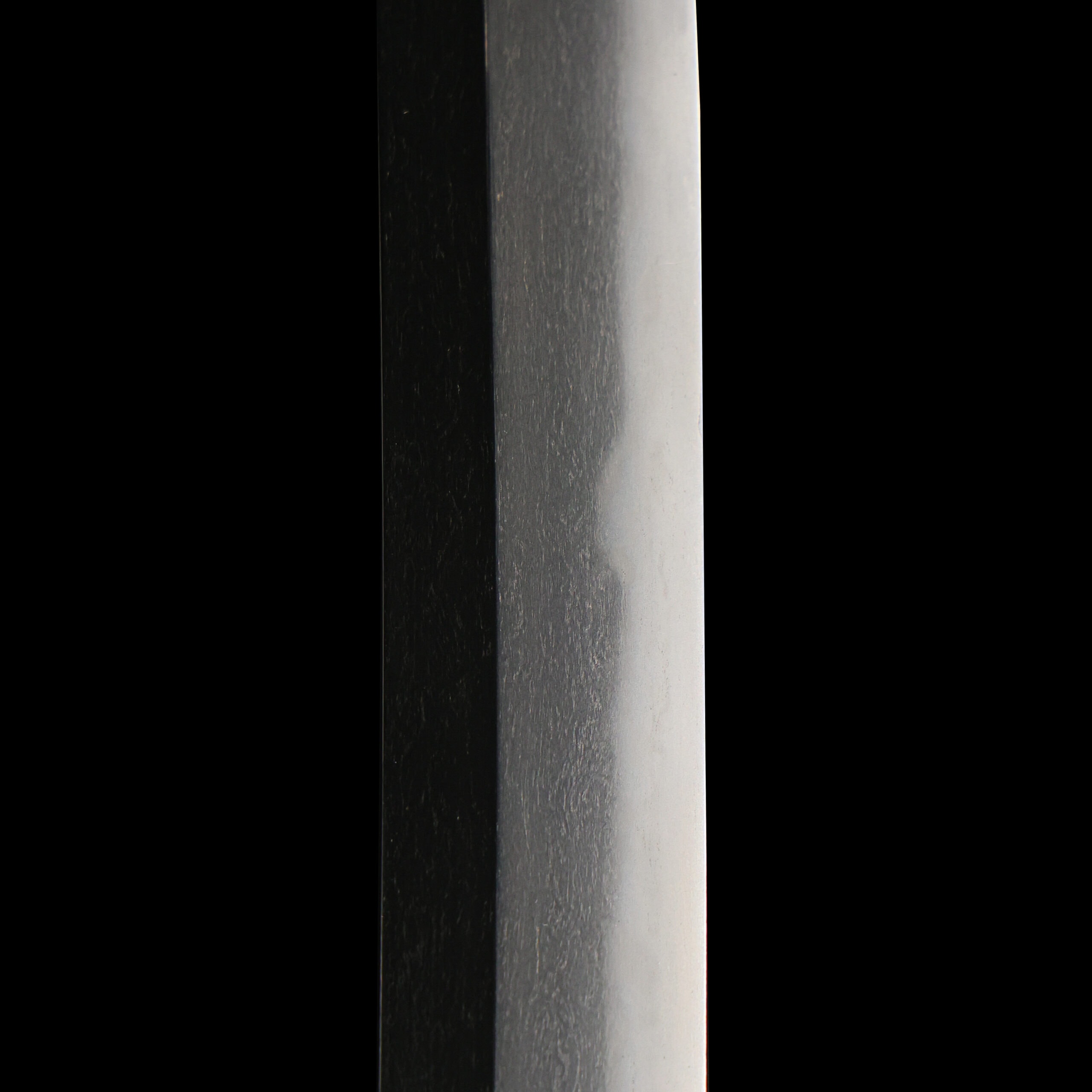
地鉄は板目で、杢や流れ肌を交え、やや肌立つところに見どころがある。指定書は同時代の同派工に比して「地がねもやや肌立つ」[[c:5]]と明言する。地沸がつき、優品では厚くついて地景を交え、乱れ映りはほとんど全作に鮮明に立つ。帽子は乱れ込んで小丸に返り、時に尖りごころとなって掃きかけ、直ぐに焼詰め風となる作もある。
作域は二様に分かれる。小出来のおとなしい手は小丁子主調で直刃に寄り、匂口が締まり、焼幅の高低が少ない。蜂須賀家伝来の重要美術品について本間は「同作としては珍らしく刃文の焼幅に高低差の少ない出来であるが、正真である」[[c:6]]と述べる。大出来の手はその対極にあって「吉房にならぶほどに賑やかで」[[c:7]]あり、第一回特別重要刀剣の無銘刀は「有銘の作にくらべて一層華やか」[[c:8]]と評された。銘は通常、茎の棟寄りに太鏨で切る二字銘であるが、井伊家伝来の太刀は細鏨で小振りに切られ、「吉平の研究上好資料である」[[c:9]]とされる。国宝の同作には腰刃を焼いたものがあるが、指定書は「これを常とはしない」[[c:10]]と注記している。
派内で吉平を分かつのは、同工自身の記録された特色である。同輩より肌立つ地鉄、大出来の手に繰り返し現れる蛙子丁子、そして変化そのものの現れである焼の高低がそれにあたり、総体には「比較的に小出来のものが多く」[[c:11]]とも記される。門人の伝はないが、その大出来の作は吉房と並んで福岡一文字丁子の頂点を成し、後の一文字諸派や長船の丁子を測る規範となった。
藤代の格付は上々作。指定を受けた作は十七口を数え、特別重要刀剣三口、重要刀剣七口、重要美術品四口、重要文化財三口がこれにあたる。重要文化財は二荒山神社・談山神社などに蔵され、永く保存される文化財である。九口に伝来が録される。彦根藩主井伊家に伝来した太刀は『光山押形』『埋忠銘鑑』に所載され、指定書は「腰元の棟には武功を物語る切込みも残存している」[[c:14]]と記す。ほかに島津家・蜂須賀家・前田家・池田家・紀州徳川家の手を経た作があり、一口の鞘書には「古山城主様ヨリ被進」[[c:12]]とある。市場に現れ得るのは特別重要・重要の階層の十口にとどまり、所在の知られるものの多くは長く私蔵されて動かない。吉平が市に出ることは稀な出来事である。
吉平の位置づけを、日本刀全体および伝統・時代・時期ごとに示します。各位(随一・屈指・有数・著名)は、NBTHK および文化庁による指定に加え、三作や名物帳などの歴史的栄誉を加味したものです。
各項目を選ぶと評価方法が表示されます。
備前伝 · 備前
時期区分: 福岡一文字· 1207–1288
現在6点販売中
福岡一文字派は、備前国福岡の地にあって鎌倉時代中期にその最盛期を迎えた一文字派の一章であり、古一文字の小乱れを基調とした古調な作風を脱して、絢爛たる丁子乱れへと到達した時期にあたる。中心となる刀工には則宗をはじめ、助宗、吉房、助真らが挙げられ、また本区分の説示には助房とその子と伝える吉房・則房・助真の系譜、助守、成近、弘利、助秀といった工の名が見える。則房は助真・吉房らと並んで華やかな丁子乱れを焼き、鎌倉時代中期の一文字派を代表する刀工と位置づけられる。一文字派は鎌倉時代初期から南北朝期にかけて備前国に栄えた一大流派で、福岡・吉岡・片山・岩戸などの地に繁栄し多くの良工を輩出したが、その中でも福岡の地に拠ったこの中期の一群が、もっとも豪壮かつ華麗な作域を展開した。 本区分の作風は、太刀姿が身幅広く、猪首鋒の豪壮な体配となり、地に映りを鮮明にあらわし、焼幅に変化をつけた匂出来の華麗な大房丁子を焼いて強烈な個性を見せる点にある。鍛えは板目あるいは小板目に杢を交え、地沸微塵に厚くつき、地景細かに入り、乱れ映りが鮮明に立ち、かねが冴える。刃文は丁子乱れを主調に、重花丁子・蛙子・互の目・尖りごころの刃などを交え、出入りがあって腰高に焼き、足・葉よく入り、匂深く小沸つき、金筋・砂流しがかかる。則房に至っては、同じ華やかな丁子の刃文でも吉房・助真に比して乱れが幾分小模様となり、刃中の足が短く細かく、乱れが逆ごころをおびるところに特色があり、地がねが強く冴える点も見どころとされる。直刃を基調とした穏やかで古調な古一文字とは華やかさにおいて画然と異なり、また丁子乱れの中に互の目が目立ち穏やかに揃った後代の吉岡一文字とも、その大模様で豪放な乱れにおいて対照をなしている。 福岡一文字の鑑定は、鮮明に立つ乱れ映りと、明るく冴えた匂口、足・葉の豊富な働き、そして腰反りの高い豪壮な太刀姿を要点とする。名工としては則房のほか、丁子乱れが極めて華麗で吉房の出来に通じる助守、区上を焼き落として下半に大丁子、上半に小模様な乱れを見せる成近、匂勝ちに小沸ついた丁子乱れに古色をとどめる弘利らがあり、それぞれに一文字派の華やかさと変化に富む作域を示している。説示には、播磨国竜野脇坂家に伝わった助守、仙台伊達家に伝わった成近、大和郡山柳沢家や尾張徳川家支藩高須松平家に伝来した則房など、近世大名家の所伝を留める優品が数多く見え、福岡一文字の作が古来いかに重んじられてきたかをよく物語っている。 詳しく見る →
鎌倉時代の備前
鎌倉時代は備前の頂点である。伝えでは一文字派の工が後鳥羽上皇の御番鍛冶に列し、世紀の半ばには光忠が長船派を興して、注文は公家からも武家政権からも流れ込んだ。国宝刀剣の数で備前に並ぶ国はない。
保存刀剣のうち、出来が一層優れ、保存状態も良好と認められたものです。再刃や、室町・江戸期の多くの無銘作は対象外となり、保存刀剣より高い基準が課されます。
日本美術刀剣保存協会(NBTHK)は、1948年に設立され、文化庁の監督を受ける公益財団法人で、東京・刀剣博物館に本部を置きます。専門の審査員が出品作を直接審査し、美術的・歴史的価値に応じた鑑定書を発行します。NBTHKの鑑定書は、日本刀および刀装具の真正性を示す最も広く認知された基準です。
NBTHK公式サイトReturns/exchanges limited to defects caused by shipping (except willful misconduct or gross negligence by the company); customers must contact within 72 hours of receiving the product.
Antique Japanese Sword Wakizashi Signed by Naotane with NBTHK Tokubestsu Hozon Certificate 【Description】 This wakizashi bears the signature of Yoshihira(吉平), a swordsmith from the Fukuoka Ichimonji school(福岡一文字). Fukuoka Ichimonji was one of the most influential schools in Japanese sword-making history and reached its peak during the mid-Kamakura period (mid-13th century). Yoshihira was active during this golden era, and his lineage is highly esteemed. His grandfather, Muneyoshi, was one of the Gobankaji (御番鍛冶), an elite group of thirteen swordsmiths chosen by Emperor Go-Toba to craft swords for the imperial court. His father, Yoshiie, was also a highly skilled swordsmith. Together, they contributed to the development of the Ichimonji school, which became one of the most significant traditions in Japanese sword-making. Many swords from the Kamakura period were later shortened (suriage) due to changes in combat styles and restrictions imposed during the early Edo period, making original signed blades extremely rare today. This piece has been preserved as a wakizashi, with its signature intact through a technique known as orikaeshi-mei (折返銘). Orikaeshi-mei is a preservation method where the tang (nakago) is folded back during shortening, allowing the original inscription to remain visible. The presence of this technique makes this an exceptionally valuable blade, as it retains the name of a renowned Fukuoka Ichimonji swordsmith, a rarity among surviving works. The Fukuoka Ichimonji school, along with Yoshioka Ichimonji, Kataoka Ichimonji, and Shochu Ichimonji, was part of a broader Ichimonji tradition, which included over 200 swordsmiths. Among these, Fukuoka Ichimonji was the earliest and most prestigious branch, founded in Fukuoka Village, Bizen Province (modern-day Okayama Prefecture) by Norimune (則宗). At the height of its prominence, seven swordsmiths from Fukuoka Ichimonji were selected as Gobankaji, a prestigious honor given to Japan’s finest swordsmiths, each tasked with forging one blade per month for the emperor. This distinction reflects the high regard in which the Fukuoka Ichimonji school was held. Norimune himself was part of this elite group, and today, 15 swords forged by Fukuoka Ichimonji swordsmiths are designated as National Treasures of Japan, with 7 additional blades classified as Important Cultural Properties. The success of Fukuoka Ichimonji was largely due to the geographical advantages of Bizen Province. Located near the Chugoku Mountains, the region was rich in iron sand, an essential material for sword forging. The Yoshii River provided pure water, and the surrounding areas produced high-quality charcoal, all of which contributed to the refinement of sword-making techniques. The Bizen-den sword-making tradition is believed to have originated in the late Heian period (late 12th century), with early swordsmiths from this region known as Ko-Bizen (Old Bizen) smiths. Among them, Masatsune (正恒) was a particularly important figure and is thought to be the father of Norimune, the founder of Fukuoka Ichimonji. By inheriting and developing the techniques of Ko-Bizen swordsmiths, Fukuoka Ichimonji flourished during the Kamakura period. One of the most distinctive characteristics of Fukuoka Ichimonji swords is the Choji Midare Hamon (丁子乱刃), a beautifully intricate, irregular wavy tempering line. This elegant pattern made Fukuoka Ichimonji swords highly prized among high-ranking samurai. This blade is appraised as a Tokubetsu Hozon Token (特別保存刀剣) issued by NBTHK (Nihon Bijutsu Touken Hozon Kyokai:日本美術刀剣保存協会). This authentication paper was only given to authentic Japanese swords, especially well preserved and high quality with artistic value. *Please keep in mind that there are a couple of Kitae Kizu one this blade and there is an Umegane near the tip of the sword. If you like to know the detailed condition, please feel free to contact us. 【Blade】 Cutting Edge Length(Nagasa) : 52.5 cm (20.6 inches) Curvature(Sori) :
NihontoWatch在銘 · Fukuoka Ichimonji · 鎌倉 · 長さ 52.5cm · 反り 1cm
Fukuoka Ichimonji (Bizen) · 備前 · 1243-1247頃
藤代 Jo-jo saku · 刀剣大鑑 上位1%
吉平は備前国福岡一文字派がその最盛期を迎えた鎌倉時代中期の刀工で、多くの伝書は宗吉の孫、吉家の子と伝え、吉房・助真・則房らと並び立つ世代に位置づけられる。銘鑑は寛元(一二四三〜四七)頃の刀工とし、文応頃とする指定書もある。派内におけるその位置は、重要美術品の指定資料に残る本間の評が端的に示している。すなわち「鎌倉時代中期の備前物の中で、最も華やかな丁子を焼くのは吉房とこの吉平である」[[c:13]]。有銘の太刀が数口現存し、うち一口は国宝の指定を受けている。
その作風について指定書は一つの定式を繰り返す。吉房や助真ほどの華やかな大丁子乱れは少ないが変化に富み、「刃中沸づくものをよく見る」[[c:2]]というのである。変化の中身は具体的で、丁子乱れに蛙子丁子・袋丁子が交じり、互の目やや尖りごころの刃を交え、焼の高低が目立ち、足・葉がよく入り、匂深く小沸がつき、金筋・砂流しがかかる。大出来の手は「袋・重花・蛙子丁子などを交えて変化に富む作風」[[c:3]]と評され、第二十一回特別重要刀剣の太刀では表裏の下半が逆がかり、「吉平の作例としては類例がなく」[[c:4]]と特記された。
地鉄は板目で、杢や流れ肌を交え、やや肌立つところに見どころがある。指定書は同時代の同派工に比して「地がねもやや肌立つ」[[c:5]]と明言する。地沸がつき、優品では厚くついて地景を交え、乱れ映りはほとんど全作に鮮明に立つ。帽子は乱れ込んで小丸に返り、時に尖りごころとなって掃きかけ、直ぐに焼詰め風となる作もある。
作域は二様に分かれる。小出来のおとなしい手は小丁子主調で直刃に寄り、匂口が締まり、焼幅の高低が少ない。蜂須賀家伝来の重要美術品について本間は「同作としては珍らしく刃文の焼幅に高低差の少ない出来であるが、正真である」[[c:6]]と述べる。大出来の手はその対極にあって「吉房にならぶほどに賑やかで」[[c:7]]あり、第一回特別重要刀剣の無銘刀は「有銘の作にくらべて一層華やか」[[c:8]]と評された。銘は通常、茎の棟寄りに太鏨で切る二字銘であるが、井伊家伝来の太刀は細鏨で小振りに切られ、「吉平の研究上好資料である」[[c:9]]とされる。国宝の同作には腰刃を焼いたものがあるが、指定書は「これを常とはしない」[[c:10]]と注記している。
派内で吉平を分かつのは、同工自身の記録された特色である。同輩より肌立つ地鉄、大出来の手に繰り返し現れる蛙子丁子、そして変化そのものの現れである焼の高低がそれにあたり、総体には「比較的に小出来のものが多く」[[c:11]]とも記される。門人の伝はないが、その大出来の作は吉房と並んで福岡一文字丁子の頂点を成し、後の一文字諸派や長船の丁子を測る規範となった。
藤代の格付は上々作。指定を受けた作は十七口を数え、特別重要刀剣三口、重要刀剣七口、重要美術品四口、重要文化財三口がこれにあたる。重要文化財は二荒山神社・談山神社などに蔵され、永く保存される文化財である。九口に伝来が録される。彦根藩主井伊家に伝来した太刀は『光山押形』『埋忠銘鑑』に所載され、指定書は「腰元の棟には武功を物語る切込みも残存している」[[c:14]]と記す。ほかに島津家・蜂須賀家・前田家・池田家・紀州徳川家の手を経た作があり、一口の鞘書には「古山城主様ヨリ被進」[[c:12]]とある。市場に現れ得るのは特別重要・重要の階層の十口にとどまり、所在の知られるものの多くは長く私蔵されて動かない。吉平が市に出ることは稀な出来事である。
吉平の位置づけを、日本刀全体および伝統・時代・時期ごとに示します。各位(随一・屈指・有数・著名)は、NBTHK および文化庁による指定に加え、三作や名物帳などの歴史的栄誉を加味したものです。
各項目を選ぶと評価方法が表示されます。
備前伝 · 備前
時期区分: 福岡一文字· 1207–1288
現在6点販売中
福岡一文字派は、備前国福岡の地にあって鎌倉時代中期にその最盛期を迎えた一文字派の一章であり、古一文字の小乱れを基調とした古調な作風を脱して、絢爛たる丁子乱れへと到達した時期にあたる。中心となる刀工には則宗をはじめ、助宗、吉房、助真らが挙げられ、また本区分の説示には助房とその子と伝える吉房・則房・助真の系譜、助守、成近、弘利、助秀といった工の名が見える。則房は助真・吉房らと並んで華やかな丁子乱れを焼き、鎌倉時代中期の一文字派を代表する刀工と位置づけられる。一文字派は鎌倉時代初期から南北朝期にかけて備前国に栄えた一大流派で、福岡・吉岡・片山・岩戸などの地に繁栄し多くの良工を輩出したが、その中でも福岡の地に拠ったこの中期の一群が、もっとも豪壮かつ華麗な作域を展開した。 本区分の作風は、太刀姿が身幅広く、猪首鋒の豪壮な体配となり、地に映りを鮮明にあらわし、焼幅に変化をつけた匂出来の華麗な大房丁子を焼いて強烈な個性を見せる点にある。鍛えは板目あるいは小板目に杢を交え、地沸微塵に厚くつき、地景細かに入り、乱れ映りが鮮明に立ち、かねが冴える。刃文は丁子乱れを主調に、重花丁子・蛙子・互の目・尖りごころの刃などを交え、出入りがあって腰高に焼き、足・葉よく入り、匂深く小沸つき、金筋・砂流しがかかる。則房に至っては、同じ華やかな丁子の刃文でも吉房・助真に比して乱れが幾分小模様となり、刃中の足が短く細かく、乱れが逆ごころをおびるところに特色があり、地がねが強く冴える点も見どころとされる。直刃を基調とした穏やかで古調な古一文字とは華やかさにおいて画然と異なり、また丁子乱れの中に互の目が目立ち穏やかに揃った後代の吉岡一文字とも、その大模様で豪放な乱れにおいて対照をなしている。 福岡一文字の鑑定は、鮮明に立つ乱れ映りと、明るく冴えた匂口、足・葉の豊富な働き、そして腰反りの高い豪壮な太刀姿を要点とする。名工としては則房のほか、丁子乱れが極めて華麗で吉房の出来に通じる助守、区上を焼き落として下半に大丁子、上半に小模様な乱れを見せる成近、匂勝ちに小沸ついた丁子乱れに古色をとどめる弘利らがあり、それぞれに一文字派の華やかさと変化に富む作域を示している。説示には、播磨国竜野脇坂家に伝わった助守、仙台伊達家に伝わった成近、大和郡山柳沢家や尾張徳川家支藩高須松平家に伝来した則房など、近世大名家の所伝を留める優品が数多く見え、福岡一文字の作が古来いかに重んじられてきたかをよく物語っている。 詳しく見る →
鎌倉時代の備前
鎌倉時代は備前の頂点である。伝えでは一文字派の工が後鳥羽上皇の御番鍛冶に列し、世紀の半ばには光忠が長船派を興して、注文は公家からも武家政権からも流れ込んだ。国宝刀剣の数で備前に並ぶ国はない。
保存刀剣のうち、出来が一層優れ、保存状態も良好と認められたものです。再刃や、室町・江戸期の多くの無銘作は対象外となり、保存刀剣より高い基準が課されます。
日本美術刀剣保存協会(NBTHK)は、1948年に設立され、文化庁の監督を受ける公益財団法人で、東京・刀剣博物館に本部を置きます。専門の審査員が出品作を直接審査し、美術的・歴史的価値に応じた鑑定書を発行します。NBTHKの鑑定書は、日本刀および刀装具の真正性を示す最も広く認知された基準です。
NBTHK公式サイトReturns/exchanges limited to defects caused by shipping (except willful misconduct or gross negligence by the company); customers must contact within 72 hours of receiving the product.