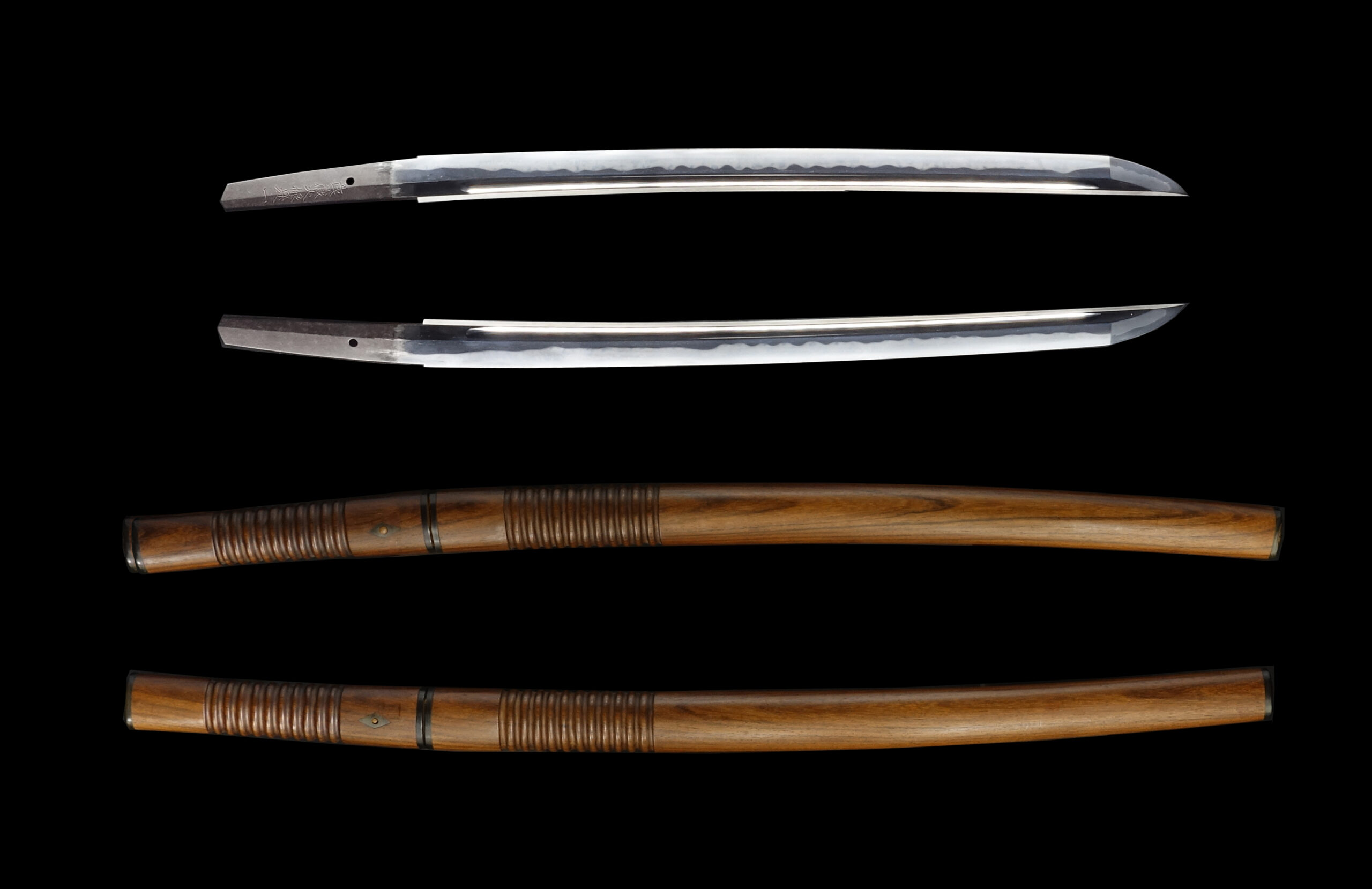
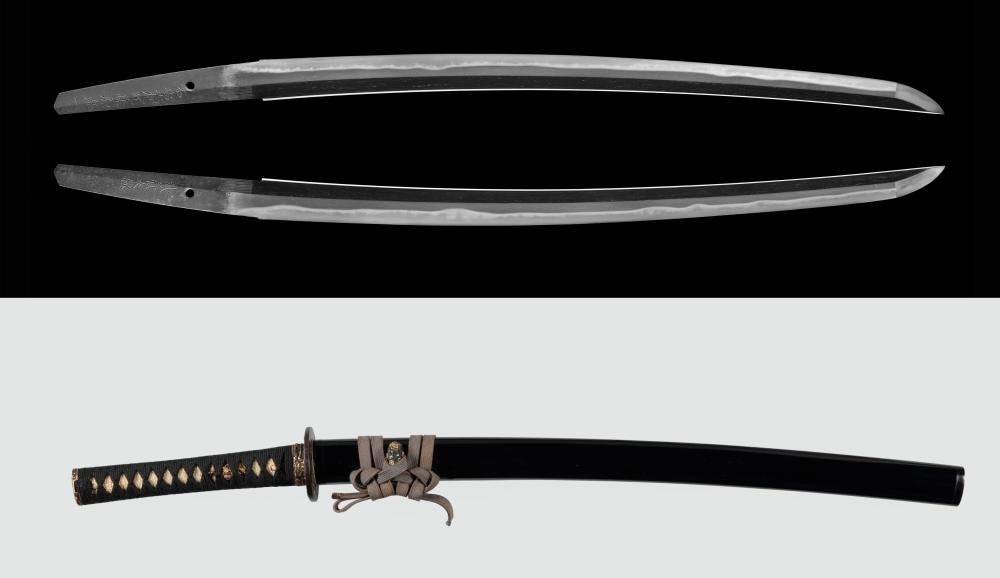
Antique Japanese Sword Wakizashi Signed by Korekazu NBTHK Tokubetsu Hozon Certificate
売却済
世界81社の刀剣商を横断追跡 · 価格履歴 · 売却アーカイブ
仕様
57.58 cm
0.76 cm
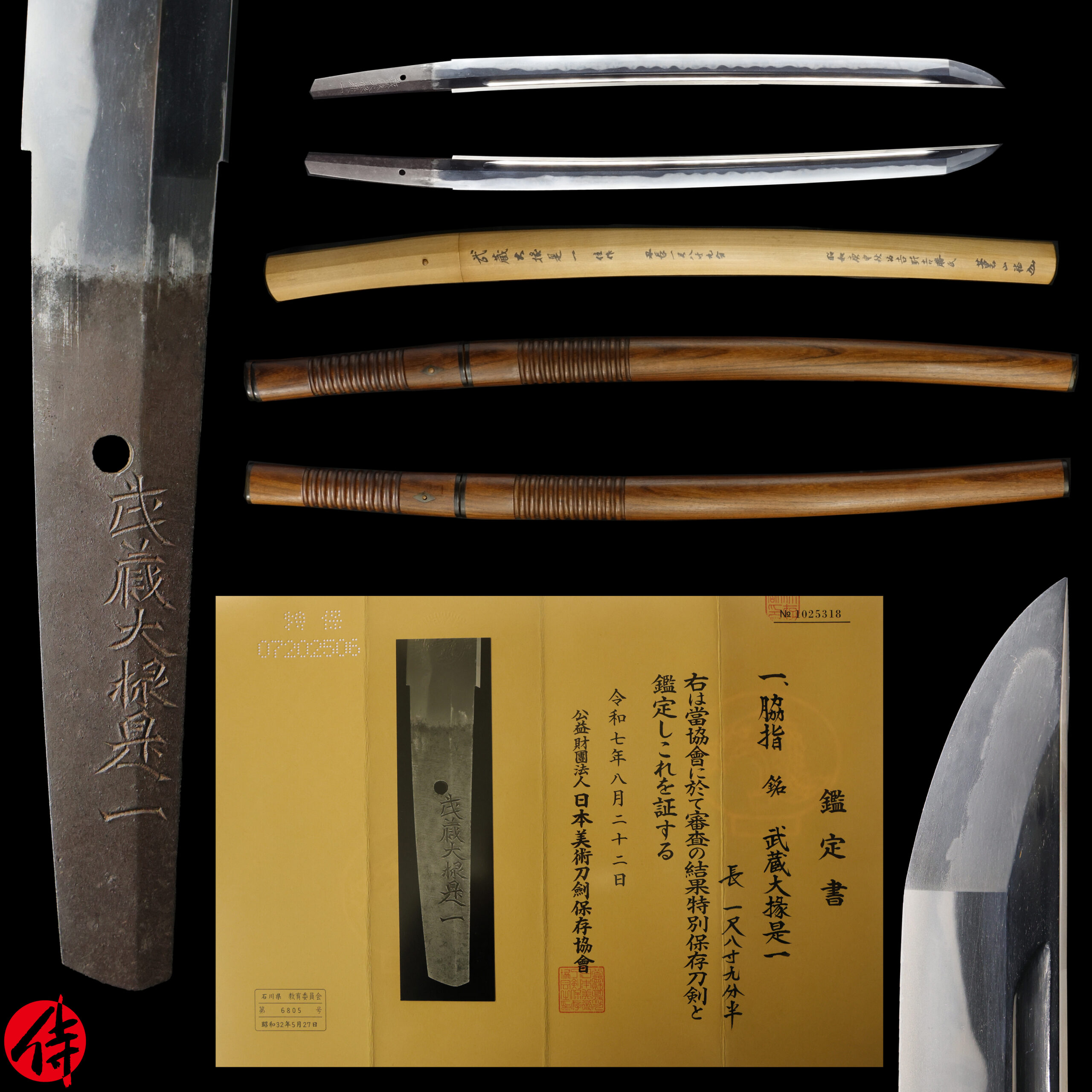
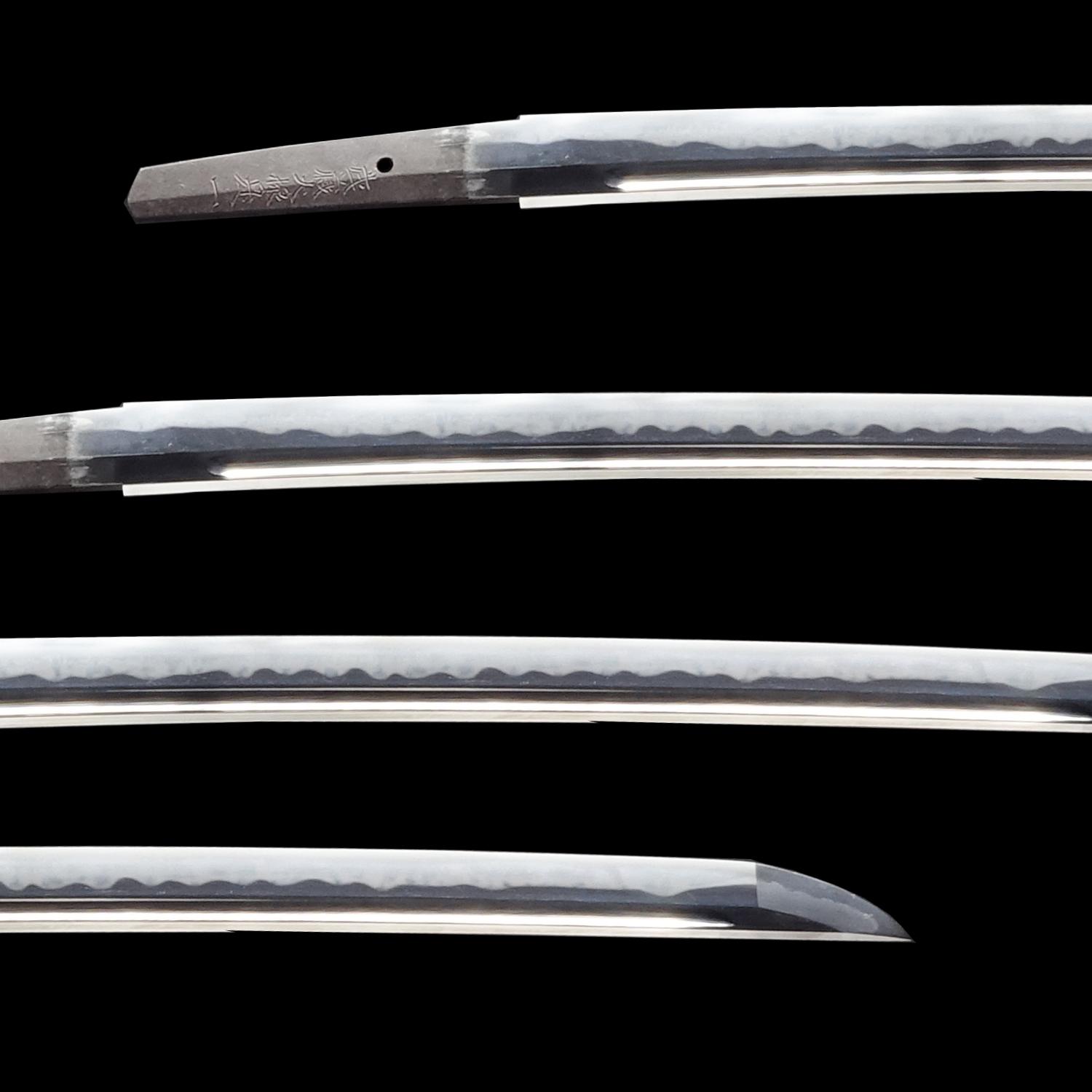
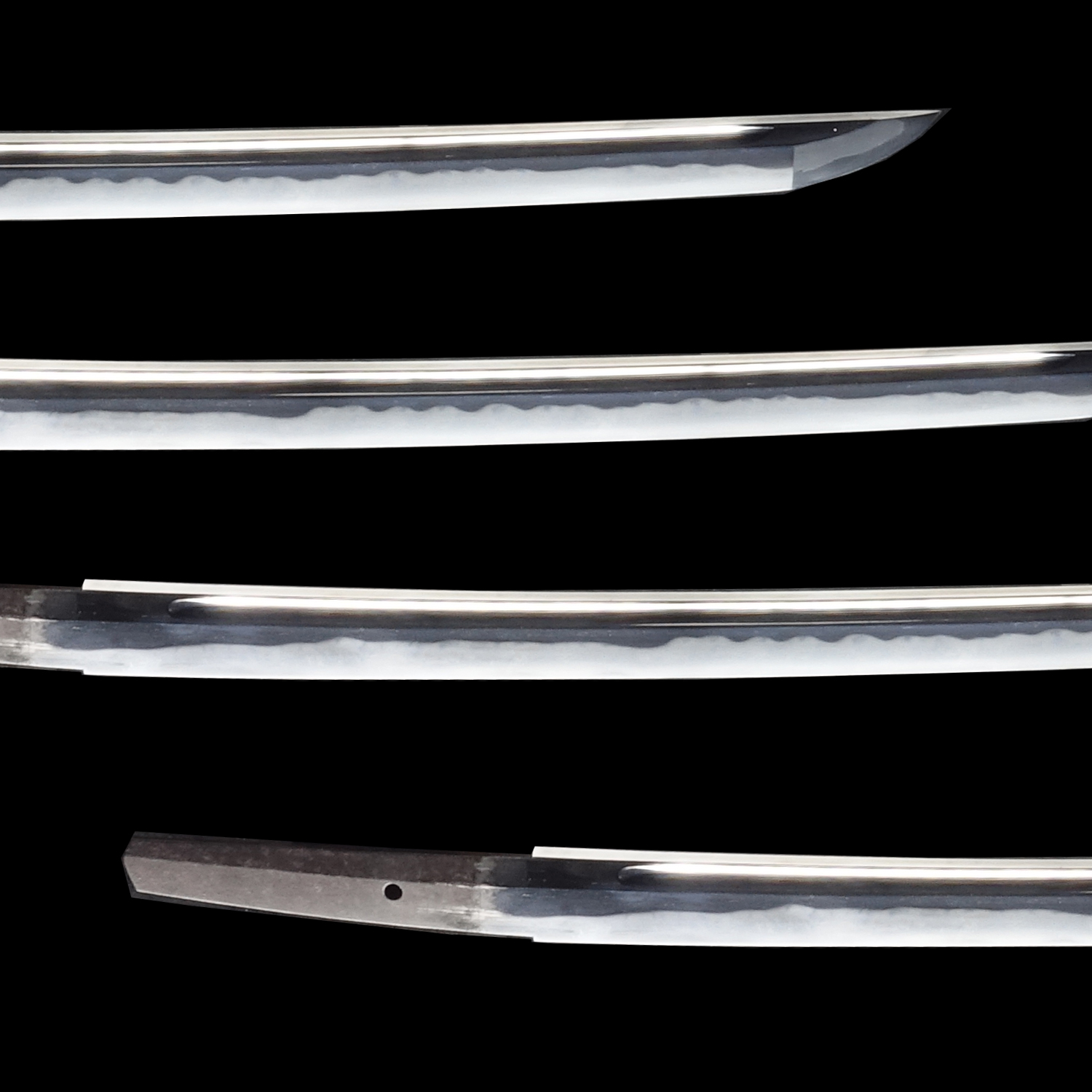
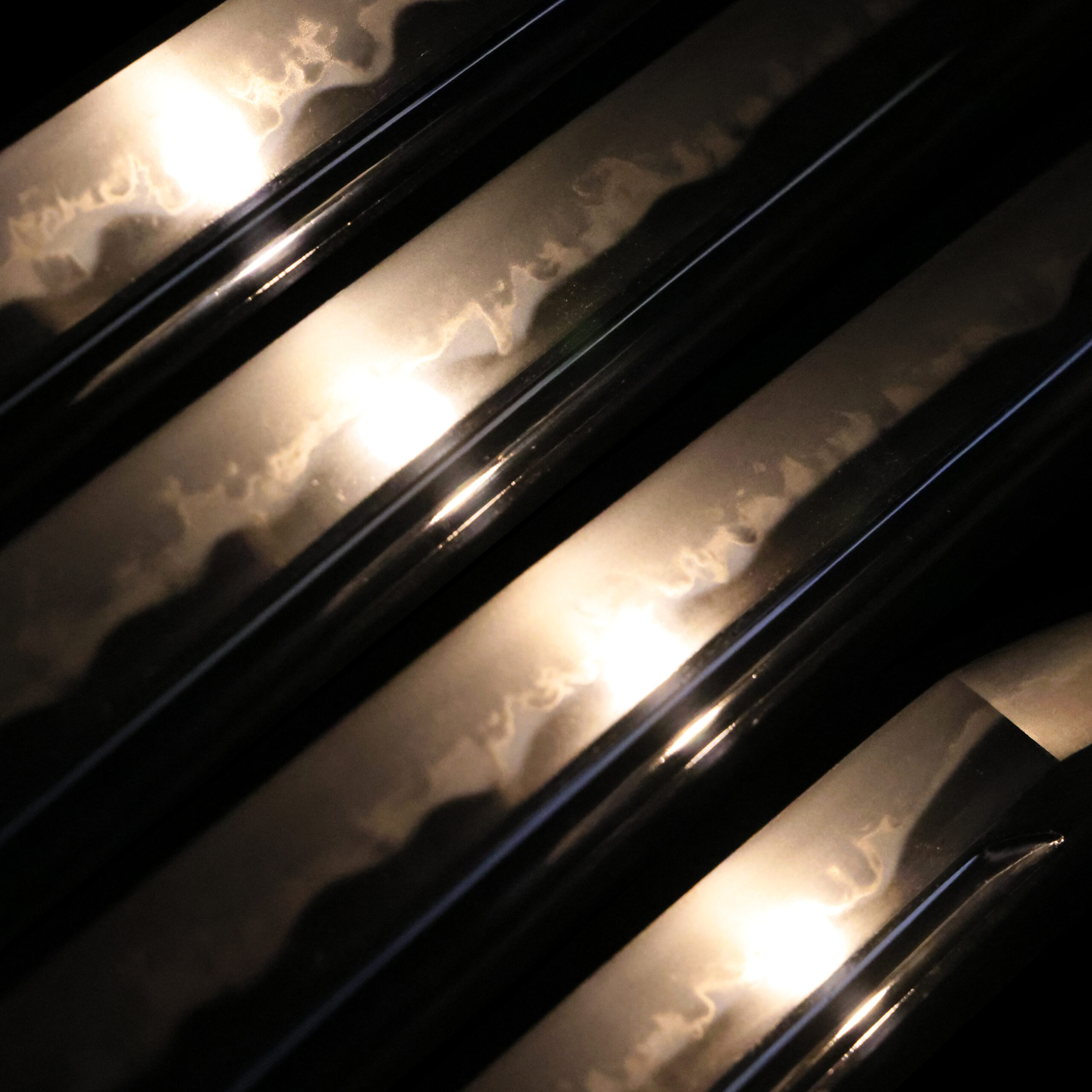
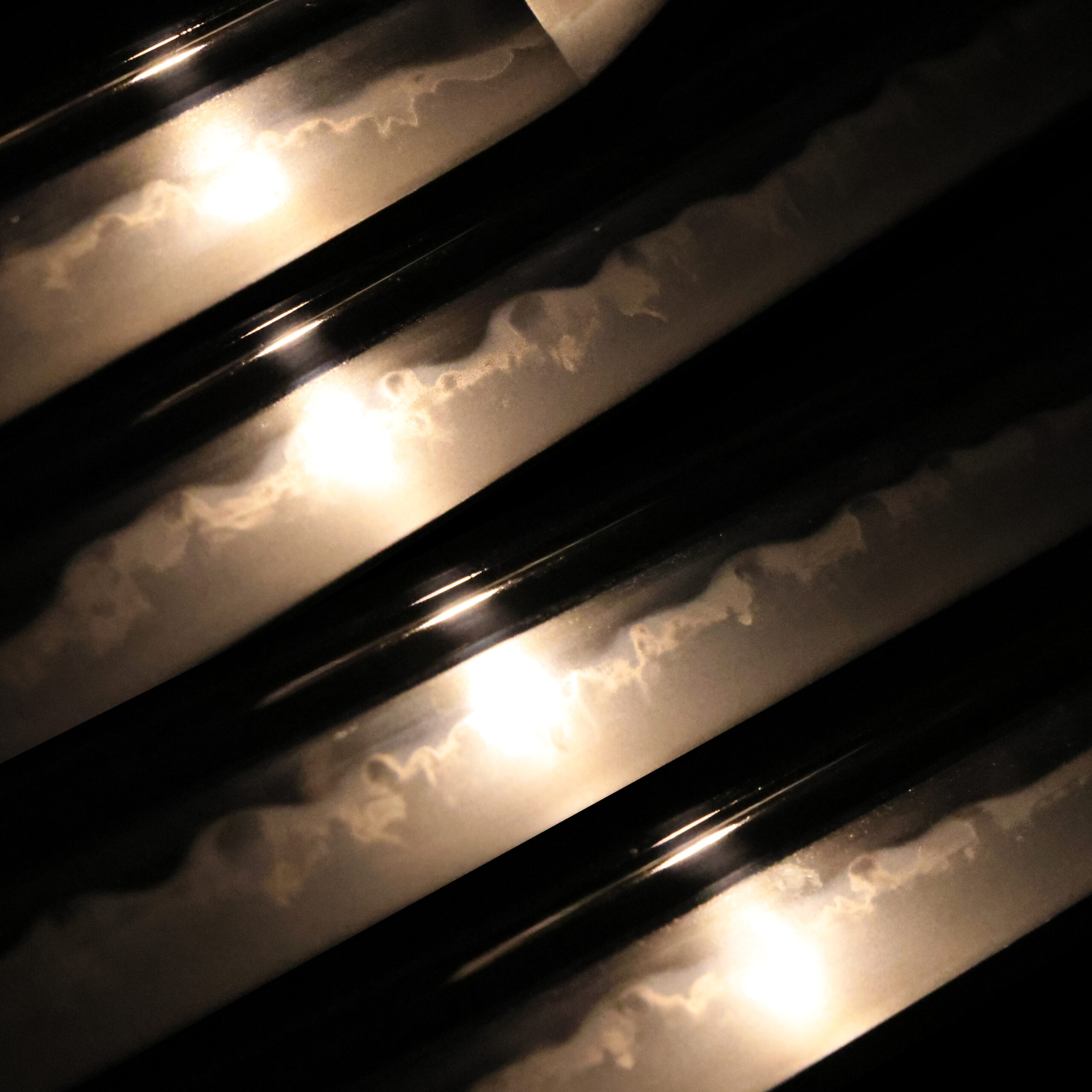
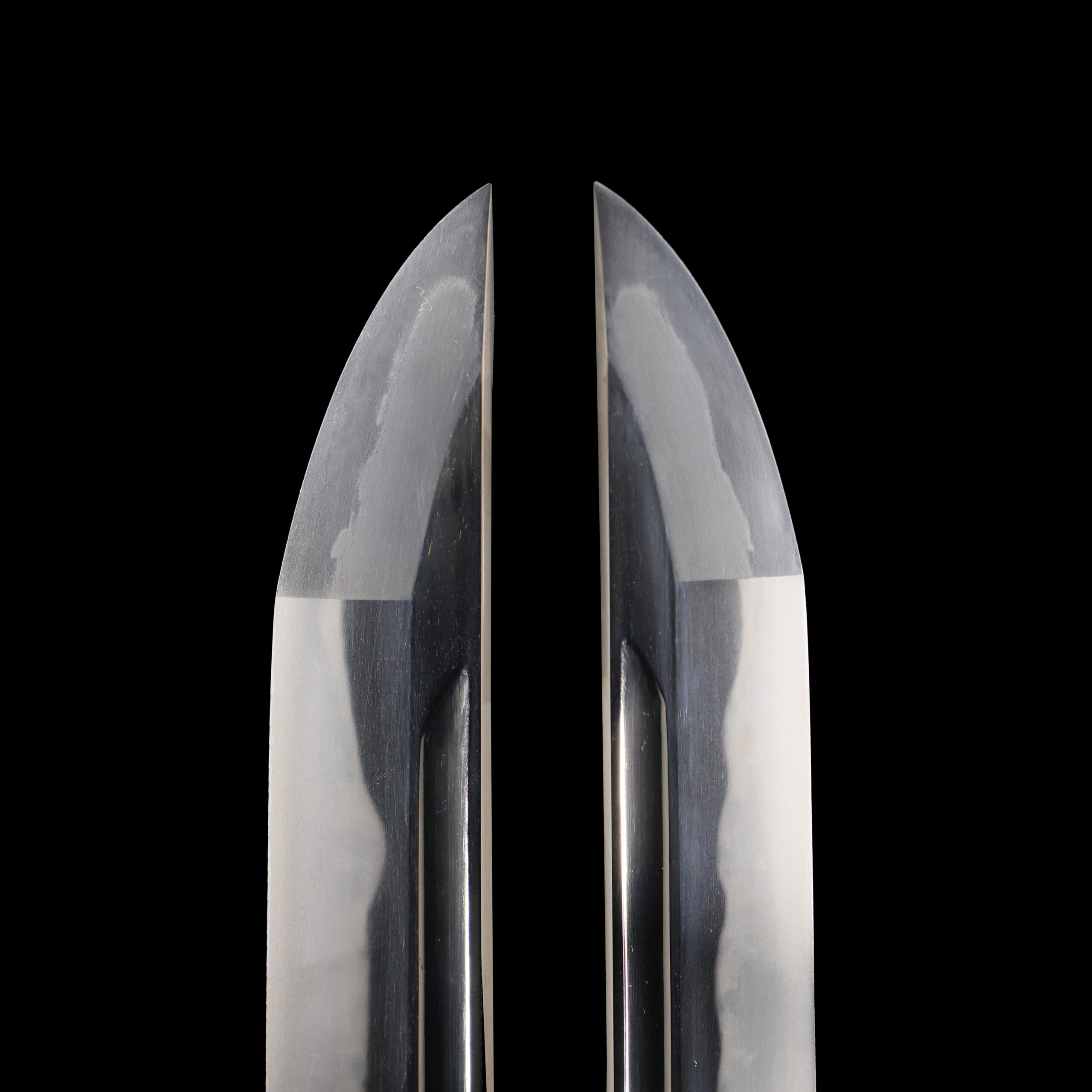
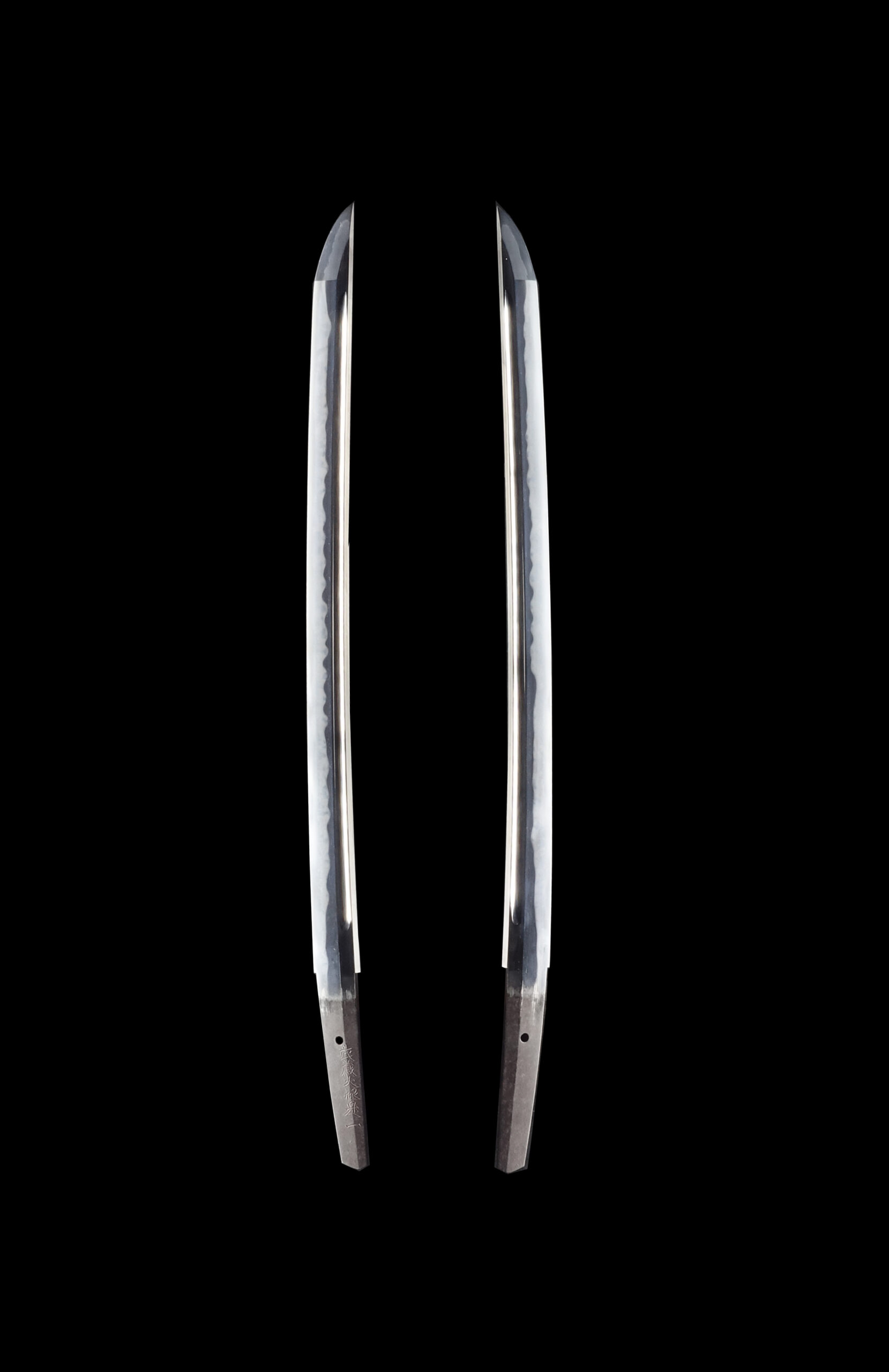
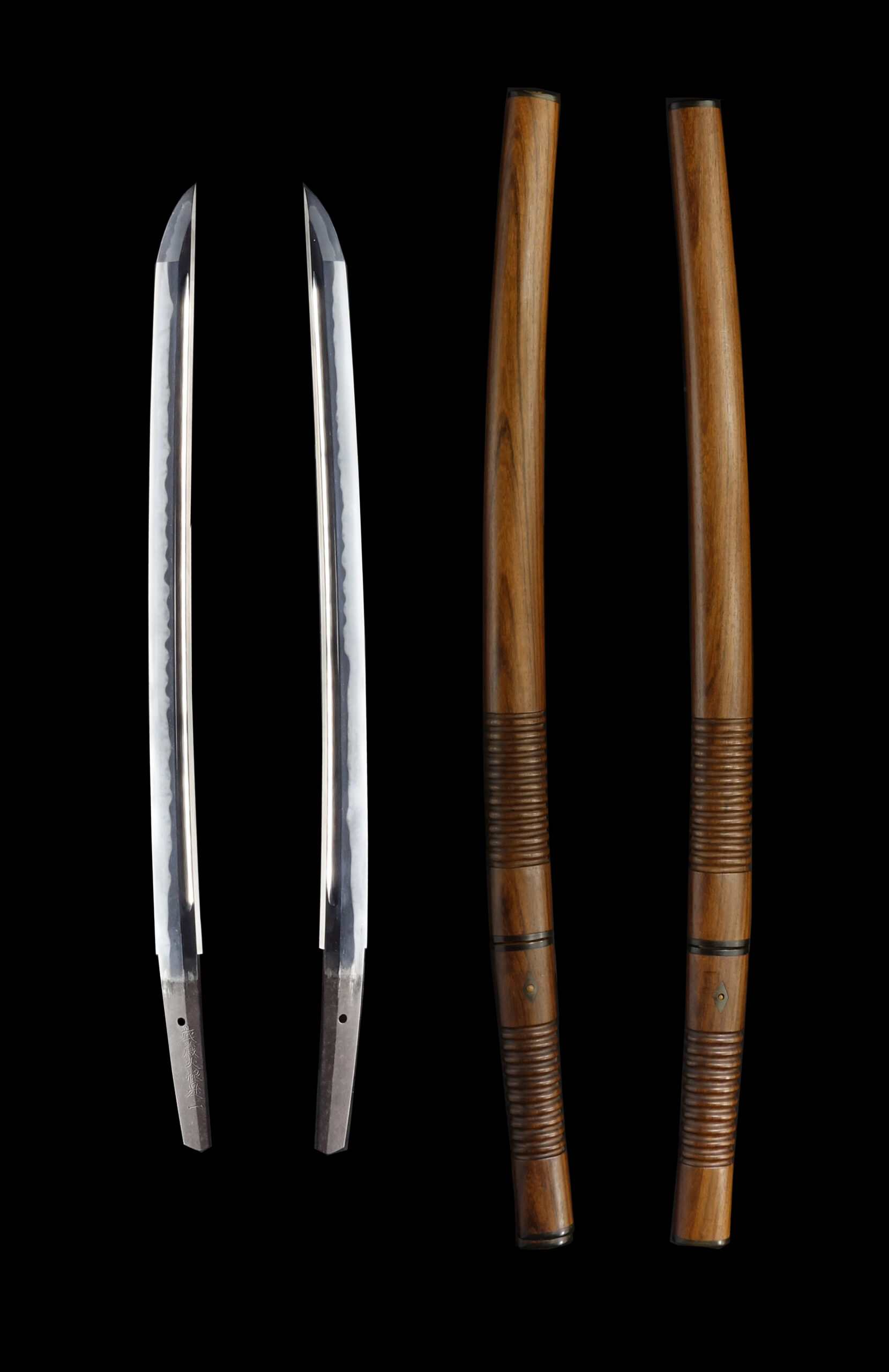
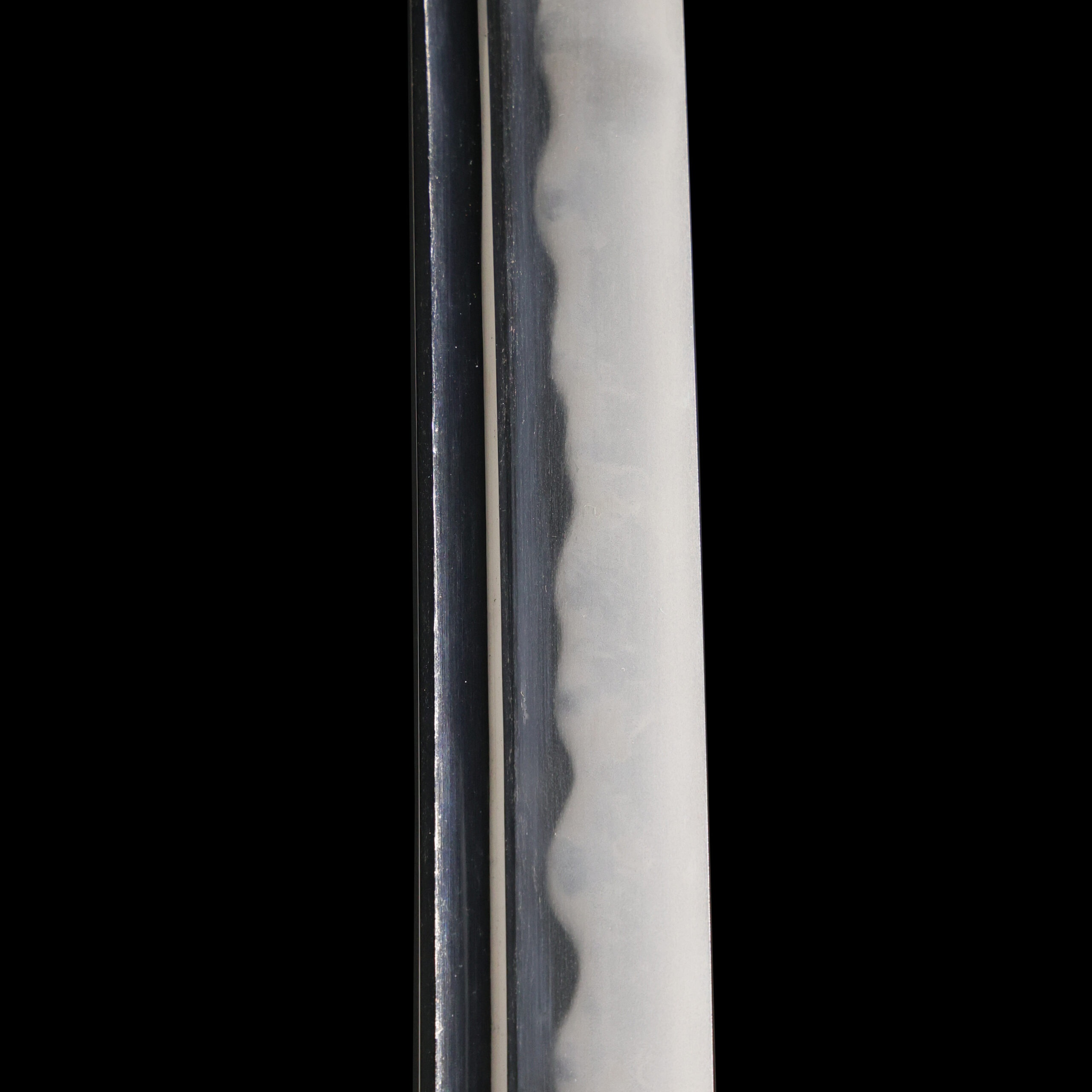
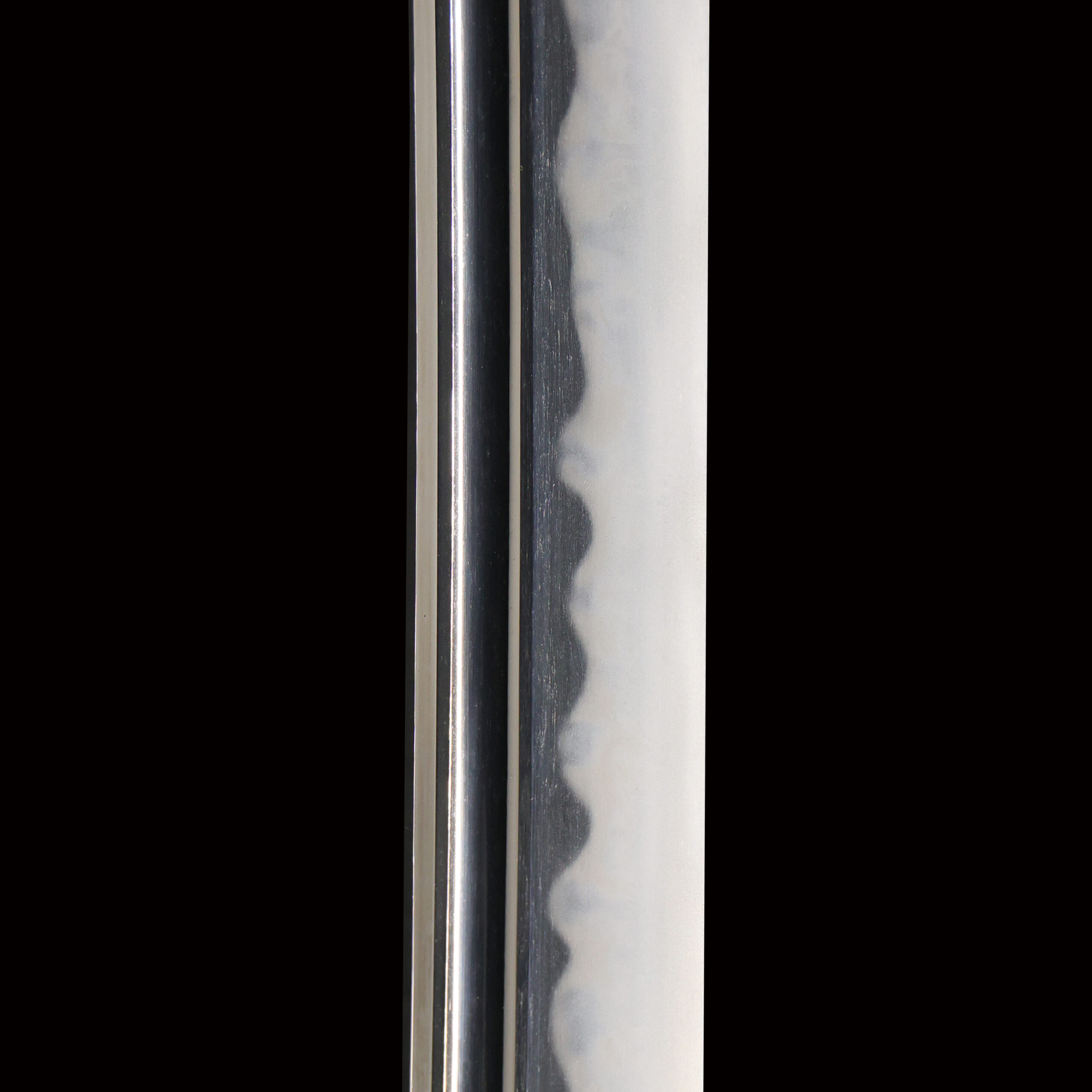
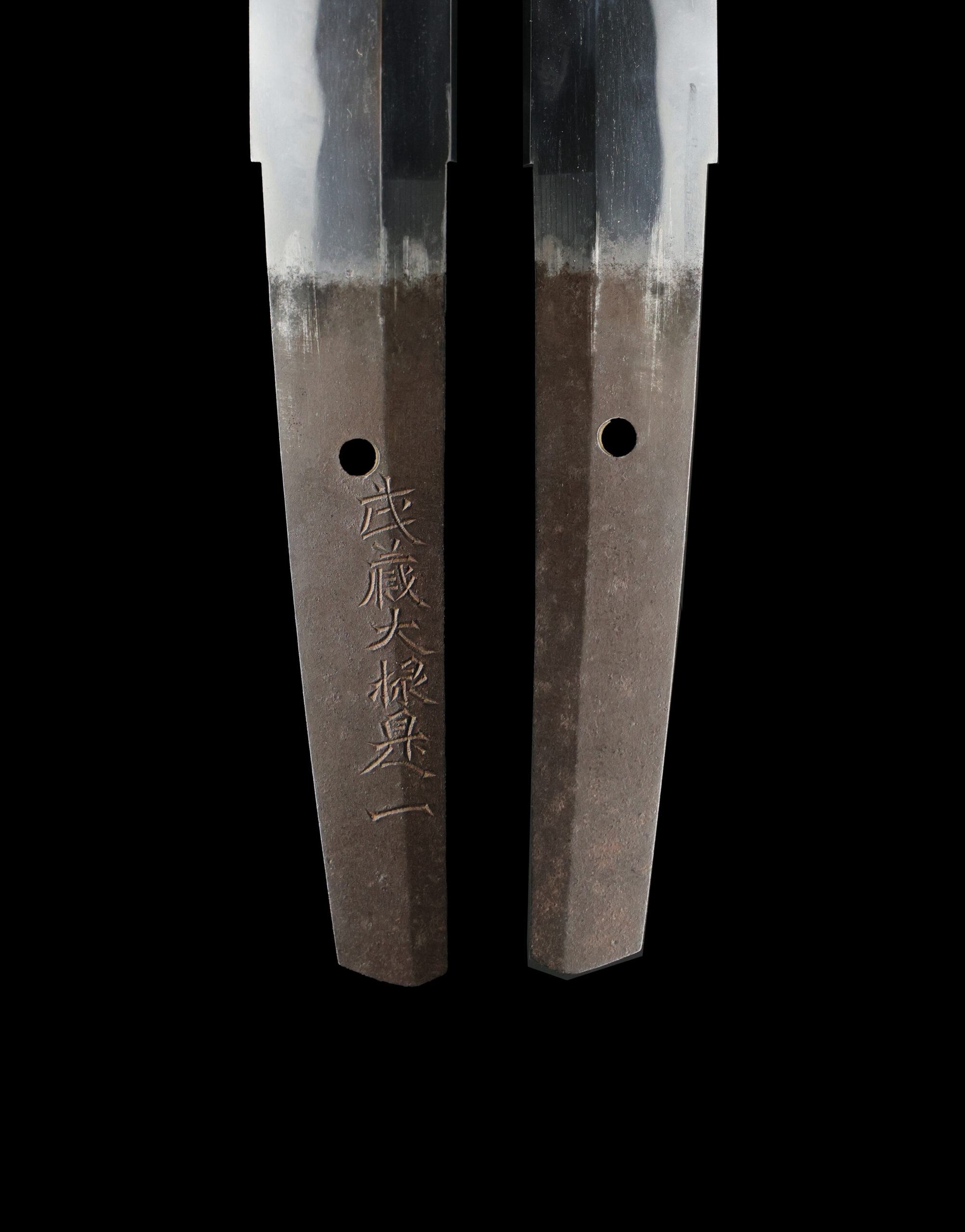
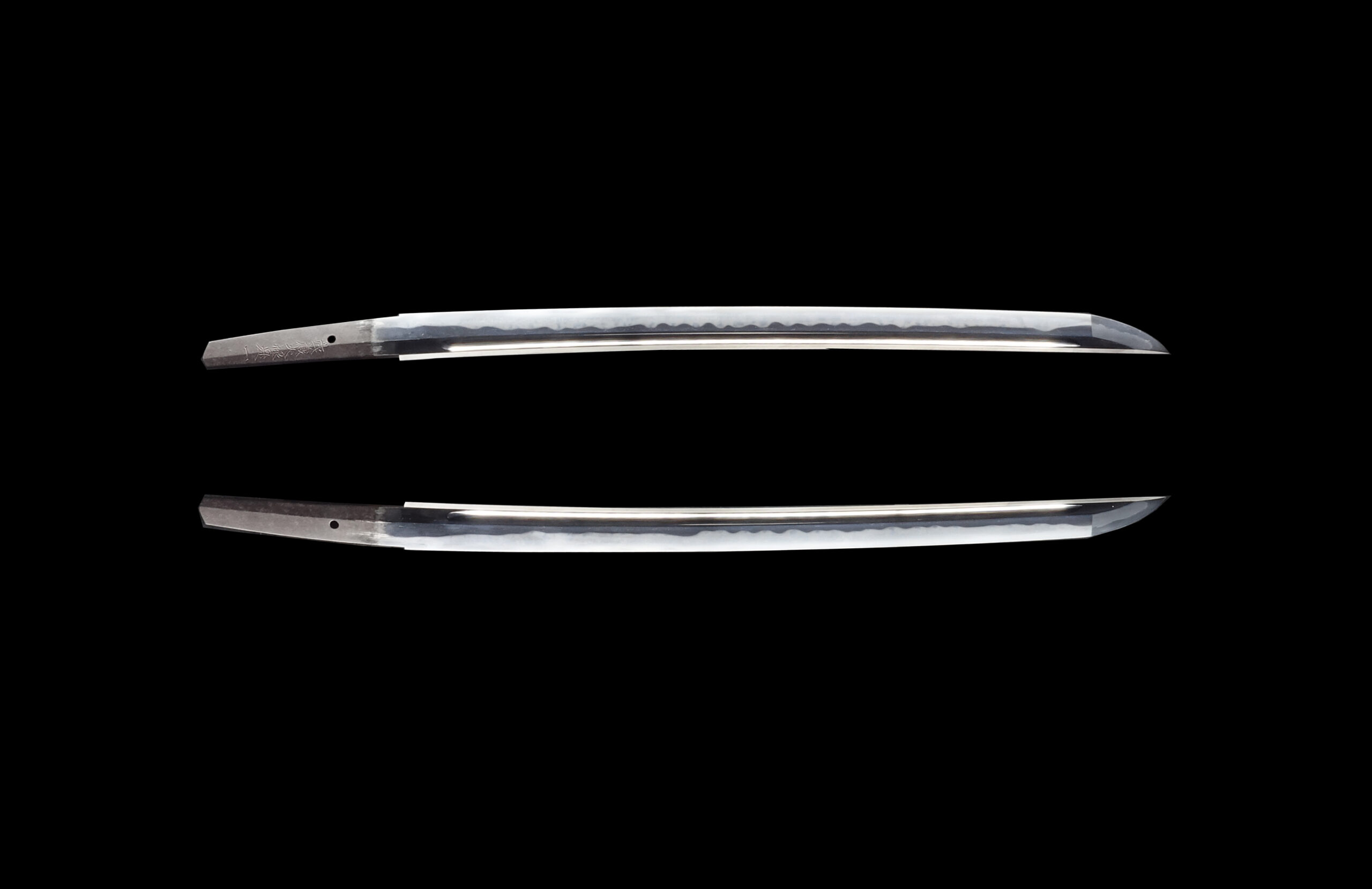
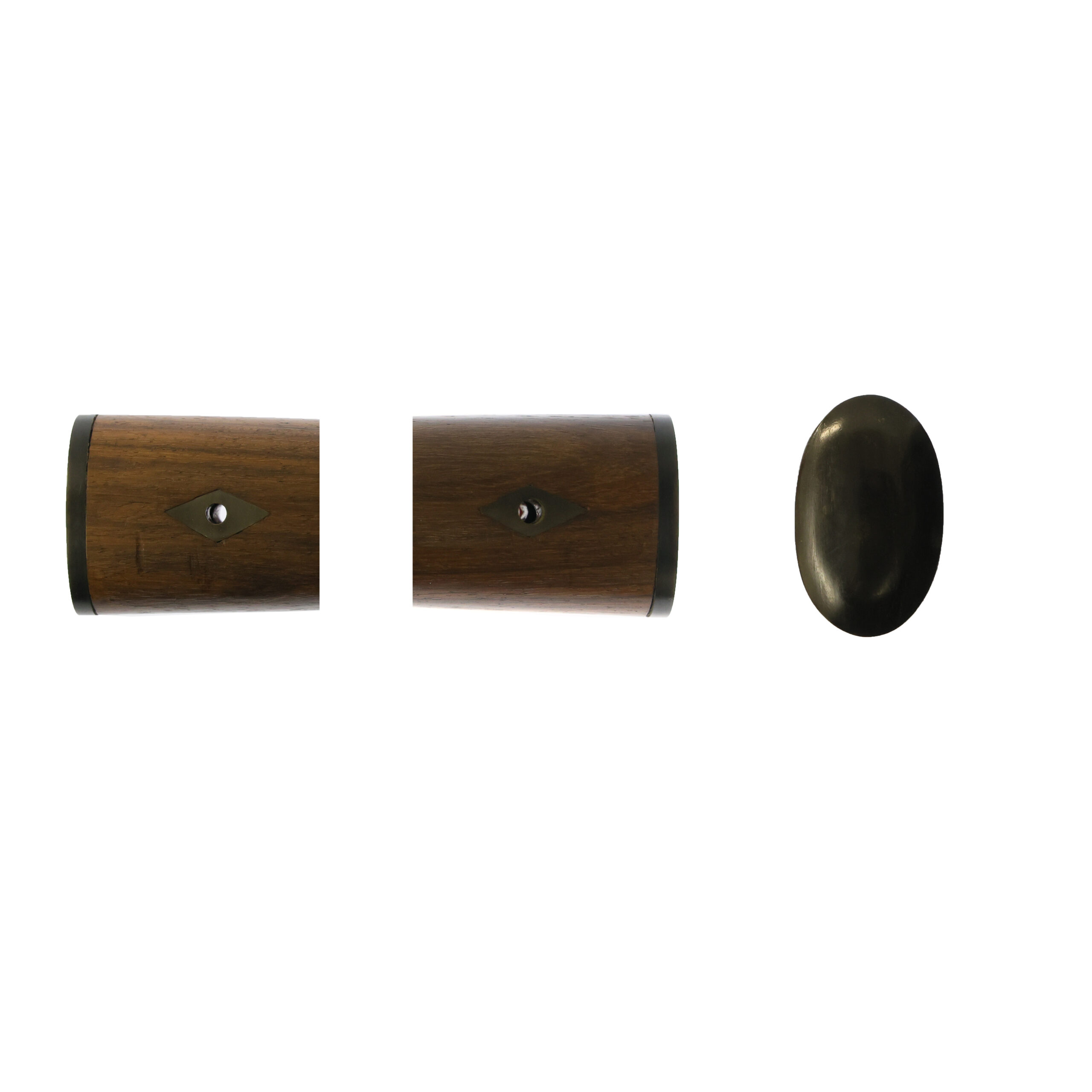
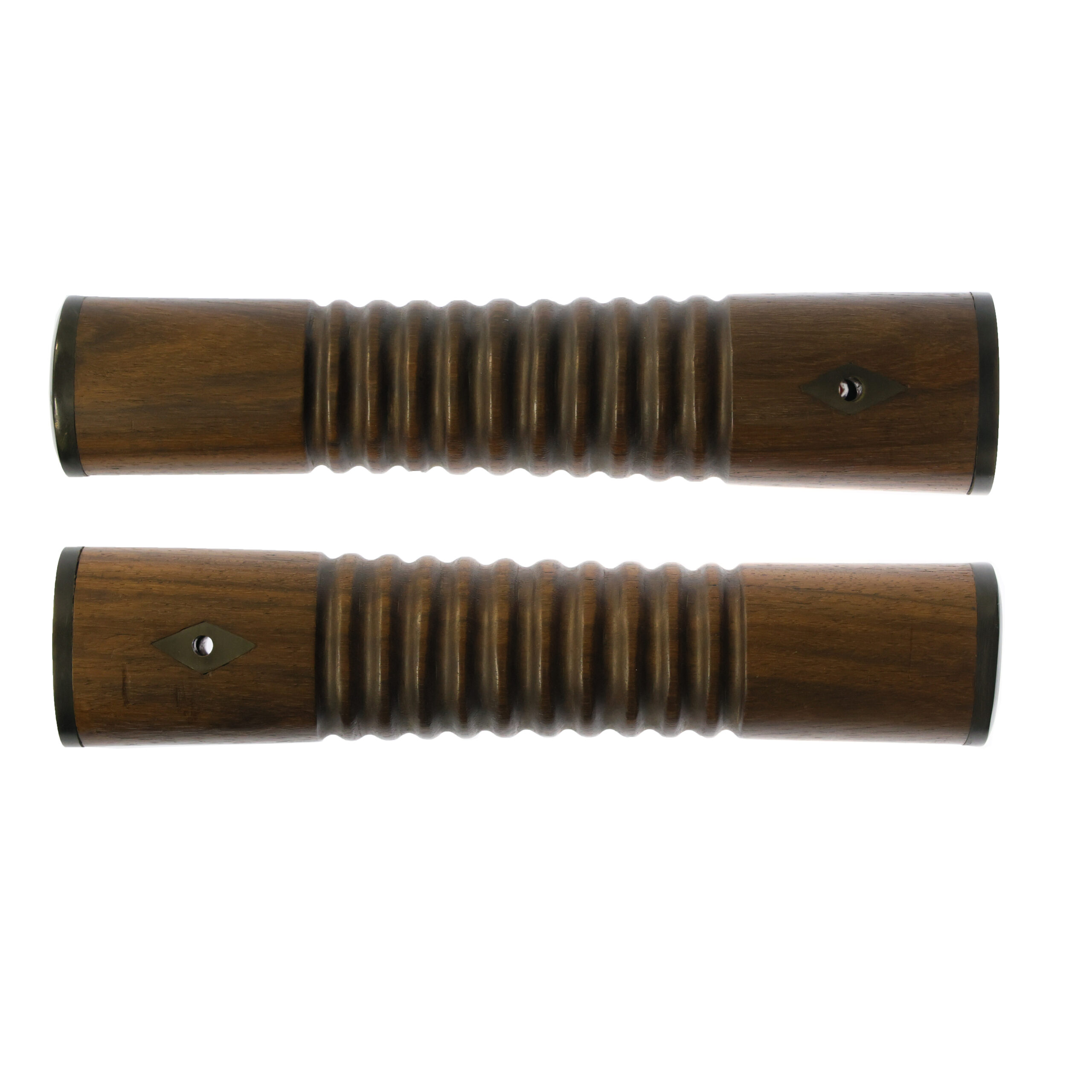
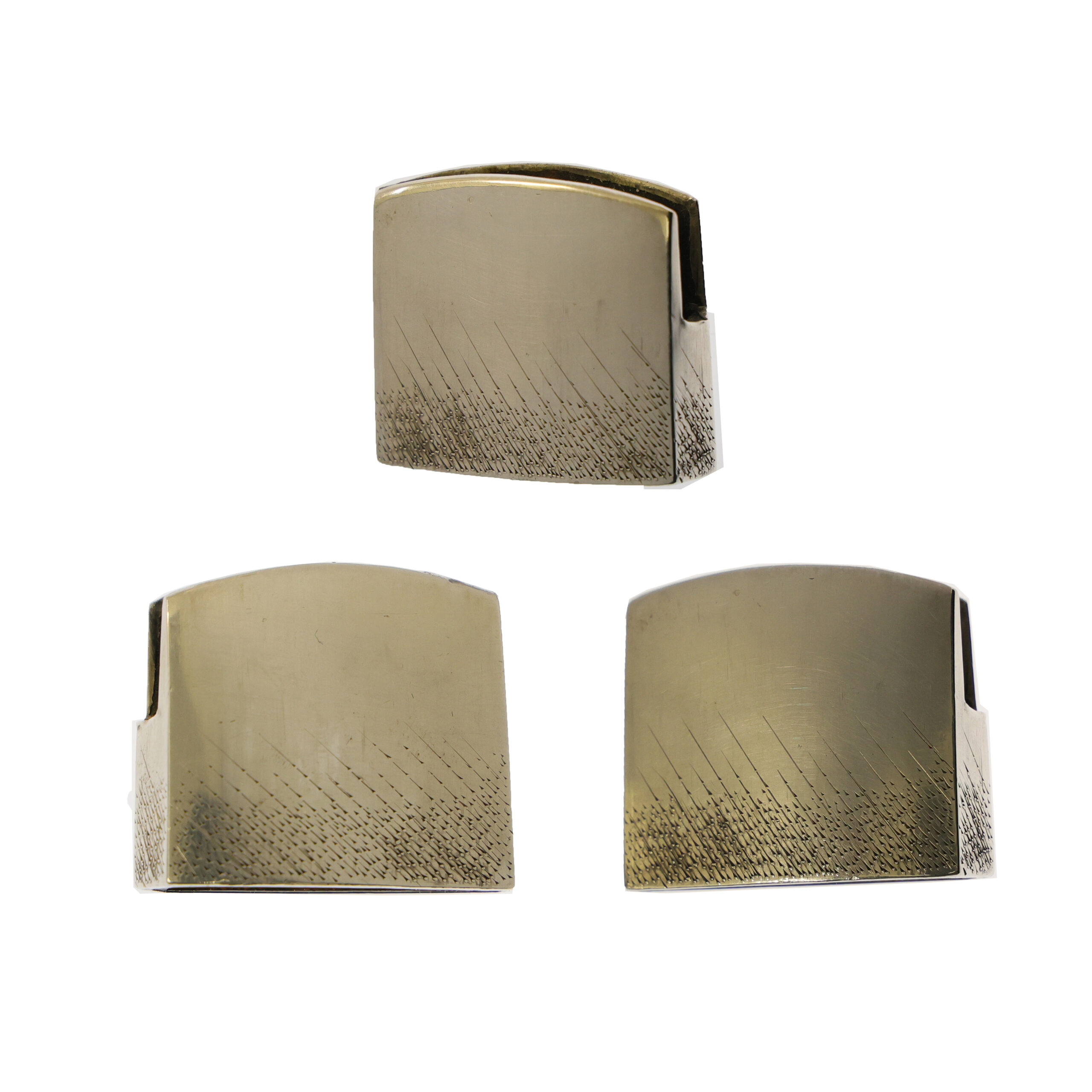
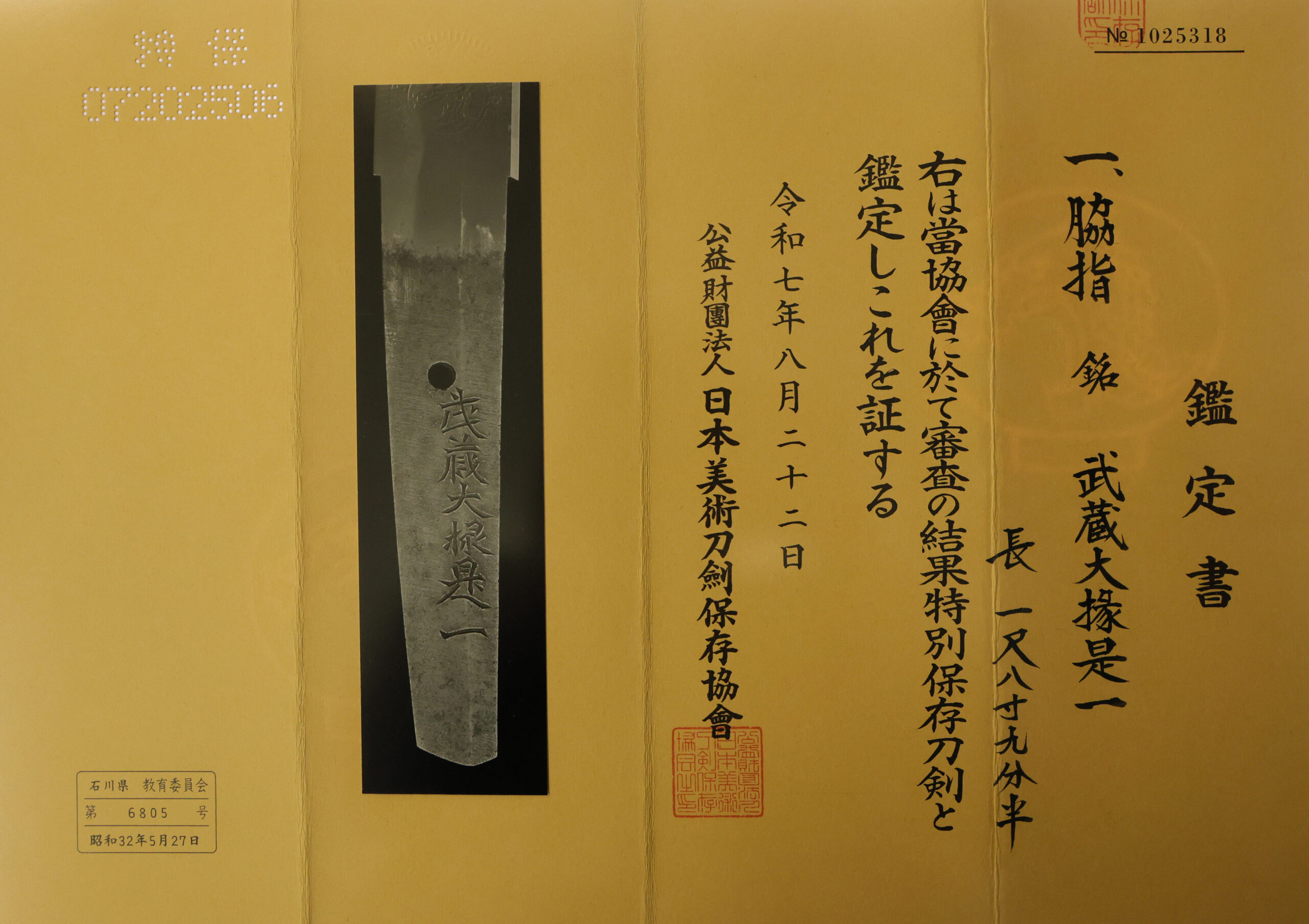
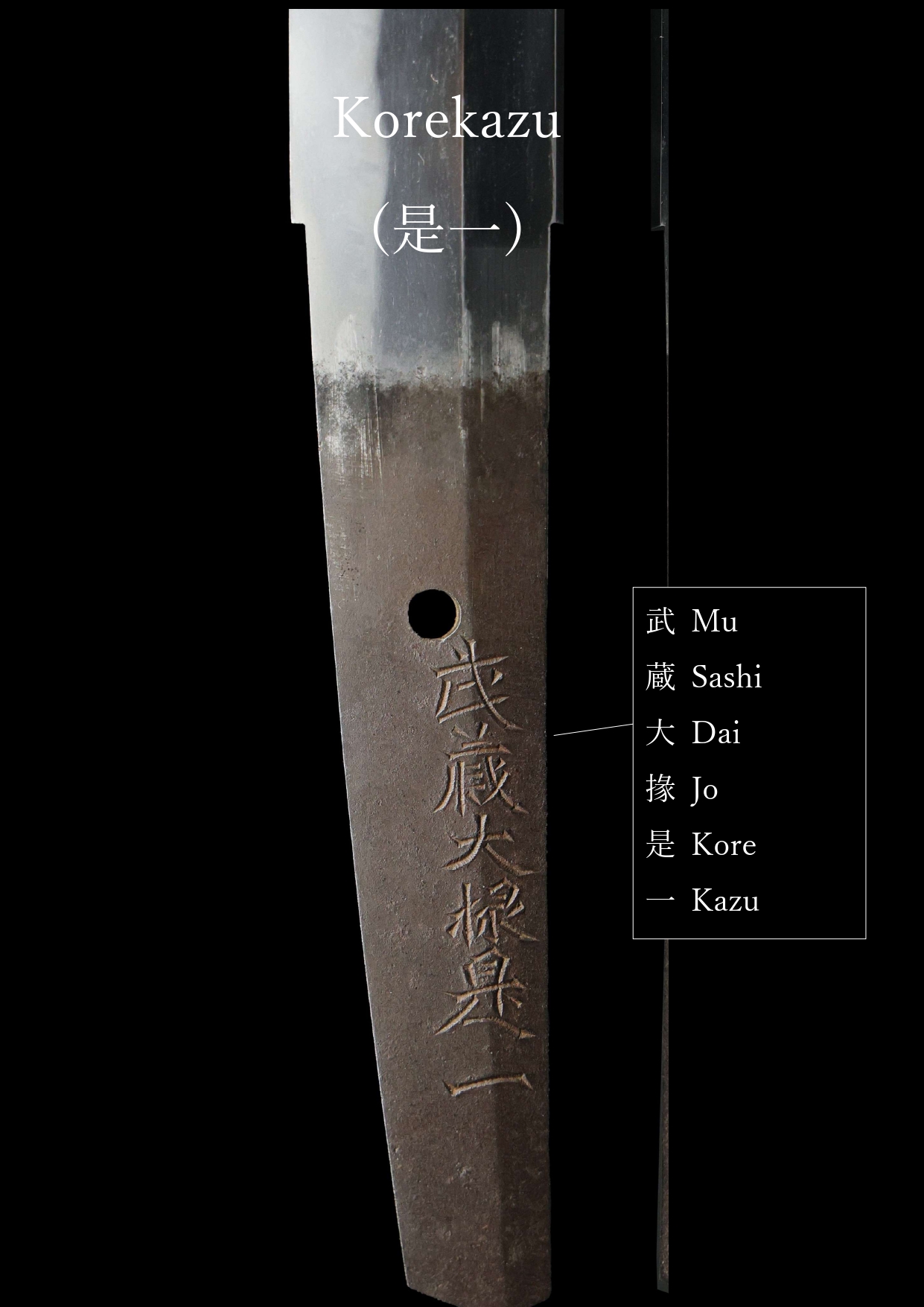
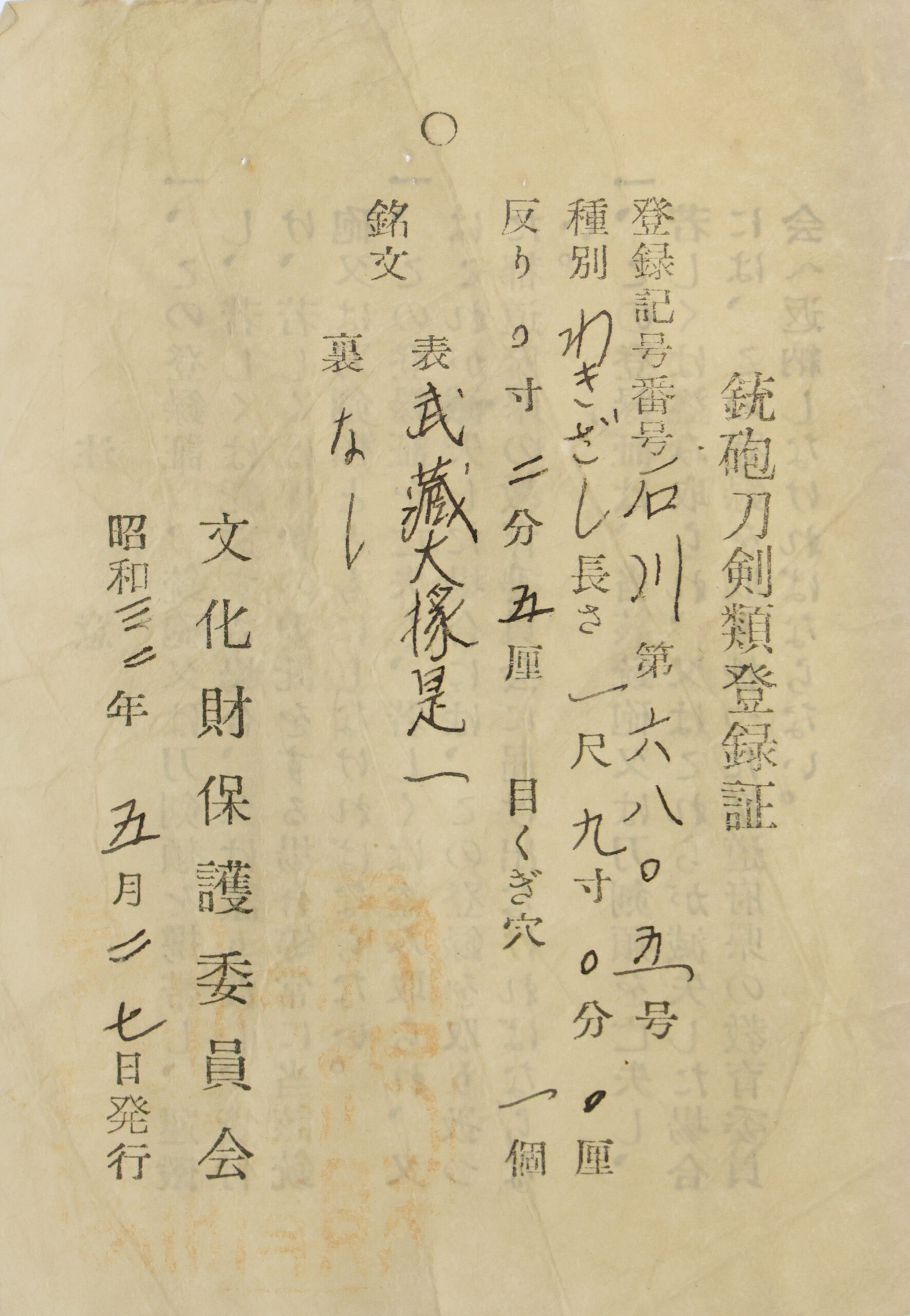
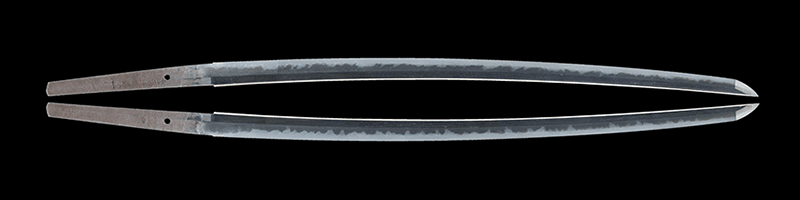
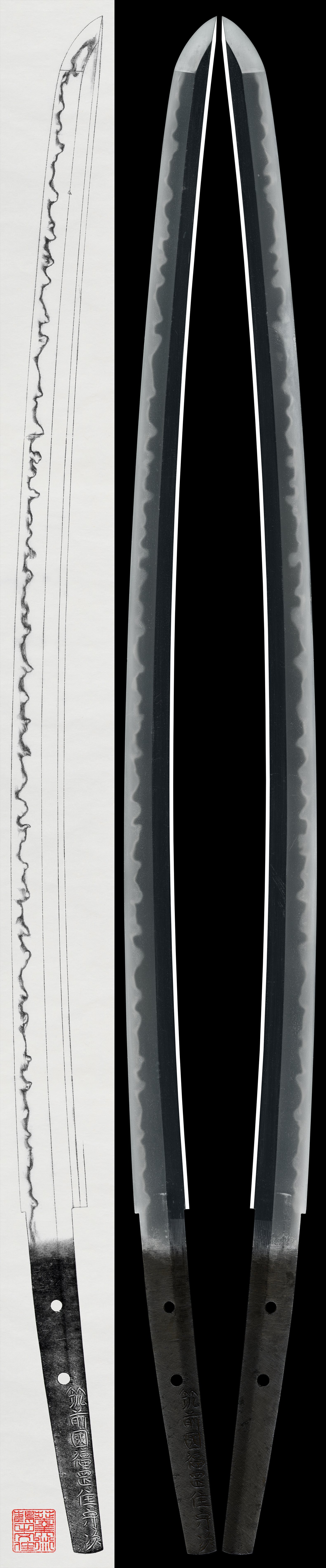
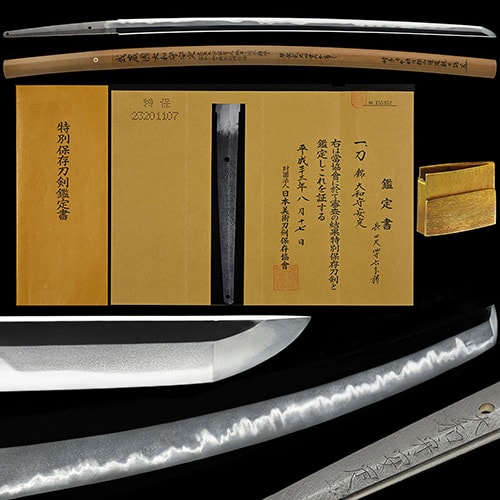
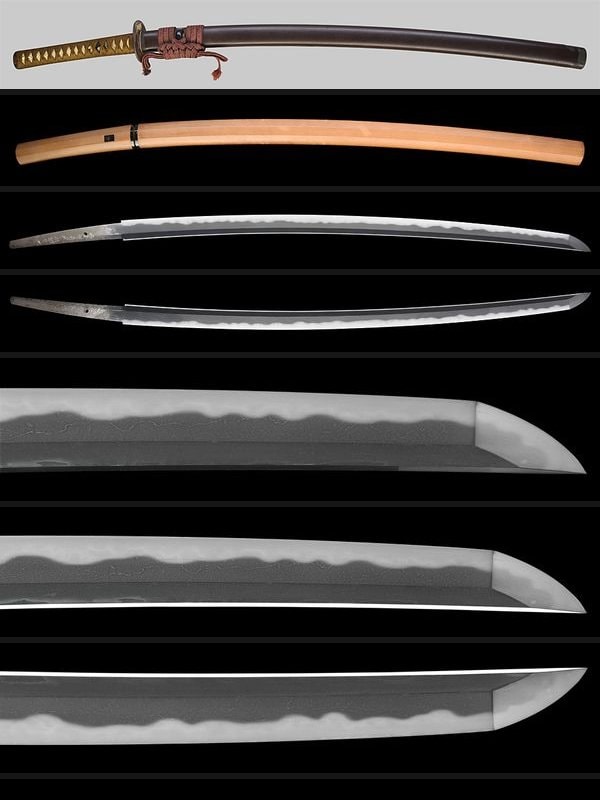
Antique Japanese Sword Wakizashi Signed by Korekazu with NBTHK Tokubetsu Hozon Certificate 【Description】 This blade was signed by Musashi Daijo Korekazu (武蔵大掾是一). Based on the signature, we believe it was signed by the first-gen Korekazu, active during the early Edo period (1648-1673). The maker’s name Korekazu lasted seven generations. He belonged to the Edo Ishido school, which flourished during the Edo period. He played an essential role in spreading the fame of Edo Ishido school (江戸石堂派) nationwide. The first-gen Korekazu was originally from Omi (近江, Today’s Shiga prefecture). It is said that he was a descendant of Ichimonji Sukemune(一文字助宗) from Bizen(Today’s Okayama prefecture). He moved to Edo and founded the Edo Ishido school at the beginning of the Edo period. This school became one of the most popular ones in Edo city, Musashi Koku. And the third-gen Ishido Korekazu became an Okakaekaji for the Edo government in 1721, exclusively forging swords for the Tokugawa clan. The Foundation of Ishido School Ishido school was founded by Sukenaga, an offspring of Ichimonji Sukemune, who made Fukuoka Ichimonji school in Bizen province (Today’s Okayama prefecture). During 1492-1501 (Late Muromachi period), Sukenaga and his school moved from Bizen province to Omi province after being summoned by Gamou family, a powerful feudal line in that region. Sukenaga started to live in front of Ishido temple, and he changed his surname to Ishido. As of the early Edo period, many Ishido swordsmiths moved to other parts of Japan, looking for better opportunities. Following this trend, Ishido Korekazu moved from Omi province to Edo city (Today’s Tokyo). There are four areas: Edo, Osaka, Kishu(Wakayama prefecture), and Chikuzen(Fukuoka prefecture). It is appraised as a Tokubetsu Hozon Token (特別保存刀剣) issued by NBTHK (Nihon Bijutsu Touken Hozon Kyokai: 日本美術刀剣保存協会). This authentication paper was only given to authentic Japanese swords, especially well preserved and high quality with artistic value. 【Blade】 Cutting Edge Length (Nagasa) : 57.58 cm (22.67 inches) Curvature (Sori) : 0.76 cm (0.30 inches) Hamon : The crystalline structure which forms along the cutting edge of a blade as a result of the hardening process. Jimon(Jihada) : visible steel surface pattern created by folding and hammering during forging process Kissaki : Kissaki is the tip of the Japanese sword. Nakago : Nakago is the tang of the Japanese sword. Japanese swordsmiths left the black rust on the tang because it prevents red rust while the tang is in its handle. And the discoloration of the tang was created over time, and it is a great indicator for a Japanese sword specialist to estimate when the sword was forged. Fuchi-Kashira : A pair of matching sword fittings that cover the upper and bottom parts of its sword hilt. This Tsuka is made of wood and is characterized by the absence of a traditional wrapping. The central section is carved with a series of ring-shaped grooves, which improve the grip and serve as a practical design feature. At the position of the Mekugi, a diamond-shaped metal plate is set into the surface, and the Mekugi passes through its center to secure the Nakago of the blade. Tsuka and Menuki : Tsuka is the handle of the Japanese sword and Menuki is its decoration. Habaki : Habaki is the equipment to make the blade not touch its scabbard inside. It prevents the blade from getting rusty and chipped. Authentication Paper : NBTHK TOKUBETSU Hozon Certificate for the blade (No. 1025318 ) NBTHK , also known as Nihon Bijutsu Touken Hozon Kyokai (the Society for the Preservation of the Japan Art Sword), is one of the oldest Japanese sword appraising organizations in modern-day Japan. They authenticated the blade on August 22nd in the 7th year of Reiwa (2025). They appraised it as Tokubetsu Hozon Touken, the blade especially worth preserving for Japanese society. The purchaser will receive this original certificate as well. We can also translate what is written into Engli

売却済
世界81社の刀剣商を横断追跡 · 価格履歴 · 売却アーカイブ
57.58 cm
0.76 cm

Antique Japanese Sword Wakizashi Attributed to Mihara NBTHK Hozon Certificate
$2,170

Antique Japanese Sword Wakizashi Signed by Kanemori NBTHK Tokubetsu Hozon Certificate
$5,881

Antique Japanese Sword Wakizashi Attributed to Den Nohshu Daido NTHK Kanteisho for the blade
$1,984

Antique Japanese Sword Wakizashi Signed by Kanefusa with NBTHK Kicho Certificate
$2,971
Antique Japanese Sword Wakizashi Signed by Korekazu with NBTHK Tokubetsu Hozon Certificate 【Description】 This blade was signed by Musashi Daijo Korekazu (武蔵大掾是一). Based on the signature, we believe it was signed by the first-gen Korekazu, active during the early Edo period (1648-1673). The maker’s name Korekazu lasted seven generations. He belonged to the Edo Ishido school, which flourished during the Edo period. He played an essential role in spreading the fame of Edo Ishido school (江戸石堂派) nationwide. The first-gen Korekazu was originally from Omi (近江, Today’s Shiga prefecture). It is said that he was a descendant of Ichimonji Sukemune(一文字助宗) from Bizen(Today’s Okayama prefecture). He moved to Edo and founded the Edo Ishido school at the beginning of the Edo period. This school became one of the most popular ones in Edo city, Musashi Koku. And the third-gen Ishido Korekazu became an Okakaekaji for the Edo government in 1721, exclusively forging swords for the Tokugawa clan. The Foundation of Ishido School Ishido school was founded by Sukenaga, an offspring of Ichimonji Sukemune, who made Fukuoka Ichimonji school in Bizen province (Today’s Okayama prefecture). During 1492-1501 (Late Muromachi period), Sukenaga and his school moved from Bizen province to Omi province after being summoned by Gamou family, a powerful feudal line in that region. Sukenaga started to live in front of Ishido temple, and he changed his surname to Ishido. As of the early Edo period, many Ishido swordsmiths moved to other parts of Japan, looking for better opportunities. Following this trend, Ishido Korekazu moved from Omi province to Edo city (Today’s Tokyo). There are four areas: Edo, Osaka, Kishu(Wakayama prefecture), and Chikuzen(Fukuoka prefecture). It is appraised as a Tokubetsu Hozon Token (特別保存刀剣) issued by NBTHK (Nihon Bijutsu Touken Hozon Kyokai: 日本美術刀剣保存協会). This authentication paper was only given to authentic Japanese swords, especially well preserved and high quality with artistic value. 【Blade】 Cutting Edge Length (Nagasa) : 57.58 cm (22.67 inches) Curvature (Sori) : 0.76 cm (0.30 inches) Hamon : The crystalline structure which forms along the cutting edge of a blade as a result of the hardening process. Jimon(Jihada) : visible steel surface pattern created by folding and hammering during forging process Kissaki : Kissaki is the tip of the Japanese sword. Nakago : Nakago is the tang of the Japanese sword. Japanese swordsmiths left the black rust on the tang because it prevents red rust while the tang is in its handle. And the discoloration of the tang was created over time, and it is a great indicator for a Japanese sword specialist to estimate when the sword was forged. Fuchi-Kashira : A pair of matching sword fittings that cover the upper and bottom parts of its sword hilt. This Tsuka is made of wood and is characterized by the absence of a traditional wrapping. The central section is carved with a series of ring-shaped grooves, which improve the grip and serve as a practical design feature. At the position of the Mekugi, a diamond-shaped metal plate is set into the surface, and the Mekugi passes through its center to secure the Nakago of the blade. Tsuka and Menuki : Tsuka is the handle of the Japanese sword and Menuki is its decoration. Habaki : Habaki is the equipment to make the blade not touch its scabbard inside. It prevents the blade from getting rusty and chipped. Authentication Paper : NBTHK TOKUBETSU Hozon Certificate for the blade (No. 1025318 ) NBTHK , also known as Nihon Bijutsu Touken Hozon Kyokai (the Society for the Preservation of the Japan Art Sword), is one of the oldest Japanese sword appraising organizations in modern-day Japan. They authenticated the blade on August 22nd in the 7th year of Reiwa (2025). They appraised it as Tokubetsu Hozon Touken, the blade especially worth preserving for Japanese society. The purchaser will receive this original certificate as well. We can also translate what is written into Engli

売却済
世界81社の刀剣商を横断追跡 · 価格履歴 · 売却アーカイブ
57.58 cm
0.76 cm

Antique Japanese Sword Wakizashi Attributed to Mihara NBTHK Hozon Certificate
$2,170

Antique Japanese Sword Wakizashi Signed by Kanemori NBTHK Tokubetsu Hozon Certificate
$5,881

Antique Japanese Sword Wakizashi Attributed to Den Nohshu Daido NTHK Kanteisho for the blade
$1,984

Antique Japanese Sword Wakizashi Signed by Kanefusa with NBTHK Kicho Certificate
$2,971