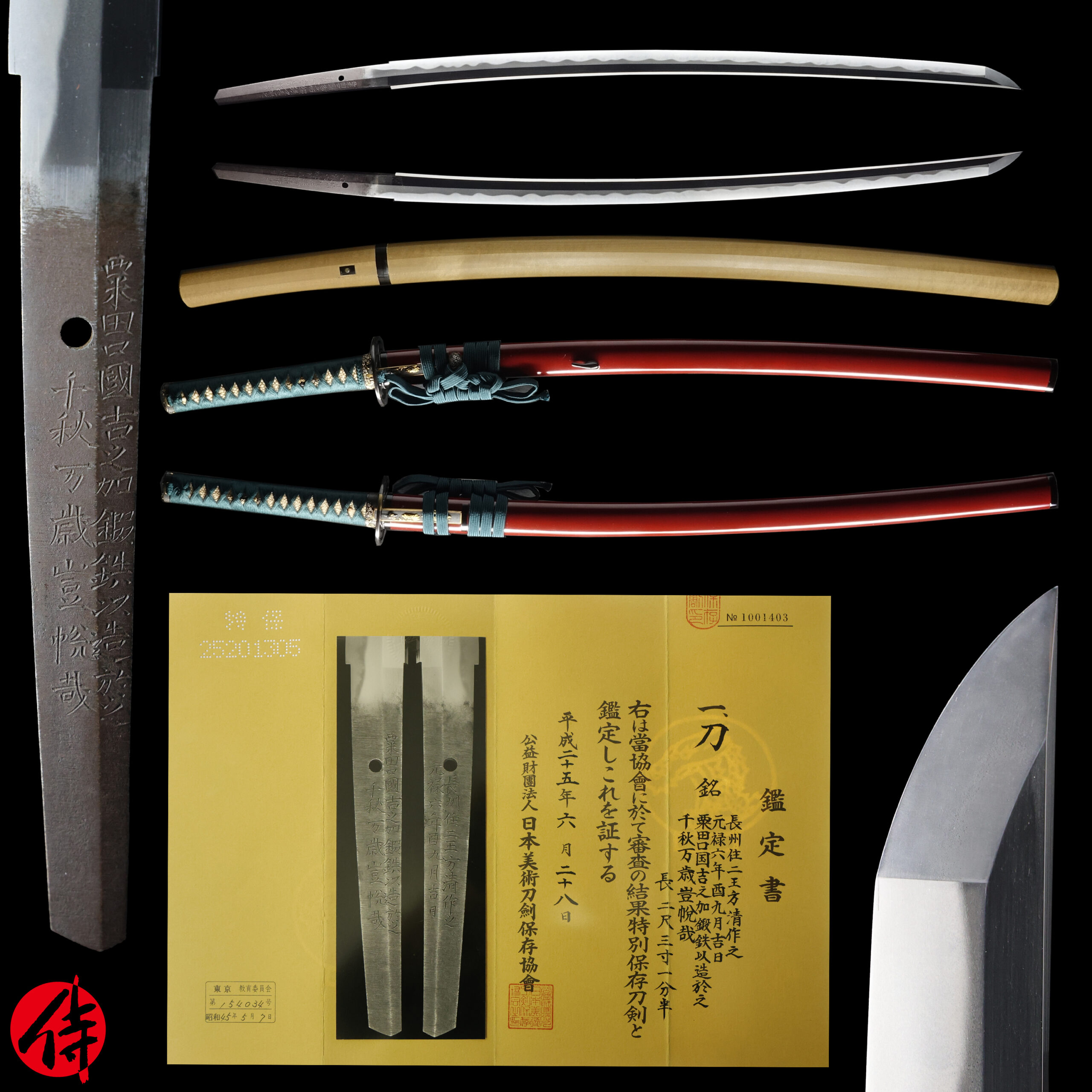
Antique Japanese Sword Katana Signed by Nioh Masakiyo NBTHK Tokubetsu Hozon Certificate
売却済
世界81社の刀剣商を横断追跡 · 価格履歴 · 売却アーカイブ
仕様
70.2 cm
1.8 cm
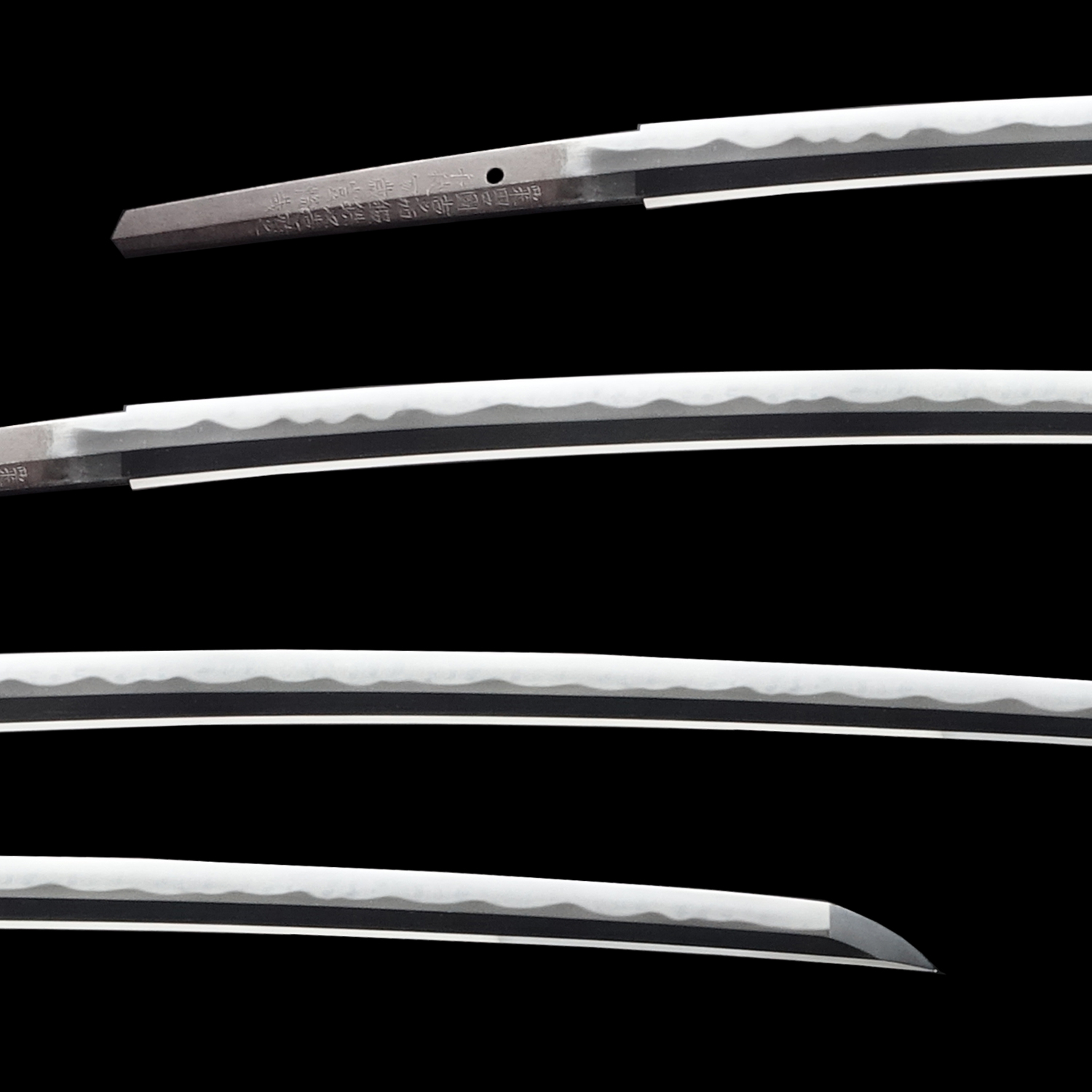
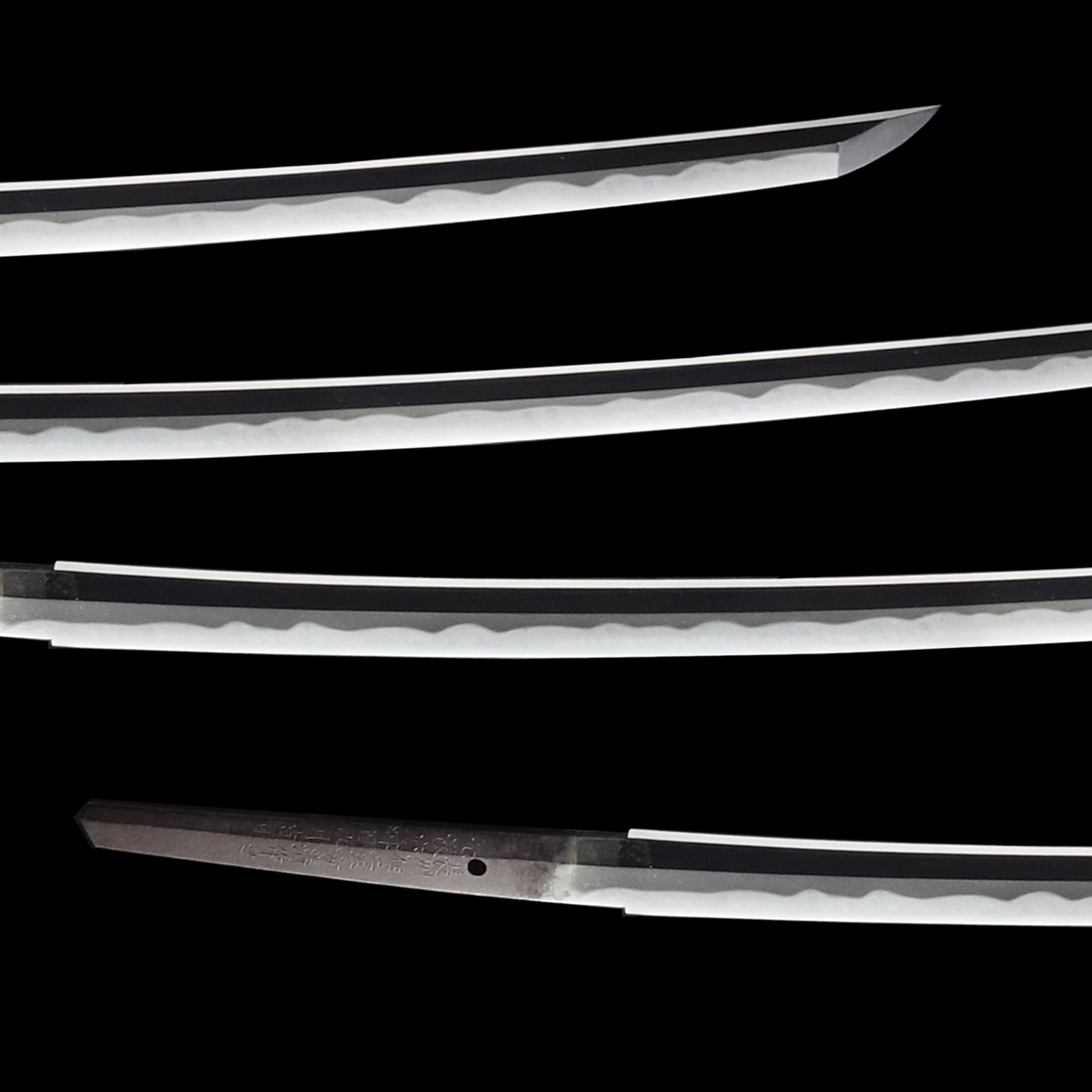
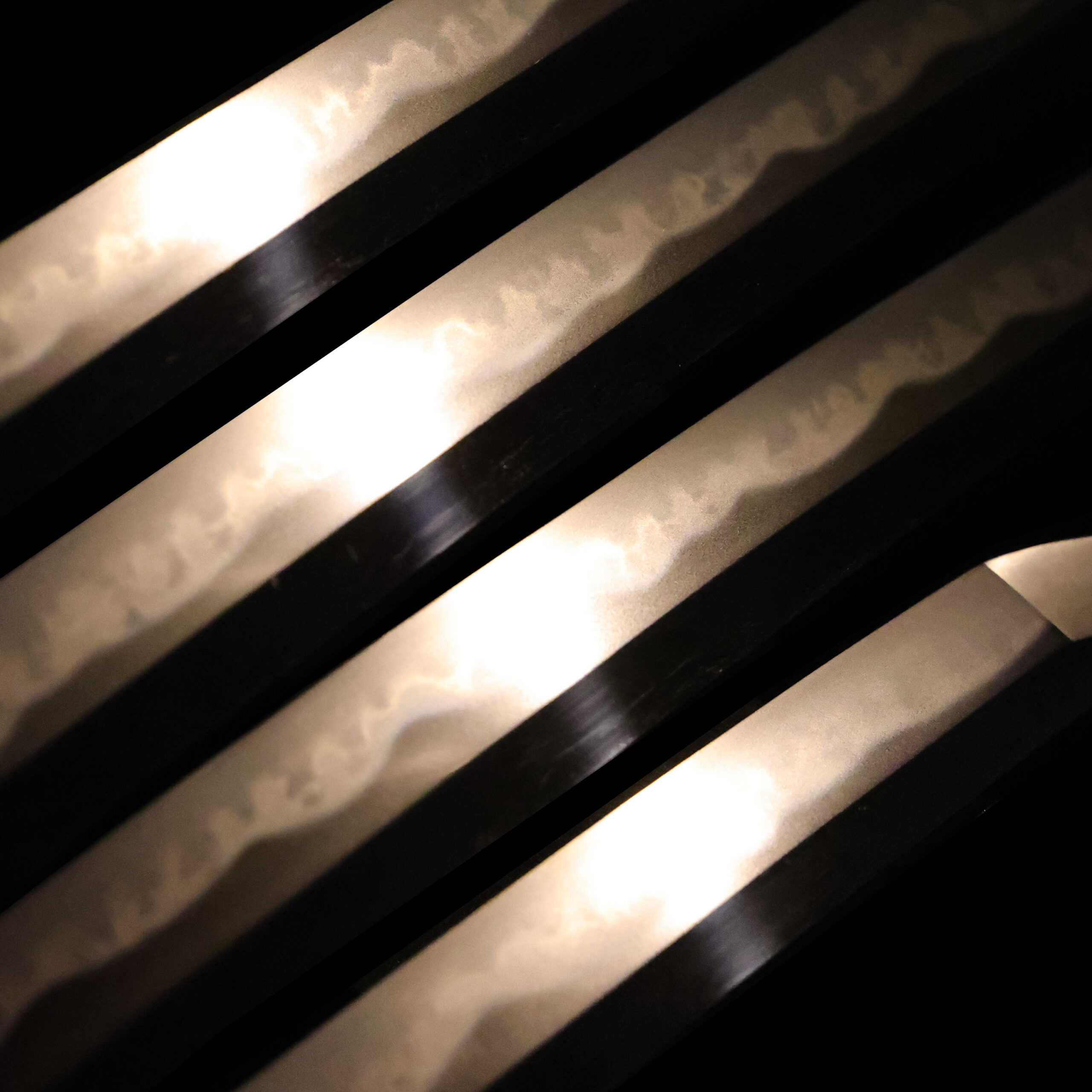
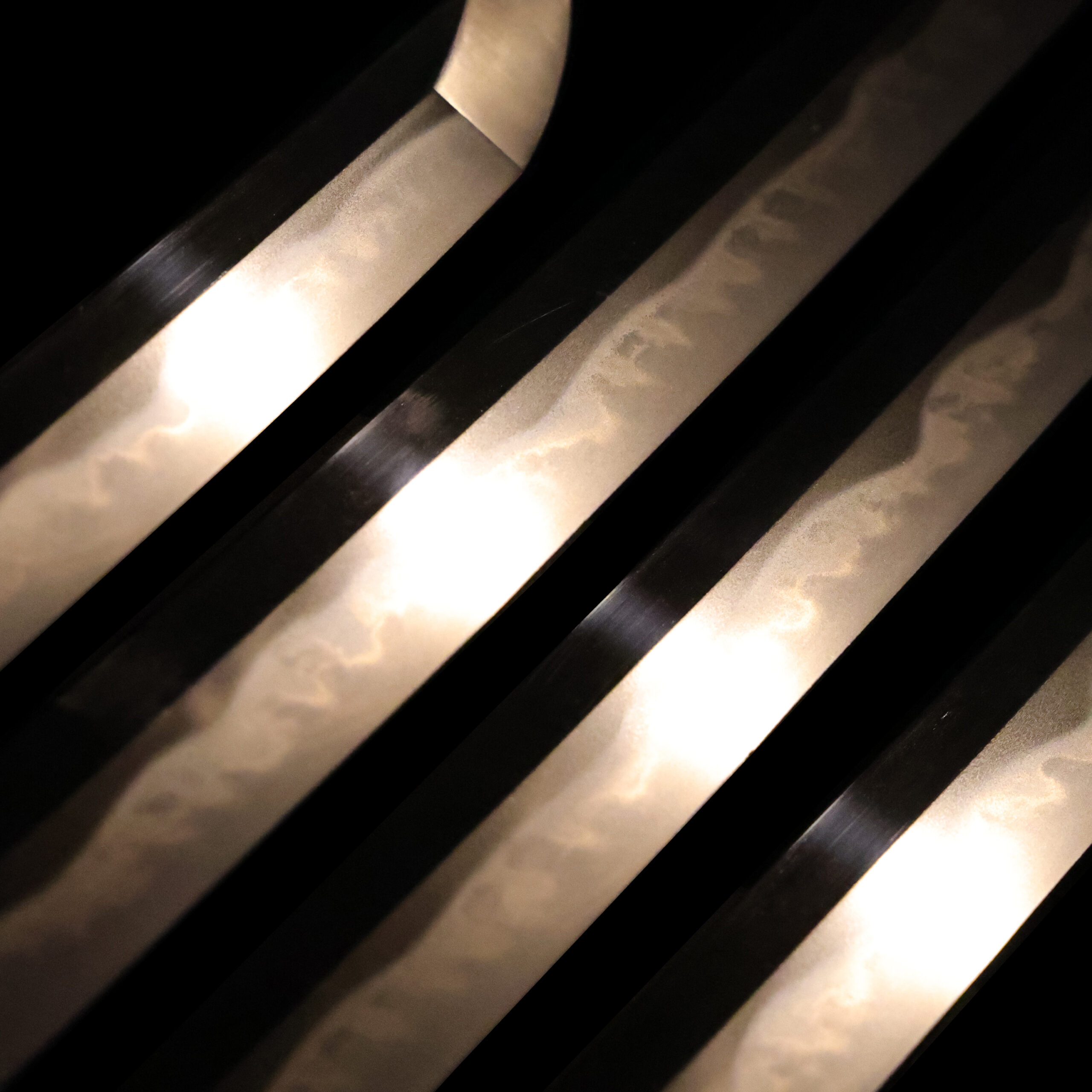
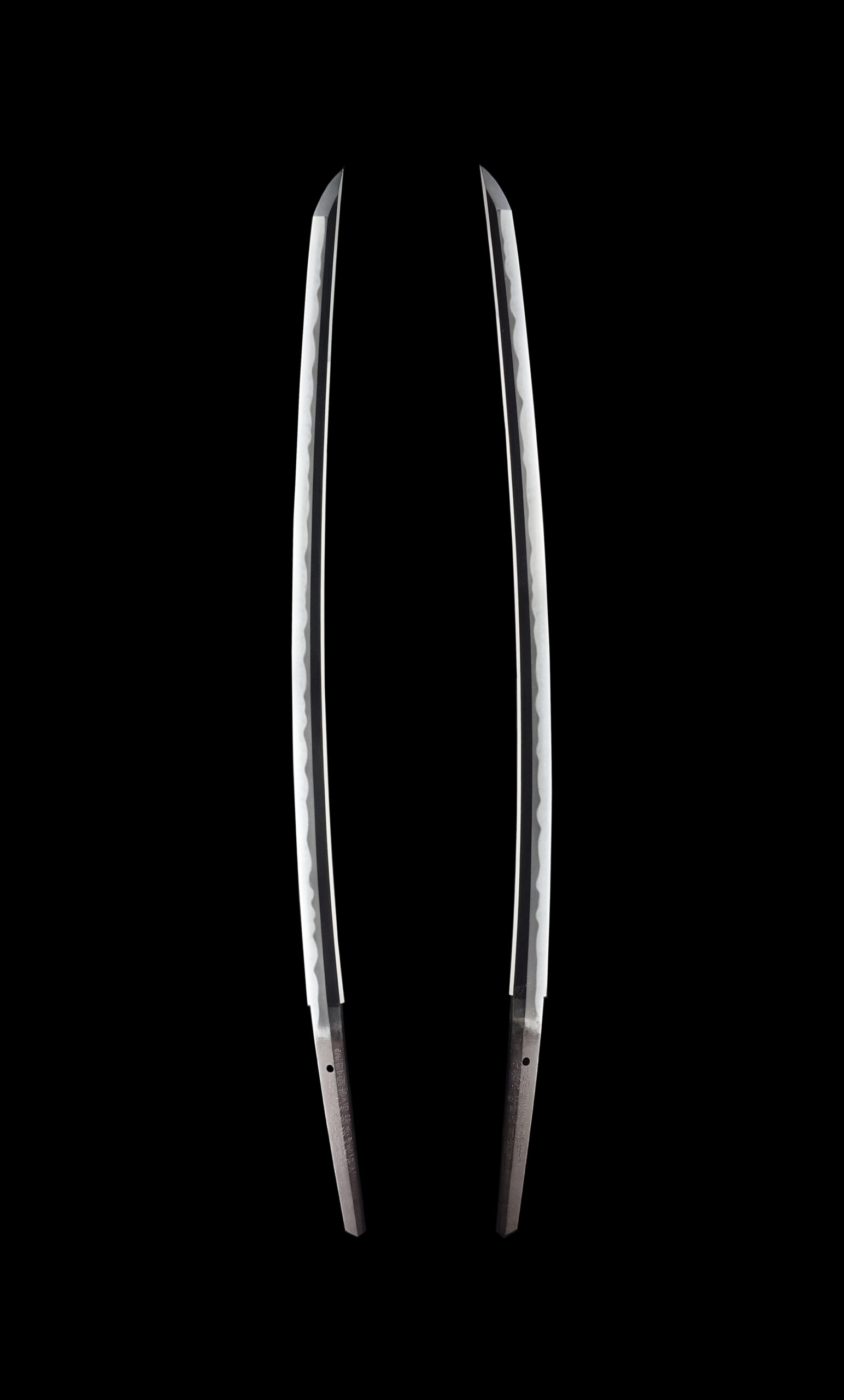
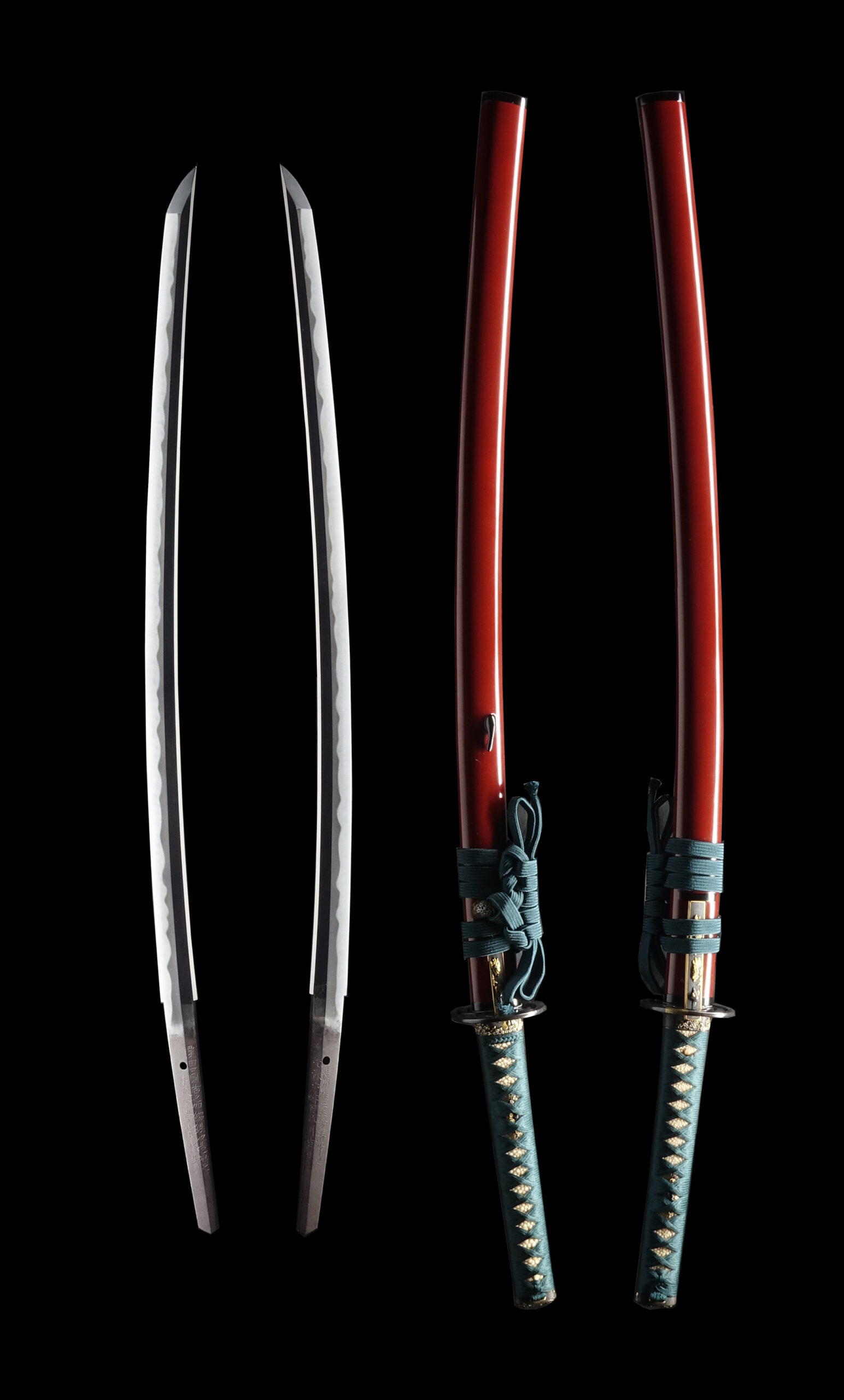
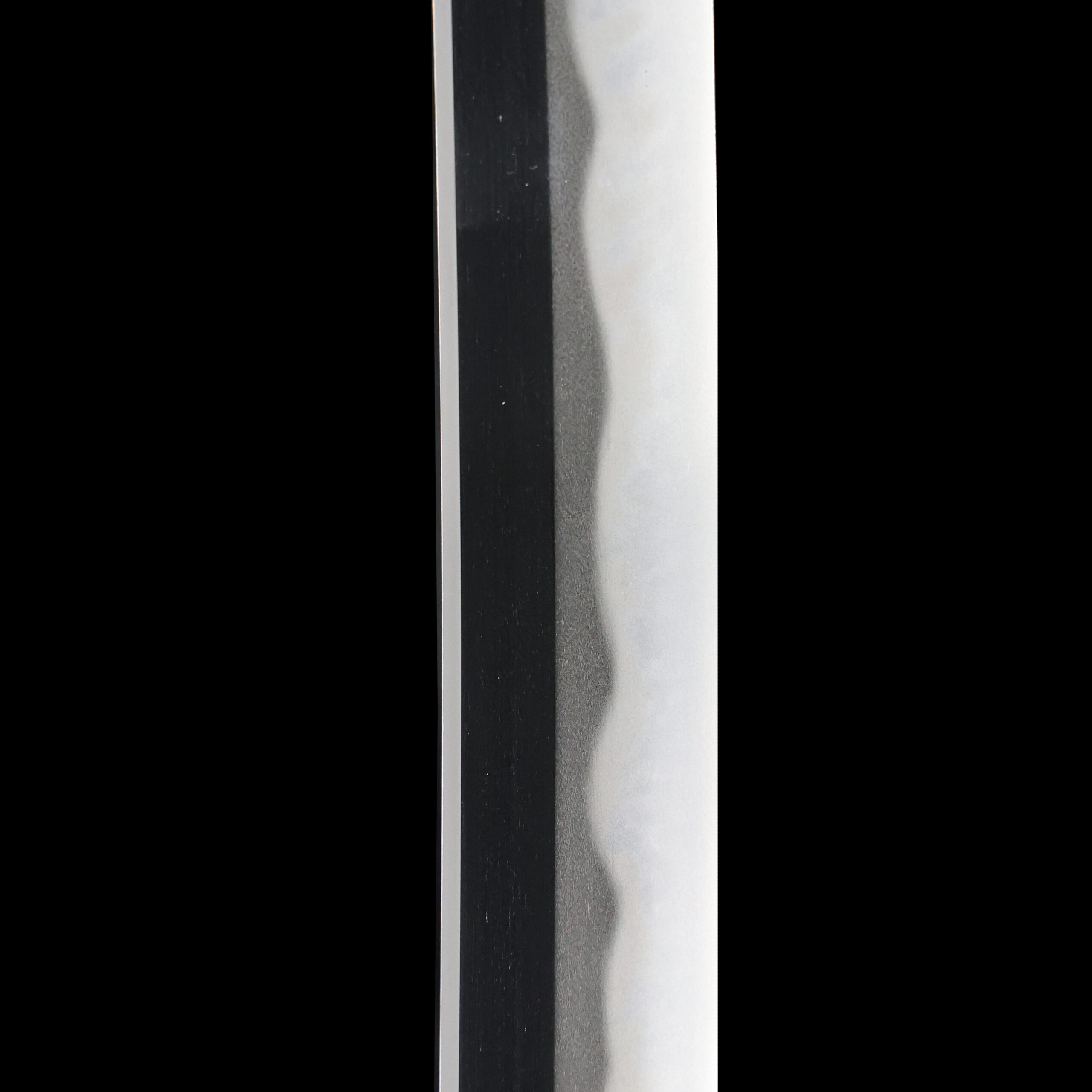
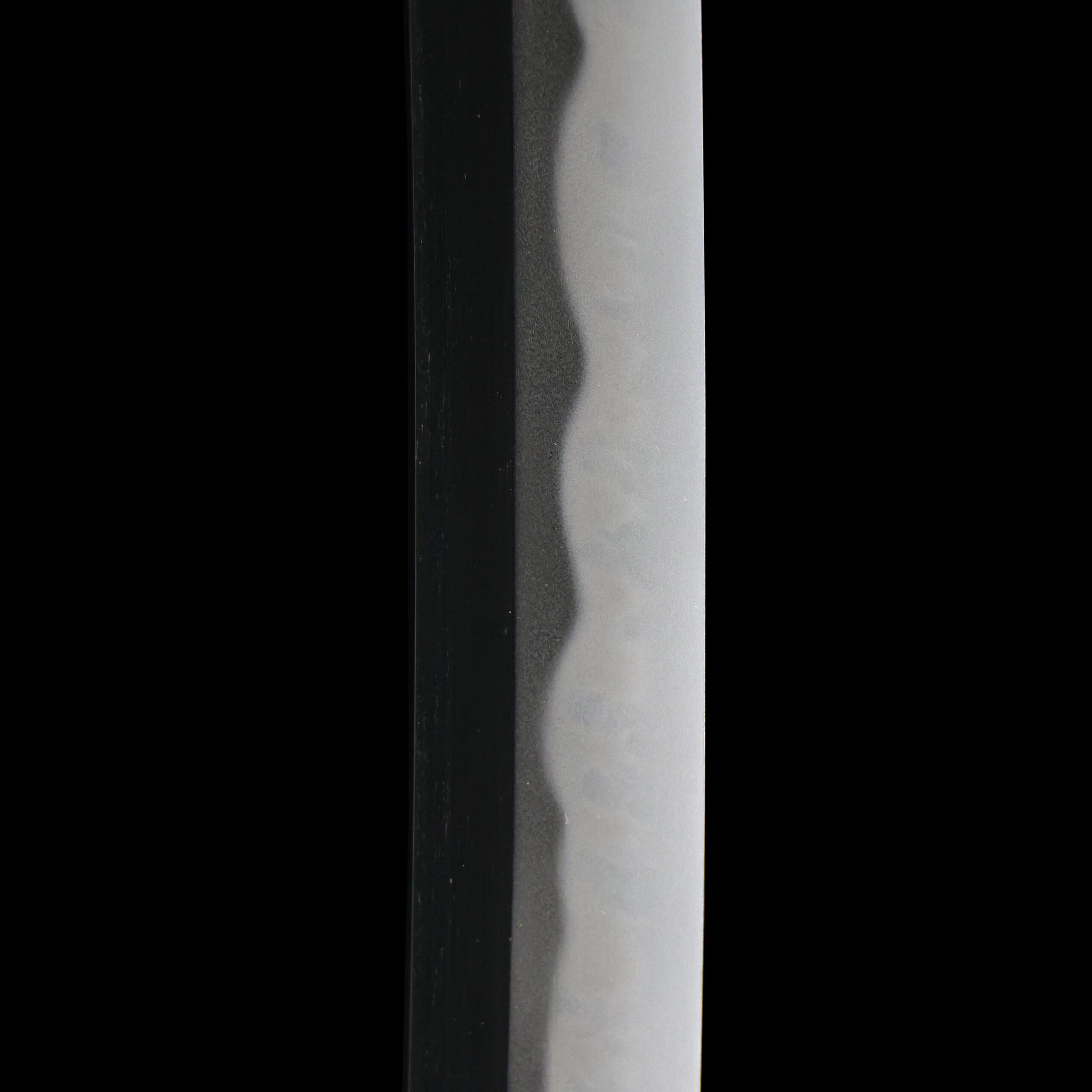
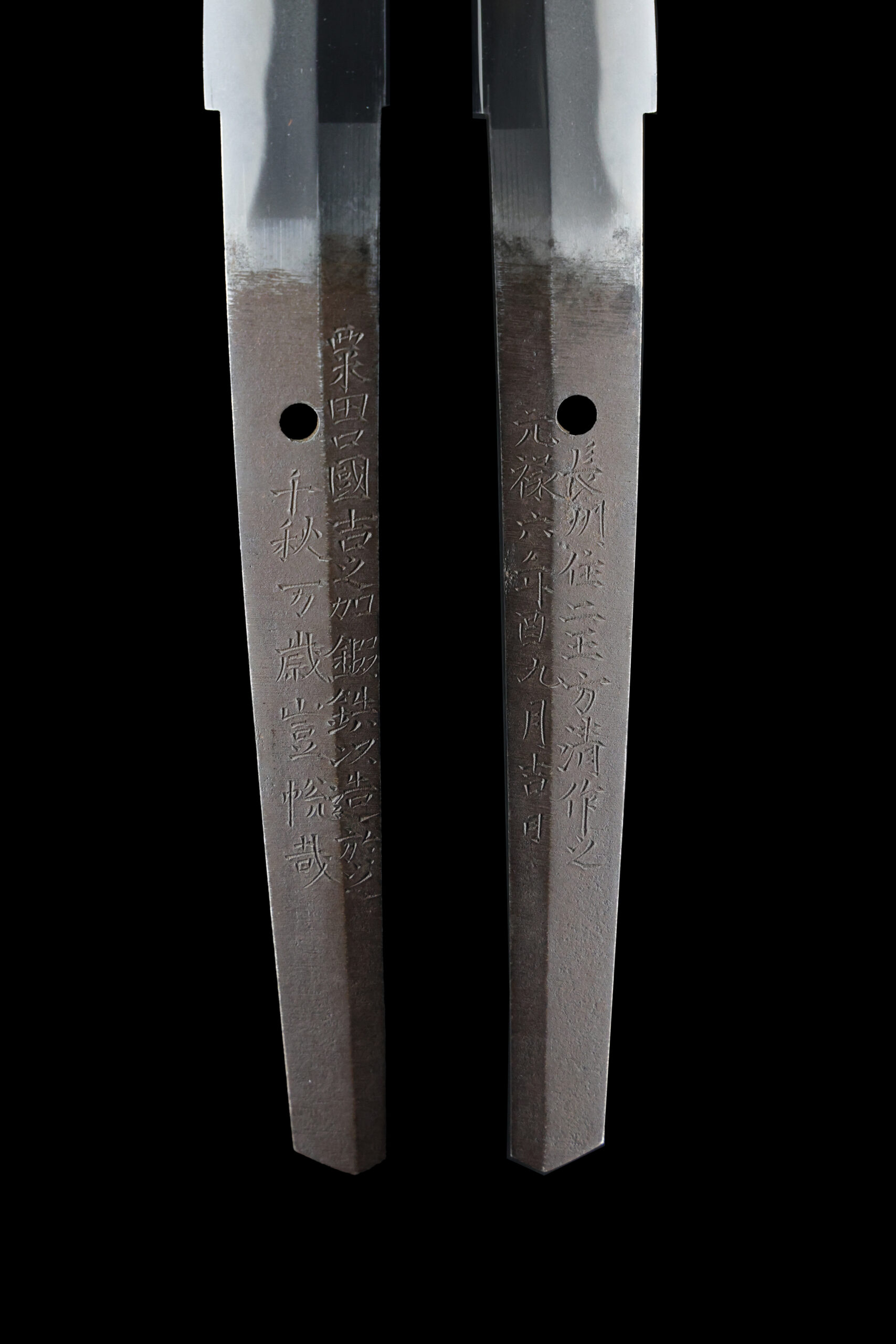
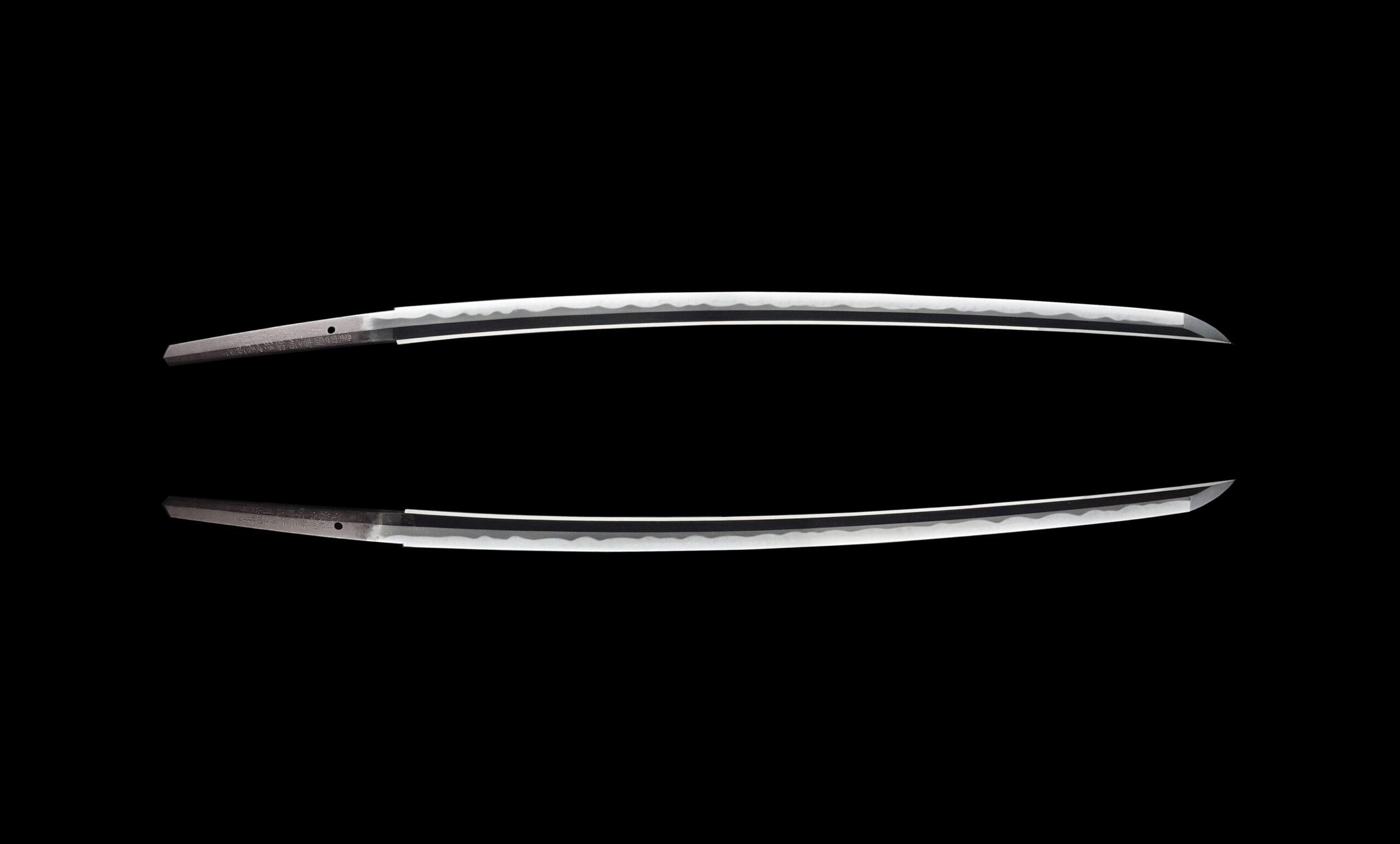
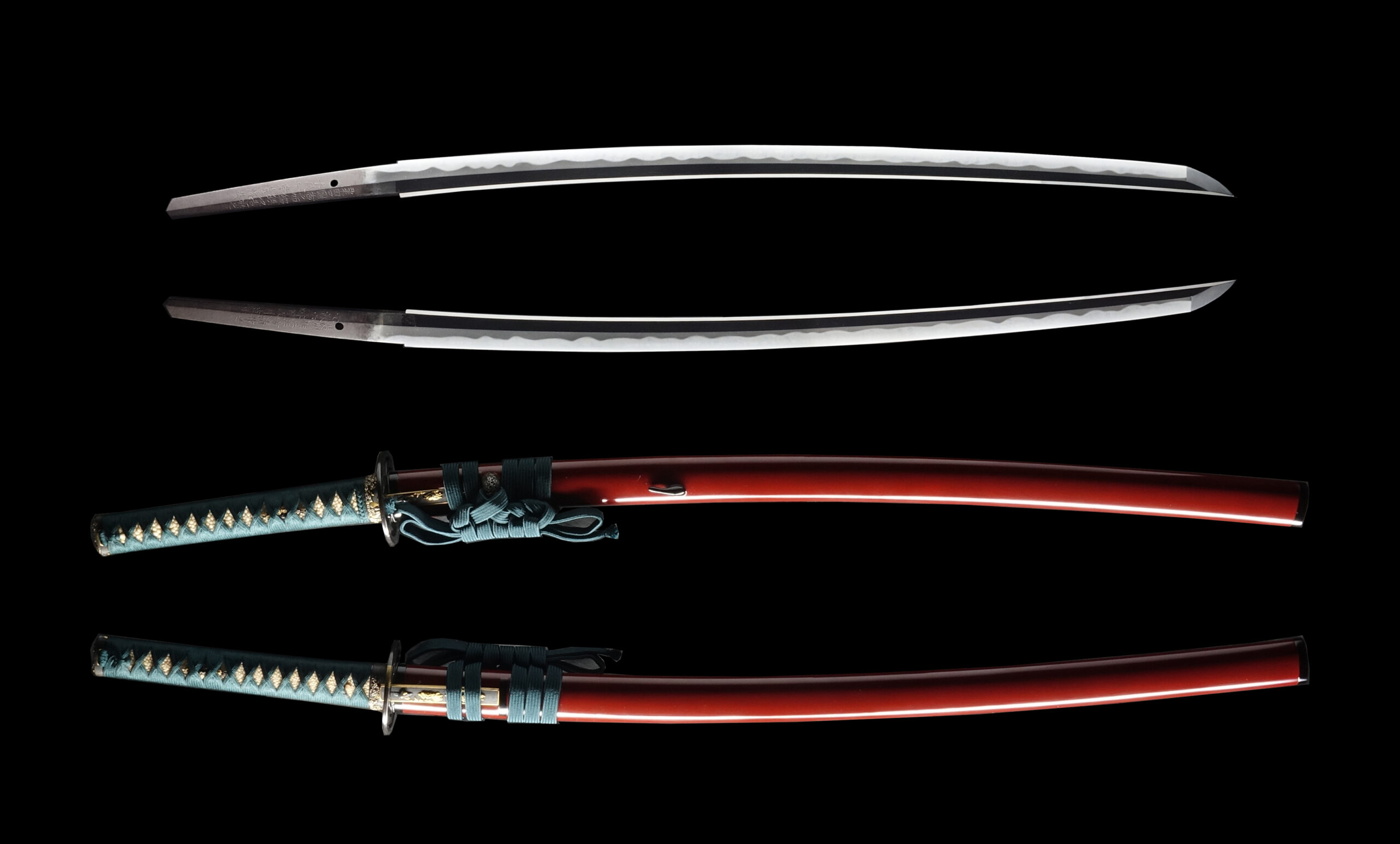
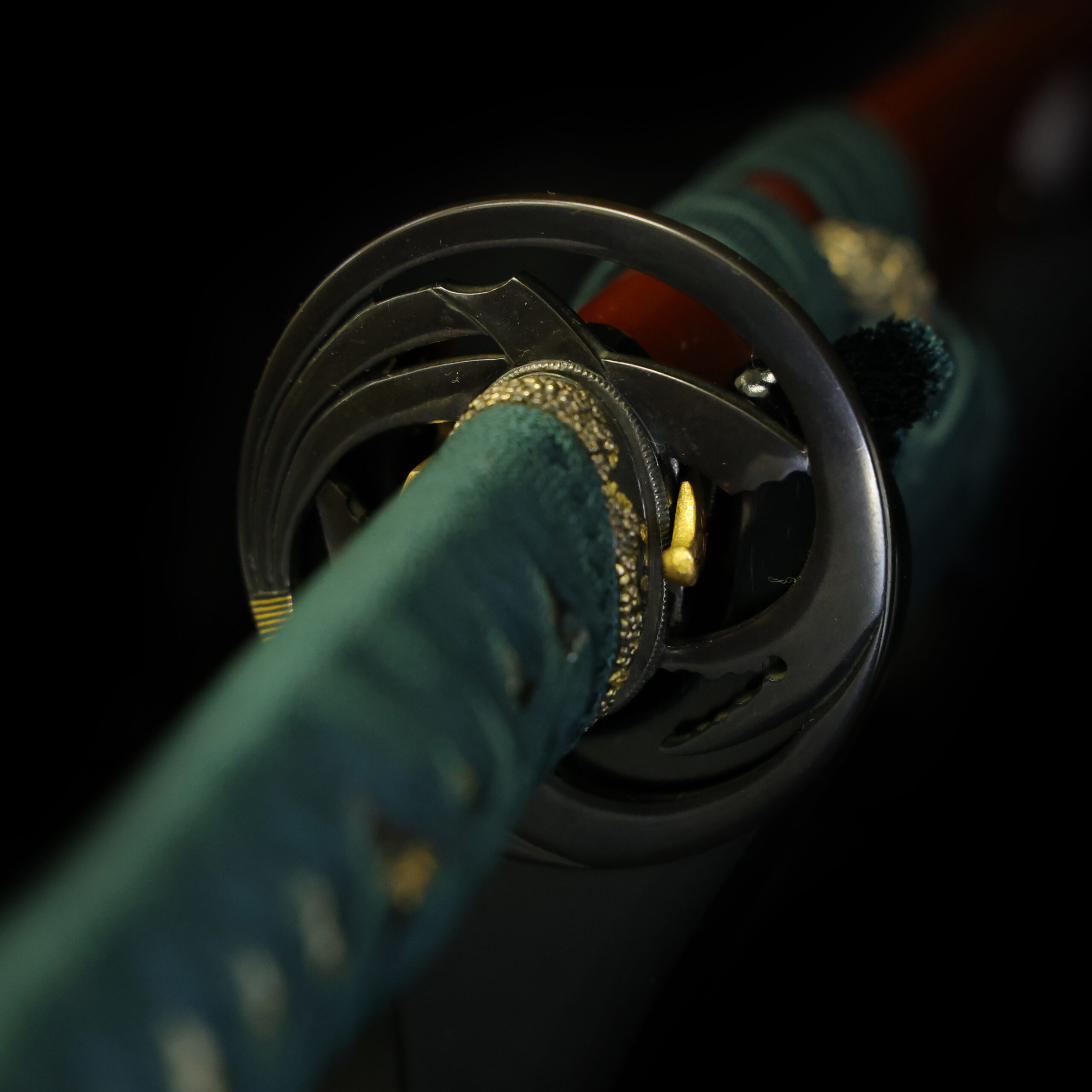
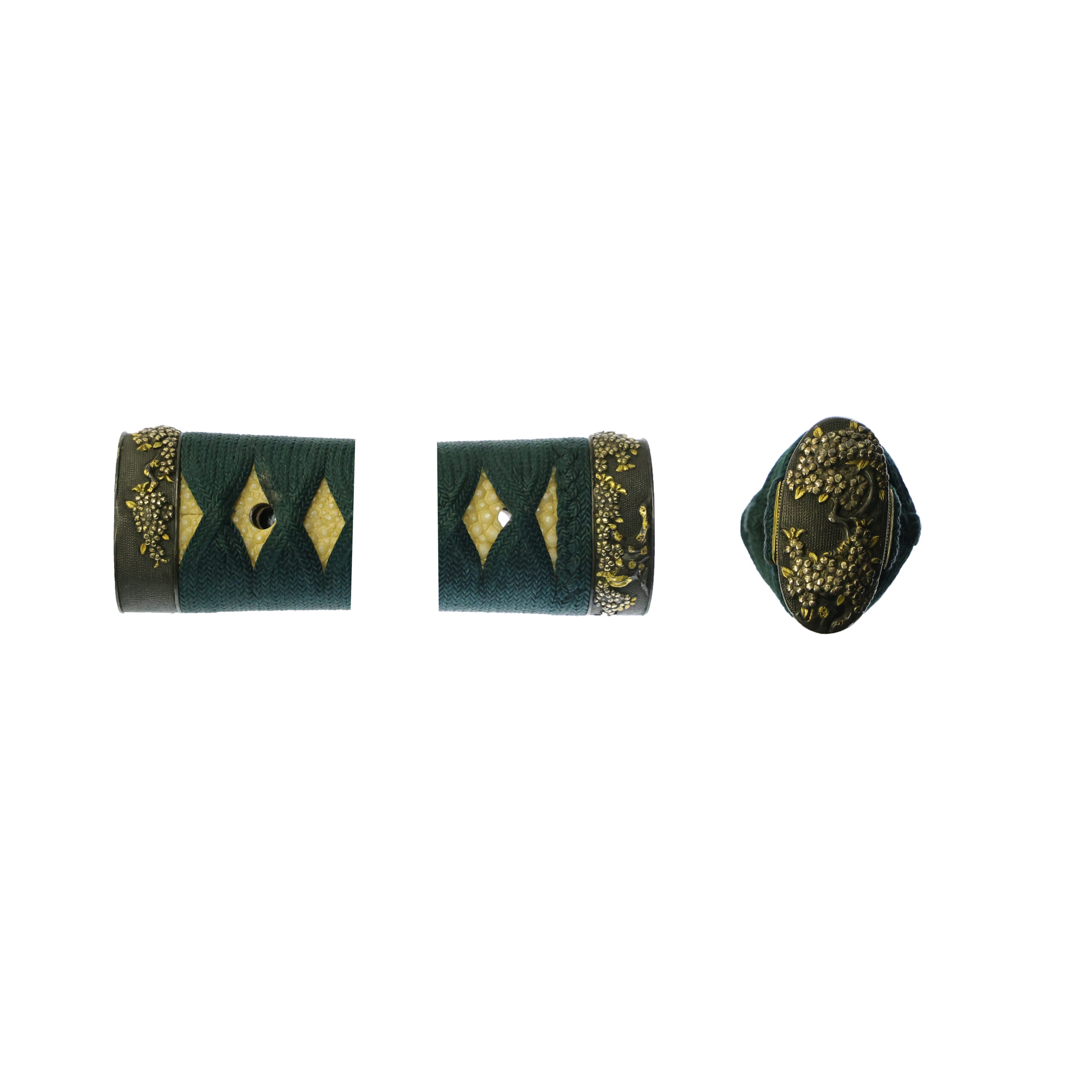
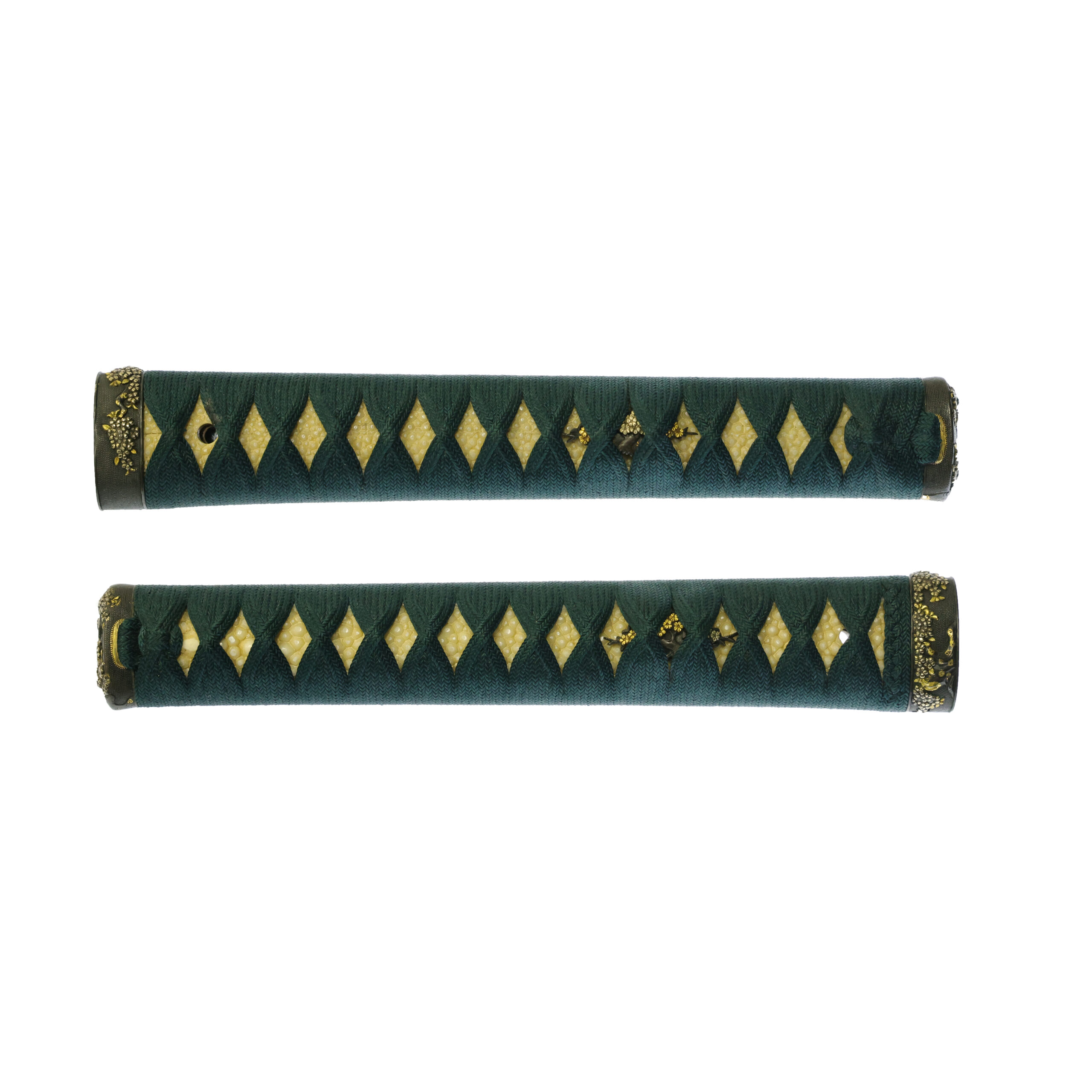
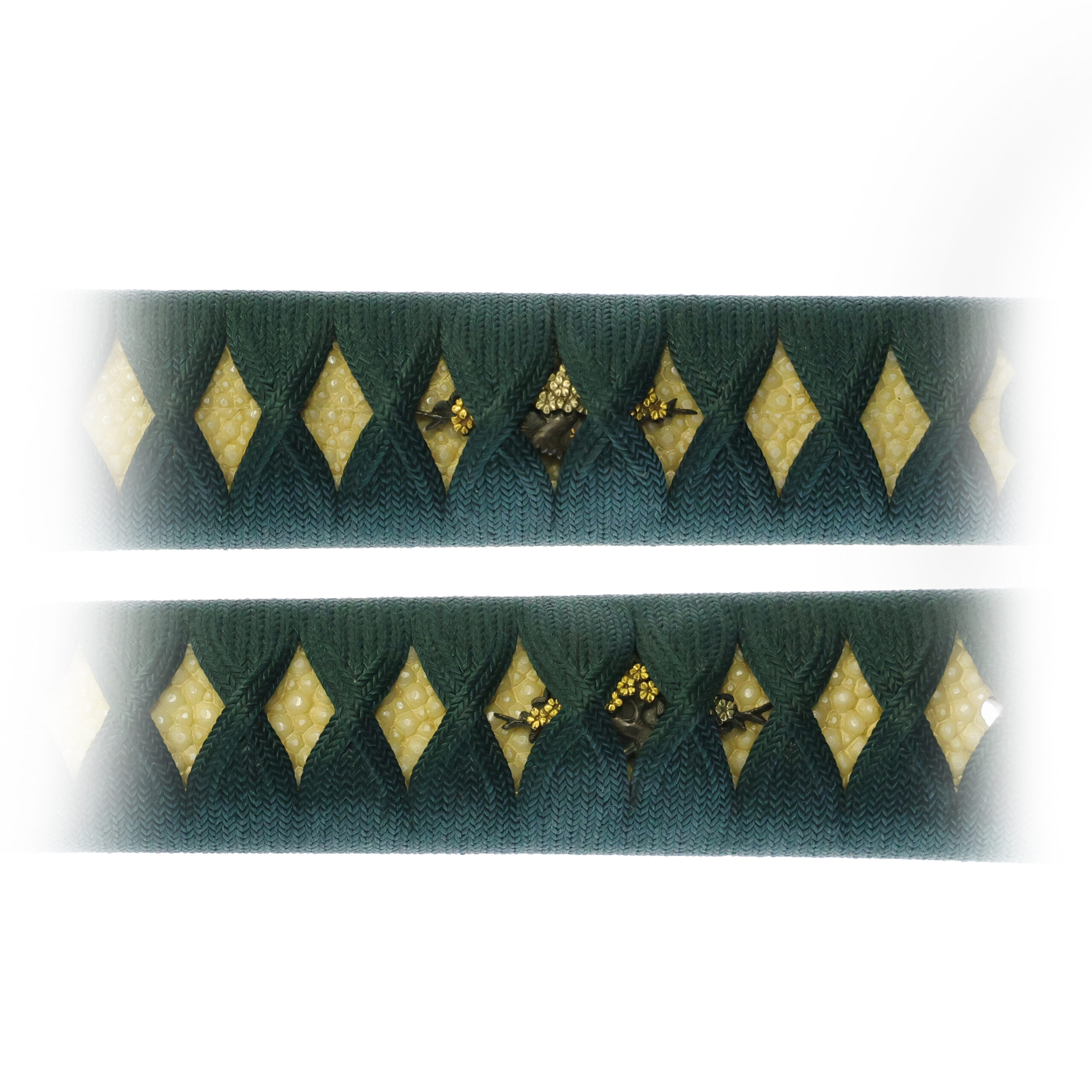
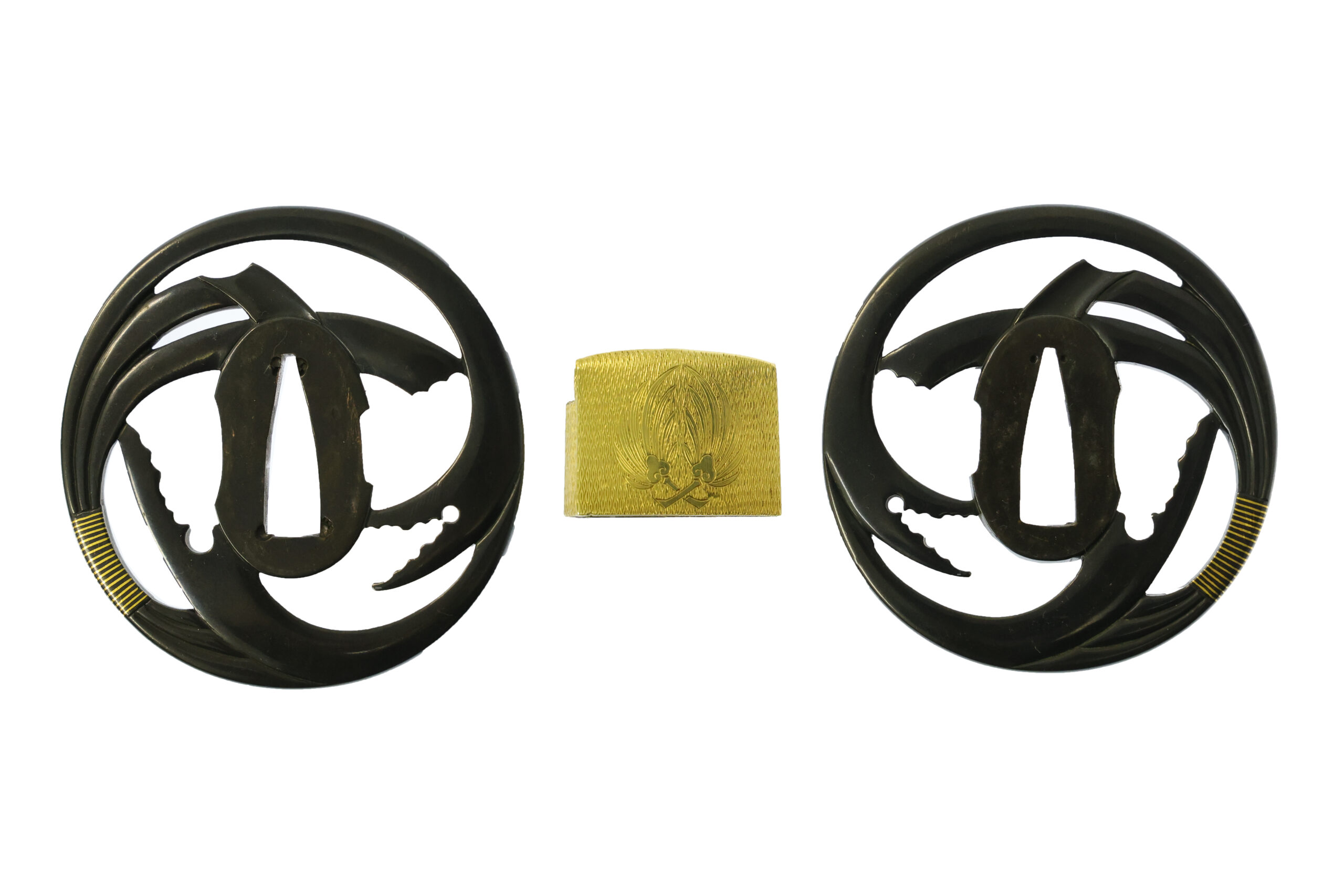
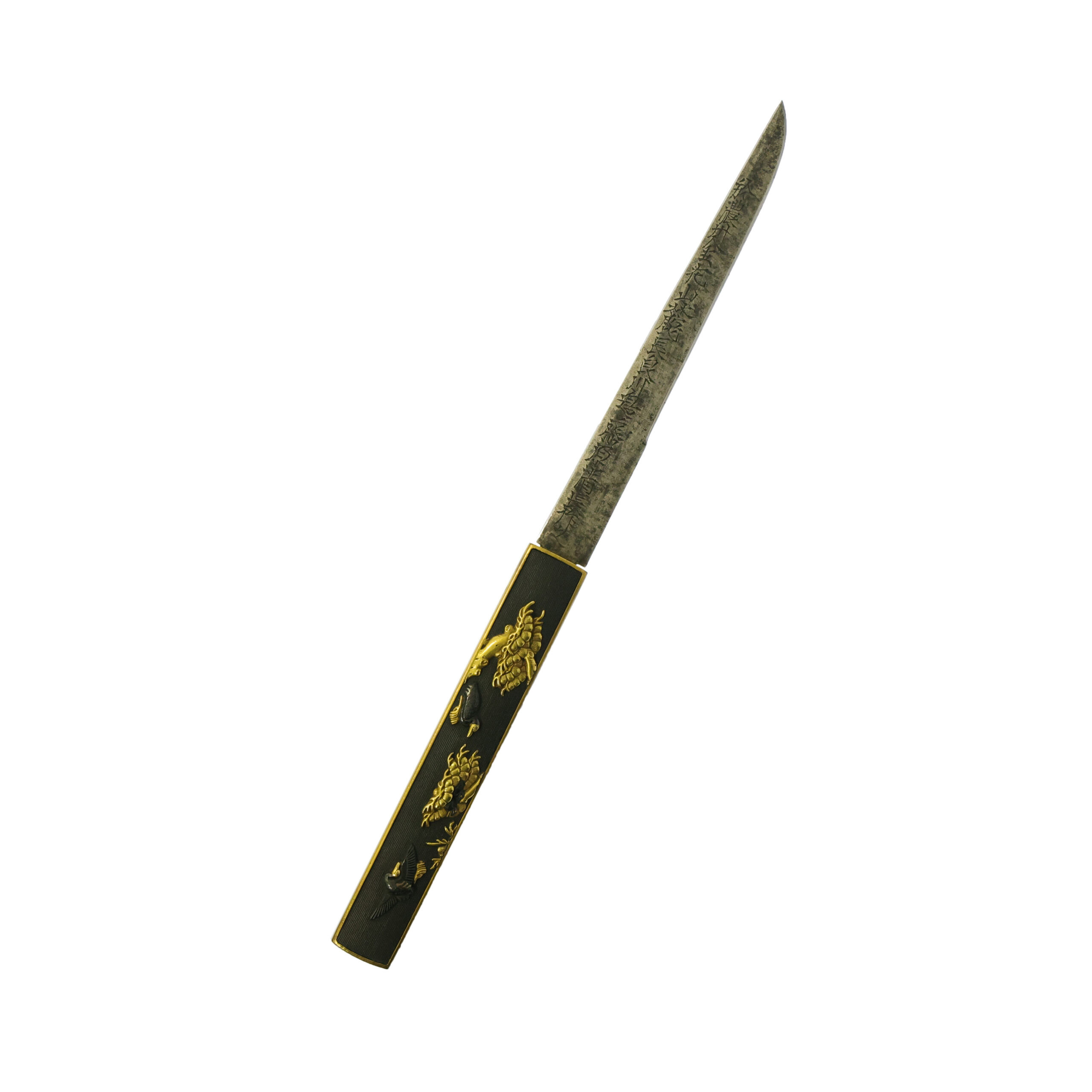
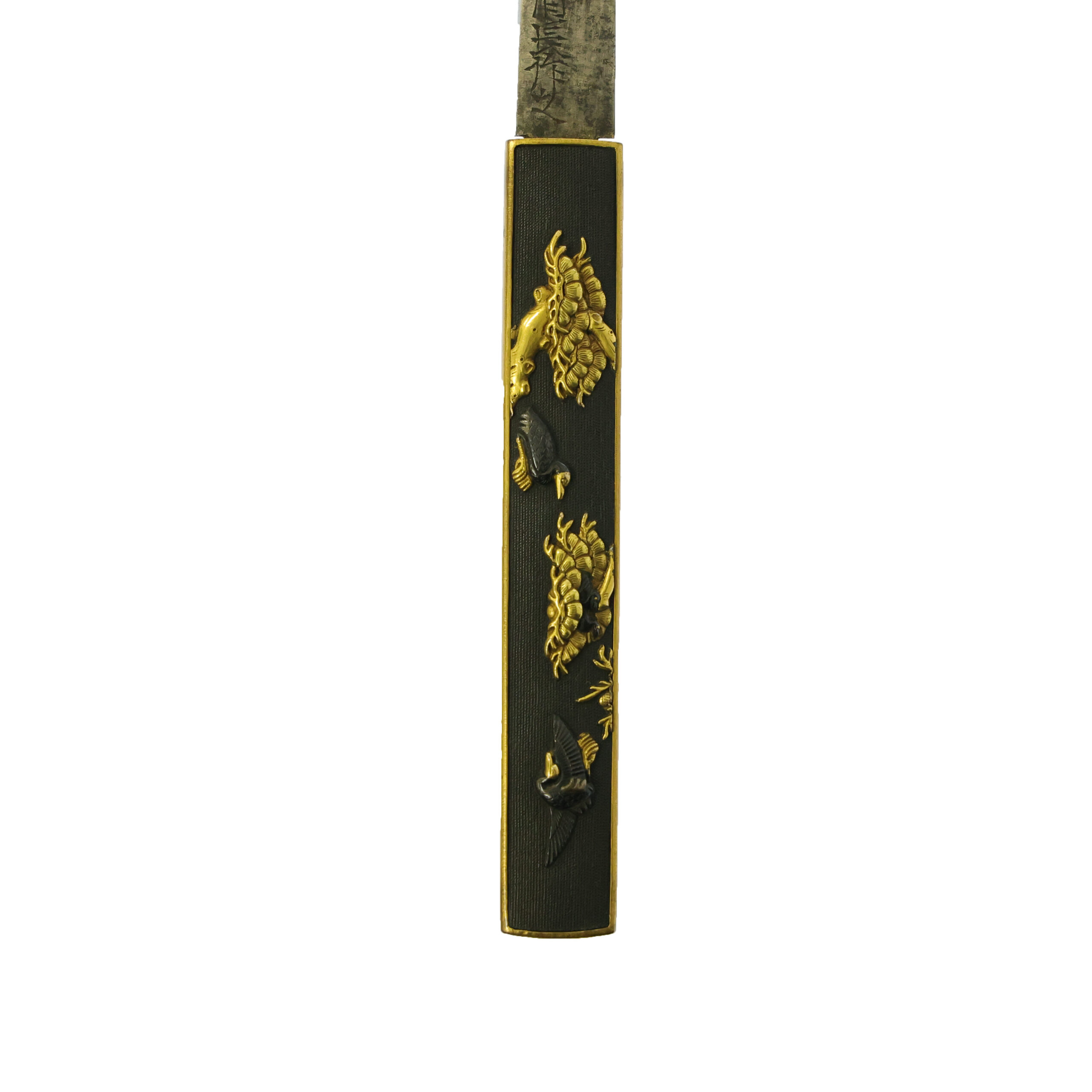
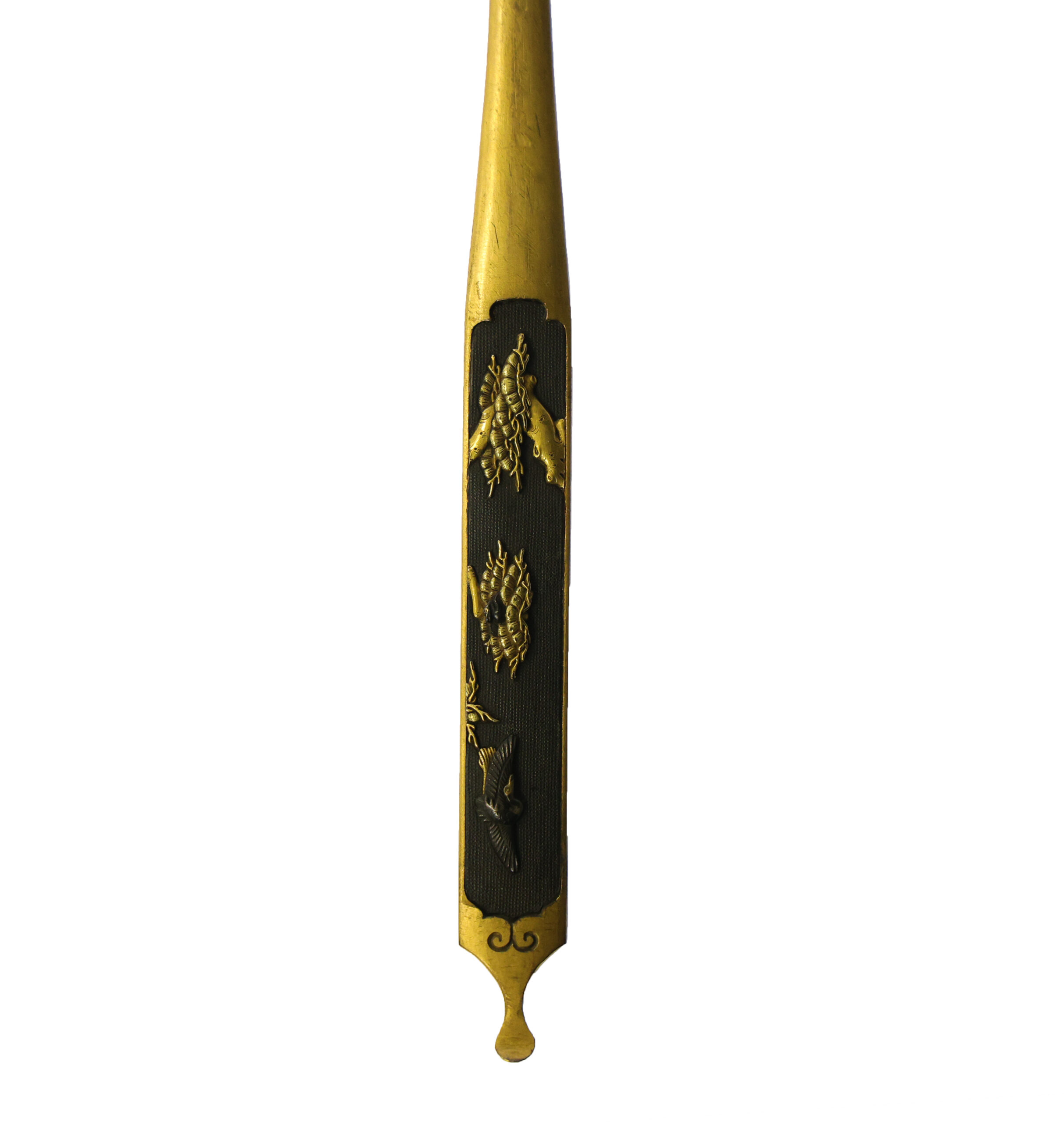
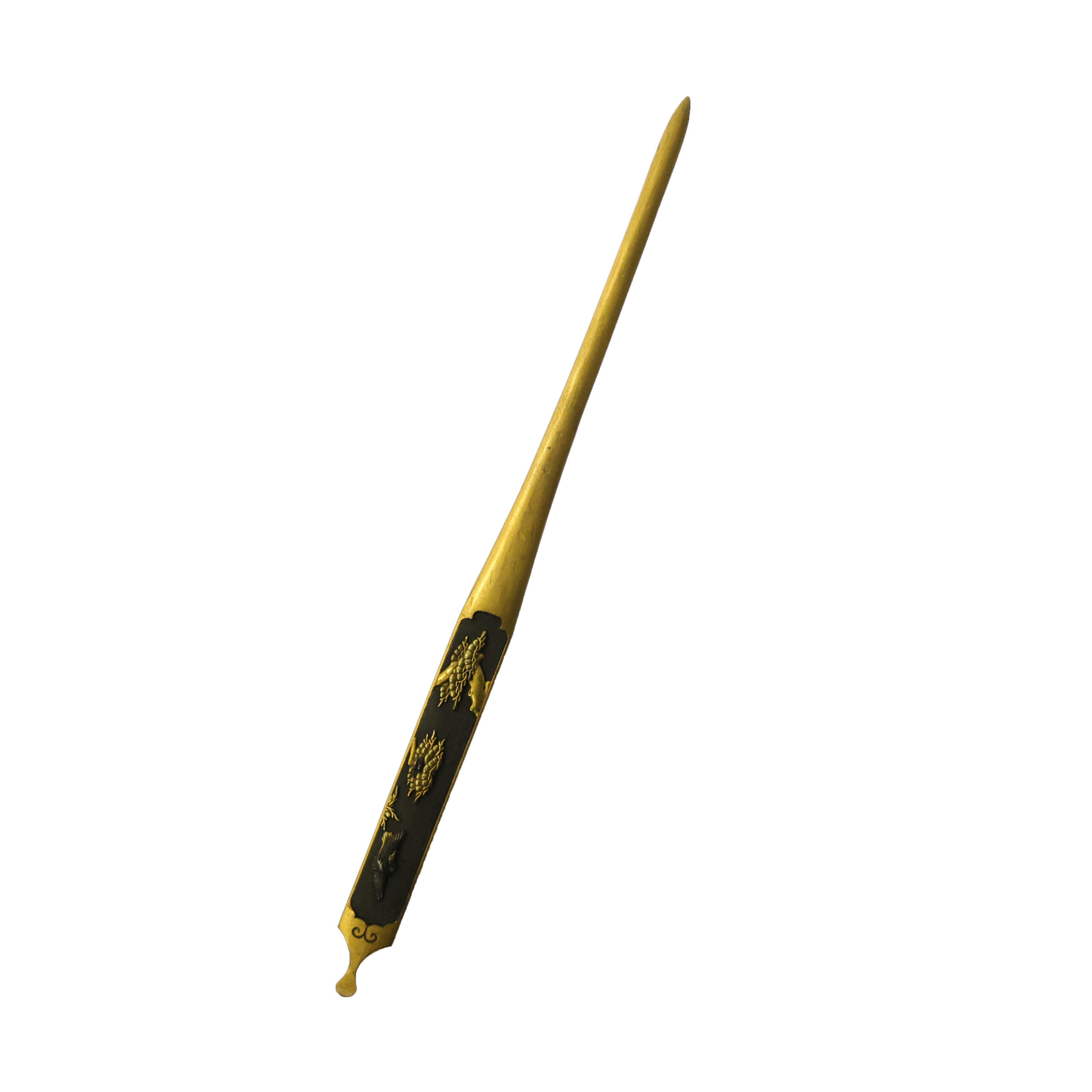
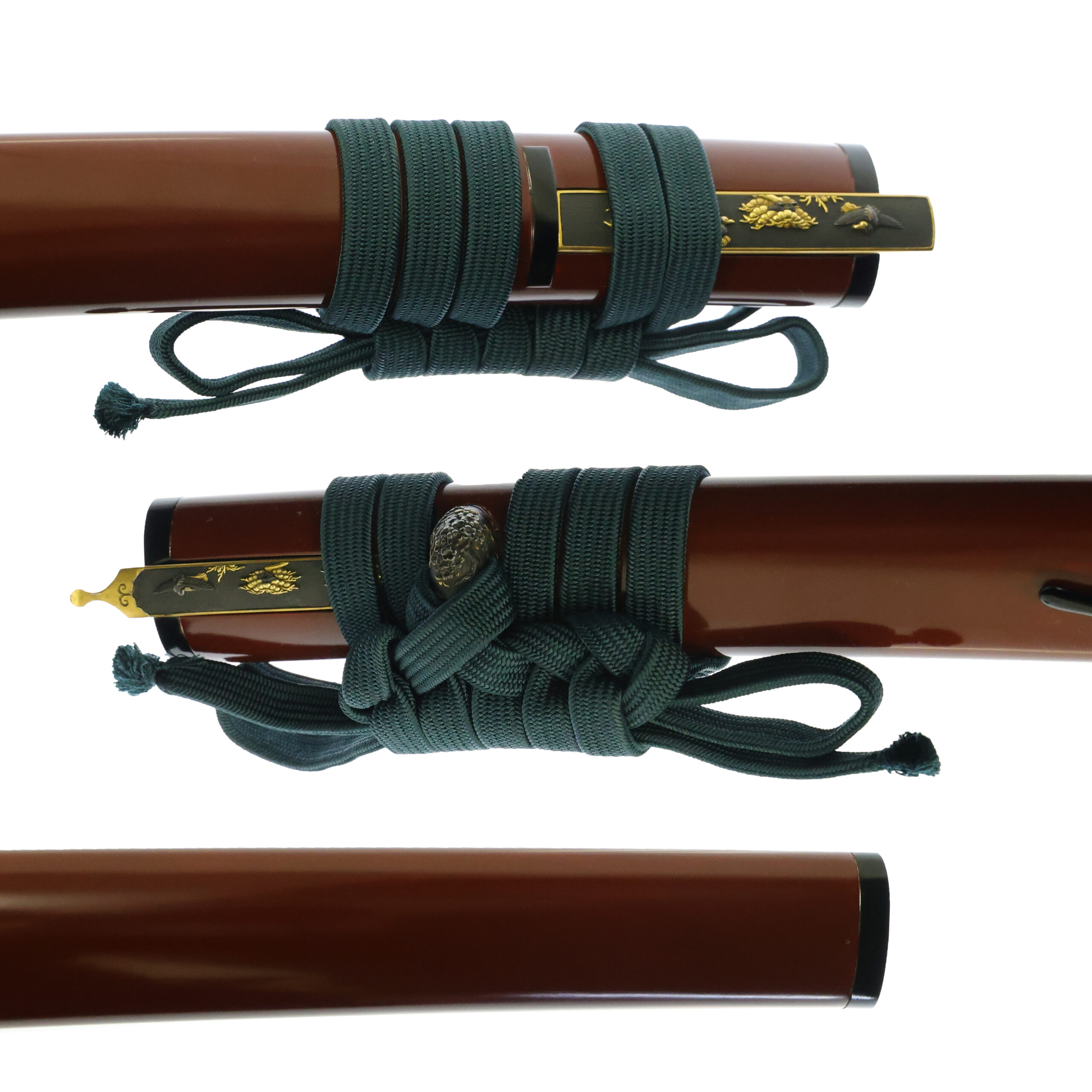
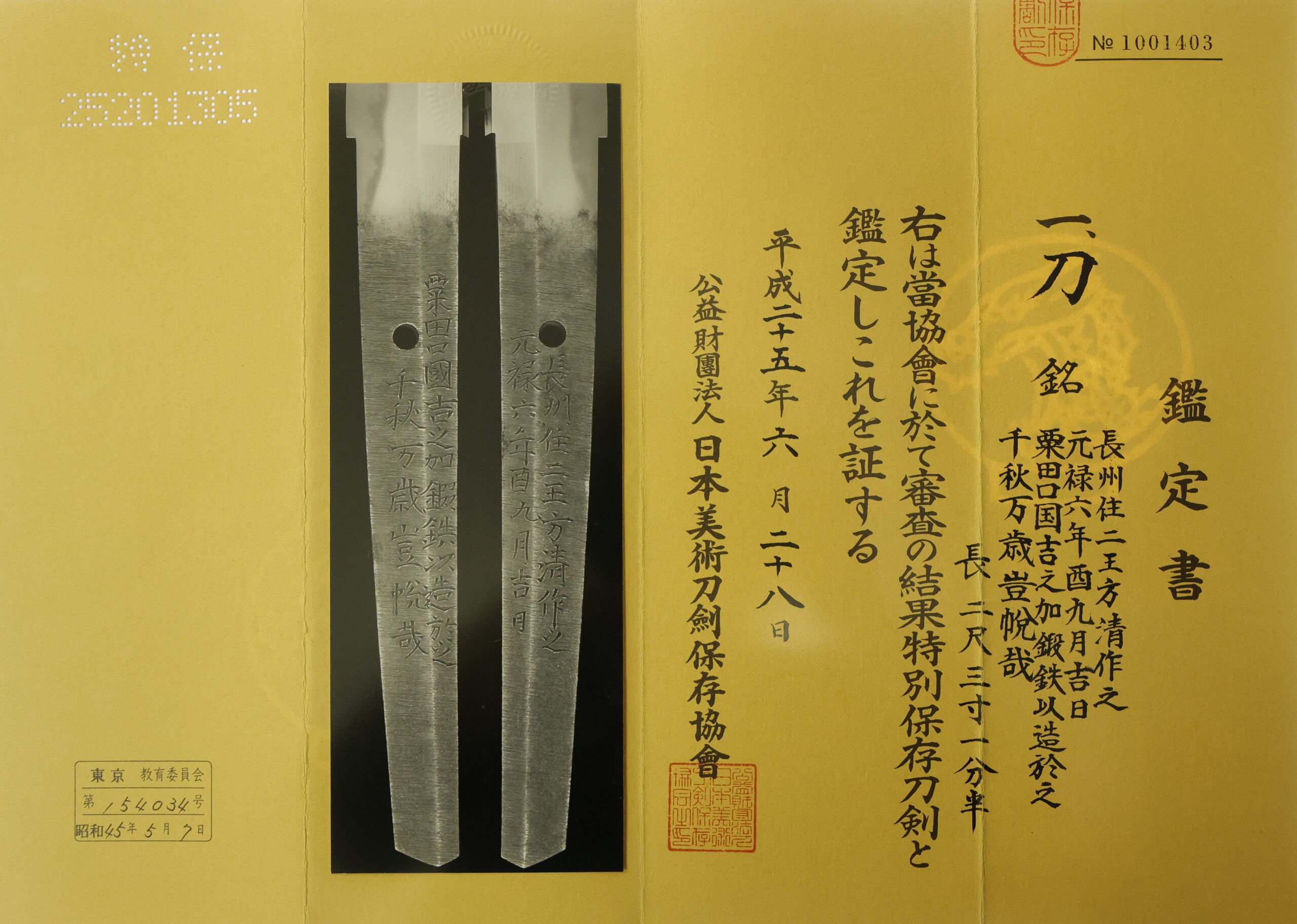
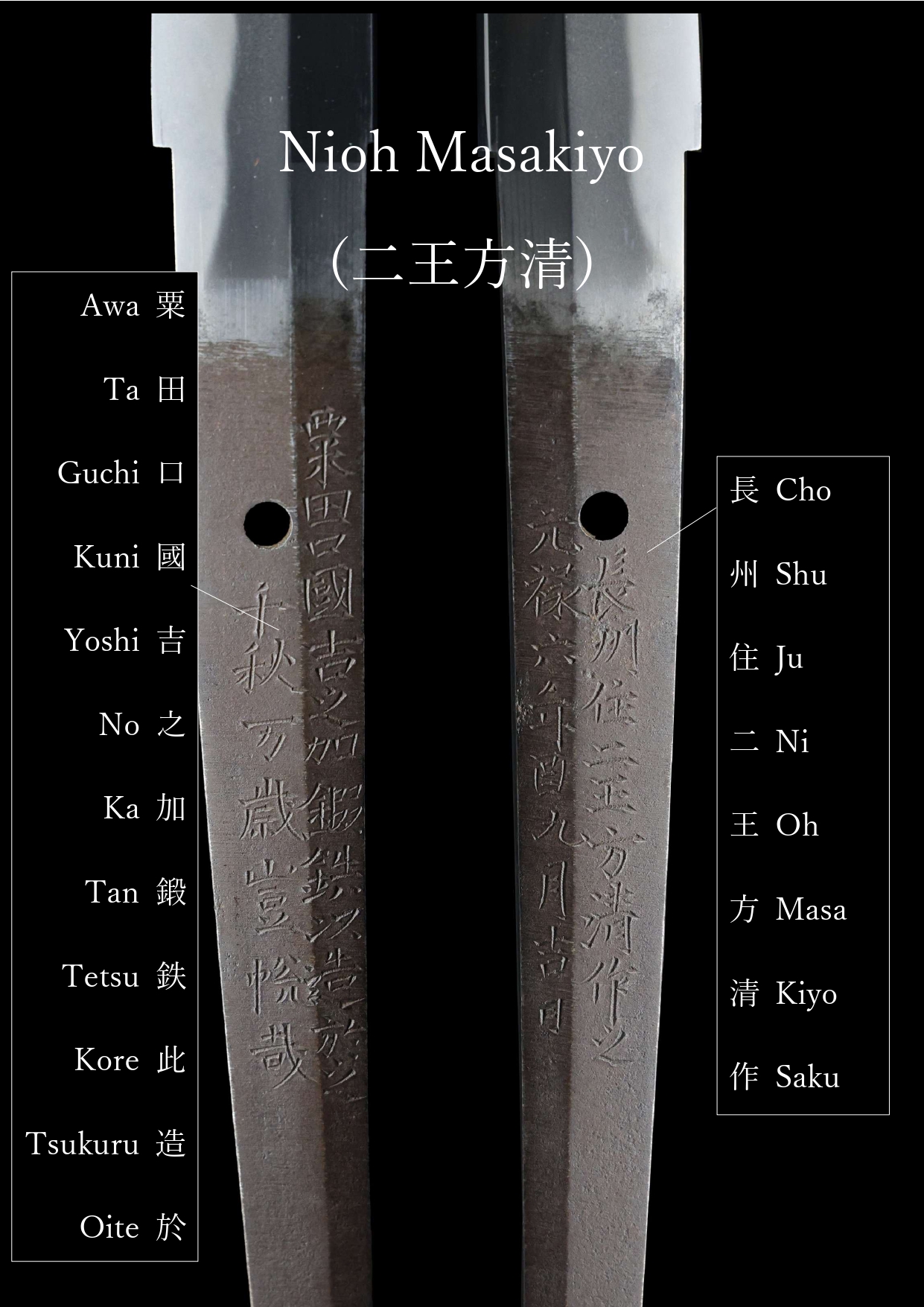
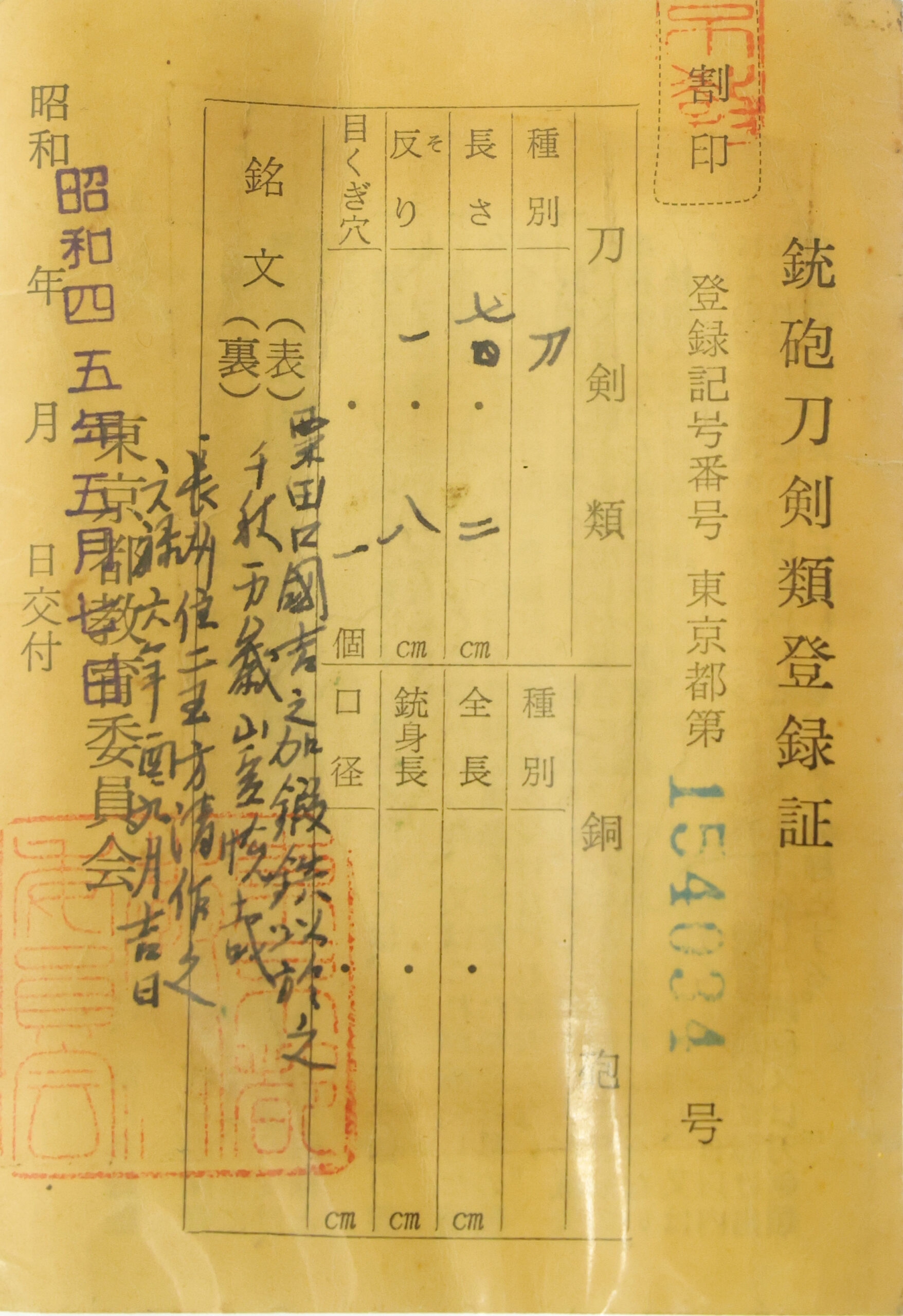
Antique Japanese Sword Katana Signed by Nioh Masakiyo with Tokubetsu Hozon Certificate 【Description】 This blade was forged by Choshu Ju Nioh Masakiyo (長州住二王方清) in the 6th year of the Genroku era, Early Edo Period (1693). He was a descendant of Nioh Kiyotsuna, the founder of the Nioh school. He lived in Hagi city, Shimonoseki city and Toyoura city in Yamaguchi prefecture. His son, Nioh Kurou Masakiyo (二王九郎方清) and he forged strong looking blades in their career. His works don’t have hefty curvature and Mihaba (width) is wide and Kasane (thickness) is thick. This blade is also considered highly auspicious, as it was forged using refined steel inspired by the distinctive hada (grain pattern) and hamon (temper line) of the renowned swordsmith Awataguchi Kuniyoshi (粟田口国吉), celebrated for his beautifully forged steel. In addition, the blade bears the inscription “Senshu Banzai” (千秋万歳), a phrase meaning “eternal prosperity and longevity,” making it a talismanic sword that symbolizes good fortune and long life. Nioh school flourished from the mid-Kamakura period to the late Muromachi period (500-750 years ago) and lasted until the Edo period(150-400 years ago). The school was founded by Nioh Taro Kiyotsuna(二王太郎清綱) in Suo Province(today’s Yamaguchi prefecture). According to his remaining work, the oldest blade was forged in 1265. It is currently enshrined in Itsukushima Shrine in Hiroshima. It is said that he started to forge swords in around 1205 (early Kamakura period). The Nioh swordsmiths inherited the part of its founder’s name 清(Kiyo) such as 清房(Kiyofusa), 清長(Kiyonaga). There were a lot of lands in Suo Province controlled by the Todaiji temple in the Kamakura-Muromachi period. It is said that Nioh school and Yamato swordsmiths from Nara prefecture had a strong relationship and technological exchange. That is why the blades forged by Nioh swordsmiths had a strong influence from YAMATO-DEN. *Todaiji temple is located in Nara prefecture. Before the Edo period, temples and shrines gained strong political influence. The name Nioh came from the legend that the Tachi blade forged by Kiyotsuna(the founder of Nioh school) was able to save the Nioh statue by cutting the chain connected to it when Nioh temple was on fire. Another theory was that Nioh swordsmiths lived in a village called Nioh no Sho(二保庄) and started to call themselves Nioh swordsmiths. It is appraised as a Tokubetsu Hozon Token (特別保存刀剣) issued by NBTHK (Nihon Bijutsu Touken Hozon Kyokai:日本美術刀剣保存協会). This authentication paper was only given to authentic Japanese swords, especially well preserved and high quality with artistic value. 【Blade】 Cutting Edge Length(Nagasa) : 70.2 cm (27.6 inches) Curvature(Sori) : 1.8 cm (0.70 inches) Hamon : The crystalline structure which forms along the cutting edge of a blade as a result of the hardening process Jimon(Jihada) : visible steel surface pattern created by folding and hammering during forging process Kissaki : Kissaki is the tip of the Japanese sword. Nakago : Nakago is the tang of the Japanese sword. Japanese swordsmiths left the black rust on the tang because it prevents red rust while the tang is in its handle. And the discoloration of the tang was created over time, and it is a great indicator for a Japanese sword specialist to estimate when the sword was forged. Koshirae : Koshirae is the mounting of the Japanese sword. There are several parts that consist of Koshirae such as Saya (Scabbard), Tsuka (Handle), Tsuba (Handguard). Fuchi-Kashira : A pair of matching sword fittings that cover the upper and bottom parts of its sword hilt. The theme of this Fuchi-Kashira also features cherry blossoms, harmonizing beautifully with the rest of the koshirae (mounting). The base surface is crafted using the nanako-ji (魚々子地) technique — a meticulous decorative method in which countless tiny, evenly spaced dots are hammered into the metal to create a texture resembling fish eggs. Tsuka and Menuki : Tsuka is the handle of the Japanese sword

売却済
世界81社の刀剣商を横断追跡 · 価格履歴 · 売却アーカイブ
70.2 cm
1.8 cm

Mid Edo Katana signed by Tanba no Kami Yoshimichi for sale| Samurai Museum Shop E-mail FB Messenger Skip to content Menu Close Samurai Museum Shop Products Antique Japanese Sword Katana signed by Tanba no Kami Yoshimichi NTHK Kanteisho Certificate Updated: 22 Jun 2026 Antique Japanese Sword Katana signed by Tanba no Kami Yoshimichi NTHK Kanteisho Certificate
$7,441

Muromachi Katana signed by Naminohira Yasuhide for sale
$7,751

Early Edo Nihonto signed by Shigetaka for sale
$7,131

Antique Japanese Sword Katana Signed by Masahiro NBTHK Tokubetsu Hozon Certificate
$7,751
Antique Japanese Sword Katana Signed by Nioh Masakiyo with Tokubetsu Hozon Certificate 【Description】 This blade was forged by Choshu Ju Nioh Masakiyo (長州住二王方清) in the 6th year of the Genroku era, Early Edo Period (1693). He was a descendant of Nioh Kiyotsuna, the founder of the Nioh school. He lived in Hagi city, Shimonoseki city and Toyoura city in Yamaguchi prefecture. His son, Nioh Kurou Masakiyo (二王九郎方清) and he forged strong looking blades in their career. His works don’t have hefty curvature and Mihaba (width) is wide and Kasane (thickness) is thick. This blade is also considered highly auspicious, as it was forged using refined steel inspired by the distinctive hada (grain pattern) and hamon (temper line) of the renowned swordsmith Awataguchi Kuniyoshi (粟田口国吉), celebrated for his beautifully forged steel. In addition, the blade bears the inscription “Senshu Banzai” (千秋万歳), a phrase meaning “eternal prosperity and longevity,” making it a talismanic sword that symbolizes good fortune and long life. Nioh school flourished from the mid-Kamakura period to the late Muromachi period (500-750 years ago) and lasted until the Edo period(150-400 years ago). The school was founded by Nioh Taro Kiyotsuna(二王太郎清綱) in Suo Province(today’s Yamaguchi prefecture). According to his remaining work, the oldest blade was forged in 1265. It is currently enshrined in Itsukushima Shrine in Hiroshima. It is said that he started to forge swords in around 1205 (early Kamakura period). The Nioh swordsmiths inherited the part of its founder’s name 清(Kiyo) such as 清房(Kiyofusa), 清長(Kiyonaga). There were a lot of lands in Suo Province controlled by the Todaiji temple in the Kamakura-Muromachi period. It is said that Nioh school and Yamato swordsmiths from Nara prefecture had a strong relationship and technological exchange. That is why the blades forged by Nioh swordsmiths had a strong influence from YAMATO-DEN. *Todaiji temple is located in Nara prefecture. Before the Edo period, temples and shrines gained strong political influence. The name Nioh came from the legend that the Tachi blade forged by Kiyotsuna(the founder of Nioh school) was able to save the Nioh statue by cutting the chain connected to it when Nioh temple was on fire. Another theory was that Nioh swordsmiths lived in a village called Nioh no Sho(二保庄) and started to call themselves Nioh swordsmiths. It is appraised as a Tokubetsu Hozon Token (特別保存刀剣) issued by NBTHK (Nihon Bijutsu Touken Hozon Kyokai:日本美術刀剣保存協会). This authentication paper was only given to authentic Japanese swords, especially well preserved and high quality with artistic value. 【Blade】 Cutting Edge Length(Nagasa) : 70.2 cm (27.6 inches) Curvature(Sori) : 1.8 cm (0.70 inches) Hamon : The crystalline structure which forms along the cutting edge of a blade as a result of the hardening process Jimon(Jihada) : visible steel surface pattern created by folding and hammering during forging process Kissaki : Kissaki is the tip of the Japanese sword. Nakago : Nakago is the tang of the Japanese sword. Japanese swordsmiths left the black rust on the tang because it prevents red rust while the tang is in its handle. And the discoloration of the tang was created over time, and it is a great indicator for a Japanese sword specialist to estimate when the sword was forged. Koshirae : Koshirae is the mounting of the Japanese sword. There are several parts that consist of Koshirae such as Saya (Scabbard), Tsuka (Handle), Tsuba (Handguard). Fuchi-Kashira : A pair of matching sword fittings that cover the upper and bottom parts of its sword hilt. The theme of this Fuchi-Kashira also features cherry blossoms, harmonizing beautifully with the rest of the koshirae (mounting). The base surface is crafted using the nanako-ji (魚々子地) technique — a meticulous decorative method in which countless tiny, evenly spaced dots are hammered into the metal to create a texture resembling fish eggs. Tsuka and Menuki : Tsuka is the handle of the Japanese sword

売却済
世界81社の刀剣商を横断追跡 · 価格履歴 · 売却アーカイブ
70.2 cm
1.8 cm

Mid Edo Katana signed by Tanba no Kami Yoshimichi for sale| Samurai Museum Shop E-mail FB Messenger Skip to content Menu Close Samurai Museum Shop Products Antique Japanese Sword Katana signed by Tanba no Kami Yoshimichi NTHK Kanteisho Certificate Updated: 22 Jun 2026 Antique Japanese Sword Katana signed by Tanba no Kami Yoshimichi NTHK Kanteisho Certificate
$7,441

Muromachi Katana signed by Naminohira Yasuhide for sale
$7,751

Early Edo Nihonto signed by Shigetaka for sale
$7,131

Antique Japanese Sword Katana Signed by Masahiro NBTHK Tokubetsu Hozon Certificate
$7,751