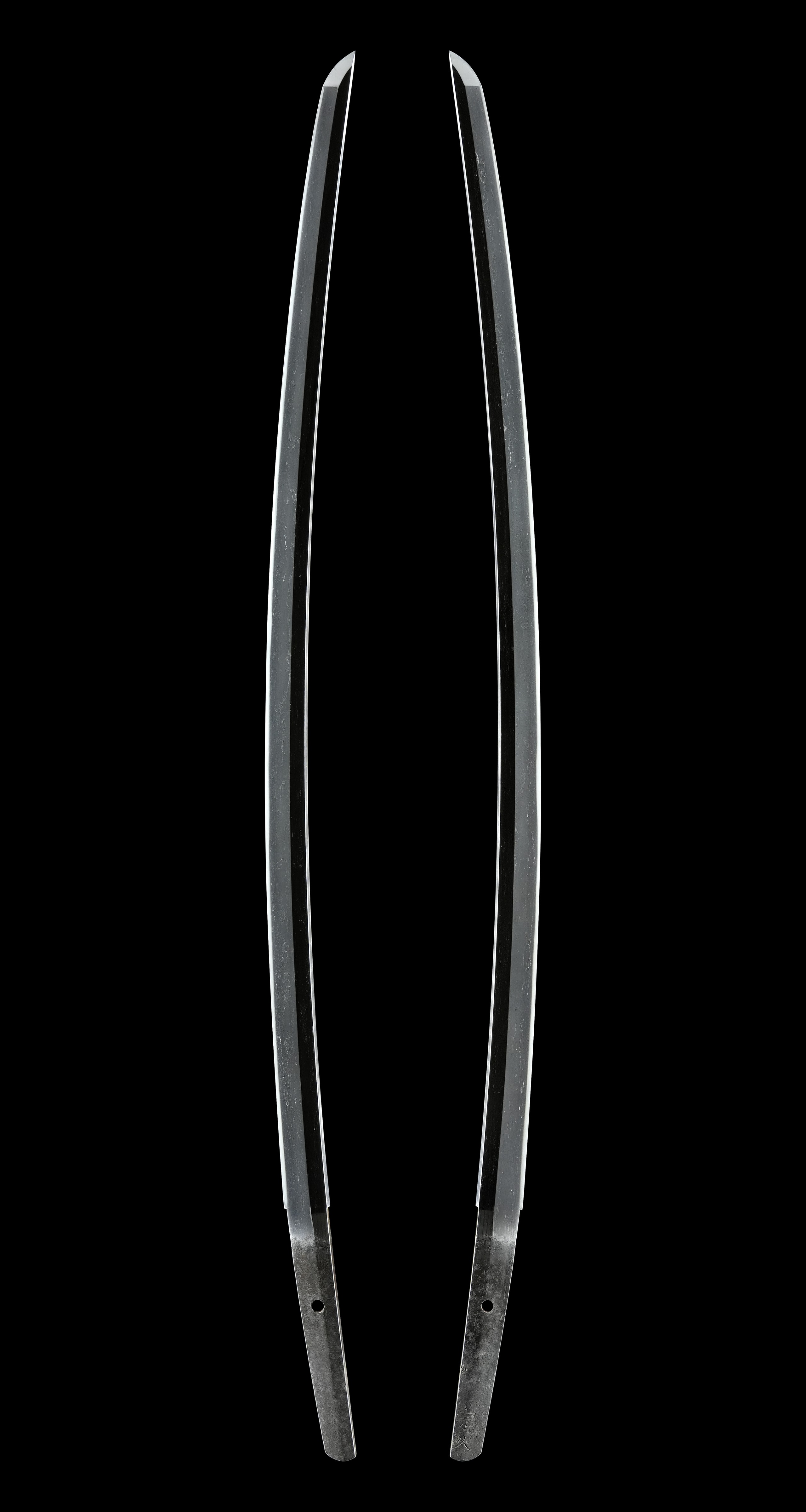
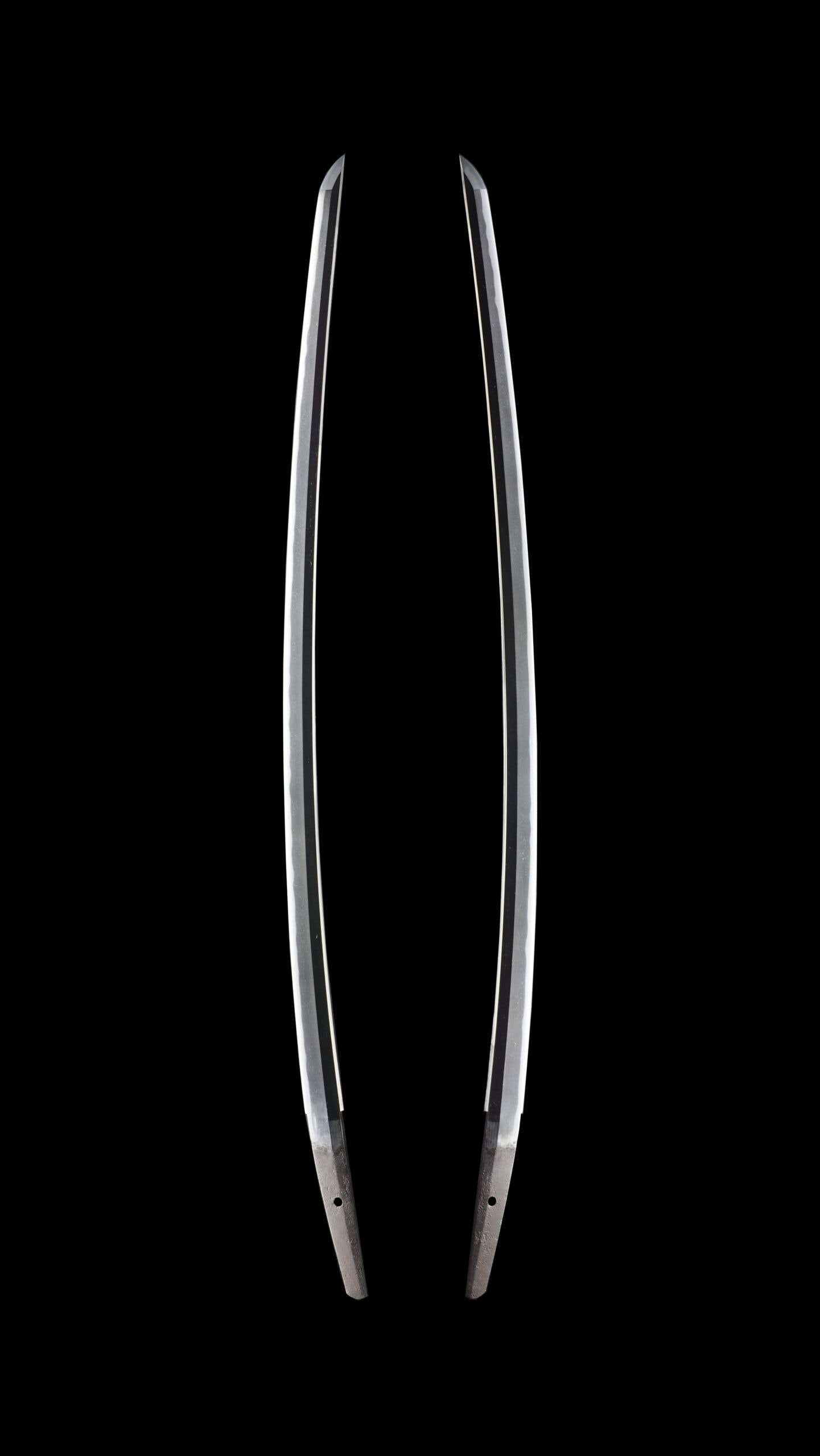
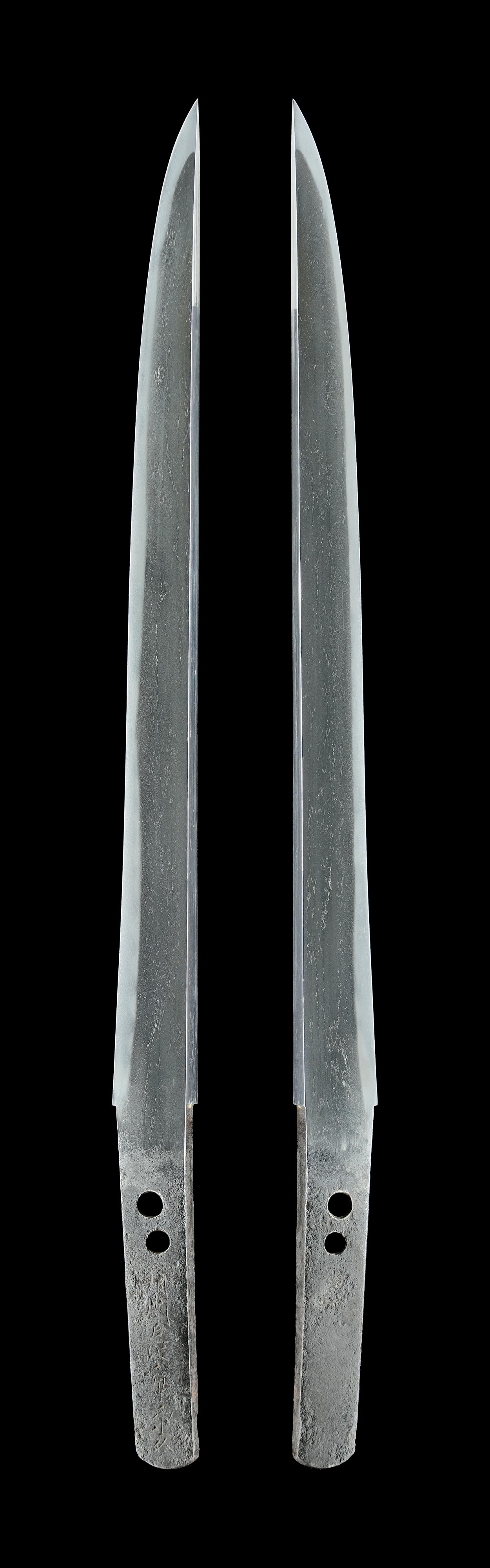
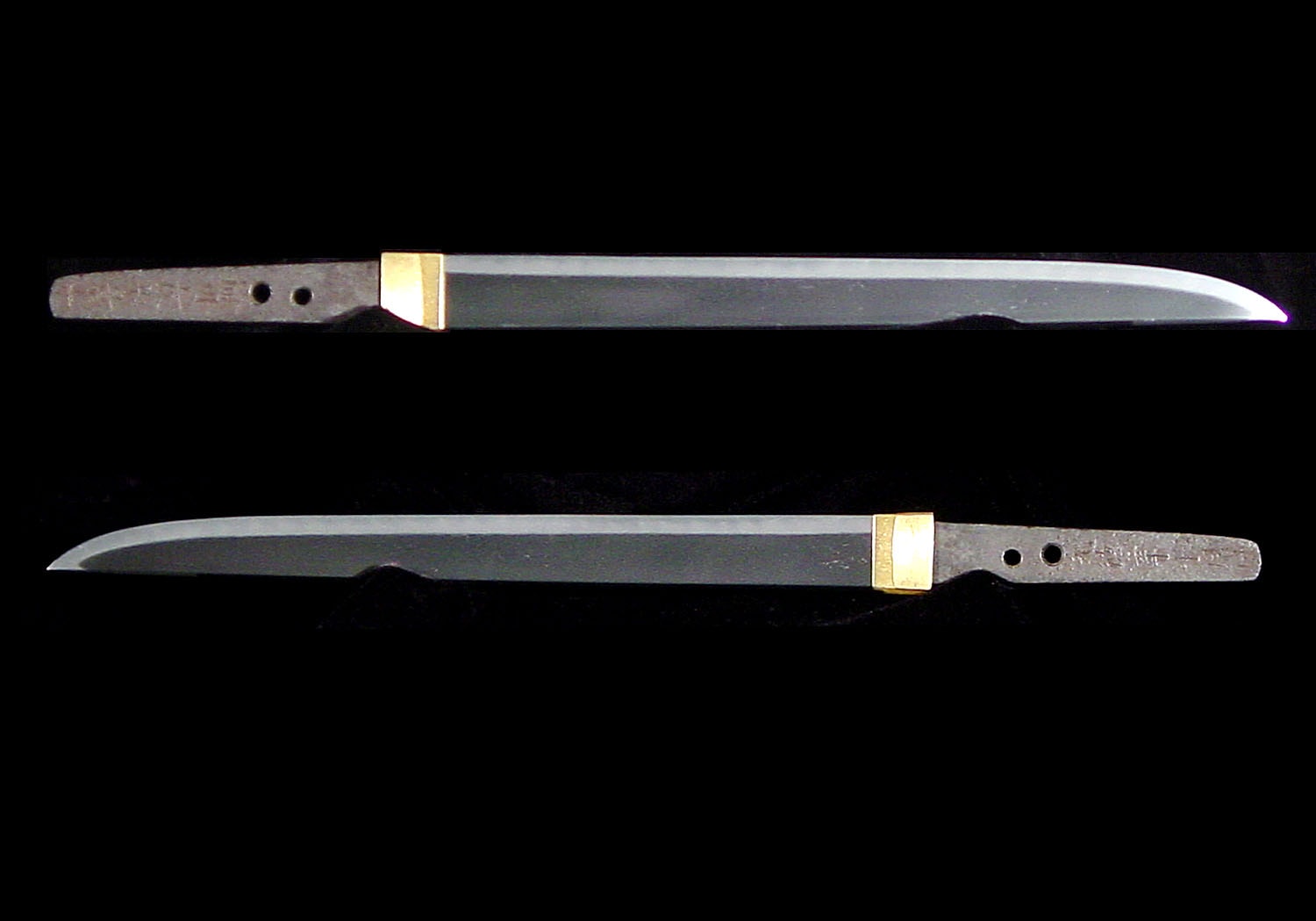
Osafune Hōkō (法光), customarily referred to as "Hō-Norimitsu" to distinguish him from Norimitsu (則光), was one of the swordsmiths of the Sue-Bizen group active in Bizen Province during the middle to late Muromachi period. Sword reference works list multiple smiths using this name, sometimes with appended common names such as Shinzaemon no Jō and Shirōzaemon no Jō. Among them, the Shinzaemon no Jō who produced dated works in the Eishō era is generally regarded as having been especially skillful, while the Shirōzaemon no Jō was active around the Meiō era. Although extant examples of their work are comparatively few among Sue-Bizen blades, both demonstrate a level of skill comparable to that of Jirōzaemon no Jō Katsumitsu and Yosōzaemon no Jō Sukesada.
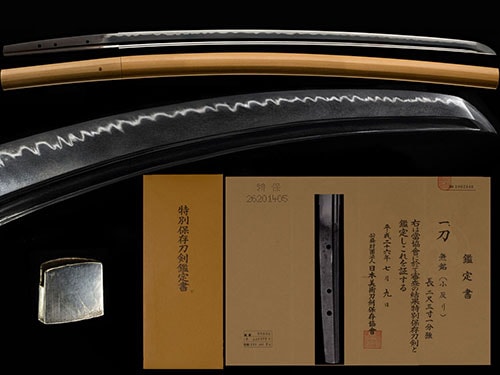
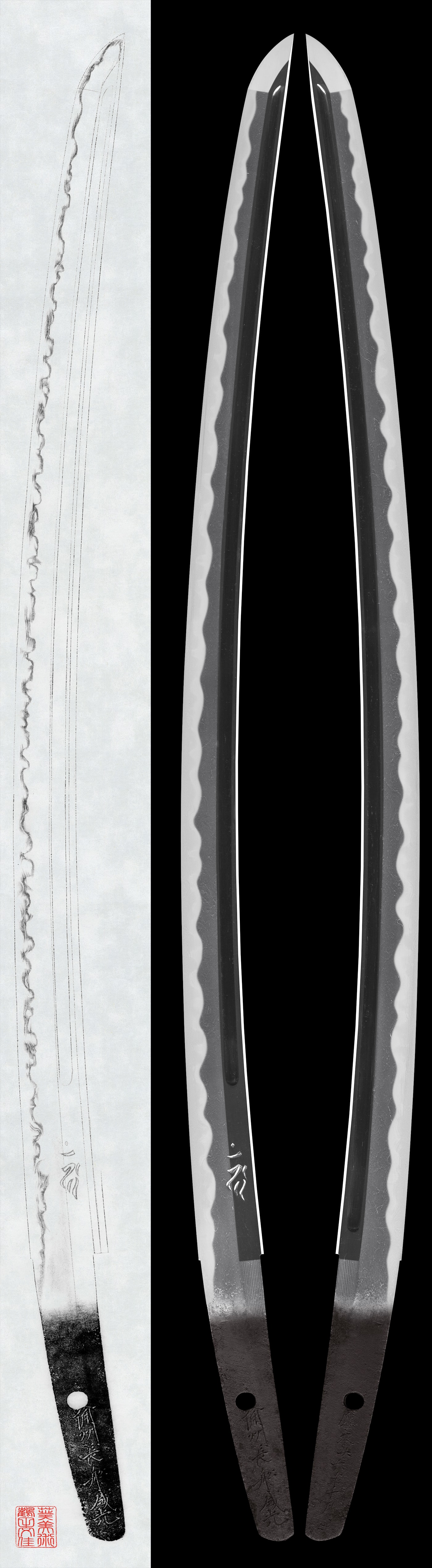
In terms of style, Hōkō excelled in midareba in which chōji are mixed into gunome; examples in suguha are exceptionally rare. The characteristic forging shows itame-hada mixed with mokume, tending toward slightly standing grain, with thickly adhering ji-nie and the presence of chikei, and a faint overall utsuri or midare-utsuri standing out. The hamon centers on broadly opened gunome (koshi no hiraita gunome) mixed with chōji, ko-gunome, and togariba; ashi and yō enter vigorously; the temper is nioi-dominant with ko-nie adhering well, fine tobiyaki appearing, and a nioiguchi that tends toward tightness (shimarigokoro). The bōshi is typically midare-komi with ko-maru.
The NBTHK has noted that Hōkō's works display lively, conspicuous gunome-midare that is fully developed, with variation and vigorous feeling. A katana of the Eishō era is cited as outstanding among the smith's works and a typical, representative example of Sue-Bizen craftsmanship — the midareba centered on chōji being so splendid that at first glance it may be appraised as resembling Ōei-Bizen work, though the strong presence of ji-nie and the ko-nie-deki formation distinguish it. Both ji and ha are consistently found in kenzen (sound and well-preserved) condition.
![Katana - Jūyō - 作 師光 - 刀[備州長船師光]重要刀剣/特別保存刀装具](/_next/image?url=https%3A%2F%2Fitbhfhyptogxcjbjfzwx.supabase.co%2Fstorage%2Fv1%2Fobject%2Fpublic%2Flisting-images%2Fworld-seiyudo%2FL759395%2F01.jpg&w=2560&q=90)