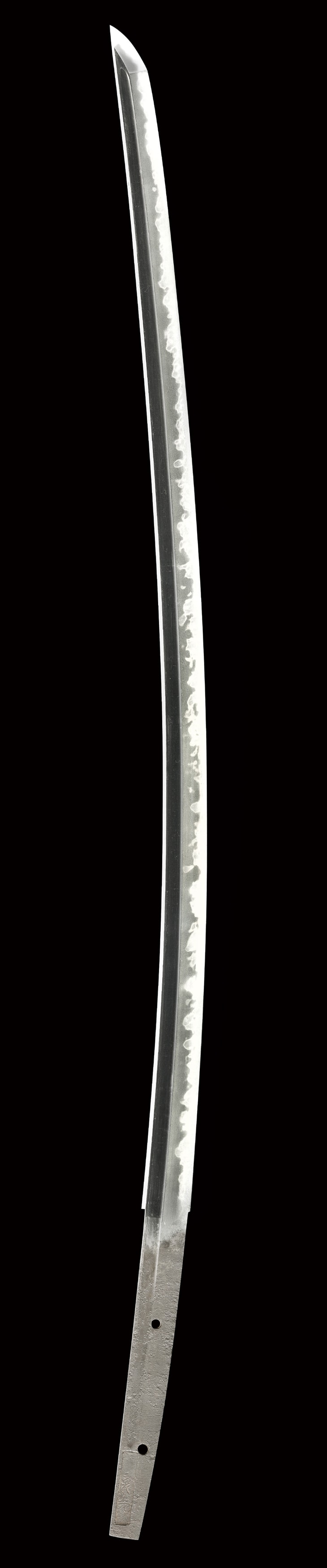
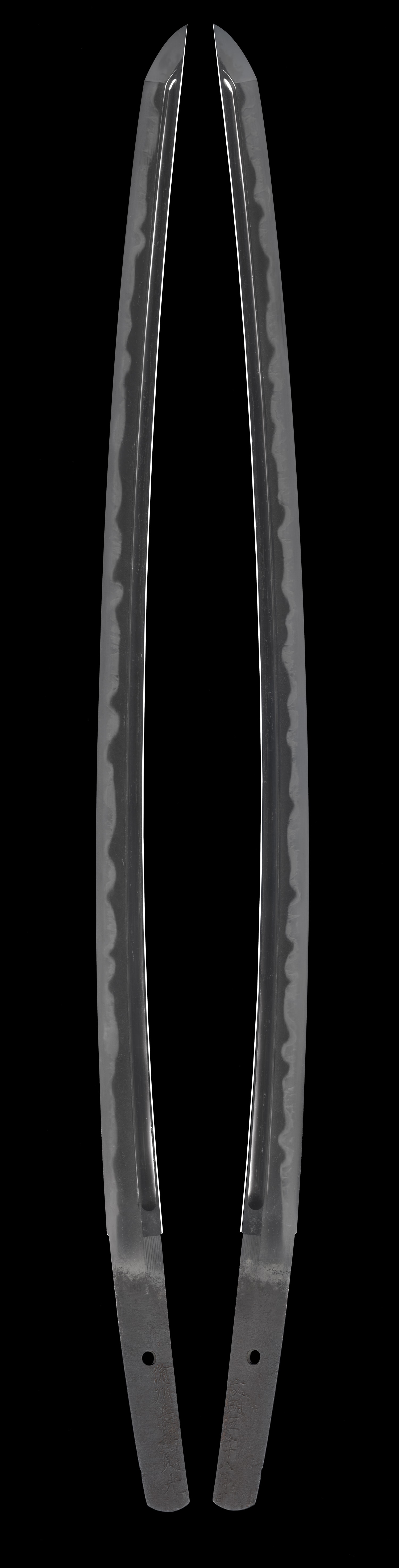
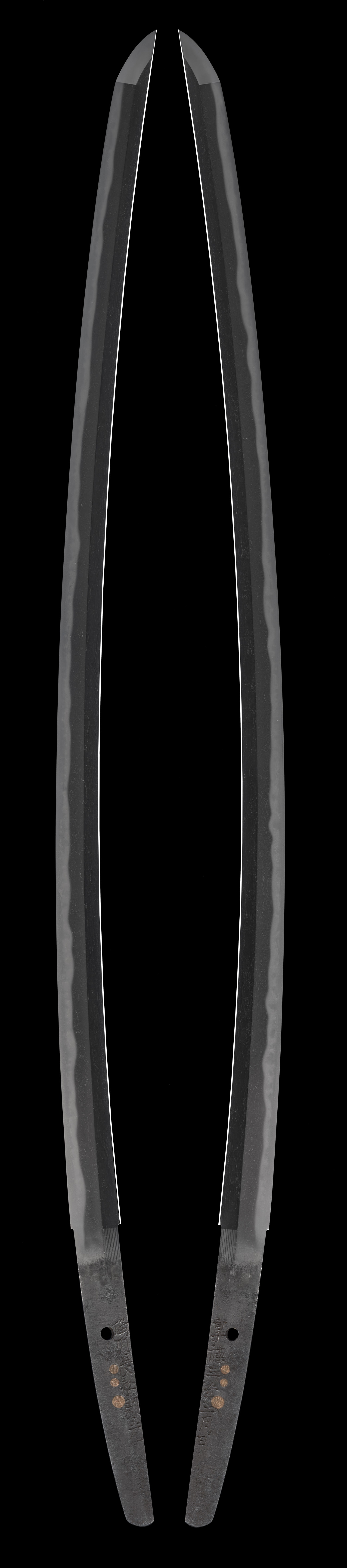
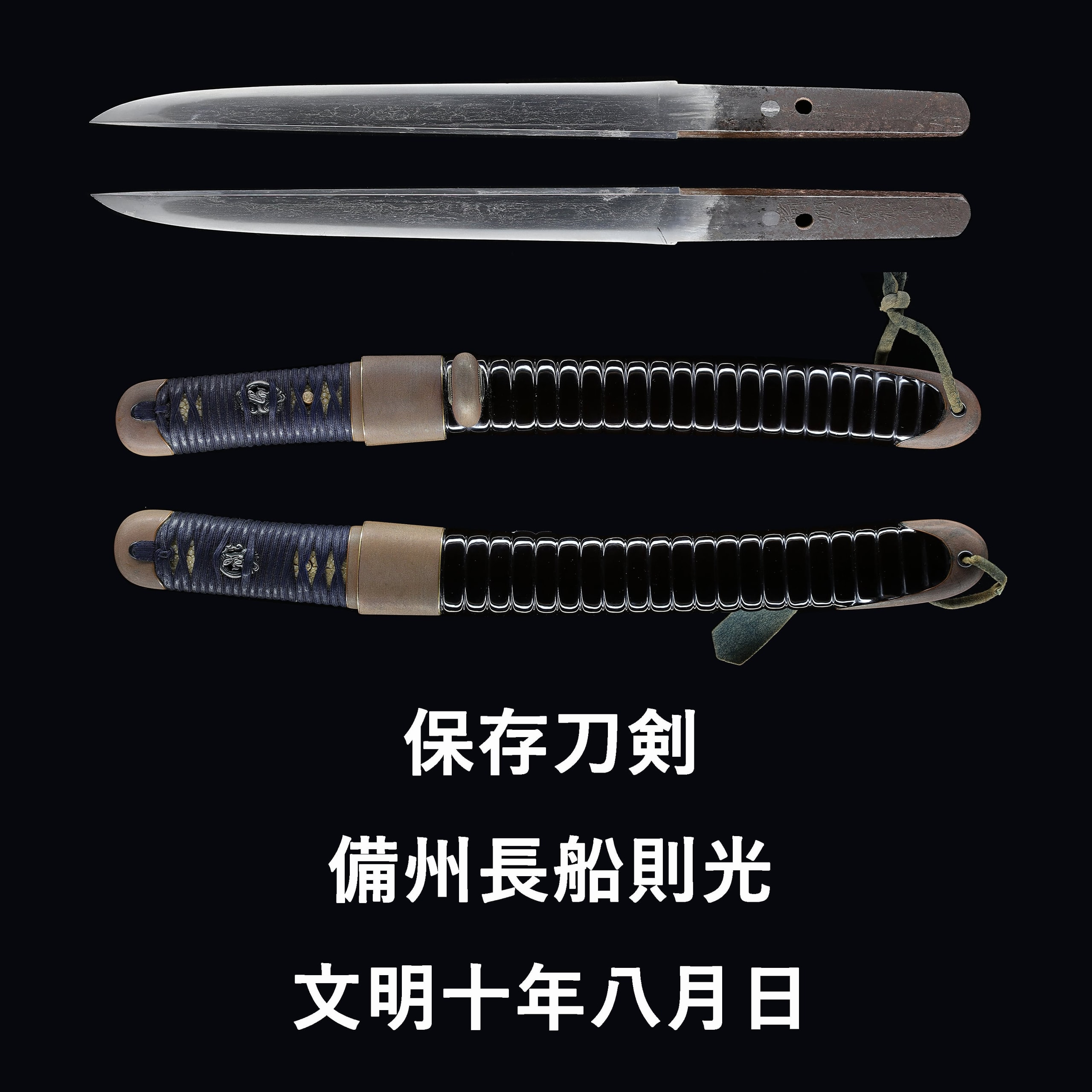
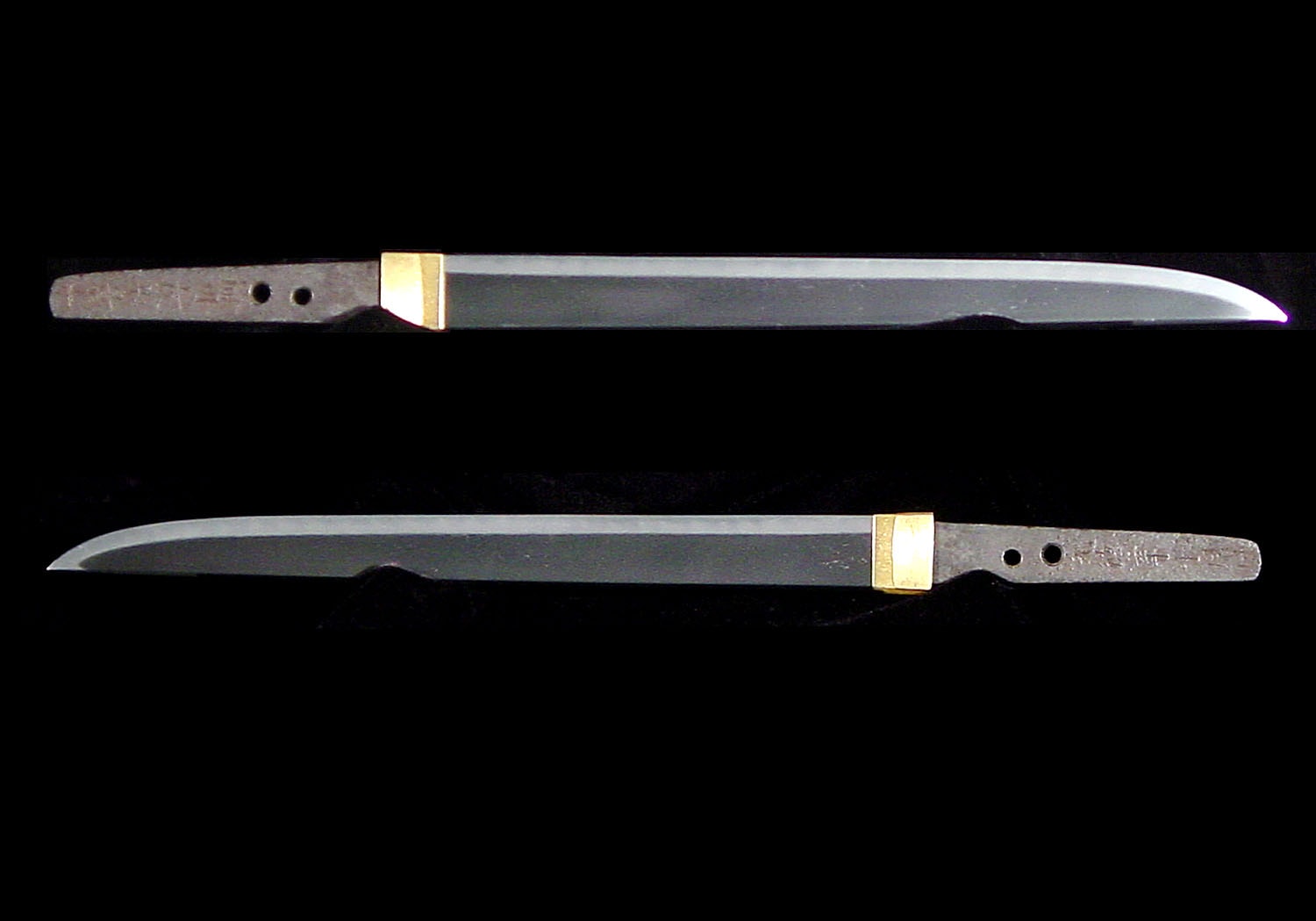
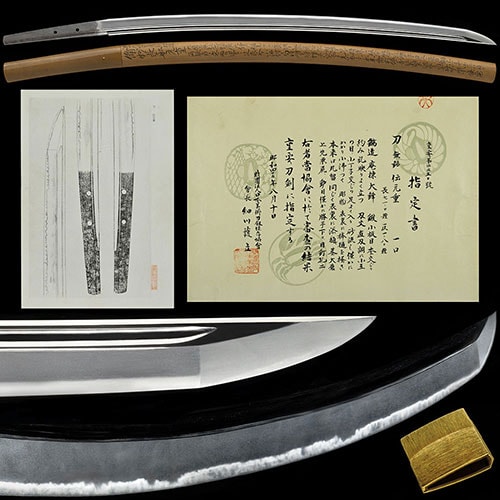
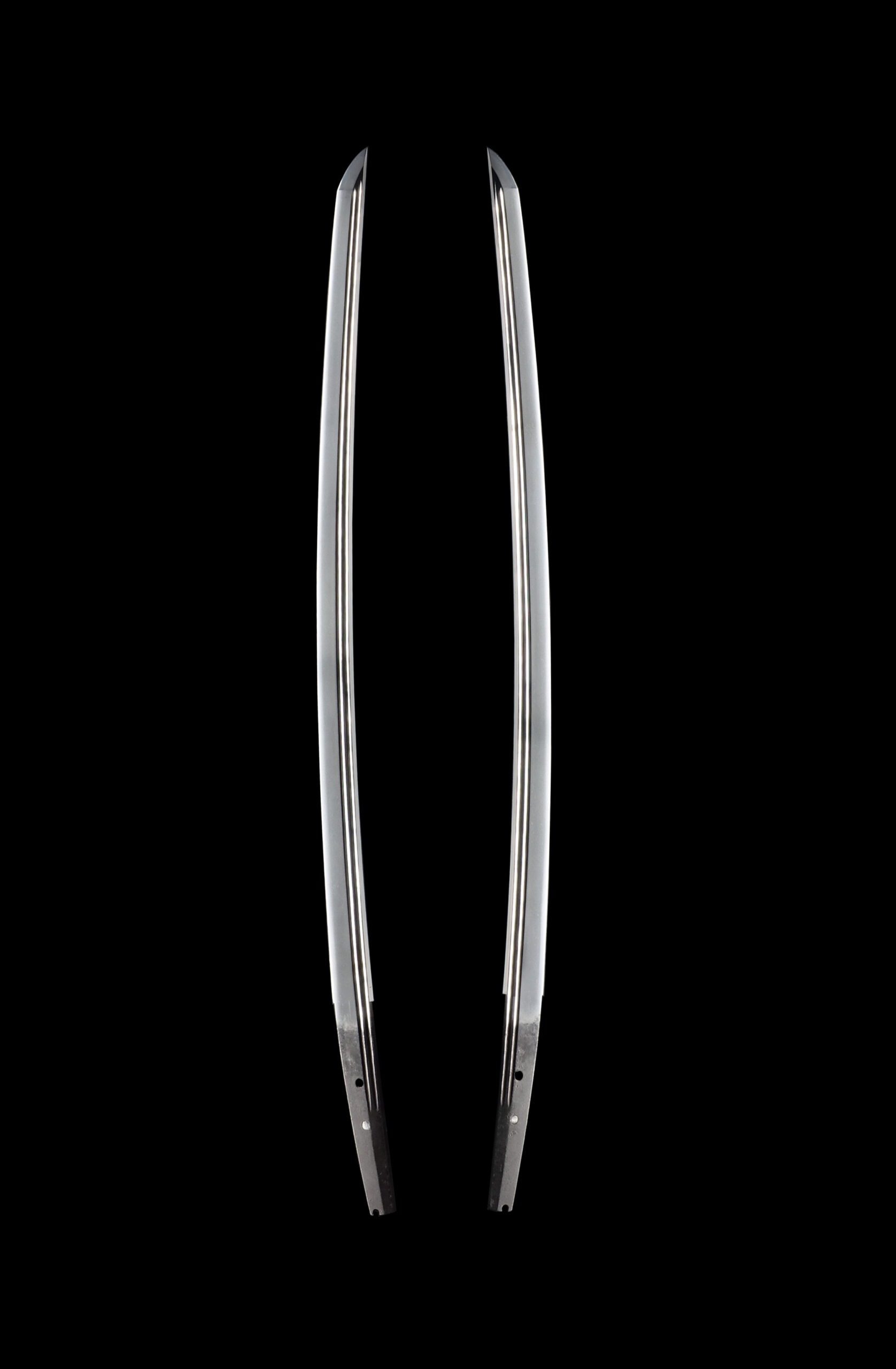
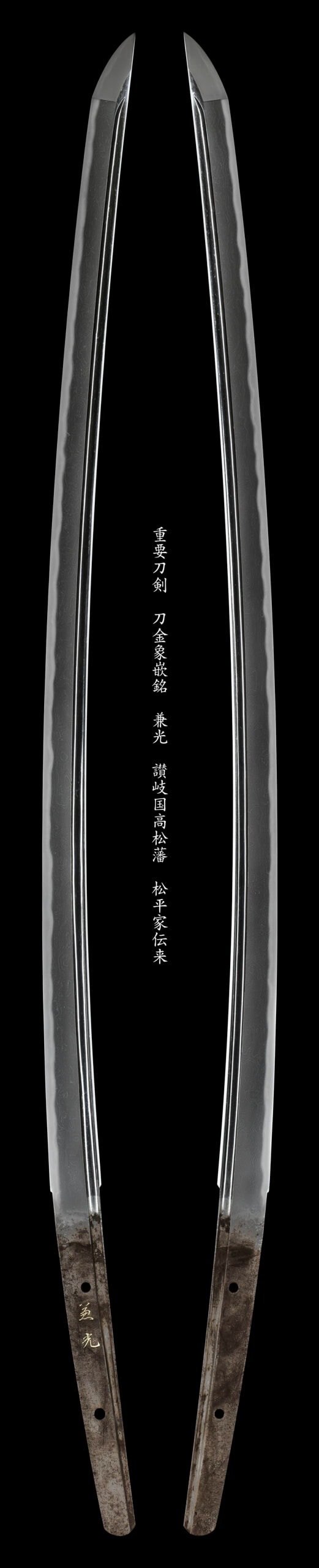
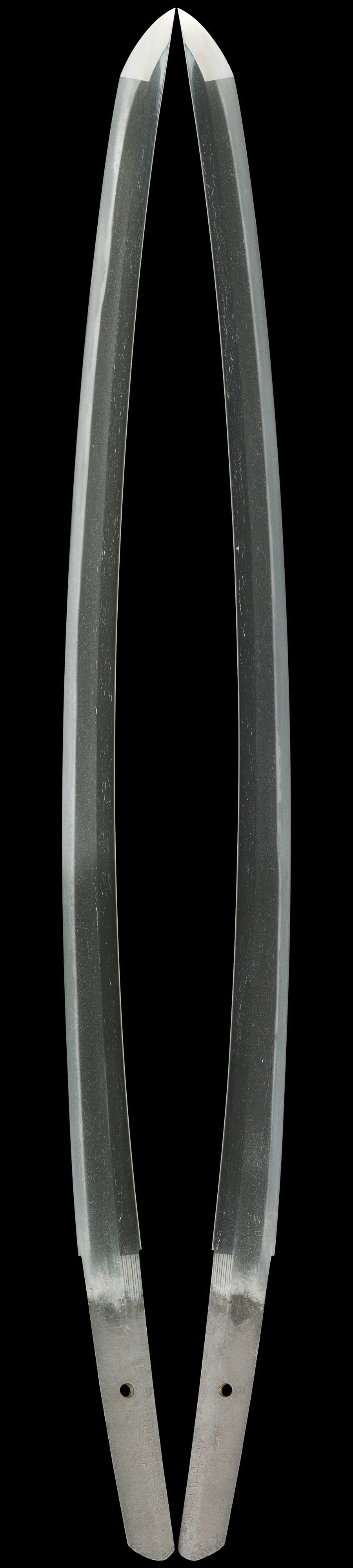
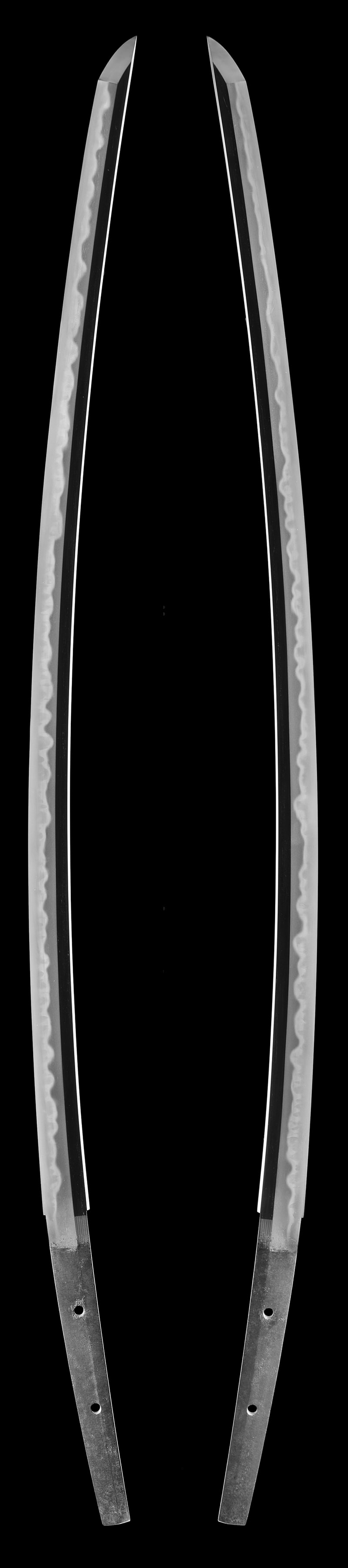
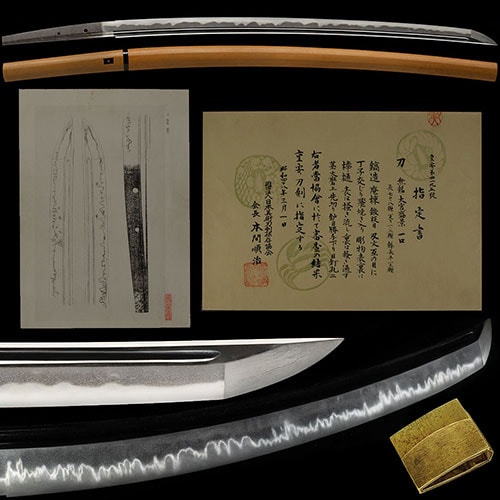
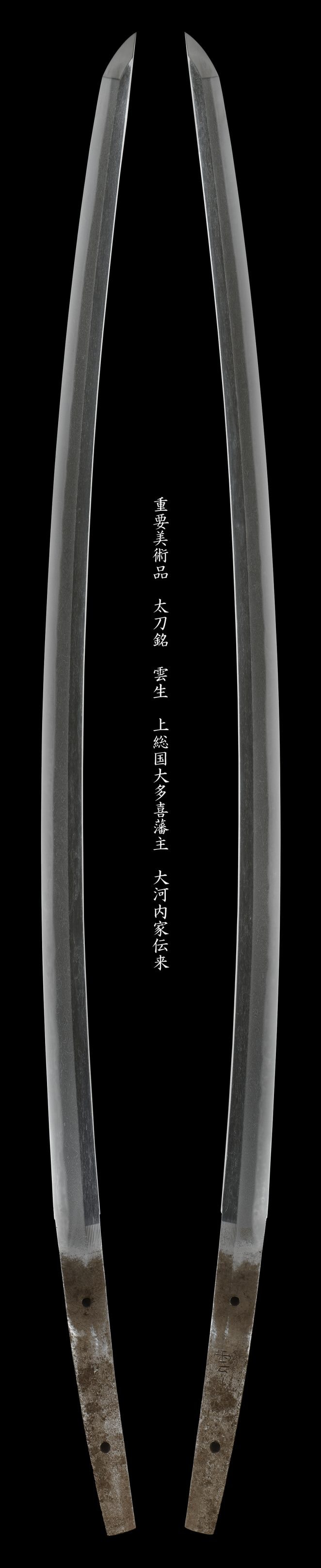
Morimitsu of , who worked under the title Shuri-no-jō, stands with Yasumitsu as one of the twin pillars of the early- smiths the published sources group together as Ōei- (応永備前). In the Ōei era (1394 to 1428), after the great of the late had fallen out of fashion, smiths such as Morimitsu, Yasumitsu, Iesuke and Tsuneie revived the workshop with work of notably elevated refinement, and the published commentary on a dated of 1405 names him, with Yasumitsu, "the most technically complete smith" of the group. The sword- reference works record him as of the line of Moromitsu (師光), one tradition holding him Moromitsu's son. His dated work is plentiful and runs densely through the Ōei years, his oldest a of Meitoku 5 (明徳五年), that is 1394, his cyclic dates reaching from the early Ōei into the 1420s.
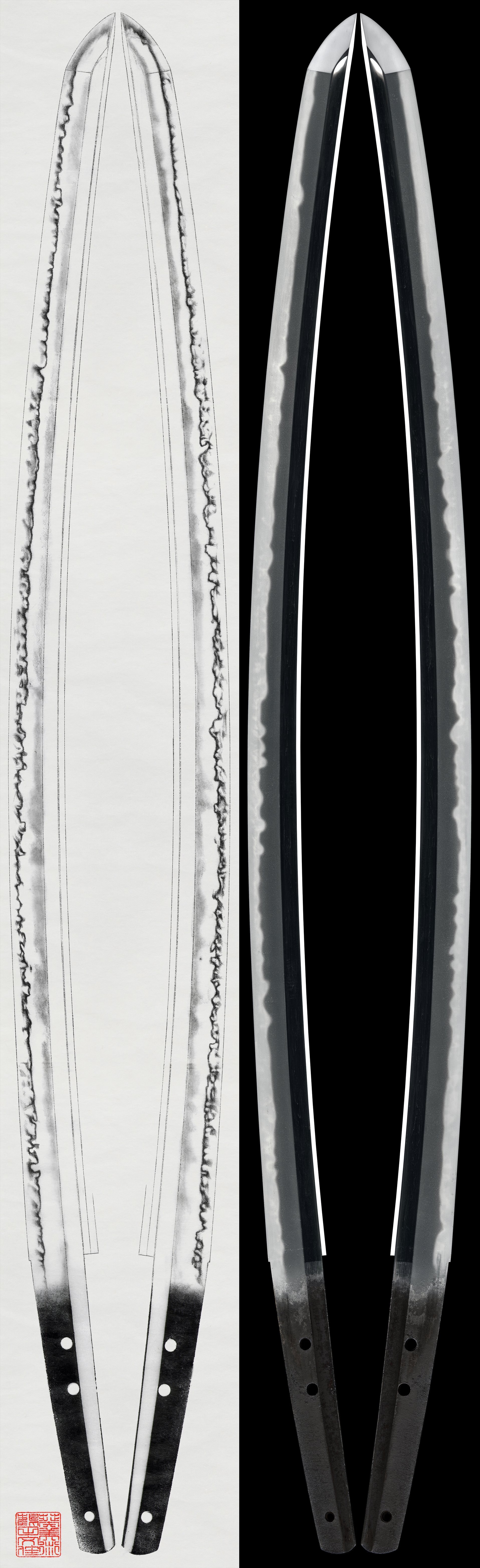
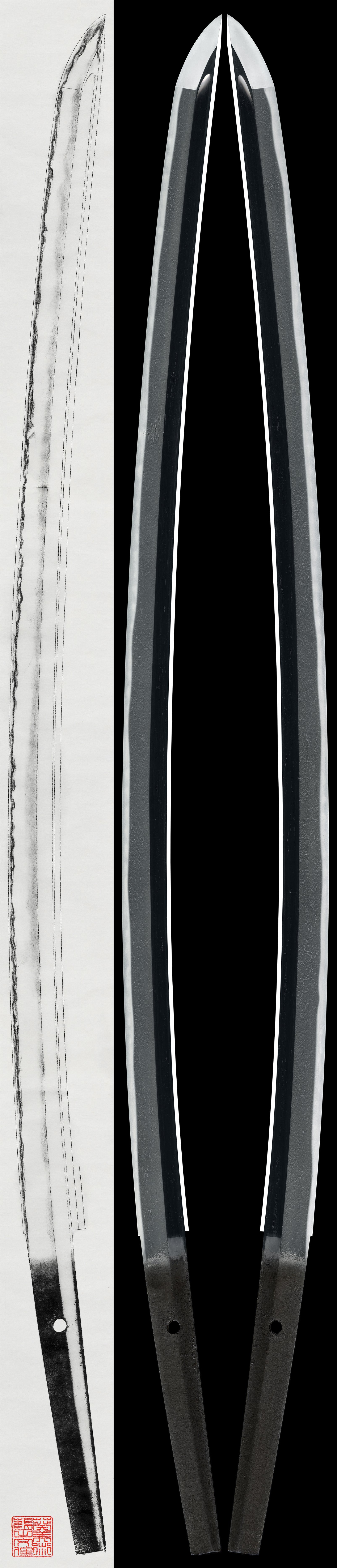
The ideal the Ōei- smiths pursued was a return to , and the published sources say their work can at a glance recall the lineage and the classical of Mitsutada and Nagamitsu, in the graceful proportions and in the revival of a -bearing temper. What is Morimitsu's own, and the school's, declares itself elsewhere. His prime and typical hand is a large-patterned, flamboyant built on a -, a that opens wide at its waist, into which , and angular and slightly pointed elements are mixed; and enter abundantly, the line is -dominant with , fine and run through it, bead-like sometimes scatter, and the is bright. Within this the and heads run broad and loosely rounded, a feature the published sources mark as his particular see-here: of one they note that " with rounded heads are observed", and of his finest that the heads of the are "as loosely and broadly rounded as could be", in which his strengths show most plainly. It is the working distinction a collector draws against Yasumitsu, whose heads tend rather to point.
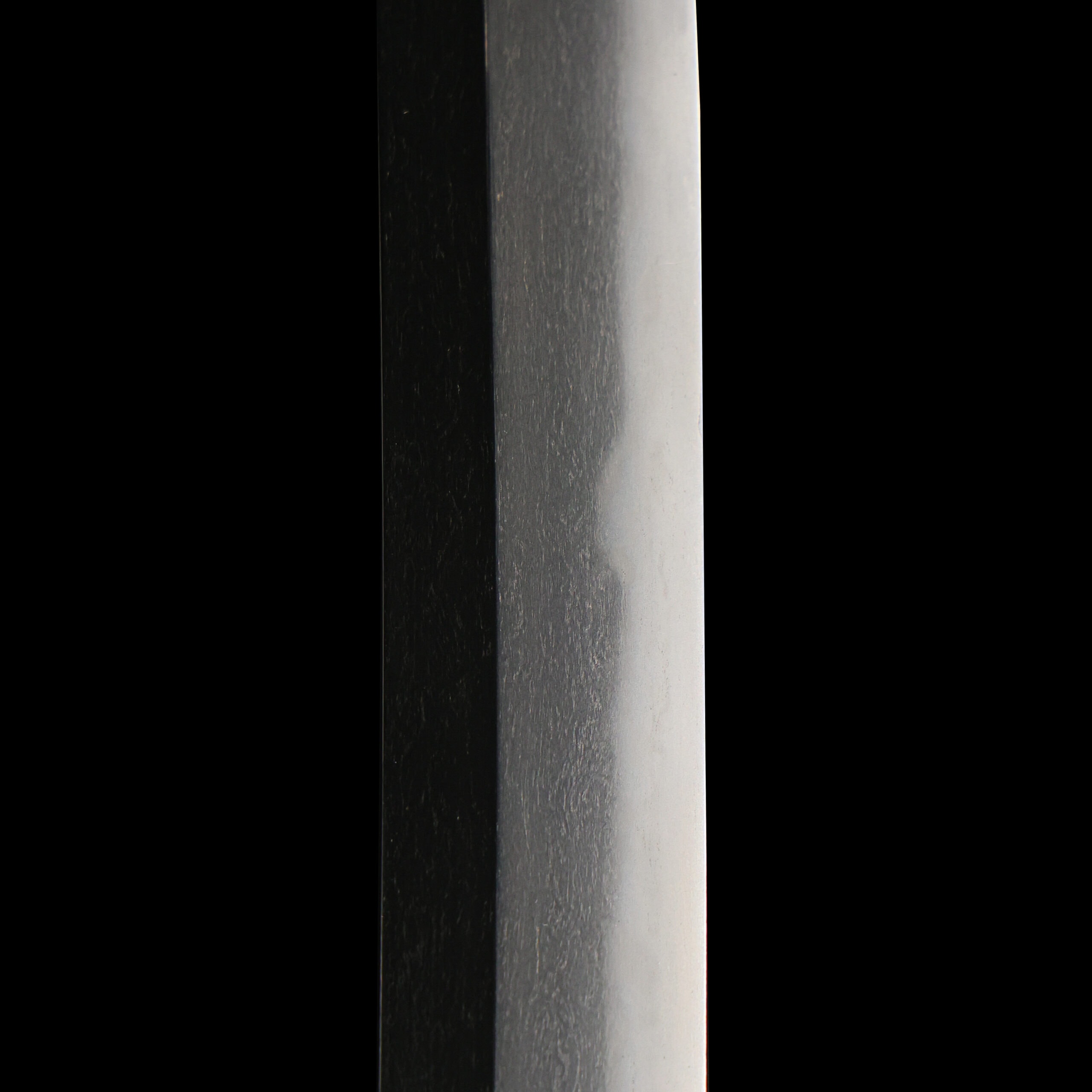
The forging beneath is an mixed with , with some and a tendency for the grain to stand, the carrying fine and, in the larger pieces, a -like dark steel woven through it. Over this the throws up , most often a but frequently, as the published sources note of this school, a , a linear reflection standing along the ; on the calmer blades a clear runs by the edge. The turns and points, the tongue-shaped tip the judges liken to a candle-wick, the "rōsoku no " they return to again and again as the defining Ōei- turnback. The carving is the other constant: a , often with a , finished round above the in , a school tell, and on the lower body religious in the carving tradition the published sources trace from Nagamitsu and Kagemitsu, , a , , (倶利迦羅) and carved deity names, among them "".
The published sources name two hands in him. Beside the flamboyant they record a quiet and elegant , a chū- or of whose is tight, bright and clear, faintly broken with and a sunken , the edge sometimes frayed with into a ; on it the runs straight to a with a slightly pointed turn. This second hand they call comparatively scarce in him: in the commentary on a the writes flatly that "compared with Yasumitsu, Morimitsu has few examples in ", which is the chief discriminator between the twin pillars, Morimitsu the more -rich and flamboyant, Yasumitsu the more given to the calm straight temper. A third, temporal manner the published sources draw from his oldest dated blades: the Meitoku 5 and the earliest Ōei pieces work small-patterned, a with and varied teeth that runs close to the previous era's ko-reba (small-curvature) school, the signature too cut small in the older manner, and the judges prize these as material for studying his transition into full Ōei-.
Where his hand grows most archaic it borders the late- , and the published sources note that one such "at a glance recalls Kagemitsu or the Unrui, but the differs", the candle-wick turn the feature that gives the Ōei date away; of another they say it could be "mistaken for late- or the Unrui." A carrying can in turn evoke , yet here too the standing -bearing and the settle the appraisal on Morimitsu. The lineage closes downstream as well: the 盛光 name continued, and one 's commentary states that "the dates seen in his work run from Ōei into Bunmei, and across that span a first and a second generation exist". The corpus on record is overwhelmingly the Ōei , the Shuri-no-jō; with Yasumitsu he is the standard by which later looked back, the - and candle-wick carried forward as the mainstream of the later .
He is graded Jō-jō by Fujishiro, and the designation record behind his name is substantial: three of his blades are Important Cultural Properties, with five at and forty-eight at , fifty-three in the and tiers together. He left accomplished work in every form, , , and , and a relatively large number survive; the published sources call several his masterworks, naming one "the white of Morimitsu's work", handed down in the Kishū Tokugawa Family. The provenance recorded against his blades carries names of standing, the Kishū Tokugawa, the Akimoto, Nanbu and Satake families, the Imperial Family, and shrine collections at Tanzan and Yasukuni. A handful are held forever in the Important Cultural Property tier and can never come to market; his and blades are heritage long held, in public collections and in old private hands, and come into open circulation only from time to time. For a leading Ōei- master they are not beyond a patient collector's reach, but neither are they readily found, and a signed and dated Morimitsu of the Shuri-no-jō is a thing of consequence whenever it appears.