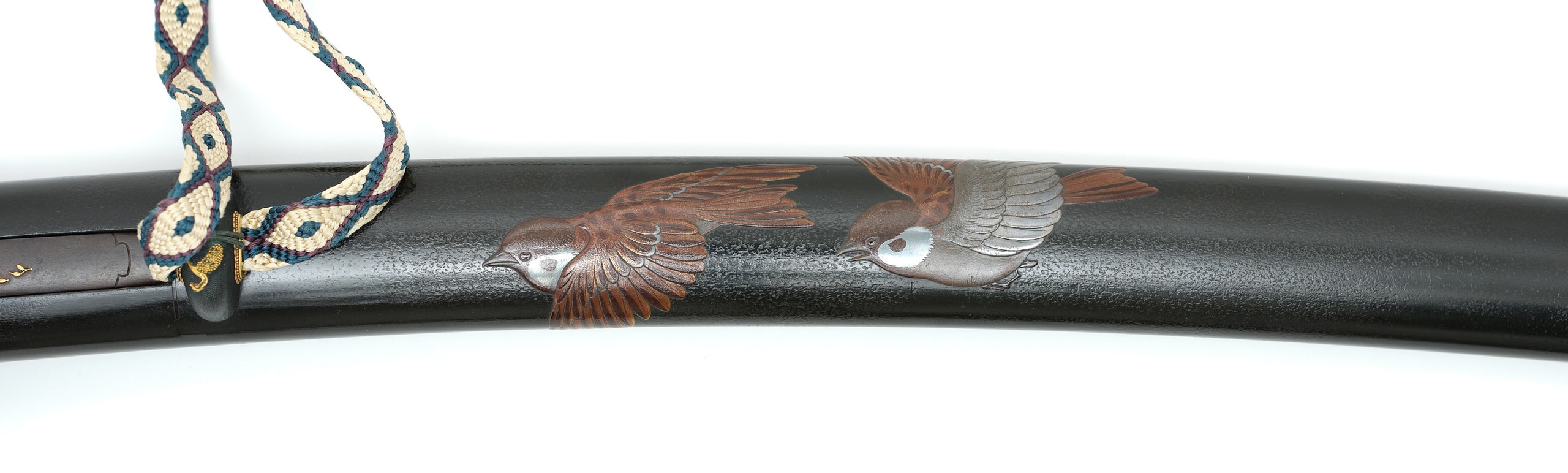
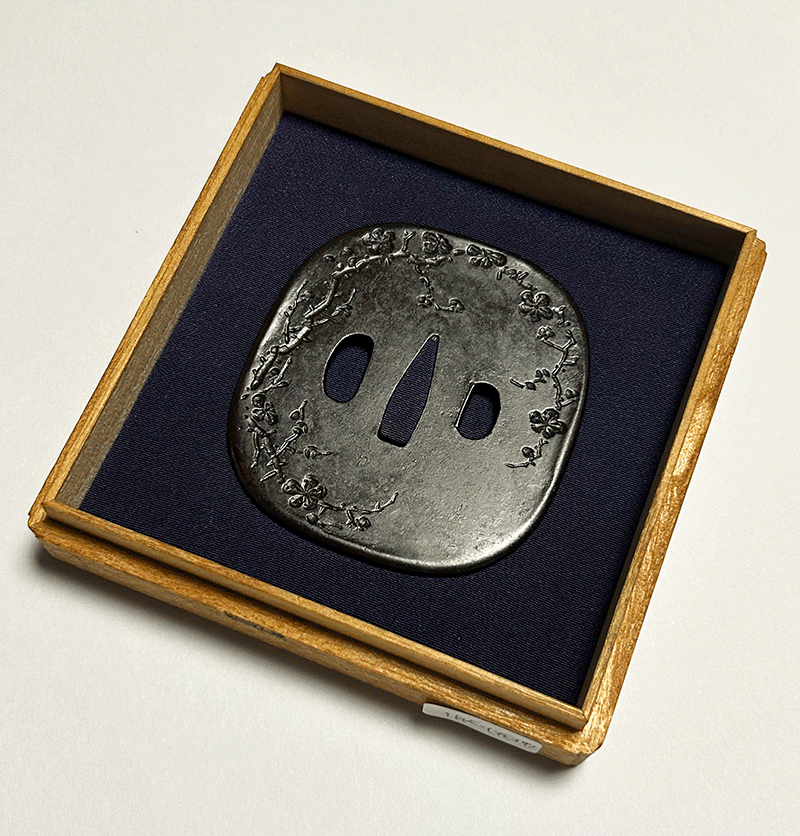
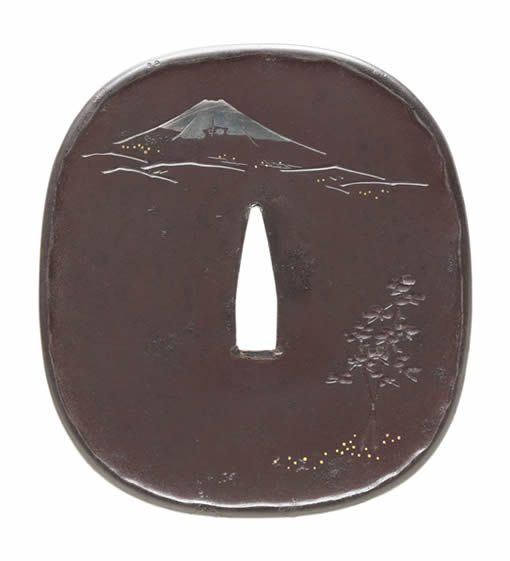
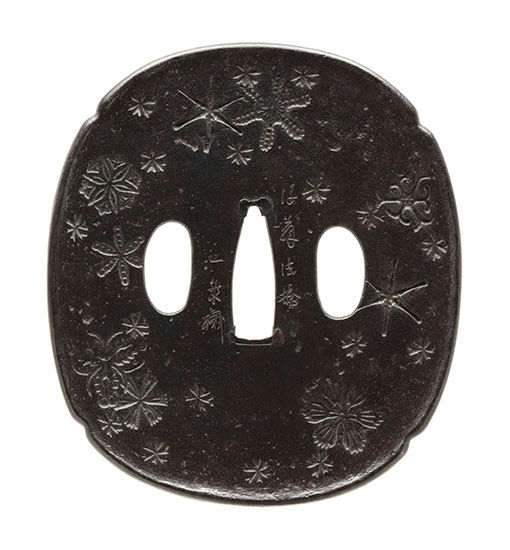
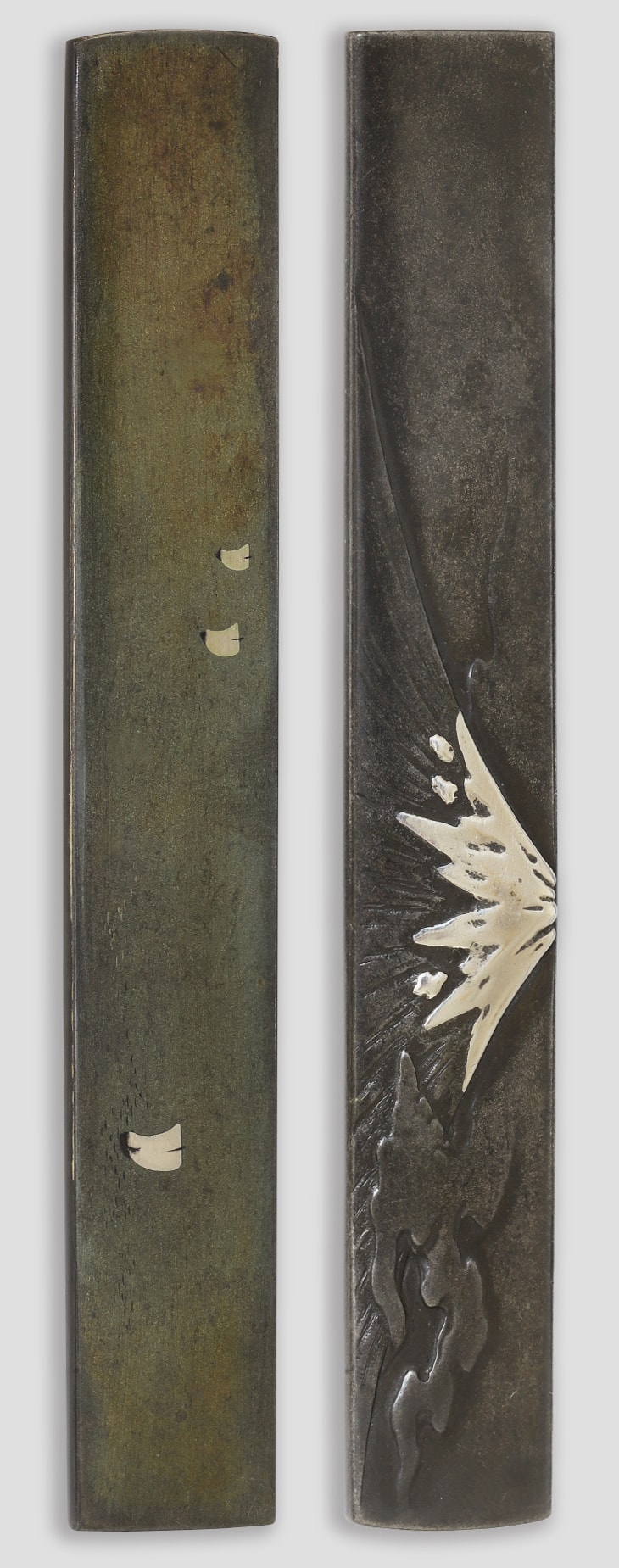
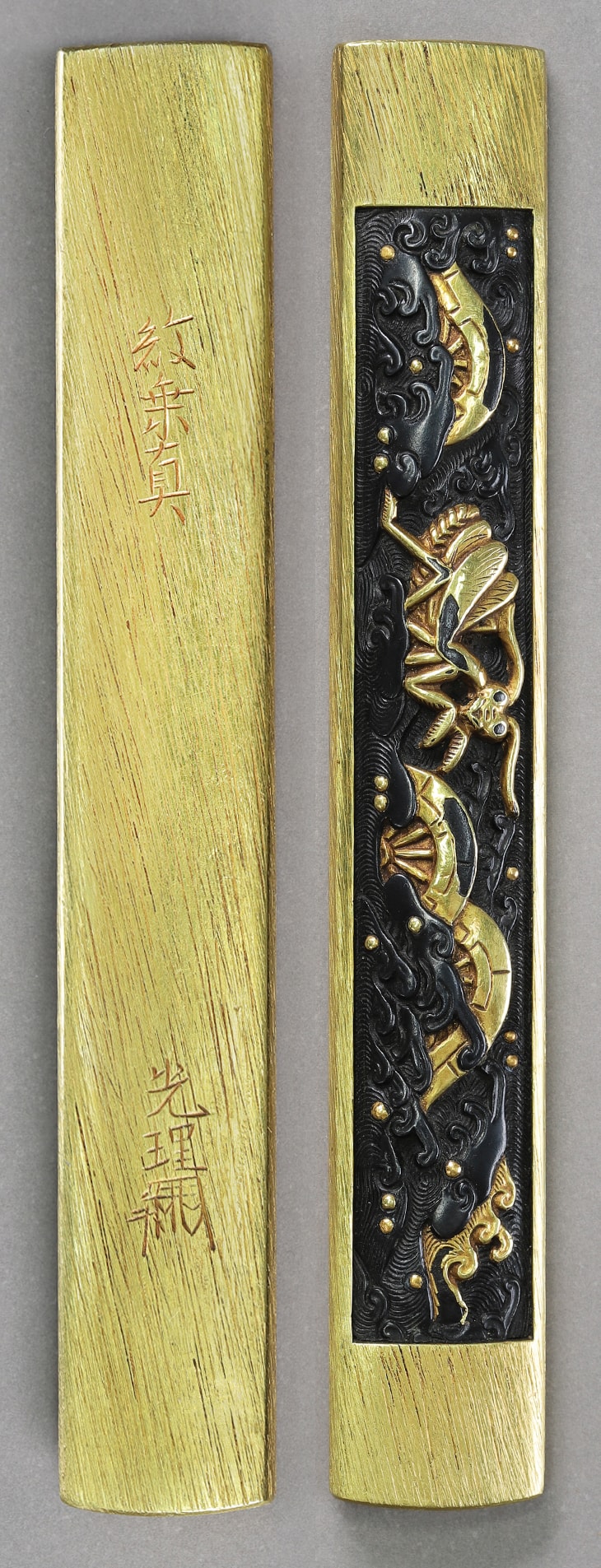
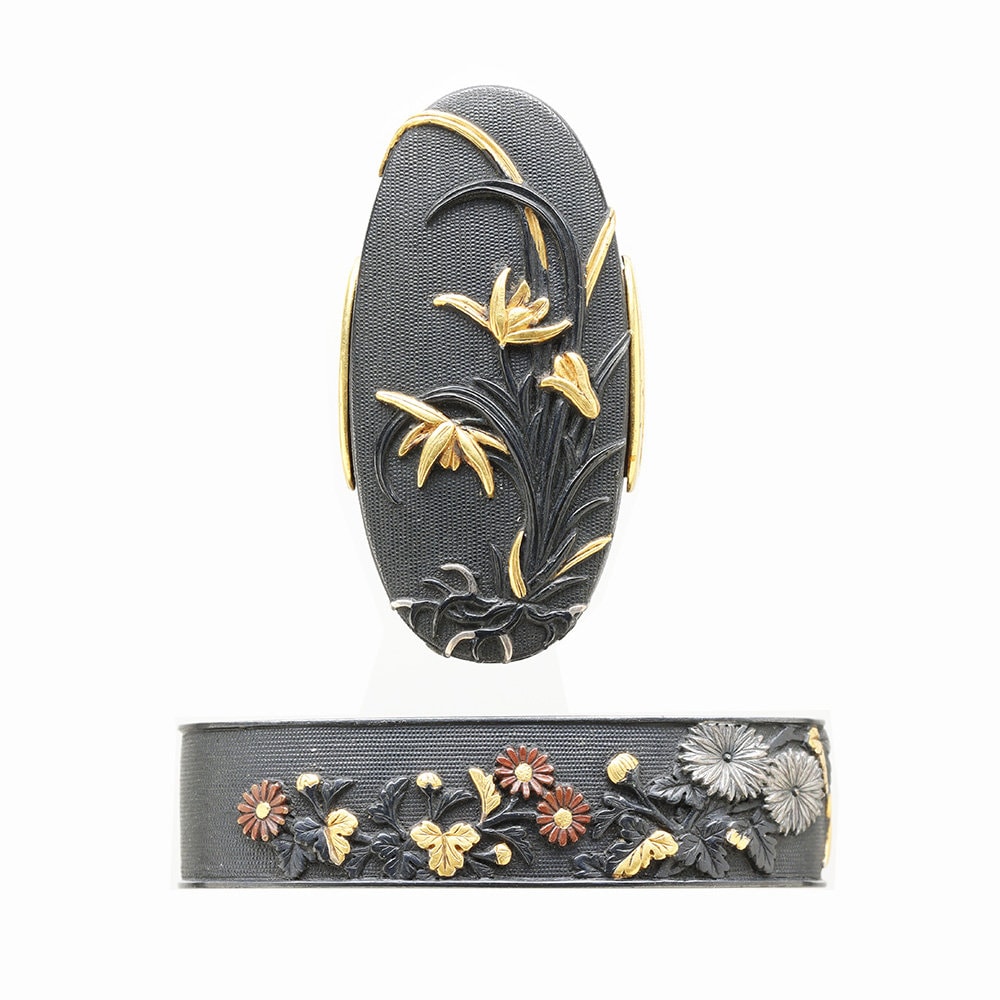
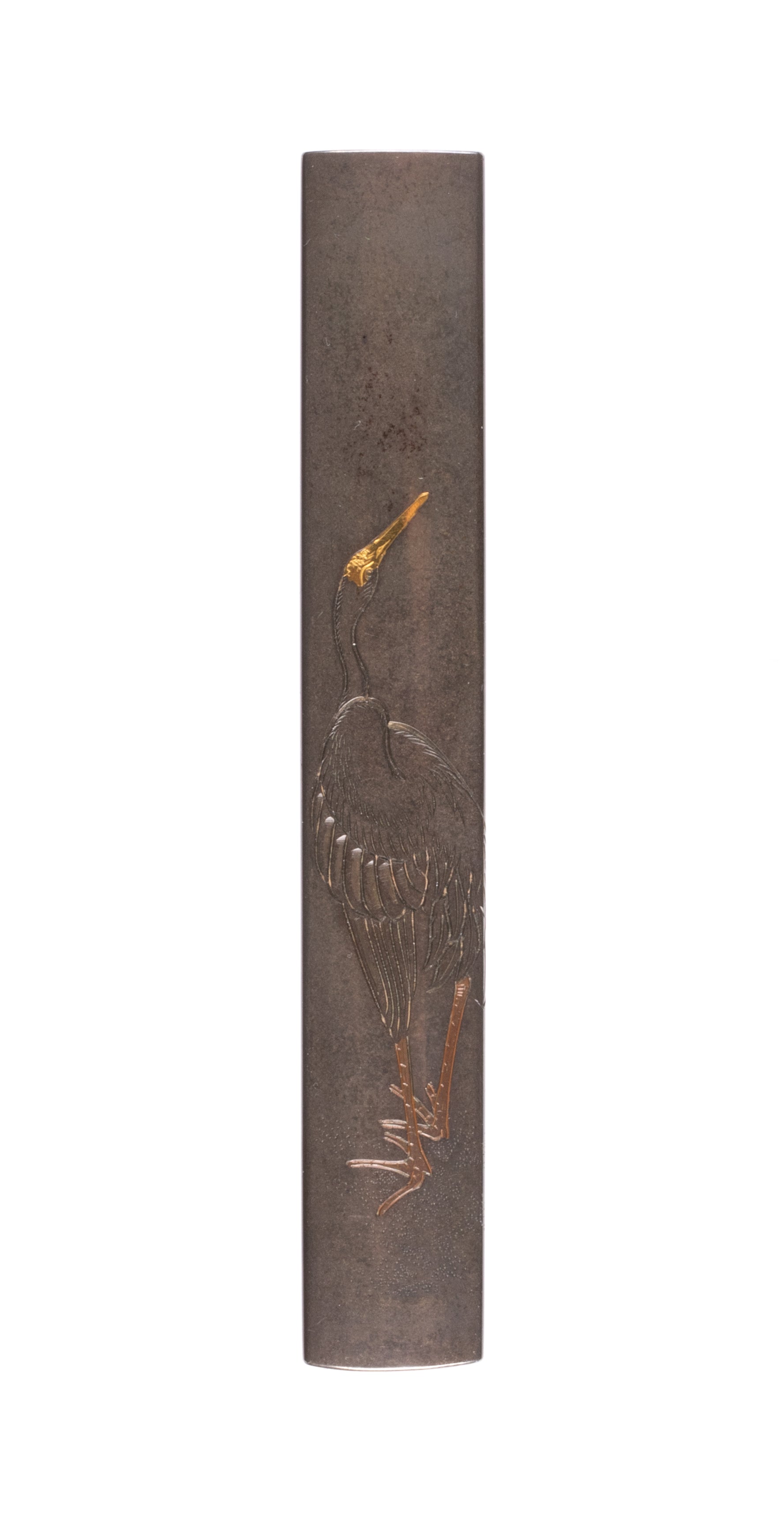
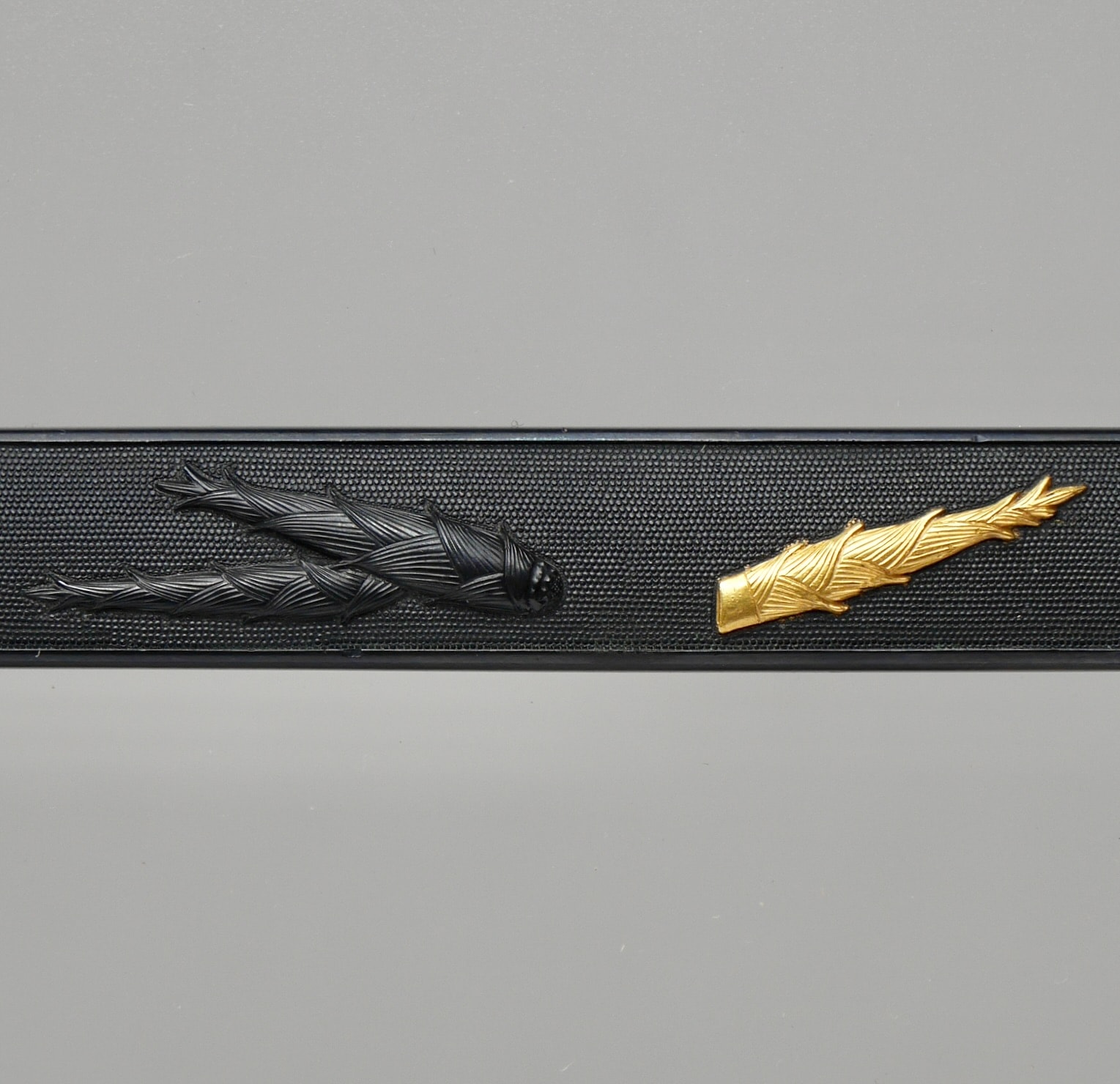
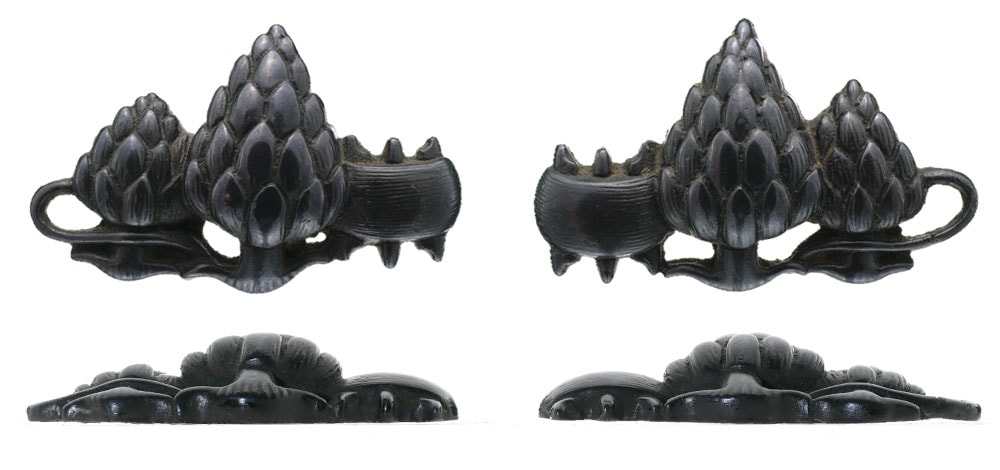
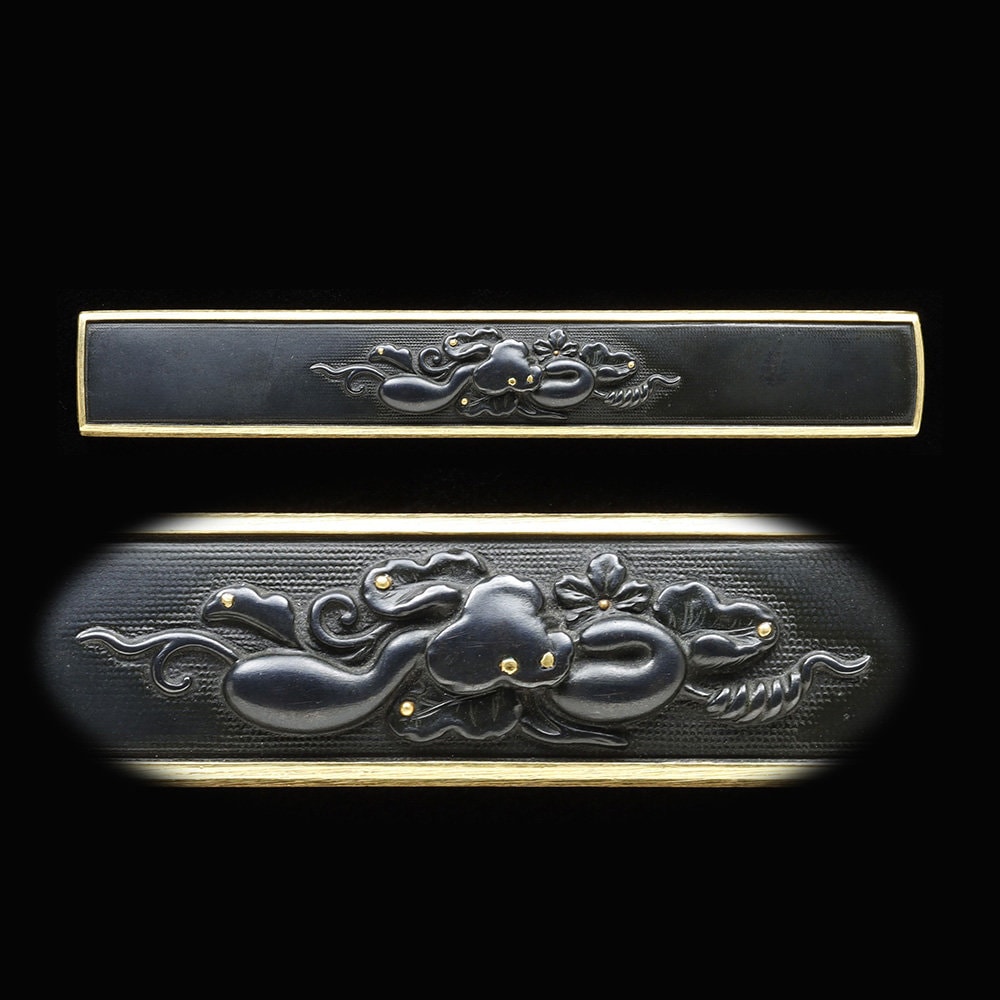
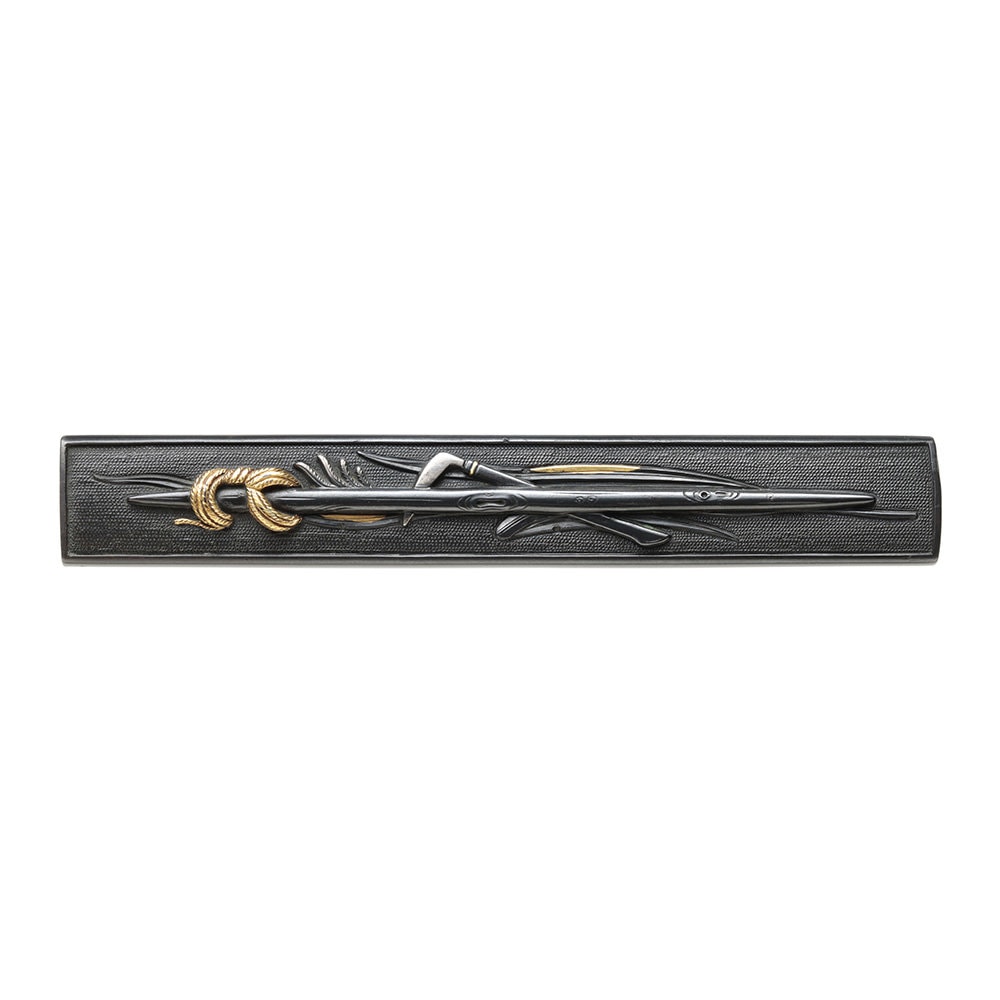
Wada Isshin Masamasa was born in Kyoto in Bunka 11 (1814). He first trained under Fujiki Kyubei, a craftsman who produced fittings in the Goto manner as an outsourced engraver (shiirebori-shi), and at that time used the name Masataka. Later, through the intermediation of the sword merchant Sawaya Chubei, who recognized his natural talent, he entered the school of Goto Ichijo. He was granted permission to use the character "" and accordingly changed his name to Isshin. A man of broad cultivation, he possessed knowledge of medicine, was devout in matters of religion, and enjoyed composing poetry and playing the gekkin (moon lute). He used art names (go) such as Gekkindo, Bizan, and Tennenka, and many of his works bear honorific prefixes including , Daishin, and Asomi. He died in December of Meiji 15 (1882) at the age of sixty-nine.
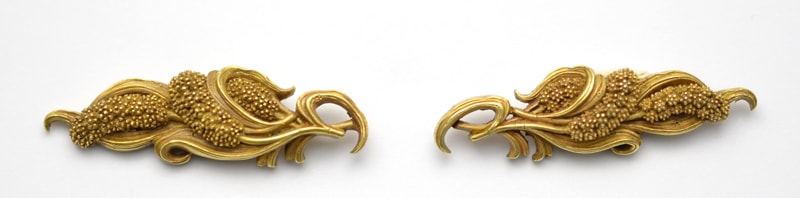
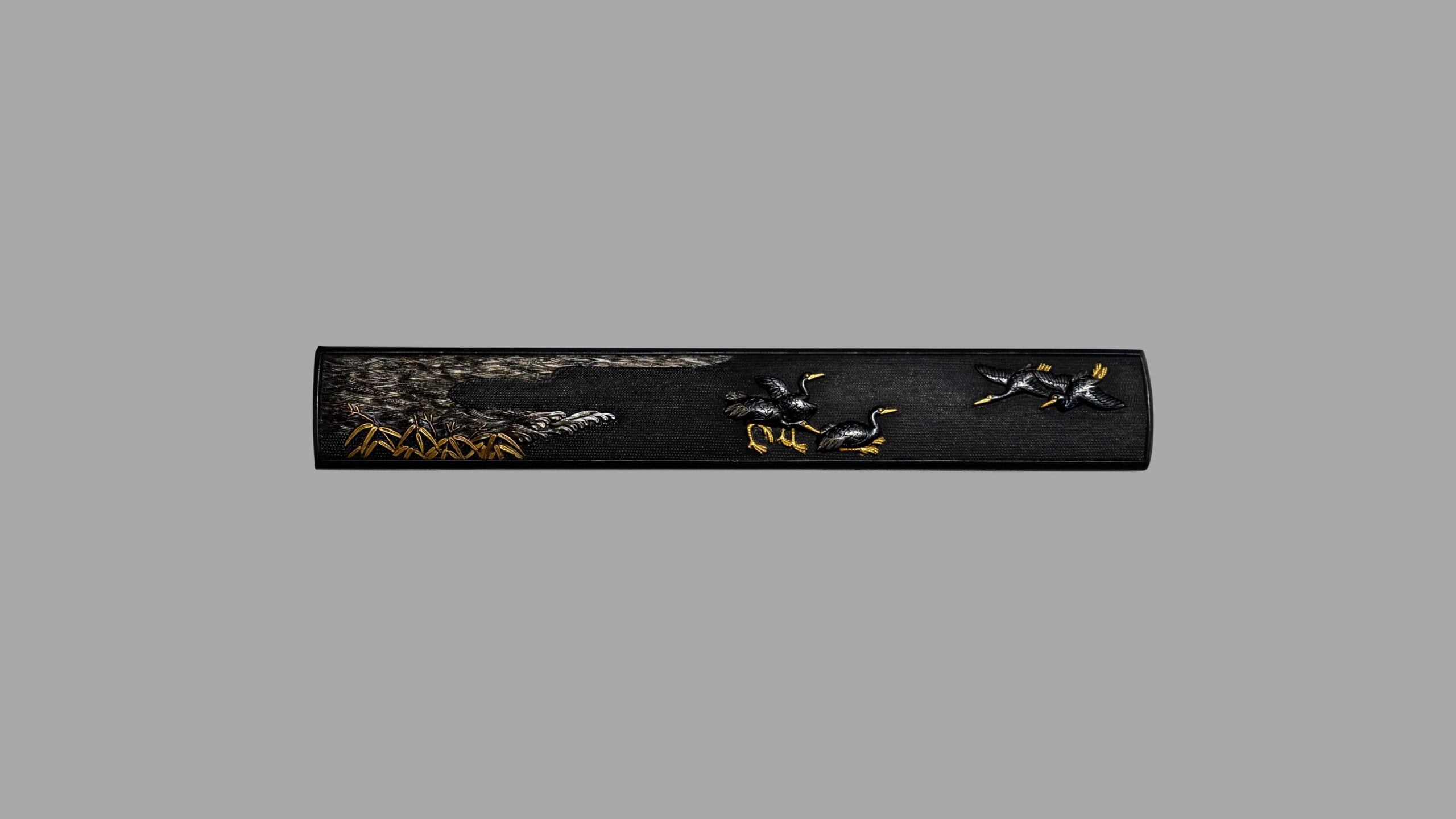
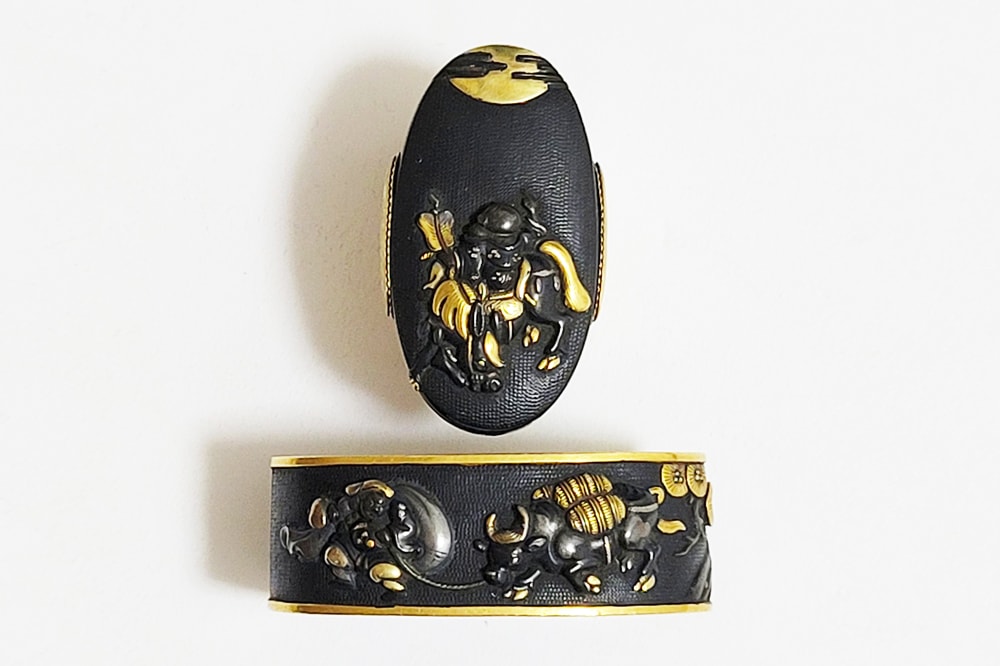
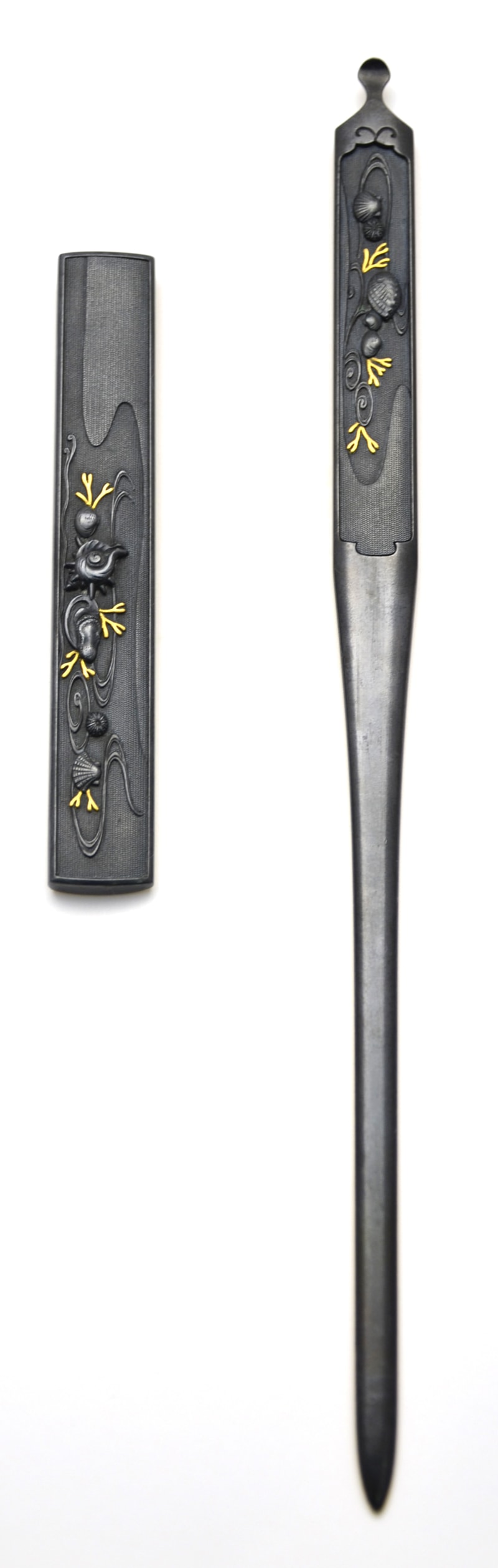
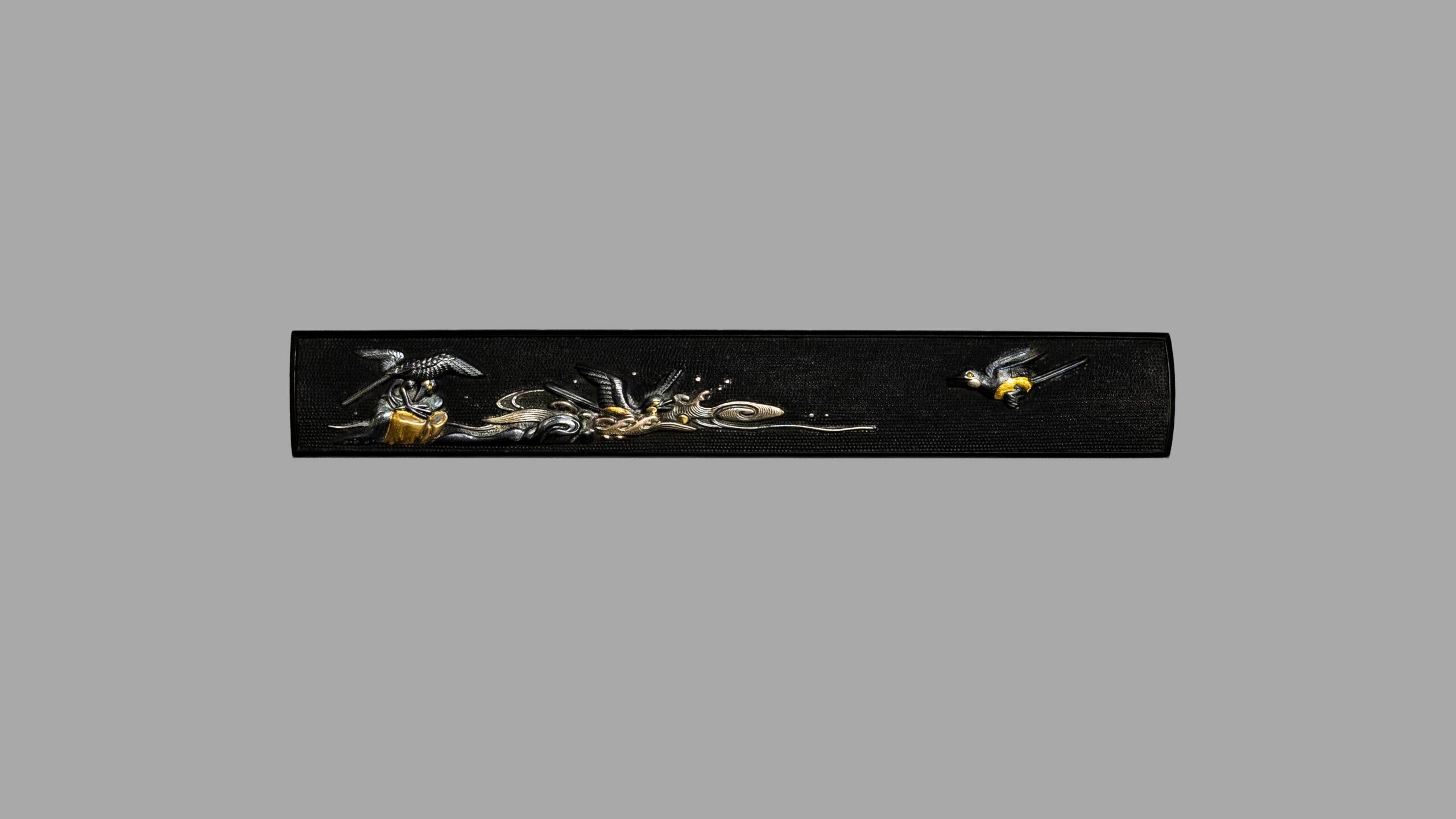
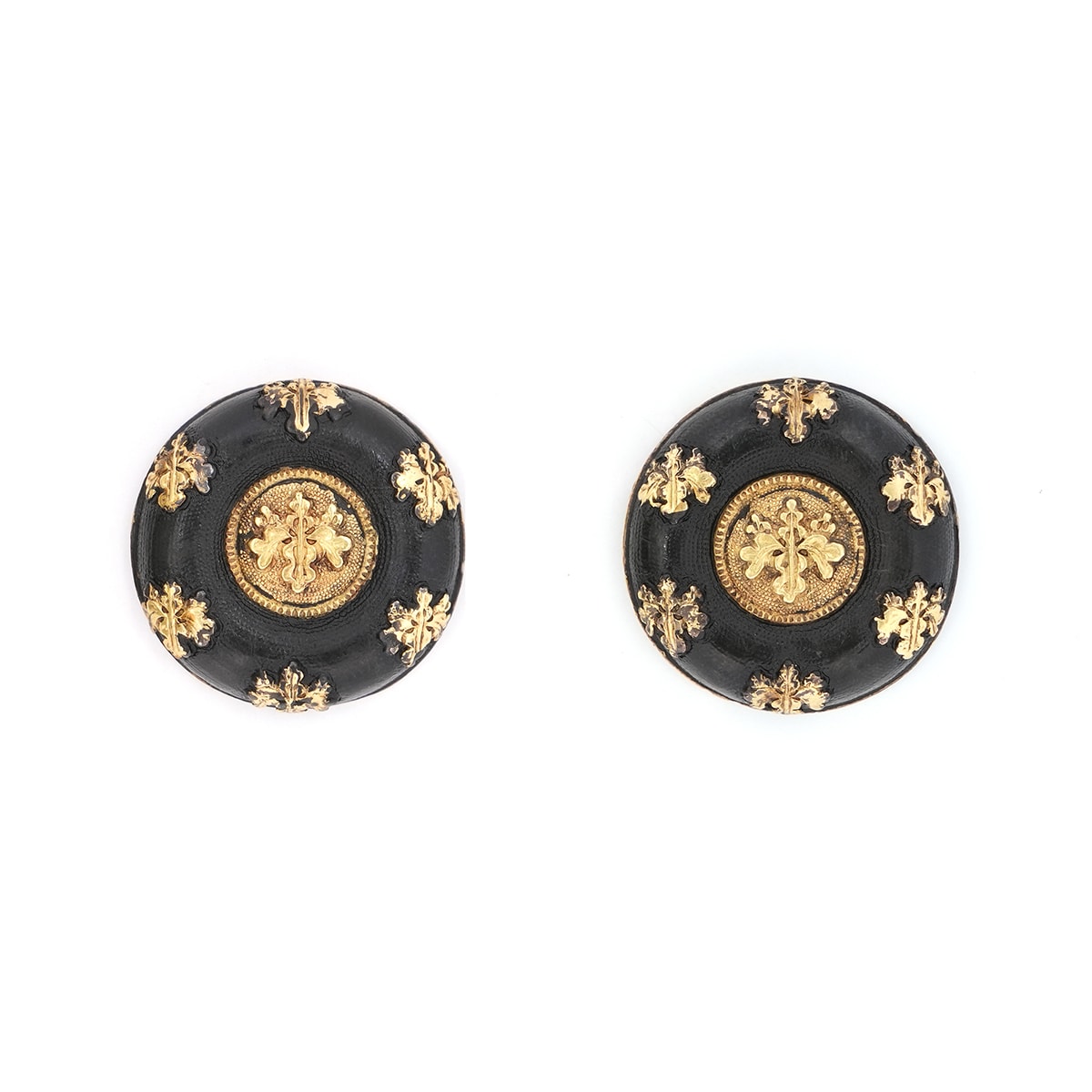
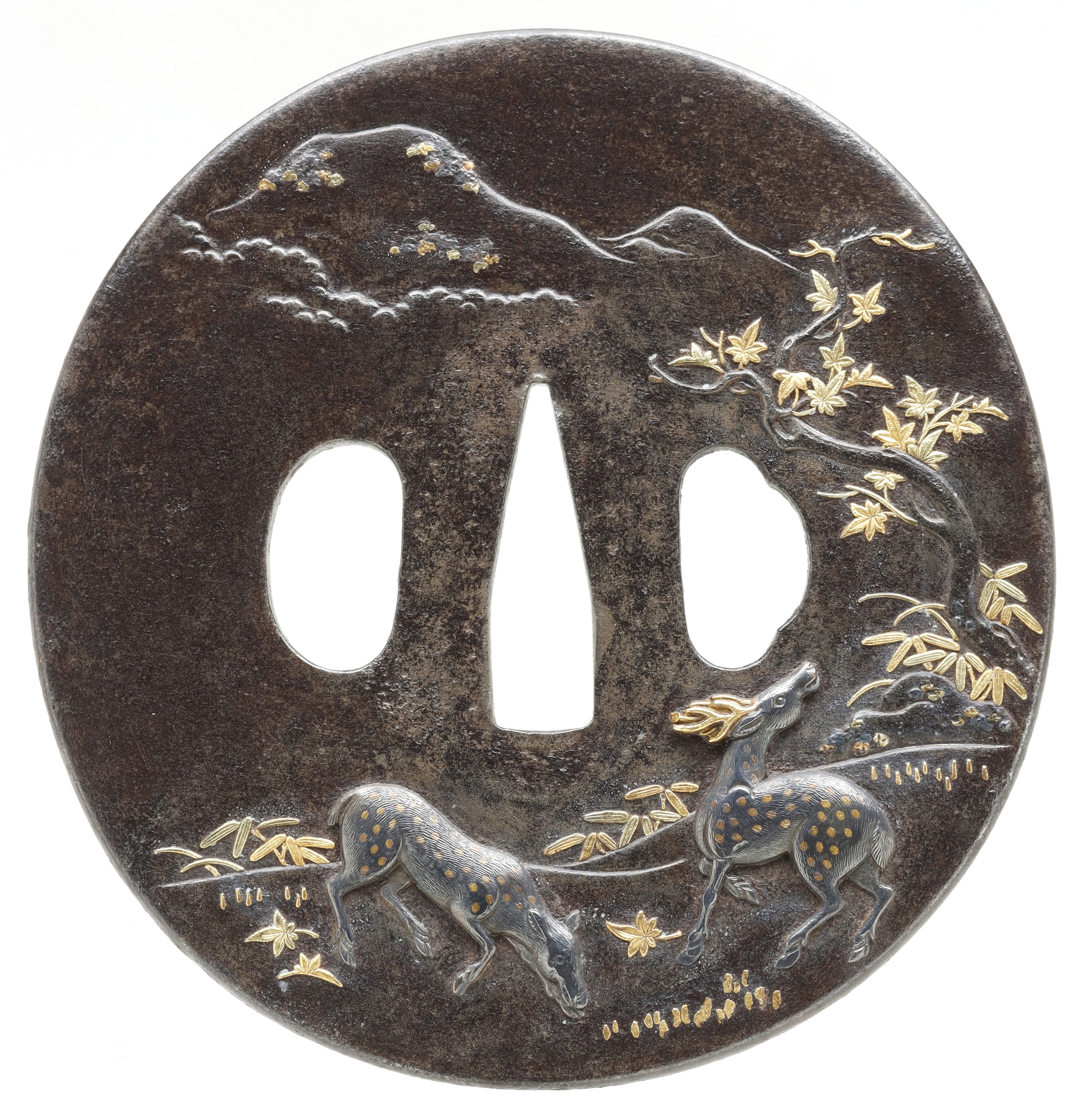
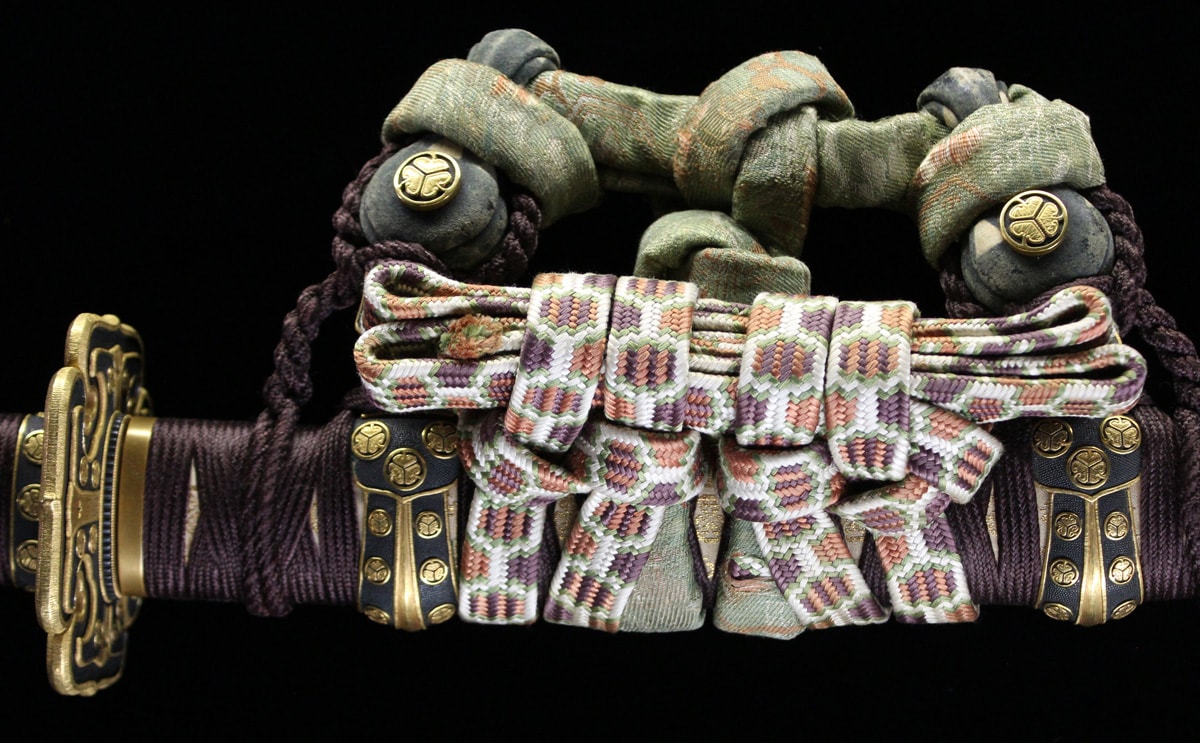
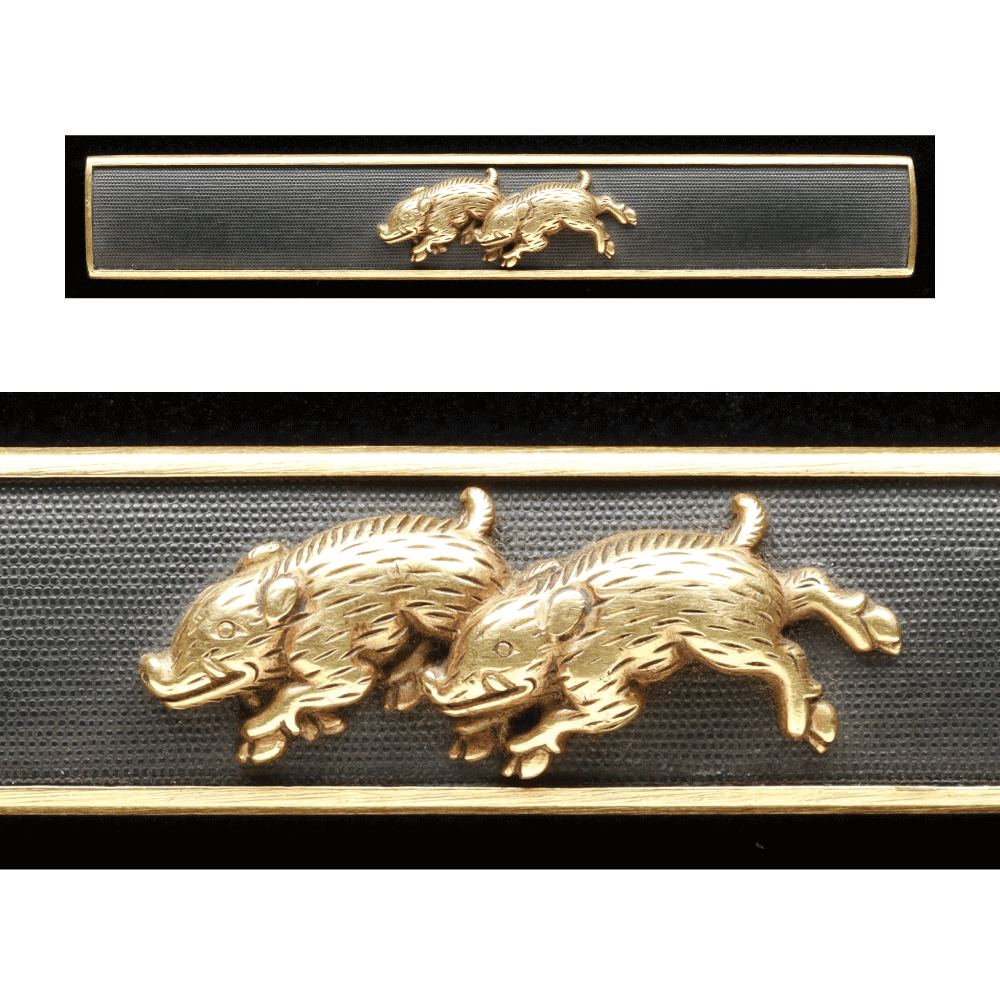
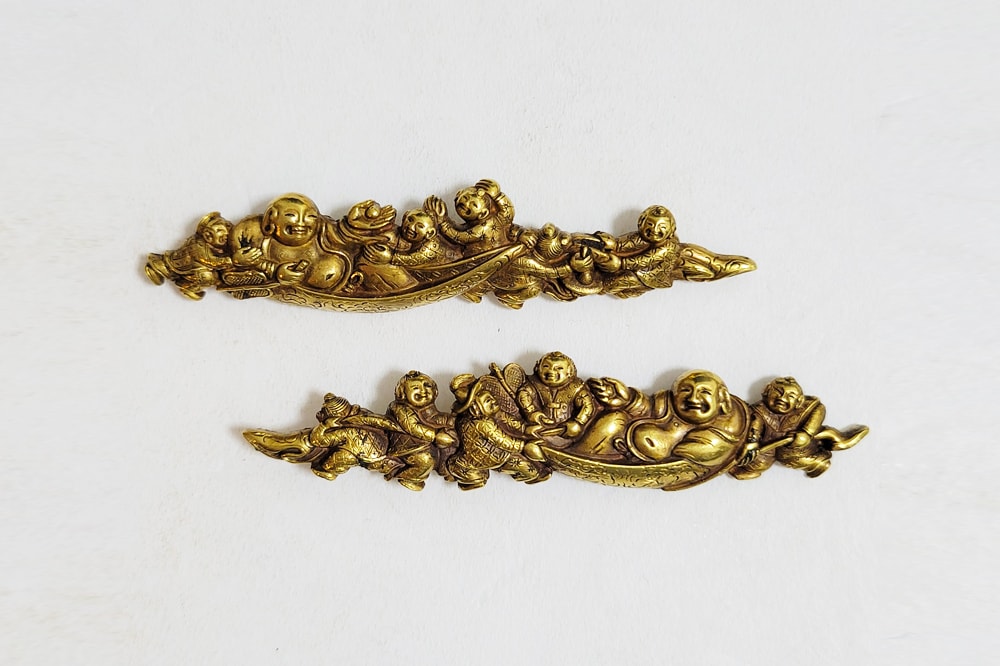
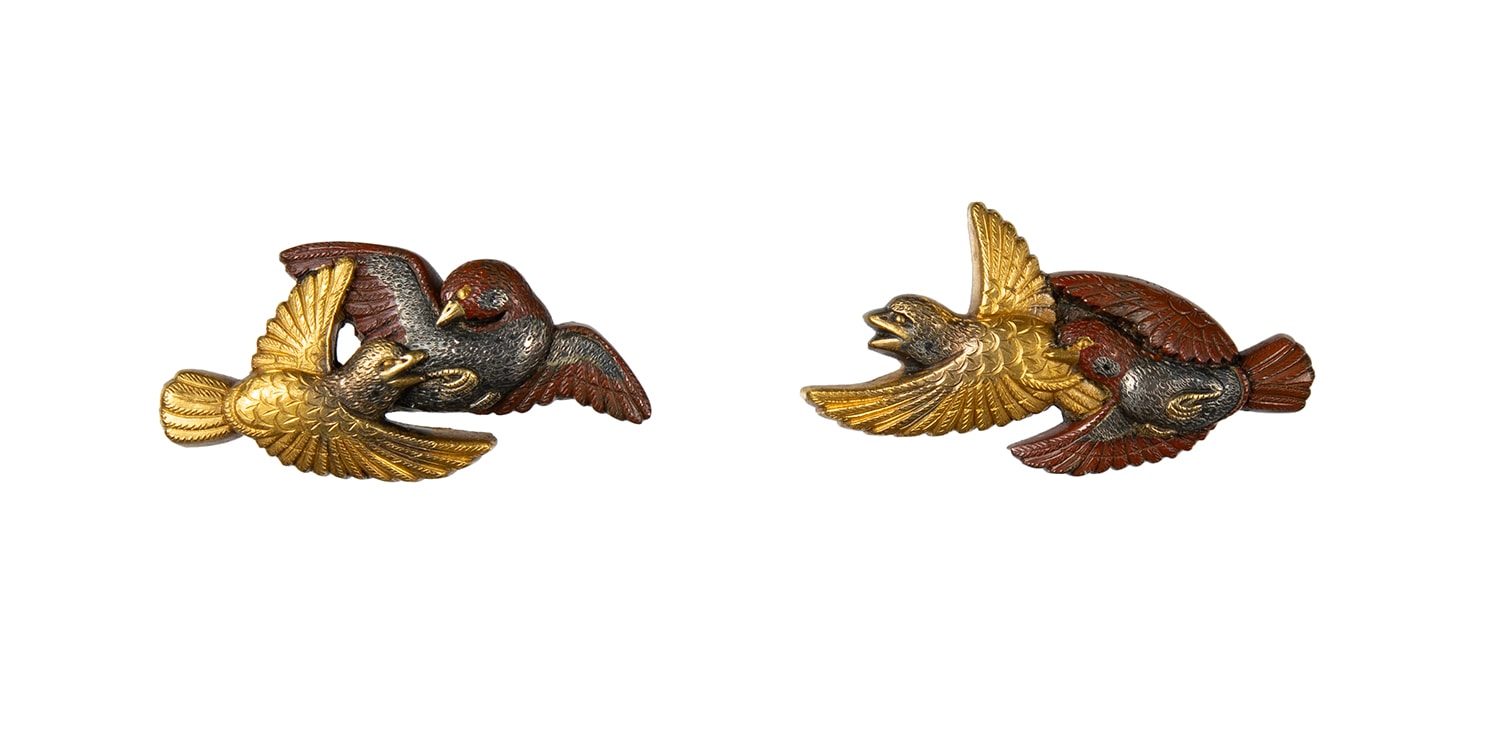
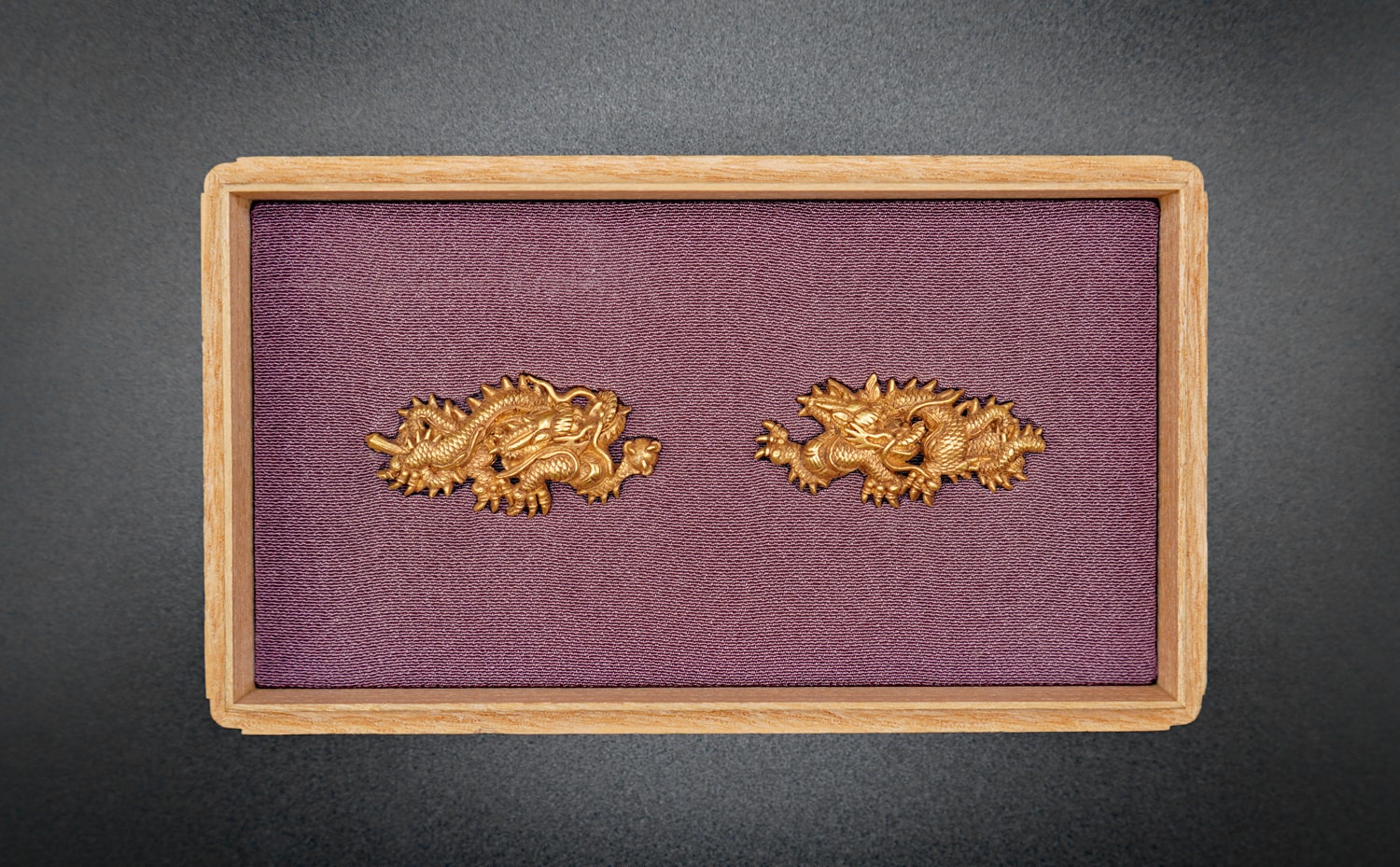
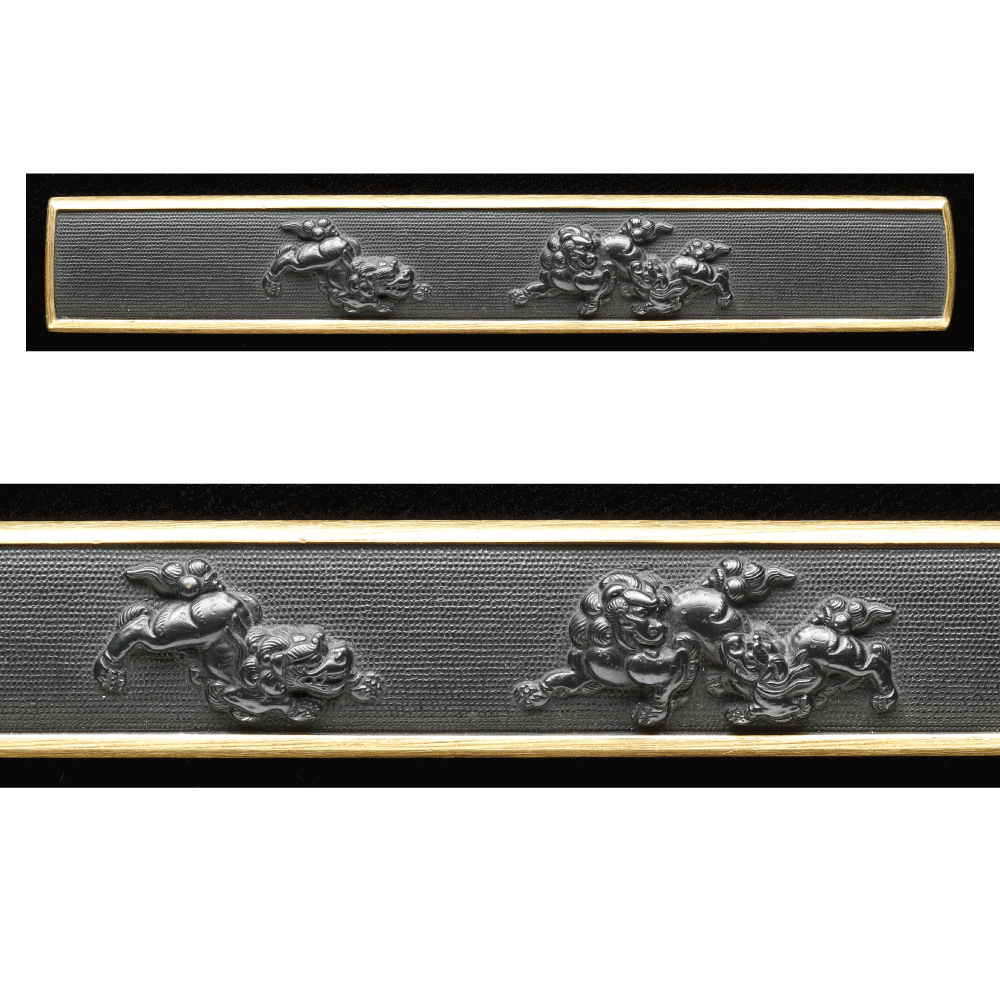
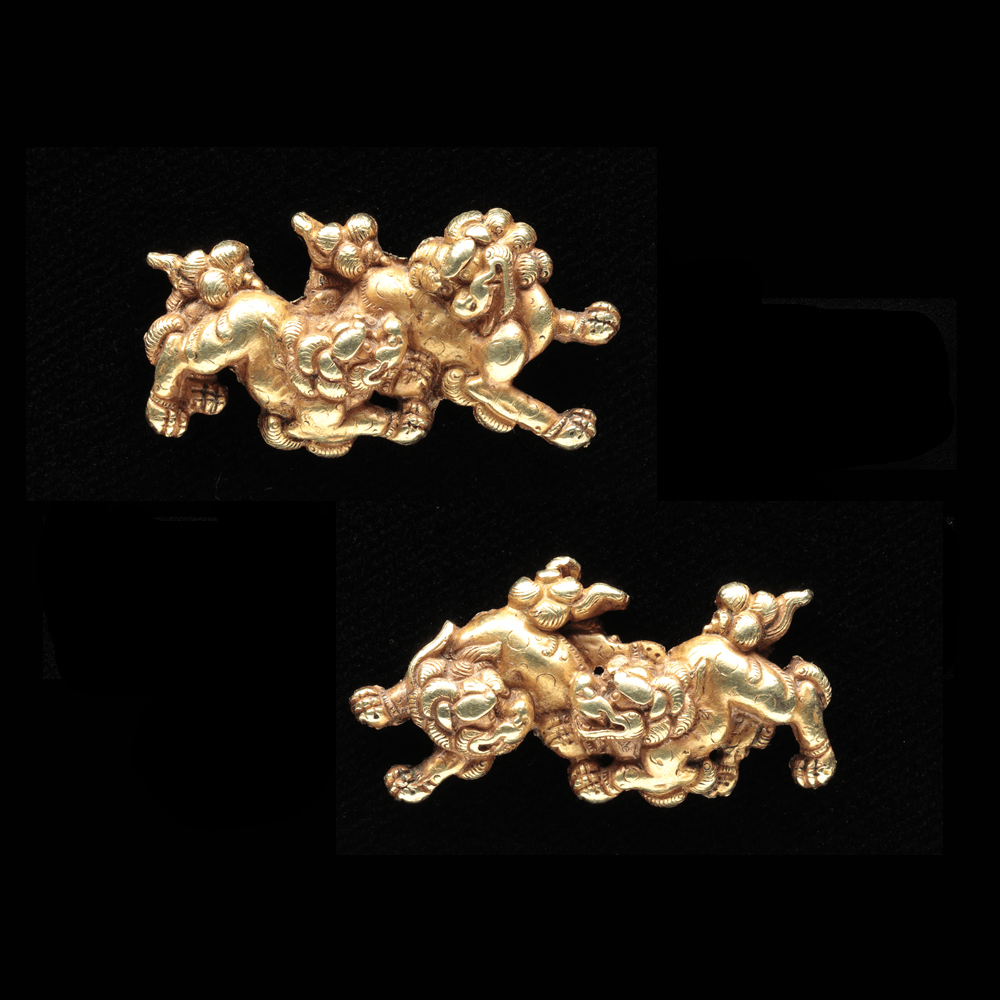
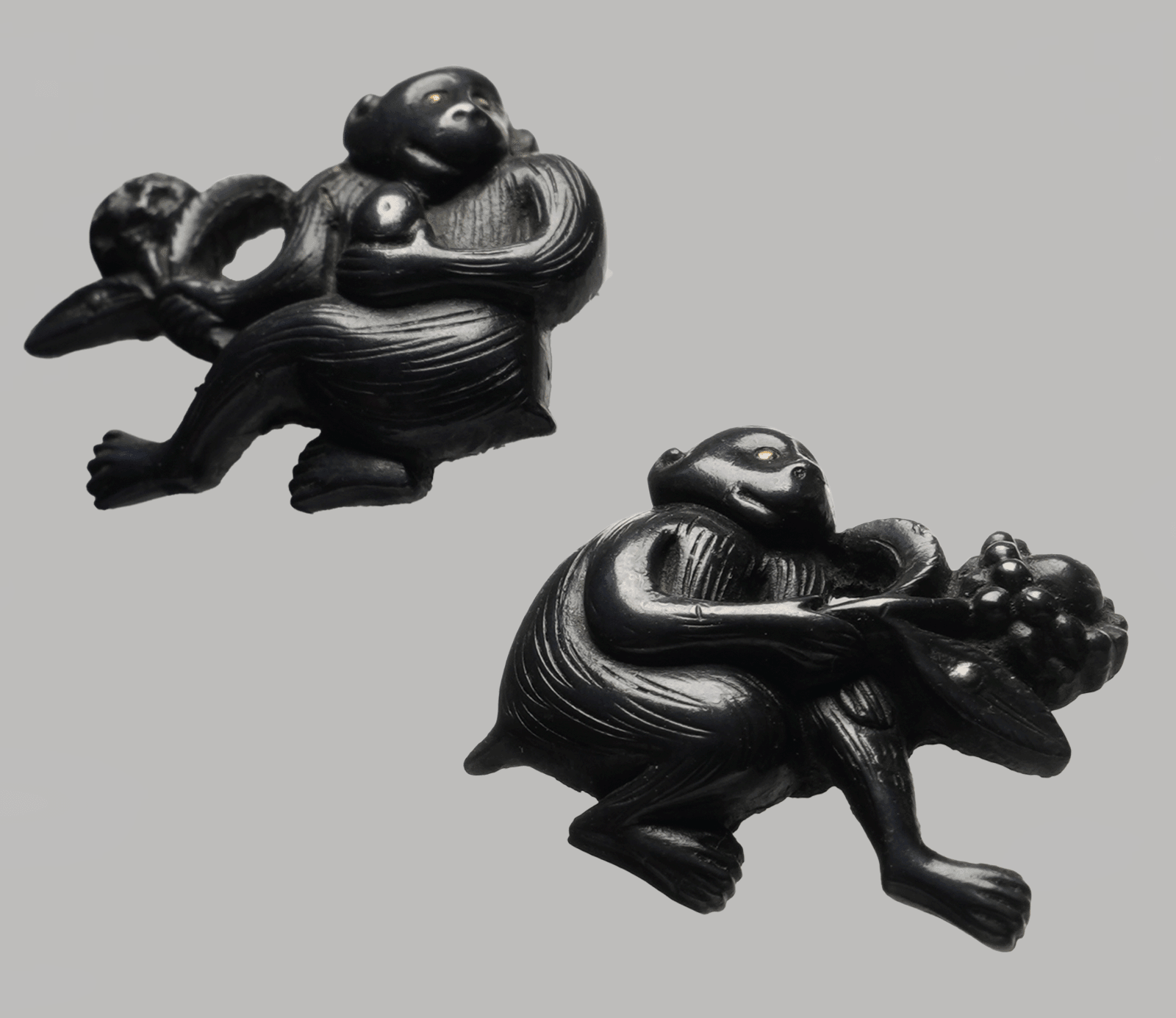
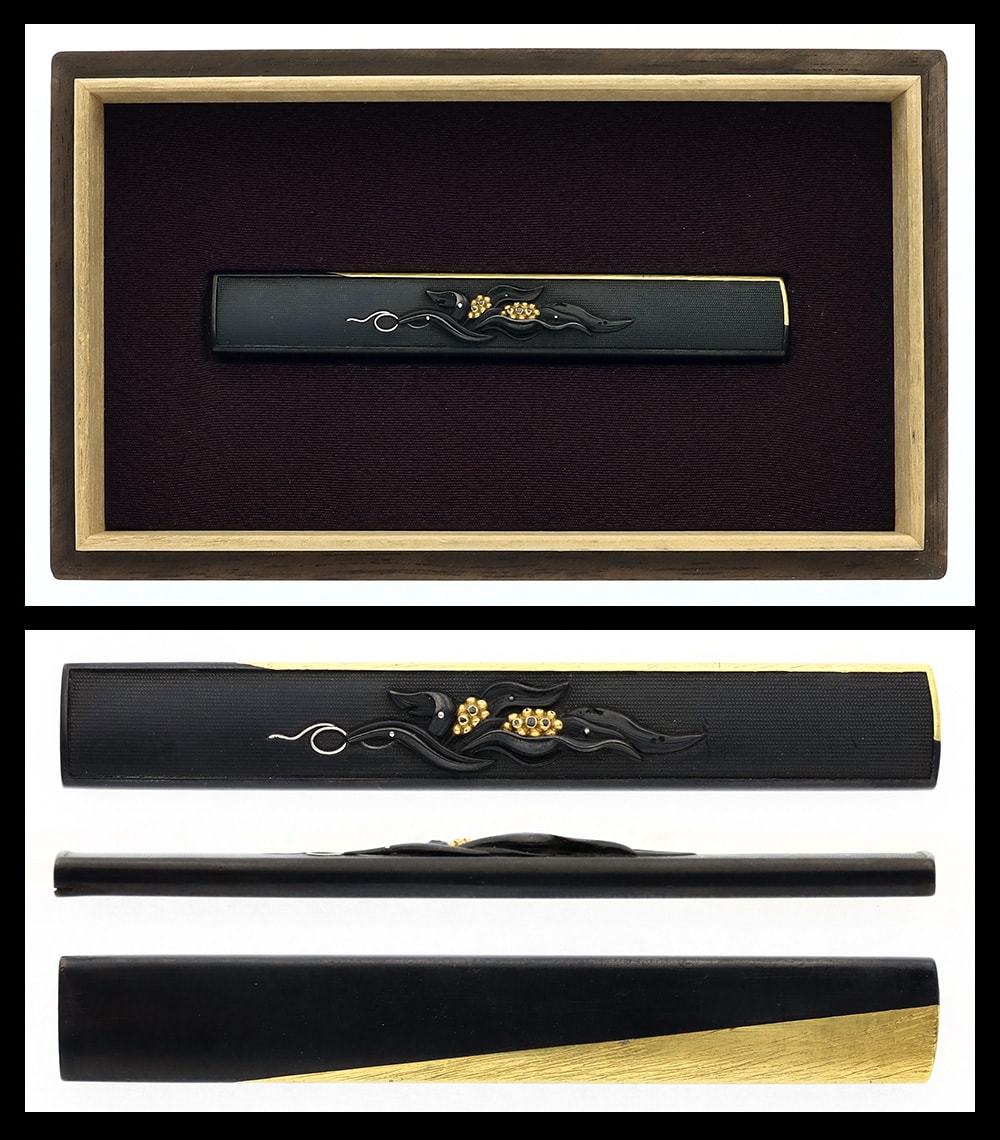
Isshin's work is distinguished by its comprehensive command of the Goto Ichijo repertoire, deployed across ambitious, large-scale coordinated sets. His productions characteristically employ with polychrome , executed with painstaking care and meticulous finishing across every component. In his complete daishio fittings set unified by the Twelve Zodiac theme, the observes that he "deploys every available technique -- high relief, ornament, inlay, and polychrome -- devoting himself to the portrayal of each animal with painstaking care." His mitsudogu of Genji 1 (1864), a Four Seasons flowers-and-birds set executed in with , is recognized as "one of the foremost large-scale works among Isshin's productions," a work "into which Isshin poured his full abilities" whose "level of completion is exceptionally high." In passages of individual expression, such as the concentrated ingenuity in the "eight"-shaped brow markings of his coiled dragons, he tests a character distinctly his own.
The consistently positions Isshin as a leading figure within the Ichijo lineage who faithfully inherited and carried forward his master's style. In his forms, the rendering of clouds and waves, and the on , the characteristics of Ichijo are prominently displayed, making it "especially interesting to observe how this craftsman, who was a leading figure within the lineage, faithfully inherited and carried forward his master's style." Yet Isshin is not merely an imitator; his works reveal a craftsman who, while working within the inherited vocabulary, concentrated creative zeal into individual passages of invention -- achieving what the calls a "masterpiece in which the creative zeal of Wada Isshin is fully brought to expression."