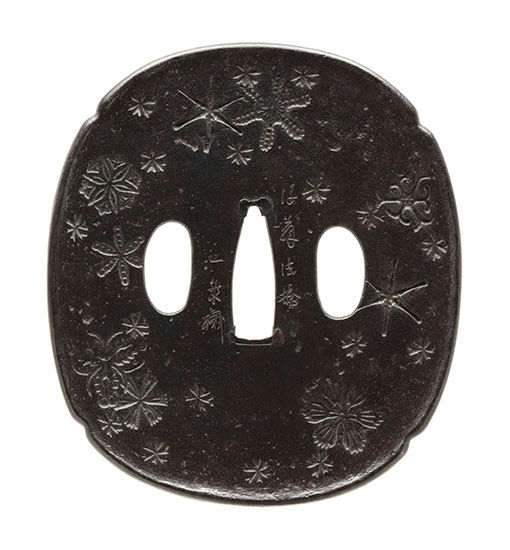
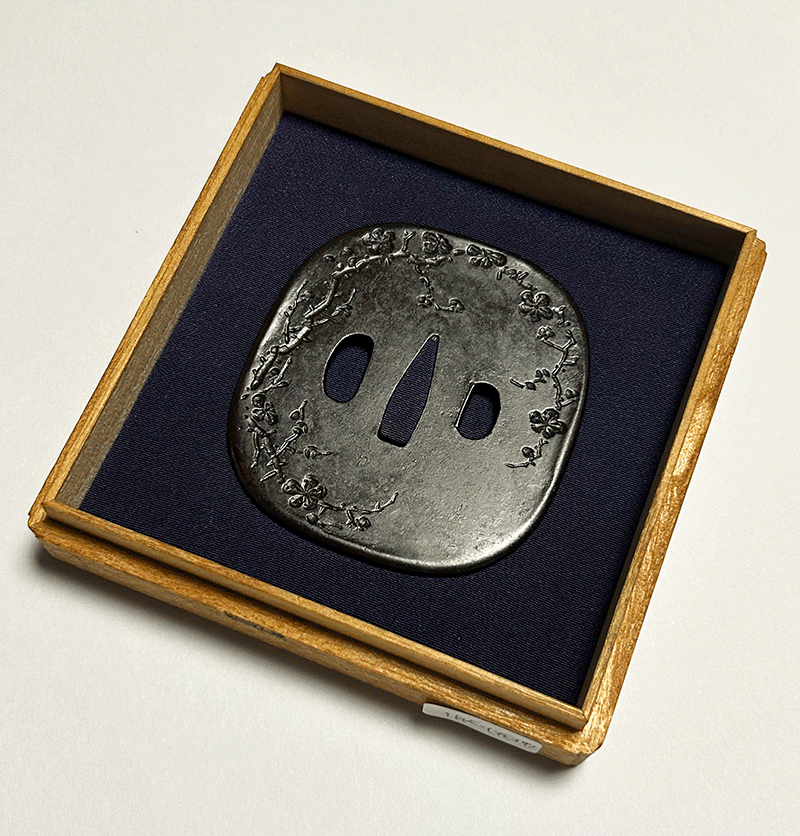
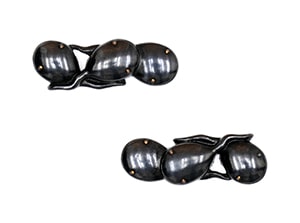
Goto Koran was born in Kyoto in Bunka 3 (1806) as the third son of Goto Shigenori, the fourth head of the Shichiroemon house, a branch line of the main Goto family. He succeeded to that house as its fifth-generation head. Koran was the younger brother of the celebrated Ichijo, and his manner of work likewise closely resembles that of his elder brother. Also known by the name Hisanori, he was in later years awarded the court title of Hokyo. He died on the seventeenth day of the twelfth month of Meiji 1 (1868) at the age of sixty-three. His second son subsequently inherited the headship as the seventeenth generation of the main Goto house; however, unable to resist the currents of the age, it was with that succession that the tradition of the main Goto lineage of metalworkers came to a close.
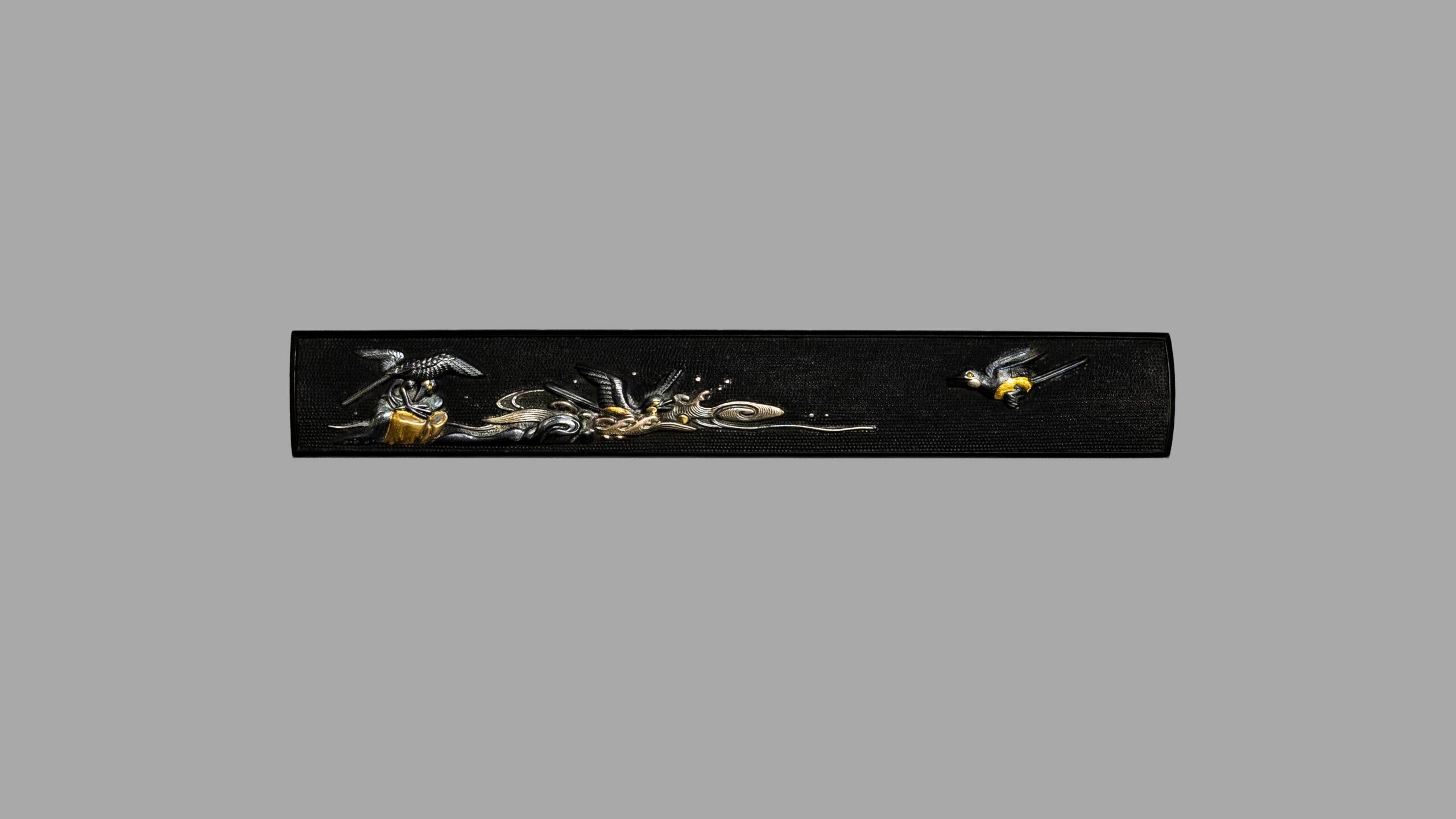
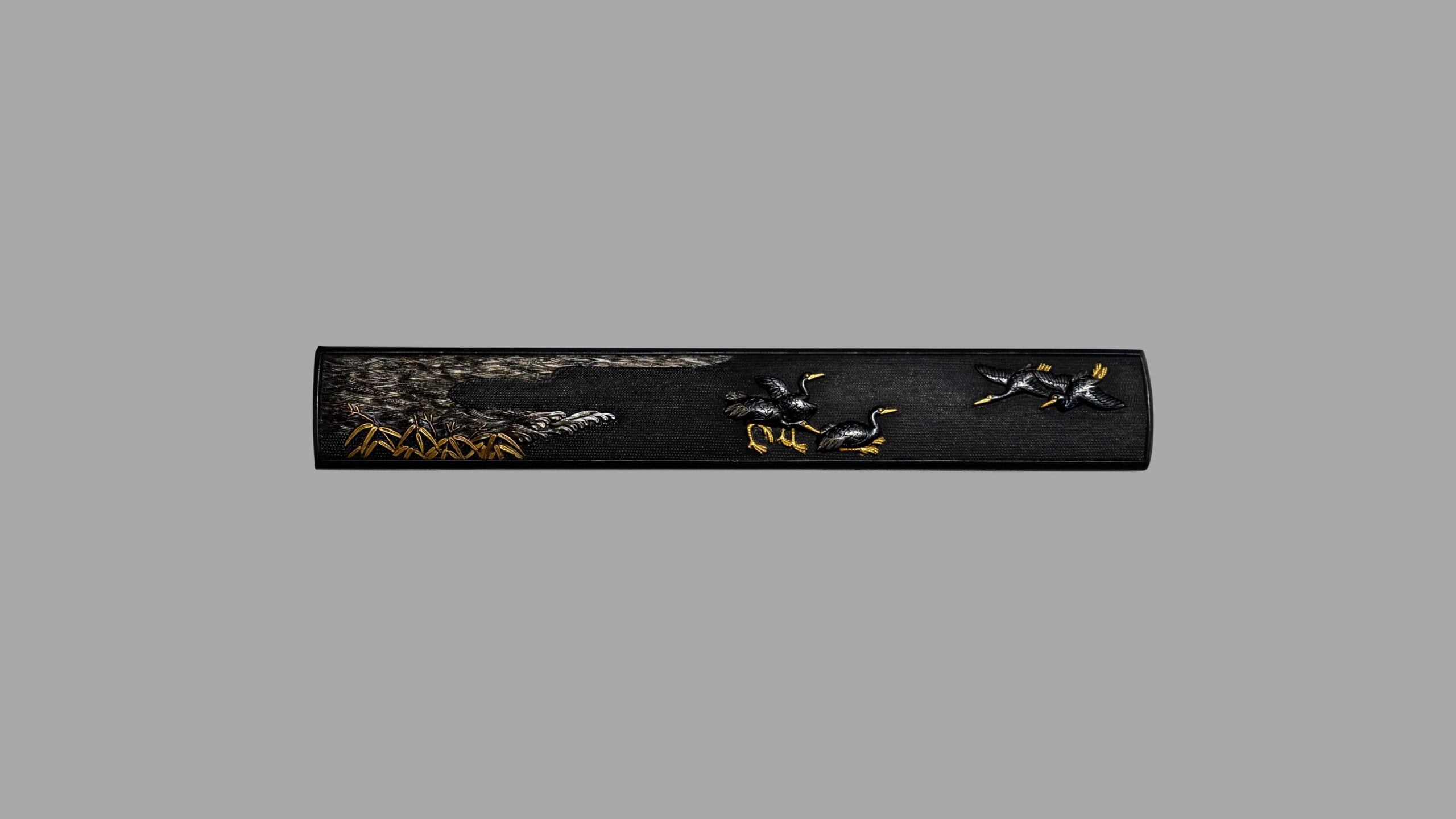
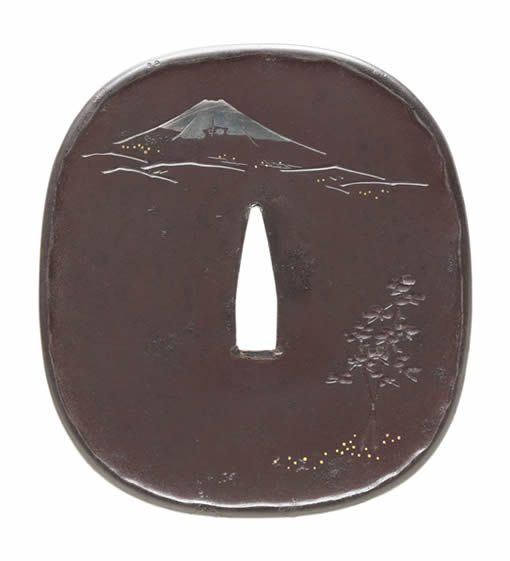
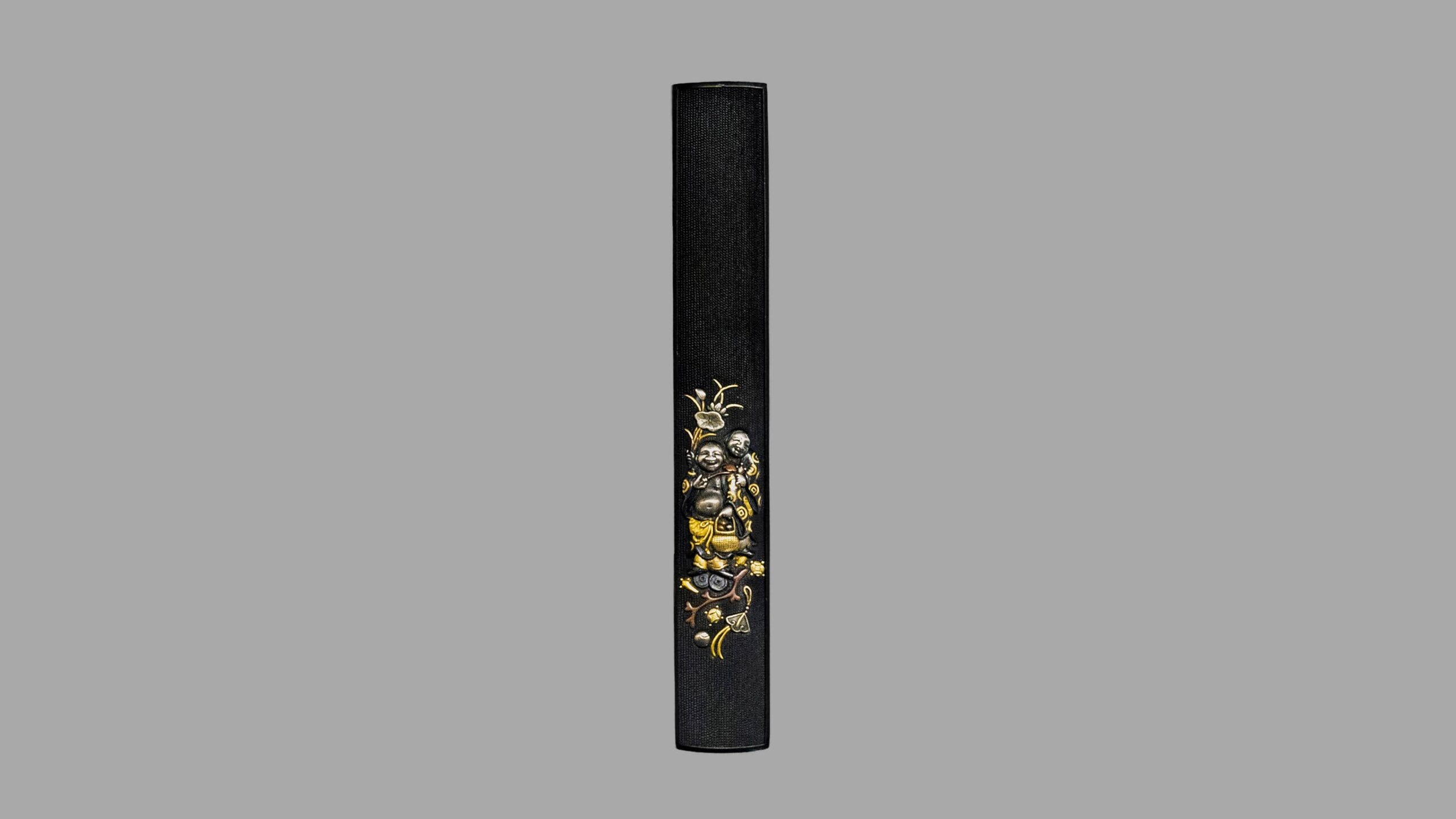
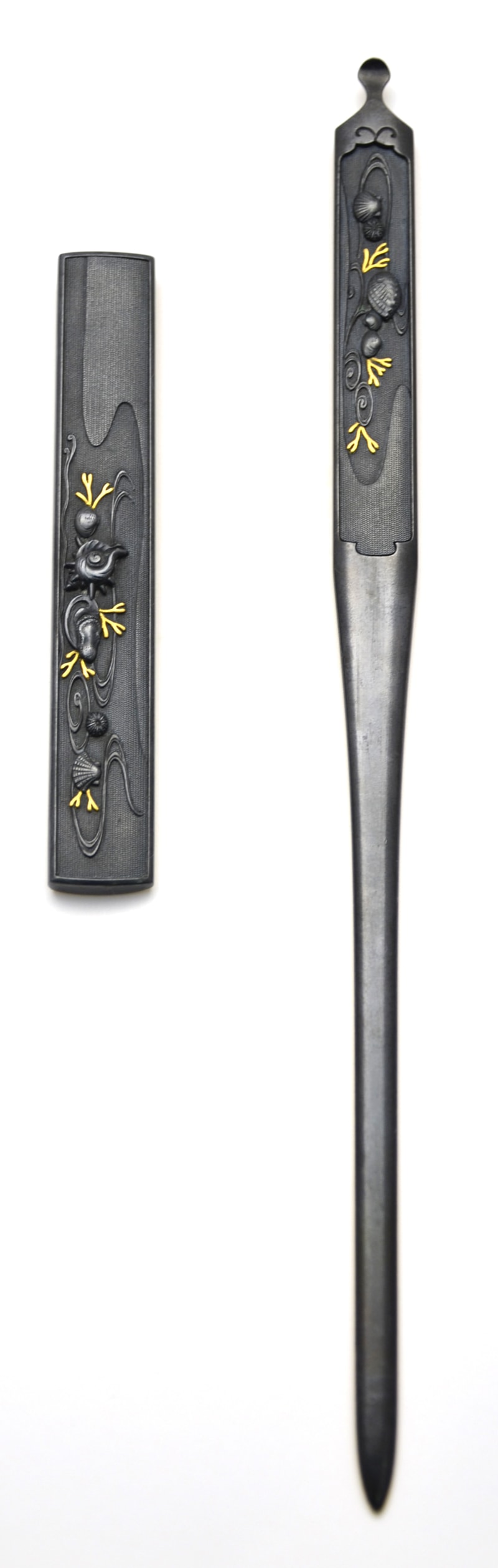
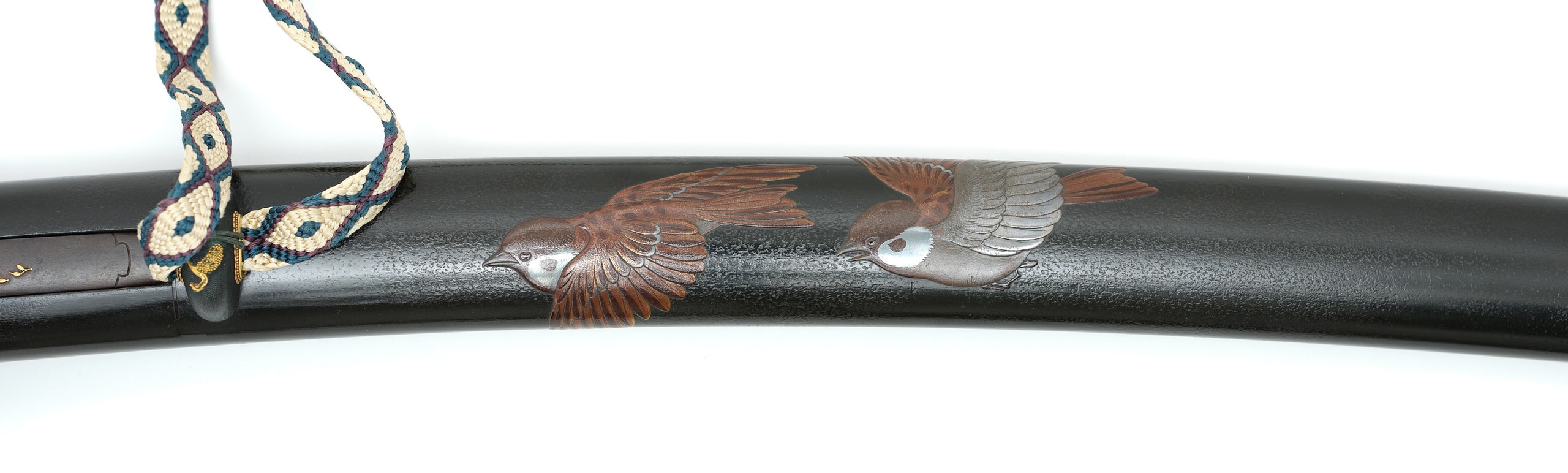
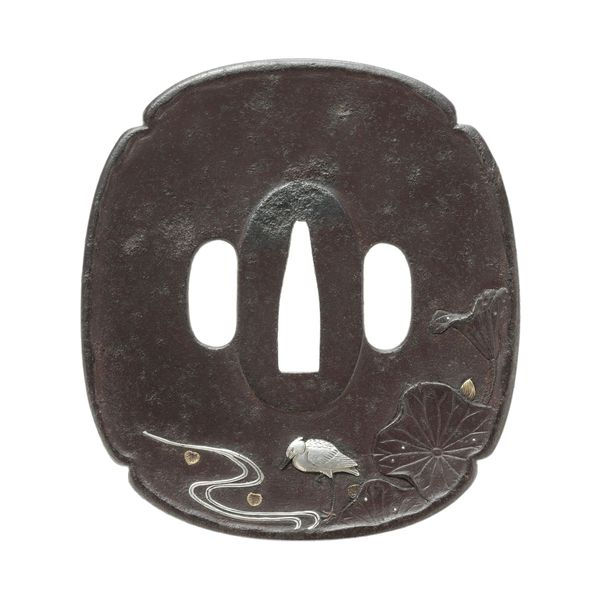
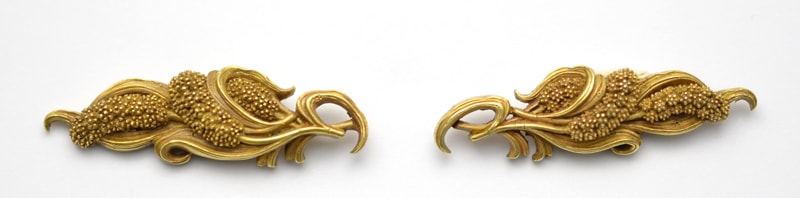
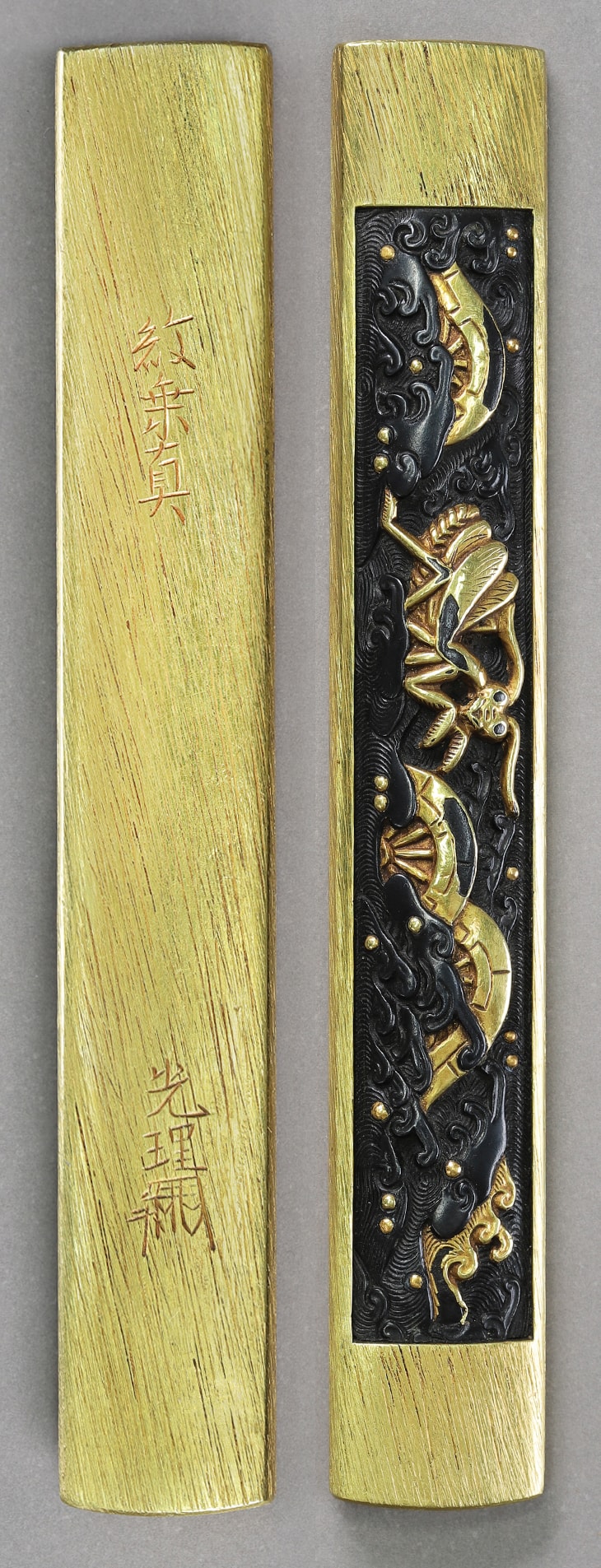
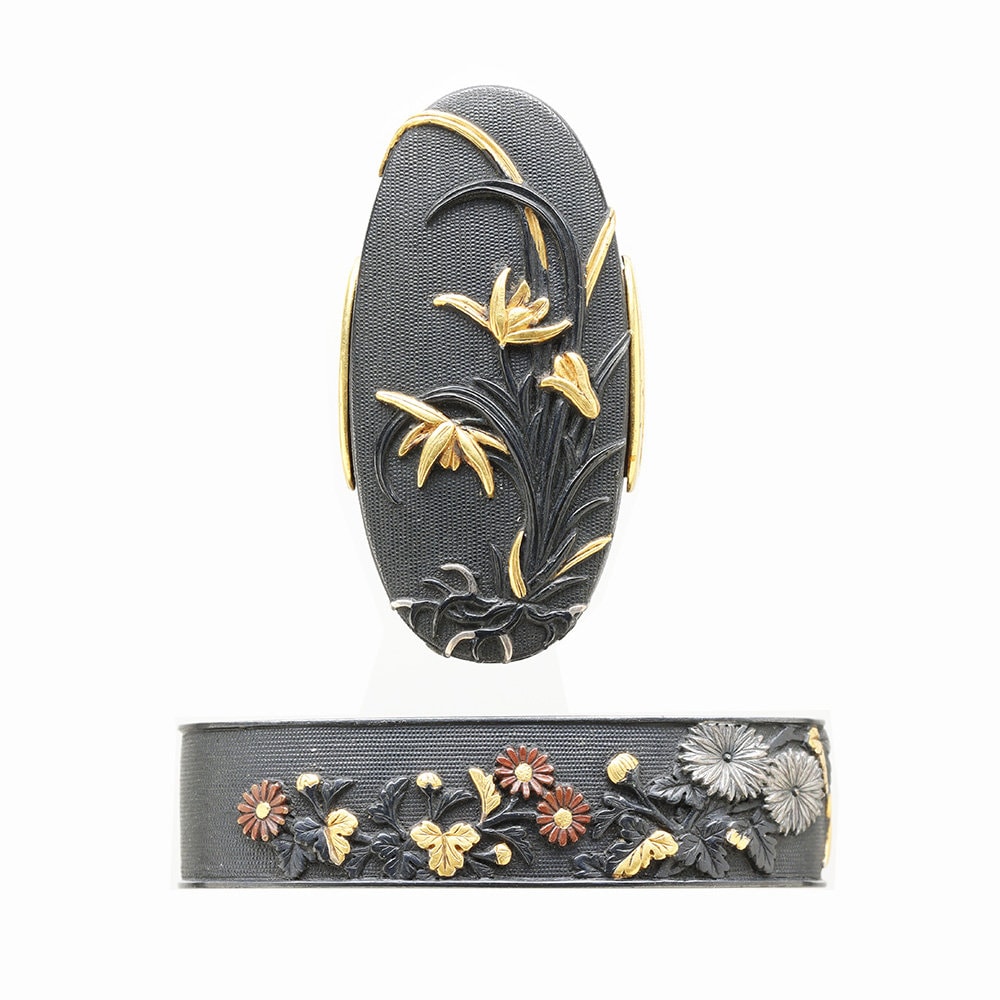
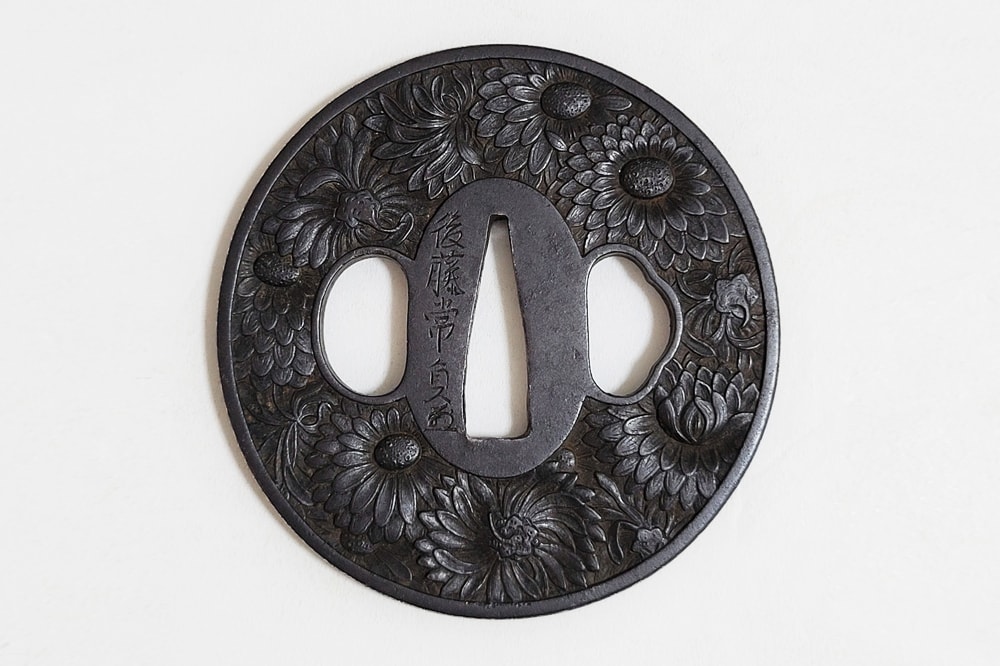
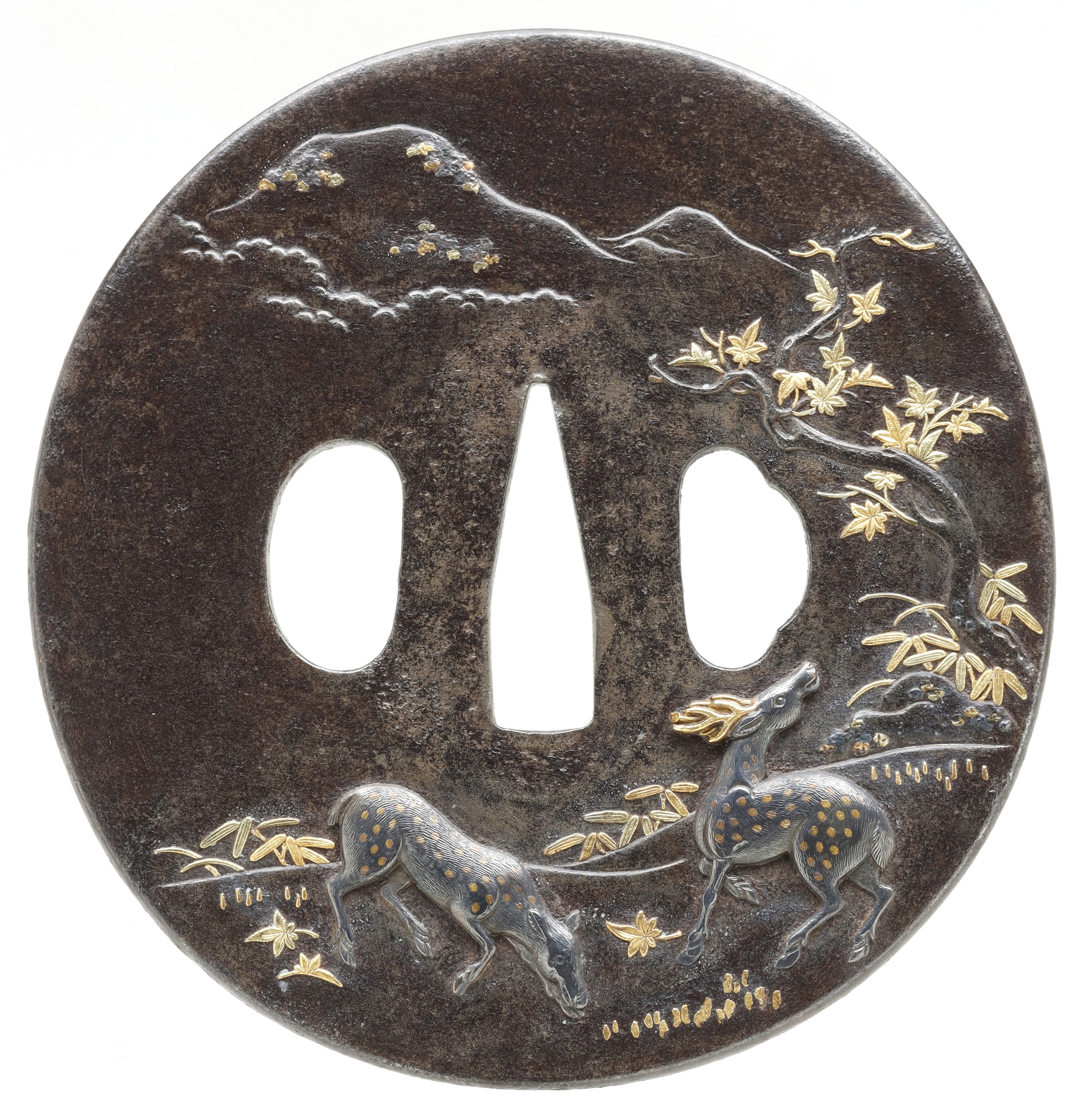
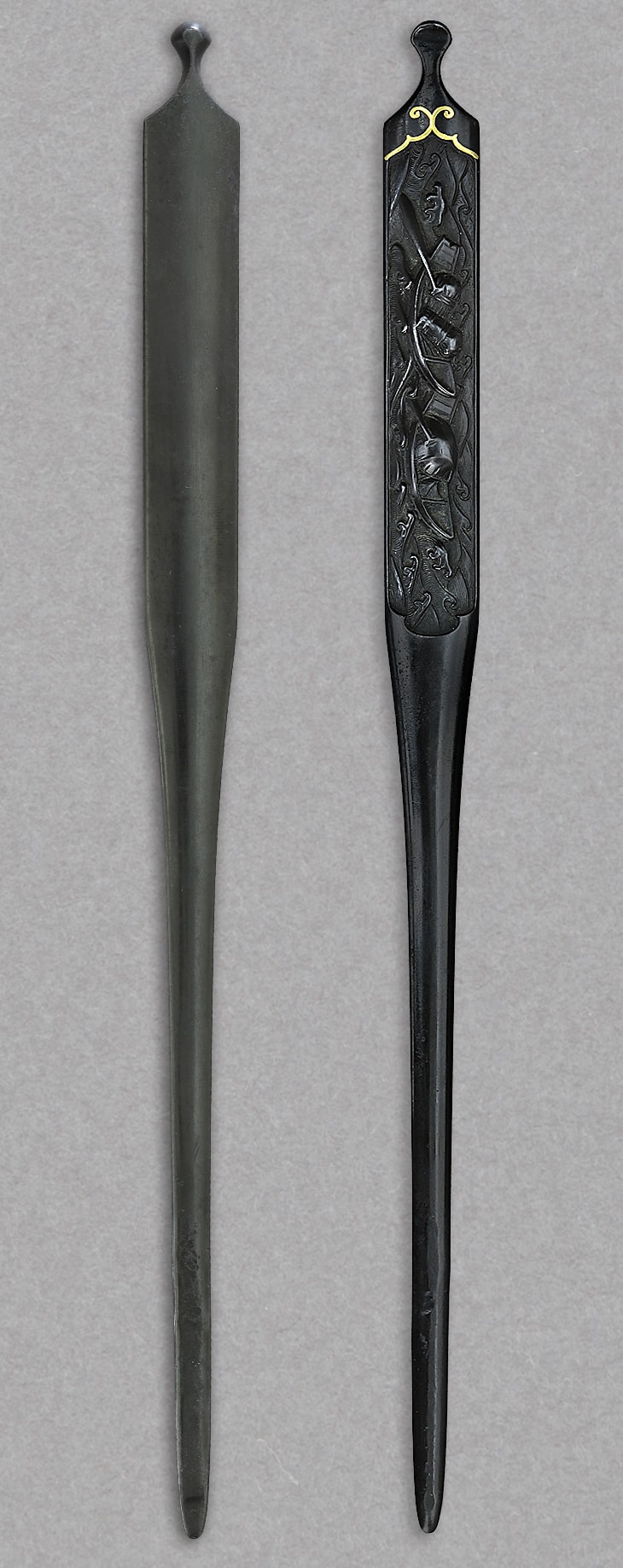
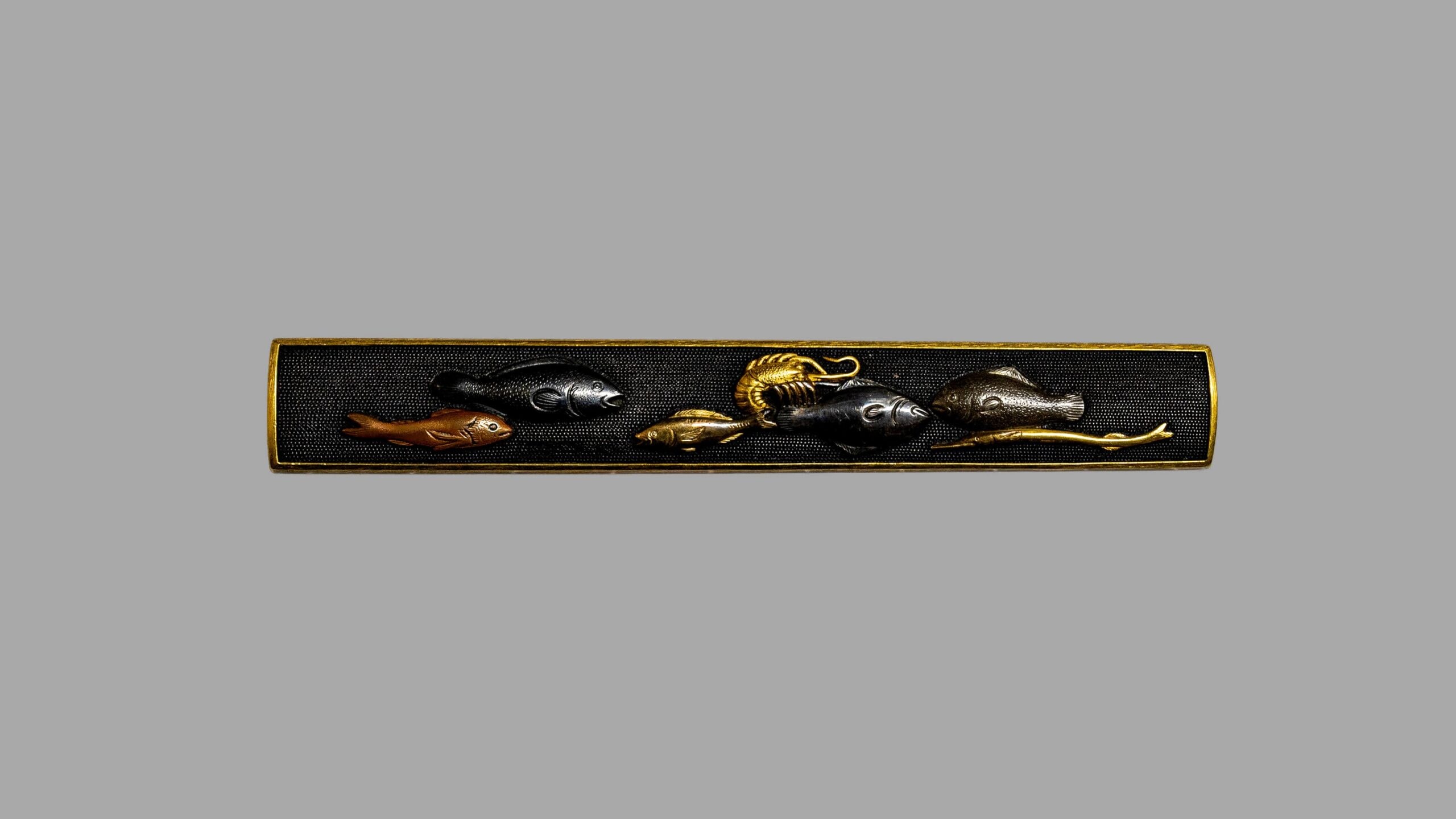
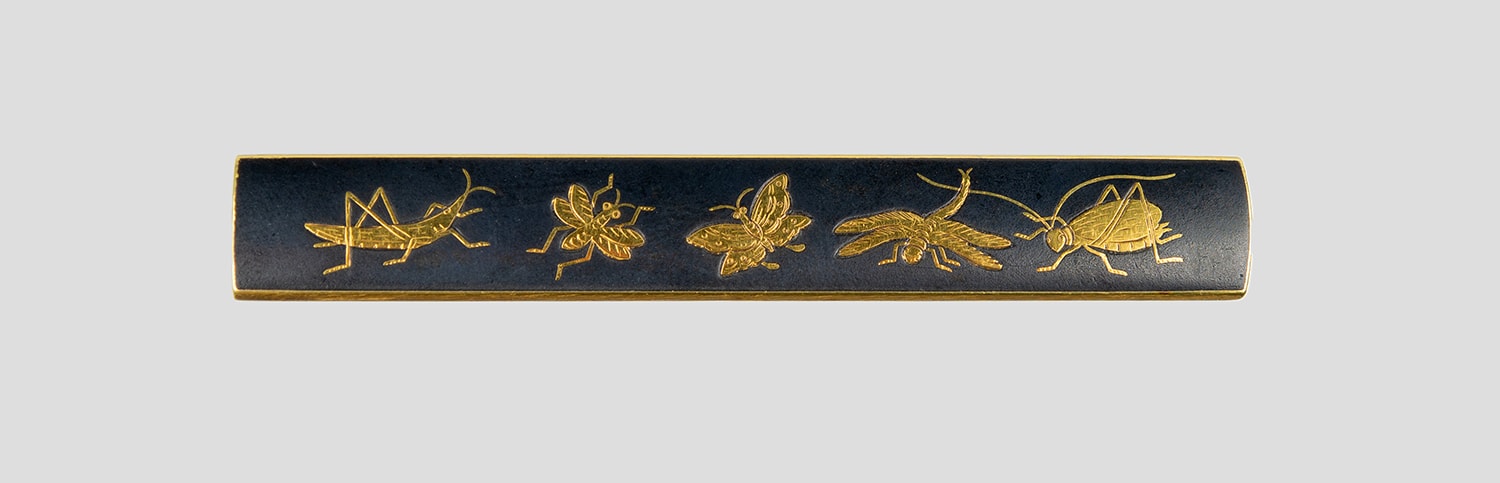
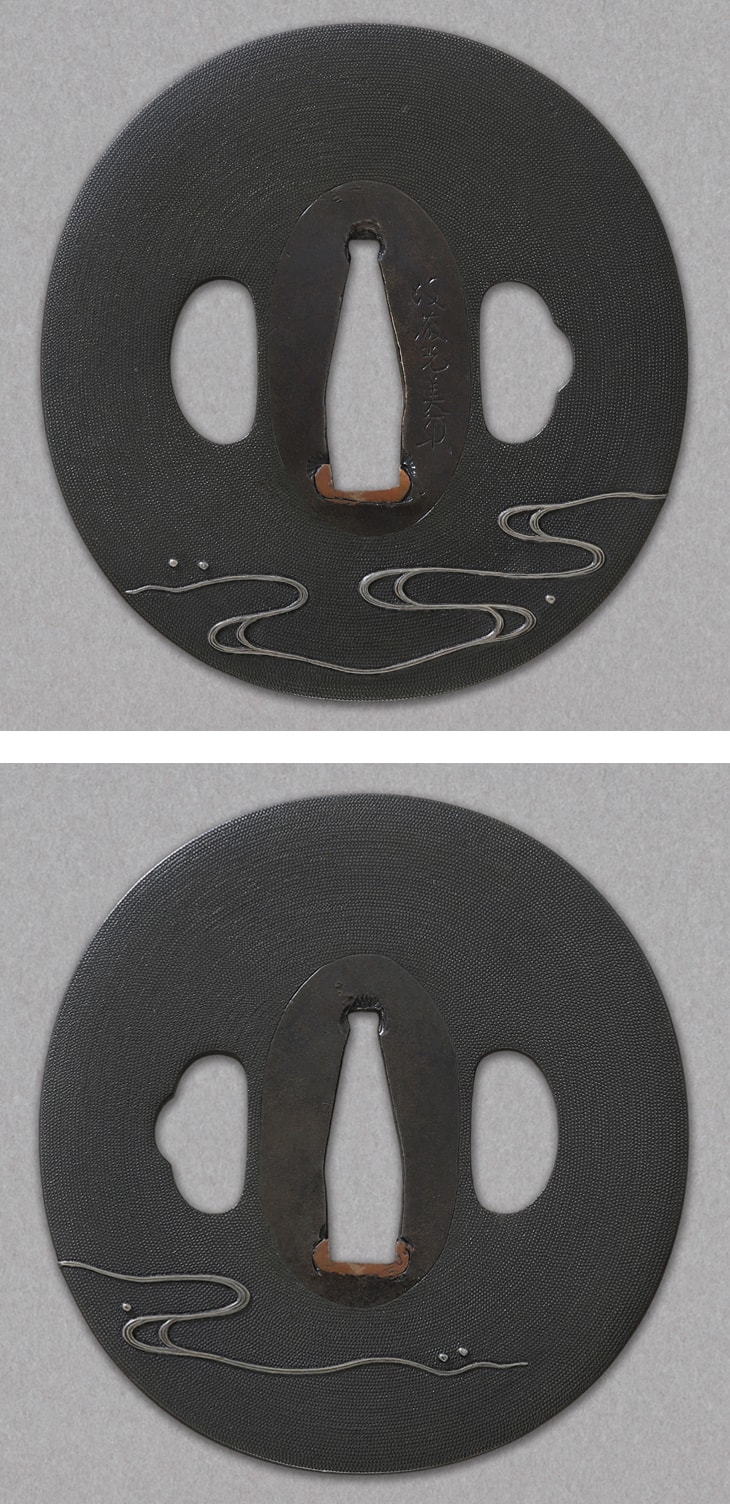
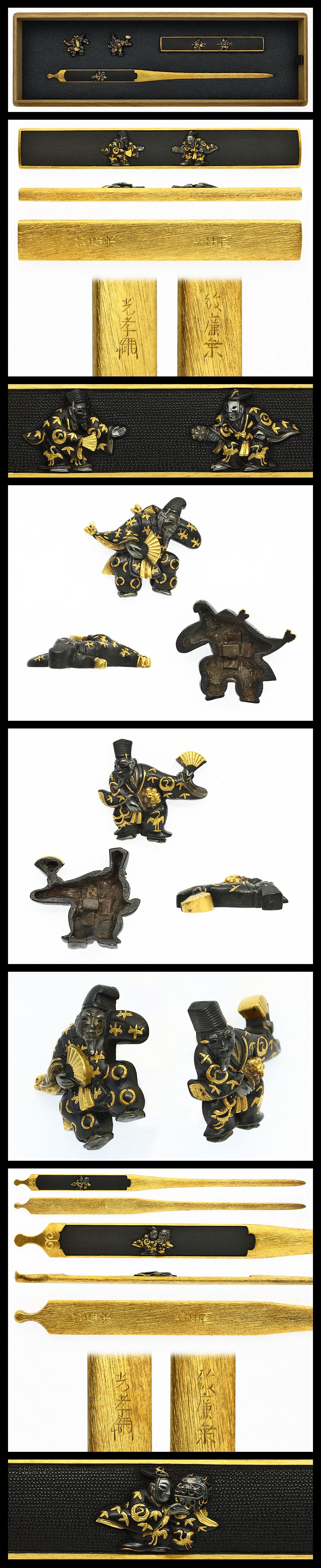
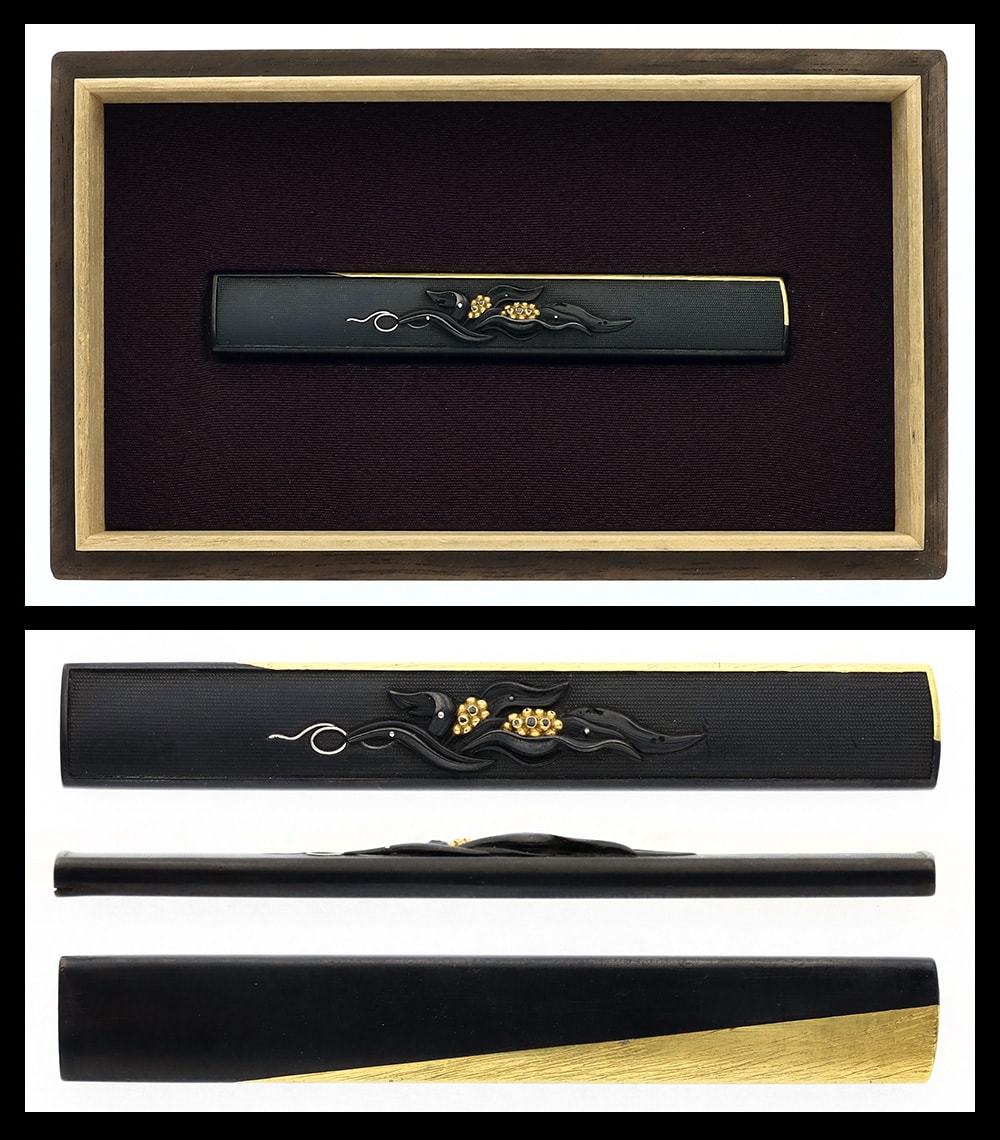
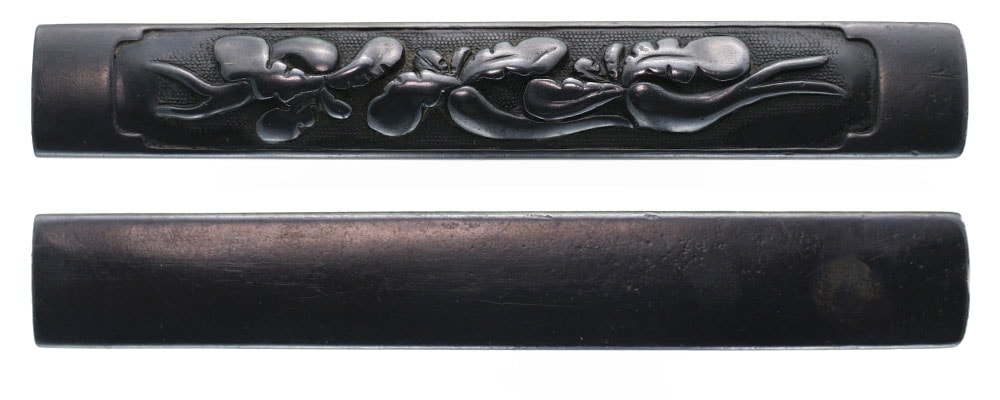
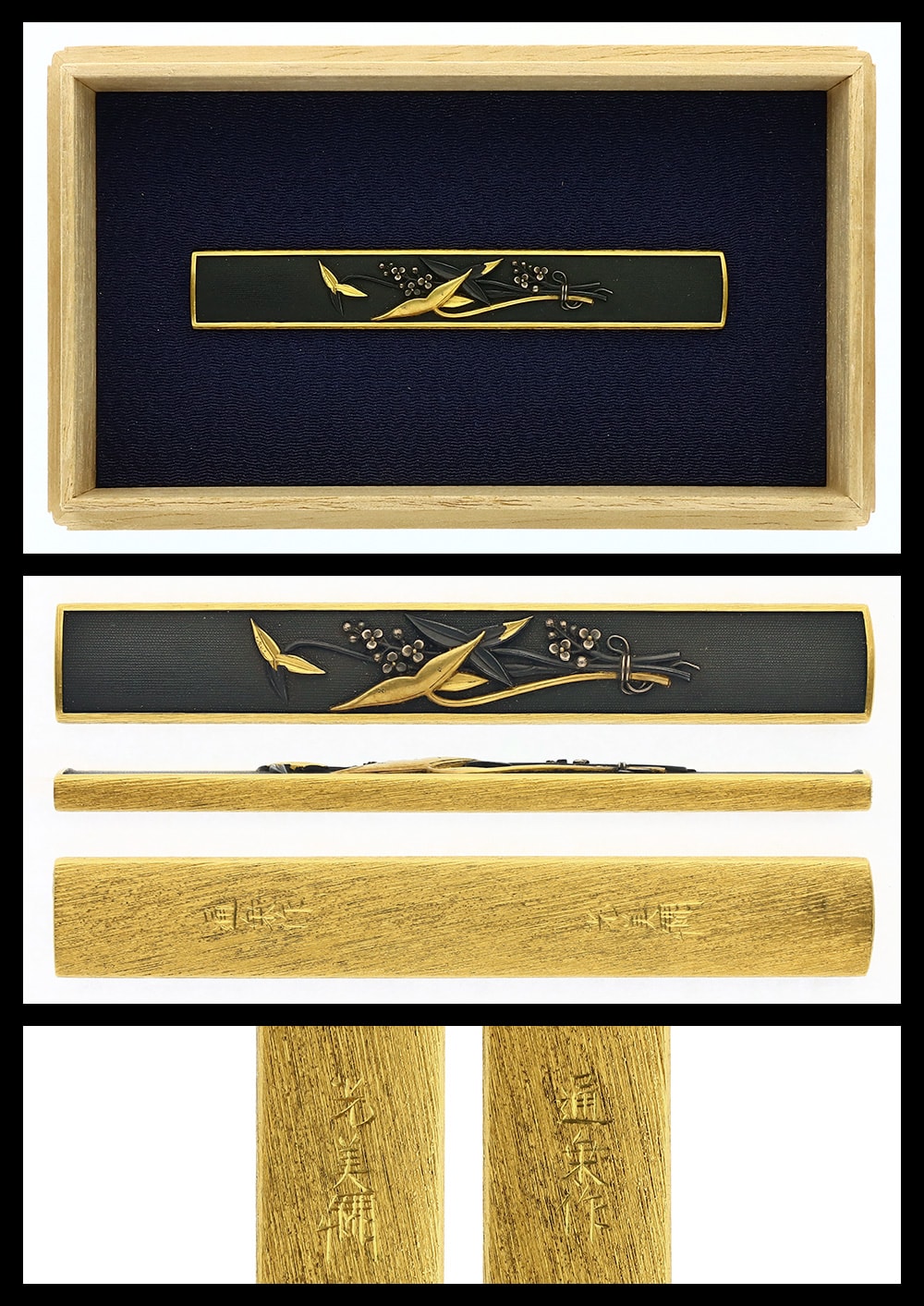
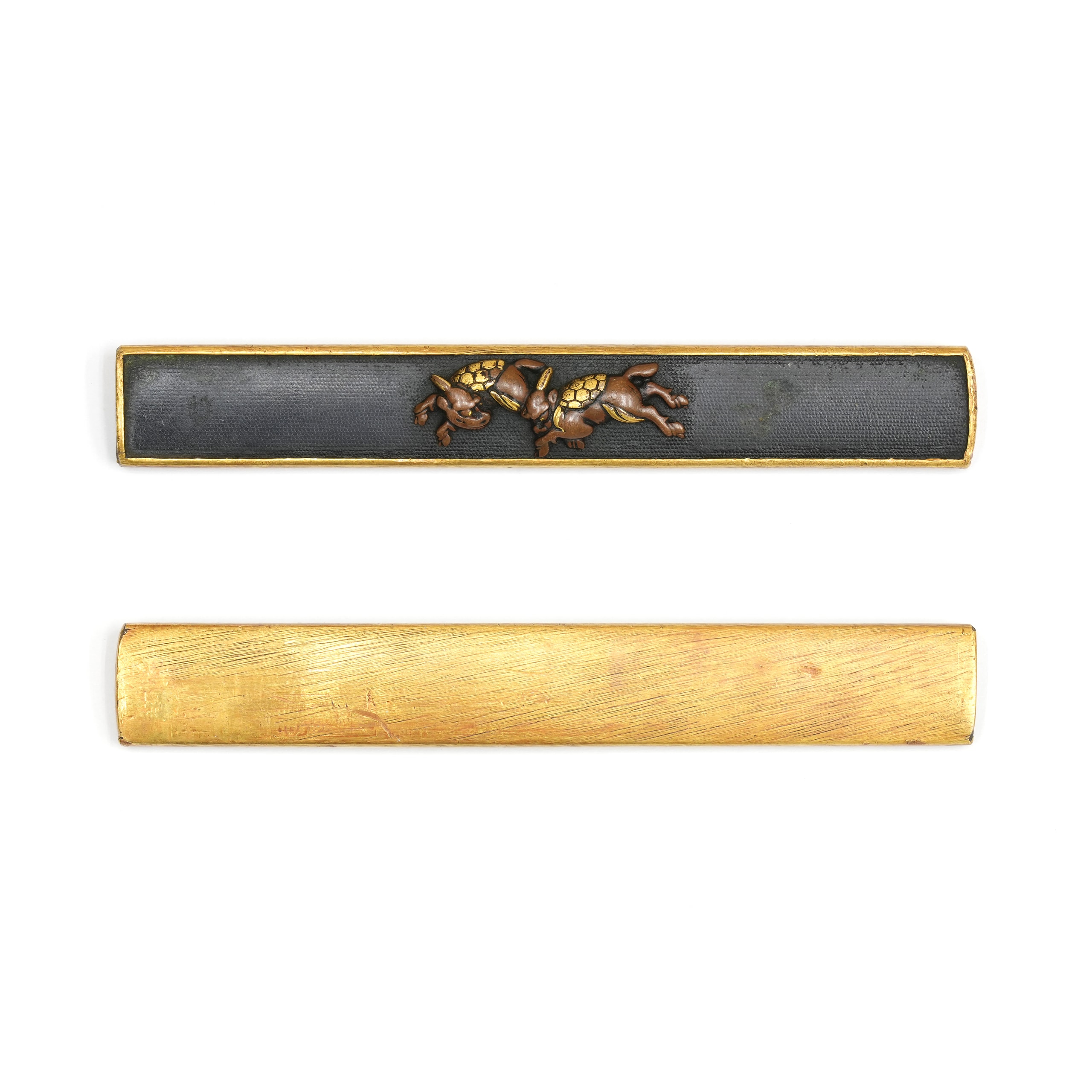
Koran's work is distinguished by carving of exceptional precision and refined polychrome effect. His preferred ground is orderly, evenly laid in , against which figures and landscapes are rendered in with gold and silver , achieving what the describes as distribution of gold and silver that is "well judged and visually striking." While his manner is akin to that of his brother Ichijo, it is consistently finished with an even more delicate and nuanced sensibility. His handling of negative space is particularly skillful, and subtle variations introduced across matched sets — such as slight changes in the placement of motifs — create nuanced movement within unified compositions. Throughout his oeuvre, from figural subjects to landscape themes such as Kasugano and the Tatsuta River, the carving conveys a consistently high level of completion.
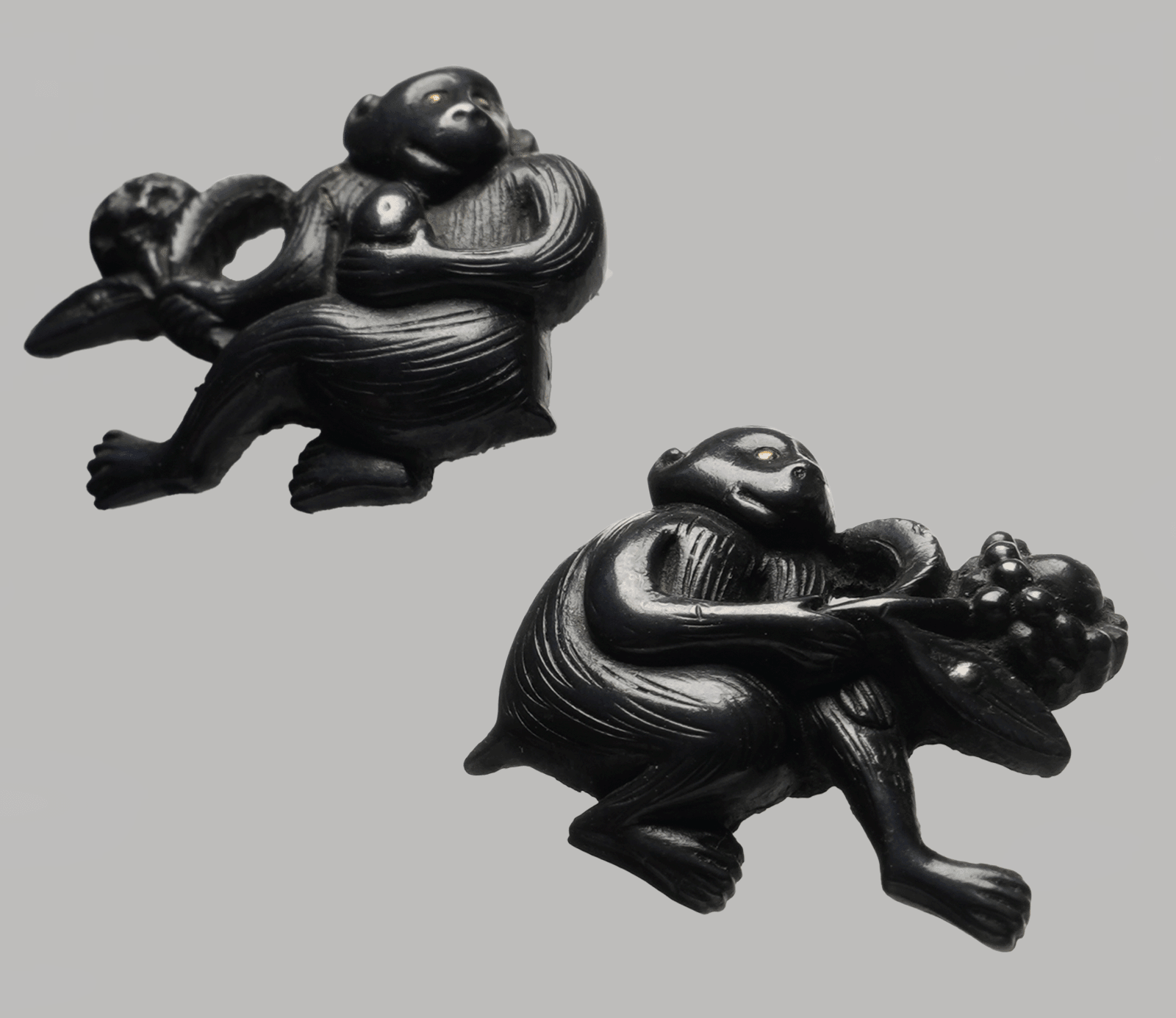
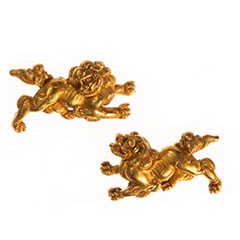
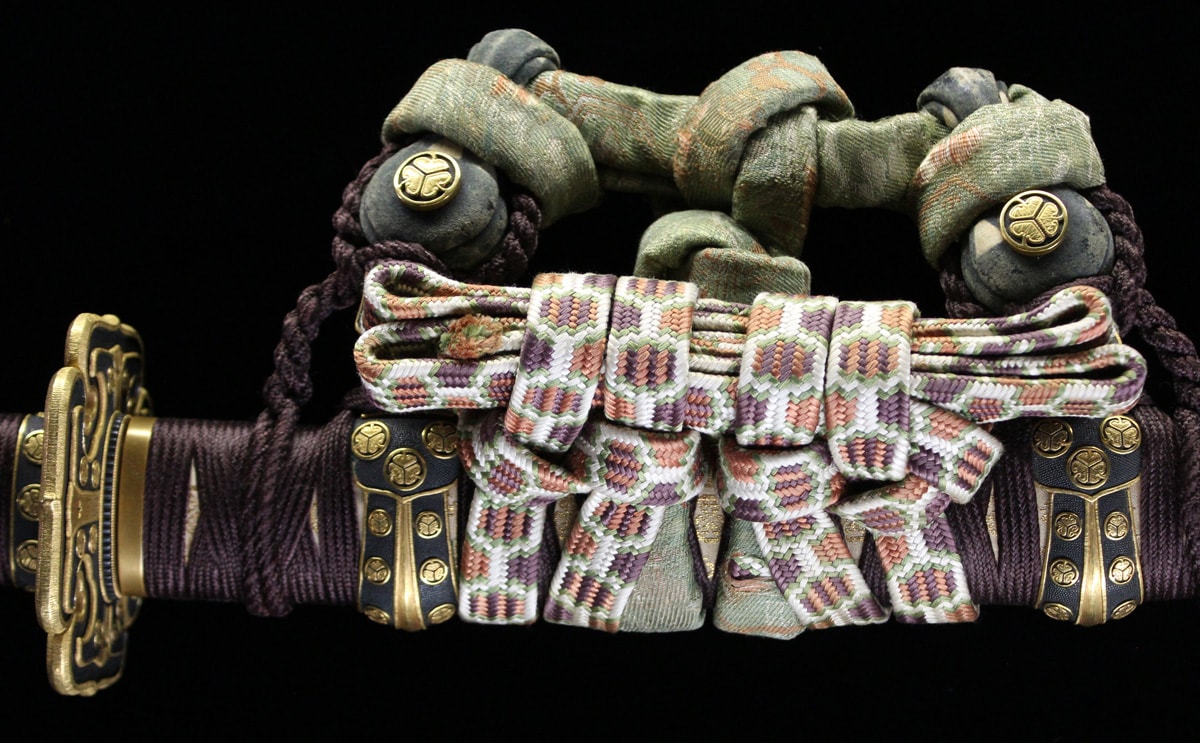
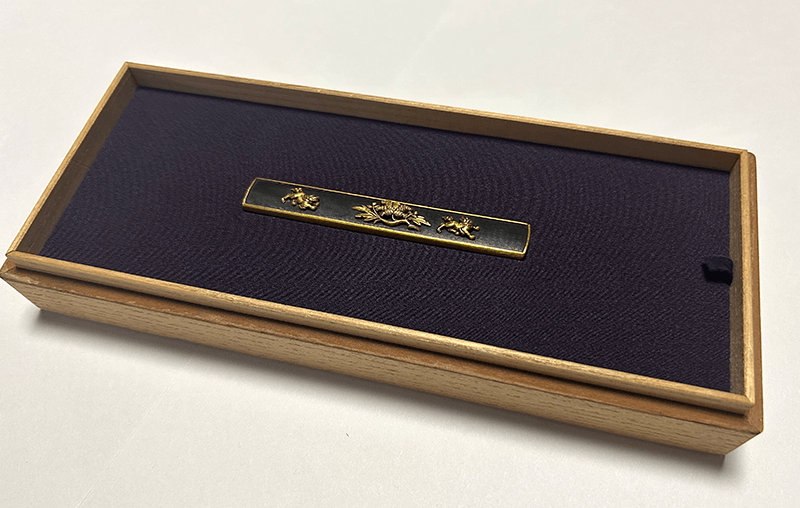
Such meticulous, detailed workmanship is recognized as Koran's particular forte. By employing numerous for the , his pieces achieve an especially effective polychrome result of richly sumptuous character. Rare signed works bearing the Hisanori name constitute important documentary material, while the breadth of his production — encompassing , mitsudomogu, and — demonstrates full command of the Goto house tradition. His oeuvre may be said to fully demonstrate his carving technique, possessing a consistently high nobility of tone that places him among the most accomplished later masters of the Shichiroemon branch.