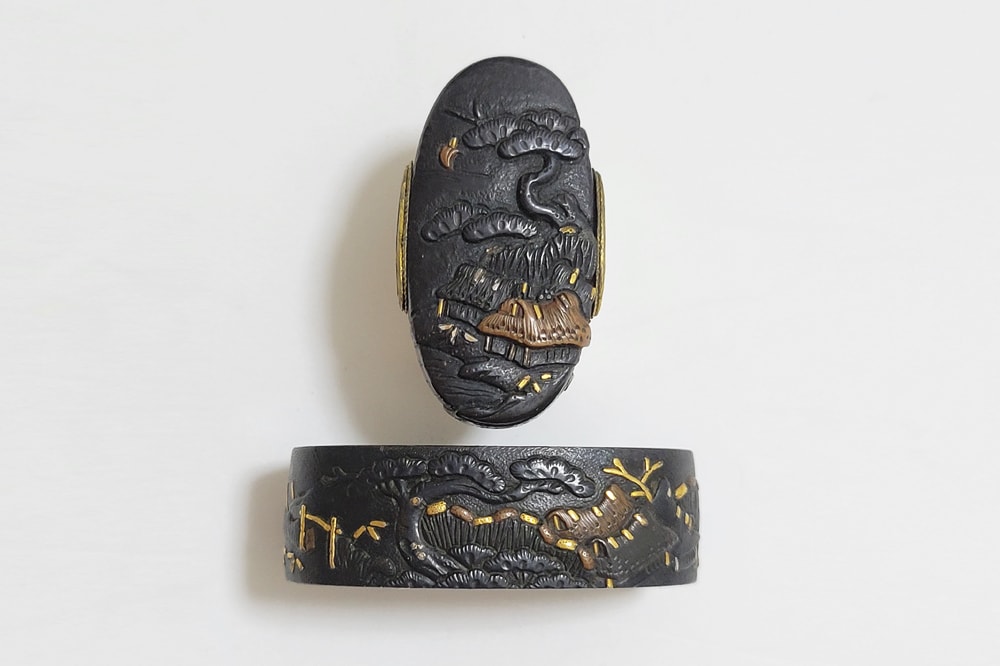
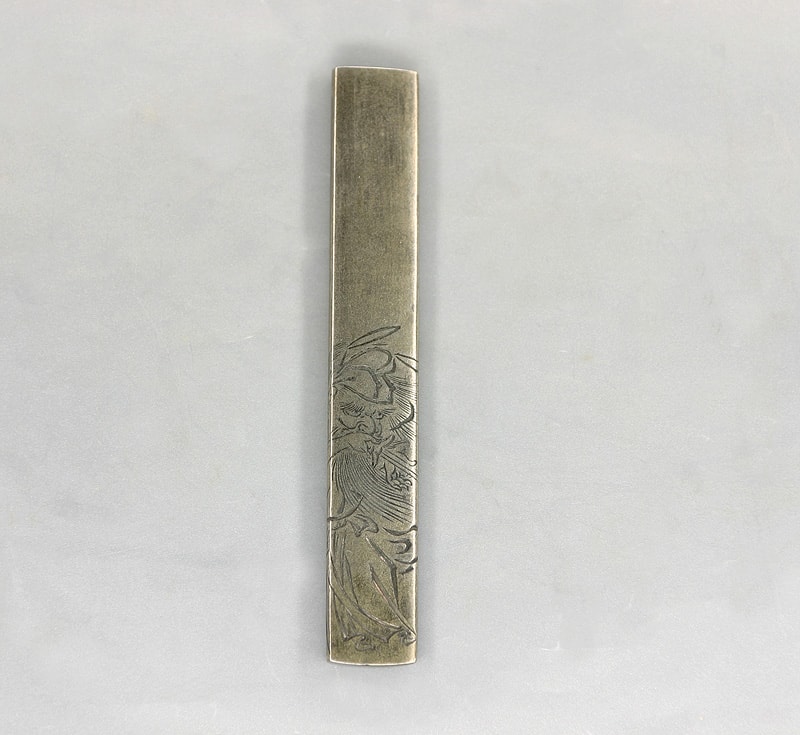
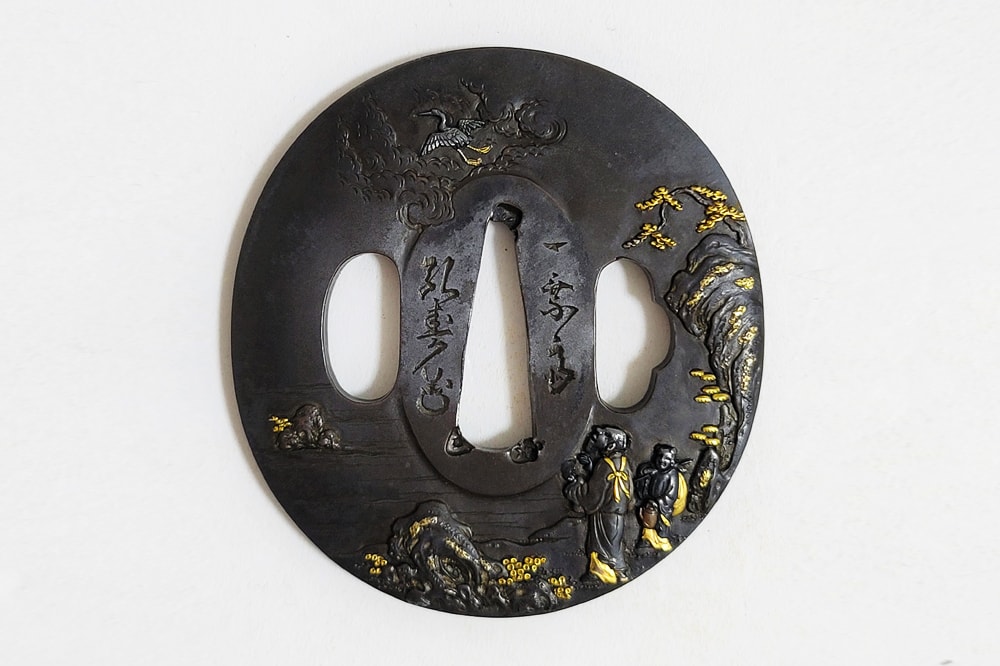
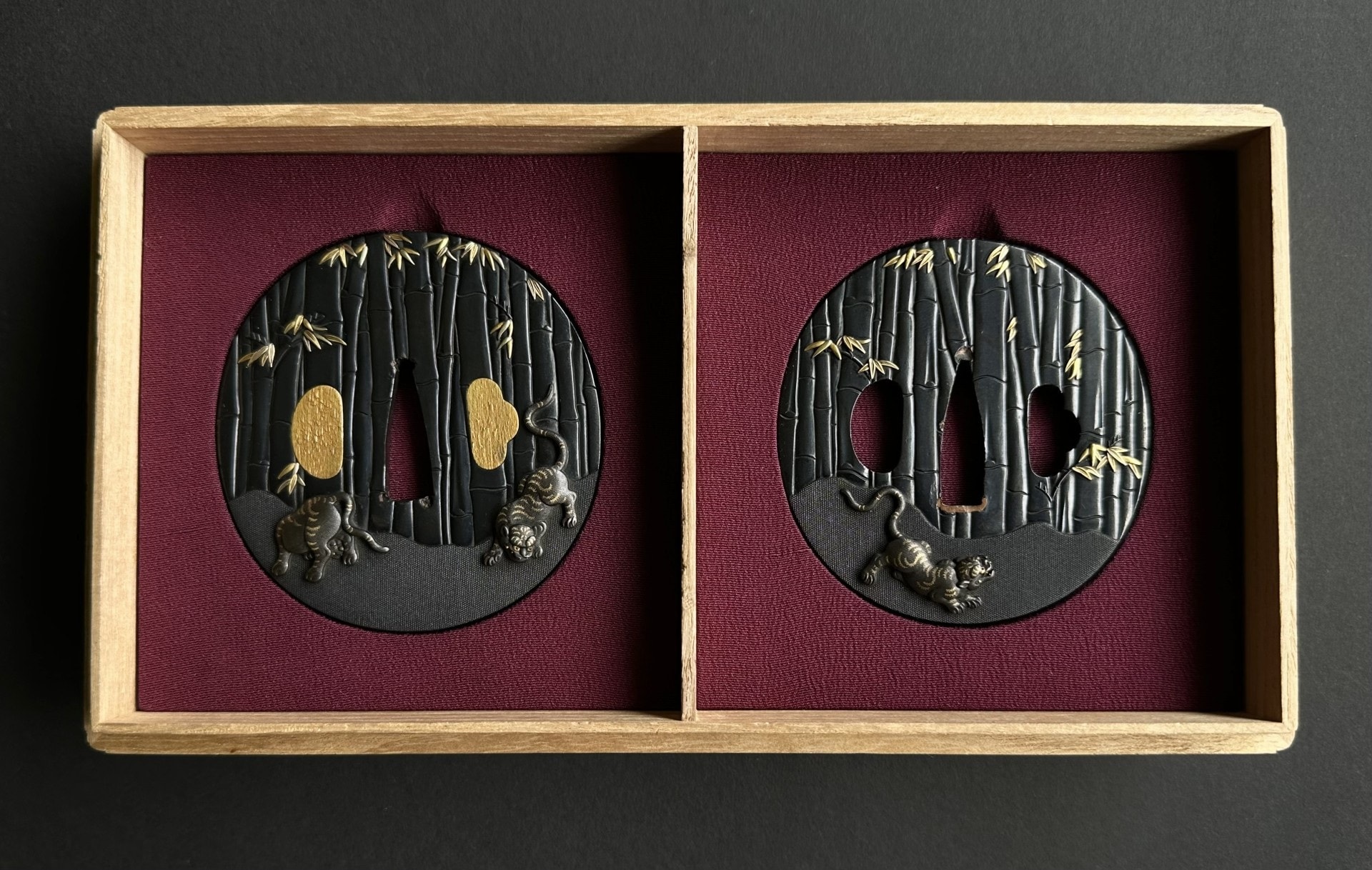
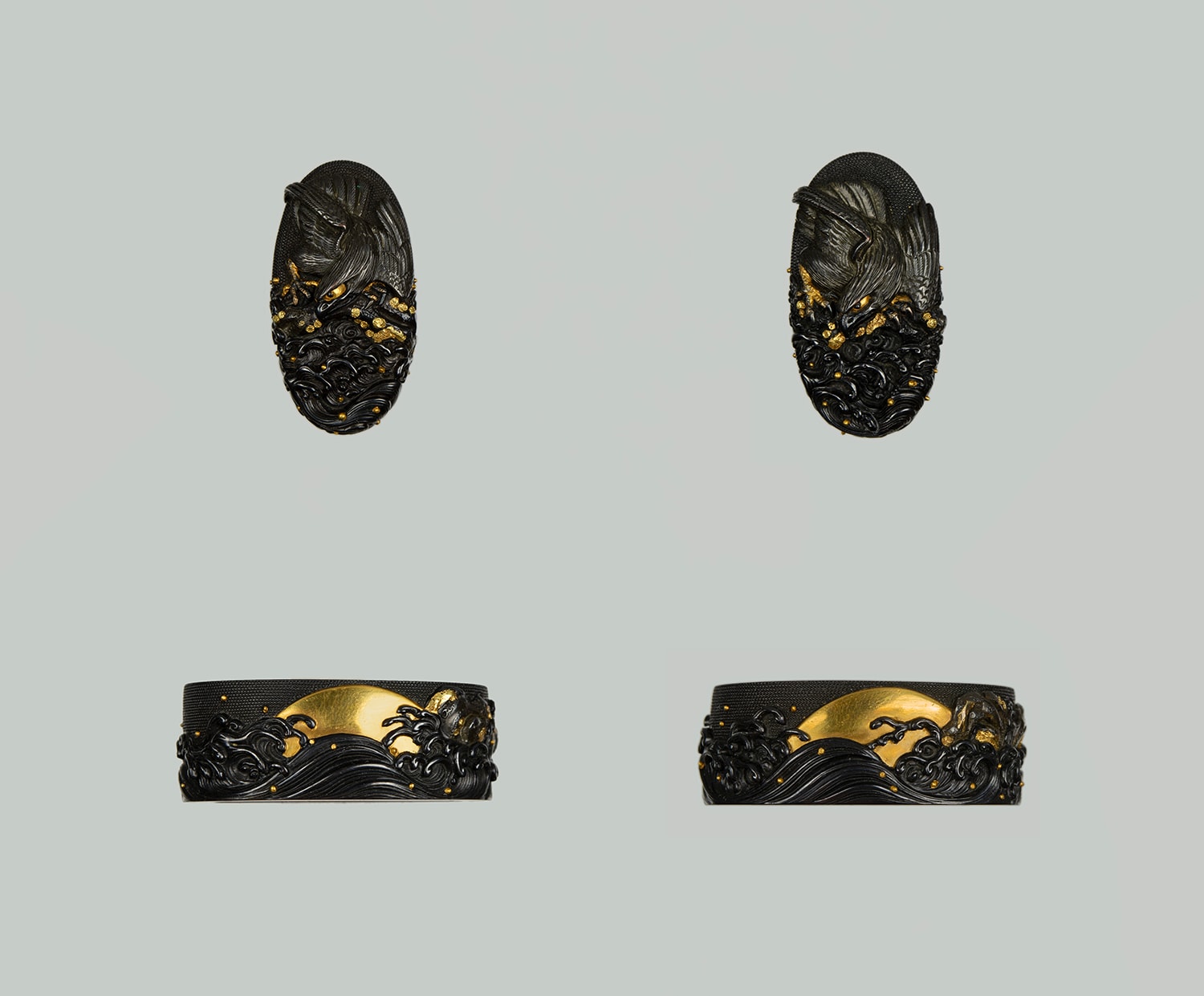
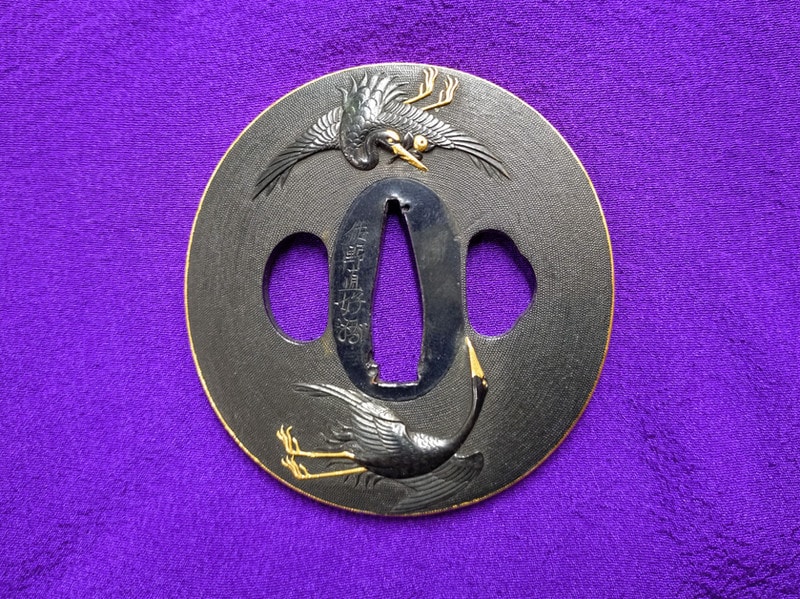
Hamano Masayuki was an outstanding talent among the disciples of Nara Toshihisa and was commonly known as Tarobei. He trained many pupils and established the Hamano school as one of the principal lineages of urban metalworkers (), thereby founding an independent tradition comparable in stature to the Yokoya school. As recorded in the Kinko Meifu, he "thundered through the world," gaining widespread fame as one of the "Four Heavenly Kings of Nara" (Nara Shitenno). He used numerous art names throughout his career, including Otsuryuken, Miboku, Kankei, Rifudo, Yukotei, Shuhosai, Hankeishi, Isshunan, and others. Among his followers, artists such as Kakusui, Naosui, and Masaryo are known as excellent craftsmen who carried forward the lineage.
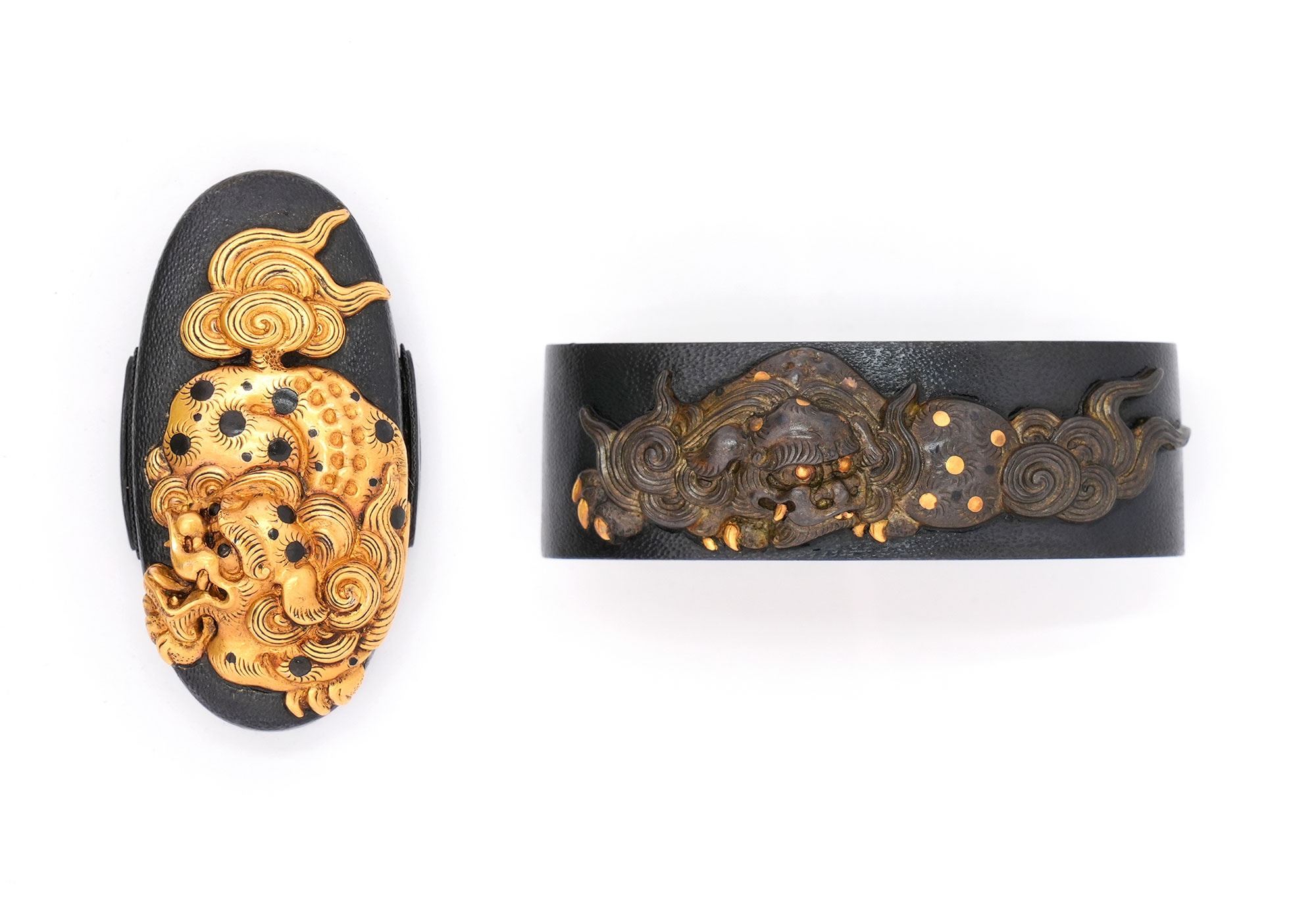
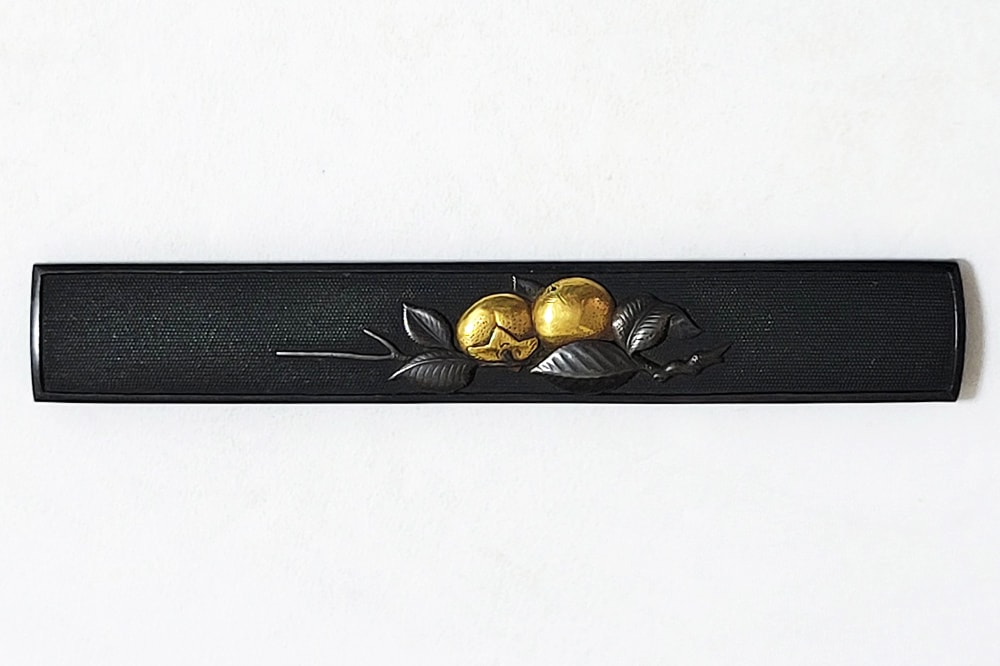
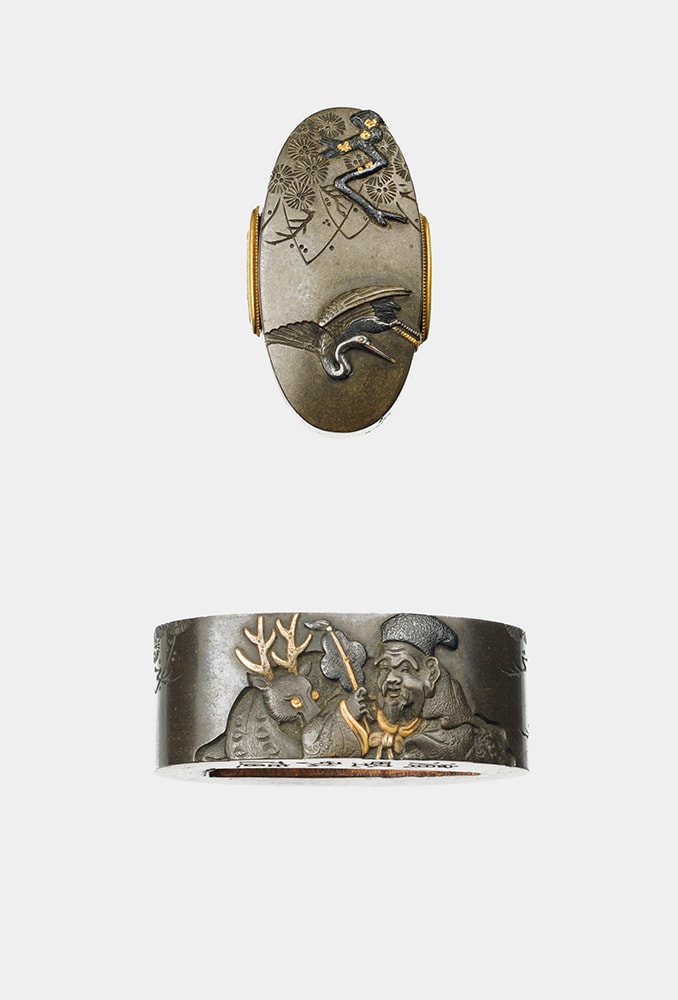
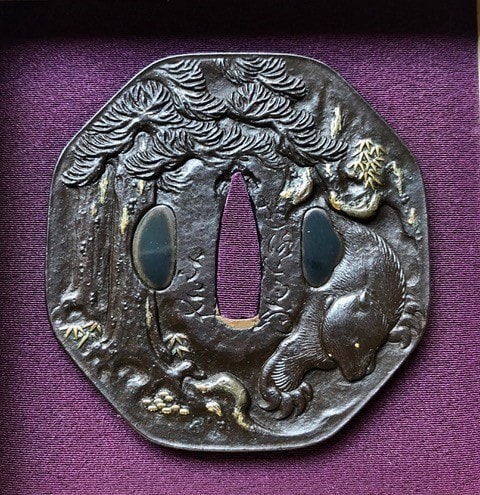
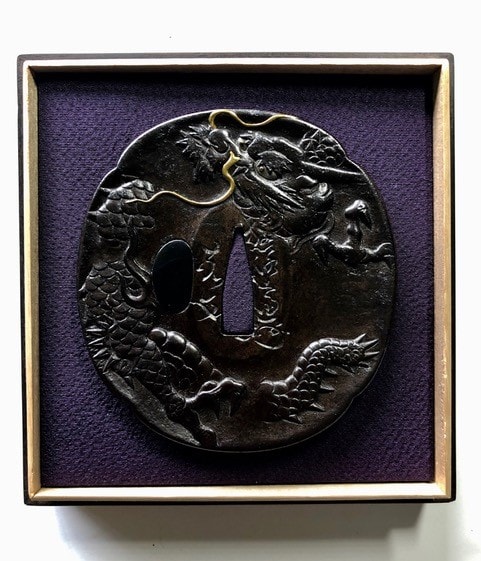
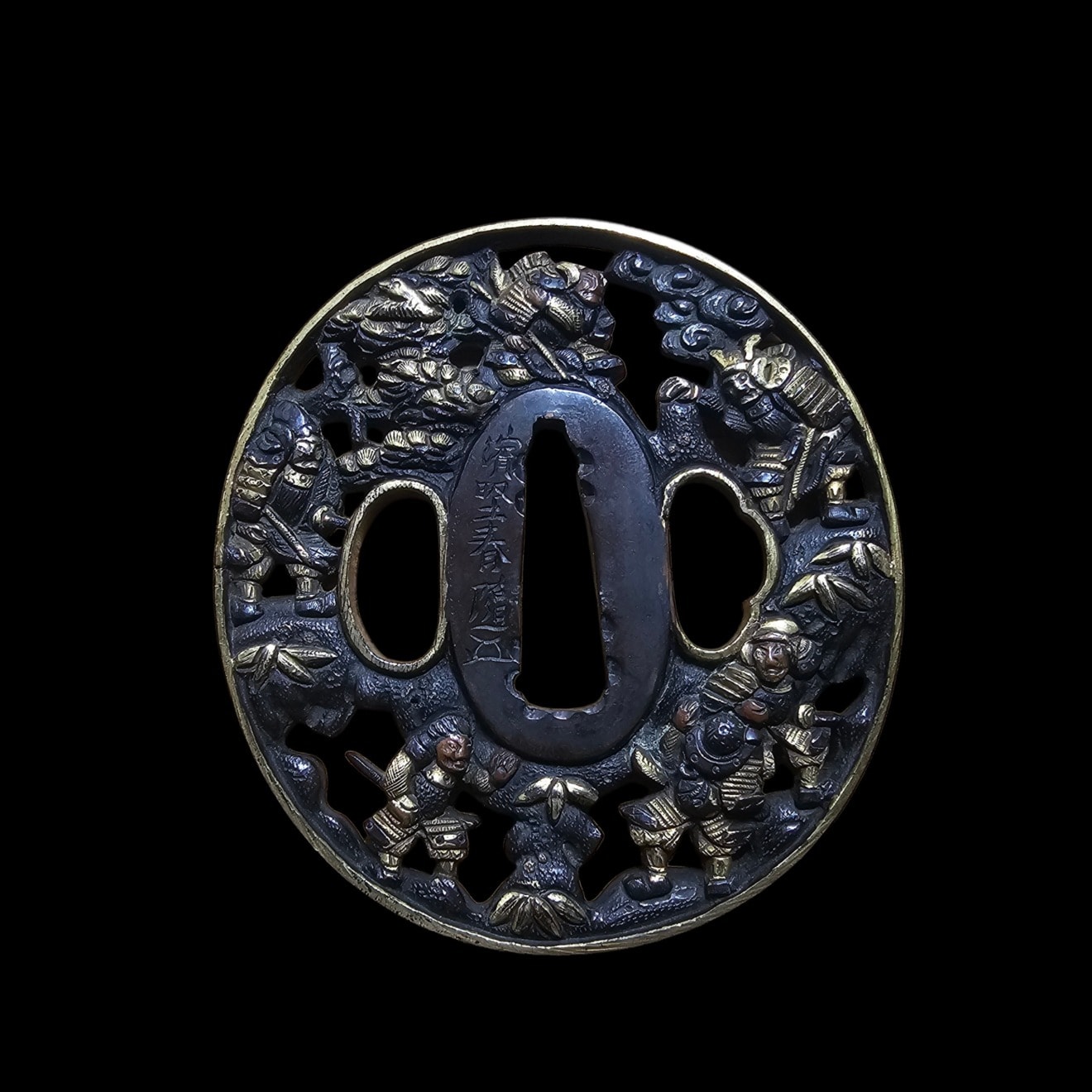
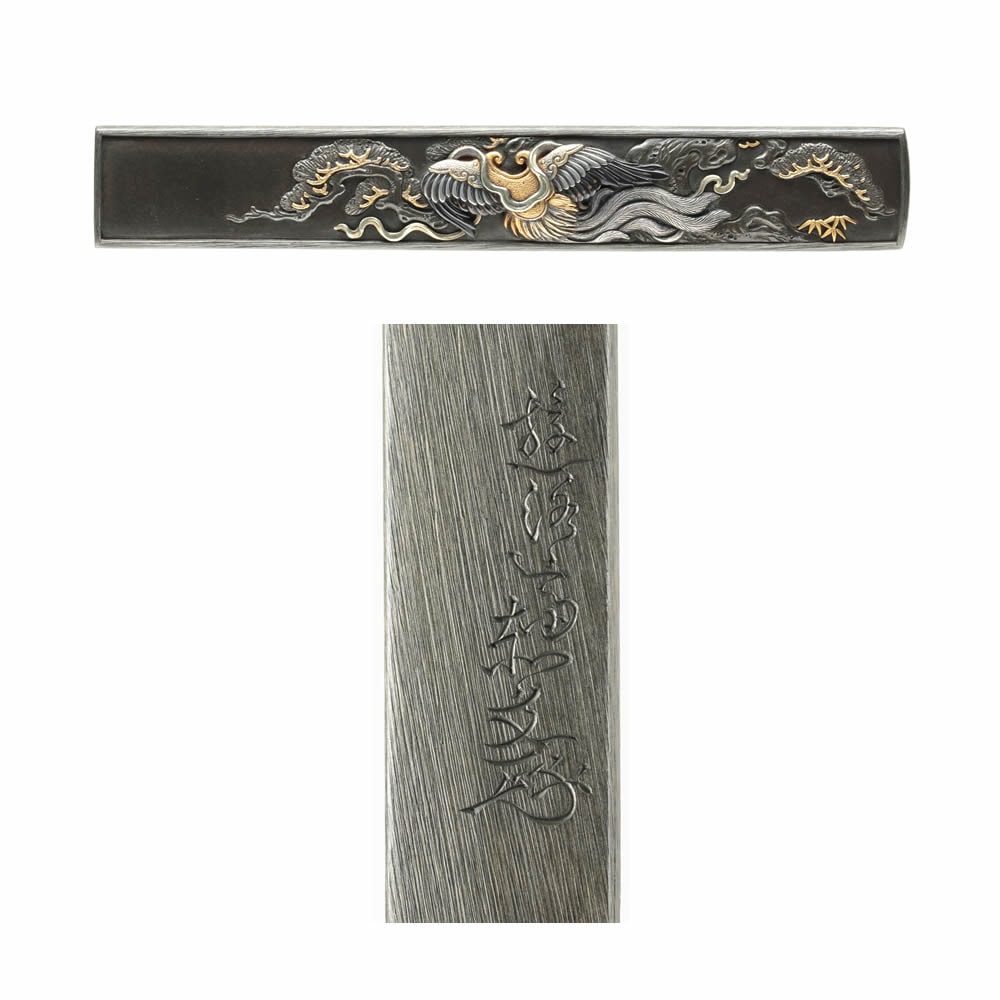
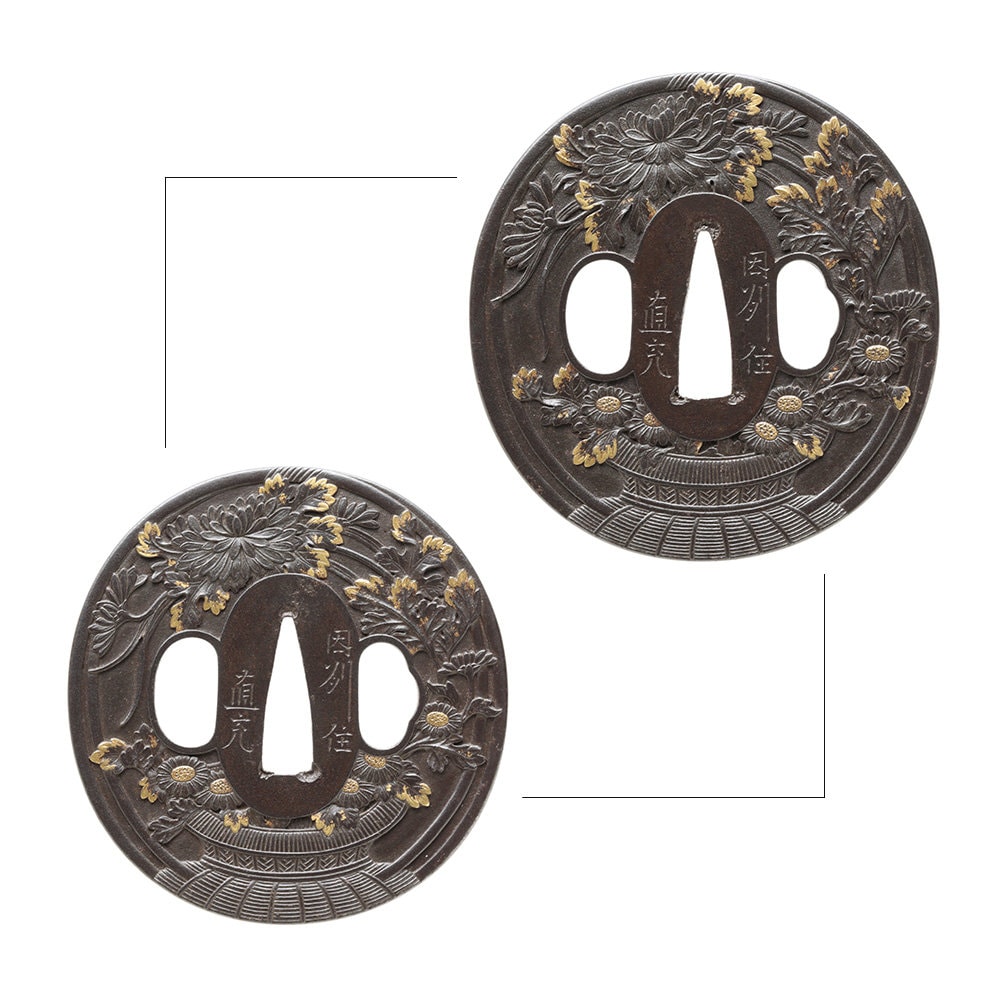
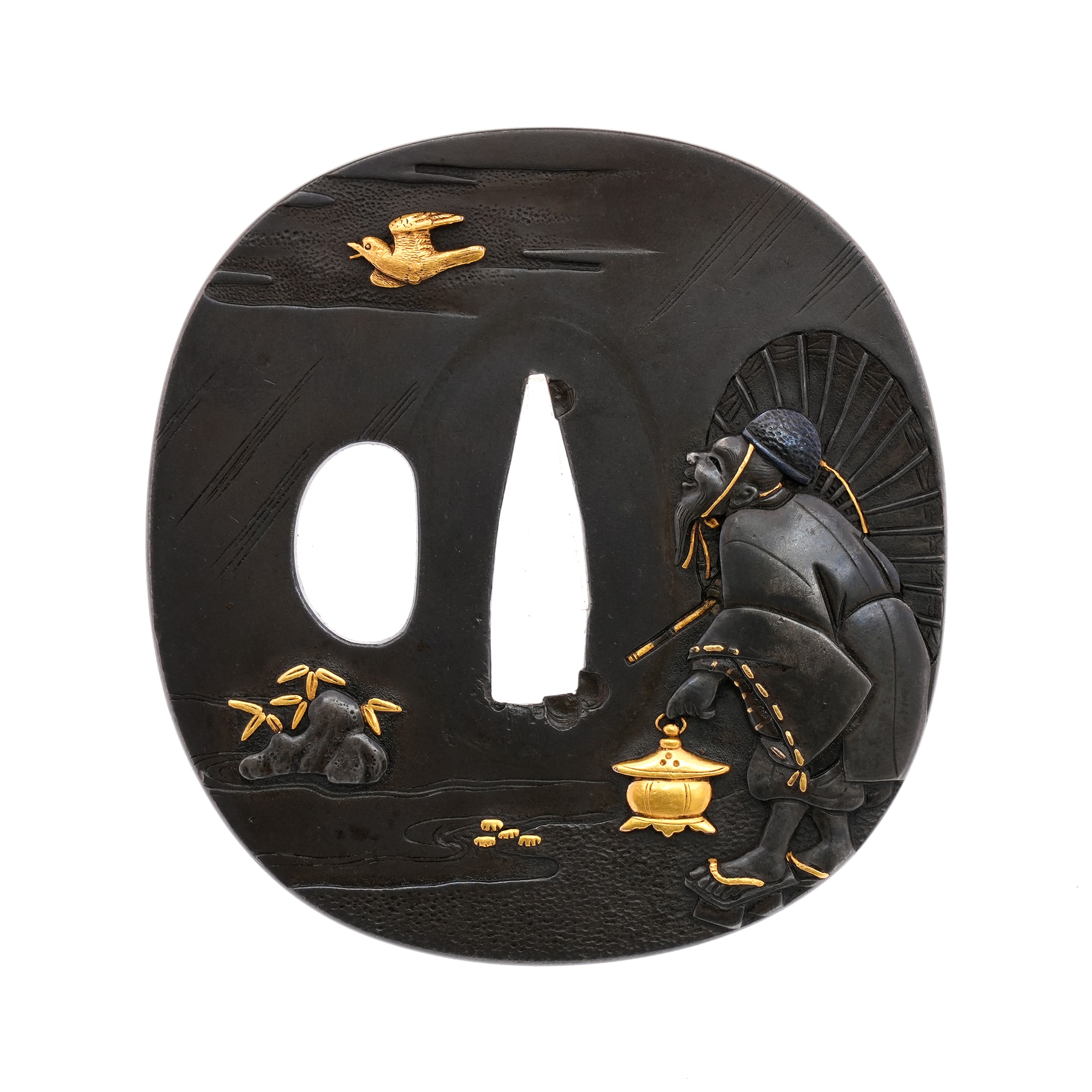
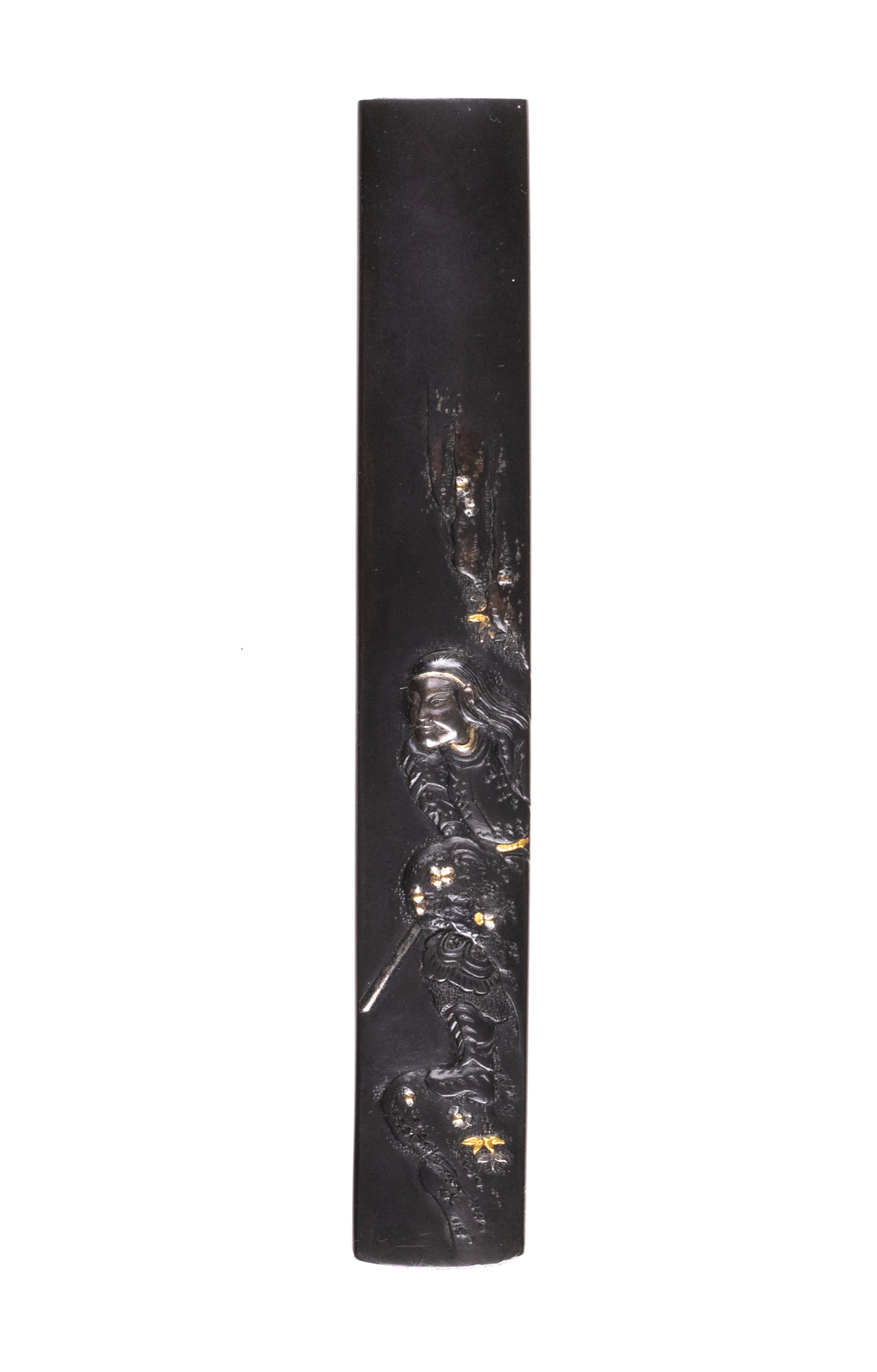
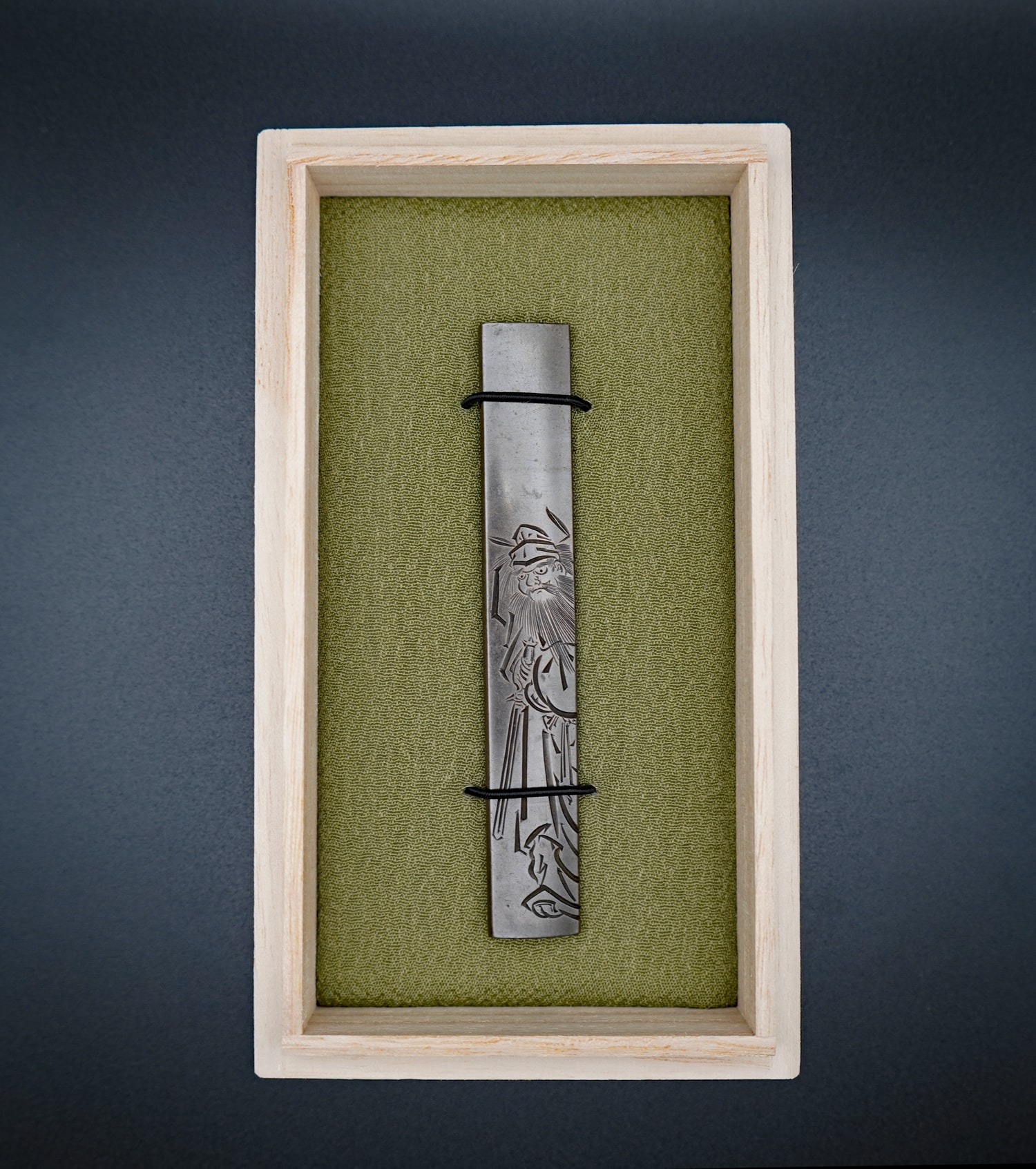
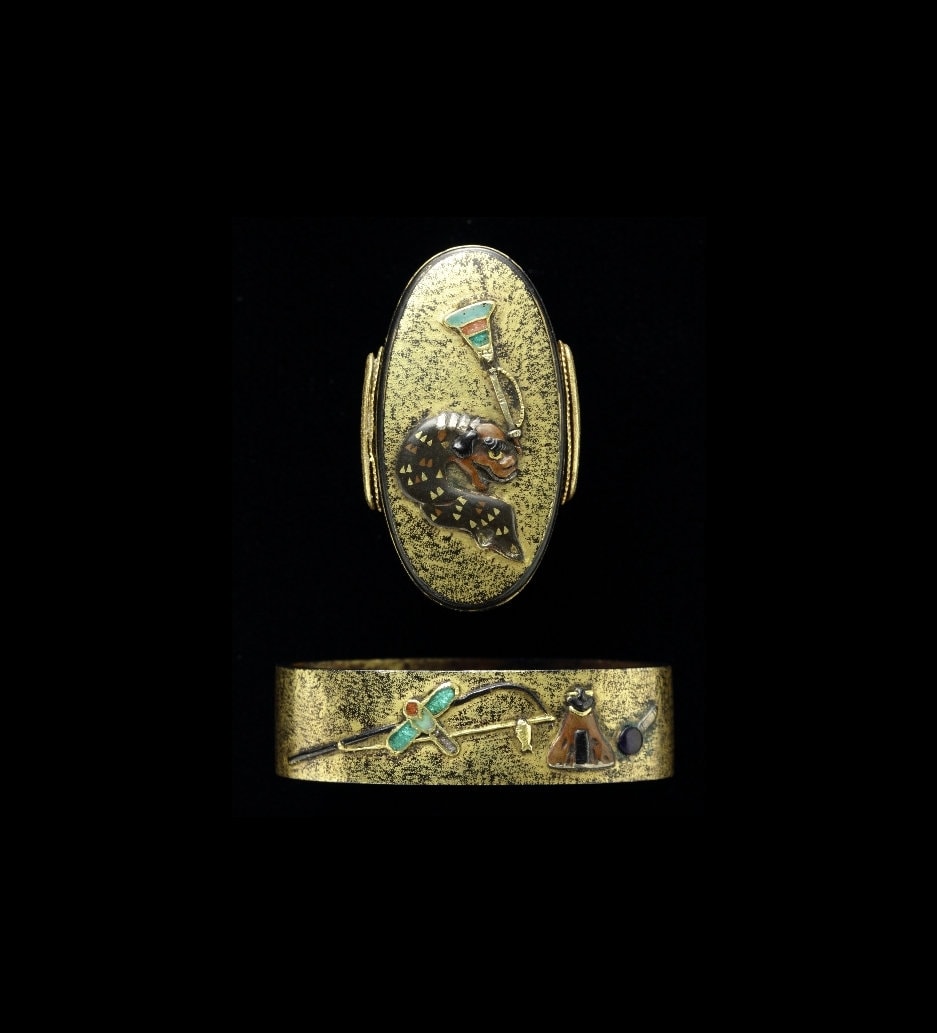
Masayuki's technique was highly esteemed, and he excelled in every approach — whether in bold , nikiai-bori, nikubori, or . His manner is characterized, as the Kisho appraises it, by a preference for "the challenging," through which he reveals a bold spirit; his work is "brisk and forceful." While inheriting the style of his master Toshihisa and incorporating mannerisms associated with Joi and Yasuchika, he devised an individual sculptural approach, adding distinctive nikubori-like modeling to high-relief subjects. The Hamano school's characteristic manner — using vertically oriented compositions and placing the principal subject in a large, forceful arrangement realized through realism — was firmly transmitted within the lineage.
In his later years, Masayuki left many powerful works that can be called distinctly his own, making vigorous use of robust high relief. His late pieces, often signed with age statements recording his seventies, fully display what the describes as "the true essence of his art through the vigorous deployment of his powerful carving techniques." Works from this final period combine daring with attentiveness, their polychrome accents executed with great care, standing as eloquent testaments to his elevated technical skill and the enduring vitality of the tradition he founded.