Edo was the sword’s age of connoisseurship: the Hon’ami appraisers, the shogunal register of famous blades of 1719, and a thriving literature turned the sword into an object of study even as it ceased to be drawn in war.
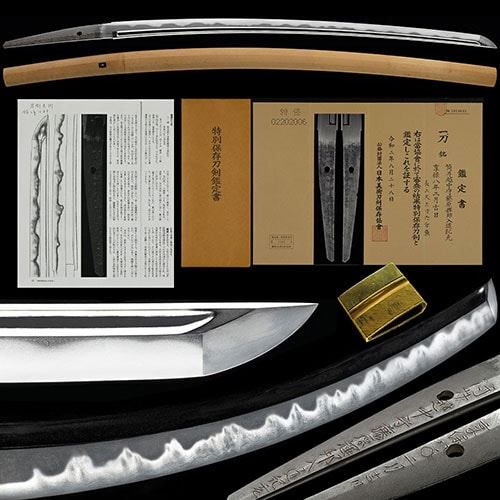
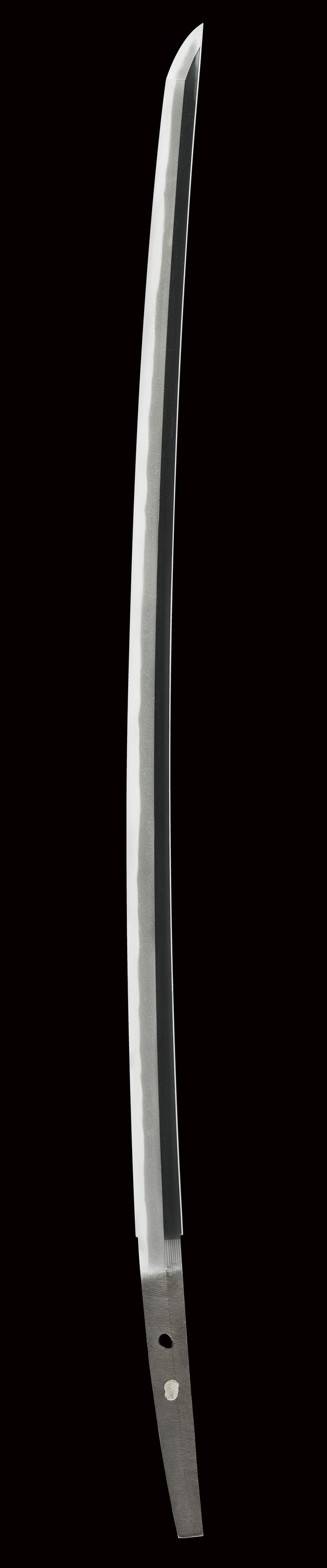
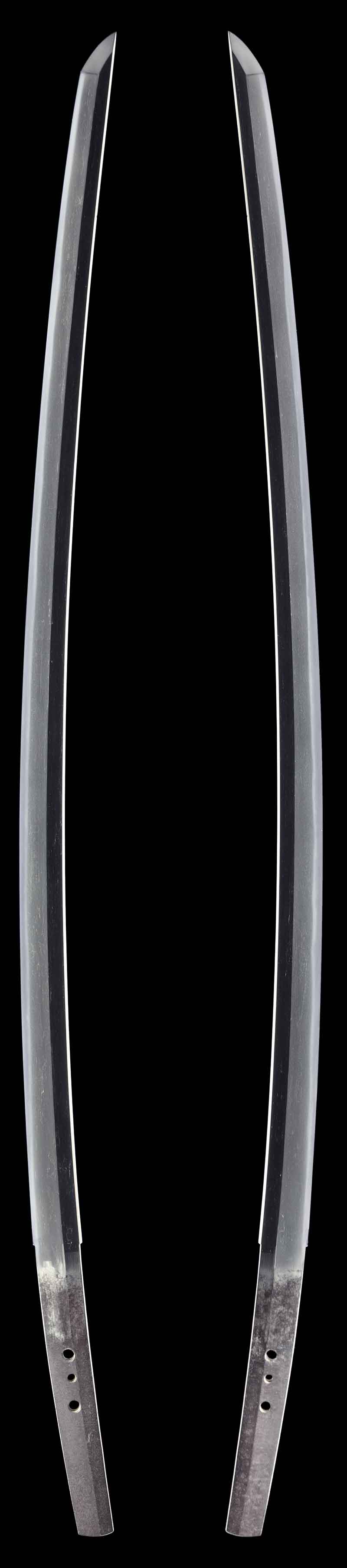
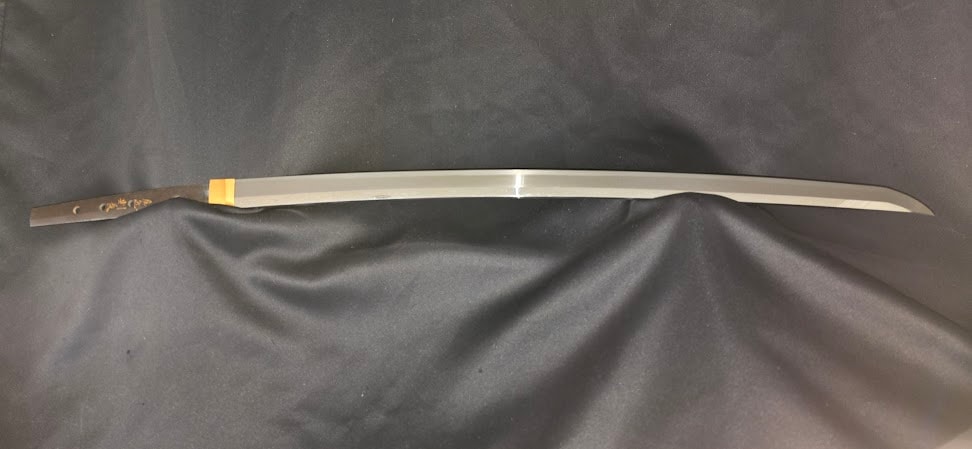
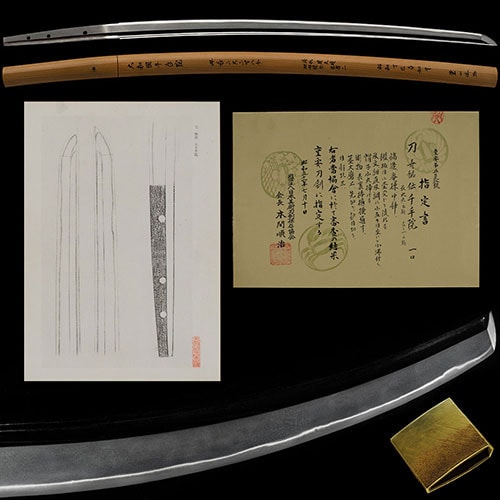
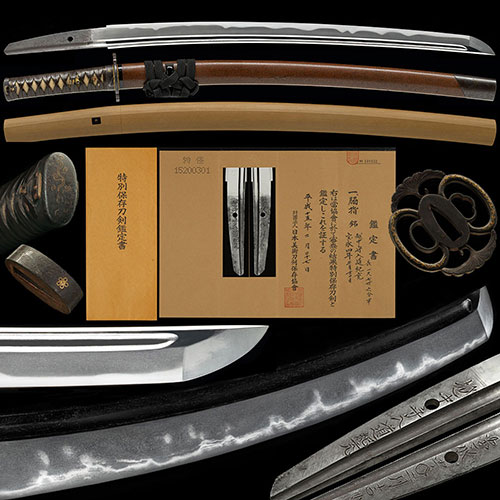
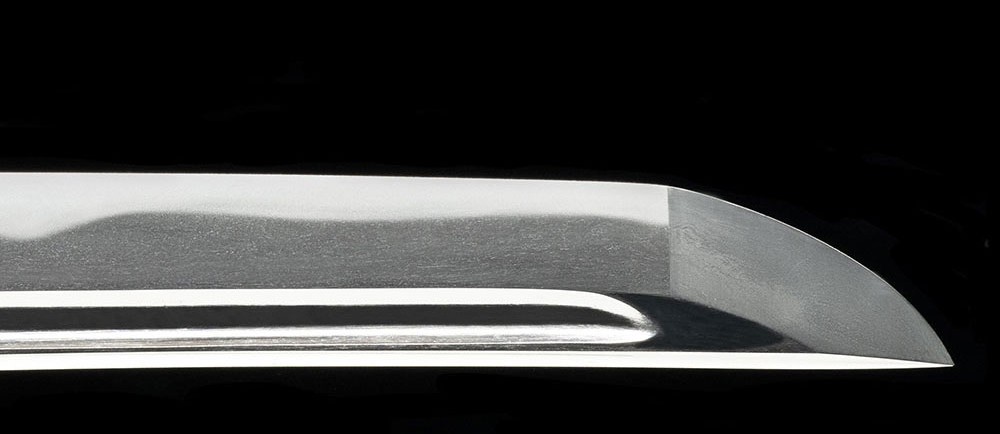
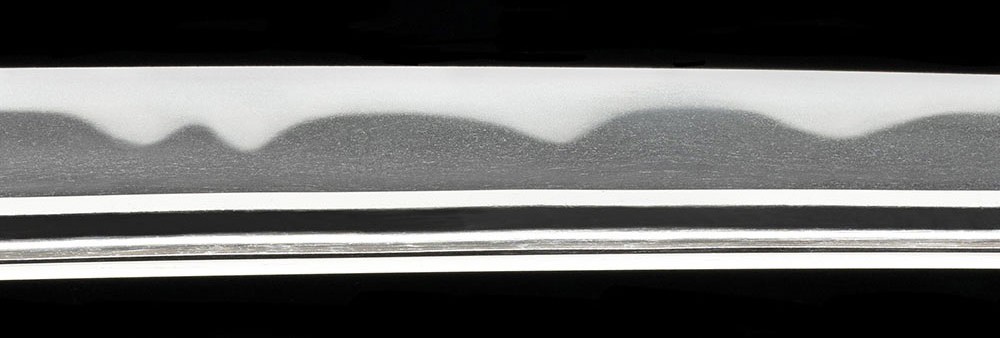
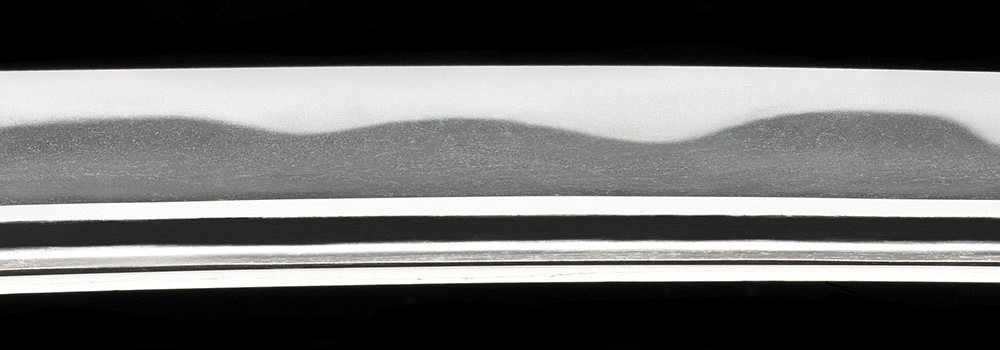
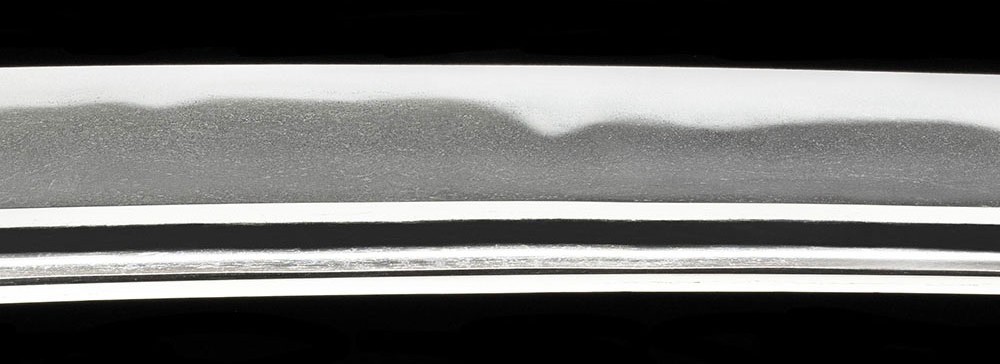
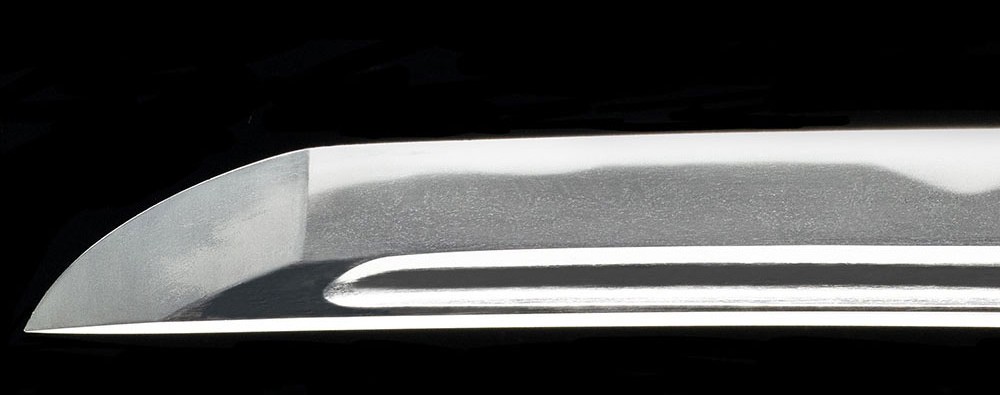
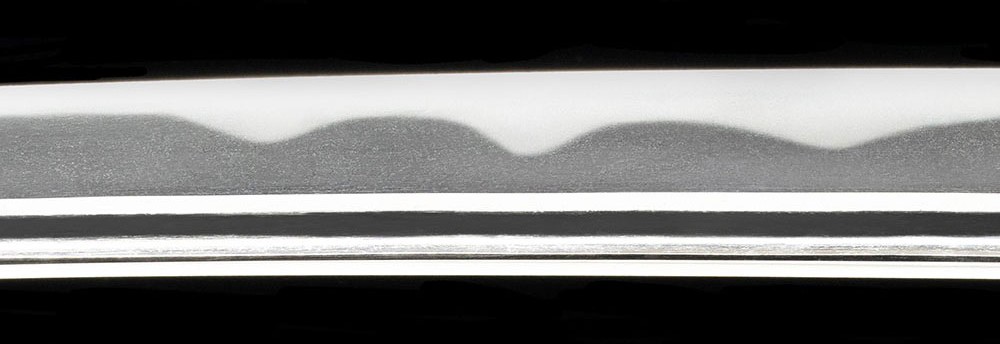
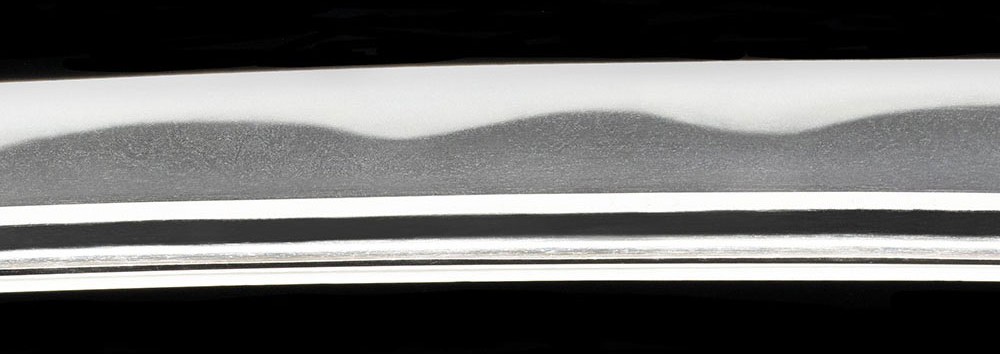
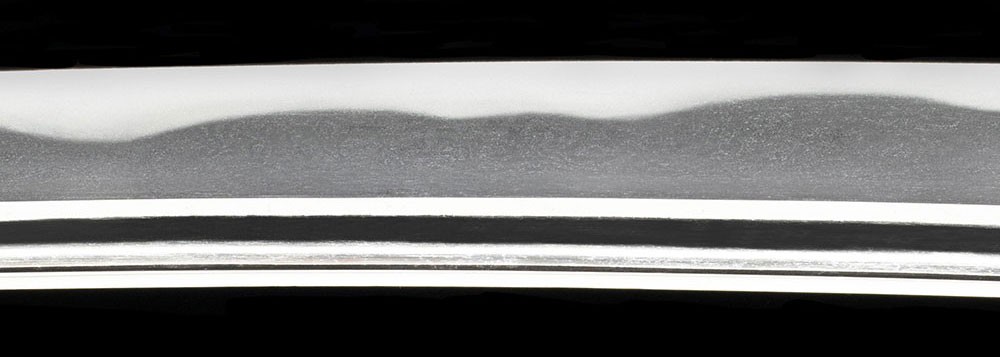
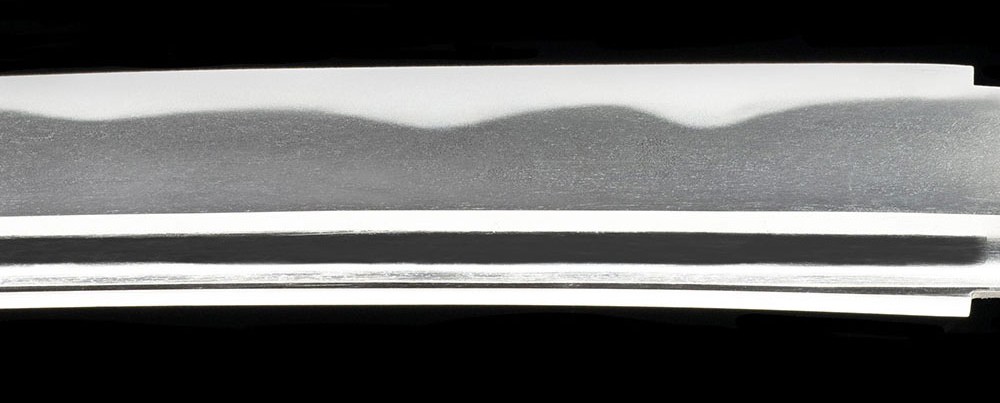
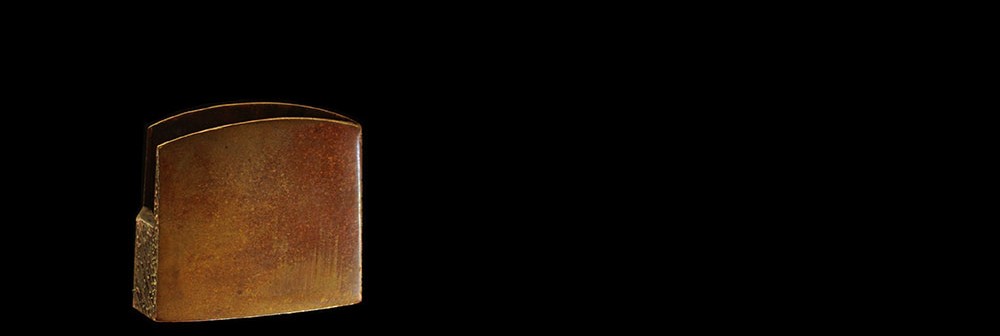
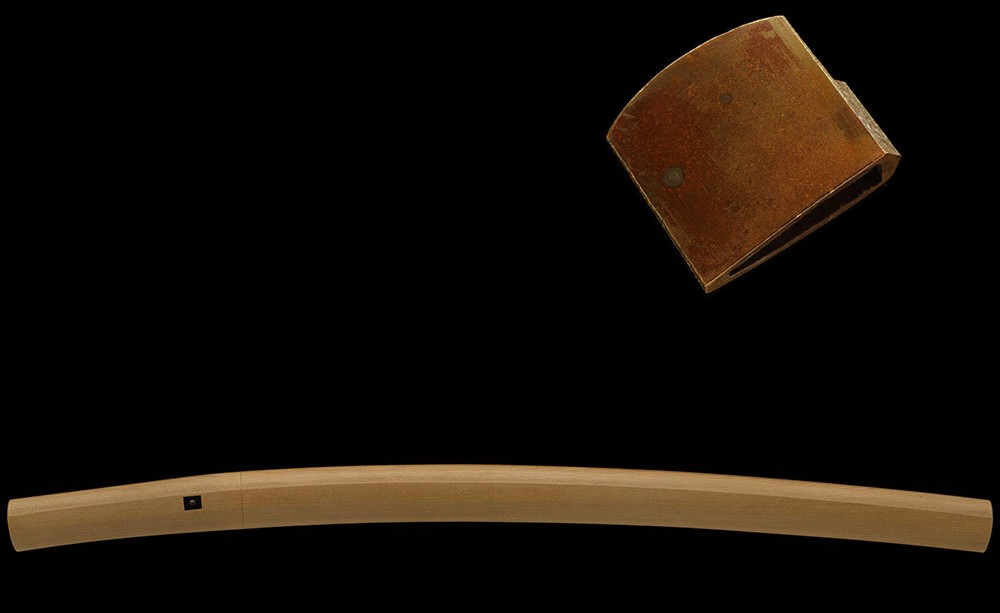
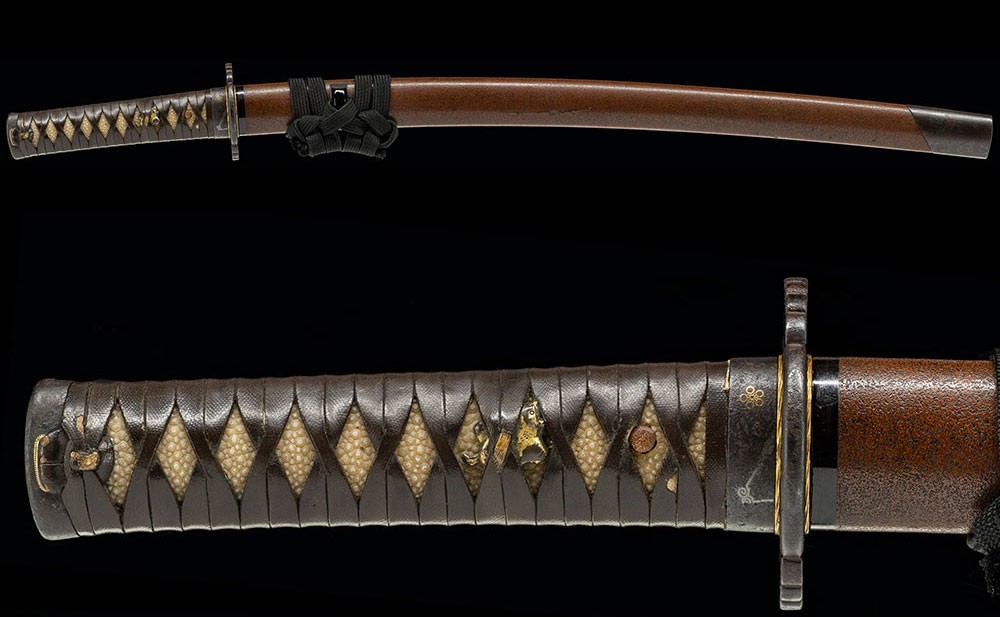
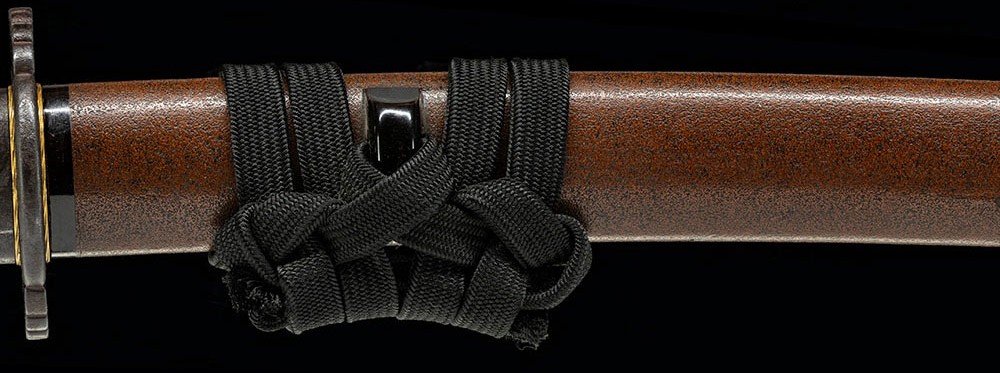
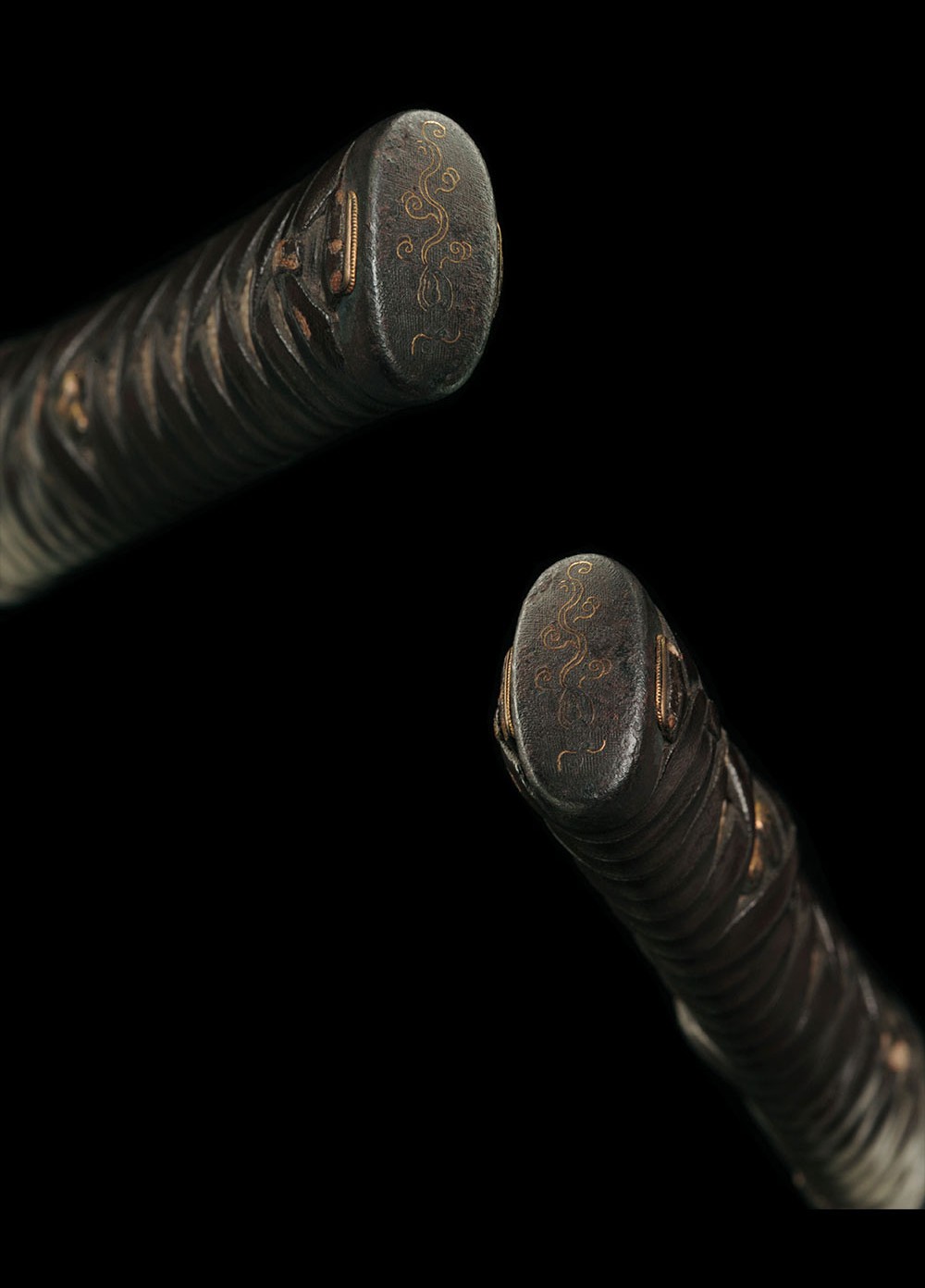
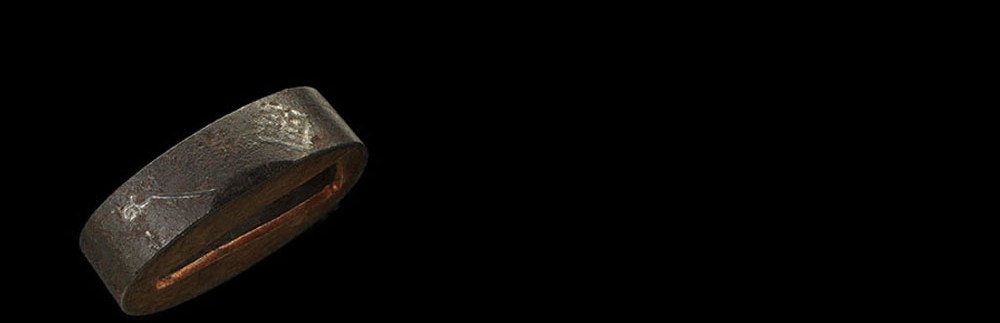
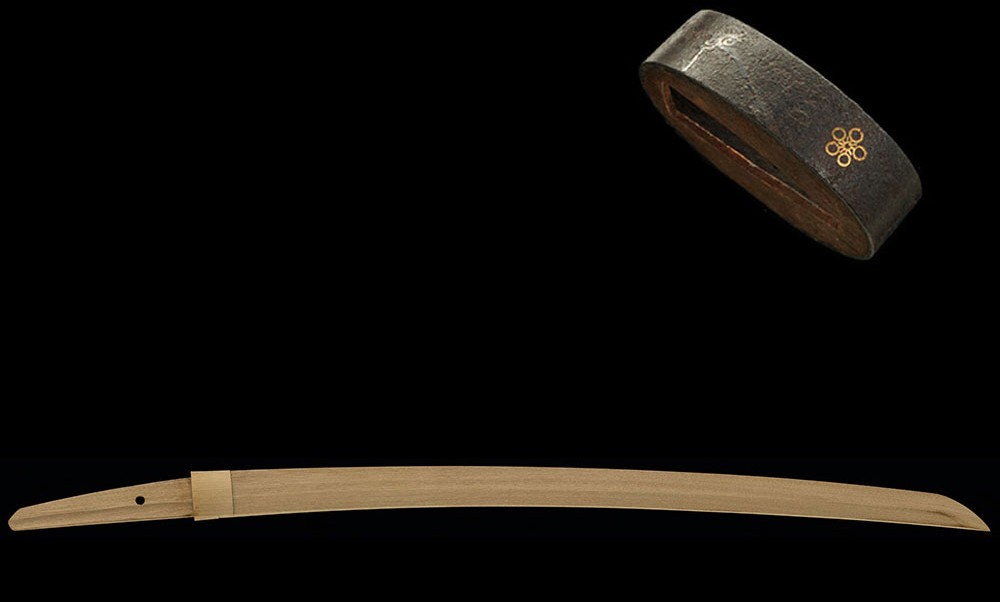
This is a wakizashi by Kiju (Norimitsu), a smith of the Yamato Monju school, active in the early Edo period. It features a wide mihaba, chu-kissaki, and a vibrant hamon with frequent kinsuji and sunagashi, characteristic of his style influenced by Osaka Shinto. The blade comes with a brown lacquer stone-textured koshirae.
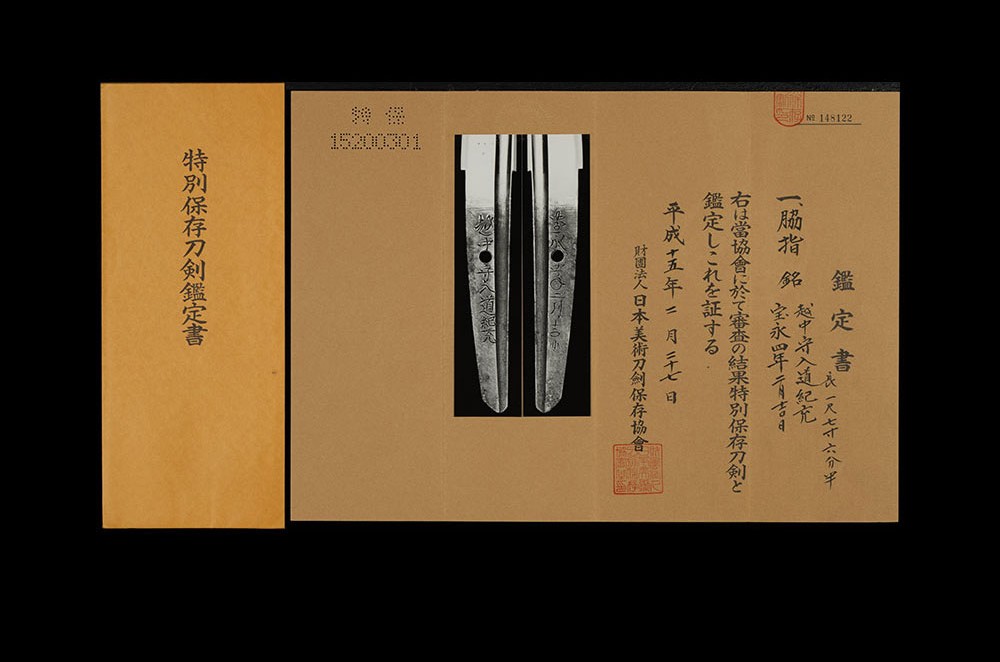
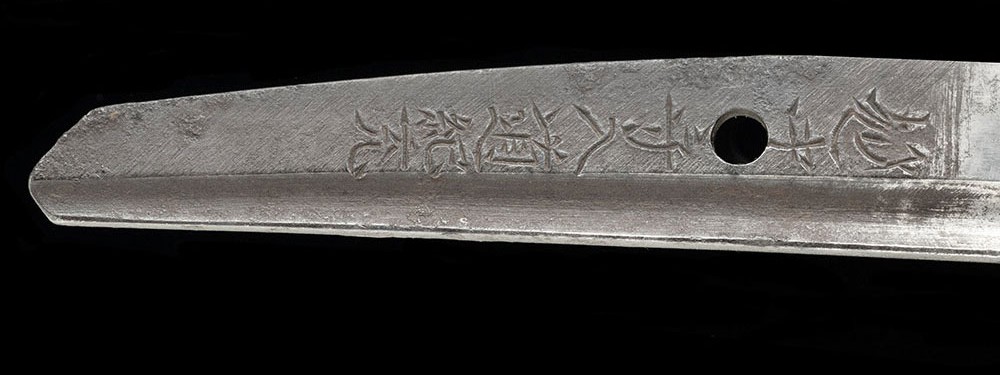
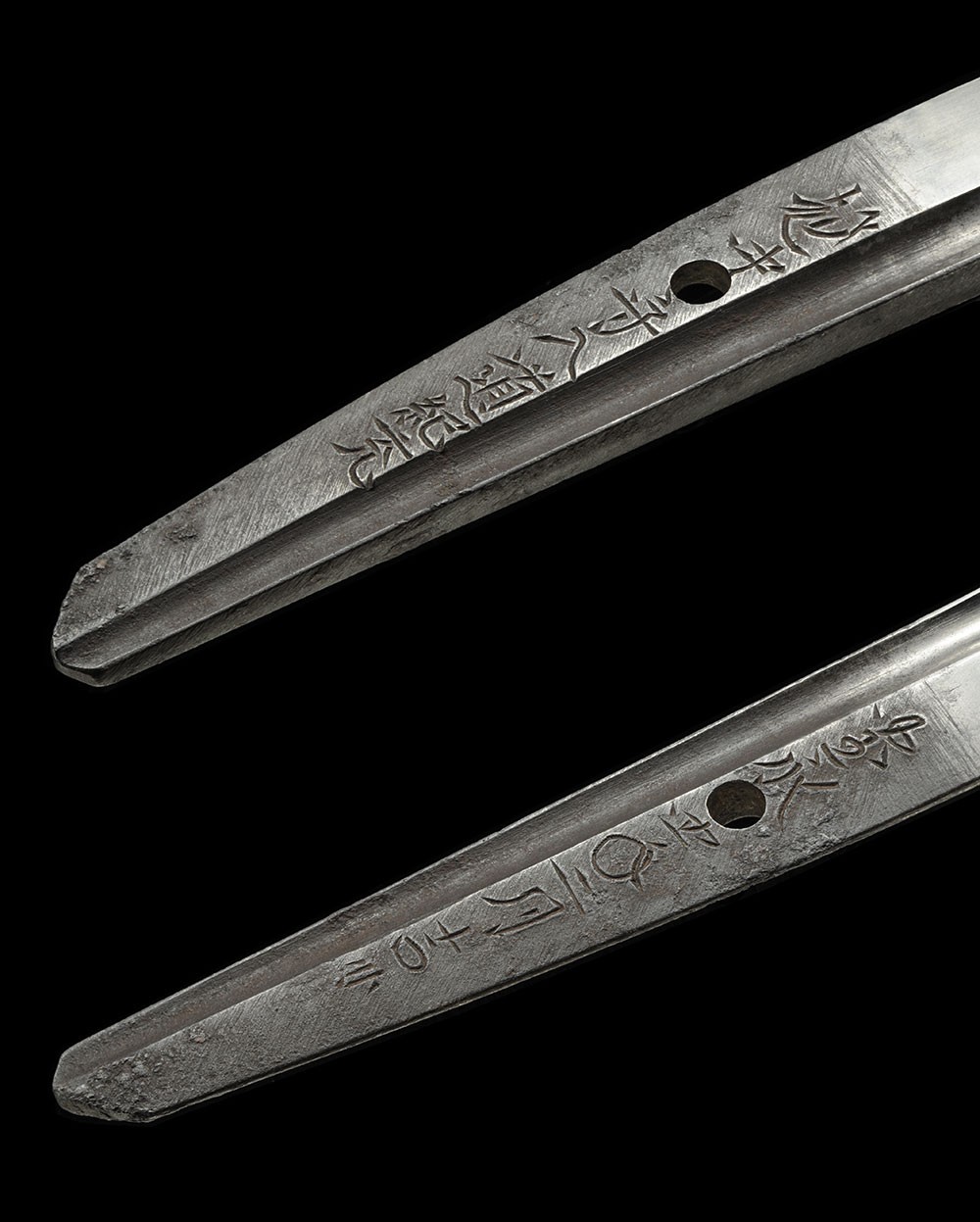
Certificate reading — 銘 越中守入道紀充 宝永四年二月吉日
 NihontoWatch
mei · Yamato Monju · Shinto · nagasa 53.5cm · sori 1.1cm
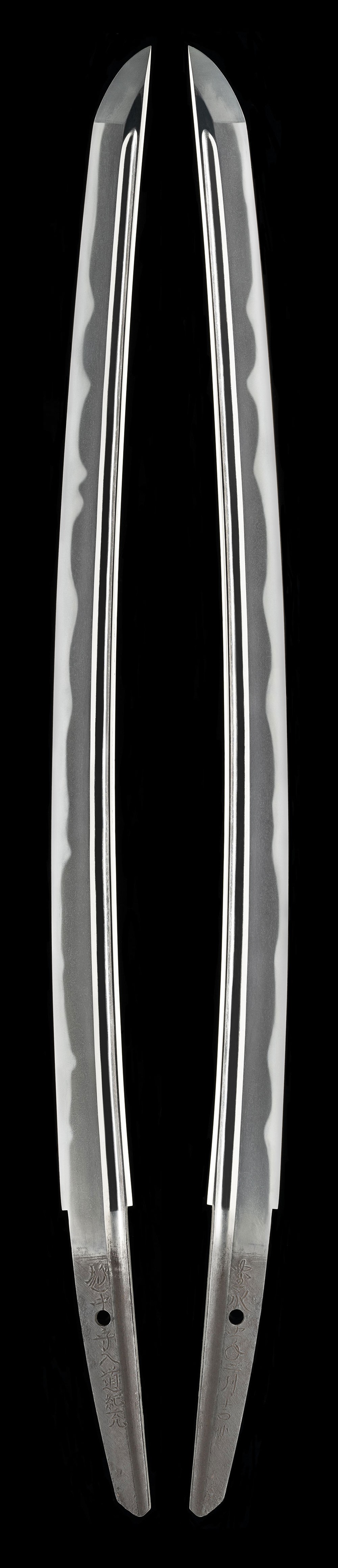
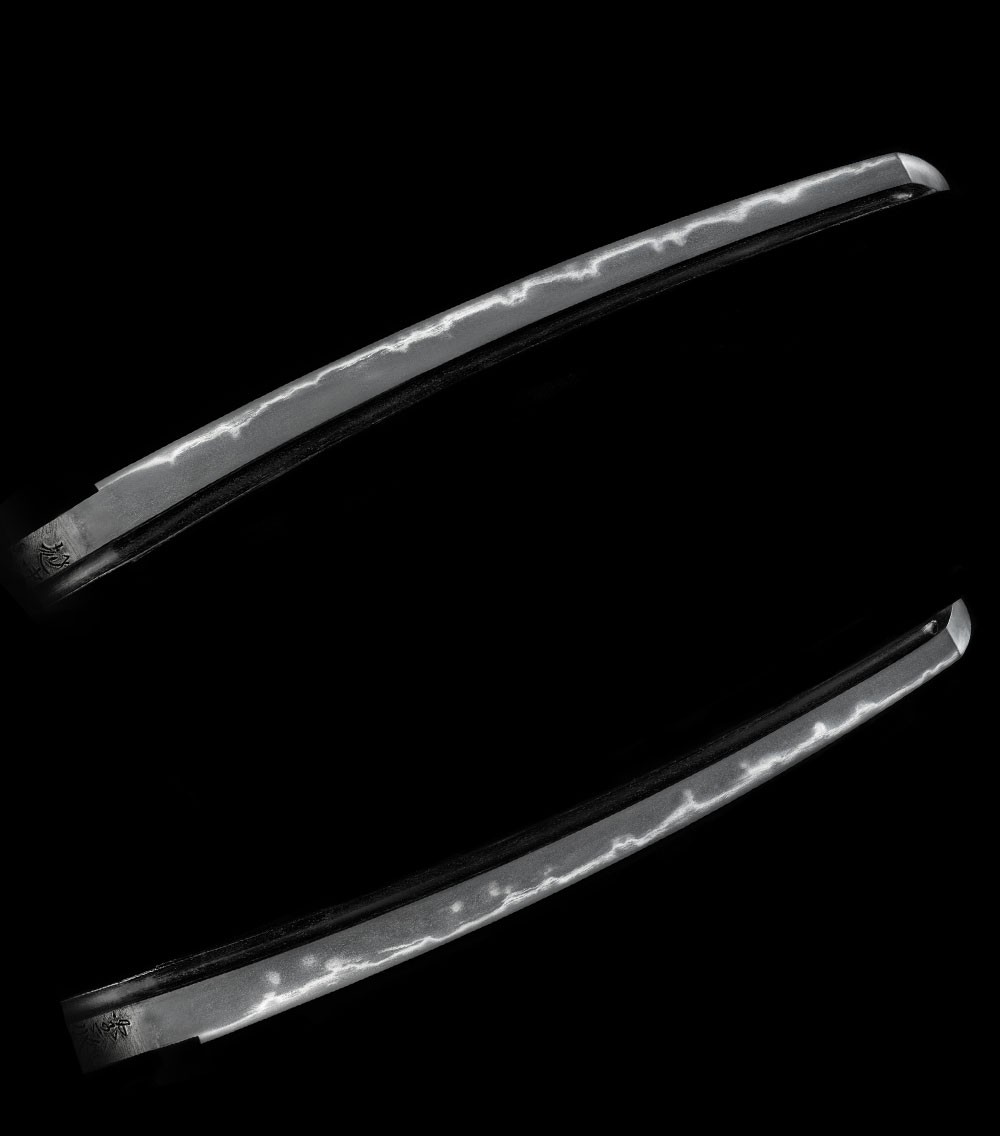
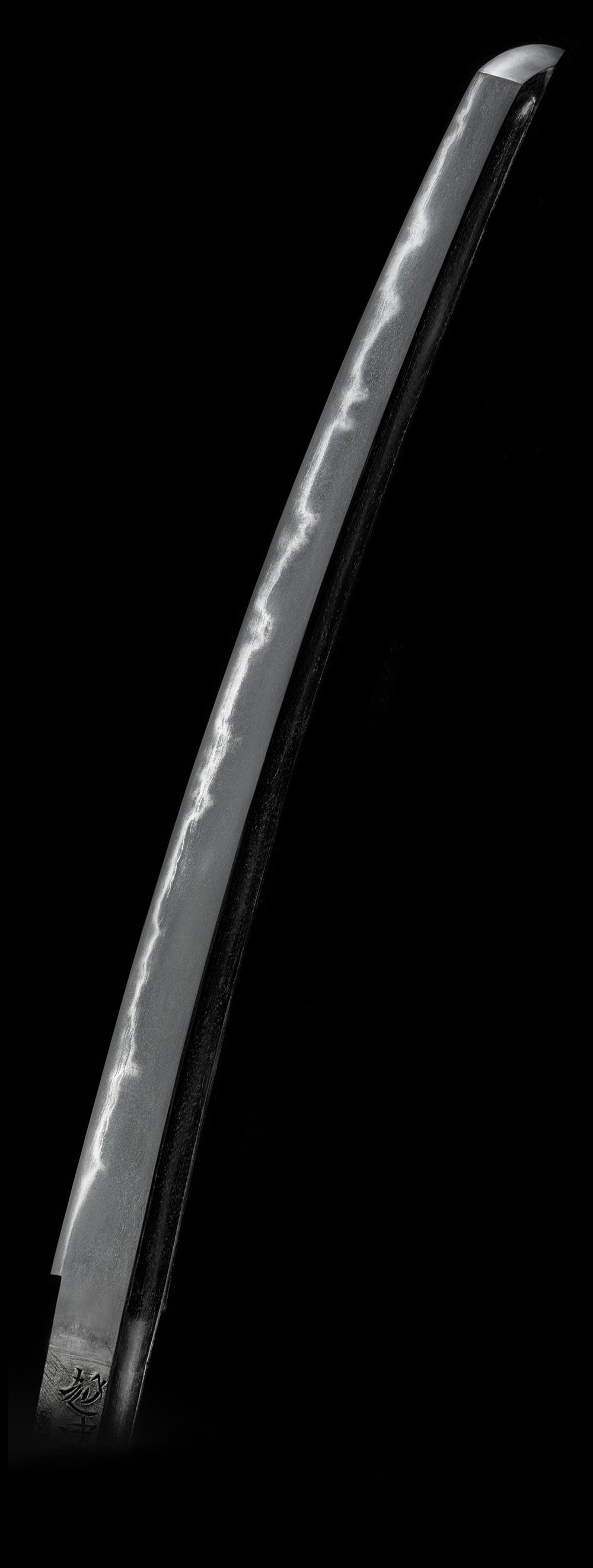
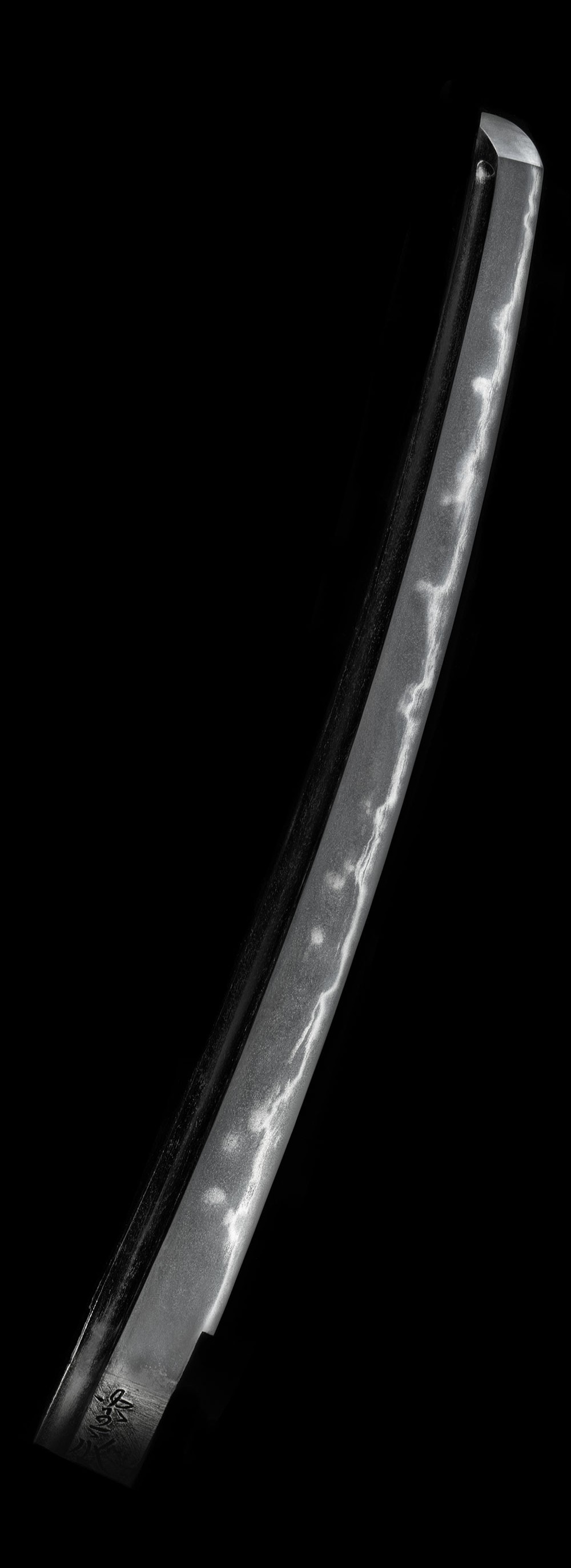
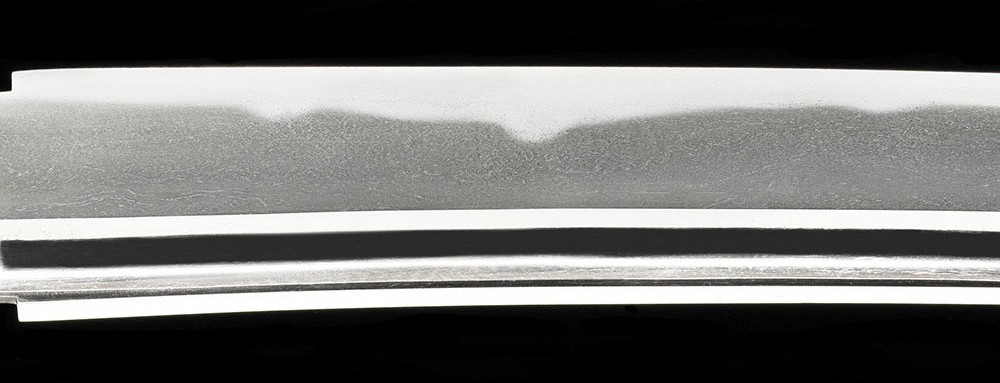
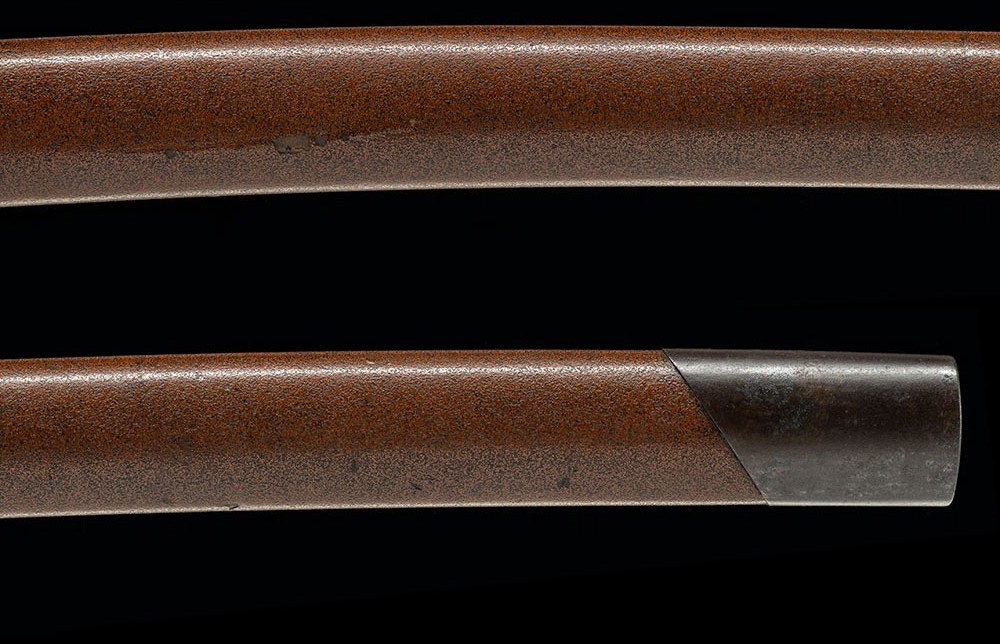
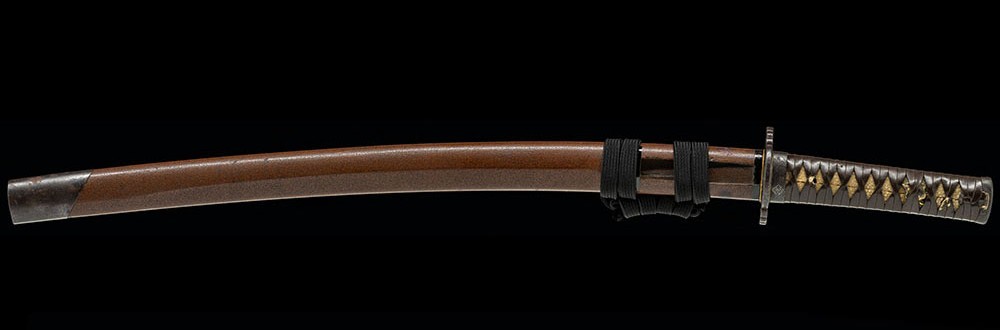
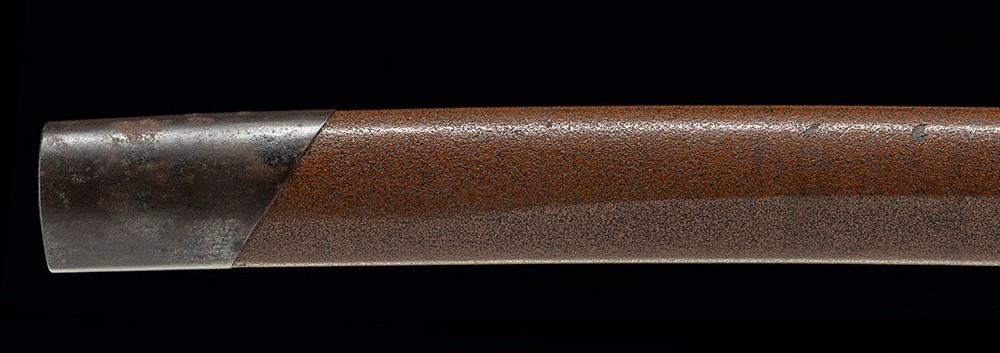
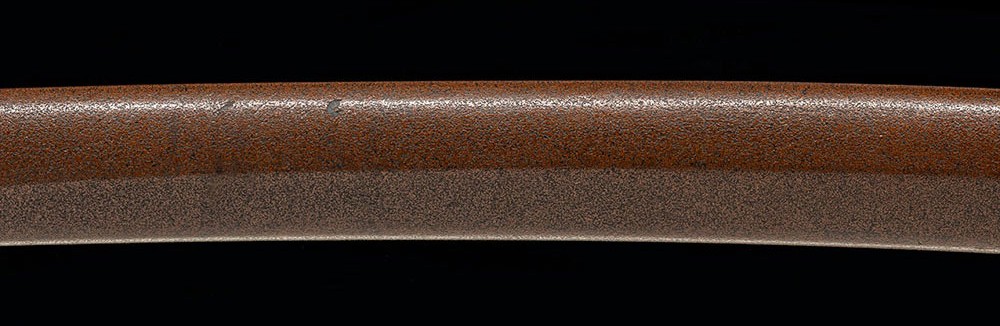
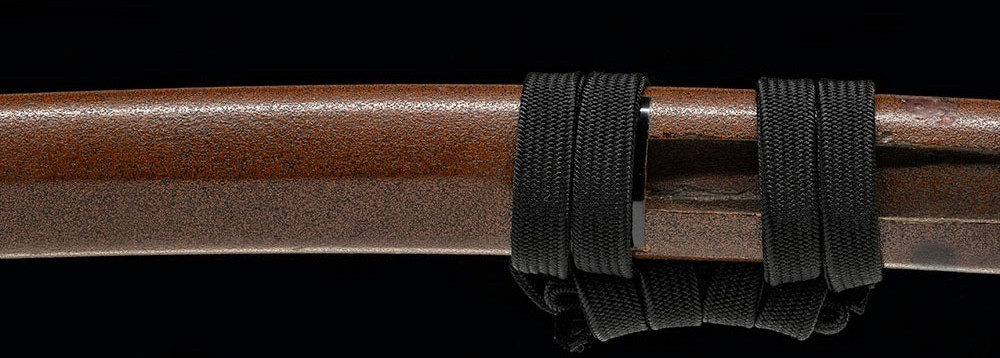
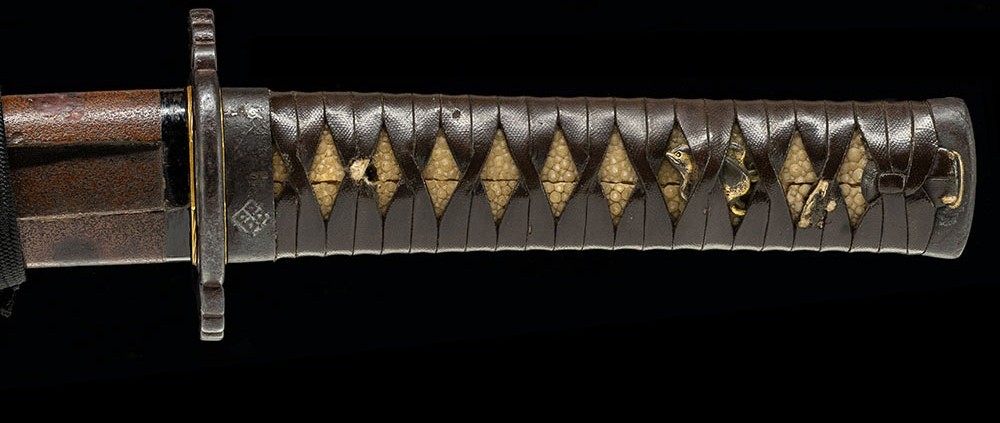
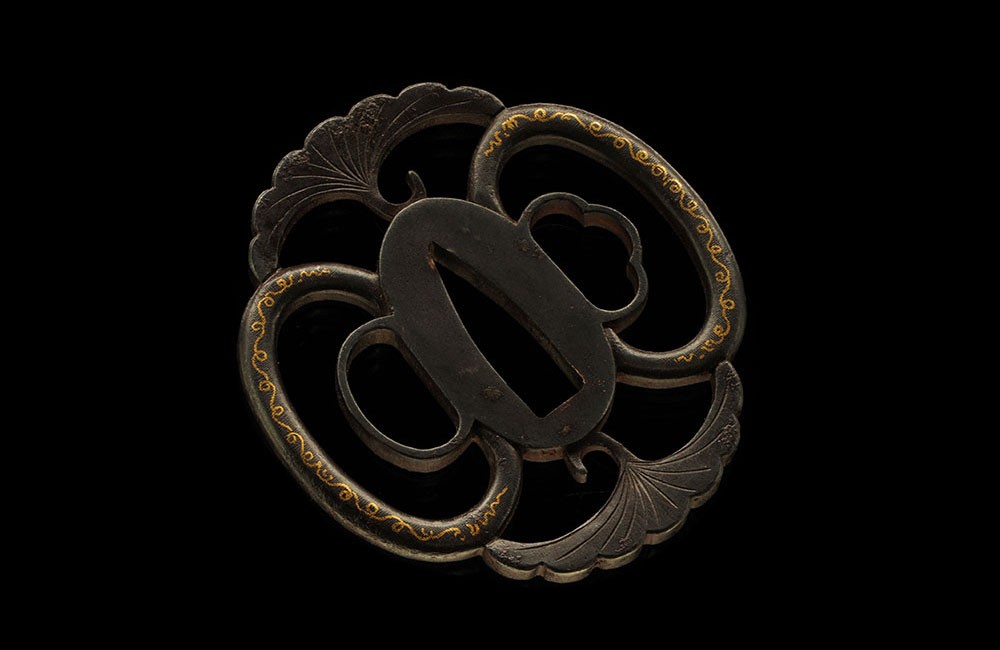
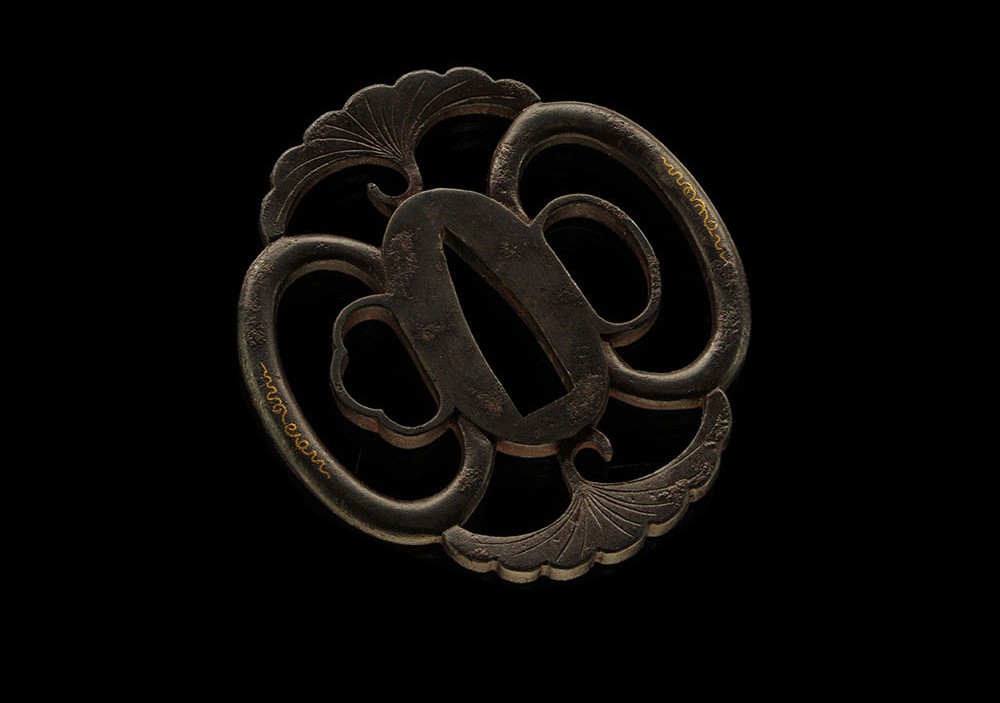
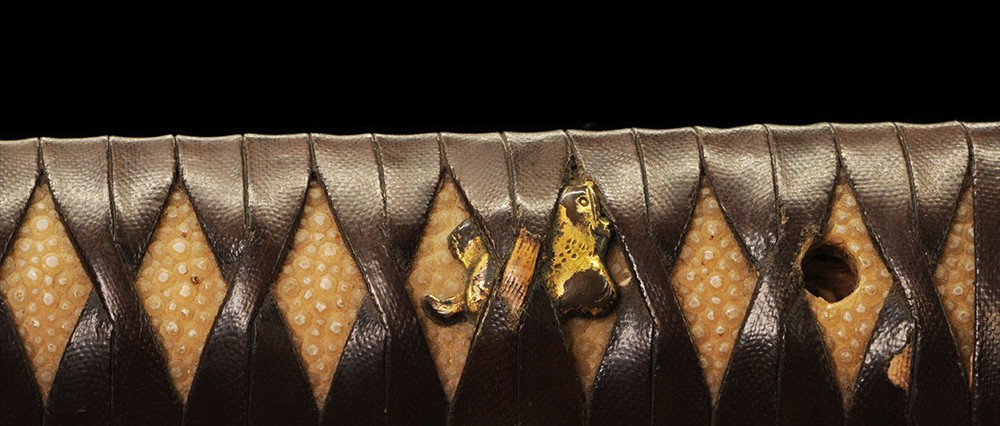
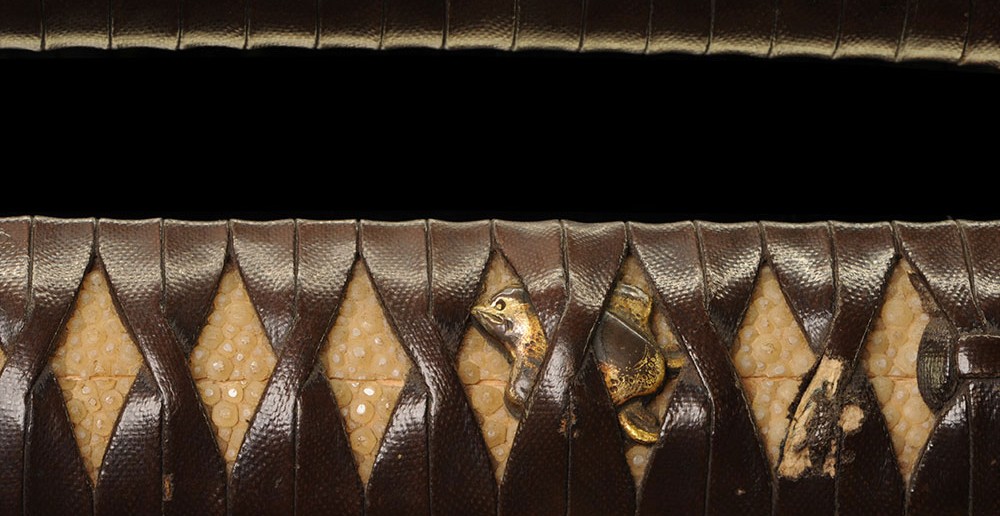
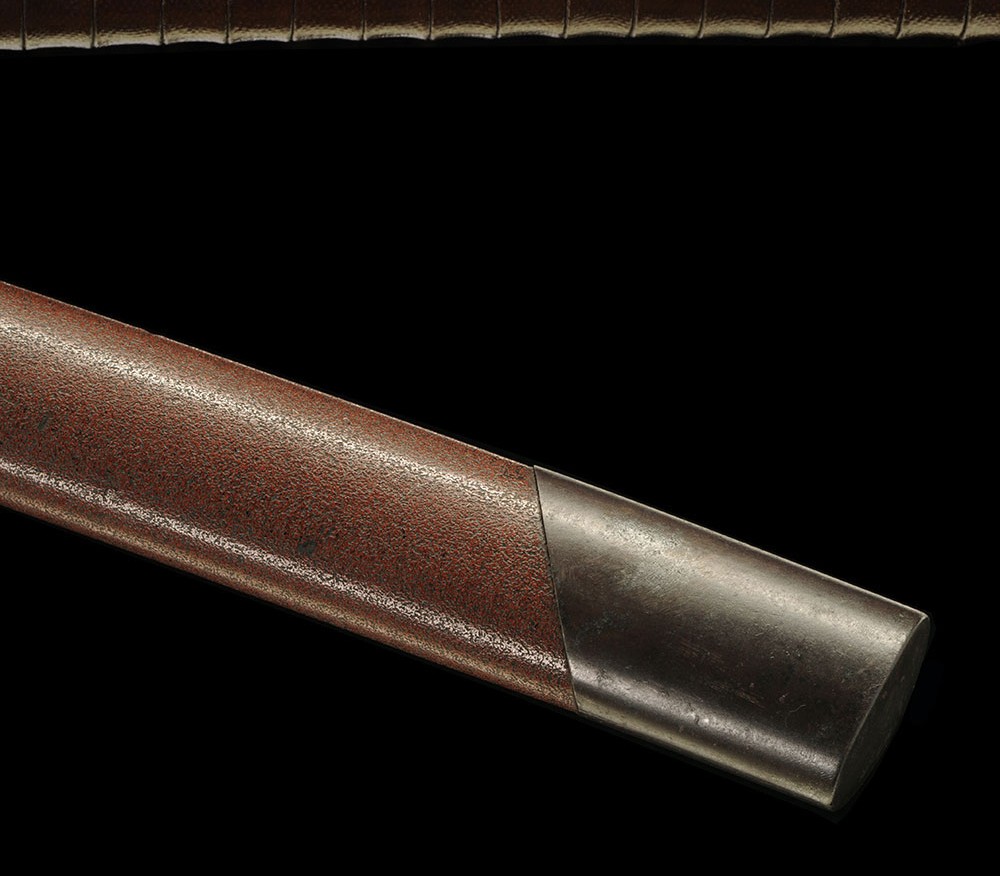
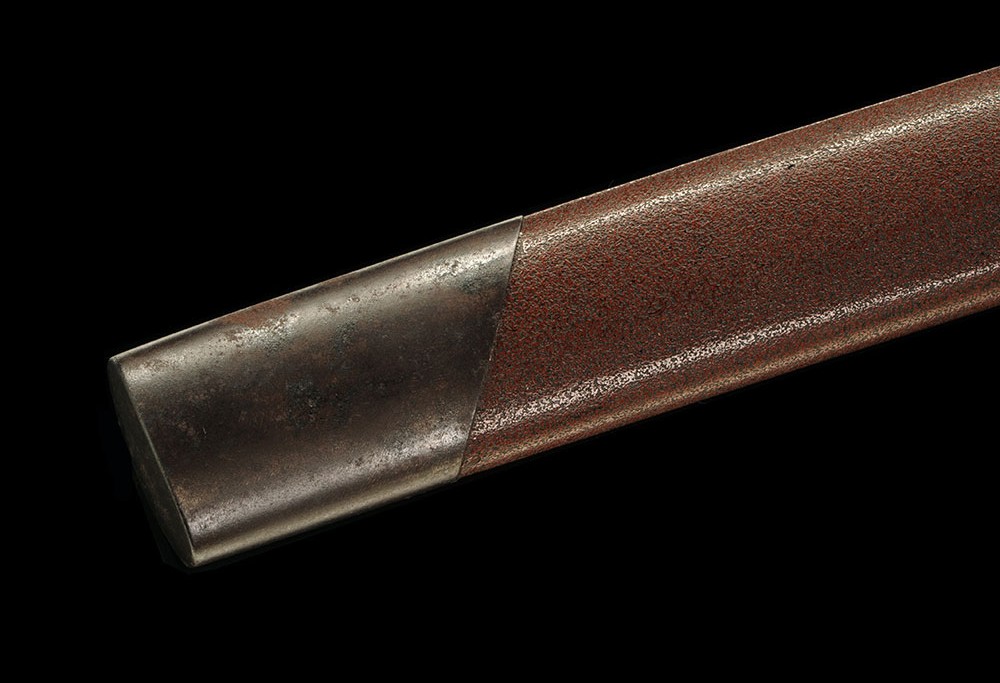
Yamato-den · Yamato
3 pieces on the market now
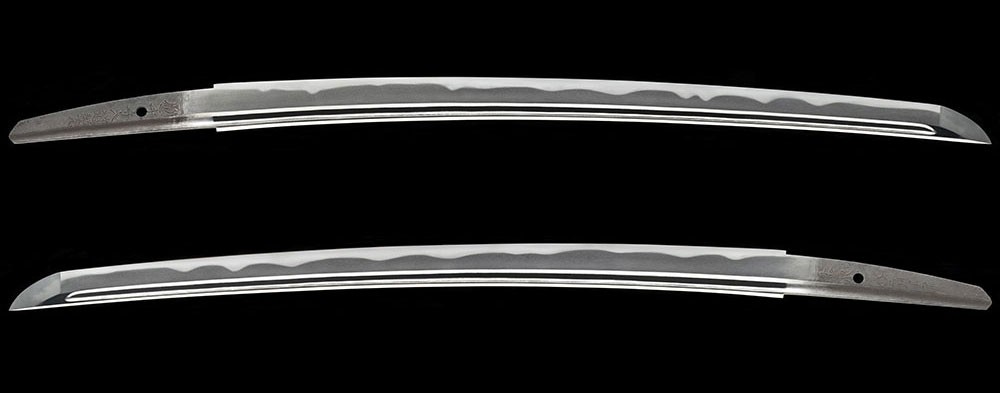
The blades gathered here belong to a single Edo-period line rather than an old Yamato workshop. Their maker signs 紀充, a name read in the registers as Kijū, Kishū, Kimitsugu, and Norimitsu, and he is recorded as Tsutsui Etchū-no-Kami Nyūdō. The setsumei place him as the son of Etchū-no-Kami Kanekuni, who in turn studied under the first-generation Tanba-no-Kami Yoshimichi of Ōsaka; one entry instead names his father as Tsutsui Echizen-no-Kami Kunisada, the same Ōsaka Shintō milieu. He first used the name Terukuni (輝邦) and, from about Genroku 6 (1693), signed 紀充, with dated work running across Shōtoku 3 (1713) and the Kyōhō years 5, 9, 11, and 16 (1720 to 1731). One Kyōhō 16 katana carries a place inscription reading Washū Kōriyama, recording that he worked at Kōriyama in Yamato province; a second generation signing the same characters is also attested. His hand follows the Tsuda-style tōran-ba of the Ōsaka tradition. Across the group the hamon is a large gunome-midare in tōran form, the wave crests broad and regular, with tobiyaki mixed in, ashi entering, and sunagashi running frequently through a deep nioi with ko-nie; kinsuji surface on the stronger blades. The kitae is itame or tightly forged ko-itame, repeatedly noted as tending to nagare or masame-gakari toward the edge, with ji-nie adhering. Bōshi vary between a sugu ko-maru return and a deep ō-maru turning back in midare.
The sugata is shinogi-zukuri, iori-mune, with shallow sori or sakizori and a chū-kissaki; nakago are ubu with keshō sujikai file marks, the long cursive mei cut on the omote and the date and place set on the ura. The registers also caution that the steel does not reach that of Sukehiro or Sukenao, the masame tendency being the clearest tell of this hand against its Ōsaka models. For kantei the combination is specific: a broad tōran gunome with frequent sunagashi over an itame ground that flows to masame near the ha, signed by Tsutsui Etchū-no-Kami in a long cursive inscription. Sudare-ba work and tantō are recorded as rare; katana are the norm. Named pieces sit in the Imperial collection, including a Kyōhō 11 katana held by the Imperial Household Agency, and the dated and place-marked inscriptions are singled out as carrying particular value for study. The setsumei thus document an Ōsaka-trained Shintō smith who later settled at Kōriyama in Yamato, and the corpus is best read on those terms. NOTE: The setsumei do NOT match the "Tsutsui / Yamato-den" label. They describe an Edo-period (Shōtoku through Kyōhō, 1713 to 1731) Ōsaka-tradition tōran smith line (紀充, son of Kanekuni, in the Tanba-no-Kami Yoshimichi / Tsuda lineage) who worked at Kōriyama in Yamato province; the "Yamato" connection is geographic residence, not the Yamato-den tradition or the 1100 to 1400 era given in the identity file. Learn more →
| Smith | Era | Designated |
|---|---|---|
| Kiju紀充 | 1688-1720 | 4 |
| Norimitsu紀充 | 1673-1713 | 1 |
The Edo period (1615 to 1868)
Edo was the sword’s age of connoisseurship: the Hon’ami appraisers, the shogunal register of famous blades of 1719, and a thriving literature turned the sword into an object of study even as it ceased to be drawn in war.
A Hozon-certified blade judged to show notably superior workmanship and a better state of preservation. The bar is higher: re-tempered blades and most unsigned Muromachi/Edo works are excluded.
The NBTHK (Nihon Bijutsu Tōken Hozon Kyōkai, the Society for the Preservation of Japanese Art Swords) is a public-interest incorporated foundation founded in 1948 and supervised by Japan’s Agency for Cultural Affairs (Bunkachō); it is based at the Japanese Sword Museum in Tokyo. Its expert panels physically examine each submitted work (shinsa) and issue a certificate (kanteishō) ranking it by artistic and historical merit. NBTHK papers are the most widely recognized standard of authentication for Japanese swords and fittings.
NBTHK official siteReturns/exchanges/cancellations not accepted after shipment except for significant defects; if defective, return/exchange possible within 3 days of arrival (return shipping paid by customer).
¥900,000