Around 1800 Suishinshi Masahide argued in his writings that the craft must return to the old masters’ methods: the fukkotō revival. His greatest successor Naotane worked convincingly in Bizen and Sōshū manners that had been dead for centuries.
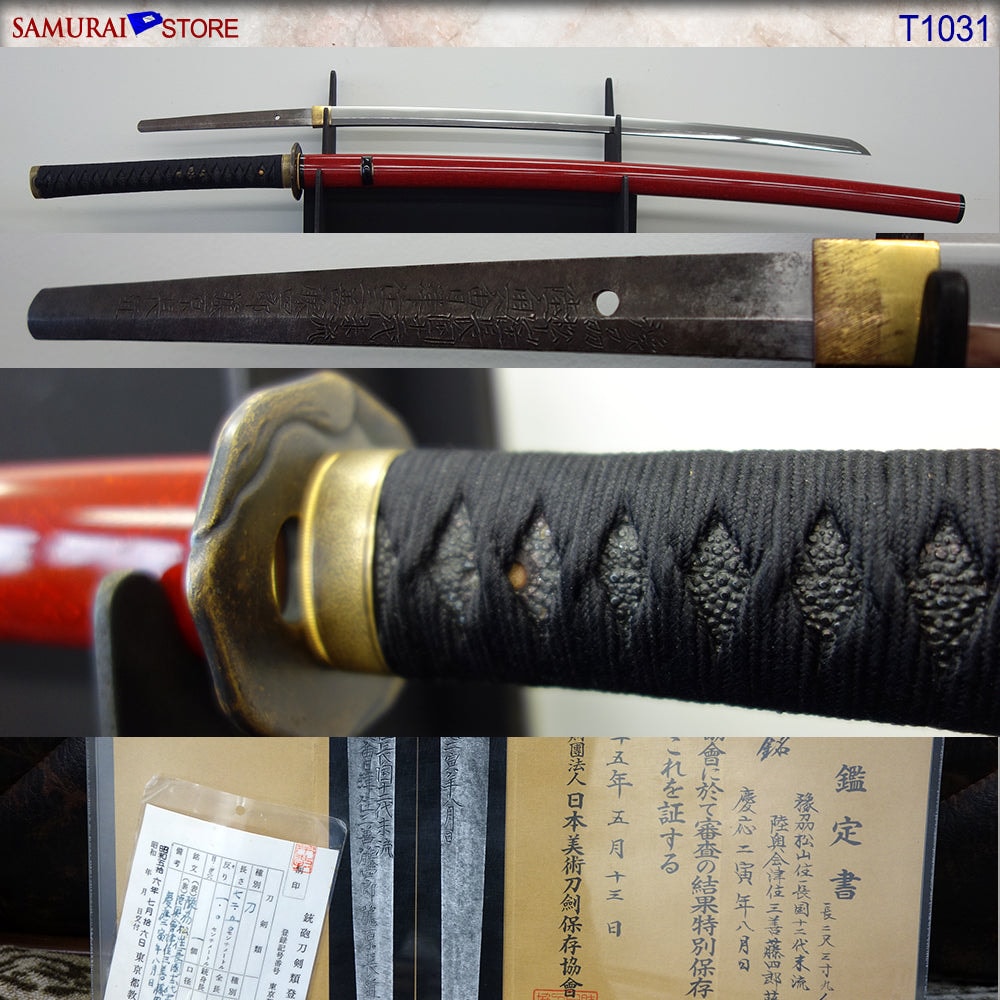
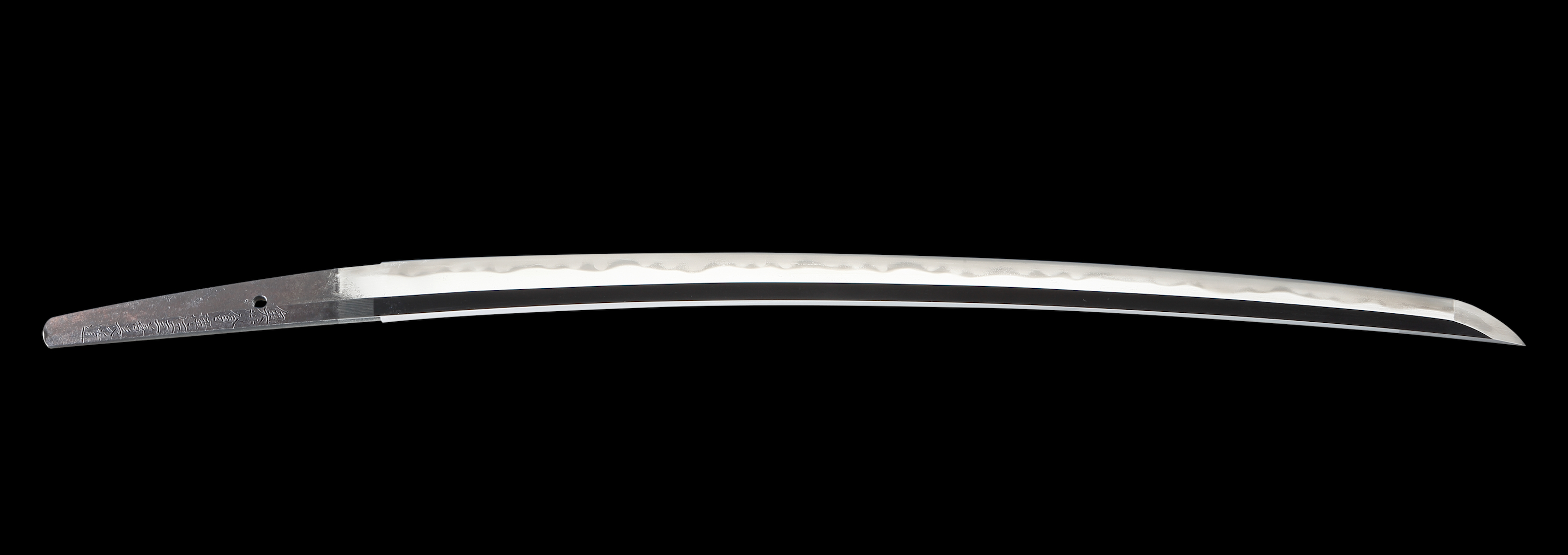
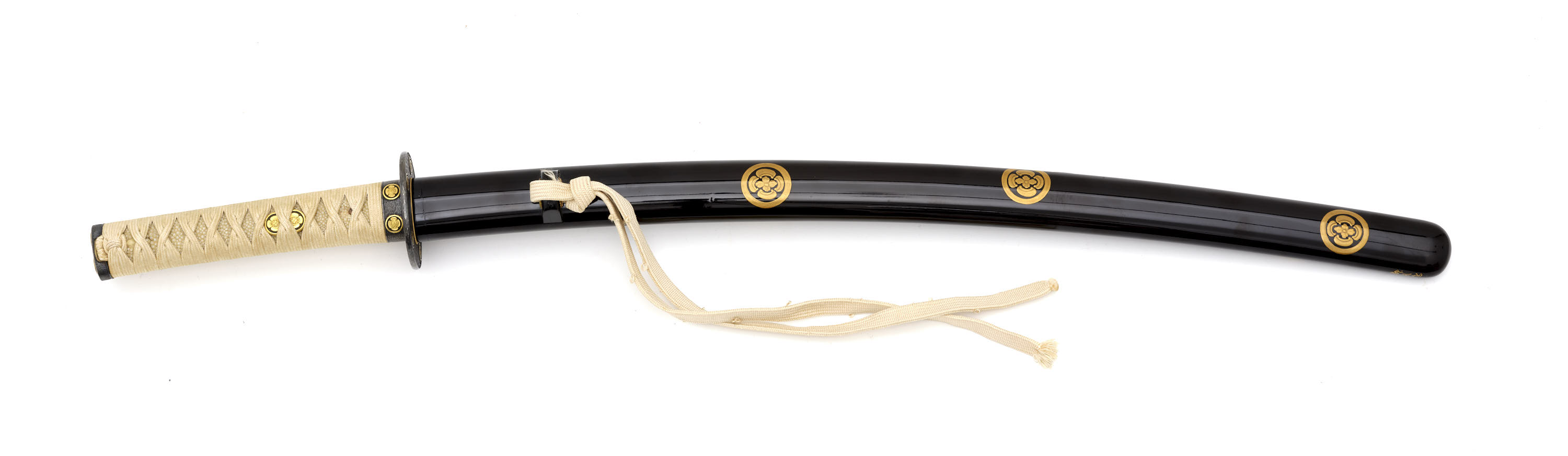
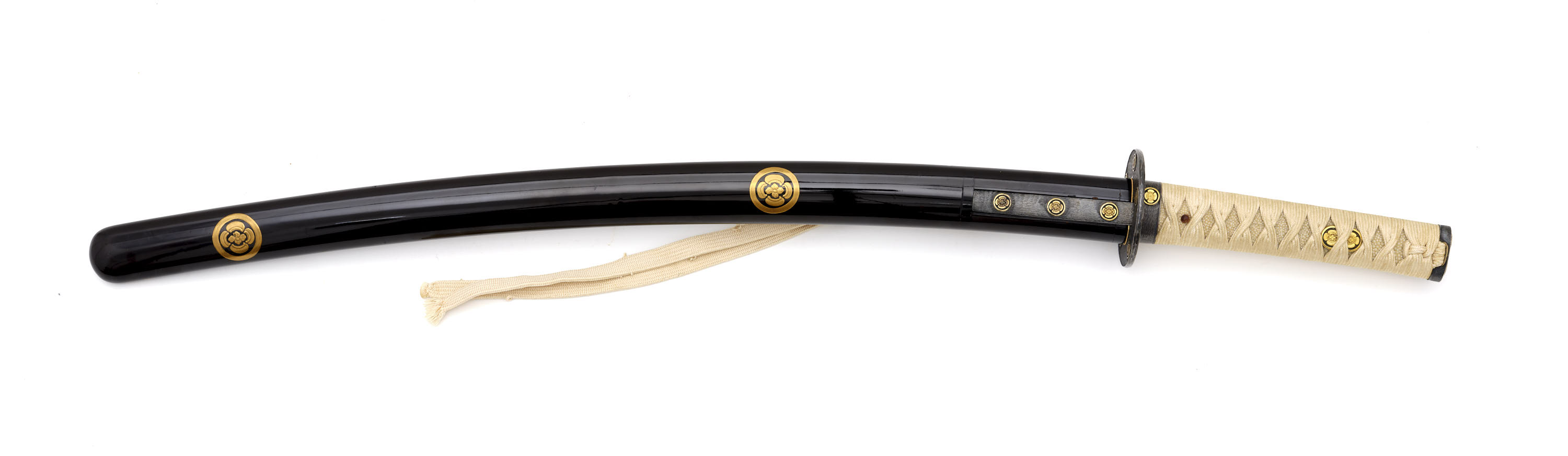
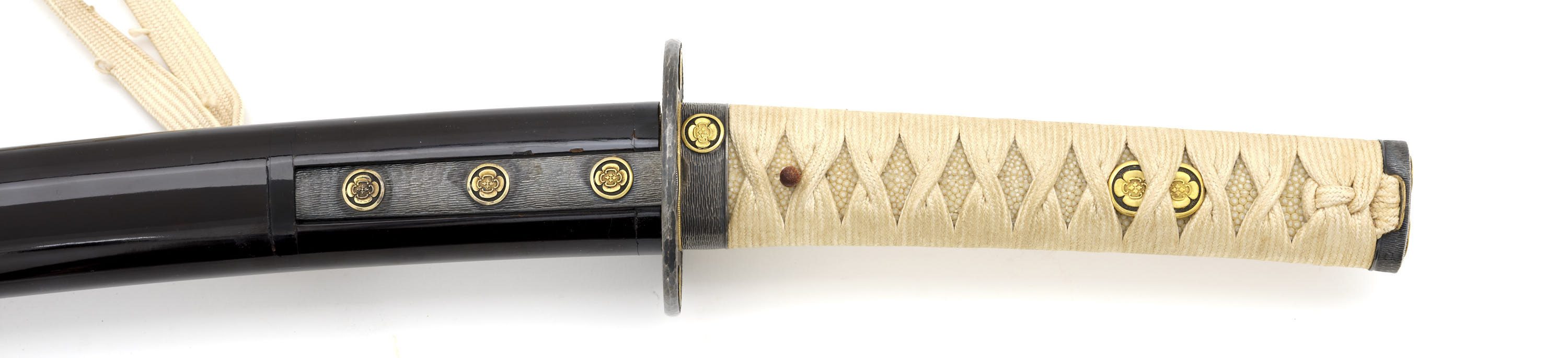
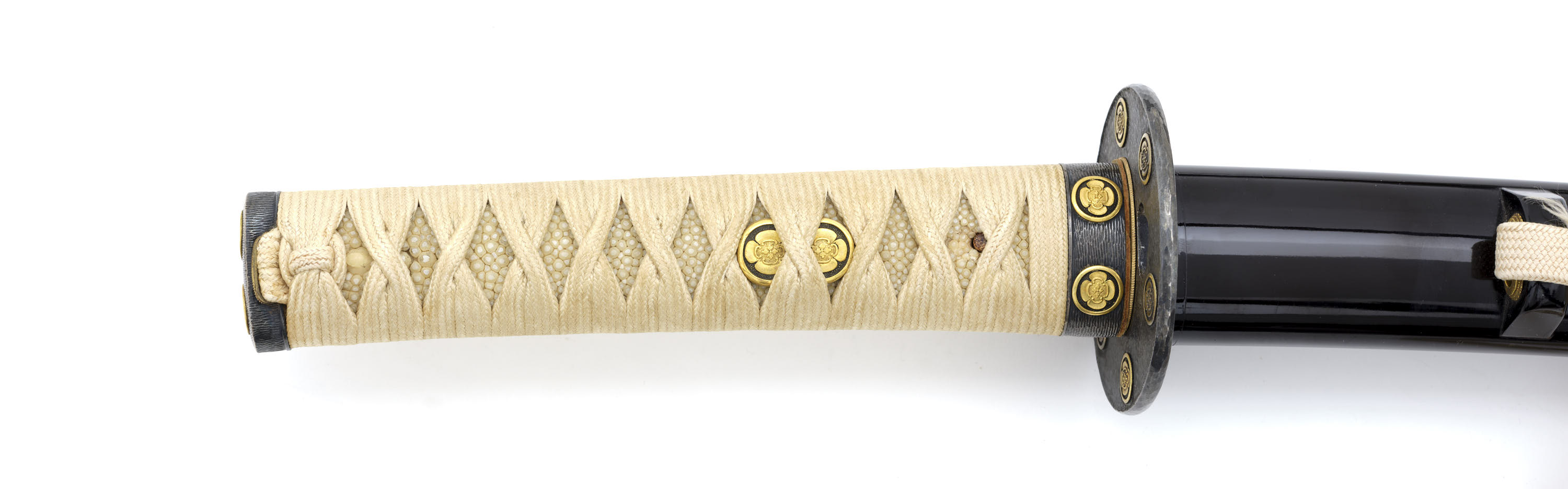
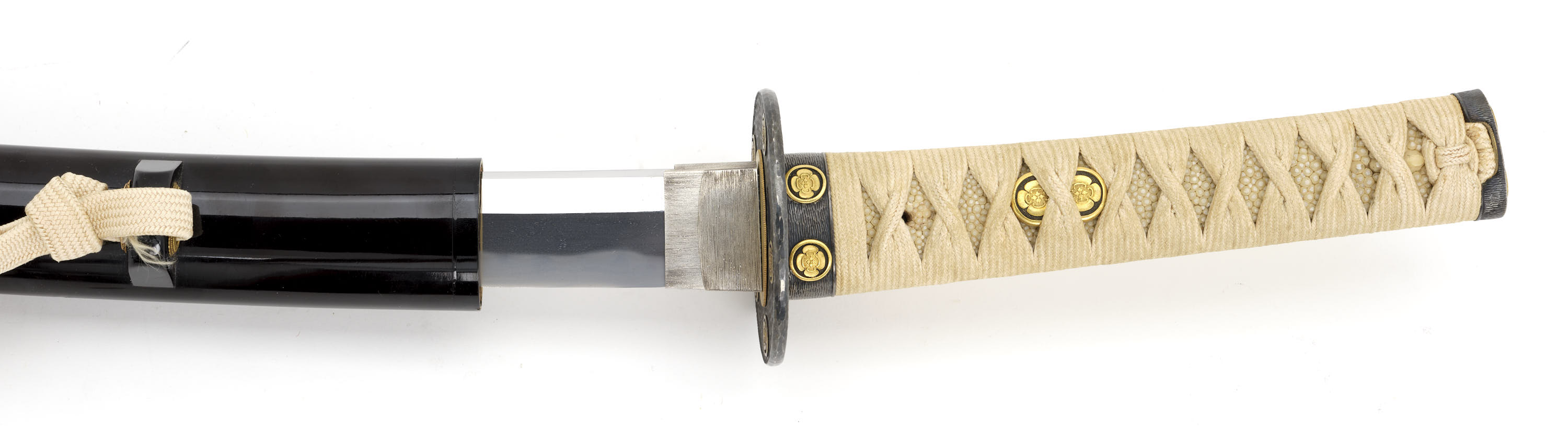
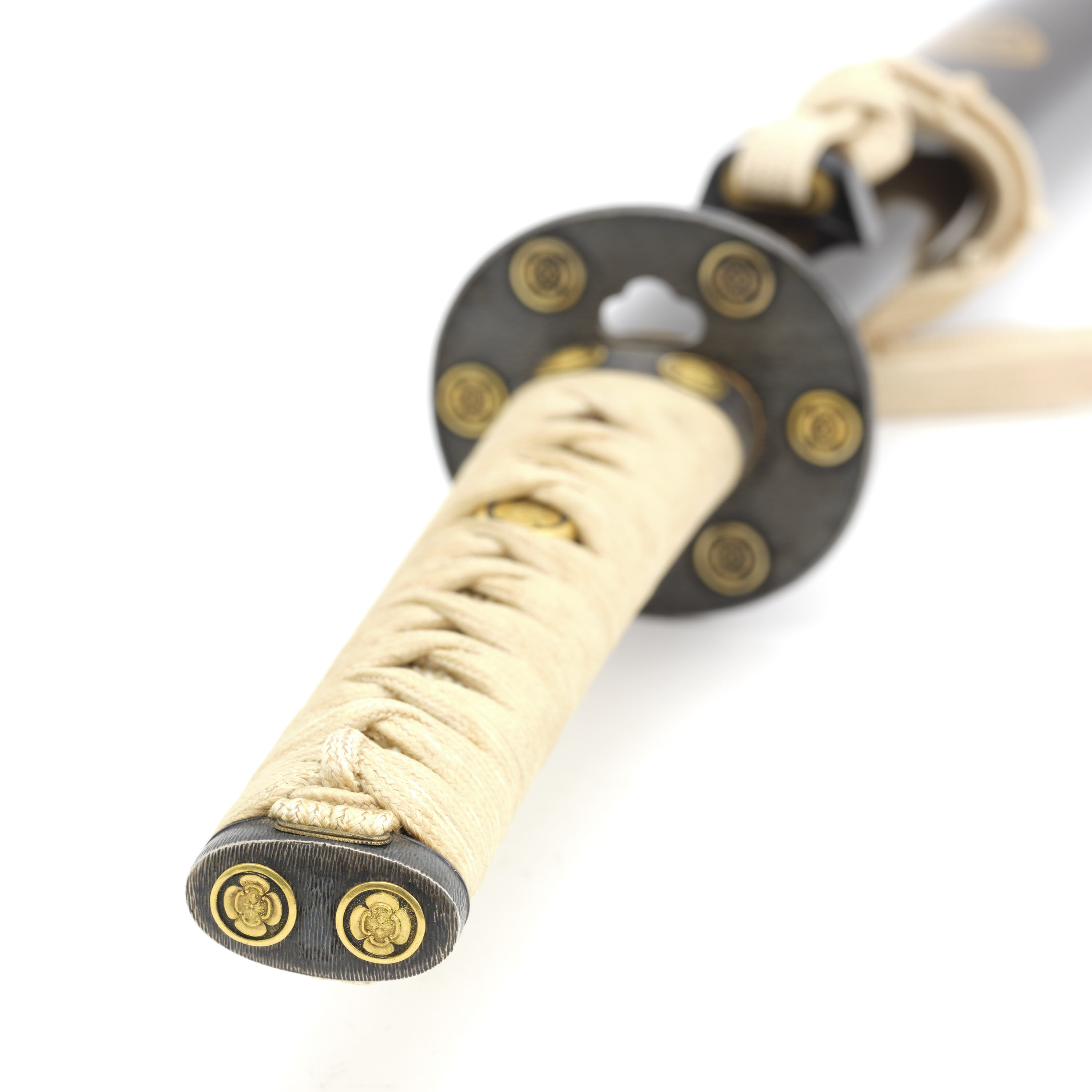
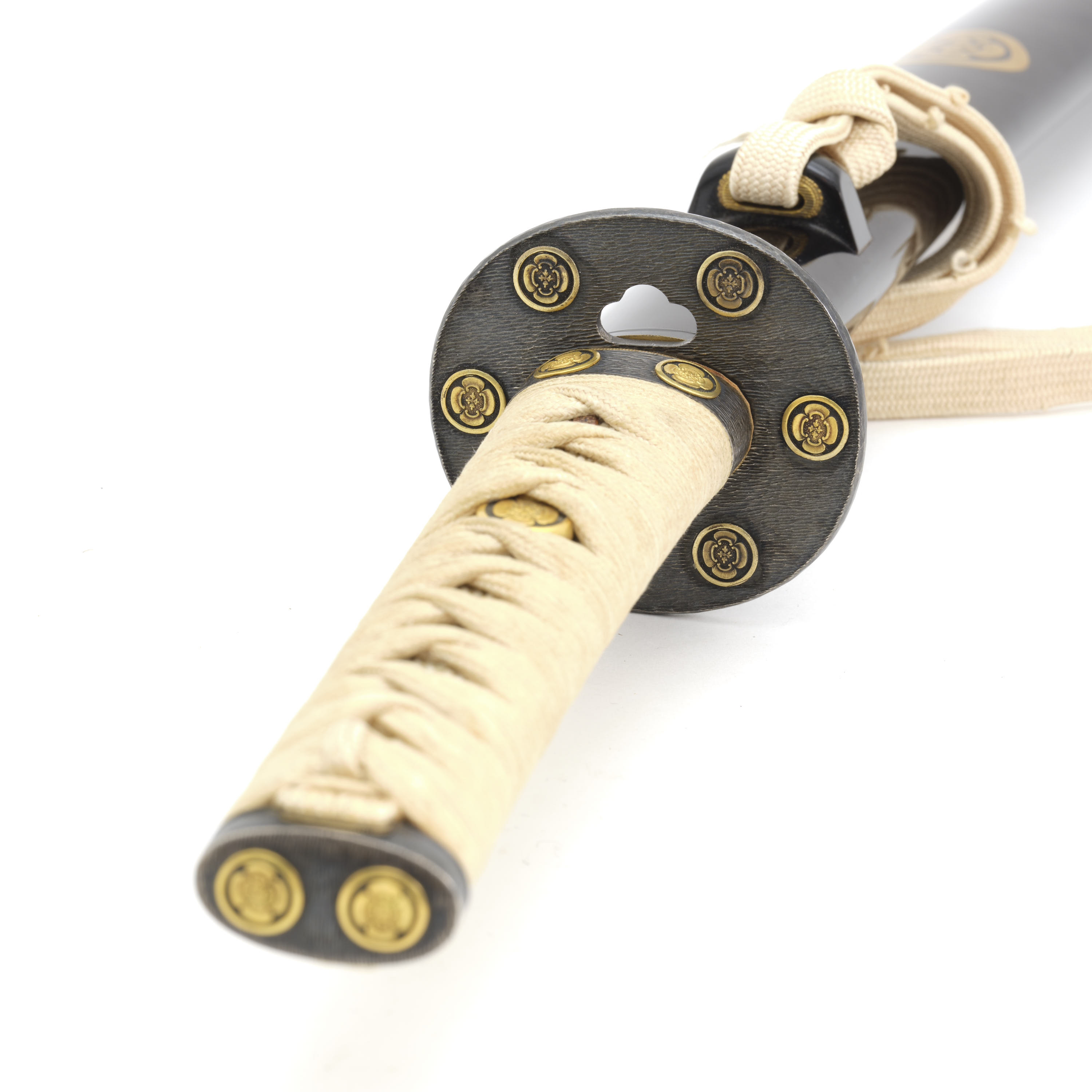
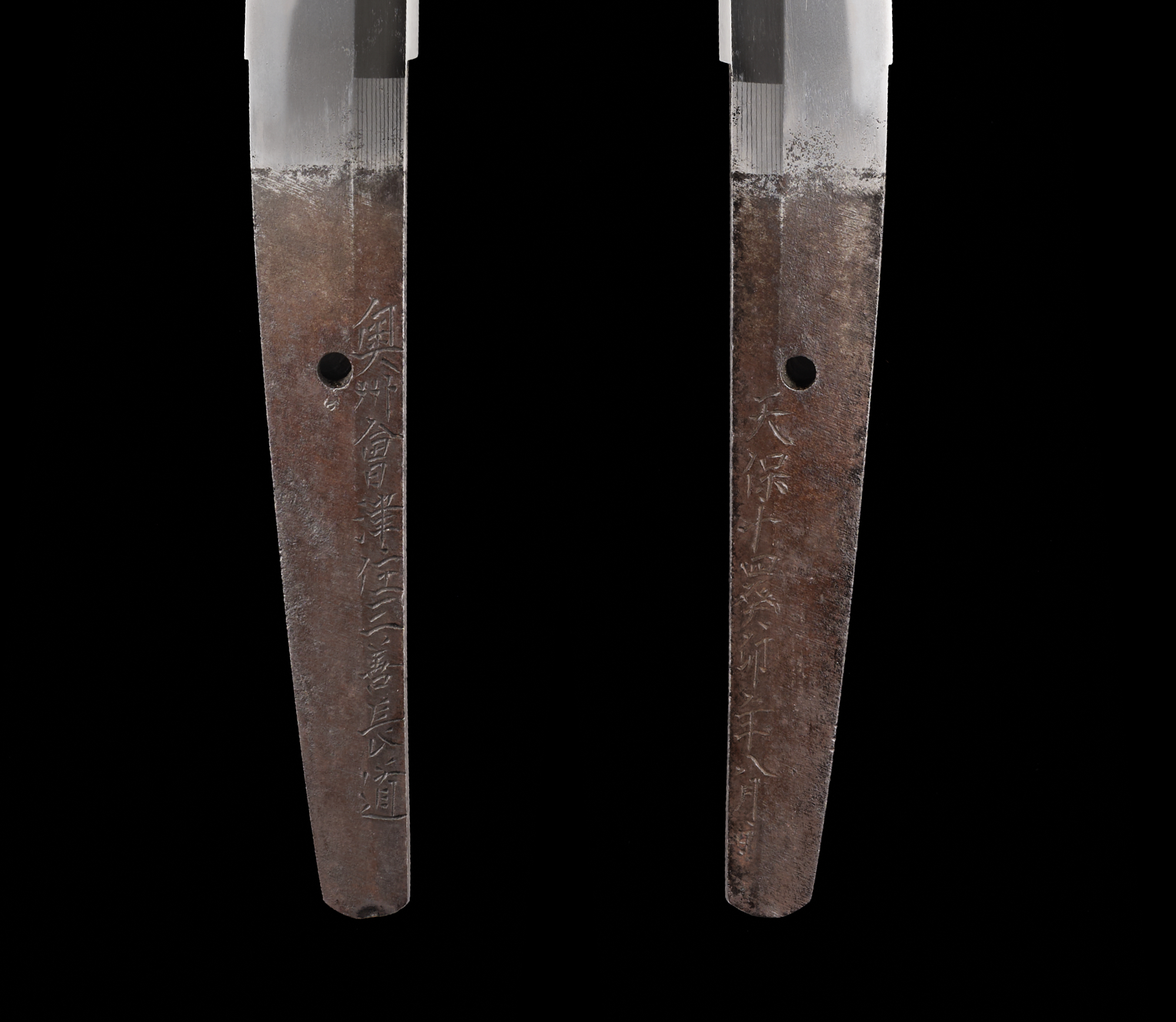
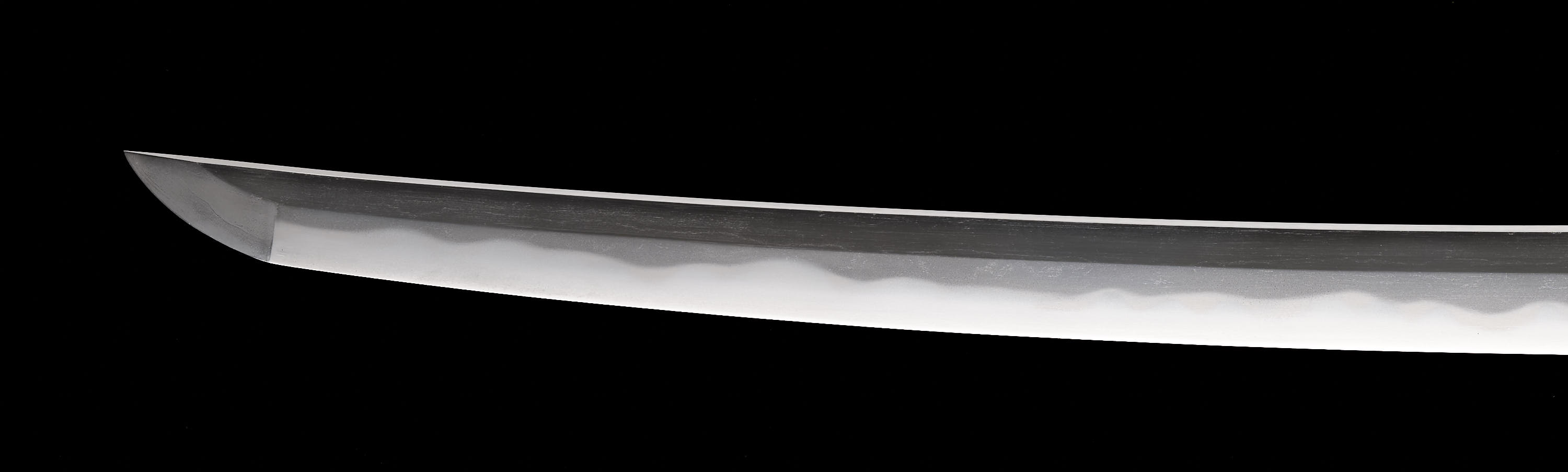
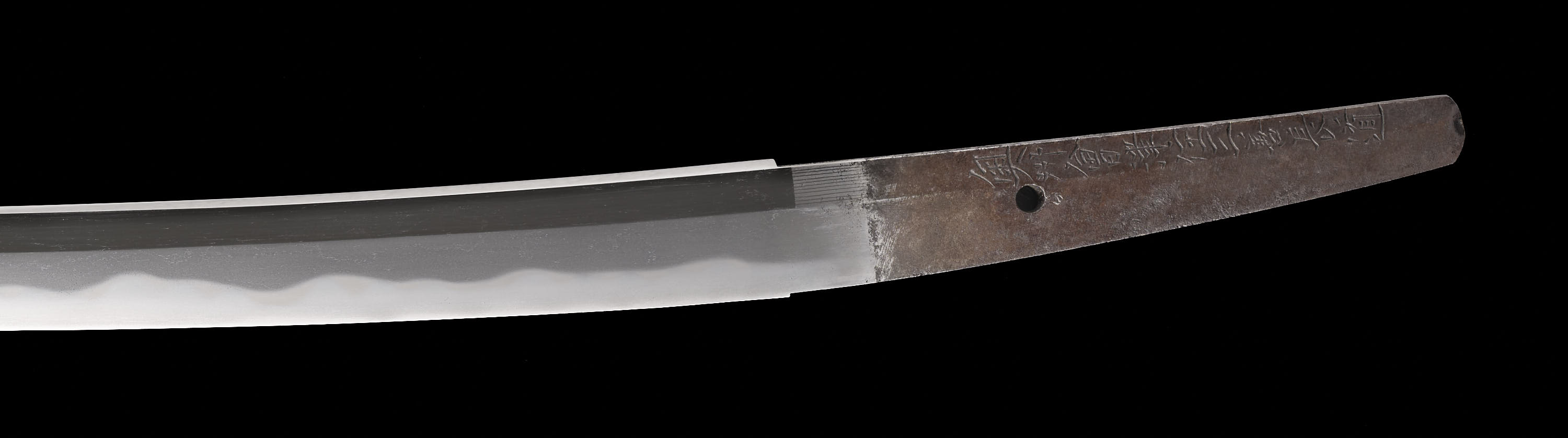
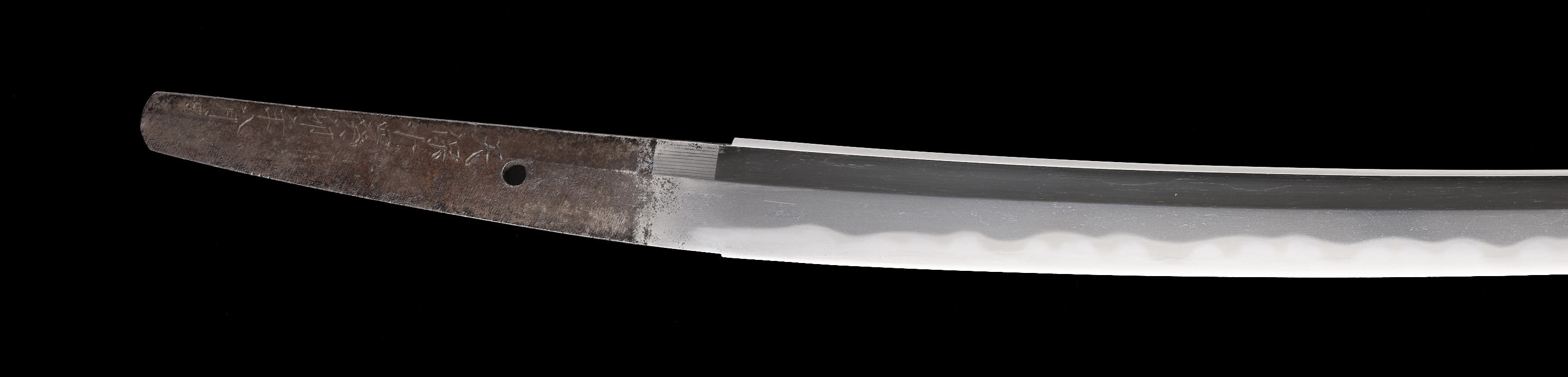
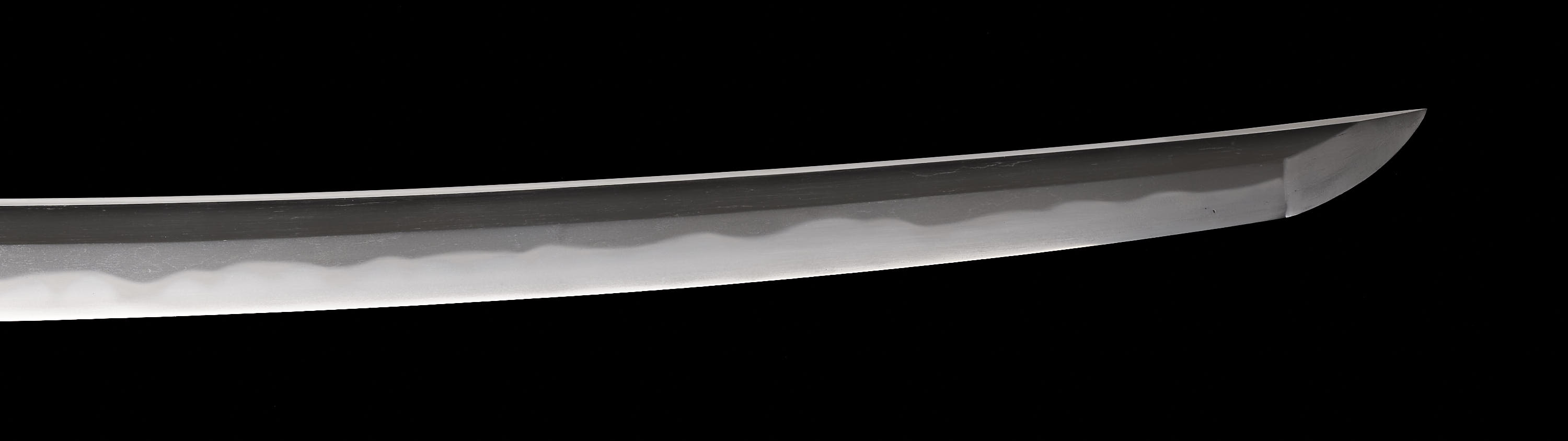
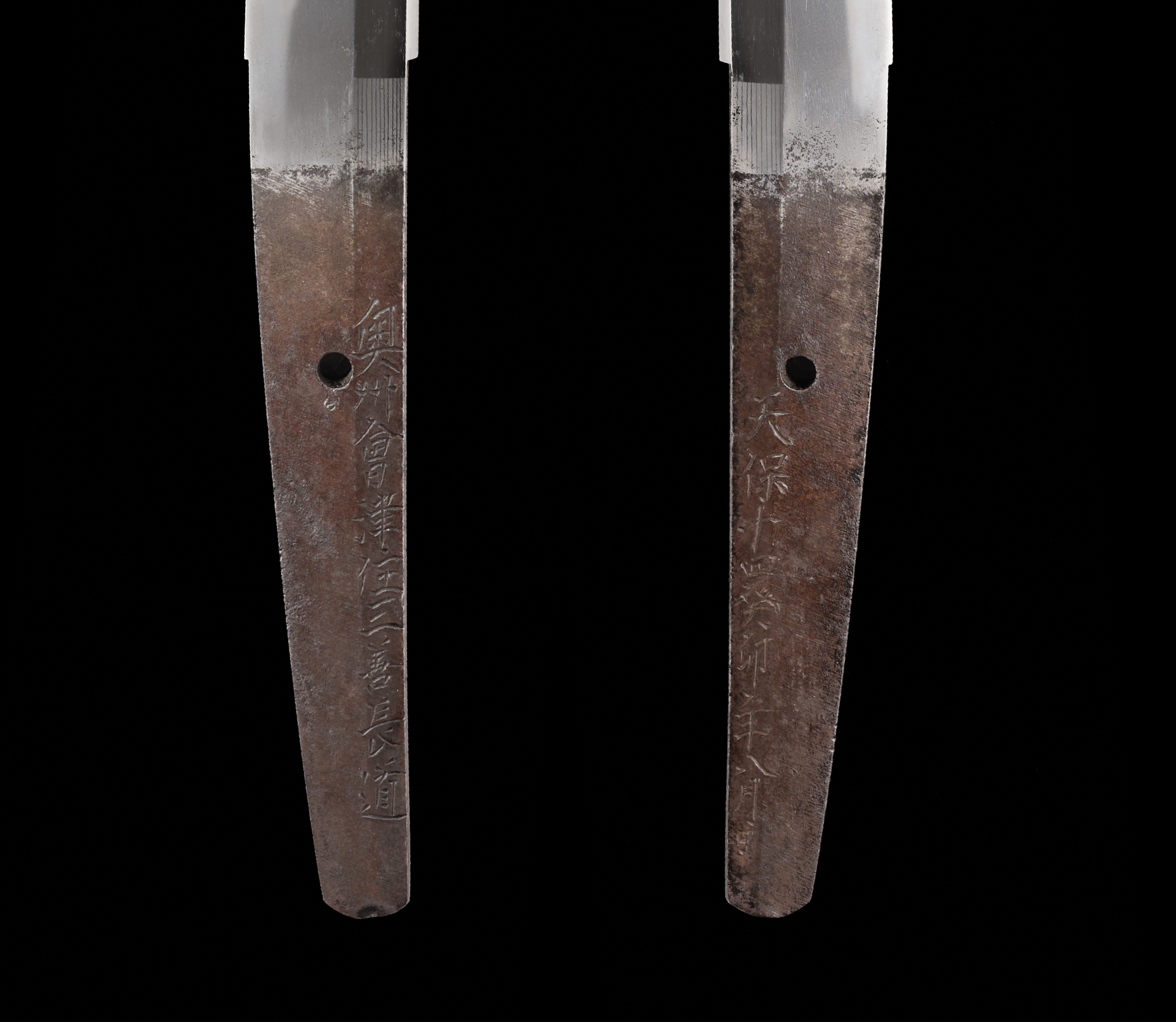
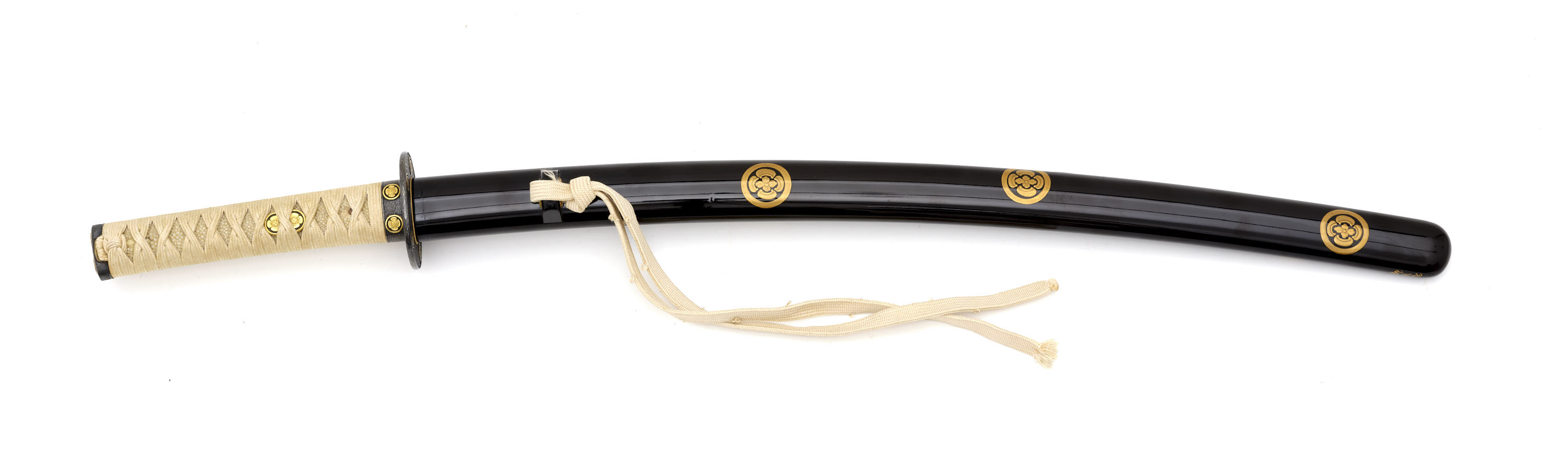
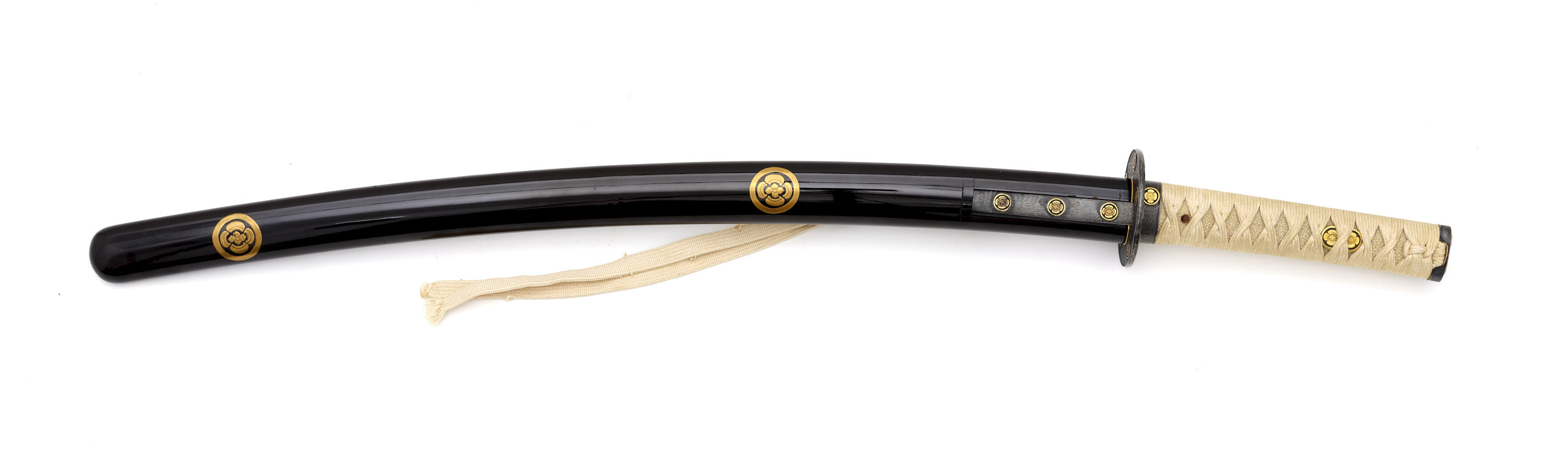
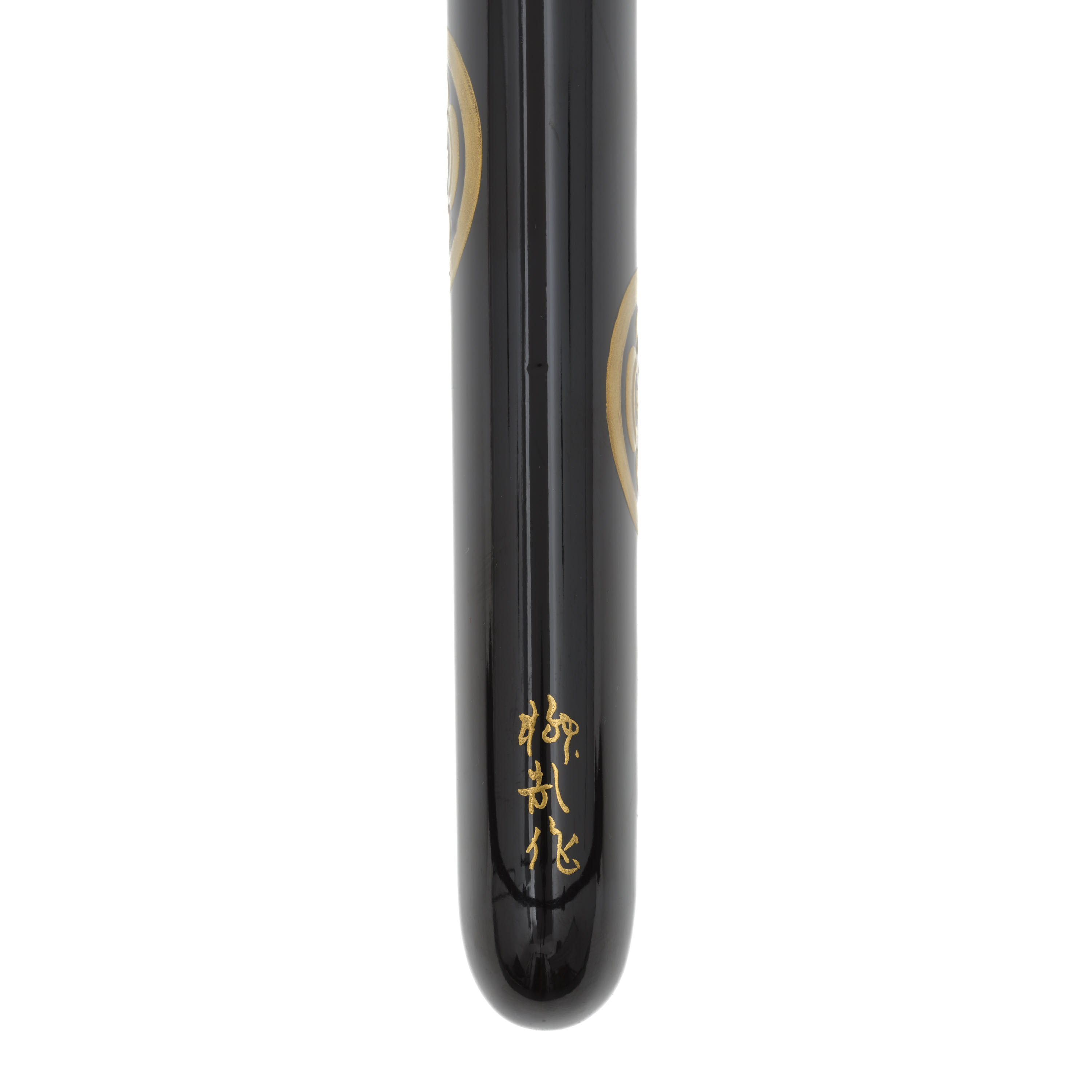
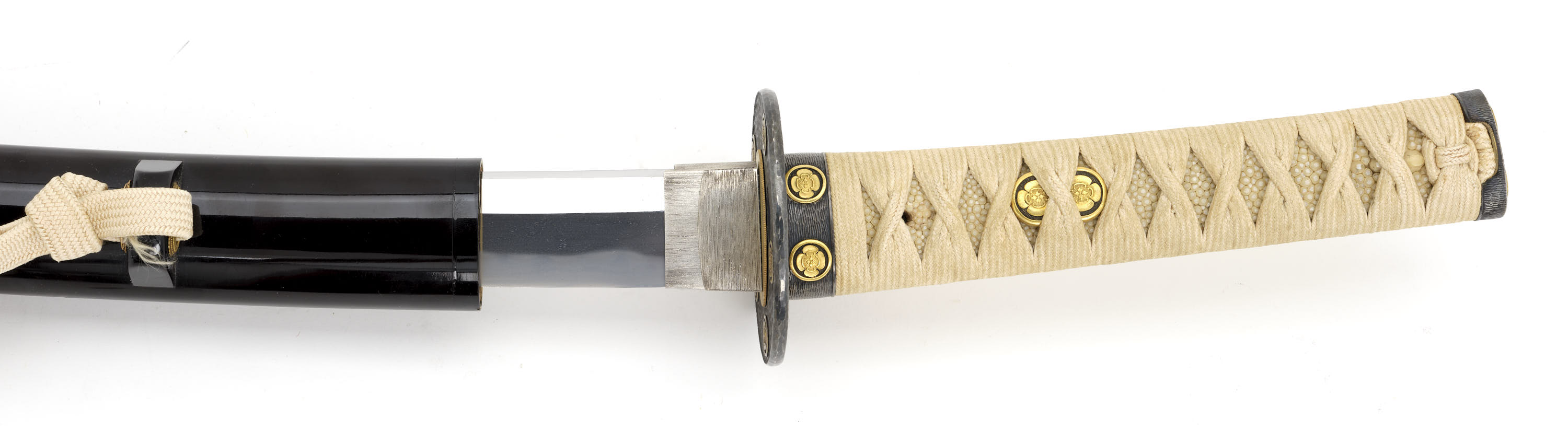
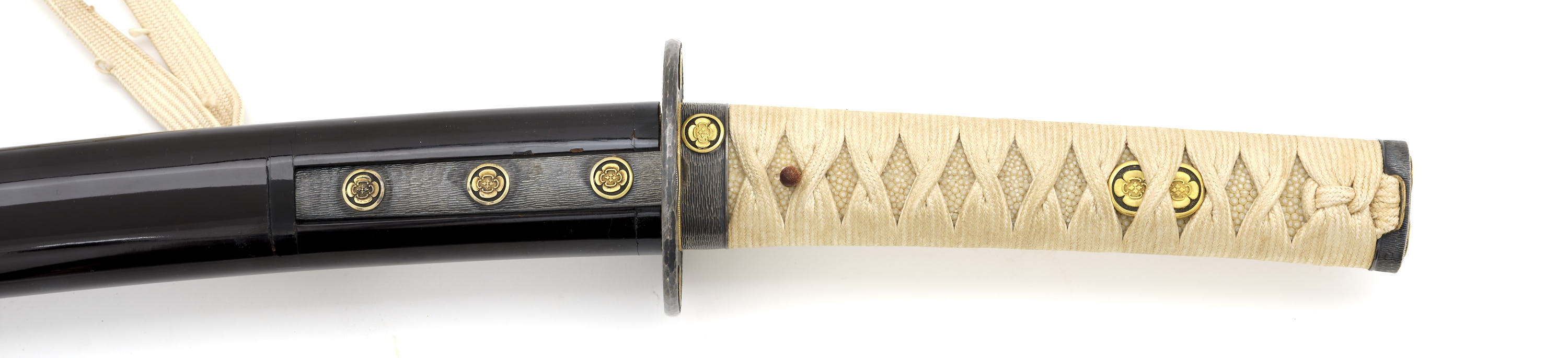
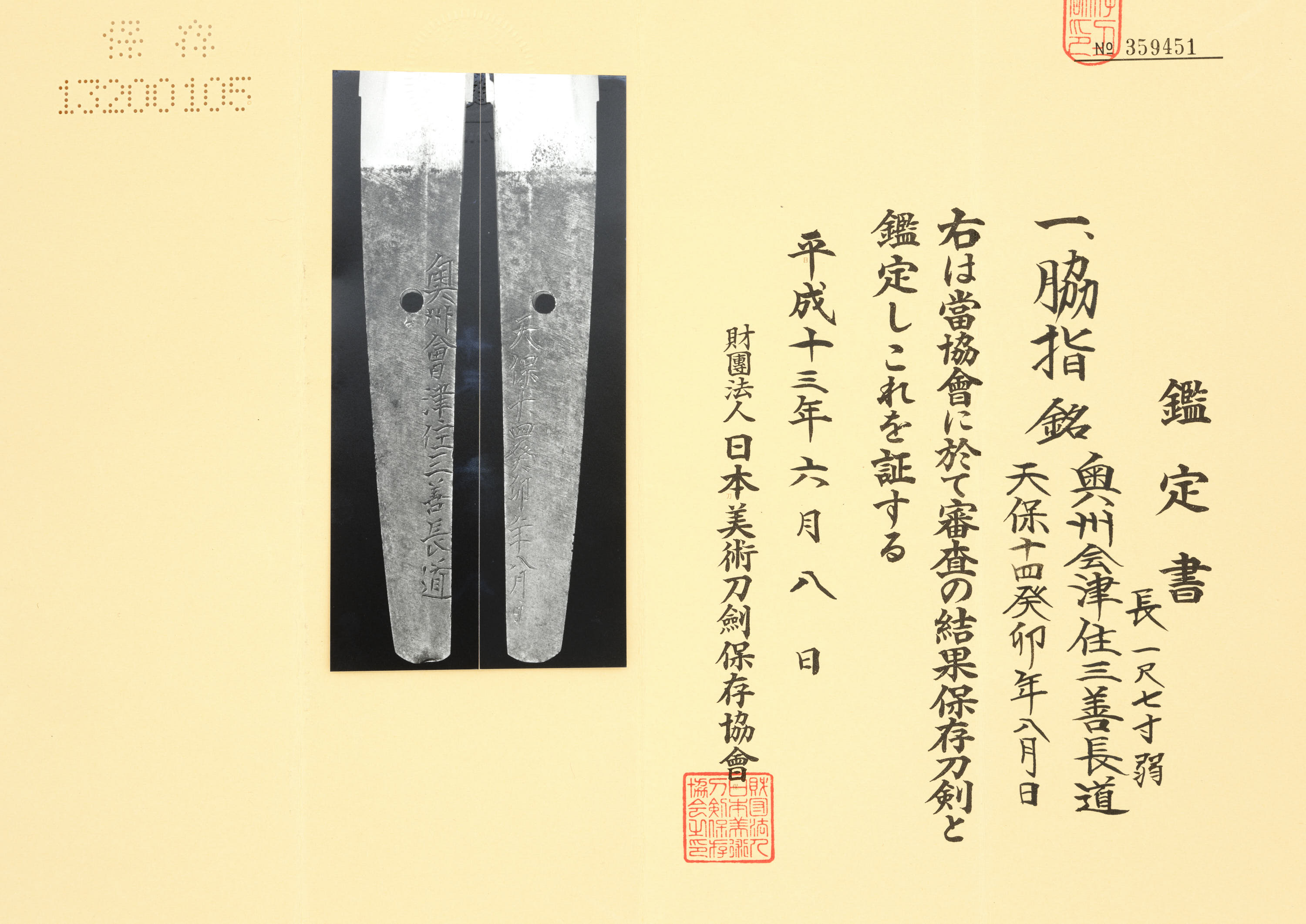
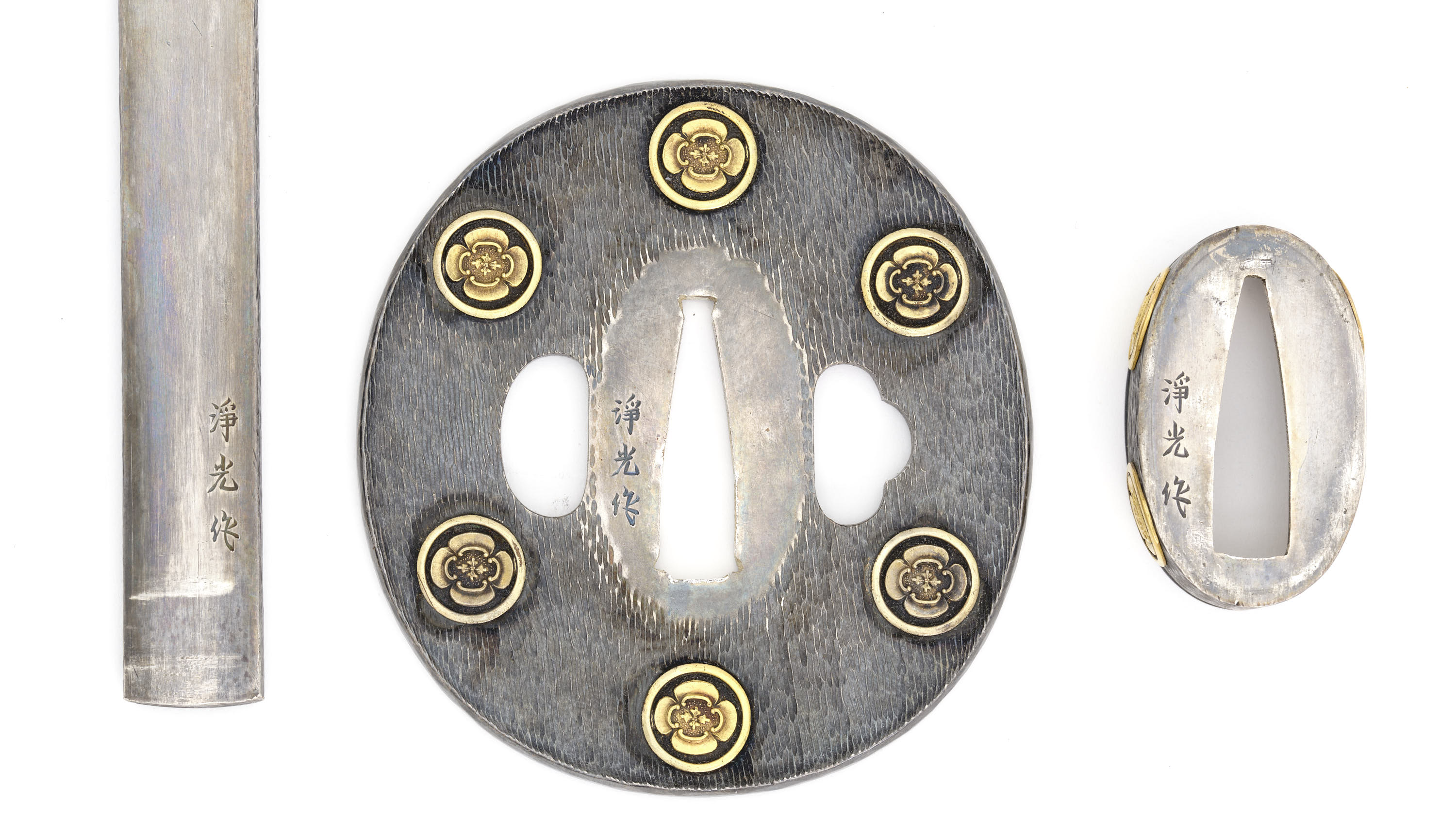
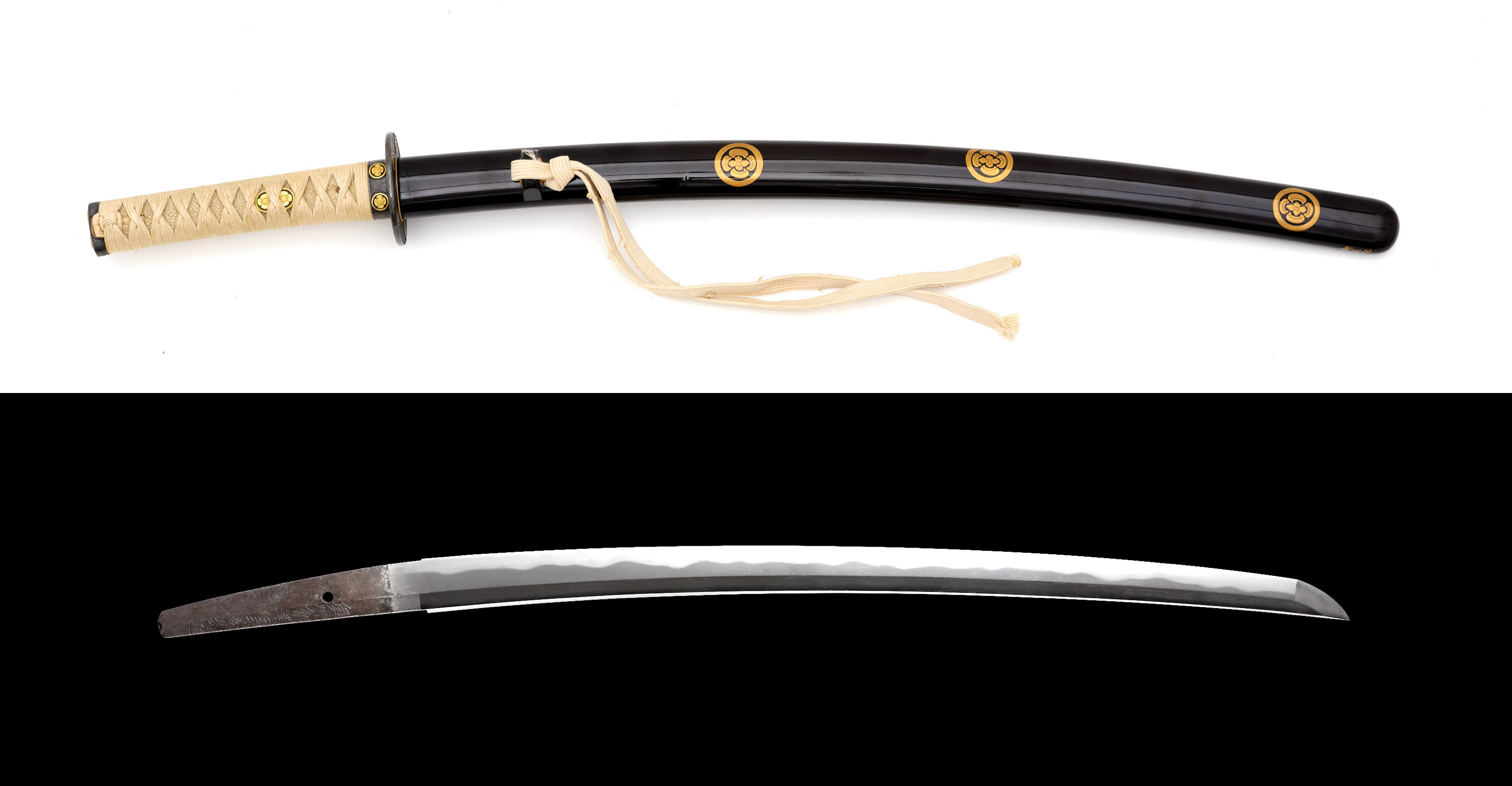
A signed and dated shinshintō era wakizashi by Miyoshi Nagamichi, made in August 1843 in Aizu. It comes in a formal samurai koshirae decorated with golden mokko-mon, potentially linking it to the Shinsengumi. The blade is certified Hozon by the NBTHK.
 NihontoWatch
mei · Shin-shinto · nagasa 51.5cm · sori 1.35cm





Shinto · Iwashiro
4 pieces on the market now
The Aizu Miyoshi line took root in Iwashiro when the Katō house was transferred from Iyo to Aizu in Ōshū in Kan'ei 4 (1627). The setsumei trace the family back to Nagakuni, a smith who had resided at Matsuyama in Iyo Province and entered the service of Katō Yoshiaki; when his patron moved north, Nagakuni followed in the retinue, and his son, the first-generation Masanaga, relocated with him. Masanaga's eldest son, born in Aizu in Kan'ei 10 (1633), became the smith the records overwhelmingly cover: Miyoshi Nagamichi, also called Miyoshi Tōshirō. He first signed Michinaga (the Gyobutsu entries also note early signatures read Dōchō and Dōnaga), studied under his grandfather Nagakuni, and in Manji 1 to 2 (1658 to 1659) travelled to Kyoto, where he received the court title Mutsu Daijō and changed his name to Nagamichi. He died in Jōkyō 2 (1685) at the age of fifty-three. The setsumei repeatedly name him as the de facto founder of Aizu shintō, working under the patronage tied to the Aizu Matsudaira house, several of whose presentation blades entered the Imperial Collection. Across the blades the hand is consistent. The forging is itame-hada, often mixed with mokume, ō-itame, and nagare that runs toward masame, with ji-nie adhering thickly and fine chikei entering; the sugata tends to a shallow sori, called particularly shallow even among shintō work in the Gyobutsu notes.
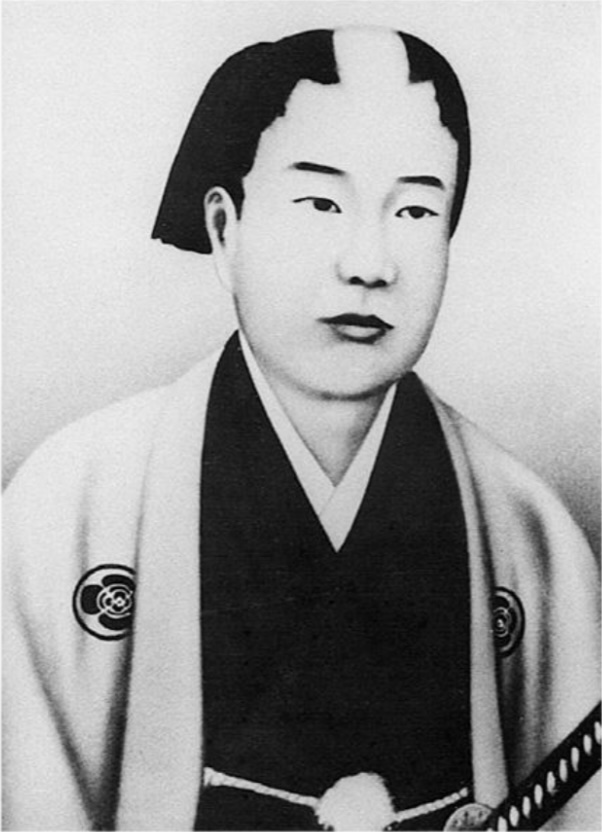
The temper opens with a short, suguha-based yakidashi, then broadens into ko-notare mixed with gunome; in places two gunome run together as a gourd-shaped hyōtan-ba. Long ashi enter, the nioi is deep, and nie adheres thickly, sometimes coarsely as ara-nie or unevenly as mura-nie, with sunagashi and kinsuji worked into the ha and a bright nioiguchi. " The setsumei tie this manner directly to the "Hanetora" phase of Nagasone Kotetsu in Edo, the recurring point of comparison; one entry also records a tradition that Nagamichi was a disciple of Tsuda Sukehiro, though the writers hold his work closer to the Nagasone group. For kantei, the markers are the shallow sori, the hyōtan-ba pairing of gunome, the sunagashi and kinsuji over deep nioi, and the Kotetsu-type bōshi, balanced against the smith's tendency toward coarser nie. The dated blades range across Enpō 3 through Jōkyō 2 (1675 to 1685), the last corresponding to the year of his death and valued as documentary material on his final years. Cutting-test inscriptions by Yamano Kanjūrō Hisahide appear in gold inlay on several nakago. The provenance recorded is notable: blades presented by the Aizu Matsudaira family entered the Gyobutsu, and one katana is held by tradition to have been bestowed on Kondō Isami of the Shinsengumi by the Aizu lord Matsudaira Katamori in recognition of the Ikedaya Incident, later passing to the Meiji general and connoisseur Tani Tateki and thence into the Tosa Yamauchi family. The register places Nagamichi as the smith who set the Aizu shintō idiom, his line carrying the Miyoshi name in Iwashiro. Learn more →
| Smith | Era | Designated |
|---|---|---|
| Nagamichi長道 | 1661-1685 | 10 |
| Nagamichi長道 | 1848-1868 | 0 |
The Shinshintō revival
Around 1800 Suishinshi Masahide argued in his writings that the craft must return to the old masters’ methods: the fukkotō revival. His greatest successor Naotane worked convincingly in Bizen and Sōshū manners that had been dead for centuries.
We could not find an authenticity certificate on the seller’s listing. Japanese swords and fittings are normally papered by the NBTHK (or the NTHK). Without one, the attribution is the seller’s own assessment and has not been independently verified — treat it with caution and ask the dealer about certification before buying.
Returns accepted on items ordered from the site when an item does not appear to be as depicted and described; buyer must notify via email within 7 days of receipt. Refund covers purchase price minus shipping, bank fees, and currency conversion. Sales on items paid in terms are final, as are sales of items personally inspected.
€12,000
A signed and dated shinshintō era wakizashi by Miyoshi Nagamichi, made in August 1843 in Aizu. It comes in a formal samurai koshirae decorated with golden mokko-mon, potentially linking it to the Shinsengumi. The blade is certified Hozon by the NBTHK.
NihontoWatchmei · Shin-shinto · nagasa 51.5cm · sori 1.35cm
Shinto · Iwashiro
4 pieces on the market now
The Aizu Miyoshi line took root in Iwashiro when the Katō house was transferred from Iyo to Aizu in Ōshū in Kan'ei 4 (1627). The setsumei trace the family back to Nagakuni, a smith who had resided at Matsuyama in Iyo Province and entered the service of Katō Yoshiaki; when his patron moved north, Nagakuni followed in the retinue, and his son, the first-generation Masanaga, relocated with him. Masanaga's eldest son, born in Aizu in Kan'ei 10 (1633), became the smith the records overwhelmingly cover: Miyoshi Nagamichi, also called Miyoshi Tōshirō. He first signed Michinaga (the Gyobutsu entries also note early signatures read Dōchō and Dōnaga), studied under his grandfather Nagakuni, and in Manji 1 to 2 (1658 to 1659) travelled to Kyoto, where he received the court title Mutsu Daijō and changed his name to Nagamichi. He died in Jōkyō 2 (1685) at the age of fifty-three. The setsumei repeatedly name him as the de facto founder of Aizu shintō, working under the patronage tied to the Aizu Matsudaira house, several of whose presentation blades entered the Imperial Collection. Across the blades the hand is consistent. The forging is itame-hada, often mixed with mokume, ō-itame, and nagare that runs toward masame, with ji-nie adhering thickly and fine chikei entering; the sugata tends to a shallow sori, called particularly shallow even among shintō work in the Gyobutsu notes.
The temper opens with a short, suguha-based yakidashi, then broadens into ko-notare mixed with gunome; in places two gunome run together as a gourd-shaped hyōtan-ba. Long ashi enter, the nioi is deep, and nie adheres thickly, sometimes coarsely as ara-nie or unevenly as mura-nie, with sunagashi and kinsuji worked into the ha and a bright nioiguchi. " The setsumei tie this manner directly to the "Hanetora" phase of Nagasone Kotetsu in Edo, the recurring point of comparison; one entry also records a tradition that Nagamichi was a disciple of Tsuda Sukehiro, though the writers hold his work closer to the Nagasone group. For kantei, the markers are the shallow sori, the hyōtan-ba pairing of gunome, the sunagashi and kinsuji over deep nioi, and the Kotetsu-type bōshi, balanced against the smith's tendency toward coarser nie. The dated blades range across Enpō 3 through Jōkyō 2 (1675 to 1685), the last corresponding to the year of his death and valued as documentary material on his final years. Cutting-test inscriptions by Yamano Kanjūrō Hisahide appear in gold inlay on several nakago. The provenance recorded is notable: blades presented by the Aizu Matsudaira family entered the Gyobutsu, and one katana is held by tradition to have been bestowed on Kondō Isami of the Shinsengumi by the Aizu lord Matsudaira Katamori in recognition of the Ikedaya Incident, later passing to the Meiji general and connoisseur Tani Tateki and thence into the Tosa Yamauchi family. The register places Nagamichi as the smith who set the Aizu shintō idiom, his line carrying the Miyoshi name in Iwashiro. Learn more →
| Smith | Era | Designated |
|---|---|---|
| Nagamichi長道 | 1661-1685 | 10 |
| Nagamichi長道 | 1848-1868 | 0 |
The Shinshintō revival
Around 1800 Suishinshi Masahide argued in his writings that the craft must return to the old masters’ methods: the fukkotō revival. His greatest successor Naotane worked convincingly in Bizen and Sōshū manners that had been dead for centuries.
We could not find an authenticity certificate on the seller’s listing. Japanese swords and fittings are normally papered by the NBTHK (or the NTHK). Without one, the attribution is the seller’s own assessment and has not been independently verified — treat it with caution and ask the dealer about certification before buying.
Returns accepted on items ordered from the site when an item does not appear to be as depicted and described; buyer must notify via email within 7 days of receipt. Refund covers purchase price minus shipping, bank fees, and currency conversion. Sales on items paid in terms are final, as are sales of items personally inspected.
€12,000