NihontoWatch MonNihontoWatch
Market
Encyclopedia
Kantei
NihontoWatch MonNihontoWatch
Market
Encyclopedia
Kantei

Description

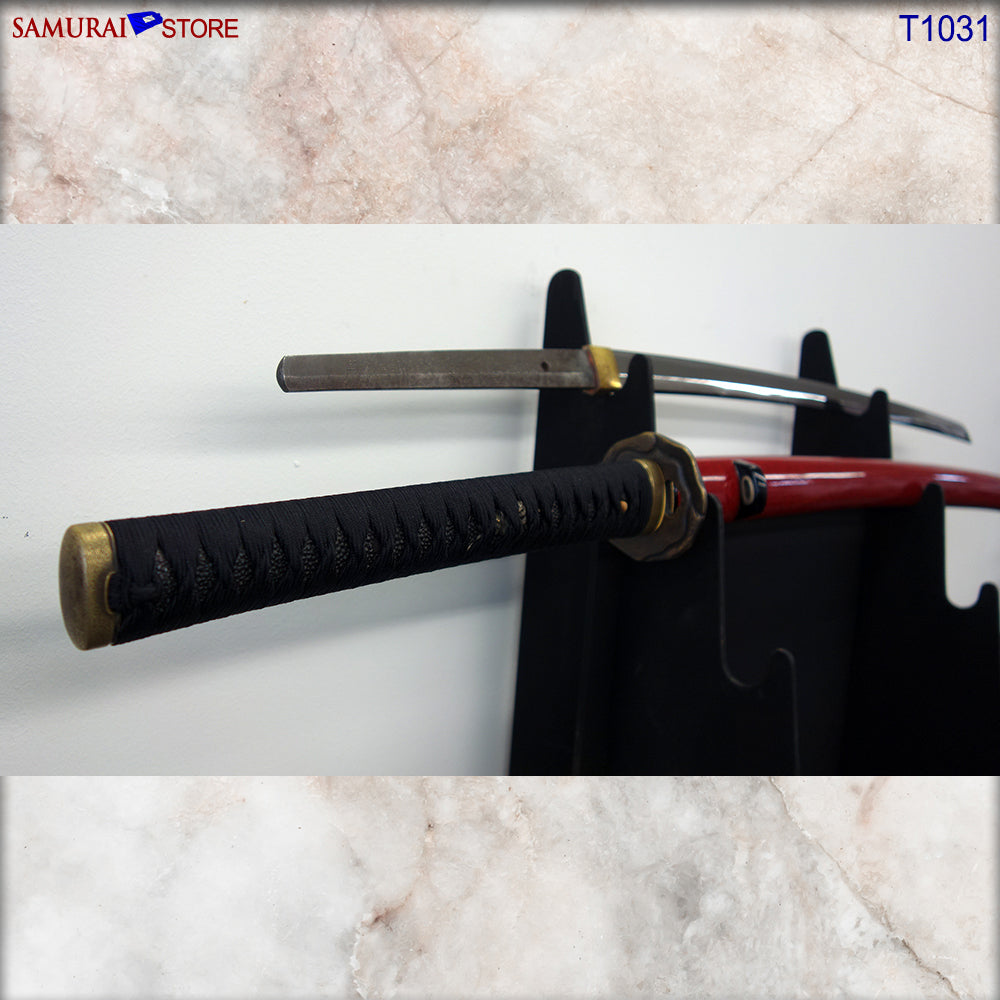
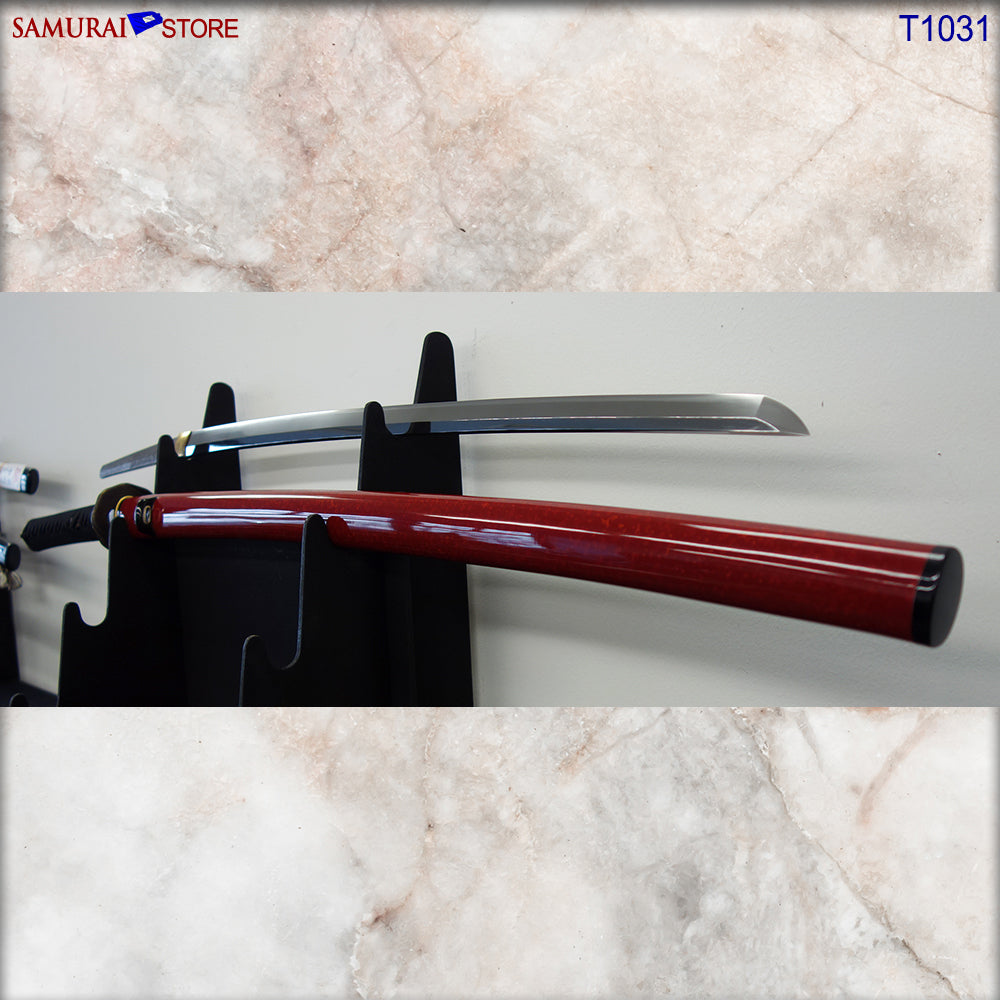
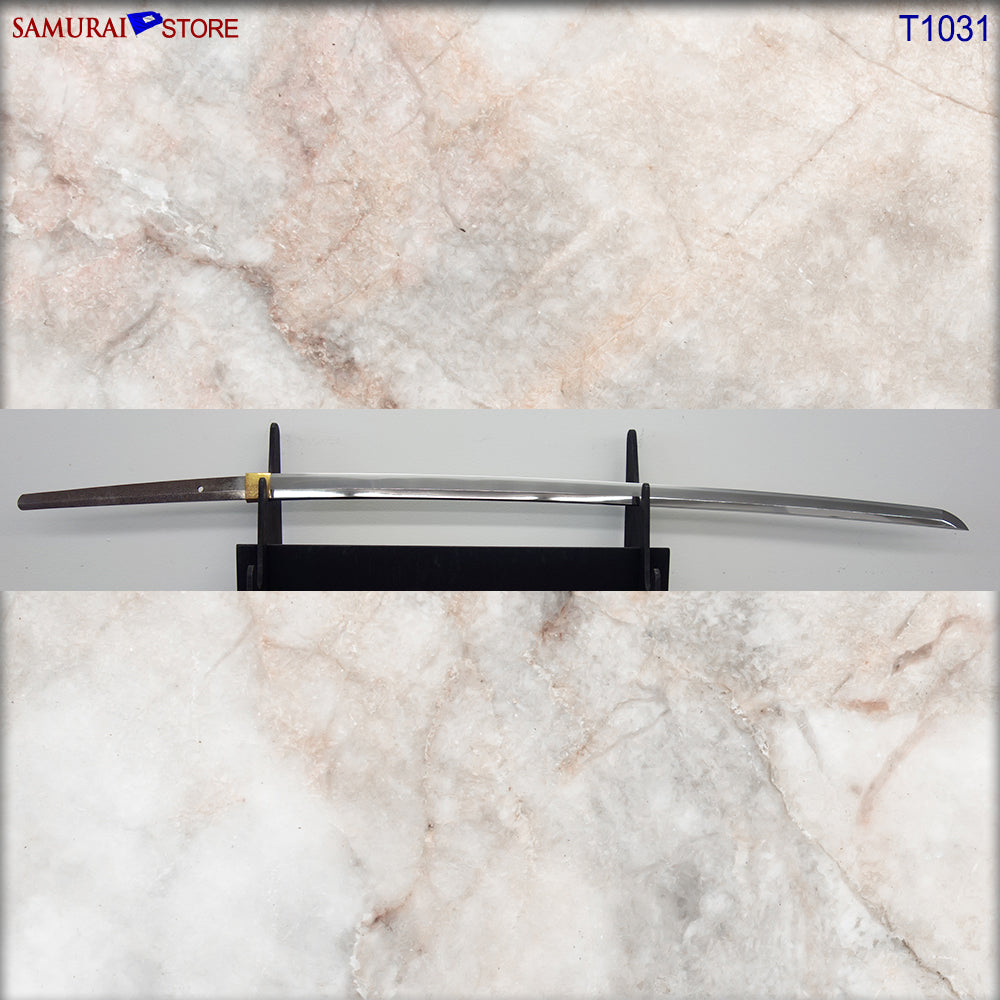
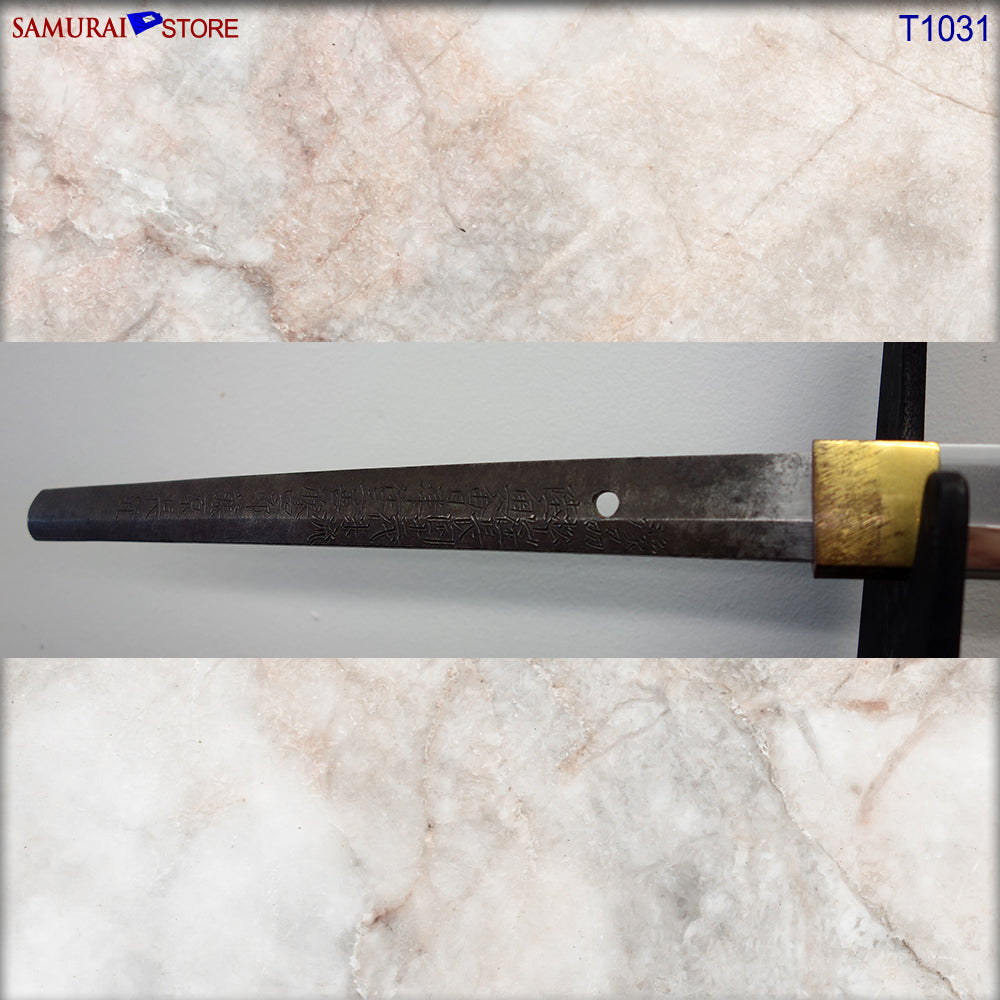
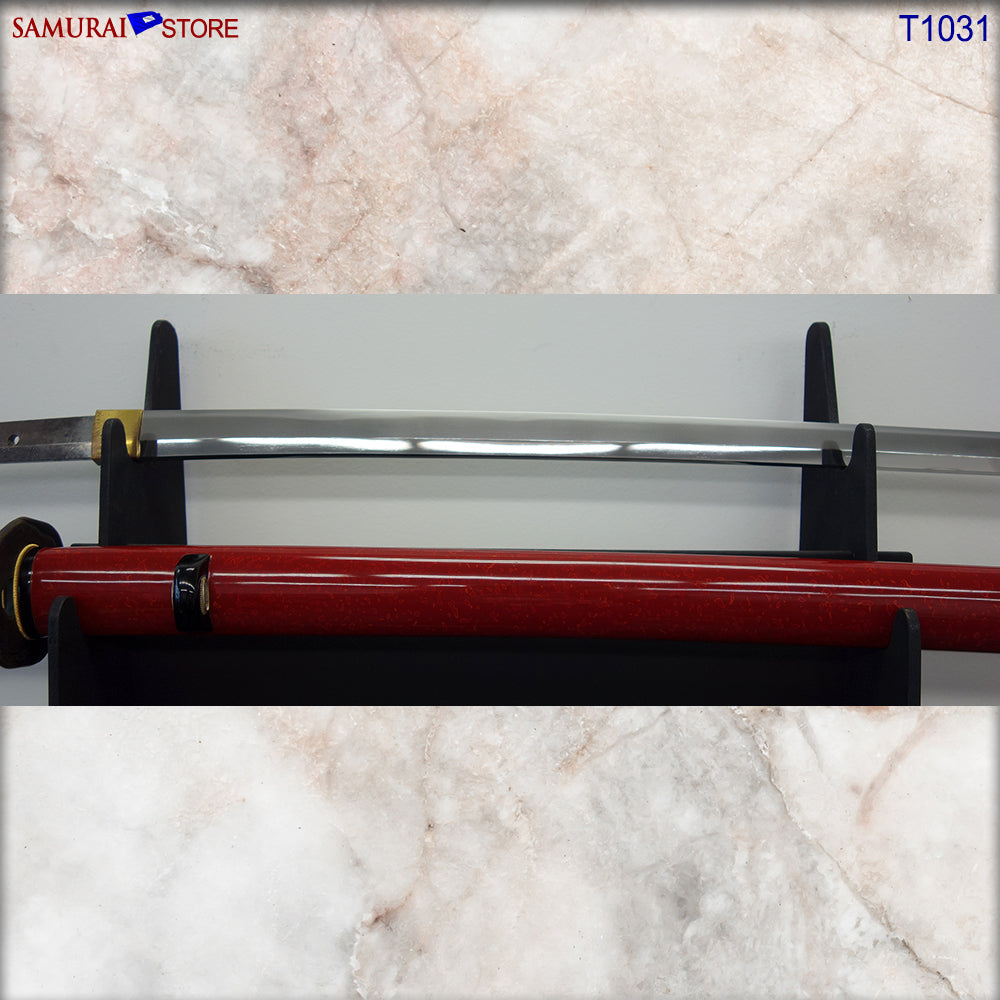
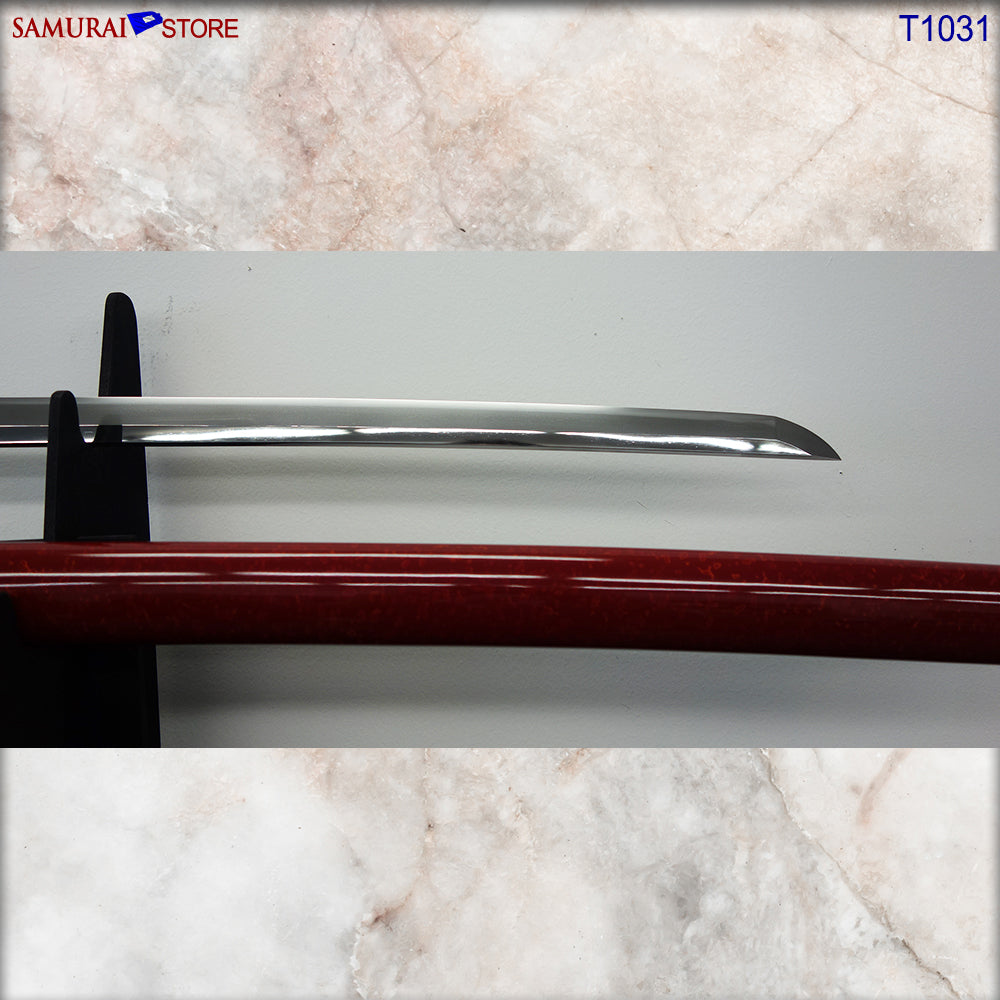
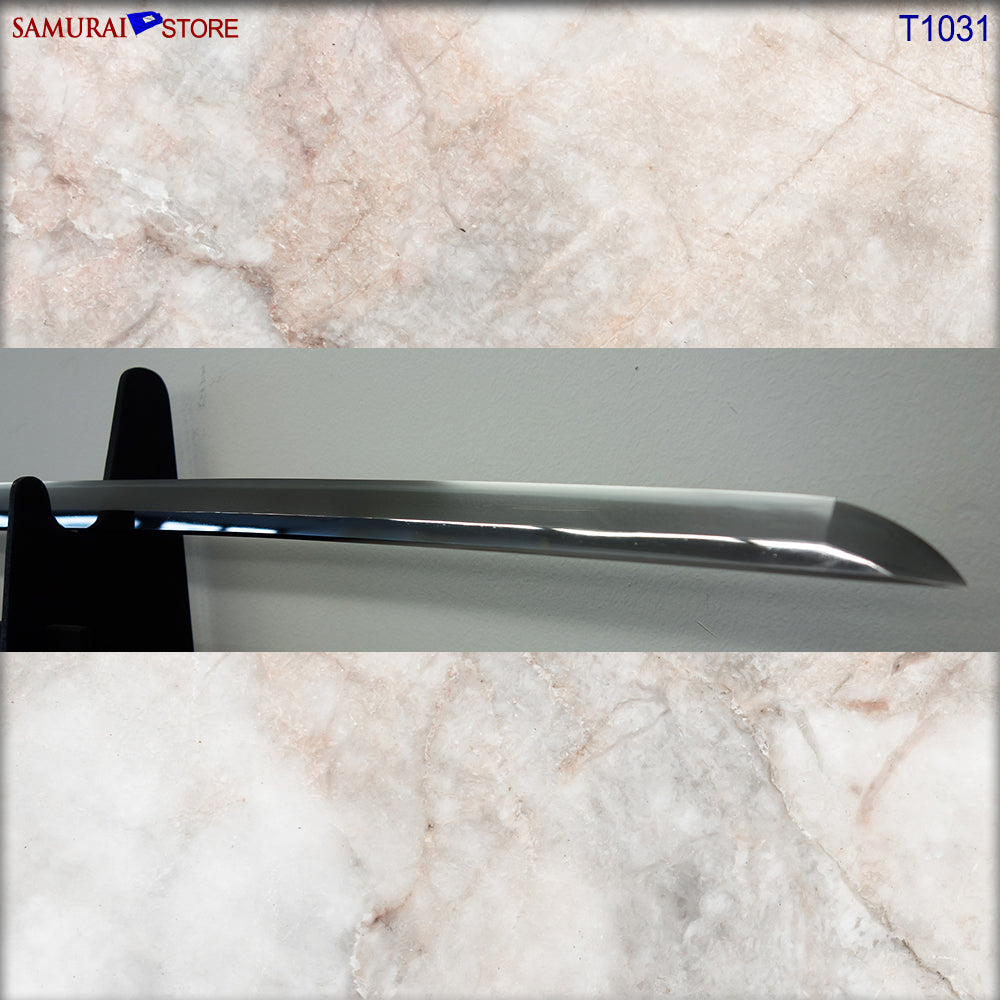
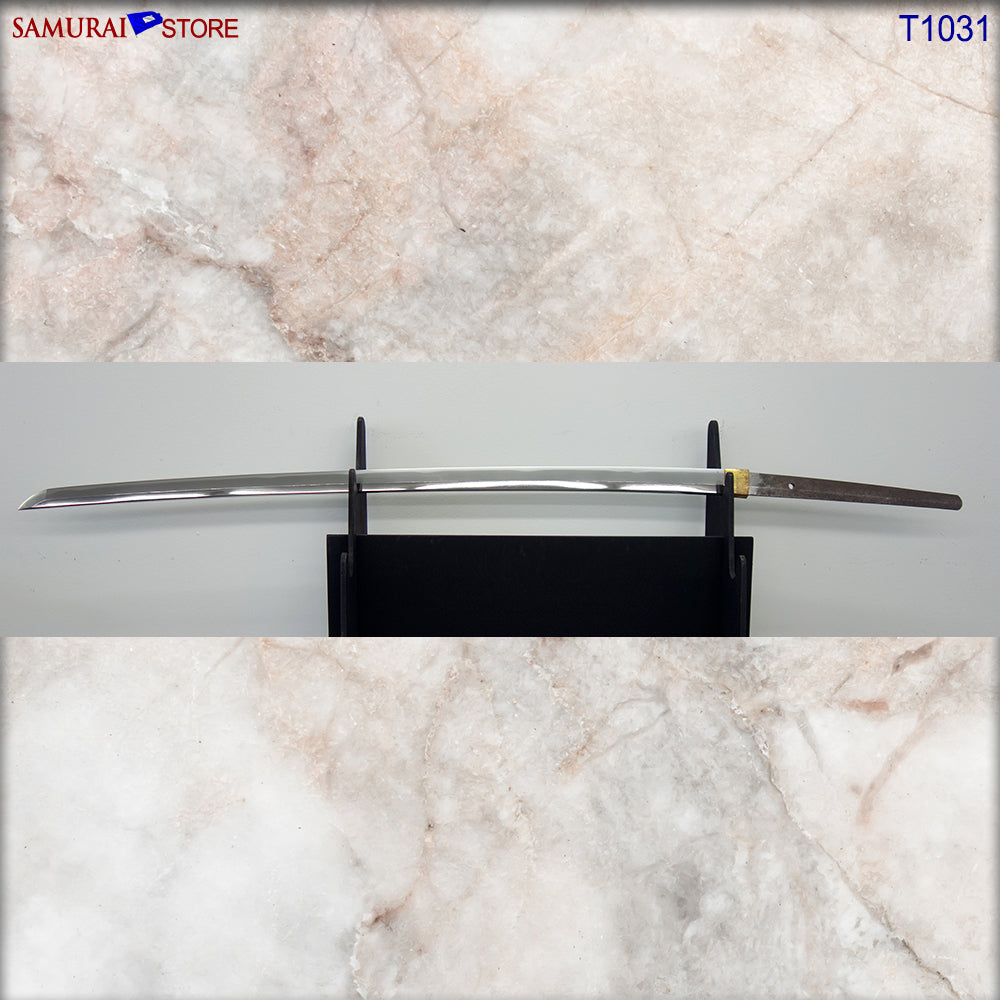
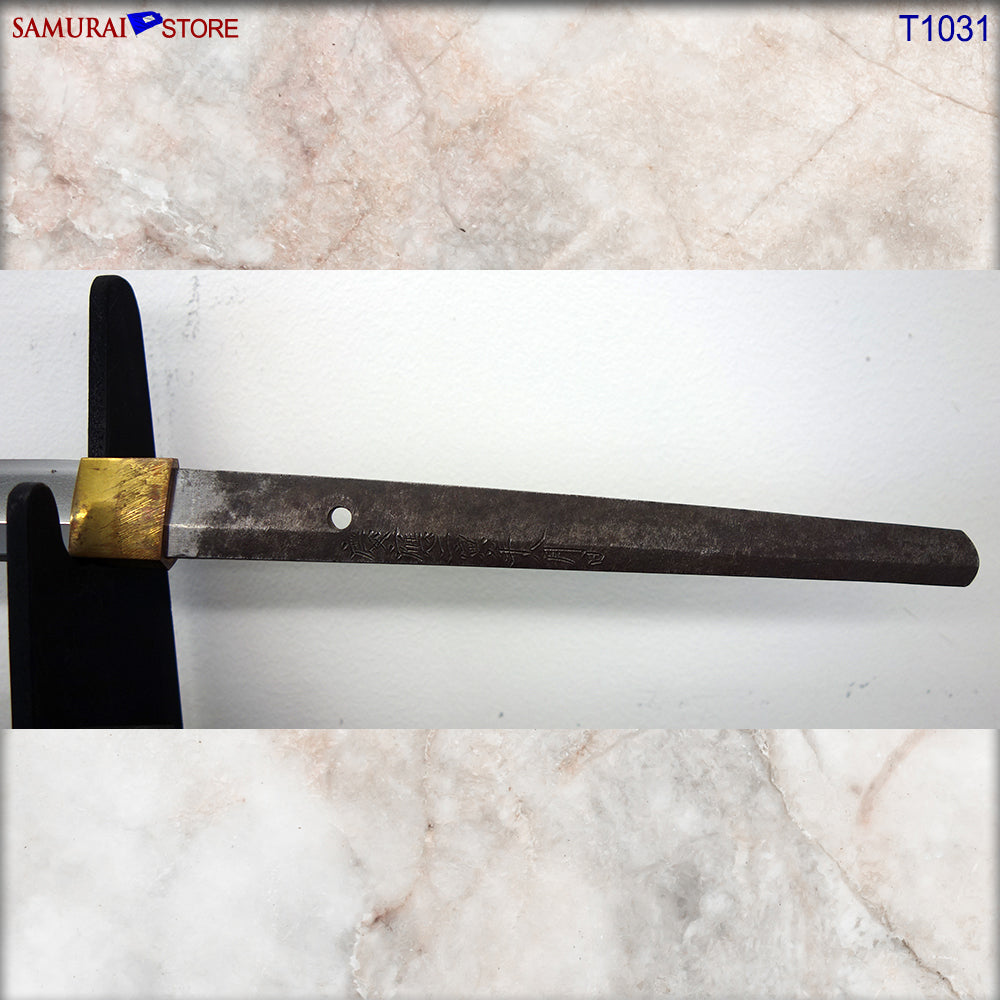
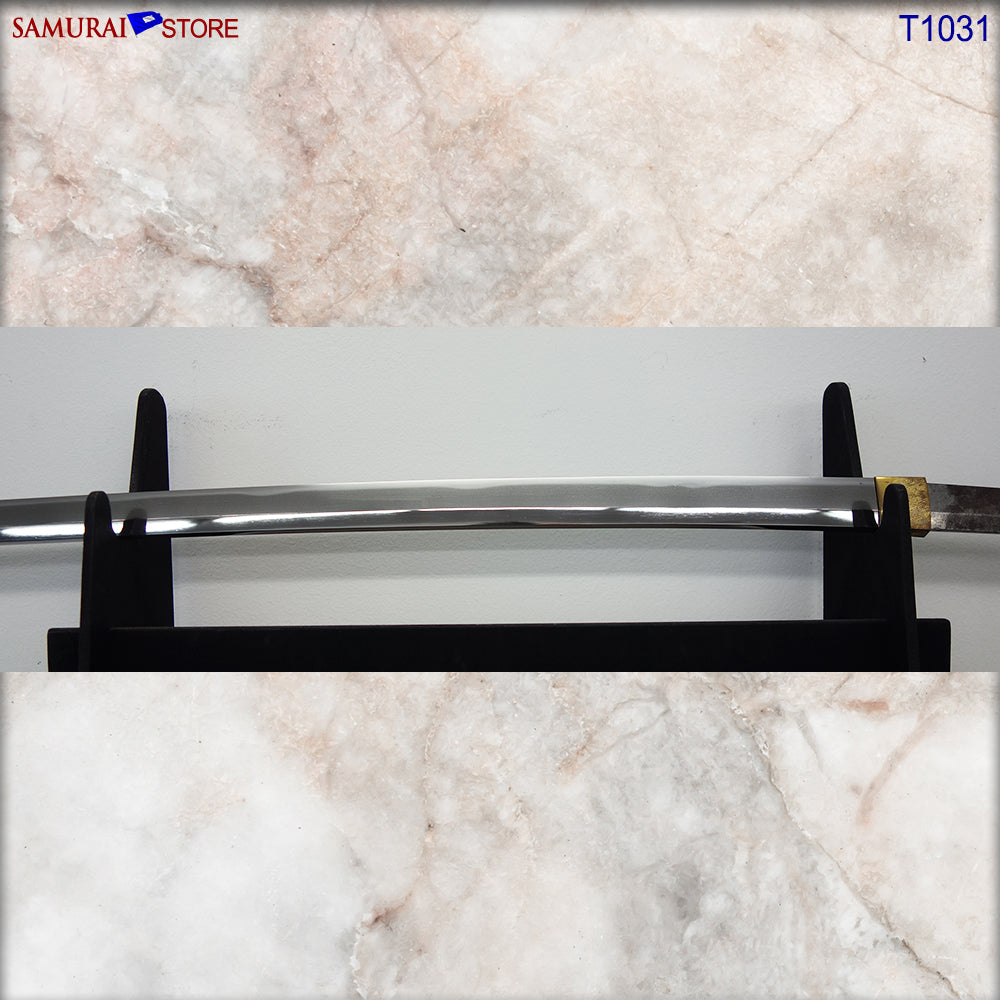
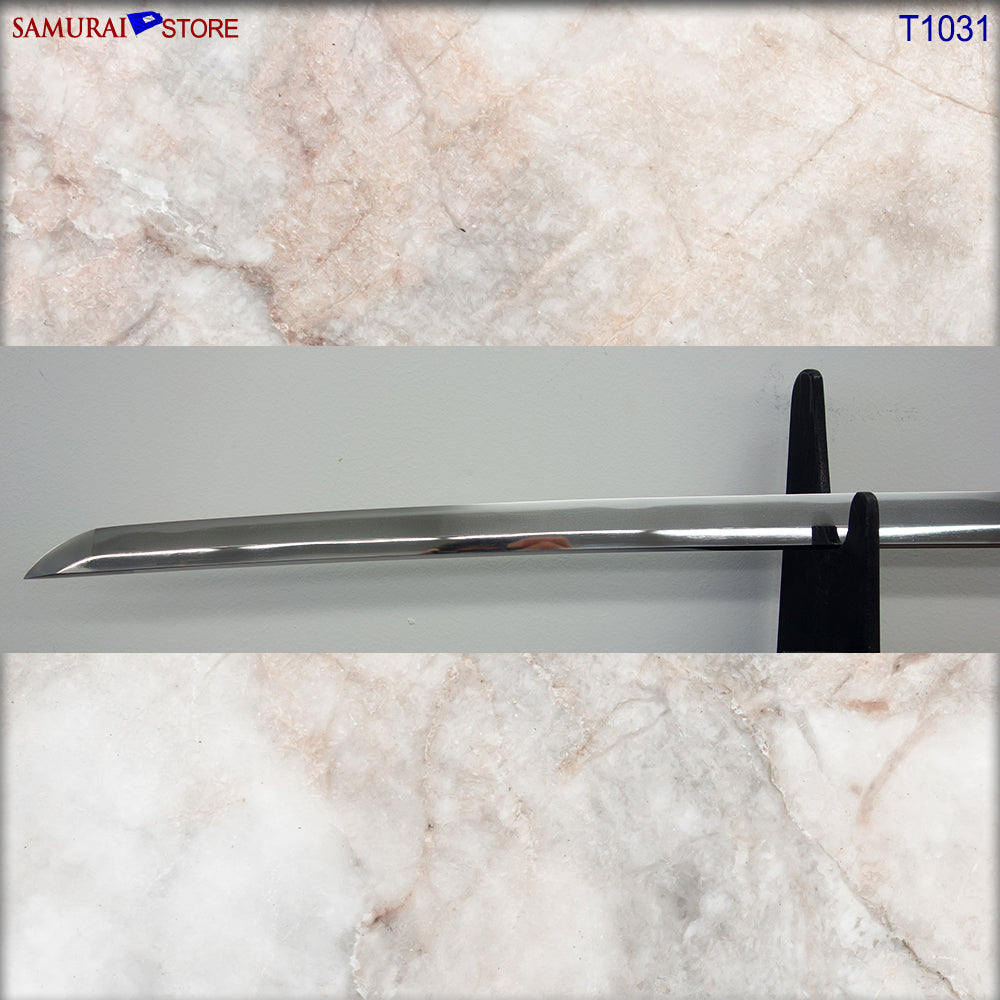
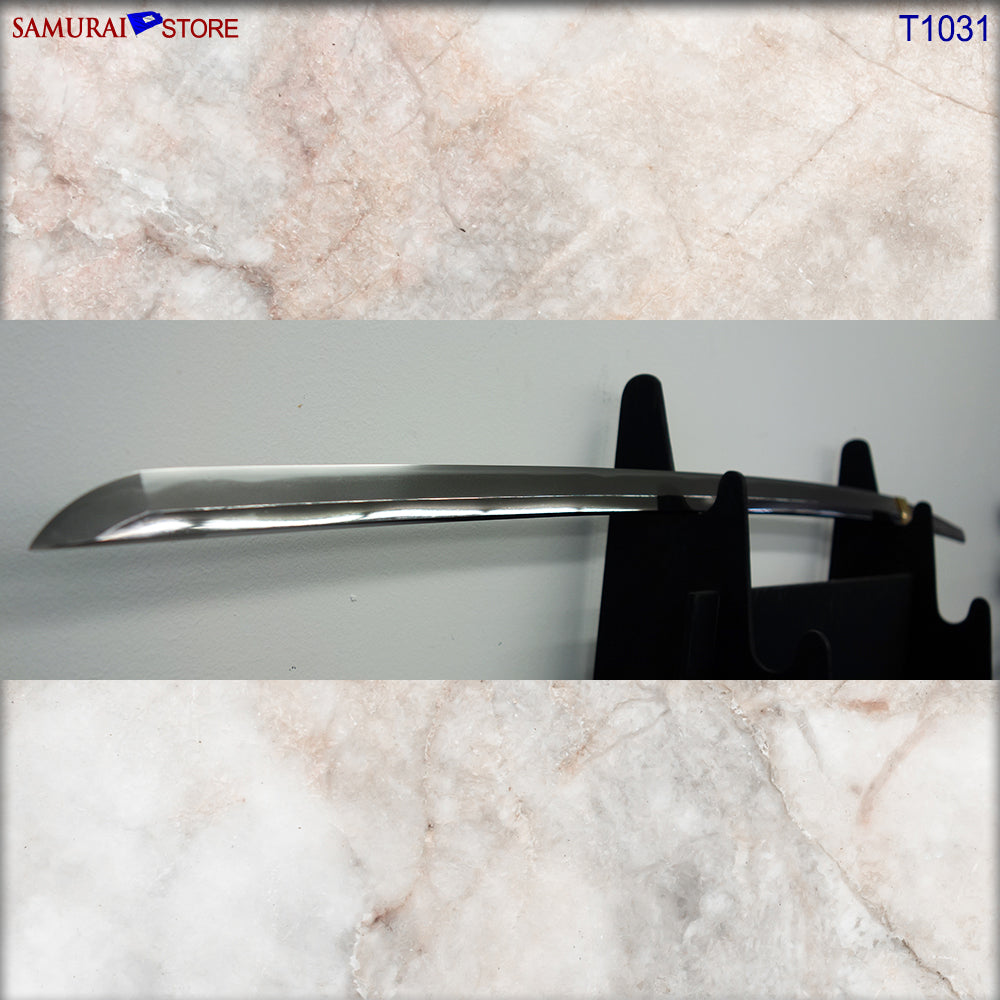
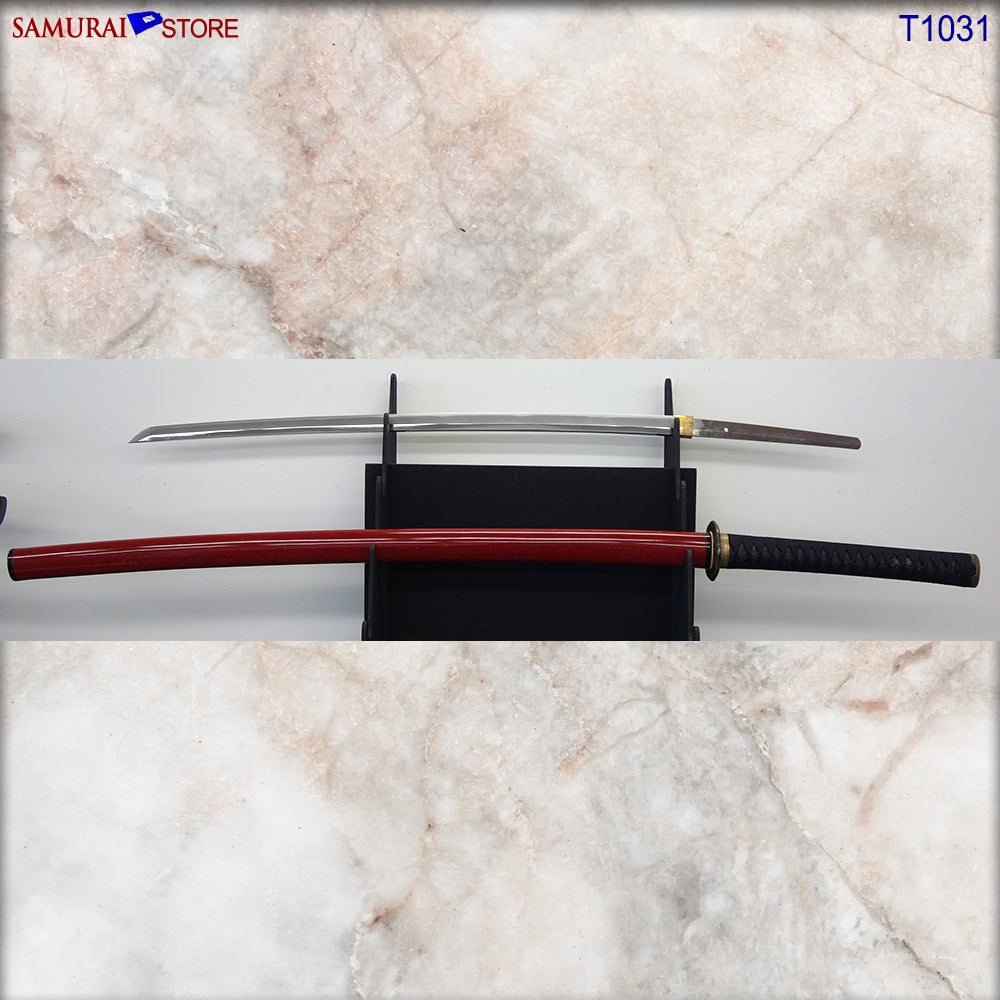
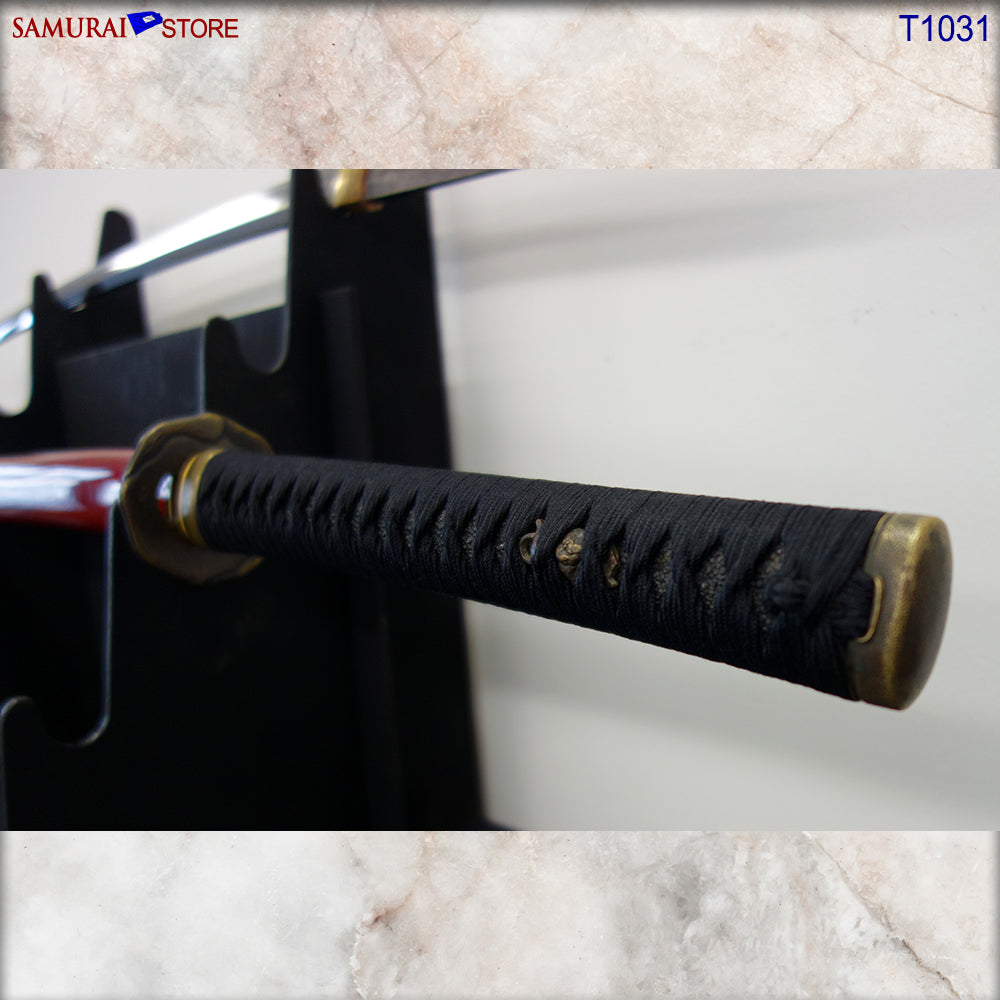
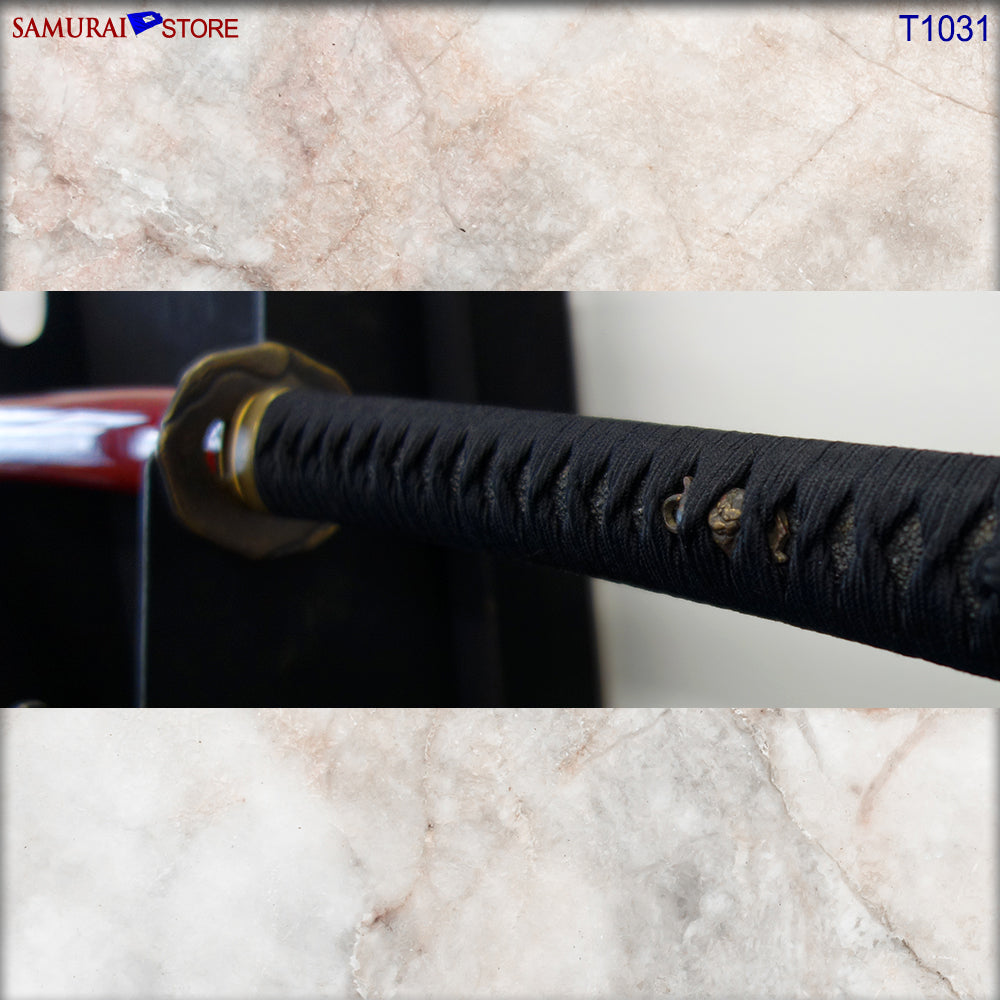
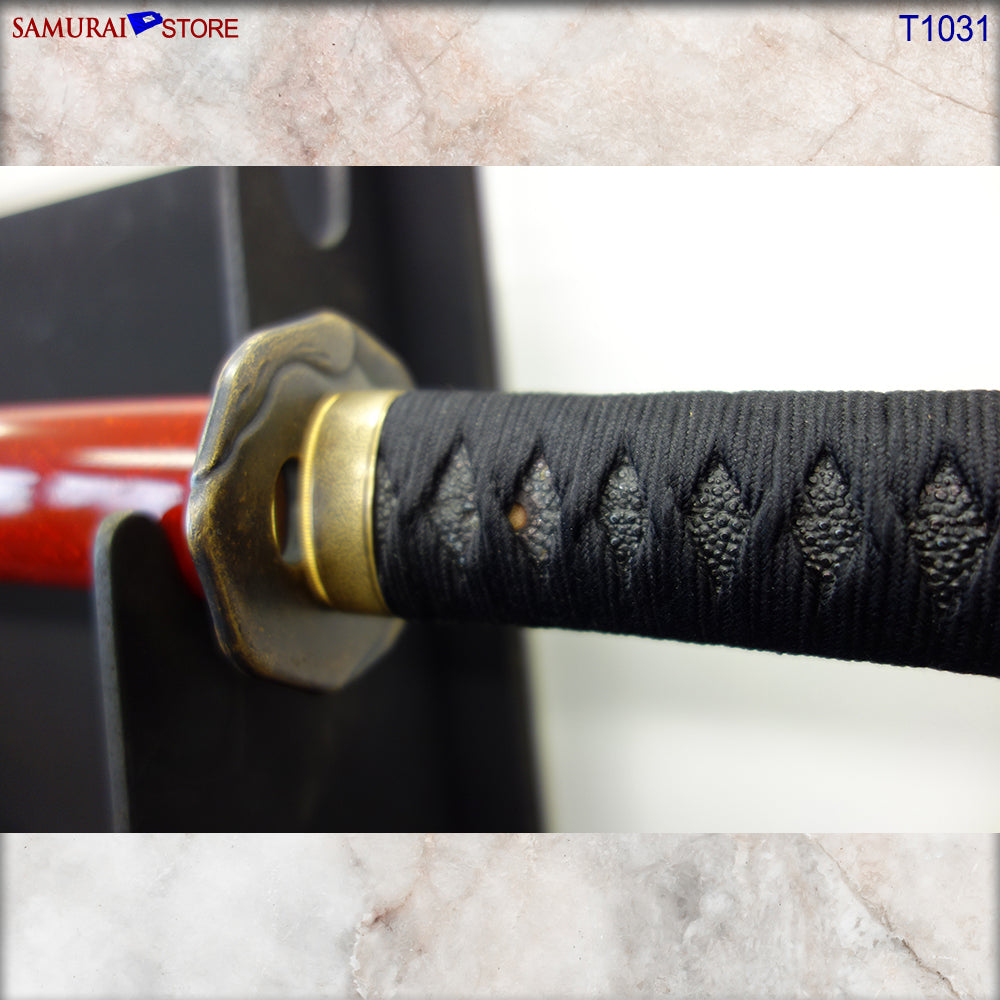
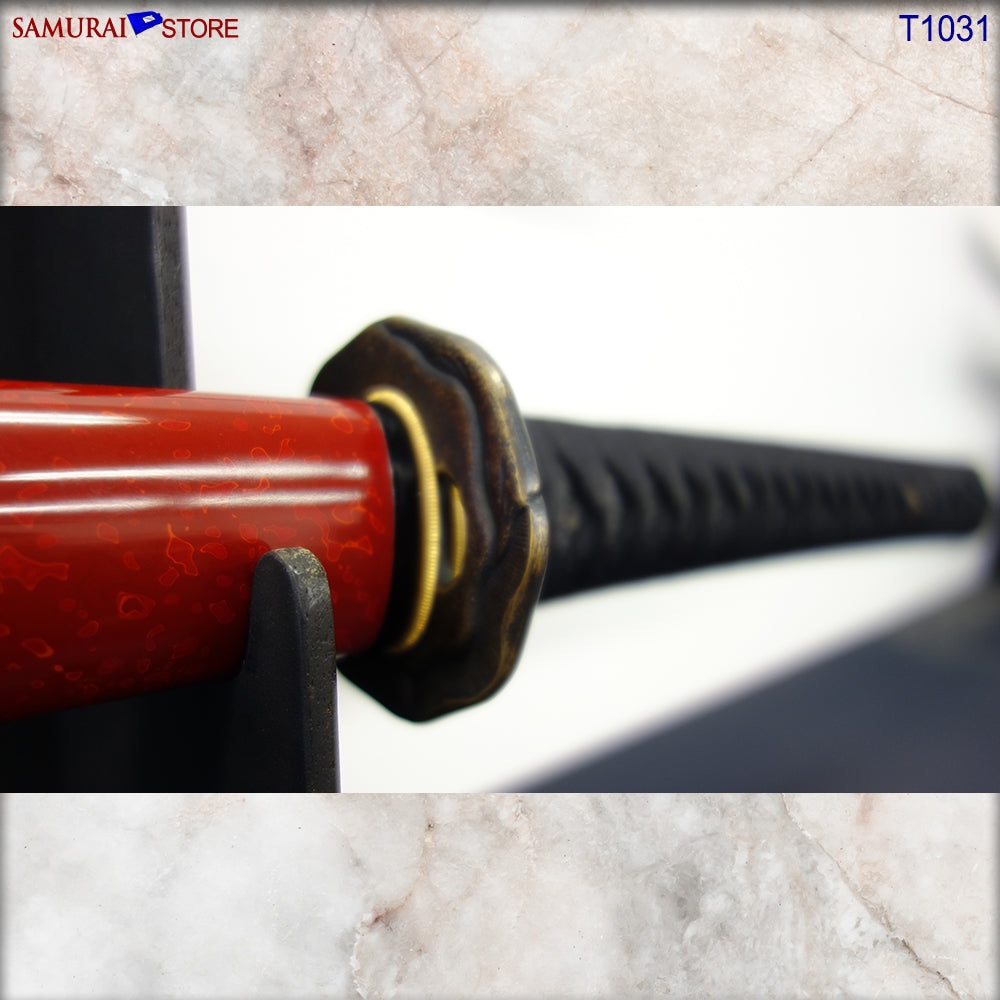
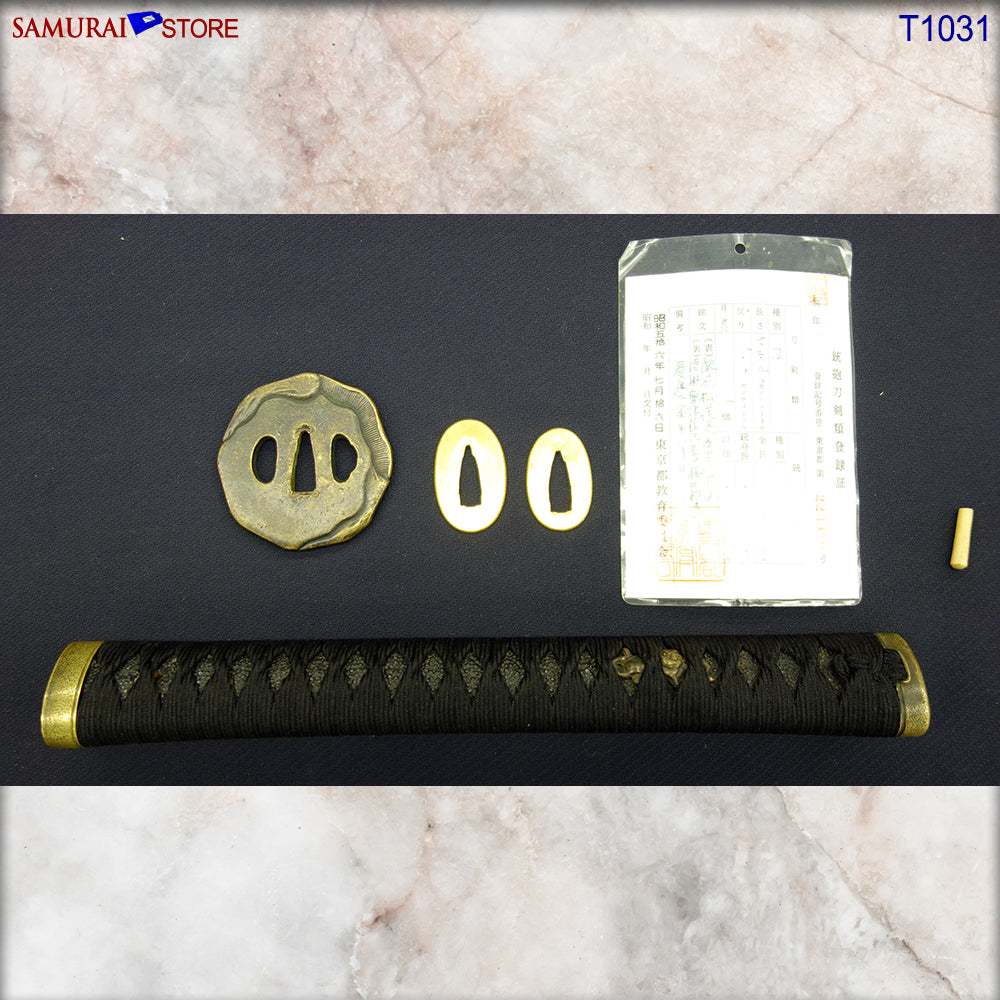
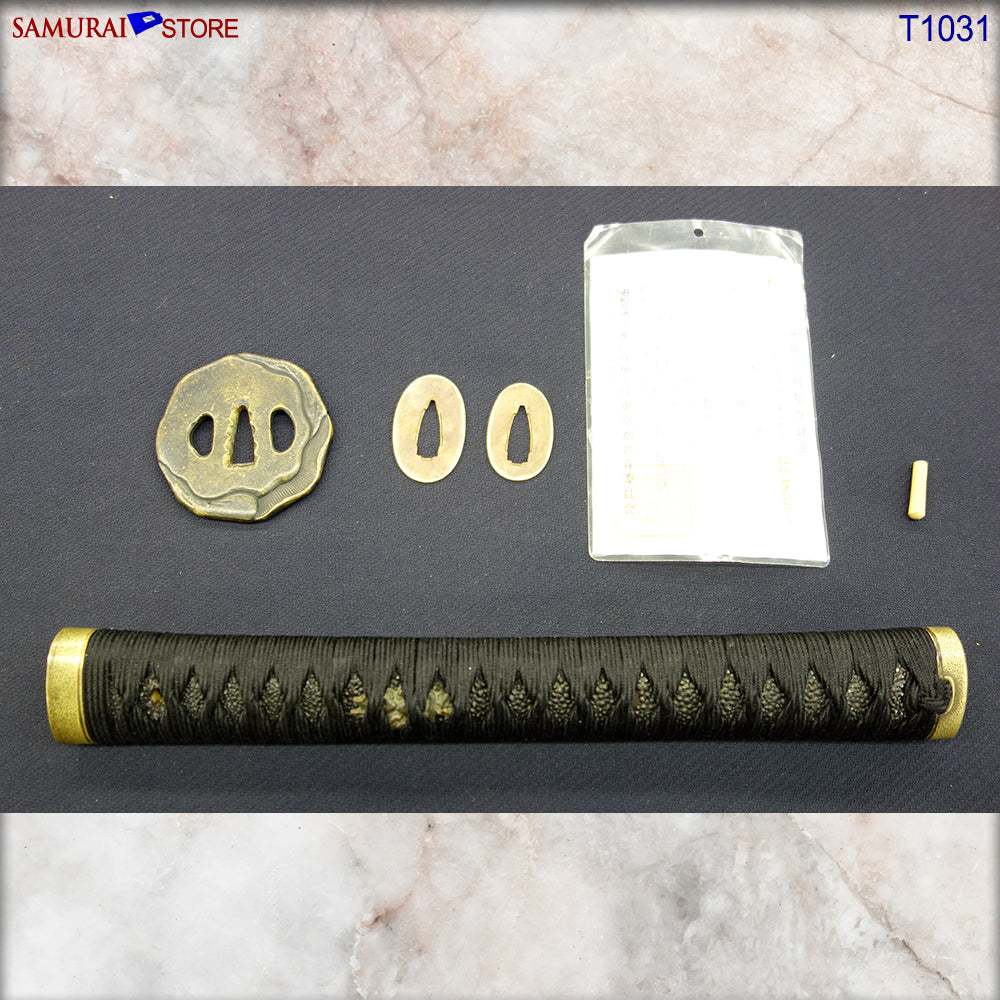
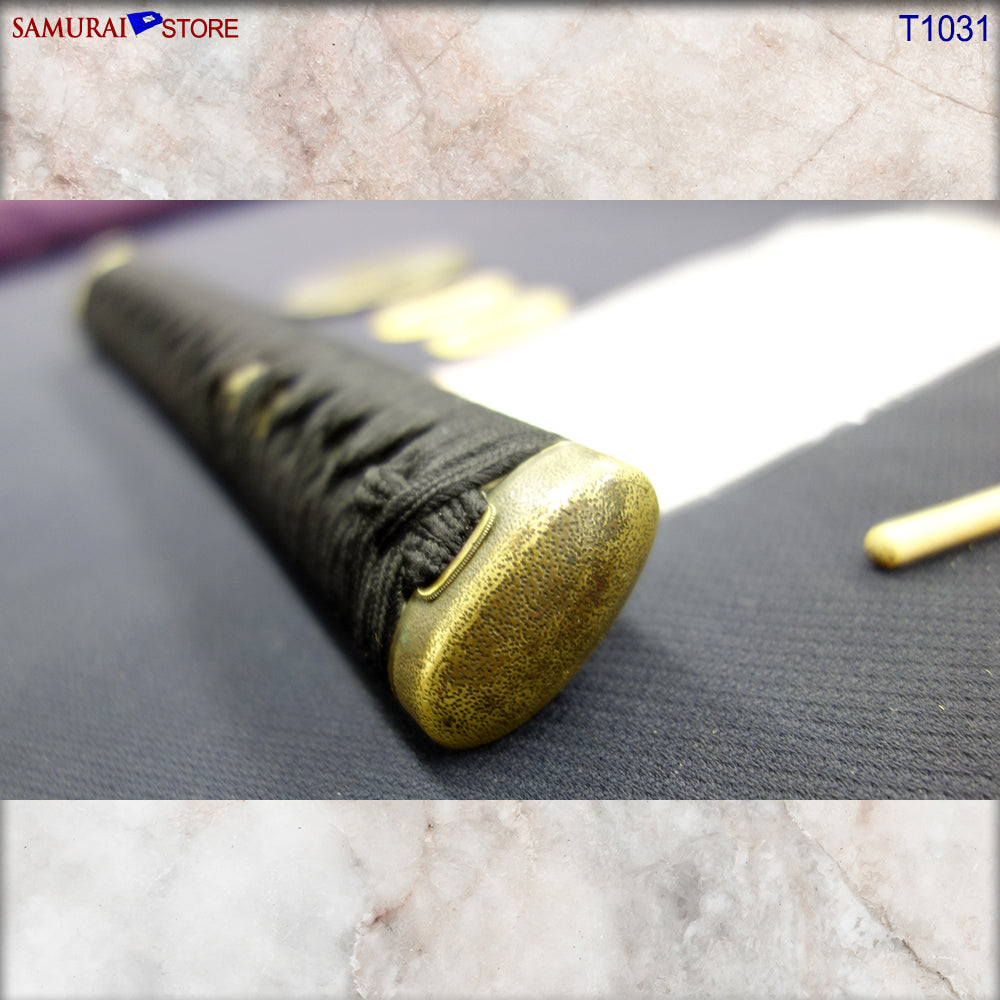
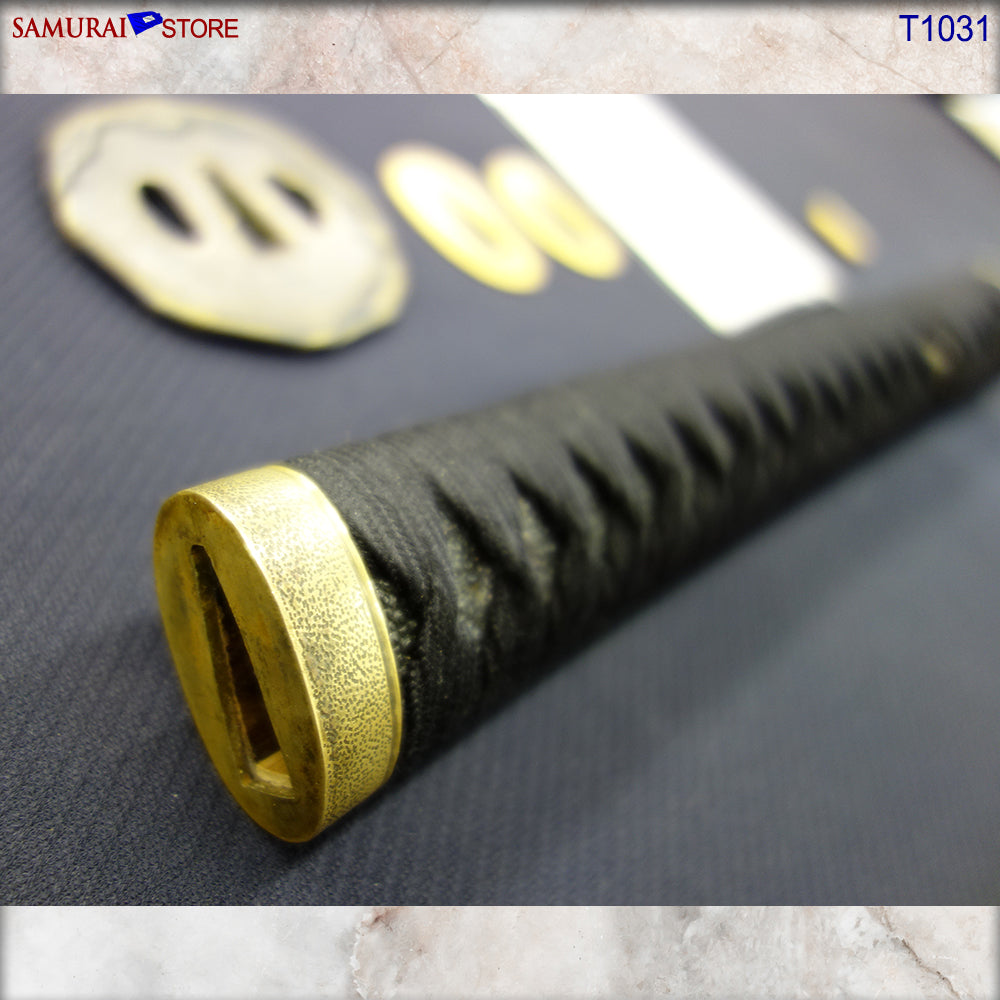
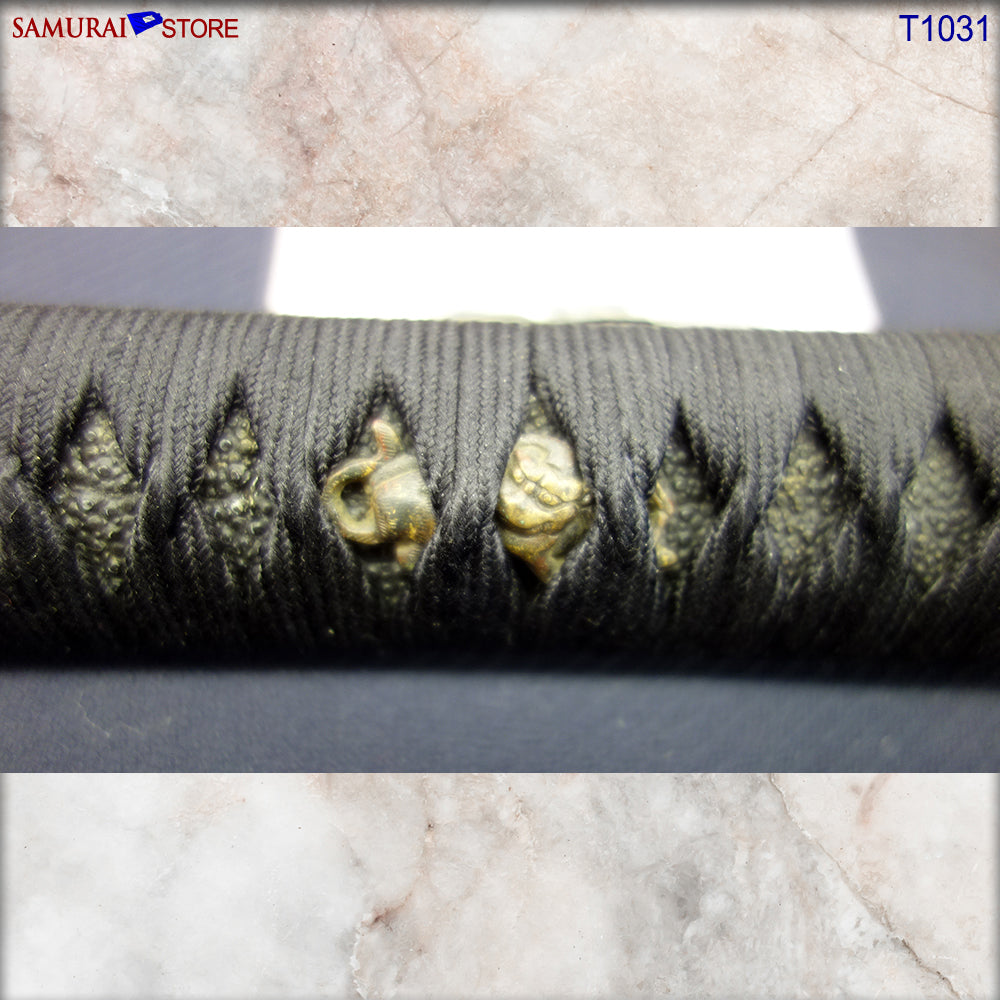
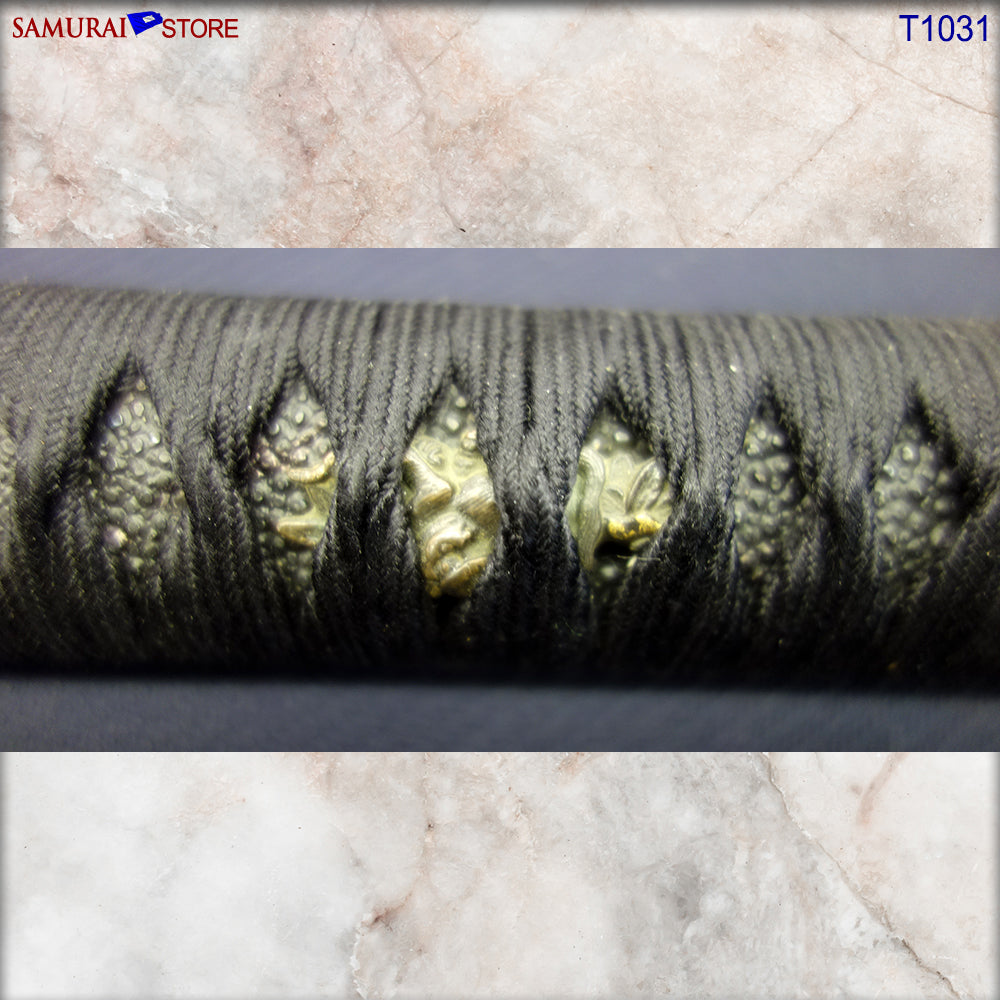
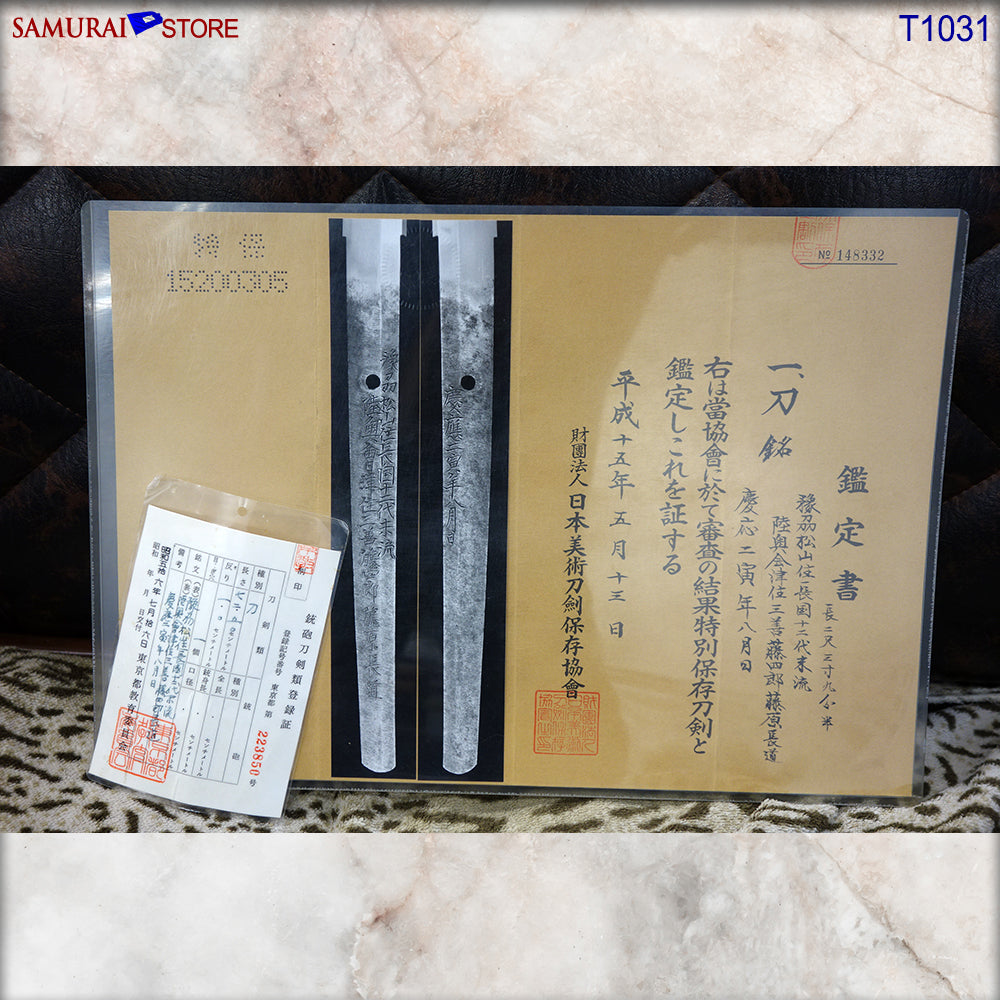
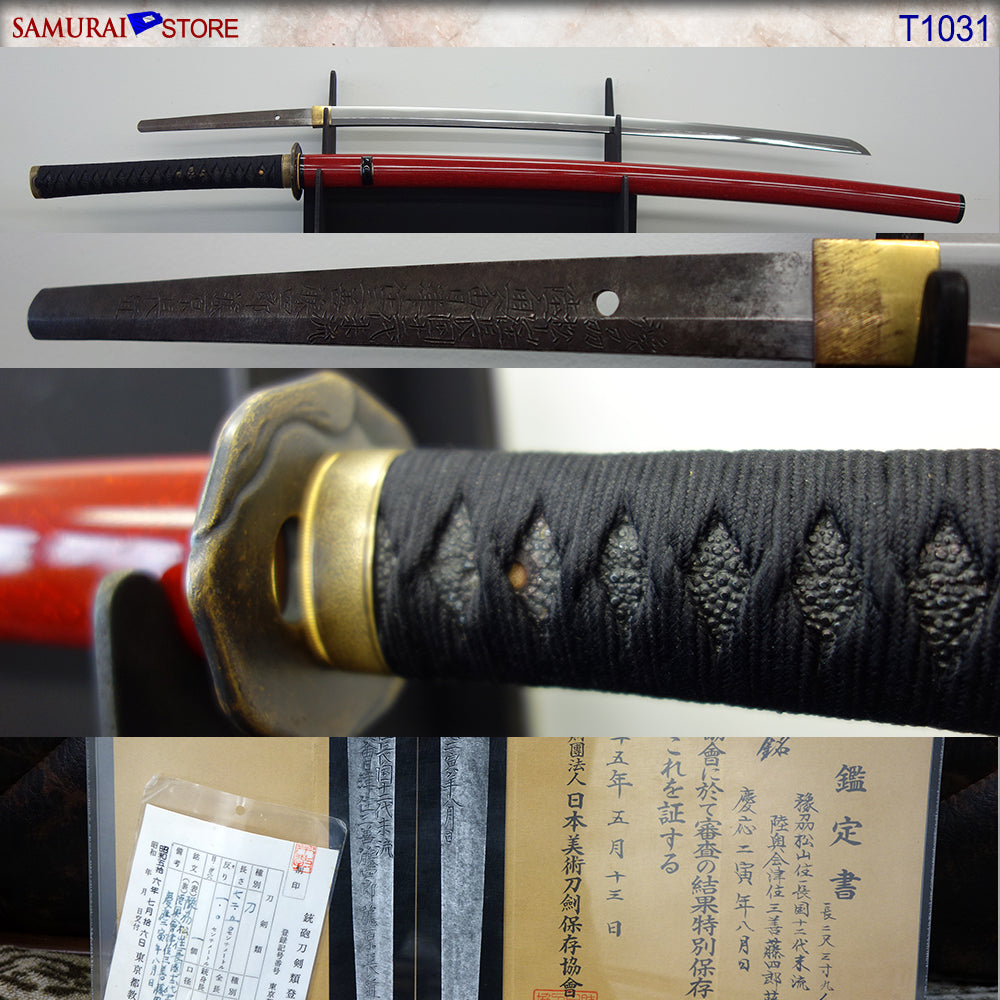
This is an antique Katana sword handcrafted in 1866. The inscription of the sword smith, its location, and production date is engraved on the tang. The blade is registered as Special Preservation by NBTHK and comes in an antique ornate mounting in excellent condition.

NihontoWatch MonNihontoWatch
MarketEncyclopediaKantei
Swords›Aizu Miyoshi›Katana›Katana: Nagamichi - Antique sword in ornate mountings
katanaTokubetsu Hozon
Aizu Miyoshi School

Katana: Nagamichi - Antique sword in ornate mountings

mei · Edo · nagasa 72.5cm · sori 1cm

SOLD
Katana
Could you name the smith from the blade alone? Today’s kantei →
Aizu Miyoshi School — 1 of 27
Aizu Miyoshi School — 2 of 27
Aizu Miyoshi School — 3 of 27
Aizu Miyoshi School — 4 of 27
Aizu Miyoshi School — 5 of 27
Aizu Miyoshi School — 6 of 27
Aizu Miyoshi School — 7 of 27
Aizu Miyoshi School — 8 of 27
Aizu Miyoshi School — 9 of 27
Aizu Miyoshi School — 10 of 27
Aizu Miyoshi School — 11 of 27
Aizu Miyoshi School — 12 of 27
Aizu Miyoshi School — 13 of 27
Aizu Miyoshi School — 14 of 27
Aizu Miyoshi School — 15 of 27
Aizu Miyoshi School — 16 of 27
Aizu Miyoshi School — 17 of 27
Aizu Miyoshi School — 18 of 27
Aizu Miyoshi School — 19 of 27
Aizu Miyoshi School — 20 of 27
Aizu Miyoshi School — 21 of 27
Aizu Miyoshi School — 22 of 27
Aizu Miyoshi School — 23 of 27
Aizu Miyoshi School — 24 of 27
Aizu Miyoshi School — 25 of 27
Aizu Miyoshi School — 26 of 27
Aizu Miyoshi School — 27 of 27
1 / 27
1 / 27
Aizu Miyoshi School — 1 of 27Aizu Miyoshi School — 2 of 27Aizu Miyoshi School — 3 of 27Aizu Miyoshi School — 4 of 27Aizu Miyoshi School — 5 of 27Aizu Miyoshi School — 6 of 27Aizu Miyoshi School — 7 of 27Aizu Miyoshi School — 8 of 27Aizu Miyoshi School — 9 of 27Aizu Miyoshi School — 10 of 27Aizu Miyoshi School — 11 of 27Aizu Miyoshi School — 12 of 27Aizu Miyoshi School — 13 of 27Aizu Miyoshi School — 14 of 27Aizu Miyoshi School — 15 of 27Aizu Miyoshi School — 16 of 27Aizu Miyoshi School — 17 of 27Aizu Miyoshi School — 18 of 27Aizu Miyoshi School — 19 of 27Aizu Miyoshi School — 20 of 27Aizu Miyoshi School — 21 of 27Aizu Miyoshi School — 22 of 27Aizu Miyoshi School — 23 of 27Aizu Miyoshi School — 24 of 27Aizu Miyoshi School — 25 of 27Aizu Miyoshi School — 26 of 27Aizu Miyoshi School — 27 of 27
Katana
Could you name the smith from the blade alone? Today’s kantei →
Measurements & details
Smith
Aizu Miyoshi School
Type
Katana
School
Aizu Miyoshi
Period
Edo(1624-1681)
Signature
Signed
Measurements
Nagasa 72.5cmSori 1cm
Description

This is an antique Katana sword handcrafted in 1866. The inscription of the sword smith, its location, and production date is engraved on the tang. The blade is registered as Special Preservation by NBTHK and comes in an antique ornate mounting in excellent condition.

About the school

Aizu Miyoshi

会津三善

Shinto · Iwashiro

4 pieces on the market now

›

The Aizu Miyoshi line took root in Iwashiro when the Katō house was transferred from Iyo to Aizu in Ōshū in Kan'ei 4 (1627). The setsumei trace the family back to Nagakuni, a smith who had resided at Matsuyama in Iyo Province and entered the service of Katō Yoshiaki; when his patron moved north, Nagakuni followed in the retinue, and his son, the first-generation Masanaga, relocated with him. Masanaga's eldest son, born in Aizu in Kan'ei 10 (1633), became the smith the records overwhelmingly cover: Miyoshi Nagamichi, also called Miyoshi Tōshirō. He first signed Michinaga (the Gyobutsu entries also note early signatures read Dōchō and Dōnaga), studied under his grandfather Nagakuni, and in Manji 1 to 2 (1658 to 1659) travelled to Kyoto, where he received the court title Mutsu Daijō and changed his name to Nagamichi. He died in Jōkyō 2 (1685) at the age of fifty-three. The setsumei repeatedly name him as the de facto founder of Aizu shintō, working under the patronage tied to the Aizu Matsudaira house, several of whose presentation blades entered the Imperial Collection. Across the blades the hand is consistent. The forging is itame-hada, often mixed with mokume, ō-itame, and nagare that runs toward masame, with ji-nie adhering thickly and fine chikei entering; the sugata tends to a shallow sori, called particularly shallow even among shintō work in the Gyobutsu notes.

The temper opens with a short, suguha-based yakidashi, then broadens into ko-notare mixed with gunome; in places two gunome run together as a gourd-shaped hyōtan-ba. Long ashi enter, the nioi is deep, and nie adheres thickly, sometimes coarsely as ara-nie or unevenly as mura-nie, with sunagashi and kinsuji worked into the ha and a bright nioiguchi. " The setsumei tie this manner directly to the "Hanetora" phase of Nagasone Kotetsu in Edo, the recurring point of comparison; one entry also records a tradition that Nagamichi was a disciple of Tsuda Sukehiro, though the writers hold his work closer to the Nagasone group. For kantei, the markers are the shallow sori, the hyōtan-ba pairing of gunome, the sunagashi and kinsuji over deep nioi, and the Kotetsu-type bōshi, balanced against the smith's tendency toward coarser nie. The dated blades range across Enpō 3 through Jōkyō 2 (1675 to 1685), the last corresponding to the year of his death and valued as documentary material on his final years. Cutting-test inscriptions by Yamano Kanjūrō Hisahide appear in gold inlay on several nakago. The provenance recorded is notable: blades presented by the Aizu Matsudaira family entered the Gyobutsu, and one katana is held by tradition to have been bestowed on Kondō Isami of the Shinsengumi by the Aizu lord Matsudaira Katamori in recognition of the Ikedaya Incident, later passing to the Meiji general and connoisseur Tani Tateki and thence into the Tosa Yamauchi family. The register places Nagamichi as the smith who set the Aizu shintō idiom, his line carrying the Miyoshi name in Iwashiro. Learn more →

1 recorded smiths10 designated works
Leading smiths
SmithEraDesignated
Nagamichi長道1661-168510
Nagamichi長道1848-18680
Explore the Aizu Miyoshi school →

Historical context

The Edo period (1615 to 1868)

›

Under the Tokugawa peace the daishō became a regulated uniform, and demand gathered in the castle towns, above all Edo itself. The craft split two ways: brilliant display work for connoisseurs, and tested blades whose cutting results were sometimes inlaid in gold.

The Edo period (1615 to 1868) →

NBTHK Certificate
Tokubetsu Hozon Tōken特別保存刀剣
Sword Especially Worthy of Preservation
›

A Hozon-certified blade judged to show notably superior workmanship and a better state of preservation. The bar is higher: re-tempered blades and most unsigned Muromachi/Edo works are excluded.

About the NBTHK›

The NBTHK (Nihon Bijutsu Tōken Hozon Kyōkai, the Society for the Preservation of Japanese Art Swords) is a public-interest incorporated foundation founded in 1948 and supervised by Japan’s Agency for Cultural Affairs (Bunkachō); it is based at the Japanese Sword Museum in Tokyo. Its expert panels physically examine each submitted work (shinsa) and issue a certificate (kanteishō) ranking it by artistic and historical merit. NBTHK papers are the most widely recognized standard of authentication for Japanese swords and fittings.

NBTHK official site→
Seller
S
Samurai Store
Established 2001 · 25 yrs on the market
🇯🇵Ships from Japan
›
✓Verified dealersamuraistore.com
✓Ships worldwide✓English support
Return policy

Returns accepted only for errors/damage: damaged or incorrect items reported by email within 10 calendar days; defective goods within 30 calendar days.

View all of Samurai Store’s listings→View this item on the dealer’s site→

Previously sold — Aizu Miyoshi School

View all →
Tokka Biz
Hozon
Katana - Hozon - by Aizu Miyoshi School - Oshu Aizu ju Miyoshi NagamichiKatana - Hozon - by Aizu Miyoshi School - Oshu Aizu ju Miyoshi Nagamichi
Sold

Katana

ByAizu Miyoshi School
SOLD
Aoi Art
Tokuho
Katana - Tokuho - by Aizu Miyoshi School - Mutsu Aizu ju Miyoshi Nagamichi (8th generation) - NBTHK Tokubetsu Hozon TokenKatana - Tokuho - by Aizu Miyoshi School - Mutsu Aizu ju Miyoshi Nagamichi (8th generation) - NBTHK Tokubetsu Hozon Token
Sold

Katana

ByAizu Miyoshi School
SOLD
Kusanagi
Tokubetsu Kichō
Ken - Tokubetsu Kichō - by Aizu Miyoshi School - Tremendous Soshu-den Masterpiece "Sho Hachiman Daigin" Gold Zogan Mei (Go) Tamamizu, Aizu Michitatsu Hozon Token, Jumyo Tokubetsu Kicho Token, with Maru-ni-Ken-Katabami Mon Gokujo KoshiraeKen - Tokubetsu Kichō - by Aizu Miyoshi School - Tremendous Soshu-den Masterpiece "Sho Hachiman Daigin" Gold Zogan Mei (Go) Tamamizu, Aizu Michitatsu Hozon Token, Jumyo Tokubetsu Kicho Token, with Maru-ni-Ken-Katabami Mon Gokujo Koshirae
Sold

Ken

ByAizu Miyoshi School
SOLD

More from the Aizu Miyoshi school

View all →
Samurai Museum
Tokuho
Katana - Tokuho - by Aizu Miyoshi Nagamichi - Antique Japanese Sword Katana Signed by Miyoshi NagamichiKatana - Tokuho - by Aizu Miyoshi Nagamichi - Antique Japanese Sword Katana Signed by Miyoshi Nagamichi

Katana

ByAizu Miyoshi Nagamichi
¥15,224
Mandarin Mansion
Wakizashi - by Aizu Miyoshi School - Wakizashi by Miyoshi NagamichiWakizashi - by Aizu Miyoshi School - Wakizashi by Miyoshi Nagamichi

Wakizashi

ByAizu Miyoshi School
¥12,000
World Seiyudo
Tokuho
Wakizashi - Tokuho - by Aizu Miyoshi Nagamichi - Mutsu-Daijo Miyoshi NagamichiWakizashi - Tokuho - by Aizu Miyoshi Nagamichi - Mutsu-Daijo Miyoshi Nagamichi

Wakizashi

ByAizu Miyoshi Nagamichi
¥1,800,000
Nipponto
Hozon
Wakizashi - Hozon - by Aizu Miyoshi School - Wakizashi by Miyoshi Nagamichi of Mutsu Aizu, with NBTHK Hozon CertificateWakizashi - Hozon - by Aizu Miyoshi School - Wakizashi by Miyoshi Nagamichi of Mutsu Aizu, with NBTHK Hozon Certificate

Wakizashi

ByAizu Miyoshi School
¥550,000

Swords

  • Katana
  • Wakizashi
  • Tantō
  • Tachi
  • Naginata
  • Yari
  • Japanese Swords
  • Samurai Swords

Fittings

  • Tsuba
  • Fuchi-Kashira
  • Kozuka
  • Menuki
  • Sword Guards (Tsuba)

Armor

  • Kabuto
  • Samurai Armor
  • All Samurai Armor

By Certification

  • Tokujū
  • Jūyō
  • Tokuho
  • Hozon

Resources

  • Dealer Directory
  • Artist Directory
  • The Daily Kantei
  • Glossary
  • Browse All
Nihontowatch© 2026
TermsPrivacyCookiesAbout
Sold

Description

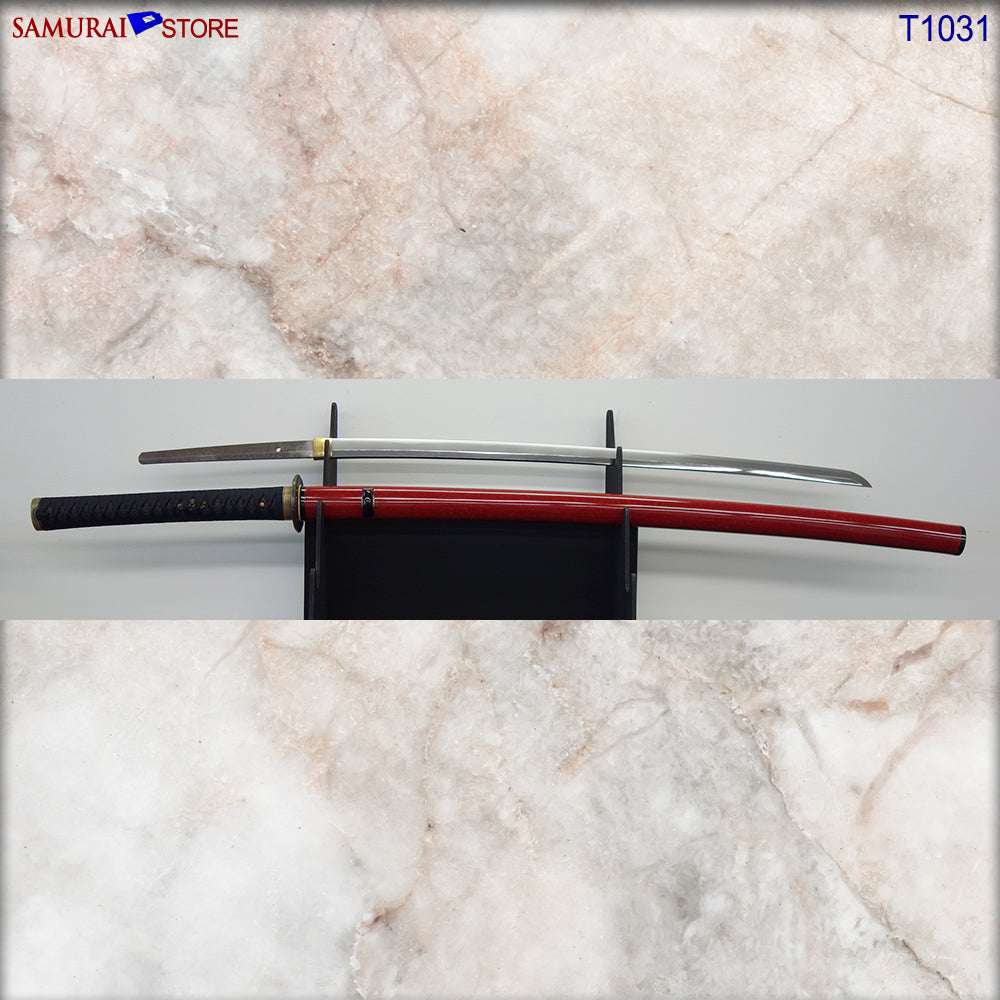
This is an antique Katana sword handcrafted in 1866. The inscription of the sword smith, its location, and production date is engraved on the tang. The blade is registered as Special Preservation by NBTHK and comes in an antique ornate mounting in excellent condition.

NihontoWatch MonNihontoWatch
MarketEncyclopediaKantei
Swords›Aizu Miyoshi›Katana›Katana: Nagamichi - Antique sword in ornate mountings
katanaTokubetsu Hozon
Aizu Miyoshi School

Katana: Nagamichi - Antique sword in ornate mountings

mei · Edo · nagasa 72.5cm · sori 1cm

SOLD
Katana
Could you name the smith from the blade alone? Today’s kantei →
Aizu Miyoshi School — 1 of 27
Aizu Miyoshi School — 2 of 27
Aizu Miyoshi School — 3 of 27
Aizu Miyoshi School — 4 of 27
Aizu Miyoshi School — 5 of 27
Aizu Miyoshi School — 6 of 27
Aizu Miyoshi School — 7 of 27
Aizu Miyoshi School — 8 of 27
Aizu Miyoshi School — 9 of 27
Aizu Miyoshi School — 10 of 27
Aizu Miyoshi School — 11 of 27
Aizu Miyoshi School — 12 of 27
Aizu Miyoshi School — 13 of 27
Aizu Miyoshi School — 14 of 27
Aizu Miyoshi School — 15 of 27
Aizu Miyoshi School — 16 of 27
Aizu Miyoshi School — 17 of 27
Aizu Miyoshi School — 18 of 27
Aizu Miyoshi School — 19 of 27
Aizu Miyoshi School — 20 of 27
Aizu Miyoshi School — 21 of 27
Aizu Miyoshi School — 22 of 27
Aizu Miyoshi School — 23 of 27
Aizu Miyoshi School — 24 of 27
Aizu Miyoshi School — 25 of 27
Aizu Miyoshi School — 26 of 27
Aizu Miyoshi School — 27 of 27
1 / 27
1 / 27
Aizu Miyoshi School — 1 of 27Aizu Miyoshi School — 2 of 27Aizu Miyoshi School — 3 of 27Aizu Miyoshi School — 4 of 27Aizu Miyoshi School — 5 of 27Aizu Miyoshi School — 6 of 27Aizu Miyoshi School — 7 of 27Aizu Miyoshi School — 8 of 27Aizu Miyoshi School — 9 of 27Aizu Miyoshi School — 10 of 27Aizu Miyoshi School — 11 of 27Aizu Miyoshi School — 12 of 27Aizu Miyoshi School — 13 of 27Aizu Miyoshi School — 14 of 27Aizu Miyoshi School — 15 of 27Aizu Miyoshi School — 16 of 27Aizu Miyoshi School — 17 of 27Aizu Miyoshi School — 18 of 27Aizu Miyoshi School — 19 of 27Aizu Miyoshi School — 20 of 27Aizu Miyoshi School — 21 of 27Aizu Miyoshi School — 22 of 27Aizu Miyoshi School — 23 of 27Aizu Miyoshi School — 24 of 27Aizu Miyoshi School — 25 of 27Aizu Miyoshi School — 26 of 27Aizu Miyoshi School — 27 of 27
Katana
Could you name the smith from the blade alone? Today’s kantei →
Measurements & details
Smith
Aizu Miyoshi School
Type
Katana
School
Aizu Miyoshi
Period
Edo(1624-1681)
Signature
Signed
Measurements
Nagasa 72.5cmSori 1cm
Description

This is an antique Katana sword handcrafted in 1866. The inscription of the sword smith, its location, and production date is engraved on the tang. The blade is registered as Special Preservation by NBTHK and comes in an antique ornate mounting in excellent condition.

About the school

Aizu Miyoshi

会津三善

Shinto · Iwashiro

4 pieces on the market now

›

The Aizu Miyoshi line took root in Iwashiro when the Katō house was transferred from Iyo to Aizu in Ōshū in Kan'ei 4 (1627). The setsumei trace the family back to Nagakuni, a smith who had resided at Matsuyama in Iyo Province and entered the service of Katō Yoshiaki; when his patron moved north, Nagakuni followed in the retinue, and his son, the first-generation Masanaga, relocated with him. Masanaga's eldest son, born in Aizu in Kan'ei 10 (1633), became the smith the records overwhelmingly cover: Miyoshi Nagamichi, also called Miyoshi Tōshirō. He first signed Michinaga (the Gyobutsu entries also note early signatures read Dōchō and Dōnaga), studied under his grandfather Nagakuni, and in Manji 1 to 2 (1658 to 1659) travelled to Kyoto, where he received the court title Mutsu Daijō and changed his name to Nagamichi. He died in Jōkyō 2 (1685) at the age of fifty-three. The setsumei repeatedly name him as the de facto founder of Aizu shintō, working under the patronage tied to the Aizu Matsudaira house, several of whose presentation blades entered the Imperial Collection. Across the blades the hand is consistent. The forging is itame-hada, often mixed with mokume, ō-itame, and nagare that runs toward masame, with ji-nie adhering thickly and fine chikei entering; the sugata tends to a shallow sori, called particularly shallow even among shintō work in the Gyobutsu notes.

The temper opens with a short, suguha-based yakidashi, then broadens into ko-notare mixed with gunome; in places two gunome run together as a gourd-shaped hyōtan-ba. Long ashi enter, the nioi is deep, and nie adheres thickly, sometimes coarsely as ara-nie or unevenly as mura-nie, with sunagashi and kinsuji worked into the ha and a bright nioiguchi. " The setsumei tie this manner directly to the "Hanetora" phase of Nagasone Kotetsu in Edo, the recurring point of comparison; one entry also records a tradition that Nagamichi was a disciple of Tsuda Sukehiro, though the writers hold his work closer to the Nagasone group. For kantei, the markers are the shallow sori, the hyōtan-ba pairing of gunome, the sunagashi and kinsuji over deep nioi, and the Kotetsu-type bōshi, balanced against the smith's tendency toward coarser nie. The dated blades range across Enpō 3 through Jōkyō 2 (1675 to 1685), the last corresponding to the year of his death and valued as documentary material on his final years. Cutting-test inscriptions by Yamano Kanjūrō Hisahide appear in gold inlay on several nakago. The provenance recorded is notable: blades presented by the Aizu Matsudaira family entered the Gyobutsu, and one katana is held by tradition to have been bestowed on Kondō Isami of the Shinsengumi by the Aizu lord Matsudaira Katamori in recognition of the Ikedaya Incident, later passing to the Meiji general and connoisseur Tani Tateki and thence into the Tosa Yamauchi family. The register places Nagamichi as the smith who set the Aizu shintō idiom, his line carrying the Miyoshi name in Iwashiro. Learn more →
1 recorded smiths10 designated works
Leading smiths
SmithEraDesignated
Nagamichi長道1661-168510
Nagamichi長道1848-18680
Explore the Aizu Miyoshi school →

Historical context

The Edo period (1615 to 1868)

›

Under the Tokugawa peace the daishō became a regulated uniform, and demand gathered in the castle towns, above all Edo itself. The craft split two ways: brilliant display work for connoisseurs, and tested blades whose cutting results were sometimes inlaid in gold.

The Edo period (1615 to 1868) →

NBTHK Certificate
Tokubetsu Hozon Tōken特別保存刀剣
Sword Especially Worthy of Preservation
›

A Hozon-certified blade judged to show notably superior workmanship and a better state of preservation. The bar is higher: re-tempered blades and most unsigned Muromachi/Edo works are excluded.

About the NBTHK›

The NBTHK (Nihon Bijutsu Tōken Hozon Kyōkai, the Society for the Preservation of Japanese Art Swords) is a public-interest incorporated foundation founded in 1948 and supervised by Japan’s Agency for Cultural Affairs (Bunkachō); it is based at the Japanese Sword Museum in Tokyo. Its expert panels physically examine each submitted work (shinsa) and issue a certificate (kanteishō) ranking it by artistic and historical merit. NBTHK papers are the most widely recognized standard of authentication for Japanese swords and fittings.

NBTHK official site→
Seller
S
Samurai Store
Established 2001 · 25 yrs on the market
🇯🇵Ships from Japan
›
✓Verified dealersamuraistore.com
✓Ships worldwide✓English support
Return policy

Returns accepted only for errors/damage: damaged or incorrect items reported by email within 10 calendar days; defective goods within 30 calendar days.

View all of Samurai Store’s listings→View this item on the dealer’s site→

Previously sold — Aizu Miyoshi School

View all →
Tokka Biz
Hozon
Katana - Hozon - by Aizu Miyoshi School - Oshu Aizu ju Miyoshi NagamichiKatana - Hozon - by Aizu Miyoshi School - Oshu Aizu ju Miyoshi Nagamichi
Sold

Katana

ByAizu Miyoshi School
SOLD
Aoi Art
Tokuho
Katana - Tokuho - by Aizu Miyoshi School - Mutsu Aizu ju Miyoshi Nagamichi (8th generation) - NBTHK Tokubetsu Hozon TokenKatana - Tokuho - by Aizu Miyoshi School - Mutsu Aizu ju Miyoshi Nagamichi (8th generation) - NBTHK Tokubetsu Hozon Token
Sold

Katana

ByAizu Miyoshi School
SOLD
Kusanagi
Tokubetsu Kichō
Ken - Tokubetsu Kichō - by Aizu Miyoshi School - Tremendous Soshu-den Masterpiece "Sho Hachiman Daigin" Gold Zogan Mei (Go) Tamamizu, Aizu Michitatsu Hozon Token, Jumyo Tokubetsu Kicho Token, with Maru-ni-Ken-Katabami Mon Gokujo KoshiraeKen - Tokubetsu Kichō - by Aizu Miyoshi School - Tremendous Soshu-den Masterpiece "Sho Hachiman Daigin" Gold Zogan Mei (Go) Tamamizu, Aizu Michitatsu Hozon Token, Jumyo Tokubetsu Kicho Token, with Maru-ni-Ken-Katabami Mon Gokujo Koshirae
Sold

Ken

ByAizu Miyoshi School
SOLD

More from the Aizu Miyoshi school

View all →
Samurai Museum
Tokuho
Katana - Tokuho - by Aizu Miyoshi Nagamichi - Antique Japanese Sword Katana Signed by Miyoshi NagamichiKatana - Tokuho - by Aizu Miyoshi Nagamichi - Antique Japanese Sword Katana Signed by Miyoshi Nagamichi

Katana

ByAizu Miyoshi Nagamichi
¥15,224
Mandarin Mansion
Wakizashi - by Aizu Miyoshi School - Wakizashi by Miyoshi NagamichiWakizashi - by Aizu Miyoshi School - Wakizashi by Miyoshi Nagamichi

Wakizashi

ByAizu Miyoshi School
¥12,000
World Seiyudo
Tokuho
Wakizashi - Tokuho - by Aizu Miyoshi Nagamichi - Mutsu-Daijo Miyoshi NagamichiWakizashi - Tokuho - by Aizu Miyoshi Nagamichi - Mutsu-Daijo Miyoshi Nagamichi

Wakizashi

ByAizu Miyoshi Nagamichi
¥1,800,000
Nipponto
Hozon
Wakizashi - Hozon - by Aizu Miyoshi School - Wakizashi by Miyoshi Nagamichi of Mutsu Aizu, with NBTHK Hozon CertificateWakizashi - Hozon - by Aizu Miyoshi School - Wakizashi by Miyoshi Nagamichi of Mutsu Aizu, with NBTHK Hozon Certificate

Wakizashi

ByAizu Miyoshi School
¥550,000

Swords

  • Katana
  • Wakizashi
  • Tantō
  • Tachi
  • Naginata
  • Yari
  • Japanese Swords
  • Samurai Swords

Fittings

  • Tsuba
  • Fuchi-Kashira
  • Kozuka
  • Menuki
  • Sword Guards (Tsuba)

Armor

  • Kabuto
  • Samurai Armor
  • All Samurai Armor

By Certification

  • Tokujū
  • Jūyō
  • Tokuho
  • Hozon

Resources

  • Dealer Directory
  • Artist Directory
  • The Daily Kantei
  • Glossary
  • Browse All
Nihontowatch© 2026
TermsPrivacyCookiesAbout
Sold
NihontoWatch MonNihontoWatch
Market
Encyclopedia
Kantei
NihontoWatch MonNihontoWatch
Market
Encyclopedia
Kantei