Around 1800 Suishinshi Masahide argued in his writings that the craft must return to the old masters’ methods: the fukkotō revival. His greatest successor Naotane worked convincingly in Bizen and Sōshū manners that had been dead for centuries.
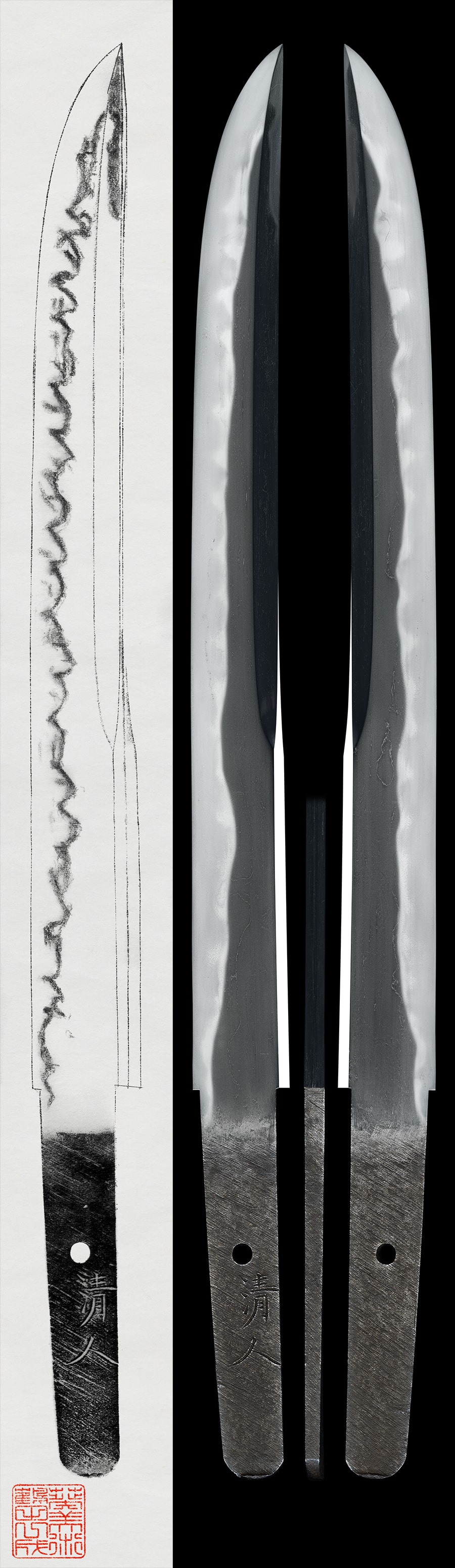
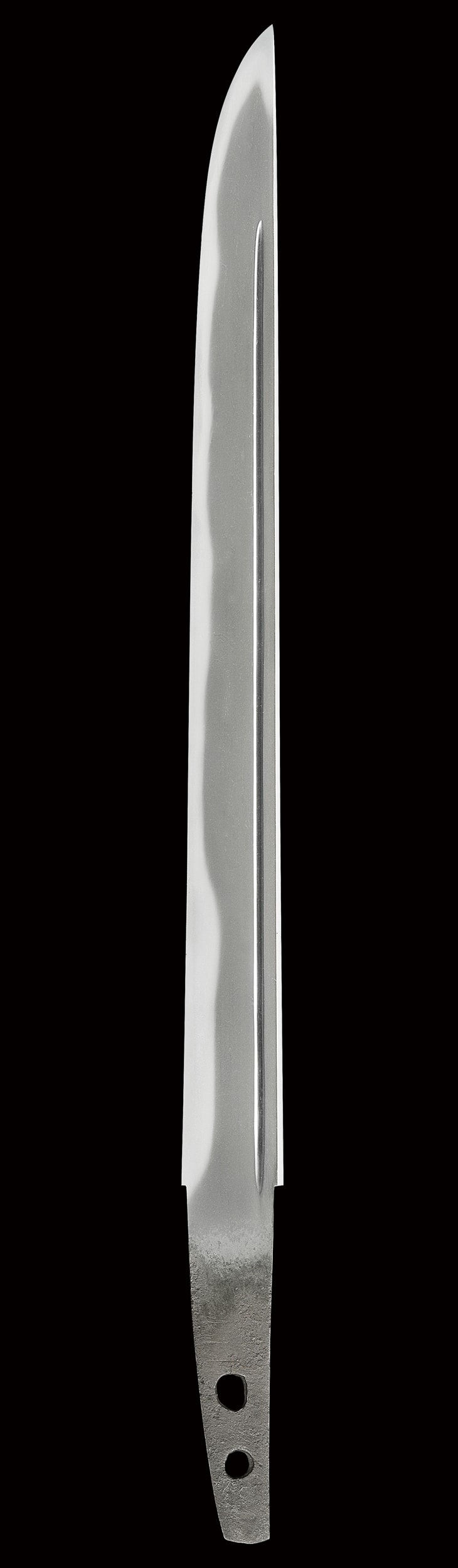
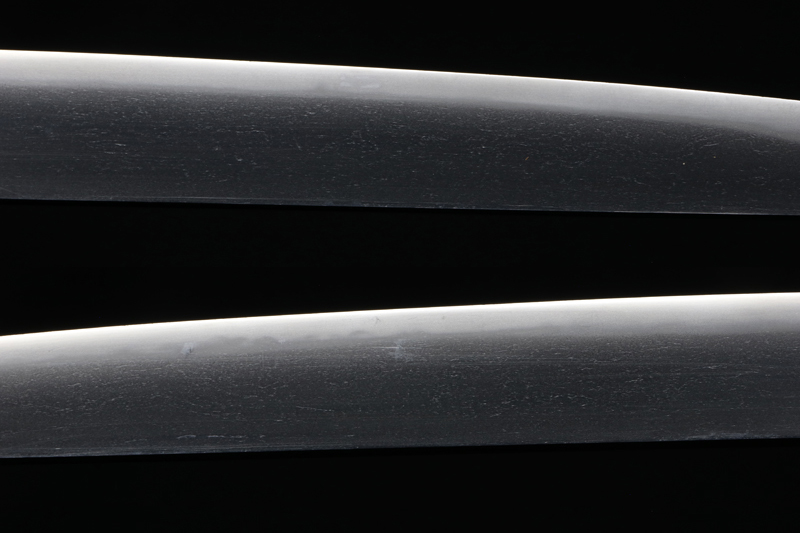
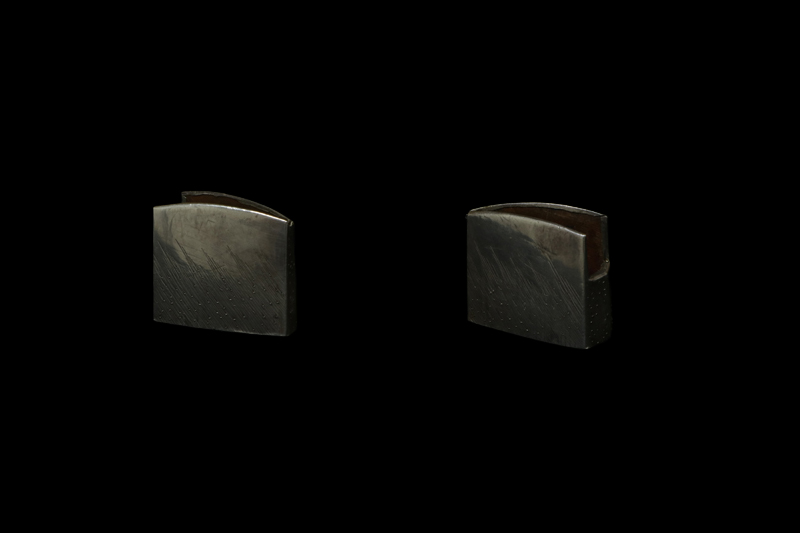
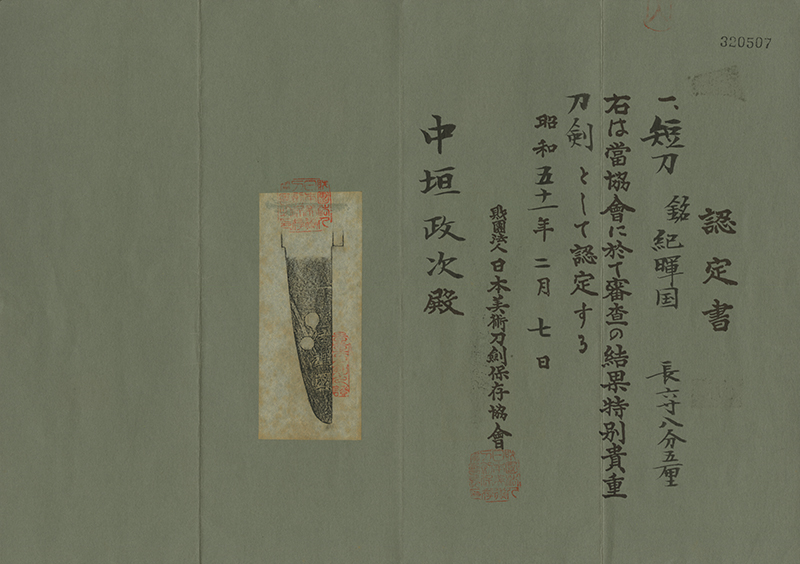
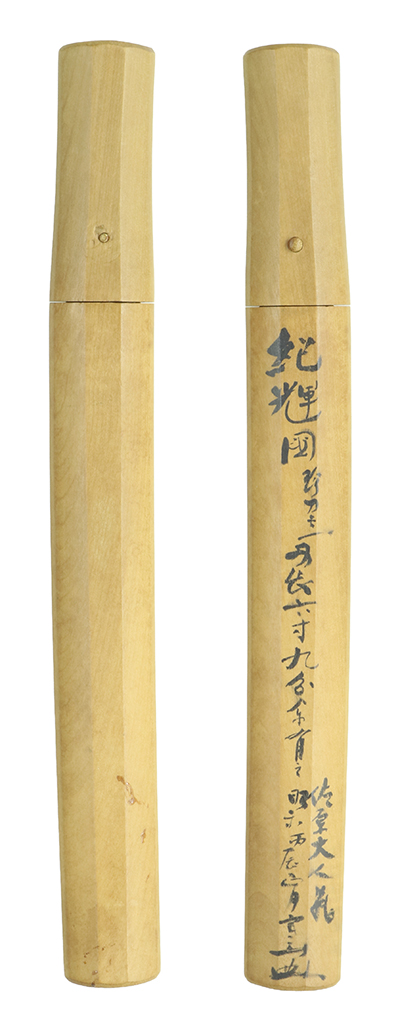
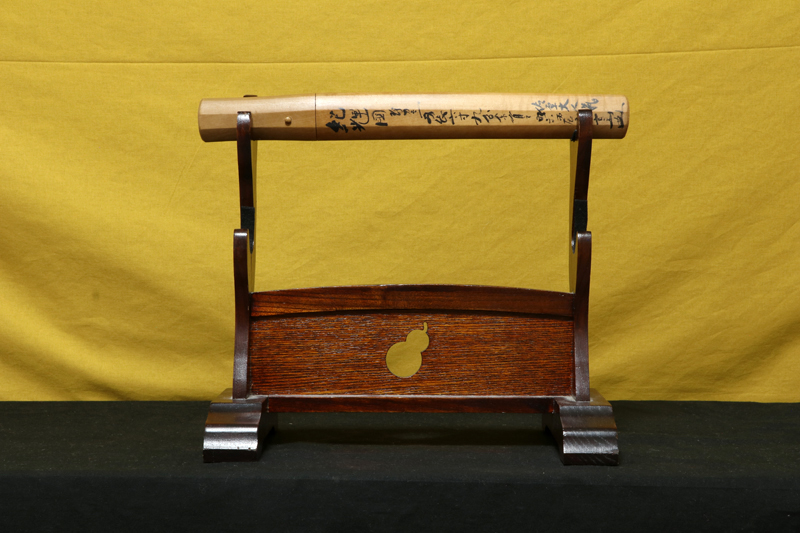
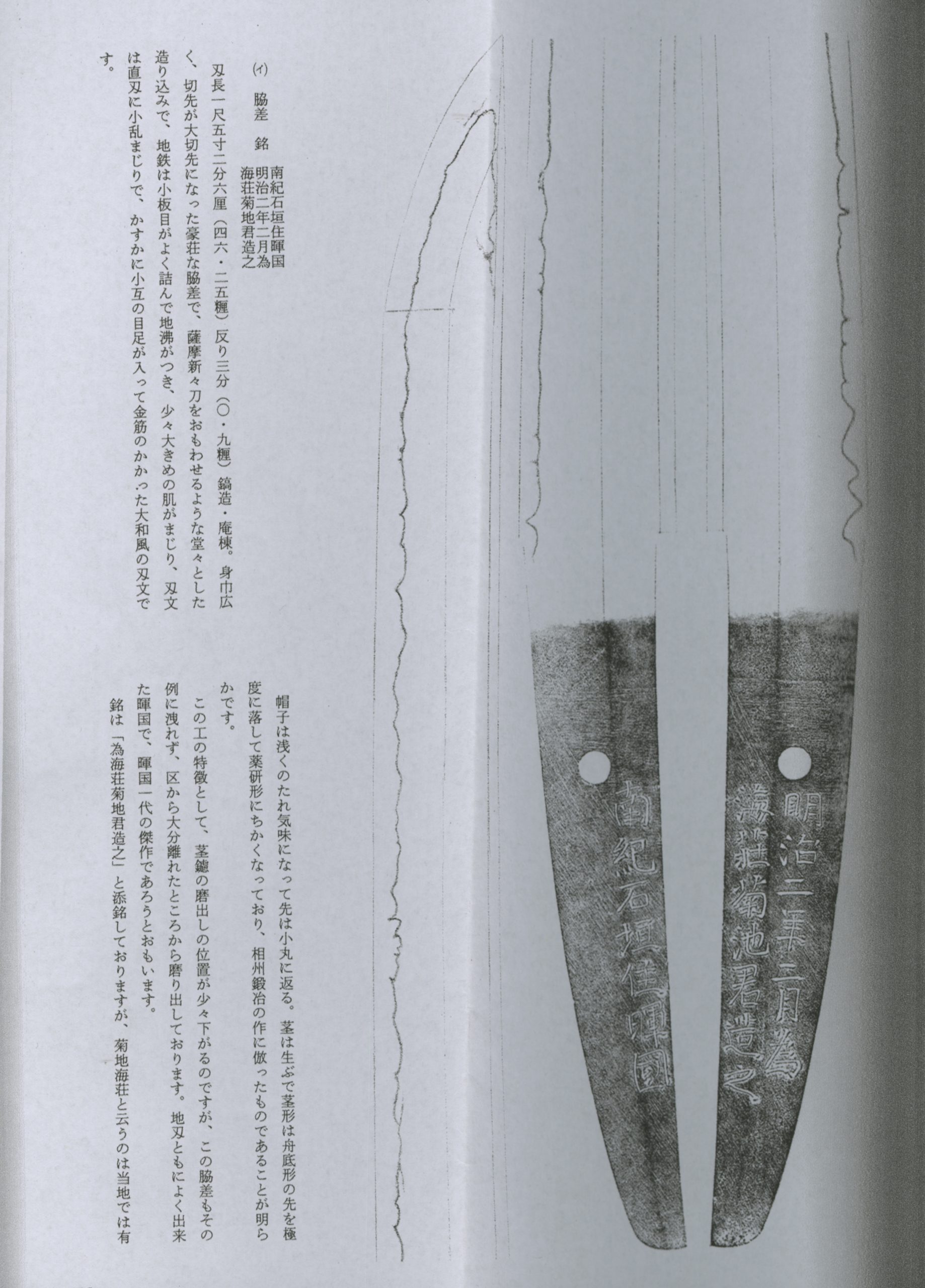
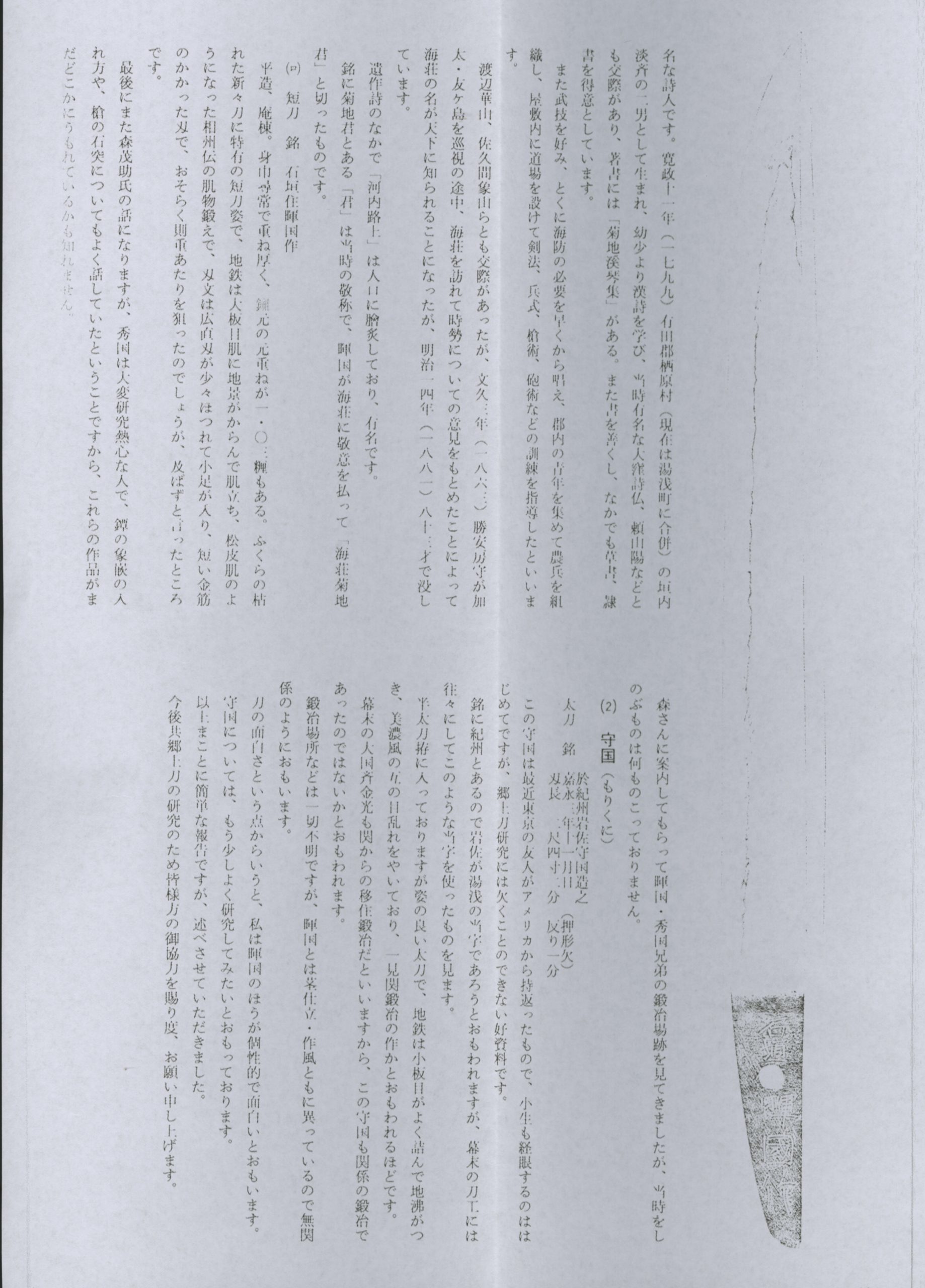
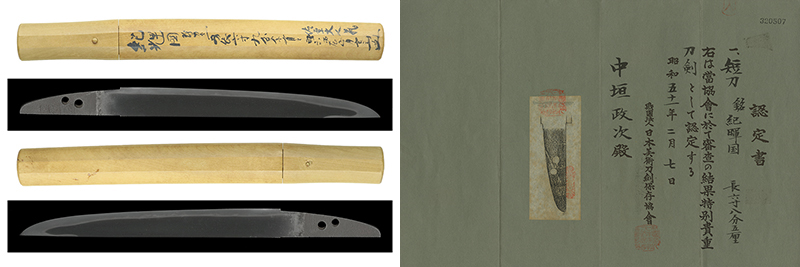
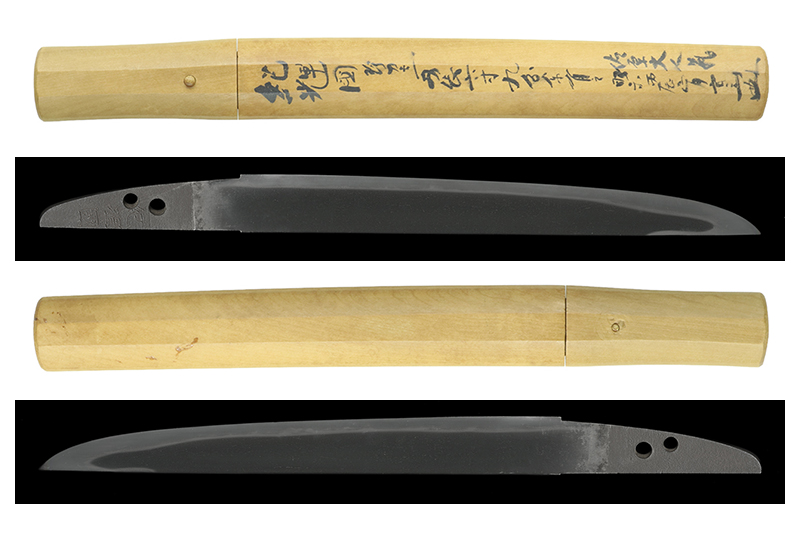
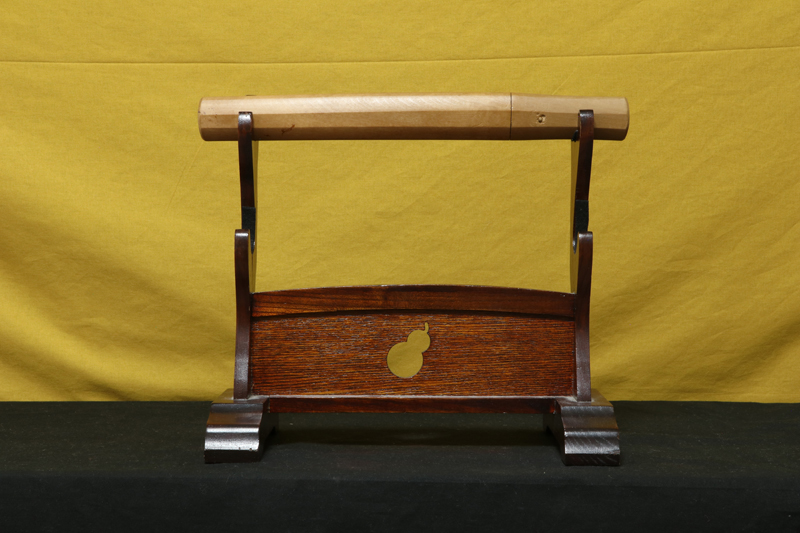
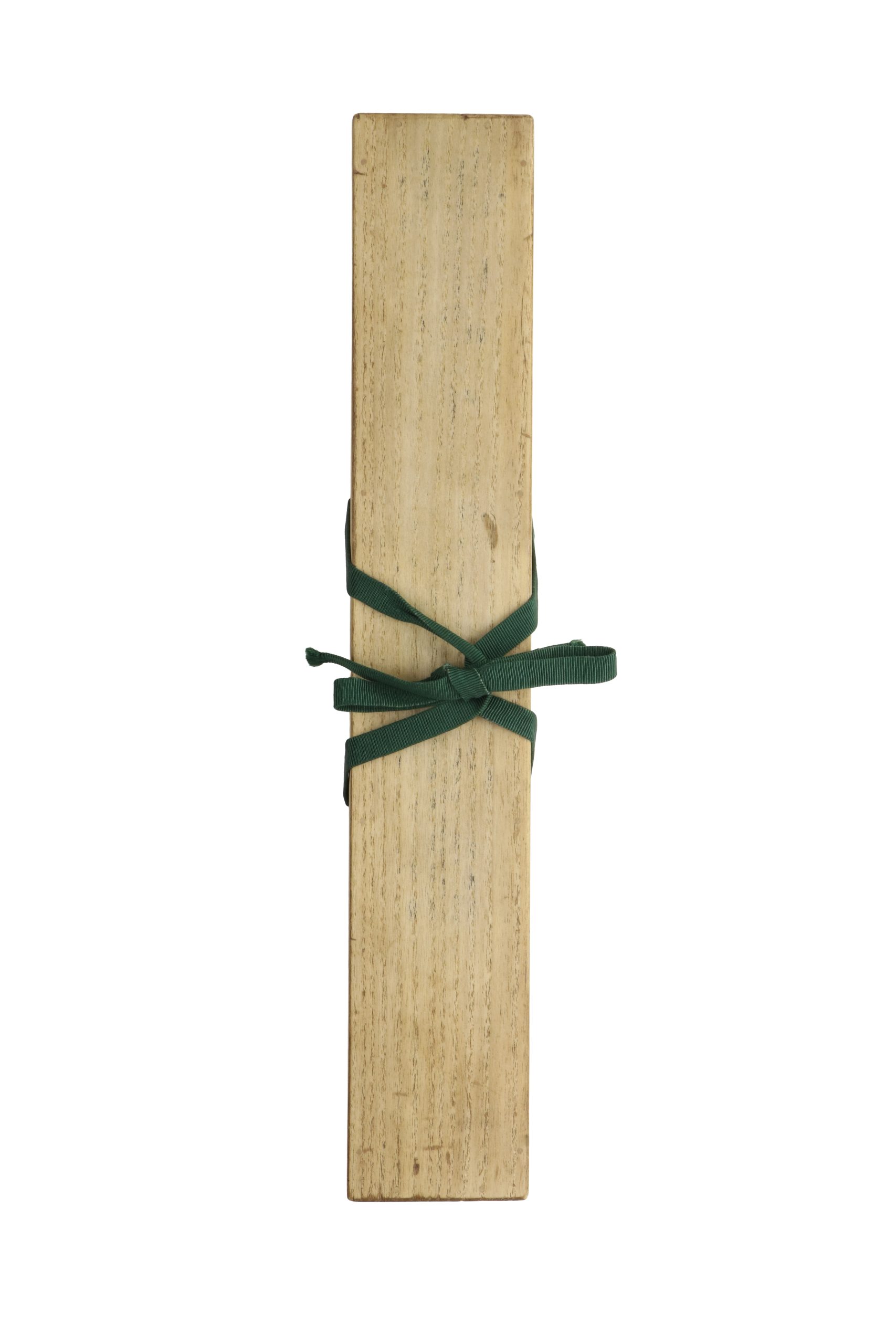
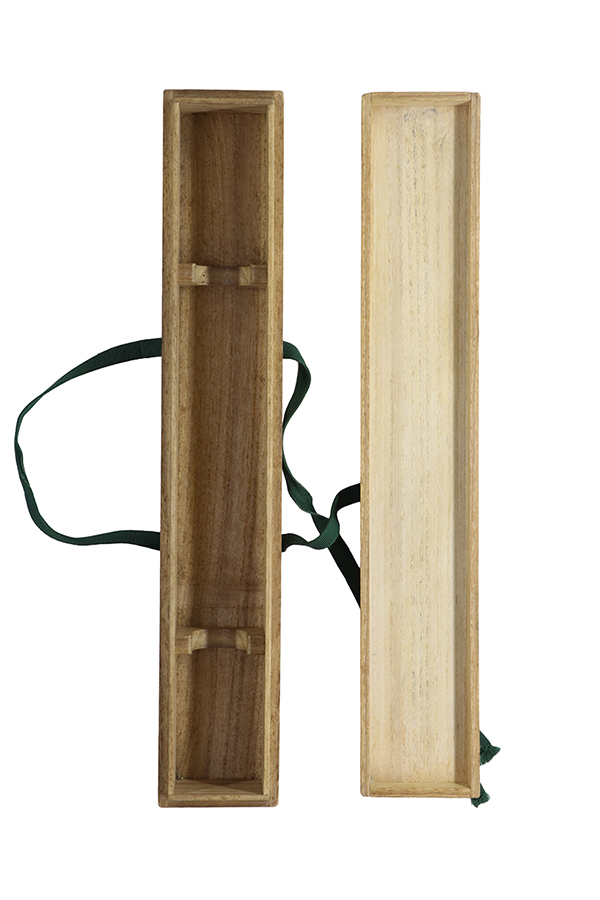
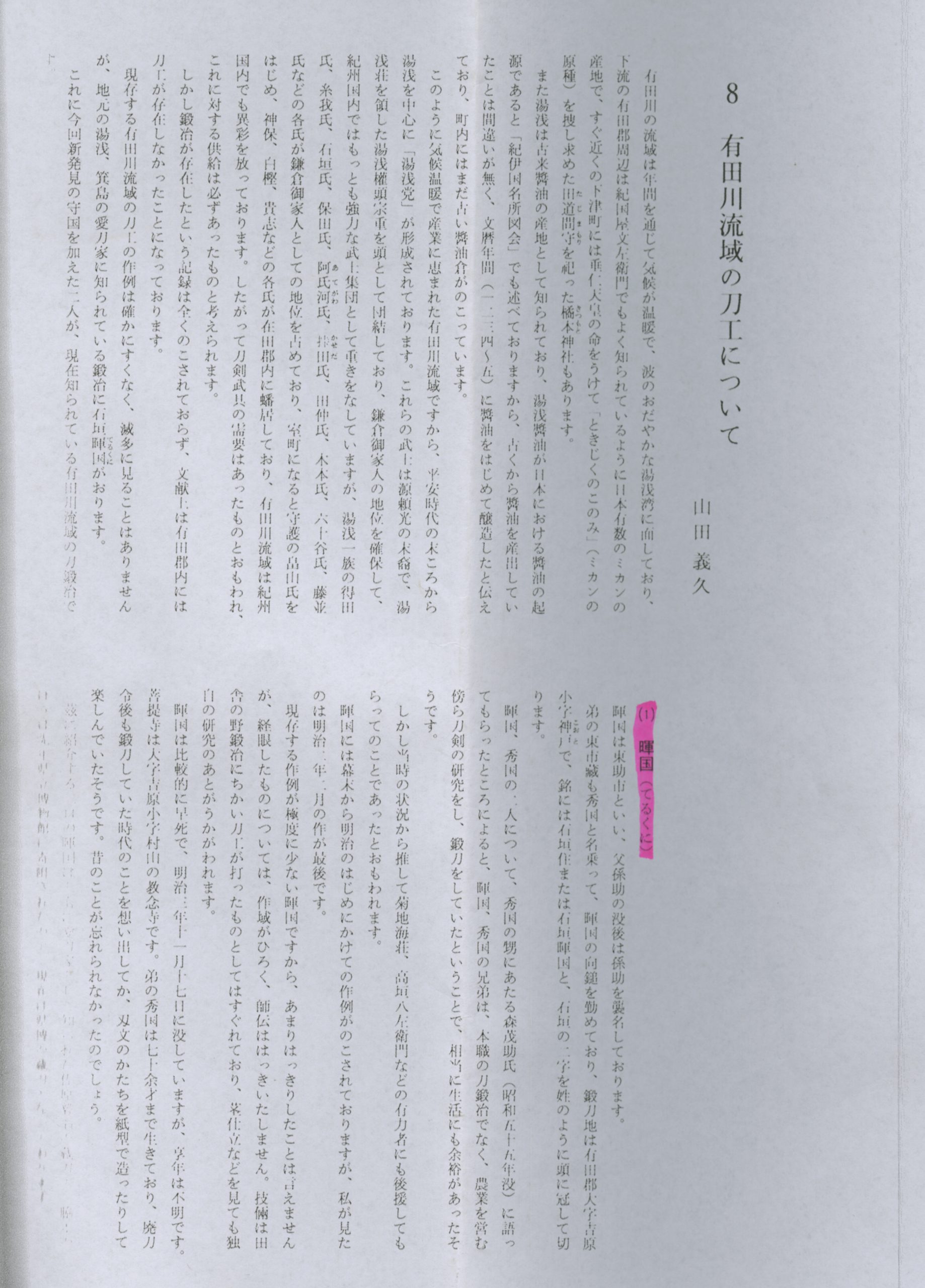
This is a tanto by Ki Terukuni, whose real name was Azuma Sukeichi, a smith from Kii Province active in the late Edo period. It features a tightly forged ko-itame hada and a chu-suguha hamon in ko-nie-deki. This rare and valuable blade, acquired from a local collector, is accompanied by a Tokubetsu Kicho Token certificate.
 NihontoWatch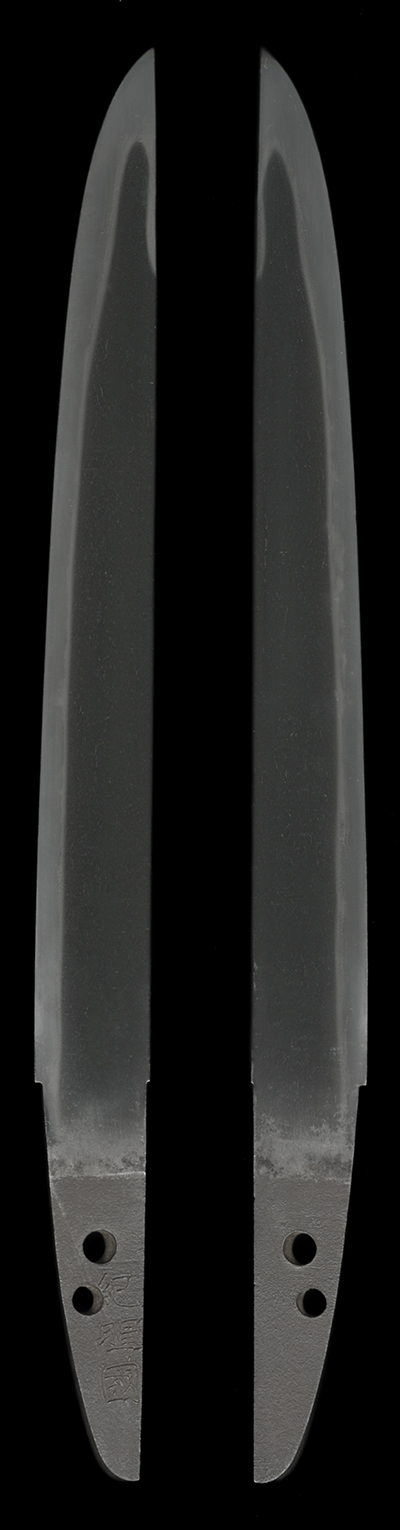
The Shinshintō revival
Around 1800 Suishinshi Masahide argued in his writings that the craft must return to the old masters’ methods: the fukkotō revival. His greatest successor Naotane worked convincingly in Bizen and Sōshū manners that had been dead for centuries.
Three-day cooling-off period from receipt for refund or exchange. Return shipping and transfer fees are customer responsibility. Items showing use or condition changes are non-returnable.
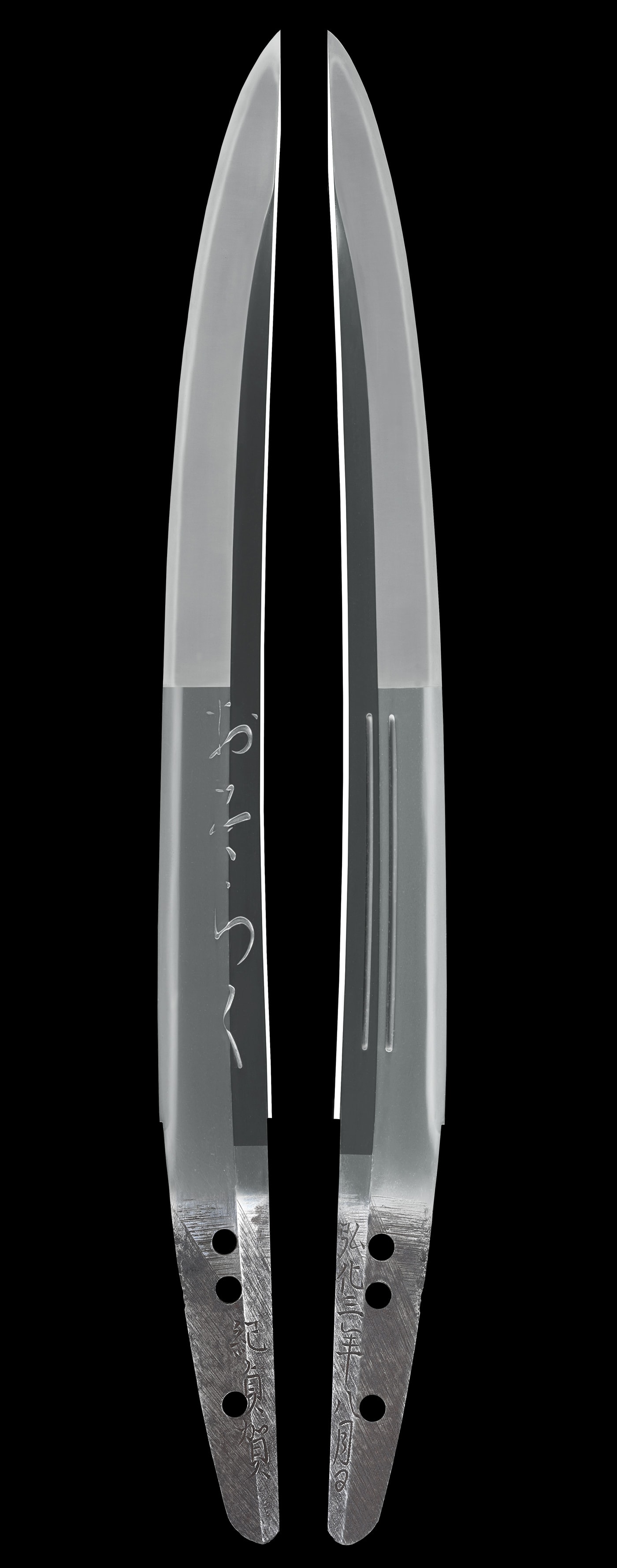

This is a tanto by Ki Terukuni, whose real name was Azuma Sukeichi, a smith from Kii Province active in the late Edo period. It features a tightly forged ko-itame hada and a chu-suguha hamon in ko-nie-deki. This rare and valuable blade, acquired from a local collector, is accompanied by a Tokubetsu Kicho Token certificate.
NihontoWatchThe Shinshintō revival
Around 1800 Suishinshi Masahide argued in his writings that the craft must return to the old masters’ methods: the fukkotō revival. His greatest successor Naotane worked convincingly in Bizen and Sōshū manners that had been dead for centuries.
Three-day cooling-off period from receipt for refund or exchange. Return shipping and transfer fees are customer responsibility. Items showing use or condition changes are non-returnable.