 NihontoWatchNihontoWatch
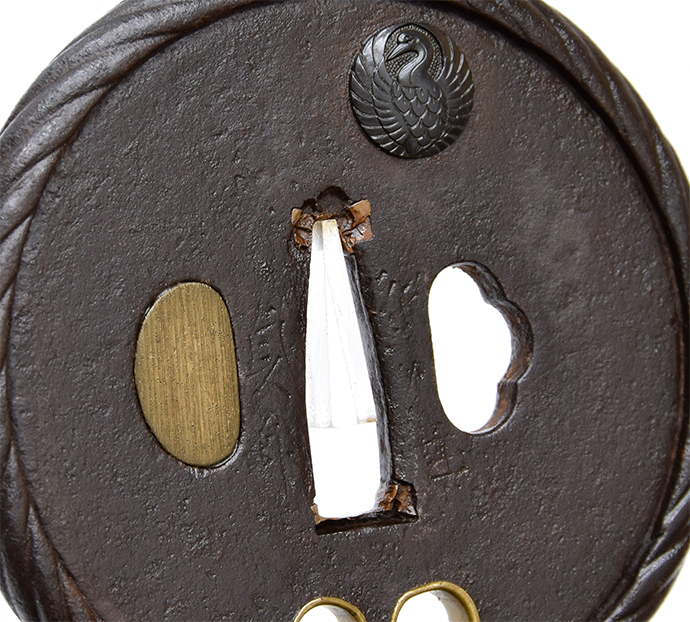
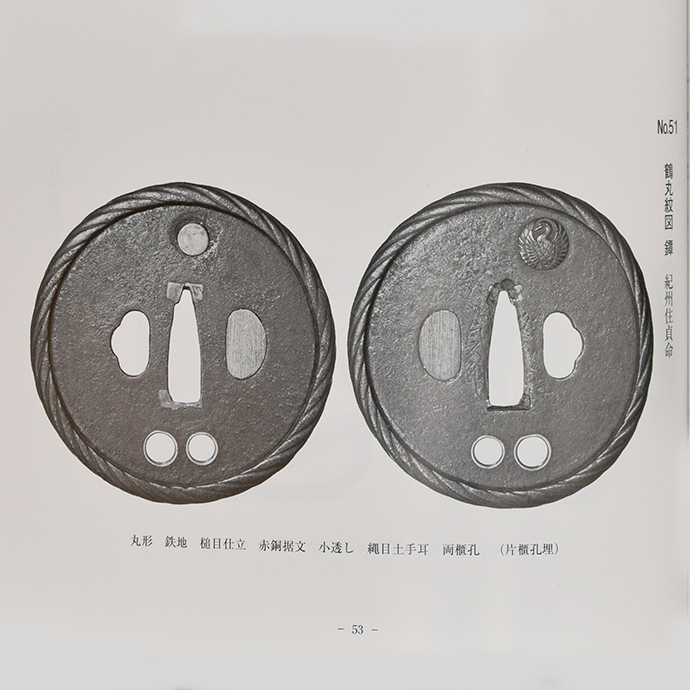
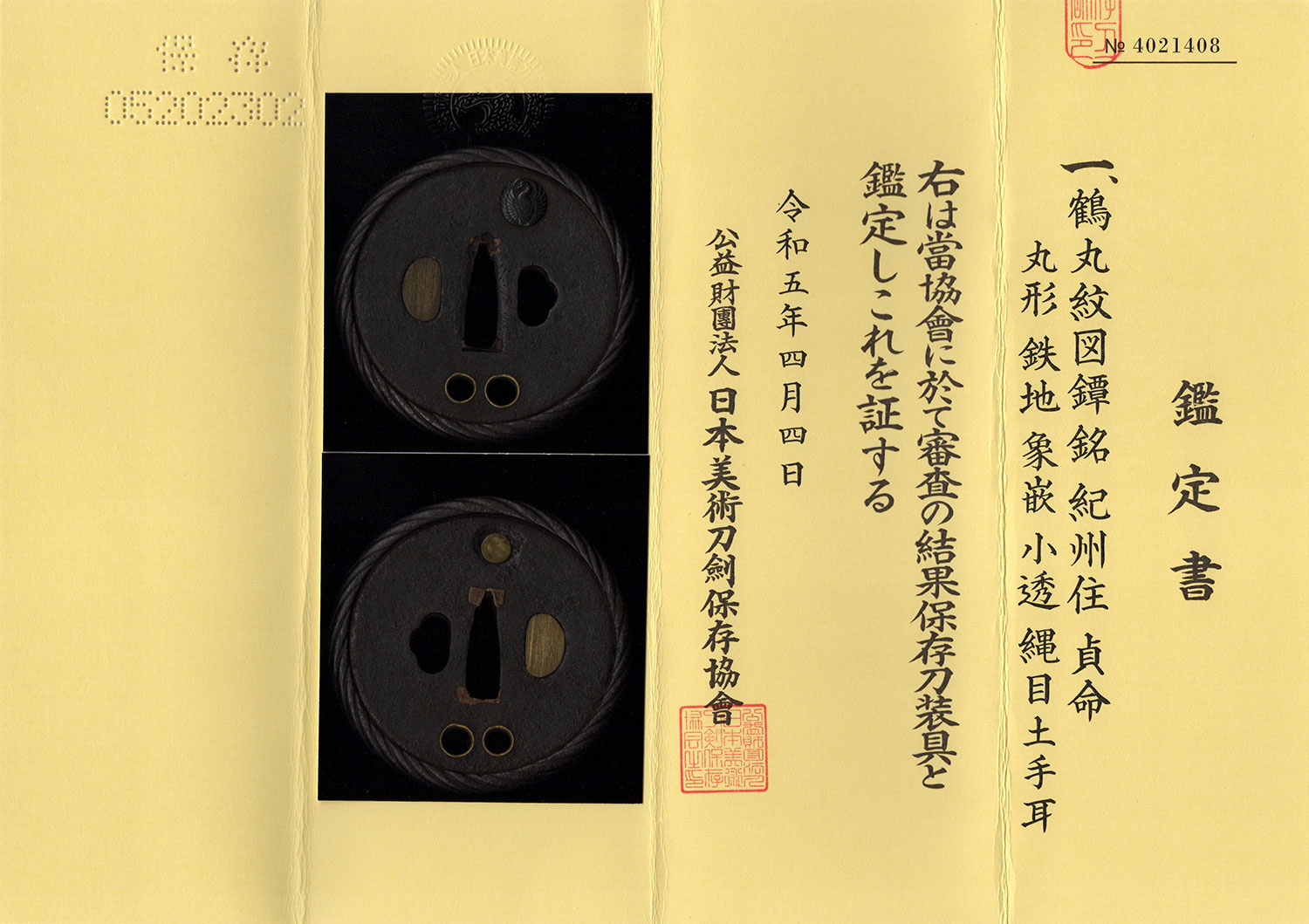
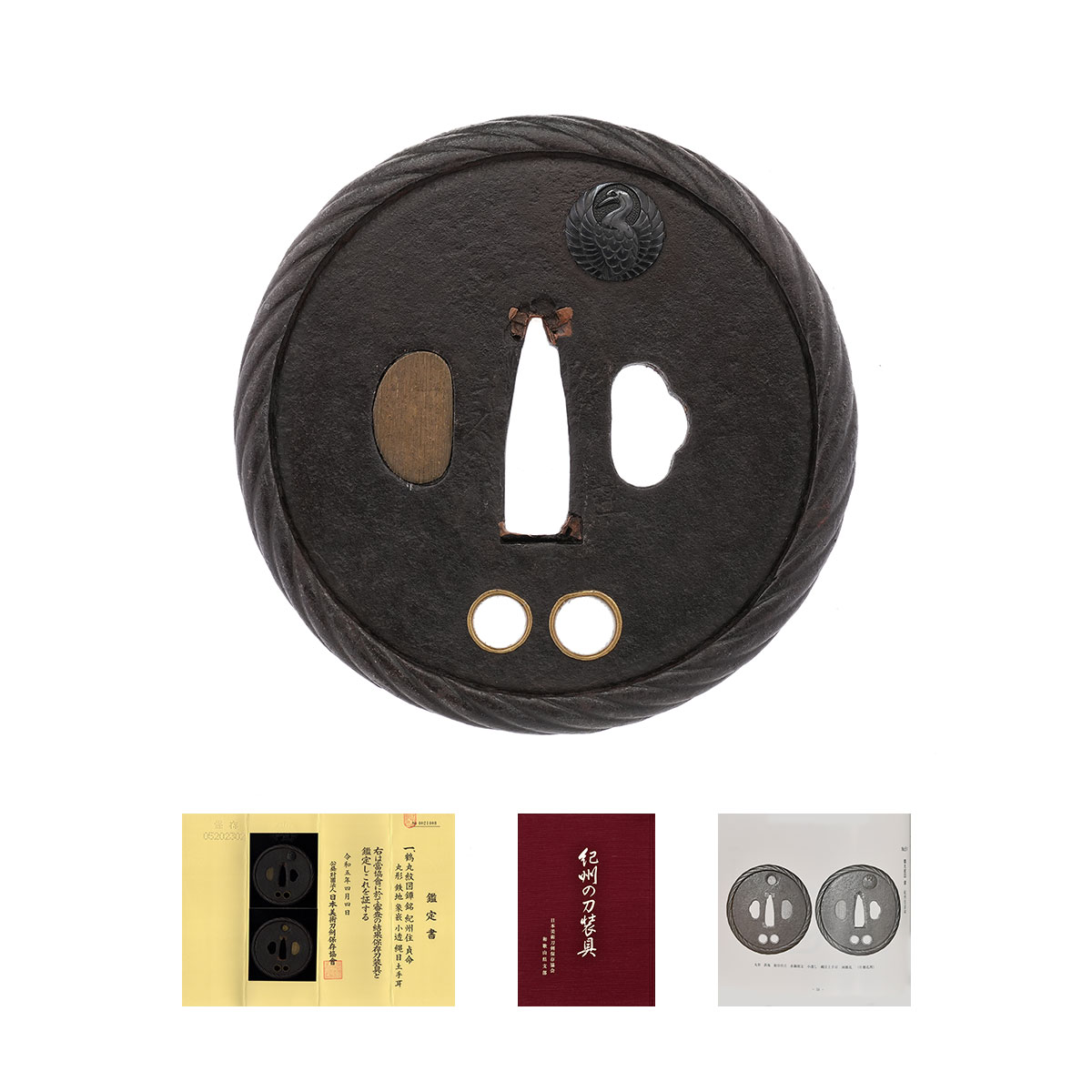
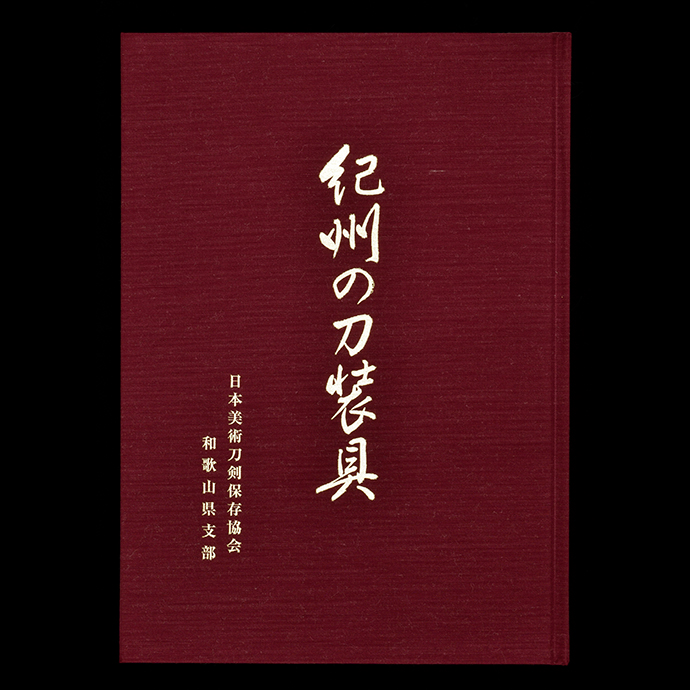
Length 84.7 mm, Width 84.9 mm, Seppa-dai thickness 4.9 mm, Mimi thickness 8.6 mm, Weight 214.4 grams Sadanobu is one of the representative tsuba smiths of Kishu, and is also said to be a pupil of Hoan; while basing his work on the robust tetsu-ji modeling common to Owari tsuba, he left behind highly individual works incorporating sukashi and zogan, and this work, which bears the mei "Kishu-ju Sadanobu", clearly displays those characteristics in its heavy ji-tetsu and bold mimi treatment. The composition features a large maru-gata tetsu-ji measuring 84.7 mm in length and 84.9 mm in width finished with tsuchime, with the mimi powerfully encircled as a nawame dote-mimi with a thickness of 8.6 mm; the thickly twisted nawame tightens the blackish-brown ji-tetsu and, combined with the sense of volume from the 214.4 gram weight, creates a robust and imposing dignity characteristic of Kishu tsuba. A shakudo tsurumaru-mon is placed on the tsuba surface, representing the figure of a crane with its neck turned while spreading its wings wide, shown three-dimensionally with feathers carefully carved one by one; the deep blackish-purple of the shakudo rising from the blackish-brown tetsu-ji adds a refined splendor and prestige to the rugged construction. The crane is an auspicious bird symbolizing longevity and prosperity, and the tsurumaru-mon, which fits the wings and neck into a circular shape, also embodies prayers for harmony and eternity. The ji is provided with ko-sukashi and both hitsu-ana, with one of them plugged, and brass fukurin are placed around two tenuki-no-o-ana pierced at the bottom; together with the round golden suemon placed in different positions on the front and back, these provide clear color and balance within the quiet tetsu-ji, and the presence of suaka sekigane in the nakago-ana conveys its reliable preparation as a tsuba actually used for koshirae. The powerful undulations of the nawame dote-mimi, the calm expression of the tsuchime-ji, and the warm tones of the shakudo tsurumaru-mon and brass resonate within a concise composition; while possessing large dimensions and a rich sense of volume, the design maintains dignity. It is published on page 53 of "Kishu no Tosogu" issued by the Nihon Bijutsu Token Hozon Kyokai Wakayama Prefecture Branch, and further possesses a Hozon Tosogu Kanteisho by the Nihon Bijutsu Token Hozon Kyokai, making it a piece with excellent scholarly value that conveys the style of Kishu tsuba and Sadanobu. *The pictured "Kishu no Tosogu" is a reference material. It is not included with this item.
NihontoWatchOffered by Toushin
5 on the market

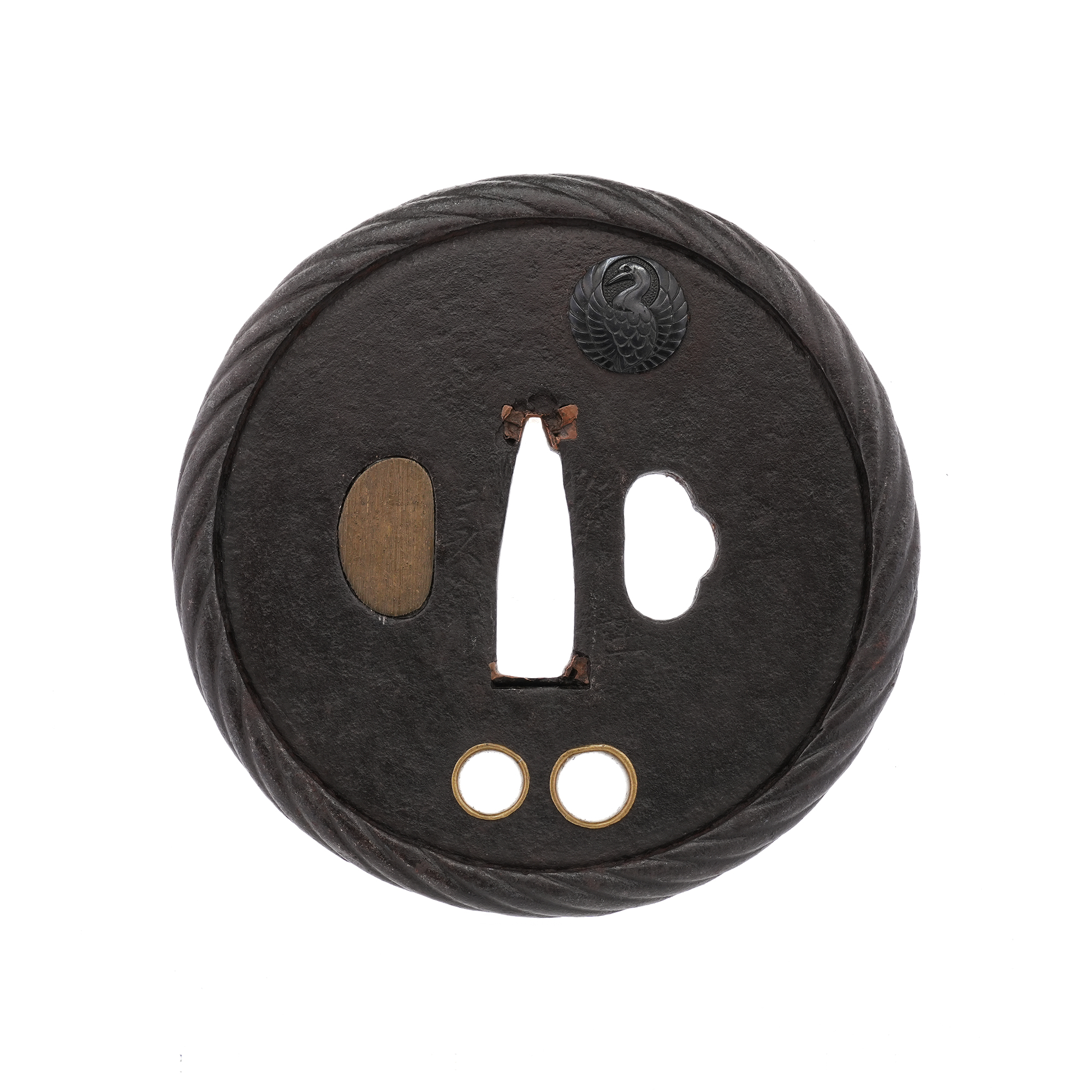
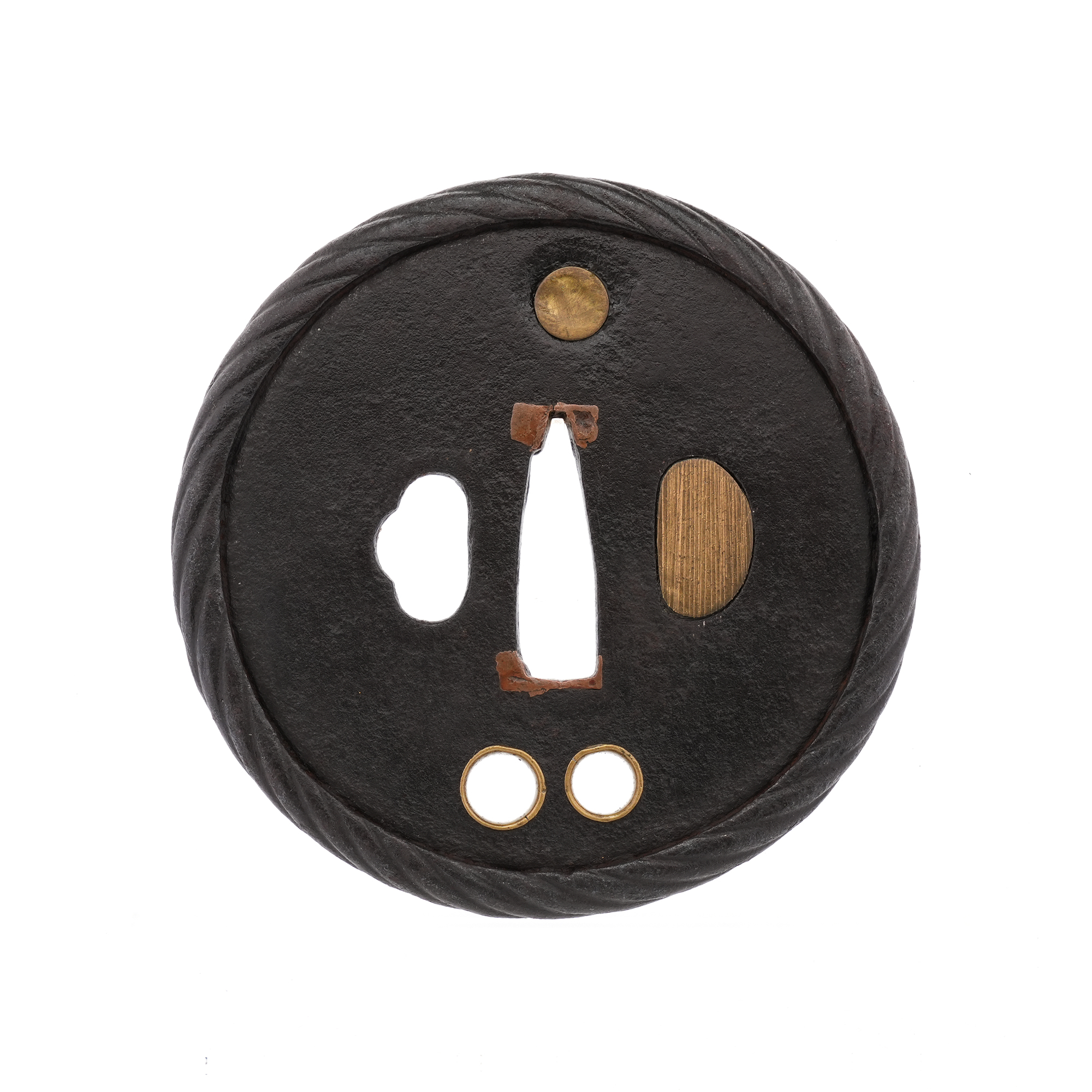
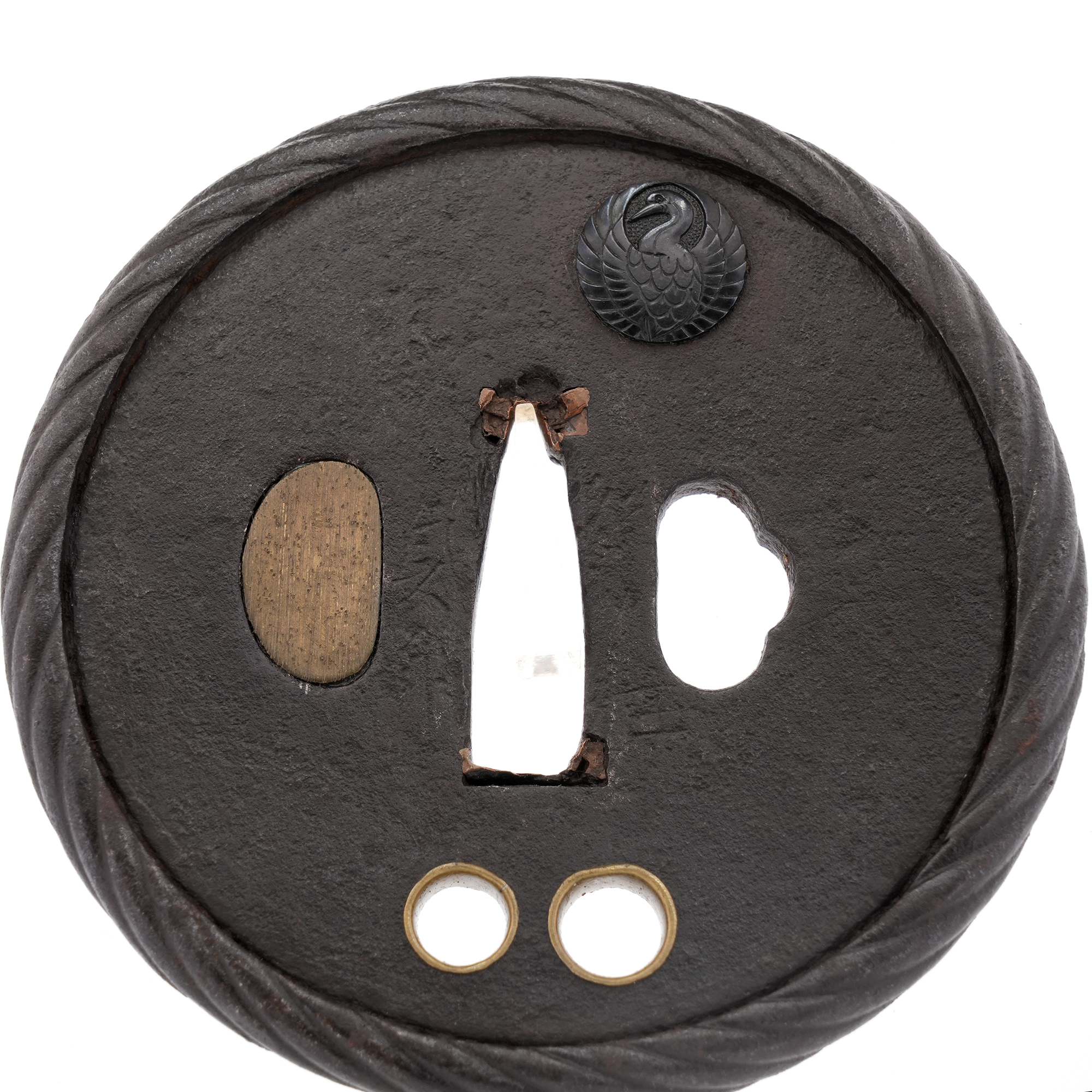
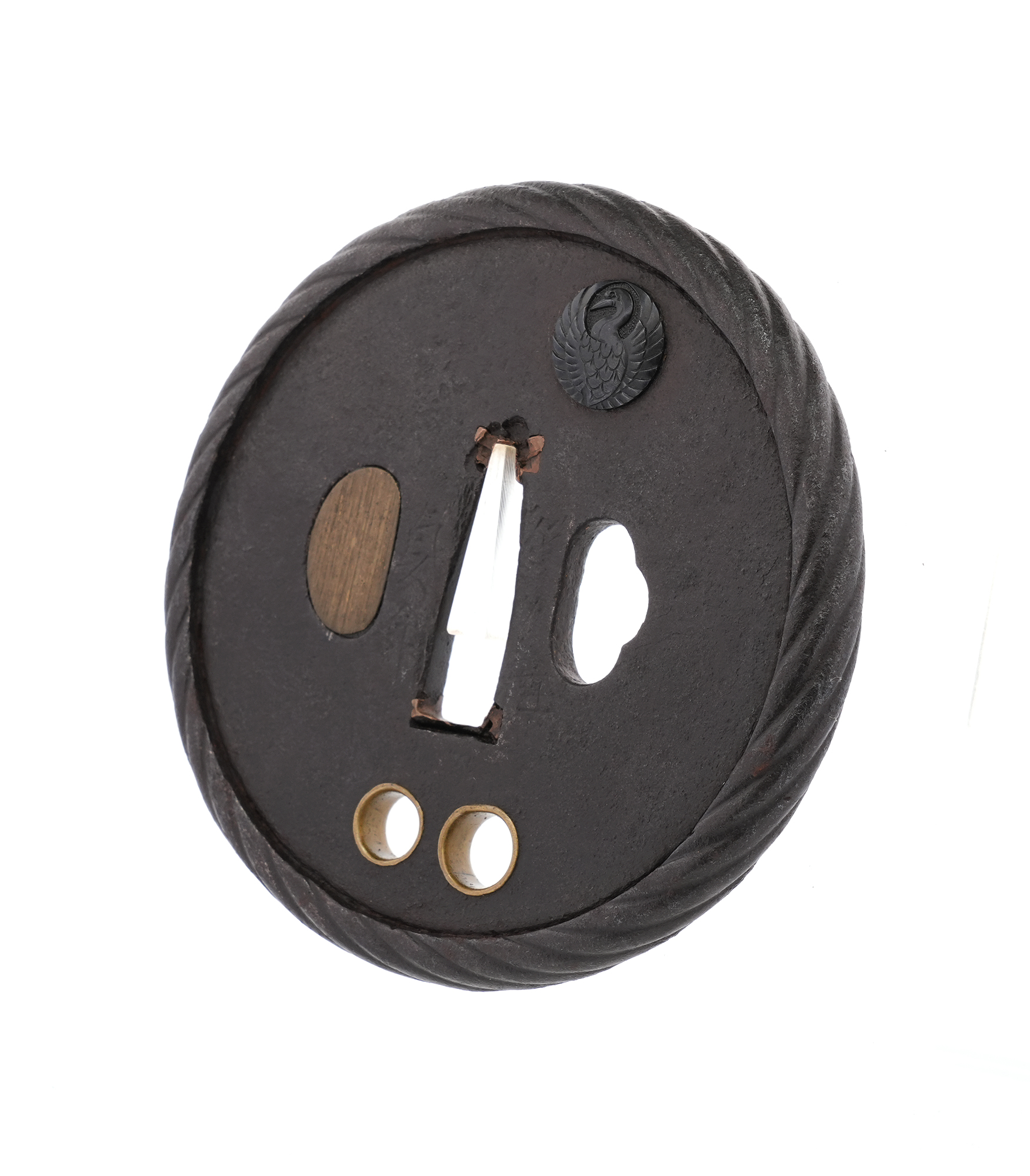
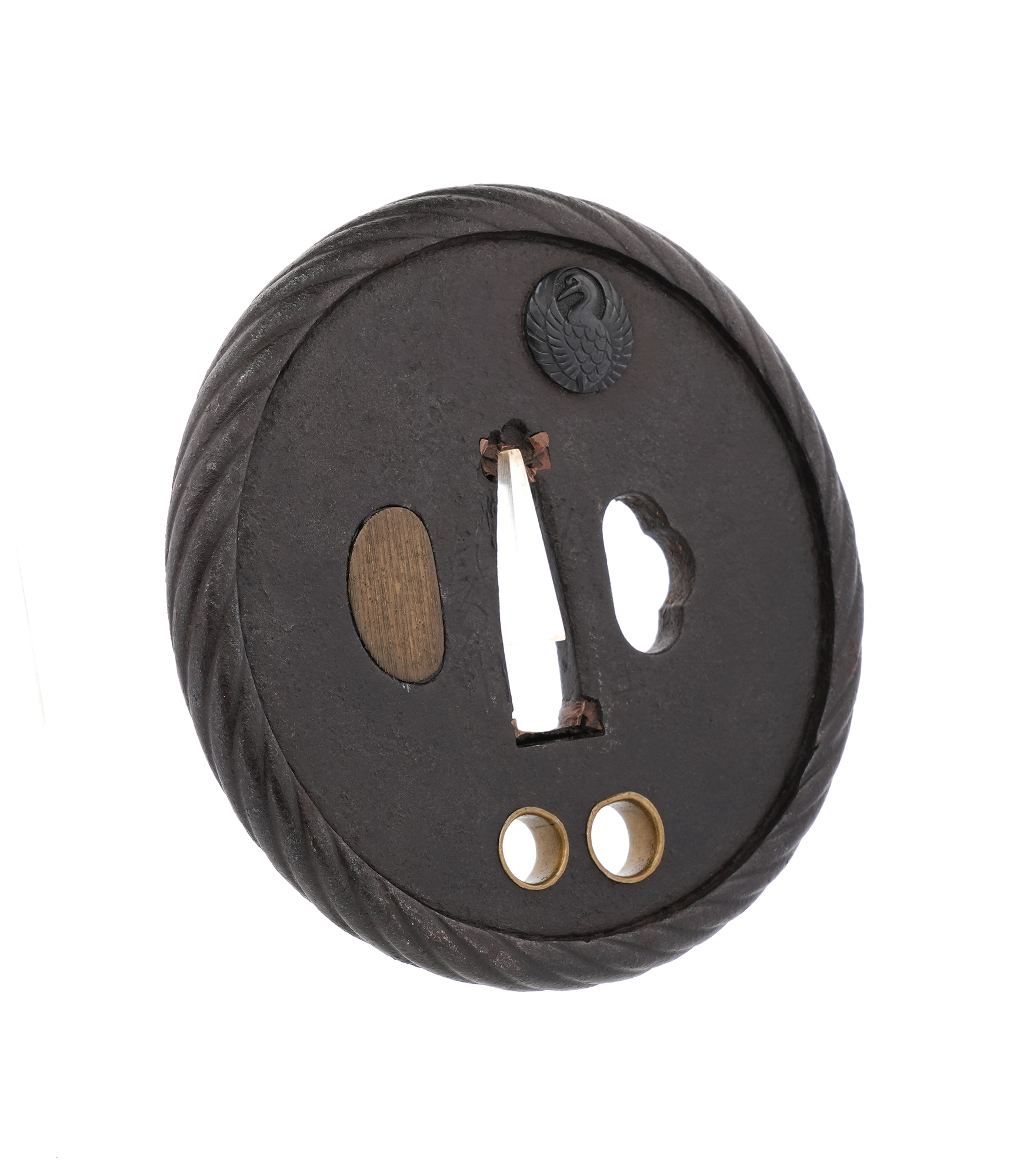
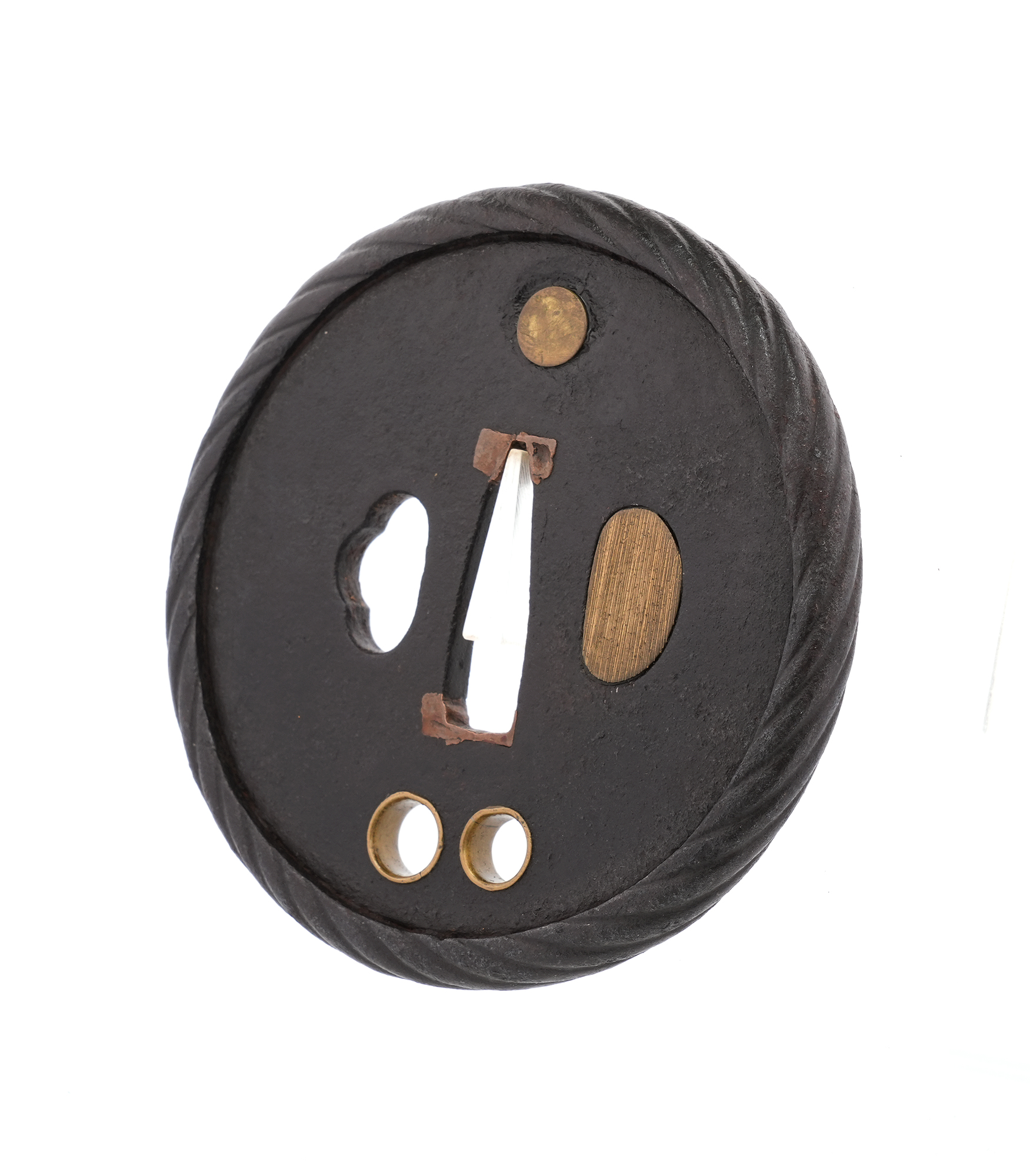
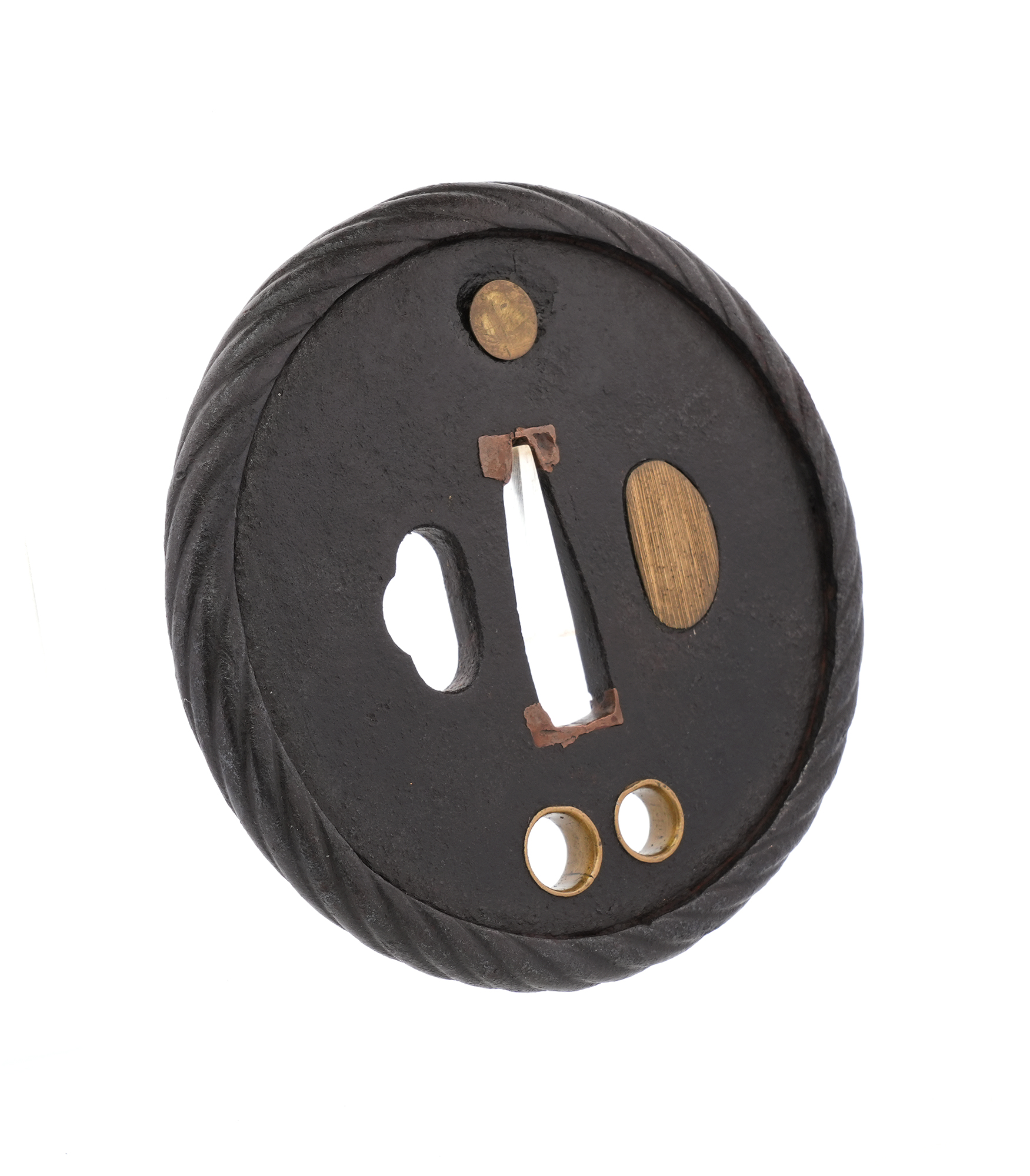
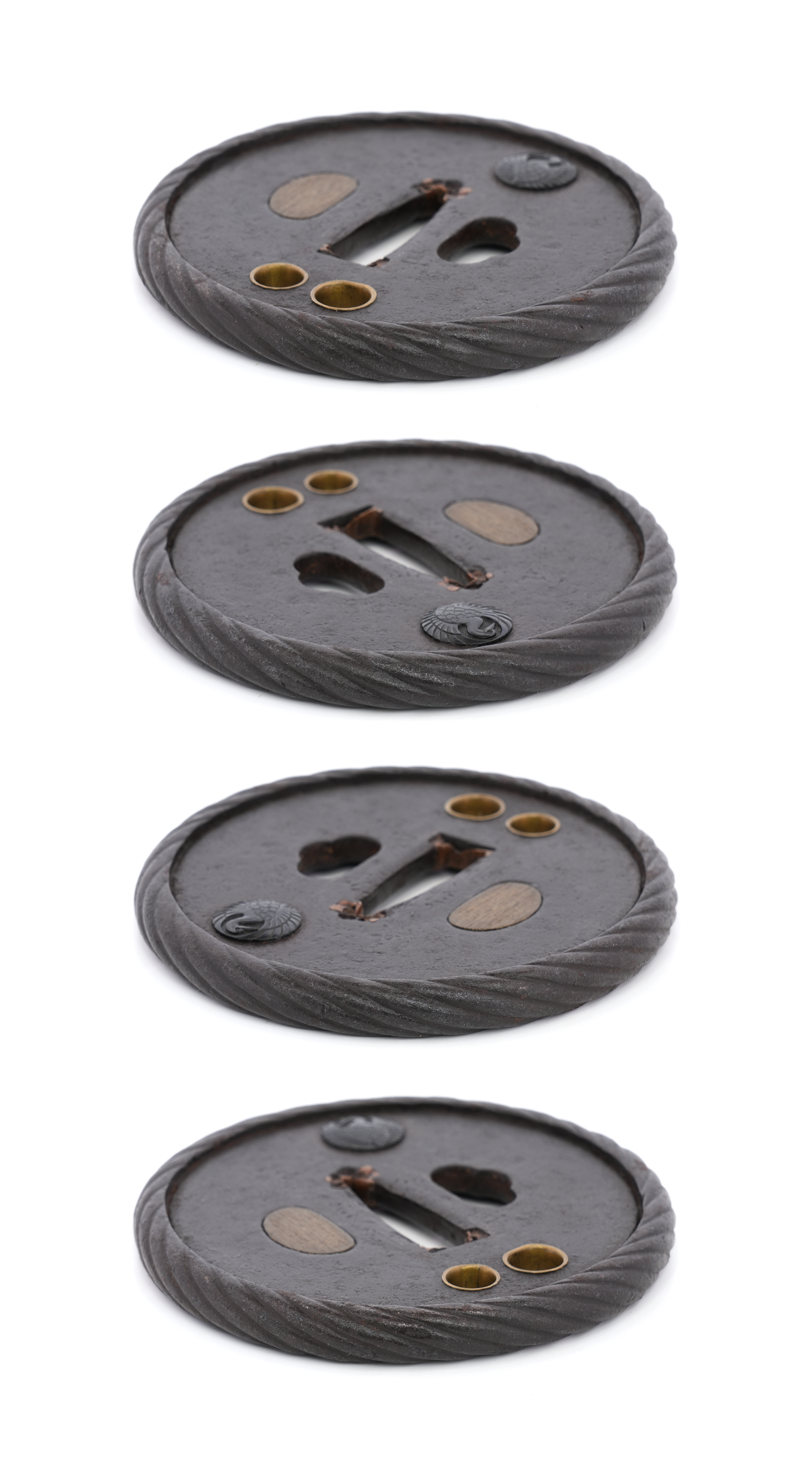
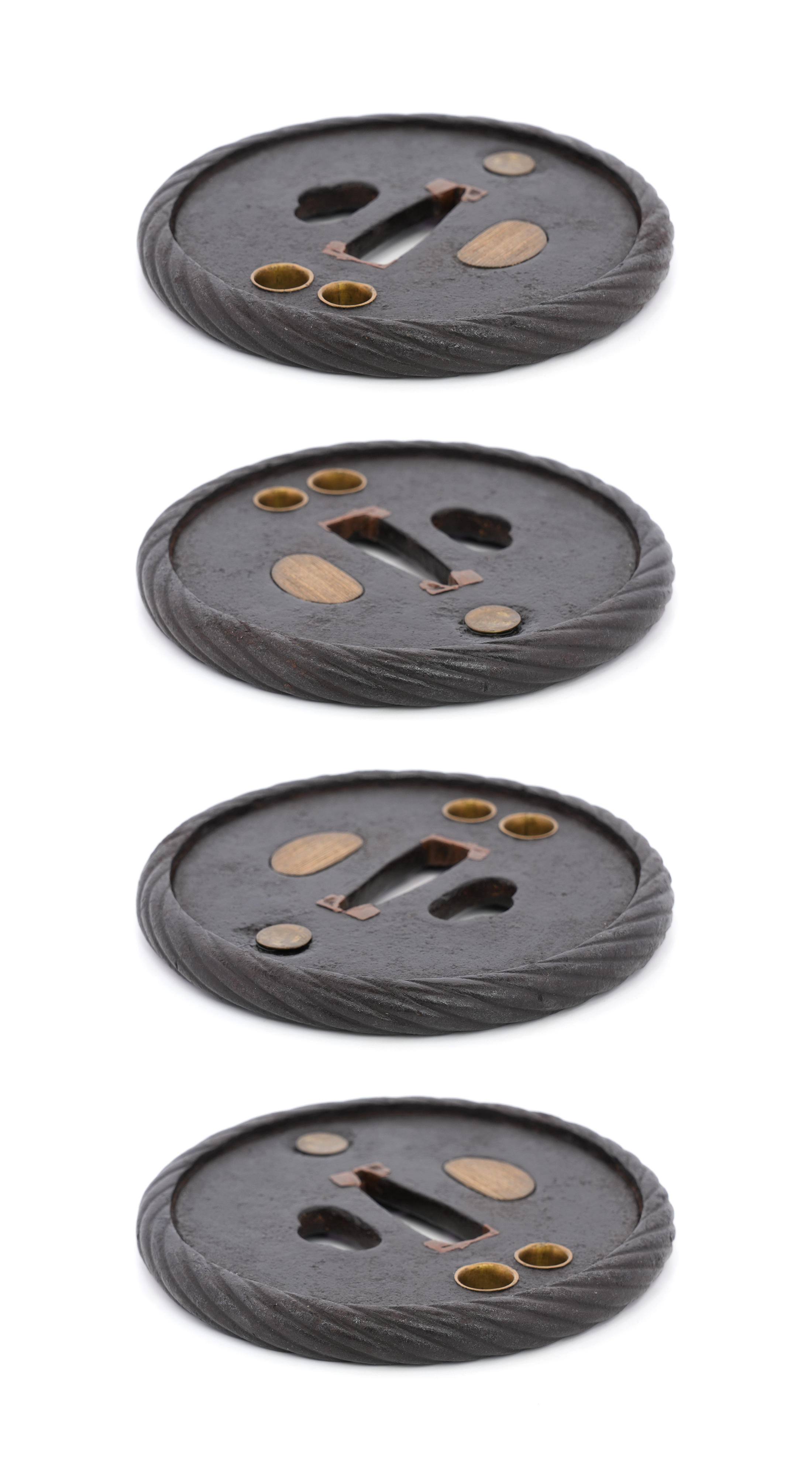
As written by the shop
Machine translation from the shop's Japanese · may contain errors ·
Kii
5 pieces on the market now
Certifies a genuine fitting worth preserving: a correct signature, or, if unsigned, an identifiable era and school, with recognized artistic and craft value.
The NBTHK (Nihon Bijutsu Tōken Hozon Kyōkai, the Society for the Preservation of Japanese Art Swords) is a public-interest incorporated foundation founded in 1948 and supervised by Japan’s Agency for Cultural Affairs (Bunkachō); it is based at the Japanese Sword Museum in Tokyo. Its expert panels physically examine each submitted work (shinsa) and issue a certificate (kanteishō) ranking it by artistic and historical merit. NBTHK papers are the most widely recognized standard of authentication for Japanese swords and fittings.
NBTHK official siteAs a rule we do not accept returns, except when we have sent a different item from the one ordered or when there is a significant discrepancy between the description and the item. If you wish to return an item, please contact us within 3 days of its arrival and then send it back.
¥297,000