Edo was the sword’s age of connoisseurship: the Hon’ami appraisers, the shogunal register of famous blades of 1719, and a thriving literature turned the sword into an object of study even as it ceased to be drawn in war.
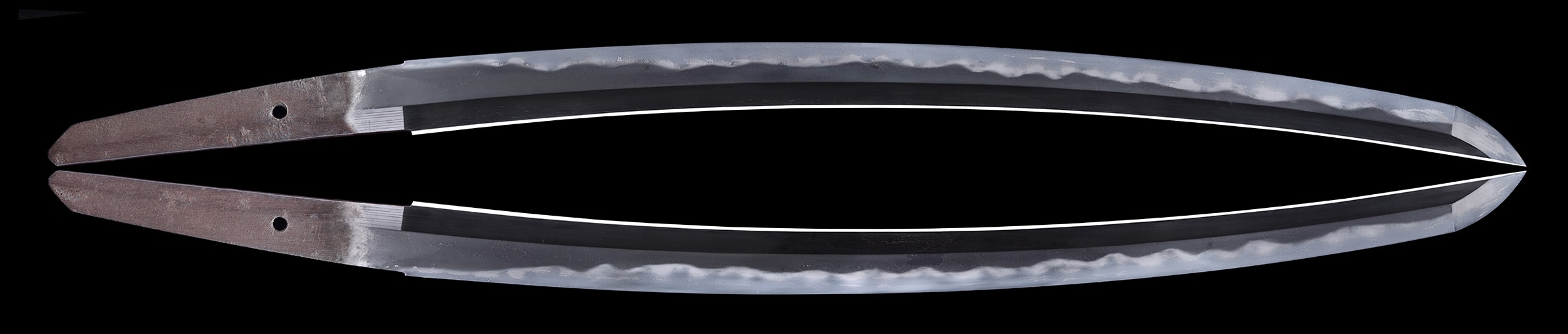
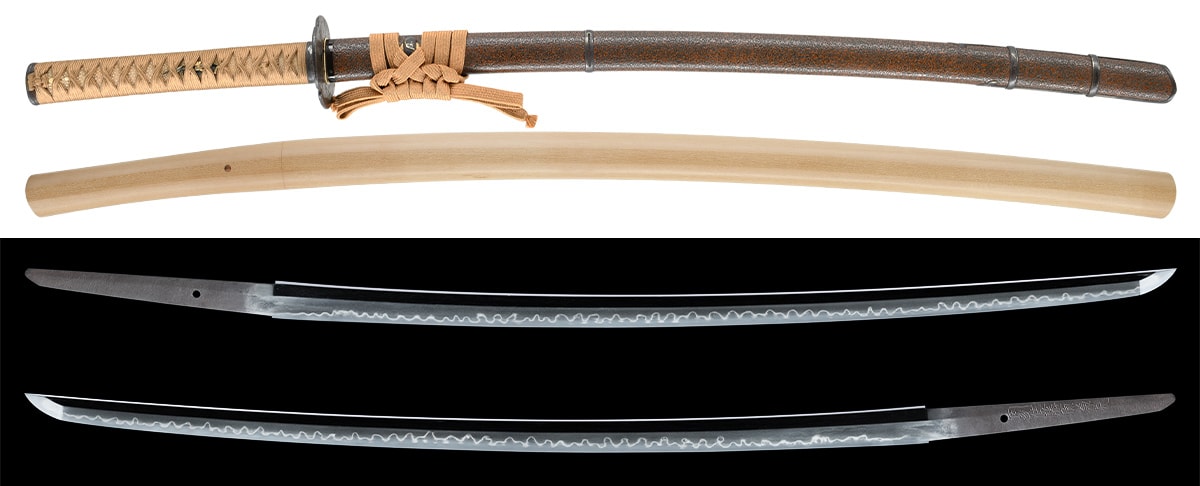
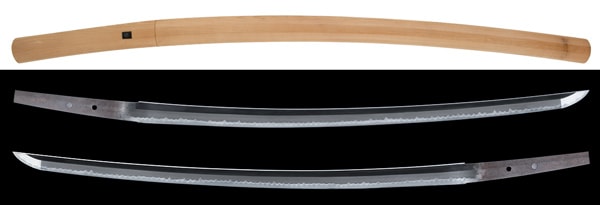
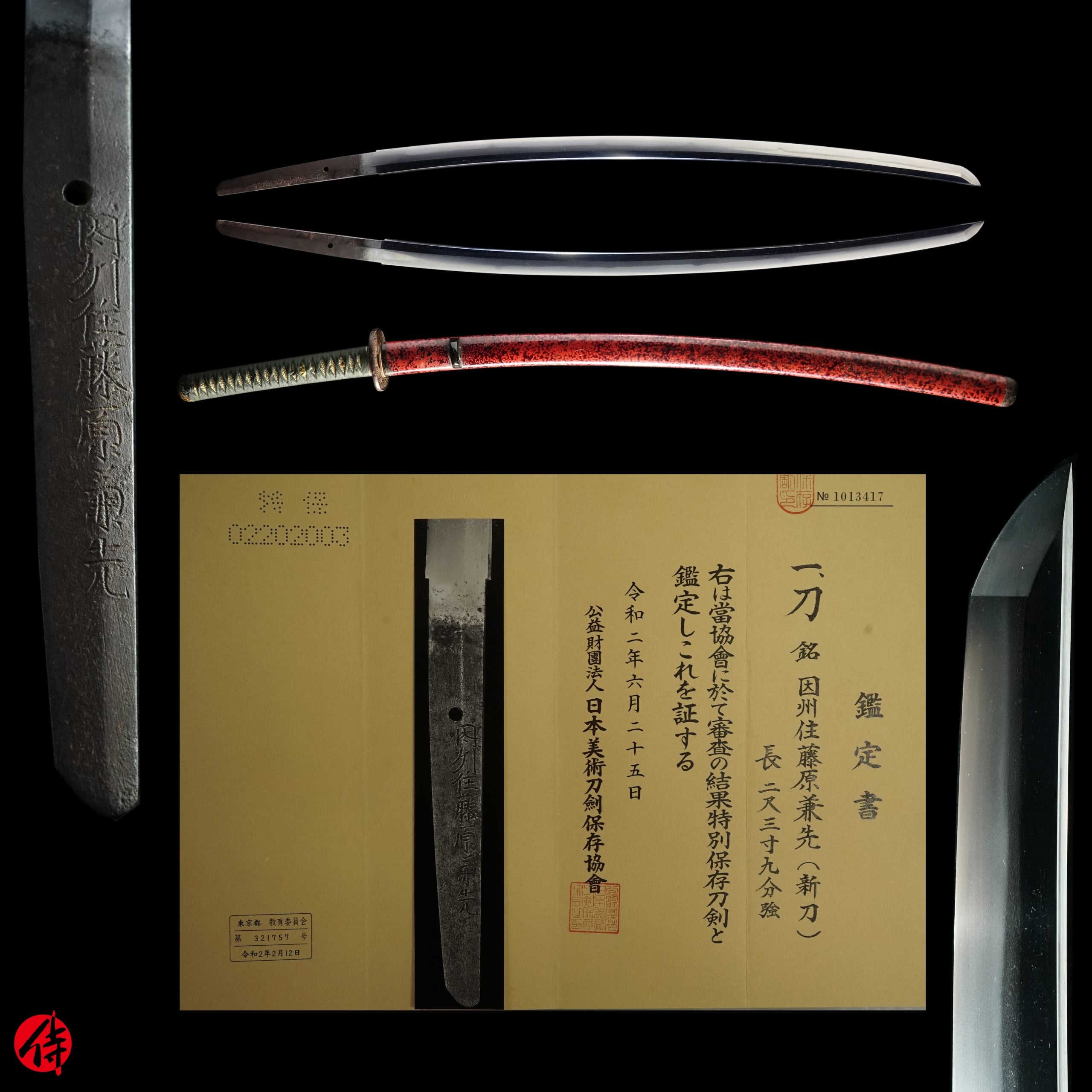
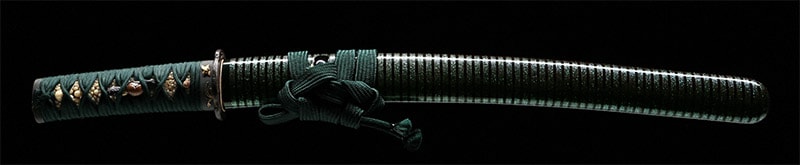
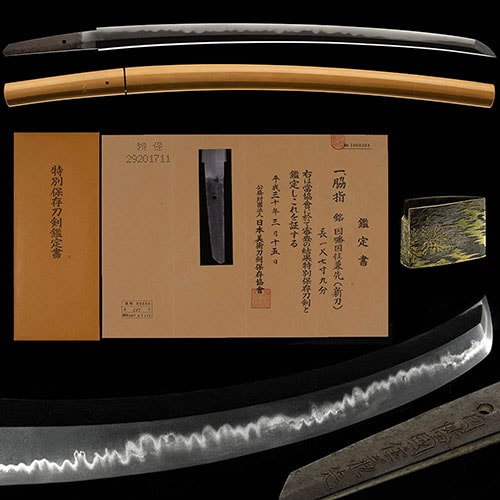
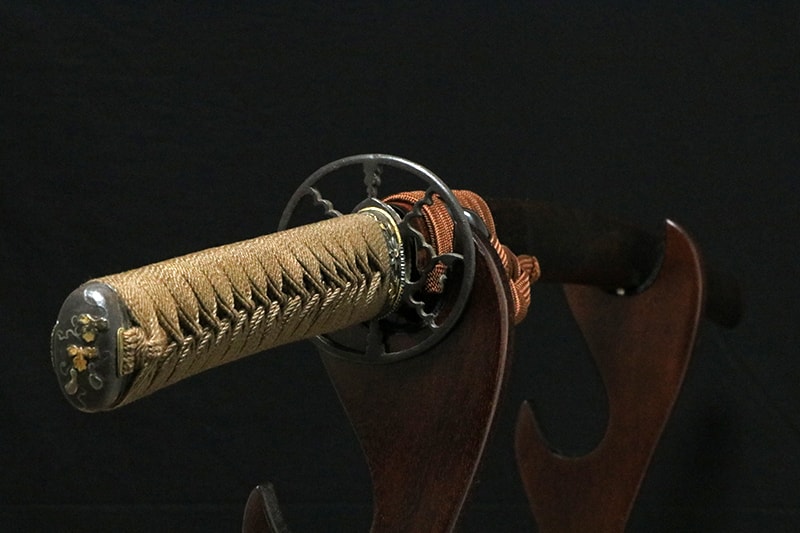
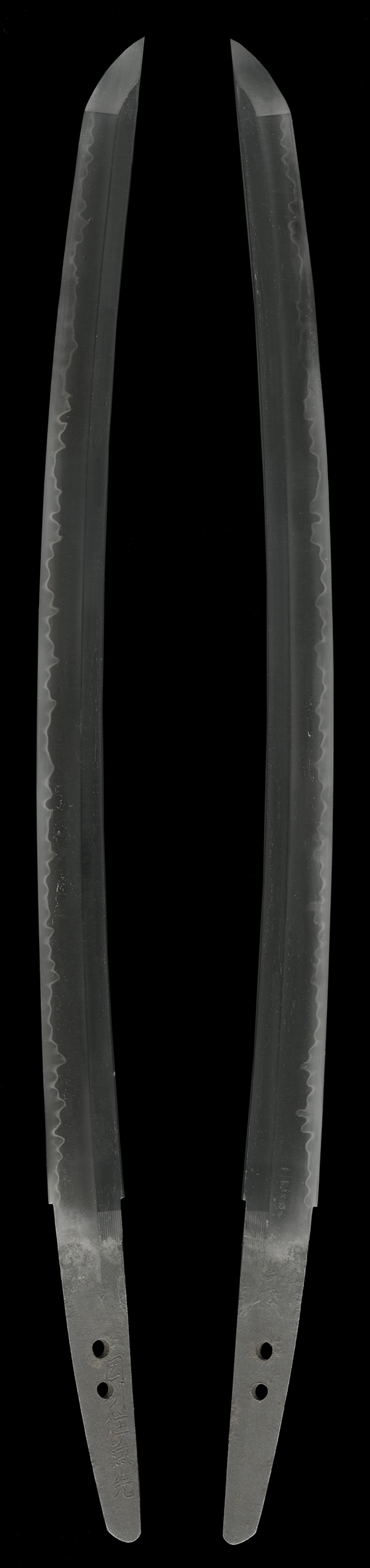
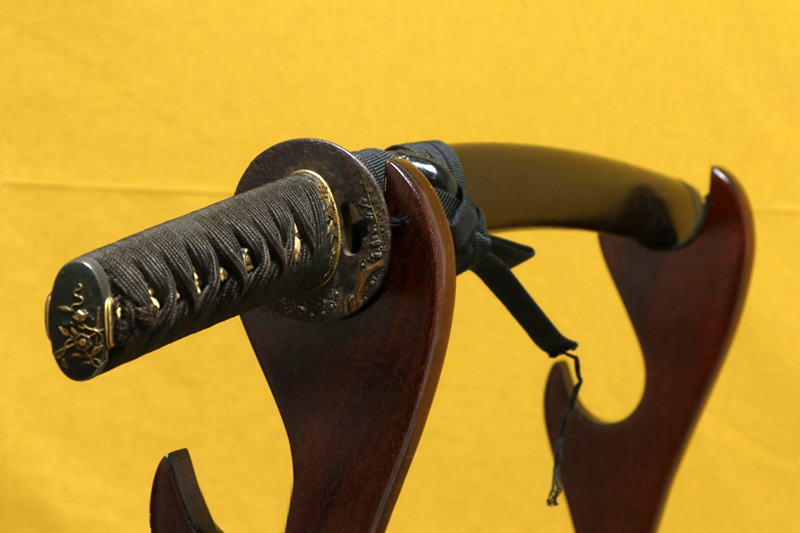
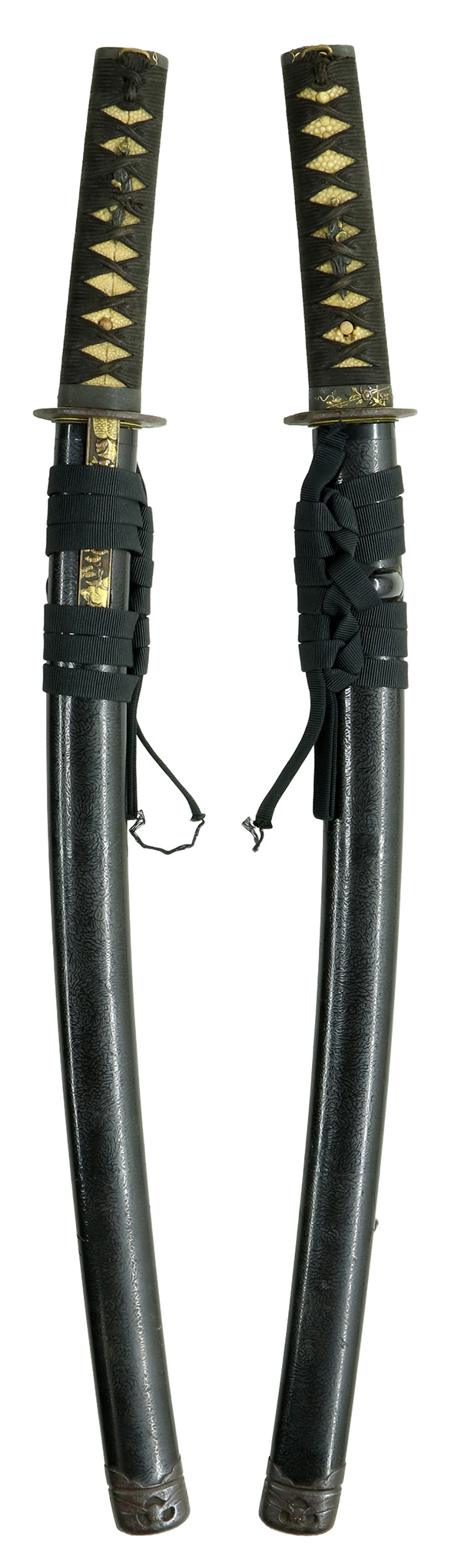
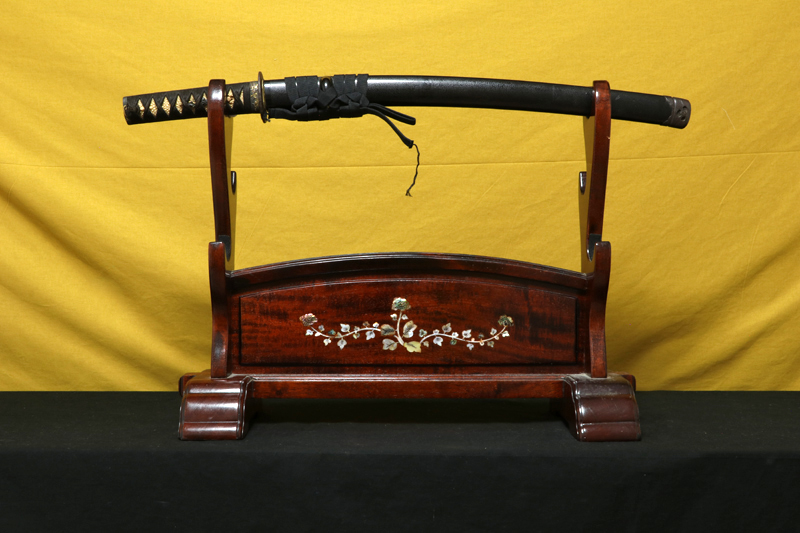
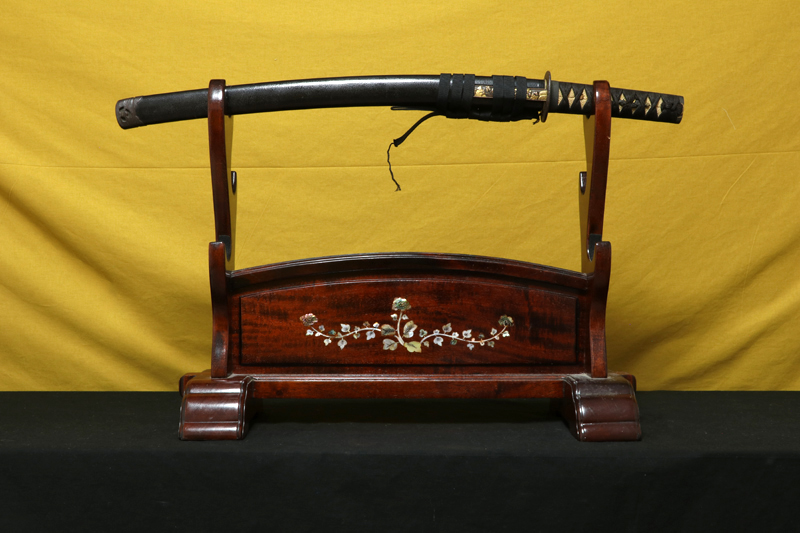
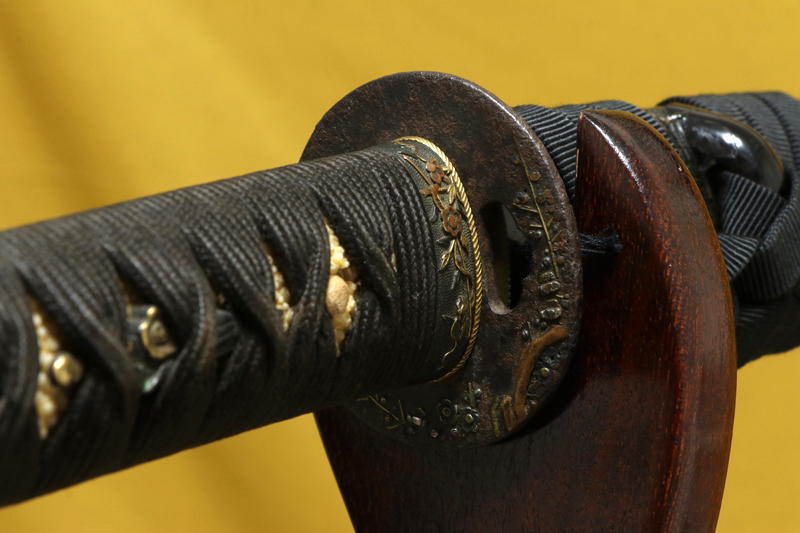
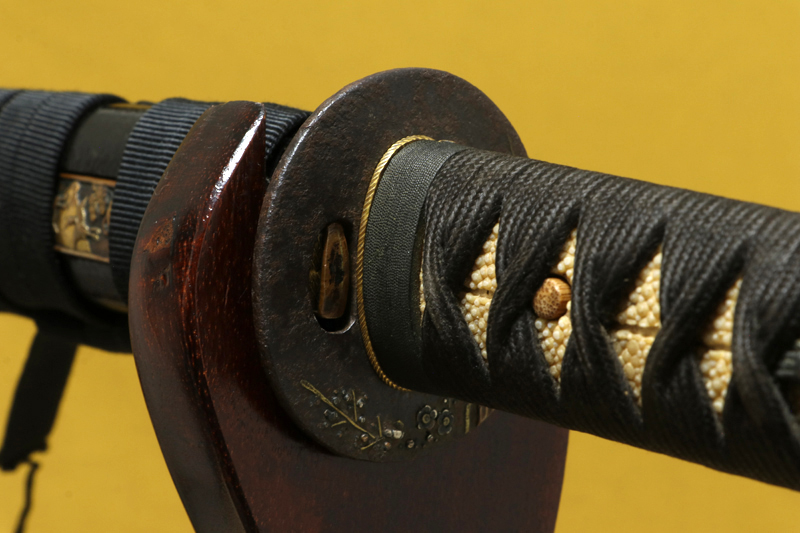
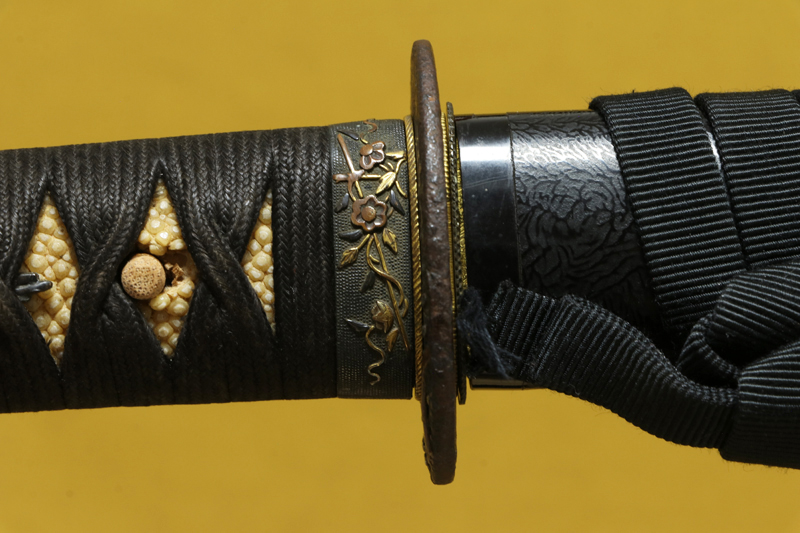
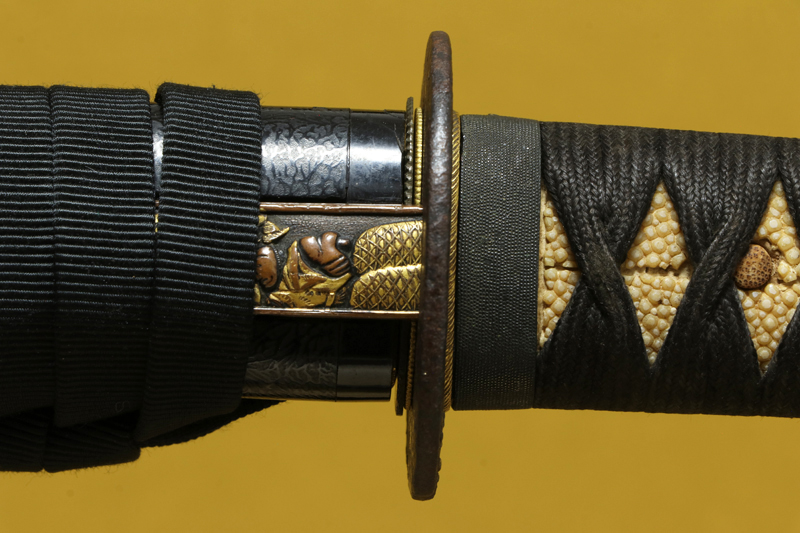
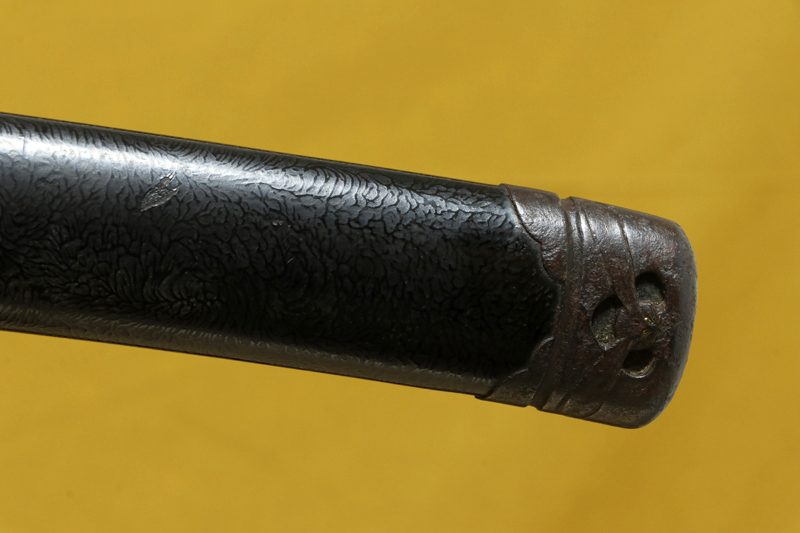
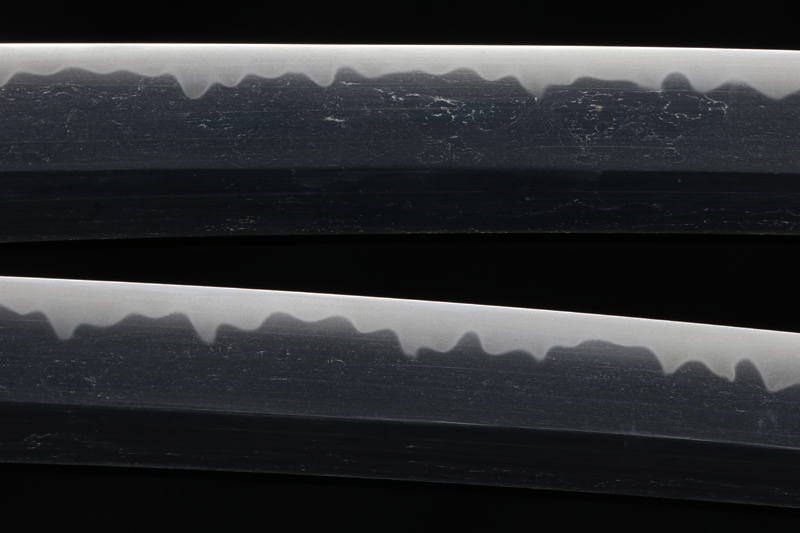
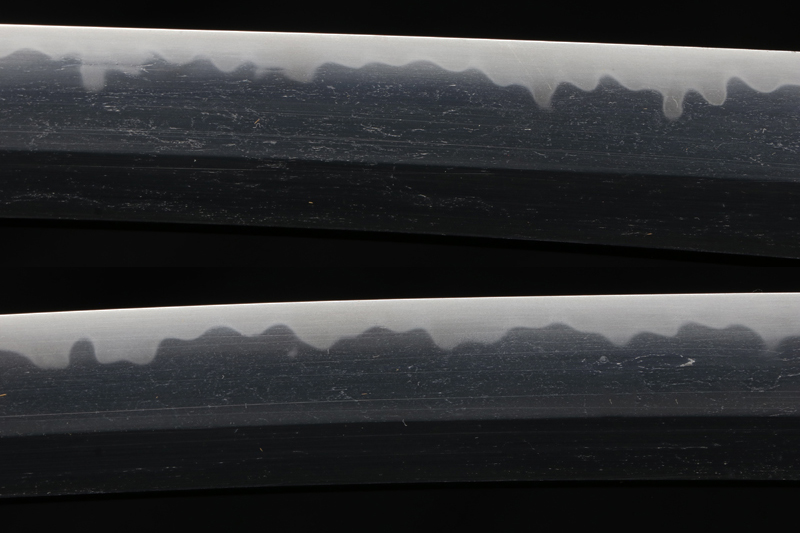
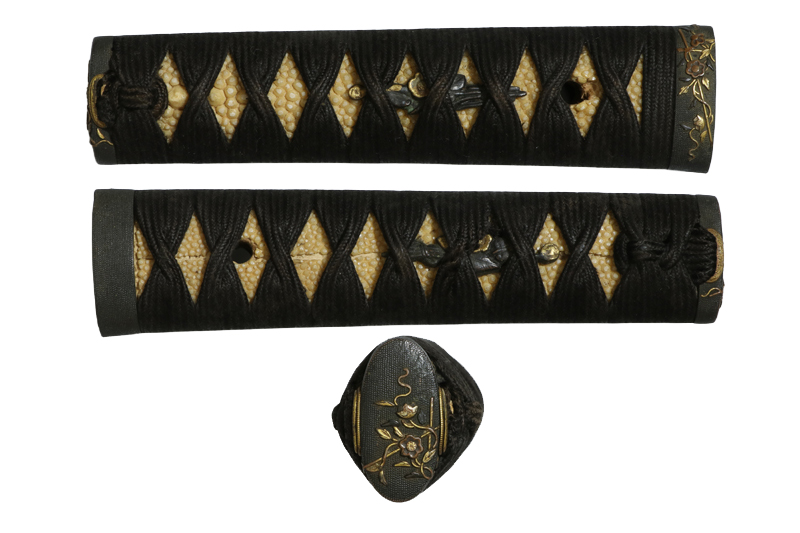
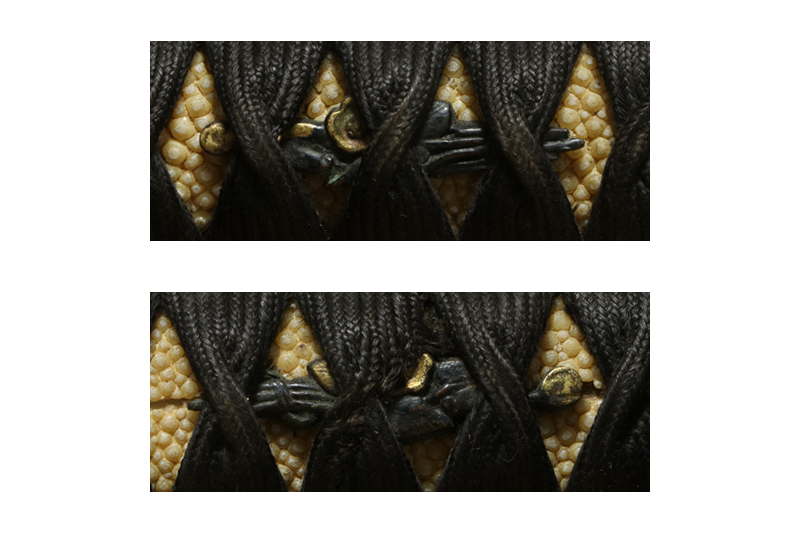
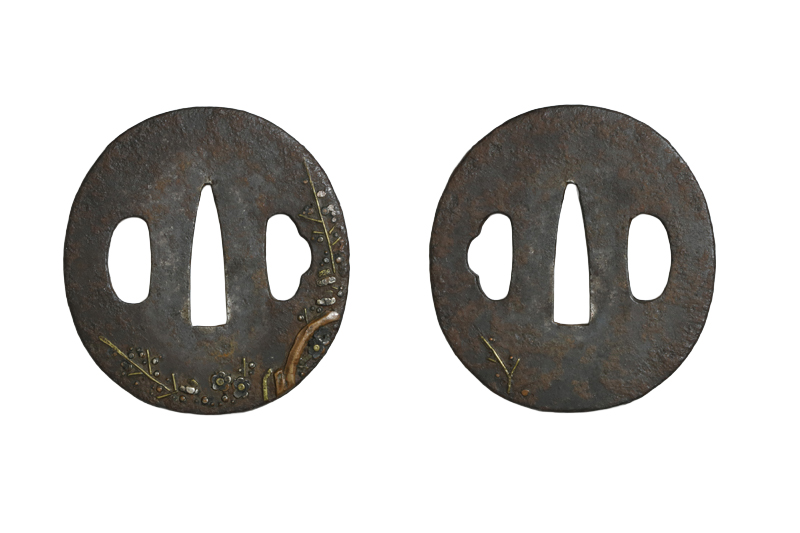
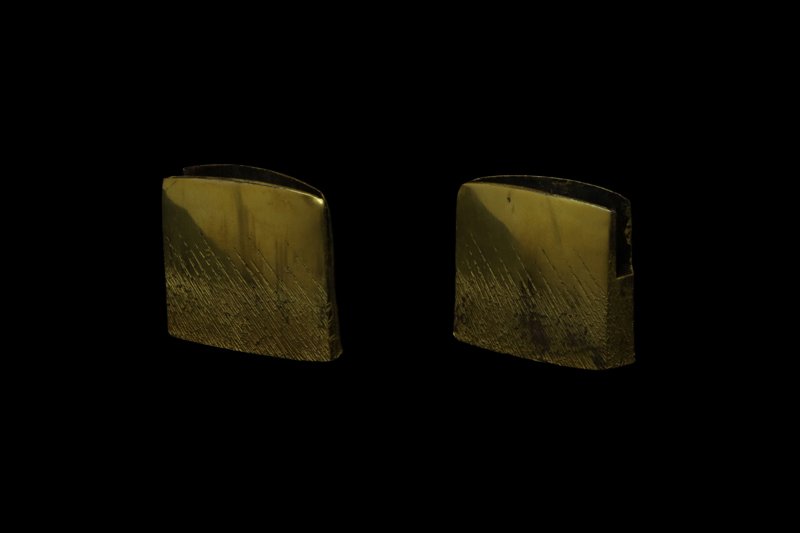
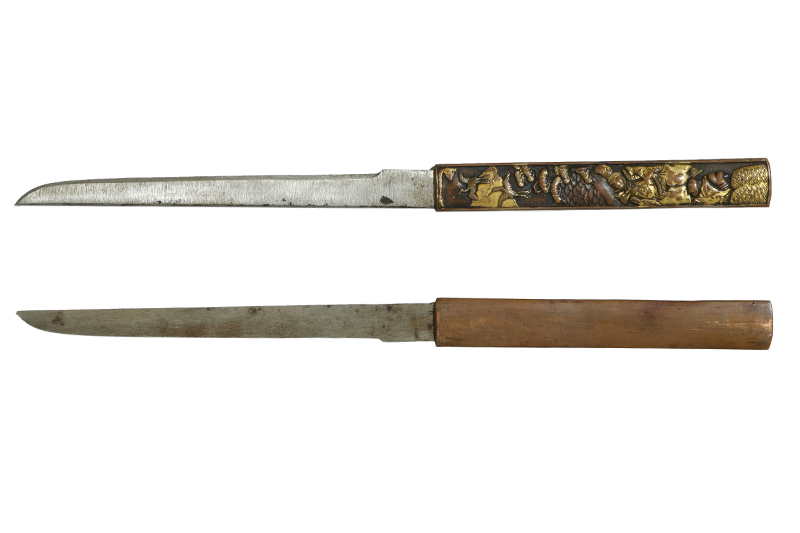
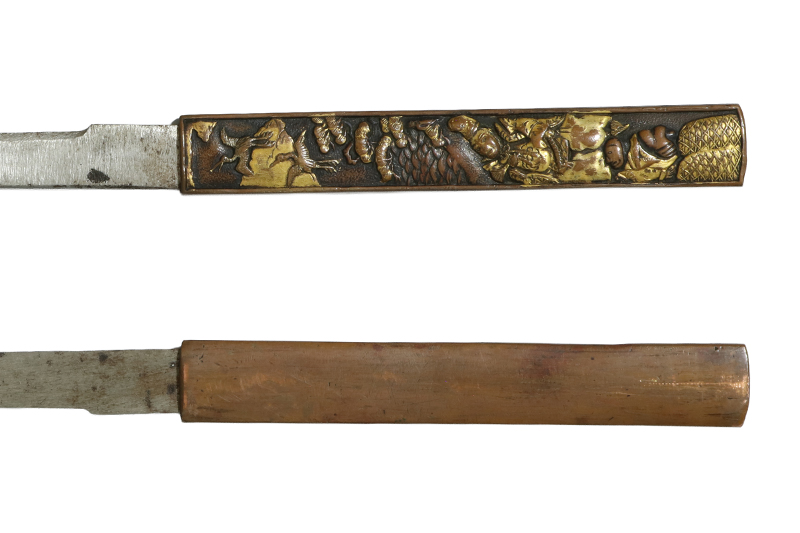
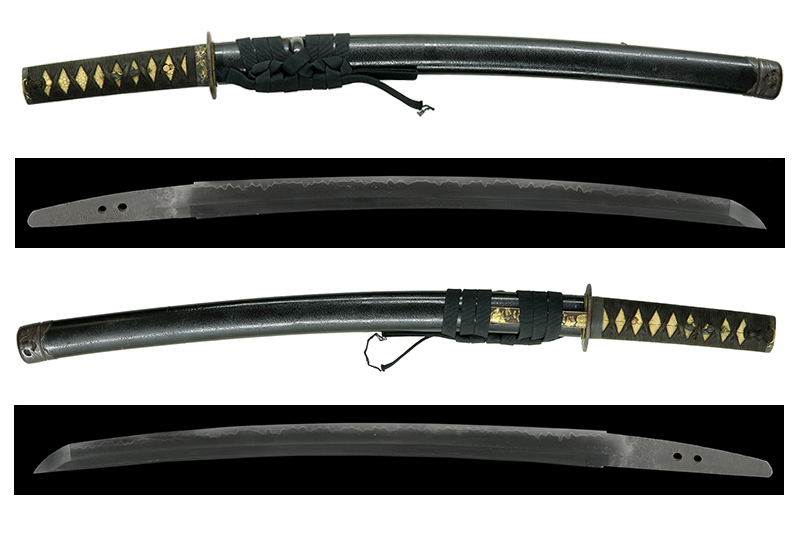
This wakizashi is by Inshu ju Kanesaki, belonging to the Zenjo Kaneyoshi school, which moved from Bizen to Inaba during the late Muromachi period. It features an itame-hada mixed with mokume and a bright, clear pointed gunome hamon. The koshirae is unified with plum-blossom motifs, an unusual rabbit design on the kojiri, and Sanbaso on the kozuka, making it a fine collectible piece.
 NihontoWatch
mei · Zenjo Kaneyoshi · Edo · nagasa 46.2cm · sori 1.3cm
Inaba · around 1624-1644
Tōken Taikan top 91%
3 pieces on the market now
The Edo period (1615 to 1868)
Edo was the sword’s age of connoisseurship: the Hon’ami appraisers, the shogunal register of famous blades of 1719, and a thriving literature turned the sword into an object of study even as it ceased to be drawn in war.
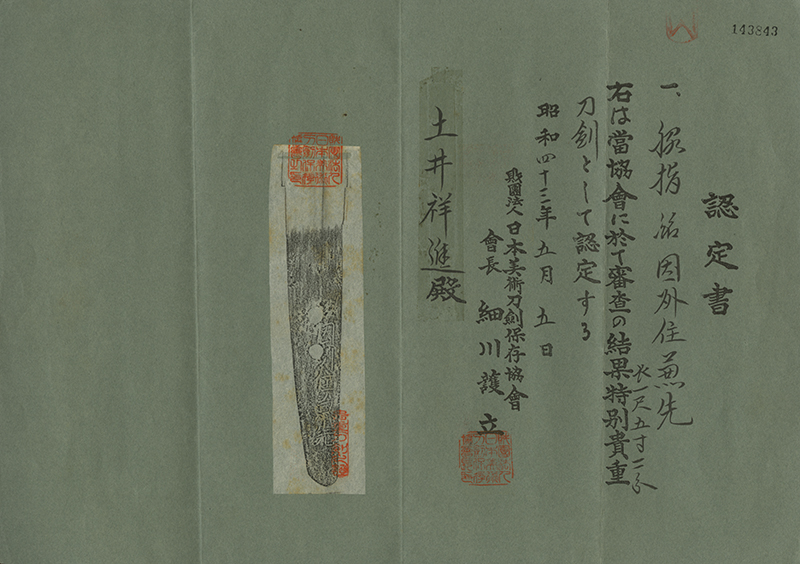
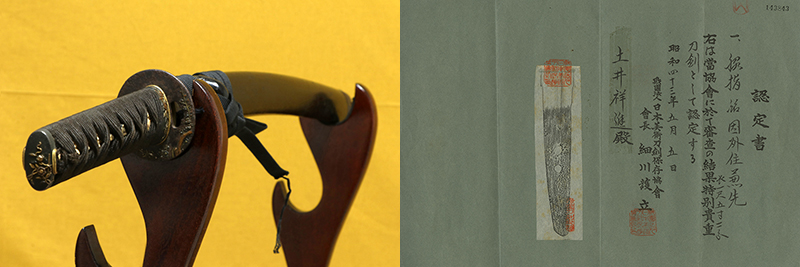
This work carries older NBTHK “Kichō”-era papers, which the NBTHK no longer issues and now regards as unreliable. To confirm the attribution, submission to an official Japanese examination body (such as the NBTHK or NTHK) for modern certification could be considered.
Three-day cooling-off period from receipt for refund or exchange. Return shipping and transfer fees are customer responsibility. Items showing use or condition changes are non-returnable.
This wakizashi is by Inshu ju Kanesaki, belonging to the Zenjo Kaneyoshi school, which moved from Bizen to Inaba during the late Muromachi period. It features an itame-hada mixed with mokume and a bright, clear pointed gunome hamon. The koshirae is unified with plum-blossom motifs, an unusual rabbit design on the kojiri, and Sanbaso on the kozuka, making it a fine collectible piece.
NihontoWatchmei · Zenjo Kaneyoshi · Edo · nagasa 46.2cm · sori 1.3cm
Inaba · around 1624-1644
Tōken Taikan top 91%
3 pieces on the market now
The Edo period (1615 to 1868)
Edo was the sword’s age of connoisseurship: the Hon’ami appraisers, the shogunal register of famous blades of 1719, and a thriving literature turned the sword into an object of study even as it ceased to be drawn in war.
This work carries older NBTHK “Kichō”-era papers, which the NBTHK no longer issues and now regards as unreliable. To confirm the attribution, submission to an official Japanese examination body (such as the NBTHK or NTHK) for modern certification could be considered.
Three-day cooling-off period from receipt for refund or exchange. Return shipping and transfer fees are customer responsibility. Items showing use or condition changes are non-returnable.