Perry’s arrival in 1853 unraveled the Tokugawa peace and created the first mass demand for working swords in two centuries. Kiyomaro, called the Masamune of Yotsuya, died on its eve; Munetsugu and Yukihide carried the boom to the end.
 NihontoWatchNihontoWatch
出ました出ました源清磨の刀として伝わった刀が出ました。現在人気絶頂の源清磨(本名山浦)の刀は、当時の米、英、露、からの侵略を受ける恐れが出ており、切迫した時局認識に立ち、命がけで鍛えた刀の為に私たちは心が打たれ、覇気と迫力と貫禄があり一見して強く清純の美の感に打たれるものがあります。源清磨は志津三郎兼氏を目標とし、本刀はなんと言う事でしょうか、源清磨の銘を消して志津三郎兼氏として伝来したと伝えられた刀です、源清磨は刀剣界の垂涎の的の名刀です。源清麿は江戸時代弘化三年八月(1846年)に銘を正行より清麿に改めました。正行銘より清麿銘までの作品が刀、脇差、短刀、槍、薙刀を入れて現存作100口に満たず、源清麿銘の作品は現在34口位しかなく貴重です、本刀は生茎無銘で反りが浅く身幅広く大切っ先で剛毅な刀姿を現し、地沸厚く付き精強なる板目肌の肌合いに互の目刃を主とし、丁子刃や大小の互の目が交る刃紋を焼き、盛んに沸が付いて足太く入り金筋が長く入り湯走も加わり匂い口明るく冴えここに源清磨の特色を良く現しているのではないでしょうか。緩やかなやすり目より嘉永年間の大成期の作品に見えます。この度古いお数寄者様のお医者様から友人から頂いた源清磨として伝わった刀ですが、似てはいますが本物かどうか分かりませんので、この様な刀でもお望みの方が有ればお安くお譲り下さいとお預かりした為に、源清磨にそっくりの刀をお言葉に甘えましてゲーム感覚で超格安にてご提供いたします。源清磨の刀として是非お楽しみ下さいませ。
NihontoWatchKiyomaro清麿
Offered by Nipponto
This piece has sold
Get an email when a new Kiyomaro piece hits the market.





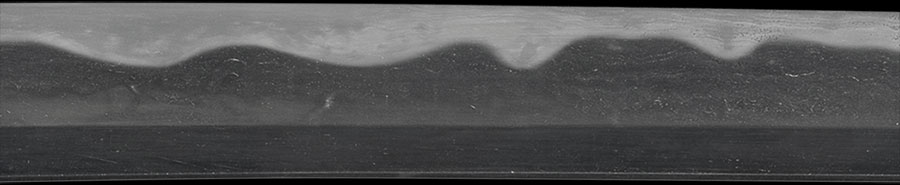
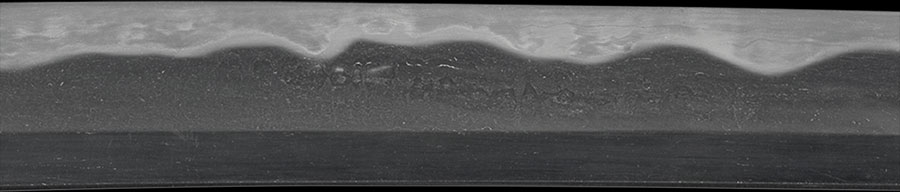
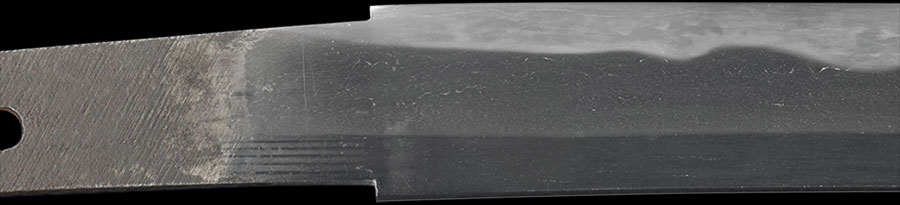



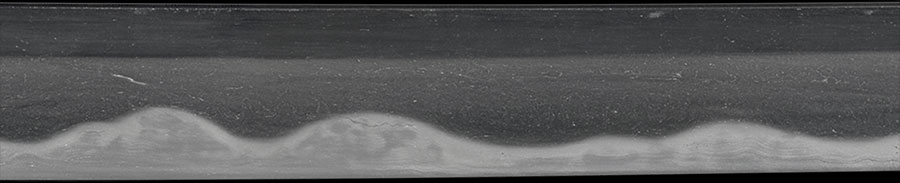
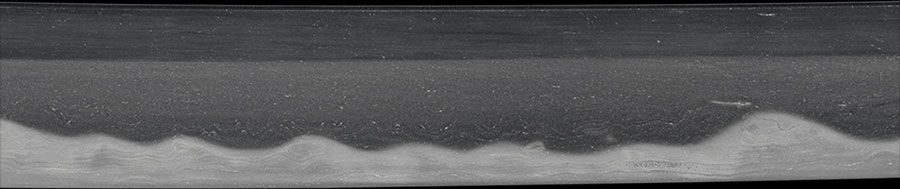
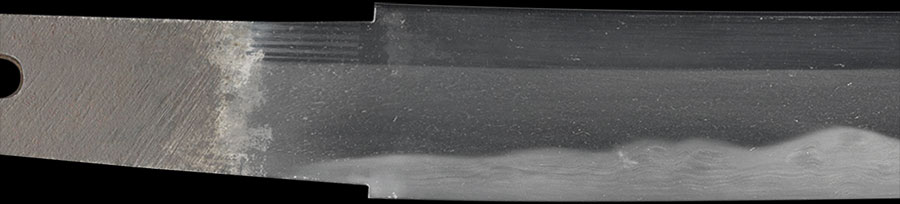

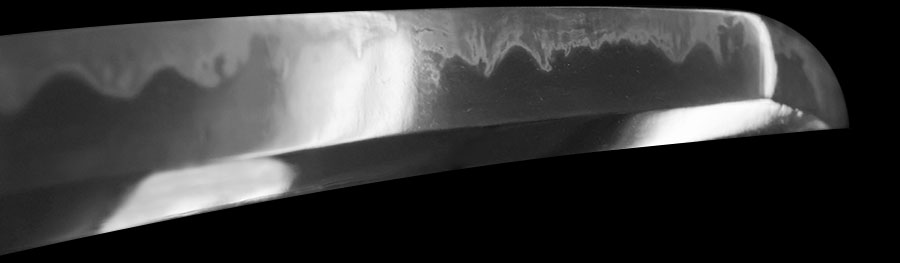
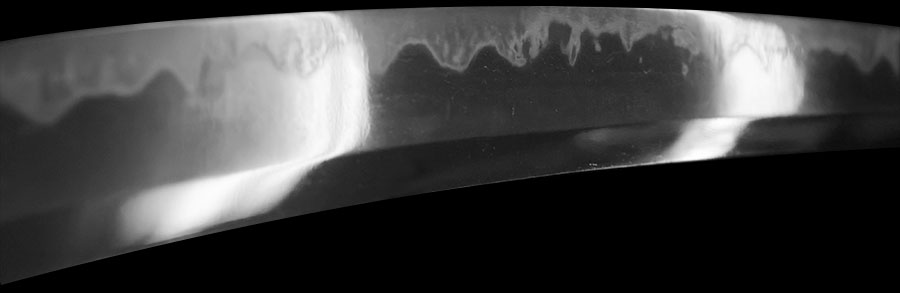
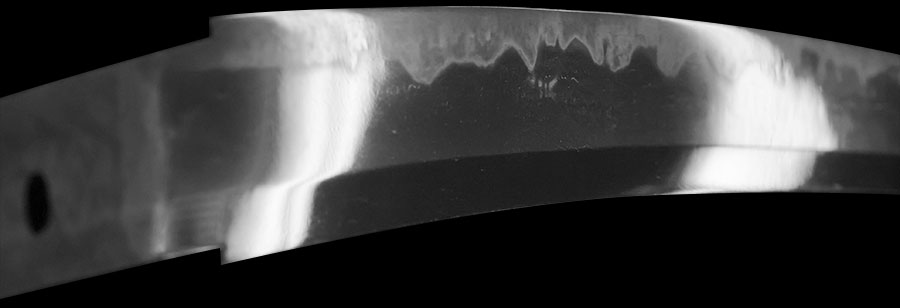
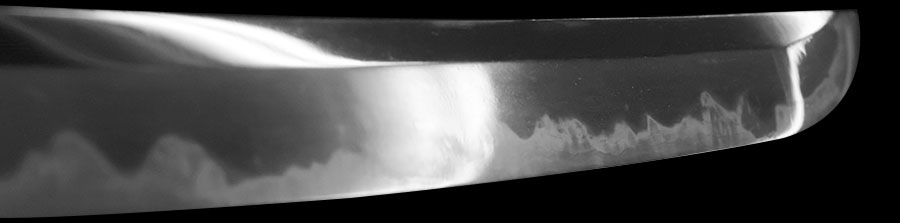
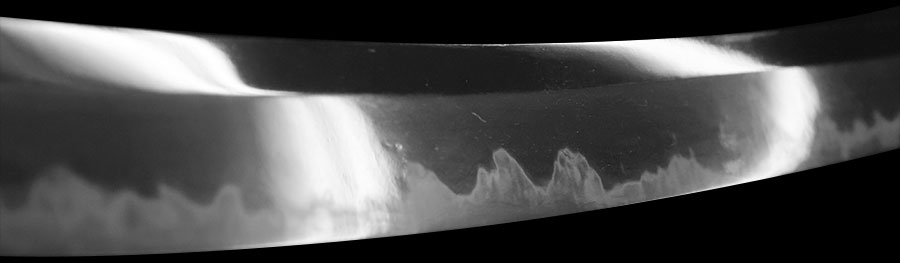
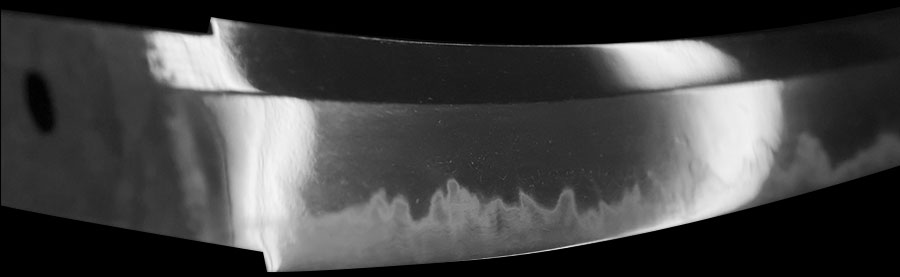
As written by the shop
Yamaura Kiyomaro (shinshinto, Yotsuya, Edo) · Musashi · around 1839-1854
Fujishiro Sai-jo saku · Tōken Taikan top 3%
Yamaura Kiyomaro was born Naizosuke Tamaki in Bunka 10 (1813) at Akaiwa village in Komoro, Shinshu, the second son of the rural warrior Nobukaze and the younger brother of the smith Saneo. He learned forging under Kawamura Toshitaka, a swordsmith of the Ueda domain, signing first Masayuki and for a brief interval Hidetoshi, the name his teacher gave him, before returning to Masayuki within the year. Under the patronage of the bakufu retainer and military scholar Kubota Kiyone he went up to Edo, forged for a year at Hagi in Choshu from the eighth month of Tenpo 13, returned to Edo in Koka 2, and in the autumn of Koka 3 settled at Iga-cho in Yotsuya and changed his signature to Kiyomaro. He so excelled in the Soshu tradition that the published sources record he was called the Yotsuya Masamune (四谷正宗), and they place his reputation today as high as that of Kotetsu, calling him without question the foremost master among the shinshinto. He died by his own hand at forty-two in Kaei 7 (1854).
What he aimed at, in the words of the published commentary, was the upper level of the Soshu transmission (相伝上位), and among shinshinto smiths his construction and manner reveal Soshu-den with particular clarity. The temper is a gunome-midare mixed with ko-notare, the ashi entering, the nie thick and gathering coarse in clusters of ara-nie, the whole work, as the NBTHK puts it, filled with a vigorous and commanding spirit[[c:1]]. Long kinsuji and streaming sunagashi run through most of his blades, in both the Masayuki and the Kiyomaro periods, the activity of a ha built on nie; the published sources single out this play of kinsuji and sunagashi in his strong steel as splendid. The boshi is midare-komi, turning pointed with hakikake, at times thrusting up to a point or settling into a small round.
He forges an itame that flows and stands a little, well packed and at times mixed with large open grain, the ji-nie laid thick and in fine particles, the chikei entering frequently and the steel clear. Where the forging tightens into ko-itame the jigane only grows clearer. His mature katana carry an imposing shape, the body wide, the sori toward the point, the chu-kissaki extended or running to a large point with the fukura withered for a sharp impression.
The record now reads in two periods and a favoured register. The early Masayuki work is substantial: some twenty-six blades of the period, signed Masayuki, Minamoto Masayuki, Yamaura Masayuki, Yamaura Tamaki Masayuki and the bare single character Tamaki, dated from Tenpo 4 to Koka 3, among them the Hagi pieces inscribed 於萩城 and 於長門国 and the Komoro pieces inscribed 於信小諸城. The earliest, a Tenpo 4 wakizashi bearing Kubota Kiyone's name, shows that the two men were already in contact during his Matsushiro years; the published sources note that its sunagashi and kinsuji are less abundant than in later work, though the nioiguchi is already bright. These blades carry a closely packed itame that often tends to masame, with a gunome mixed with choji and pointed elements, deep nioi and attaching ko-nie. The mature Kiyomaro manner is the Soshu prime described above. Within it lies the register he prized most: the published sources say that 「志津伝は得意中の得意」, the Shizu transmission his forte of fortes, and they already read it in the early hand, calling a small Tenpo 11 katana a masterpiece of the Shizu manner. That register gathers in the shobu-zukuri and kanmuri-otoshi-zukuri wakizashi he favoured and in the tanto, where a ko-notare base mixed with gunome and choji, with ara-nie in clusters, tempers into a flamboyant midare.
What sets him apart from his shinshinto contemporaries is this Soshu reach. He looked past the Bizen and Kotetsu copying of his day to the Soshu masters, taking Shizu Saburo Kaneuji as his model. His own steel and edge, thick in ji-nie and chikei, vigorous in ara-nie, rich in kinsuji and sunagashi, are what the judges praise: they call one blade the very best among works by the same hand[[c:2]], and say of others that his true ability is there fully revealed[[c:3]]. His Sai-jo saku rating in Fujishiro and the line named for him carry the Soshu-revival manner forward through his pupil Kiyondo and the wider Kiyomaro-den.
Fujishiro grades him Sai-jo saku, and the Toko Taikan places him high among shinshinto names. He has no National Treasures and no Important Cultural Properties; his record runs through the modern designation tiers, one blade at Tokubetsu Juyo and sixty-eight at Juyo, with four blades also recognised before the war as Juyo Bijutsuhin, seventy-three designated works on record, every one of them signed. The published sources estimate his extant work at something over one hundred blades, note that examples in ordinary shinogi-zukuri of standard dimensions are comparatively few, and call a matched daisho dated Kaei 1 without parallel. The recorded blades pass through documented hands: the Iwasaki family and the Seikado Bunko, a retainer of the Matsushiro domain who ordered a daisho, his patron Kubota Kiyone, Makino Suo-no-kami Yasushige, and the Bakumatsu swordsman Chujo Kinnosuke, whose favoured sword one Juyo katana is said to have been. Most are held rather than traded, so a Tokubetsu Juyo or Juyo Kiyomaro reaches the market only from time to time and at the very top of it, and a signed example in private hands is among the more notable things a collector of shinshinto could encounter.
Where Kiyomaro stands among comparable artisans: across all of nihontō, and within tradition, era, and period. The tiers (Foremost · Leading · Major · Notable) weigh official designations from the NBTHK and Japan's Agency for Cultural Affairs, together with historical honors of lasting repute such as the Sansaku and Meibutsu-chō.
Select a lens to see how it's measured.
Years he was demonstrably active, proven by signed-and-dated blades
Shinshinto · Musashi
16 pieces on the market now
The Kiyomaro school gathered in the workshops of Yotsuya in Edo around the middle of the nineteenth century, its founder Yamaura Kiyomaro (清麿) born in Bunka 10 (1813) at Akaiwa village in the Komoro district of Shinano, the second son of the country gentry-warrior Yamaura Nobukaze. He learned forging first under the Ueda-domain smith Kawamura Toshitaka, signing his early blades Masayuki, went up to Edo in Tenpo 6 (1835) under the patronage of the military scholar Kubota Kiyone, and in the autumn of Koka 3 (1846) settled at Iga-cho in Yotsuya and changed his signature to Kiyomaro; he died by his own hand at forty-two in Kaei 7 (1854). Around him moved his elder brother Yamaura Masao (真雄/正雄), who took the same instruction from Toshitaka and walked the same course from choji into Soshu-den, and the pupils who entered the Yotsuya forge in its final years: Kurihara Nobuhide (信秀), a mirror-maker from Sanjo in Echigo whom the published sources place nearest the master's hand; Saito Kiyondo (清人) of Dewa, who afterward settled his teacher's sword debts and carried the manner into early Meiji; and the wider circle of associates and patrons through which the line passed. The shared vocabulary of the school is a powerful Soshu-revival manner. Over an itame that flows and stands a little, well packed and at times opening into mokume and o-itame, the smiths lay thick ji-nie with frequent chikei, the steel clear and without utsuri, for this is a late hand reaching back five centuries to Sagami rather than a Bizen revival. The temper is an o-midare or gunome-midare mixed with ko-notare, the ashi and yo entering, the nie thick and gathering coarse in clusters of ara-nie, with long kinsuji and streaming sunagashi running through nearly every blade; the boshi answers in a midare-komi turning pointed with hakikake. A Bizen-leaning side survives from the early years in the residual choji that shades into the mature work. Within this common ground the hands diverge. Kiyomaro's is read as the overwhelming one, his Soshu-den reaching the upper transmission with the Shizu vein as his forte of fortes, the NBTHK calling his work 「覇気に満ちている」, filled with commanding spirit.
Masao's grounded forging is candidly weighed against his brother's, the texts noting that his chikei, sunagashi, and kinsuji run fewer and the quality does not reach Kiyomaro's level. Nobuhide is named the closest approach to the master and is alone in the school for his carving, a mirror-maker's hand that set kurikara, dragons, and bonji into blades the others left plain. Kiyondo holds the round-headed gunome-midare at full strength and adds a manner of his own, a bright suguha aligned with the Yamato tradition that Kiyomaro never worked. To kantei the school, read first the imposing shape particular to the Yamaura line: a wide body with little taper, the sori toward the point, a chu-kissaki extended or run to an o-kissaki whose fukura is allowed to wither for a sharp impression, often a shobu-zukuri or kanmuri-otoshi wakizashi. Read then the nie, thick in ji and ha, the chikei and the conspicuous kinsuji and sunagashi that mark the force of the steel rather than any borrowed pattern. Carving narrows the field to Nobuhide; a Yamato suguha narrows it to Kiyondo. Kiyomaro stands at the head of the line, ranked by the published sources as high as Kotetsu and named without question the leading master among the shinshinto, the smith called the Yotsuya Masamune (四谷正宗). His extant work is scarce and closely held, passing through documented hands such as the Iwasaki family and the Seikado Bunko, and reaches the market only from time to time and at the very top of it. The pupils and the elder brother offer the more attainable face of the circle, signed and dated blades that come to a collector with patience; a signed example of any of these hands is a document of the moment when Soshu was reborn in Edo. Learn more →
| Smith | Era | Designated |
|---|---|---|
| Kiyomaro清麿 | 1839-1854 | 73 |
| Nobuhide信秀 | 1857-1867 | 34 |
| Kiyondo清人 | 1848-1868 | 10 |
| Masao真雄 | 1844-1866 | 7 |
| Masanao正直 | 1865-1868 | 3 |
Bakumatsu: the last war market
Perry’s arrival in 1853 unraveled the Tokugawa peace and created the first mass demand for working swords in two centuries. Kiyomaro, called the Masamune of Yotsuya, died on its eve; Munetsugu and Yukihide carried the boom to the end.
For returns due to customer circumstances, the cost is the customer's responsibility. For returns due to our mis-shipment or a defective item, we bear the cost.