Muromachi turned sword making into an industry: the uchigatana rose with massed infantry warfare, Osafune and Seki produced bundle swords beside custom orders, and the Ming trade carried Japanese blades abroad by the tens of thousands.
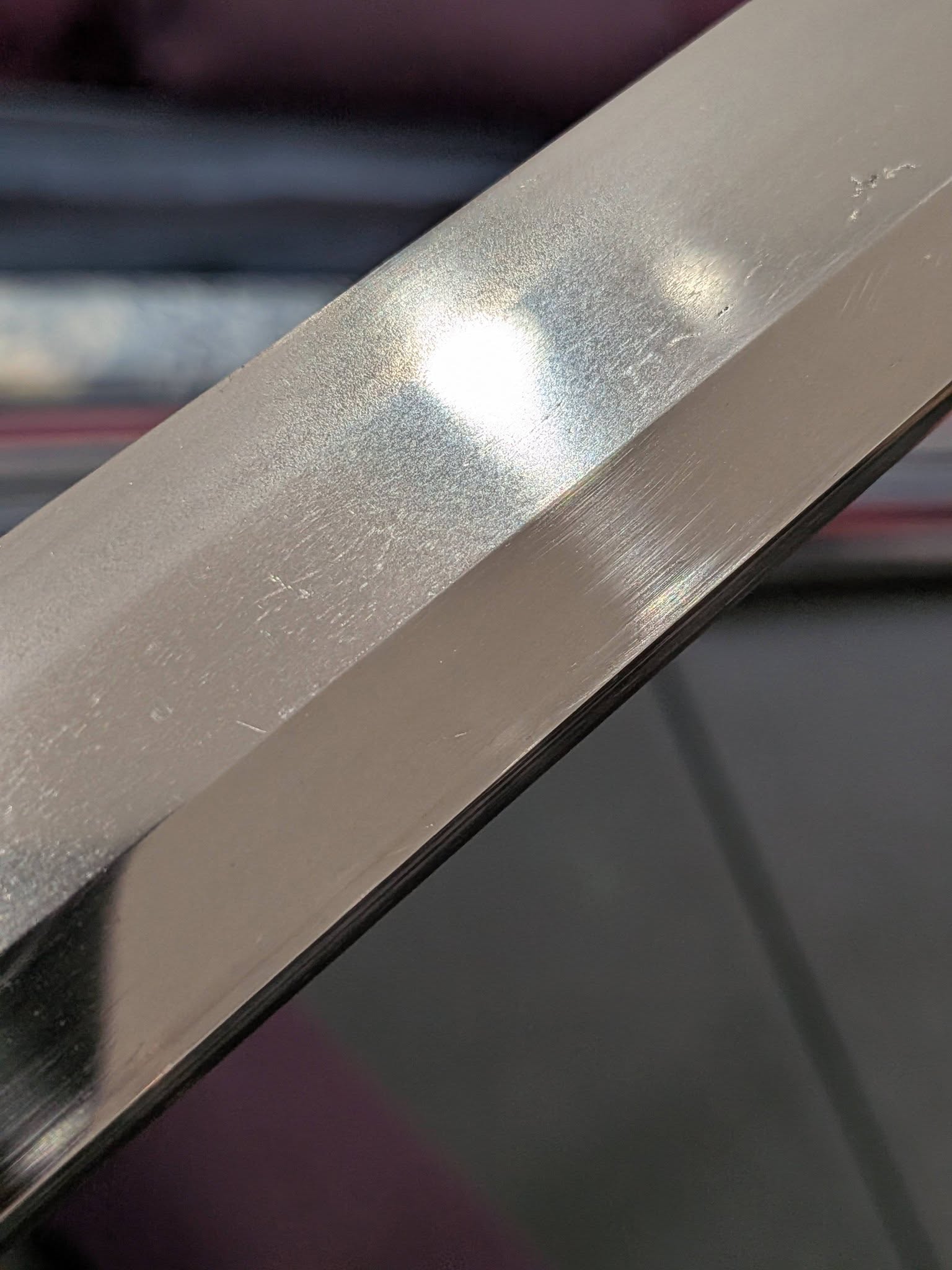
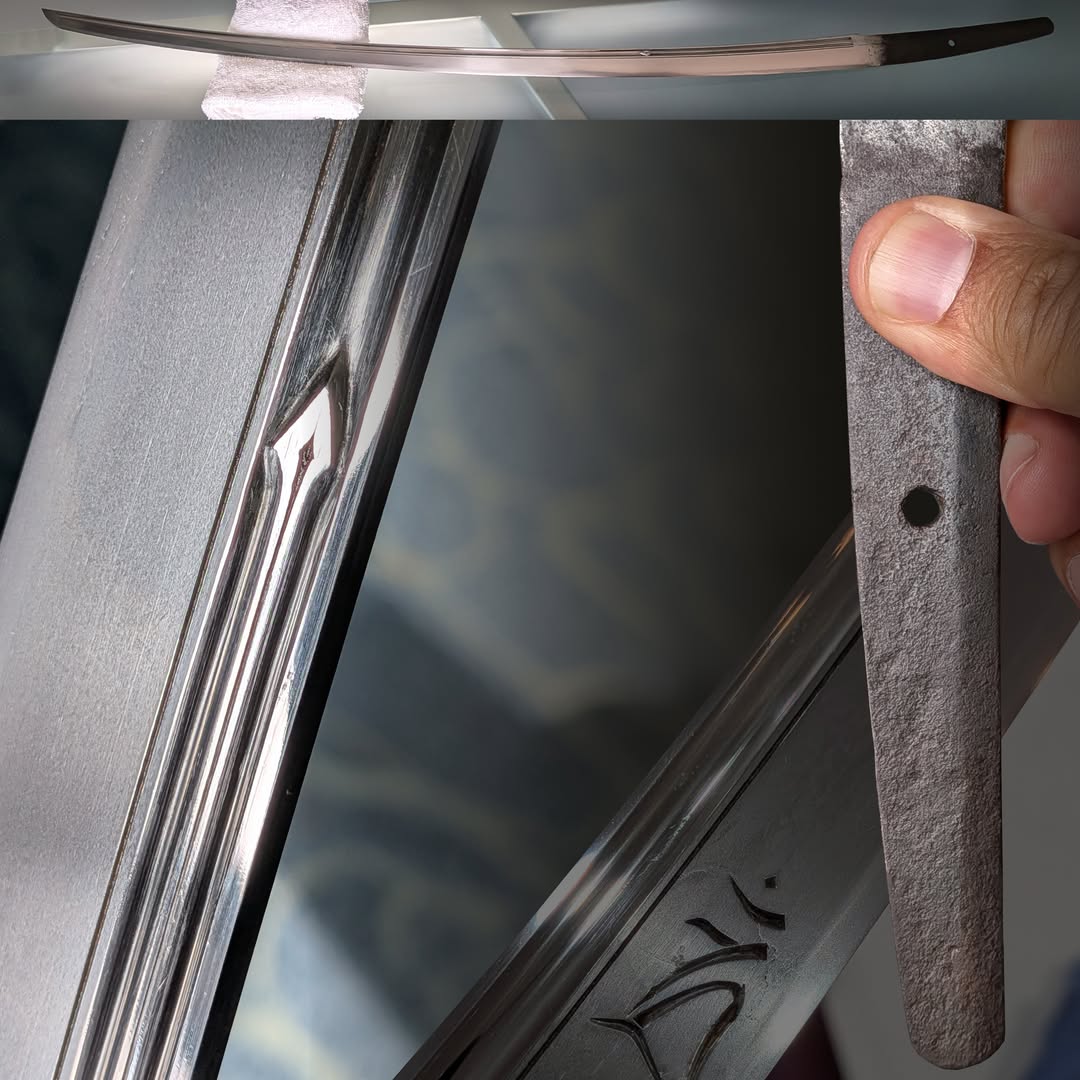
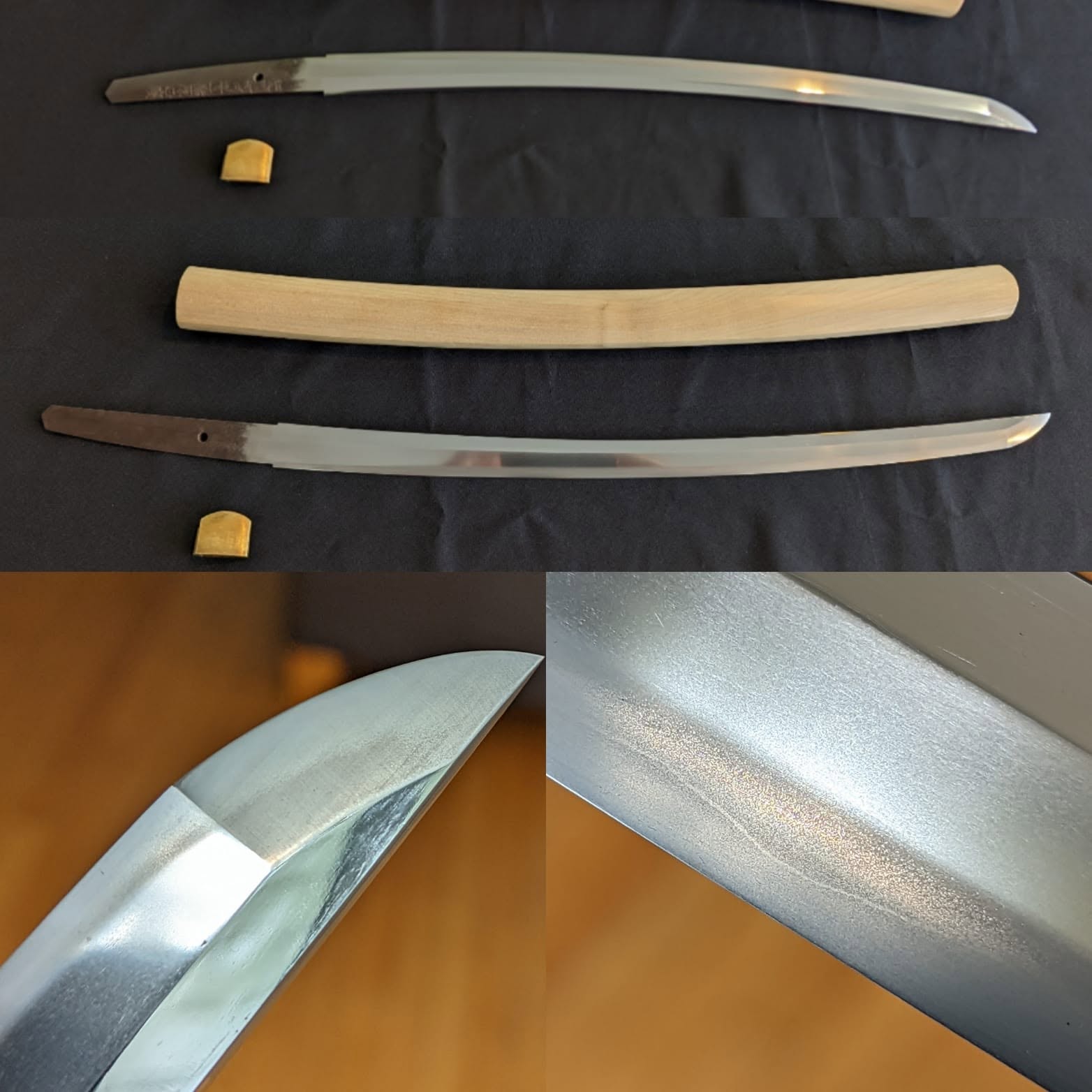
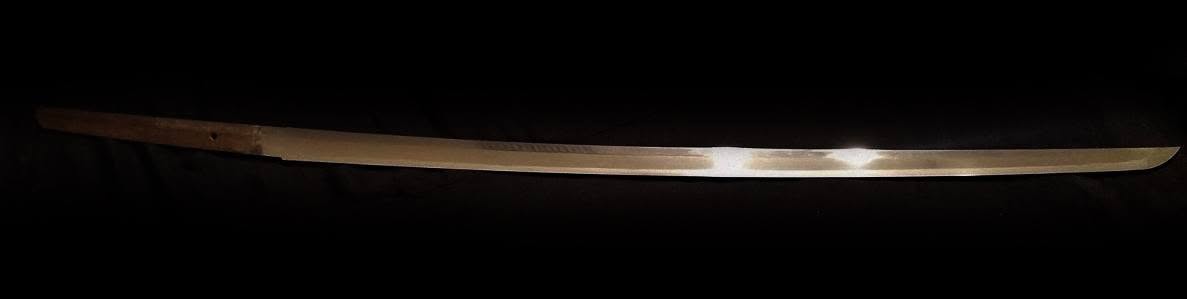
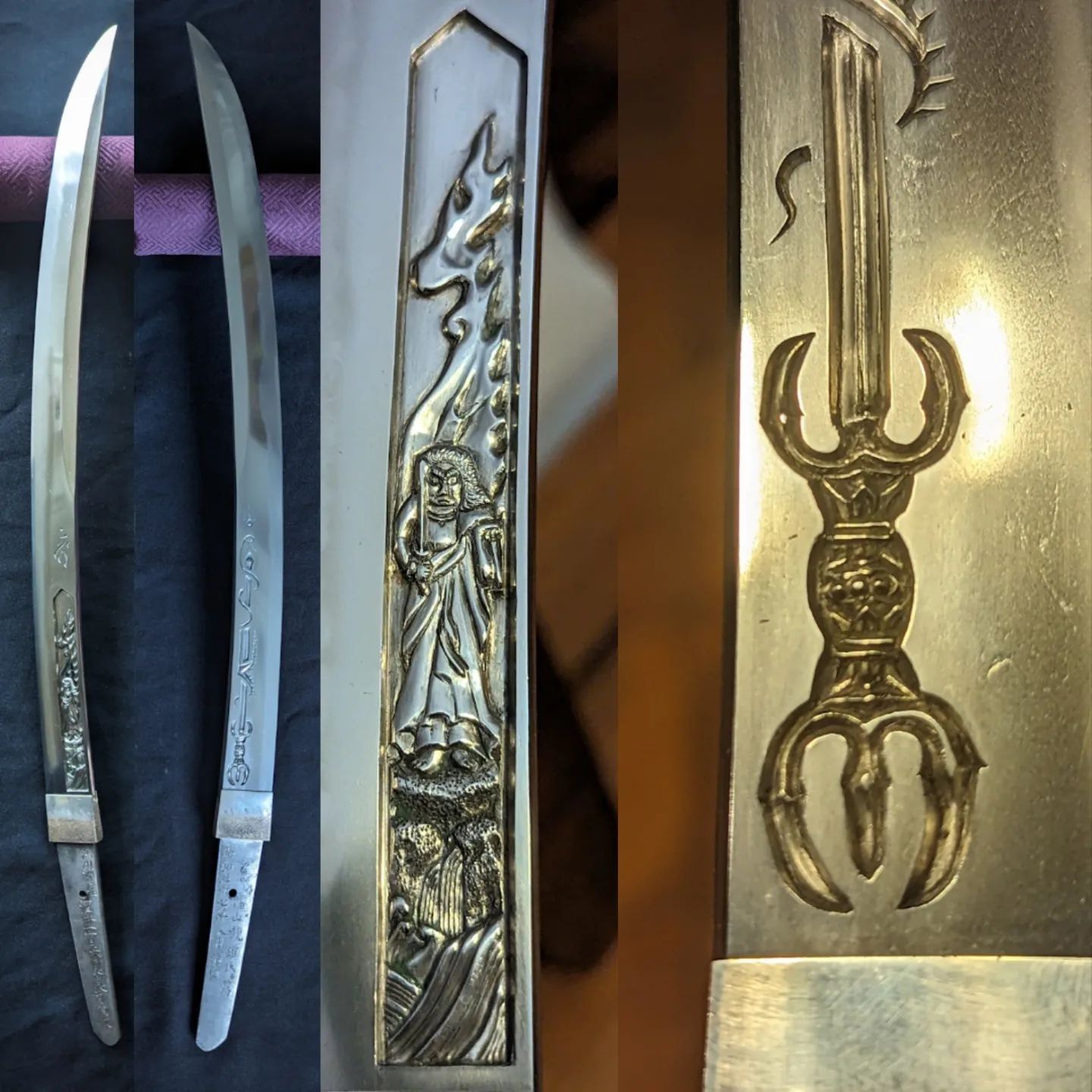
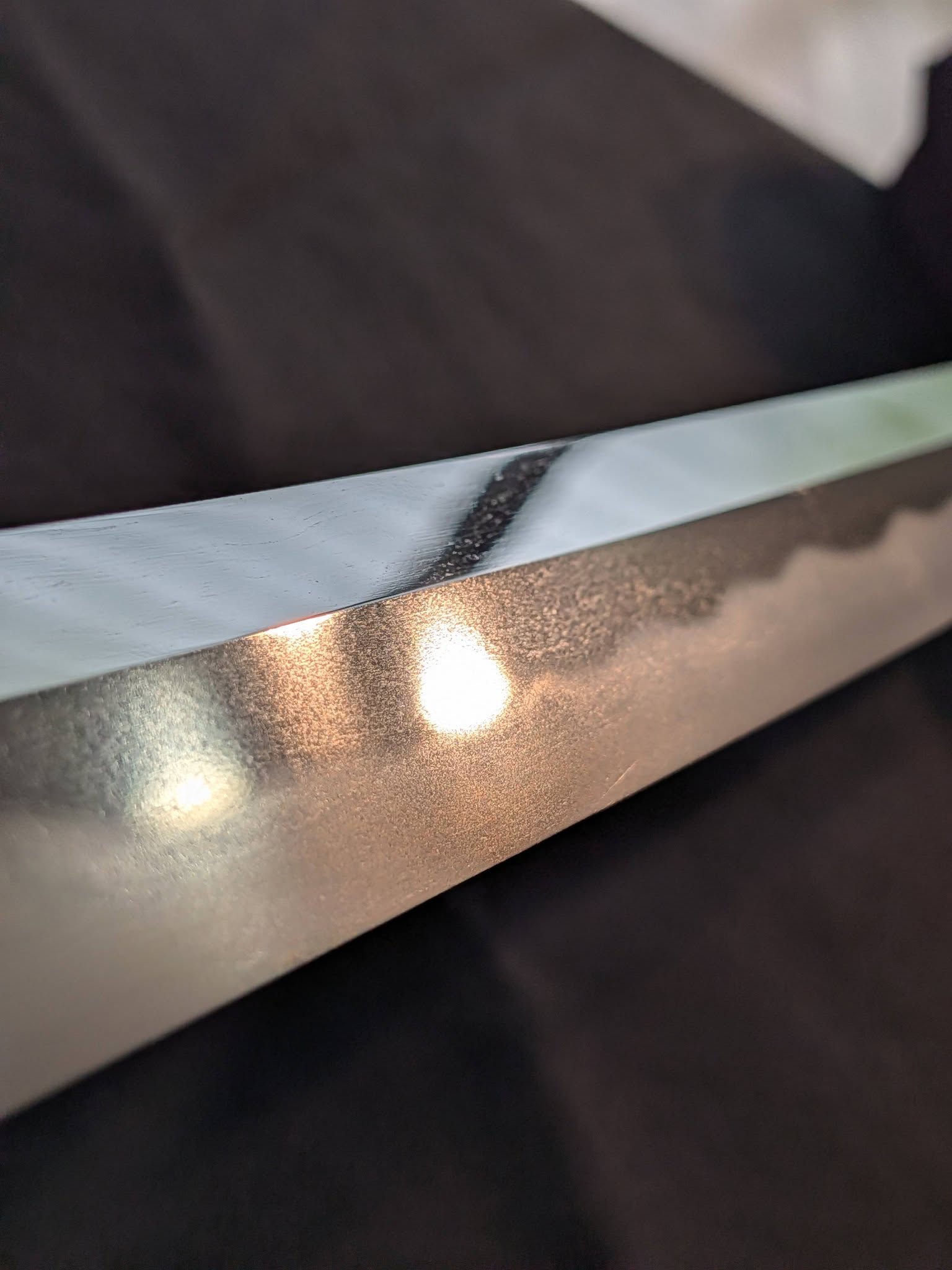
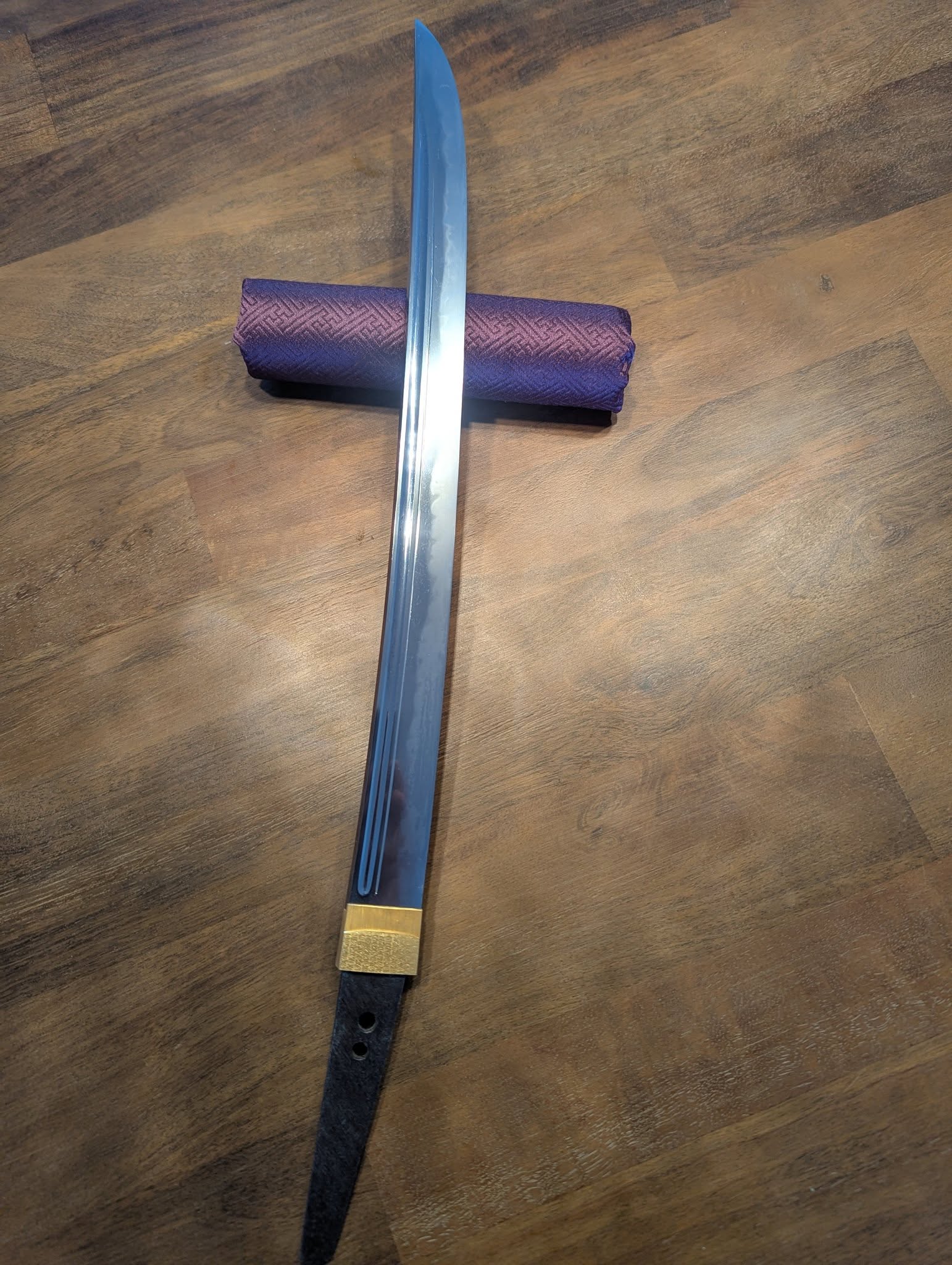
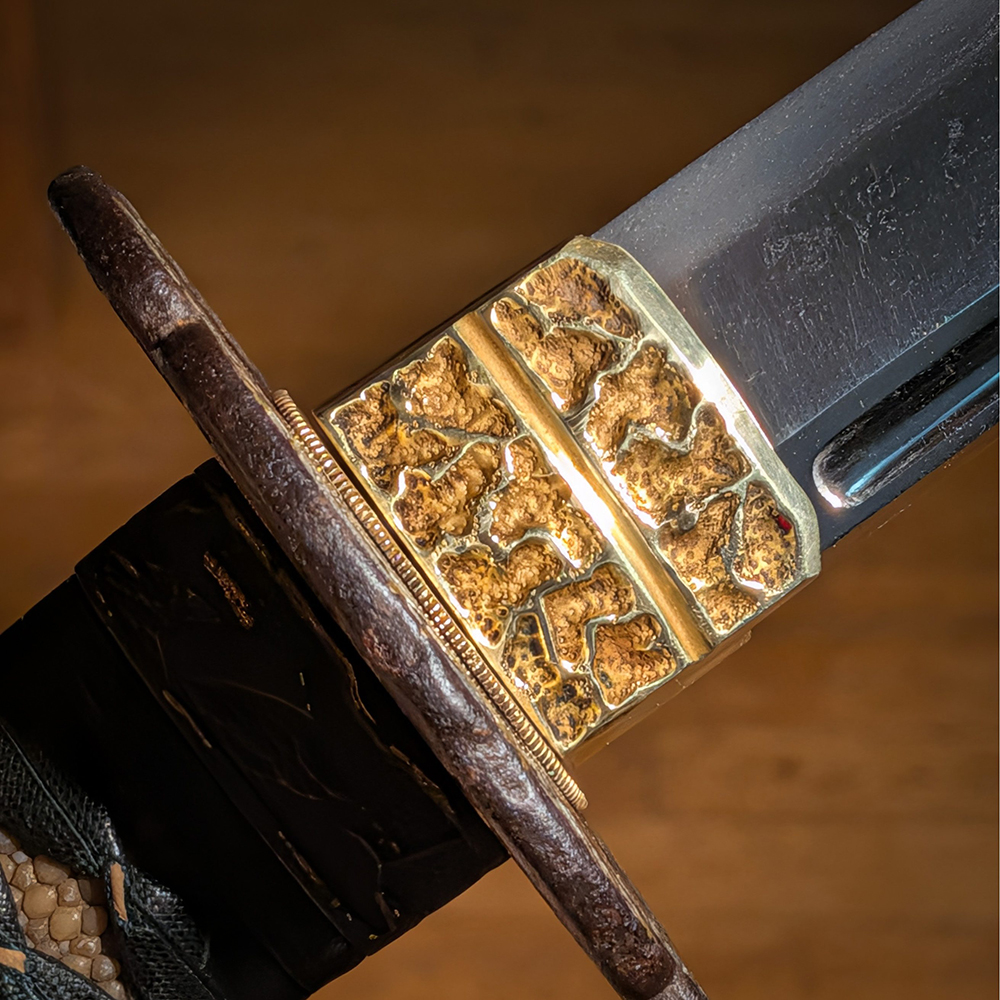
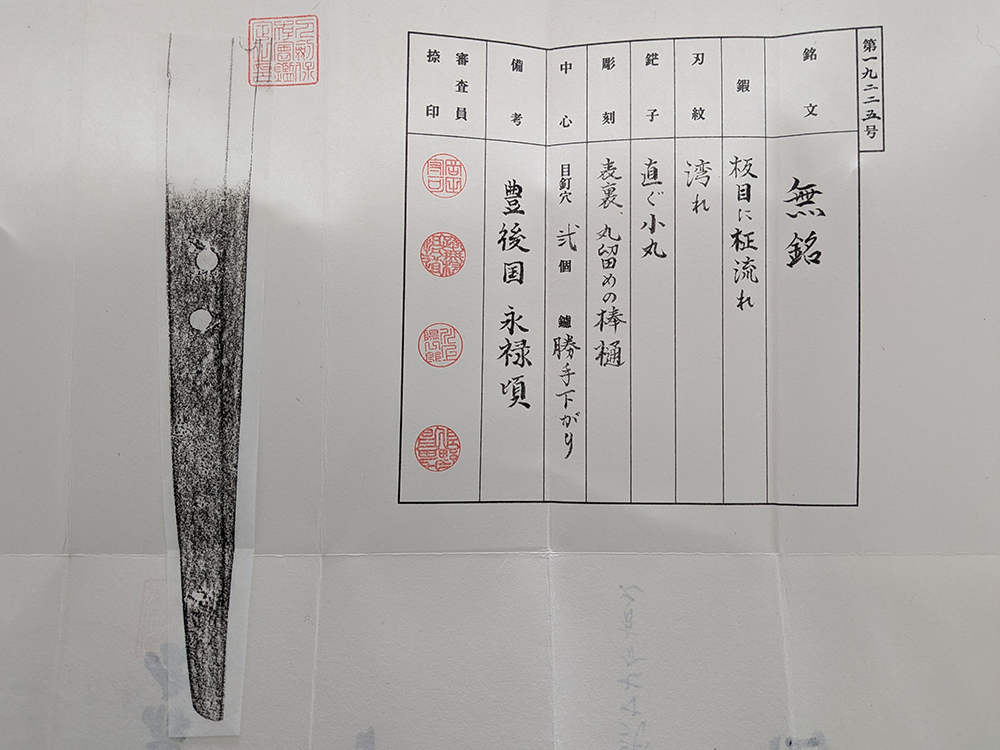
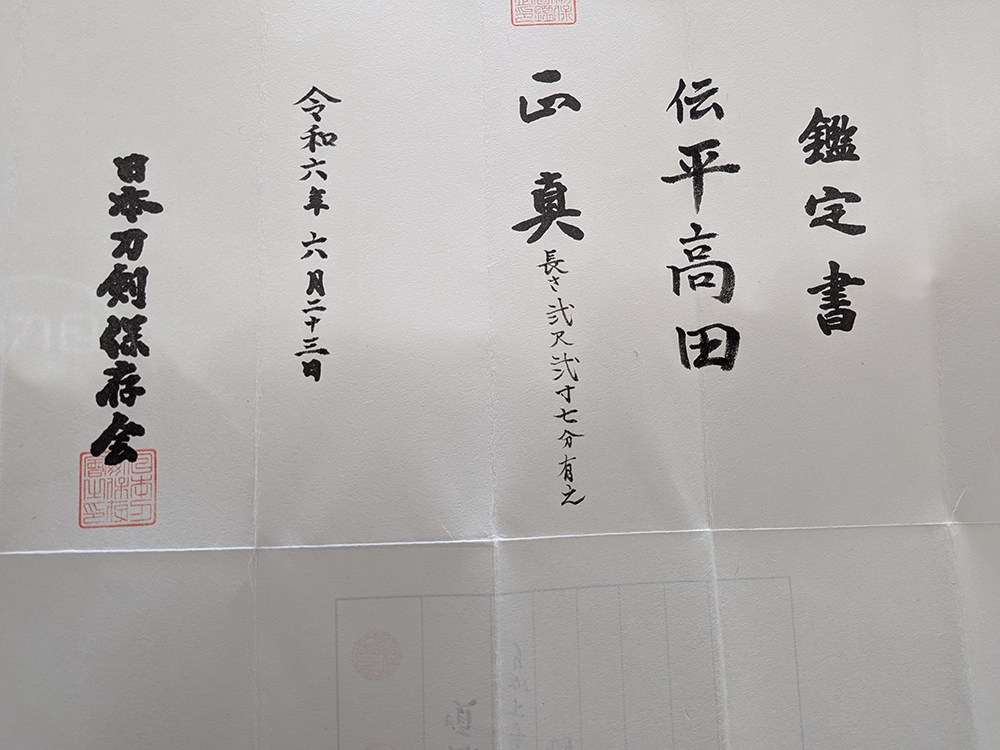
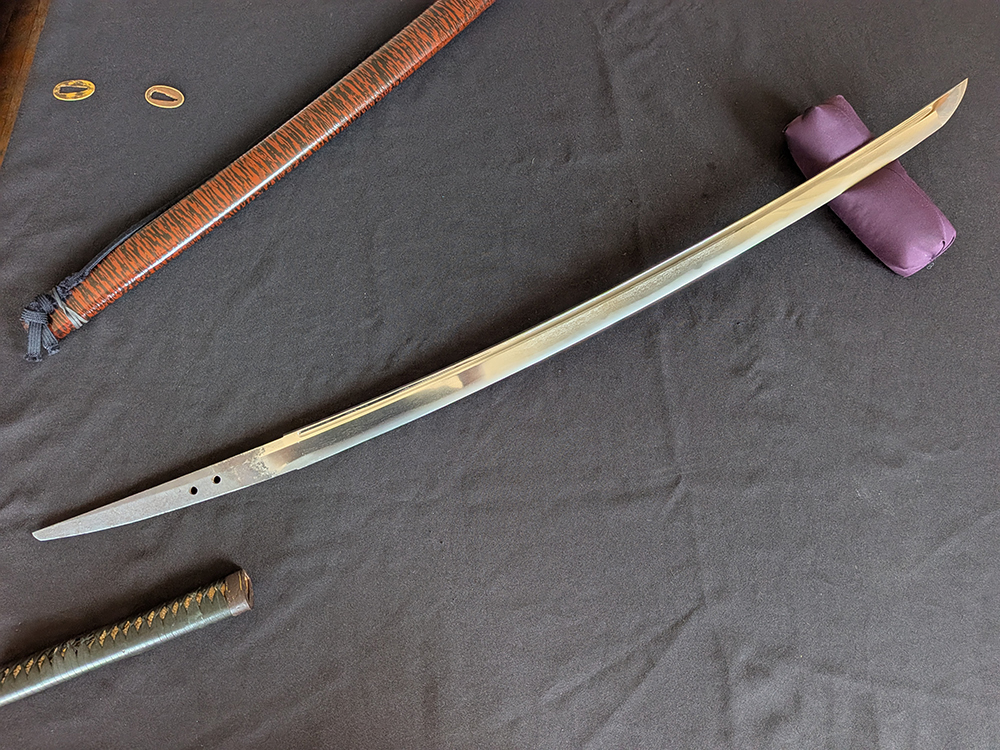
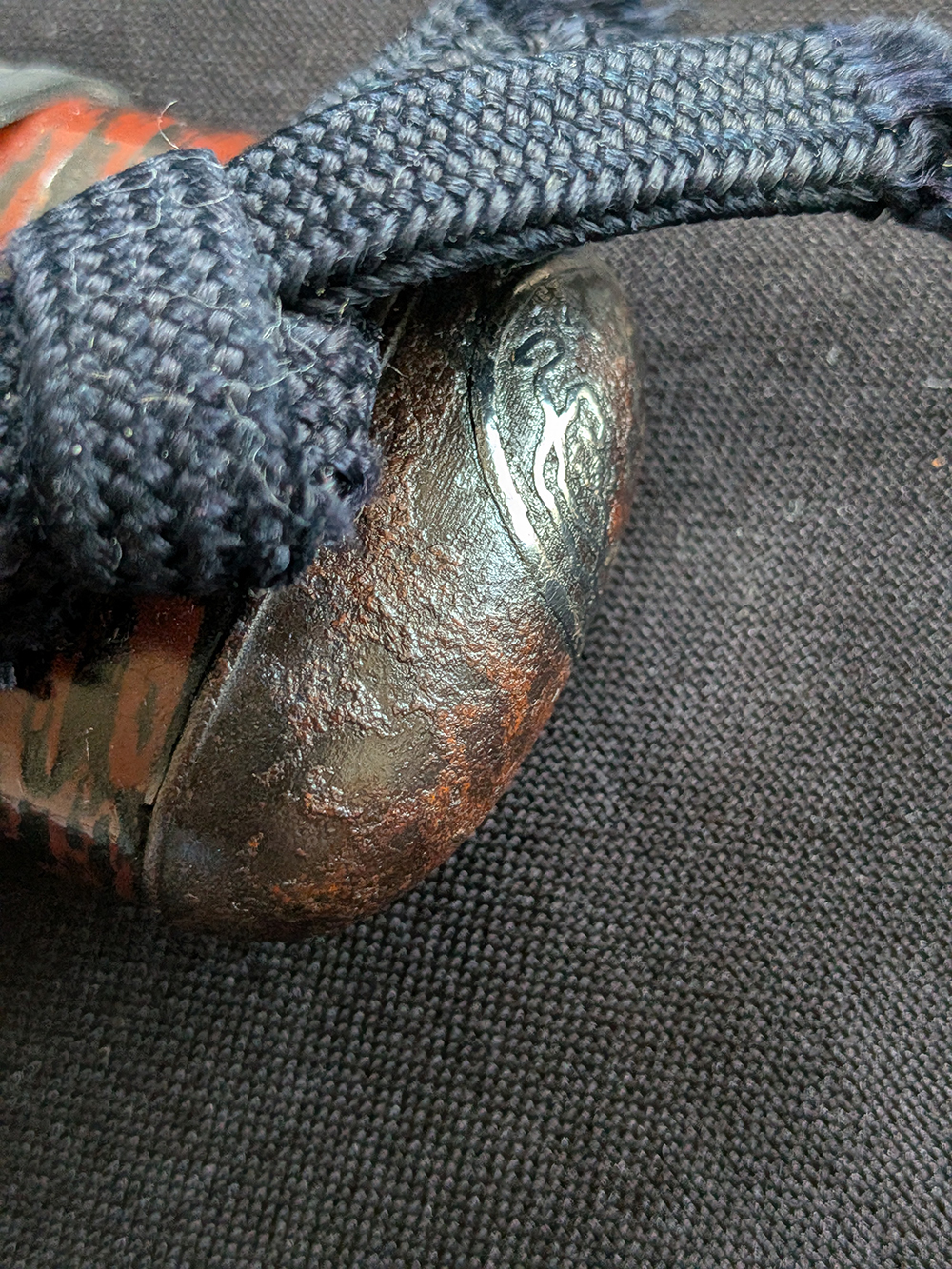
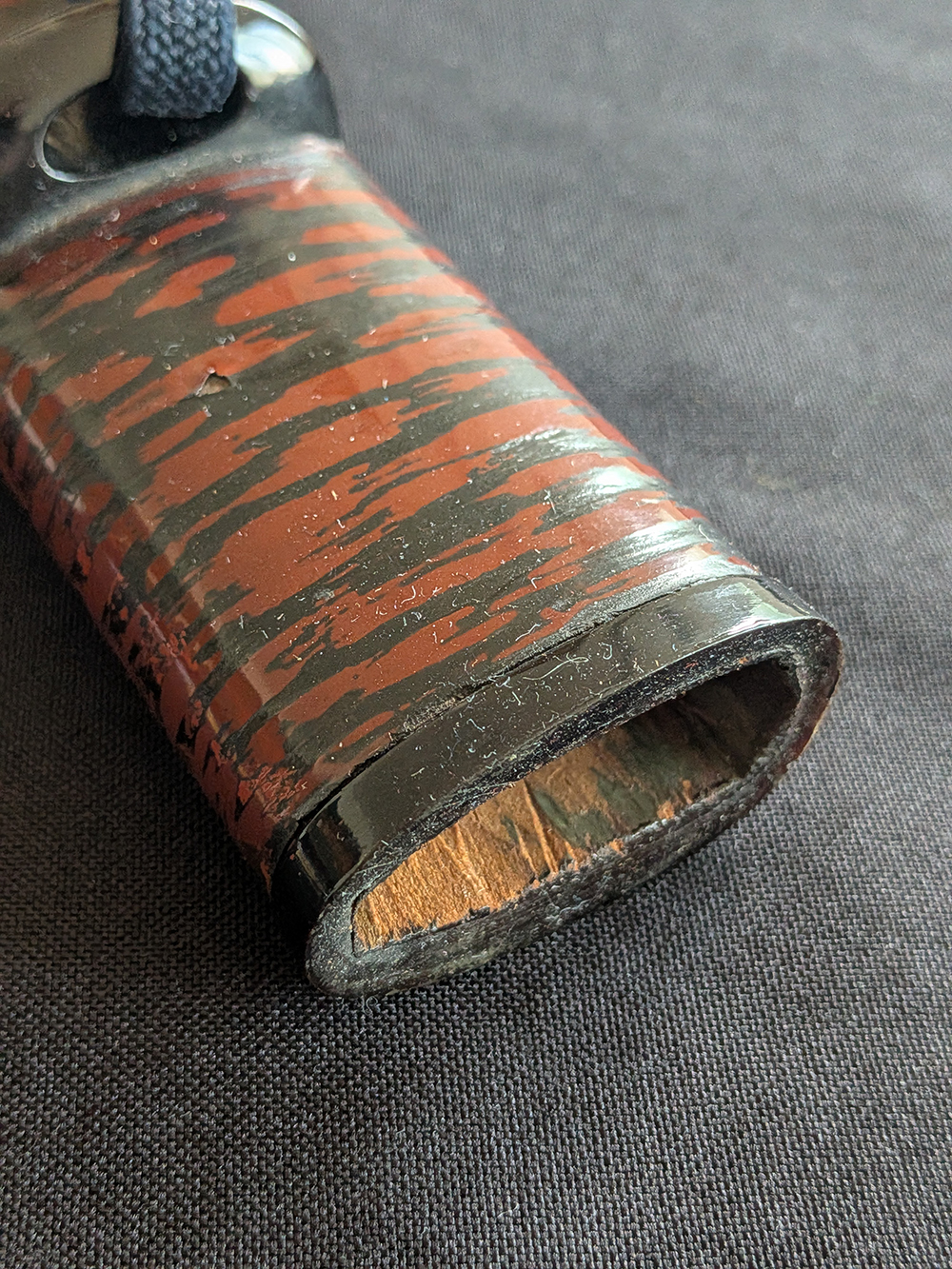
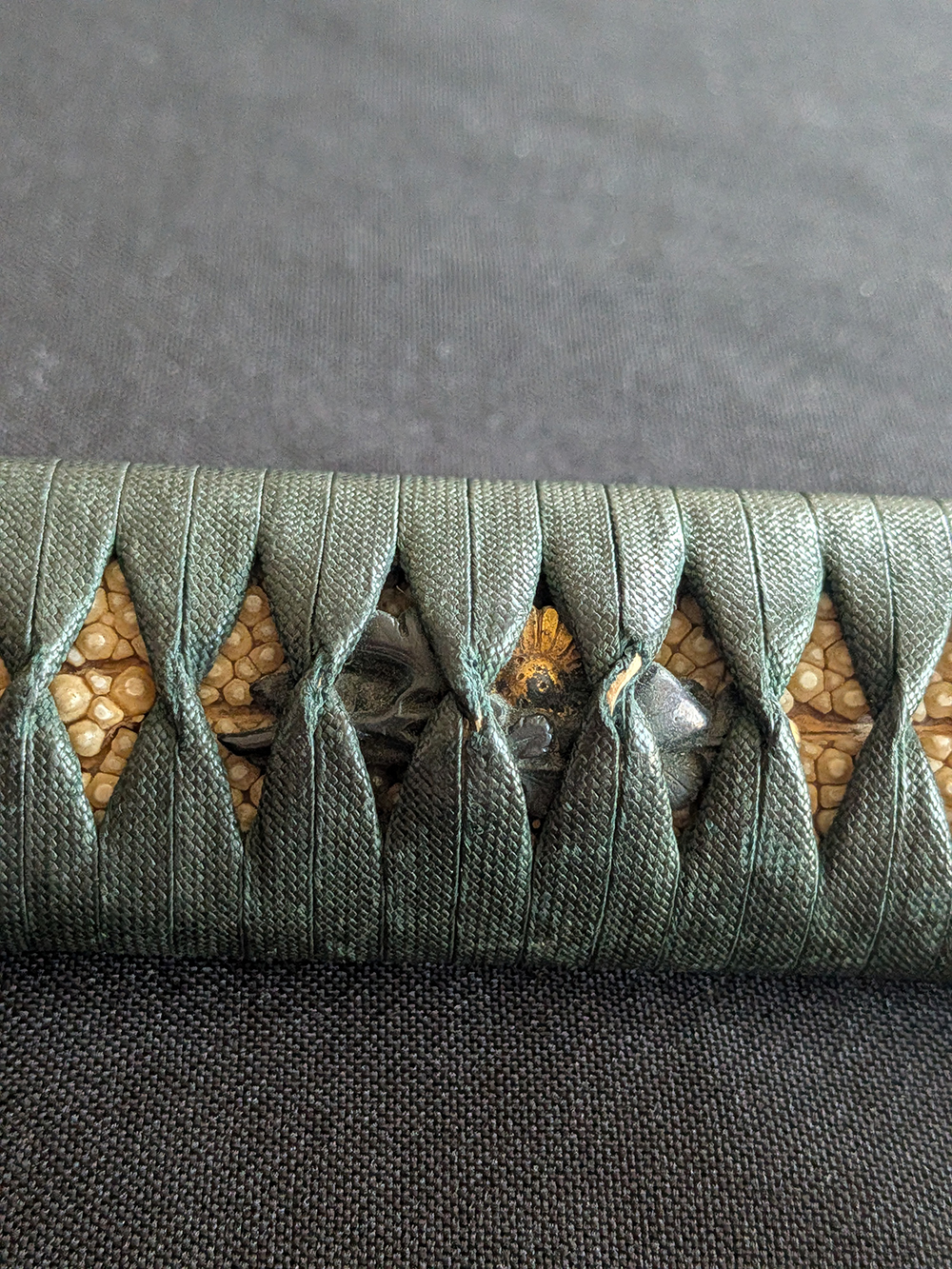
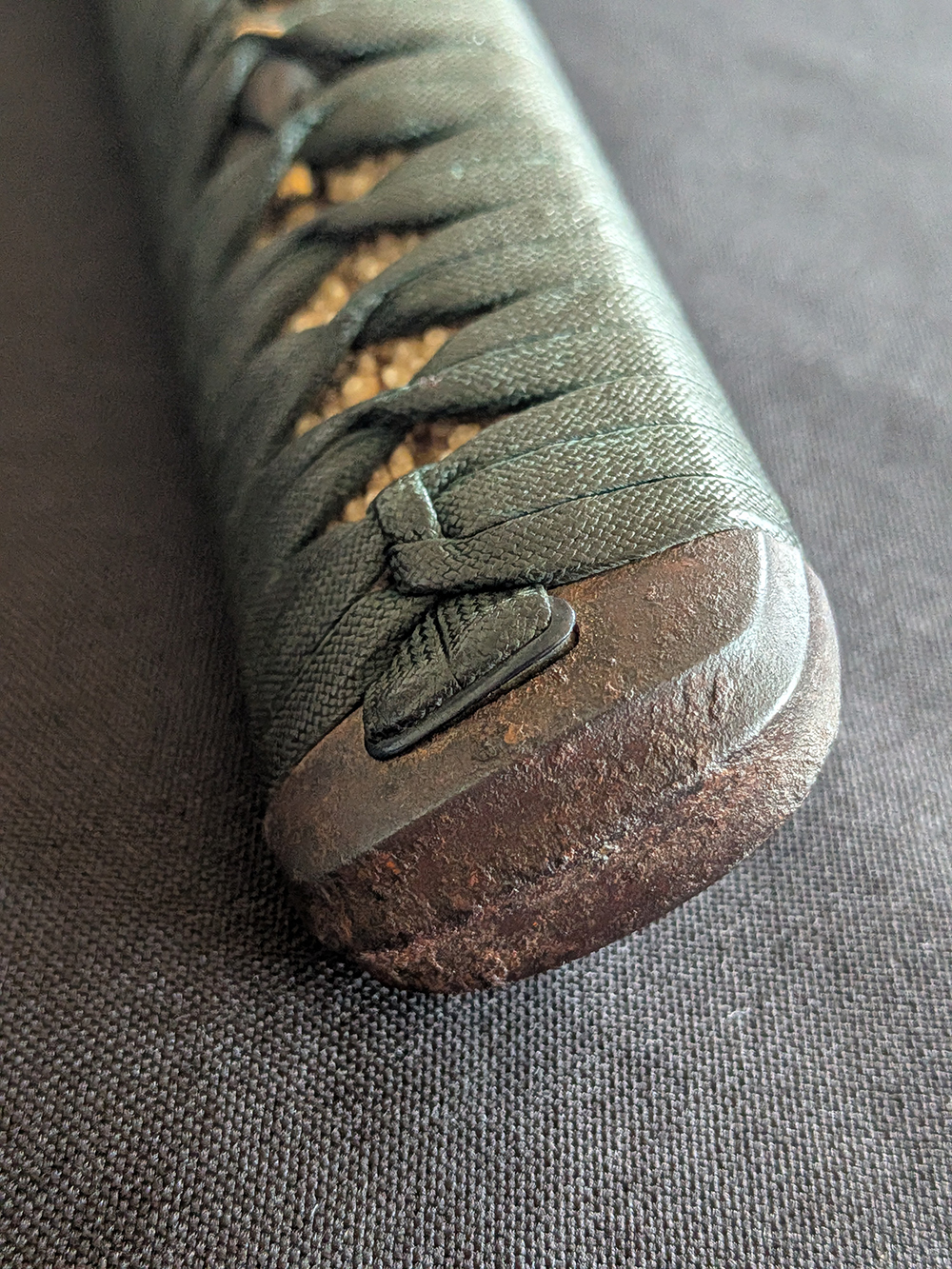
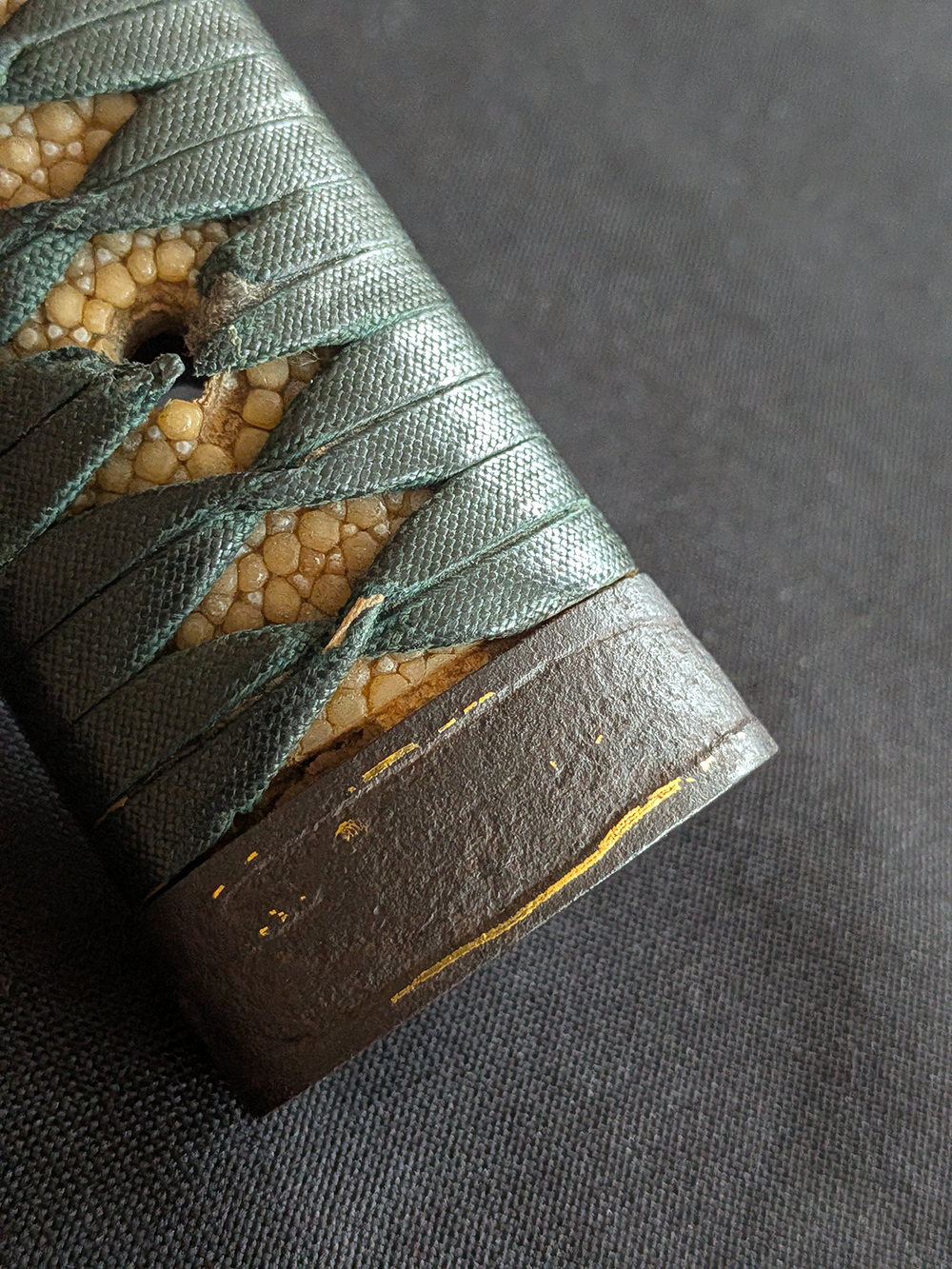
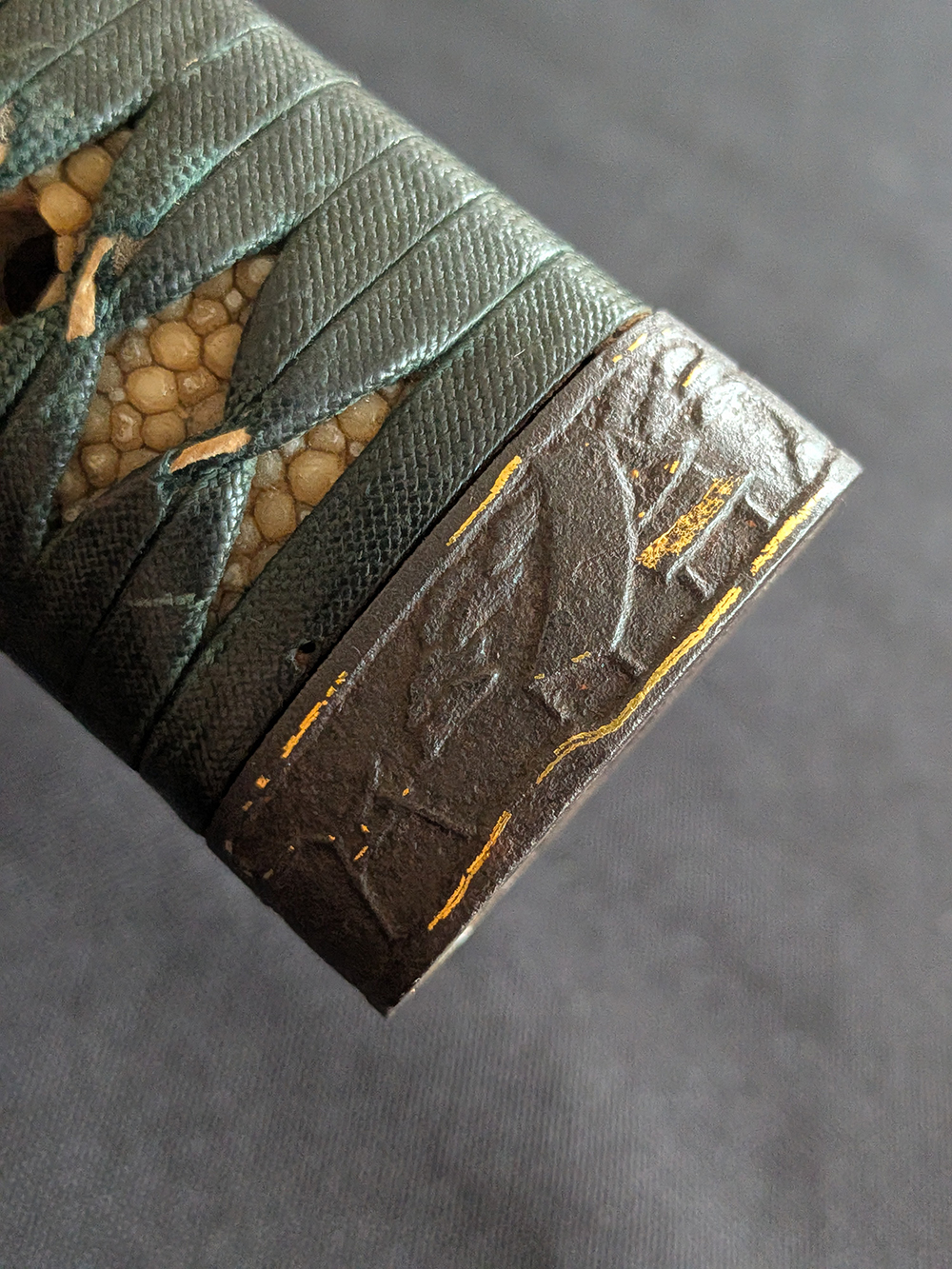
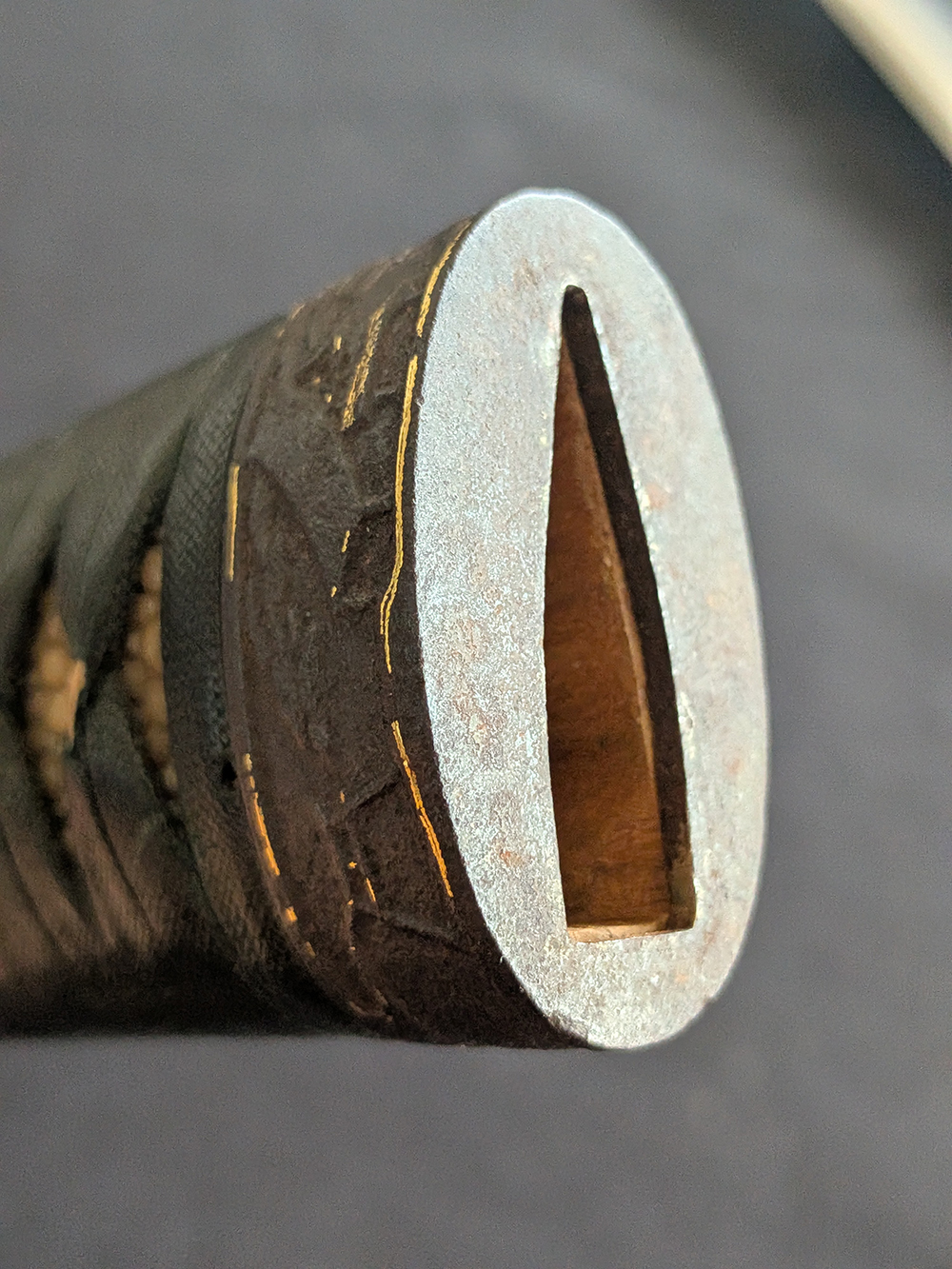
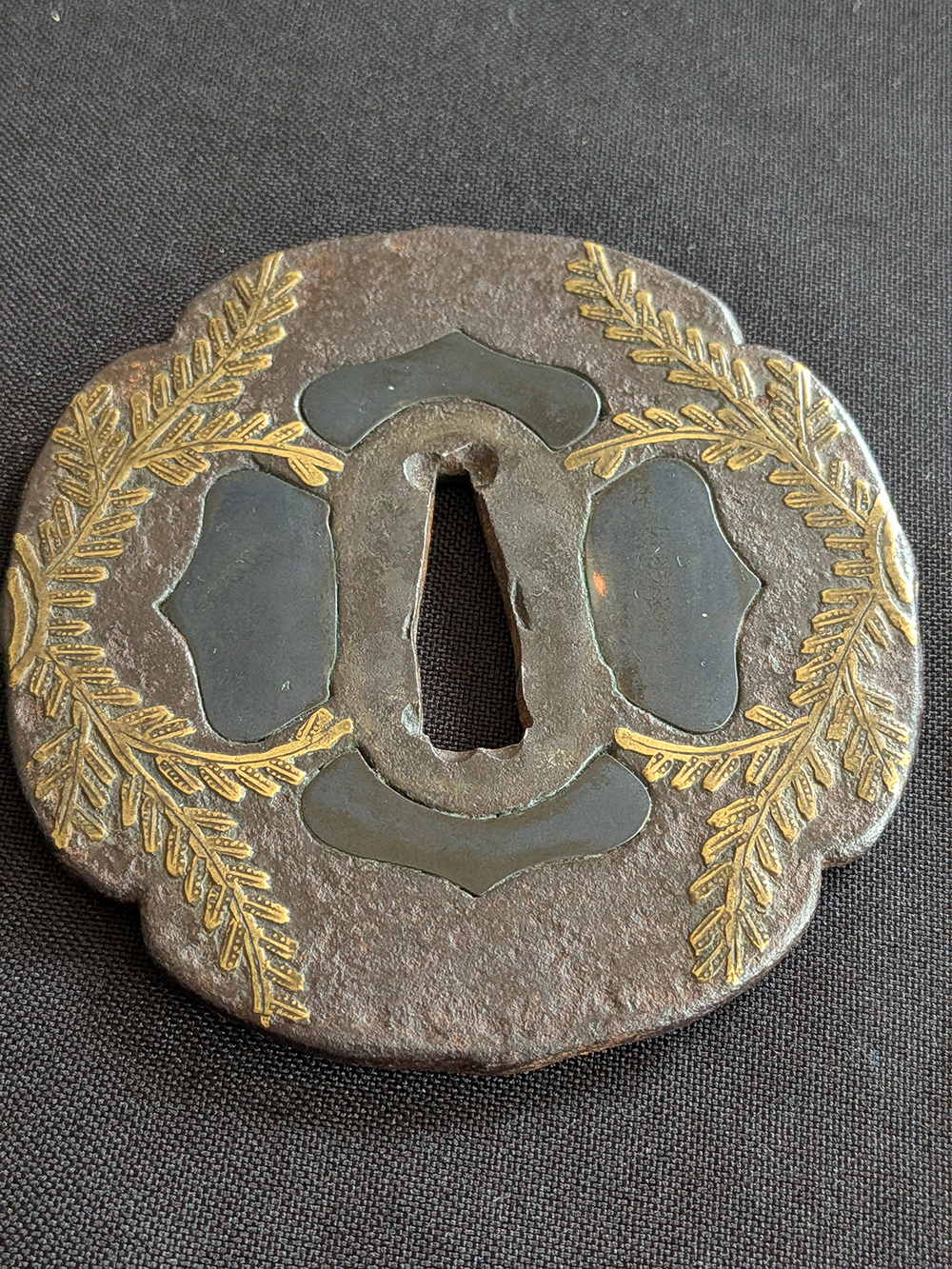
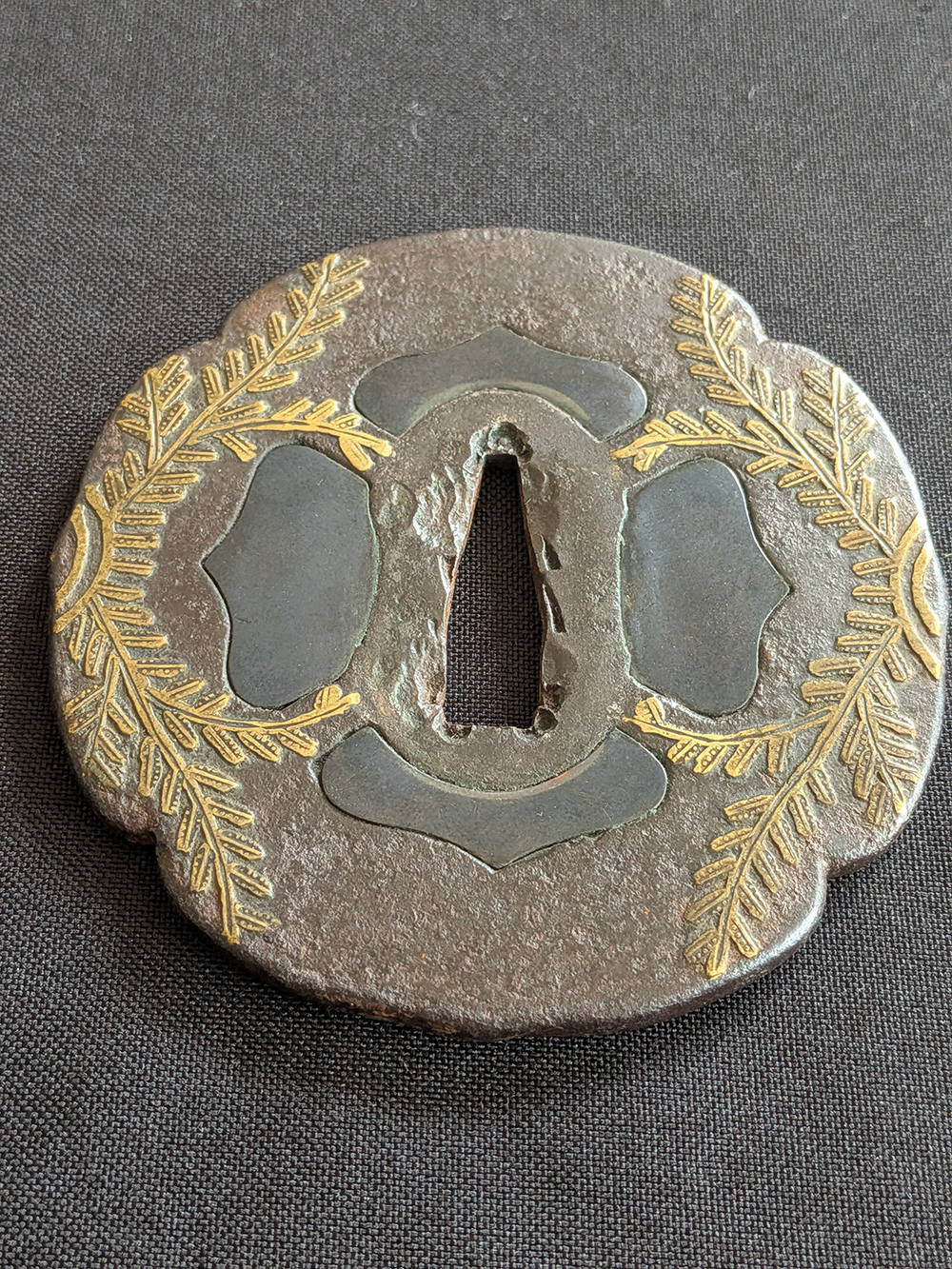
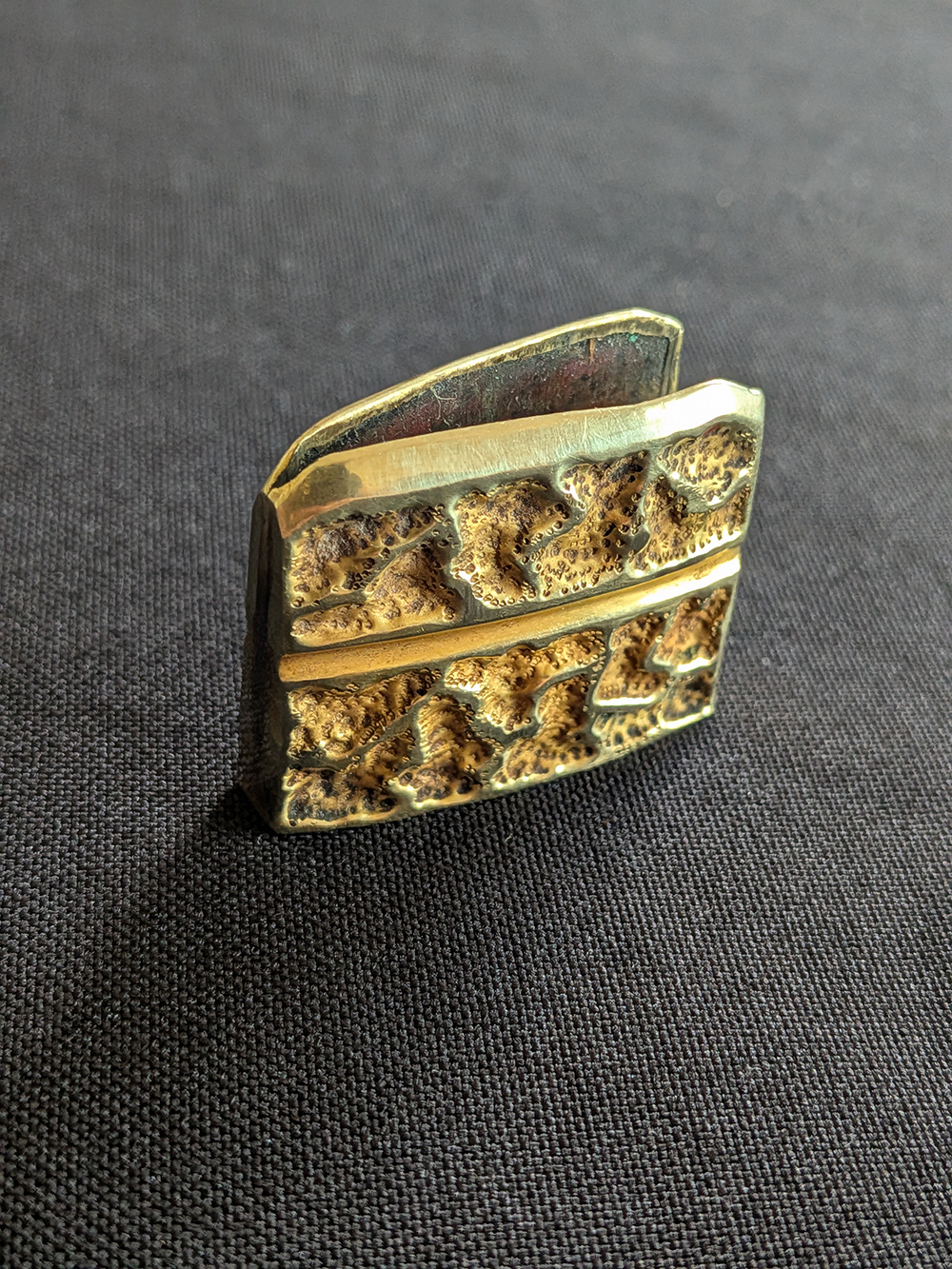
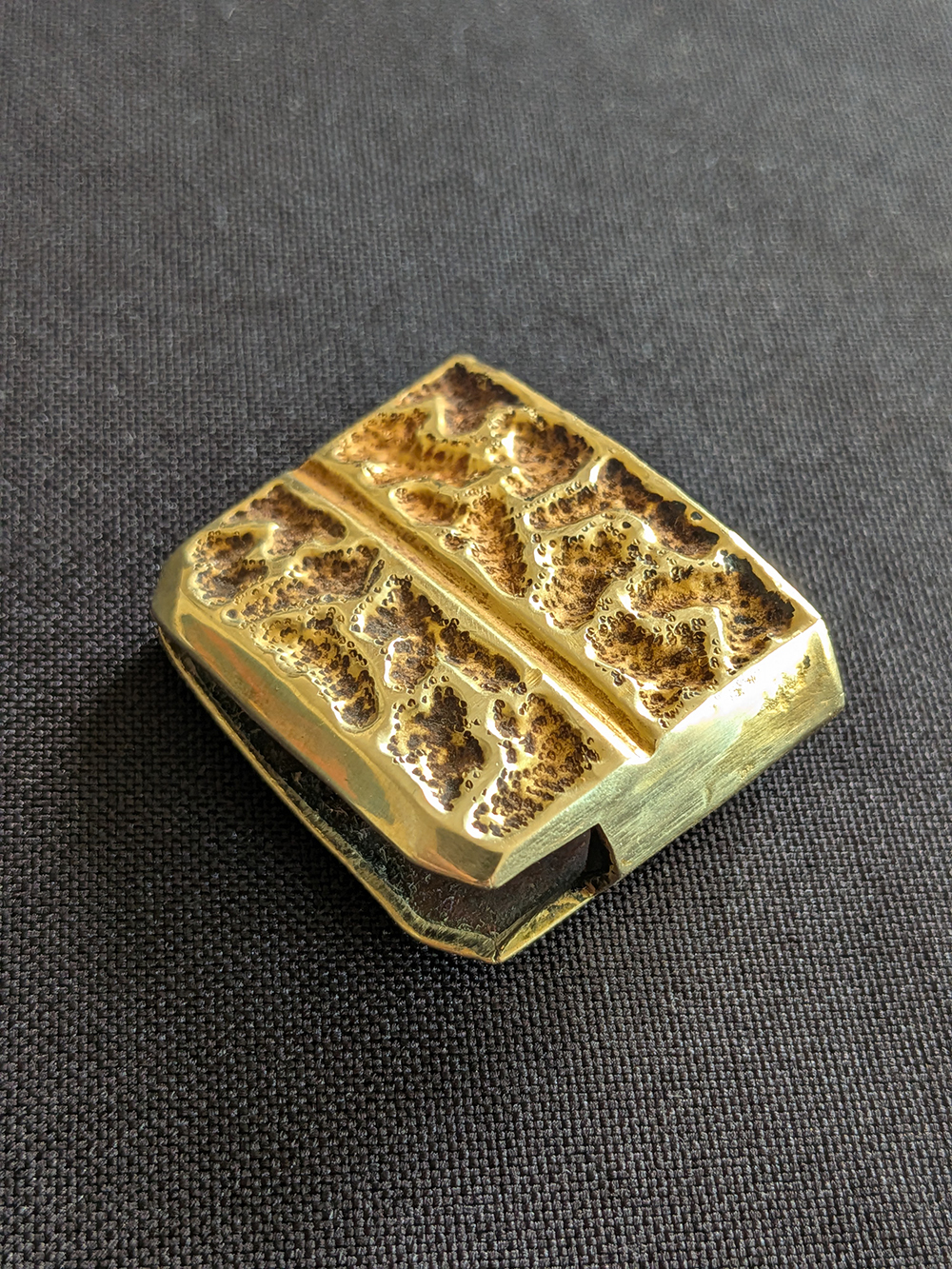
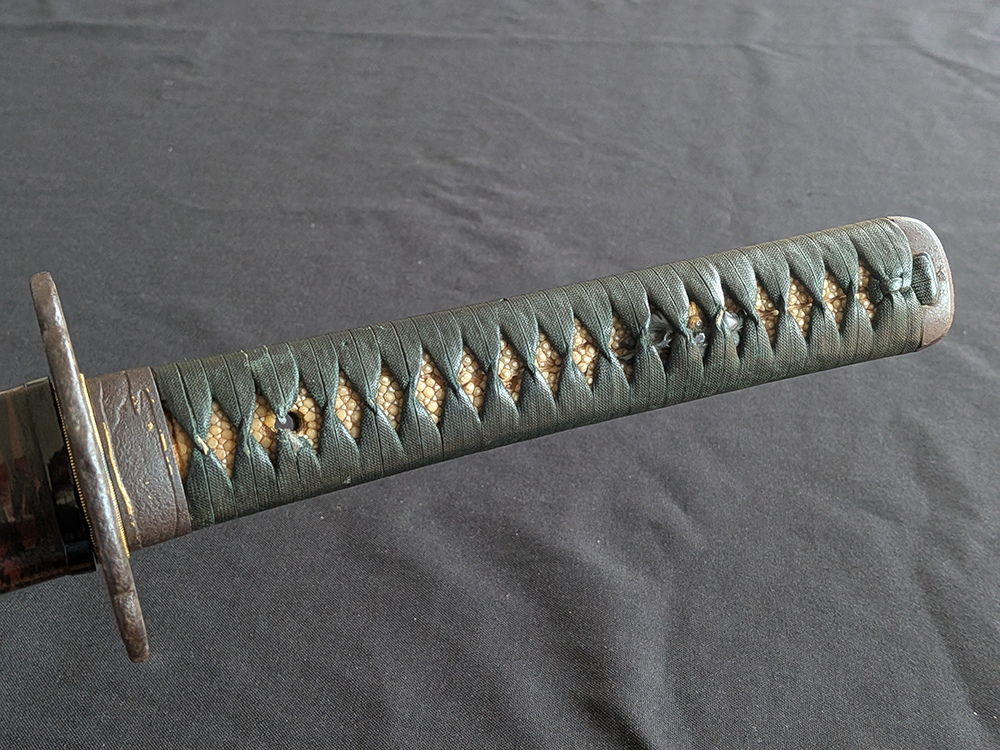
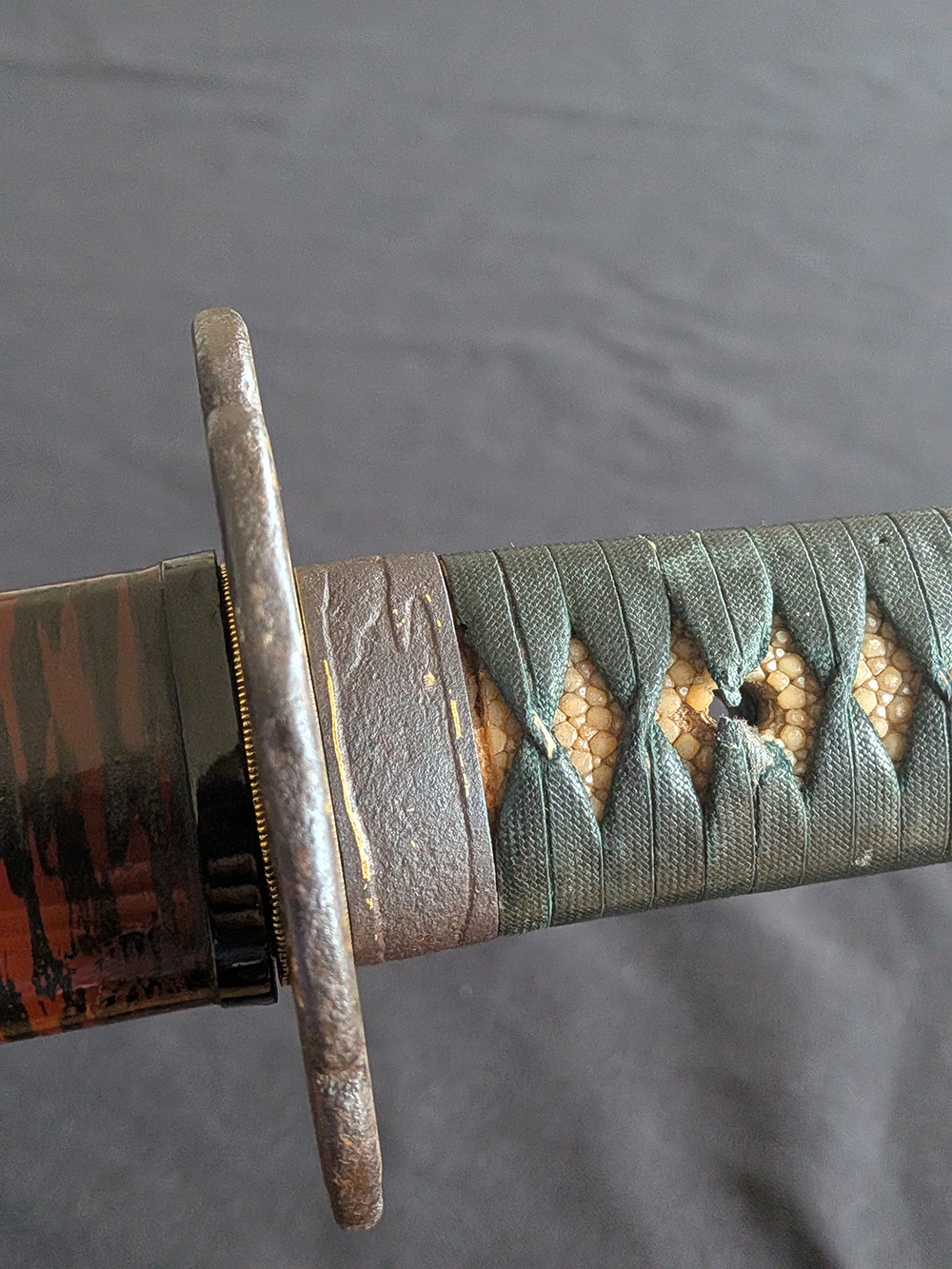
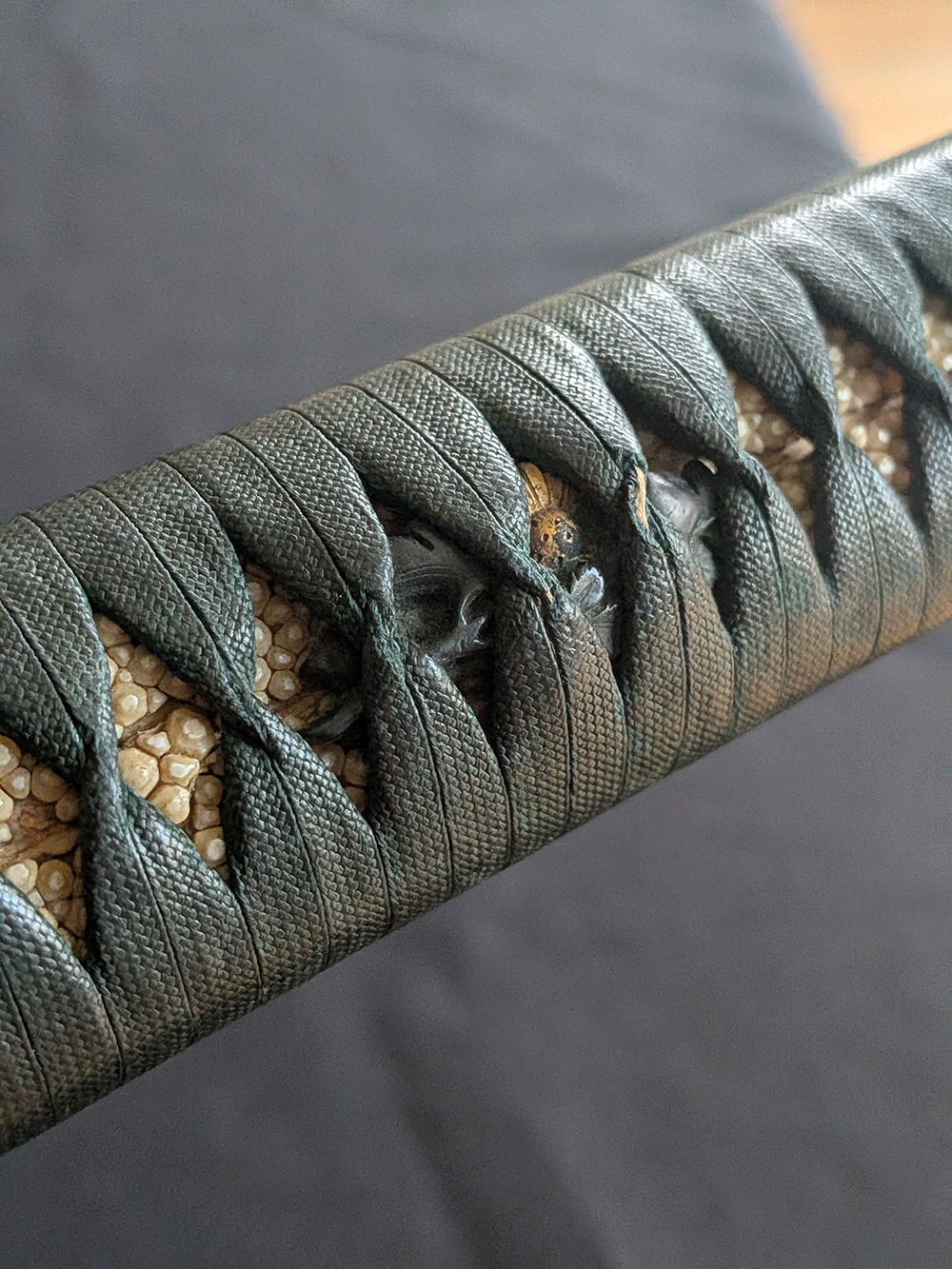
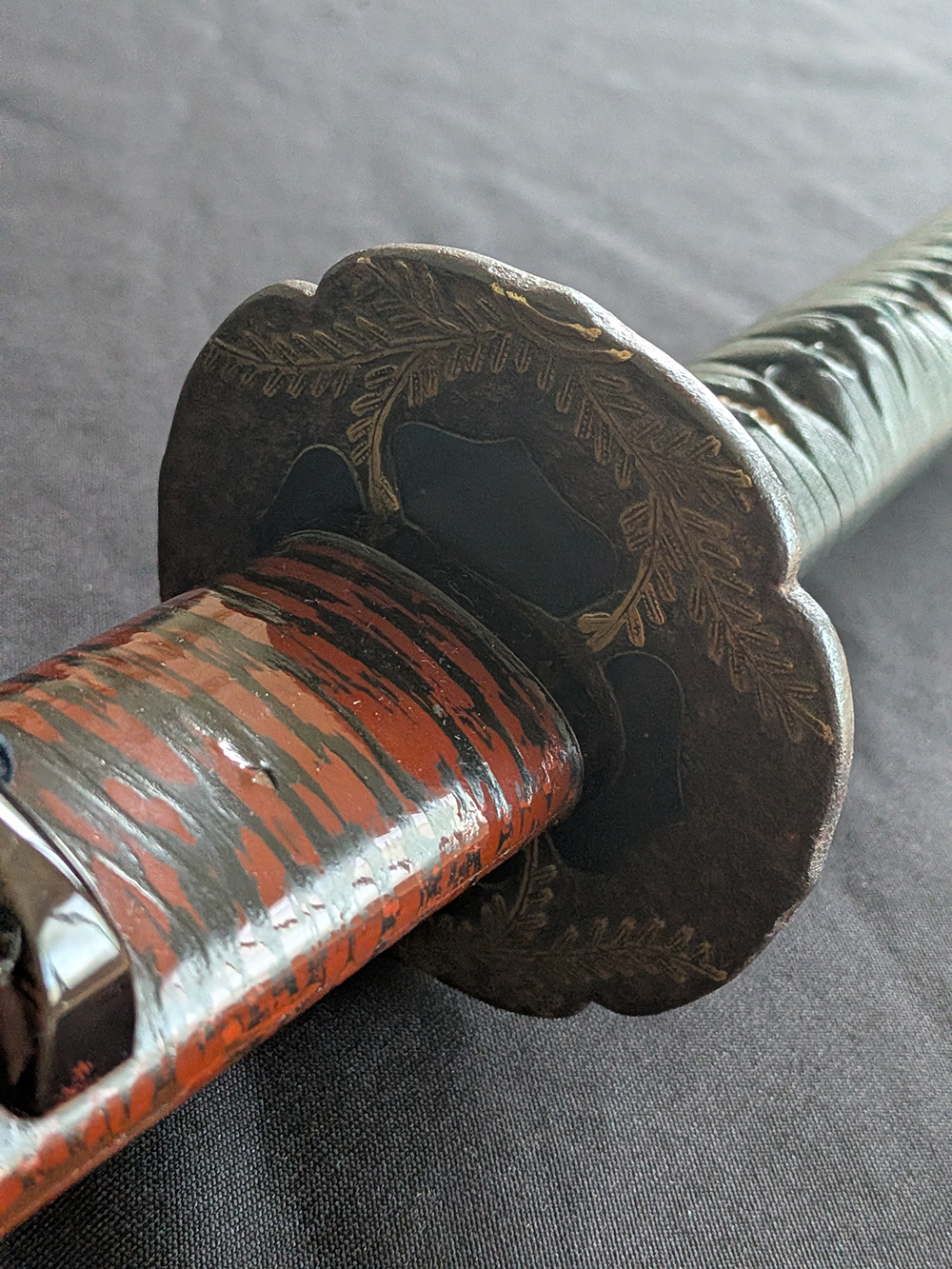
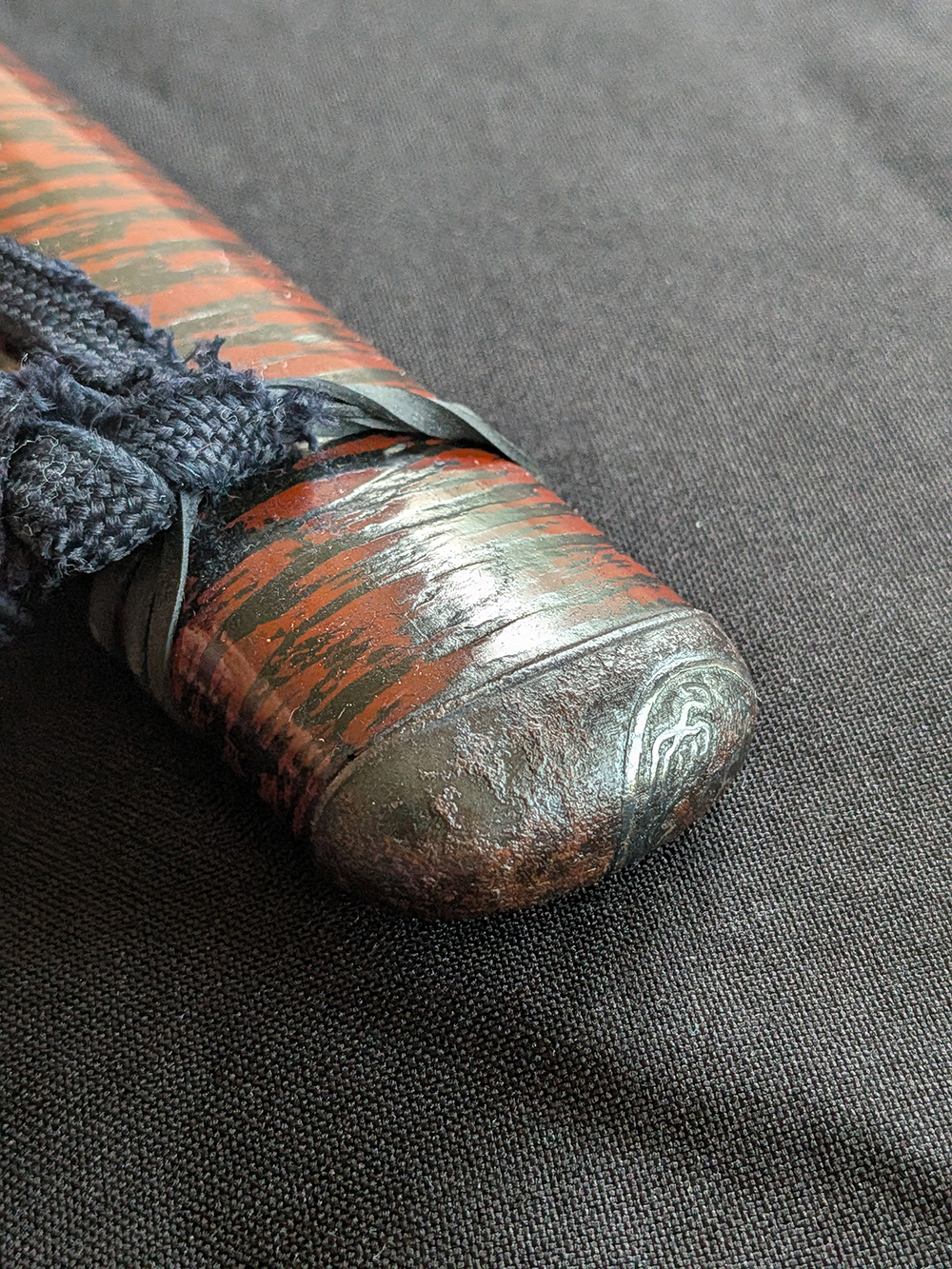
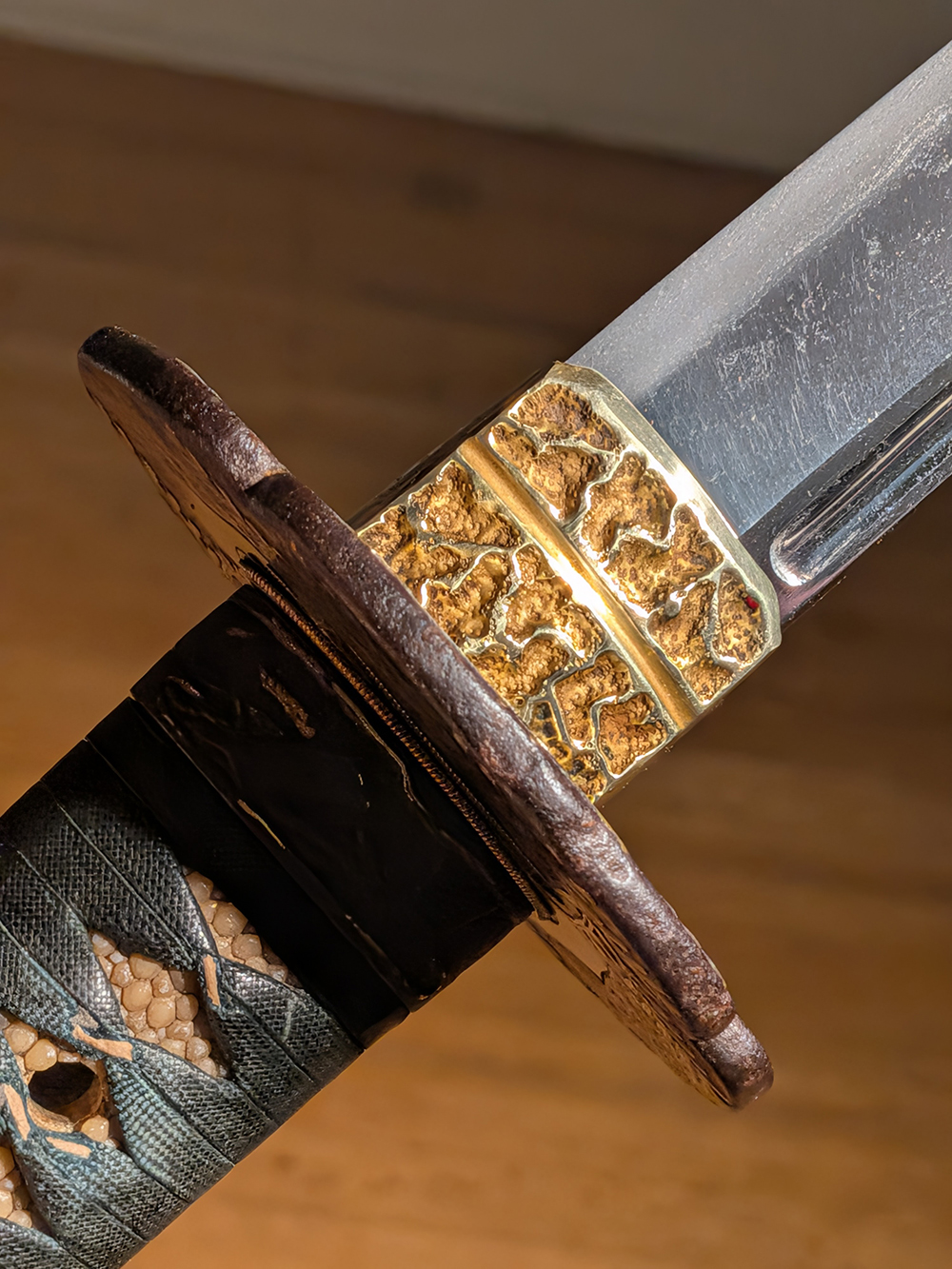
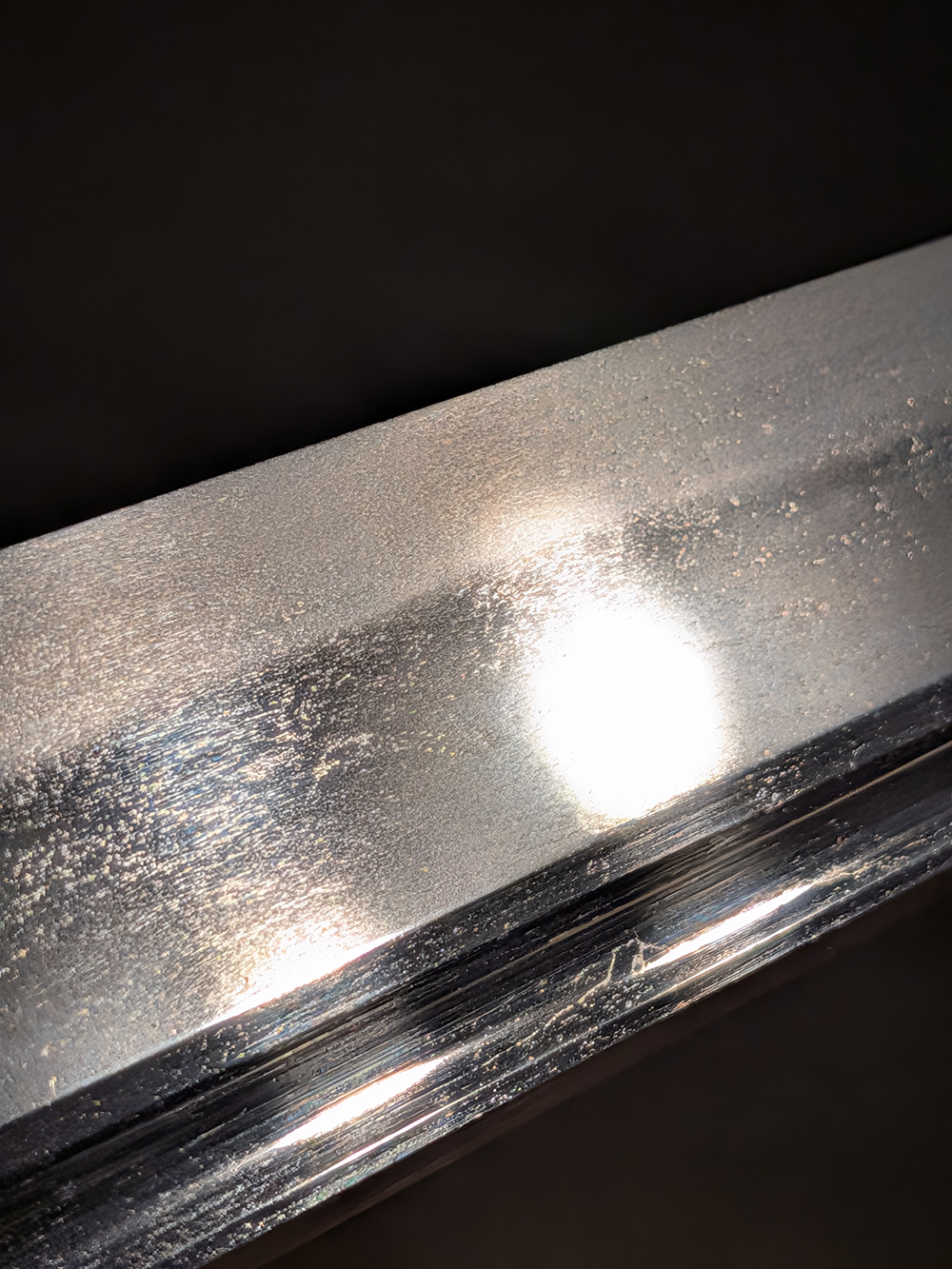
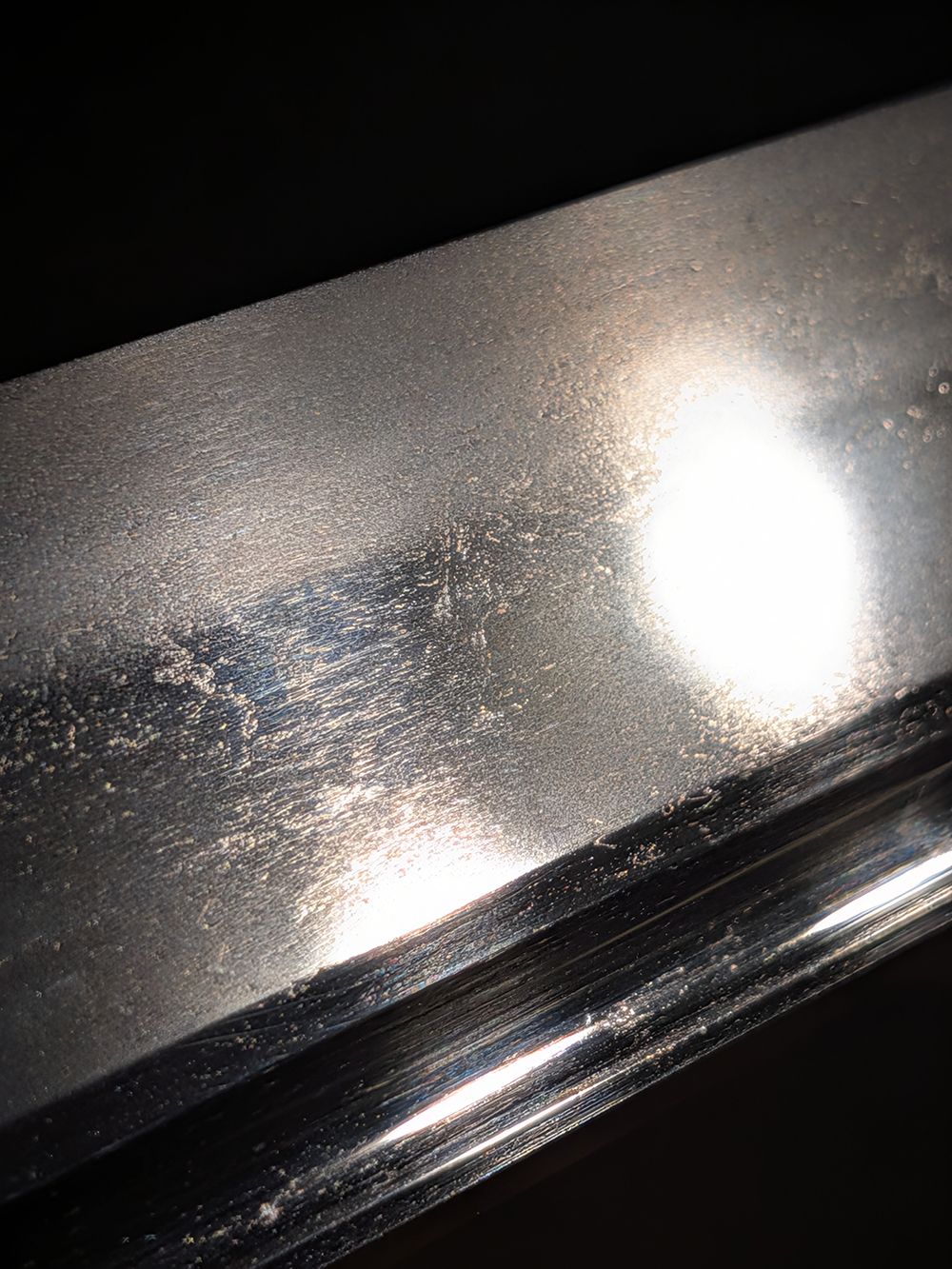
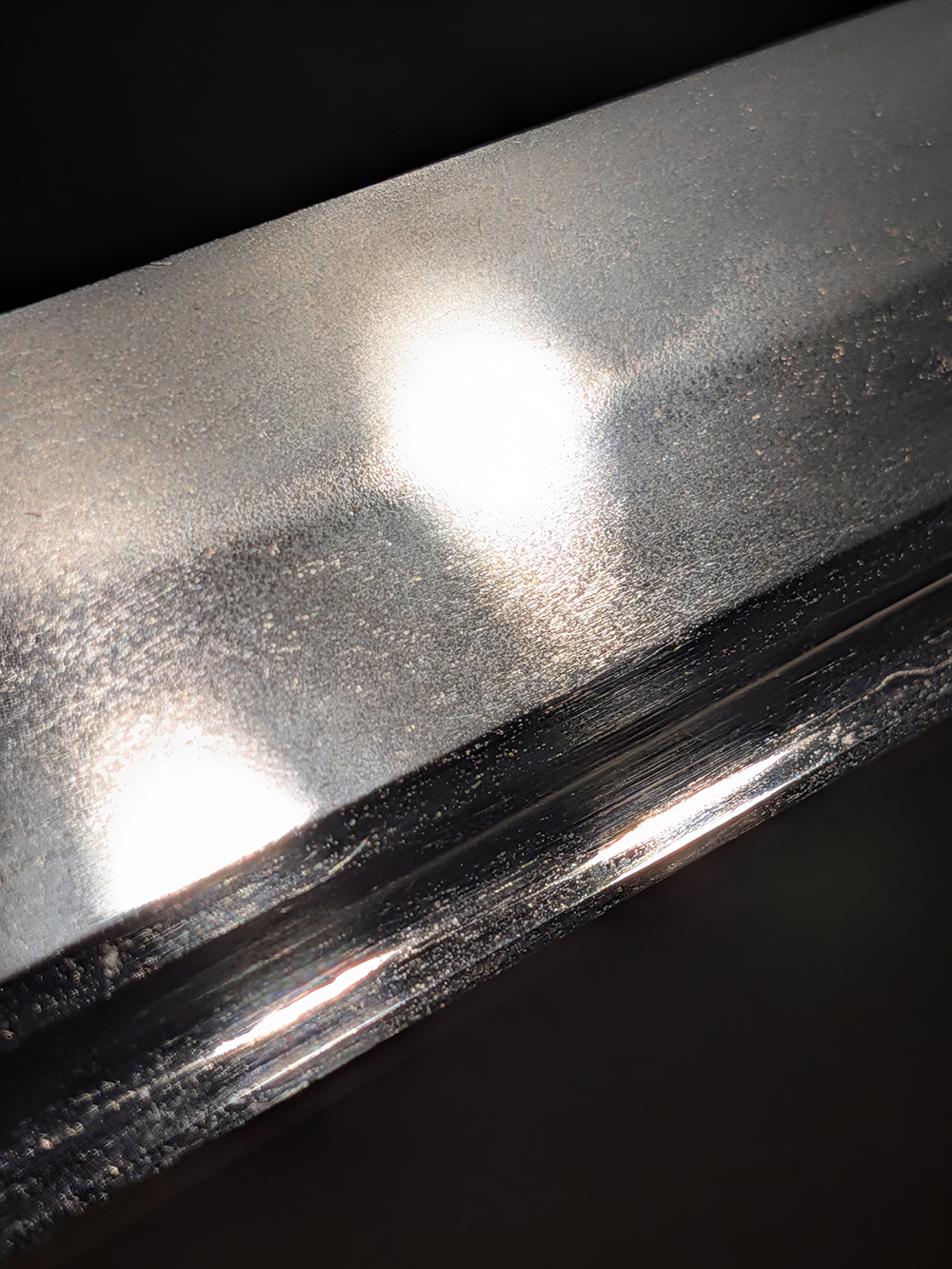
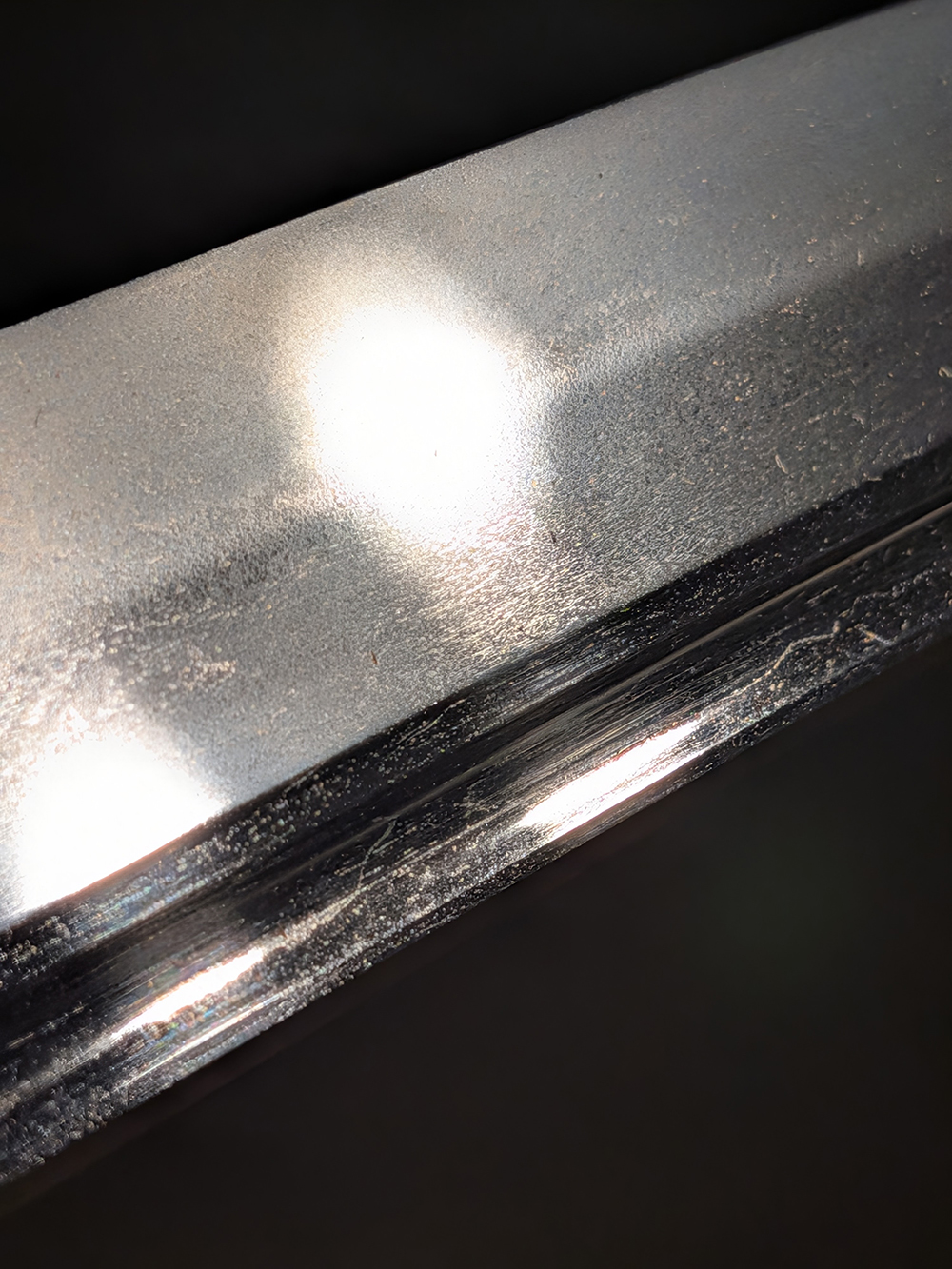
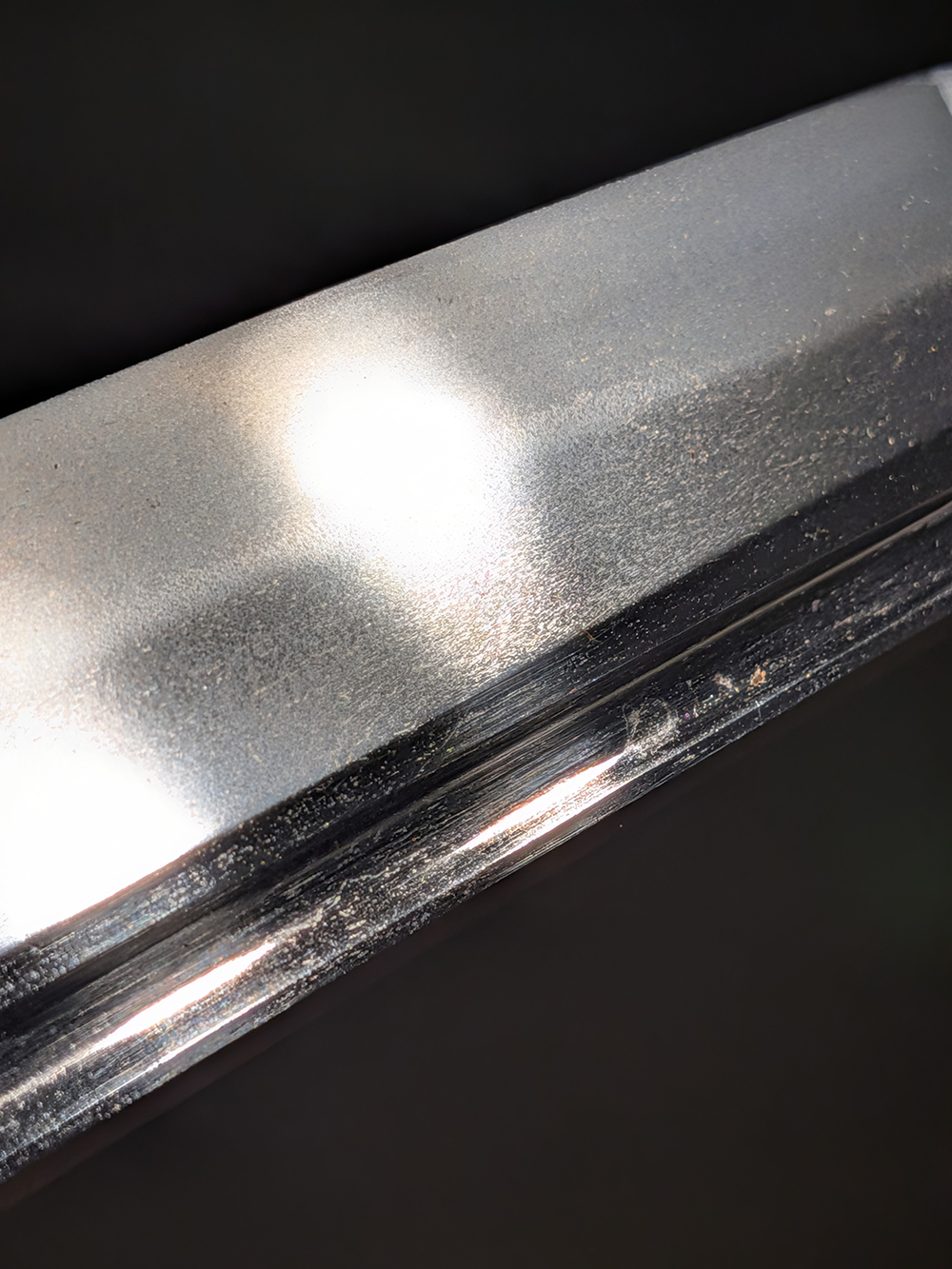
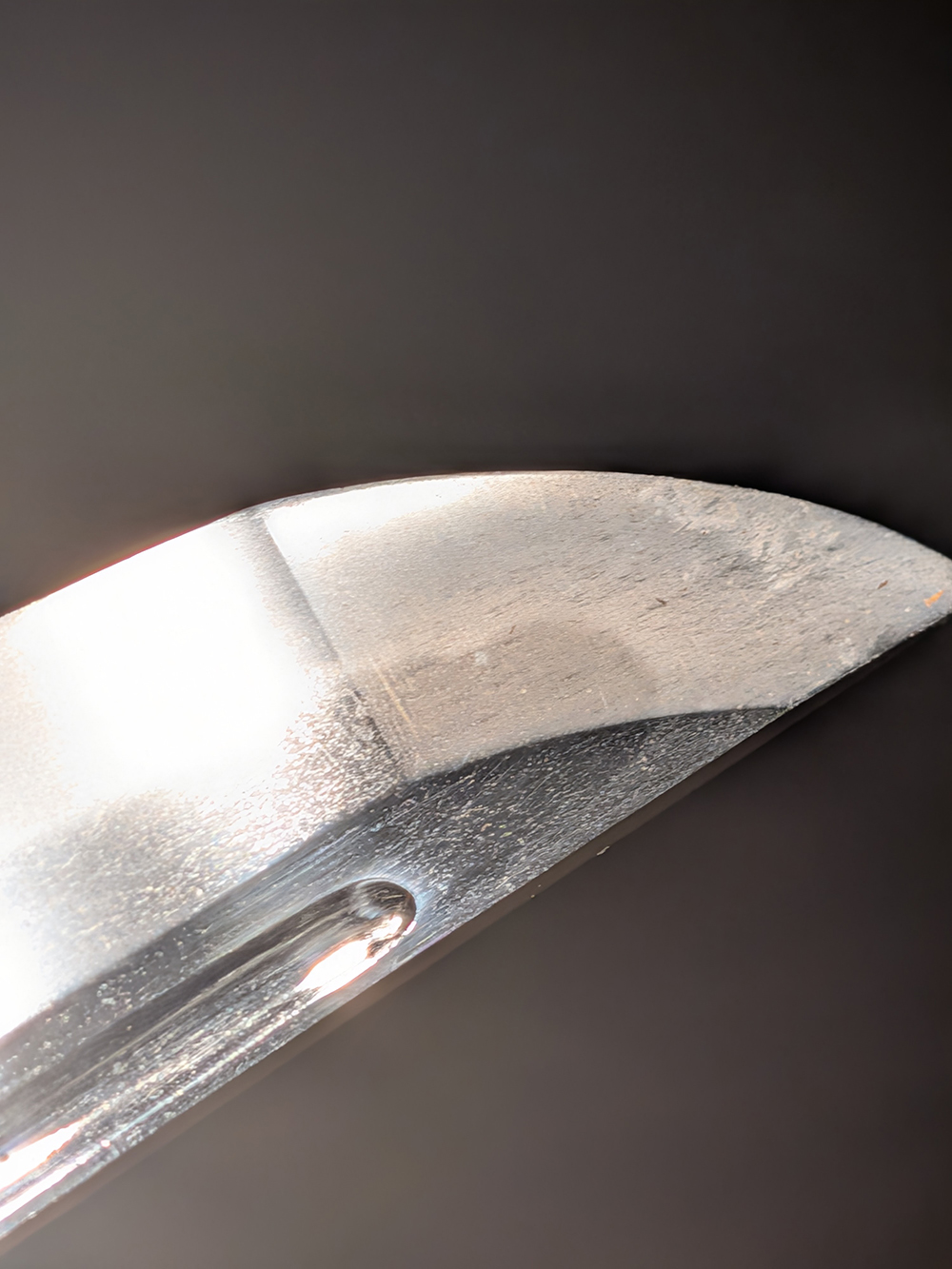
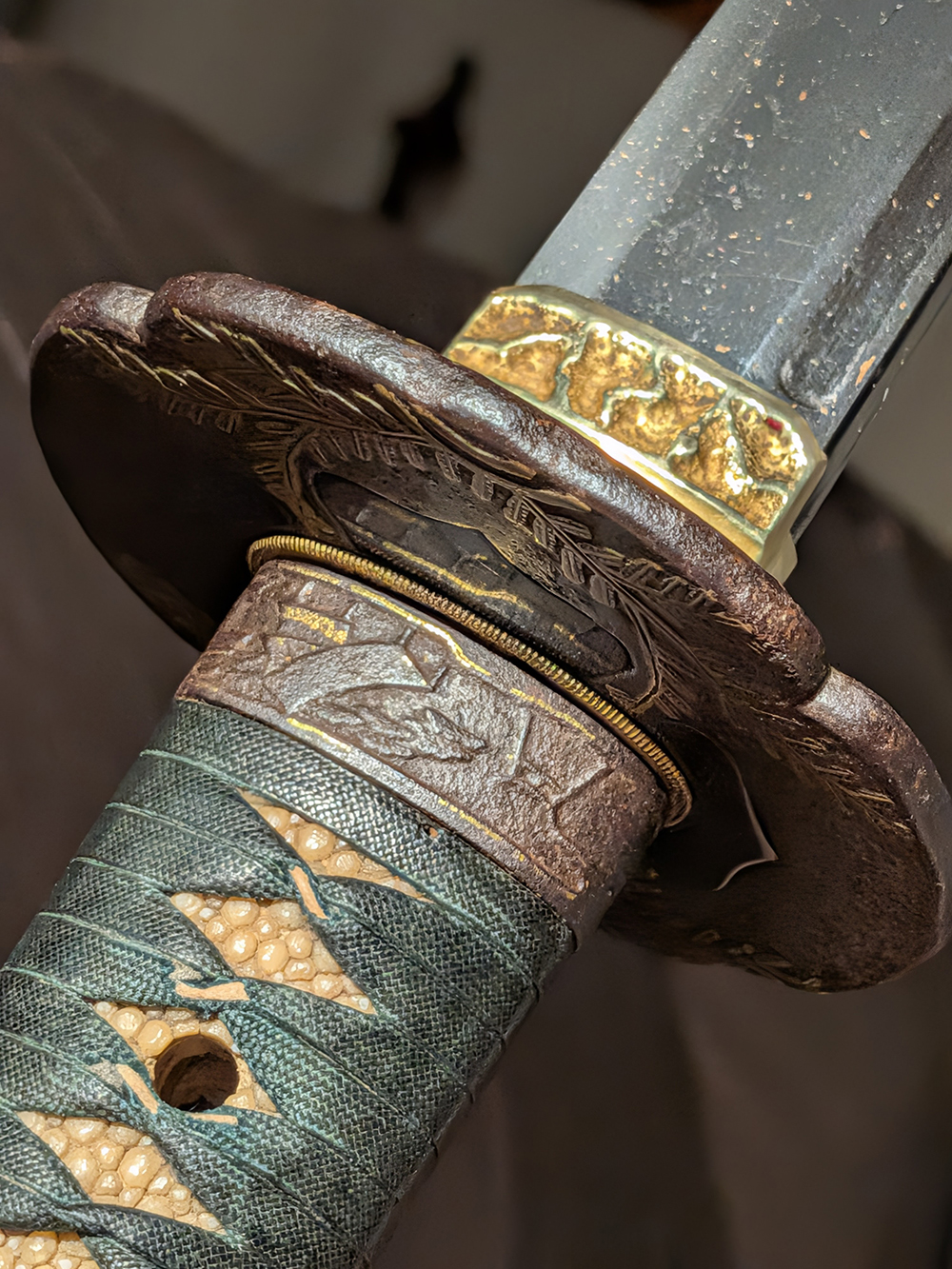
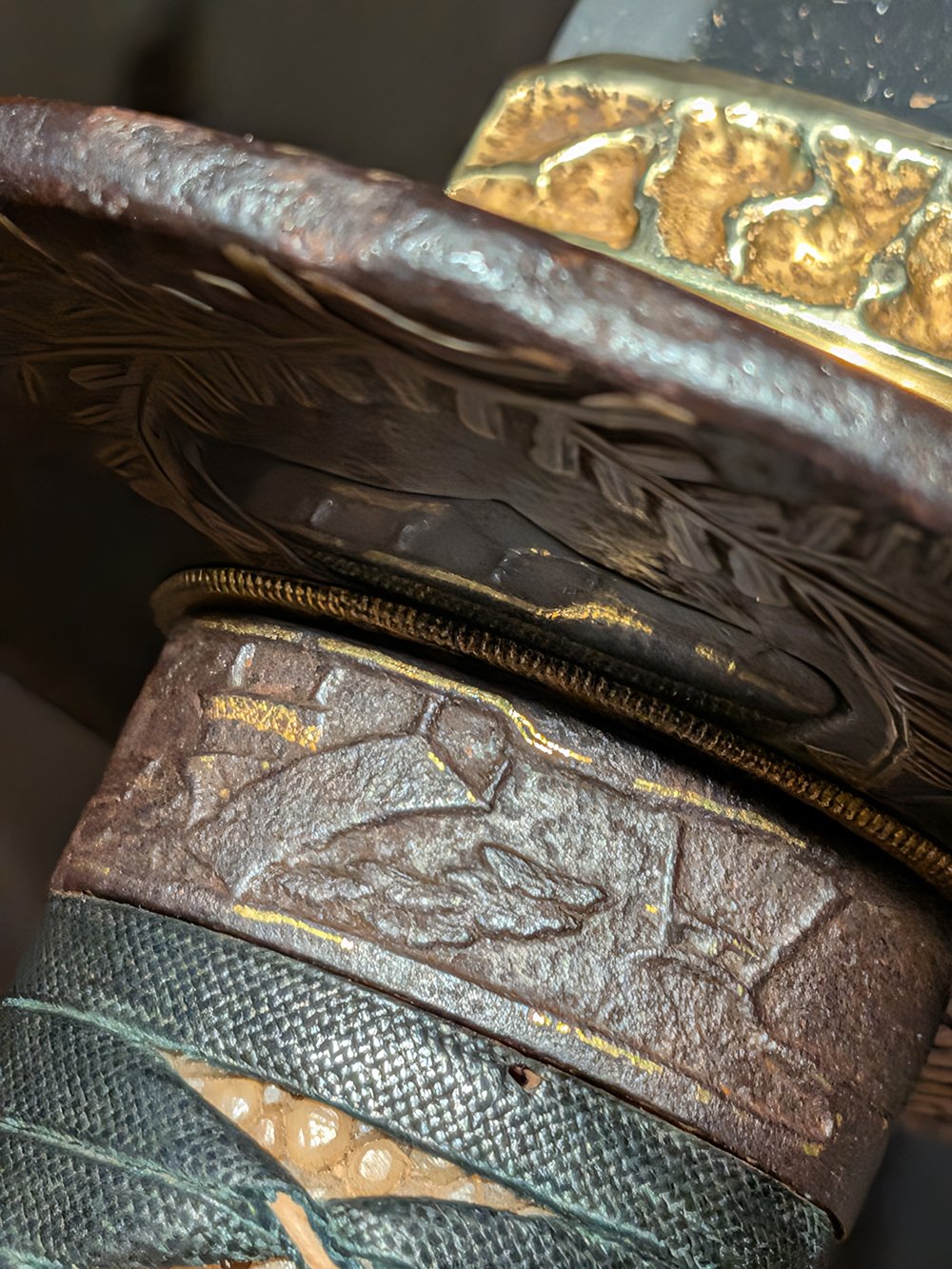
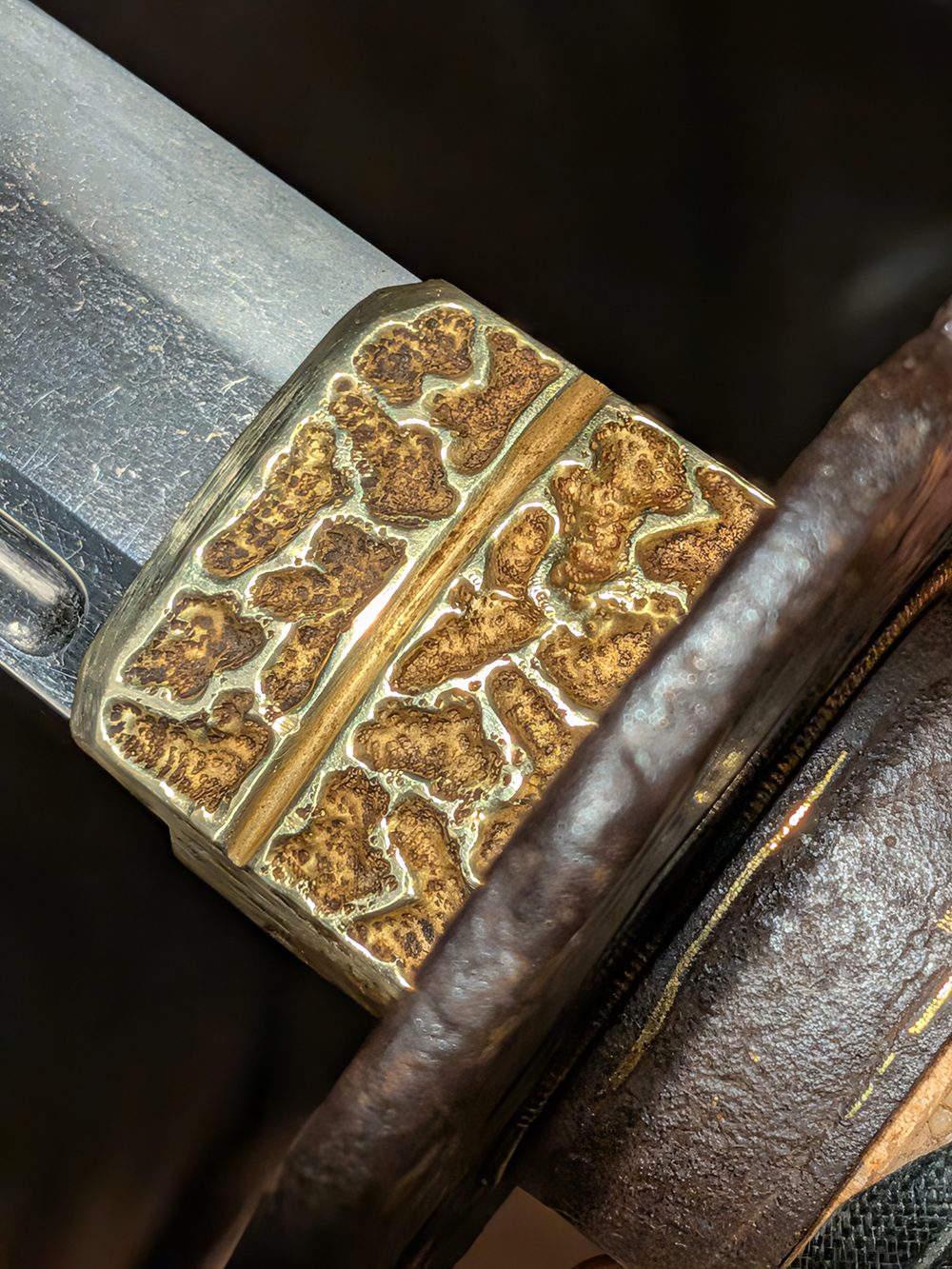
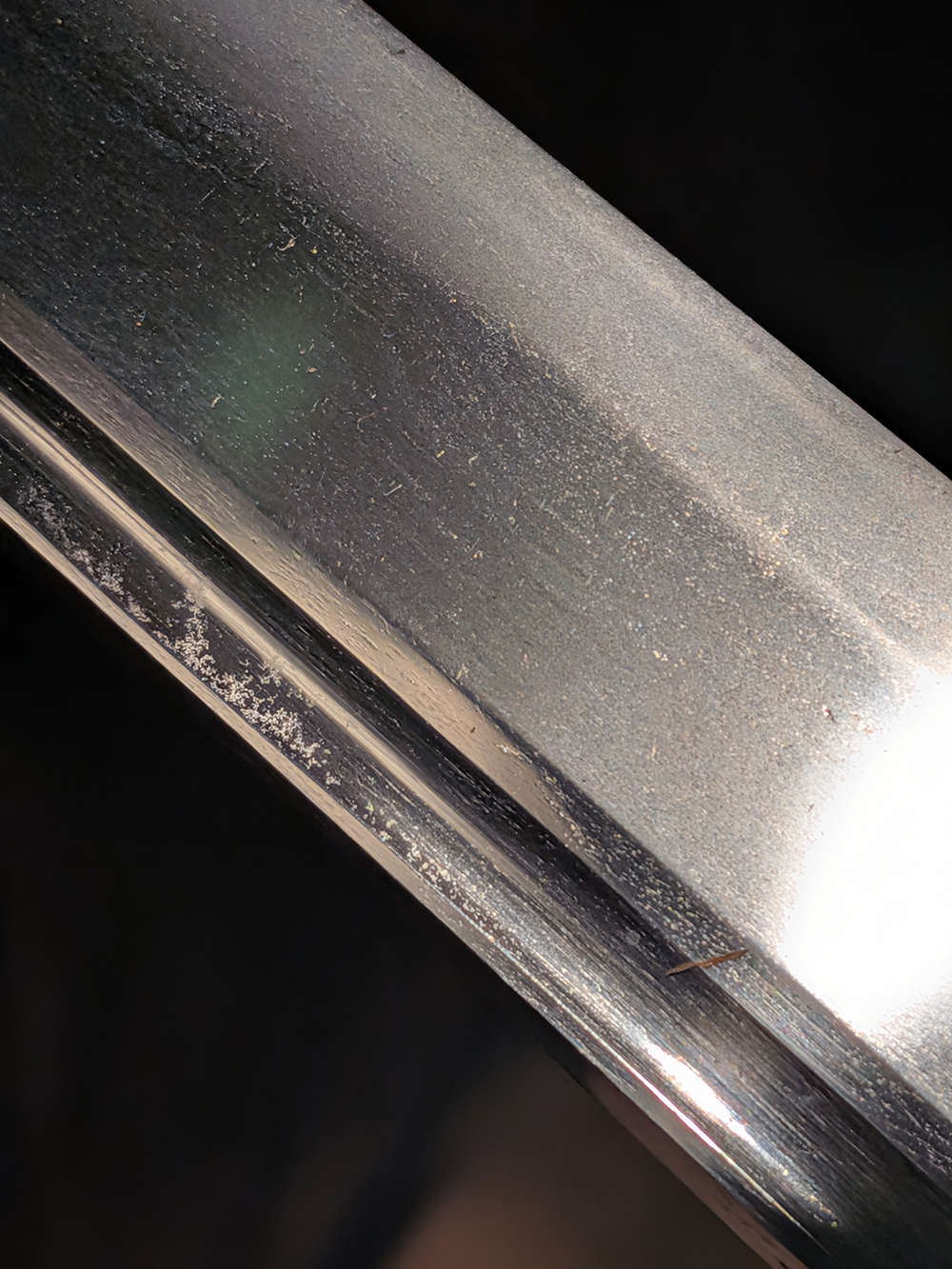
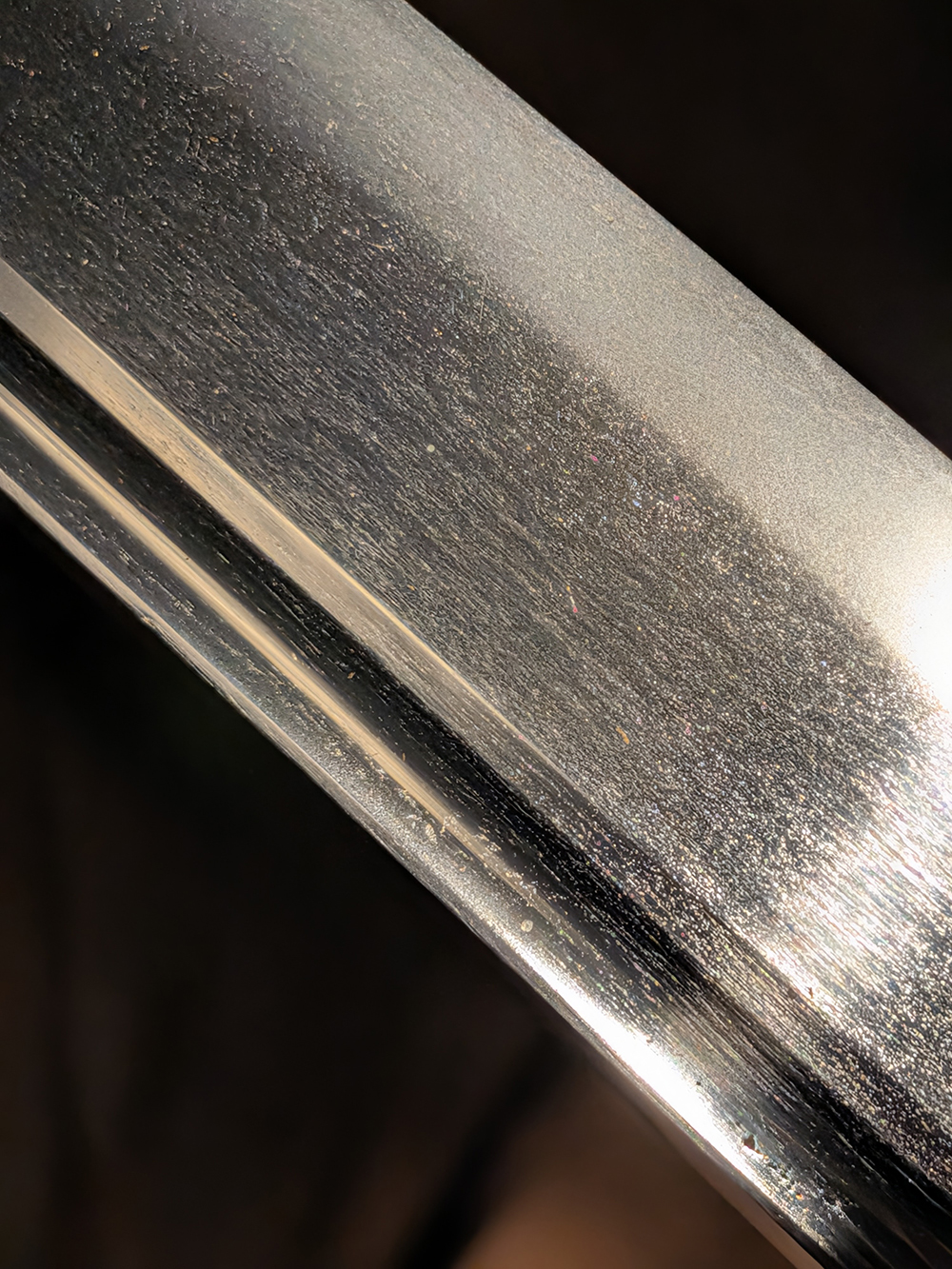
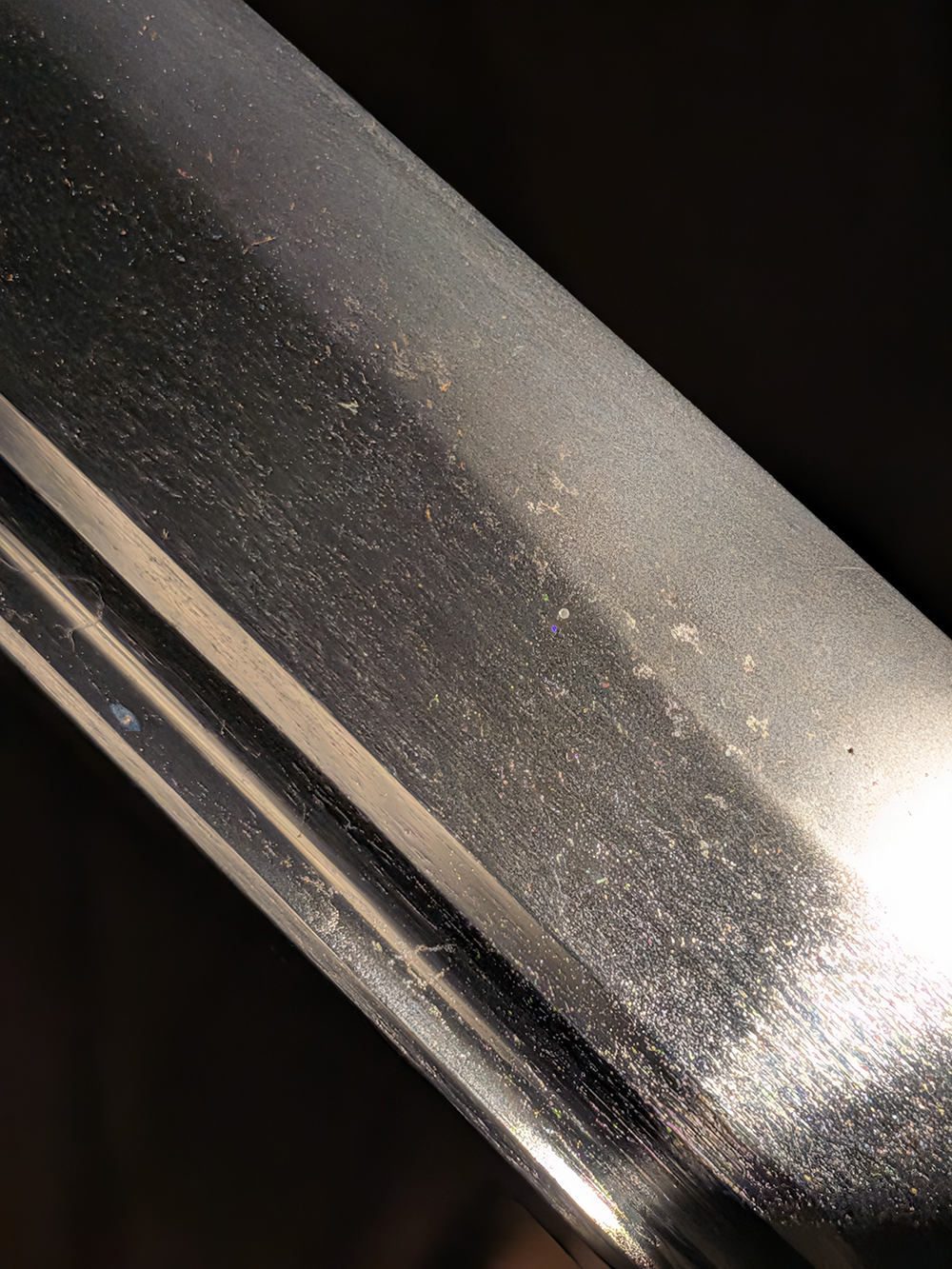
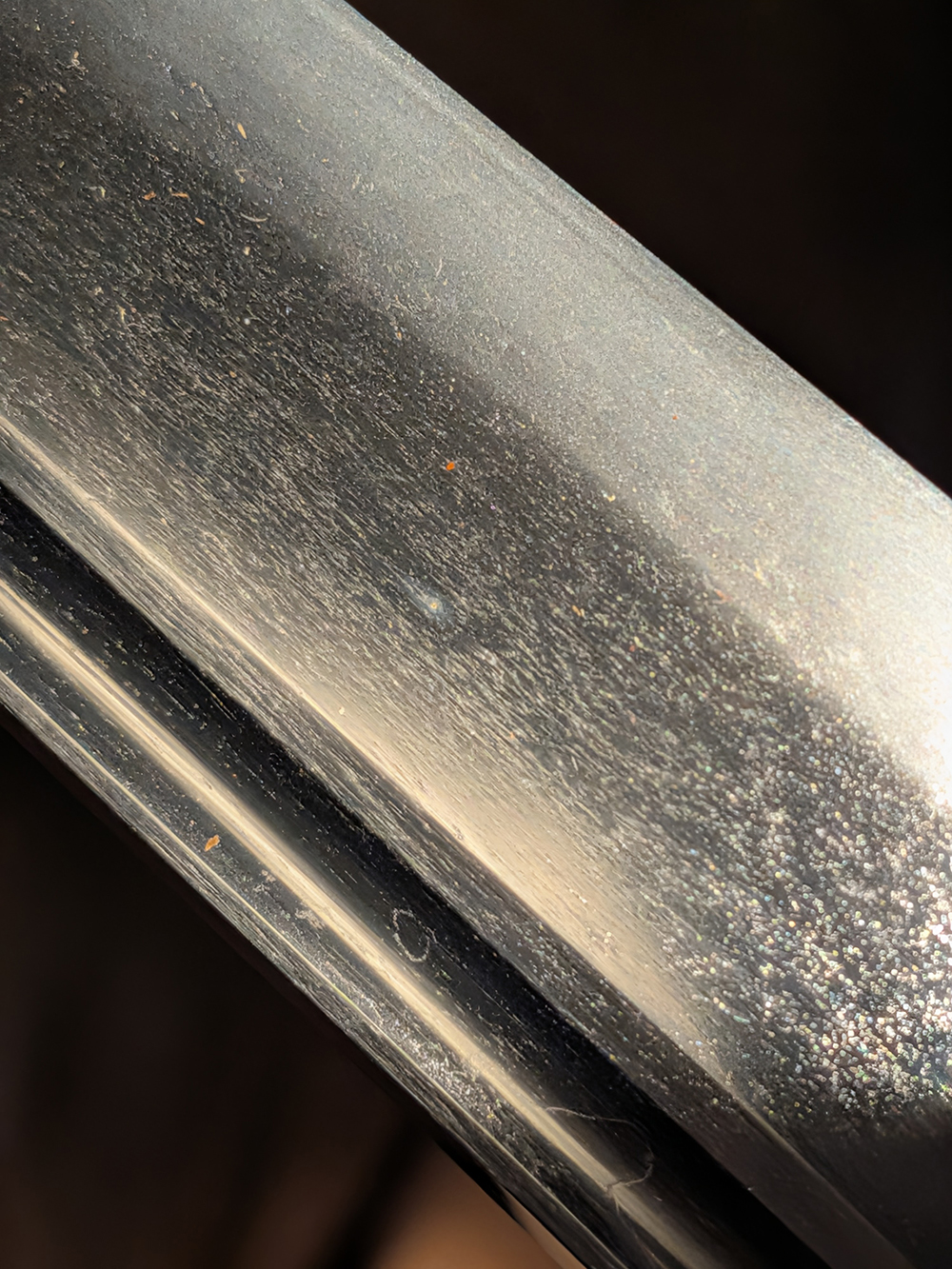
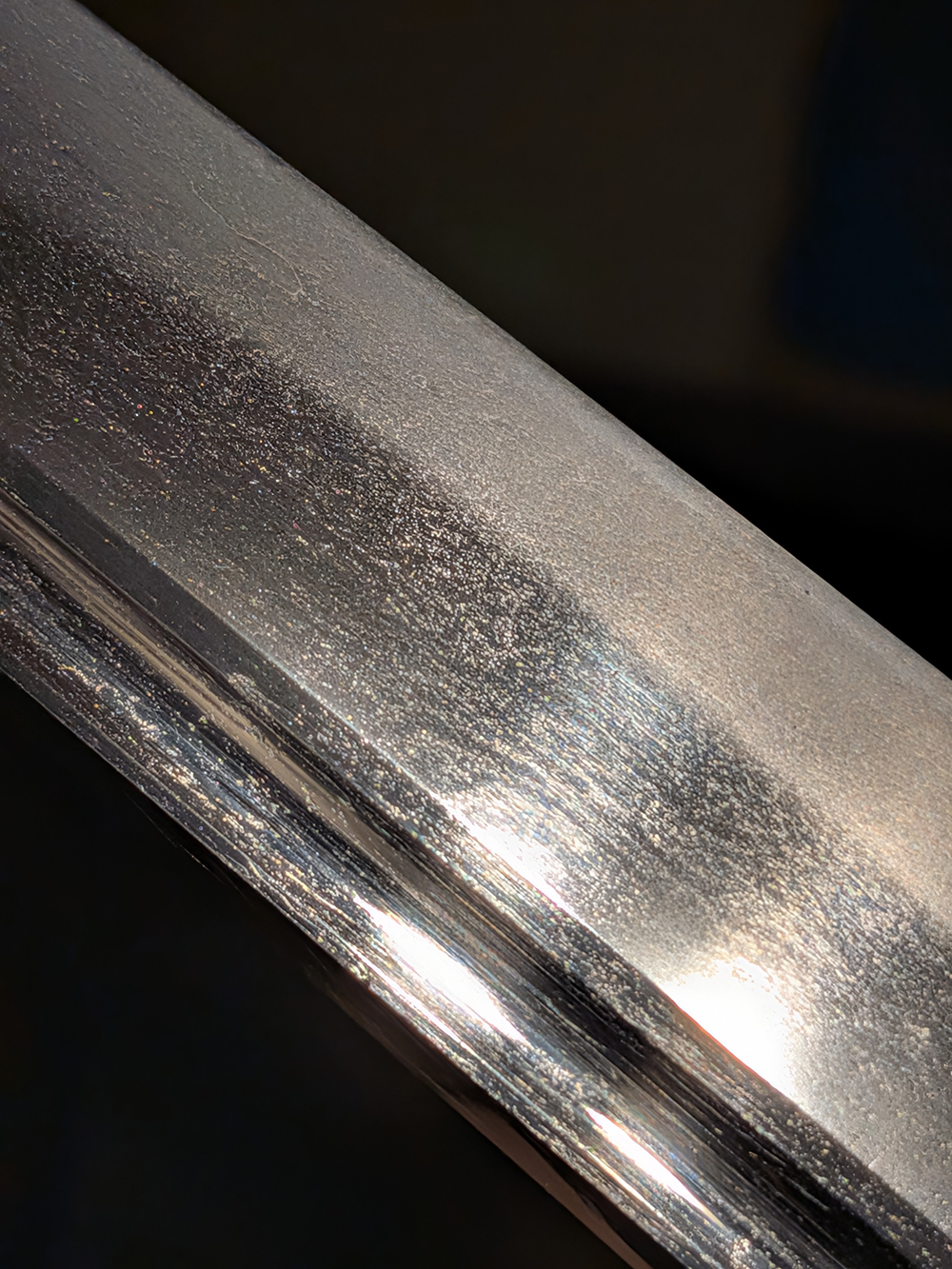
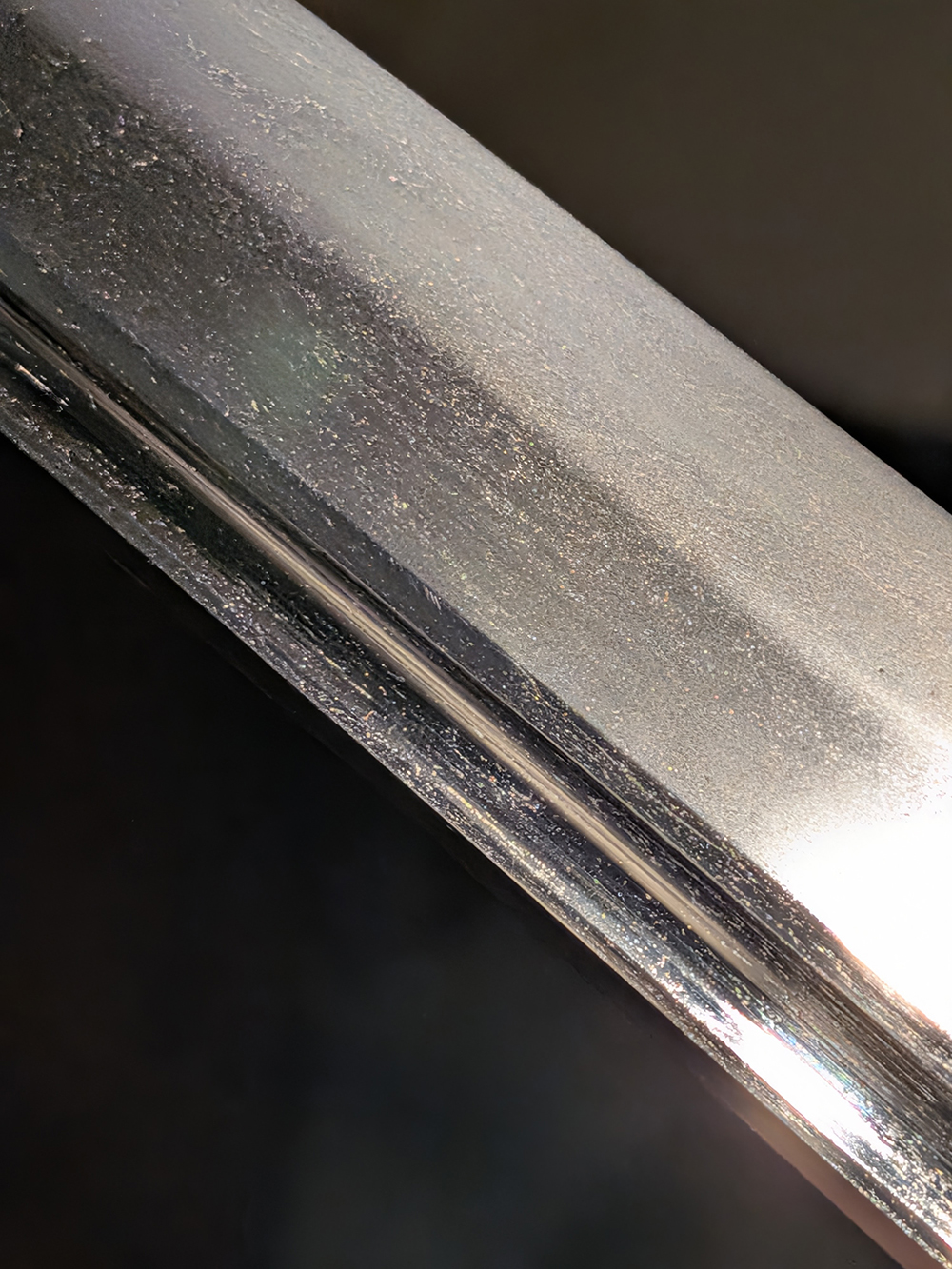
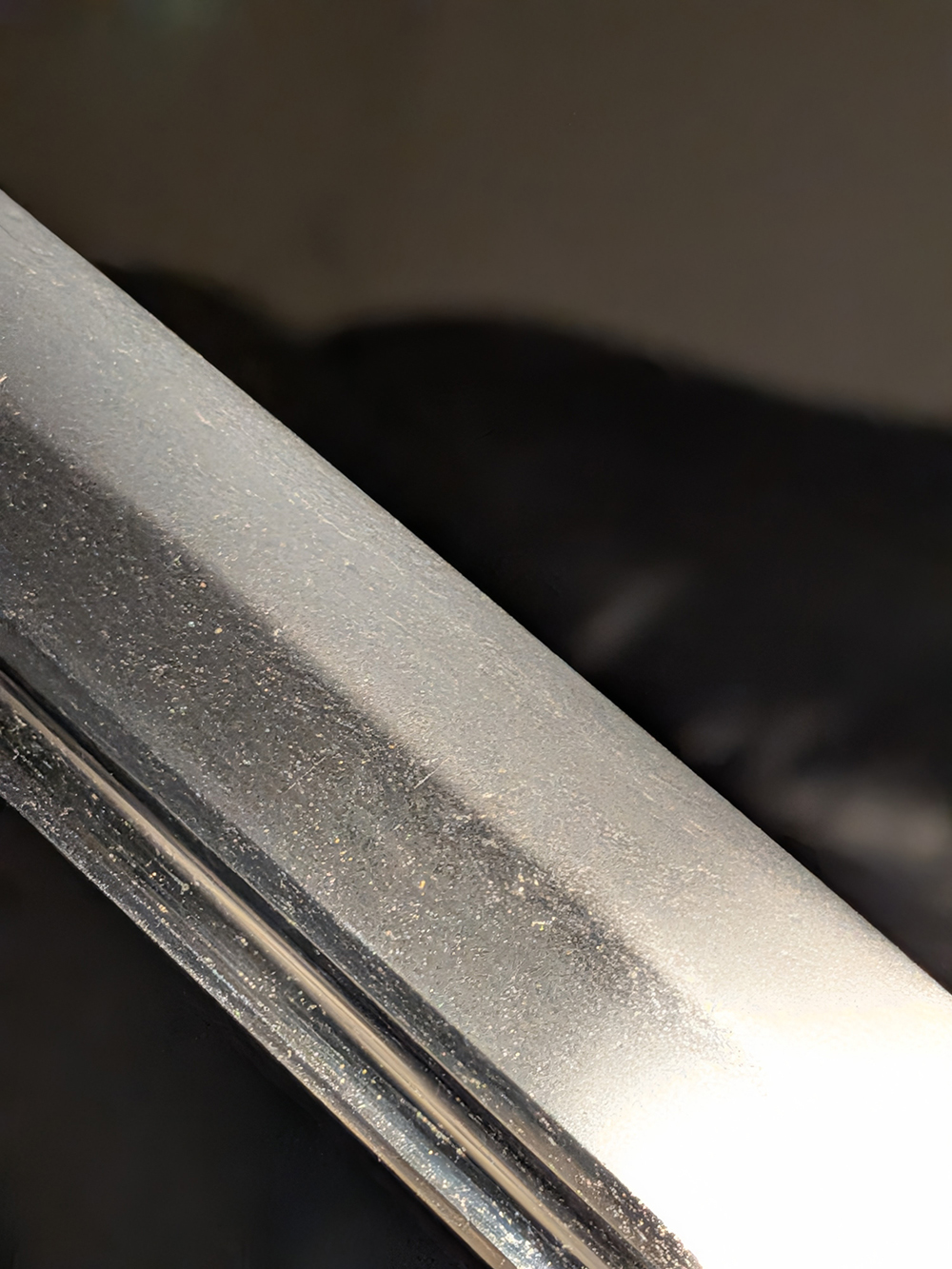
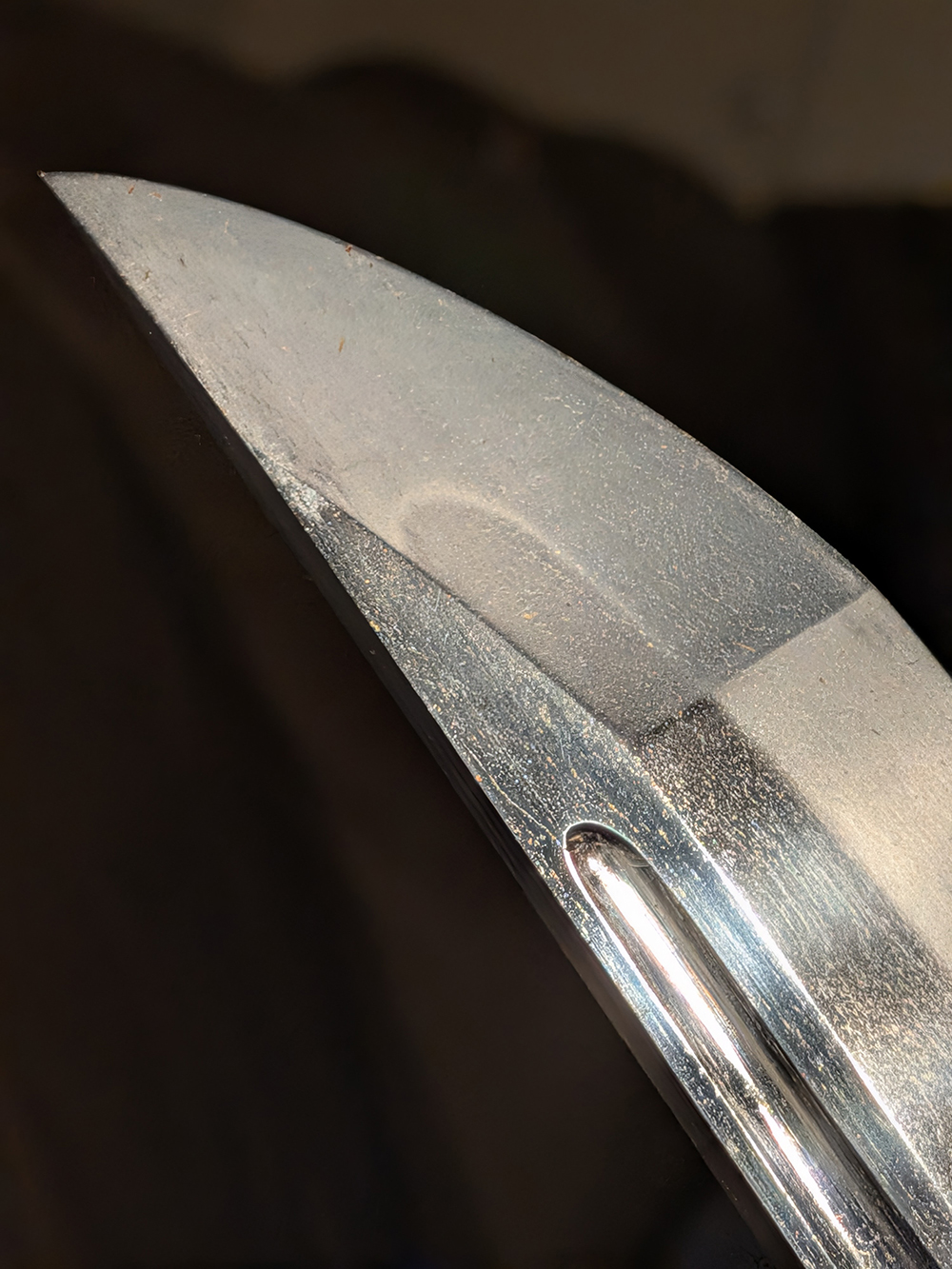
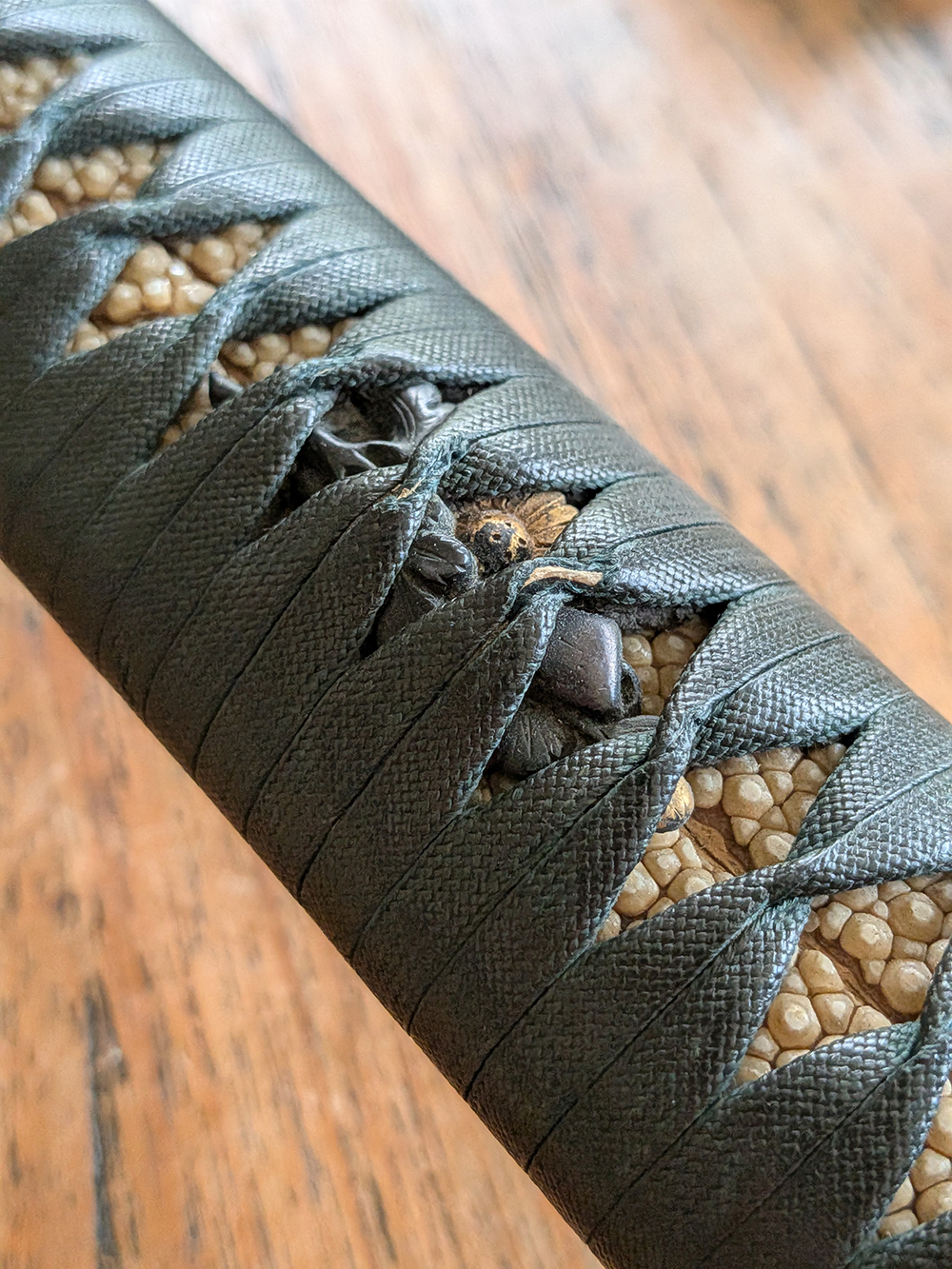
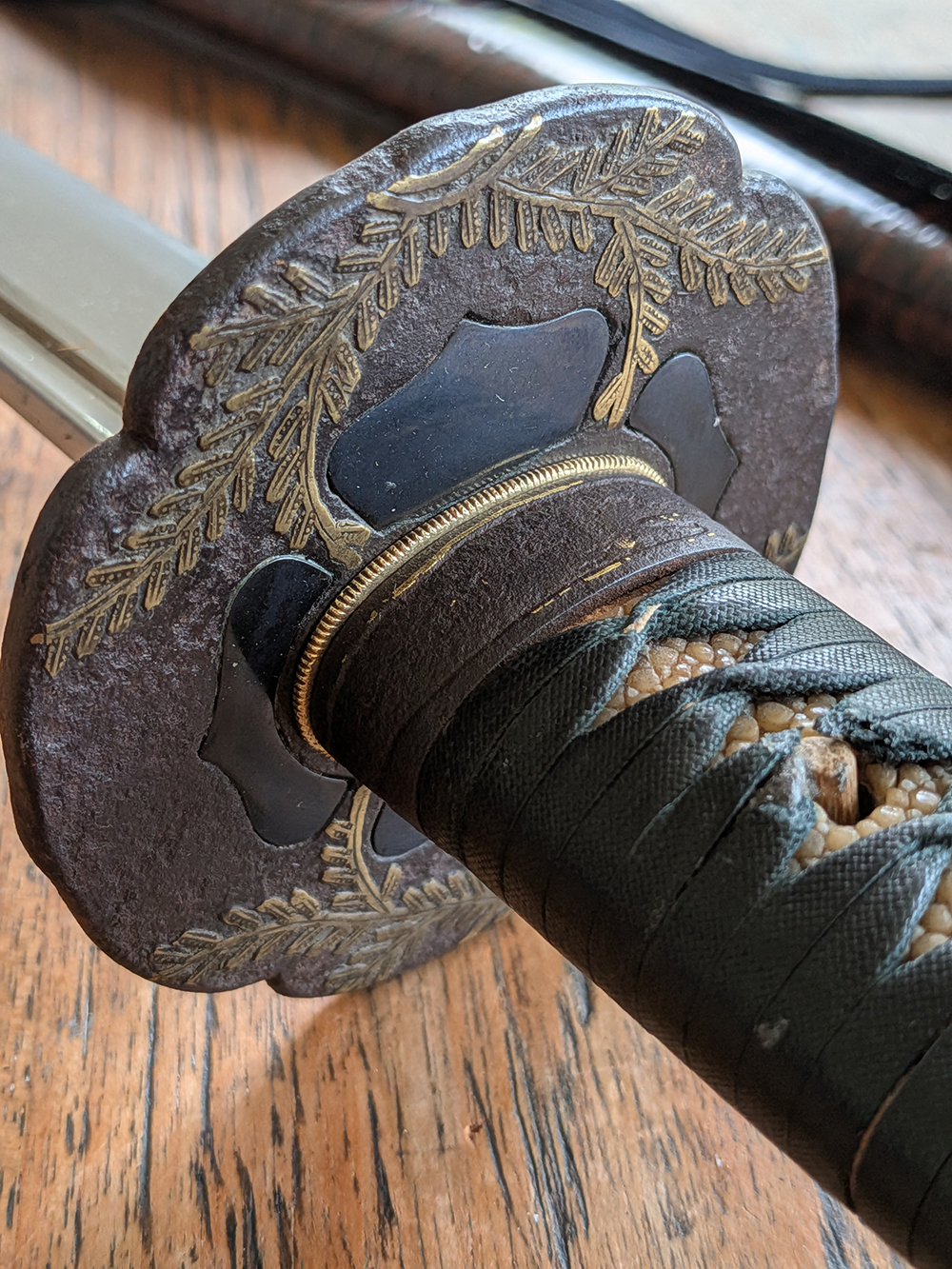
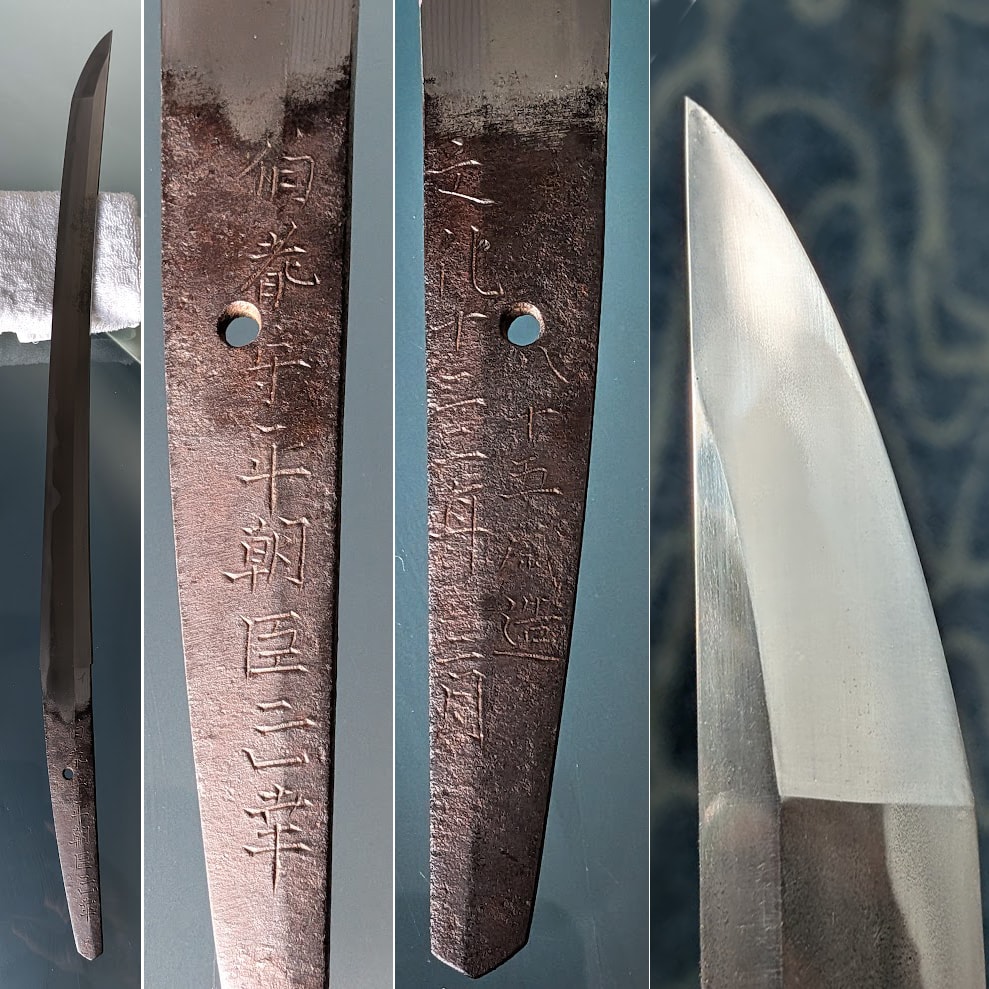
This is a mumei katana attributed to Taira Takada of Bungo Province, dated to the Eiroku era (1558–1570). It features an itame with masame-nagare kitae and a notare hamon, with bō-hi horimono on both sides. The blade comes in koshirae with a distinctive gold foil, nugget-textured habaki and is accompanied by NTHK kanteishō papers.
 NihontoWatch
mumei · Takada · Muromachi · nagasa 68.8cm
The Muromachi period (1392 to 1573)
Muromachi turned sword making into an industry: the uchigatana rose with massed infantry warfare, Osafune and Seki produced bundle swords beside custom orders, and the Ming trade carried Japanese blades abroad by the tens of thousands.
We could not find an authenticity certificate on the seller’s listing. Japanese swords and fittings are normally papered by the NBTHK (or the NTHK). Without one, the attribution is the seller’s own assessment and has not been independently verified — treat it with caution and ask the dealer about certification before buying.
$6,500
This is a mumei katana attributed to Taira Takada of Bungo Province, dated to the Eiroku era (1558–1570). It features an itame with masame-nagare kitae and a notare hamon, with bō-hi horimono on both sides. The blade comes in koshirae with a distinctive gold foil, nugget-textured habaki and is accompanied by NTHK kanteishō papers.
NihontoWatchmumei · Takada · Muromachi · nagasa 68.8cm
The Muromachi period (1392 to 1573)
Muromachi turned sword making into an industry: the uchigatana rose with massed infantry warfare, Osafune and Seki produced bundle swords beside custom orders, and the Ming trade carried Japanese blades abroad by the tens of thousands.
We could not find an authenticity certificate on the seller’s listing. Japanese swords and fittings are normally papered by the NBTHK (or the NTHK). Without one, the attribution is the seller’s own assessment and has not been independently verified — treat it with caution and ask the dealer about certification before buying.
$6,500