The twentieth century nearly killed the craft twice: wartime distortion, then the occupation ban. The NBTHK’s founding in 1948 and licensed forging from 1953 rebuilt the sword as an art, crowned by Living National Treasures and the mukansa rank.
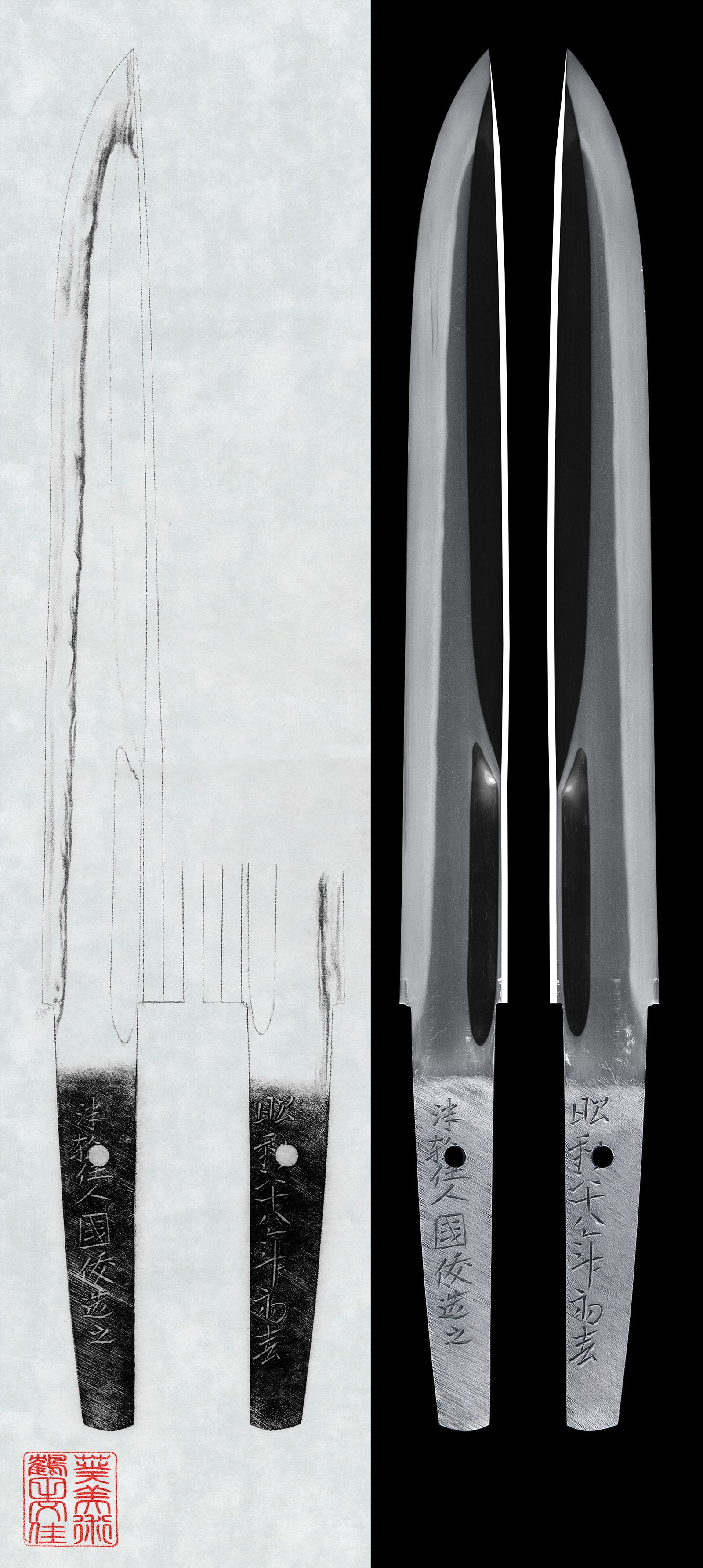
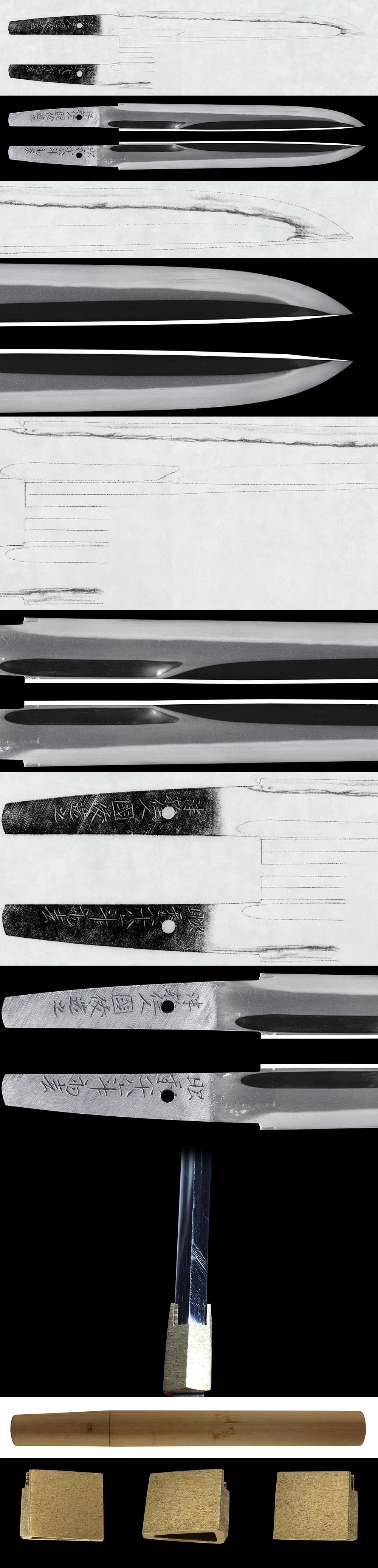
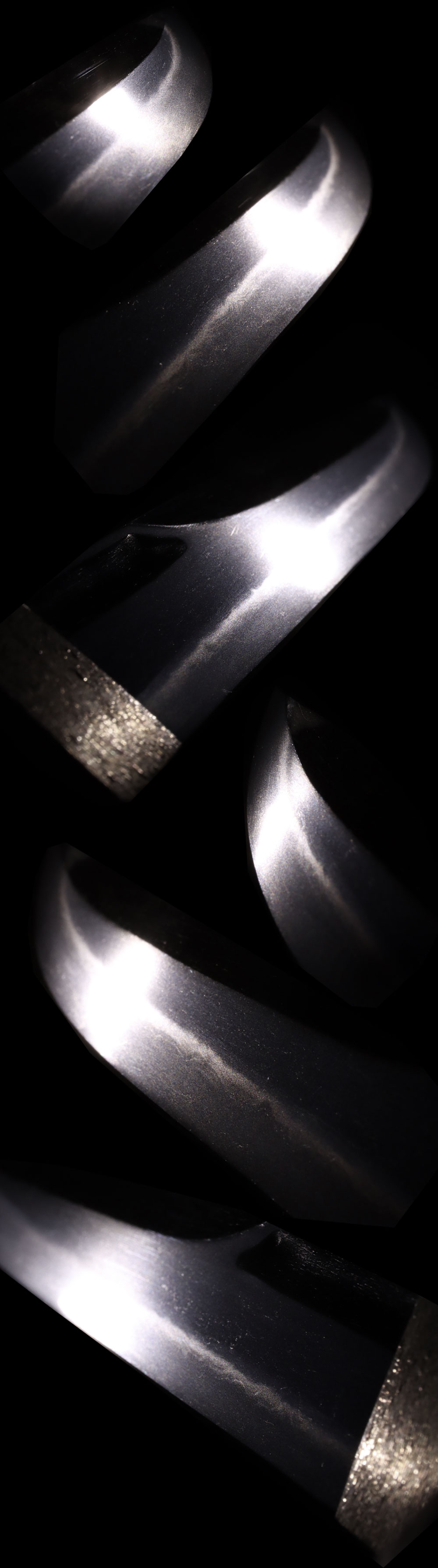
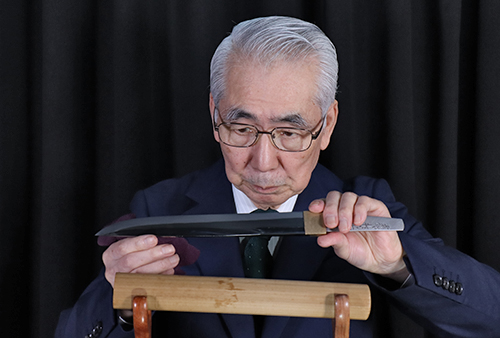
This is a tanto by Tsugaru Junin Kunitoshi, also known as Nitō Kunitoshi, a Mukansa Swordsmith from Aomori Prefecture. Forged in 1973, it features a kanmuri-otoshi style blade with a refined jigane and nie-deki suguha hamon. The blade is in excellent condition, retaining its original cutting edge, and comes in a shirasaya.
Auction status: live on sword-auction.com.
 NihontoWatch
mei · Showa · nagasa 24.3cm
Aomori · around 1926-1989
4 pieces on the market now
Shōwa to the present: destruction and revival
The twentieth century nearly killed the craft twice: wartime distortion, then the occupation ban. The NBTHK’s founding in 1948 and licensed forging from 1953 rebuilt the sword as an art, crowned by Living National Treasures and the mukansa rank.
We could not find an authenticity certificate on the seller’s listing. Japanese swords and fittings are normally papered by the NBTHK (or the NTHK). Without one, the attribution is the seller’s own assessment and has not been independently verified — treat it with caution and ask the dealer about certification before buying.
If you wish to return an item, please notify us within 3 days of receipt. After this period we cannot accept cancellations. Please ship the return to us within 5 business days. Cancellation is conditional on the item being kept in the same condition as at the time of sale, so please handle it with care.
This is a tanto by Tsugaru Junin Kunitoshi, also known as Nitō Kunitoshi, a Mukansa Swordsmith from Aomori Prefecture. Forged in 1973, it features a kanmuri-otoshi style blade with a refined jigane and nie-deki suguha hamon. The blade is in excellent condition, retaining its original cutting edge, and comes in a shirasaya.
Auction status: live on sword-auction.com.
NihontoWatchmei · Showa · nagasa 24.3cm
Aomori · around 1926-1989
4 pieces on the market now
Shōwa to the present: destruction and revival
The twentieth century nearly killed the craft twice: wartime distortion, then the occupation ban. The NBTHK’s founding in 1948 and licensed forging from 1953 rebuilt the sword as an art, crowned by Living National Treasures and the mukansa rank.
We could not find an authenticity certificate on the seller’s listing. Japanese swords and fittings are normally papered by the NBTHK (or the NTHK). Without one, the attribution is the seller’s own assessment and has not been independently verified — treat it with caution and ask the dealer about certification before buying.
If you wish to return an item, please notify us within 3 days of receipt. After this period we cannot accept cancellations. Please ship the return to us within 5 business days. Cancellation is conditional on the item being kept in the same condition as at the time of sale, so please handle it with care.