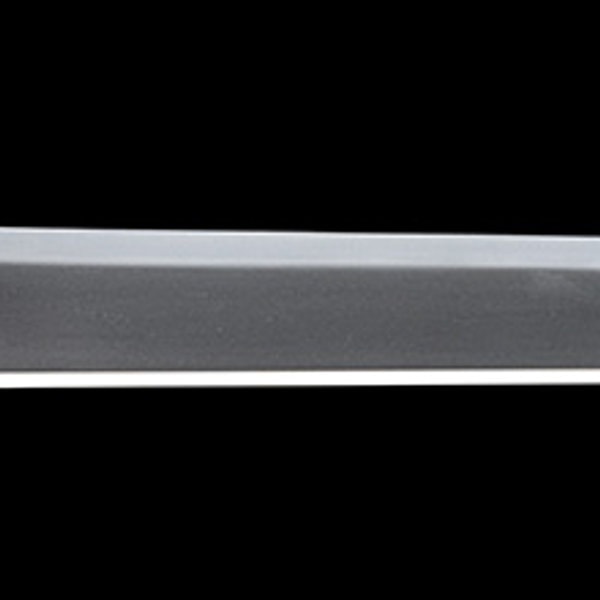
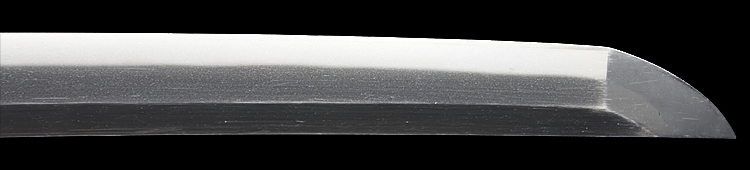
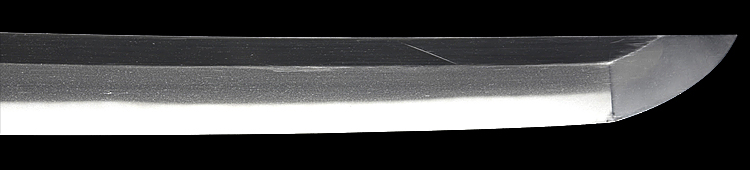
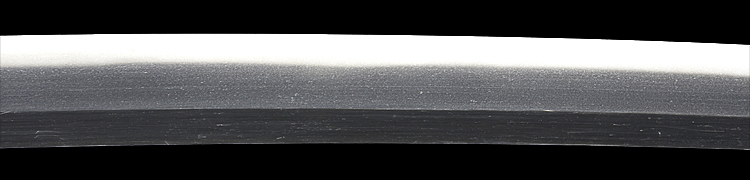
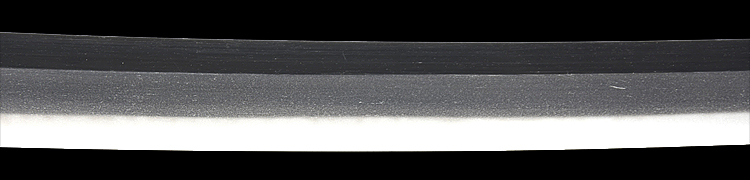
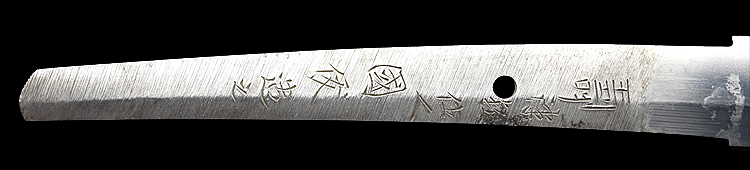
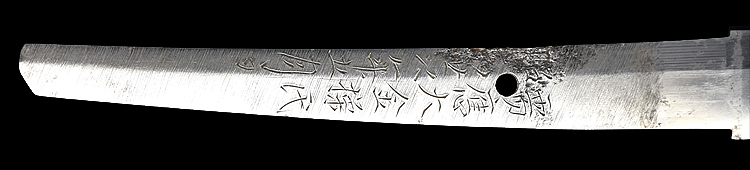
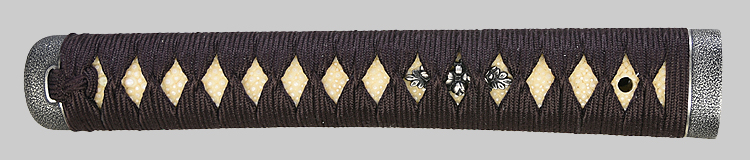
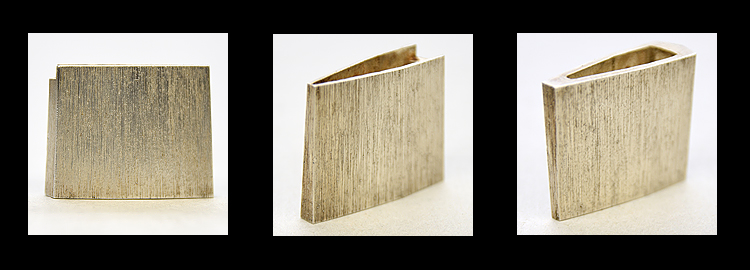
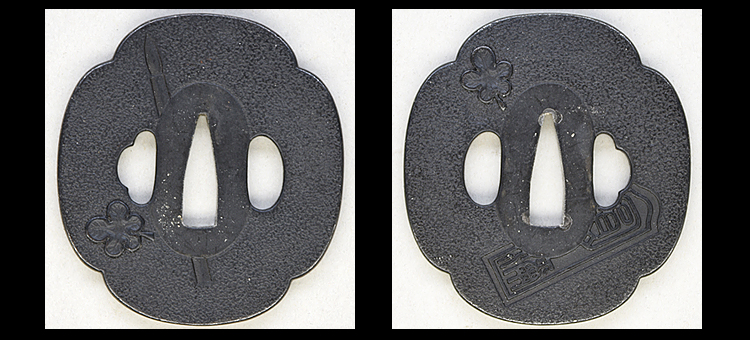
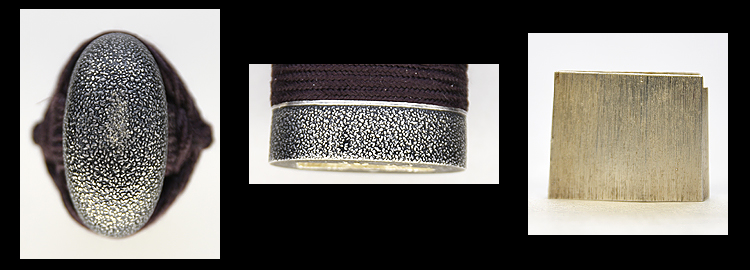
This katana is signed Kunitoshi, a smith from Tsugaru province (Aomori). It was made in Showa 32 (1957). The blade features a honzukuri-ianemune construction with a tight ko-itame hada mixed with mokume. The hamon is a wide suguha with small choji and active ashi. The smith's real name was Nigou Hiroshi, a Rikugun Jumei Tosho and recipient of the Army Minister's Award. He was a descendant of the Tsugaru clan's official smiths and a student of Horii Toshihide and Kurihara Hikosaburo, eventually becoming a Mukansa Tosho. It comes with a shirasaya and a black roiro saya uchigatana koshirae.
 NihontoWatchBETA
mei · Showa · nagasa 65.4cm · sori 1.6cm




Aomori · around 1926-1989
3 pieces on the market now
We could not find an authenticity certificate on the seller’s listing. Japanese swords and fittings are normally papered by the NBTHK (or the NTHK). Without one, the attribution is the seller’s own assessment and has not been independently verified — treat it with caution and ask the dealer about certification before buying.
Within one week of the item's arrival (cooling-off is possible within Japan only). For defects that differ from the purchase conditions, we will accept the return and refund the payment. For other cases such as overseas, we will consult separately.
This katana is signed Kunitoshi, a smith from Tsugaru province (Aomori). It was made in Showa 32 (1957). The blade features a honzukuri-ianemune construction with a tight ko-itame hada mixed with mokume. The hamon is a wide suguha with small choji and active ashi. The smith's real name was Nigou Hiroshi, a Rikugun Jumei Tosho and recipient of the Army Minister's Award. He was a descendant of the Tsugaru clan's official smiths and a student of Horii Toshihide and Kurihara Hikosaburo, eventually becoming a Mukansa Tosho. It comes with a shirasaya and a black roiro saya uchigatana koshirae.
NihontoWatchBETAmei · Showa · nagasa 65.4cm · sori 1.6cm
Aomori · around 1926-1989
3 pieces on the market now
We could not find an authenticity certificate on the seller’s listing. Japanese swords and fittings are normally papered by the NBTHK (or the NTHK). Without one, the attribution is the seller’s own assessment and has not been independently verified — treat it with caution and ask the dealer about certification before buying.
Within one week of the item's arrival (cooling-off is possible within Japan only). For defects that differ from the purchase conditions, we will accept the return and refund the payment. For other cases such as overseas, we will consult separately.