The twentieth century nearly killed the craft twice: wartime distortion, then the occupation ban. The NBTHK’s founding in 1948 and licensed forging from 1953 rebuilt the sword as an art, crowned by Living National Treasures and the mukansa rank.
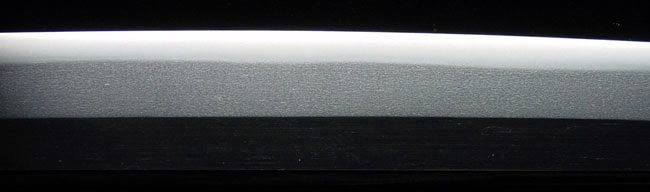
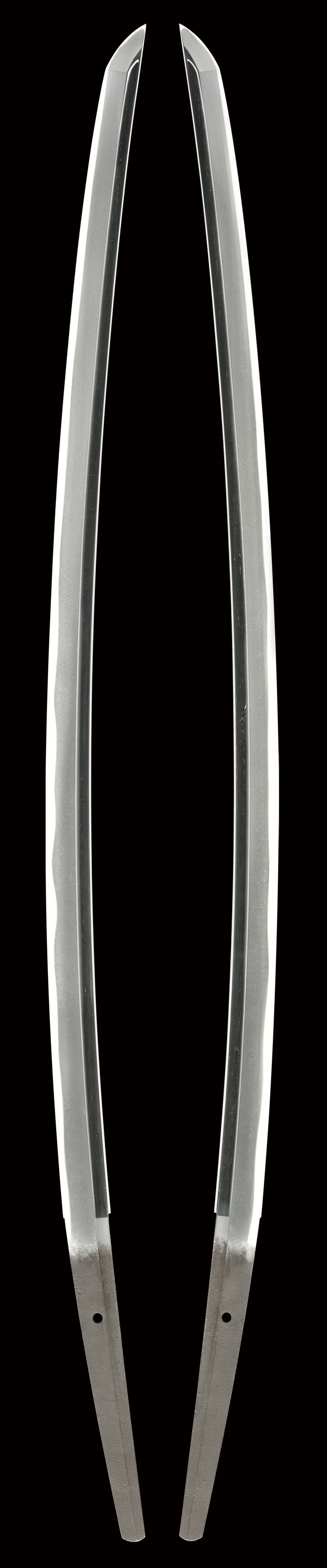
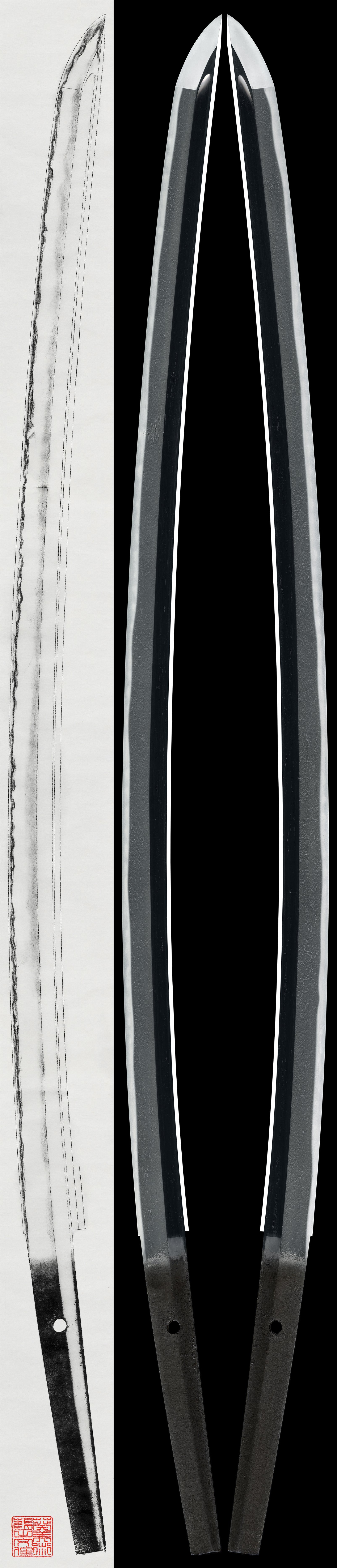
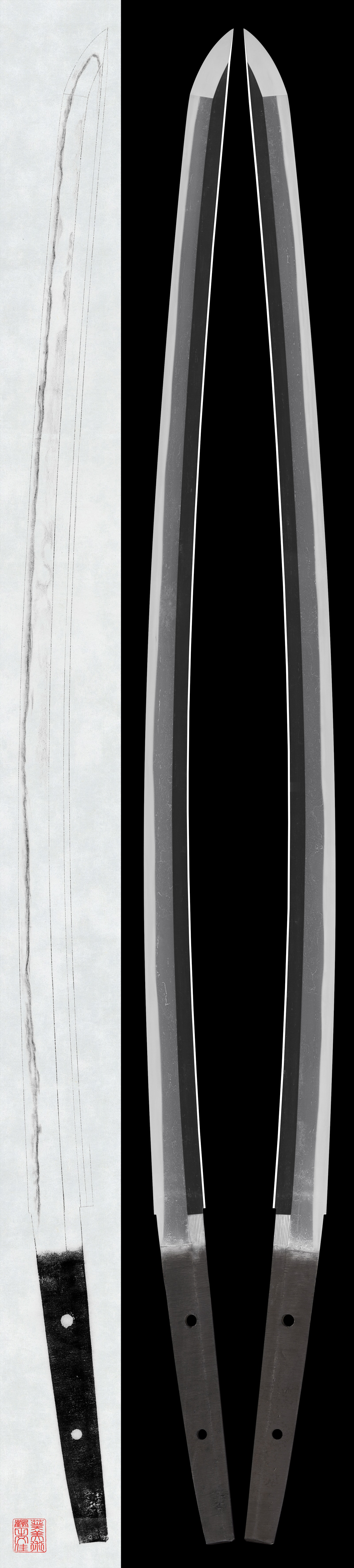
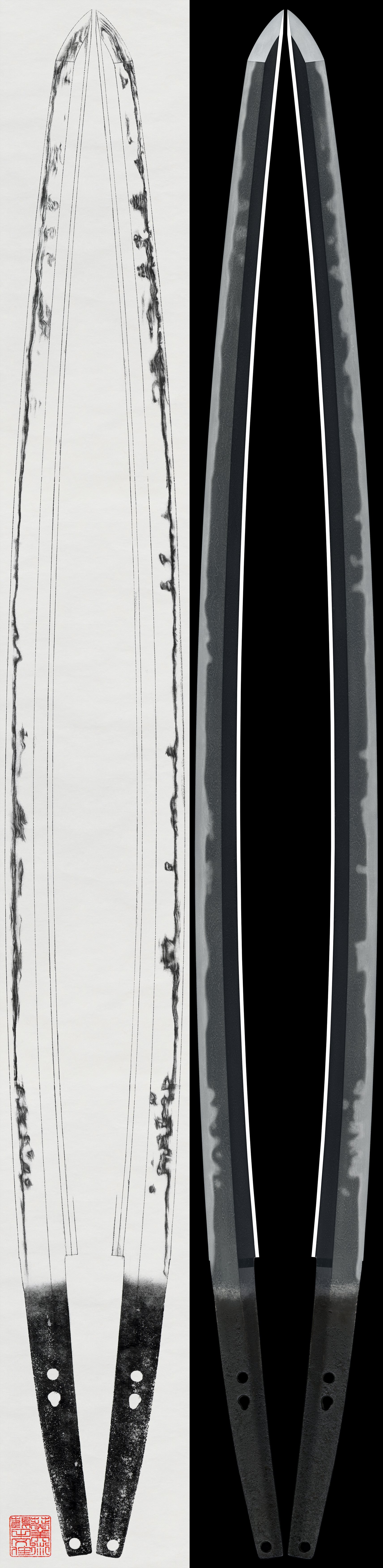
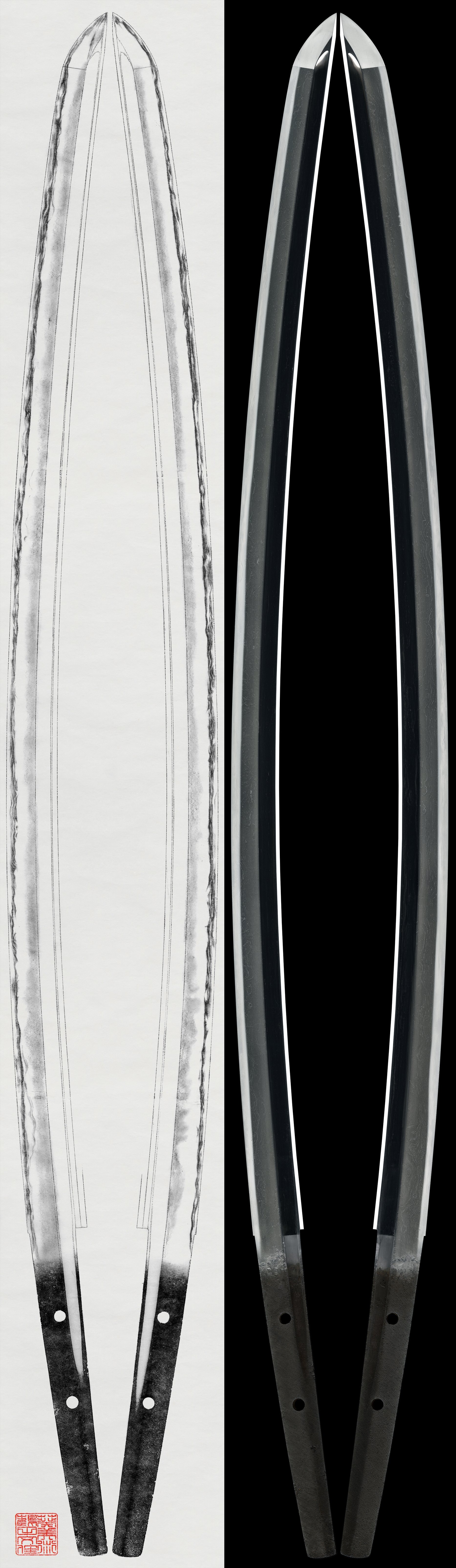
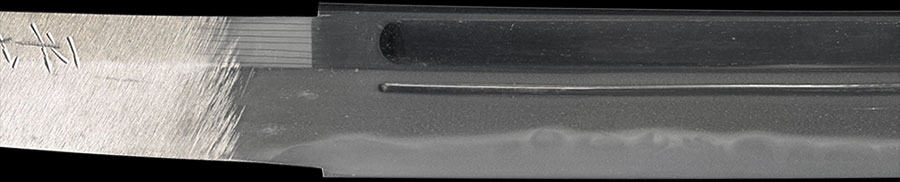
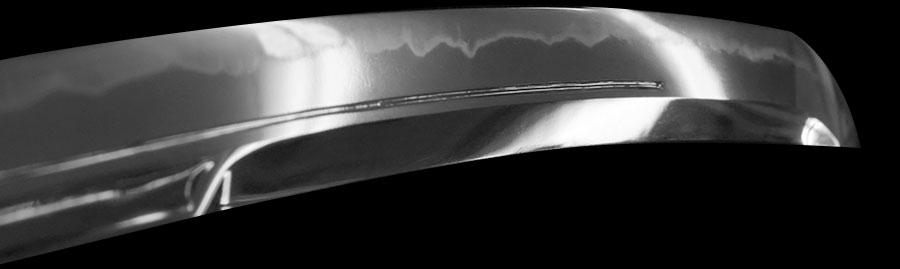
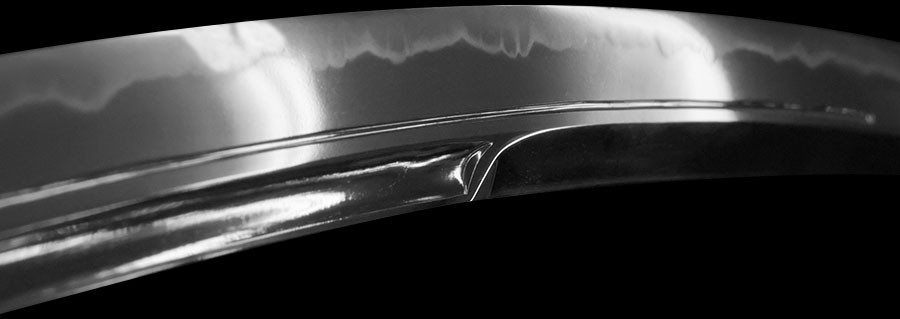
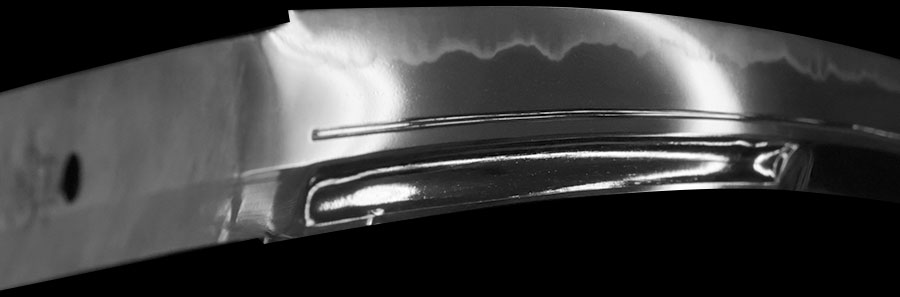
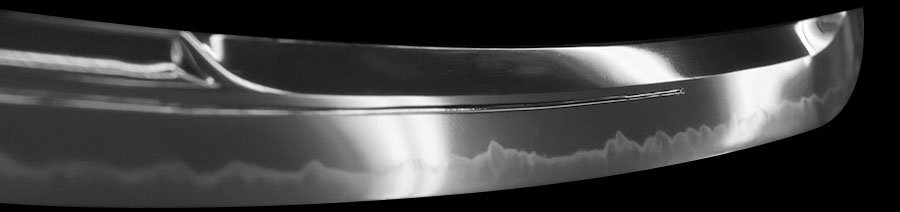
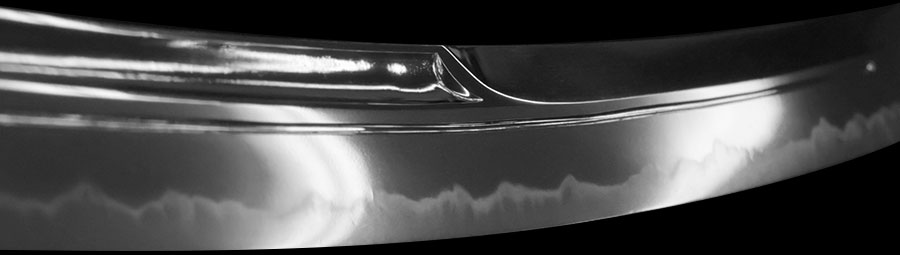
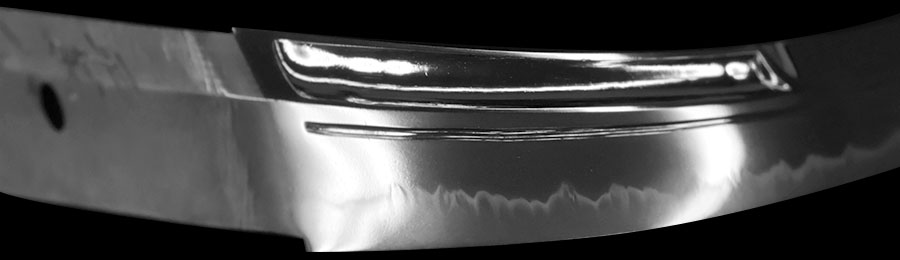
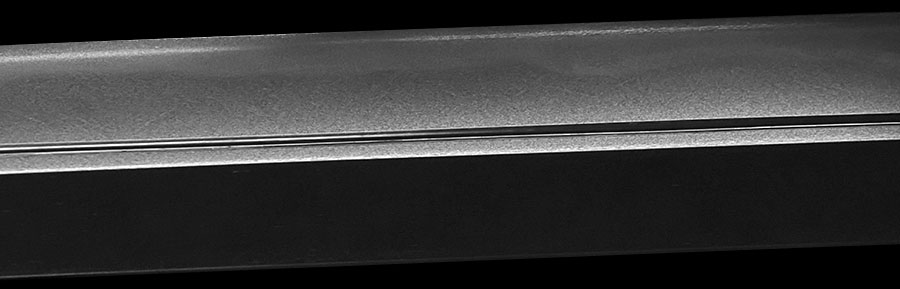
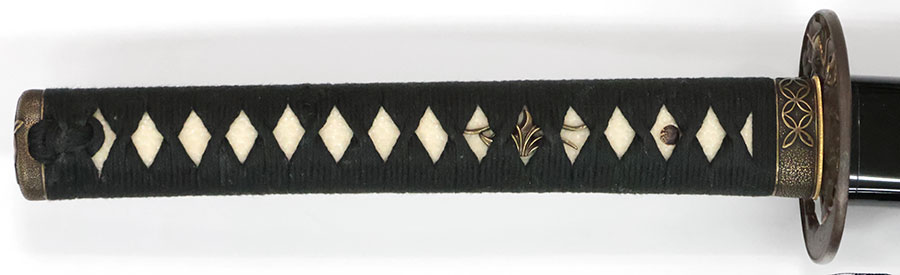
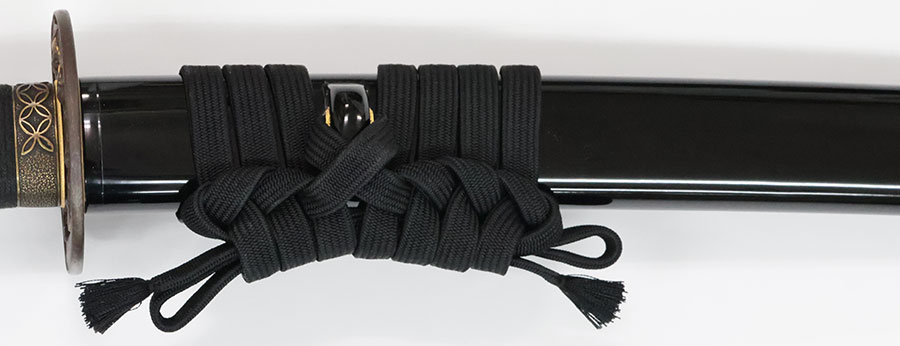
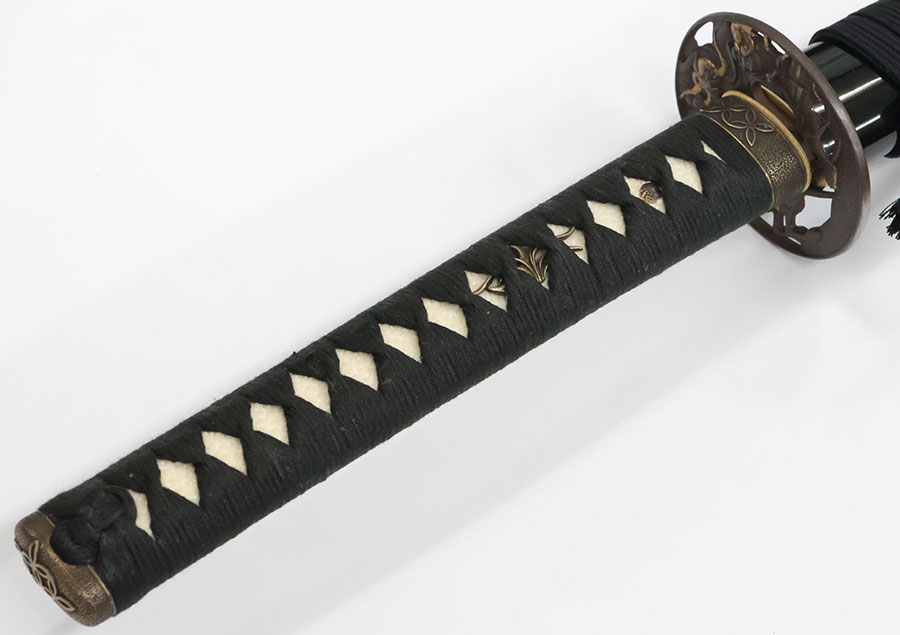
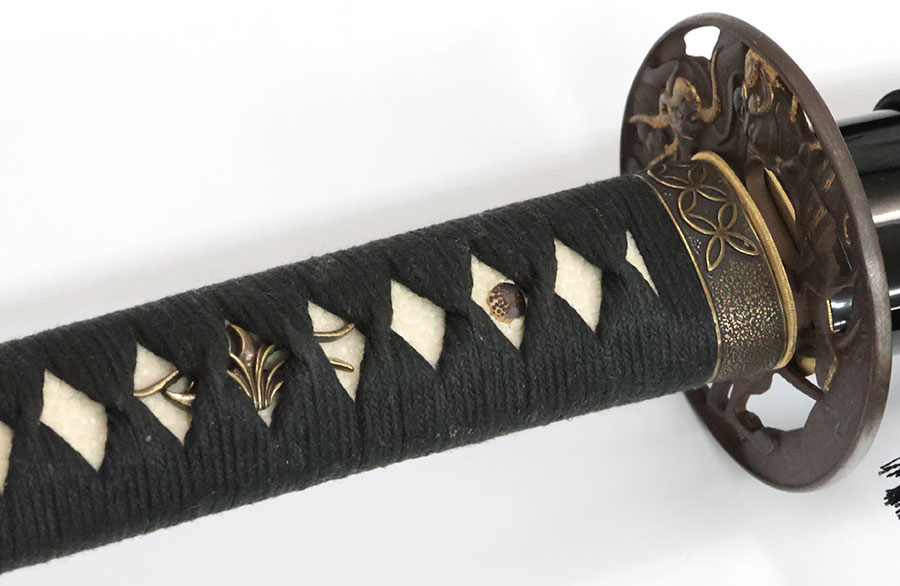
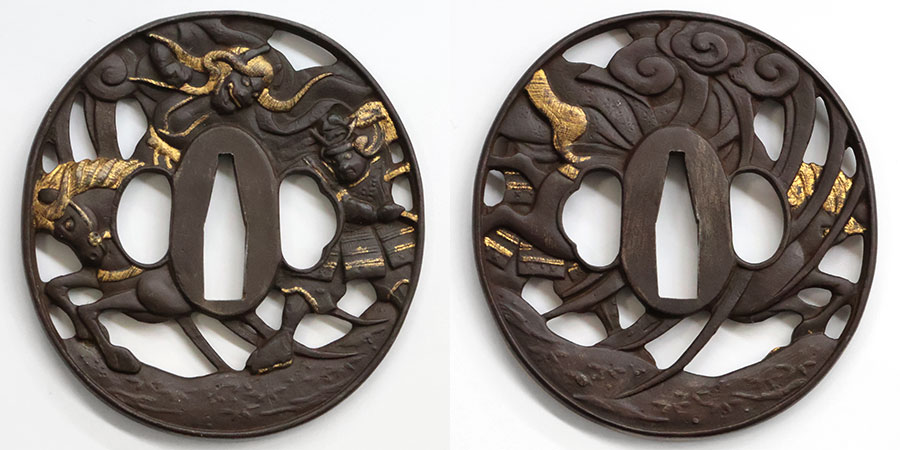
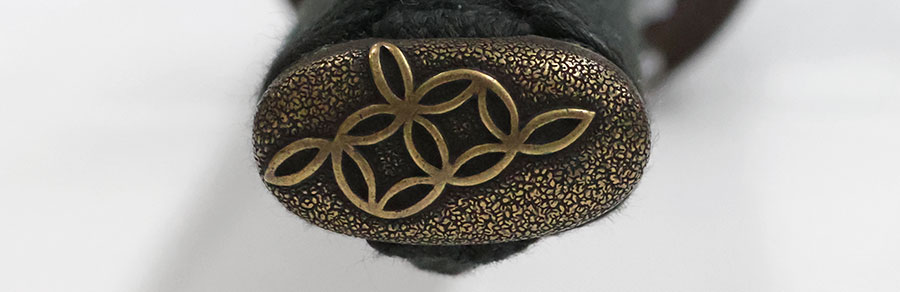
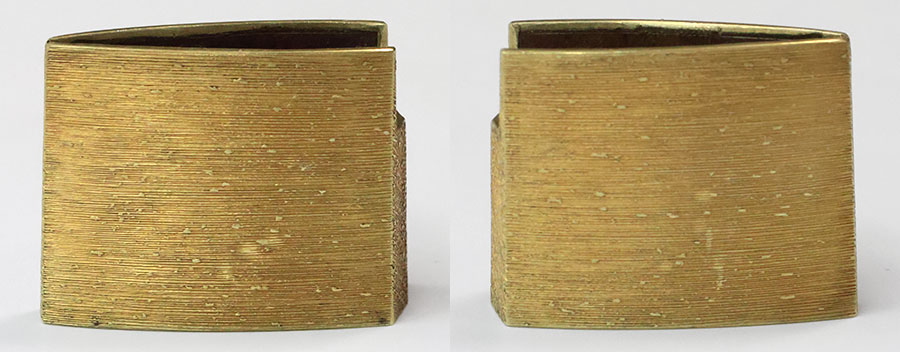
Weight (excluding saya): 1207g It has arrived—an astonishingly masterpiece by swordsmith Watanabe Shigehira, a student of the Ningen Kokuho (Living National Treasure) Miyairi Akihira. This blade is a masterly utsushi (copy) of a Shizu Saburo Kaneuji masterpiece from the Kamakura period, specifically in the O-nagamaki-naoshi-zukuri style, which is considered extremely difficult to forge and is highly coveted by collectors. Swordsmith Shigehira, whose real name is Watanabe Shigemi, was born in Showa 17 (1942) and forges swords in Muikamachi, Uonuma District, Niigata Prefecture. In Showa 40 (1965), he was permitted to study under the famous Ningen Kokuho Miyairi Akihira. He is a master smith who has received the Yushu-sho (Excellence Award), Shorei-sho (Encouragement Award), and Doryoku-sho (Effort Award) at the Shinsaku Meito Ten (New Masterpiece Sword Exhibition). This sword is a tokubetsu chumon-hin (special order item). It exhibits a magnificent tachi sugata with a wide motohaba and sakihaba, and an extended kissaki, recreating the grand form of an O-nagamaki-naoshi. The jigane is a beautifully refined itame hada well-packed with ji-nie and chikei appearing. The horimono consists of naginata-hi and soe-hi, carved deeply and majestically. The hamon is a Shizu-utsushi in gunome-midare mixed with ko-gunome; the ha-chu contains ashi with a deep nioiguchi and abundant ko-nie, manifesting kinsuji and sunagashu in a truly masterful and skillful display. The koshirae is a luxurious modern mounting that would likely cost over 300,000 yen to produce today, featuring a kin-paku (gold-clad) ichiju-habaki that adds further splendor to the blade. Please enjoy this masterpiece O-nagamaki-naoshi-zukuri by Watanabe Shigehira, student of Ningen Kokuho Miyairi Akihira, modeled after Shizu Saburo Kaneuji. We received this sword from an elderly connoisseur who said, "I have grown old, so please pass this specially commissioned Shizu Saburo Kaneuji utsushi to someone who will cherish it at an affordable price." Because of this, we are offering it at a special, ultra-low price. Please do not miss this opportunity.
 NihontoWatch
Showa (1926-1989) · nagasa 76.2cm · sori 1.8cm


















Shōwa to the present: destruction and revival
The twentieth century nearly killed the craft twice: wartime distortion, then the occupation ban. The NBTHK’s founding in 1948 and licensed forging from 1953 rebuilt the sword as an art, crowned by Living National Treasures and the mukansa rank.
We could not find an authenticity certificate on the seller’s listing. Japanese swords and fittings are normally papered by the NBTHK (or the NTHK). Without one, the attribution is the seller’s own assessment and has not been independently verified — treat it with caution and ask the dealer about certification before buying.
For returns due to customer circumstances, the cost is the customer's responsibility. For returns due to our mis-shipment or a defective item, we bear the cost.
Weight (excluding saya): 1207g It has arrived—an astonishingly masterpiece by swordsmith Watanabe Shigehira, a student of the Ningen Kokuho (Living National Treasure) Miyairi Akihira. This blade is a masterly utsushi (copy) of a Shizu Saburo Kaneuji masterpiece from the Kamakura period, specifically in the O-nagamaki-naoshi-zukuri style, which is considered extremely difficult to forge and is highly coveted by collectors. Swordsmith Shigehira, whose real name is Watanabe Shigemi, was born in Showa 17 (1942) and forges swords in Muikamachi, Uonuma District, Niigata Prefecture. In Showa 40 (1965), he was permitted to study under the famous Ningen Kokuho Miyairi Akihira. He is a master smith who has received the Yushu-sho (Excellence Award), Shorei-sho (Encouragement Award), and Doryoku-sho (Effort Award) at the Shinsaku Meito Ten (New Masterpiece Sword Exhibition). This sword is a tokubetsu chumon-hin (special order item). It exhibits a magnificent tachi sugata with a wide motohaba and sakihaba, and an extended kissaki, recreating the grand form of an O-nagamaki-naoshi. The jigane is a beautifully refined itame hada well-packed with ji-nie and chikei appearing. The horimono consists of naginata-hi and soe-hi, carved deeply and majestically. The hamon is a Shizu-utsushi in gunome-midare mixed with ko-gunome; the ha-chu contains ashi with a deep nioiguchi and abundant ko-nie, manifesting kinsuji and sunagashu in a truly masterful and skillful display. The koshirae is a luxurious modern mounting that would likely cost over 300,000 yen to produce today, featuring a kin-paku (gold-clad) ichiju-habaki that adds further splendor to the blade. Please enjoy this masterpiece O-nagamaki-naoshi-zukuri by Watanabe Shigehira, student of Ningen Kokuho Miyairi Akihira, modeled after Shizu Saburo Kaneuji. We received this sword from an elderly connoisseur who said, "I have grown old, so please pass this specially commissioned Shizu Saburo Kaneuji utsushi to someone who will cherish it at an affordable price." Because of this, we are offering it at a special, ultra-low price. Please do not miss this opportunity.
NihontoWatchShowa (1926-1989) · nagasa 76.2cm · sori 1.8cm
Shōwa to the present: destruction and revival
The twentieth century nearly killed the craft twice: wartime distortion, then the occupation ban. The NBTHK’s founding in 1948 and licensed forging from 1953 rebuilt the sword as an art, crowned by Living National Treasures and the mukansa rank.
We could not find an authenticity certificate on the seller’s listing. Japanese swords and fittings are normally papered by the NBTHK (or the NTHK). Without one, the attribution is the seller’s own assessment and has not been independently verified — treat it with caution and ask the dealer about certification before buying.
For returns due to customer circumstances, the cost is the customer's responsibility. For returns due to our mis-shipment or a defective item, we bear the cost.