The twentieth century nearly killed the craft twice: wartime distortion, then the occupation ban. The NBTHK’s founding in 1948 and licensed forging from 1953 rebuilt the sword as an art, crowned by Living National Treasures and the mukansa rank.
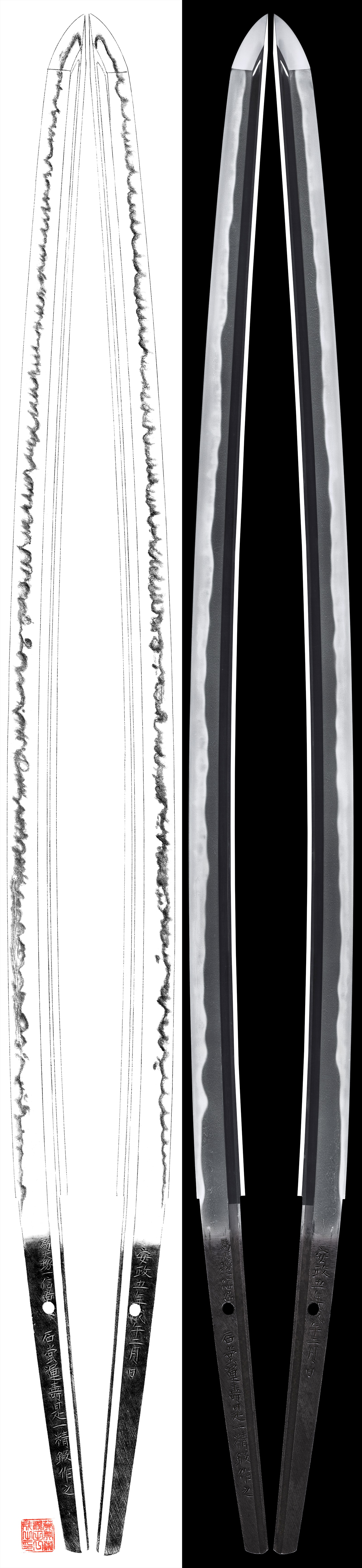
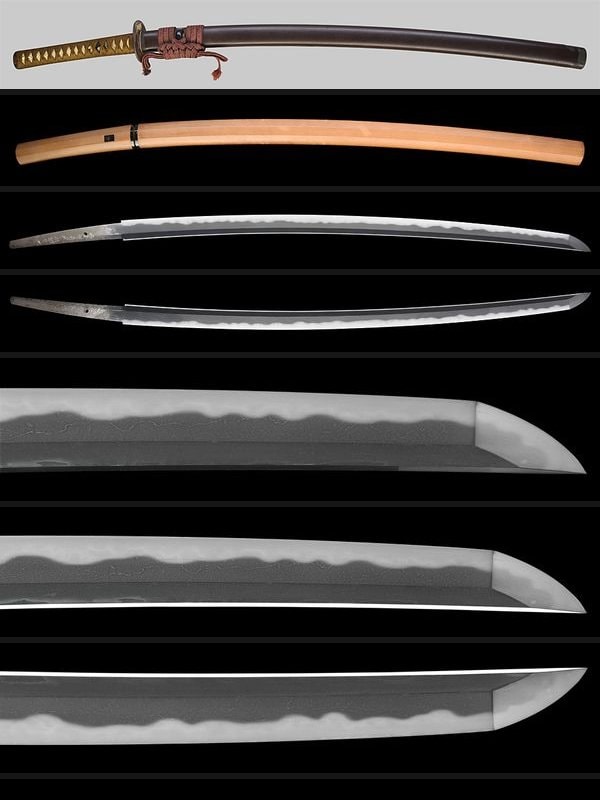
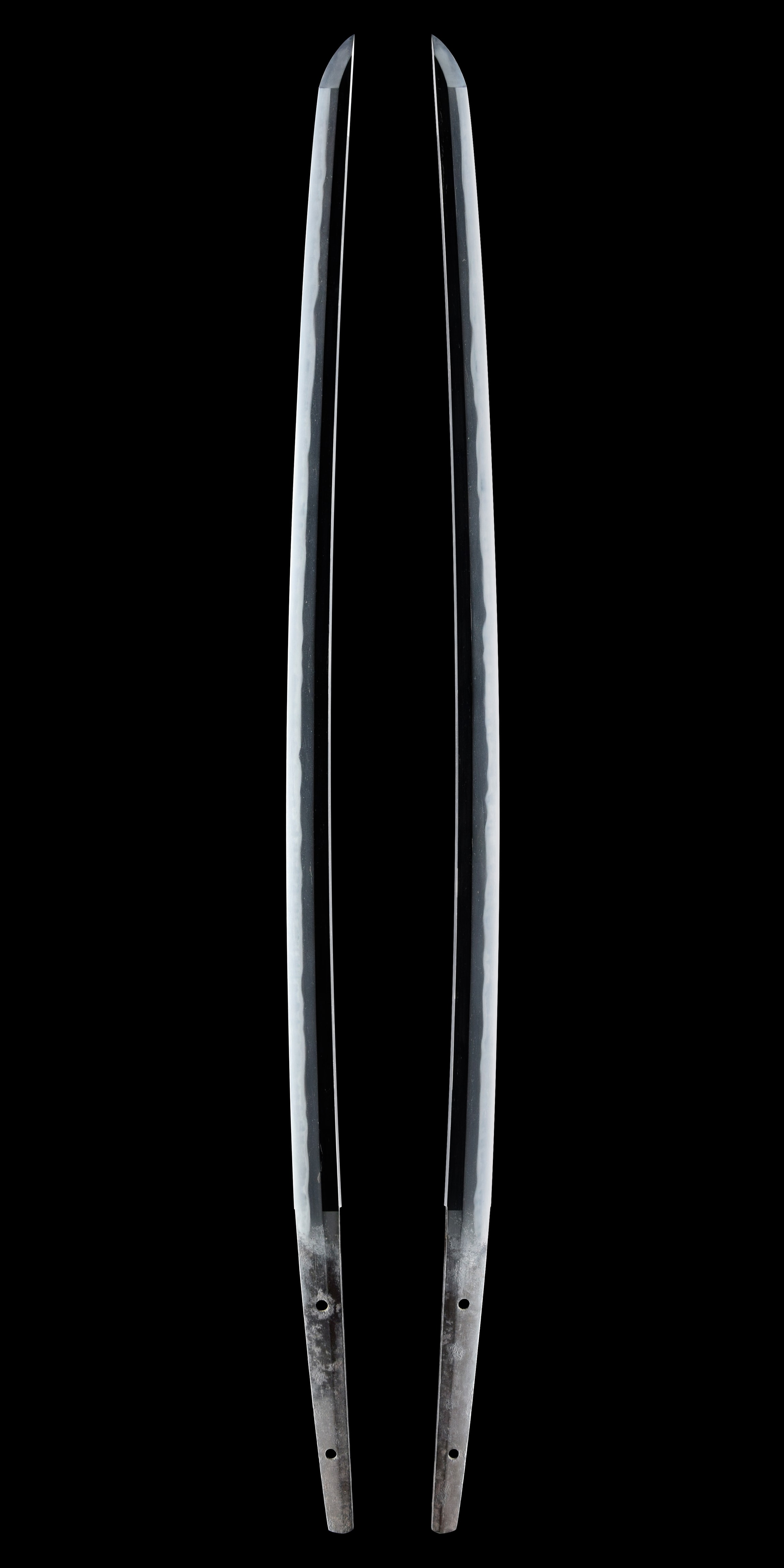
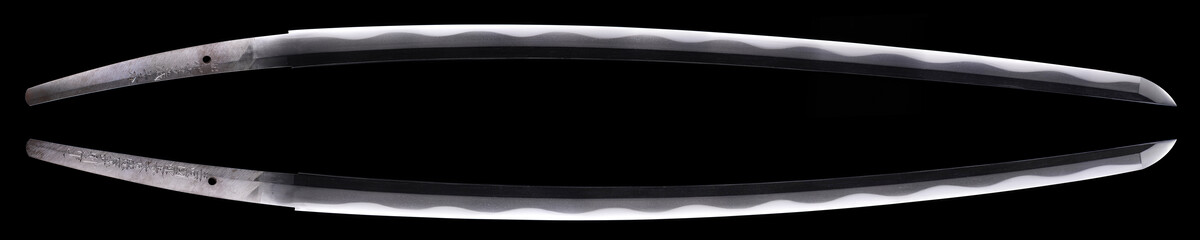
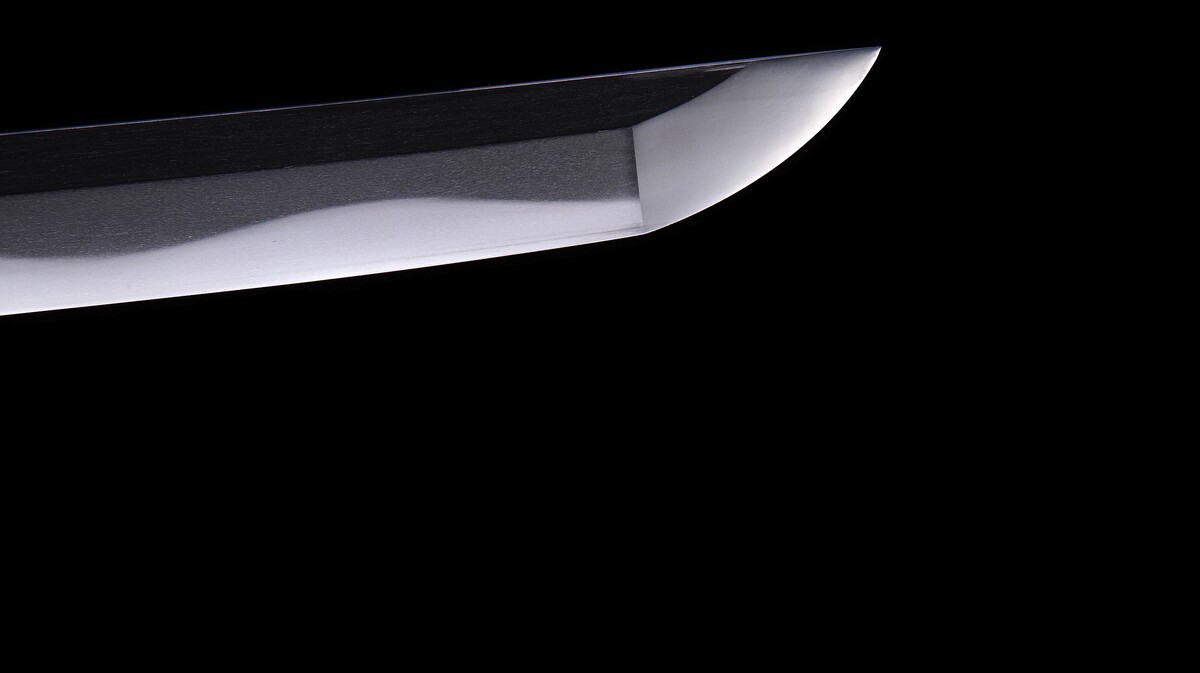
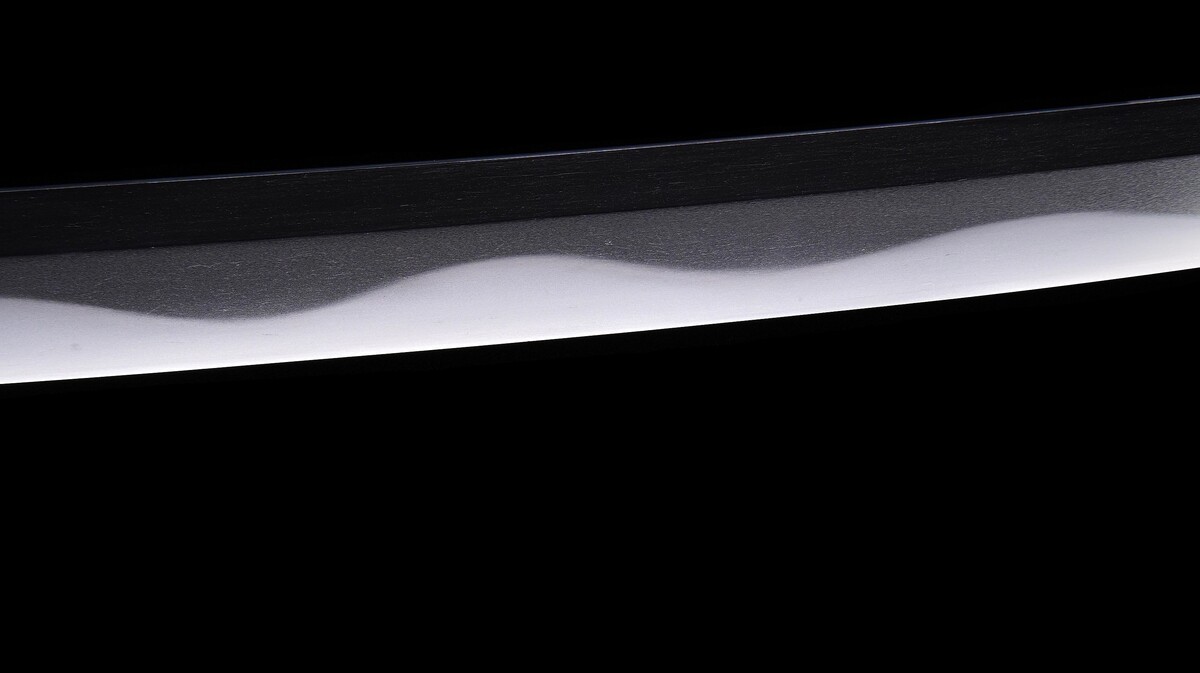
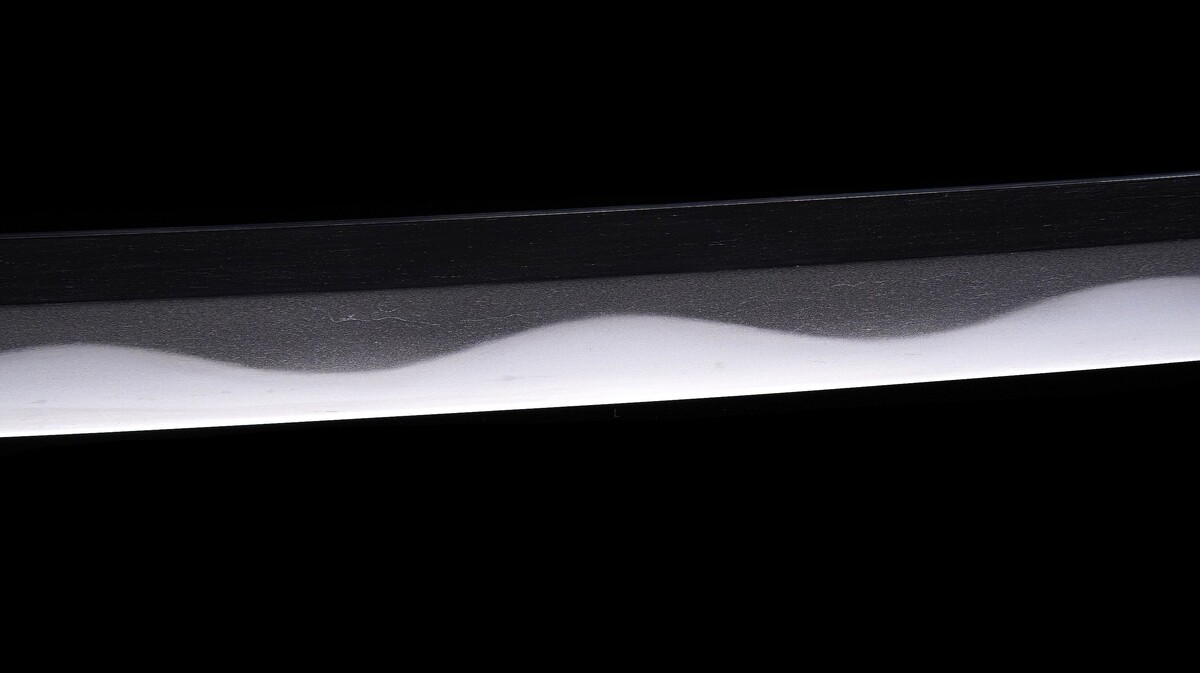
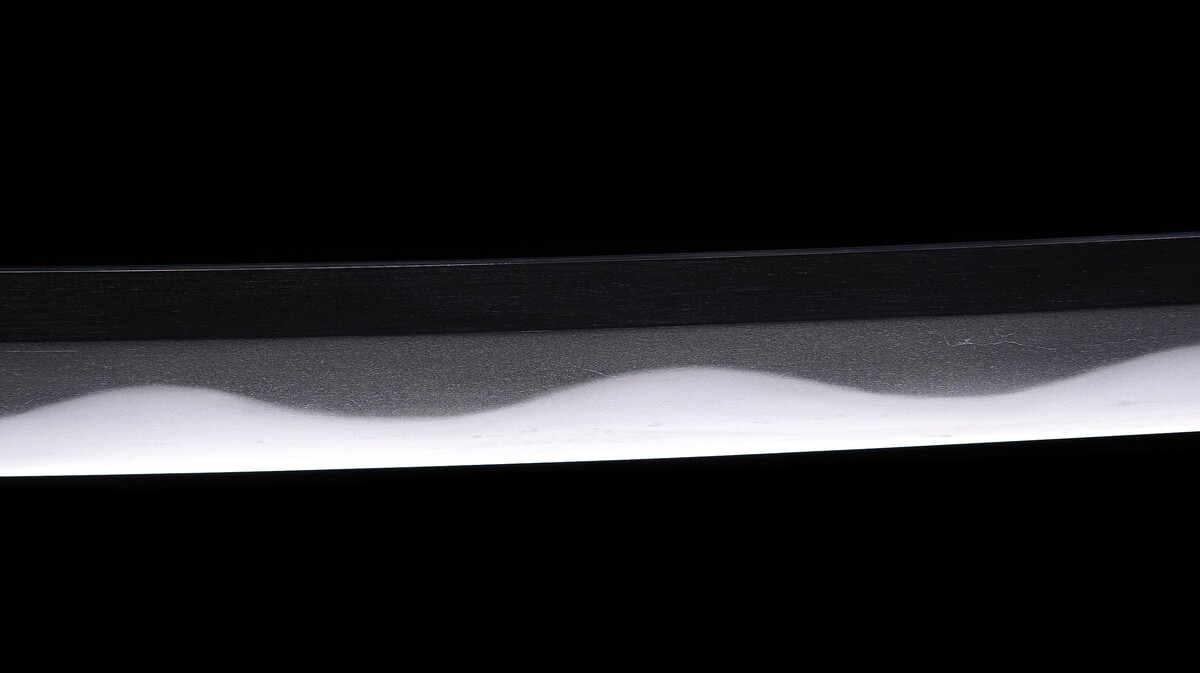
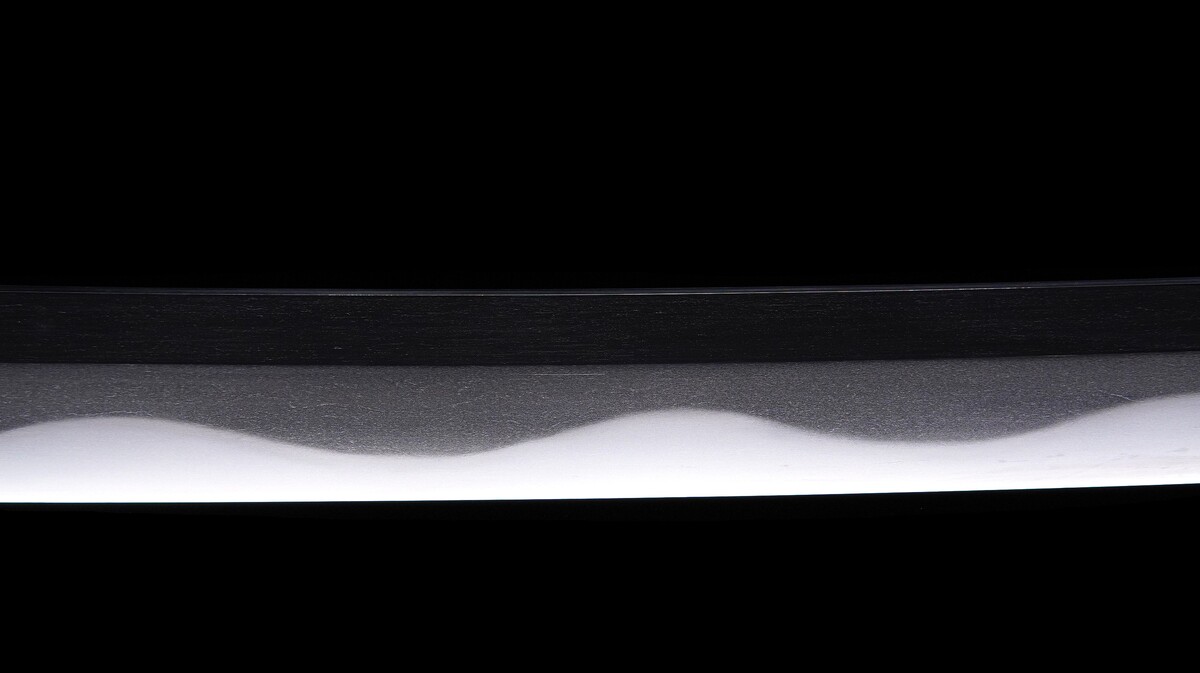
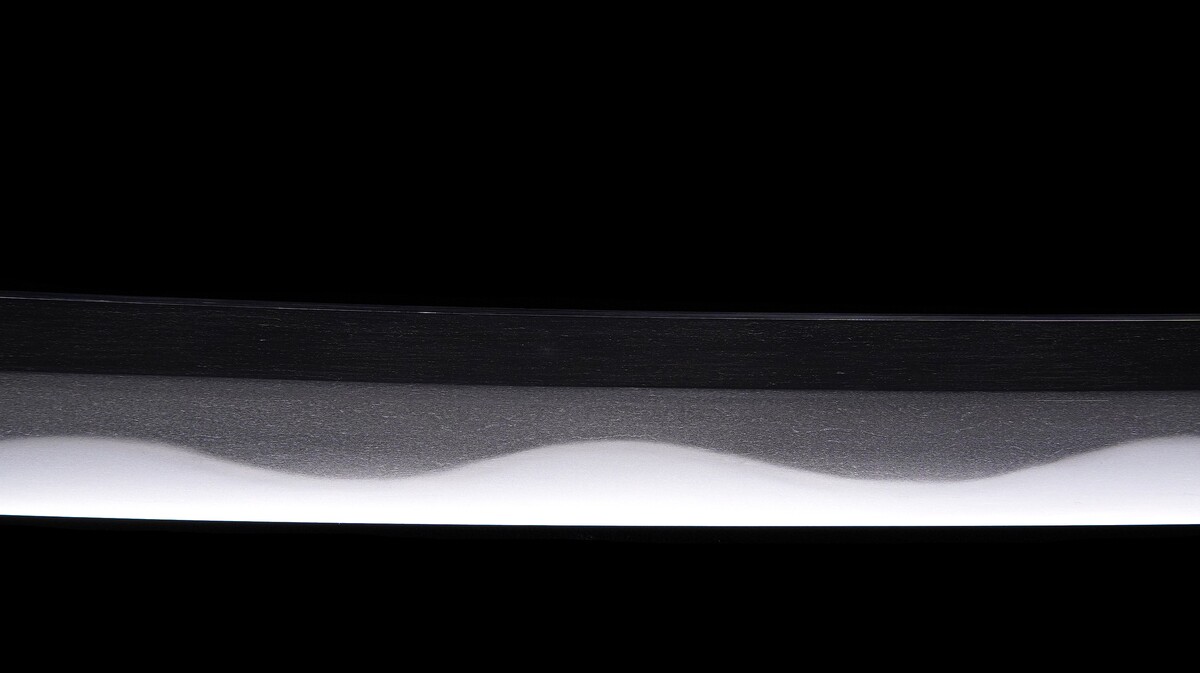
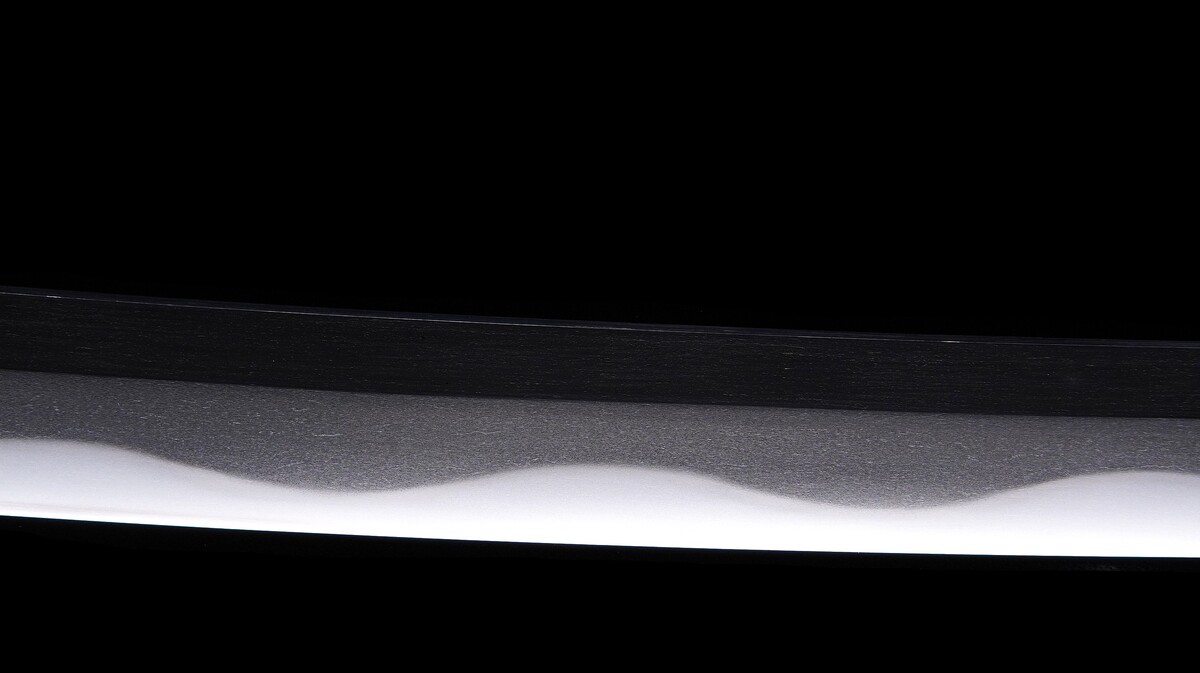
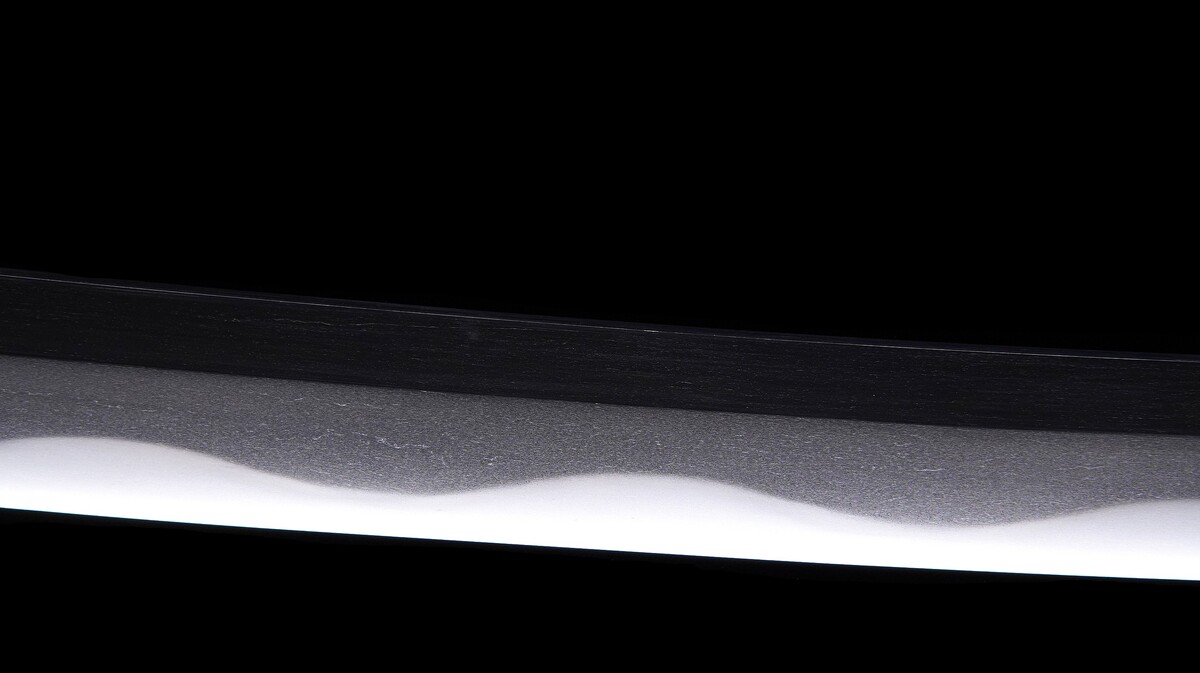
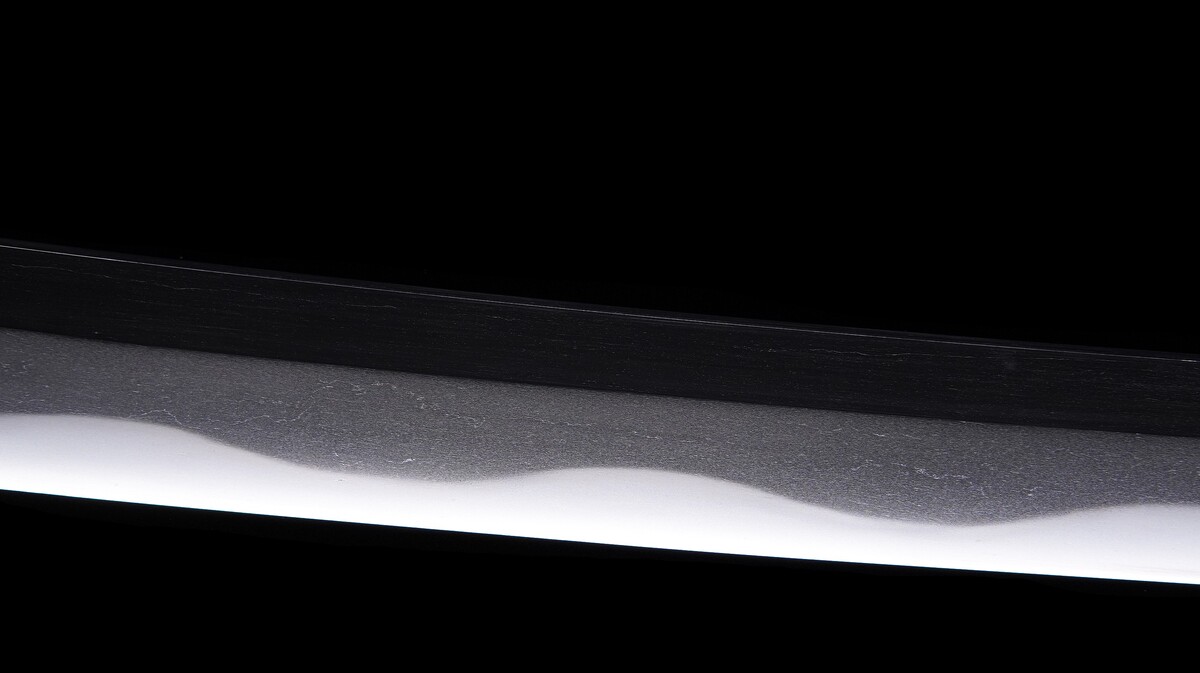
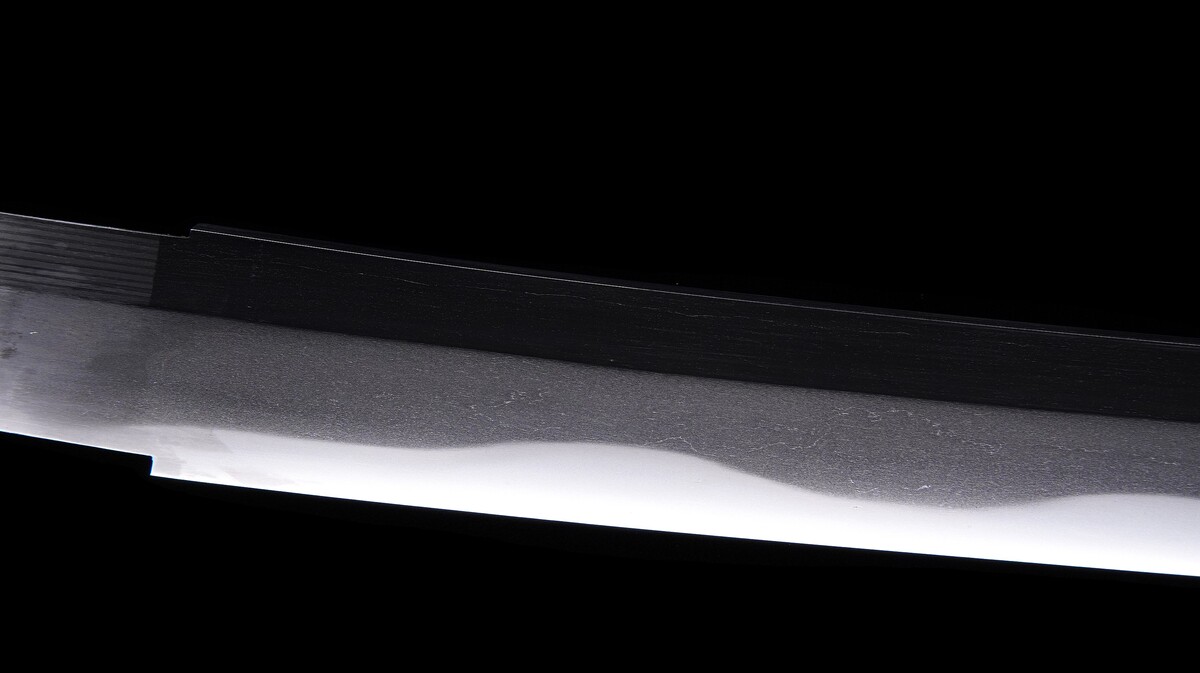
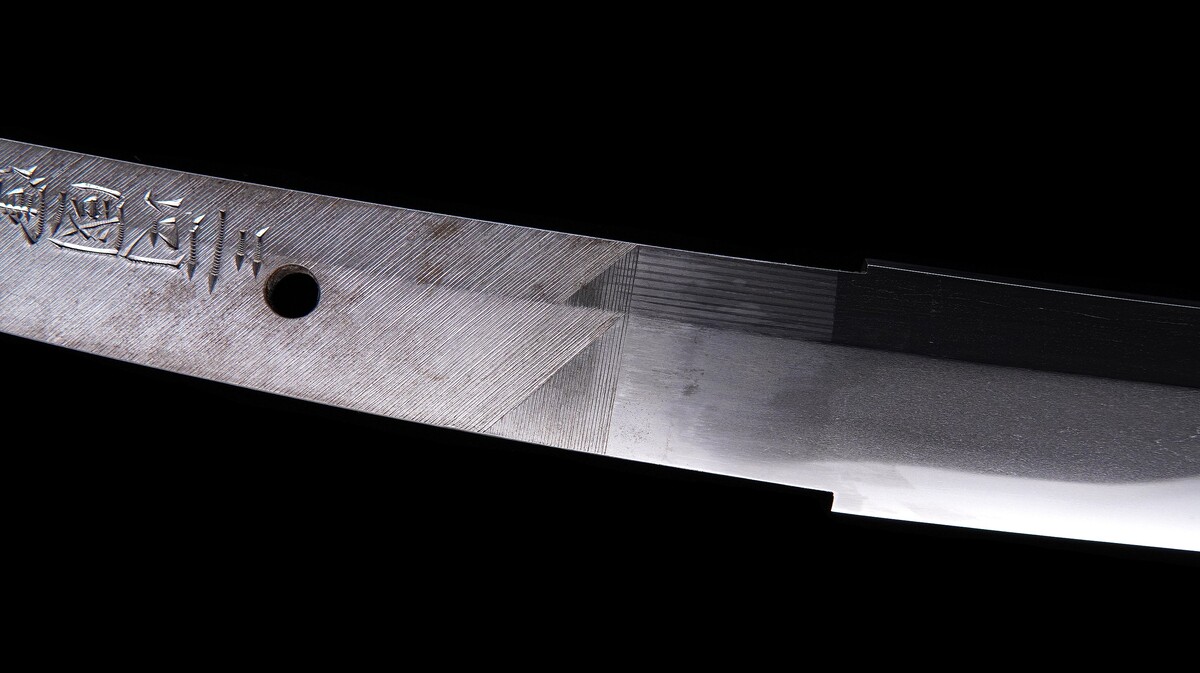
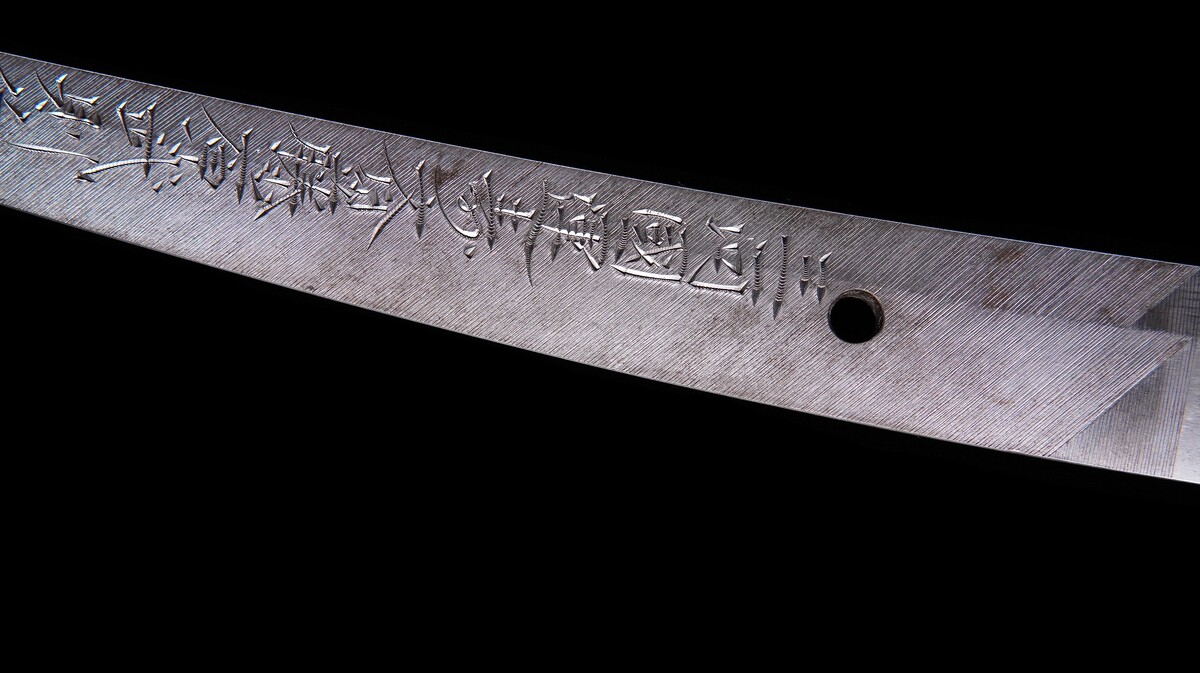
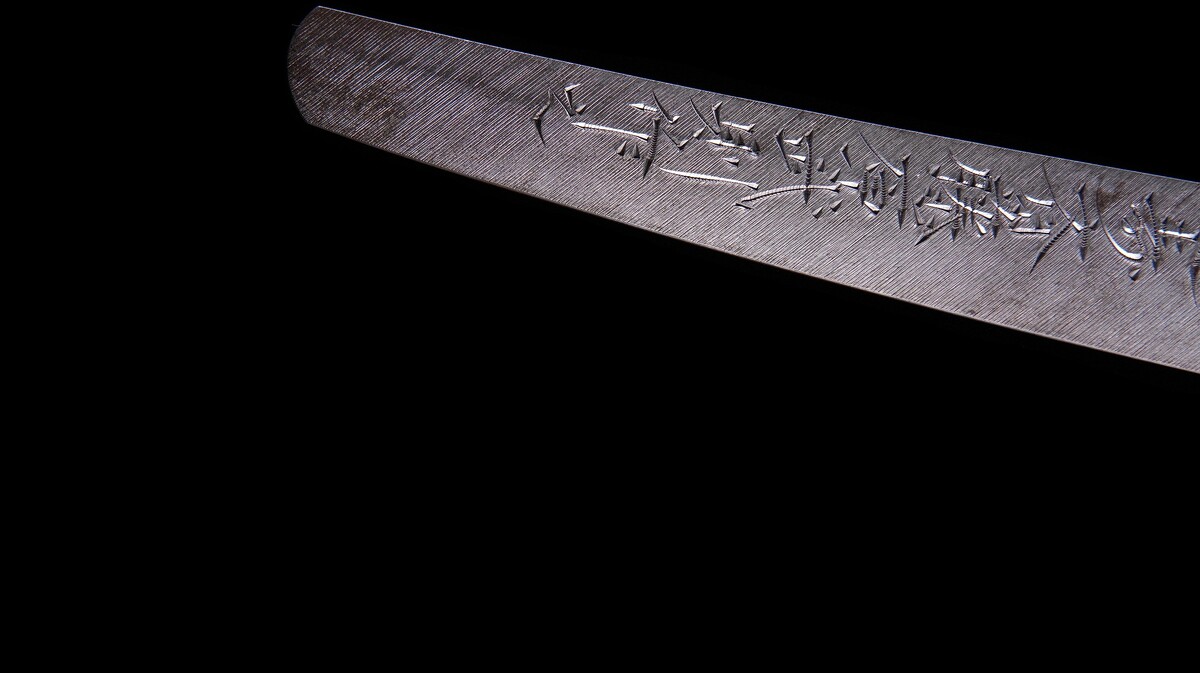
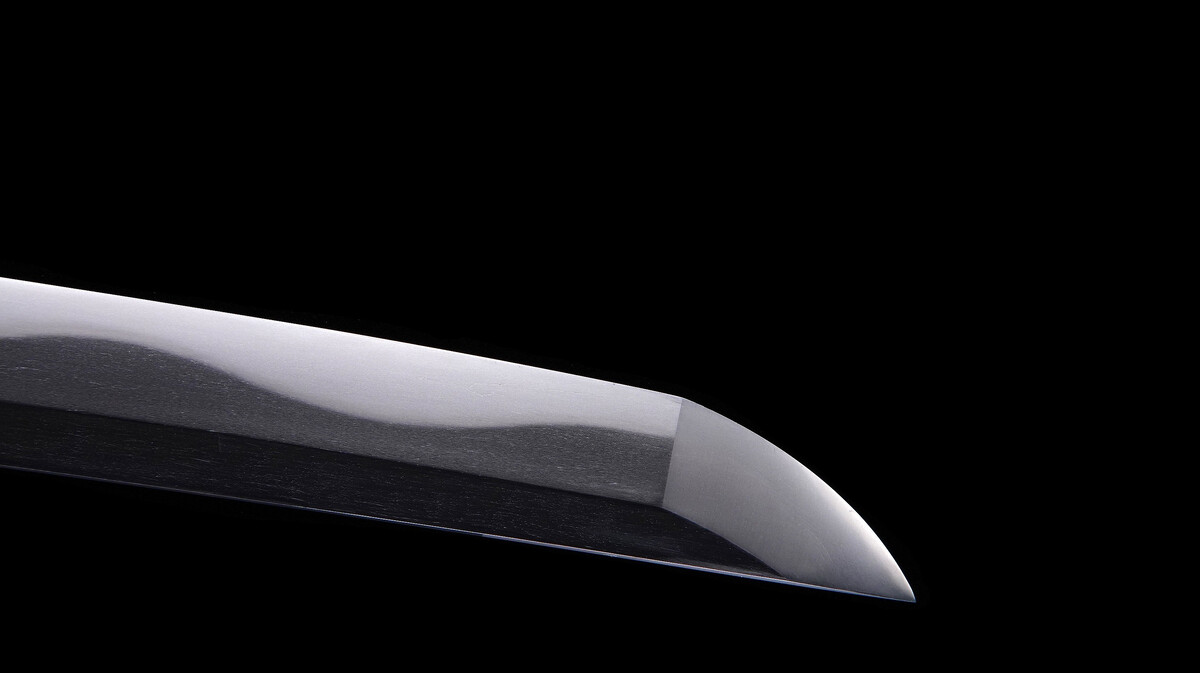
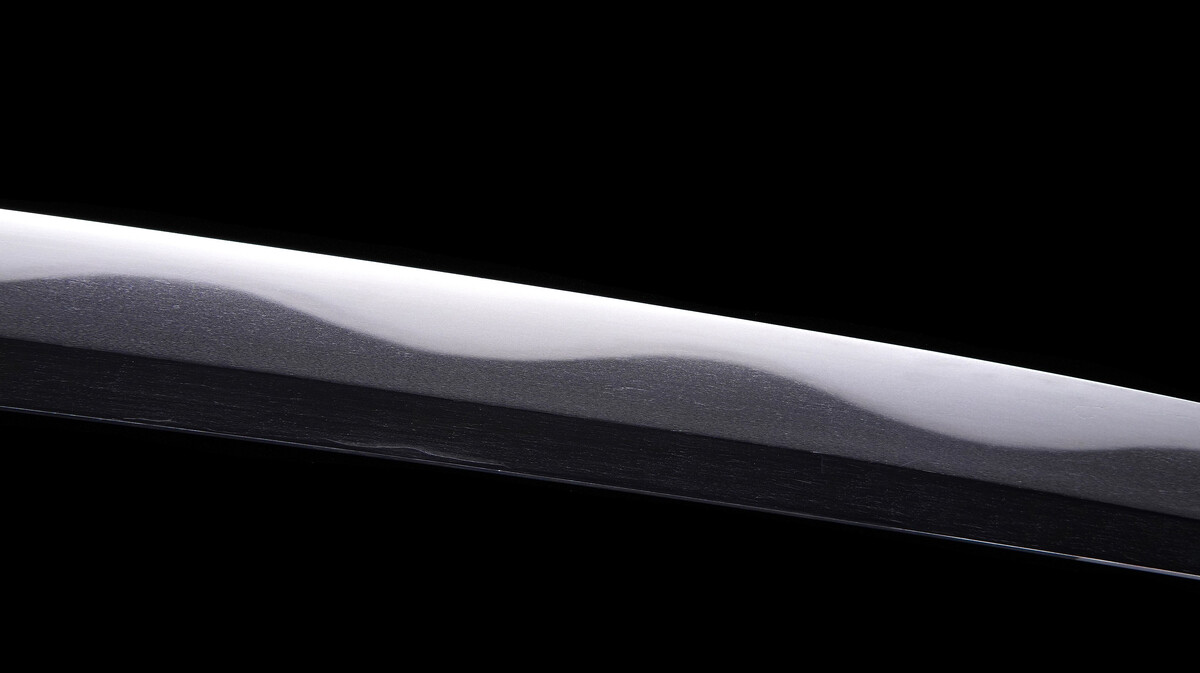
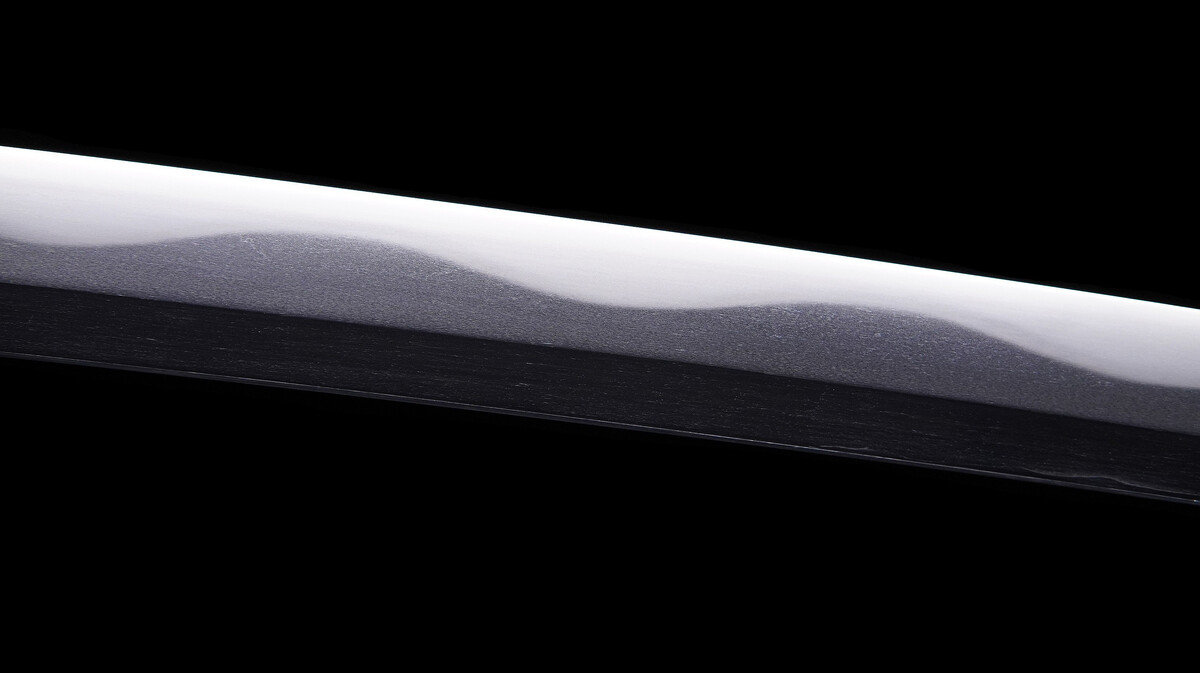
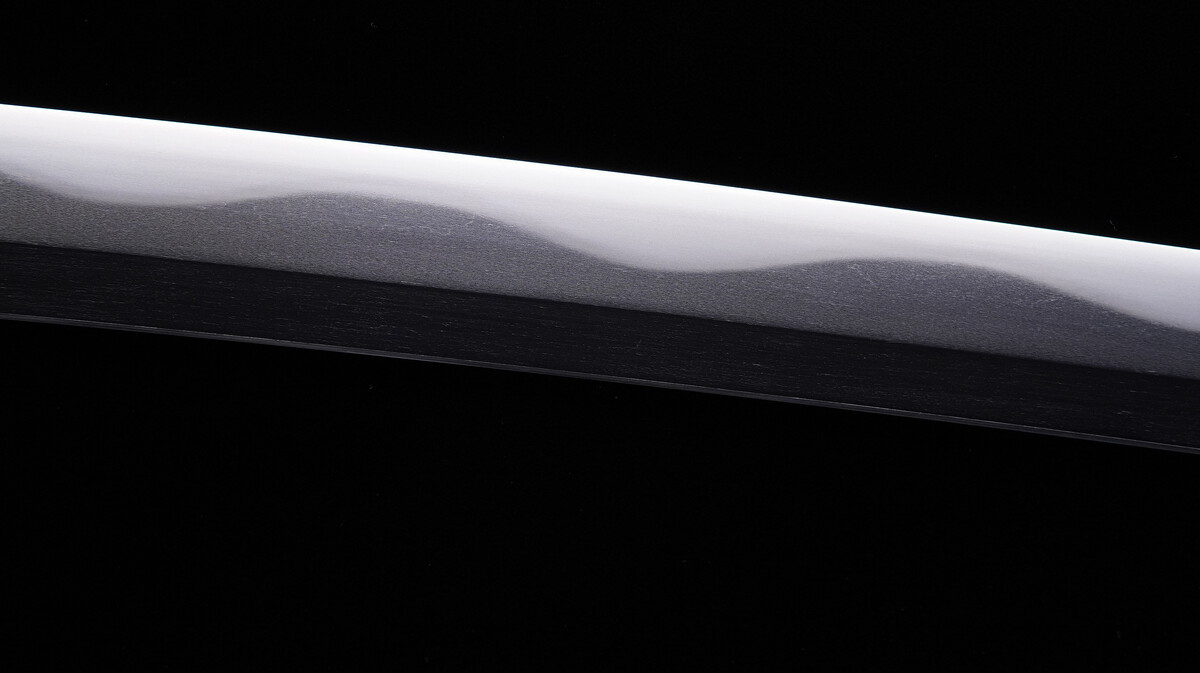
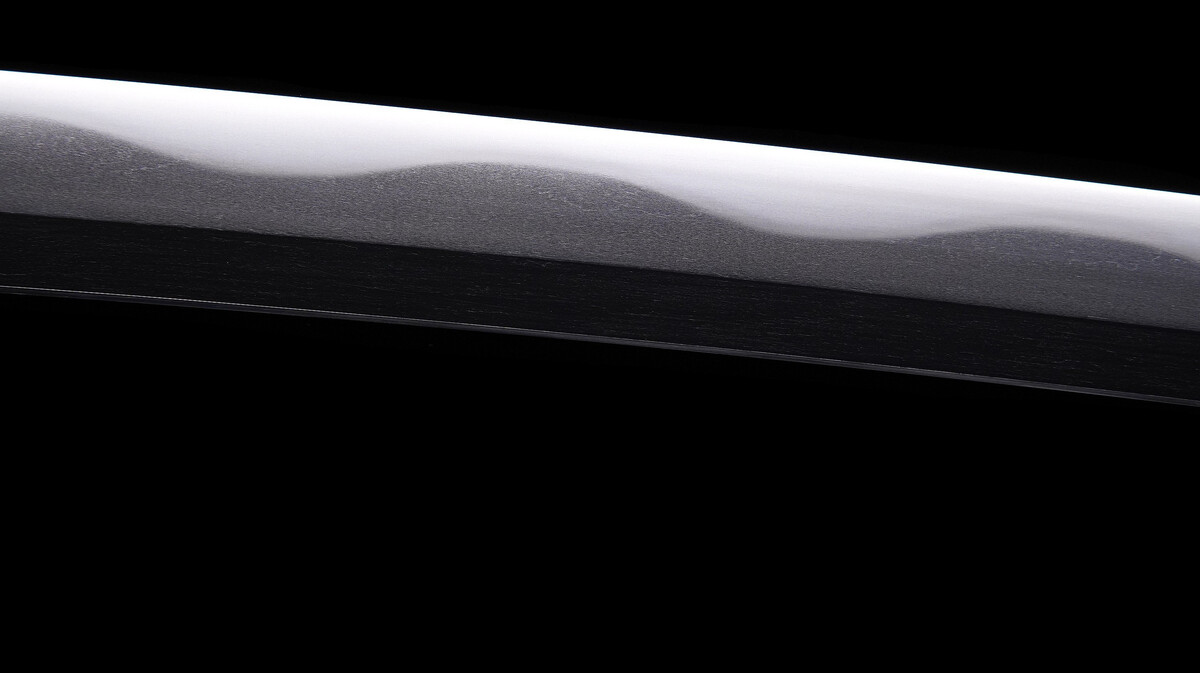
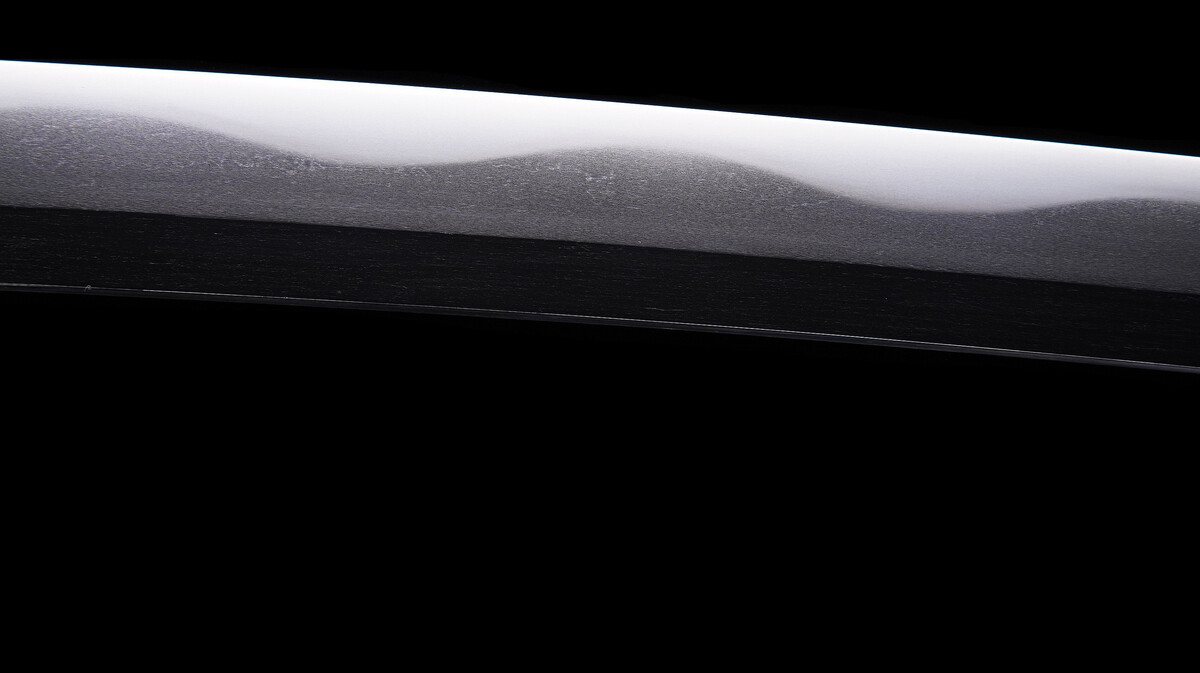
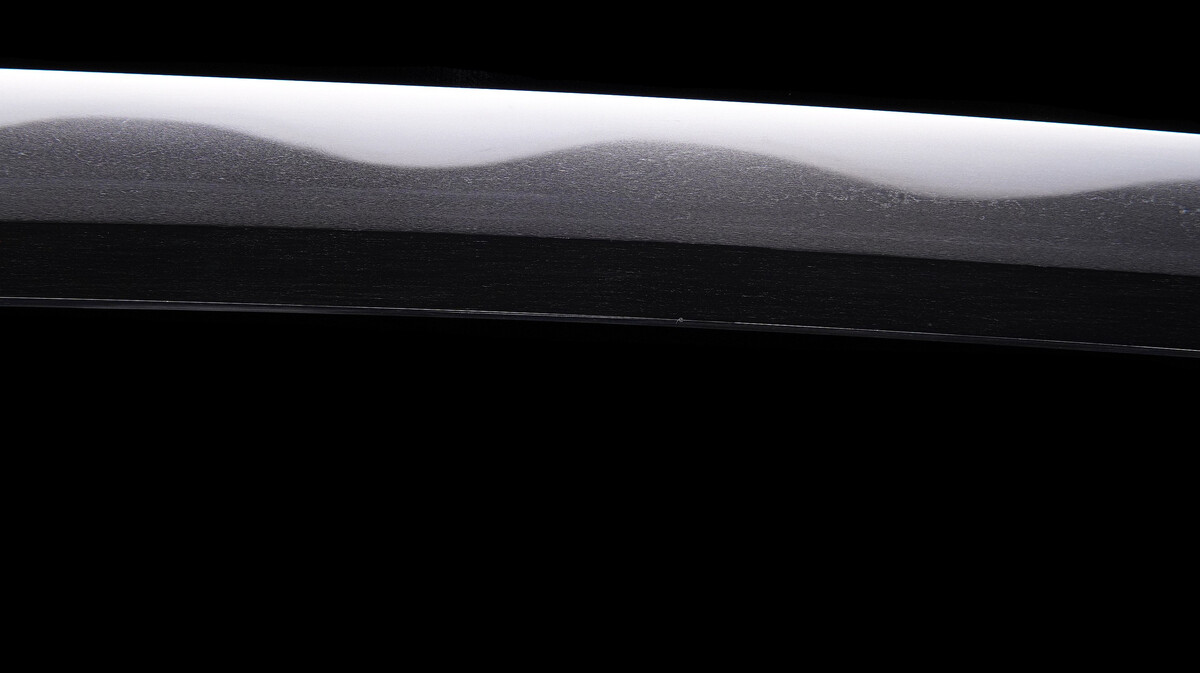
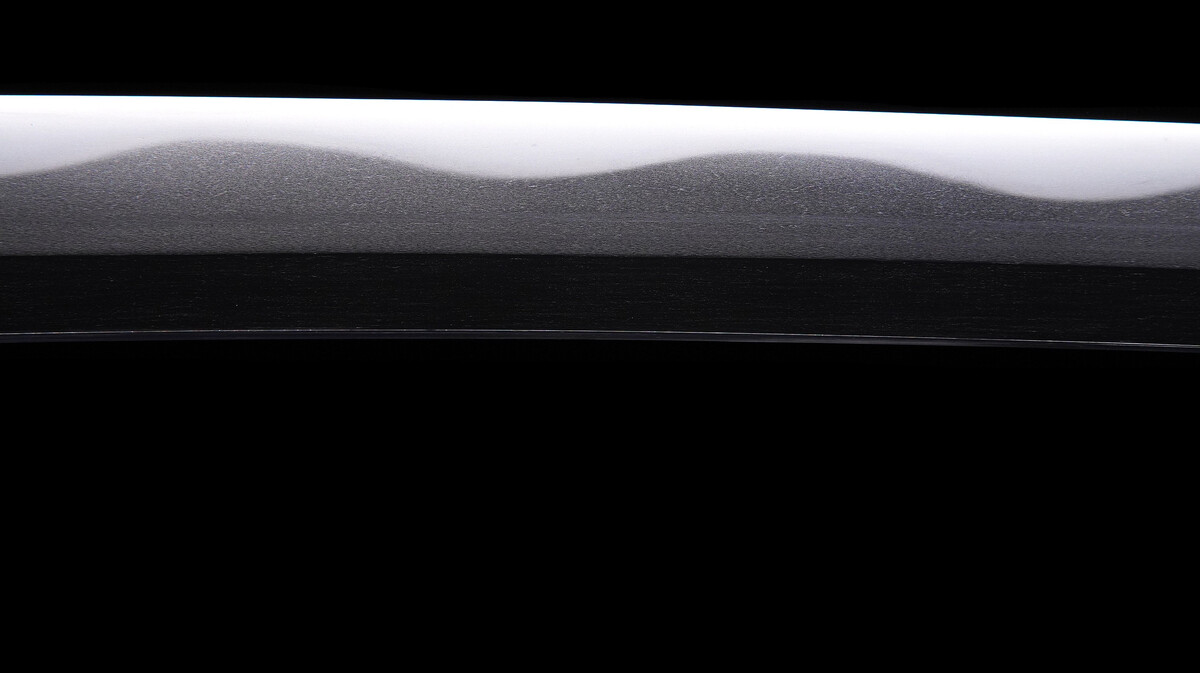
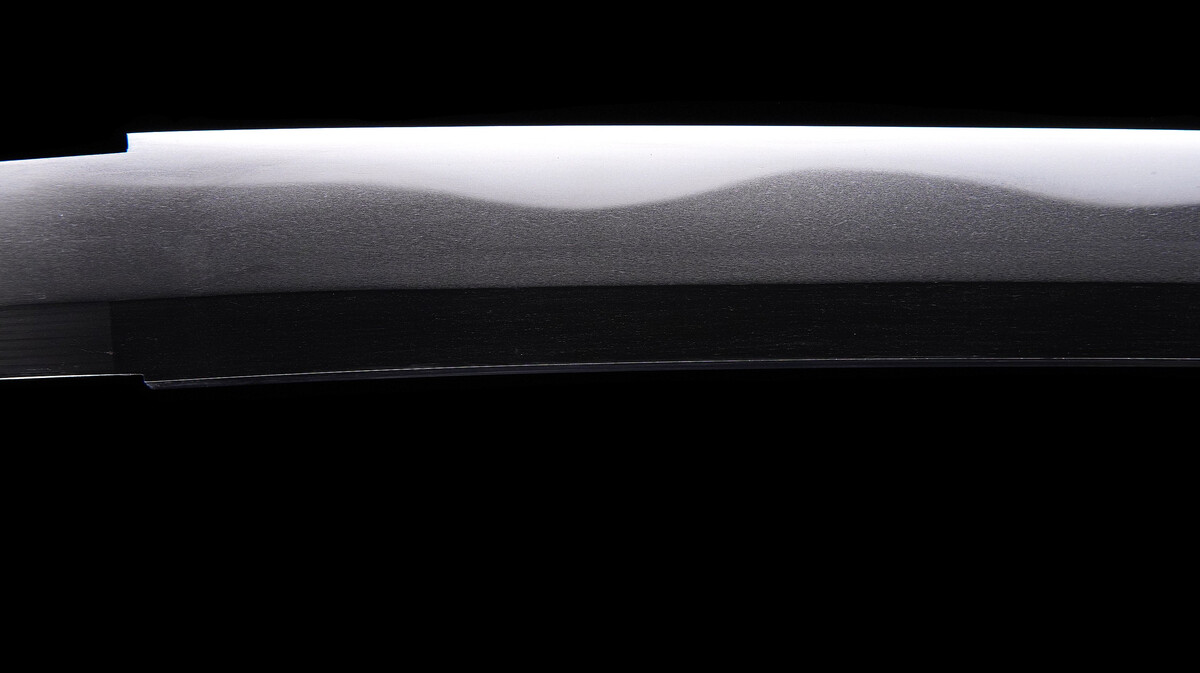
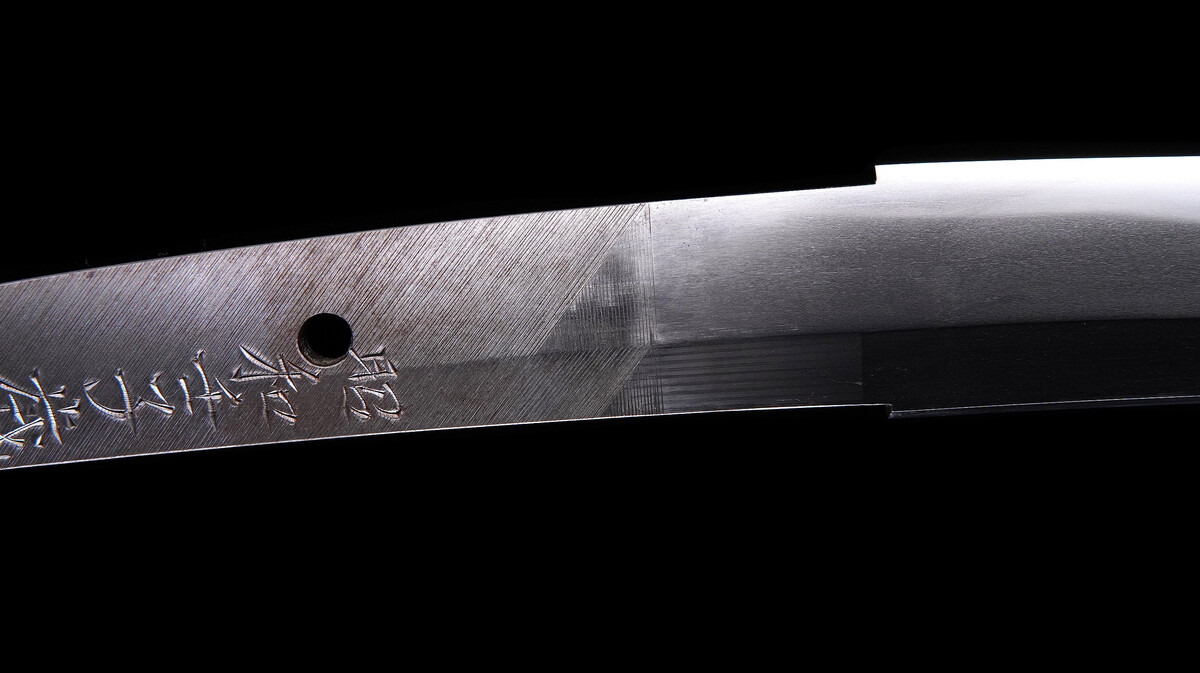
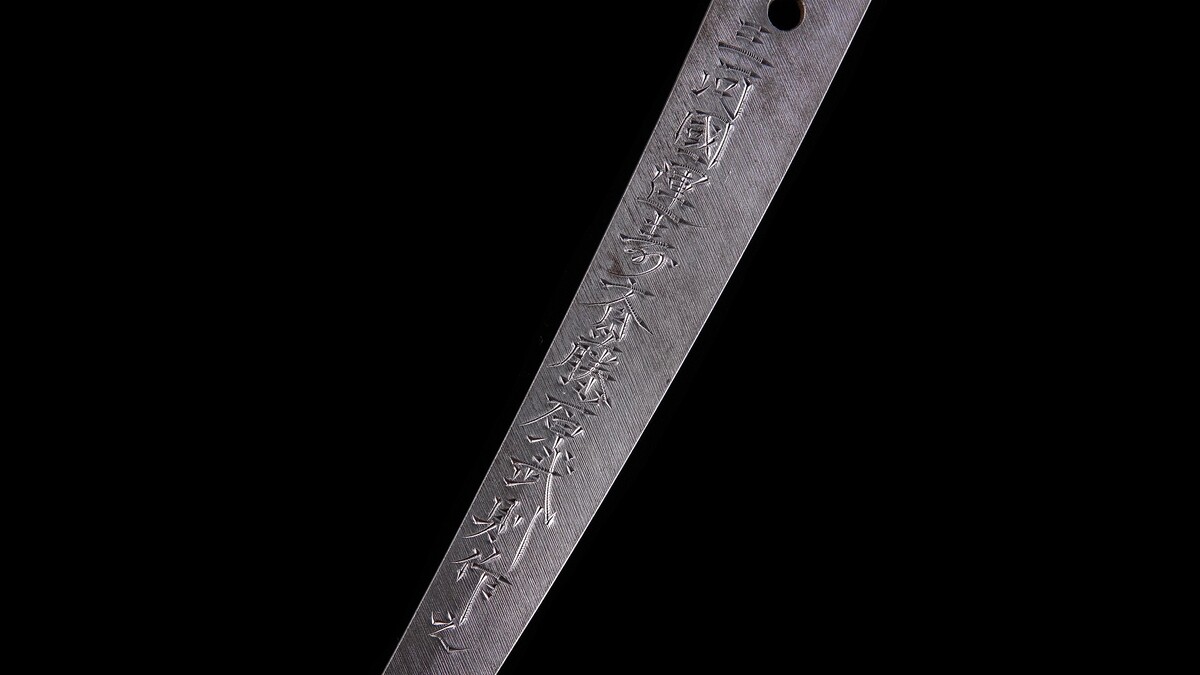
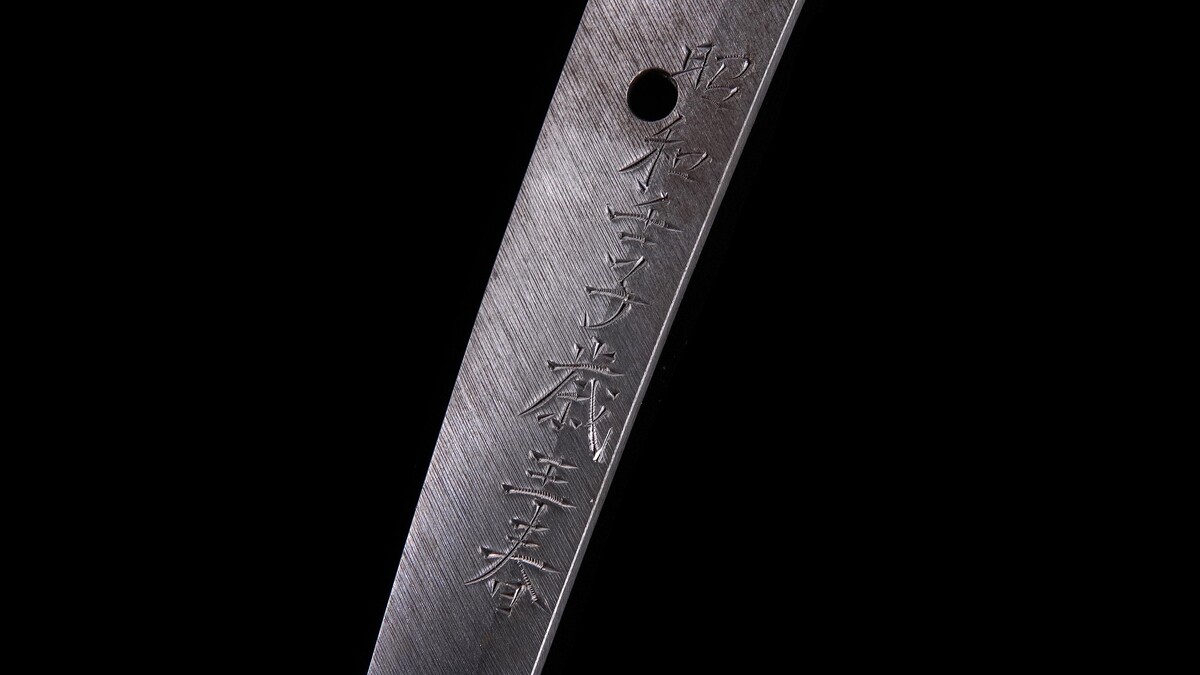
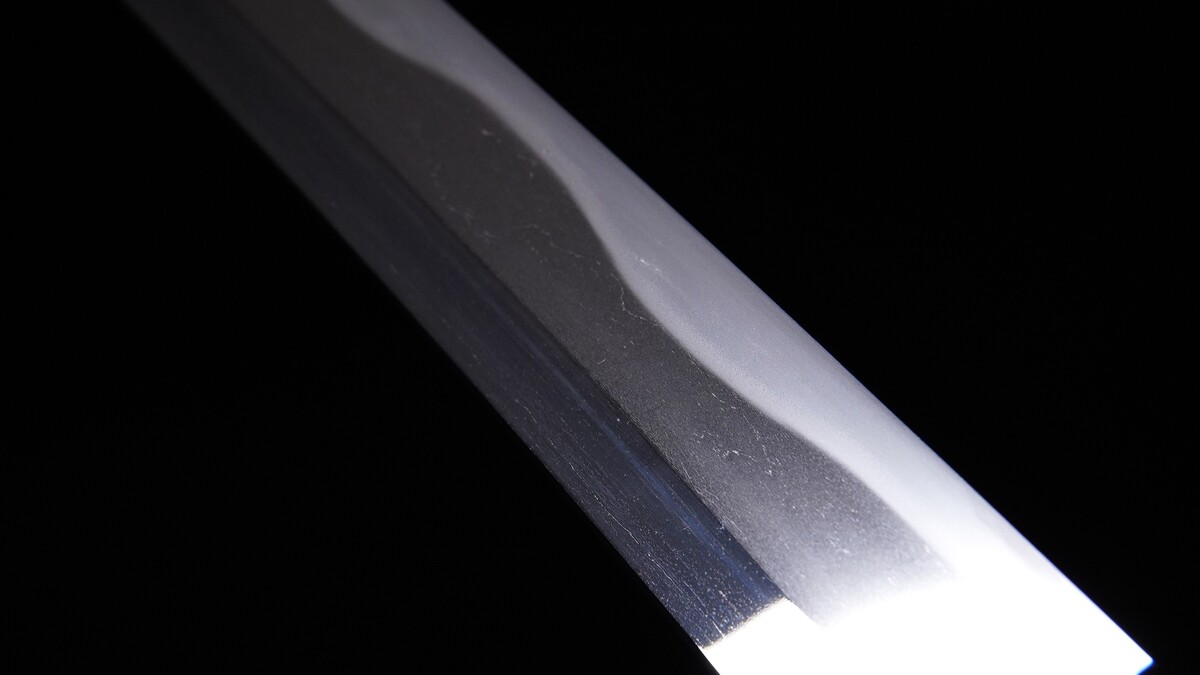
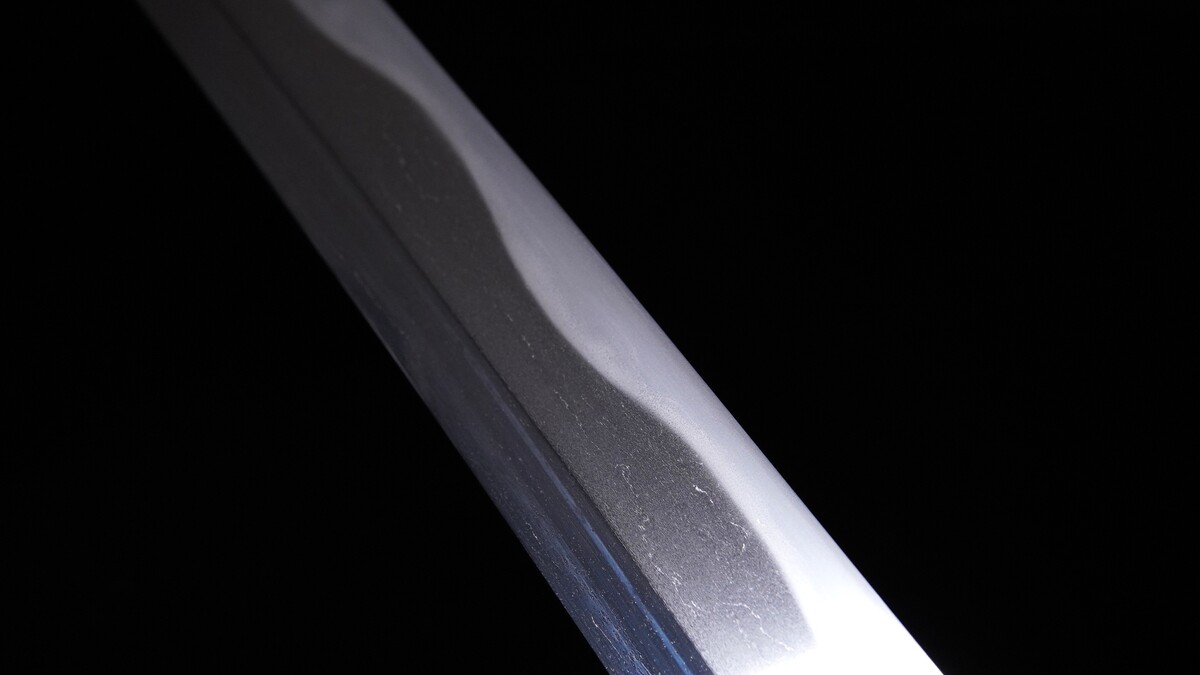
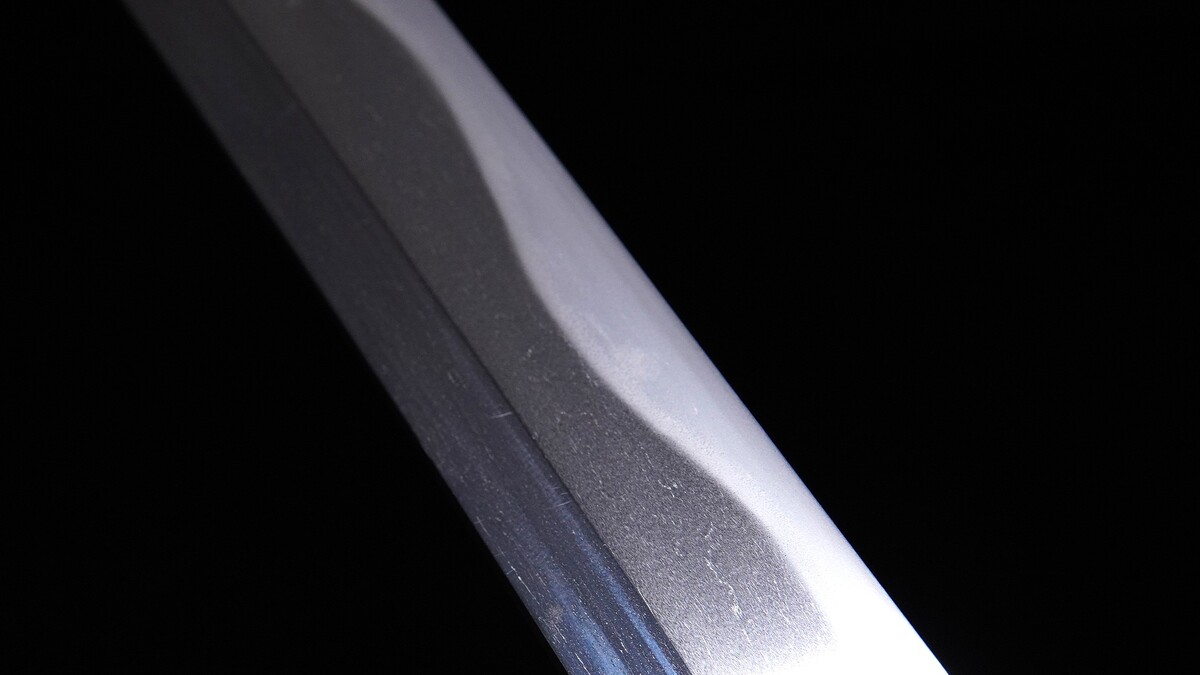
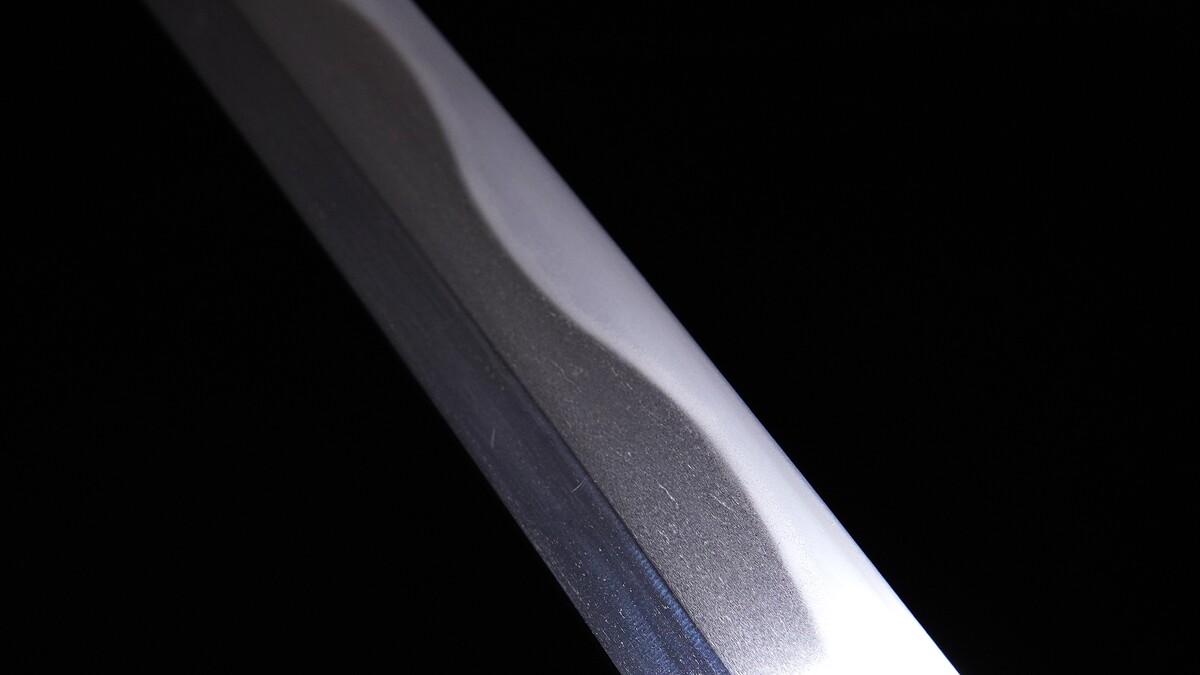
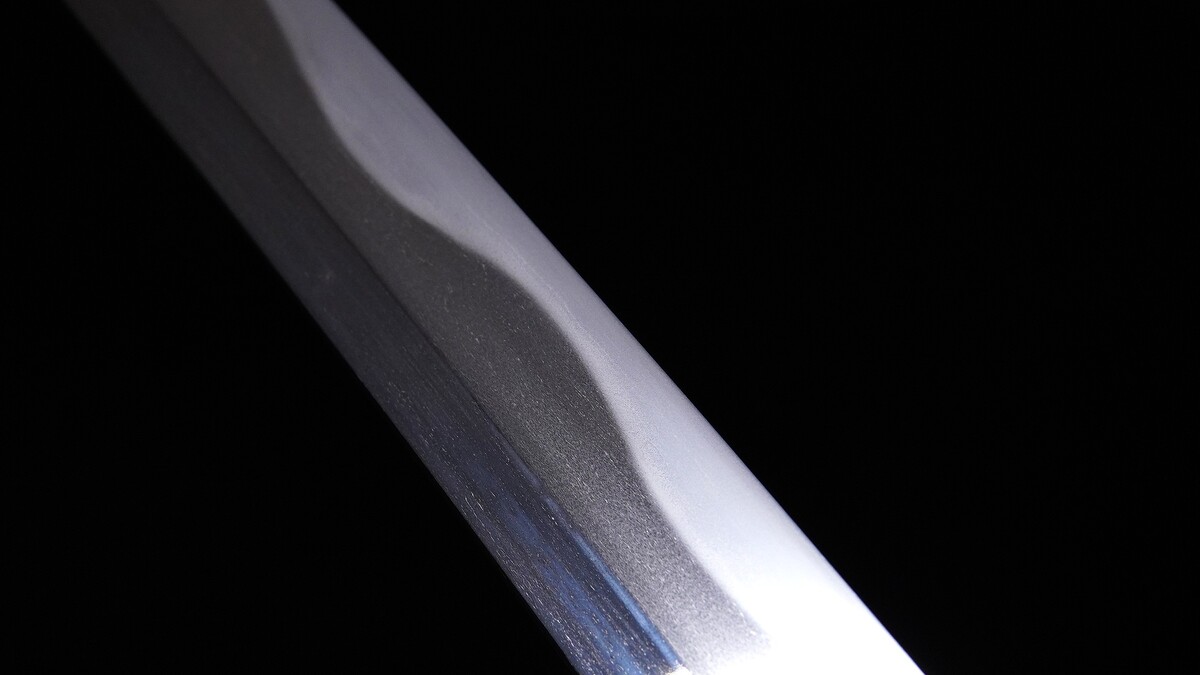
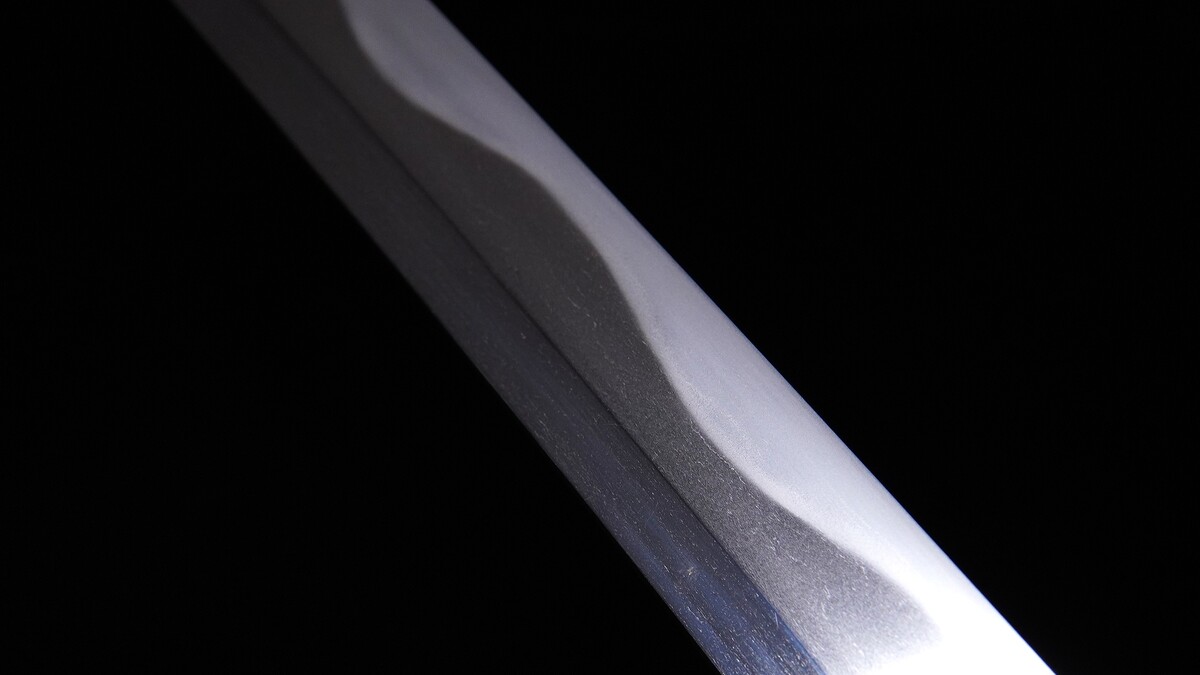
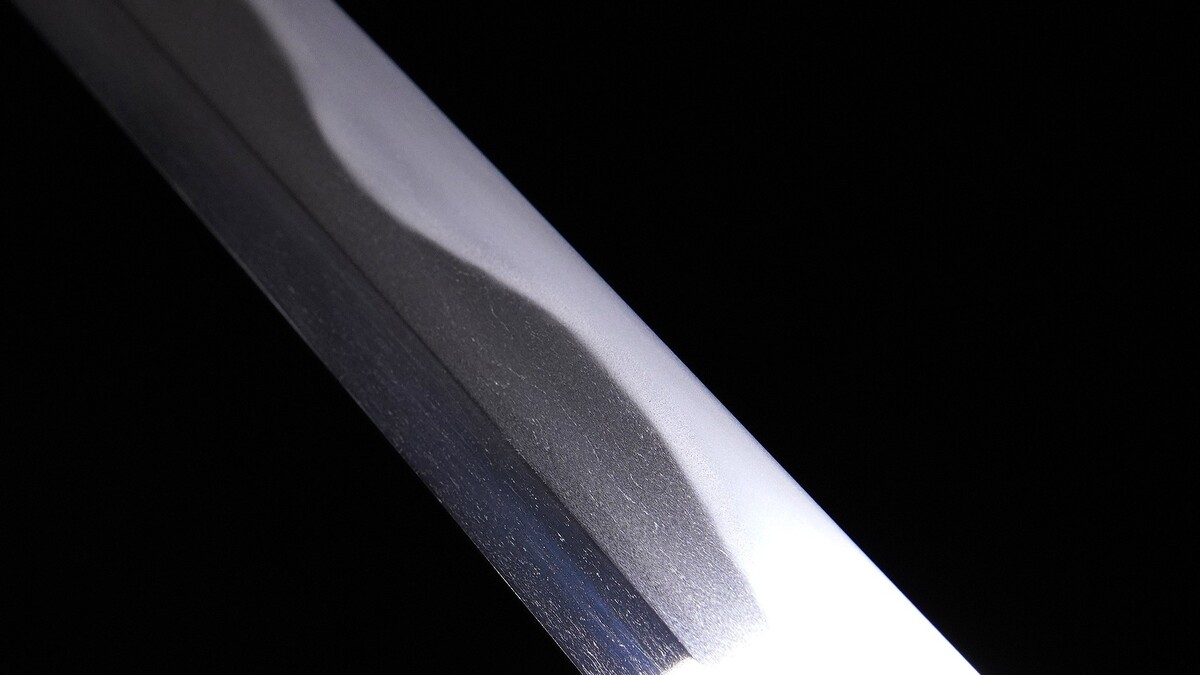
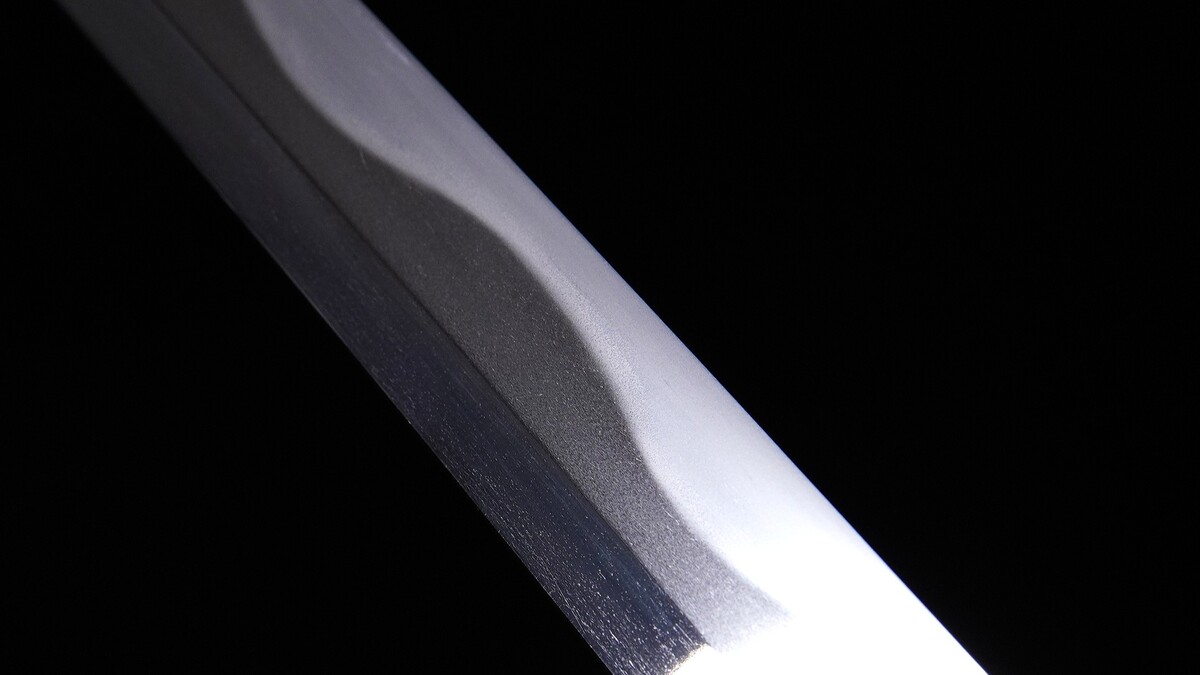
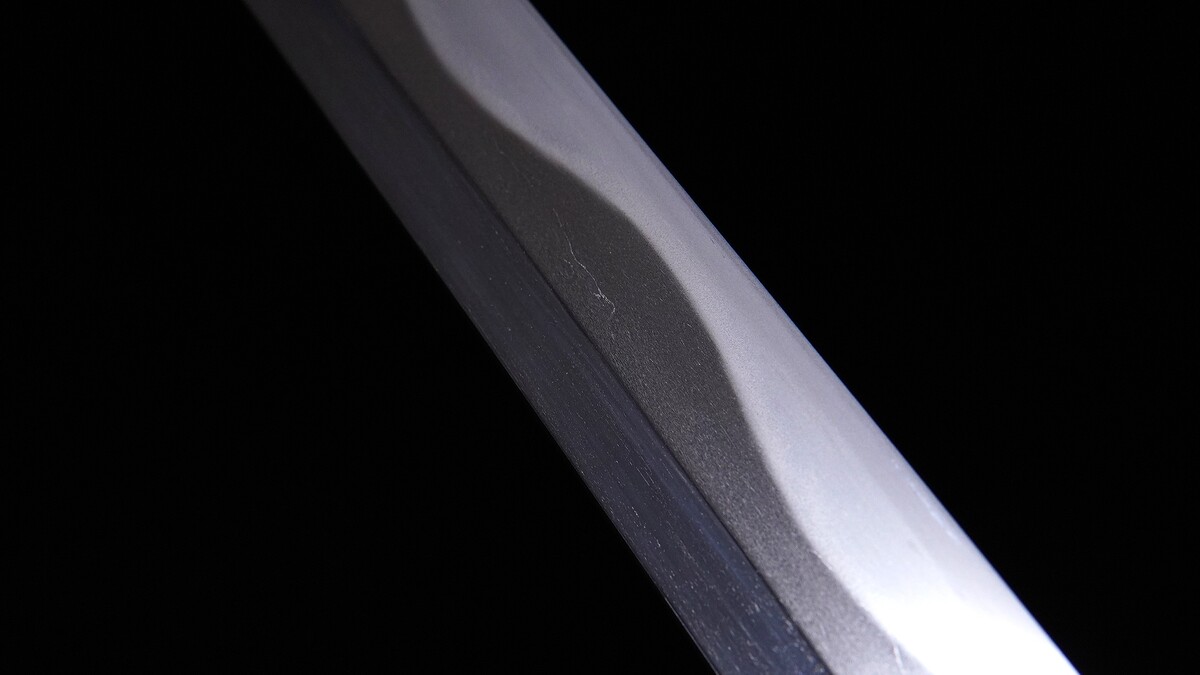
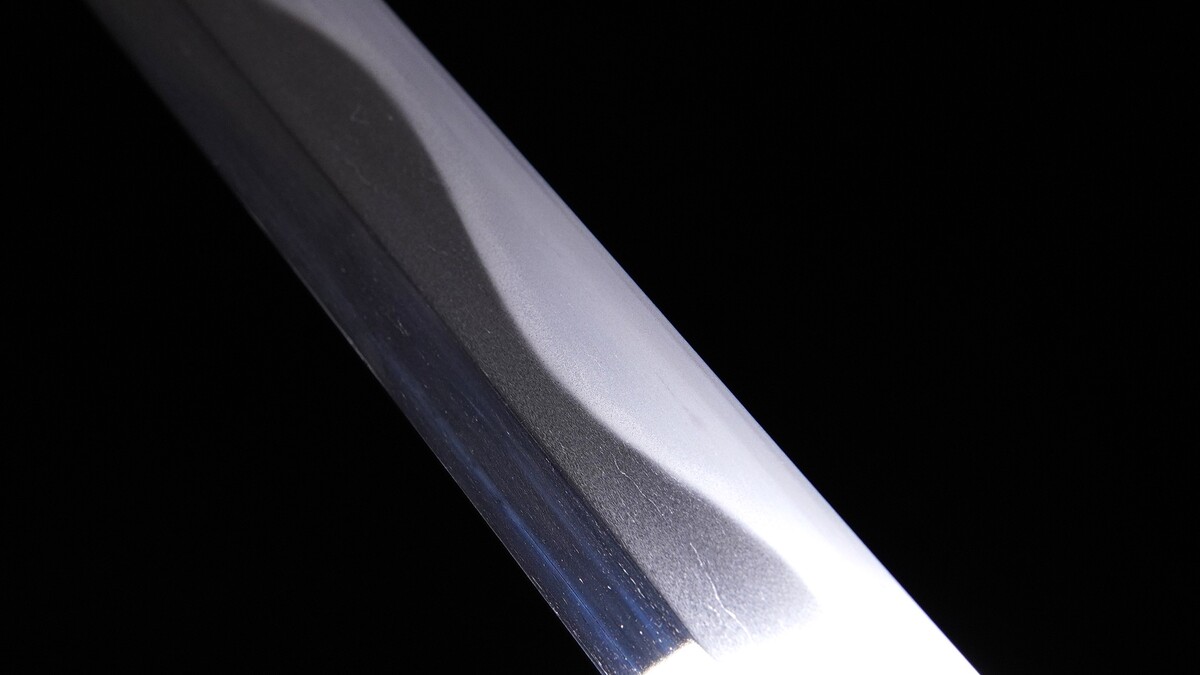
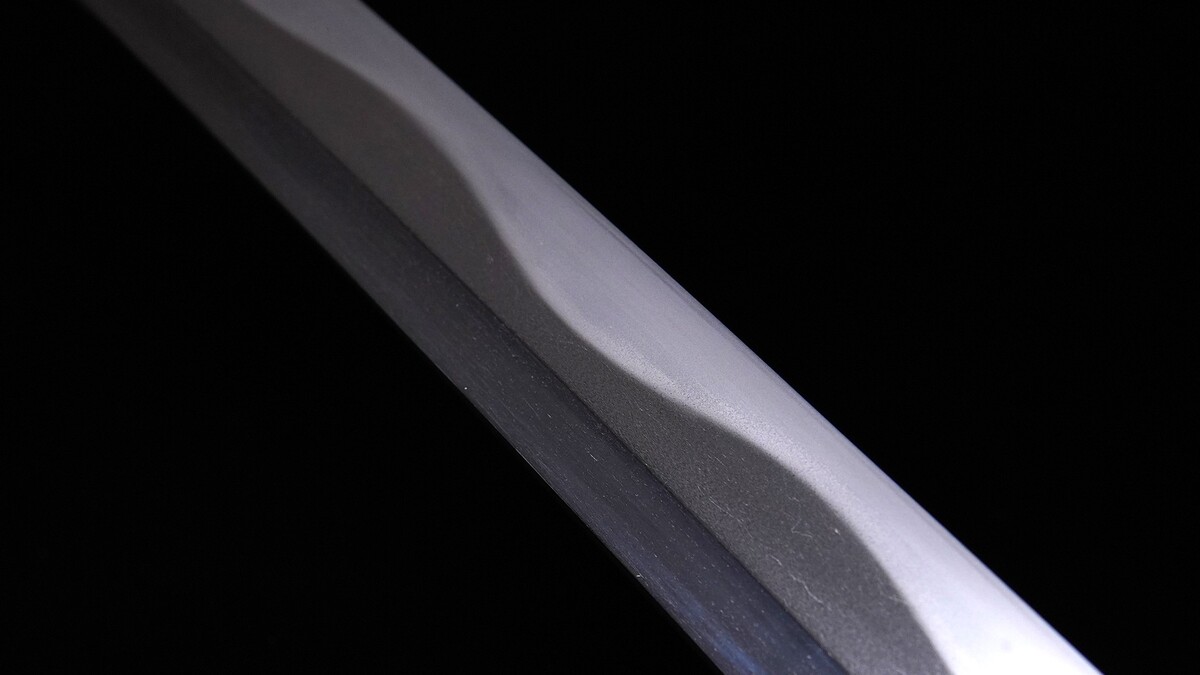
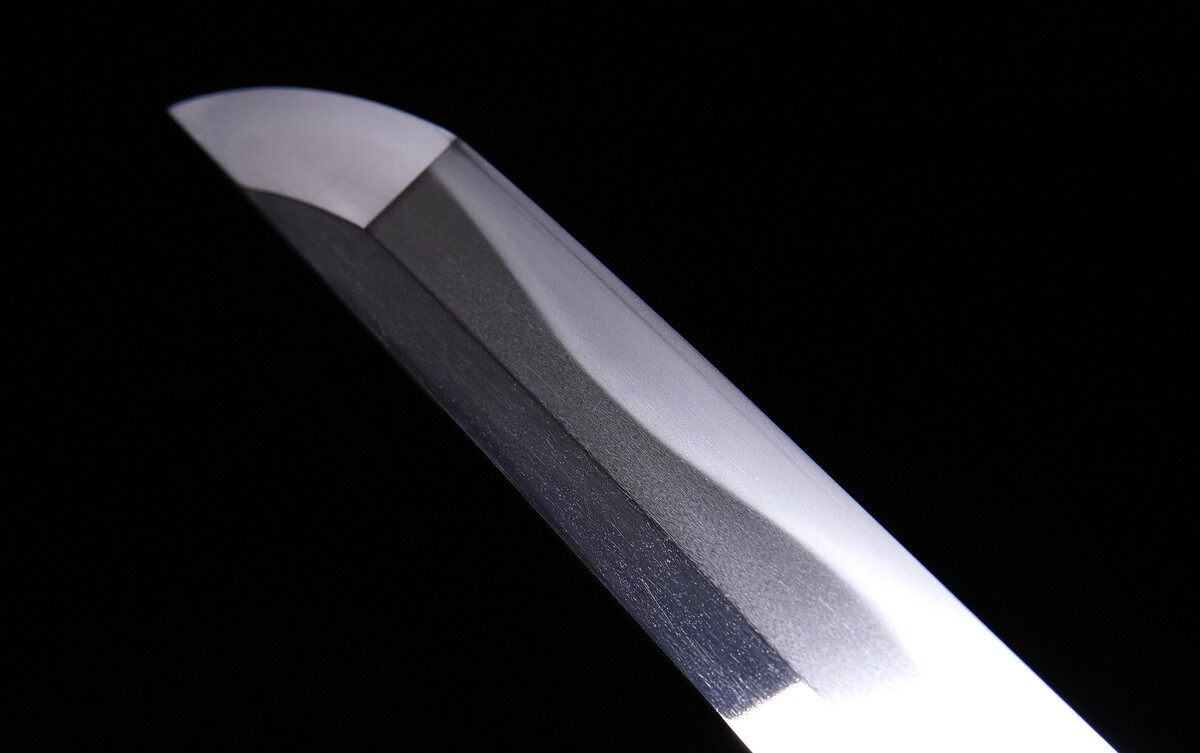
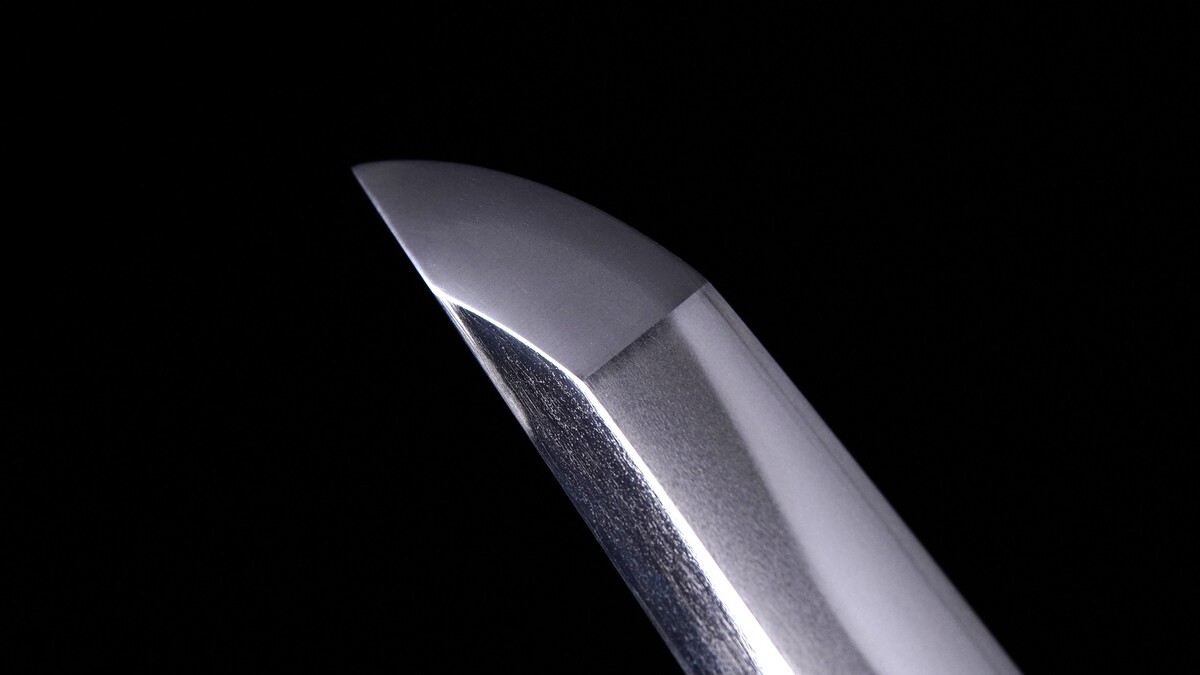
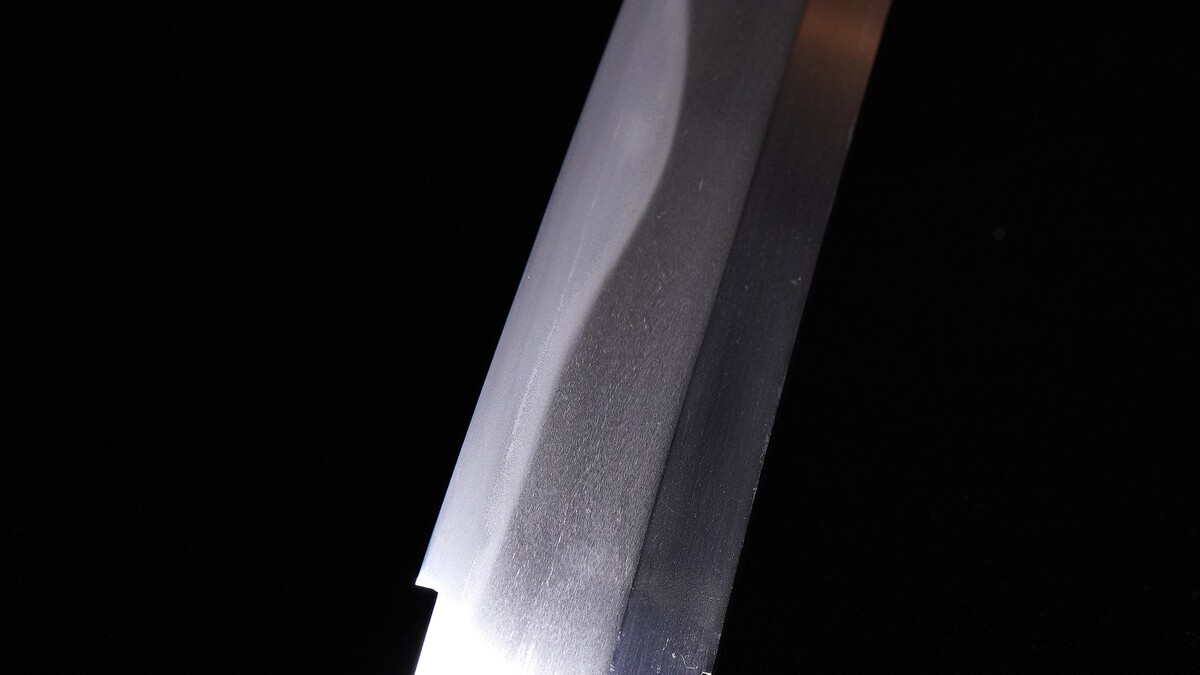
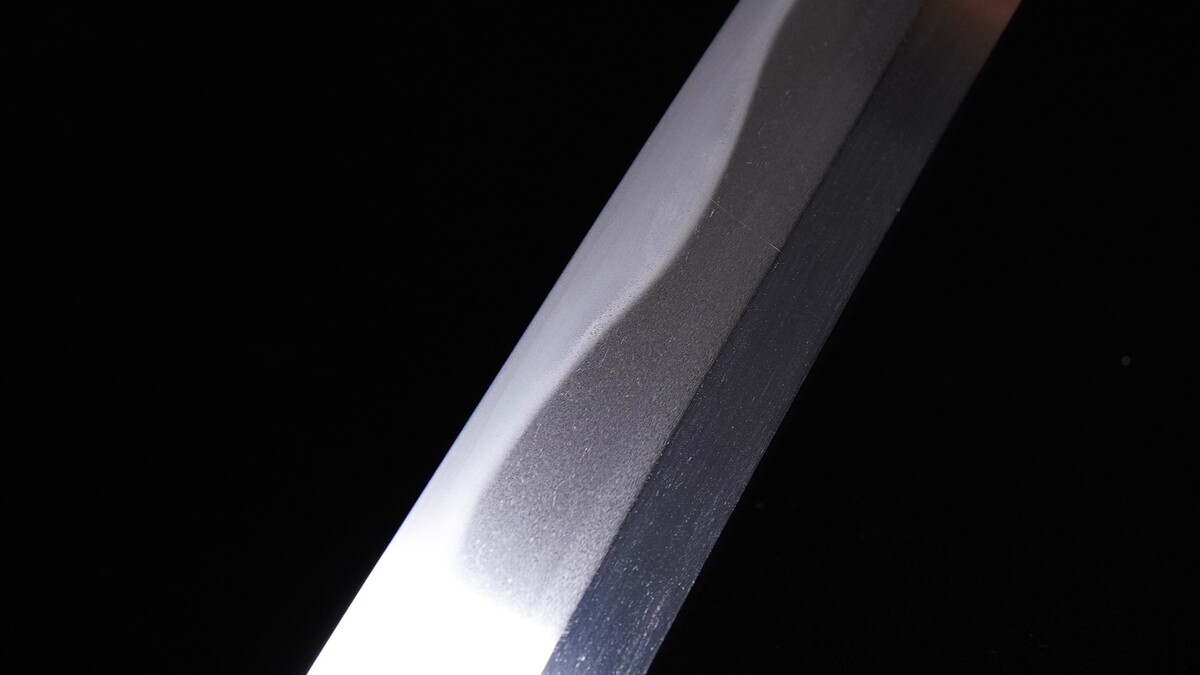
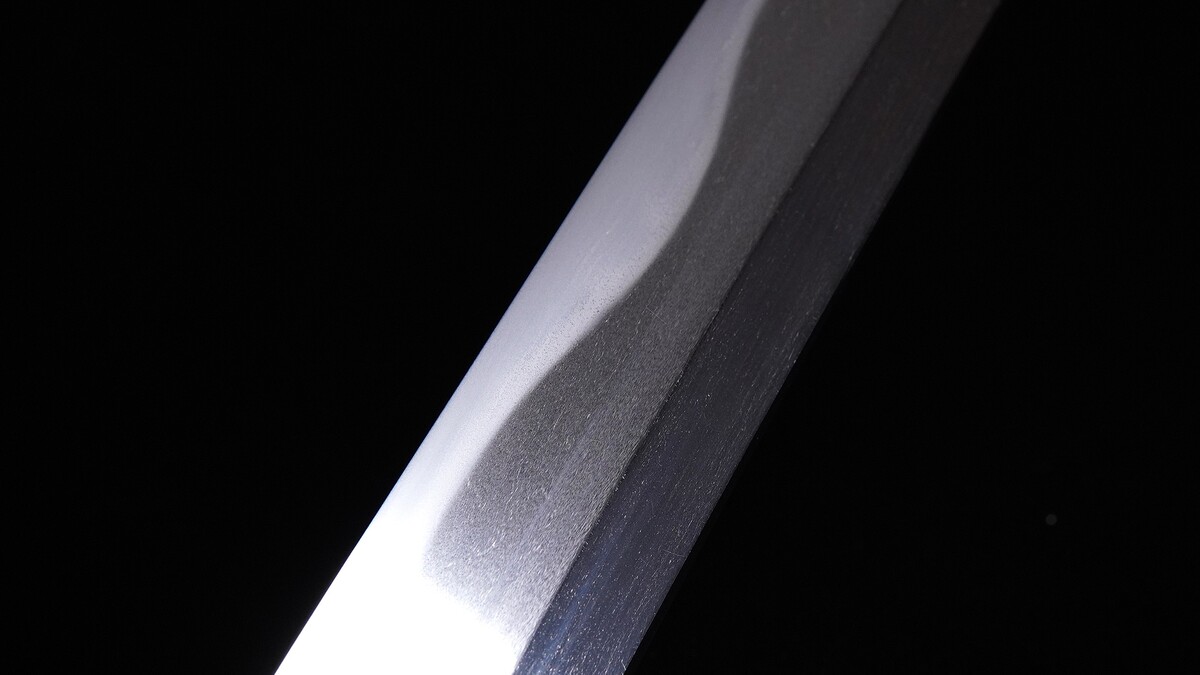
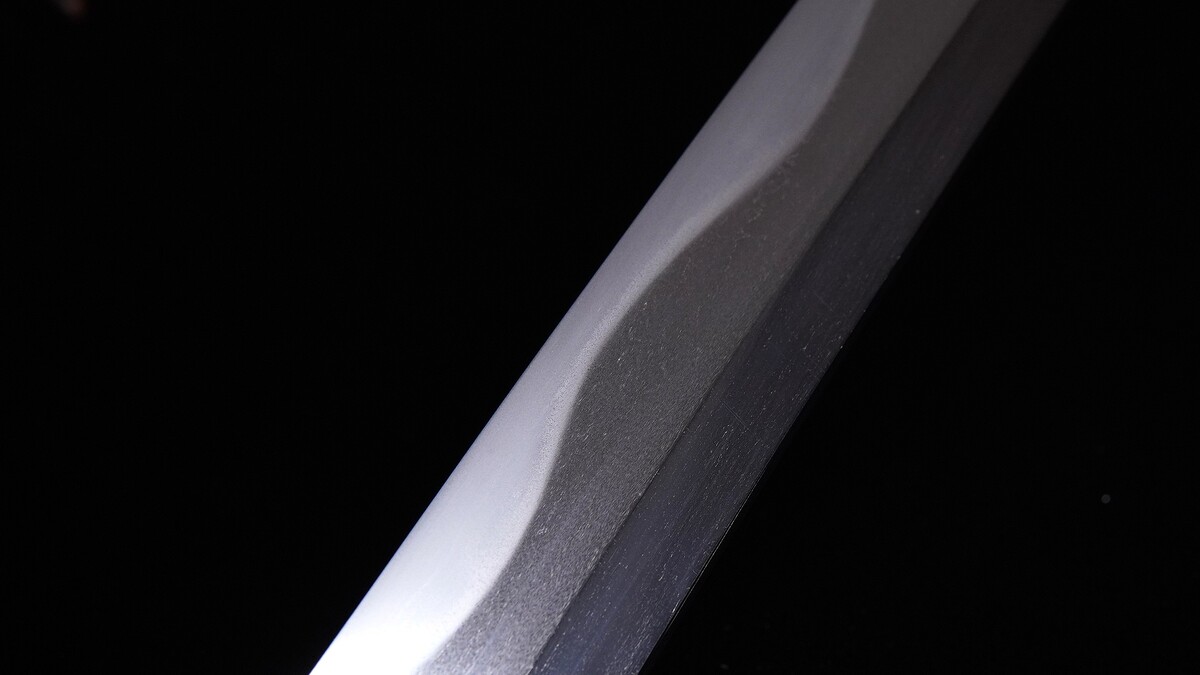
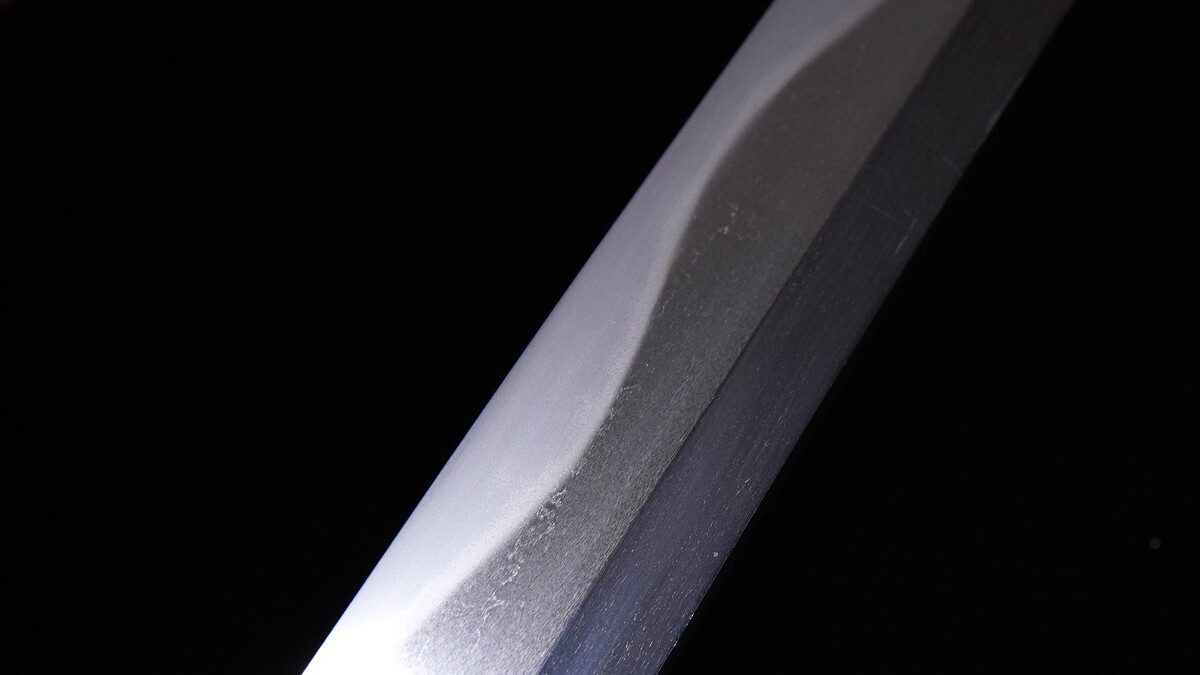
This is a signed tachi by Unjusai Takenori, a swordsmith from Aichi Prefecture (Mikawa Province). Born in 1911, he was a student of Unjusai Kazunori, who belonged to the Ishido Unjusai Korekazu lineage. Takenori received silver and gold medals at the Ministry of Education's New Japanese Sword Exhibition in 1940 and 1941, respectively, and became an authorized swordsmith for the Army Arsenal. He continued making swords after the war, winning seven awards at the NBTHK's sword exhibitions, including five consecutive years from 1965. He passed away in 1973 at the age of 62. This blade, made in his very late period, features a gunome hamon and an itame hada, with a beautiful, clear jigane and hamon, reflecting a state of 'meikyō shisui' (clear and serene mind).
 NihontoWatch
mei · Ishido · Showa (1926-1989) · nagasa 79.6cm · sori 2.2cm


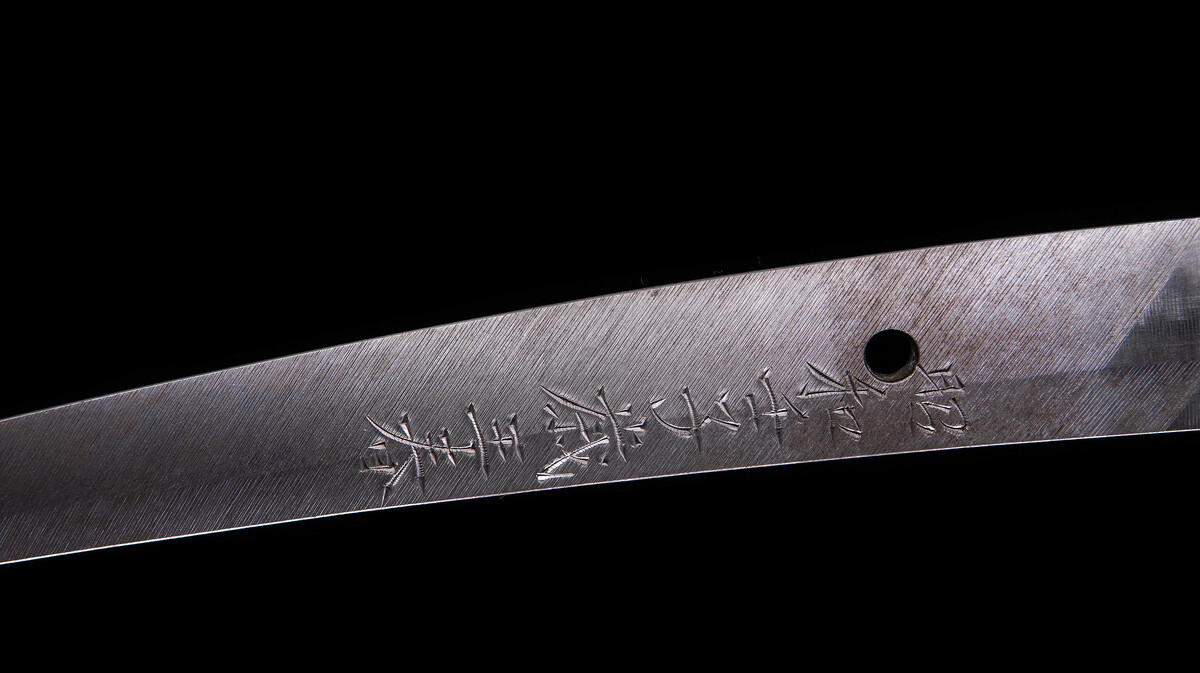
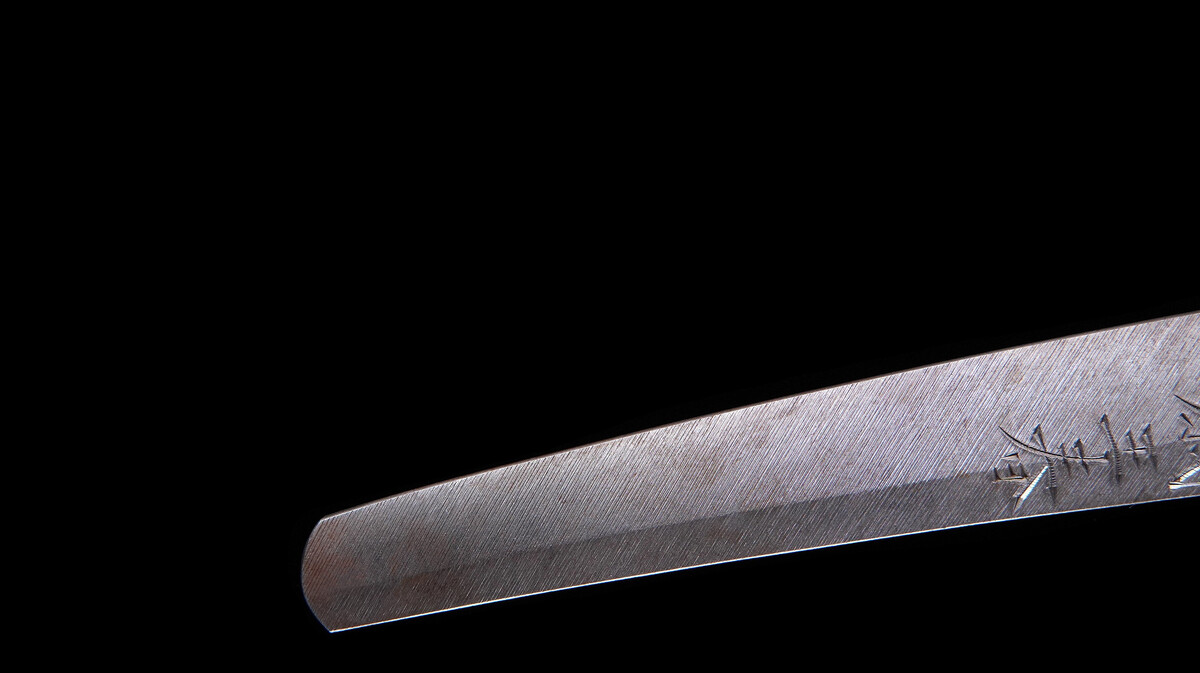
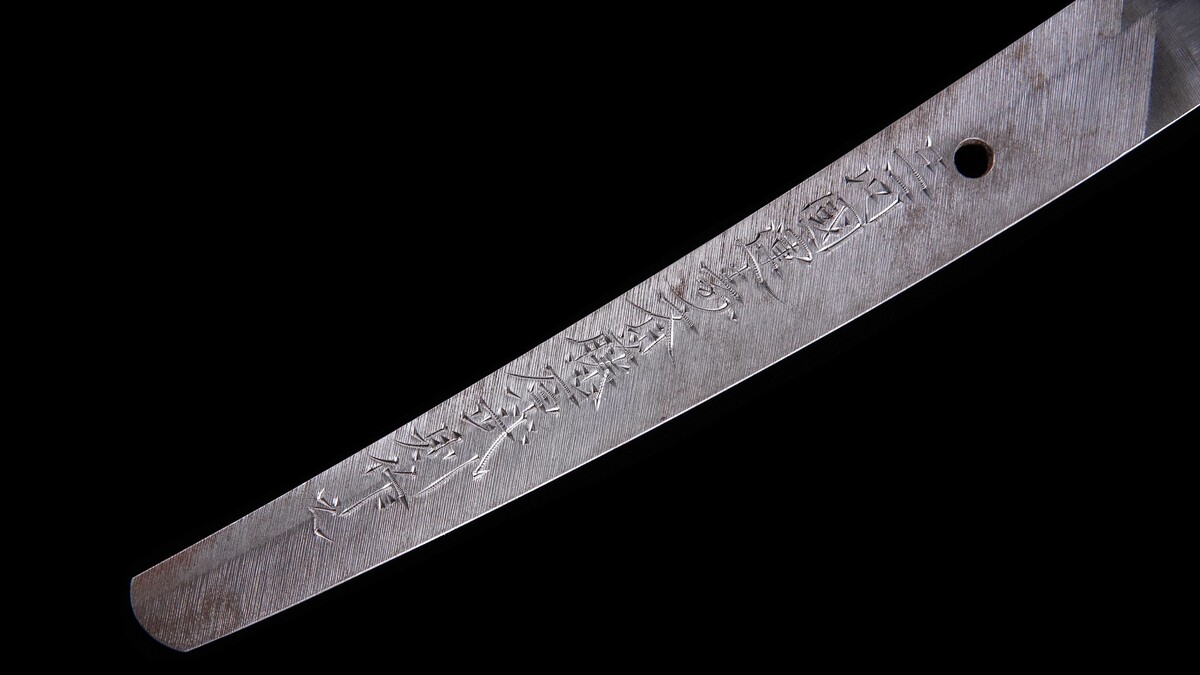
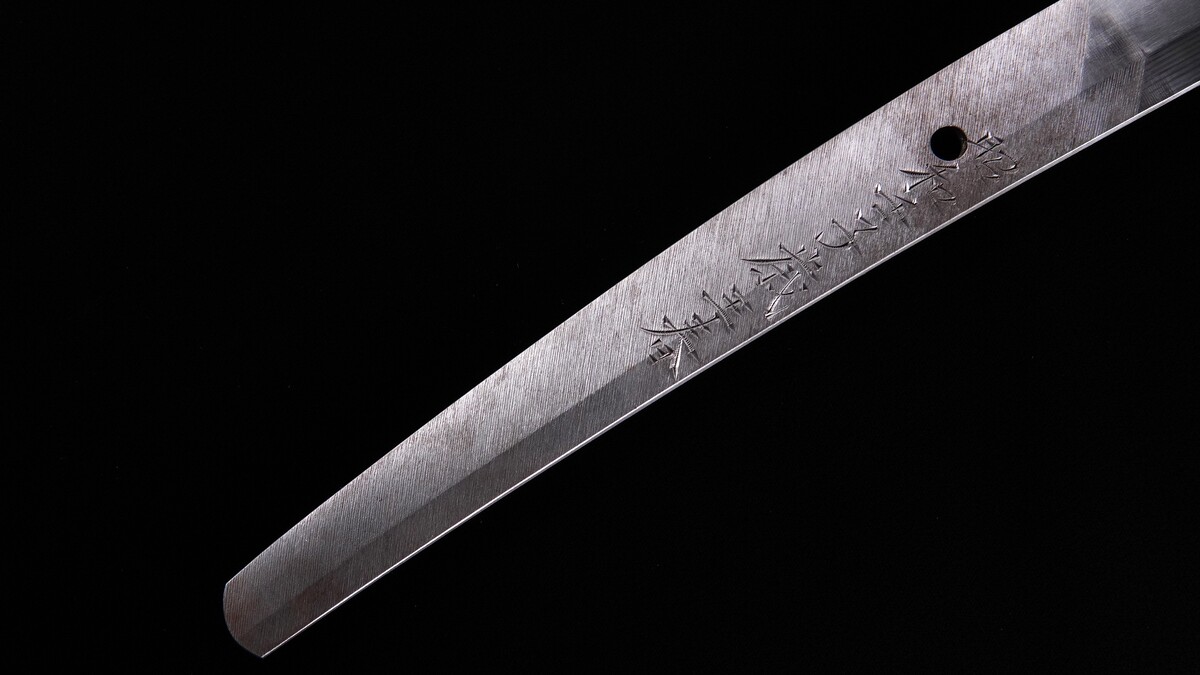
Aichi · around 1926-1989
1 piece on the market now
Shōwa to the present: destruction and revival
The twentieth century nearly killed the craft twice: wartime distortion, then the occupation ban. The NBTHK’s founding in 1948 and licensed forging from 1953 rebuilt the sword as an art, crowned by Living National Treasures and the mukansa rank.
We could not find an authenticity certificate on the seller’s listing. Japanese swords and fittings are normally papered by the NBTHK (or the NTHK). Without one, the attribution is the seller’s own assessment and has not been independently verified — treat it with caution and ask the dealer about certification before buying.
¥490,000
This is a signed tachi by Unjusai Takenori, a swordsmith from Aichi Prefecture (Mikawa Province). Born in 1911, he was a student of Unjusai Kazunori, who belonged to the Ishido Unjusai Korekazu lineage. Takenori received silver and gold medals at the Ministry of Education's New Japanese Sword Exhibition in 1940 and 1941, respectively, and became an authorized swordsmith for the Army Arsenal. He continued making swords after the war, winning seven awards at the NBTHK's sword exhibitions, including five consecutive years from 1965. He passed away in 1973 at the age of 62. This blade, made in his very late period, features a gunome hamon and an itame hada, with a beautiful, clear jigane and hamon, reflecting a state of 'meikyō shisui' (clear and serene mind).
NihontoWatchmei · Ishido · Showa (1926-1989) · nagasa 79.6cm · sori 2.2cm
Aichi · around 1926-1989
1 piece on the market now
Shōwa to the present: destruction and revival
The twentieth century nearly killed the craft twice: wartime distortion, then the occupation ban. The NBTHK’s founding in 1948 and licensed forging from 1953 rebuilt the sword as an art, crowned by Living National Treasures and the mukansa rank.
We could not find an authenticity certificate on the seller’s listing. Japanese swords and fittings are normally papered by the NBTHK (or the NTHK). Without one, the attribution is the seller’s own assessment and has not been independently verified — treat it with caution and ask the dealer about certification before buying.
¥490,000