Edo was the sword’s age of connoisseurship: the Hon’ami appraisers, the shogunal register of famous blades of 1719, and a thriving literature turned the sword into an object of study even as it ceased to be drawn in war.
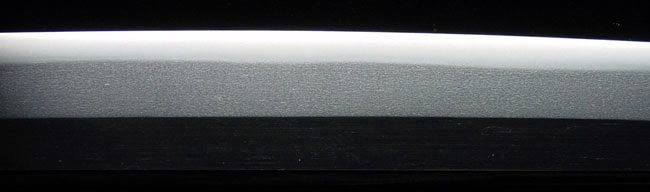
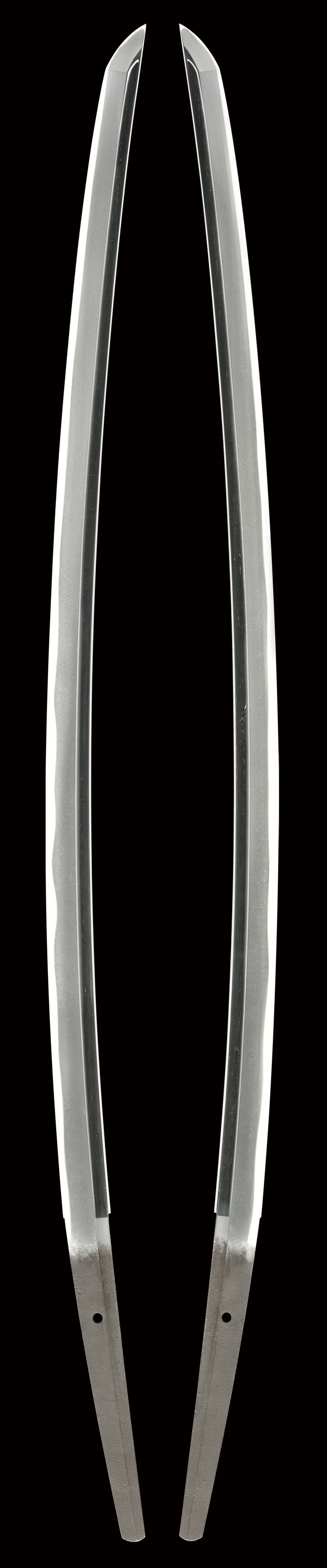
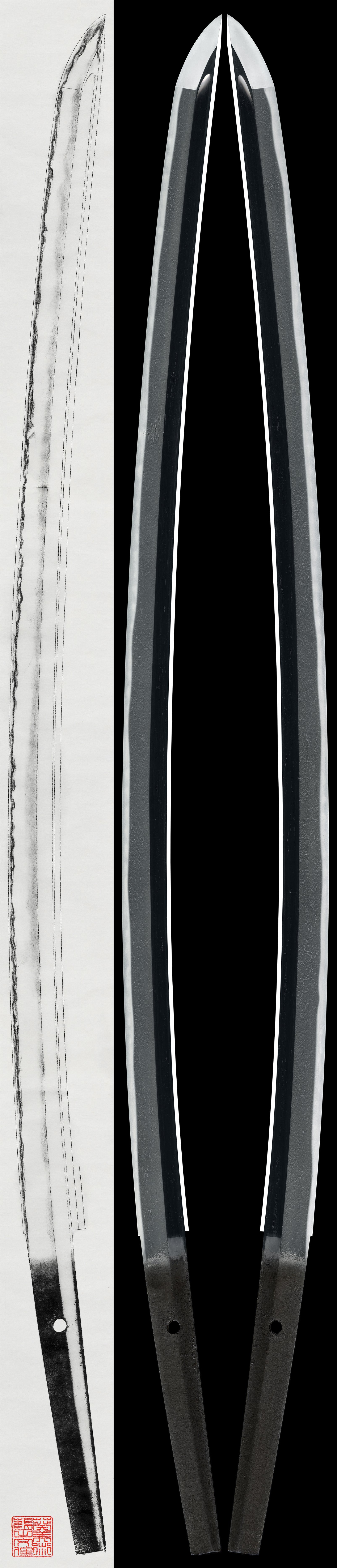
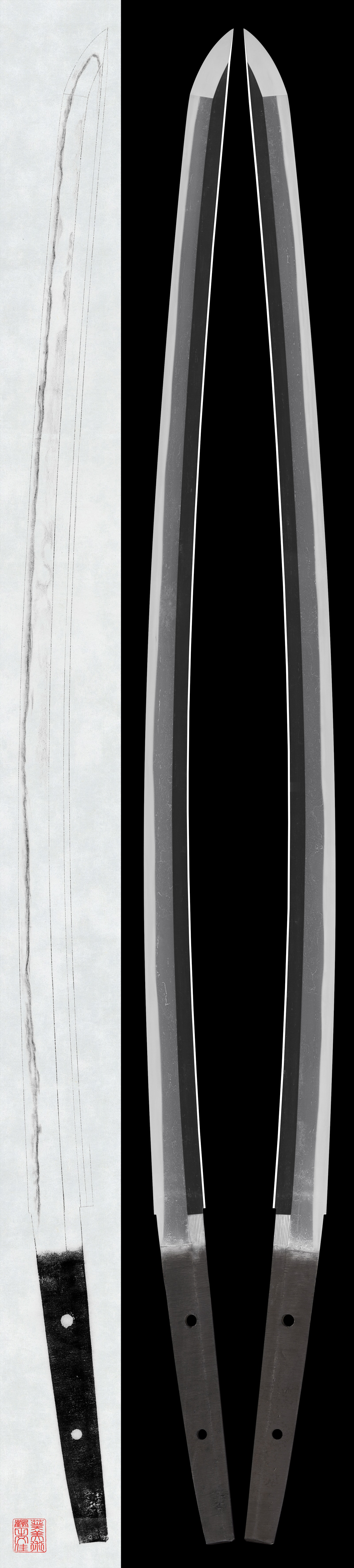
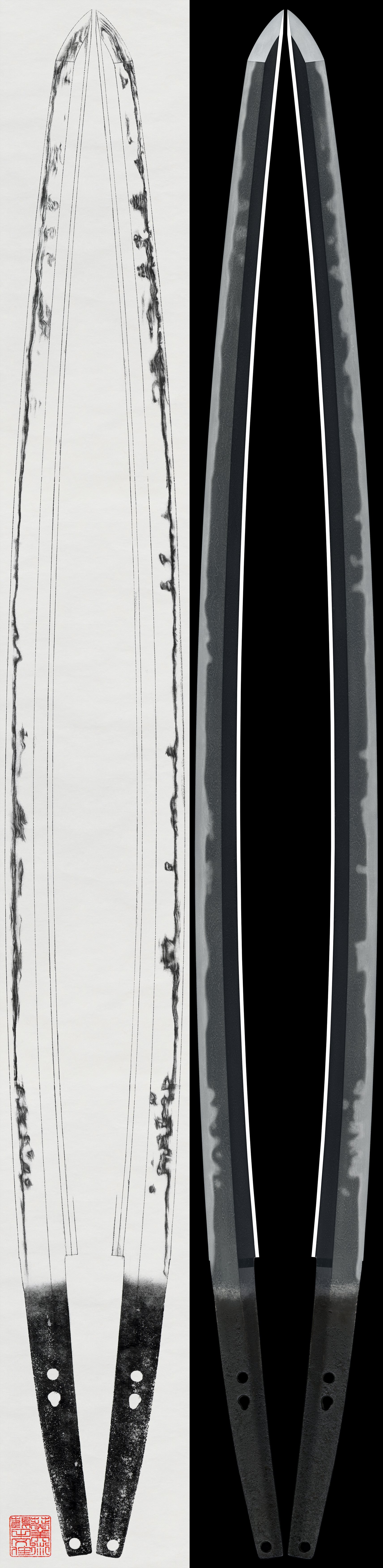
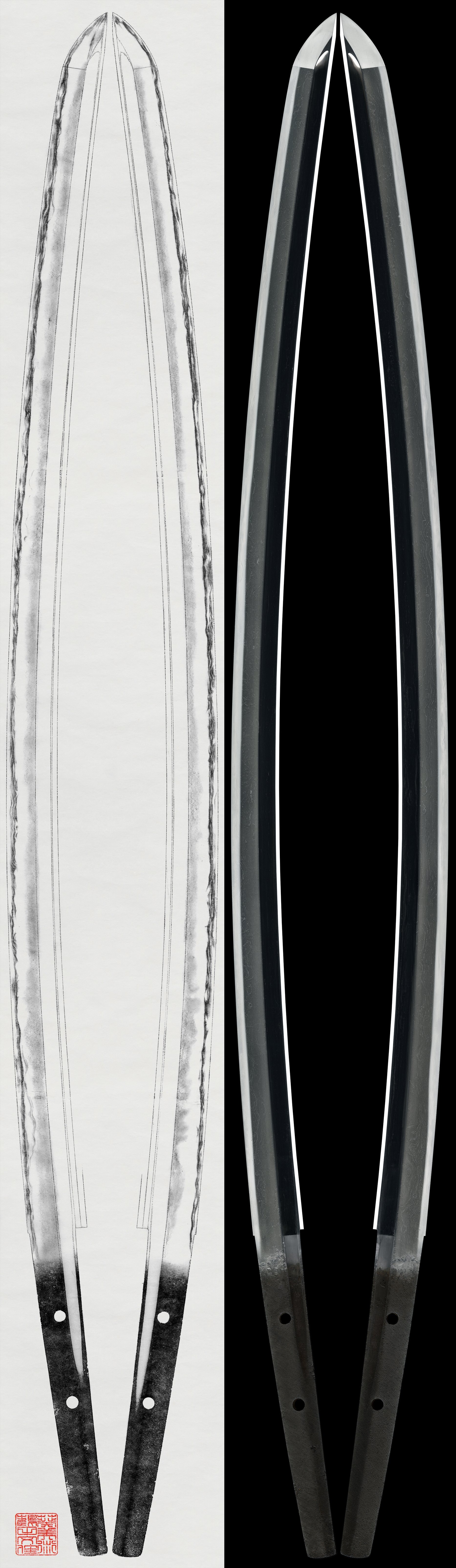
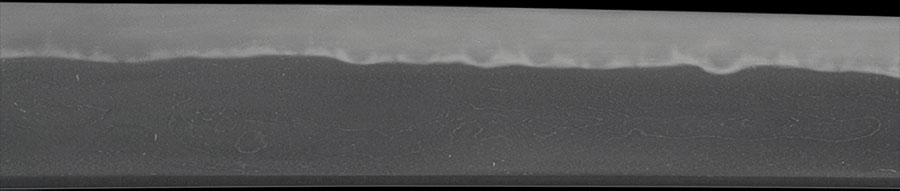
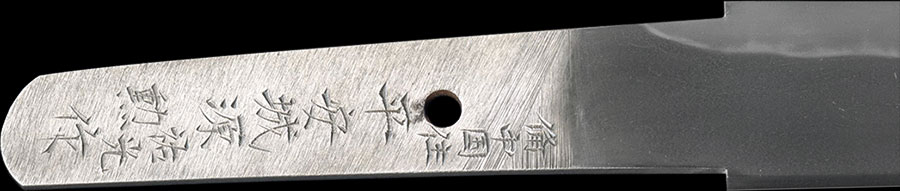
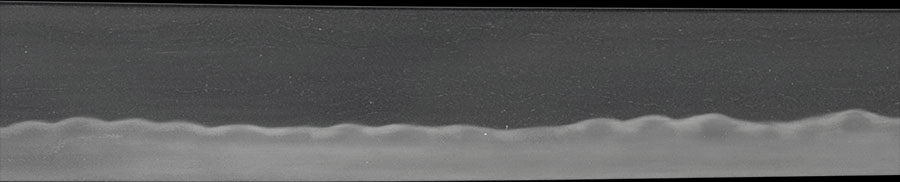
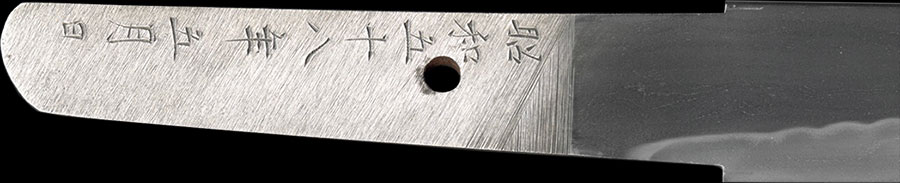
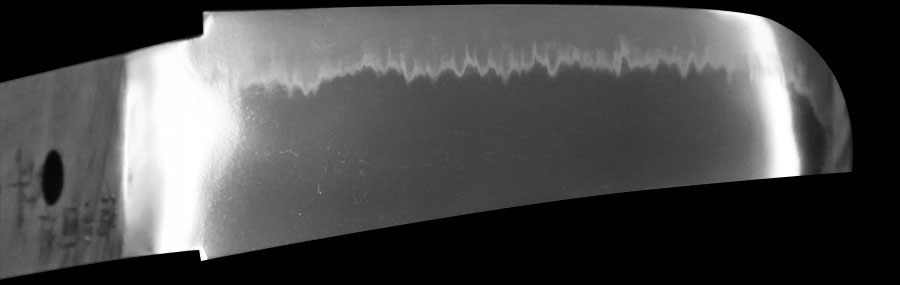
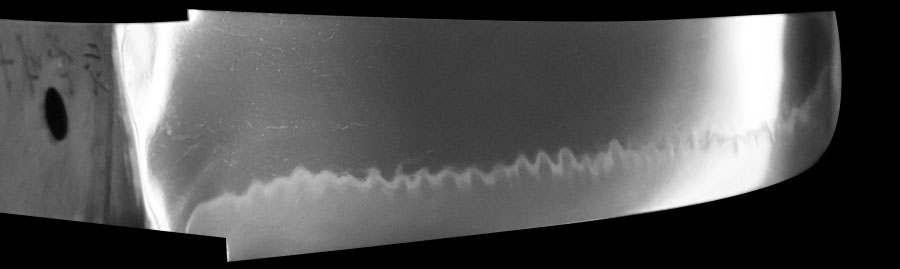
Weight: Tōshin only 225g It has arrived, it has arrived. A famous meitō reflecting the "Goke Kanemitsu"—the beloved sword of Naoe Kanetsugu, a pillar of the Yonezawa Domain and retainer to Uesugi Kagekatsu (the adopted son of the famous Uesugi Kenshin, feared as the Tiger of Echigo). After Kanetsugu’s death, his wife Osen no Kata presented it to the Uesugi family, leading to its name, and it is now widely famous through Touken Ranbu. This utsushi of the Bizen Osafune Kanemitsu tanto was crafted by the swordsmith Bichu-no-kuni Ju Heianjo Minamoto Sukemitsu and his son, the swordsmith Isao. Sukemitsu, whose real name was Takeshita Zenji, was born in Taisho 4. He entered the mon of the Osaka smith Okishiba Masatsugu, and later the mon of his father, Eitaro Sukemitsu. Before the war, he was selected as a prestigious Rikugun Jumei Toko (Army Commissioned Swordsmith), and after the war, he was a master smith who won numerous awards at the Shinsaku Meito Ten (New Masterpiece Sword Exhibition). His son, Isao, was born in Showa 36 and is a master smith who later signed his mei as Minamoto Kunimune. This tanto is a heartwarming gassaku (collaboration) between father and son, creating an utsushi of Bizen Osafune Kanemitsu. The sugata of the tanto features a thick motokasane with a distinct difference between the motohaba and sakihaba, exhibiting the powerful, elongated sun-nobi tanto style of the Nanbokucho period. The jigane is a finely packed ko-itame hada, forged into a bright steel. The hamon is finished in nioi-deki with ko-nie, firing a gunome-ba that beautifully captures the essence of Kanemitsu. This tanto clearly demonstrates the exceptionally high level of skill possessed by Sukemitsu and his son Isao. This Kanemitsu utsushi was specially commissioned by an old sukisha (connoisseur) who had it polished and finished to a high standard. It has been enjoyed as a private collection piece until today, but as the owner has aged, they have entrusted it to us with the request to "pass it on at a low price to someone who will cherish it." Therefore, we are offering it at a special, ultra-low price. Please enjoy this masterpiece tanto, a father-and-son gassaku utsushi of the Kanemitsu made famous by Touken Ranbu.
 NihontoWatch
Edo · nagasa 28.4cm · sori 0.2cm




The Edo period (1615 to 1868)
Edo was the sword’s age of connoisseurship: the Hon’ami appraisers, the shogunal register of famous blades of 1719, and a thriving literature turned the sword into an object of study even as it ceased to be drawn in war.
We could not find an authenticity certificate on the seller’s listing. Japanese swords and fittings are normally papered by the NBTHK (or the NTHK). Without one, the attribution is the seller’s own assessment and has not been independently verified — treat it with caution and ask the dealer about certification before buying.
For returns due to customer circumstances, the cost is the customer's responsibility. For returns due to our mis-shipment or a defective item, we bear the cost.
Weight: Tōshin only 225g It has arrived, it has arrived. A famous meitō reflecting the "Goke Kanemitsu"—the beloved sword of Naoe Kanetsugu, a pillar of the Yonezawa Domain and retainer to Uesugi Kagekatsu (the adopted son of the famous Uesugi Kenshin, feared as the Tiger of Echigo). After Kanetsugu’s death, his wife Osen no Kata presented it to the Uesugi family, leading to its name, and it is now widely famous through Touken Ranbu. This utsushi of the Bizen Osafune Kanemitsu tanto was crafted by the swordsmith Bichu-no-kuni Ju Heianjo Minamoto Sukemitsu and his son, the swordsmith Isao. Sukemitsu, whose real name was Takeshita Zenji, was born in Taisho 4. He entered the mon of the Osaka smith Okishiba Masatsugu, and later the mon of his father, Eitaro Sukemitsu. Before the war, he was selected as a prestigious Rikugun Jumei Toko (Army Commissioned Swordsmith), and after the war, he was a master smith who won numerous awards at the Shinsaku Meito Ten (New Masterpiece Sword Exhibition). His son, Isao, was born in Showa 36 and is a master smith who later signed his mei as Minamoto Kunimune. This tanto is a heartwarming gassaku (collaboration) between father and son, creating an utsushi of Bizen Osafune Kanemitsu. The sugata of the tanto features a thick motokasane with a distinct difference between the motohaba and sakihaba, exhibiting the powerful, elongated sun-nobi tanto style of the Nanbokucho period. The jigane is a finely packed ko-itame hada, forged into a bright steel. The hamon is finished in nioi-deki with ko-nie, firing a gunome-ba that beautifully captures the essence of Kanemitsu. This tanto clearly demonstrates the exceptionally high level of skill possessed by Sukemitsu and his son Isao. This Kanemitsu utsushi was specially commissioned by an old sukisha (connoisseur) who had it polished and finished to a high standard. It has been enjoyed as a private collection piece until today, but as the owner has aged, they have entrusted it to us with the request to "pass it on at a low price to someone who will cherish it." Therefore, we are offering it at a special, ultra-low price. Please enjoy this masterpiece tanto, a father-and-son gassaku utsushi of the Kanemitsu made famous by Touken Ranbu.
NihontoWatchEdo · nagasa 28.4cm · sori 0.2cm
The Edo period (1615 to 1868)
Edo was the sword’s age of connoisseurship: the Hon’ami appraisers, the shogunal register of famous blades of 1719, and a thriving literature turned the sword into an object of study even as it ceased to be drawn in war.
We could not find an authenticity certificate on the seller’s listing. Japanese swords and fittings are normally papered by the NBTHK (or the NTHK). Without one, the attribution is the seller’s own assessment and has not been independently verified — treat it with caution and ask the dealer about certification before buying.
For returns due to customer circumstances, the cost is the customer's responsibility. For returns due to our mis-shipment or a defective item, we bear the cost.