The twentieth century nearly killed the craft twice: wartime distortion, then the occupation ban. The NBTHK’s founding in 1948 and licensed forging from 1953 rebuilt the sword as an art, crowned by Living National Treasures and the mukansa rank.
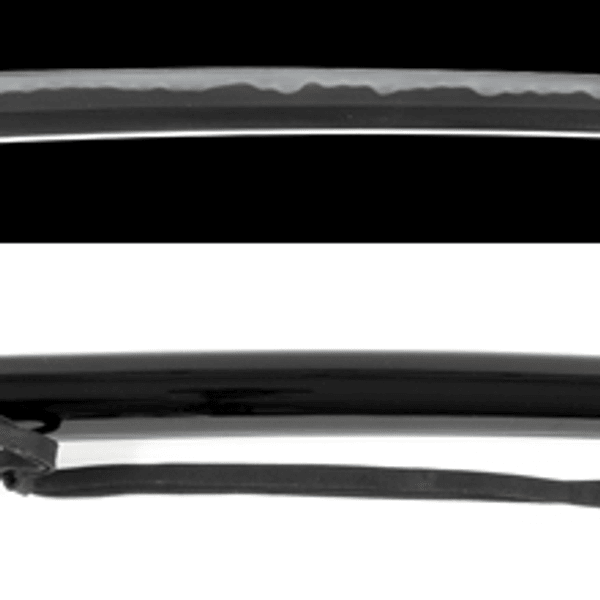
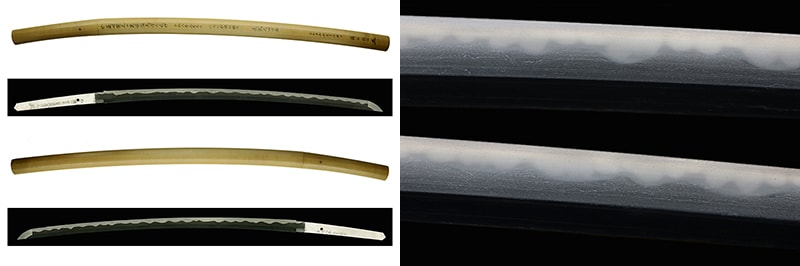
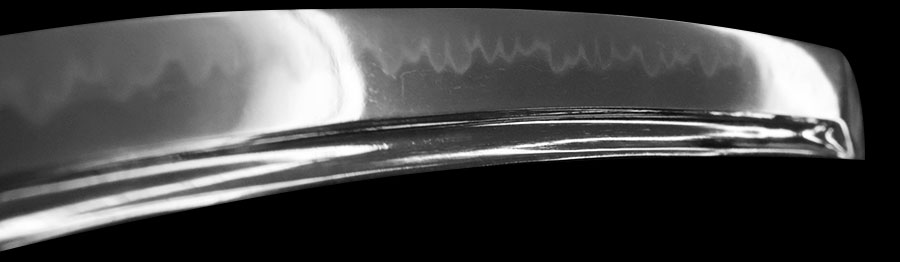
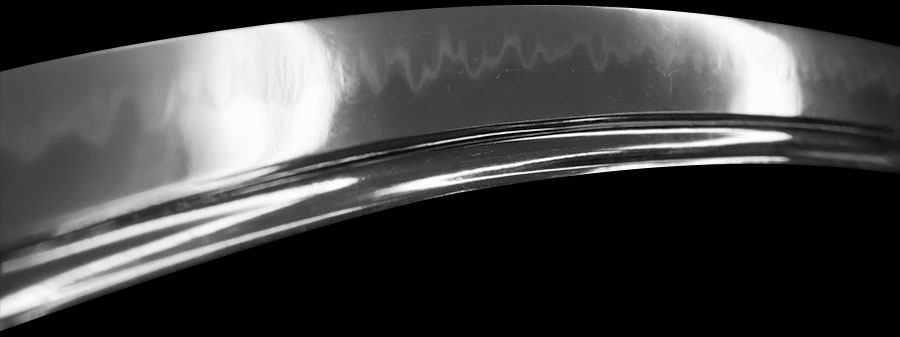
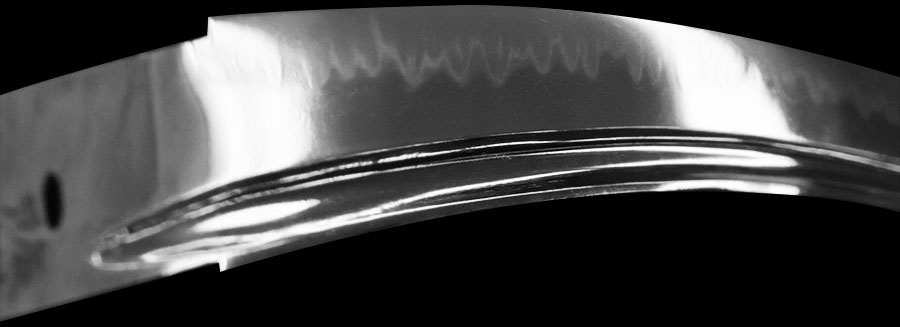
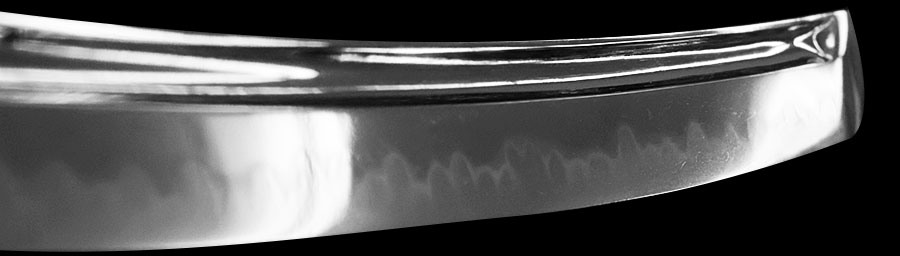
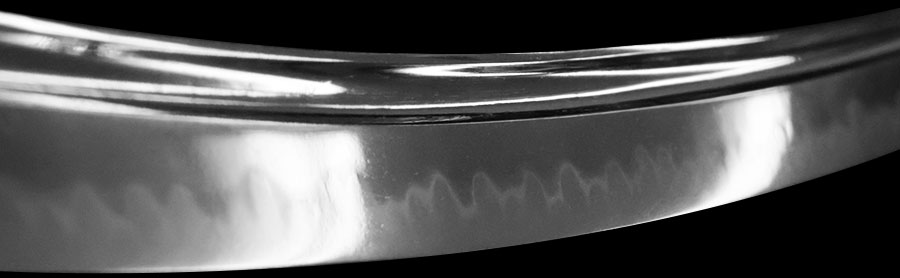
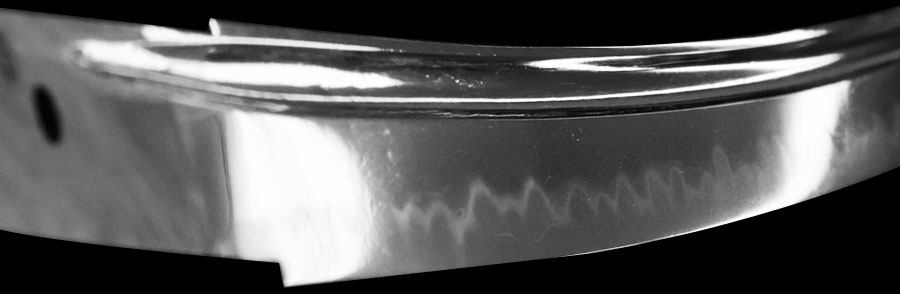
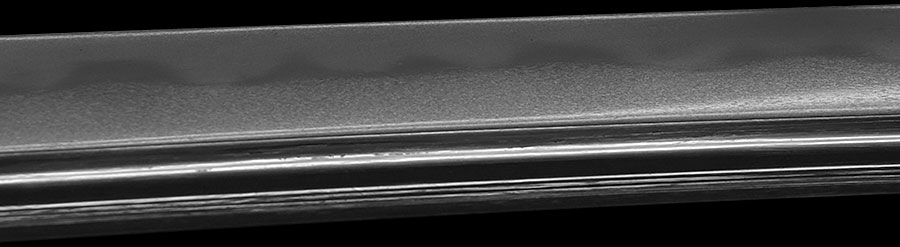
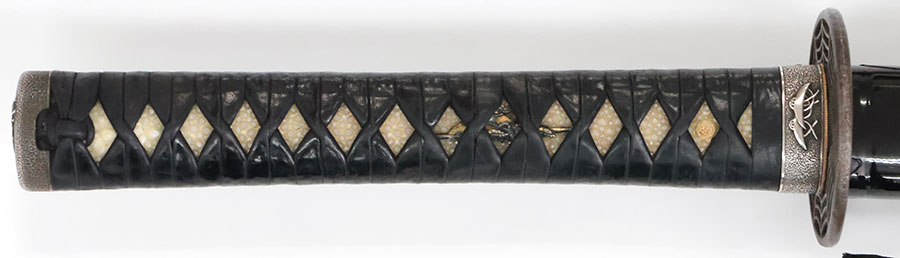
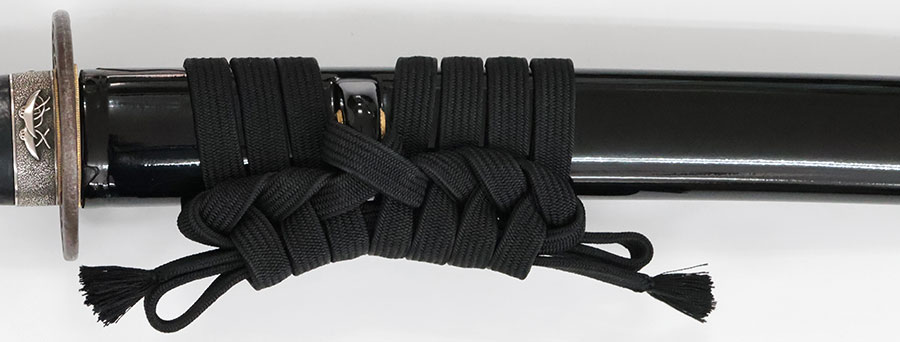
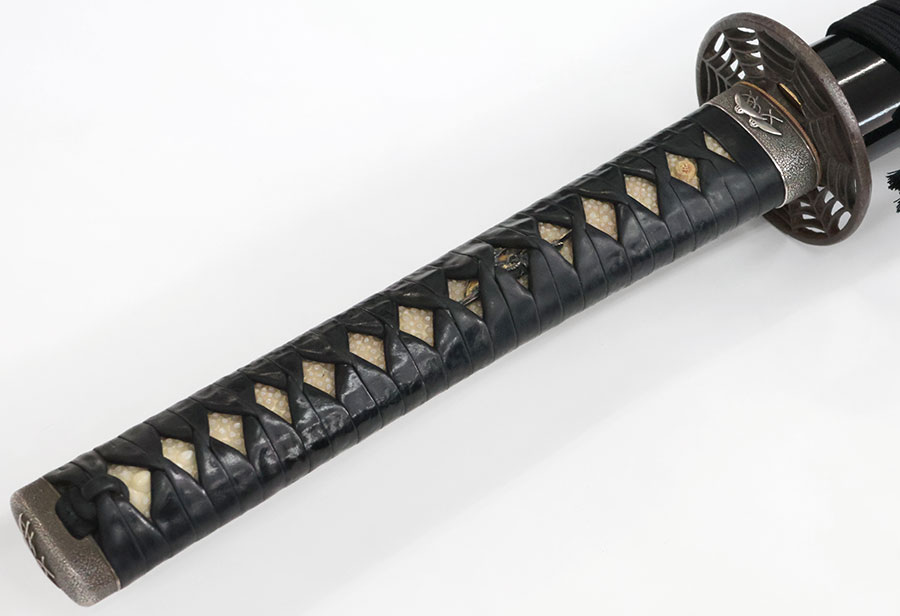
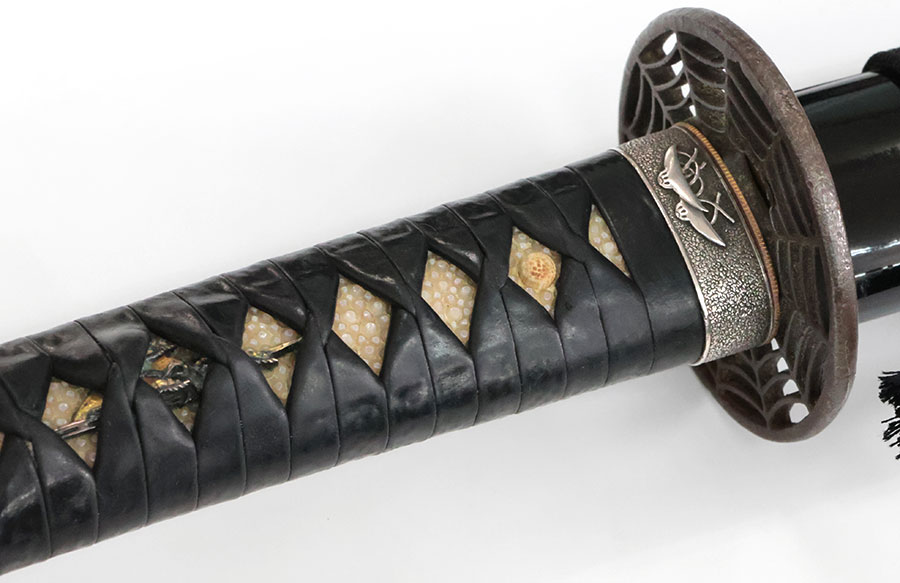
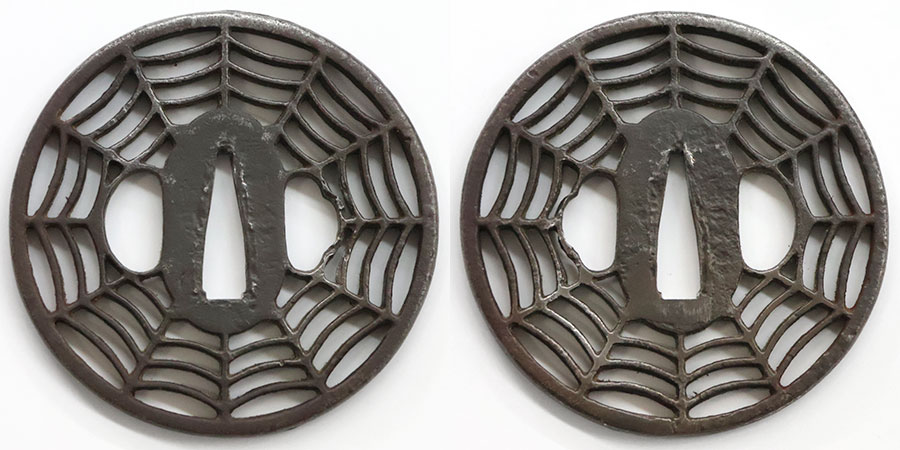
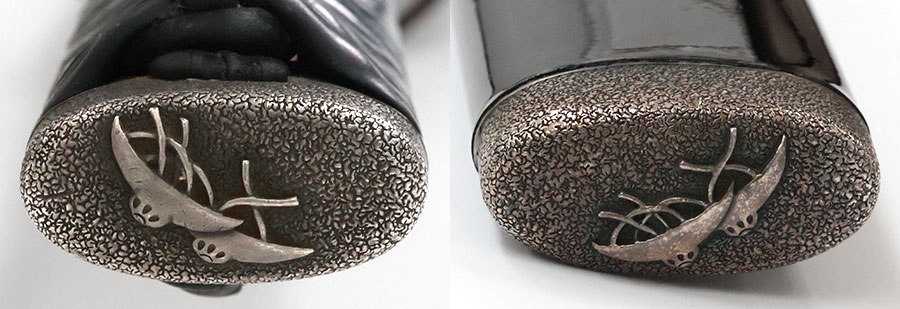
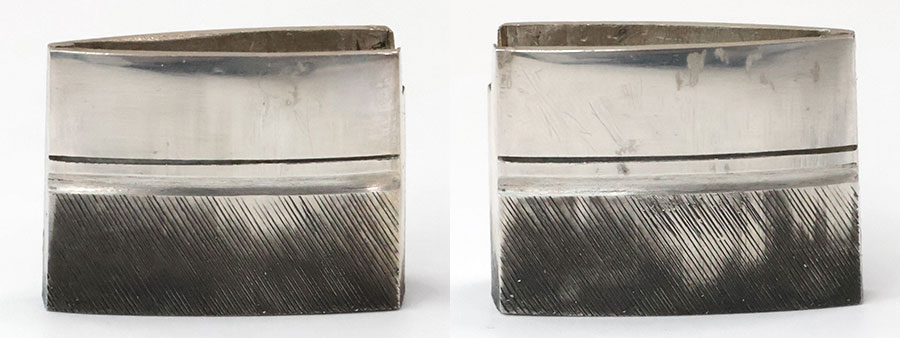
Weight: 860g (excluding saya) It has arrived, it has arrived—a masterpiece by the pride of Kagoshima, the swordsmith Sasshu Ju Minamoto Moriatsu. Moriatsu’s real name is Fujita Shinichi. Born in Showa 9 (1934), residing in Tsuruda-cho, Satsuma-gun, Kagoshima Prefecture. He is a member of the All Japan Swordsmith Association. As a pupil of the smith Kongohyoe Moritaka, he follows the tradition of the Kongohyoe school dating back to the Koto period, where the nakago-jiri is typically a deep ken-gyo shape. Moriatsu usually adheres to this tradition, but this particular sword is a precious piece where he took a bold, special approach by challenging himself to create a nakago-jiri in the kuri-jiri style. He is a master smith who has won numerous awards at the Shinsaku Meito Ten (New Masterpiece Sword Exhibition). The sugata of this sword shows an elegant form with a distinct difference between the moto-mihaba and saki-mihaba. The jigane features a well-tightened, powerful itame-hada. The horimono consists of skillfully carved bo-hi. The hamon is a magnificent, spirited gunome-choji with fine nie. The koshirae is a modern mounting with a tsuka wrapped in high-quality leather, further adding splendor to Moriatsu’s blade. It is lightweight, well-balanced, and produces an excellent ha-nari (blade sound), making it ready for immediate use in Iai practice. We received this sword from an elderly connoisseur who had it specially commissioned. They requested that we pass it on at a low price to someone who will cherish it, as they have grown older. Therefore, we are offering it at a special bargain price. Please enjoy this fine blade.
 NihontoWatch
Showa · nagasa 72.7cm · sori 1.7cm



















Satsuma · around 1926-1989
3 pieces on the market now
The twentieth century nearly killed the craft twice: wartime distortion, then the occupation ban. The NBTHK’s founding in 1948 and licensed forging from 1953 rebuilt the sword as an art, crowned by Living National Treasures and the mukansa rank.
We could not find an authenticity certificate on the seller’s listing. Japanese swords and fittings are normally papered by the NBTHK (or the NTHK). Without one, the attribution is the seller’s own assessment and has not been independently verified — treat it with caution and ask the dealer about certification before buying.
For returns due to customer circumstances, the cost is the customer's responsibility. For returns due to our mis-shipment or a defective item, we bear the cost.
Weight: 860g (excluding saya) It has arrived, it has arrived—a masterpiece by the pride of Kagoshima, the swordsmith Sasshu Ju Minamoto Moriatsu. Moriatsu’s real name is Fujita Shinichi. Born in Showa 9 (1934), residing in Tsuruda-cho, Satsuma-gun, Kagoshima Prefecture. He is a member of the All Japan Swordsmith Association. As a pupil of the smith Kongohyoe Moritaka, he follows the tradition of the Kongohyoe school dating back to the Koto period, where the nakago-jiri is typically a deep ken-gyo shape. Moriatsu usually adheres to this tradition, but this particular sword is a precious piece where he took a bold, special approach by challenging himself to create a nakago-jiri in the kuri-jiri style. He is a master smith who has won numerous awards at the Shinsaku Meito Ten (New Masterpiece Sword Exhibition). The sugata of this sword shows an elegant form with a distinct difference between the moto-mihaba and saki-mihaba. The jigane features a well-tightened, powerful itame-hada. The horimono consists of skillfully carved bo-hi. The hamon is a magnificent, spirited gunome-choji with fine nie. The koshirae is a modern mounting with a tsuka wrapped in high-quality leather, further adding splendor to Moriatsu’s blade. It is lightweight, well-balanced, and produces an excellent ha-nari (blade sound), making it ready for immediate use in Iai practice. We received this sword from an elderly connoisseur who had it specially commissioned. They requested that we pass it on at a low price to someone who will cherish it, as they have grown older. Therefore, we are offering it at a special bargain price. Please enjoy this fine blade.
NihontoWatchShowa · nagasa 72.7cm · sori 1.7cm
Satsuma · around 1926-1989
3 pieces on the market now
The twentieth century nearly killed the craft twice: wartime distortion, then the occupation ban. The NBTHK’s founding in 1948 and licensed forging from 1953 rebuilt the sword as an art, crowned by Living National Treasures and the mukansa rank.
We could not find an authenticity certificate on the seller’s listing. Japanese swords and fittings are normally papered by the NBTHK (or the NTHK). Without one, the attribution is the seller’s own assessment and has not been independently verified — treat it with caution and ask the dealer about certification before buying.
For returns due to customer circumstances, the cost is the customer's responsibility. For returns due to our mis-shipment or a defective item, we bear the cost.
![Katana - by Moriatsu - Commemorative Katana: Signed Sasshu Ju Minamoto Moriatsu, made for Police Superintendent OOOO, Autumn Showa 54 - [2 shaku 4 sun 1 bu, bare blade 708g, with bo-hi] YK-35 Modern Custom Order](/_next/image?url=https%3A%2F%2Fitbhfhyptogxcjbjfzwx.supabase.co%2Fstorage%2Fv1%2Fobject%2Fpublic%2Flisting-images%2Ftoken-hasegawa%2FL640755%2F01.jpg&w=2560&q=90)