NihontoWatch Mon

NihontoWatch

Market
Encyclopedia
Kantei
NihontoWatch Mon

NihontoWatch

Market
Encyclopedia
Kantei

Description

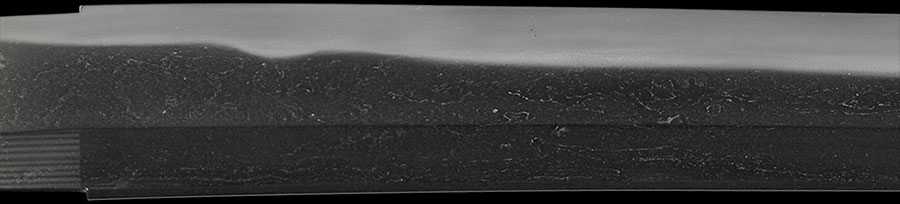
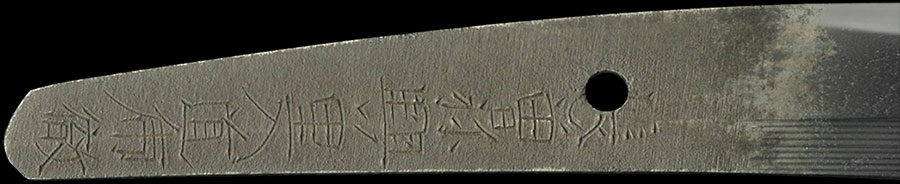
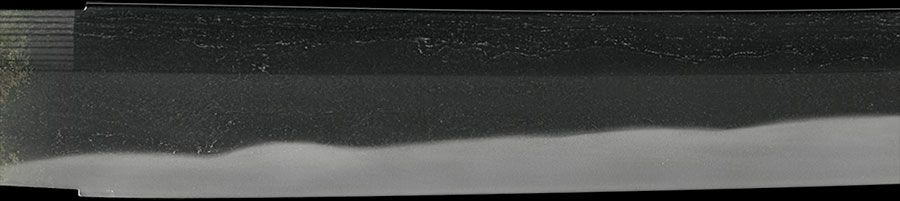
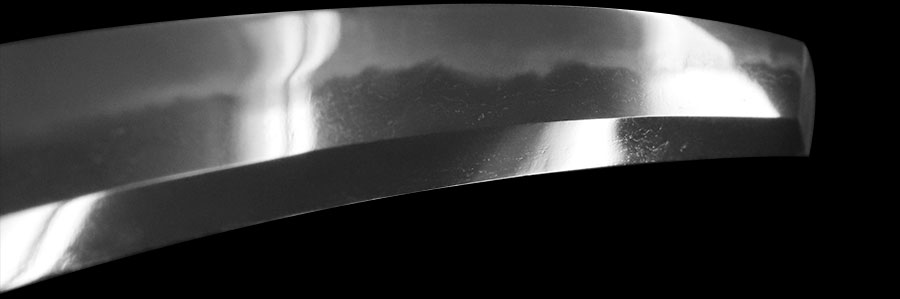
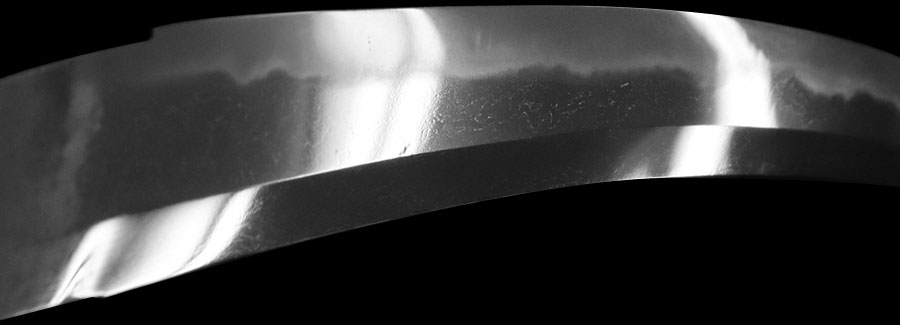
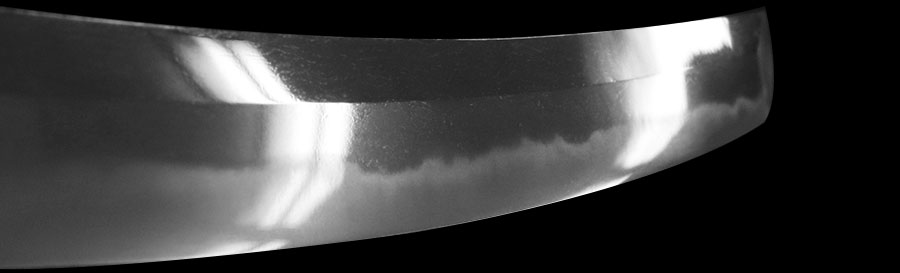
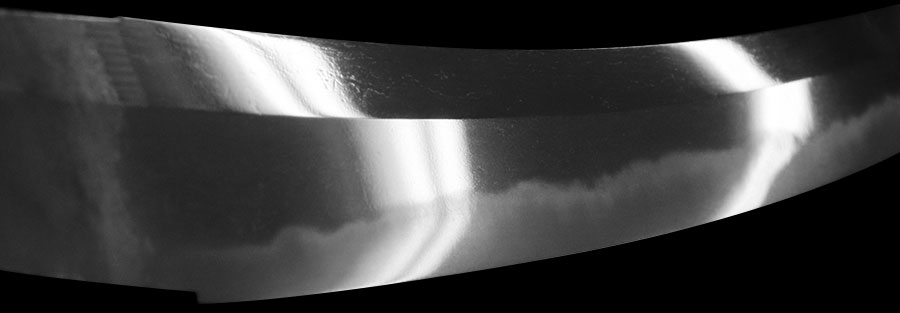
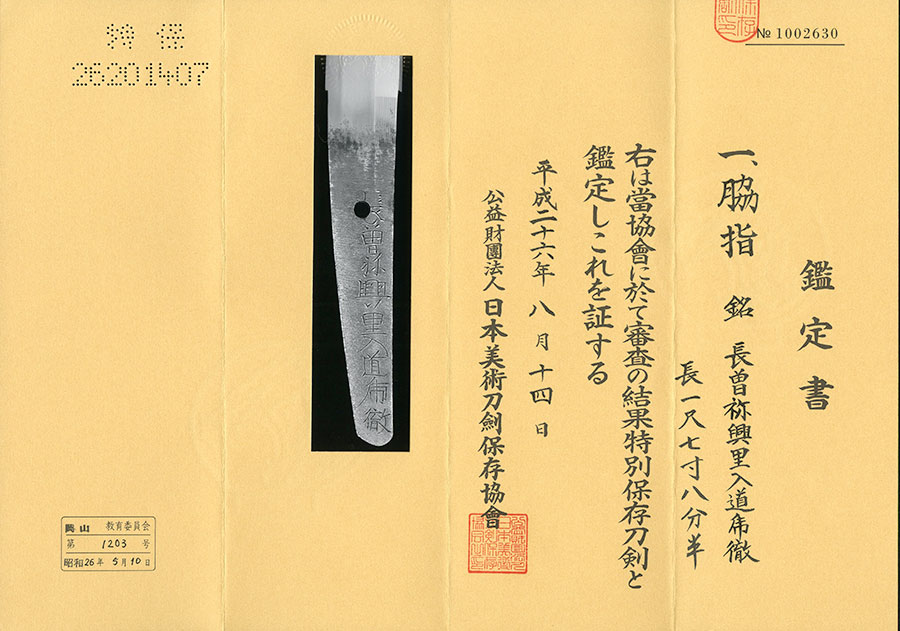
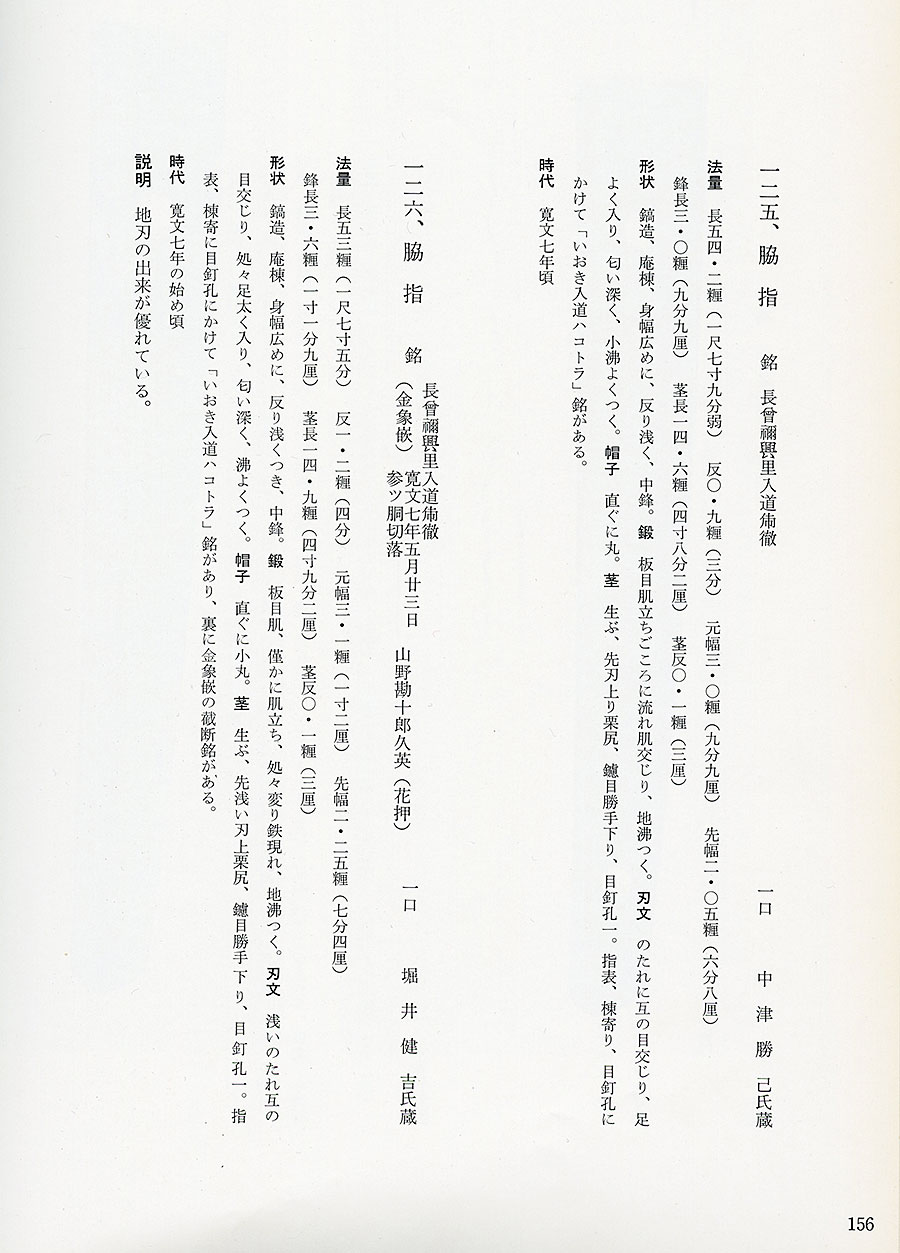
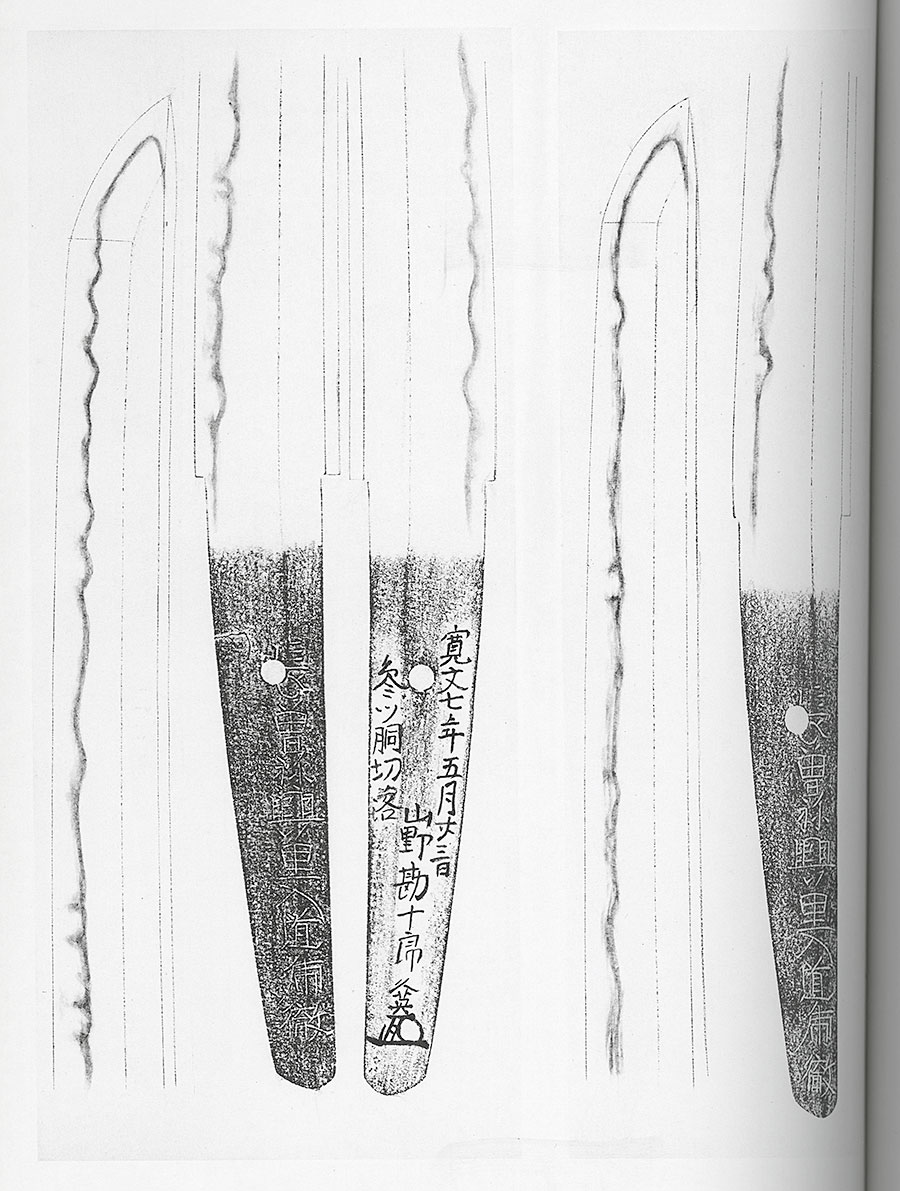
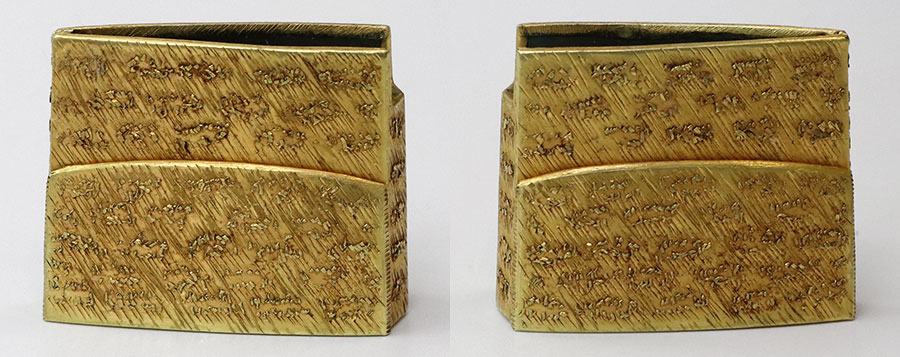
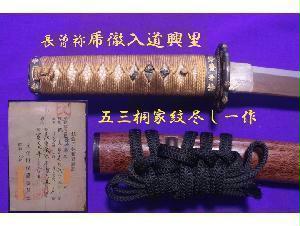
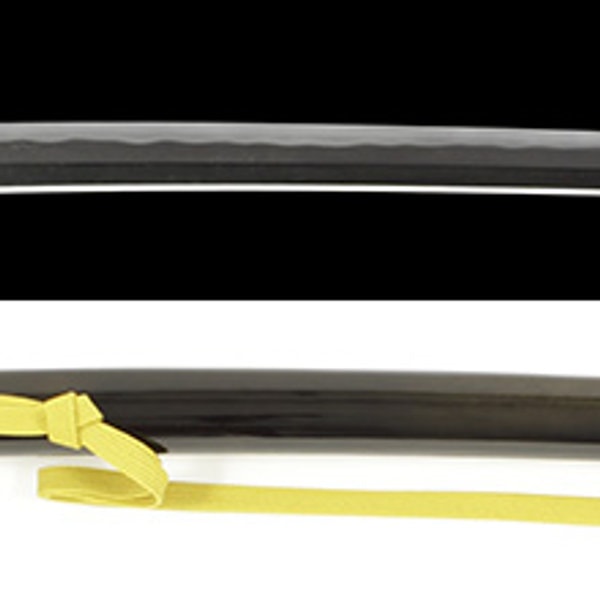
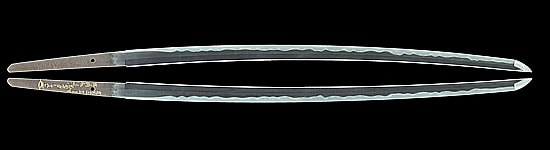
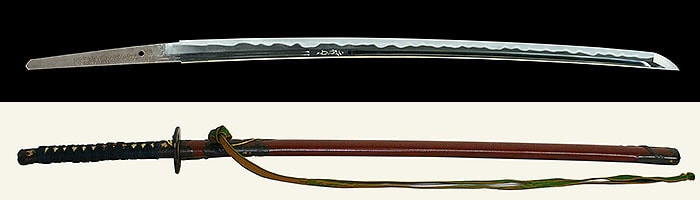
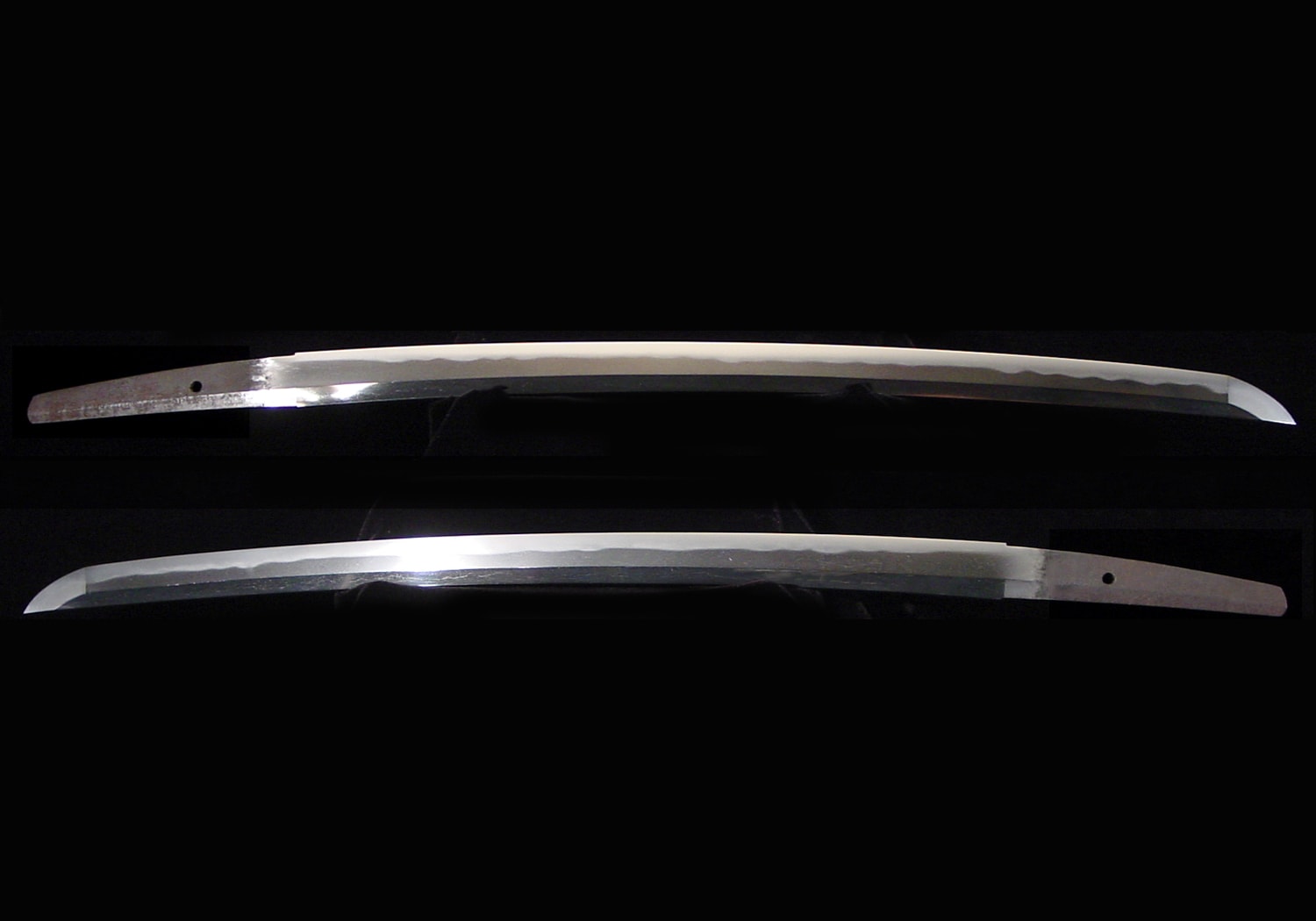
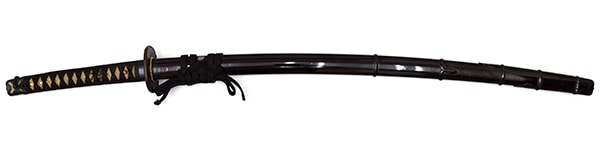
出ました出ました皆様が待望の乕徹大鑑所載の古来有名な虎鉄の作品が出ました。本脇差は銘文の筆跡から江戸時代寛文7年頃(1667年)(358年前)の虎鉄の最盛期の脇差です。姿は鎬造の元身幅広く豪壮な脇差姿が良く、地金は板目肌が力強く鍛えられて地沸が付き強靭な鋼を鍛え上げています。刃紋は沸出来のたれ乱れ刃に互の目が交じった数珠刃を焼き刃中匂い深く沸良く付いて素晴らしく明るく良く焼いています。帽子は虎鉄帽子が素晴らしく見事です。虎鉄は最上大業物として江戸で一世を風靡した名工です。有名な新選組隊長近藤勇の名せりふ、「今宵の虎鉄は良く斬れる」でもあまりにも有名な刀の為に、半百の銘があるが如く、50歳より作刀した為に有名でありながら刀、脇差、短刀の現存数300口もなく本脇差は貴重です。本脇差は虎鉄大鑑所載の古来から有名な虎鉄の中の虎鉄です。虎鉄は憧れの刀の第一位です。一生に一度は持ちたい刀です。是非この機会にチャンスをつかんで下さい。

NihontoWatch MonNihontoWatch
MarketEncyclopediaKantei
Swords›Kotetsu›Nagasone Kotetsu›Wakizashi by Nagasone Okisato Nyudo Kotetsu (Kotetsu Taikan Listed No.125)
wakizashiTokubetsu Hozon
Nagasone Kotetsu

Wakizashi by Nagasone Okisato Nyudo Kotetsu (Kotetsu Taikan Listed No.125)

Edo · nagasa 54.2cm · sori 1.1cm

SOLD
Nagasone Kotetsu — 1 of 21
Nagasone Kotetsu — 2 of 21
Nagasone Kotetsu — 3 of 21
Nagasone Kotetsu — 4 of 21
Nagasone Kotetsu — 5 of 21
Nagasone Kotetsu — 6 of 21
Nagasone Kotetsu — 7 of 21
Nagasone Kotetsu — 8 of 21
Nagasone Kotetsu — 9 of 21
Nagasone Kotetsu — 10 of 21
Nagasone Kotetsu — 11 of 21
Nagasone Kotetsu — 12 of 21
Nagasone Kotetsu — 13 of 21
Nagasone Kotetsu — 14 of 21
Nagasone Kotetsu — 15 of 21
Nagasone Kotetsu — 16 of 21
Nagasone Kotetsu — 17 of 21
Nagasone Kotetsu — 18 of 21
Nagasone Kotetsu — 19 of 21
Nagasone Kotetsu — 20 of 21
Nagasone Kotetsu — 21 of 21
1 / 21
1 / 21
Nagasone Kotetsu — 1 of 21Nagasone Kotetsu — 2 of 21Nagasone Kotetsu — 3 of 21Nagasone Kotetsu — 4 of 21Nagasone Kotetsu — 5 of 21Nagasone Kotetsu — 6 of 21Nagasone Kotetsu — 7 of 21Nagasone Kotetsu — 8 of 21Nagasone Kotetsu — 9 of 21Nagasone Kotetsu — 10 of 21Nagasone Kotetsu — 11 of 21Nagasone Kotetsu — 12 of 21Nagasone Kotetsu — 13 of 21Nagasone Kotetsu — 14 of 21Nagasone Kotetsu — 15 of 21Nagasone Kotetsu — 16 of 21Nagasone Kotetsu — 17 of 21Nagasone Kotetsu — 18 of 21Nagasone Kotetsu — 19 of 21Nagasone Kotetsu — 20 of 21Nagasone Kotetsu — 21 of 21
Measurements & details
Smith
Nagasone Kotetsu
Type
Wakizashi
School
Kotetsu
Period
Around 1597–1678(Edo)
Measurements
Nagasa 54.2cmSori 1.1cmMotohaba 3.12cmSakihaba 2.06cmKasane 0.68cm
Description

出ました出ました皆様が待望の乕徹大鑑所載の古来有名な虎鉄の作品が出ました。本脇差は銘文の筆跡から江戸時代寛文7年頃(1667年)(358年前)の虎鉄の最盛期の脇差です。姿は鎬造の元身幅広く豪壮な脇差姿が良く、地金は板目肌が力強く鍛えられて地沸が付き強靭な鋼を鍛え上げています。刃紋は沸出来のたれ乱れ刃に互の目が交じった数珠刃を焼き刃中匂い深く沸良く付いて素晴らしく明るく良く焼いています。帽子は虎鉄帽子が素晴らしく見事です。虎鉄は最上大業物として江戸で一世を風靡した名工です。有名な新選組隊長近藤勇の名せりふ、「今宵の虎鉄は良く斬れる」でもあまりにも有名な刀の為に、半百の銘があるが如く、50歳より作刀した為に有名でありながら刀、脇差、短刀の現存数300口もなく本脇差は貴重です。本脇差は虎鉄大鑑所載の古来から有名な虎鉄の中の虎鉄です。虎鉄は憧れの刀の第一位です。一生に一度は持ちたい刀です。是非この機会にチャンスをつかんで下さい。

About the maker

Nagasone Kotetsu

長曽祢興里

Shinto · Echizen / Musashi (Edo) · around c.1597-1678

›

Historical importance

Where Nagasone Kotetsu stands among comparable artisans: across all of nihontō, and within tradition, era, and period. The tiers (Foremost · Leading · Major · Notable) weigh official designations from the NBTHK and Japan's Agency for Cultural Affairs, together with historical honors of lasting repute such as the Sansaku and Meibutsu-chō.

随一
Foremost
屈指
Leading
有数
Major
著名
Notable

Select a lens to see how it's measured.

Designation record
4 designated works
Jūyō
4
Nagasone Kotetsu — full profileShinto school
About the school

Kotetsu

虎徹

Shinto · Musashi

4 pieces on the market now

›

Nagasone Okisato, who took the smithing name Kotetsu (虎徹), began his career not at the forge of the swordsmith but at that of the armorer, working as a katchūshi in Echizen Province. Around Meireki 2 (1656), when he was about fifty years of age, he relocated to Edo and changed his profession to swordsmithing, settling in the area of Tōeizan and Shinobugaoka. The setsumei record that his common name was Sannojō; he first signed Okisato, and after taking Buddhist vows styled himself Kotetsu Nyūdō. The written form of the name itself moved through stages, beginning with the characters 古鉄 ("old iron"), shifting to 虎徹, and from the eighth month of Kanbun 4 (1664) onward to the variant forms 乕徹 and 馬徹. His dated blades run from Meireki 2 to Enpō 5 (1677), the latter being the last year for which work survives. His pupil and adopted son Nagasone Okimasa (興正) succeeded him as the second generation, working from Kanbun 13 (1673) to Genroku 3 (1690); the registers note that certain blades signed by the master were in fact Okimasa's daisaku, or substitute work. The setsumei describe a shared vocabulary that holds across the line. The foundation is a strong jigane, forged as a tightly packed ko-itame in which ji-nie adheres thickly, fine chikei enter, and the steel reads bright and clear; a mottled inclusion the catalogues call teko-tetsu or tekkotsu appears as a recognized trait. The sugata is the robust Kanbun-shinto silhouette, with shallow sori, marked taper from base to tip, and a chū-kissaki. Most blades open with a short straight yakidashi.

The hamon falls into two recorded phases: the earlier hyōtan-ba, a gourd pattern in which large and small gunome connect with pronounced rises and falls, and the later juzu-ba, the rosary-bead temper of round-headed gunome linked along an even line, often worked over a shallow notare. Thick ashi enter, the nioi runs deep, ko-nie lies thickly, and kinsuji and sunagashi play within the nioiguchi, which is consistently bright. " Several blades carry horimono cut by the smith's own hand, from Fūjin and Raijin to Kurikara and Sanskrit seed-syllables, and the cutting reputation is documented through gold-inlaid kinzōgan test inscriptions on the tang. For the collector, recognition turns on these named points: the juzu-ba of the mature work, the bright order of ji and ha, the teko-tetsu in the ground, and the long signature in fine chisel-work centered on the shinogi-suji, with the first character cut so as to overlap the mekugi-ana. The catalogues distinguish the earlier hane-tora manner of writing the tora character from the later hako-tora phase, which they treat as a dating tool. The cutting-test inscriptions give Kotetsu a place among the swords valued for performance as well as form, and the rarity of certain shapes adds weight: tantō by his hand number perhaps fewer than ten, and in those the Sōshū-den feeling is described as especially strong. Named works carry provenance through the front rank of collecting, among them a katana transmitted in the Nabeshima family of Hizen and known as "Nabeshima Tetsu," confirmed by a sayagaki of Satō Kanzan, and blades formerly held by figures such as Inukai Bokudō. Okimasa stands a step behind his master in the registers, his deeper nioi and thicker nie read as a personal voice within the inherited juzu-ba. The line occupies a central position in the study of Edo shinto, its work measured by the strength of its steel and the discipline of its bright temper. Learn more →


5 recorded smiths162 designated works
Leading smiths
SmithEraDesignated
Kotetsu虎徹1644-1677128
Okimasa興正1661-169026
Nagasone Kotetsu長曽祢興里c.1597-16784
Okihisa興久1673-16812
Toranyudo虎入道1661-16732
Explore the Kotetsu school →

Historical context

Edo held Japan’s largest sword-wearing population, gathered by the alternate attendance system. The shogunal smith Yasutsugu was granted the Aoi crest for his tangs; many of Kotetsu’s blades carry gold-inlaid cutting attestations. Proof mattered here.

Edo: the shogun’s market →

NBTHK Certificate
Tokubetsu Hozon Tōken特別保存刀剣
Sword Especially Worthy of Preservation
›

A Hozon-certified blade judged to show notably superior workmanship and a better state of preservation. The bar is higher: re-tempered blades and most unsigned Muromachi/Edo works are excluded.

About the NBTHK›

The NBTHK (Nihon Bijutsu Tōken Hozon Kyōkai, the Society for the Preservation of Japanese Art Swords) is a public-interest incorporated foundation founded in 1948 and supervised by Japan’s Agency for Cultural Affairs (Bunkachō); it is based at the Japanese Sword Museum in Tokyo. Its expert panels physically examine each submitted work (shinsa) and issue a certificate (kanteishō) ranking it by artistic and historical merit. NBTHK papers are the most widely recognized standard of authentication for Japanese swords and fittings.

NBTHK official site→
Seller
N
Nipponto
Established 1953 · 73 yrs on the market
🇯🇵Ships from Japan
›
✓Verified dealernipponto.co.jp
✓Ships worldwide✓English supportPayPalCredit card
Return policy

For returns due to customer circumstances, the cost is the customer's responsibility. For returns due to our mis-shipment or a defective item, we bear the cost.

View all of Nipponto’s listings→View this item on the dealer’s site→

Previously sold by Nagasone Kotetsu

Winners Auction
Wakizashi - by Nagasone Kotetsu - Nagasone Kotetsu Nyudo OkisatoWakizashi - by Nagasone Kotetsu - Nagasone Kotetsu Nyudo Okisato
Sold

Wakizashi

ByNagasone Kotetsu
SOLD
Choshuya
Katana - by Nagasone Kotetsu - Mei: Nagasoneshiro Okisato Nyudo Kotetsu (Saijo Owazamono)Katana - by Nagasone Kotetsu - Mei: Nagasoneshiro Okisato Nyudo Kotetsu (Saijo Owazamono)
Sold

Katana

ByNagasone Kotetsu
SOLD
Winners Auction
Wakizashi - by Nagasone Kotetsu - Nagasone Kotetsu Nyudo OkisatoWakizashi - by Nagasone Kotetsu - Nagasone Kotetsu Nyudo Okisato
Sold

Wakizashi

ByNagasone Kotetsu
SOLD
Iida Koendo
Jūyō
Katana - Jūyō - by Nagasone Kotetsu - Shinto Katana: Nagasone Kotetsu Nyudo Okisato (Gold Inlay Mei) - Kanbun 2, Yamano Kaemon Hisanaga (Kao) Futatsu Do SaidanKatana - Jūyō - by Nagasone Kotetsu - Shinto Katana: Nagasone Kotetsu Nyudo Okisato (Gold Inlay Mei) - Kanbun 2, Yamano Kaemon Hisanaga (Kao) Futatsu Do Saidan
Sold

Katana

ByNagasone Kotetsu
SOLD
Iida Koendo
Jūyō
Katana - Jūyō - by Nagasone Kotetsu - Shinto KatanaKatana - Jūyō - by Nagasone Kotetsu - Shinto Katana
Sold

Katana

ByNagasone Kotetsu
SOLD

More from the Kotetsu school

View all →
Aoi Art
Jūyō
Katana - Jūyō - by Kotetsu - Nagasone Okisato Nyudo Kotetsu with Saidan-meiKatana - Jūyō - by Kotetsu - Nagasone Okisato Nyudo Kotetsu with Saidan-mei

Katana

ByKotetsu
¥60,000,000
Nihonto Australia
Tanto - by Kotetsu - Kotetsu with Koshirae by Miyata NobukiyoTanto - by Kotetsu - Kotetsu with Koshirae by Miyata Nobukiyo

Tantō

ByKotetsu
Ask
Nihonto.com
Jūyō
Wakizashi - Jūyō - by Kotetsu - Wakizashi by Nagasone KotetsuWakizashi - Jūyō - by Kotetsu - Wakizashi by Nagasone Kotetsu

Wakizashi

ByKotetsu
Ask
Toushin
Hozon
Katana - Hozon - by Kotetsu School - Nagasone OkimasaKatana - Hozon - by Kotetsu School - Nagasone Okimasa

Katana

ByKotetsu School
¥699,600

Swords

  • Katana
  • Wakizashi
  • Tantō
  • Tachi
  • Naginata
  • Yari

Fittings

  • Tsuba
  • Fuchi-Kashira
  • Kozuka
  • Menuki

Armor

  • Kabuto
  • Samurai Armor

By Certification

  • Tokujū
  • Jūyō
  • Tokuho
  • Hozon

Resources

  • Dealer Directory
  • Artist Directory
  • The Daily Kantei
  • Glossary
  • Browse All
Nihontowatch© 2026
TermsPrivacyCookiesAbout

Description

出ました出ました皆様が待望の乕徹大鑑所載の古来有名な虎鉄の作品が出ました。本脇差は銘文の筆跡から江戸時代寛文7年頃(1667年)(358年前)の虎鉄の最盛期の脇差です。姿は鎬造の元身幅広く豪壮な脇差姿が良く、地金は板目肌が力強く鍛えられて地沸が付き強靭な鋼を鍛え上げています。刃紋は沸出来のたれ乱れ刃に互の目が交じった数珠刃を焼き刃中匂い深く沸良く付いて素晴らしく明るく良く焼いています。帽子は虎鉄帽子が素晴らしく見事です。虎鉄は最上大業物として江戸で一世を風靡した名工です。有名な新選組隊長近藤勇の名せりふ、「今宵の虎鉄は良く斬れる」でもあまりにも有名な刀の為に、半百の銘があるが如く、50歳より作刀した為に有名でありながら刀、脇差、短刀の現存数300口もなく本脇差は貴重です。本脇差は虎鉄大鑑所載の古来から有名な虎鉄の中の虎鉄です。虎鉄は憧れの刀の第一位です。一生に一度は持ちたい刀です。是非この機会にチャンスをつかんで下さい。

NihontoWatch MonNihontoWatch
MarketEncyclopediaKantei
Swords›Kotetsu›Nagasone Kotetsu›Wakizashi by Nagasone Okisato Nyudo Kotetsu (Kotetsu Taikan Listed No.125)
wakizashiTokubetsu Hozon
Nagasone Kotetsu

Wakizashi by Nagasone Okisato Nyudo Kotetsu (Kotetsu Taikan Listed No.125)

Edo · nagasa 54.2cm · sori 1.1cm

SOLD
Nagasone Kotetsu — 1 of 21
Nagasone Kotetsu — 2 of 21
Nagasone Kotetsu — 3 of 21
Nagasone Kotetsu — 4 of 21
Nagasone Kotetsu — 5 of 21
Nagasone Kotetsu — 6 of 21
Nagasone Kotetsu — 7 of 21
Nagasone Kotetsu — 8 of 21
Nagasone Kotetsu — 9 of 21
Nagasone Kotetsu — 10 of 21
Nagasone Kotetsu — 11 of 21
Nagasone Kotetsu — 12 of 21
Nagasone Kotetsu — 13 of 21
Nagasone Kotetsu — 14 of 21
Nagasone Kotetsu — 15 of 21
Nagasone Kotetsu — 16 of 21
Nagasone Kotetsu — 17 of 21
Nagasone Kotetsu — 18 of 21
Nagasone Kotetsu — 19 of 21
Nagasone Kotetsu — 20 of 21
Nagasone Kotetsu — 21 of 21
1 / 21
1 / 21
Nagasone Kotetsu — 1 of 21Nagasone Kotetsu — 2 of 21Nagasone Kotetsu — 3 of 21Nagasone Kotetsu — 4 of 21Nagasone Kotetsu — 5 of 21Nagasone Kotetsu — 6 of 21Nagasone Kotetsu — 7 of 21Nagasone Kotetsu — 8 of 21Nagasone Kotetsu — 9 of 21Nagasone Kotetsu — 10 of 21Nagasone Kotetsu — 11 of 21Nagasone Kotetsu — 12 of 21Nagasone Kotetsu — 13 of 21Nagasone Kotetsu — 14 of 21Nagasone Kotetsu — 15 of 21Nagasone Kotetsu — 16 of 21Nagasone Kotetsu — 17 of 21Nagasone Kotetsu — 18 of 21Nagasone Kotetsu — 19 of 21Nagasone Kotetsu — 20 of 21Nagasone Kotetsu — 21 of 21
Measurements & details
Smith
Nagasone Kotetsu
Type
Wakizashi
School
Kotetsu
Period
Around 1597–1678(Edo)
Measurements
Nagasa 54.2cmSori 1.1cmMotohaba 3.12cmSakihaba 2.06cmKasane 0.68cm
Description

出ました出ました皆様が待望の乕徹大鑑所載の古来有名な虎鉄の作品が出ました。本脇差は銘文の筆跡から江戸時代寛文7年頃(1667年)(358年前)の虎鉄の最盛期の脇差です。姿は鎬造の元身幅広く豪壮な脇差姿が良く、地金は板目肌が力強く鍛えられて地沸が付き強靭な鋼を鍛え上げています。刃紋は沸出来のたれ乱れ刃に互の目が交じった数珠刃を焼き刃中匂い深く沸良く付いて素晴らしく明るく良く焼いています。帽子は虎鉄帽子が素晴らしく見事です。虎鉄は最上大業物として江戸で一世を風靡した名工です。有名な新選組隊長近藤勇の名せりふ、「今宵の虎鉄は良く斬れる」でもあまりにも有名な刀の為に、半百の銘があるが如く、50歳より作刀した為に有名でありながら刀、脇差、短刀の現存数300口もなく本脇差は貴重です。本脇差は虎鉄大鑑所載の古来から有名な虎鉄の中の虎鉄です。虎鉄は憧れの刀の第一位です。一生に一度は持ちたい刀です。是非この機会にチャンスをつかんで下さい。

About the maker

Nagasone Kotetsu

長曽祢興里

Shinto · Echizen / Musashi (Edo) · around c.1597-1678

›

Historical importance

Where Nagasone Kotetsu stands among comparable artisans: across all of nihontō, and within tradition, era, and period. The tiers (Foremost · Leading · Major · Notable) weigh official designations from the NBTHK and Japan's Agency for Cultural Affairs, together with historical honors of lasting repute such as the Sansaku and Meibutsu-chō.

随一
Foremost
屈指
Leading
有数
Major
著名
Notable

Select a lens to see how it's measured.

Designation record
4 designated works
Jūyō
4
Nagasone Kotetsu — full profileShinto school
About the school

Kotetsu

虎徹

Shinto · Musashi

4 pieces on the market now

›

Nagasone Okisato, who took the smithing name Kotetsu (虎徹), began his career not at the forge of the swordsmith but at that of the armorer, working as a katchūshi in Echizen Province. Around Meireki 2 (1656), when he was about fifty years of age, he relocated to Edo and changed his profession to swordsmithing, settling in the area of Tōeizan and Shinobugaoka. The setsumei record that his common name was Sannojō; he first signed Okisato, and after taking Buddhist vows styled himself Kotetsu Nyūdō. The written form of the name itself moved through stages, beginning with the characters 古鉄 ("old iron"), shifting to 虎徹, and from the eighth month of Kanbun 4 (1664) onward to the variant forms 乕徹 and 馬徹. His dated blades run from Meireki 2 to Enpō 5 (1677), the latter being the last year for which work survives. His pupil and adopted son Nagasone Okimasa (興正) succeeded him as the second generation, working from Kanbun 13 (1673) to Genroku 3 (1690); the registers note that certain blades signed by the master were in fact Okimasa's daisaku, or substitute work. The setsumei describe a shared vocabulary that holds across the line. The foundation is a strong jigane, forged as a tightly packed ko-itame in which ji-nie adheres thickly, fine chikei enter, and the steel reads bright and clear; a mottled inclusion the catalogues call teko-tetsu or tekkotsu appears as a recognized trait. The sugata is the robust Kanbun-shinto silhouette, with shallow sori, marked taper from base to tip, and a chū-kissaki. Most blades open with a short straight yakidashi.

The hamon falls into two recorded phases: the earlier hyōtan-ba, a gourd pattern in which large and small gunome connect with pronounced rises and falls, and the later juzu-ba, the rosary-bead temper of round-headed gunome linked along an even line, often worked over a shallow notare. Thick ashi enter, the nioi runs deep, ko-nie lies thickly, and kinsuji and sunagashi play within the nioiguchi, which is consistently bright. " Several blades carry horimono cut by the smith's own hand, from Fūjin and Raijin to Kurikara and Sanskrit seed-syllables, and the cutting reputation is documented through gold-inlaid kinzōgan test inscriptions on the tang. For the collector, recognition turns on these named points: the juzu-ba of the mature work, the bright order of ji and ha, the teko-tetsu in the ground, and the long signature in fine chisel-work centered on the shinogi-suji, with the first character cut so as to overlap the mekugi-ana. The catalogues distinguish the earlier hane-tora manner of writing the tora character from the later hako-tora phase, which they treat as a dating tool. The cutting-test inscriptions give Kotetsu a place among the swords valued for performance as well as form, and the rarity of certain shapes adds weight: tantō by his hand number perhaps fewer than ten, and in those the Sōshū-den feeling is described as especially strong. Named works carry provenance through the front rank of collecting, among them a katana transmitted in the Nabeshima family of Hizen and known as "Nabeshima Tetsu," confirmed by a sayagaki of Satō Kanzan, and blades formerly held by figures such as Inukai Bokudō. Okimasa stands a step behind his master in the registers, his deeper nioi and thicker nie read as a personal voice within the inherited juzu-ba. The line occupies a central position in the study of Edo shinto, its work measured by the strength of its steel and the discipline of its bright temper. Learn more →

5 recorded smiths162 designated works
Leading smiths
SmithEraDesignated
Kotetsu虎徹1644-1677128
Okimasa興正1661-169026
Nagasone Kotetsu長曽祢興里c.1597-16784
Okihisa興久1673-16812
Toranyudo虎入道1661-16732
Explore the Kotetsu school →

Historical context

Edo held Japan’s largest sword-wearing population, gathered by the alternate attendance system. The shogunal smith Yasutsugu was granted the Aoi crest for his tangs; many of Kotetsu’s blades carry gold-inlaid cutting attestations. Proof mattered here.

Edo: the shogun’s market →

NBTHK Certificate
Tokubetsu Hozon Tōken特別保存刀剣
Sword Especially Worthy of Preservation
›

A Hozon-certified blade judged to show notably superior workmanship and a better state of preservation. The bar is higher: re-tempered blades and most unsigned Muromachi/Edo works are excluded.

About the NBTHK›

The NBTHK (Nihon Bijutsu Tōken Hozon Kyōkai, the Society for the Preservation of Japanese Art Swords) is a public-interest incorporated foundation founded in 1948 and supervised by Japan’s Agency for Cultural Affairs (Bunkachō); it is based at the Japanese Sword Museum in Tokyo. Its expert panels physically examine each submitted work (shinsa) and issue a certificate (kanteishō) ranking it by artistic and historical merit. NBTHK papers are the most widely recognized standard of authentication for Japanese swords and fittings.

NBTHK official site→
Seller
N
Nipponto
Established 1953 · 73 yrs on the market
🇯🇵Ships from Japan
›
✓Verified dealernipponto.co.jp
✓Ships worldwide✓English supportPayPalCredit card
Return policy

For returns due to customer circumstances, the cost is the customer's responsibility. For returns due to our mis-shipment or a defective item, we bear the cost.

View all of Nipponto’s listings→View this item on the dealer’s site→

Previously sold by Nagasone Kotetsu

Winners Auction
Wakizashi - by Nagasone Kotetsu - Nagasone Kotetsu Nyudo OkisatoWakizashi - by Nagasone Kotetsu - Nagasone Kotetsu Nyudo Okisato
Sold

Wakizashi

ByNagasone Kotetsu
SOLD
Choshuya
Katana - by Nagasone Kotetsu - Mei: Nagasoneshiro Okisato Nyudo Kotetsu (Saijo Owazamono)Katana - by Nagasone Kotetsu - Mei: Nagasoneshiro Okisato Nyudo Kotetsu (Saijo Owazamono)
Sold

Katana

ByNagasone Kotetsu
SOLD
Winners Auction
Wakizashi - by Nagasone Kotetsu - Nagasone Kotetsu Nyudo OkisatoWakizashi - by Nagasone Kotetsu - Nagasone Kotetsu Nyudo Okisato
Sold

Wakizashi

ByNagasone Kotetsu
SOLD
Iida Koendo
Jūyō
Katana - Jūyō - by Nagasone Kotetsu - Shinto Katana: Nagasone Kotetsu Nyudo Okisato (Gold Inlay Mei) - Kanbun 2, Yamano Kaemon Hisanaga (Kao) Futatsu Do SaidanKatana - Jūyō - by Nagasone Kotetsu - Shinto Katana: Nagasone Kotetsu Nyudo Okisato (Gold Inlay Mei) - Kanbun 2, Yamano Kaemon Hisanaga (Kao) Futatsu Do Saidan
Sold

Katana

ByNagasone Kotetsu
SOLD
Iida Koendo
Jūyō
Katana - Jūyō - by Nagasone Kotetsu - Shinto KatanaKatana - Jūyō - by Nagasone Kotetsu - Shinto Katana
Sold

Katana

ByNagasone Kotetsu
SOLD

More from the Kotetsu school

View all →
Aoi Art
Jūyō
Katana - Jūyō - by Kotetsu - Nagasone Okisato Nyudo Kotetsu with Saidan-meiKatana - Jūyō - by Kotetsu - Nagasone Okisato Nyudo Kotetsu with Saidan-mei

Katana

ByKotetsu
¥60,000,000
Nihonto Australia
Tanto - by Kotetsu - Kotetsu with Koshirae by Miyata NobukiyoTanto - by Kotetsu - Kotetsu with Koshirae by Miyata Nobukiyo

Tantō

ByKotetsu
Ask
Nihonto.com
Jūyō
Wakizashi - Jūyō - by Kotetsu - Wakizashi by Nagasone KotetsuWakizashi - Jūyō - by Kotetsu - Wakizashi by Nagasone Kotetsu

Wakizashi

ByKotetsu
Ask
Toushin
Hozon
Katana - Hozon - by Kotetsu School - Nagasone OkimasaKatana - Hozon - by Kotetsu School - Nagasone Okimasa

Katana

ByKotetsu School
¥699,600

Swords

  • Katana
  • Wakizashi
  • Tantō
  • Tachi
  • Naginata
  • Yari

Fittings

  • Tsuba
  • Fuchi-Kashira
  • Kozuka
  • Menuki

Armor

  • Kabuto
  • Samurai Armor

By Certification

  • Tokujū
  • Jūyō
  • Tokuho
  • Hozon

Resources

  • Dealer Directory
  • Artist Directory
  • The Daily Kantei
  • Glossary
  • Browse All
Nihontowatch© 2026
TermsPrivacyCookiesAbout
NihontoWatch Mon

NihontoWatch

Market
Encyclopedia
Kantei
NihontoWatch Mon

NihontoWatch

Market
Encyclopedia
Kantei