The twentieth century nearly killed the craft twice: wartime distortion, then the occupation ban. The NBTHK’s founding in 1948 and licensed forging from 1953 rebuilt the sword as an art, crowned by Living National Treasures and the mukansa rank.
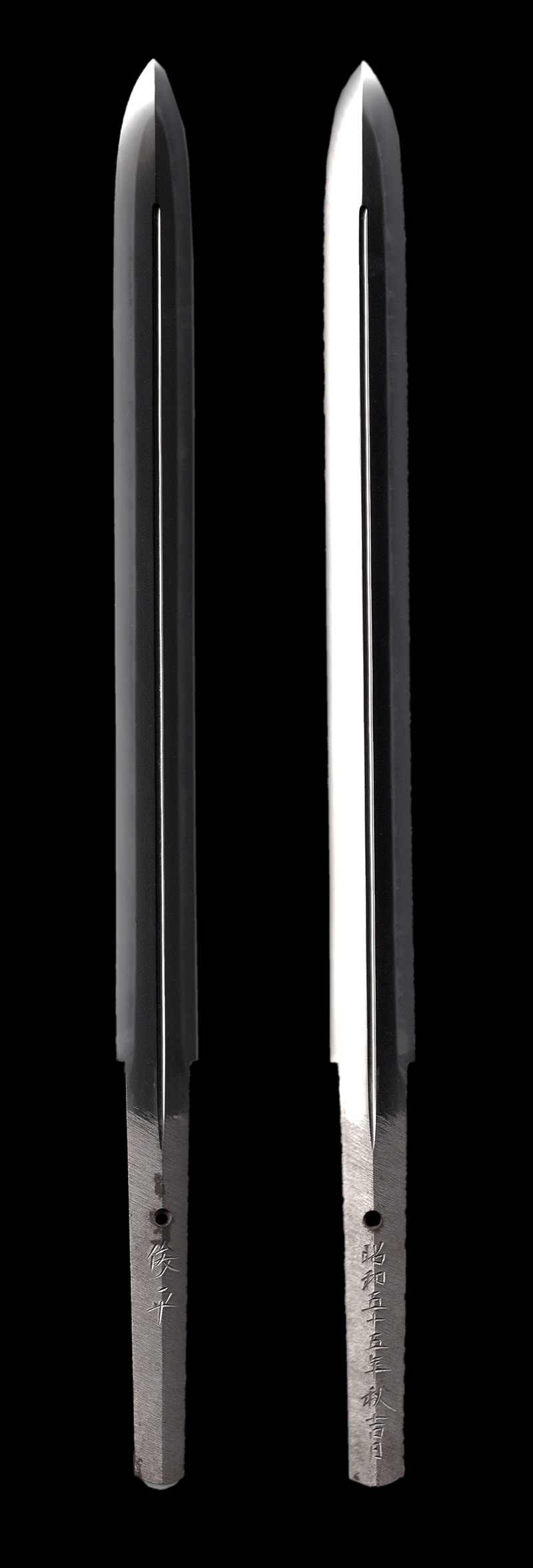
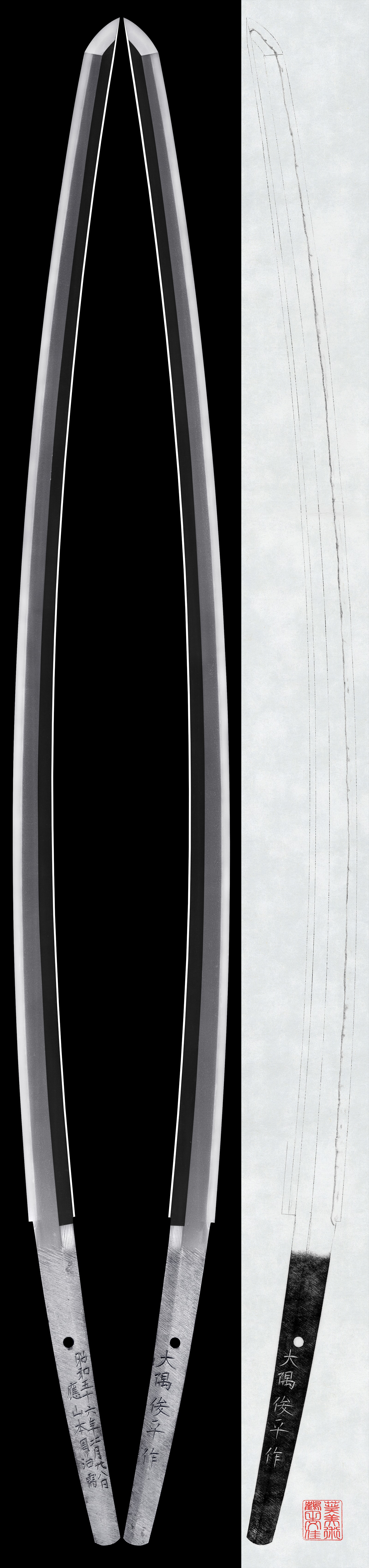
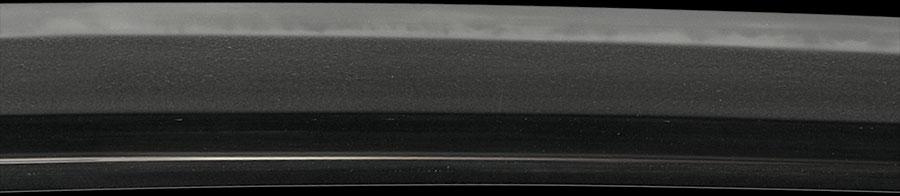
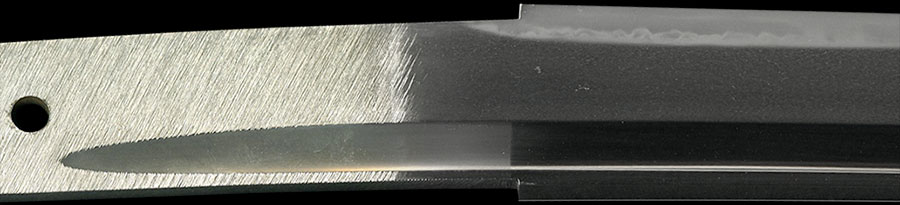
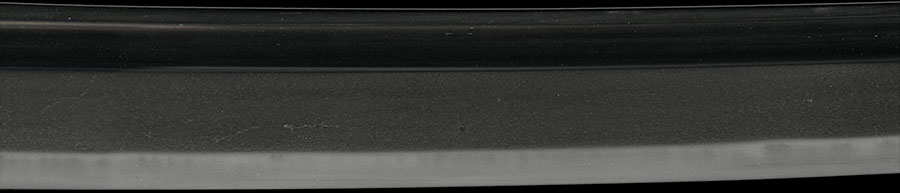
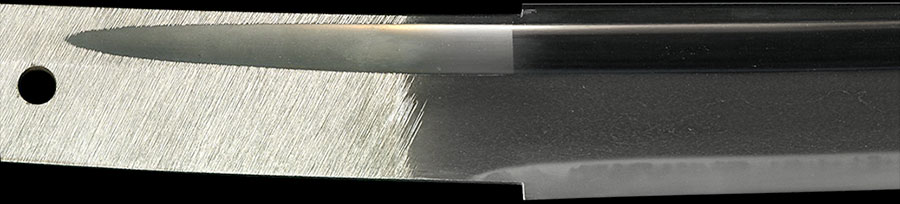
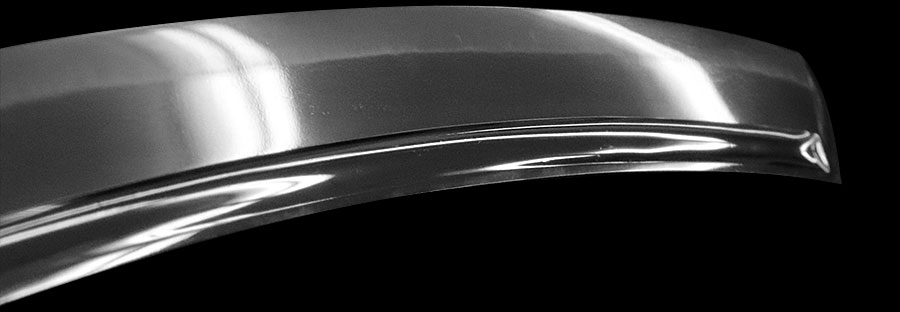
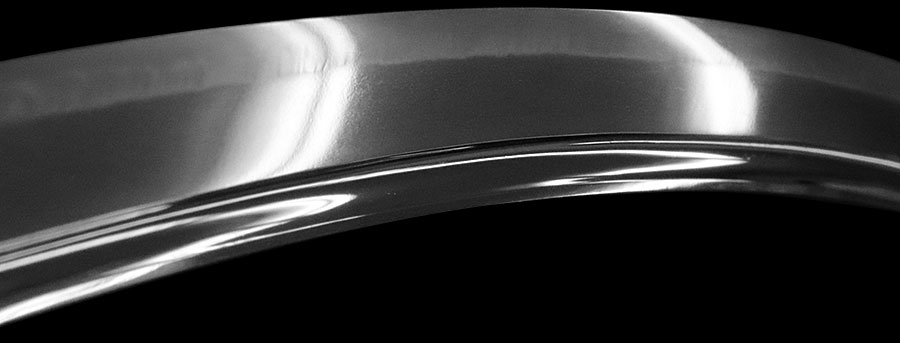
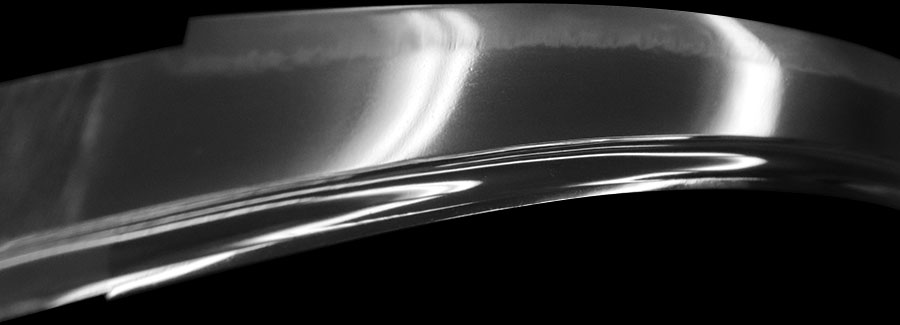
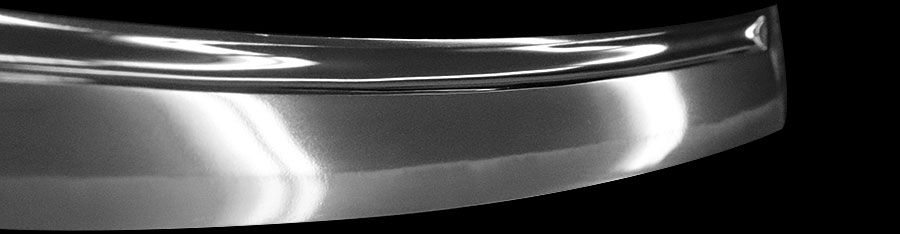
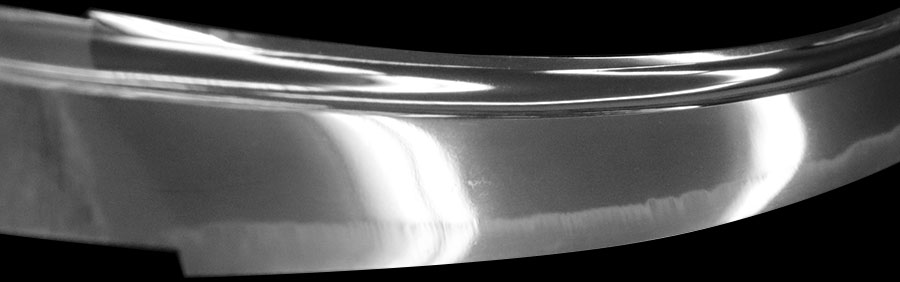
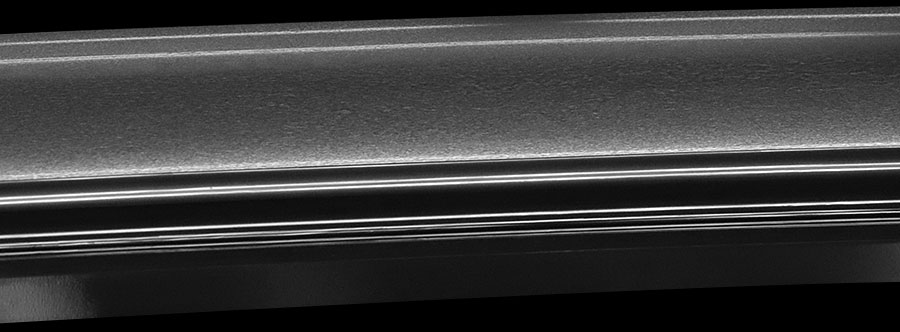
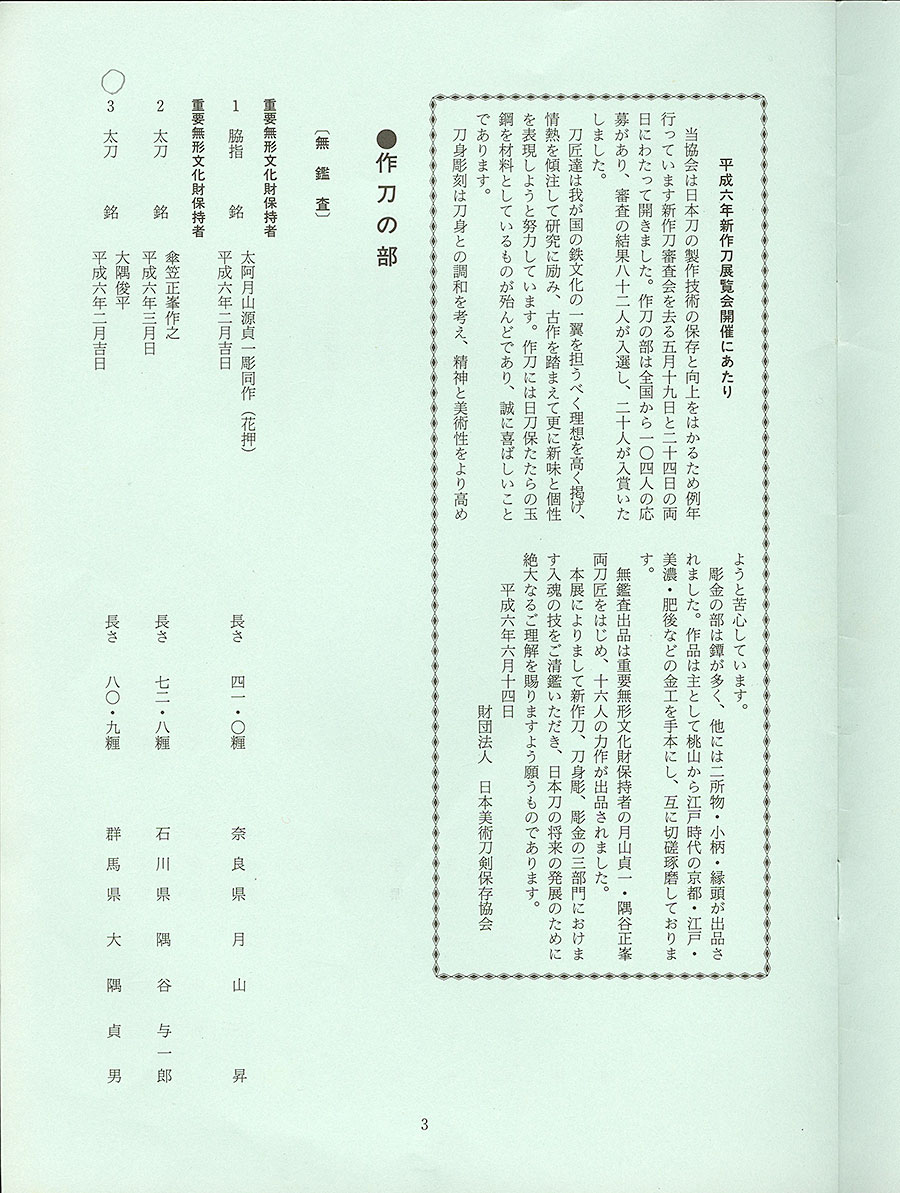
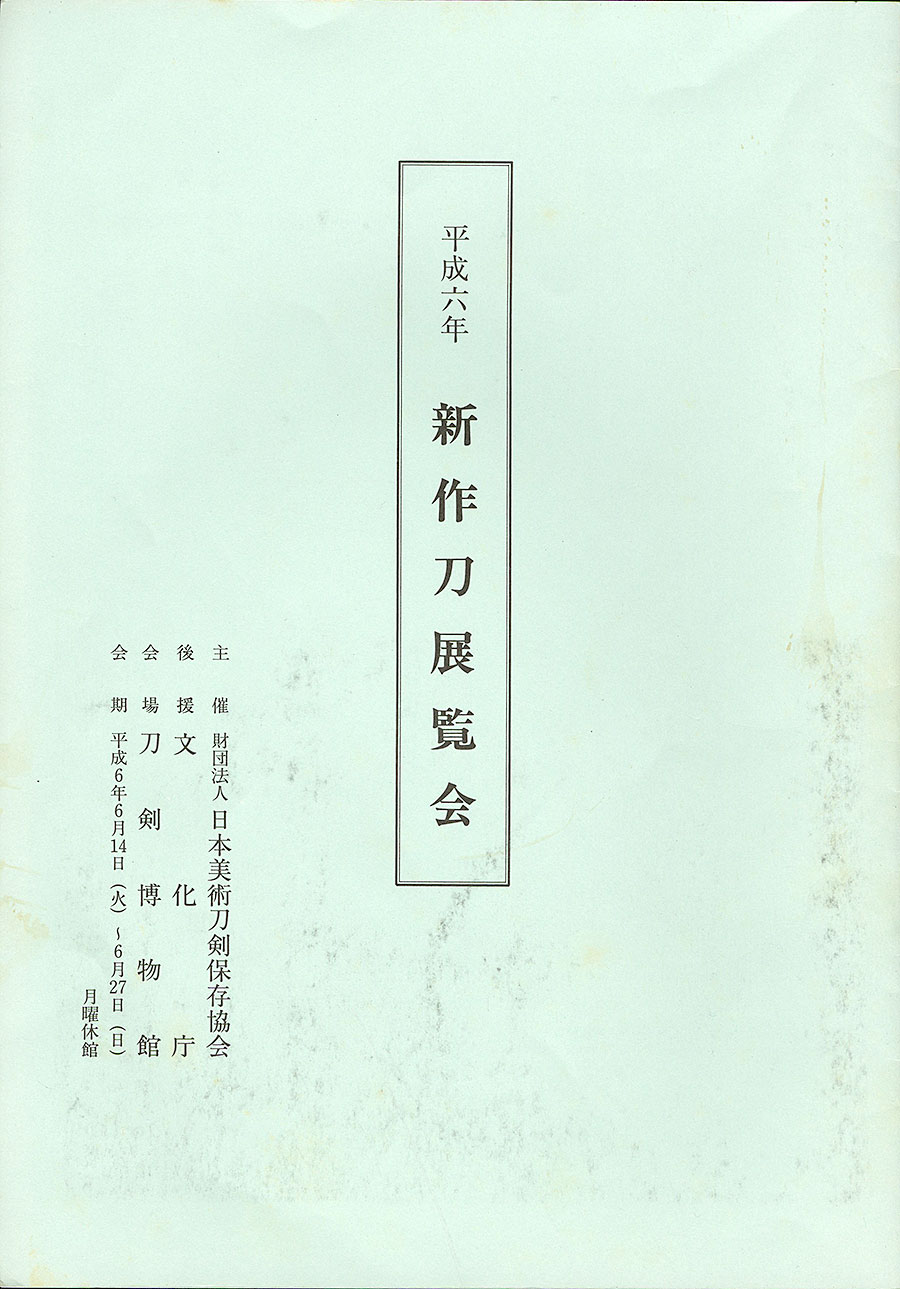
(Polished by Living National Treasure Fujishiro Matsuo) Swordsmith Osumi Shumpei was born in Gunma Prefecture in Showa 7 (1932) and entered apprenticeship under Living National Treasure swordsmith Miyairi Akihira in Showa 27 (1952). From his master, he primarily mastered the Yamashiro-den and Rai Kunitoshi forging methods. Thereafter, using the celebrated koto of the Heian and Kamakura periods as models, he devoted himself to the research and refinement of the suguba style of the Bitchu Aoe school. In the Shinsaku Meito Ten (New Masterpiece Sword Exhibition), he received the highest honor, the Masamune Prize, three times: at the 10th (1974), 12th (1976), and 14th (1978) exhibitions. He was designated a Living National Treasure in Heisei 9 (1997). This tachi is a representative masterpiece of the Bitchu Aoe style. It is a tachi that faithfully recreates the Bitchu Aoe works of the Kamakura period. The sugata exhibits a high koshi-zori with a wide moto-mihaba and a wide saki-mihaba, manifesting the magnificent tachi form of the mid-Kamakura period. The jigane is a finely packed ko-itame hada, forged into a wonderful and spirited steel that is truly superb. The hamon is fired in suguba with gunome, yo, and ko-ashi appearing within the ha; the activity (hataraki) within the blade is excellent, brilliantly capturing the essence of Bitchu Aoe. This tachi was produced during the period when the swordsmith was at the absolute peak of his skill, and it is a work that can only be described as magnificent. The togishi (polisher) was Living National Treasure Fujishiro Matsuo; this polish itself is also precious. Please enjoy this invaluable tachi by Living National Treasure Osumi Shumpei, which must be cherished for generations to come.
 NihontoWatch
Showa (1926-1989) · nagasa 81cm · sori 3.3cm












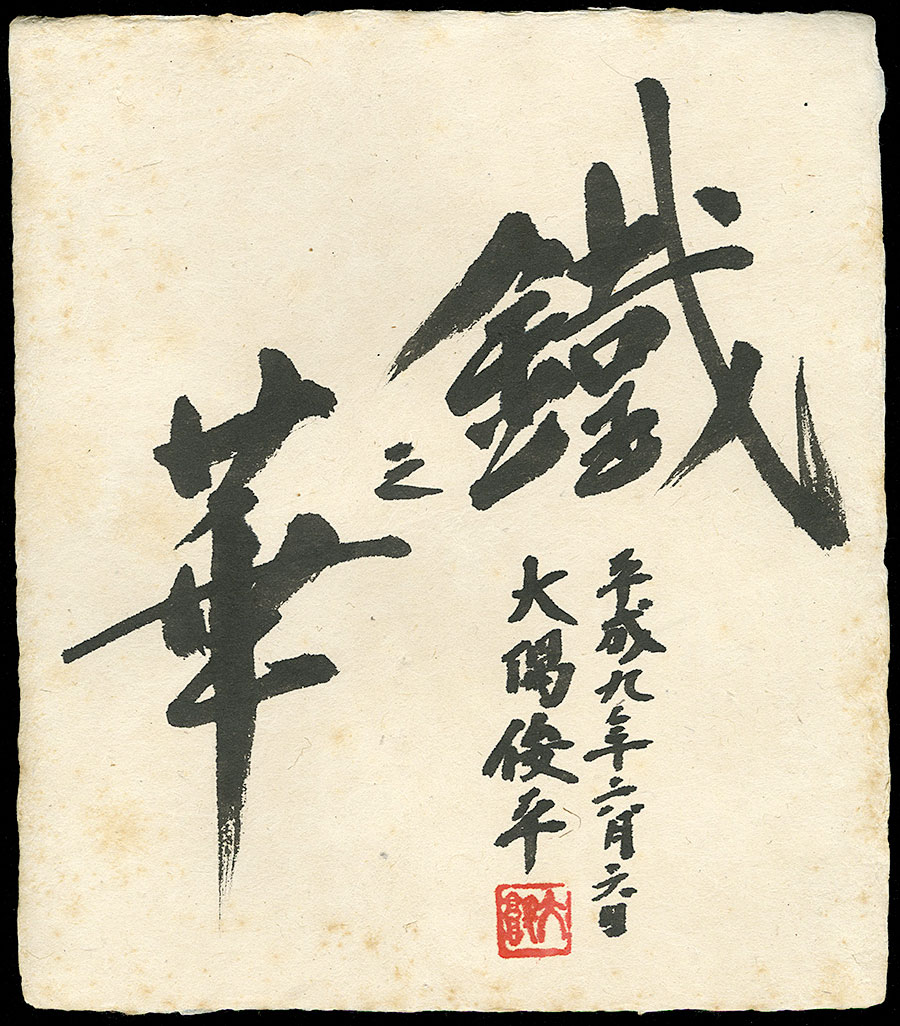
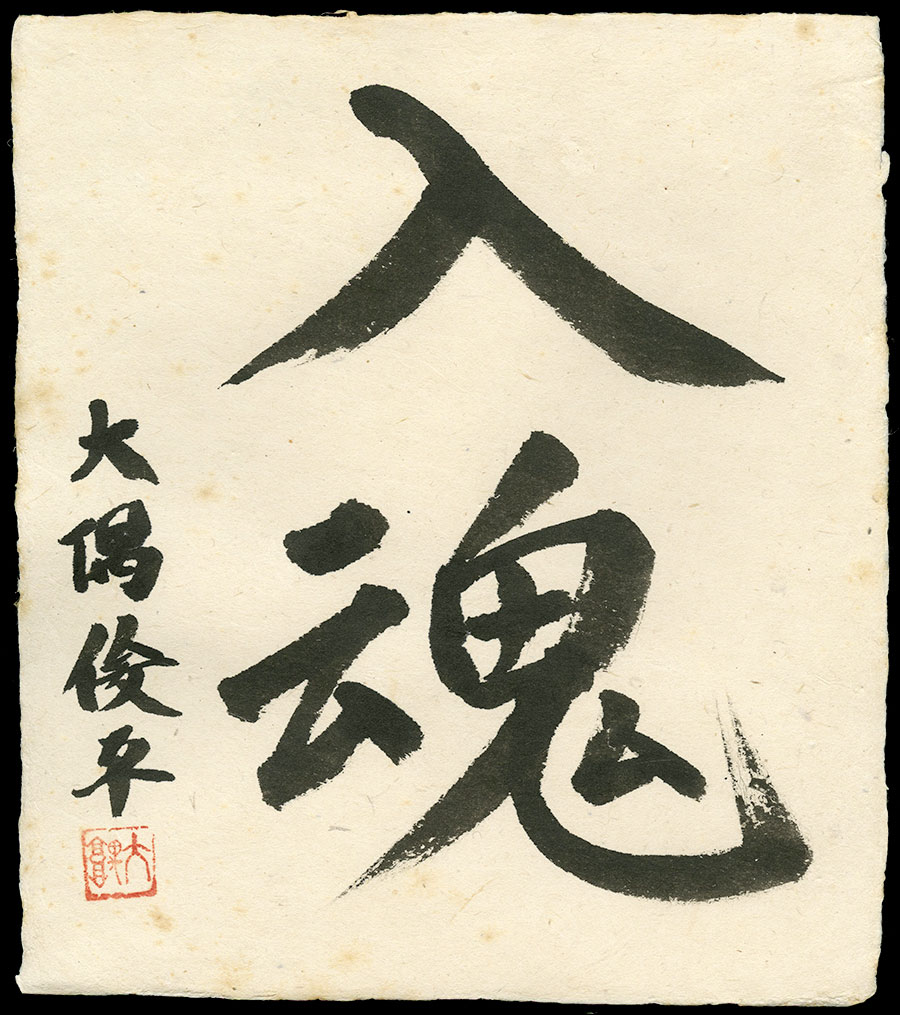
Osumi · around 1926-1989
5 pieces on the market now
Shōwa to the present: destruction and revival
The twentieth century nearly killed the craft twice: wartime distortion, then the occupation ban. The NBTHK’s founding in 1948 and licensed forging from 1953 rebuilt the sword as an art, crowned by Living National Treasures and the mukansa rank.
We could not find an authenticity certificate on the seller’s listing. Japanese swords and fittings are normally papered by the NBTHK (or the NTHK). Without one, the attribution is the seller’s own assessment and has not been independently verified — treat it with caution and ask the dealer about certification before buying.
For returns due to customer circumstances, the cost is the customer's responsibility. For returns due to our mis-shipment or a defective item, we bear the cost.
Price on request
(Polished by Living National Treasure Fujishiro Matsuo) Swordsmith Osumi Shumpei was born in Gunma Prefecture in Showa 7 (1932) and entered apprenticeship under Living National Treasure swordsmith Miyairi Akihira in Showa 27 (1952). From his master, he primarily mastered the Yamashiro-den and Rai Kunitoshi forging methods. Thereafter, using the celebrated koto of the Heian and Kamakura periods as models, he devoted himself to the research and refinement of the suguba style of the Bitchu Aoe school. In the Shinsaku Meito Ten (New Masterpiece Sword Exhibition), he received the highest honor, the Masamune Prize, three times: at the 10th (1974), 12th (1976), and 14th (1978) exhibitions. He was designated a Living National Treasure in Heisei 9 (1997). This tachi is a representative masterpiece of the Bitchu Aoe style. It is a tachi that faithfully recreates the Bitchu Aoe works of the Kamakura period. The sugata exhibits a high koshi-zori with a wide moto-mihaba and a wide saki-mihaba, manifesting the magnificent tachi form of the mid-Kamakura period. The jigane is a finely packed ko-itame hada, forged into a wonderful and spirited steel that is truly superb. The hamon is fired in suguba with gunome, yo, and ko-ashi appearing within the ha; the activity (hataraki) within the blade is excellent, brilliantly capturing the essence of Bitchu Aoe. This tachi was produced during the period when the swordsmith was at the absolute peak of his skill, and it is a work that can only be described as magnificent. The togishi (polisher) was Living National Treasure Fujishiro Matsuo; this polish itself is also precious. Please enjoy this invaluable tachi by Living National Treasure Osumi Shumpei, which must be cherished for generations to come.
NihontoWatchShowa (1926-1989) · nagasa 81cm · sori 3.3cm
Osumi · around 1926-1989
5 pieces on the market now
Shōwa to the present: destruction and revival
The twentieth century nearly killed the craft twice: wartime distortion, then the occupation ban. The NBTHK’s founding in 1948 and licensed forging from 1953 rebuilt the sword as an art, crowned by Living National Treasures and the mukansa rank.
We could not find an authenticity certificate on the seller’s listing. Japanese swords and fittings are normally papered by the NBTHK (or the NTHK). Without one, the attribution is the seller’s own assessment and has not been independently verified — treat it with caution and ask the dealer about certification before buying.
For returns due to customer circumstances, the cost is the customer's responsibility. For returns due to our mis-shipment or a defective item, we bear the cost.
Price on request