The Haitōrei edict of 1876 ended sword wearing and nearly ended the craft itself. Military demand and imperial patronage kept a remnant alive, and in 1906 Gassan Sadakazu and Miyamoto Kanenori were named Artists to the Imperial Household.
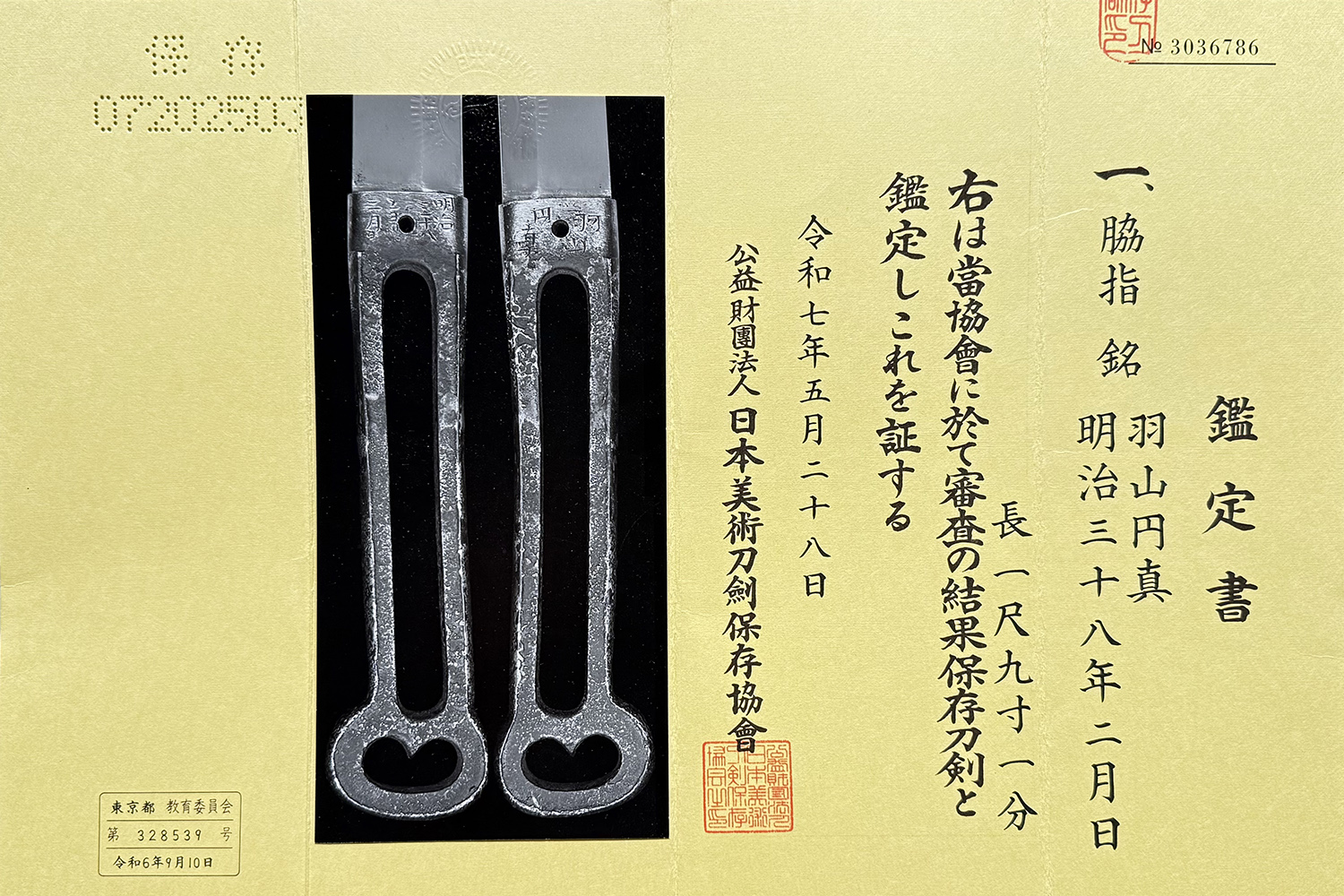
This is a rare ancient style Warabite-to shobu-Zukuri tachi crafted by Hayama Enshin. It is a precious piece of high-quality Japanese history, dated to Meiji 38th (1905 AD February) and comes with an NBTHK Hozon certificate.
 NihontoWatch
mei · Meiji · nagasa 57.9cm
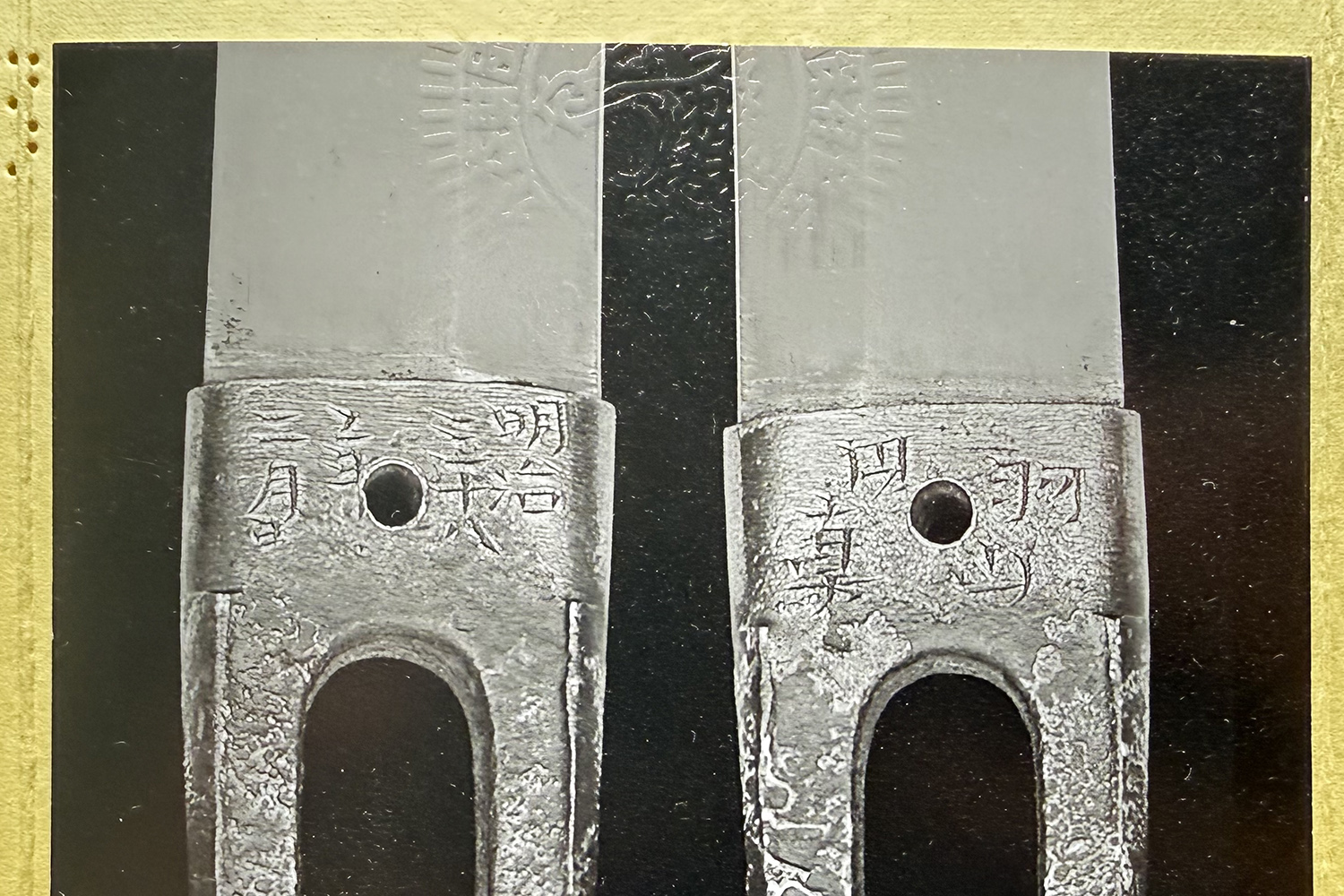
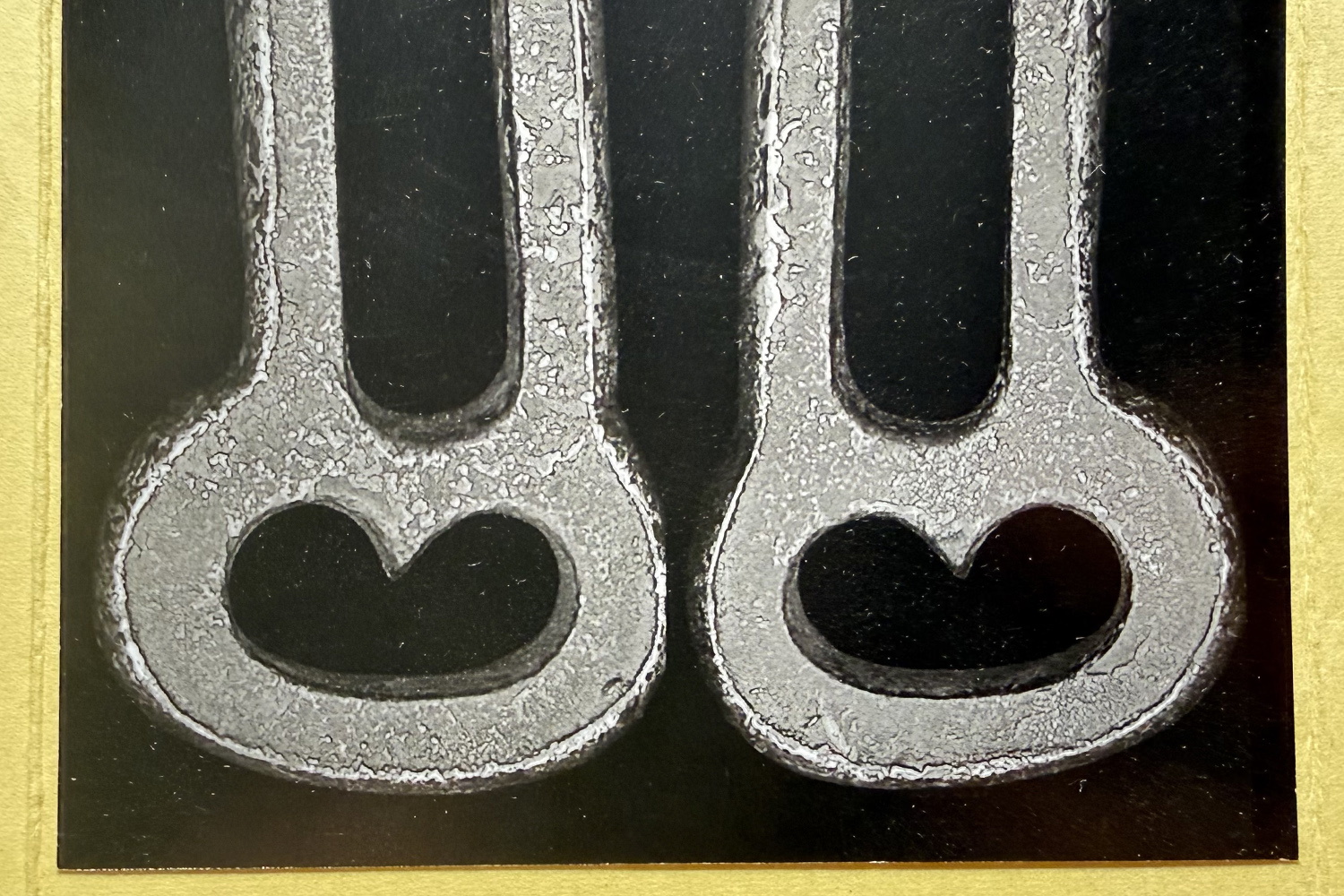
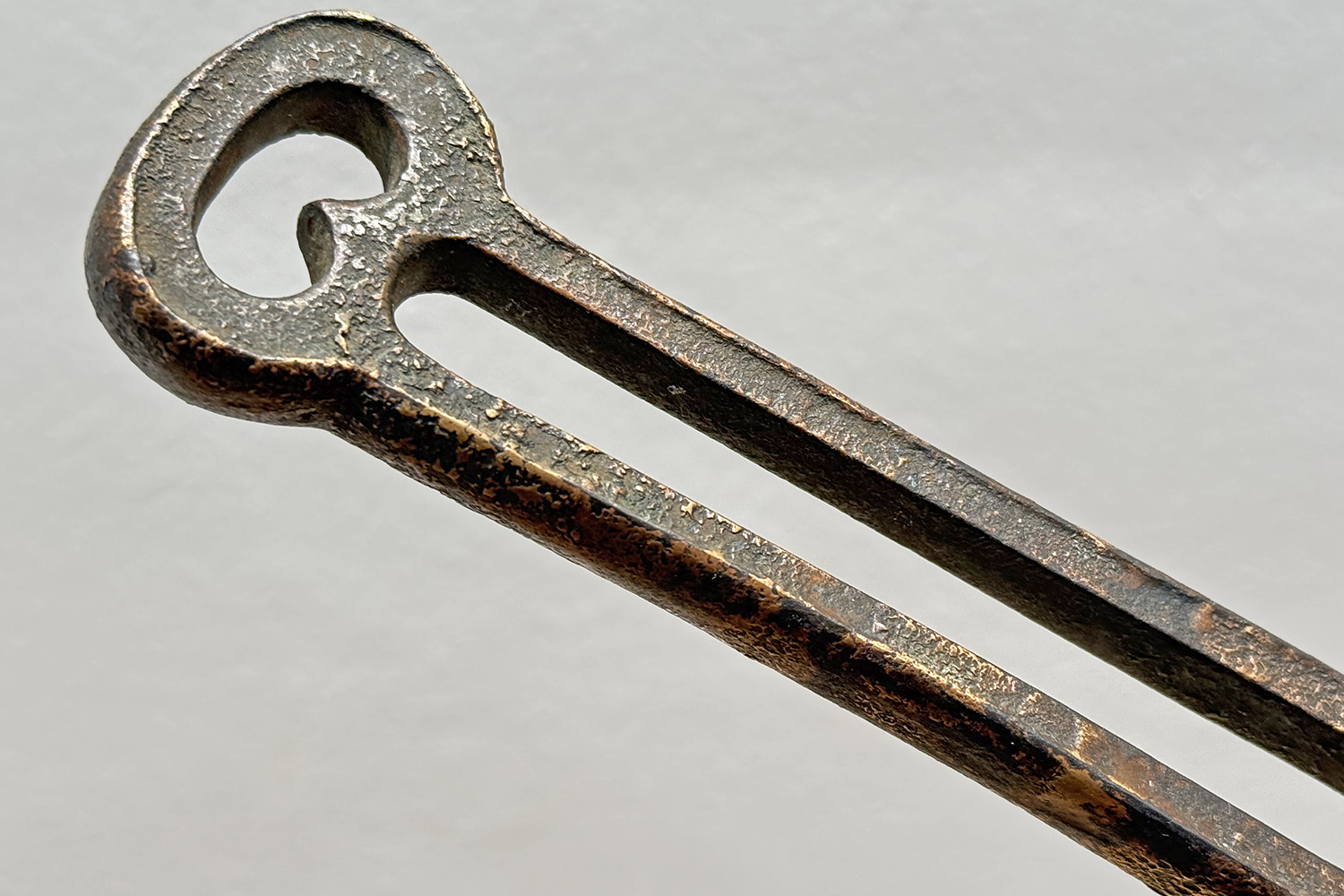
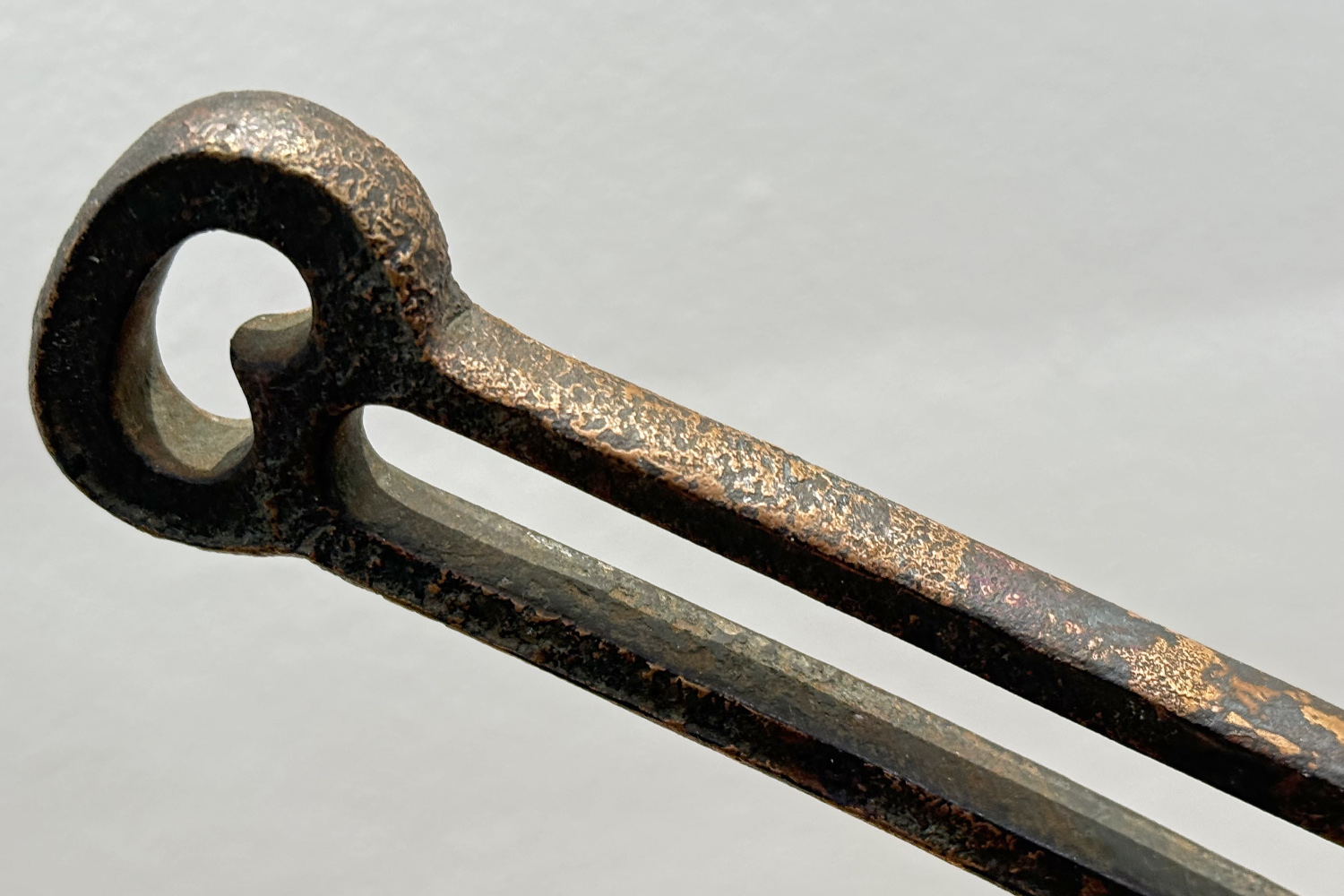
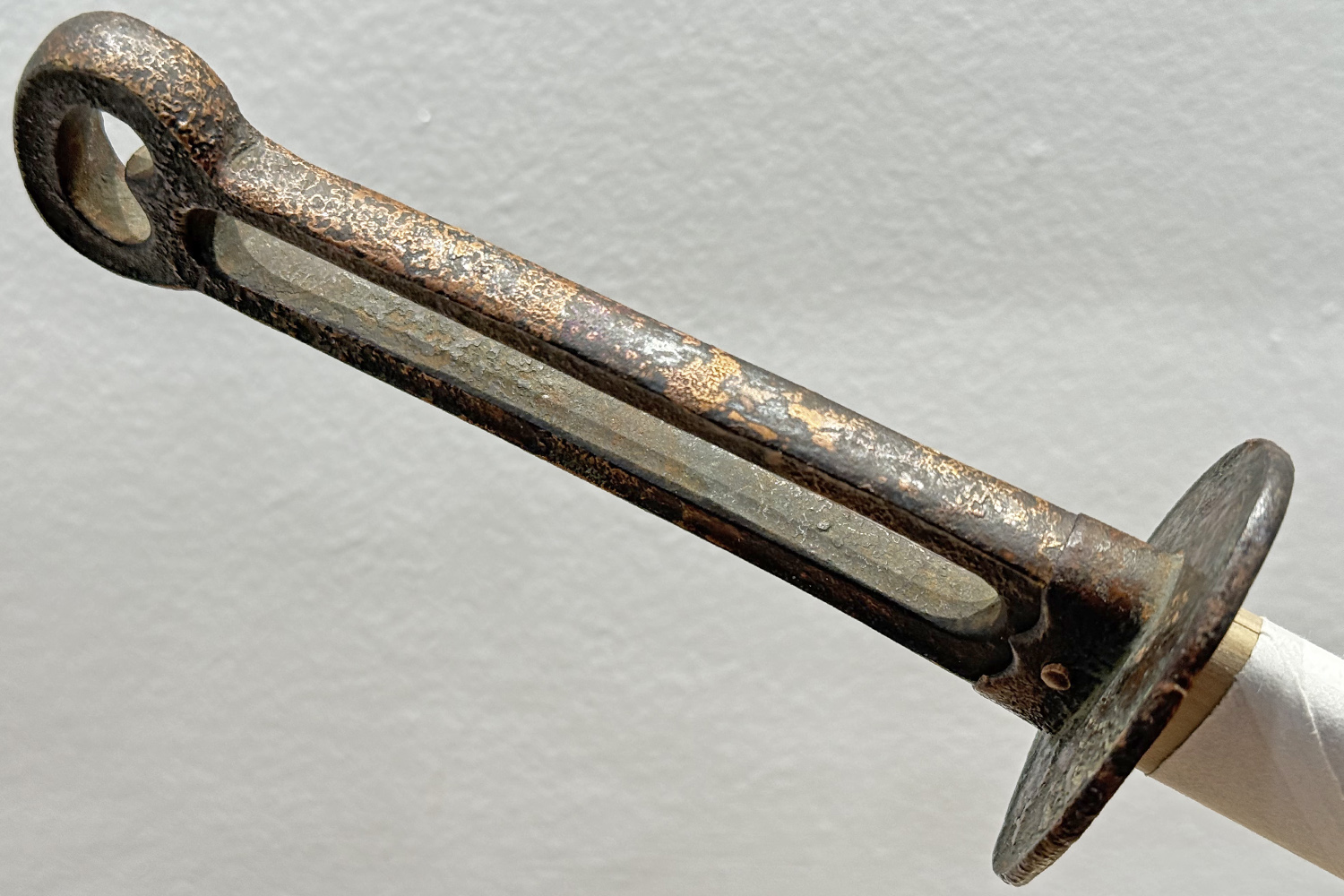
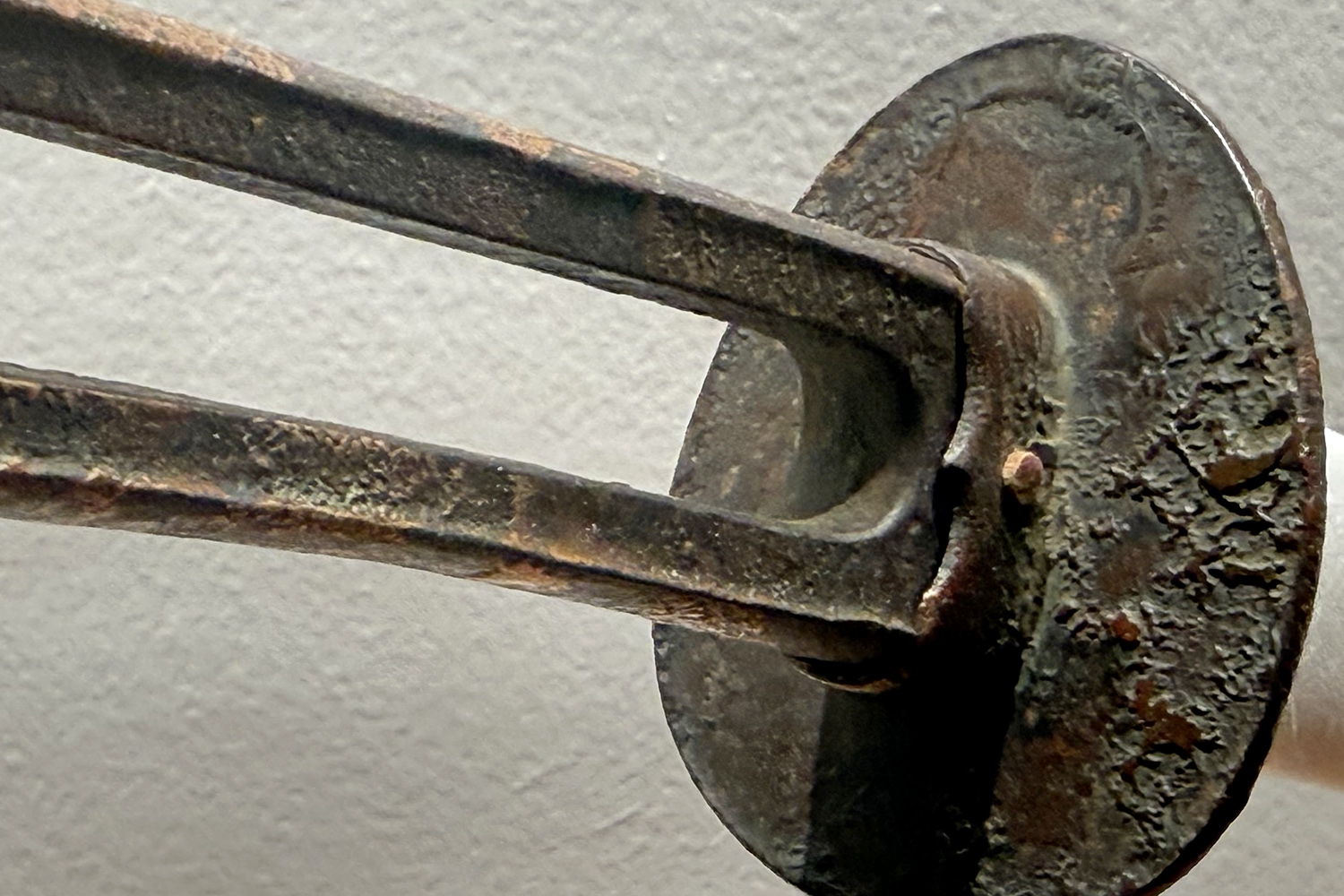
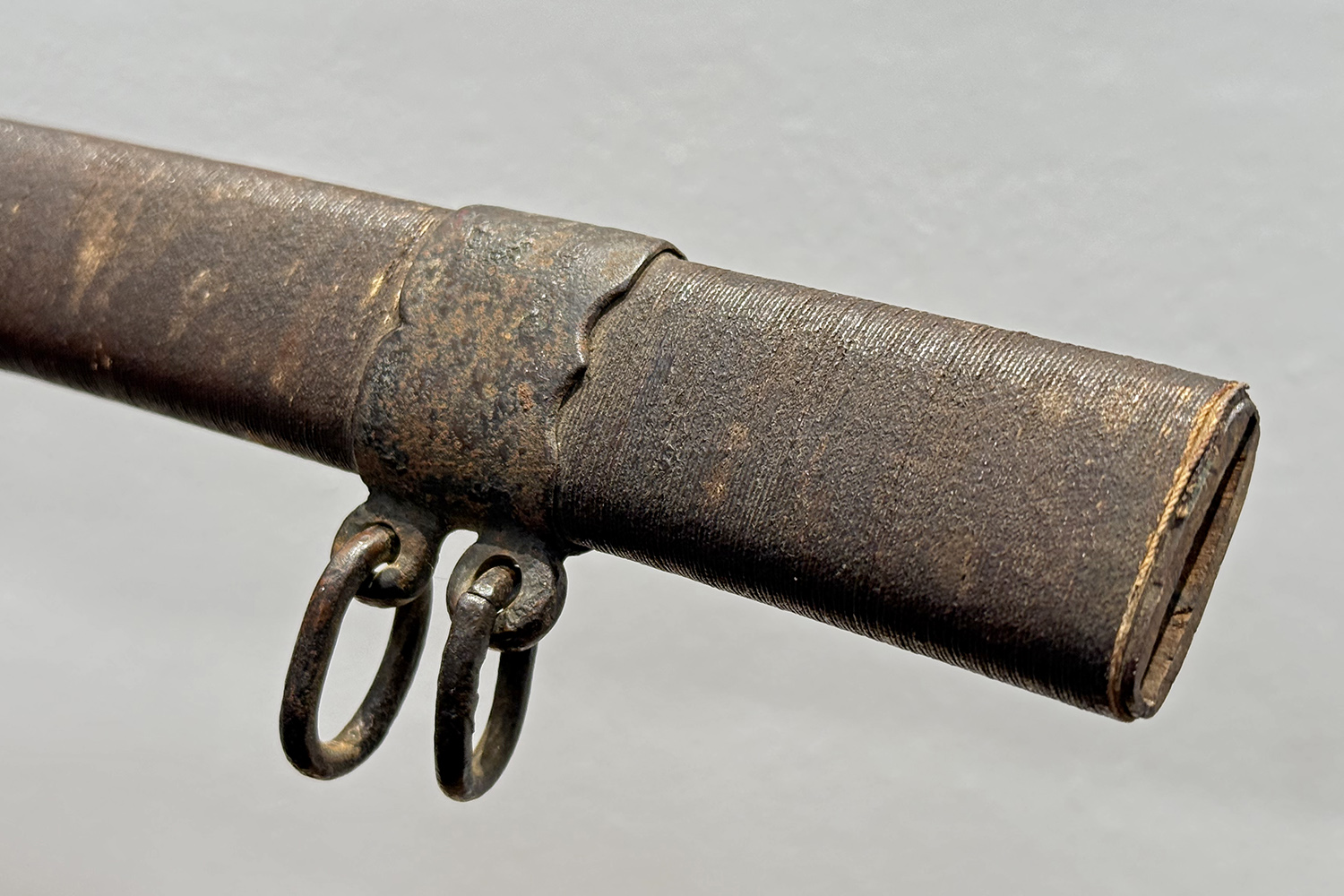
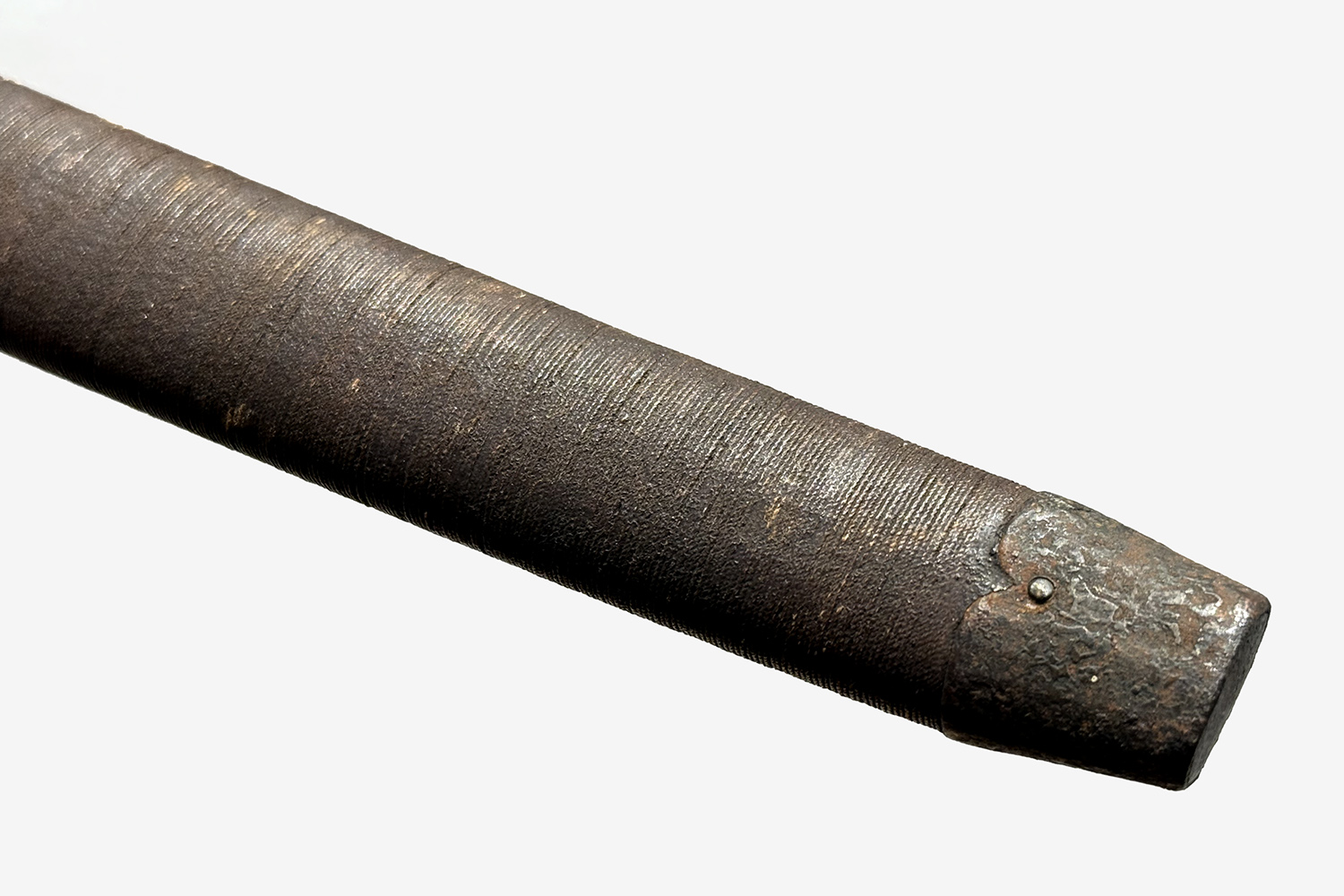
Musashi · around 1868-1912
Fujishiro Chu-jo saku · Tōken Taikan top 87%
4 pieces on the market now
Meiji: survival after the edict
The Haitōrei edict of 1876 ended sword wearing and nearly ended the craft itself. Military demand and imperial patronage kept a remnant alive, and in 1906 Gassan Sadakazu and Miyamoto Kanenori were named Artists to the Imperial Household.
Certifies a genuine blade worth preserving: a signature confirmed correct, or, if unsigned, an era, province, and school that the NBTHK can reliably identify.
The NBTHK (Nihon Bijutsu Tōken Hozon Kyōkai, the Society for the Preservation of Japanese Art Swords) is a public-interest incorporated foundation founded in 1948 and supervised by Japan’s Agency for Cultural Affairs (Bunkachō); it is based at the Japanese Sword Museum in Tokyo. Its expert panels physically examine each submitted work (shinsa) and issue a certificate (kanteishō) ranking it by artistic and historical merit. NBTHK papers are the most widely recognized standard of authentication for Japanese swords and fittings.
NBTHK official siteIf the item fails to meet the description, it may be eligible for a return (at the seller's discretion). Item(s) must be shipped back only via FedEx or UPS within 48 hours of receipt, in original undamaged state. Costs are the purchaser's responsibility.
$7,850
This is a rare ancient style Warabite-to shobu-Zukuri tachi crafted by Hayama Enshin. It is a precious piece of high-quality Japanese history, dated to Meiji 38th (1905 AD February) and comes with an NBTHK Hozon certificate.
NihontoWatchmei · Meiji · nagasa 57.9cm
Musashi · around 1868-1912
Fujishiro Chu-jo saku · Tōken Taikan top 87%
4 pieces on the market now
Meiji: survival after the edict
The Haitōrei edict of 1876 ended sword wearing and nearly ended the craft itself. Military demand and imperial patronage kept a remnant alive, and in 1906 Gassan Sadakazu and Miyamoto Kanenori were named Artists to the Imperial Household.
Certifies a genuine blade worth preserving: a signature confirmed correct, or, if unsigned, an era, province, and school that the NBTHK can reliably identify.
The NBTHK (Nihon Bijutsu Tōken Hozon Kyōkai, the Society for the Preservation of Japanese Art Swords) is a public-interest incorporated foundation founded in 1948 and supervised by Japan’s Agency for Cultural Affairs (Bunkachō); it is based at the Japanese Sword Museum in Tokyo. Its expert panels physically examine each submitted work (shinsa) and issue a certificate (kanteishō) ranking it by artistic and historical merit. NBTHK papers are the most widely recognized standard of authentication for Japanese swords and fittings.
NBTHK official siteIf the item fails to meet the description, it may be eligible for a return (at the seller's discretion). Item(s) must be shipped back only via FedEx or UPS within 48 hours of receipt, in original undamaged state. Costs are the purchaser's responsibility.
$7,850


