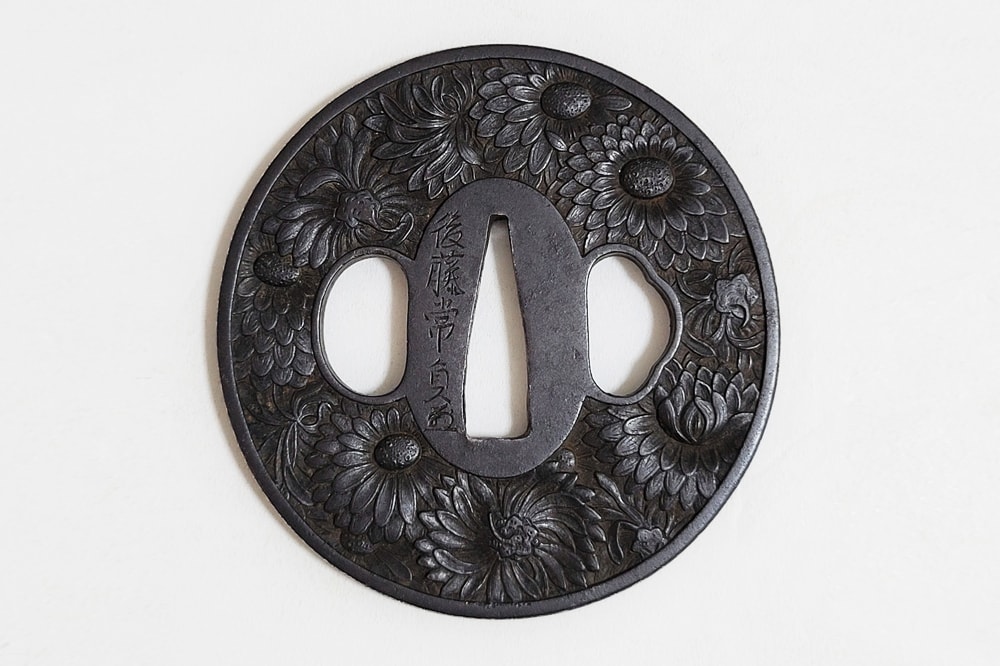
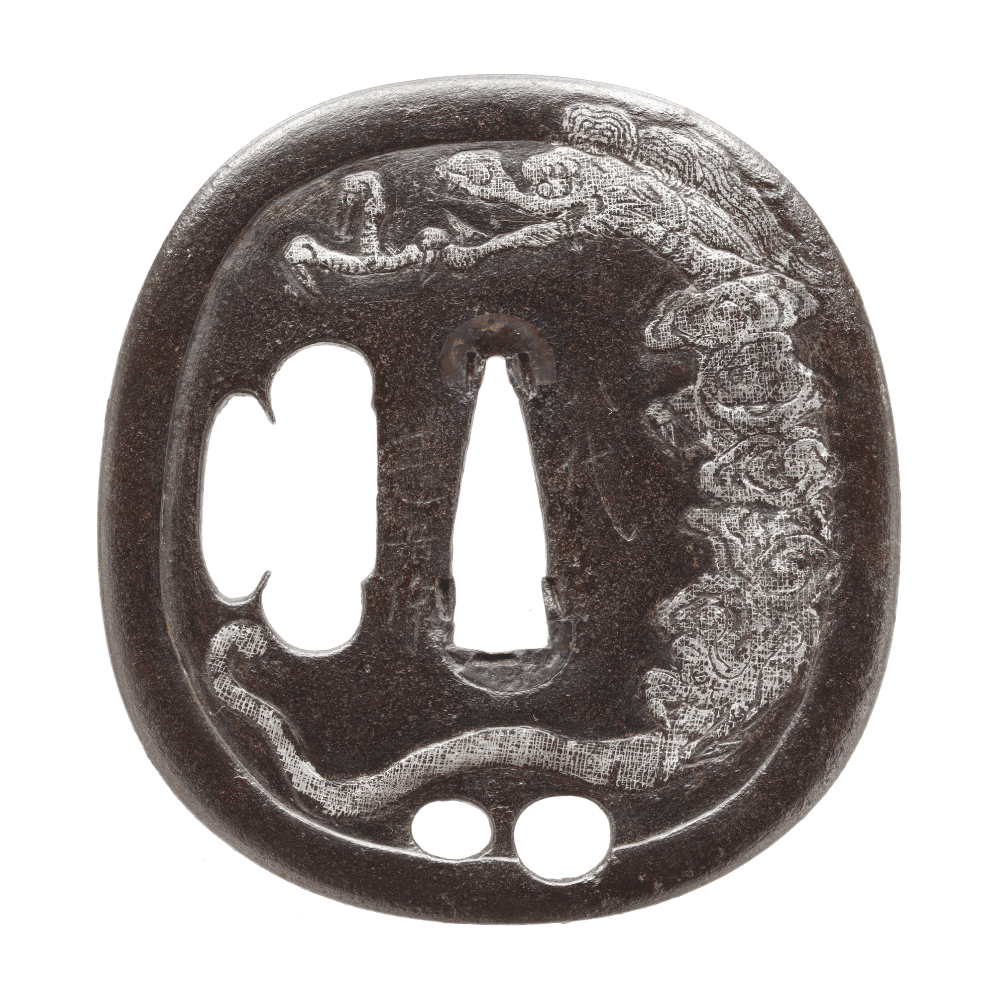
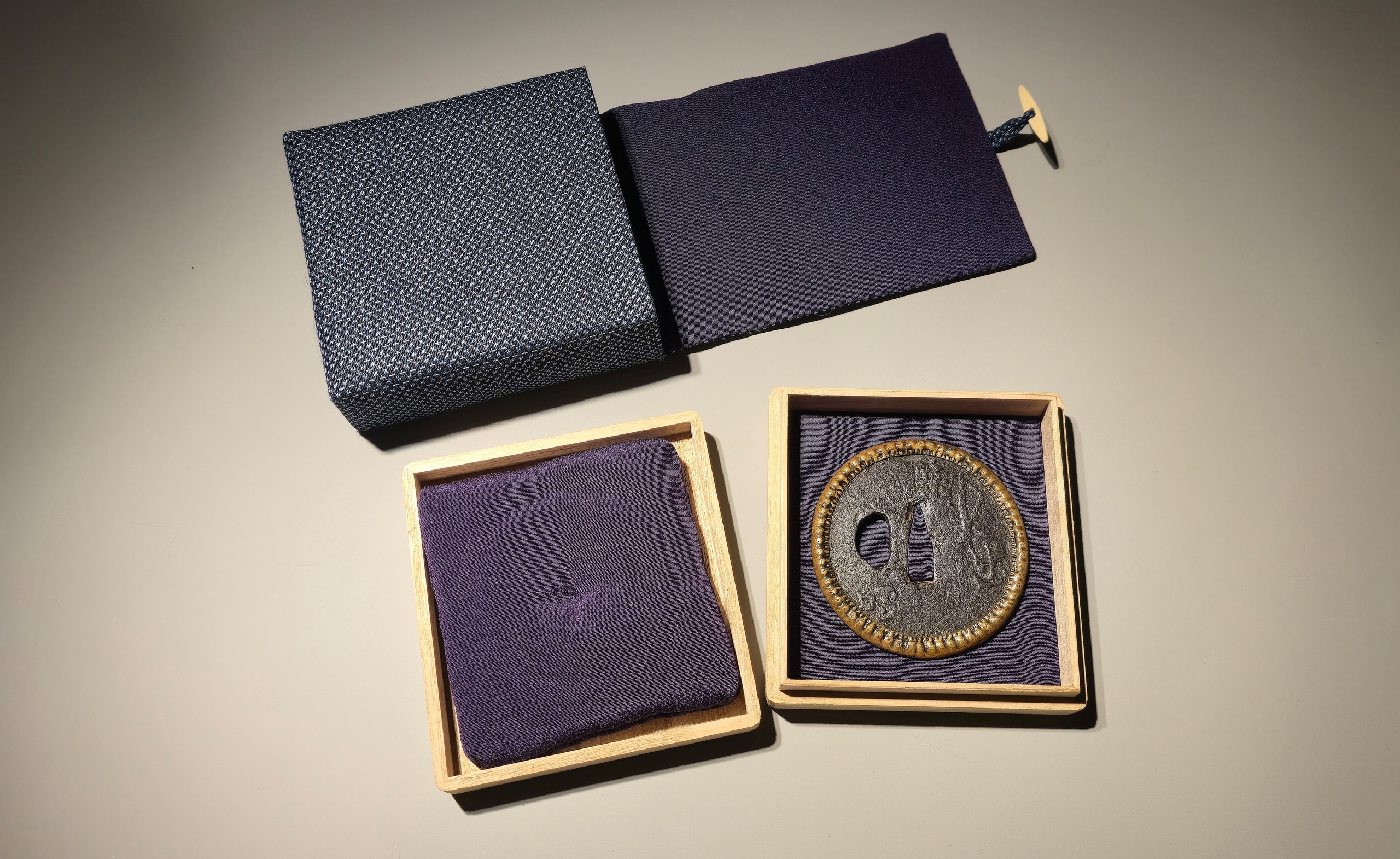
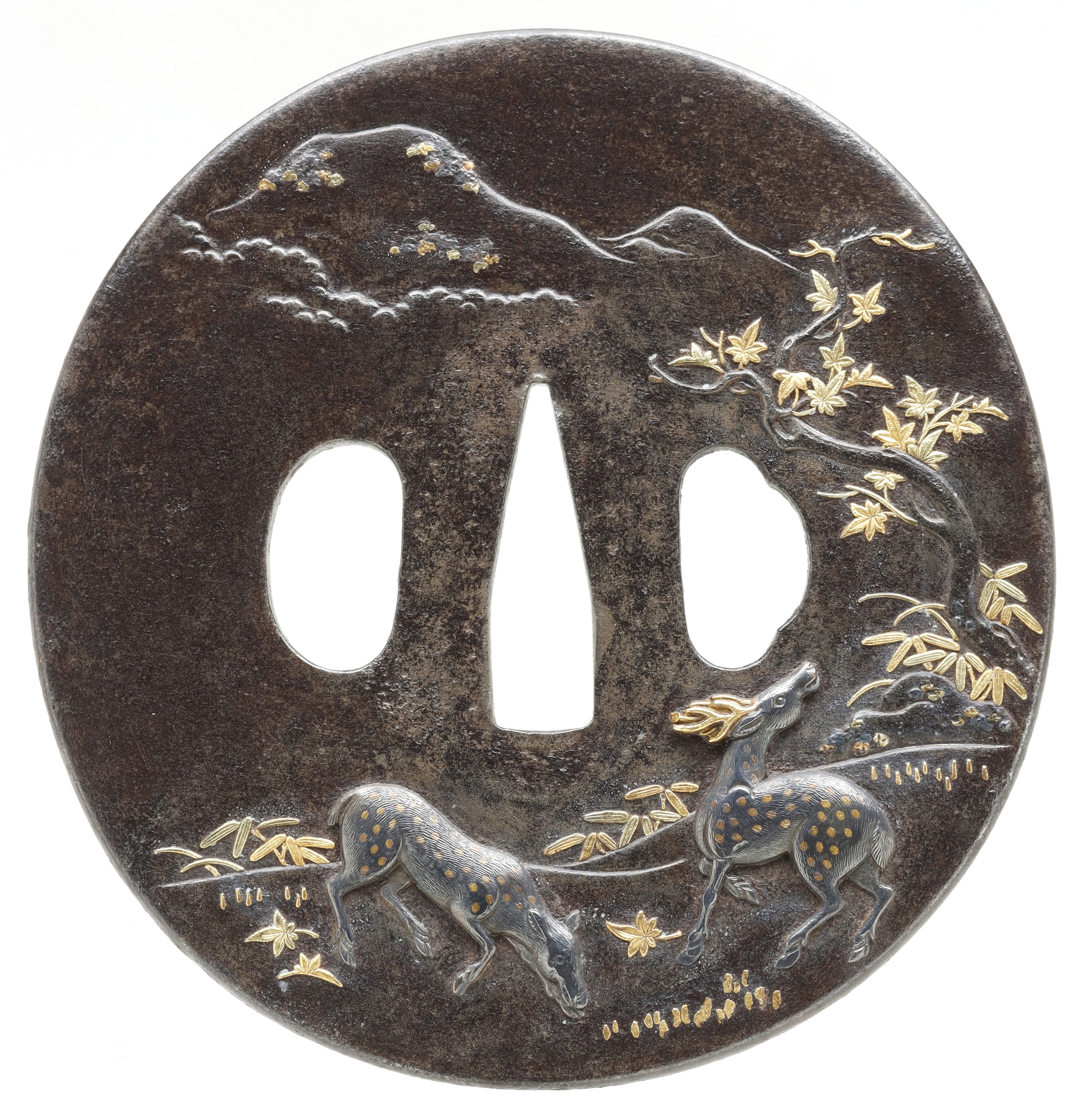
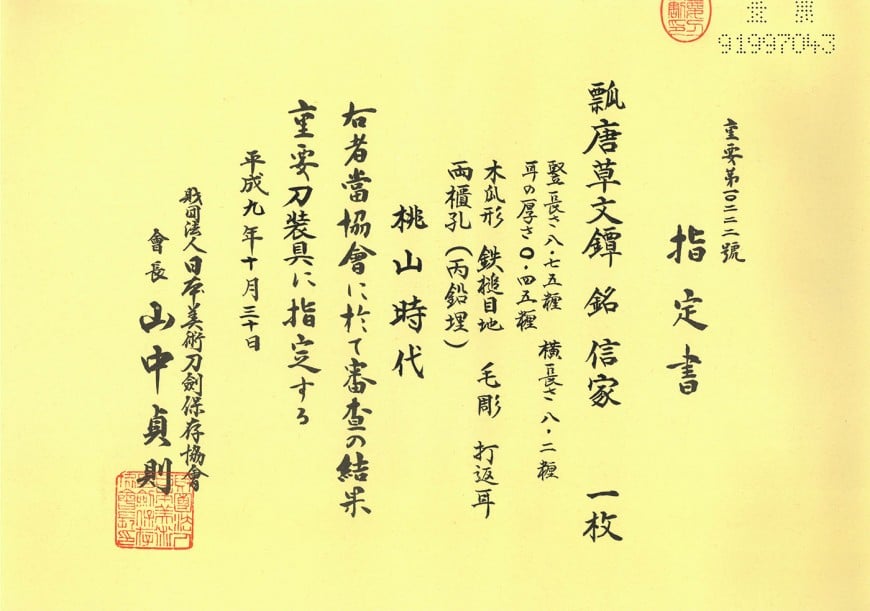
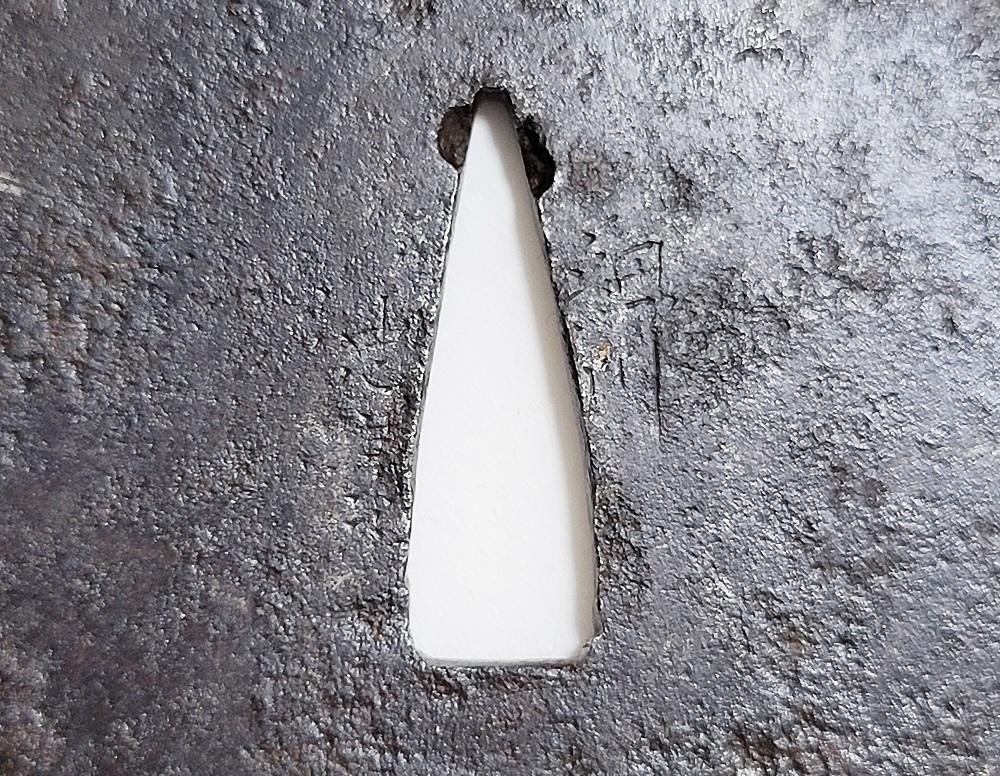
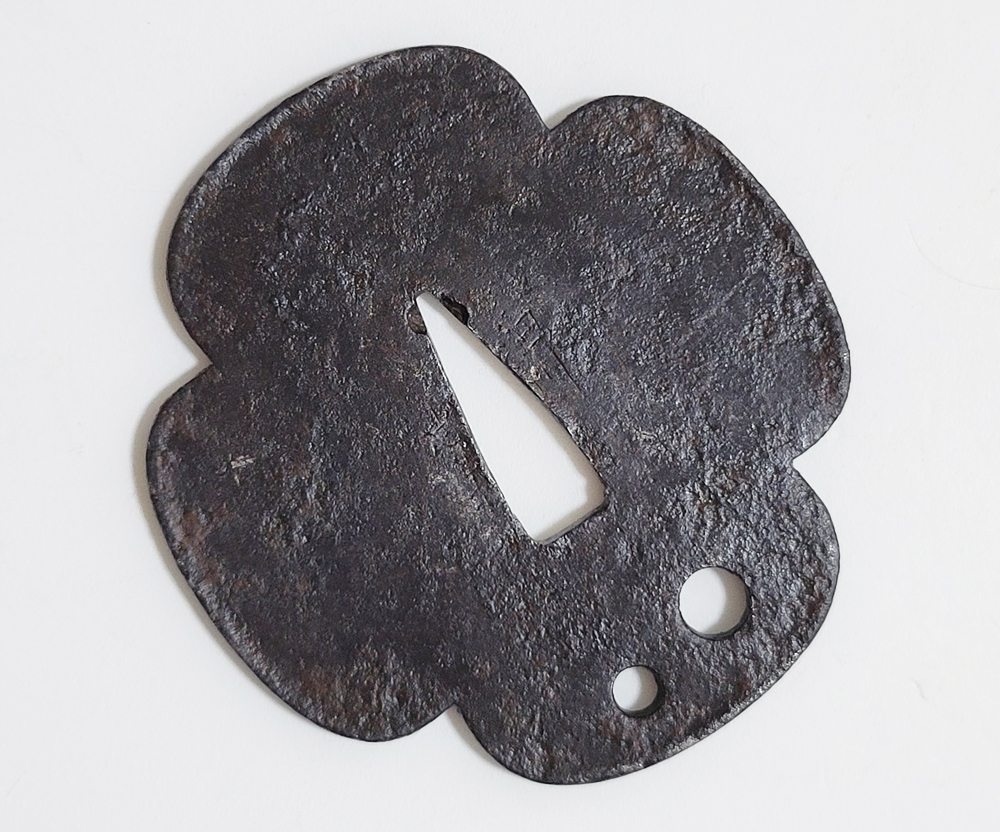
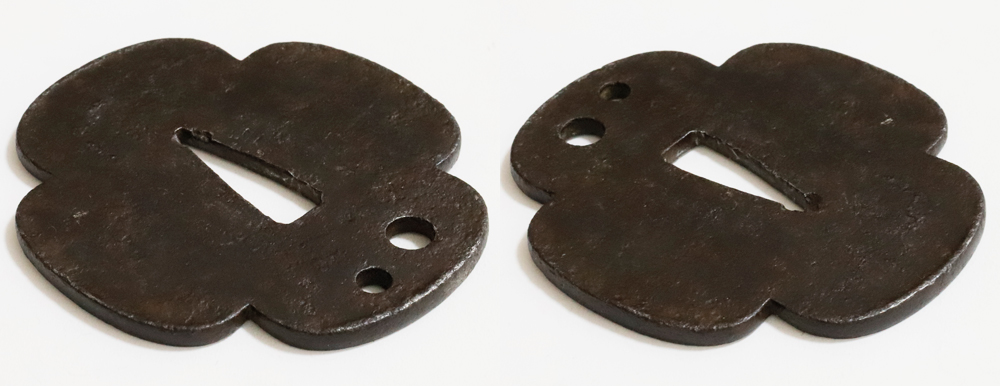
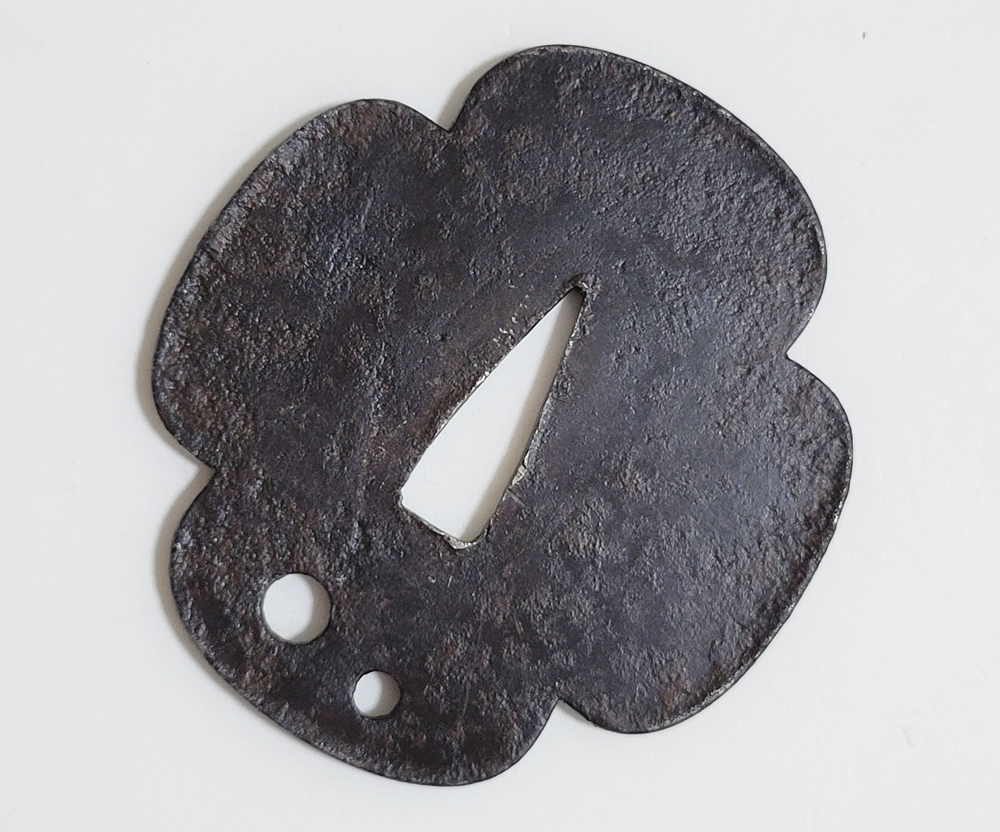
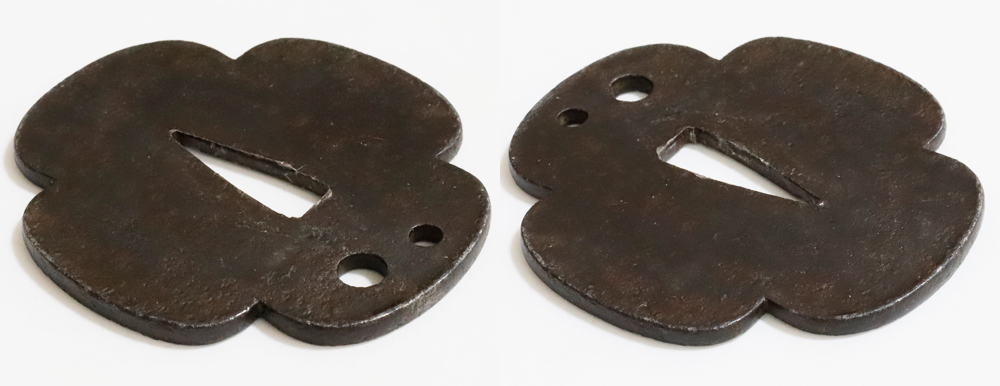
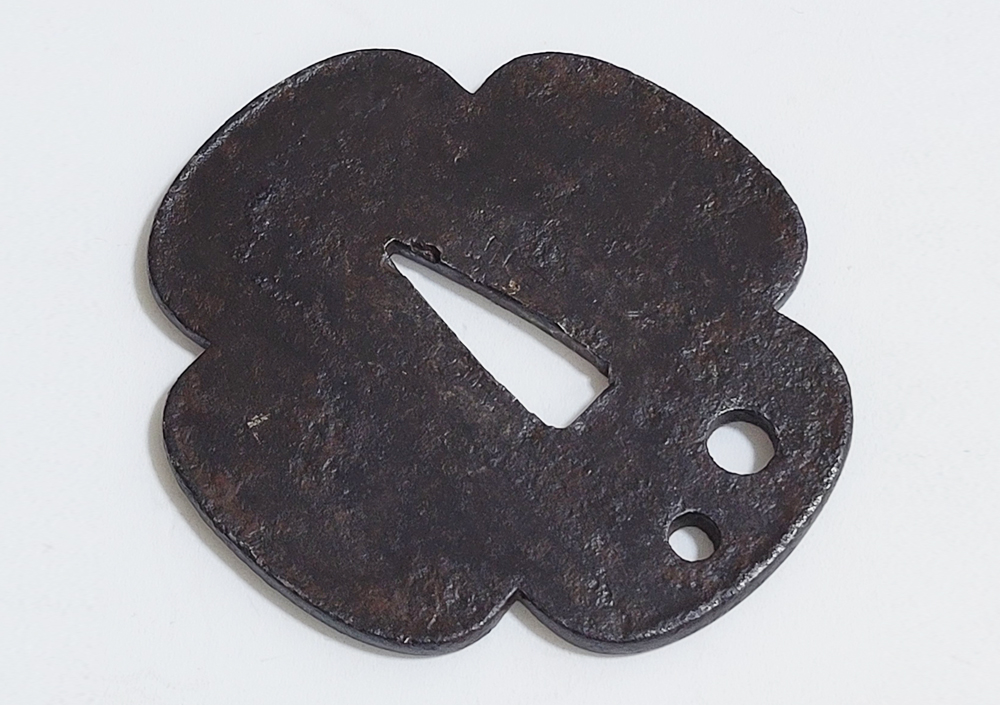
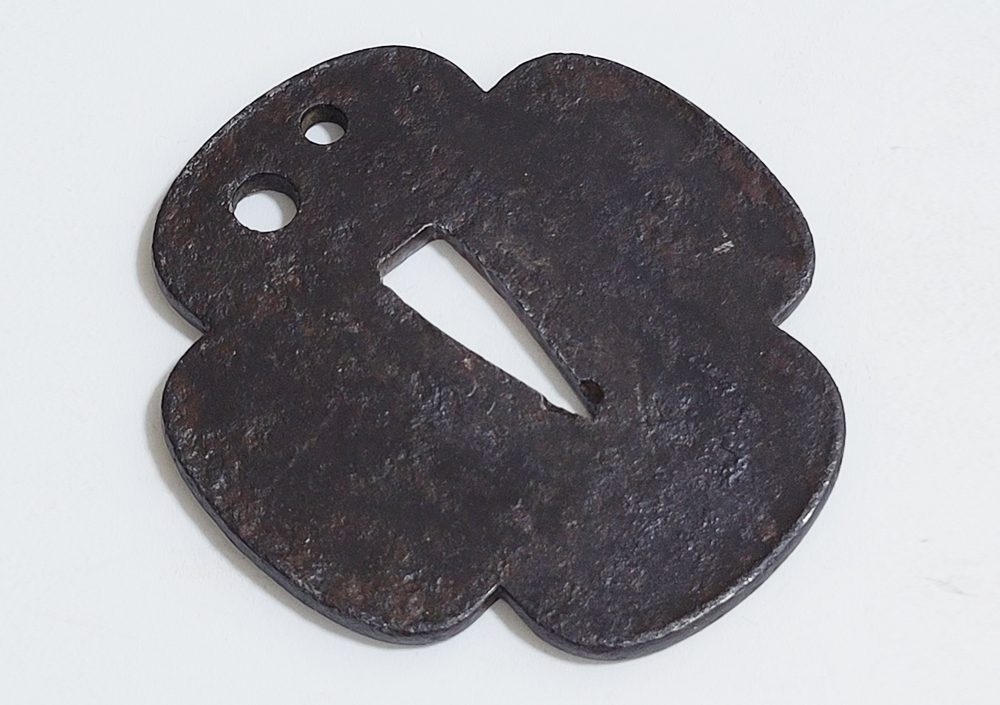
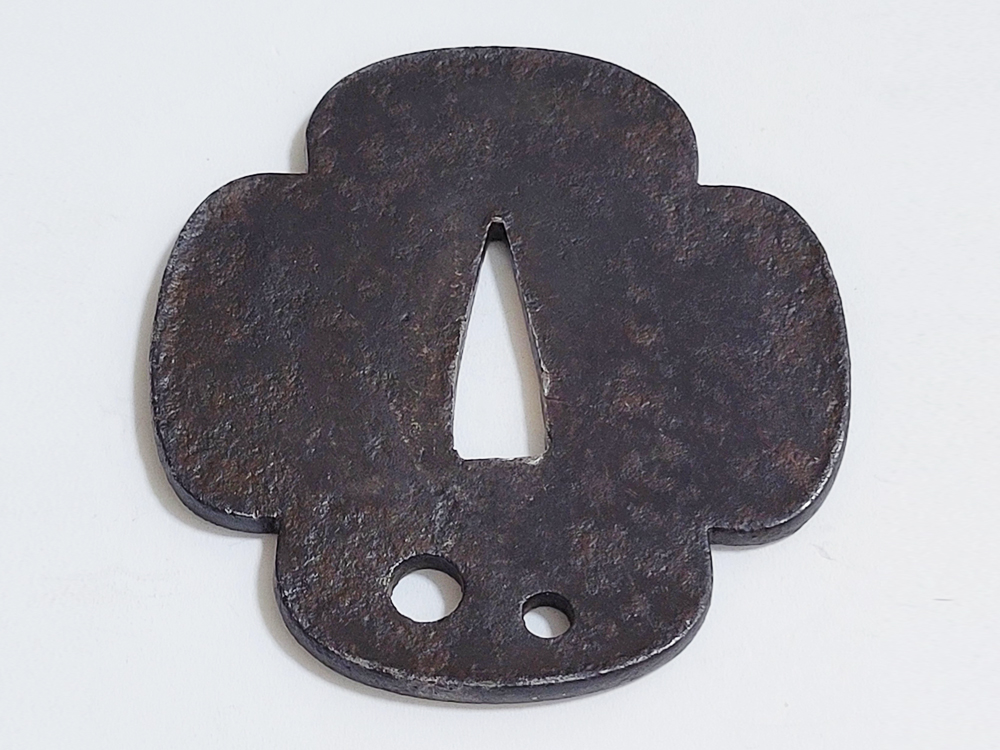
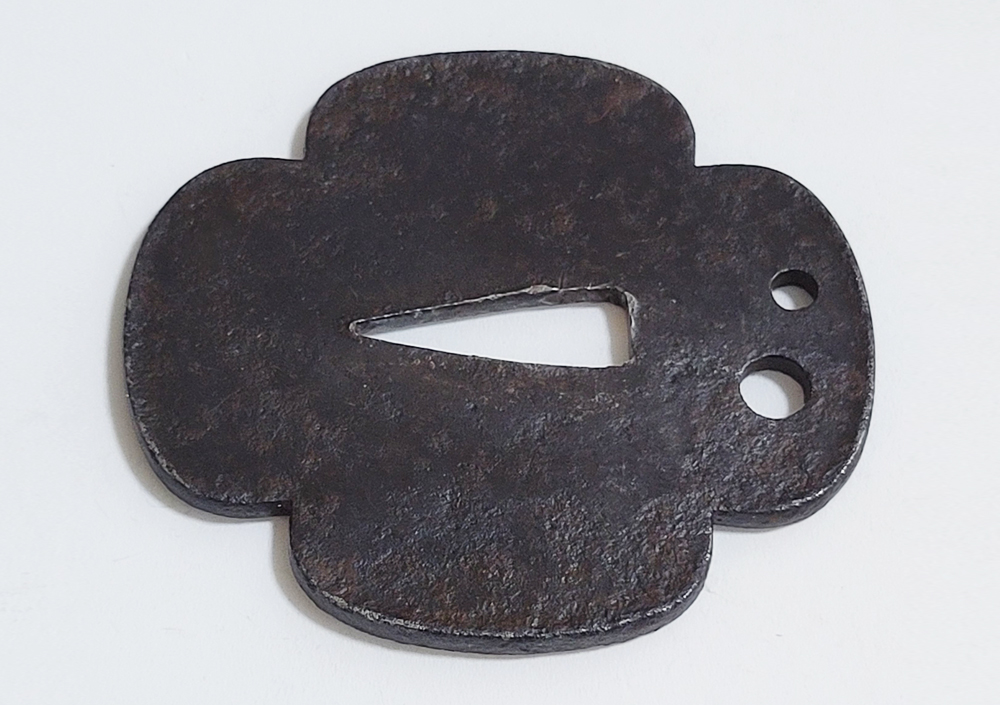
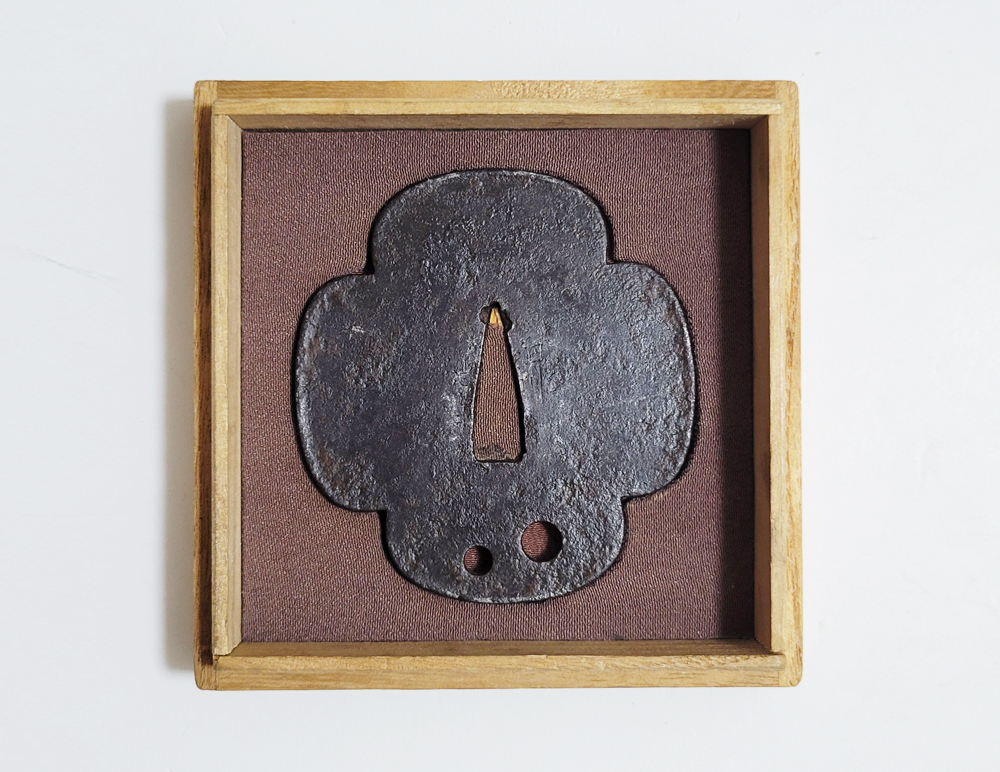
This tsuba is by Hosokawa Tadayoshi, a smith employed by the Sakura domain. Tadayoshi was the second son of Hosokawa Masayoshi and was born in Kanuma, Shimotsuke Province. He was retained by the Matsudaira family of Sakushu during the Tenpo era (1830-1844) and later forged swords with his son Yoshinori in the Sakura domain. The tsuba has passed the NBTHK Hozon Tosogu examination.
 NihontoWatch
mei · Edo
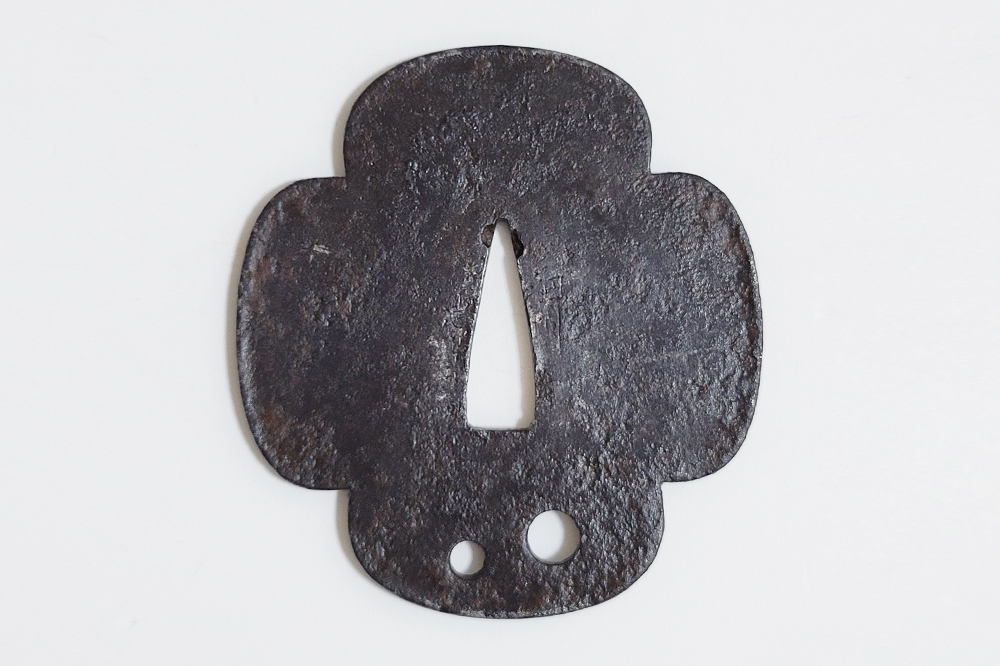
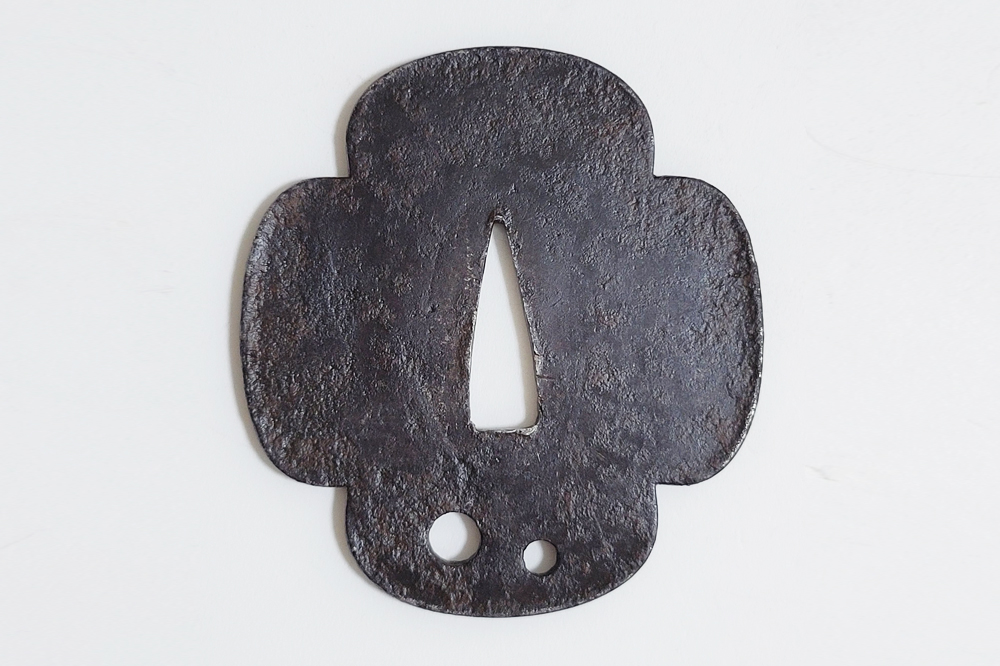
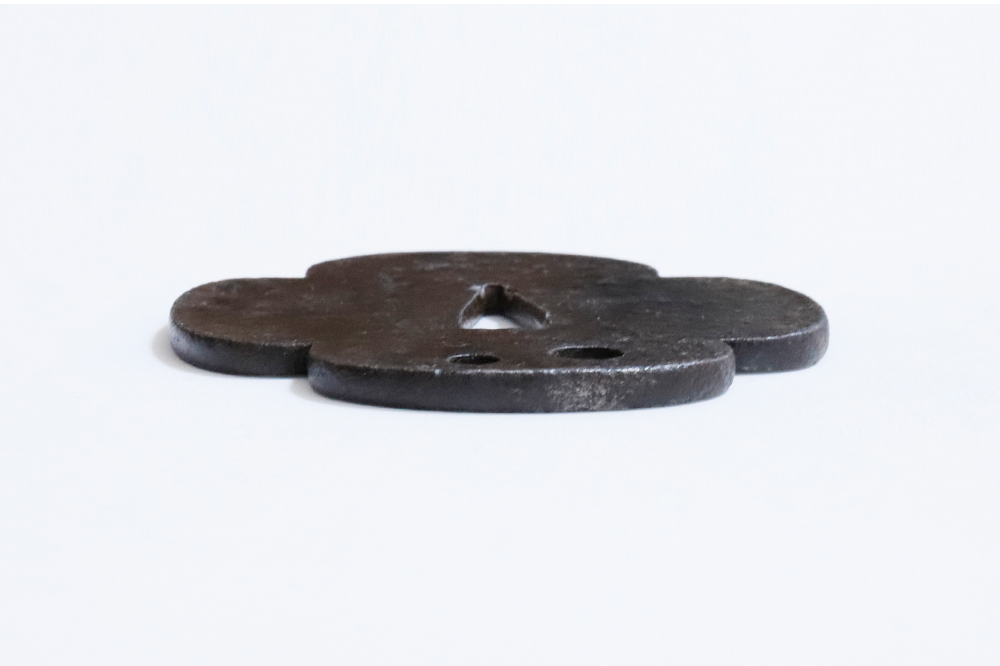
Certifies a genuine fitting worth preserving: a correct signature, or, if unsigned, an identifiable era and school, with recognized artistic and craft value.
The NBTHK (Nihon Bijutsu Tōken Hozon Kyōkai, the Society for the Preservation of Japanese Art Swords) is a public-interest incorporated foundation founded in 1948 and supervised by Japan’s Agency for Cultural Affairs (Bunkachō); it is based at the Japanese Sword Museum in Tokyo. Its expert panels physically examine each submitted work (shinsa) and issue a certificate (kanteishō) ranking it by artistic and historical merit. NBTHK papers are the most widely recognized standard of authentication for Japanese swords and fittings.
NBTHK official siteDomestic: items may be returned within 7 days in original condition for a full refund (buyer covers transport). Overseas orders: no-refunds, no-returns.
This tsuba is by Hosokawa Tadayoshi, a smith employed by the Sakura domain. Tadayoshi was the second son of Hosokawa Masayoshi and was born in Kanuma, Shimotsuke Province. He was retained by the Matsudaira family of Sakushu during the Tenpo era (1830-1844) and later forged swords with his son Yoshinori in the Sakura domain. The tsuba has passed the NBTHK Hozon Tosogu examination.
NihontoWatchmei · Edo
Certifies a genuine fitting worth preserving: a correct signature, or, if unsigned, an identifiable era and school, with recognized artistic and craft value.
The NBTHK (Nihon Bijutsu Tōken Hozon Kyōkai, the Society for the Preservation of Japanese Art Swords) is a public-interest incorporated foundation founded in 1948 and supervised by Japan’s Agency for Cultural Affairs (Bunkachō); it is based at the Japanese Sword Museum in Tokyo. Its expert panels physically examine each submitted work (shinsa) and issue a certificate (kanteishō) ranking it by artistic and historical merit. NBTHK papers are the most widely recognized standard of authentication for Japanese swords and fittings.
NBTHK official siteDomestic: items may be returned within 7 days in original condition for a full refund (buyer covers transport). Overseas orders: no-refunds, no-returns.