NihontoWatch MonNihontoWatch
MarketEncyclopediaKantei
NihontoWatch MonNihontoWatch
Market
Encyclopedia
Kantei
Overview·Historical importance·Designations·Kantei·Provenance·Work Types·Signatures·School
OverviewHistorical importanceDesignationsKanteiProvenanceWork TypesSignaturesSchool
  1. Schools
  2. Owari
  3. Nobuie

Nobuie

信家

Tokujū
Vol. 2, No. 31 · Tsuba

Nobuie

信家

56 ranked works

Leading artist
ProvinceOwariEraMomoyama, Eiroku-Tensho (1558–1592)SchoolOwariTraditionIron-tsubaGeneration1st generationSpecialtiestsubaTypeTosogu MakerCodeOWA009
4Tokubetsu Jūyō52Jūyō Tōken

Overview

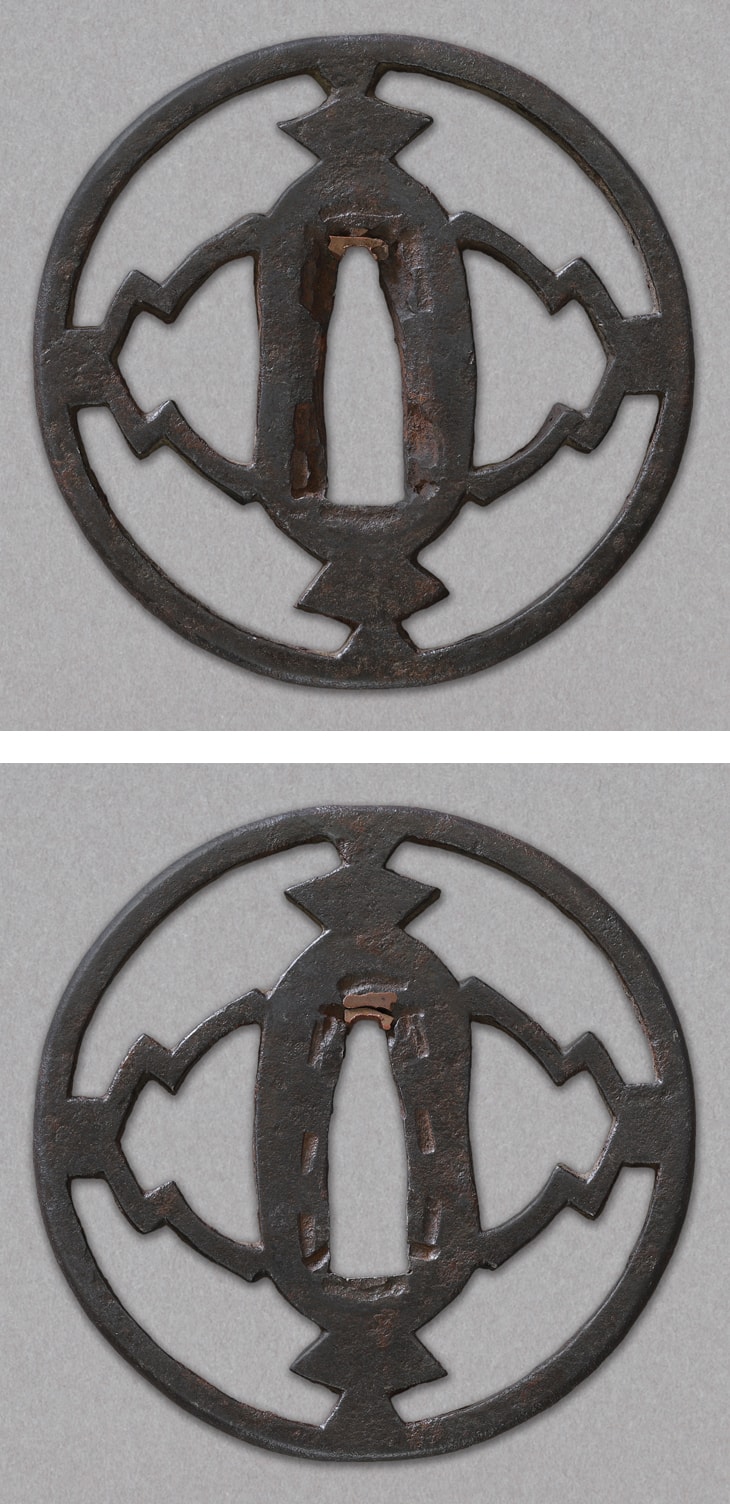
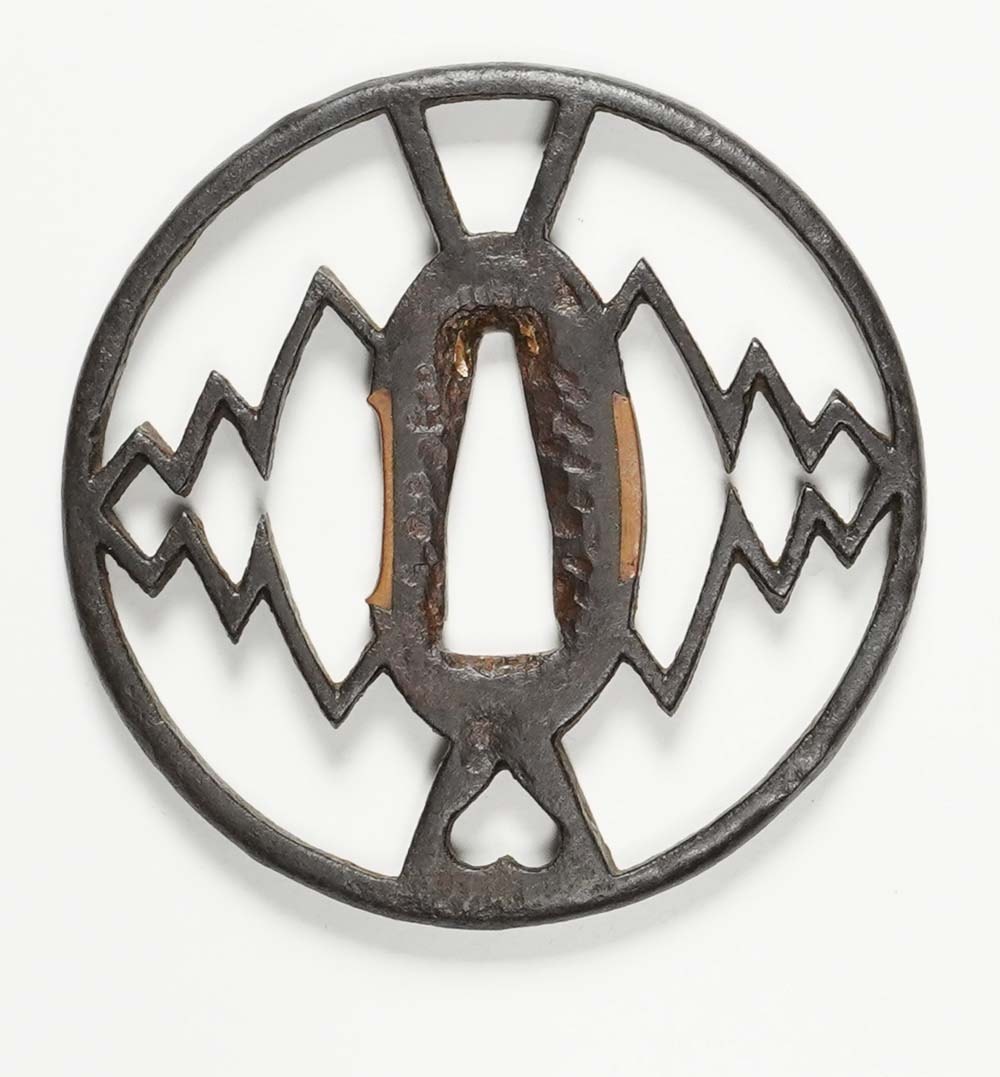
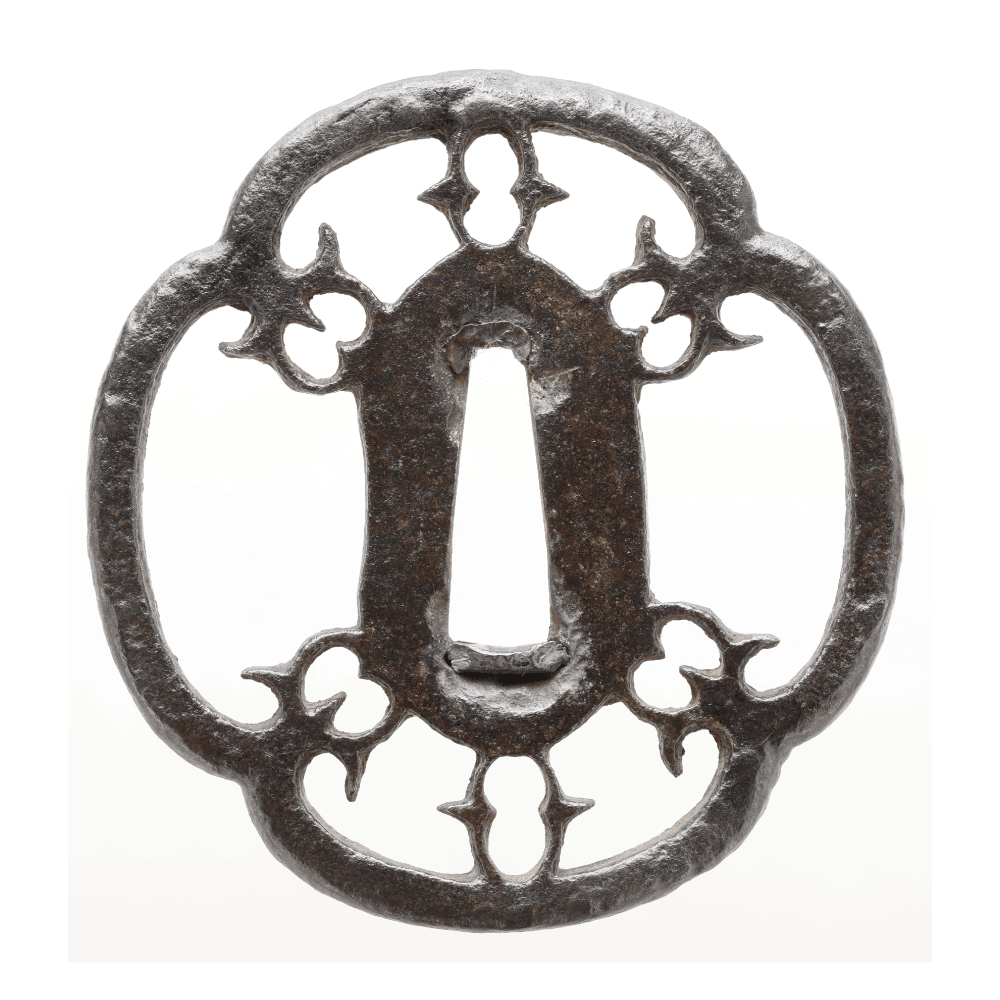
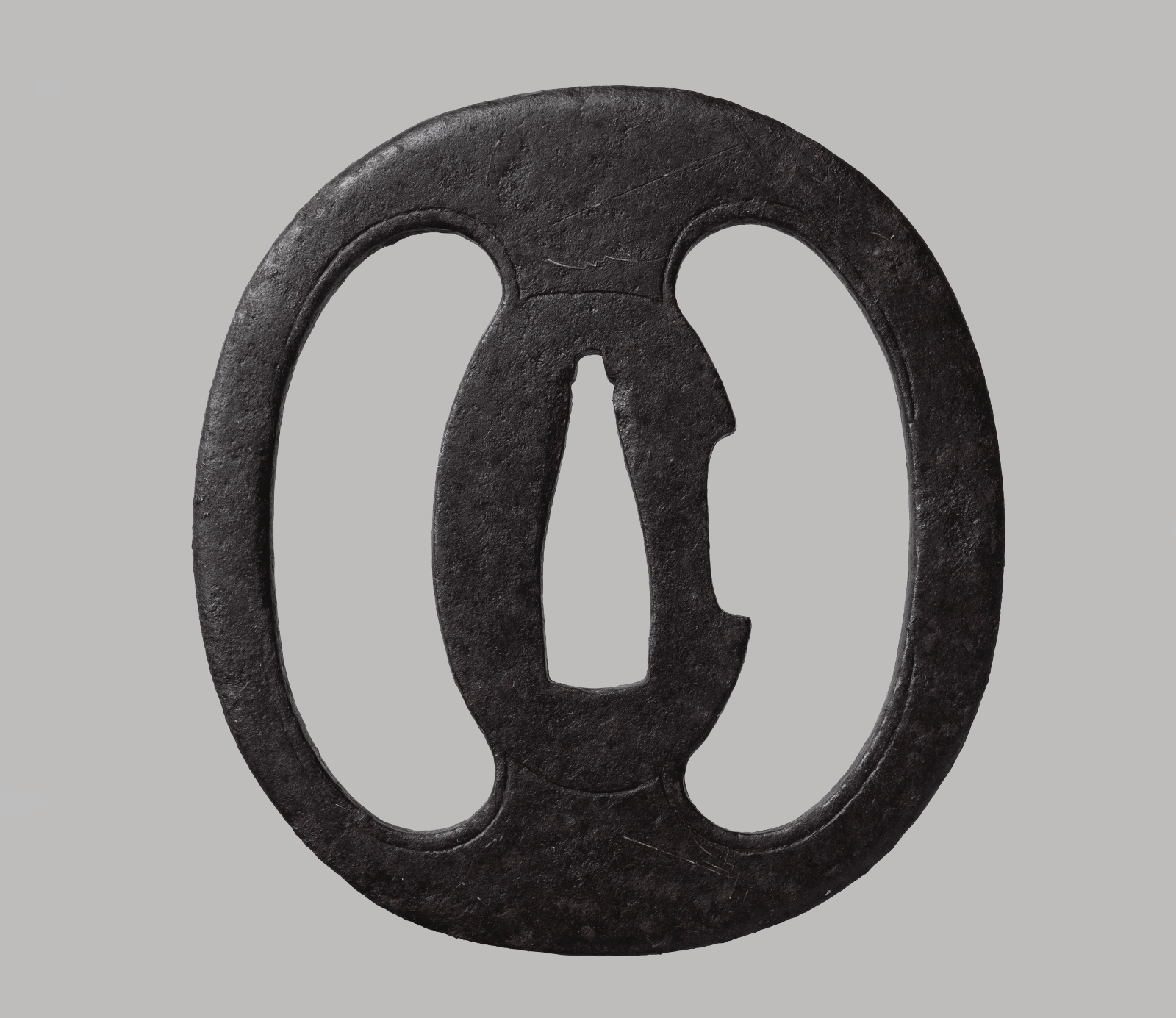
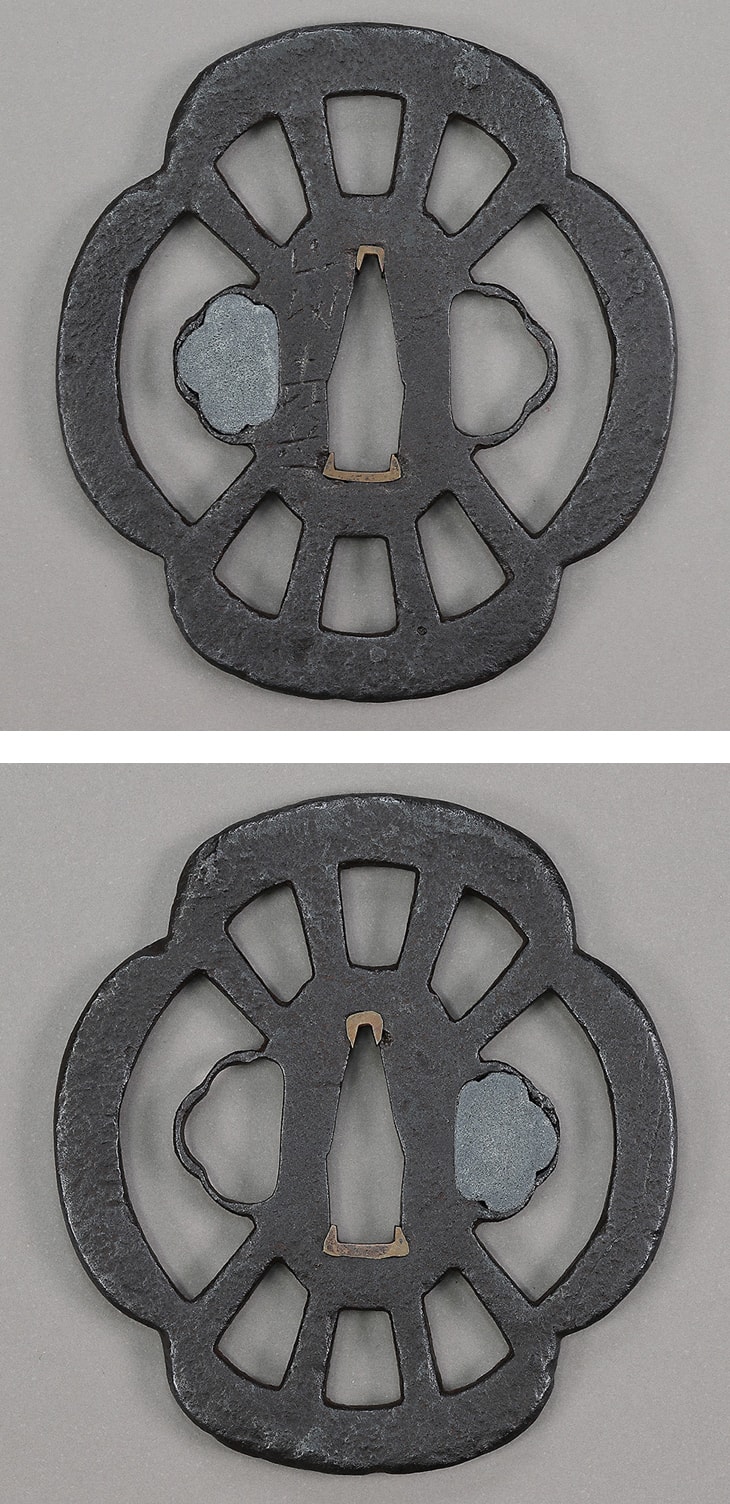
Nobuie is an Owari Province tsubako active from the late through the period, celebrated alongside Kaneie of Kyoto-Fushimi as one of the "twin peaks" (soheki) of iron . He is associated with the Kofujita school. Where Kaneie pioneered the pictorial (e-) style and favored relatively thin plates, Nobuie's are generally thicker, possessing what the repeatedly characterizes as "a strong sense of mass." His preferred forms are and , with rarer variants including kemari-gata and the shodeigata type in which the lower edge flares outward. His signatures are almost always two-character , broadly divisible into two types: the ("spaced" or "detached" signature) and the futoji- ("bold-character" signature), each associated with distinct stylistic tendencies within his oeuvre.

The defining technical characteristic of Nobuie , affirmed across every evaluation, is "the peerless quality of the forged iron": the surface texture yields "abundant visual effects" and the presents rich "scenery" (jimon no keshiki). His plates are finished in (hammered ground), and the iron is worked to achieve a deep, weighty rust patina described as possessing "an elegant taste." Decorative repertoire includes (hairline engraving) of floral motifs, scrolling , and kikkomon patterns, as well as (pushed-up relief) and occasional (openwork through the plate). Among his most distinctive features are inscribed divine titles such as "" and the Nichiren invocation "Namu Myoho Kyo," together with doka (didactic verses) expressing the essentials of swordsmanship and the prevailing thought of the Sengoku age. The (turned-back rim) is singled out as a hallmark: "regarded as the very essence of Nobuie's art," its vigorous modeling and active (iron bones) serve to tighten the pictorial field and complete each work as a unified sculptural statement. His attention extends beyond surface quality to fully three-dimensional modeling, with the subtle nikudori (shaping of the plate) from rim inward toward the noted as "unique to Nobuie."

The consistently positions Nobuie as "works through which one may most fully appreciate the allure of iron from the late through periods." Evaluators praise a quality that transcends technical mastery: the iron is not merely well forged but communicates spiritual content, "quietly conveying the detached spiritual composure of the warrior who lived through the Warring States era." Individual pieces are said to evoke "the bearing of an old warrior" and a spirit akin to ichinyo (the unity of sword and Zen) and mushin (no-mind). The recurring evaluative refrain describes works that are simultaneously "forceful" and "elegant," combining "a powerful dignity" with "a rich antique fragrance." That these show to best advantage on -- the practical mounting of the Sengoku battlefield -- underscores the unity of martial function and aesthetic refinement that defines Nobuie's enduring significance within the tradition of Japanese iron .
Historical importance

Where Nobuie stands among comparable artisans: across all of nihontō, and within tradition, era, and period. The tiers (Foremost · Leading · Major · Notable) weigh official designations from the NBTHK and Japan's Agency for Cultural Affairs, together with historical honors of lasting repute such as the Sansaku and Meibutsu-chō.

随一
Foremost
屈指
Leading
有数
Major
著名
Notable

Select a lens to see how it's measured.

Designations

Kokuhō—
Jūyō Bunkazai—
Jūyō Bijutsuhin—
Gyobutsu—
Tokubetsu Jūyō4
Jūyō Tōken52

Elite Standing

Kantei

Provenance

Work Types

Distribution across 56 ranked works

Signatures

Signature types across 56 ranked works

Currently Available

Owari School

Other artisans of the Owari school

  1. 1.Sadahiro貞広2 for sale1designated
  2. 2.Tomoyasu友休1designated
  3. 3.Nobuie信家2designated

More from the Owari school

View all →
Bushido Antique Japanese Swords
Tokuho
Tsuba - Tokuho - by Hoan School - Hoan Tsuba - NBTHK Tokubetsu Hozon CertificateTsuba - Tokuho - by Hoan School - Hoan Tsuba - NBTHK Tokubetsu Hozon Certificate

Tsuba

ByHoan School
¥2,650
Samurai Nippon
Jūyō
Tsuba - Jūyō - by Yamakichi Yamakichibei - Kuruma Sukashi ZuTsuba - Jūyō - by Yamakichi Yamakichibei - Kuruma Sukashi Zu

Tsuba

ByYamakichi Yamakichibei
Ask
Samurai Nippon
Tokuho
Tsuba - Tokuho - by Kanayama School - Kasane Hishi Sukashi ZuTsuba - Tokuho - by Kanayama School - Kasane Hishi Sukashi Zu

Tsuba

ByKanayama School
¥350,000
Yamasiroya
Hozon
Tsuba - Hozon - by Owari School - Owari Tsuba: Left and Right Sangai-Bishi SukashiTsuba - Hozon - by Owari School - Owari Tsuba: Left and Right Sangai-Bishi Sukashi

Tsuba

ByOwari School
¥420,000
Choshuya
Hozon
Tsuba - Hozon - by Kanayama School - Eggplant and Wild Geese Openwork, Mumei KanayamaTsuba - Hozon - by Kanayama School - Eggplant and Wild Geese Openwork, Mumei Kanayama

Tsuba

ByKanayama School
¥220,000
Nihonto Art
NTHK
Tsuba - NTHK - by Owari Sadahiro - Owari Sadahiro (貞広) with NTHK HozonTsuba - NTHK - by Owari Sadahiro - Owari Sadahiro (貞広) with NTHK Hozon

Tsuba

ByOwari Sadahiro
¥600
Nihonto Art
Tsuba - by Owari School - Owari - Lightning and Cloud MotifsTsuba - by Owari School - Owari - Lightning and Cloud Motifs

Tsuba

ByOwari School
¥705
Yamasiroya
Tokuho
Tsuba - Tokuho - by Owari School - Owari Tsuba: Hanamon Sukashi - Tokubetsu Hozon TosoguTsuba - Tokuho - by Owari School - Owari Tsuba: Hanamon Sukashi - Tokubetsu Hozon Tosogu

Tsuba

ByOwari School
¥480,000

Nobuie

Nobuie(信家) was a maker of Japanese sword fittings (tōsōgu) of the Owari school in Owari province, active during the Momoyama, Eiroku-Tensho (1558-1592) period.

The work follows the Iron-tsuba tradition.

Designated works by Nobuie include 4 Tokubetsu Jūyō, 52 Jūyō.