Muromachi turned sword making into an industry: the uchigatana rose with massed infantry warfare, Osafune and Seki produced bundle swords beside custom orders, and the Ming trade carried Japanese blades abroad by the tens of thousands.
 NihontoWatchNihontoWatch
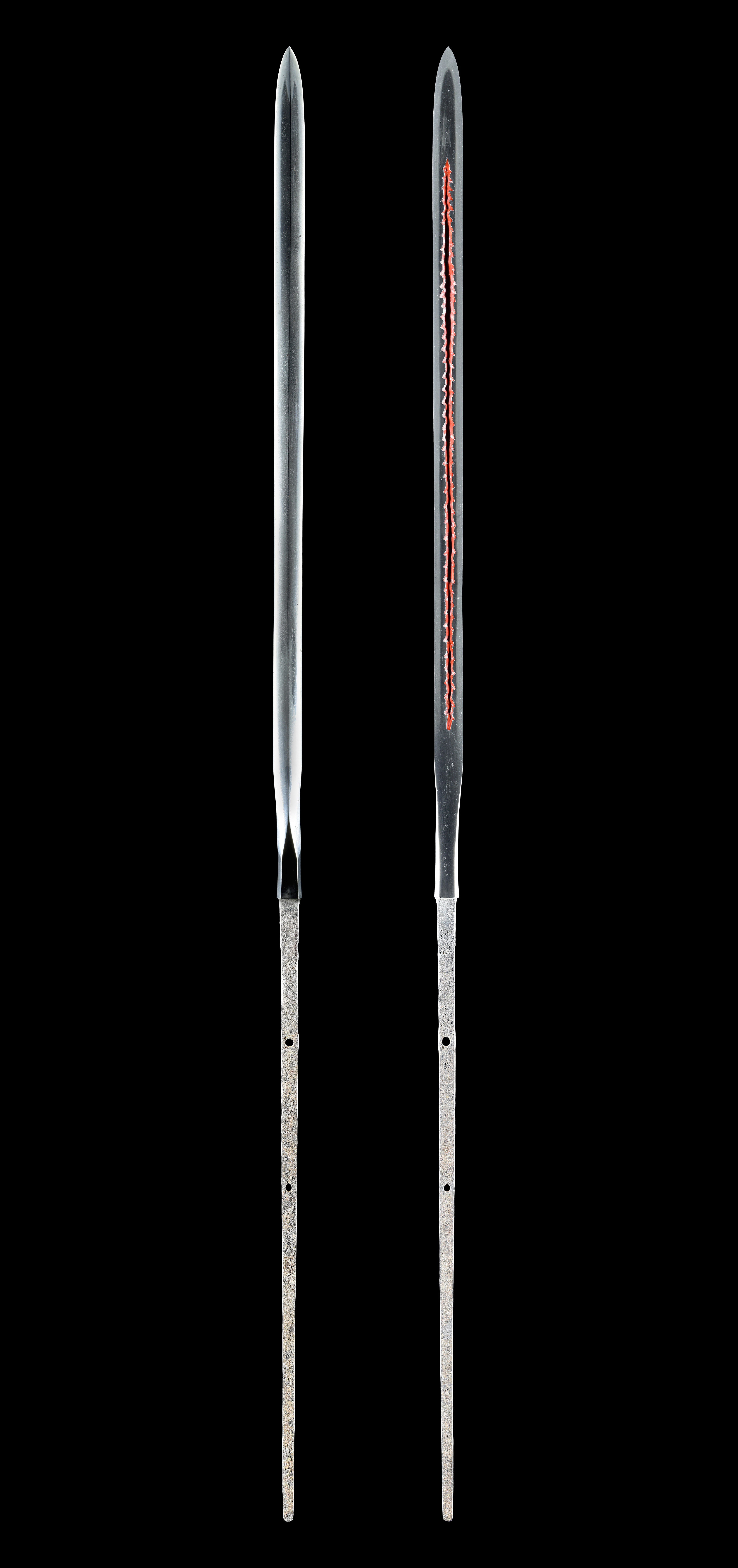
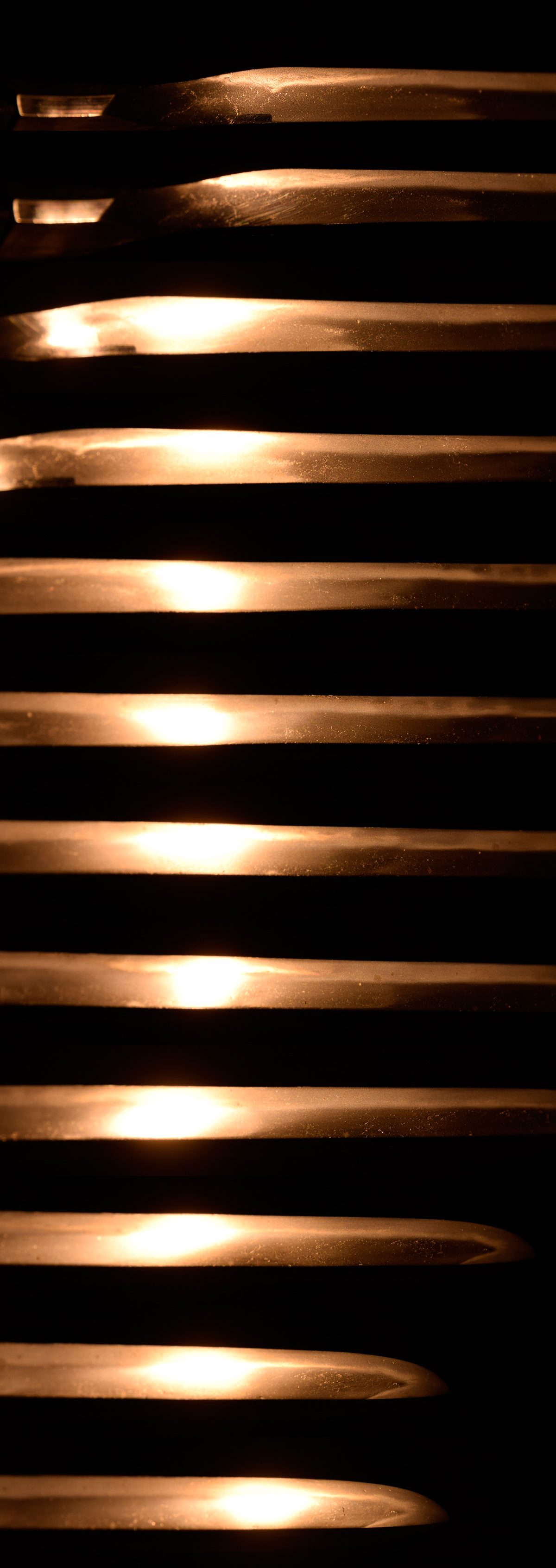
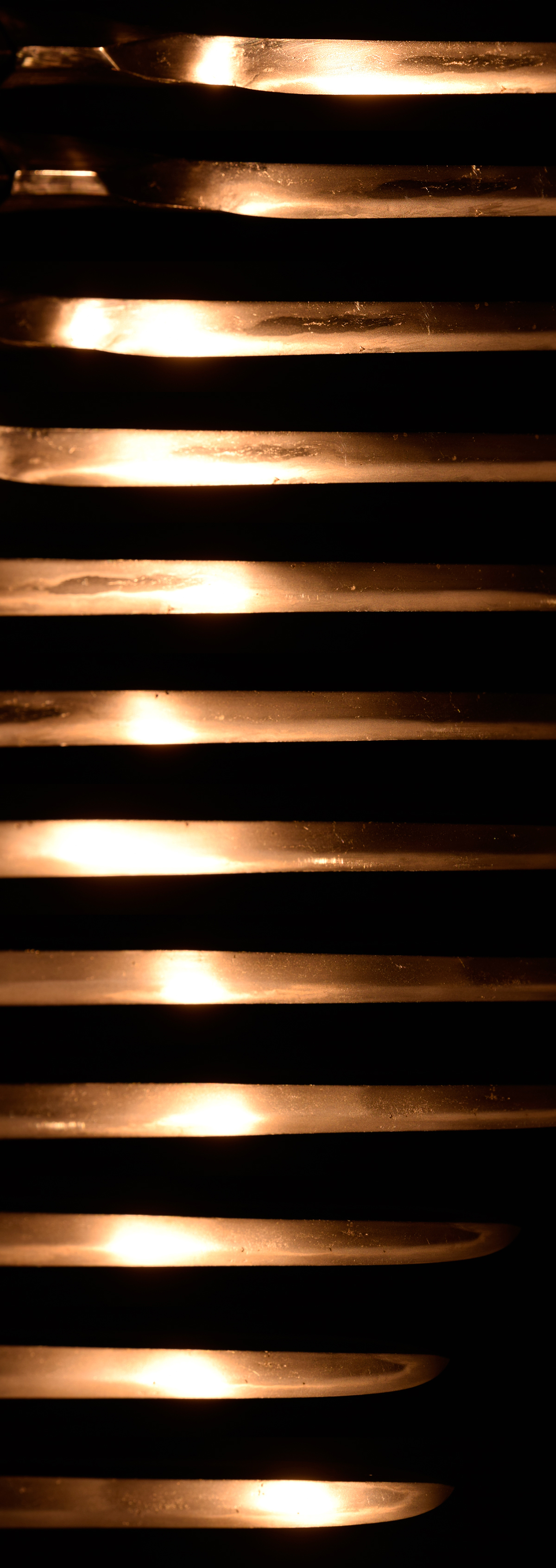
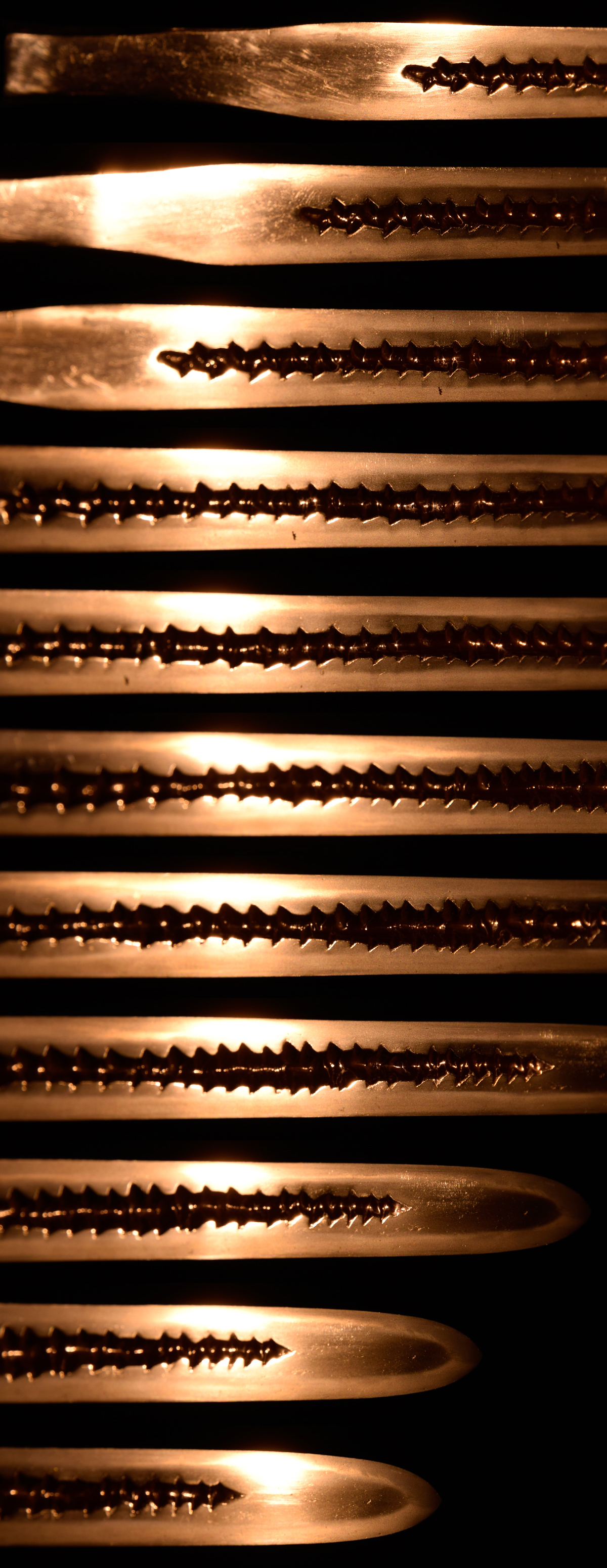
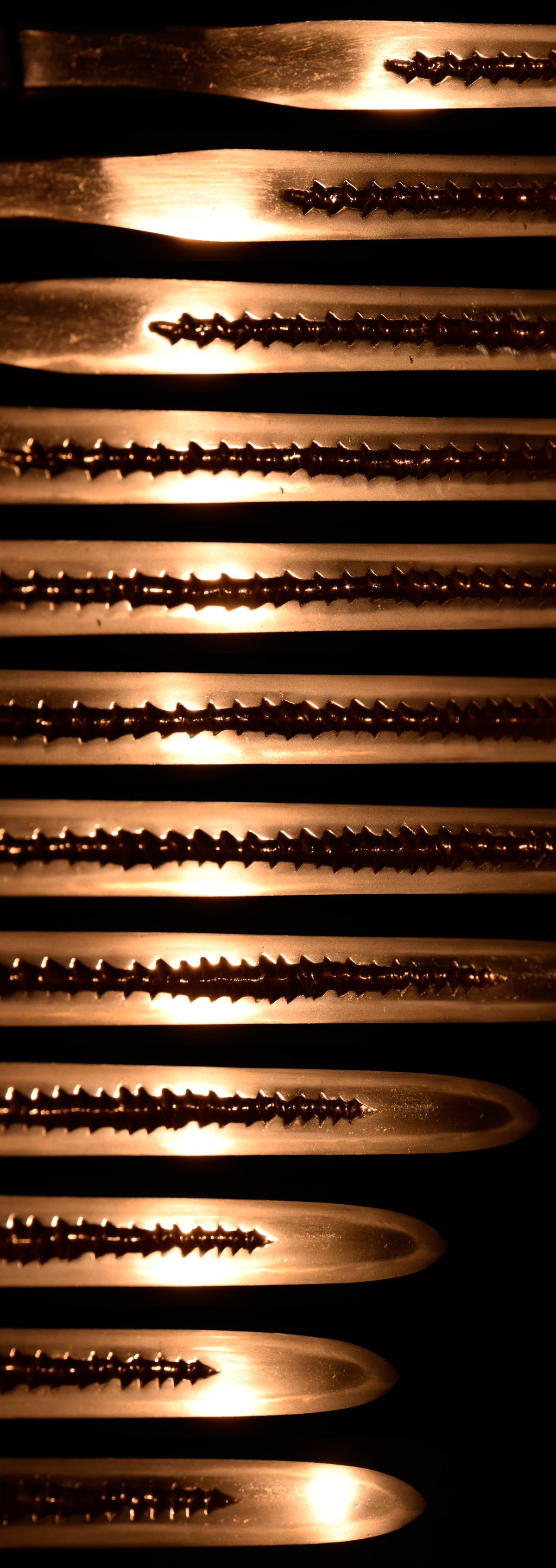
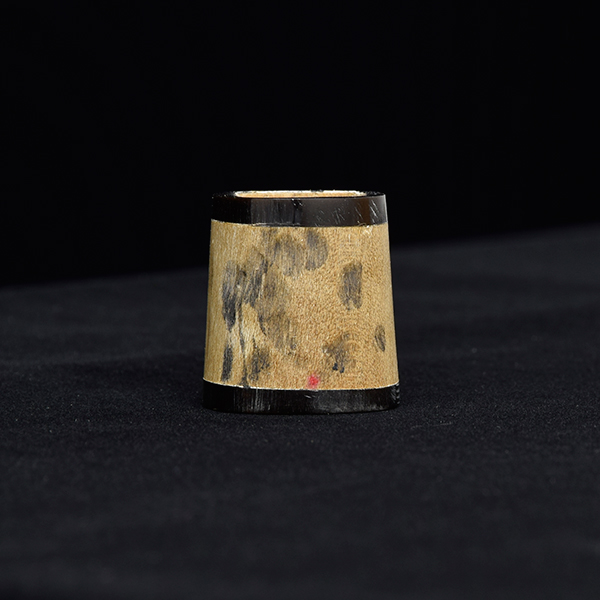
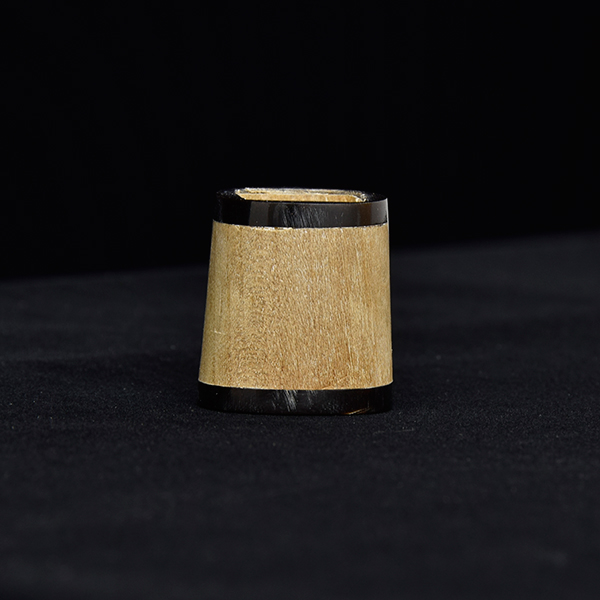
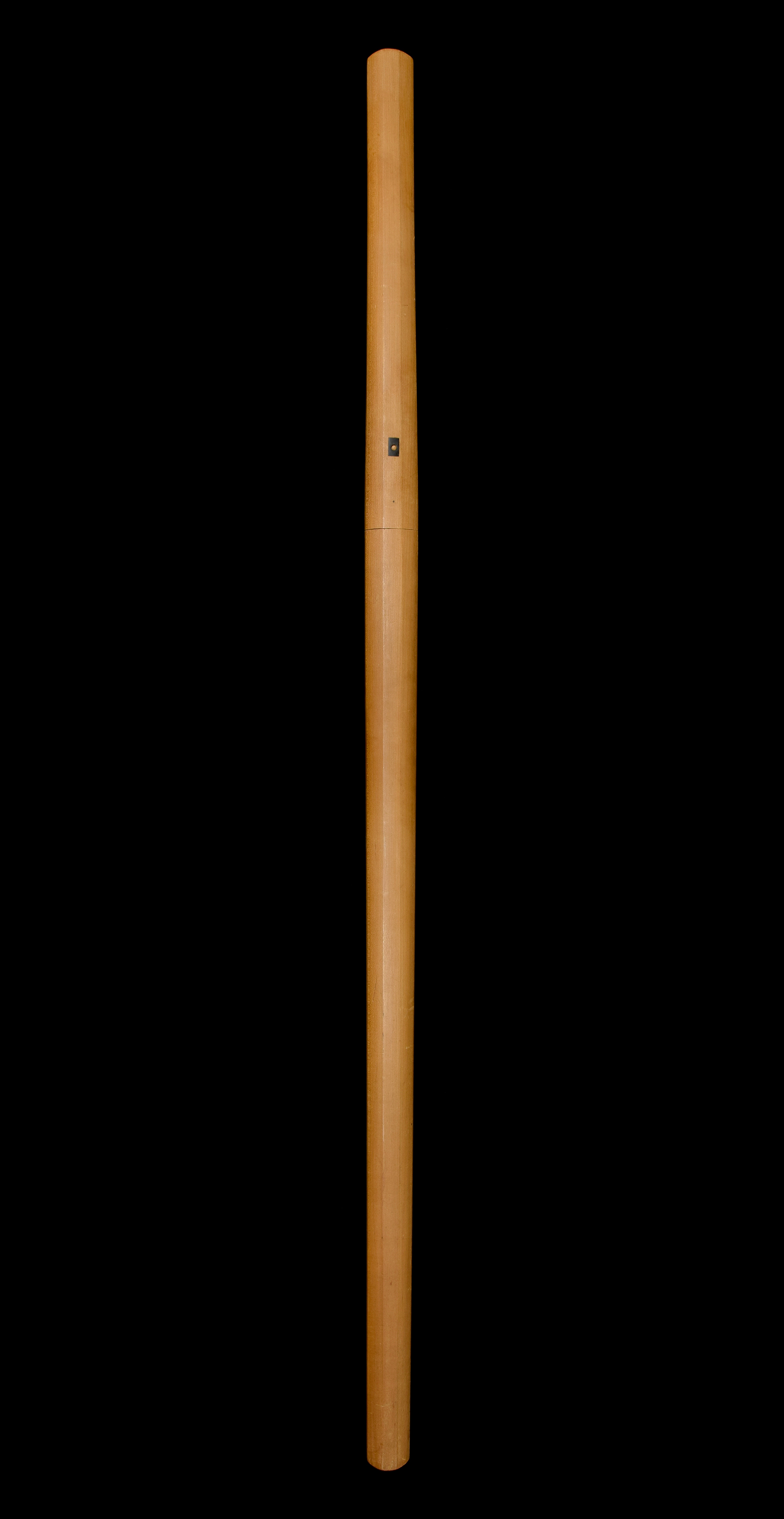
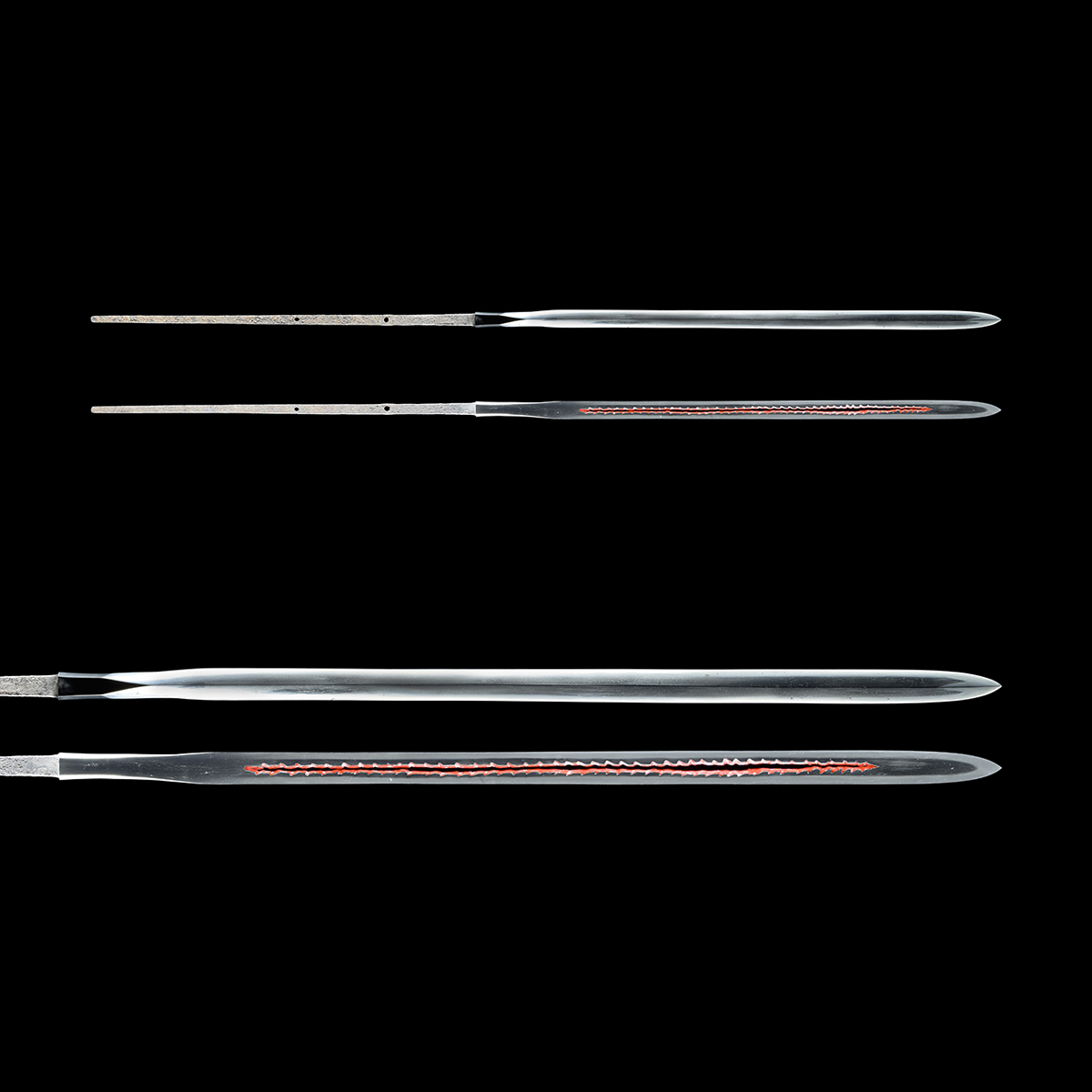
A grand and imposing omi-yari in hirasankaku-zukuri. The kerakubi is long, and the construction from the kerakubi to the hamachi is elongated, deeply imbued with the elegant and archaic atmosphere of a piece forged from the early to middle Muromachi period. The hi carved into the flat surface is a so-called "mukade-dhi," created by chiseling into the steel. This rugged design masterfully conveys the strength and tension unique to a yari intended for actual combat. Because it was forged as a practical weapon, mura can be seen in the jigane and hamon; however, this is precisely the true charm of a yari from the period of active warfare and can be said to be an element that confirms its high value as historical material. The overall slender and tightened construction exudes dignity, the jigane shows mokume flowing in masame with shirake-utsuri appearing near the moto, and the hamon features active hataraki within the blade, offering an irresistible archaic flavor that conveys the breath of that era exactly as it was. Red urushi is applied to the mukade-dhi on the ura side; this was a rational construction method unique to combat equipment where polishing the interior of the hi was omitted to prioritize delivery time, allowing one to vividly feel the atmosphere of a world at war. Although there are small spots of sabi here and there due to the old togi, there is absolutely no hindrance to the appreciation of the jiba, and this is a piece where one can fully enjoy the charm of an omi-yari from an ancient period. The value as a historical document telling a story is also extremely high, and for those with the means, I strongly encourage considering a re-polish to ensure this famous yari is carefully passed down to future generations.
NihontoWatchOffered by Toushin
We couldn’t find current papers for this piece. Ask the dealer whether it has been, or can be, submitted to shinsa. — Hoshi

As written by the shop
Machine translation from the shop's Japanese · may contain errors ·
The Muromachi period (1392 to 1573)
Muromachi turned sword making into an industry: the uchigatana rose with massed infantry warfare, Osafune and Seki produced bundle swords beside custom orders, and the Ming trade carried Japanese blades abroad by the tens of thousands.
We could not find an authenticity certificate on the seller’s listing. Japanese swords and fittings are normally papered by the NBTHK (or the NTHK). Without one, the attribution is the seller’s own assessment and has not been independently verified — treat it with caution and ask the dealer about certification before buying.
As a rule we do not accept returns, except when we have sent a different item from the one ordered or when there is a significant discrepancy between the description and the item. If you wish to return an item, please contact us within 3 days of its arrival and then send it back.
¥330,000