After the Ōnin War broke the Ashikaga order, a century of Sengoku warfare armed nearly every province in Japan. The era rewards a discriminating eye: routine work exists in quantity, and beside it stand custom blades of the first rank.
 NihontoWatchNihontoWatch
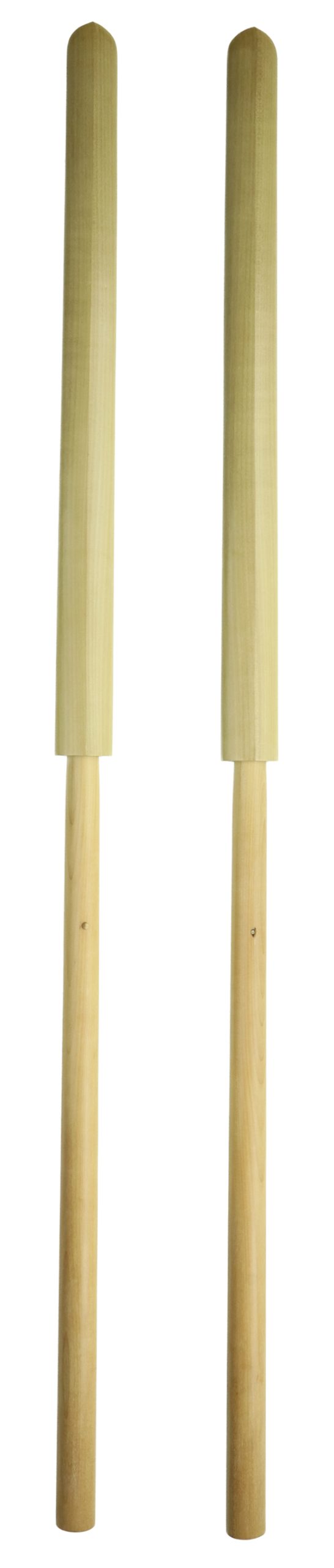
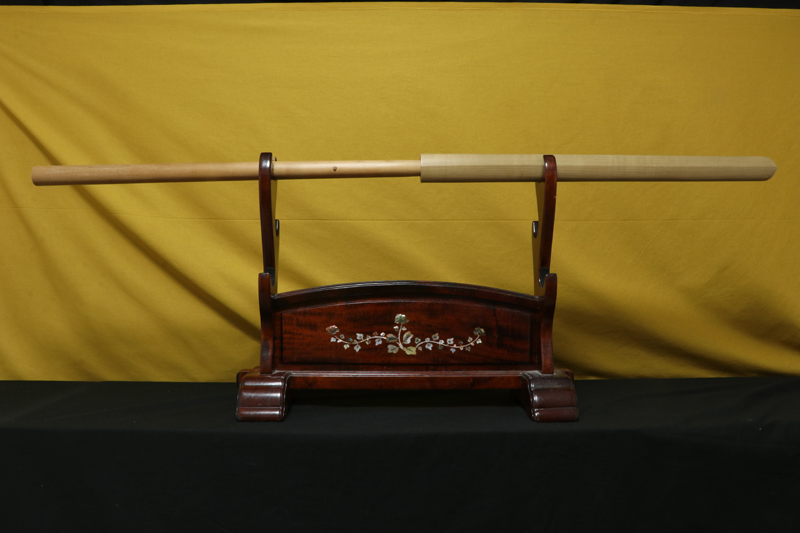
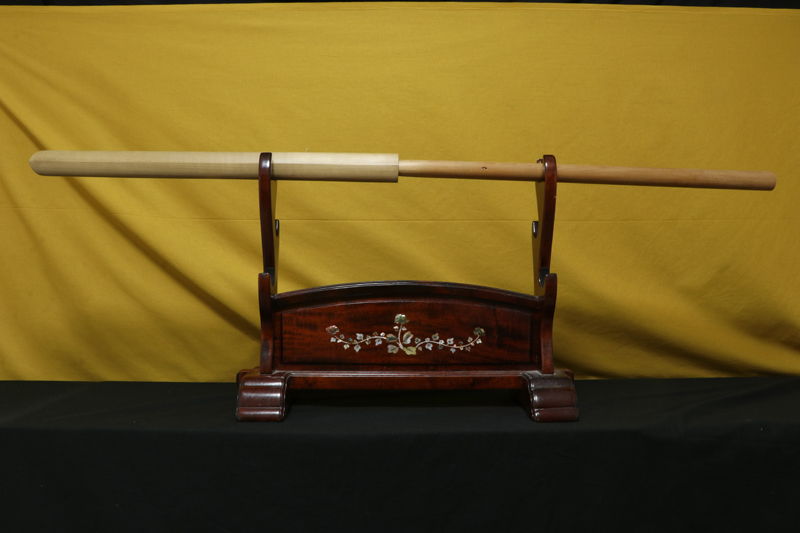
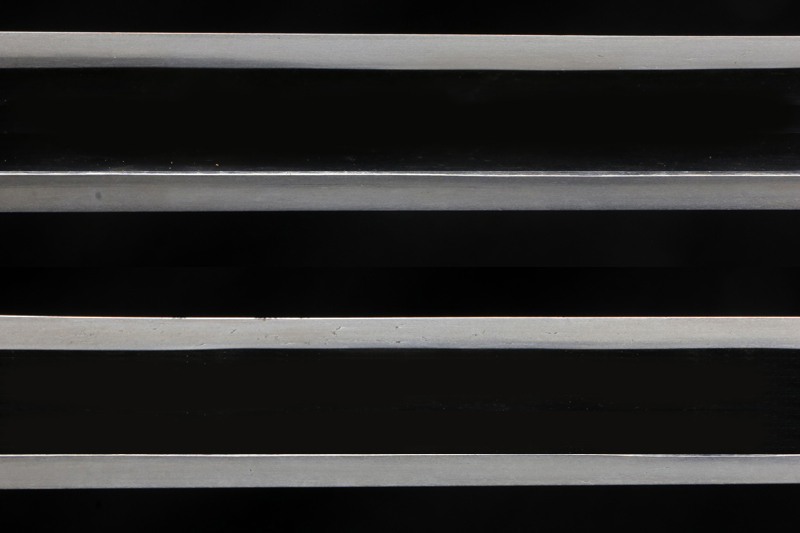
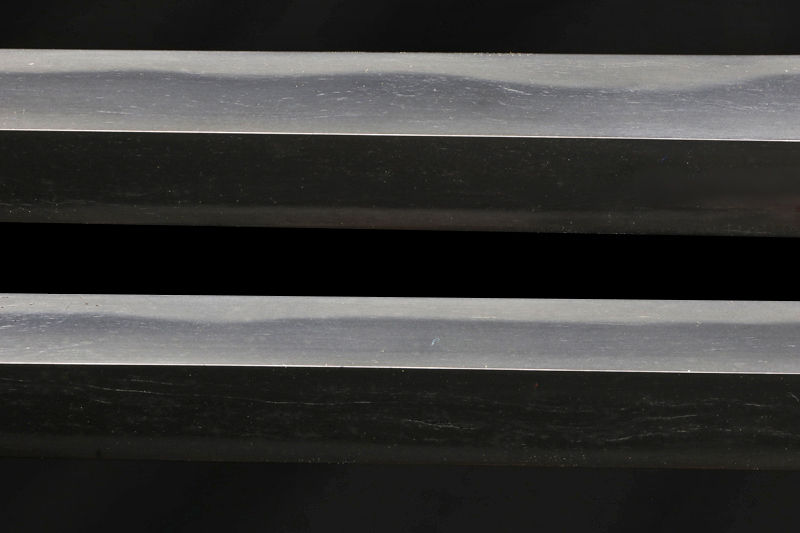
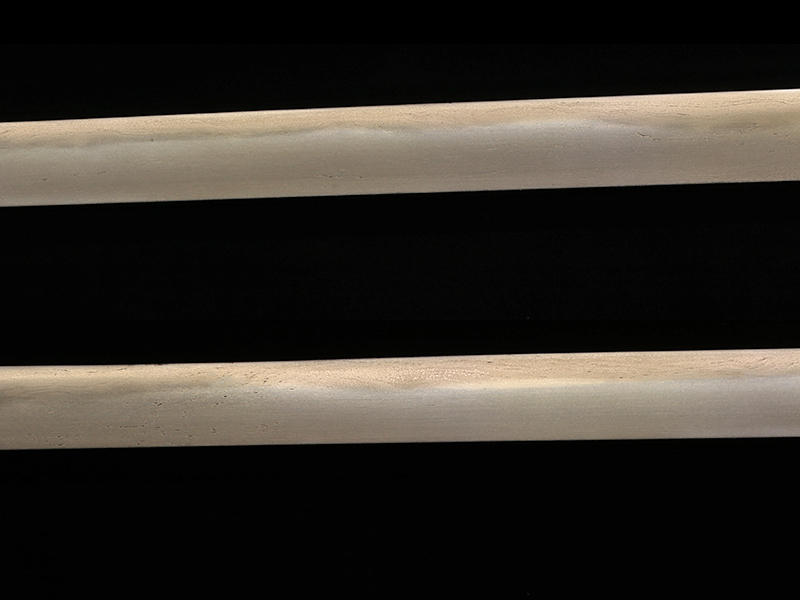
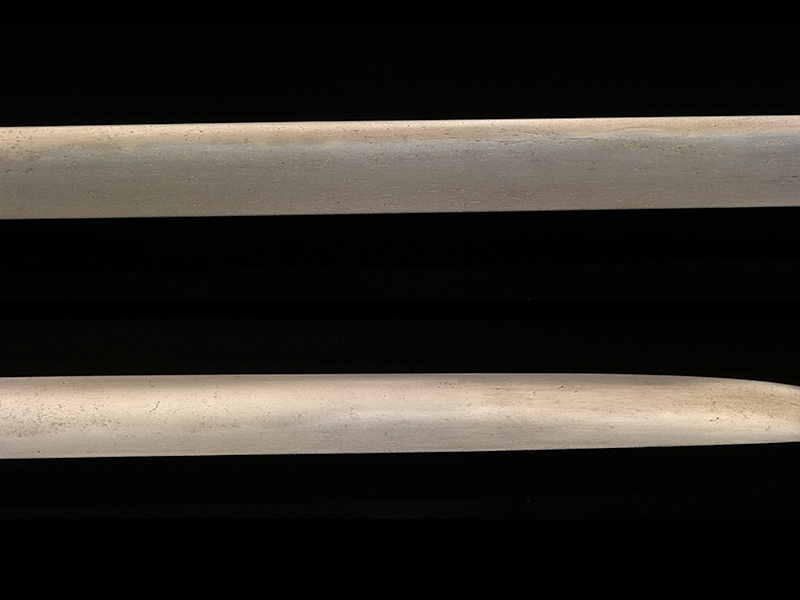
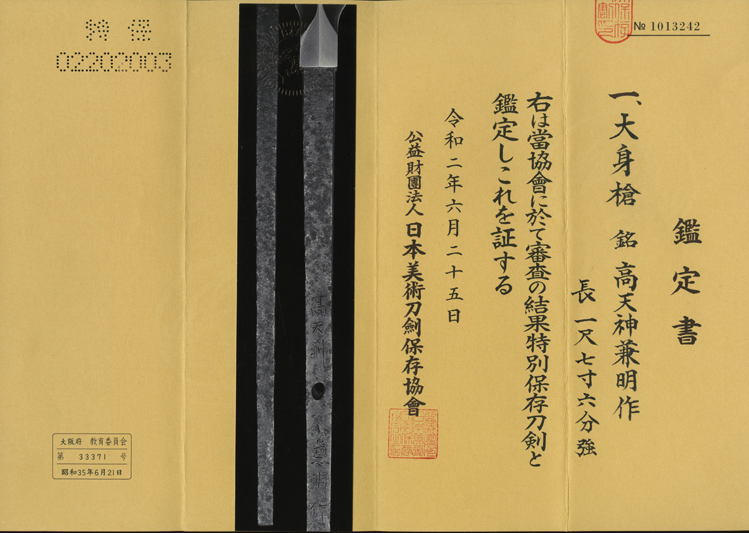
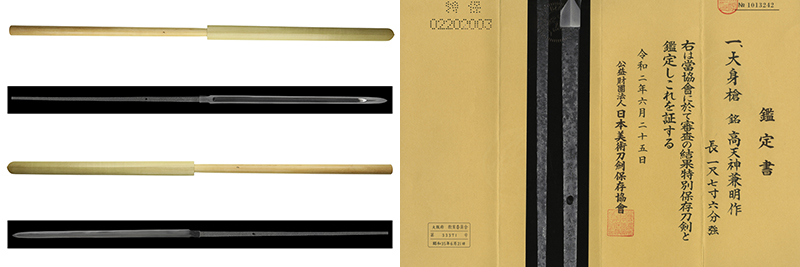
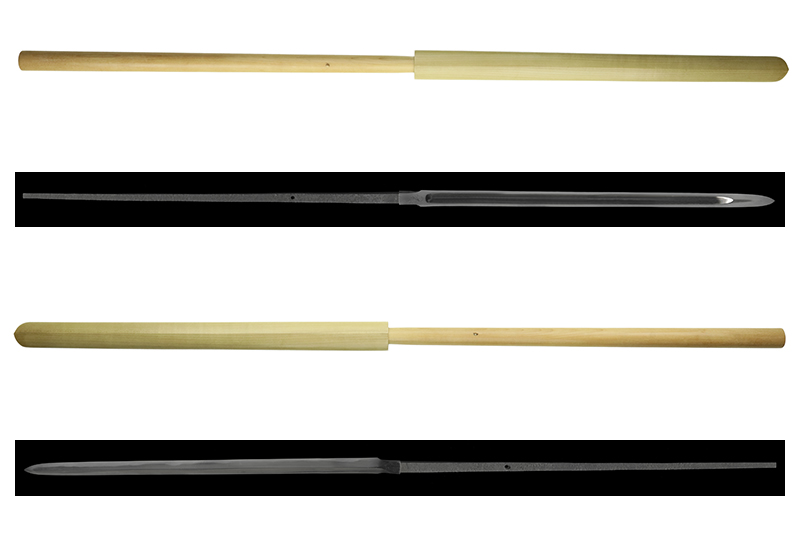
Tokubetsu Hozon Token Owazamono Takatenjin Kaneaki (Toraaki) saku Takatenjin Kaneaki was a swordsmith from Seki in Mino Province and is a master smith of Owazamono who is said to have received a character from the name of Takeda Nobutora and changed his mei to "Toraaki." This work is an omi-yari from the late Muromachi period, an excellent piece with gunome-midare tempered on itame-hada that tends toward nagare-masa. There is cloudiness and small scratches due to old polish, but there is no rust, and the ji and ha can be appreciated well. Even among the few extant works of Takatenjin Kaneaki, omi-yari are extremely rare, making this a precious sword recommended for a collection. Takatenjin Kaneaki was a swordsmith from Seki in Mino Province, renowned for the exceptional cutting ability of his blades and ranked as an Owazamono smith. He is said to have received a character from Takeda Nobutora’s name and subsequently changed his smith name to “Toraaki.” This piece is a large yari (omi-yari) dating from the late Muromachi period, featuring itame-hada flowing into masame-hada and a gunome-midare hamon. Although the old polish shows some cloudiness and minor flaws, there is no rust, and the jihada and hamon remain clearly visible. Very few works by Takatenjin Kaneaki survive, and a large yari by this smith is exceptionally rare. This is a valuable and highly collectible piece. "sword figure" Hira-sankaku-zukuri, the kerakubi is long. The nakago has sujikai yasurime, and the nakago-jiri is ichimonji. "carving" As for carvings, a bonji of Fudo Myo-o is carved on the ura side of the kerakubi. "jigane" The jigane is itame-hada becoming nagare-masa, with ji-nie and the steel is clear. "hamon" The hamon is gunome-midare, the habuchi has nie and sunagashi, and inside the ha, kinsuji work and it becomes nijuba. "detailed" Takatenjin Kaneaki, real name Uemon Shiro. He was from Seki in Mino Province and later moved to the Takatenjin castle town in Suruga Province. Around the Tenbun era (1532-1555), it is said he moved to Kofu at the invitation of Takeda Nobutora, received a character from his name, and changed his mei to "Toraaki." This work is an omi-yari from the late Muromachi period, a sword with gunome-midare tempered on jigane where the itame-hada flows and tends toward masame. Parts where the hada stands out and small scratches can be seen in the jigane, and while there is some cloudiness due to old polish, the ji and ha can be appreciated well, and there is no rust. Takatenjin Kaneaki is known as an Owazamono boasting excellent sharpness, but extant works are few, and opportunities to appear on the market are rare. Furthermore, an omi-yari is extremely rare, making this a precious sword with high archival value. This is a unique opportunity to obtain a rare omi-yari by Takatenjin Kaneaki. Please take this opportunity to add it to your collection. "Koshirae" Saya: Shirasaya. "condition of blade" Polish: It is cloudy due to old polish, but the ji and ha can be seen well. Flaws: There are some parts where the hada stands out, but there are no large kitae-ware.
Offered by Giheiya


As written by the shop
Machine translation from the shop's Japanese · may contain errors ·
The Muromachi period (1392 to 1573)
After the Ōnin War broke the Ashikaga order, a century of Sengoku warfare armed nearly every province in Japan. The era rewards a discriminating eye: routine work exists in quantity, and beside it stand custom blades of the first rank.
A Hozon-certified blade judged to show notably superior workmanship and a better state of preservation. The bar is higher: re-tempered blades and most unsigned Muromachi/Edo works are excluded.
The NBTHK (Nihon Bijutsu Tōken Hozon Kyōkai, the Society for the Preservation of Japanese Art Swords) is a public-interest incorporated foundation founded in 1948 and supervised by Japan’s Agency for Cultural Affairs (Bunkachō); it is based at the Japanese Sword Museum in Tokyo. Its expert panels physically examine each submitted work (shinsa) and issue a certificate (kanteishō) ranking it by artistic and historical merit. NBTHK papers are the most widely recognized standard of authentication for Japanese swords and fittings.
NBTHK official siteWithin 3 days of the item's arrival, we offer a refund or an exchange. Return shipping and the bank transfer fee for the refund are at the customer's expense.
¥600,000