Edo was the sword’s age of connoisseurship: the Hon’ami appraisers, the shogunal register of famous blades of 1719, and a thriving literature turned the sword into an object of study even as it ceased to be drawn in war.
 NihontoWatchNihontoWatch
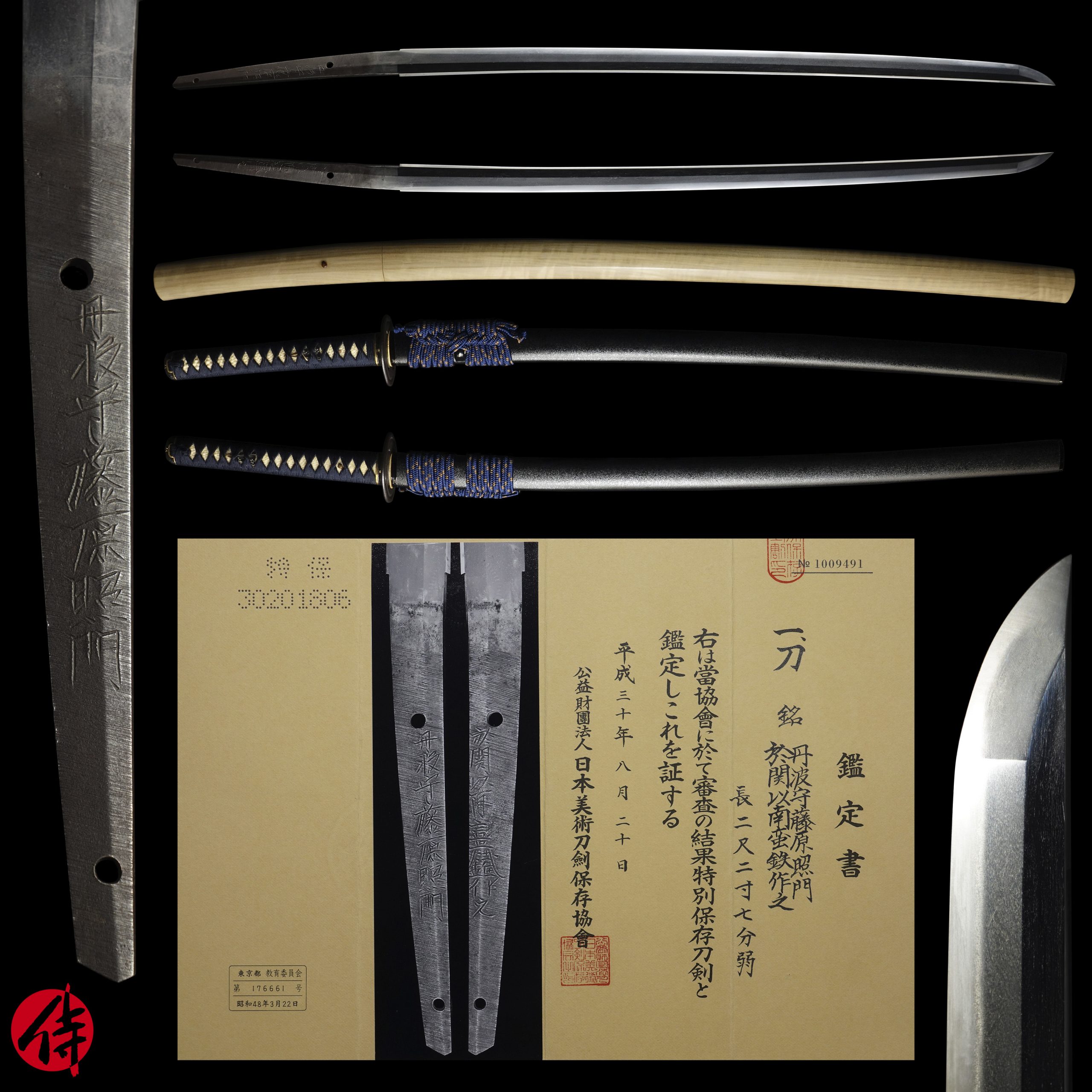
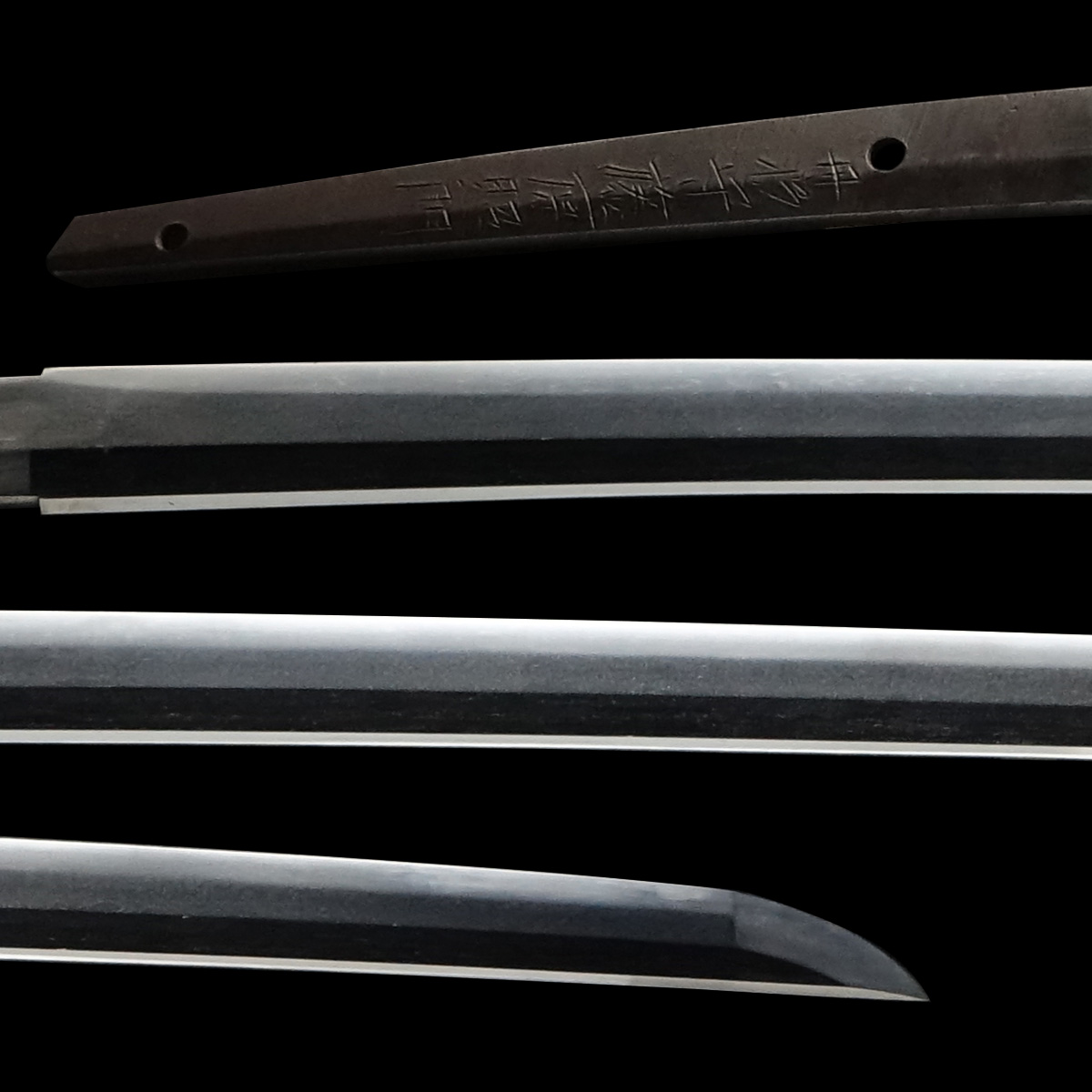
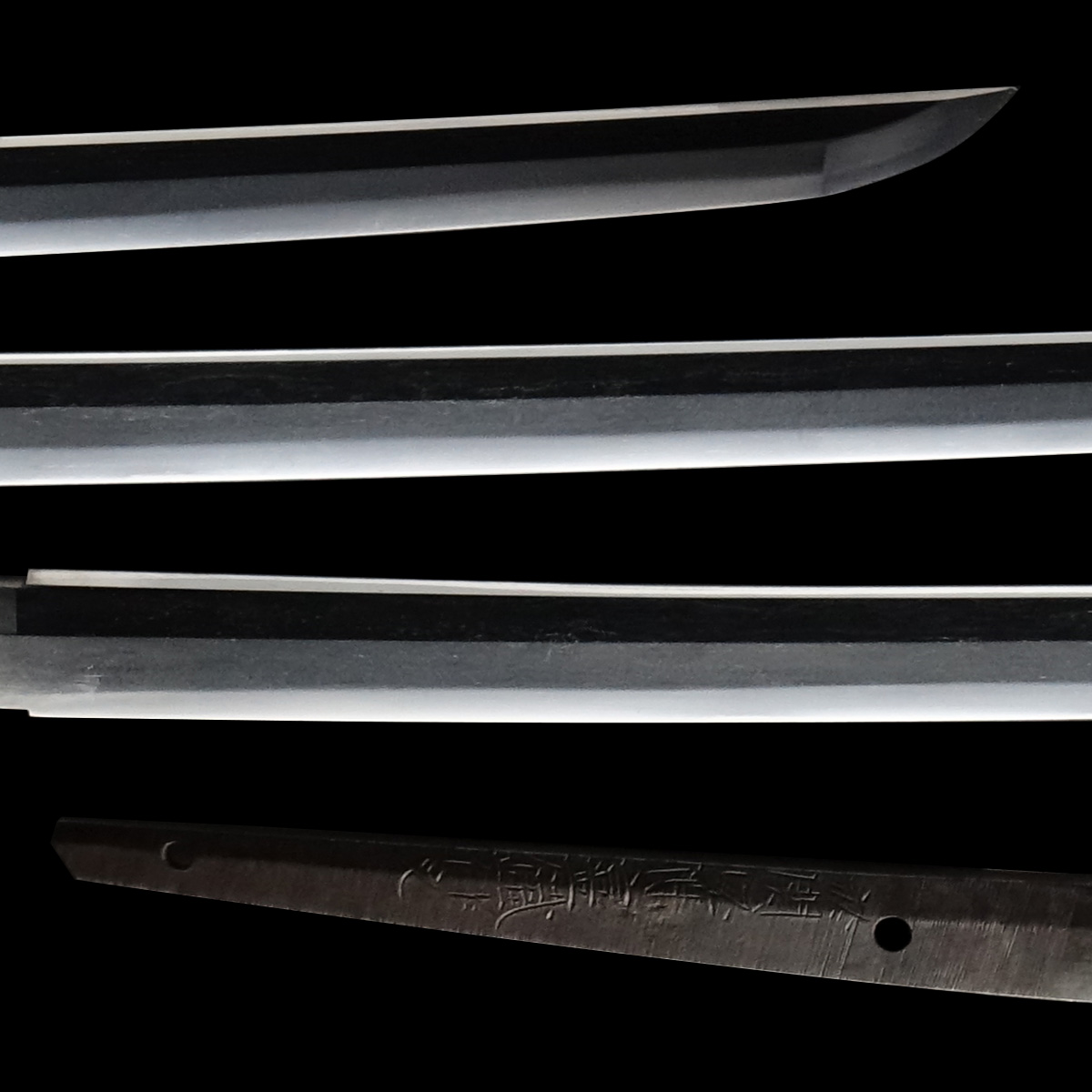
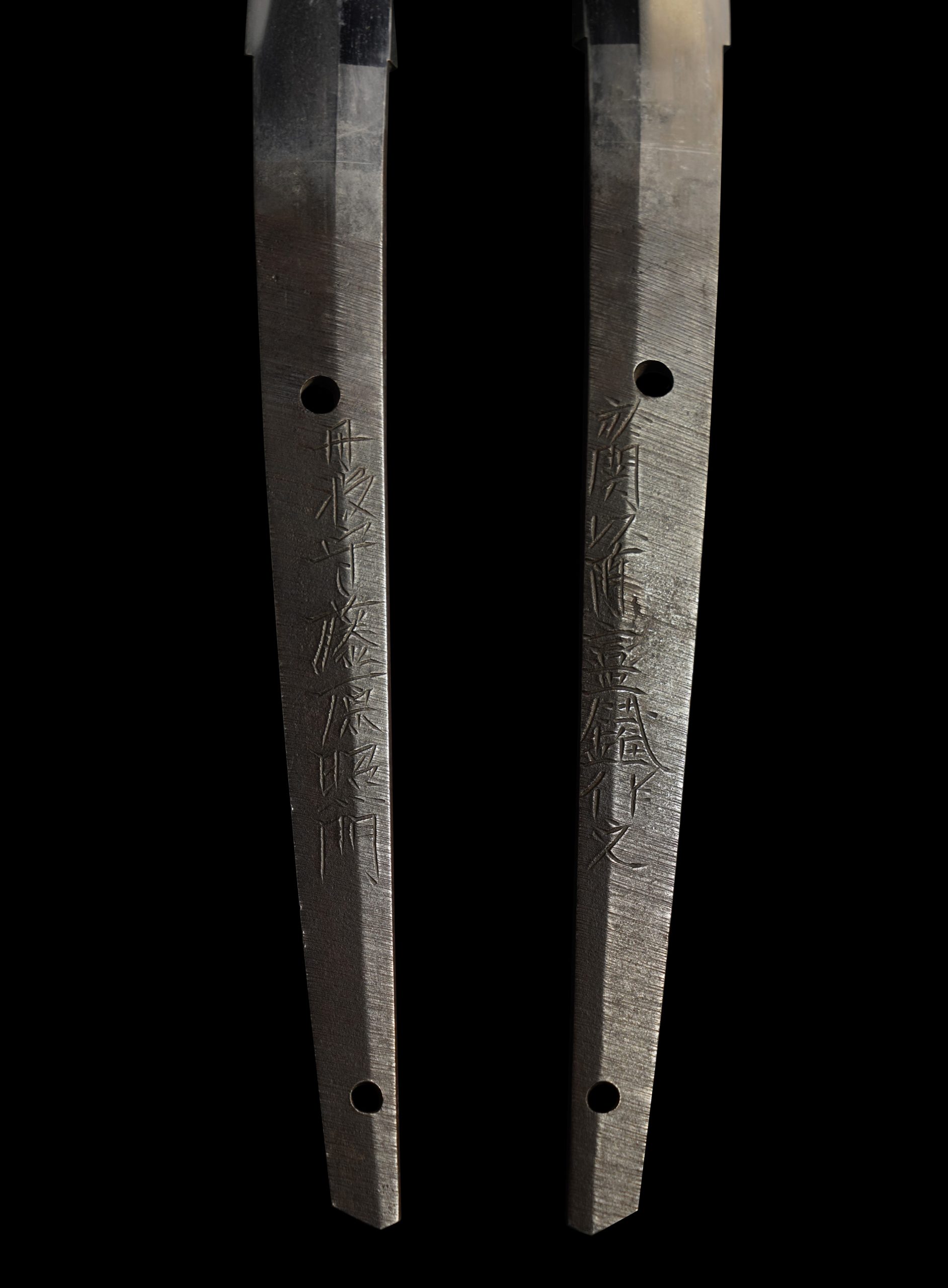
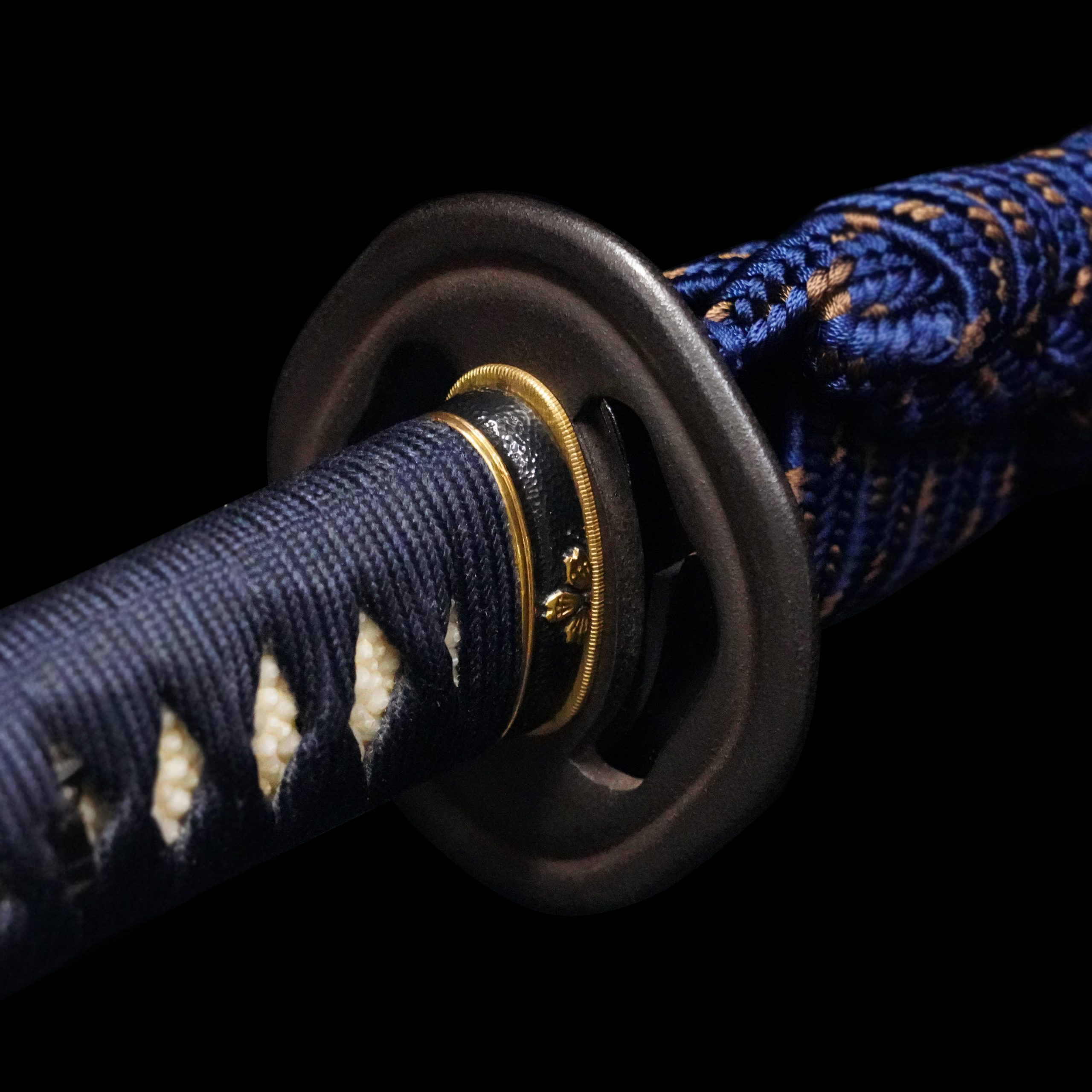
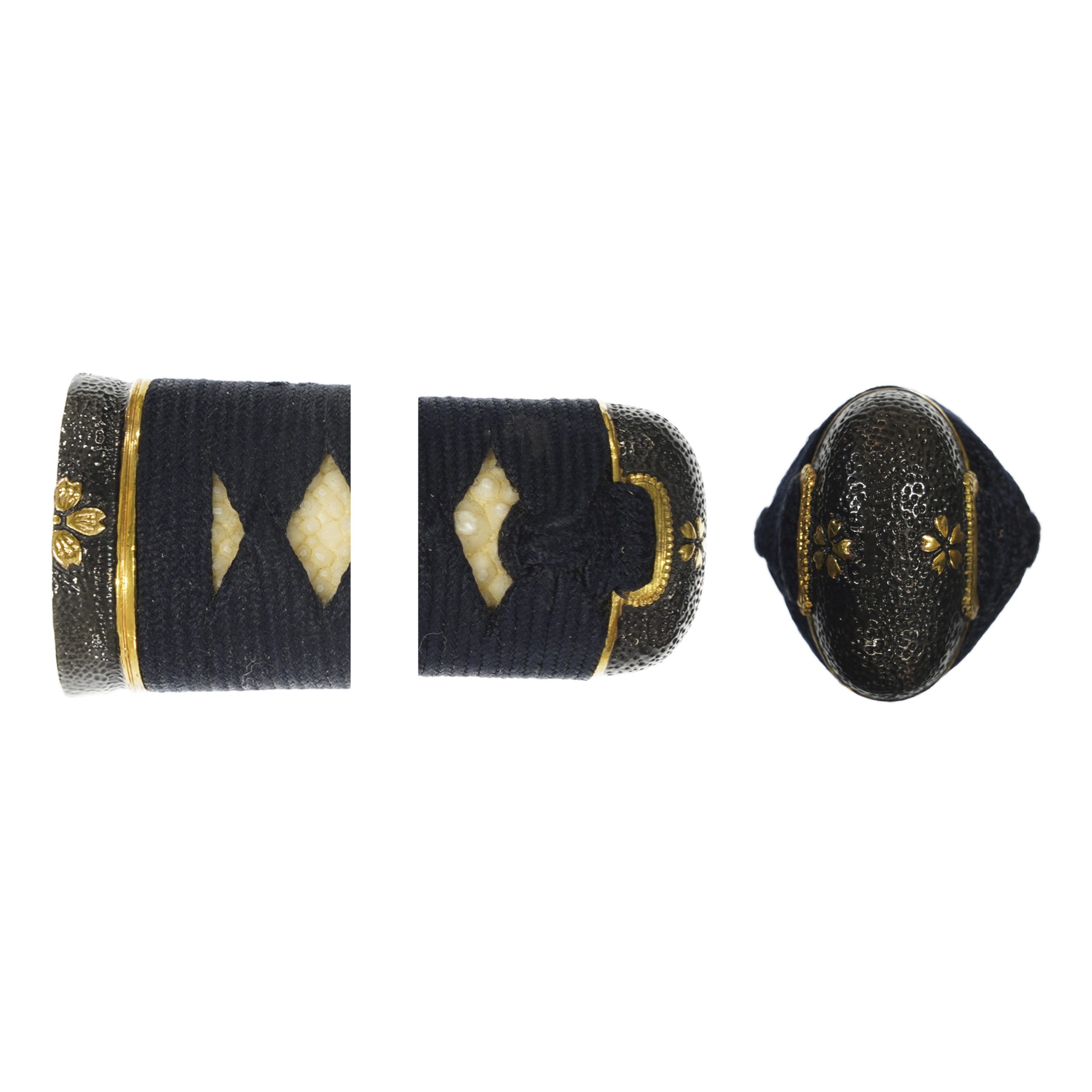
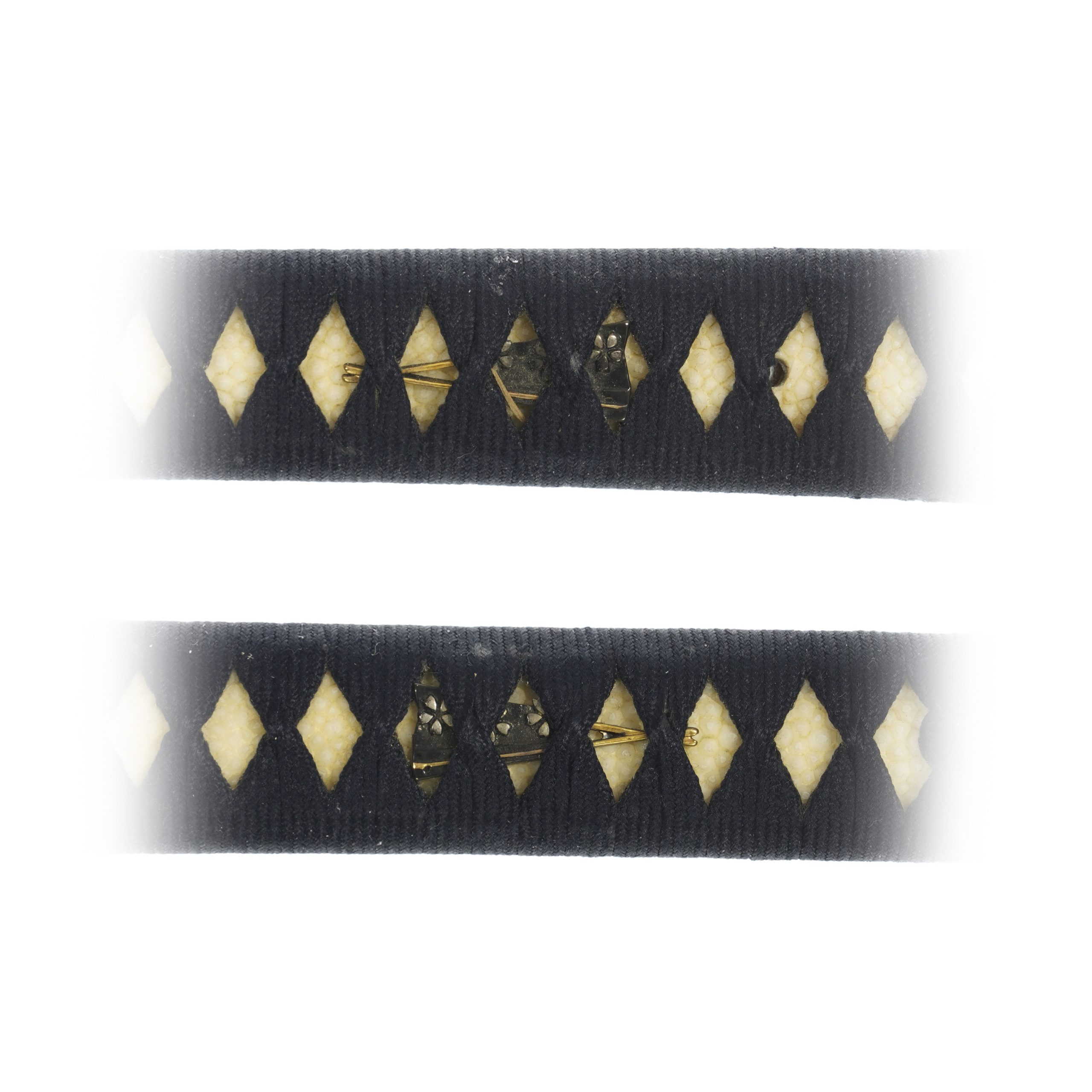
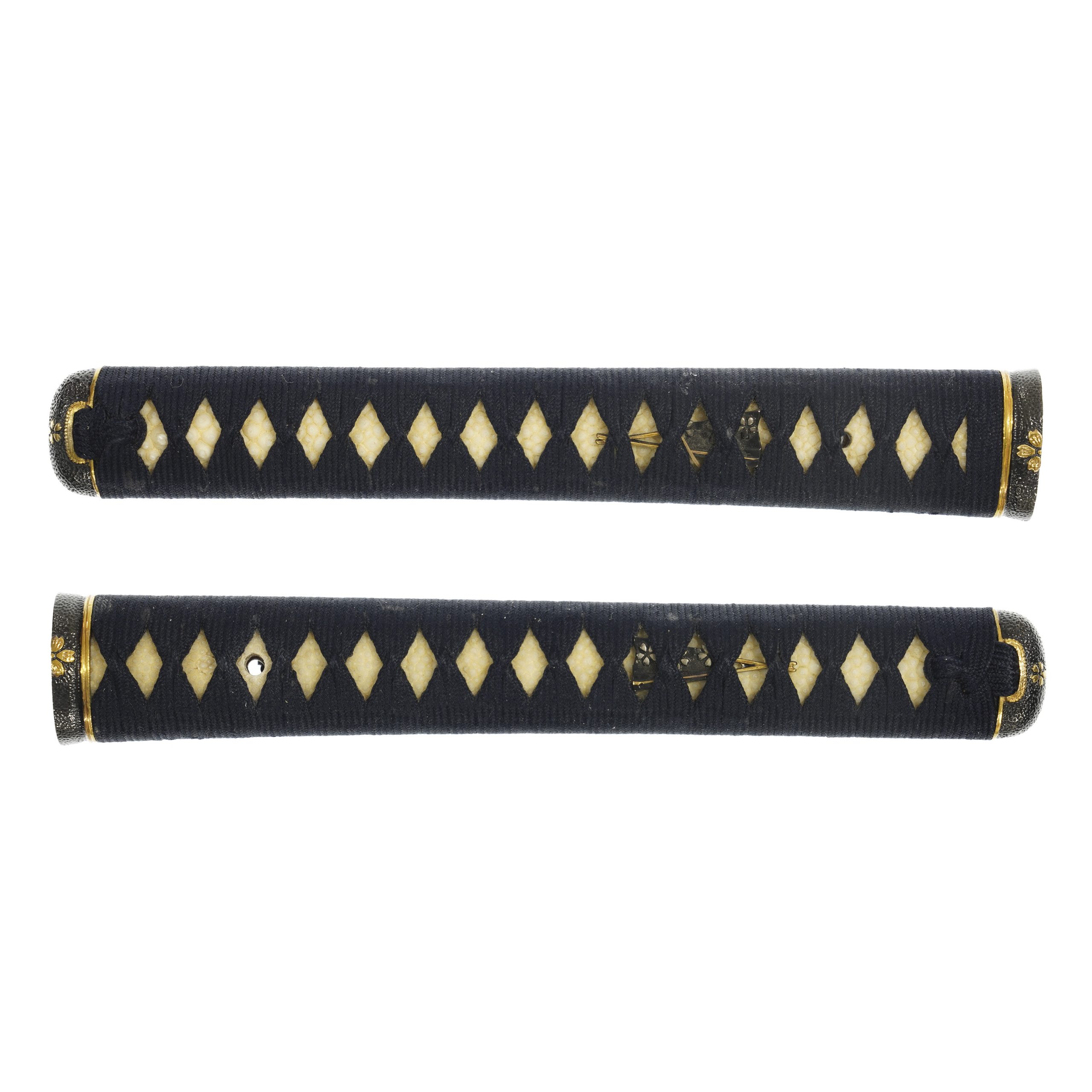
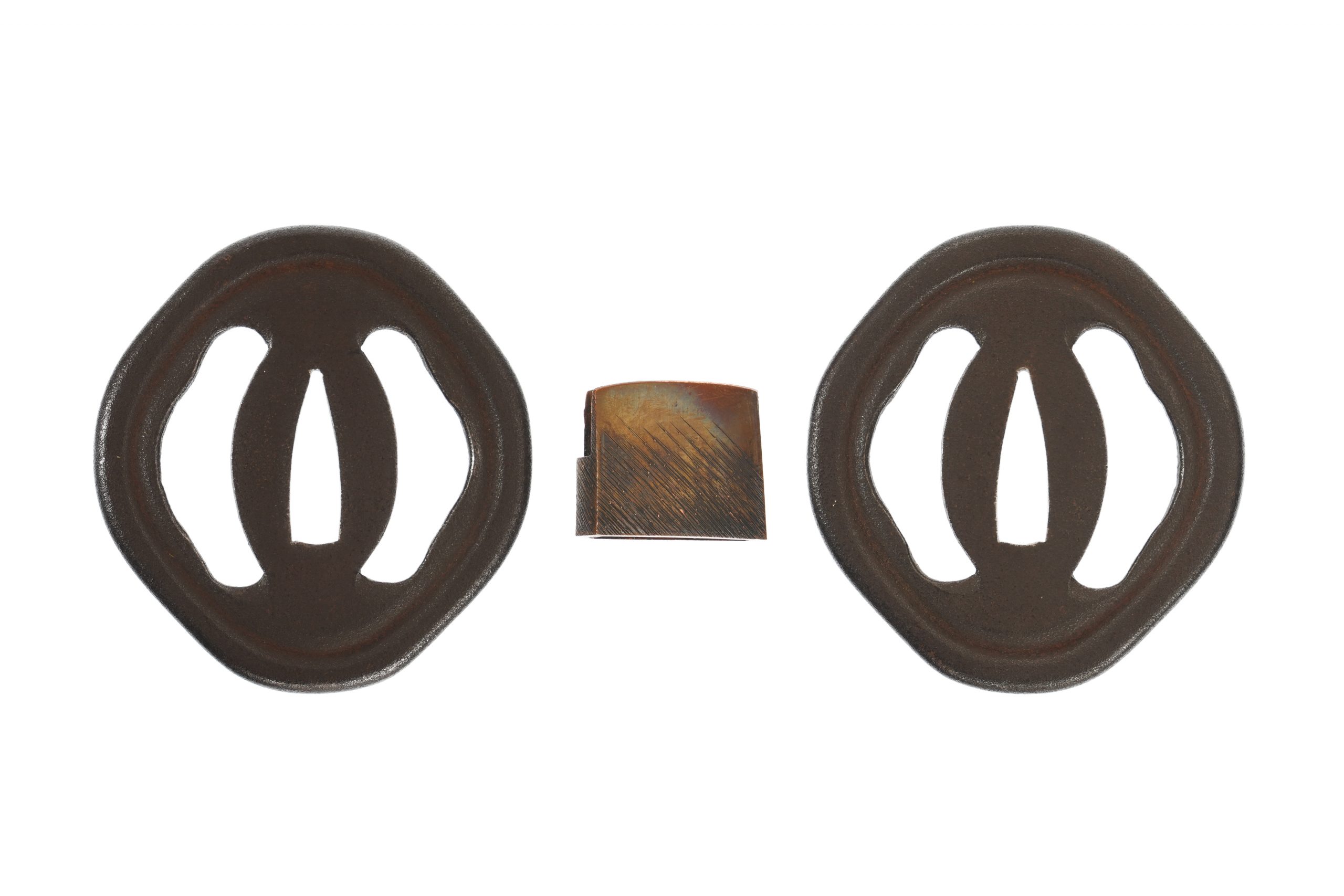
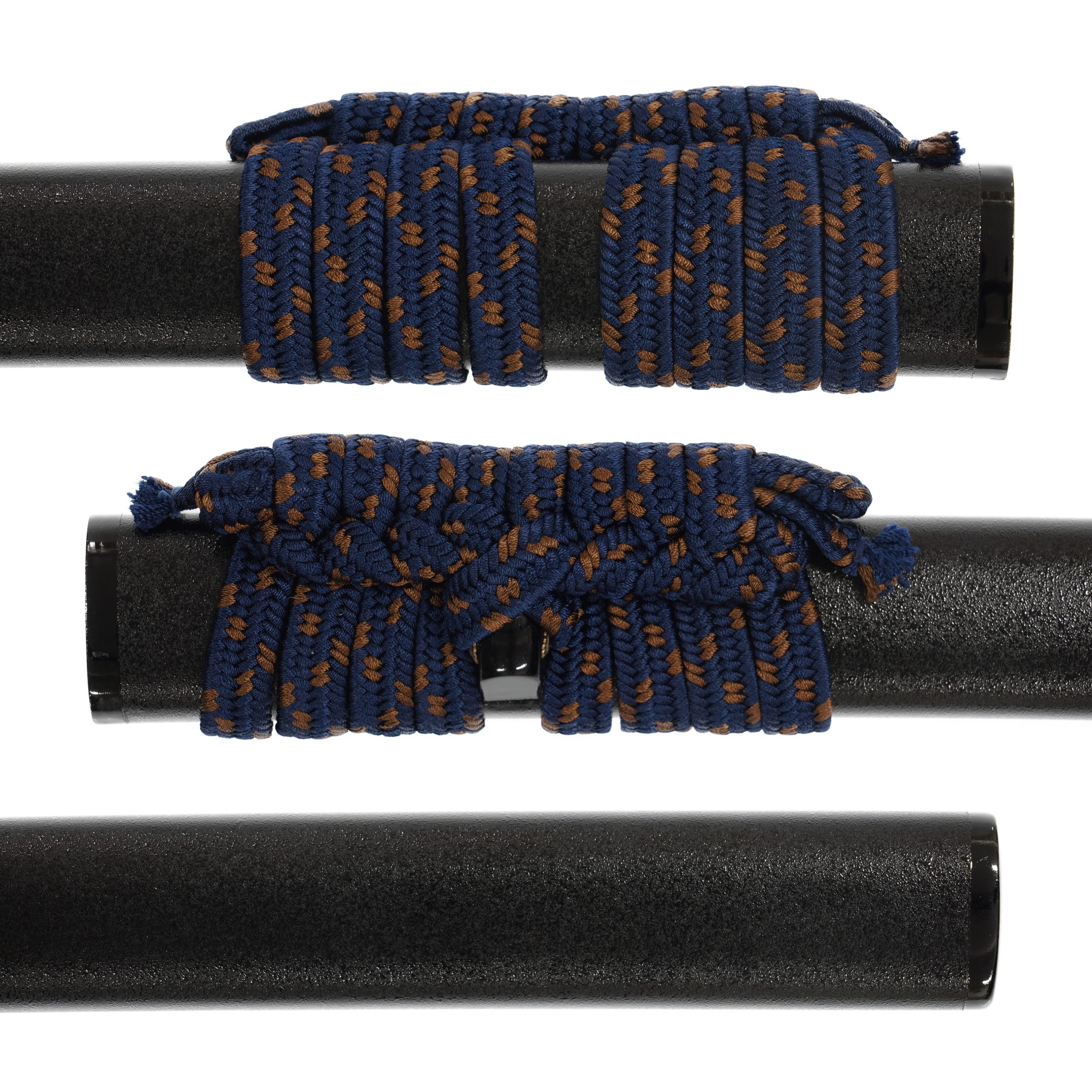
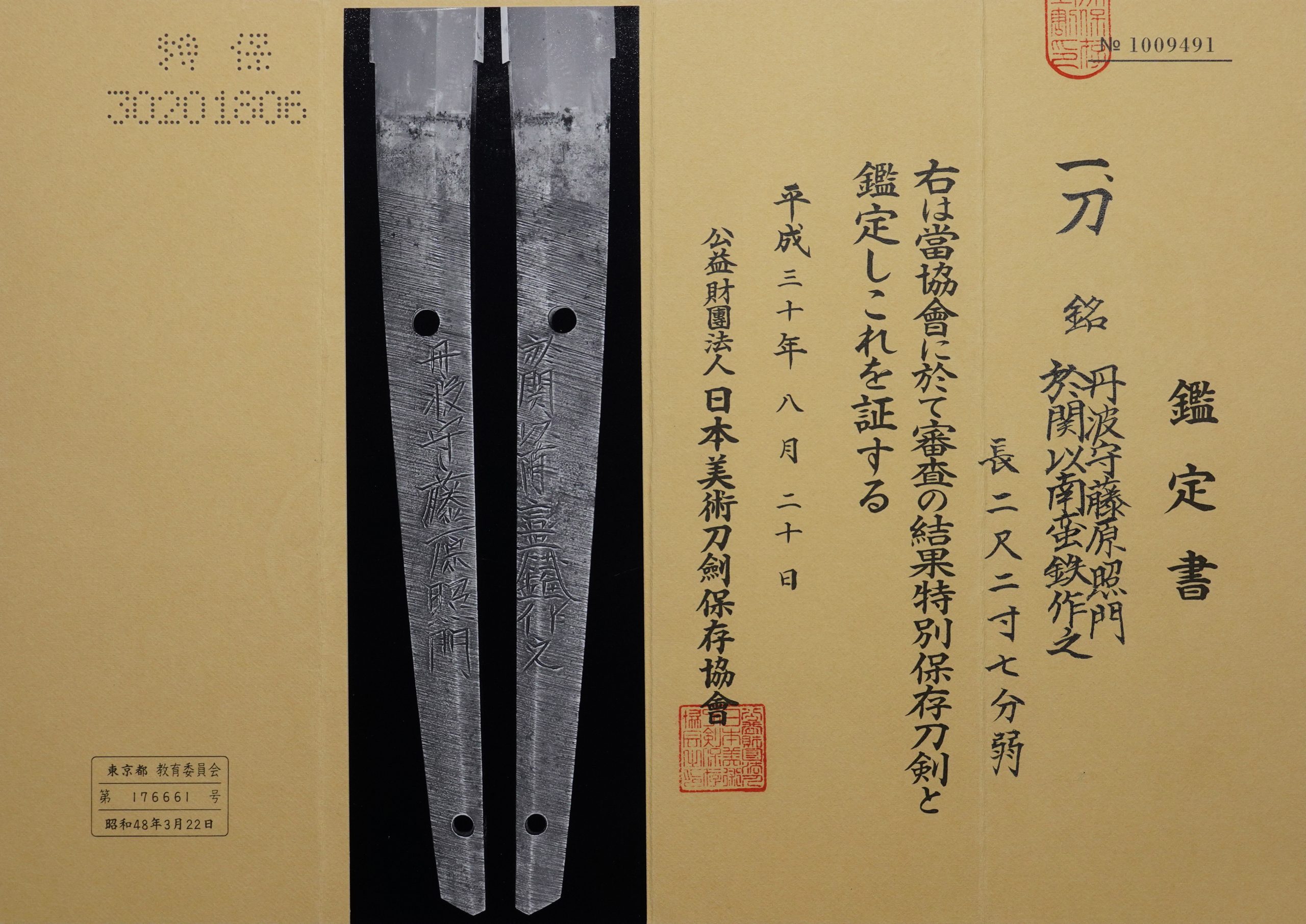
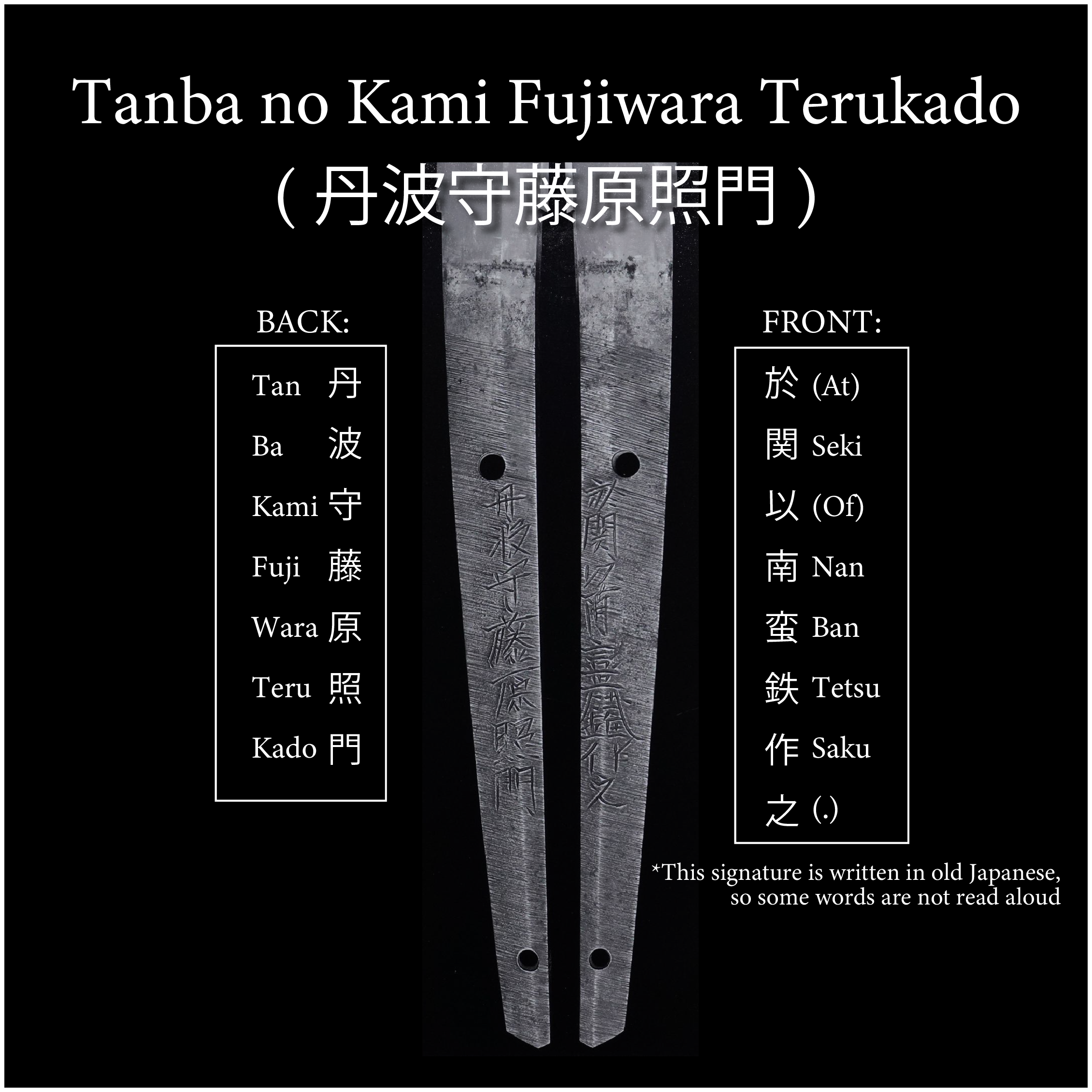
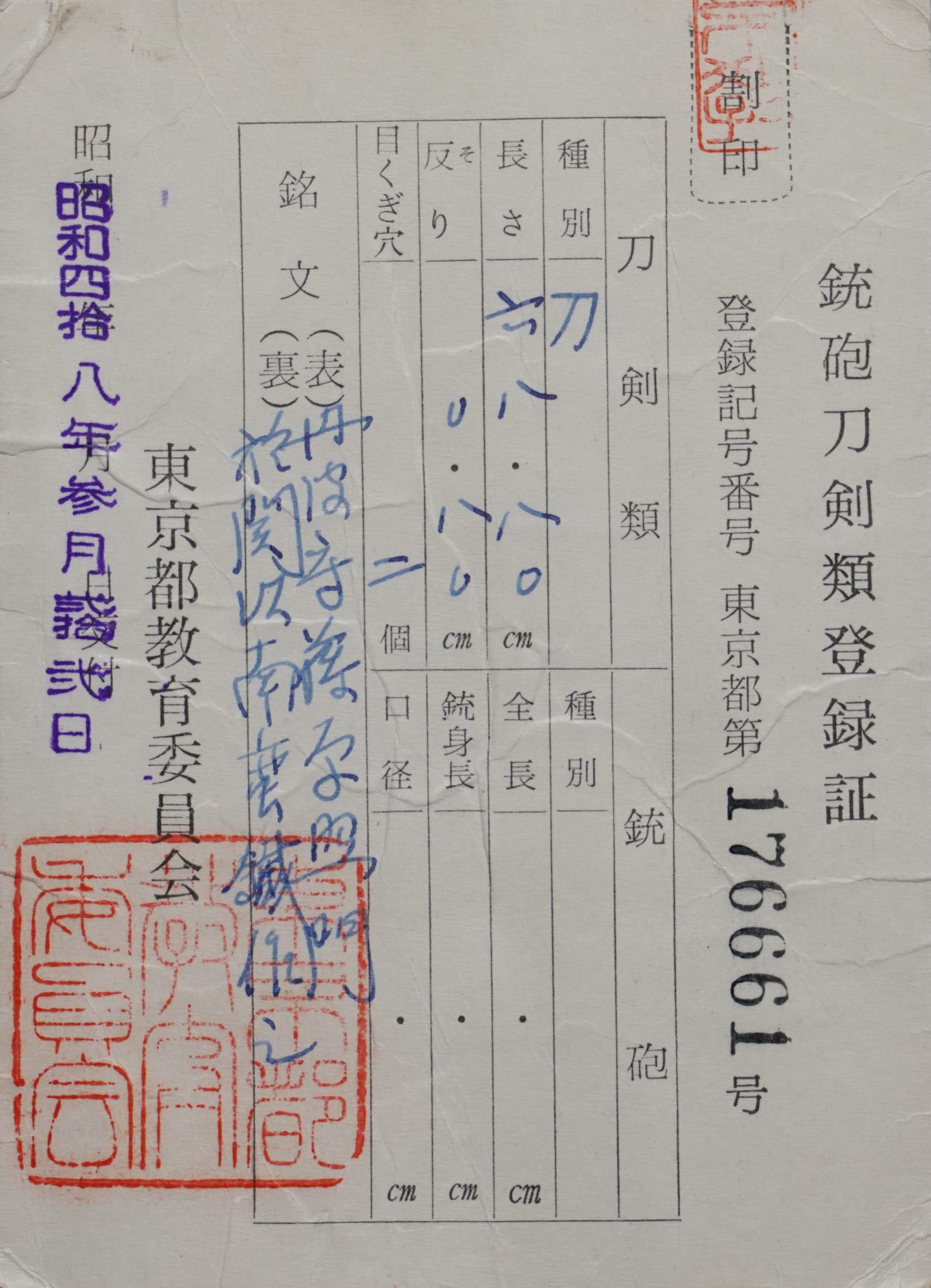
This blade was signed by Tanba no Kami Fujiwara Terukado(丹波守藤原照門). He was a famous swordsmith in the early Edo period(the 1650s). The signature also says 南蛮鉄作 (Made of western carbon steel). During the early Edo period, it was popular among some swordsmiths to use western carbon steel which was newly acquired from a foreign country. Terukado belonged to Yoshisada School, one of the seven prestigious schools in the Mino province. He first signed as Kanekado on his works. When the master of his school, Ujifusa, moved to Nagoya city, he took over the position, and he became the head of all the schools in the Seki city, located in Mino province. He received the honorable title of Tanba no Kami in 1659 and changed his name from Kanekado to Terukado. His work was so popular among high-class Samurai that he sometimes forged swords in Edo city(today’ Tokyo) or Ise city (Mie prefecture). Isami Kondo, a famous Samurai, who played an important role in Shinsengumi at the end of the Edo period, also owned a Katana forged by Terukado. The MINO swordsmiths style, also known as MINO-DEN, basically has the TOGARI(Pointed shapes protruding from the Hamon )in a classic straight line and random temper line with some white Utsuri. MINO-DEN had its origin from YAMATO-DEN in the late KAMAKURA period(1280-1330). It flourished in the MUROMACHI period(1333-1573) and continued until the EDO period(1603-1868). MINO-DEN especially prospered during Sengoku Jidai(Warring State period) due to the high demand for weapons. And the location of Mino province beat others. Akechi Mitsuhide controlled Mino province, and Nobunaga Oda ruled Owari province. Tokugawa Ieyasu was the lord of Suruga (Neighboring areas). There was high demand from those powerful feudal lords and their retainers. Furthermore, so many wars occurred between the Kanto region and the Kyoto area. Mino is located in the middle, making feudal lords feel convenient to order swords from MINO-DEN. The blades forged in MINO provinces also had the reputation of its practical design and sharpness. Many feudal lords demanded swords forged in the Mino province. The tradition of excellent sword forging skills had been passed to the Edo period, and Terukado is a good example. This blade is appraised as a Tokubetsu Hozon Token(特別保存刀剣) issued by NBTHK(Nihon Bijutsu Touken Hozon Kyokai:日本美術刀剣保存協会). Fuchi-Kashira This Fuchi Kashira remains its material’s glossy color. And the Sakura (桜, cherry blossom) pattern decorates it. Golden metal is applied to these flowers and makes the color contrast between black and gold. Cherry blossom is one of the seasonal things of spring, and it has been loved for a long time in Japan. Its pattern is designed not only for sword mountings but also for Kimono (着物, traditional Japanese costume) or furnishings. One theory says that the god of grain exists in cherry blossoms. Therefore, this flower pattern has been treated as the symbol of a plentiful harvest. People held a traditional custom under cherry blossom trees to pray for a bumper year in ancient times. It is said this is the origin of the cherry blossom viewing picnic today. This story tells us how this motif is familiar with Japanese people, no need to speak also Samurais. Tsuka and Menuki The half-opened fan is the motif of this Menuki. Same as Fuchi Kashira, it is also decorated with a cherry blossom pattern. The fan motif has been favored as an auspicious pattern representing development and prosperity. A fan has a characteristic shape, and it is called Suehirogari (末広がり) in Japanese. Based on the idea that this shape implies a perspective of the future, people appreciate this design. The fan pattern also represents wealth because it was once available only for high-ranked people. As mentioned above, Japanese people love the cherry blossom viewing picnic. If you take a closer look at this fan, it looks as if the petals of the cherry blossoms have fallen into the fan. Let us assume that the cherry blossoms of Fuchi Kashira represent the flowers that are blooming now, and these petals are fluttering on the fan (which is Menuki’s motif). Now you would feel as if you are currently enjoying cherry blossom viewing. We hope this tasteful design combination would charm you. Tsuba and Habaki Otafuku-shaped-Tsuba made from iron. Otafuku (お多福)-shaped face was once one of the beauty conditions of women. It is a face with chubby cheeks. Its gradual curve gives us a soft impression. In addition, since this work is finished with a plain design, no matter the motifs of other sword mountings, this Tsuba’s design would resonate much with them and direct the clean-cut design of the entire Koshirae. You would also enjoy the texture of this Tsuba’s material by touching it. Authentication Paper They authenticated the blade on Aug 20th in the 30th year of Heisei (2018). They appraised it as a Tokubetsu Hozon Touken, the blade especially worth preserving for Japanese society. Registration Number The Board of Education in Tokyo prefecture issued a registration paper for this sword .It is called Jyu Token Rui Torokusho(銃刀剣類登録証).
Terukado照門
Offered by Samurai Museum
This piece has sold
Get an email when a new Terukado piece hits the market.

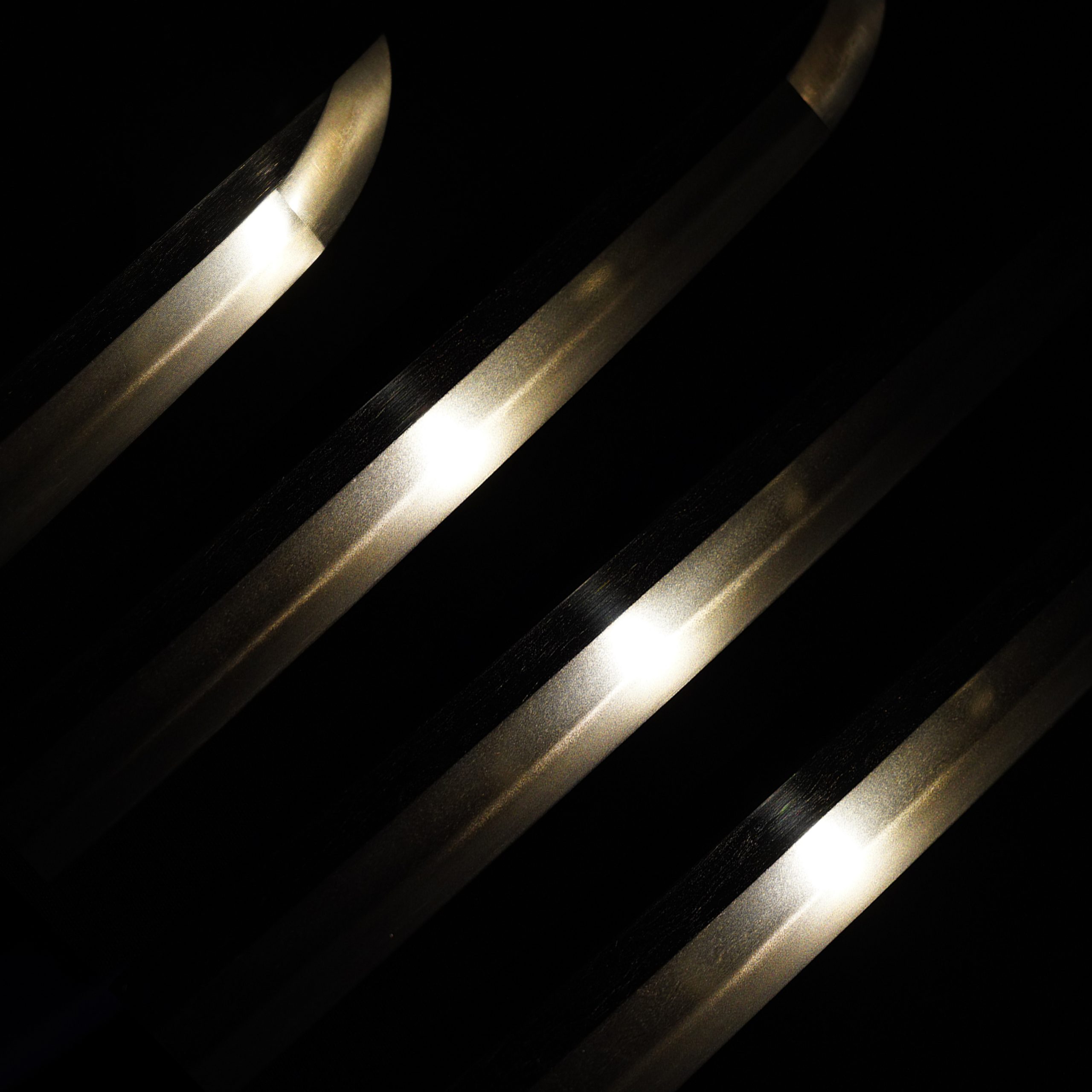
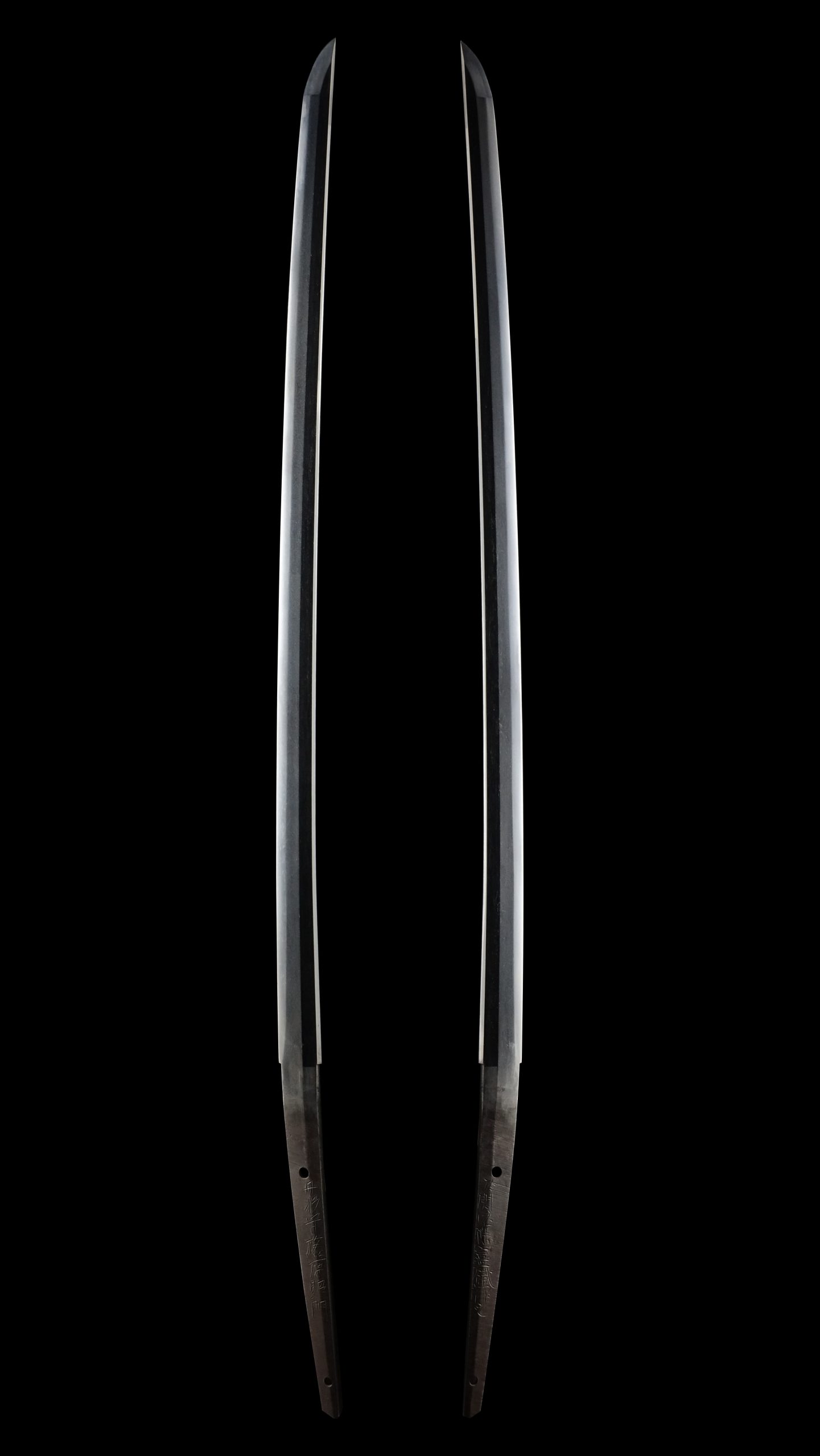
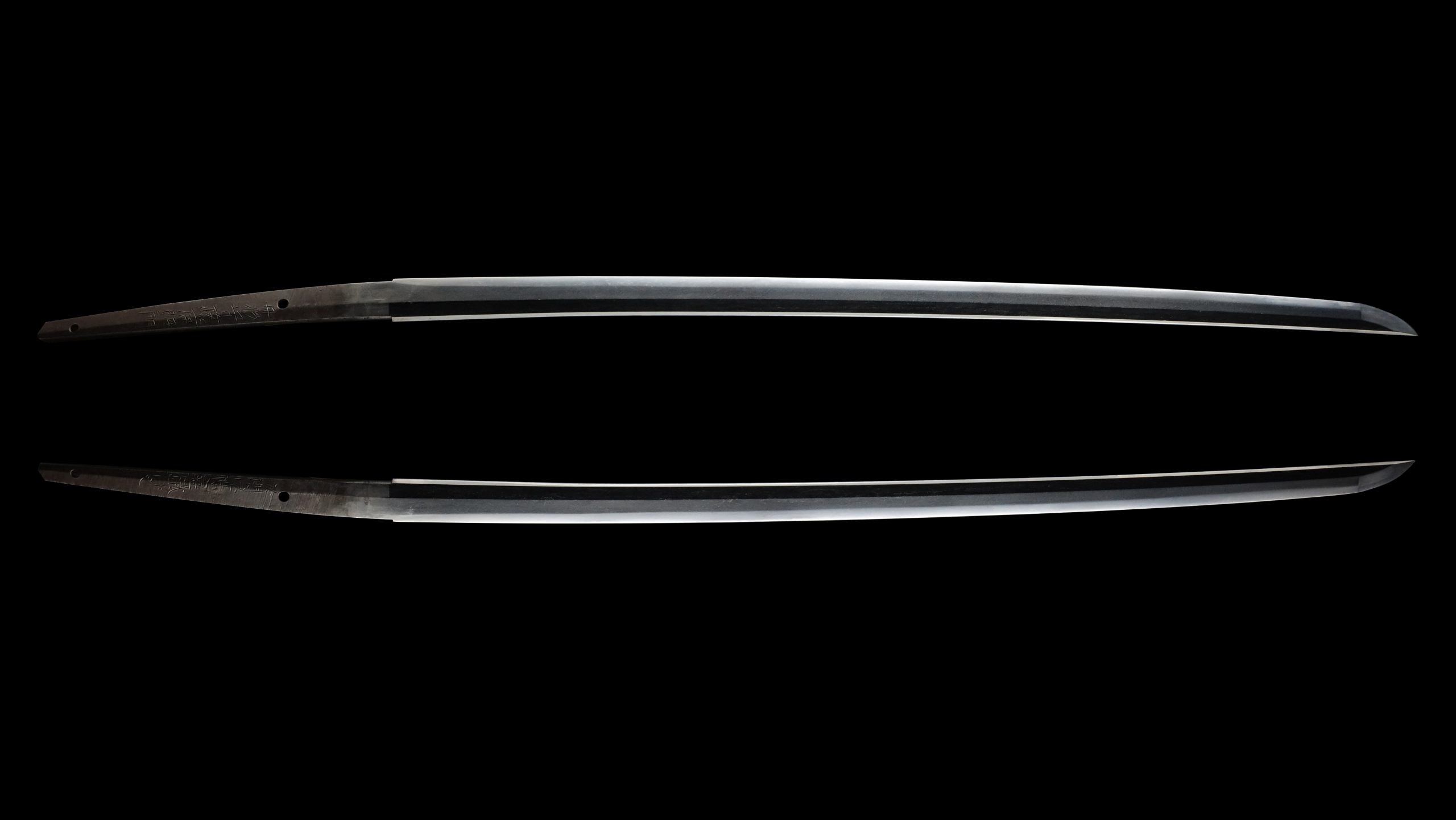
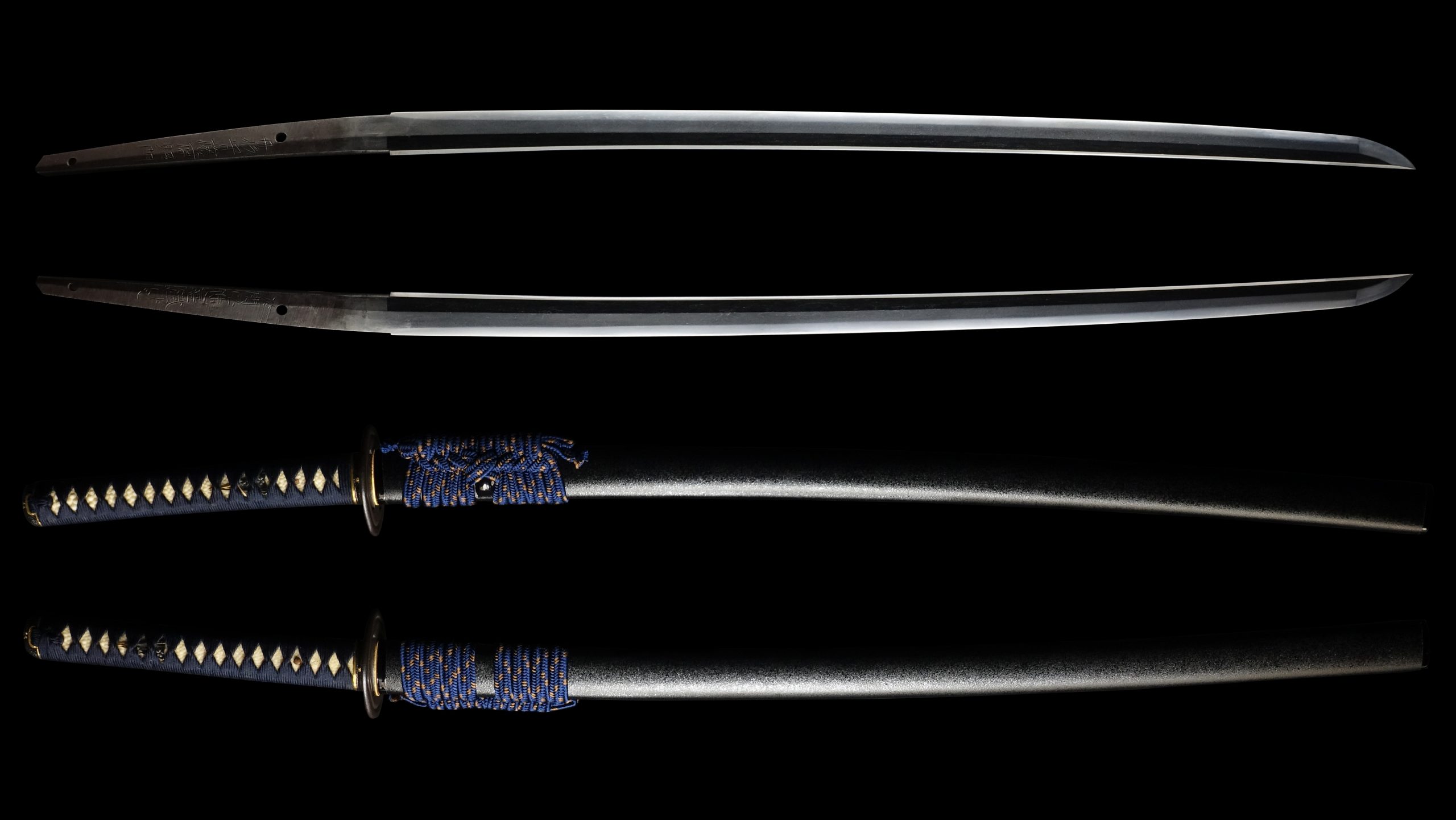
Mino · around 1658-1661
Fujishiro Jo saku · Tōken Taikan top 63%
1 piece on the market now
The Edo period (1615 to 1868)
Edo was the sword’s age of connoisseurship: the Hon’ami appraisers, the shogunal register of famous blades of 1719, and a thriving literature turned the sword into an object of study even as it ceased to be drawn in war.
A Hozon-certified blade judged to show notably superior workmanship and a better state of preservation. The bar is higher: re-tempered blades and most unsigned Muromachi/Edo works are excluded.
The NBTHK (Nihon Bijutsu Tōken Hozon Kyōkai, the Society for the Preservation of Japanese Art Swords) is a public-interest incorporated foundation founded in 1948 and supervised by Japan’s Agency for Cultural Affairs (Bunkachō); it is based at the Japanese Sword Museum in Tokyo. Its expert panels physically examine each submitted work (shinsa) and issue a certificate (kanteishō) ranking it by artistic and historical merit. NBTHK papers are the most widely recognized standard of authentication for Japanese swords and fittings.
NBTHK official siteReturns/exchanges limited to defects caused by shipping (except willful misconduct or gross negligence by the company); customers must contact within 72 hours of receiving the product.